Slideshow · Viral
America's 30 Most Hated Foods Ranked
From controversial pizza toppings to pungent organ meats, discover the culinary items that divide dinner tables across the country.
By Most Viral Today
5 Nov 2026

America's 30 Most Hated Foods Ranked 
30. Beef Liver 
29. Pungent Durian 
28. Blood Black Pudding - AdvertisementSwipe or tap ▶ to continue countdown

27. Stewed Tripe 
26. Cooked Escargot 
25. Yeast Marmite 
24. Cured Anchovies - AdvertisementSwipe or tap ▶ to continue countdown

23. Canned Sardines 
22. Raw Oysters 
21. Traditional Fruitcake 
20. Black Licorice - AdvertisementSwipe or tap ▶ to continue countdown

19. Canned Spam 
18. Blue Cheese 
17. Candy Corn 
16. Canned Tuna - AdvertisementSwipe or tap ▶ to continue countdown

15. Bologna Sausage 
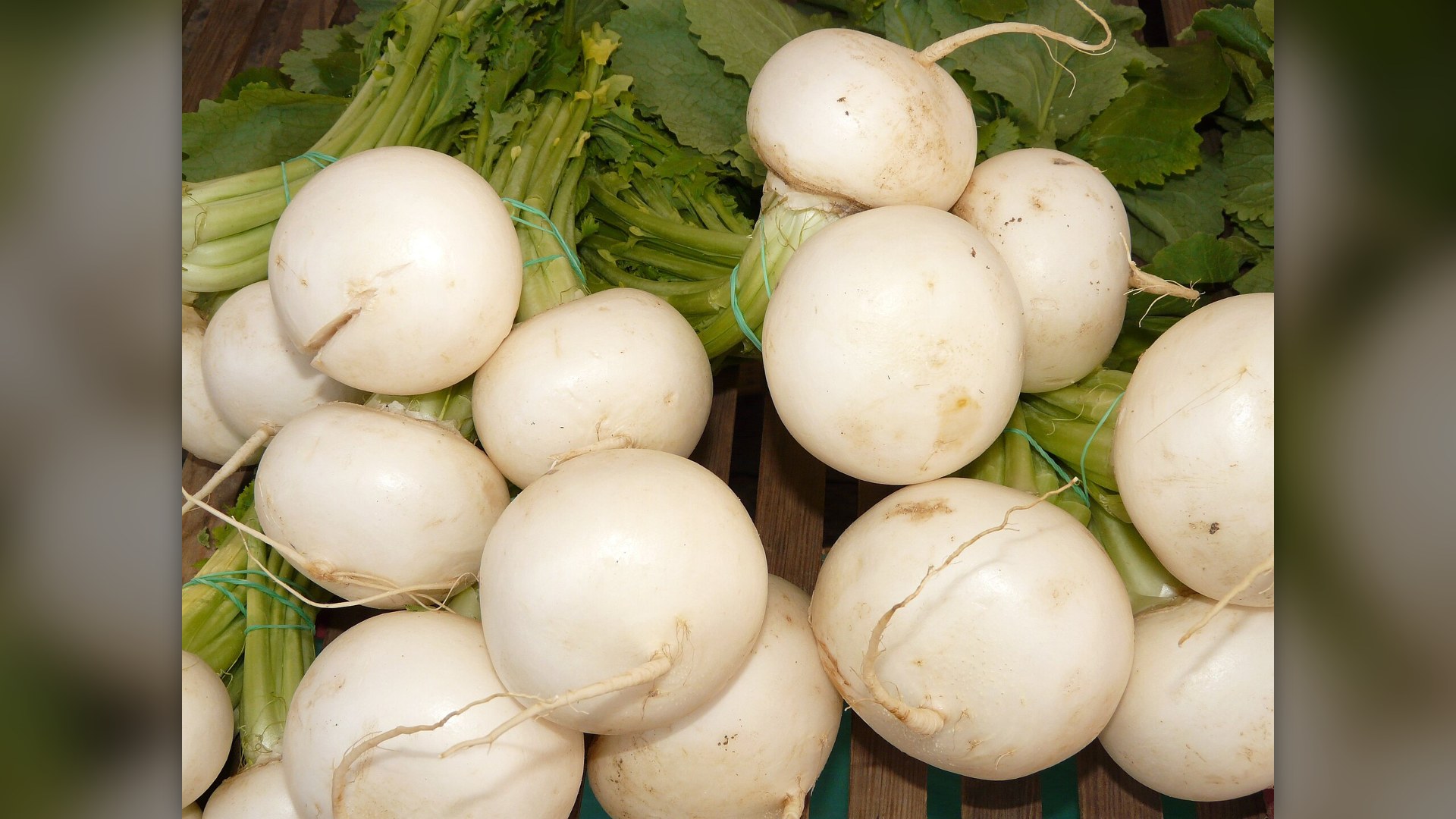
14. Purple Turnips 
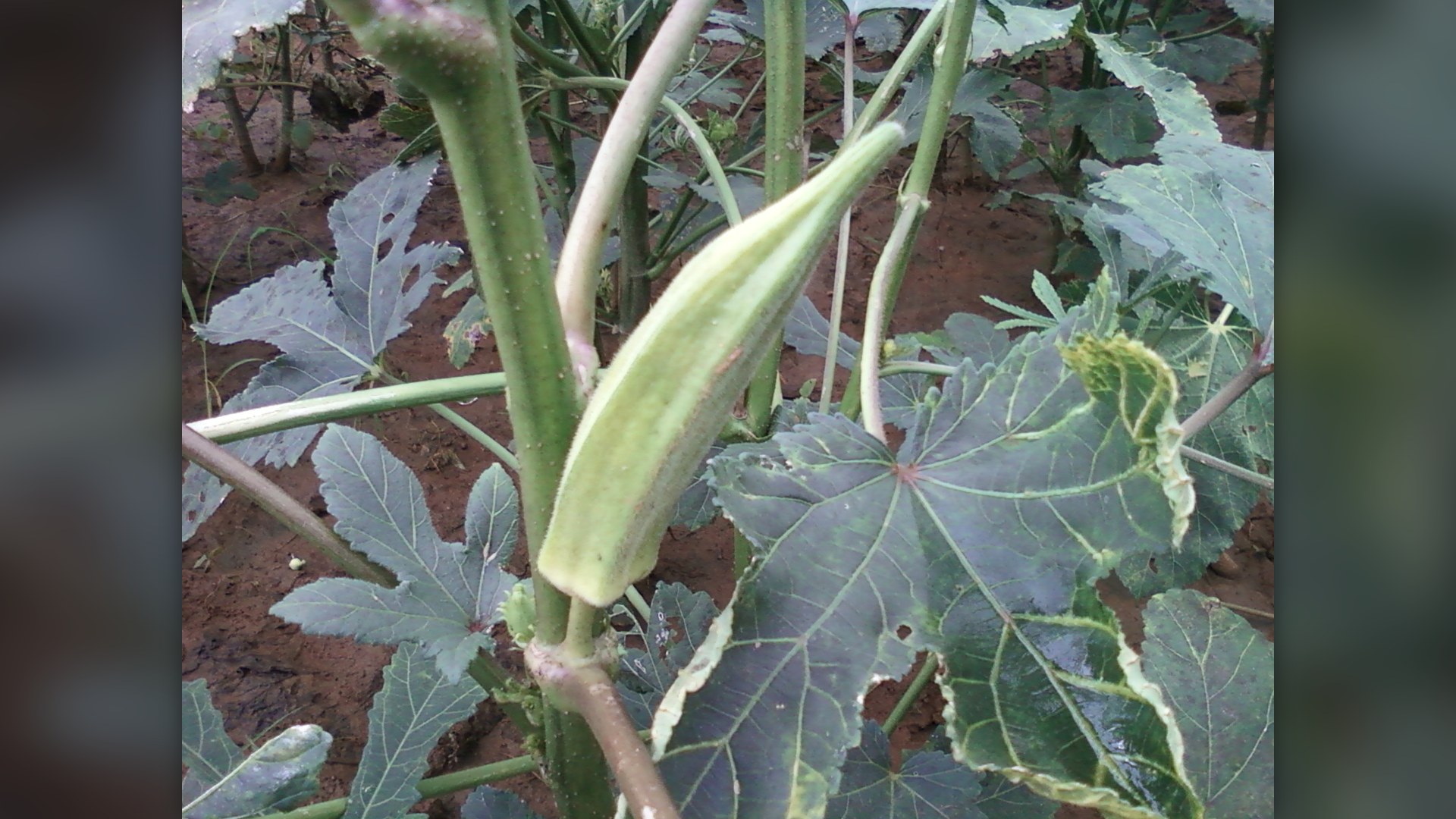
13. Fresh Okra 
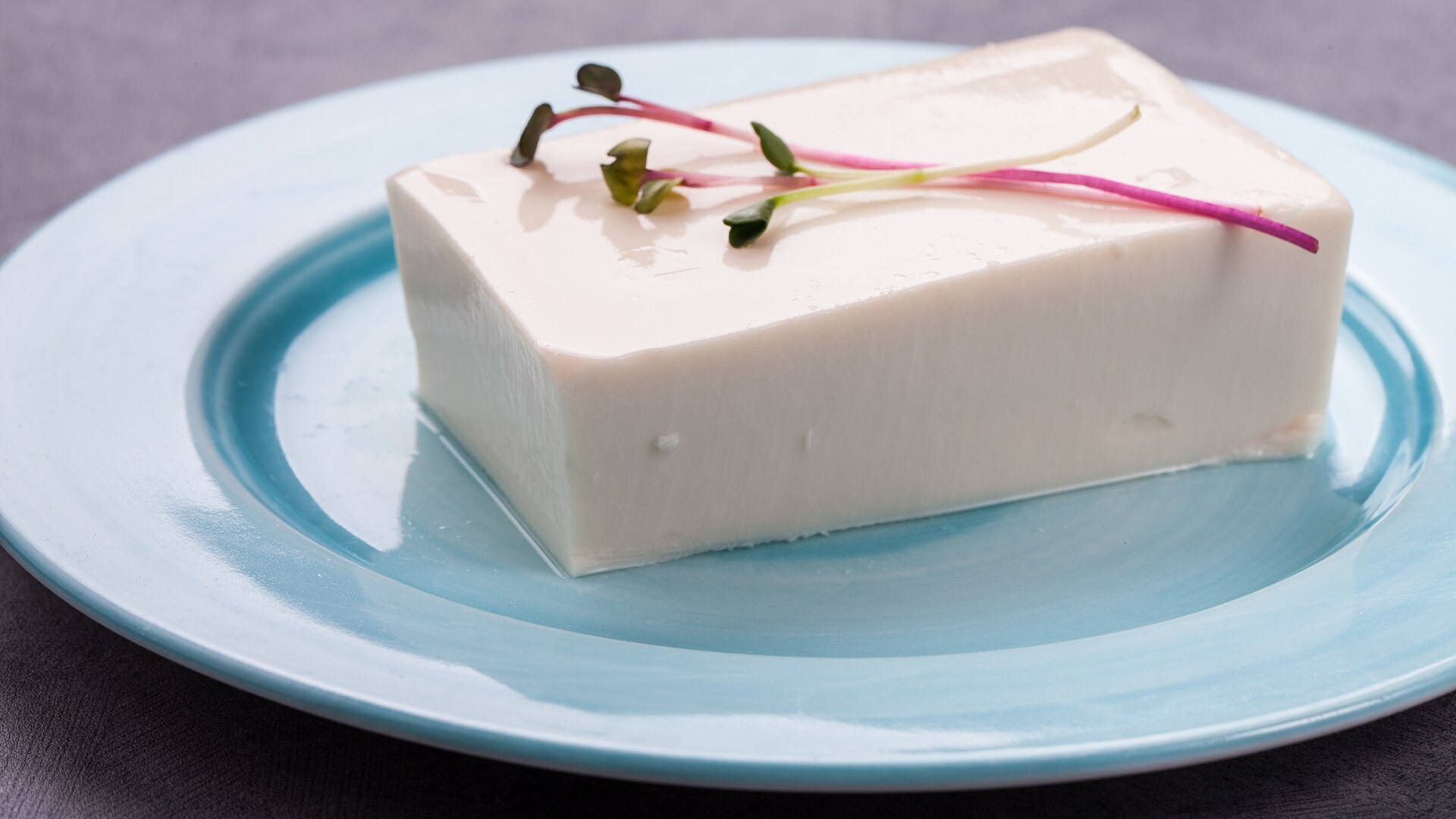
12. Plain Tofu - AdvertisementSwipe or tap ▶ to continue countdown

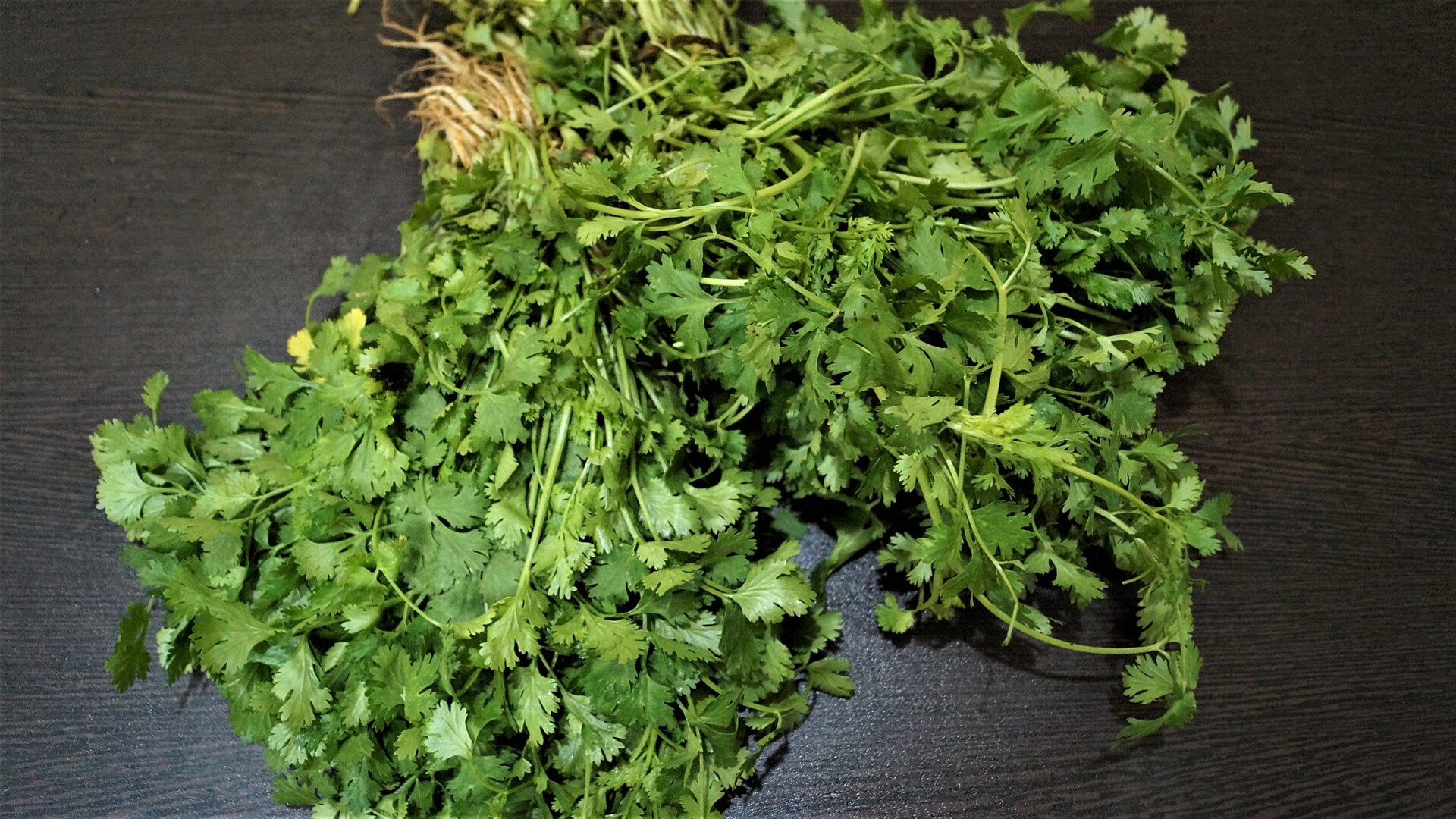
11. Fresh Cilantro 
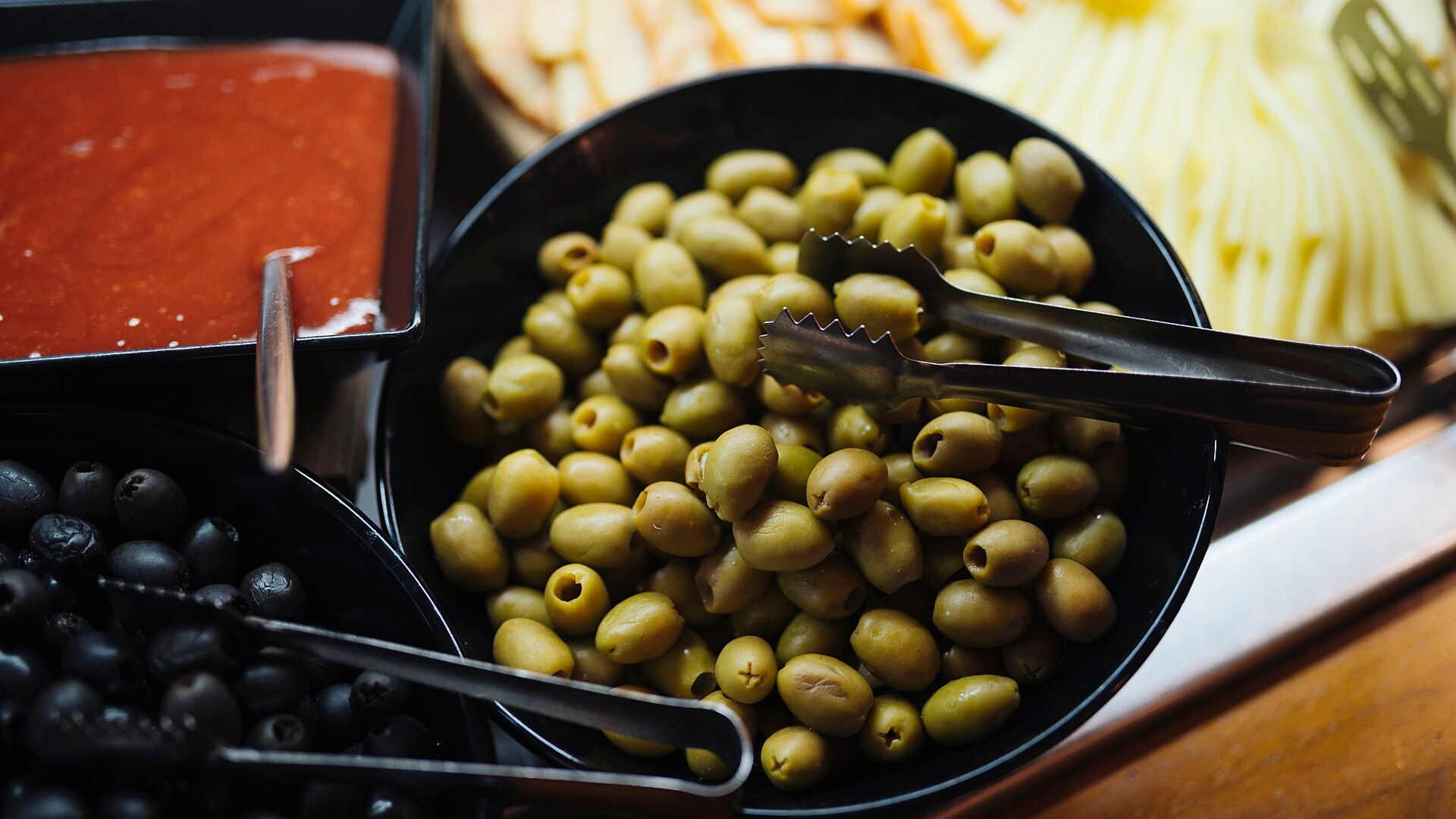
10. Mixed Olives 
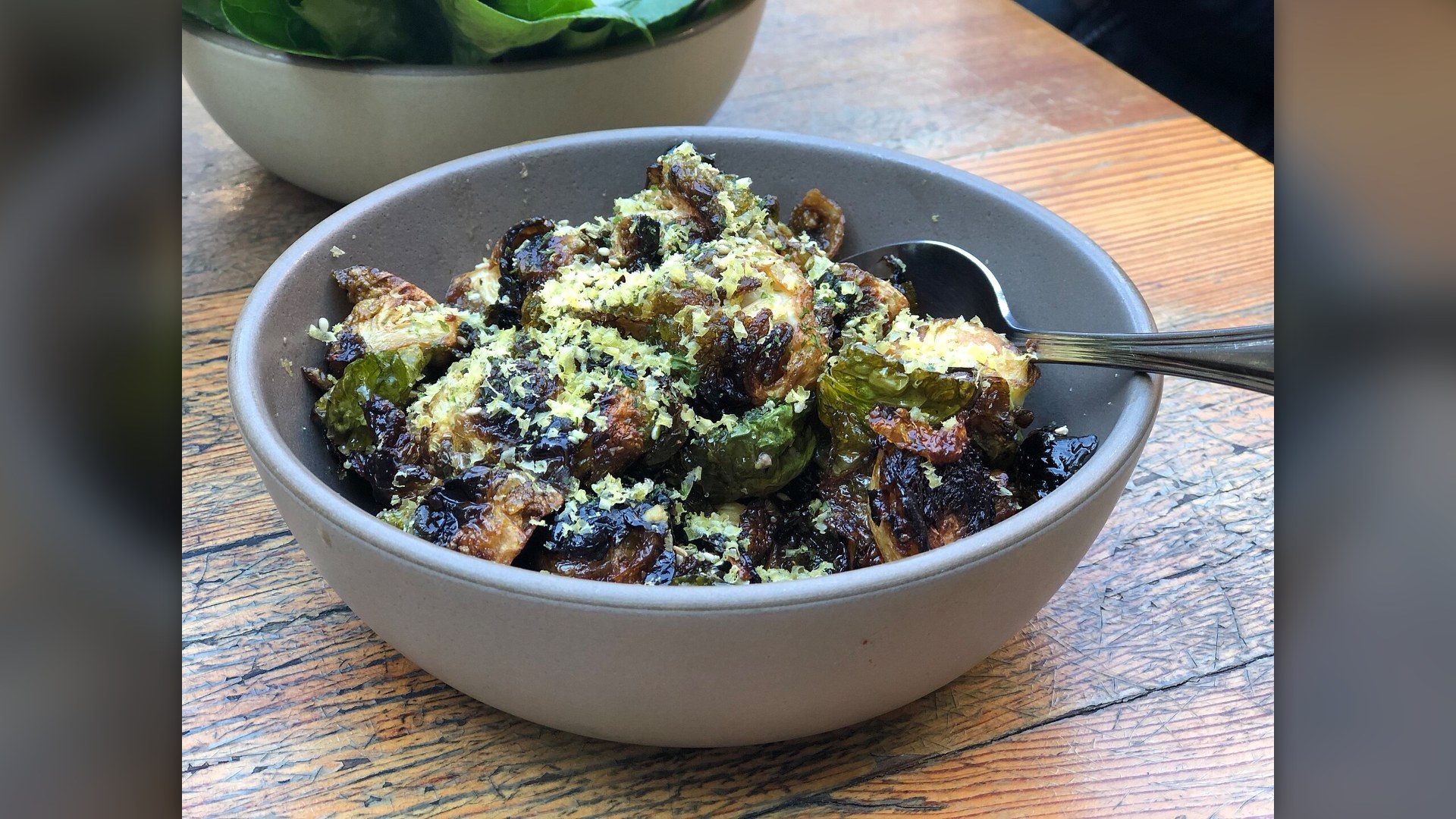
9. Brussels Sprouts 
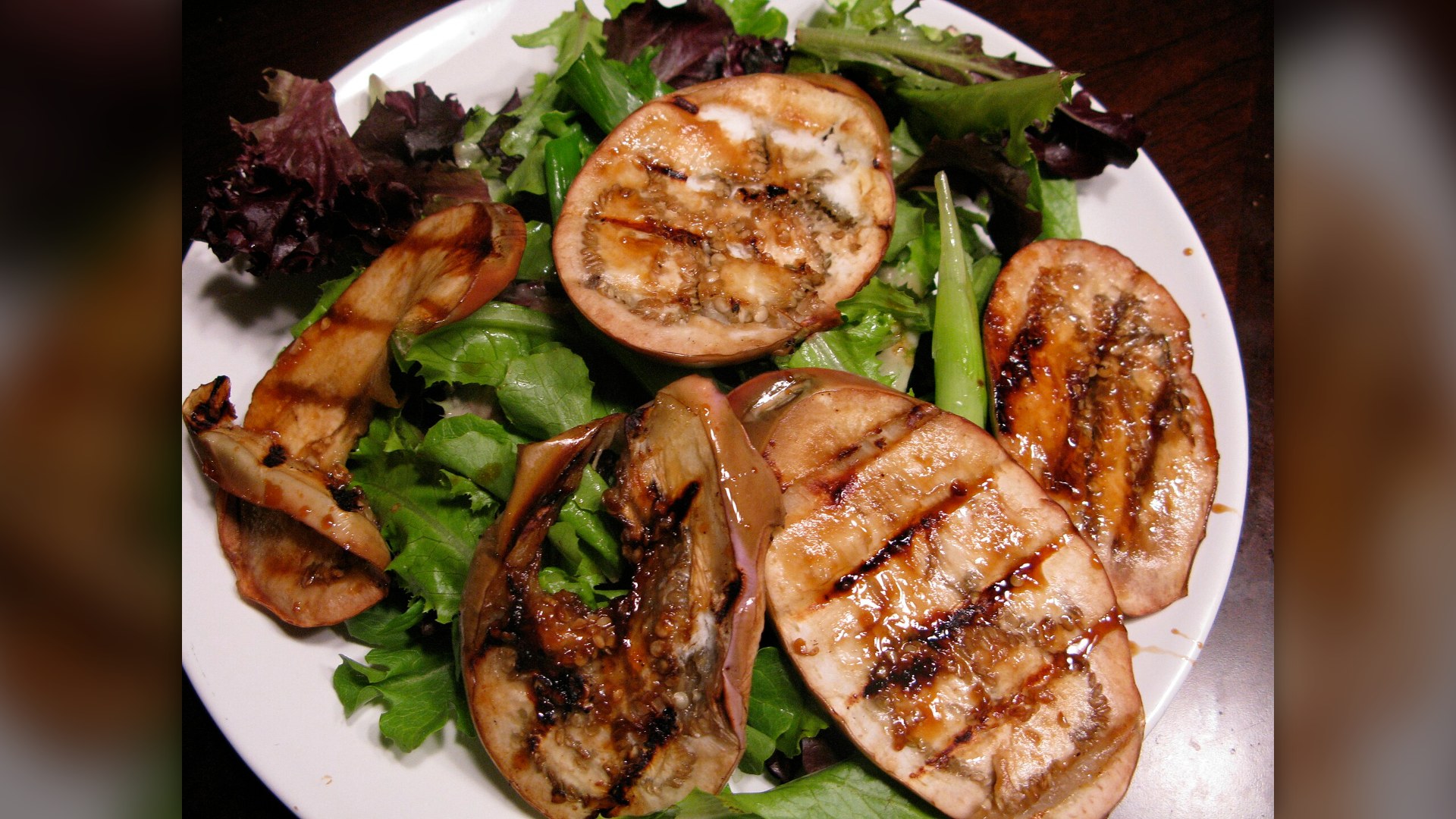
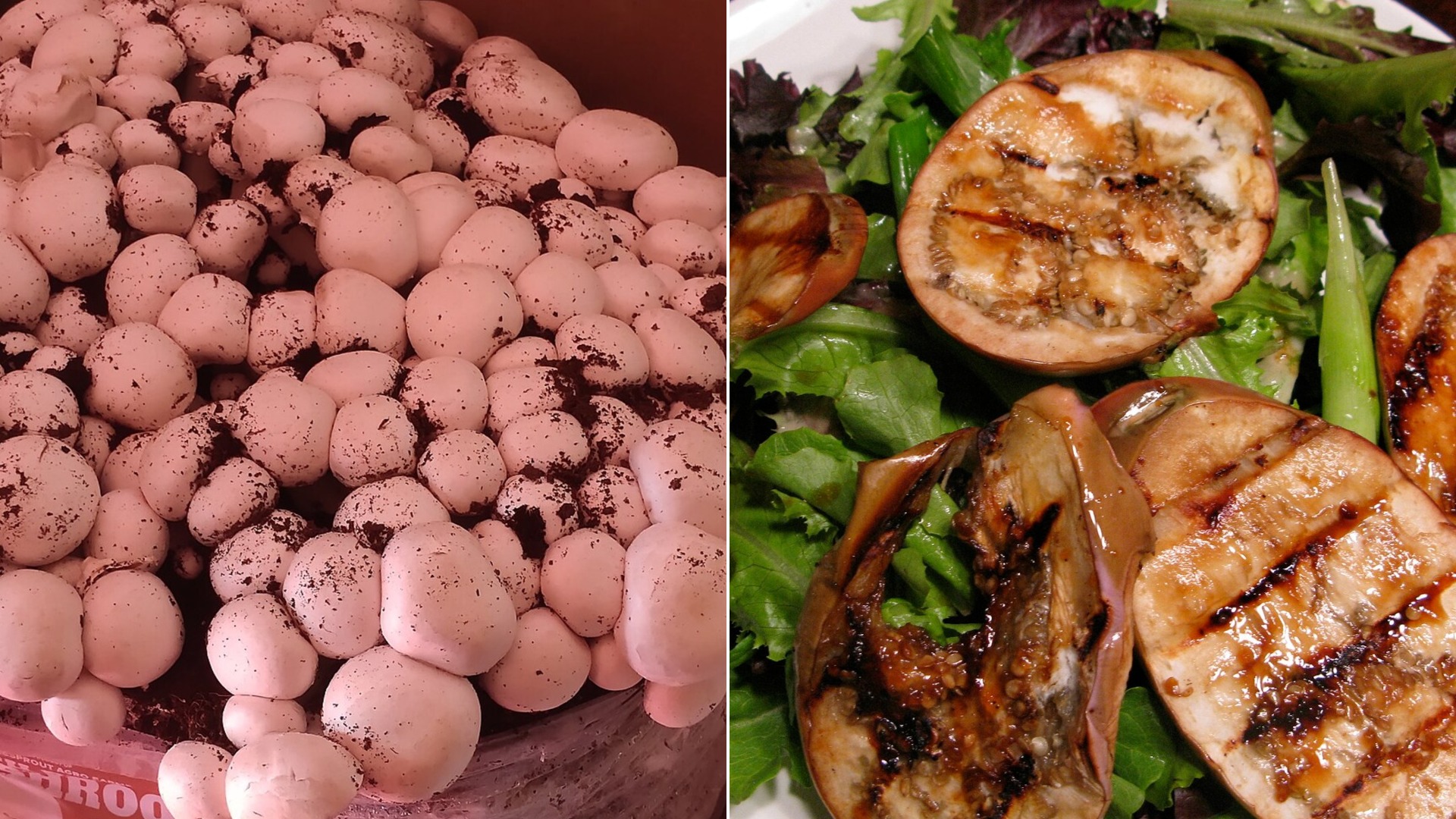
8. Grilled Eggplant - AdvertisementSwipe or tap ▶ to continue countdown

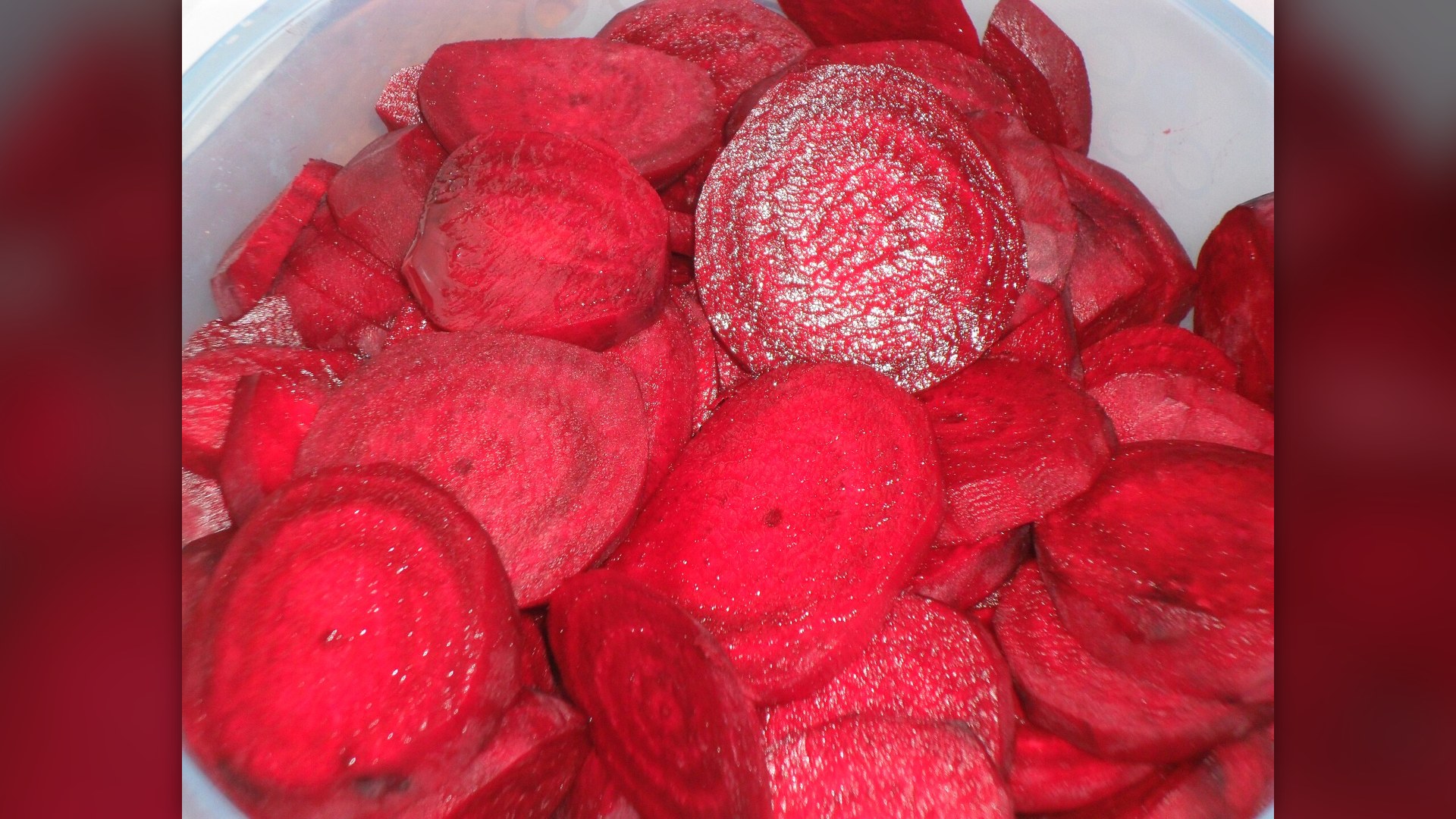
7. Sliced Beets 
6. Button Mushrooms 
5. Cottage Cheese 
4. Lima Beans - AdvertisementSwipe or tap ▶ to continue countdown

3. Mayonnaise 
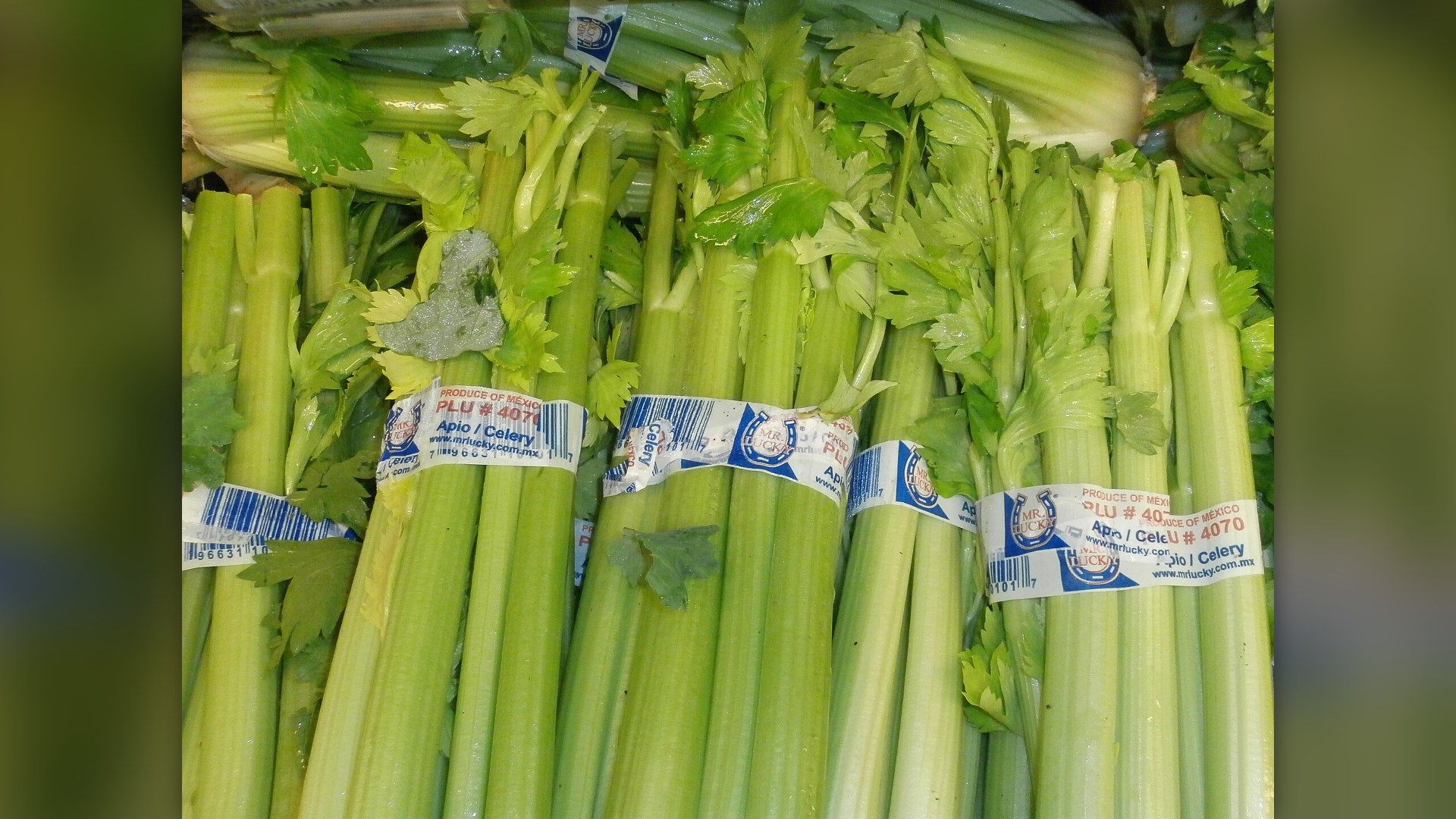
2. Celery 
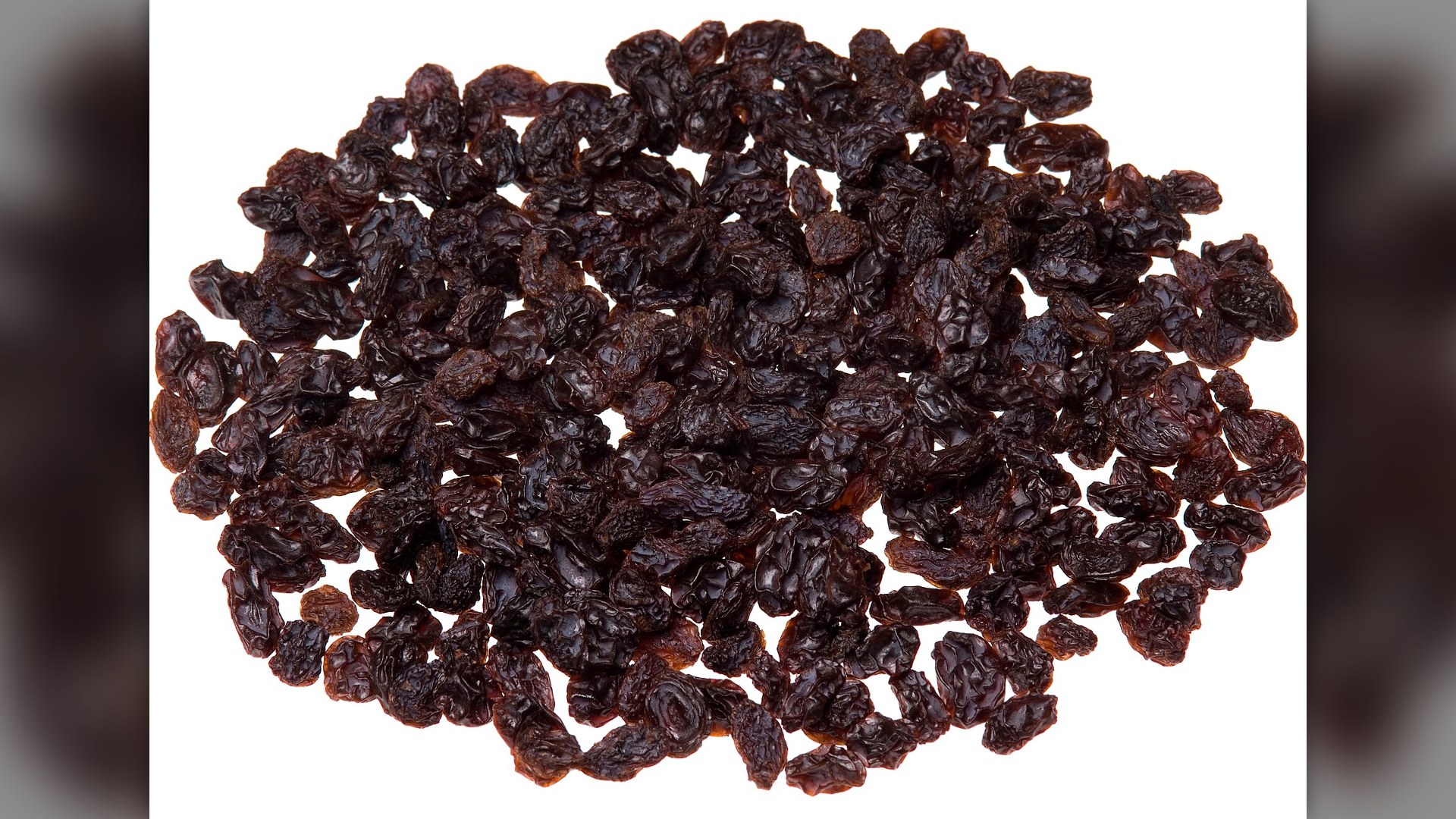
1. Raisins - Advertisement🔥 UP NEXT IN THIS SERIES◫ 21 Slides

20 Famous Cars With Pop-Up Headlights That Shaped Car Design
From hand-cranked 1930s teardrops to wedge supercars of the 1980s, hidden headlights let stylists chase sleek aerodynamics until 2004 pedestrian rules closed the curtain. Here are 20 standout production cars that turned retractable lamps into an enduring automotive design feature across seven full decades.
Every dinner table has culinary battles. Consumer surveys across the country reveal the dishes that trigger instant grimaces, from mild dislikes to foods most Americans refuse to touch.
Swipe or tap ▶ to begin the countdown
©Wikimedia / Medhi jyoti & Wikimedia / Kari Sullivan
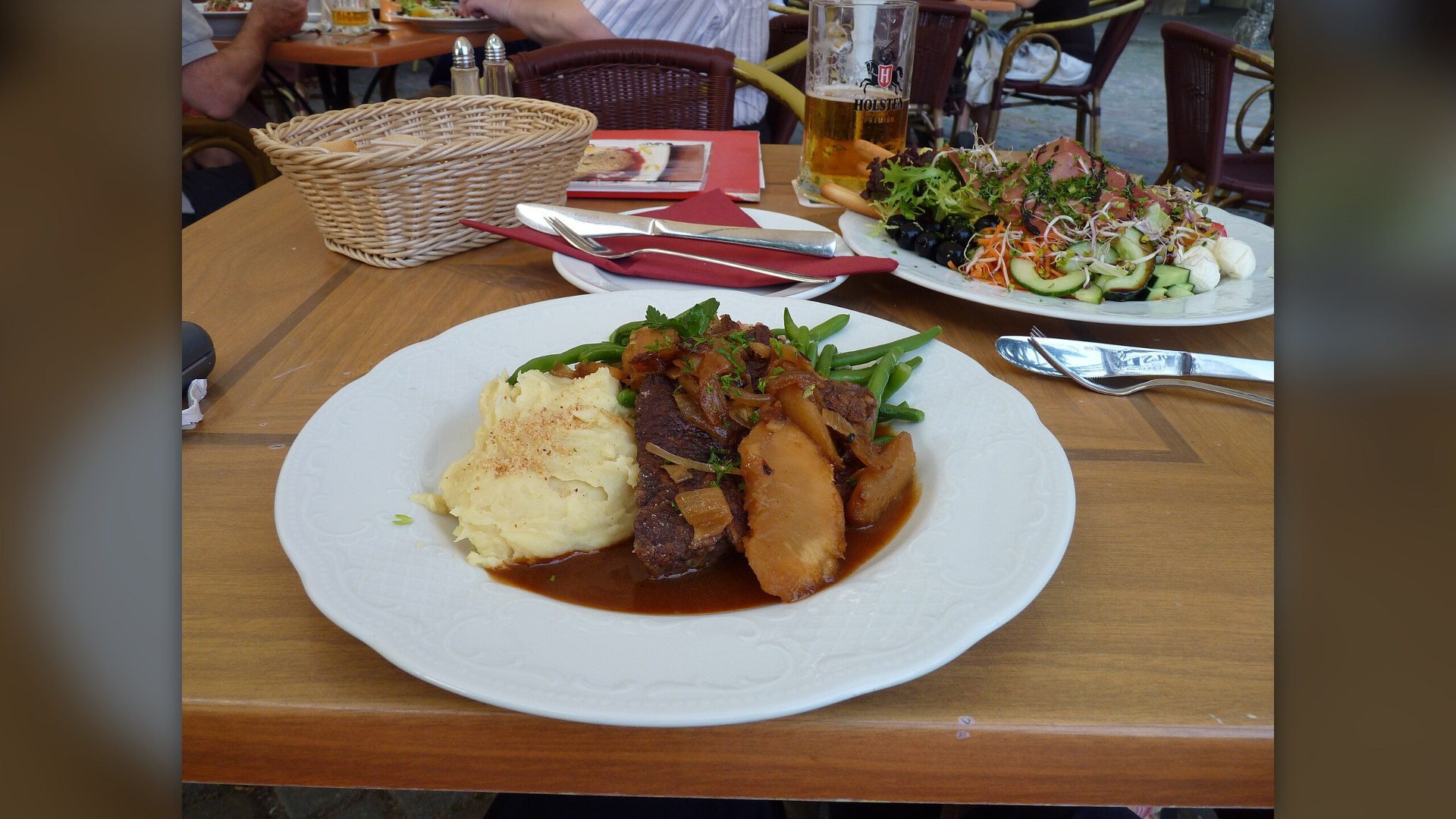
30. Beef Liver
Despite extraordinary nutrient density, beef liver triggers aversion due to its chalky texture, intense mineral flavor, and distinctive cooking aroma.
©Wikimedia / Much Ramblings
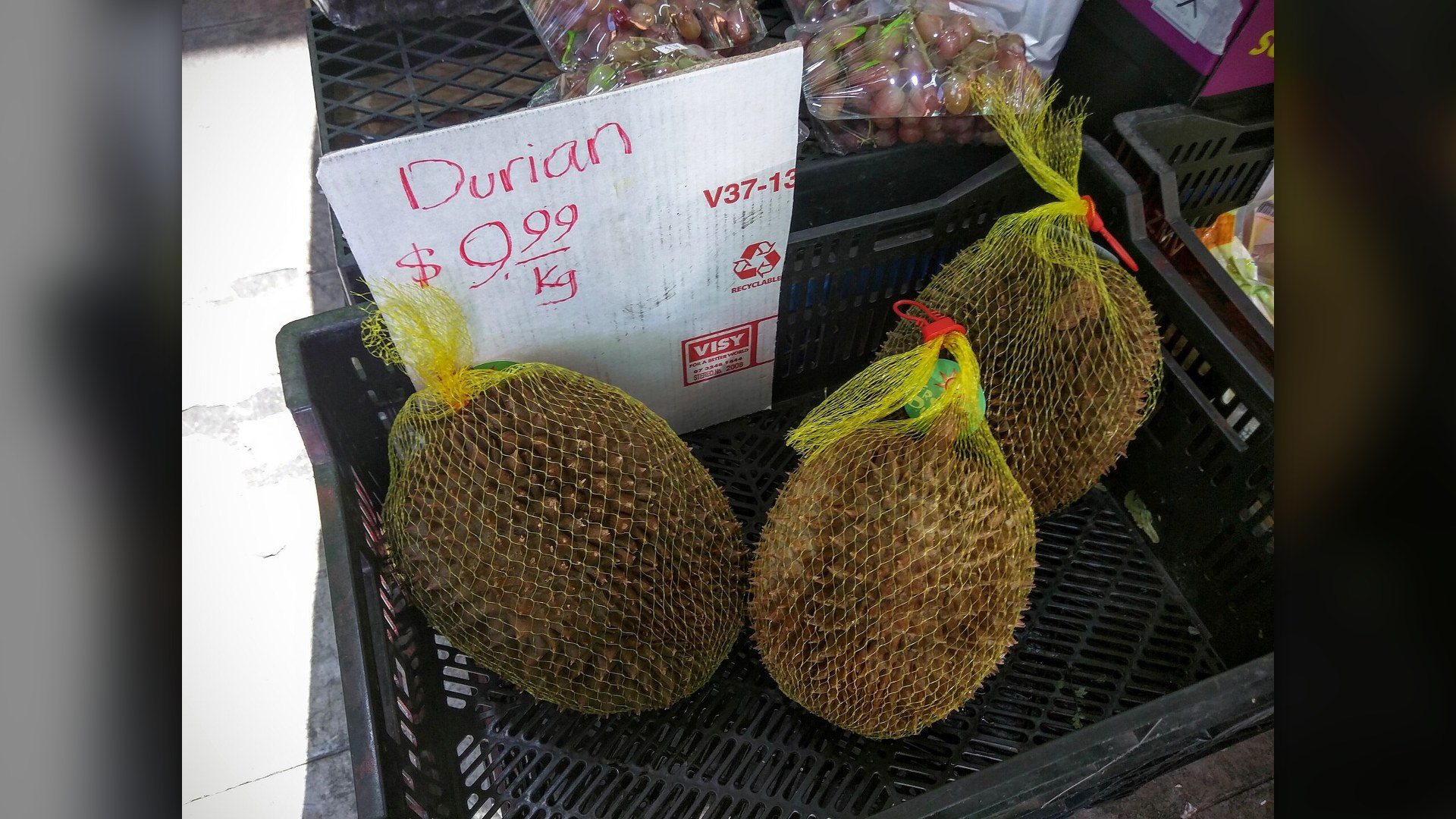
29. Pungent Durian
Native to Southeast Asia, durian contains volatile sulfur compounds that create an intense odor likened to raw sewage and gym socks, prompting flight and transit bans across Asia.
©Wikimedia / Maksym Kozlenko
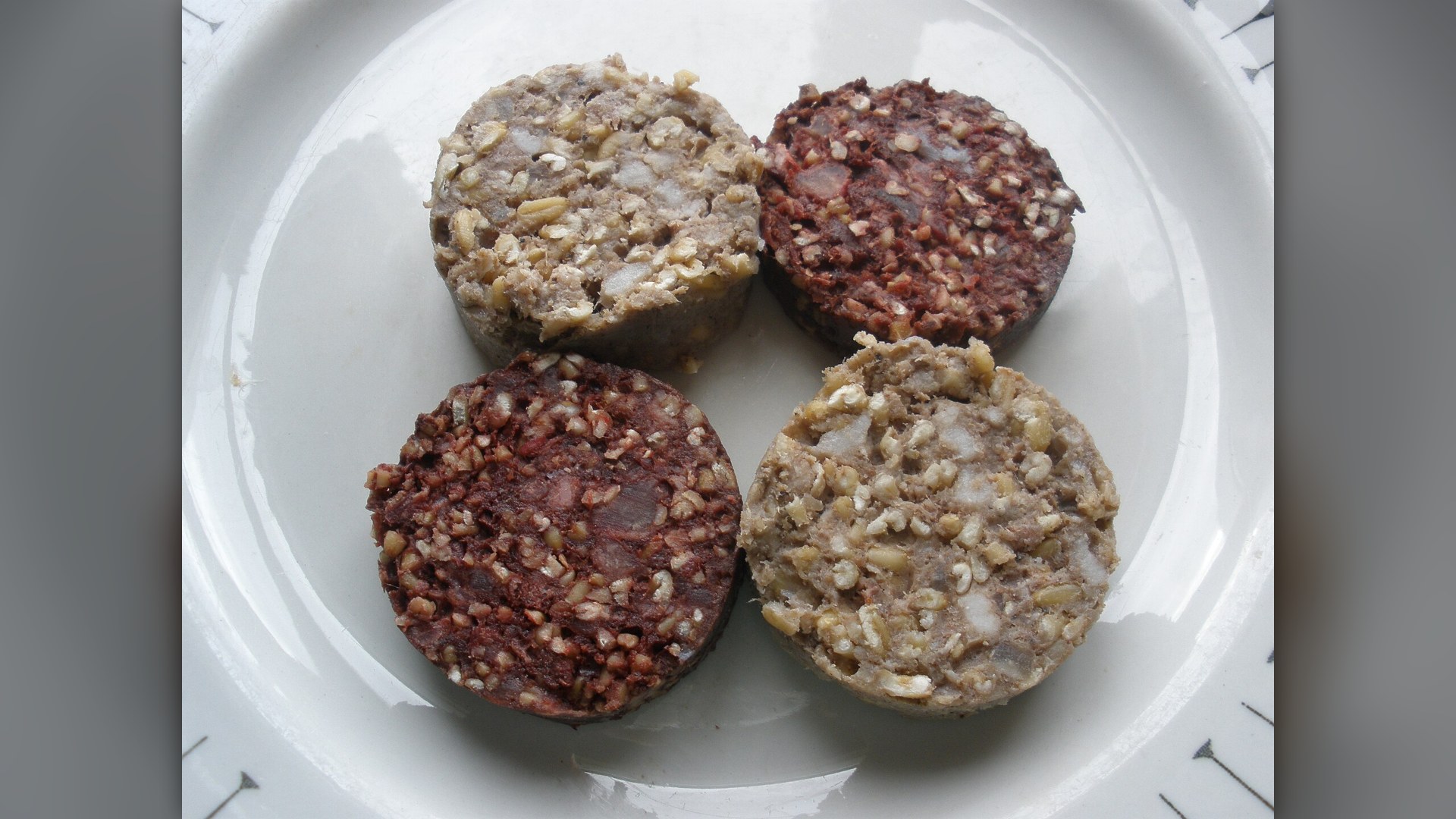
28. Blood Black Pudding
A traditional British and Irish breakfast component, black pudding relies on congealed pig or cattle blood. The concept alone causes many American diners to abandon their plates.
©Wikimedia / O'Dea
Advertisement
Swipe or tap ▶ to resume the countdown.
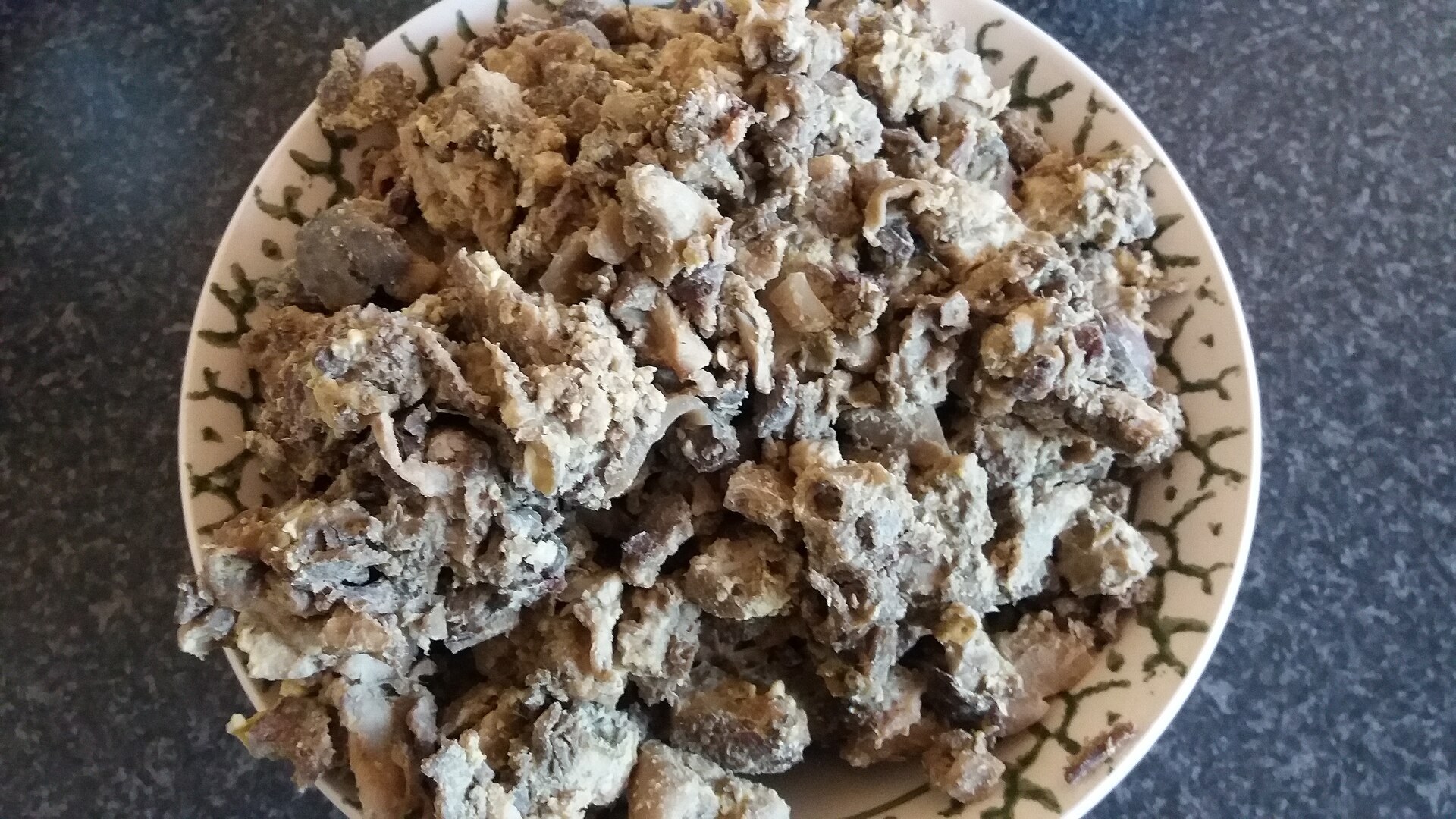
27. Stewed Tripe
Prepared from the first three chambers of a bovine stomach, tripe requires hours of boiling. Its rubbery texture and strong barnyard aroma keep it far from mainstream menus.
©Wikimedia / Altogether ply
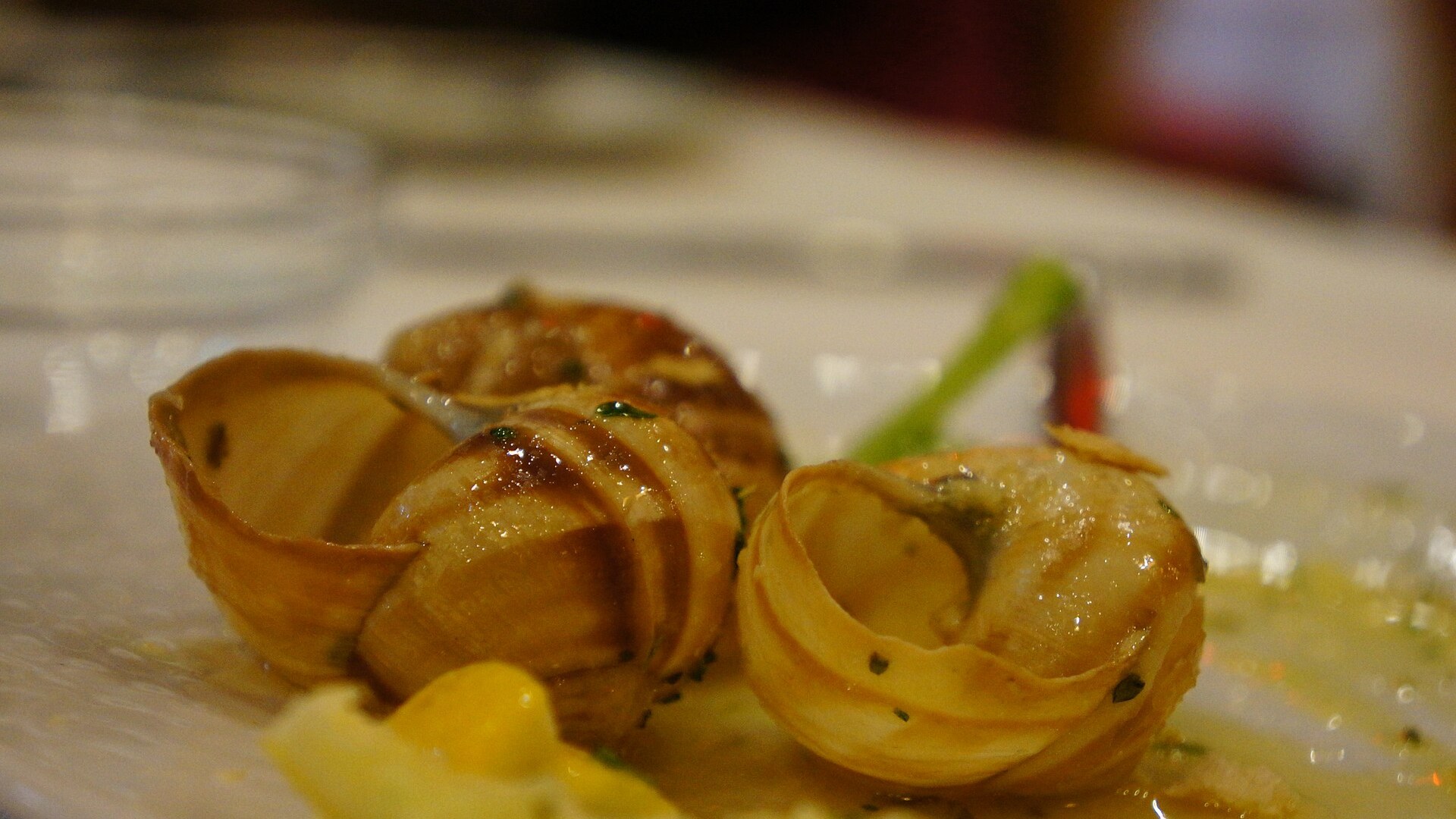
26. Cooked Escargot
While popular in French dining, eating terrestrial gastropods challenges American diner boundaries due to their rubbery chew and garden creature associations.
©Wikimedia / Dileep Kaluaratchie
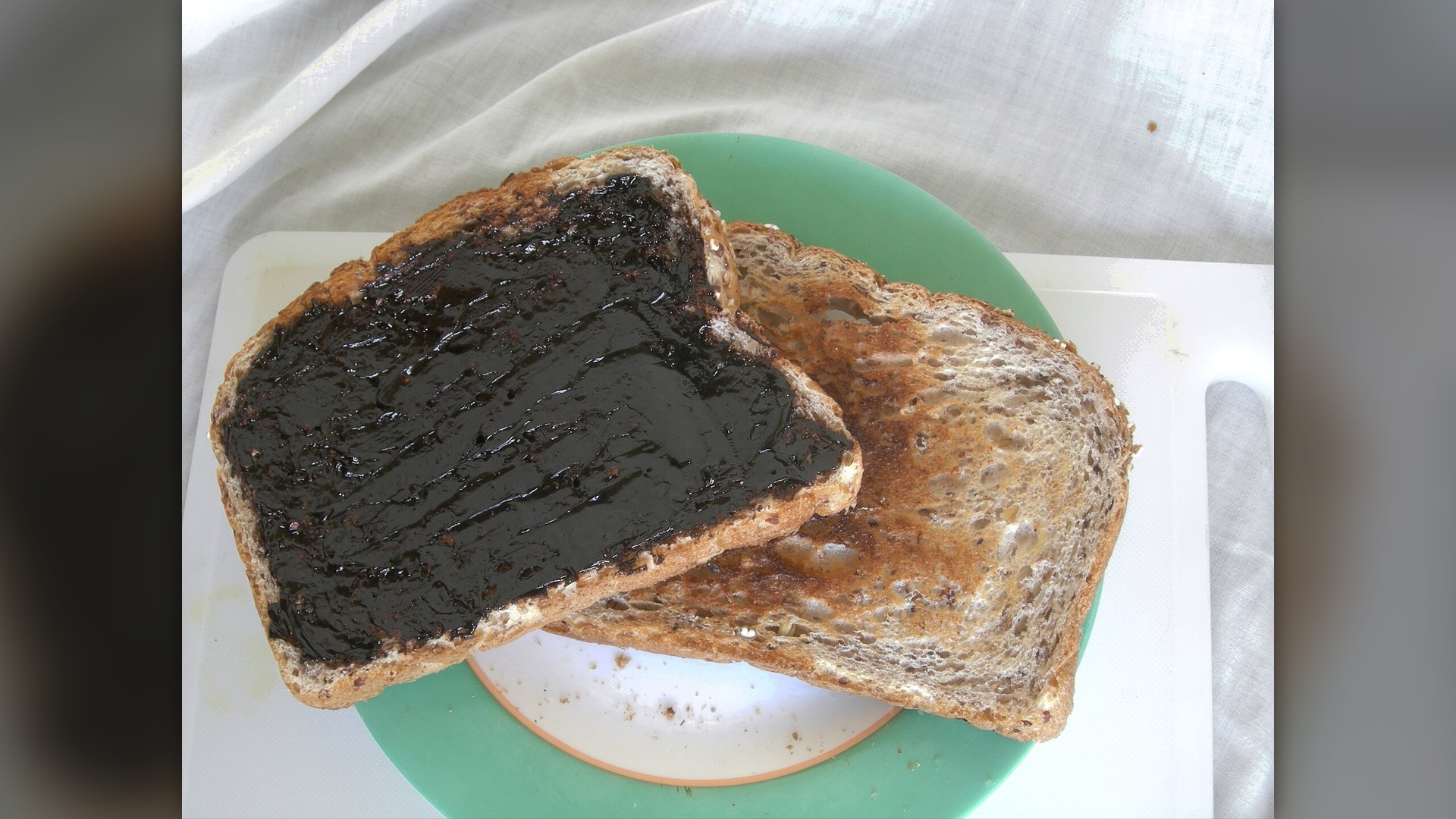
25. Yeast Marmite
A byproduct of beer brewing, Marmite delivers an overwhelming wallop of salty glutamates. Most Americans who try it for the first time find the concentrated flavor shocking.
©Wikimedia / TheJackal
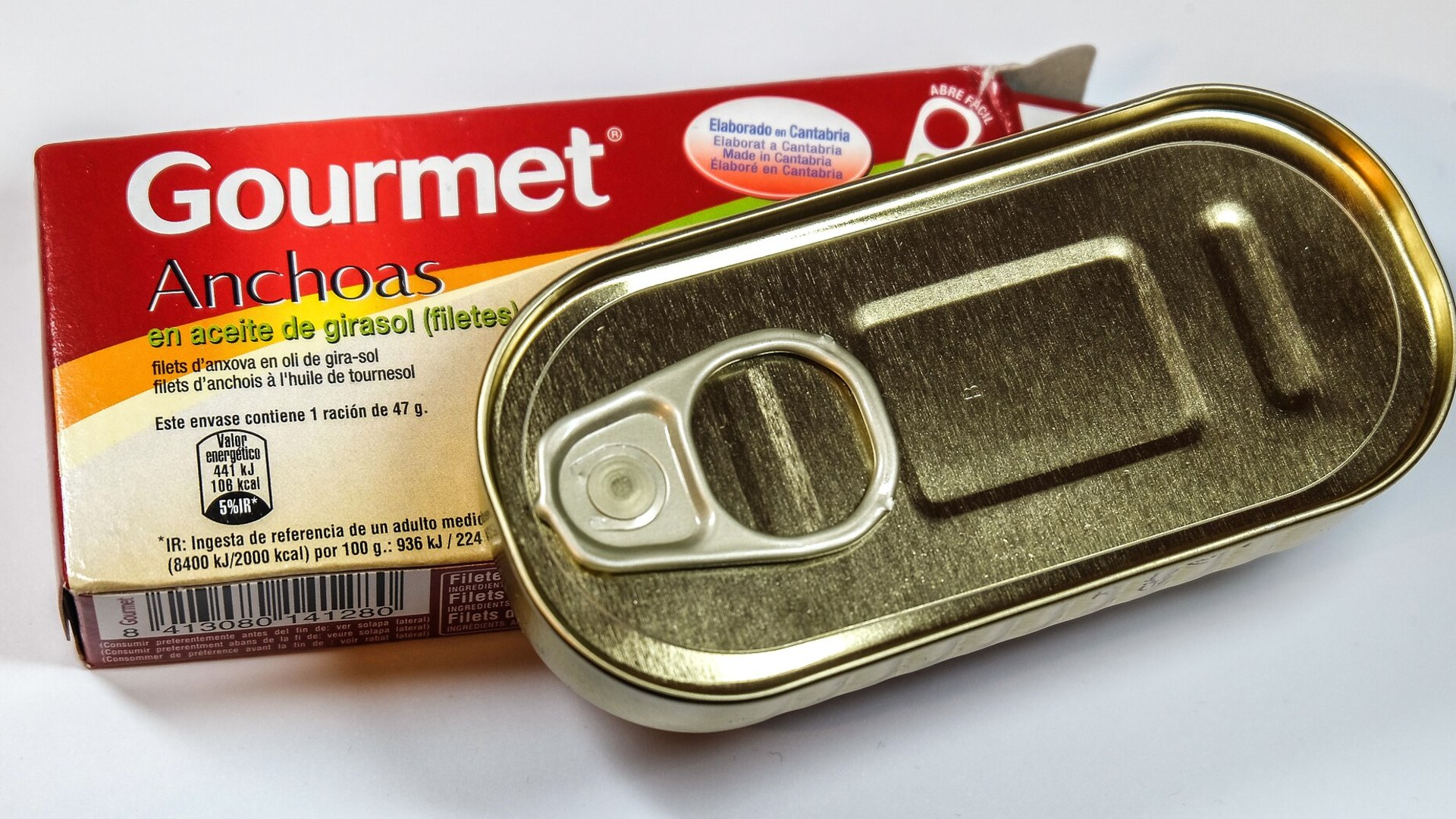
24. Cured Anchovies
Cured in salt and olive oil, anchovies carry concentrated umami that divides diners. A single sliver can overpower a pizza slice for sensitive palates.
©Wikimedia / Ralf Roletschek
Advertisement
Swipe or tap ▶ to resume the countdown.
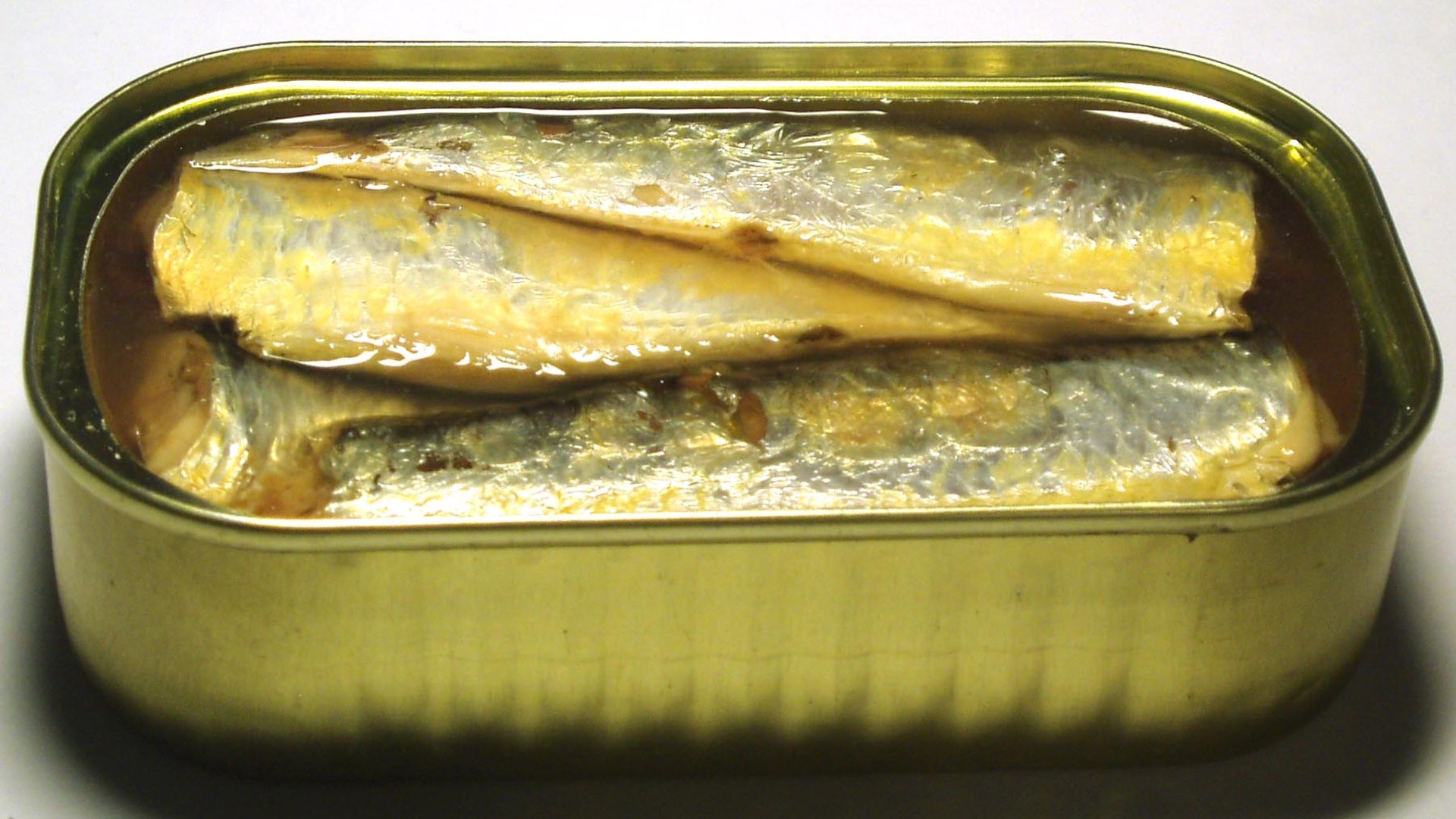
23. Canned Sardines
Packed in oil or tomato sauce with edible spines intact, canned sardines scare diners who dislike confronting visible fish anatomy on crackers.
©Wikimedia / Rl
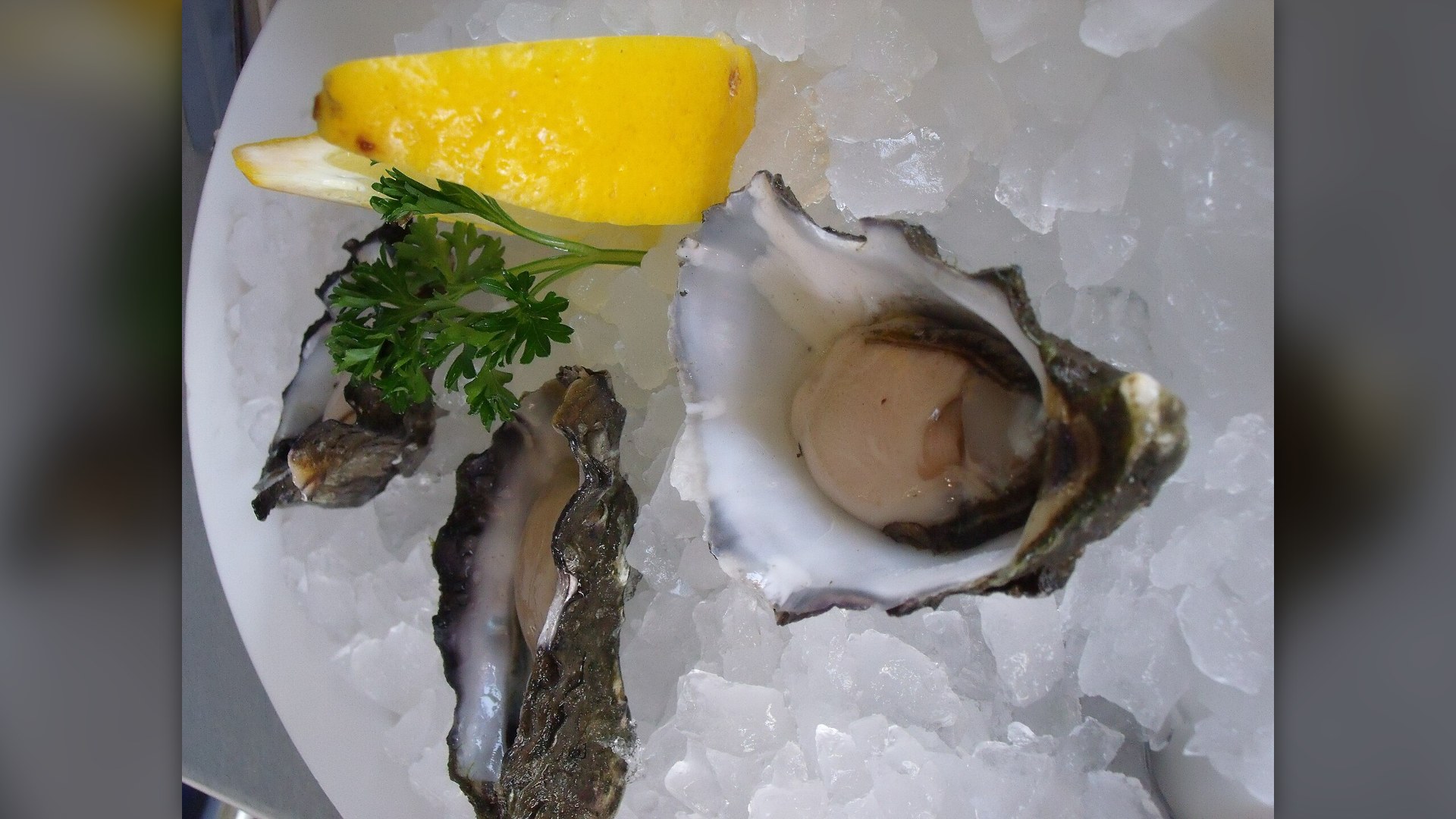
22. Raw Oysters
Served alive on crushed ice, raw oysters deliver a blast of oceanic brine and slippery gelatin that diners either passionately worship or completely refuse.
©Wikimedia / David
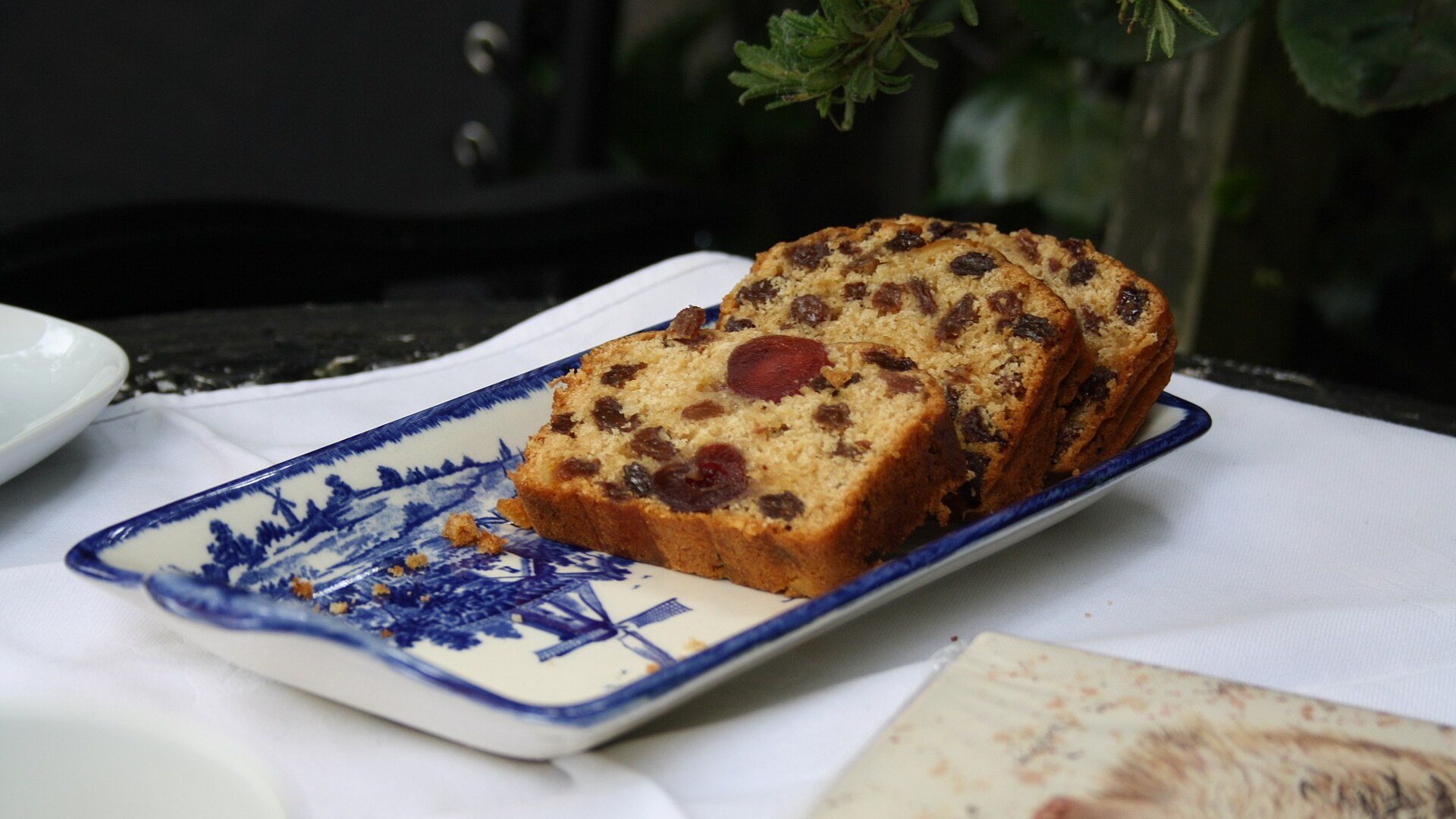
21. Traditional Fruitcake
Weighed down by syrup soaked peels, nuts, and rum, fruitcake became the ultimate re gifted holiday dessert, mocked for having a shelf life measured in decades.
©Wikimedia / TheMightyGrog
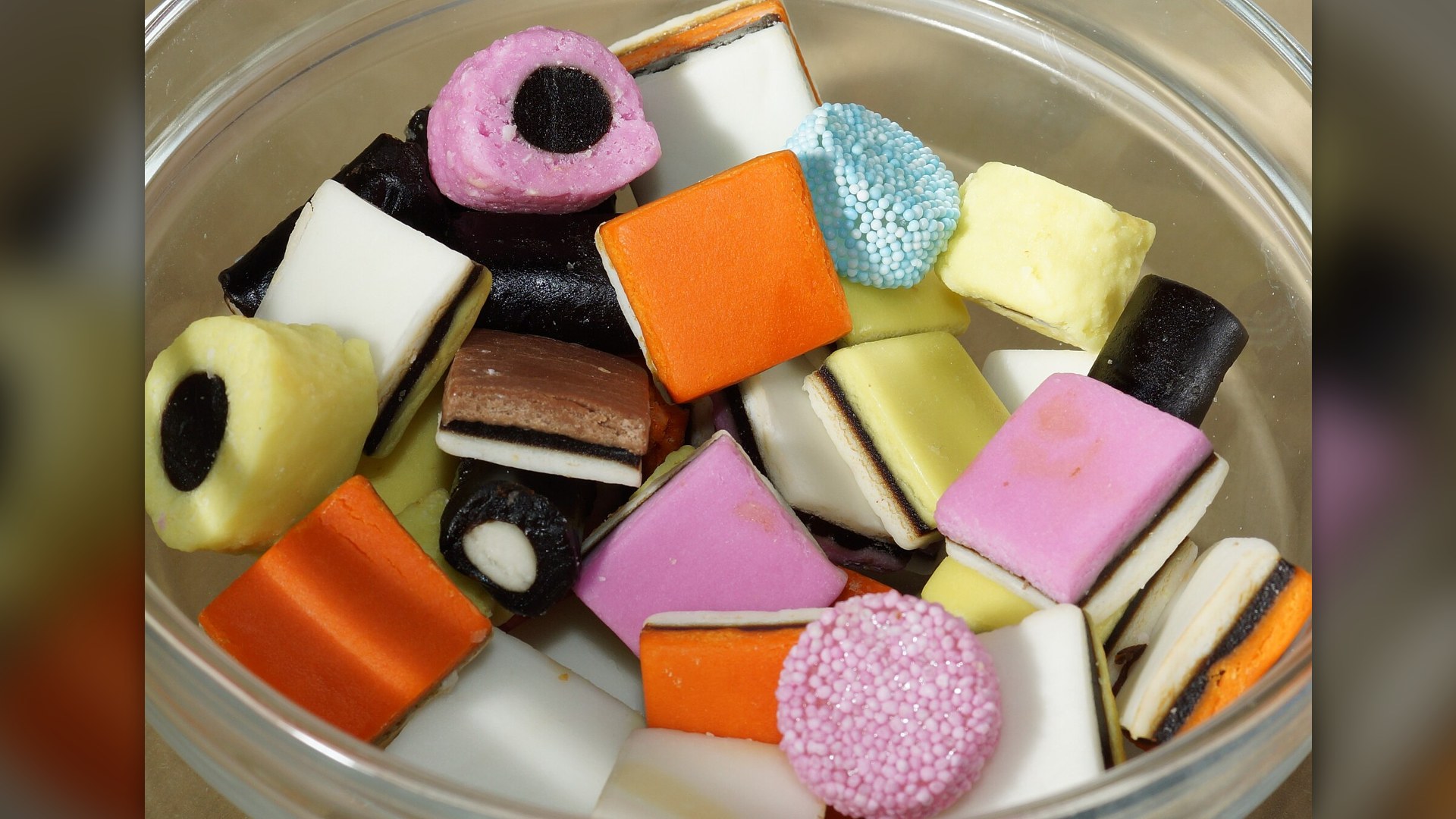
20. Black Licorice
Unlike red licorice which is fruit flavored, black licorice contains extract of the Glycyrrhiza glabra plant, imparting a sharp medicinal anise flavor that divides trick or treaters.
©Wikimedia / David Edgar
Advertisement
Swipe or tap ▶ to resume the countdown.
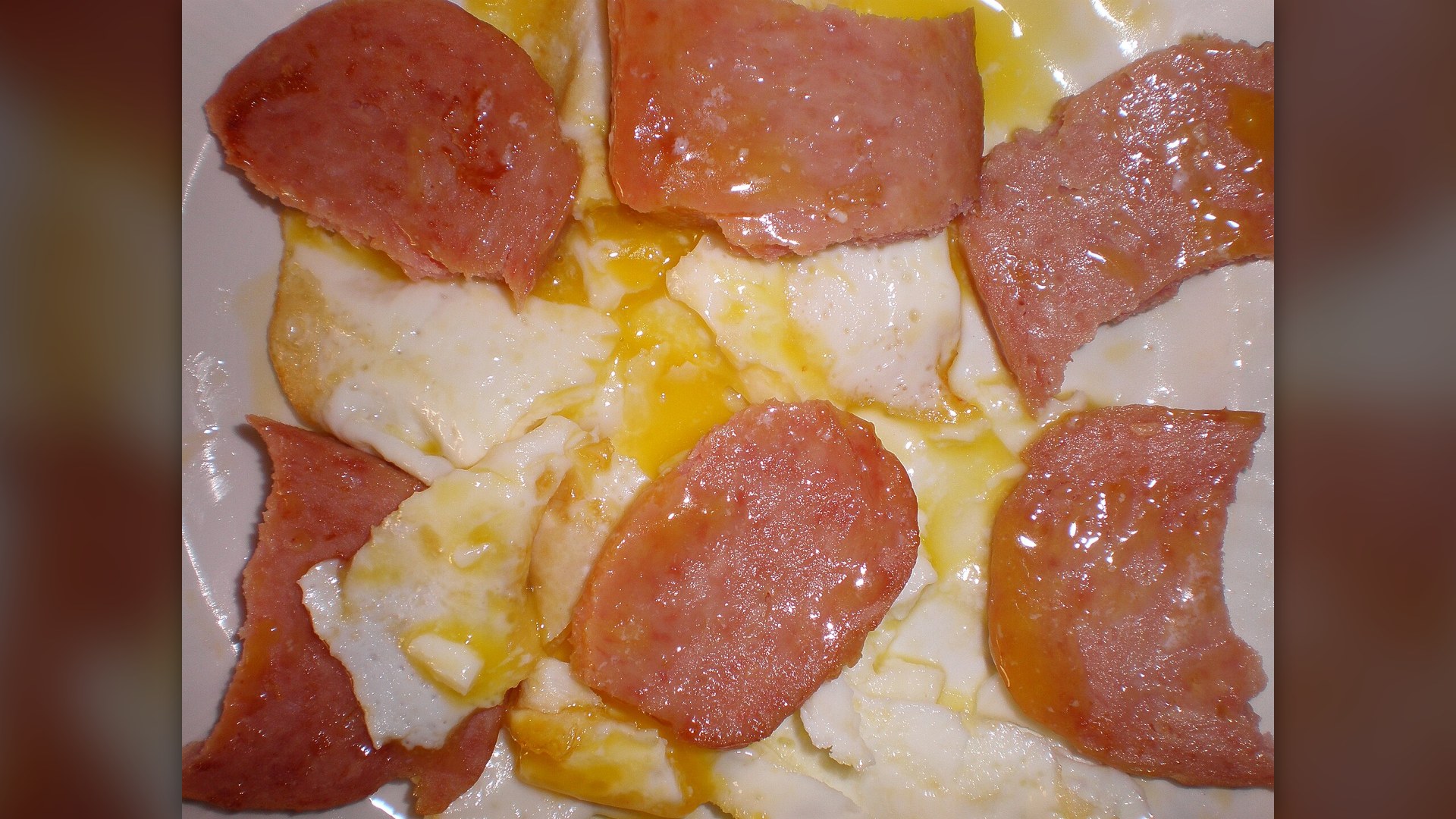
19. Canned Spam
Introduced by Hormel in 1937, Spam became a wartime survival staple. Modern detractors recoil from the gelatin layer that coats the block inside the can.
©Wikimedia / BrokenSphere
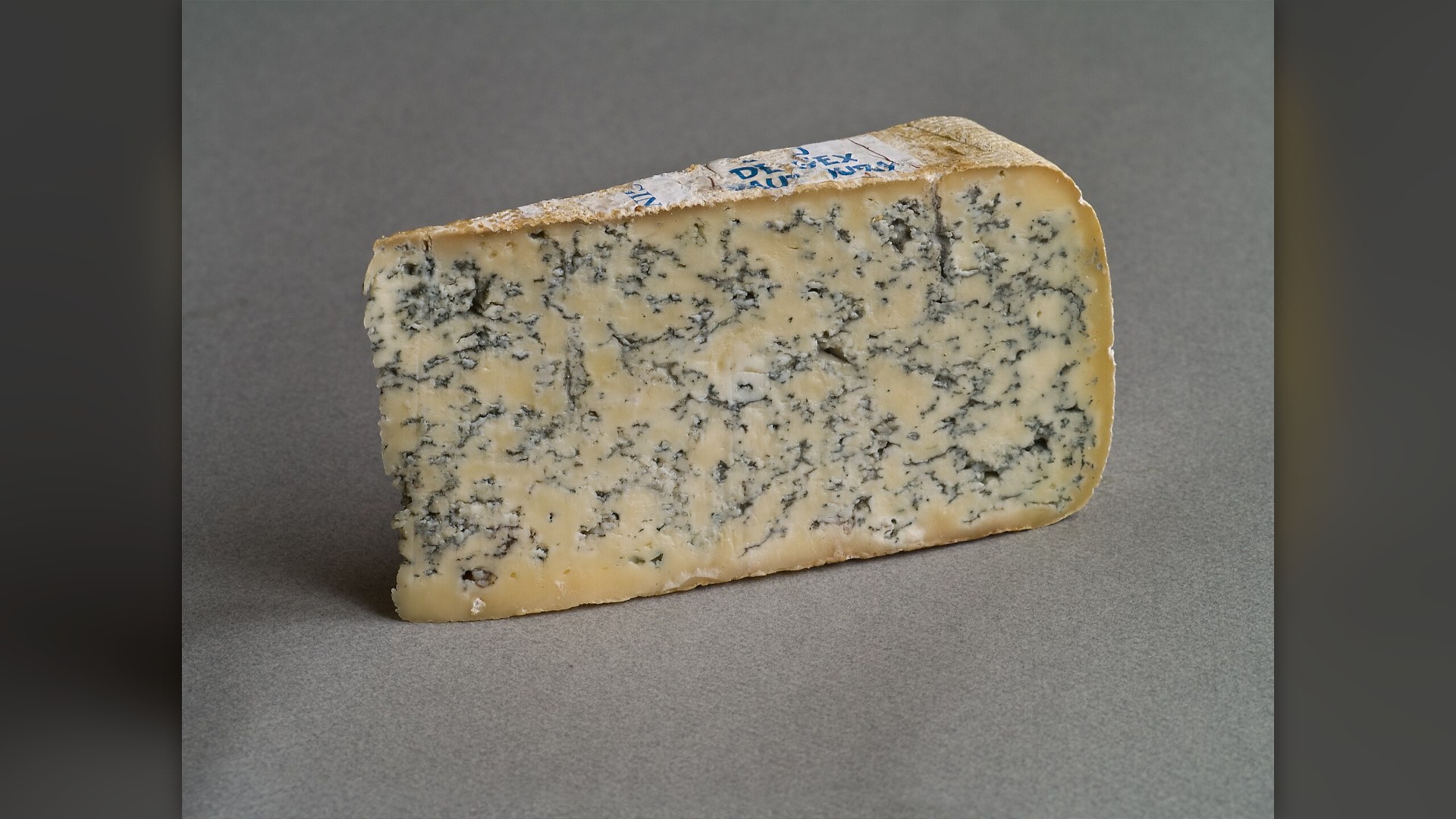
18. Blue Cheese
Inoculated with Penicillium roqueforti mold, blue cheese produces strong ketones and free fatty acids that create a sharp, barnyard aroma many find unbearable.
©Wikimedia / Myrabella
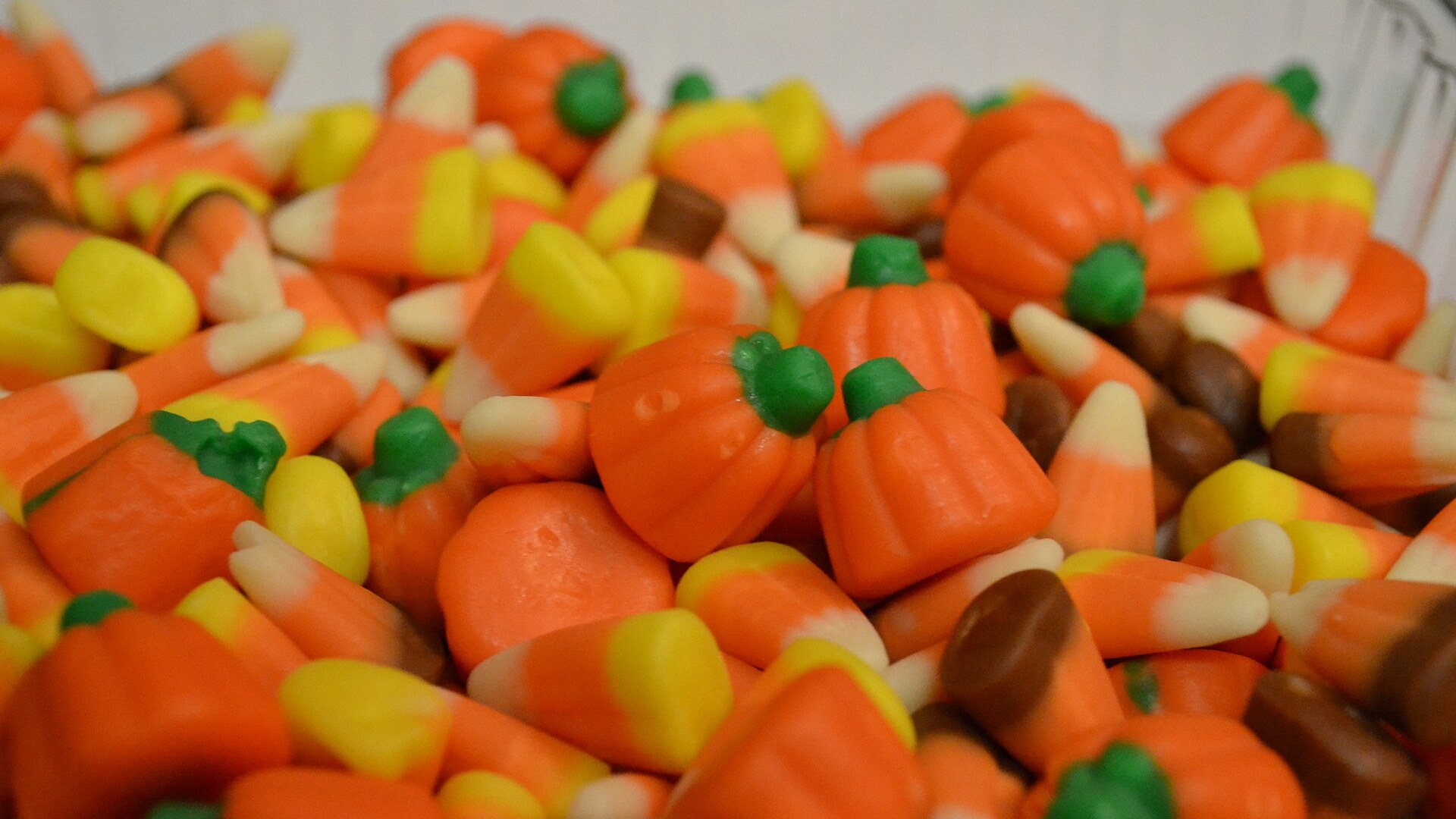
17. Candy Corn
Invented in the 1880s, candy corn features a tri colored kernel design but suffers from a crumbly paraffin wax feel that divides holiday candy lovers.
©Wikimedia / Jamal Fanaian
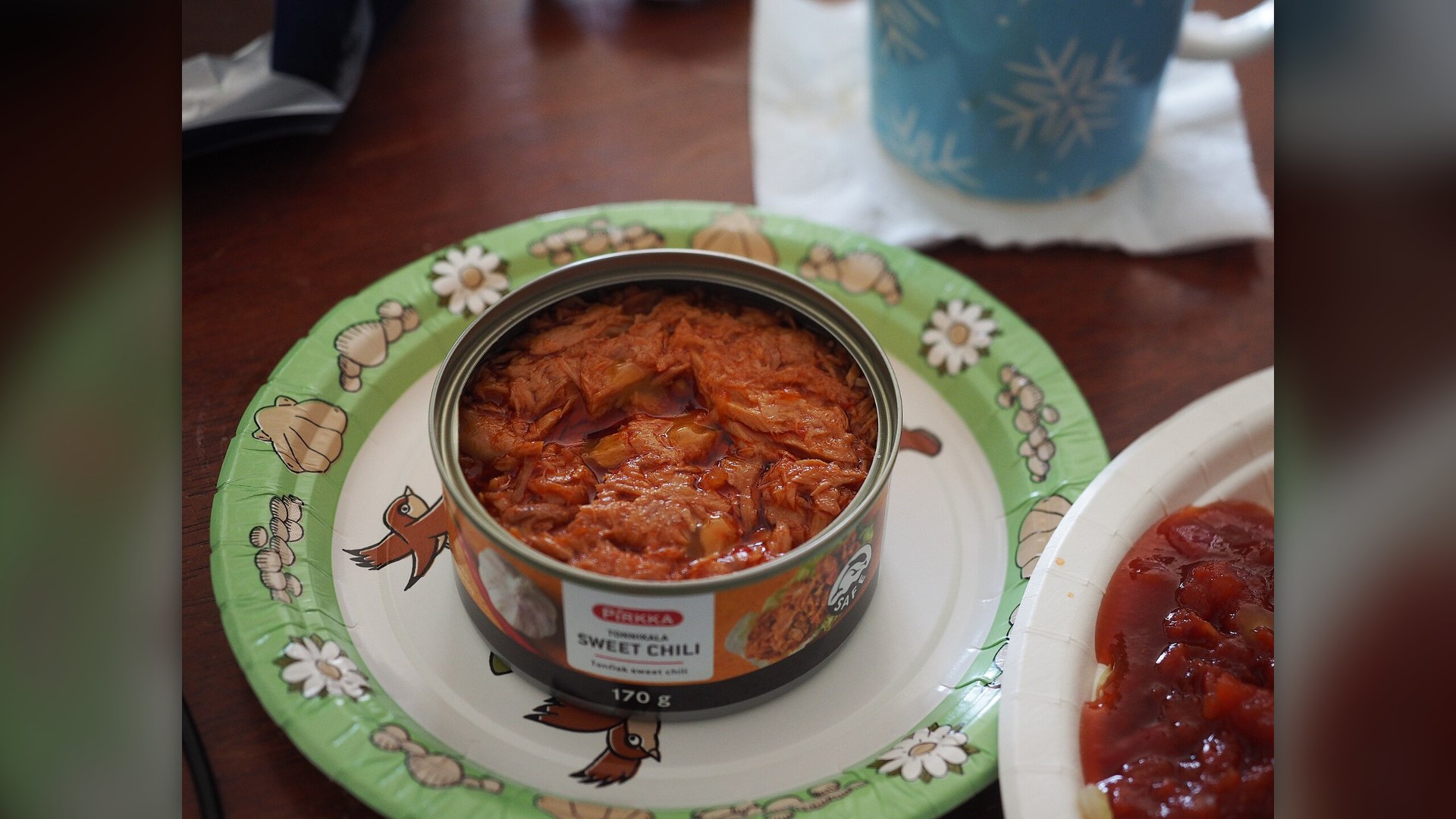
16. Canned Tuna
While high in lean protein, canned tuna generates immediate complaints in shared spaces due to its pungent aroma and dry, flakey consistency when drained.
©Wikimedia / JIP
Advertisement
Swipe or tap ▶ to resume the countdown.
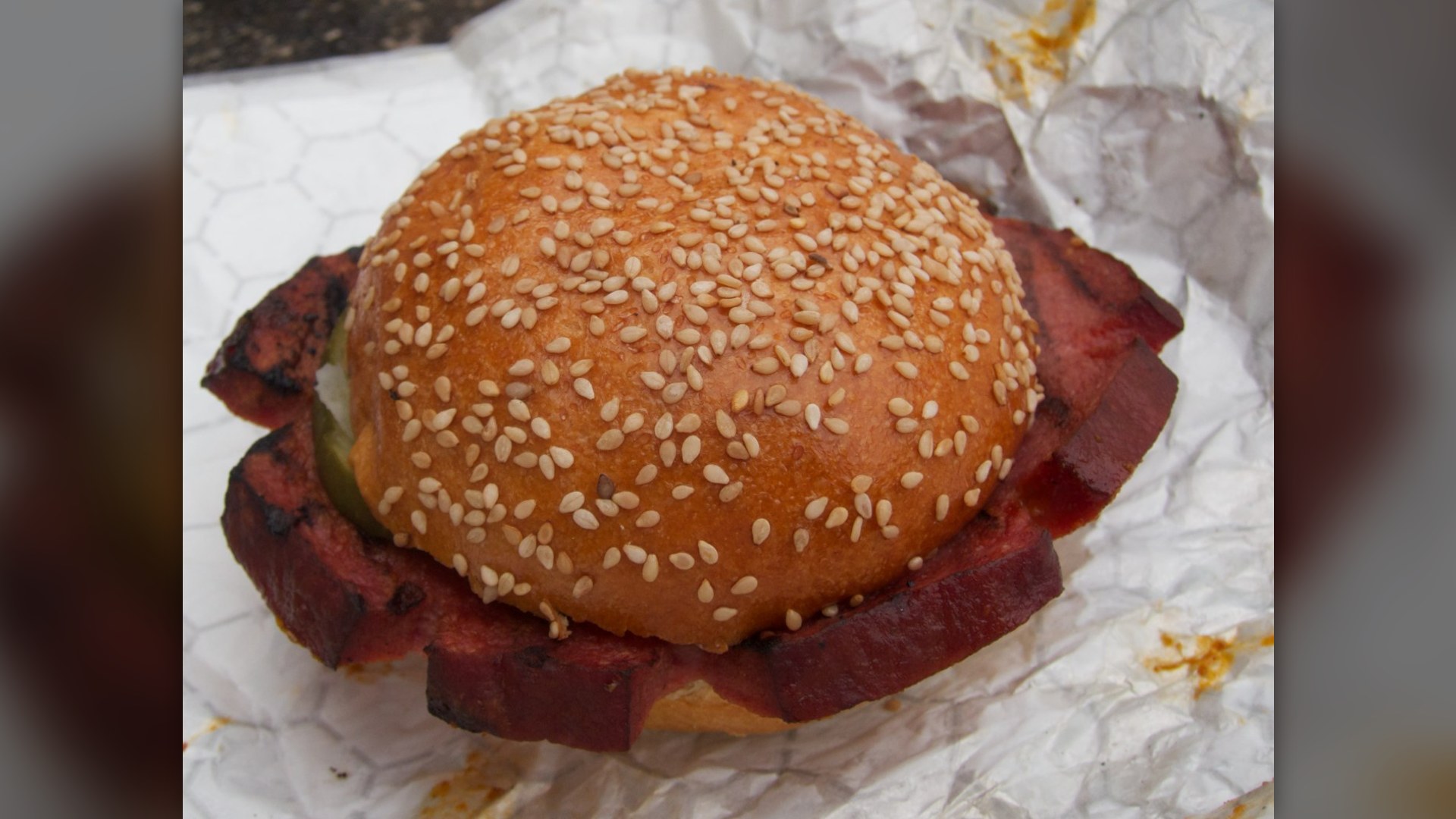
15. Bologna Sausage
Finely ground pork and beef scraps emulsified with salt, sodium nitrite, and spices give bologna a uniform slick texture that repels clean eating advocates.
©Wikimedia / Tom Head
14. Purple Turnips
Turnips contain cyanoglucosides that impart a sharp pungent bitterness. Unless paired with sweet vegetables or cream, they easily overwhelm modern palates.
©Wikimedia / Hans Braxmeier
13. Fresh Okra
Okra contains soluble fiber called mucilage, which acts as a thickener in traditional gumbo but triggers intense revulsion in people sensitive to slippery foods.
©Wikimedia / Adityamadhav83
12. Plain Tofu
While versatile when seasoned, plain unseasoned tofu has a watery consistency and bean flour taste that leads critics to dismiss it as edible foam rubber.
©Wikimedia / fireworks
Advertisement
Swipe or tap ▶ to resume the countdown.
11. Fresh Cilantro
People carrying the OR6A2 olfactory receptor gene perceive the aldehyde chemicals in cilantro as bath soap or crushed bedbugs, turning salsa into a culinary minefield.
©Wikimedia / Kpsudeep
10. Mixed Olives
Raw olives straight from the tree are inedibly bitter due to oleuropein. Even after months of curing in lye or brine, their oily salty bite is too aggressive for many palates.
©Wikimedia / Shixart1985
9. Brussels Sprouts
Overcooking produces pungent glucosinolates that smell like sulfur. Roasting with olive oil has converted some eaters, but sprouts remain deeply polarizing.
©Wikimedia / Sarah Stierch
8. Grilled Eggplant
Eggplant flesh is loaded with tiny air pockets that soak up cooking fats like a sponge. Under salting leaves it bitter, while overcooking yields an unpleasantly slimy texture.
©Wikimedia / Kari Sullivan
Advertisement
Swipe or tap ▶ to resume the countdown.
7. Sliced Beets
Beets contain high levels of geosmin, an organic compound produced by soil microbes. Sensitive palates detect it immediately as a mouthful of garden dirt.
©Wikimedia / Alicja
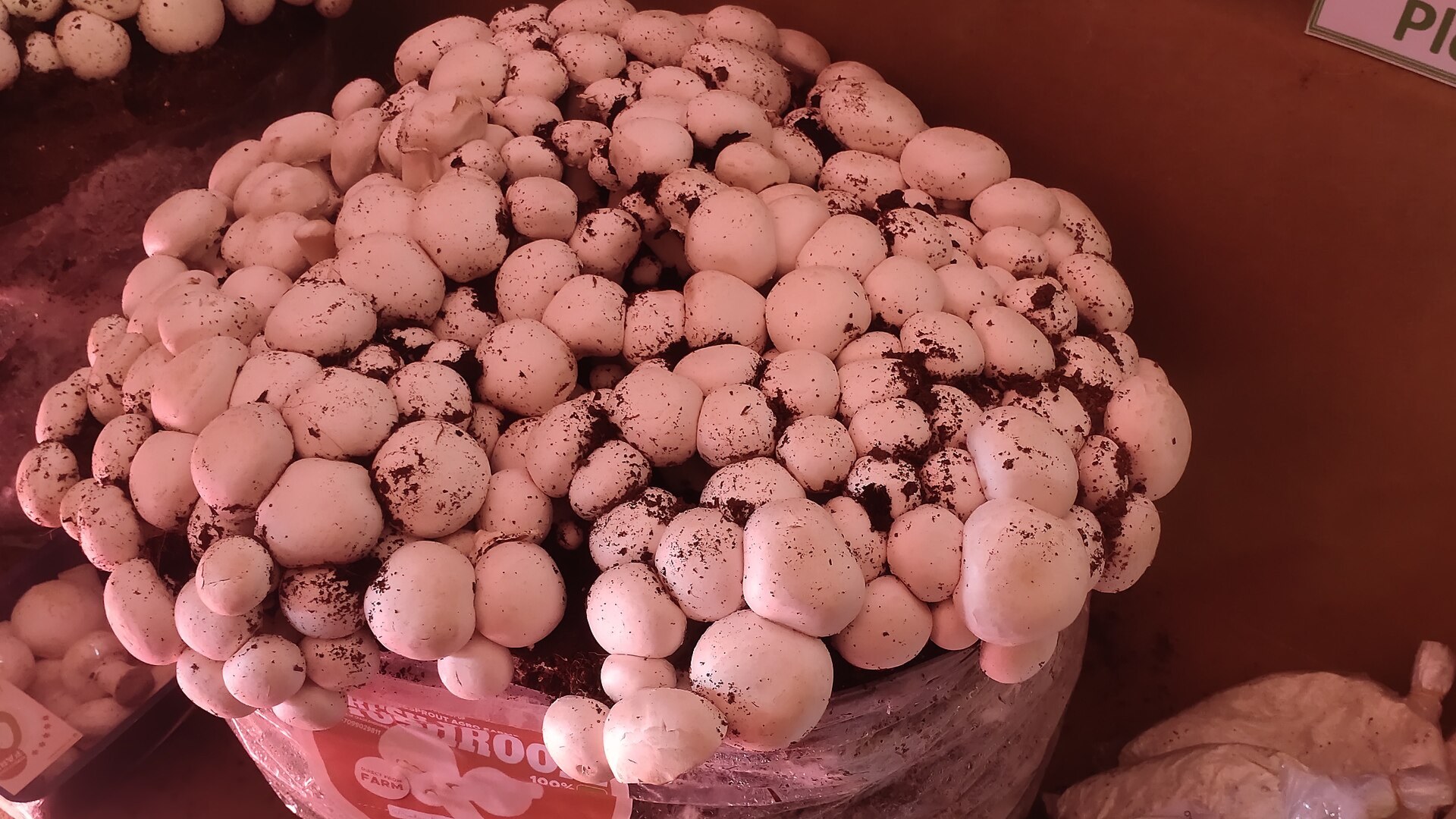
6. Button Mushrooms
Because mushrooms are fungi rather than plants, their spongy cellular structure releases moisture when cooked, creating a chewy texture that haters compare to rubber.
©Wikimedia / Medhi jyoti
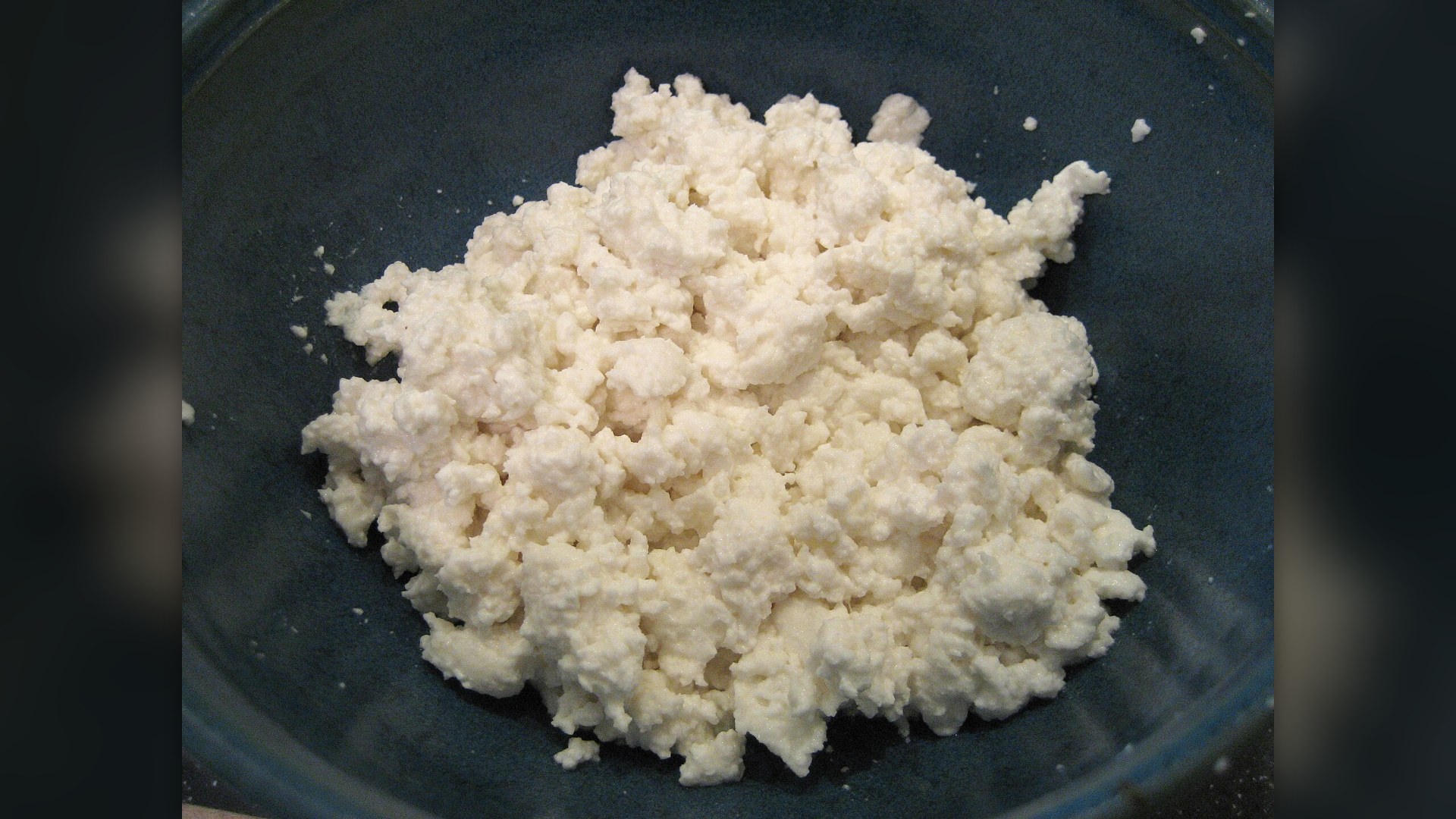
5. Cottage Cheese
Packed with casein protein and favored by athletes, cottage cheese nevertheless struggles to win over people who cannot tolerate its chunky consistency.
©Wikimedia / Shadle
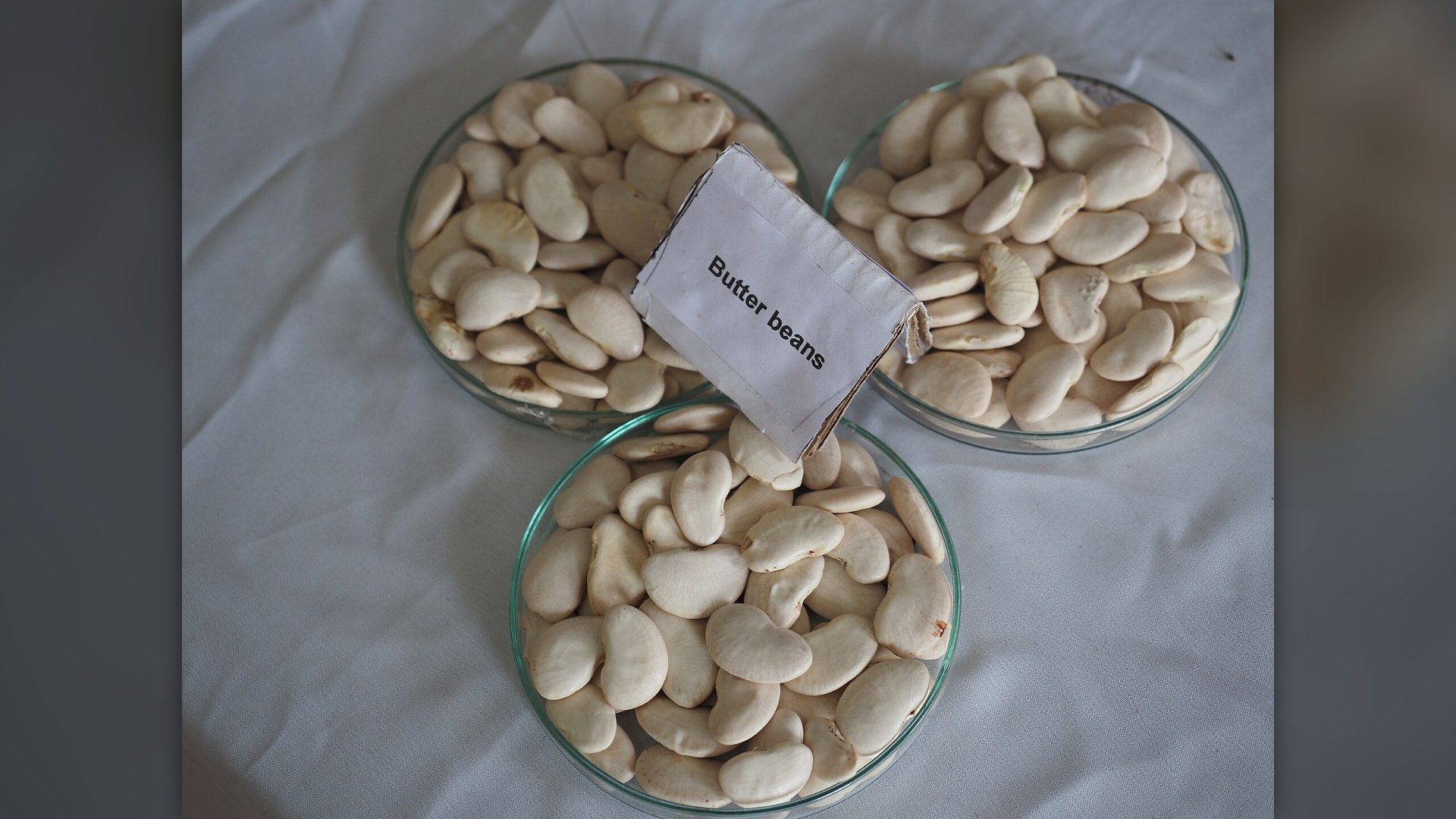
4. Lima Beans
Also known as butter beans, lima beans often suffer from overcooking into a mushy paste with thick skins that children and adults alike avoid.
©Wikimedia / Tonynirappathu
Advertisement
Swipe or tap ▶ to resume the countdown.
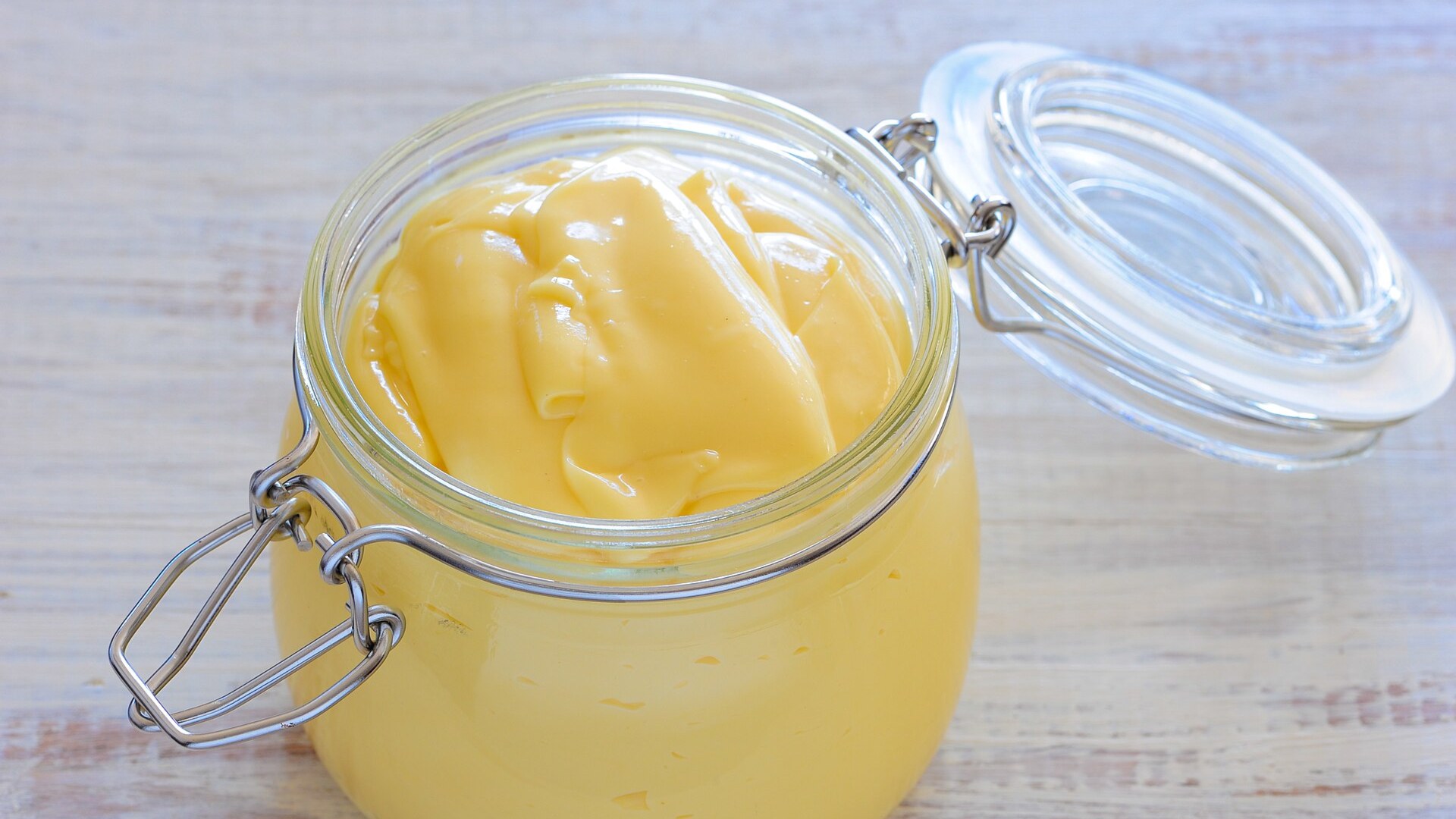
3. Mayonnaise
Made by whipping egg yolks with oil and vinegar, mayonnaise produces intense revulsion in people who hate its slippery texture and high fat richness.
©Wikimedia / jules
2. Celery
Often described as having negative calories due to digestion effort, celery repels many eaters because of tough strings that get stuck in teeth.
©Wikimedia / Jeffery Martin
1. Raisins
While raisins offer natural sweetness and fiber, millions of Americans dislike finding unexpected chewy bites in what they hoped was chocolate chip cookies.

©Wikimedia / Evan-Amos
Advertisement
You've reached the end of the story. Thanks for reading!

20 Famous Cars With Pop-Up Headlights That Shaped Car Design
From hand-cranked 1930s teardrops to wedge supercars of the 1980s, hidden headlights let stylists chase sleek aerodynamics until 2004 pedestrian rules closed the curtain. Here are 20 standout production cars that turned retractable lamps into an enduring automotive design feature across seven full decades.
All 30 Entries in this Story
30. Beef Liver
Despite extraordinary nutrient density, beef liver triggers aversion due to its chalky texture, intense mineral flavor, and distinctive cooking aroma.

29. Pungent Durian
Native to Southeast Asia, durian contains volatile sulfur compounds that create an intense odor likened to raw sewage and gym socks, prompting flight and transit bans across Asia.

28. Blood Black Pudding
A traditional British and Irish breakfast component, black pudding relies on congealed pig or cattle blood. The concept alone causes many American diners to abandon their plates.

27. Stewed Tripe
Prepared from the first three chambers of a bovine stomach, tripe requires hours of boiling. Its rubbery texture and strong barnyard aroma keep it far from mainstream menus.

26. Cooked Escargot
While popular in French dining, eating terrestrial gastropods challenges American diner boundaries due to their rubbery chew and garden creature associations.

25. Yeast Marmite
A byproduct of beer brewing, Marmite delivers an overwhelming wallop of salty glutamates. Most Americans who try it for the first time find the concentrated flavor shocking.

24. Cured Anchovies
Cured in salt and olive oil, anchovies carry concentrated umami that divides diners. A single sliver can overpower a pizza slice for sensitive palates.

23. Canned Sardines
Packed in oil or tomato sauce with edible spines intact, canned sardines scare diners who dislike confronting visible fish anatomy on crackers.

22. Raw Oysters
Served alive on crushed ice, raw oysters deliver a blast of oceanic brine and slippery gelatin that diners either passionately worship or completely refuse.

21. Traditional Fruitcake
Weighed down by syrup soaked peels, nuts, and rum, fruitcake became the ultimate re gifted holiday dessert, mocked for having a shelf life measured in decades.

20. Black Licorice
Unlike red licorice which is fruit flavored, black licorice contains extract of the Glycyrrhiza glabra plant, imparting a sharp medicinal anise flavor that divides trick or treaters.

19. Canned Spam
Introduced by Hormel in 1937, Spam became a wartime survival staple. Modern detractors recoil from the gelatin layer that coats the block inside the can.

18. Blue Cheese
Inoculated with Penicillium roqueforti mold, blue cheese produces strong ketones and free fatty acids that create a sharp, barnyard aroma many find unbearable.

17. Candy Corn
Invented in the 1880s, candy corn features a tri colored kernel design but suffers from a crumbly paraffin wax feel that divides holiday candy lovers.

16. Canned Tuna
While high in lean protein, canned tuna generates immediate complaints in shared spaces due to its pungent aroma and dry, flakey consistency when drained.

15. Bologna Sausage
Finely ground pork and beef scraps emulsified with salt, sodium nitrite, and spices give bologna a uniform slick texture that repels clean eating advocates.

14. Purple Turnips
Turnips contain cyanoglucosides that impart a sharp pungent bitterness. Unless paired with sweet vegetables or cream, they easily overwhelm modern palates.

13. Fresh Okra
Okra contains soluble fiber called mucilage, which acts as a thickener in traditional gumbo but triggers intense revulsion in people sensitive to slippery foods.

12. Plain Tofu
While versatile when seasoned, plain unseasoned tofu has a watery consistency and bean flour taste that leads critics to dismiss it as edible foam rubber.

11. Fresh Cilantro
People carrying the OR6A2 olfactory receptor gene perceive the aldehyde chemicals in cilantro as bath soap or crushed bedbugs, turning salsa into a culinary minefield.

10. Mixed Olives
Raw olives straight from the tree are inedibly bitter due to oleuropein. Even after months of curing in lye or brine, their oily salty bite is too aggressive for many palates.

9. Brussels Sprouts
Overcooking produces pungent glucosinolates that smell like sulfur. Roasting with olive oil has converted some eaters, but sprouts remain deeply polarizing.

8. Grilled Eggplant
Eggplant flesh is loaded with tiny air pockets that soak up cooking fats like a sponge. Under salting leaves it bitter, while overcooking yields an unpleasantly slimy texture.

7. Sliced Beets
Beets contain high levels of geosmin, an organic compound produced by soil microbes. Sensitive palates detect it immediately as a mouthful of garden dirt.

6. Button Mushrooms
Because mushrooms are fungi rather than plants, their spongy cellular structure releases moisture when cooked, creating a chewy texture that haters compare to rubber.

5. Cottage Cheese
Packed with casein protein and favored by athletes, cottage cheese nevertheless struggles to win over people who cannot tolerate its chunky consistency.

4. Lima Beans
Also known as butter beans, lima beans often suffer from overcooking into a mushy paste with thick skins that children and adults alike avoid.

3. Mayonnaise
Made by whipping egg yolks with oil and vinegar, mayonnaise produces intense revulsion in people who hate its slippery texture and high fat richness.

2. Celery
Often described as having negative calories due to digestion effort, celery repels many eaters because of tough strings that get stuck in teeth.

1. Raisins
While raisins offer natural sweetness and fiber, millions of Americans dislike finding unexpected chewy bites in what they hoped was chocolate chip cookies.