Slideshow · Science
American Foods You Eat Every Week That Are Outlawed Around the World
From everyday breakfast cereals to supermarket poultry, American kitchen cupboards are packed with artificial additives, growth chemicals, and bleaching agents that international health regulators consider far too dangerous to consume.
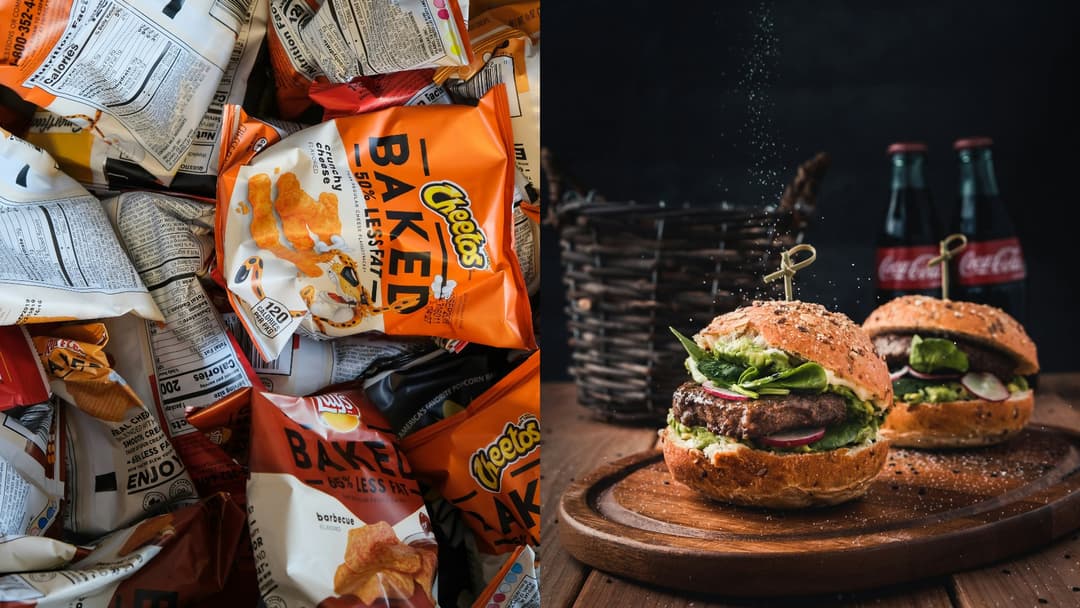
By Most Viral Today
25 Oct 2026

American Foods You Eat Every Week That Are Outlawed Around the World 
10. Chlorine-Washed Chicken 
9. Mac & Cheese With Artificial Dyes 
8. rBGH Hormone-Treated Milk - AdvertisementSwipe or tap ▶ to continue countdown

7. Ractopamine-Fed Pork 
6. Potassium Bromate In Commercial Bread 
5. Azodicarbonamide In Burger Buns 
4. Olestra 'Fat-Free' Chips - AdvertisementSwipe or tap ▶ to continue countdown

3. BHA & BHT Cereal Preservatives 
2. Petrochemical-Dyed Farmed Salmon 
1. Red 40 Breakfast Cereals & Candy - Advertisement🔥 UP NEXT IN THIS SERIES◫ 23 Slides

22 High-Calorie Burning Exercises Ranked by Harvard Medical Data
Ranked according to Harvard Medical School caloric expenditure data, these 22 physical exercises burn the highest number of calories per hour for optimal cardiovascular health. Medical data reveals true effort.
From everyday breakfast cereals to supermarket poultry, American kitchen cupboards are packed with artificial additives, growth chemicals, and bleaching agents that international health regulators consider far too dangerous to consume.
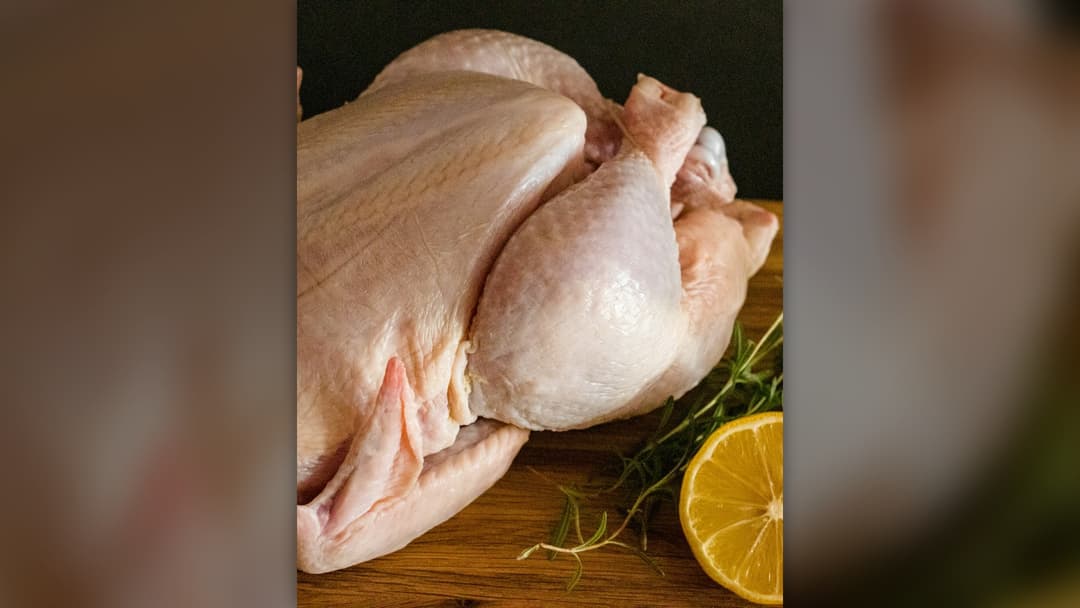
Swipe or tap ▶ to begin the countdown
©Unsplash / Emre Gencer & Amirali Mirhashemian
10. Chlorine-Washed Chicken
In the US, the vast majority of factory-farmed poultry is treated with antimicrobial chlorine washes after slaughter. The European Union banned the practice in 1997, arguing chemical rinses merely mask unsanitary farm conditions rather than preventing bacterial contamination at the source.
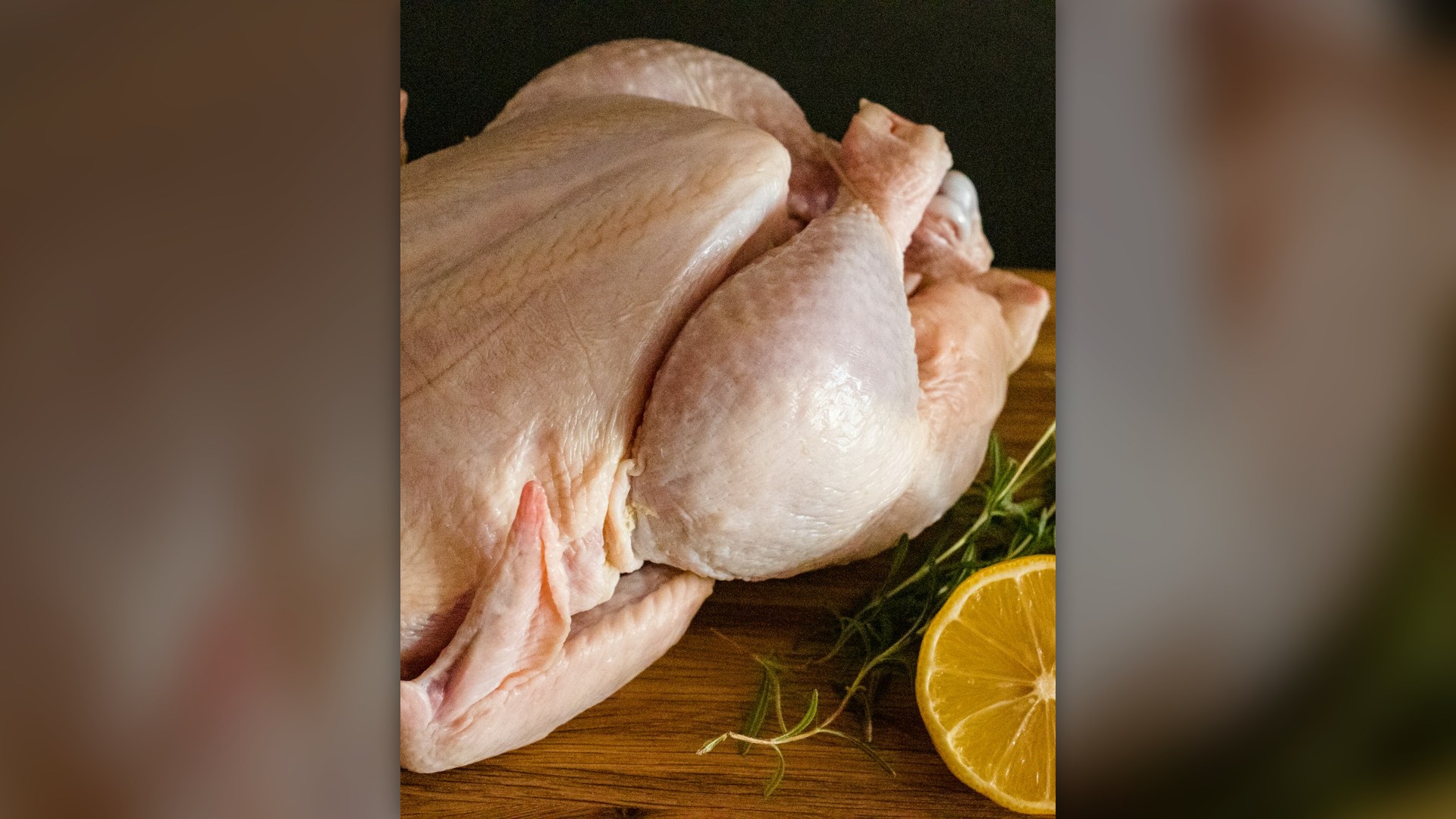
© Photo by Eiliv Aceron on Unsplash
9. Mac & Cheese With Artificial Dyes
Iconic neon American boxed macaroni uses petroleum-derived synthetic dyes Yellow 5 and Yellow 6. In the UK and EU, foods containing these colorants must carry explicit warning labels linking them to hyperactivity in children, prompting overseas versions to use natural paprika and turmeric instead.
© Photo by Eiliv Aceron on Unsplash
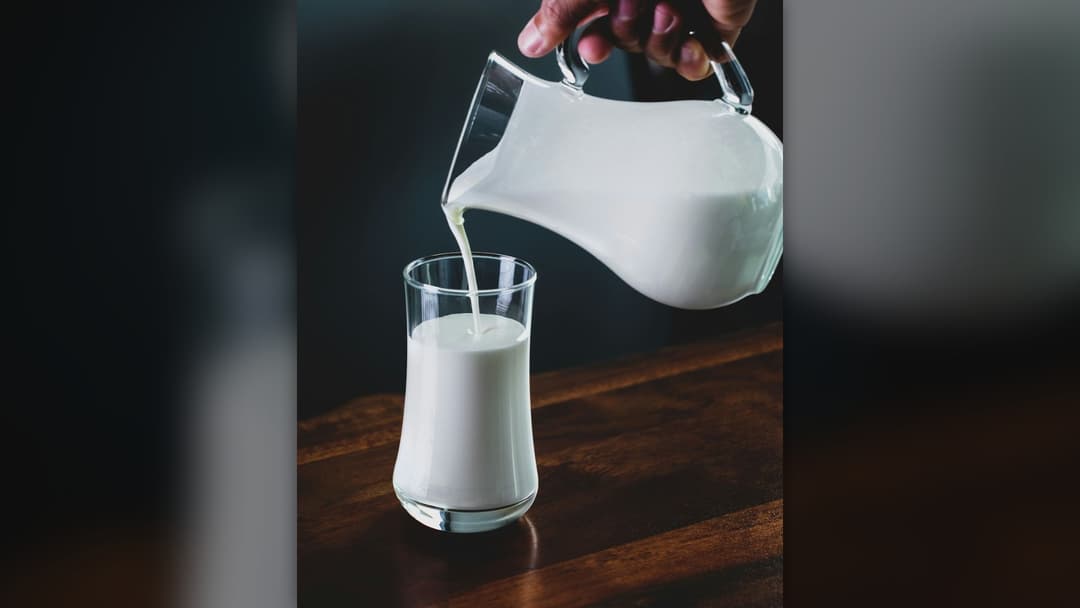
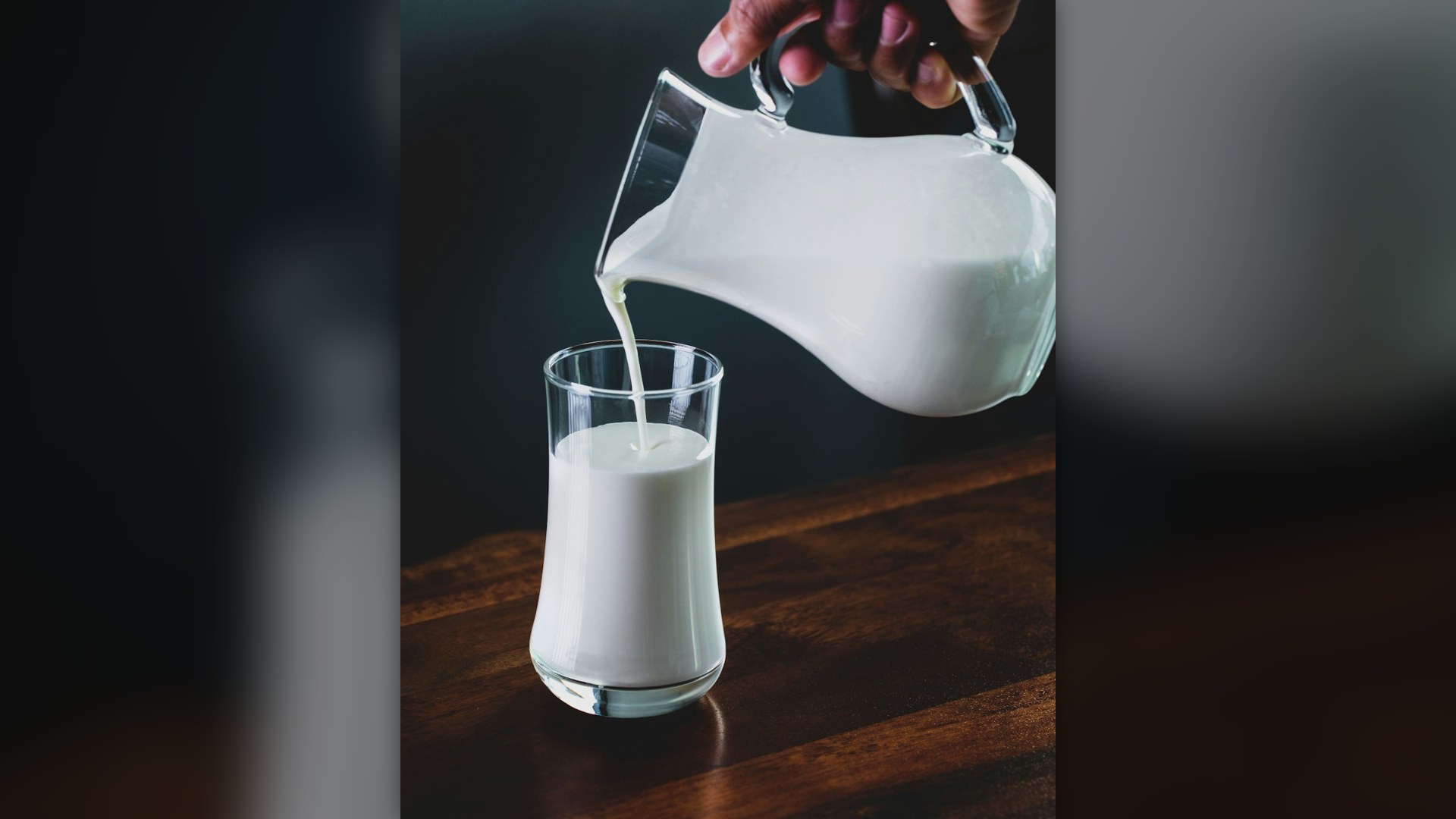
8. rBGH Hormone-Treated Milk
Recombinant bovine growth hormone (rBGH) was developed to boost dairy cows' milk yield by 15%. Outlawed across Canada, the EU, Japan, and Australia, health agencies cite elevated IGF-1 cancer biomarker concerns and severe udder infections in dairy cattle.
© Photo by Eiliv Aceron on Unsplash
Advertisement
Swipe or tap ▶ to resume the countdown.
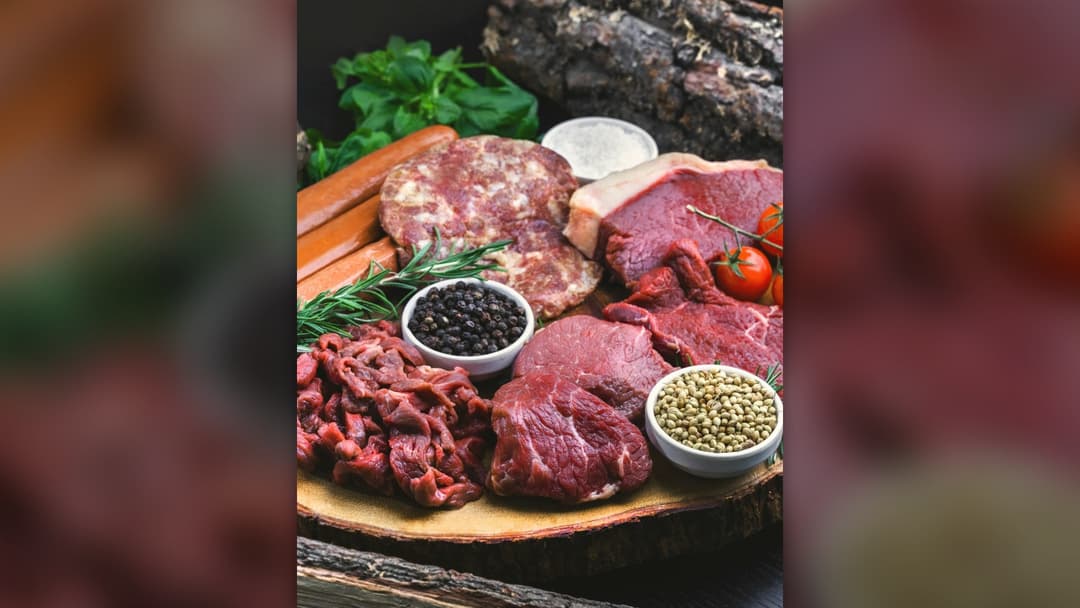
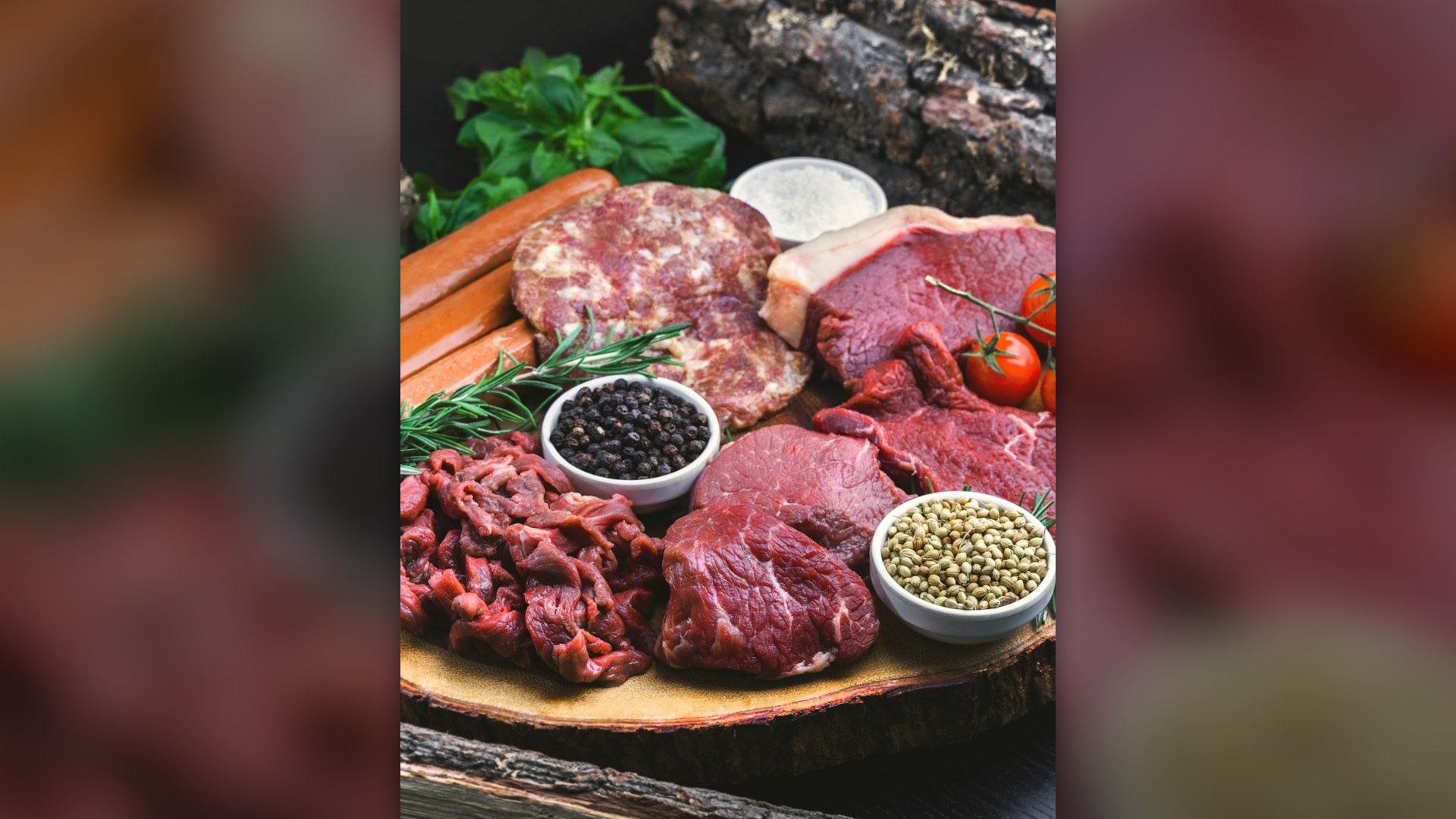
7. Ractopamine-Fed Pork
Ractopamine is fed to American pigs in their final weeks to rapidly build lean meat while cutting feed costs. Over 160 nations—including the entire European Union, Russia, and China—strictly prohibit imports of ractopamine-treated pork over cardiovascular risks in humans.
6. Potassium Bromate In Commercial Bread
Commercial bakeries across the US use potassium bromate to strengthen dough, reduce baking time, and yield taller loaves. Banned in the UK, EU, Canada, and China since the 1990s, the International Agency for Research on Cancer classifies it as a potential human carcinogen.

© Photo by Wesual Click on Unsplash
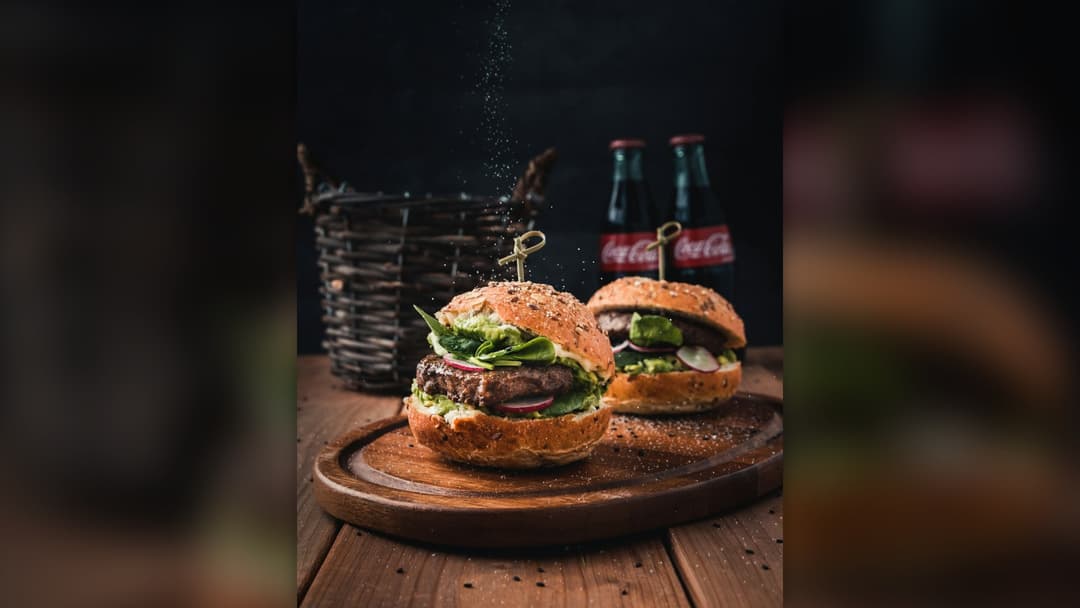
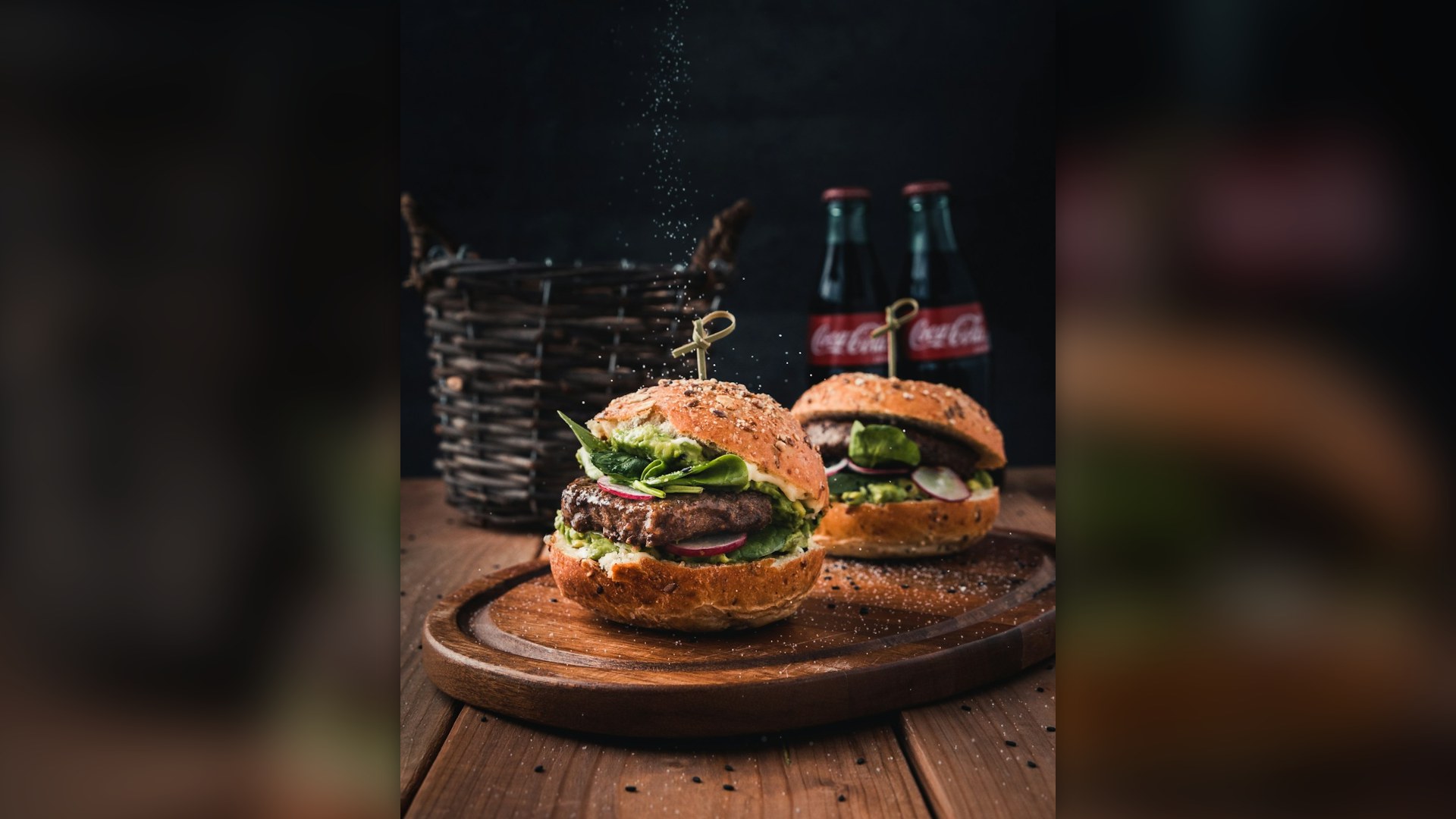
5. Azodicarbonamide In Burger Buns
Used as a bleaching agent and dough conditioner in fast food hamburger buns, azodicarbonamide (ADA) breaks down into toxic semicarbazide during baking. It is strictly outlawed across Europe and Australia, while Singapore penalizes its commercial use with fines and up to 15 years in prison.
© Photo by Amirali Mirhashemian on Unsplash
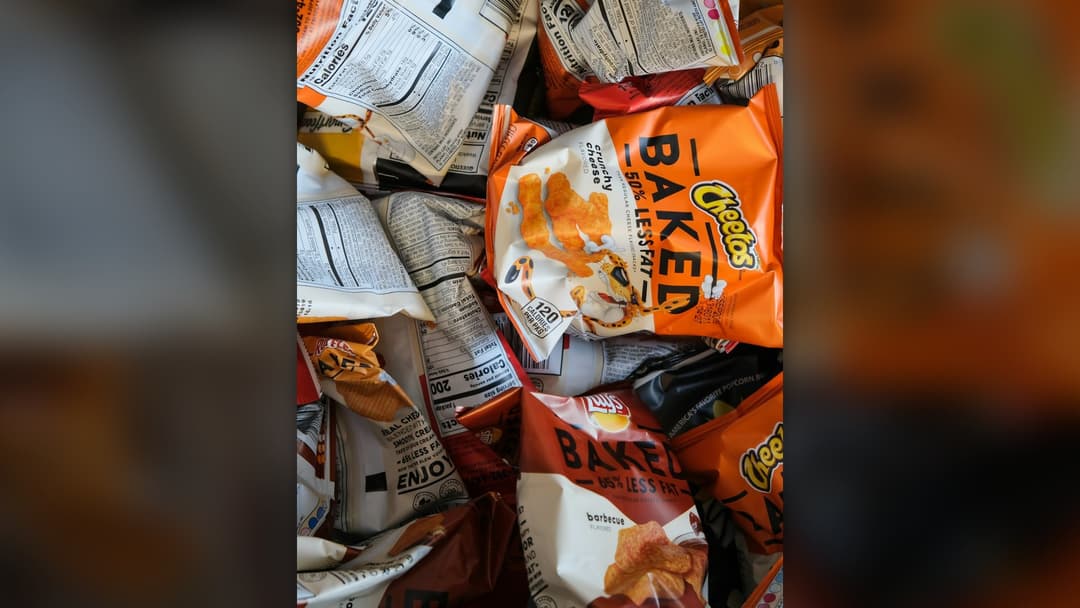
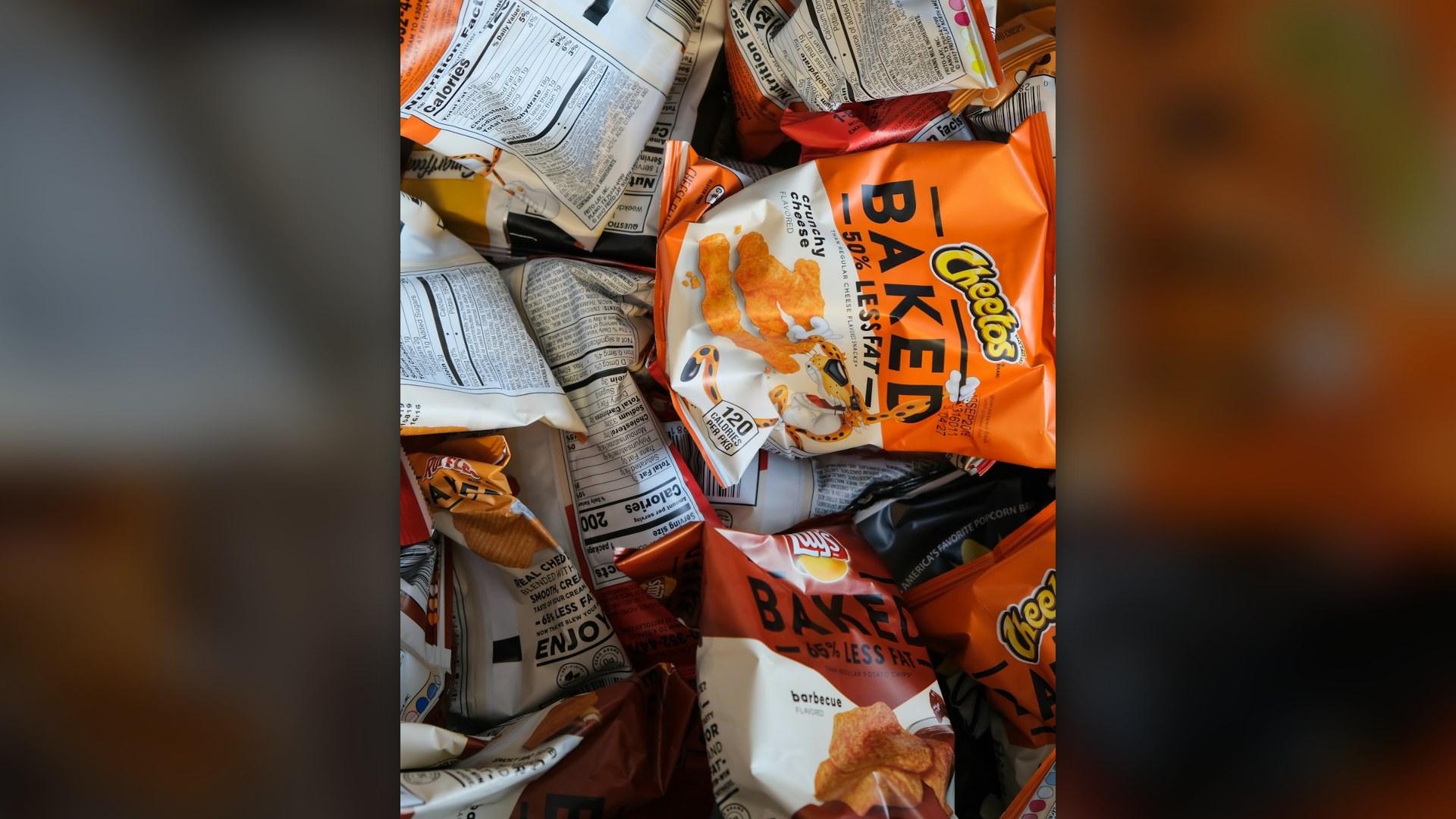
4. Olestra 'Fat-Free' Chips
Engineered as a zero-calorie fat replacer for savory snacks, Olestra passes through the digestive tract unabsorbed. Because it strips fat-soluble vitamins (A, D, E, K) from the body and causes severe gastrointestinal distress, it was promptly barred from European and Canadian store shelves.
© Photo by Emre Gencer on Unsplash
Advertisement
Swipe or tap ▶ to resume the countdown.
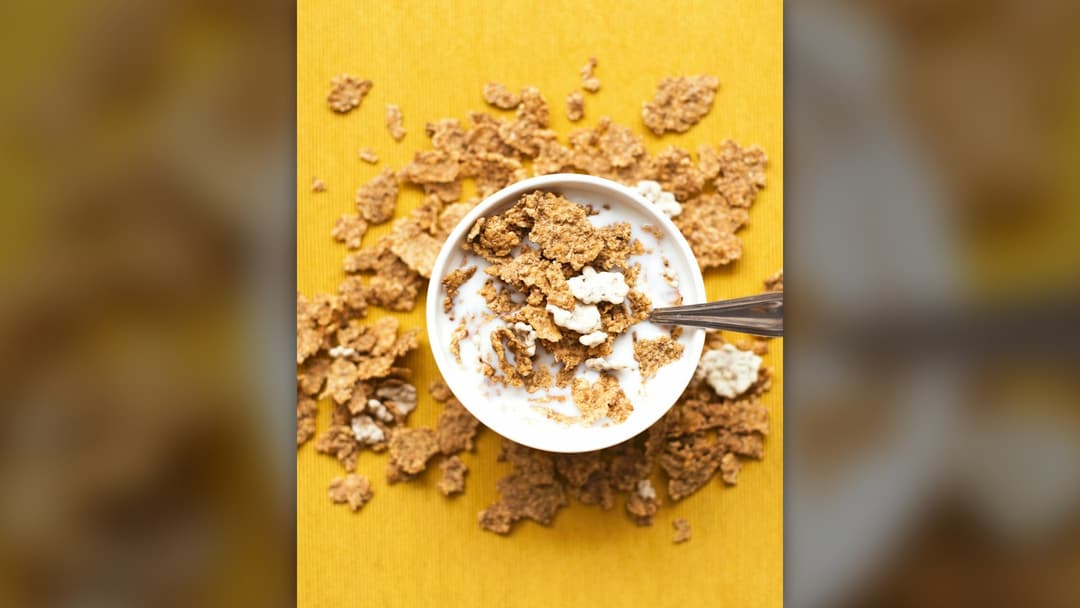
3. BHA & BHT Cereal Preservatives
Butylated hydroxyanisole (BHA) and BHT are synthetic petroleum antioxidants added to cereal boxes and snack wrappers to prevent oils from spoiling. Strictly banned or capped across Japan and the EU, medical research links chronic exposure to endocrine disruption and abnormal cell growth.
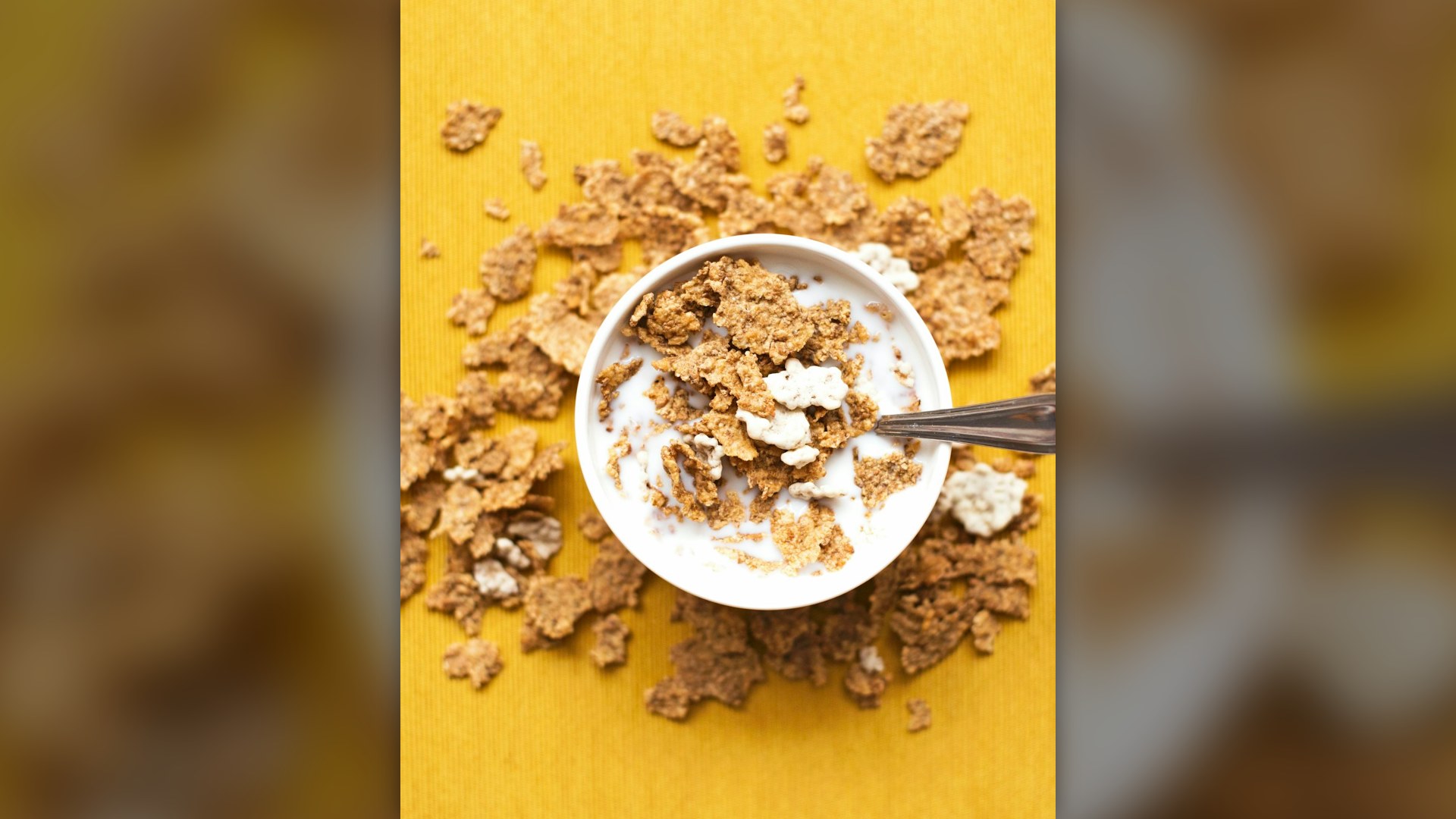
© Photo by Calum Lewis on Unsplash
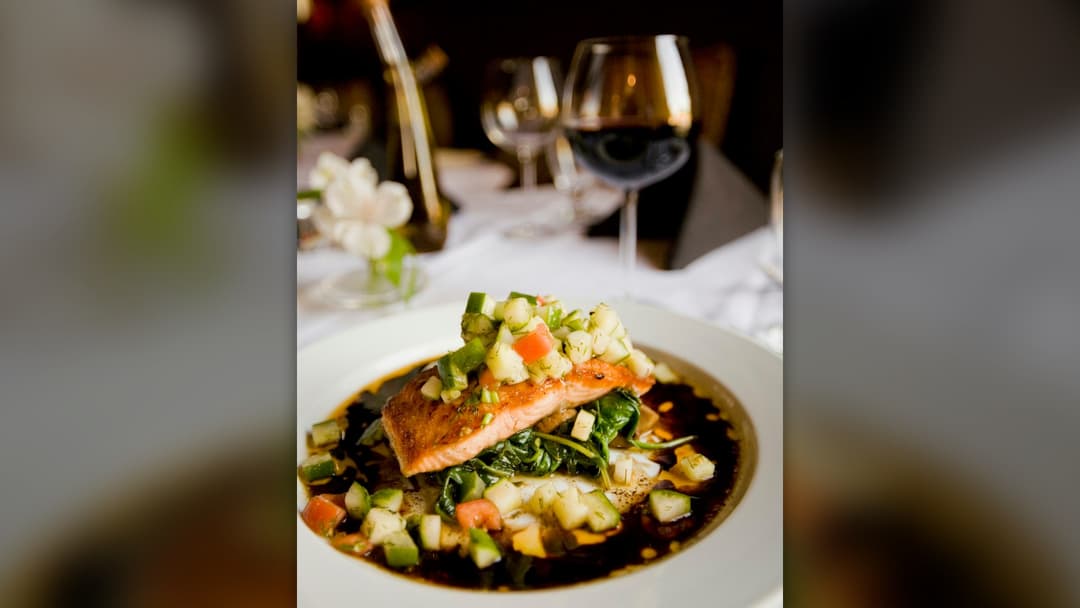
2. Petrochemical-Dyed Farmed Salmon
While wild salmon get their vibrant pink hue naturally from eating krill, US farmed salmon are fed synthetic astaxanthin synthesized from petrochemicals to turn their naturally grey flesh pink. Australia and New Zealand enforce strict restrictions on unapproved synthetic feed colorants.
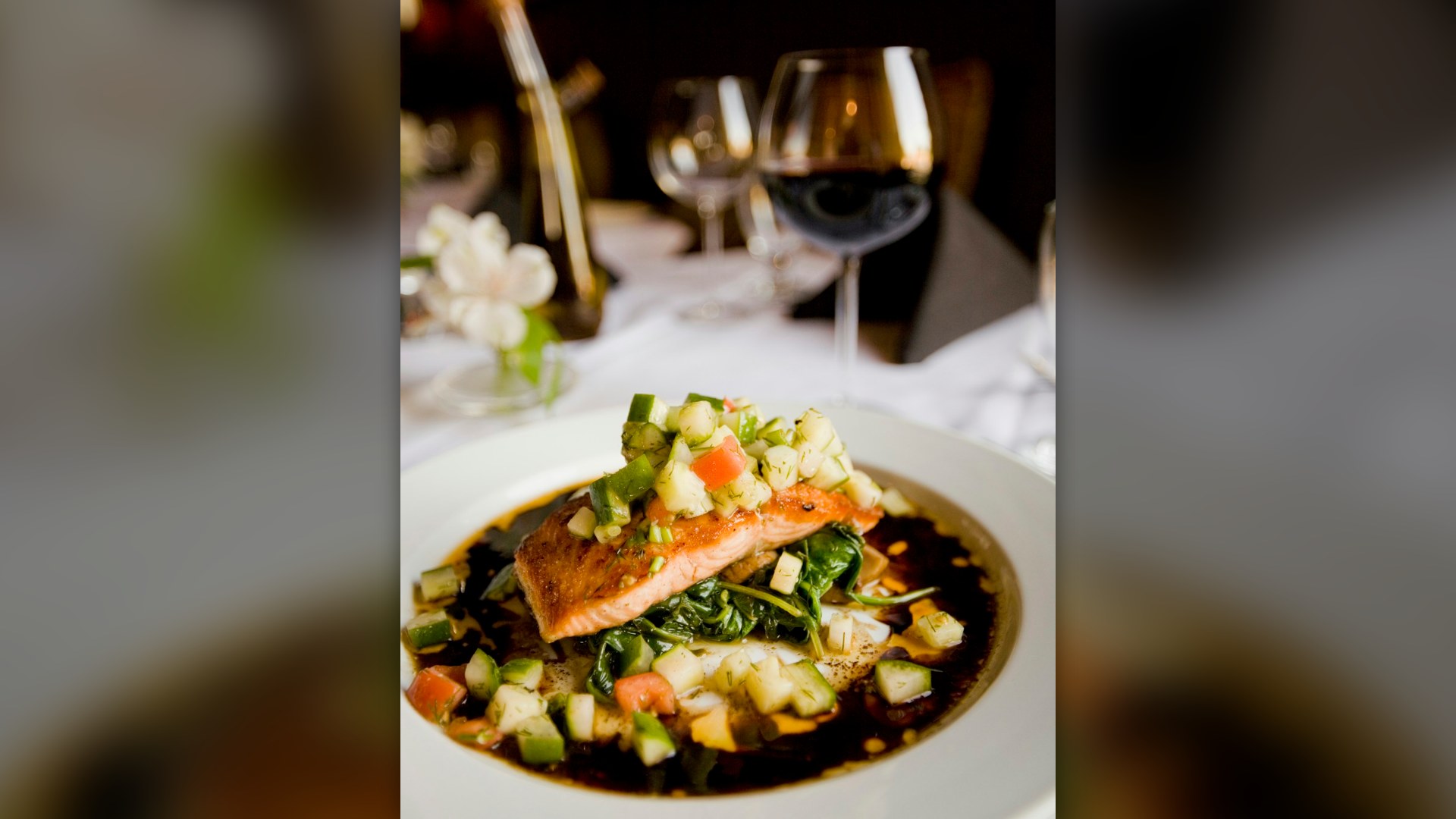
© Photo by Caroline Attwood on Unsplash
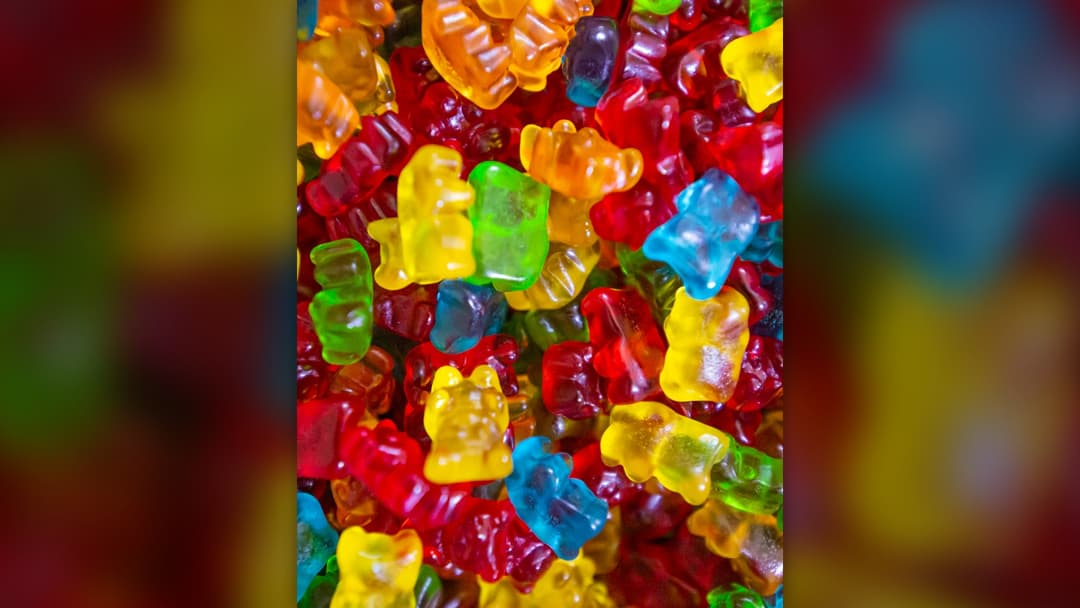
1. Red 40 Breakfast Cereals & Candy
From fruit-flavored cereals to red sodas and toaster pastries, American grocery carts are filled with Allura Red AC (Red 40). Linked in clinical trials to allergic reactions, migraines, and childhood behavioral disorders, European food safety authorities banned or forced brands to use beetroot juice instead.
© Photo by Amit Lahav on Unsplash
Advertisement
You've reached the end of the story. Thanks for reading!

22 High-Calorie Burning Exercises Ranked by Harvard Medical Data
Ranked according to Harvard Medical School caloric expenditure data, these 22 physical exercises burn the highest number of calories per hour for optimal cardiovascular health. Medical data reveals true effort.
All 10 Entries in this Story
10. Chlorine-Washed Chicken
In the US, the vast majority of factory-farmed poultry is treated with antimicrobial chlorine washes after slaughter. The European Union banned the practice in 1997, arguing chemical rinses merely mask unsanitary farm conditions rather than preventing bacterial contamination at the source.

9. Mac & Cheese With Artificial Dyes
Iconic neon American boxed macaroni uses petroleum-derived synthetic dyes Yellow 5 and Yellow 6. In the UK and EU, foods containing these colorants must carry explicit warning labels linking them to hyperactivity in children, prompting overseas versions to use natural paprika and turmeric instead.

8. rBGH Hormone-Treated Milk
Recombinant bovine growth hormone (rBGH) was developed to boost dairy cows' milk yield by 15%. Outlawed across Canada, the EU, Japan, and Australia, health agencies cite elevated IGF-1 cancer biomarker concerns and severe udder infections in dairy cattle.

7. Ractopamine-Fed Pork
Ractopamine is fed to American pigs in their final weeks to rapidly build lean meat while cutting feed costs. Over 160 nations—including the entire European Union, Russia, and China—strictly prohibit imports of ractopamine-treated pork over cardiovascular risks in humans.

6. Potassium Bromate In Commercial Bread
Commercial bakeries across the US use potassium bromate to strengthen dough, reduce baking time, and yield taller loaves. Banned in the UK, EU, Canada, and China since the 1990s, the International Agency for Research on Cancer classifies it as a potential human carcinogen.

5. Azodicarbonamide In Burger Buns
Used as a bleaching agent and dough conditioner in fast food hamburger buns, azodicarbonamide (ADA) breaks down into toxic semicarbazide during baking. It is strictly outlawed across Europe and Australia, while Singapore penalizes its commercial use with fines and up to 15 years in prison.

4. Olestra 'Fat-Free' Chips
Engineered as a zero-calorie fat replacer for savory snacks, Olestra passes through the digestive tract unabsorbed. Because it strips fat-soluble vitamins (A, D, E, K) from the body and causes severe gastrointestinal distress, it was promptly barred from European and Canadian store shelves.

3. BHA & BHT Cereal Preservatives
Butylated hydroxyanisole (BHA) and BHT are synthetic petroleum antioxidants added to cereal boxes and snack wrappers to prevent oils from spoiling. Strictly banned or capped across Japan and the EU, medical research links chronic exposure to endocrine disruption and abnormal cell growth.

2. Petrochemical-Dyed Farmed Salmon
While wild salmon get their vibrant pink hue naturally from eating krill, US farmed salmon are fed synthetic astaxanthin synthesized from petrochemicals to turn their naturally grey flesh pink. Australia and New Zealand enforce strict restrictions on unapproved synthetic feed colorants.

1. Red 40 Breakfast Cereals & Candy
From fruit-flavored cereals to red sodas and toaster pastries, American grocery carts are filled with Allura Red AC (Red 40). Linked in clinical trials to allergic reactions, migraines, and childhood behavioral disorders, European food safety authorities banned or forced brands to use beetroot juice instead.