Slideshow · Travel
Best Places to See the Northern Lights This Winter
With Solar Cycle 25 keeping geomagnetic activity near historic highs for the 2026–2027 winter season, count down the 20 best destinations on Earth to witness the Aurora Borealis.
By Most Viral Today
20 Oct 2026

20 Arctic Skies Where Solar Maximum Paints the Ultimate Winter Aurora 
20. Lääneranna Coast, West Estonia 
19. Voyageurs & Northern Minnesota, USA 
18. Baltasound, Shetland Islands, Scotland - AdvertisementSwipe or tap ▶ to continue countdown

17. Kiruna, Swedish Lapland, Sweden 
16. Whitehorse, Yukon, Canada 
15. Denali & Alaska Range, Alaska, USA 
14. Churchill, Manitoba, Canada - AdvertisementSwipe or tap ▶ to continue countdown

13. Kangerlussuaq & Ilulissat, Greenland 
12. Longyearbyen, Svalbard, Norway 
11. Senja Island, Troms, Norway 
10. Lake Inari, Sápmi, Finland - AdvertisementSwipe or tap ▶ to continue countdown

9. Kirkjufell Mountain, Snæfellsnes, Iceland 
8. Jökulsárlón Glacier Lagoon, Iceland 
7. Lofoten Islands, Nordland, Norway 
6. Yellowknife, Northwest Territories, Canada - AdvertisementSwipe or tap ▶ to continue countdown

5. Fairbanks, Interior Alaska, USA 
4. Thingvellir National Park, Iceland 
3. Levi & Rovaniemi, Finnish Lapland, Finland 
2. Abisko National Park, Sweden - AdvertisementSwipe or tap ▶ to continue countdown

1. Tromsø & Lyngen Fjord, Norway - Advertisement🔥 UP NEXT IN THIS SERIES◫ 23 Slides

22 World-Famous Cruise Ships and Island Ports for Solo Travelers
Compiled from CLIA industry reports and passenger records, these twenty-two cruise ships and island ports feature dedicated solo amenities and unforgettable excursions. Industry surveys confirm solo cruising growth.
With Solar Cycle 25 keeping geomagnetic activity near historic highs for the 2026–2027 winter season, count down the 20 best destinations on Earth to witness the Aurora Borealis.
Swipe or tap ▶ to begin the countdown
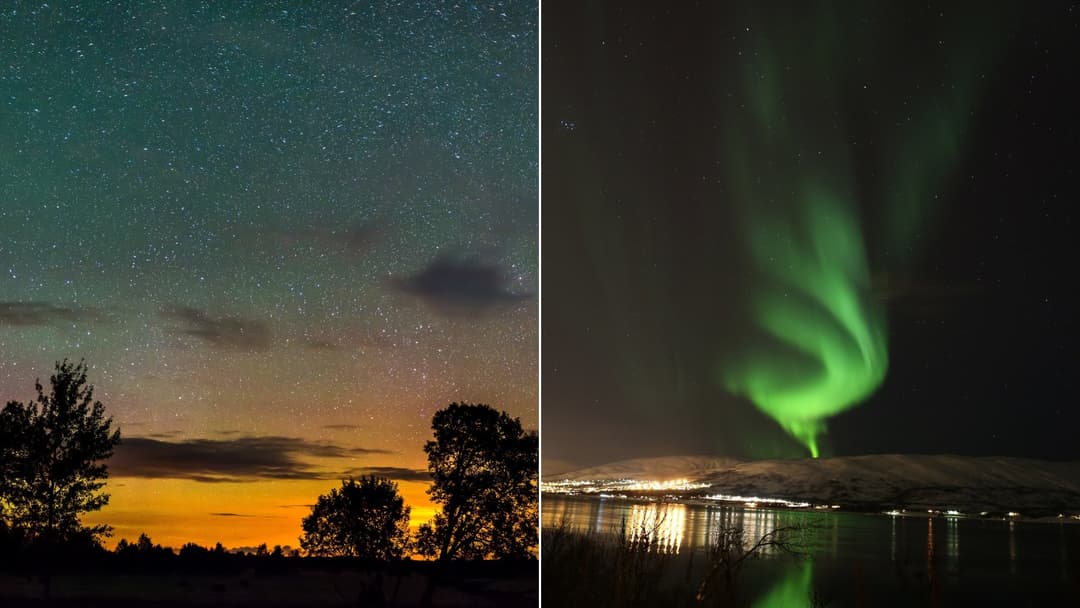
©Wikimedia / Kristian Pikner & Wikimedia / Alchemist-hp
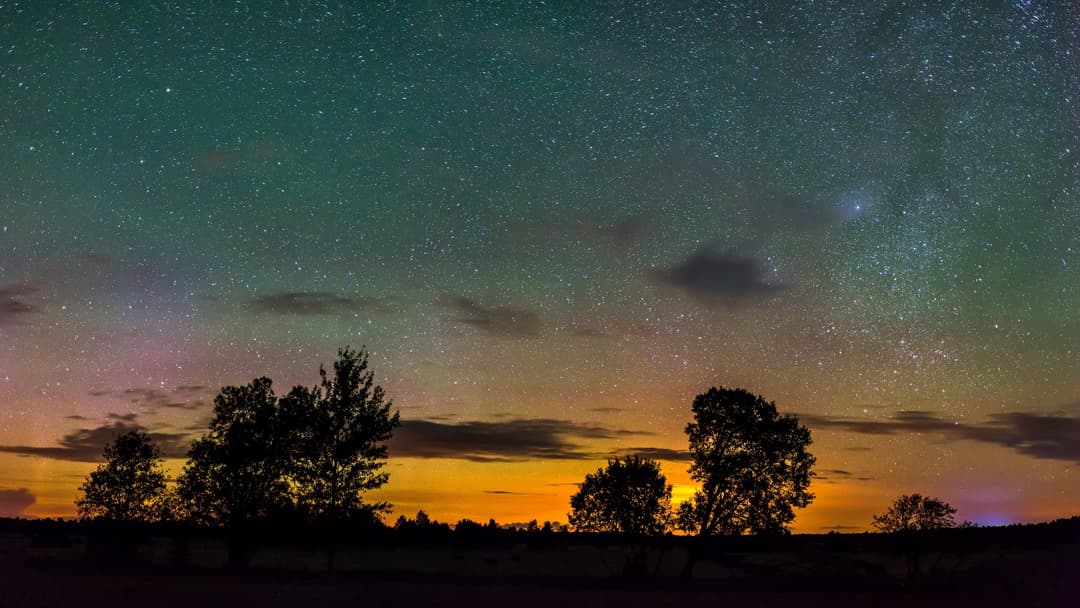
20. Lääneranna Coast, West Estonia
Known locally as 'Virmalised,' the Northern Lights frequently dance across Estonia's dark Baltic coastline during strong solar storms in 2026. The flat, unobstructed northern horizon over the Gulf of Finland and Matsalu Bay offers European skywatchers a budget-friendly winter escape.
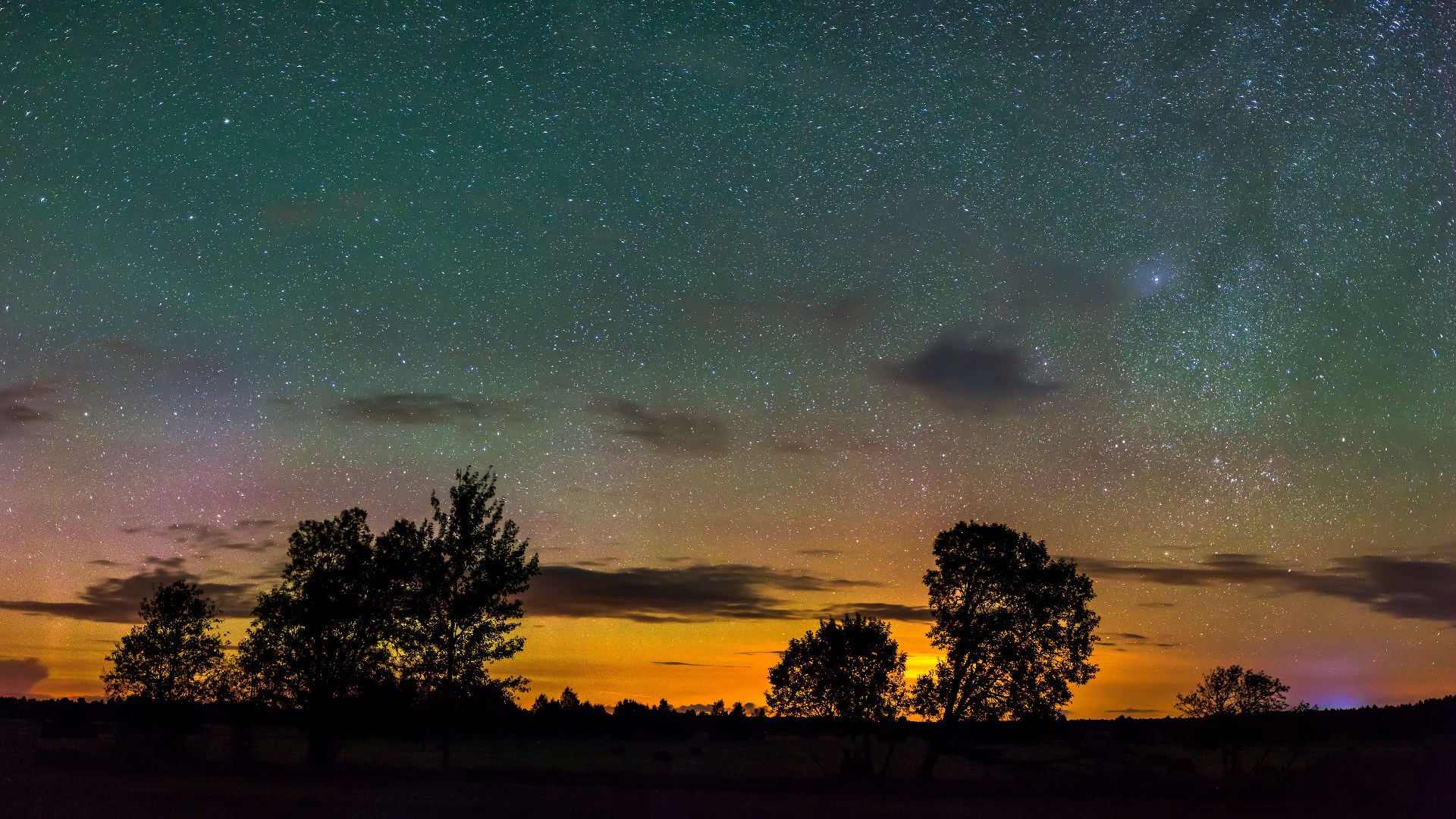
©Wikimedia / Kristian Pikner
19. Voyageurs & Northern Minnesota, USA
You do not need a passport to catch brilliant geomagnetic storms from the Lower 48. From Rushford's quiet rural valleys up to Voyageurs National Park—a certified International Dark Sky Park on the Canadian border—frozen lakes reflect vivid green and crimson auroral pillars all winter.
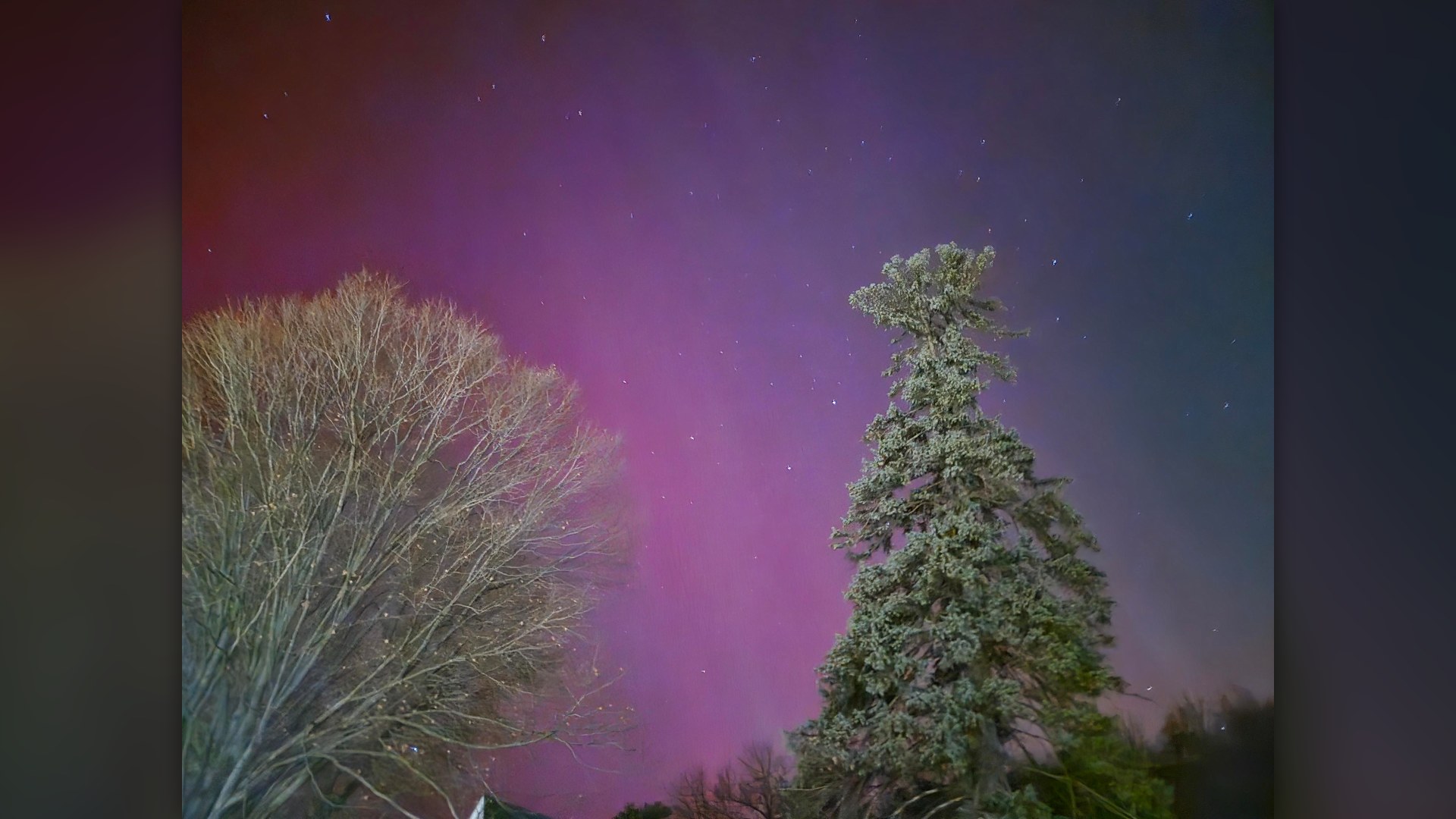
©Wikimedia / James Reynolds
18. Baltasound, Shetland Islands, Scotland
Sitting at 60°N latitude—the same parallel as southern Greenland and Alaska—Unst and Baltasound in Scotland's Shetland archipelago are Britain's premier aurora outpost. Locals call the Northern Lights the 'Mirrie Dancers,' which shimmer over dramatic sea cliffs from October through March.
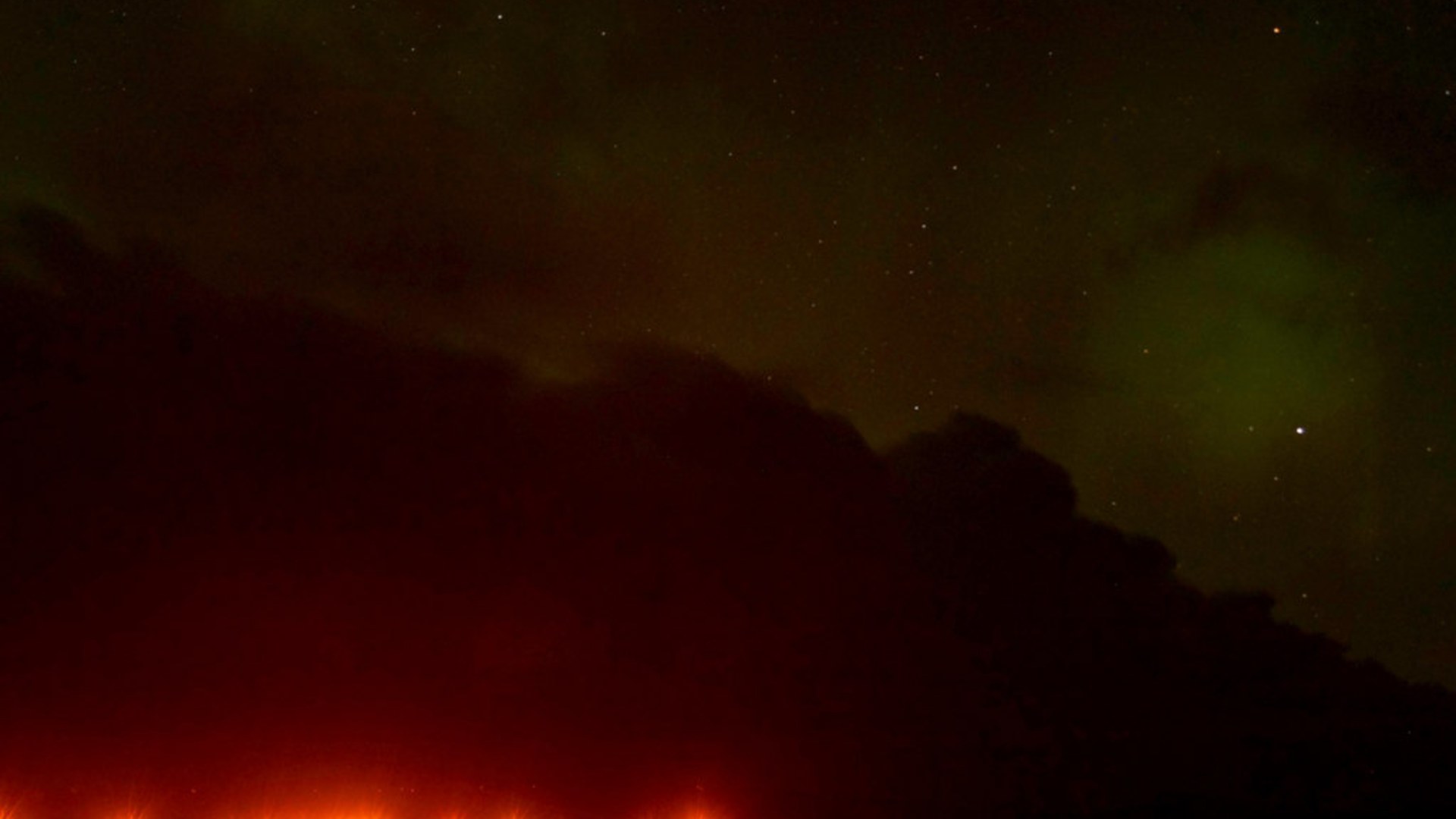
©Wikimedia / Mike Pennington
Advertisement
Swipe or tap ▶ to resume the countdown.
17. Kiruna, Swedish Lapland, Sweden
Located 145 kilometers north of the Arctic Circle, Kiruna is the gateway to Sweden's high-latitude wilderness, the Esrange Space Center, and the world-renowned Icehotel in nearby Jukkasjärvi. Crisp, dry continental winters keep cloud cover low and auroral visibility exceptionally high.
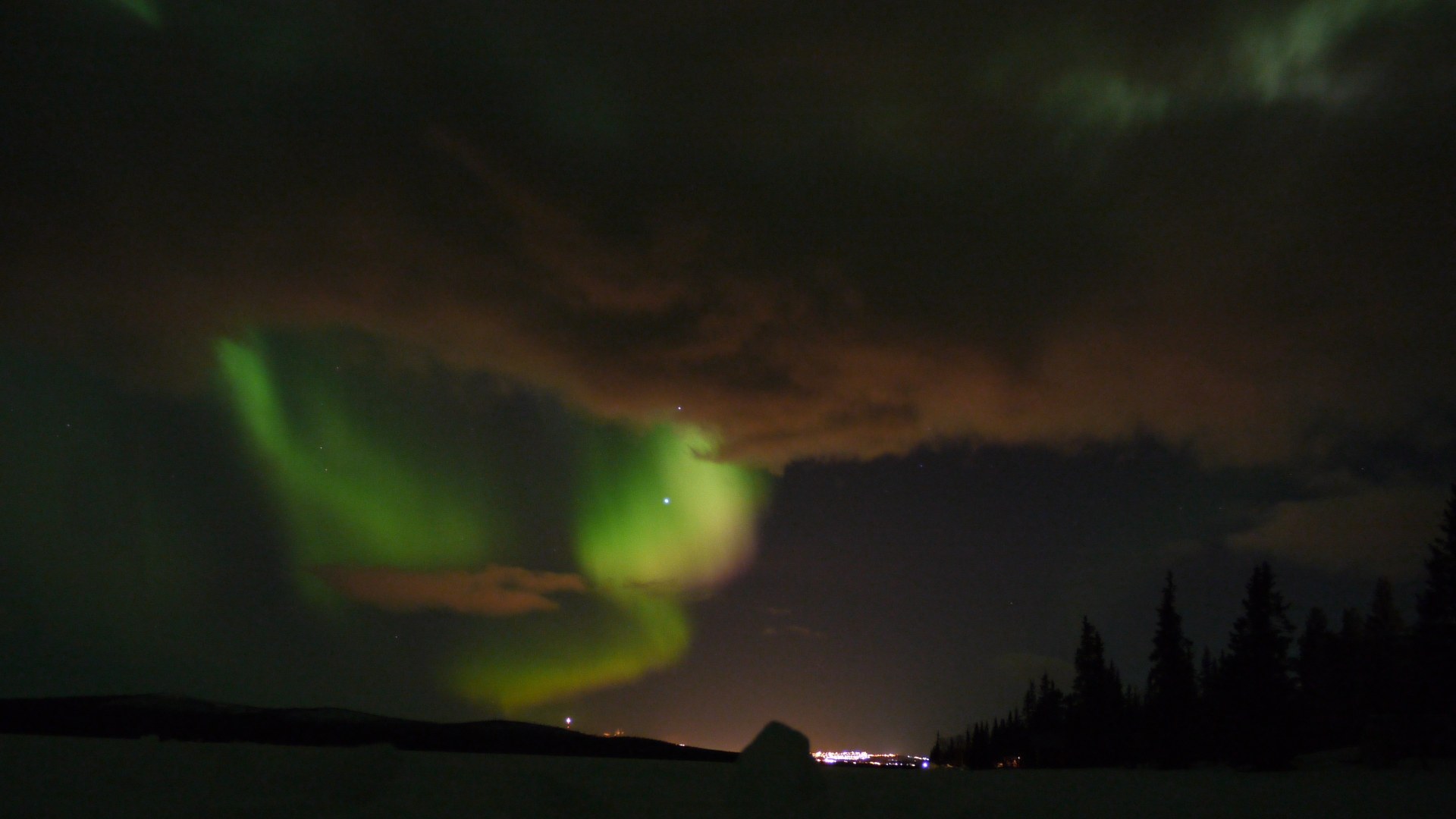
©Wikimedia / Tamura
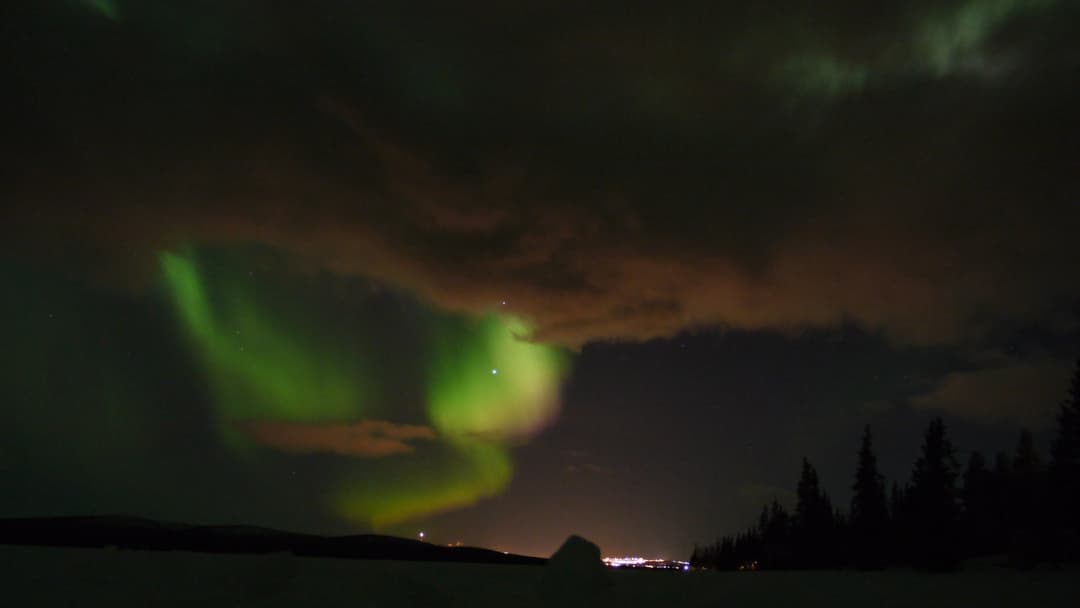
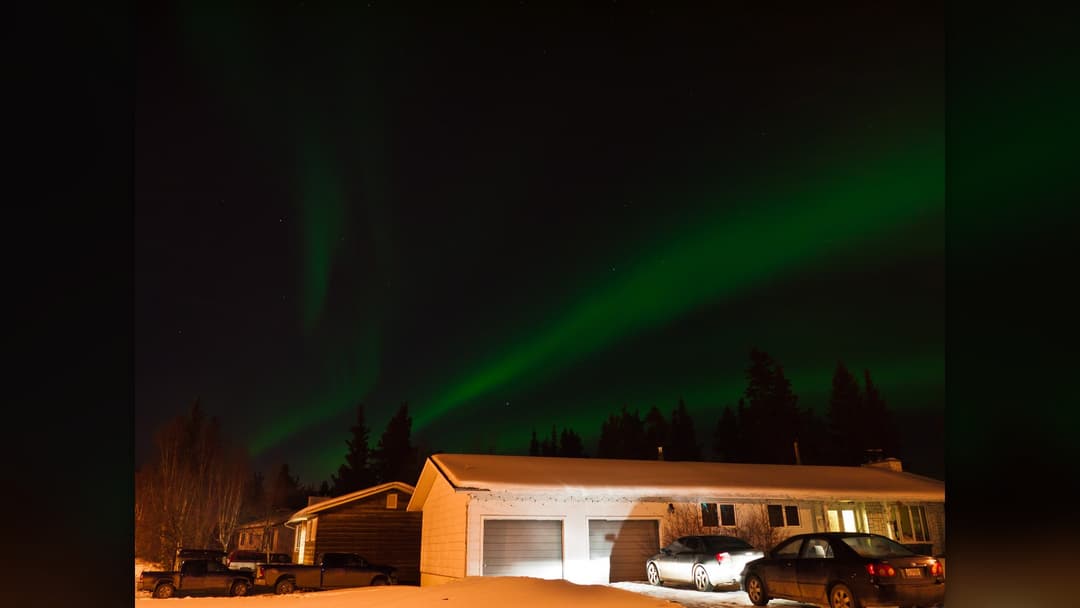
16. Whitehorse, Yukon, Canada
With minimal urban light pollution surrounded by vast boreal forest and mountain valleys, Whitehorse is one of North America's coziest winter aurora hubs. Visitors can watch green curtains of light from heated timber cabins, glass chalets, or the steaming mineral pools of Eclipse Nordic Hot Springs.
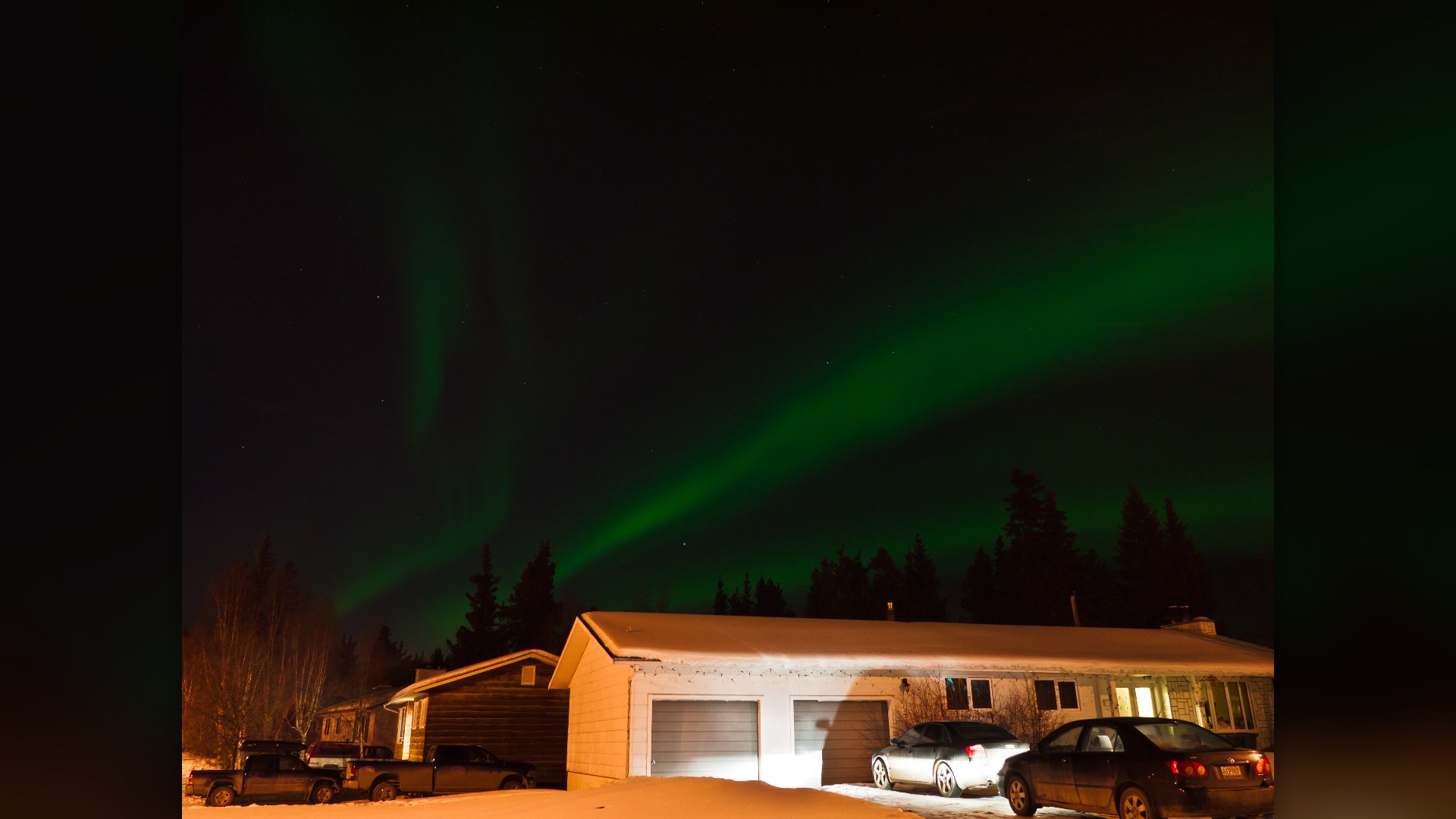
©Wikimedia / Anthony DeLorenzo
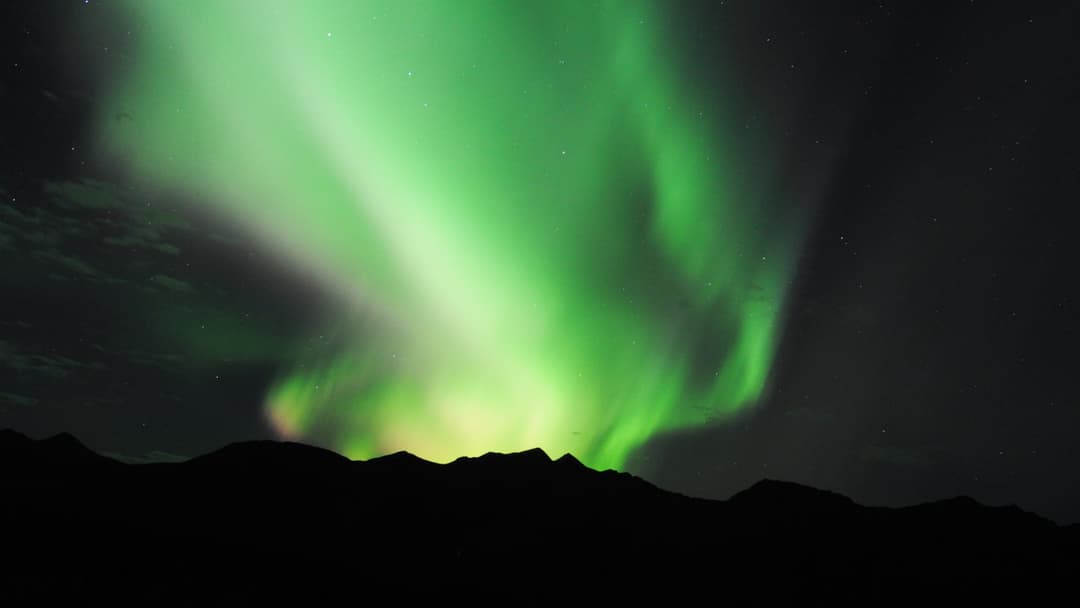
15. Denali & Alaska Range, Alaska, USA
Spanning six million acres of pristine Alaskan interior without a single streetlight, Denali National Park and the eastern Alaska Range deliver Bortle Class 1 pitch-black winter skies. From late August through April, emerald and violet auroral arcs crown the snowy mountain peaks.
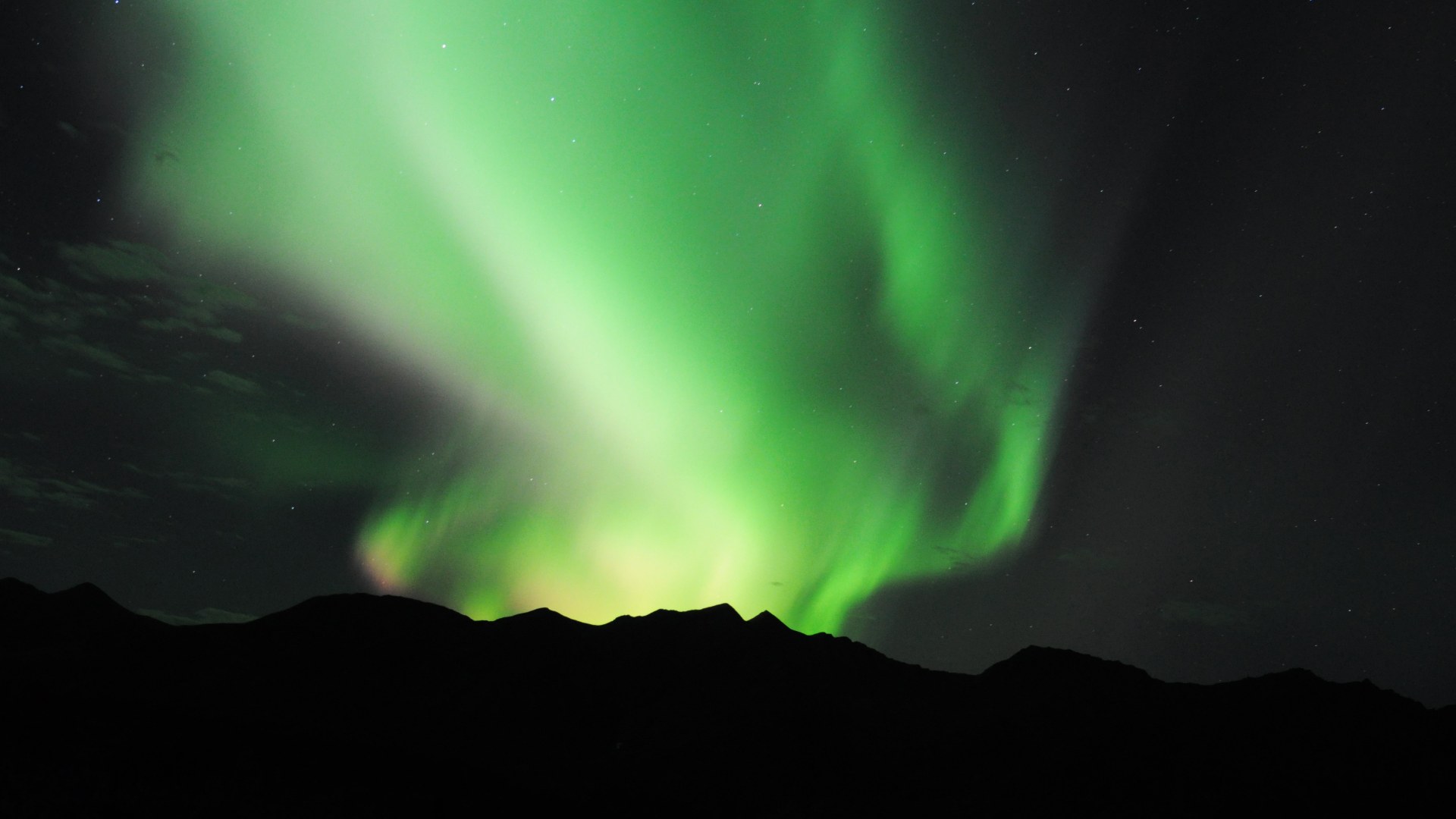
©Wikimedia / Paxson Woelber
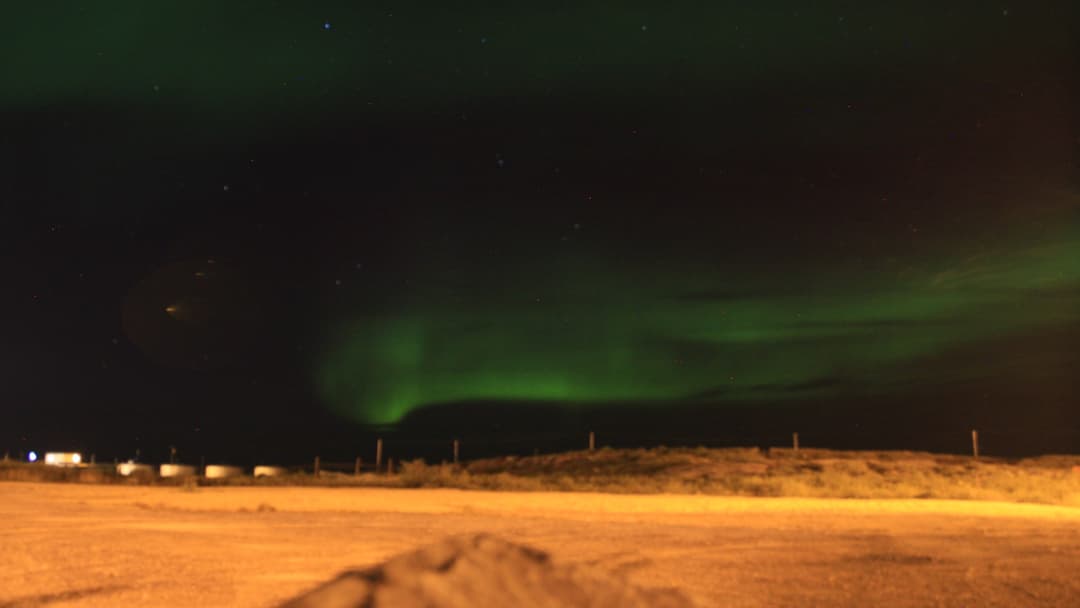
14. Churchill, Manitoba, Canada
Famous as the Polar Bear Capital of the World, Churchill sits on the western shore of Hudson Bay directly underneath the Earth's auroral oval. In the deep freeze of January through March, scientists and travelers gather in custom heated 'Tundra Buggies' and glass domes for overhead displays.
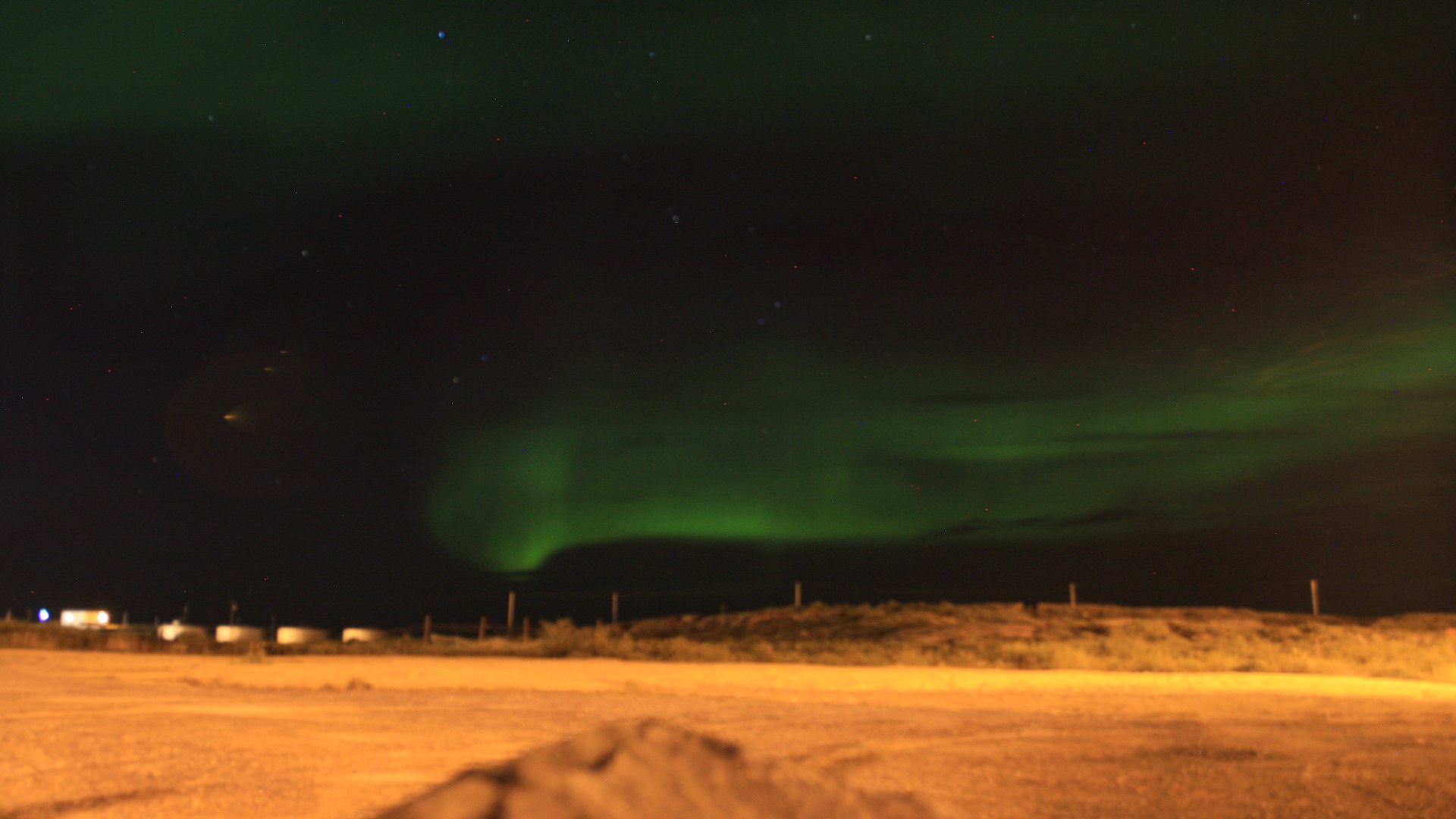
©Wikimedia / TravelingOtter
Advertisement
Swipe or tap ▶ to resume the countdown.
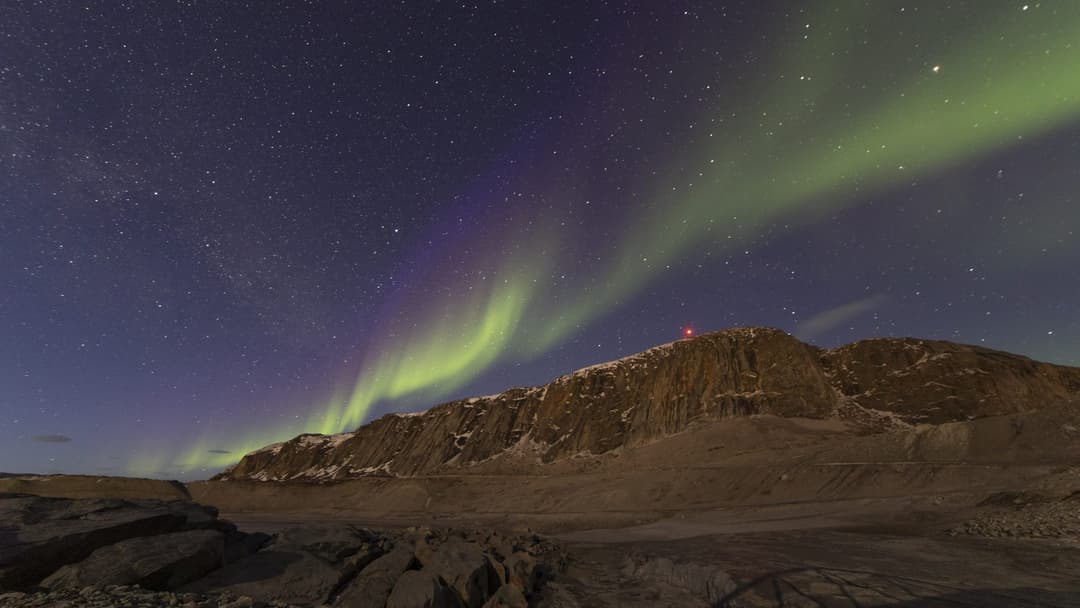
13. Kangerlussuaq & Ilulissat, Greenland
Protected by the massive Greenland Ice Sheet, inland Kangerlussuaq enjoys an Arctic desert climate with over 300 clear sky days per year, while coastal Ilulissat pairs towering UNESCO-listed icebergs in Disko Bay with shimmering green reflections across the frozen water.
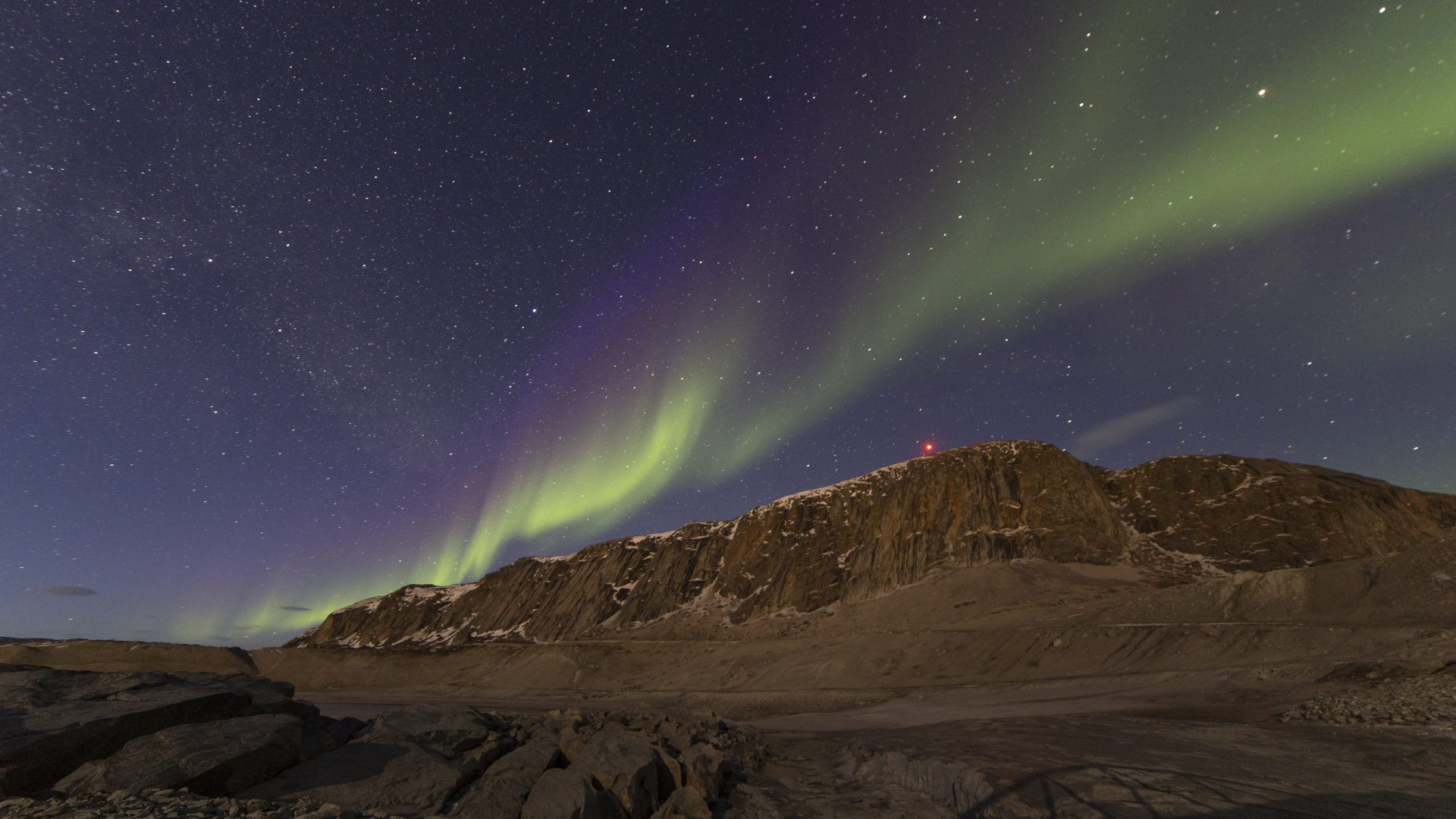
©Wikimedia / Jeremy Harbeck (NASA)
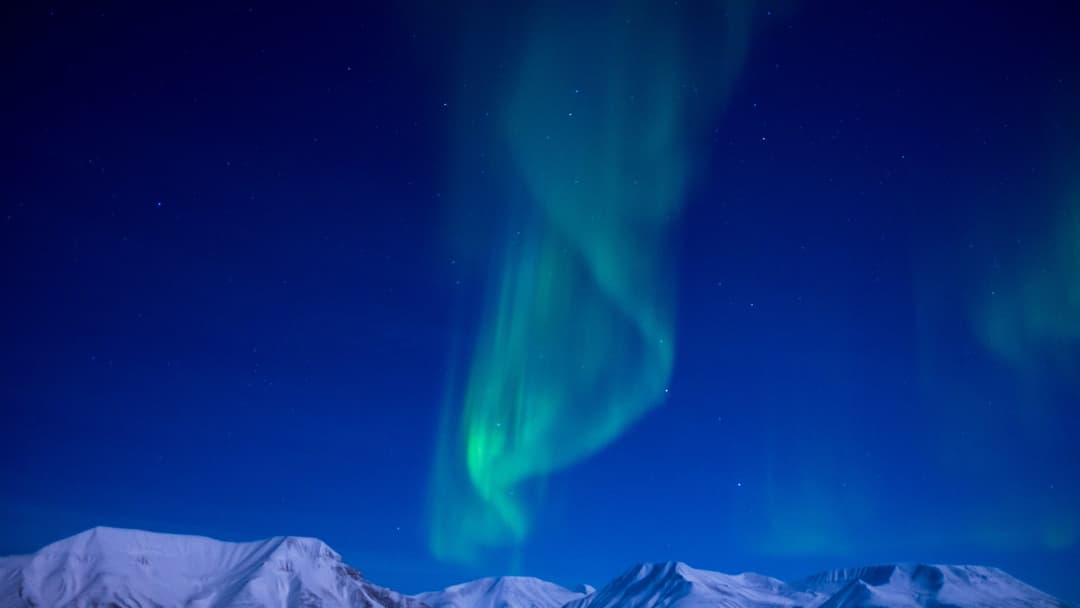
12. Longyearbyen, Svalbard, Norway
At 78°N latitude, the High Arctic archipelago of Svalbard is the only permanently inhabited place on Earth where travelers can witness the daytime aurora. During the Polar Night from mid-November through late January, the sun never rises, allowing crimson and green auroras to appear even at noon.
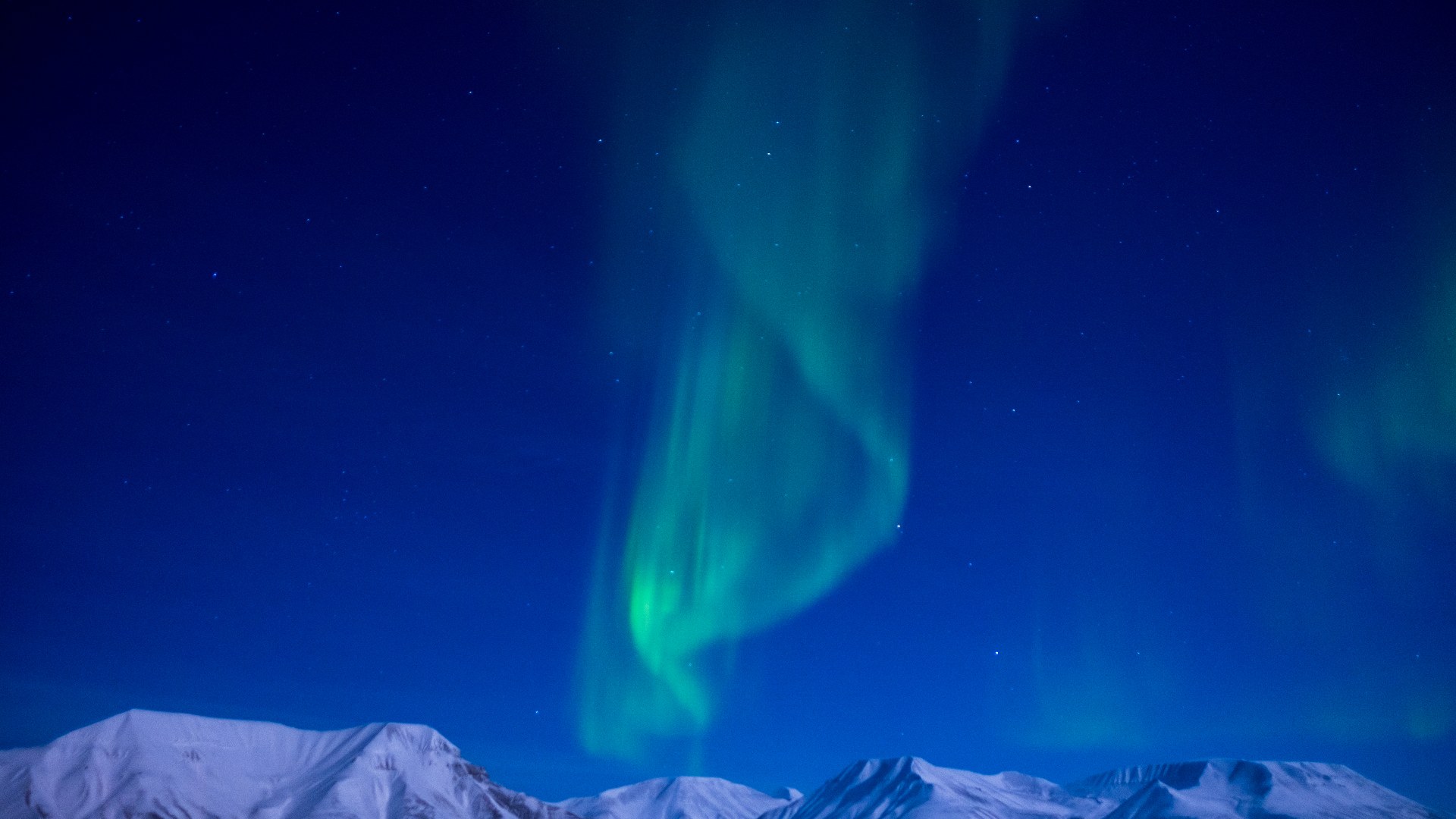
©Wikimedia / Frode Ramone
11. Senja Island, Troms, Norway
For travelers seeking dramatic coastal mountain scenery without big tour buses, Norway's second-largest island sits squarely in the auroral zone just south of Tromsø. From the Tungeneset coastal boardwalk, emerald ribbons frame the jagged 'Devil's Teeth' (Okshornan) peaks rising straight out of the Norwegian Sea.
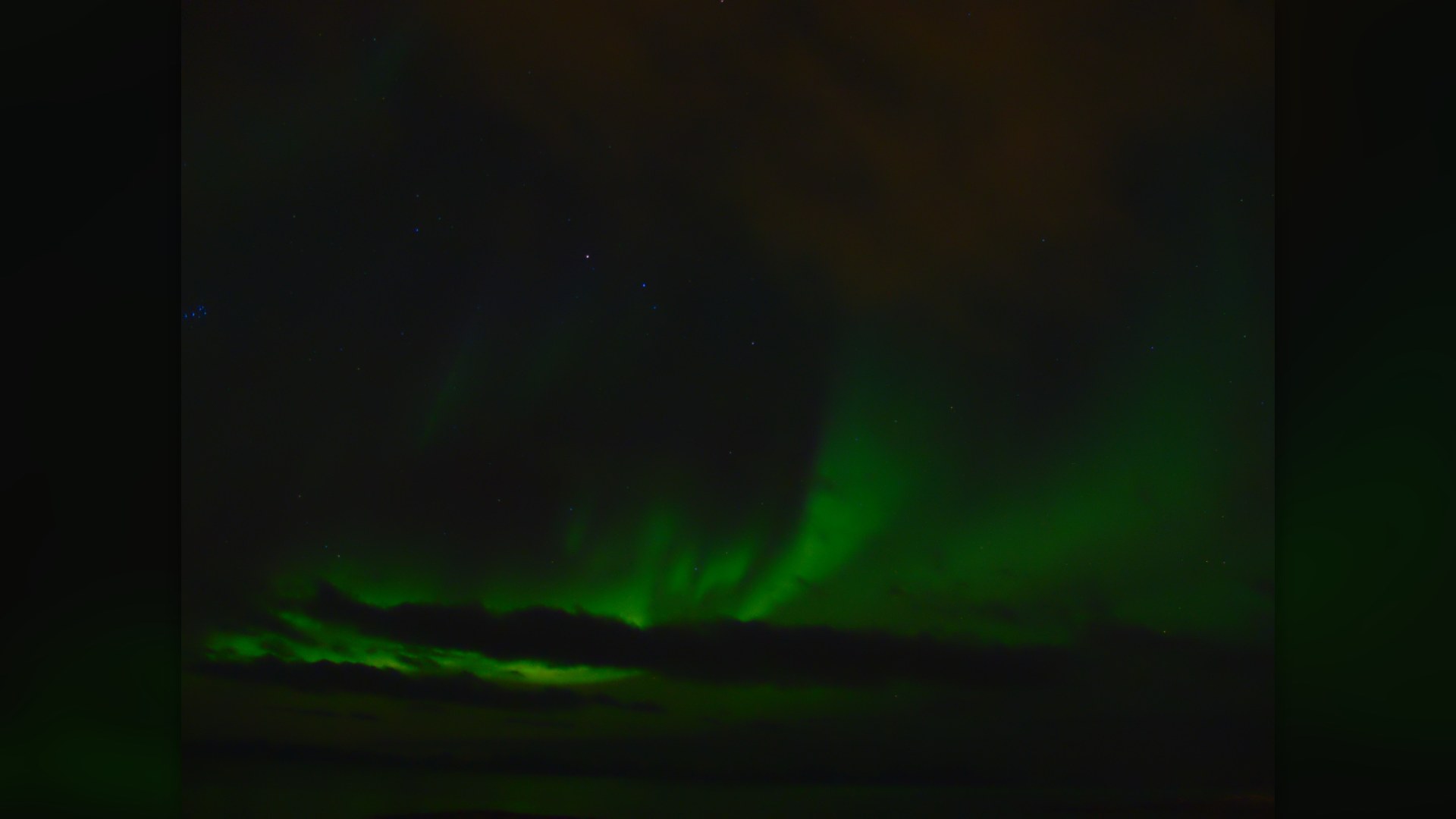
©Wikimedia / Trond Abrahamsen
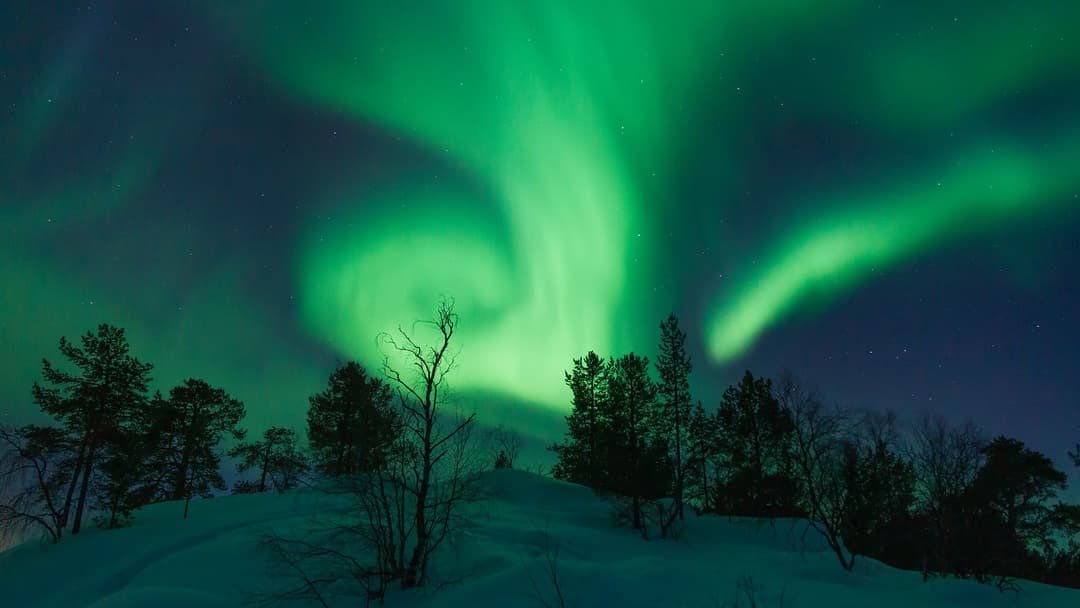
10. Lake Inari, Sápmi, Finland
Far north of Rovaniemi in the cultural heartland of the Indigenous Sámi people, frozen Lake Inari (Inarijärvi) spans over 1,000 square kilometers with virtually zero light pollution. Glass-roofed aurora cabins and reindeer sleigh excursions let visitors watch swirling coronas directly overhead.
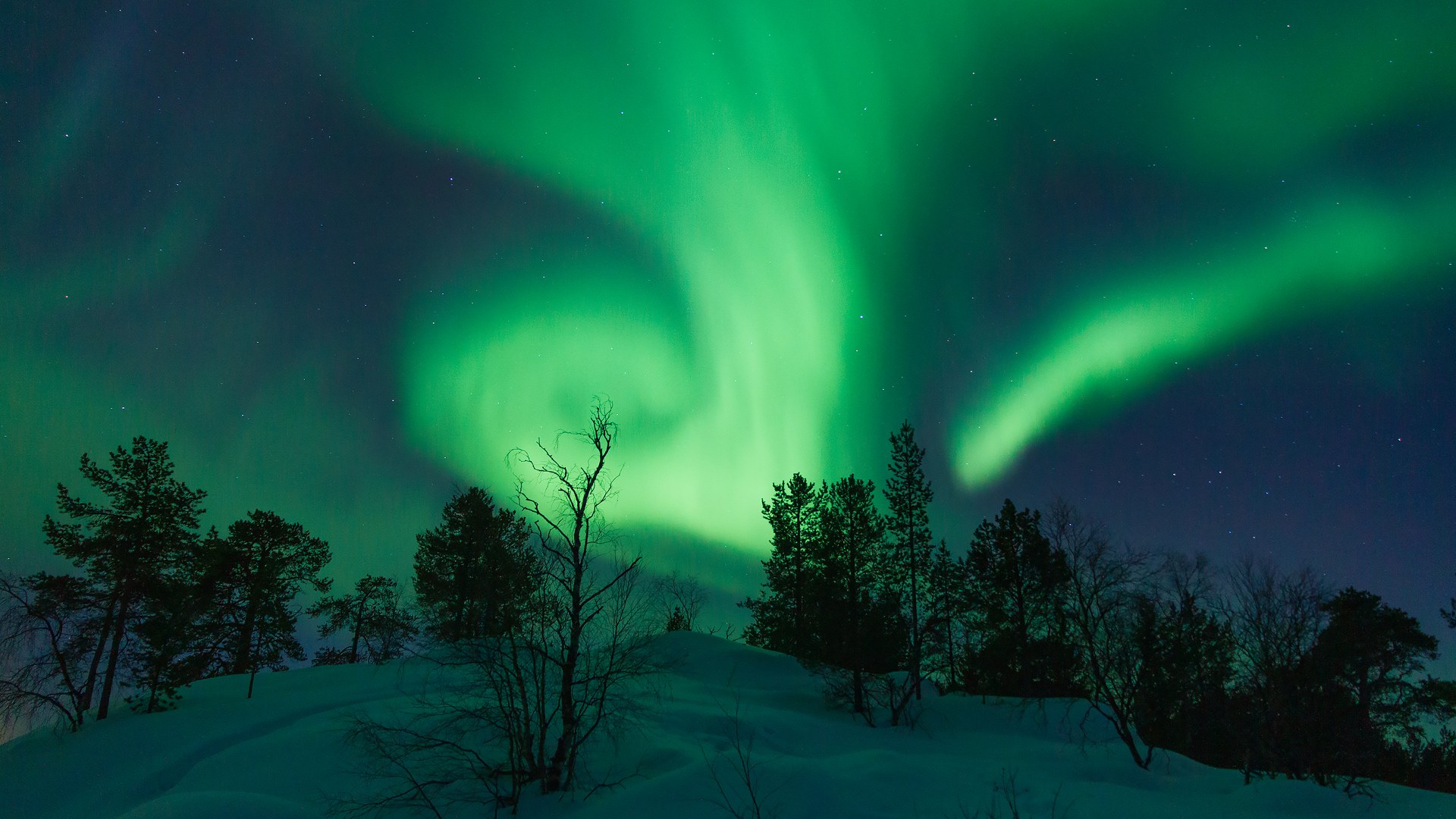
©Wikimedia / Simo Räsänen
Advertisement
Swipe or tap ▶ to resume the countdown.
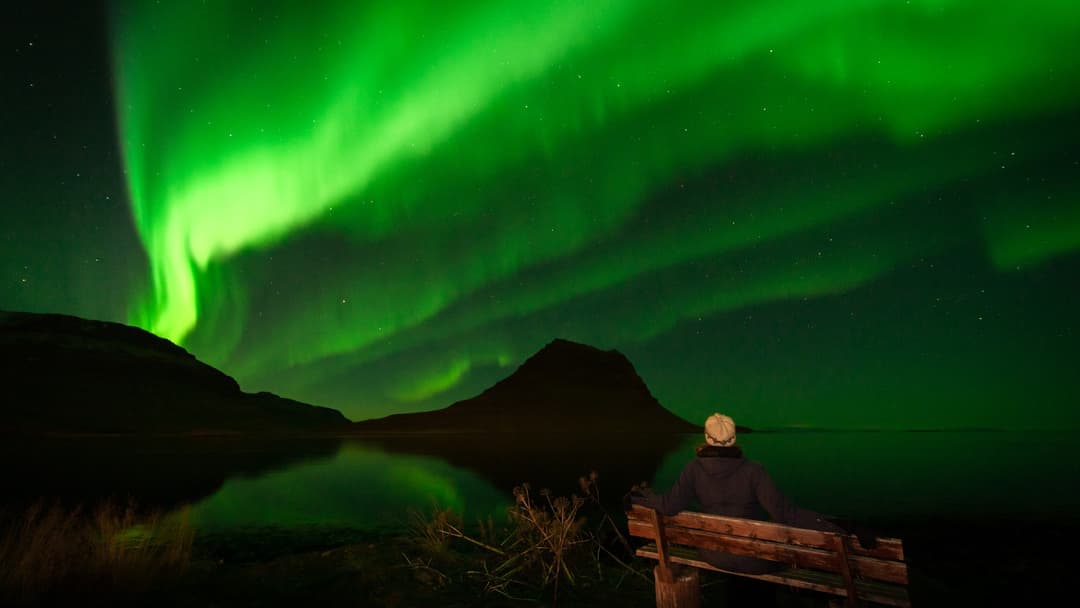
9. Kirkjufell Mountain, Snæfellsnes, Iceland
Rising 463 meters above the Snæfellsnes Peninsula in western Iceland, symmetrically sculpted Kirkjufell ('Church Mountain') is famous worldwide as 'Arrowhead Mountain' from Game of Thrones. In winter, green auroral arcs reflect off the icy pools of Kirkjufellsfoss waterfall below its peak.
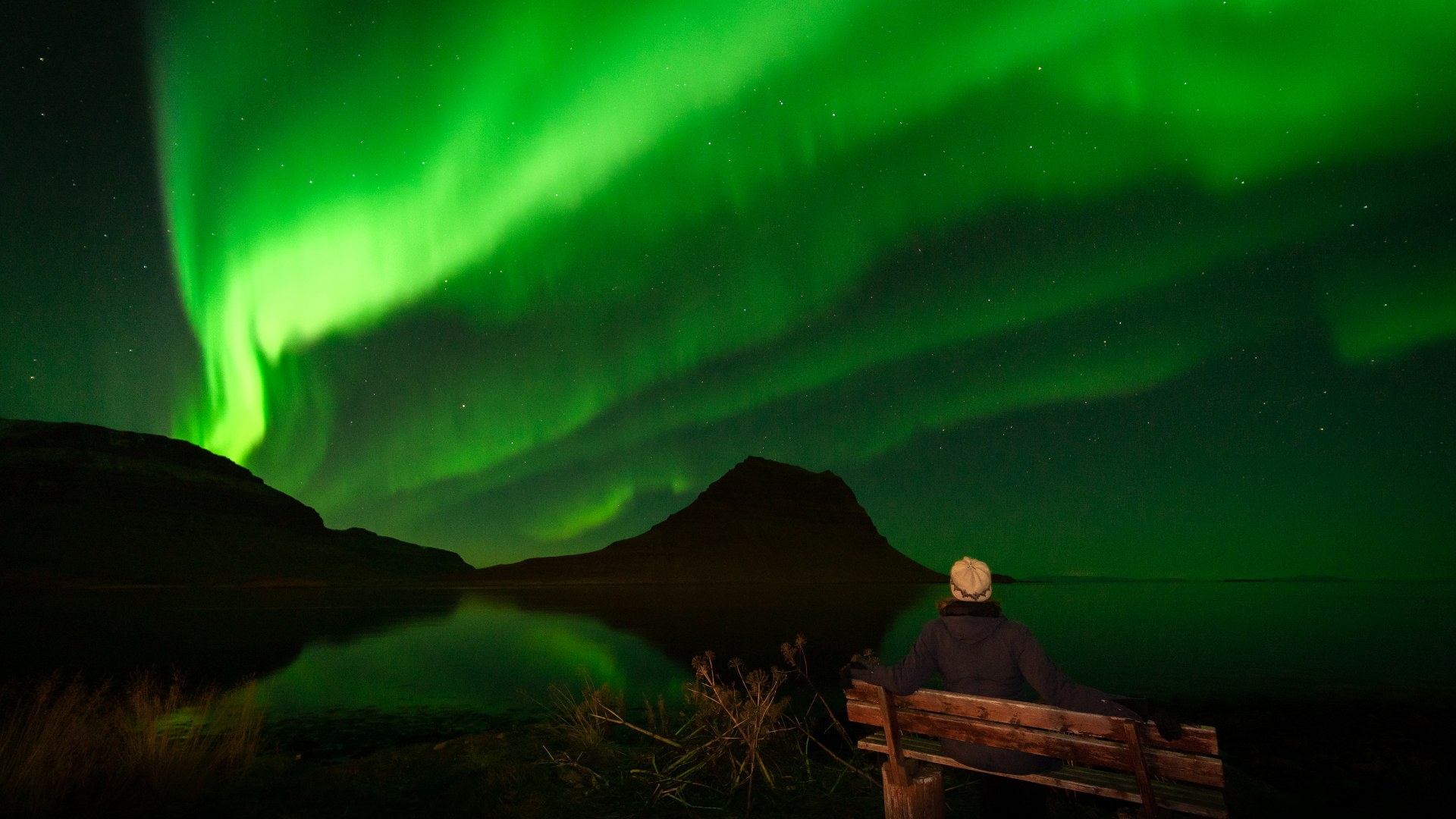
©Wikimedia / Oliver Degener
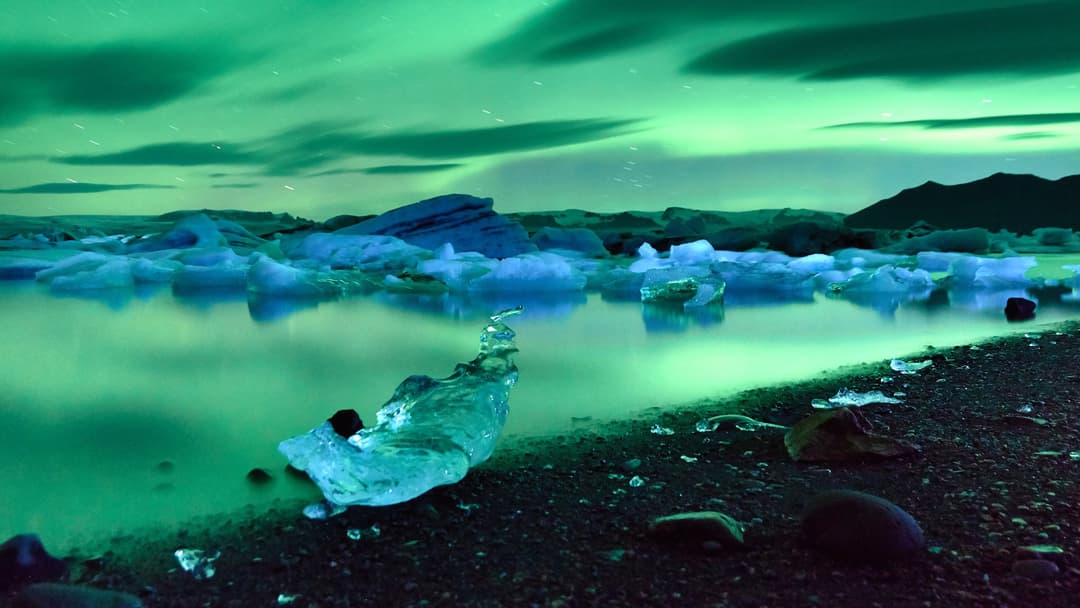
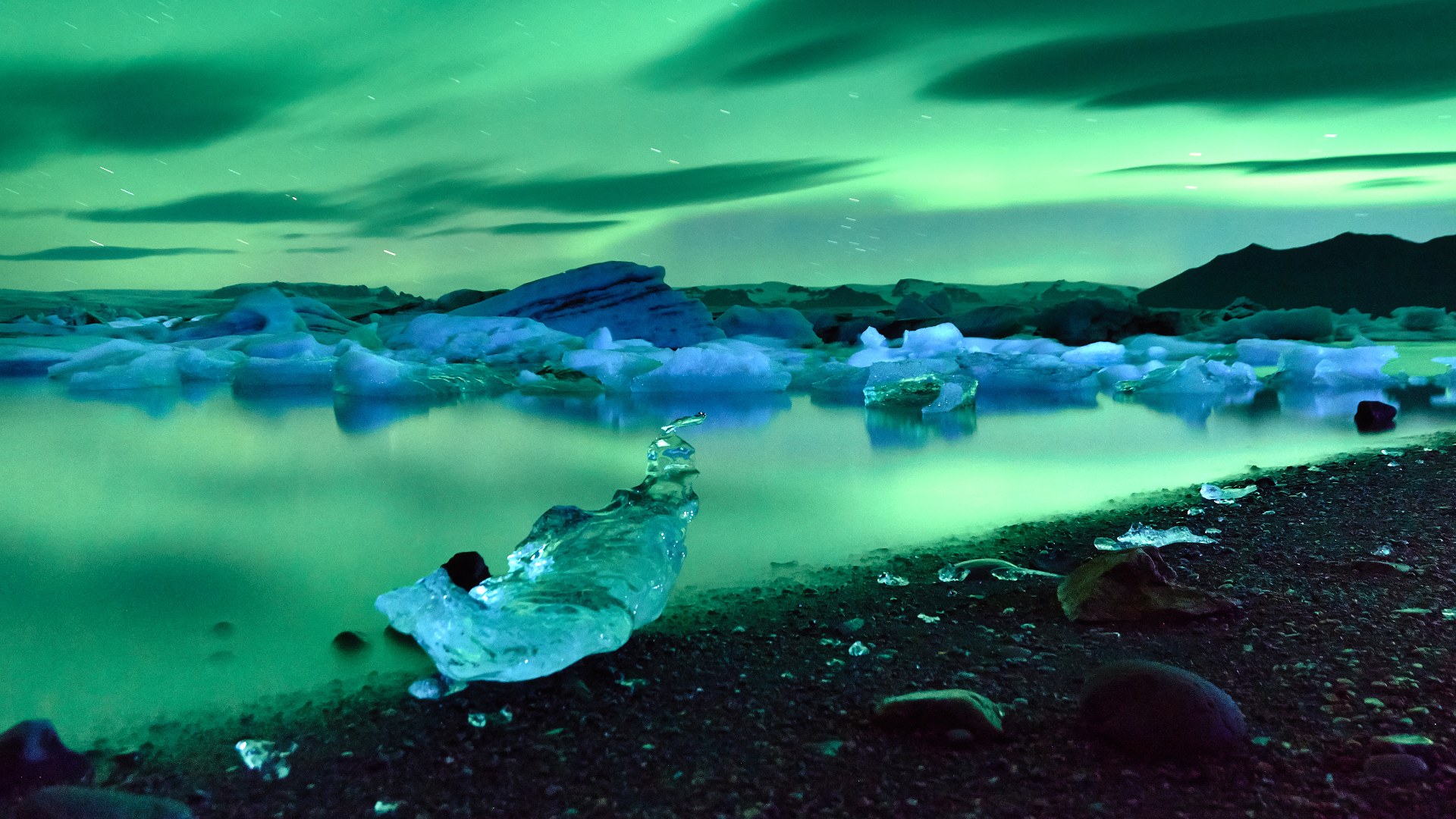
8. Jökulsárlón Glacier Lagoon, Iceland
On Iceland's southeastern coast at the edge of Vatnajökull National Park, giant blue-and-white icebergs calve from Breiðamerkurjökull glacier into Jökulsárlón lagoon and wash ashore on nearby Diamond Beach. When the aurora erupts overhead, the ice blocks glow like giant emeralds in the dark.
©Wikimedia / Moyan Brenn
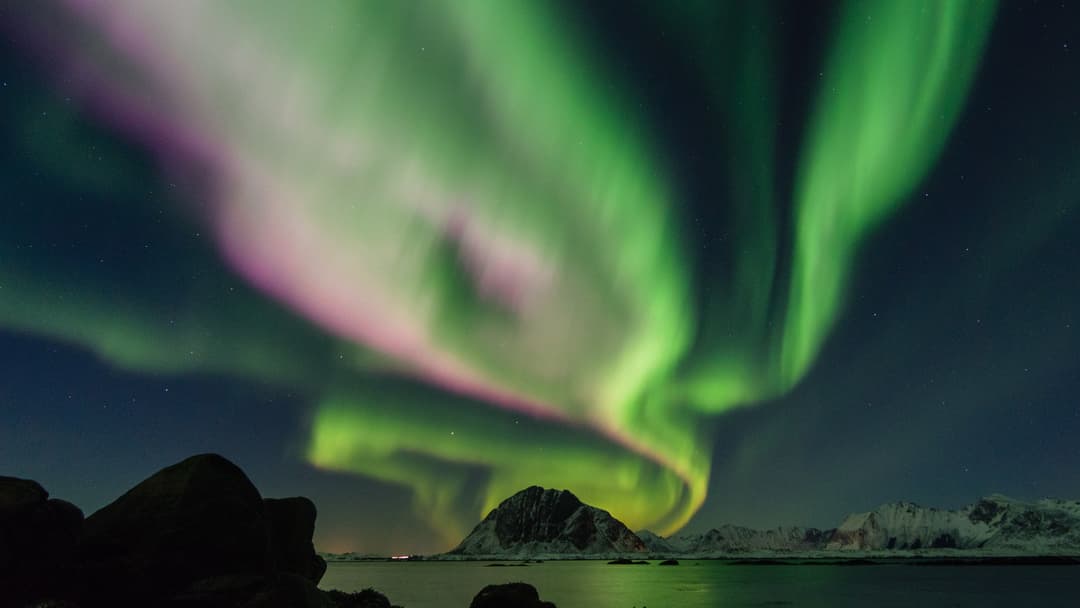
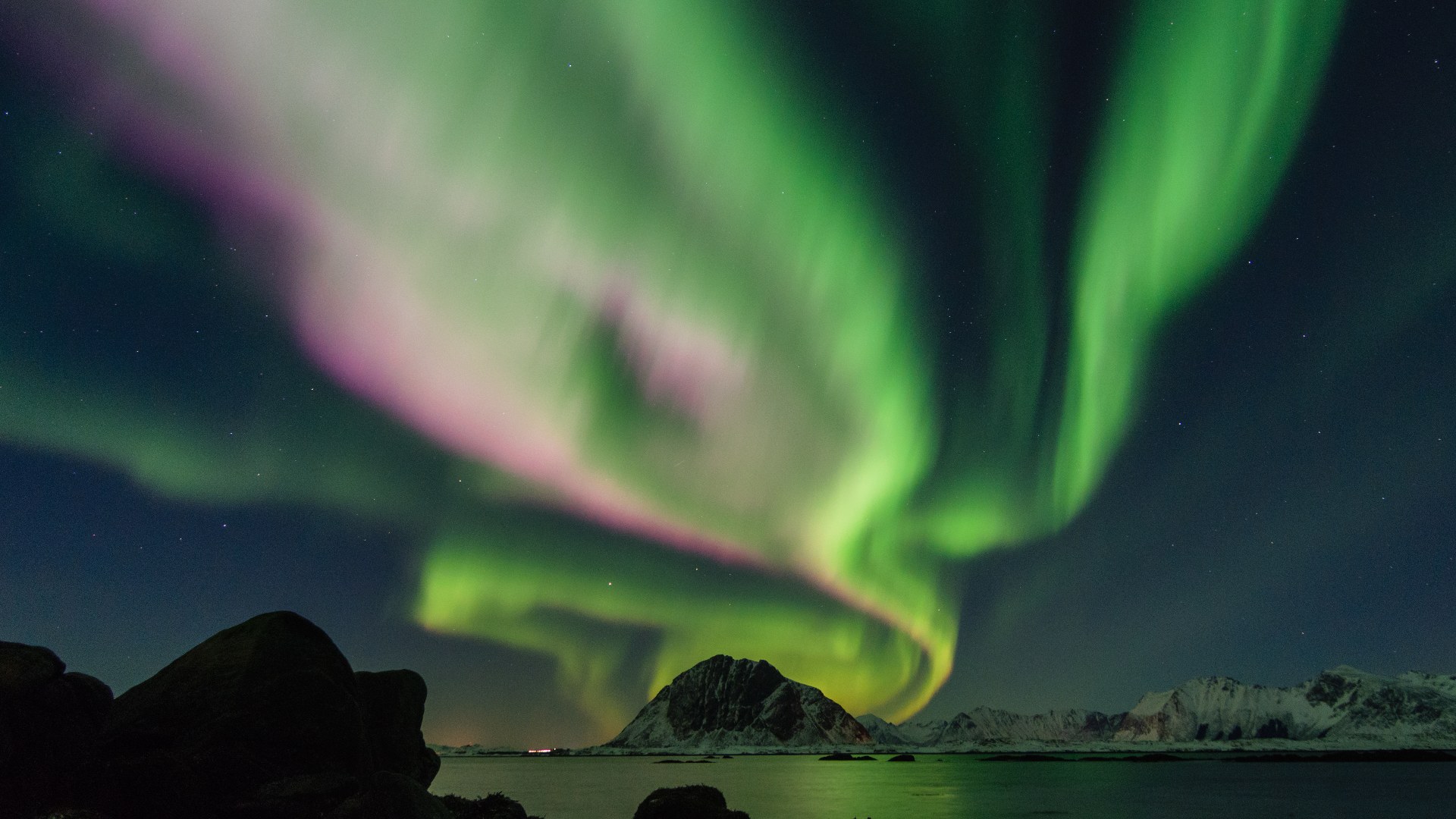
7. Lofoten Islands, Nordland, Norway
Draped across the 68th parallel, the Lofoten archipelago sits directly beneath the primary auroral oval while enjoying surprisingly mild winter temperatures thanks to the Gulf Stream. Traditional red wooden fishermen's cabins (rorbuer) in Reine and Hamnøy sit framed by sheer alpine walls and Arctic surf.
©Wikimedia / Johannes Groll
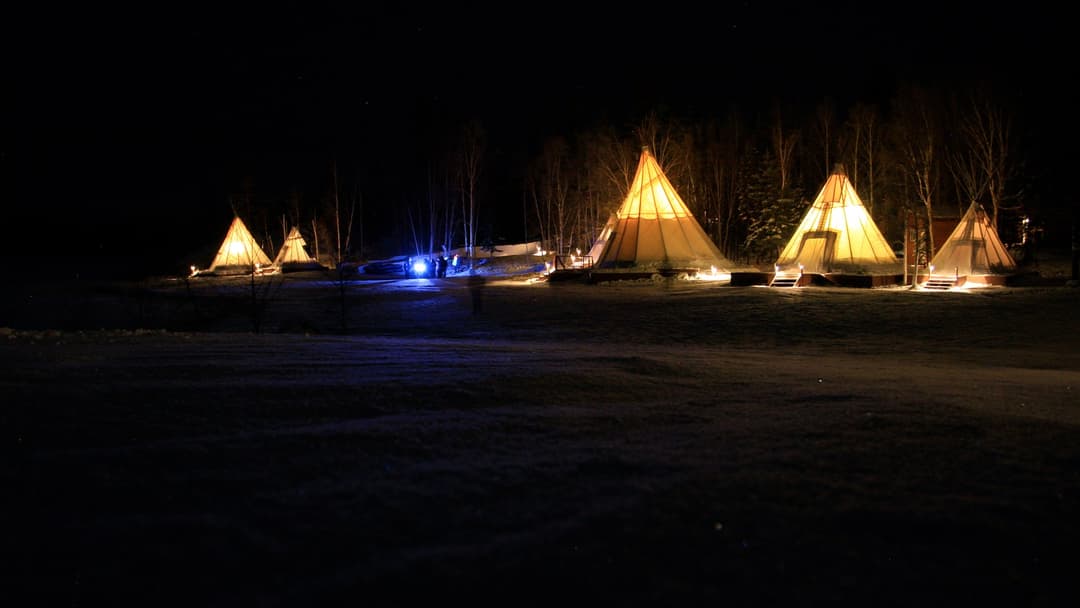
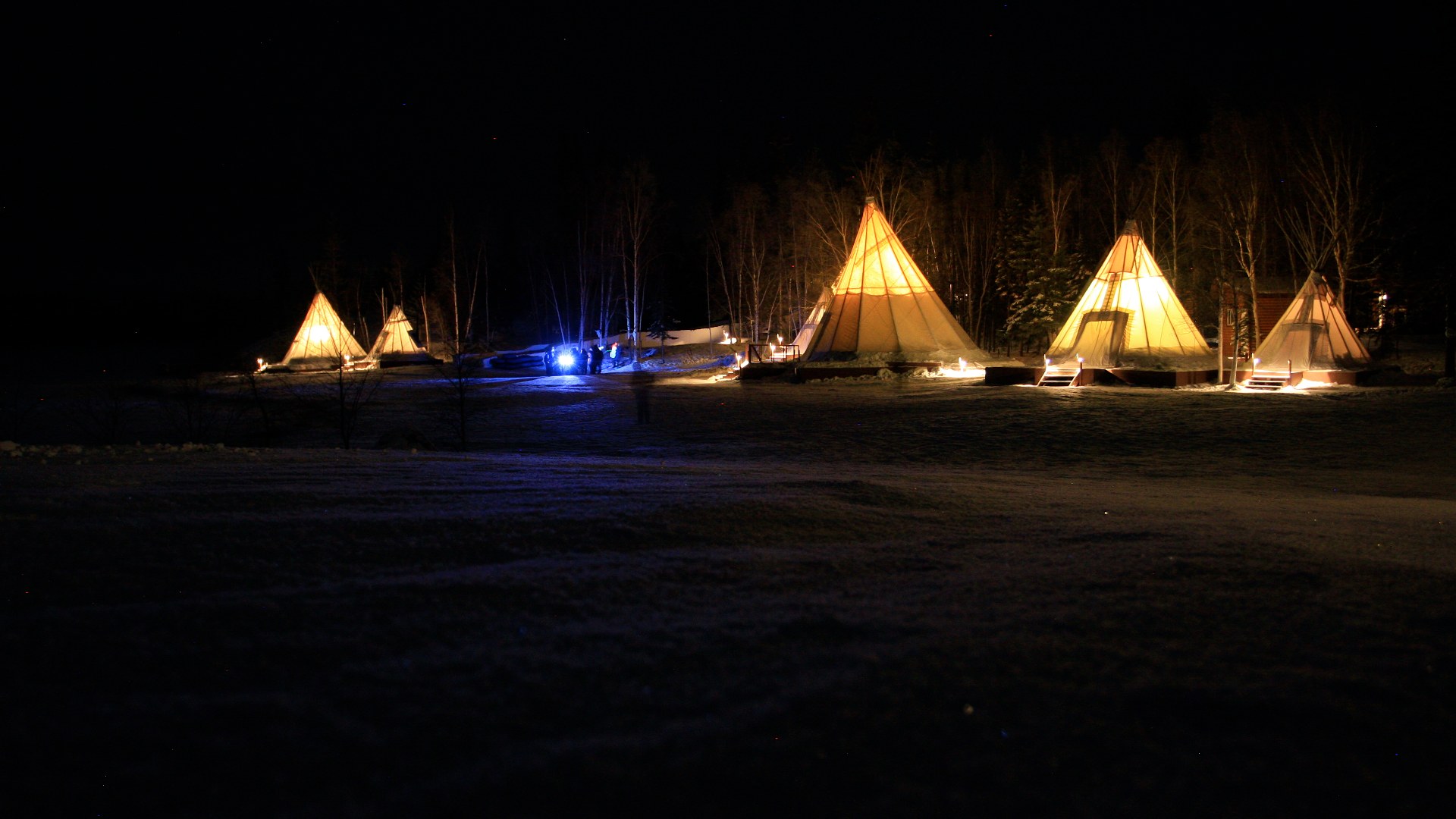
6. Yellowknife, Northwest Territories, Canada
Known as North America's Aurora Capital, Yellowknife sits on the shore of frozen Great Slave Lake with no coastal mountains to trap clouds. Visitors who stay three winter nights at heated teepee camps like Aurora Village enjoy an astonishing 95% probability of seeing a vivid overhead display.
©Wikimedia / TravelingOtter
Advertisement
Swipe or tap ▶ to resume the countdown.
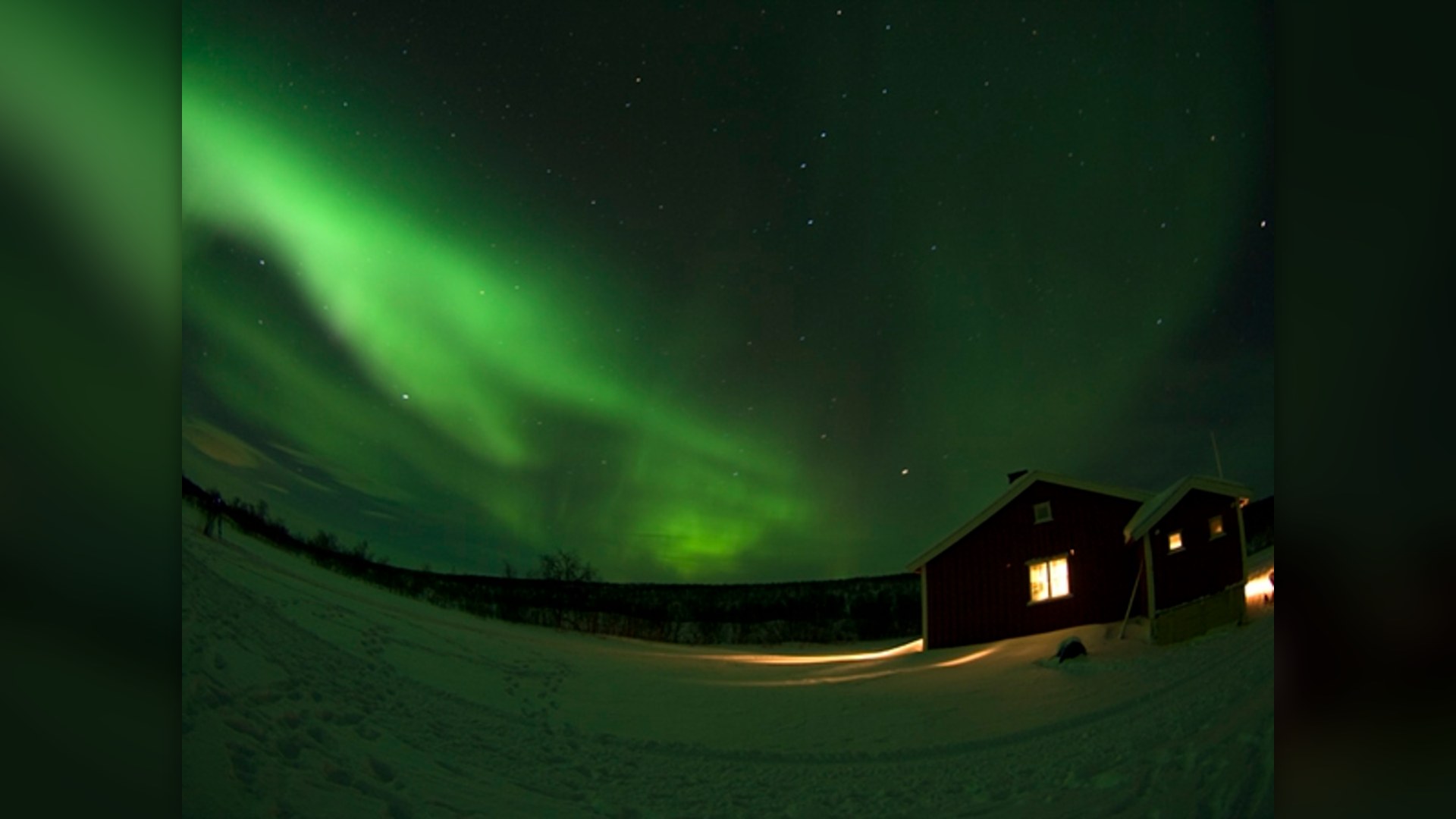
5. Fairbanks, Interior Alaska, USA
Protected from coastal storms by the Alaska Range, Fairbanks is the premier U.S. hub for Northern Lights hunters during the official Aurora Season from August 21 to April 21. Watch real-time forecasts from the University of Alaska Geophysical Institute before heading up to Cleary Summit or Wickersham Dome.
©Wikimedia / Skybluesally
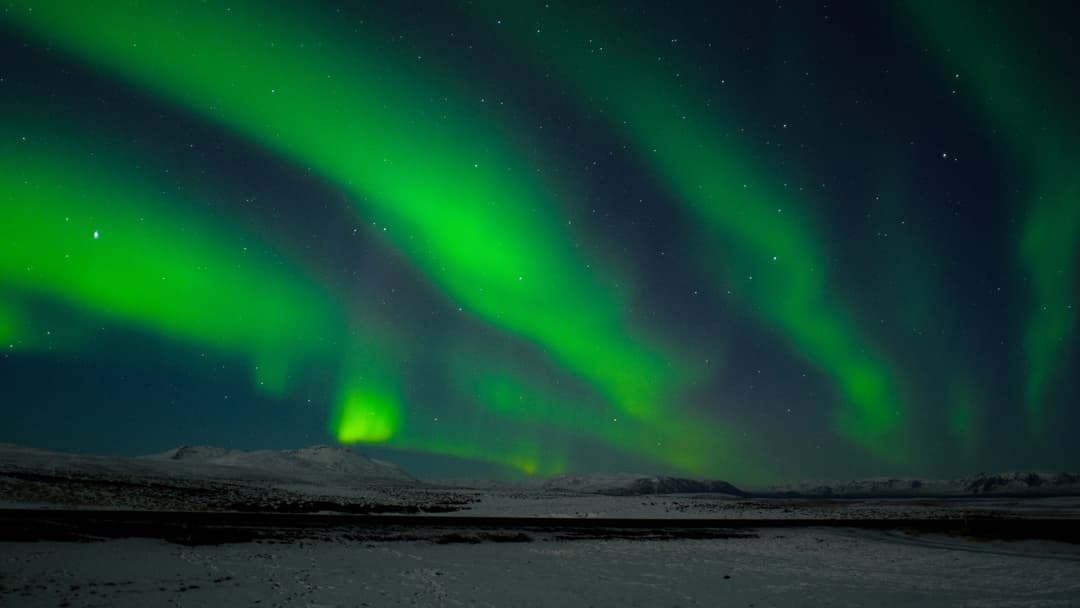
4. Thingvellir National Park, Iceland
Located less than an hour's drive northeast of Reykjavik, UNESCO-listed Þingvellir (Thingvellir) National Park offers pitch-dark volcanic plains where the North American and Eurasian tectonic plates pull apart. Its proximity to the capital makes it easy to dash out whenever cloud gaps open.
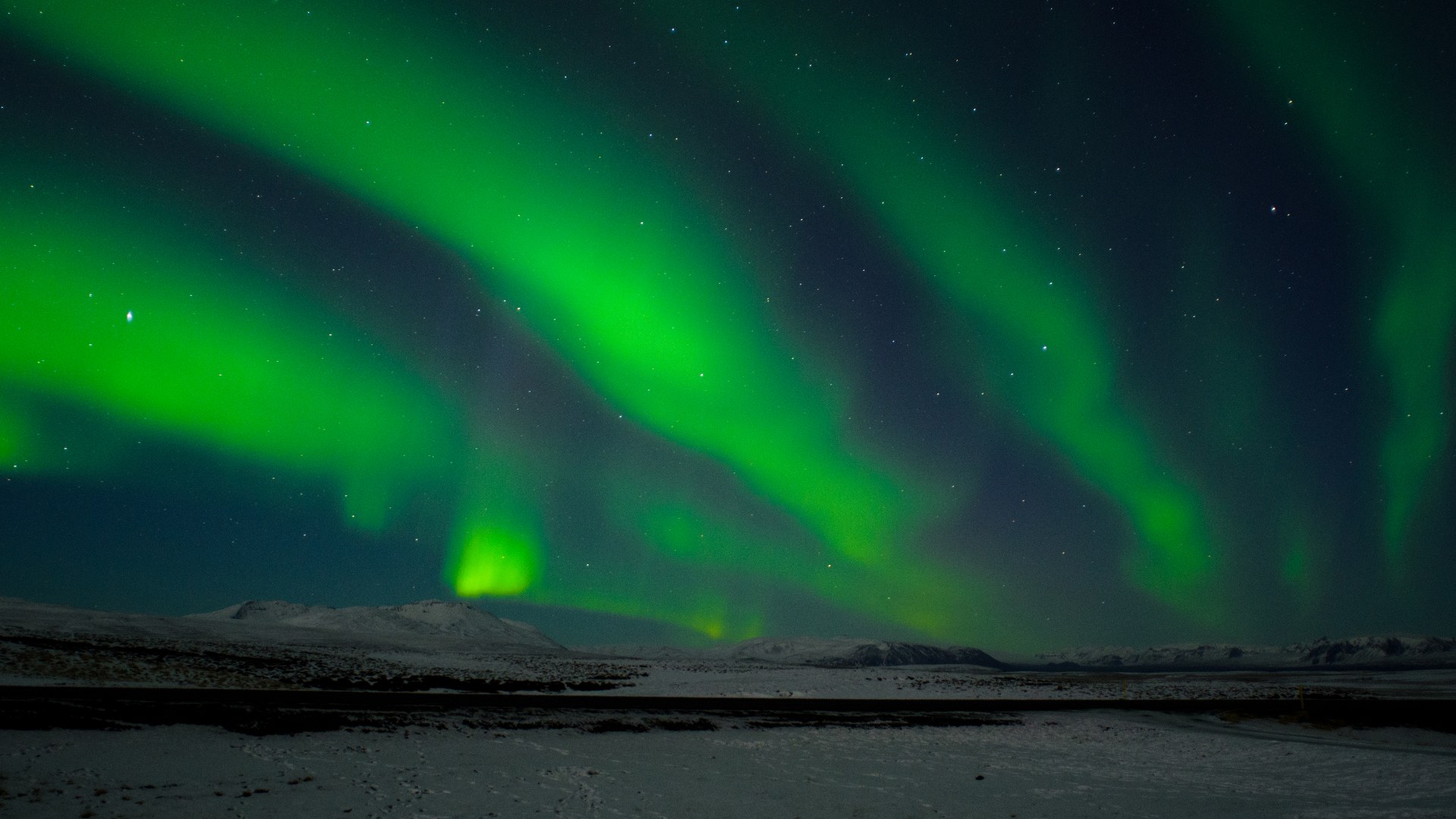
©Wikimedia / Carl Young
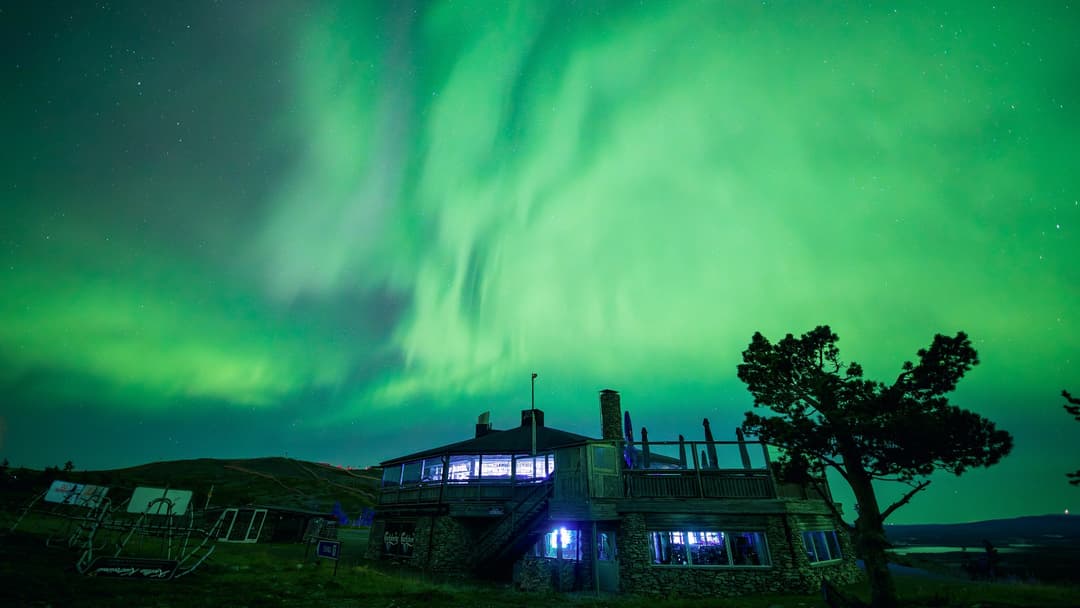
3. Levi & Rovaniemi, Finnish Lapland, Finland
Finnish Lapland pioneered the luxury glass-igloo aurora experience across resorts in Levi, Kittilä, Kakslauttanen, and Rovaniemi. With over 200 auroral nights per year, visitors can watch green curtains of light from a heated bed or after a traditional Finnish wood-fired sauna and ice swim.
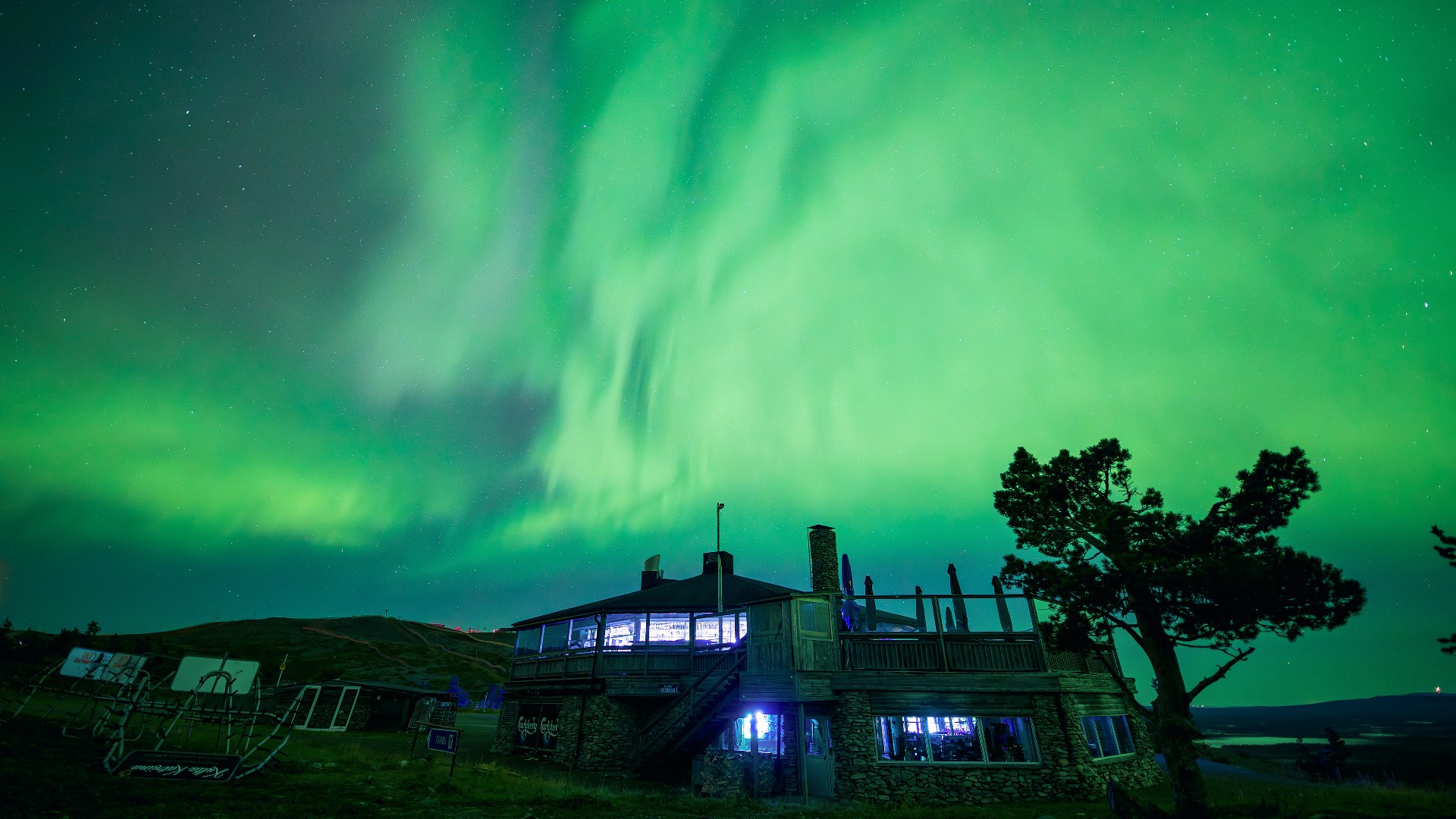
©Wikimedia / Simo Räsänen
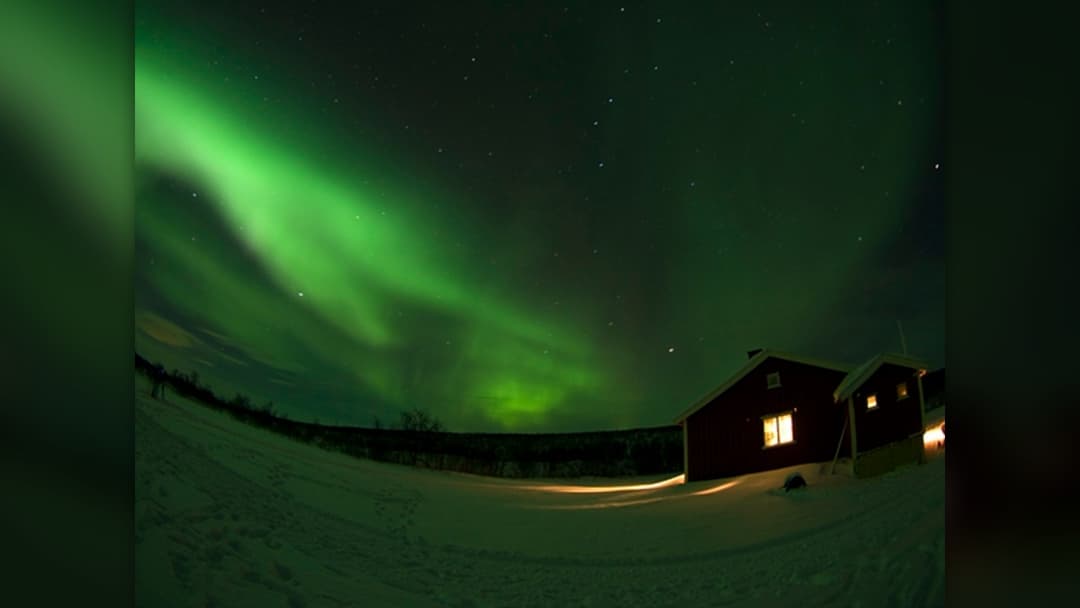
2. Abisko National Park, Sweden
For pure meteorological reliability, nowhere rivals Abisko in Swedish Lapland. Prevailing westerly winds descending the Scandic mountains across 70-kilometer-long Lake Torneträsk create the famous 'Blue Hole of Abisko'—keeping a patch of sky above the Aurora Sky Station clear even when surrounding regions are overcast.
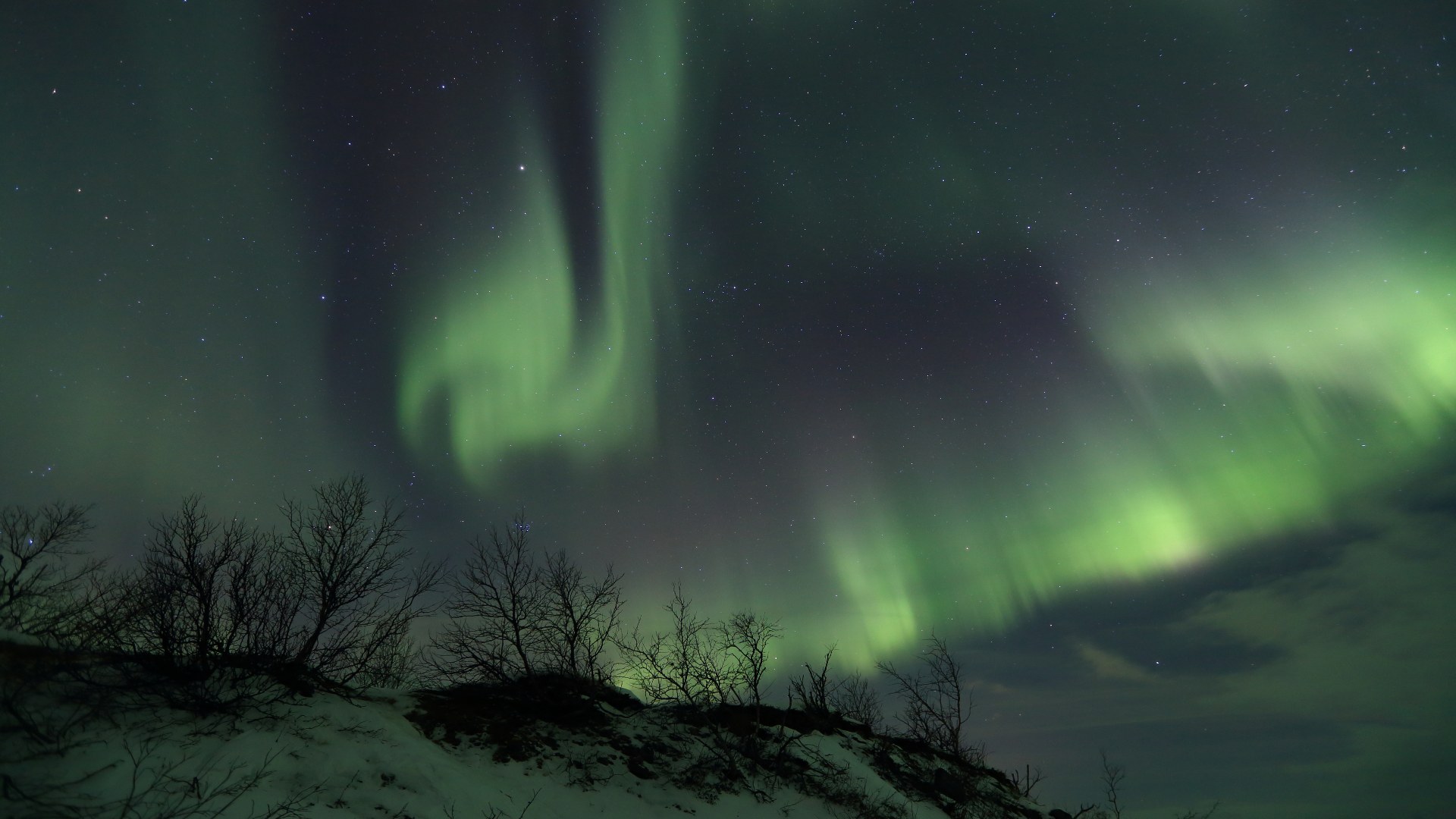
©Wikimedia / Pavel Shyshkouski
Advertisement
Swipe or tap ▶ to resume the countdown.
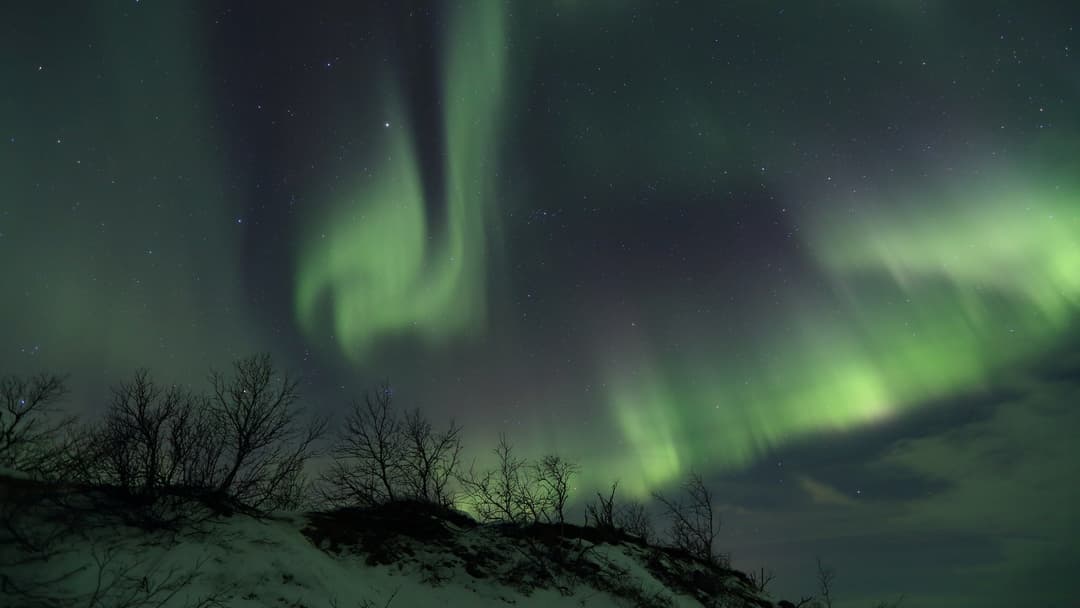
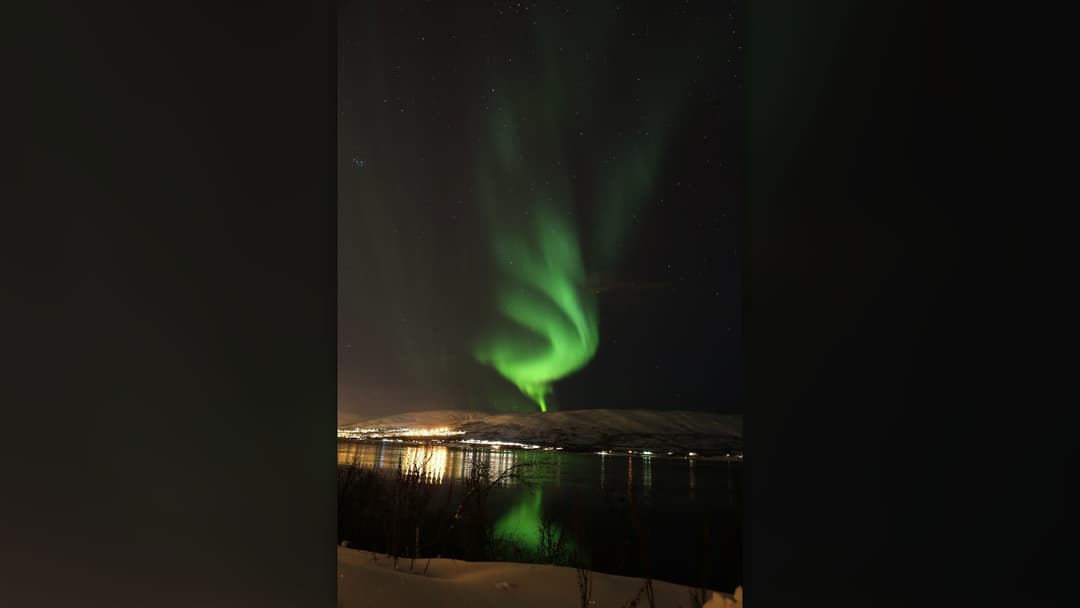
1. Tromsø & Lyngen Fjord, Norway
350 kilometers north of the Arctic Circle directly under the center of the auroral oval, Tromsø claims the #1 crown for winter Northern Lights travel. A network of coastal fjords, tunnels, and inland valleys near the Finnish border lets expert guides find clear skies on virtually any winter night.
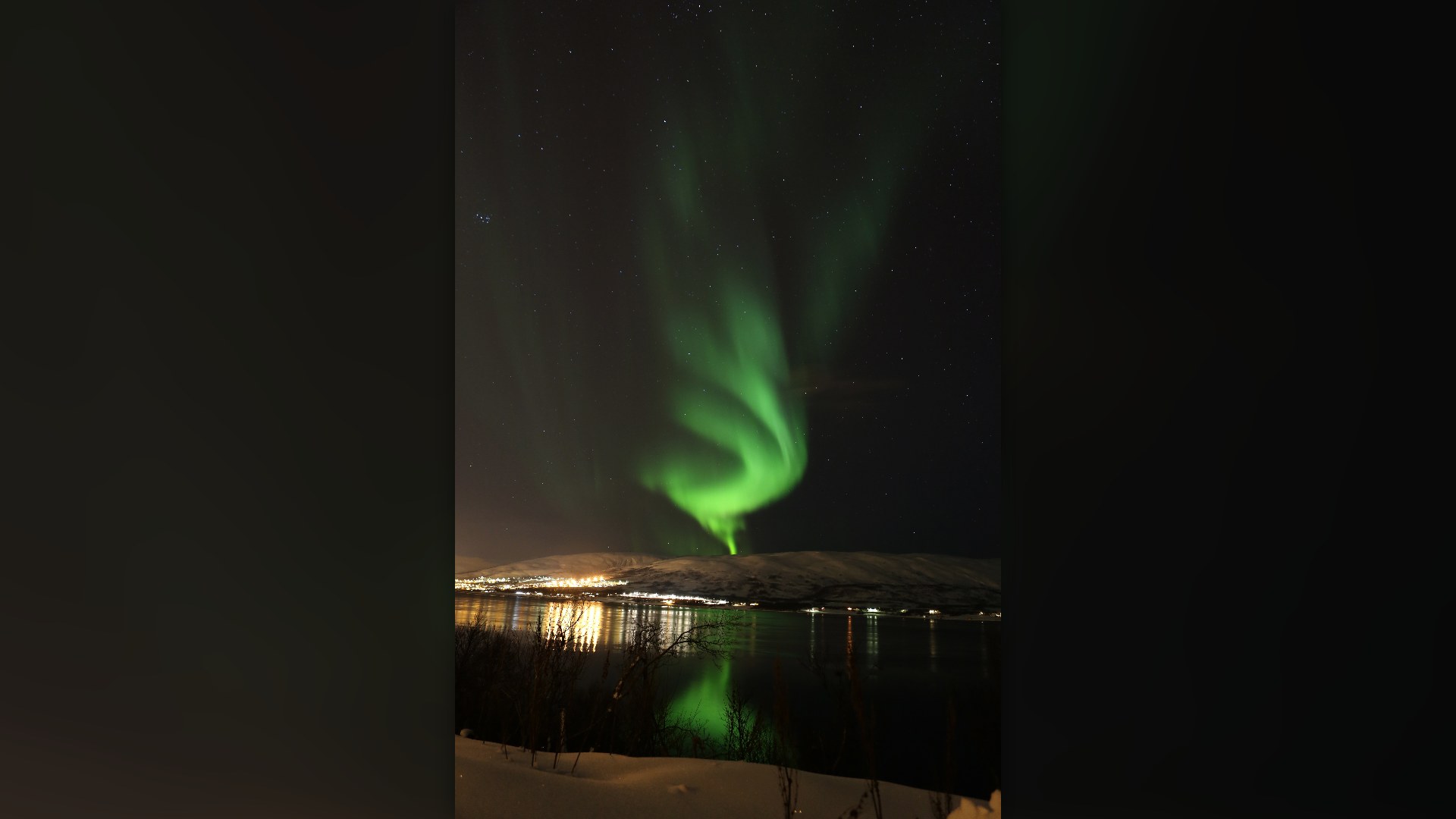
©Wikimedia / Alchemist-hp
Advertisement
You've reached the end of the story. Thanks for reading!

22 World-Famous Cruise Ships and Island Ports for Solo Travelers
Compiled from CLIA industry reports and passenger records, these twenty-two cruise ships and island ports feature dedicated solo amenities and unforgettable excursions. Industry surveys confirm solo cruising growth.
All 20 Entries in this Story
20. Lääneranna Coast, West Estonia
Known locally as 'Virmalised,' the Northern Lights frequently dance across Estonia's dark Baltic coastline during strong solar storms in 2026. The flat, unobstructed northern horizon over the Gulf of Finland and Matsalu Bay offers European skywatchers a budget-friendly winter escape.

19. Voyageurs & Northern Minnesota, USA
You do not need a passport to catch brilliant geomagnetic storms from the Lower 48. From Rushford's quiet rural valleys up to Voyageurs National Park—a certified International Dark Sky Park on the Canadian border—frozen lakes reflect vivid green and crimson auroral pillars all winter.

18. Baltasound, Shetland Islands, Scotland
Sitting at 60°N latitude—the same parallel as southern Greenland and Alaska—Unst and Baltasound in Scotland's Shetland archipelago are Britain's premier aurora outpost. Locals call the Northern Lights the 'Mirrie Dancers,' which shimmer over dramatic sea cliffs from October through March.

17. Kiruna, Swedish Lapland, Sweden
Located 145 kilometers north of the Arctic Circle, Kiruna is the gateway to Sweden's high-latitude wilderness, the Esrange Space Center, and the world-renowned Icehotel in nearby Jukkasjärvi. Crisp, dry continental winters keep cloud cover low and auroral visibility exceptionally high.

16. Whitehorse, Yukon, Canada
With minimal urban light pollution surrounded by vast boreal forest and mountain valleys, Whitehorse is one of North America's coziest winter aurora hubs. Visitors can watch green curtains of light from heated timber cabins, glass chalets, or the steaming mineral pools of Eclipse Nordic Hot Springs.

15. Denali & Alaska Range, Alaska, USA
Spanning six million acres of pristine Alaskan interior without a single streetlight, Denali National Park and the eastern Alaska Range deliver Bortle Class 1 pitch-black winter skies. From late August through April, emerald and violet auroral arcs crown the snowy mountain peaks.

14. Churchill, Manitoba, Canada
Famous as the Polar Bear Capital of the World, Churchill sits on the western shore of Hudson Bay directly underneath the Earth's auroral oval. In the deep freeze of January through March, scientists and travelers gather in custom heated 'Tundra Buggies' and glass domes for overhead displays.

13. Kangerlussuaq & Ilulissat, Greenland
Protected by the massive Greenland Ice Sheet, inland Kangerlussuaq enjoys an Arctic desert climate with over 300 clear sky days per year, while coastal Ilulissat pairs towering UNESCO-listed icebergs in Disko Bay with shimmering green reflections across the frozen water.

12. Longyearbyen, Svalbard, Norway
At 78°N latitude, the High Arctic archipelago of Svalbard is the only permanently inhabited place on Earth where travelers can witness the daytime aurora. During the Polar Night from mid-November through late January, the sun never rises, allowing crimson and green auroras to appear even at noon.

11. Senja Island, Troms, Norway
For travelers seeking dramatic coastal mountain scenery without big tour buses, Norway's second-largest island sits squarely in the auroral zone just south of Tromsø. From the Tungeneset coastal boardwalk, emerald ribbons frame the jagged 'Devil's Teeth' (Okshornan) peaks rising straight out of the Norwegian Sea.

10. Lake Inari, Sápmi, Finland
Far north of Rovaniemi in the cultural heartland of the Indigenous Sámi people, frozen Lake Inari (Inarijärvi) spans over 1,000 square kilometers with virtually zero light pollution. Glass-roofed aurora cabins and reindeer sleigh excursions let visitors watch swirling coronas directly overhead.

9. Kirkjufell Mountain, Snæfellsnes, Iceland
Rising 463 meters above the Snæfellsnes Peninsula in western Iceland, symmetrically sculpted Kirkjufell ('Church Mountain') is famous worldwide as 'Arrowhead Mountain' from Game of Thrones. In winter, green auroral arcs reflect off the icy pools of Kirkjufellsfoss waterfall below its peak.

8. Jökulsárlón Glacier Lagoon, Iceland
On Iceland's southeastern coast at the edge of Vatnajökull National Park, giant blue-and-white icebergs calve from Breiðamerkurjökull glacier into Jökulsárlón lagoon and wash ashore on nearby Diamond Beach. When the aurora erupts overhead, the ice blocks glow like giant emeralds in the dark.

7. Lofoten Islands, Nordland, Norway
Draped across the 68th parallel, the Lofoten archipelago sits directly beneath the primary auroral oval while enjoying surprisingly mild winter temperatures thanks to the Gulf Stream. Traditional red wooden fishermen's cabins (rorbuer) in Reine and Hamnøy sit framed by sheer alpine walls and Arctic surf.

6. Yellowknife, Northwest Territories, Canada
Known as North America's Aurora Capital, Yellowknife sits on the shore of frozen Great Slave Lake with no coastal mountains to trap clouds. Visitors who stay three winter nights at heated teepee camps like Aurora Village enjoy an astonishing 95% probability of seeing a vivid overhead display.

5. Fairbanks, Interior Alaska, USA
Protected from coastal storms by the Alaska Range, Fairbanks is the premier U.S. hub for Northern Lights hunters during the official Aurora Season from August 21 to April 21. Watch real-time forecasts from the University of Alaska Geophysical Institute before heading up to Cleary Summit or Wickersham Dome.

4. Thingvellir National Park, Iceland
Located less than an hour's drive northeast of Reykjavik, UNESCO-listed Þingvellir (Thingvellir) National Park offers pitch-dark volcanic plains where the North American and Eurasian tectonic plates pull apart. Its proximity to the capital makes it easy to dash out whenever cloud gaps open.

3. Levi & Rovaniemi, Finnish Lapland, Finland
Finnish Lapland pioneered the luxury glass-igloo aurora experience across resorts in Levi, Kittilä, Kakslauttanen, and Rovaniemi. With over 200 auroral nights per year, visitors can watch green curtains of light from a heated bed or after a traditional Finnish wood-fired sauna and ice swim.

2. Abisko National Park, Sweden
For pure meteorological reliability, nowhere rivals Abisko in Swedish Lapland. Prevailing westerly winds descending the Scandic mountains across 70-kilometer-long Lake Torneträsk create the famous 'Blue Hole of Abisko'—keeping a patch of sky above the Aurora Sky Station clear even when surrounding regions are overcast.

1. Tromsø & Lyngen Fjord, Norway
350 kilometers north of the Arctic Circle directly under the center of the auroral oval, Tromsø claims the #1 crown for winter Northern Lights travel. A network of coastal fjords, tunnels, and inland valleys near the Finnish border lets expert guides find clear skies on virtually any winter night.