Slideshow · Money
China's 15 Richest People in 2026, Ranked
From AI chipmakers and electric vehicle pioneers to bottled water and social media titans, these are the 15 wealthiest billionaires in China according to Forbes.
By Most Viral Today
30 Oct 2026

Inside the Fortunes of China's 15 Wealthiest Billionaires 
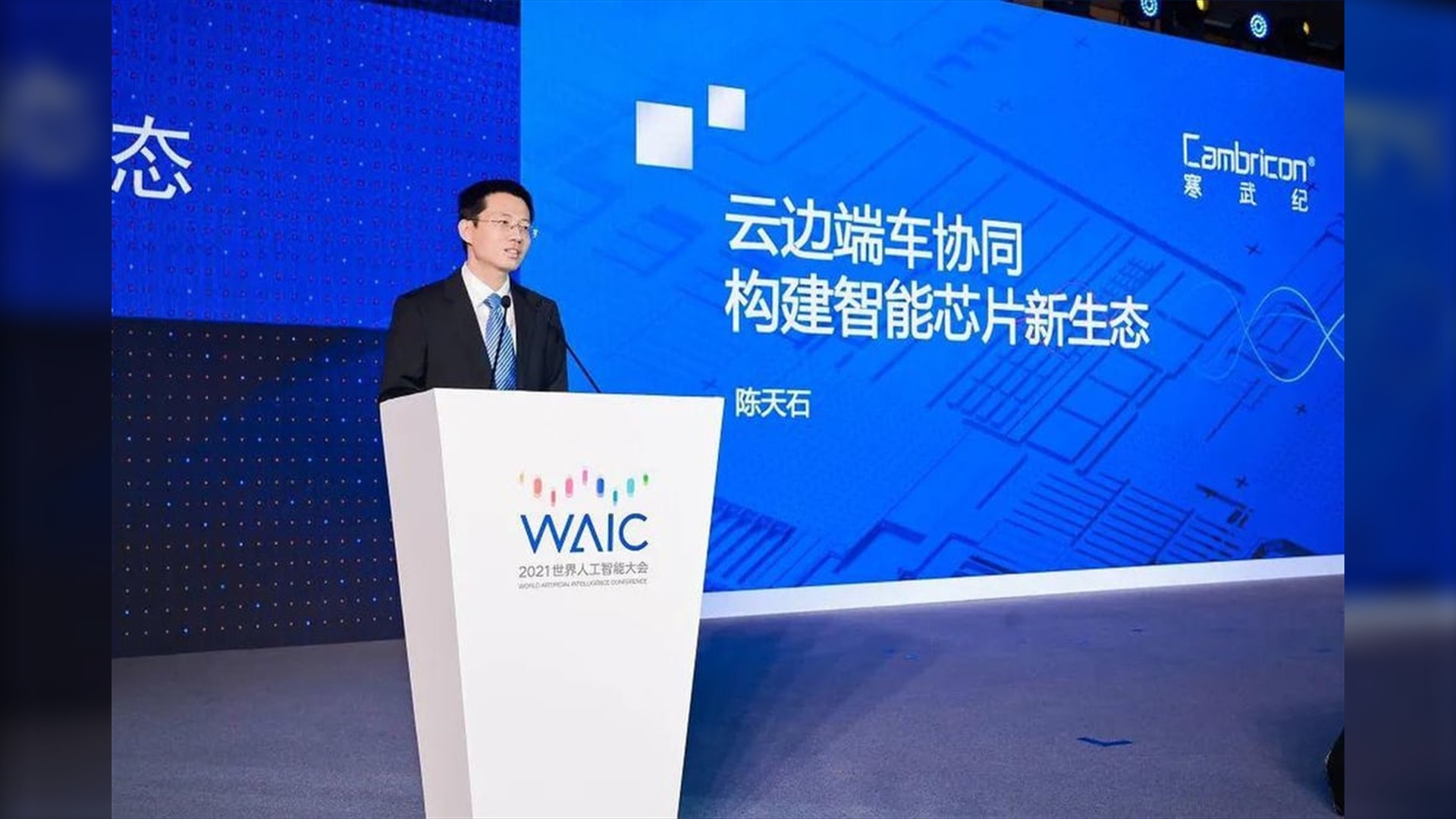
15. Chen Tianshi ($21.0 Billion, Cambricon) 
14. Qin Yinglin ($21.5 Billion, Muyuan Foods) 
13. Wang Ning ($22.2 Billion, Pop Mart) - AdvertisementSwipe or tap ▶ to continue countdown

12. Wang Chuanfu ($24.0 Billion, BYD) 
11. Huang Shilin ($24.5 Billion, CATL) 
10. Zheng Shuliang ($25.4 Billion, China Hongqiao) 
9. He Xiangjian ($29.8 Billion, Midea Group) - AdvertisementSwipe or tap ▶ to continue countdown

8. Jack Ma ($31.0 Billion, Alibaba Group) 
7. Lei Jun ($36.8 Billion, Xiaomi) 
6. Colin Huang ($45.3 Billion, PDD Holdings) 
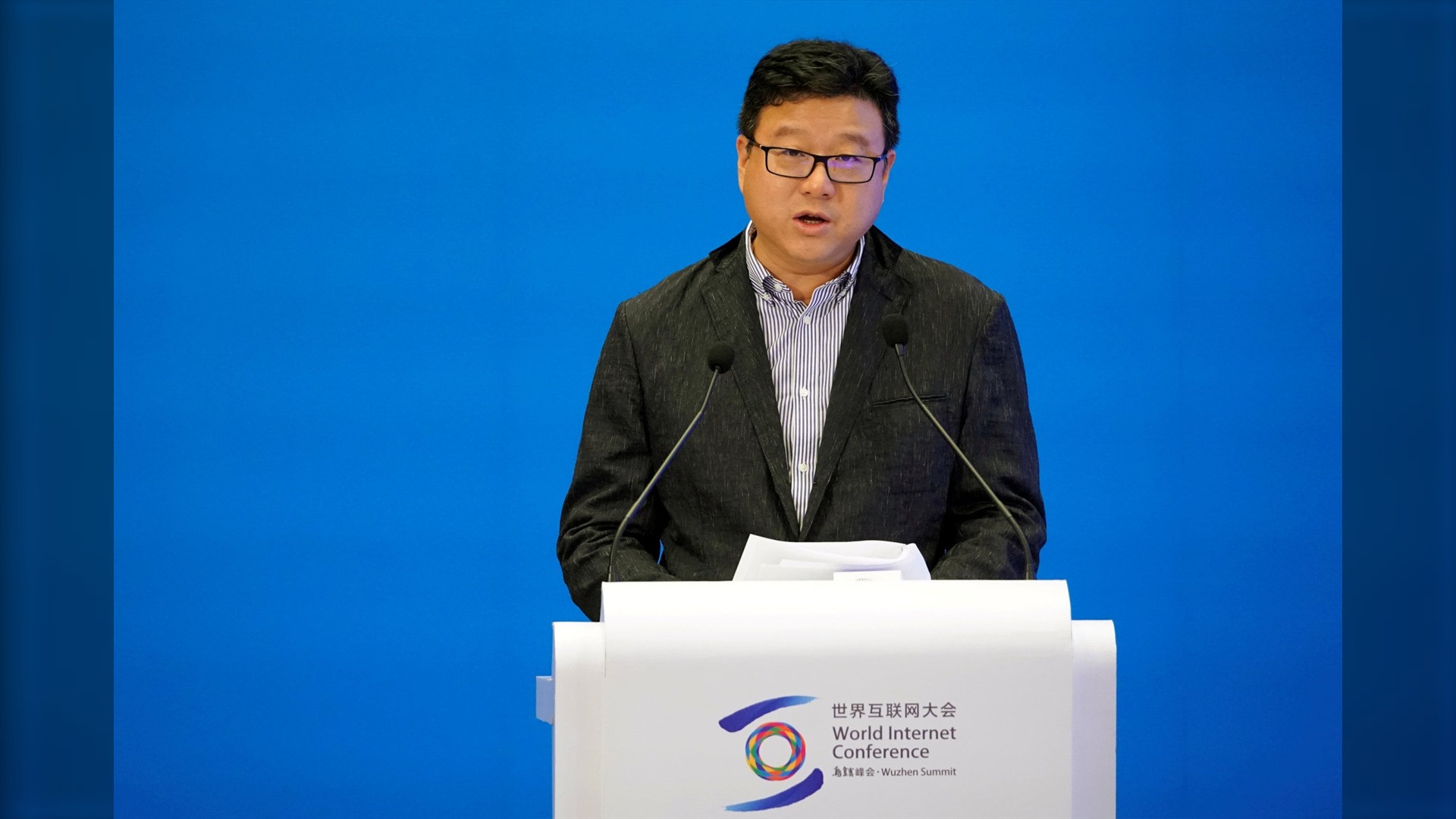
5. William Ding ($47.5 Billion, NetEase) - AdvertisementSwipe or tap ▶ to continue countdown

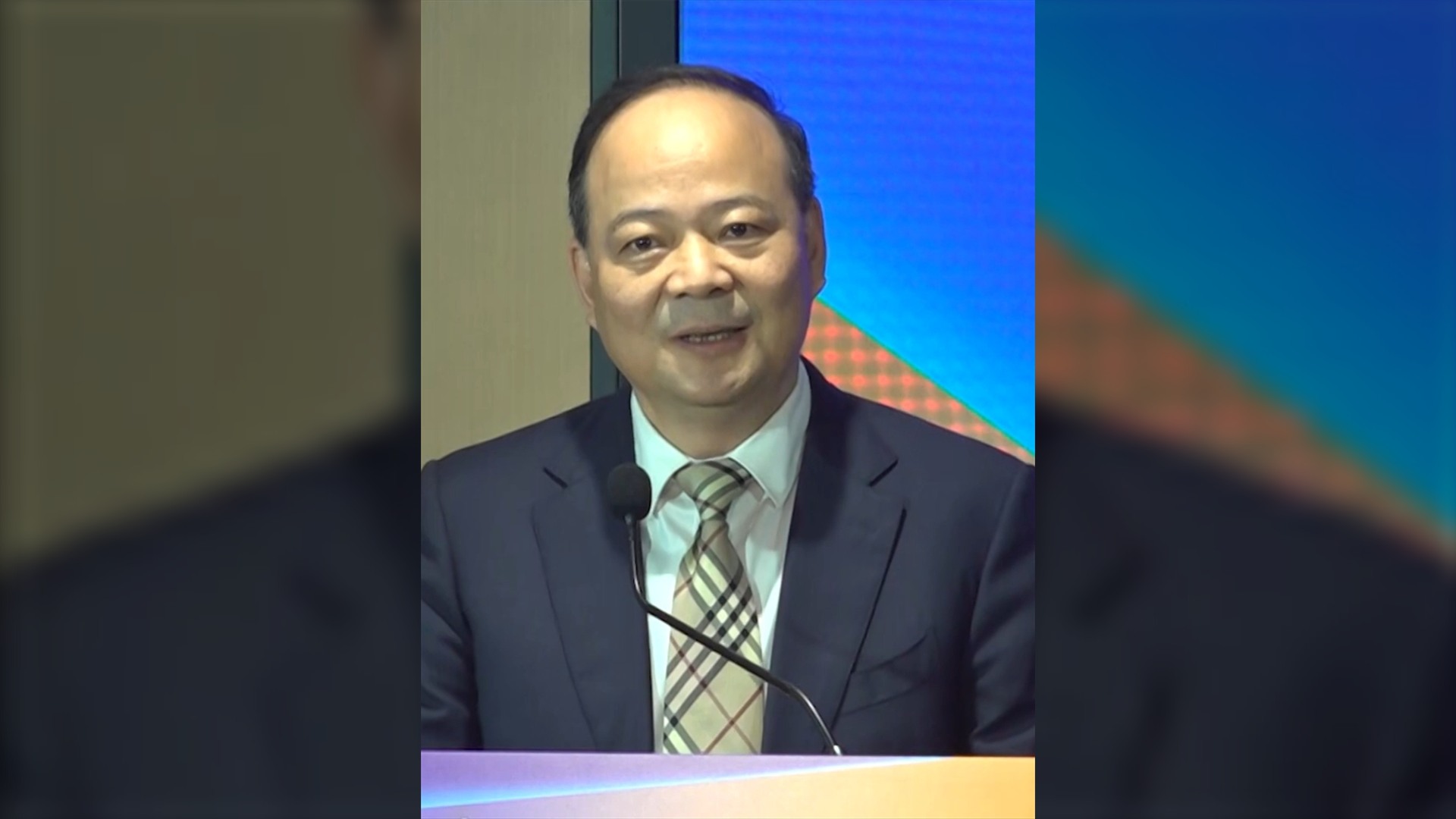
4. Robin Zeng ($53.5 Billion, CATL) 
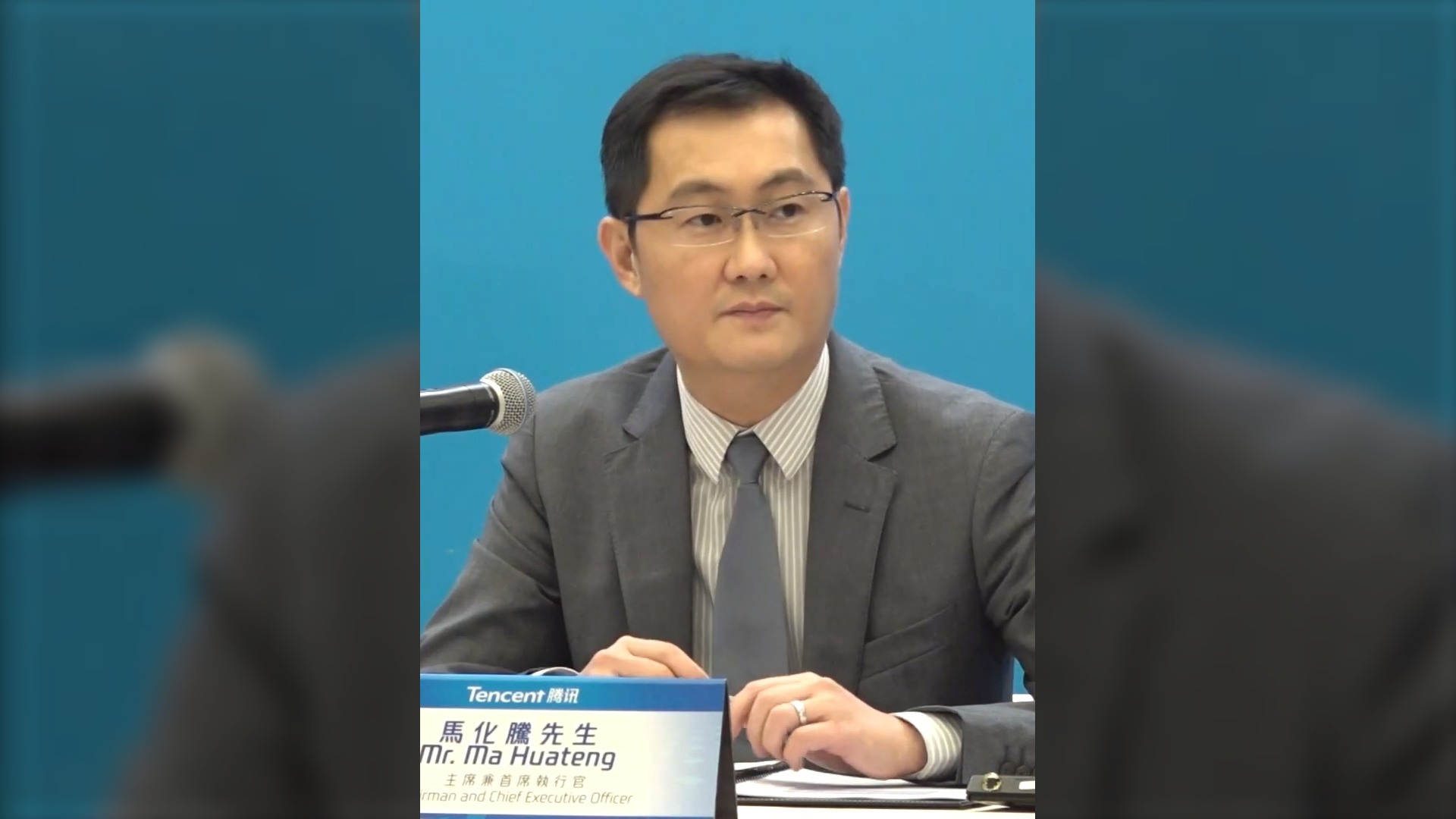
3. Ma Huateng ($62.8 Billion, Tencent) 
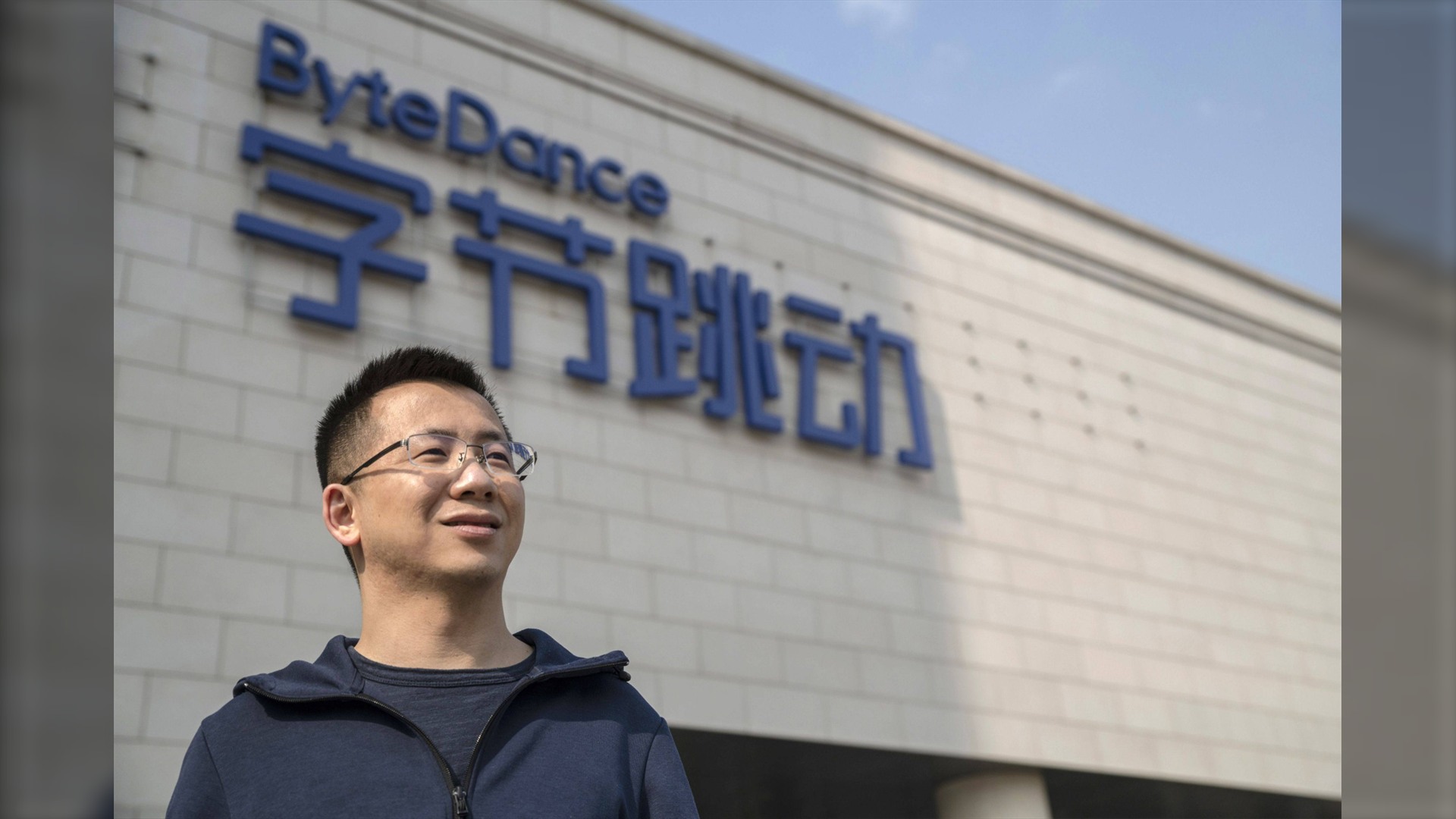
2. Zhang Yiming ($69.3 Billion, ByteDance) 
1. Zhong Shanshan ($77.1 Billion, Nongfu Spring) - Advertisement🔥 UP NEXT IN THIS SERIES◫ 23 Slides

22 Turning Points That Shaped Goldman Sachs From 1869 Onward
Starting in a Lower Manhattan basement in 1869, Marcus Goldman built a commercial paper business that grew into one of Wall Street's most influential firms. Based on Securities and Exchange Commission filings, U.S. Treasury archives, and corporate records, these 22 milestones trace its leaders, crises, and turns.
According to Forbes' latest China Rich List, the country's 15 wealthiest billionaires command a combined fortune of more than $591 billion. From AI chip designers and electric vehicle battery pioneers to bottled water and gaming titans, swipe through the countdown to number one.
Swipe or tap ▶ to begin the countdown
©Sky News / AP & SCMP
15. Chen Tianshi ($21.0 Billion, Cambricon)
Computer scientist Chen Tianshi co-founded Cambricon Technologies in 2016 after leading AI processor research at the Chinese Academy of Sciences Institute of Computing Technology in Beijing. Surging domestic demand for AI accelerators pushed his net worth to $21.0 billion on the Forbes China Rich List.
©SCMP / Handout
14. Qin Yinglin ($21.5 Billion, Muyuan Foods)
Qin Yinglin and his wife Qian Ying started their livestock business in Henan province in 1992 with just 22 pigs. Today, Shenzhen-listed Muyuan Foods is the largest hog breeder and pork producer in the world, giving Qin a net worth of $21.5 billion.
©China Daily / Parker Zheng
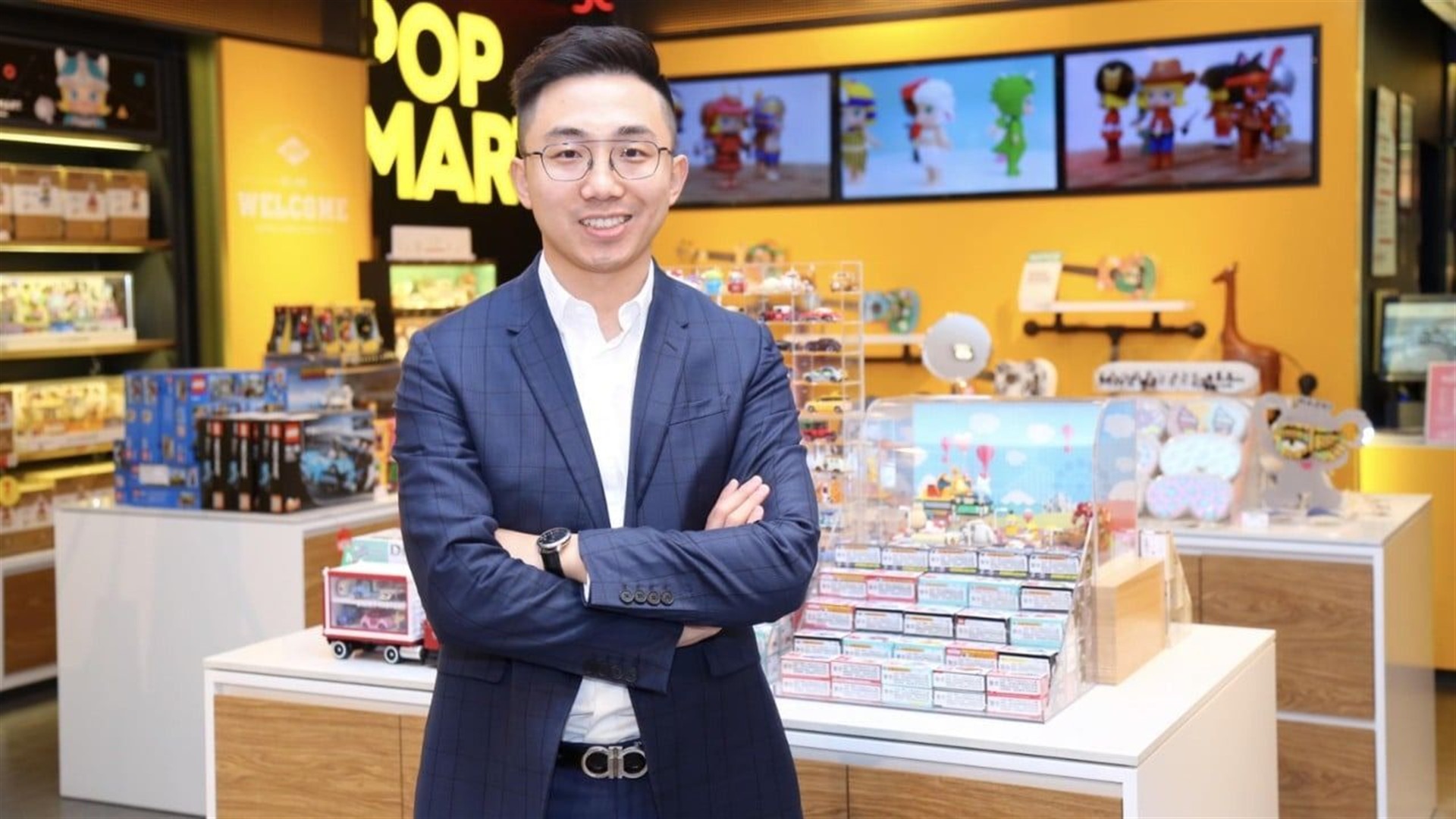
13. Wang Ning ($22.2 Billion, Pop Mart)
Born in Henan in 1987, Wang Ning opened the first Pop Mart store in Beijing in 2010. Global demand for his company's collectible blind-box figures, led by characters like Labubu and Molly, sent Pop Mart's Hong Kong shares soaring and lifted his family's fortune to $22.2 billion.
©Prestige / Pop Mart
Advertisement
Swipe or tap ▶ to resume the countdown.
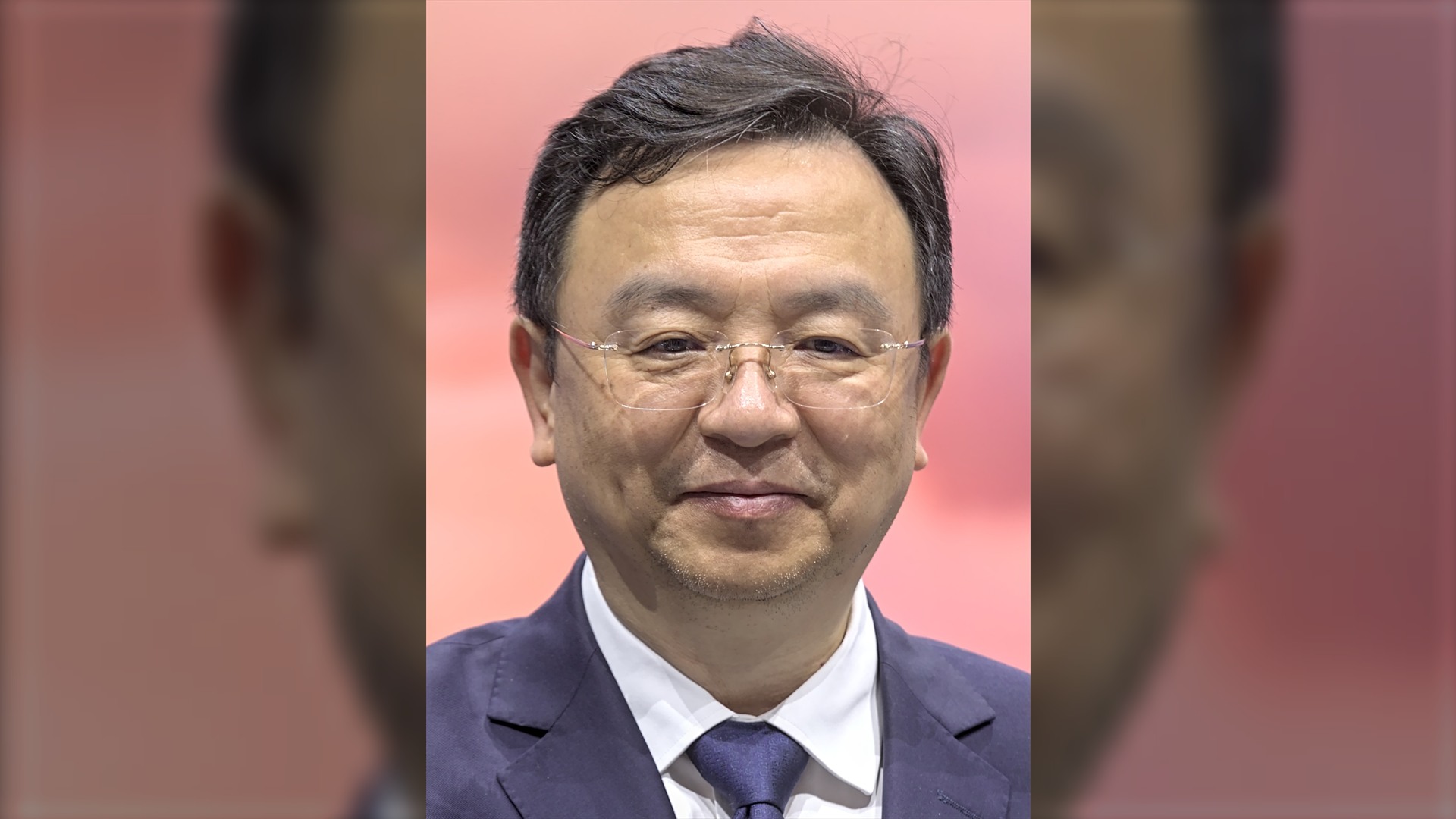
12. Wang Chuanfu ($24.0 Billion, BYD)
Former metallurgy researcher Wang Chuanfu founded BYD in Shenzhen in 1995 as a rechargeable cell phone battery maker before entering the auto industry in 2003. BYD now sells more plug-in electric and hybrid cars than any other automaker on Earth, putting Wang's net worth at $24.0 billion.
©Wikimedia / Alexander-93
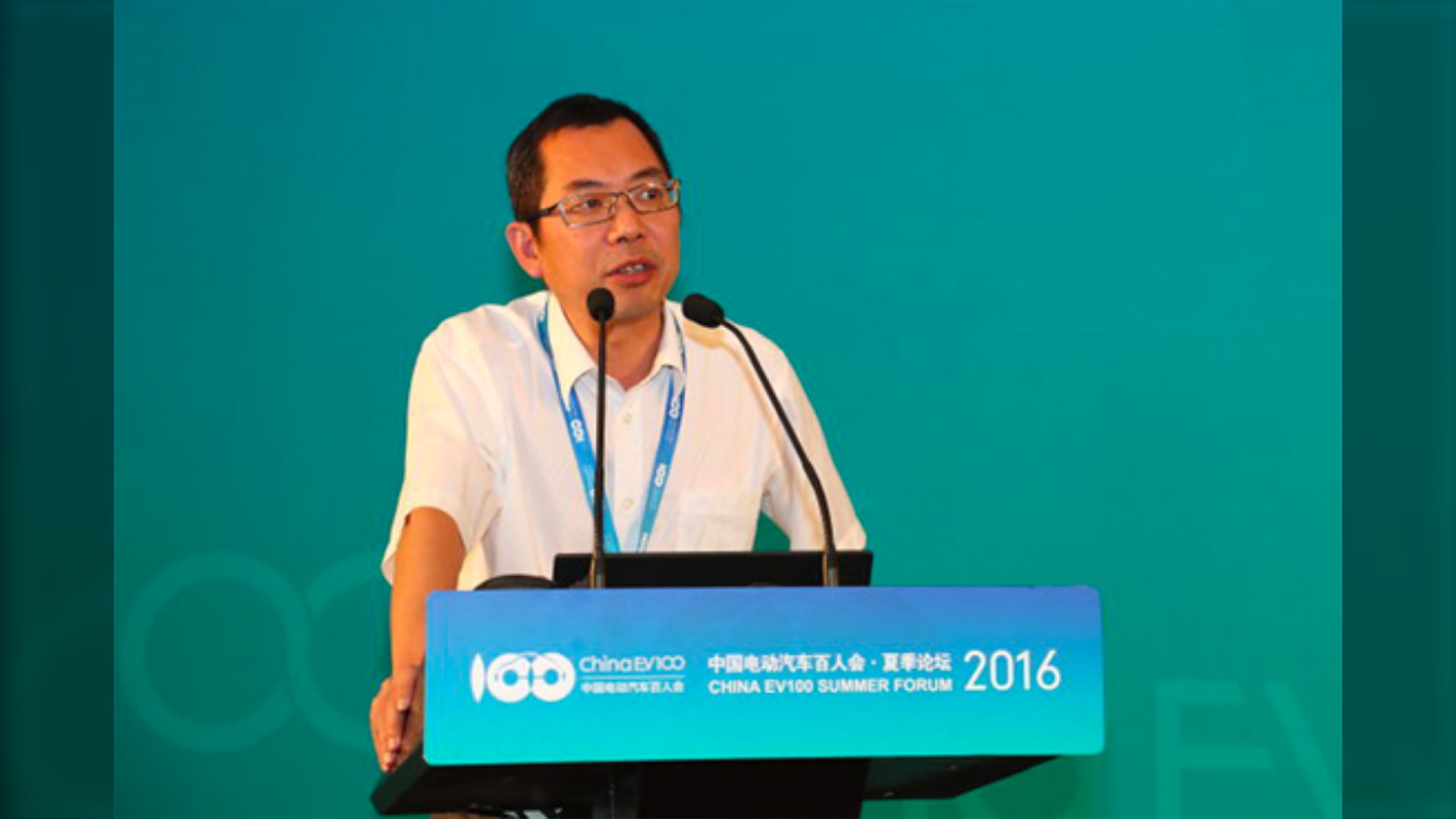
11. Huang Shilin ($24.5 Billion, CATL)
Huang Shilin helped build Contemporary Amperex Technology (CATL) into the dominant global supplier of lithium-ion batteries for Tesla, BMW, and Volkswagen. Even after stepping down as vice chairman in 2022, his equity stake in the Ningde battery giant is valued at $24.5 billion.
©China EV100 / Forum Press
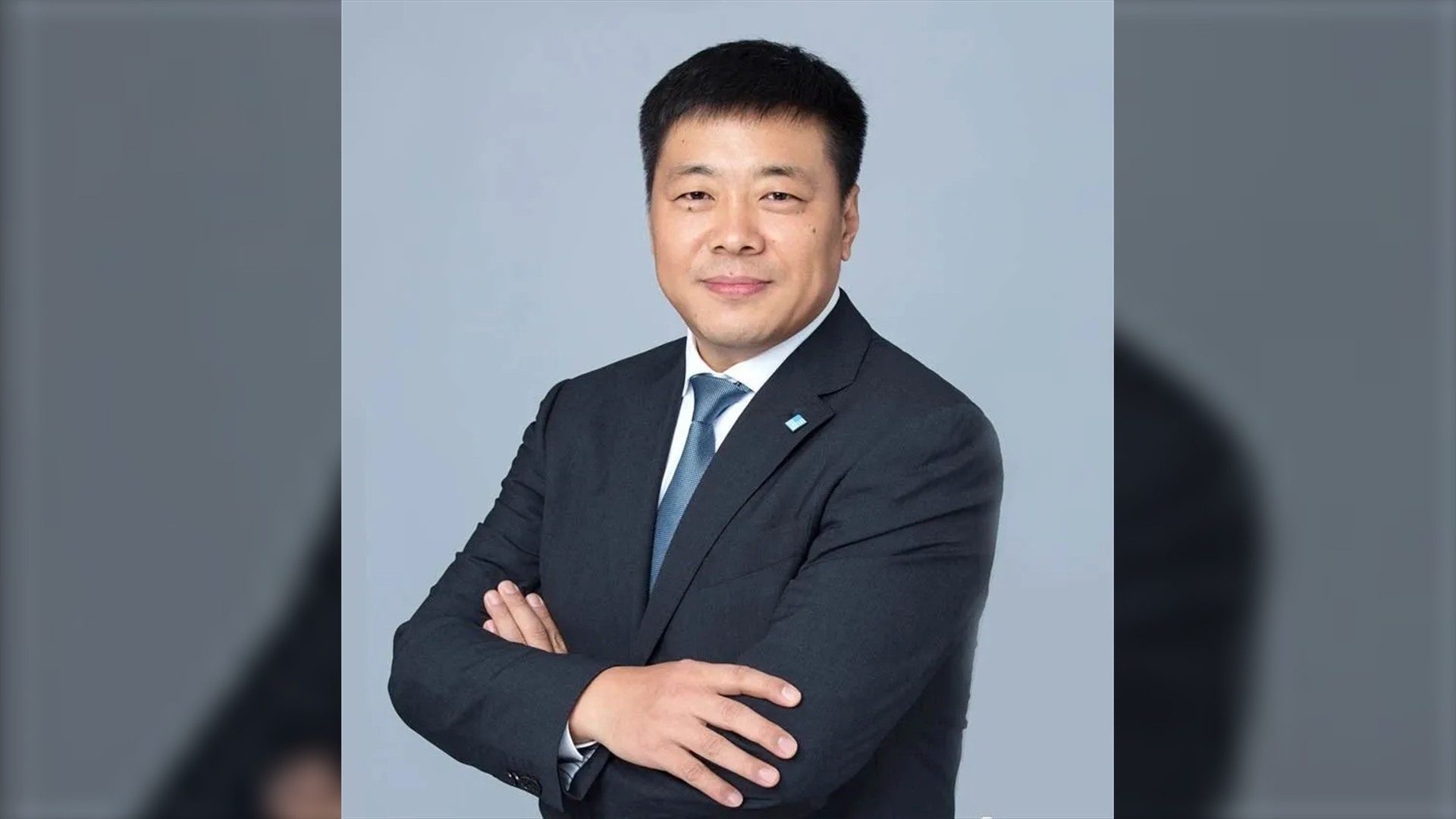
10. Zheng Shuliang ($25.4 Billion, China Hongqiao)
Zheng Shuliang is the vice chairwoman of China Hongqiao Group, the Shandong aluminum giant founded by her late husband Zhang Shiping and now chaired by their son Zhang Bo. Rising global aluminum demand from electric vehicle and solar manufacturers lifted the family's net worth to $25.4 billion.
©China Hongqiao / Official
9. He Xiangjian ($29.8 Billion, Midea Group)
In 1968, He Xiangjian pooled 5,000 yuan with 23 residents in Beijiao, Guangdong to open a bottle-lid workshop that evolved into Midea Group. Today, Midea is one of the world's largest producers of air conditioners, kitchen appliances, and industrial robotics under German subsidiary KUKA.
©Yicai Global / Midea Group
Advertisement
Swipe or tap ▶ to resume the countdown.
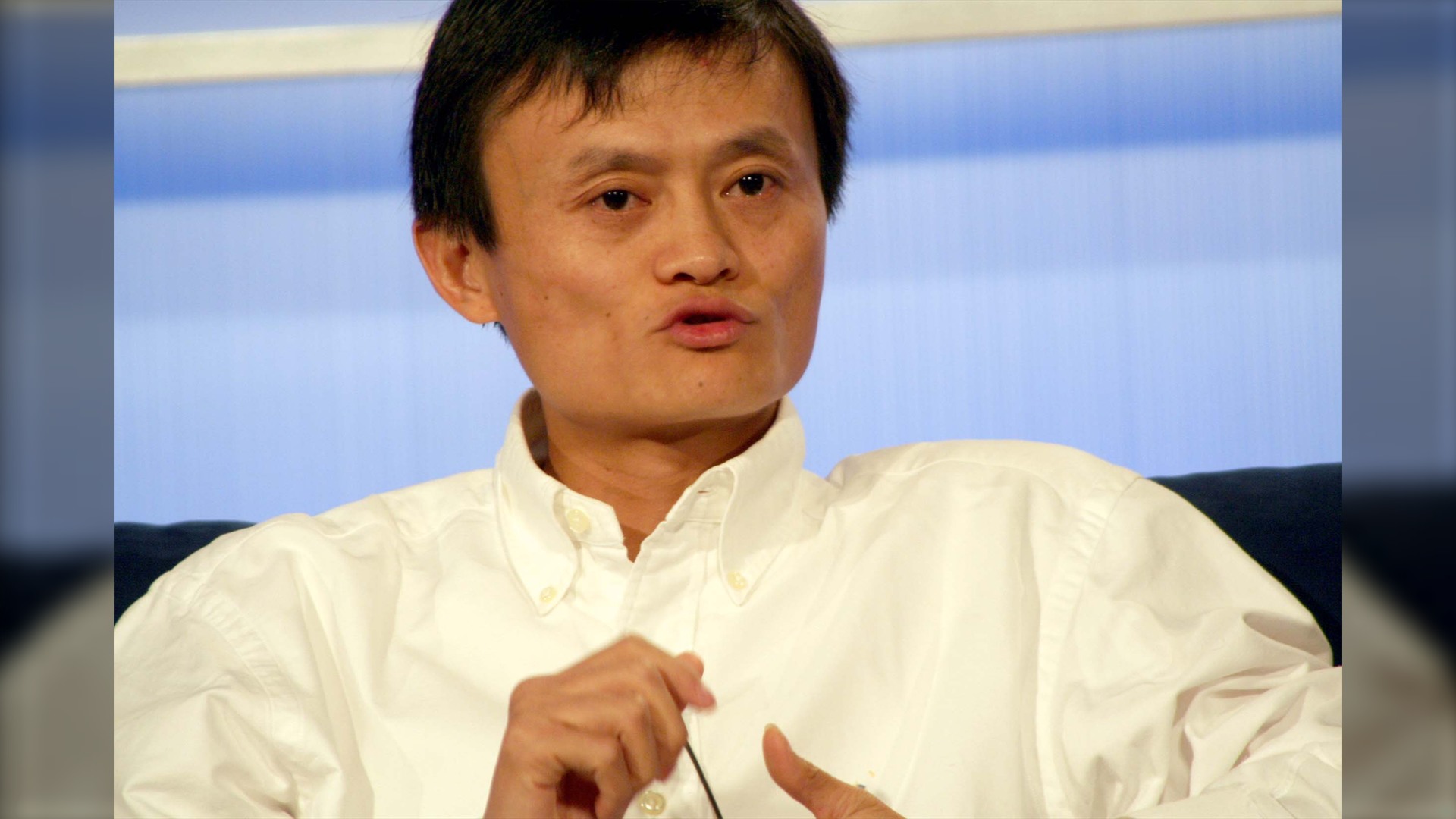
8. Jack Ma ($31.0 Billion, Alibaba Group)
Jack Ma co-founded Alibaba in his Hangzhou apartment in 1999 and turned it into one of the largest e-commerce and cloud computing ecosystems in the world. Although he stepped back from daily management in 2019, his holdings in Alibaba and fintech affiliate Ant Group keep his fortune at $31.0 billion.
©Wikimedia / JD Lasica
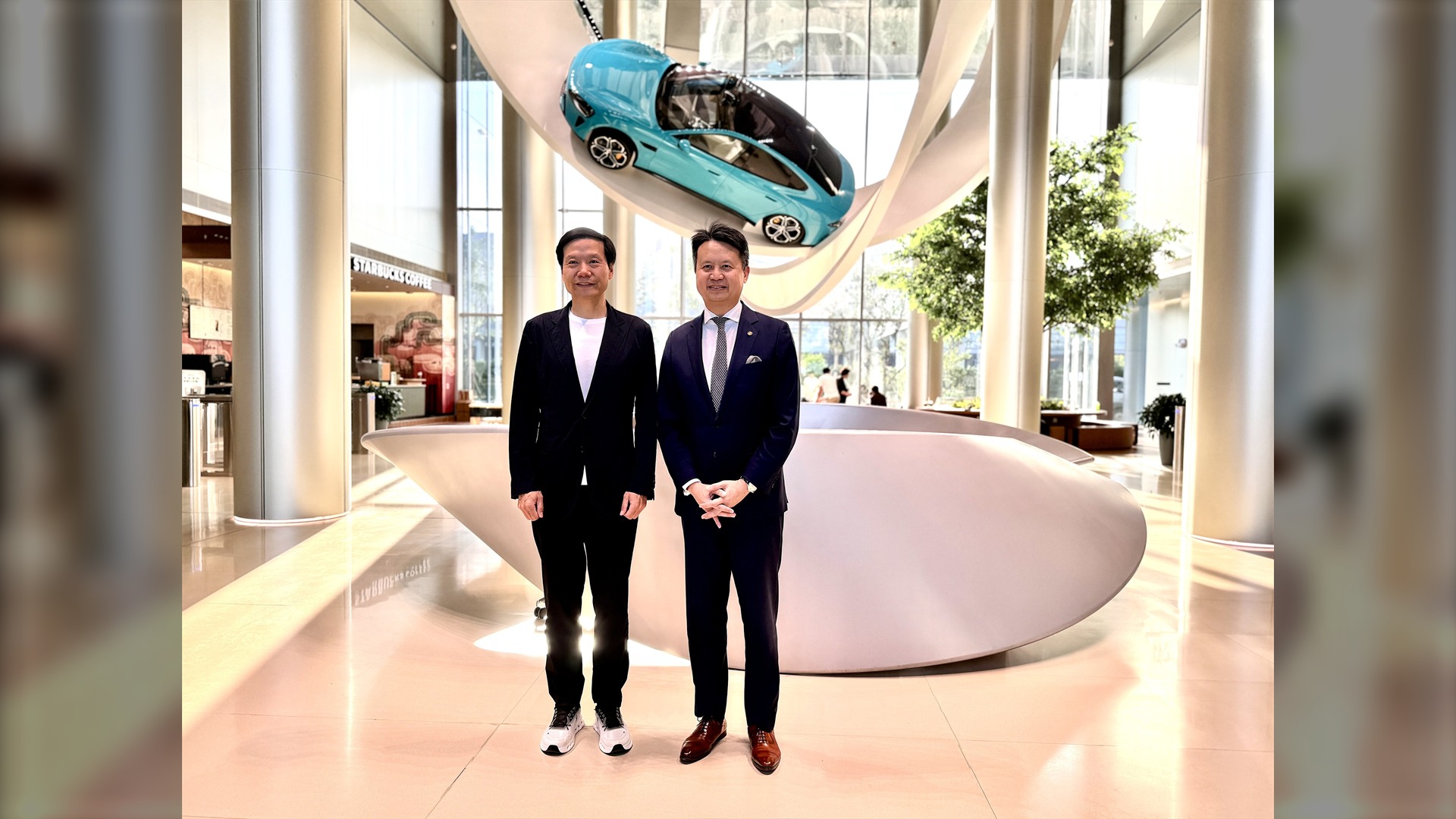
7. Lei Jun ($36.8 Billion, Xiaomi)
After founding smartphone maker Xiaomi in 2010, Lei Jun led the Beijing electronics giant into the automotive market with the launch of the Xiaomi SU7 electric sedan in 2024. Strong smartphone shipments and rapid EV deliveries boosted his net worth to $36.8 billion.
©Wikimedia / WIPO
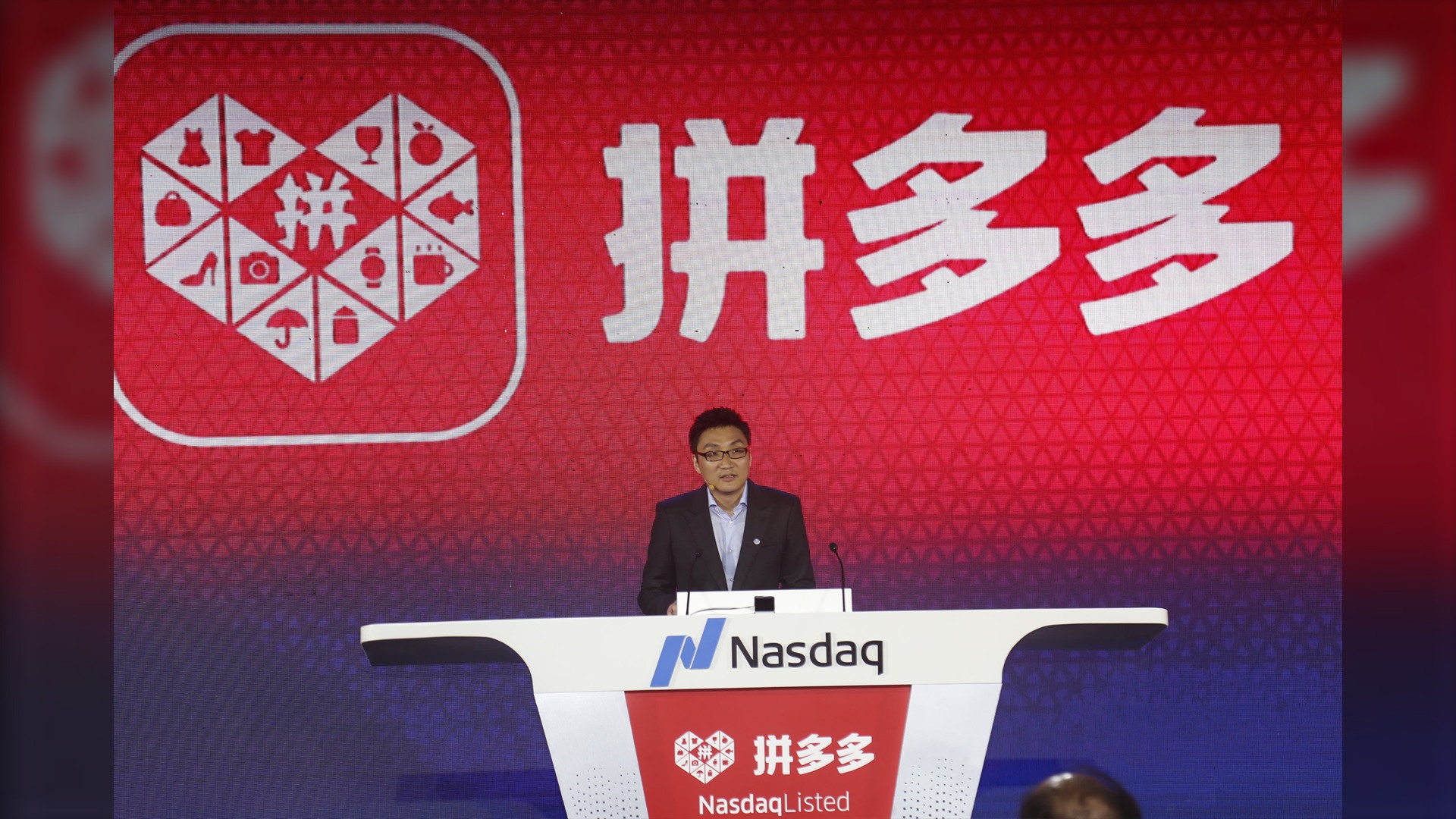
6. Colin Huang ($45.3 Billion, PDD Holdings)
Colin Huang founded social commerce platform Pinduoduo in Shanghai in 2015 after earlier stints as a software engineer at Google and a gaming entrepreneur. The rapid international expansion of PDD Holdings' sister marketplace Temu propelled his personal net worth to $45.3 billion.
©PDD Holdings / Nasdaq Press
5. William Ding ($47.5 Billion, NetEase)
Known in China as Ding Lei, William Ding founded internet portal NetEase in 1997 with a dozen employees and transformed it into a global video game publisher. Hit mobile and PC titles like Eggy Party, Naraka Bladepoint, and Fantasy Westward Journey lifted his net worth to $47.5 billion.
©SCMP / Xinhua
Advertisement
Swipe or tap ▶ to resume the countdown.
4. Robin Zeng ($53.5 Billion, CATL)
Robin Zeng founded Contemporary Amperex Technology (CATL) in his hometown of Ningde, Fujian in 2011 after earning a doctorate in physics from the Chinese Academy of Sciences. CATL now produces more than a third of the world's electric vehicle batteries, giving Zeng a $53.5 billion fortune.
©Wikimedia / China News Service
3. Ma Huateng ($62.8 Billion, Tencent)
Also known as Pony Ma, Ma Huateng co-founded Tencent in Shenzhen in 1998 and launched the instant messaging service QQ before introducing super-app WeChat in 2011. With over 1.3 billion WeChat users and stakes in Riot Games, Epic Games, and Supercell, Ma's net worth stands at $62.8 billion.
©Wikimedia / China News Service
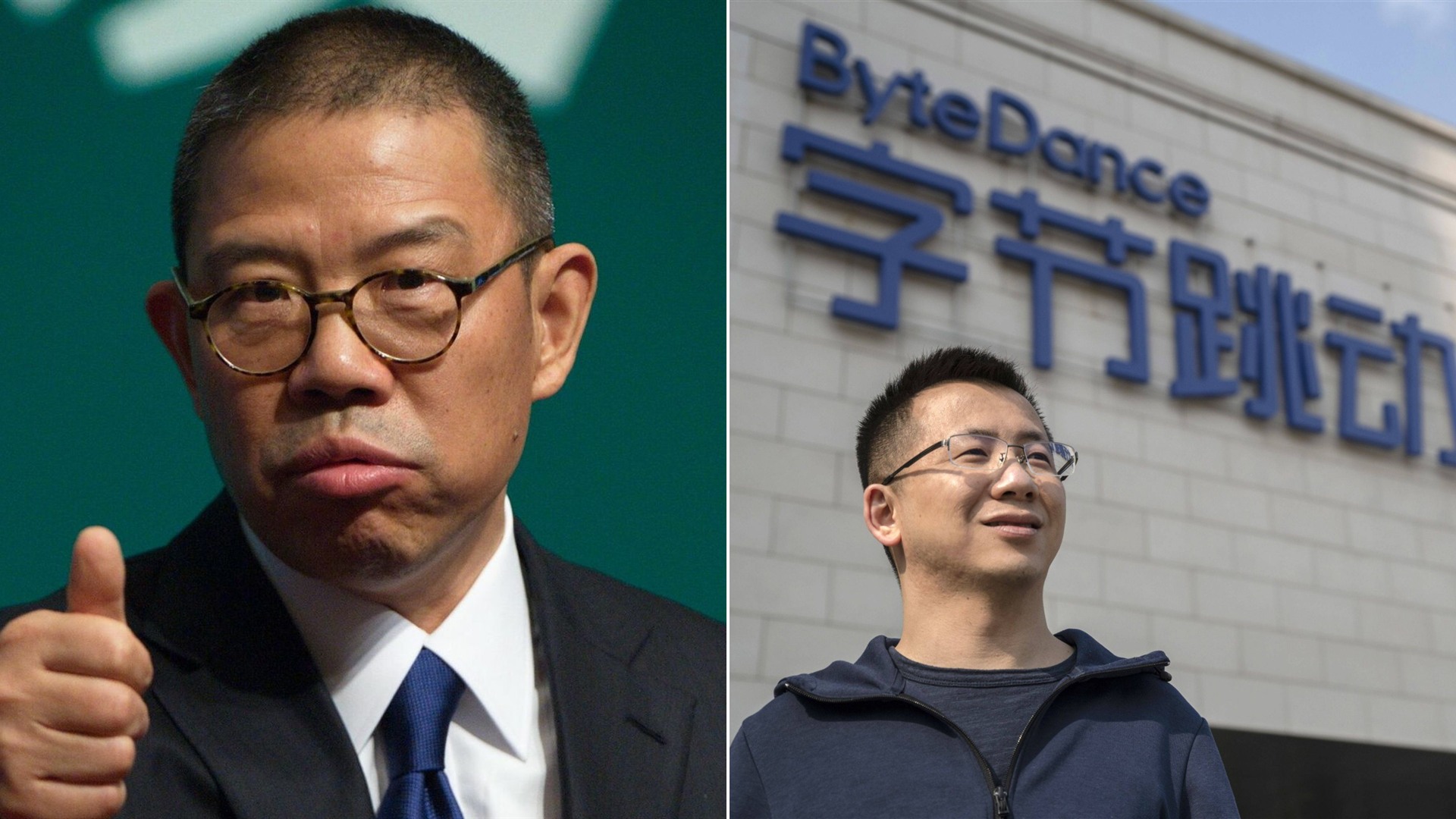
2. Zhang Yiming ($69.3 Billion, ByteDance)
Software engineer Zhang Yiming founded ByteDance in a four-bedroom Beijing apartment in 2012 and built recommendation engines that power news app Toutiao, Douyin, and TikTok. Valued at $69.3 billion by Forbes, Zhang also topped the Hurun China Rich List following ByteDance's rapid expansion into AI.
©SCMP / Handout
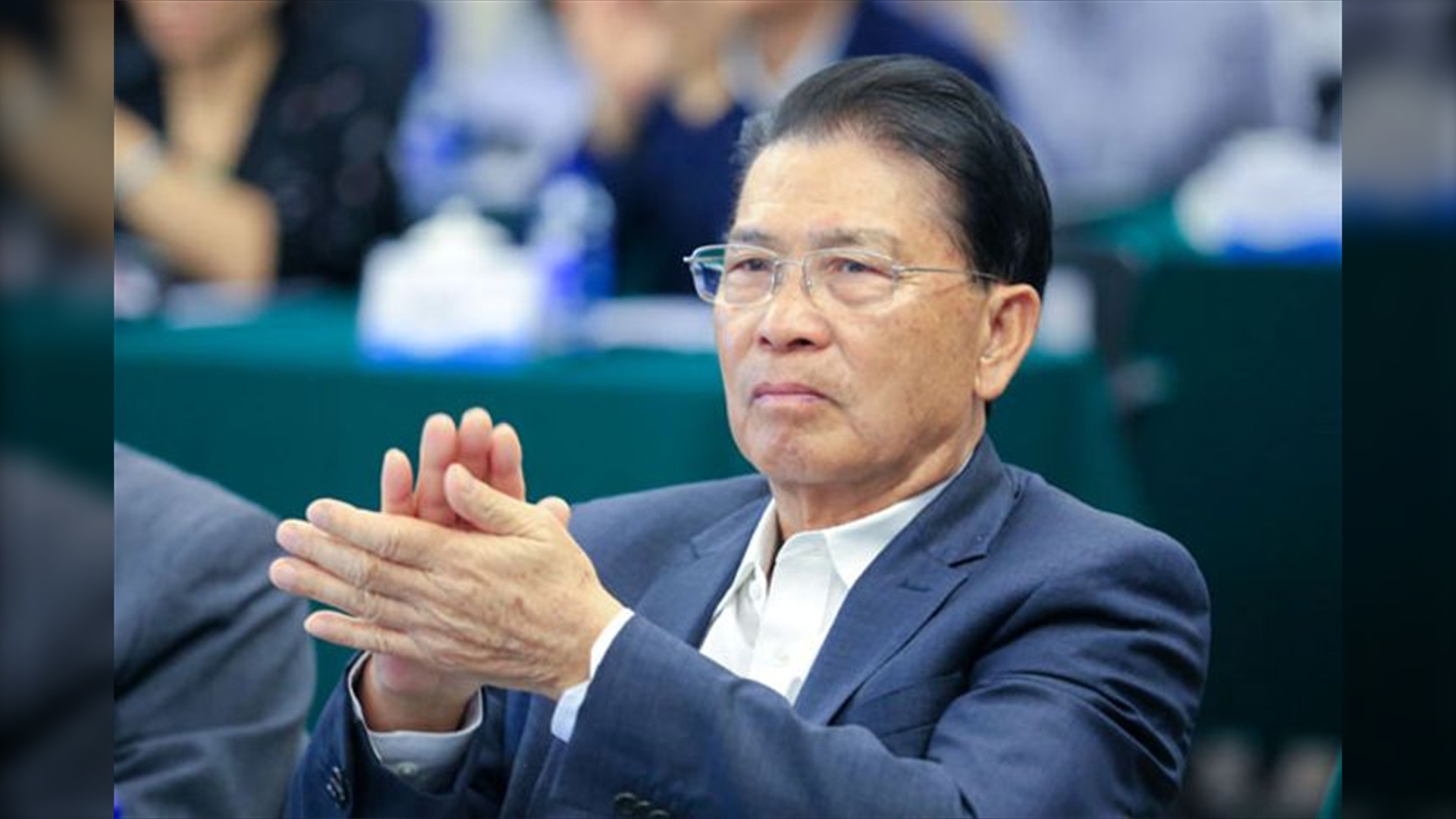
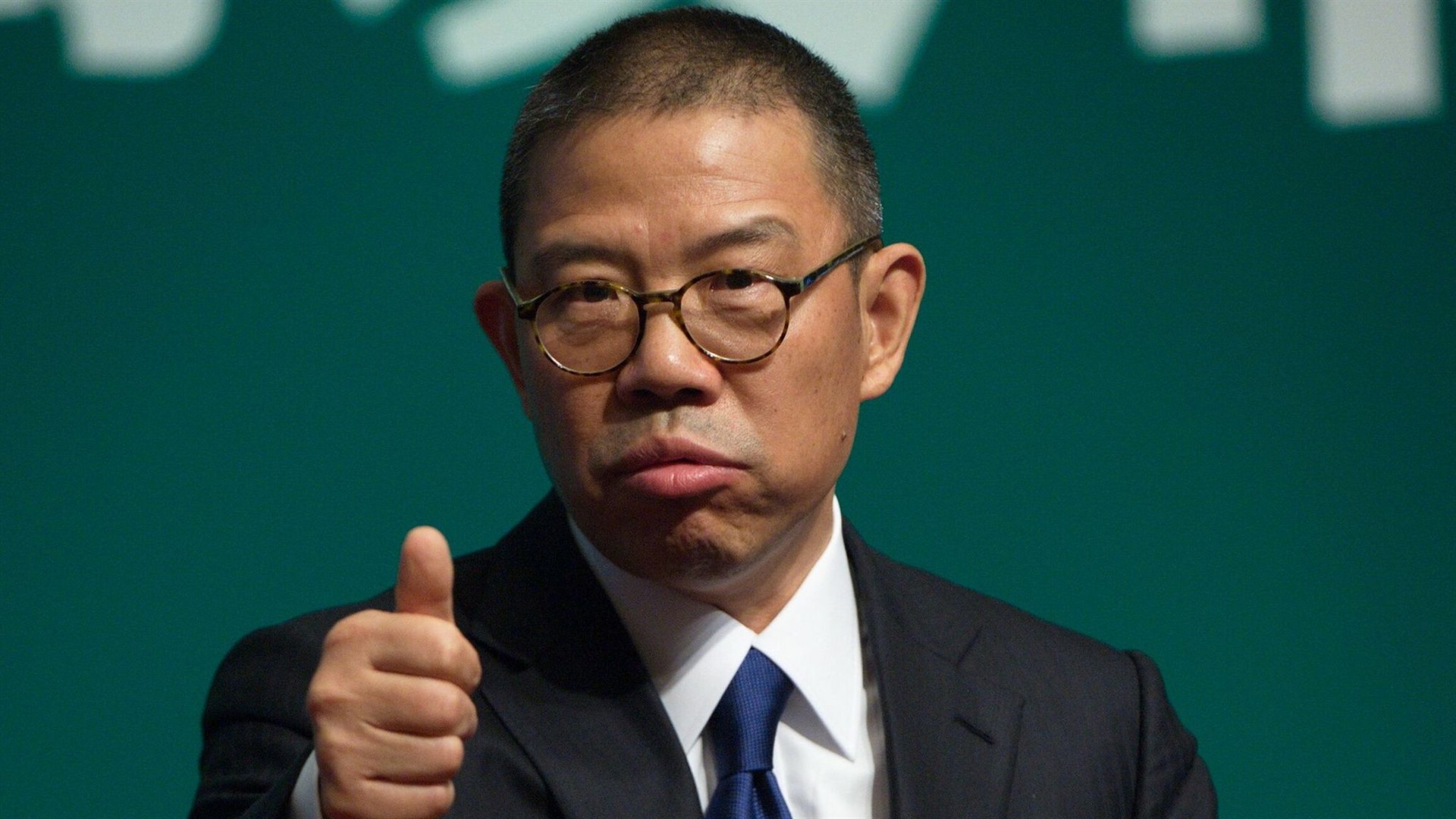
1. Zhong Shanshan ($77.1 Billion, Nongfu Spring)
Former construction worker and newspaper reporter Zhong Shanshan founded bottled water maker Nongfu Spring in Hangzhou in 1996. Combined with his controlling stake in Beijing Wantai Biological Pharmacy, the beverage empire kept Zhong at No. 1 on the Forbes China Rich List with $77.1 billion.
©Sky News / AP
Advertisement
You've reached the end of the story. Thanks for reading!

22 Turning Points That Shaped Goldman Sachs From 1869 Onward
Starting in a Lower Manhattan basement in 1869, Marcus Goldman built a commercial paper business that grew into one of Wall Street's most influential firms. Based on Securities and Exchange Commission filings, U.S. Treasury archives, and corporate records, these 22 milestones trace its leaders, crises, and turns.
All 15 Entries in this Story
15. Chen Tianshi ($21.0 Billion, Cambricon)
Computer scientist Chen Tianshi co-founded Cambricon Technologies in 2016 after leading AI processor research at the Chinese Academy of Sciences Institute of Computing Technology in Beijing. Surging domestic demand for AI accelerators pushed his net worth to $21.0 billion on the Forbes China Rich List.

14. Qin Yinglin ($21.5 Billion, Muyuan Foods)
Qin Yinglin and his wife Qian Ying started their livestock business in Henan province in 1992 with just 22 pigs. Today, Shenzhen-listed Muyuan Foods is the largest hog breeder and pork producer in the world, giving Qin a net worth of $21.5 billion.

13. Wang Ning ($22.2 Billion, Pop Mart)
Born in Henan in 1987, Wang Ning opened the first Pop Mart store in Beijing in 2010. Global demand for his company's collectible blind-box figures, led by characters like Labubu and Molly, sent Pop Mart's Hong Kong shares soaring and lifted his family's fortune to $22.2 billion.

12. Wang Chuanfu ($24.0 Billion, BYD)
Former metallurgy researcher Wang Chuanfu founded BYD in Shenzhen in 1995 as a rechargeable cell phone battery maker before entering the auto industry in 2003. BYD now sells more plug-in electric and hybrid cars than any other automaker on Earth, putting Wang's net worth at $24.0 billion.

11. Huang Shilin ($24.5 Billion, CATL)
Huang Shilin helped build Contemporary Amperex Technology (CATL) into the dominant global supplier of lithium-ion batteries for Tesla, BMW, and Volkswagen. Even after stepping down as vice chairman in 2022, his equity stake in the Ningde battery giant is valued at $24.5 billion.

10. Zheng Shuliang ($25.4 Billion, China Hongqiao)
Zheng Shuliang is the vice chairwoman of China Hongqiao Group, the Shandong aluminum giant founded by her late husband Zhang Shiping and now chaired by their son Zhang Bo. Rising global aluminum demand from electric vehicle and solar manufacturers lifted the family's net worth to $25.4 billion.

9. He Xiangjian ($29.8 Billion, Midea Group)
In 1968, He Xiangjian pooled 5,000 yuan with 23 residents in Beijiao, Guangdong to open a bottle-lid workshop that evolved into Midea Group. Today, Midea is one of the world's largest producers of air conditioners, kitchen appliances, and industrial robotics under German subsidiary KUKA.

8. Jack Ma ($31.0 Billion, Alibaba Group)
Jack Ma co-founded Alibaba in his Hangzhou apartment in 1999 and turned it into one of the largest e-commerce and cloud computing ecosystems in the world. Although he stepped back from daily management in 2019, his holdings in Alibaba and fintech affiliate Ant Group keep his fortune at $31.0 billion.

7. Lei Jun ($36.8 Billion, Xiaomi)
After founding smartphone maker Xiaomi in 2010, Lei Jun led the Beijing electronics giant into the automotive market with the launch of the Xiaomi SU7 electric sedan in 2024. Strong smartphone shipments and rapid EV deliveries boosted his net worth to $36.8 billion.

6. Colin Huang ($45.3 Billion, PDD Holdings)
Colin Huang founded social commerce platform Pinduoduo in Shanghai in 2015 after earlier stints as a software engineer at Google and a gaming entrepreneur. The rapid international expansion of PDD Holdings' sister marketplace Temu propelled his personal net worth to $45.3 billion.

5. William Ding ($47.5 Billion, NetEase)
Known in China as Ding Lei, William Ding founded internet portal NetEase in 1997 with a dozen employees and transformed it into a global video game publisher. Hit mobile and PC titles like Eggy Party, Naraka Bladepoint, and Fantasy Westward Journey lifted his net worth to $47.5 billion.

4. Robin Zeng ($53.5 Billion, CATL)
Robin Zeng founded Contemporary Amperex Technology (CATL) in his hometown of Ningde, Fujian in 2011 after earning a doctorate in physics from the Chinese Academy of Sciences. CATL now produces more than a third of the world's electric vehicle batteries, giving Zeng a $53.5 billion fortune.

3. Ma Huateng ($62.8 Billion, Tencent)
Also known as Pony Ma, Ma Huateng co-founded Tencent in Shenzhen in 1998 and launched the instant messaging service QQ before introducing super-app WeChat in 2011. With over 1.3 billion WeChat users and stakes in Riot Games, Epic Games, and Supercell, Ma's net worth stands at $62.8 billion.

2. Zhang Yiming ($69.3 Billion, ByteDance)
Software engineer Zhang Yiming founded ByteDance in a four-bedroom Beijing apartment in 2012 and built recommendation engines that power news app Toutiao, Douyin, and TikTok. Valued at $69.3 billion by Forbes, Zhang also topped the Hurun China Rich List following ByteDance's rapid expansion into AI.

1. Zhong Shanshan ($77.1 Billion, Nongfu Spring)
Former construction worker and newspaper reporter Zhong Shanshan founded bottled water maker Nongfu Spring in Hangzhou in 1996. Combined with his controlling stake in Beijing Wantai Biological Pharmacy, the beverage empire kept Zhong at No. 1 on the Forbes China Rich List with $77.1 billion.