Slideshow · Science
Common Things in Your Home You Should Replace Right Now, Ranked
From your kitchen sponge to your pillows, 15 home items to replace right now.
By Most Viral Today
21 Oct 2026

From your kitchen sponge to your pillows, 15 home items to replace right now. 

15. Open Ground Spices — Replace Every 1–2 Years 
14. Fridge & Under-Sink Water Filters — Replace Every 6 Months 
13. Bathroom Toilet Brush — Replace Every 6 Months - AdvertisementSwipe or tap ▶ to continue countdown

12. Scratched Non-Stick Teflon Pans — Replace Every 3–5 Years 
11. Shower Loofahs & Bath Poufs — Replace Every 3–4 Weeks 
10. HVAC & Air Purifier Filters — Replace Every 60–90 Days 
9. Frayed Bath & Hand Towels — Replace Every 2 Years - AdvertisementSwipe or tap ▶ to continue countdown

8. Deeply Grooved Cutting Boards — Replace Every 1–2 Years 
7. Old Surge Protectors & Power Strips — Replace Every 3–5 Years 
6. Kitchen Fire Extinguishers — Replace Every 5–10 Years 
5. Your Bedroom Mattress — Replace Every 7–10 Years - AdvertisementSwipe or tap ▶ to continue countdown

4. Bed Pillows — Replace Every 1–2 Years 
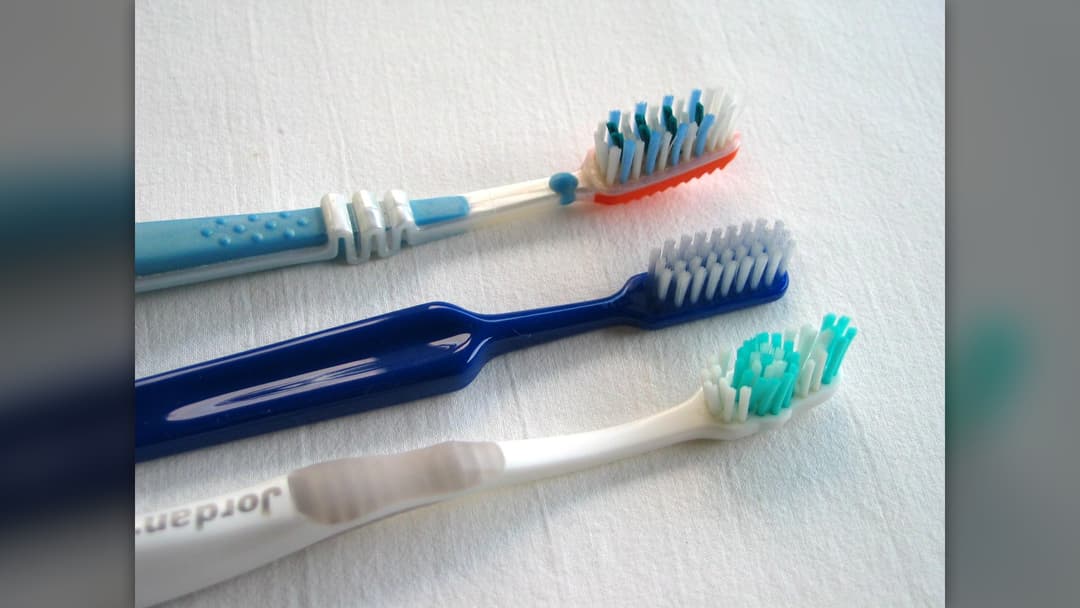
3. Toothbrushes & Brush Heads — Replace Every 3 Months 
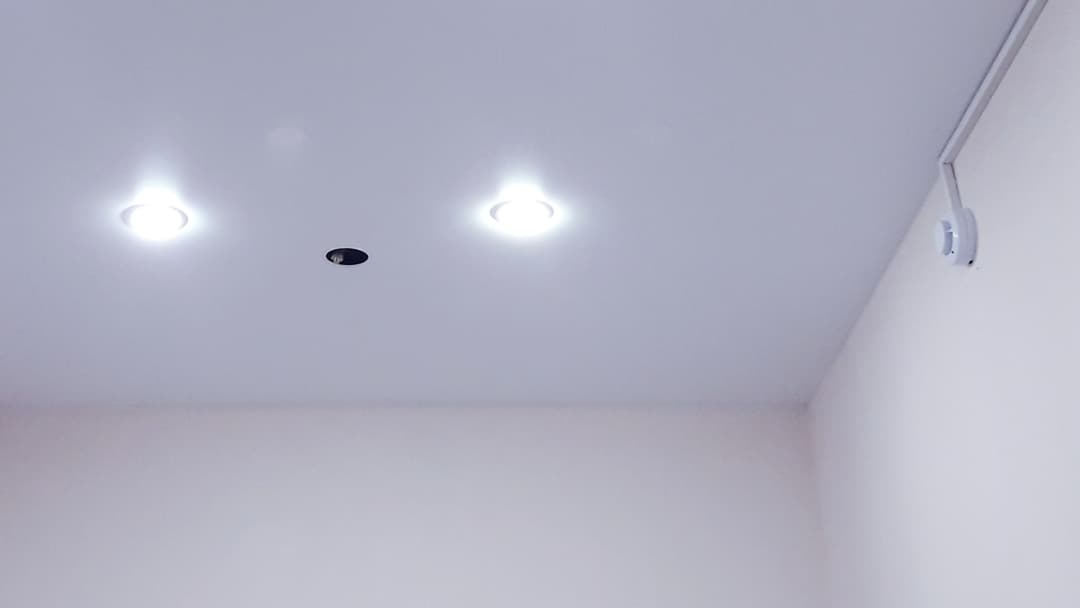
2. Ceiling Smoke Detectors — Replace Every 10 Years 
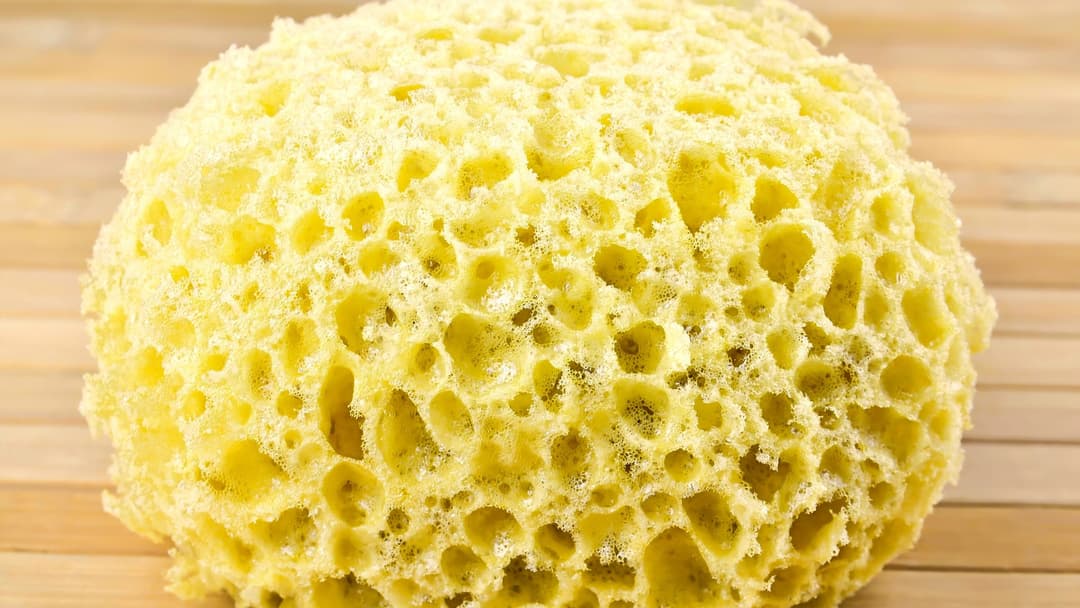
1. Your Kitchen Dish Sponge — Replace Every 1–2 Weeks - Advertisement🔥 UP NEXT IN THIS SERIES◫ 23 Slides

22 High-Calorie Burning Exercises Ranked by Harvard Medical Data
Ranked according to Harvard Medical School caloric expenditure data, these 22 physical exercises burn the highest number of calories per hour for optimal cardiovascular health. Medical data reveals true effort.
Most homeowners clean their counters and floors religiously while overlooking the everyday household items quietly harboring billions of bacteria, toxic microplastics, or expired safety sensors. Here are the 15 most common things in your home you should replace right now, ranked.
Swipe or tap ▶ to begin the countdown
©Wikimedia / Shixart1985
15. Open Ground Spices — Replace Every 1–2 Years
Once opened, ground spices oxidize rapidly, losing up to 80% of their aromatic oils and antioxidants within 12 to 24 months. Even worse, jars stored above a steaming stove absorb kitchen humidity, inviting clumping, mycotoxin mold, and microscopic pantry beetles.

©Wikimedia / Shixart1985
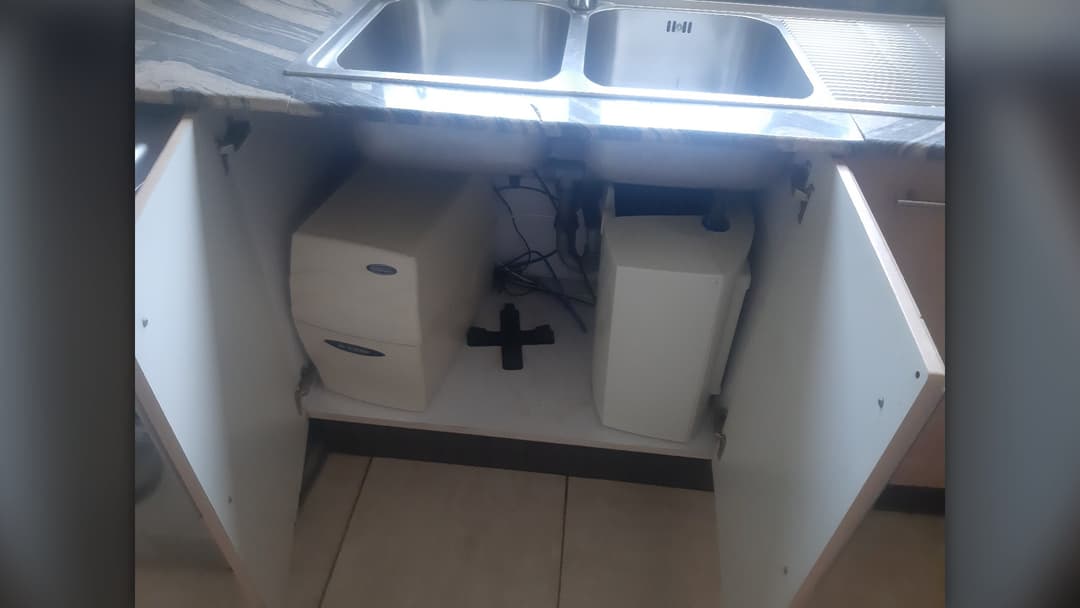
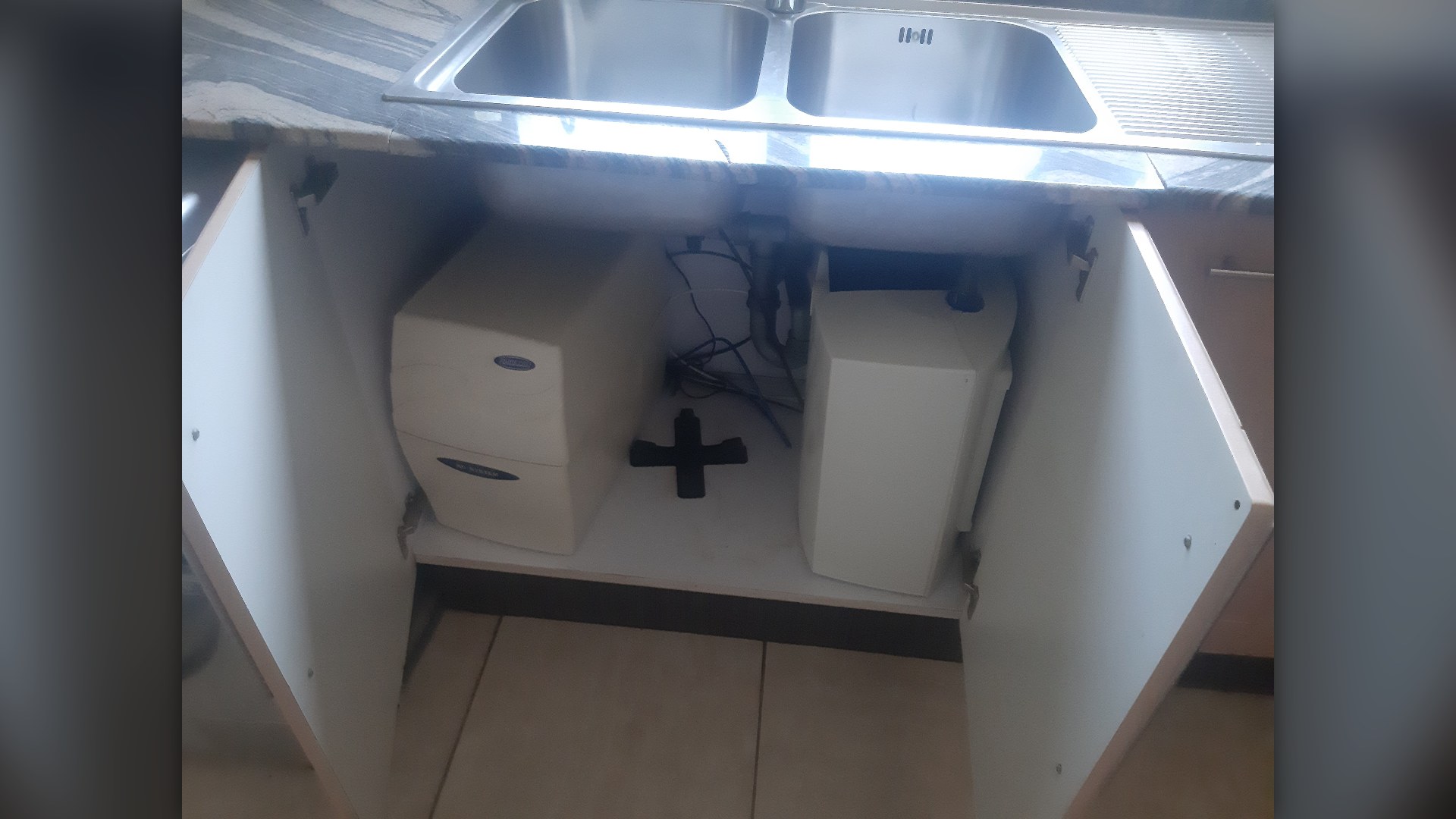
14. Fridge & Under-Sink Water Filters — Replace Every 6 Months
Activated carbon cartridges are designed to trap heavy metals, chlorine, and pesticides for roughly 200 gallons or 6 months. Once saturated, trapped organic matter inside the damp cartridge becomes a breeding ground for bacterial biofilm that flushes straight into your glass.
©Wikimedia / Fanti Salms
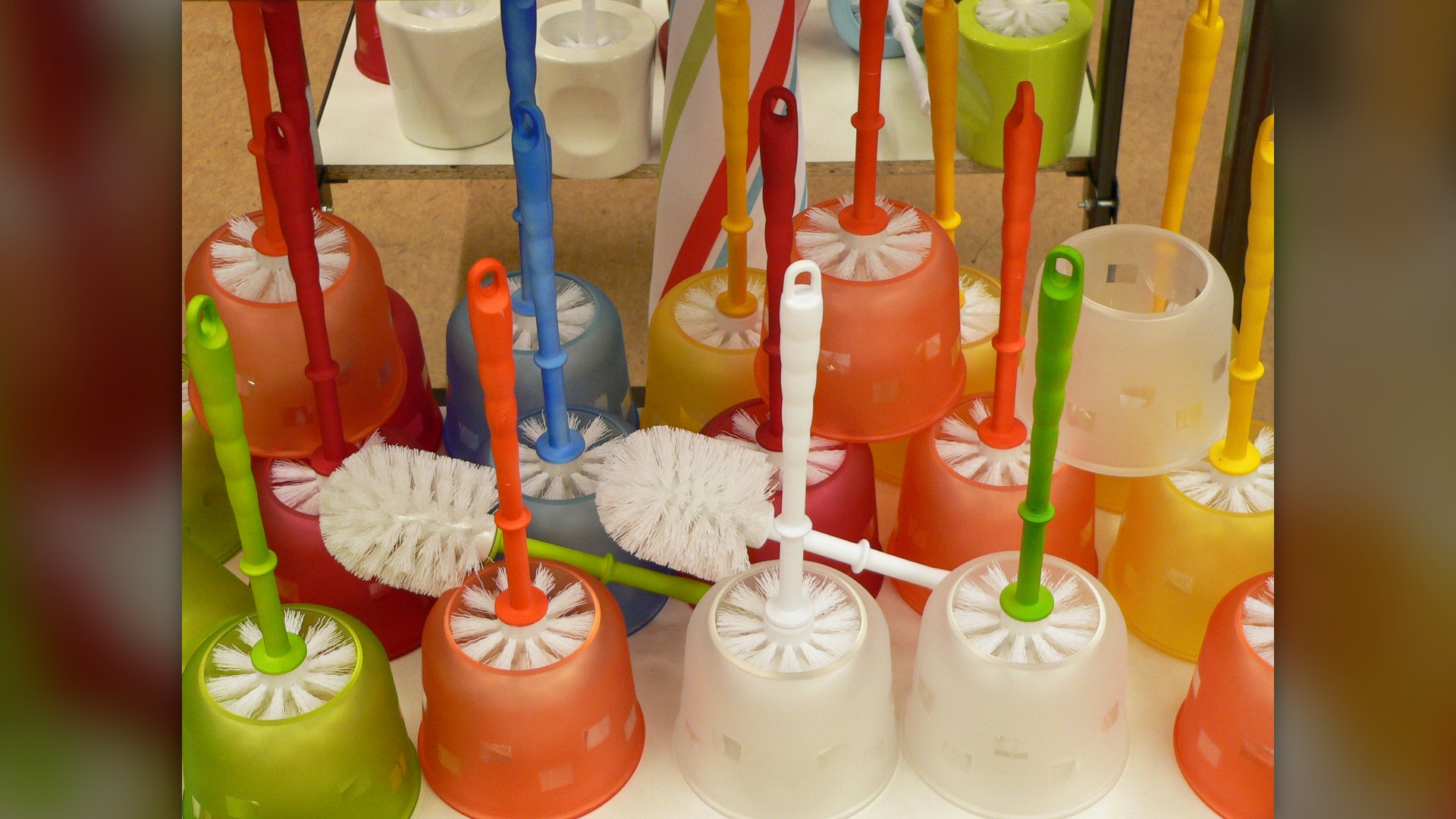
13. Bathroom Toilet Brush — Replace Every 6 Months
Dropping a wet toilet brush straight back into an enclosed plastic cup creates a dark, stagnant pool of fecal coliform bacteria, E. coli, and mold. Replace your brush every 6 months—or switch to an open-vented silicone brush that dries completely between uses.
©Wikimedia / Frank C. Mueller
Advertisement
Swipe or tap ▶ to resume the countdown.
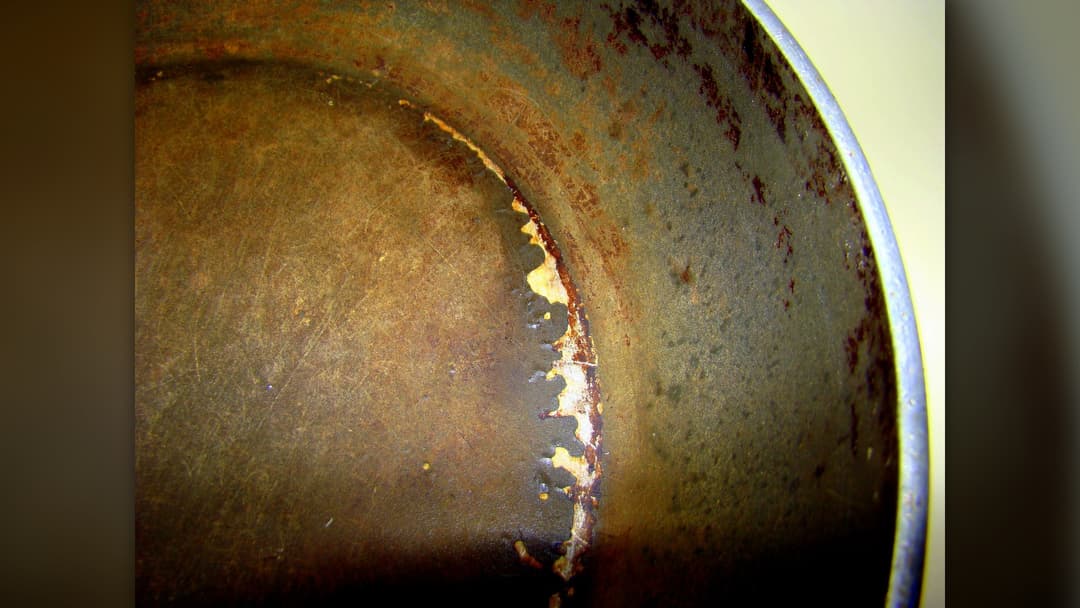
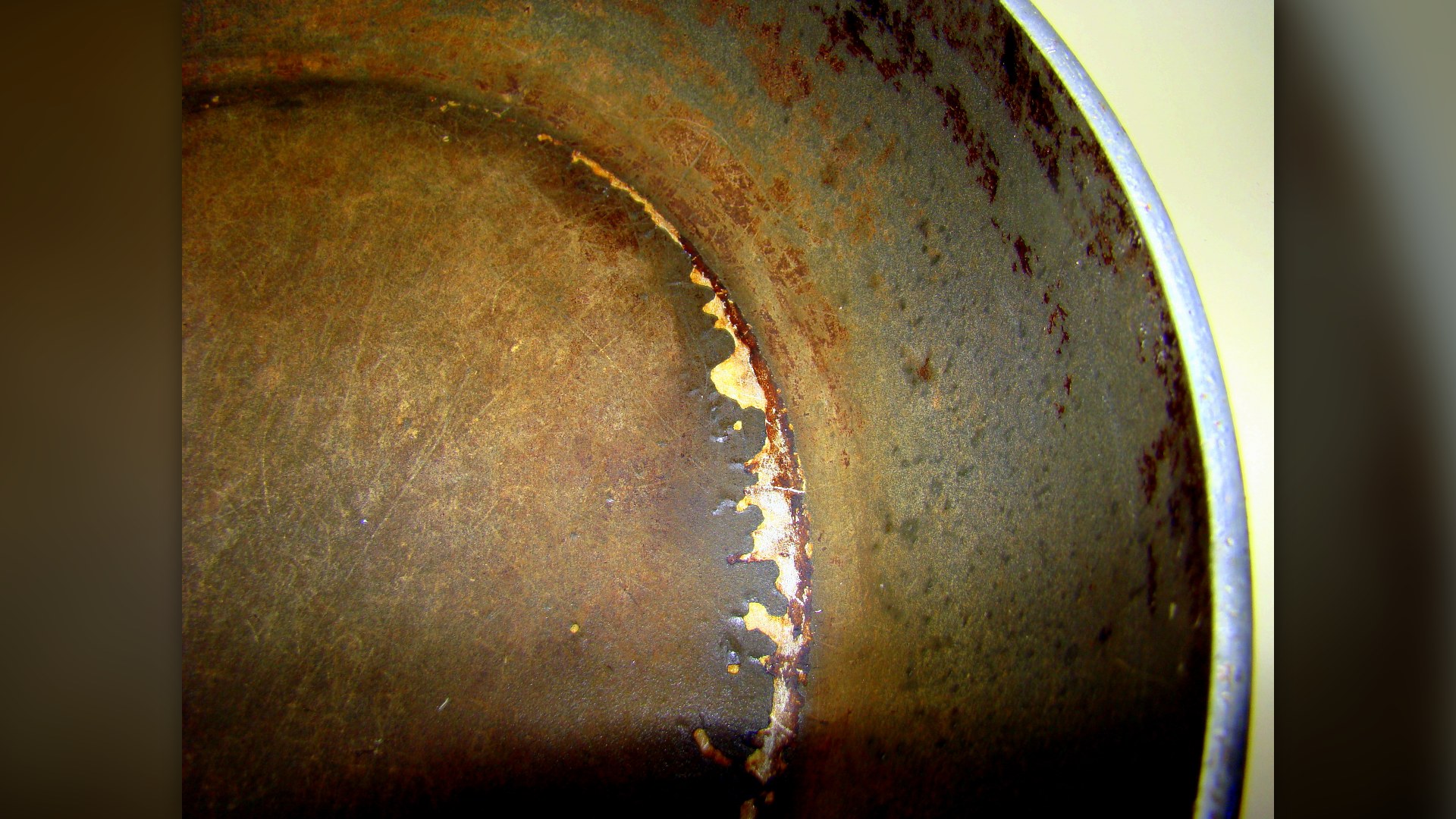
12. Scratched Non-Stick Teflon Pans — Replace Every 3–5 Years
Environmental health researchers found that a single metal-spatula scratch on a PTFE-coated non-stick pan can release roughly 9,100 plastic particles during cooking, while flaking coating can release over 2 million microplastics. Retire any non-stick skillet the moment its coating peels.
©Wikimedia / Cherus
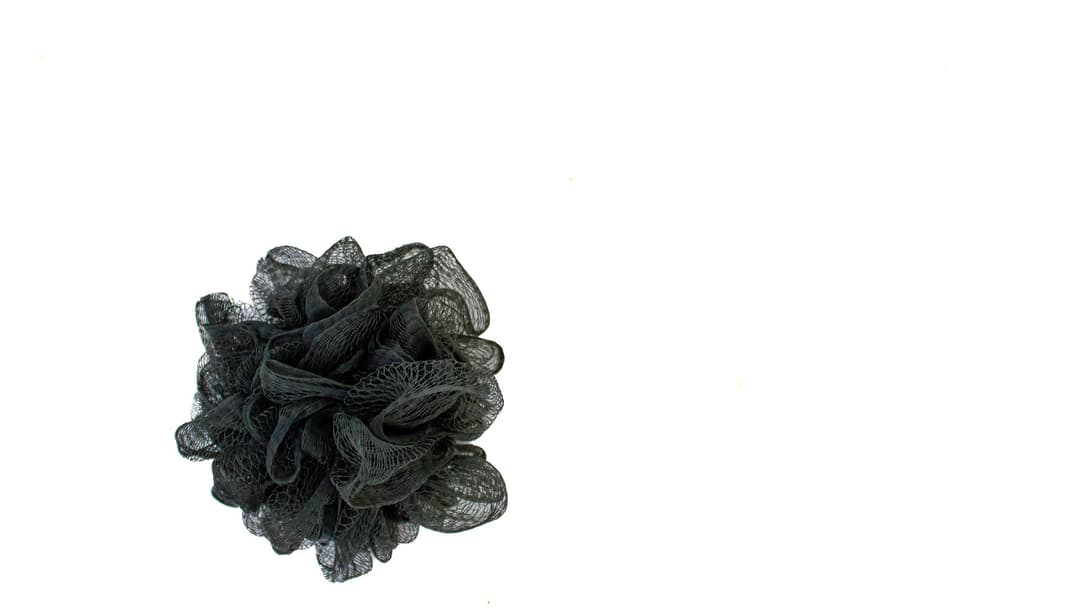
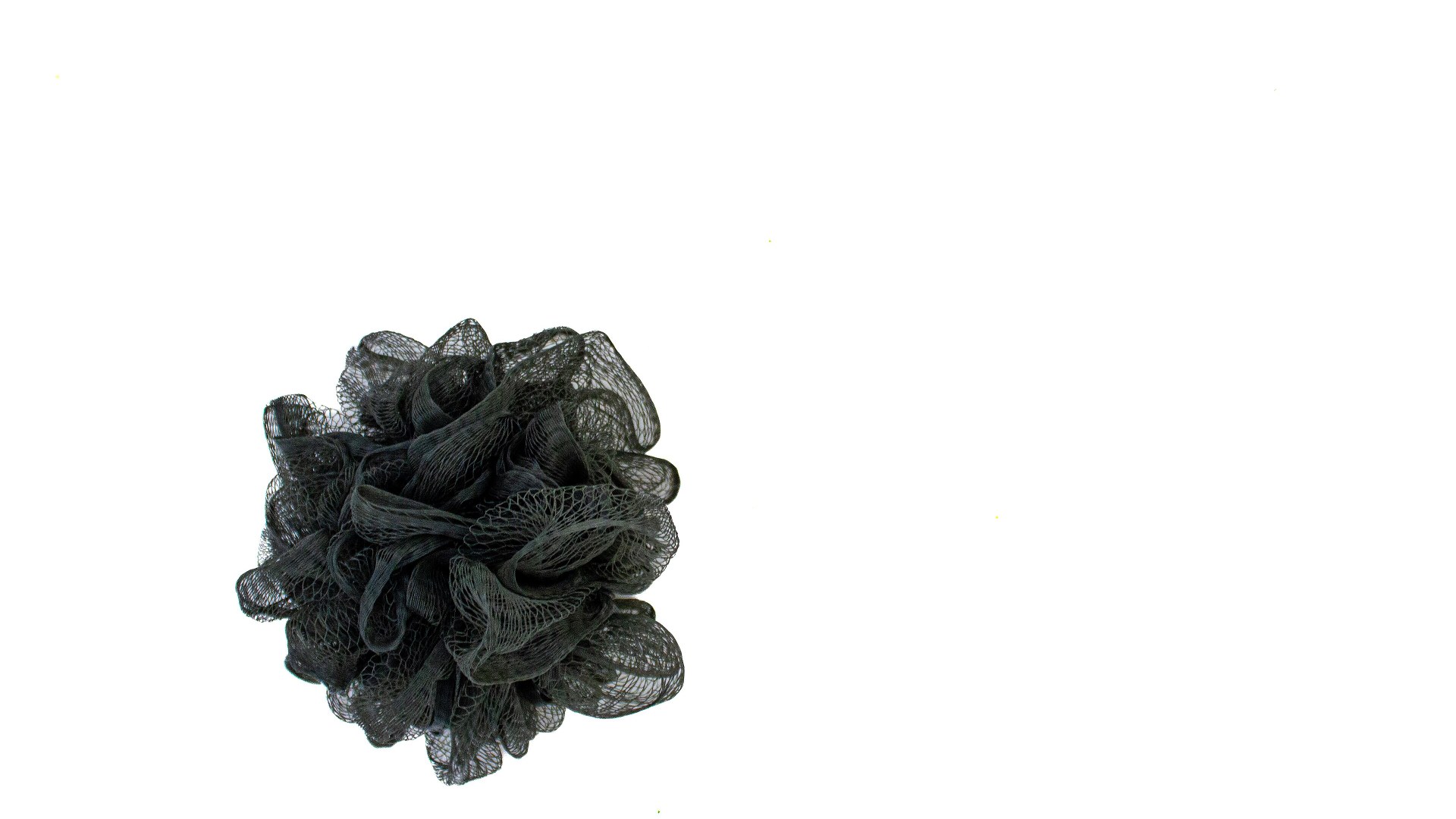
11. Shower Loofahs & Bath Poufs — Replace Every 3–4 Weeks
Every time you exfoliate, thousands of dead skin cells get caught inside the tight mesh knots of a shower loofah. Left hanging in a warm, steamy shower stall, Pseudomonas aeruginosa and Staphylococcus bacteria multiply exponentially within days—replace natural loofahs every 3–4 weeks.
©Wikimedia / Yuri D.K.
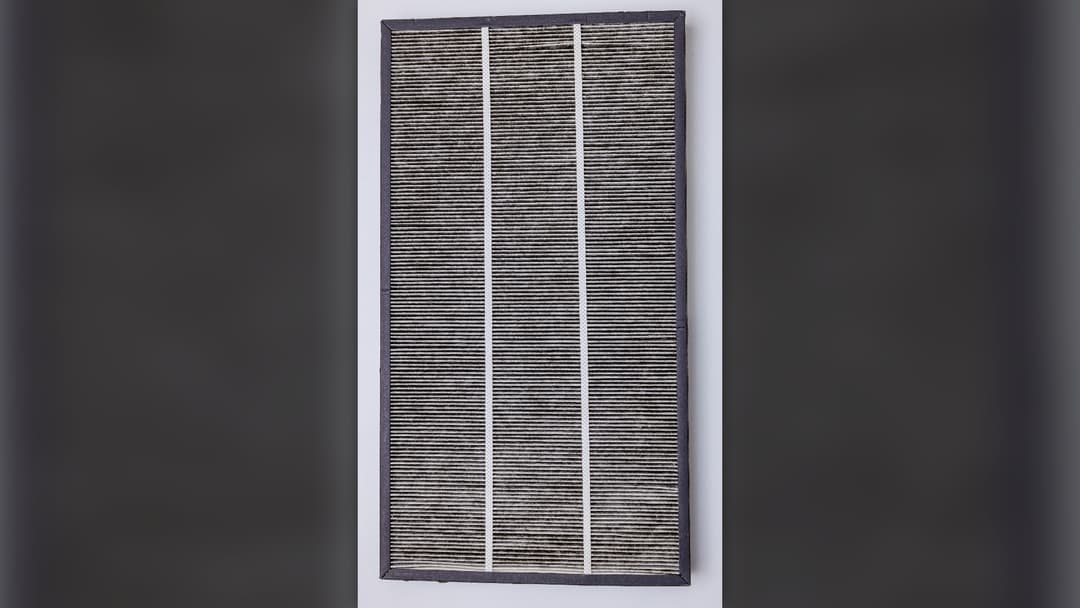
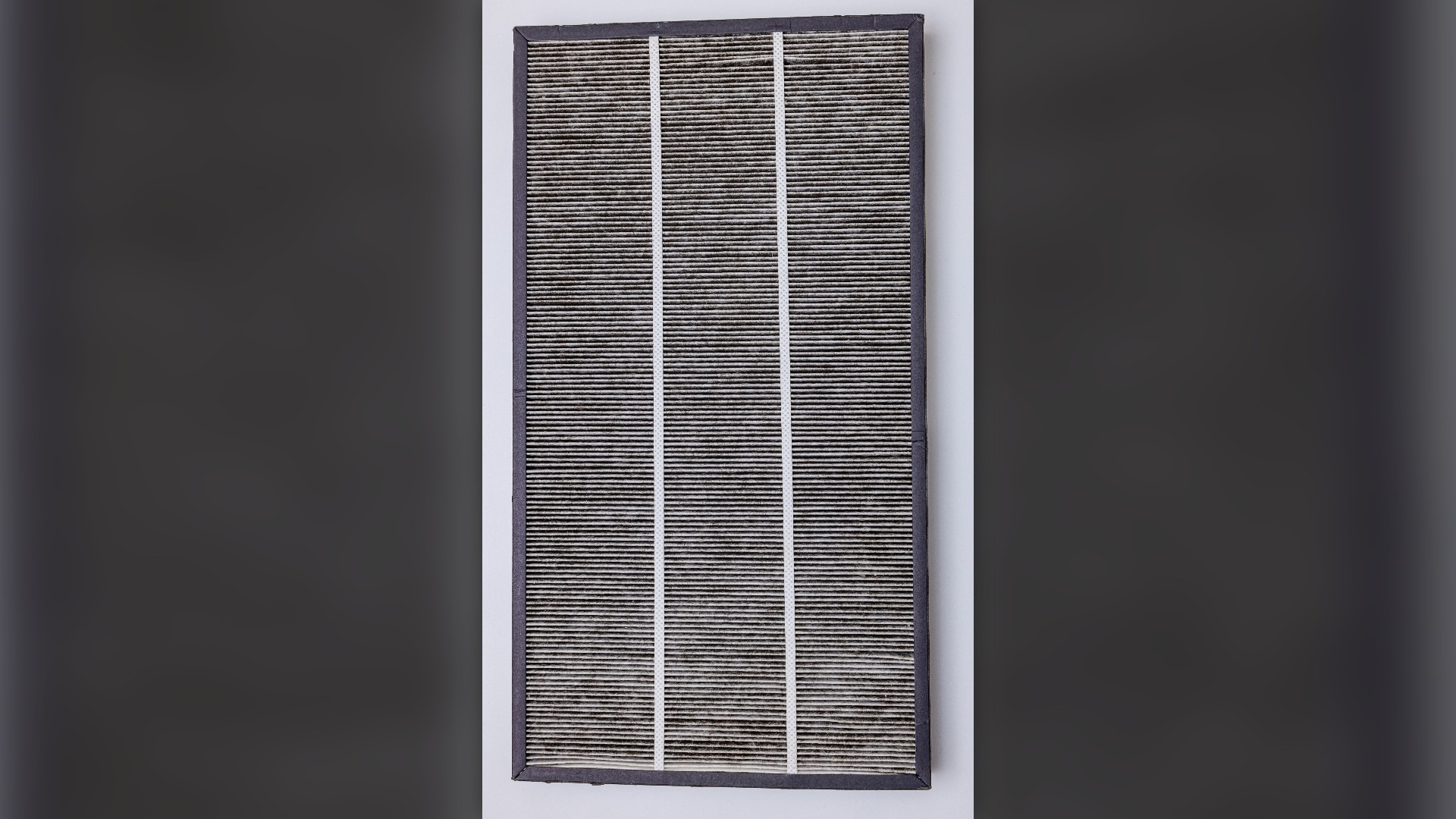
10. HVAC & Air Purifier Filters — Replace Every 60–90 Days
When your HVAC or HEPA air purifier filter turns gray with caked dust, airflow drops by up to 50%, forcing allergens, mold spores, and fine particulate matter to bypass the frame and recirculate through your bedrooms while spiking your monthly electric bill.
©Wikimedia / Dinkun Chen
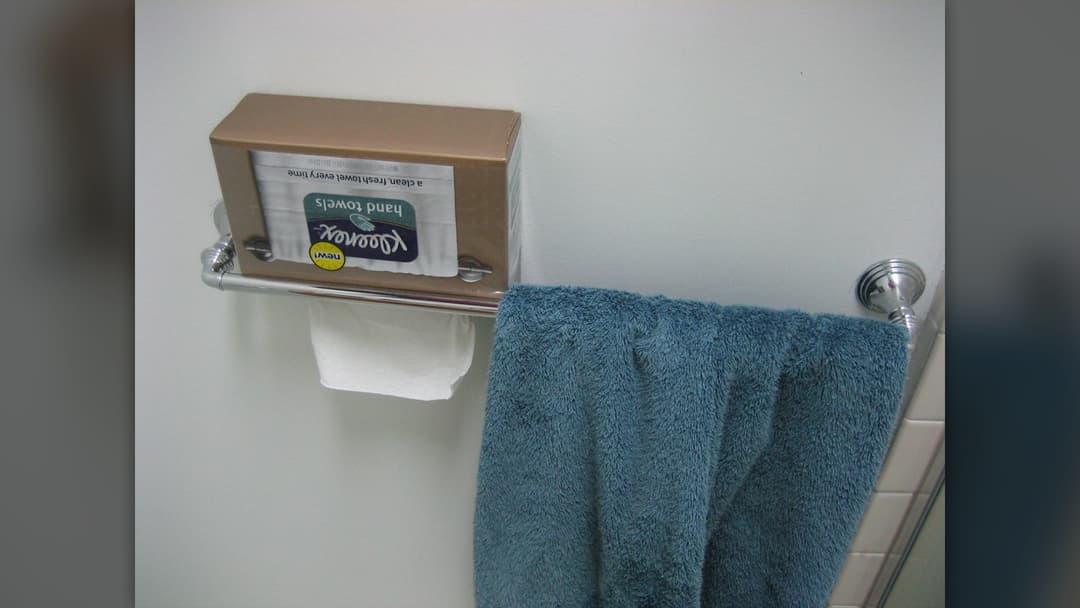
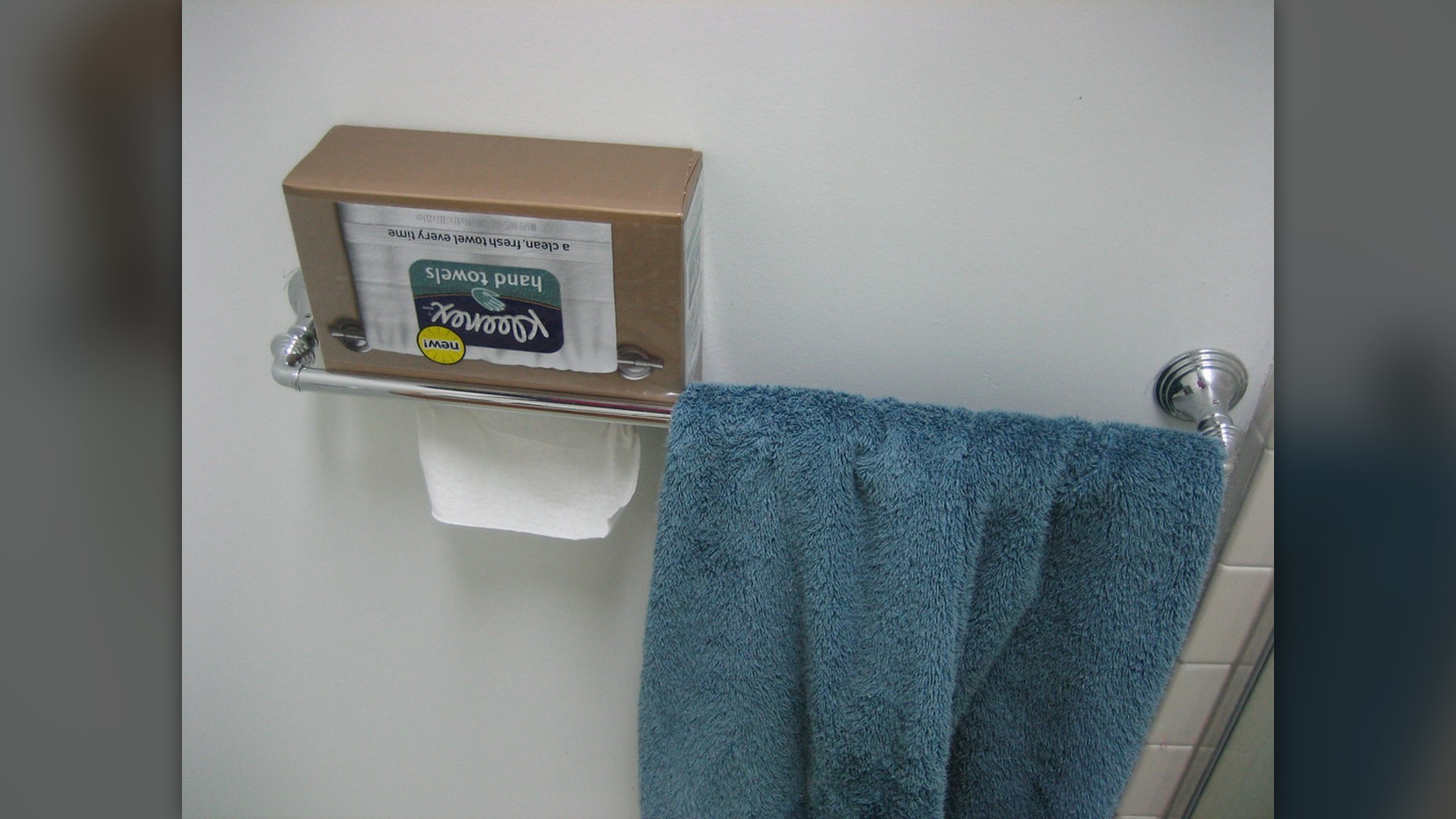
9. Frayed Bath & Hand Towels — Replace Every 2 Years
After two years of heavy use and laundry cycles, cotton terrycloth fibers fray and trap detergent residue, keeping towels damp for hours after a shower. Microbiologists warn that aging, slow-drying bathroom towels harbor E. coli and mildew that rub directly onto clean skin.
©Openverse / theimpulsivebuy
Advertisement
Swipe or tap ▶ to resume the countdown.
8. Deeply Grooved Cutting Boards — Replace Every 1–2 Years
Once a plastic or wooden cutting board develops deep, discolored knife trenches, sponge bristles and dishwasher jets can no longer reach the bacteria hiding inside the crevices. Worse, scarred plastic boards shed microscopic polyethylene shavings directly into chopped food.

©Wikimedia / Robert Loescher
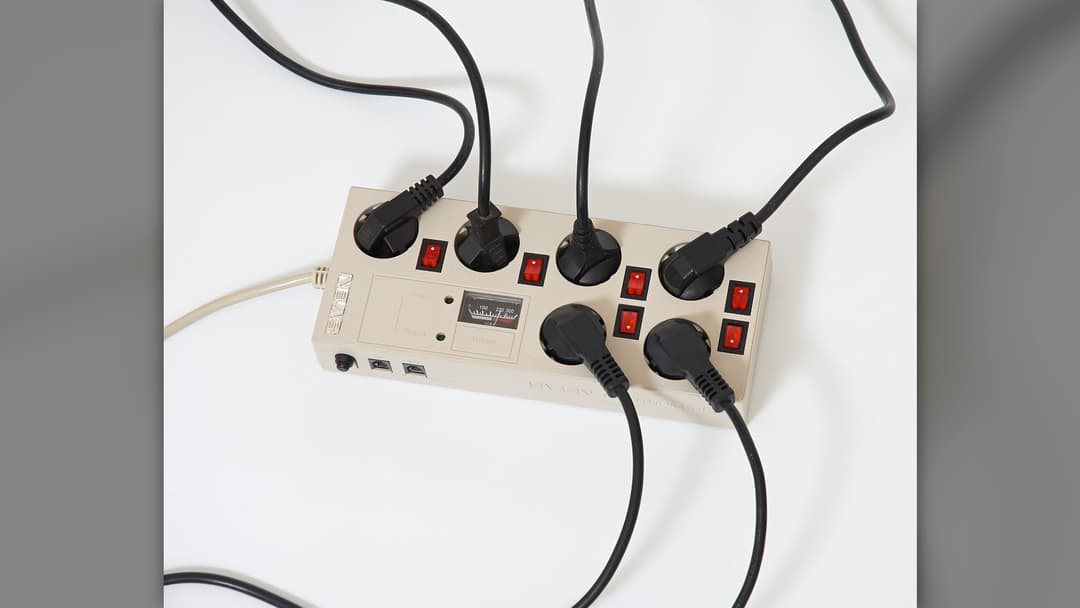
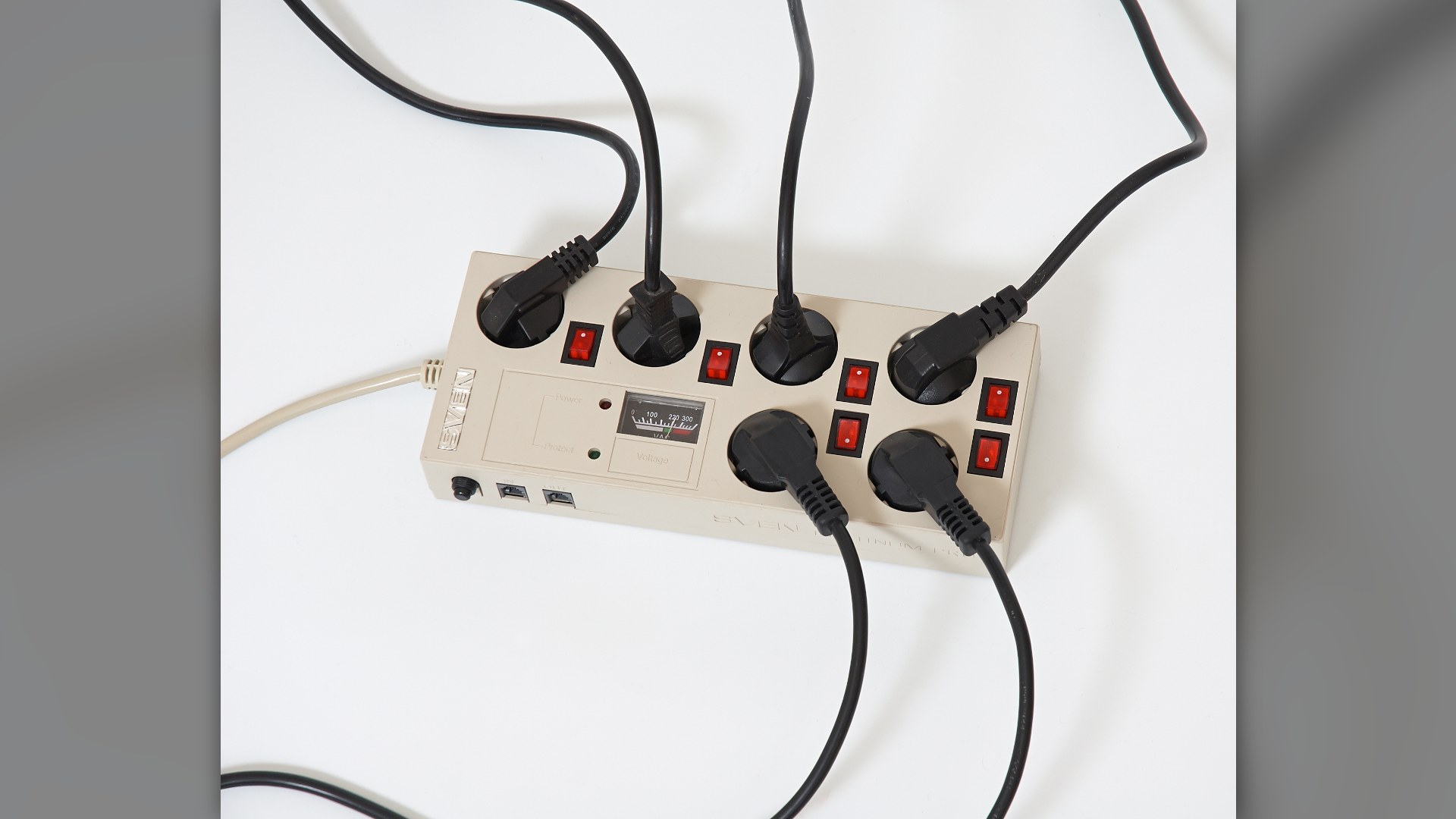
7. Old Surge Protectors & Power Strips — Replace Every 3–5 Years
Surge protectors do not last forever: their internal Metal Oxide Varistors (MOVs) sacrifice a fraction of their capacity every time your utility grid hiccups or a refrigerator compressor kicks on. After 3 to 5 years, a worn strip offers zero surge protection and can overheat.
©Wikimedia / Knopik-som
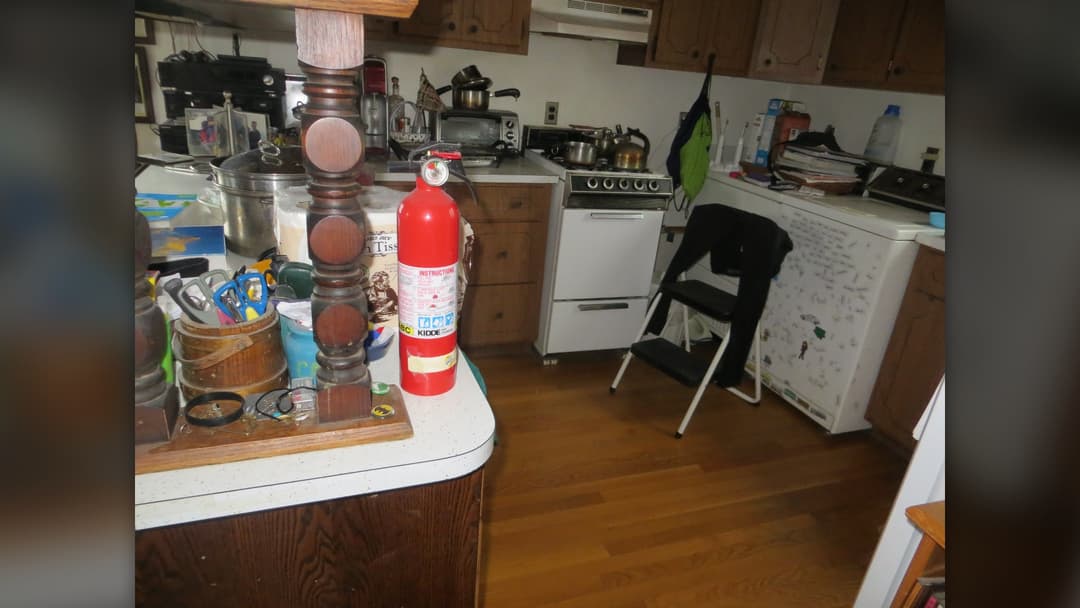
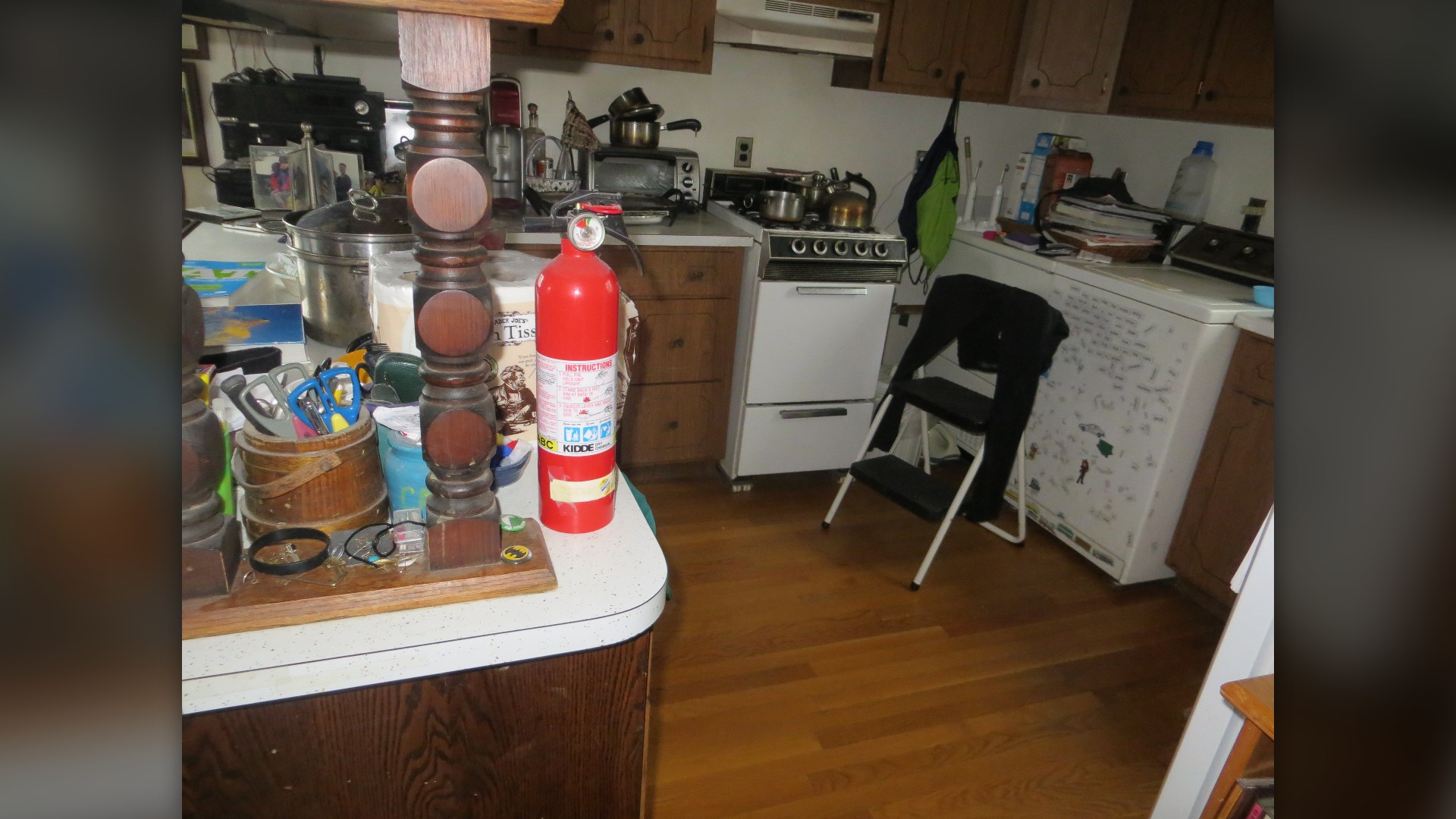
6. Kitchen Fire Extinguishers — Replace Every 5–10 Years
Even if you have never pulled the pin on your under-sink fire extinguisher, rubber O-ring seals dry out and monoammonium phosphate powder cakes at the bottom of the cylinder. Check the pressure needle monthly and replace disposable household extinguishers every 5 to 10 years.
©Wikimedia / CraigKelley62
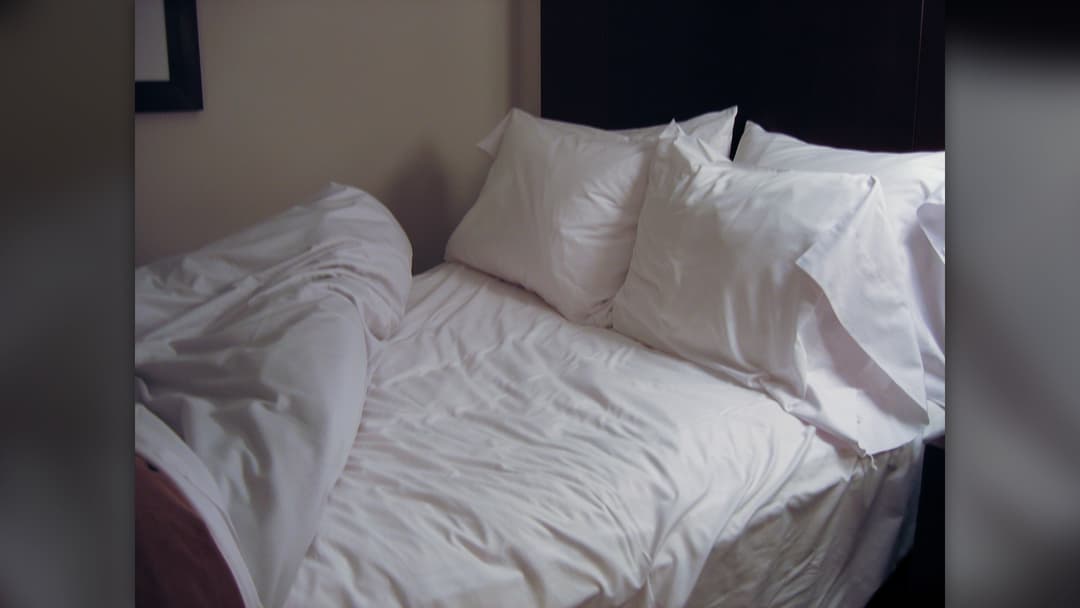
5. Your Bedroom Mattress — Replace Every 7–10 Years
The average person sheds half a liter of sweat each night and a pound of dead skin cells each year directly into their mattress. Within 8 to 10 years, foam support breaks down by up to 40% while dust mite waste accumulates inside the core, triggering morning back pain and congestion.

© Photo by Francesca Tosolini on Unsplash
Advertisement
Swipe or tap ▶ to resume the countdown.
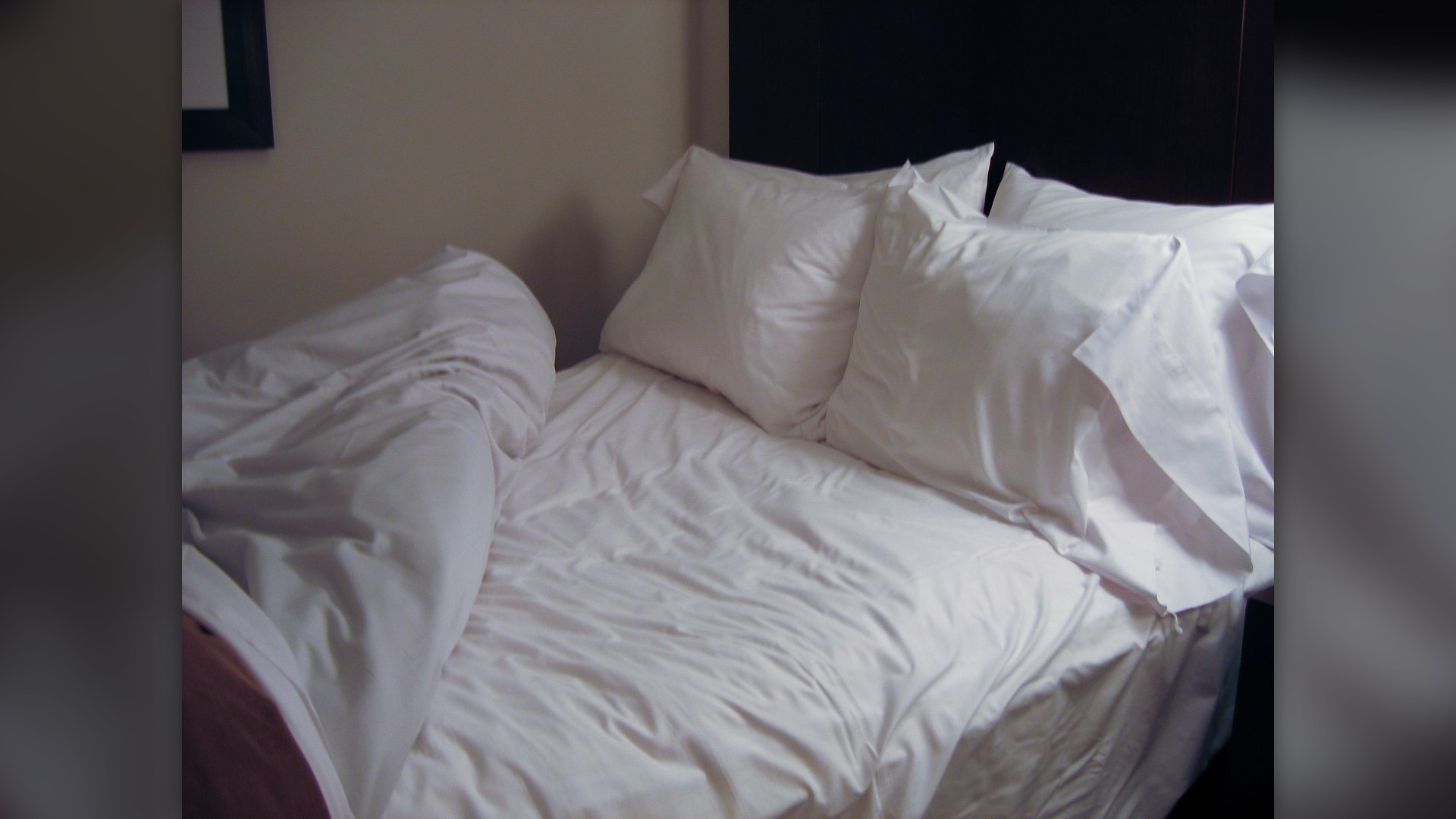
4. Bed Pillows — Replace Every 1–2 Years
You press your face against your pillow for roughly 2,900 hours a year, saturating the filling with night sweat, saliva, facial oils, and up to 16 species of household fungi. Sleep specialists recommend zipping pillows into allergen-proof covers and replacing them every 12 to 24 months.
©Wikimedia / Ctruongngoc
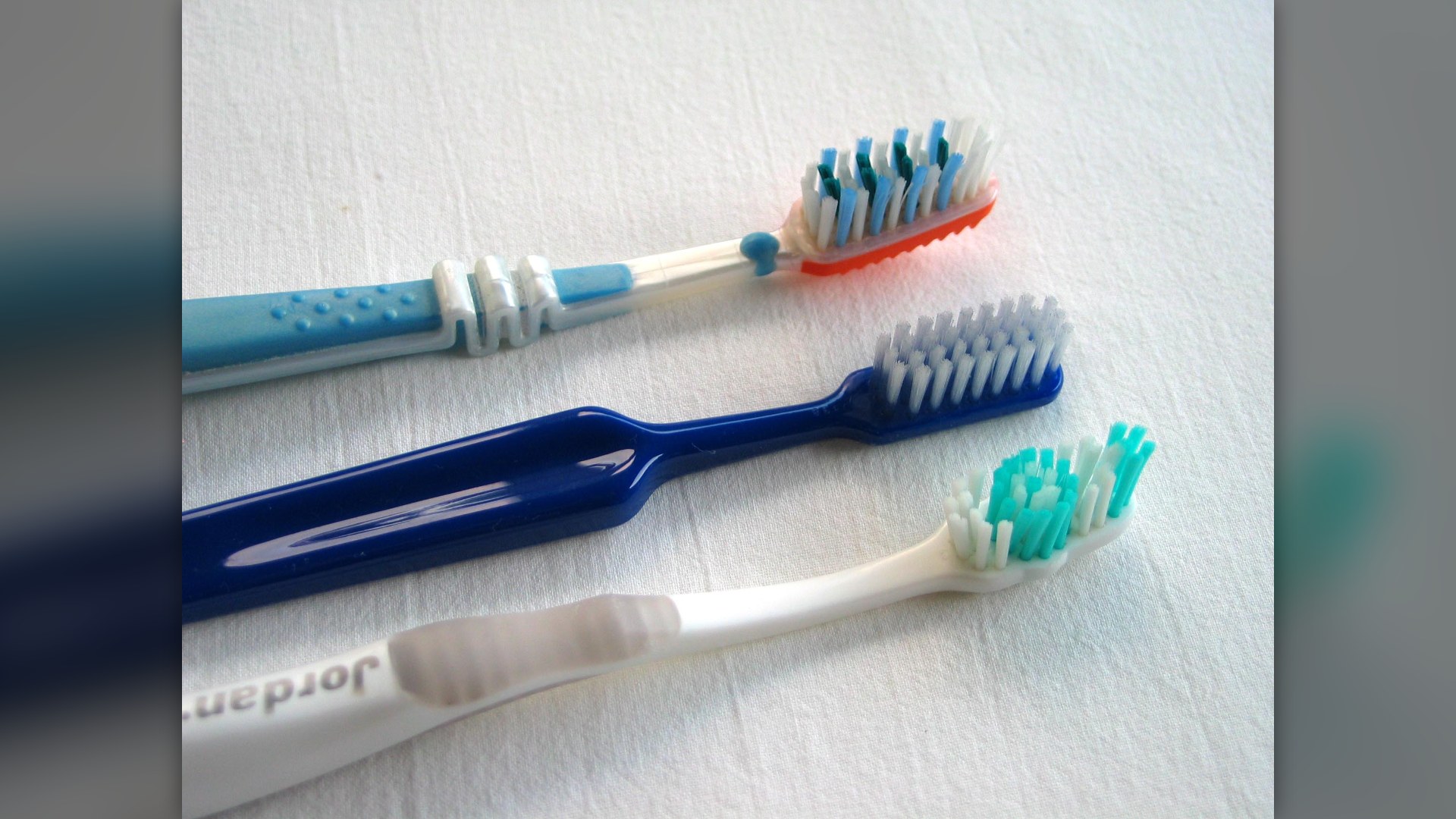
3. Toothbrushes & Brush Heads — Replace Every 3 Months
Dental studies confirm that bent, splayed toothbrush bristles lose nearly 40% of their ability to sweep plaque from your gumline after 12 weeks—and begin scratching tooth enamel. Meanwhile, a single used brush head can host over 10 million Streptococcus and bathroom bacteria.
©Wikimedia / Bergsten
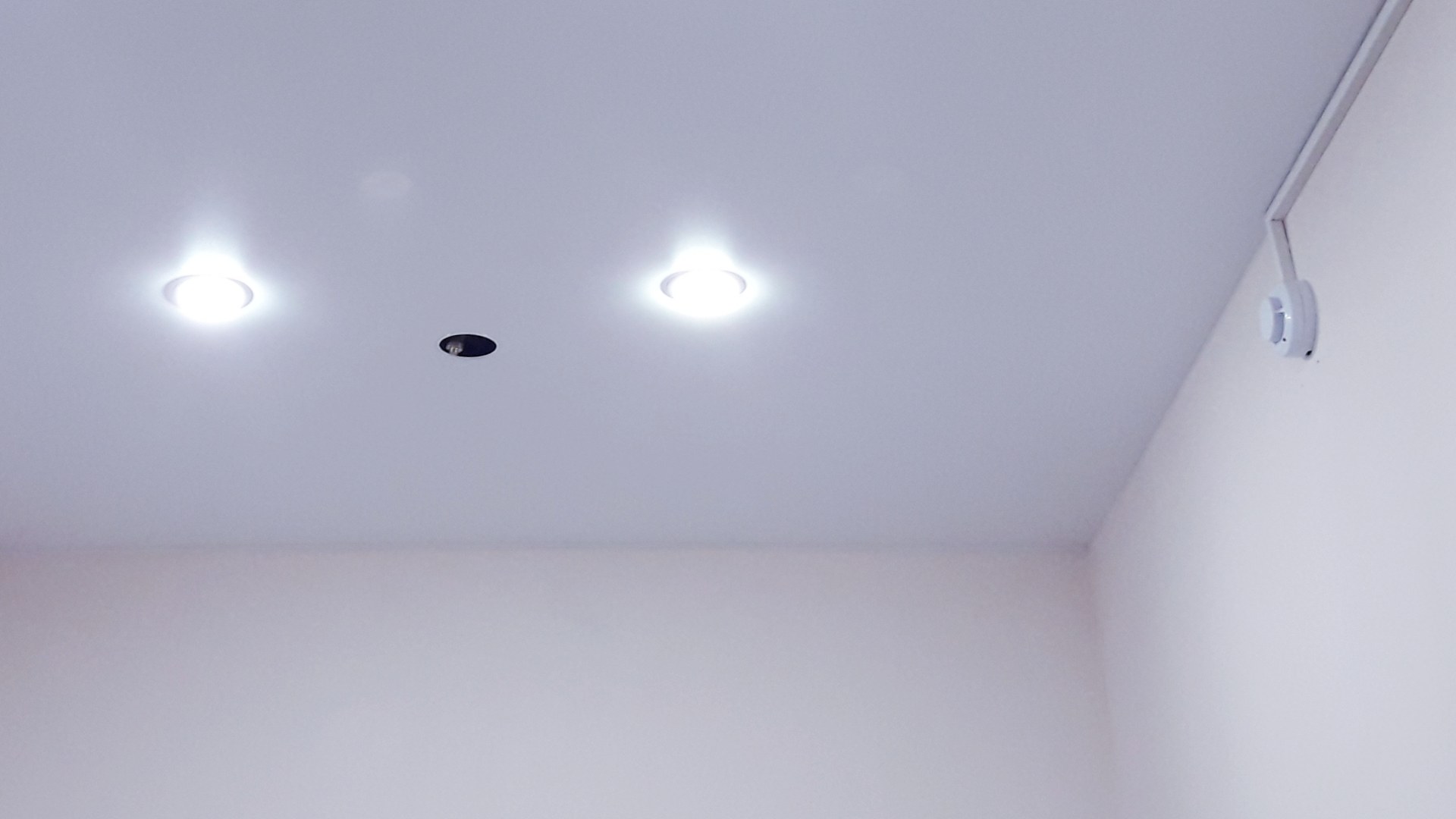
2. Ceiling Smoke Detectors — Replace Every 10 Years
Pressing the test button on a smoke detector only verifies the battery and horn—not whether the internal ionization or photoelectric chamber can still detect smoke. The National Fire Protection Association mandates replacing every smoke alarm unit in your home every 10 years.
©Wikimedia / Georg Pik
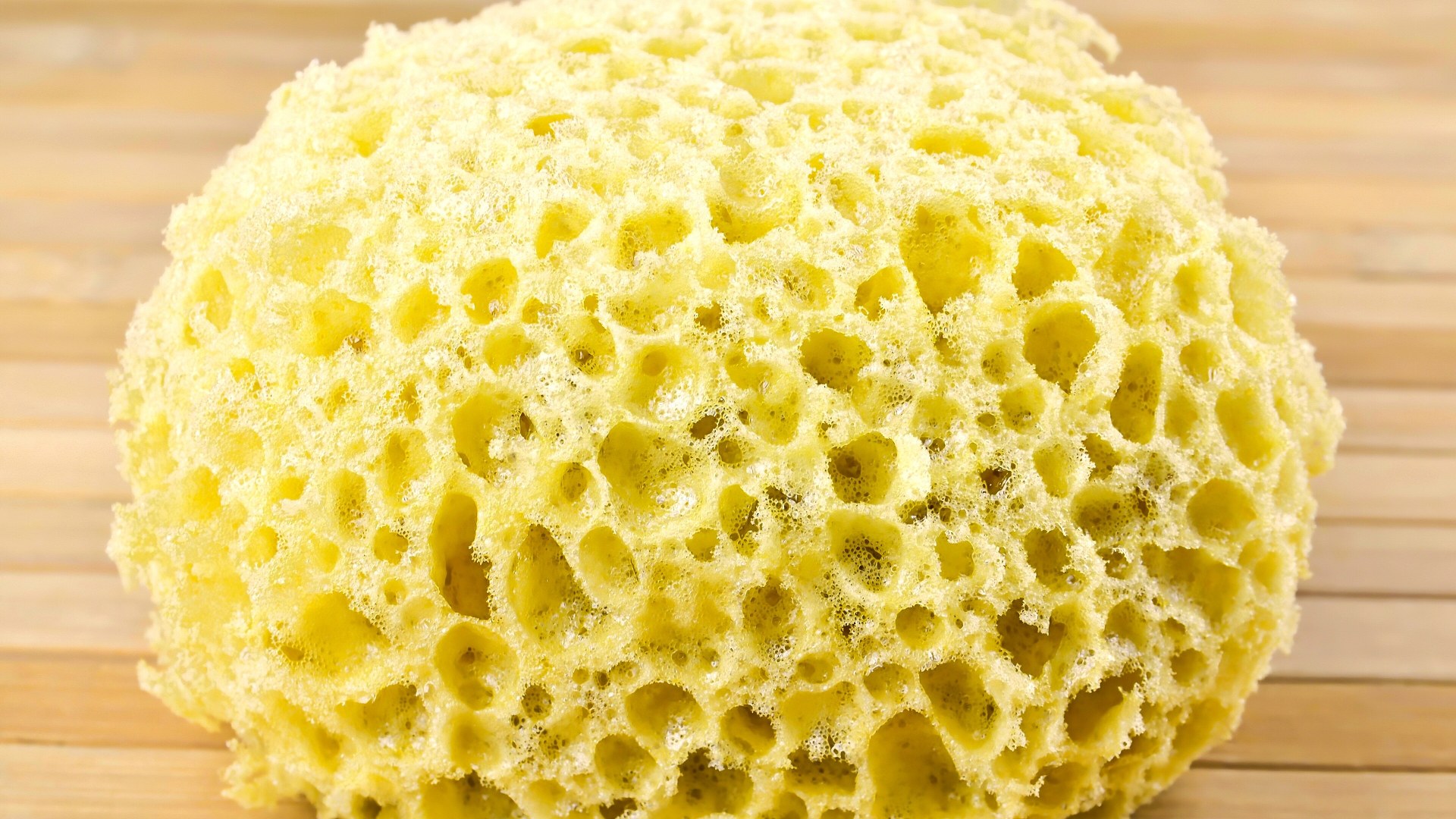
1. Your Kitchen Dish Sponge — Replace Every 1–2 Weeks
A landmark DNA study in Scientific Reports discovered 362 distinct species of bacteria crowded at densities of 45 billion microbes per cubic centimeter inside used kitchen sponges. Microwaving only kills weak bacteria, leaving the toughest bugs behind; replace sponges every 1–2 weeks.
©Wikimedia / Pixeltoo
Advertisement
You've reached the end of the story. Thanks for reading!

22 High-Calorie Burning Exercises Ranked by Harvard Medical Data
Ranked according to Harvard Medical School caloric expenditure data, these 22 physical exercises burn the highest number of calories per hour for optimal cardiovascular health. Medical data reveals true effort.
All 15 Entries in this Story
#15. Open Ground Spices — Replace Every 1–2 Years
Once opened, ground spices oxidize rapidly, losing up to 80% of their aromatic oils and antioxidants within 12 to 24 months. Even worse, jars stored above a steaming stove absorb kitchen humidity, inviting clumping, mycotoxin mold, and microscopic pantry beetles.

#14. Fridge & Under-Sink Water Filters — Replace Every 6 Months
Activated carbon cartridges are designed to trap heavy metals, chlorine, and pesticides for roughly 200 gallons or 6 months. Once saturated, trapped organic matter inside the damp cartridge becomes a breeding ground for bacterial biofilm that flushes straight into your glass.

#13. Bathroom Toilet Brush — Replace Every 6 Months
Dropping a wet toilet brush straight back into an enclosed plastic cup creates a dark, stagnant pool of fecal coliform bacteria, E. coli, and mold. Replace your brush every 6 months—or switch to an open-vented silicone brush that dries completely between uses.

#12. Scratched Non-Stick Teflon Pans — Replace Every 3–5 Years
Environmental health researchers found that a single metal-spatula scratch on a PTFE-coated non-stick pan can release roughly 9,100 plastic particles during cooking, while flaking coating can release over 2 million microplastics. Retire any non-stick skillet the moment its coating peels.

#11. Shower Loofahs & Bath Poufs — Replace Every 3–4 Weeks
Every time you exfoliate, thousands of dead skin cells get caught inside the tight mesh knots of a shower loofah. Left hanging in a warm, steamy shower stall, Pseudomonas aeruginosa and Staphylococcus bacteria multiply exponentially within days—replace natural loofahs every 3–4 weeks.

#10. HVAC & Air Purifier Filters — Replace Every 60–90 Days
When your HVAC or HEPA air purifier filter turns gray with caked dust, airflow drops by up to 50%, forcing allergens, mold spores, and fine particulate matter to bypass the frame and recirculate through your bedrooms while spiking your monthly electric bill.

#9. Frayed Bath & Hand Towels — Replace Every 2 Years
After two years of heavy use and laundry cycles, cotton terrycloth fibers fray and trap detergent residue, keeping towels damp for hours after a shower. Microbiologists warn that aging, slow-drying bathroom towels harbor E. coli and mildew that rub directly onto clean skin.

#8. Deeply Grooved Cutting Boards — Replace Every 1–2 Years
Once a plastic or wooden cutting board develops deep, discolored knife trenches, sponge bristles and dishwasher jets can no longer reach the bacteria hiding inside the crevices. Worse, scarred plastic boards shed microscopic polyethylene shavings directly into chopped food.

#7. Old Surge Protectors & Power Strips — Replace Every 3–5 Years
Surge protectors do not last forever: their internal Metal Oxide Varistors (MOVs) sacrifice a fraction of their capacity every time your utility grid hiccups or a refrigerator compressor kicks on. After 3 to 5 years, a worn strip offers zero surge protection and can overheat.

#6. Kitchen Fire Extinguishers — Replace Every 5–10 Years
Even if you have never pulled the pin on your under-sink fire extinguisher, rubber O-ring seals dry out and monoammonium phosphate powder cakes at the bottom of the cylinder. Check the pressure needle monthly and replace disposable household extinguishers every 5 to 10 years.

#5. Your Bedroom Mattress — Replace Every 7–10 Years
The average person sheds half a liter of sweat each night and a pound of dead skin cells each year directly into their mattress. Within 8 to 10 years, foam support breaks down by up to 40% while dust mite waste accumulates inside the core, triggering morning back pain and congestion.

#4. Bed Pillows — Replace Every 1–2 Years
You press your face against your pillow for roughly 2,900 hours a year, saturating the filling with night sweat, saliva, facial oils, and up to 16 species of household fungi. Sleep specialists recommend zipping pillows into allergen-proof covers and replacing them every 12 to 24 months.

#3. Toothbrushes & Brush Heads — Replace Every 3 Months
Dental studies confirm that bent, splayed toothbrush bristles lose nearly 40% of their ability to sweep plaque from your gumline after 12 weeks—and begin scratching tooth enamel. Meanwhile, a single used brush head can host over 10 million Streptococcus and bathroom bacteria.

#2. Ceiling Smoke Detectors — Replace Every 10 Years
Pressing the test button on a smoke detector only verifies the battery and horn—not whether the internal ionization or photoelectric chamber can still detect smoke. The National Fire Protection Association mandates replacing every smoke alarm unit in your home every 10 years.

#1. Your Kitchen Dish Sponge — Replace Every 1–2 Weeks
A landmark DNA study in Scientific Reports discovered 362 distinct species of bacteria crowded at densities of 45 billion microbes per cubic centimeter inside used kitchen sponges. Microwaving only kills weak bacteria, leaving the toughest bugs behind; replace sponges every 1–2 weeks.