Slideshow · Viral
Could AI Allow Us to Talk to Loved Ones After Death?
From digital footprints and voice cloning to interactive griefbots, examine the breakthrough technology and ethical boundaries of artificial digital immortality.
By Most Viral Today
3 Nov 2026

How artificial intelligence is resurrecting the voices of the dead 
18. Digital Footprints Never Die 
17. The Rise Of Griefbots 
16. Deepfake Voice Synthesis - AdvertisementSwipe or tap ▶ to continue countdown

15. Photorealistic Digital Humans 
14. Commercial Memory Platforms 
13. Virtual Reality Reunions 
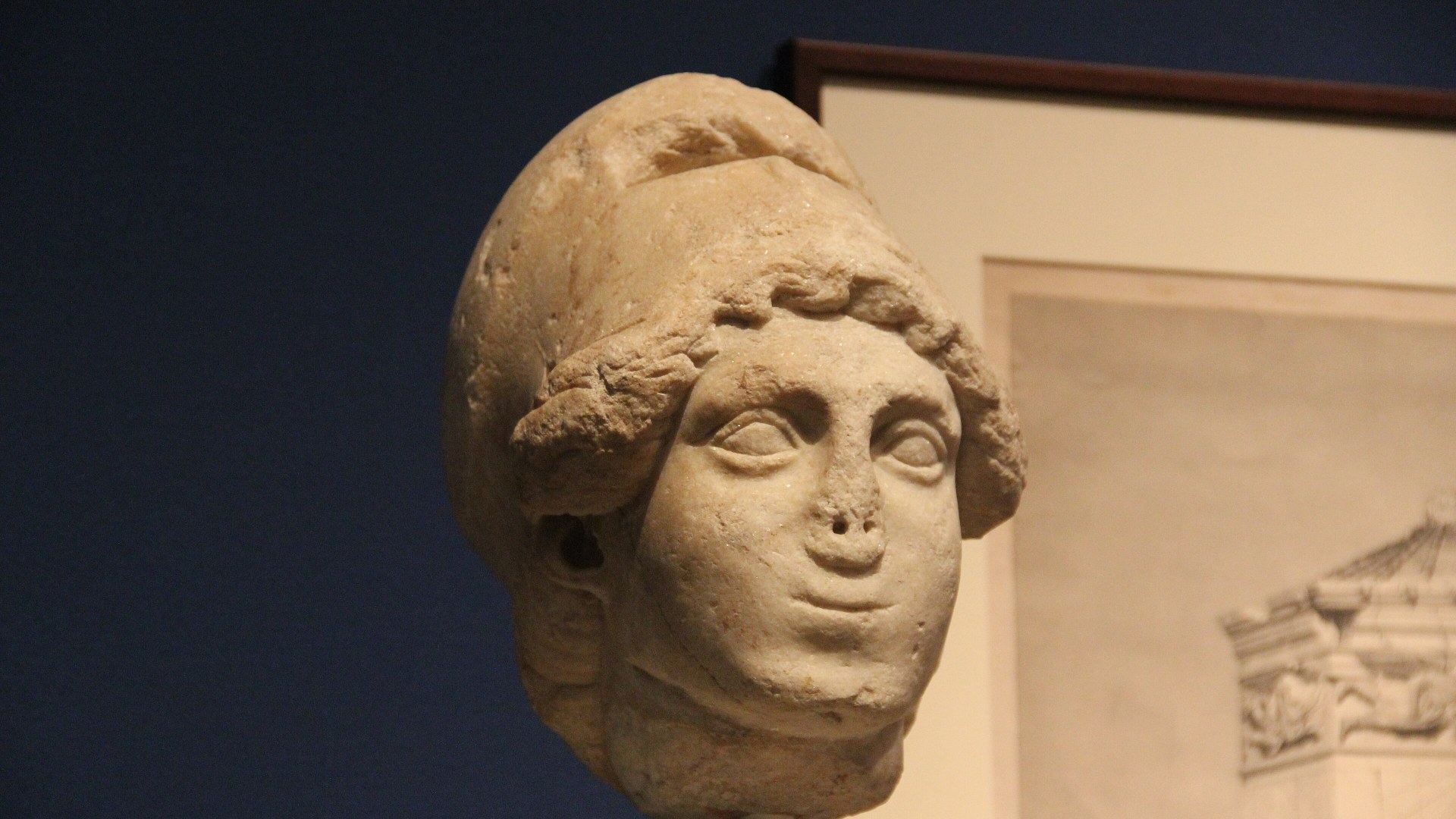
12. Reanimating Historical Figures - AdvertisementSwipe or tap ▶ to continue countdown

11. The Illusion Of Sentience 
10. Halting The Grieving Process 
9. Emotional Dependence Risks 
8. The Digital Consent Dilemma - AdvertisementSwipe or tap ▶ to continue countdown

7. Hallucinations And Distortions 
6. Post-Mortem Privacy Laws 
5. Cybersecurity And Impersonation 
4. Commercial Exploitation Of Grief - AdvertisementSwipe or tap ▶ to continue countdown

3. Cultural And Sacred Boundaries 
2. Emerging Industry Regulations 
1. The Future Of Human Legacy - Advertisement🔥 UP NEXT IN THIS SERIES◫ 21 Slides

20 Famous Cars With Pop-Up Headlights That Shaped Car Design
From hand-cranked 1930s teardrops to wedge supercars of the 1980s, hidden headlights let stylists chase sleek aerodynamics until 2004 pedestrian rules closed the curtain. Here are 20 standout production cars that turned retractable lamps into an enduring automotive design feature across seven full decades.
From digital footprints and voice cloning to interactive griefbots, examine the breakthrough technology and ethical boundaries of artificial digital immortality.
Swipe or tap ▶ to begin the countdown
©Unsplash / Marek Piwnicki & Unsplash / Adi Goldstein
18. Digital Footprints Never Die
Every modern human leaves behind a vast digital archive. Years of text messages, shared photos, audio notes, and social media posts preserve personal humor and speech cadence. Machine learning models can analyze this raw personal data to extract the conversational patterns of any deceased person.
©Unsplash / Markus Spiske
17. The Rise Of Griefbots
In 2016, tech entrepreneur Eugenia Kuyda trained a neural network on thousands of private text messages from her late friend Roman Mazurenko. When the bot spoke in his distinct voice, friends felt shaken yet comforted. The experiment proved that conversational software could sustain digital presence.
©Unsplash/ Mohamed Nohassi
16. Deepfake Voice Synthesis
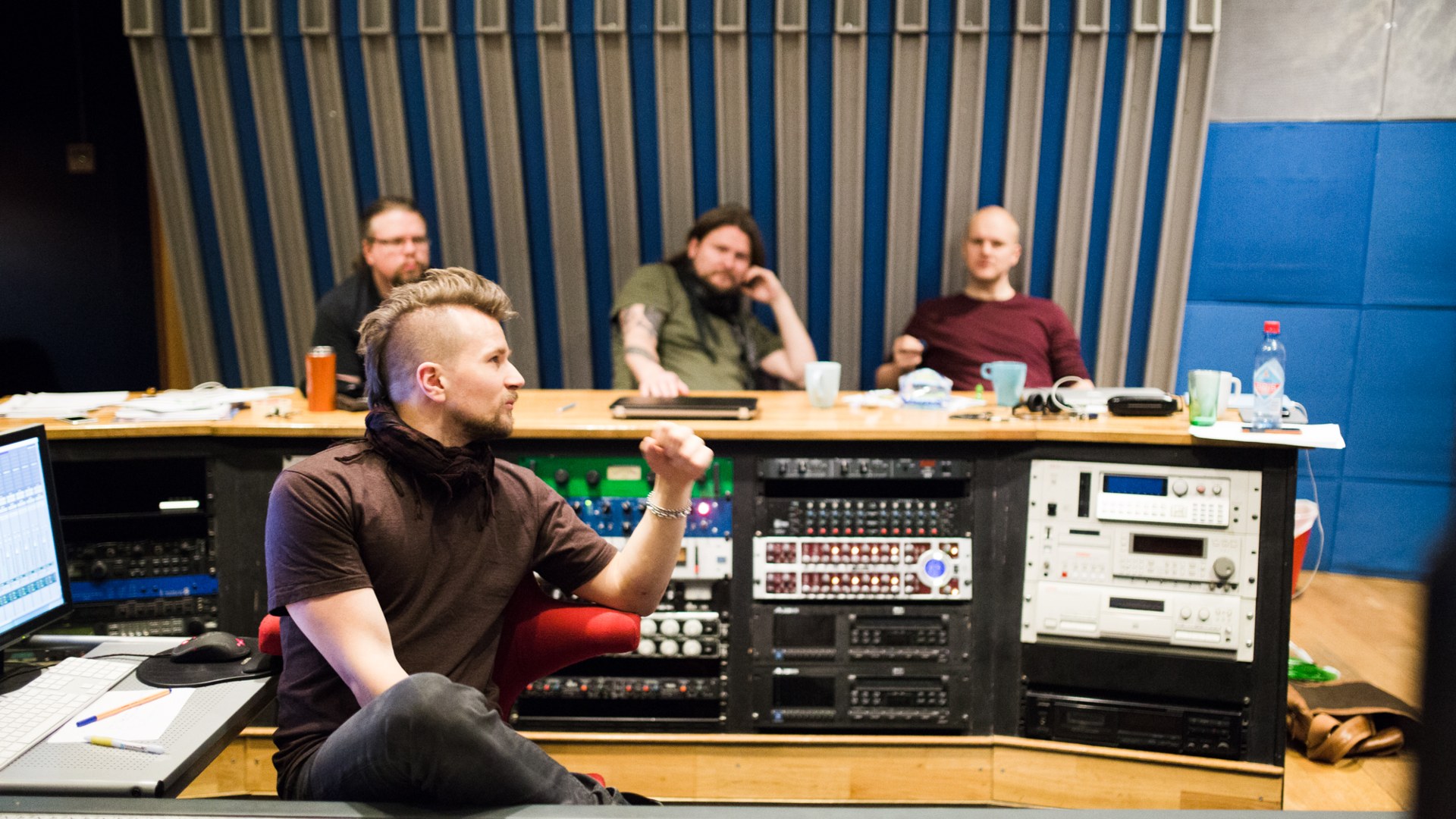
Recent advances in neural voice cloning require only seconds of clean audio to reconstruct a person vocal profile. By analyzing pitch inflections, breathing pauses, and timbre, algorithms generate spoken replies that sound indistinguishable from the deceased, making grief technology deeply visceral.
©Wikimedia / Michaela Klouda
Advertisement
Swipe or tap ▶ to resume the countdown.
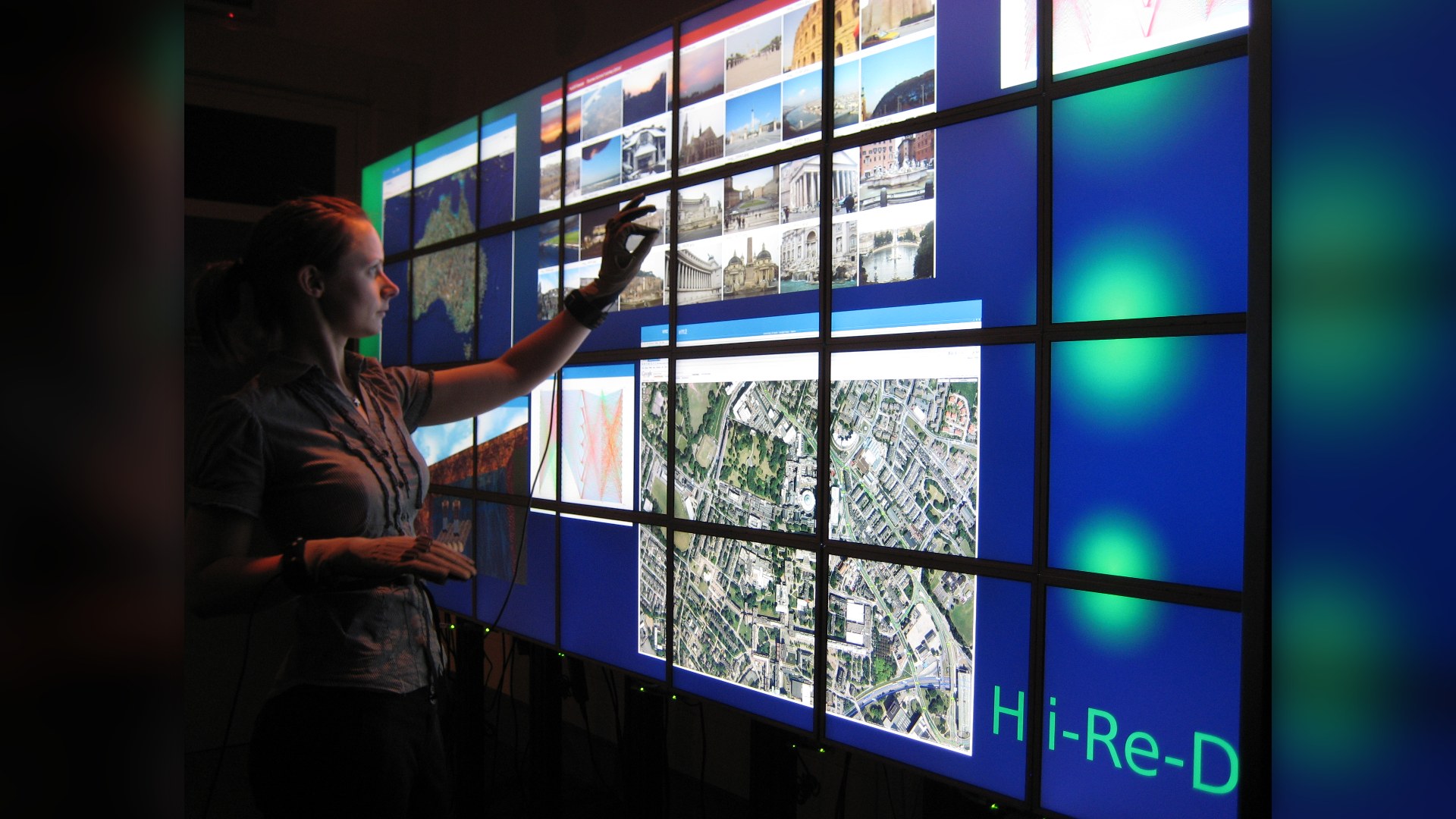
15. Photorealistic Digital Humans
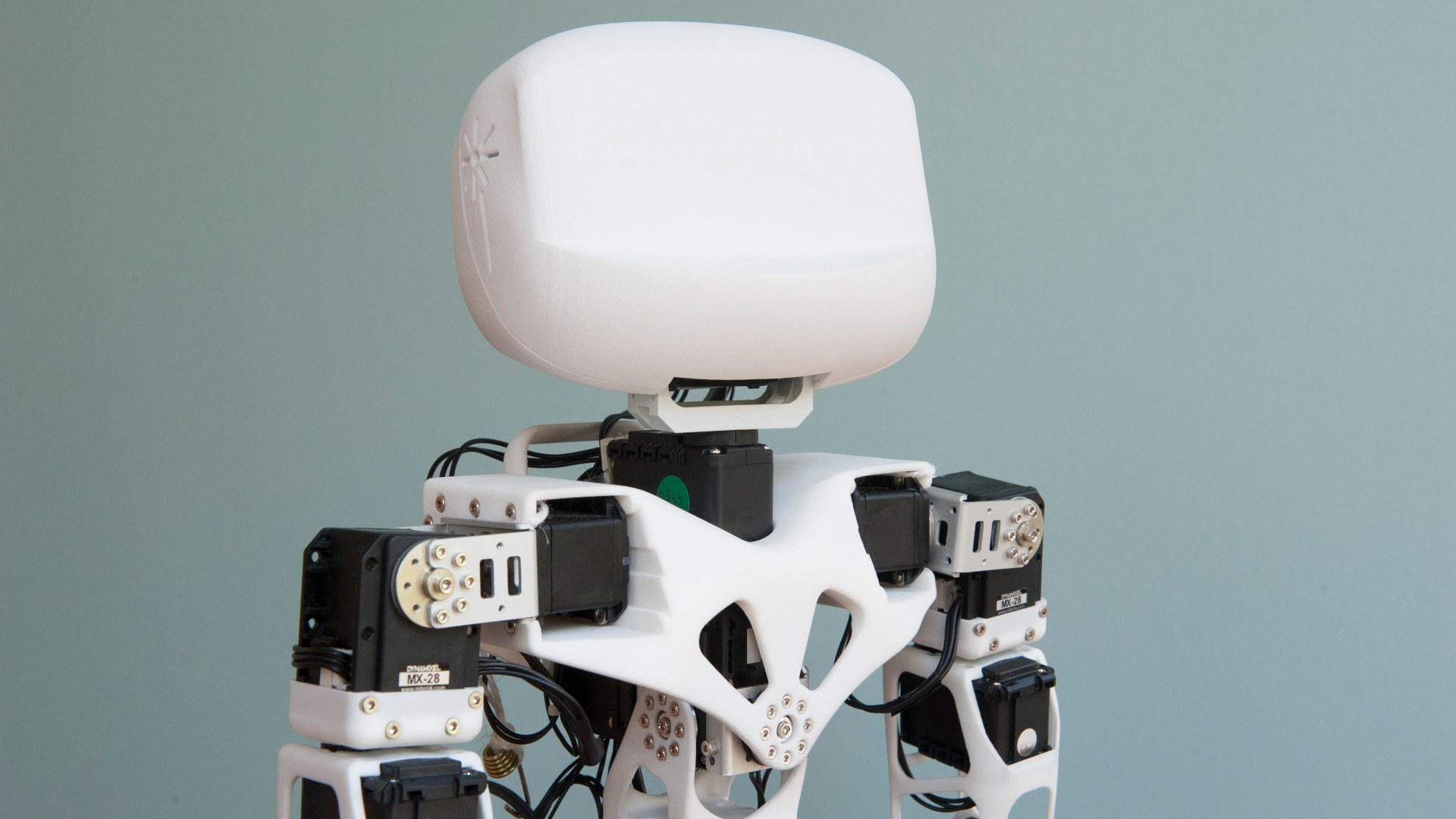
Beyond audio and text, vision models now reconstruct three-dimensional facial avatars from family photos and home videos. These synthetic likenesses blink, smile, and react to conversation in real time, transforming static memory albums into dynamic digital doubles that look right back at you.
©Wikimedia / Inria and Poppy-project.org
14. Commercial Memory Platforms
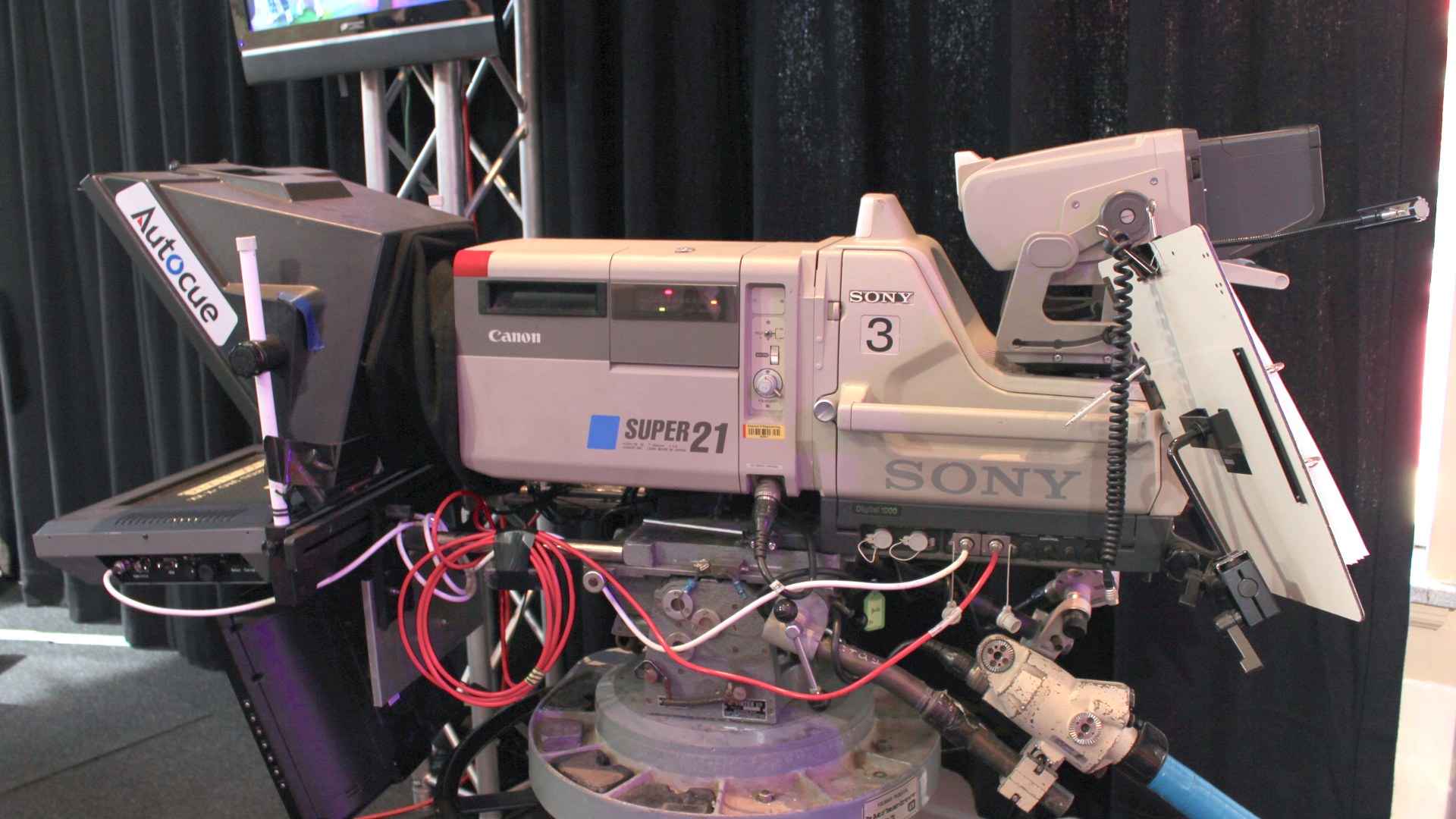
Companies like StoryFile and HereAfter AI encourage living individuals to answer hundreds of curated prompts about their childhood, values, and memories. These recorded testimonies feed interactive databases, allowing future descendants to question their ancestors long after they have passed away.
©Wikimedia / NJM2010
13. Virtual Reality Reunions
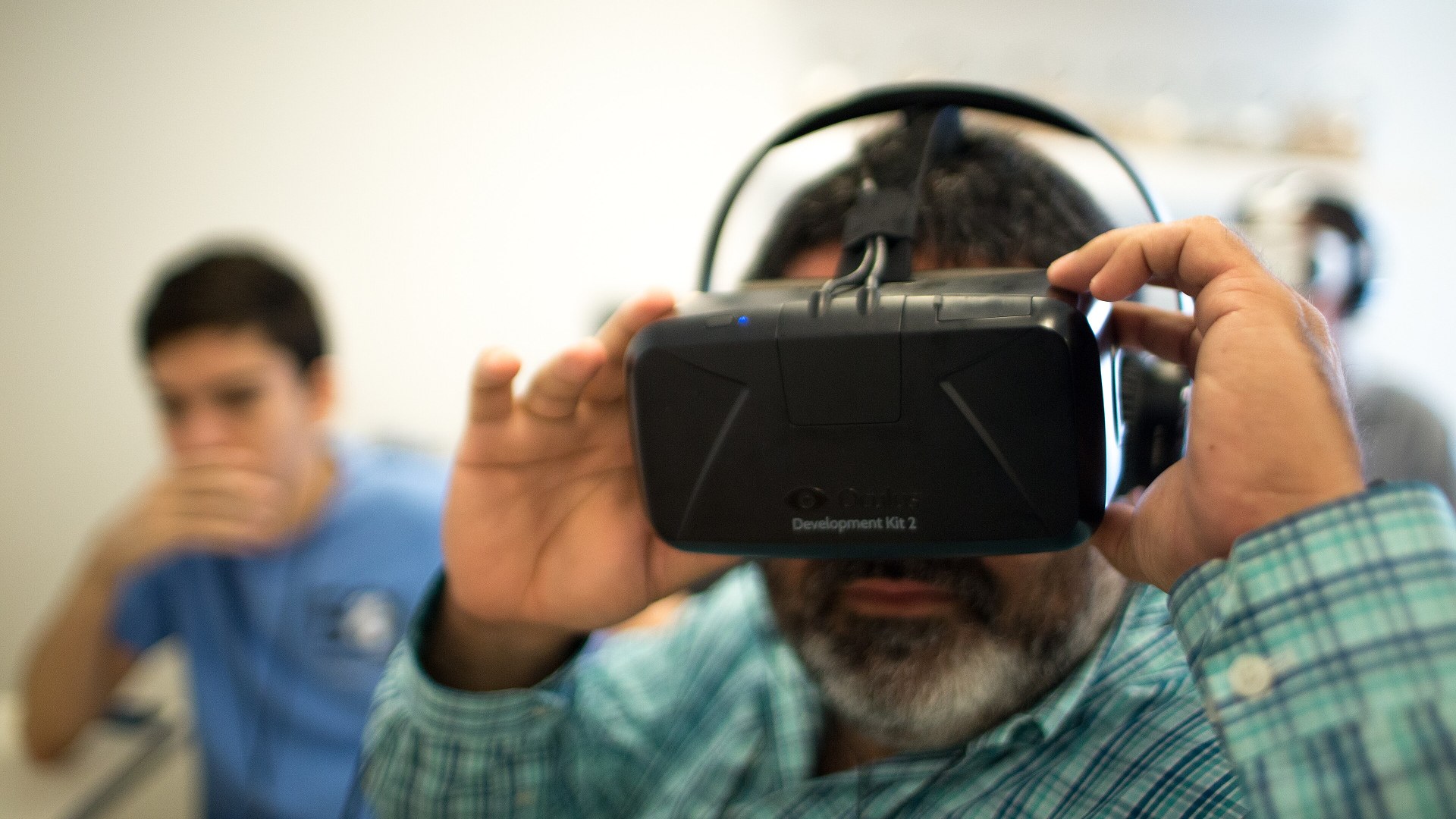
In South Korea, the documentary Meeting You gained global attention when a mother wore a virtual reality headset to interact with a digital simulation of her deceased daughter. Surrounded by a virtual park, the mother wept as she reached out, revealing both the cathartic power and emotional shock.
©Wikimedia / Gabriel Cristóver Pérez
12. Reanimating Historical Figures
Before cloning private individuals, researchers trained generative models on published works of historical icons like Socrates, Leonardo da Vinci, and Abraham Lincoln. These digital figures debate philosophy with students, demonstrating how extensive writings can emulate a deceased mind.
©Wikimedia / Gary Todd
Advertisement
Swipe or tap ▶ to resume the countdown.
11. The Illusion Of Sentience
While conversations feel intimate, modern artificial intelligence possesses zero inner thoughts or feelings. Large language models calculate the most statistically probable next word based on training text. Mourners must remember that the avatar is a mirror of past data rather than a continuing spirit.
©Wikimedia / Markus Spiske
10. Halting The Grieving Process
Grief therapy emphasizes processing the painful reality of physical loss to reach emotional healing. When survivors can text or speak to an AI copy every night, the finality of death blurs. Clinicians caution that keeping loved ones on digital life support could trap individuals in perpetual mourning.
©Wikimedia / Andrew Neel
9. Emotional Dependence Risks
Unlike living people, artificial avatars never get tired, never argue, and remain available twenty-four hours a day. Bereaved spouses and isolated children risk forming deep psychological dependencies on algorithms, withdrawing from family networks and relying solely on simulated comfort.
©Wikimedia / Shixart1985
8. The Digital Consent Dilemma
Most people die without specifying whether they want their likeness cloned into interactive software. Family members often disagree fiercely about whether creating a griefbot honors the deceased or desecrates their memory, sparking intense domestic conflicts over bodily and intellectual sovereignty.
©Wikimedia / Blogtrepreneur
Advertisement
Swipe or tap ▶ to resume the countdown.
7. Hallucinations And Distortions
Generative models are prone to hallucinating facts when answering conversational prompts. A digital clone might profess political opinions, family grievances, or personal secrets that the living person never held, creating disturbing confusion and emotional distress for grieving relatives.
© Photo by Marek Piwnicki on Unsplash
6. Post-Mortem Privacy Laws
When a person dies, who inherits their private direct messages and search history? Tech companies currently restrict account access citing consumer privacy laws, while relatives argue for data ownership to feed commemorative bots. Courts are drafting new frameworks to govern digital estates.
©Wikimedia / Roland Zumbühl
5. Cybersecurity And Impersonation
In the hands of malicious hackers, synthesized voices and avatars of deceased individuals become dangerous weapons. Fraudsters can stage convincing emergency calls to elderly relatives, demanding ransom or bank details using the authentic voice of a recently departed grandchild or spouse.
©Unsplash / Adi Goldstein
4. Commercial Exploitation Of Grief
Grief technology introduces troubling commercial incentives. If maintaining a digital clone requires a monthly subscription fee, what happens when a grieving family cannot pay? Shutting off an interactive parent feels like a second death, giving commercial vendors immense leverage over vulnerable customers.
©Wikimedia / Lotus Head
Advertisement
Swipe or tap ▶ to resume the countdown.
3. Cultural And Sacred Boundaries
Major religions place sacred value on the transition from earthly life to death and spiritual rest. Clergy and ethicists argue that constructing interactive digital proxies trivializes mortality, potentially violating religious tenets regarding peaceful passing and traditional memorialization rites.
©Wikimedia / Marcin Szala
2. Emerging Industry Regulations
In response to growing public concern, lawmakers in Europe and North America are proposing strict digital legacy statutes. Key proposals mandate clear on-screen AI watermarks, formal digital living wills, and harsh criminal penalties for creating unconsented likenesses of deceased citizens.
©Wikimedia / Gary Halvorson, Oregon State Archives
1. The Future Of Human Legacy
Despite ethical hazards, digital immortality technology continues to evolve rapidly. Future generations may never know a world where dead relatives vanish into silent family portraits. Instead, living multimodal avatars will share stories, offer advice, and keep ancestral wisdom alive across centuries.

©Wikimedia / Rooch84
Advertisement
You've reached the end of the story. Thanks for reading!

20 Famous Cars With Pop-Up Headlights That Shaped Car Design
From hand-cranked 1930s teardrops to wedge supercars of the 1980s, hidden headlights let stylists chase sleek aerodynamics until 2004 pedestrian rules closed the curtain. Here are 20 standout production cars that turned retractable lamps into an enduring automotive design feature across seven full decades.
All 18 Entries in this Story
1. Digital Footprints Never Die
Every modern human leaves behind a vast digital archive. Years of text messages, shared photos, audio notes, and social media posts preserve personal humor and speech cadence. Machine learning models can analyze this raw personal data to extract the conversational patterns of any deceased person.

2. The Rise Of Griefbots
In 2016, tech entrepreneur Eugenia Kuyda trained a neural network on thousands of private text messages from her late friend Roman Mazurenko. When the bot spoke in his distinct voice, friends felt shaken yet comforted. The experiment proved that conversational software could sustain digital presence.

3. Deepfake Voice Synthesis
Recent advances in neural voice cloning require only seconds of clean audio to reconstruct a person vocal profile. By analyzing pitch inflections, breathing pauses, and timbre, algorithms generate spoken replies that sound indistinguishable from the deceased, making grief technology deeply visceral.

4. Photorealistic Digital Humans
Beyond audio and text, vision models now reconstruct three-dimensional facial avatars from family photos and home videos. These synthetic likenesses blink, smile, and react to conversation in real time, transforming static memory albums into dynamic digital doubles that look right back at you.

5. Commercial Memory Platforms
Companies like StoryFile and HereAfter AI encourage living individuals to answer hundreds of curated prompts about their childhood, values, and memories. These recorded testimonies feed interactive databases, allowing future descendants to question their ancestors long after they have passed away.

6. Virtual Reality Reunions
In South Korea, the documentary Meeting You gained global attention when a mother wore a virtual reality headset to interact with a digital simulation of her deceased daughter. Surrounded by a virtual park, the mother wept as she reached out, revealing both the cathartic power and emotional shock.

7. Reanimating Historical Figures
Before cloning private individuals, researchers trained generative models on published works of historical icons like Socrates, Leonardo da Vinci, and Abraham Lincoln. These digital figures debate philosophy with students, demonstrating how extensive writings can emulate a deceased mind.

8. The Illusion Of Sentience
While conversations feel intimate, modern artificial intelligence possesses zero inner thoughts or feelings. Large language models calculate the most statistically probable next word based on training text. Mourners must remember that the avatar is a mirror of past data rather than a continuing spirit.

9. Halting The Grieving Process
Grief therapy emphasizes processing the painful reality of physical loss to reach emotional healing. When survivors can text or speak to an AI copy every night, the finality of death blurs. Clinicians caution that keeping loved ones on digital life support could trap individuals in perpetual mourning.

10. Emotional Dependence Risks
Unlike living people, artificial avatars never get tired, never argue, and remain available twenty-four hours a day. Bereaved spouses and isolated children risk forming deep psychological dependencies on algorithms, withdrawing from family networks and relying solely on simulated comfort.

11. The Digital Consent Dilemma
Most people die without specifying whether they want their likeness cloned into interactive software. Family members often disagree fiercely about whether creating a griefbot honors the deceased or desecrates their memory, sparking intense domestic conflicts over bodily and intellectual sovereignty.

12. Hallucinations And Distortions
Generative models are prone to hallucinating facts when answering conversational prompts. A digital clone might profess political opinions, family grievances, or personal secrets that the living person never held, creating disturbing confusion and emotional distress for grieving relatives.

13. Post-Mortem Privacy Laws
When a person dies, who inherits their private direct messages and search history? Tech companies currently restrict account access citing consumer privacy laws, while relatives argue for data ownership to feed commemorative bots. Courts are drafting new frameworks to govern digital estates.

14. Cybersecurity And Impersonation
In the hands of malicious hackers, synthesized voices and avatars of deceased individuals become dangerous weapons. Fraudsters can stage convincing emergency calls to elderly relatives, demanding ransom or bank details using the authentic voice of a recently departed grandchild or spouse.

15. Commercial Exploitation Of Grief
Grief technology introduces troubling commercial incentives. If maintaining a digital clone requires a monthly subscription fee, what happens when a grieving family cannot pay? Shutting off an interactive parent feels like a second death, giving commercial vendors immense leverage over vulnerable customers.

16. Cultural And Sacred Boundaries
Major religions place sacred value on the transition from earthly life to death and spiritual rest. Clergy and ethicists argue that constructing interactive digital proxies trivializes mortality, potentially violating religious tenets regarding peaceful passing and traditional memorialization rites.

17. Emerging Industry Regulations
In response to growing public concern, lawmakers in Europe and North America are proposing strict digital legacy statutes. Key proposals mandate clear on-screen AI watermarks, formal digital living wills, and harsh criminal penalties for creating unconsented likenesses of deceased citizens.

18. The Future Of Human Legacy
Despite ethical hazards, digital immortality technology continues to evolve rapidly. Future generations may never know a world where dead relatives vanish into silent family portraits. Instead, living multimodal avatars will share stories, offer advice, and keep ancestral wisdom alive across centuries.