
Slideshow · Viral
Crops That Look Different From Their Wild Ancestors
Thousands of years of selective breeding transformed tiny, bitter, and thorny wild plants into the sweet, plump produce filling grocery aisles.

All 20 Entries in this Story
20. Teosinte Wild Corn
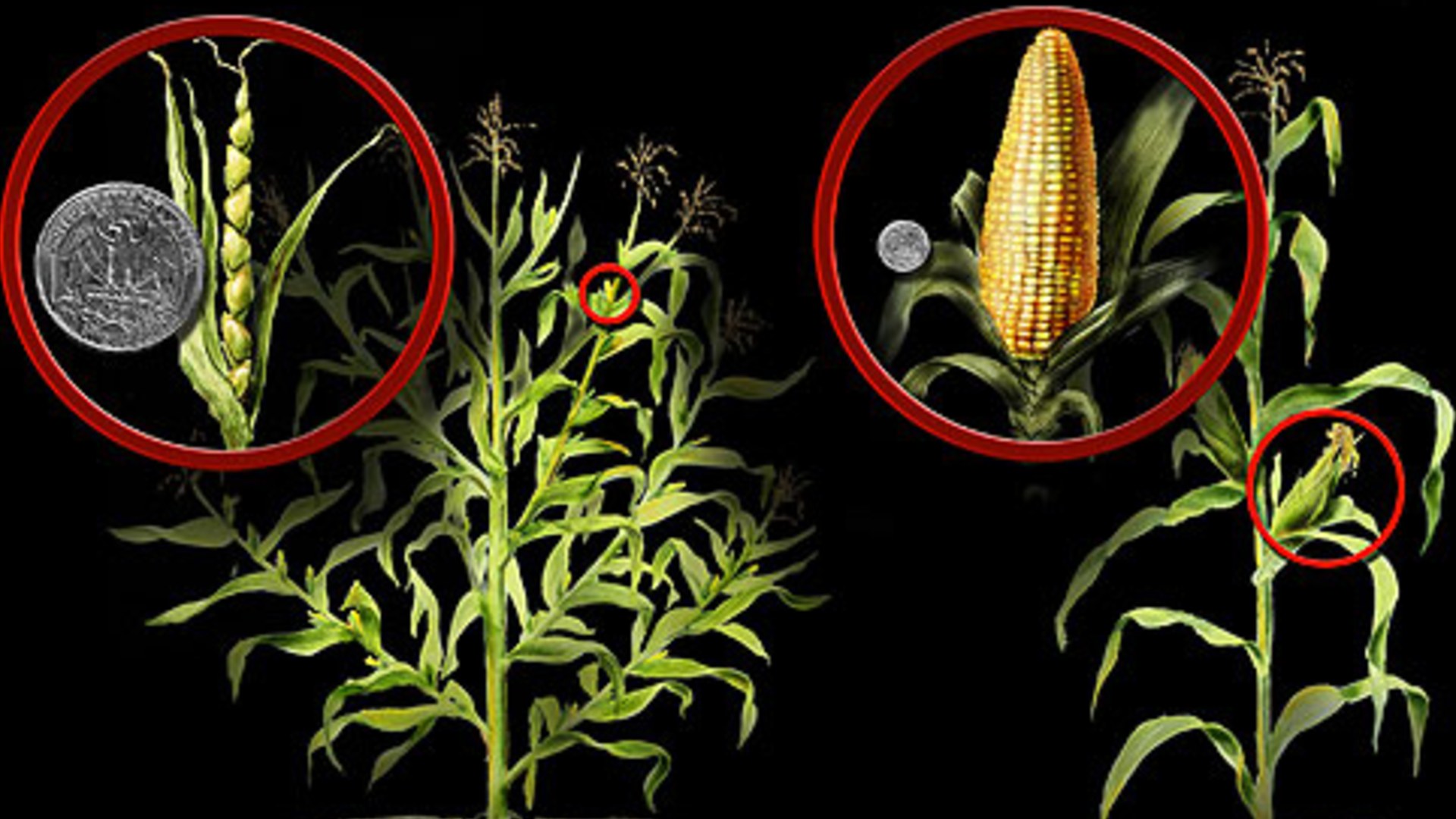
The transformation from teosinte to modern maize is celebrated as the crowning achievement of prehistoric plant breeding. A brittle grass spike holding five to twelve tiny encased kernels was transformed by indigenous Mexican farmers into massive cobs bearing hundreds of soft, juicy kernels.
19. Wild Banana
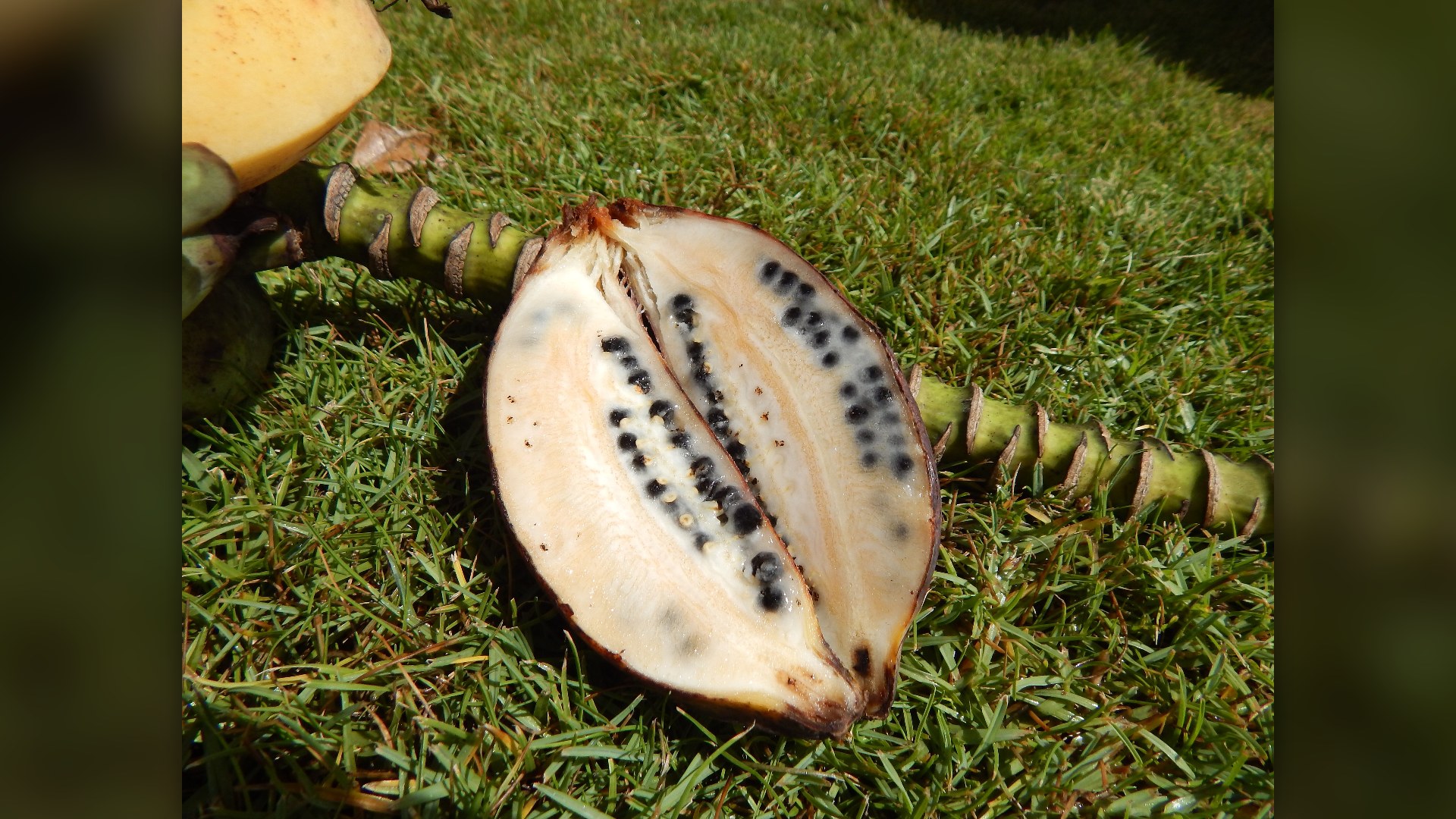
Wild bananas such as Musa balbisiana and Musa acuminata are packed with dozens of hard, pebble-like seeds that can crack a tooth. Modern seedless dessert bananas exist only because farmers discovered sterile triploid hybrids, propagating them entirely through cuttings.
18. Wild Watermelon
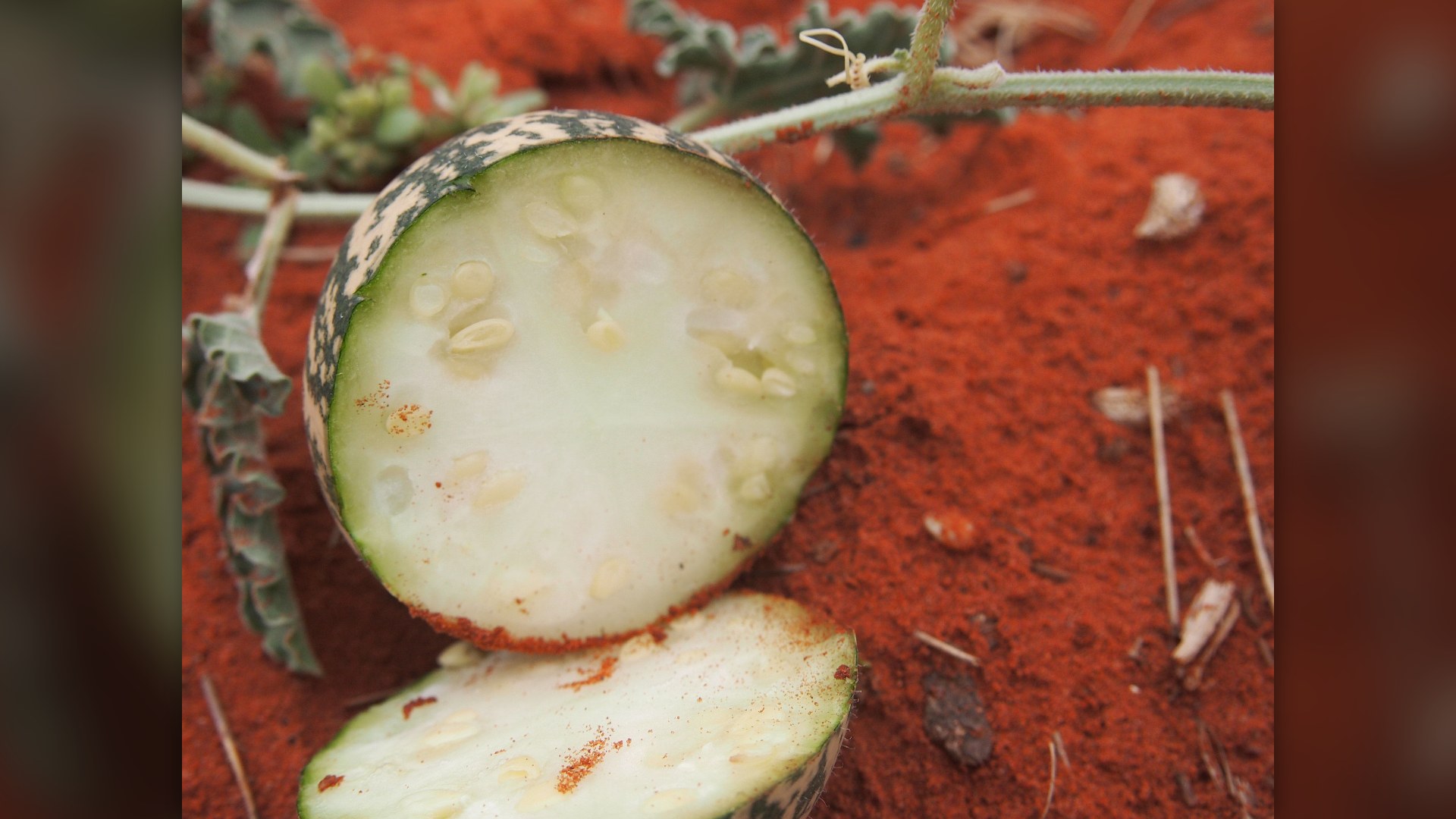
Ancestral watermelons in northeastern and southern Africa were pale, hard, and predominantly bitter, utilized primarily as durable desert water containers. Thousands of years of selective breeding increased lycopene for ruby coloration, elevated sugar content, and softened interior pulp.
17. Wild Eggplant
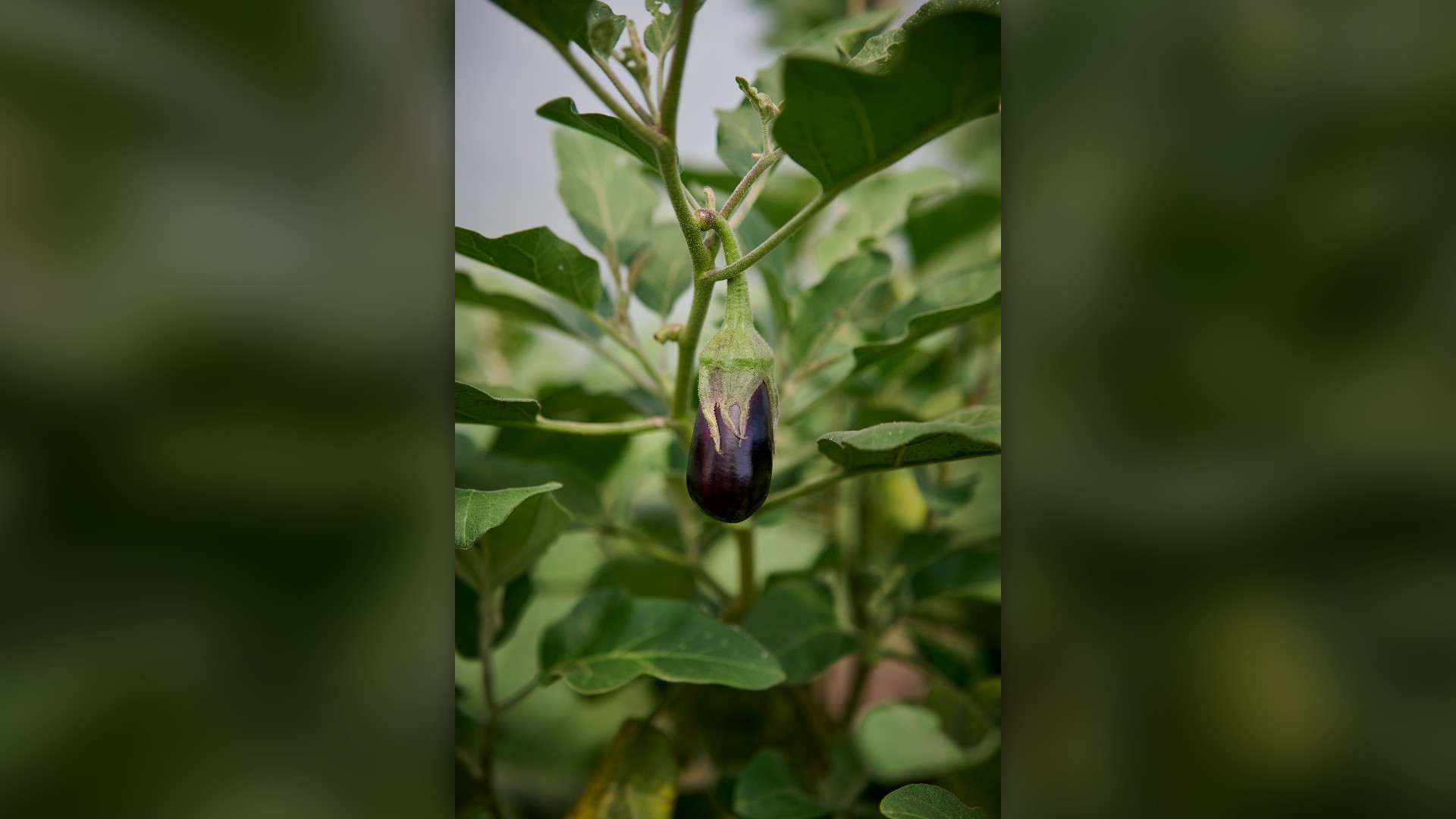
The wild ancestor of eggplant looks nothing like a glossy purple aubergine. It grows as a spiny bush producing small, round, yellow or green bitter berries armed with sharp prickles along its stems and calyx.
16. Wild Prickly Lettuce
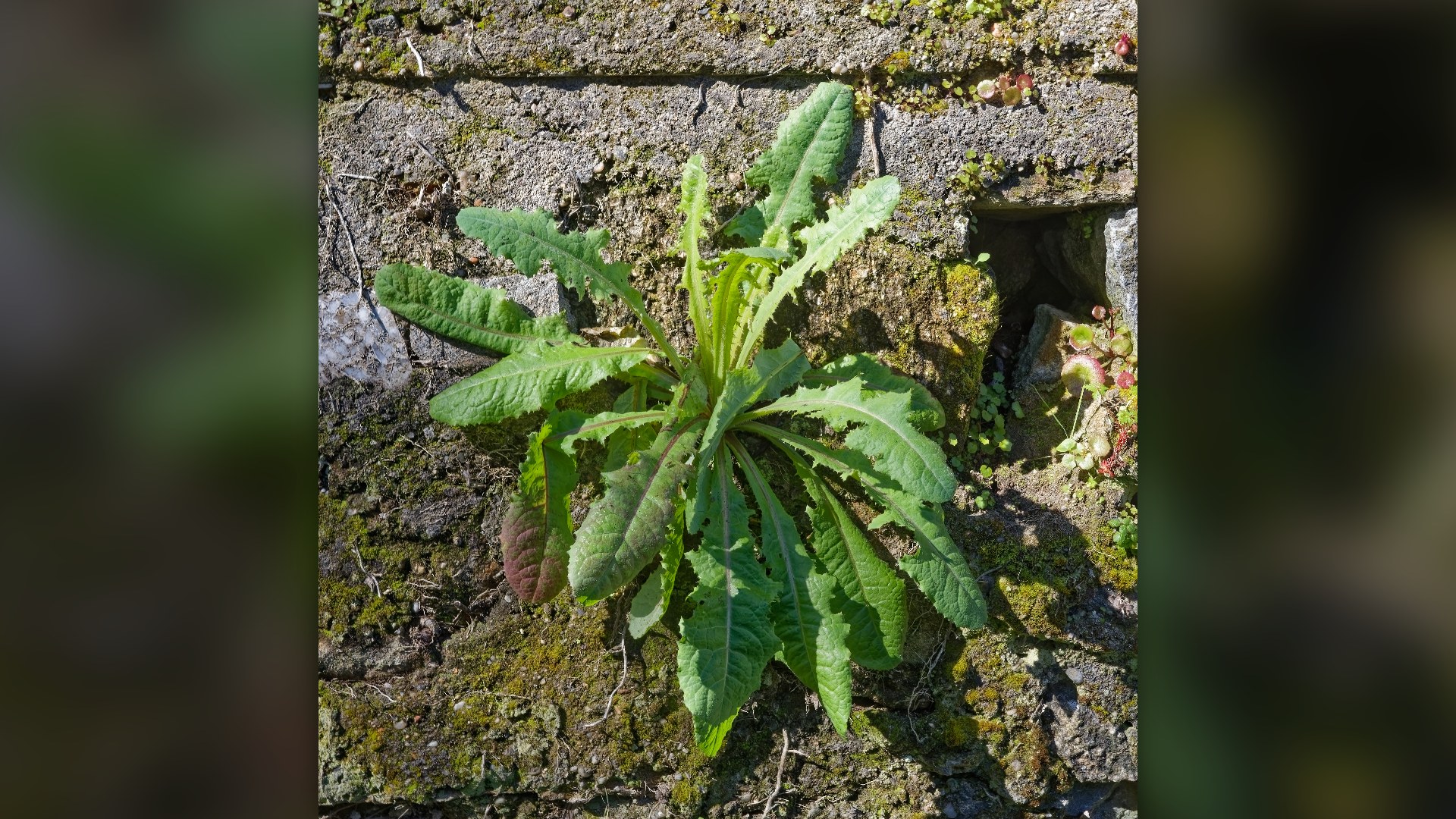
Lactuca serriola is a spiny, prickly roadside weed that oozes a bitter, sleep-inducing milky latex when broken. Ancient Egyptian and Mediterranean cultivators bred away the prickles and bitterness, creating the crisp, tender leaves of romaine and butterhead lettuce.
15. Kohlrabi
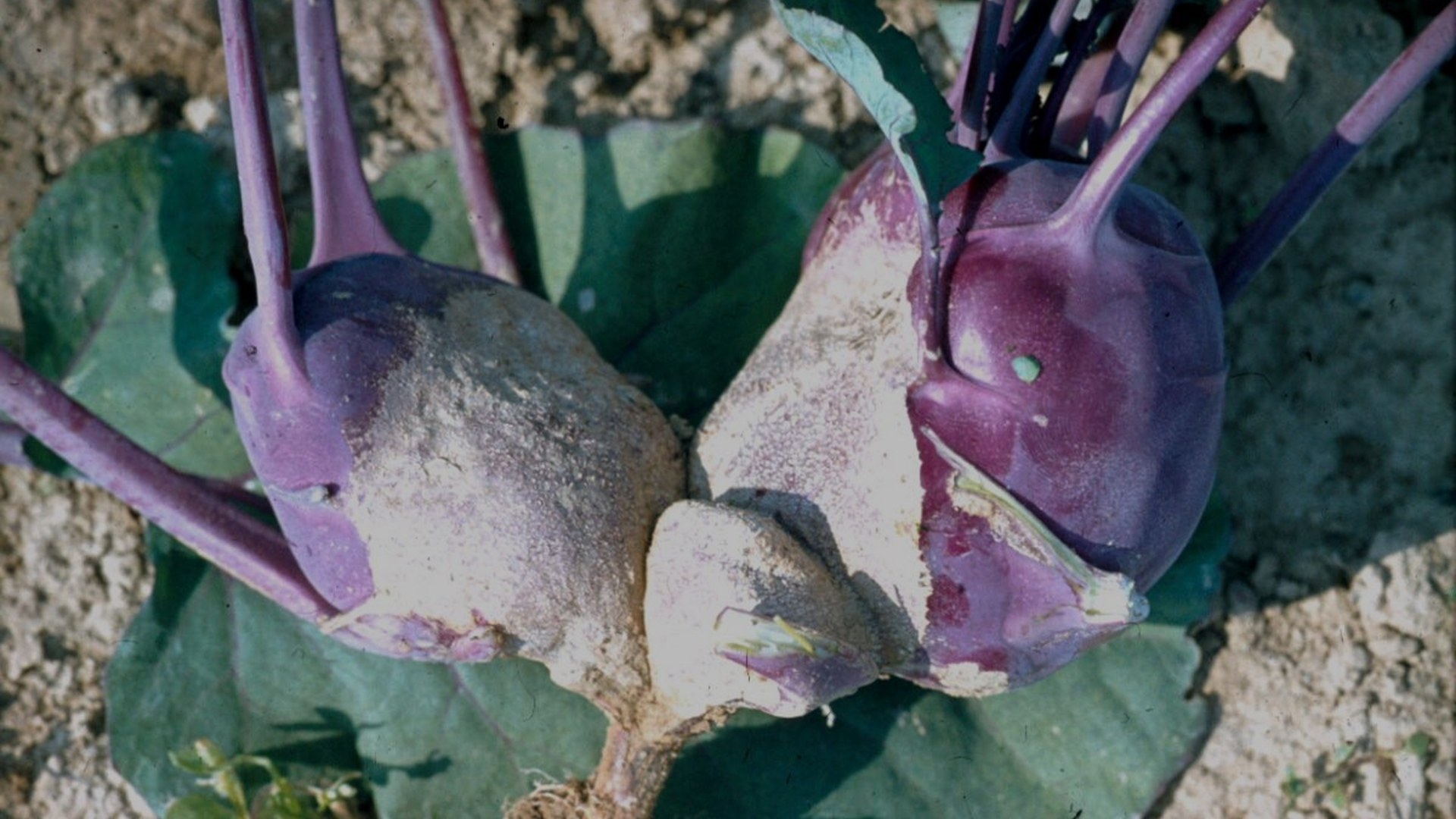
Rather than selecting for leaves or flower heads, central European growers selected wild cabbage variants that developed a swollen, fleshy stem just above soil level. Kohlrabi represents one of the most anatomically surprising results of single-species crop modification.
14. Broccoli
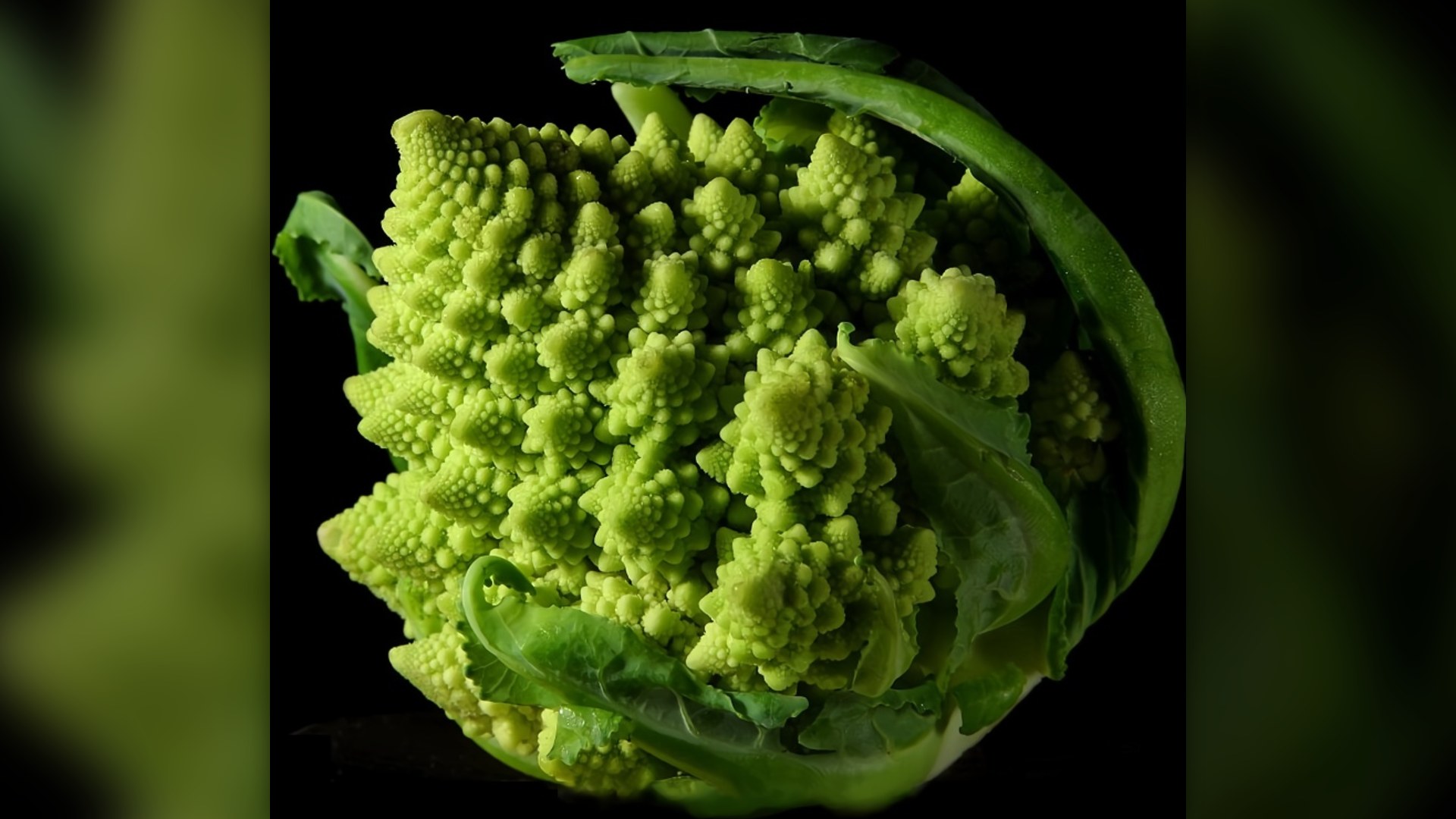
Roman agriculturalists selectively cultivated the immature flowering heads of wild cabbage, amplifying stem thickness and flower density. The result is broccoli and Romanesco, where hundreds of unopened flower buds form dense, nutritious green heads.
13. Wild Sea Cabbage
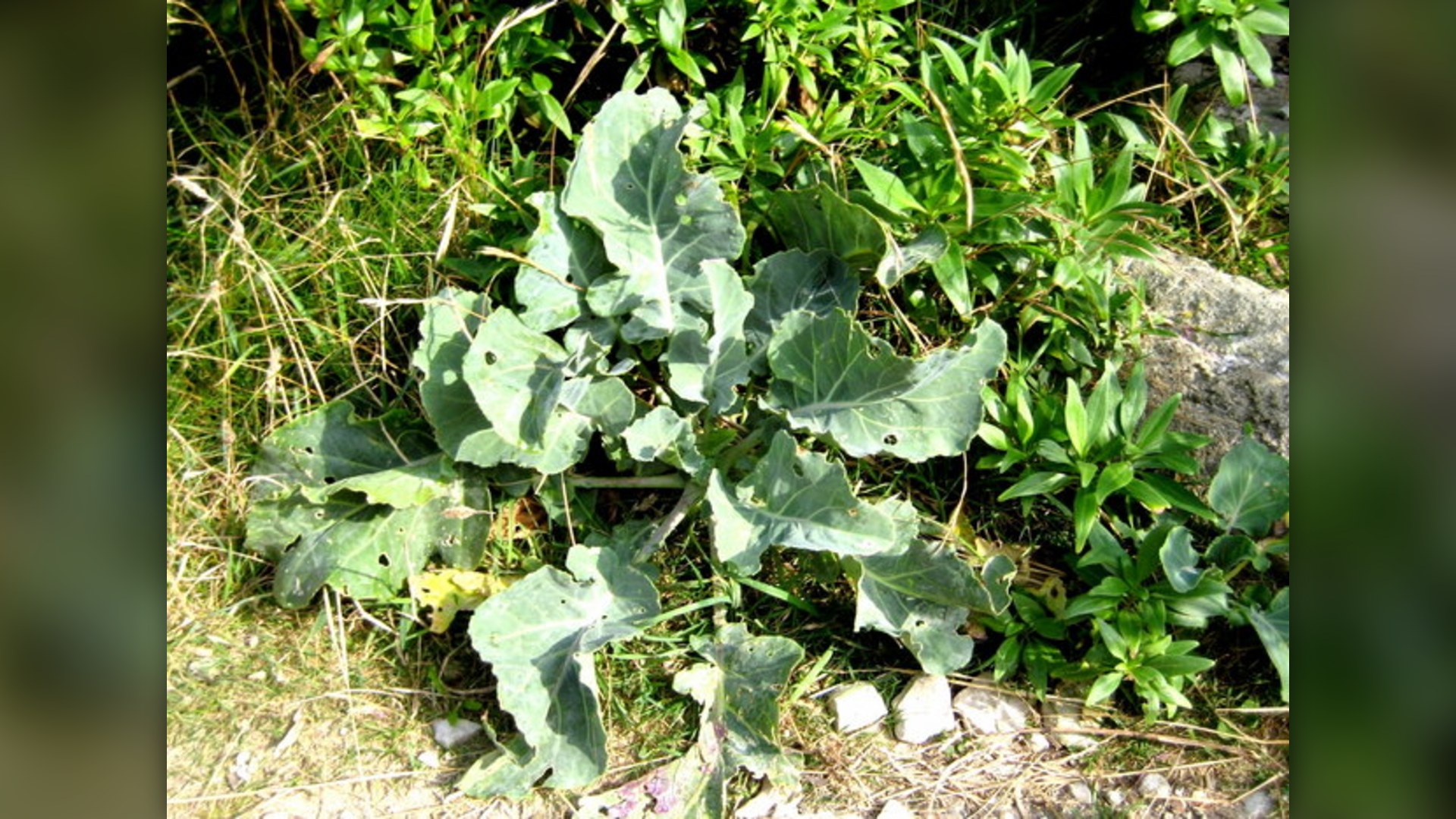
Clinging to the chalk cliffs of western Europe, wild sea cabbage looks like an unexceptional leafy weed. Yet through human selection of different plant parts, this single species evolved into cabbage, broccoli, cauliflower, kale, Brussels sprouts, and kohlrabi.
12. Wild Carrot
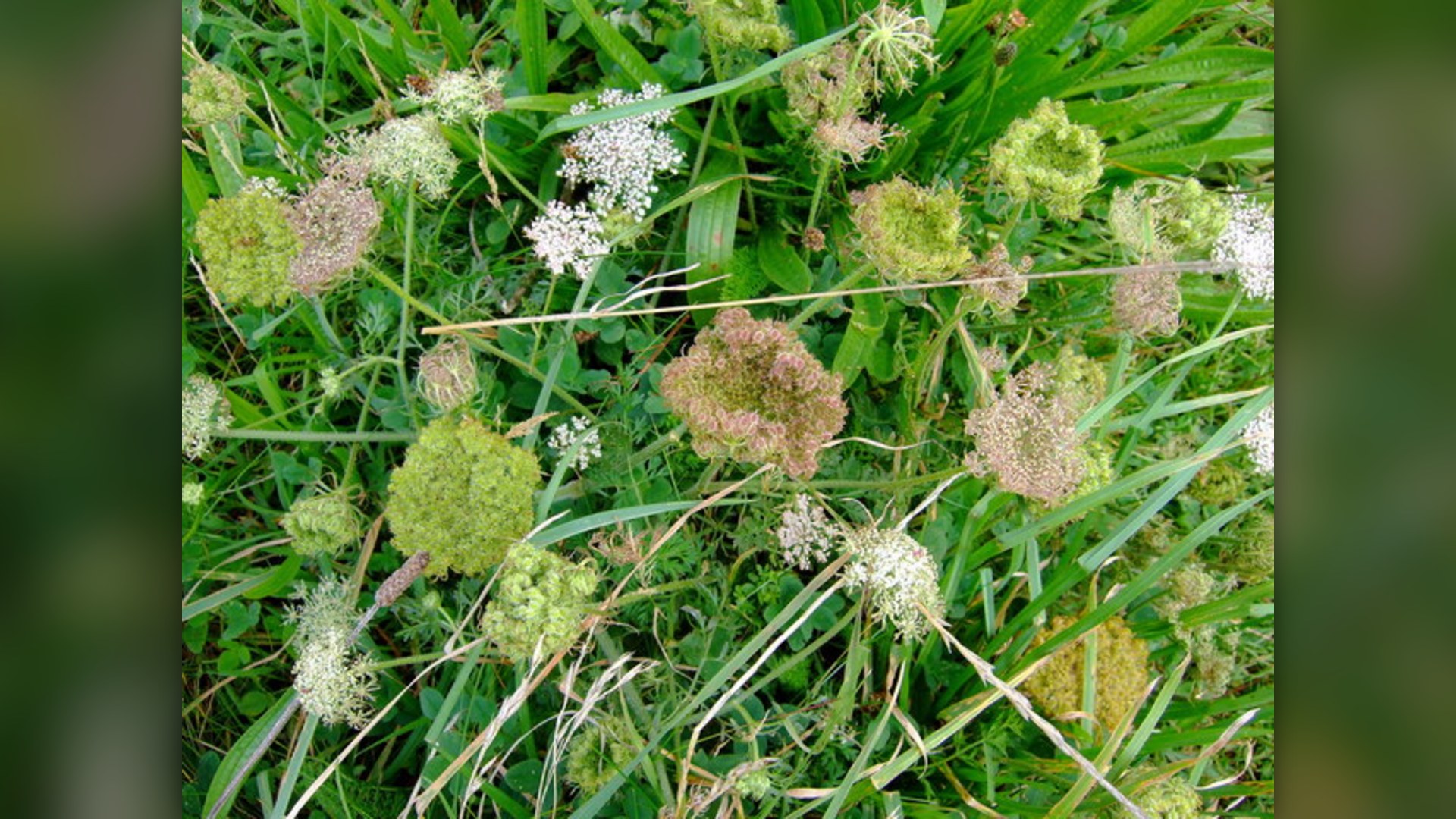
Wild Daucus carota produces a tough, spindly, pale white taproot with a strong medicinal aroma and woody core. Centuries of selective breeding in Persia and Afghanistan enhanced sweetness, while Dutch growers in the seventeenth century famously popularized vibrant orange cultivars.
11. Chiltepin Wild Pepper
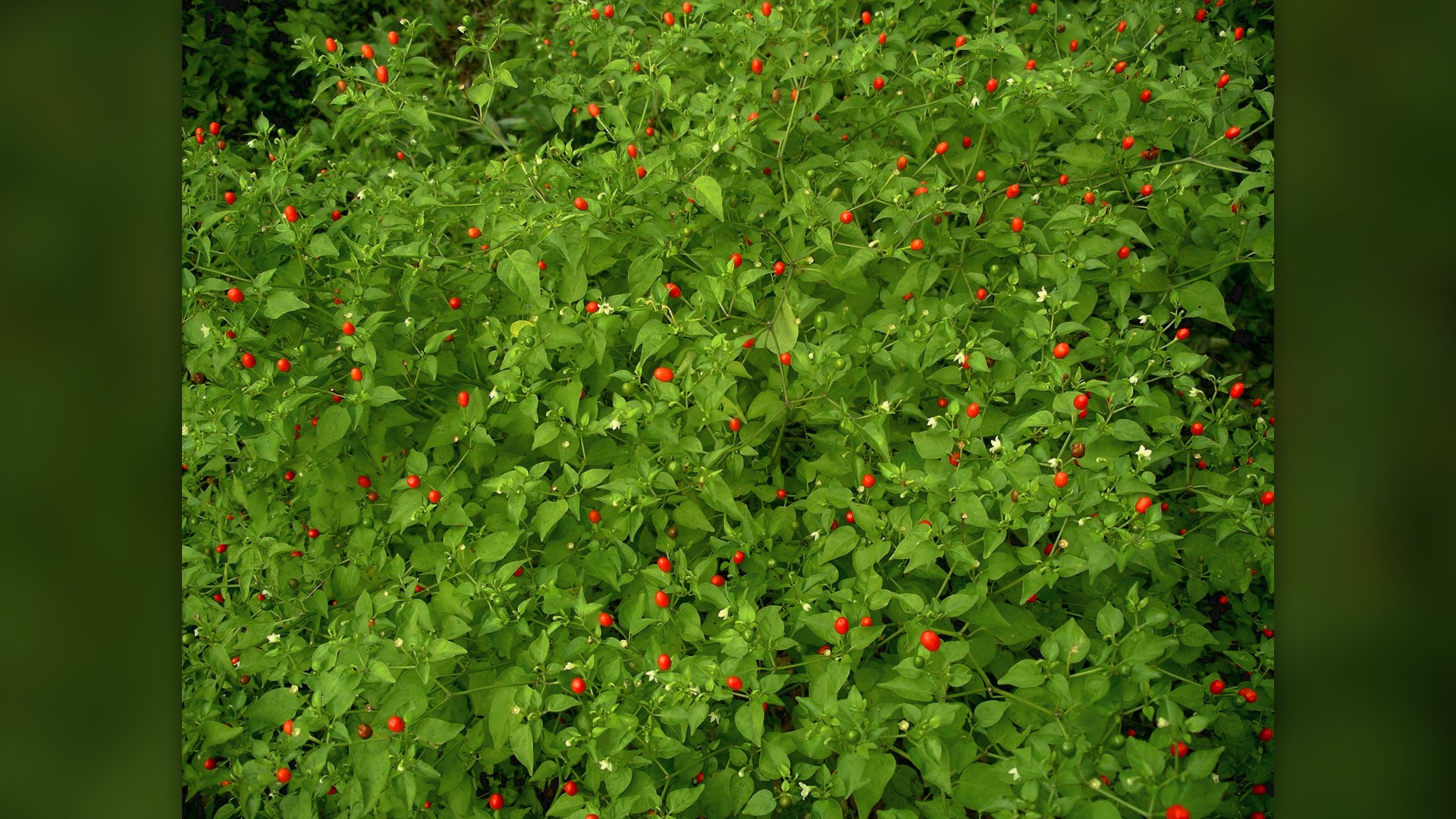
Known as the mother of all chili peppers, the chiltepin is a wild shrub bearing tiny, round, fiercely pungent berries. Over thousands of years of selective breeding, farmers transformed this bird-dispersed berry into sweet bell peppers, jalapeños, and habaneros.
10. Wild Cucumber
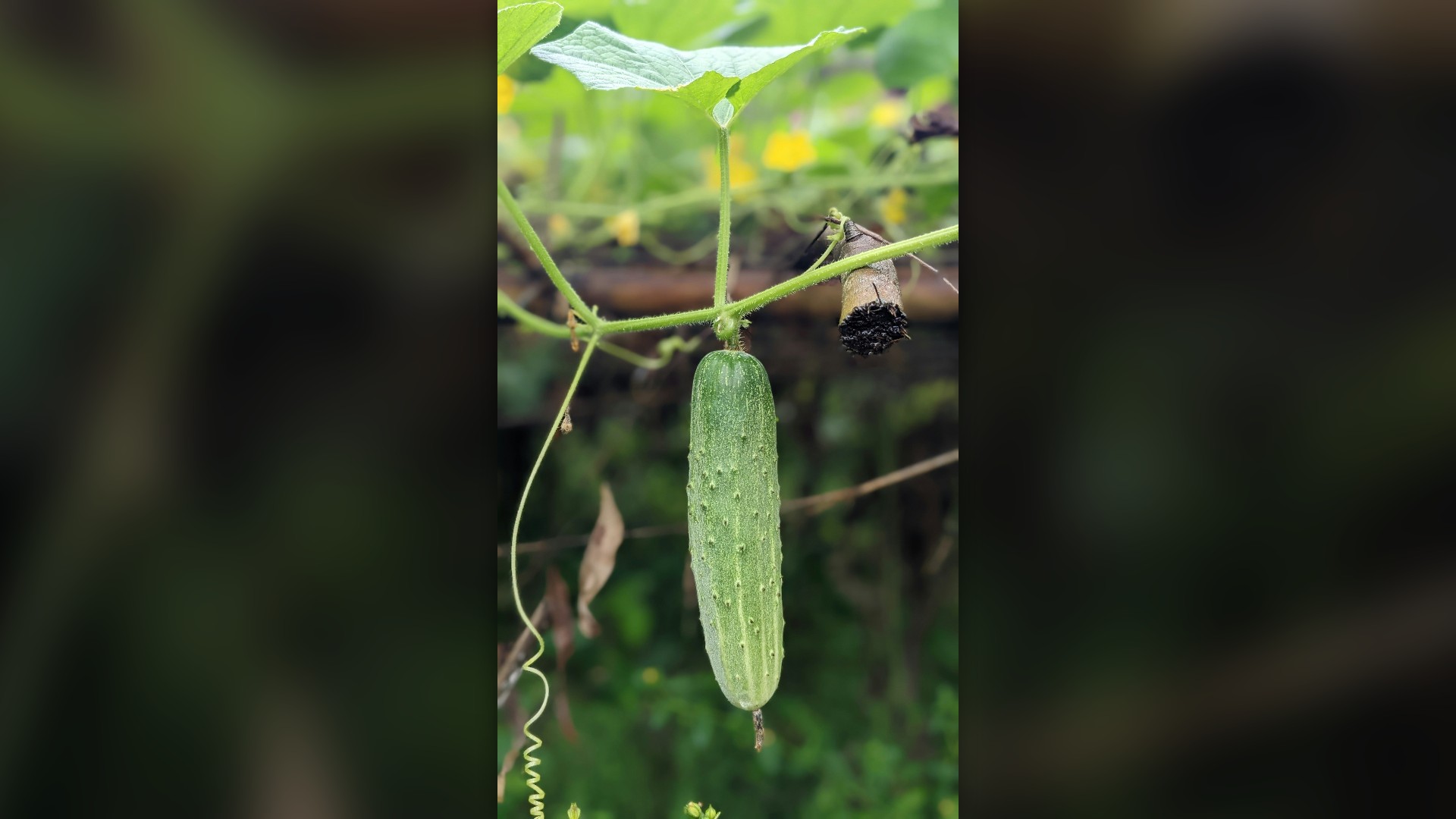
The ancestral progenitor of slicing cucumbers produces small, spiky, highly bitter fruit containing protective cucurbitacins. Early Asian cultivators systematically bred out the bitterness, producing elongated, juicy fruits with thin, digestible skin.
9. Wild Potato
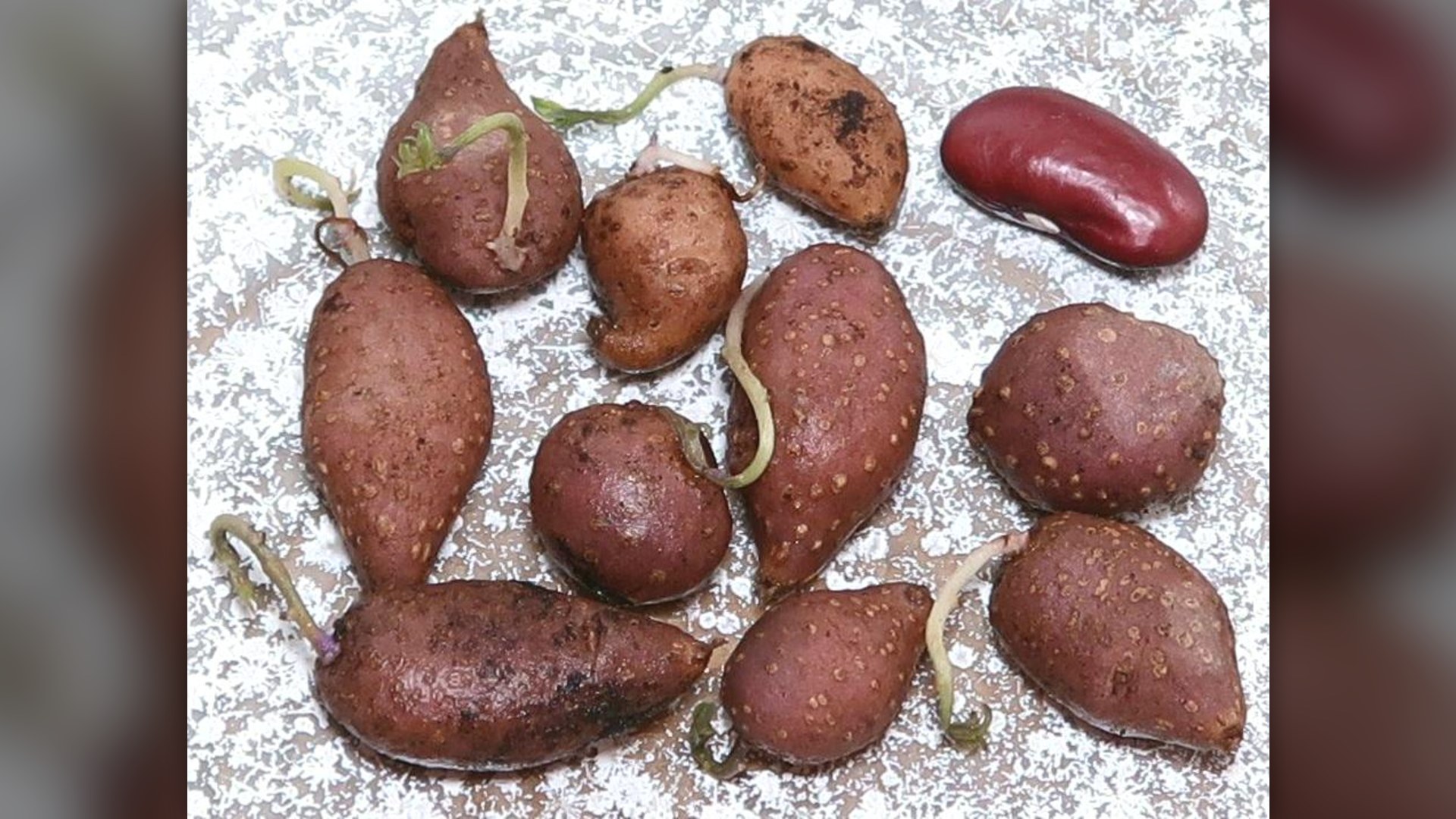
Wild Andean and southwestern potatoes produce tiny, knobby tubers often no bigger than a coin, laced with bitter solanine toxins. Indigenous Andean farmers learned to freeze-dry tubers into chuno to leach toxins, eventually breeding smooth, hearty, non-toxic varieties.
8. Wild Currant Tomato
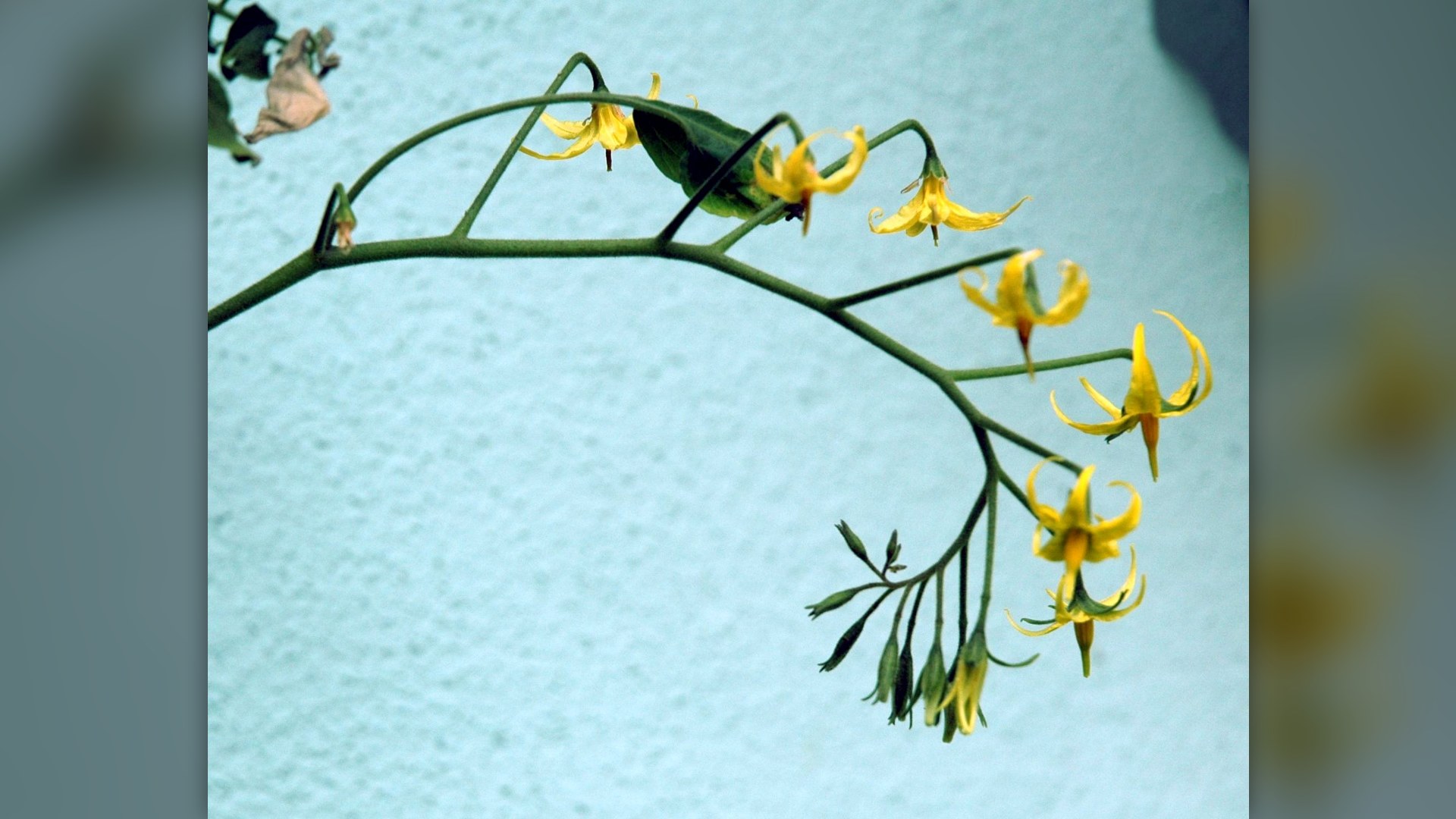
Native to Andean coastal regions, Solanum pimpinellifolium bears miniature berries barely the size of a blueberry, weighing just one gram. Through centuries of indigenous Mesoamerican cultivation, farmers expanded the fruit size by over fifty times into modern slicing tomatoes.
7. Wild Asparagus
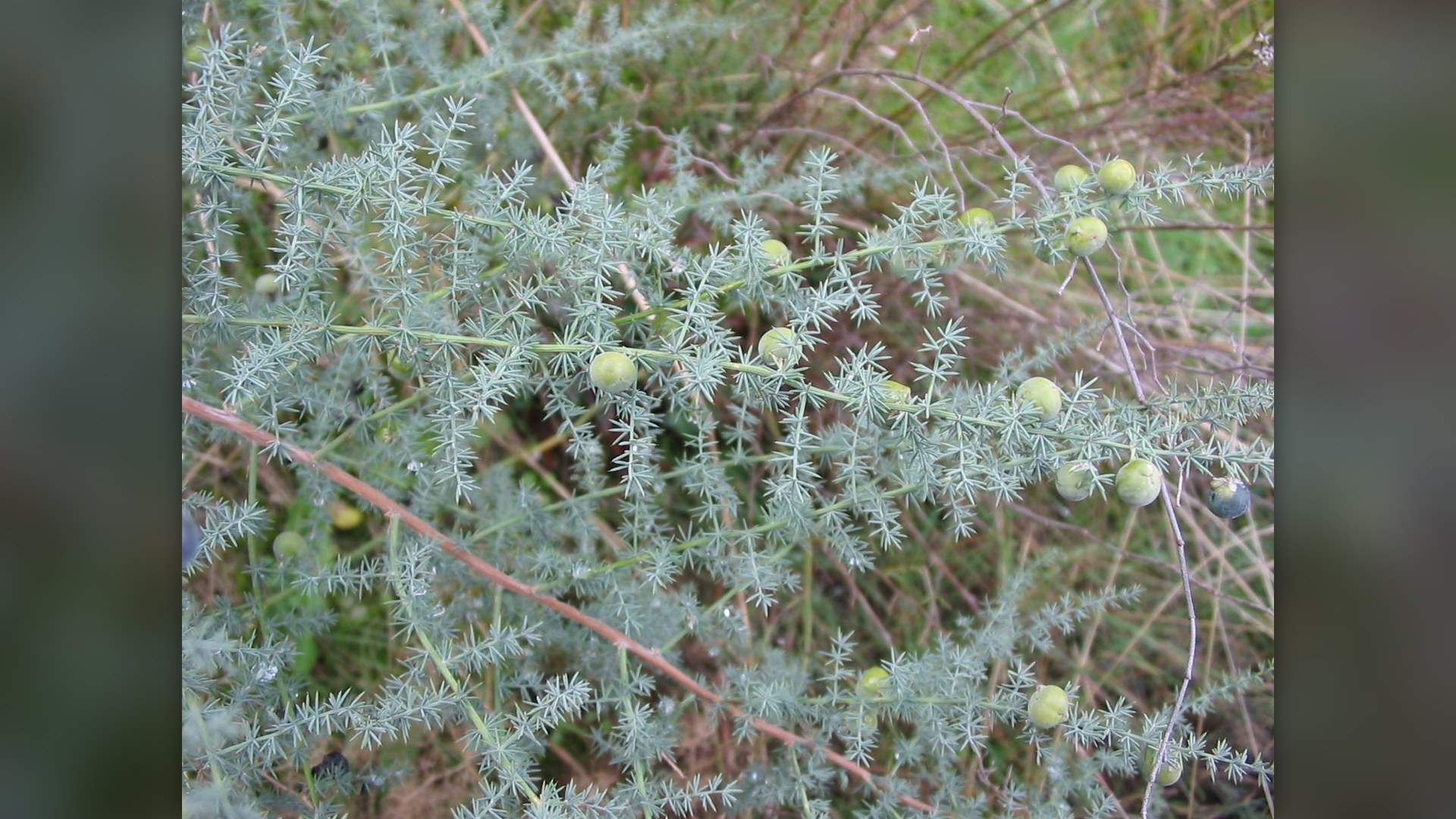
Before uniform, plump asparagus spears lined supermarket produce displays, wild asparagus grew as thin, wiry shoots among thorny Mediterranean brush. Selective cultivation created the succulent, thick stalks prized for their tender texture.
6. Sea Beet
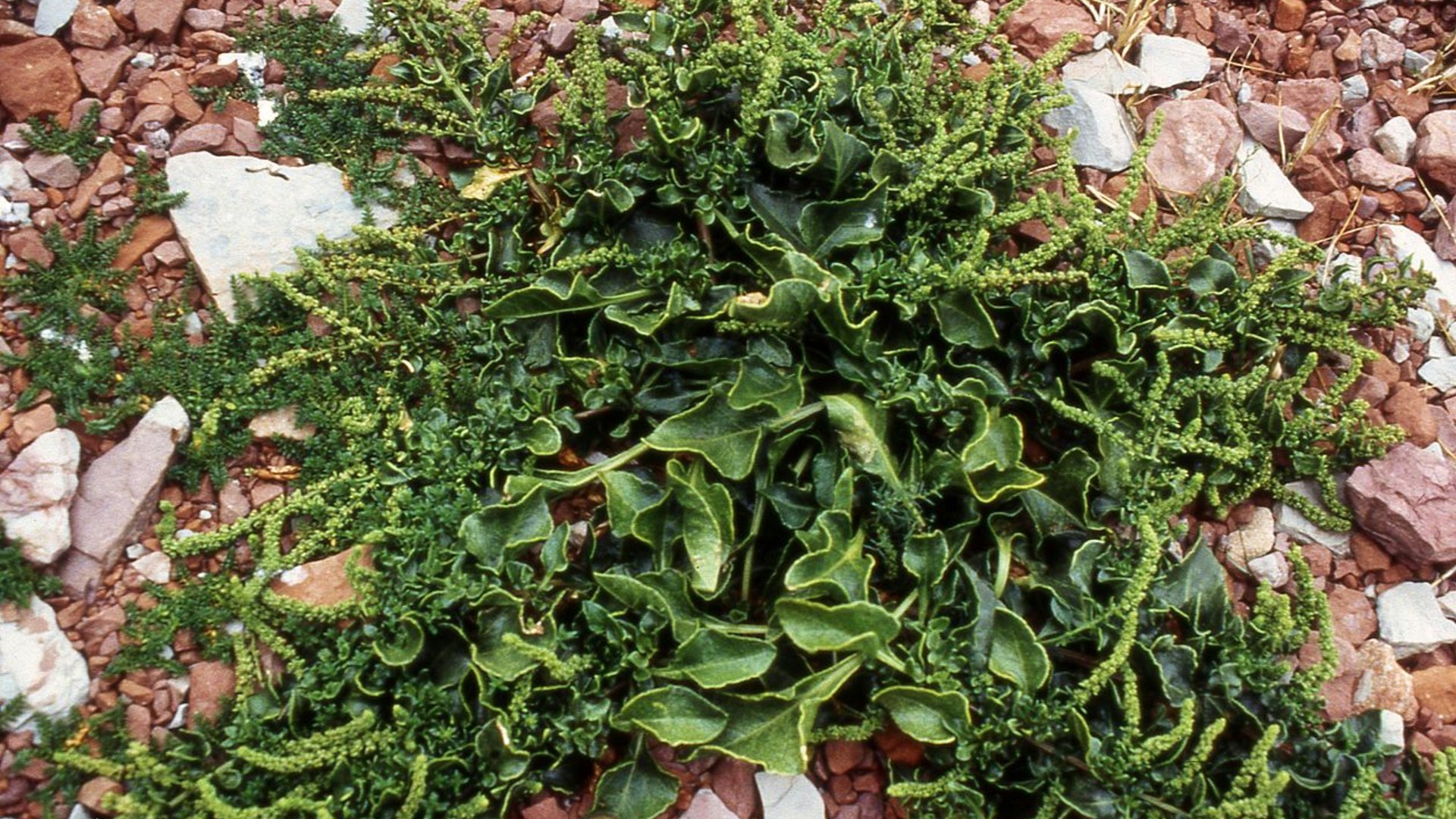
Sea beet is a tough perennial flourishing along windy European coastlines with fibrous, non-swollen roots. Ancient farmers bred its leaves into Swiss chard and later selected roots into ruby-red table beets and sugar beets.
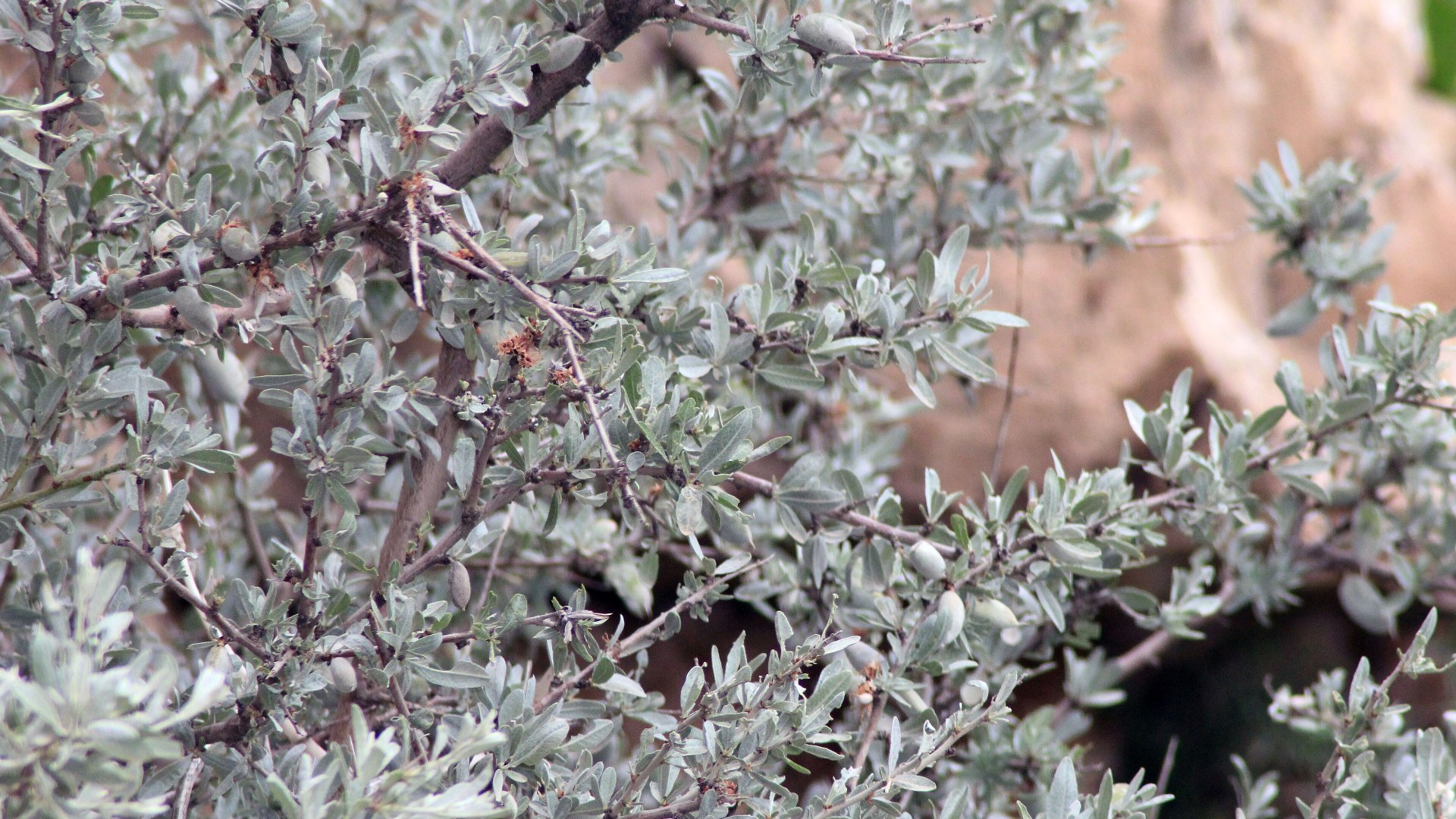
5. Wild Almond
Wild almonds contain amygdalin, a chemical compound that breaks down into deadly hydrogen cyanide when crushed. Ancient foragers discovered rare non-bitter mutant trees, domesticating safe cultivars that transformed a toxic wild seed into a nutritious snack.
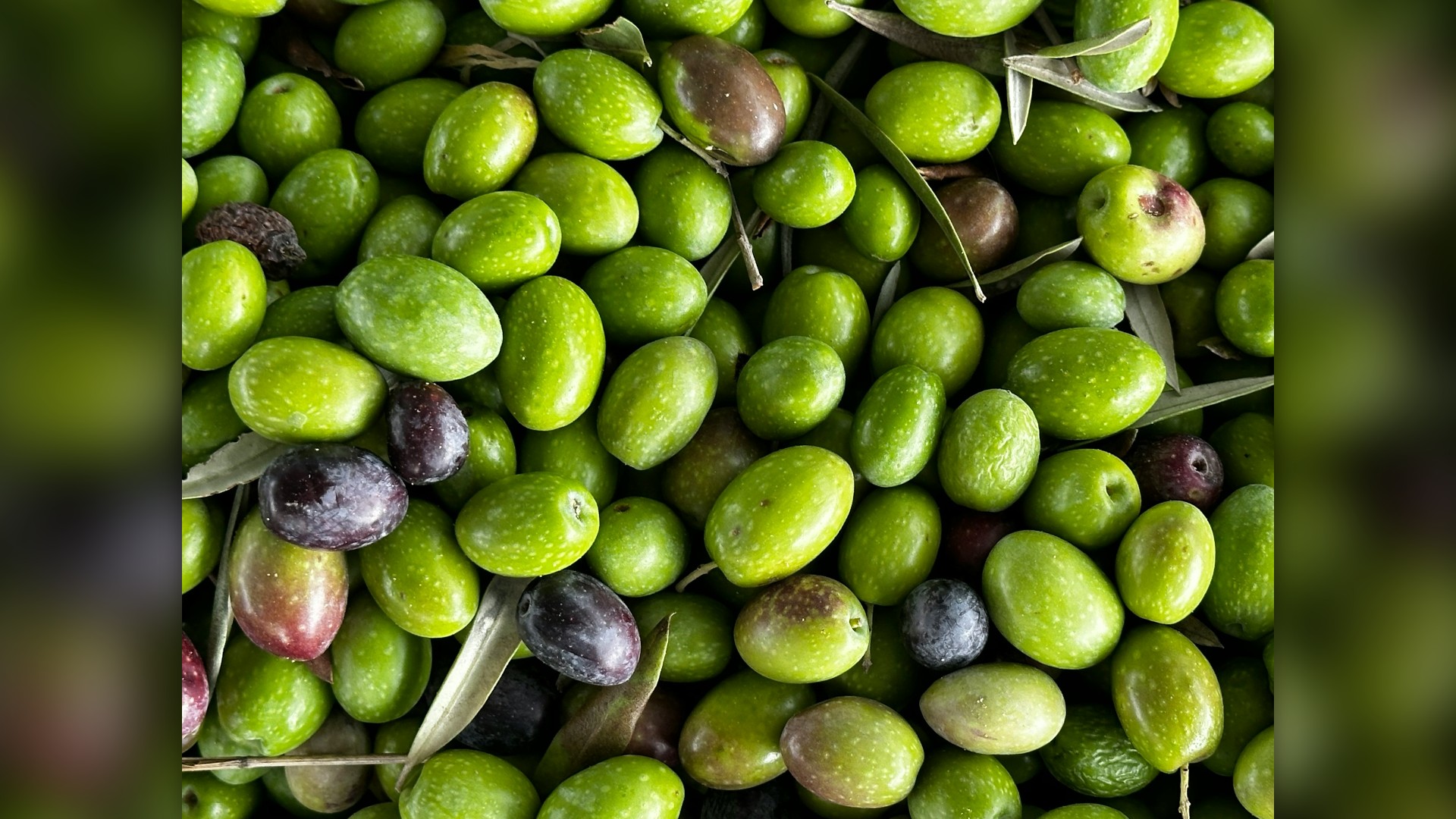
4. Wild Olive
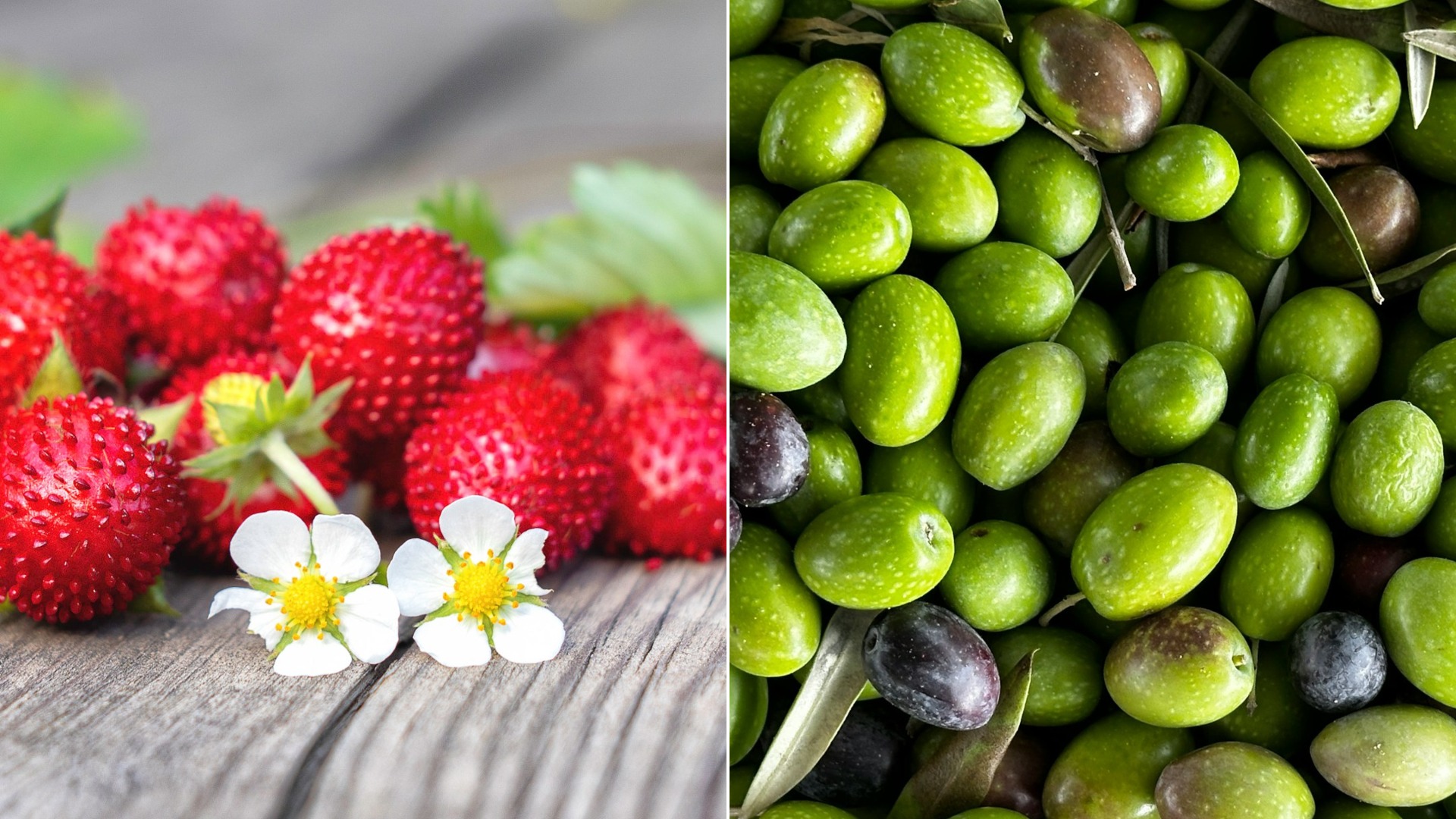
The wild oleaster tree produces small, bitter drupes with thin flesh and meager oil content. Millennia of grafting and selective cultivation transformed these scrubby bushes into productive orchard trees producing fleshy, oil-rich table and pressing olives.
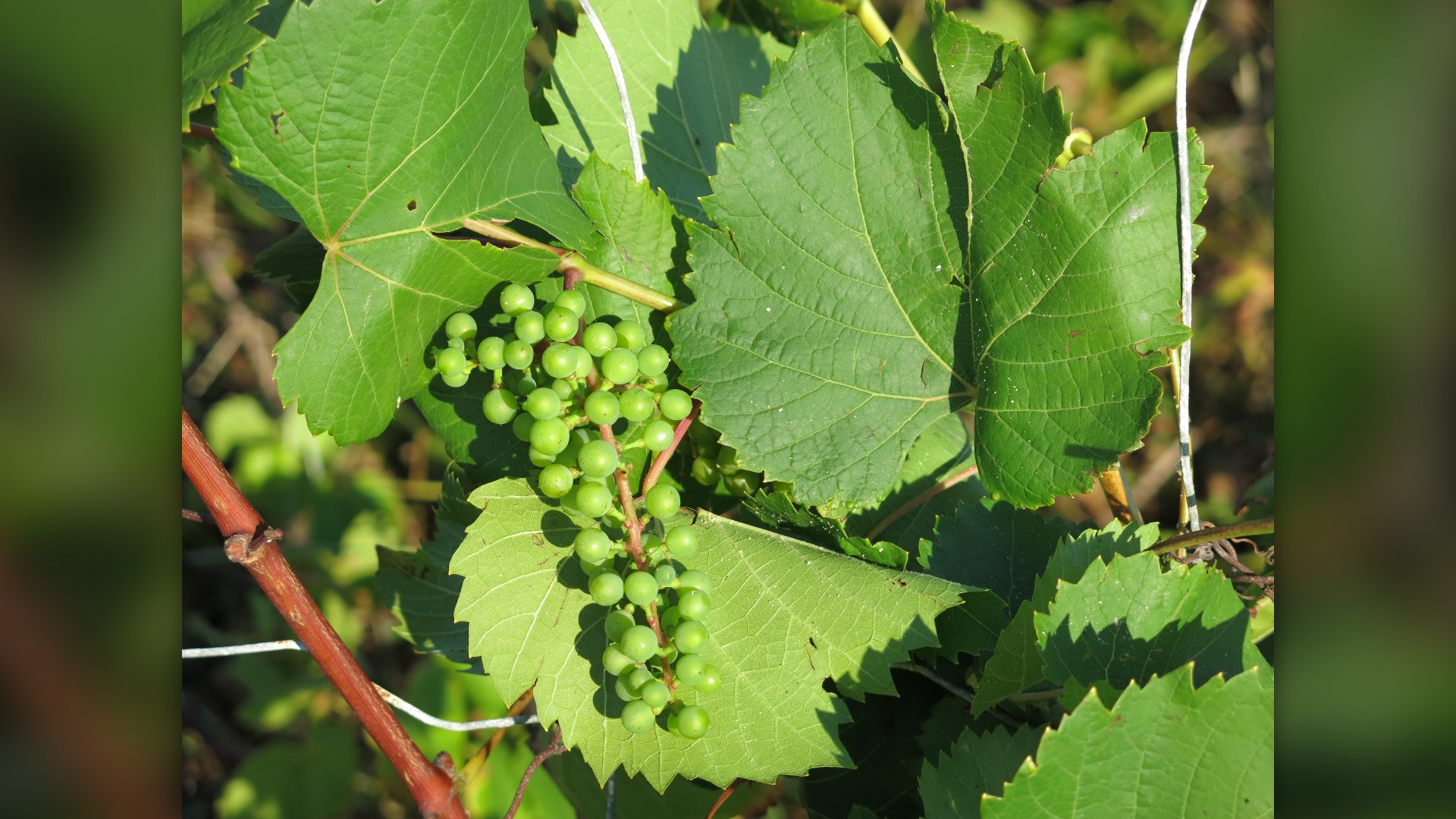
3. Wild Grape
Ancestral Eurasian wild grapes grow as climbing vines bearing loose clusters of small, acidic berries. Early farmers selected self-pollinating vines, breeding them into dense, sweet clusters for table fruit and winemaking.
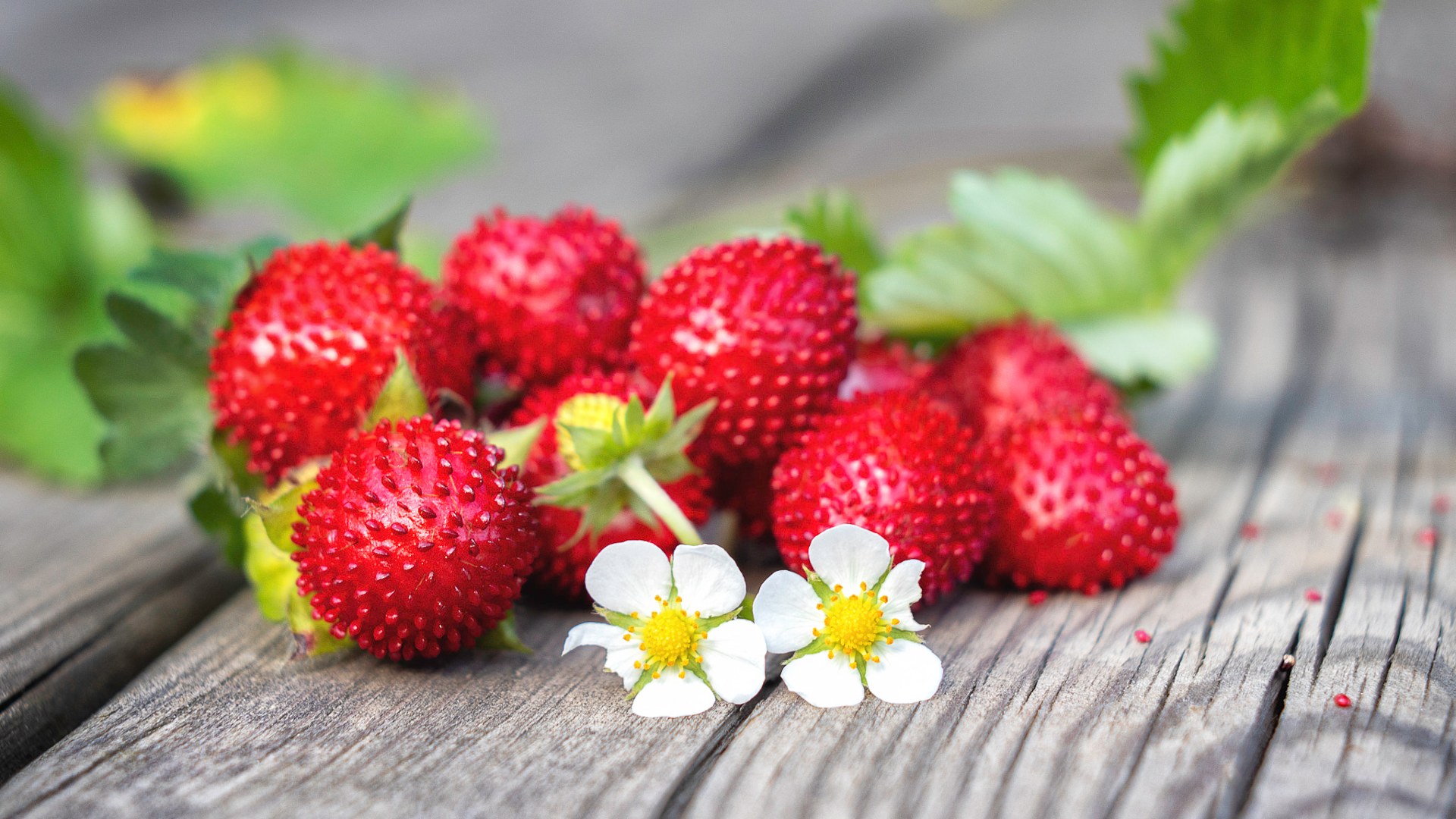
2. Wild Strawberry
Wild woodland strawberries produce tiny berries barely larger than a pea. It took an accidental hybridization in eighteenth-century France between Chilean and North American species to create the plump, palm-sized garden strawberries enjoyed today.
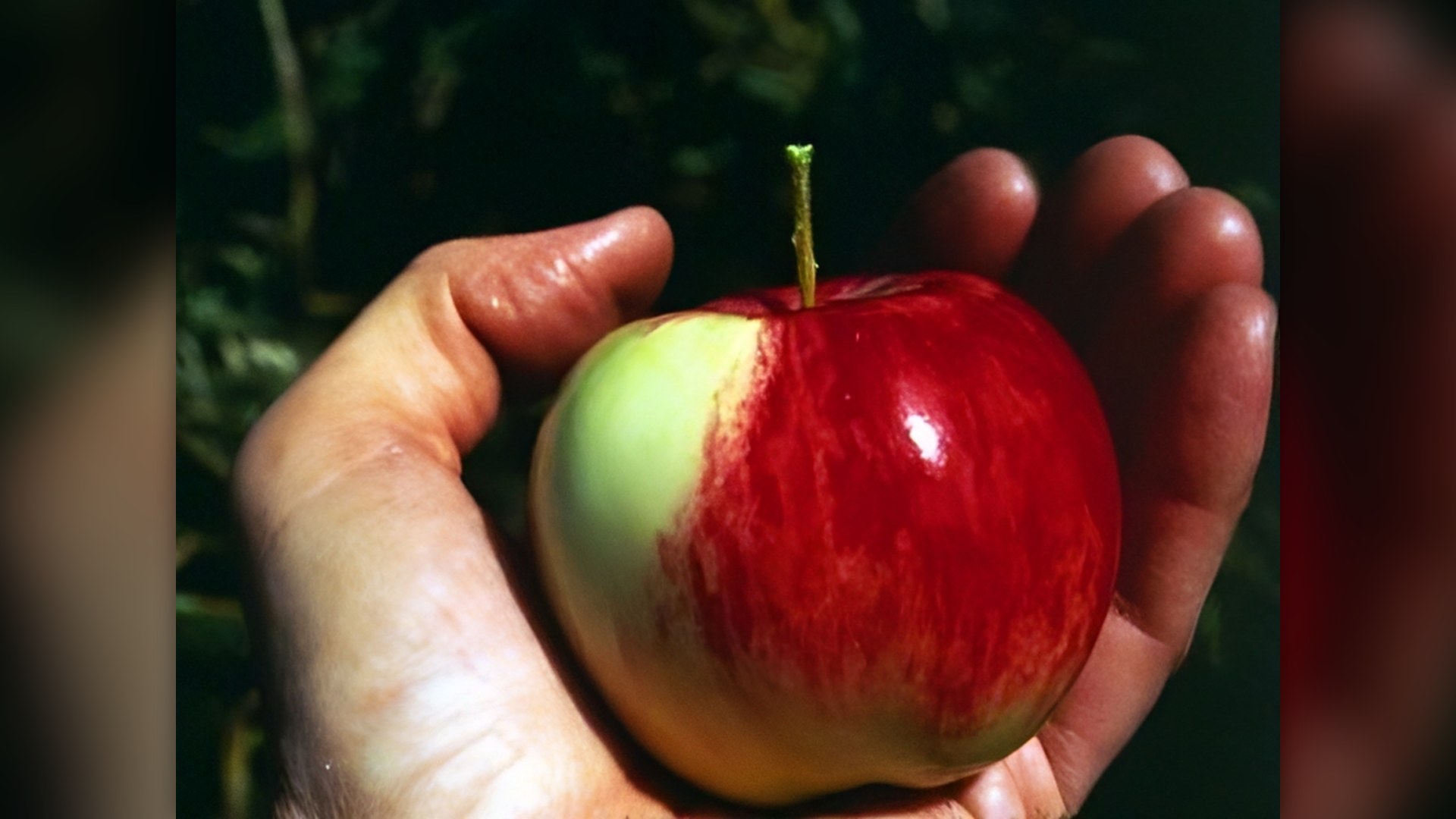
1. Wild Apple
The modern sweet orchard apple traces its genetic lineage directly to Malus sieversii in the Tian Shan mountains of Kazakhstan. While wild ancestor trees still produce varied fruit, most were significantly smaller, firmer, and far tarter than modern Honeycrisp or Gala varieties.









