Slideshow · Viral
Cyberattacks Hit Supermarket Fridges Across Europe
Hackers remotely hijacked commercial refrigeration systems across at least seven European countries, forcing store freezers up to 50 degrees Celsius and spoiling hundreds of thousands of euros in food
By Most Viral Today
3 Nov 2026

Cyberattacks Hit Supermarket Fridges Across Europe 
15. Widespread European Impact 
14. Extreme Temperature Modification 
13. Exploitation Of Defrost Settings - AdvertisementSwipe or tap ▶ to continue countdown

12. Massive Food Waste 
11. Significant Financial Toll 
10. Major Brands Targeted 
9. Impact Beyond Grocery Stores - AdvertisementSwipe or tap ▶ to continue countdown

8. Prominent Swedish Breaches 
7. Echoes Of A Prior Strike 
6. Connected Software Vulnerabilities 
5. Failure To Patch Exposed Systems - AdvertisementSwipe or tap ▶ to continue countdown

4. Need For Physical Modifications 
3. No Claims Of Responsibility 
2. Broader Geopolitical Anxiety 
1. International Spillover Countermeasures - Advertisement🔥 UP NEXT IN THIS SERIES◫ 21 Slides

20 Famous Cars With Pop-Up Headlights That Shaped Car Design
From hand-cranked 1930s teardrops to wedge supercars of the 1980s, hidden headlights let stylists chase sleek aerodynamics until 2004 pedestrian rules closed the curtain. Here are 20 standout production cars that turned retractable lamps into an enduring automotive design feature across seven full decades.
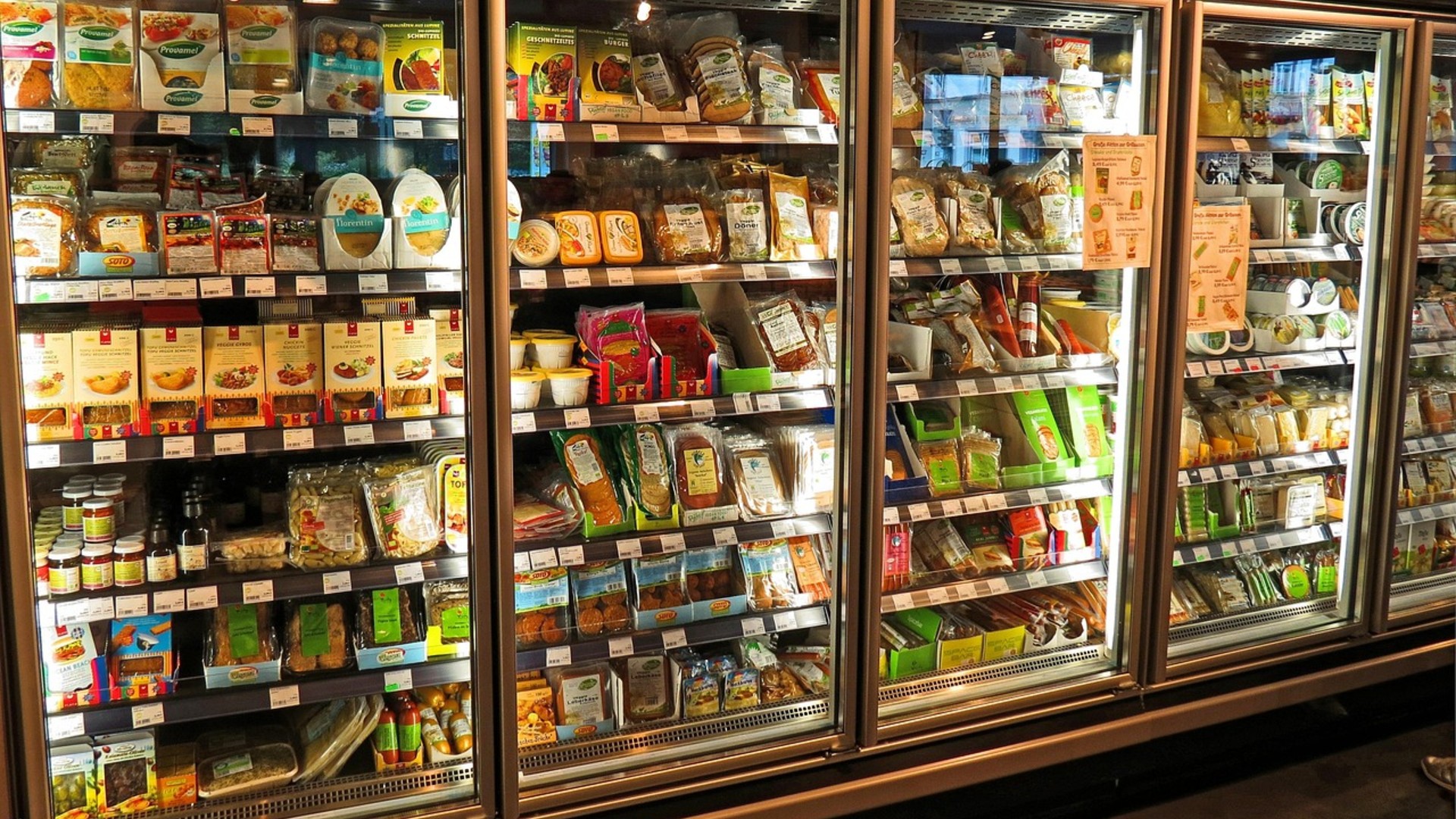
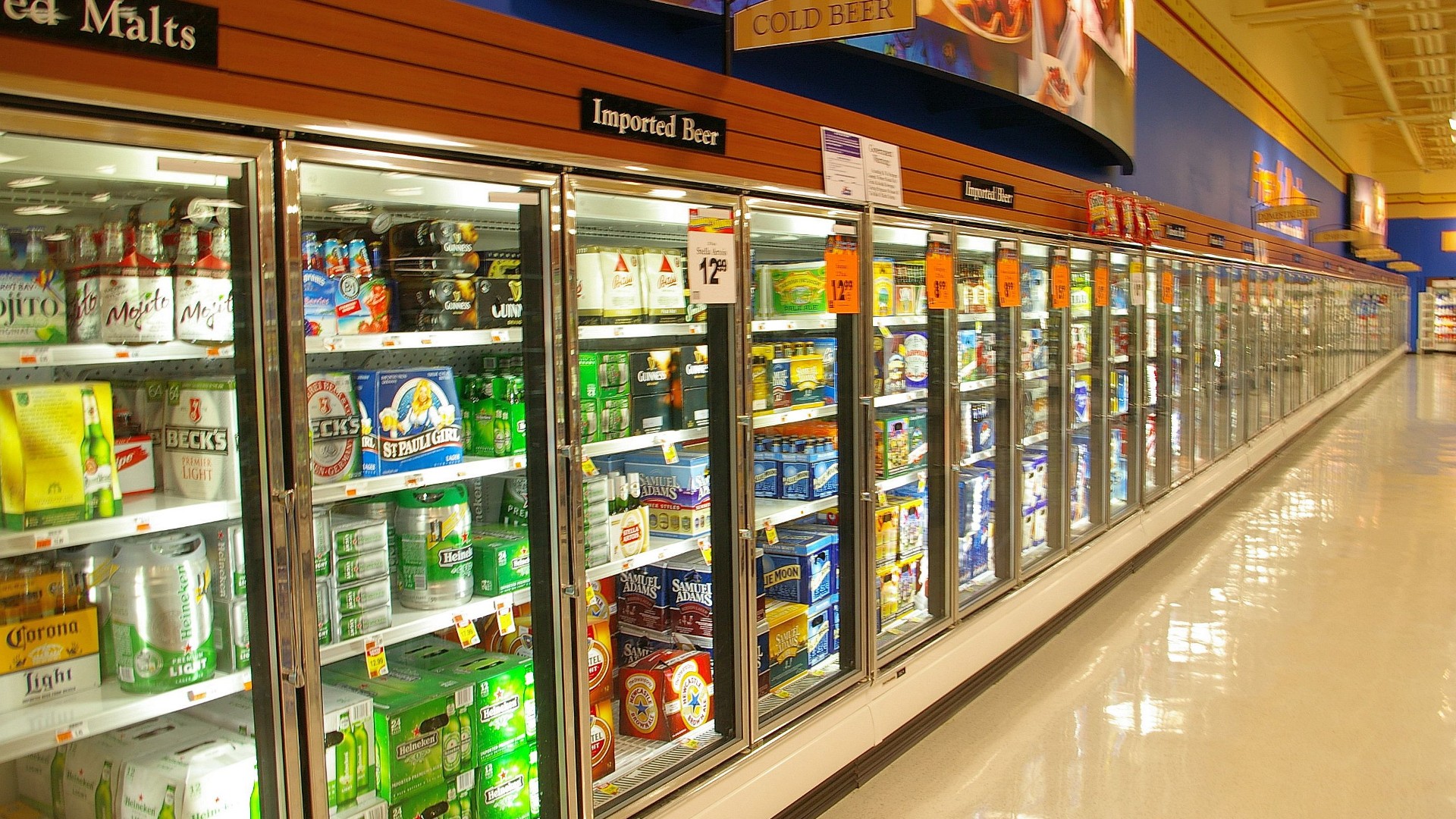
A coordinated cyberattack struck supermarkets across seven European nations on November 2, 2026, remotely switching commercial refrigerators and freezers into defrost mode and driving temperatures up to 50 degrees Celsius.
Swipe or tap ▶ to begin the countdown
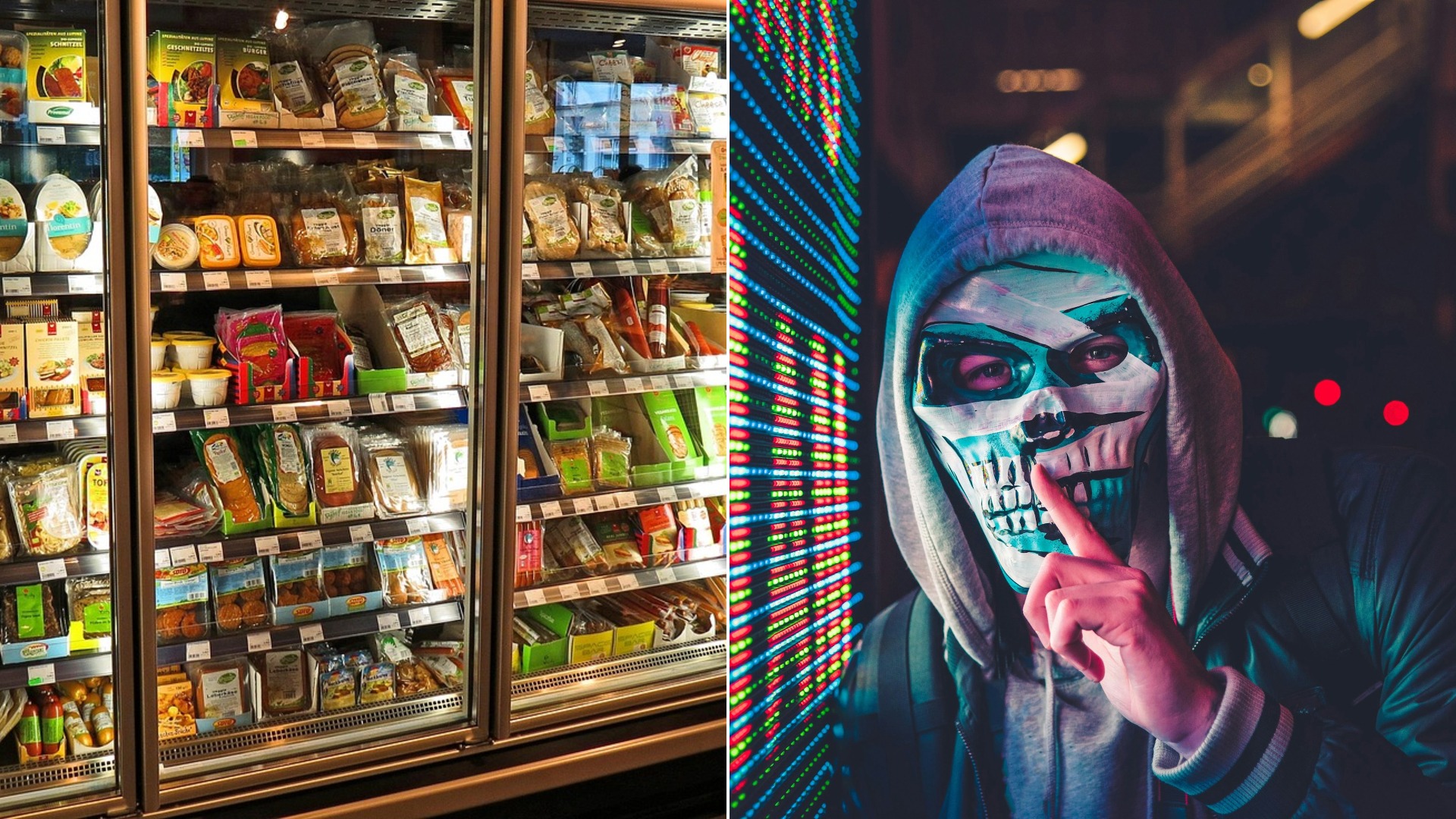
©Pixabay / 27707 & Unsplash / Max Bender
15. Widespread European Impact
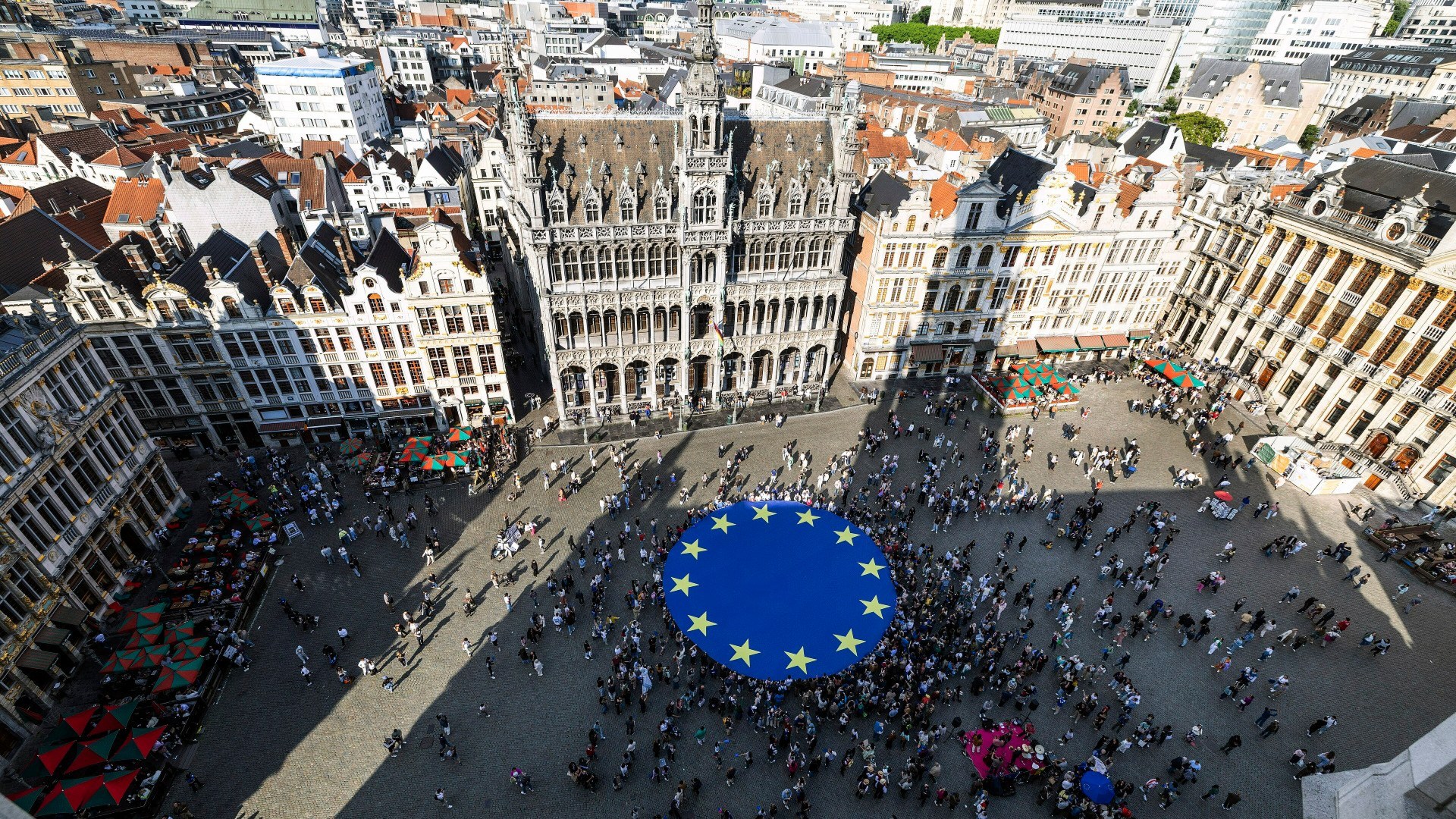
The coordinated cyberattacks simultaneously struck supermarkets across at least seven European nations on November 2, 2026. Retailers in Sweden, Belgium, Luxembourg, Ireland, the Netherlands, Estonia, and Finland reported sudden cooling failures across connected commercial refrigeration units.
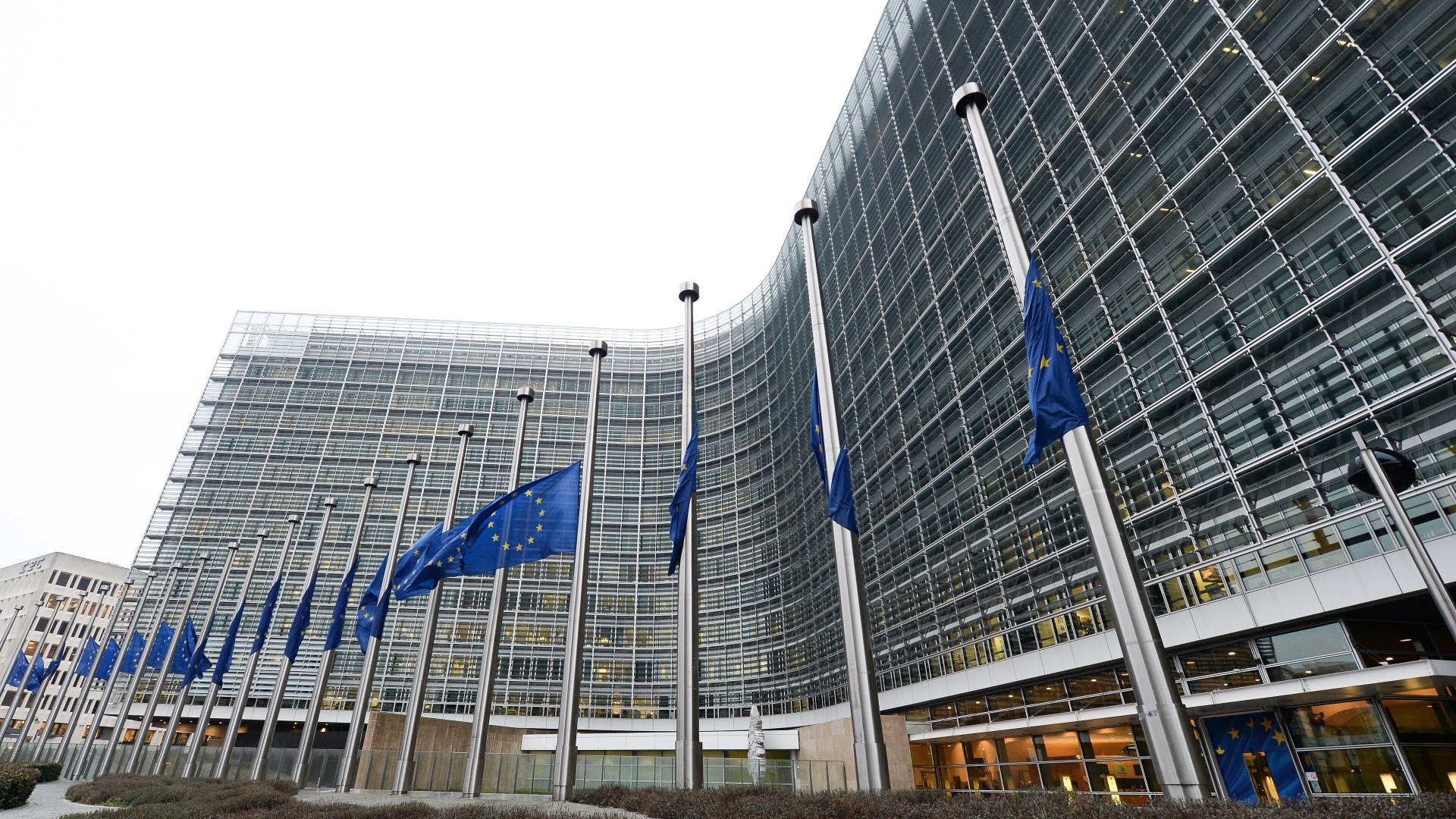
©Wikimedia / Lukasz Kobus / European Commission
14. Extreme Temperature Modification
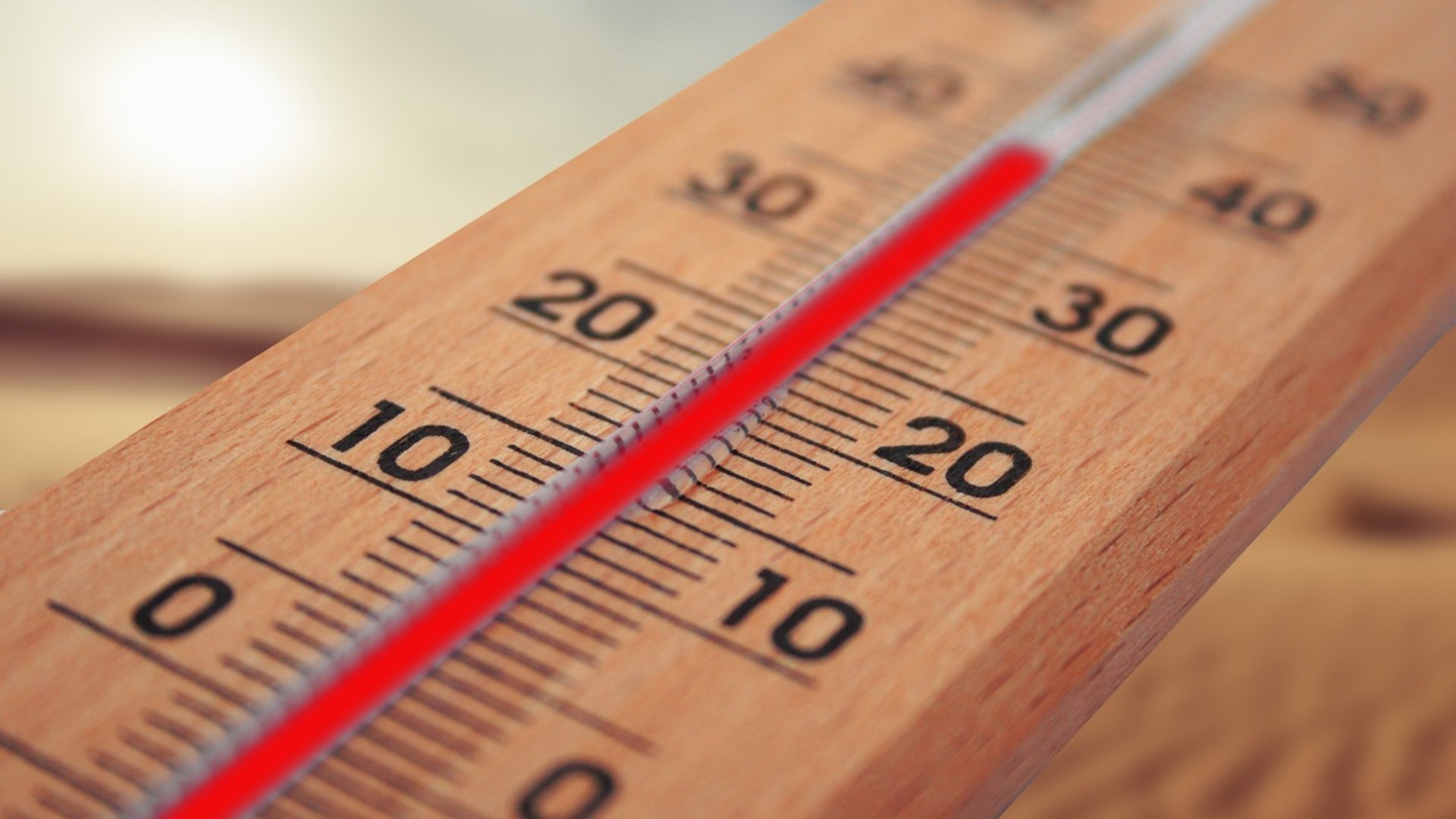
Rather than simply shutting the cooling units off, hackers remotely manipulated the digital temperature control systems of commercial display cases and cold rooms. The breach drove refrigerator and freezer temperatures up to a scorching 50 degrees Celsius, or 122 degrees Fahrenheit, cooking chilled stock.
©Pixabay / geralt
13. Exploitation Of Defrost Settings
According to the Belgian industrial refrigeration company Sabcobel, the attackers weaponized a built-in maintenance feature inside the cooling units. By forcing the evaporators to switch continuously into defrost mode and disabling the cooling fans, the hackers turned standard grocery freezers into ovens.
© Photo by Kumpan Electric on Unsplash
Advertisement
Swipe or tap ▶ to resume the countdown.
12. Massive Food Waste
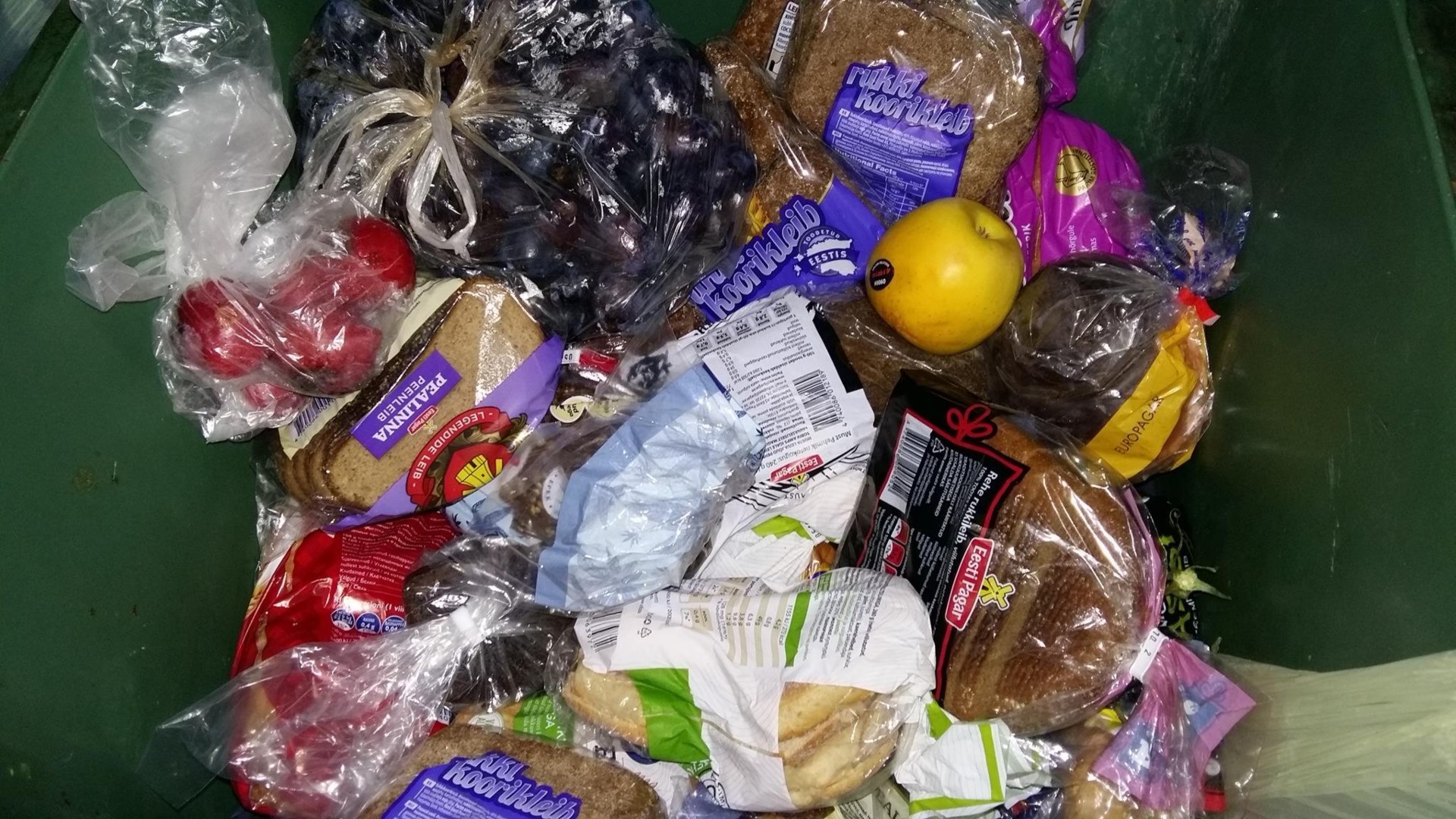
The intentional overheating resulted in immediate spoilage and broke strict cold-chain food safety rules before morning staff arrived. Store operators were forced to clear out their aisles and dump entire inventories of dairy, meat, produce, and frozen goods into commercial waste containers.
©Wikimedia / Kaari Uibomagi
11. Significant Financial Toll
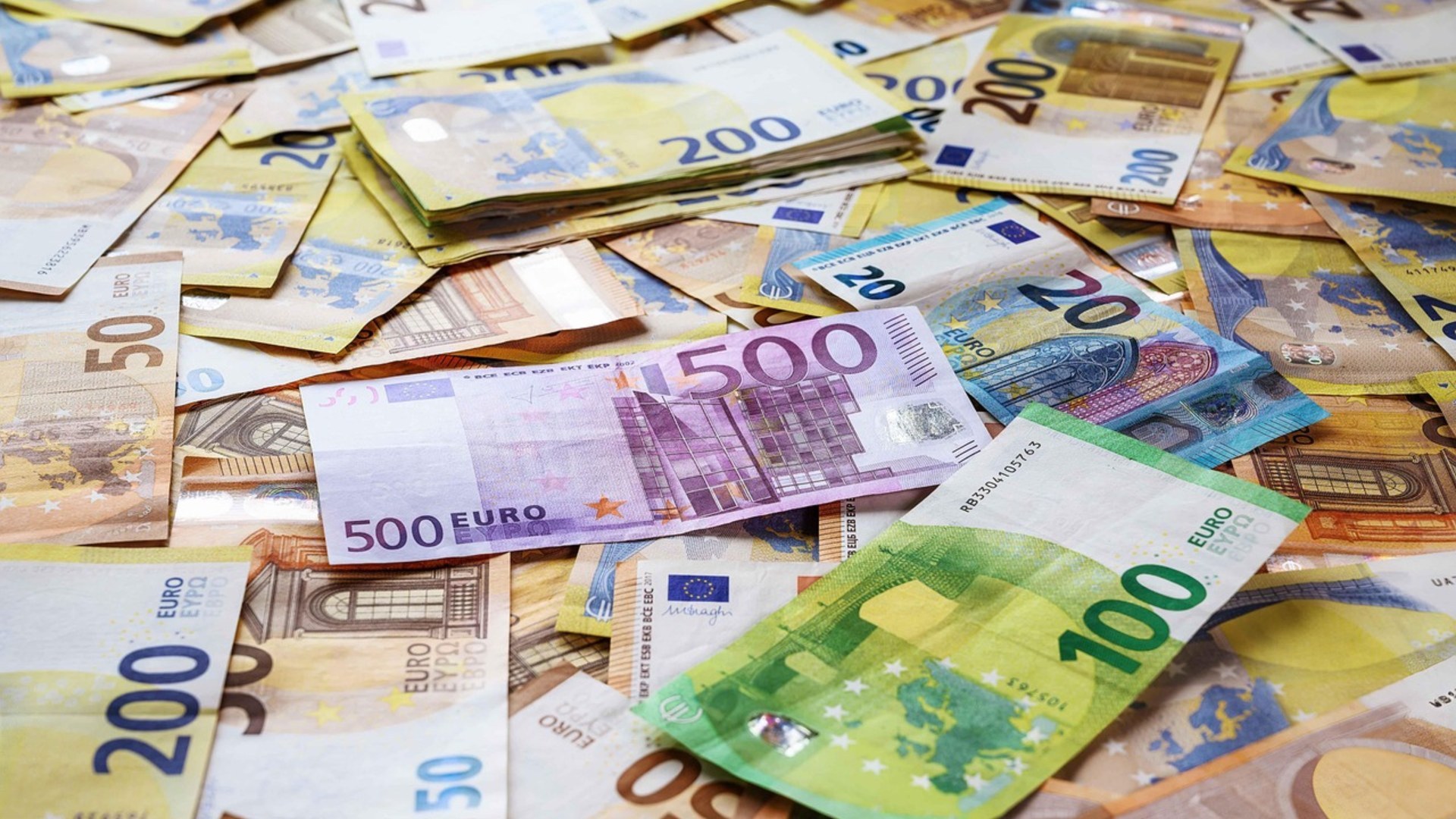
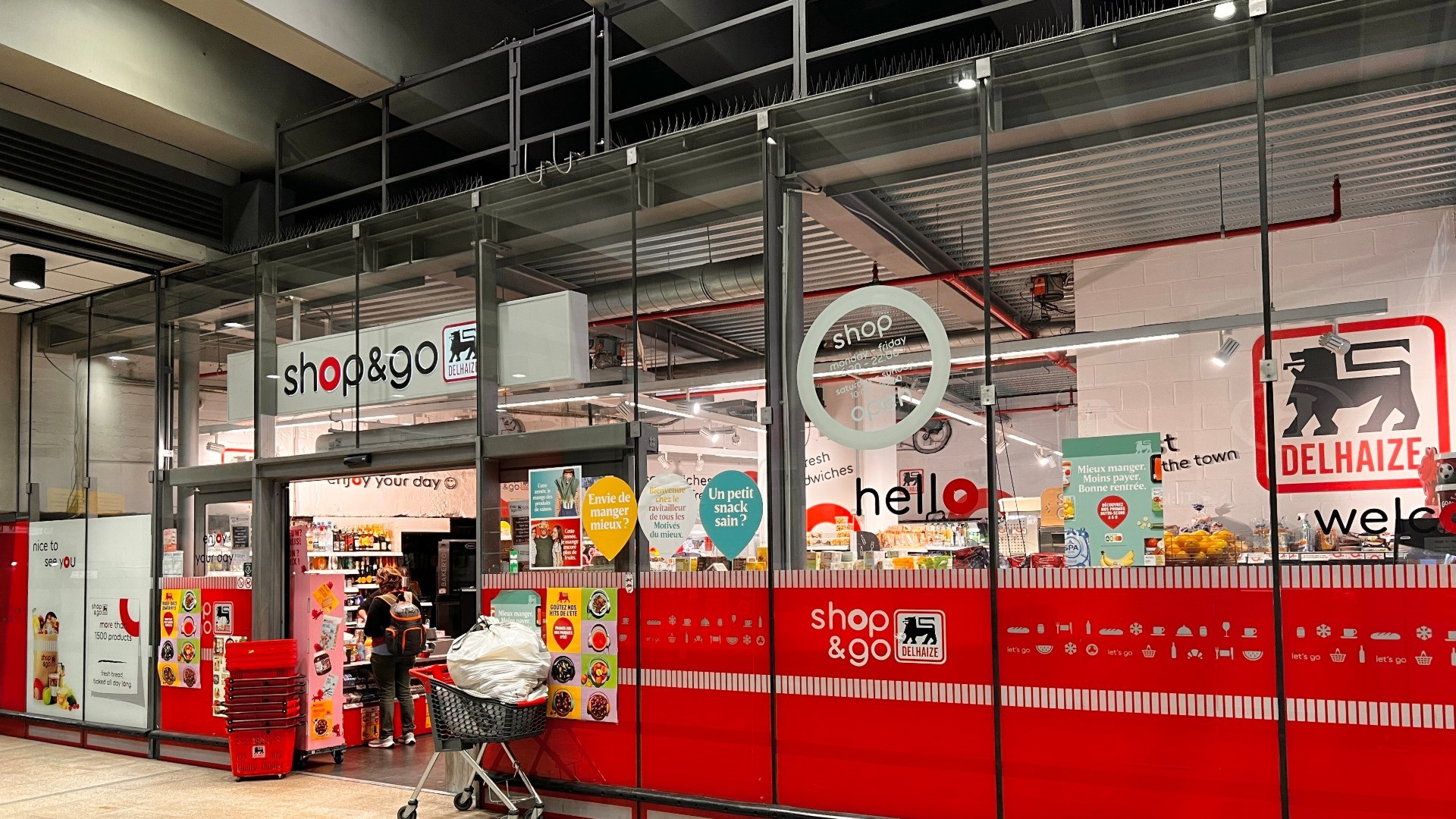
Individual supermarket locations suffered heavy financial damage from the overnight sabotage. A single Delhaize branch in Belgium reported losing upwards of 100,000 euros, equivalent to roughly 83,500 pounds, in ruined produce and chilled stock alone, before counting emergency technician repairs and lost sales.
©Pixabay / fotoblend
10. Major Brands Targeted
The attack disrupted several of Europe's largest grocery chains and retail groups, including Ahold Delhaize, Carrefour, Colruyt, and SuperValu. Many independent franchise owners who rely on third-party refrigeration management contractors found their store cooling systems hijacked simultaneously.
©Wikimedia / Bdx
9. Impact Beyond Grocery Stores
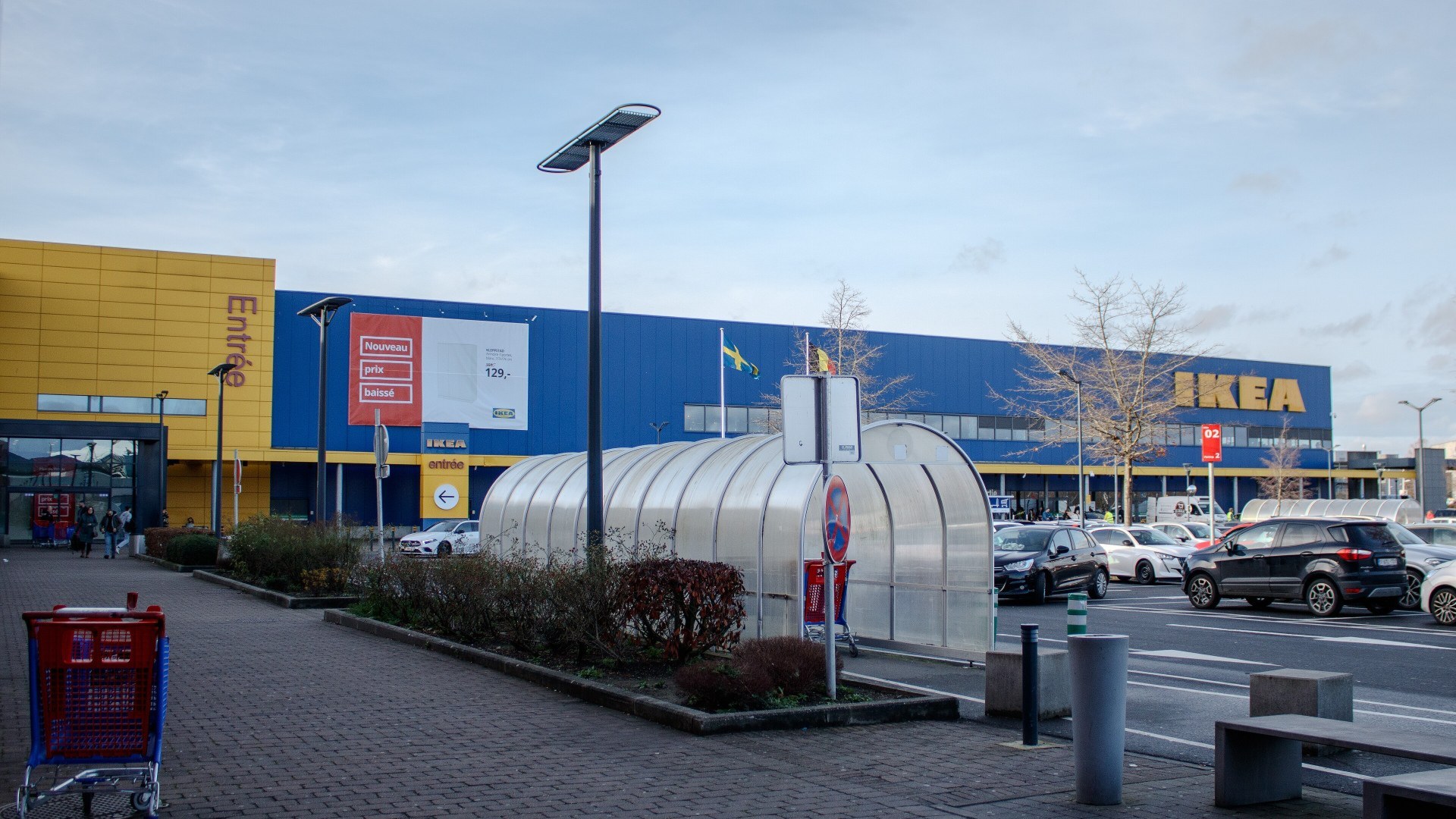
The breach reached beyond traditional supermarkets into other commercial sectors that operate large food service and cold-storage units. Global furniture and food retailer IKEA confirmed that the refrigeration systems at its store in Mons, Belgium, were compromised during the same wave of attacks.
©Wikimedia / Le Sharkoiste
Advertisement
Swipe or tap ▶ to resume the countdown.
8. Prominent Swedish Breaches
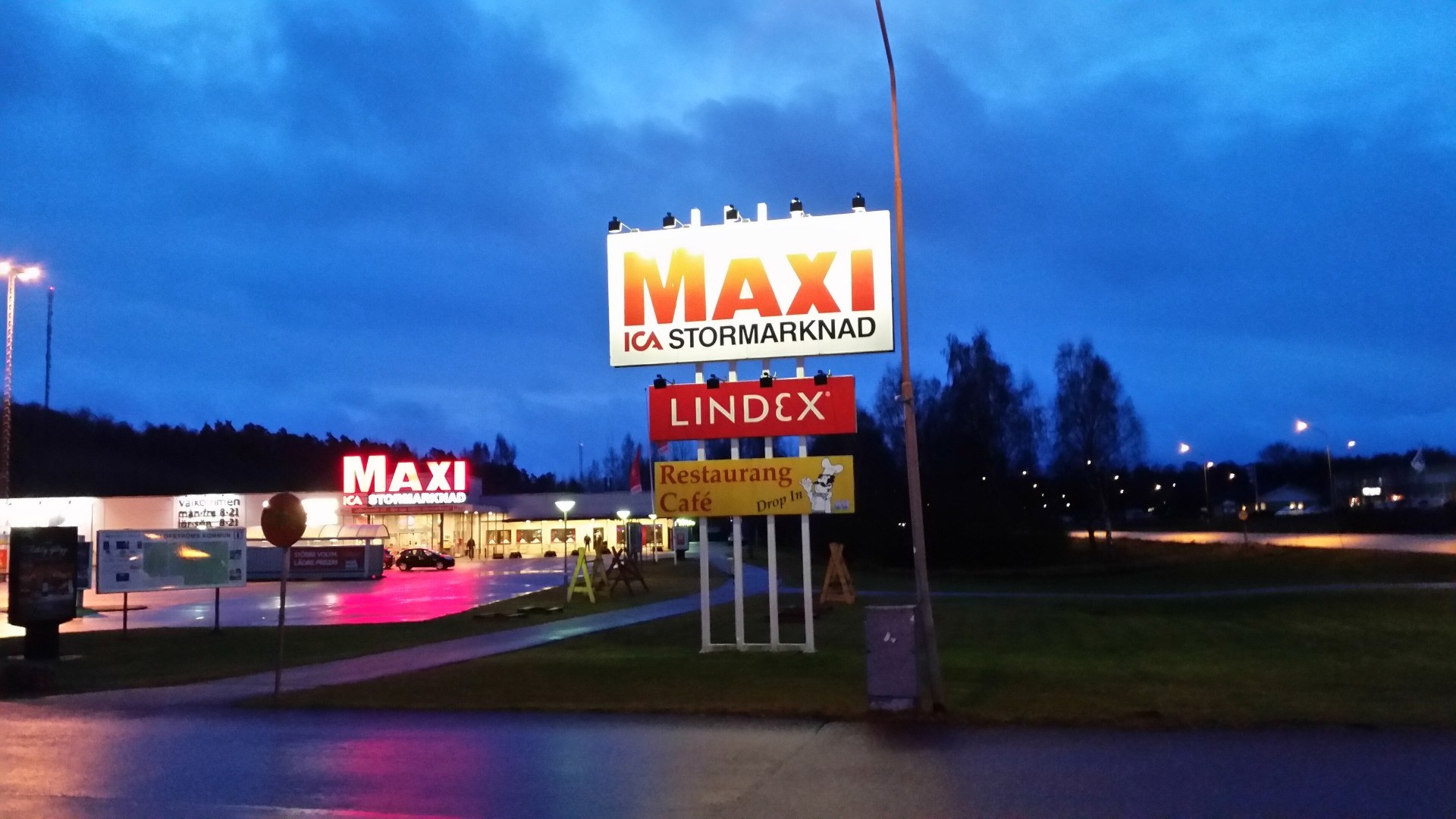
In Sweden, prominent grocery chains ICA and Coop reported multiple franchises breached across the country. Store managers noted that the hack struck around 2:00 a.m. local time, allowing the overheated freezers to run undetected for hours until early-morning bakery and stocking crews arrived.
©Wikimedia / Fredrikofsweden
7. Echoes Of A Prior Strike
The November incident closely mirrored a major October 2026 cyberattack in France. During that earlier strike, hackers seized remote control of cooling units across hundreds of French supermarkets, triggering massive food spoilage and even sparking electrical fires in overheated equipment.
©Pixabay / 27707
6. Connected Software Vulnerabilities
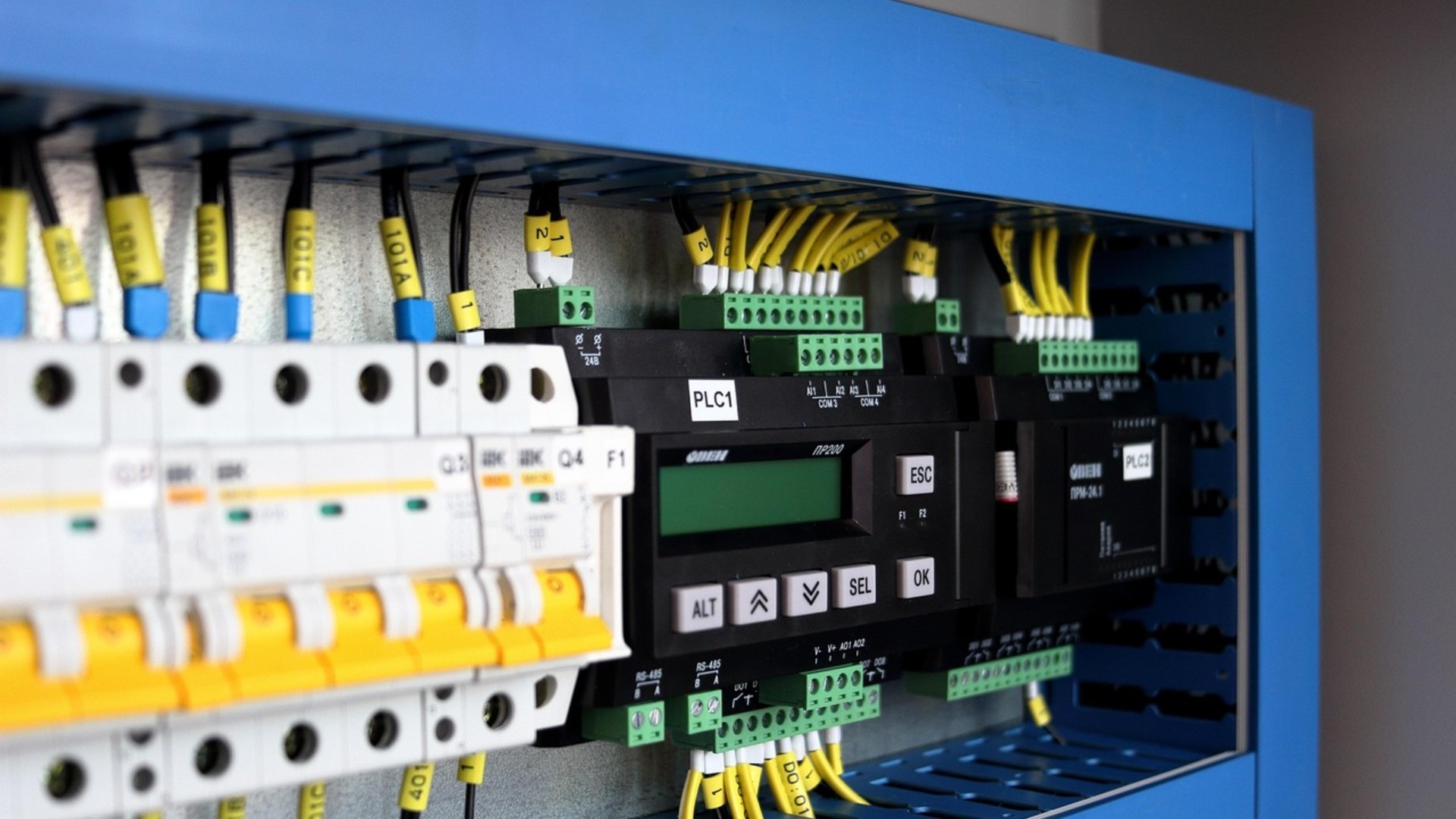
Cybersecurity researchers pointed to software vulnerabilities in centralized refrigeration controllers, such as systems supplied by Danish manufacturer Danfoss, as the probable attack vector. When connected to store networks, these controllers let technicians manage temperatures remotely.
©Pixabay / UnFlOb
5. Failure To Patch Exposed Systems
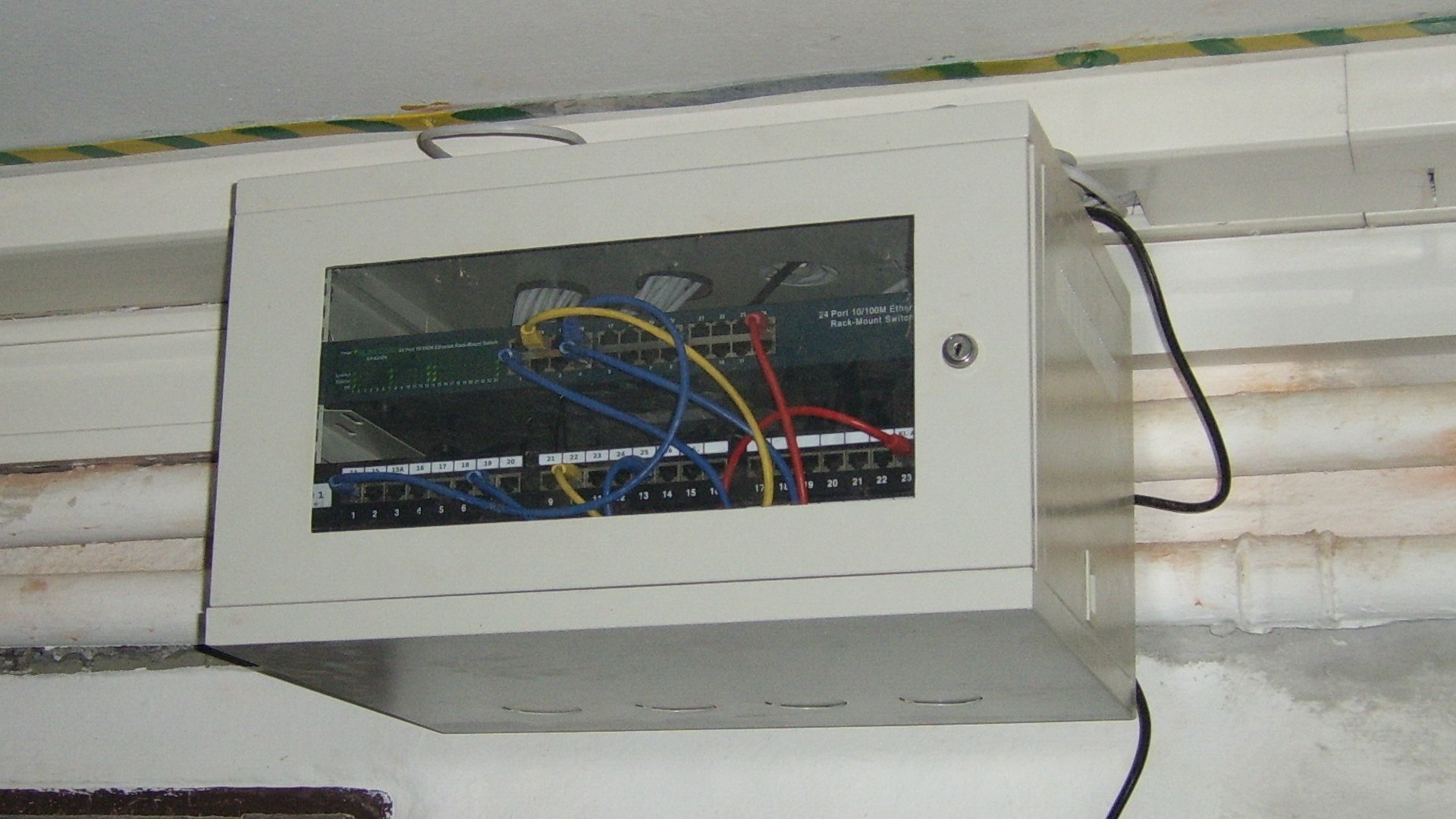
Cybersecurity specialists noted that many supermarket cooling controllers remained unpatched and directly exposed to the public internet. Despite clear warnings and urgent firmware updates issued after the October French attacks, hundreds of European stores had not yet secured their systems.
©Wikimedia / Bercik
Advertisement
Swipe or tap ▶ to resume the countdown.
4. Need For Physical Modifications
Refrigeration engineers explained why so many stores remained vulnerable weeks after the initial warnings. Fully isolating and protecting legacy cooling controllers requires physical, hands-on hardware modifications by technicians at each individual store rather than a simple remote software patch.
©Wikimedia / Refrigeration
3. No Claims Of Responsibility
Despite the scale of the multi-country disruption, no ransomware gang, activist hacker collective, or state-sponsored group has claimed responsibility for the coordinated retail attack. Investigators noted that the culprits did not leave ransom notes, leaving the motive under investigation.
©Pixabay / cliff1126
2. Broader Geopolitical Anxiety
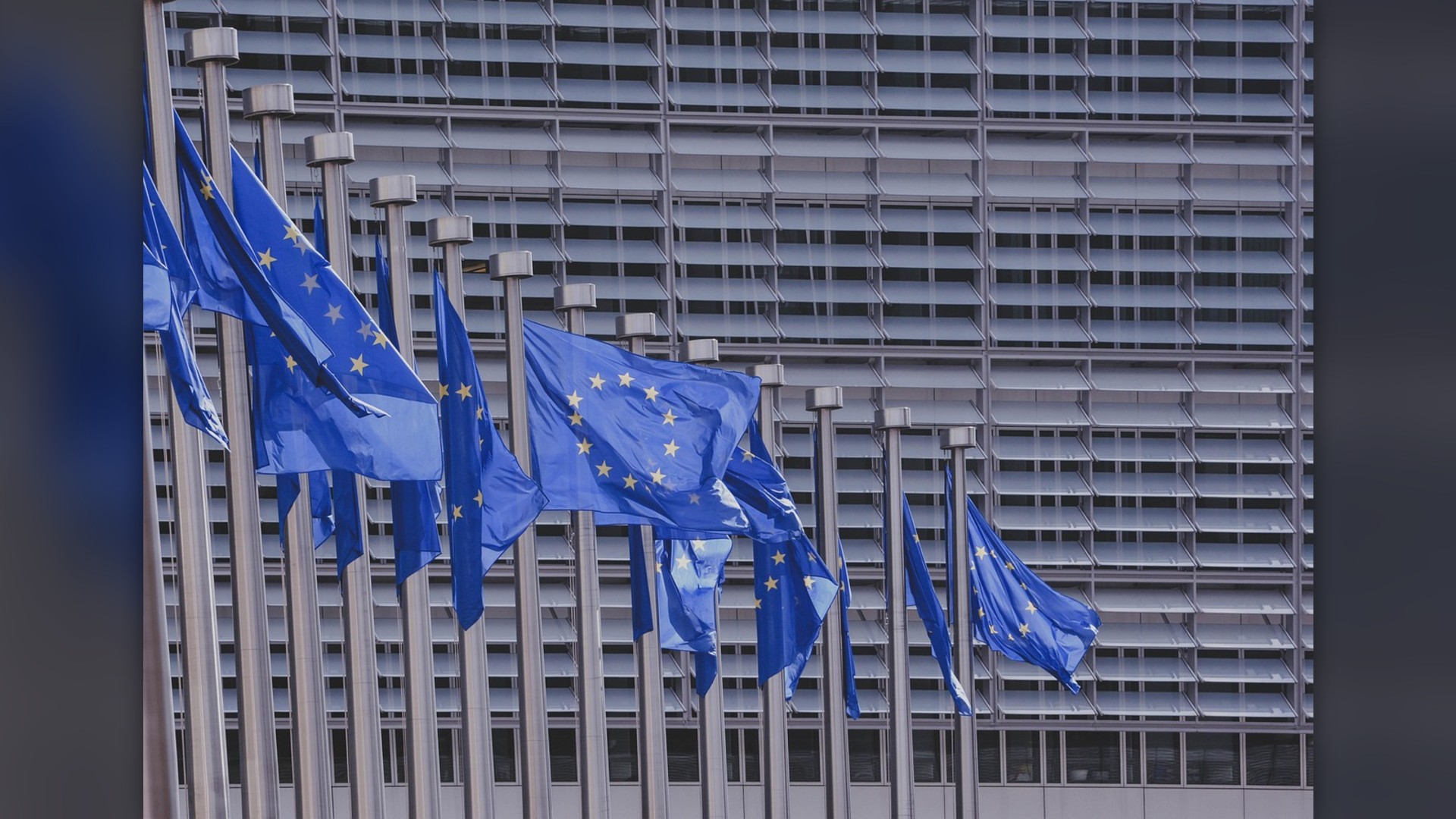
Speaking in Brussels, the European Commission noted that the supermarket fridge sabotage shows how modern digital threats can directly disrupt everyday civilian infrastructure. The coordinated strike has heightened broader European security anxieties over hybrid attacks on food supply chains.
©Wikimedia / Jennifer Jacquemart / European Commission
1. International Spillover Countermeasures
In response to the continental wave, national cybersecurity agencies across Europe and the UK National Cyber Security Centre, or NCSC, began working closely with domestic grocery retailers. Teams are auditing exposed industrial control ports and hardening store networks against further attacks.

©Pixabay / Pixabay Contributor
Advertisement
You've reached the end of the story. Thanks for reading!

20 Famous Cars With Pop-Up Headlights That Shaped Car Design
From hand-cranked 1930s teardrops to wedge supercars of the 1980s, hidden headlights let stylists chase sleek aerodynamics until 2004 pedestrian rules closed the curtain. Here are 20 standout production cars that turned retractable lamps into an enduring automotive design feature across seven full decades.
All 15 Entries in this Story
1. Widespread European Impact
The coordinated cyberattacks simultaneously struck supermarkets across at least seven European nations on November 2, 2026. Retailers in Sweden, Belgium, Luxembourg, Ireland, the Netherlands, Estonia, and Finland reported sudden cooling failures across connected commercial refrigeration units.

2. Extreme Temperature Modification
Rather than simply shutting the cooling units off, hackers remotely manipulated the digital temperature control systems of commercial display cases and cold rooms. The breach drove refrigerator and freezer temperatures up to a scorching 50 degrees Celsius, or 122 degrees Fahrenheit, cooking chilled stock.

3. Exploitation Of Defrost Settings
According to the Belgian industrial refrigeration company Sabcobel, the attackers weaponized a built-in maintenance feature inside the cooling units. By forcing the evaporators to switch continuously into defrost mode and disabling the cooling fans, the hackers turned standard grocery freezers into ovens.

4. Massive Food Waste
The intentional overheating resulted in immediate spoilage and broke strict cold-chain food safety rules before morning staff arrived. Store operators were forced to clear out their aisles and dump entire inventories of dairy, meat, produce, and frozen goods into commercial waste containers.

5. Significant Financial Toll
Individual supermarket locations suffered heavy financial damage from the overnight sabotage. A single Delhaize branch in Belgium reported losing upwards of 100,000 euros, equivalent to roughly 83,500 pounds, in ruined produce and chilled stock alone, before counting emergency technician repairs and lost sales.

6. Major Brands Targeted
The attack disrupted several of Europe's largest grocery chains and retail groups, including Ahold Delhaize, Carrefour, Colruyt, and SuperValu. Many independent franchise owners who rely on third-party refrigeration management contractors found their store cooling systems hijacked simultaneously.

7. Impact Beyond Grocery Stores
The breach reached beyond traditional supermarkets into other commercial sectors that operate large food service and cold-storage units. Global furniture and food retailer IKEA confirmed that the refrigeration systems at its store in Mons, Belgium, were compromised during the same wave of attacks.

8. Prominent Swedish Breaches
In Sweden, prominent grocery chains ICA and Coop reported multiple franchises breached across the country. Store managers noted that the hack struck around 2:00 a.m. local time, allowing the overheated freezers to run undetected for hours until early-morning bakery and stocking crews arrived.

9. Echoes Of A Prior Strike
The November incident closely mirrored a major October 2026 cyberattack in France. During that earlier strike, hackers seized remote control of cooling units across hundreds of French supermarkets, triggering massive food spoilage and even sparking electrical fires in overheated equipment.

10. Connected Software Vulnerabilities
Cybersecurity researchers pointed to software vulnerabilities in centralized refrigeration controllers, such as systems supplied by Danish manufacturer Danfoss, as the probable attack vector. When connected to store networks, these controllers let technicians manage temperatures remotely.

11. Failure To Patch Exposed Systems
Cybersecurity specialists noted that many supermarket cooling controllers remained unpatched and directly exposed to the public internet. Despite clear warnings and urgent firmware updates issued after the October French attacks, hundreds of European stores had not yet secured their systems.

12. Need For Physical Modifications
Refrigeration engineers explained why so many stores remained vulnerable weeks after the initial warnings. Fully isolating and protecting legacy cooling controllers requires physical, hands-on hardware modifications by technicians at each individual store rather than a simple remote software patch.

13. No Claims Of Responsibility
Despite the scale of the multi-country disruption, no ransomware gang, activist hacker collective, or state-sponsored group has claimed responsibility for the coordinated retail attack. Investigators noted that the culprits did not leave ransom notes, leaving the motive under investigation.

14. Broader Geopolitical Anxiety
Speaking in Brussels, the European Commission noted that the supermarket fridge sabotage shows how modern digital threats can directly disrupt everyday civilian infrastructure. The coordinated strike has heightened broader European security anxieties over hybrid attacks on food supply chains.

15. International Spillover Countermeasures
In response to the continental wave, national cybersecurity agencies across Europe and the UK National Cyber Security Centre, or NCSC, began working closely with domestic grocery retailers. Teams are auditing exposed industrial control ports and hardening store networks against further attacks.