Slideshow · News
Every US President Who Served In The Military
From George Washington crossing the Delaware to Cold War jet pilots, 31 American commanders-in-chief wore the uniform before entering the Oval Office.
By Most Viral Today
29 Oct 2026

Every US President Who Served In The Military 
31. George W. Bush: Air National Guard First Lieutenant 
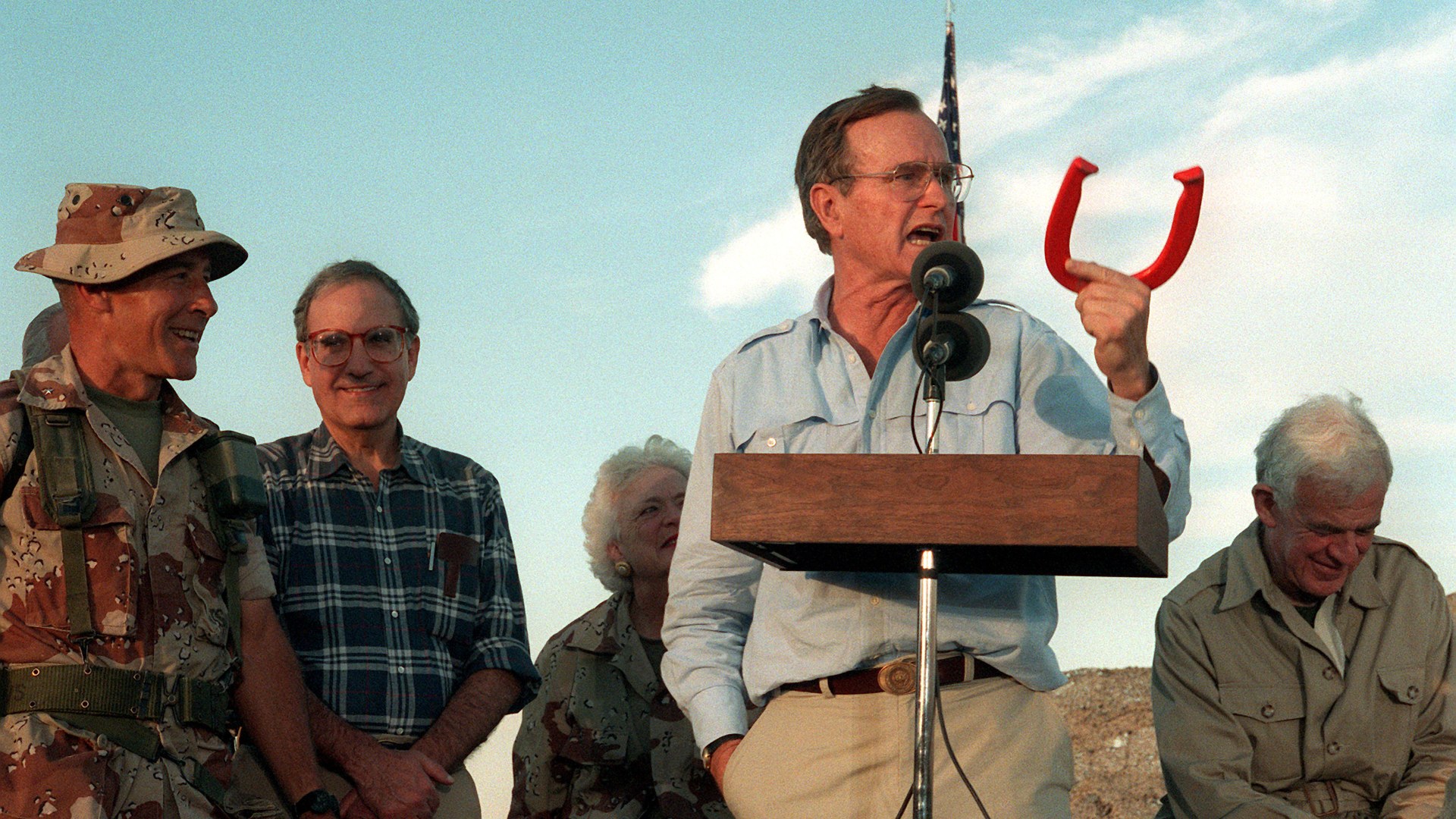
30. George H.W. Bush: WWII Navy Torpedo Pilot 
29. Ronald Reagan: US Army Air Forces Captain - AdvertisementSwipe or tap ▶ to continue countdown

28. Jimmy Carter: US Navy Submarine Lieutenant 
27. Gerald Ford: US Navy Lieutenant Commander 
26. Richard Nixon: US Navy Commander 
25. Lyndon B. Johnson: US Navy Commander - AdvertisementSwipe or tap ▶ to continue countdown

24. John F. Kennedy: US Navy PT-109 Lieutenant 
23. Dwight D. Eisenhower: Five-Star General Of The Army 
22. Harry S. Truman: WWI Field Artillery Captain 
21. Theodore Roosevelt: Rough Riders Colonel - AdvertisementSwipe or tap ▶ to continue countdown

20. William McKinley: Union Army Brevet Major 
19. Benjamin Harrison: Union Brevet Brigadier General 
18. Chester A. Arthur: New York Brigadier General 
17. James A. Garfield: Union Army Major General - AdvertisementSwipe or tap ▶ to continue countdown

16. Rutherford B. Hayes: Union Brevet Major General 
15. Ulysses S. Grant: General Of The US Army 
14. Andrew Johnson: US Army Brigadier General 
13. Abraham Lincoln: Illinois Militia Captain - AdvertisementSwipe or tap ▶ to continue countdown

12. James Buchanan: Pennsylvania Militia Private 
11. Franklin Pierce: US Army Brigadier General 
10. Millard Fillmore: New York Militia Major 
9. Zachary Taylor: US Army Major General - AdvertisementSwipe or tap ▶ to continue countdown

8. James K. Polk: Tennessee Militia Cavalry Colonel 
7. John Tyler: Charles City Rifles Captain 
6. William Henry Harrison: US Army Major General 
5. Andrew Jackson: US Army Major General - AdvertisementSwipe or tap ▶ to continue countdown

4. James Monroe: Continental Army Major 
3. James Madison: Orange County Militia Colonel 
2. Thomas Jefferson: Virginia Militia Colonel 
1. George Washington: General And Commander-In-Chief - Advertisement🔥 UP NEXT IN THIS SERIES◫ 21 Slides

20 Historic Photos That Captured Major British News Moments
From Armistice crowds in 1918 to the 2023 coronation, these 20 archive photographs capture major turning points in modern British public life. Each frame records the exact date, place, and public figures present as Britain marked wartime survival, royal milestones, political shifts, and sporting history.
From George Washington crossing the Delaware to Cold War jet pilots, 31 American commanders-in-chief wore the uniform before entering the Oval Office.
Swipe or tap ▶ to begin the countdown
©Wikimedia / Edward Percy Moran & U.S. Army Signal Corps
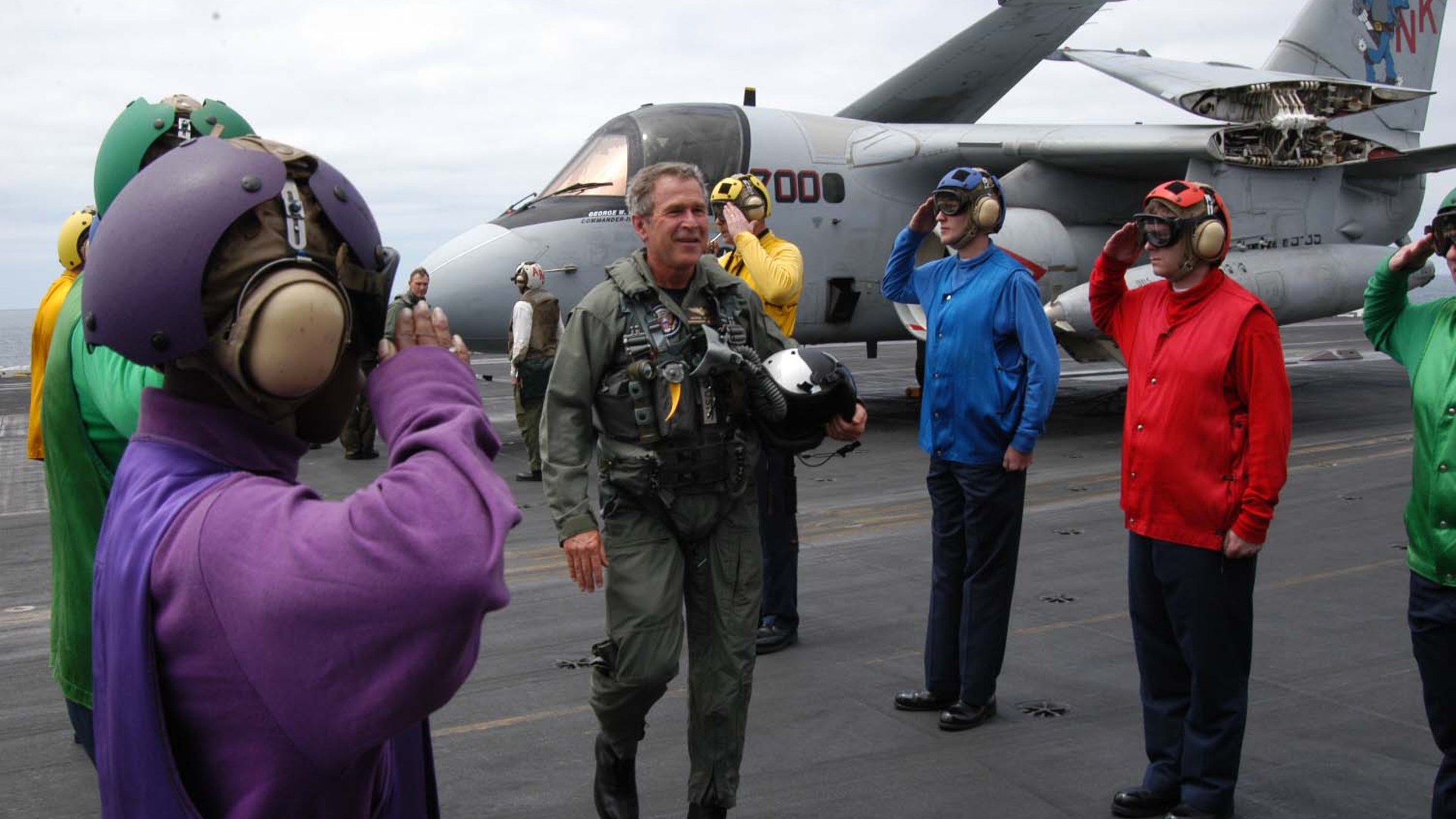
31. George W. Bush: Air National Guard First Lieutenant
Forty-third US President George W. Bush enlisted in the Texas Air National Guard in May 1968 and earned his pilot wings at Moody Air Force Base in Georgia. Assigned to the 111th Fighter-Interceptor Squadron at Ellington Air Force Base, he logged hundreds of hours flying the F-102 Delta Dagger.
©Wikimedia / U.S. Navy
30. George H.W. Bush: WWII Navy Torpedo Pilot
Forty-first US President George H.W. Bush enlisted in the US Navy on his 18th birthday and became one of its youngest naval aviators. Flying TBM Avenger bombers across 58 combat missions, he was shot down near Chichi Jima in 1944 and rescued by the submarine USS Finback.
©Wikimedia / Department of Defense
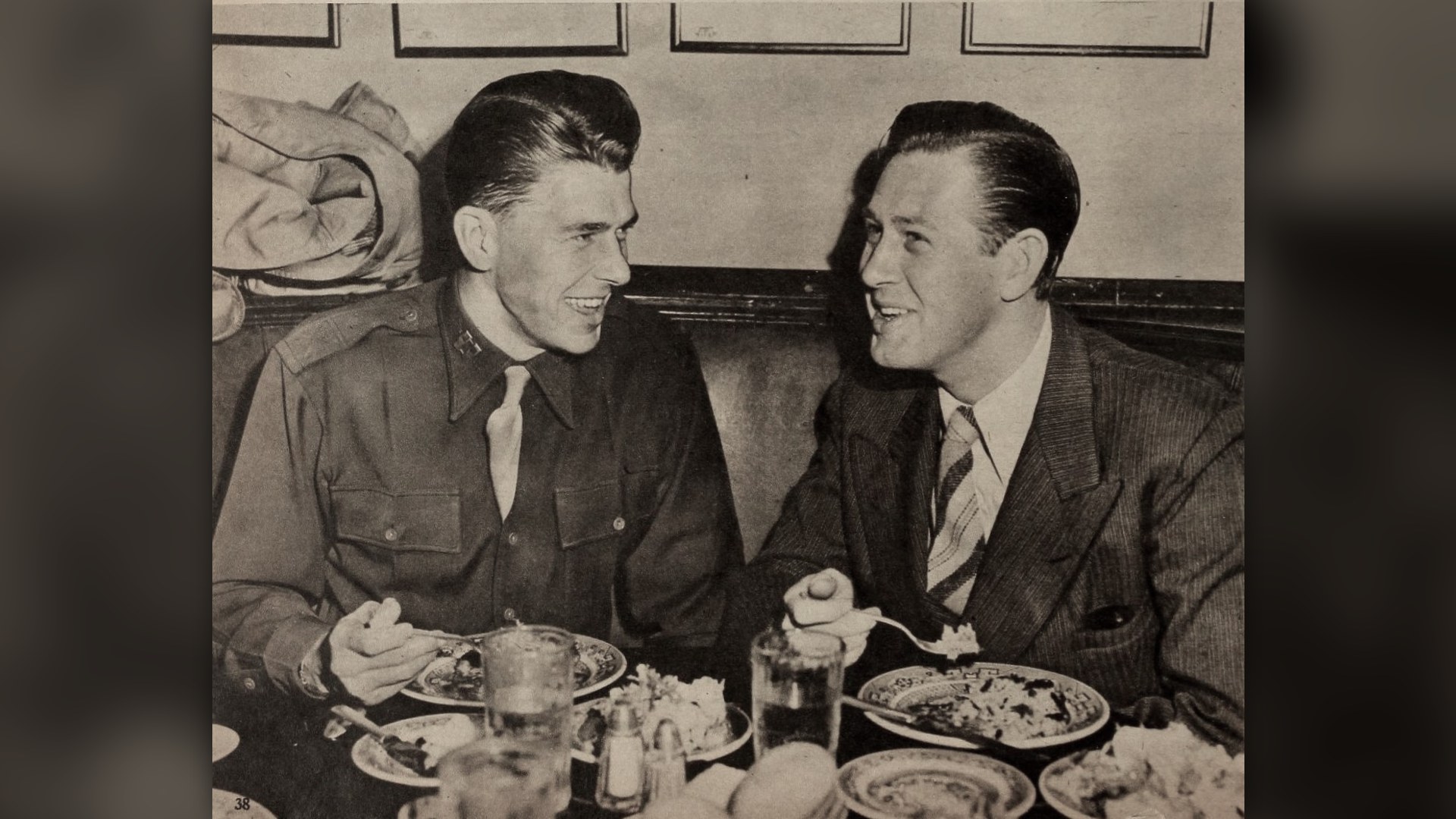
29. Ronald Reagan: US Army Air Forces Captain
Fortieth US President Ronald Reagan commissioned into the US Army Reserve in 1937 as a cavalry second lieutenant. Called to active duty in 1942 after Pearl Harbor, poor eyesight kept him stateside with the Army Air Forces First Motion Picture Unit, where his unit produced over 400 training films.
©Wikimedia / Ronald Reagan Library
Advertisement
Swipe or tap ▶ to resume the countdown.
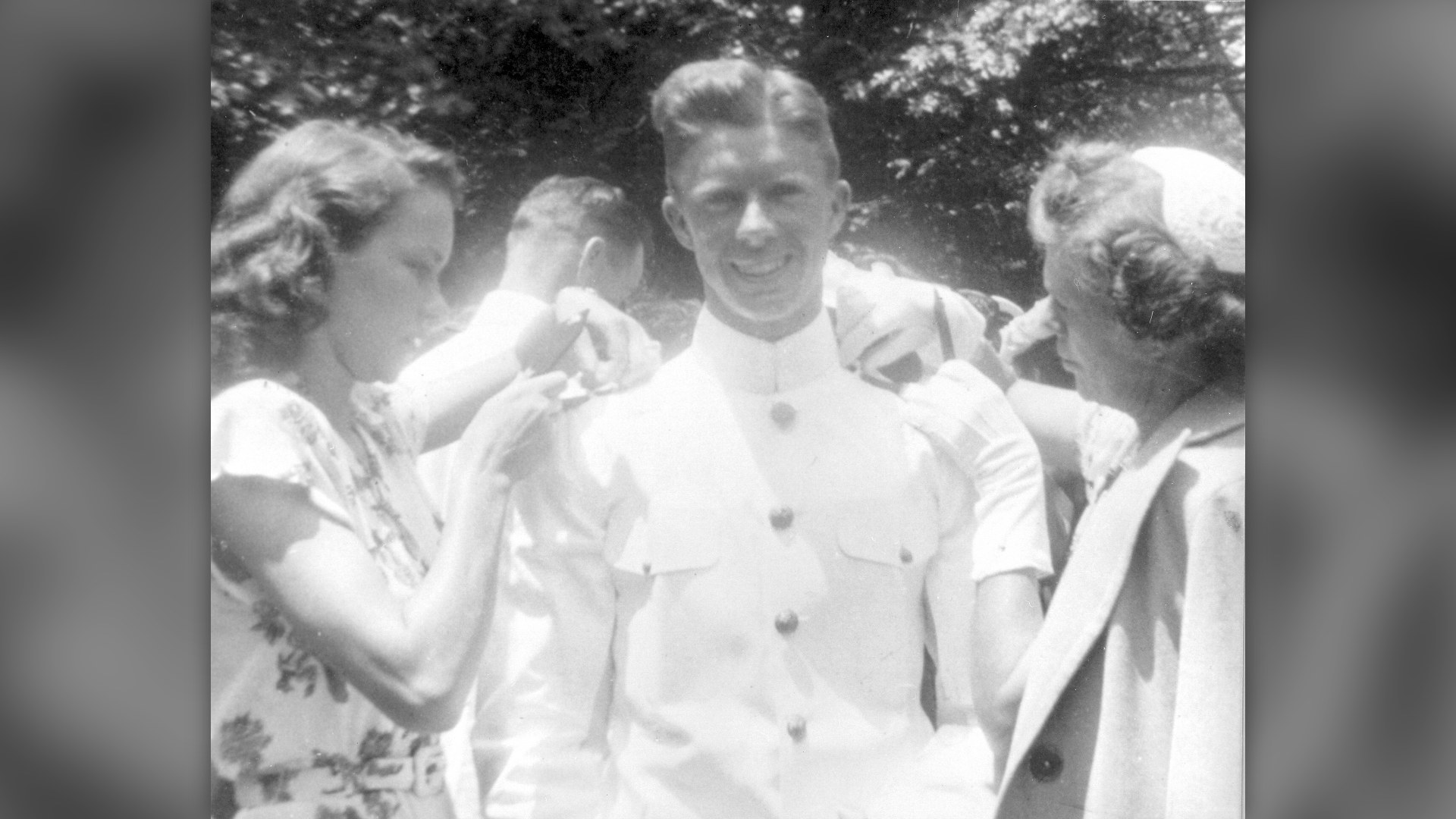
28. Jimmy Carter: US Navy Submarine Lieutenant
Thirty-ninth US President Jimmy Carter graduated from the US Naval Academy in Annapolis in 1946 and served on surface warships before joining the submarine force. Selected by Admiral Hyman Rickover for the nuclear submarine program, he helped lead the cleanup of the Chalk River reactor meltdown.
©Wikimedia / Jimmy Carter Library
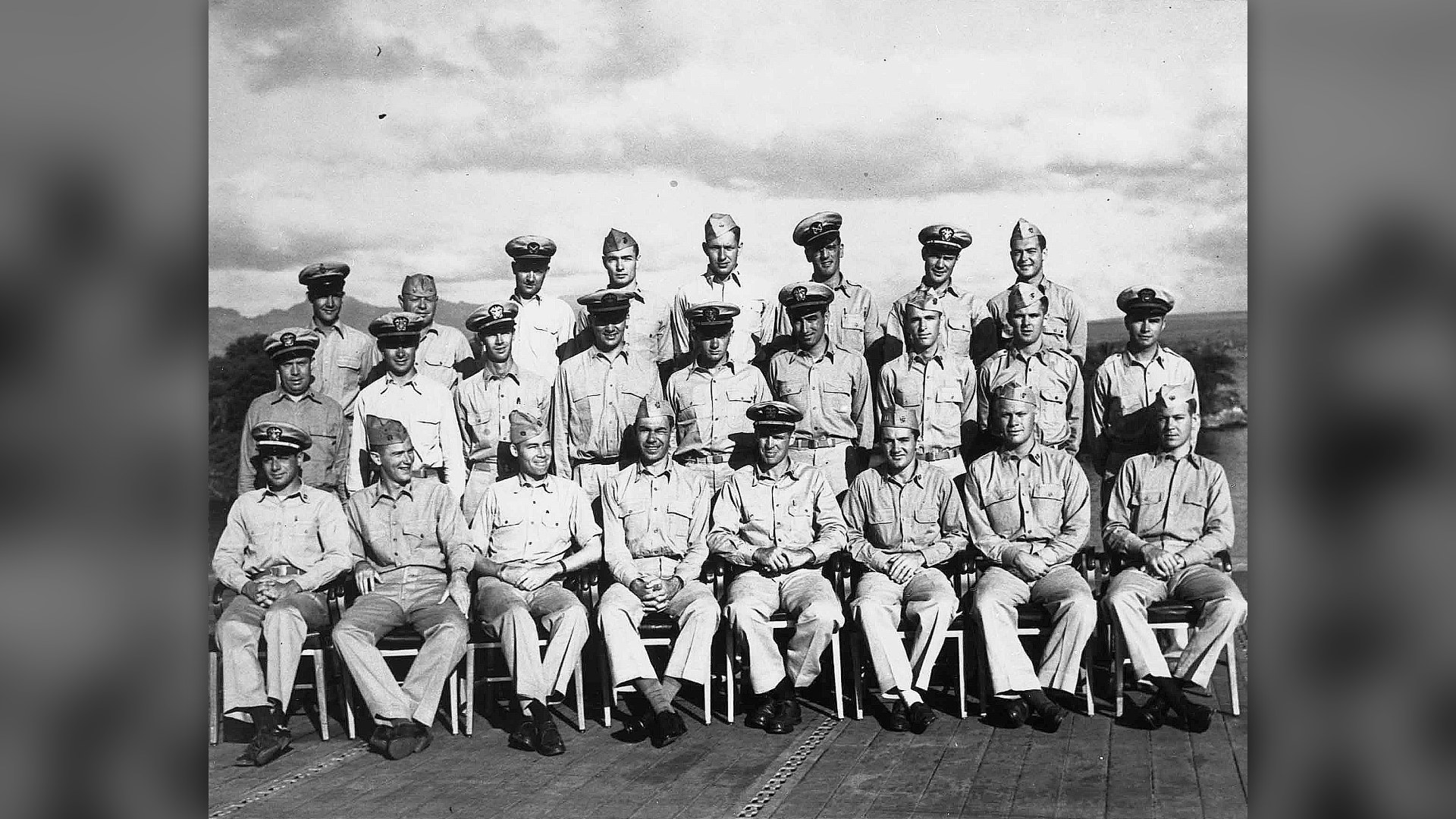
27. Gerald Ford: US Navy Lieutenant Commander
Thirty-eighth US President Gerald Ford joined the US Naval Reserve in April 1942 and served aboard the light aircraft carrier USS Monterey across major Pacific campaigns. He fought at the Philippine Sea, Leyte Gulf, and Okinawa, nearly washing overboard during Typhoon Cobra in December 1944.
©Wikimedia / U.S. Navy
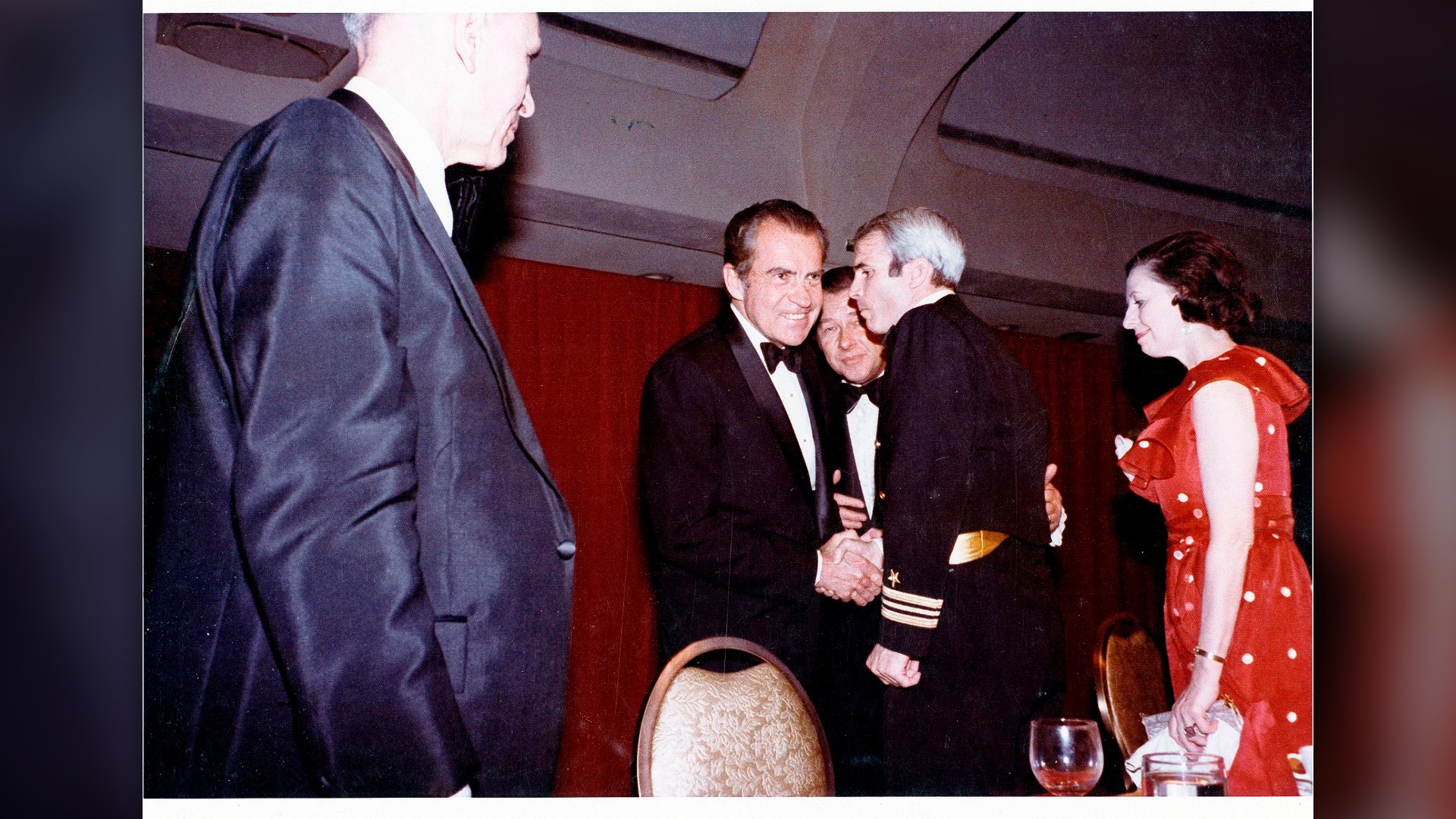
26. Richard Nixon: US Navy Commander
Thirty-seventh US President Richard Nixon joined the US Naval Reserve in 1942 and served in the Pacific theater. As an operations officer with the South Pacific Combat Air Transport Command on Guadalcanal and Bougainville, he earned two battle stars and rose to commander.
©Wikimedia / White House
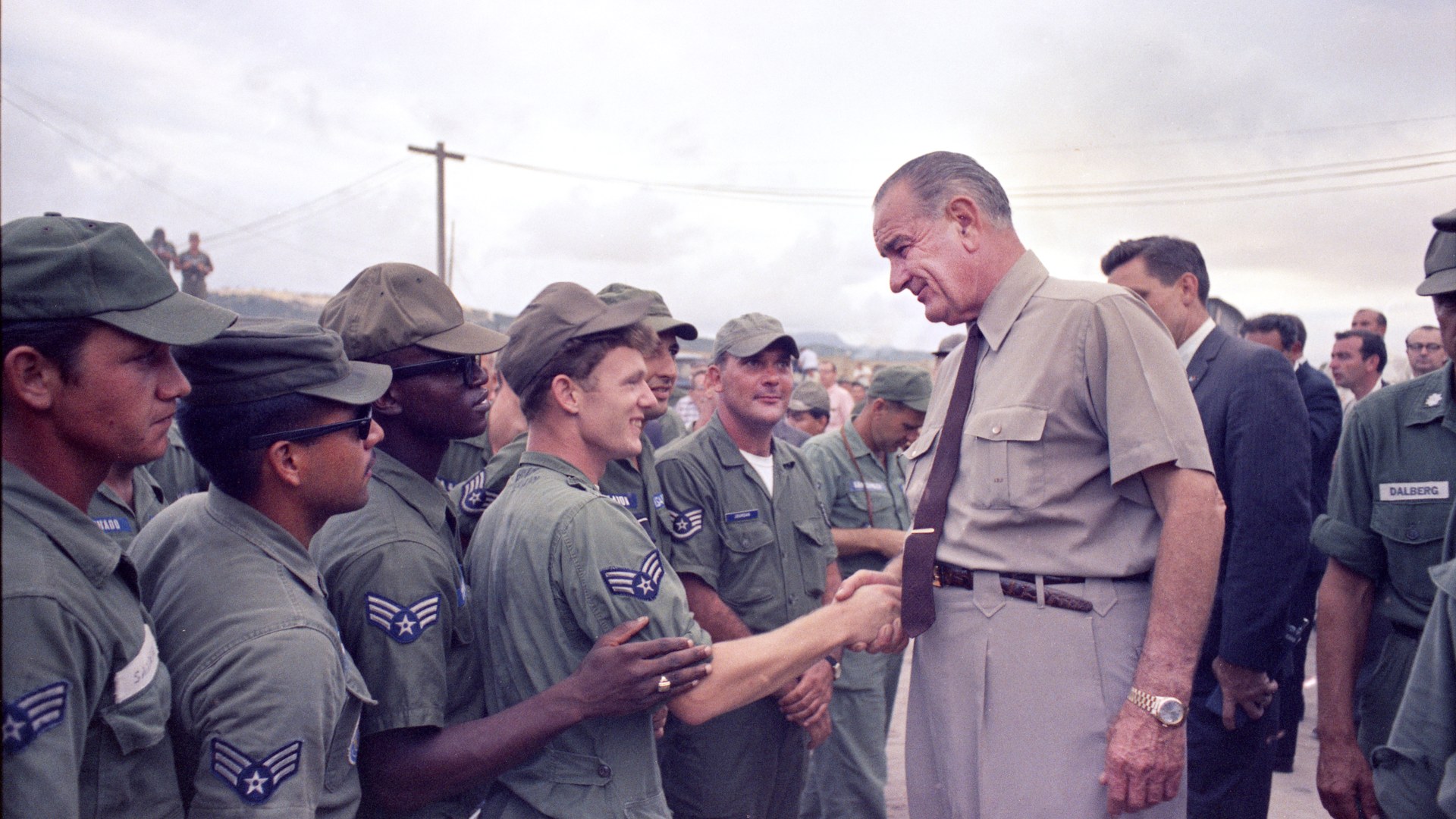
25. Lyndon B. Johnson: US Navy Commander
Thirty-sixth US President Lyndon B. Johnson joined the US Naval Reserve in 1940 and became the first member of Congress to report for active duty after the attack on Pearl Harbor. Sent to the Southwest Pacific as a lieutenant commander in 1942, he earned the Silver Star after a B-26 bombing run.
©Wikimedia / Yoichi Okamoto
Advertisement
Swipe or tap ▶ to resume the countdown.
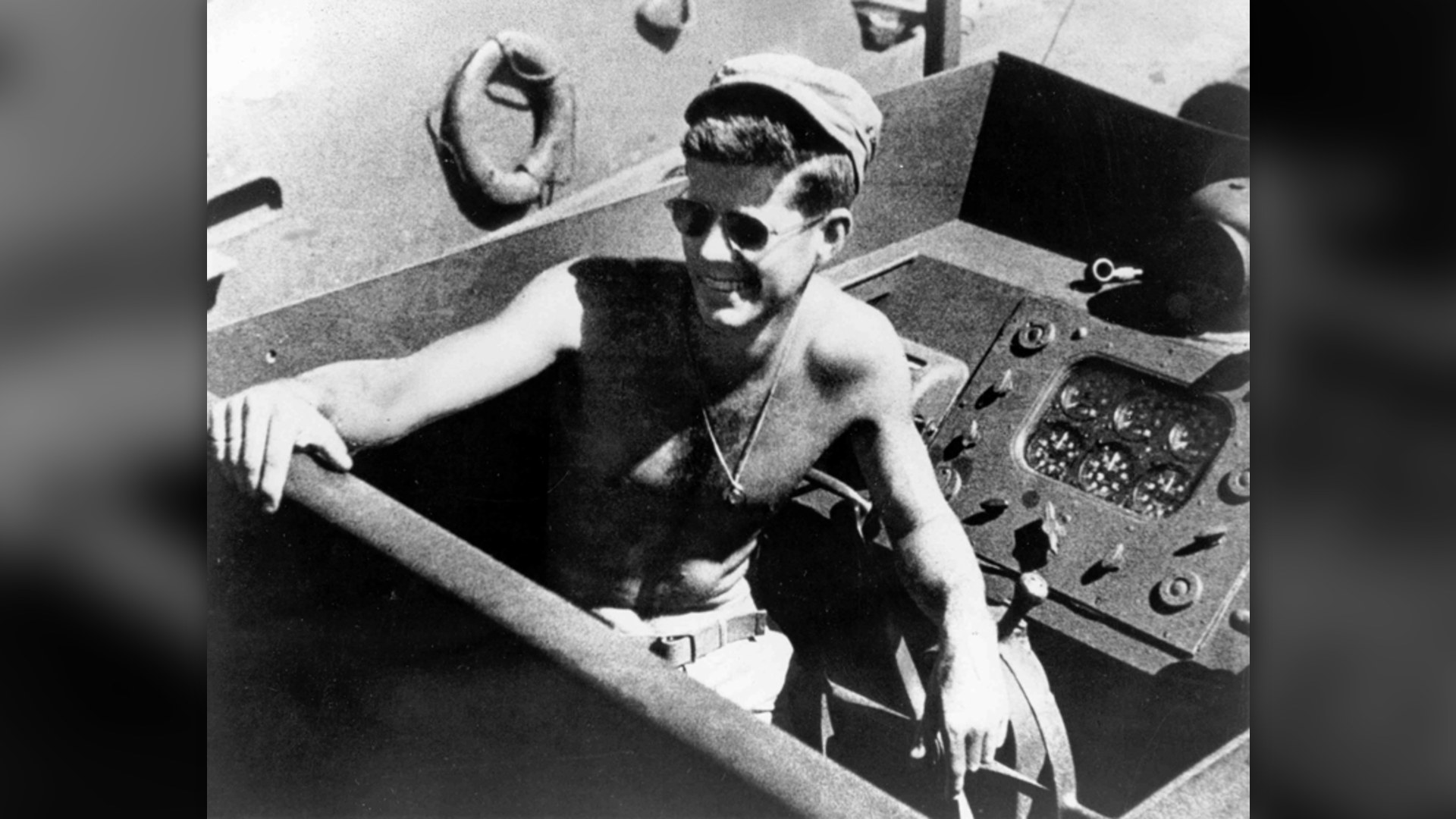
24. John F. Kennedy: US Navy PT-109 Lieutenant
Thirty-fifth US President John F. Kennedy commanded Motor Torpedo Boat PT-109 in the Solomon Islands during World War II. When the Japanese destroyer Amagiri sliced his vessel in half in August 1943, Kennedy swam for hours towing a badly burned sailor by a life-jacket strap clenched in his teeth.
©Wikimedia / U.S. Navy
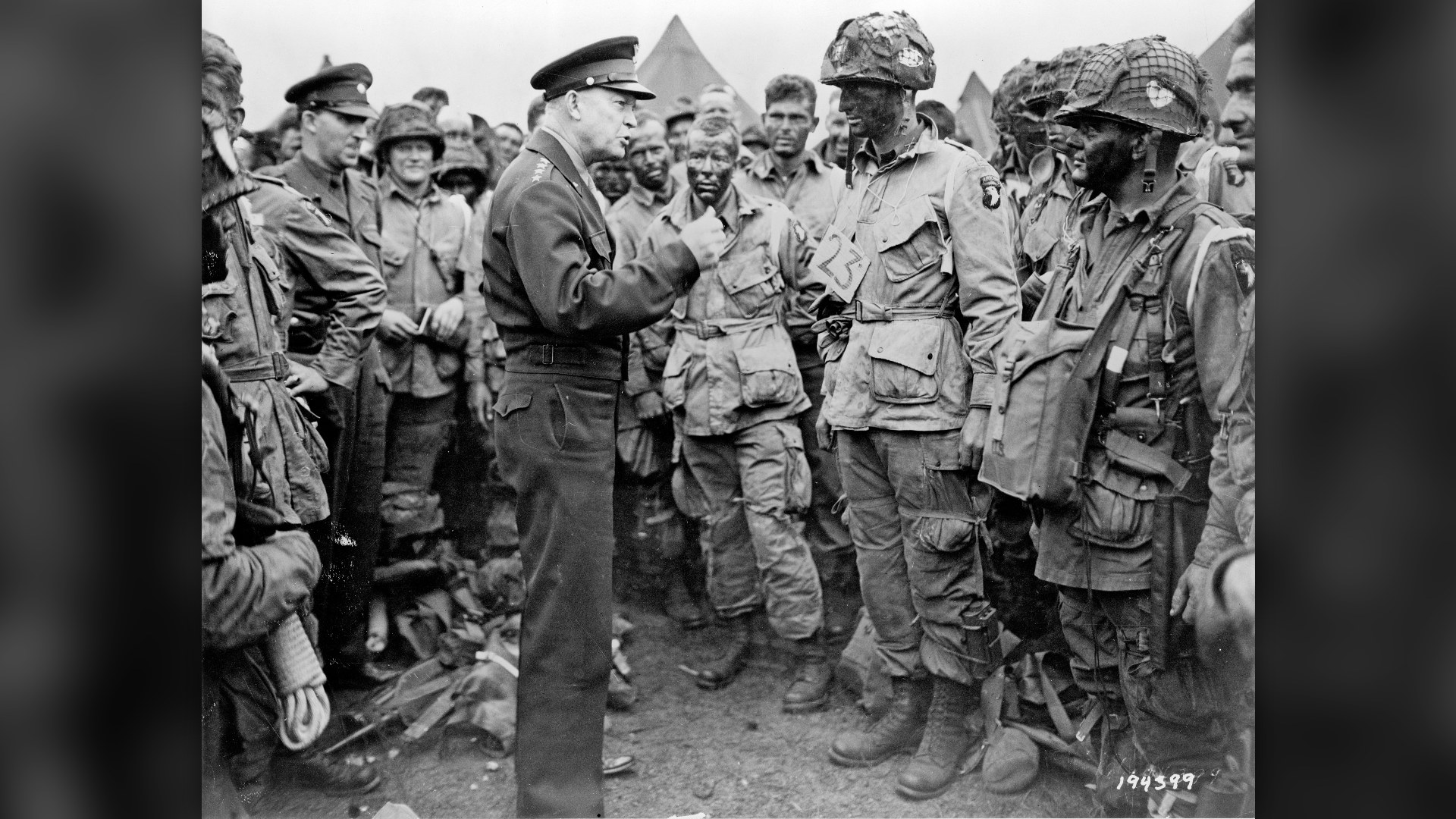
23. Dwight D. Eisenhower: Five-Star General Of The Army
Thirty-fourth US President Dwight D. Eisenhower graduated from West Point in 1915 and rose to the five-star rank of General of the Army during World War II. As Supreme Allied Commander in Europe, he orchestrated Operation Overlord on D-Day and later served as the first Supreme Commander of NATO.
©Wikimedia / U.S. Army
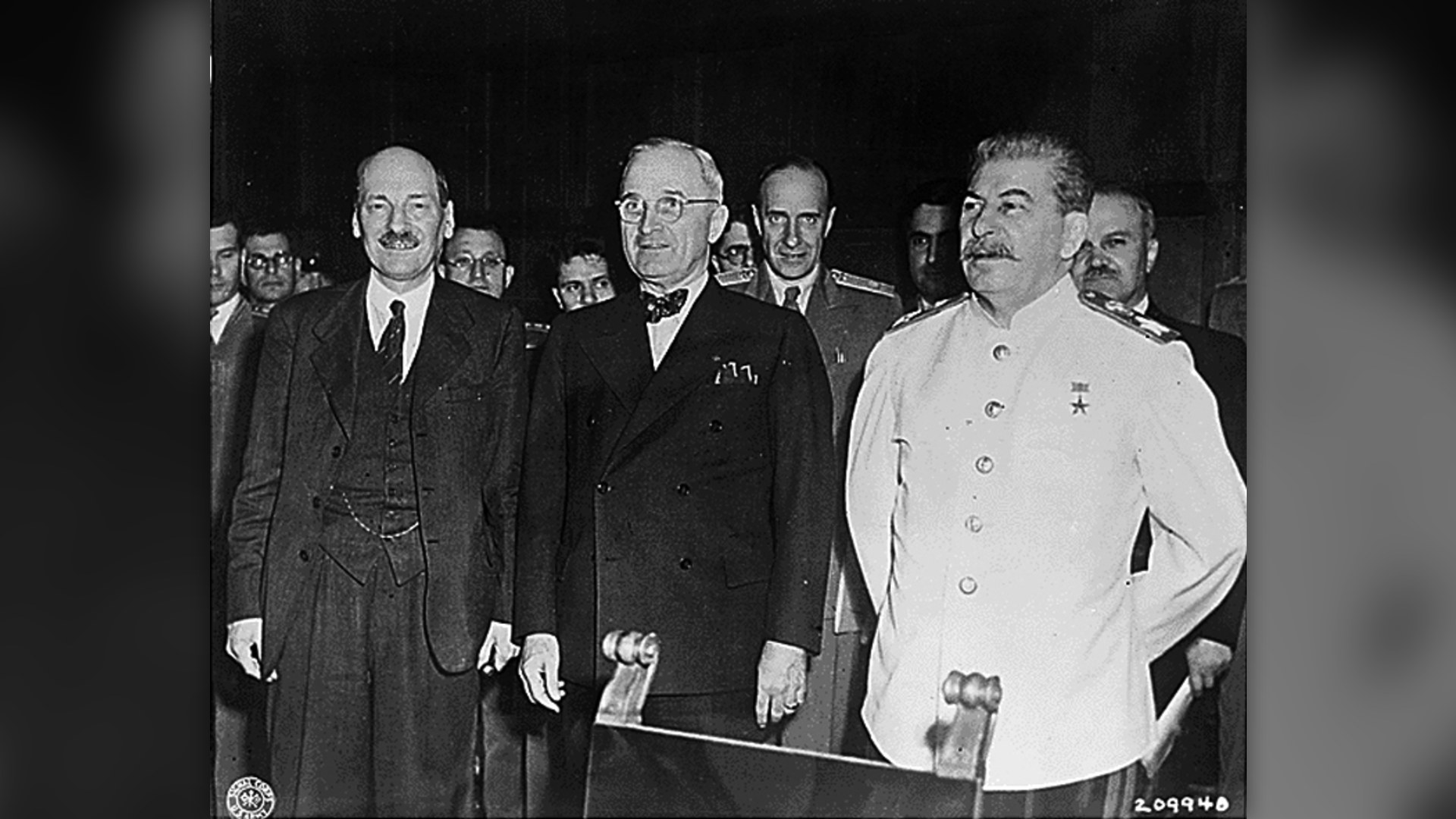
22. Harry S. Truman: WWI Field Artillery Captain
Thirty-third US President Harry S. Truman memorized the eye chart to pass his Army physical and served in France during World War I as captain of Battery D, 129th Field Artillery. He led his Missouri artillerymen through the Vosges Mountains, Saint-Mihiel, and the Meuse-Argonne Offensive.
©Wikimedia / U.S. Army Signal Corps
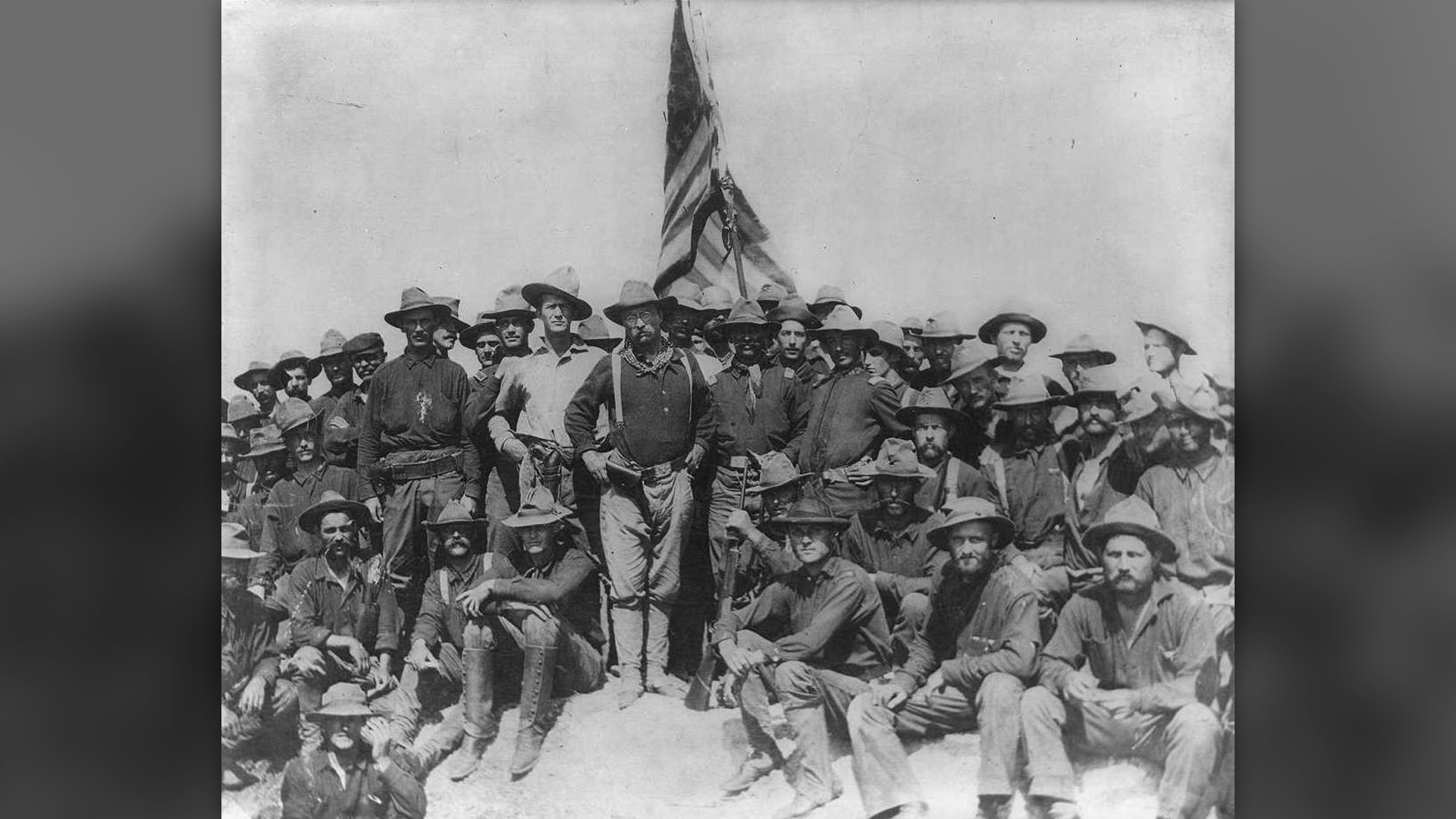
21. Theodore Roosevelt: Rough Riders Colonel
Twenty-sixth US President Theodore Roosevelt resigned as Assistant Secretary of the Navy in 1898 to help form the 1st US Volunteer Cavalry, better known as the Rough Riders. Leading his regiment on charges up Kettle Hill and San Juan Heights in Cuba, he was posthumously awarded the Medal of Honor.
©Wikimedia / William Dinwiddie
Advertisement
Swipe or tap ▶ to resume the countdown.
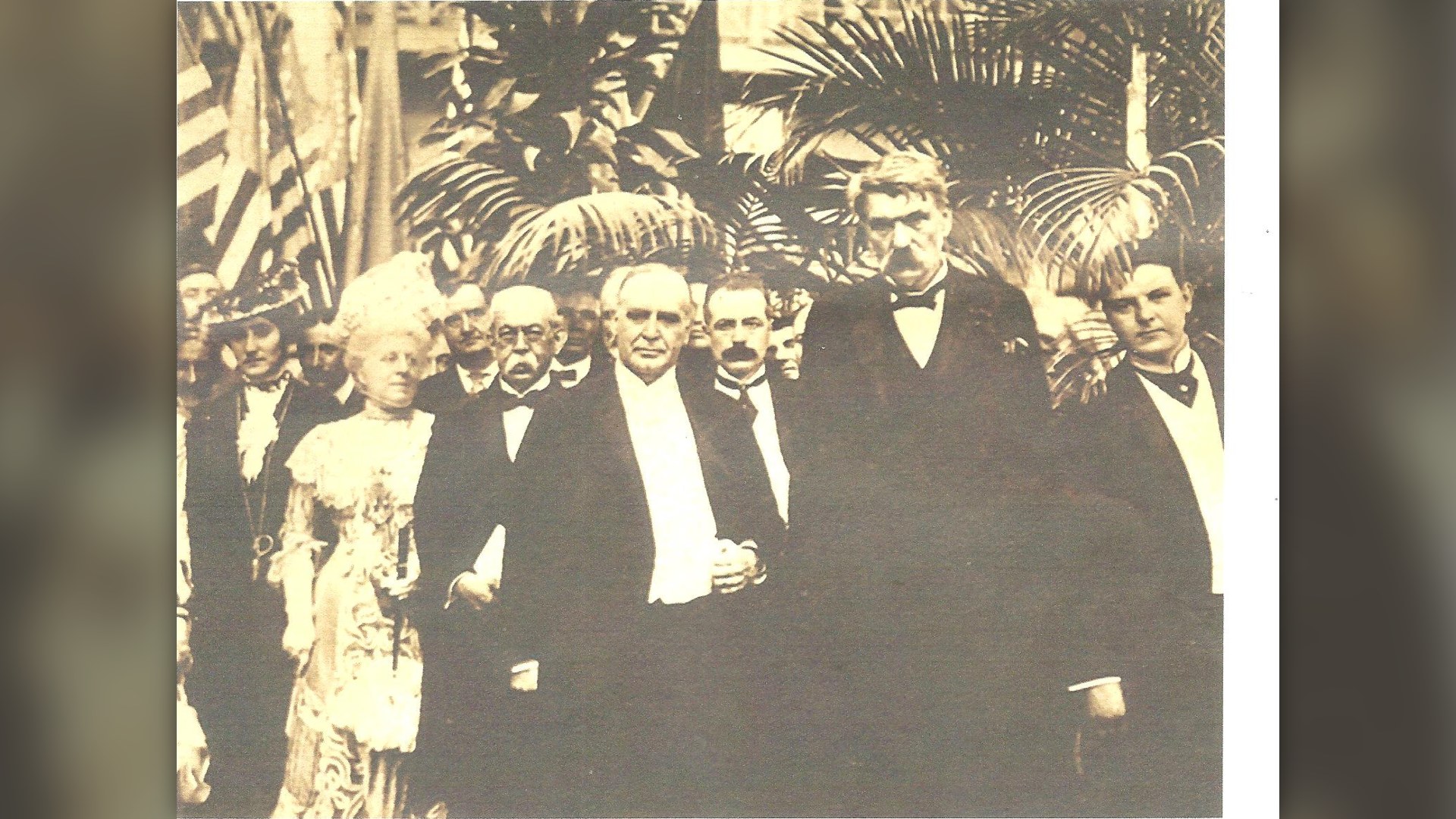
20. William McKinley: Union Army Brevet Major
Twenty-fifth US President William McKinley enlisted as an 18-year-old private in the 23rd Ohio Infantry under Rutherford B. Hayes. After driving a supply wagon through heavy artillery fire to feed troops at Antietam, he earned an officer commission and rose to brevet major.
©Wikimedia / Frances Benjamin Johnston
19. Benjamin Harrison: Union Brevet Brigadier General
Twenty-third US President Benjamin Harrison helped raise the 70th Indiana Volunteer Infantry Regiment in 1862 and commanded it as colonel across Kentucky, Tennessee, and Georgia. President Abraham Lincoln promoted him to brevet brigadier general for his gallantry at Resaca and Peachtree Creek.
©Wikimedia / Orange County Archives
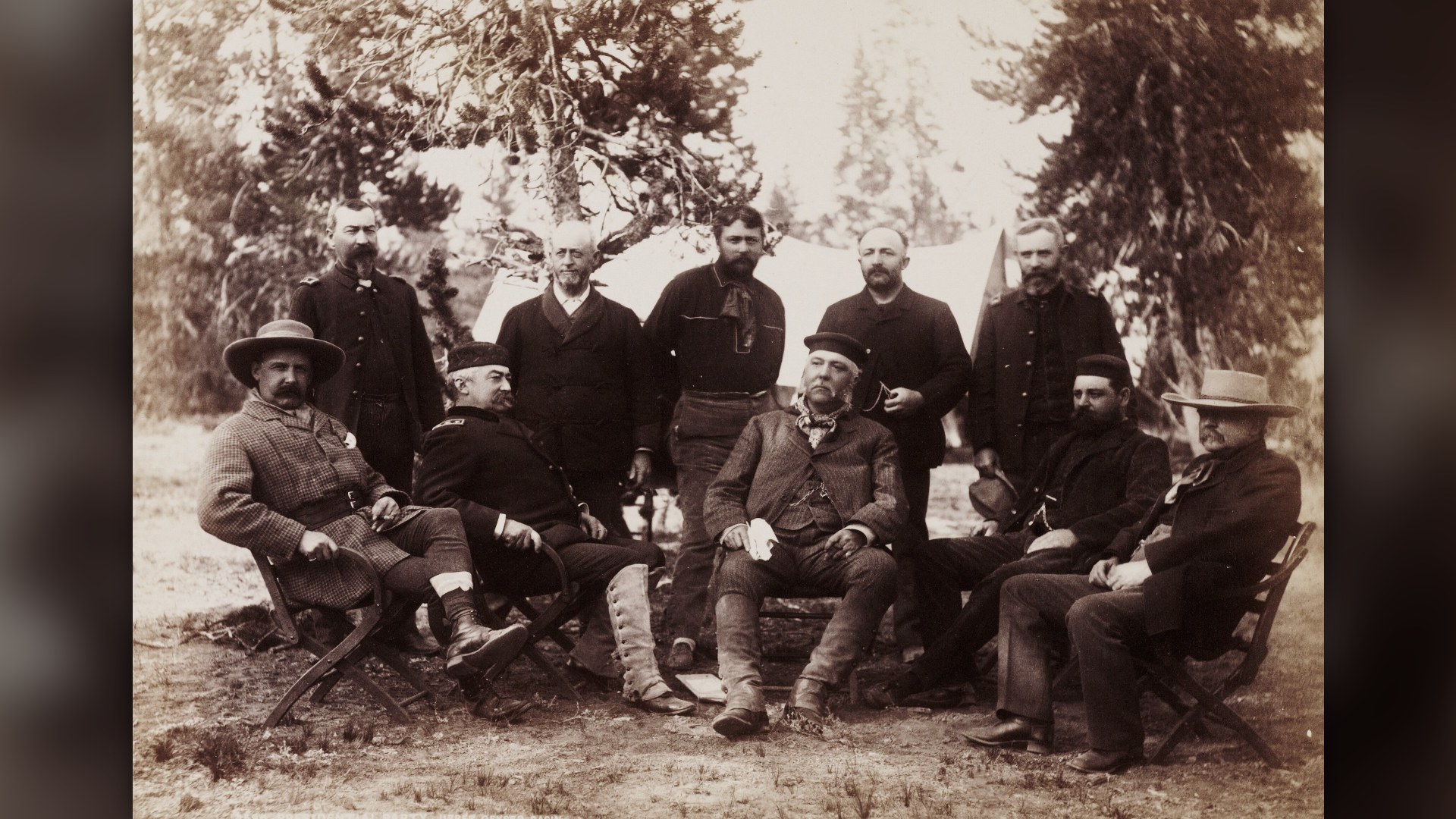
18. Chester A. Arthur: New York Brigadier General
Twenty-first US President Chester A. Arthur served in the New York State Militia during the Civil War, rising to the rank of brigadier general. As Engineer-in-Chief and later Quartermaster General of New York, he housed, fed, and outfitted more than 200,000 Union soldiers bound for the front.
©Wikimedia / Frank Jay Haynes
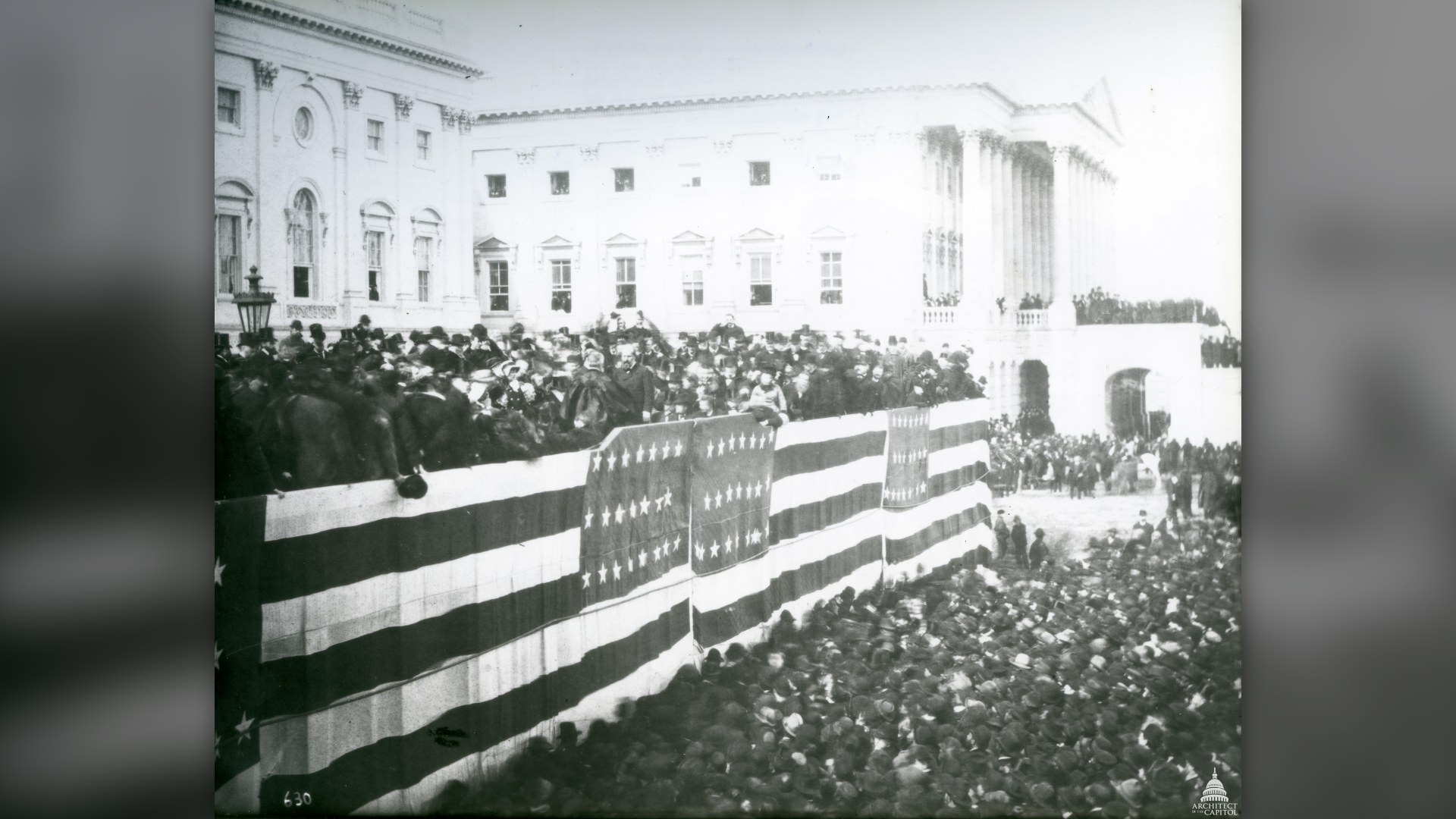
17. James A. Garfield: Union Army Major General
Twentieth US President James A. Garfield recruited the 42nd Ohio Volunteer Infantry in 1861 and became the youngest brigadier general in the Union Army at age 30. Promoted to major general after his famous ride under fire at Chickamauga, he resigned his commission to enter Congress.
©Wikimedia / Architect of the Capitol
Advertisement
Swipe or tap ▶ to resume the countdown.
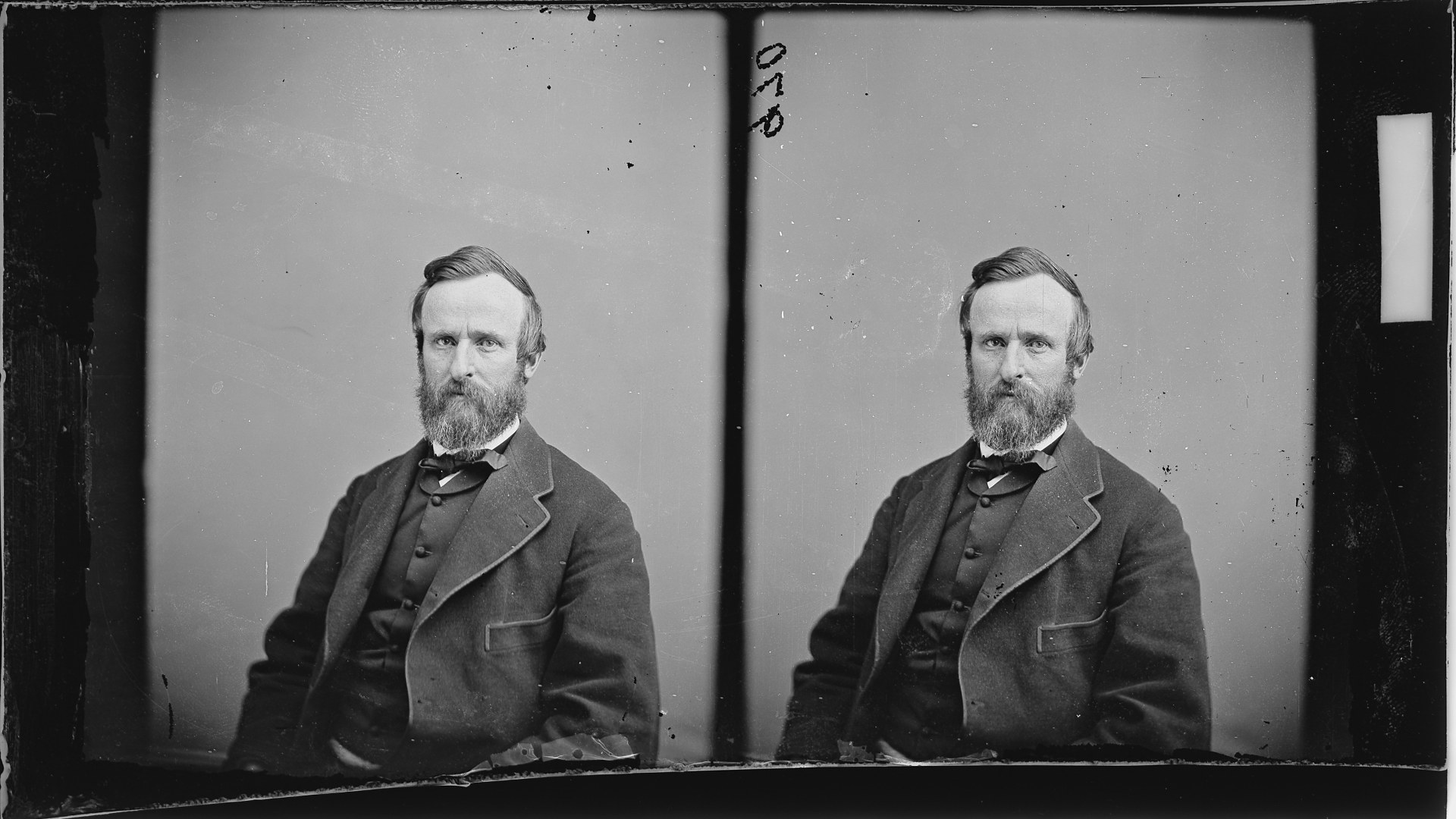
16. Rutherford B. Hayes: Union Brevet Major General
Nineteenth US President Rutherford B. Hayes joined the 23rd Ohio Volunteer Infantry as a major in 1861 and rose to brevet major general. He had four horses shot out from under him and suffered five combat wounds, including a severe musket injury at the Battle of South Mountain.
©Wikimedia / Mathew Brady
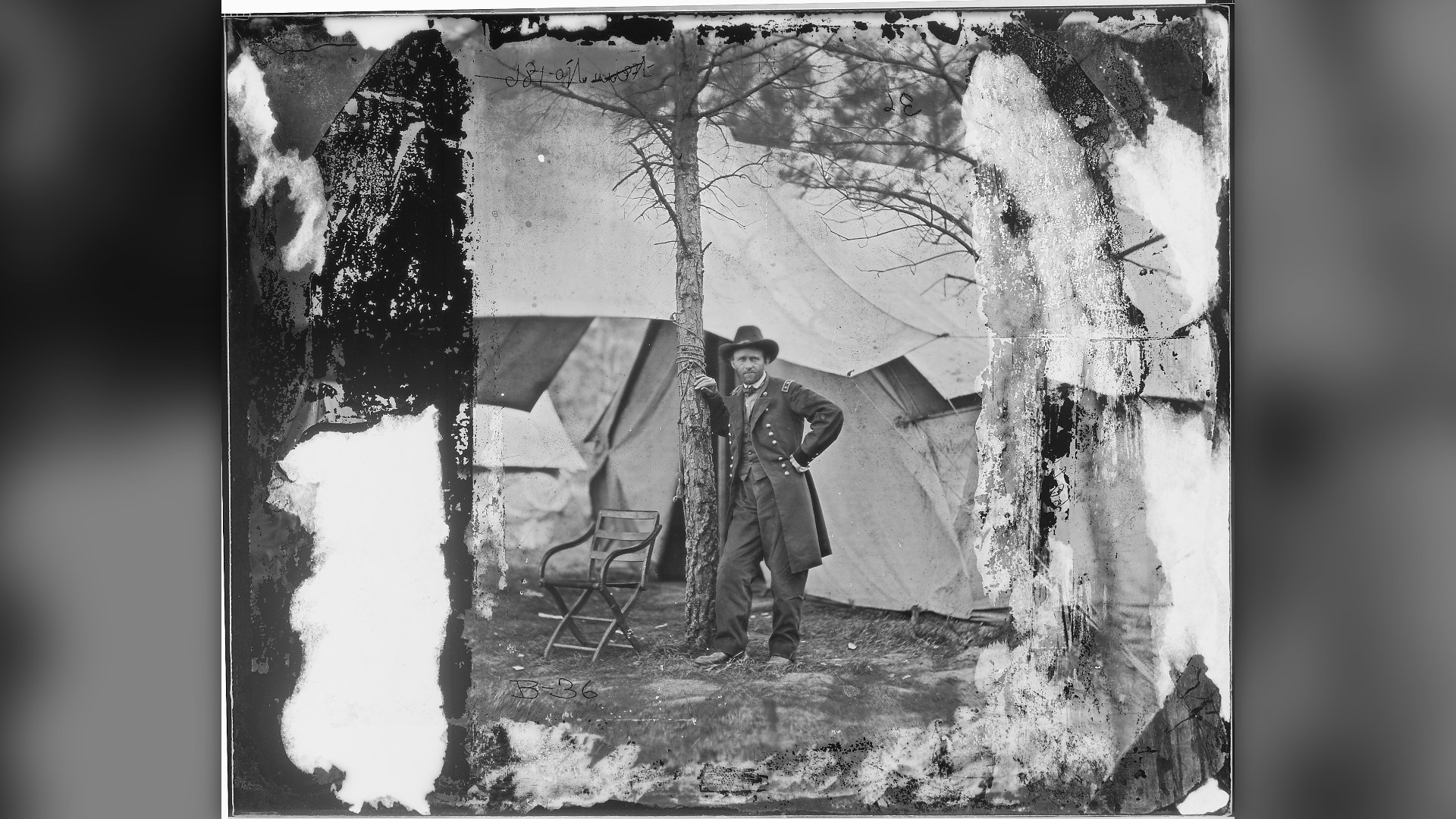
15. Ulysses S. Grant: General Of The US Army
Eighteenth US President Ulysses S. Grant graduated from West Point in 1843 and fought with distinction in the Mexican-American War. Returning to command Union forces in the Civil War, he captured Vicksburg, accepted Robert E. Lee's surrender at Appomattox, and became the first four-star US general.
©Wikimedia / Mathew Brady
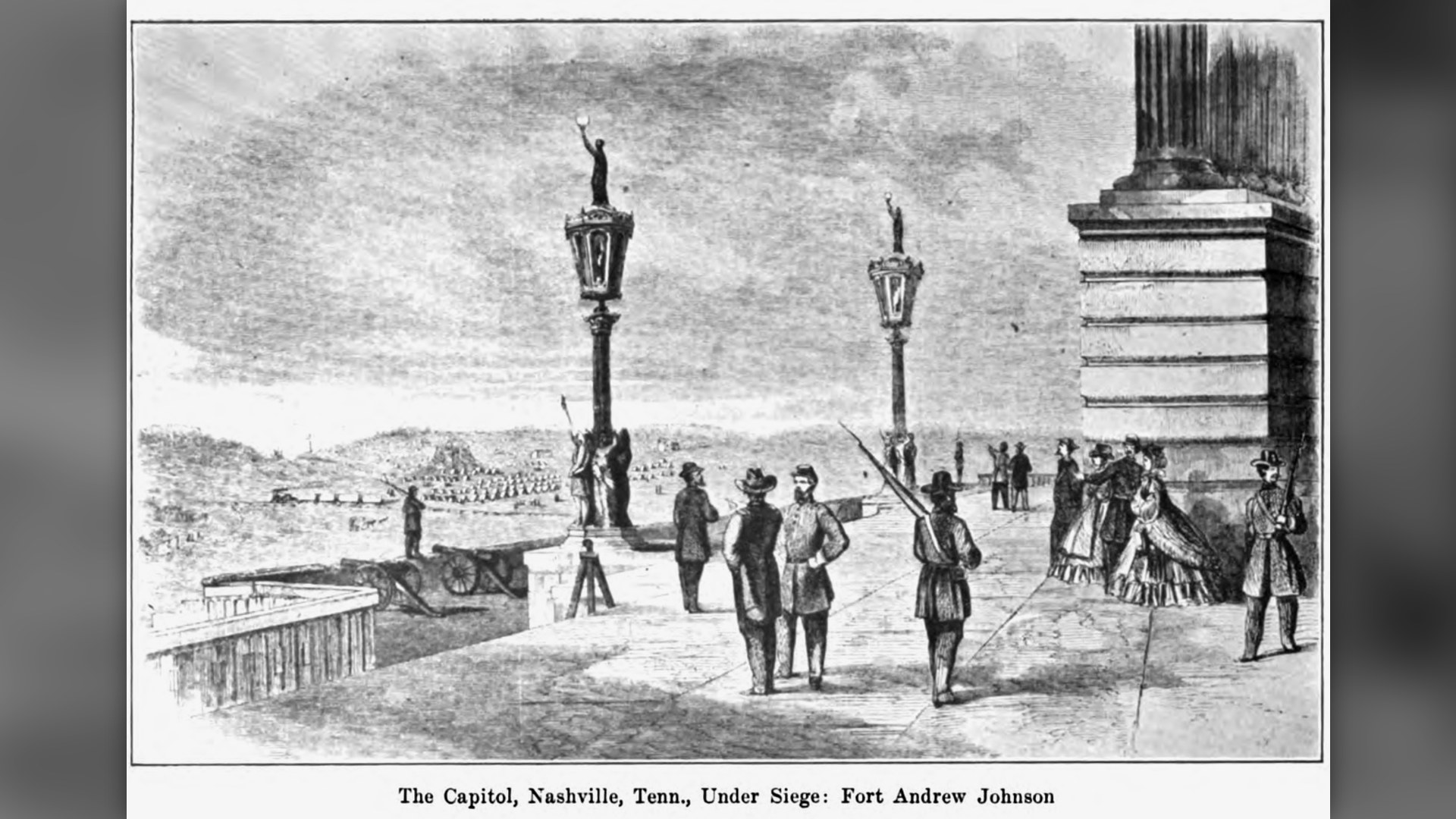
14. Andrew Johnson: US Army Brigadier General
Seventeenth US President Andrew Johnson was the only Southern US senator to remain loyal to the Union when the Civil War broke out in 1861. In March 1862, President Lincoln commissioned Johnson as a brigadier general of volunteers and appointed him military governor of Union-occupied Tennessee.
©Wikimedia / Jengod
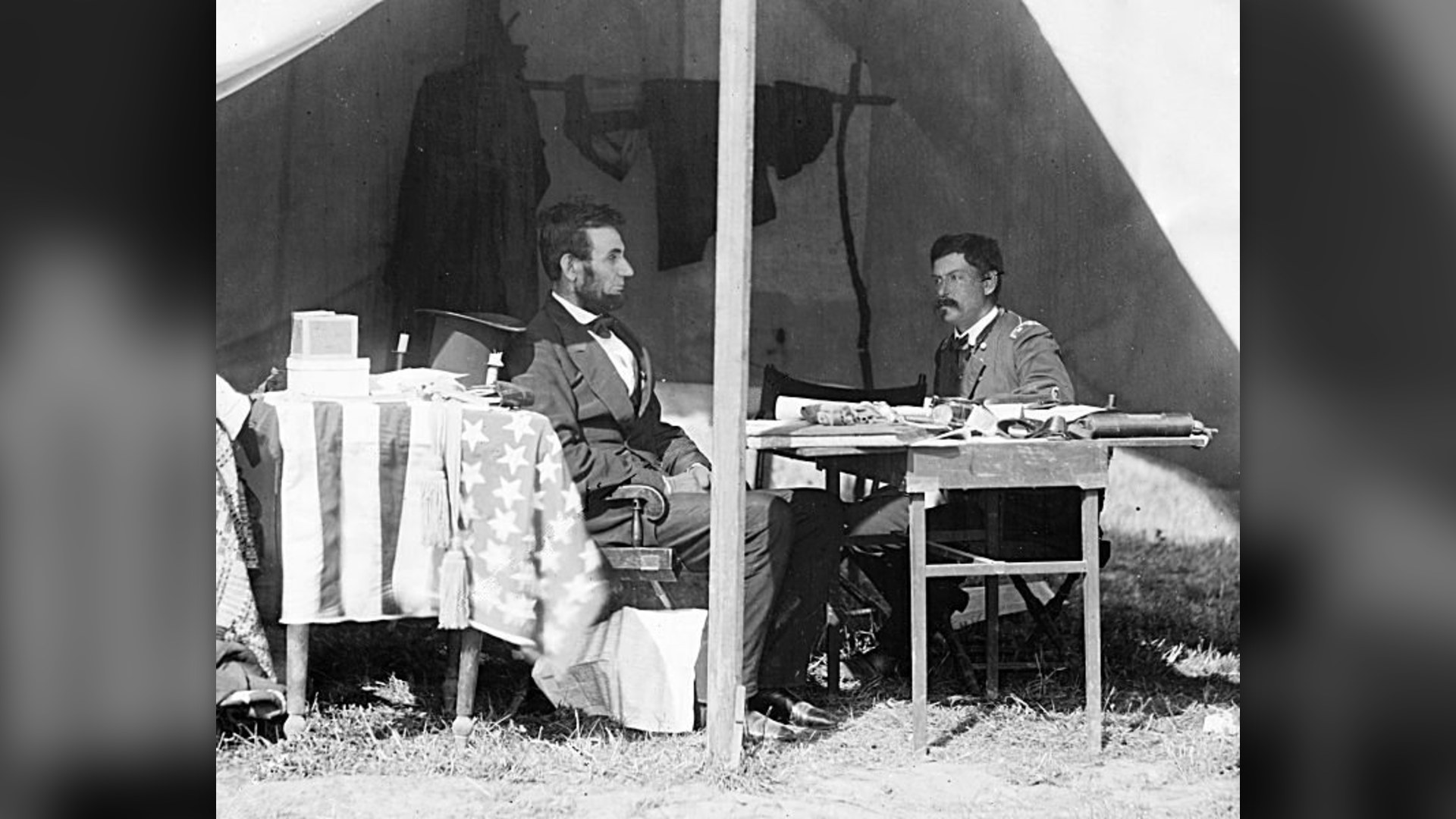
13. Abraham Lincoln: Illinois Militia Captain
Nearly three decades before leading the Union through the Civil War, 23-year-old Abraham Lincoln volunteered for the Illinois Militia during the 1832 Black Hawk War. His neighbors in New Salem elected him captain of their rifle company, a vote Lincoln later called a proud milestone.
©Wikimedia / Alexander Gardner
Advertisement
Swipe or tap ▶ to resume the countdown.
12. James Buchanan: Pennsylvania Militia Private
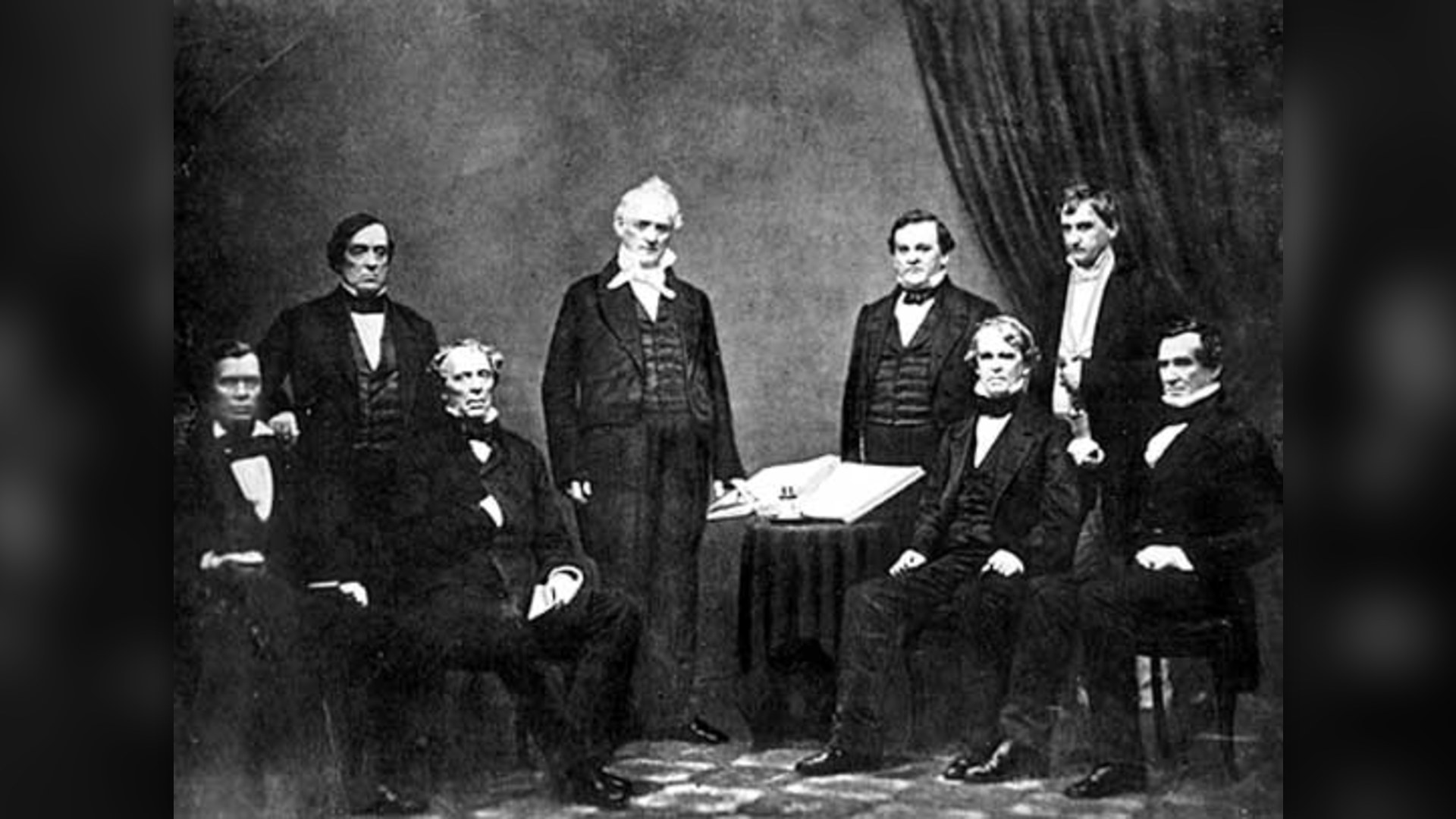
Fifteenth US President James Buchanan was the only future commander-in-chief with military service who never held an officer commission. After British troops burned Washington in 1814, he volunteered as a private in Henry Shippen's Company of Pennsylvania Dragoons to defend Baltimore.
©Wikimedia / Mathew Brady
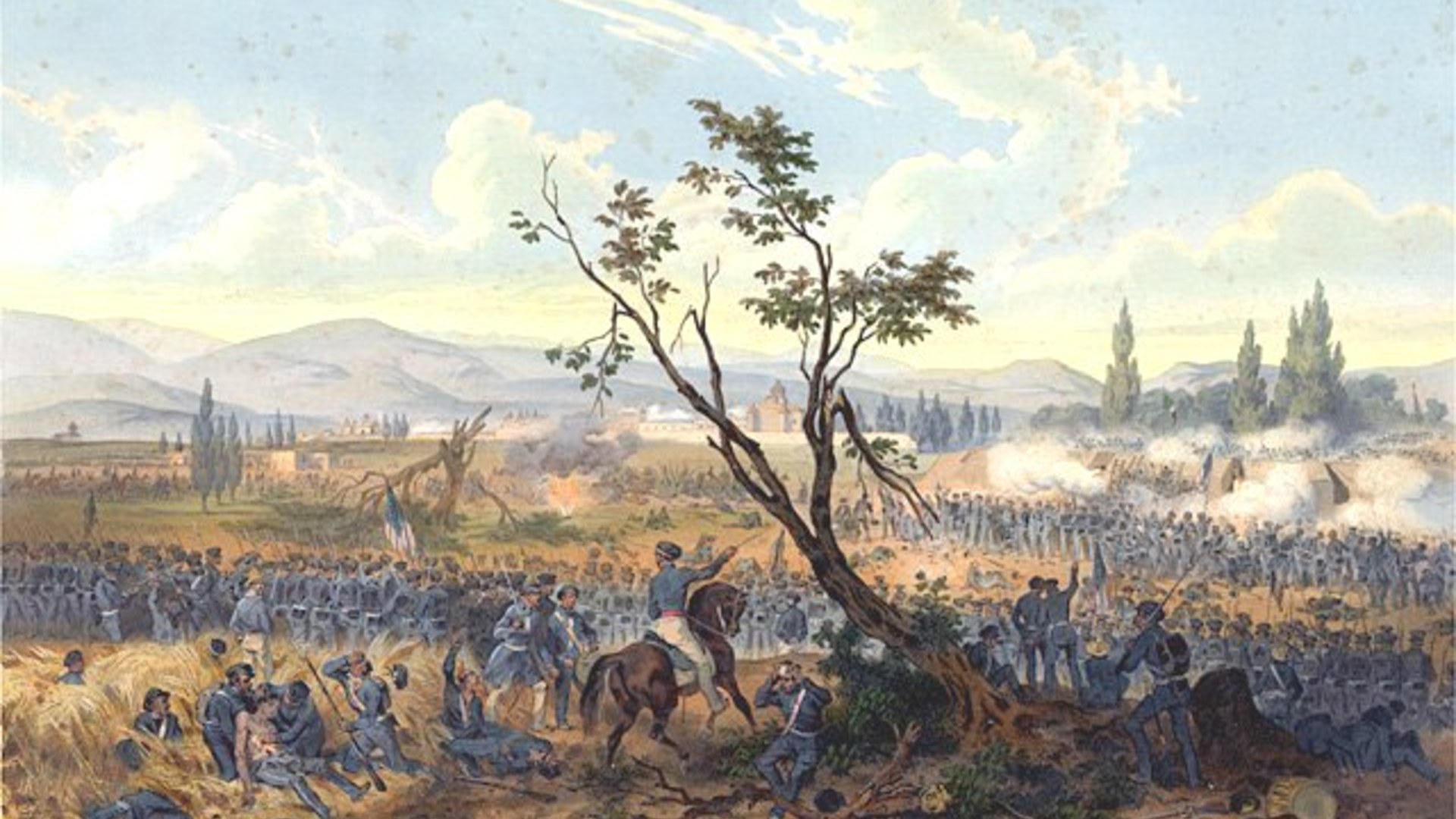
11. Franklin Pierce: US Army Brigadier General
Fourteenth US President Franklin Pierce enlisted as a private in the New Hampshire Militia before receiving a commission as a US Army brigadier general during the Mexican-American War. Leading 2,400 soldiers from Veracruz toward Mexico City, he was injured when his horse fell at Contreras.
©Wikimedia / Carl Nebel
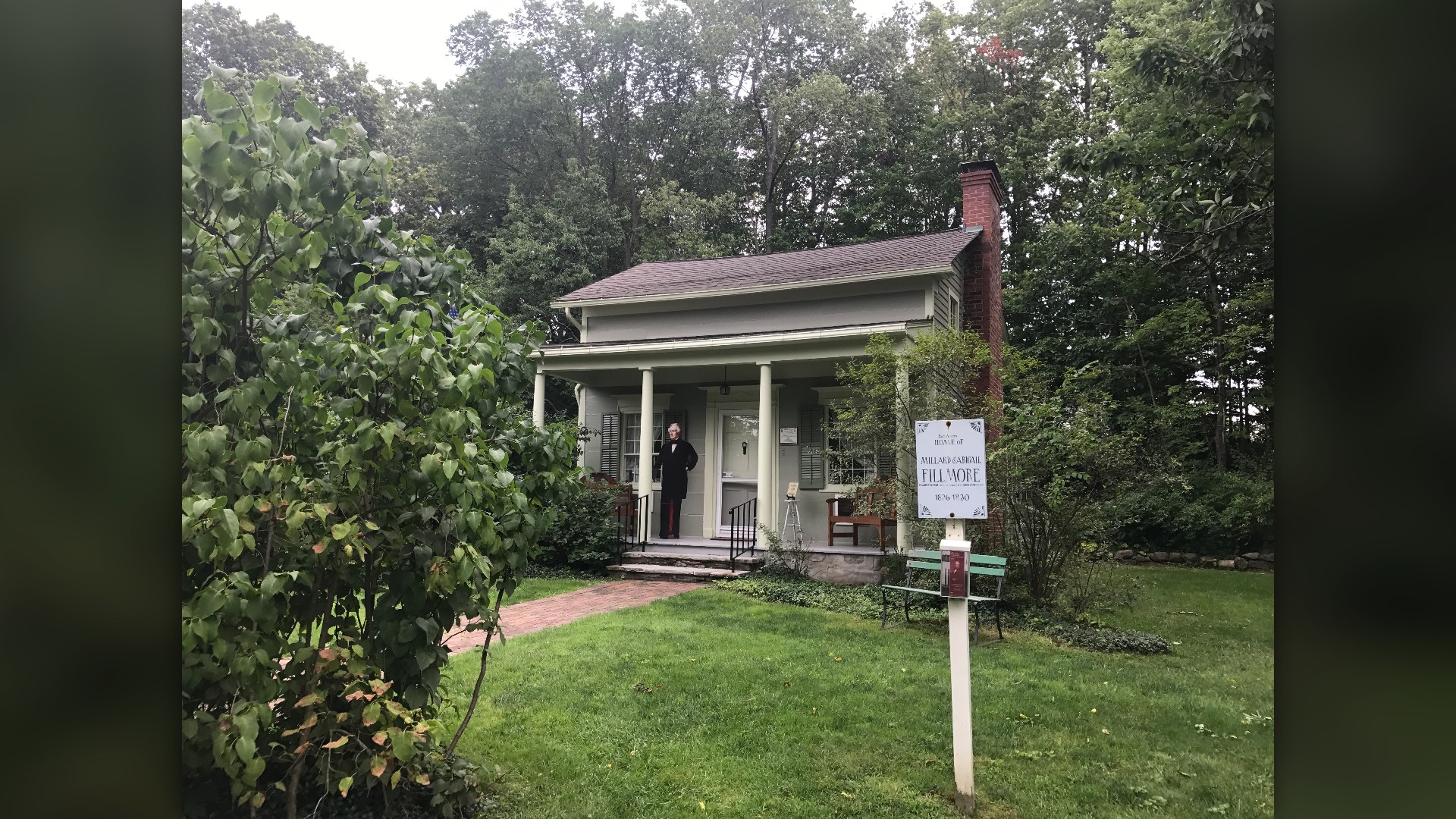
10. Millard Fillmore: New York Militia Major
Thirteenth US President Millard Fillmore served in the New York State Militia in the 1820s and 1830s, reaching the rank of major and brigade inspector. After leaving the presidency, he organized and commanded the Union Continentals, a corps of veteran home guards in Buffalo during the Civil War.
©Wikimedia / Steven Hamsness
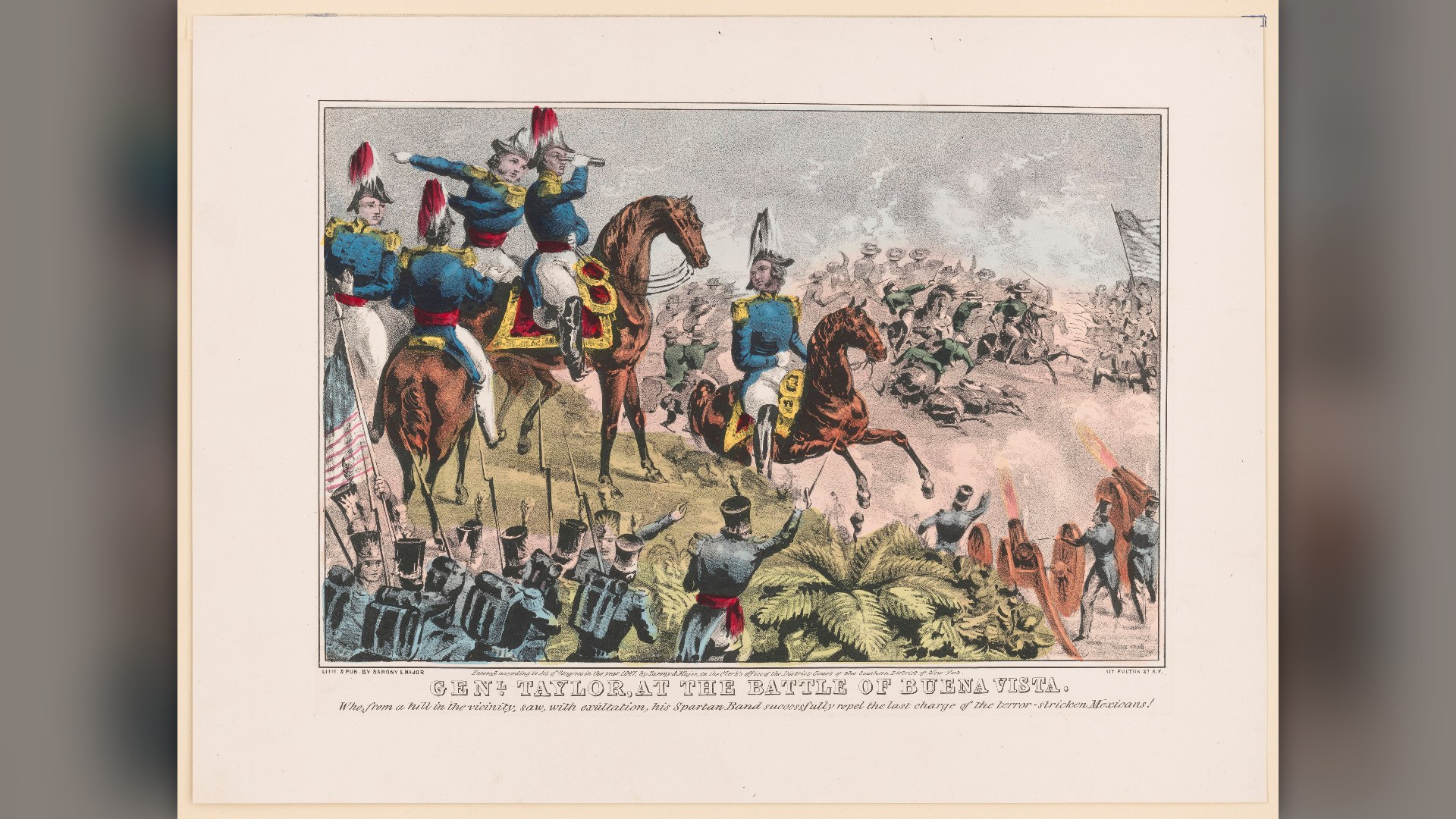
9. Zachary Taylor: US Army Major General
Twelfth US President Zachary Taylor served 40 years in the US Army, rising from first lieutenant to major general across the War of 1812, Black Hawk War, and Second Seminole War. His victories at Palo Alto, Monterrey, and Buena Vista in the Mexican-American War propelled him to the White House.
©Wikimedia / Sarony & Major
Advertisement
Swipe or tap ▶ to resume the countdown.
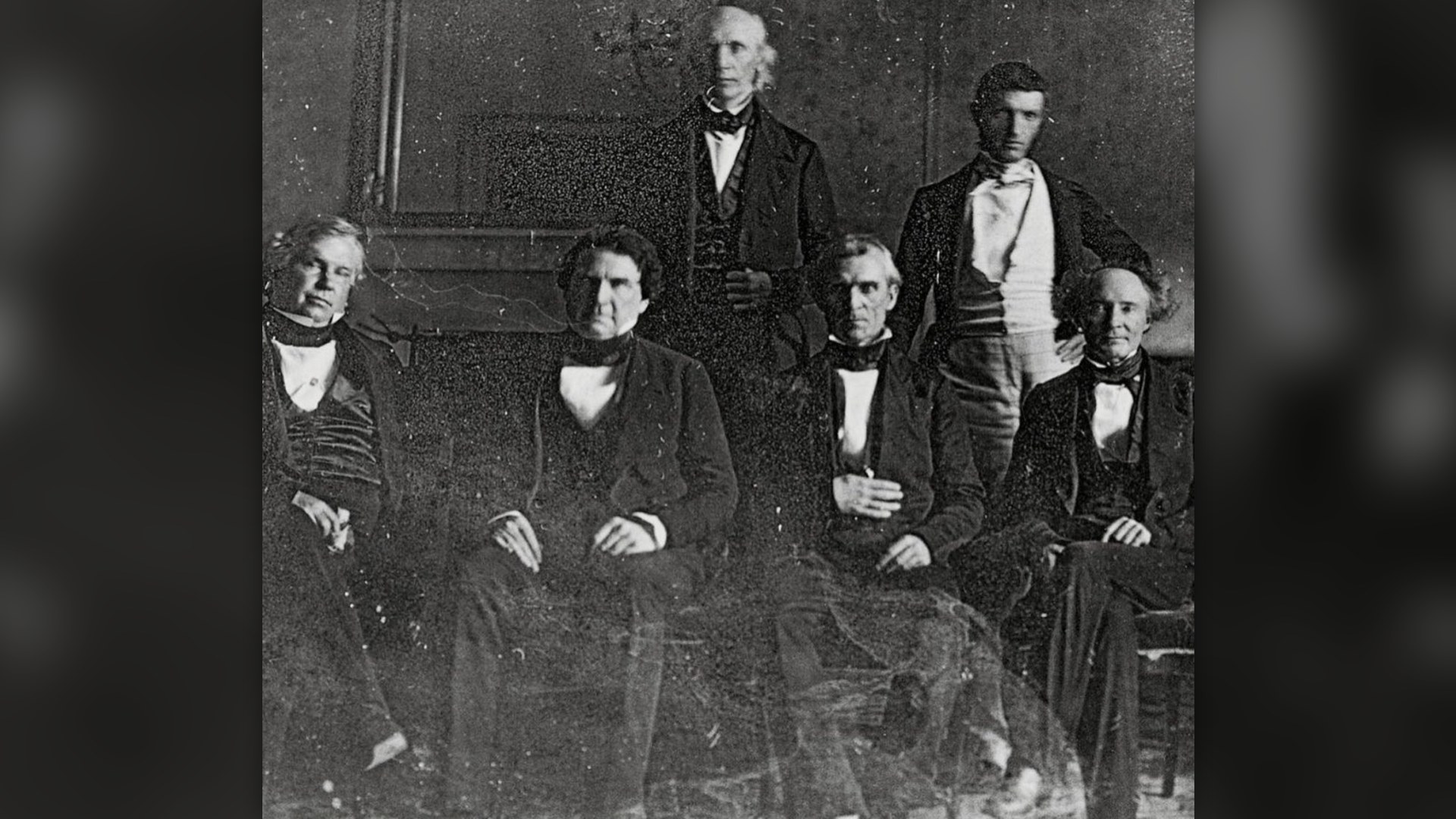
8. James K. Polk: Tennessee Militia Cavalry Colonel
Eleventh US President James K. Polk joined the cavalry unit of the Tennessee State Militia's 5th Brigade in 1821 at the rank of captain. Appointed colonel on the military staff of Tennessee Governor William Carroll, he later directed the Mexican-American War as commander-in-chief.
©Wikimedia / John Plumbe
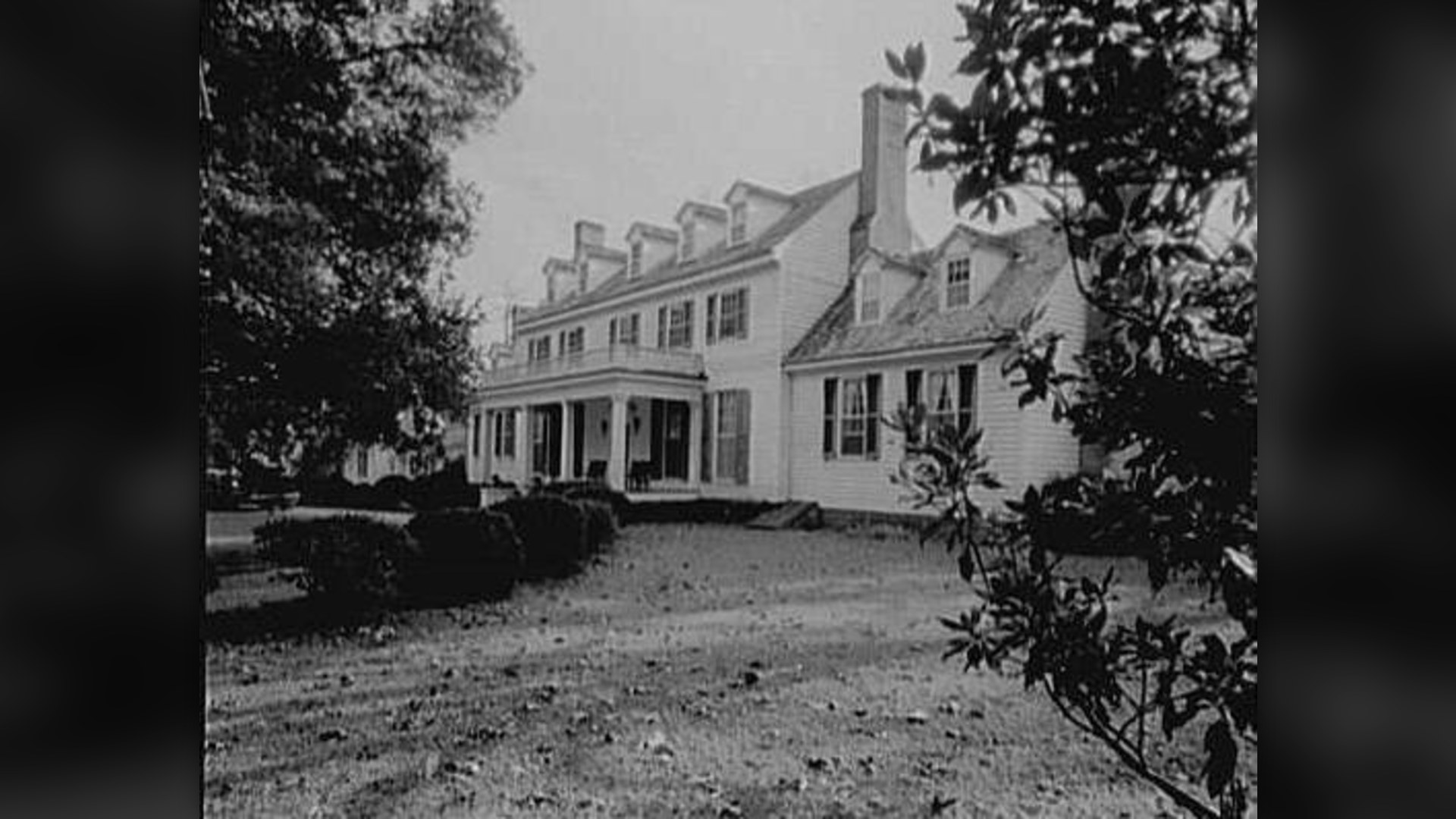
7. John Tyler: Charles City Rifles Captain
When British forces raided the Chesapeake Bay region during the War of 1812, future 10th US President John Tyler organized a local Virginia militia company called the Charles City Rifles. Serving at the rank of captain in the 52nd Regiment, he led his unit in the defense of Richmond in 1813.
©Wikimedia / Samuel H. Gottscho
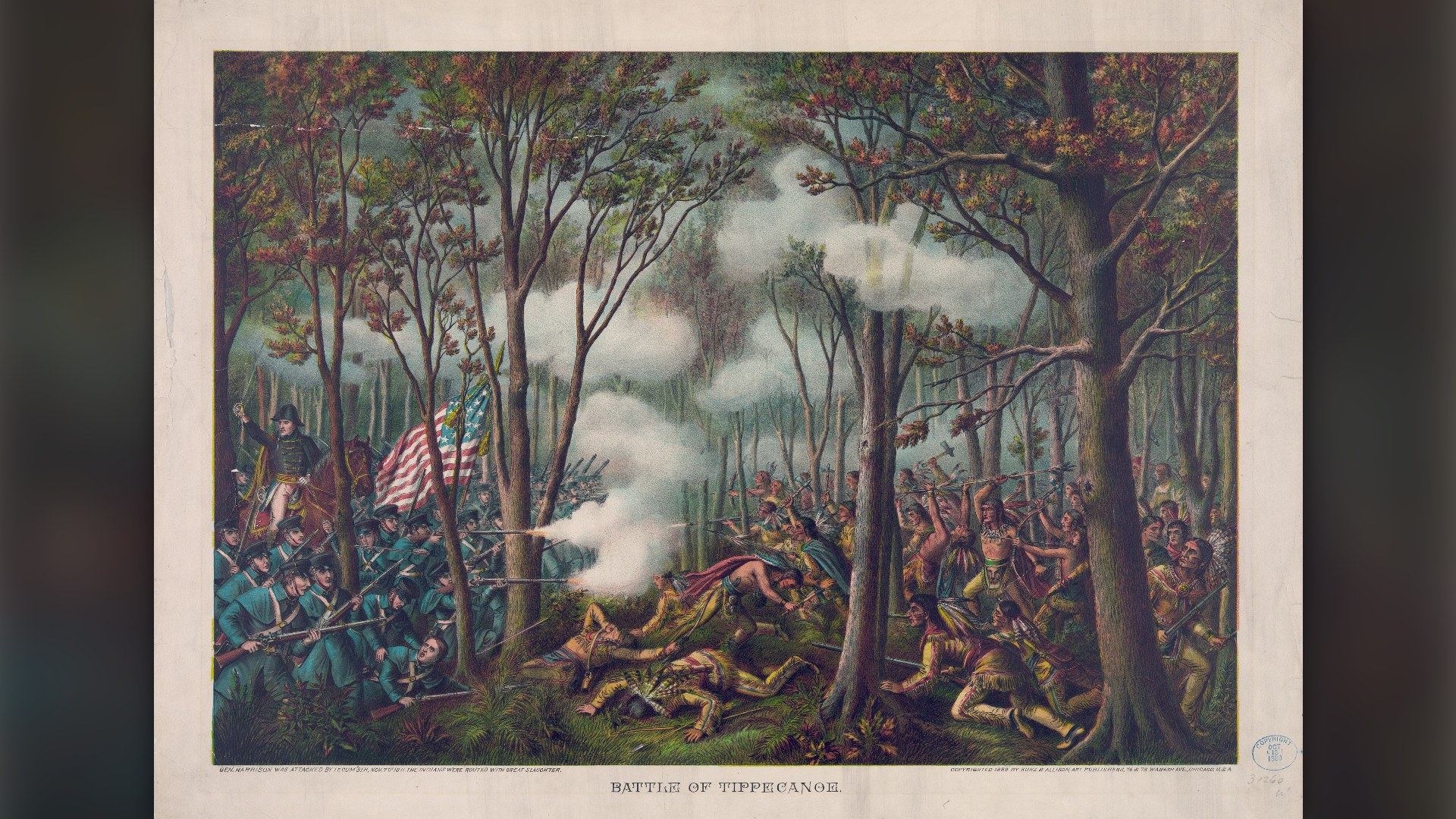
6. William Henry Harrison: US Army Major General
Ninth US President William Henry Harrison joined the 1st Infantry Regiment in 1791 and fought in the Northwest Indian War. As a major general during the War of 1812, he led American troops at the Battle of Tippecanoe and defeated British and Native forces at the 1813 Battle of the Thames.
©Wikimedia / Kurz & Allison
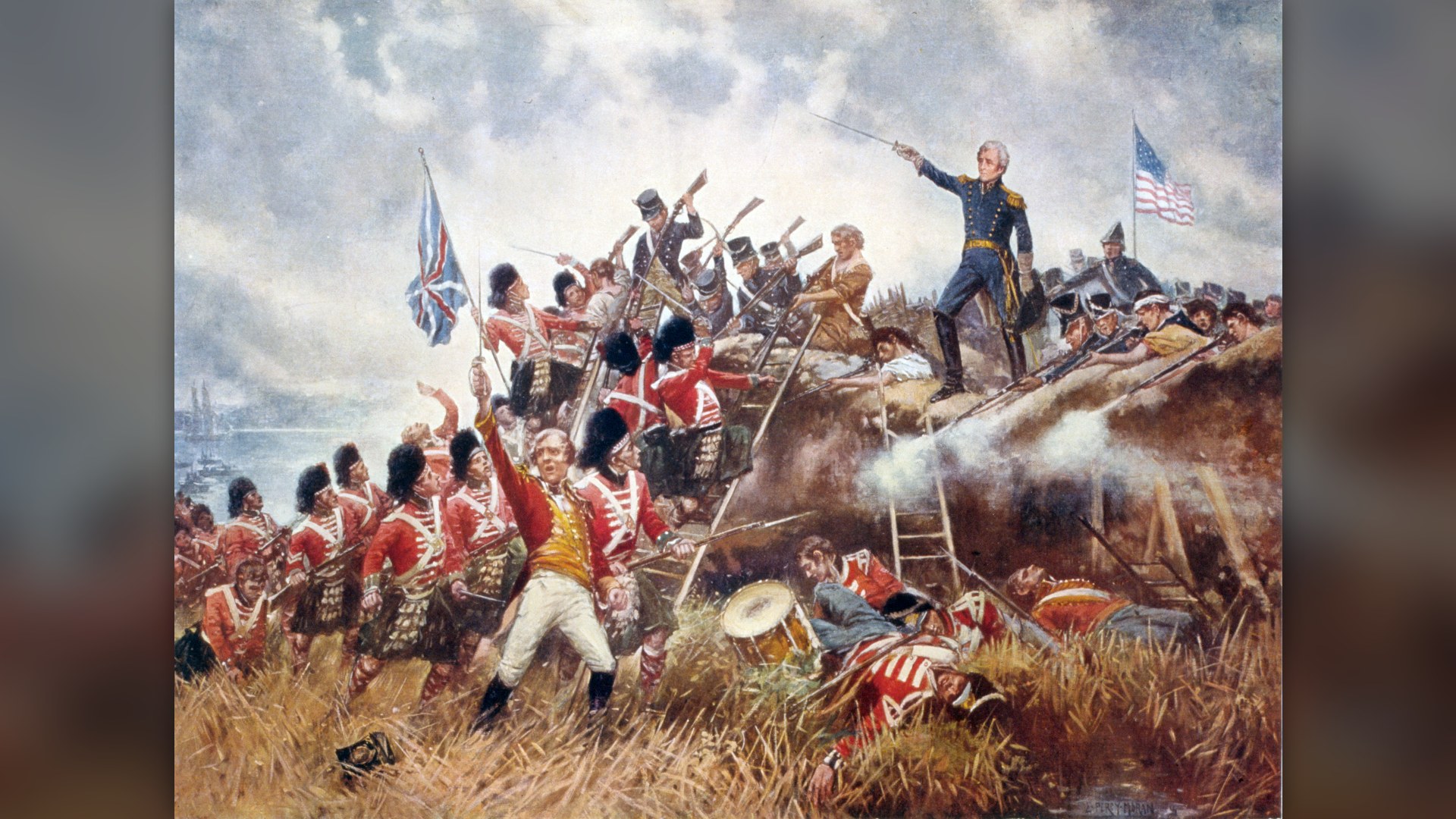
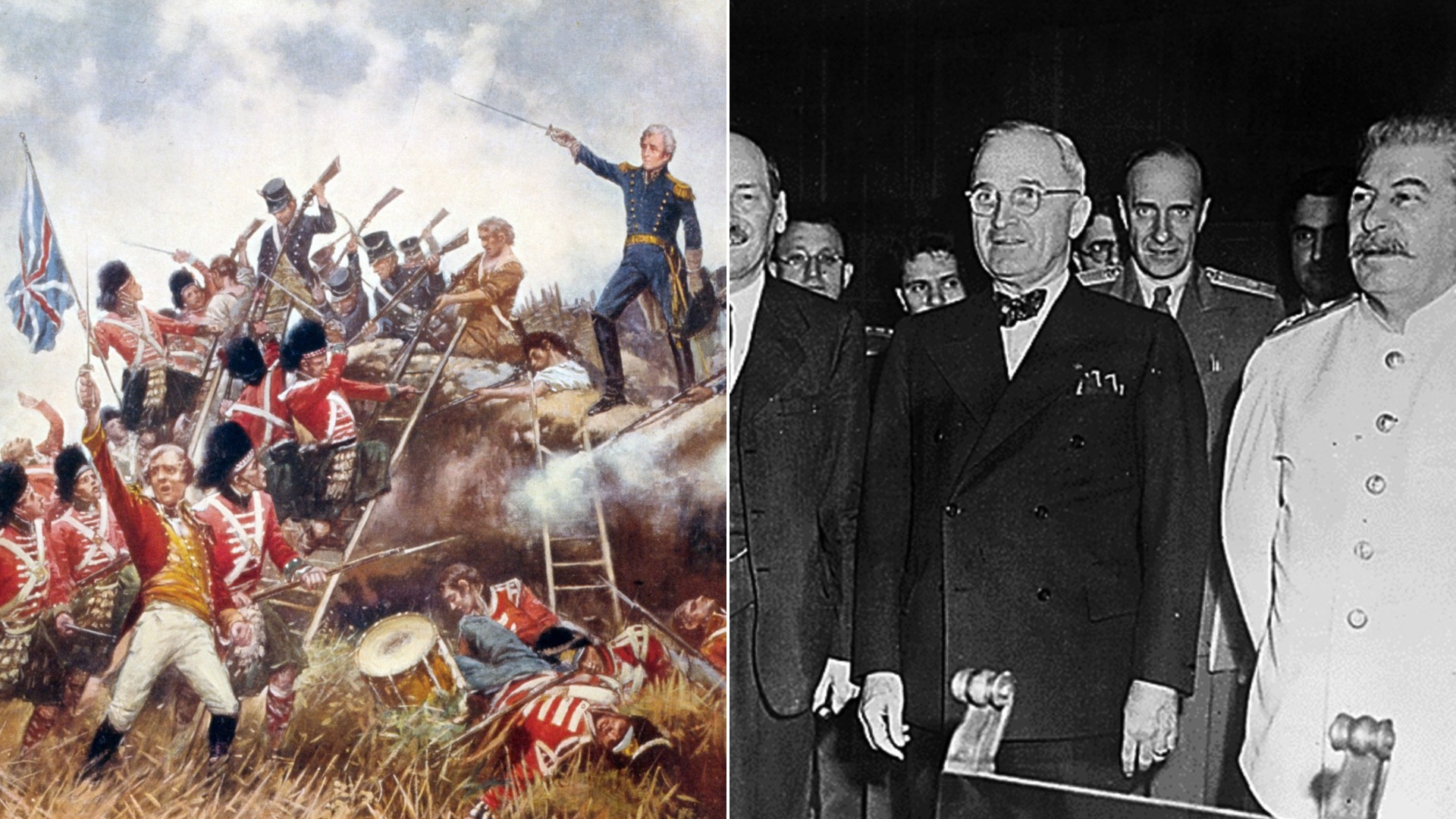
5. Andrew Jackson: US Army Major General
Seventh US President Andrew Jackson began his military service at age 13 as a courier during the Revolutionary War, surviving British captivity and a saber slash. As a US Army major general in the War of 1812, he commanded the decisive American victory at the Battle of New Orleans in January 1815.
©Wikimedia / Edward Percy Moran
Advertisement
Swipe or tap ▶ to resume the countdown.
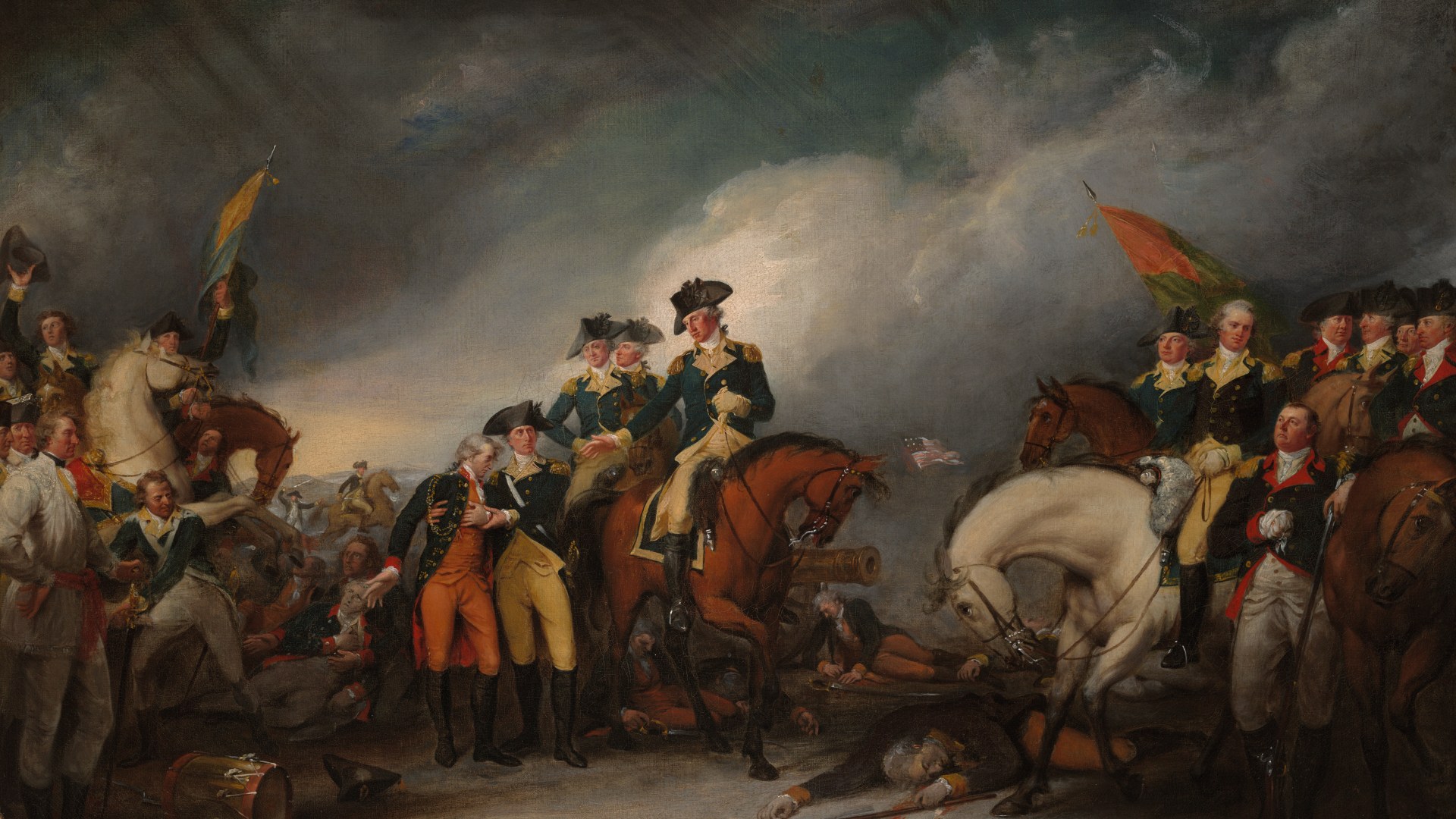
4. James Monroe: Continental Army Major
Fifth US President James Monroe dropped out of the College of William and Mary at age 17 to join the 3rd Virginia Regiment in the Continental Army. During the December 1776 Battle of Trenton, he helped capture Hessian artillery before a musket ball severed an artery in his left shoulder.
©Wikimedia / John Trumbull
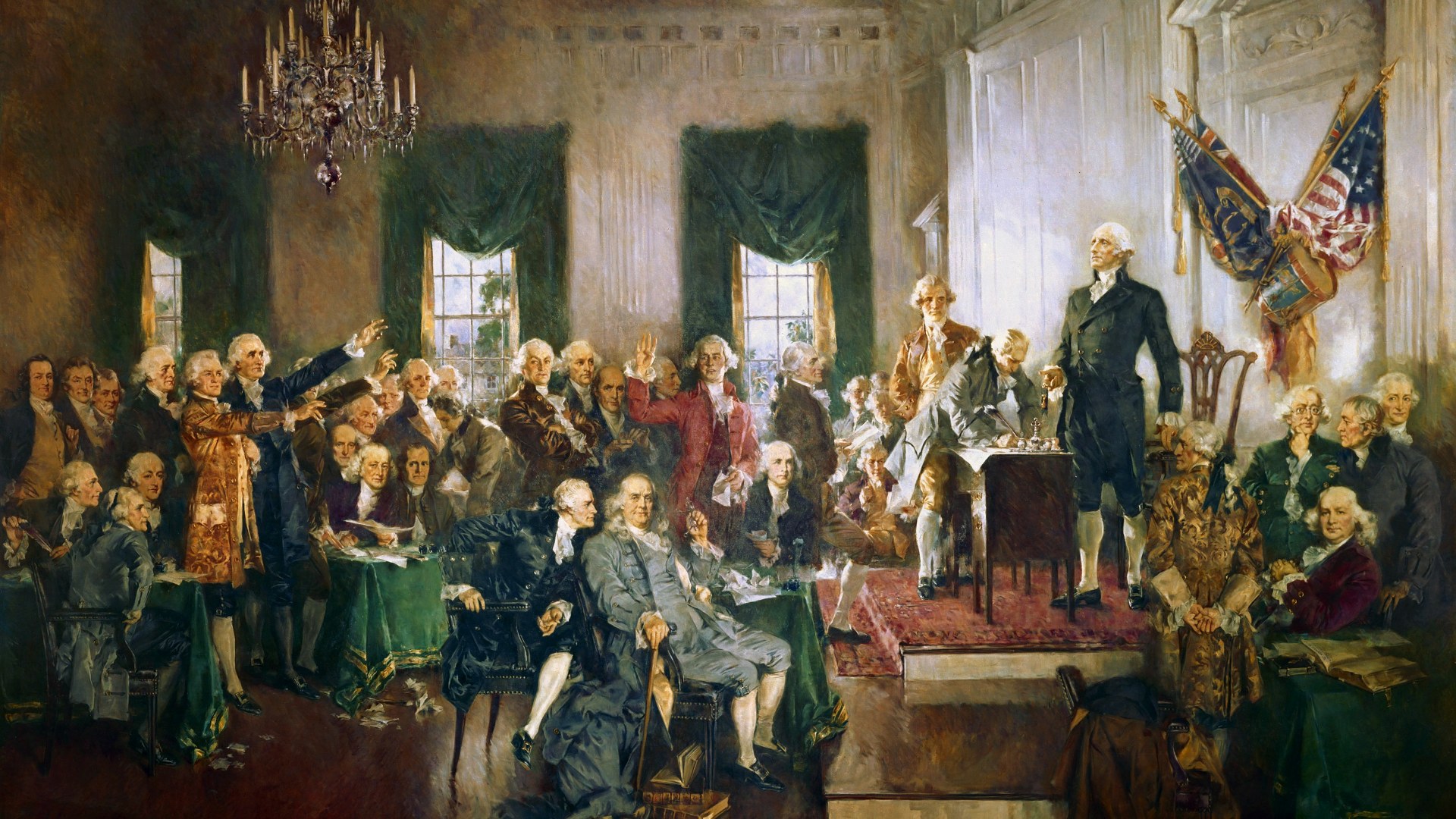
3. James Madison: Orange County Militia Colonel
Commissioned as a colonel in the Virginia Orange County Militia in October 1775, James Madison trained alongside his father's regiment before shifting to wartime legislative service. Decades later during the War of 1812, he became the first sitting president to face enemy fire at Bladensburg.
©Wikimedia / Howard Chandler Christy
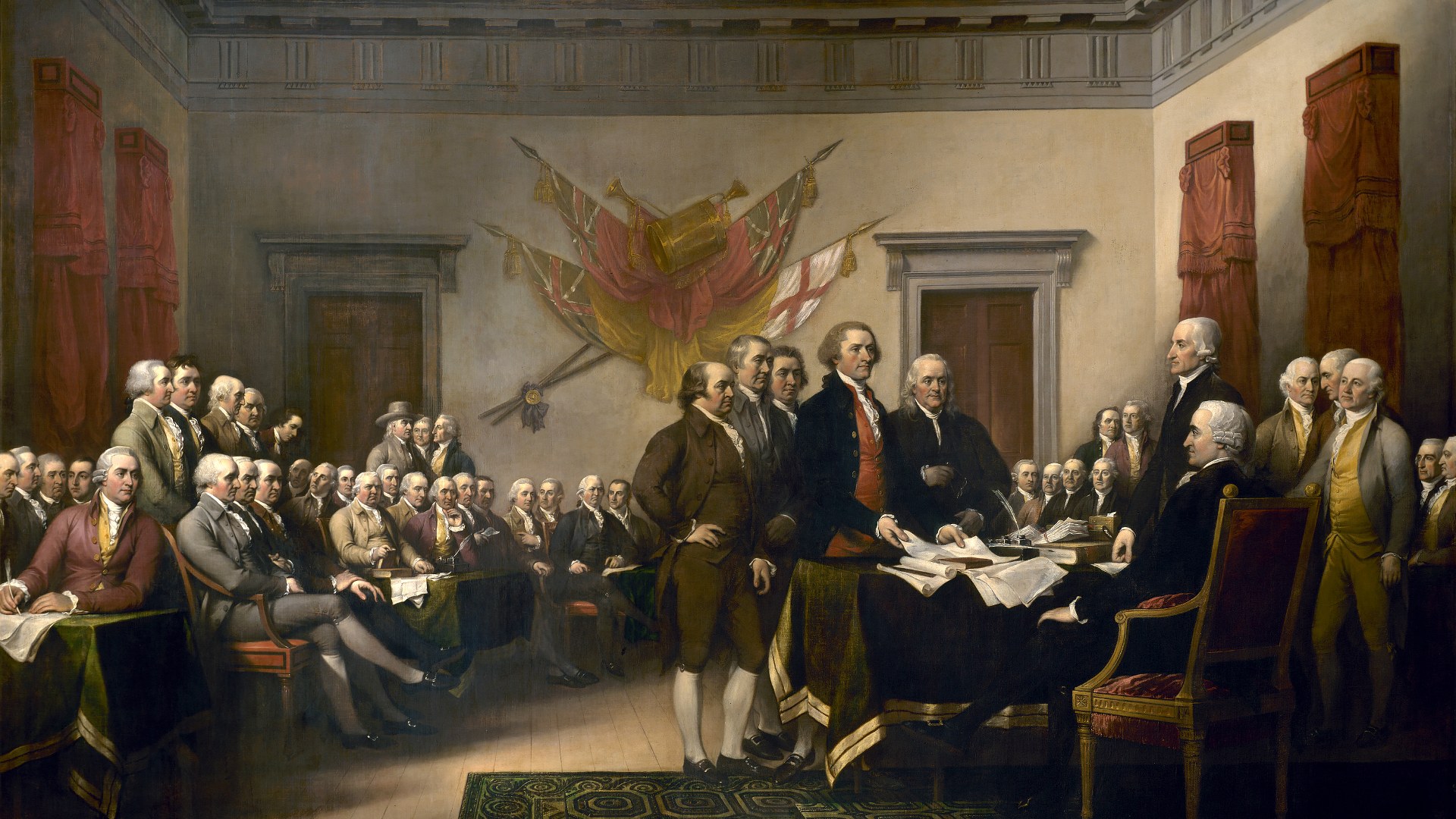
2. Thomas Jefferson: Virginia Militia Colonel
Third US President Thomas Jefferson served as a colonel and commander of the Albemarle County Militia in Virginia from 1770 to 1779. During the Revolutionary War and his term as wartime Governor of Virginia, he coordinated troop recruitment, supply lines, and coastal defense operations.
©Wikimedia / John Trumbull
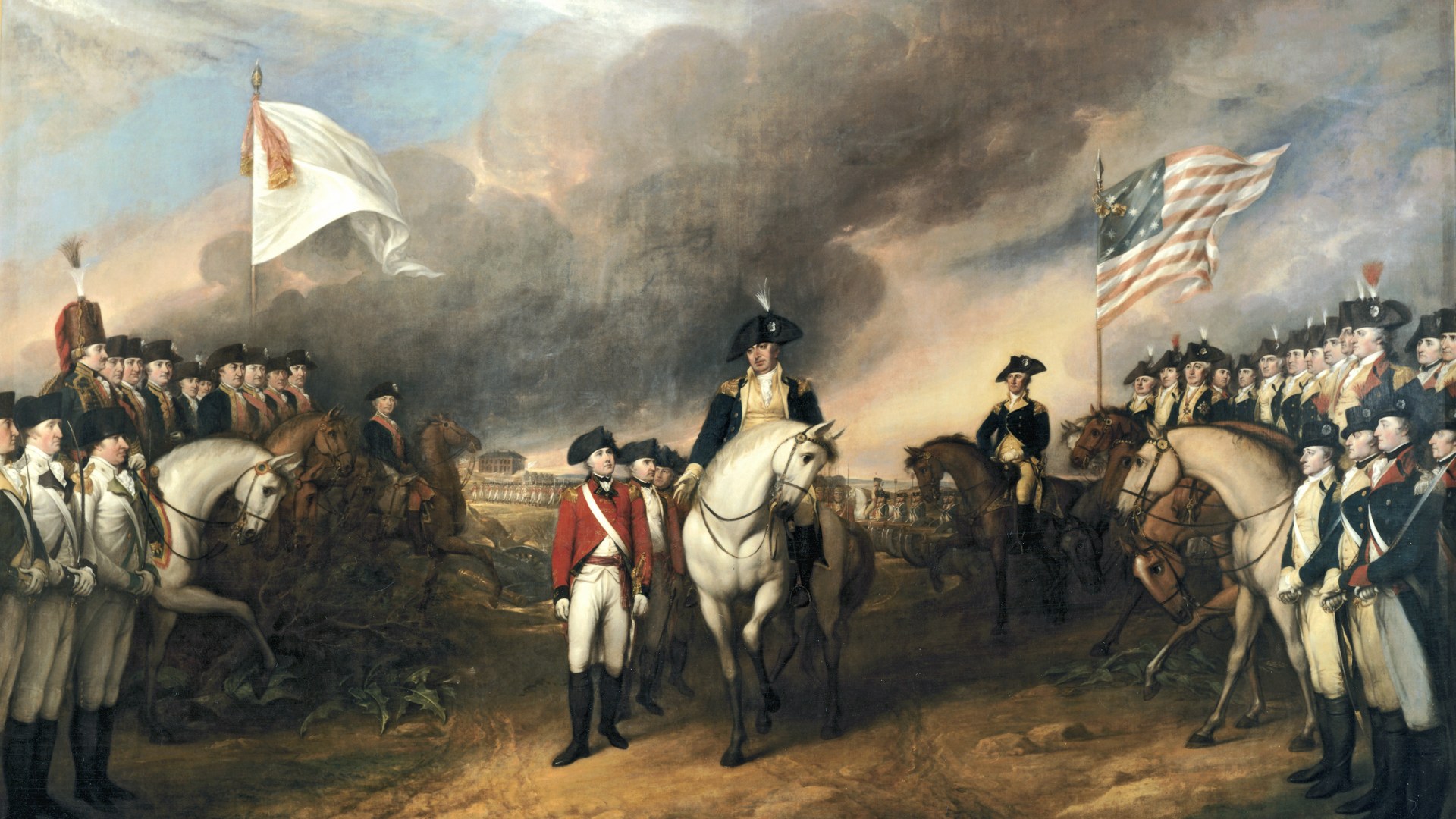
1. George Washington: General And Commander-In-Chief
Before becoming the first US president, George Washington served as a Virginia militia officer in the French and Indian War and commanded the Continental Army from 1775 to 1783. His leadership at Trenton, Valley Forge, and Yorktown secured independence and earned him a posthumous six-star rank.
©Wikimedia / John Trumbull
Advertisement
You've reached the end of the story. Thanks for reading!

20 Historic Photos That Captured Major British News Moments
From Armistice crowds in 1918 to the 2023 coronation, these 20 archive photographs capture major turning points in modern British public life. Each frame records the exact date, place, and public figures present as Britain marked wartime survival, royal milestones, political shifts, and sporting history.
All 31 Entries in this Story
31. George W. Bush: Air National Guard First Lieutenant
Forty-third US President George W. Bush enlisted in the Texas Air National Guard in May 1968 and earned his pilot wings at Moody Air Force Base in Georgia. Assigned to the 111th Fighter-Interceptor Squadron at Ellington Air Force Base, he logged hundreds of hours flying the F-102 Delta Dagger.

30. George H.W. Bush: WWII Navy Torpedo Pilot
Forty-first US President George H.W. Bush enlisted in the US Navy on his 18th birthday and became one of its youngest naval aviators. Flying TBM Avenger bombers across 58 combat missions, he was shot down near Chichi Jima in 1944 and rescued by the submarine USS Finback.

29. Ronald Reagan: US Army Air Forces Captain
Fortieth US President Ronald Reagan commissioned into the US Army Reserve in 1937 as a cavalry second lieutenant. Called to active duty in 1942 after Pearl Harbor, poor eyesight kept him stateside with the Army Air Forces First Motion Picture Unit, where his unit produced over 400 training films.

28. Jimmy Carter: US Navy Submarine Lieutenant
Thirty-ninth US President Jimmy Carter graduated from the US Naval Academy in Annapolis in 1946 and served on surface warships before joining the submarine force. Selected by Admiral Hyman Rickover for the nuclear submarine program, he helped lead the cleanup of the Chalk River reactor meltdown.

27. Gerald Ford: US Navy Lieutenant Commander
Thirty-eighth US President Gerald Ford joined the US Naval Reserve in April 1942 and served aboard the light aircraft carrier USS Monterey across major Pacific campaigns. He fought at the Philippine Sea, Leyte Gulf, and Okinawa, nearly washing overboard during Typhoon Cobra in December 1944.

26. Richard Nixon: US Navy Commander
Thirty-seventh US President Richard Nixon joined the US Naval Reserve in 1942 and served in the Pacific theater. As an operations officer with the South Pacific Combat Air Transport Command on Guadalcanal and Bougainville, he earned two battle stars and rose to commander.

25. Lyndon B. Johnson: US Navy Commander
Thirty-sixth US President Lyndon B. Johnson joined the US Naval Reserve in 1940 and became the first member of Congress to report for active duty after the attack on Pearl Harbor. Sent to the Southwest Pacific as a lieutenant commander in 1942, he earned the Silver Star after a B-26 bombing run.

24. John F. Kennedy: US Navy PT-109 Lieutenant
Thirty-fifth US President John F. Kennedy commanded Motor Torpedo Boat PT-109 in the Solomon Islands during World War II. When the Japanese destroyer Amagiri sliced his vessel in half in August 1943, Kennedy swam for hours towing a badly burned sailor by a life-jacket strap clenched in his teeth.

23. Dwight D. Eisenhower: Five-Star General Of The Army
Thirty-fourth US President Dwight D. Eisenhower graduated from West Point in 1915 and rose to the five-star rank of General of the Army during World War II. As Supreme Allied Commander in Europe, he orchestrated Operation Overlord on D-Day and later served as the first Supreme Commander of NATO.

22. Harry S. Truman: WWI Field Artillery Captain
Thirty-third US President Harry S. Truman memorized the eye chart to pass his Army physical and served in France during World War I as captain of Battery D, 129th Field Artillery. He led his Missouri artillerymen through the Vosges Mountains, Saint-Mihiel, and the Meuse-Argonne Offensive.

21. Theodore Roosevelt: Rough Riders Colonel
Twenty-sixth US President Theodore Roosevelt resigned as Assistant Secretary of the Navy in 1898 to help form the 1st US Volunteer Cavalry, better known as the Rough Riders. Leading his regiment on charges up Kettle Hill and San Juan Heights in Cuba, he was posthumously awarded the Medal of Honor.

20. William McKinley: Union Army Brevet Major
Twenty-fifth US President William McKinley enlisted as an 18-year-old private in the 23rd Ohio Infantry under Rutherford B. Hayes. After driving a supply wagon through heavy artillery fire to feed troops at Antietam, he earned an officer commission and rose to brevet major.

19. Benjamin Harrison: Union Brevet Brigadier General
Twenty-third US President Benjamin Harrison helped raise the 70th Indiana Volunteer Infantry Regiment in 1862 and commanded it as colonel across Kentucky, Tennessee, and Georgia. President Abraham Lincoln promoted him to brevet brigadier general for his gallantry at Resaca and Peachtree Creek.

18. Chester A. Arthur: New York Brigadier General
Twenty-first US President Chester A. Arthur served in the New York State Militia during the Civil War, rising to the rank of brigadier general. As Engineer-in-Chief and later Quartermaster General of New York, he housed, fed, and outfitted more than 200,000 Union soldiers bound for the front.

17. James A. Garfield: Union Army Major General
Twentieth US President James A. Garfield recruited the 42nd Ohio Volunteer Infantry in 1861 and became the youngest brigadier general in the Union Army at age 30. Promoted to major general after his famous ride under fire at Chickamauga, he resigned his commission to enter Congress.

16. Rutherford B. Hayes: Union Brevet Major General
Nineteenth US President Rutherford B. Hayes joined the 23rd Ohio Volunteer Infantry as a major in 1861 and rose to brevet major general. He had four horses shot out from under him and suffered five combat wounds, including a severe musket injury at the Battle of South Mountain.

15. Ulysses S. Grant: General Of The US Army
Eighteenth US President Ulysses S. Grant graduated from West Point in 1843 and fought with distinction in the Mexican-American War. Returning to command Union forces in the Civil War, he captured Vicksburg, accepted Robert E. Lee's surrender at Appomattox, and became the first four-star US general.

14. Andrew Johnson: US Army Brigadier General
Seventeenth US President Andrew Johnson was the only Southern US senator to remain loyal to the Union when the Civil War broke out in 1861. In March 1862, President Lincoln commissioned Johnson as a brigadier general of volunteers and appointed him military governor of Union-occupied Tennessee.

13. Abraham Lincoln: Illinois Militia Captain
Nearly three decades before leading the Union through the Civil War, 23-year-old Abraham Lincoln volunteered for the Illinois Militia during the 1832 Black Hawk War. His neighbors in New Salem elected him captain of their rifle company, a vote Lincoln later called a proud milestone.

12. James Buchanan: Pennsylvania Militia Private
Fifteenth US President James Buchanan was the only future commander-in-chief with military service who never held an officer commission. After British troops burned Washington in 1814, he volunteered as a private in Henry Shippen's Company of Pennsylvania Dragoons to defend Baltimore.

11. Franklin Pierce: US Army Brigadier General
Fourteenth US President Franklin Pierce enlisted as a private in the New Hampshire Militia before receiving a commission as a US Army brigadier general during the Mexican-American War. Leading 2,400 soldiers from Veracruz toward Mexico City, he was injured when his horse fell at Contreras.

10. Millard Fillmore: New York Militia Major
Thirteenth US President Millard Fillmore served in the New York State Militia in the 1820s and 1830s, reaching the rank of major and brigade inspector. After leaving the presidency, he organized and commanded the Union Continentals, a corps of veteran home guards in Buffalo during the Civil War.

9. Zachary Taylor: US Army Major General
Twelfth US President Zachary Taylor served 40 years in the US Army, rising from first lieutenant to major general across the War of 1812, Black Hawk War, and Second Seminole War. His victories at Palo Alto, Monterrey, and Buena Vista in the Mexican-American War propelled him to the White House.

8. James K. Polk: Tennessee Militia Cavalry Colonel
Eleventh US President James K. Polk joined the cavalry unit of the Tennessee State Militia's 5th Brigade in 1821 at the rank of captain. Appointed colonel on the military staff of Tennessee Governor William Carroll, he later directed the Mexican-American War as commander-in-chief.

7. John Tyler: Charles City Rifles Captain
When British forces raided the Chesapeake Bay region during the War of 1812, future 10th US President John Tyler organized a local Virginia militia company called the Charles City Rifles. Serving at the rank of captain in the 52nd Regiment, he led his unit in the defense of Richmond in 1813.

6. William Henry Harrison: US Army Major General
Ninth US President William Henry Harrison joined the 1st Infantry Regiment in 1791 and fought in the Northwest Indian War. As a major general during the War of 1812, he led American troops at the Battle of Tippecanoe and defeated British and Native forces at the 1813 Battle of the Thames.

5. Andrew Jackson: US Army Major General
Seventh US President Andrew Jackson began his military service at age 13 as a courier during the Revolutionary War, surviving British captivity and a saber slash. As a US Army major general in the War of 1812, he commanded the decisive American victory at the Battle of New Orleans in January 1815.

4. James Monroe: Continental Army Major
Fifth US President James Monroe dropped out of the College of William and Mary at age 17 to join the 3rd Virginia Regiment in the Continental Army. During the December 1776 Battle of Trenton, he helped capture Hessian artillery before a musket ball severed an artery in his left shoulder.

3. James Madison: Orange County Militia Colonel
Commissioned as a colonel in the Virginia Orange County Militia in October 1775, James Madison trained alongside his father's regiment before shifting to wartime legislative service. Decades later during the War of 1812, he became the first sitting president to face enemy fire at Bladensburg.

2. Thomas Jefferson: Virginia Militia Colonel
Third US President Thomas Jefferson served as a colonel and commander of the Albemarle County Militia in Virginia from 1770 to 1779. During the Revolutionary War and his term as wartime Governor of Virginia, he coordinated troop recruitment, supply lines, and coastal defense operations.

1. George Washington: General And Commander-In-Chief
Before becoming the first US president, George Washington served as a Virginia militia officer in the French and Indian War and commanded the Continental Army from 1775 to 1783. His leadership at Trenton, Valley Forge, and Yorktown secured independence and earned him a posthumous six-star rank.