Slideshow · Viral
25 Exotic Fruits That Look Almost Too Strange to Eat
By Most Viral Today
4 hours ago

25 Bizarre Exotic Fruits That Look Almost Too Strange to Eat 
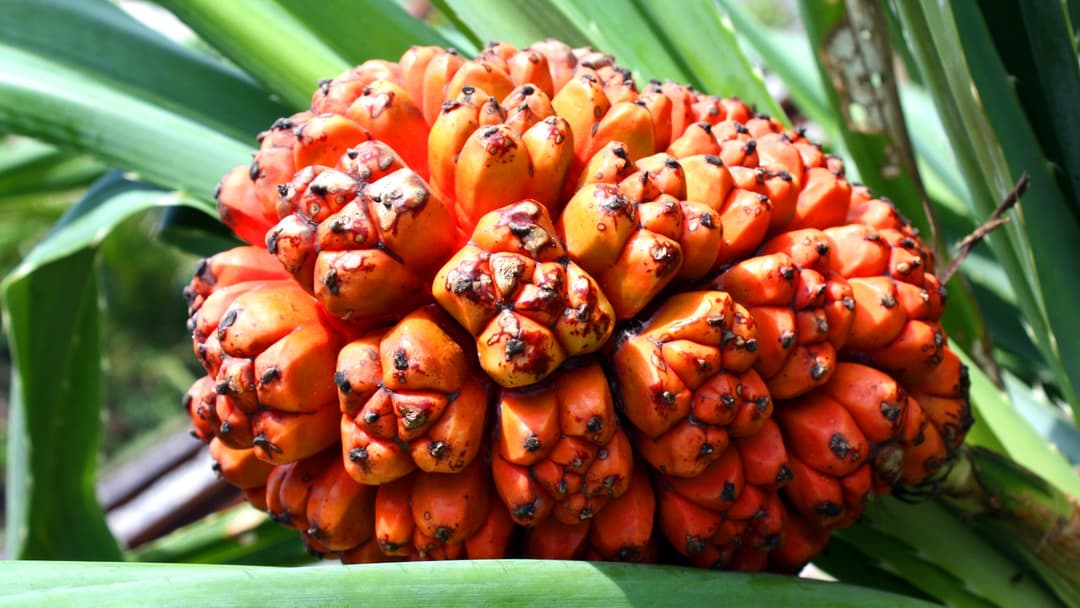
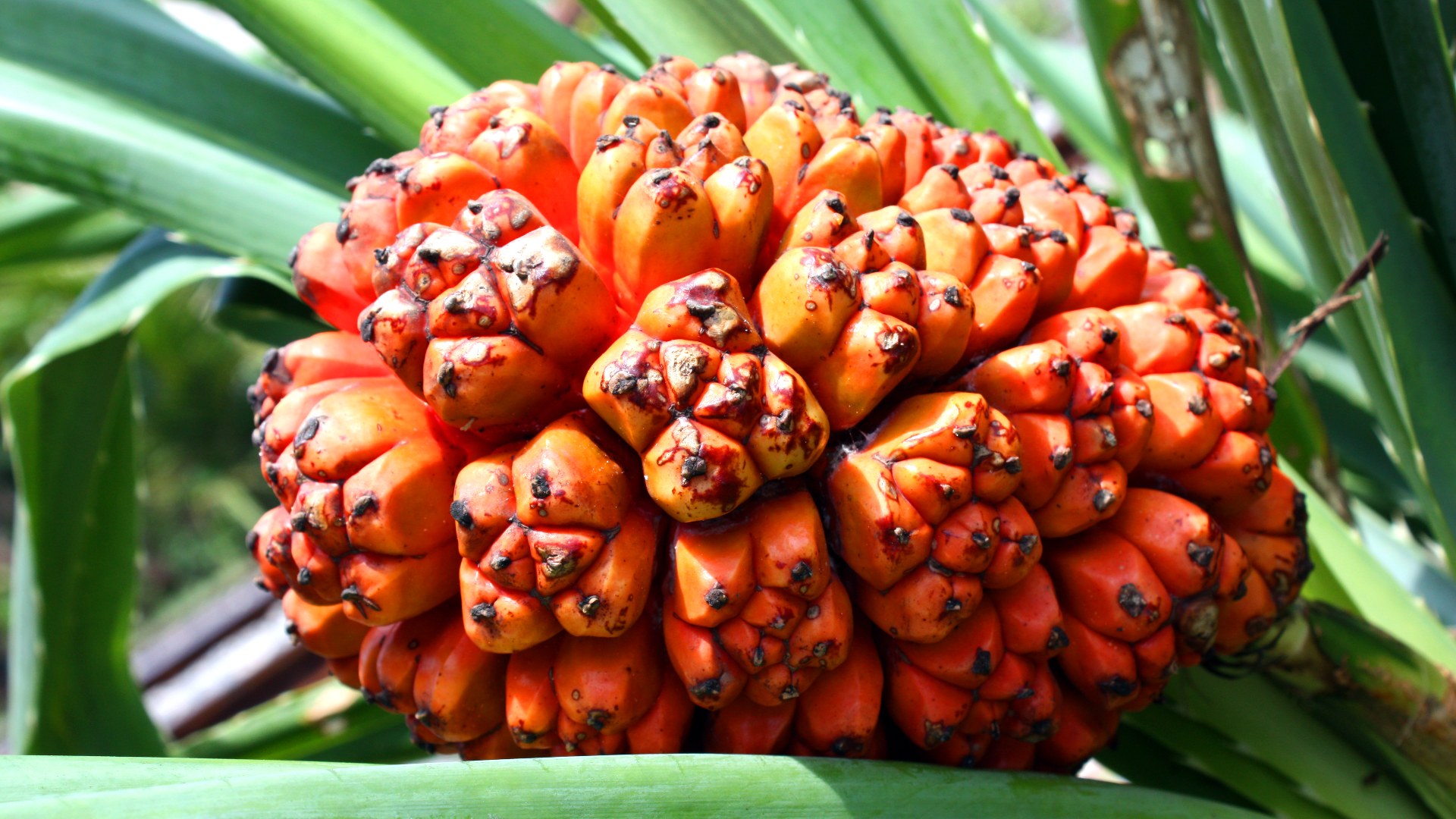
25. Hala Fruit 
24. Cupuacu 
23. Tamarillo - AdvertisementSwipe or tap ▶ to continue countdown

22. Soursop 
21. Nipplefruit 
20. Bilimbi Tree Cucumber 
19. Noni - AdvertisementSwipe or tap ▶ to continue countdown

18. Breadfruit 
17. Physalis 
16. Feijoa 
15. Jabuticaba - AdvertisementSwipe or tap ▶ to continue countdown

14. Black Sapote 
13. Jackfruit 
12. Miracle Fruit 
11. Cherimoya - AdvertisementSwipe or tap ▶ to continue countdown

10. Salak Snake Fruit 
9. Passion Fruit 
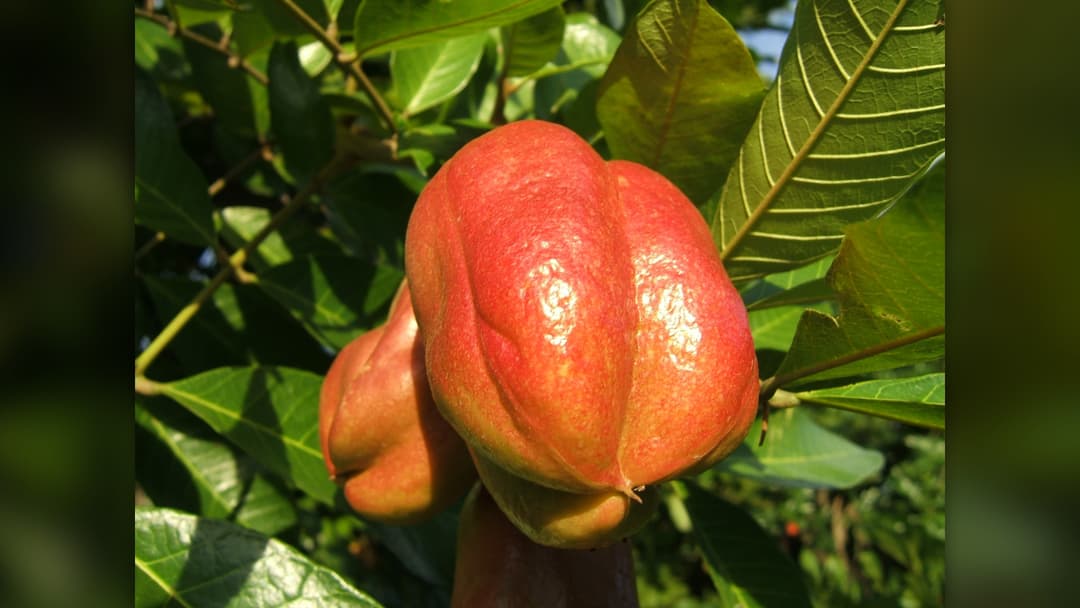
8. Ackee 
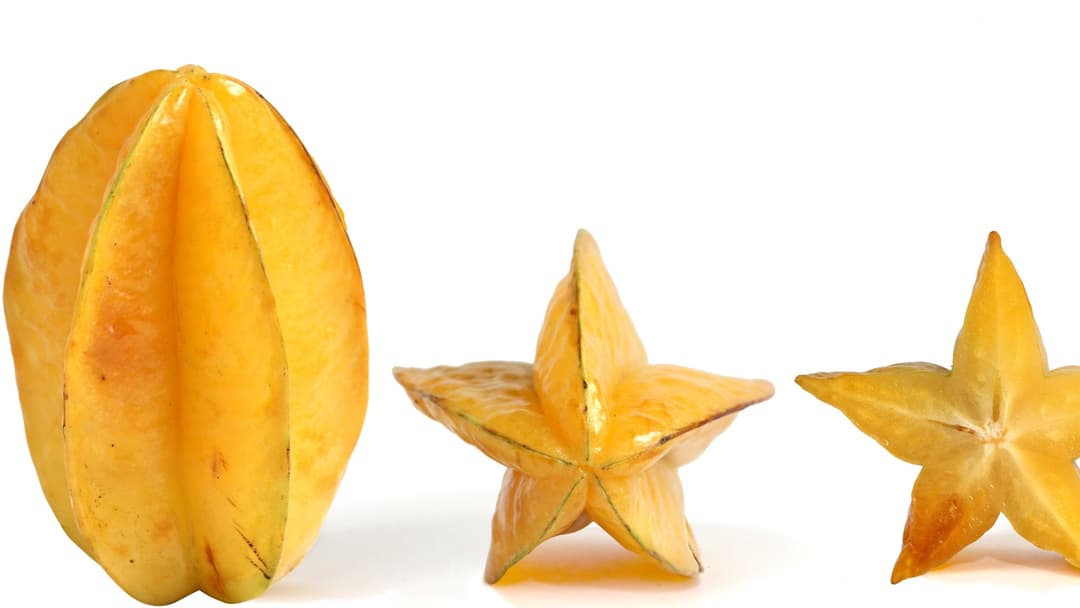
7. Starfruit - AdvertisementSwipe or tap ▶ to continue countdown

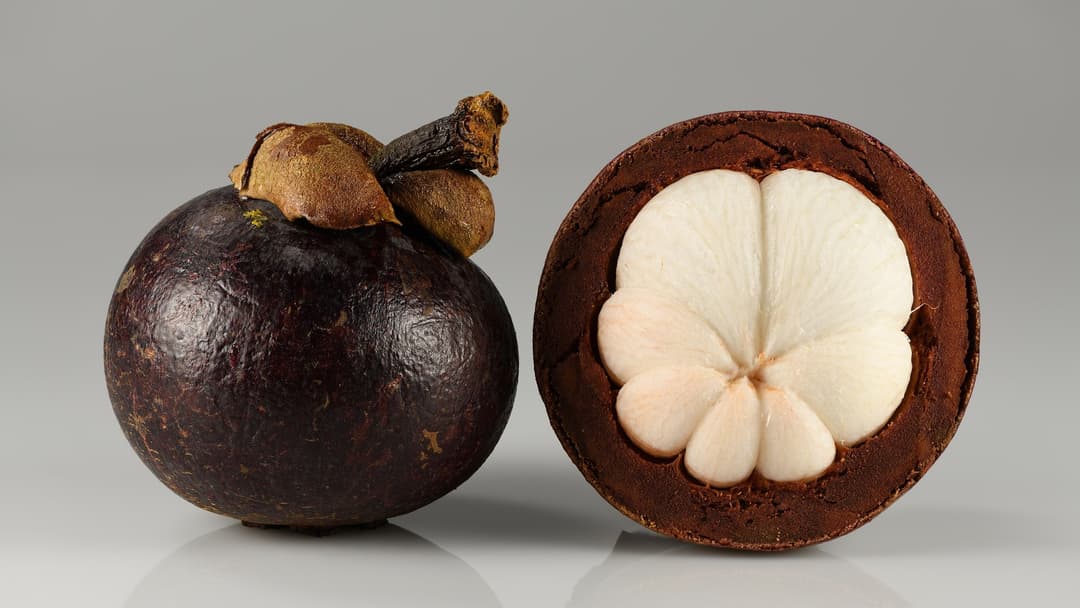
6. Mangosteen 
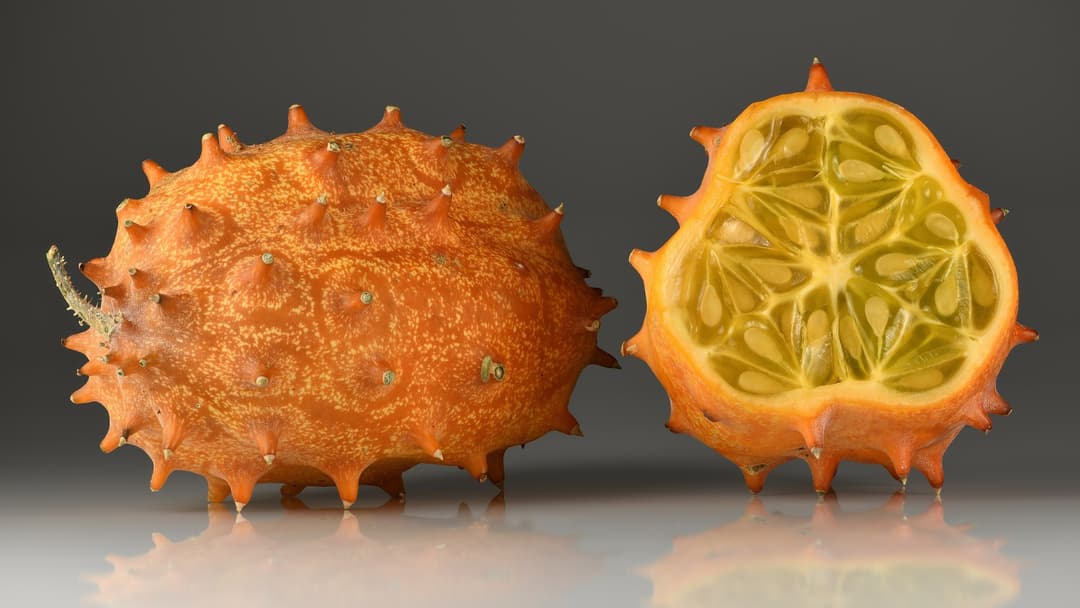
5. Kiwano Horned Melon 
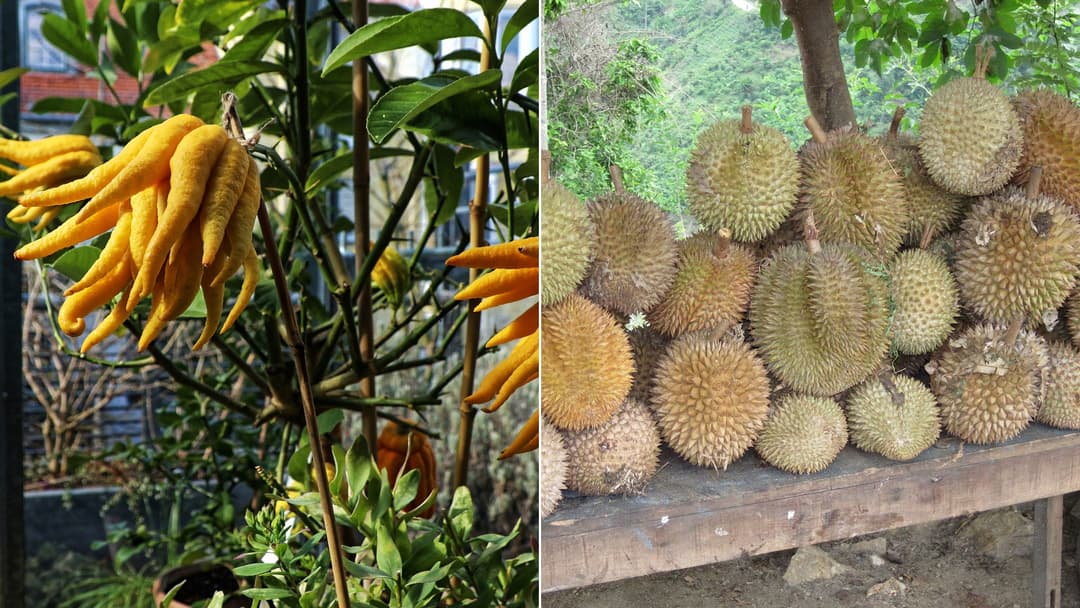
4. Buddhas Hand 
3. Durian - AdvertisementSwipe or tap ▶ to continue countdown

2. Dragon Fruit 
1. Rambutan - Advertisement🔥 UP NEXT IN THIS SERIES◫ 22 Slides

21 Former US Governors Who Became Influential National Leaders
Which former state governors rose to shape modern American history?
Across the globe, orchards and tropical canopies yield fruits with startling shapes, electric colors, and armor-like shells. From hairy rinds resembling sea urchins to tentacled citrus and reptilian scales, these peculiar edible marvels prove that delicious fresh produce can appear utterly otherworldly.
Swipe or tap ▶ to begin the countdown
©Wikimedia / Burkhard Mücke & Wikimedia / Kristof Zyskowski
25. Hala Fruit
Native to Pacific islands, Pandanus tectorius produces a segmented cluster of dozens of fibrous wedges called keys. Ripe keys show bright yellow, red, and orange flesh at their center, chewed fresh for juice or boiled into sweet syrup.
©Wikimedia / AntanO
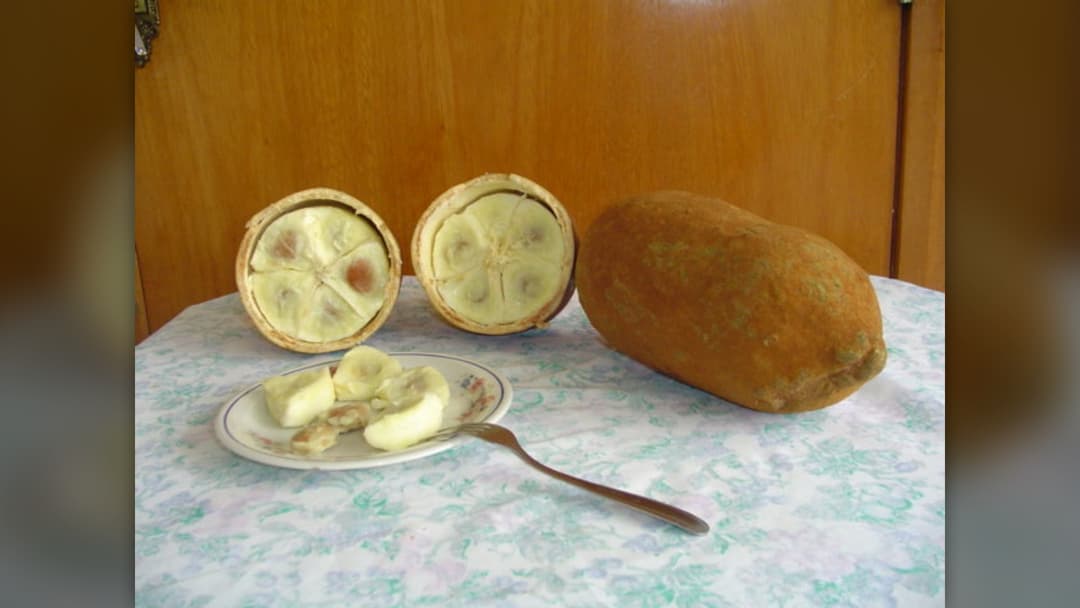
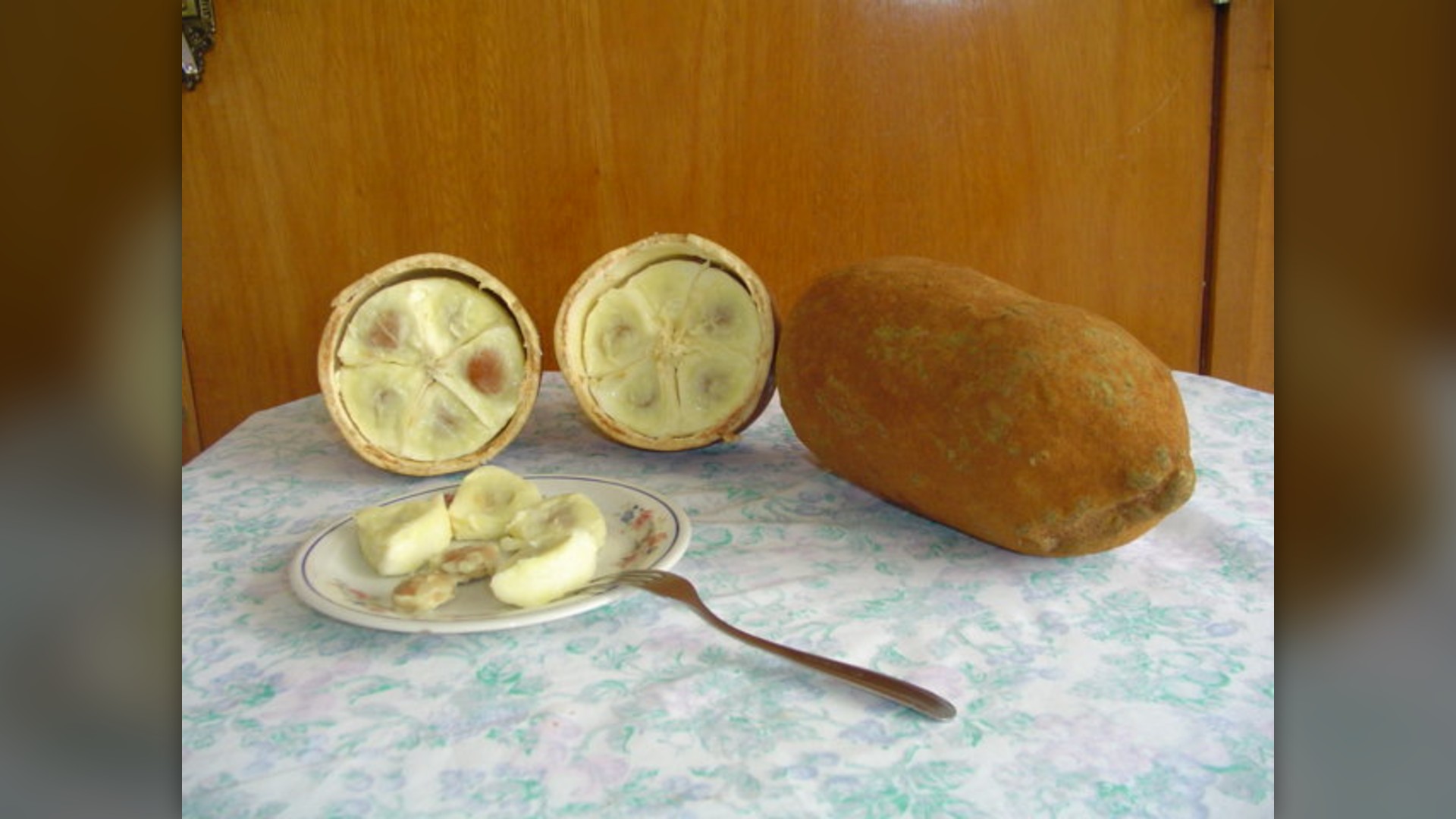
24. Cupuacu
Found throughout the Amazon basin, cupuacu grows as a heavy oblong fruit with a hard woody shell coated in brown fuzz. Inside, its thick white pulp carries a complex aroma of chocolate and pineapple, used for desserts and cosmetics.
©Wikimedia / Pedro Spoladore
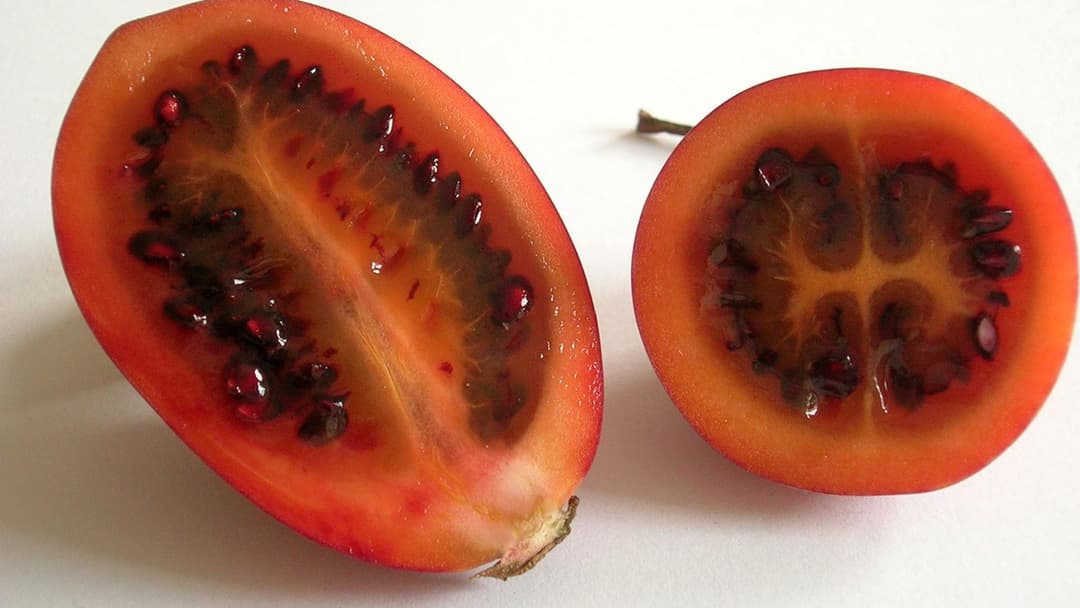
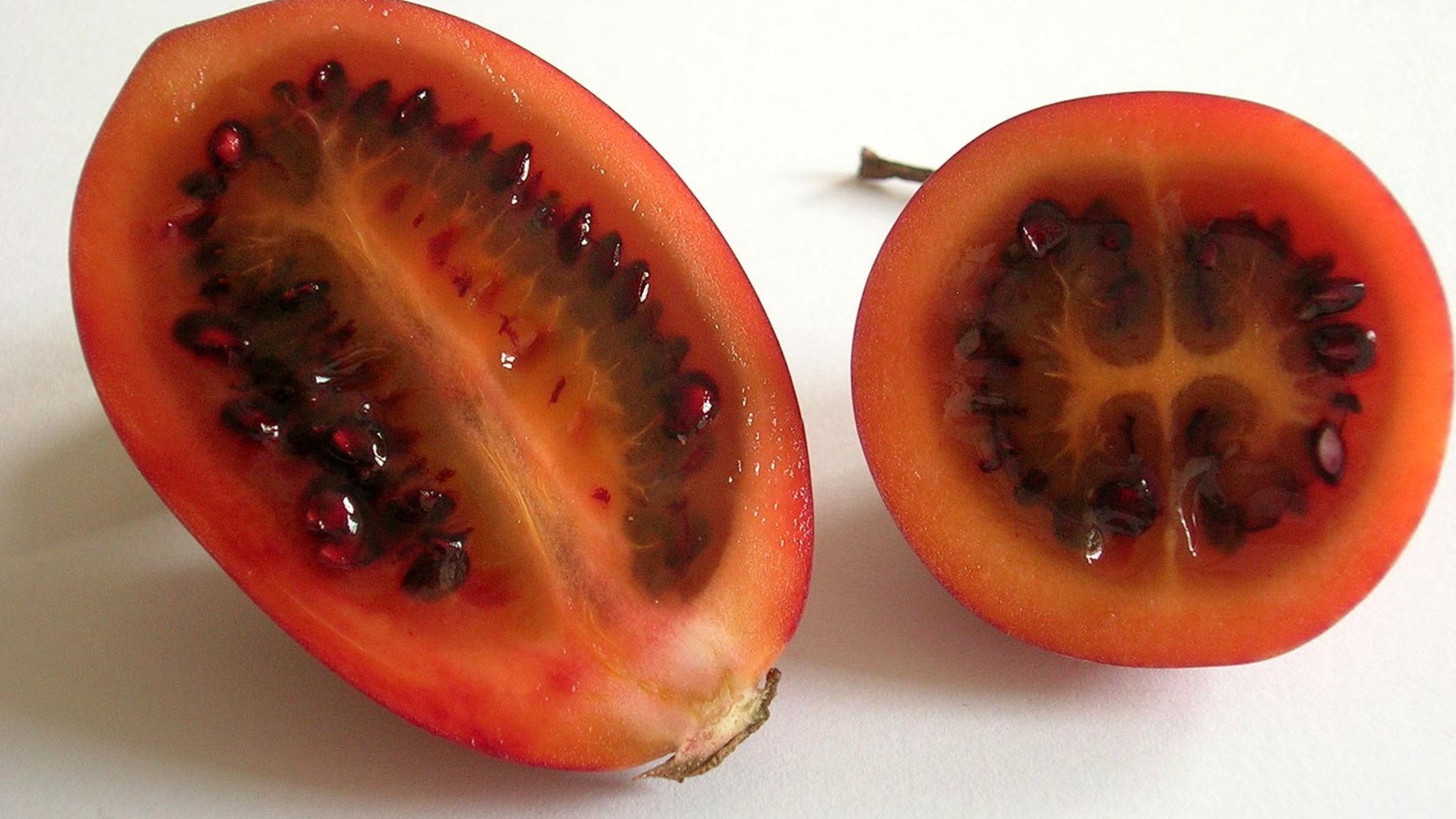
23. Tamarillo
Hailing from the Andean slopes, the tree tomato displays sleek red or golden skin. Slicing it in half reveals a striking target pattern of dark purple seeds in tangy jelly, popular in salads, compotes, and spicy sauces.
©Openverse / No machine-readable author provided. Janek
Advertisement
Swipe or tap ▶ to resume the countdown.
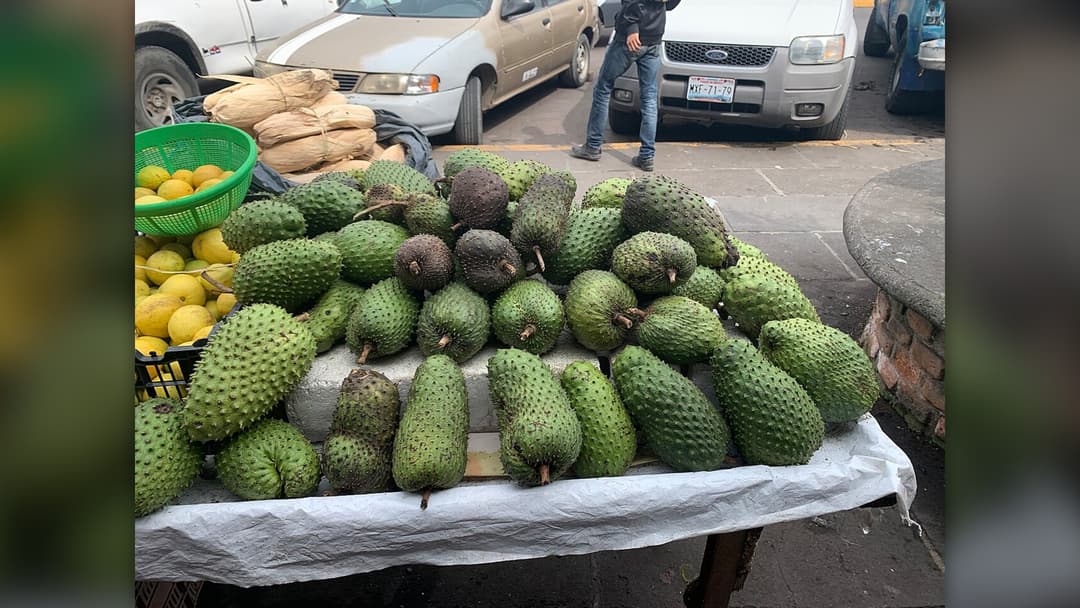
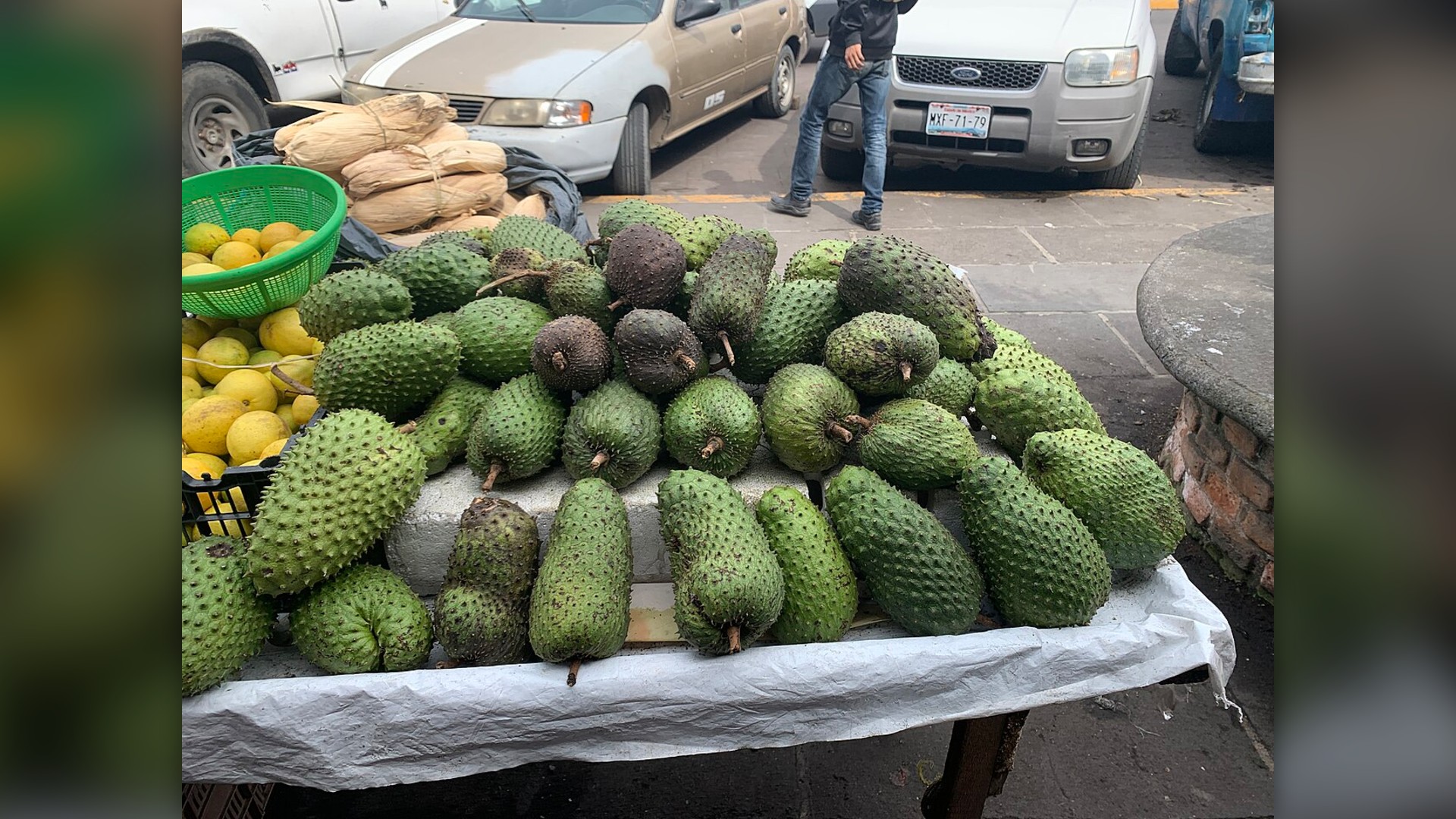
22. Soursop
Reaching up to a foot in length, soursop protects its tender white interior with a dark green skin studded with soft spikes. Its creamy fibrous flesh delivers a bright flavor blending citrus, apple, and strawberry.
©Wikimedia / Koffermejia
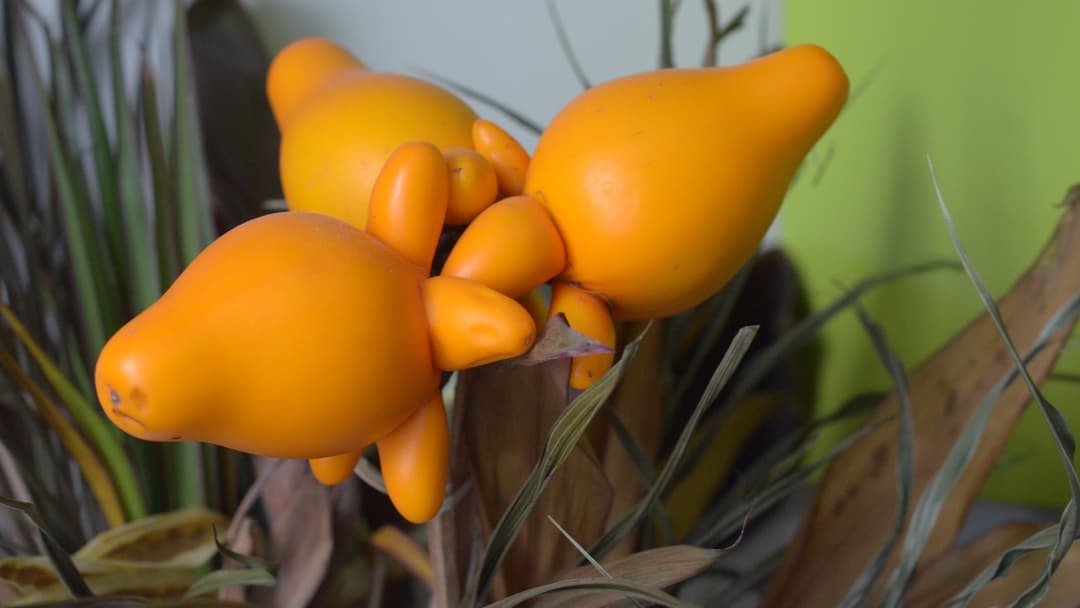
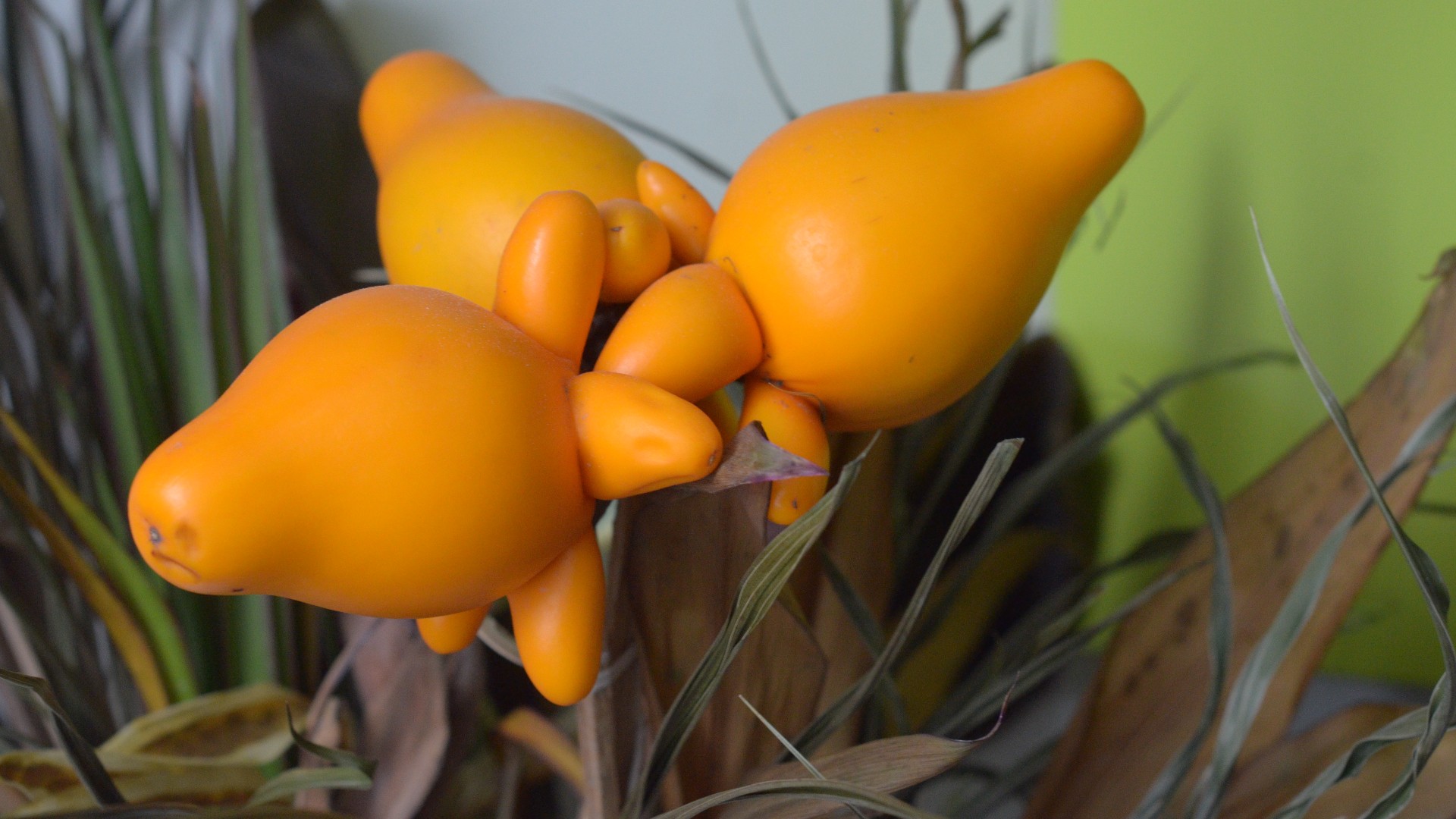
21. Nipplefruit
Native to South America, Solanum mammosum produces bizarre waxy yellow berries with protruding basal projections. Although toxic when raw, its unusual udder-like silhouette makes it a prized ornamental display during Asian Lunar New Year festivities.
©Wikimedia / Solanum mammosum
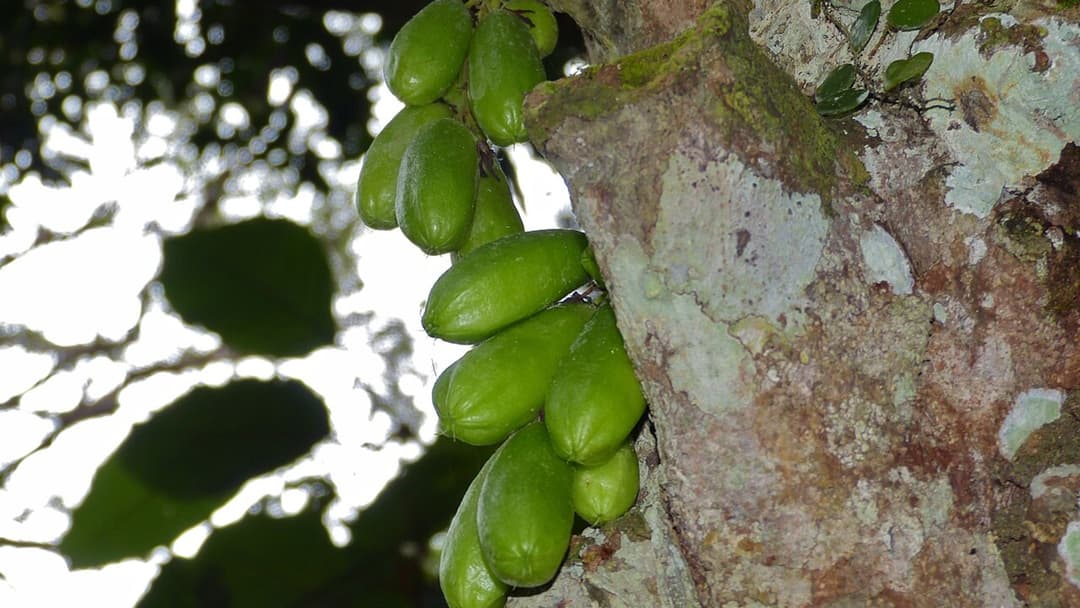
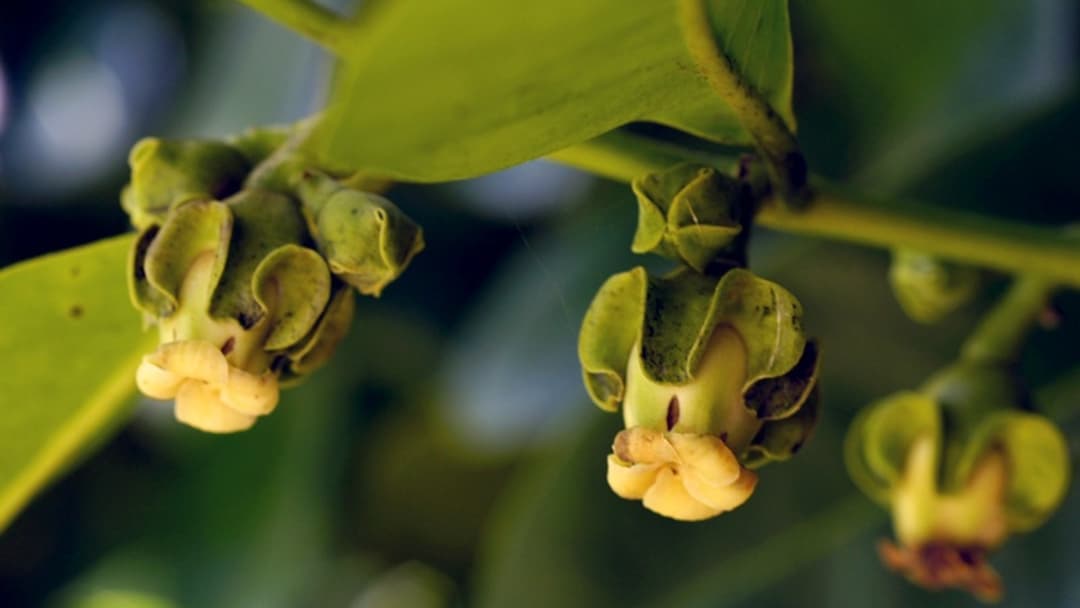
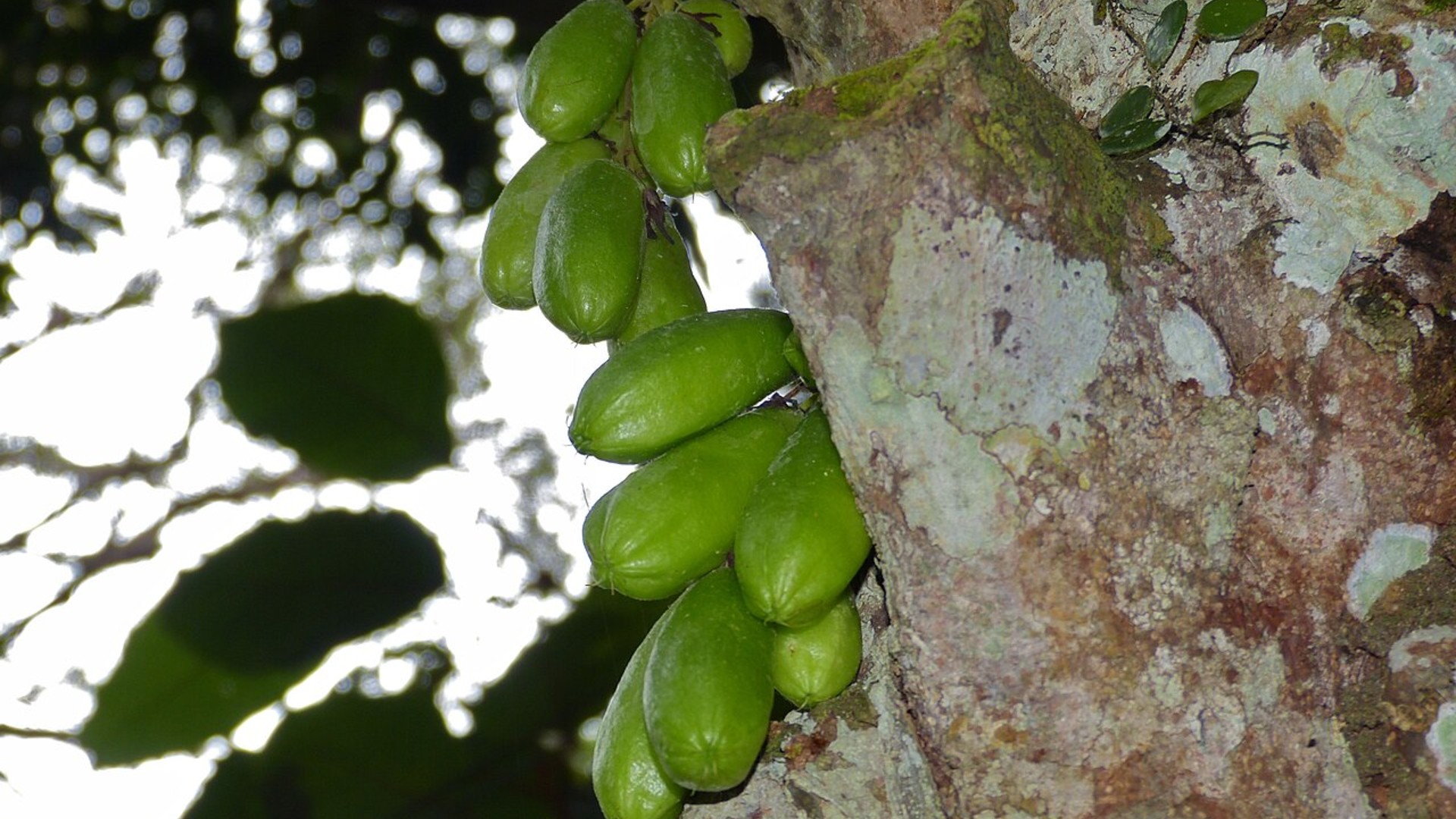
20. Bilimbi Tree Cucumber
Related to starfruit, Averrhoa bilimbi produces sour cylindrical pods in heavy bunches along tree trunks. Widely used in South and Southeast Asian curries, pickles, and preserves, its crisp flesh delivers intense tartness.
©Wikimedia / Bernard DUPONT from FRANCE
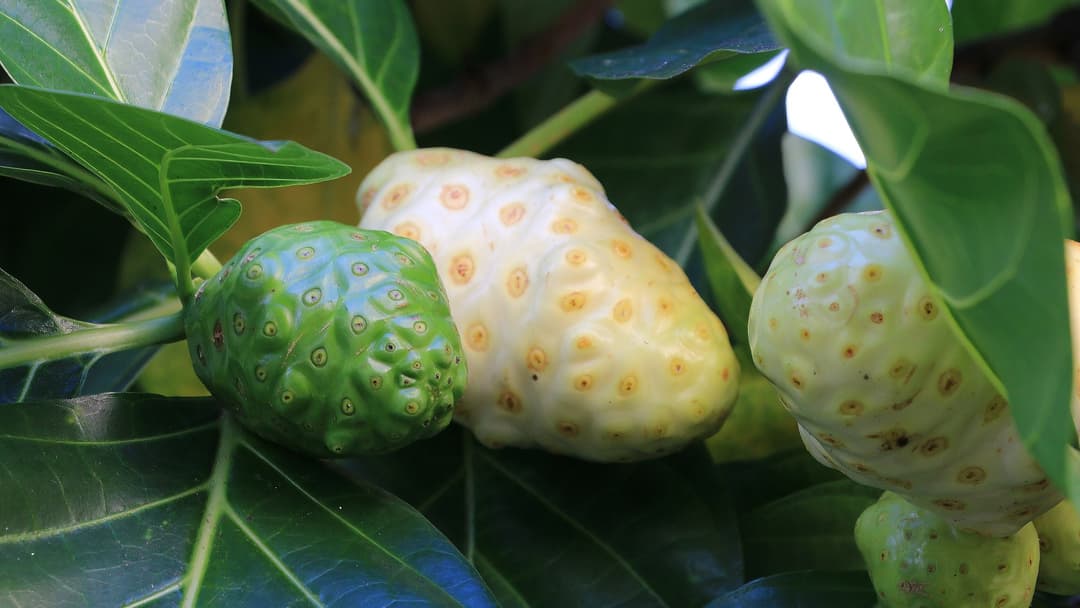
19. Noni
Also known as the starvation fruit, noni develops multiple eyes as flowers fuse into a bumpy composite body. While its pungent smell repels the uninitiated, Pacific island cultures have consumed it for centuries for traditional wellness.
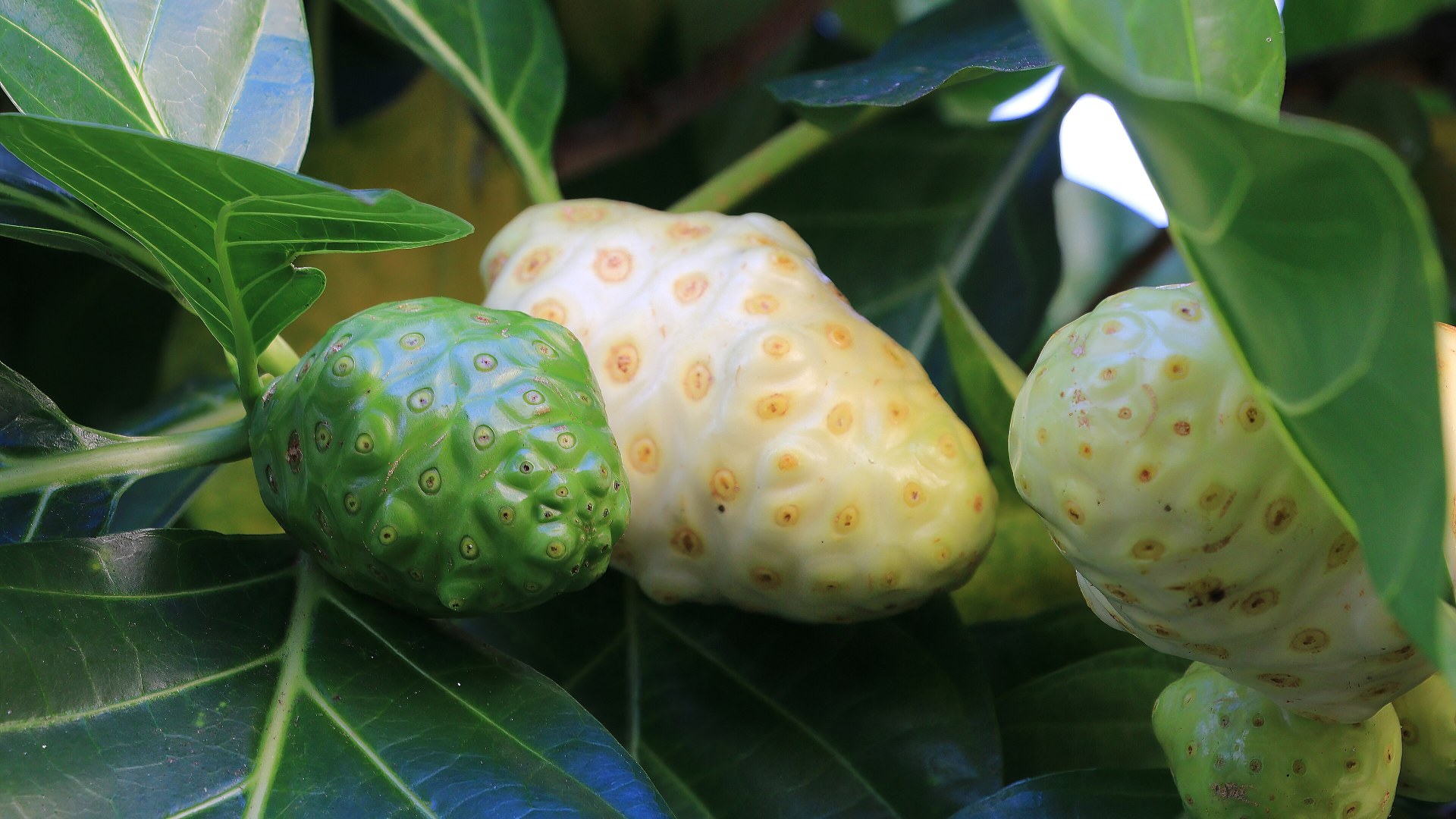
©Wikimedia / ImagePerson
Advertisement
Swipe or tap ▶ to resume the countdown.
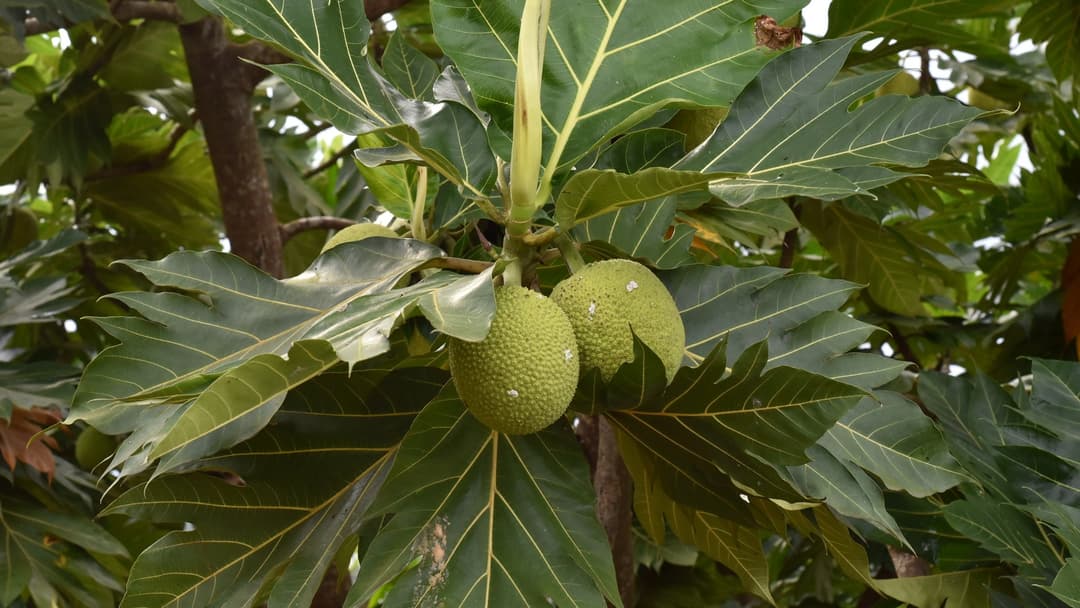
18. Breadfruit
A staple crop across the South Pacific for millennia, breadfruit grows with dense pebbled skin. Cooked green or ripe, its high starch content turns soft and doughy, sustaining island navigators and communities for generations.
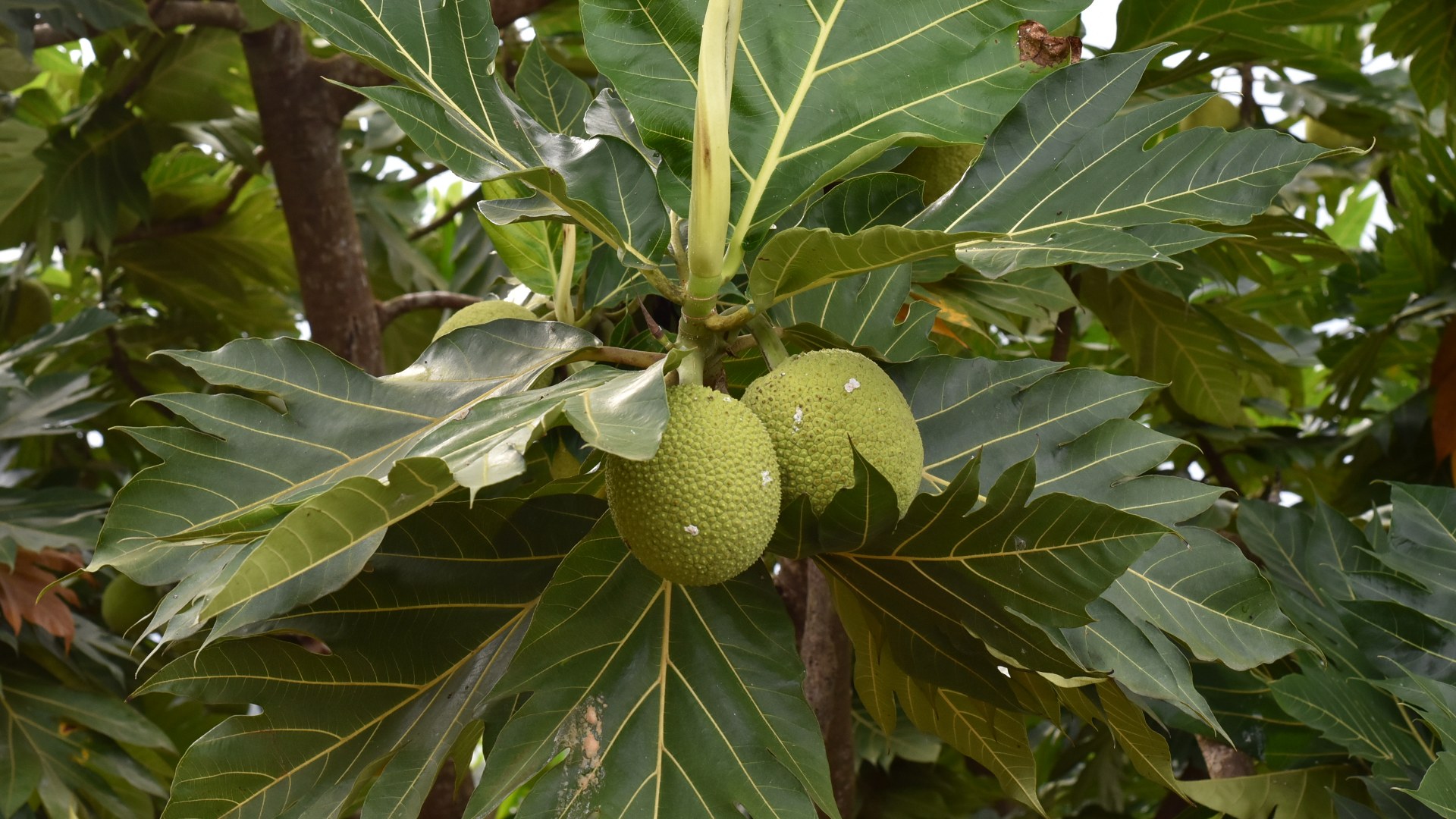
©Wikimedia / Ashay vb
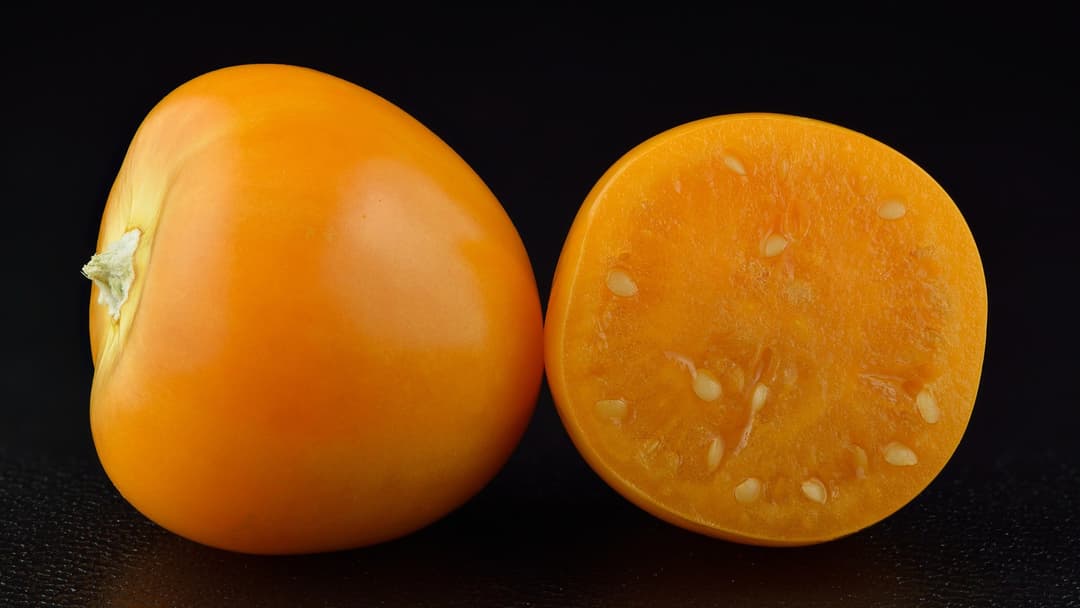
17. Physalis
Protected within an inflated calyx that dries to translucent parchment, physalis looks like a hanging paper lantern. Inside sits an edible orange berry offering a zesty flavor balance of sweet tomato and tropical fruit.
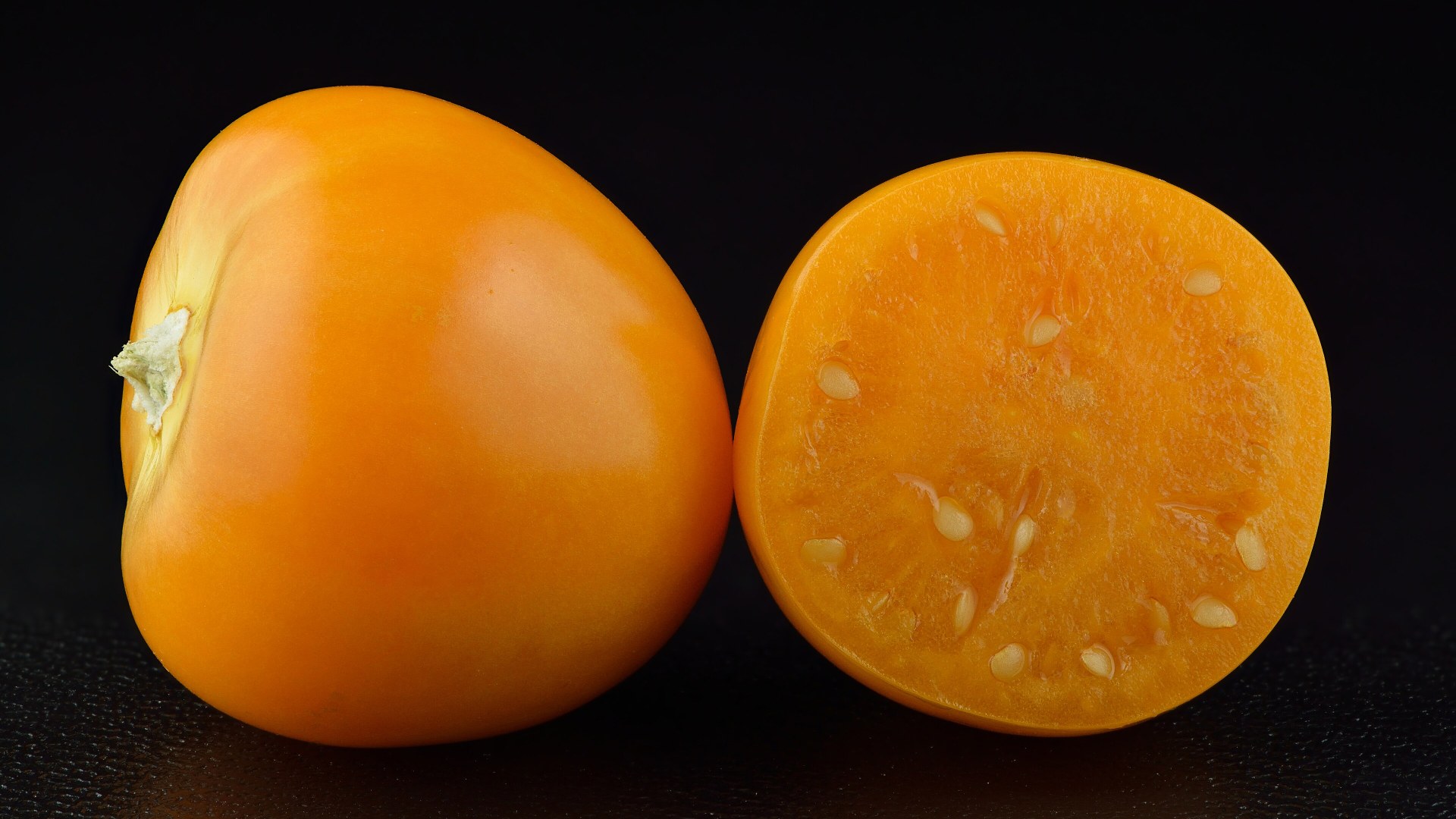
©Wikimedia / Ivar Leidus
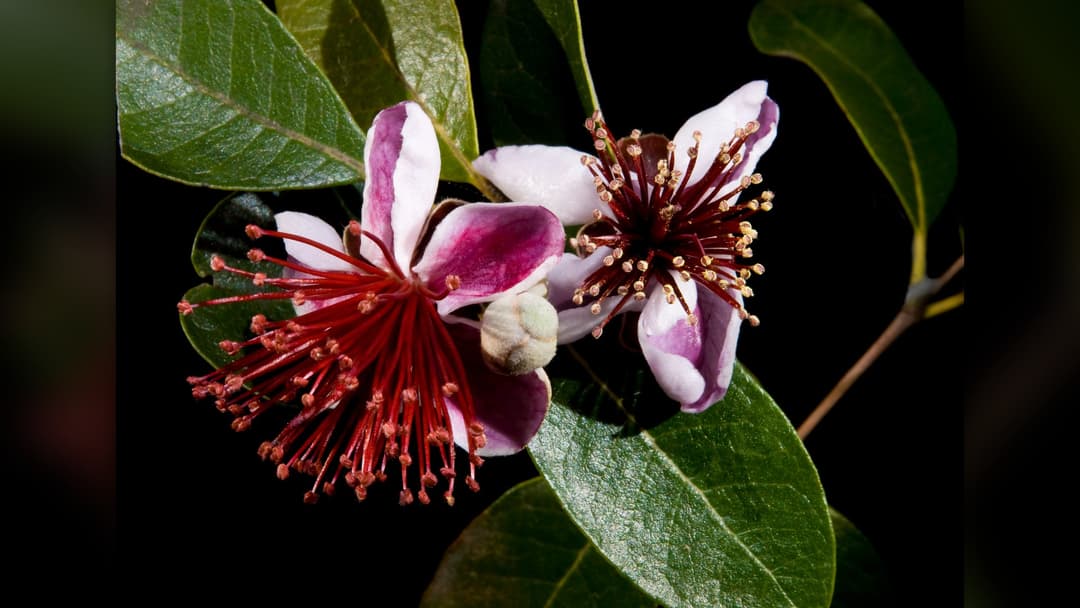
16. Feijoa
Common across South America and New Zealand, feijoa stays matte green even when fully ripe. Slicing it open exposes a granular outer flesh surrounding a clear jelly pocket bursting with notes of mint, pineapple, and guava.
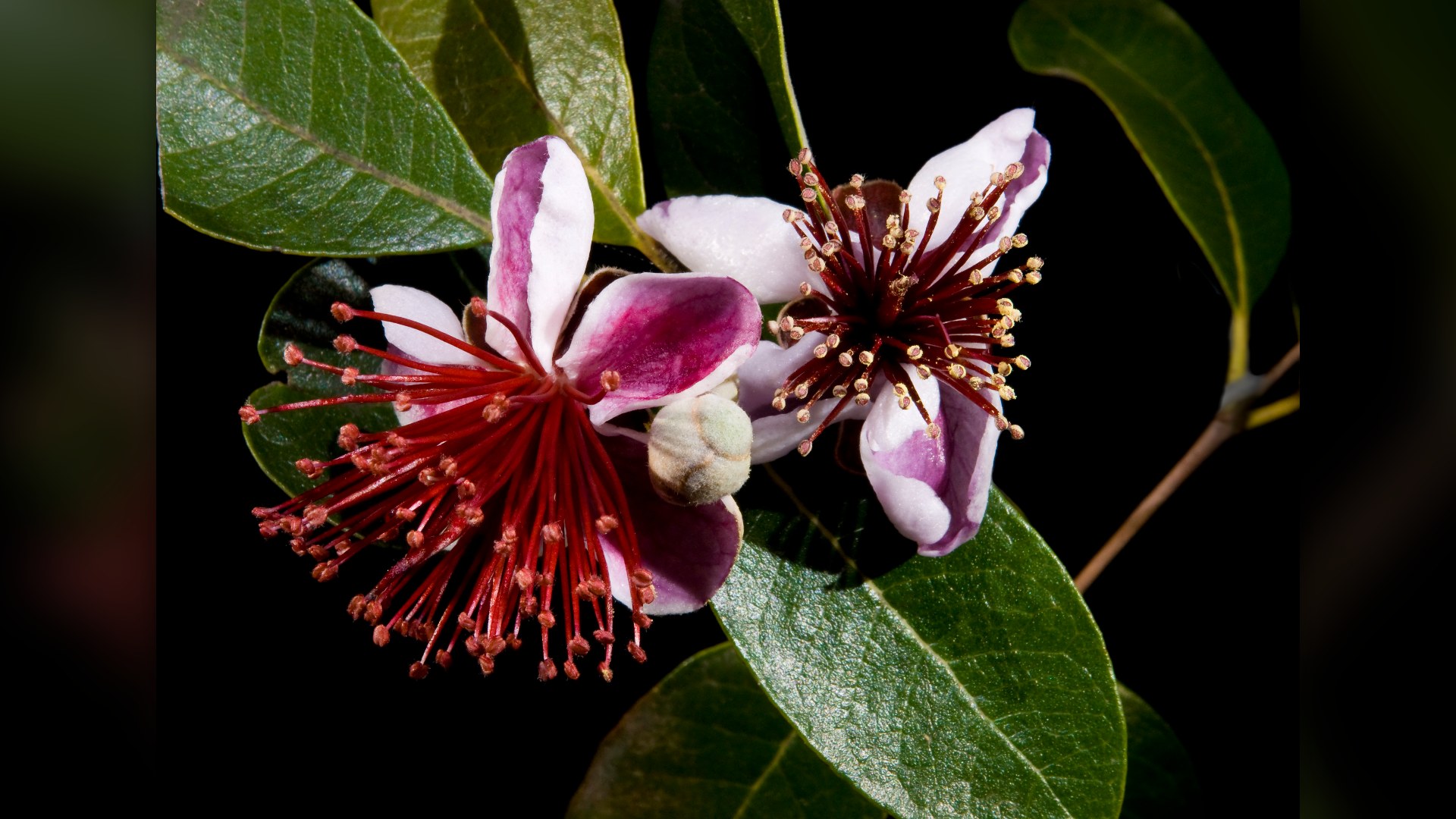
©Wikimedia / Didier Descouens
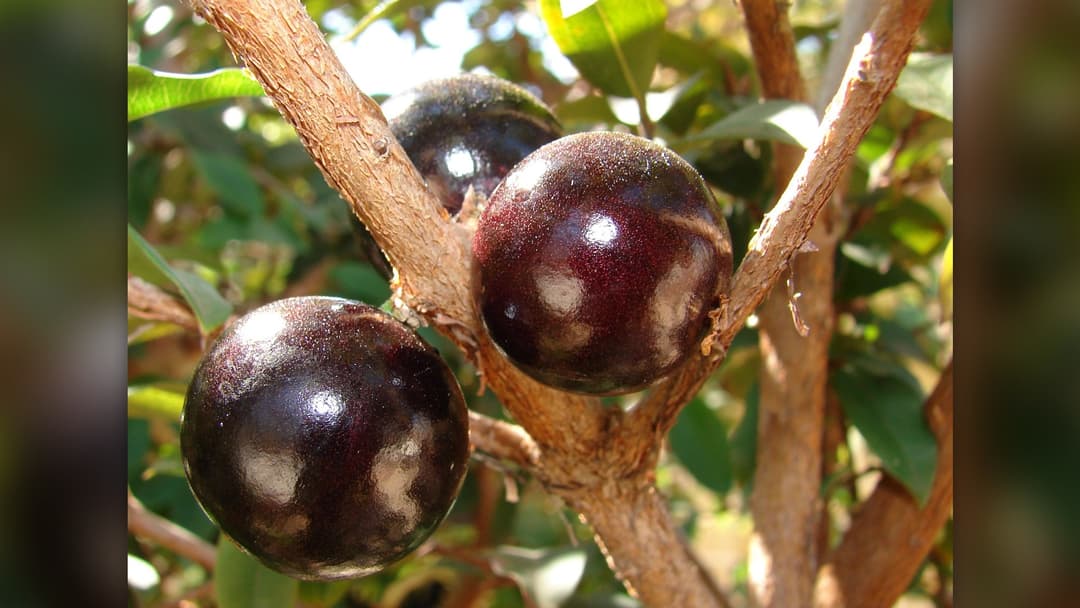
15. Jabuticaba
Known as the Brazilian grapetree, jabuticaba displays cauliflory, flowering and fruiting directly along its trunk and major limbs. The thick purple skins enclose sweet gelatinous white flesh that locals harvest and eat fresh.
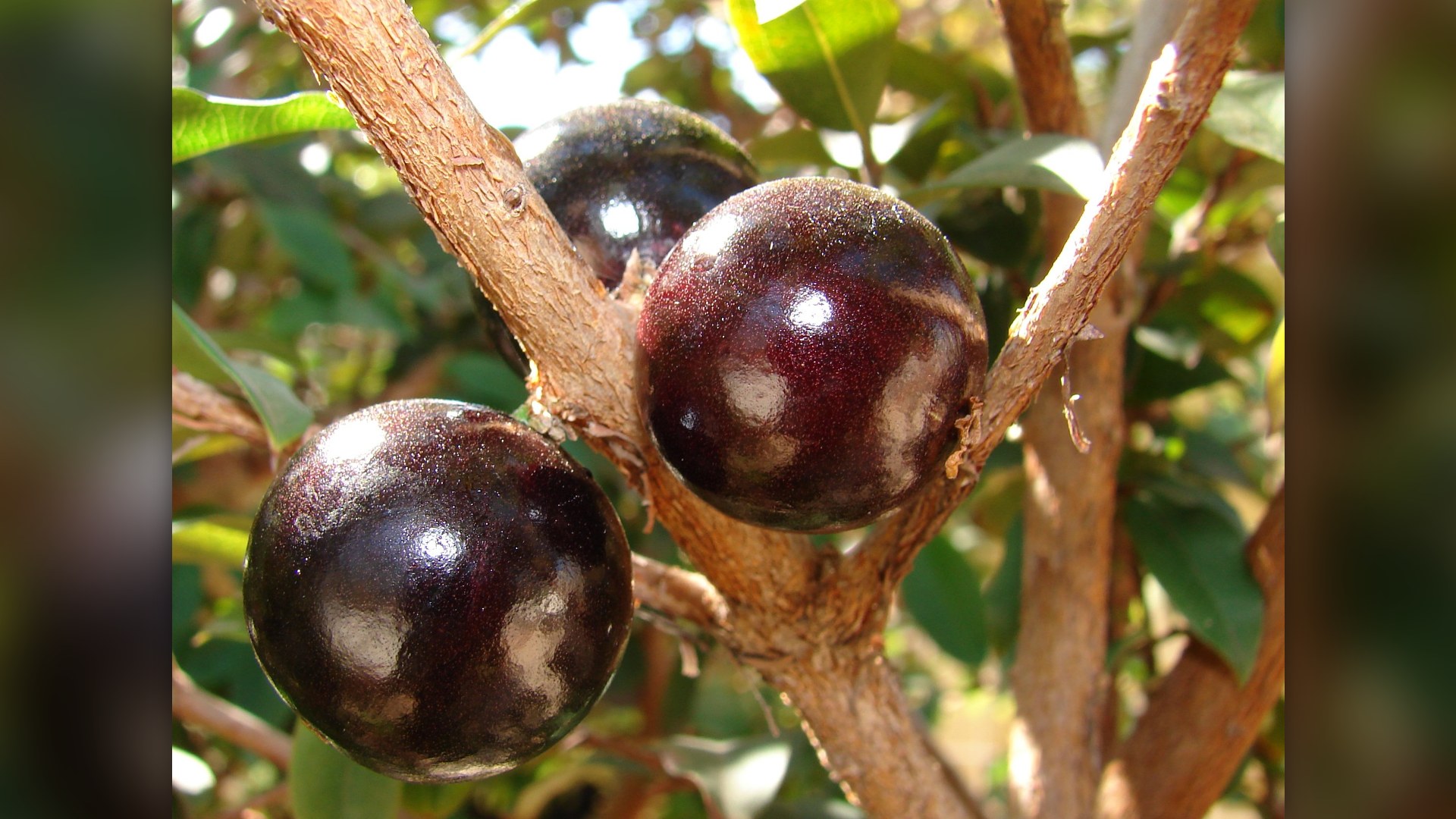
©Wikimedia / Alexandre Campolina
Advertisement
Swipe or tap ▶ to resume the countdown.
14. Black Sapote
Native to eastern Mexico and Central America, black sapote looks like a green tomato on the tree. As it softens, the pulp turns deep brown with a silky custard texture and mild cocoa-like flavor often whipped into mousses.
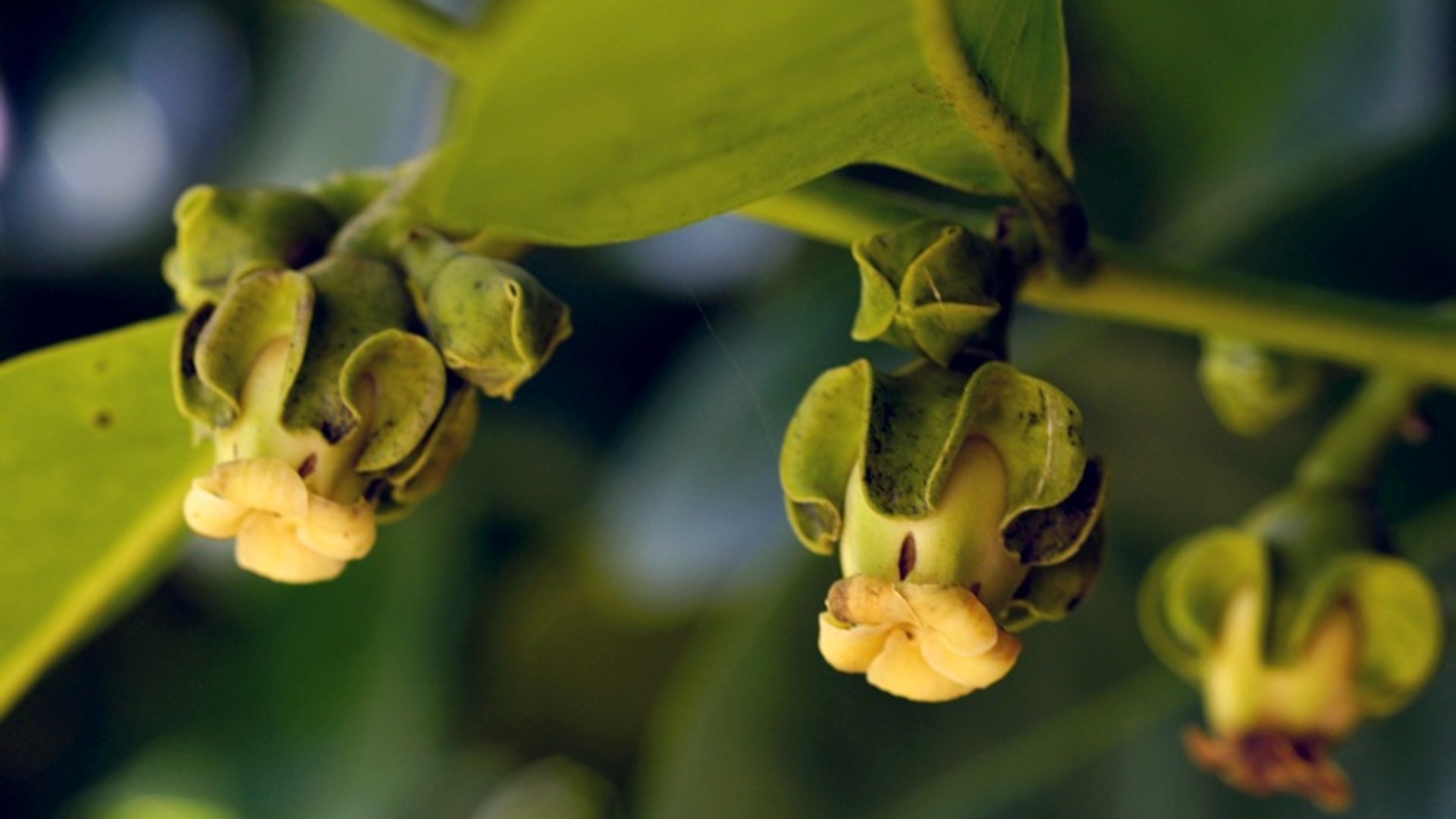
©Wikimedia / Tatiana Gerus
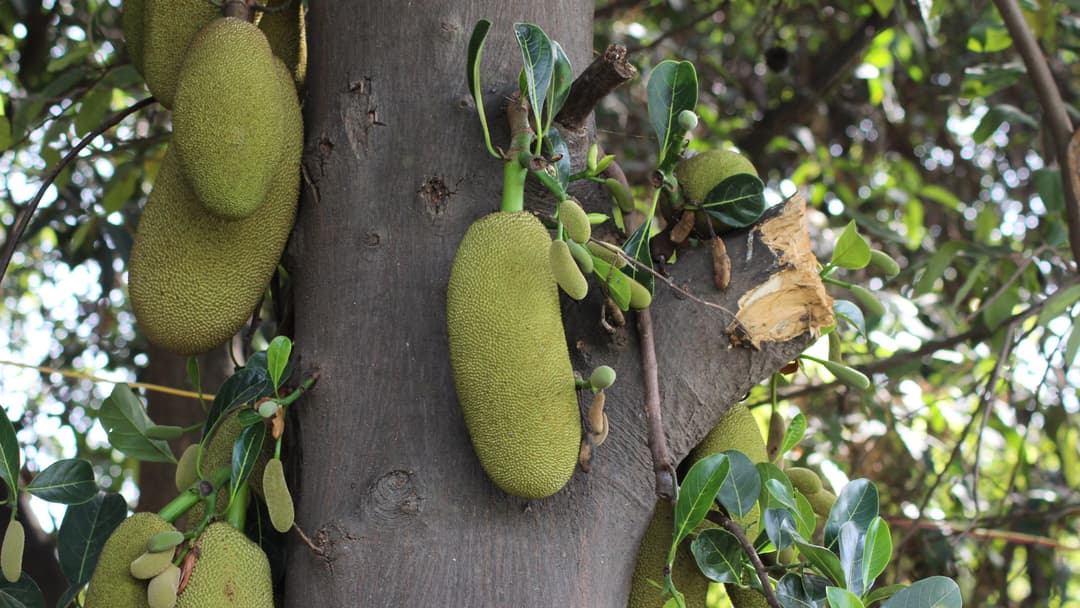
13. Jackfruit
Hanging directly from sturdy tree trunks, jackfruits are covered in thousands of blunt conical spikes. Cutting through the fibrous core reveals yellow bulbs that taste like sweet candy when ripe and act as meat substitutes when green.
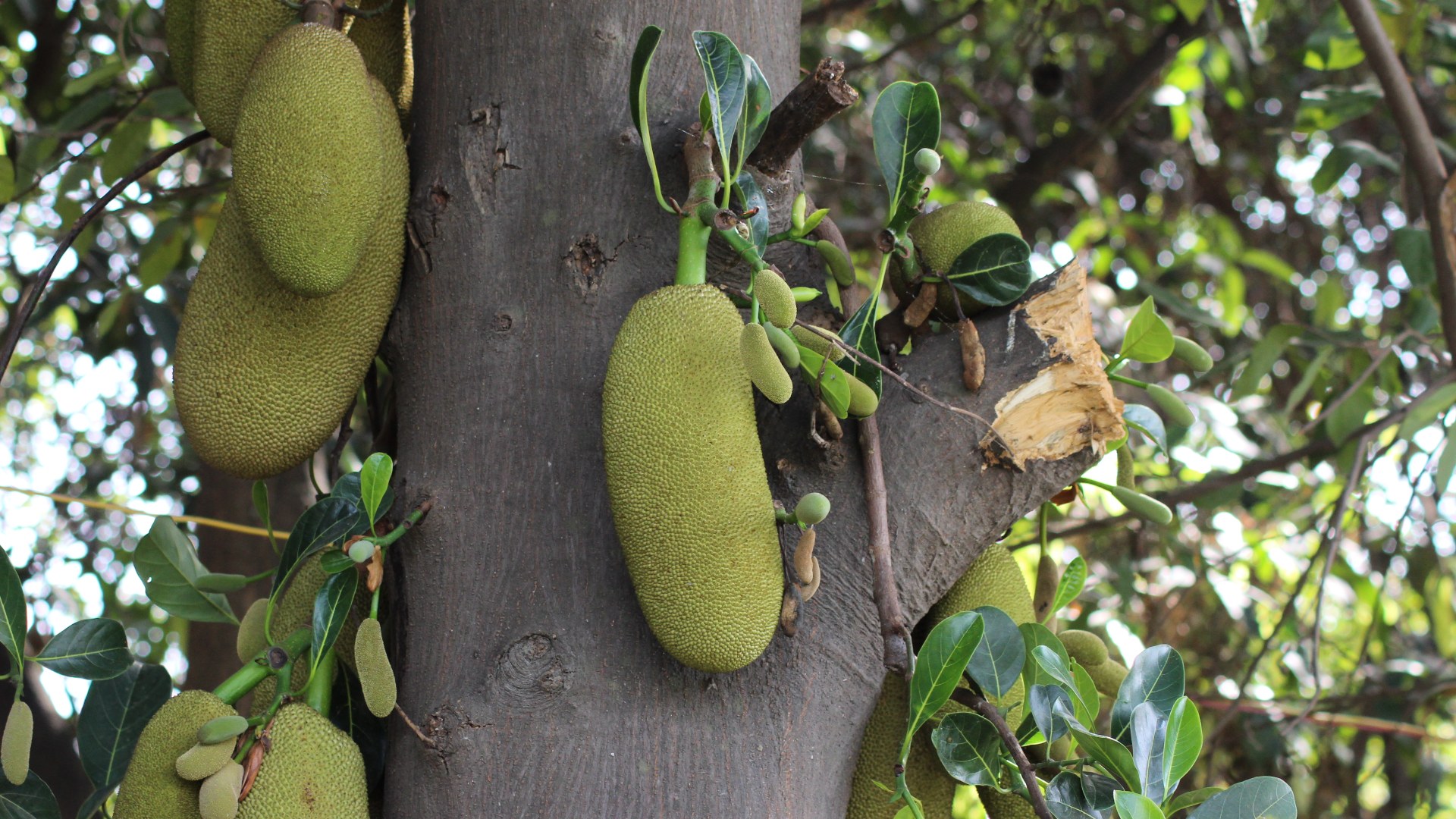
©Wikimedia / Suyash Dwivedi
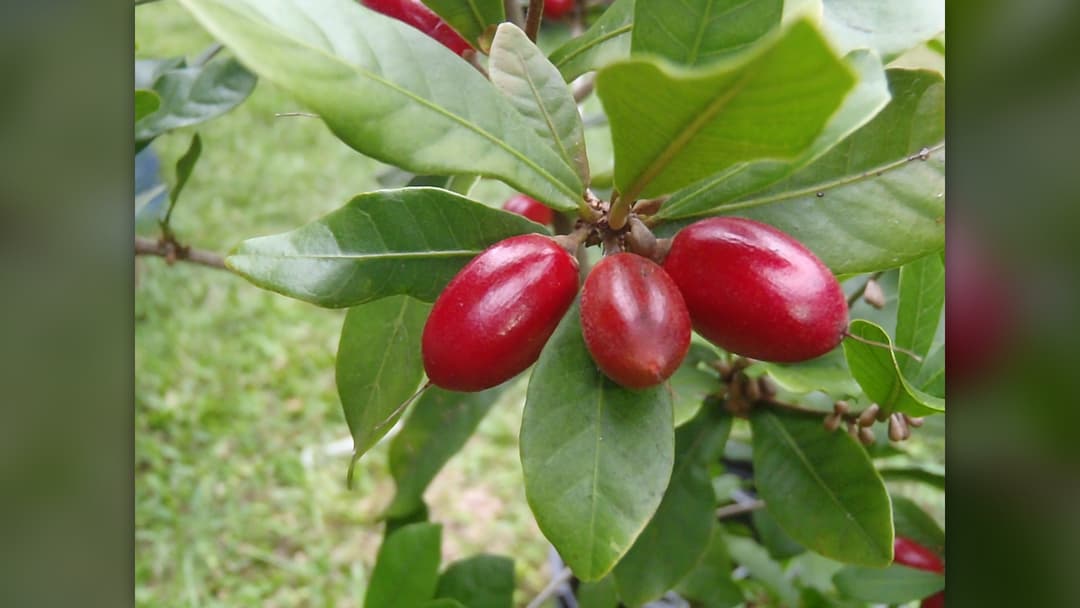
12. Miracle Fruit
West African shrub Synsepalum dulcificum produces modest crimson berries containing miraculin. Chewing a single berry temporarily binds to tongue sweetness receptors, turning lemons and vinegar into candied treats for up to an hour.
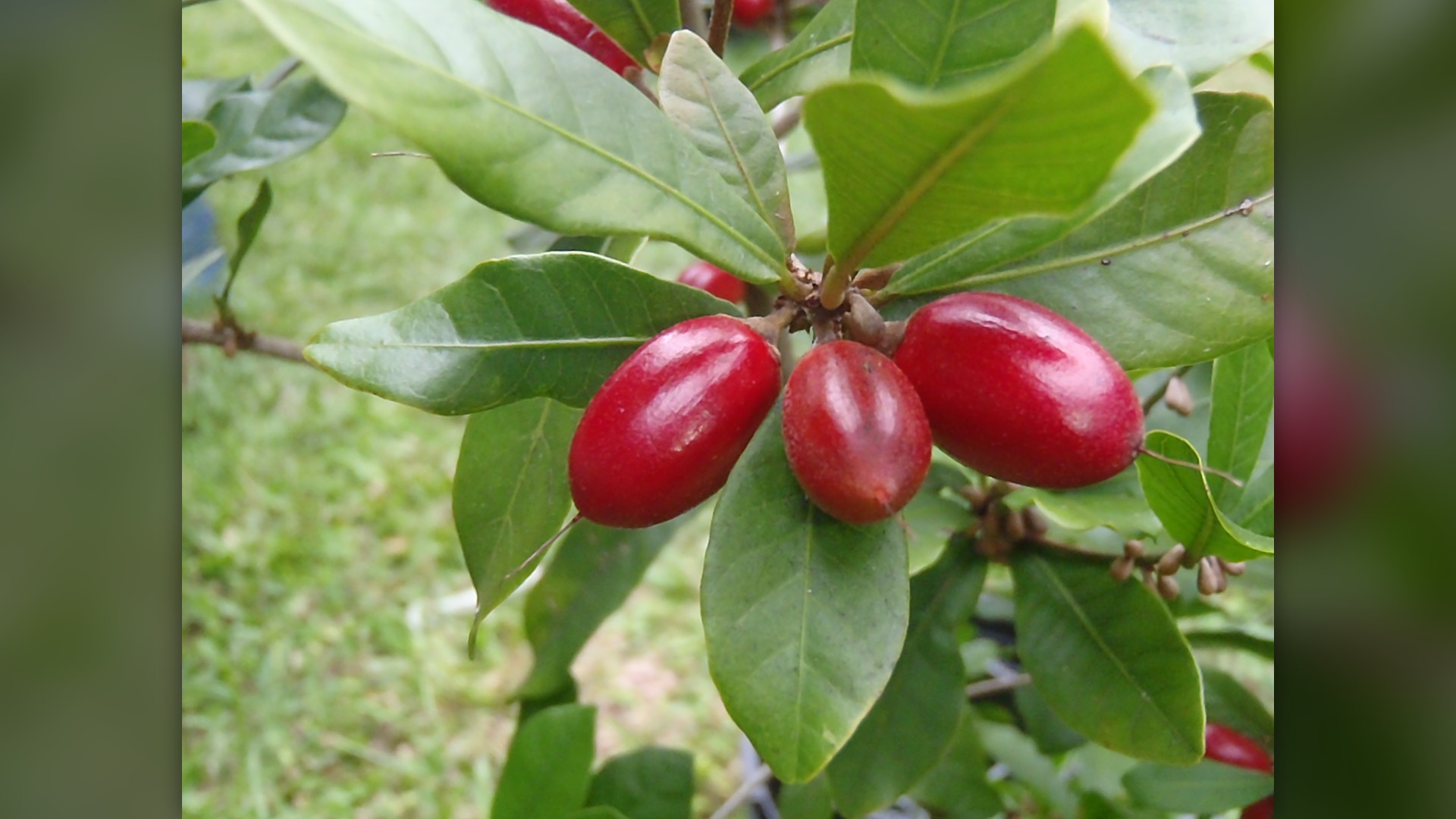
©Wikimedia / Synsepalum dulcificum
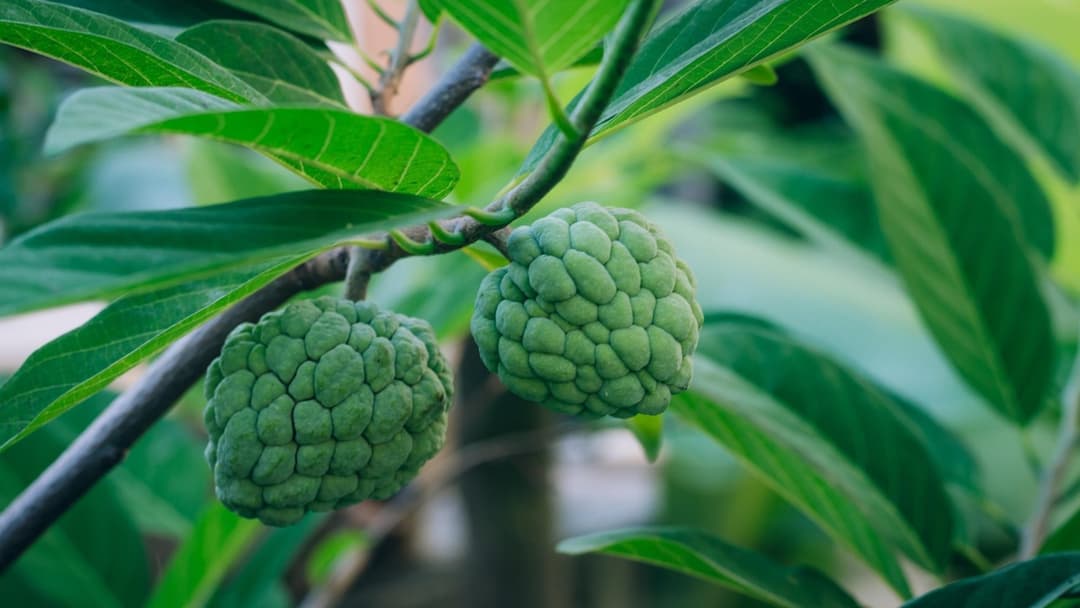
11. Cherimoya
Mark Twain once described cherimoya as deliciousness itself. Native to the Andean highlands, its scaly green exterior yields to a creamy white pulp packed with tropical flavors of banana, pineapple, and vanilla.
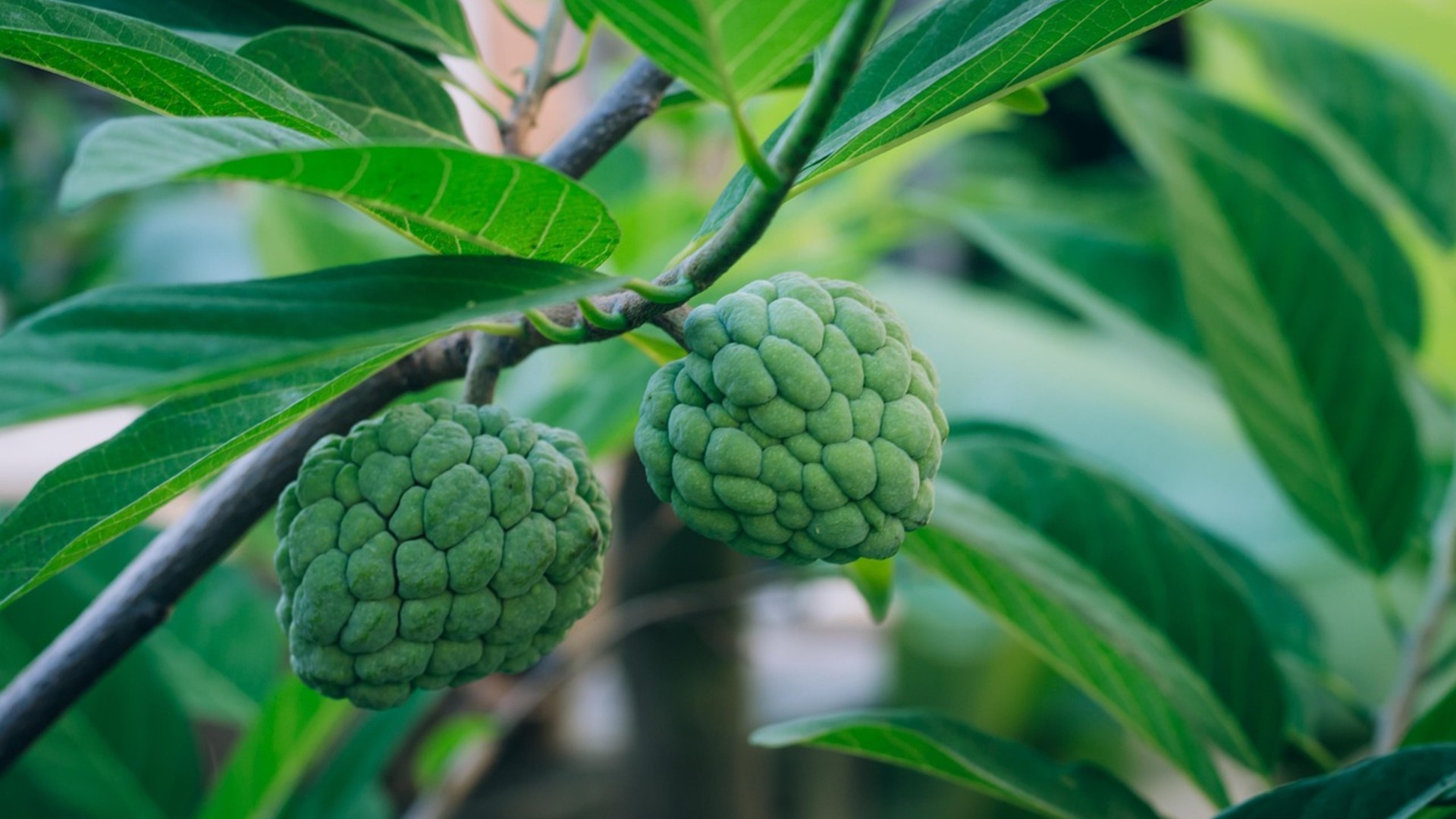
©Pixabay / Rattakarn_
Advertisement
Swipe or tap ▶ to resume the countdown.
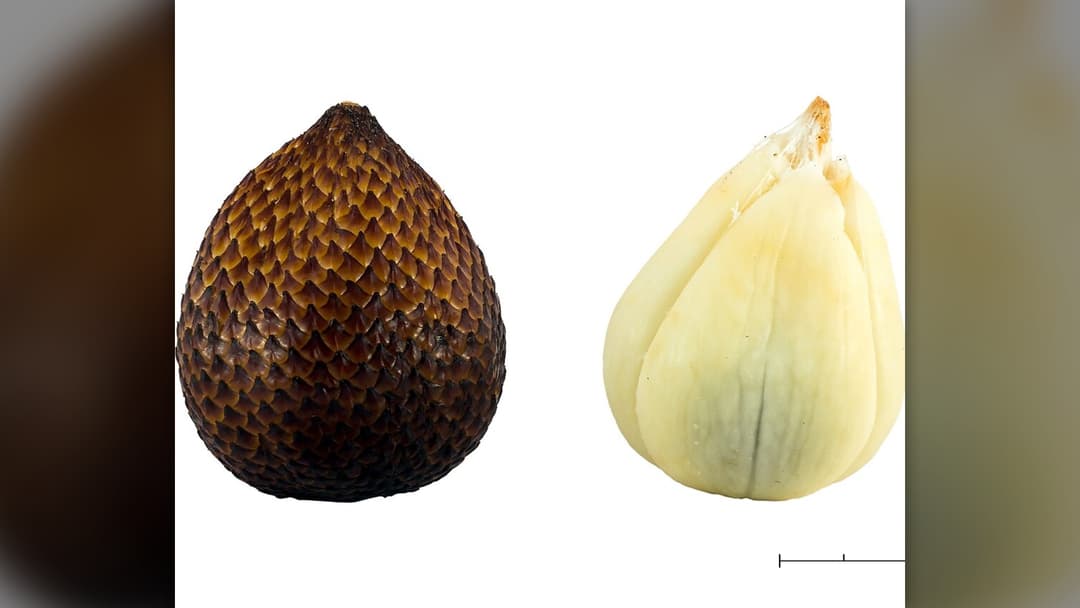
10. Salak Snake Fruit
Growing in clusters near the base of spiny Indonesian palm trees, salak looks like a miniature reptile egg. Peeling back the scaly epidermis reveals firm cloves with a sweet, crisp crunch reminiscent of apple and pineapple.
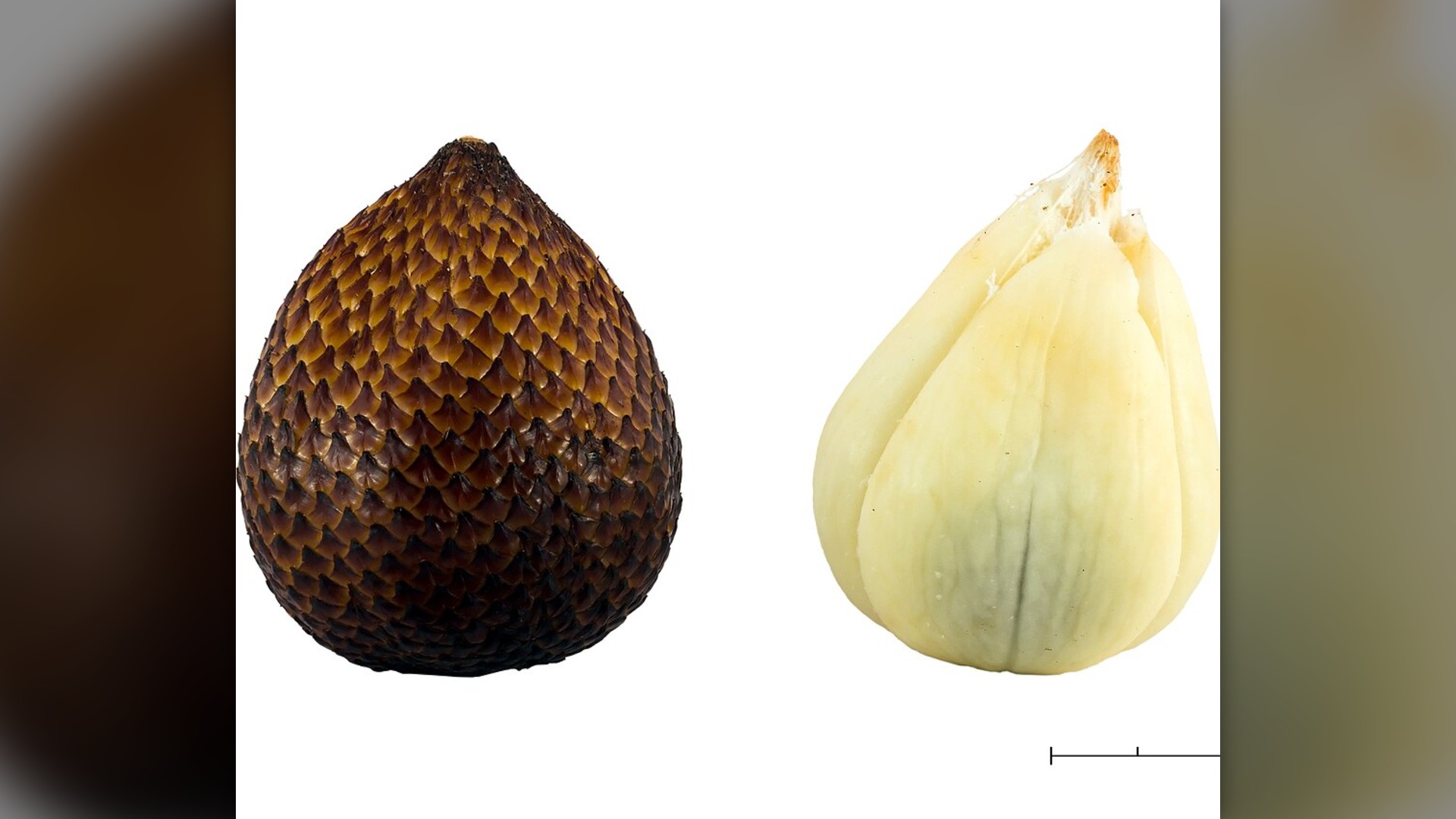
©Wikimedia / Crisco 1492
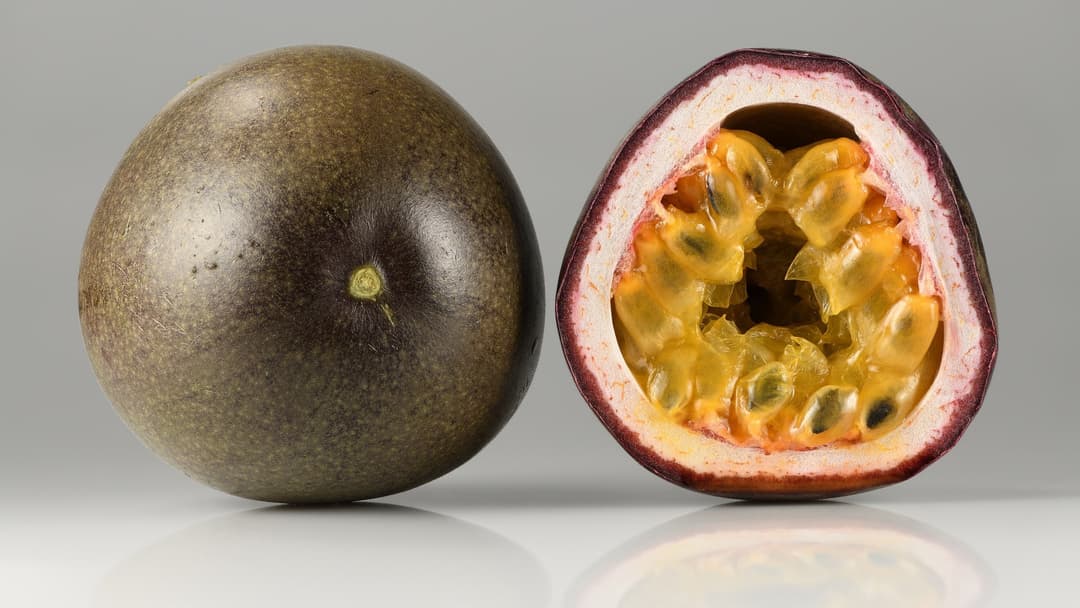
9. Passion Fruit
While smooth skins look pretty, passion fruit reaches peak sweetness when its rind wrinkles like old leather. Cracking the sphere reveals an intensely aromatic cavity loaded with tangy, jelly-coated seeds.
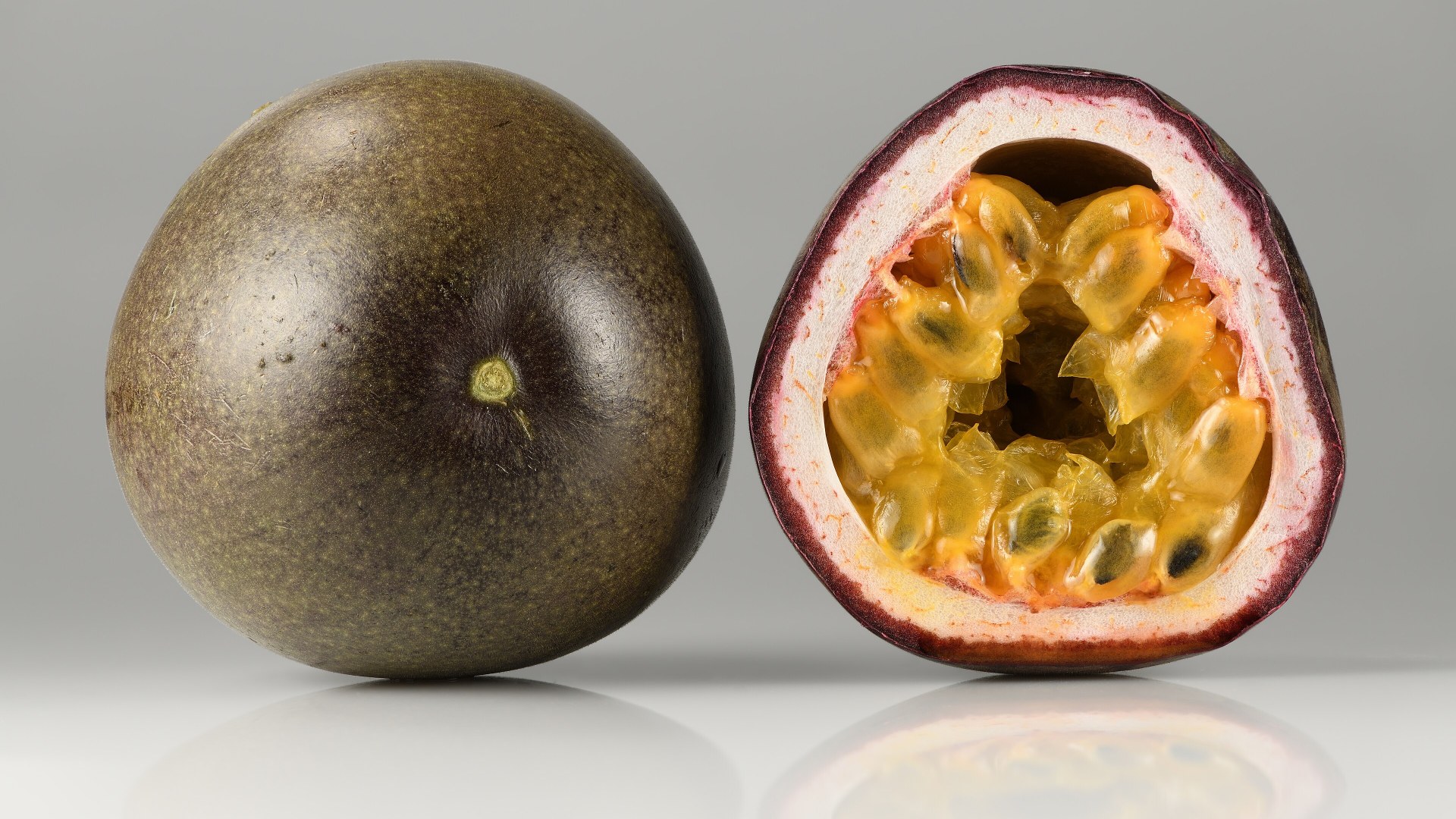
©Wikimedia / Ivar Leidus
8. Ackee
The national fruit of Jamaica originated in West Africa and must ripen naturally before eating. When the pod yawns open on the tree, it exposes pale yellow arils that turn buttery and savory when gently simmered.
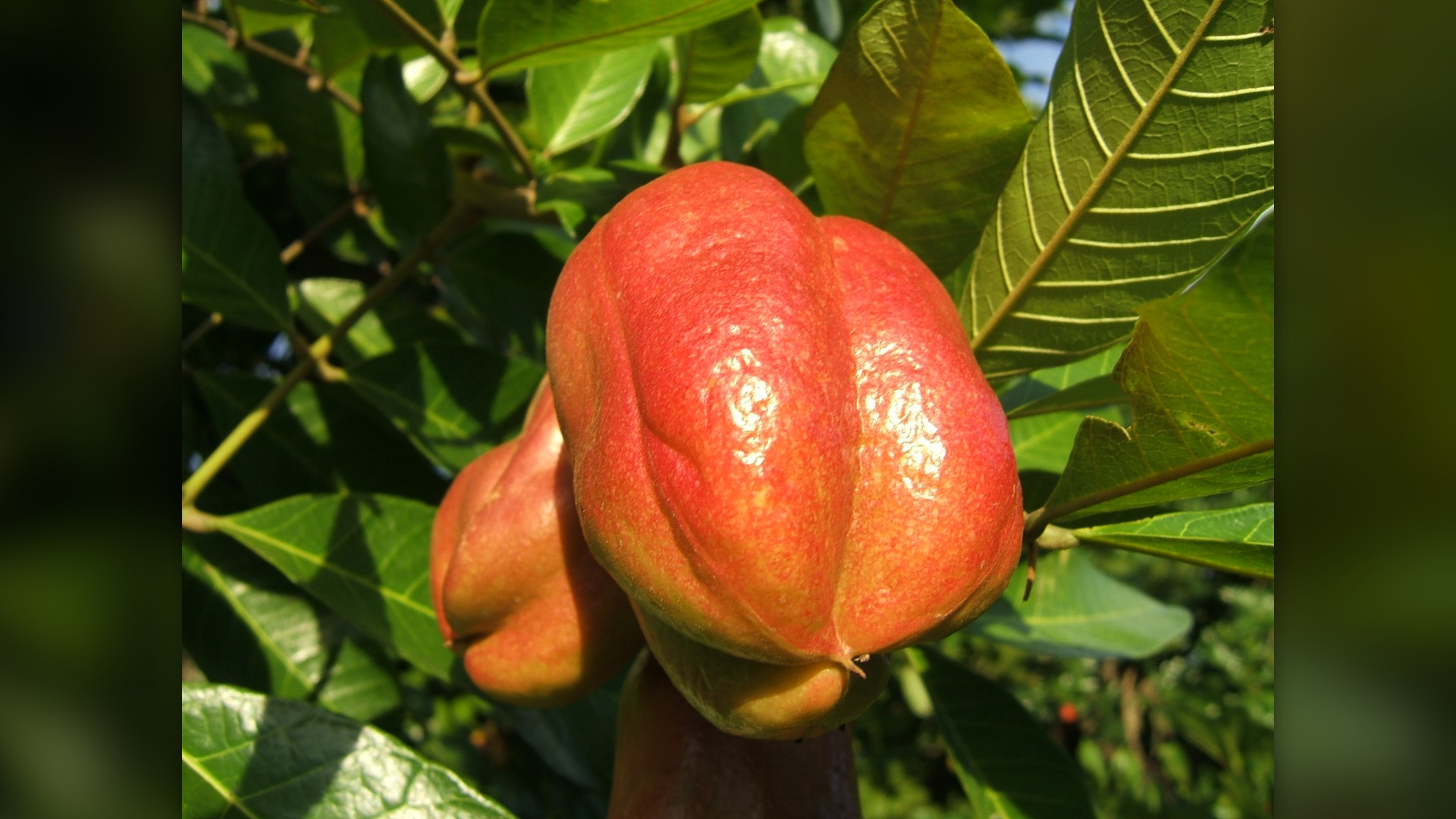
©Wikimedia / Ackee
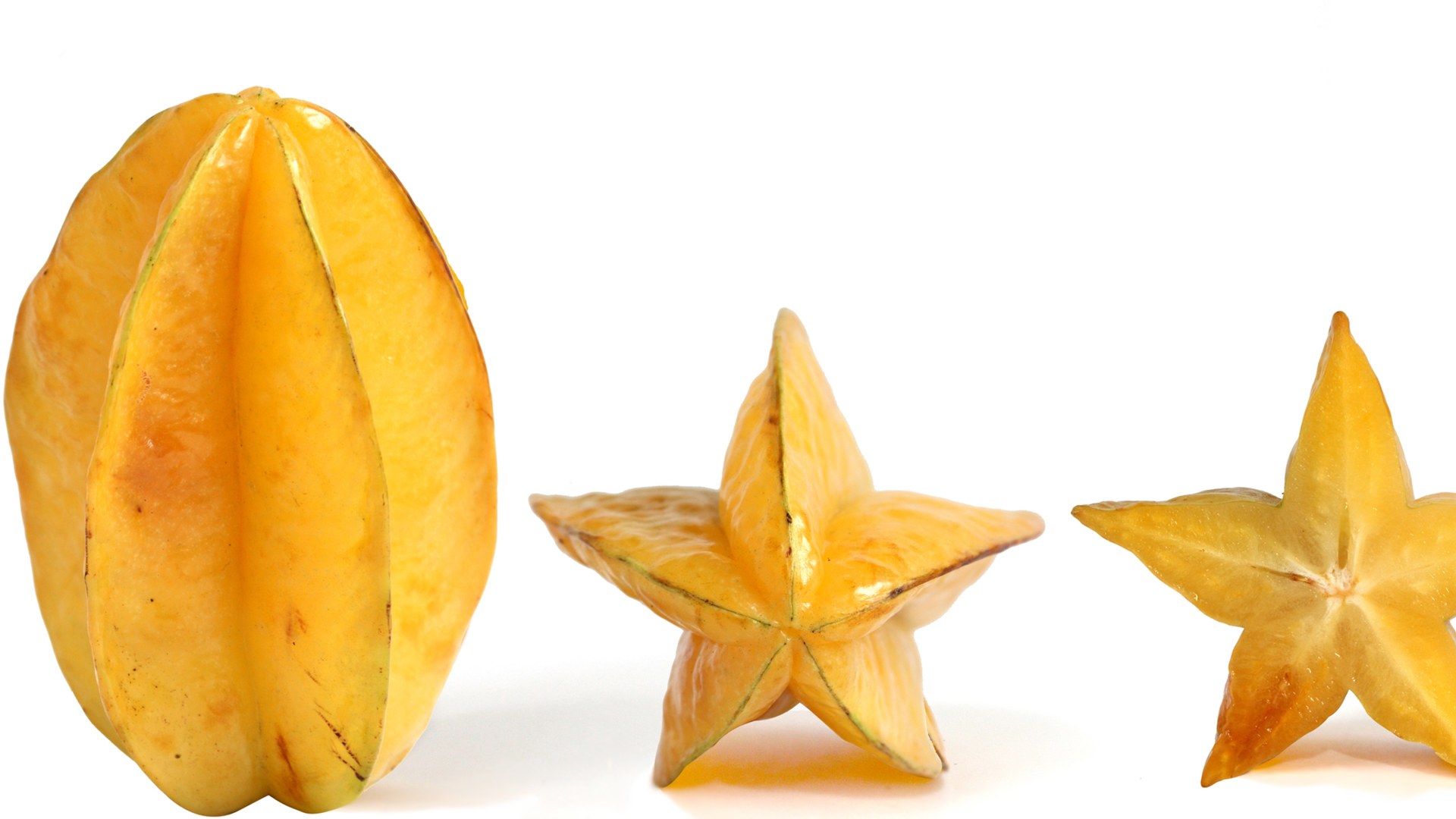
7. Starfruit
Native to tropical Southeast Asia, carambola grows with prominent ribs running along its entire length. The waxy skin is completely edible, yielding crisp and juicy flesh with an airy citrus punch.
©Wikimedia / SMasters
Advertisement
Swipe or tap ▶ to resume the countdown.
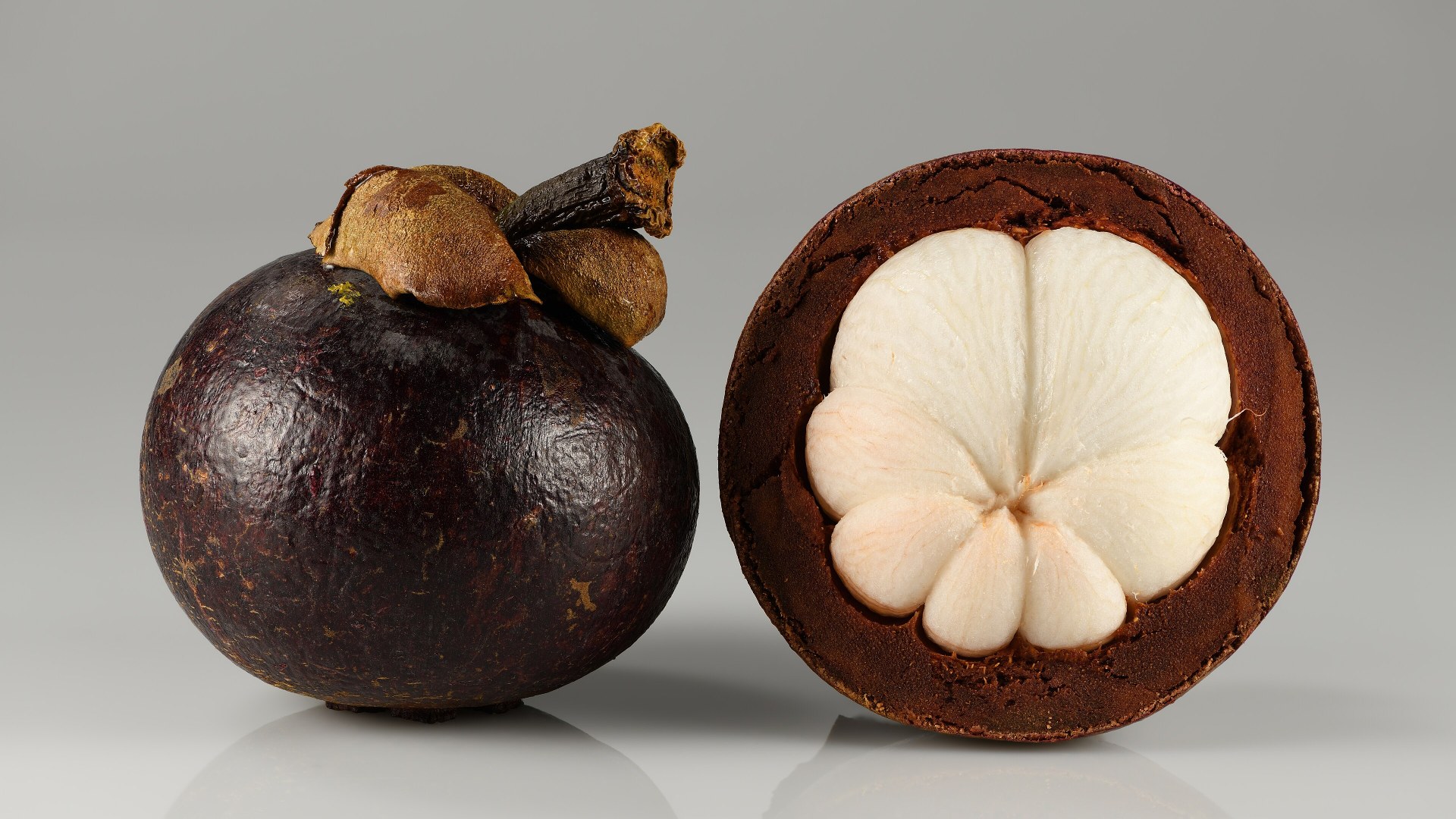
6. Mangosteen
Called the Queen of Fruits, mangosteen protects its snowy interior with a deep purple shell rich in bitter tannins. The soft inner segments taste intensely sweet and tangy, offering peach and strawberry notes.
©Wikimedia / Ivar Leidus
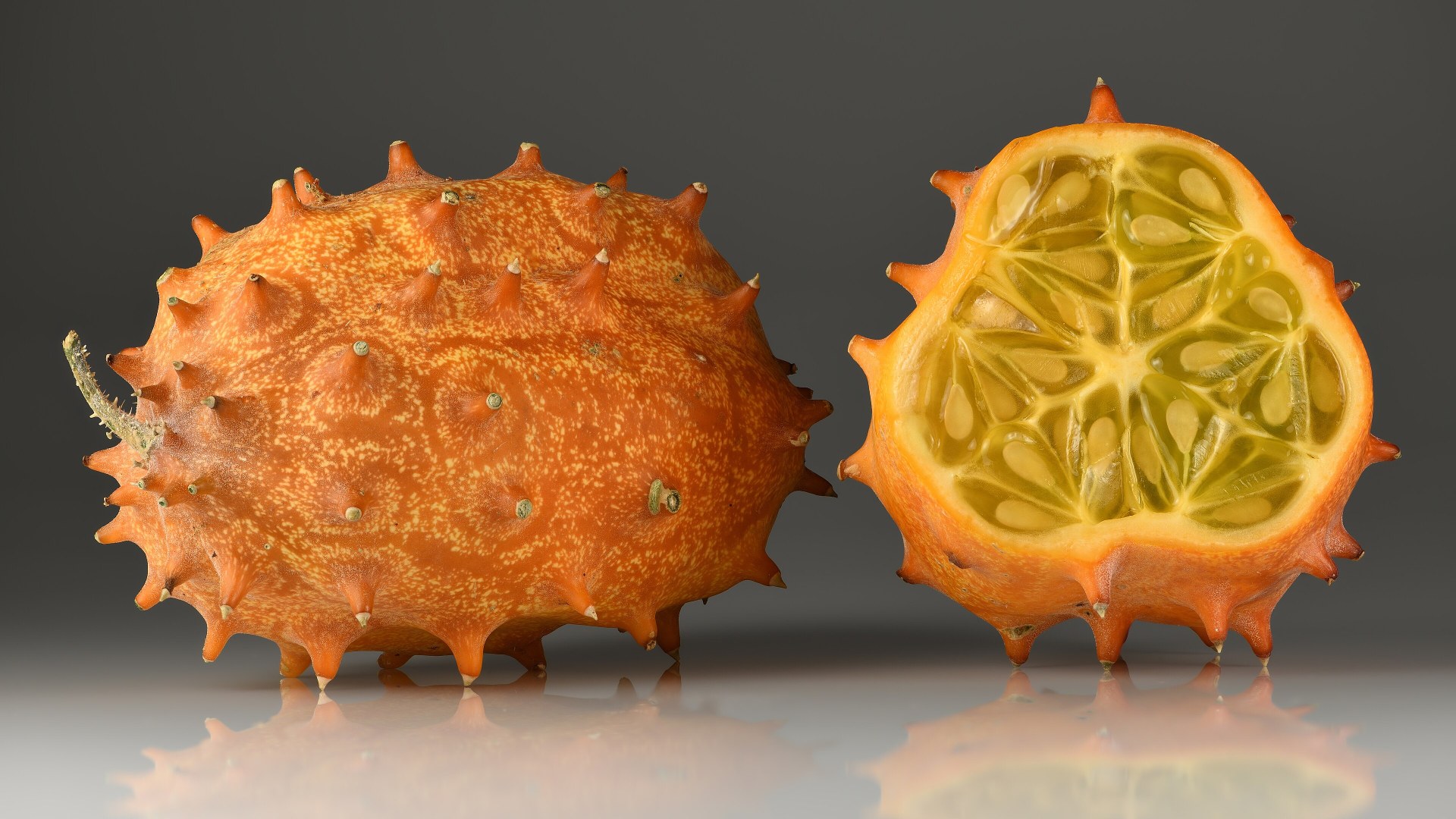
5. Kiwano Horned Melon
Native to the Kalahari Desert, the horned melon looks like a sci-fi prop. Slicing through the tough orange shell reveals lime green jelly sacks containing flat seeds, delivering a bright flavor combining cucumber, zucchini, and kiwi.
©Wikimedia / Ivar Leidus
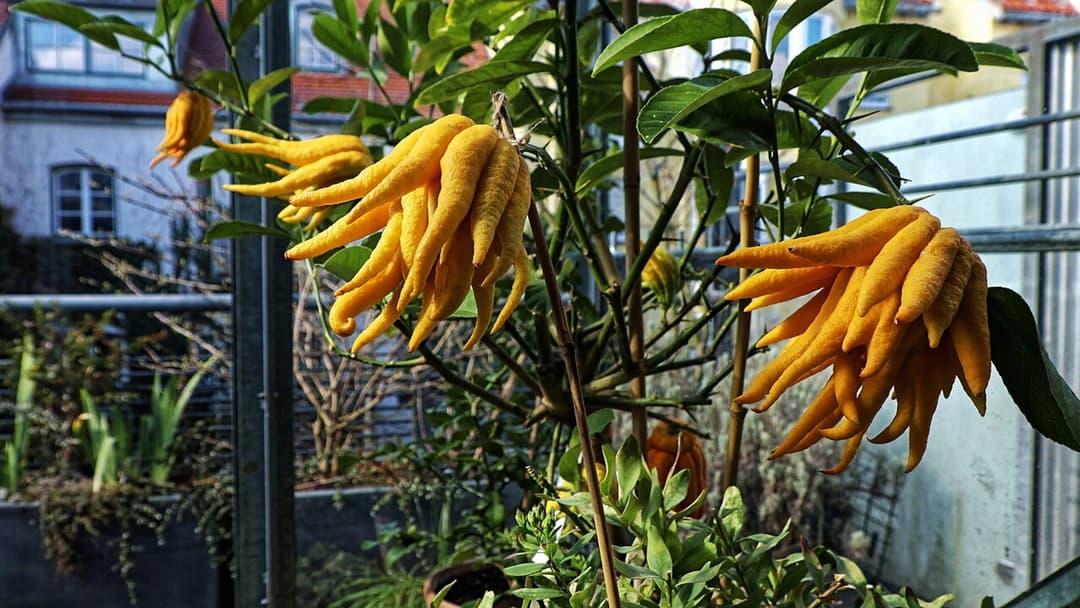
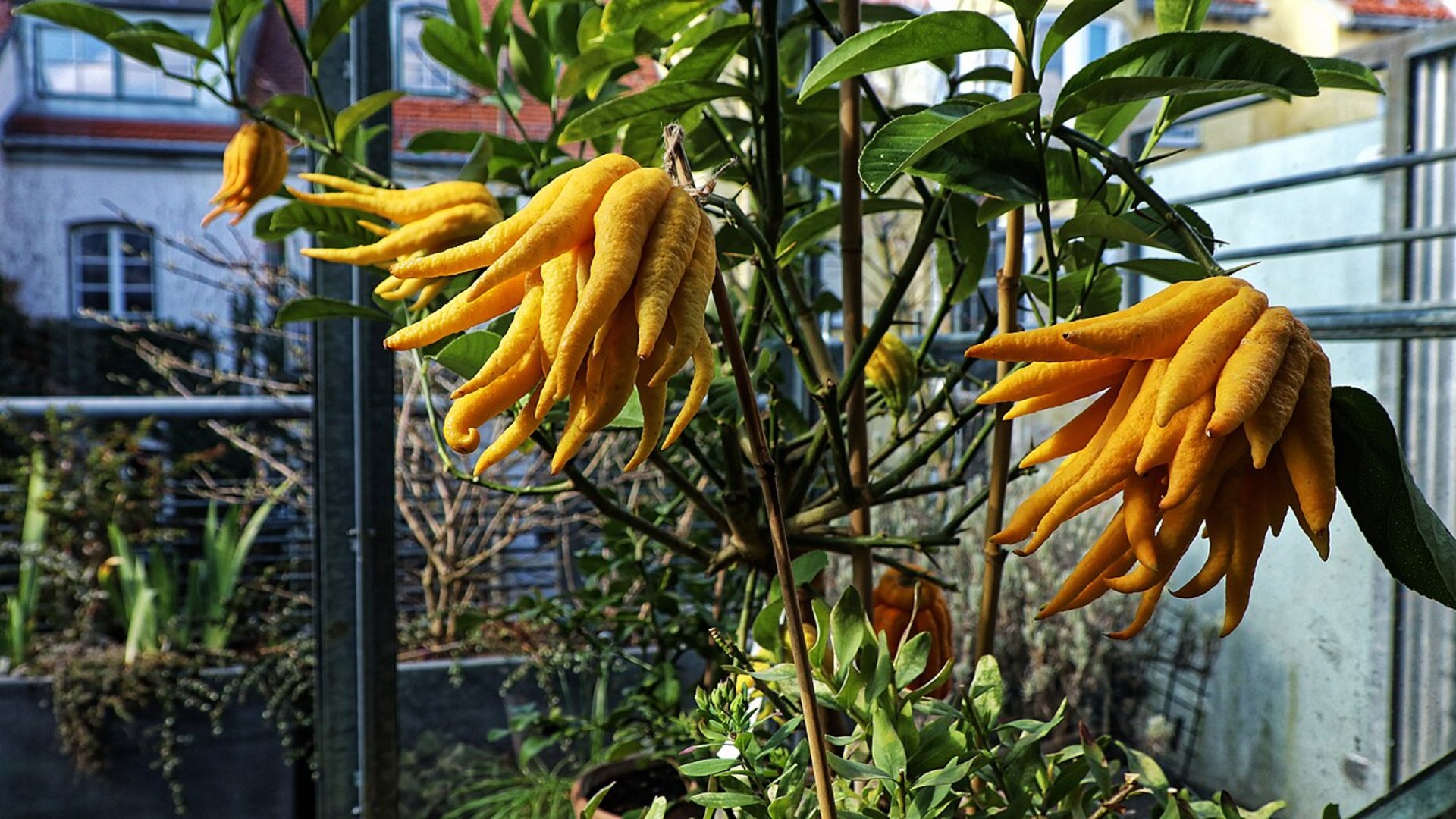
4. Buddhas Hand
This ancient citron produces no pulp, seeds, or juice. Instead, its fragrant yellow rind separates into elongated tentacle segments packed with potent lemon oil, making it popular for zest, candied peels, and temple offerings.
©Wikimedia / Burkhard Mücke
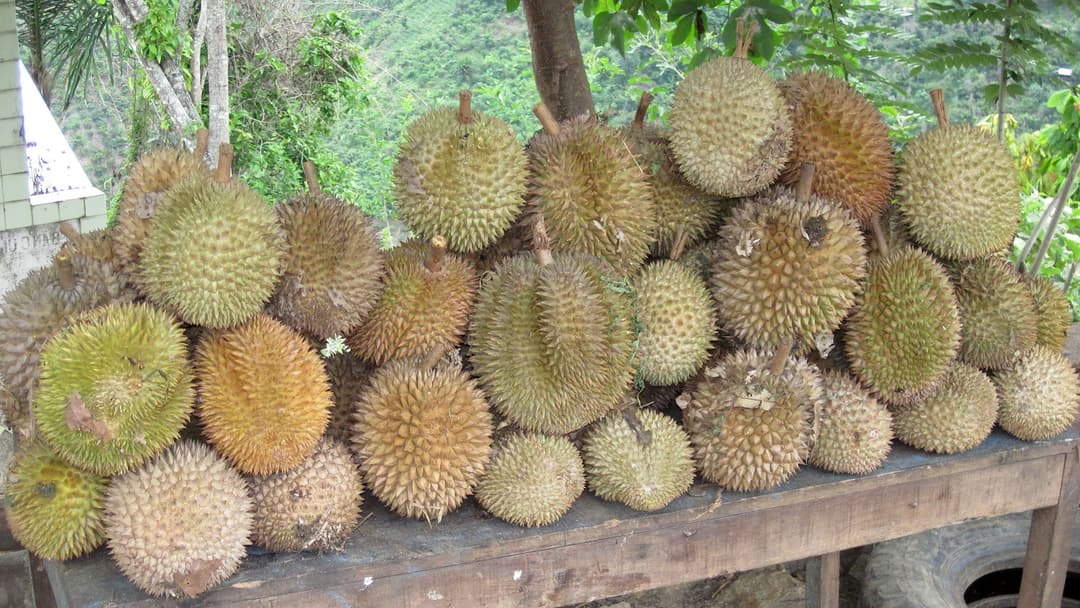
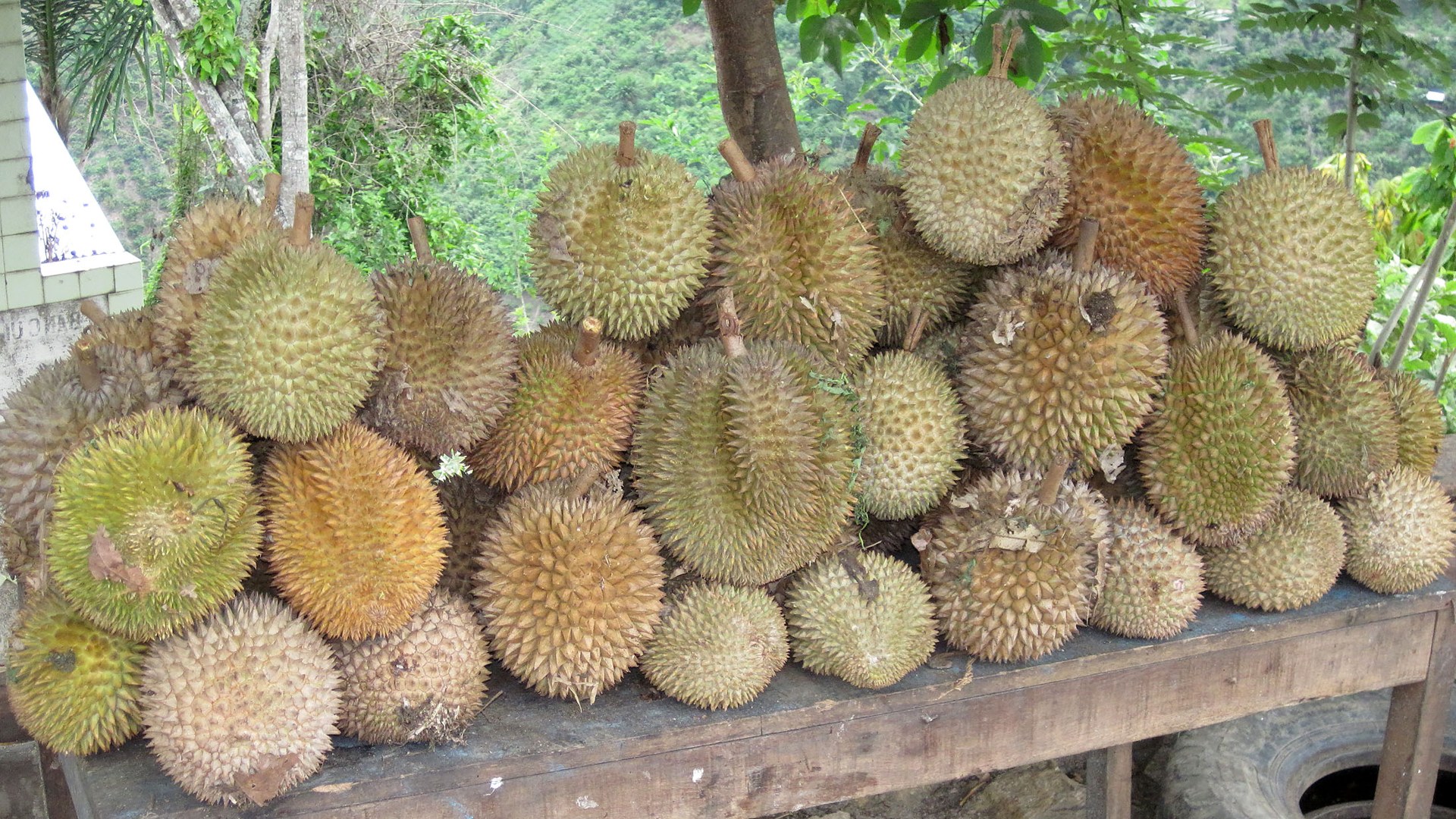
3. Durian
Revered as the King of Fruits, durian grows encased in a heavy armor of sharp woody spikes. Crack open the shell and you find custardy yellow lobes celebrated for their rich, creamy texture and sweet savory complexity.
©Wikimedia / Kristof Zyskowski
Advertisement
Swipe or tap ▶ to resume the countdown.
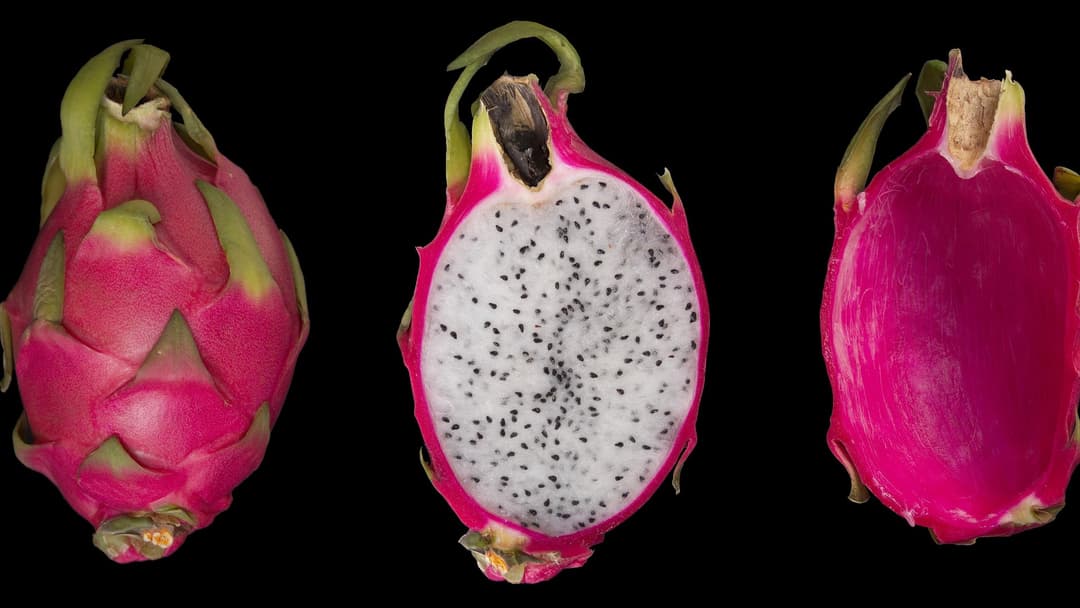
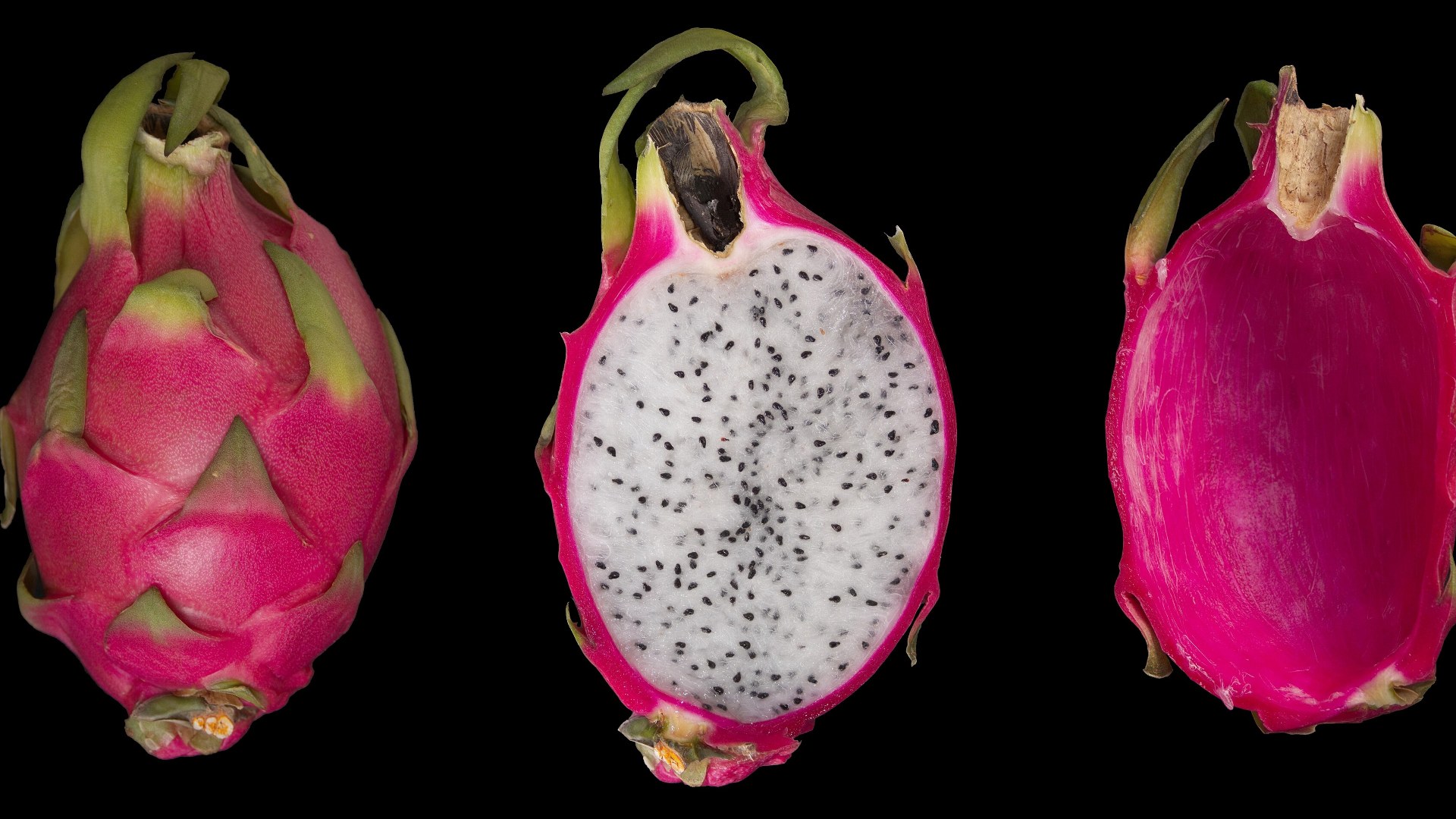
2. Dragon Fruit
Produced by climbing night-blooming cacti, dragon fruit features wavy green tipped bracts against a vivid pink rind. Its interior holds thousands of tiny black edible seeds embedded in mild, refreshing pulp prized across Central America and Asia.
©Wikimedia / Bff
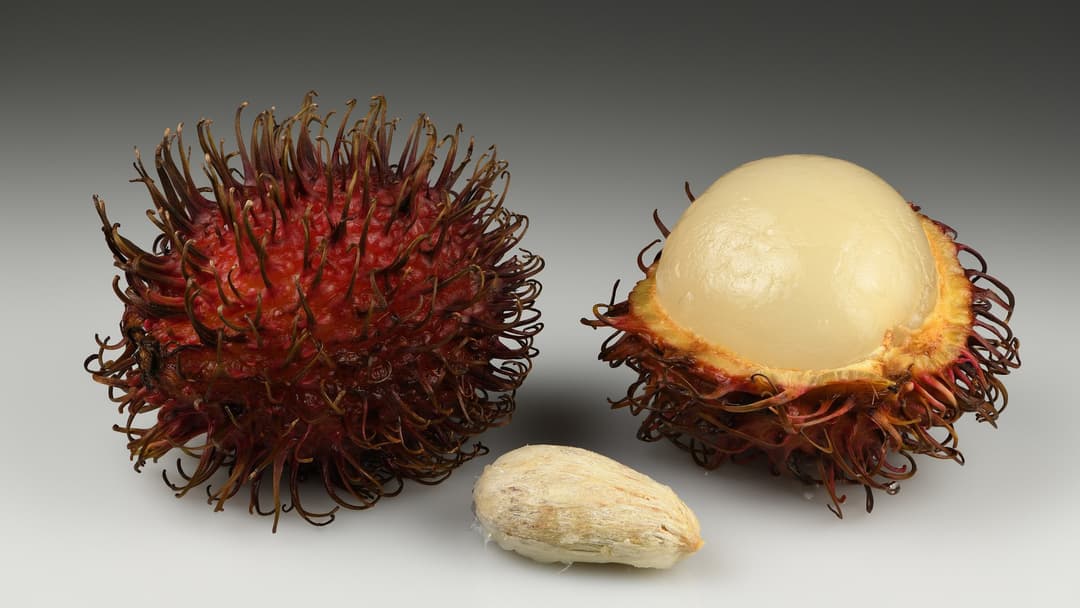
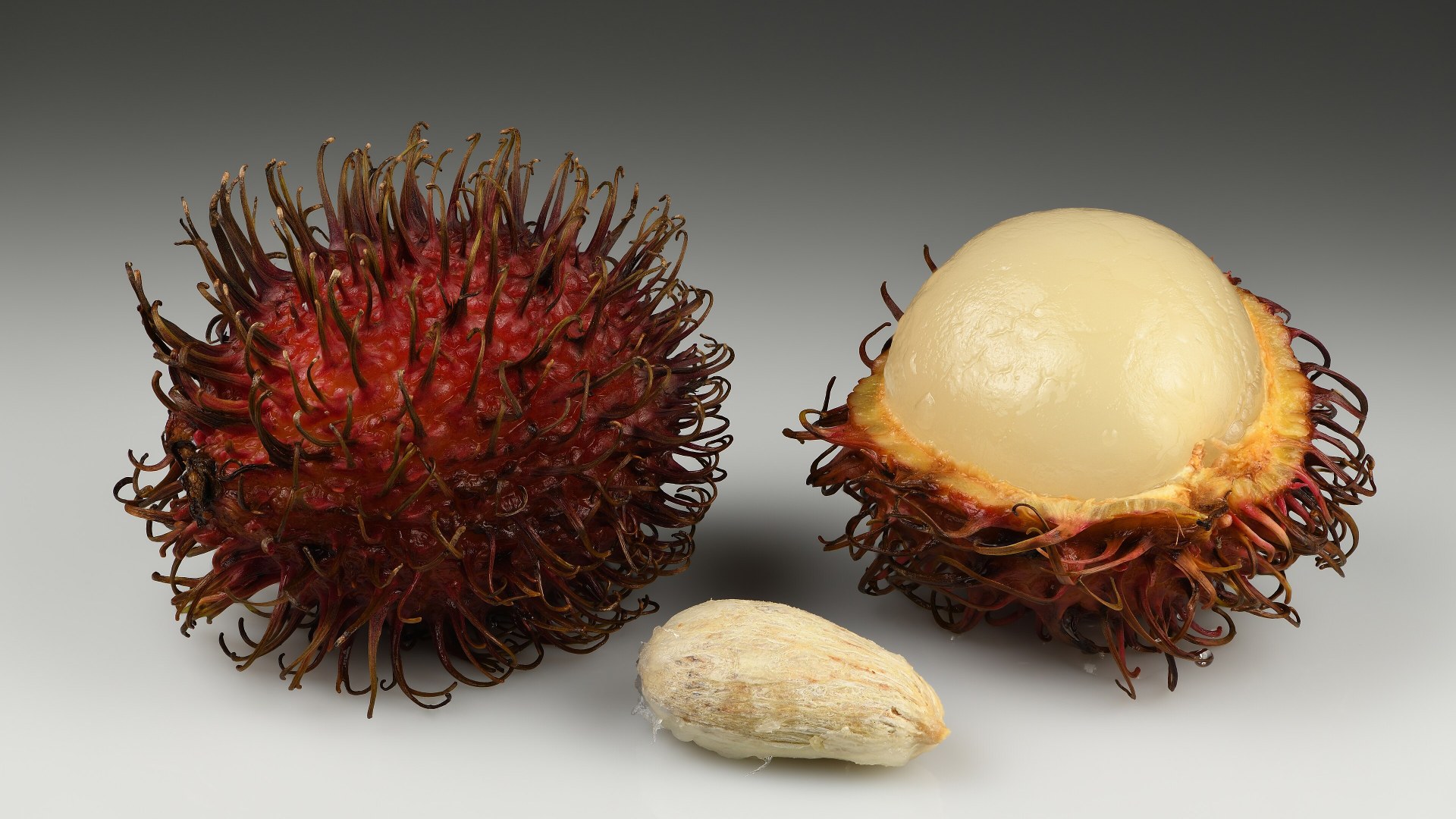
1. Rambutan
Beneath its wild, hairy exterior lies a translucent white orb with a sweet and floral flavor. Originating in Malaysia and Indonesia, the rambutan takes its name from the Malay word for hair, describing the soft green and red spines guarding its delicate pulp.
©Wikimedia / Ivar Leidus
Advertisement
You've reached the end of the story. Thanks for reading!

21 Former US Governors Who Became Influential National Leaders
Which former state governors rose to shape modern American history?
All 25 Entries in this Story
25. Hala Fruit
Native to Pacific islands, Pandanus tectorius produces a segmented cluster of dozens of fibrous wedges called keys. Ripe keys show bright yellow, red, and orange flesh at their center, chewed fresh for juice or boiled into sweet syrup.

24. Cupuacu
Found throughout the Amazon basin, cupuacu grows as a heavy oblong fruit with a hard woody shell coated in brown fuzz. Inside, its thick white pulp carries a complex aroma of chocolate and pineapple, used for desserts and cosmetics.

23. Tamarillo
Hailing from the Andean slopes, the tree tomato displays sleek red or golden skin. Slicing it in half reveals a striking target pattern of dark purple seeds in tangy jelly, popular in salads, compotes, and spicy sauces.

22. Soursop
Reaching up to a foot in length, soursop protects its tender white interior with a dark green skin studded with soft spikes. Its creamy fibrous flesh delivers a bright flavor blending citrus, apple, and strawberry.

21. Nipplefruit
Native to South America, Solanum mammosum produces bizarre waxy yellow berries with protruding basal projections. Although toxic when raw, its unusual udder-like silhouette makes it a prized ornamental display during Asian Lunar New Year festivities.

20. Bilimbi Tree Cucumber
Related to starfruit, Averrhoa bilimbi produces sour cylindrical pods in heavy bunches along tree trunks. Widely used in South and Southeast Asian curries, pickles, and preserves, its crisp flesh delivers intense tartness.

19. Noni
Also known as the starvation fruit, noni develops multiple eyes as flowers fuse into a bumpy composite body. While its pungent smell repels the uninitiated, Pacific island cultures have consumed it for centuries for traditional wellness.

18. Breadfruit
A staple crop across the South Pacific for millennia, breadfruit grows with dense pebbled skin. Cooked green or ripe, its high starch content turns soft and doughy, sustaining island navigators and communities for generations.

17. Physalis
Protected within an inflated calyx that dries to translucent parchment, physalis looks like a hanging paper lantern. Inside sits an edible orange berry offering a zesty flavor balance of sweet tomato and tropical fruit.

16. Feijoa
Common across South America and New Zealand, feijoa stays matte green even when fully ripe. Slicing it open exposes a granular outer flesh surrounding a clear jelly pocket bursting with notes of mint, pineapple, and guava.

15. Jabuticaba
Known as the Brazilian grapetree, jabuticaba displays cauliflory, flowering and fruiting directly along its trunk and major limbs. The thick purple skins enclose sweet gelatinous white flesh that locals harvest and eat fresh.

14. Black Sapote
Native to eastern Mexico and Central America, black sapote looks like a green tomato on the tree. As it softens, the pulp turns deep brown with a silky custard texture and mild cocoa-like flavor often whipped into mousses.

13. Jackfruit
Hanging directly from sturdy tree trunks, jackfruits are covered in thousands of blunt conical spikes. Cutting through the fibrous core reveals yellow bulbs that taste like sweet candy when ripe and act as meat substitutes when green.

12. Miracle Fruit
West African shrub Synsepalum dulcificum produces modest crimson berries containing miraculin. Chewing a single berry temporarily binds to tongue sweetness receptors, turning lemons and vinegar into candied treats for up to an hour.

11. Cherimoya
Mark Twain once described cherimoya as deliciousness itself. Native to the Andean highlands, its scaly green exterior yields to a creamy white pulp packed with tropical flavors of banana, pineapple, and vanilla.

10. Salak Snake Fruit
Growing in clusters near the base of spiny Indonesian palm trees, salak looks like a miniature reptile egg. Peeling back the scaly epidermis reveals firm cloves with a sweet, crisp crunch reminiscent of apple and pineapple.

9. Passion Fruit
While smooth skins look pretty, passion fruit reaches peak sweetness when its rind wrinkles like old leather. Cracking the sphere reveals an intensely aromatic cavity loaded with tangy, jelly-coated seeds.

8. Ackee
The national fruit of Jamaica originated in West Africa and must ripen naturally before eating. When the pod yawns open on the tree, it exposes pale yellow arils that turn buttery and savory when gently simmered.

7. Starfruit
Native to tropical Southeast Asia, carambola grows with prominent ribs running along its entire length. The waxy skin is completely edible, yielding crisp and juicy flesh with an airy citrus punch.

6. Mangosteen
Called the Queen of Fruits, mangosteen protects its snowy interior with a deep purple shell rich in bitter tannins. The soft inner segments taste intensely sweet and tangy, offering peach and strawberry notes.

5. Kiwano Horned Melon
Native to the Kalahari Desert, the horned melon looks like a sci-fi prop. Slicing through the tough orange shell reveals lime green jelly sacks containing flat seeds, delivering a bright flavor combining cucumber, zucchini, and kiwi.

4. Buddhas Hand
This ancient citron produces no pulp, seeds, or juice. Instead, its fragrant yellow rind separates into elongated tentacle segments packed with potent lemon oil, making it popular for zest, candied peels, and temple offerings.

3. Durian
Revered as the King of Fruits, durian grows encased in a heavy armor of sharp woody spikes. Crack open the shell and you find custardy yellow lobes celebrated for their rich, creamy texture and sweet savory complexity.

2. Dragon Fruit
Produced by climbing night-blooming cacti, dragon fruit features wavy green tipped bracts against a vivid pink rind. Its interior holds thousands of tiny black edible seeds embedded in mild, refreshing pulp prized across Central America and Asia.

1. Rambutan
Beneath its wild, hairy exterior lies a translucent white orb with a sweet and floral flavor. Originating in Malaysia and Indonesia, the rambutan takes its name from the Malay word for hair, describing the soft green and red spines guarding its delicate pulp.