Slideshow · Viral
26 Big American Holidays and What They Really Mean
From ancient pagan rites to labor strikes, uncover what US holidays mean.
By Most Viral Today
1 hour ago

From ancient pagan rites to labor strikes, uncover what US holidays mean. 
26. April Fools' Day 
25. Groundhog Day 
24. Arbor Day - AdvertisementSwipe or tap ▶ to continue countdown

23. Flag Day 
22. Constitution Day 
21. St. Patrick's Day 
20. Cinco De Mayo - AdvertisementSwipe or tap ▶ to continue countdown

19. Mardi Gras 
18. Valentine's Day 
17. Father's Day 
16. Mother's Day - AdvertisementSwipe or tap ▶ to continue countdown

15. Earth Day 
14. Patriot Day 
13. Easter 
12. Halloween - AdvertisementSwipe or tap ▶ to continue countdown

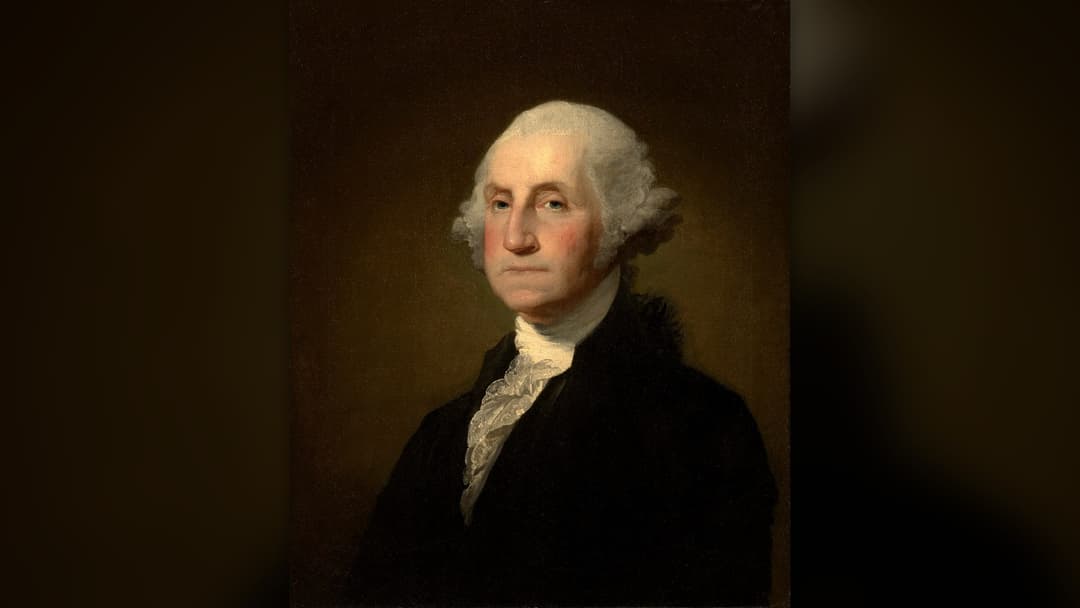
11. Presidents' Day 
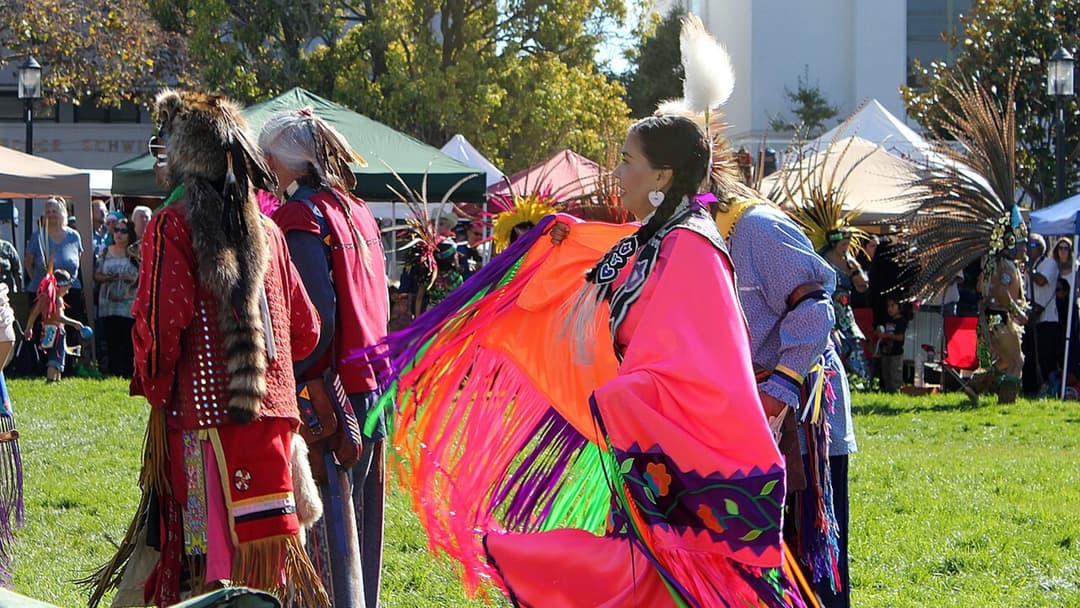
10. Indigenous Peoples' Day 
9. New Year's Day 
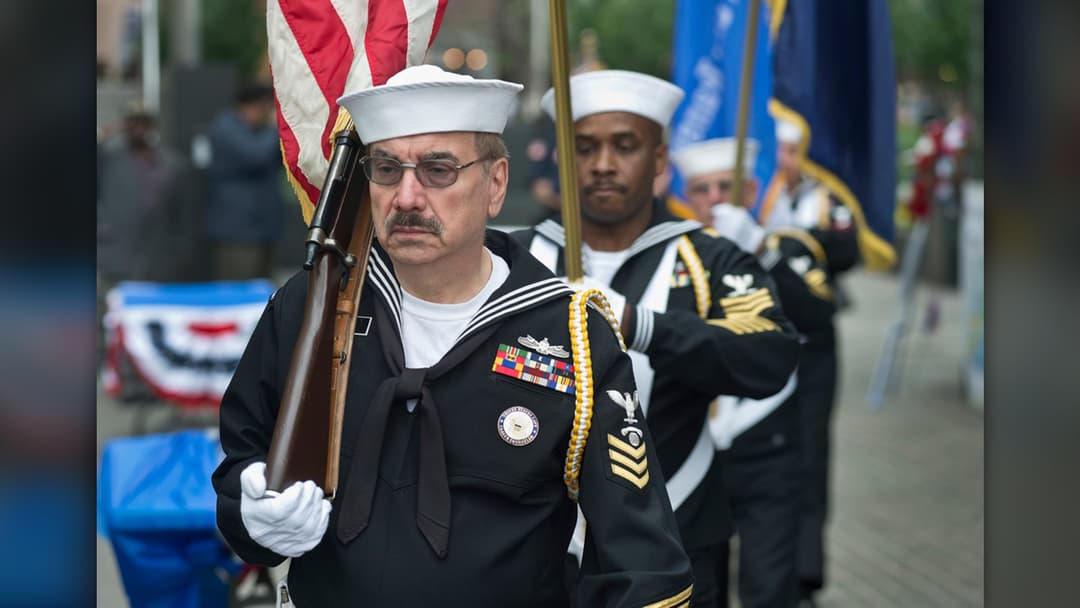
8. Veterans Day - AdvertisementSwipe or tap ▶ to continue countdown

7. Memorial Day 
6. Labor Day 
5. Martin Luther King Jr. Day 
4. Juneteenth - AdvertisementSwipe or tap ▶ to continue countdown

3. Thanksgiving 
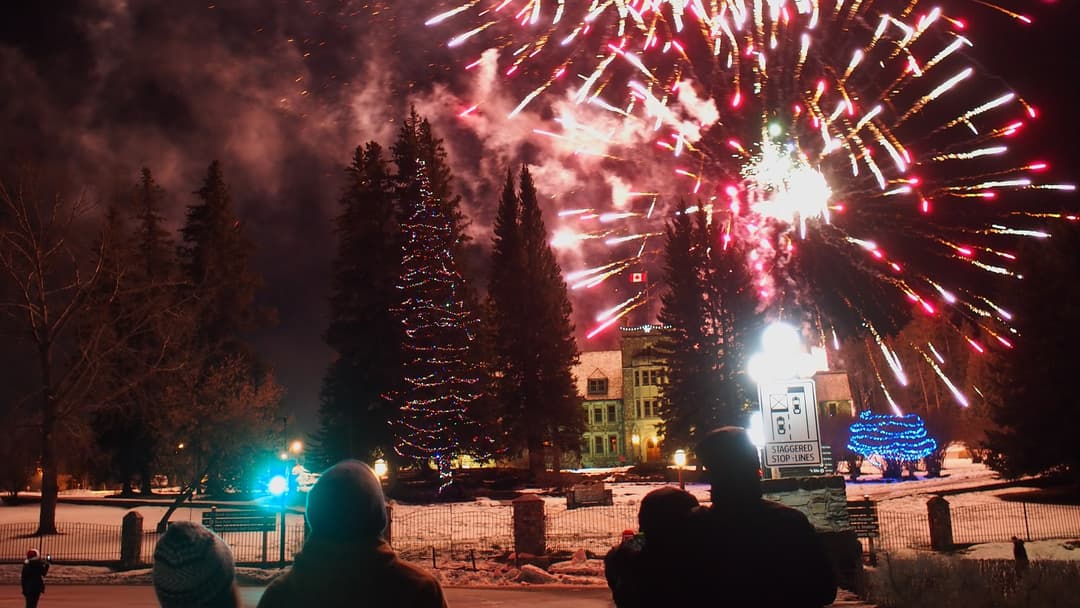
2. Independence Day 
1. Christmas - Advertisement🔥 UP NEXT IN THIS SERIES◫ 22 Slides

21 Former US Governors Who Became Influential National Leaders
Which former state governors rose to shape modern American history?
Behind the retail sales, backyard barbecues, and days off work lie centuries of forgotten political struggle, ancient harvest rites, and national healing. Here are 26 major American holidays and the fascinating true meanings behind their creation.
Swipe or tap ▶ to begin the countdown
©Wikimedia / Albarubescens & Wikimedia / Wilson Hui
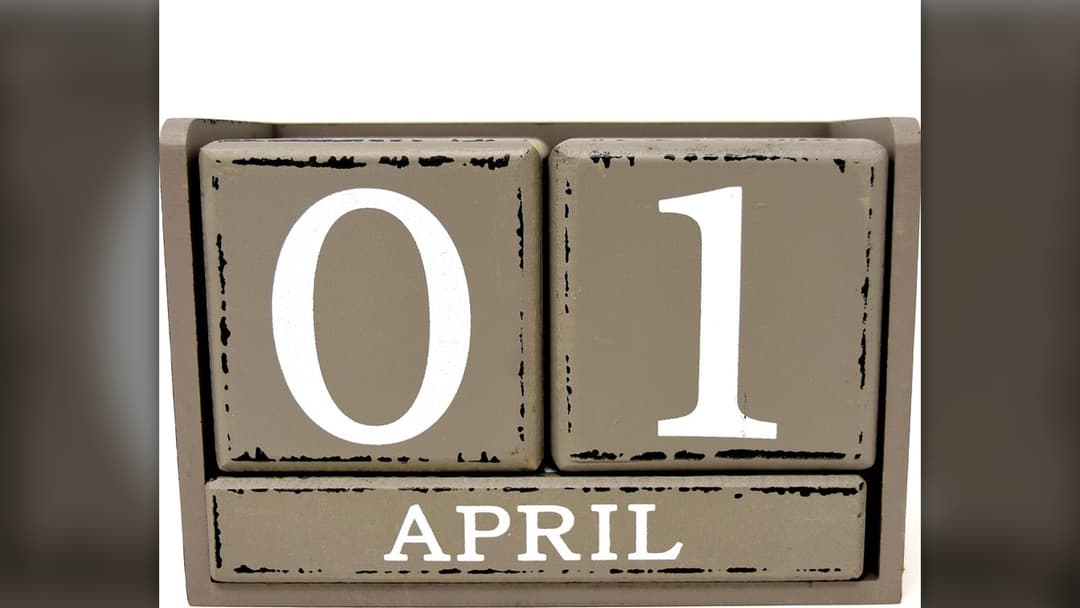
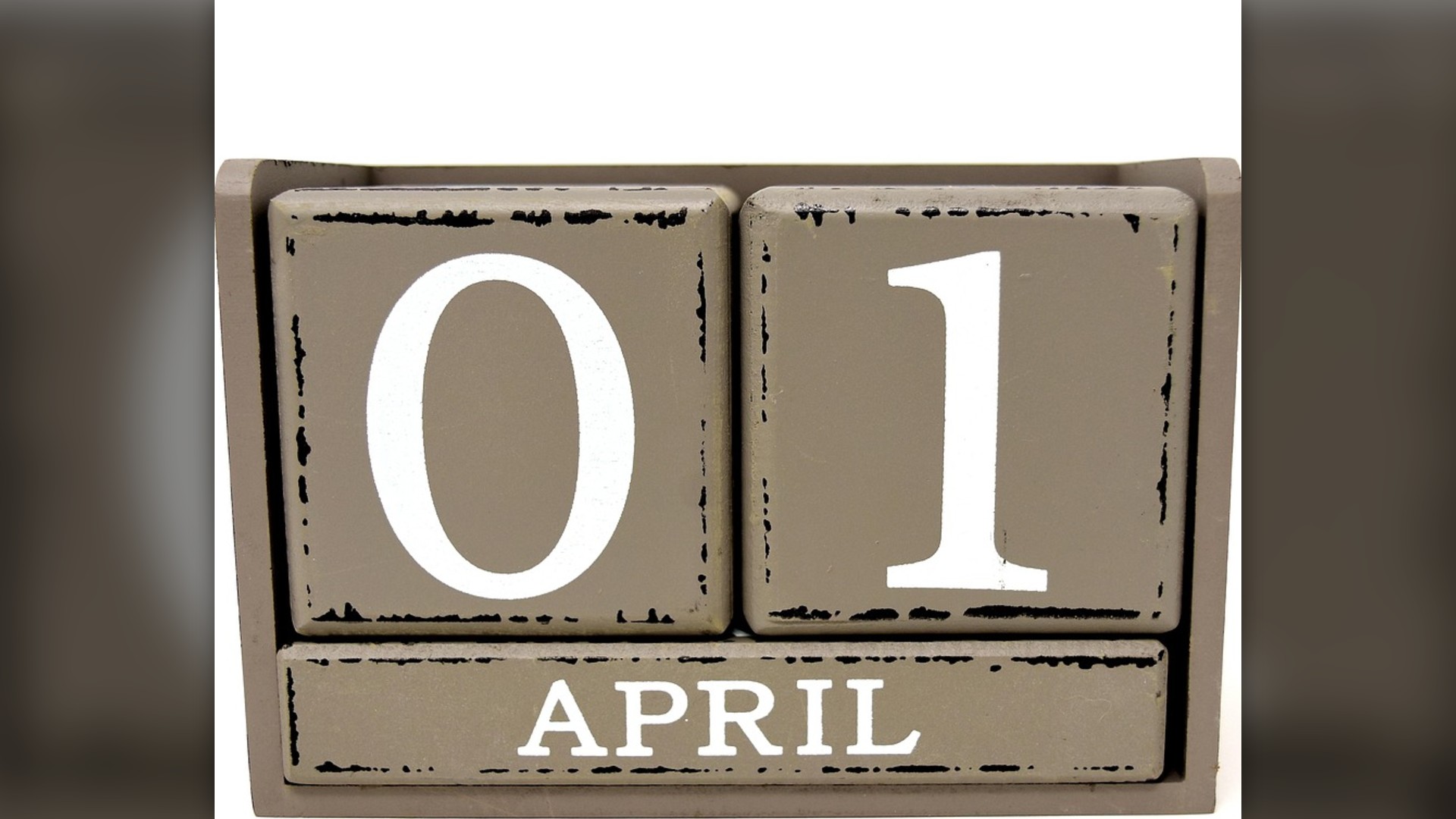
26. April Fools' Day
When France shifted the new year from April 1 to January 1 under the Gregorian calendar in 1582, news traveled slowly to rural villages. Those still celebrating in April were mocked as Poisson d'Avril (April Fish), birthing a global holiday devoted to harmless deception.
©Pixabay / Alexas_Fotos
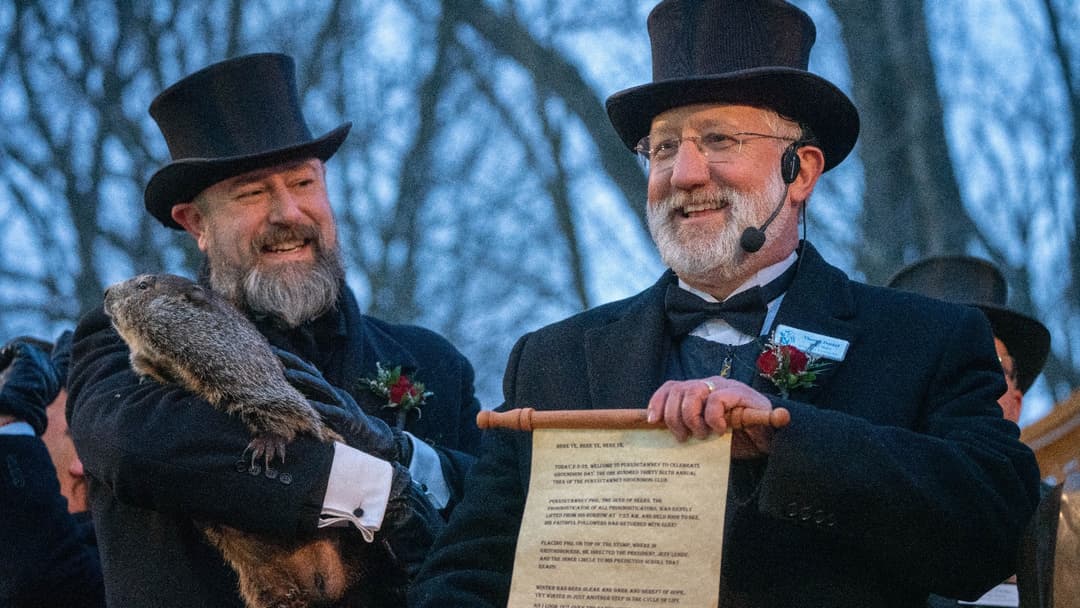
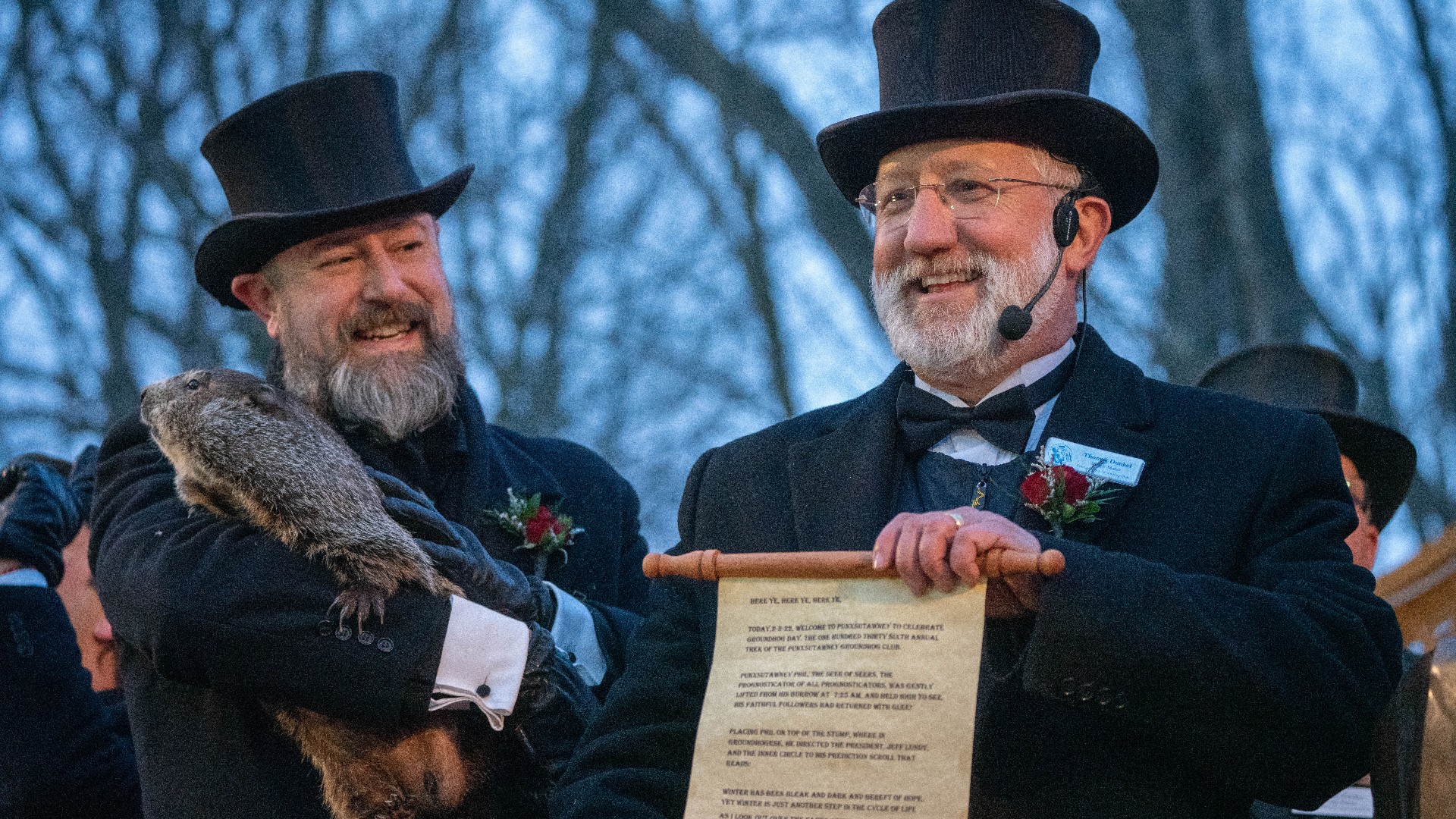
25. Groundhog Day
Halfway between the winter solstice and spring equinox, Celtic Christians celebrated Candlemas, observing weather patterns to forecast planting seasons. German immigrants brought their badger weather folklore to Pennsylvania, substituting native groundhogs to predict crop readiness.
©Wikimedia / Groundhog Day
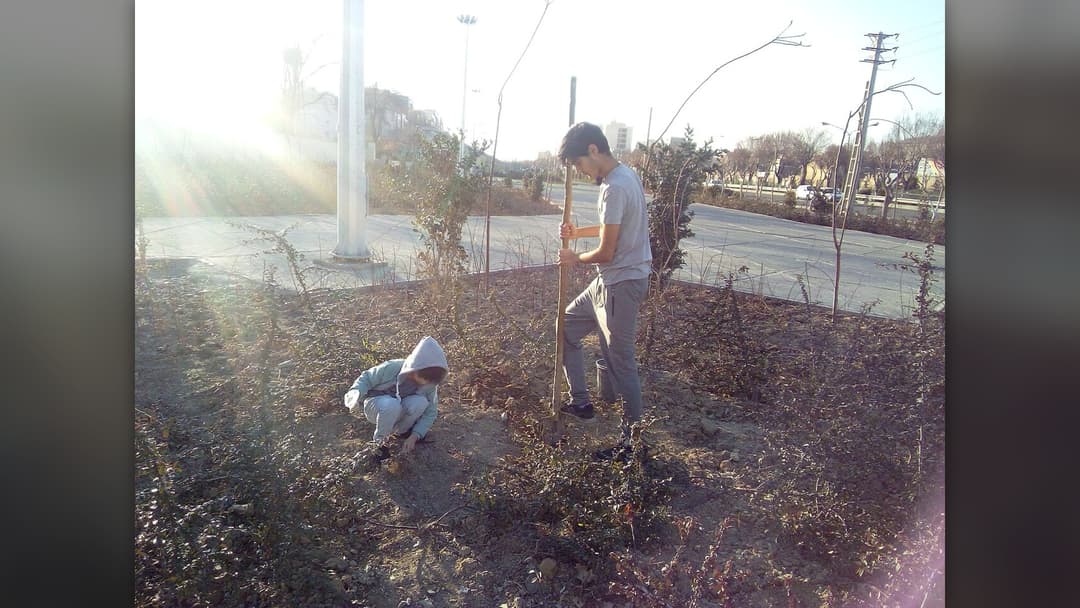
24. Arbor Day
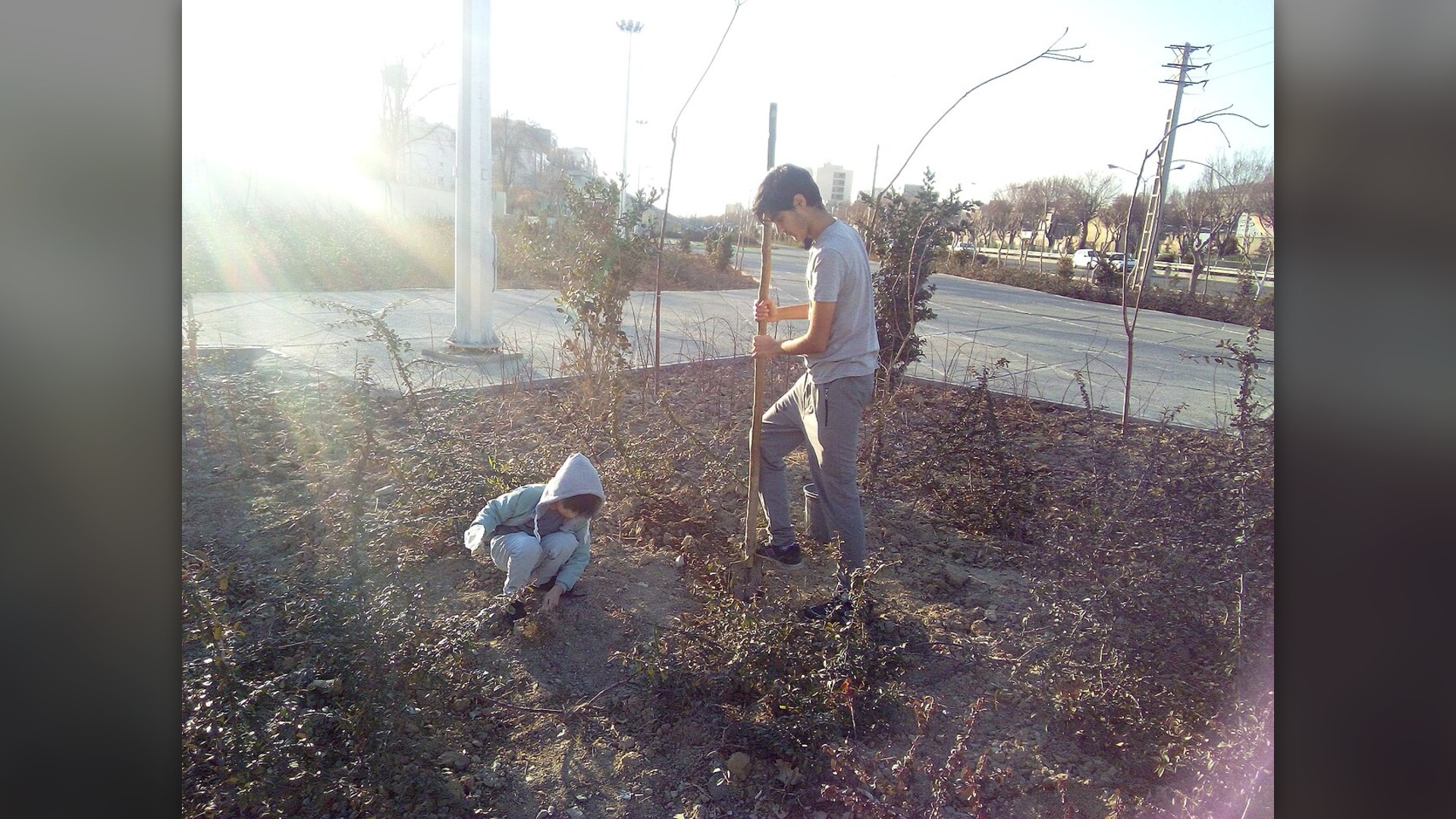
Founded in Nebraska in 1872 by J. Sterling Morton, Arbor Day was born out of agricultural survival. Early Great Plains settlers desperately needed trees to serve as windbreaks, prevent topsoil erosion, and provide shade, resulting in over one million seedlings planted on the very first day.
©Wikimedia / Moarefy Jahromi
Advertisement
Swipe or tap ▶ to resume the countdown.
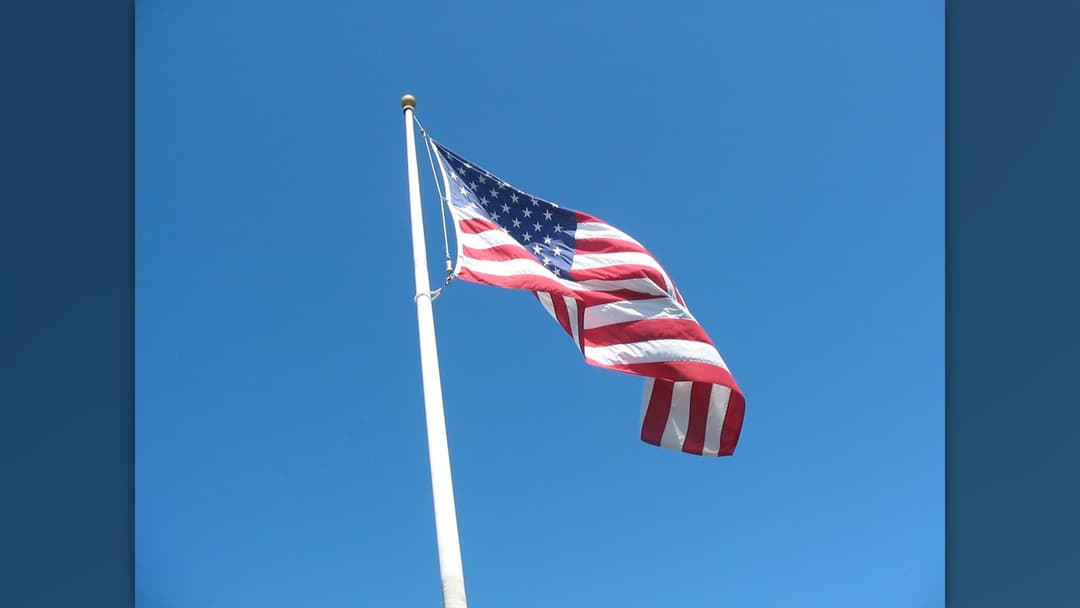
23. Flag Day
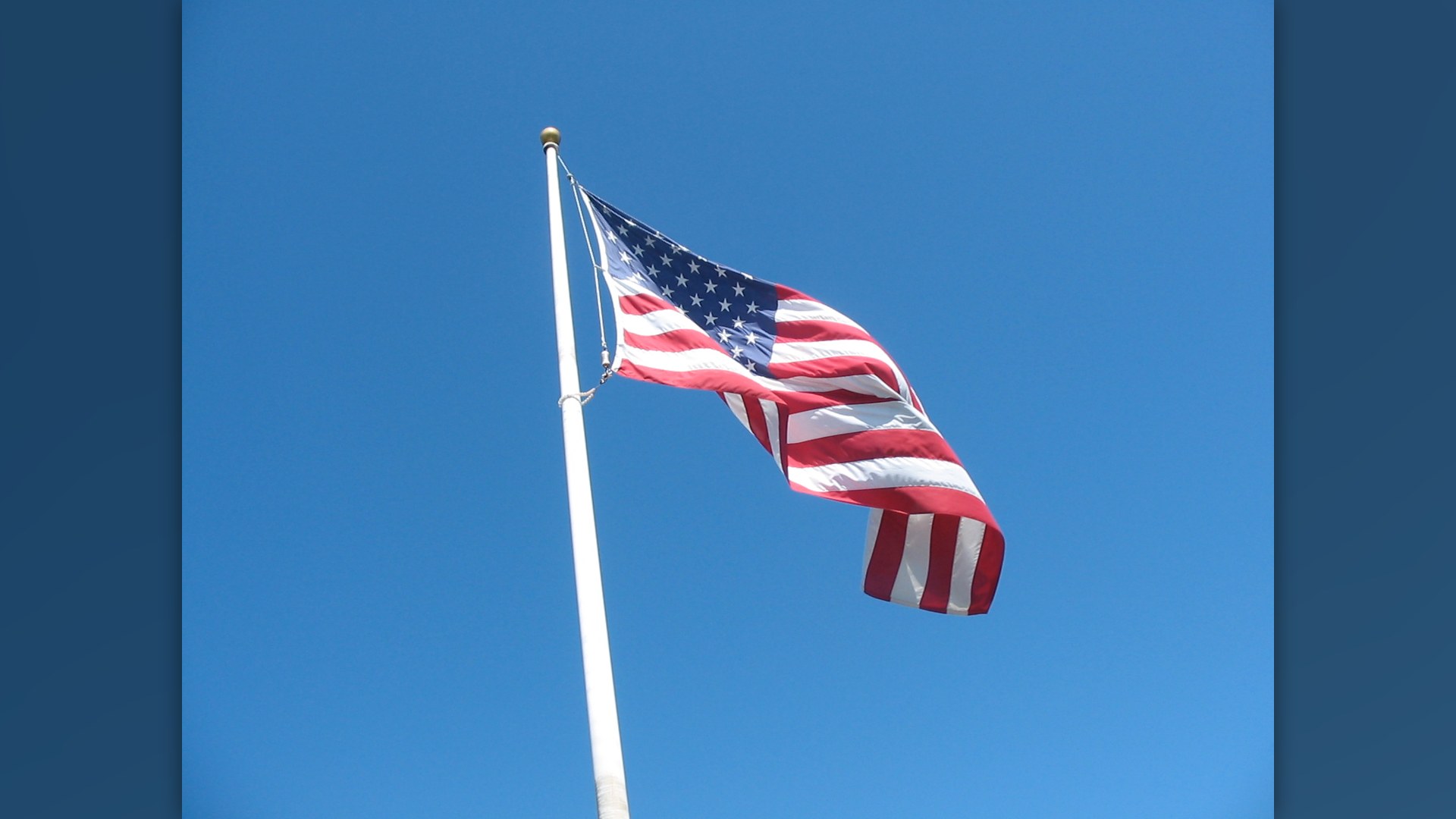
On June 14, 1777, the Second Continental Congress resolved that the flag of the United States be thirteen stripes, alternate red and white, with thirteen white stars in a blue field. Decades of grassroots campaigns led Woodrow Wilson and Harry Truman to codify national Flag Day.
©Wikimedia / Kiddo27
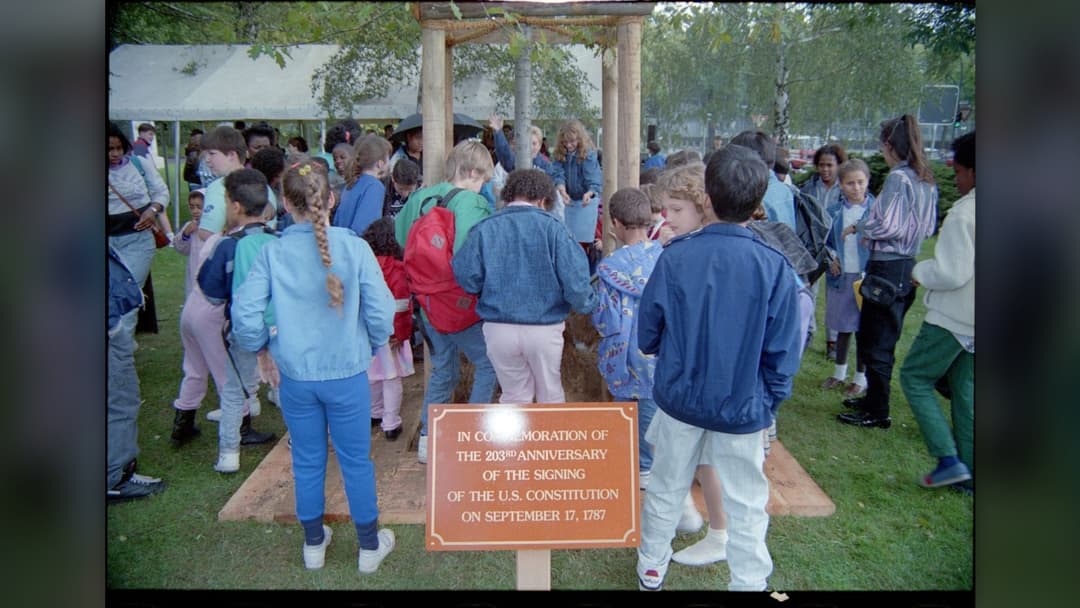
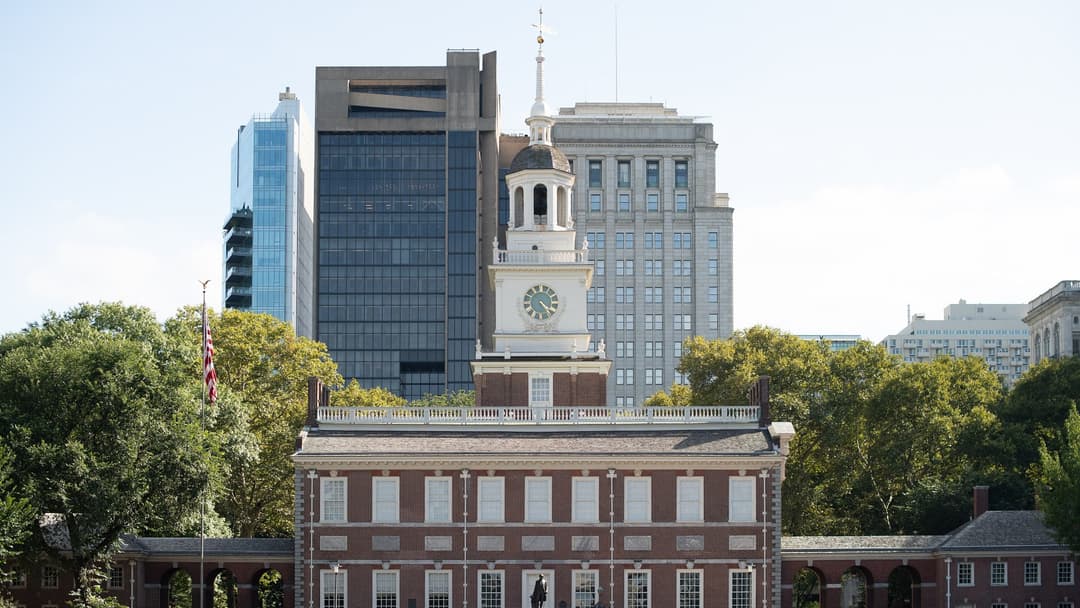
22. Constitution Day
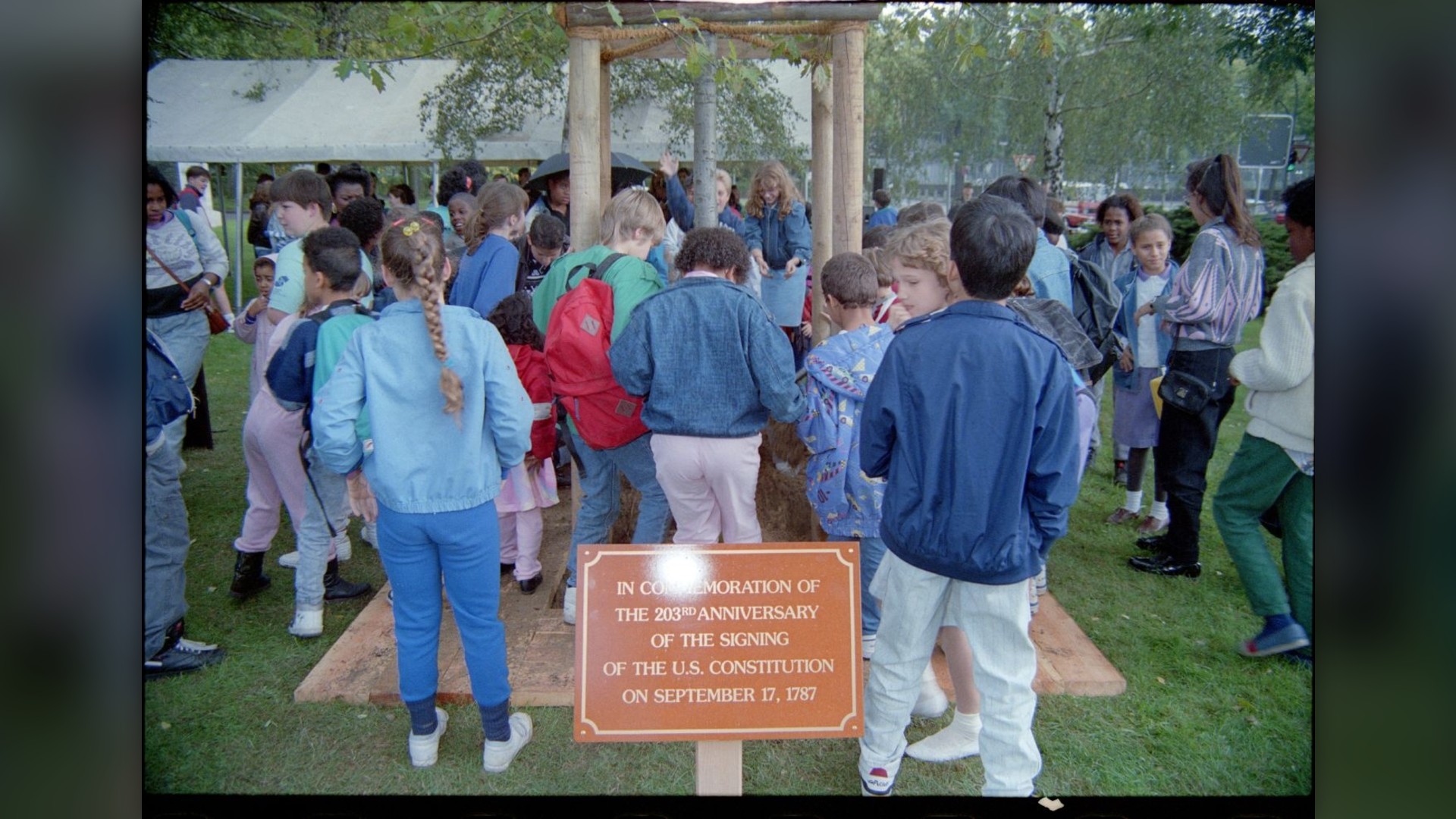
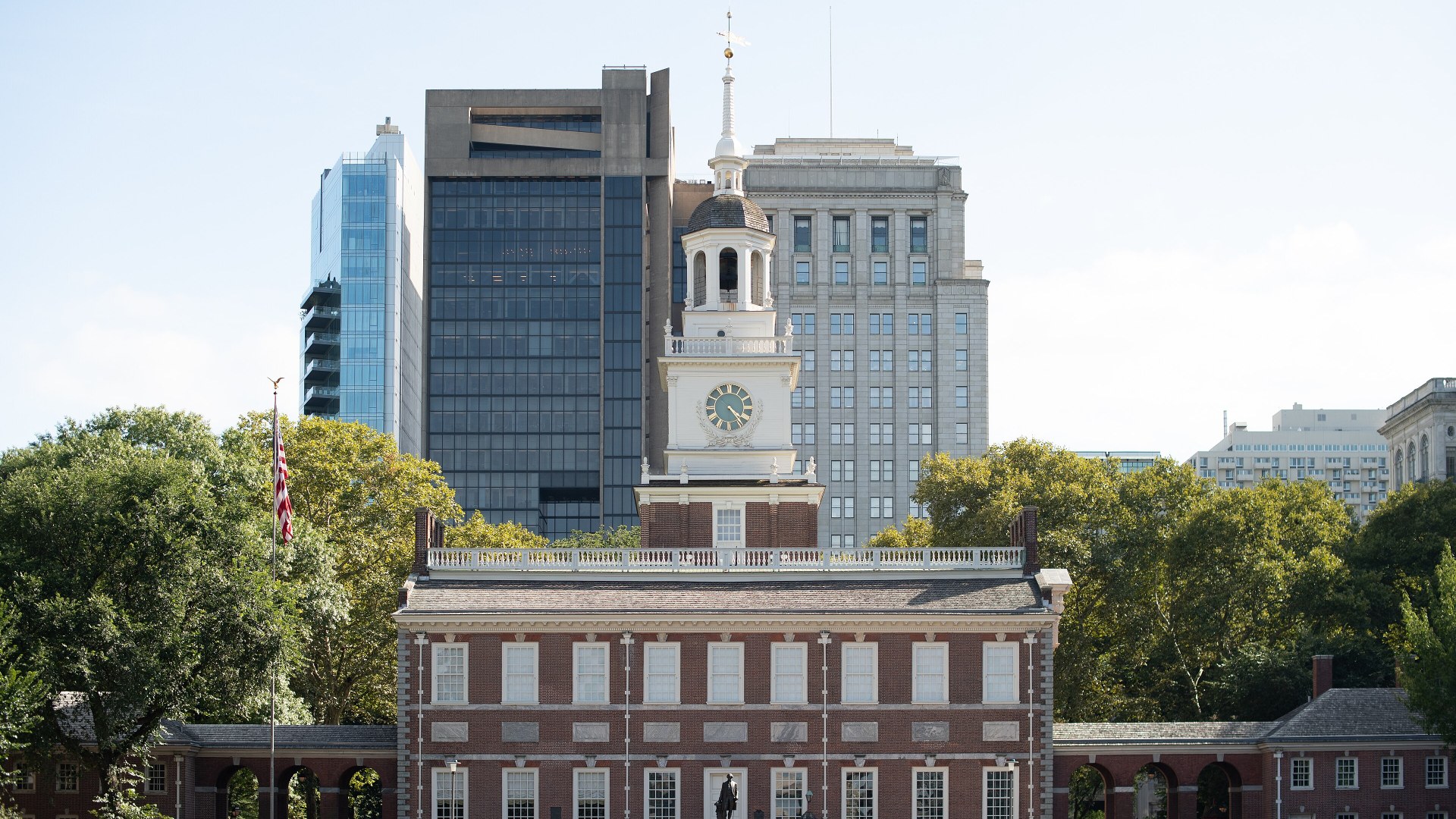
On September 17, 1787, thirty-nine delegates gathered in Philadelphia's Pennsylvania State House to sign the newly drafted US Constitution. Recognized alongside Citizenship Day, it celebrates the foundational legal framework that established American constitutional democracy.
©Europeana / Allied Museum
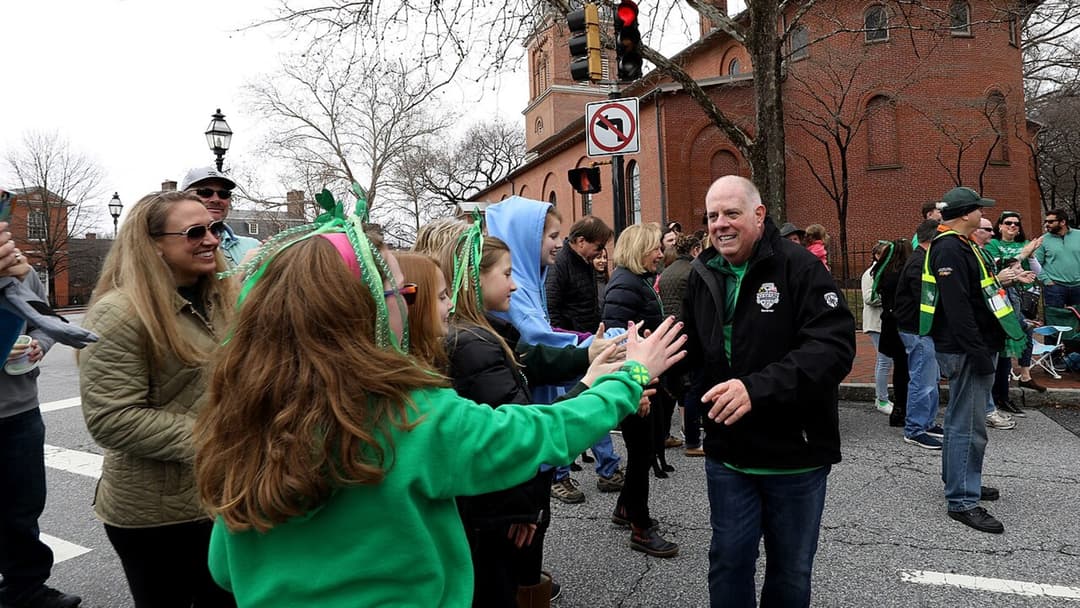
21. St. Patrick's Day
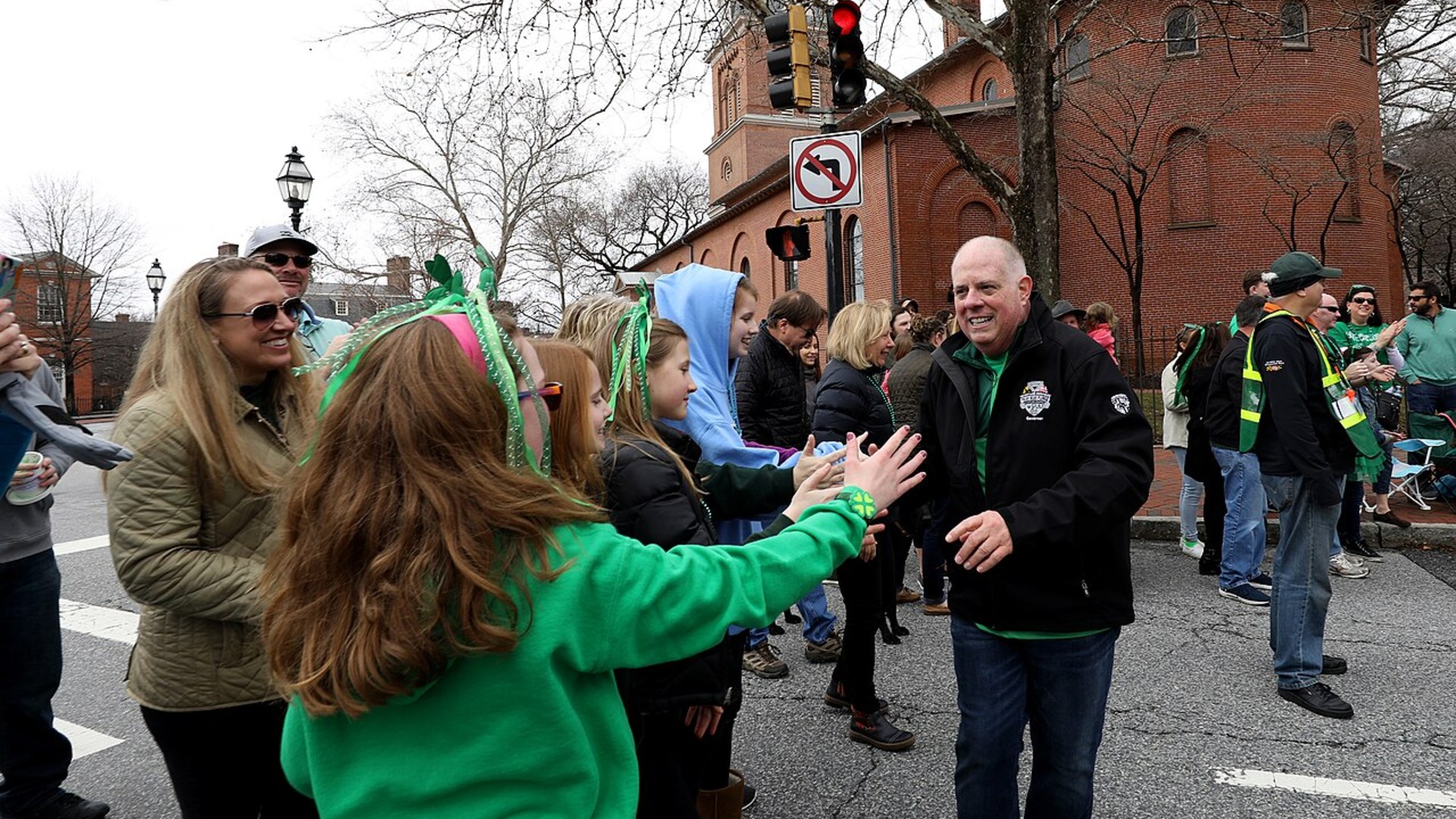
While Ireland traditionally treated March 17 as a quiet holy day of reflection, Irish immigrants in 18th-century Boston and New York turned it into defiant, festive parades of solidarity against discrimination, ultimately establishing green shamrocks as an American staple.
©Wikimedia / Maryland GovPics
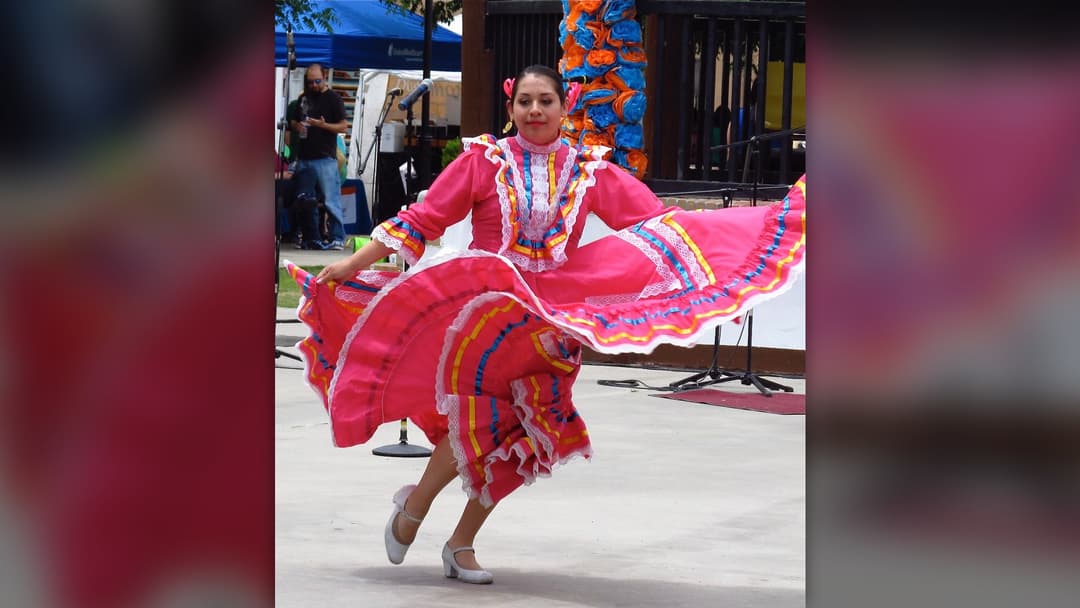
20. Cinco De Mayo
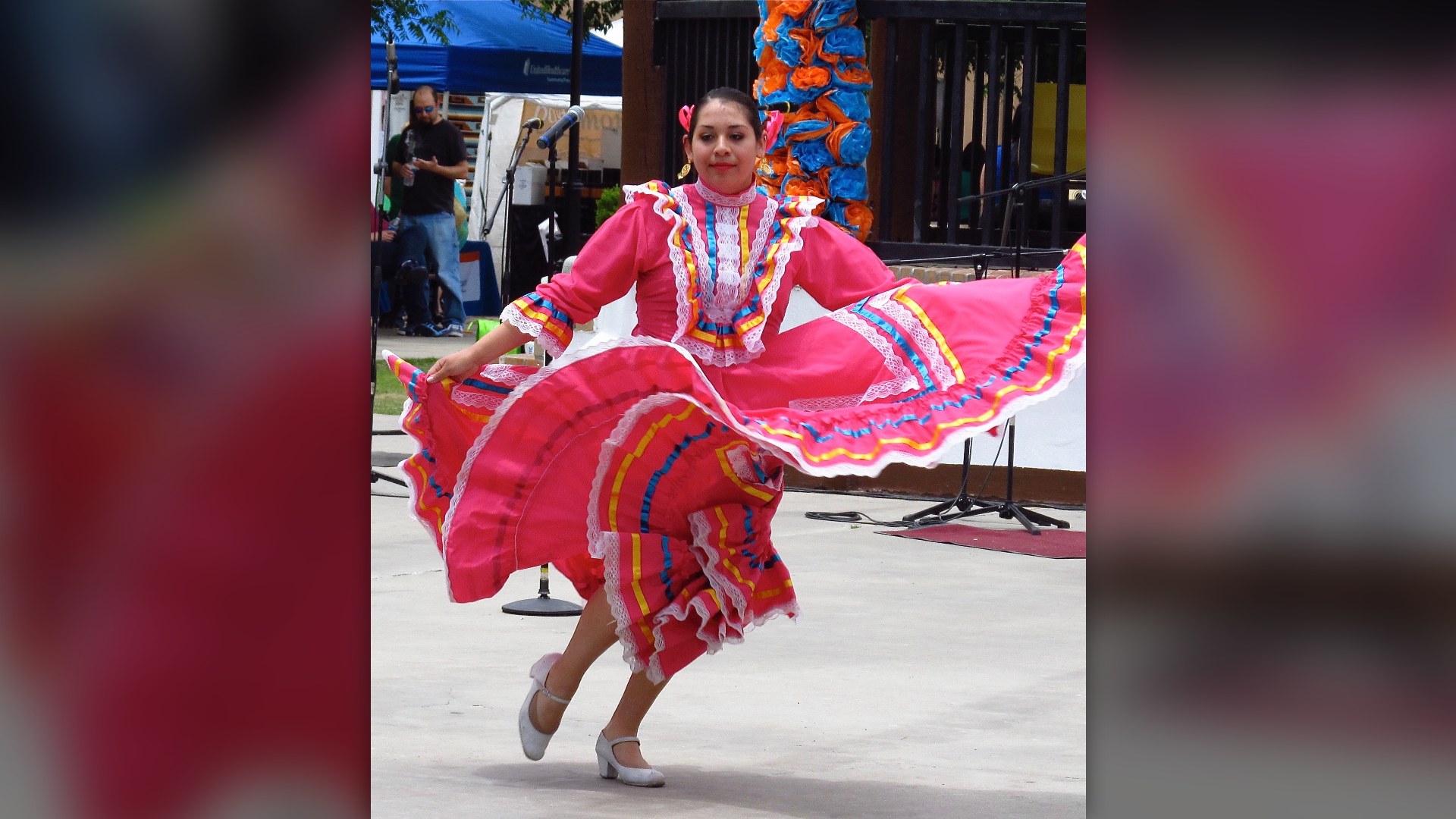
Far from Mexican Independence Day, Cinco de Mayo honors the outnumbered Mexican army's shocking victory over invading French forces under Napoleon III in 1862. Mexican-Americans in California celebrated the victory, creating an enduring emblem of civil rights resistance.
©Wikimedia / DRieselman
Advertisement
Swipe or tap ▶ to resume the countdown.
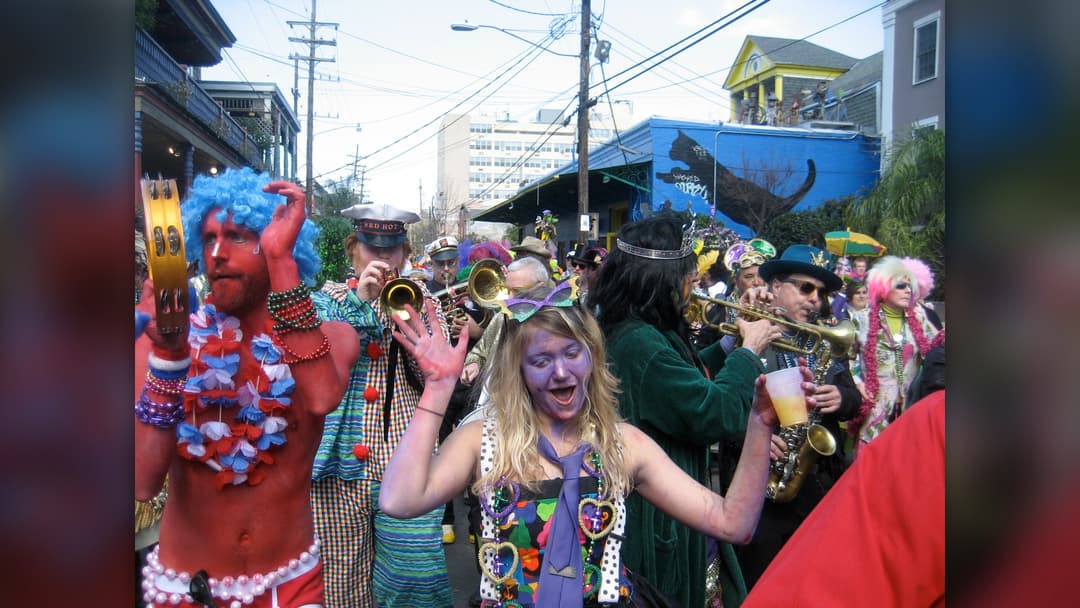
19. Mardi Gras
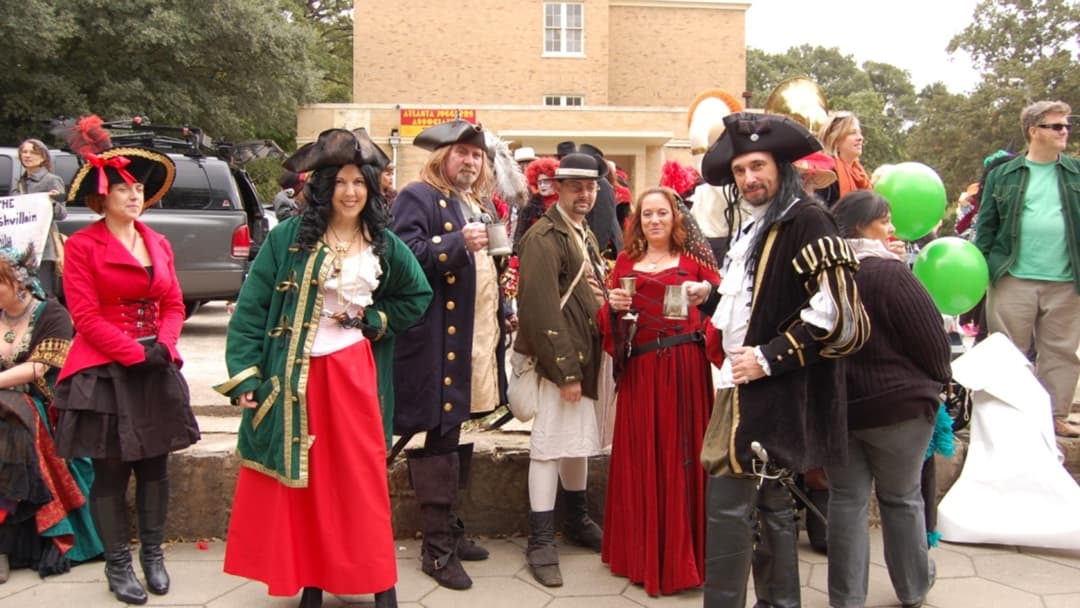
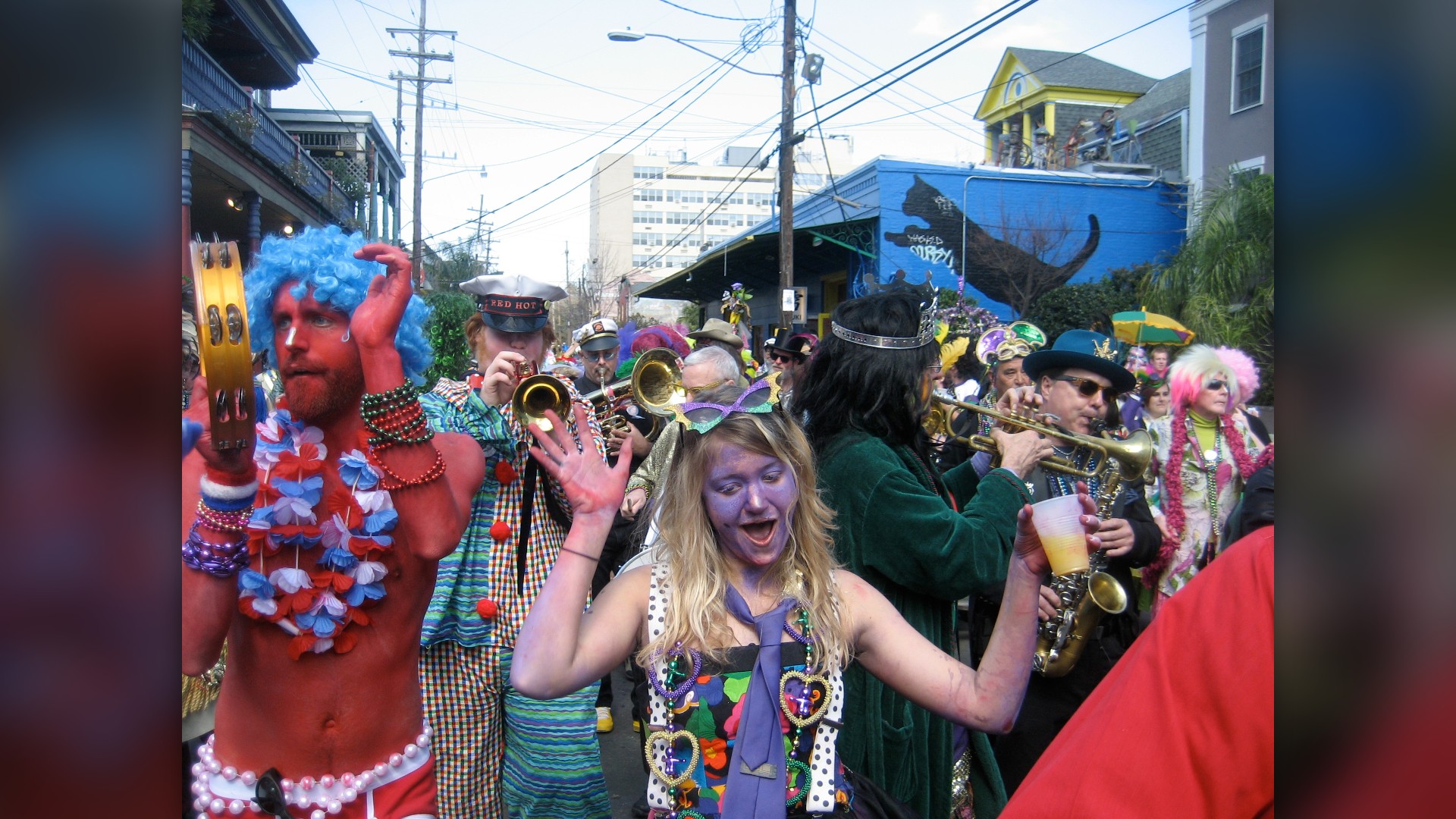
Mardi Gras, French for Fat Tuesday, marked the final opportunity to feast on rich meats, fats, and sweets before the forty days of Lenten austerity. French explorers introduced the carnival tradition to the Gulf Coast in 1699, cementing New Orleans as its cultural epicenter.
©Wikimedia / Mardi Gras
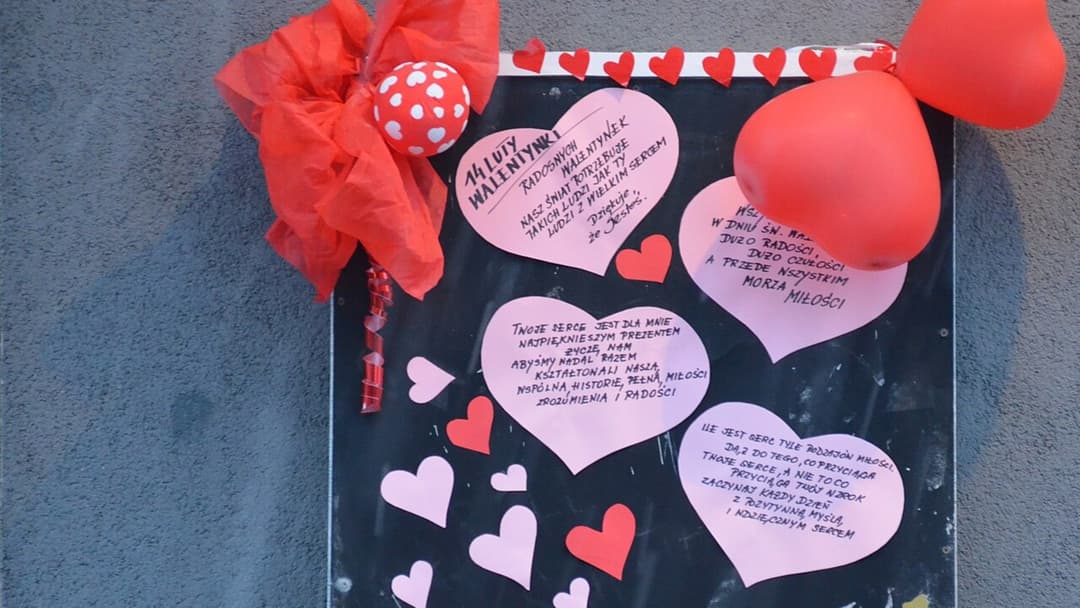
18. Valentine's Day
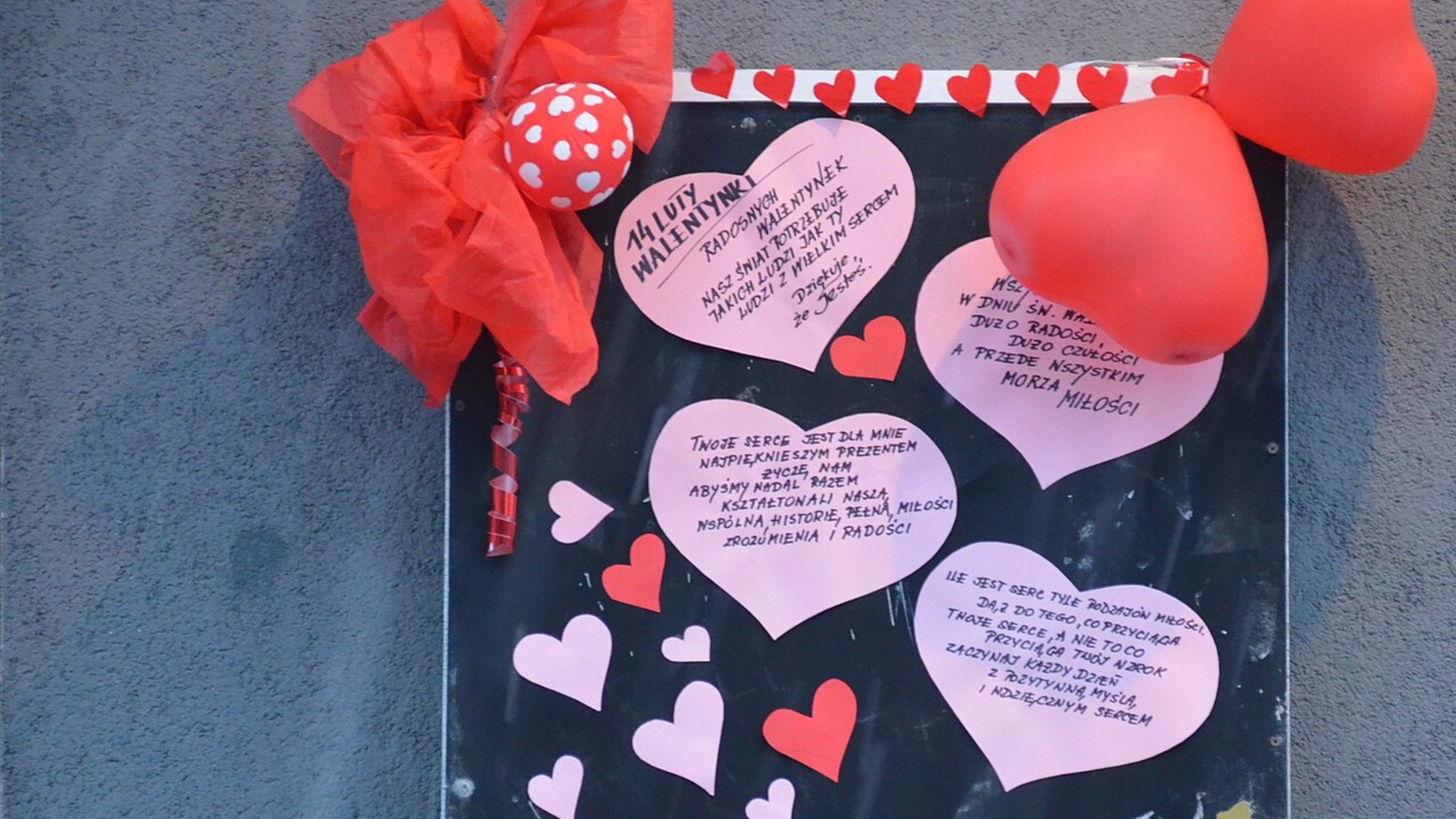
Mid-February was originally marked by Lupercalia, an ancient Roman fertility festival honoring Faunus. The Catholic Church repurposed the date as the Feast of Saint Valentine, while medieval poets like Geoffrey Chaucer romanticized courtly love, paving the way for handwritten greeting notes.
©Wikimedia / Marsilar
17. Father's Day
Raised alongside five siblings by a widowed Union Civil War veteran, Sonora Smart Dodd proposed Father's Day in Spokane, Washington in 1910. Although initial efforts met masculine skepticism, President Richard Nixon officially codified it into permanent federal law in 1972.

©Wikimedia / The White House
16. Mother's Day
Anna Jarvis organized the first official Mother's Day in 1908 to honor her late mother, an activist who tended wounded soldiers on both Civil War battlefields. Jarvis later spent her entire fortune fighting the commercialization of carnations and greeting cards.

©Wikimedia / Mother's Day
Advertisement
Swipe or tap ▶ to resume the countdown.
15. Earth Day
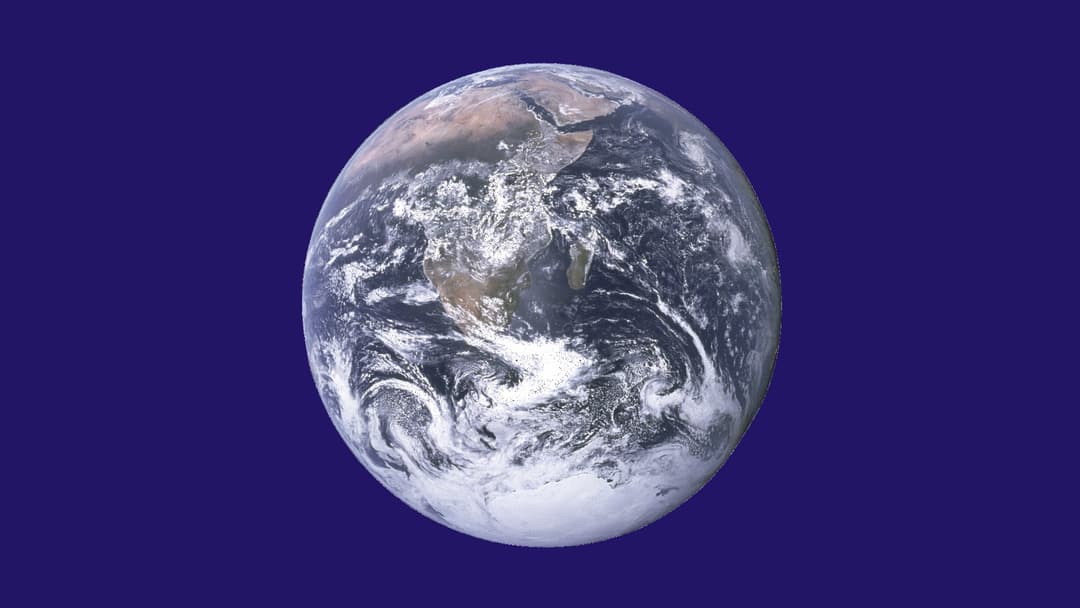
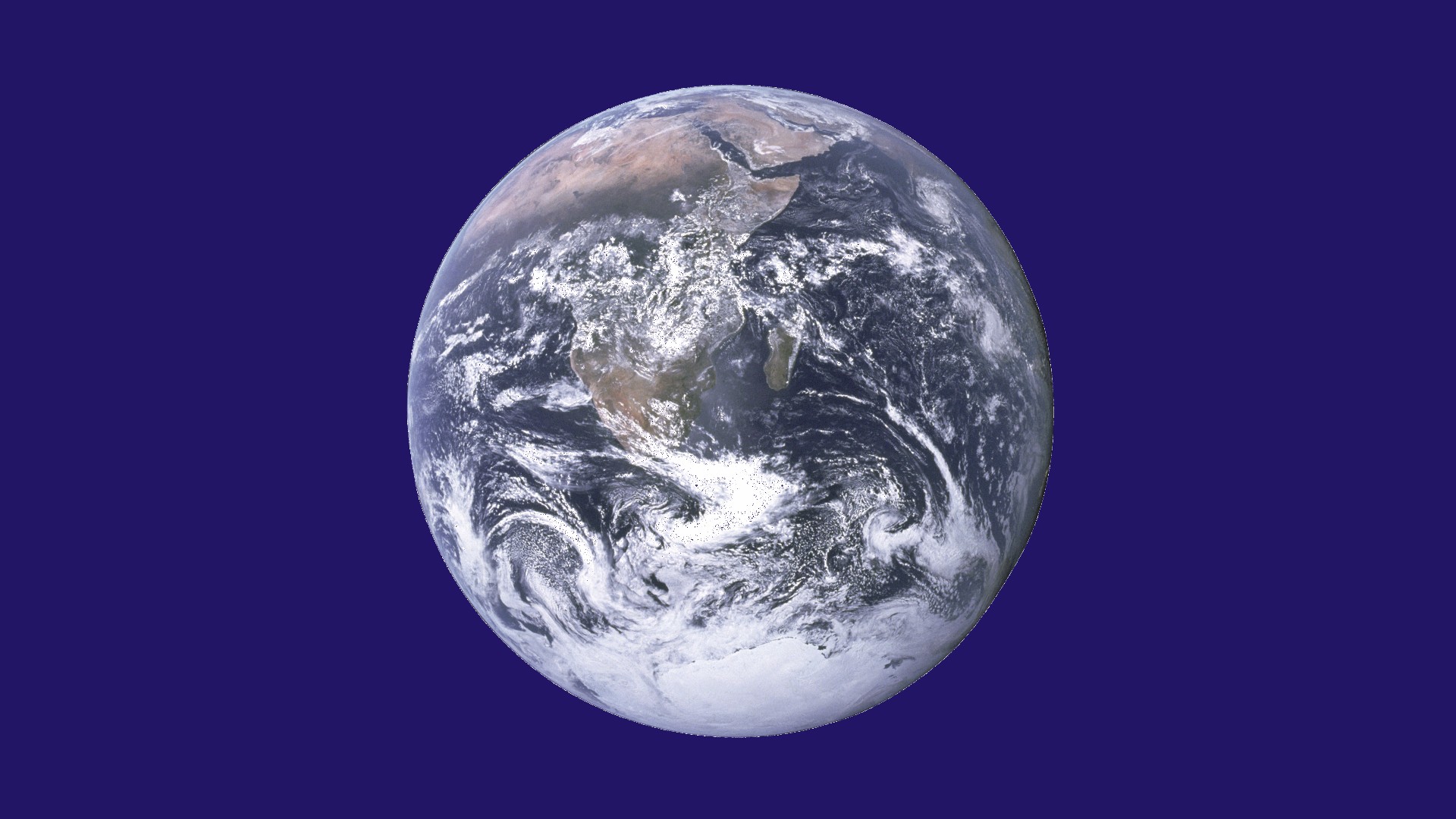
Following the catastrophic 1969 Santa Barbara oil blowout, Wisconsin Senator Gaylord Nelson organized a national environmental teach-in. On April 22, 1970, twenty million Americans took to the streets, leading directly to the creation of the EPA and the Clean Air Act.
©Wikimedia / Earth Day
14. Patriot Day
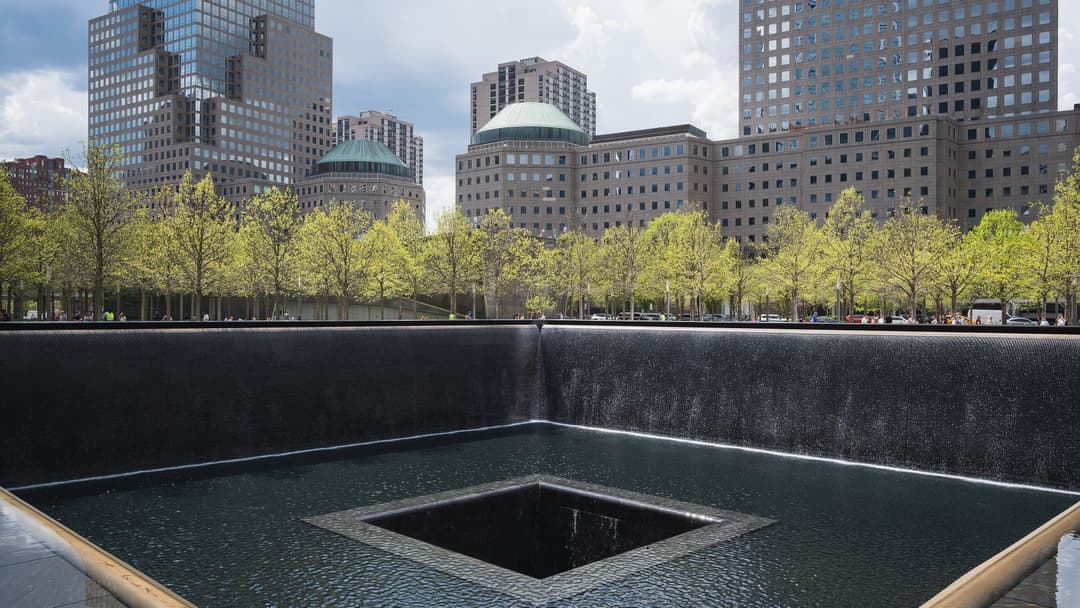
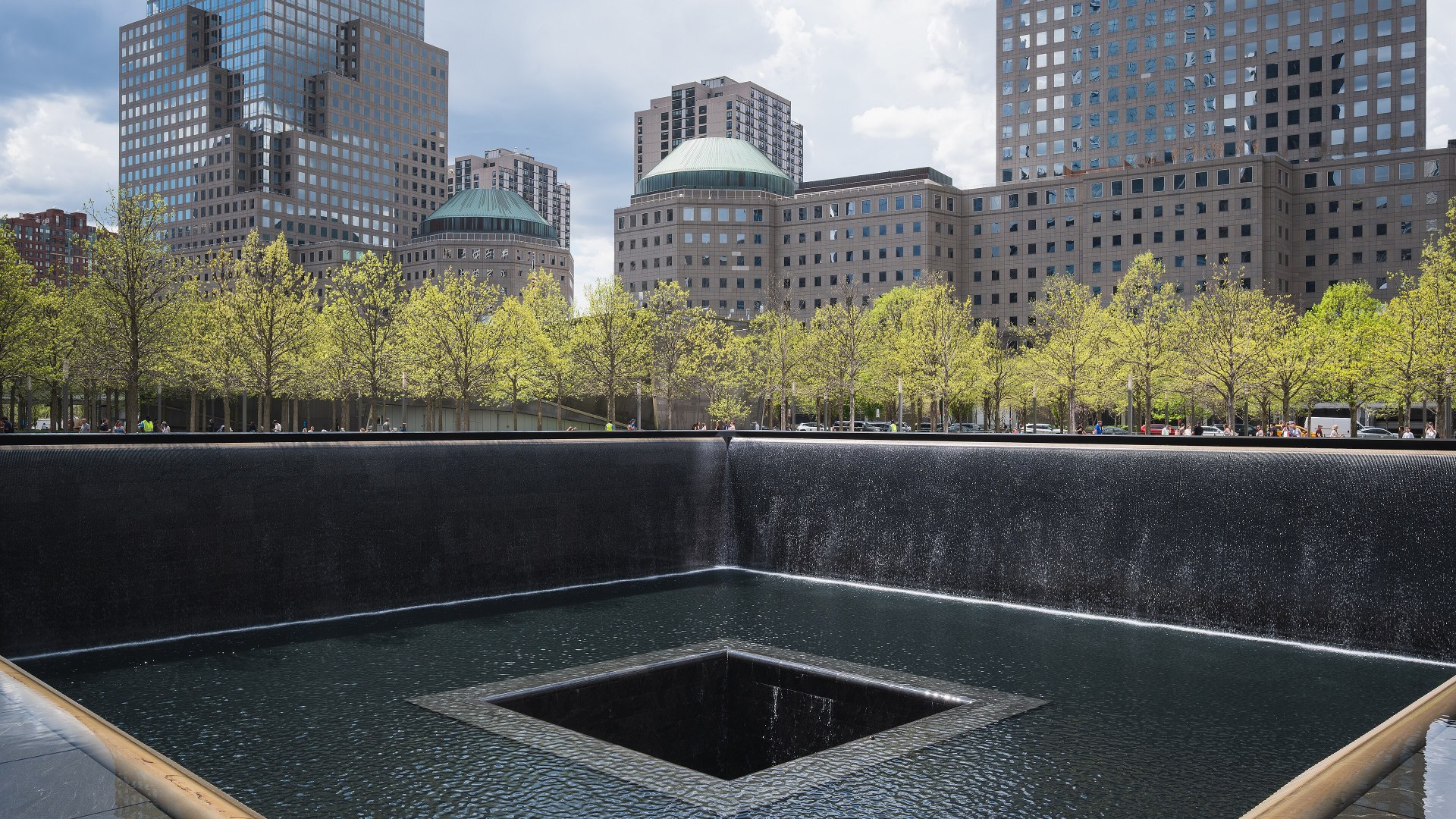
Designated by Congress on December 18, 2001, Patriot Day calls on all Americans to observe a moment of silence at 8:46 a.m. Eastern Time, when Flight 11 struck the North Tower. US flags fly at half-staff to honor the nearly 3,000 lives lost and heroic first responders.
©Wikimedia / Christian David
13. Easter
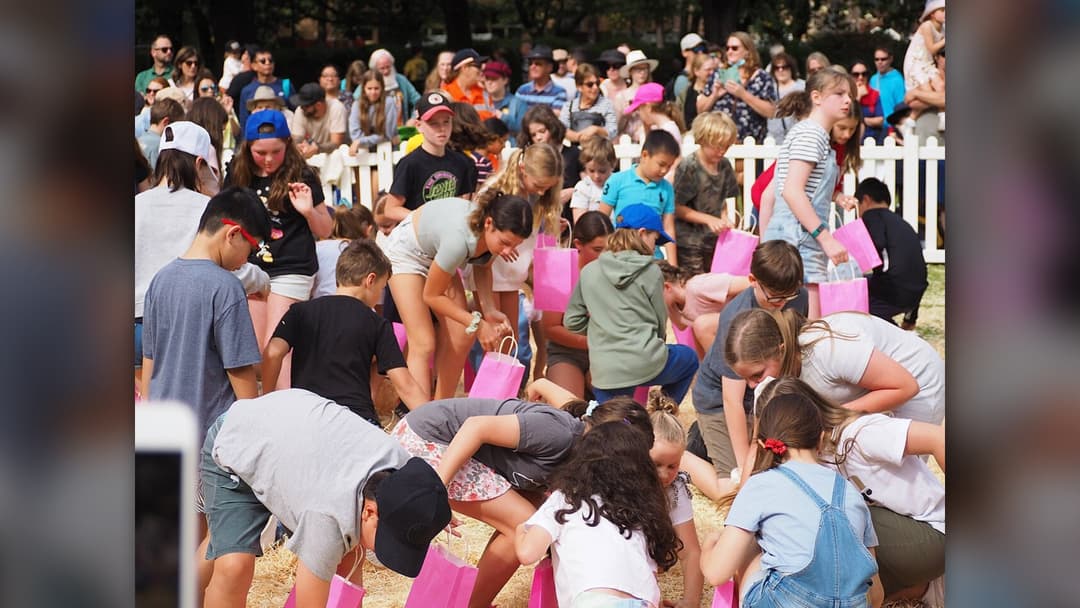
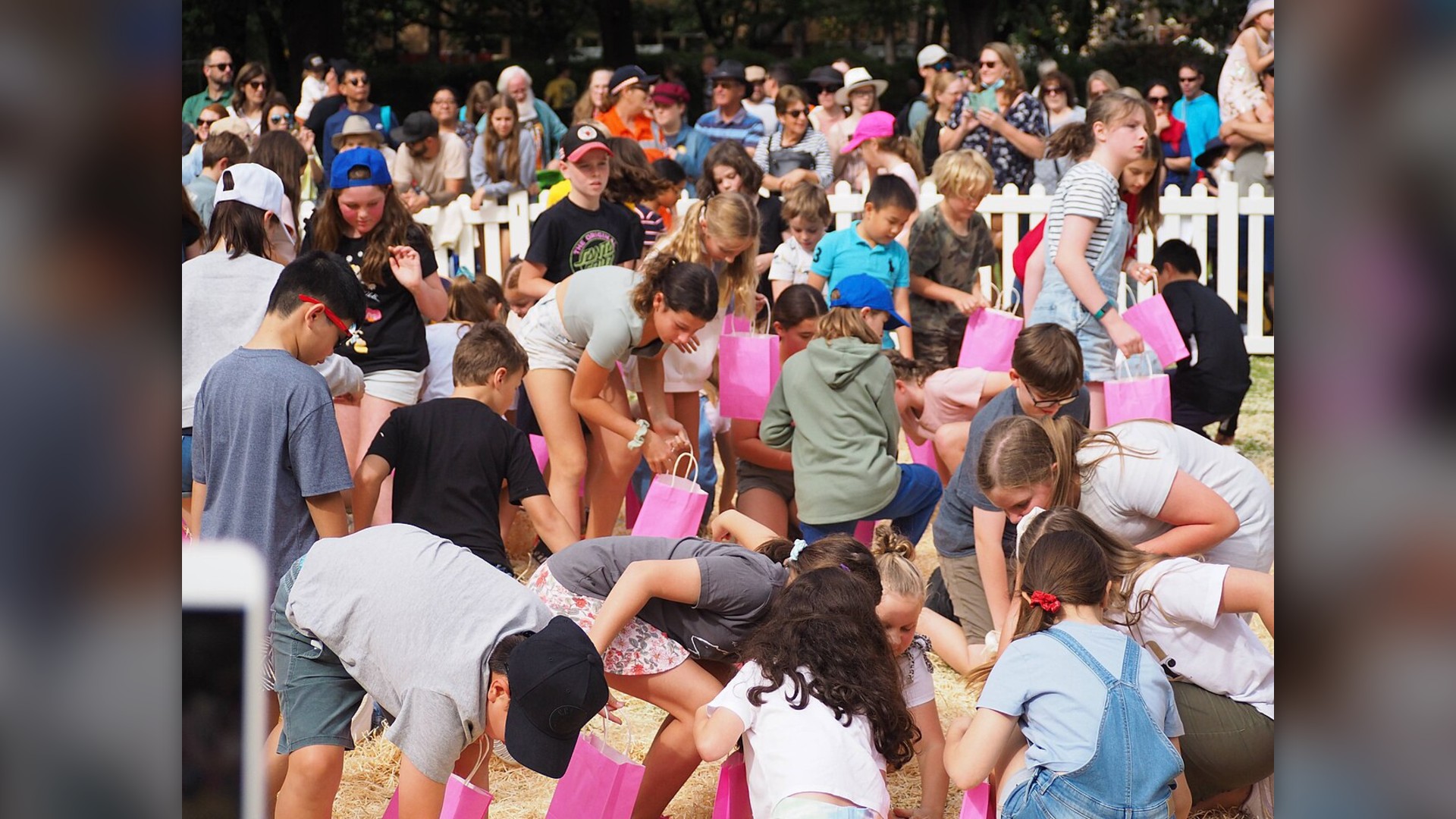
While commemorating Christ's resurrection after the crucifixion, Easter also assimilated pagan spring equinox rituals tied to fertility goddess Eostre. Symbols like decorated eggs and hares represented rebirth and abundance across awakening post-winter landscapes.
©Wikimedia / KeepActive Australia from Melbourne, VIC
12. Halloween
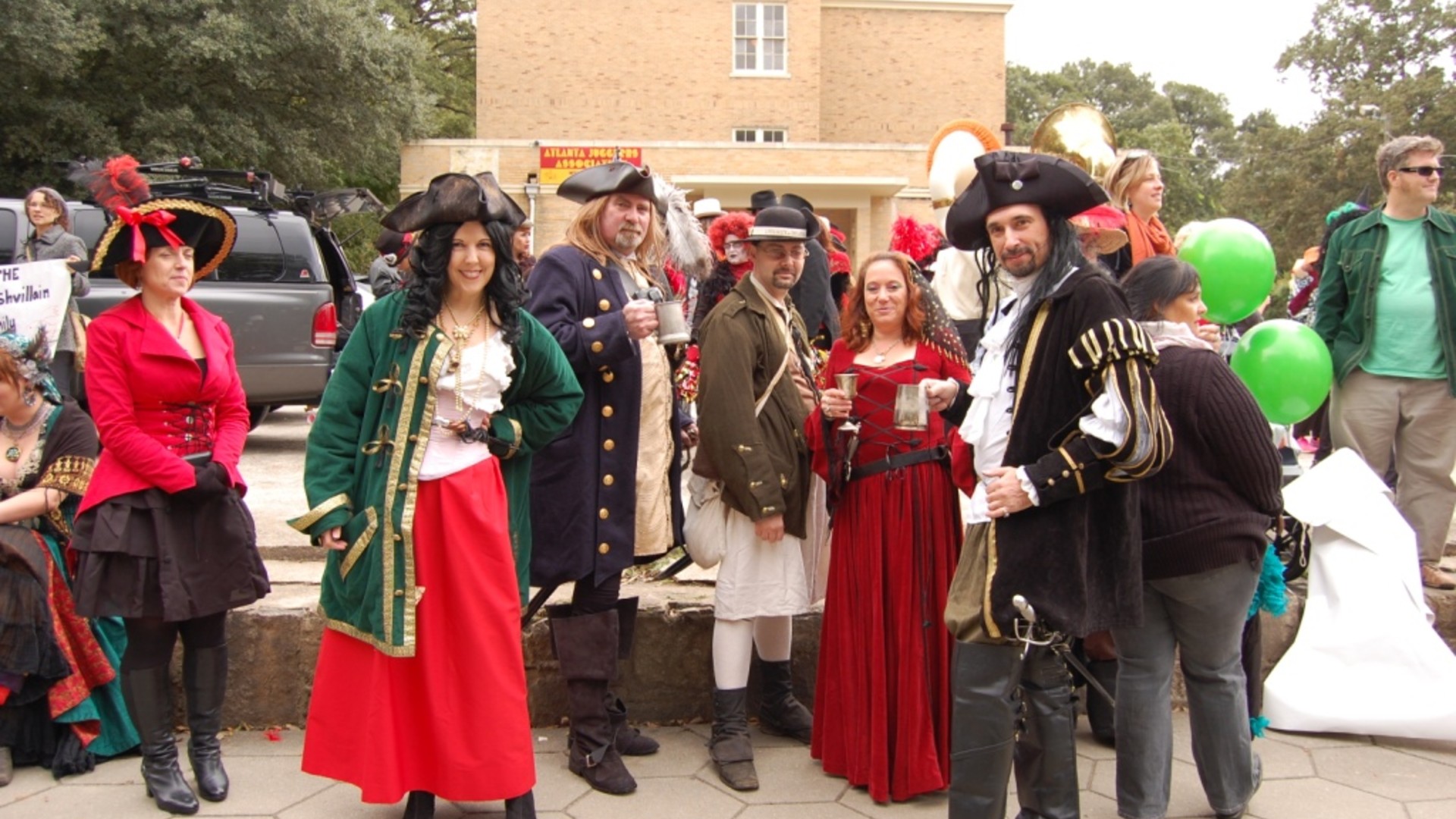
Ancient Celts believed that on October 31, the boundary between the living and the spirit world blurred. Villagers wore disguises and carved hollow turnips into warding lanterns to confuse malicious spirits, customs that evolved into modern pumpkin carving and trick-or-treating.
©Wikimedia / sparr0
Advertisement
Swipe or tap ▶ to resume the countdown.
11. Presidents' Day
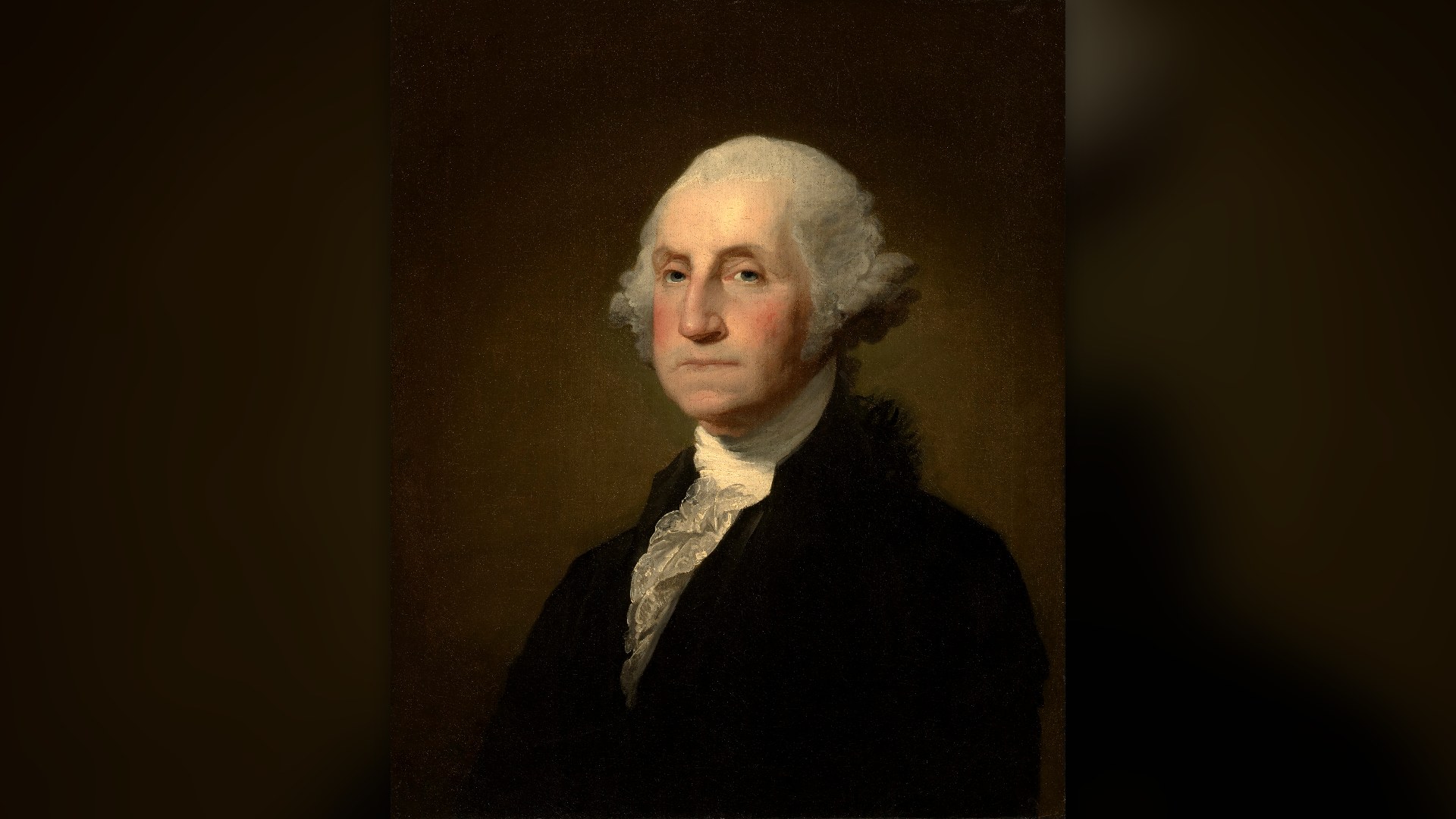
First made a federal holiday in 1879 to honor George Washington on February 22, the date shifted under the 1968 Uniform Monday Holiday Act. While federal law still officially designates it Washington's Birthday, states widely celebrate both Washington and Abraham Lincoln.
©Wikimedia / Gilbert Stuart
10. Indigenous Peoples' Day
Conceived at an international UN conference in 1977, Indigenous Peoples' Day replaces the celebration of Christopher Columbus with recognition of Native American resilience. Scores of US states and cities have formally embraced the commemoration to highlight authentic tribal history.
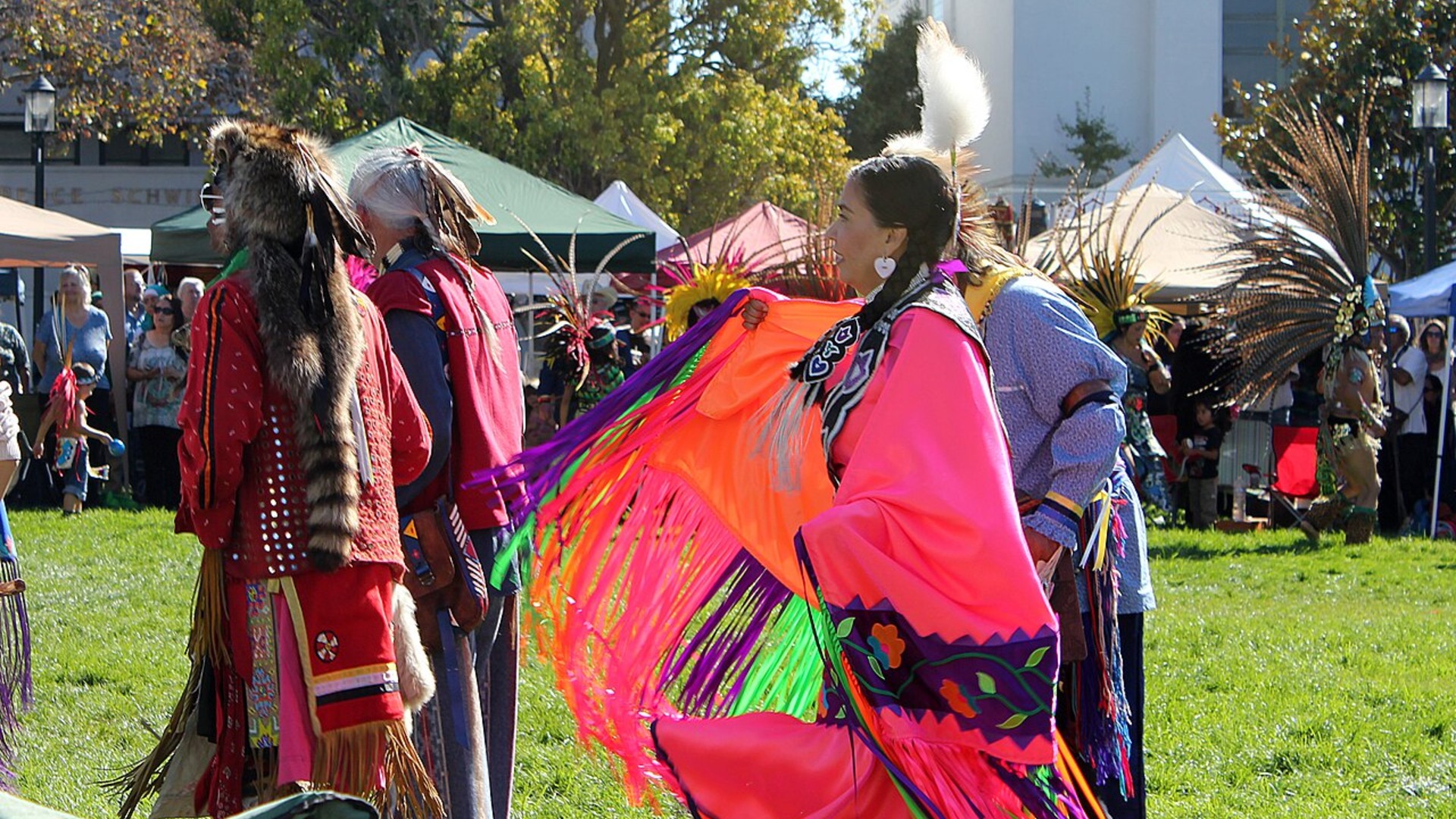
©Wikimedia / Quinn Dombrowski from Berkeley, USA
9. New Year's Day
Julius Caesar reformed the Roman calendar in 46 B.C., placing the new year on January 1 to honor Janus, the deity of beginnings, transitions, and doorways. His two faces looked backward at past accomplishments and forward into hopeful opportunities.
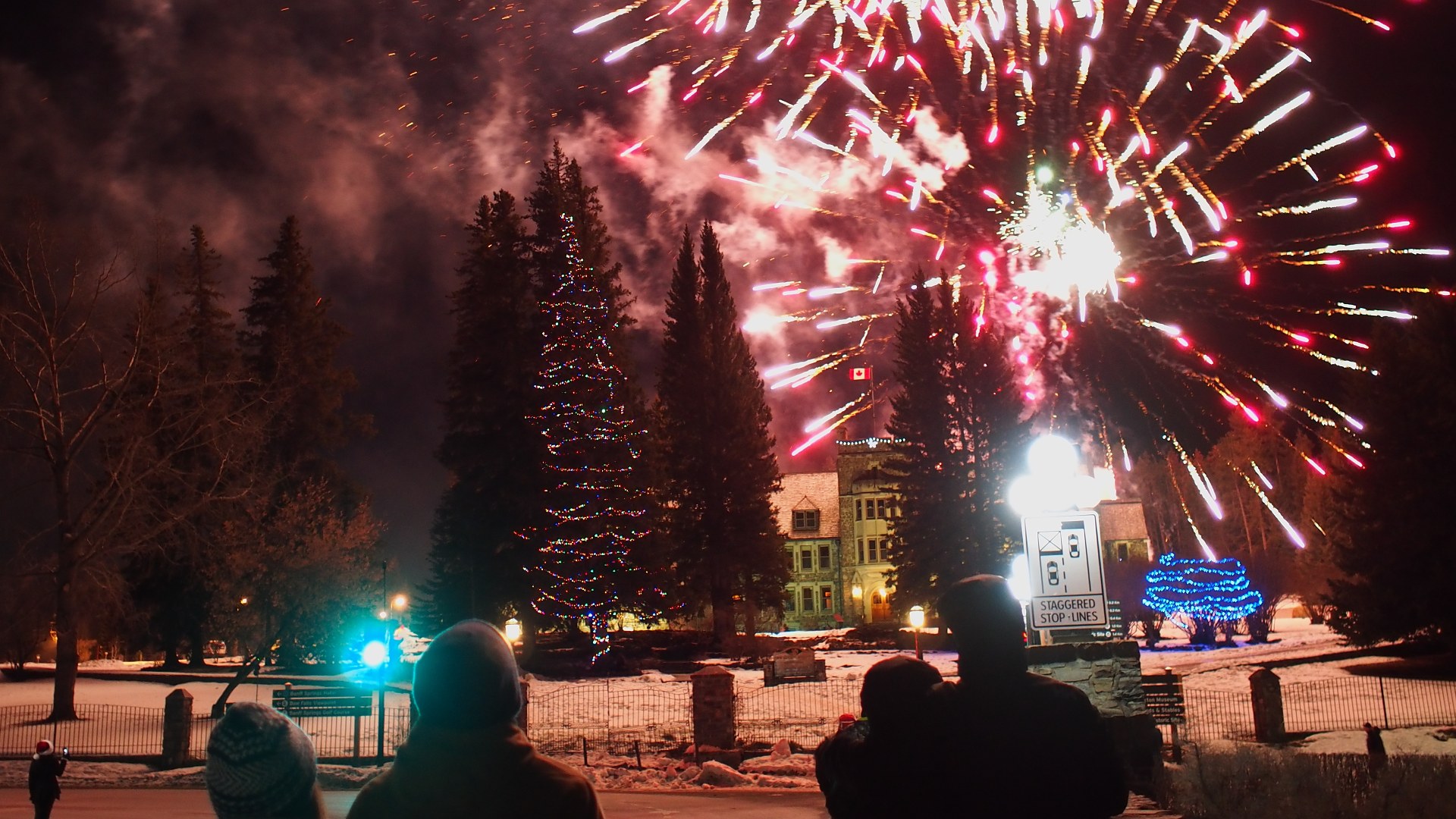
©Wikimedia / Wilson Hui
8. Veterans Day
First commemorated by Woodrow Wilson in 1919 to honor the armistice that halted World War I on November 11, the holiday was expanded in 1954 under Dwight D. Eisenhower. Veterans Day honors all living American military service members who served during wartime and peacetime.
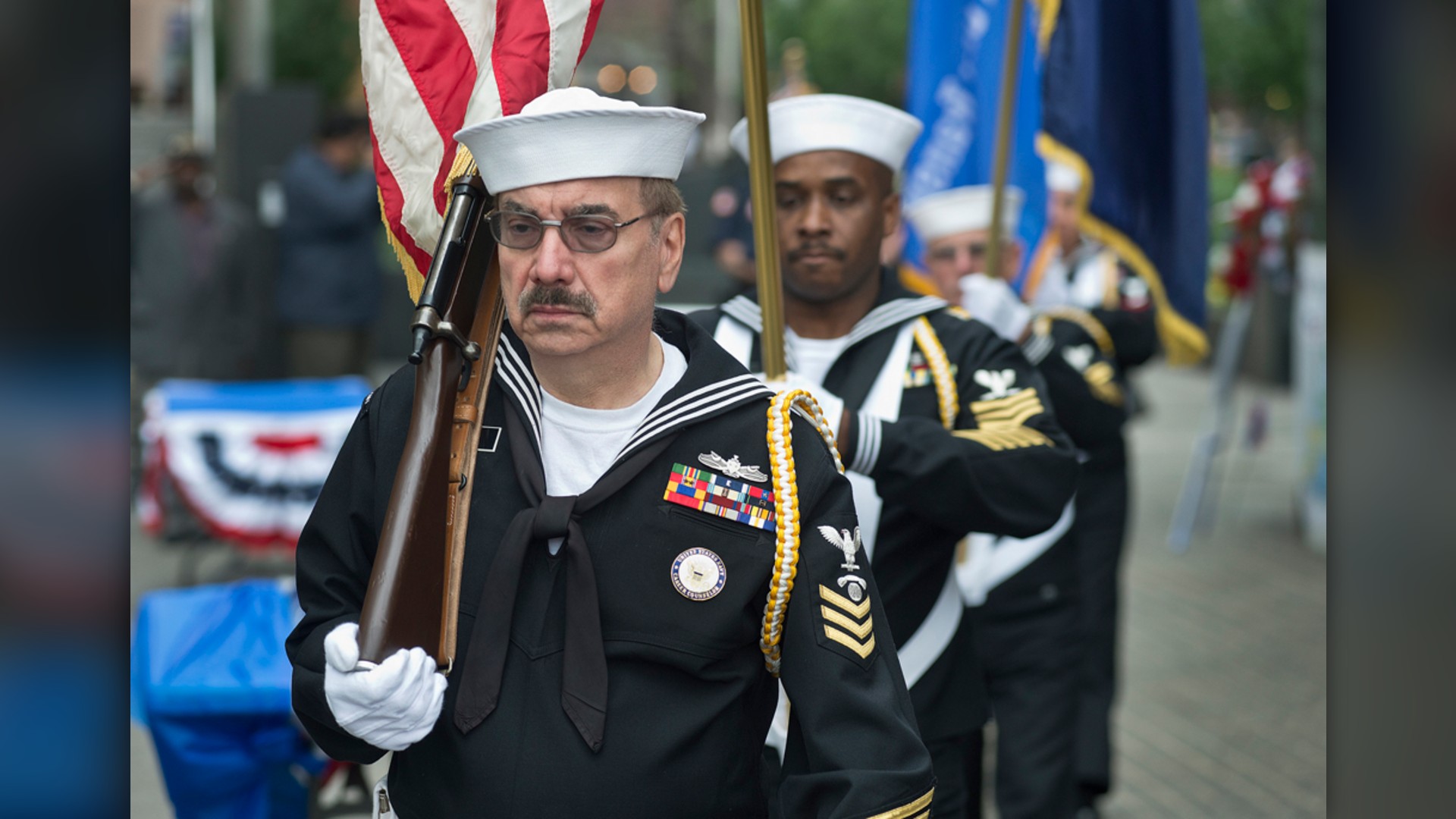
©Wikimedia / Metropolitan Transportation Authority of
Advertisement
Swipe or tap ▶ to resume the countdown.
7. Memorial Day
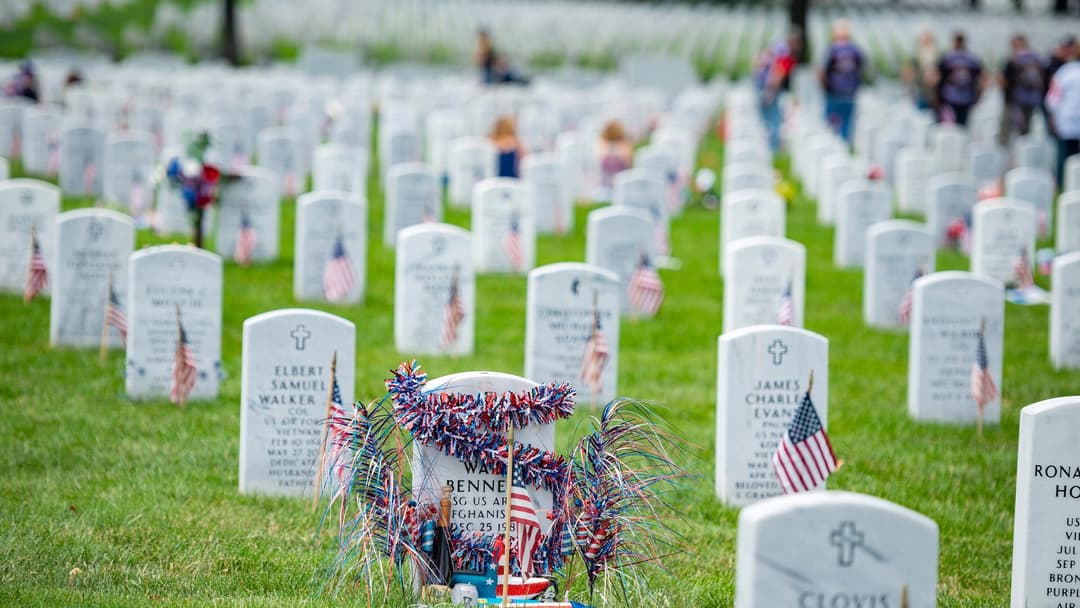
Following the Civil War, formerly enslaved people and local residents in Charleston, South Carolina decorated the graves of fallen Union soldiers on May 1, 1865. The custom spread nationwide as Decoration Day before federal legislation codified Memorial Day to honor all military dead.
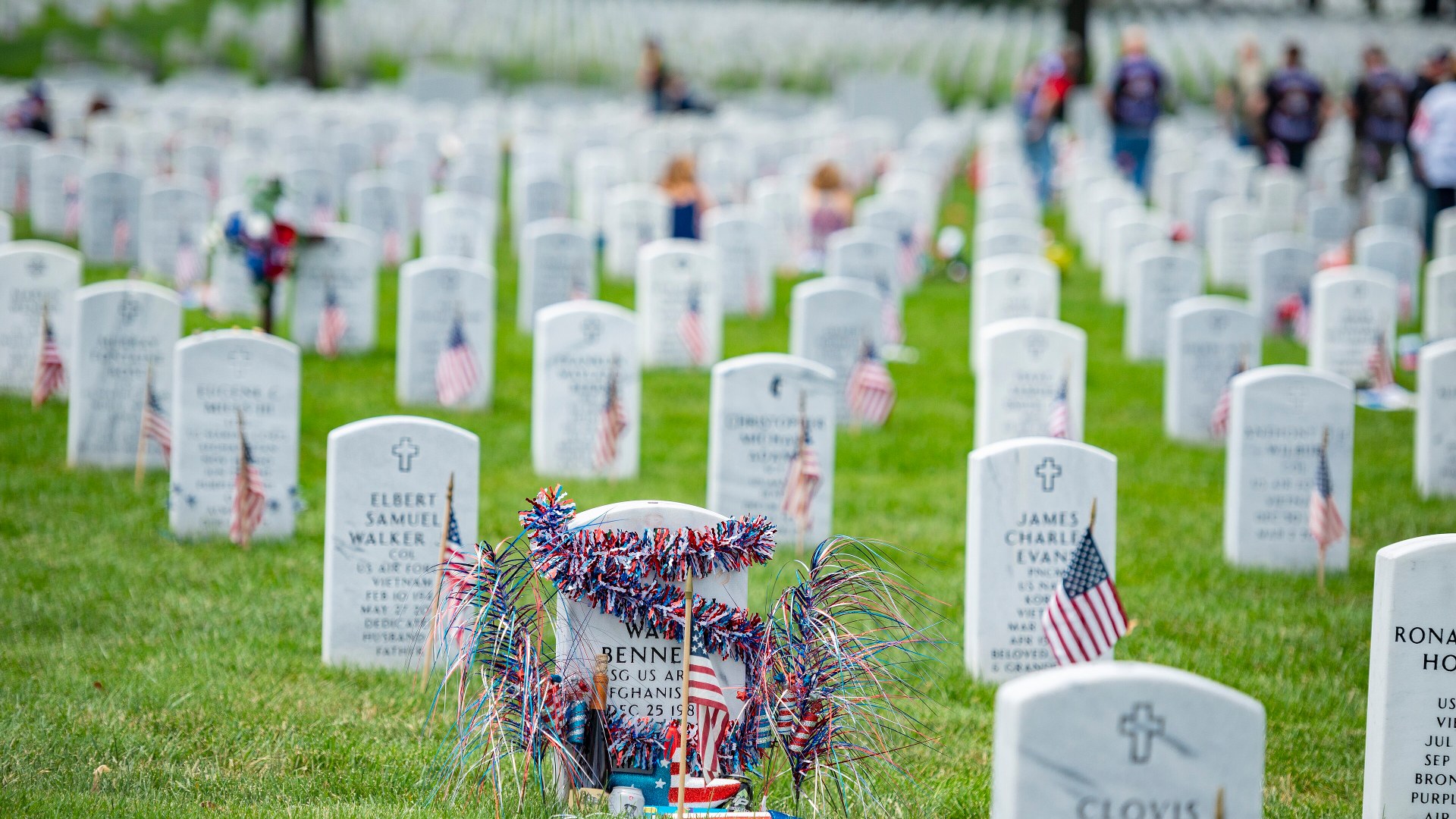
©Wikimedia / Arlington National Cemetery
6. Labor Day
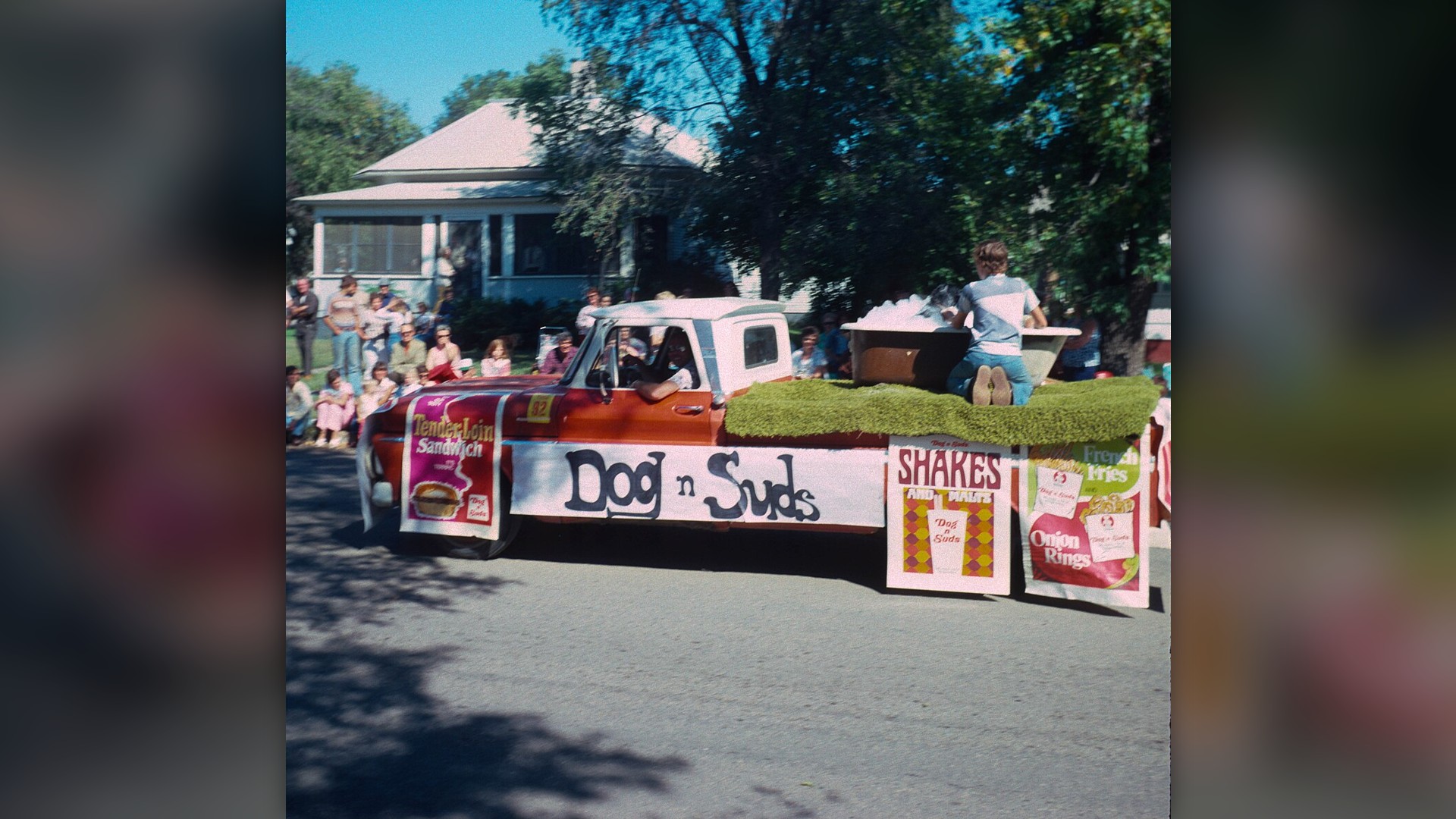
In the summer of 1894, federal troops violently crushed striking Pullman railway workers near Chicago, killing dozens. Facing widespread public outrage, President Grover Cleveland rushed legislation through Congress to establish Labor Day as a conciliatory tribute to American workers.
©Wikimedia / skua47
5. Martin Luther King Jr. Day
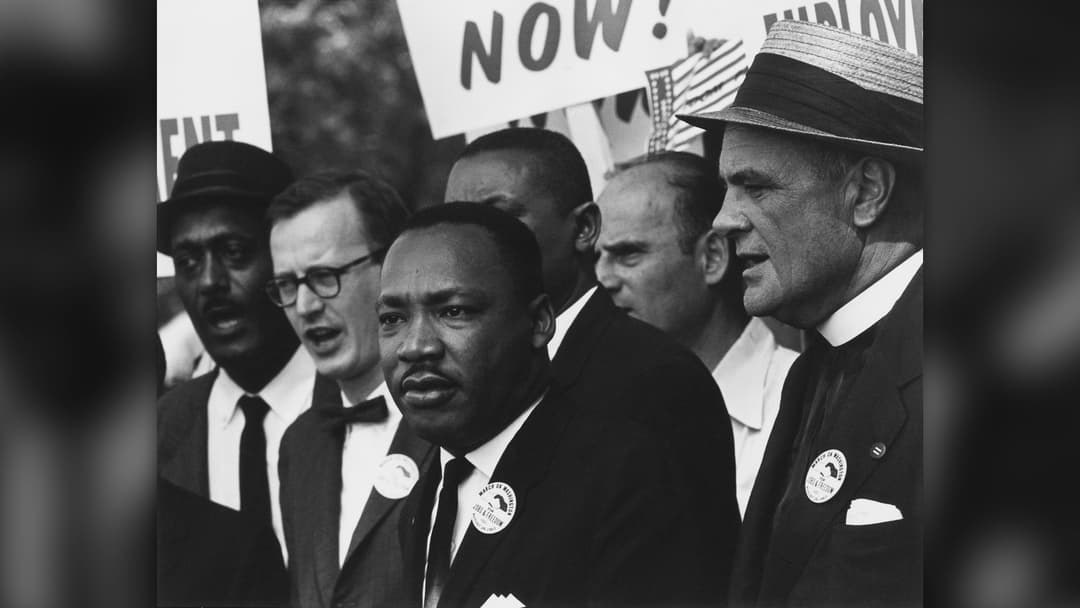
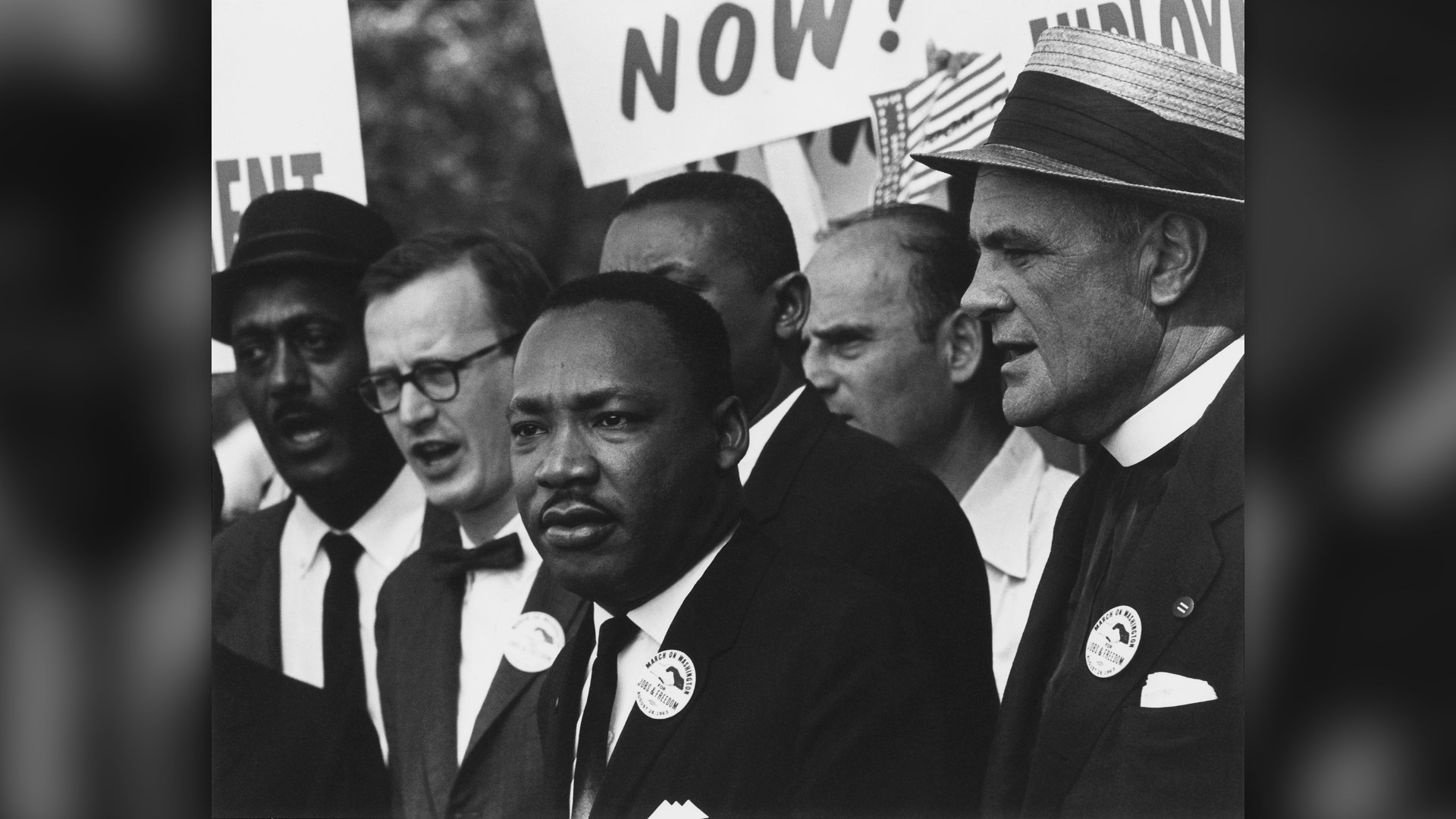
Four days after Martin Luther King Jr.'s 1968 assassination, Congressman John Conyers introduced legislation for a commemorative holiday. Backed by Stevie Wonder's musical campaign and millions of citizen signatures, President Ronald Reagan signed it into federal law in 1983.
©Wikimedia / Rowland Scherman
4. Juneteenth
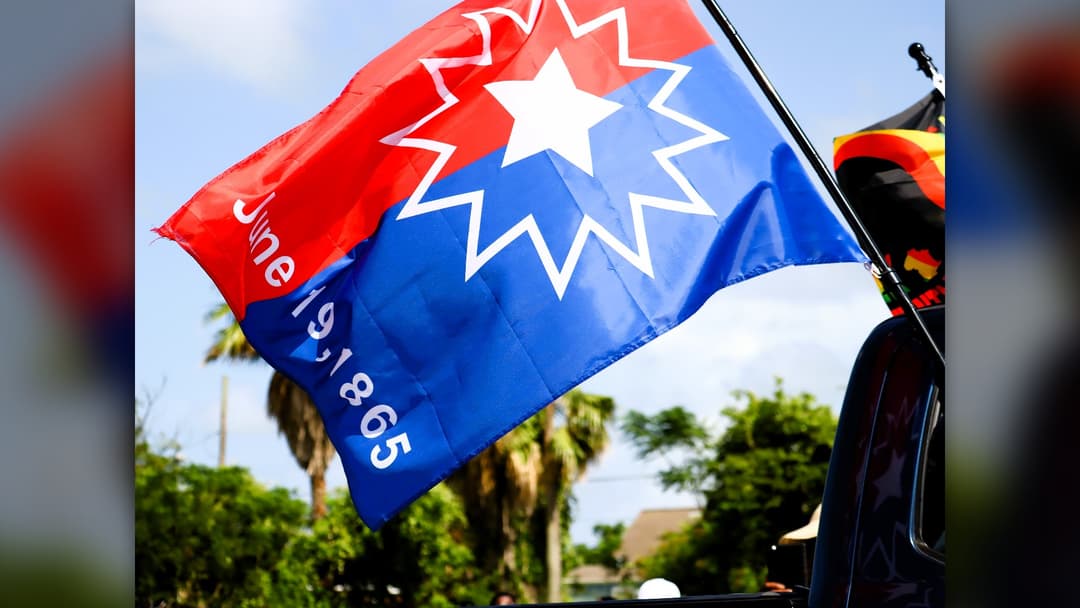
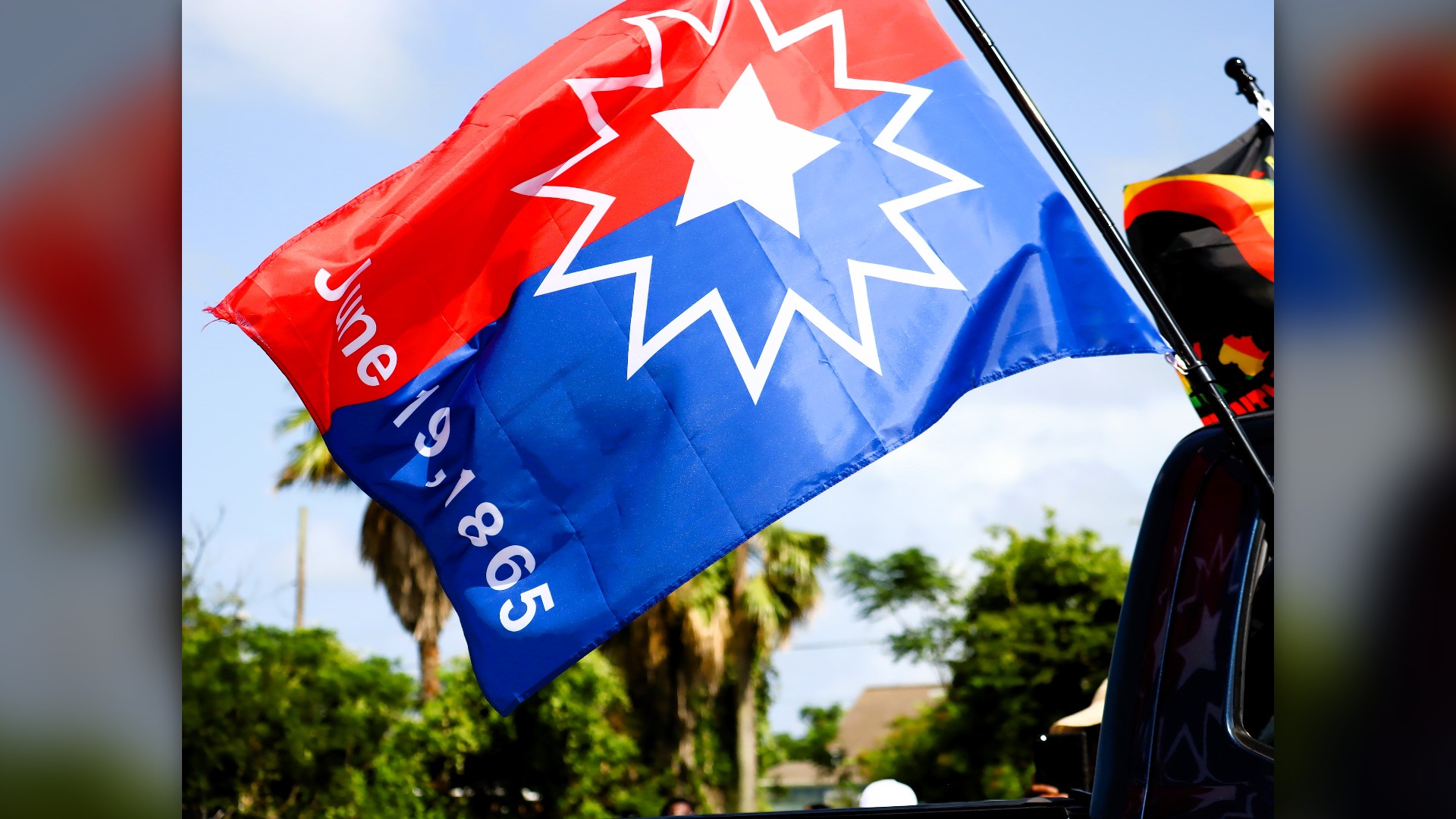
More than two years after Lincoln issued the Emancipation Proclamation, Major General Gordon Granger arrived in Galveston, Texas, reading General Order No. 3. Formerly enslaved African Americans celebrated Jubilee Day, which became a recognized federal holiday in 2021.
©Wikimedia / Juneteenth
Advertisement
Swipe or tap ▶ to resume the countdown.
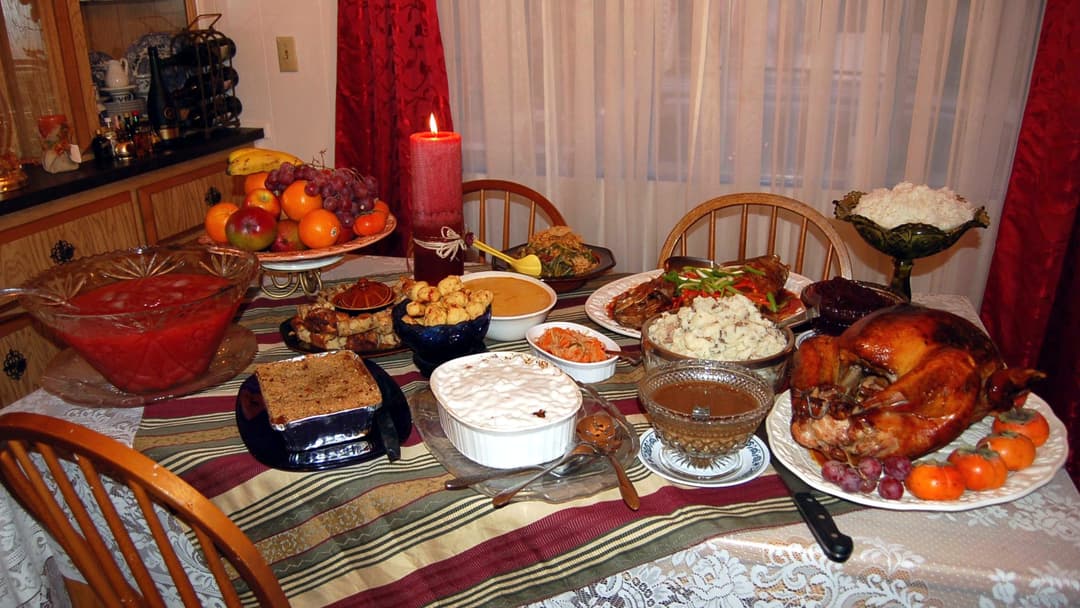
3. Thanksgiving
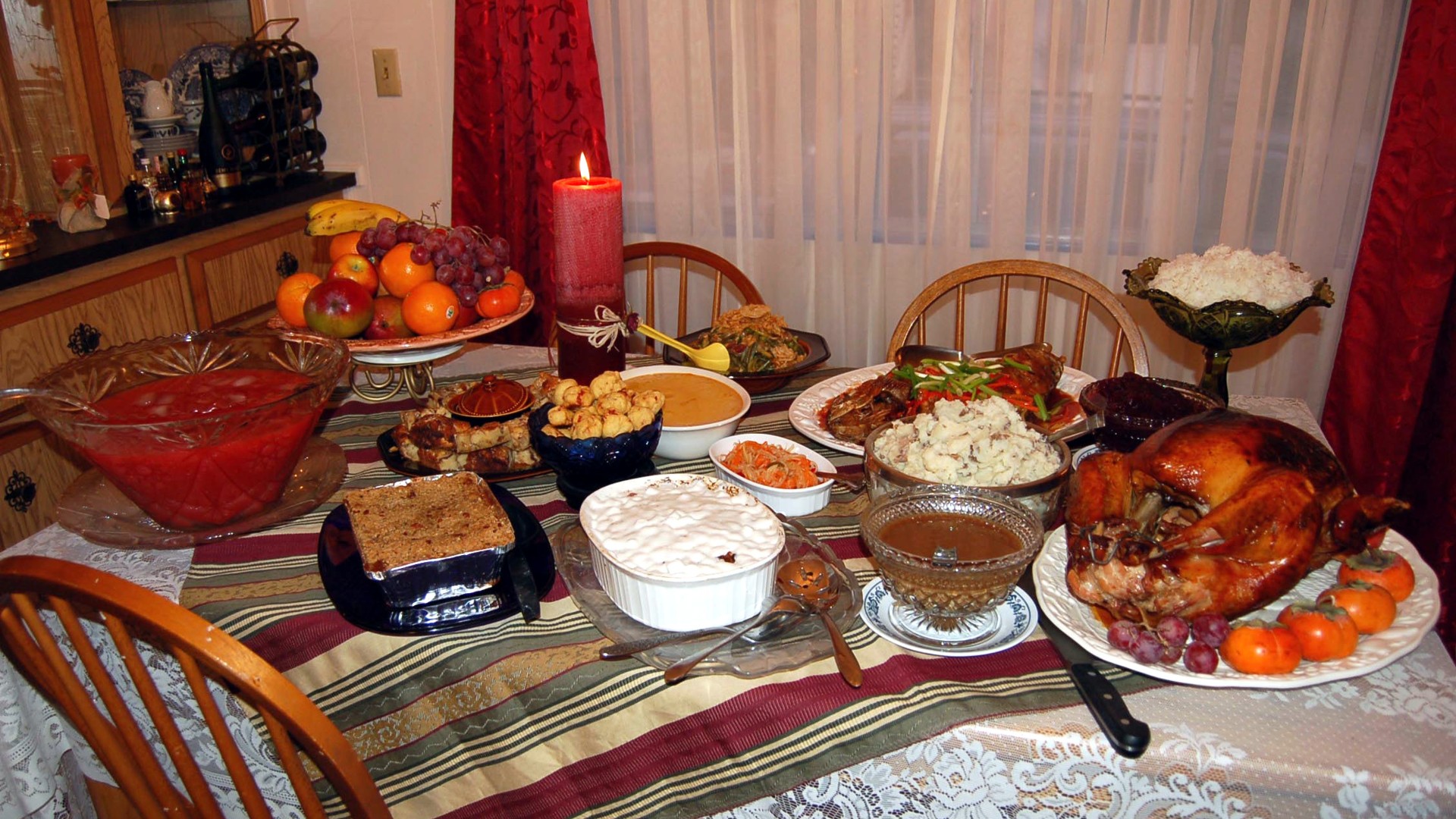
While popular folklore focuses on the 1621 Plymouth harvest banquet between Pilgrims and Wampanoag people, Thanksgiving became a recurring federal holiday during the depths of the Civil War. President Abraham Lincoln proclaimed it in 1863 to heal a deeply divided nation.
©Wikimedia / Thanksgiving
2. Independence Day
Although the Continental Congress actually voted in favor of American independence on July 2, 1776, it was July 4 when Thomas Jefferson's formal Declaration text was officially approved. John Adams predicted the milestone would be celebrated with illuminations across the continent.
©Wikimedia / Mys 721tx
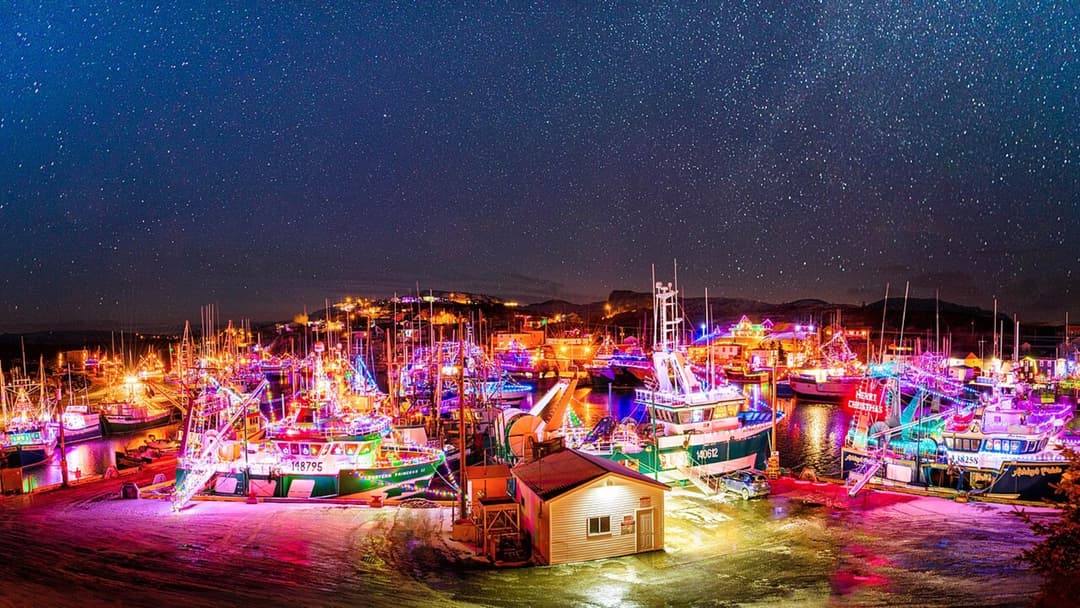
1. Christmas
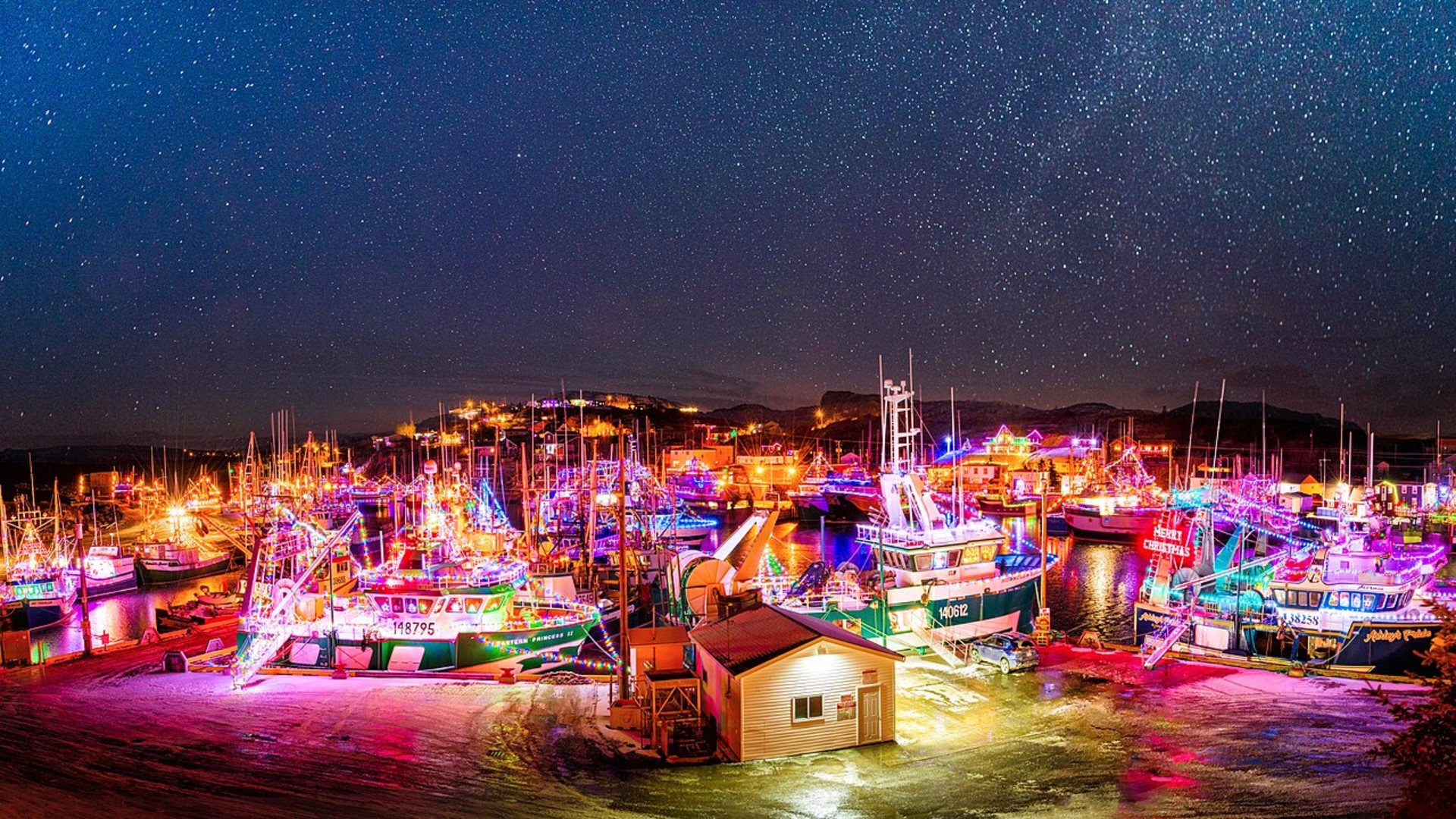
Early Christian church leaders in the 4th century selected December 25 to coincide with Roman Saturnalia and the winter solstice festival Sol Invictus. In 1870, President Ulysses S. Grant declared Christmas a federal holiday to foster national harmony following the Civil War.
©Wikimedia / Ting ting Chen
Advertisement
You've reached the end of the story. Thanks for reading!

21 Former US Governors Who Became Influential National Leaders
Which former state governors rose to shape modern American history?
All 26 Entries in this Story
26. April Fools' Day
When France shifted the new year from April 1 to January 1 under the Gregorian calendar in 1582, news traveled slowly to rural villages. Those still celebrating in April were mocked as Poisson d'Avril (April Fish), birthing a global holiday devoted to harmless deception.

25. Groundhog Day
Halfway between the winter solstice and spring equinox, Celtic Christians celebrated Candlemas, observing weather patterns to forecast planting seasons. German immigrants brought their badger weather folklore to Pennsylvania, substituting native groundhogs to predict crop readiness.

24. Arbor Day
Founded in Nebraska in 1872 by J. Sterling Morton, Arbor Day was born out of agricultural survival. Early Great Plains settlers desperately needed trees to serve as windbreaks, prevent topsoil erosion, and provide shade, resulting in over one million seedlings planted on the very first day.

23. Flag Day
On June 14, 1777, the Second Continental Congress resolved that the flag of the United States be thirteen stripes, alternate red and white, with thirteen white stars in a blue field. Decades of grassroots campaigns led Woodrow Wilson and Harry Truman to codify national Flag Day.

22. Constitution Day
On September 17, 1787, thirty-nine delegates gathered in Philadelphia's Pennsylvania State House to sign the newly drafted US Constitution. Recognized alongside Citizenship Day, it celebrates the foundational legal framework that established American constitutional democracy.

21. St. Patrick's Day
While Ireland traditionally treated March 17 as a quiet holy day of reflection, Irish immigrants in 18th-century Boston and New York turned it into defiant, festive parades of solidarity against discrimination, ultimately establishing green shamrocks as an American staple.

20. Cinco De Mayo
Far from Mexican Independence Day, Cinco de Mayo honors the outnumbered Mexican army's shocking victory over invading French forces under Napoleon III in 1862. Mexican-Americans in California celebrated the victory, creating an enduring emblem of civil rights resistance.

19. Mardi Gras
Mardi Gras, French for Fat Tuesday, marked the final opportunity to feast on rich meats, fats, and sweets before the forty days of Lenten austerity. French explorers introduced the carnival tradition to the Gulf Coast in 1699, cementing New Orleans as its cultural epicenter.

18. Valentine's Day
Mid-February was originally marked by Lupercalia, an ancient Roman fertility festival honoring Faunus. The Catholic Church repurposed the date as the Feast of Saint Valentine, while medieval poets like Geoffrey Chaucer romanticized courtly love, paving the way for handwritten greeting notes.

17. Father's Day
Raised alongside five siblings by a widowed Union Civil War veteran, Sonora Smart Dodd proposed Father's Day in Spokane, Washington in 1910. Although initial efforts met masculine skepticism, President Richard Nixon officially codified it into permanent federal law in 1972.

16. Mother's Day
Anna Jarvis organized the first official Mother's Day in 1908 to honor her late mother, an activist who tended wounded soldiers on both Civil War battlefields. Jarvis later spent her entire fortune fighting the commercialization of carnations and greeting cards.

15. Earth Day
Following the catastrophic 1969 Santa Barbara oil blowout, Wisconsin Senator Gaylord Nelson organized a national environmental teach-in. On April 22, 1970, twenty million Americans took to the streets, leading directly to the creation of the EPA and the Clean Air Act.

14. Patriot Day
Designated by Congress on December 18, 2001, Patriot Day calls on all Americans to observe a moment of silence at 8:46 a.m. Eastern Time, when Flight 11 struck the North Tower. US flags fly at half-staff to honor the nearly 3,000 lives lost and heroic first responders.

13. Easter
While commemorating Christ's resurrection after the crucifixion, Easter also assimilated pagan spring equinox rituals tied to fertility goddess Eostre. Symbols like decorated eggs and hares represented rebirth and abundance across awakening post-winter landscapes.

12. Halloween
Ancient Celts believed that on October 31, the boundary between the living and the spirit world blurred. Villagers wore disguises and carved hollow turnips into warding lanterns to confuse malicious spirits, customs that evolved into modern pumpkin carving and trick-or-treating.

11. Presidents' Day
First made a federal holiday in 1879 to honor George Washington on February 22, the date shifted under the 1968 Uniform Monday Holiday Act. While federal law still officially designates it Washington's Birthday, states widely celebrate both Washington and Abraham Lincoln.

10. Indigenous Peoples' Day
Conceived at an international UN conference in 1977, Indigenous Peoples' Day replaces the celebration of Christopher Columbus with recognition of Native American resilience. Scores of US states and cities have formally embraced the commemoration to highlight authentic tribal history.

9. New Year's Day
Julius Caesar reformed the Roman calendar in 46 B.C., placing the new year on January 1 to honor Janus, the deity of beginnings, transitions, and doorways. His two faces looked backward at past accomplishments and forward into hopeful opportunities.

8. Veterans Day
First commemorated by Woodrow Wilson in 1919 to honor the armistice that halted World War I on November 11, the holiday was expanded in 1954 under Dwight D. Eisenhower. Veterans Day honors all living American military service members who served during wartime and peacetime.

7. Memorial Day
Following the Civil War, formerly enslaved people and local residents in Charleston, South Carolina decorated the graves of fallen Union soldiers on May 1, 1865. The custom spread nationwide as Decoration Day before federal legislation codified Memorial Day to honor all military dead.

6. Labor Day
In the summer of 1894, federal troops violently crushed striking Pullman railway workers near Chicago, killing dozens. Facing widespread public outrage, President Grover Cleveland rushed legislation through Congress to establish Labor Day as a conciliatory tribute to American workers.

5. Martin Luther King Jr. Day
Four days after Martin Luther King Jr.'s 1968 assassination, Congressman John Conyers introduced legislation for a commemorative holiday. Backed by Stevie Wonder's musical campaign and millions of citizen signatures, President Ronald Reagan signed it into federal law in 1983.

4. Juneteenth
More than two years after Lincoln issued the Emancipation Proclamation, Major General Gordon Granger arrived in Galveston, Texas, reading General Order No. 3. Formerly enslaved African Americans celebrated Jubilee Day, which became a recognized federal holiday in 2021.

3. Thanksgiving
While popular folklore focuses on the 1621 Plymouth harvest banquet between Pilgrims and Wampanoag people, Thanksgiving became a recurring federal holiday during the depths of the Civil War. President Abraham Lincoln proclaimed it in 1863 to heal a deeply divided nation.

2. Independence Day
Although the Continental Congress actually voted in favor of American independence on July 2, 1776, it was July 4 when Thomas Jefferson's formal Declaration text was officially approved. John Adams predicted the milestone would be celebrated with illuminations across the continent.

1. Christmas
Early Christian church leaders in the 4th century selected December 25 to coincide with Roman Saturnalia and the winter solstice festival Sol Invictus. In 1870, President Ulysses S. Grant declared Christmas a federal holiday to foster national harmony following the Civil War.