Slideshow · Lifestyle
Things your boss legally can't do in the America
Modern corporate life is full of toxic management traps—from remote spyware and weaponized return-to-office mandates to surprise PIPs and 10 PM Slack demands. Here are 15 tactics your boss legally cannot pull in America.

By Most Viral Today
16 Oct 2026

Things your boss legally can't do in the America 
15. Dock Your Salary When You Still Worked Sick 
14. Spy On Your Home Webcam Without Consent 
13. Clone Your Voice Or Face With AI Unapproved - AdvertisementSwipe or tap ▶ to continue countdown

12. Use Return To-Office To "Quiet Fire" You 
11. Steal Your Closed Commissions When You Quit 
10. Slap You With A Surprise PIP After Leave 
9. Demand 24/7 Slack Replies On A Fake "Salary" - AdvertisementSwipe or tap ▶ to continue countdown

8. Gag Your Layoff Story To Get Severance Pay 
7. Fire You For Venting With Coworkers On Slack 
6. Bill You Thousands For Quitting Too Soon 
5. Use Biased AI Scores To Rank Or Fire You - AdvertisementSwipe or tap ▶ to continue countdown

4. Punish You For Exposing Your Real Salary 
3. Do Mass Zoom Layoffs Without 60 Days' Pay 
2. Make Secret "No-Poach" Pacts With Rivals 
1. Hold Your Last Paycheck Hostage For A Laptop - Advertisement🔥 UP NEXT IN THIS SERIES◫ 21 Slides

20 Cars That Thieves Target Most and Least Across America
National Insurance Crime Bureau figures for 2025 show 659,880 U.S. vehicle thefts, while Highway Loss Data Institute records track the models thieves rarely touch. Here are 20 popular vehicles ranked from the lowest insurance theft claim rates to the most frequently stolen cars and pickup trucks on American roads.
Modern corporate life is full of toxic management traps—from remote spyware and weaponized return-to-office mandates to surprise PIPs and 10 PM Slack demands. Here are 15 tactics your boss legally cannot pull in America.

Swipe or tap ▶ to begin the countdown
© Photo by Vitaly Gariev on Unsplash
15. Dock Your Salary When You Still Worked Sick
Ever take a sick day or leave early for a doctor's visit, only to spend two hours answering Slack messages and clearing emails from home? Under the FLSA's strict salary-basis rule, if an exempt salaried employee performs any work that day, docking their pay is illegal.
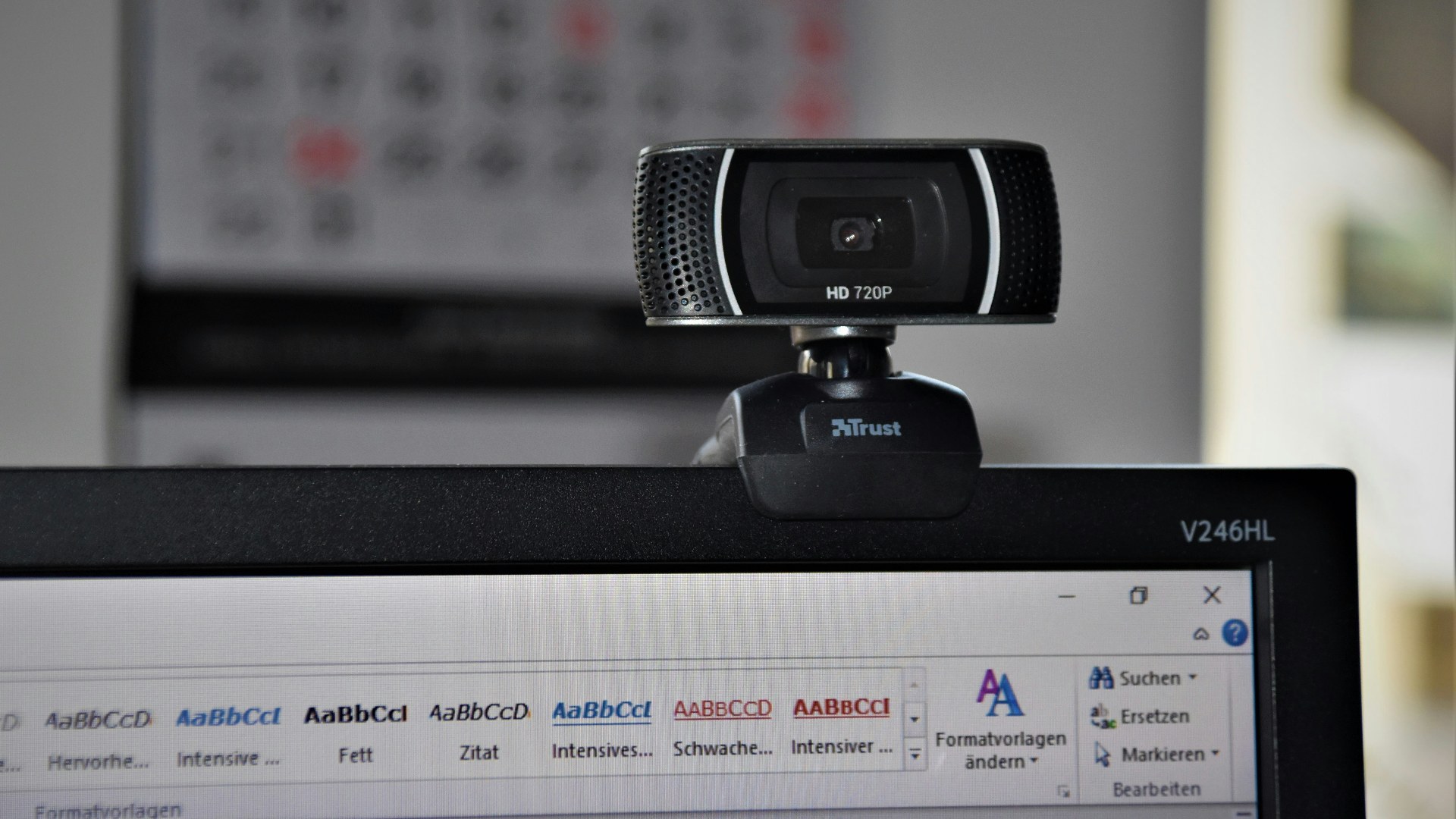
14. Spy On Your Home Webcam Without Consent
While companies can monitor activity on corporate-issued laptops during work hours, using covert bossware to silently activate your home webcam, record live room audio, or track your personal phone off the clock violates the federal ECPA and strict state wiretapping laws.
© Photo by Waldemar Brandt on Unsplash
13. Clone Your Voice Or Face With AI Unapproved
As companies rush to automate customer calls and onboarding videos in 2026, your employer cannot harvest your Zoom recordings to clone your voice or digital likeness without explicit written consent—especially to keep using your AI avatar after you quit or get laid off.
© Photo by Helena Lopes on Unsplash
Advertisement
Swipe or tap ▶ to resume the countdown.
12. Use Return To-Office To "Quiet Fire" You
While companies can issue general Return-to-Office (RTO) mandates, revoking an existing remote-work accommodation to force out a pregnant worker, a disabled employee, or someone with a documented medical condition violates the ADA and Pregnant Workers Fairness Act (PWFA).
© Photo by Carrie Allen on Unsplash
11. Steal Your Closed Commissions When You Quit
Account executives and corporate sales reps hit this wall constantly: you close a massive Q3 deal, hand in your two weeks' notice, and HR claims you forfeited the commission. In major states like California, New York, Massachusetts, and Illinois, earned commissions are wages.
© Photo by Vitaly Gariev on Unsplash
10. Slap You With A Surprise PIP After Leave
One of the dirtiest corporate HR playbooks is welcoming an employee back from FMLA parental, burnout, or medical leave with a sudden Performance Improvement Plan (PIP) and impossible metrics. Under federal FMLA law, weaponizing a PIP to punish protected leave is illegal.
© Photo by Vitaly Gariev on Unsplash
9. Demand 24/7 Slack Replies On A Fake "Salary"
Slapping a Coordinator, Specialist, or Junior Analyst title on a flat salary does not give your boss free 24/7 access to your evenings and weekends. If you don't manage staff or exercise high-level independent authority, the FLSA requires 1.5x overtime for late Slack work.
© Photo by Elisa Ventur on Unsplash
Advertisement
Swipe or tap ▶ to resume the countdown.
8. Gag Your Layoff Story To Get Severance Pay
When companies hand out layoff packets, they often slip in sweeping non-disparagement clauses threatening to claw back your severance if you post about the layoff on LinkedIn or Glassdoor. Under the NLRB's McLaren Macomb rule, overbroad gag clauses are unlawful.
© Photo by Vitaly Gariev on Unsplash
7. Fire You For Venting With Coworkers On Slack
You don't need a union to have federal free-speech rights about your job. Under Section 7 of the NLRA, when two or more non-supervisory employees vent together in a Slack channel, Teams chat, or town hall about understaffing, pay cuts, or RTO mandates, it is protected.
© Photo by Vitaly Gariev on Unsplash
6. Bill You Thousands For Quitting Too Soon
With traditional non-competes crumbling, corporations have turned to Stay-or-Pay Training Repayment Agreement Provisions (TRAPs)—threatening to bill you $5,000 to $15,000 for internal onboarding if you quit within two years. The DOL, NLRB, and CFPB treat these as unlawful.
© Photo by Olena Kholina on Unsplash
5. Use Biased AI Scores To Rank Or Fire You
Blaming the algorithm is no legal defense in 2026. Under EEOC federal guidance and state AI laws in New York, Illinois, and Colorado, employers are strictly liable if AI keystroke trackers, video screeners, or stack-ranking tools penalize protected medical breaks or age.
© Photo by Jonathan Francisca on Unsplash
Advertisement
Swipe or tap ▶ to resume the countdown.
4. Punish You For Exposing Your Real Salary
Whether you discover a new hire makes $25,000 more than you for the exact same role or you add your salary and bonus numbers to an anonymous office spreadsheet, your boss cannot write you up, threaten you, or enforce a pay secrecy NDA under NLRA Section 7.
© Photo by Vitaly Gariev on Unsplash
3. Do Mass Zoom Layoffs Without 60 Days' Pay
Getting locked out of your company Okta and email accounts right after a 3-minute mass Zoom layoff doesn't let a large employer skip your pay. Under the federal WARN Act (and stricter state mini-WARN laws), mass layoffs require 60 days' advance notice or 60 days of full pay.
© Photo by Vitaly Gariev on Unsplash
2. Make Secret "No-Poach" Pacts With Rivals
Ever wonder why a rival firm in your industry suddenly stopped recruiting from your team? Under Department of Justice (DOJ) and FTC antitrust enforcement, secret no-poach handshake deals or wage-fixing agreements between competing employers are prosecutable federal crimes.
© Photo by Md Ishak Rahman on Unsplash
1. Hold Your Last Paycheck Hostage For A Laptop
It is the #1 threat remote and corporate workers hear when they quit or get laid off: We are holding your final paycheck until IT receives your MacBook and monitor. Under the federal FLSA and state final-pay statutes, earned wages must be paid on time—never held hostage.

© Photo by Luke Southern on Unsplash
Advertisement
You've reached the end of the story. Thanks for reading!

20 Cars That Thieves Target Most and Least Across America
National Insurance Crime Bureau figures for 2025 show 659,880 U.S. vehicle thefts, while Highway Loss Data Institute records track the models thieves rarely touch. Here are 20 popular vehicles ranked from the lowest insurance theft claim rates to the most frequently stolen cars and pickup trucks on American roads.
All 15 Entries in this Story
15. Dock Your Salary When You Still Worked Sick
Ever take a sick day or leave early for a doctor's visit, only to spend two hours answering Slack messages and clearing emails from home? Under the FLSA's strict salary-basis rule, if an exempt salaried employee performs any work that day, docking their pay is illegal.

14. Spy On Your Home Webcam Without Consent
While companies can monitor activity on corporate-issued laptops during work hours, using covert bossware to silently activate your home webcam, record live room audio, or track your personal phone off the clock violates the federal ECPA and strict state wiretapping laws.

13. Clone Your Voice Or Face With AI Unapproved
As companies rush to automate customer calls and onboarding videos in 2026, your employer cannot harvest your Zoom recordings to clone your voice or digital likeness without explicit written consent—especially to keep using your AI avatar after you quit or get laid off.

12. Use Return To-Office To "Quiet Fire" You
While companies can issue general Return-to-Office (RTO) mandates, revoking an existing remote-work accommodation to force out a pregnant worker, a disabled employee, or someone with a documented medical condition violates the ADA and Pregnant Workers Fairness Act (PWFA).

11. Steal Your Closed Commissions When You Quit
Account executives and corporate sales reps hit this wall constantly: you close a massive Q3 deal, hand in your two weeks' notice, and HR claims you forfeited the commission. In major states like California, New York, Massachusetts, and Illinois, earned commissions are wages.

10. Slap You With A Surprise PIP After Leave
One of the dirtiest corporate HR playbooks is welcoming an employee back from FMLA parental, burnout, or medical leave with a sudden Performance Improvement Plan (PIP) and impossible metrics. Under federal FMLA law, weaponizing a PIP to punish protected leave is illegal.

9. Demand 24/7 Slack Replies On A Fake "Salary"
Slapping a Coordinator, Specialist, or Junior Analyst title on a flat salary does not give your boss free 24/7 access to your evenings and weekends. If you don't manage staff or exercise high-level independent authority, the FLSA requires 1.5x overtime for late Slack work.

8. Gag Your Layoff Story To Get Severance Pay
When companies hand out layoff packets, they often slip in sweeping non-disparagement clauses threatening to claw back your severance if you post about the layoff on LinkedIn or Glassdoor. Under the NLRB's McLaren Macomb rule, overbroad gag clauses are unlawful.

7. Fire You For Venting With Coworkers On Slack
You don't need a union to have federal free-speech rights about your job. Under Section 7 of the NLRA, when two or more non-supervisory employees vent together in a Slack channel, Teams chat, or town hall about understaffing, pay cuts, or RTO mandates, it is protected.

6. Bill You Thousands For Quitting Too Soon
With traditional non-competes crumbling, corporations have turned to Stay-or-Pay Training Repayment Agreement Provisions (TRAPs)—threatening to bill you $5,000 to $15,000 for internal onboarding if you quit within two years. The DOL, NLRB, and CFPB treat these as unlawful.

5. Use Biased AI Scores To Rank Or Fire You
Blaming the algorithm is no legal defense in 2026. Under EEOC federal guidance and state AI laws in New York, Illinois, and Colorado, employers are strictly liable if AI keystroke trackers, video screeners, or stack-ranking tools penalize protected medical breaks or age.

4. Punish You For Exposing Your Real Salary
Whether you discover a new hire makes $25,000 more than you for the exact same role or you add your salary and bonus numbers to an anonymous office spreadsheet, your boss cannot write you up, threaten you, or enforce a pay secrecy NDA under NLRA Section 7.

3. Do Mass Zoom Layoffs Without 60 Days' Pay
Getting locked out of your company Okta and email accounts right after a 3-minute mass Zoom layoff doesn't let a large employer skip your pay. Under the federal WARN Act (and stricter state mini-WARN laws), mass layoffs require 60 days' advance notice or 60 days of full pay.

2. Make Secret "No-Poach" Pacts With Rivals
Ever wonder why a rival firm in your industry suddenly stopped recruiting from your team? Under Department of Justice (DOJ) and FTC antitrust enforcement, secret no-poach handshake deals or wage-fixing agreements between competing employers are prosecutable federal crimes.

1. Hold Your Last Paycheck Hostage For A Laptop
It is the #1 threat remote and corporate workers hear when they quit or get laid off: We are holding your final paycheck until IT receives your MacBook and monitor. Under the federal FLSA and state final-pay statutes, earned wages must be paid on time—never held hostage.