Slideshow · Science
21 Most Important Medical Breakthroughs in Vaccine History
Swipe to explore 21 medical breakthroughs that reshaped vaccine history.


All 21 Entries in this Story
21. Synthetic mRNA Vaccines (2020)
Katalin Kariko and Drew Weissman solved a decades-old puzzle by modifying mRNA nucleosides to avoid immune rejection. Wrapped in protective lipid nanoparticles, synthetic mRNA vaccines for COVID-19 were designed within days and deployed within a year, opening a new frontier in vaccinology.
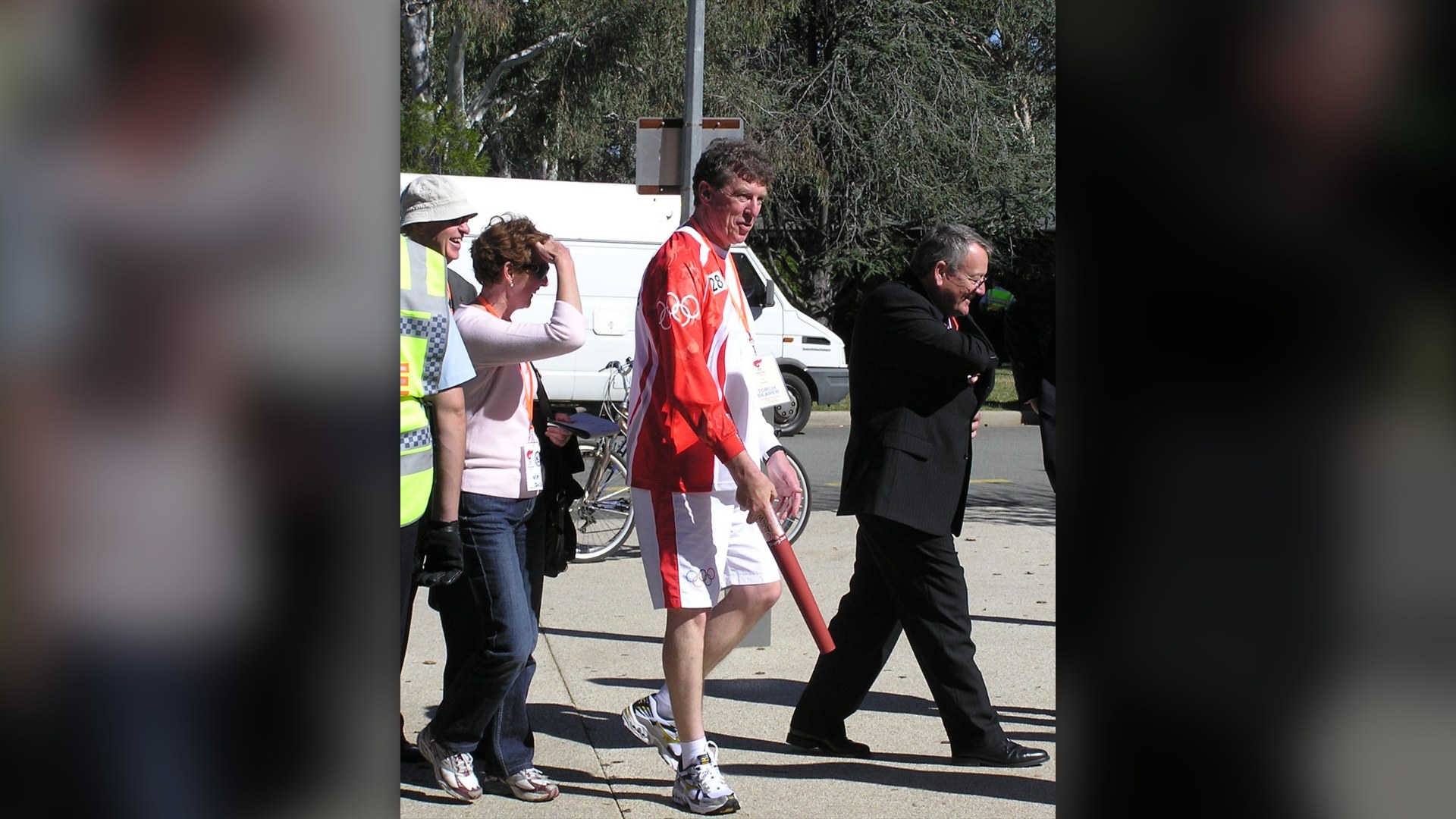
20. The HPV Vaccine Against Cervical Cancer (2006)
Australian immunologist Ian Frazer and Chinese researcher Jian Zhou engineered empty virus-like particles mimicking human papillomavirus. Approved in 2006, the vaccine trains the immune system to block high-risk HPV types, drastically reducing rates of cervical cancer worldwide.
19. Conjugate Vaccines For Bacterial Meningitis (1987)
Infant immune systems cannot easily detect pure bacterial sugar coats. In 1987, researchers linked Haemophilus influenzae type b polysaccharides to protein carriers. This conjugate design enabled infants to develop lasting antibody memory, reducing severe childhood meningitis by over ninety-nine percent.
18. Recombinant DNA Hepatitis B Vaccine (1986)
Earlier hepatitis B vaccines relied on purifying surface antigens from infected human blood plasma. In 1986, scientists cloned the hepatitis B surface antigen gene into ordinary baker's yeast cells. The breakthrough launched recombinant DNA vaccines, dramatically lowering manufacturing costs.
17. Global Eradication Of Smallpox (1980)
Through relentless case tracking, ring vaccination, and international cooperation, public health teams hunted down the final cases of smallpox. In May 1980, the World Health Assembly formally declared smallpox eradicated, saving an estimated five million lives every single year.
16. The Expanded Programme On Immunization (1974)
In 1974, less than five percent of the world's children were vaccinated against basic childhood killers. The World Health Organization launched the Expanded Programme on Immunization (EPI). Today, EPI protects over eighty percent of global infants against diphtheria, tetanus, and polio.
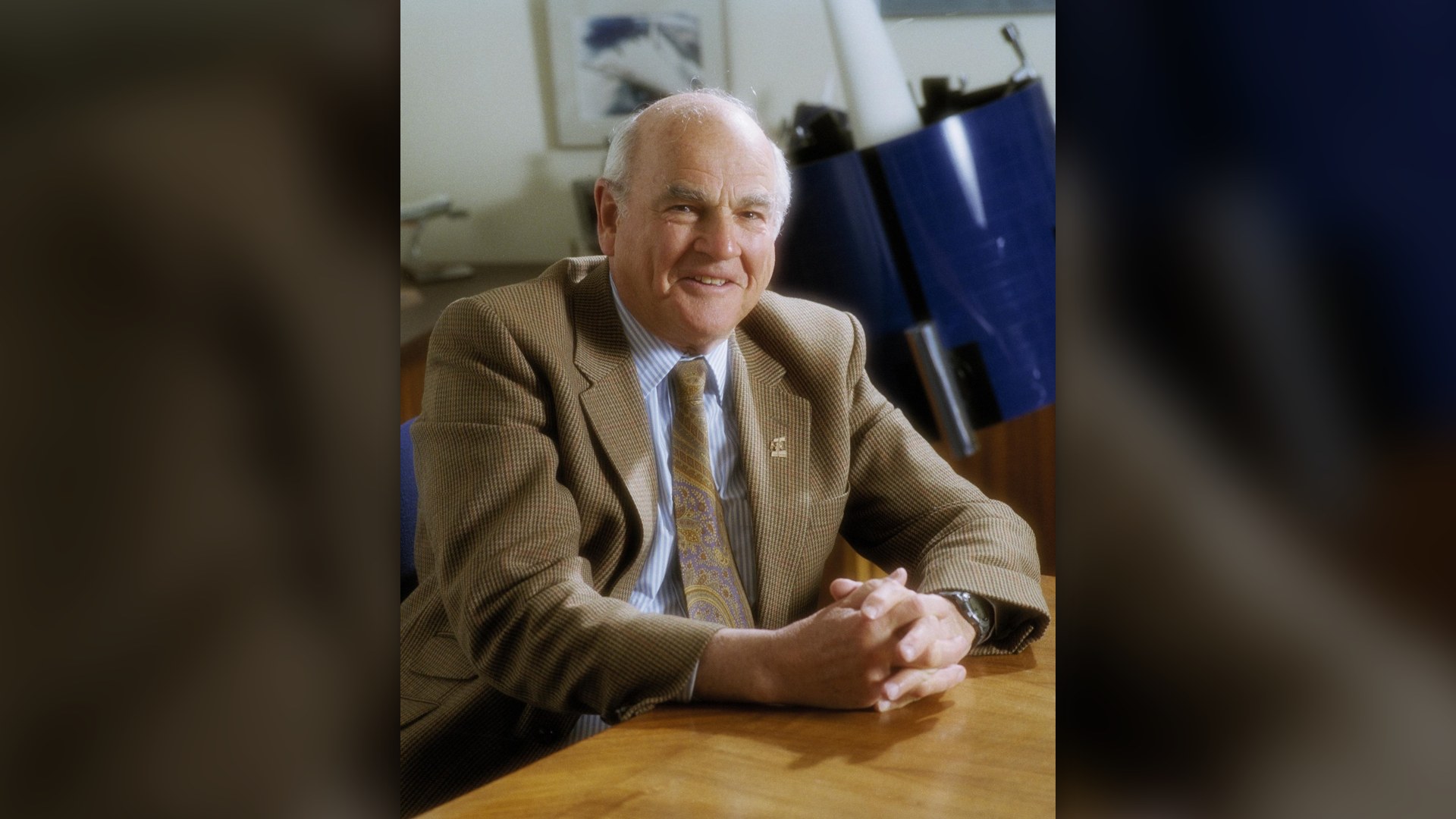
15. The Combined MMR Vaccine (1971)
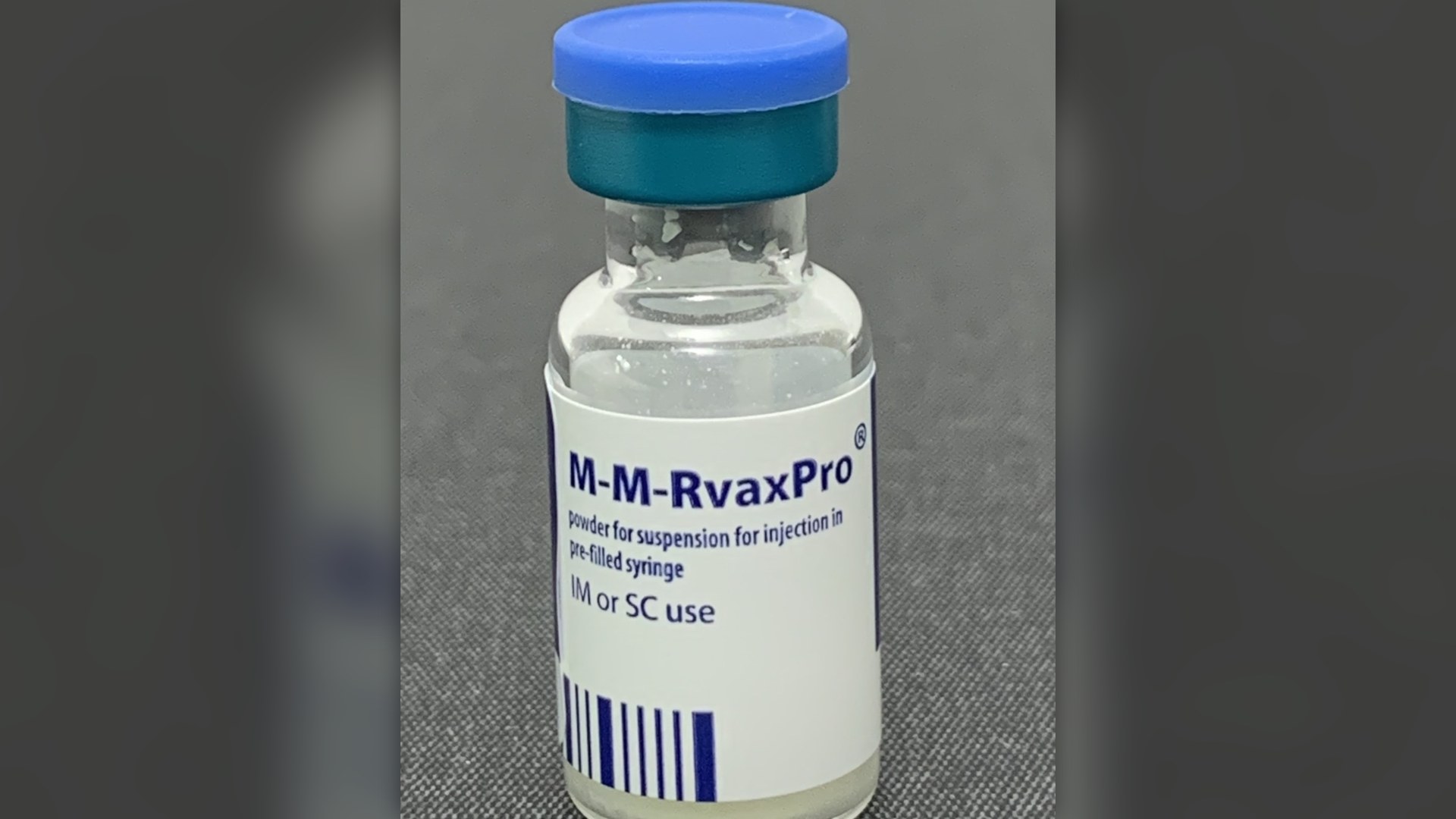
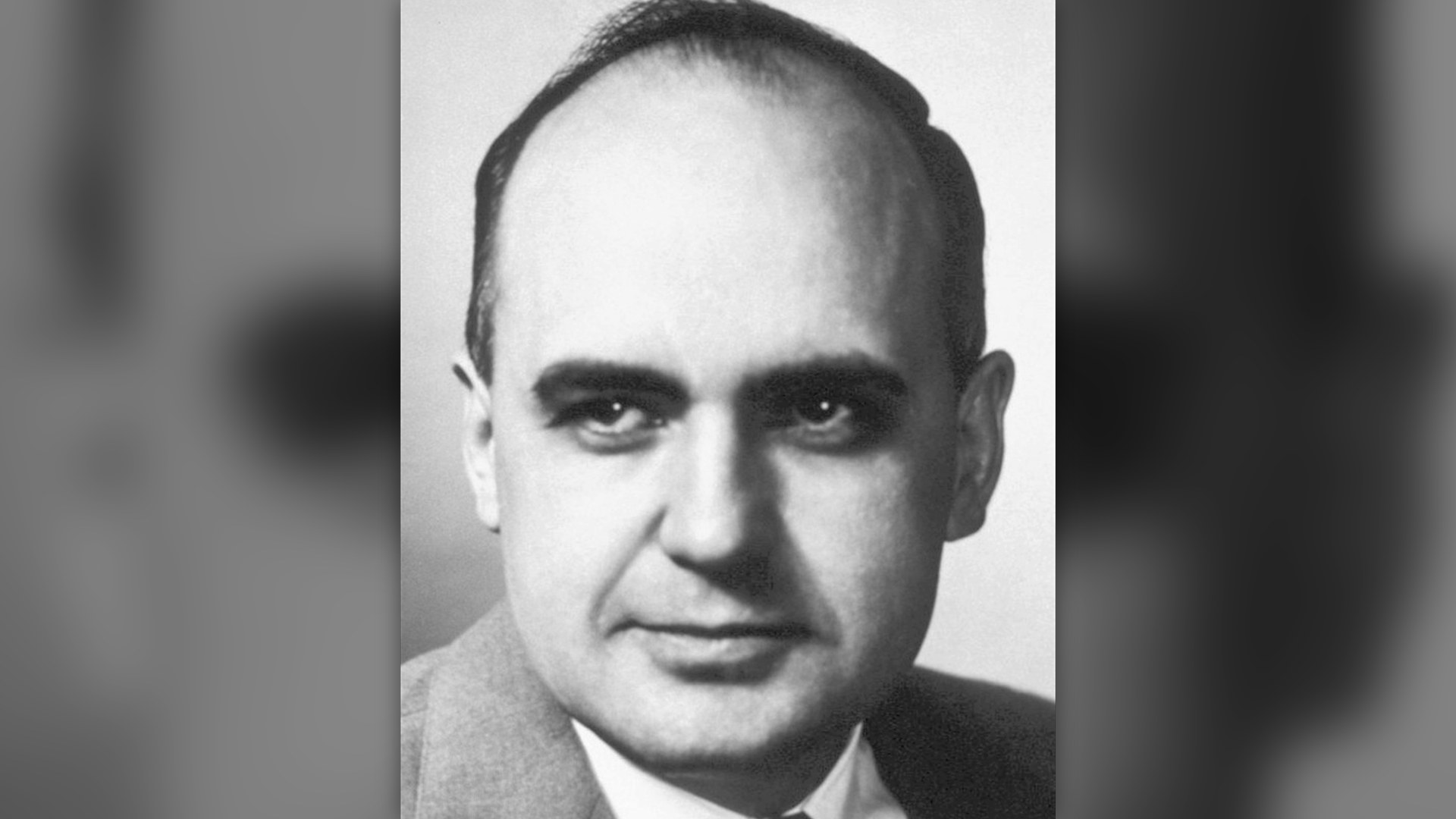
In 1971, Maurice Hilleman combined three live attenuated vaccines into a single pediatric injection. The mumps strain was cultured from his own sick five-year-old daughter, Jeryl Lynn. The MMR vaccine simplified clinic visits and gave children comprehensive immunity with fewer visits.
14. Maurice Hilleman's Measles Vaccine (1963)
Maurice Hilleman developed more than forty vaccines throughout his career, but his work on measles proved singularly transformative. Attenuating the virus collected from young patients, Hilleman licensed a safe live measles vaccine in 1963 that drastically reduced worldwide child mortality.
13. Albert Sabin's Oral Polio Vaccine (1961)
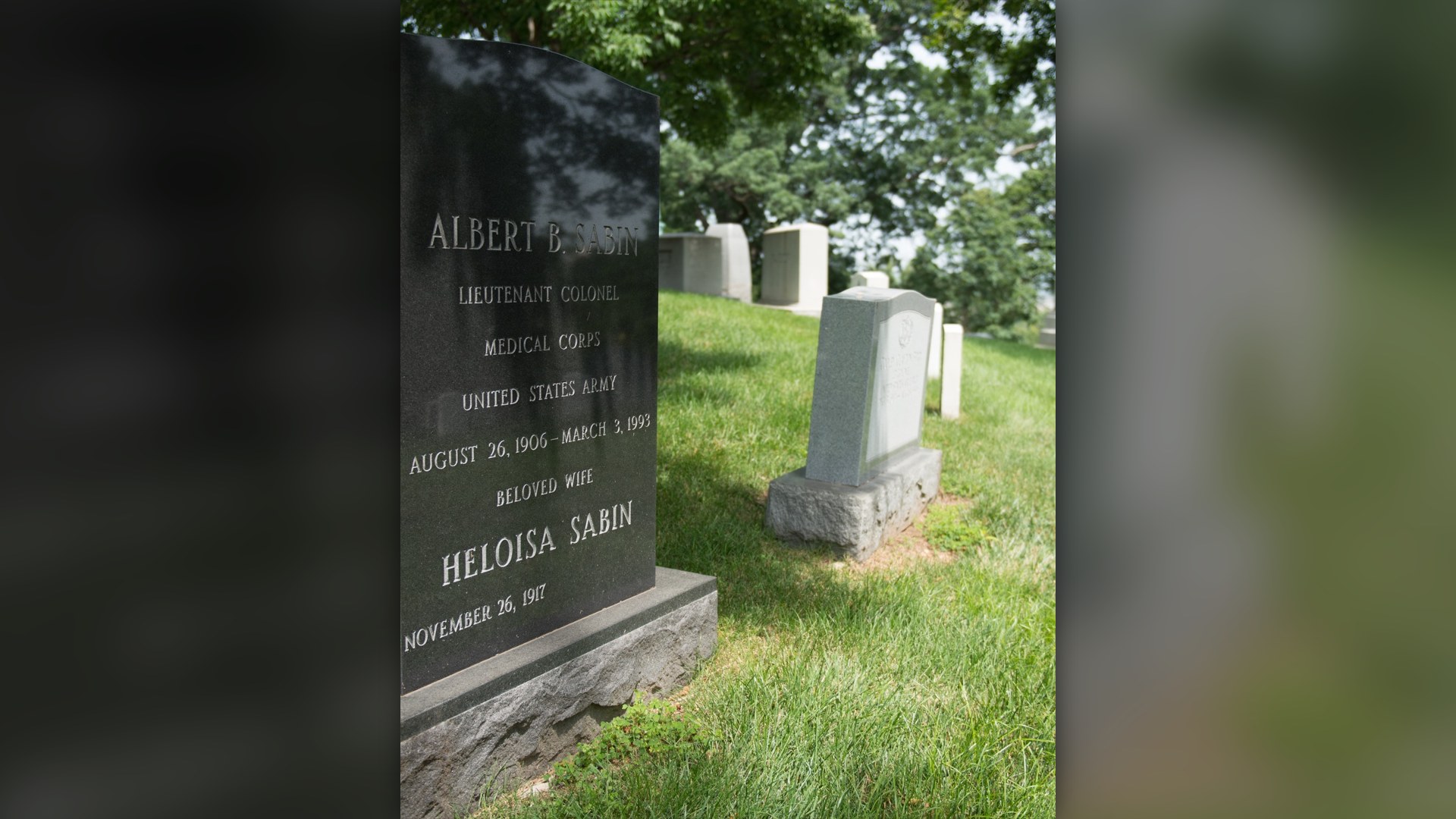
Albert Sabin developed a live, attenuated oral polio vaccine that prevented intestinal infection and halted viral transmission. Licensed in the United States in 1961, the sweet drops on sugar cubes were painless to administer, becoming the backbone of global polio eradication efforts.
12. Jonas Salk's Inactivated Polio Vaccine (1953)
Using formaldehyde to kill poliovirus grown in tissue cultures, Jonas Salk formulated an injected vaccine. In 1954, nearly two million American children participated in massive field trials. Declared safe and effective in April 1955, the vaccine triggered church bells to ring across the nation.
11. Enders, Weller, And Robbins Cell Culture (1949)
John Enders, Thomas Weller, and Frederick Robbins achieved a monumental milestone at Boston Children's Hospital in 1949. They grew poliovirus in non-nervous human embryonic tissues. The discovery earned them the 1954 Nobel Prize and directly enabled the production of polio vaccines.
10. First Inactivated Influenza Vaccine (1945)
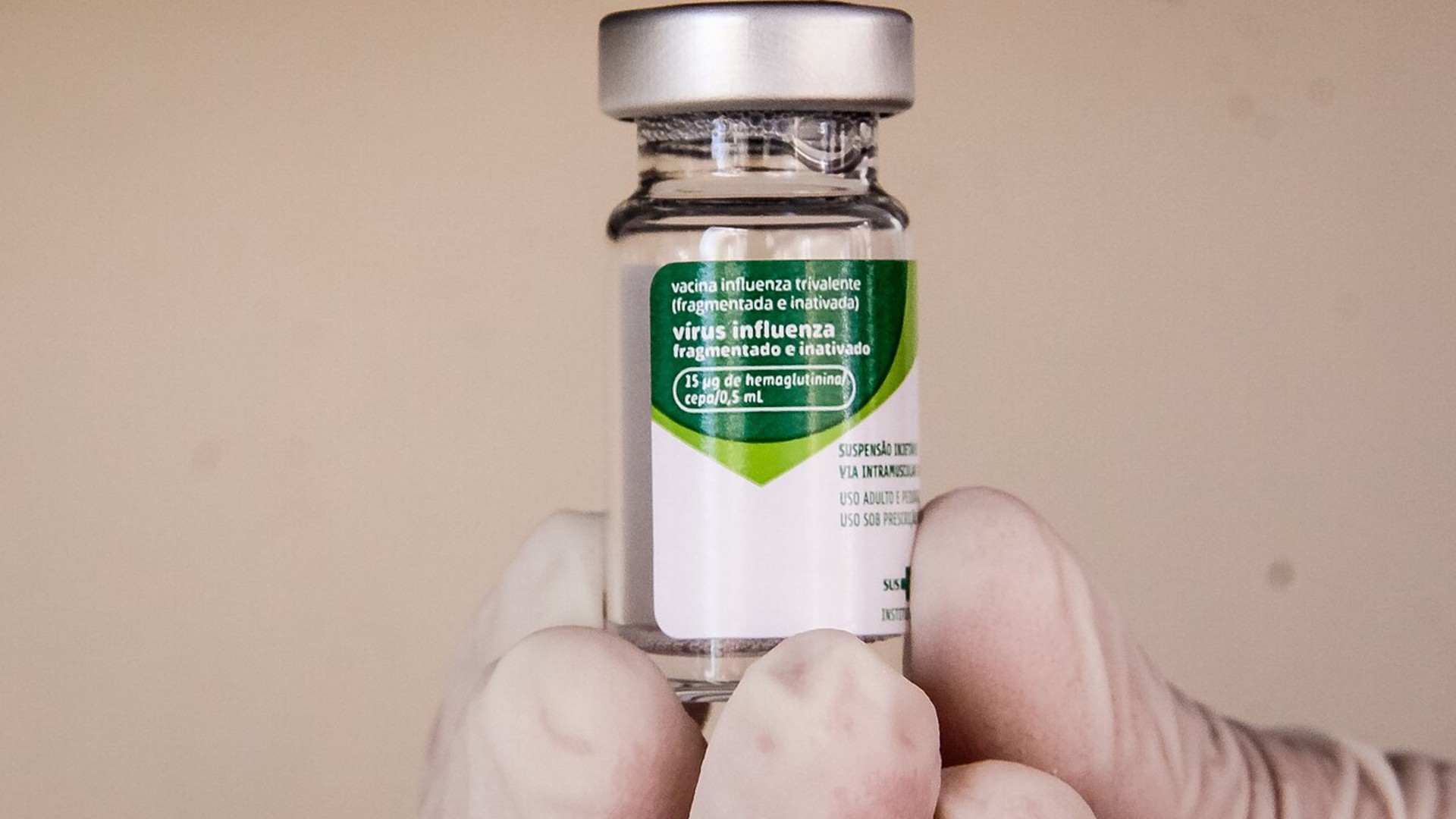
Commissioned by the United States military during World War II, Thomas Francis Jr. and Jonas Salk developed a killed-virus flu shot combining Influenza A and B strains. Approved for civilian use in 1945, their technology established the template for annual seasonal influenza vaccination.
9. Embryonated Chicken Egg Culturing (1936)
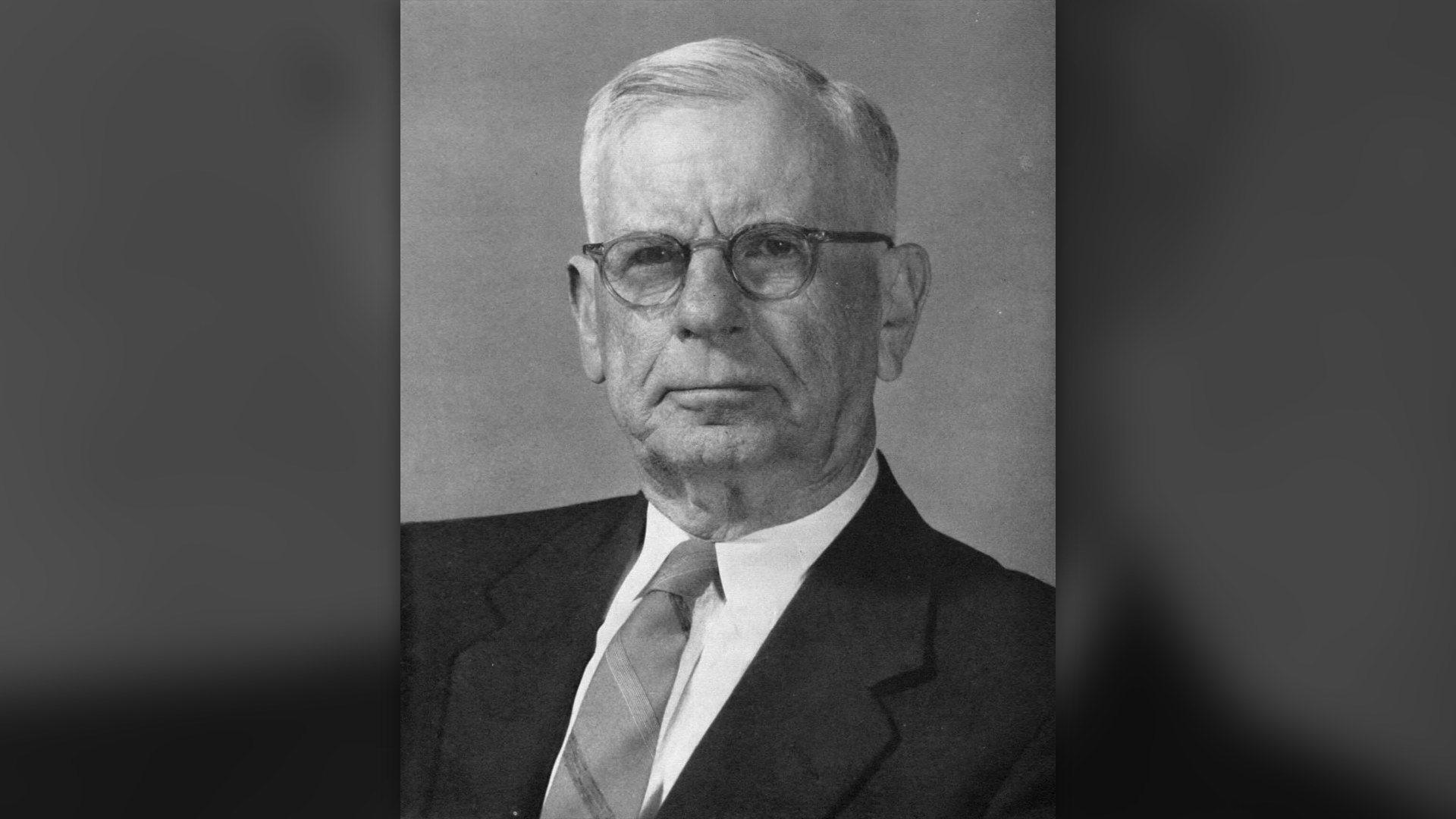
Vanderbilt pathologist Ernest Goodpasture discovered that fertile hen eggs provided an ideal sterile environment for growing viruses. This manufacturing method replaced expensive live animal tissues, enabling companies to produce millions of viral vaccine doses for yellow fever and influenza.
8. Max Theiler And Yellow Fever 17D (1937)
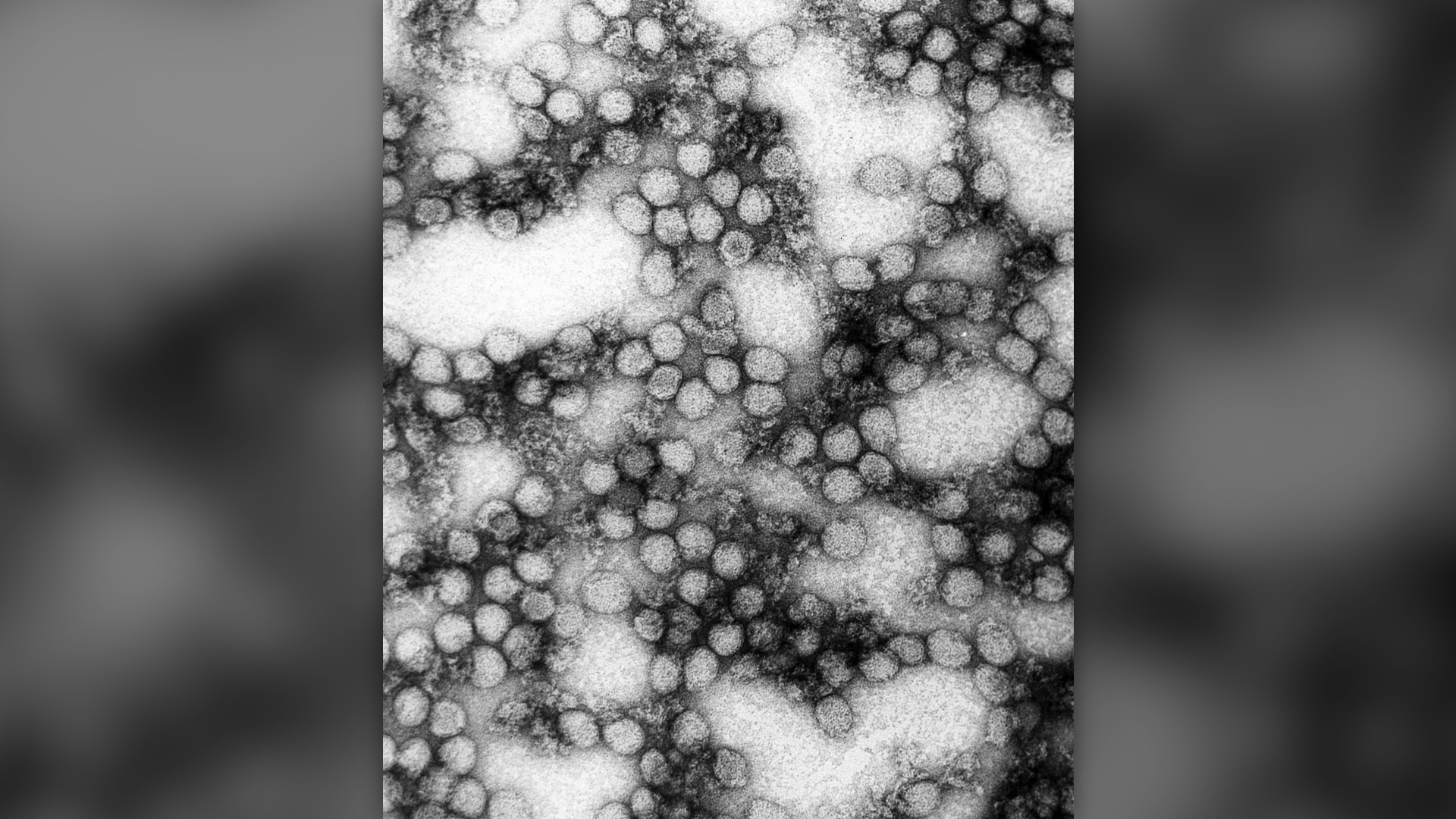
At the Rockefeller Foundation, South African virologist Max Theiler passaged wild yellow fever virus hundreds of times through mouse and chicken embryos. In 1937, he isolated the safe, highly potent 17D strain. His life-saving work earned him the 1951 Nobel Prize in Physiology or Medicine.
7. Diphtheria And Tetanus Toxoids (1923)
French biologist Gaston Ramon and British scientist Alexander Glenny independently discovered that formaldehyde neutralizes bacterial toxins without destroying their ability to induce antibodies. This toxoid breakthrough formed the foundation for routine diphtheria and tetanus shots.
6. Calmette And Guerin's BCG Vaccine (1921)
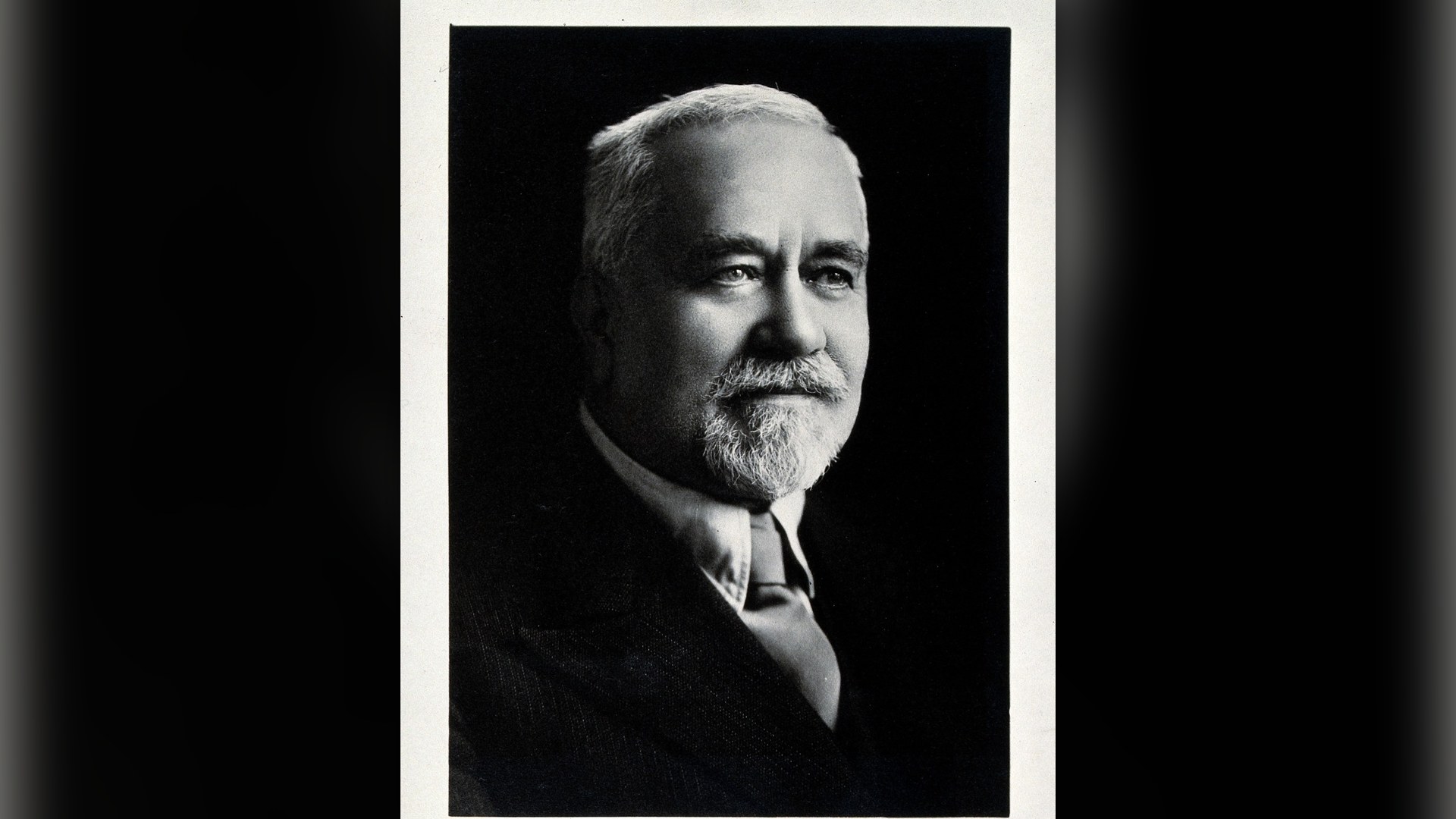
Albert Calmette and Camille Guerin spent thirteen years cultivating Mycobacterium bovis on glycerinated potato slices. After 230 passages, the bacterium became harmless yet immunogenic. First administered to a newborn child in Paris in 1921, BCG remains in active global use today.
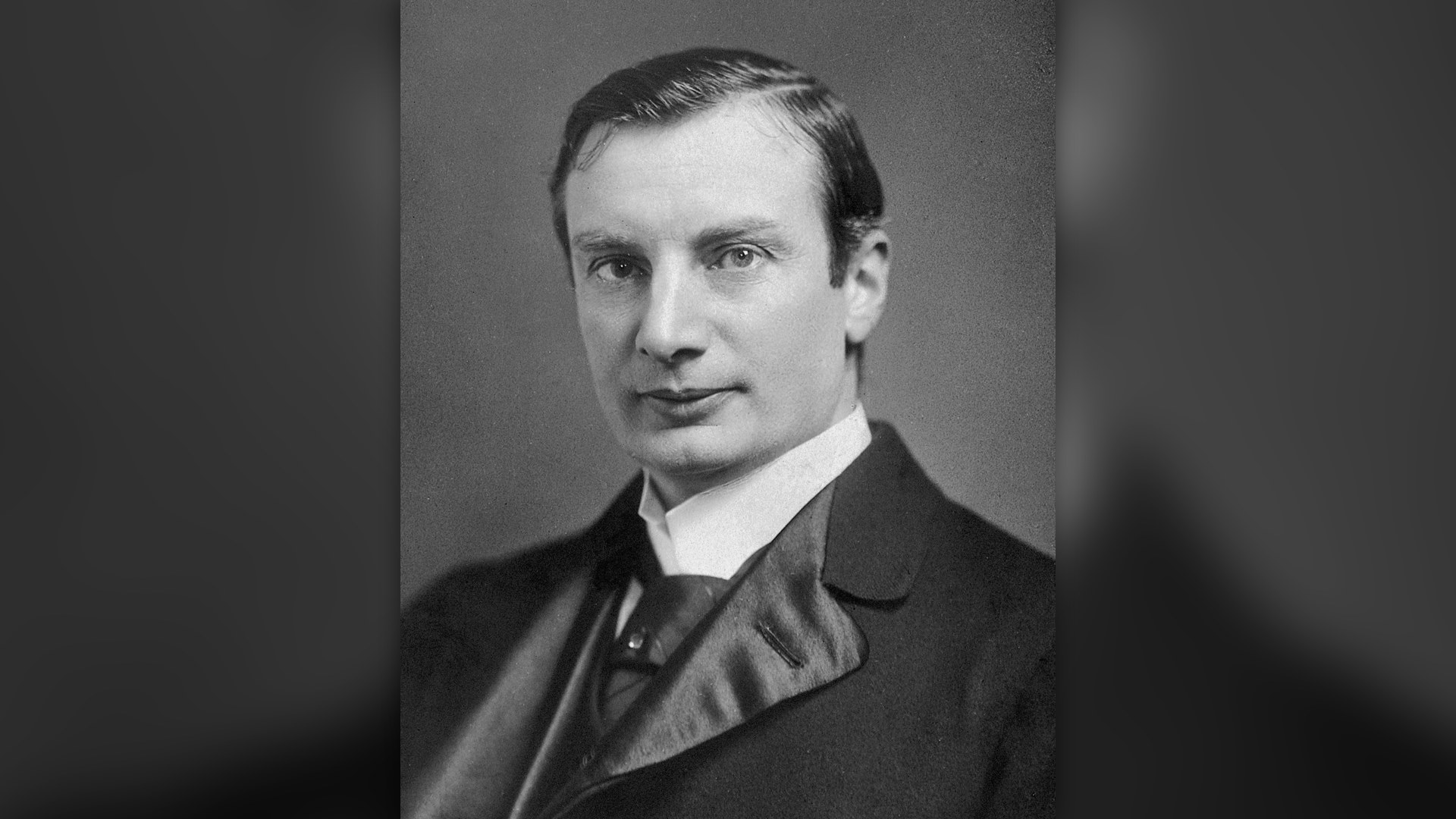
5. Waldemar Haffkine's Cholera And Plague Vaccines (1897)
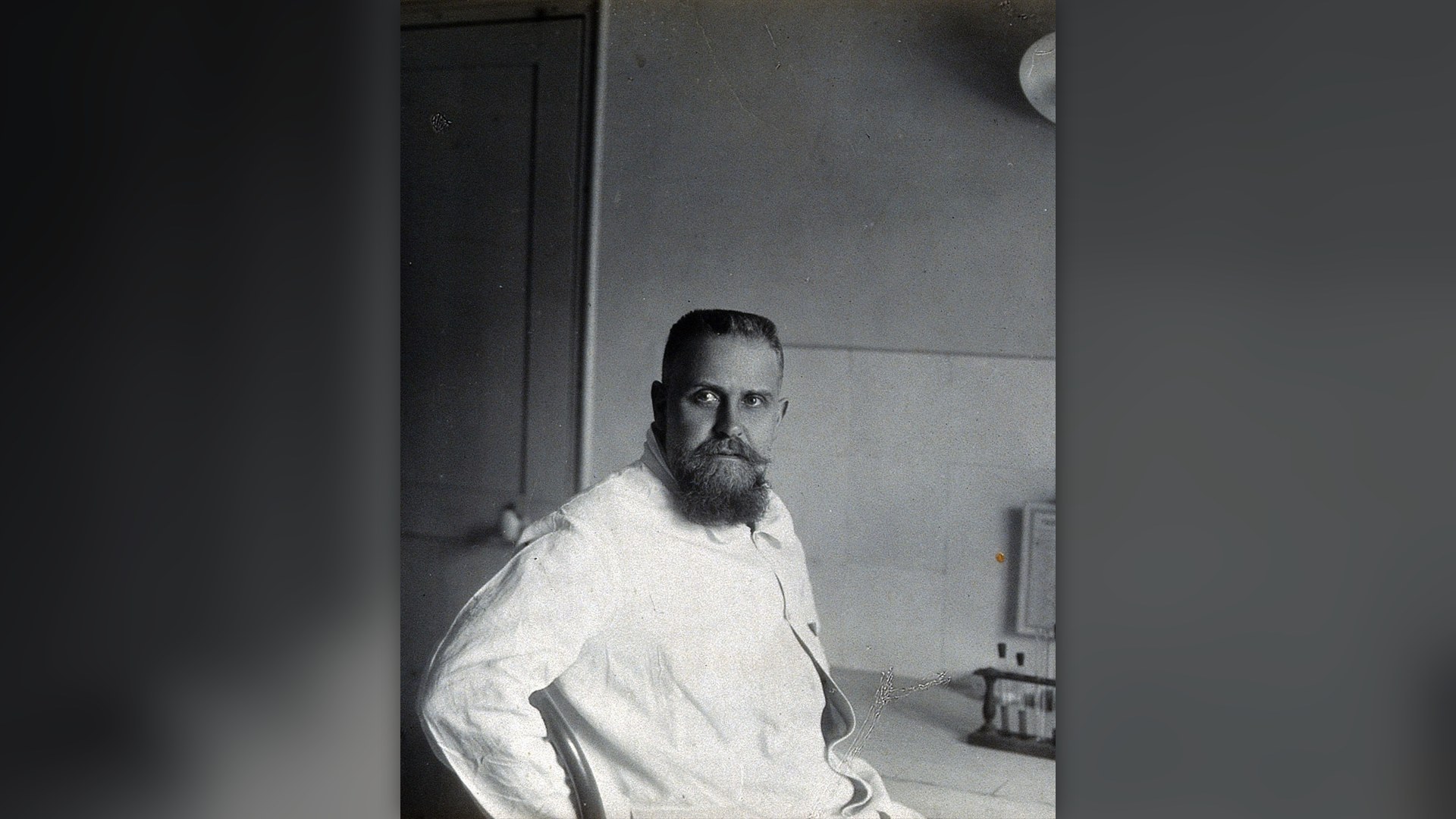
Working at the Pasteur Institute, Russian bacteriologist Waldemar Haffkine developed the first effective cholera vaccine in 1892. Summoned to Mumbai during an 1896 bubonic plague outbreak, he formulated an inactivated plague vaccine, publicly inoculating himself to prove its safety.
4. Almroth Wright And Typhoid Inoculation (1896)
British pathologist Almroth Wright pioneered using heat-killed bacteria to stimulate antibody defense. His whole-cell typhoid vaccine was deployed to British troops during the Boer War and World War I, preventing hundreds of thousands of military deaths from enteric fever.
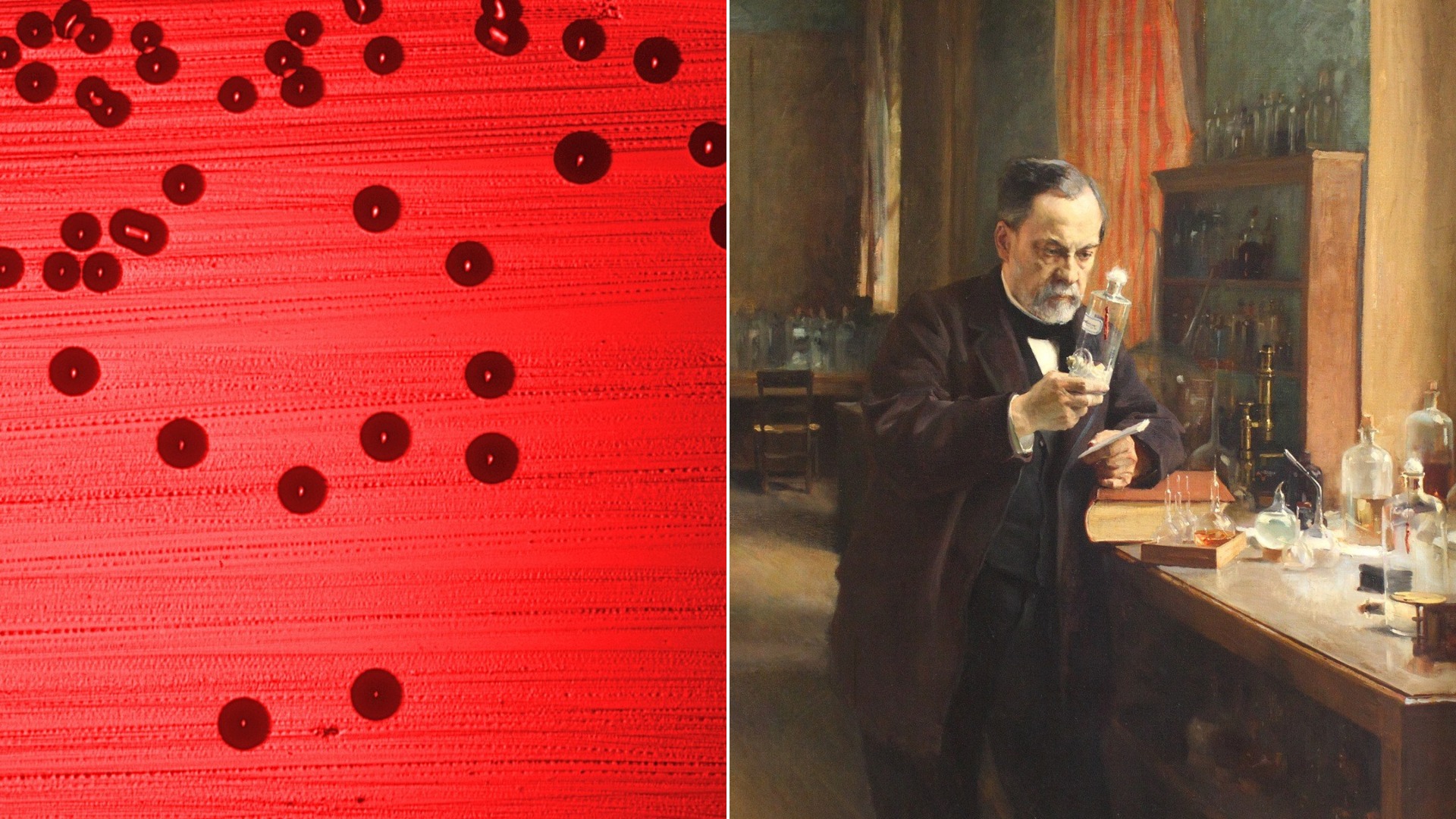
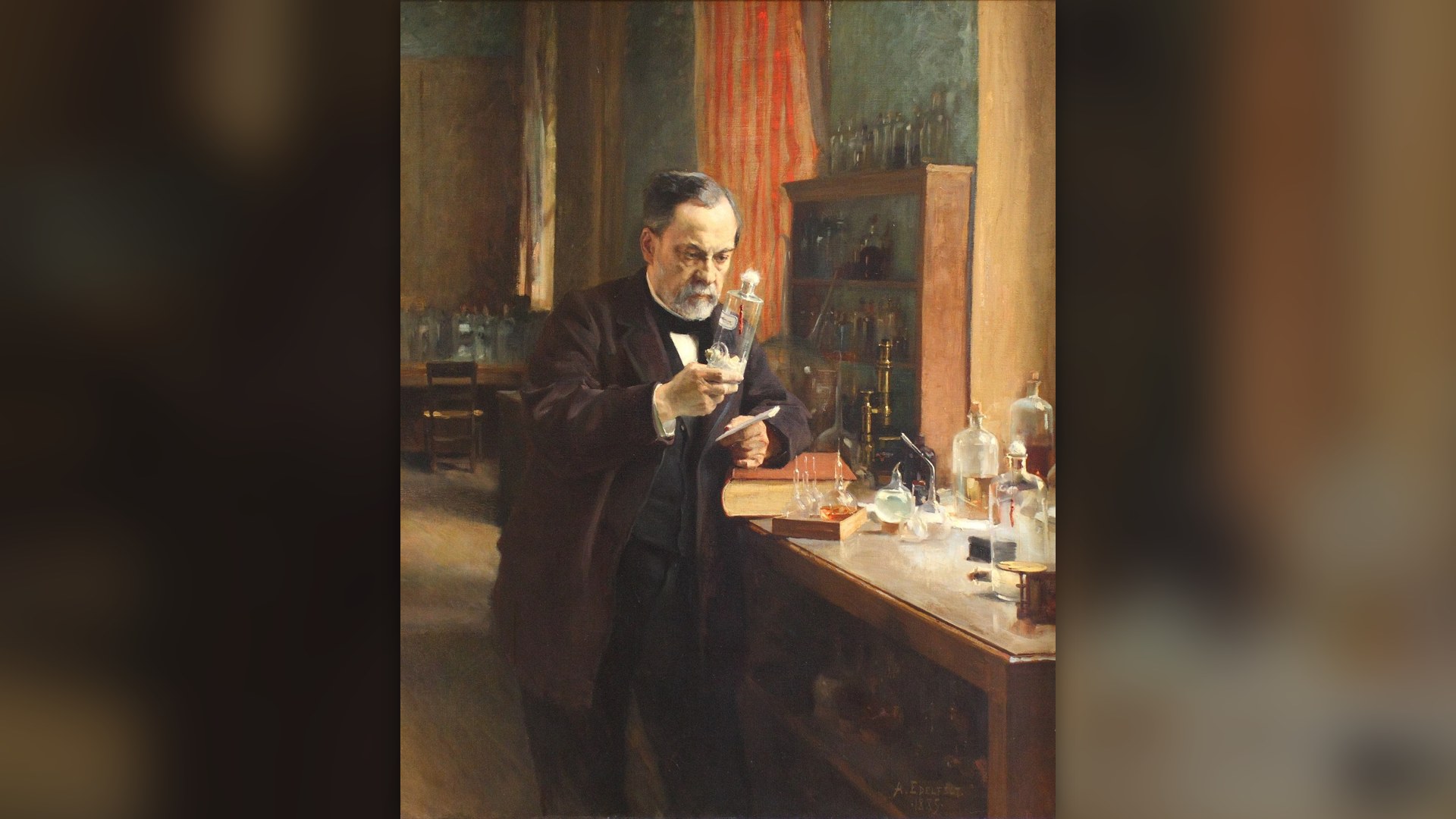
3. Louis Pasteur And Attenuation (1885)
French chemist Louis Pasteur unlocked modern immunology by proving weakened microbes grant protection without killing the host. In July 1885, Pasteur treated nine-year-old Joseph Meister, who had been mauled by a rabid dog. His series of weakened rabies injections saved the boy's life.
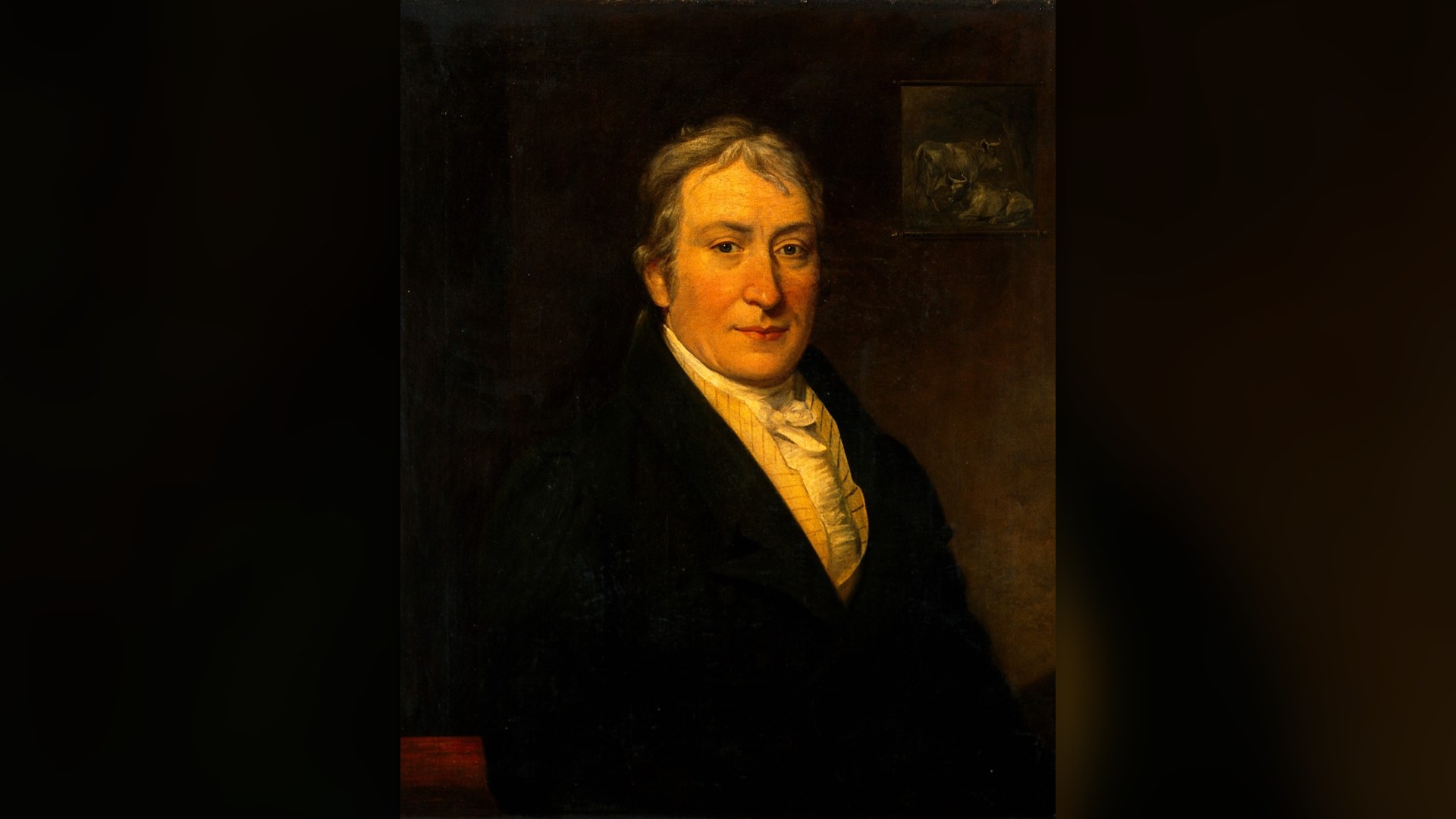
2. Edward Jenner And Smallpox (1796)
In May 1796, English physician Edward Jenner tested rural folklore that milkmaids never caught smallpox. He took fluid from cowpox blisters on milkmaid Sarah Nelmes and inoculated eight-year-old James Phipps. When later exposed to smallpox, Phipps showed complete immunity.
1. Variolation Practice
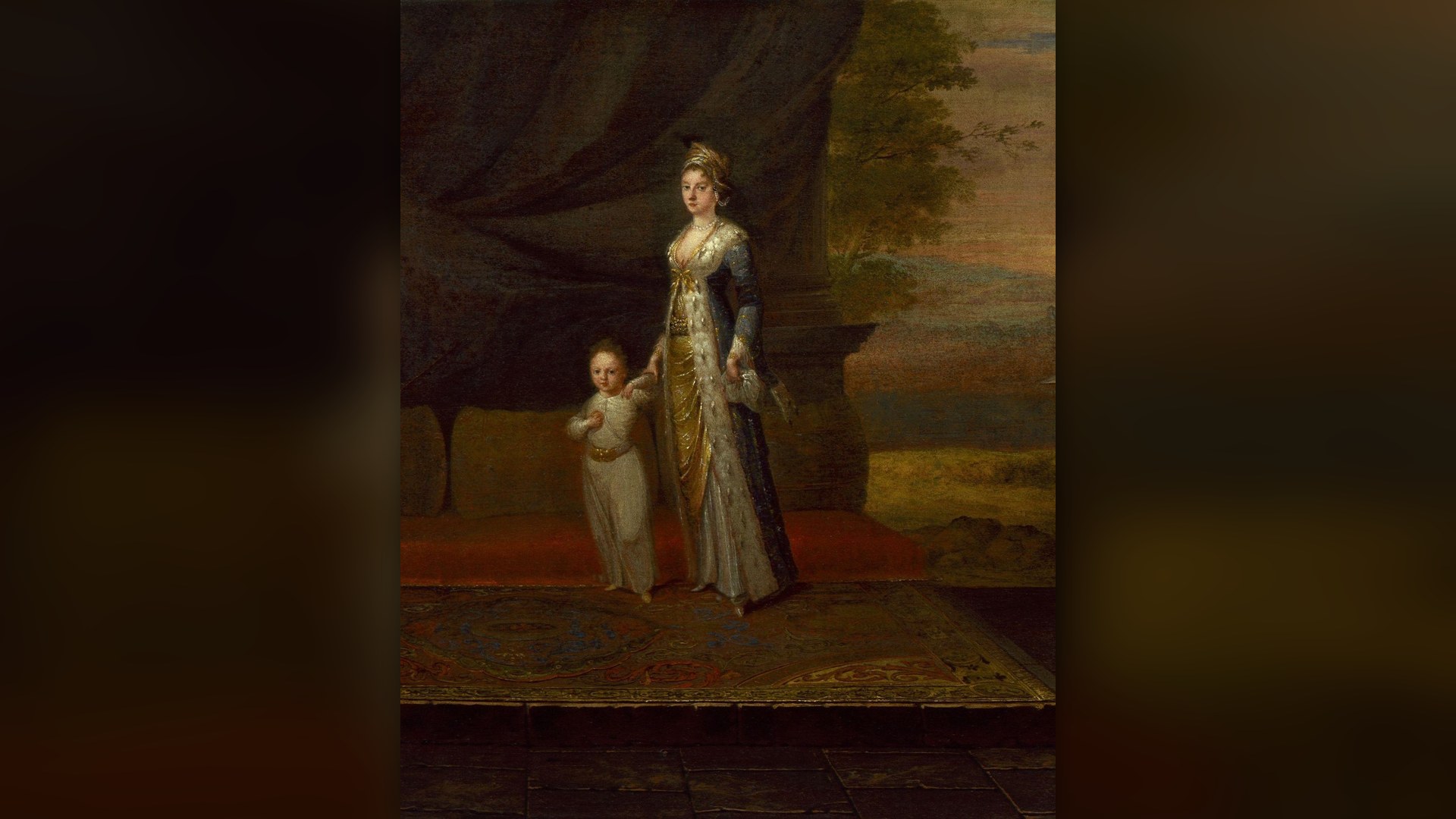
Long before Edward Jenner, healers in Asia, Africa, and the Ottoman Empire practiced variolation. They introduced smallpox fluid or powdered scabs into small skin scratches. Lady Mary Wortley Montagu witnessed the practice in Istanbul in 1717 and boldly introduced it to Western medicine.