Slideshow · Viral
15 Strange Supreme Court Cases of this century Every American Should Know
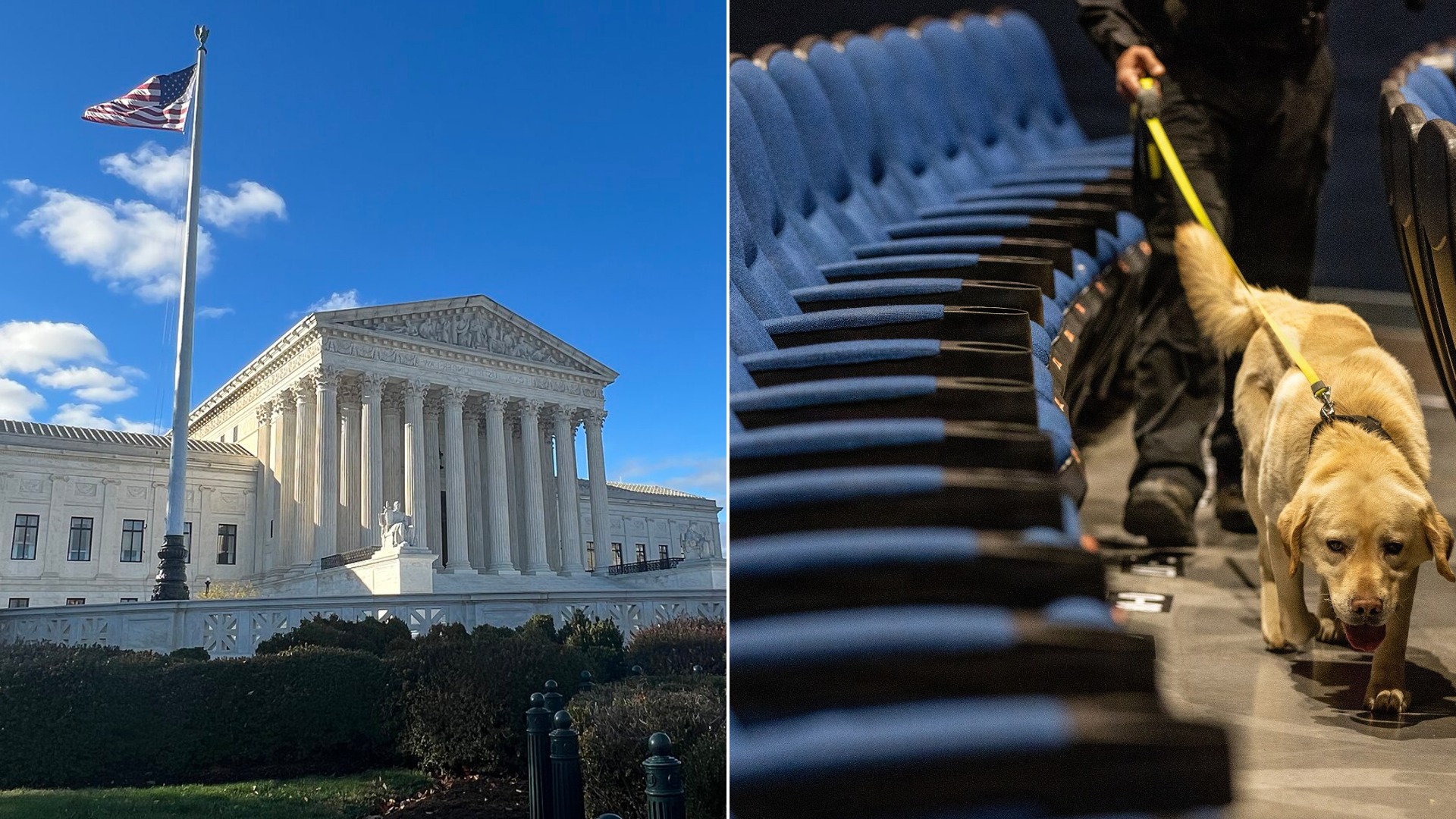
Since 2000, the United States Supreme Court has tackled some of the strangest legal disputes in American history, involving cursing cheerleaders, undersized fish, and poop-themed dog toys. Behind the
By Most Viral Today
5 Nov 2026

15 Strange Supreme Court Cases of this century Every American Should Know 
15. Snyder V. Phelps (2011) 
14. Brown V. Entertainment Merchants Association (2011) 
13. United States V. Alvarez (2012) - AdvertisementSwipe or tap ▶ to continue countdown

12. Yates V. United States (2015) 
11. Mahanoy Area School District V. B.L. (2021) 
10. Iancu V. Brunetti (2019) 
9. Andy Warhol Foundation V. Goldsmith (2023) - AdvertisementSwipe or tap ▶ to continue countdown

8. Republic Of Sudan V. Harrison (2019) 
7. Jack Daniel's Properties V. VIP Products (2023) 
6. Florida V. Jardines (2013) 
5. Republic Of Austria V. Altmann (2004) - AdvertisementSwipe or tap ▶ to continue countdown

4. Kansas V. Glover (2020) 
3. NFIB V. Sebelius (2012) 
2. Heien V. North Carolina (2014) 
1. Torres V. Madrid (2021) - Advertisement🔥 UP NEXT IN THIS SERIES◫ 21 Slides

20 Famous Cars With Pop-Up Headlights That Shaped Car Design
From hand-cranked 1930s teardrops to wedge supercars of the 1980s, hidden headlights let stylists chase sleek aerodynamics until 2004 pedestrian rules closed the curtain. Here are 20 standout production cars that turned retractable lamps into an enduring automotive design feature across seven full decades.
Since the turn of the century, the United States Supreme Court has weighed in on disputes over undersized red grouper, cursing cheerleaders, stolen Klimt paintings, and whiskey-shaped squeaky dog toys. Here are 15 strange 21st-century Supreme Court cases and the constitutional rules they set.
Swipe or tap ▶ to begin the countdown
©Wikimedia / Pacamah & U.S. Army photo by Sgt. Joseph Liggio
15. Snyder V. Phelps (2011)
After Westboro Baptist Church members picketed Marine Lance Corporal Matthew Snyder's funeral with offensive signs, his father sued for emotional distress. In an 8 to 1 decision, the Court ruled that the First Amendment shields even outrageous speech when it addresses public issues in a public space.
©Wikimedia / Arlington National Cemetery
14. Brown V. Entertainment Merchants Association (2011)
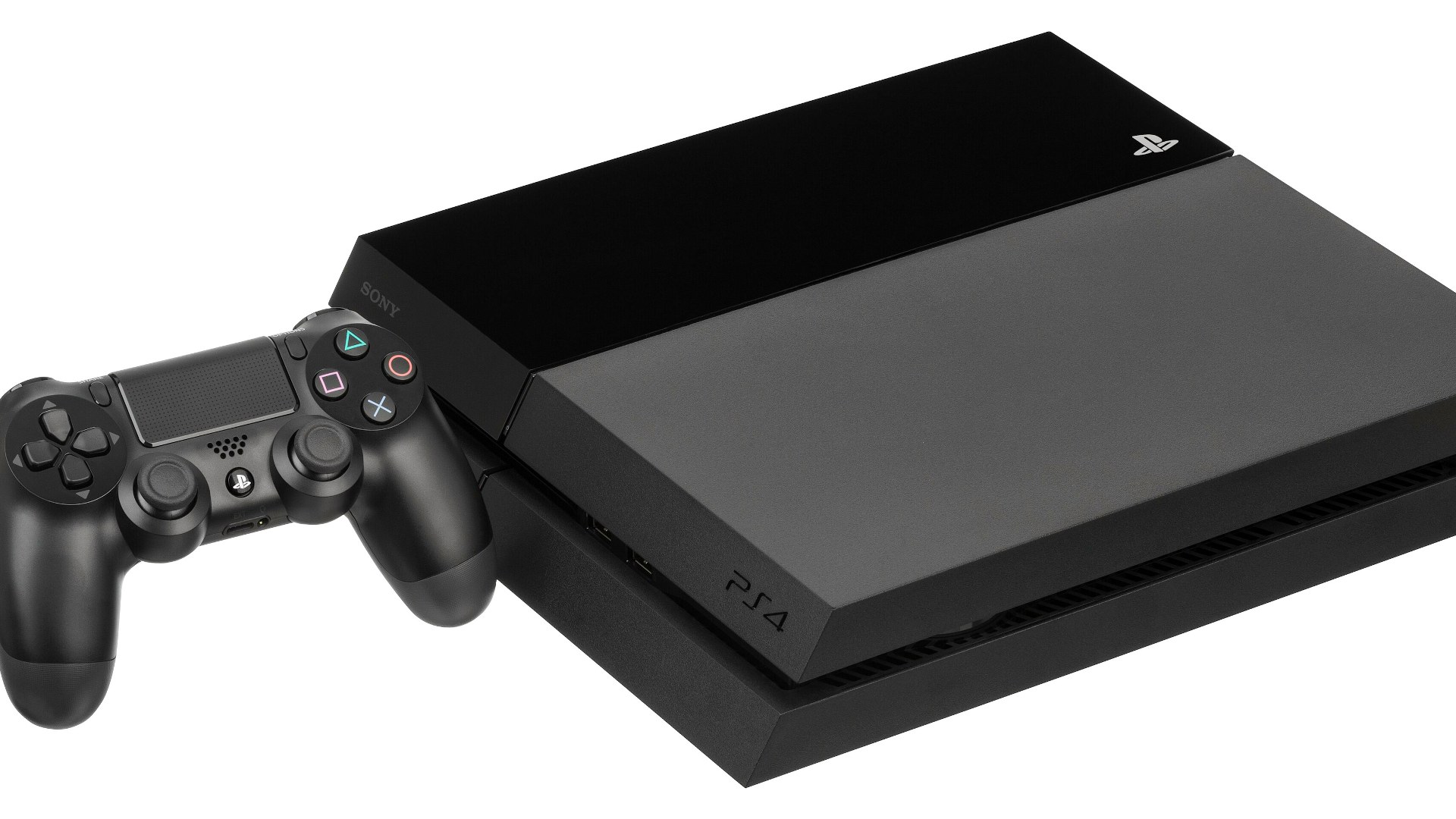
California passed a law banning the sale of violent video games to minors without parental supervision, claiming interactive violence was uniquely harmful. The Court struck down the ban 7 to 2, ruling that video games qualify for full First Amendment protection just like classic literature or films.
©Wikimedia / Evan-Amos
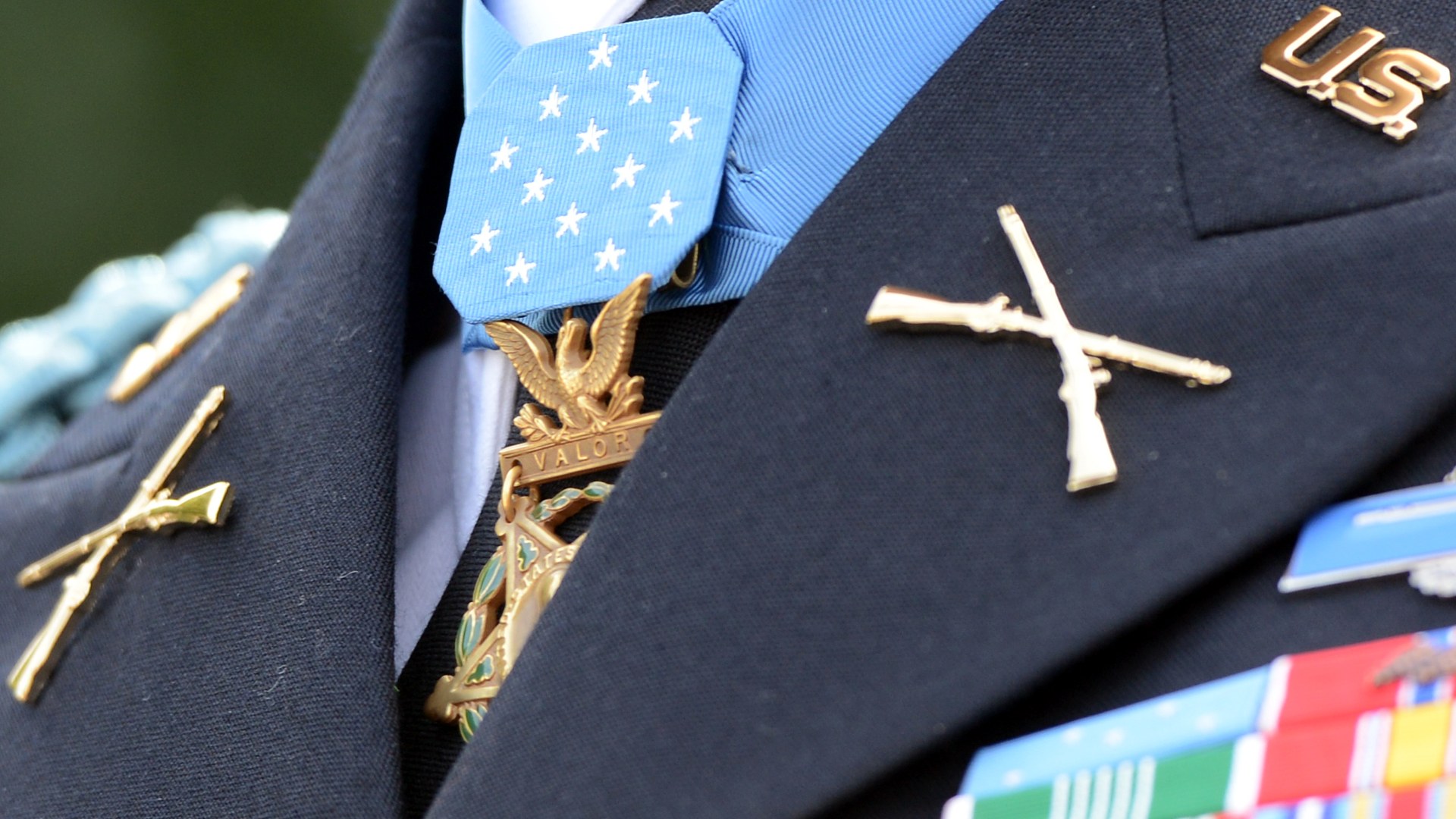
13. United States V. Alvarez (2012)
Local official Xavier Alvarez falsely claimed at a public board meeting that he was a retired Marine awarded the Congressional Medal of Honor. Prosecuted under the Stolen Valor Act, he won at the Supreme Court, which ruled that false statements are protected speech unless they involve fraud or defamation.
©DVIDS / Lisa Ferdinando
Advertisement
Swipe or tap ▶ to resume the countdown.
12. Yates V. United States (2015)
Caught with undersized red grouper in the Gulf of Mexico, commercial fisherman John Yates ordered his crew to toss the fish overboard and was charged under the corporate anti-shredding provisions of the Sarbanes-Oxley Act. The Court ruled 5 to 4 that a tangible object in that law means data storage, not fish.
©Wikimedia / Dappasolomon001
11. Mahanoy Area School District V. B.L. (2021)
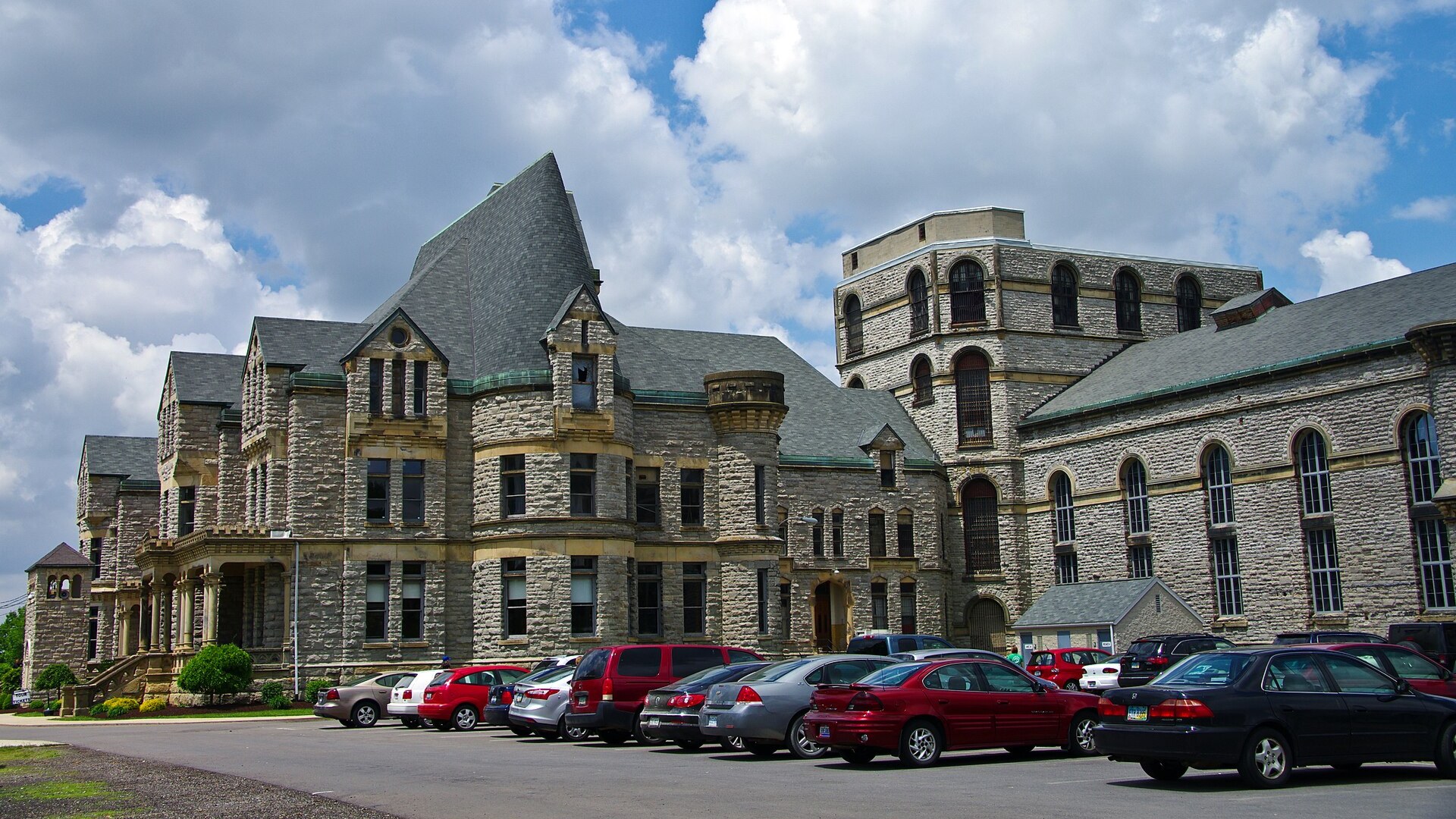
After failing to make the varsity squad, a high school freshman posted an off-campus weekend Snapchat photo with profanity aimed at school and cheerleading, prompting a one-year suspension. The Court ruled 8 to 1 that off-campus student venting is protected speech when it does not disrupt classes.
©Wikimedia / Kenneth C. Zirkel
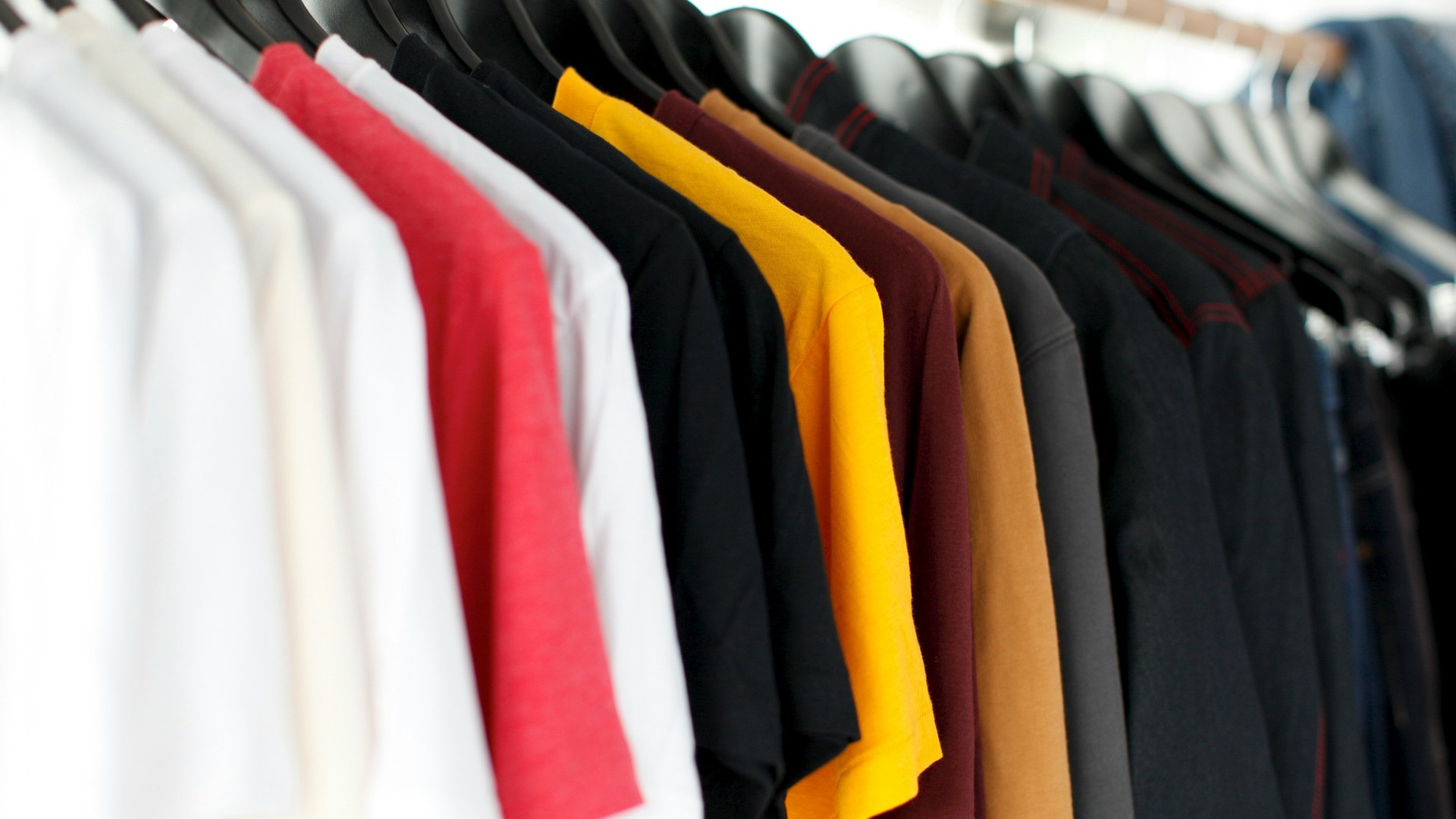
10. Iancu V. Brunetti (2019)
When streetwear designer Erik Brunetti tried to trademark his clothing brand name "FUCT," the U.S. Patent and Trademark Office rejected it under a law barring immoral or scandalous marks. The Supreme Court struck down that ban, ruling the government cannot deny trademarks based on viewpoint.
© Photo by Parker Burchfield on Unsplash
9. Andy Warhol Foundation V. Goldsmith (2023)
Andy Warhol created silkscreen prints of musician Prince based on photographer Lynn Goldsmith's copyrighted portrait. When Warhol's foundation claimed fair use after licensing a print to a magazine, the Court ruled that sharing the same commercial purpose as the original photo violates copyright.
©Wikimedia / Marsilar
Advertisement
Swipe or tap ▶ to resume the countdown.
8. Republic Of Sudan V. Harrison (2019)
Victims of the 2000 USS Cole destroyer bombing sued Sudan for allegedly aiding the attackers and mailed the legal papers to the Sudanese Embassy in Washington, D.C. The Court ruled 8 to 1 that the Foreign Sovereign Immunities Act requires serving papers directly to the foreign ministry in Khartoum.
©Wikimedia / U.S. Navy
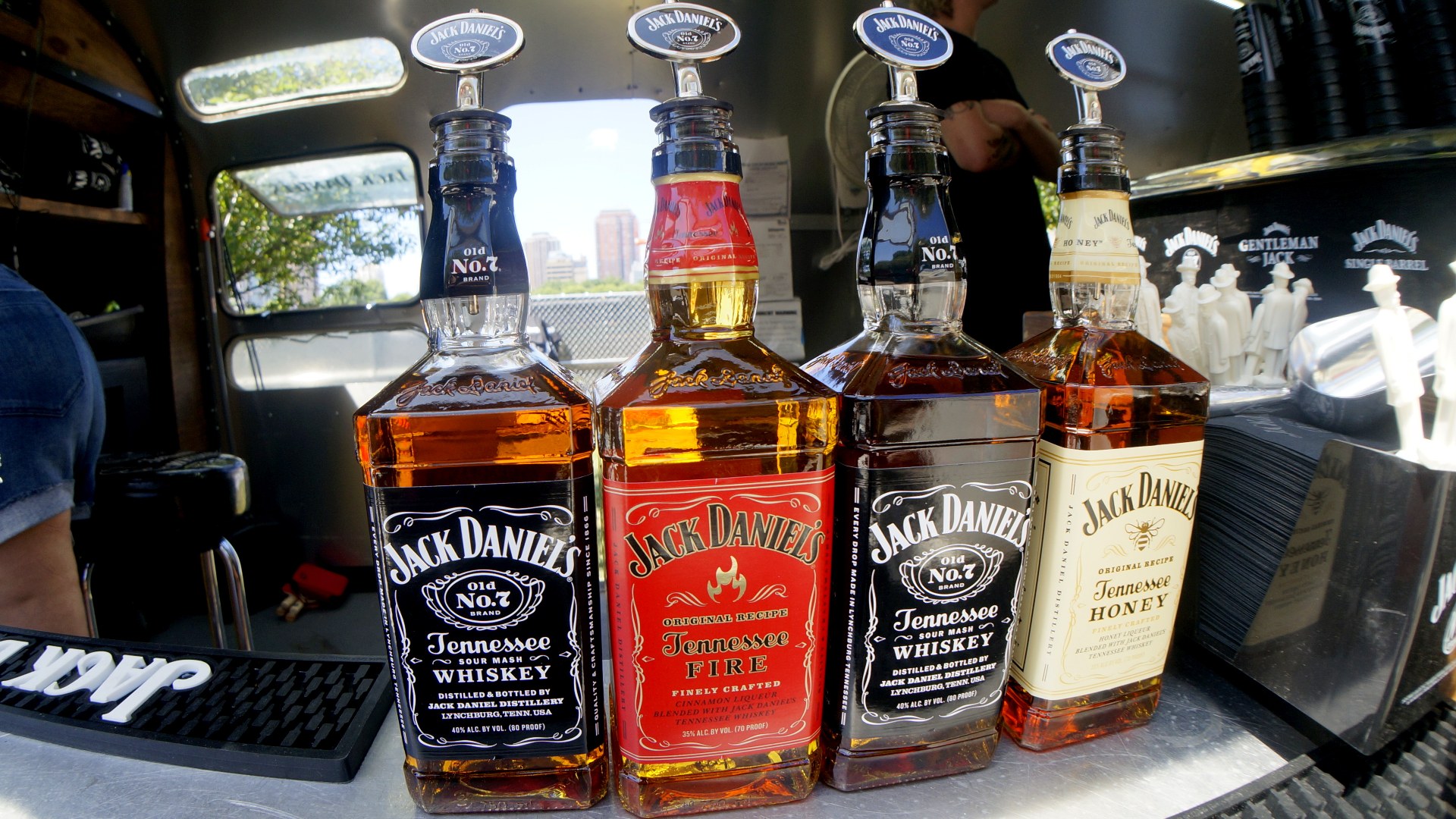
7. Jack Daniel's Properties V. VIP Products (2023)
A pet company sold a squeaky toy shaped like a Jack Daniel's bottle labeled "Bad Spaniels" with dog poop jokes on the label. The Supreme Court ruled unanimously for Jack Daniel's, holding that commercial products copying another brand's distinctive trade dress face standard consumer confusion tests.
©Wikimedia / Aneil Lutchman
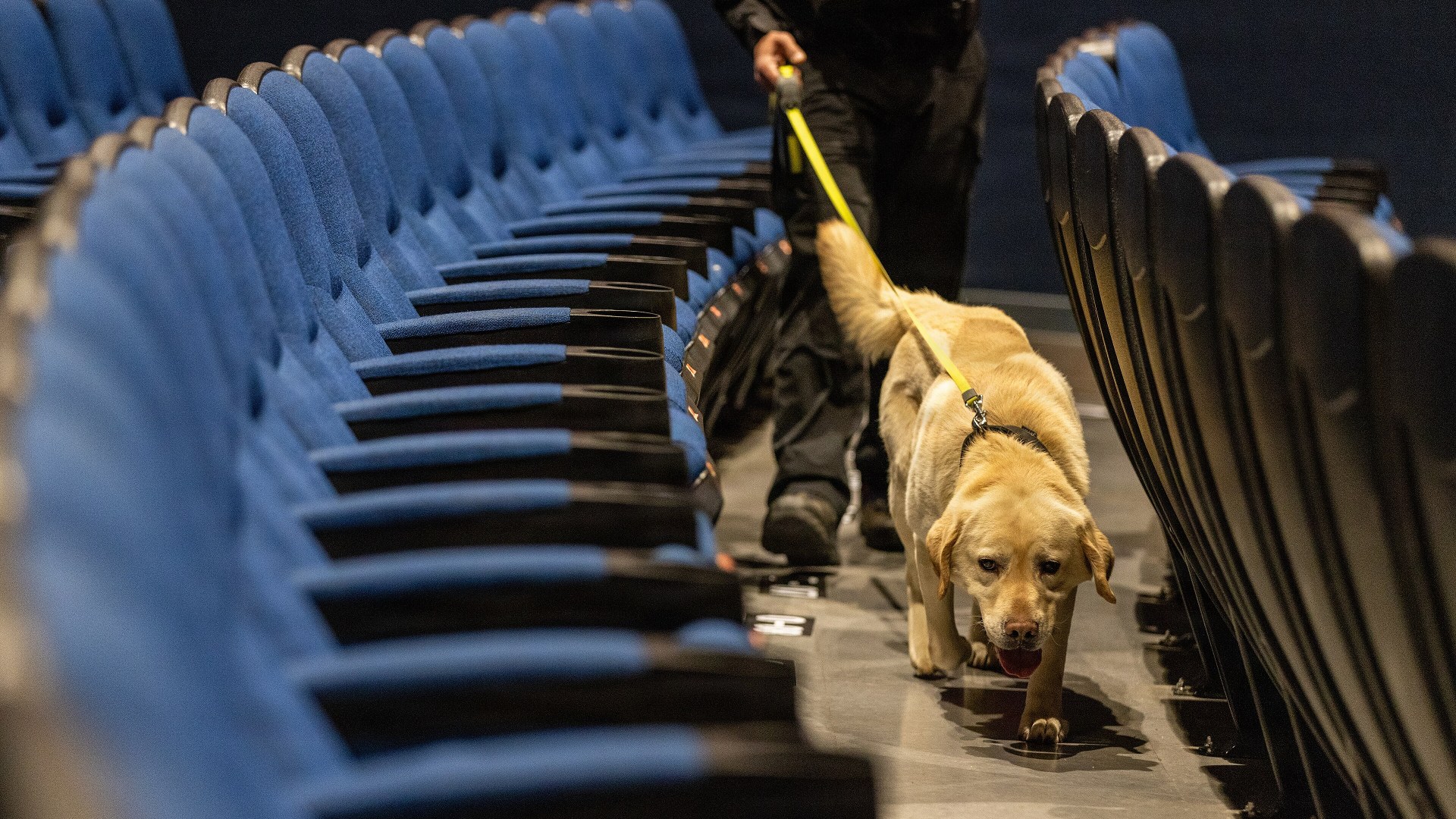
6. Florida V. Jardines (2013)
Police brought a narcotics-detection dog onto Joelis Jardines' front porch without a warrant and used the dog's alert to raid the house. In a 5 to 4 ruling, the Court held that a home's front porch enjoys core Fourth Amendment privacy, and bringing a forensic dog to sniff for evidence is a search.
©Wikimedia / U.S. Army photo by Sgt. Joseph Liggio
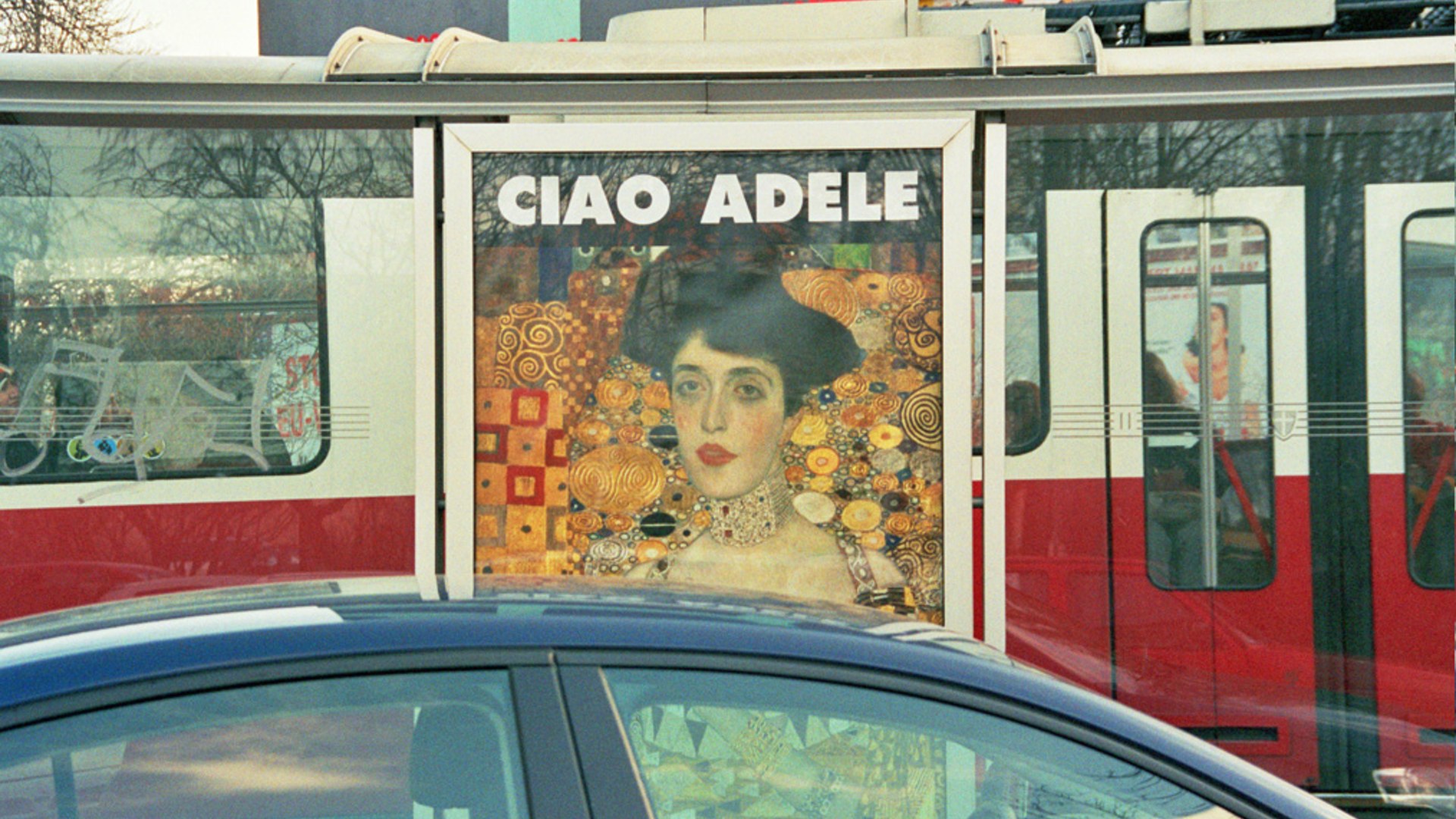
5. Republic Of Austria V. Altmann (2004)
Elderly Los Angeles refugee Maria Altmann sued the Austrian government in U.S. federal court to recover priceless Gustav Klimt paintings looted from her family by the Nazis and displayed in Vienna's Belvedere Museum. The Supreme Court ruled that the Foreign Sovereign Immunities Act applies retroactively.
©Wikimedia / Manfred Werner
Advertisement
Swipe or tap ▶ to resume the countdown.
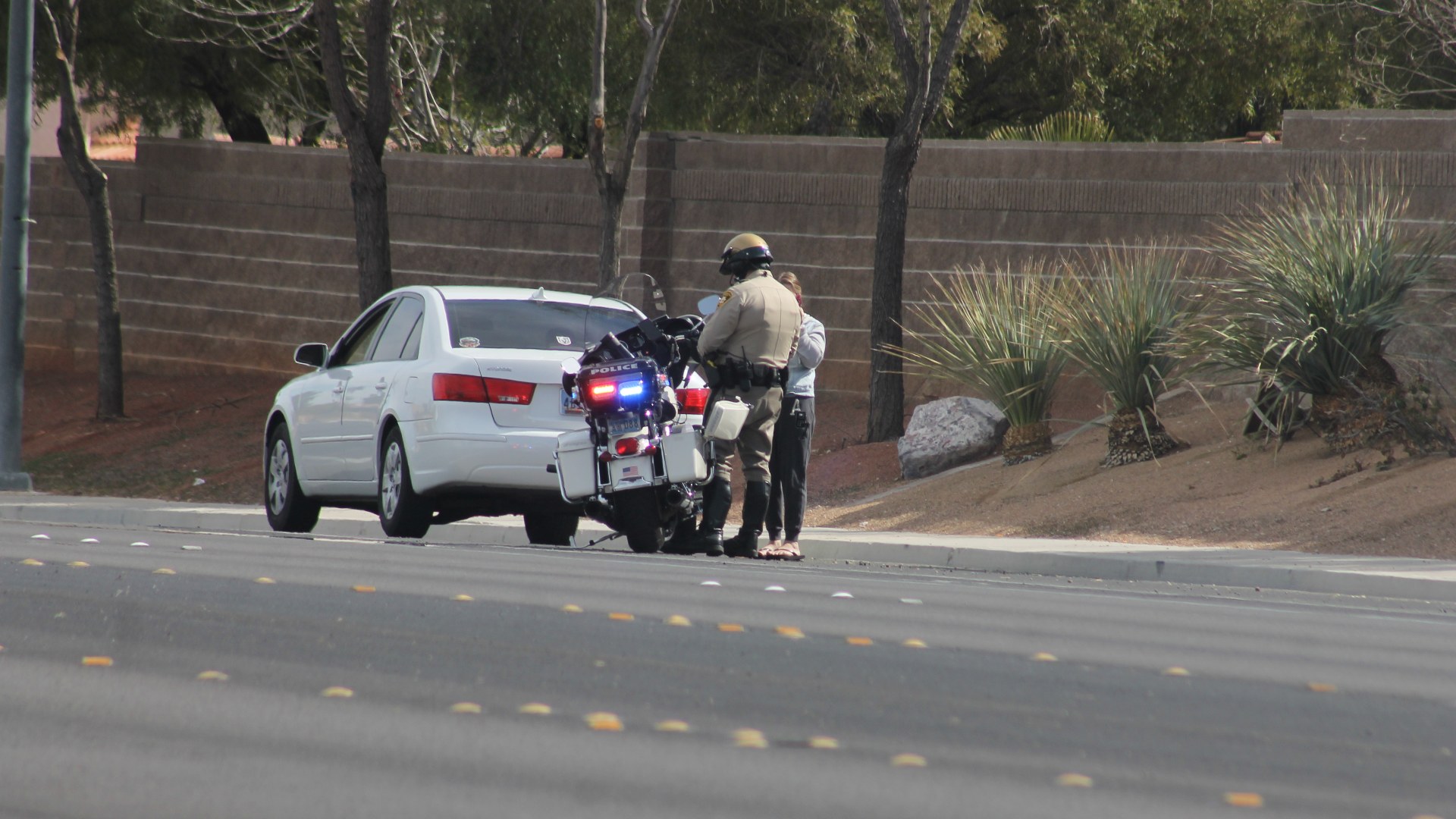
4. Kansas V. Glover (2020)
A Kansas deputy ran a truck's license plate, learned the registered owner had a revoked license, and pulled the vehicle over without seeing who was driving. The Court ruled 8 to 1 that officers may reasonably infer the registered owner is behind the wheel unless they see facts suggesting otherwise.
©Wikimedia / Noah Wulf
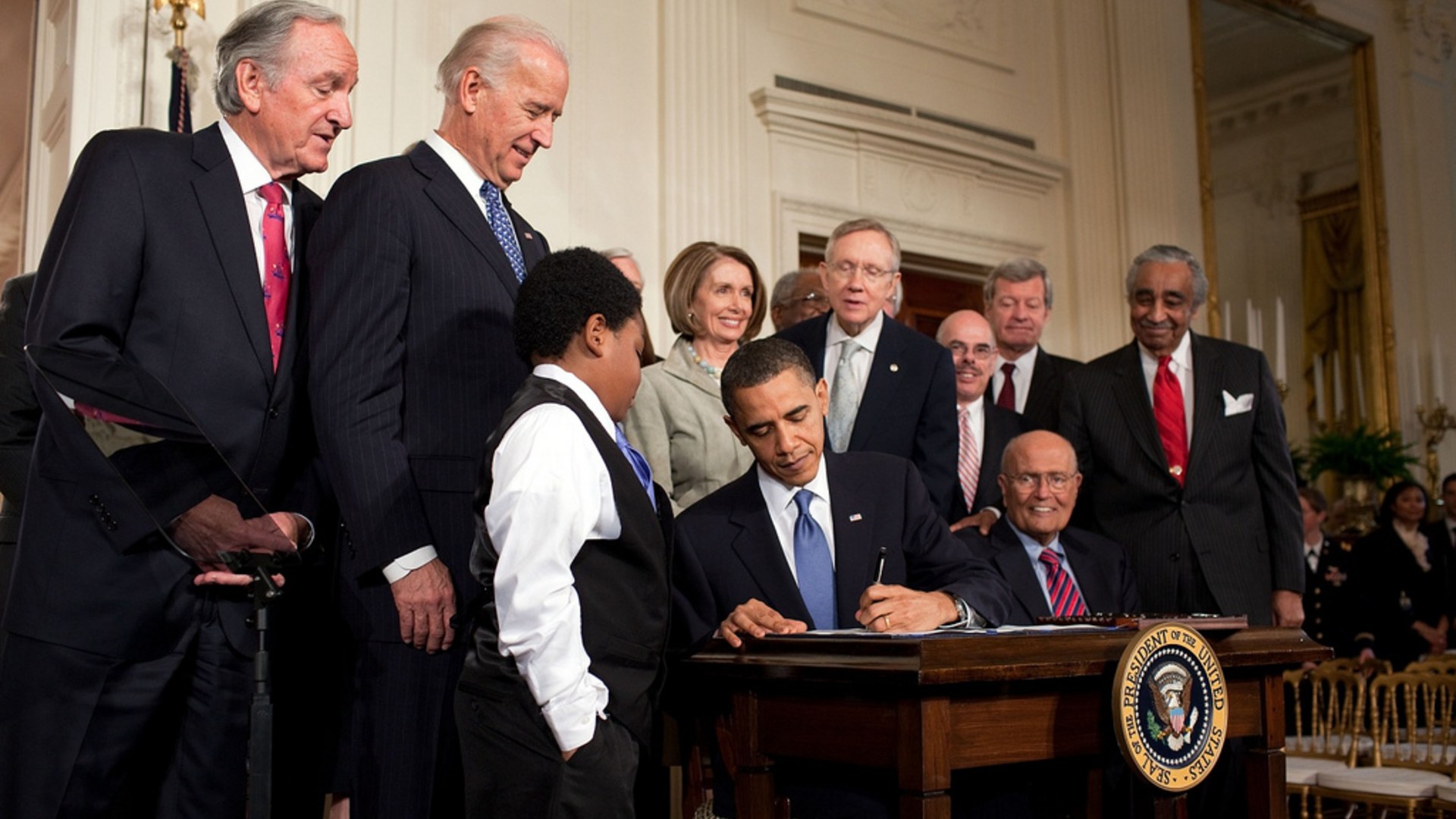
3. NFIB V. Sebelius (2012)
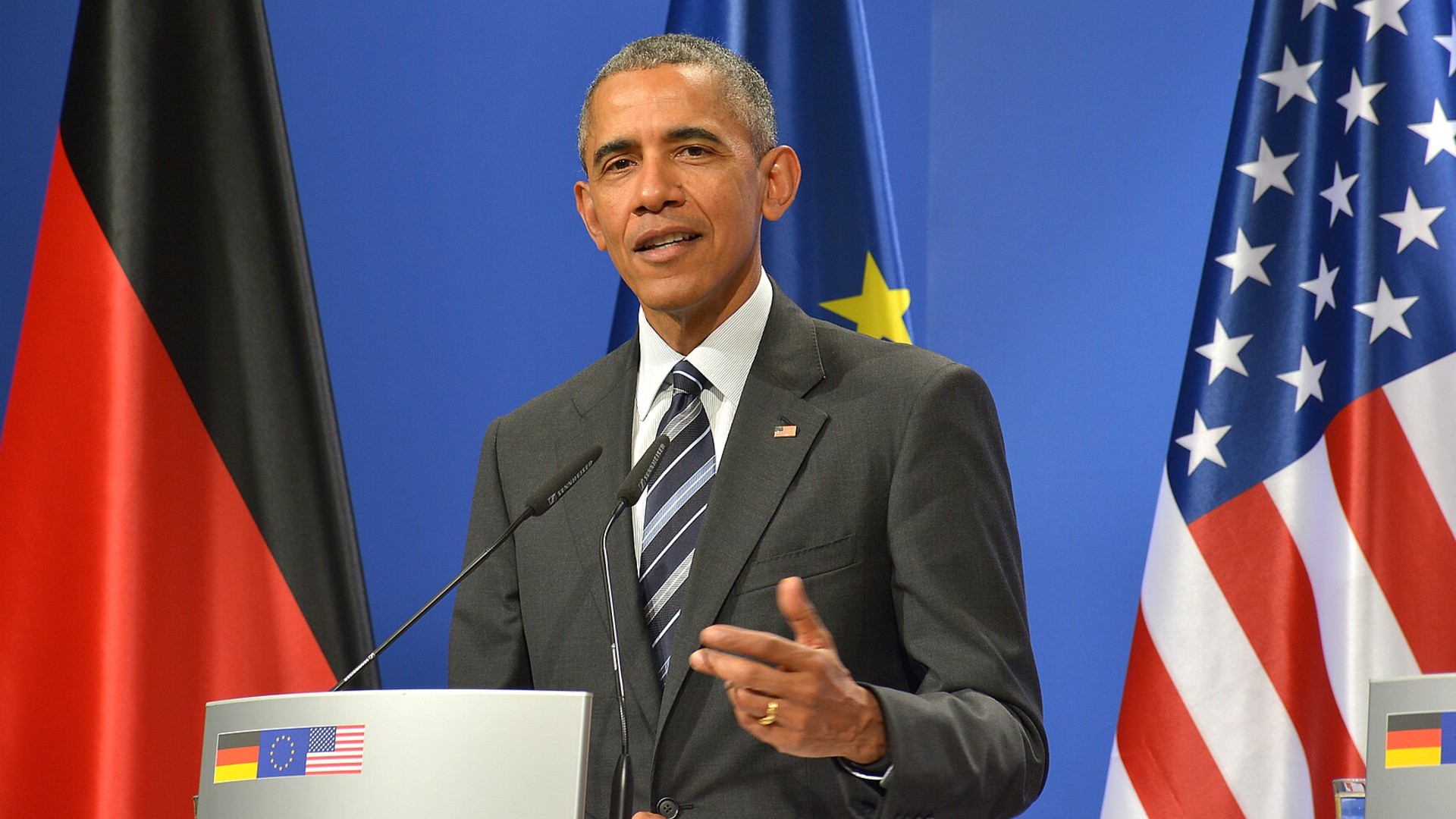
When the Affordable Care Act's individual insurance mandate was challenged, the administration defended it under the Commerce Clause. Chief Justice John Roberts rejected the Commerce Clause theory but upheld the law 5 to 4, ruling that the financial penalty operated legally as a constitutional tax.
©Wikimedia / Pete Souza, White House
2. Heien V. North Carolina (2014)
An officer stopped a car for having one broken brake light and found cocaine, even though North Carolina law actually required only one working brake light. The Supreme Court ruled 8 to 1 that a reasonable mistake of law by police does not violate the Fourth Amendment when a statute is ambiguous.
©Wikimedia / Pedro Pereira
1. Torres V. Madrid (2021)
Officers fired into Roxanne Torres's moving car as she fled, striking her twice in the back, though she drove away before being hospitalized. Police argued she was never seized because she escaped, but the Court ruled 5 to 4 that applying physical force with intent to restrain is a Fourth Amendment seizure.

©Wikimedia / Scott Davidson
Advertisement
You've reached the end of the story. Thanks for reading!

20 Famous Cars With Pop-Up Headlights That Shaped Car Design
From hand-cranked 1930s teardrops to wedge supercars of the 1980s, hidden headlights let stylists chase sleek aerodynamics until 2004 pedestrian rules closed the curtain. Here are 20 standout production cars that turned retractable lamps into an enduring automotive design feature across seven full decades.
All 15 Entries in this Story
1. Snyder V. Phelps (2011)
After Westboro Baptist Church members picketed Marine Lance Corporal Matthew Snyder's funeral with offensive signs, his father sued for emotional distress. In an 8 to 1 decision, the Court ruled that the First Amendment shields even outrageous speech when it addresses public issues in a public space.

2. Brown V. Entertainment Merchants Association (2011)
California passed a law banning the sale of violent video games to minors without parental supervision, claiming interactive violence was uniquely harmful. The Court struck down the ban 7 to 2, ruling that video games qualify for full First Amendment protection just like classic literature or films.

3. United States V. Alvarez (2012)
Local official Xavier Alvarez falsely claimed at a public board meeting that he was a retired Marine awarded the Congressional Medal of Honor. Prosecuted under the Stolen Valor Act, he won at the Supreme Court, which ruled that false statements are protected speech unless they involve fraud or defamation.

4. Yates V. United States (2015)
Caught with undersized red grouper in the Gulf of Mexico, commercial fisherman John Yates ordered his crew to toss the fish overboard and was charged under the corporate anti-shredding provisions of the Sarbanes-Oxley Act. The Court ruled 5 to 4 that a tangible object in that law means data storage, not fish.

5. Mahanoy Area School District V. B.L. (2021)
After failing to make the varsity squad, a high school freshman posted an off-campus weekend Snapchat photo with profanity aimed at school and cheerleading, prompting a one-year suspension. The Court ruled 8 to 1 that off-campus student venting is protected speech when it does not disrupt classes.

6. Iancu V. Brunetti (2019)
When streetwear designer Erik Brunetti tried to trademark his clothing brand name "FUCT," the U.S. Patent and Trademark Office rejected it under a law barring immoral or scandalous marks. The Supreme Court struck down that ban, ruling the government cannot deny trademarks based on viewpoint.

7. Andy Warhol Foundation V. Goldsmith (2023)
Andy Warhol created silkscreen prints of musician Prince based on photographer Lynn Goldsmith's copyrighted portrait. When Warhol's foundation claimed fair use after licensing a print to a magazine, the Court ruled that sharing the same commercial purpose as the original photo violates copyright.

8. Republic Of Sudan V. Harrison (2019)
Victims of the 2000 USS Cole destroyer bombing sued Sudan for allegedly aiding the attackers and mailed the legal papers to the Sudanese Embassy in Washington, D.C. The Court ruled 8 to 1 that the Foreign Sovereign Immunities Act requires serving papers directly to the foreign ministry in Khartoum.

9. Jack Daniel's Properties V. VIP Products (2023)
A pet company sold a squeaky toy shaped like a Jack Daniel's bottle labeled "Bad Spaniels" with dog poop jokes on the label. The Supreme Court ruled unanimously for Jack Daniel's, holding that commercial products copying another brand's distinctive trade dress face standard consumer confusion tests.

10. Florida V. Jardines (2013)
Police brought a narcotics-detection dog onto Joelis Jardines' front porch without a warrant and used the dog's alert to raid the house. In a 5 to 4 ruling, the Court held that a home's front porch enjoys core Fourth Amendment privacy, and bringing a forensic dog to sniff for evidence is a search.

11. Republic Of Austria V. Altmann (2004)
Elderly Los Angeles refugee Maria Altmann sued the Austrian government in U.S. federal court to recover priceless Gustav Klimt paintings looted from her family by the Nazis and displayed in Vienna's Belvedere Museum. The Supreme Court ruled that the Foreign Sovereign Immunities Act applies retroactively.

12. Kansas V. Glover (2020)
A Kansas deputy ran a truck's license plate, learned the registered owner had a revoked license, and pulled the vehicle over without seeing who was driving. The Court ruled 8 to 1 that officers may reasonably infer the registered owner is behind the wheel unless they see facts suggesting otherwise.

13. NFIB V. Sebelius (2012)
When the Affordable Care Act's individual insurance mandate was challenged, the administration defended it under the Commerce Clause. Chief Justice John Roberts rejected the Commerce Clause theory but upheld the law 5 to 4, ruling that the financial penalty operated legally as a constitutional tax.

14. Heien V. North Carolina (2014)
An officer stopped a car for having one broken brake light and found cocaine, even though North Carolina law actually required only one working brake light. The Supreme Court ruled 8 to 1 that a reasonable mistake of law by police does not violate the Fourth Amendment when a statute is ambiguous.

15. Torres V. Madrid (2021)
Officers fired into Roxanne Torres's moving car as she fled, striking her twice in the back, though she drove away before being hospitalized. Police argued she was never seized because she escaped, but the Court ruled 5 to 4 that applying physical force with intent to restrain is a Fourth Amendment seizure.