Slideshow · Health
20 Everyday Healthy Foods You Should Only Eat In Moderation
By Most Viral Today
9 hours ago

Even Nutrient-Dense Superfoods Carry Hidden Side Effects In Excess 
20. Rolled Oats — Phytic Acid Blocking Mineral Absorption 
19. Avocados — Calorie Density And Sorbitol Bloating 
18. Fresh Beets — Oxalate Spikes And Low Blood Pressure - AdvertisementSwipe or tap ▶ to continue countdown

17. Ripe Bananas — Potassium Overload On Medicated Hearts 
16. Raw Garlic Cloves — Blood-Thinning And Heartburn 
15. Fresh Carrots — Beta-Carotene Turning Skin Orange 
14. Raw Broccoli And Kale — Goitrogens Slowing Thyroid Iodine - AdvertisementSwipe or tap ▶ to continue countdown

13. Dark Chocolate — Trace Cadmium And Caffeine Jitters 
12. Dry Chia Seeds — Rapid Gel Expansion In The Throat 
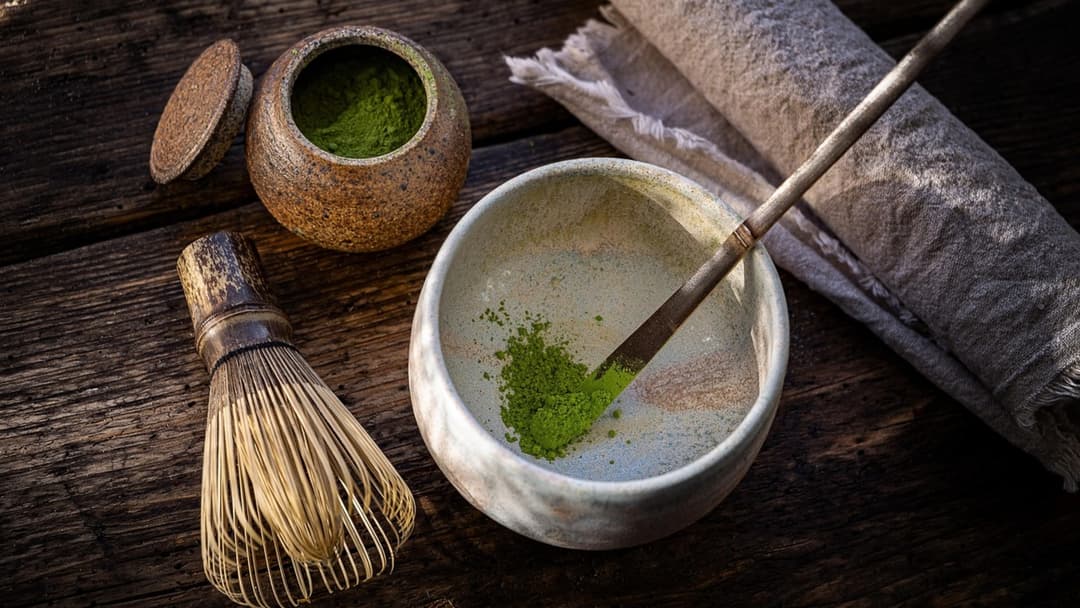
11. Concentrated Matcha — Excess Catechins And Liver Strain 
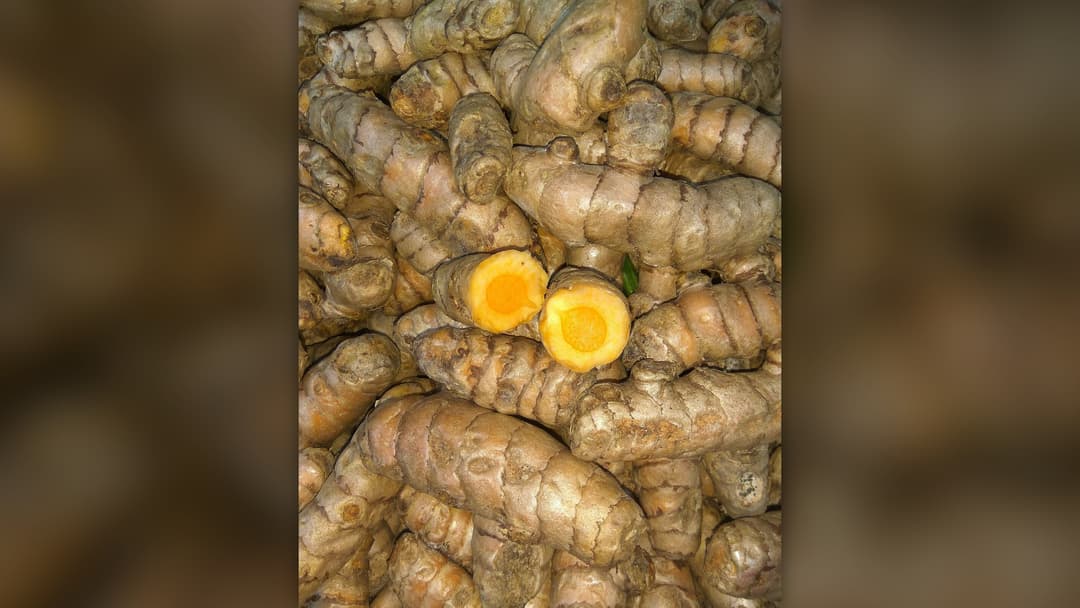
10. Turmeric Root — High-Dose Curcumin Gallbladder Strain - AdvertisementSwipe or tap ▶ to continue countdown

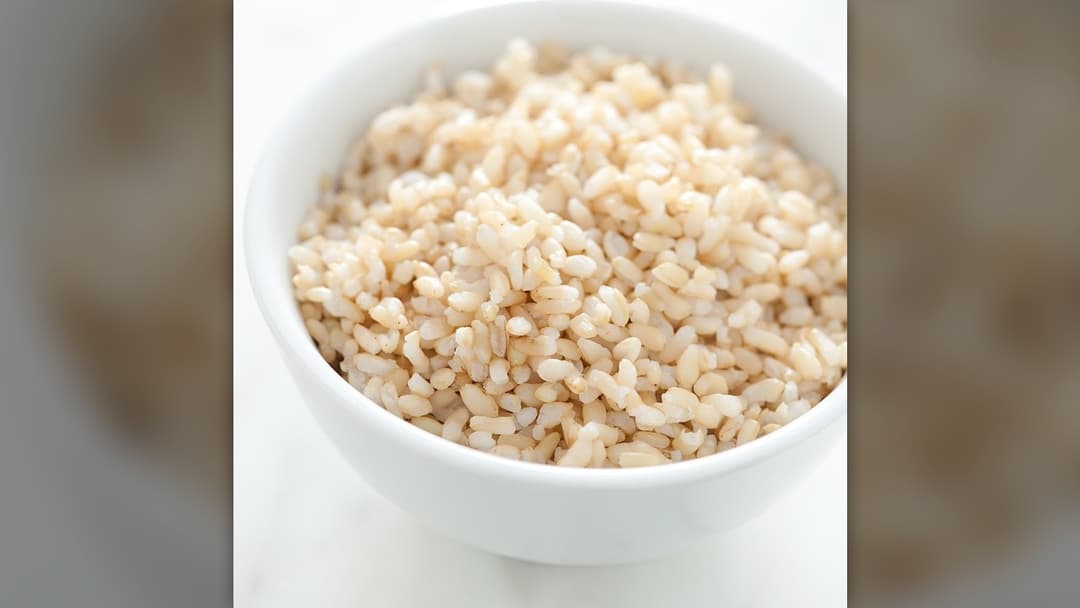
9. Brown Rice — Trace Arsenic In The Outer Bran Layer 
8. Raw Spinach Smoothies — Calcium Oxalate Kidney Stones 
7. Cassia Cinnamon — High Coumarin Levels In Daily Spoons 
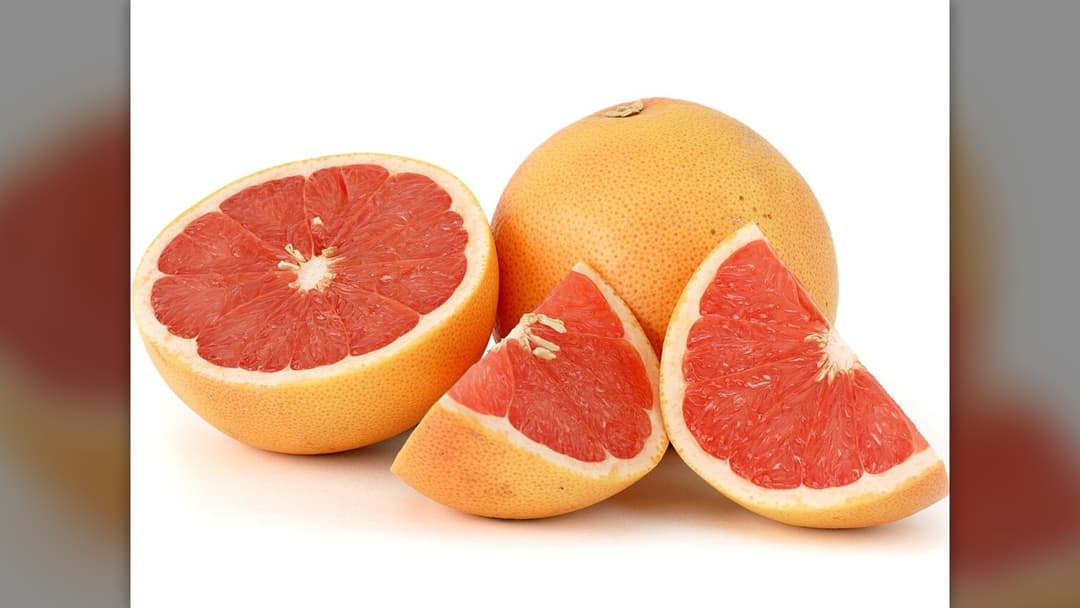
6. Ruby Grapefruit — Enzyme Blockade On Prescription Meds - AdvertisementSwipe or tap ▶ to continue countdown

5. Whole Nutmeg — Myristicin Side Effects Above Two Spoons 
4. Black Licorice Root — Glycyrrhizin Dropping Potassium 
3. Albacore Tuna — Mercury Buildup From Daily Cans 
2. Plain Drinking Water — Rapid Sodium Dilution From Overhydration - AdvertisementSwipe or tap ▶ to continue countdown

1. Brazil Nuts — Excess Selenium From Eating Six Nuts Daily - Advertisement🔥 UP NEXT IN THIS SERIES◫ 21 Slides

20 Food Combos That Doctors Ask to Avoid
From blocking crucial mineral absorption to causing sudden blood sugar spikes and dangerous medication reactions, these everyday food pairings carry hidden health risks.
Medical Disclaimer: Informational only; consult a doctor or dietitian for medical advice. Even nutrient-dense superfoods can cause unwanted digestive, metabolic, or medication side effects when overconsumed. Swipe through twenty healthy staples that require portion control.
Swipe or tap ▶ to begin the countdown
©Wikimedia / Citrus_paradisi_(Grape & Bill Ebbesen
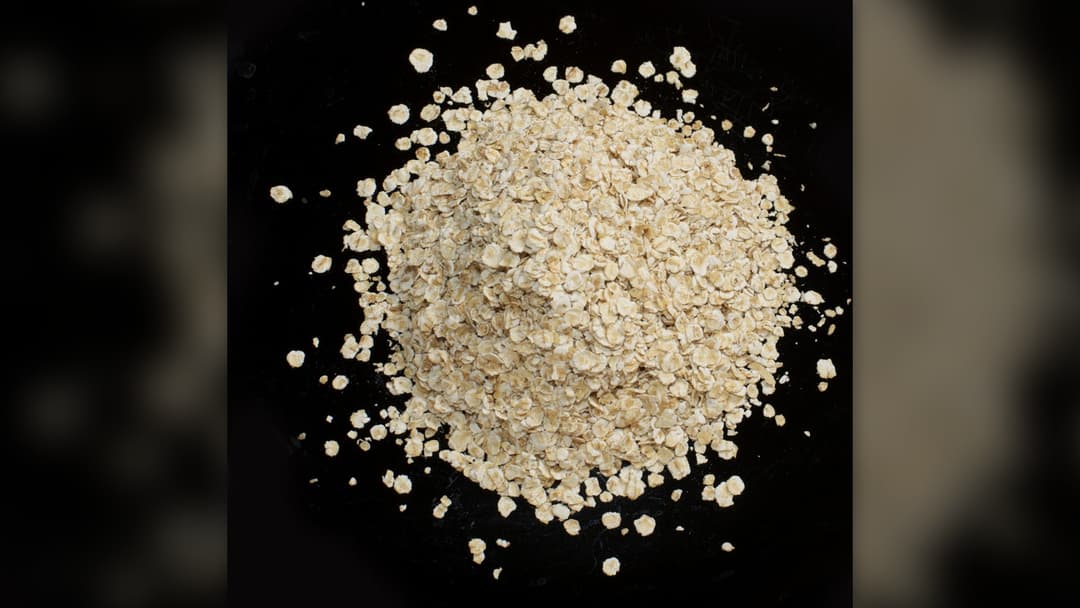
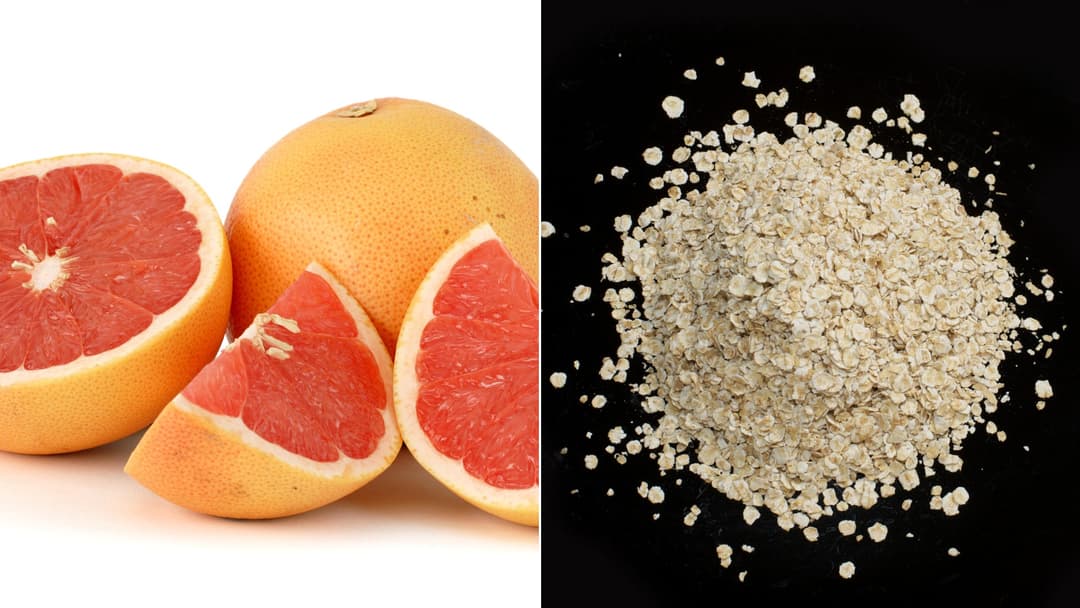
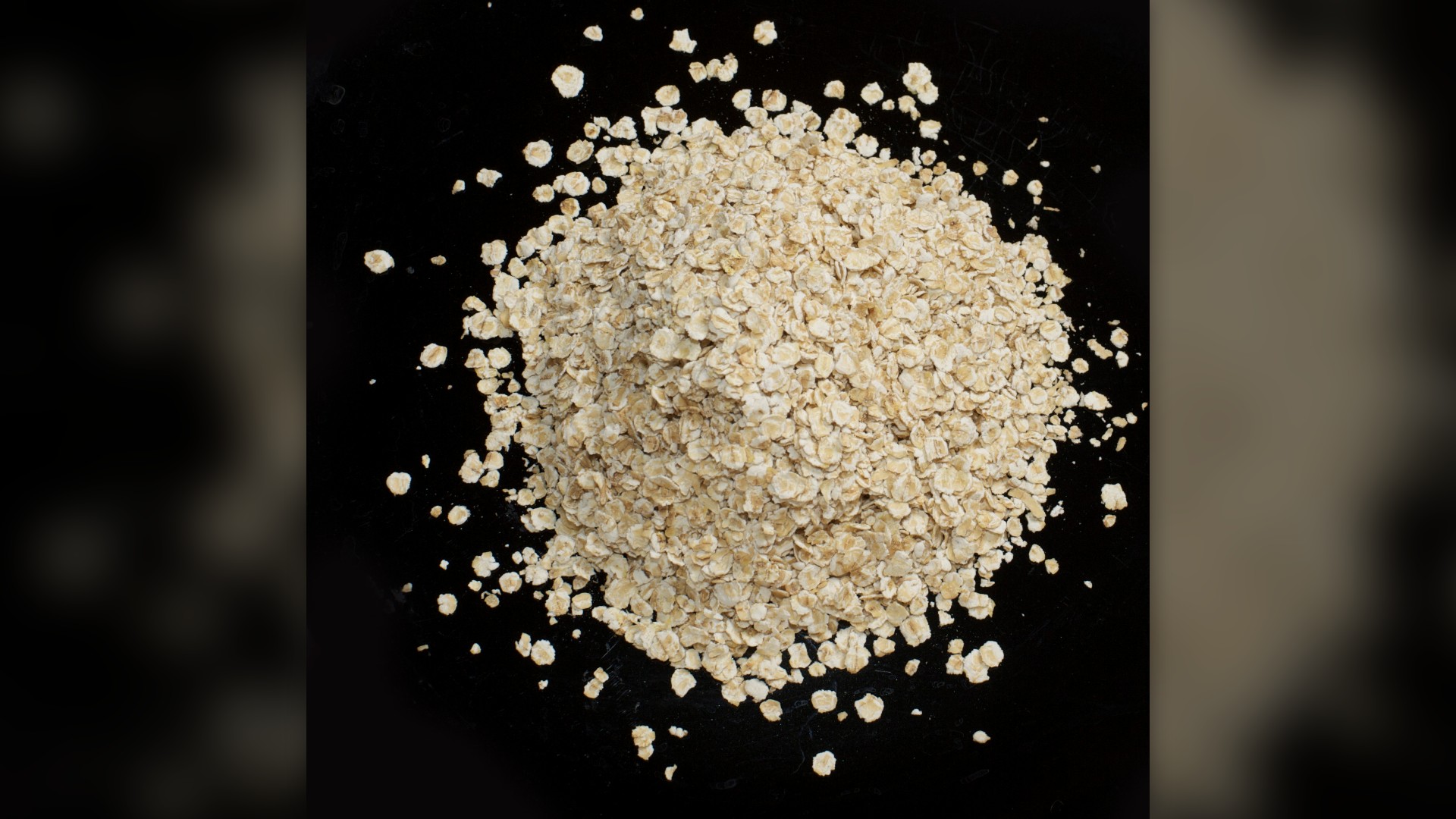
20. Rolled Oats — Phytic Acid Blocking Mineral Absorption
While warm oatmeal is a proven heart-healthy breakfast for lowering cholesterol, eating massive bowls of unsoaked raw oats every day introduces high levels of phytic acid, a natural compound that binds to iron, zinc, and calcium before your digestive tract can absorb them.
©Wikimedia / Bill Ebbesen
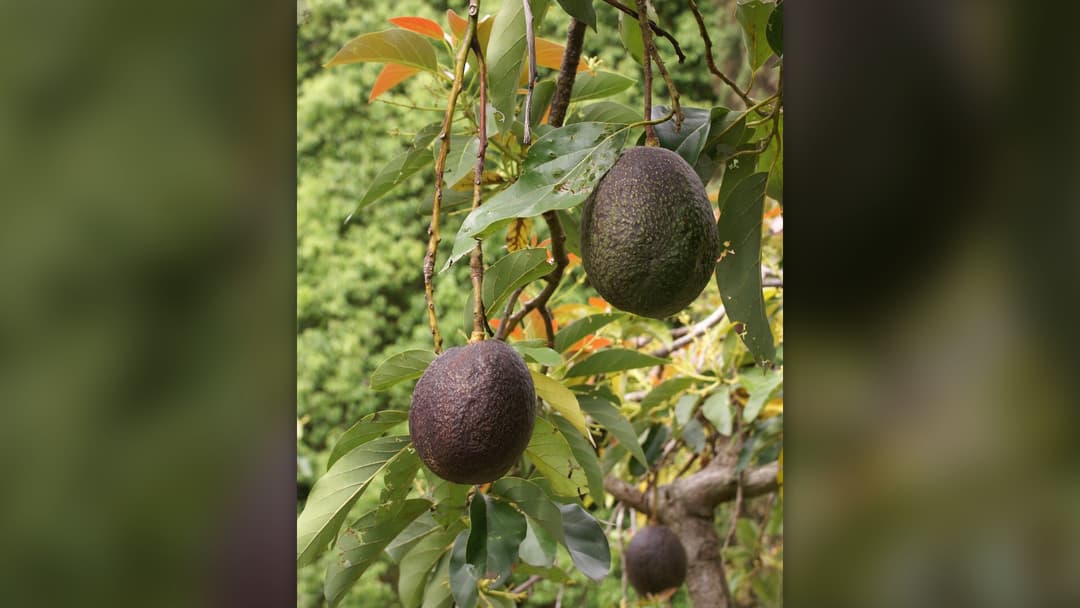
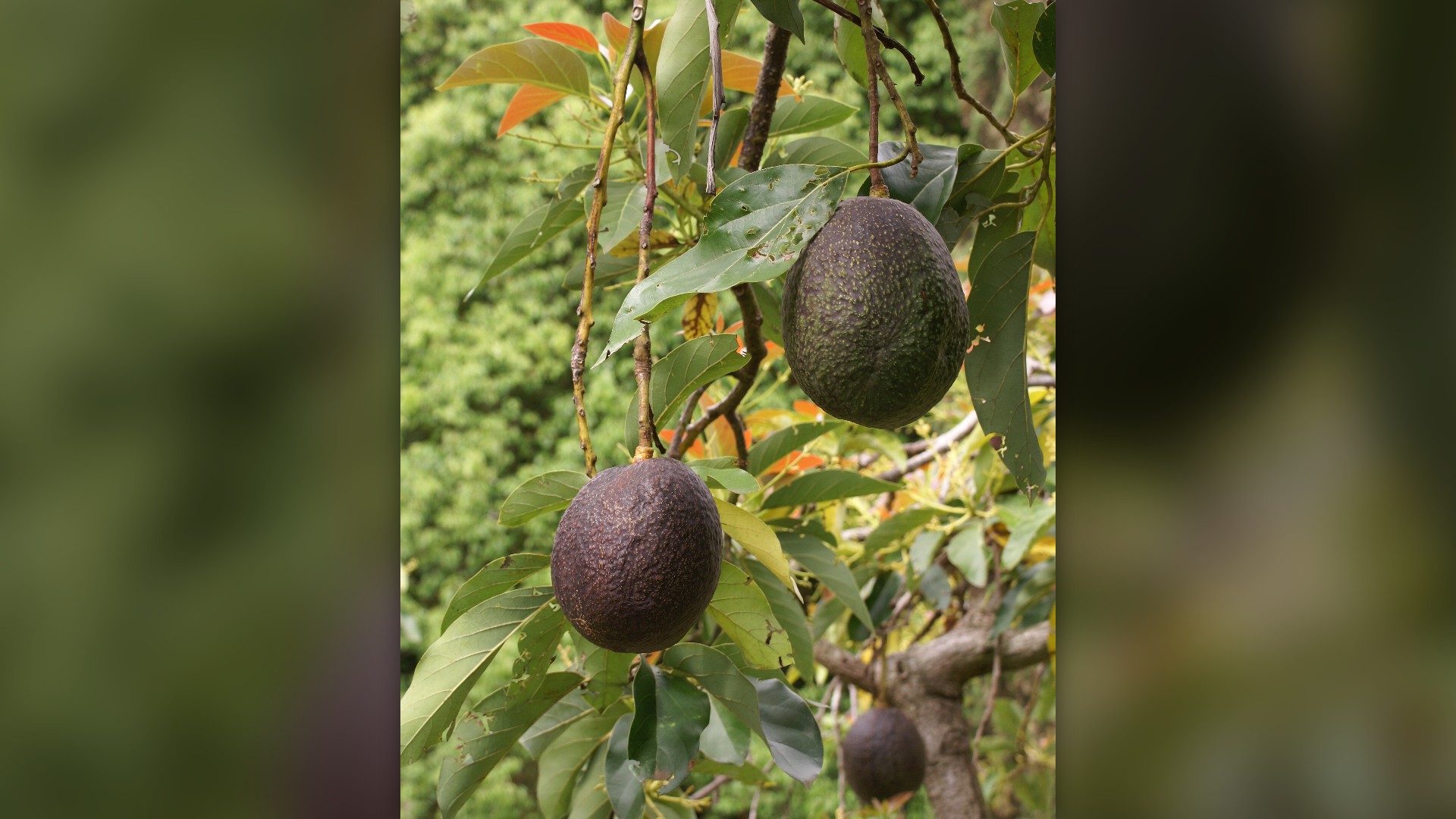
19. Avocados — Calorie Density And Sorbitol Bloating
Packed with heart-friendly monounsaturated fats, a single large avocado still carries over three hundred calories and high levels of sorbitol, a natural sugar alcohol. Eating multiple avocados daily can trigger irritable-bowel bloating and unintended weight gain.
©Wikimedia / Avocado
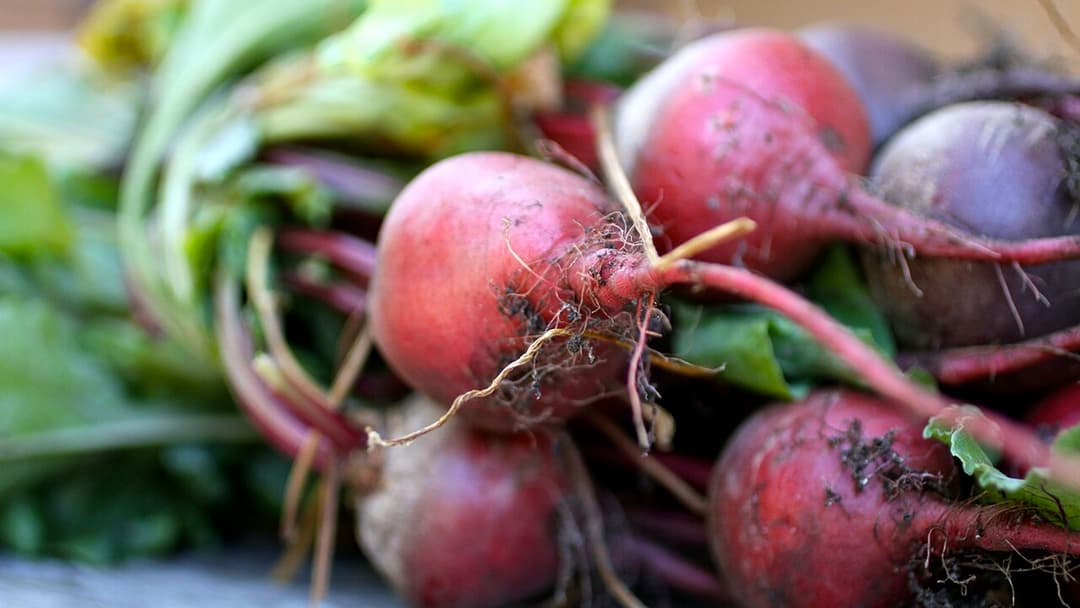
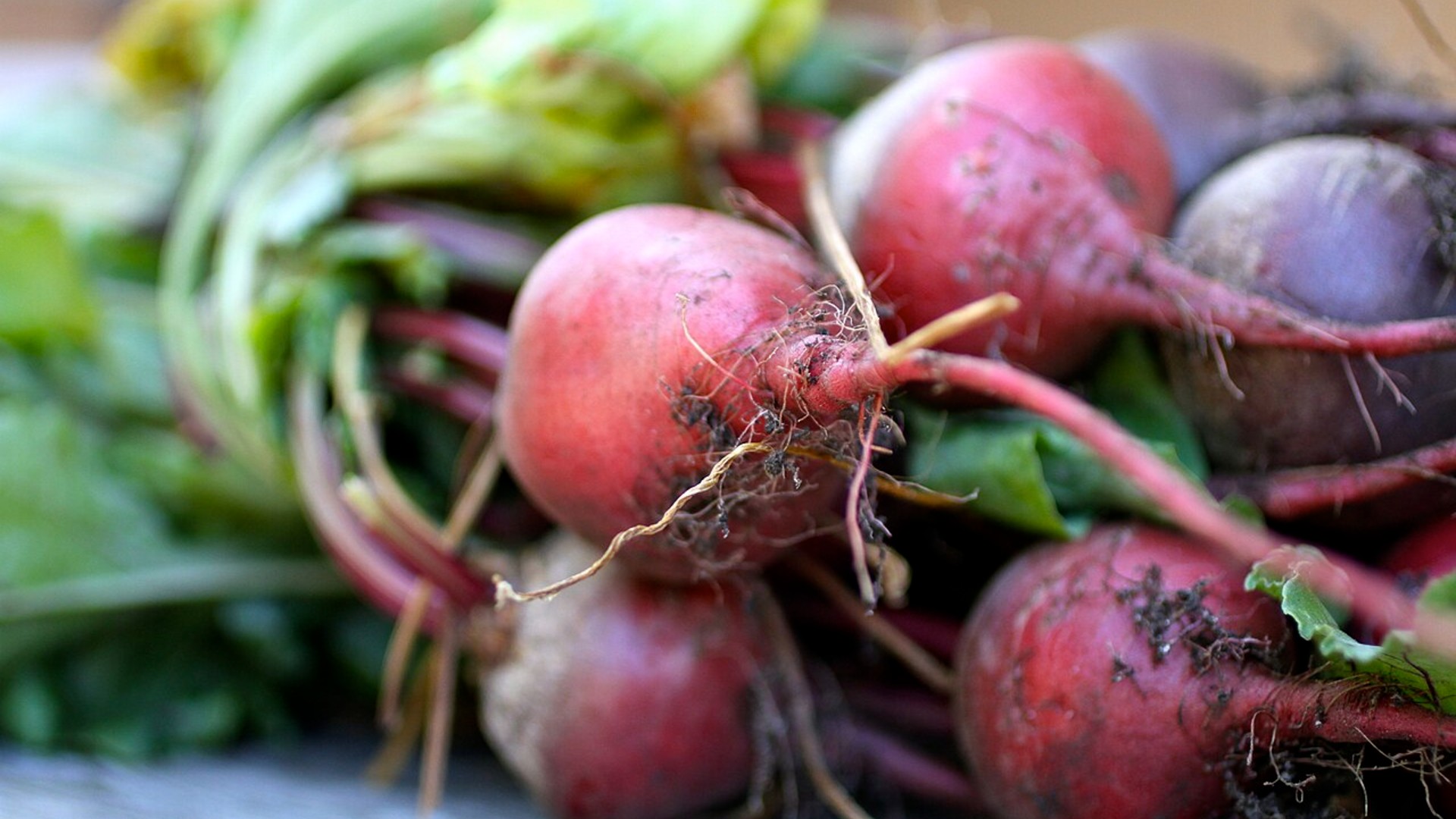
18. Fresh Beets — Oxalate Spikes And Low Blood Pressure
Athletes drink concentrated beet juice for its blood-vessel-widening nitrates, but overdoing it can drop blood pressure too low if you already take antihypertensive medication. Beets are also among the richest sources of kidney-stone-forming oxalates.
©Wikimedia / The Farmstrs
Advertisement
Swipe or tap ▶ to resume the countdown.
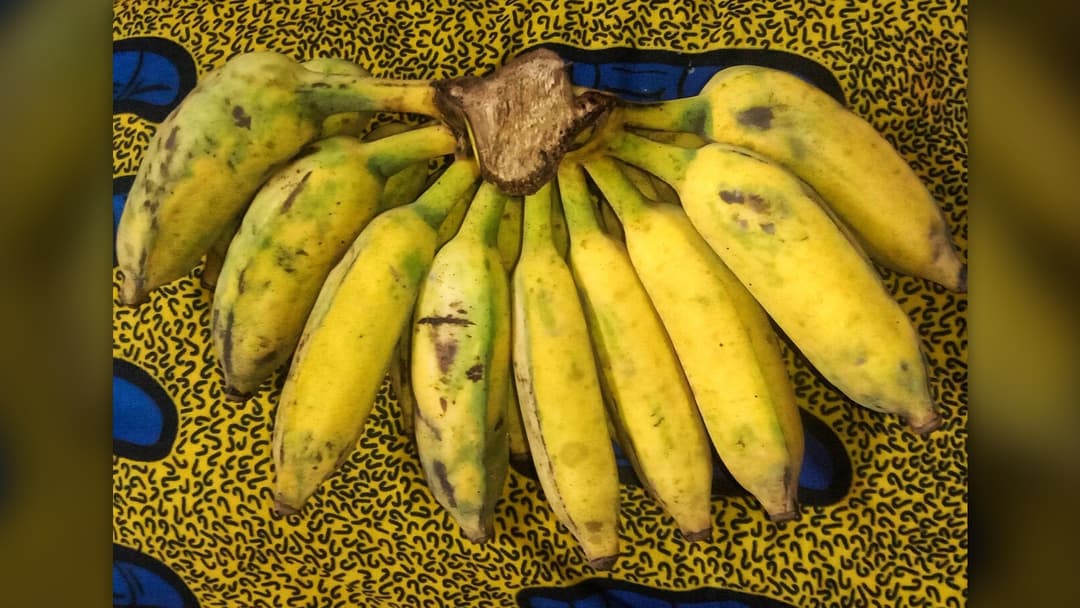
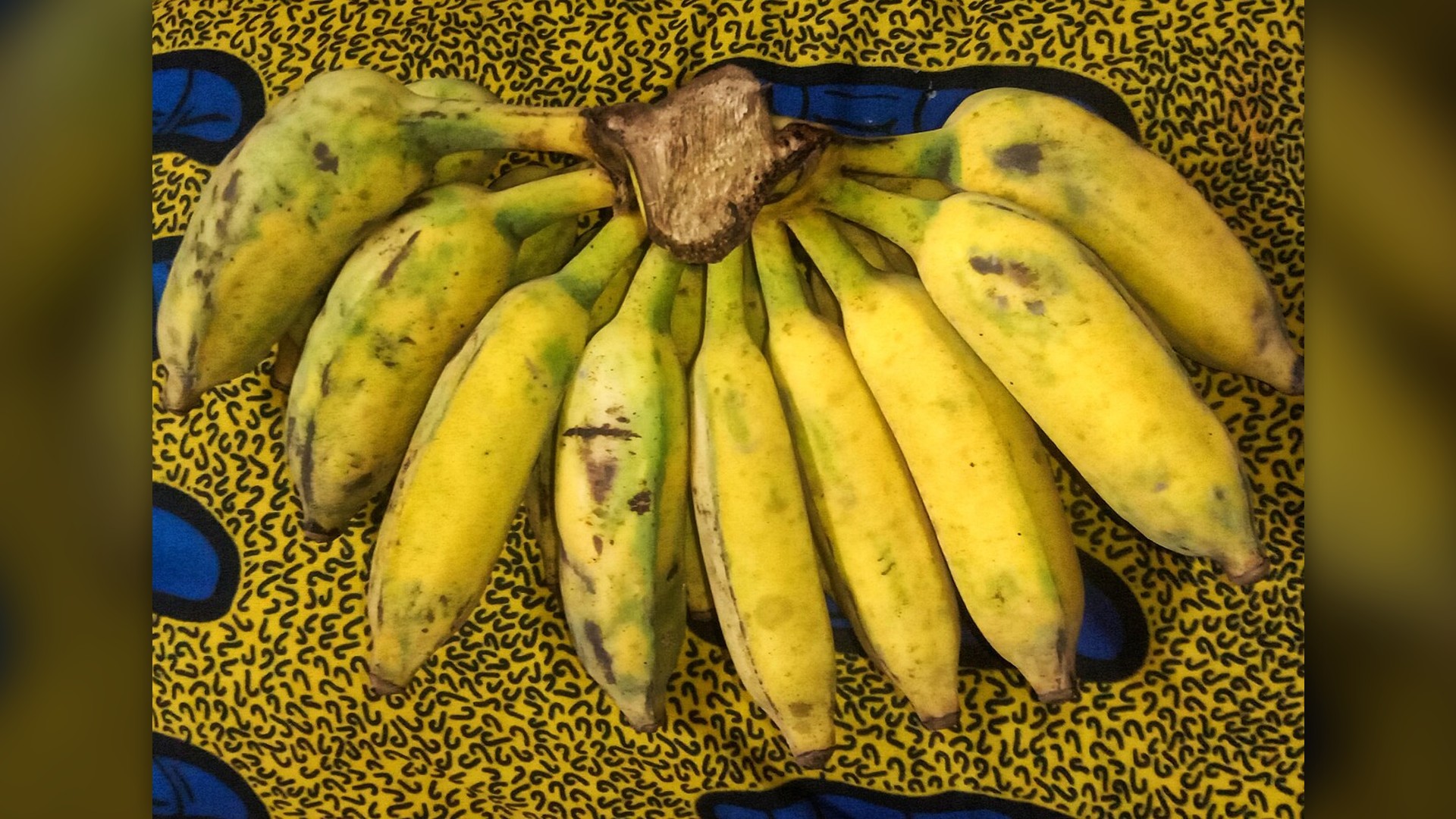
17. Ripe Bananas — Potassium Overload On Medicated Hearts
For healthy kidneys, eating two bananas a day is harmless. However, for individuals with reduced kidney function or those taking potassium-sparing blood pressure drugs, binging on bananas can contribute to elevated blood potassium levels.
©Wikimedia / Billjones94
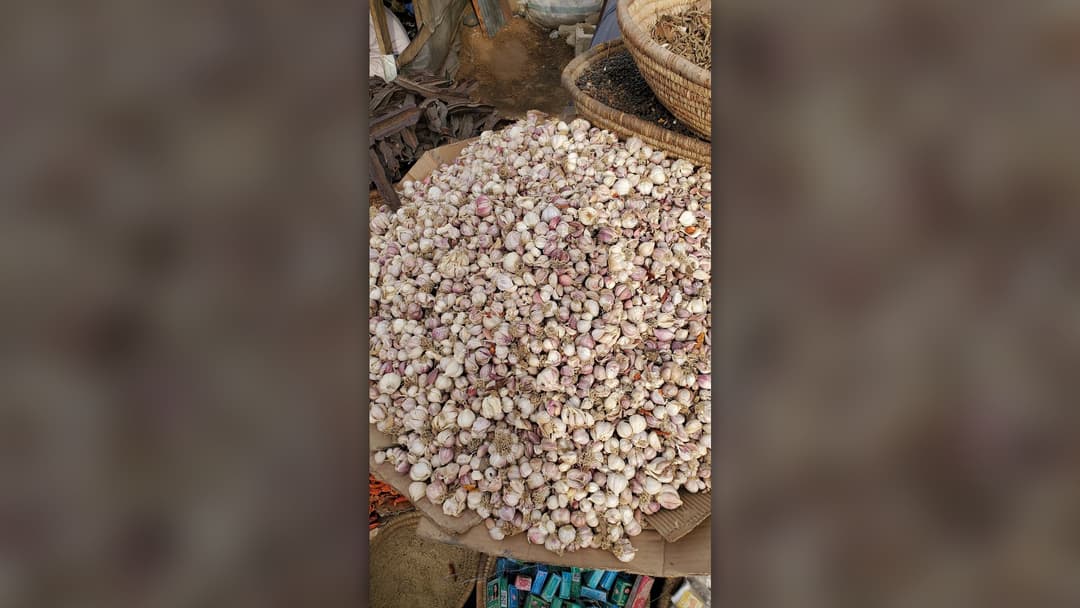
16. Raw Garlic Cloves — Blood-Thinning And Heartburn
Chewing multiple raw garlic cloves daily for immunity releases potent allicin compounds that irritate the gastric lining and slow platelet aggregation. Surgeons routinely advise patients to pause high-dose garlic weeks before operations.
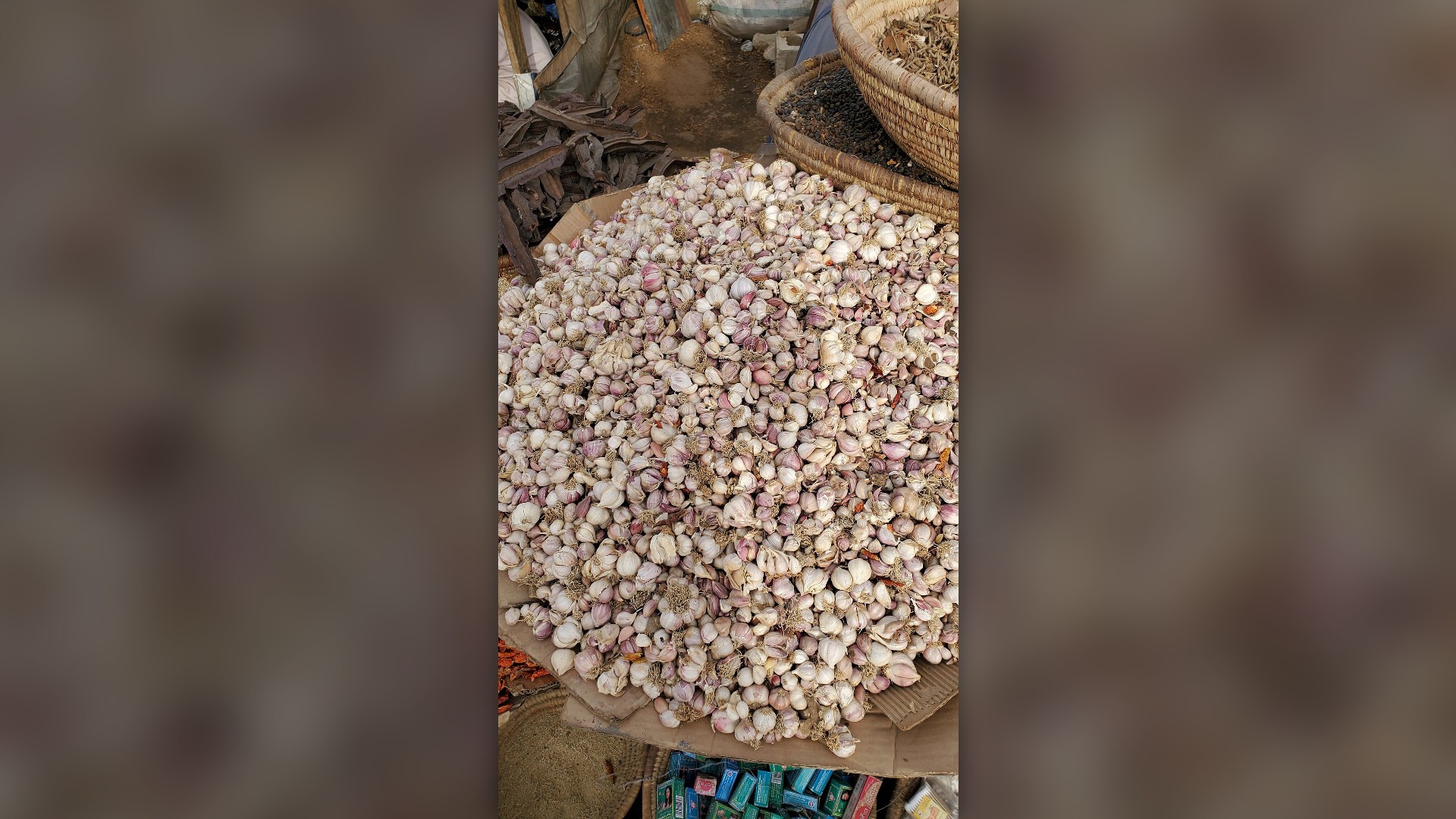
©Wikimedia / Mashoodmj
15. Fresh Carrots — Beta-Carotene Turning Skin Orange
Juicing or snacking on several large carrots every day floods the bloodstream with beta-carotene faster than the liver can convert it into Vitamin A. The excess pigment accumulates in the palms, soles, and nose, causing a harmless orange tint called carotenemia.

©Wikimedia / Muktee1494
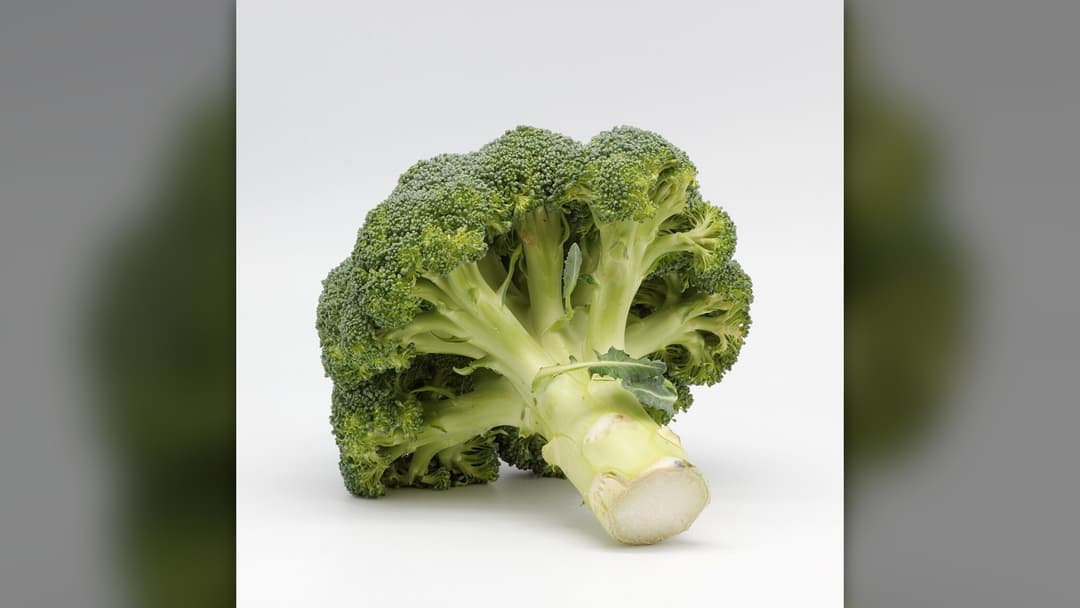
14. Raw Broccoli And Kale — Goitrogens Slowing Thyroid Iodine
Steamed broccoli and kale are nutritional goldmines, but blending massive quantities of raw cruciferous greens into daily smoothies releases thiocyanates. In people with borderline iodine deficiency, these goitrogenic compounds can slow thyroid hormone synthesis.
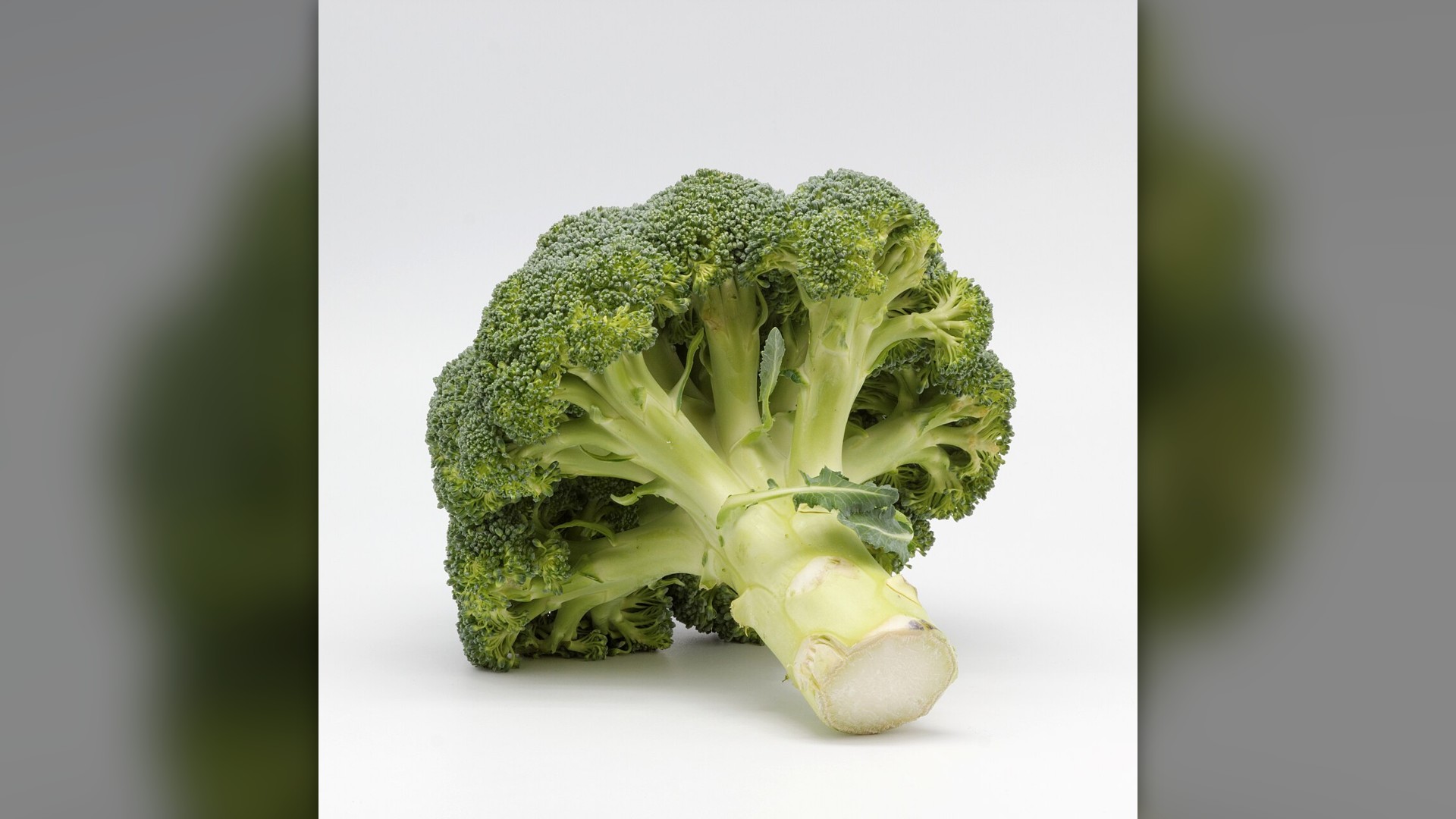
©Wikimedia / Coyau
Advertisement
Swipe or tap ▶ to resume the countdown.
13. Dark Chocolate — Trace Cadmium And Caffeine Jitters
Dark chocolate above seventy percent cacao is rich in flavanols, yet laboratory testing by Consumer Reports found that many bars contain measurable cadmium and lead absorbed from soil and drying dust. Limiting portions to one ounce daily keeps exposure minimal.

©Wikimedia / Dark chocolate
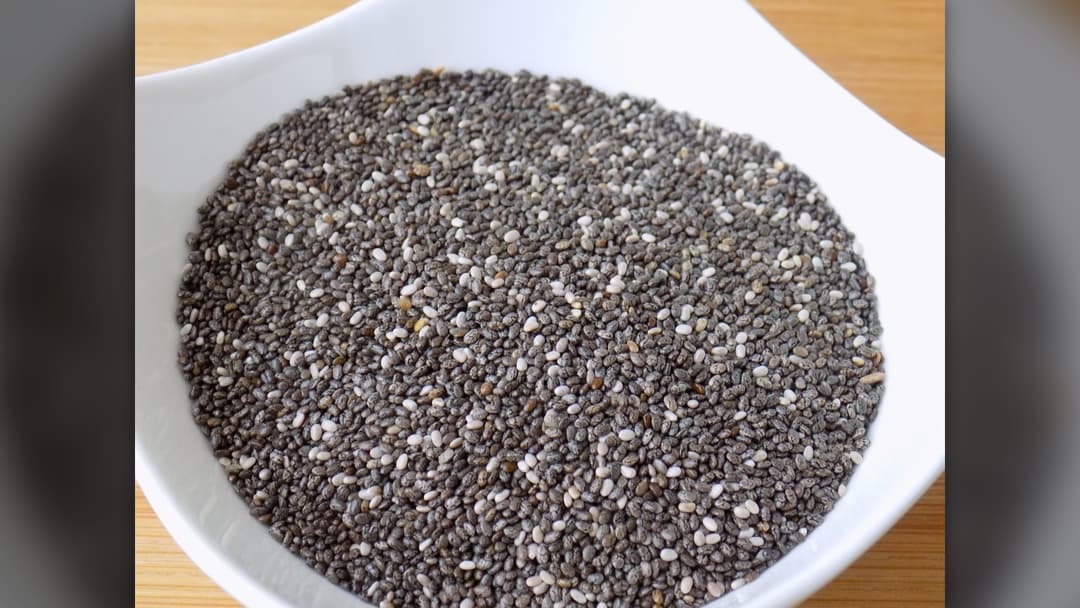
12. Dry Chia Seeds — Rapid Gel Expansion In The Throat
Avoid swallowing a spoonful of dry chia seeds chased with water. Because chia seeds absorb up to twenty-seven times their weight in moisture to form a thick hydrogel, gastroenterologists recommend soaking them first so they do not swell in the throat.
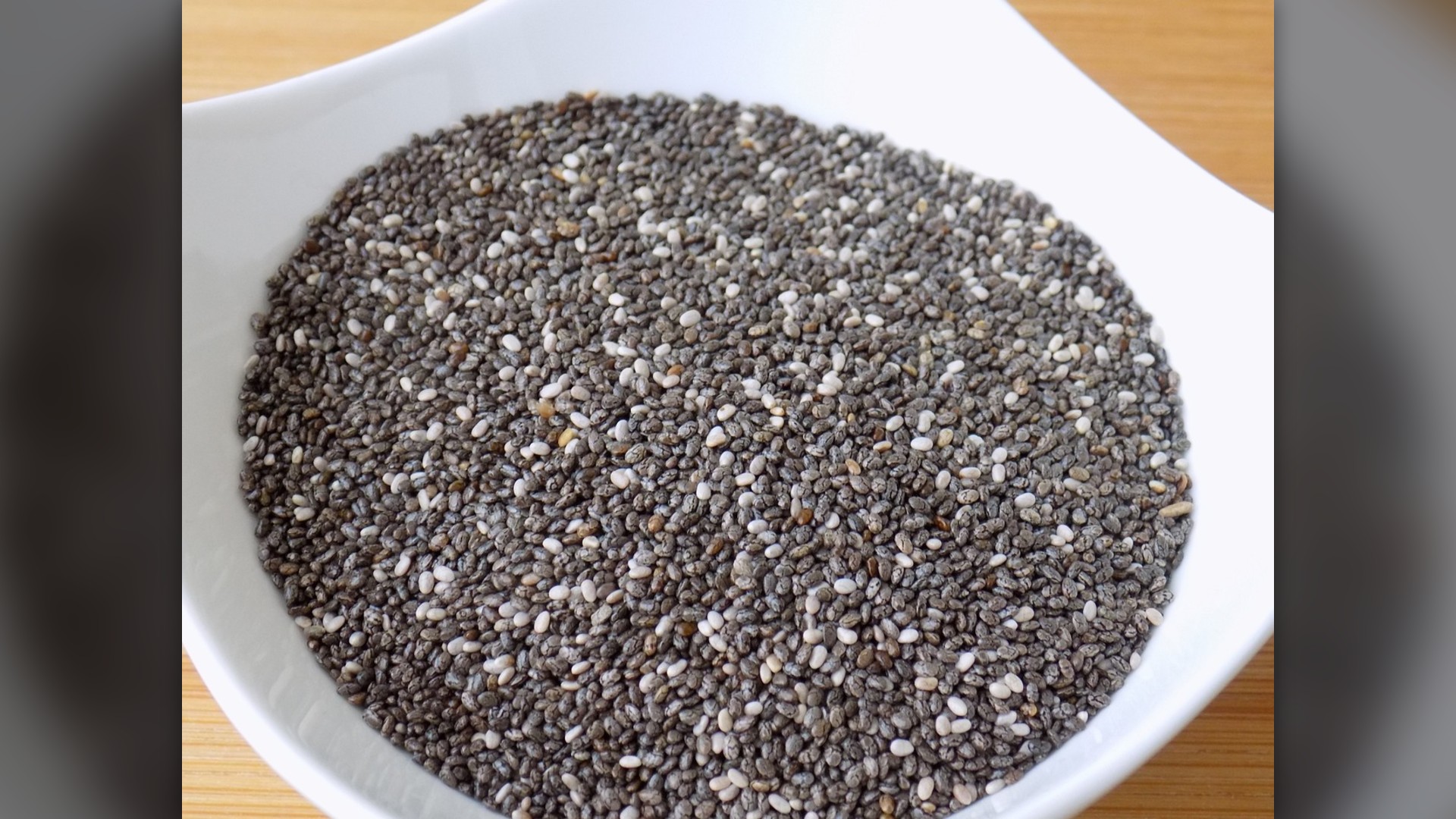
©Pixabay / BWS_Potsdam
11. Concentrated Matcha — Excess Catechins And Liver Strain
Two cups of brewed green tea are wonderfully protective, but chugging multiple concentrated matcha shakers or green tea extract pills delivers over eight hundred milligrams of epigallocatechin gallate (EGCG). The European Food Safety Authority notes excess EGCG can strain liver cells.
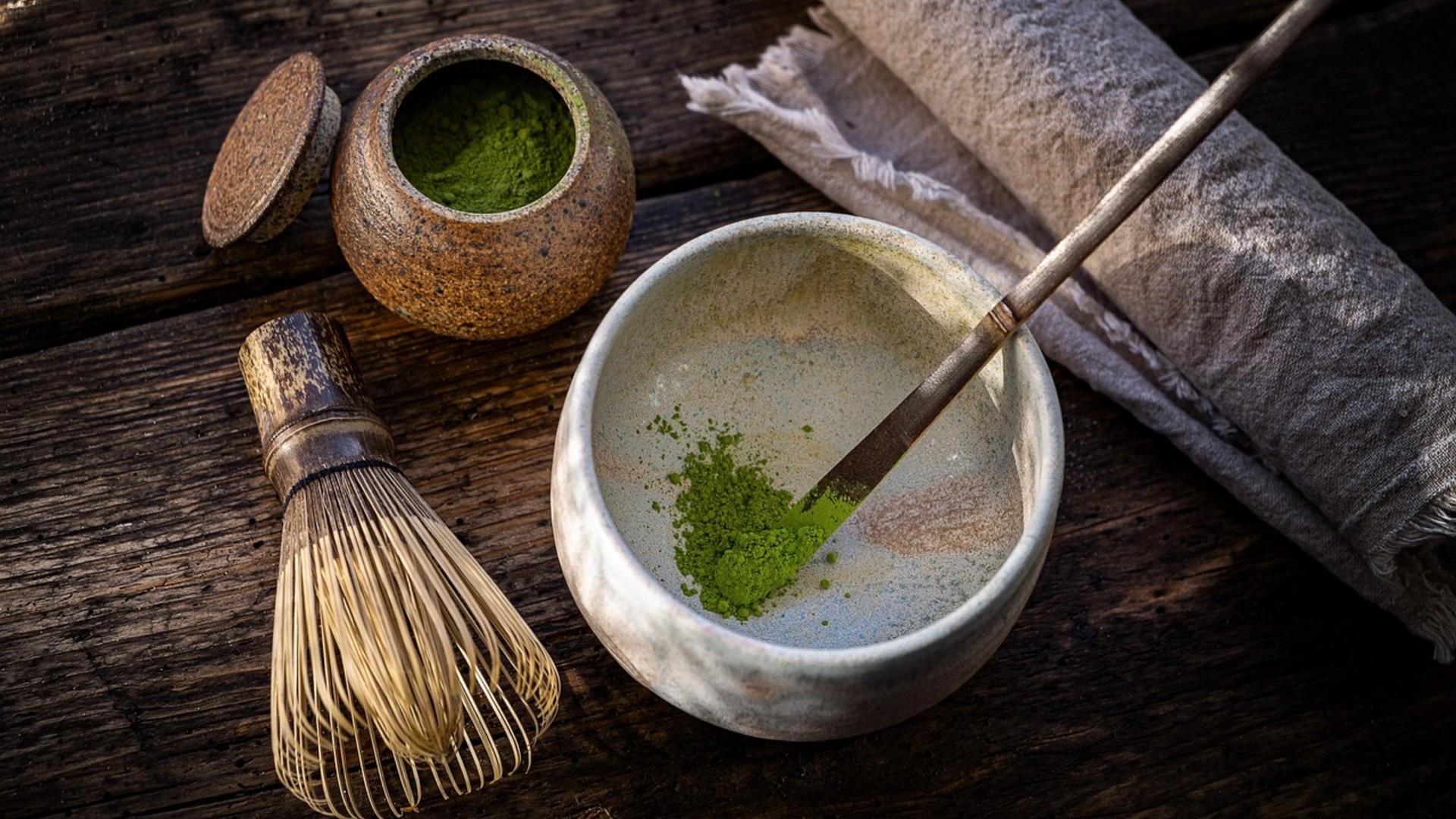
©Pixabay / mirkostoedter
10. Turmeric Root — High-Dose Curcumin Gallbladder Strain
Used in normal curry cooking, turmeric is gentle and anti-inflammatory. However, taking concentrated turmeric shots or high-dose curcumin capsules stimulates the gallbladder to contract and increases urinary oxalates, which can bother sensitive gallbladders.
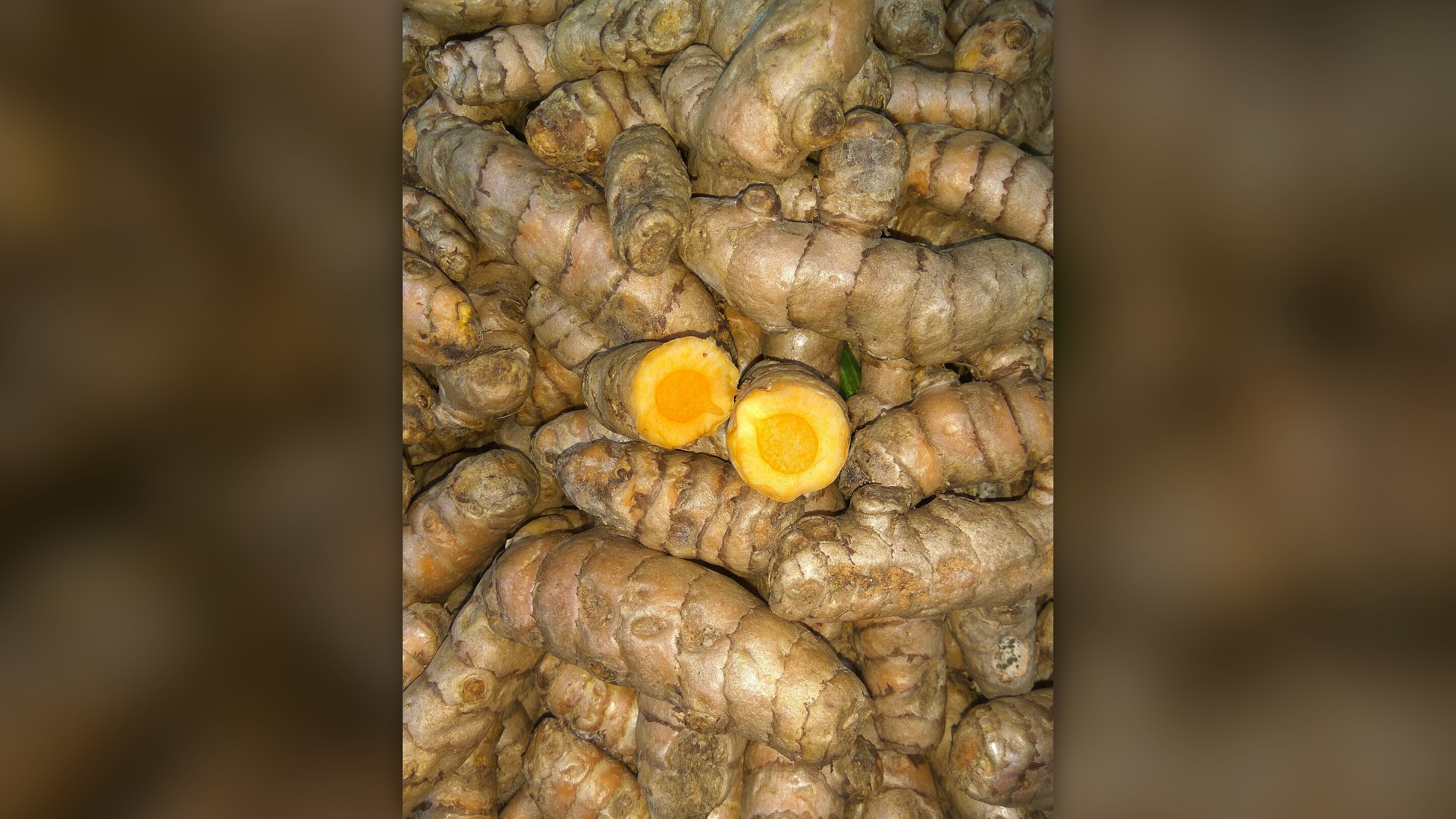
©Wikimedia / MattPicks
Advertisement
Swipe or tap ▶ to resume the countdown.
9. Brown Rice — Trace Arsenic In The Outer Bran Layer
Because rice grows in flooded fields, its roots absorb naturally occurring inorganic arsenic from soil and water, storing up to eighty percent of it in the outer bran layer kept on brown rice. Rinsing thoroughly and boiling rice in six-to-one excess water removes over half the arsenic.
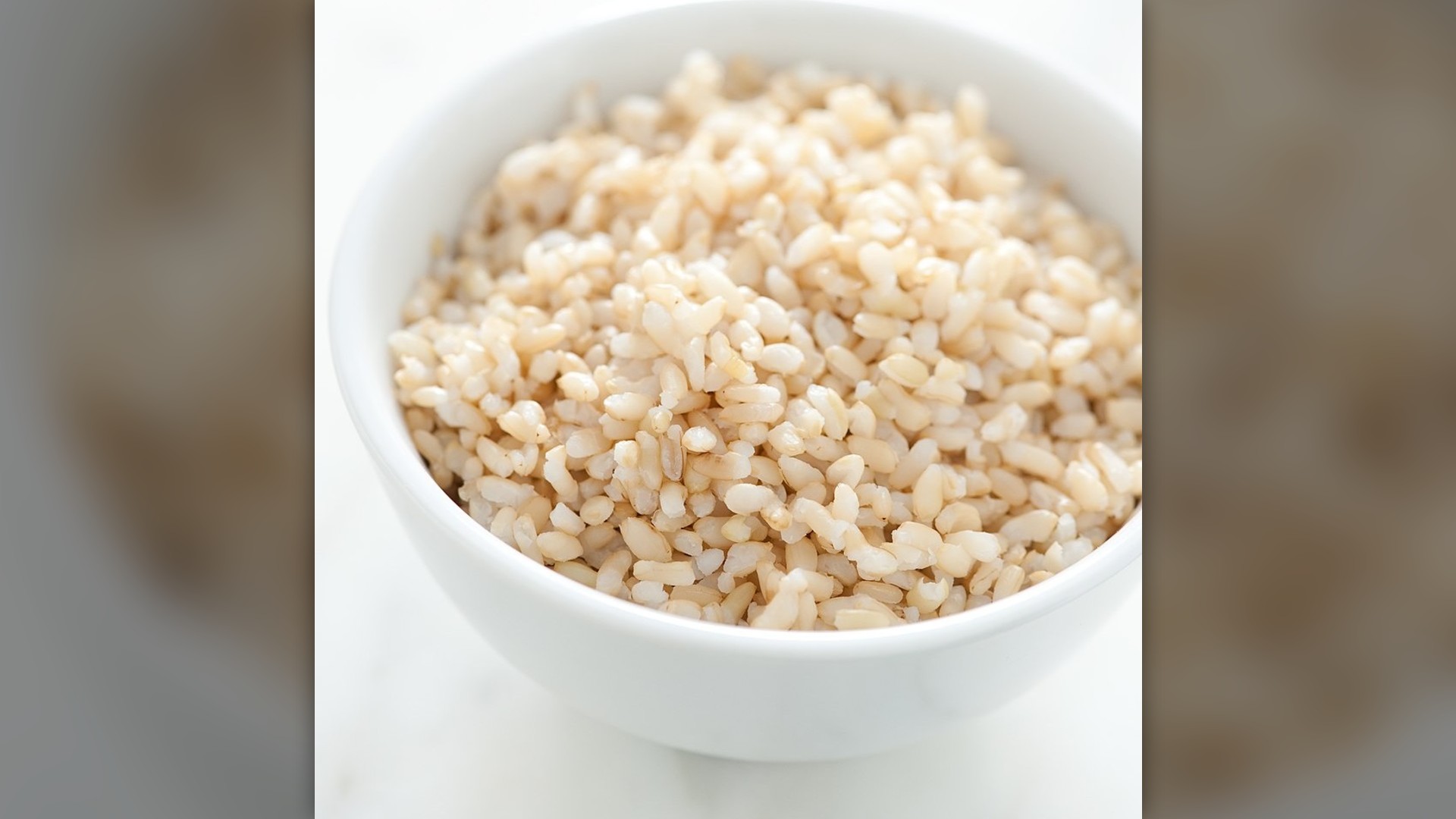
©Wikimedia / jules, stonesoup
8. Raw Spinach Smoothies — Calcium Oxalate Kidney Stones
One cup of raw spinach contains roughly six hundred fifty milligrams of oxalates. Packing multiple handfuls into a daily green smoothie causes oxalates to bind with calcium in the urinary tract, increasing kidney-stone risk—whereas steaming spinach leaches oxalates out.
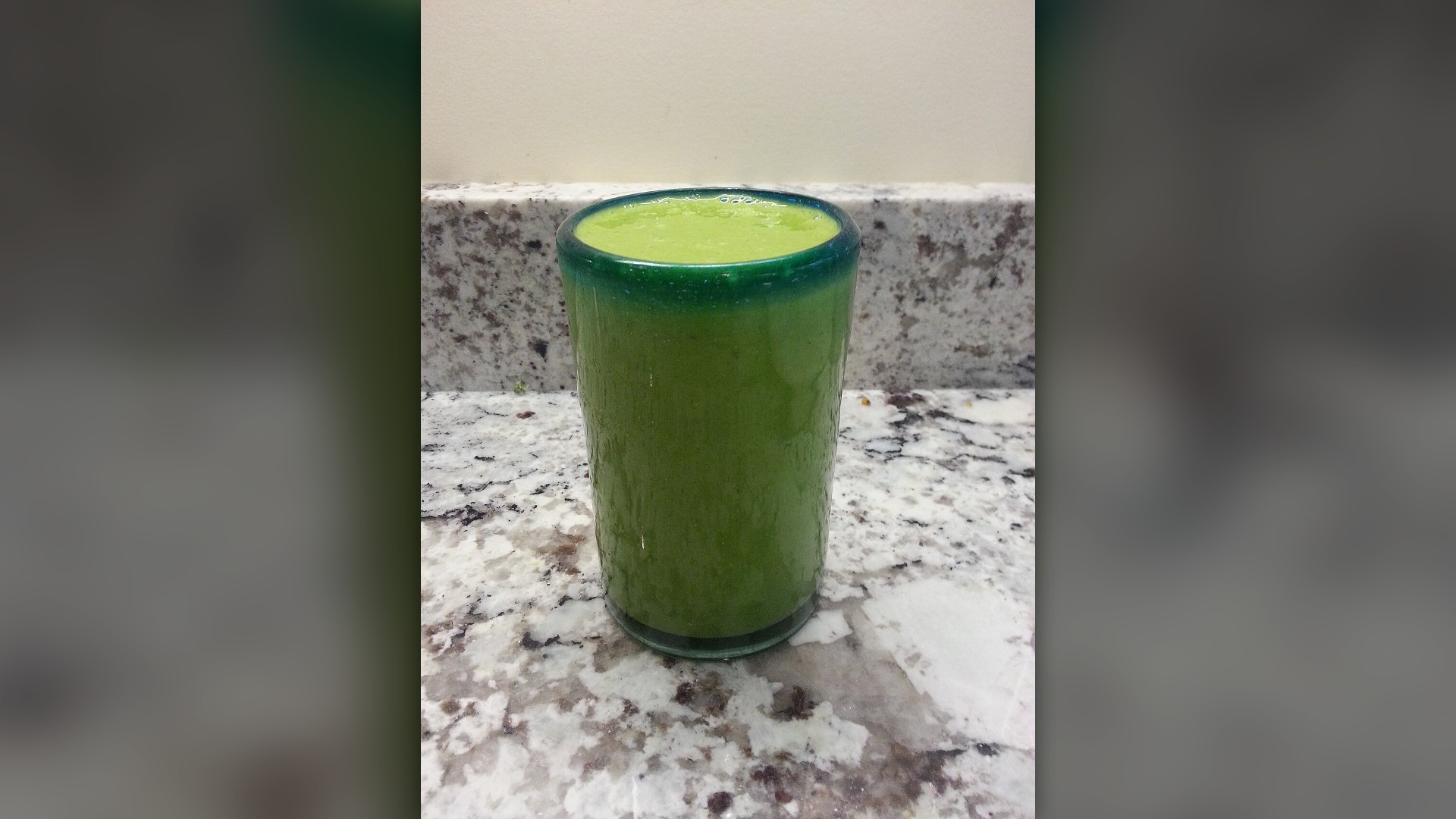
©Wikimedia / Annapowell
7. Cassia Cinnamon — High Coumarin Levels In Daily Spoons
Sprinkling cinnamon on oatmeal to help blood sugar is popular, but standard supermarket Cassia cinnamon is high in coumarin, a natural compound that can stress the liver in doses above one teaspoon daily. Heavy daily users should switch to true Sri Lankan Ceylon cinnamon.

©Wikimedia / NanaYawBotar
6. Ruby Grapefruit — Enzyme Blockade On Prescription Meds
Grapefruit contains natural compounds called furanocoumarins that deactivate the CYP3A4 enzyme in your small intestine for up to seventy-two hours. When you take certain statins, blood-pressure pills, or antihistamines with grapefruit, medication levels in your blood can spike.
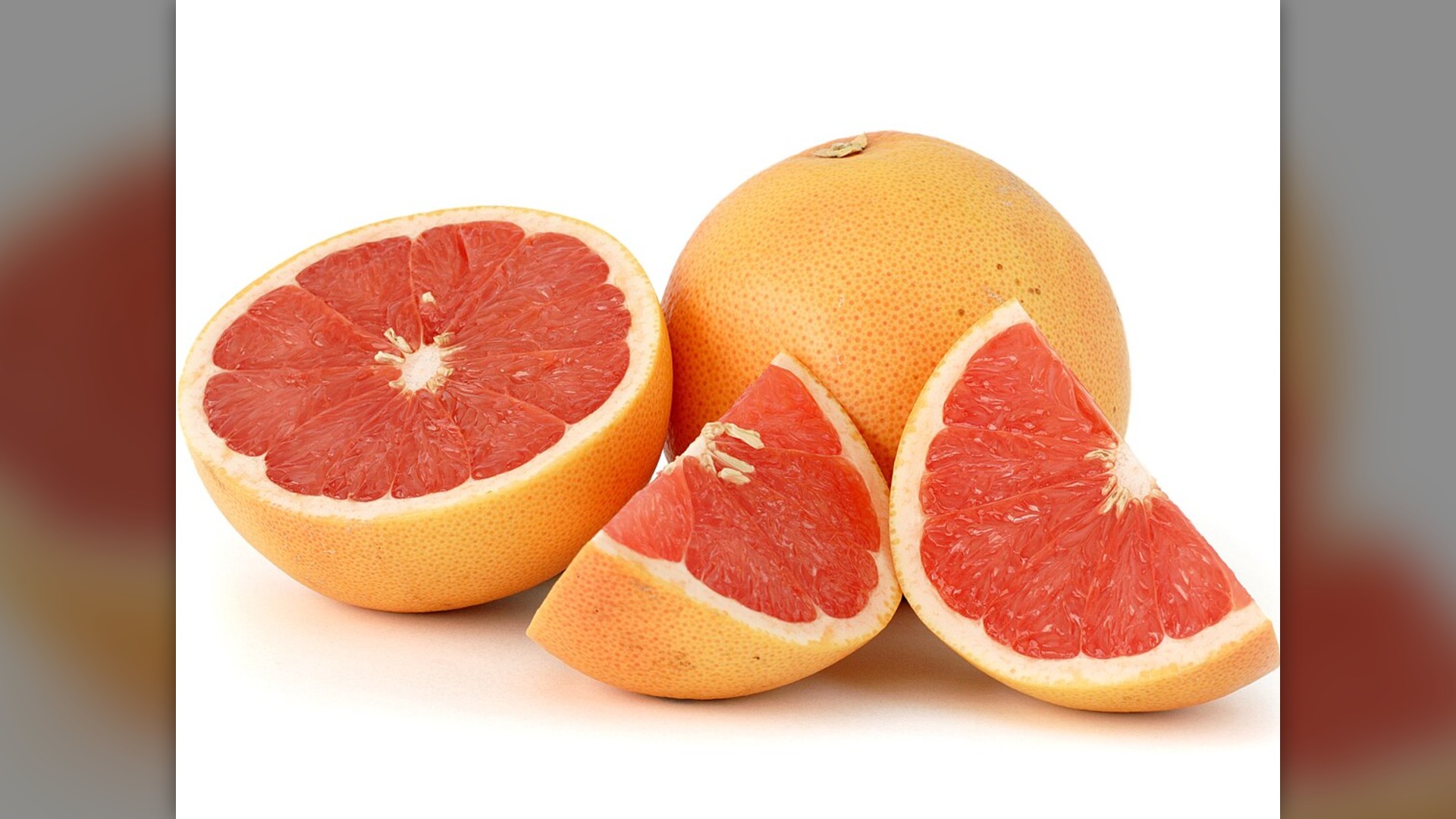
©Wikimedia / Citrus_paradisi_(Grapefruit,_pink).jpg : א
Advertisement
Swipe or tap ▶ to resume the countdown.
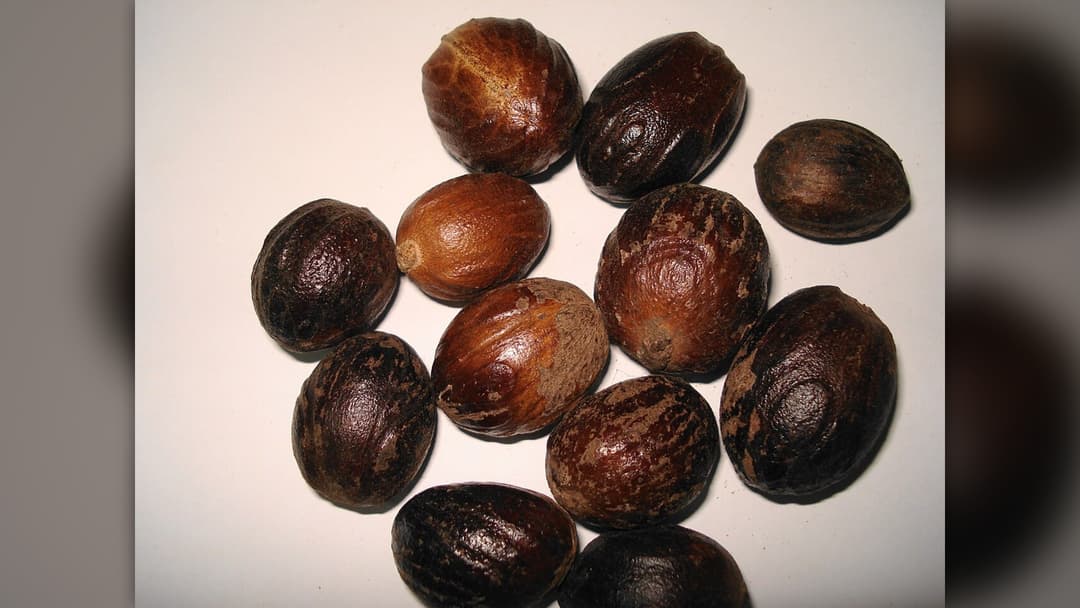
5. Whole Nutmeg — Myristicin Side Effects Above Two Spoons
A tiny grating of nutmeg warms up eggnog and bechamel sauce, but consuming more than two teaspoons of ground nutmeg delivers excess myristicin. Medical case reports show that large spoonfuls of nutmeg cause racing heart rates, severe nausea, and hours of dizziness.
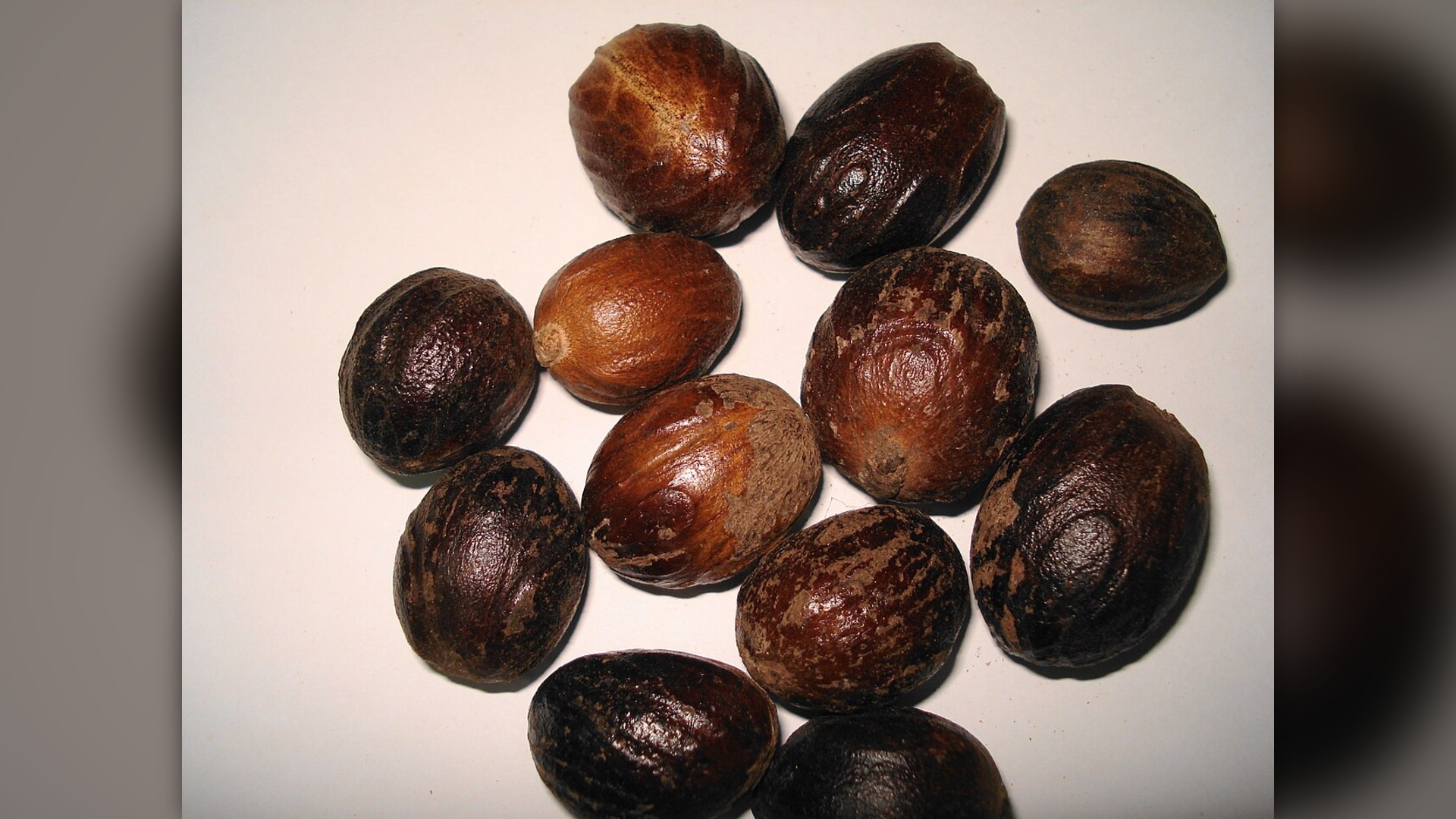
©Wikimedia / Miansari66
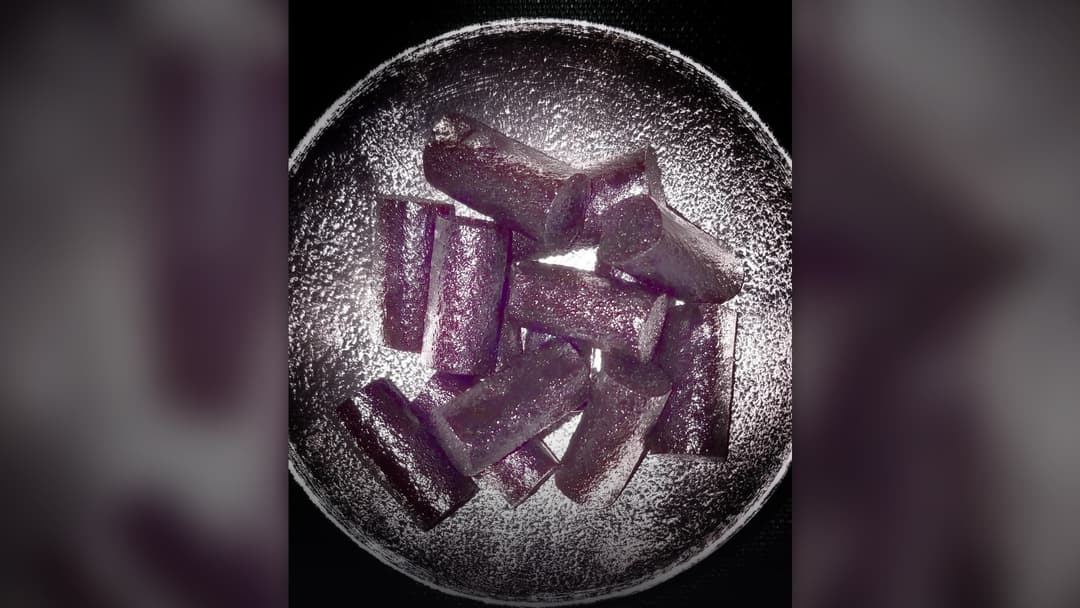
4. Black Licorice Root — Glycyrrhizin Dropping Potassium
Real black licorice and licorice-root herbal teas contain glycyrrhizic acid, which prompts the kidneys to flush out potassium while retaining sodium. The U.S. Food and Drug Administration warns that adults over forty who eat two ounces daily for two weeks risk irregular heart rhythms.
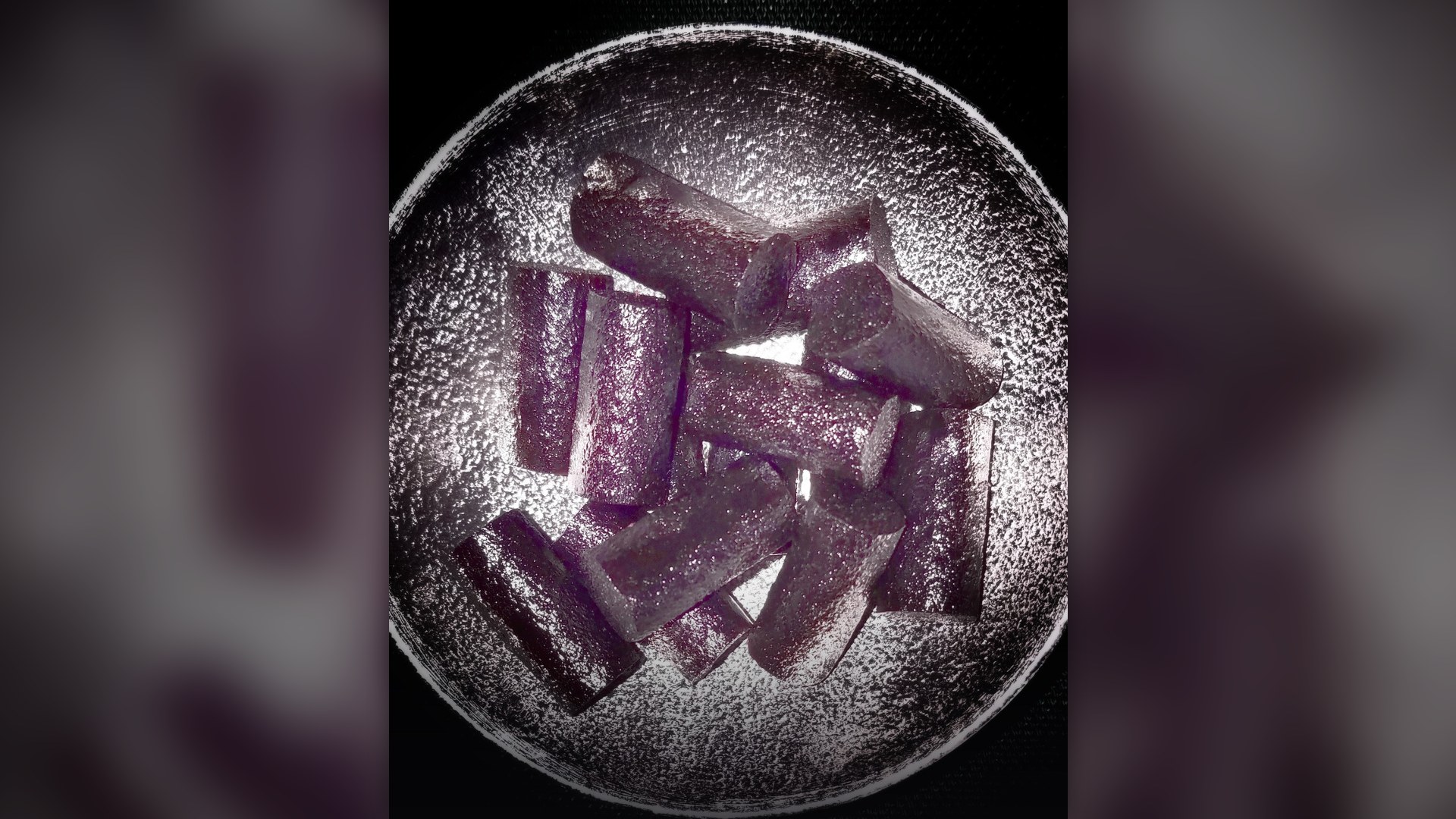
©Wikimedia / Daderot
3. Albacore Tuna — Mercury Buildup From Daily Cans
While canned tuna is a lean protein staple for gym-goers, white albacore tuna contains roughly three times more methylmercury than smaller skipjack ('chunk light') tuna. Dietitians recommend limiting albacore to a few servings per week to avoid gradual mercury buildup.

©Wikimedia / Angelo DeSantis
2. Plain Drinking Water — Rapid Sodium Dilution From Overhydration
Healthy human kidneys can excrete roughly eight hundred to one thousand milliliters of water per hour. Drinking several liters of plain water in a short window outpaces the kidneys and dilutes blood sodium levels—an electrolyte imbalance known as exercise-associated hyponatremia.

©Wikimedia / Hasan Hagi
Advertisement
Swipe or tap ▶ to resume the countdown.
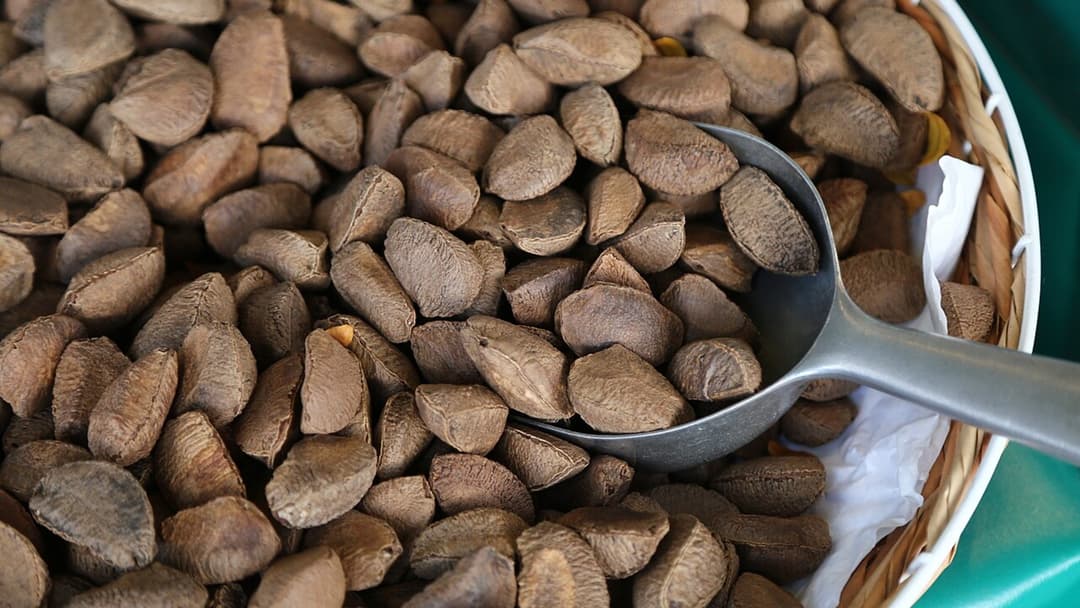
1. Brazil Nuts — Excess Selenium From Eating Six Nuts Daily
A single Brazil nut contains up to ninety-five micrograms of selenium—nearly double the fifty-five-microgram daily adult requirement. According to the National Institutes of Health, snacking on six or more Brazil nuts every day exceeds the four-hundred-microgram upper limit, causing brittle nails and hair loss.
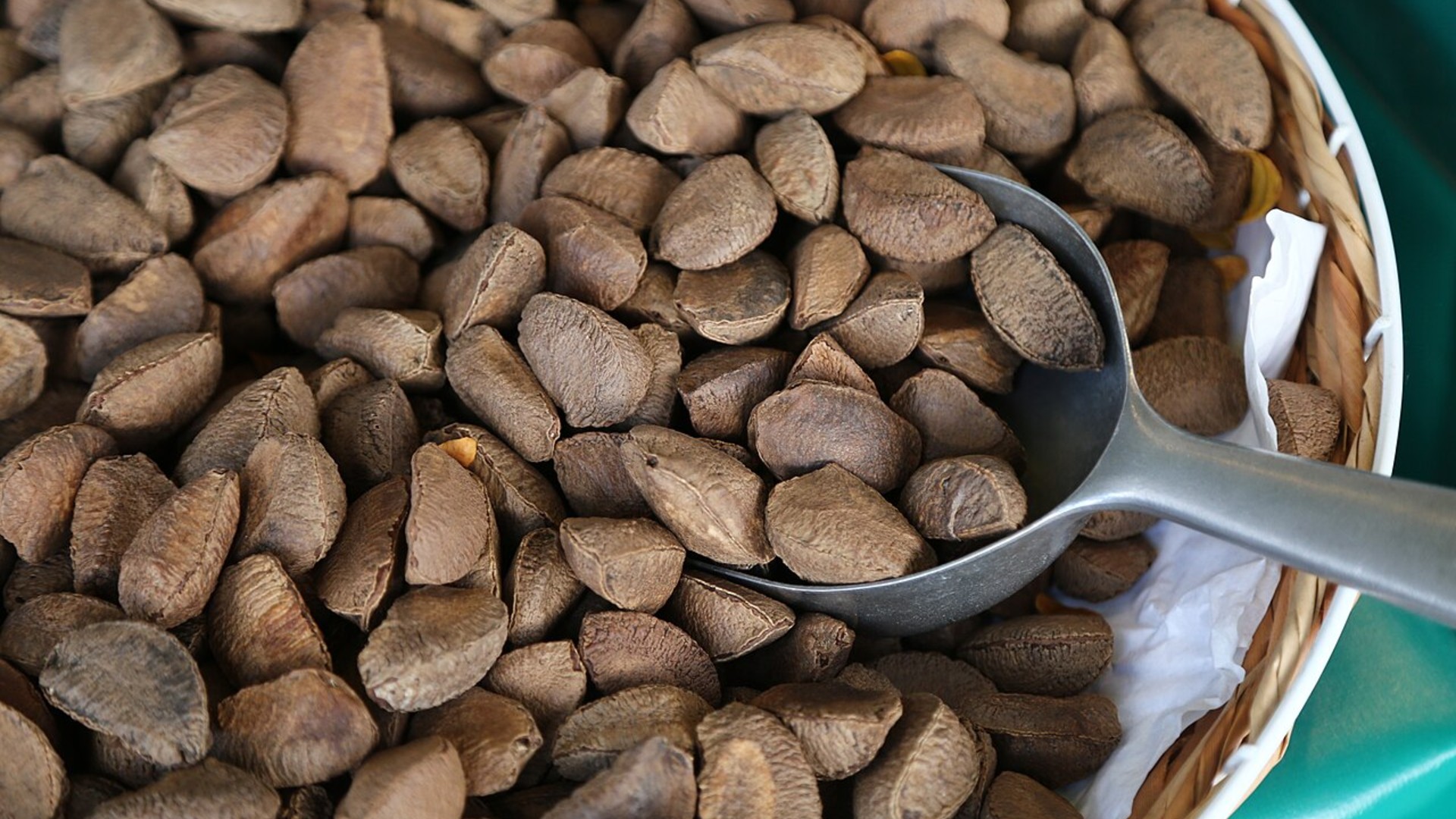
©Wikimedia / Henning Schlottmann (User:H-stt)
Advertisement
You've reached the end of the story. Thanks for reading!

20 Food Combos That Doctors Ask to Avoid
From blocking crucial mineral absorption to causing sudden blood sugar spikes and dangerous medication reactions, these everyday food pairings carry hidden health risks.
All 20 Entries in this Story
20. Rolled Oats — Phytic Acid Blocking Mineral Absorption
While warm oatmeal is a proven heart-healthy breakfast for lowering cholesterol, eating massive bowls of unsoaked raw oats every day introduces high levels of phytic acid, a natural compound that binds to iron, zinc, and calcium before your digestive tract can absorb them.

19. Avocados — Calorie Density And Sorbitol Bloating
Packed with heart-friendly monounsaturated fats, a single large avocado still carries over three hundred calories and high levels of sorbitol, a natural sugar alcohol. Eating multiple avocados daily can trigger irritable-bowel bloating and unintended weight gain.

18. Fresh Beets — Oxalate Spikes And Low Blood Pressure
Athletes drink concentrated beet juice for its blood-vessel-widening nitrates, but overdoing it can drop blood pressure too low if you already take antihypertensive medication. Beets are also among the richest sources of kidney-stone-forming oxalates.

17. Ripe Bananas — Potassium Overload On Medicated Hearts
For healthy kidneys, eating two bananas a day is harmless. However, for individuals with reduced kidney function or those taking potassium-sparing blood pressure drugs, binging on bananas can contribute to elevated blood potassium levels.

16. Raw Garlic Cloves — Blood-Thinning And Heartburn
Chewing multiple raw garlic cloves daily for immunity releases potent allicin compounds that irritate the gastric lining and slow platelet aggregation. Surgeons routinely advise patients to pause high-dose garlic weeks before operations.

15. Fresh Carrots — Beta-Carotene Turning Skin Orange
Juicing or snacking on several large carrots every day floods the bloodstream with beta-carotene faster than the liver can convert it into Vitamin A. The excess pigment accumulates in the palms, soles, and nose, causing a harmless orange tint called carotenemia.

14. Raw Broccoli And Kale — Goitrogens Slowing Thyroid Iodine
Steamed broccoli and kale are nutritional goldmines, but blending massive quantities of raw cruciferous greens into daily smoothies releases thiocyanates. In people with borderline iodine deficiency, these goitrogenic compounds can slow thyroid hormone synthesis.

13. Dark Chocolate — Trace Cadmium And Caffeine Jitters
Dark chocolate above seventy percent cacao is rich in flavanols, yet laboratory testing by Consumer Reports found that many bars contain measurable cadmium and lead absorbed from soil and drying dust. Limiting portions to one ounce daily keeps exposure minimal.

12. Dry Chia Seeds — Rapid Gel Expansion In The Throat
Avoid swallowing a spoonful of dry chia seeds chased with water. Because chia seeds absorb up to twenty-seven times their weight in moisture to form a thick hydrogel, gastroenterologists recommend soaking them first so they do not swell in the throat.

11. Concentrated Matcha — Excess Catechins And Liver Strain
Two cups of brewed green tea are wonderfully protective, but chugging multiple concentrated matcha shakers or green tea extract pills delivers over eight hundred milligrams of epigallocatechin gallate (EGCG). The European Food Safety Authority notes excess EGCG can strain liver cells.

10. Turmeric Root — High-Dose Curcumin Gallbladder Strain
Used in normal curry cooking, turmeric is gentle and anti-inflammatory. However, taking concentrated turmeric shots or high-dose curcumin capsules stimulates the gallbladder to contract and increases urinary oxalates, which can bother sensitive gallbladders.

9. Brown Rice — Trace Arsenic In The Outer Bran Layer
Because rice grows in flooded fields, its roots absorb naturally occurring inorganic arsenic from soil and water, storing up to eighty percent of it in the outer bran layer kept on brown rice. Rinsing thoroughly and boiling rice in six-to-one excess water removes over half the arsenic.

8. Raw Spinach Smoothies — Calcium Oxalate Kidney Stones
One cup of raw spinach contains roughly six hundred fifty milligrams of oxalates. Packing multiple handfuls into a daily green smoothie causes oxalates to bind with calcium in the urinary tract, increasing kidney-stone risk—whereas steaming spinach leaches oxalates out.

7. Cassia Cinnamon — High Coumarin Levels In Daily Spoons
Sprinkling cinnamon on oatmeal to help blood sugar is popular, but standard supermarket Cassia cinnamon is high in coumarin, a natural compound that can stress the liver in doses above one teaspoon daily. Heavy daily users should switch to true Sri Lankan Ceylon cinnamon.

6. Ruby Grapefruit — Enzyme Blockade On Prescription Meds
Grapefruit contains natural compounds called furanocoumarins that deactivate the CYP3A4 enzyme in your small intestine for up to seventy-two hours. When you take certain statins, blood-pressure pills, or antihistamines with grapefruit, medication levels in your blood can spike.

5. Whole Nutmeg — Myristicin Side Effects Above Two Spoons
A tiny grating of nutmeg warms up eggnog and bechamel sauce, but consuming more than two teaspoons of ground nutmeg delivers excess myristicin. Medical case reports show that large spoonfuls of nutmeg cause racing heart rates, severe nausea, and hours of dizziness.

4. Black Licorice Root — Glycyrrhizin Dropping Potassium
Real black licorice and licorice-root herbal teas contain glycyrrhizic acid, which prompts the kidneys to flush out potassium while retaining sodium. The U.S. Food and Drug Administration warns that adults over forty who eat two ounces daily for two weeks risk irregular heart rhythms.

3. Albacore Tuna — Mercury Buildup From Daily Cans
While canned tuna is a lean protein staple for gym-goers, white albacore tuna contains roughly three times more methylmercury than smaller skipjack ('chunk light') tuna. Dietitians recommend limiting albacore to a few servings per week to avoid gradual mercury buildup.

2. Plain Drinking Water — Rapid Sodium Dilution From Overhydration
Healthy human kidneys can excrete roughly eight hundred to one thousand milliliters of water per hour. Drinking several liters of plain water in a short window outpaces the kidneys and dilutes blood sodium levels—an electrolyte imbalance known as exercise-associated hyponatremia.

1. Brazil Nuts — Excess Selenium From Eating Six Nuts Daily
A single Brazil nut contains up to ninety-five micrograms of selenium—nearly double the fifty-five-microgram daily adult requirement. According to the National Institutes of Health, snacking on six or more Brazil nuts every day exceeds the four-hundred-microgram upper limit, causing brittle nails and hair loss.