Slideshow · Health
20 Food Combos That Doctors Ask to Avoid
From blocking crucial mineral absorption to causing sudden blood sugar spikes and dangerous medication reactions, these everyday food pairings carry hidden health risks.
By Most Viral Today
33 min ago

20 Food Combos That Doctors Ask to Avoid 
20. Aged Cheeses And MAOI Antidepressants 
19. Leafy Greens And Warfarin 
18. Bananas And ACE Inhibitors - AdvertisementSwipe or tap ▶ to continue countdown

17. Alcohol And Paracetamol 
16. Dairy And Antibiotics 
15. Grapefruit And Statins 
14. Processed Meats And Eggs - AdvertisementSwipe or tap ▶ to continue countdown

13. Cereal And Orange Juice 
12. Grilled Cheese And Tomato Soup 
11. Burgers, Fries And Soda 
10. Alcohol And Sugary Desserts - AdvertisementSwipe or tap ▶ to continue countdown

9. Alcohol And Caffeine 
8. White Bread And Jam 
7. Pizza And Fizzy Drinks 
6. Dairy And Red Meat - AdvertisementSwipe or tap ▶ to continue countdown

5. Salad And Fat-Free Dressing 
4. Brown Rice And Red Meat 
3. Spinach And Cheese 
2. Dark Chocolate And Milk - AdvertisementSwipe or tap ▶ to continue countdown

1. Coffee And Iron-Rich Foods - Advertisement🔥 UP NEXT IN THIS SERIES◫ 21 Slides

20 Ways To Protect Your Newborn From Vitamin K Deficiency
From blocking crucial mineral absorption to causing sudden blood sugar spikes and dangerous medication reactions, these everyday food pairings carry hidden health risks.
Swipe or tap ▶ to begin the countdown
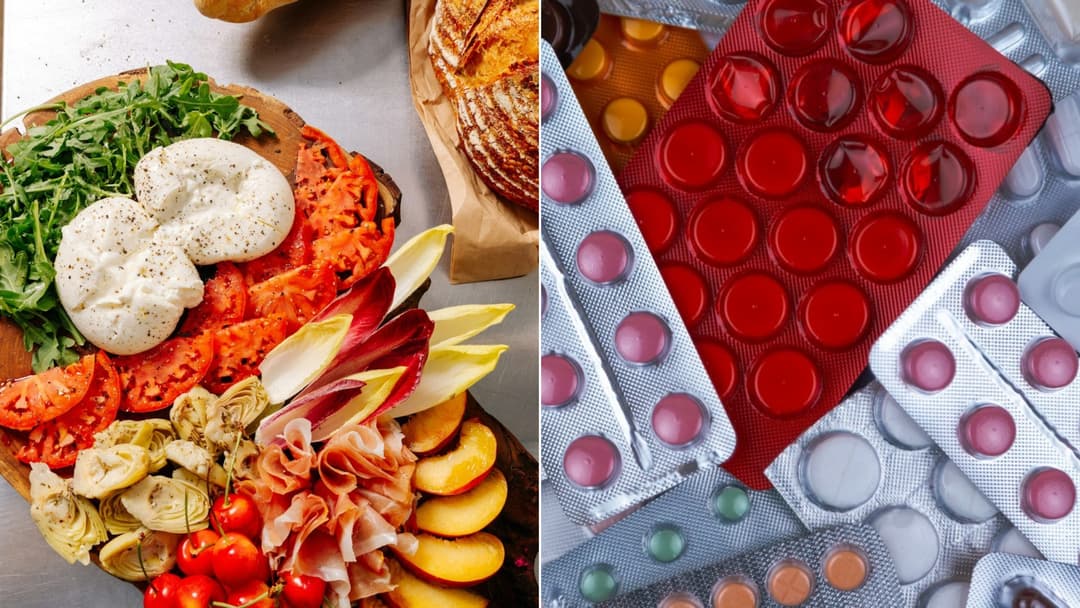
©Unsplash / Nathan Dumlao & Eiliv Aceron
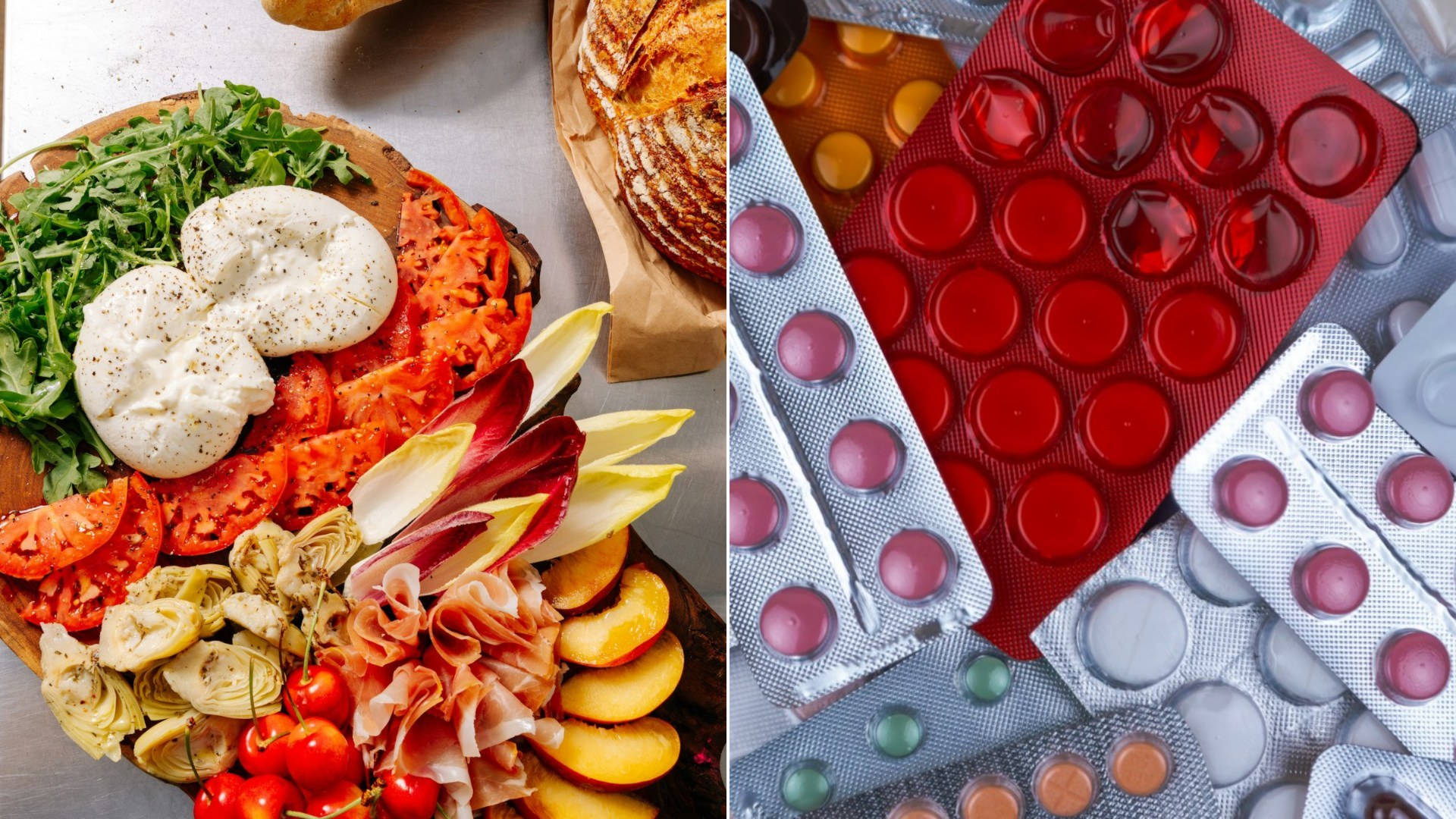
20. Aged Cheeses And MAOI Antidepressants
Aged cheeses, salami, and cured charcuterie contain high levels of tyramine. In patients taking monoamine oxidase inhibitors (MAOIs), the enzyme that breaks down tyramine is blocked. Unchecked tyramine floods circulation, triggering severe, potentially fatal hypertensive emergencies.
©Unsplash / Victoria Shes & Mykolas Sukackas
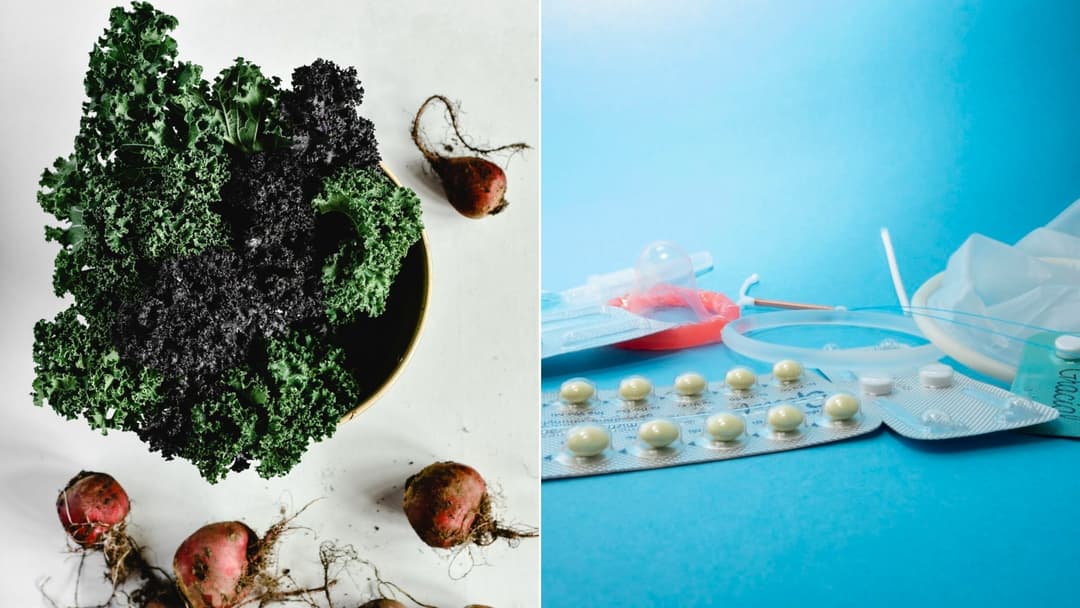
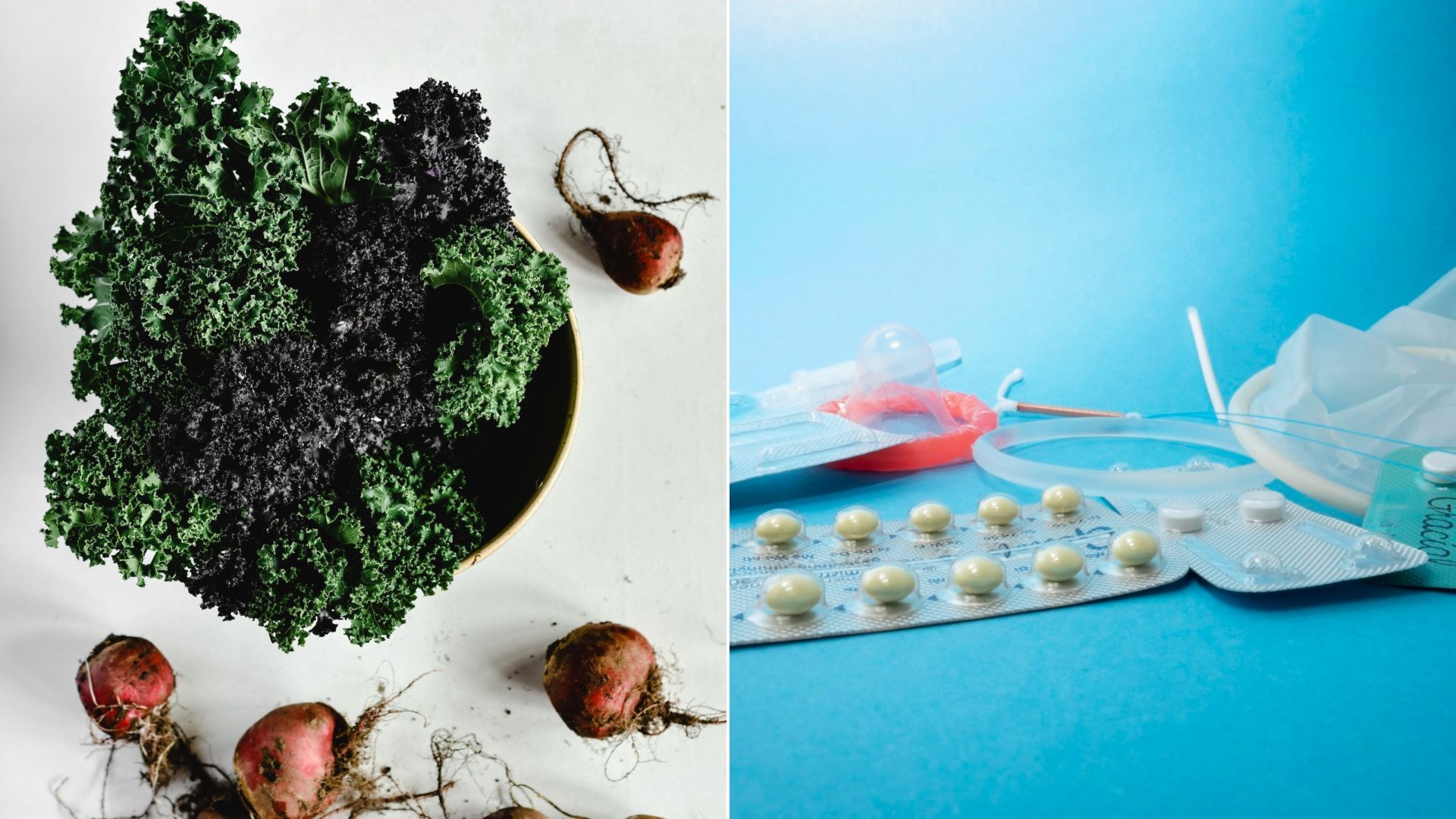
19. Leafy Greens And Warfarin
Patients taking the anticoagulant warfarin must carefully regulate their intake of dark leafy greens like kale and spinach. These greens are rich in vitamin K, which directly counteracts warfarin's mechanism of action, dramatically increasing the danger of blood clots and stroke.
©Pexels / Roman Odintsov
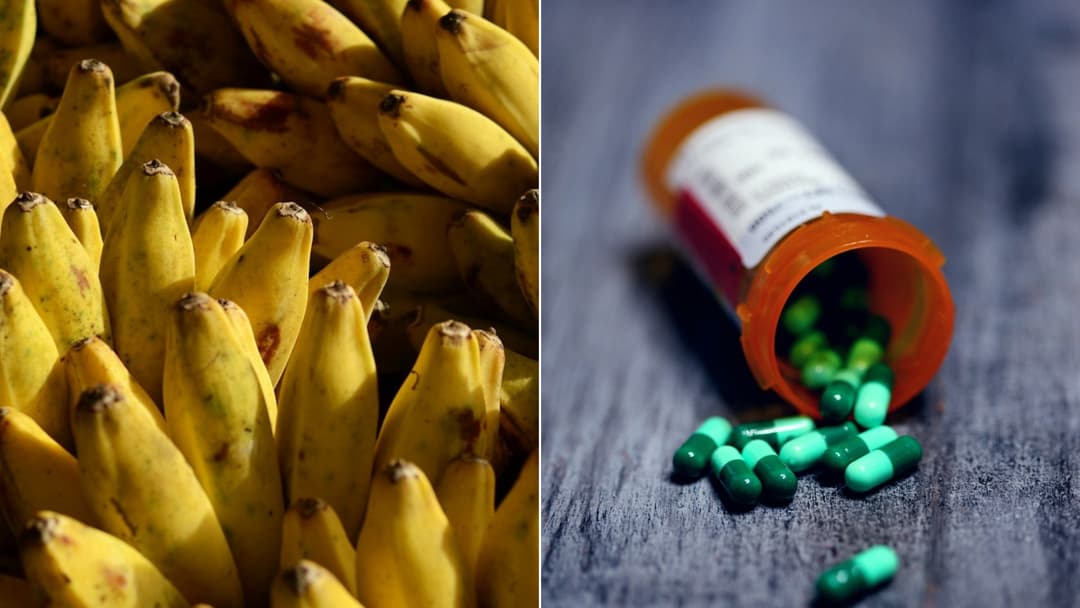
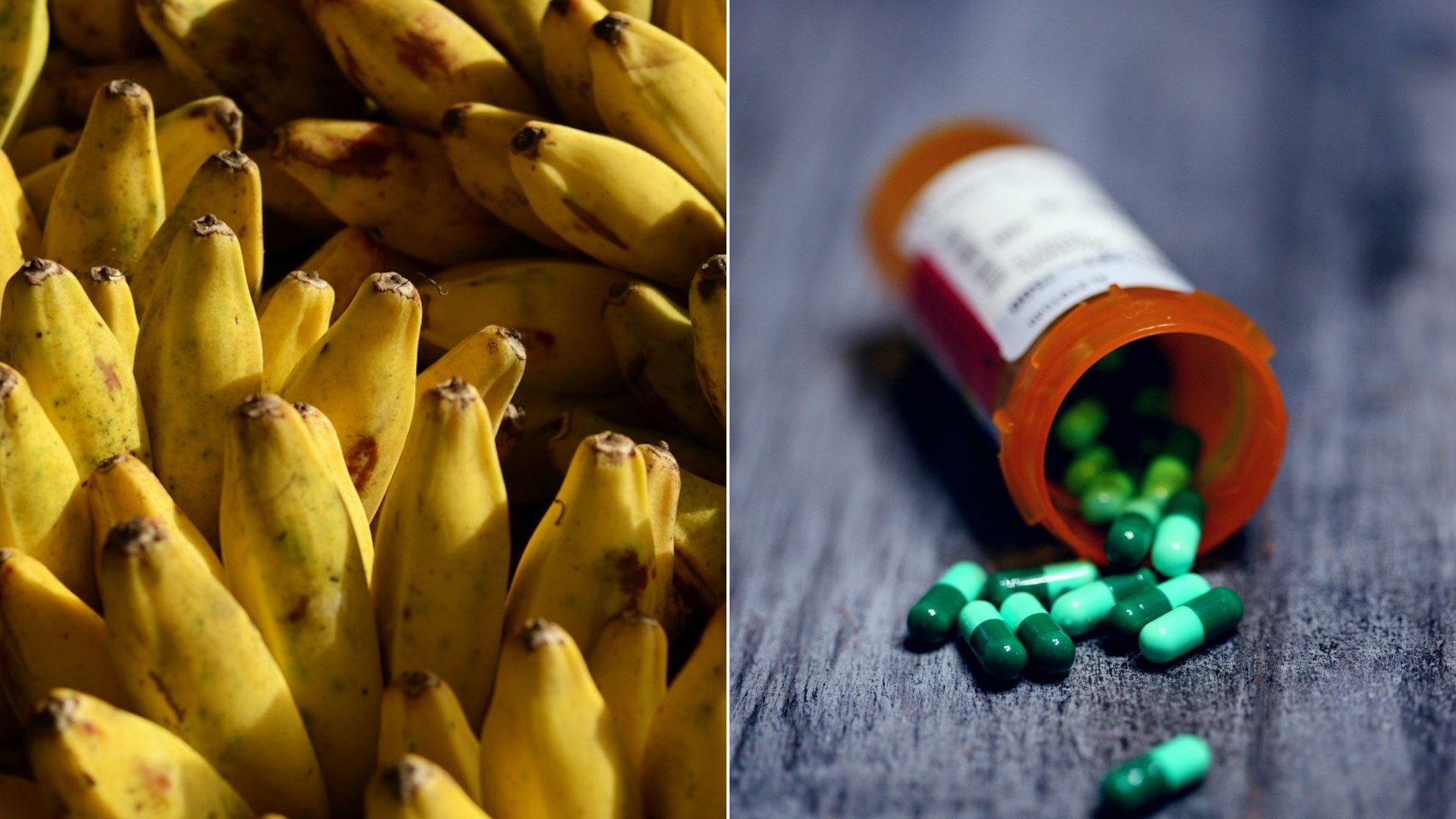
18. Bananas And ACE Inhibitors
ACE inhibitors and angiotensin receptor blockers prescribed for hypertension cause the kidneys to retain potassium. Eating high-potassium foods like bananas in excessive quantities alongside these drugs can drive blood potassium levels dangerously high, causing muscle weakness and cardiac arrhythmias.
©Unsplash / Rodrigo dos Reis & Danilo Alvesd
Advertisement
Swipe or tap ▶ to resume the countdown.
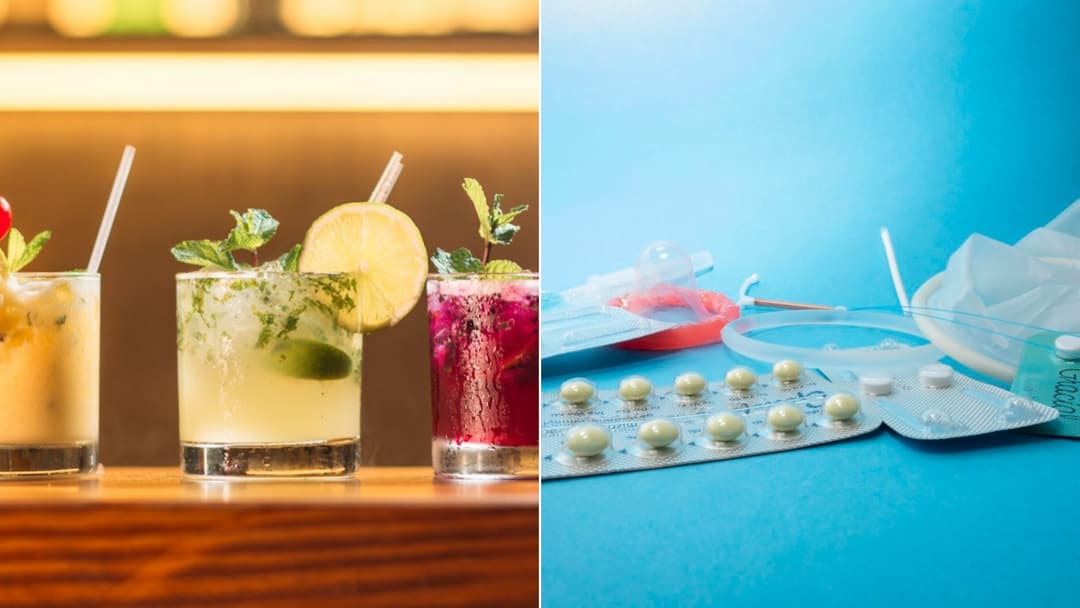
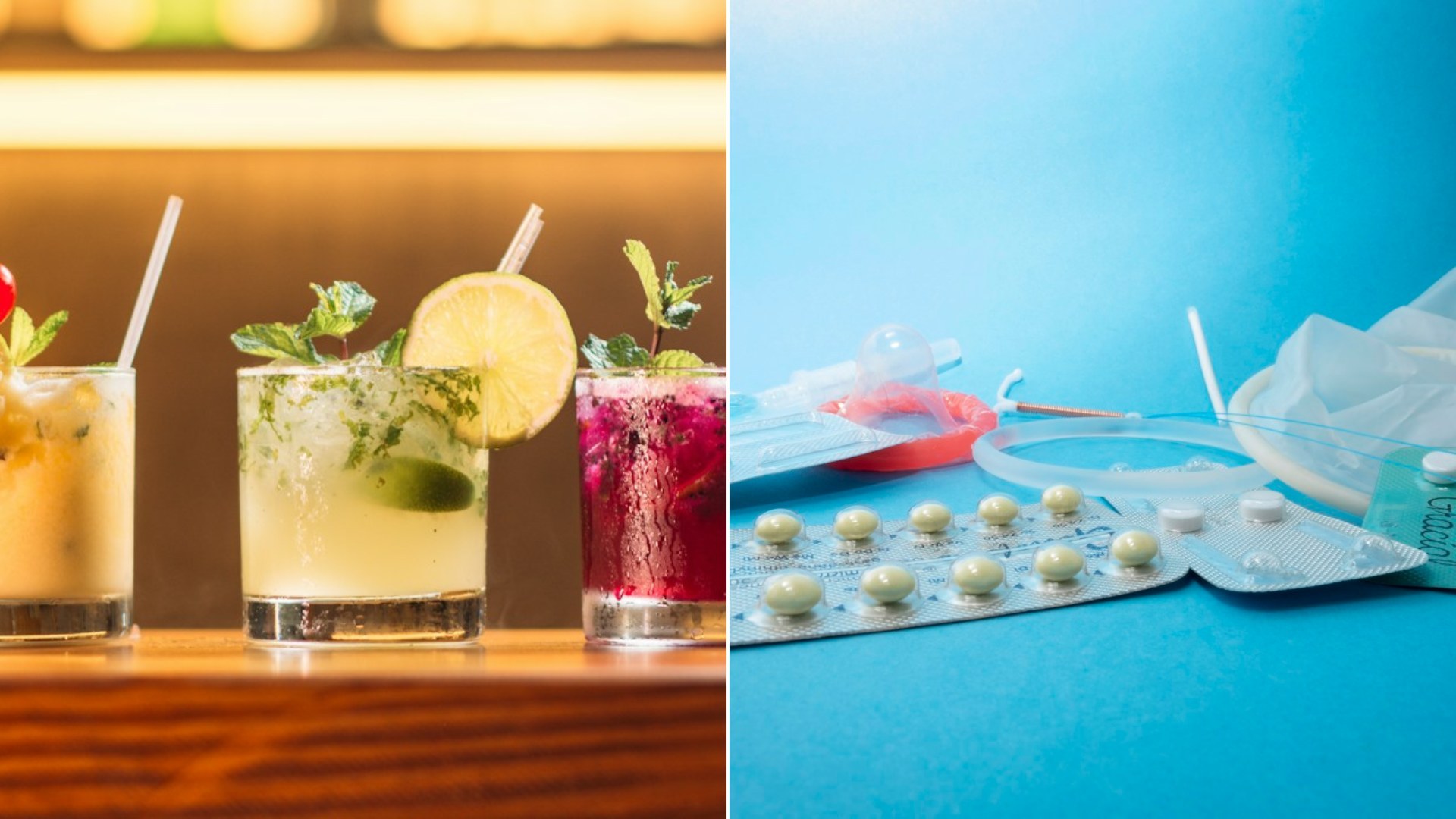
17. Alcohol And Paracetamol
Taking paracetamol or acetaminophen while drinking alcohol, or using it as a hangover remedy the morning after, puts immense toxic strain on liver cells. Both compounds compete for glutathione detoxification pathways, causing dangerous toxic metabolites like NAPQI to damage liver tissue.
©Unsplash / Kobby Mendez & Volodymyr Hryshchenko
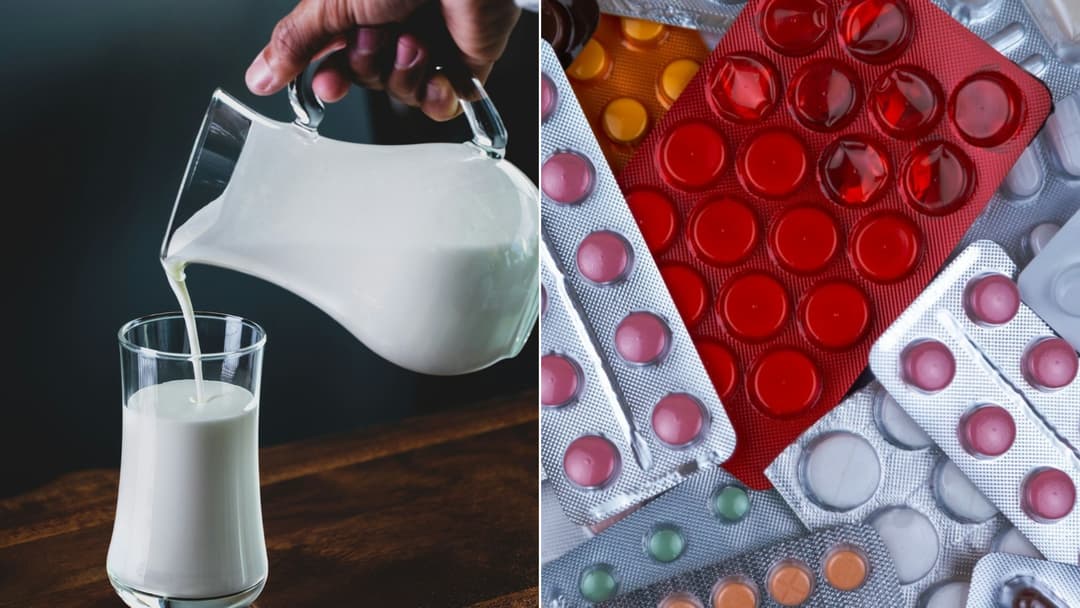
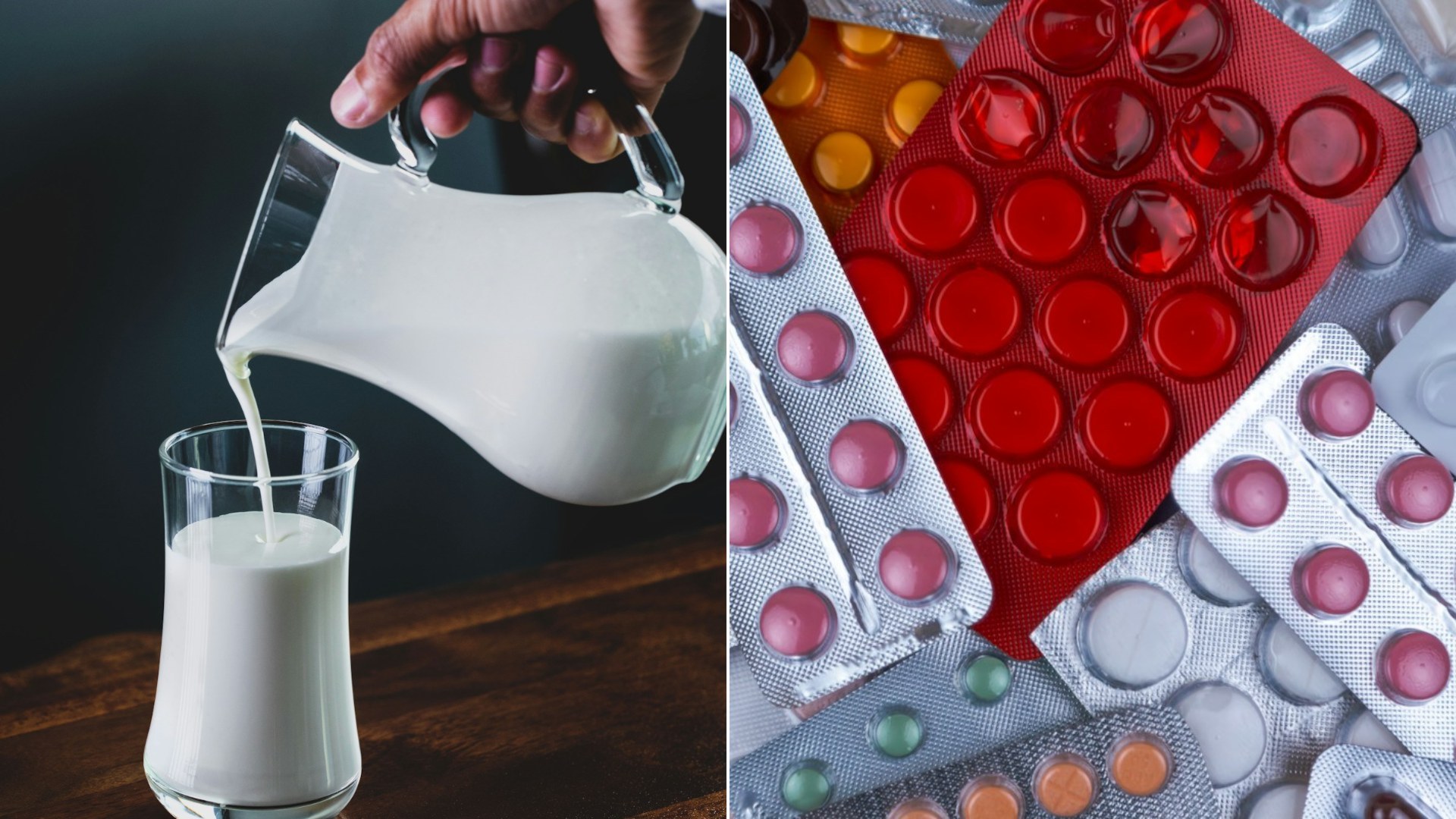
16. Dairy And Antibiotics
Drinking milk, eating yogurt, or having cheese close to taking certain antibiotics, including tetracyclines and fluoroquinolones, halts their infection-fighting power. Calcium ions bind to drug molecules, forming insoluble chelates that pass right through the gut without being absorbed.
©Unsplash / Eiliv Aceron & Mykolas Sukackas
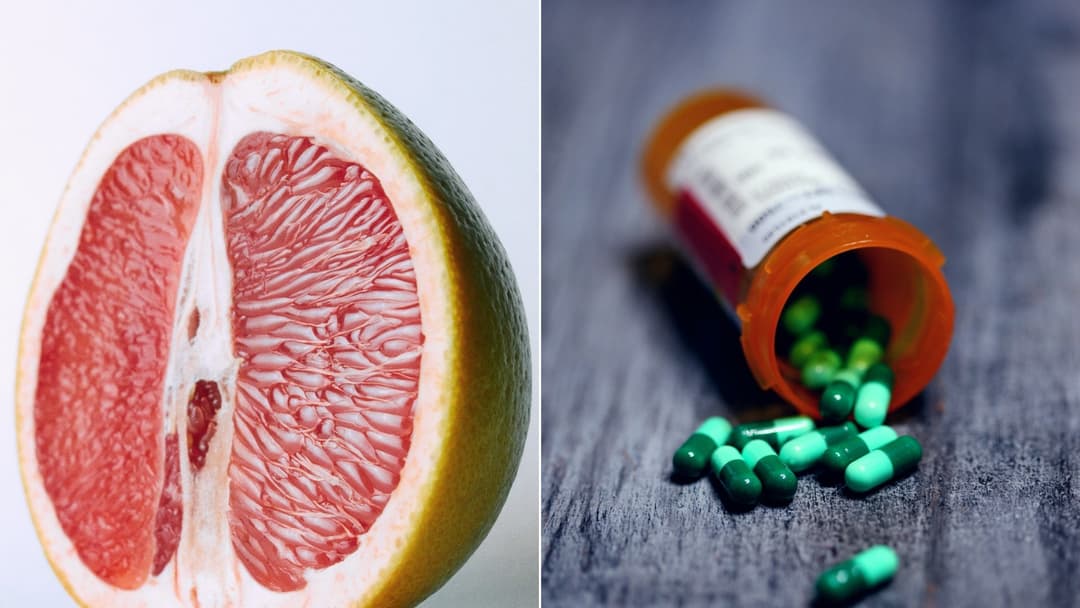
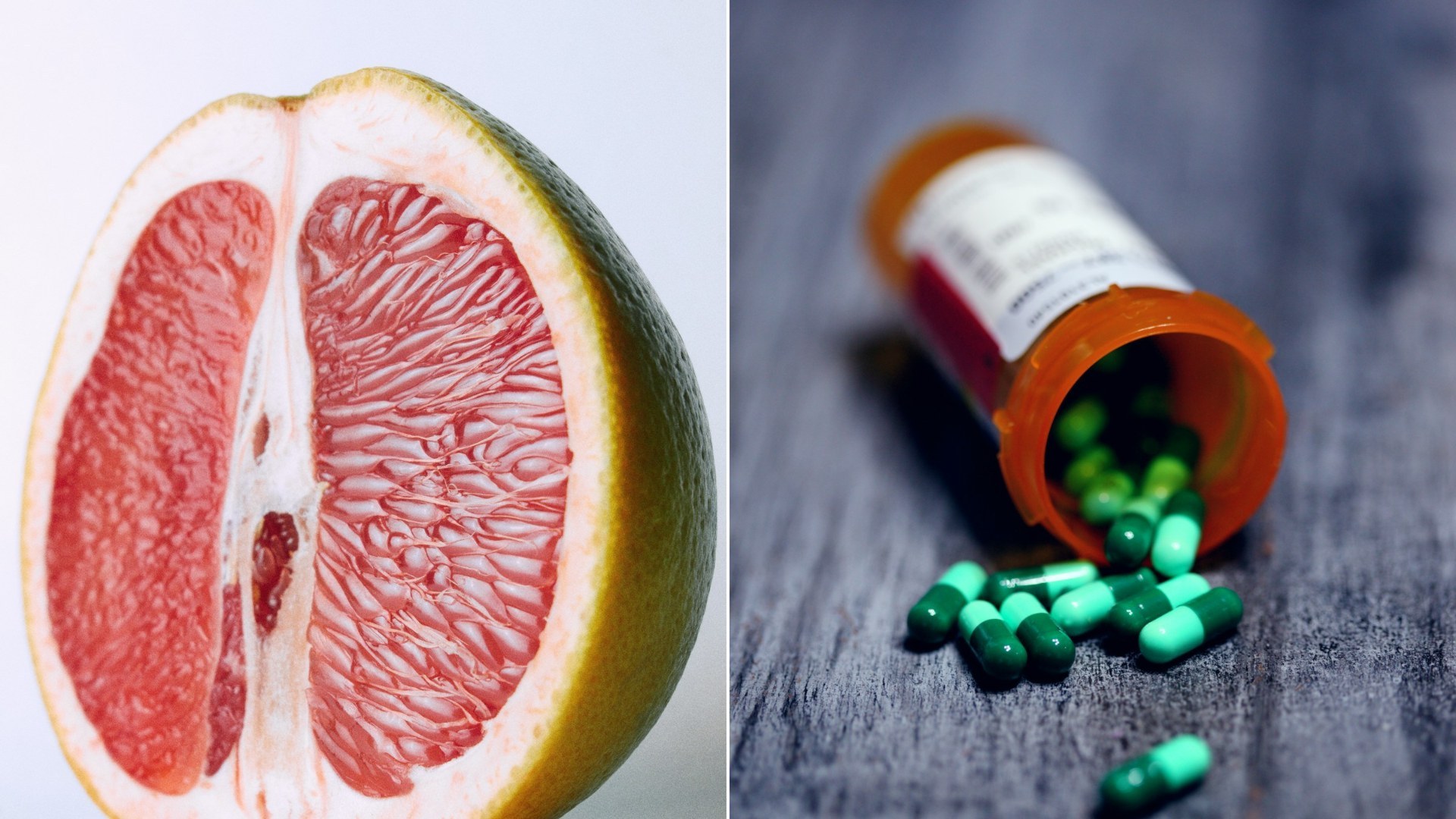
15. Grapefruit And Statins
Eating fresh grapefruit or drinking its juice while taking statins or calcium-channel blockers is medically dangerous. Furanocoumarins in grapefruit block CYP3A4 enzymes in the liver, preventing medication breakdown and causing drug concentrations to skyrocket to toxic levels in the blood.
©Unsplash / Julia Caesar & Danilo Alvesd
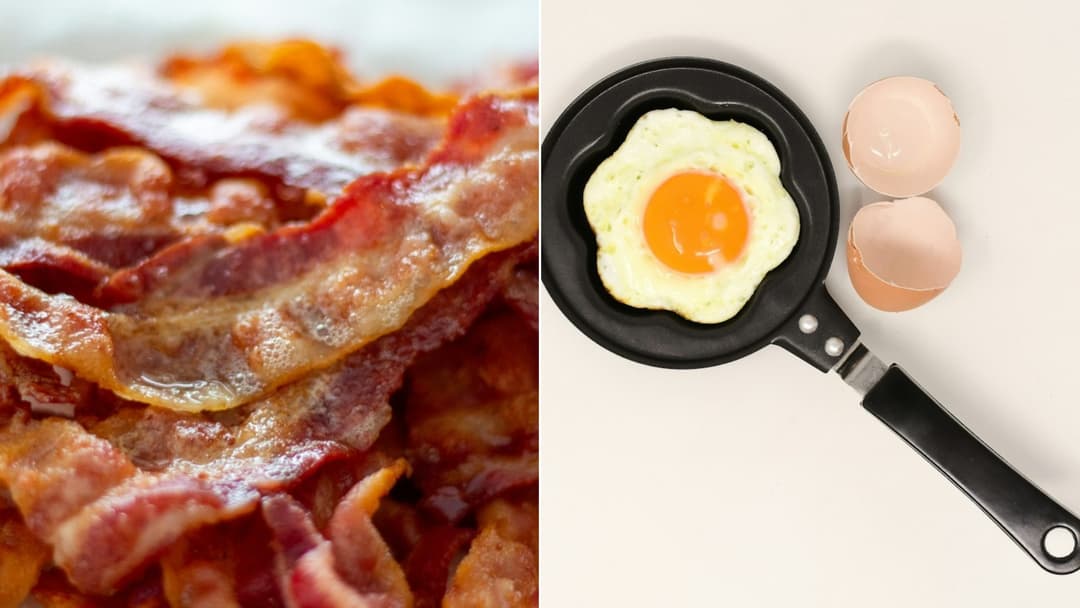
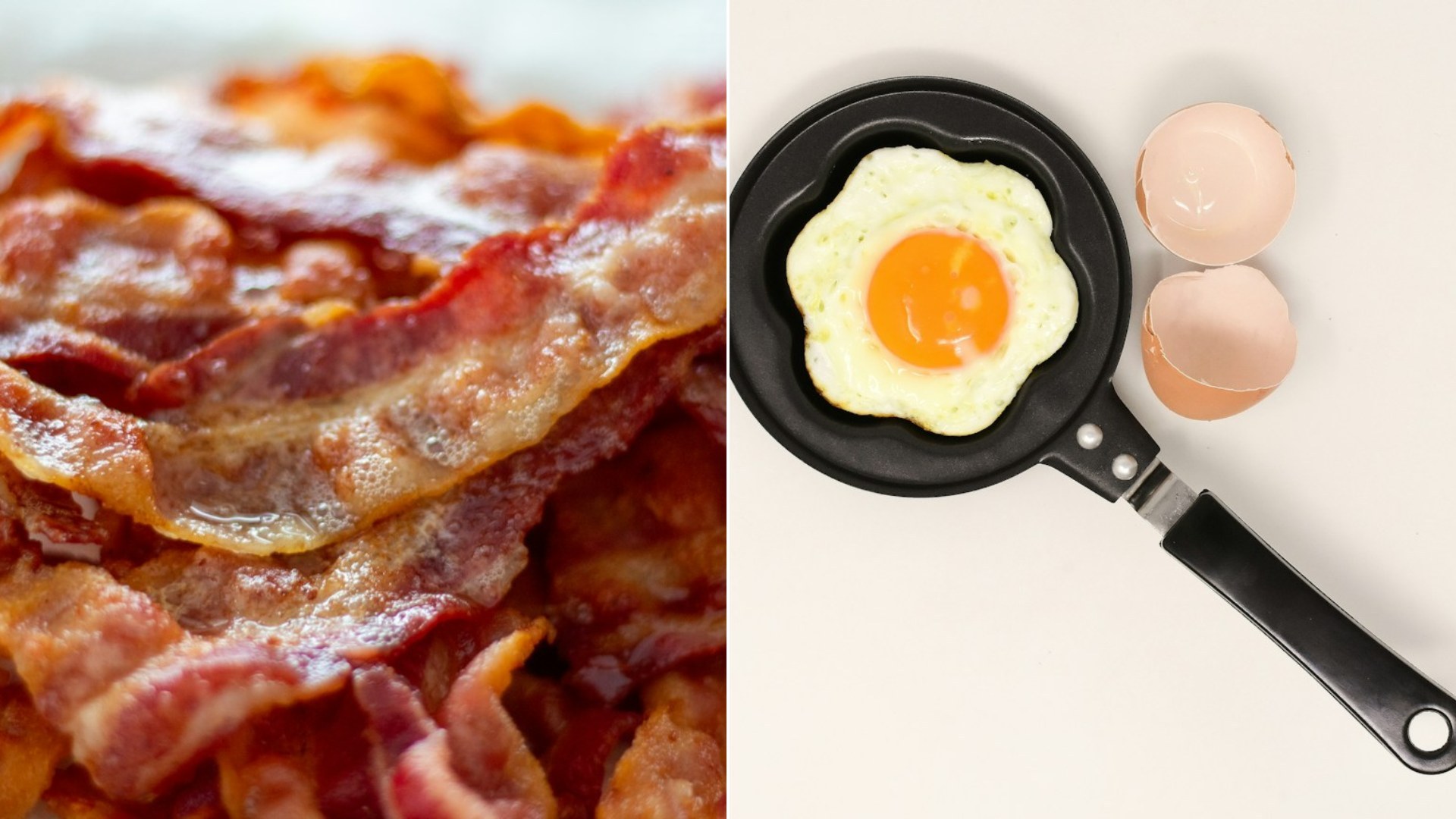
14. Processed Meats And Eggs
Cardiologists frequently caution against making bacon and fried eggs a regular daily habit. Cured breakfast meats like bacon and sausages contain sodium nitrates and dense saturated fats. Combined with egg yolks, this meal creates intense arterial inflammation and raises cardiovascular strain.
©Unsplash / Wright Brand & Joseph Gonzalez
Advertisement
Swipe or tap ▶ to resume the countdown.
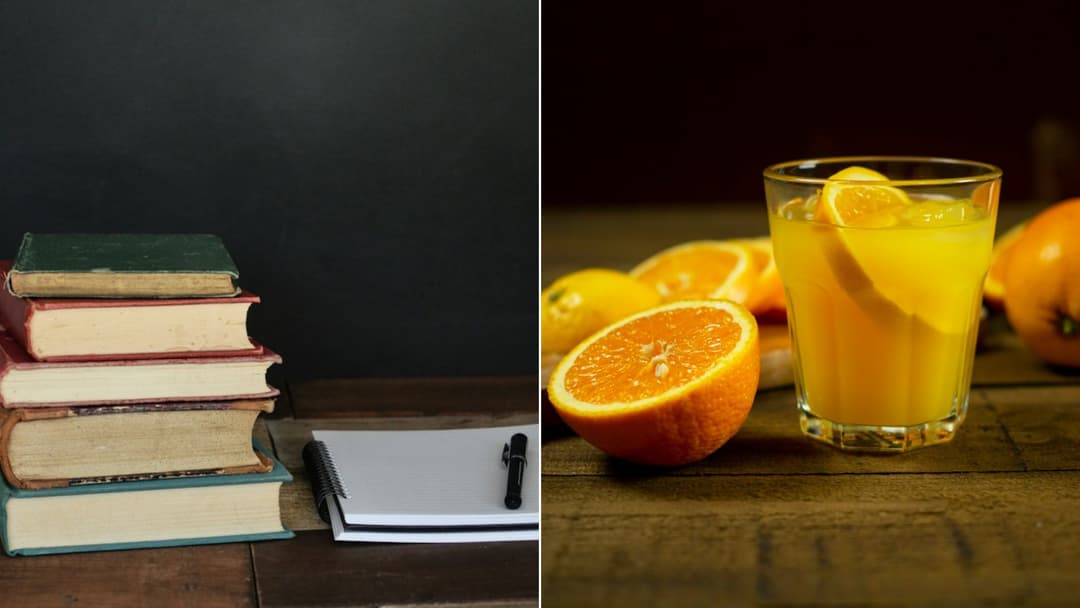
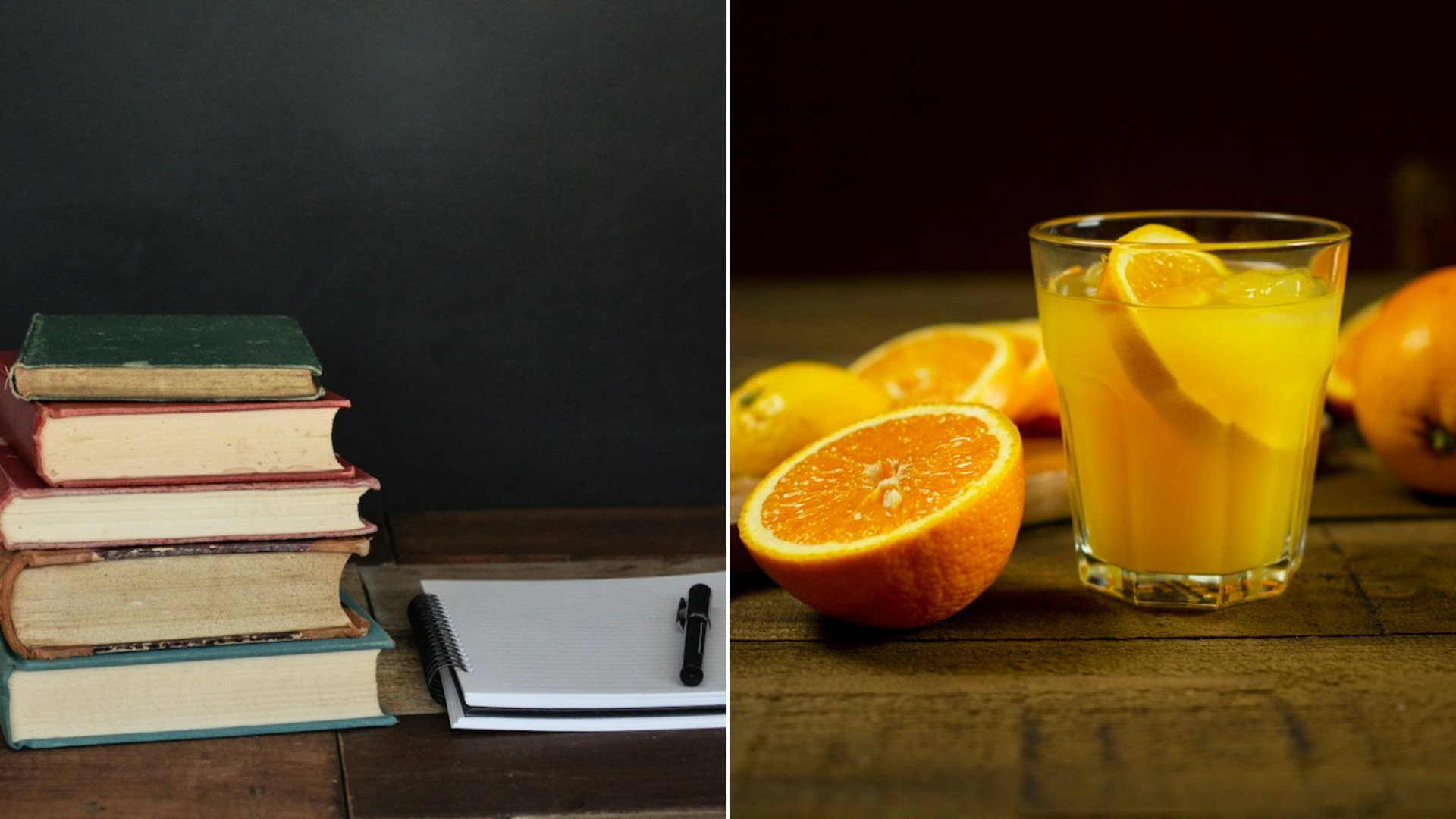
13. Cereal And Orange Juice
Eating processed morning cereal with a tall glass of orange juice delivers a double dose of rapid carbohydrates. The acid in citrus juice blunts the activity of amylase enzymes needed to digest cereal starches, causing fermentation in the gut and an extreme morning spike in blood sugar.
©Unsplash / Calum Lewis & Rayia Soderberg
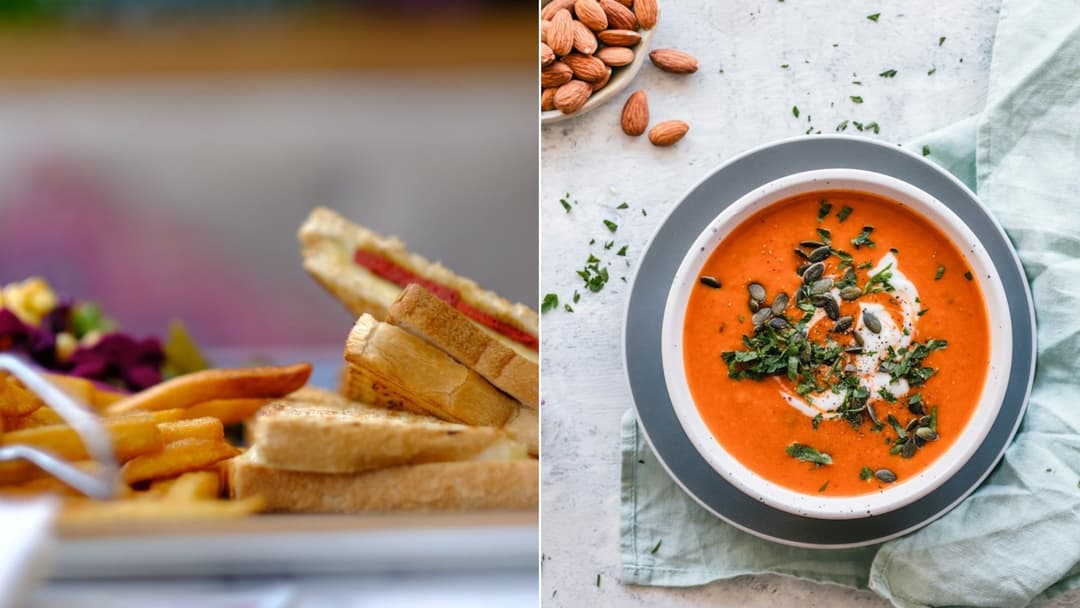
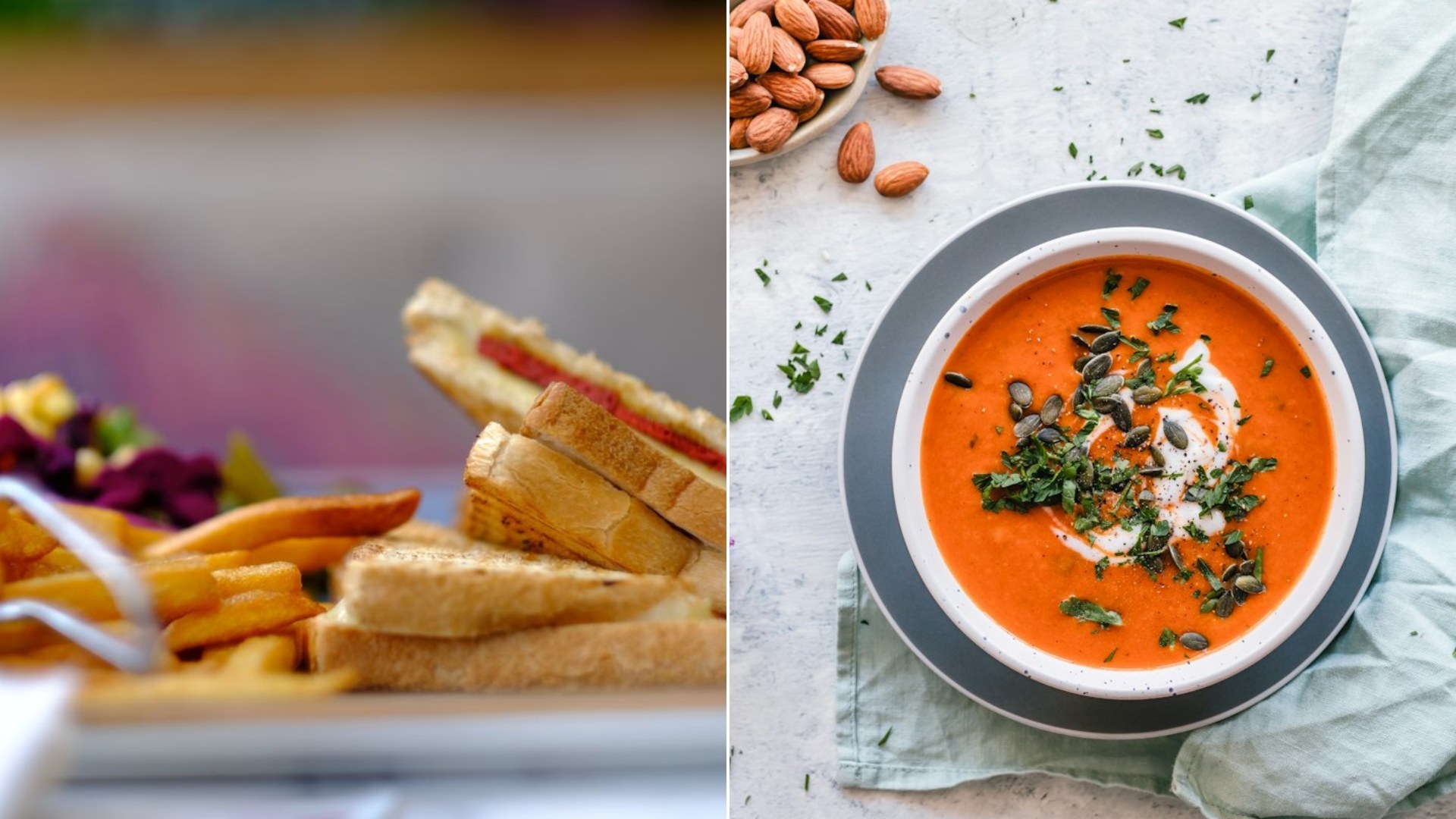
12. Grilled Cheese And Tomato Soup
While an iconic comfort food, pairing grilled cheese with canned tomato soup is a primary trigger for gastroesophageal reflux. Concentrated tomato acid irritates the stomach lining, while heavy butter and cheese fats delay stomach emptying, forcing harsh stomach acid upward into the esophagus.
©Pexels / Food Art
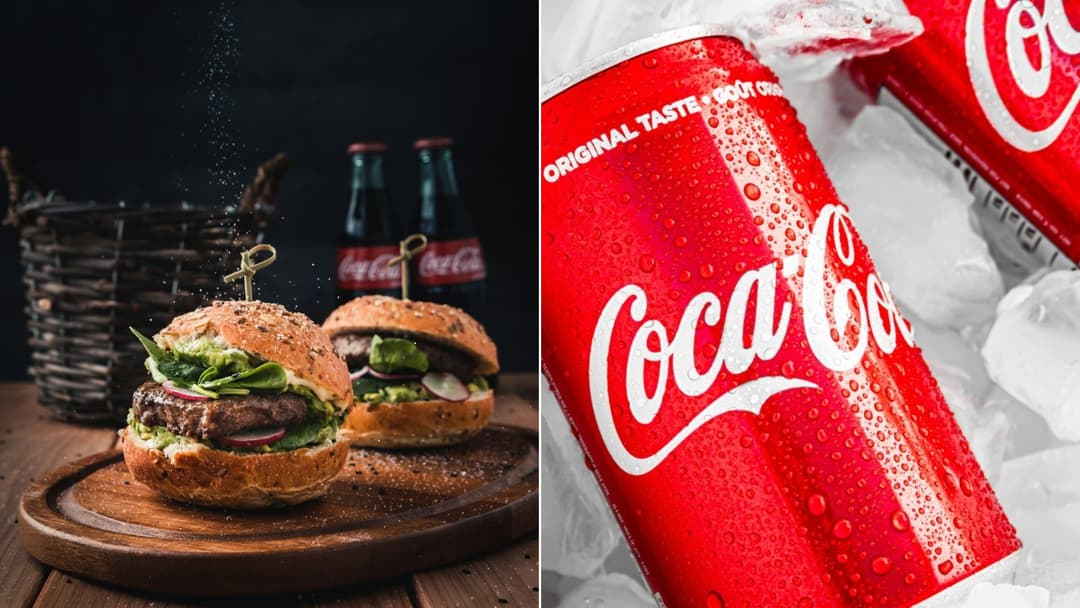
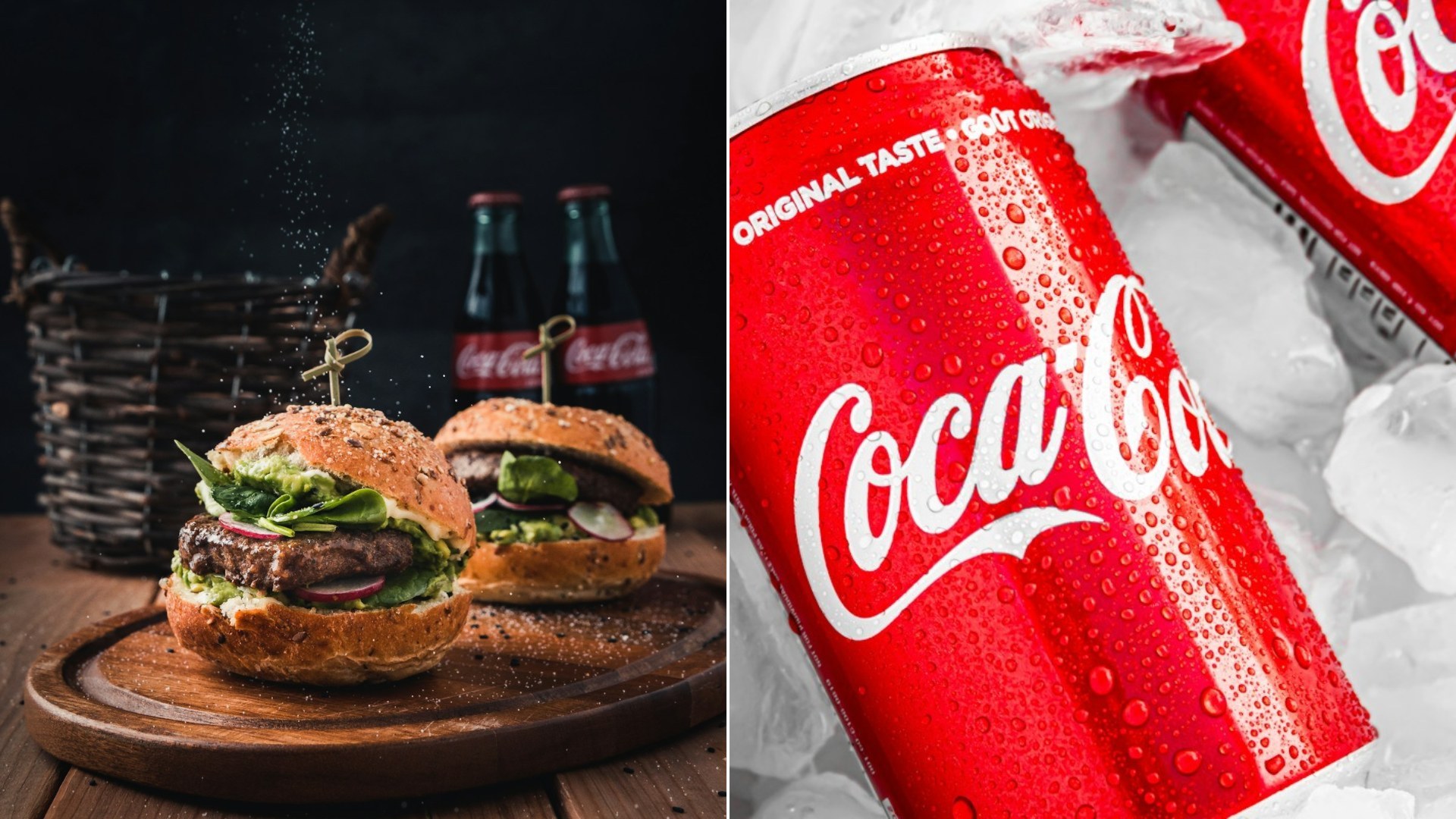
11. Burgers, Fries And Soda
The classic fast-food trio of burger, fries, and large soda combines ultra-processed refined starch, heavy saturated fats, excessive sodium, and liquid fructose. This intense nutritional density overrides leptin satiety signals in the brain, driving compulsive overeating and intense metabolic fatigue.
©Unsplash / Jay Wennington & Bimo Luki
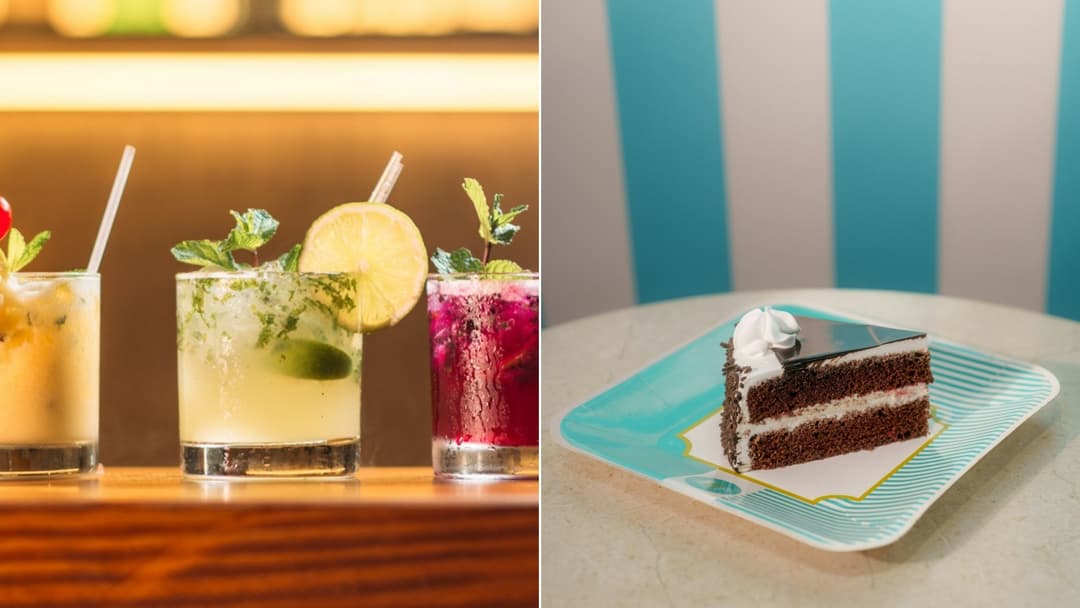
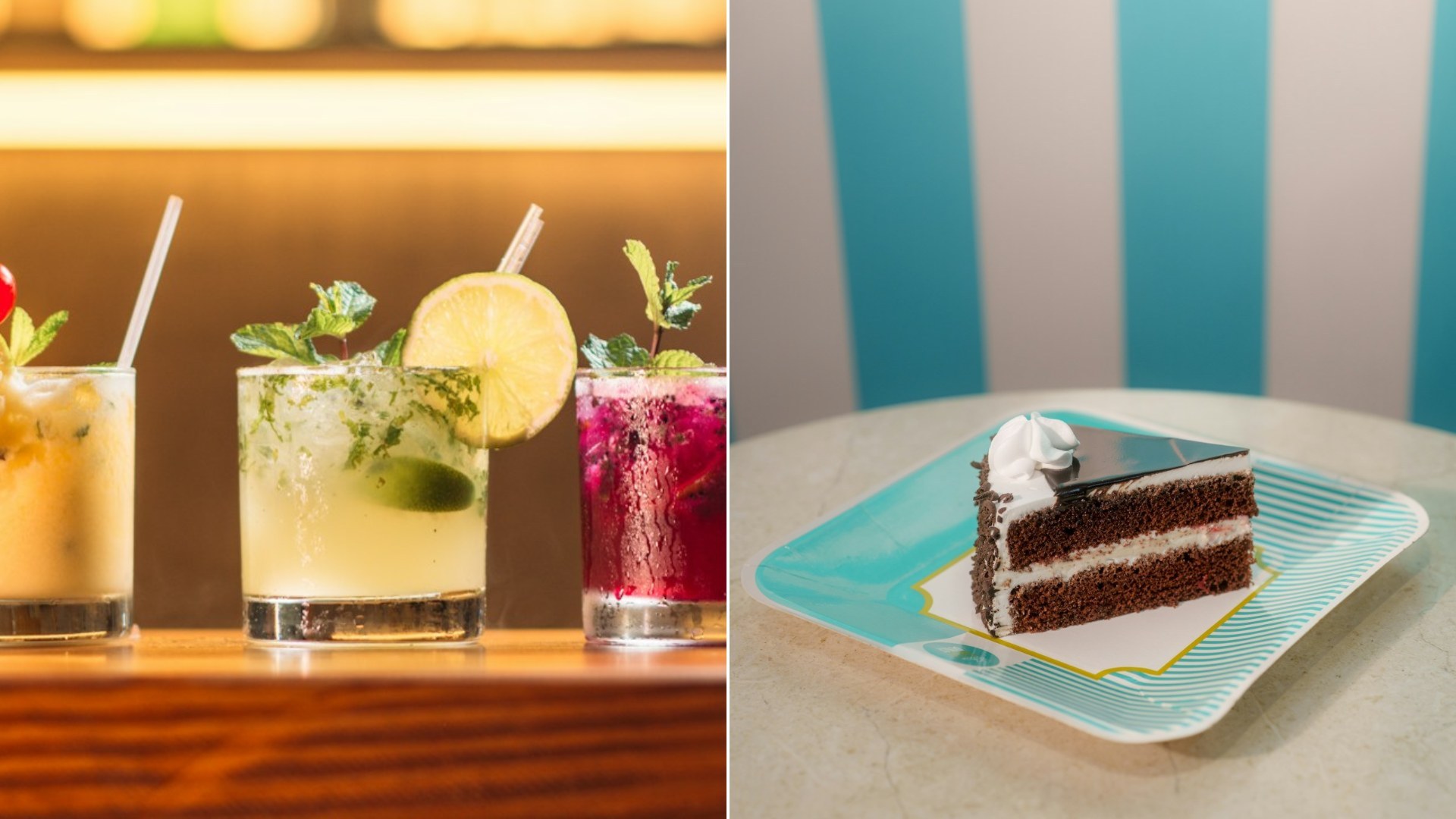
10. Alcohol And Sugary Desserts
When alcohol and sugary sweets are eaten together, your liver halts normal carbohydrate and fat metabolism to urgently process ethanol toxins first. As a result, circulating glucose from chocolate cakes or pastries is converted directly into adipose fat, promoting fatty liver and visceral weight gain.
©Unsplash / Kobby Mendez & Shuvro Mojumder
Advertisement
Swipe or tap ▶ to resume the countdown.
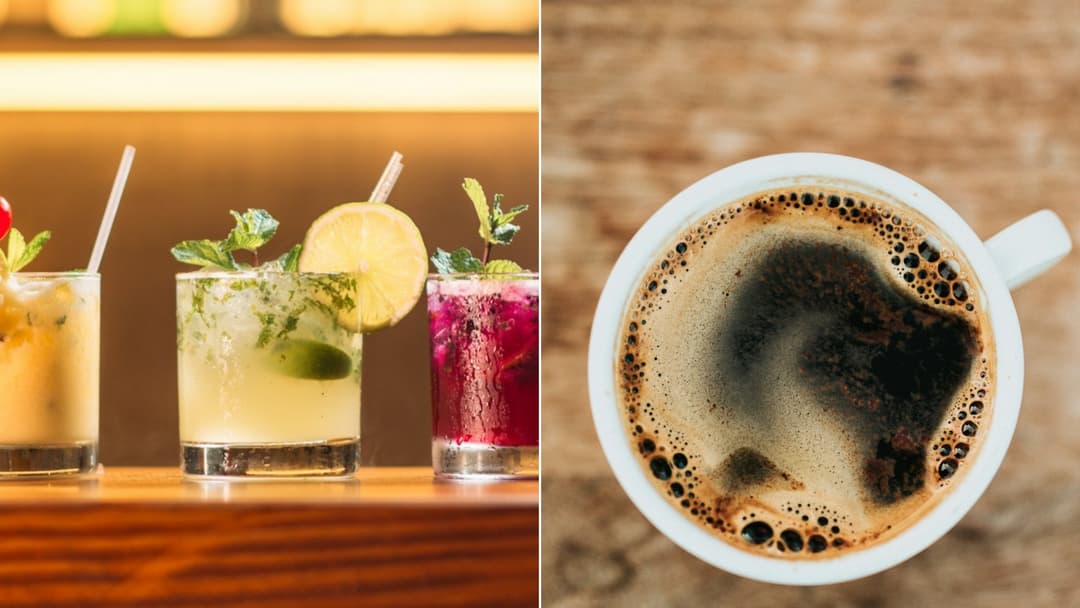
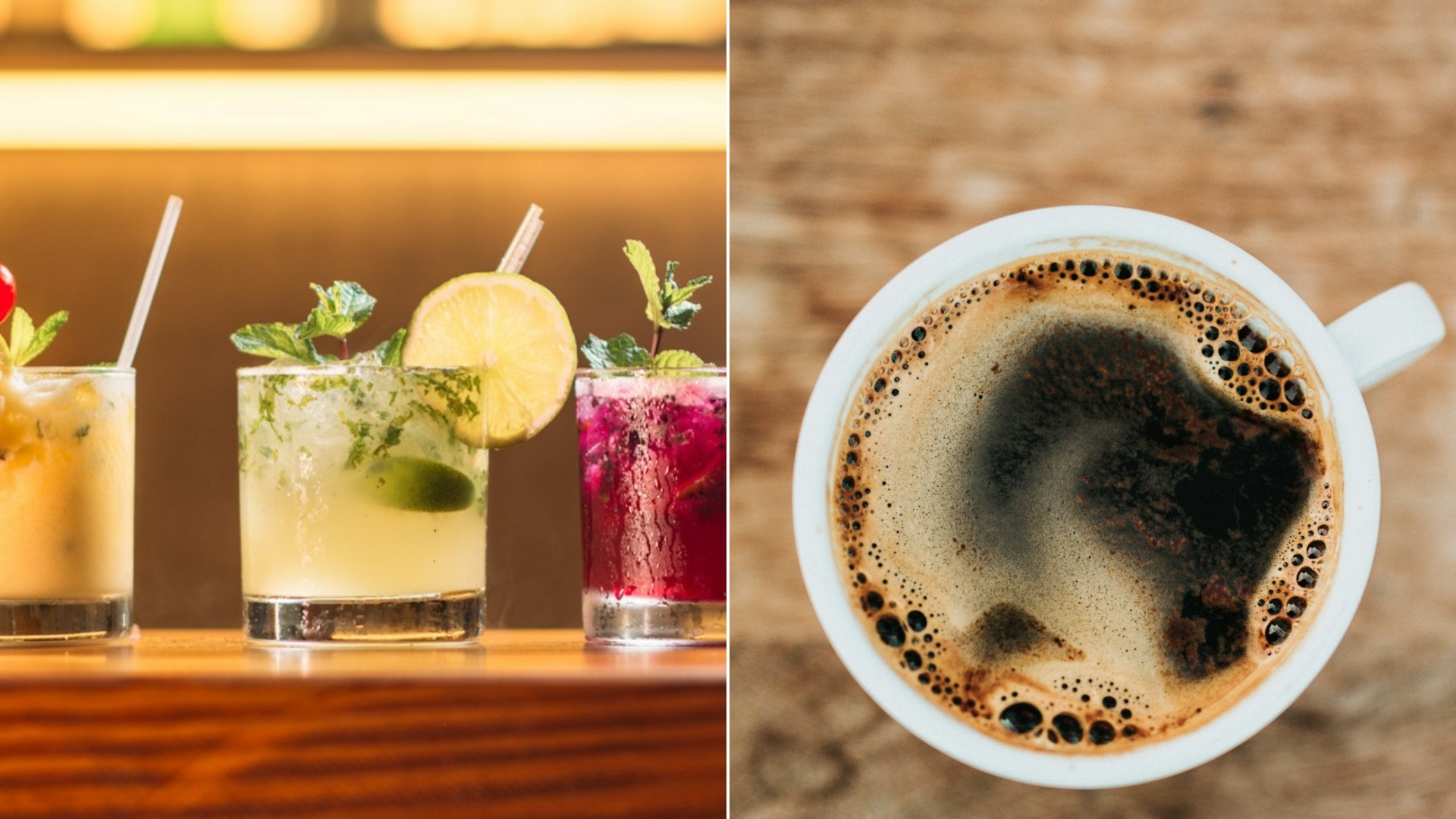
9. Alcohol And Caffeine
Combining alcohol with caffeine in drinks like espresso martinis or energy mixers tricks the nervous system. Caffeine masks the depressant effects of alcohol without lowering intoxication levels. This false sense of alertness frequently leads to heavy overdrinking, dehydration, and heart strain.
©Unsplash / Kobby Mendez & Nathan Dumlao
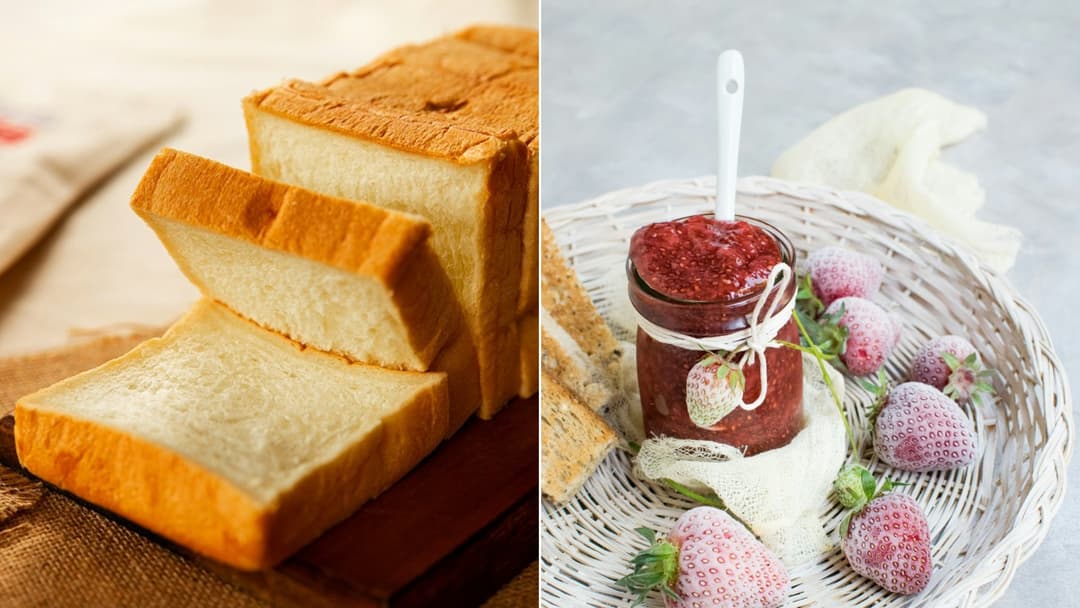
8. White Bread And Jam
Spreading fruit jam or jelly over refined white toast delivers a massive load of simple fast-digesting carbohydrates with virtually zero dietary fiber or protein to slow absorption. This spikes blood glucose rapidly, prompting an aggressive insulin surge followed by an energy crash and intense hunger.
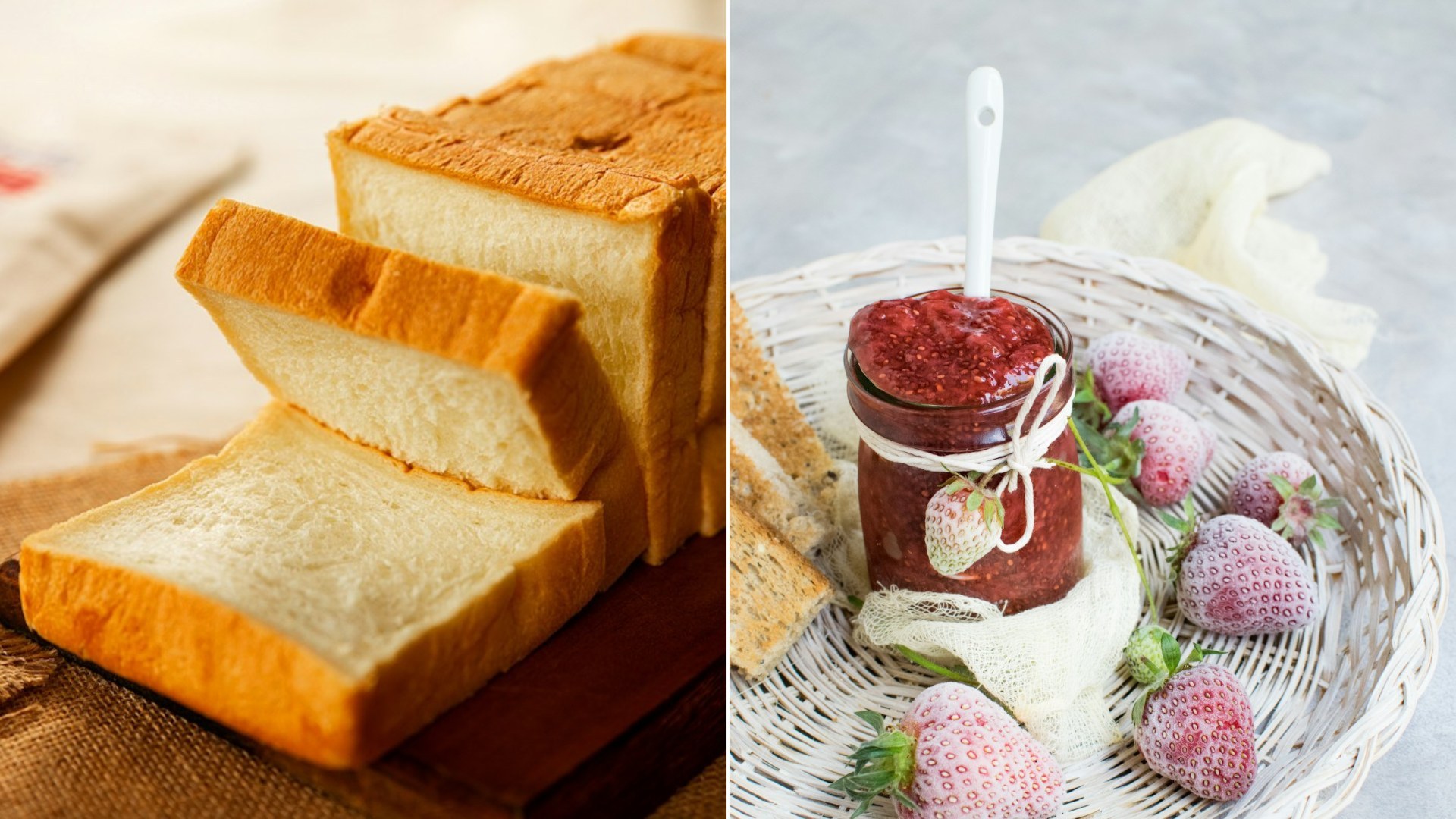
©Unsplash / Mae Mu & Joanna Kosinska
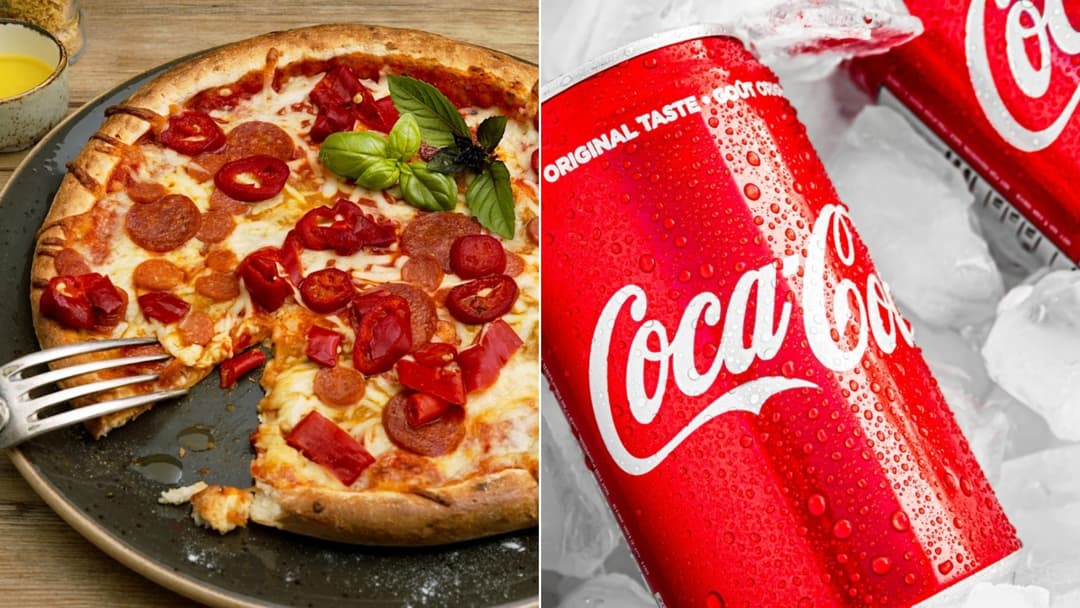
7. Pizza And Fizzy Drinks
Washing down greasy pizza with sugary soda triggers gut distress. The dense combination of melted cheese fat, refined white flour dough, and carbonated high-fructose corn syrup slows gastric emptying drastically, leading to painful abdominal gas, acid reflux, and heavy blood sugar spikes.
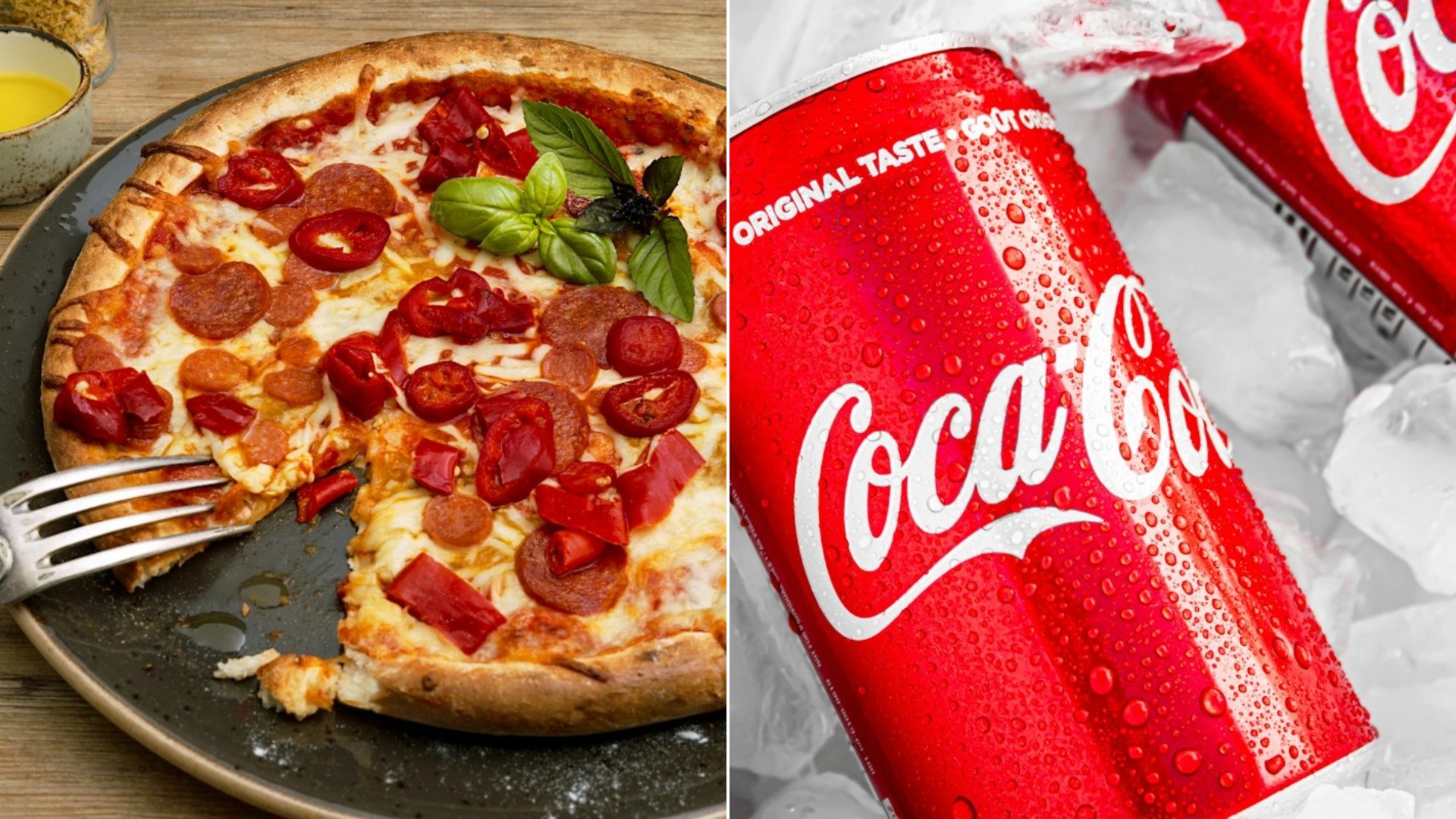
©Unsplash / Alan Hardman & Bimo Luki
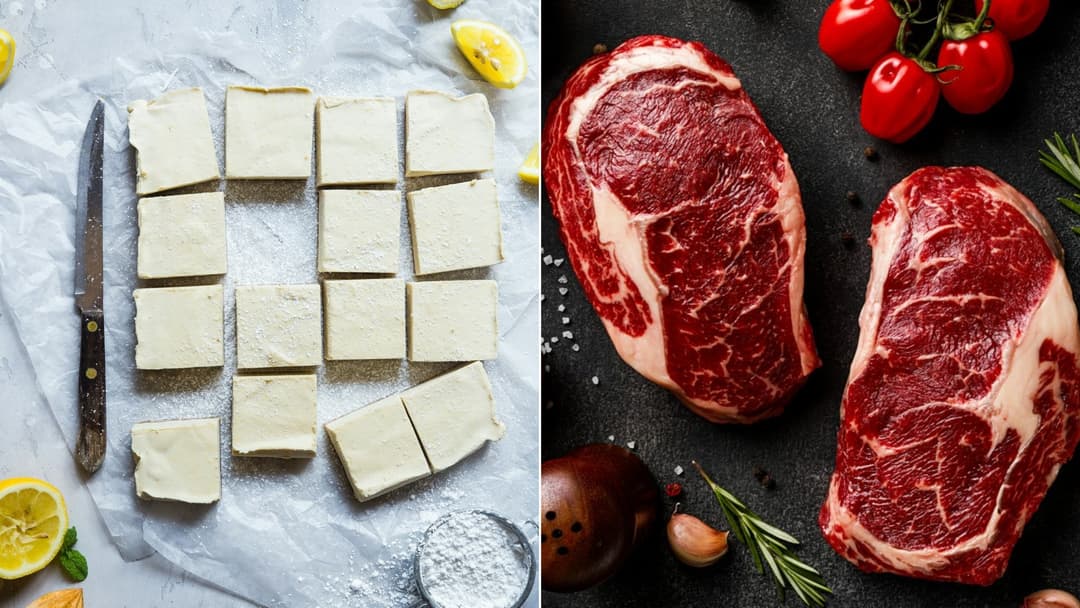
6. Dairy And Red Meat
Eating dairy products alongside red meat creates direct mineral competition in the small intestine. Calcium and iron rely on the same transport pathways for absorption. When consumed in large amounts together, calcium dominates, leaving substantial amounts of dietary iron unabsorbed.
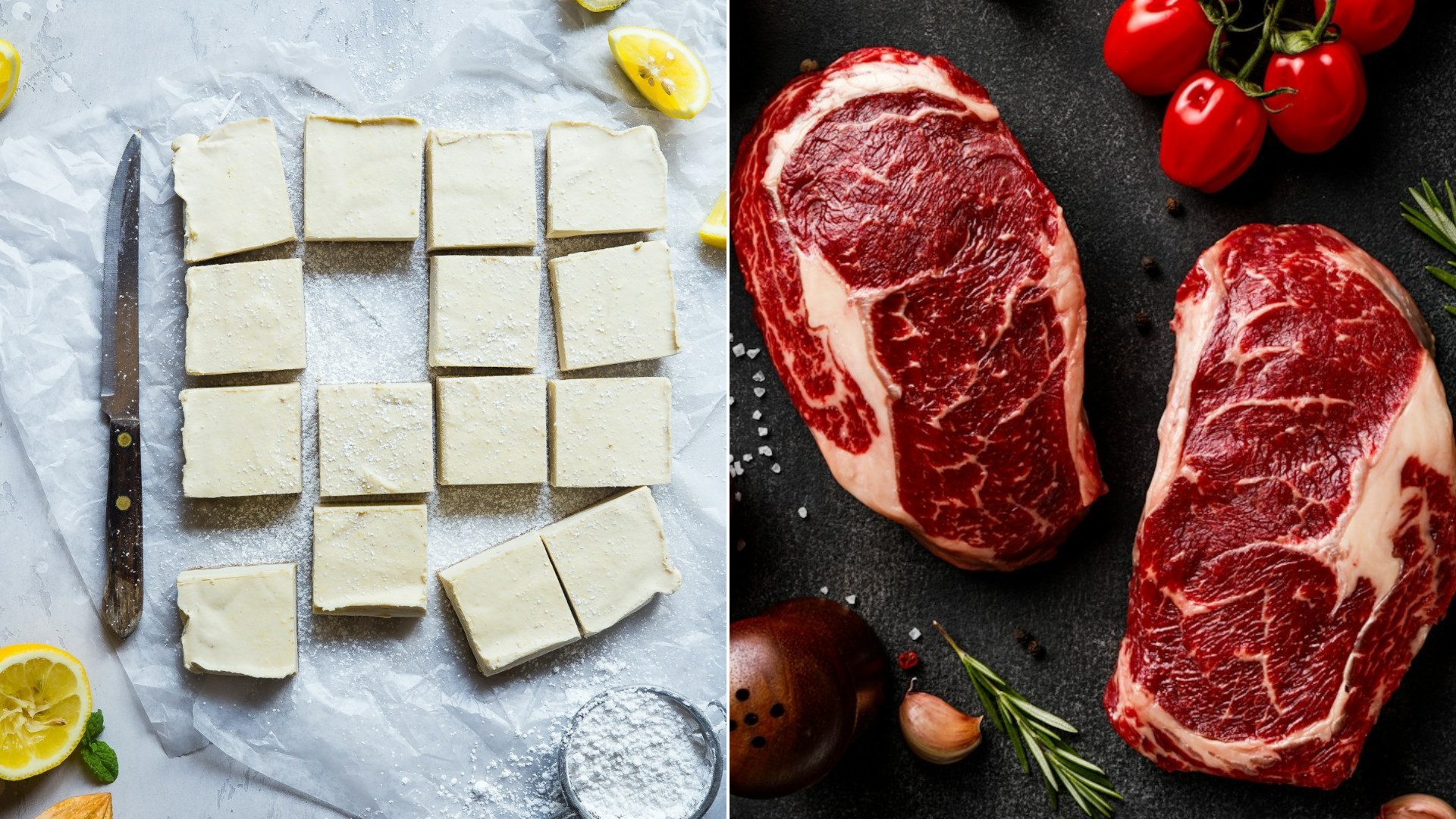
©Unsplash / Jez Timms & Eiliv Aceron
Advertisement
Swipe or tap ▶ to resume the countdown.
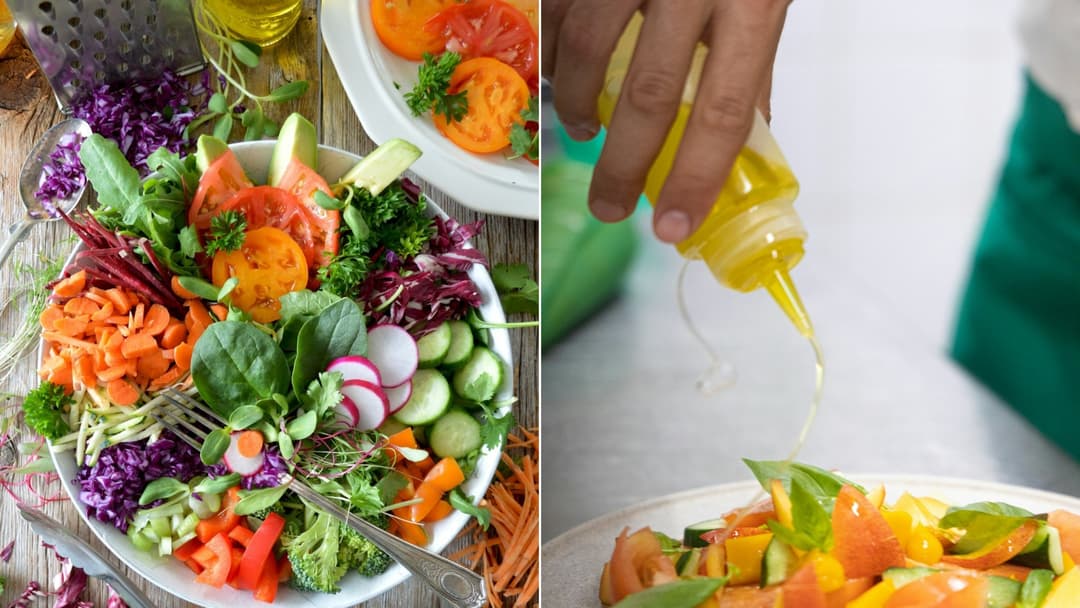
5. Salad And Fat-Free Dressing
Vitamins A, D, E, and K in salad greens and tomatoes are fat-soluble, meaning intestinal cells require dietary fat molecules to transport them into the bloodstream. Using completely fat-free dressing flushes these nutrients out unabsorbed. Nutritionists recommend olive oil vinaigrettes instead.
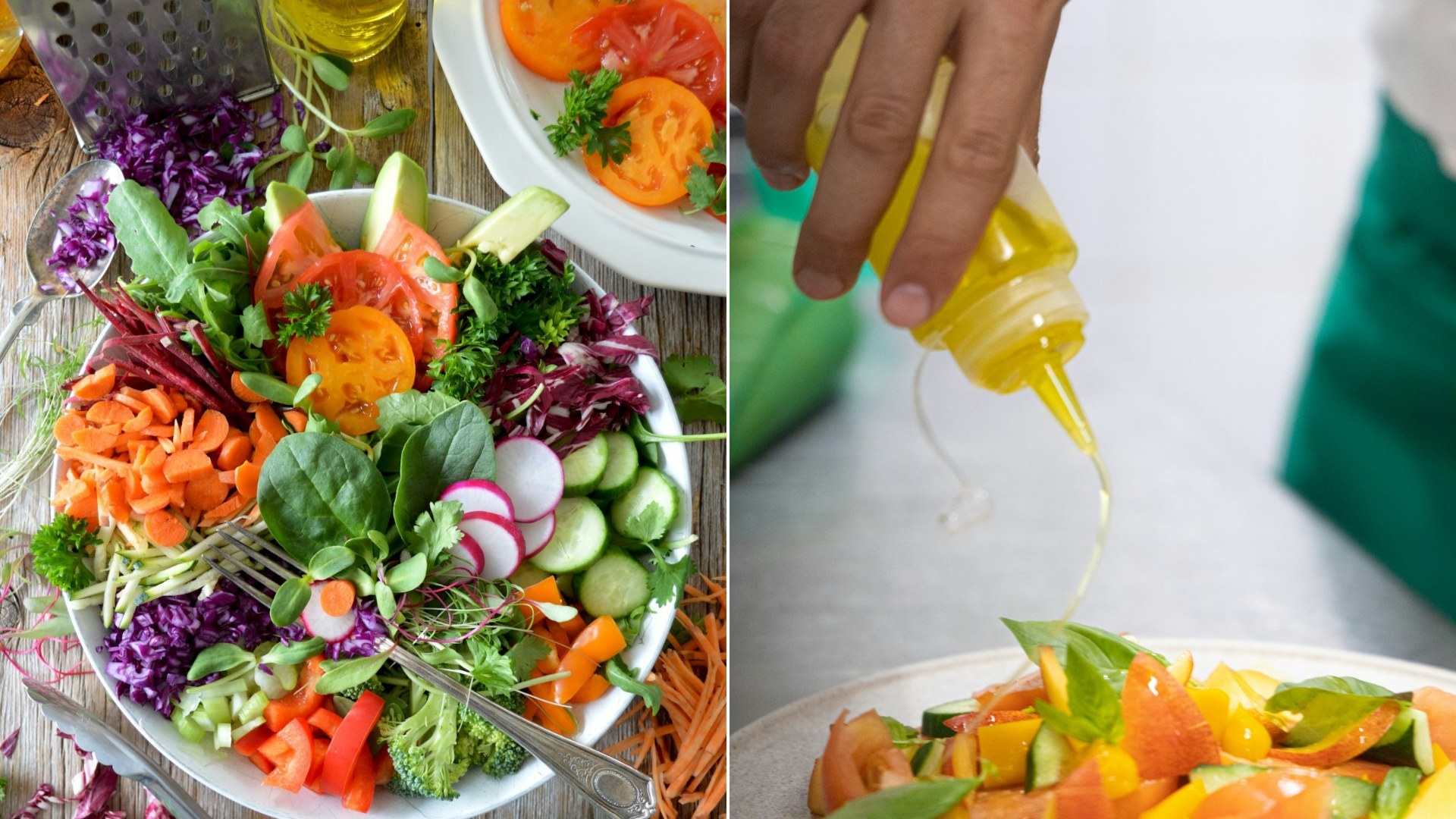
©Unsplash / Nadine Primeau & Alfonso Scarpa
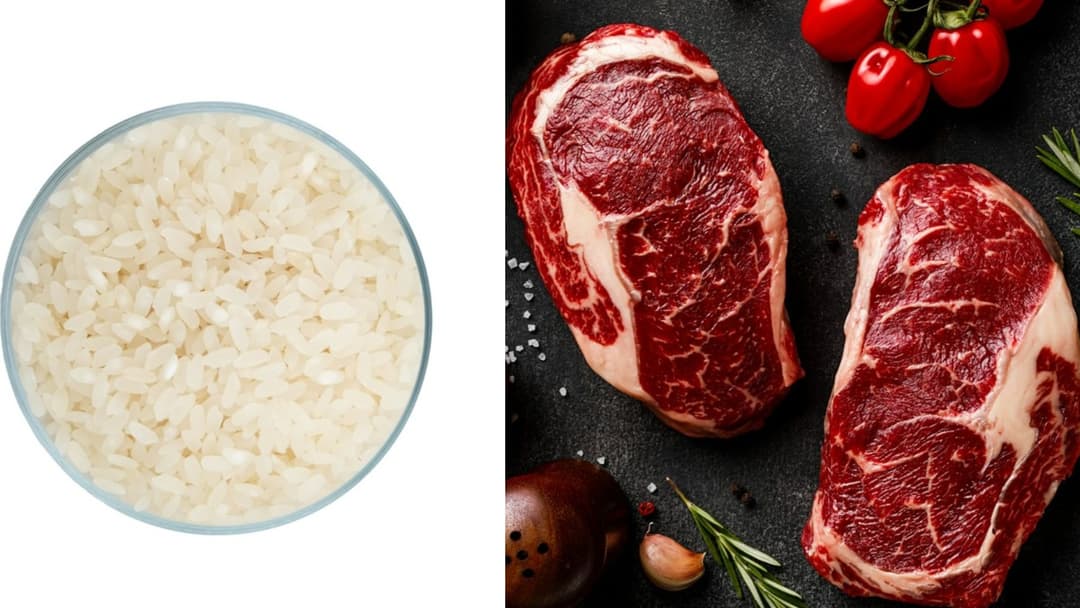
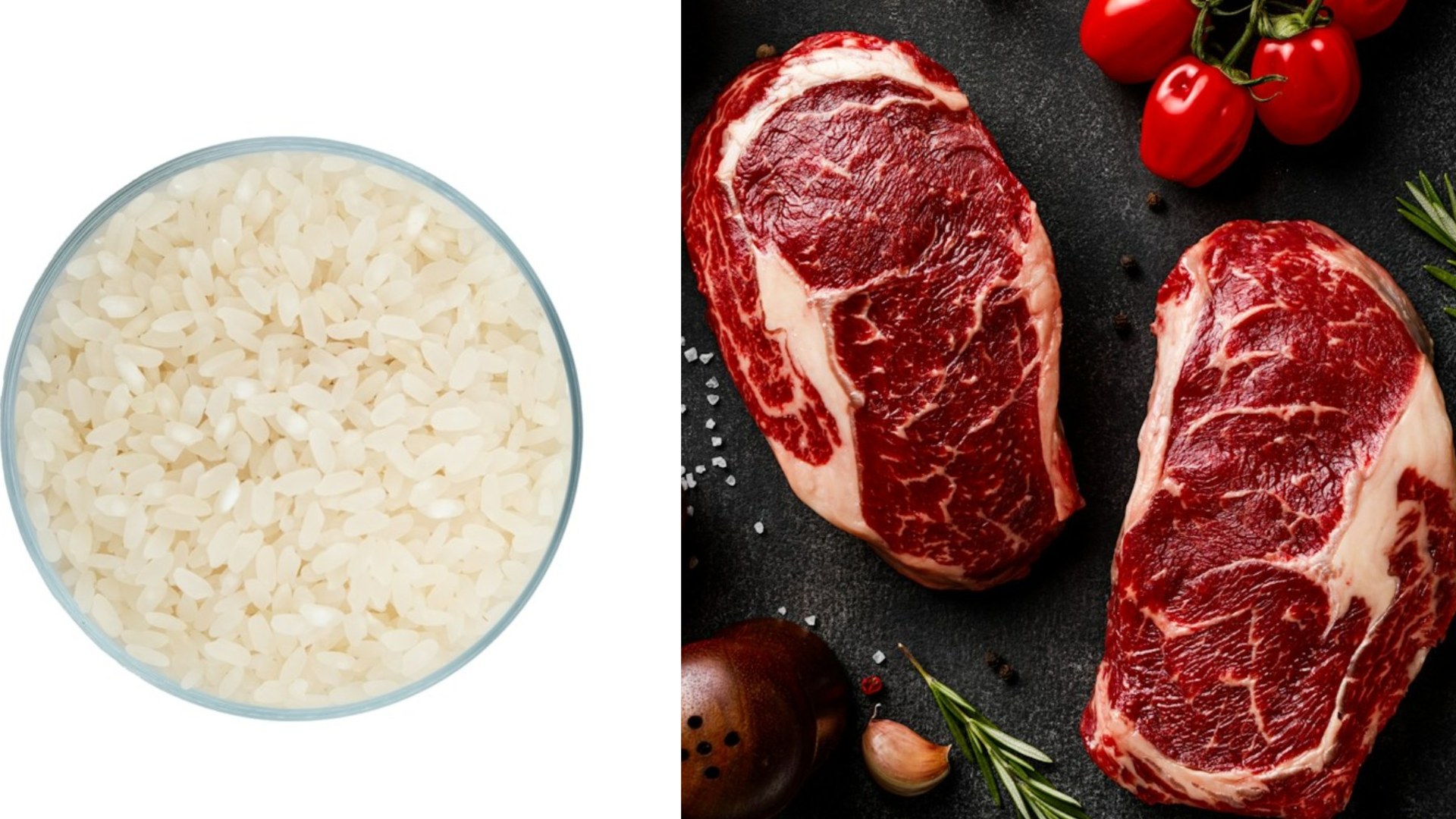
4. Brown Rice And Red Meat
Whole grains like brown rice and legumes contain phytic acid, an antinutrient that binds tightly to essential minerals. When eaten together with red meat, phytates significantly diminish the absorption of bioavailable heme iron, zinc, and magnesium.
©Unsplash / Mgg Vitchakorn & Eiliv Aceron
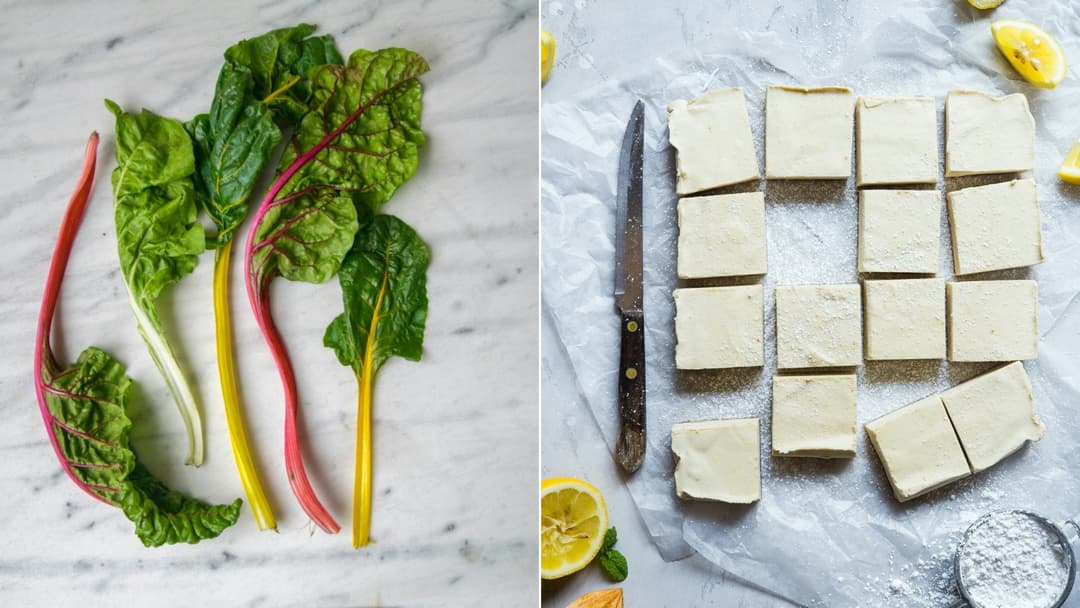
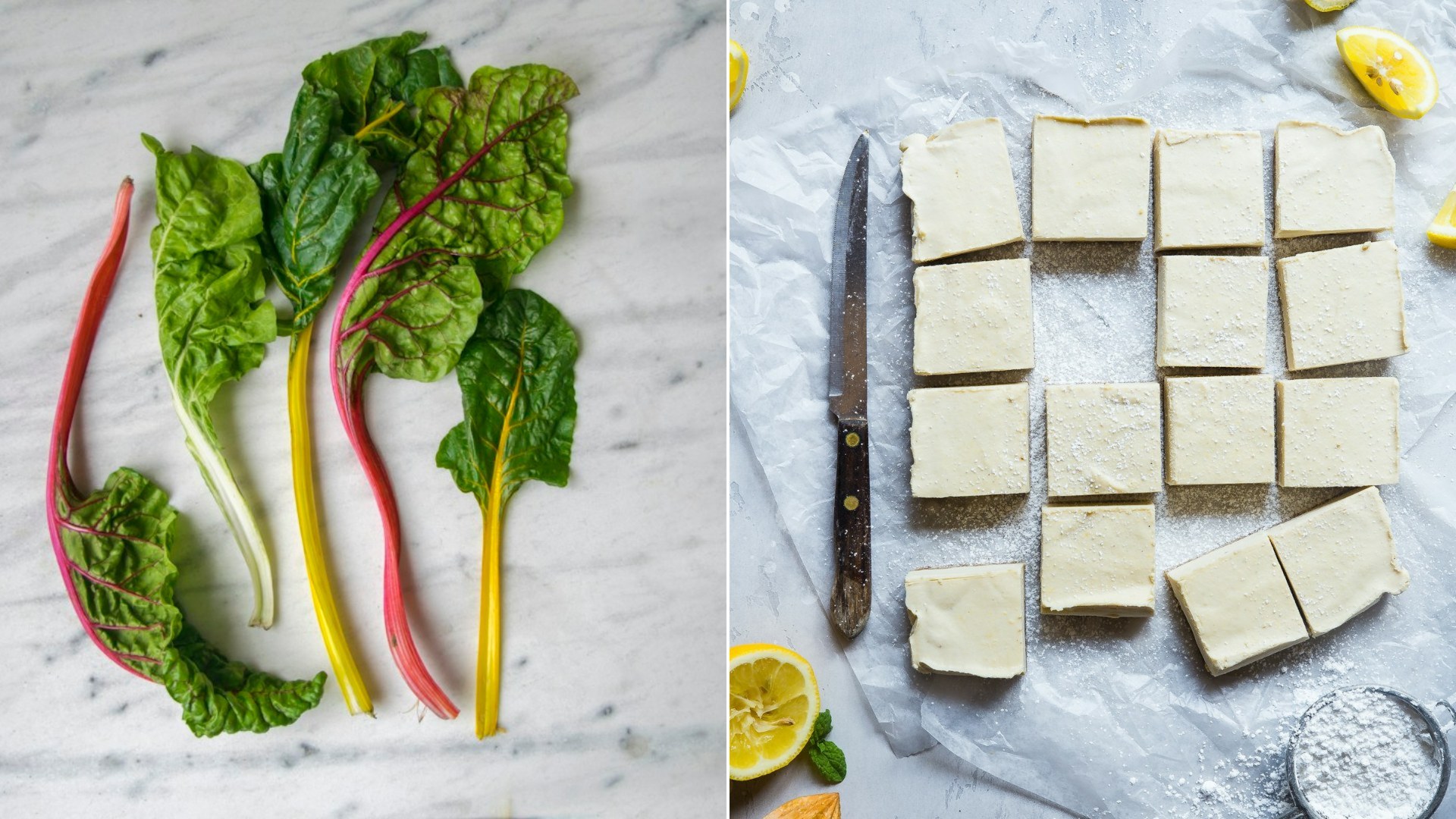
3. Spinach And Cheese
Spinach is packed with oxalic acid, a natural plant compound that forms insoluble bonds with calcium in dairy foods like cheese or cream. This chemical binding stops your body from absorbing calcium and can increase the risk of kidney stones in susceptible individuals.
©Unsplash / Elianna Friedman & Jez Timms
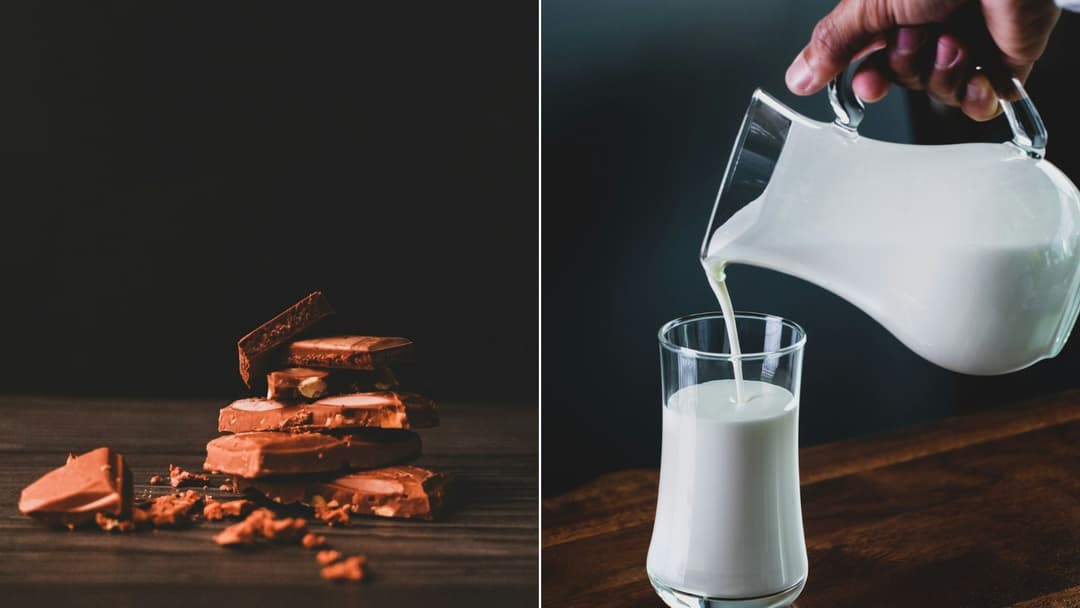
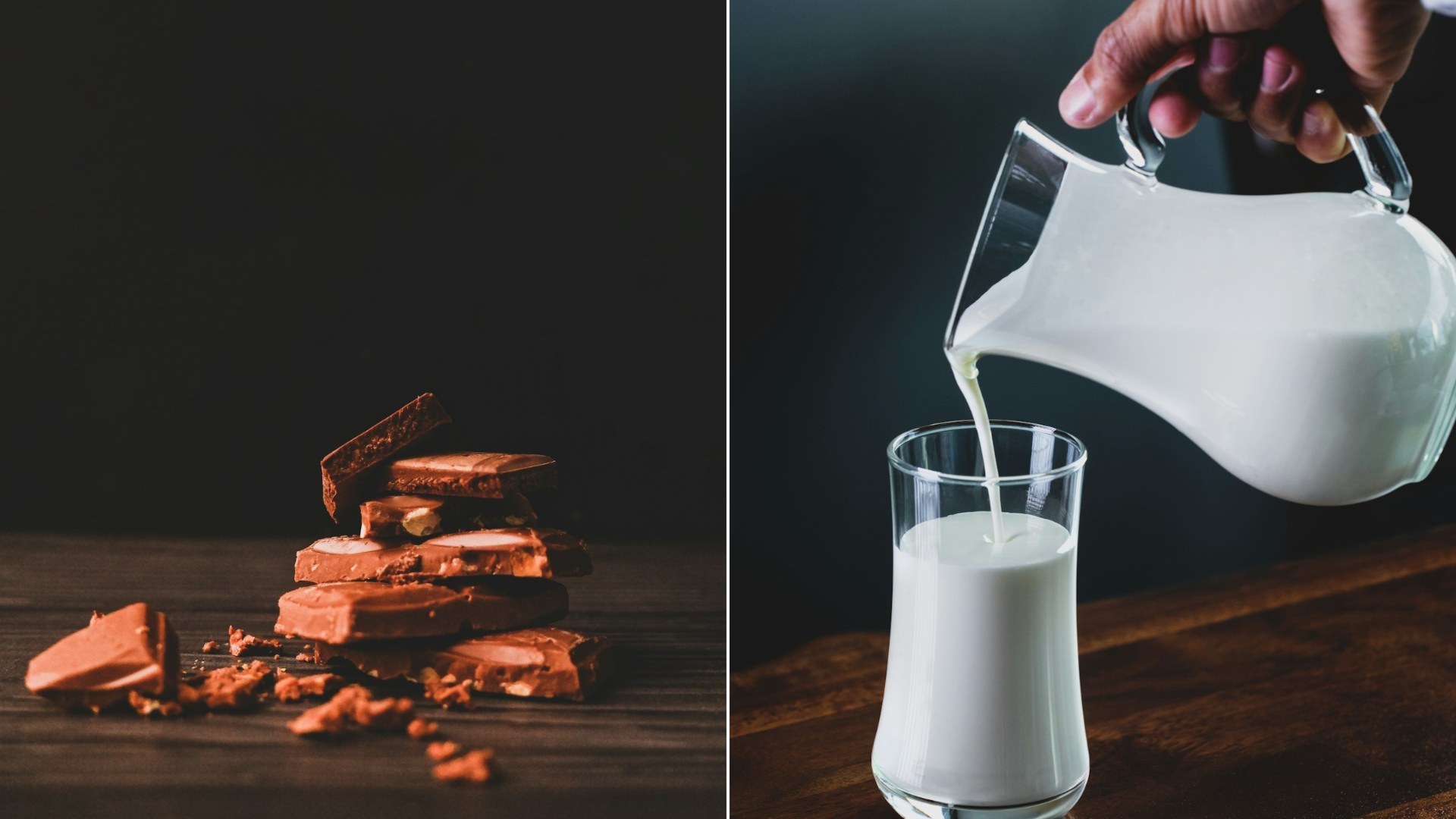
2. Dark Chocolate And Milk
Dark chocolate contains powerful antioxidant flavonoids known to support healthy blood pressure and blood vessels. However, pairing it with cow milk or drinking milk alongside it causes caseins to bind with these flavonoids, preventing the body from absorbing their vascular benefits.
©Unsplash / Tetiana Bykovets & Eiliv Aceron
Advertisement
Swipe or tap ▶ to resume the countdown.
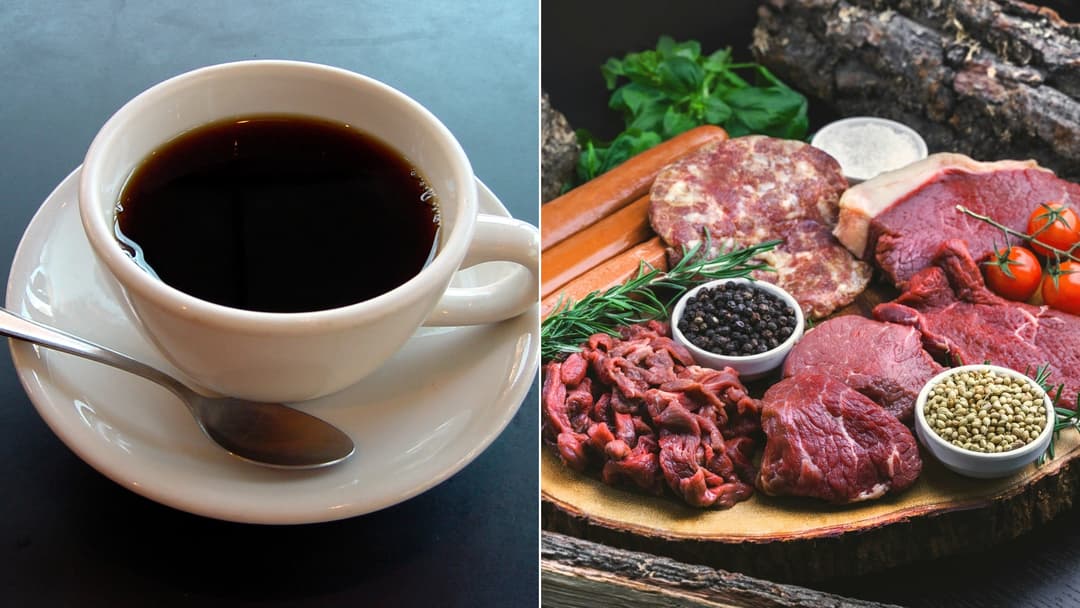
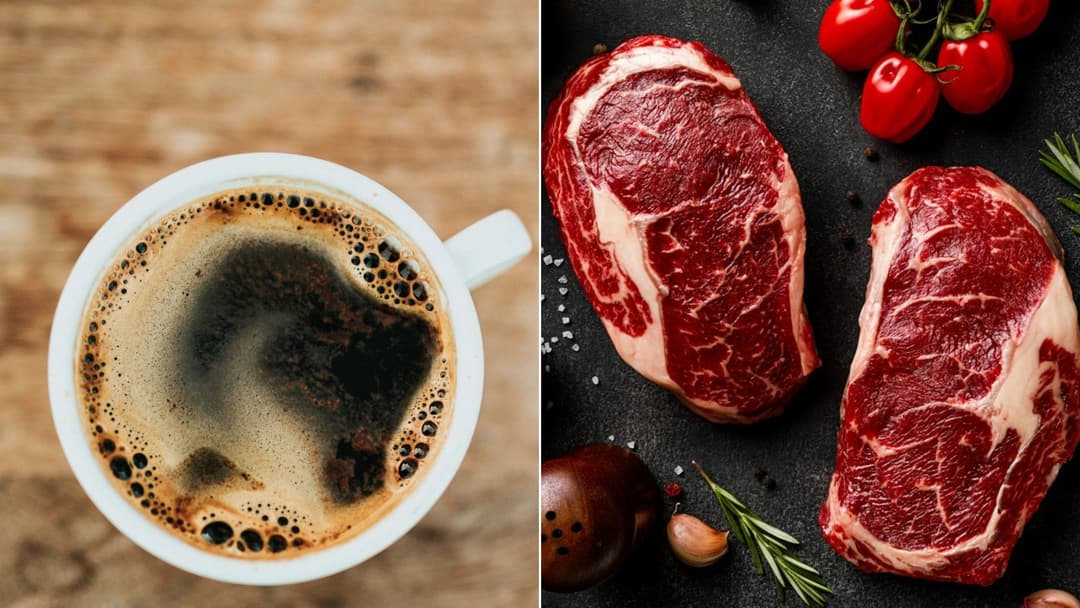
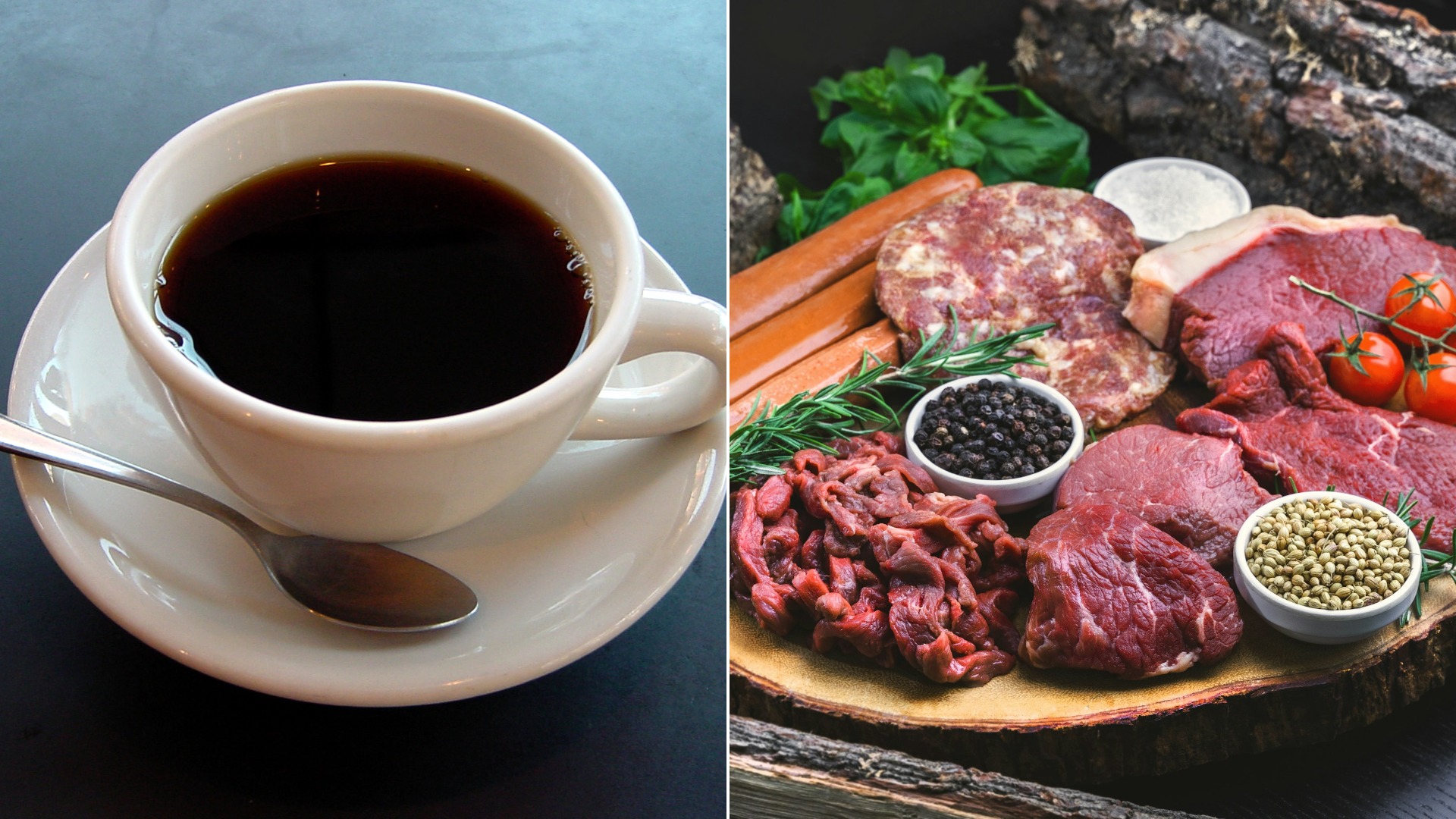
1. Coffee And Iron-Rich Foods
Drinking coffee or tea alongside iron-rich meals like steak, eggs, or spinach significantly impairs mineral uptake. Polyphenols and tannins in caffeine bind to dietary iron in the digestive tract. Doctors recommend waiting at least one hour after eating before having caffeinated beverages.
©Wikimedia / Julius Schorzman & Unsplash / Eiliv Aceron
Advertisement
You've reached the end of the story. Thanks for reading!

20 Ways To Protect Your Newborn From Vitamin K Deficiency
All 20 Entries in this Story
20. Aged Cheeses And MAOI Antidepressants
Aged cheeses, salami, and cured charcuterie contain high levels of tyramine. In patients taking monoamine oxidase inhibitors (MAOIs), the enzyme that breaks down tyramine is blocked. Unchecked tyramine floods circulation, triggering severe, potentially fatal hypertensive emergencies.

19. Leafy Greens And Warfarin
Patients taking the anticoagulant warfarin must carefully regulate their intake of dark leafy greens like kale and spinach. These greens are rich in vitamin K, which directly counteracts warfarin's mechanism of action, dramatically increasing the danger of blood clots and stroke.

18. Bananas And ACE Inhibitors
ACE inhibitors and angiotensin receptor blockers prescribed for hypertension cause the kidneys to retain potassium. Eating high-potassium foods like bananas in excessive quantities alongside these drugs can drive blood potassium levels dangerously high, causing muscle weakness and cardiac arrhythmias.

17. Alcohol And Paracetamol
Taking paracetamol or acetaminophen while drinking alcohol, or using it as a hangover remedy the morning after, puts immense toxic strain on liver cells. Both compounds compete for glutathione detoxification pathways, causing dangerous toxic metabolites like NAPQI to damage liver tissue.

16. Dairy And Antibiotics
Drinking milk, eating yogurt, or having cheese close to taking certain antibiotics, including tetracyclines and fluoroquinolones, halts their infection-fighting power. Calcium ions bind to drug molecules, forming insoluble chelates that pass right through the gut without being absorbed.

15. Grapefruit And Statins
Eating fresh grapefruit or drinking its juice while taking statins or calcium-channel blockers is medically dangerous. Furanocoumarins in grapefruit block CYP3A4 enzymes in the liver, preventing medication breakdown and causing drug concentrations to skyrocket to toxic levels in the blood.

14. Processed Meats And Eggs
Cardiologists frequently caution against making bacon and fried eggs a regular daily habit. Cured breakfast meats like bacon and sausages contain sodium nitrates and dense saturated fats. Combined with egg yolks, this meal creates intense arterial inflammation and raises cardiovascular strain.

13. Cereal And Orange Juice
Eating processed morning cereal with a tall glass of orange juice delivers a double dose of rapid carbohydrates. The acid in citrus juice blunts the activity of amylase enzymes needed to digest cereal starches, causing fermentation in the gut and an extreme morning spike in blood sugar.

12. Grilled Cheese And Tomato Soup
While an iconic comfort food, pairing grilled cheese with canned tomato soup is a primary trigger for gastroesophageal reflux. Concentrated tomato acid irritates the stomach lining, while heavy butter and cheese fats delay stomach emptying, forcing harsh stomach acid upward into the esophagus.

11. Burgers, Fries And Soda
The classic fast-food trio of burger, fries, and large soda combines ultra-processed refined starch, heavy saturated fats, excessive sodium, and liquid fructose. This intense nutritional density overrides leptin satiety signals in the brain, driving compulsive overeating and intense metabolic fatigue.

10. Alcohol And Sugary Desserts
When alcohol and sugary sweets are eaten together, your liver halts normal carbohydrate and fat metabolism to urgently process ethanol toxins first. As a result, circulating glucose from chocolate cakes or pastries is converted directly into adipose fat, promoting fatty liver and visceral weight gain.

9. Alcohol And Caffeine
Combining alcohol with caffeine in drinks like espresso martinis or energy mixers tricks the nervous system. Caffeine masks the depressant effects of alcohol without lowering intoxication levels. This false sense of alertness frequently leads to heavy overdrinking, dehydration, and heart strain.

8. White Bread And Jam
Spreading fruit jam or jelly over refined white toast delivers a massive load of simple fast-digesting carbohydrates with virtually zero dietary fiber or protein to slow absorption. This spikes blood glucose rapidly, prompting an aggressive insulin surge followed by an energy crash and intense hunger.

7. Pizza And Fizzy Drinks
Washing down greasy pizza with sugary soda triggers gut distress. The dense combination of melted cheese fat, refined white flour dough, and carbonated high-fructose corn syrup slows gastric emptying drastically, leading to painful abdominal gas, acid reflux, and heavy blood sugar spikes.

6. Dairy And Red Meat
Eating dairy products alongside red meat creates direct mineral competition in the small intestine. Calcium and iron rely on the same transport pathways for absorption. When consumed in large amounts together, calcium dominates, leaving substantial amounts of dietary iron unabsorbed.

5. Salad And Fat-Free Dressing
Vitamins A, D, E, and K in salad greens and tomatoes are fat-soluble, meaning intestinal cells require dietary fat molecules to transport them into the bloodstream. Using completely fat-free dressing flushes these nutrients out unabsorbed. Nutritionists recommend olive oil vinaigrettes instead.

4. Brown Rice And Red Meat
Whole grains like brown rice and legumes contain phytic acid, an antinutrient that binds tightly to essential minerals. When eaten together with red meat, phytates significantly diminish the absorption of bioavailable heme iron, zinc, and magnesium.

3. Spinach And Cheese
Spinach is packed with oxalic acid, a natural plant compound that forms insoluble bonds with calcium in dairy foods like cheese or cream. This chemical binding stops your body from absorbing calcium and can increase the risk of kidney stones in susceptible individuals.

2. Dark Chocolate And Milk
Dark chocolate contains powerful antioxidant flavonoids known to support healthy blood pressure and blood vessels. However, pairing it with cow milk or drinking milk alongside it causes caseins to bind with these flavonoids, preventing the body from absorbing their vascular benefits.

1. Coffee And Iron-Rich Foods
Drinking coffee or tea alongside iron-rich meals like steak, eggs, or spinach significantly impairs mineral uptake. Polyphenols and tannins in caffeine bind to dietary iron in the digestive tract. Doctors recommend waiting at least one hour after eating before having caffeinated beverages.