Slideshow · Viral
How America's EV Charging Network Is Changing
From federally backed highway corridors and universal connector standards to megawatt freight depots, the American electric vehicle landscape is undergoing rapid physical expansion. Explore fifteen cr
By Most Viral Today
4 Nov 2026

How America's EV Charging Network Is Changing 
15. Megawatt Freight Charging 
14. Bidirectional Power Flow 
13. Federal NEVI Highway Plazas - AdvertisementSwipe or tap ▶ to continue countdown

12. Universal NACS Adoption 
11. Open-Access Supercharger Hubs 
10. Ultra-Fast 350kW Dispensers 
9. Solar Canopies And Microgrids - AdvertisementSwipe or tap ▶ to continue countdown

8. Transit Overhead Pantographs 
7. Commercial Delivery Depots 
6. Cross-Network Interoperability 
5. Retail Highway Travel Plazas - AdvertisementSwipe or tap ▶ to continue countdown

4. Seamless Plug And Charge 
3. Curbside Street Charging 
2. Battery Thermal Architecture 
1. Urban High-Density Fast Hubs - Advertisement🔥 UP NEXT IN THIS SERIES◫ 21 Slides

20 Famous Cars With Pop-Up Headlights That Shaped Car Design
From hand-cranked 1930s teardrops to wedge supercars of the 1980s, hidden headlights let stylists chase sleek aerodynamics until 2004 pedestrian rules closed the curtain. Here are 20 standout production cars that turned retractable lamps into an enduring automotive design feature across seven full decades.
From federally backed highway corridors and universal connector standards to megawatt freight depots, the American electric vehicle landscape is undergoing rapid physical expansion. Explore fifteen critical shifts in charging technology, power infrastructure, and vehicle architecture.
Swipe or tap ▶ to begin the countdown
©NPS-NOAA-USGS / DestinationFearFan & Pixabay / Blomst
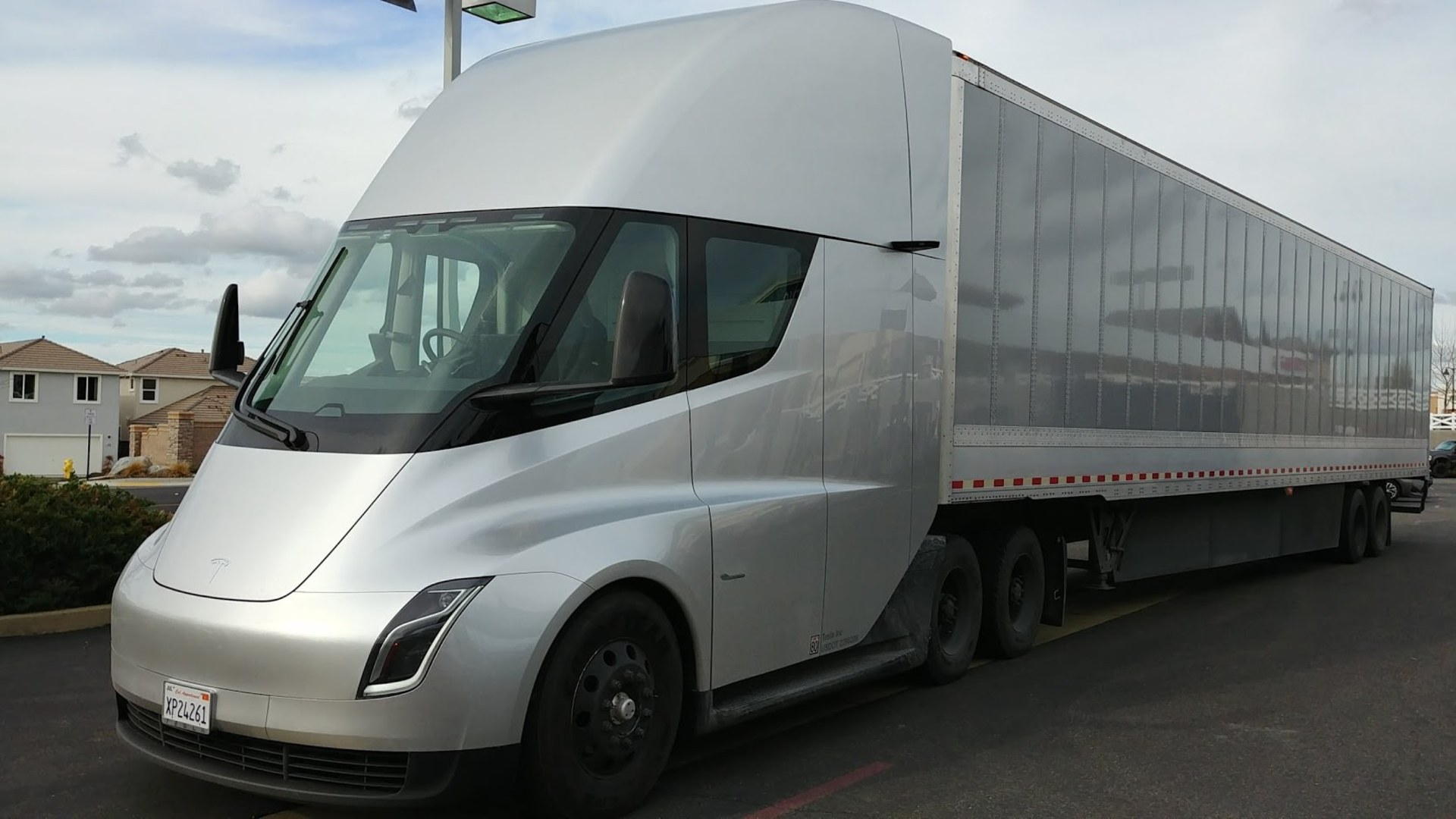
15. Megawatt Freight Charging
Heavy Class 8 freight haulers require immense electrical throughput to replenish 500 to 900 kWh battery packs during required driver rest breaks. The emerging Megawatt Charging System standard delivers up to 3.75 megawatts of direct current power through liquid-cooled cables.
©Wikimedia Commons / Korbitr
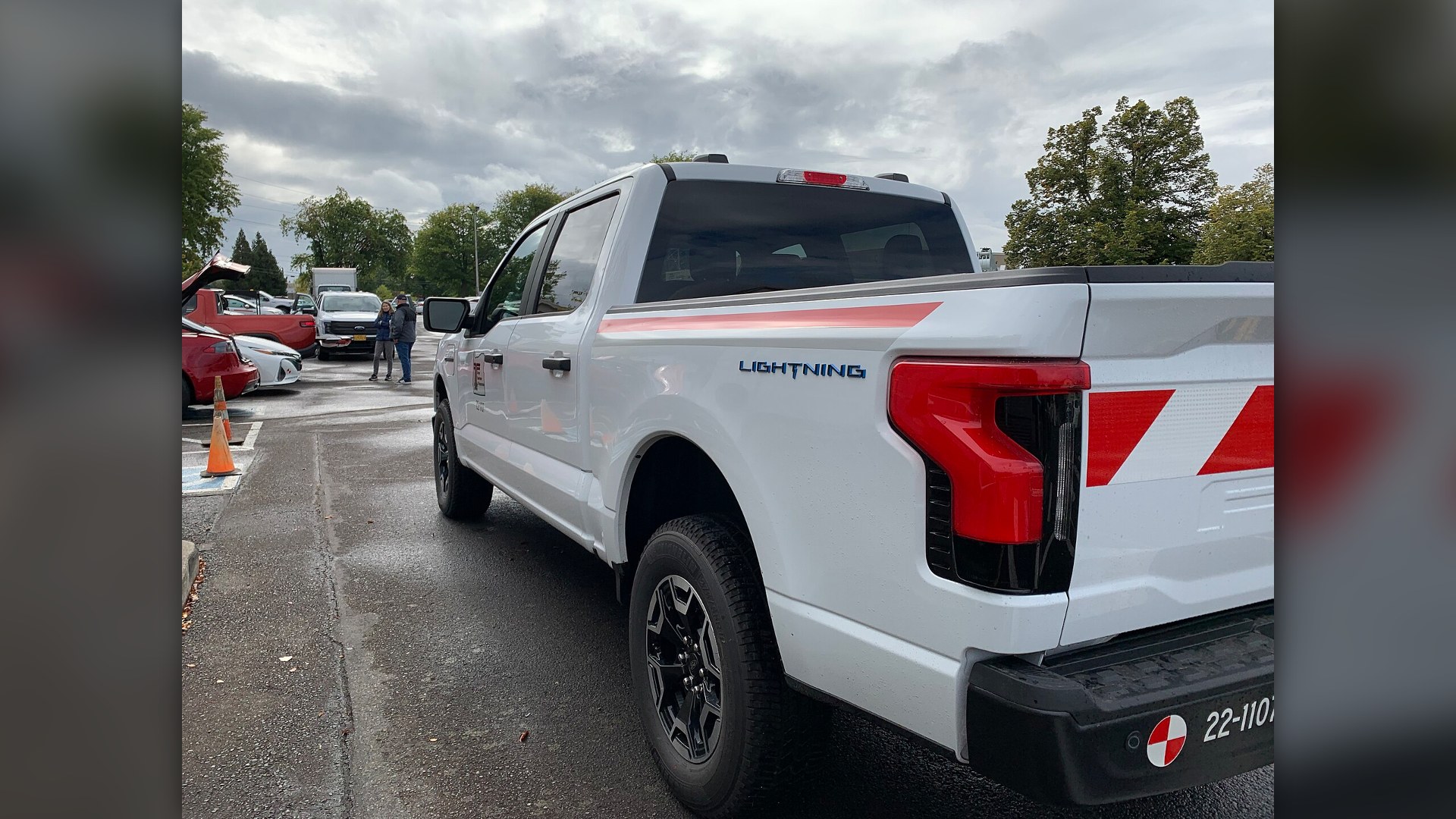
14. Bidirectional Power Flow
Bidirectional charging inverters allow electric vehicles to send high-voltage power back into homes or the municipal electrical grid. During storm blackouts or peak summer heat waves, vehicle batteries automatically feed power to appliances, turning driveways into distributed power stations.
©Wikimedia Commons / Oregon DOT
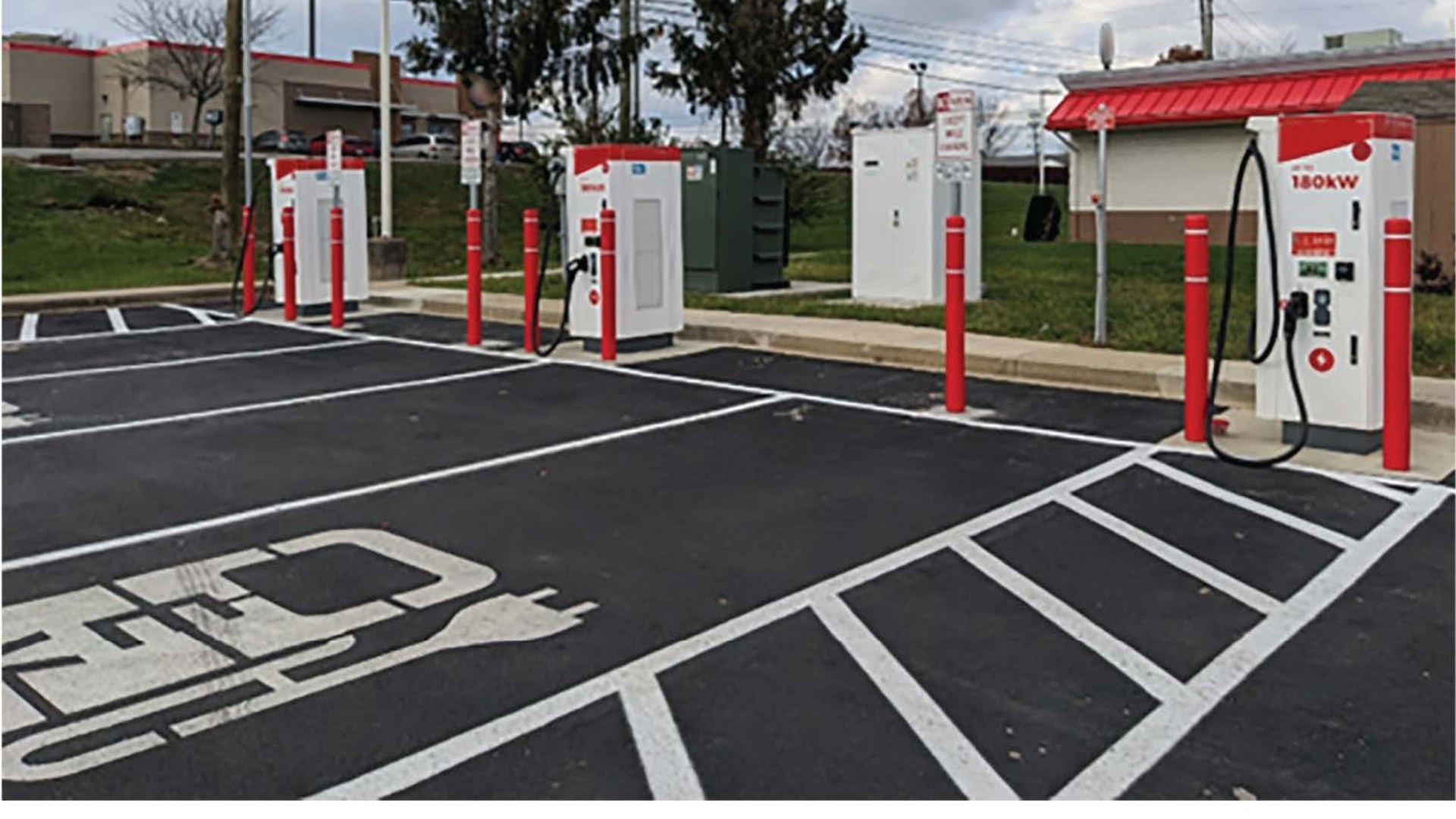
13. Federal NEVI Highway Plazas
Created under the Bipartisan Infrastructure Law, the five-billion-dollar National Electric Vehicle Infrastructure program is building fast charging plazas along designated alternative fuel corridors. Stations must offer at least four 150kW ports and maintain ninety-seven percent operational uptime.
©Wikimedia Commons / U.S. GAO
Advertisement
Swipe or tap ▶ to resume the countdown.
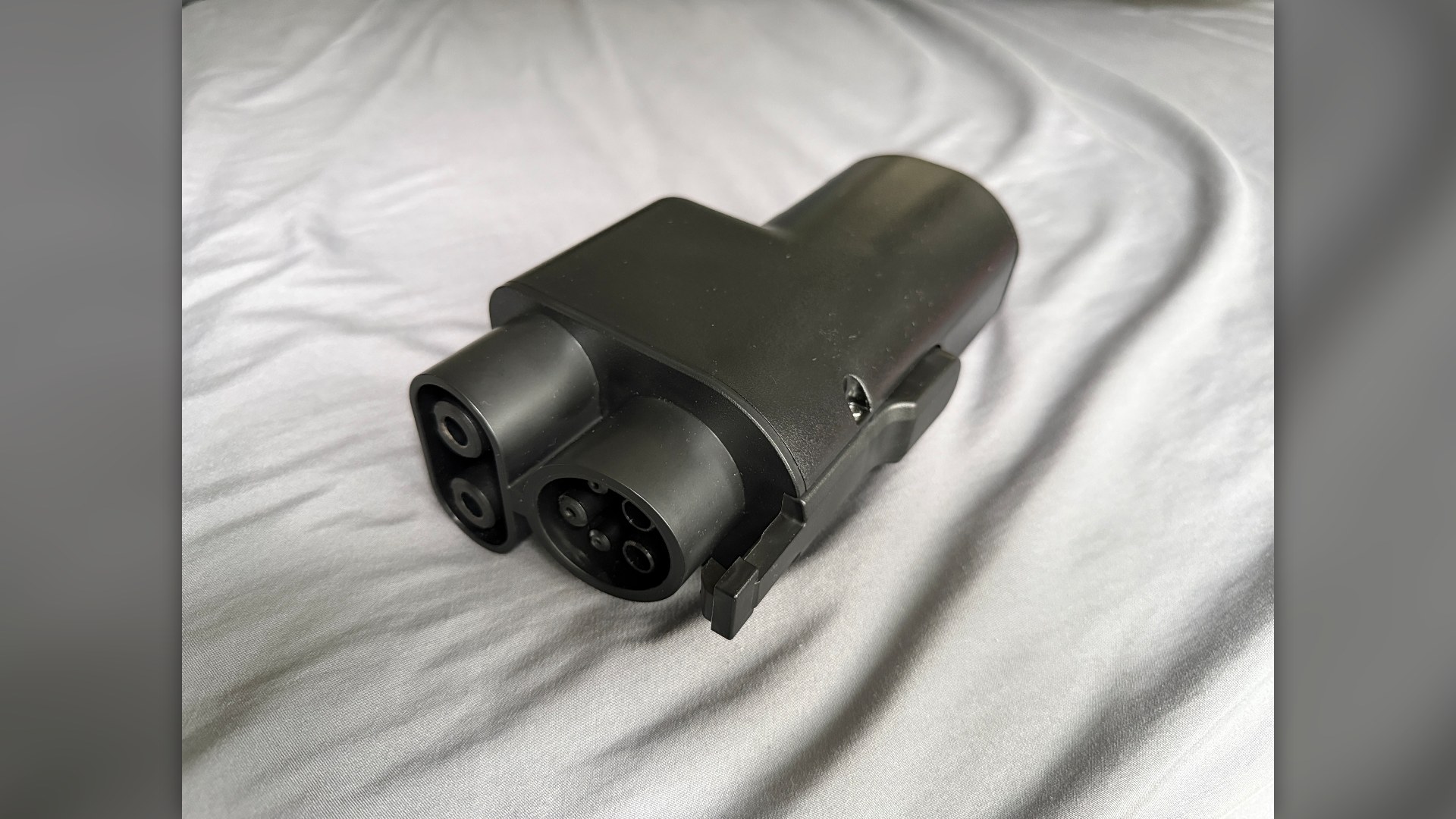
12. Universal NACS Adoption
Automakers across North America have united around the compact North American Charging Standard, codified as SAE J3400. New electric cars now roll off assembly lines with native NACS inlet ports, while existing CCS1 vehicles utilize high-current adapters to access compatible chargers.
©Wikimedia Commons / 4300streetcar
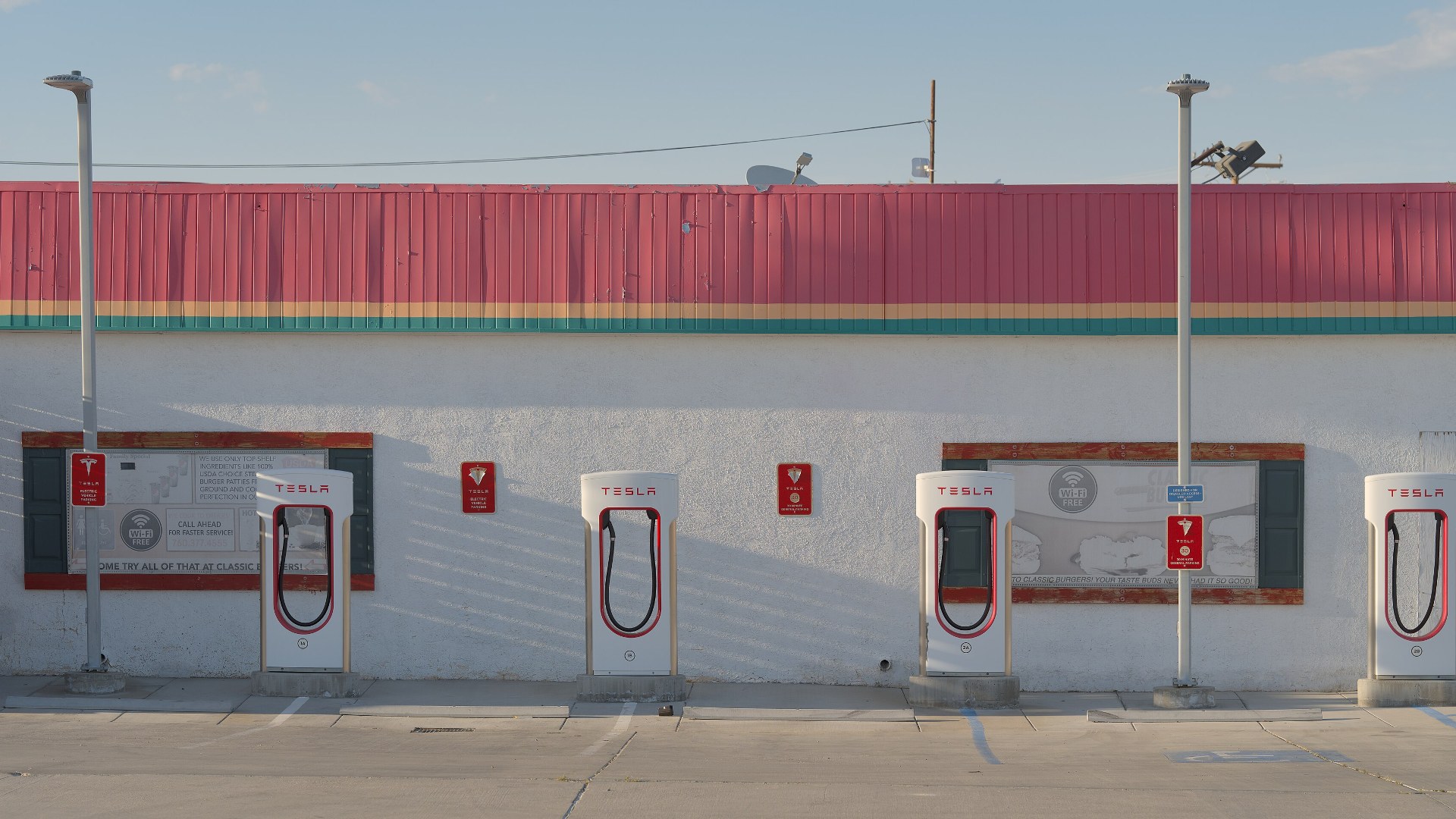
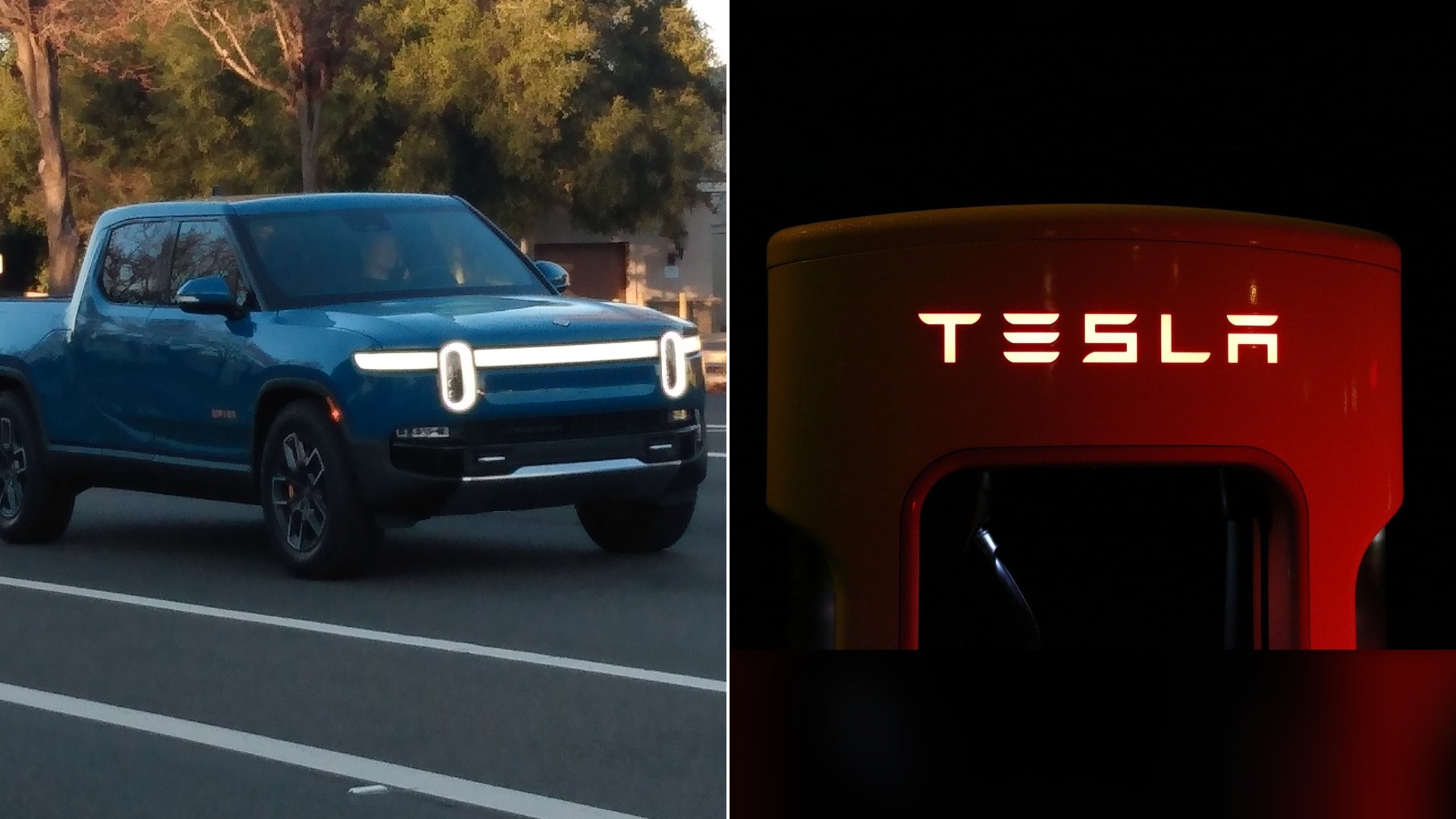
11. Open-Access Supercharger Hubs
The largest dedicated DC fast charging network in America is transitioning into an open universal utility. Through built-in Magic Dock adapters and authorized automaker access, drivers of Ford, Rivian, and GM vehicles can plug directly into high-speed highway Superchargers across the nation.
©Wikimedia Commons / Daniel Lu
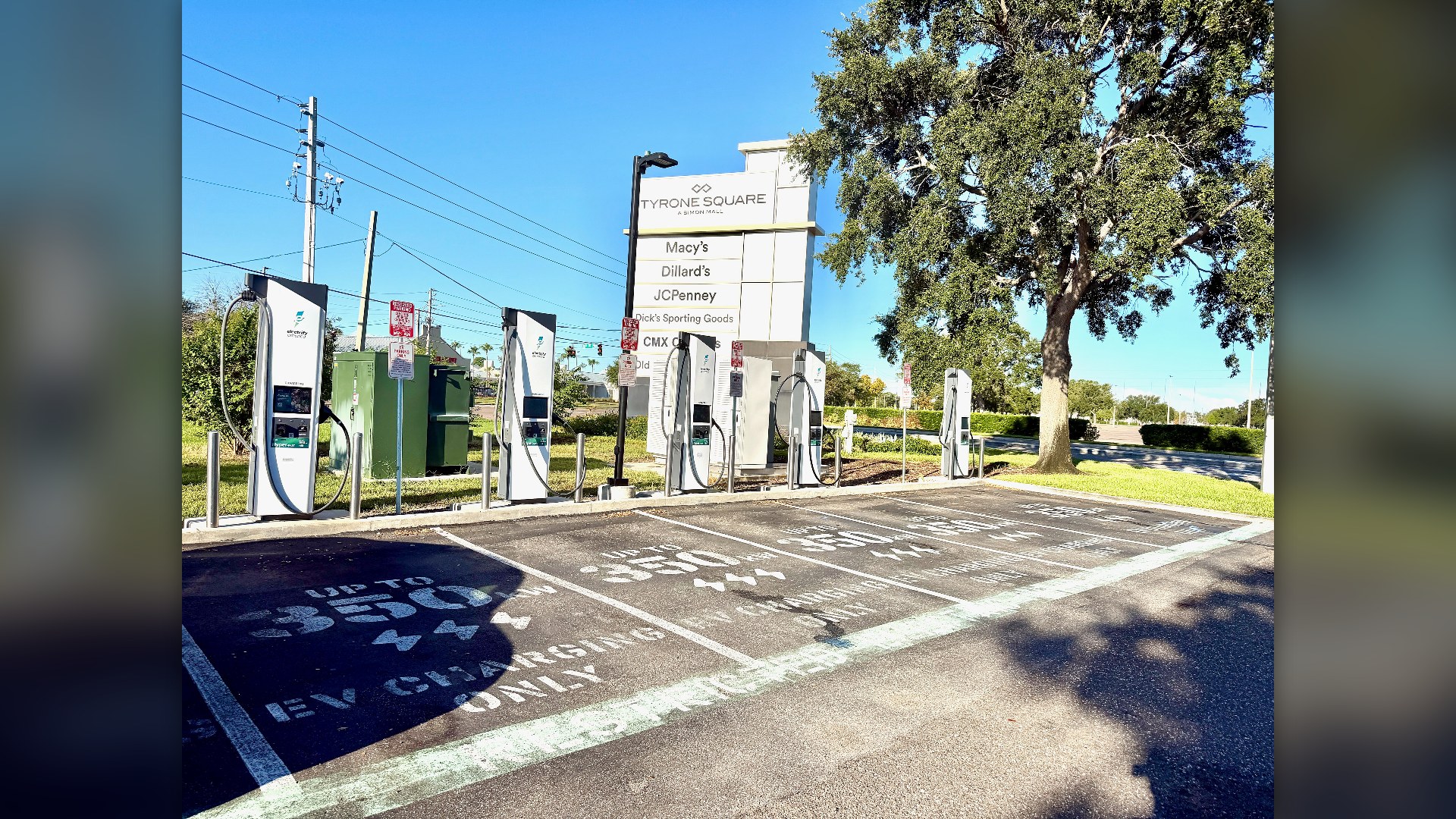
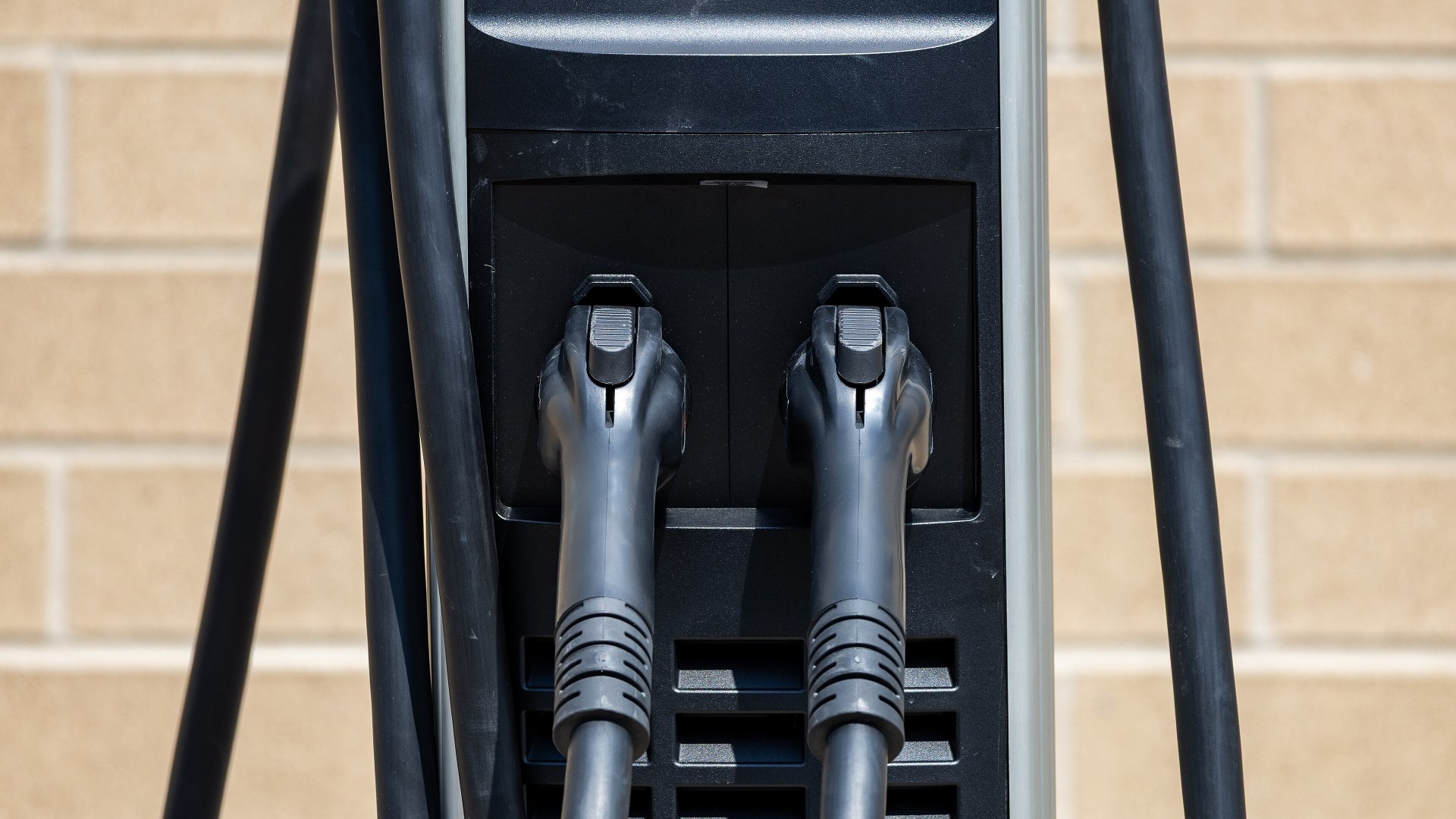
10. Ultra-Fast 350kW Dispensers
Modern high-performance electric vehicles use 800-volt electrical systems that pull up to 350 kilowatts without overheating cables. By utilizing liquid-cooled copper wiring, these ultra-fast dispensers add two hundred miles of driving range in approximately the time it takes to grab a cup of coffee.
©Wikimedia Commons / G. Edward Johnson
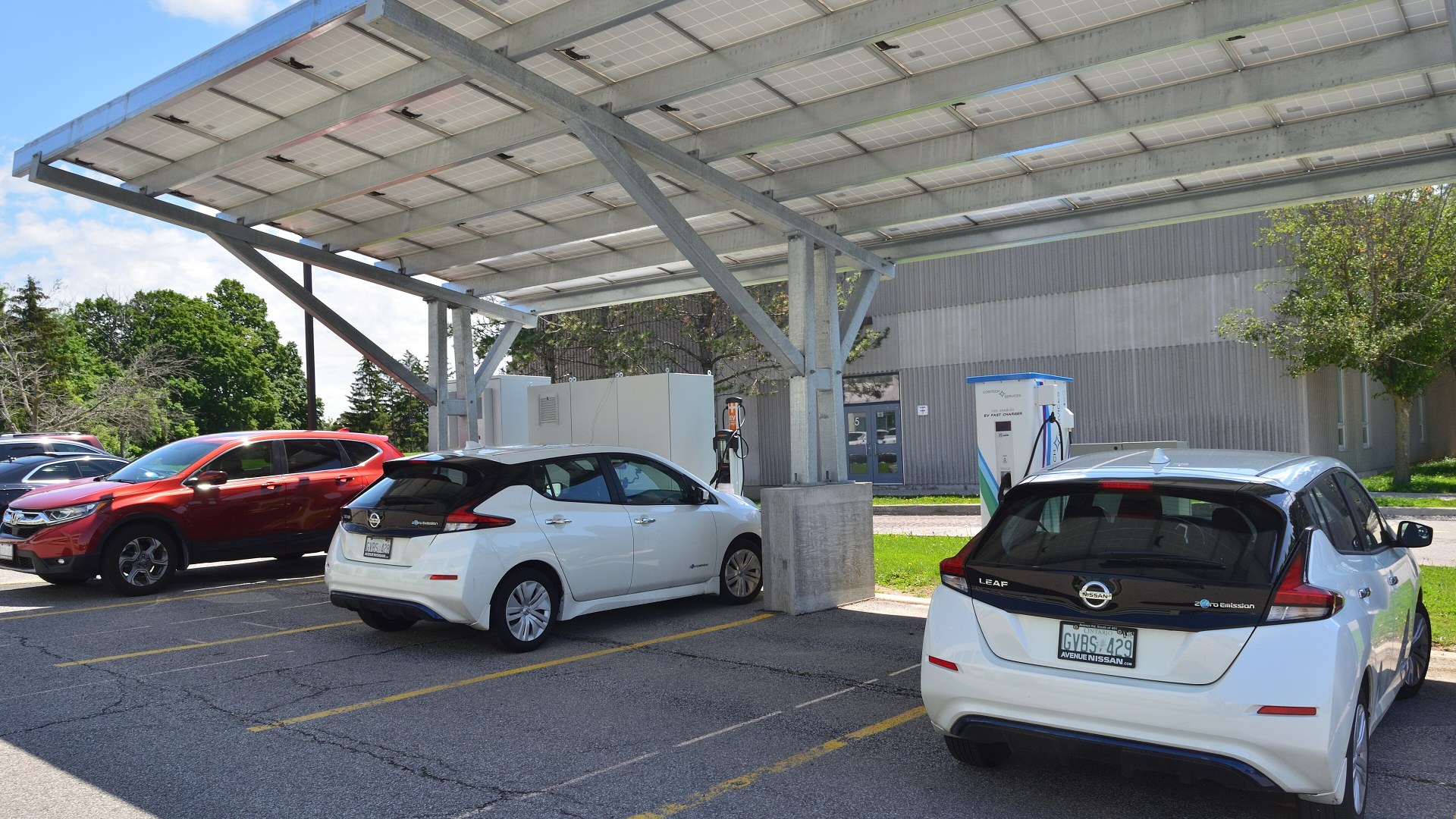
9. Solar Canopies And Microgrids
Large charging plazas are pairing overhead solar canopies with on-site commercial battery energy storage systems. These stationary battery buffers store cheap solar electricity during midday hours and discharge during demand spikes, shielding local utility grids from sudden multi-megawatt power surges.
©Wikimedia Commons / Raysonho
Advertisement
Swipe or tap ▶ to resume the countdown.
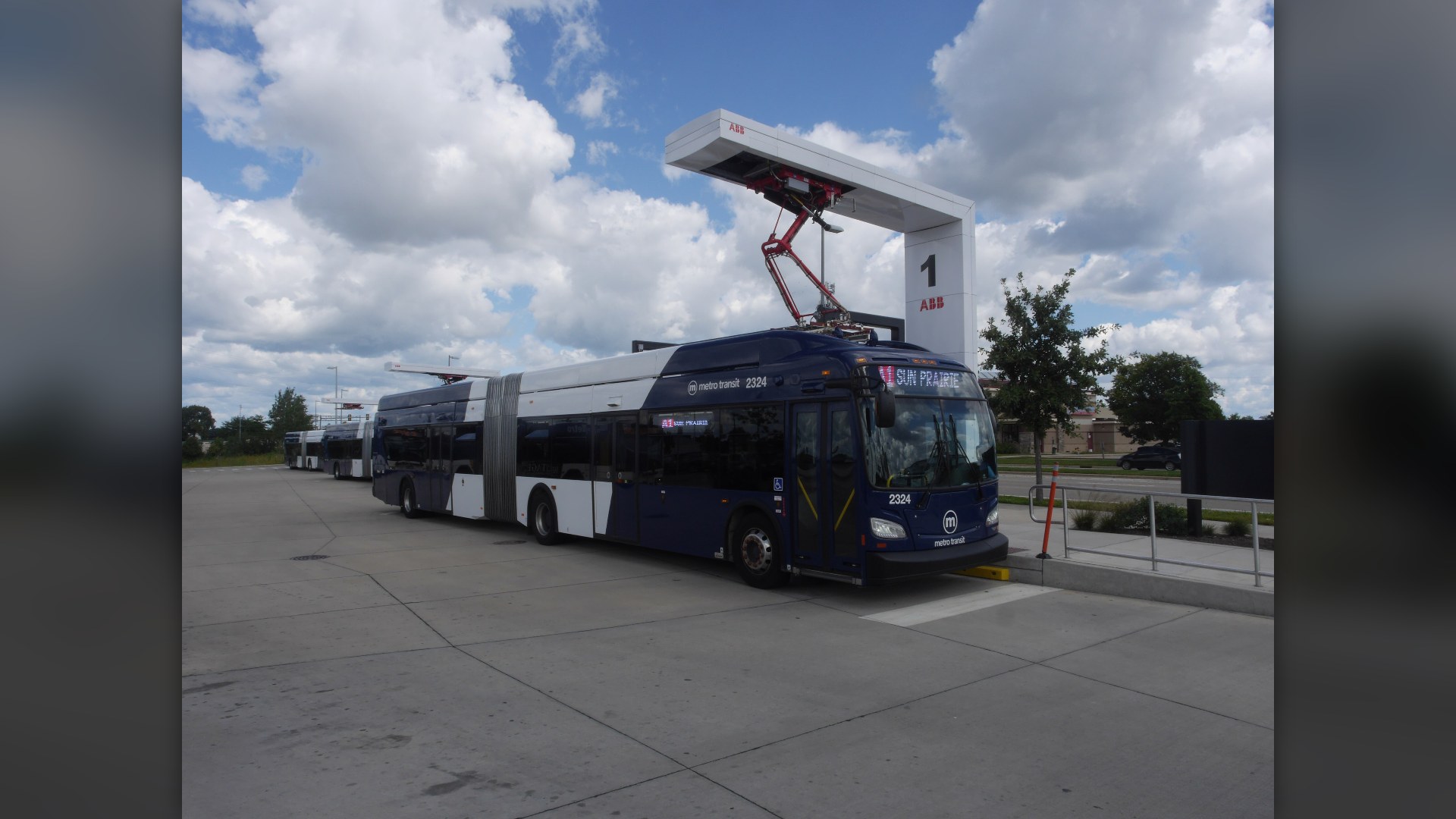
8. Transit Overhead Pantographs
City transit authorities are deploying automated overhead pantograph systems at key transit hubs. When an electric bus pulls into the stop, an overhead arm lowers onto roof rails to deliver 450 kilowatts of rapid opportunity charging, keeping transit fleets running continuously all day.
©Wikimedia Commons / WORT News
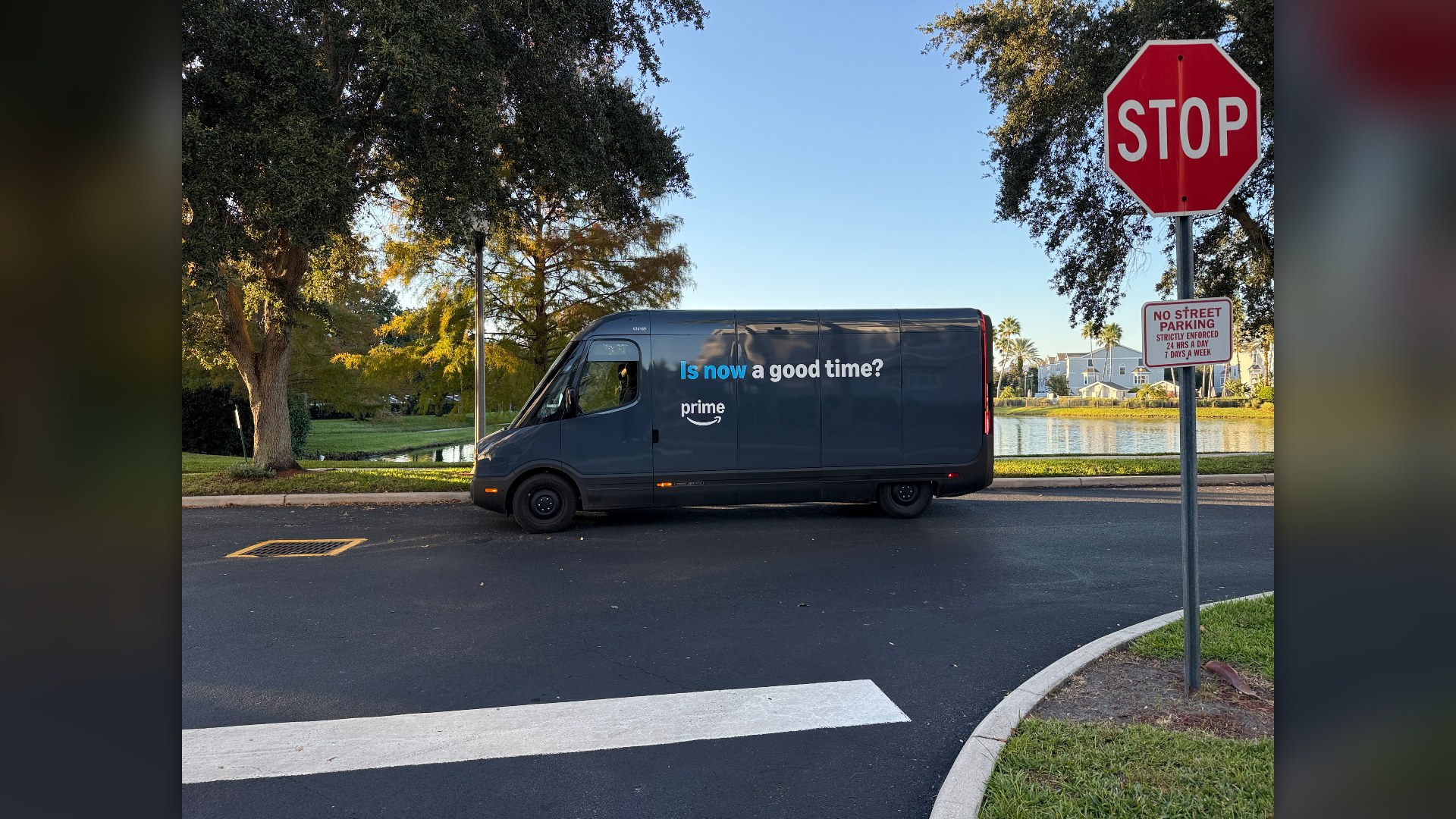
7. Commercial Delivery Depots
Major logistics and parcel delivery companies are transforming distribution centers into private electrical microgrids. Hundreds of custom electric delivery vans charge simultaneously overnight on intelligent depot management software that balances load distribution to avoid costly peak utility rates.
©Wikimedia Commons / Nielsoncaetanosalmeron
6. Cross-Network Interoperability
Walled-garden charging ecosystems are dissolving as networks open their doors. The Rivian Adventure Network and other automaker networks now welcome third-party electric vehicles, expanding fast charging choices along outdoor corridors, national parks, and previously underserved rural routes.
©Wikimedia Commons / 4300streetcar
5. Retail Highway Travel Plazas
The days of solitary chargers tucked into dimly lit corners of shopping center lots are fading. Modern charging installations are integrated into full-scale travel plazas offering clean restrooms, cafes, high-speed Wi-Fi lounges, and 24-hour retail amenities to elevate the driver experience.
©Wikimedia Commons / Oleg Yunakov
Advertisement
Swipe or tap ▶ to resume the countdown.
4. Seamless Plug And Charge
Based on the international ISO 15118 standard, Plug and Charge enables instant cryptographic handshake between vehicle and charging post. Drivers simply plug in the cable, and the station automatically identifies the car, initiates power flow, and bills the account on file without swiping cards.
©Wikimedia Commons / Chris Woodrich
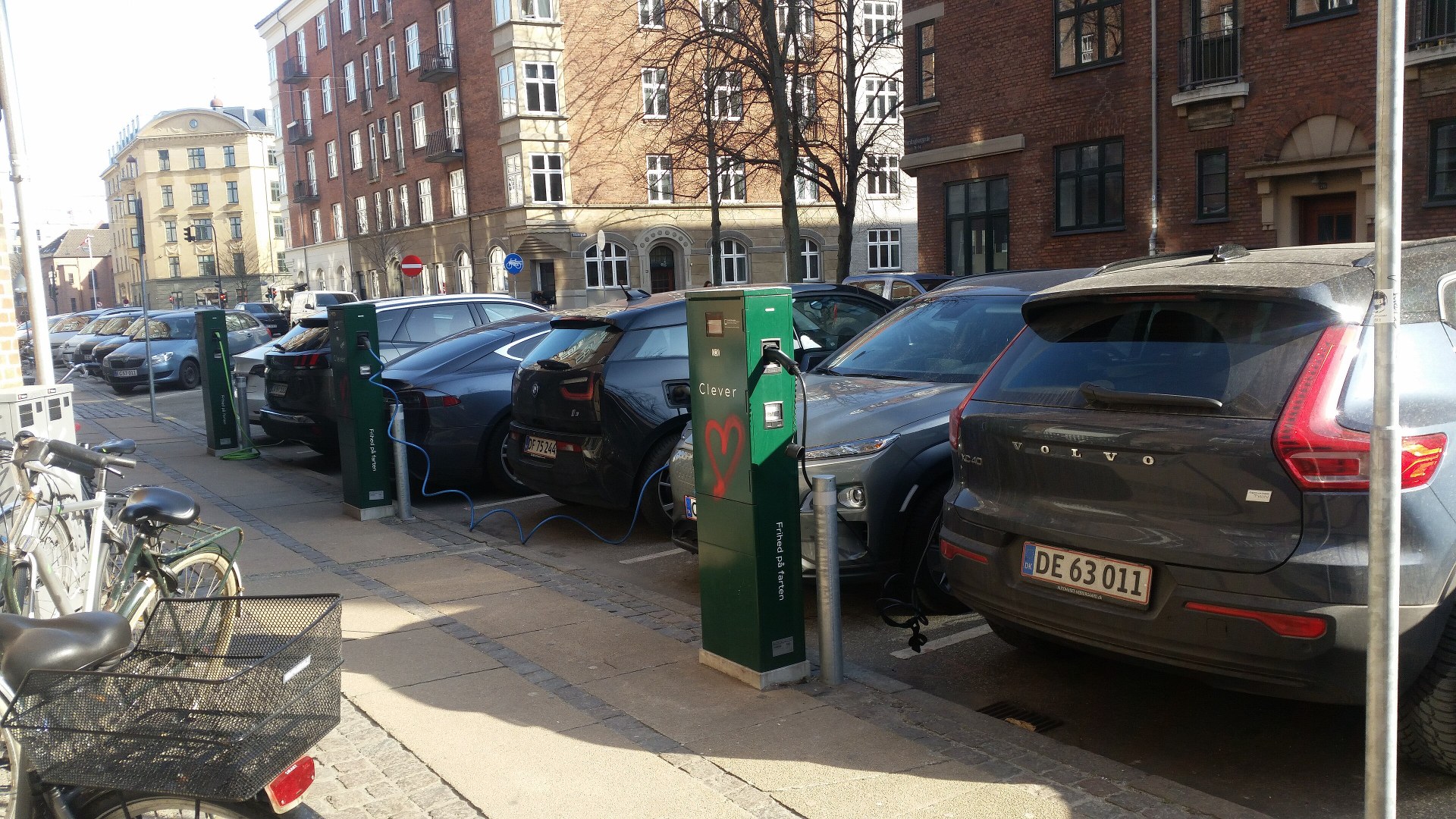
3. Curbside Street Charging
For millions of urban residents without private garages or driveways, on-street charging is vital. Cities are retrofitting streetlamps and installing low-profile sidewalk curbside chargers, allowing apartment dwellers to plug in overnight using standard Level 2 curbside charging hardware.
©Wikimedia Commons / Elgaard
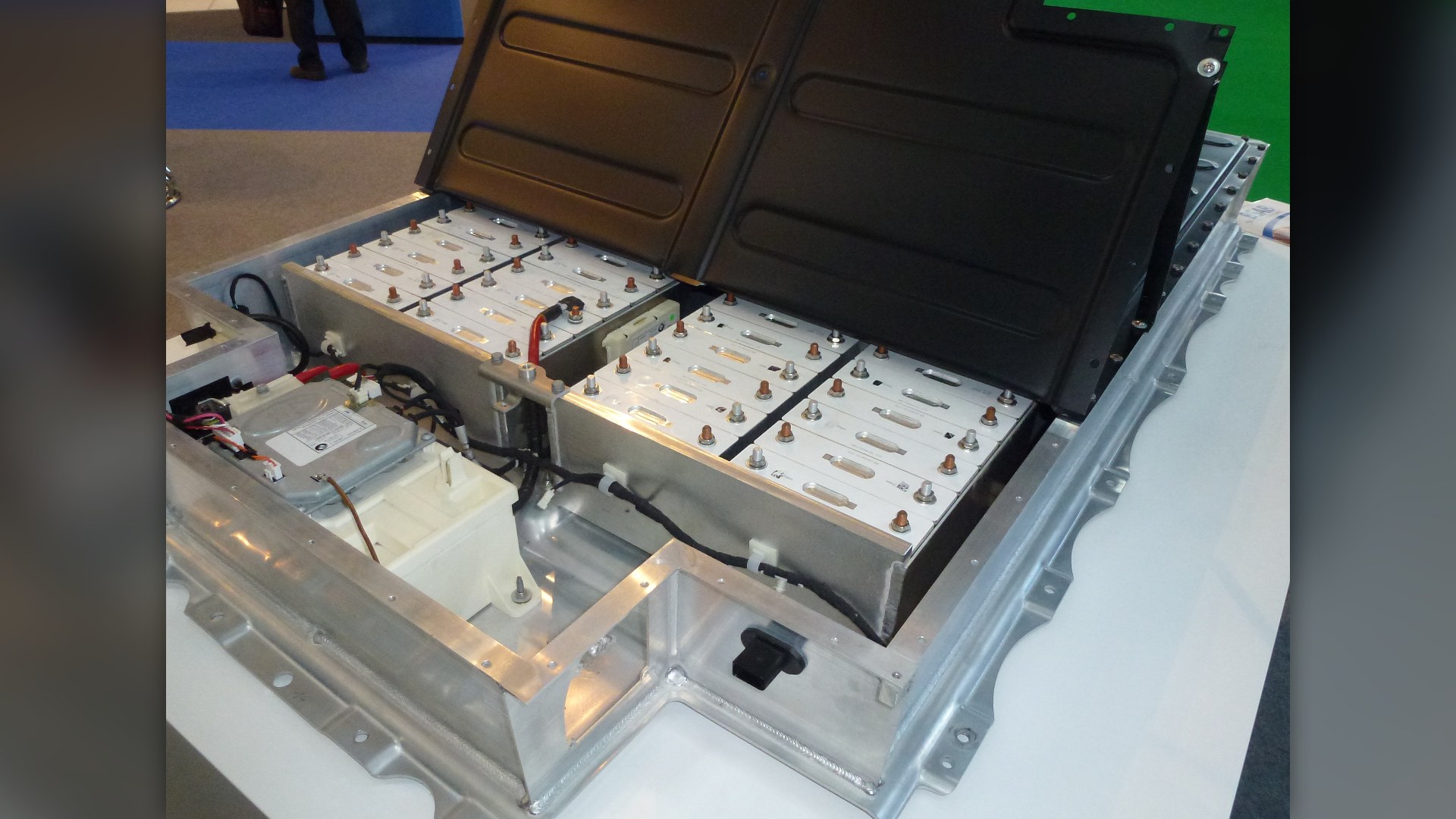
2. Battery Thermal Architecture
Charging speeds are dictated by how quickly battery packs dissipate heat. Next-generation battery designs integrate liquid cooling channels directly into cell modules and utilize silicon-doped anodes, allowing vehicles to maintain high kilowatt charging rates deeper into the battery capacity curve.
©Wikimedia Commons / RudolfSimon
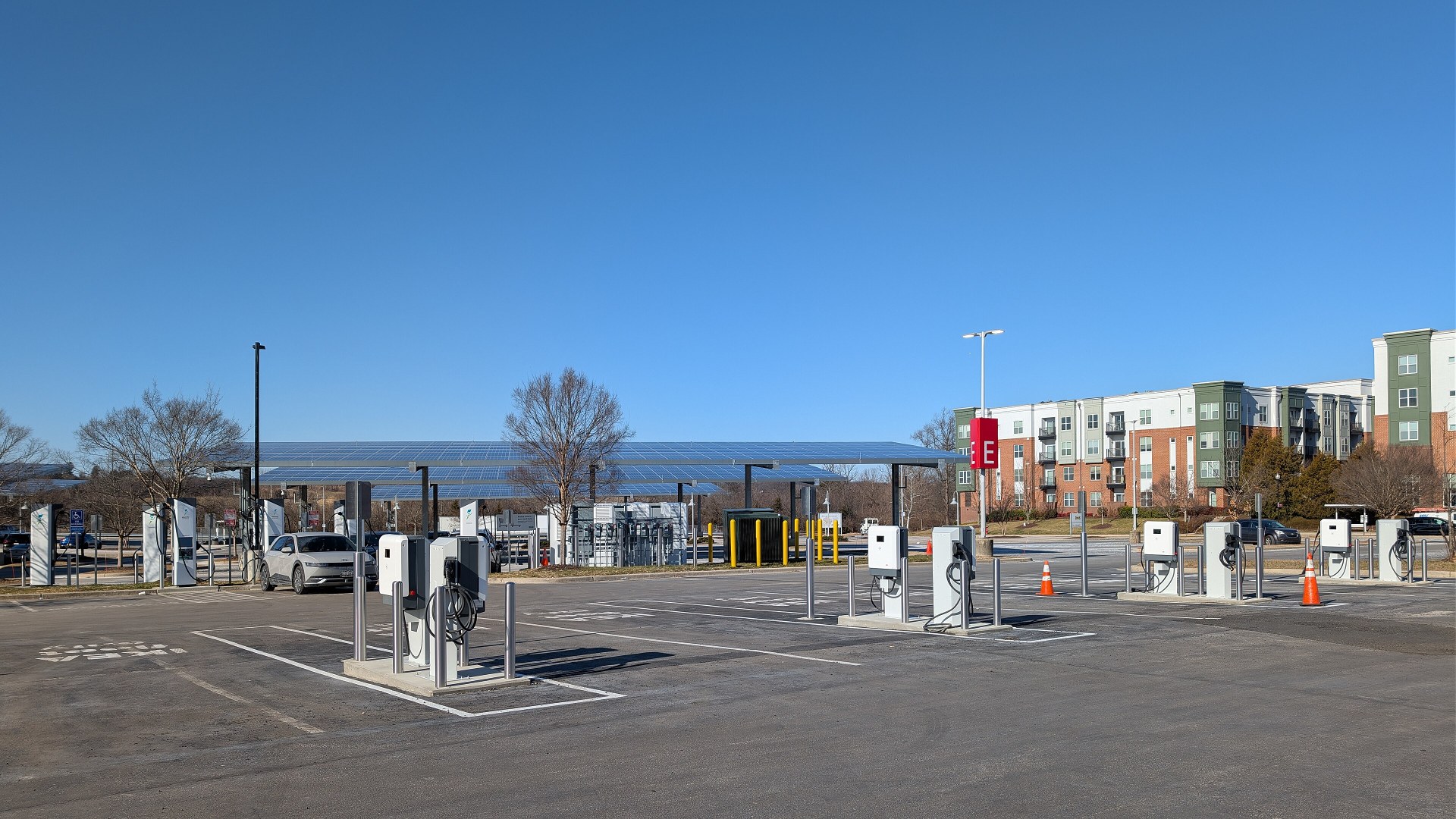
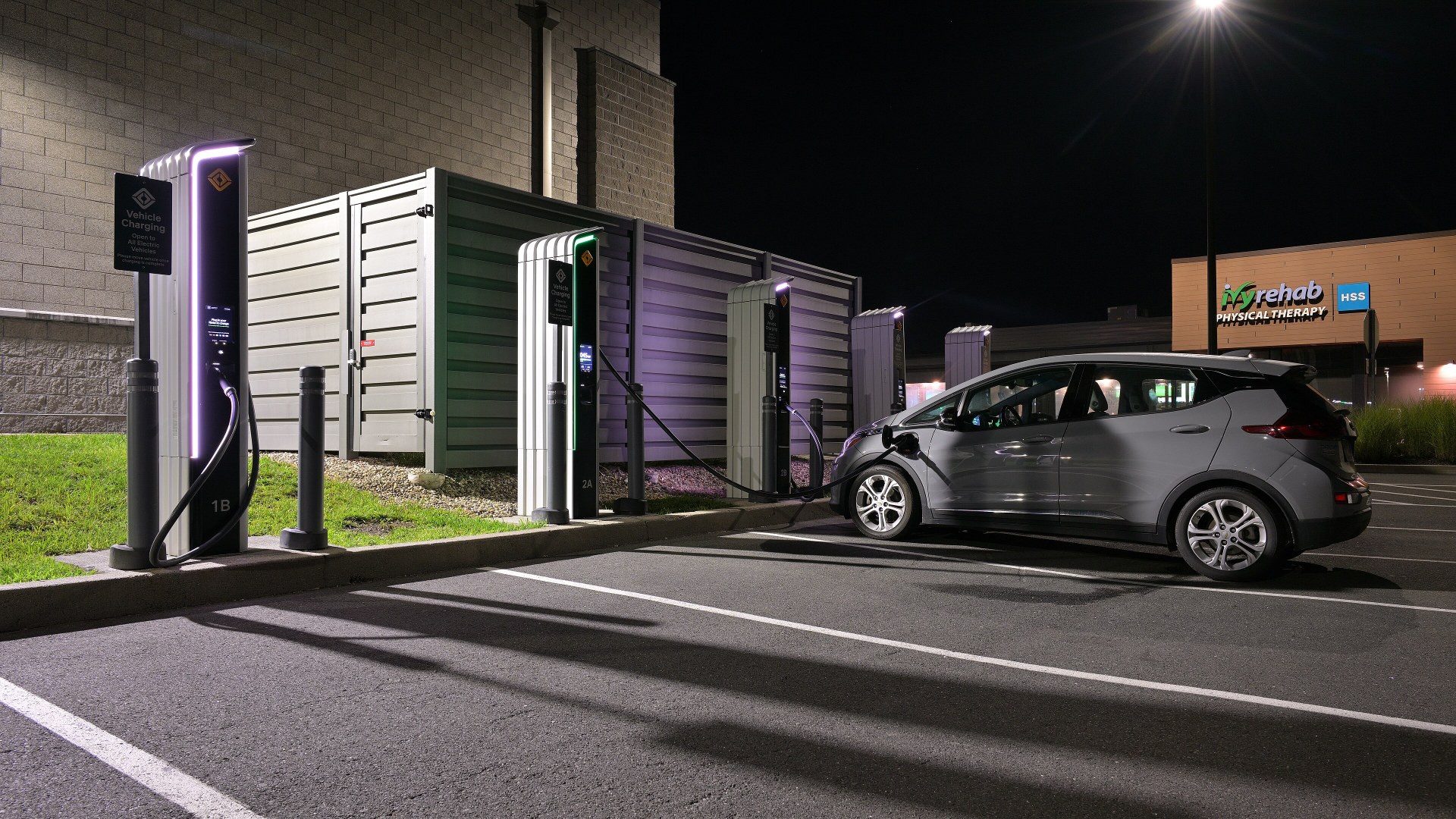
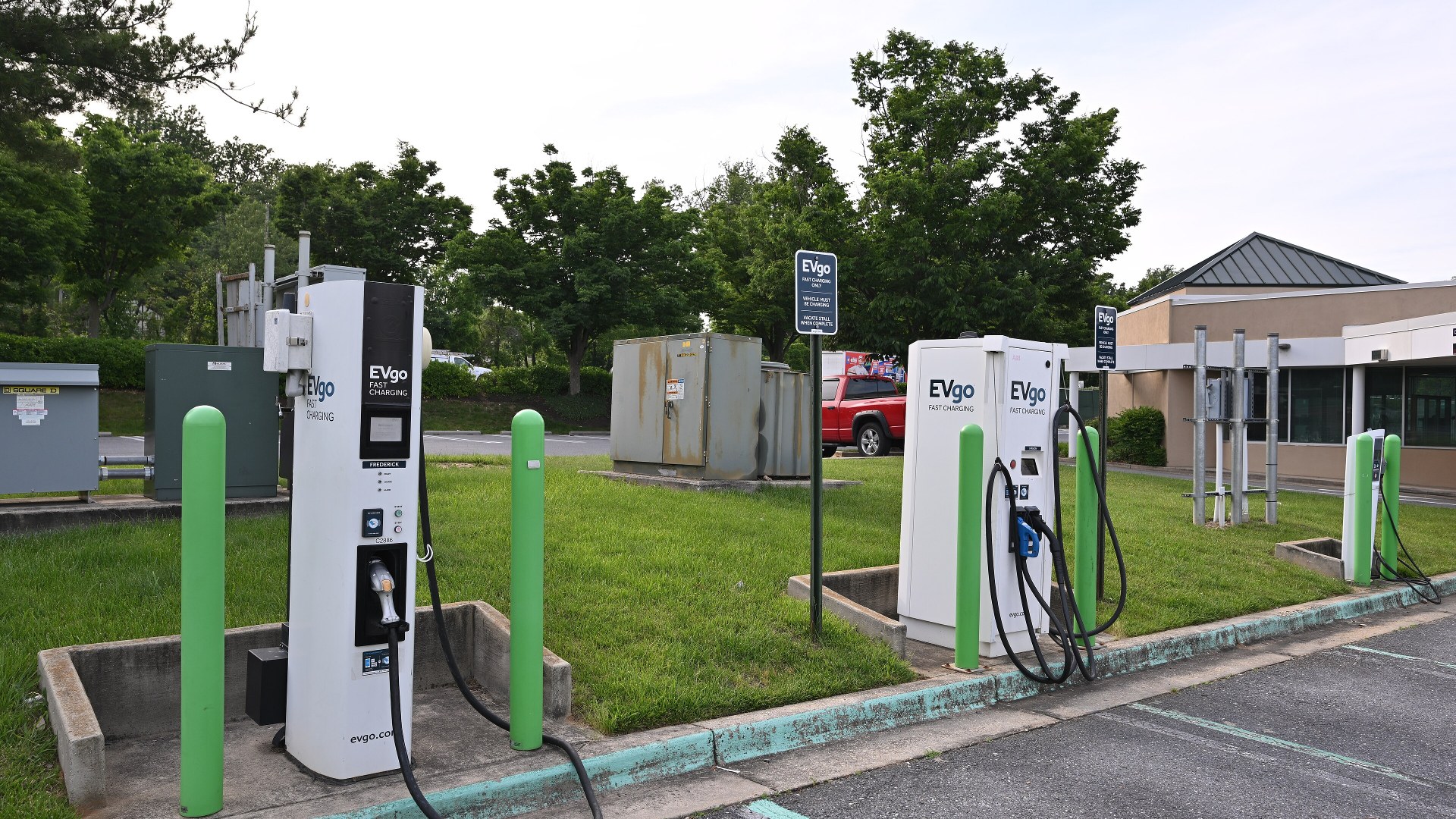
1. Urban High-Density Fast Hubs
To support rideshare drivers, delivery couriers, and urban commuters, charging companies are constructing high-density DC fast charging plazas in central city neighborhoods. These dedicated multi-stall hubs provide rapid thirty-minute turnarounds, ensuring reliable power access without a driveway.

©Wikimedia Commons / G. Edward Johnson
Advertisement
You've reached the end of the story. Thanks for reading!

20 Famous Cars With Pop-Up Headlights That Shaped Car Design
From hand-cranked 1930s teardrops to wedge supercars of the 1980s, hidden headlights let stylists chase sleek aerodynamics until 2004 pedestrian rules closed the curtain. Here are 20 standout production cars that turned retractable lamps into an enduring automotive design feature across seven full decades.
All 15 Entries in this Story
15. Megawatt Freight Charging
Heavy Class 8 freight haulers require immense electrical throughput to replenish 500 to 900 kWh battery packs during required driver rest breaks. The emerging Megawatt Charging System standard delivers up to 3.75 megawatts of direct current power through liquid-cooled cables.

14. Bidirectional Power Flow
Bidirectional charging inverters allow electric vehicles to send high-voltage power back into homes or the municipal electrical grid. During storm blackouts or peak summer heat waves, vehicle batteries automatically feed power to appliances, turning driveways into distributed power stations.

13. Federal NEVI Highway Plazas
Created under the Bipartisan Infrastructure Law, the five-billion-dollar National Electric Vehicle Infrastructure program is building fast charging plazas along designated alternative fuel corridors. Stations must offer at least four 150kW ports and maintain ninety-seven percent operational uptime.

12. Universal NACS Adoption
Automakers across North America have united around the compact North American Charging Standard, codified as SAE J3400. New electric cars now roll off assembly lines with native NACS inlet ports, while existing CCS1 vehicles utilize high-current adapters to access compatible chargers.

11. Open-Access Supercharger Hubs
The largest dedicated DC fast charging network in America is transitioning into an open universal utility. Through built-in Magic Dock adapters and authorized automaker access, drivers of Ford, Rivian, and GM vehicles can plug directly into high-speed highway Superchargers across the nation.

10. Ultra-Fast 350kW Dispensers
Modern high-performance electric vehicles use 800-volt electrical systems that pull up to 350 kilowatts without overheating cables. By utilizing liquid-cooled copper wiring, these ultra-fast dispensers add two hundred miles of driving range in approximately the time it takes to grab a cup of coffee.

9. Solar Canopies And Microgrids
Large charging plazas are pairing overhead solar canopies with on-site commercial battery energy storage systems. These stationary battery buffers store cheap solar electricity during midday hours and discharge during demand spikes, shielding local utility grids from sudden multi-megawatt power surges.

8. Transit Overhead Pantographs
City transit authorities are deploying automated overhead pantograph systems at key transit hubs. When an electric bus pulls into the stop, an overhead arm lowers onto roof rails to deliver 450 kilowatts of rapid opportunity charging, keeping transit fleets running continuously all day.

7. Commercial Delivery Depots
Major logistics and parcel delivery companies are transforming distribution centers into private electrical microgrids. Hundreds of custom electric delivery vans charge simultaneously overnight on intelligent depot management software that balances load distribution to avoid costly peak utility rates.

6. Cross-Network Interoperability
Walled-garden charging ecosystems are dissolving as networks open their doors. The Rivian Adventure Network and other automaker networks now welcome third-party electric vehicles, expanding fast charging choices along outdoor corridors, national parks, and previously underserved rural routes.

5. Retail Highway Travel Plazas
The days of solitary chargers tucked into dimly lit corners of shopping center lots are fading. Modern charging installations are integrated into full-scale travel plazas offering clean restrooms, cafes, high-speed Wi-Fi lounges, and 24-hour retail amenities to elevate the driver experience.

4. Seamless Plug And Charge
Based on the international ISO 15118 standard, Plug and Charge enables instant cryptographic handshake between vehicle and charging post. Drivers simply plug in the cable, and the station automatically identifies the car, initiates power flow, and bills the account on file without swiping cards.

3. Curbside Street Charging
For millions of urban residents without private garages or driveways, on-street charging is vital. Cities are retrofitting streetlamps and installing low-profile sidewalk curbside chargers, allowing apartment dwellers to plug in overnight using standard Level 2 curbside charging hardware.

2. Battery Thermal Architecture
Charging speeds are dictated by how quickly battery packs dissipate heat. Next-generation battery designs integrate liquid cooling channels directly into cell modules and utilize silicon-doped anodes, allowing vehicles to maintain high kilowatt charging rates deeper into the battery capacity curve.

1. Urban High-Density Fast Hubs
To support rideshare drivers, delivery couriers, and urban commuters, charging companies are constructing high-density DC fast charging plazas in central city neighborhoods. These dedicated multi-stall hubs provide rapid thirty-minute turnarounds, ensuring reliable power access without a driveway.