Slideshow · Viral
How Black Friday Became America's Biggest Shopping Event
From an 1869 Wall Street crisis and Philadelphia traffic jams to overnight sidewalk campouts, trace how Black Friday took over the holiday season.
By Most Viral Today
3 Nov 2026

How Black Friday Became America's Biggest Shopping Event 
20. The 1869 Gold Market Panic 
19. Macy's Thanksgiving Day Parade 
18. The Unwritten Gentlemen's Agreement - AdvertisementSwipe or tap ▶ to continue countdown

17. FDR's Franksgiving Of 1939 
16. Philadelphia Police Coin The Name 
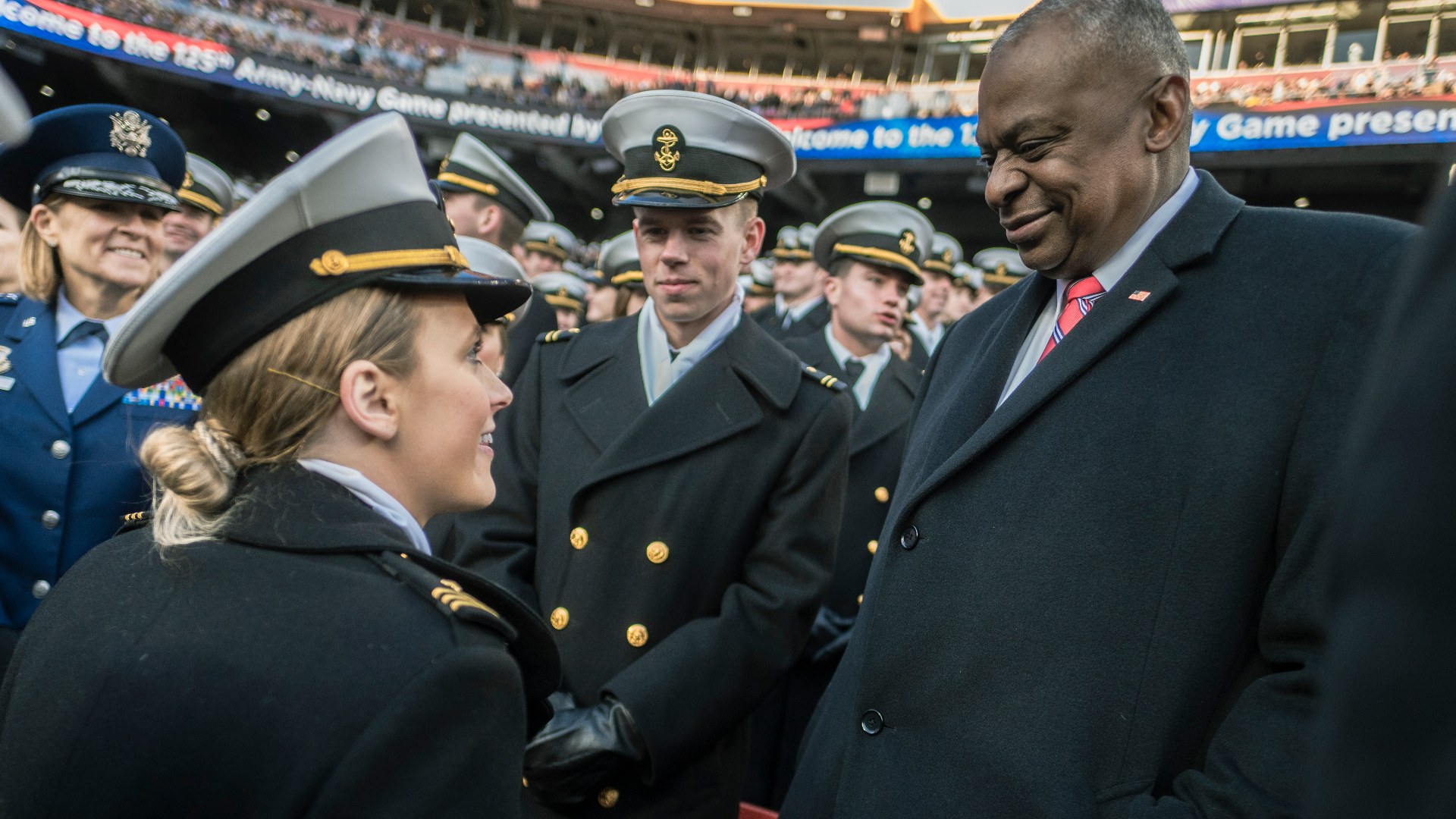
15. The Army-Navy Game Influx 
14. The Failed Big Friday Rebrand - AdvertisementSwipe or tap ▶ to continue countdown

13. From Red Ink To Black Ink 
12. National Suburban Mall Expansion 
11. The 1983 Cabbage Patch Craze 
10. Dawn Patrol And Early Openings - AdvertisementSwipe or tap ▶ to continue countdown

9. The 1996 Tickle Me Elmo Mania 
8. The Power Of The Newspaper Circular 
7. Sidewalk Campouts And Best Buy Tents 
6. Crowd Crush And Safety Standards - AdvertisementSwipe or tap ▶ to continue countdown

5. Black Thursday And Holiday Creep 
4. The Pushback And Opt Outside 
3. The Rise Of Cyber Monday 
2. Mobile Commerce And Black November - AdvertisementSwipe or tap ▶ to continue countdown

1. A Global Phenomenon - Advertisement🔥 UP NEXT IN THIS SERIES◫ 21 Slides

20 Famous Cars With Pop-Up Headlights That Shaped Car Design
From hand-cranked 1930s teardrops to wedge supercars of the 1980s, hidden headlights let stylists chase sleek aerodynamics until 2004 pedestrian rules closed the curtain. Here are 20 standout production cars that turned retractable lamps into an enduring automotive design feature across seven full decades.
From an 1869 Wall Street crisis and Philadelphia traffic jams to overnight sidewalk campouts, trace how Black Friday took over the holiday season.
Swipe or tap ▶ to begin the countdown
© Photo by Ashkan Forouzani on Unsplash
20. The 1869 Gold Market Panic
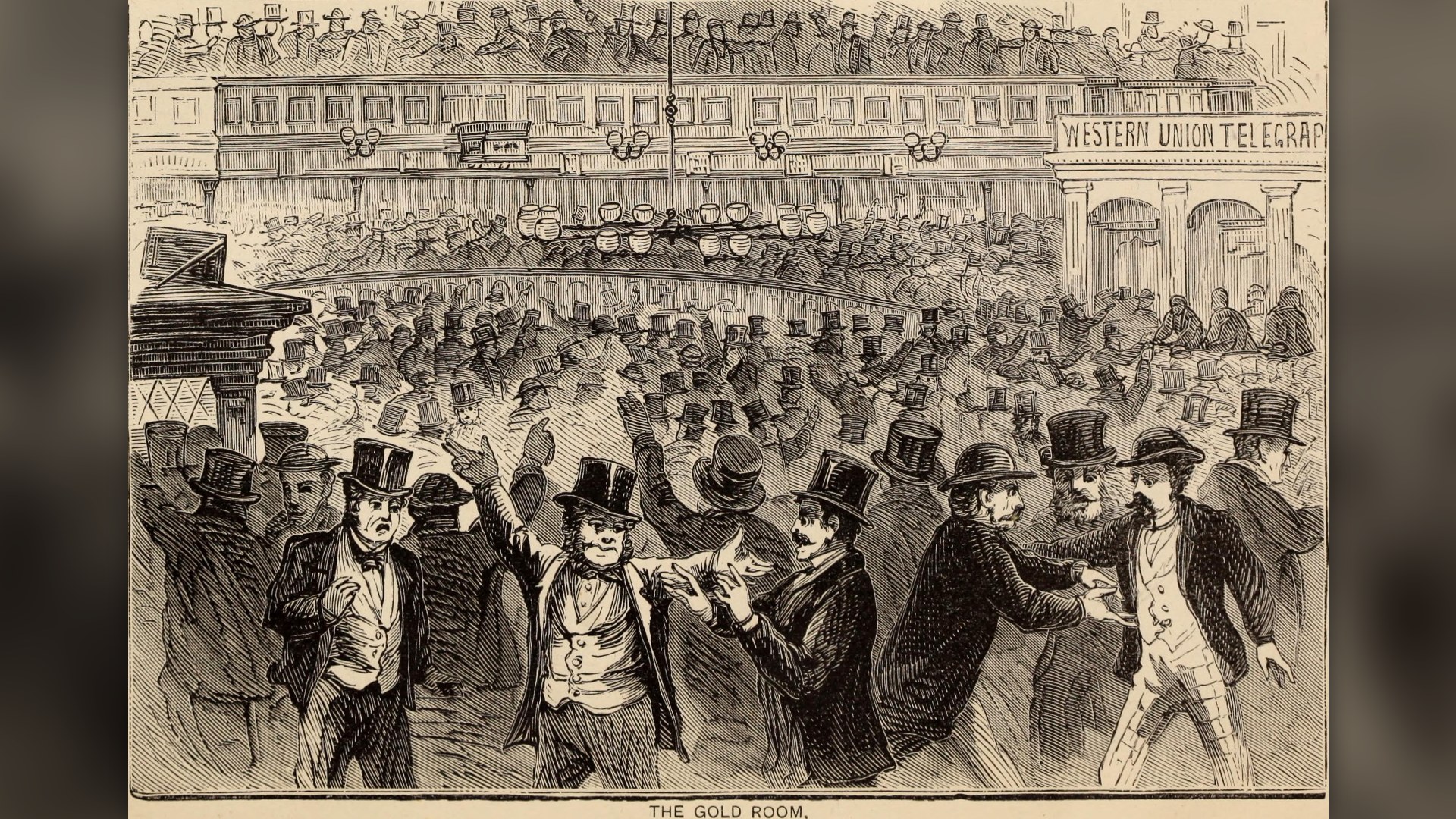
Long before retail discounts existed, the term Black Friday referred to September 24, 1869. Financiers Jay Gould and Jim Fisk attempted to corner the nation gold market, driving prices skyward. When the federal government flooded the market with gold to break the bubble, prices cratered, ruining investors.
©Wikimedia / Matthew Hale Smith
19. Macy's Thanksgiving Day Parade
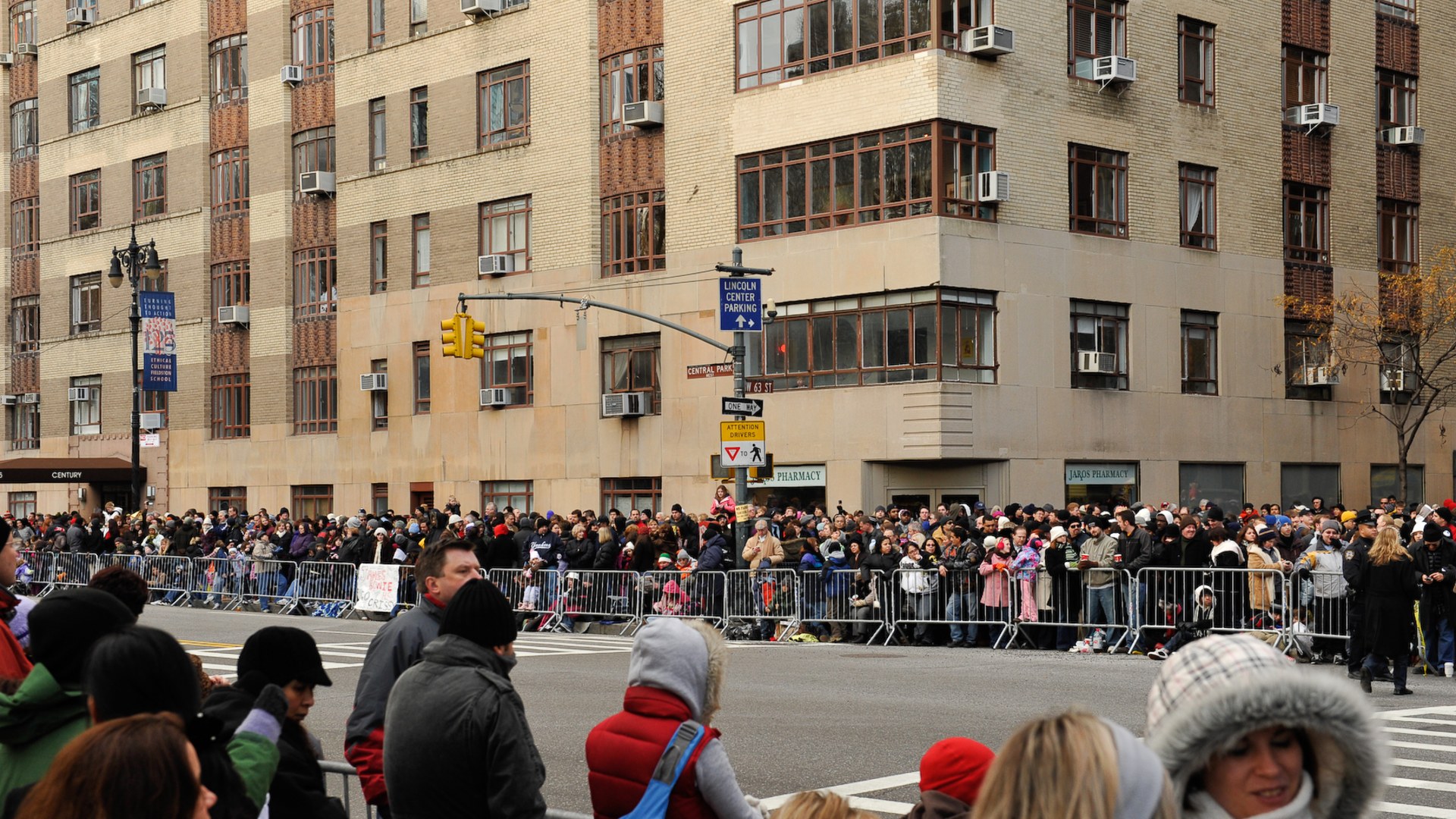
In 1924, department store employees marched through Manhattan to launch the Macy Thanksgiving Day Parade. Concluding with Santa Claus arriving at Herald Square, the spectacle established an enduring cultural cue for millions of Americans that Christmas shopping season had officially begun.
©Wikimedia / Jazz Guy
18. The Unwritten Gentlemen's Agreement
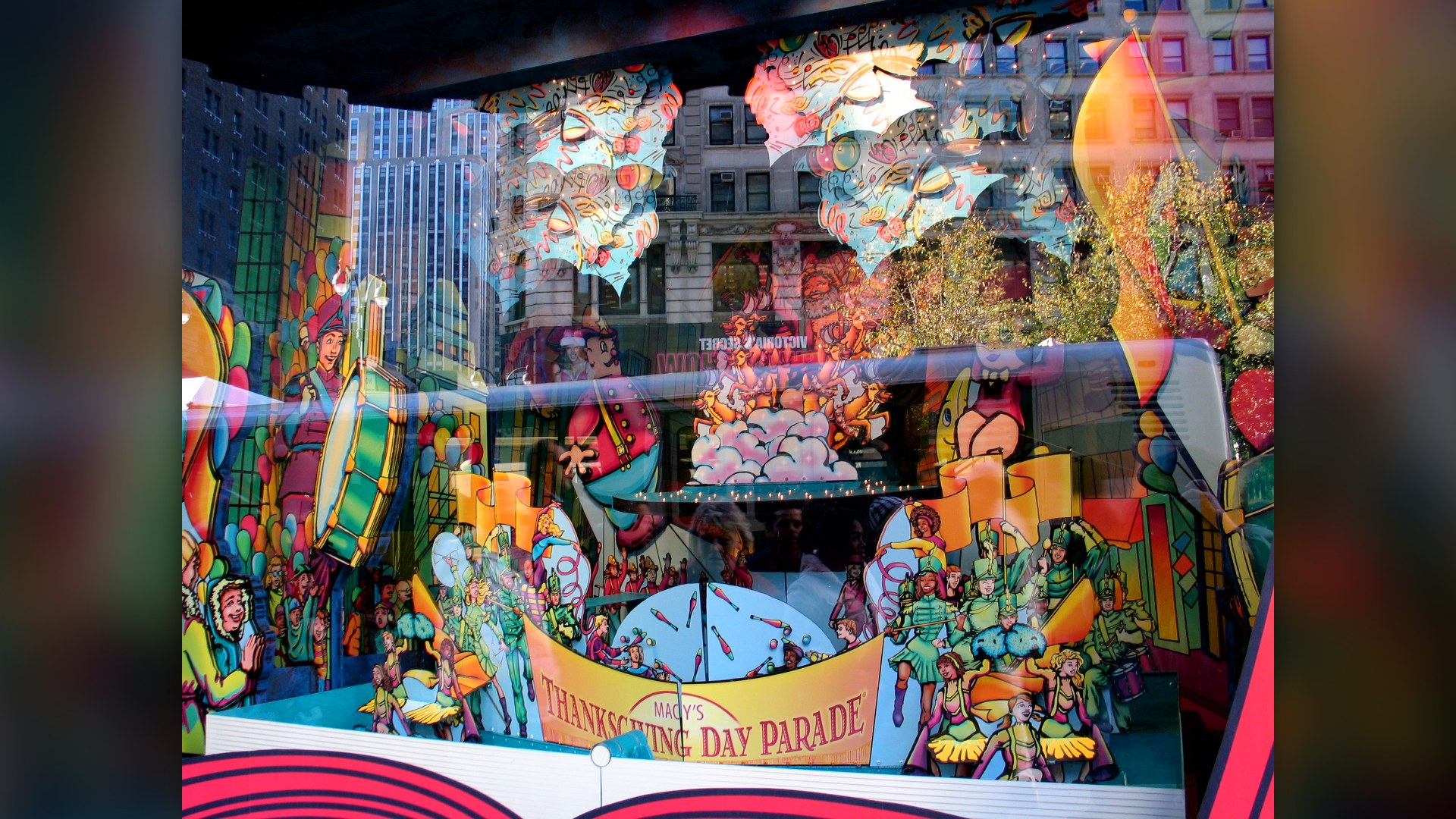
Throughout the early twentieth century, major department store owners observed an unwritten code known as the gentlemen agreement. Stores pledged not to unveil holiday window displays or launch holiday promotions until Thanksgiving had concluded, concentrating pent-up customer demand onto Friday.
©Wikimedia / C.S. Imming
Advertisement
Swipe or tap ▶ to resume the countdown.
17. FDR's Franksgiving Of 1939
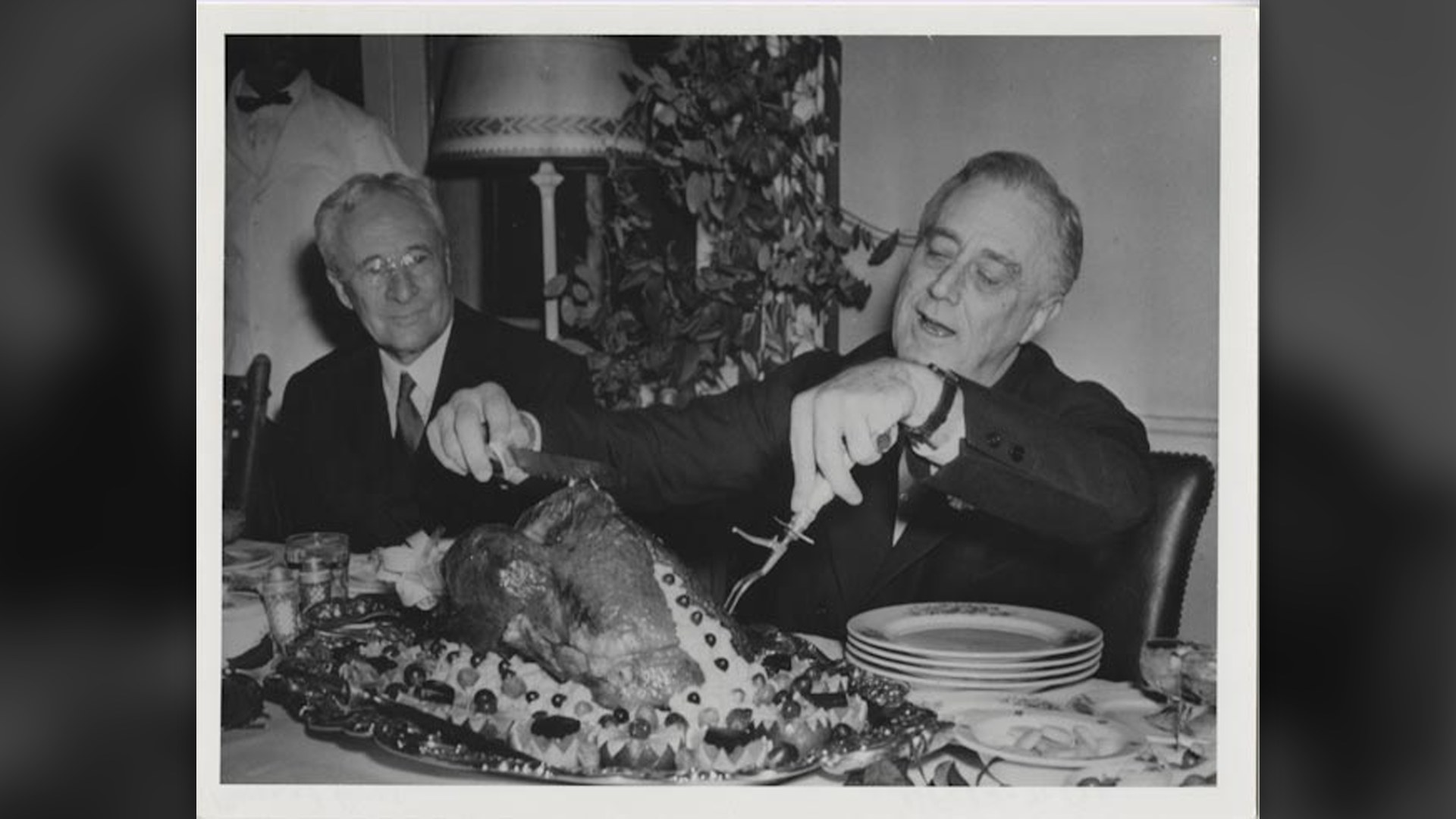
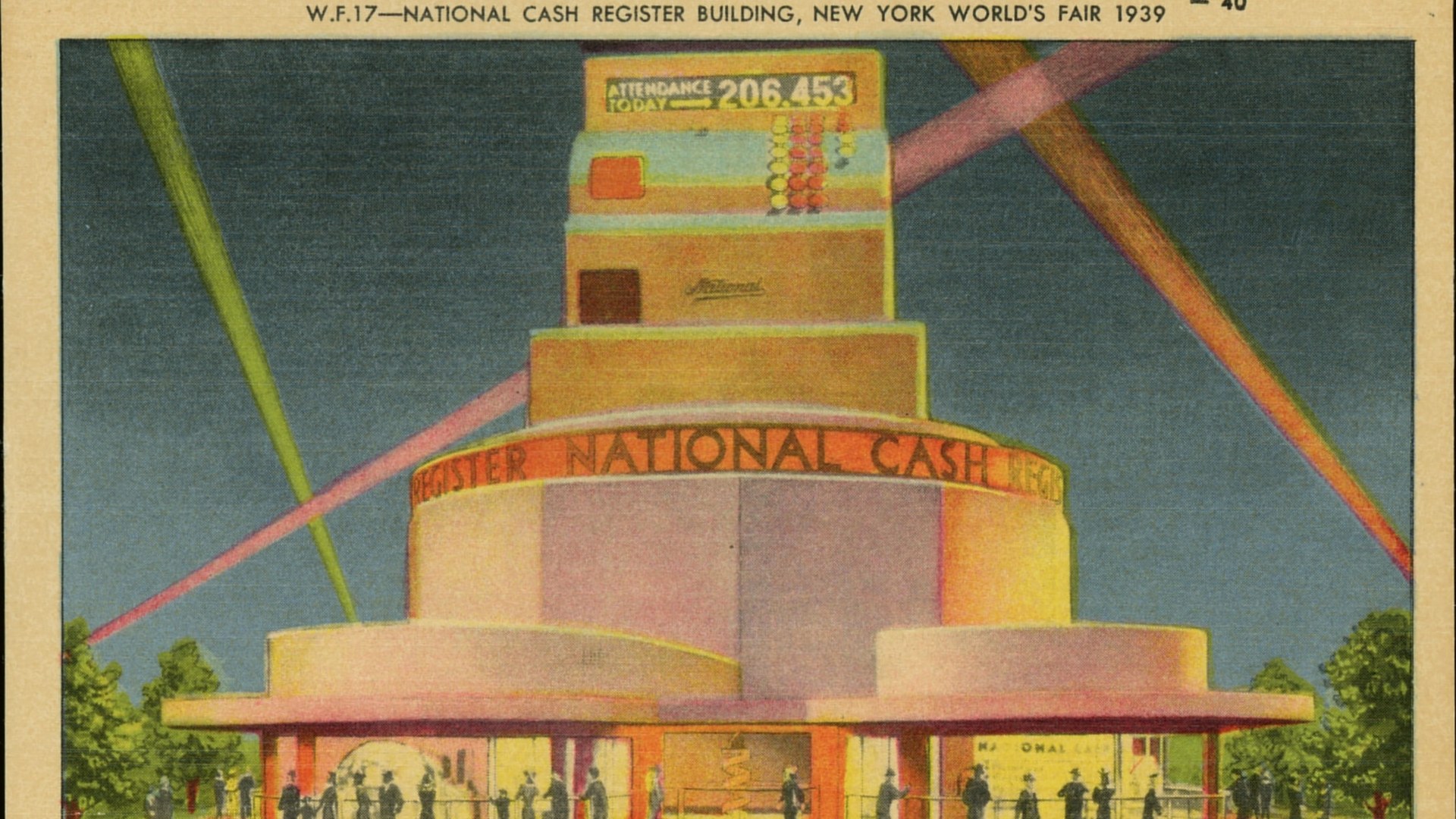
In 1939, November had five Thursdays, threatening to shorten the shopping window before Christmas during the Great Depression. President Franklin D. Roosevelt moved Thanksgiving up by one week, sparking public outrage. Critics mockingly dubbed the date Franksgiving before Congress locked the holiday in 1941.
©Wikimedia / DPLA / Franklin D. Roosevelt Library
16. Philadelphia Police Coin The Name
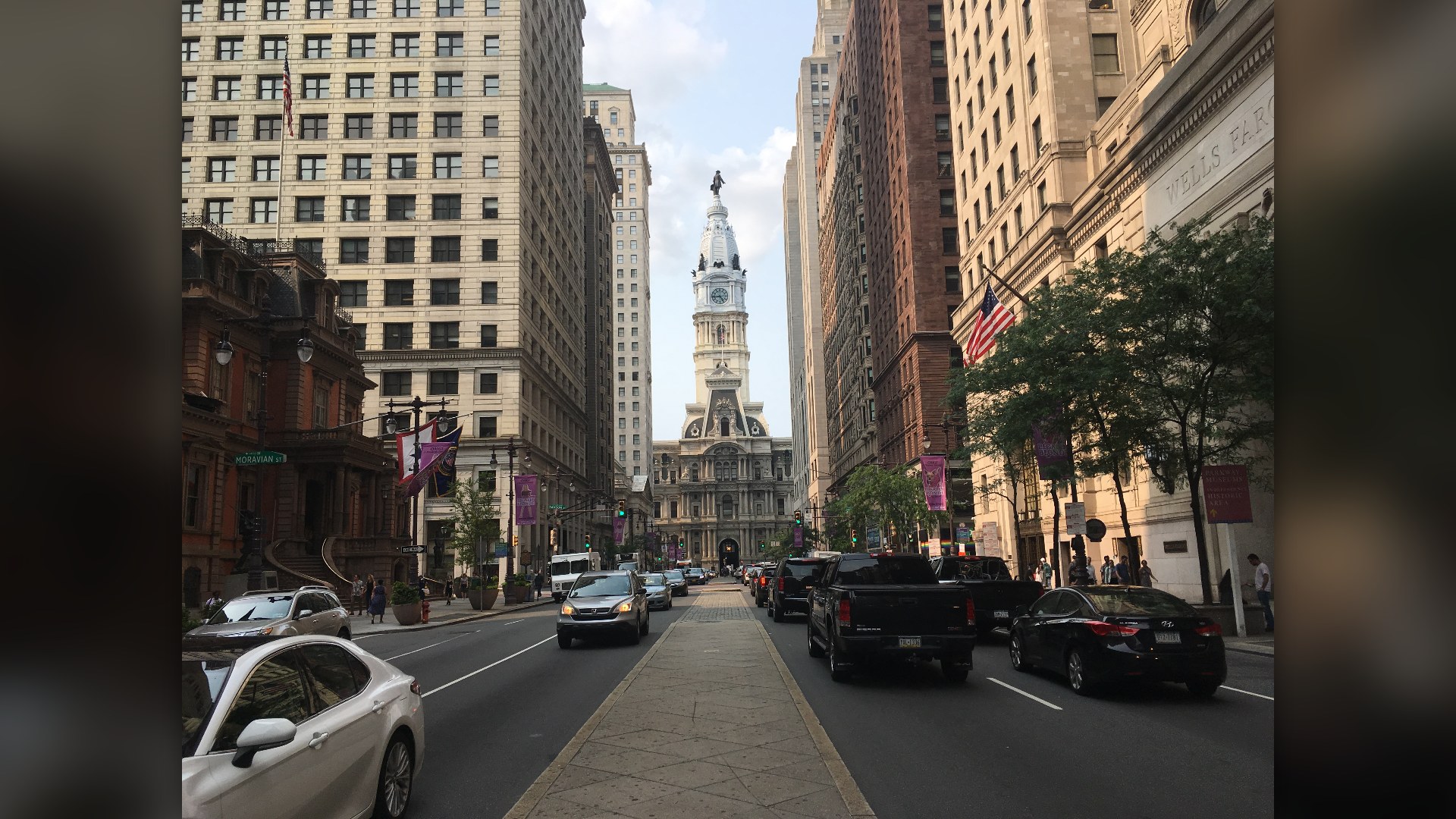
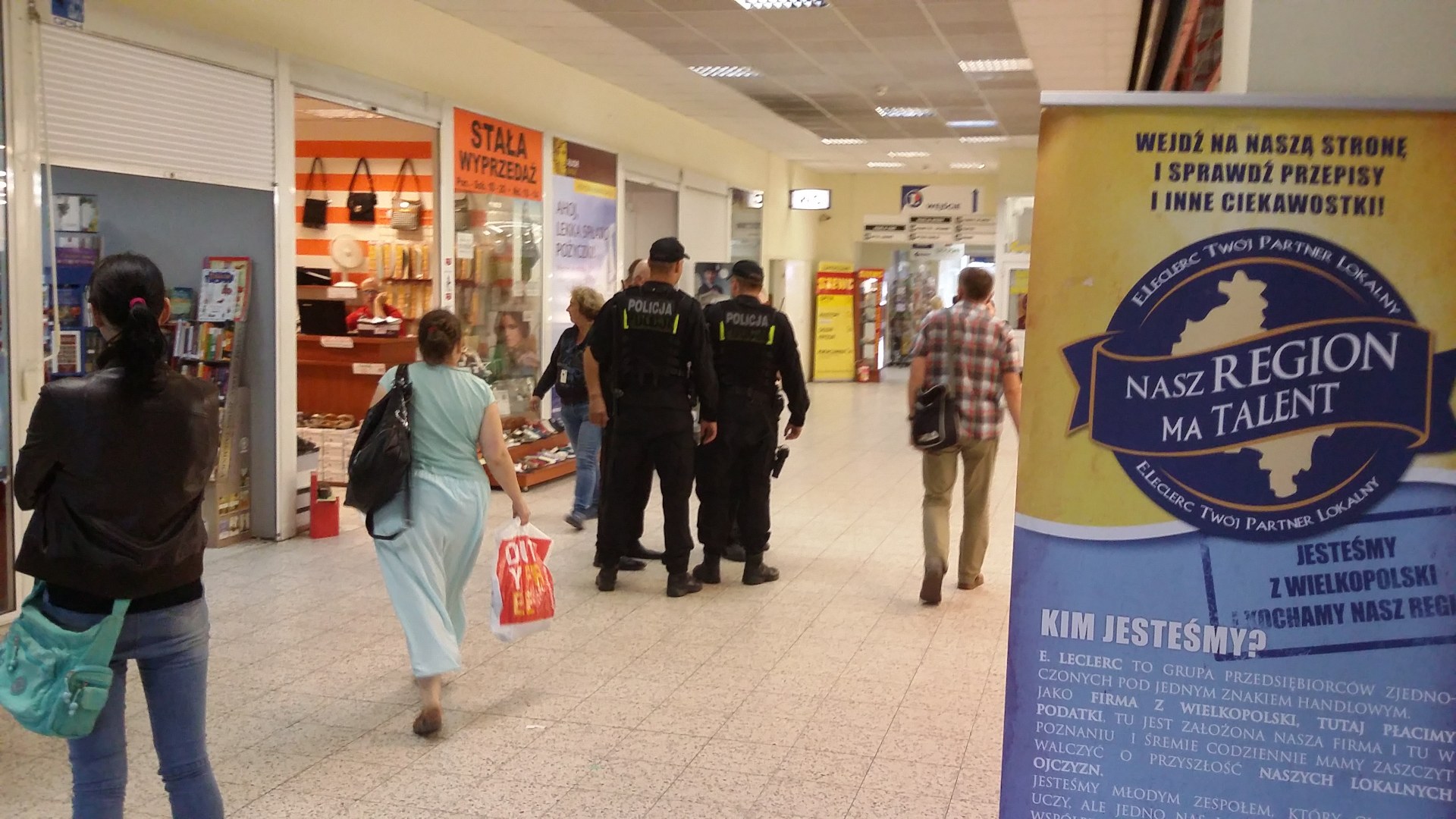
During the 1950s, Philadelphia police officers began calling the day after Thanksgiving Black Friday. Massive throngs of suburban shoppers packed downtown sidewalks, creating snarled traffic, exhaust fumes, and a surge in shoplifting. Officers were required to work twelve-hour shifts without time off.
©Wikimedia / Famartin
15. The Army-Navy Game Influx
Compounding the Philadelphia shopping frenzy was the annual Army-Navy football game held on the Saturday after Thanksgiving. Over one hundred thousand spectators flooded into the city early on Friday, checking into hotels and filling downtown department stores before heading out to stadium gates.
©Wikimedia / U.S. Secretary of Defense
14. The Failed Big Friday Rebrand
In 1961, Philadelphia merchants worried that the label Black Friday sounded too grim for holiday cheer. Working with a public relations firm, retailers placed advertisements promoting Big Friday instead. The attempt failed to catch on with residents or reporters, and the original nickname persisted.
©Wikimedia / Michael Rivera
Advertisement
Swipe or tap ▶ to resume the countdown.
13. From Red Ink To Black Ink
By the early 1980s, retailers crafted a brilliant new narrative around the term. Marketers claimed Black Friday represented the date when retail balance sheets moved from red ink into black ink, signifying the start of annual profitability. The upbeat spin transformed the name from a headache into a triumph.
©Wikimedia / Steve Shook
12. National Suburban Mall Expansion
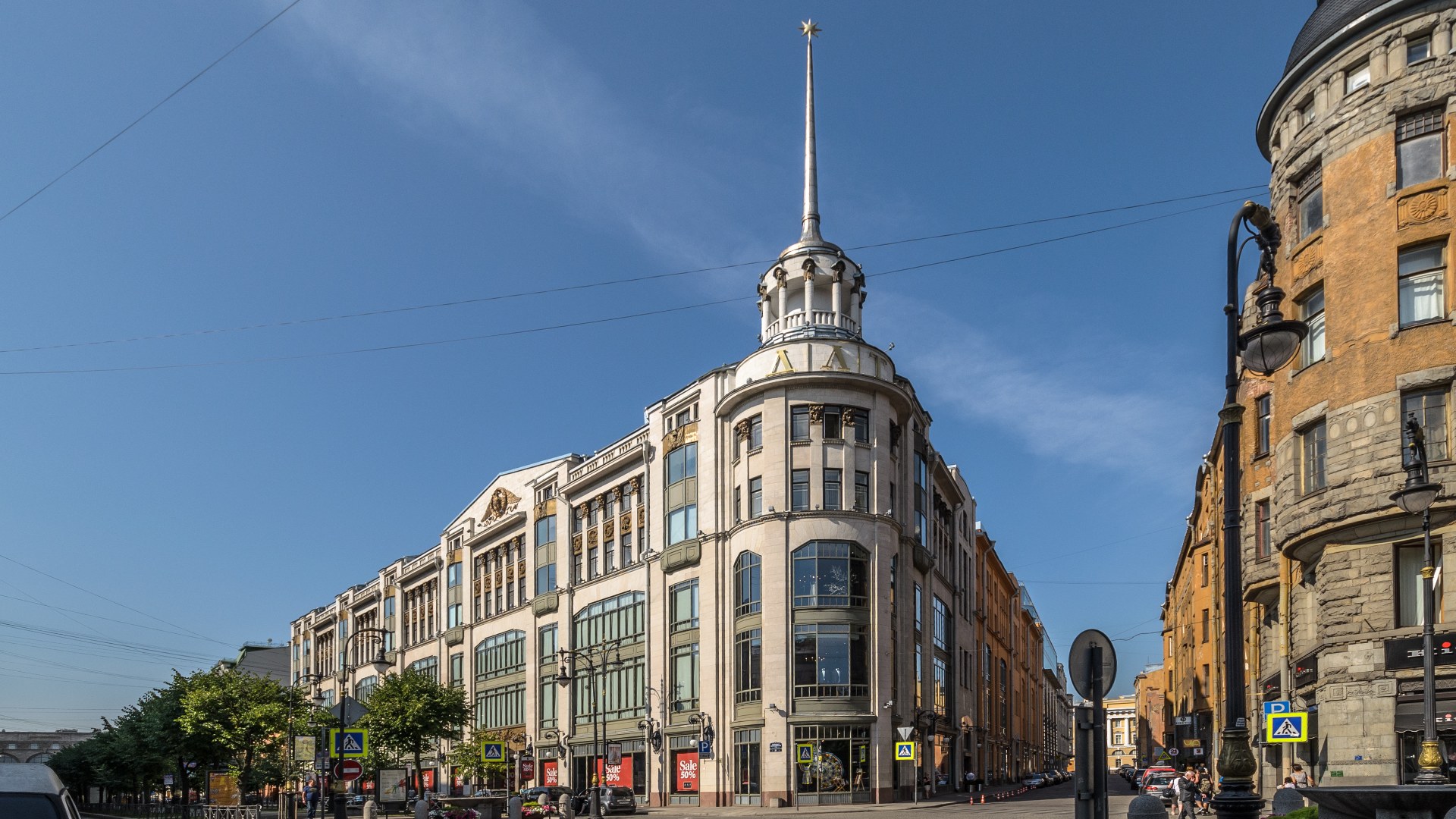
During the 1980s and 1990s, the explosion of suburban shopping malls decentralized the holiday rush. Anchored by department stores like Sears, JCPenney, and Macy, climate-controlled malls turned the day after Thanksgiving into a nationwide community ritual, attracting generations of holiday shoppers.
©Wikimedia / Szelasso
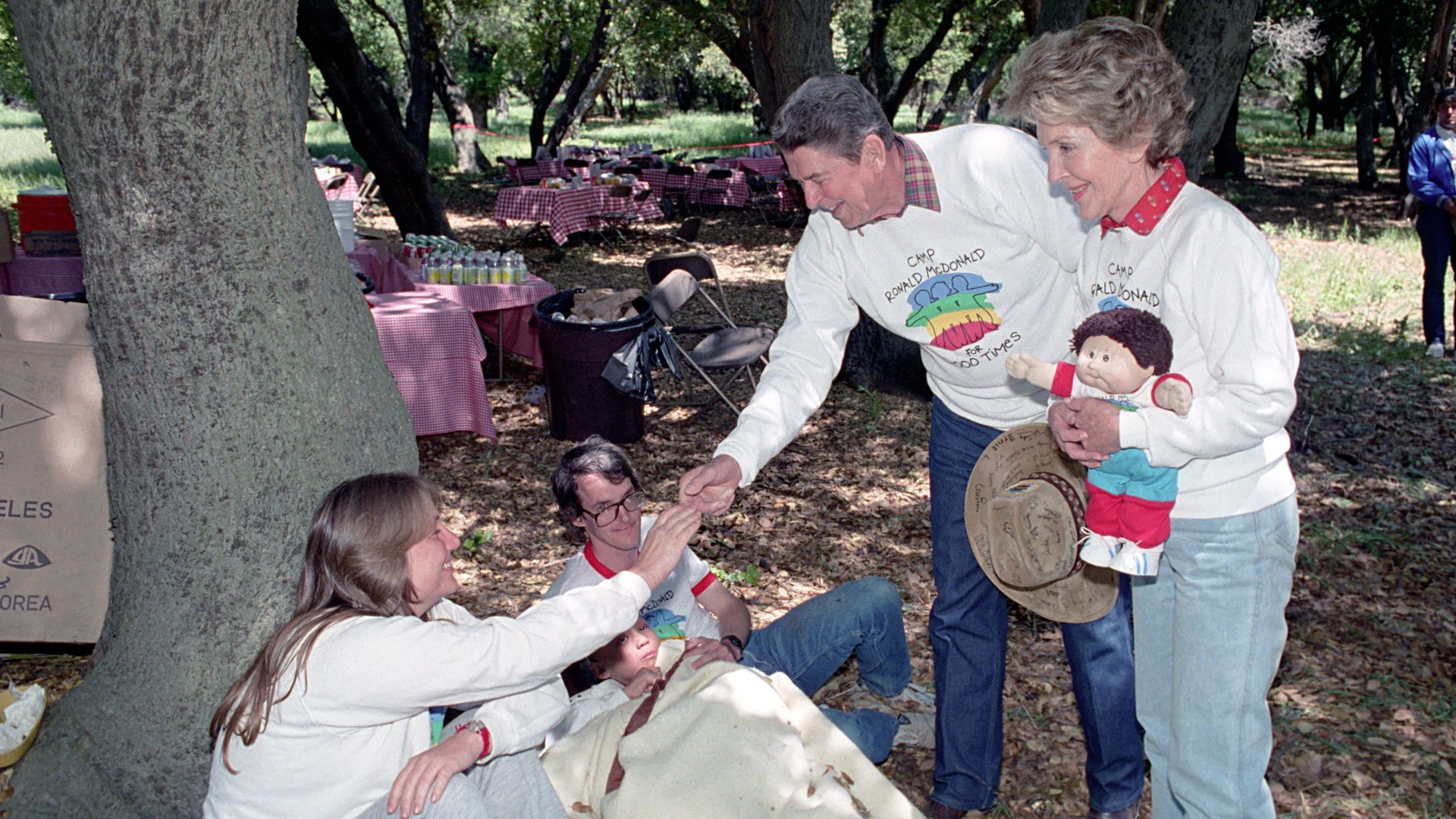
11. The 1983 Cabbage Patch Craze
In late 1983, Coleco produced Cabbage Patch Kids, triggering unprecedented retail madness. Parents shoved through department store entrances, trampled displays, and engaged in fistfights over limited store stock. The frenzy proved that manufactured scarcity could drive record-shattering holiday crowds.
©Wikimedia / DPLA / Reagan Presidential Library
10. Dawn Patrol And Early Openings
Through the 1990s, competition between big-box retailers pushed opening hours earlier. Traditional 9 a.m. openings yielded to 6 a.m., then 4 a.m. doorbusters. Thousands of bundled shoppers huddled in freezing pre-dawn parking lots with thermoses, treating early arrival as a competitive sporting event.
©Wikimedia / blackfridayline
Advertisement
Swipe or tap ▶ to resume the countdown.
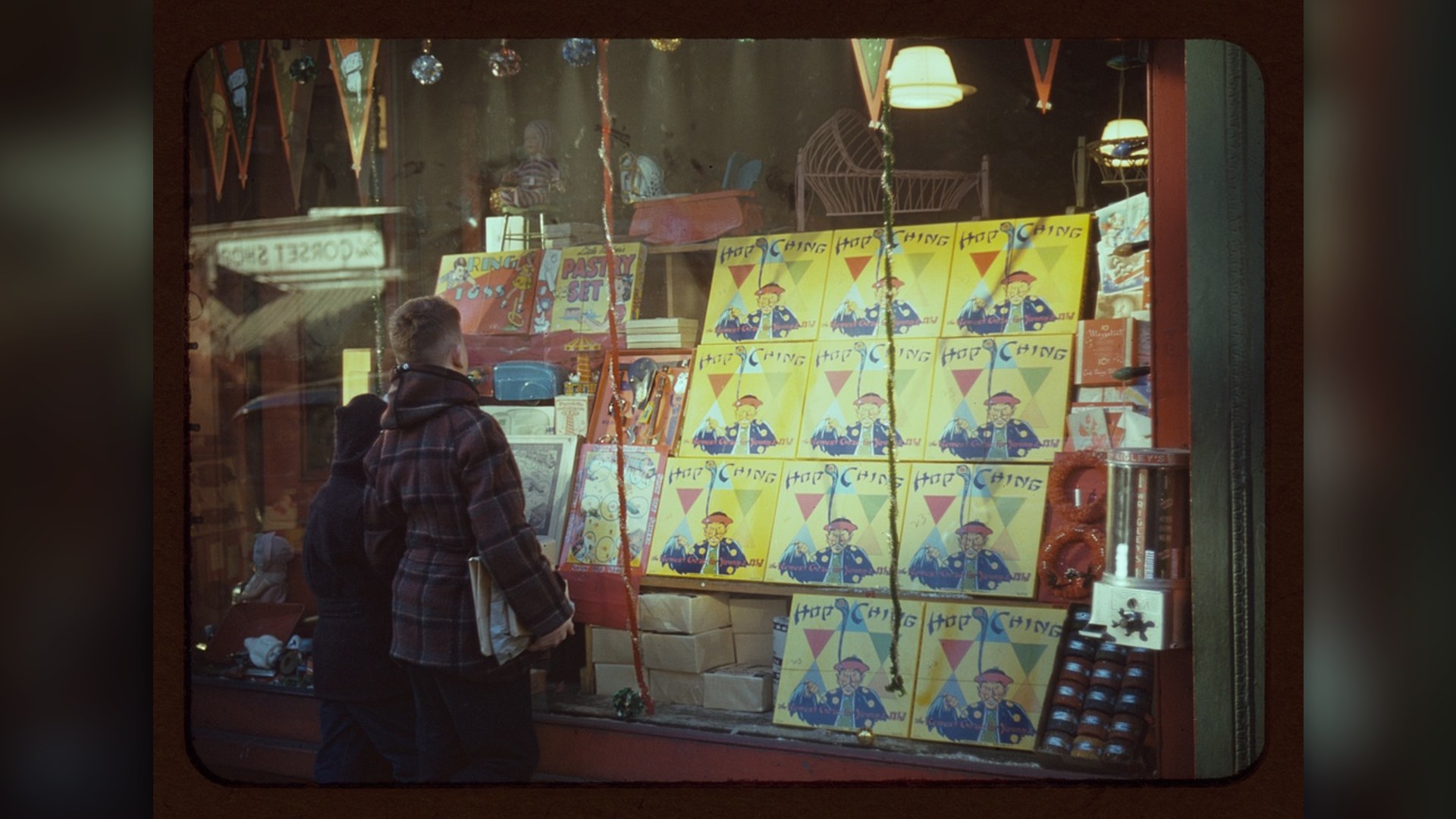
9. The 1996 Tickle Me Elmo Mania
When television host Rosie O'Donnell showcased Tyco's Tickle Me Elmo in 1996, consumer demand erupted. Shoppers stampeded toy departments on Black Friday morning, chasing twenty-nine-dollar dolls that subsequently resold in newspaper classifieds for over one thousand dollars, cementing holiday toy hysteria.
©Wikimedia / John Vachon
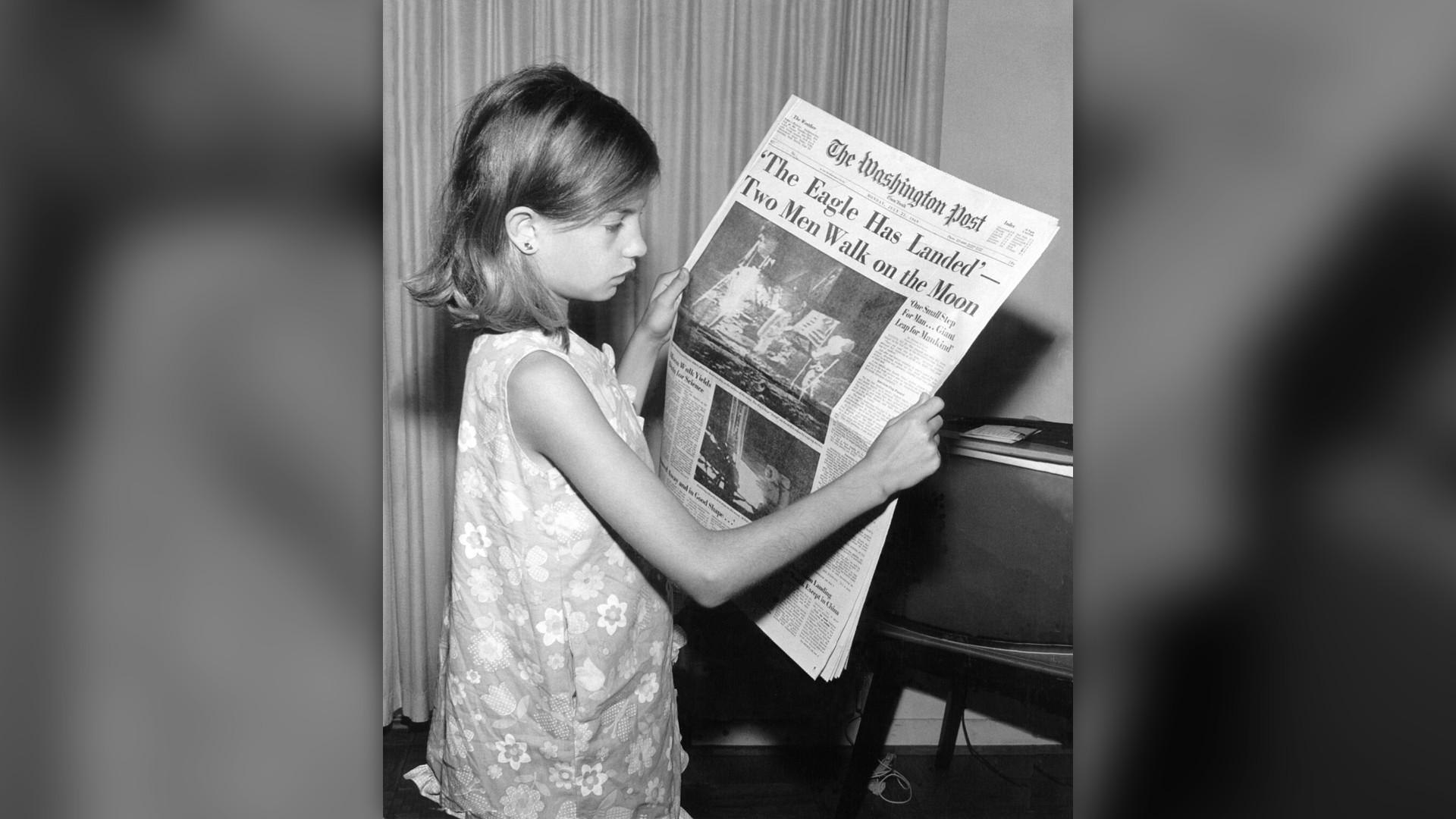
8. The Power Of The Newspaper Circular
Thanksgiving Day editions of local newspapers weighed several pounds, stuffed with dozens of glossy retail flyers. Families spread circulars across kitchen tables after dinner, marking doorbusters with highlighters and dividing into tactical shopping teams to hit electronics and apparel departments.
©Wikimedia / Jack Weir (1928-2005)
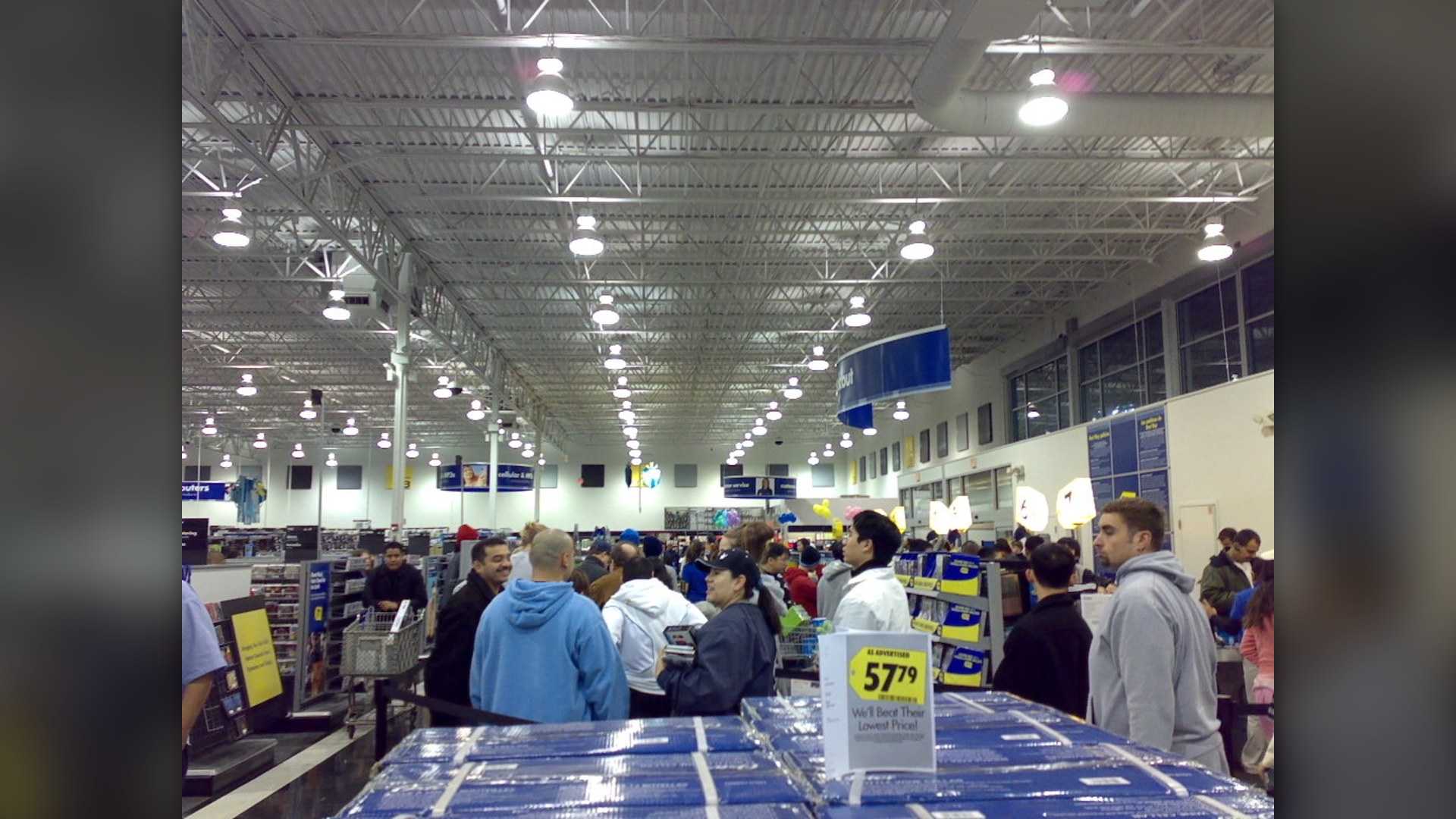
7. Sidewalk Campouts And Best Buy Tents
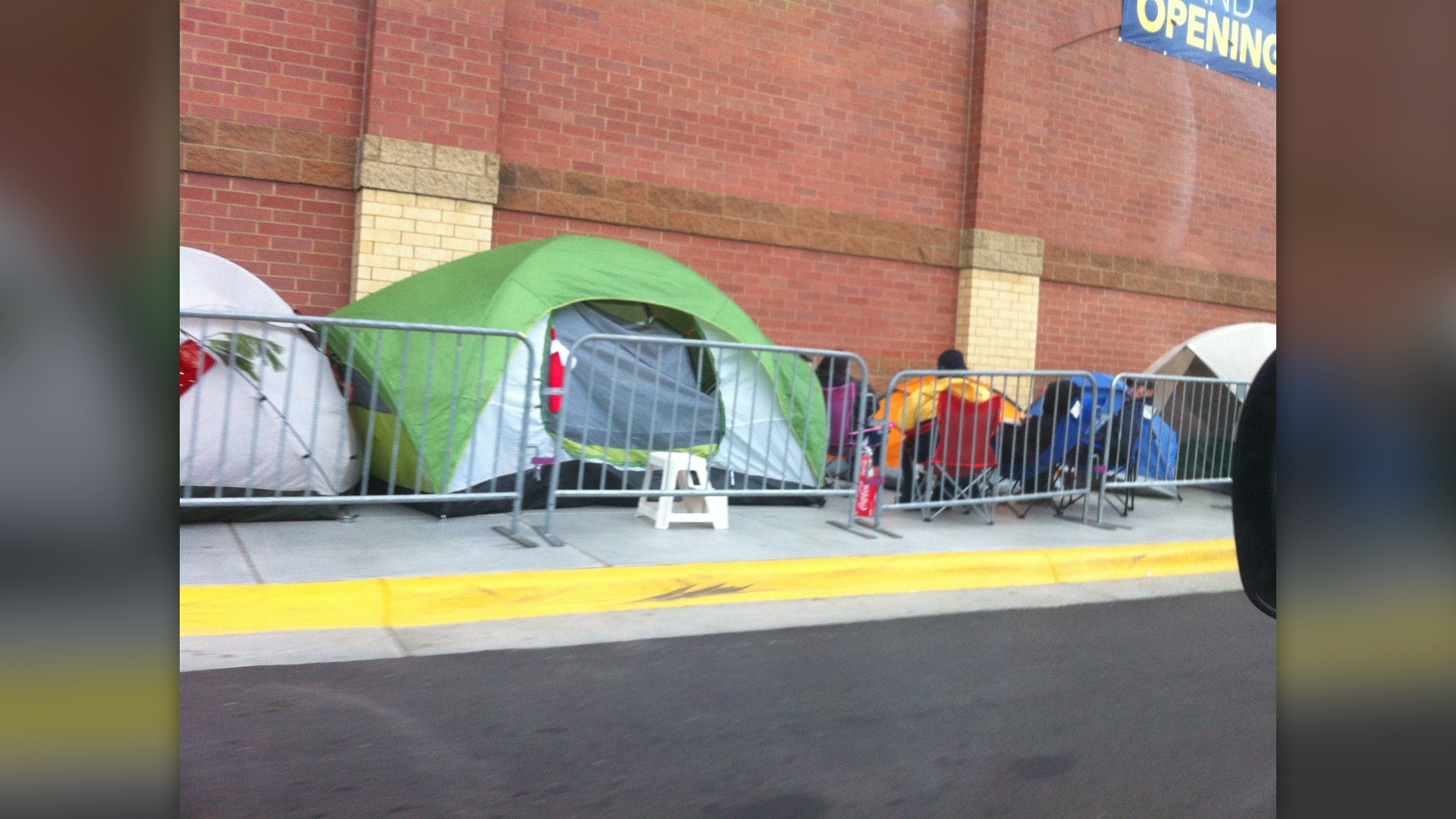
By the mid-2000s, landing two-hundred-dollar big-screen televisions required extreme dedication. Enthusiasts pitched tents outside electronics stores like Best Buy days before Thanksgiving, bringing grills, folding chairs, and card games to form lively, temporary sidewalk communities.
©Wikimedia / Myotus
6. Crowd Crush And Safety Standards
In 2008, an employee died when an unruly crowd of two thousand shoppers broke sliding glass doors at a Long Island Walmart. The incident prompted OSHA to issue strict safety guidelines, forcing retailers to deploy steel barricades, security staff, and orderly ticketing systems.
©Wikimedia / rawpixel
Advertisement
Swipe or tap ▶ to resume the countdown.
5. Black Thursday And Holiday Creep
Seeking a competitive edge in 2011, major chains moved doorbuster events from Friday dawn into Thanksgiving evening. Store openings at 8 p.m. and even 5 p.m. on Thanksgiving sparked public controversy, with workers and critics lamenting the erosion of family holidays for retail profits.
©Wikimedia / Dapdune
4. The Pushback And Opt Outside
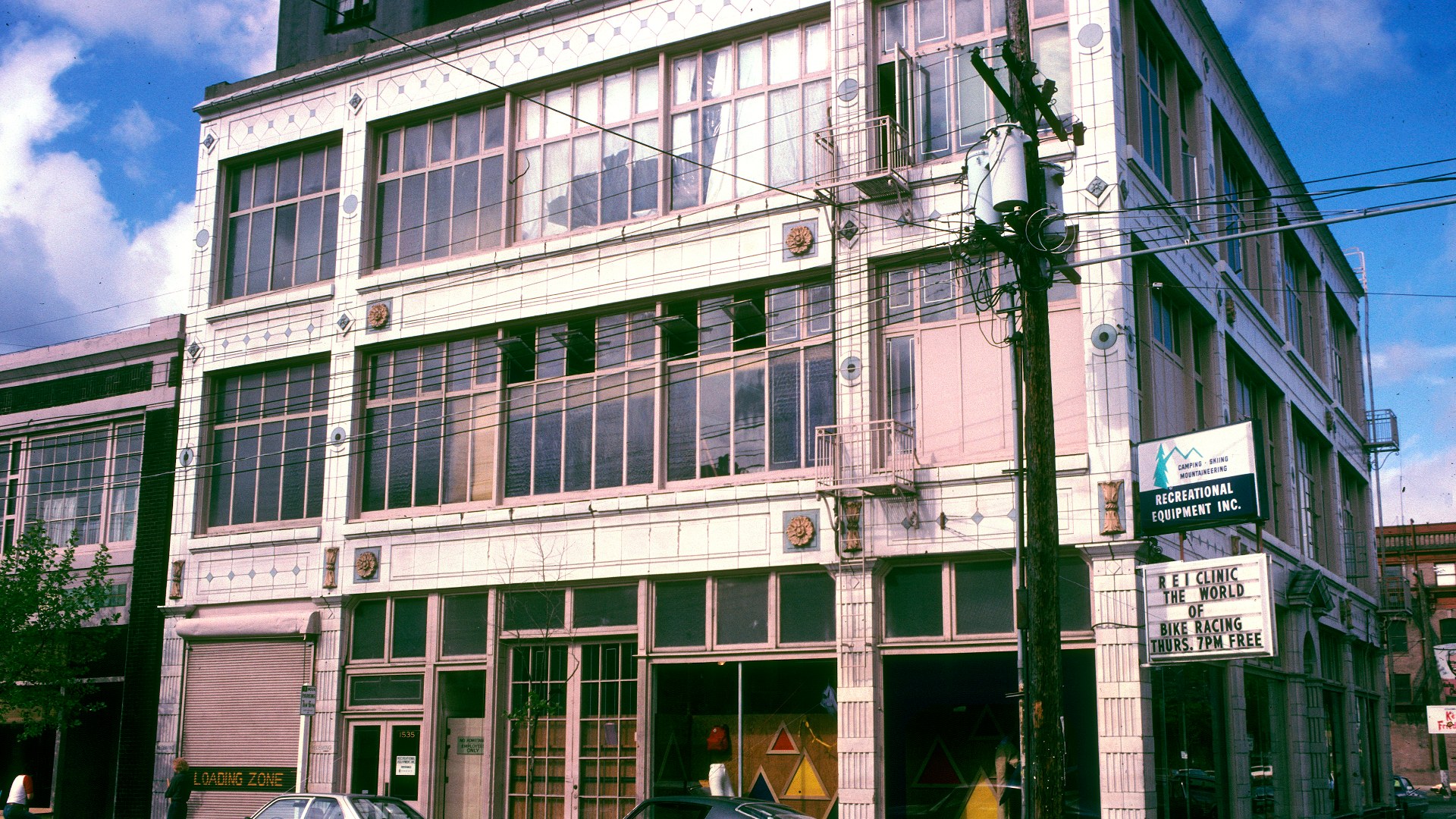
In 2015, outdoor retailer REI launched its OptOutside campaign, closing all locations on Black Friday and paying employees to spend time outdoors. The move struck a chord with consumers, encouraging major retailers like Target and Walmart to permanently keep stores closed on Thanksgiving Day.
©Wikimedia / Seattle Municipal Archives
3. The Rise Of Cyber Monday
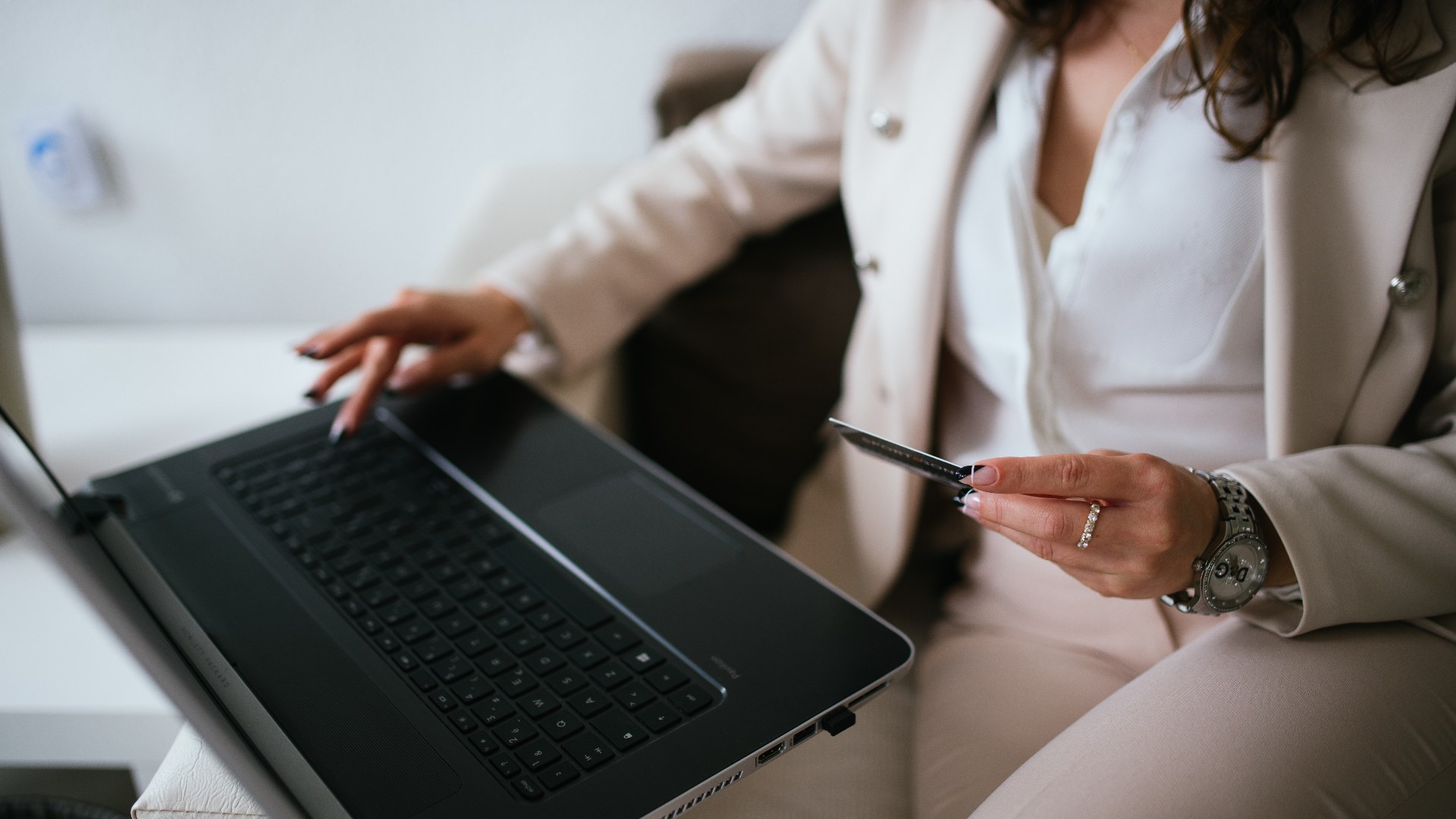
Coined in 2005 by the National Retail Federation, Cyber Monday capitalized on workers returning to office desks with high-speed internet connections to browse deals. E-commerce exploded, eventually generating billions of dollars in daily sales and reducing the necessity of waiting in physical store lines.
©Wikimedia / Shixart1985
2. Mobile Commerce And Black November
The smartphone revolution transformed shopping from a single frenzied morning into weeks of mobile promotions. Retailers now release rolling digital discounts starting in early November, letting shoppers purchase discounted electronics, apparel, and gifts instantly from their living rooms.
©Wikimedia / Phone break
Advertisement
Swipe or tap ▶ to resume the countdown.
1. A Global Phenomenon
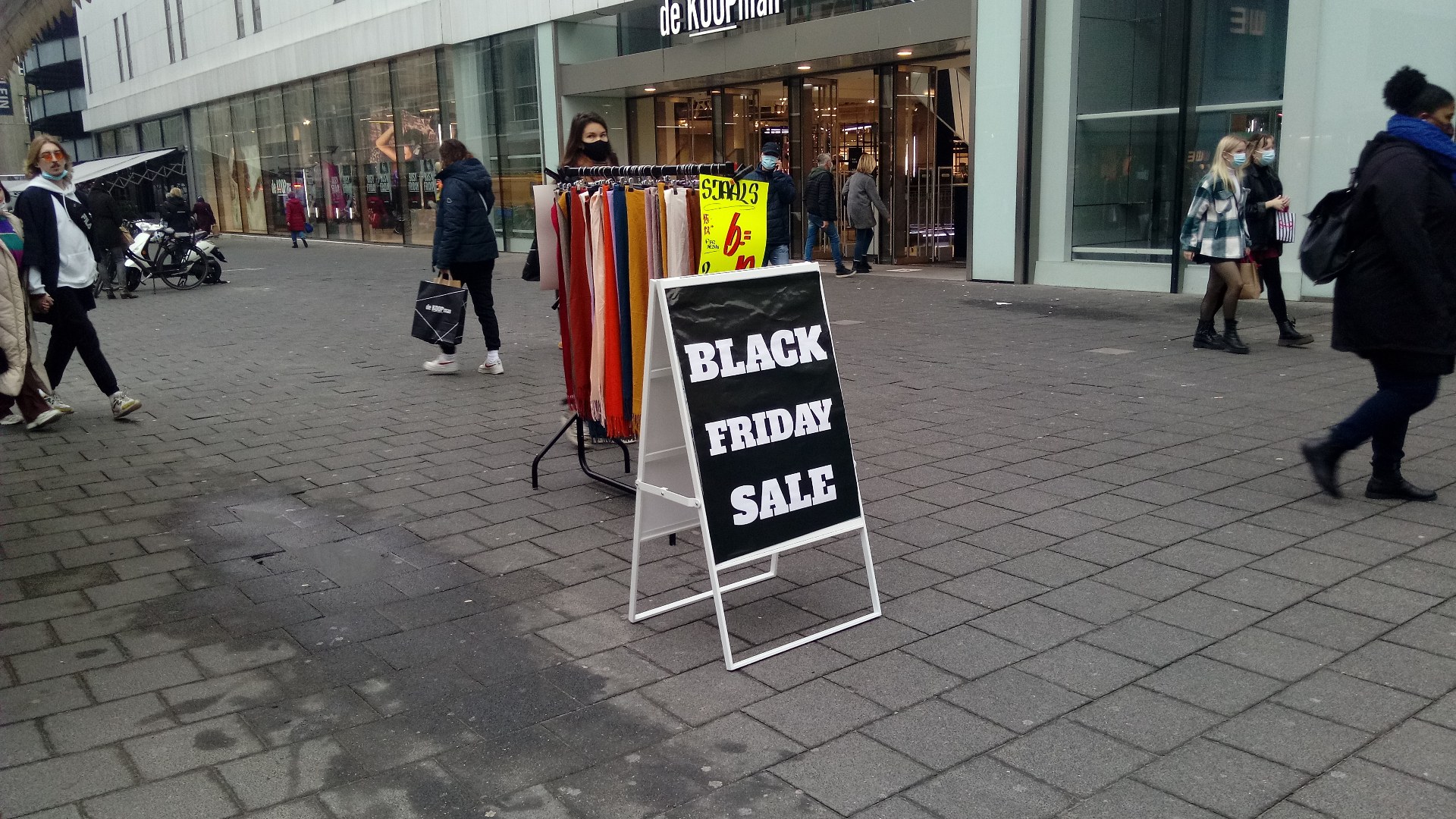
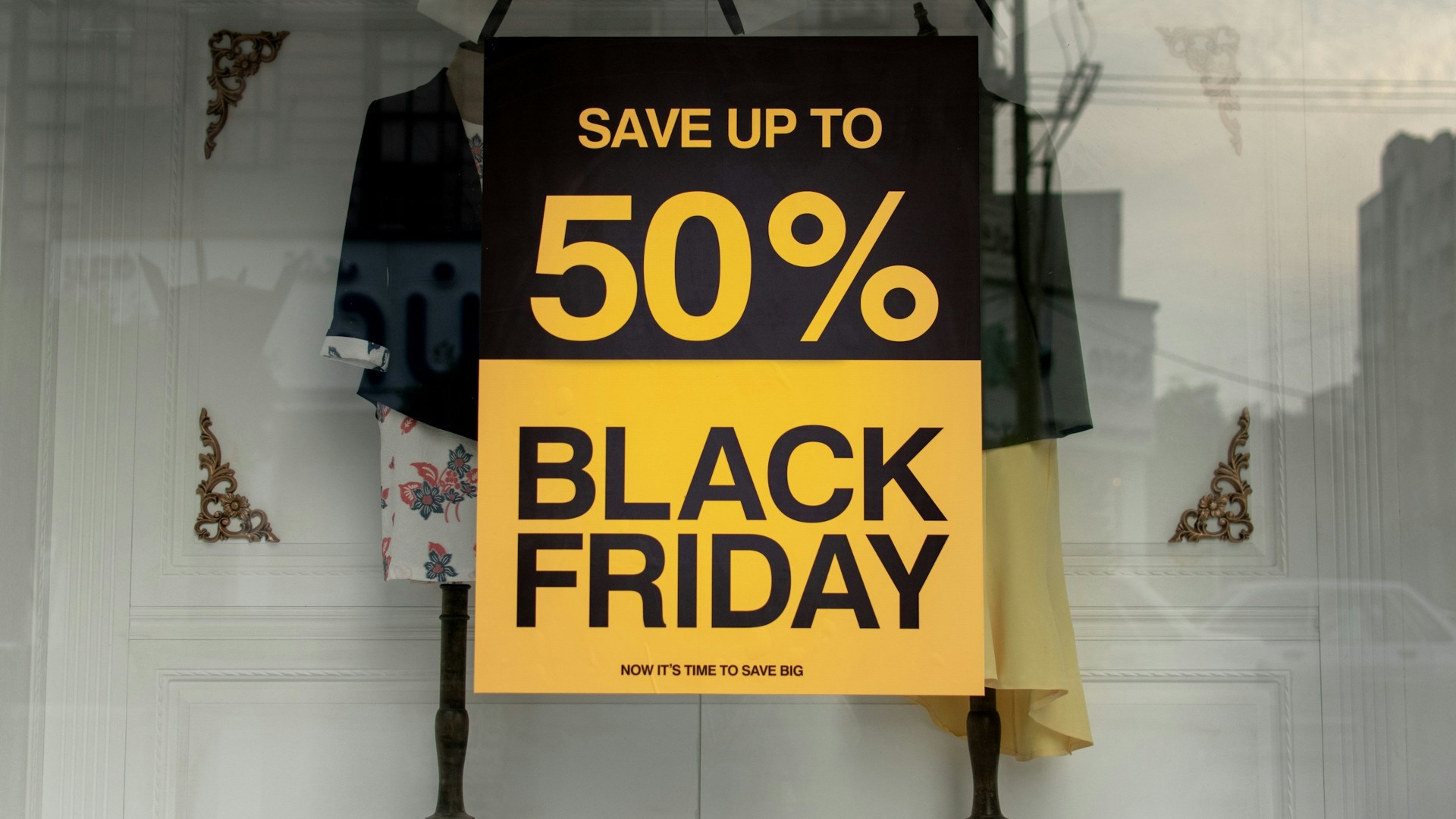
Despite having no cultural connection to American Thanksgiving, nations worldwide adopted Black Friday sales. Retailers from the United Kingdom and Germany to Brazil and South Africa now display bold discount banners, proving how American consumer culture shaped global retail commerce.

©Wikimedia / Donald Trung Quoc Don
Advertisement
You've reached the end of the story. Thanks for reading!

20 Famous Cars With Pop-Up Headlights That Shaped Car Design
From hand-cranked 1930s teardrops to wedge supercars of the 1980s, hidden headlights let stylists chase sleek aerodynamics until 2004 pedestrian rules closed the curtain. Here are 20 standout production cars that turned retractable lamps into an enduring automotive design feature across seven full decades.
All 20 Entries in this Story
1. The 1869 Gold Market Panic
Long before retail discounts existed, the term Black Friday referred to September 24, 1869. Financiers Jay Gould and Jim Fisk attempted to corner the nation gold market, driving prices skyward. When the federal government flooded the market with gold to break the bubble, prices cratered, ruining investors.

2. Macy's Thanksgiving Day Parade
In 1924, department store employees marched through Manhattan to launch the Macy Thanksgiving Day Parade. Concluding with Santa Claus arriving at Herald Square, the spectacle established an enduring cultural cue for millions of Americans that Christmas shopping season had officially begun.

3. The Unwritten Gentlemen's Agreement
Throughout the early twentieth century, major department store owners observed an unwritten code known as the gentlemen agreement. Stores pledged not to unveil holiday window displays or launch holiday promotions until Thanksgiving had concluded, concentrating pent-up customer demand onto Friday.

4. FDR's Franksgiving Of 1939
In 1939, November had five Thursdays, threatening to shorten the shopping window before Christmas during the Great Depression. President Franklin D. Roosevelt moved Thanksgiving up by one week, sparking public outrage. Critics mockingly dubbed the date Franksgiving before Congress locked the holiday in 1941.

5. Philadelphia Police Coin The Name
During the 1950s, Philadelphia police officers began calling the day after Thanksgiving Black Friday. Massive throngs of suburban shoppers packed downtown sidewalks, creating snarled traffic, exhaust fumes, and a surge in shoplifting. Officers were required to work twelve-hour shifts without time off.

6. The Army-Navy Game Influx
Compounding the Philadelphia shopping frenzy was the annual Army-Navy football game held on the Saturday after Thanksgiving. Over one hundred thousand spectators flooded into the city early on Friday, checking into hotels and filling downtown department stores before heading out to stadium gates.

7. The Failed Big Friday Rebrand
In 1961, Philadelphia merchants worried that the label Black Friday sounded too grim for holiday cheer. Working with a public relations firm, retailers placed advertisements promoting Big Friday instead. The attempt failed to catch on with residents or reporters, and the original nickname persisted.

8. From Red Ink To Black Ink
By the early 1980s, retailers crafted a brilliant new narrative around the term. Marketers claimed Black Friday represented the date when retail balance sheets moved from red ink into black ink, signifying the start of annual profitability. The upbeat spin transformed the name from a headache into a triumph.

9. National Suburban Mall Expansion
During the 1980s and 1990s, the explosion of suburban shopping malls decentralized the holiday rush. Anchored by department stores like Sears, JCPenney, and Macy, climate-controlled malls turned the day after Thanksgiving into a nationwide community ritual, attracting generations of holiday shoppers.

10. The 1983 Cabbage Patch Craze
In late 1983, Coleco produced Cabbage Patch Kids, triggering unprecedented retail madness. Parents shoved through department store entrances, trampled displays, and engaged in fistfights over limited store stock. The frenzy proved that manufactured scarcity could drive record-shattering holiday crowds.

11. Dawn Patrol And Early Openings
Through the 1990s, competition between big-box retailers pushed opening hours earlier. Traditional 9 a.m. openings yielded to 6 a.m., then 4 a.m. doorbusters. Thousands of bundled shoppers huddled in freezing pre-dawn parking lots with thermoses, treating early arrival as a competitive sporting event.

12. The 1996 Tickle Me Elmo Mania
When television host Rosie O'Donnell showcased Tyco's Tickle Me Elmo in 1996, consumer demand erupted. Shoppers stampeded toy departments on Black Friday morning, chasing twenty-nine-dollar dolls that subsequently resold in newspaper classifieds for over one thousand dollars, cementing holiday toy hysteria.

13. The Power Of The Newspaper Circular
Thanksgiving Day editions of local newspapers weighed several pounds, stuffed with dozens of glossy retail flyers. Families spread circulars across kitchen tables after dinner, marking doorbusters with highlighters and dividing into tactical shopping teams to hit electronics and apparel departments.

14. Sidewalk Campouts And Best Buy Tents
By the mid-2000s, landing two-hundred-dollar big-screen televisions required extreme dedication. Enthusiasts pitched tents outside electronics stores like Best Buy days before Thanksgiving, bringing grills, folding chairs, and card games to form lively, temporary sidewalk communities.

15. Crowd Crush And Safety Standards
In 2008, an employee died when an unruly crowd of two thousand shoppers broke sliding glass doors at a Long Island Walmart. The incident prompted OSHA to issue strict safety guidelines, forcing retailers to deploy steel barricades, security staff, and orderly ticketing systems.

16. Black Thursday And Holiday Creep
Seeking a competitive edge in 2011, major chains moved doorbuster events from Friday dawn into Thanksgiving evening. Store openings at 8 p.m. and even 5 p.m. on Thanksgiving sparked public controversy, with workers and critics lamenting the erosion of family holidays for retail profits.

17. The Pushback And Opt Outside
In 2015, outdoor retailer REI launched its OptOutside campaign, closing all locations on Black Friday and paying employees to spend time outdoors. The move struck a chord with consumers, encouraging major retailers like Target and Walmart to permanently keep stores closed on Thanksgiving Day.

18. The Rise Of Cyber Monday
Coined in 2005 by the National Retail Federation, Cyber Monday capitalized on workers returning to office desks with high-speed internet connections to browse deals. E-commerce exploded, eventually generating billions of dollars in daily sales and reducing the necessity of waiting in physical store lines.

19. Mobile Commerce And Black November
The smartphone revolution transformed shopping from a single frenzied morning into weeks of mobile promotions. Retailers now release rolling digital discounts starting in early November, letting shoppers purchase discounted electronics, apparel, and gifts instantly from their living rooms.

20. A Global Phenomenon
Despite having no cultural connection to American Thanksgiving, nations worldwide adopted Black Friday sales. Retailers from the United Kingdom and Germany to Brazil and South Africa now display bold discount banners, proving how American consumer culture shaped global retail commerce.