Slideshow · Viral
How Different Cultures Developed Their Own Bread Traditions
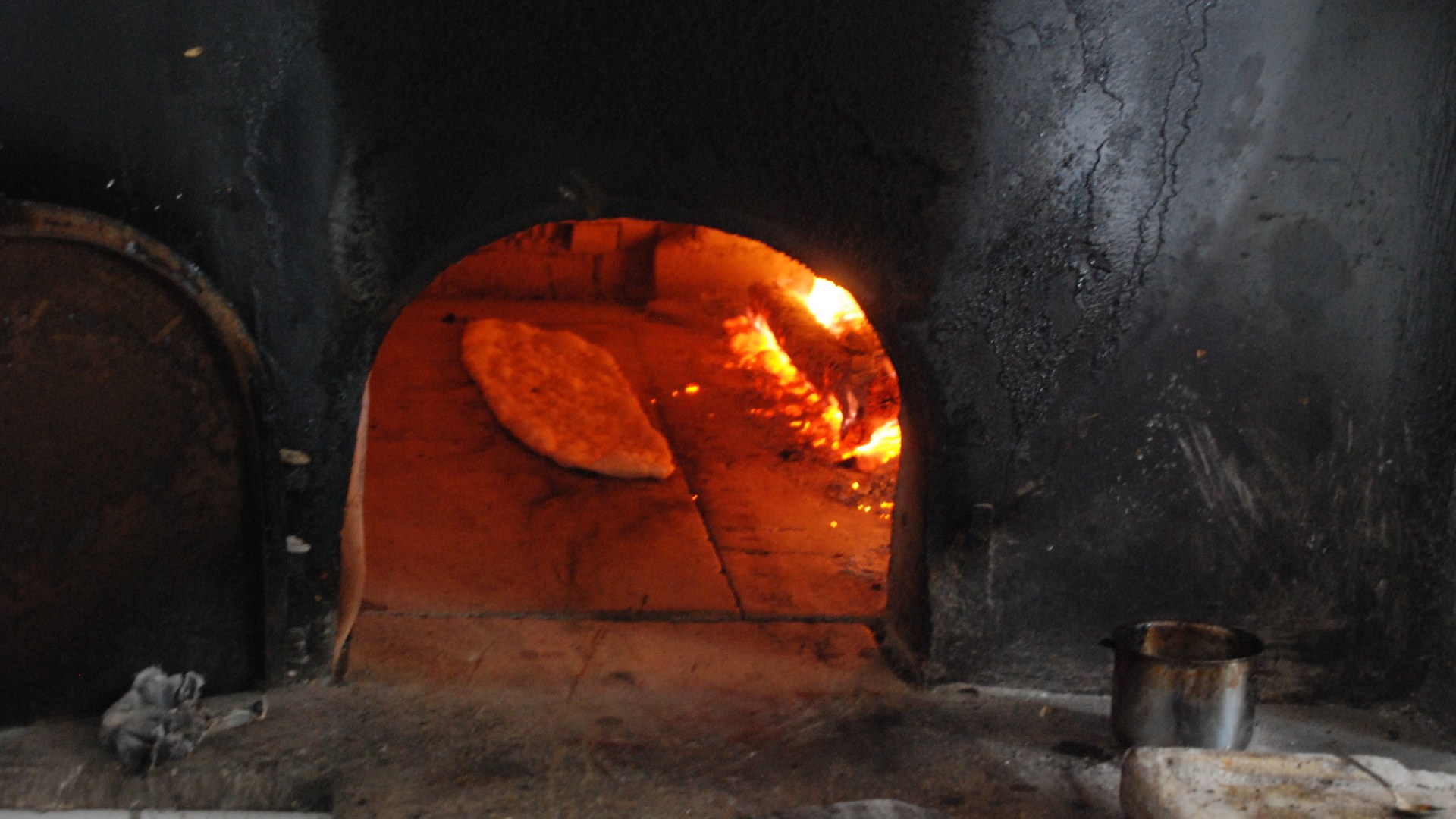
From underground clay tandoors and volcanic sand pits to cast-iron Dutch ovens, human civilizations shaped unique baking methods around local grains and ancient heat sources.
By Most Viral Today
3 Nov 2026

From clay tandoors to volcanic sand, how civilization shaped daily bread. 
20. Irish Soda Bread In The Bastible 
19. Finnish Reikaleipa On Ceiling Poles 
18. Australian Bush Damper In Campfire Coals - AdvertisementSwipe or tap ▶ to continue countdown

17. Braided Challah For The Sabbath 
16. Turkish Simit In Stone Deck Ovens 
15. South African Potbrood In Embers 
14. Chinese Shaobing In Barrel Ovens - AdvertisementSwipe or tap ▶ to continue countdown

13. Swedish Knackebrod On Wood Hearths 
12. Italian Pane Di Altamura In Oak Ovens 
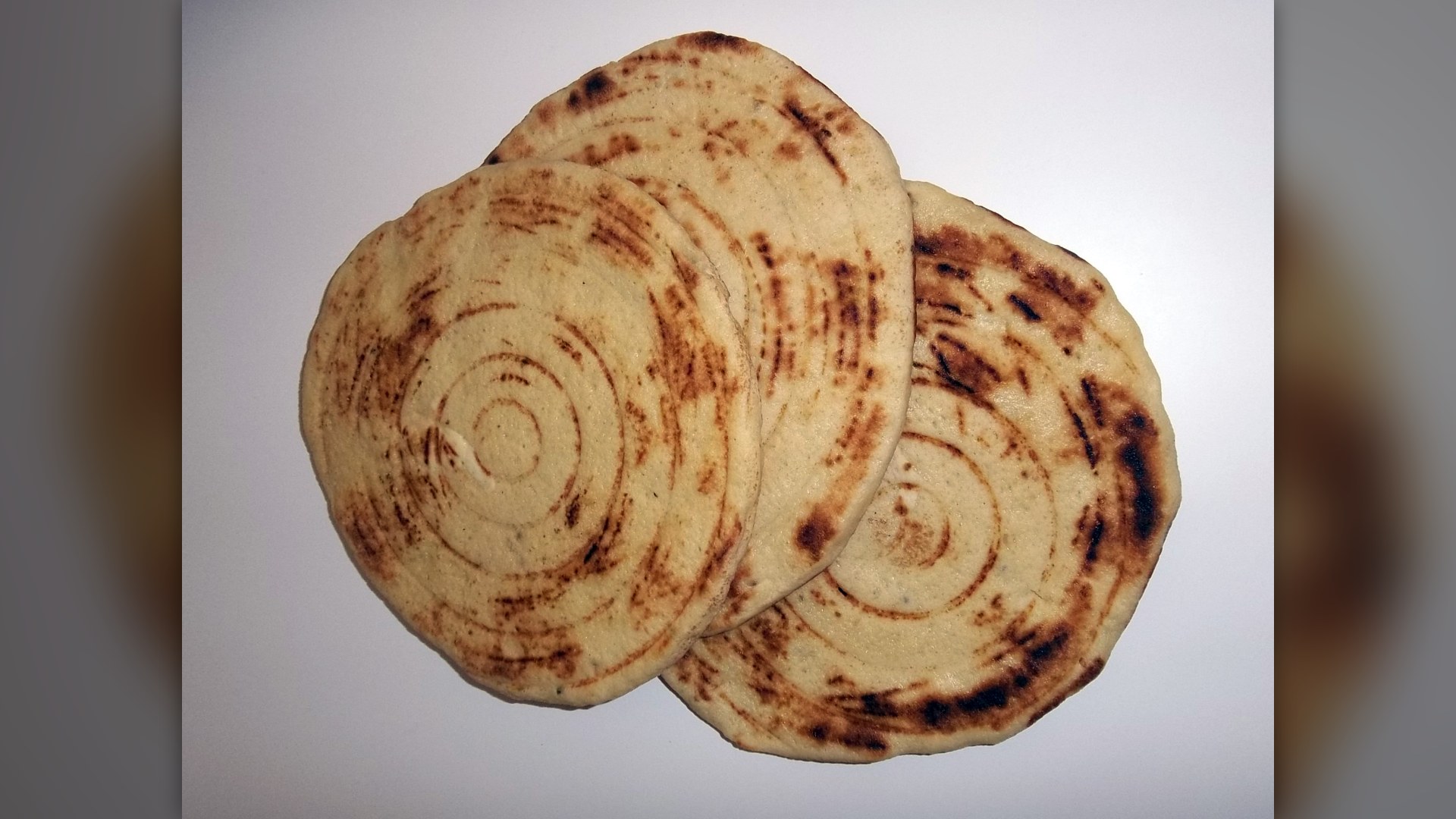
11. Uzbek Non Stamped In Clay Tandyrs 
10. German Pumpernickel In Steam Chambers - AdvertisementSwipe or tap ▶ to continue countdown

9. Armenian Lavash In The Tonir 
8. Moroccan Khobz In The Ferran 
7. Icelandic Rugbraud In Volcanic Earth 
6. Middle Eastern Pita In Stone Ovens - AdvertisementSwipe or tap ▶ to continue countdown

5. Mexican Corn Tortillas On The Comal 
4. French Baguette In Steam Deck Ovens 
3. Ethiopian Injera On The Mitad 
2. Georgian Shotis Puri In The Tone - AdvertisementSwipe or tap ▶ to continue countdown

1. Indian Naan In The Clay Tandoor - Advertisement🔥 UP NEXT IN THIS SERIES◫ 21 Slides

20 Famous Cars With Pop-Up Headlights That Shaped Car Design
From hand-cranked 1930s teardrops to wedge supercars of the 1980s, hidden headlights let stylists chase sleek aerodynamics until 2004 pedestrian rules closed the curtain. Here are 20 standout production cars that turned retractable lamps into an enduring automotive design feature across seven full decades.
For ten thousand years, human communities turned simple grains and water into essential nourishment. From clay pit ovens buried in earth to cast-iron Dutch ovens set deep in campfire embers, distinct regional ovens and local grains defined the culinary identity of cultures across every continent.
Swipe or tap ▶ to begin the countdown
©Wikimedia Commons / George M. Groutas
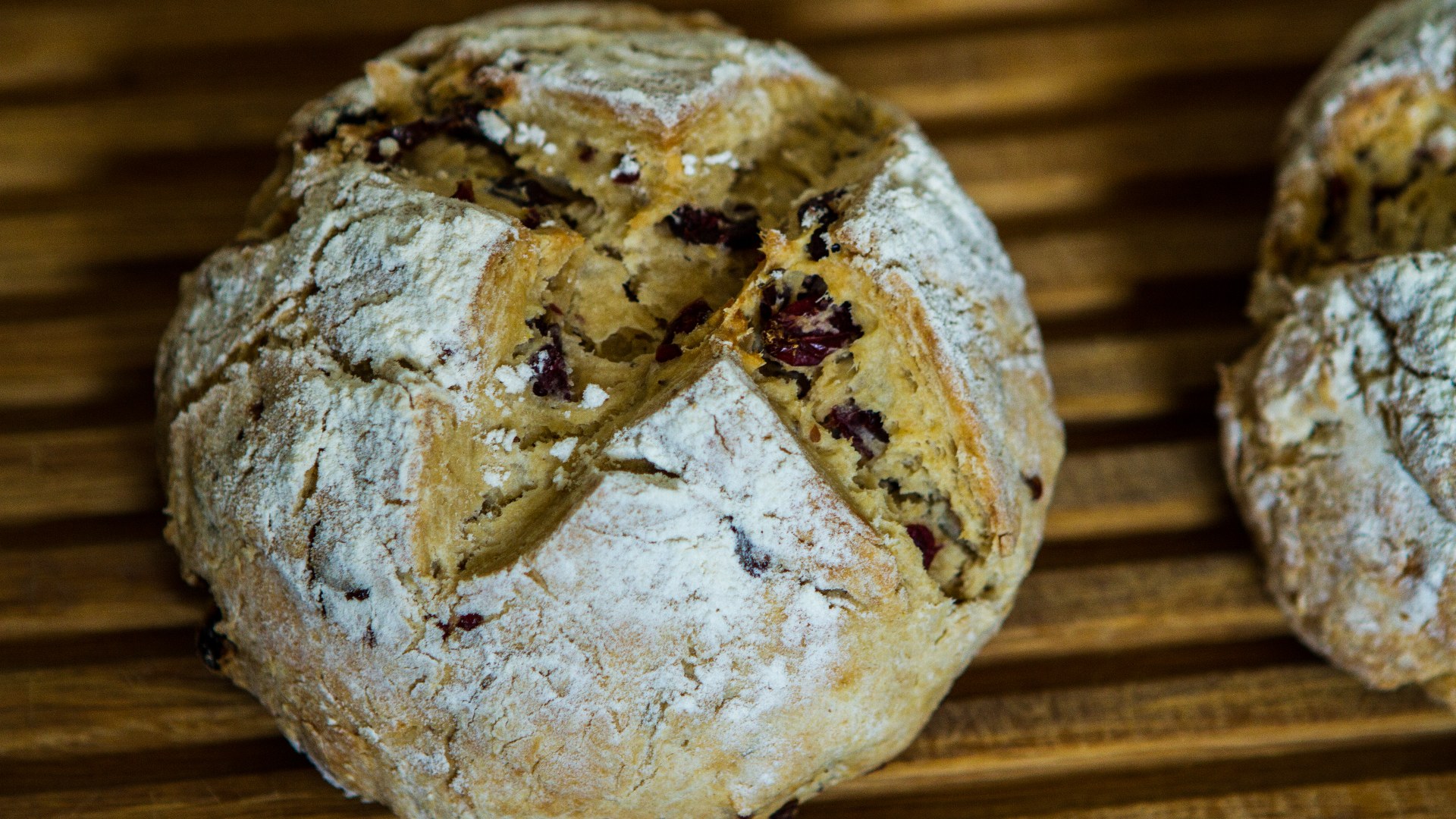
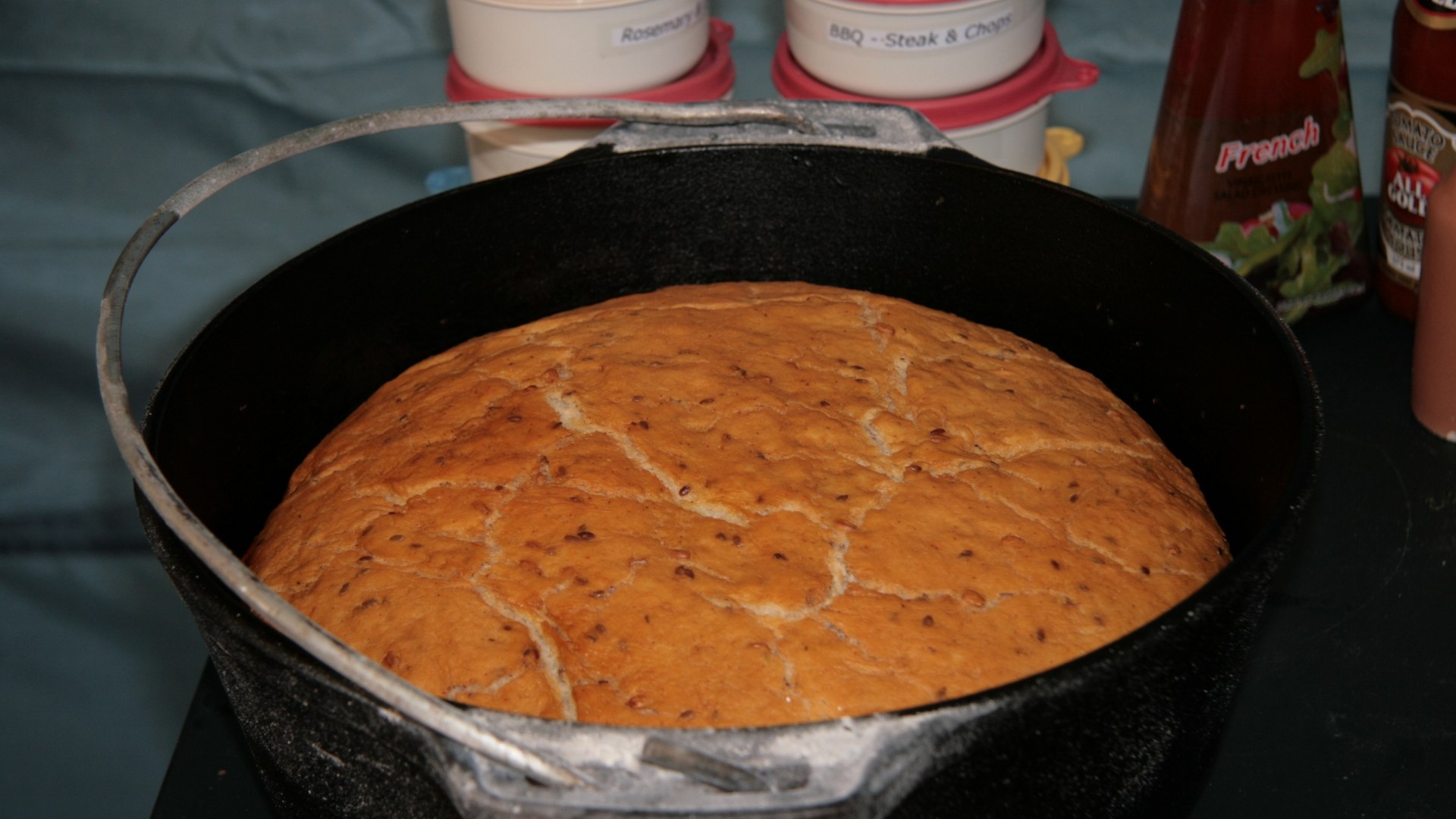
20. Irish Soda Bread In The Bastible
When bicarbonate of soda reached rural Ireland in the 1830s, cooks used it to leaven soft, low-protein native wheat flour with sour buttermilk. Baked on open peat fires inside a cast-iron bastible pot with burning turf on the lid, the round loaf is scored with a cross to help it expand.
©Wikimedia Commons / Larry Hoffman
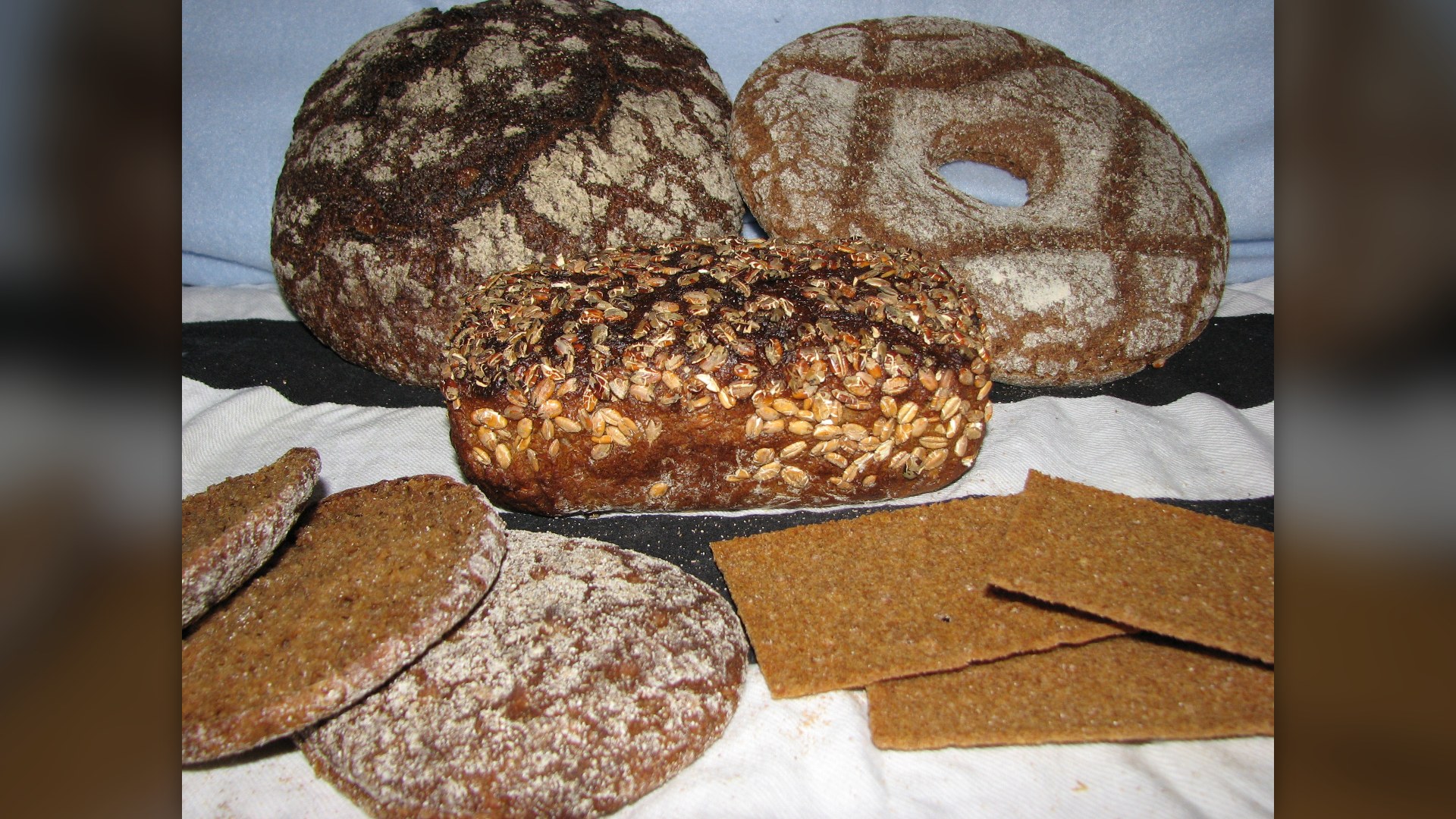
19. Finnish Reikaleipa On Ceiling Poles
In western Finland, farmhouse bakers punched a central hole through sourdough rye flatbreads before baking them in wood hearths. The cured discs were strung onto long birch poles suspended beneath kitchen ceilings, allowing cool winter air to dry and preserve them for months.
©Wikimedia Commons / Antti Bilund
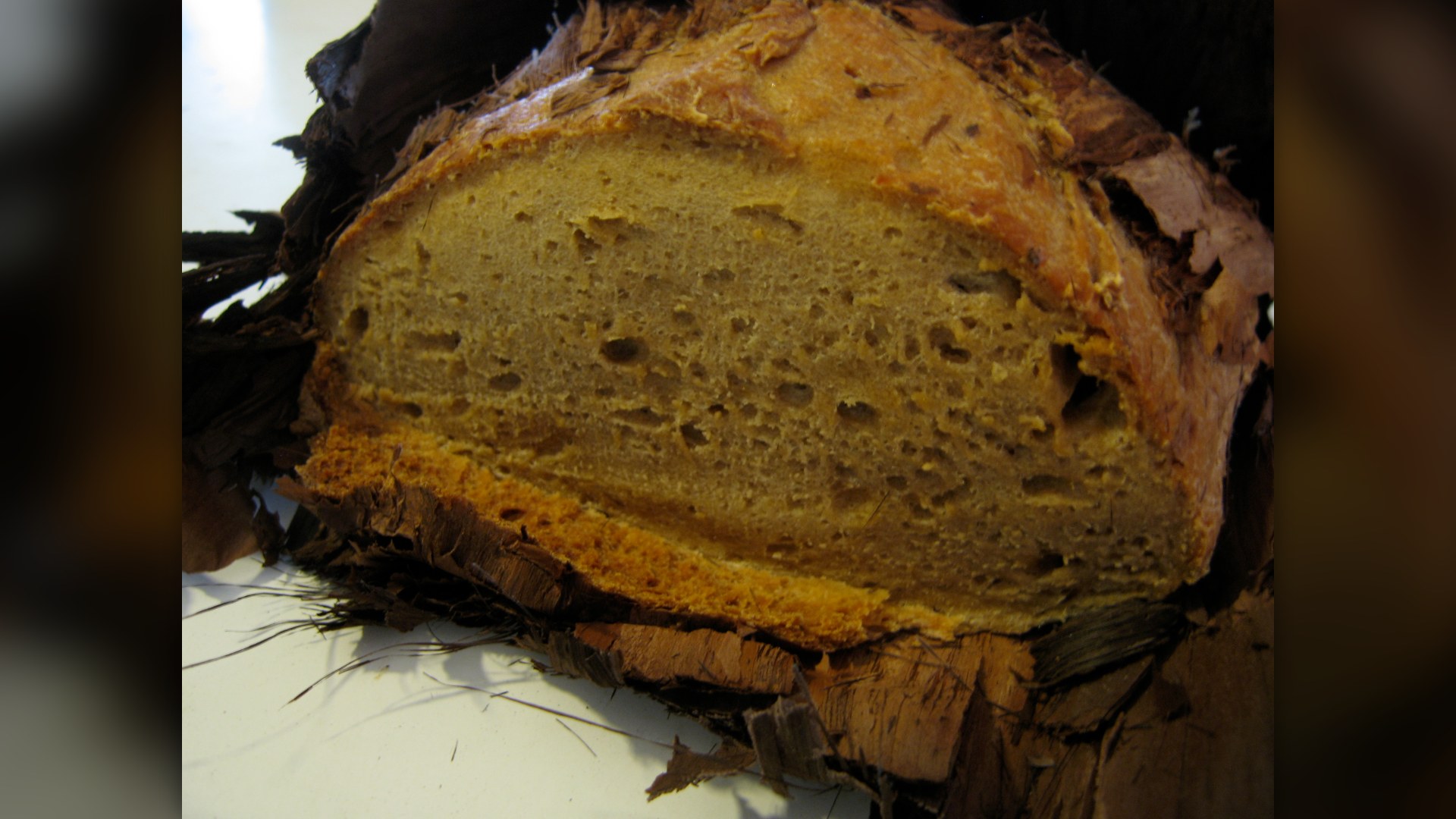
18. Australian Bush Damper In Campfire Coals
Stockmen and travelers in the Australian outback developed damper as a durable staple made from flour, water, and salt. Dropped into a camp oven or placed directly into the dying ash and embers of a campfire, the loaf bakes until tapping the crust produces a hollow sound.
©Wikimedia Commons / John Skewes
Advertisement
Swipe or tap ▶ to resume the countdown.
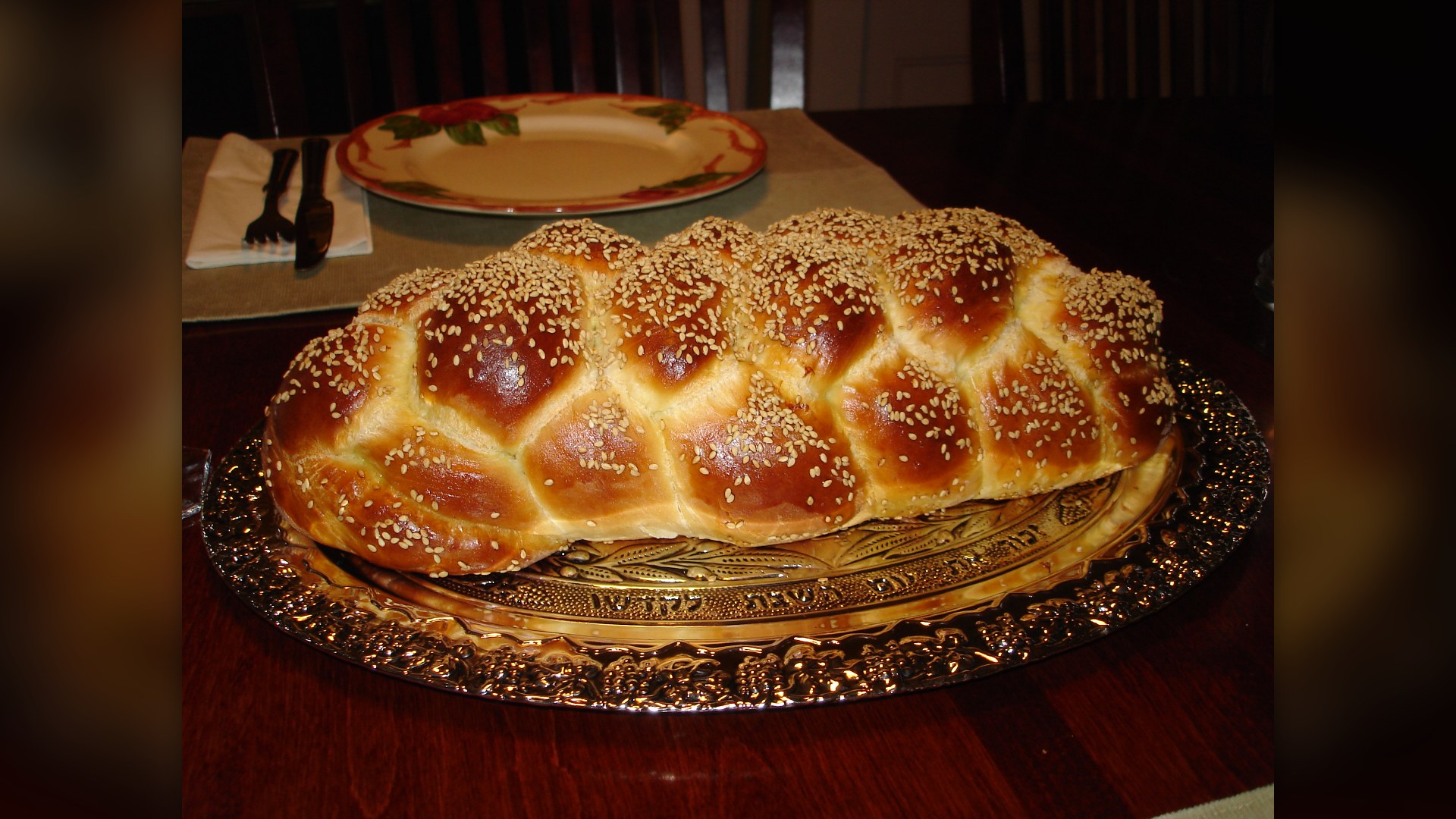
17. Braided Challah For The Sabbath
Central to Jewish Sabbath and holiday celebrations, challah is a rich, egg-leavened bread traditionally braided with three, four, or six strands. Bakers brush the braided loaf with egg wash and sprinkle poppy or sesame seeds before hearth baking, creating a soft, glossy golden crust.
©Wikimedia Commons / Joe Schlabotnik
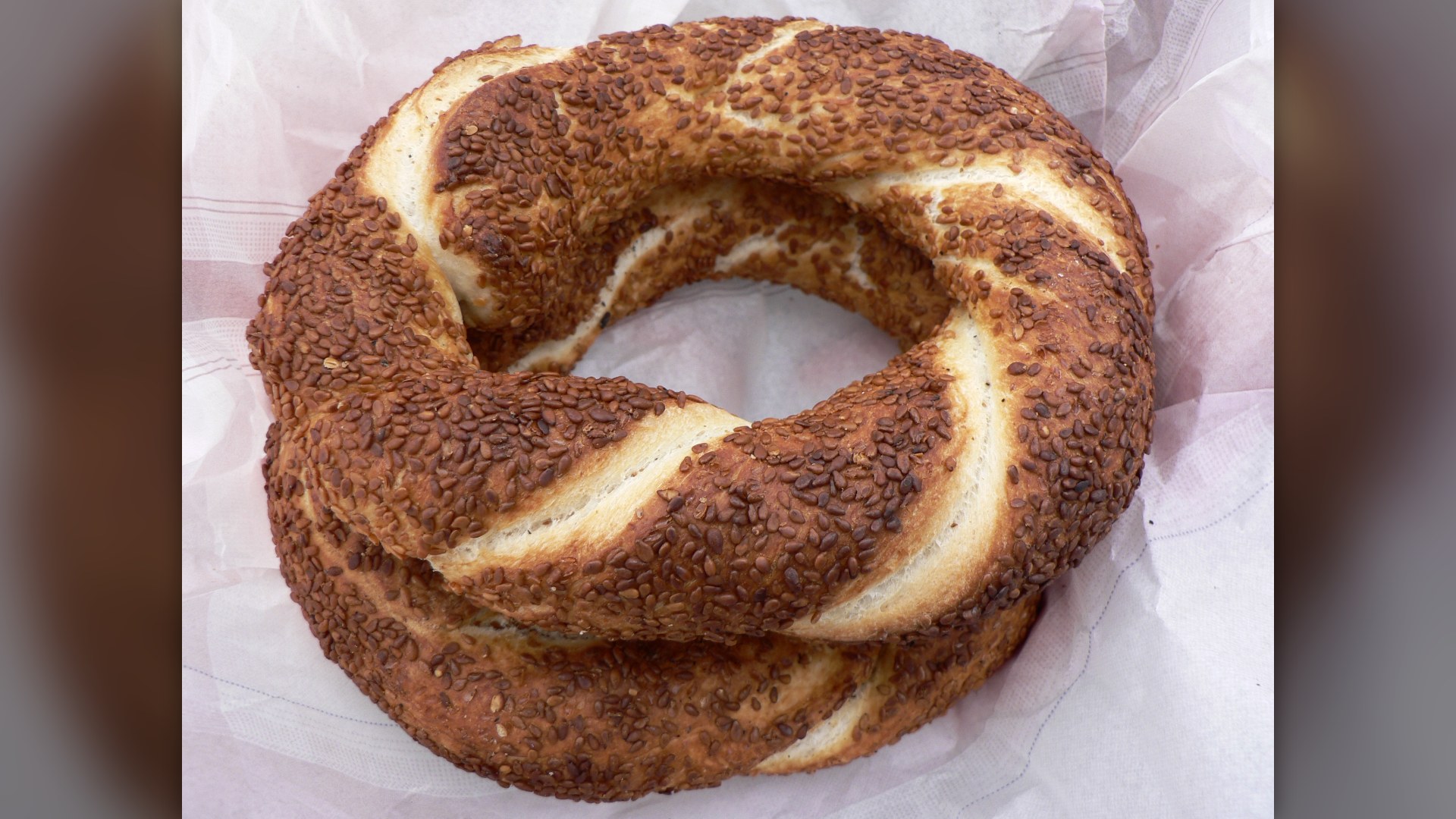
16. Turkish Simit In Stone Deck Ovens
Dating back to the Ottoman Empire in the early sixteenth century, simit begins by dipping twisted dough rings into diluted grape molasses called pekmez. Rolled in toasted sesame seeds, the rings bake inside wood-fired stone ovens to create a crisp exterior and chewy crumb.
©Wikimedia Commons / Grcampbell
15. South African Potbrood In Embers
Pioneered by Boer frontiersmen crossing southern African plains, potbrood relies on a three-legged cast-iron potjie. Dough ferments inside the greased pot before being buried in a shallow trench with glowing acacia coals shoveled onto the lid to create even radiant heat.
©Wikimedia Commons / Paul Nel
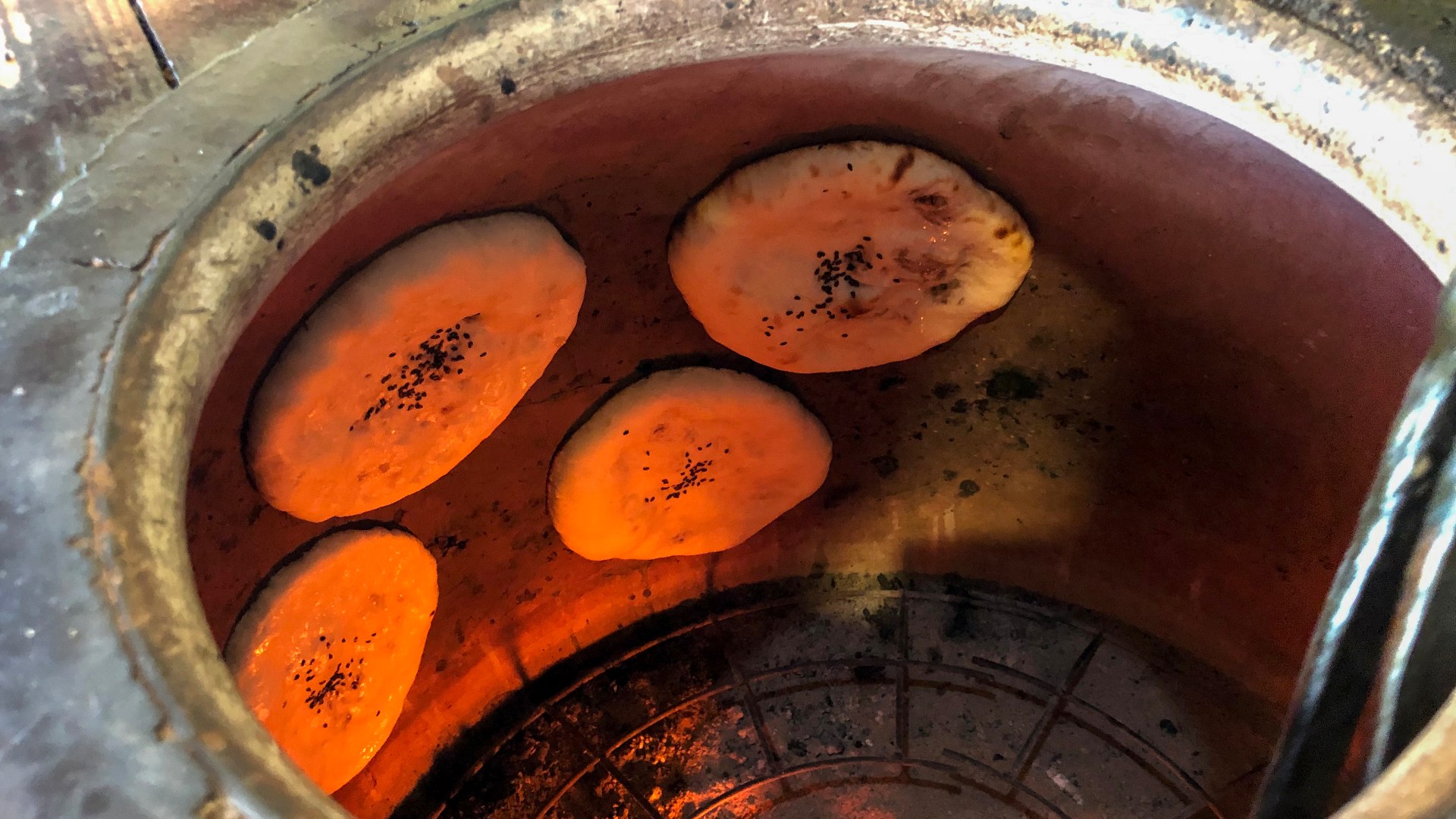
14. Chinese Shaobing In Barrel Ovens
In northern and eastern China, street vendors bake shaobing inside vertical clay cylinder ovens heated by burning charcoal. The multi-layered dough, laminated with toasted sesame oil paste and coated in seeds, blisters against hot pottery walls until flaky and crisp.
©Wikimedia Commons / N509FZ
Advertisement
Swipe or tap ▶ to resume the countdown.
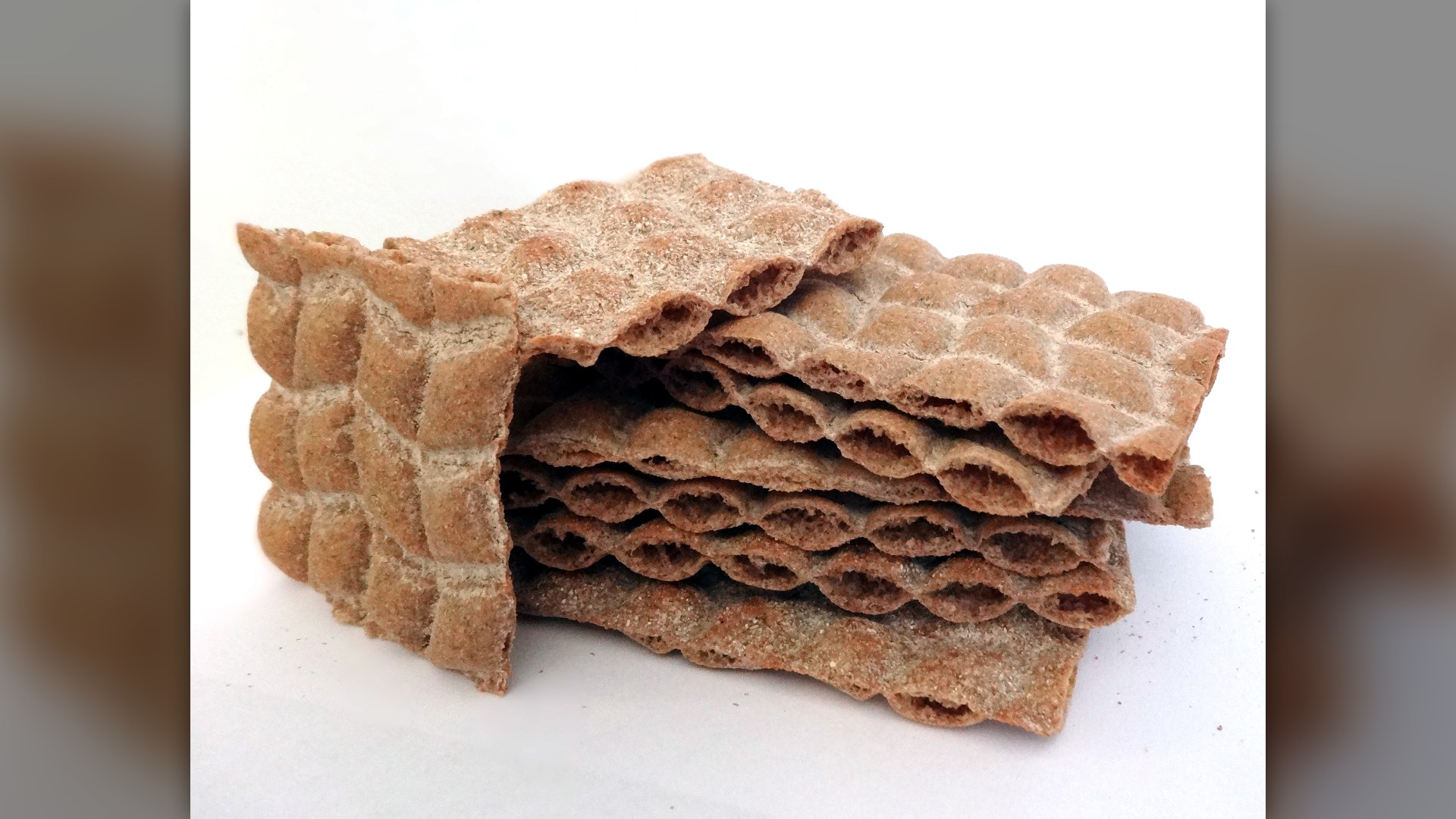
13. Swedish Knackebrod On Wood Hearths
Historically baked only twice a year in Swedish farmsteads, knackebrod allowed communities to preserve autumn rye harvests through freezing winters. Bakers roll coarse dough with spiked nagg pins to prevent air pockets before flash-baking rounds on dry birchwood hearths.
©Wikimedia Commons / Lokal Profil
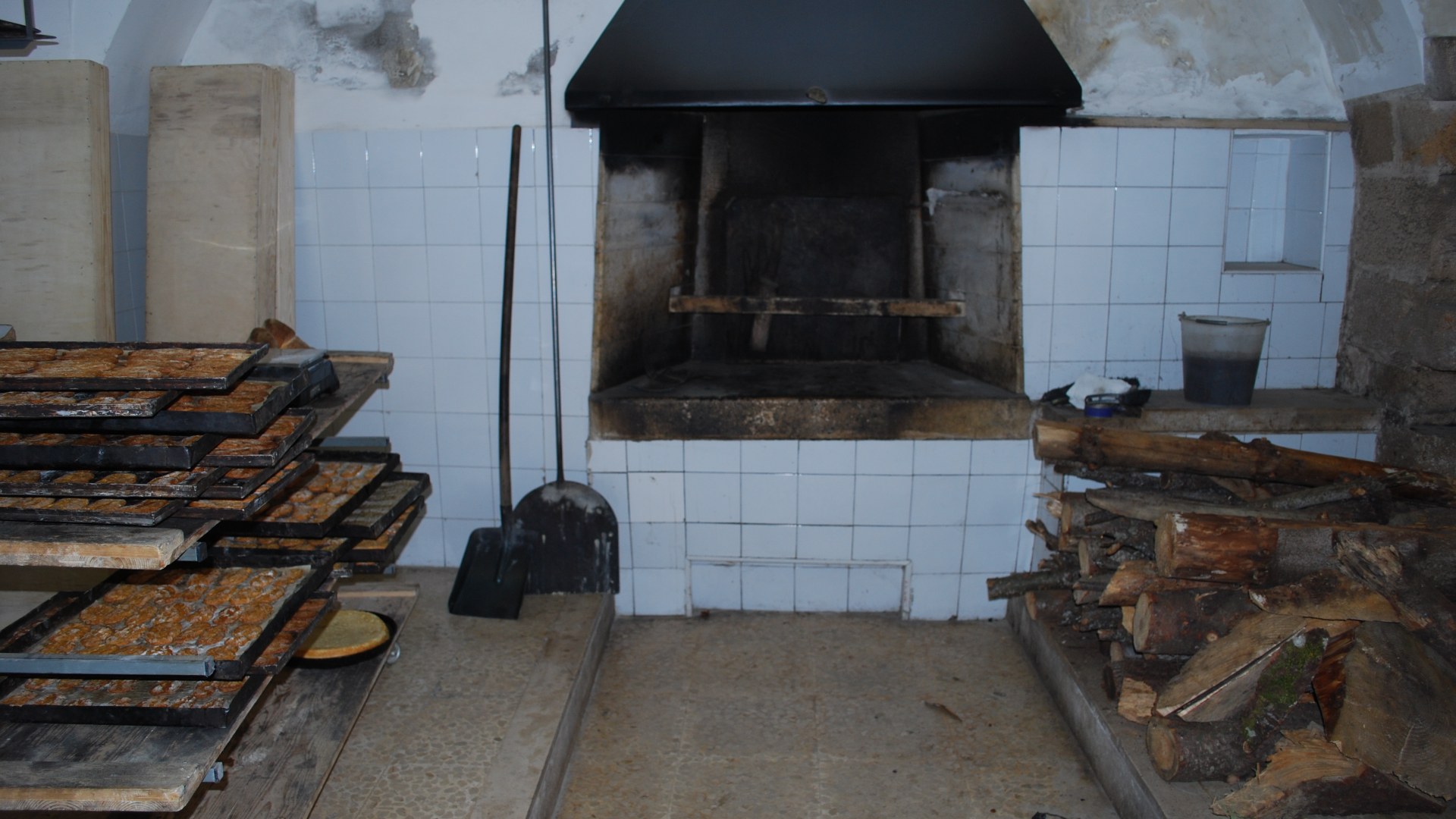
12. Italian Pane Di Altamura In Oak Ovens
Hailing from Puglia, Pane di Altamura holds European protected designation of origin. Crafted from re-milled durum wheat semolina and natural sourdough starter, the high-domed loaves bake inside massive stone ovens fueled by local oak, forming an aromatic brown crust up to three millimeters thick.
©Wikimedia Commons / pizzodisevo
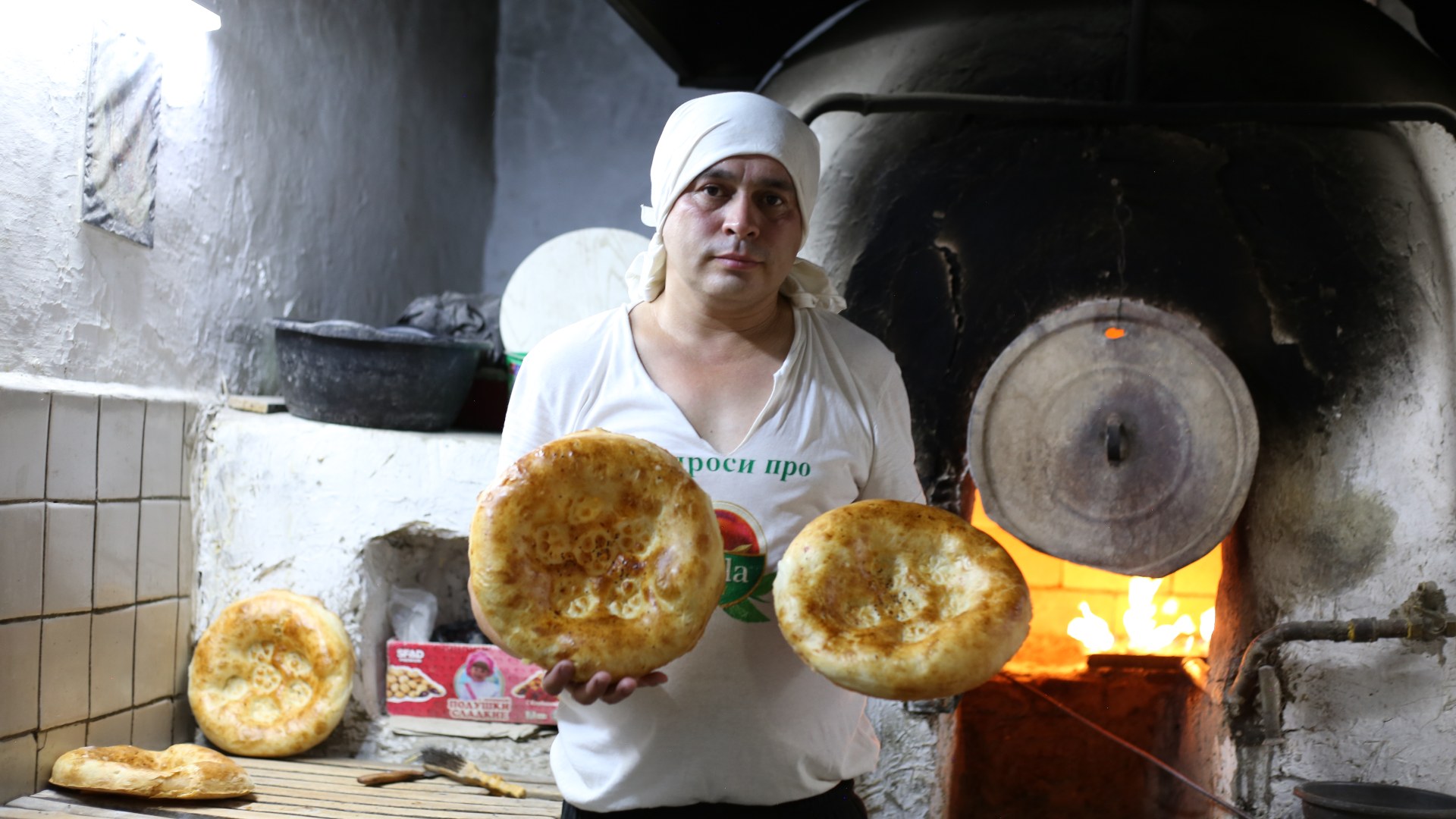
11. Uzbek Non Stamped In Clay Tandyrs
Central Asian non is a staple across Uzbekistan, baked inside domed clay tandyrs. Bakers press geometric patterns into the depressed center of each round using a needle-tipped chekich stamp, brushing the edges with milk and nigella seeds before sticking them to the oven.
©Wikimedia Commons / AIDEPCUL
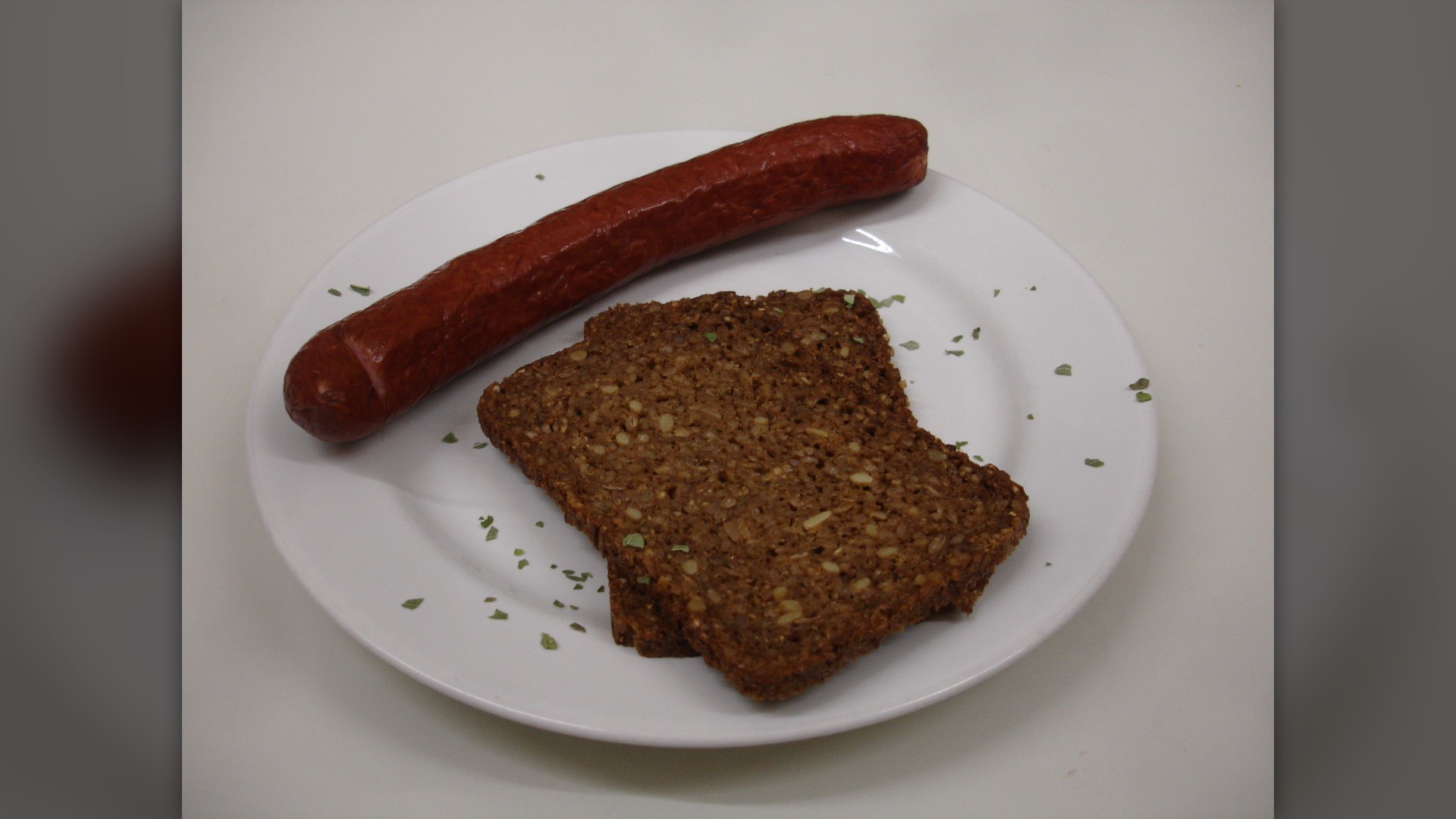
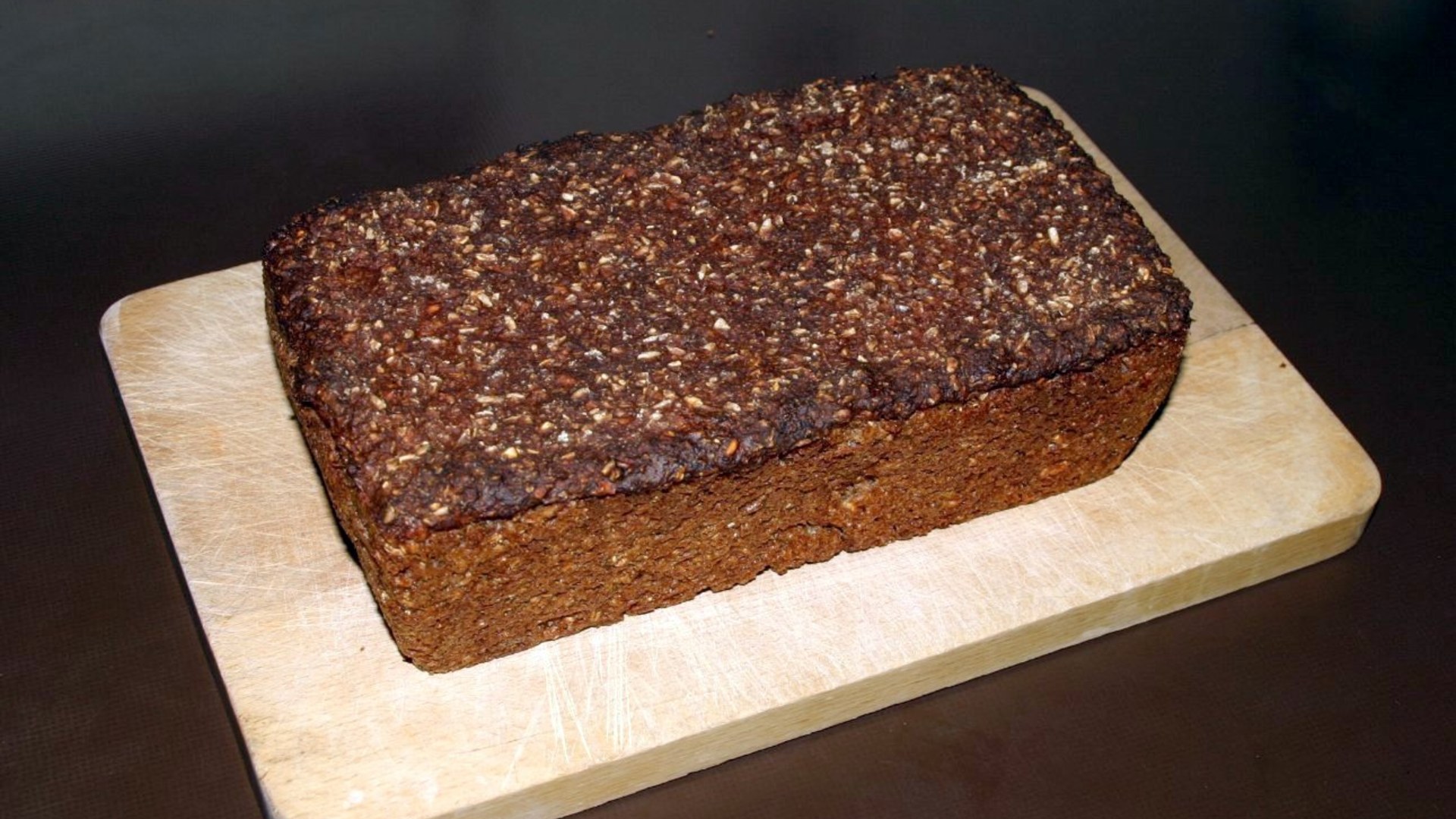
10. German Pumpernickel In Steam Chambers
Originating in Westphalia, authentic pumpernickel contains coarse whole rye berries and water with no added sugar or coloring. Steam-retention ovens maintain low temperatures near two hundred degrees for up to twenty-four hours, caramelizing natural grain sugars into an inky dark loaf.
©Wikimedia / Wikimedia Contributor
Advertisement
Swipe or tap ▶ to resume the countdown.
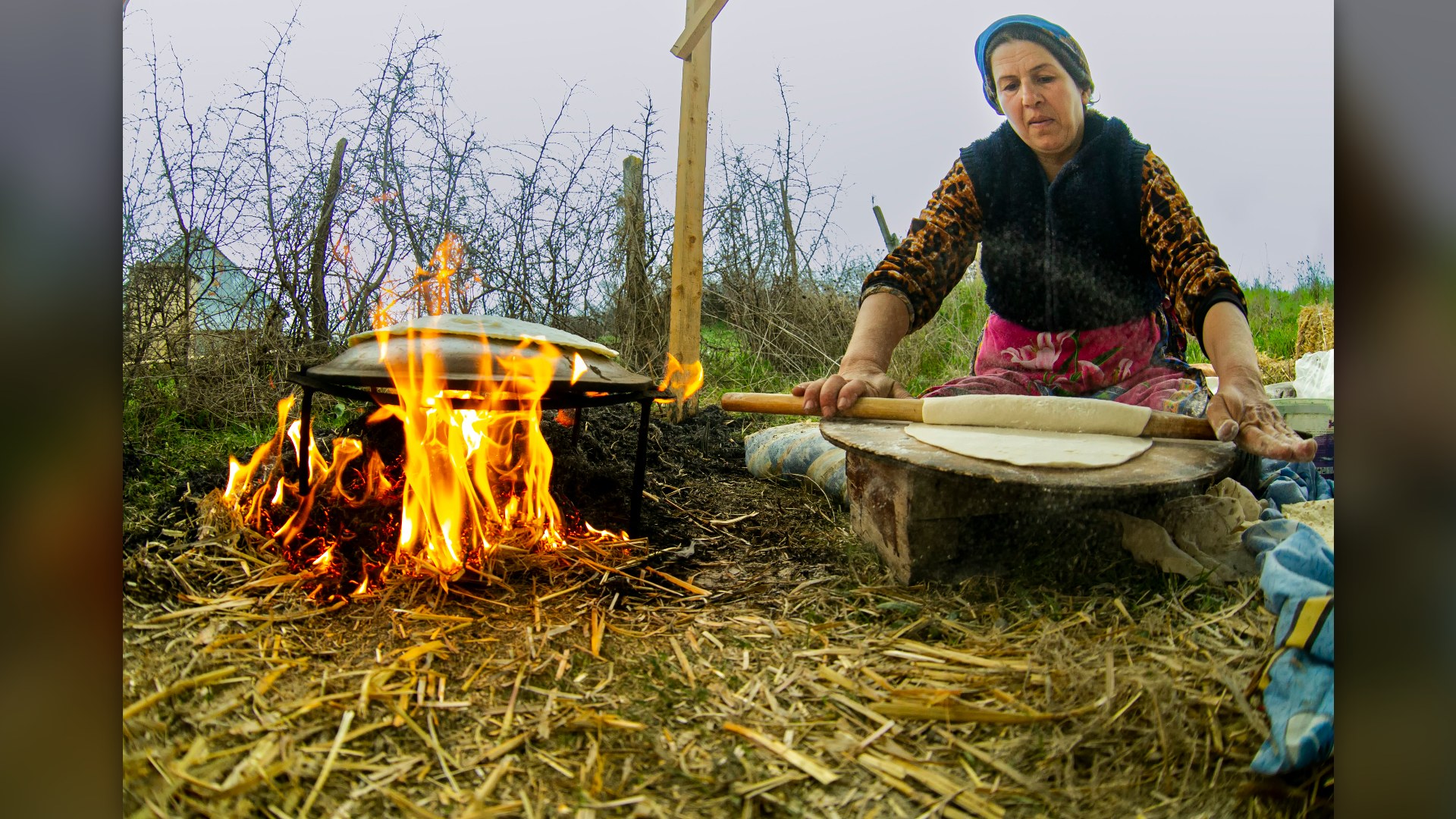
9. Armenian Lavash In The Tonir
Recognized on the UNESCO cultural heritage list, Armenian lavash begins by rolling wheat dough paper-thin and stretching it over an oval baking cushion. Bakers reach into a subterranean clay tonir pit to slap the dough against glowing earthen walls, cooking it in thirty seconds.
©Wikimedia Commons / Rita Willaert
8. Moroccan Khobz In The Ferran
Moroccan families traditionally knead khobz at home using durum semolina, anise seeds, and sesame before children carry the rounds to a neighborhood ferran. The master baker scores each family's distinct mark into the loaves and bakes them across hardwood-fired stone slabs.
©Wikimedia Commons / Kaoutar el-hazzazi
7. Icelandic Rugbraud In Volcanic Earth
In volcanic areas like Laugarvatn, Icelanders seal sweetened rye dough into metal pots and bury them directly in bubbling geothermal black sand. Subterranean volcanic heat gently steams the loaf for twenty-four hours, creating a dense, crustless dark bread with caramel notes.
©Wikimedia Commons / Christian Bickel
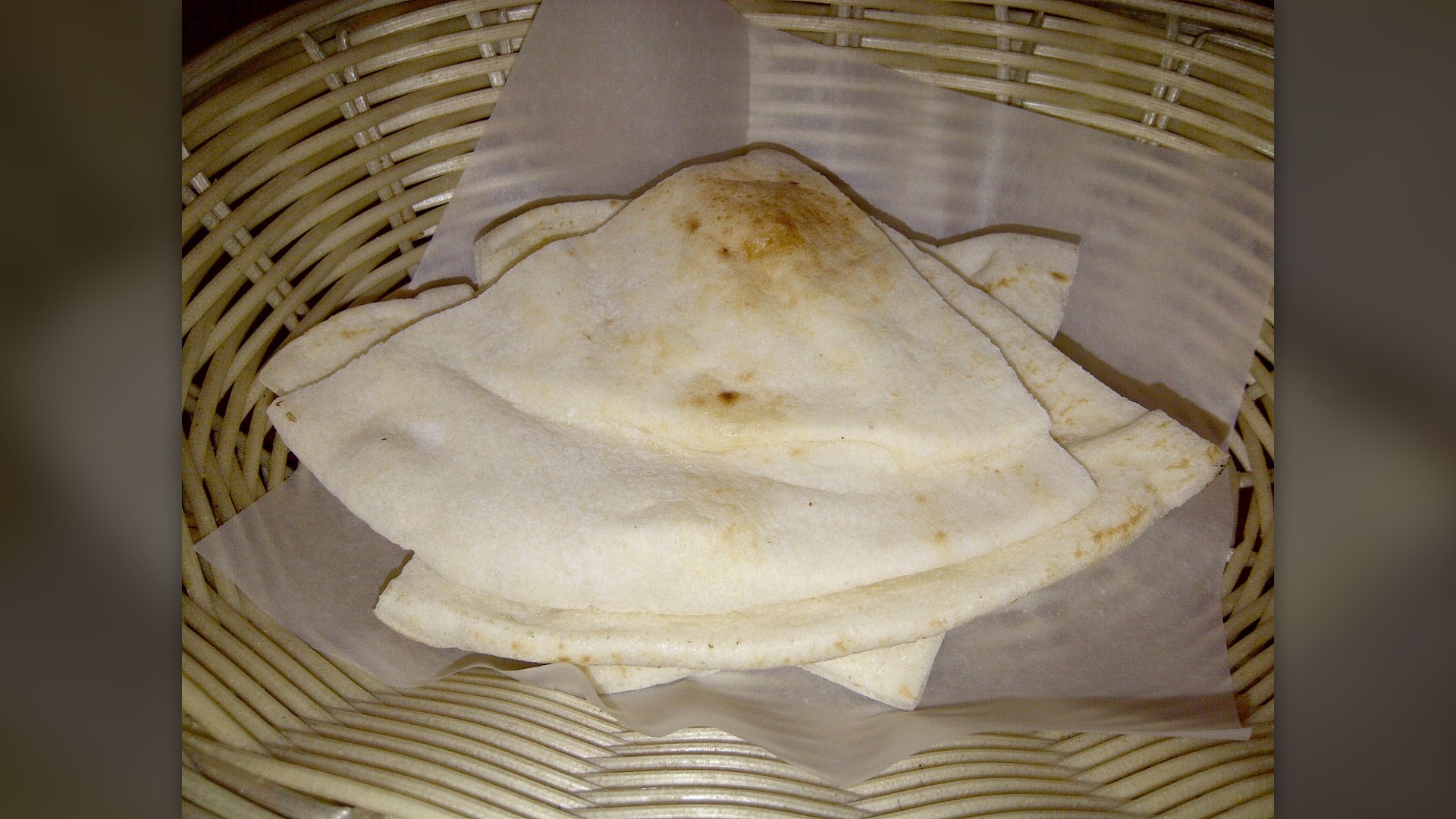
6. Middle Eastern Pita In Stone Ovens
Baking at temperatures exceeding seven hundred degrees, traditional stone deck ovens cause flat discs of wheat dough to rapidly trap internal water vapor. The sudden expansion balloons the bread into a spherical hollow pocket within ninety seconds, ready for falafel or grilled meat.
©Pixabay / jcvelis
Advertisement
Swipe or tap ▶ to resume the countdown.
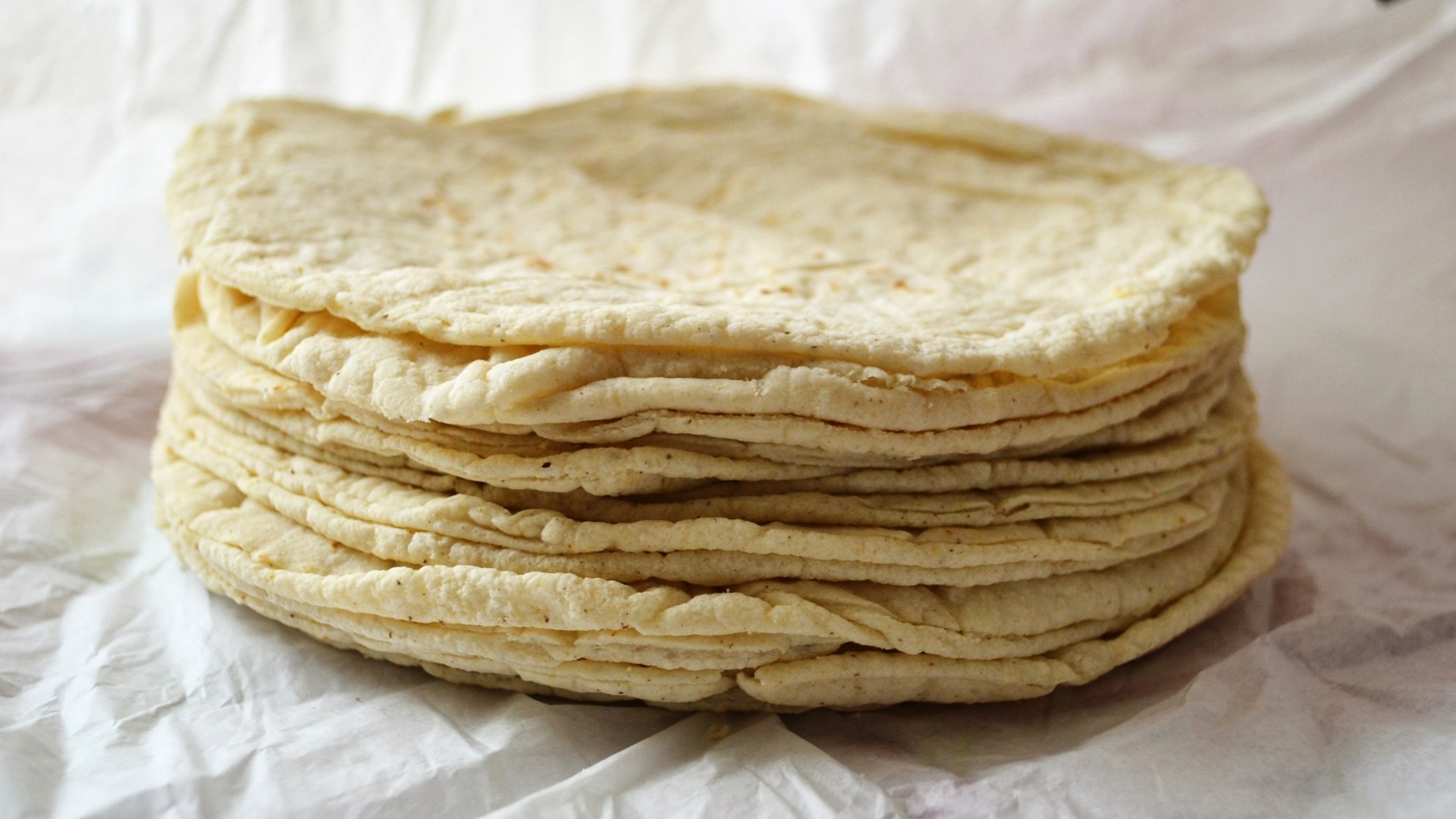
5. Mexican Corn Tortillas On The Comal
Mesoamerican corn tortillas trace back thousands of years through nixtamalization, soaking whole maize kernels in alkaline limewater to unlock nutrients. Pressed thin and cooked on a hot clay or steel comal, the round disk puffs when trapped steam separates its outer layers.
©Wikimedia Commons / ProtoplasmaKid
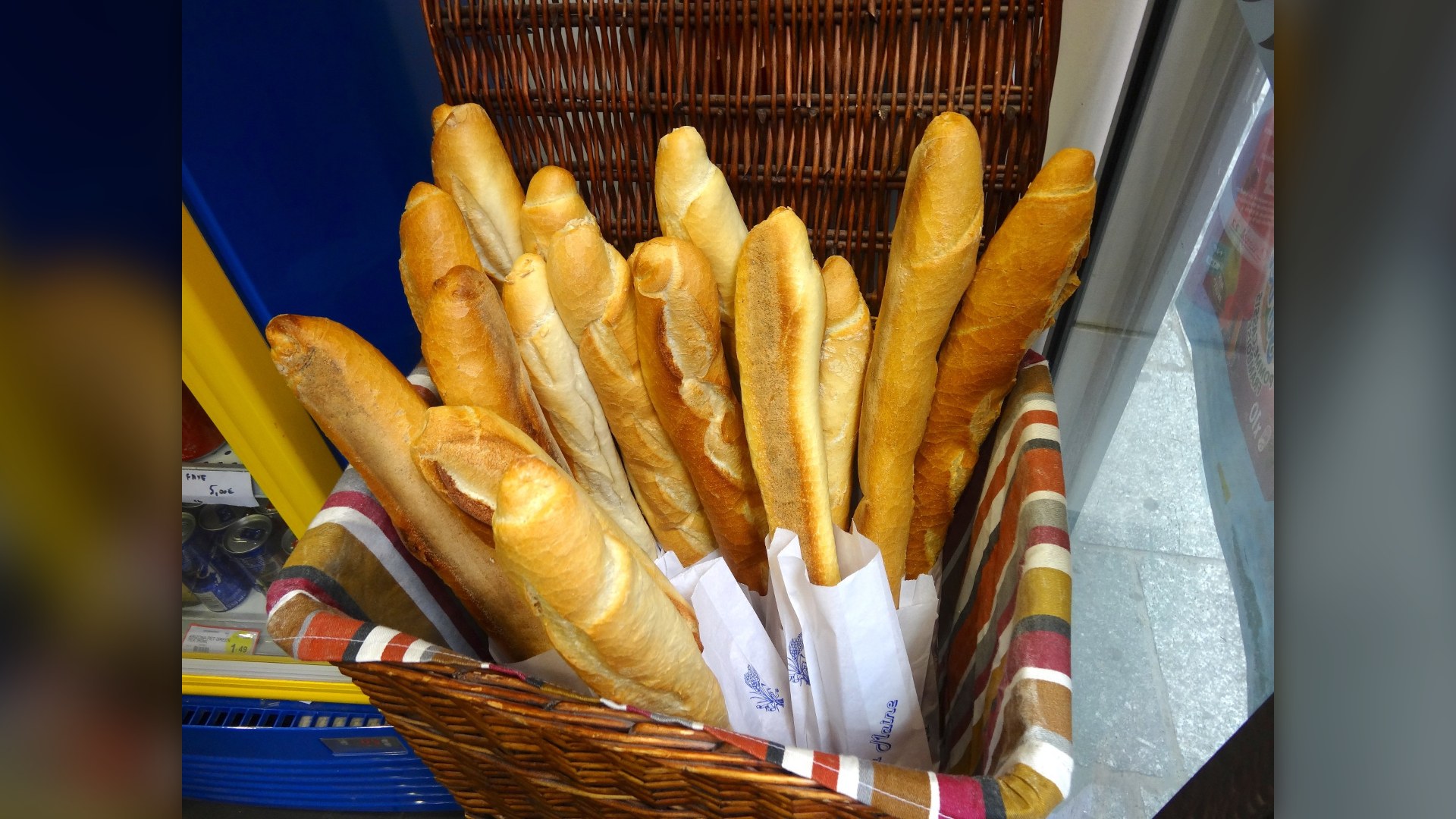
4. French Baguette In Steam Deck Ovens
Protected under French law, the authentic baguette uses only wheat flour, water, yeast, and salt. Deck ovens inject steam during the first minutes of baking to keep the outer crust flexible, allowing razor scores to burst open before forming a caramelized, brittle crust.
©Wikimedia Commons / besopha
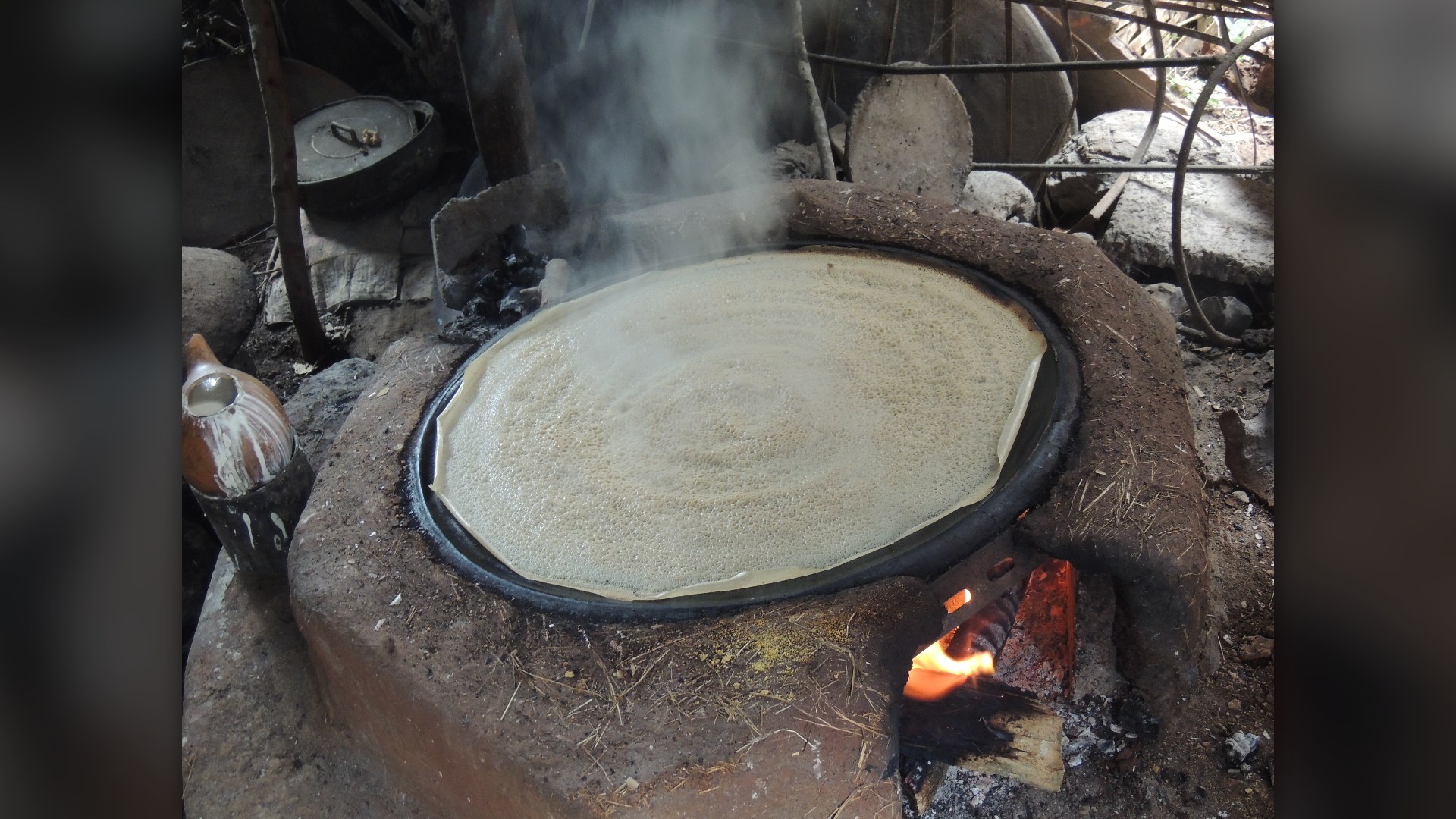
3. Ethiopian Injera On The Mitad
Injera relies on teff, an ancient gluten-free grain fermented with an ersho starter for three to four days. The sour batter pours in spirals onto an earthenware mitad griddle over wood fires, producing tiny steam vents called eyes that create its signature honeycomb texture.
©Wikimedia Commons / A.M.Hurley
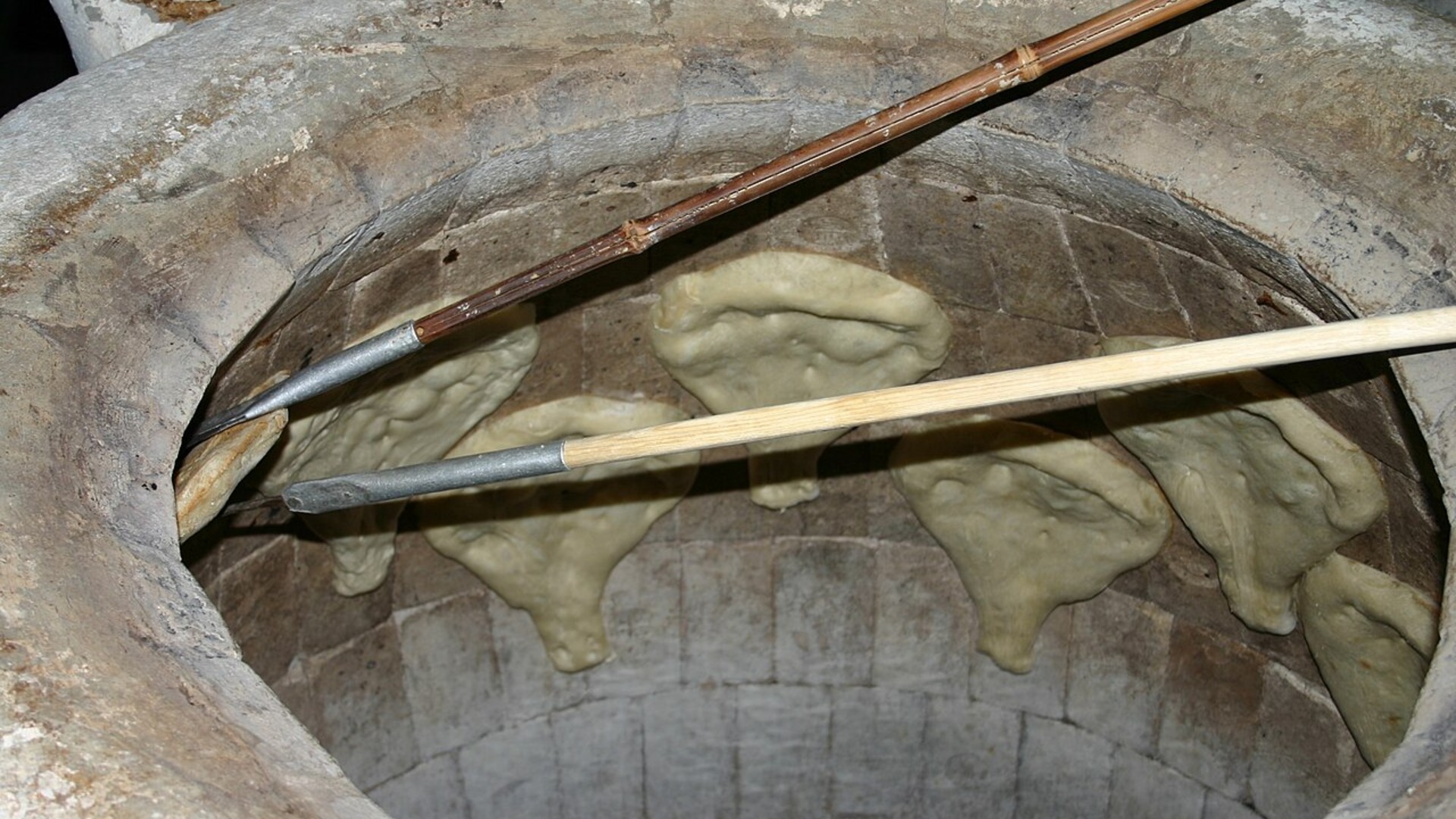
2. Georgian Shotis Puri In The Tone
In Georgian villages, the tone oven resembles a sunken amphora lined with fired clay and heated with hardwood embers. Bakers lean deep into the opening to stick canoe-shaped sourdough loaves to the curved walls, retrieving them with iron hooks once blistered and crisp.
©Wikimedia / Theiko from Tbilisi, Georgia
Advertisement
Swipe or tap ▶ to resume the countdown.
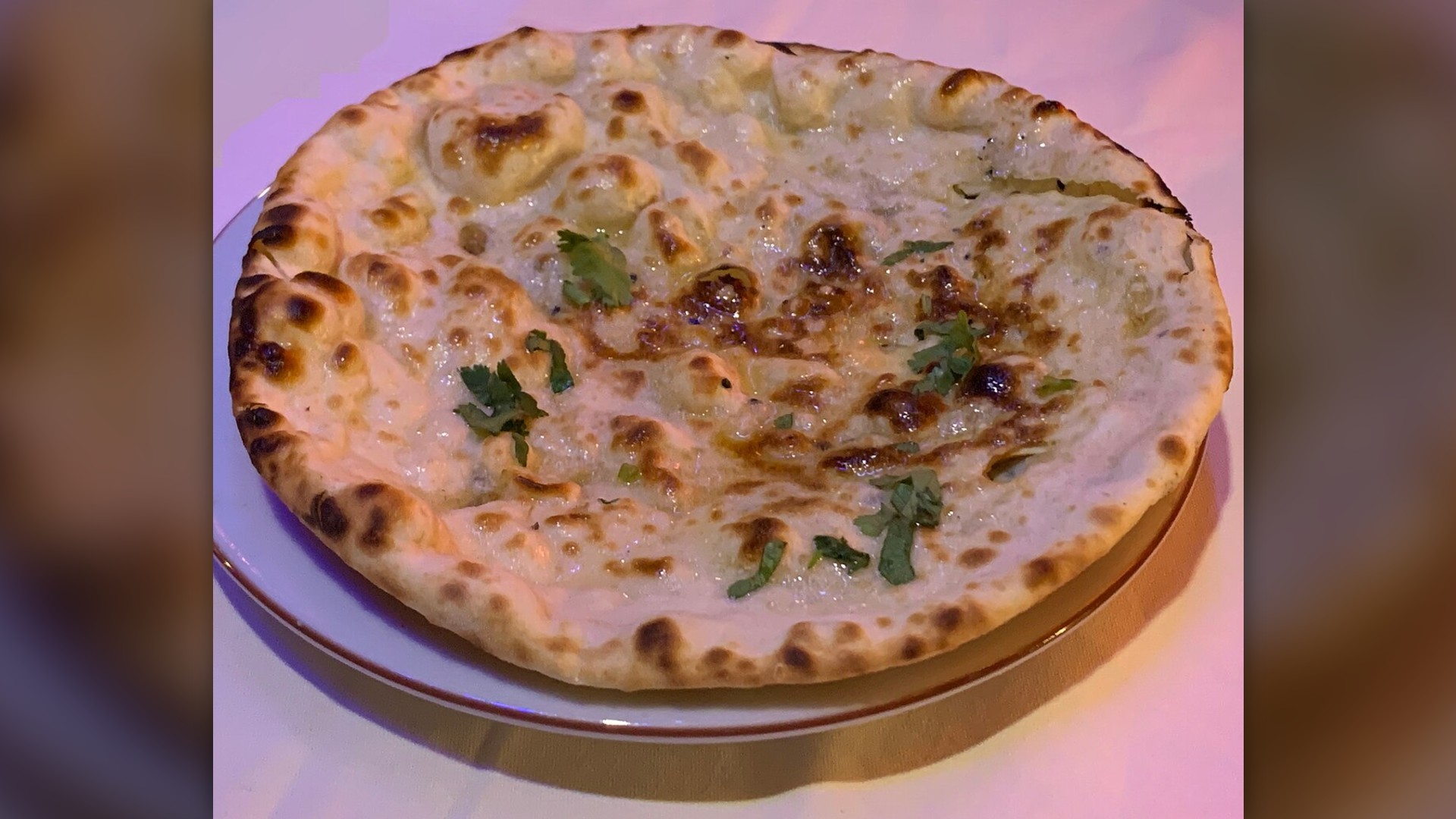
1. Indian Naan In The Clay Tandoor
The cylindrical clay tandoor reaches temperatures above eight hundred degrees Fahrenheit. Bakers stretch yeast-leavened maida dough onto cloth cushions before slapping it directly onto the vertical interior walls, where intense radiant heat blisters the flatbread within sixty seconds.

©Wikimedia / Benoît Prieur
Advertisement
You've reached the end of the story. Thanks for reading!

20 Famous Cars With Pop-Up Headlights That Shaped Car Design
From hand-cranked 1930s teardrops to wedge supercars of the 1980s, hidden headlights let stylists chase sleek aerodynamics until 2004 pedestrian rules closed the curtain. Here are 20 standout production cars that turned retractable lamps into an enduring automotive design feature across seven full decades.
All 20 Entries in this Story
20. Irish Soda Bread In The Bastible
When bicarbonate of soda reached rural Ireland in the 1830s, cooks used it to leaven soft, low-protein native wheat flour with sour buttermilk. Baked on open peat fires inside a cast-iron bastible pot with burning turf on the lid, the round loaf is scored with a cross to help it expand.

19. Finnish Reikaleipa On Ceiling Poles
In western Finland, farmhouse bakers punched a central hole through sourdough rye flatbreads before baking them in wood hearths. The cured discs were strung onto long birch poles suspended beneath kitchen ceilings, allowing cool winter air to dry and preserve them for months.

18. Australian Bush Damper In Campfire Coals
Stockmen and travelers in the Australian outback developed damper as a durable staple made from flour, water, and salt. Dropped into a camp oven or placed directly into the dying ash and embers of a campfire, the loaf bakes until tapping the crust produces a hollow sound.

17. Braided Challah For The Sabbath
Central to Jewish Sabbath and holiday celebrations, challah is a rich, egg-leavened bread traditionally braided with three, four, or six strands. Bakers brush the braided loaf with egg wash and sprinkle poppy or sesame seeds before hearth baking, creating a soft, glossy golden crust.

16. Turkish Simit In Stone Deck Ovens
Dating back to the Ottoman Empire in the early sixteenth century, simit begins by dipping twisted dough rings into diluted grape molasses called pekmez. Rolled in toasted sesame seeds, the rings bake inside wood-fired stone ovens to create a crisp exterior and chewy crumb.

15. South African Potbrood In Embers
Pioneered by Boer frontiersmen crossing southern African plains, potbrood relies on a three-legged cast-iron potjie. Dough ferments inside the greased pot before being buried in a shallow trench with glowing acacia coals shoveled onto the lid to create even radiant heat.

14. Chinese Shaobing In Barrel Ovens
In northern and eastern China, street vendors bake shaobing inside vertical clay cylinder ovens heated by burning charcoal. The multi-layered dough, laminated with toasted sesame oil paste and coated in seeds, blisters against hot pottery walls until flaky and crisp.

13. Swedish Knackebrod On Wood Hearths
Historically baked only twice a year in Swedish farmsteads, knackebrod allowed communities to preserve autumn rye harvests through freezing winters. Bakers roll coarse dough with spiked nagg pins to prevent air pockets before flash-baking rounds on dry birchwood hearths.

12. Italian Pane Di Altamura In Oak Ovens
Hailing from Puglia, Pane di Altamura holds European protected designation of origin. Crafted from re-milled durum wheat semolina and natural sourdough starter, the high-domed loaves bake inside massive stone ovens fueled by local oak, forming an aromatic brown crust up to three millimeters thick.

11. Uzbek Non Stamped In Clay Tandyrs
Central Asian non is a staple across Uzbekistan, baked inside domed clay tandyrs. Bakers press geometric patterns into the depressed center of each round using a needle-tipped chekich stamp, brushing the edges with milk and nigella seeds before sticking them to the oven.

10. German Pumpernickel In Steam Chambers
Originating in Westphalia, authentic pumpernickel contains coarse whole rye berries and water with no added sugar or coloring. Steam-retention ovens maintain low temperatures near two hundred degrees for up to twenty-four hours, caramelizing natural grain sugars into an inky dark loaf.

9. Armenian Lavash In The Tonir
Recognized on the UNESCO cultural heritage list, Armenian lavash begins by rolling wheat dough paper-thin and stretching it over an oval baking cushion. Bakers reach into a subterranean clay tonir pit to slap the dough against glowing earthen walls, cooking it in thirty seconds.

8. Moroccan Khobz In The Ferran
Moroccan families traditionally knead khobz at home using durum semolina, anise seeds, and sesame before children carry the rounds to a neighborhood ferran. The master baker scores each family's distinct mark into the loaves and bakes them across hardwood-fired stone slabs.

7. Icelandic Rugbraud In Volcanic Earth
In volcanic areas like Laugarvatn, Icelanders seal sweetened rye dough into metal pots and bury them directly in bubbling geothermal black sand. Subterranean volcanic heat gently steams the loaf for twenty-four hours, creating a dense, crustless dark bread with caramel notes.

6. Middle Eastern Pita In Stone Ovens
Baking at temperatures exceeding seven hundred degrees, traditional stone deck ovens cause flat discs of wheat dough to rapidly trap internal water vapor. The sudden expansion balloons the bread into a spherical hollow pocket within ninety seconds, ready for falafel or grilled meat.

5. Mexican Corn Tortillas On The Comal
Mesoamerican corn tortillas trace back thousands of years through nixtamalization, soaking whole maize kernels in alkaline limewater to unlock nutrients. Pressed thin and cooked on a hot clay or steel comal, the round disk puffs when trapped steam separates its outer layers.

4. French Baguette In Steam Deck Ovens
Protected under French law, the authentic baguette uses only wheat flour, water, yeast, and salt. Deck ovens inject steam during the first minutes of baking to keep the outer crust flexible, allowing razor scores to burst open before forming a caramelized, brittle crust.

3. Ethiopian Injera On The Mitad
Injera relies on teff, an ancient gluten-free grain fermented with an ersho starter for three to four days. The sour batter pours in spirals onto an earthenware mitad griddle over wood fires, producing tiny steam vents called eyes that create its signature honeycomb texture.

2. Georgian Shotis Puri In The Tone
In Georgian villages, the tone oven resembles a sunken amphora lined with fired clay and heated with hardwood embers. Bakers lean deep into the opening to stick canoe-shaped sourdough loaves to the curved walls, retrieving them with iron hooks once blistered and crisp.

1. Indian Naan In The Clay Tandoor
The cylindrical clay tandoor reaches temperatures above eight hundred degrees Fahrenheit. Bakers stretch yeast-leavened maida dough onto cloth cushions before slapping it directly onto the vertical interior walls, where intense radiant heat blisters the flatbread within sixty seconds.