Slideshow · Viral
How Horses Sleep and Rest Without Spending All Day Lying Down
Equine anatomy features a biological locking mechanism called the stay apparatus that lets horses doze upright while reserving lying down for essential REM sleep.
By Most Viral Today
4 Nov 2026

How Horses Sleep and Rest Without Spending All Day Lying Down 
20. The Evolutionary Prey Instinct 
19. Light Drowsiness On Four Legs 
18. The Stay Apparatus Locking Mechanism - AdvertisementSwipe or tap ▶ to continue countdown

17. Patellar Locking In The Stifle 
16. Resting One Hind Leg On The Toe 
15. Weight Shifting Between Hind Limbs 
14. Facial Indicators Of Standing Rest - AdvertisementSwipe or tap ▶ to continue countdown

13. Slow Wave Sleep While Standing 
12. Muscle Atonia In Deep Sleep 
11. Sternal Recumbency Chest Resting 
10. Resting The Head On The Ground - AdvertisementSwipe or tap ▶ to continue countdown

9. Full Lateral Recumbency Side Sleeping 
8. Rapid Eye Movement Dream States 
7. Brief Daily REM Requirements 
6. Internal Organ Weight Constraints - AdvertisementSwipe or tap ▶ to continue countdown

5. Herd Sentinel Dynamics 
4. Foal Sleep Patterns 
3. Equine Sleep Deprivation 
2. Excessive Standing Drowsiness Collapses - AdvertisementSwipe or tap ▶ to continue countdown

1. Optimal Stable And Pasture Design - Advertisement🔥 UP NEXT IN THIS SERIES◫ 21 Slides

20 Famous Cars With Pop-Up Headlights That Shaped Car Design
From hand-cranked 1930s teardrops to wedge supercars of the 1980s, hidden headlights let stylists chase sleek aerodynamics until 2004 pedestrian rules closed the curtain. Here are 20 standout production cars that turned retractable lamps into an enduring automotive design feature across seven full decades.
Equine anatomy features a biological locking mechanism called the stay apparatus that lets horses doze upright while reserving lying down for essential REM sleep.
Swipe or tap ▶ to begin the countdown
©Wikimedia / 4028mdk09 & Wikimedia / Ken Thomas
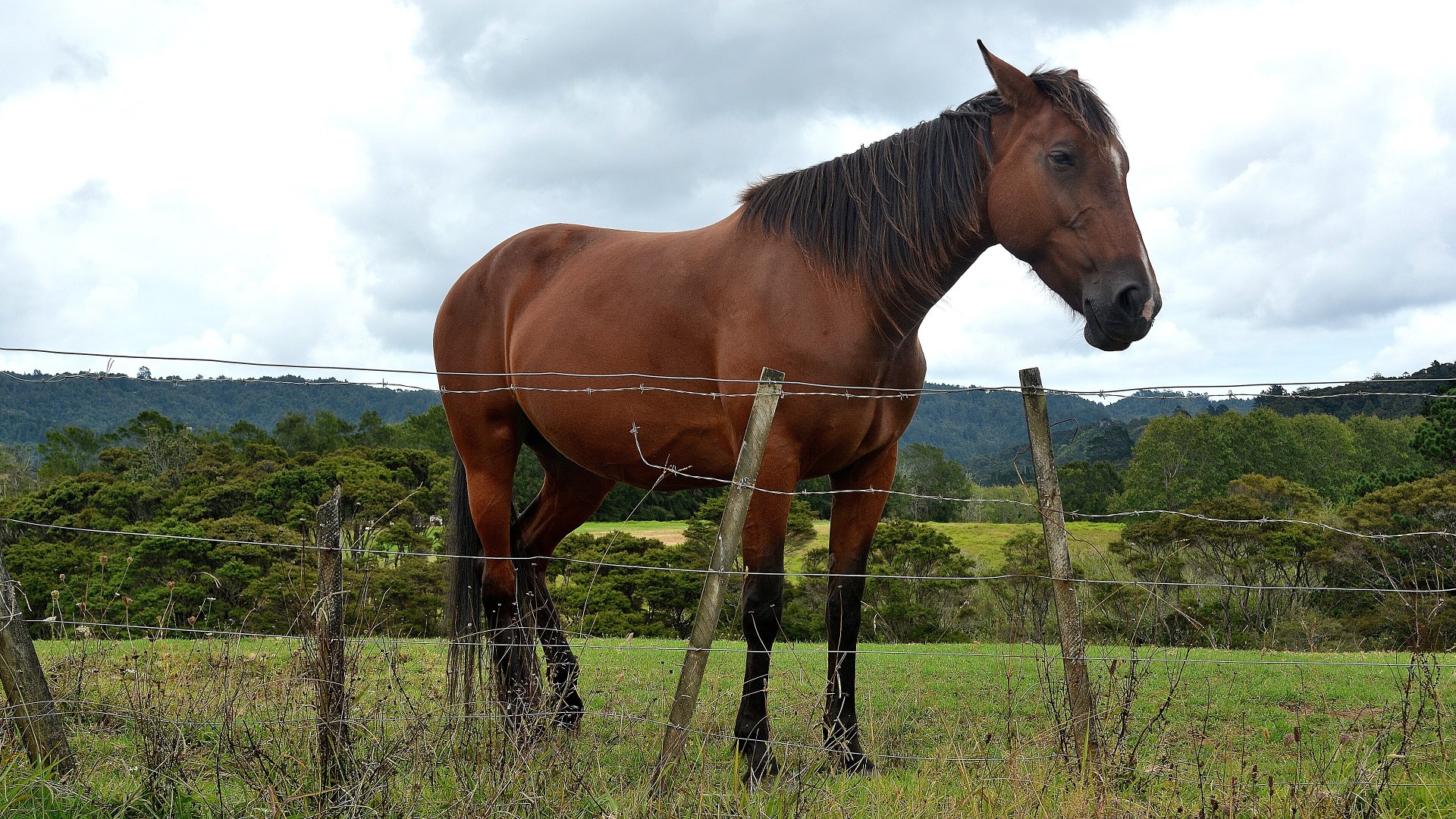
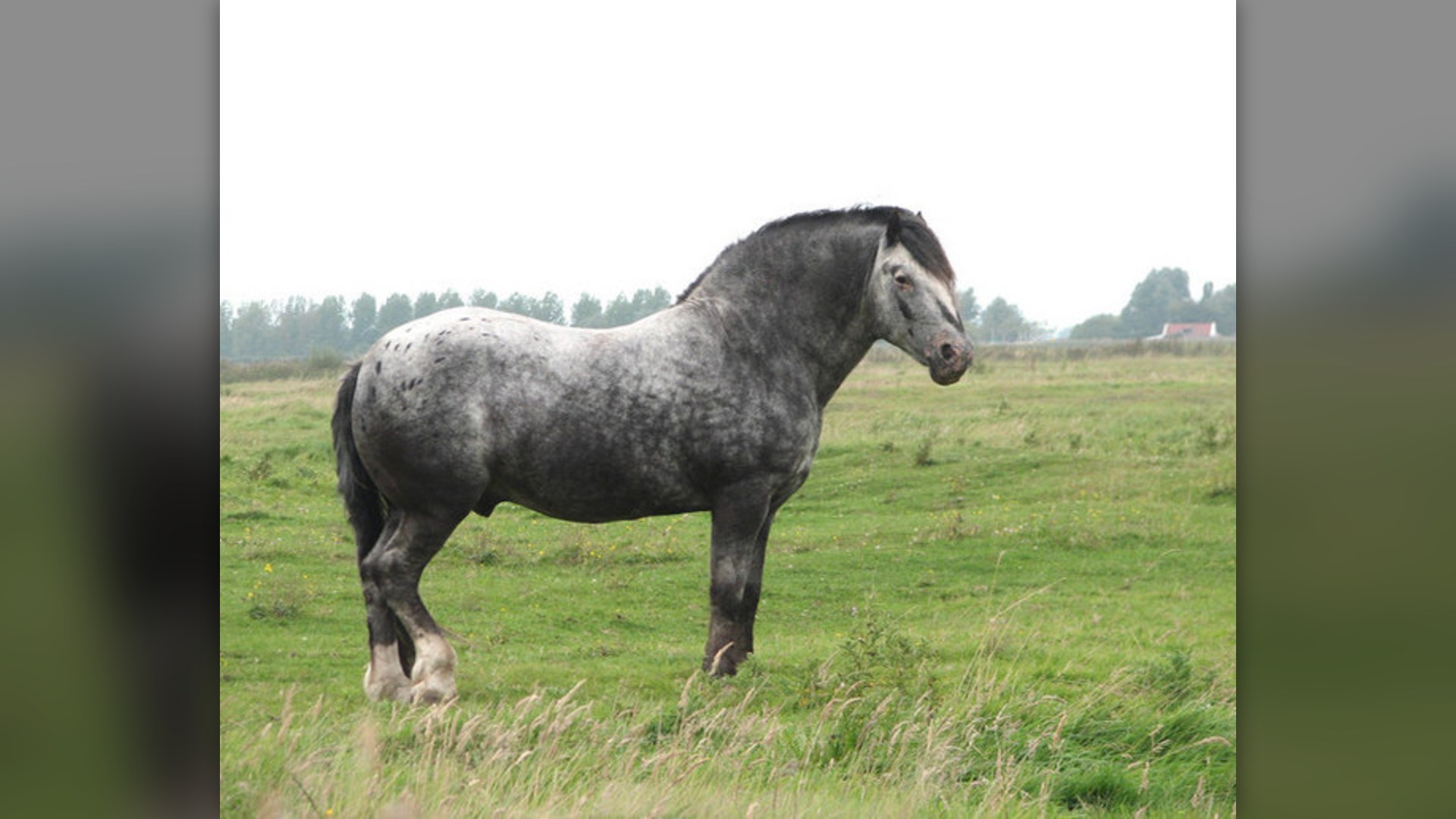
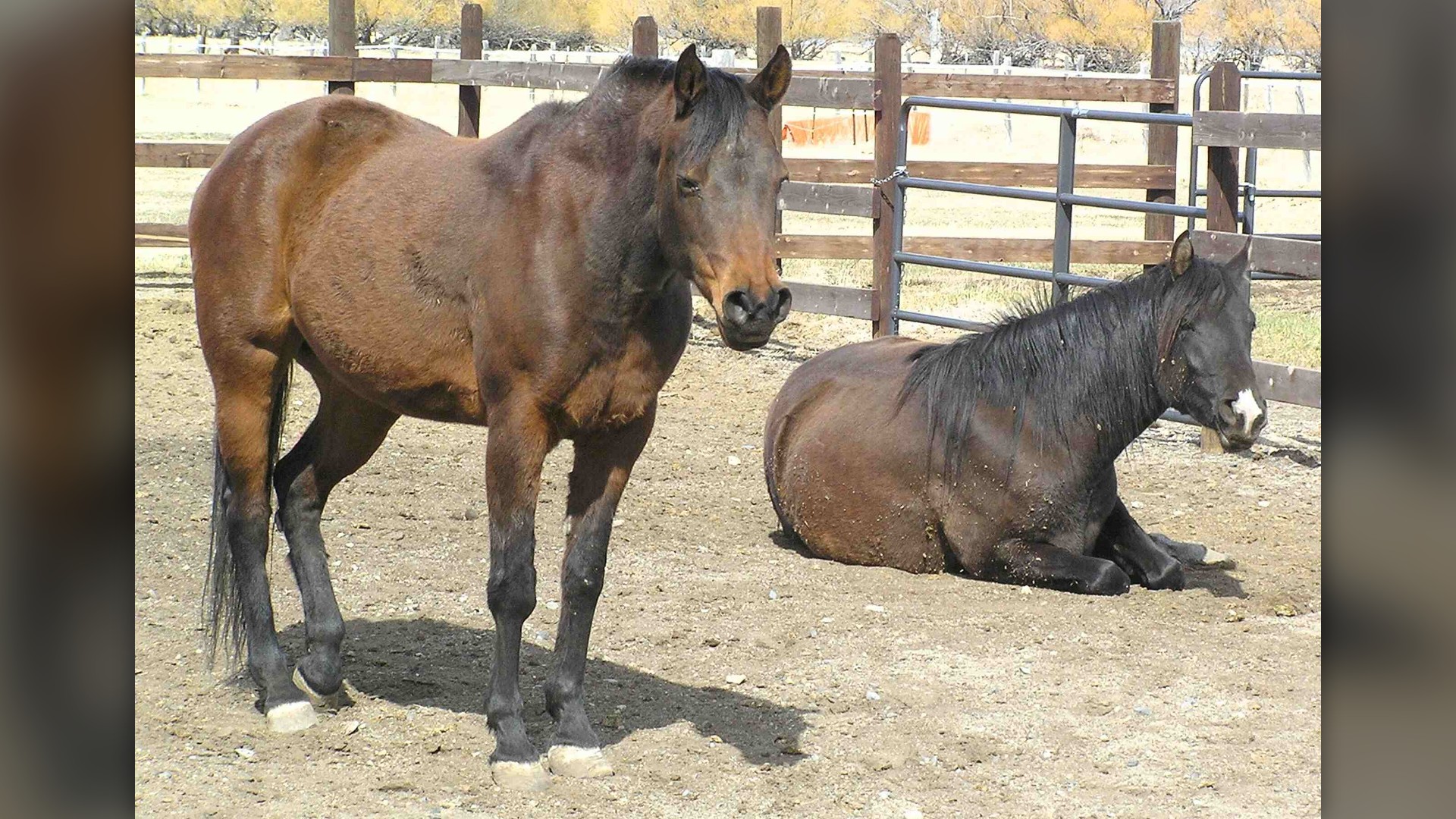
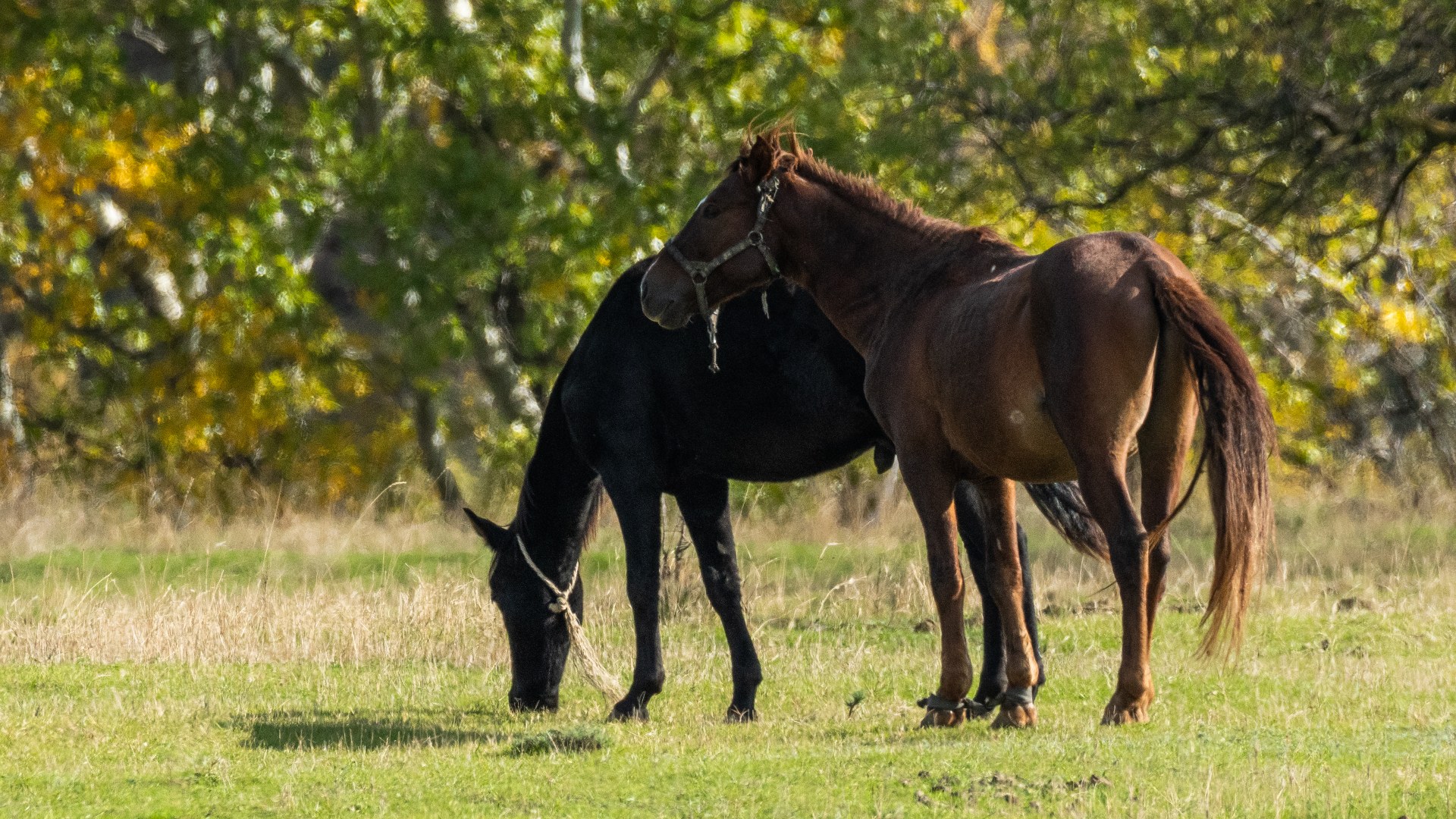
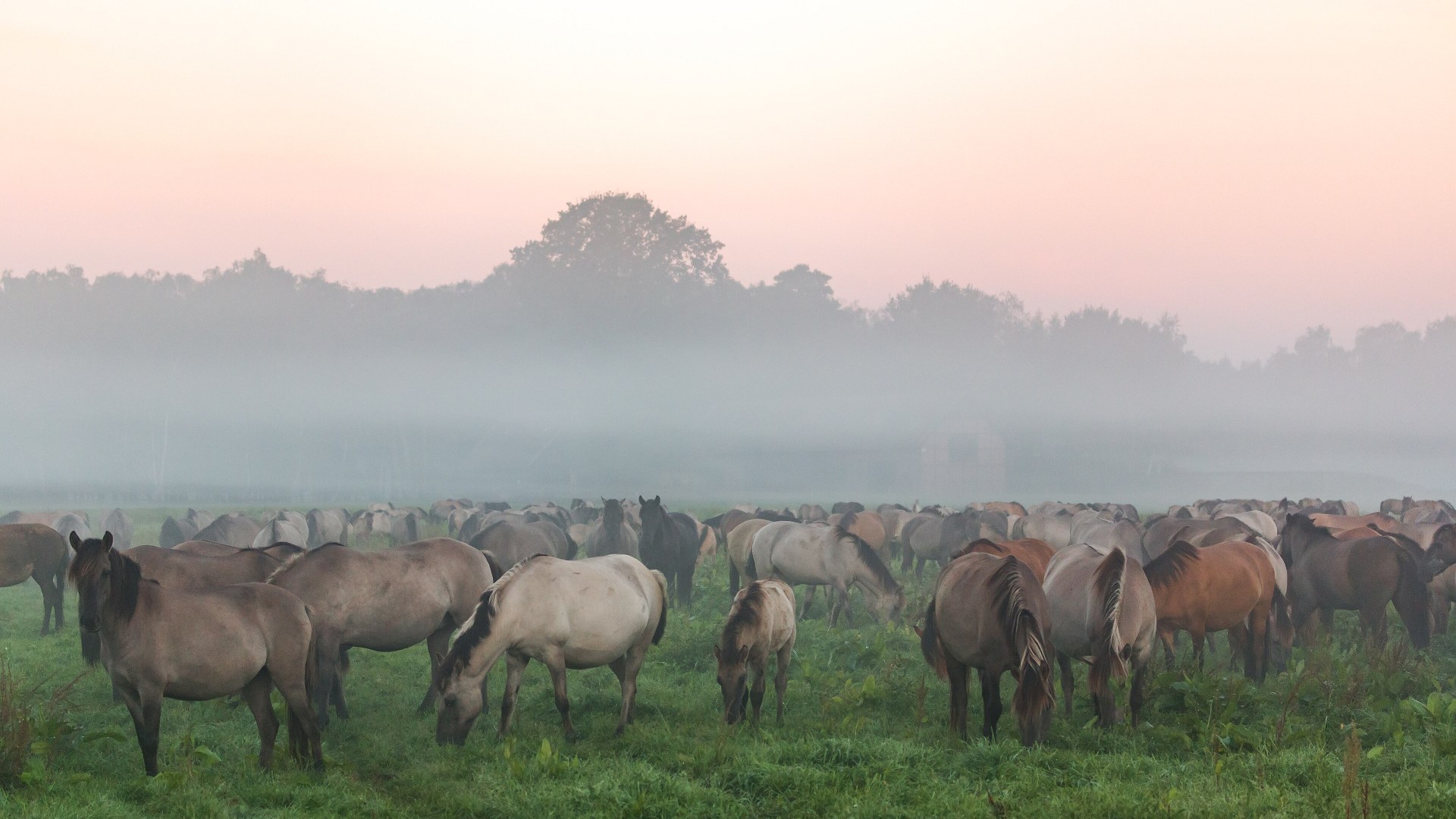
20. The Evolutionary Prey Instinct
As grazing prey animals on open plains, wild horses could not afford the long recovery time needed to stand up from the ground when danger approached. Resting upright allowed them to gallop instantly.
©Wikimedia / Dietmar Rabich
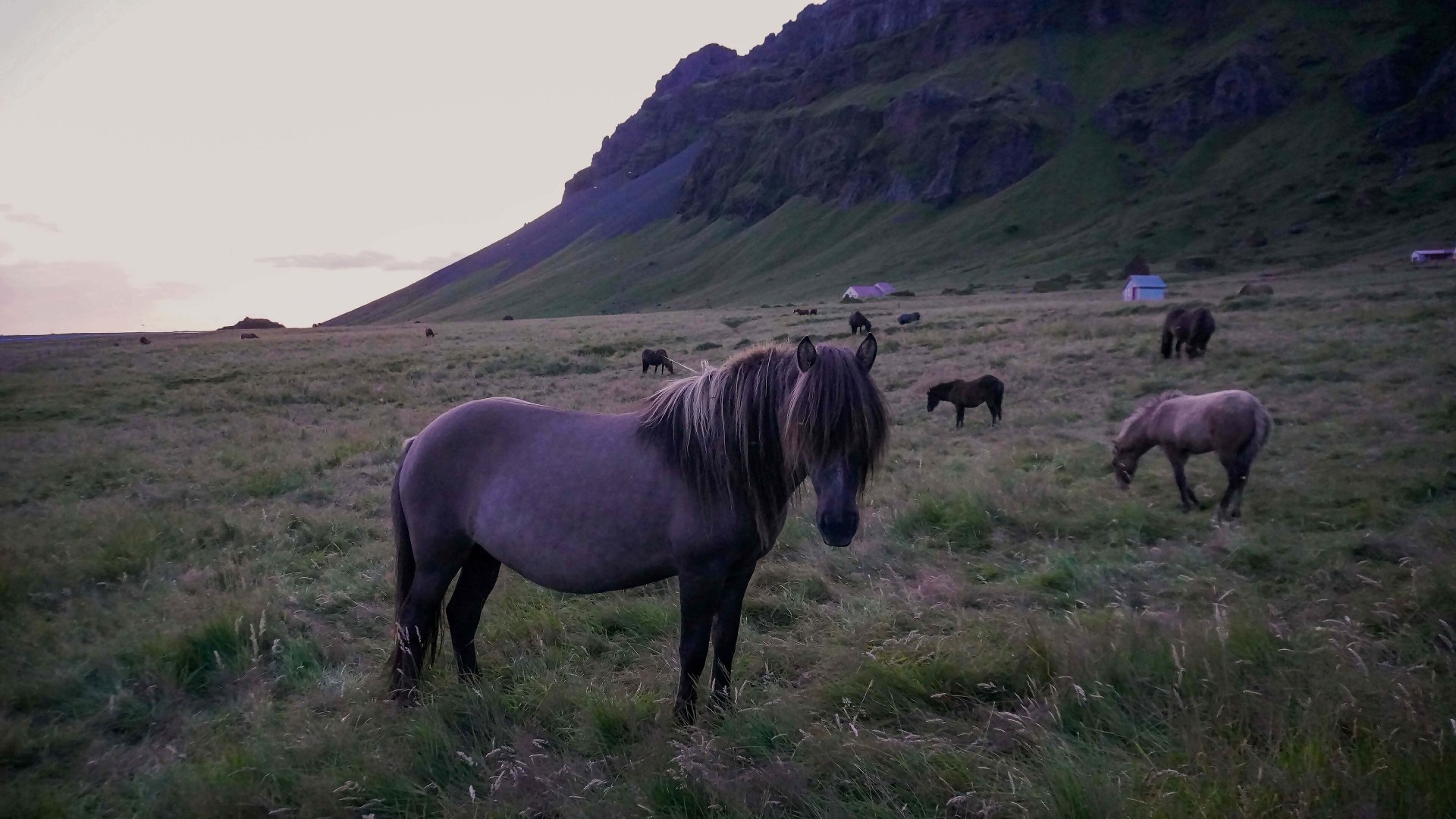
19. Light Drowsiness On Four Legs
Throughout daylight hours, horses drift in and out of light sleep. In this stage, sensory awareness remains partially active, letting them hear approaching footsteps or rustling grass while resting.
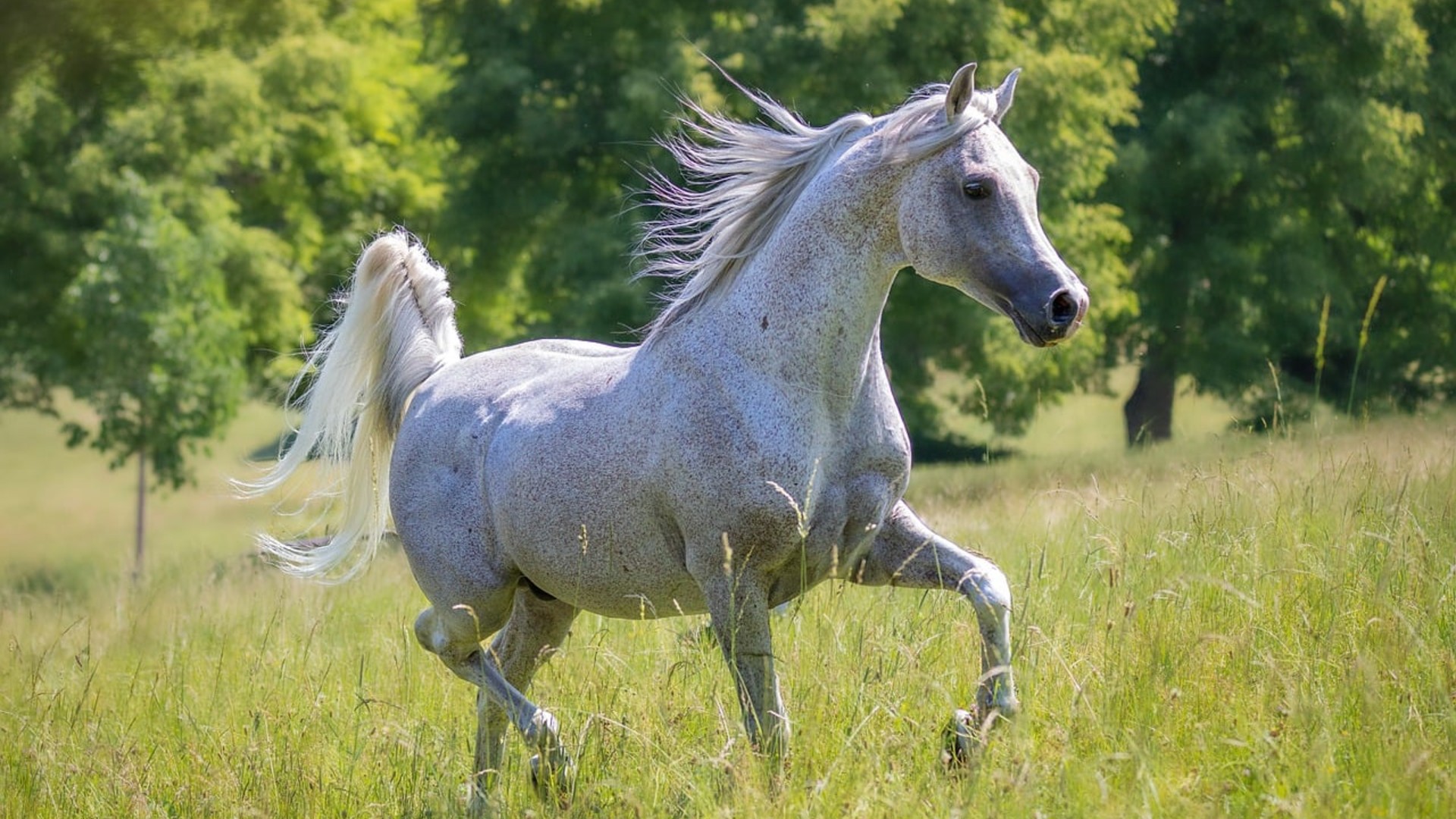
©Pixabay / arabervollblut
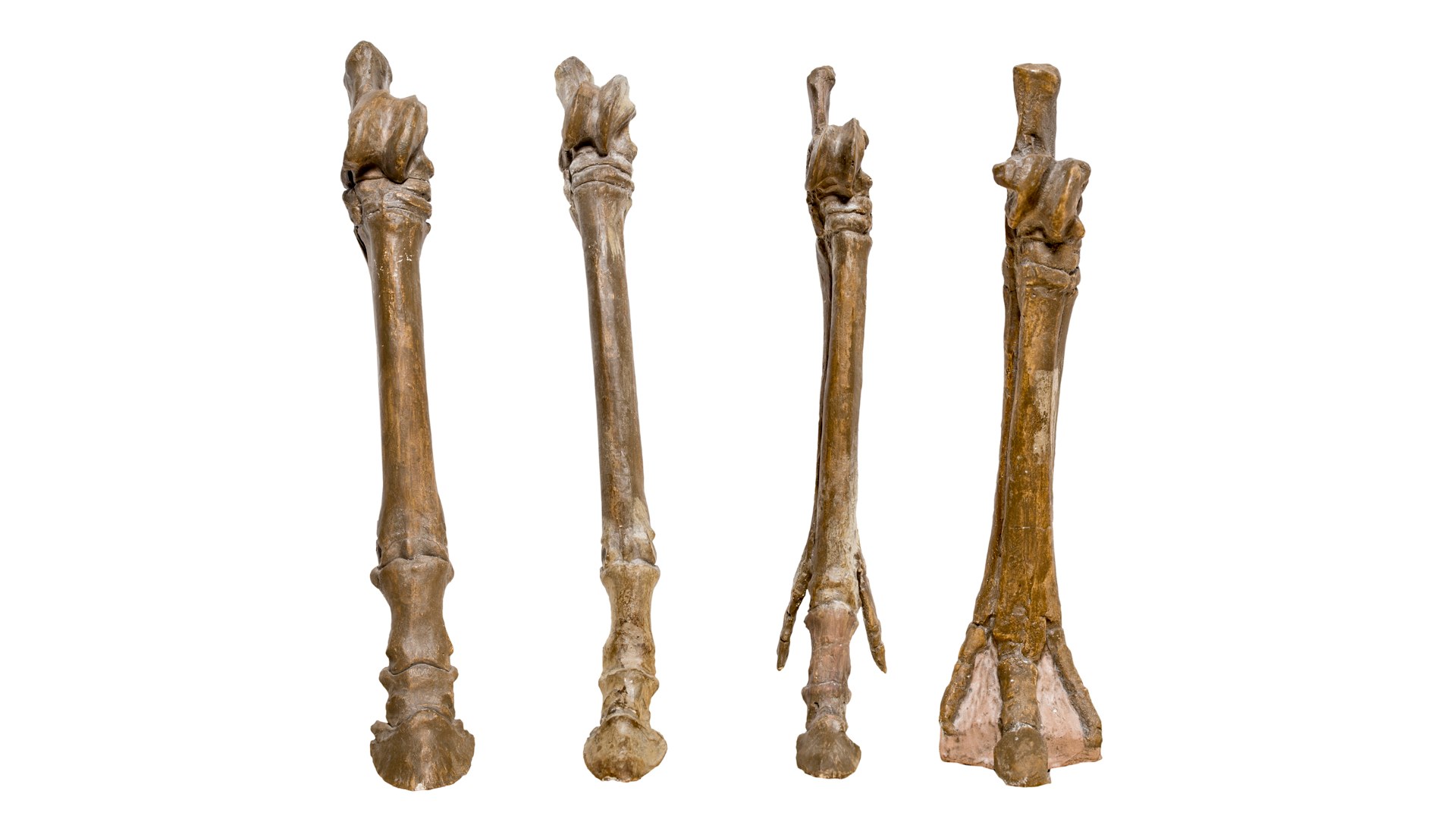
18. The Stay Apparatus Locking Mechanism
The stay apparatus is an anatomical marvel. Tendons, ligaments, and fibrous bands engage automatically when the horse stands relaxed, bearing heavy body weight without burning vital muscular energy.
©Wikimedia / Matteo De Stefano / MUSE
Advertisement
Swipe or tap ▶ to resume the countdown.
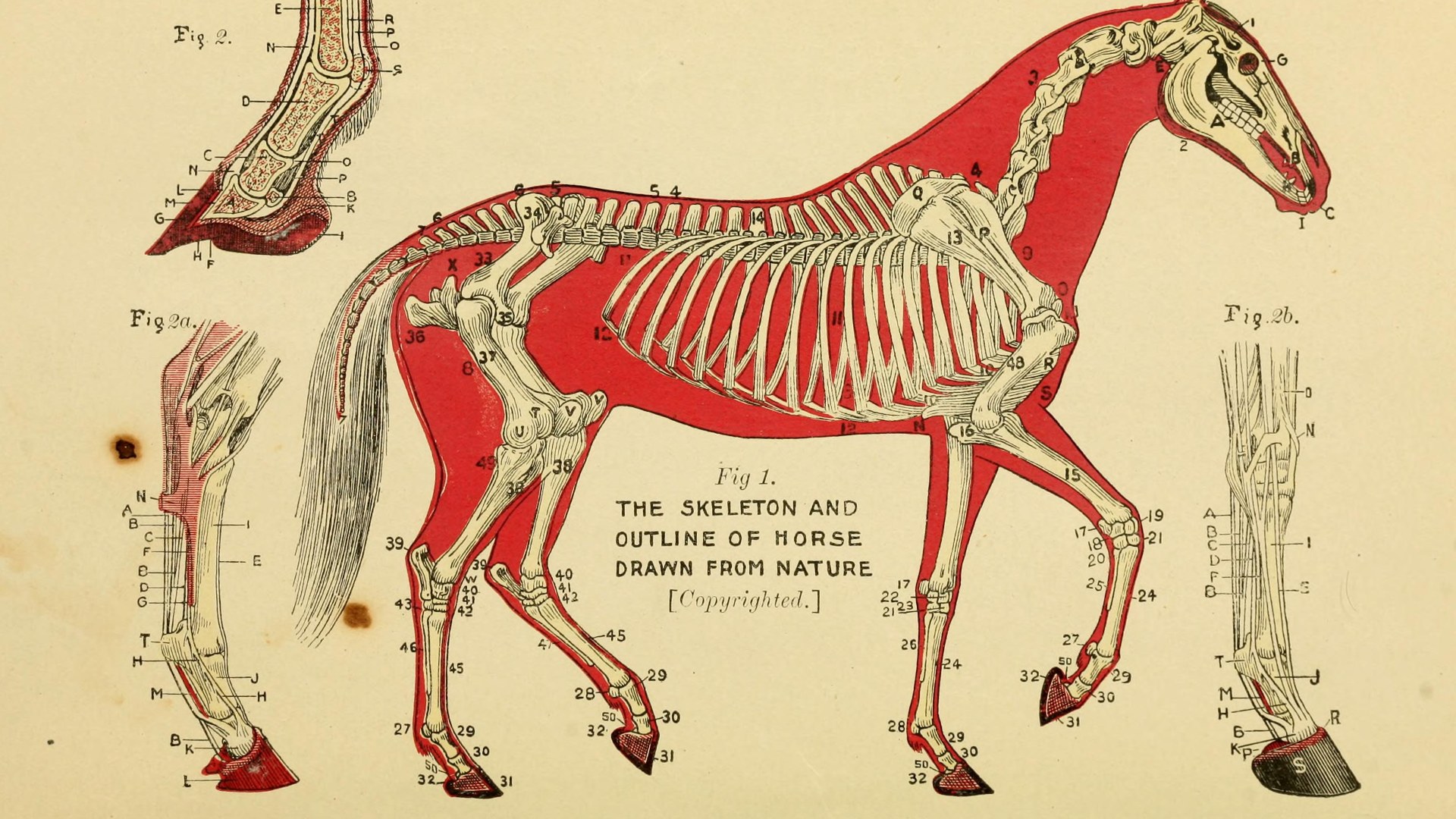
17. Patellar Locking In The Stifle
In the hind legs, the patella hooks securely over the medial ridge of the femur. This mechanical latch stabilizes the stifle and hock joints simultaneously, preventing the leg from bending unexpectedly.
©Wikimedia / William Russell & W. A. Lewis
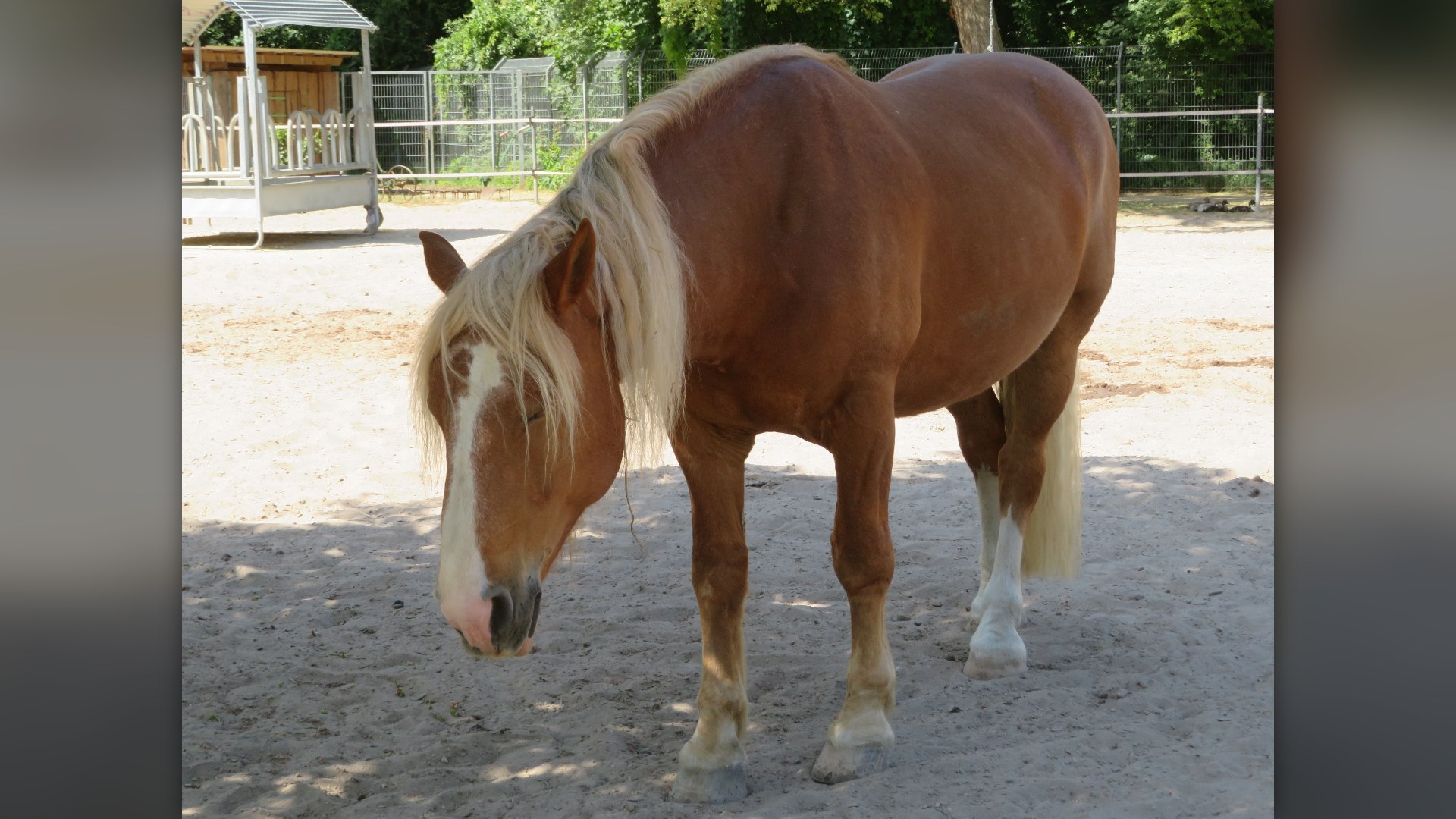
16. Resting One Hind Leg On The Toe
While three legs carry the bulk of body weight, the unlocked hind leg drops down and rests casually on the front tip of its hoof. This stance relieves tension from the non locking limb.
©Wikimedia / Sciencia58
15. Weight Shifting Between Hind Limbs
Every several minutes during an extended snooze, a horse shifts its weight, engages the stay apparatus on the opposite hind limb, and rests the previous weight bearing leg on its toe.
©Wikimedia / GPS 56
14. Facial Indicators Of Standing Rest
Equine body language reveals peaceful downtime. A resting horse lowers its neck, lets its lower lip hang loose, rotates its ears outward to catch ambient sounds, and allows eyelids to droop.
©Wikimedia / Evelyn Simak
Advertisement
Swipe or tap ▶ to resume the countdown.
13. Slow Wave Sleep While Standing
Slow wave sleep constitutes the majority of equine slumber. During this stage, brainwave activity slows dramatically, yet muscle tone remains sufficient for the stay apparatus to hold the animal upright.
©Wikimedia /Commons
12. Muscle Atonia In Deep Sleep
During rapid eye movement sleep, the brain turns off skeletal muscle tone through temporary atonia. Without muscular support, a standing horse would collapse immediately, which forces them to lie down.
©Wikimedia / M. S. Gorbunova
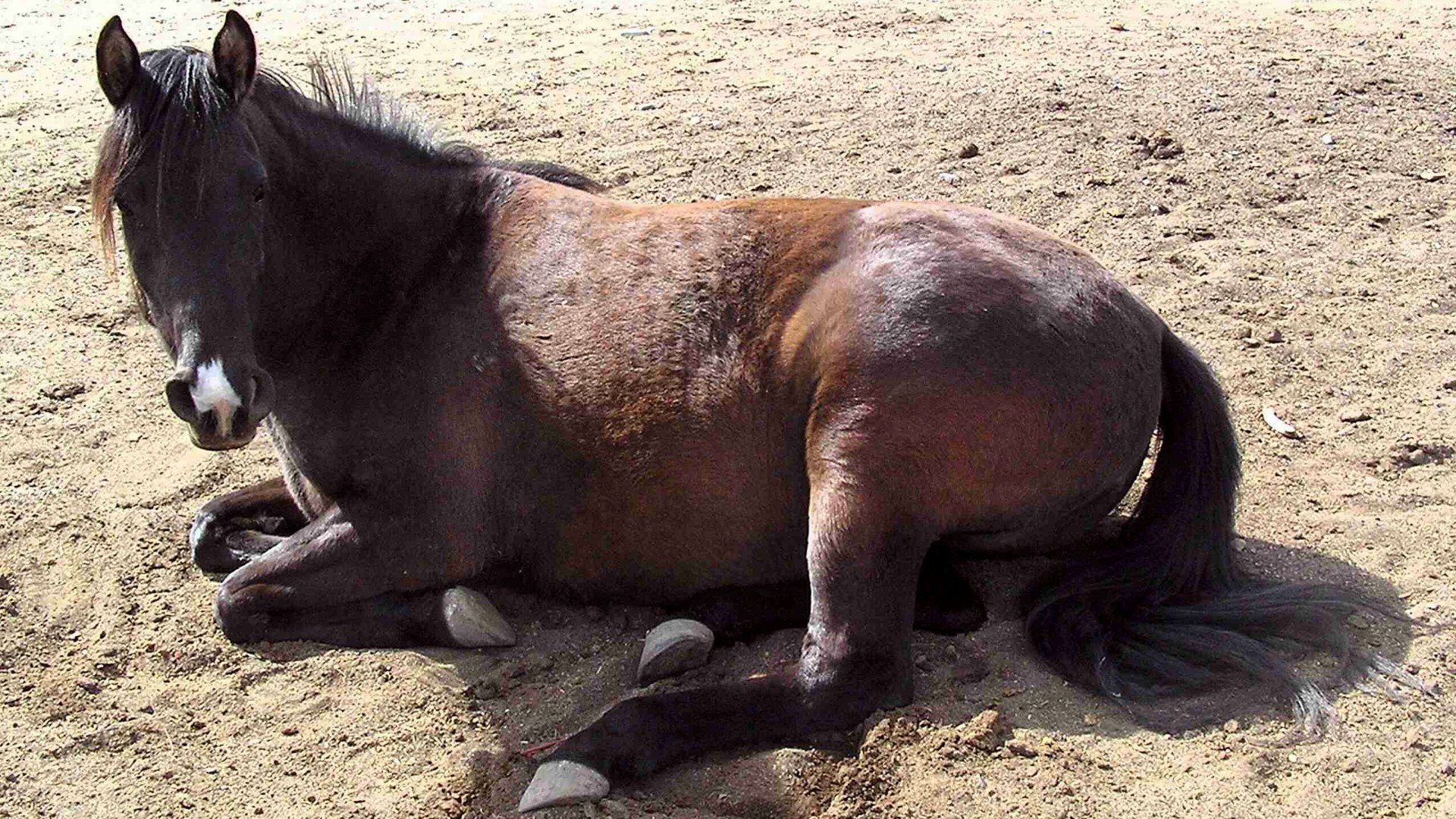
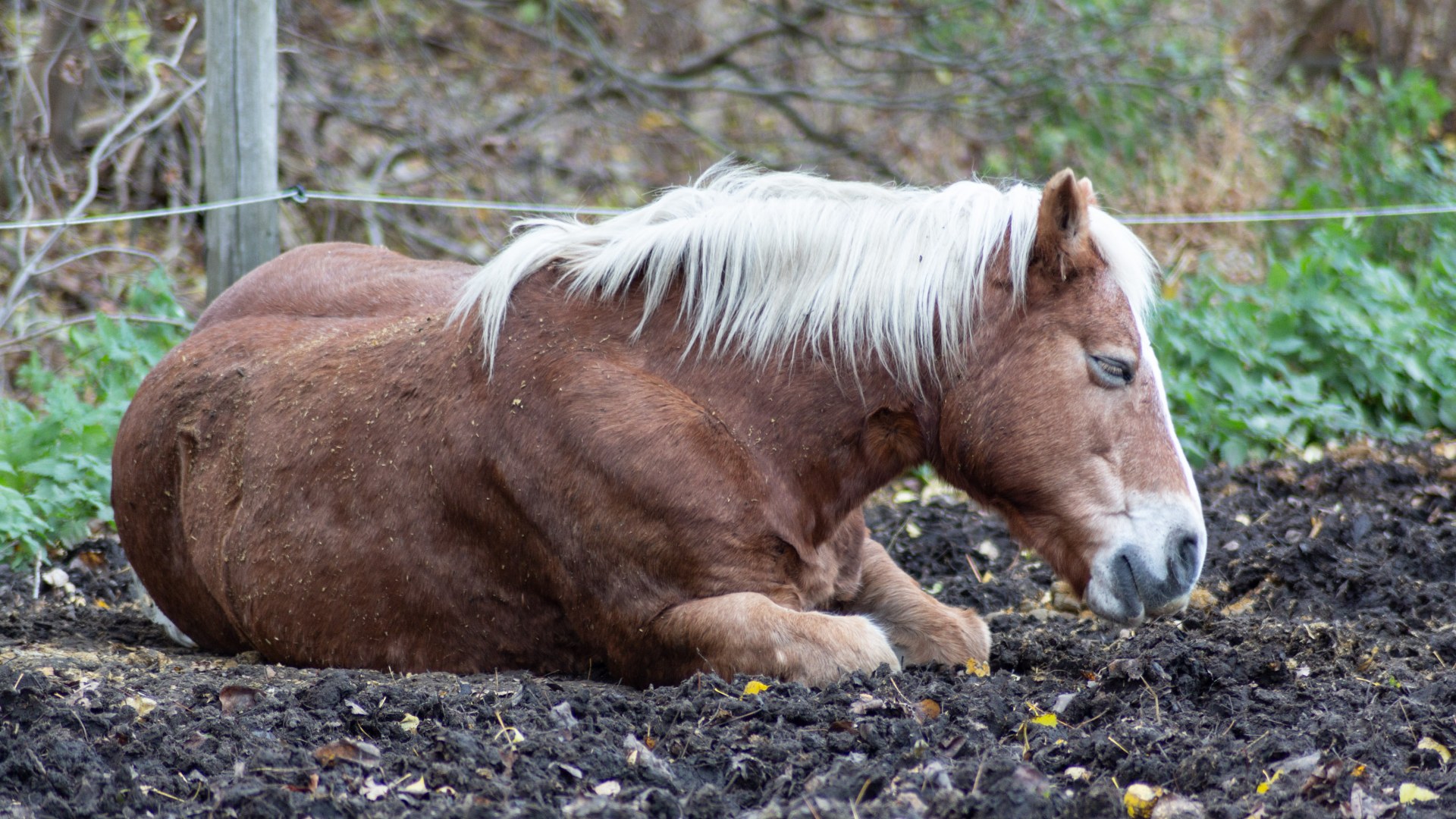
11. Sternal Recumbency Chest Resting
In sternal recumbency, the horse rests upright on its brisket with legs tucked underneath. This posture keeps the airway clear and allows quick scrambling to feet if sudden threats emerge.
©Wikimedia / BLW
10. Resting The Head On The Ground
The equine neck is heavy and muscular. When transitioning toward deeper rest, horses frequently rest their chin on soft ground or bedding, relieving cervical muscle fatigue before reclining fully.
©Wikimedia / inkknife_2000
Advertisement
Swipe or tap ▶ to resume the countdown.
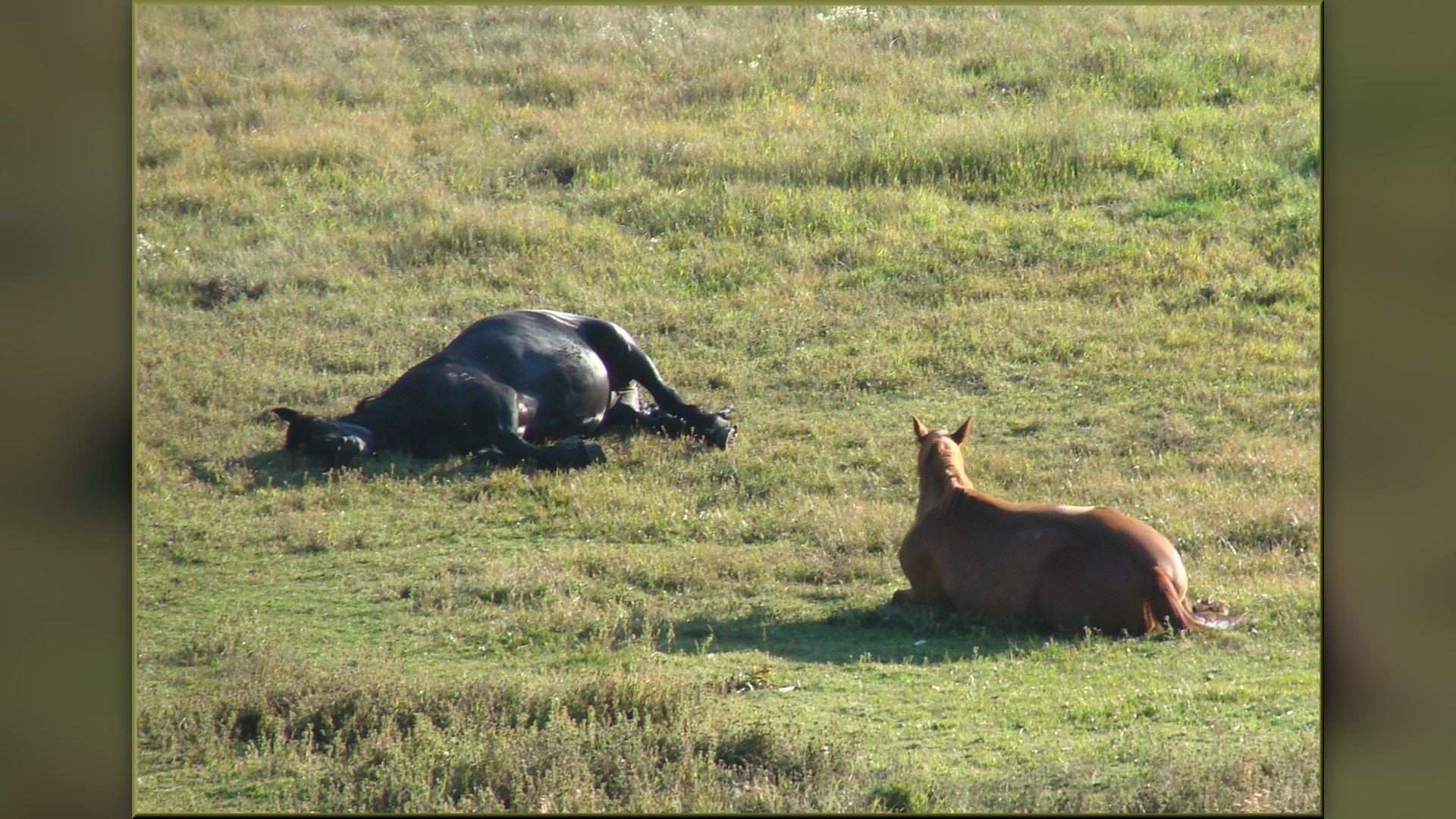
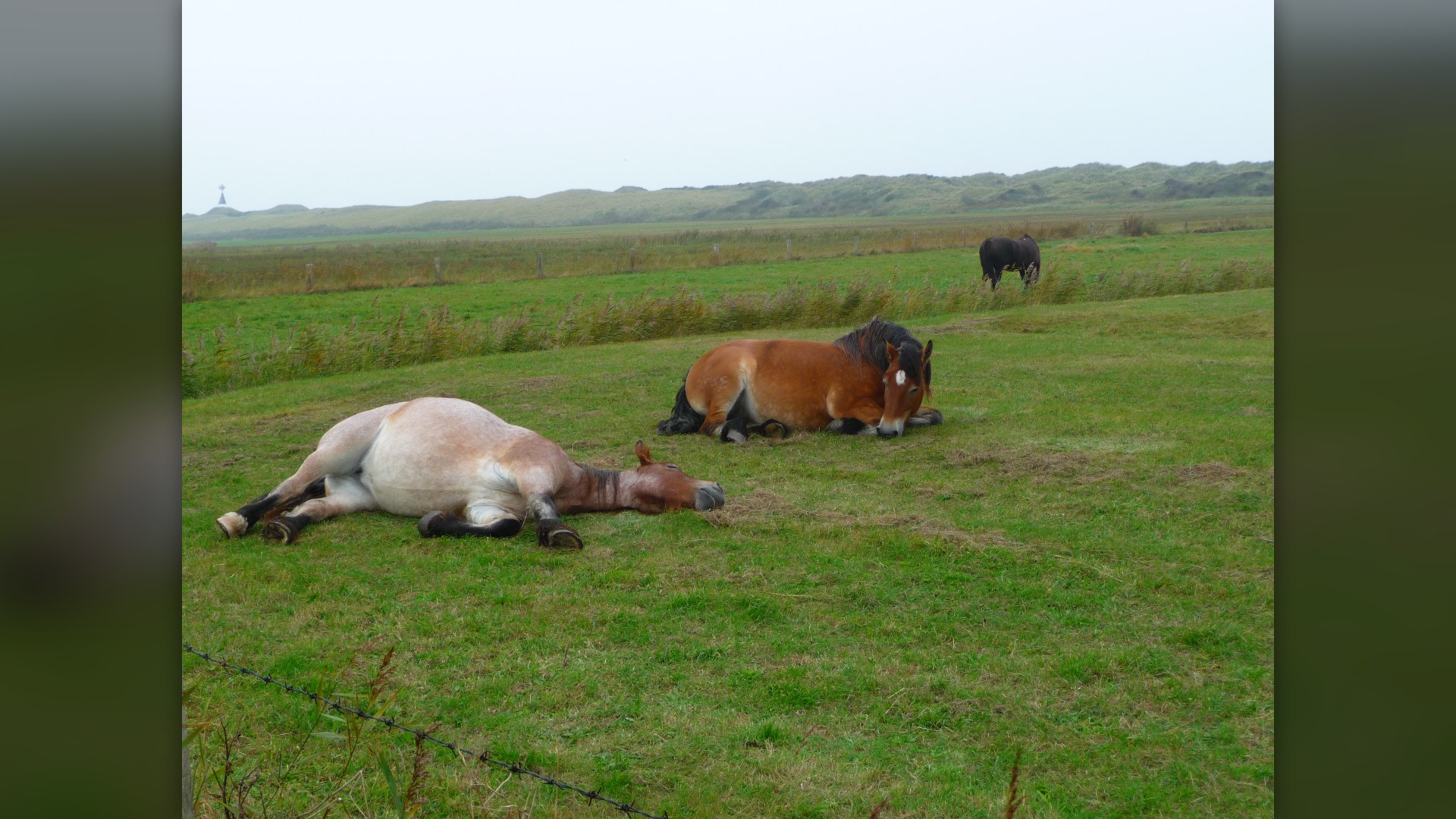
9. Full Lateral Recumbency Side Sleeping
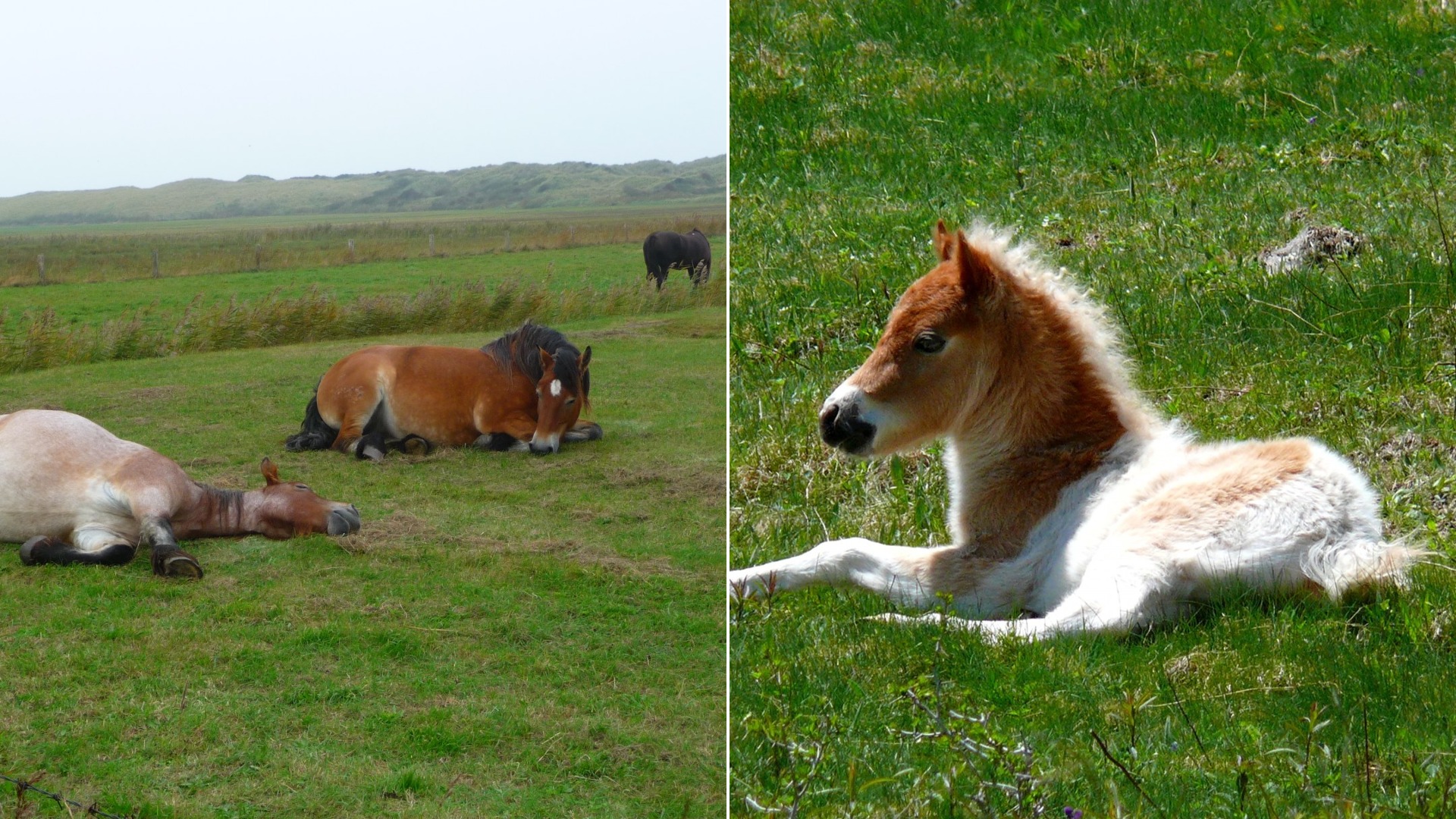
Full lateral recumbency occurs when a horse stretches out flat on its side with legs extended. This posture releases all muscular tension, creating the necessary physiological conditions for REM sleep.
©Wikimedia / Kemistrystorm
8. Rapid Eye Movement Dream States
During REM sleep, horses experience vivid dreams. Observers may notice rapid eye movements beneath closed lids, soft nickers, and rhythmic leg twitches as motor commands play out against relaxed muscles.
©Wikimedia / Gordon Griffiths
7. Brief Daily REM Requirements
Horses do not sleep in a single long block. Instead, they accumulate REM sleep in brief bouts lasting ten to twenty minutes at a time, usually between midnight and dawn when surroundings are quietest.
©Wikimedia / 4028mdk09
6. Internal Organ Weight Constraints
An adult horse weighs over one thousand pounds. When lying flat for extended hours, heavy intestines compress internal organs, hindering lung expansion and reducing blood circulation to vital tissues.
©Wikimedia / Gabricoleure
Advertisement
Swipe or tap ▶ to resume the countdown.
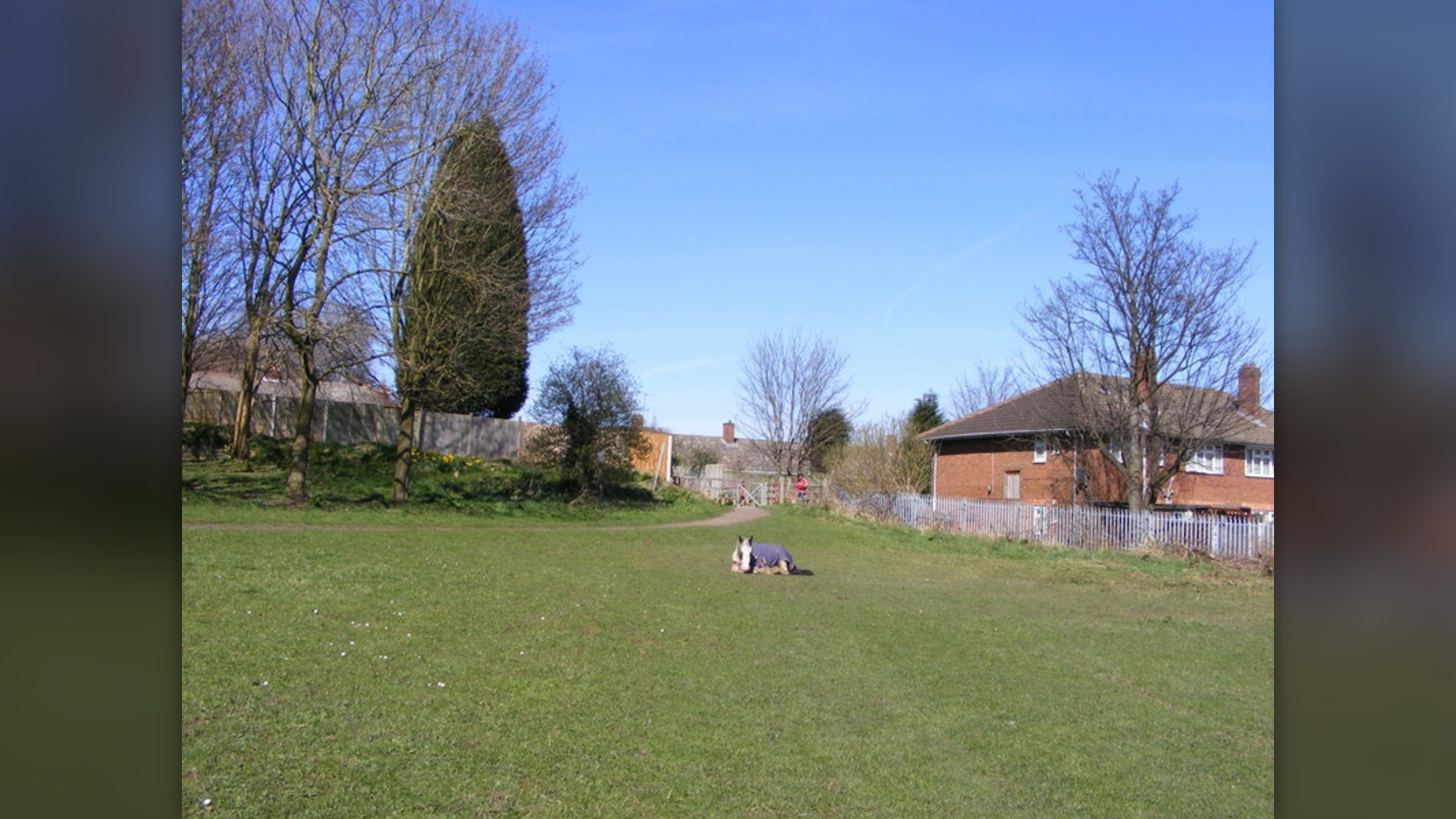
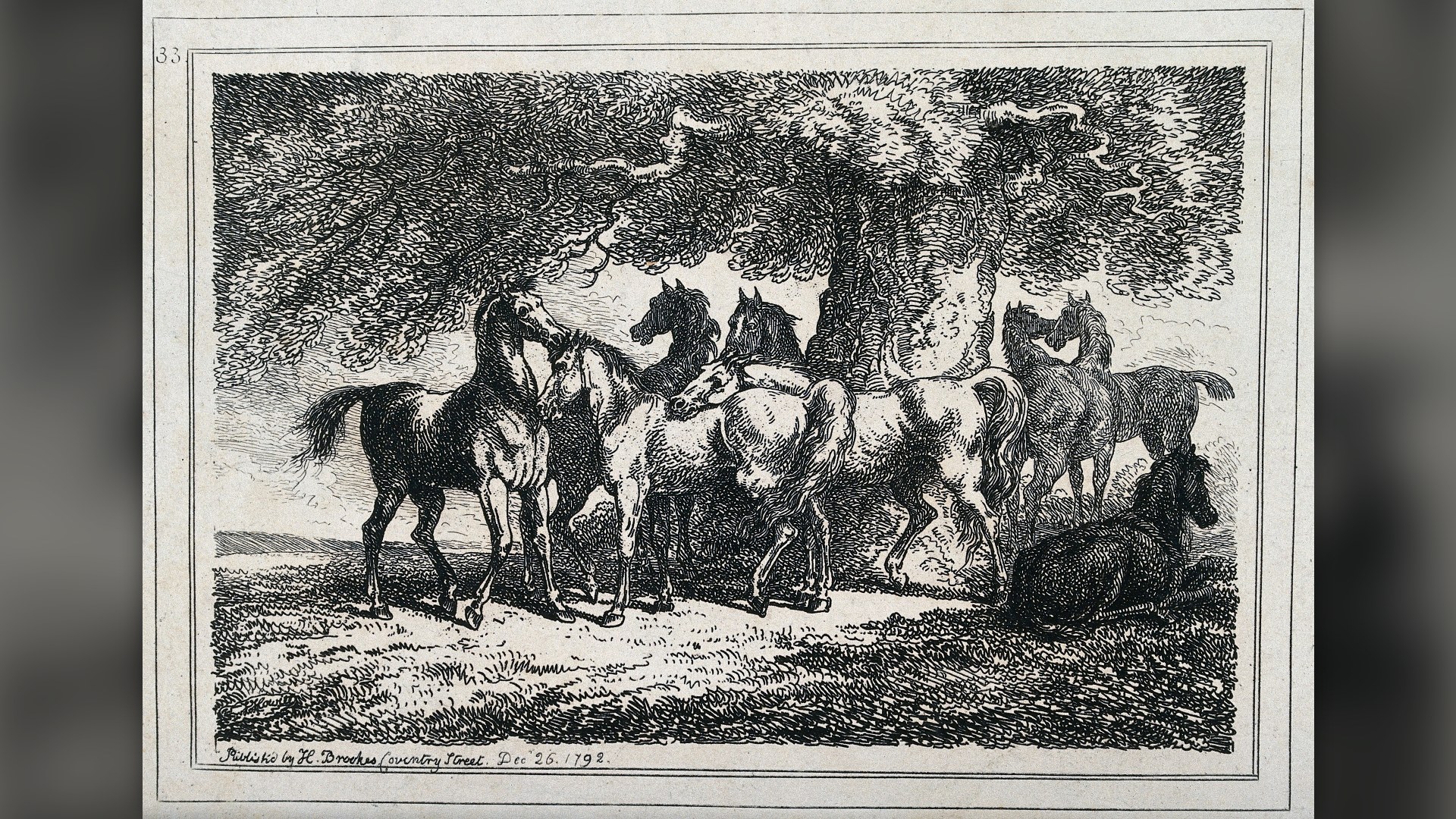
5. Herd Sentinel Dynamics
In pasture environments, horses rarely all lie down at once. At least one vigilant sentinel stays standing upright, monitoring the perimeter and signaling safety so other herd companions can enter deep sleep.
©Wikimedia / Wellcome Collection / W. S. Howitt
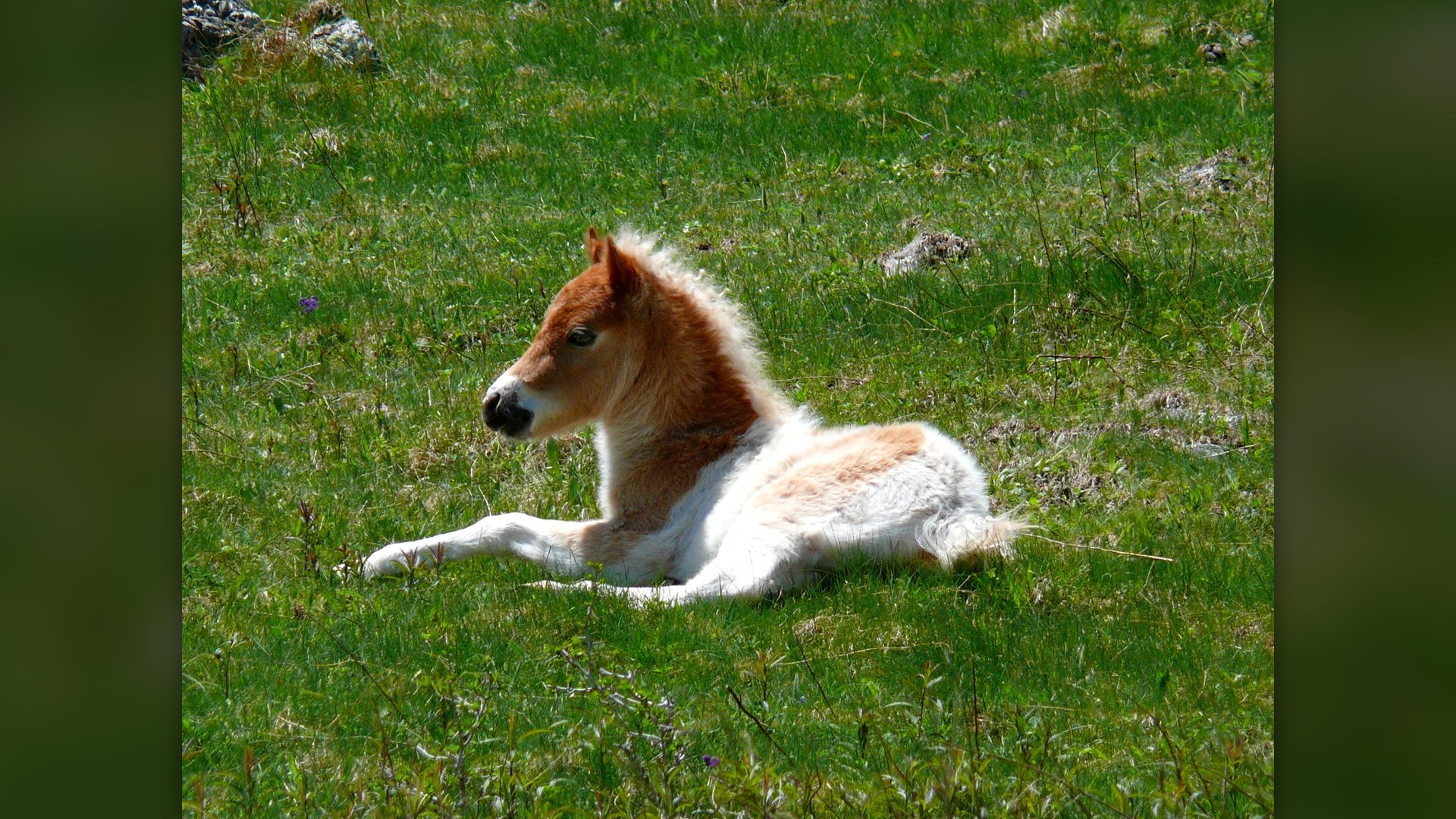
4. Foal Sleep Patterns
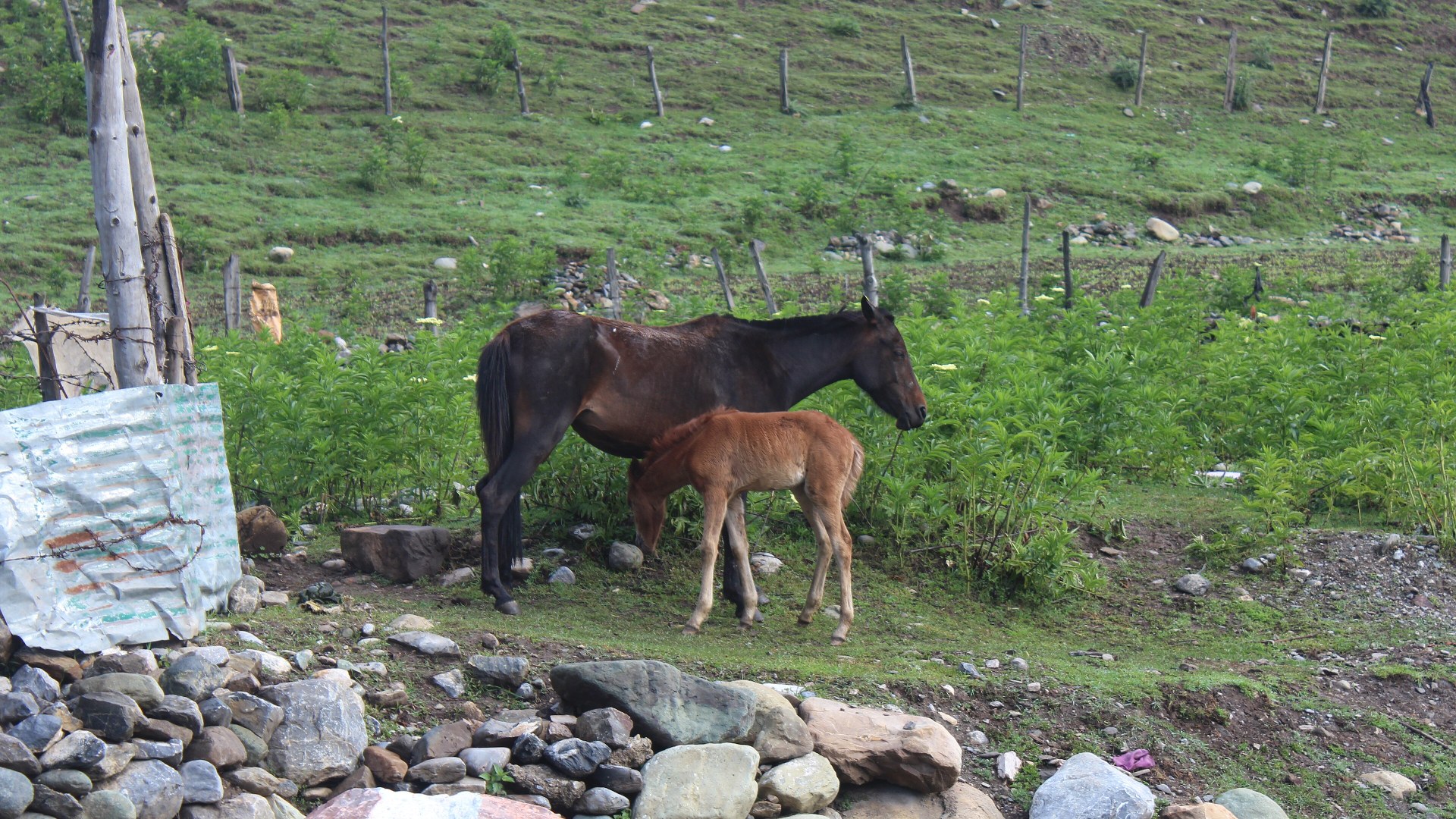
Unlike adults, growing foals have lightweight frames and immature stay apparatuses. They spend several hours daily in deep recumbent sleep while their attentive dams stand guard immediately overhead.
©Wikimedia / Ken Thomas
3. Equine Sleep Deprivation
If a horse lacks comfortable dry bedding, feels threatened by aggressive stable mates, or suffers arthritis pain that makes standing difficult, it will refuse to lie down, leading to severe REM deficit.
©Wikimedia / Madhrakangri
2. Excessive Standing Drowsiness Collapses
When horses are starved of REM sleep for days, their bodies involuntarily slip into REM while upright. With muscle tone vanishing instantly, their knees buckle and they stumble forward, bruising their fetlocks.
©Wikimedia / mattbuck
Advertisement
Swipe or tap ▶ to resume the countdown.
1. Optimal Stable And Pasture Design
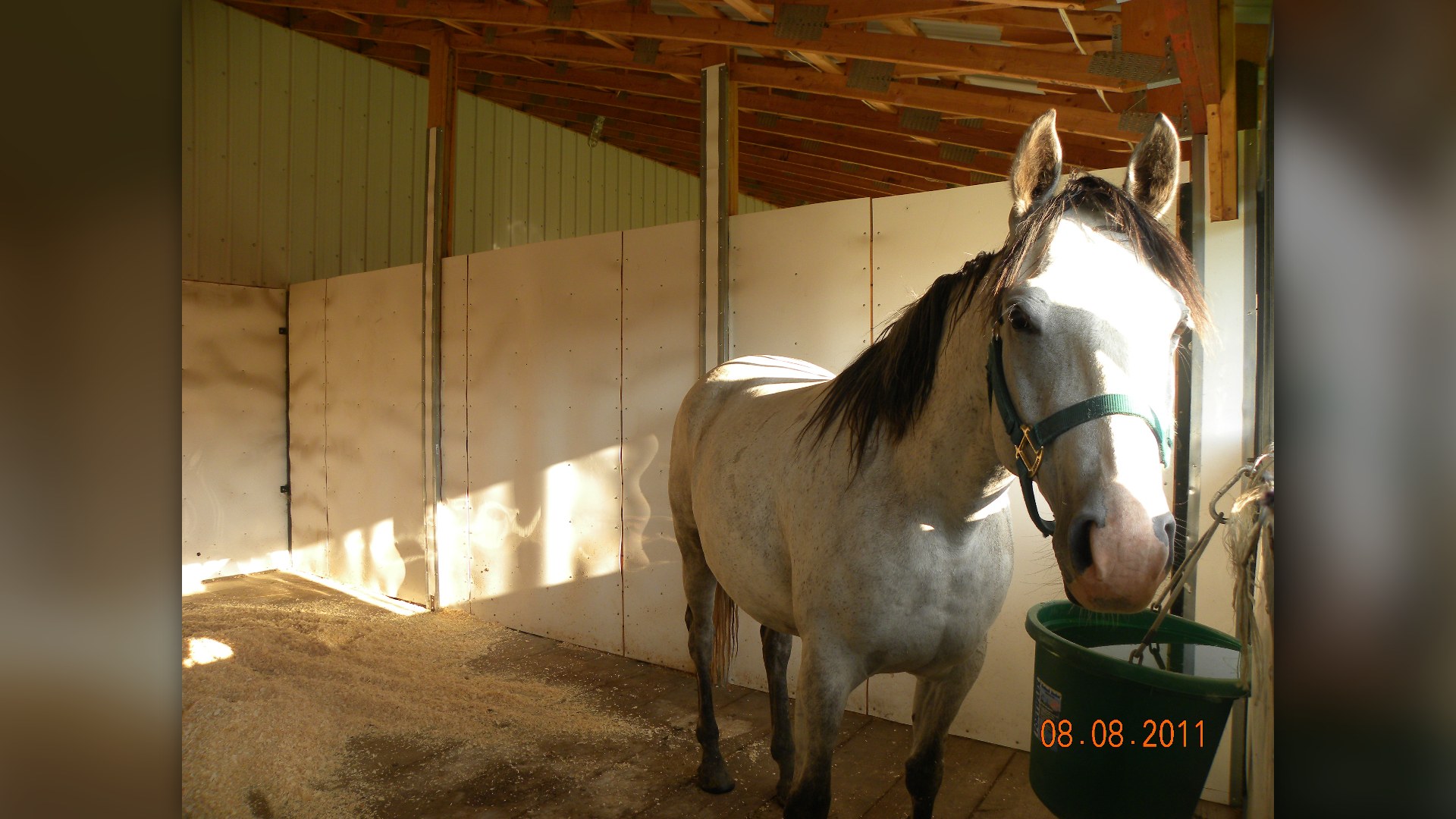
Equine welfare thrives when caretakers provide spacious stalls, deep clean straw or shavings, reliable herd security, and predictable routines that encourage horses to lie down and sleep peacefully.

©Wikimedia / Robert Blyth
Advertisement
You've reached the end of the story. Thanks for reading!

20 Famous Cars With Pop-Up Headlights That Shaped Car Design
From hand-cranked 1930s teardrops to wedge supercars of the 1980s, hidden headlights let stylists chase sleek aerodynamics until 2004 pedestrian rules closed the curtain. Here are 20 standout production cars that turned retractable lamps into an enduring automotive design feature across seven full decades.
All 20 Entries in this Story
1. The Evolutionary Prey Instinct
As grazing prey animals on open plains, wild horses could not afford the long recovery time needed to stand up from the ground when danger approached. Resting upright allowed them to gallop instantly.

2. Light Drowsiness On Four Legs
Throughout daylight hours, horses drift in and out of light sleep. In this stage, sensory awareness remains partially active, letting them hear approaching footsteps or rustling grass while resting.

3. The Stay Apparatus Locking Mechanism
The stay apparatus is an anatomical marvel. Tendons, ligaments, and fibrous bands engage automatically when the horse stands relaxed, bearing heavy body weight without burning vital muscular energy.

4. Patellar Locking In The Stifle
In the hind legs, the patella hooks securely over the medial ridge of the femur. This mechanical latch stabilizes the stifle and hock joints simultaneously, preventing the leg from bending unexpectedly.

5. Resting One Hind Leg On The Toe
While three legs carry the bulk of body weight, the unlocked hind leg drops down and rests casually on the front tip of its hoof. This stance relieves tension from the non locking limb.

6. Weight Shifting Between Hind Limbs
Every several minutes during an extended snooze, a horse shifts its weight, engages the stay apparatus on the opposite hind limb, and rests the previous weight bearing leg on its toe.

7. Facial Indicators Of Standing Rest
Equine body language reveals peaceful downtime. A resting horse lowers its neck, lets its lower lip hang loose, rotates its ears outward to catch ambient sounds, and allows eyelids to droop.

8. Slow Wave Sleep While Standing
Slow wave sleep constitutes the majority of equine slumber. During this stage, brainwave activity slows dramatically, yet muscle tone remains sufficient for the stay apparatus to hold the animal upright.

9. Muscle Atonia In Deep Sleep
During rapid eye movement sleep, the brain turns off skeletal muscle tone through temporary atonia. Without muscular support, a standing horse would collapse immediately, which forces them to lie down.

10. Sternal Recumbency Chest Resting
In sternal recumbency, the horse rests upright on its brisket with legs tucked underneath. This posture keeps the airway clear and allows quick scrambling to feet if sudden threats emerge.

11. Resting The Head On The Ground
The equine neck is heavy and muscular. When transitioning toward deeper rest, horses frequently rest their chin on soft ground or bedding, relieving cervical muscle fatigue before reclining fully.

12. Full Lateral Recumbency Side Sleeping
Full lateral recumbency occurs when a horse stretches out flat on its side with legs extended. This posture releases all muscular tension, creating the necessary physiological conditions for REM sleep.

13. Rapid Eye Movement Dream States
During REM sleep, horses experience vivid dreams. Observers may notice rapid eye movements beneath closed lids, soft nickers, and rhythmic leg twitches as motor commands play out against relaxed muscles.

14. Brief Daily REM Requirements
Horses do not sleep in a single long block. Instead, they accumulate REM sleep in brief bouts lasting ten to twenty minutes at a time, usually between midnight and dawn when surroundings are quietest.

15. Internal Organ Weight Constraints
An adult horse weighs over one thousand pounds. When lying flat for extended hours, heavy intestines compress internal organs, hindering lung expansion and reducing blood circulation to vital tissues.

16. Herd Sentinel Dynamics
In pasture environments, horses rarely all lie down at once. At least one vigilant sentinel stays standing upright, monitoring the perimeter and signaling safety so other herd companions can enter deep sleep.

17. Foal Sleep Patterns
Unlike adults, growing foals have lightweight frames and immature stay apparatuses. They spend several hours daily in deep recumbent sleep while their attentive dams stand guard immediately overhead.

18. Equine Sleep Deprivation
If a horse lacks comfortable dry bedding, feels threatened by aggressive stable mates, or suffers arthritis pain that makes standing difficult, it will refuse to lie down, leading to severe REM deficit.

19. Excessive Standing Drowsiness Collapses
When horses are starved of REM sleep for days, their bodies involuntarily slip into REM while upright. With muscle tone vanishing instantly, their knees buckle and they stumble forward, bruising their fetlocks.

20. Optimal Stable And Pasture Design
Equine welfare thrives when caretakers provide spacious stalls, deep clean straw or shavings, reliable herd security, and predictable routines that encourage horses to lie down and sleep peacefully.