Slideshow · Science
How to Survive an Animal Attack: What to Do When Every Second Counts
How to Survive an Animal Attack: What to Do When Every Second Counts

All 25 Entries in this Story
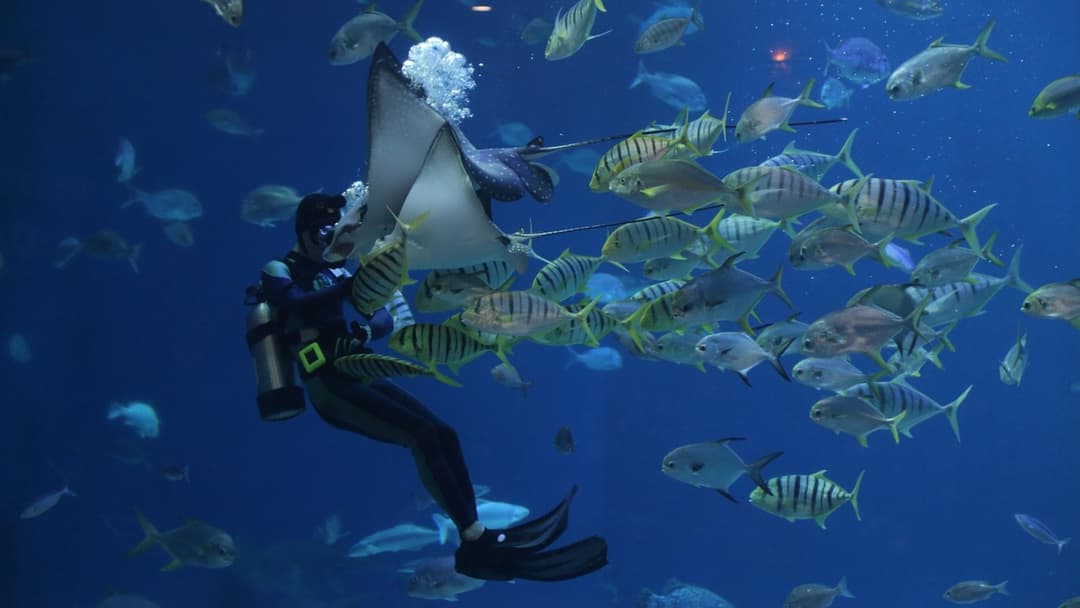
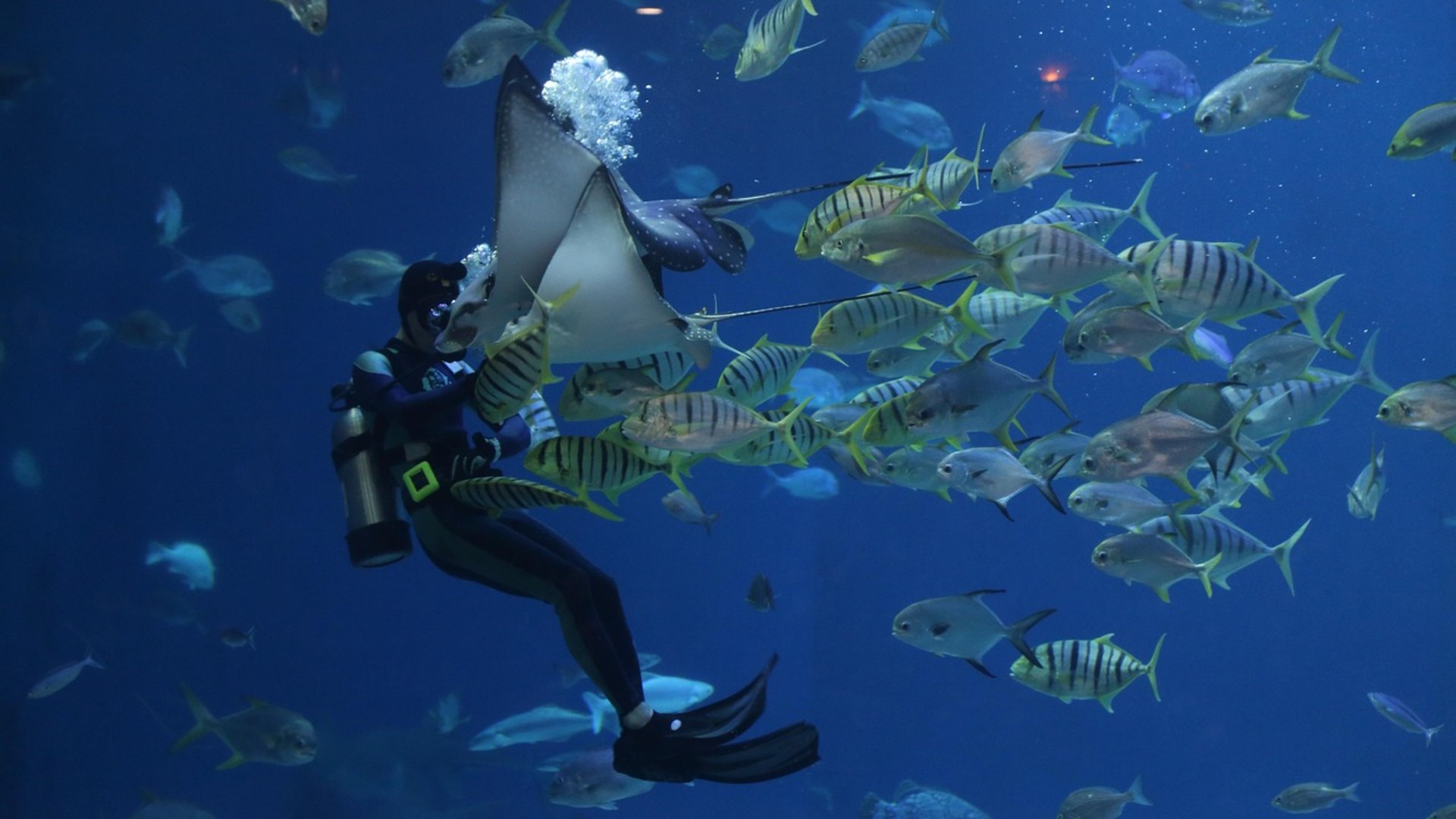
25. Southern Stingray: Shuffle Your Feet And Use Hot Water
Stingrays only whip their venomous tail barb when stepped on directly. Always do the "Stingray Shuffle" in murky shallows so vibrations scatter them; if stung, immerse the wound in hot water (up to 113°F/45°C) to break down the heat-sensitive venom.
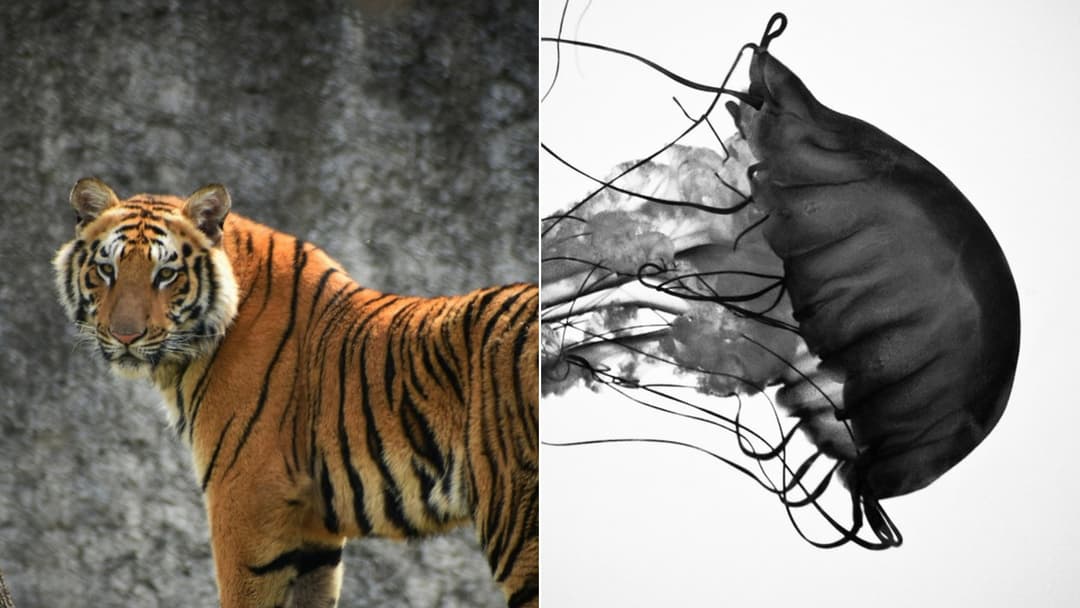
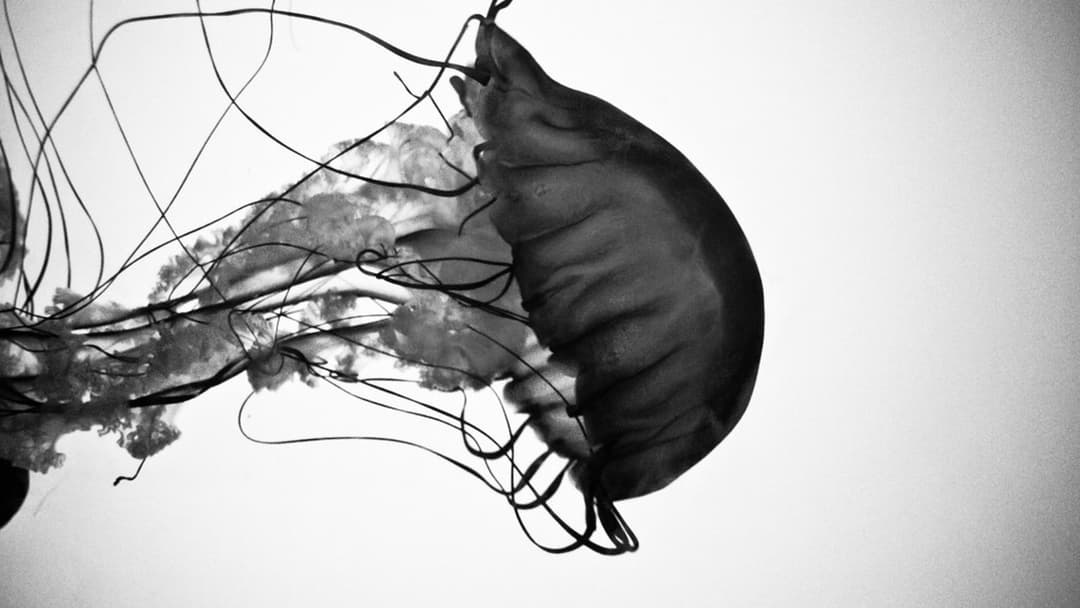
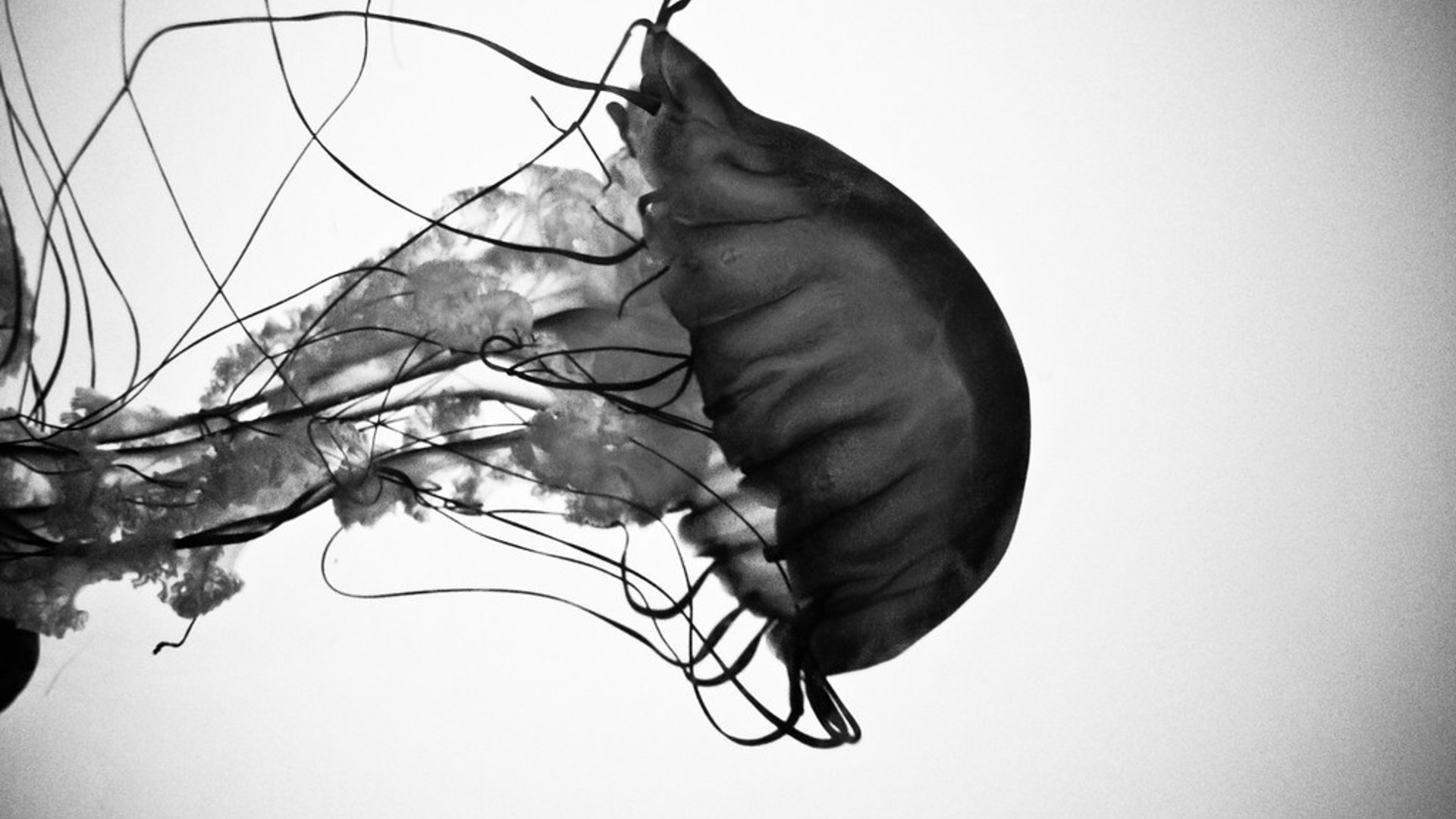
24. Giant Jellyfish: Flood Tentacles With Vinegar, Never Fresh Water
If stung by a venomous jellyfish like the Lion's Mane or Box Jellyfish, never rinse with fresh water or scrape with a towel—the osmotic change fires unspent nematocysts. Douse the area with vinegar or seawater, pluck tentacles with tweezers, and seek care.
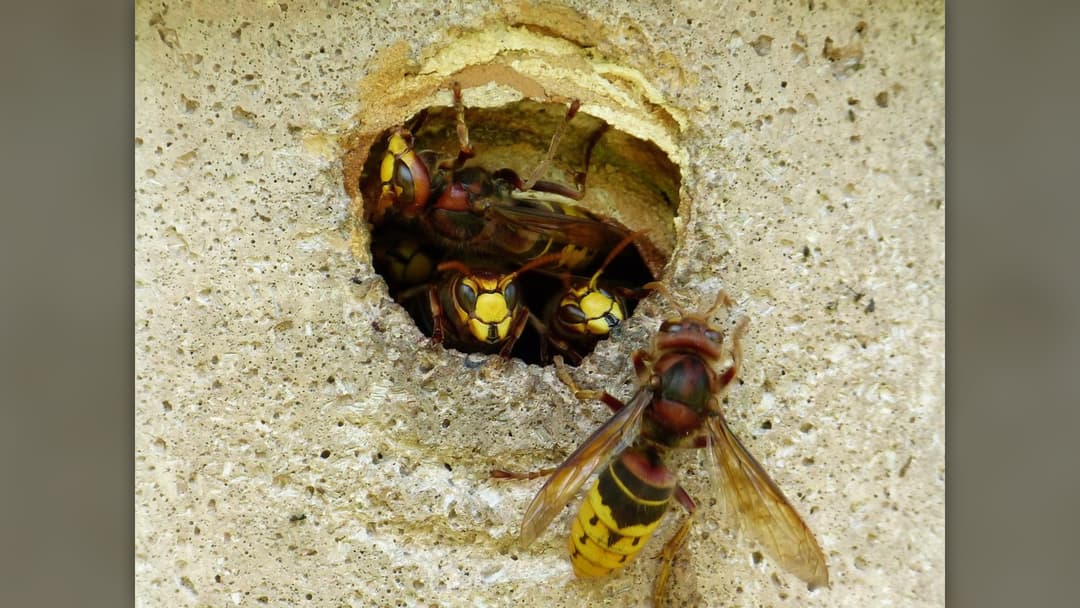
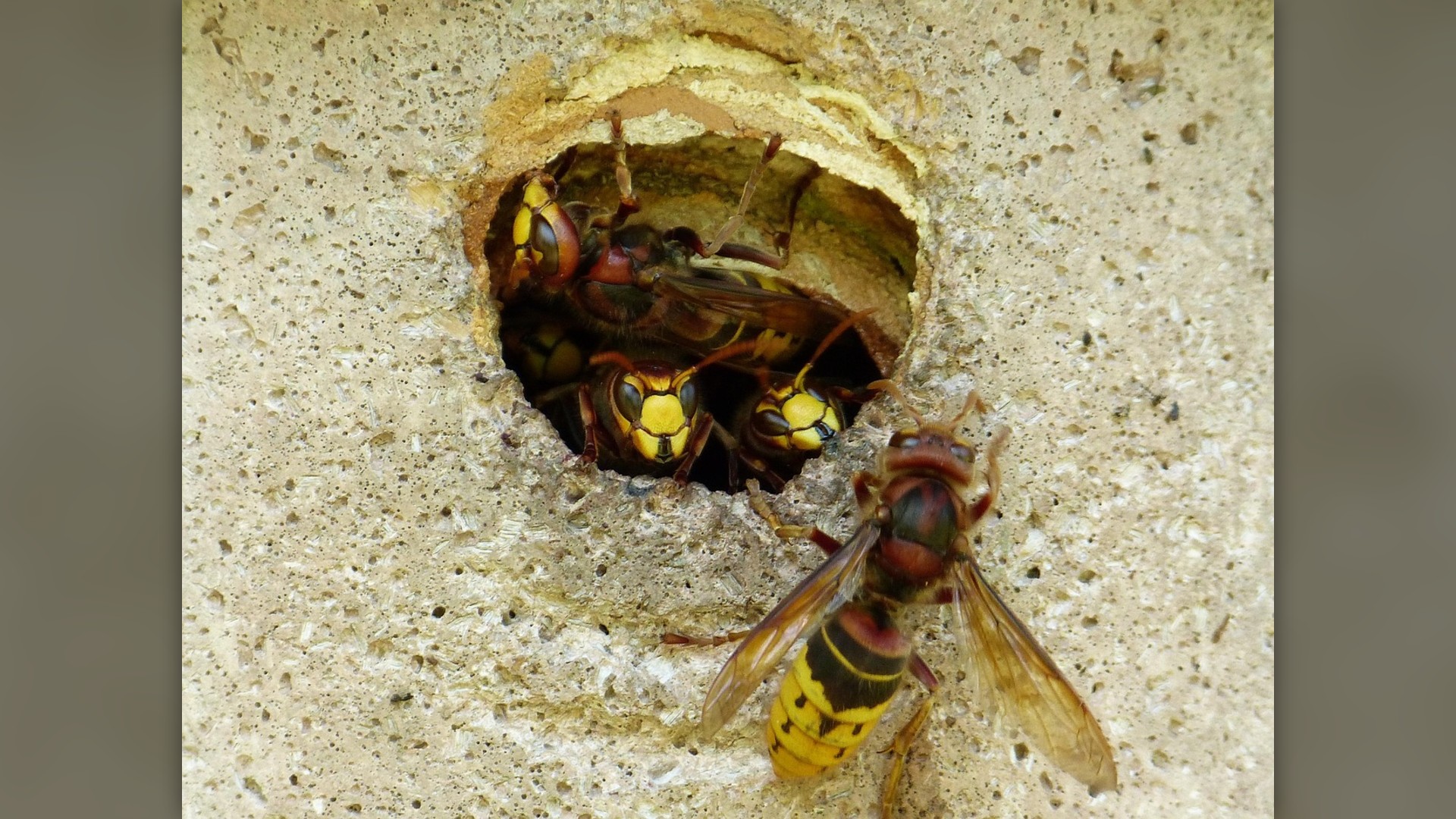
23. Yellowjacket & Hornet Swarm: Run In A Straight Line To Shelter
Crushing a yellowjacket or hornet releases an alarm pheromone that summons the entire colony to attack dark targets like your eyes and mouth. Pull your shirt over your head and run in a straight line toward an enclosed building or car—never dive underwater, as they wait.
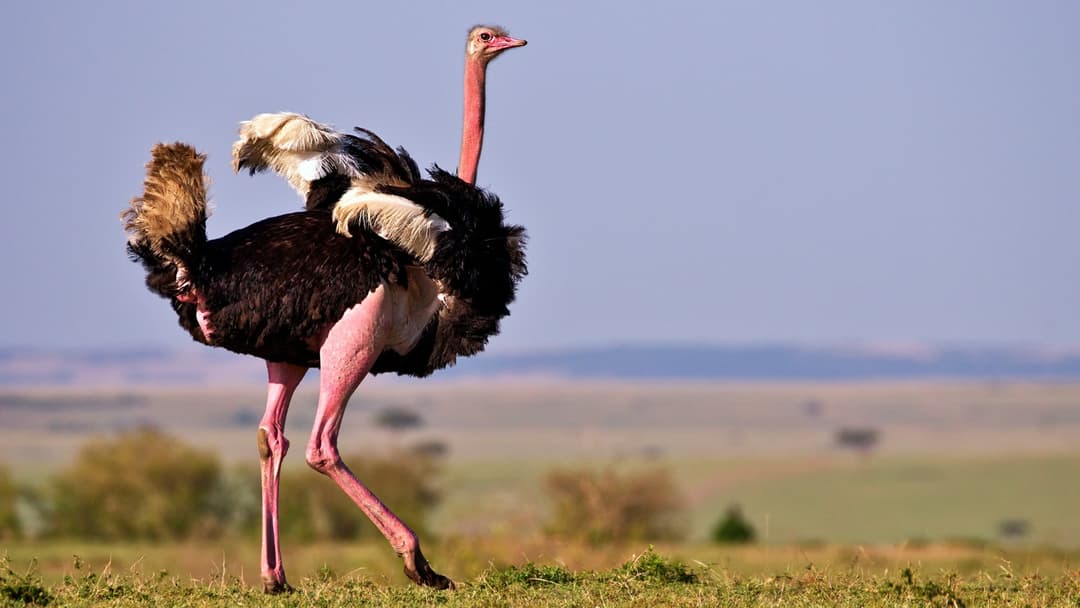
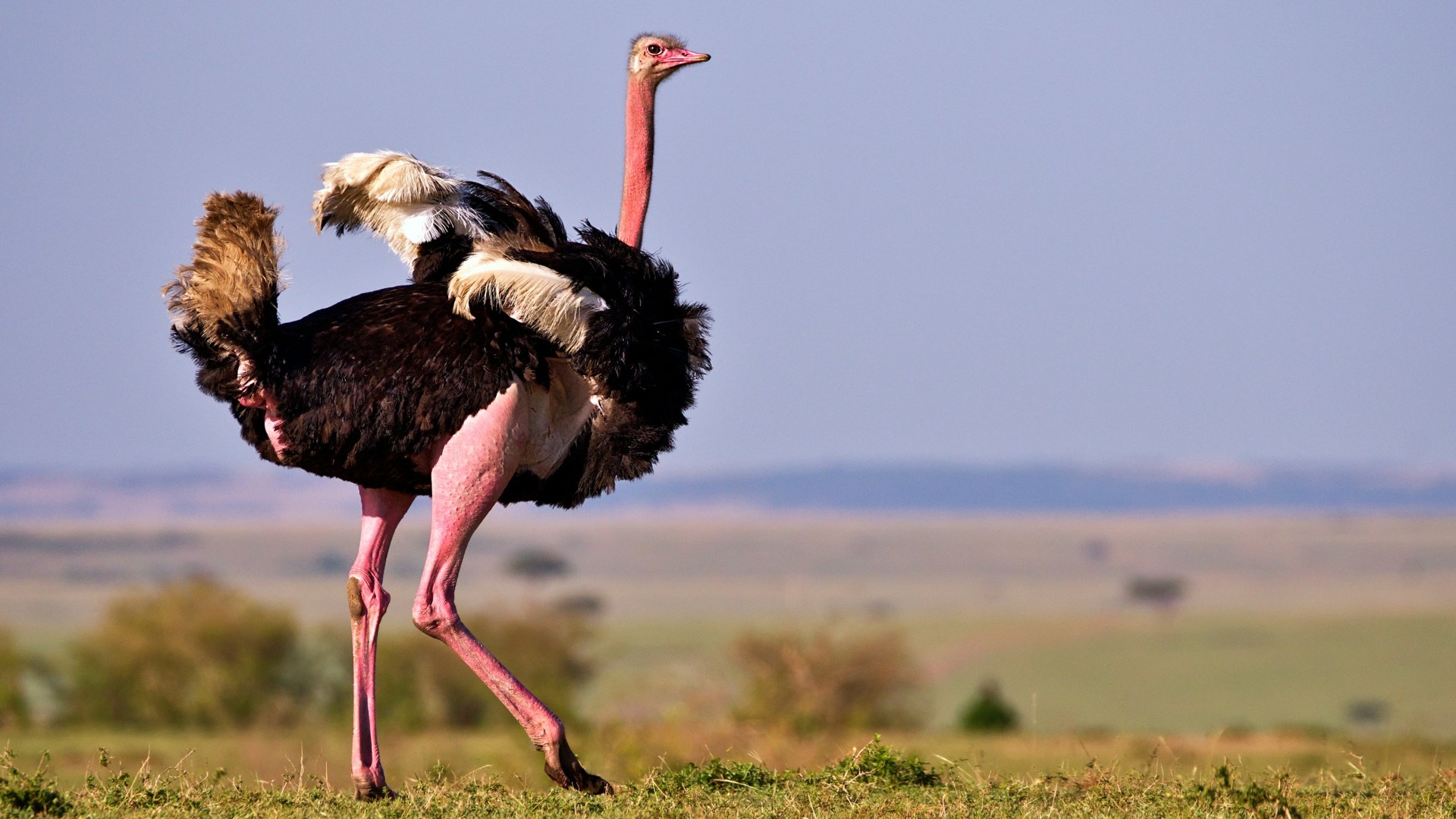
22. Ostrich: Dive Into Dense Brush Or Lie Flat On Your Stomach
Armed with a four-inch claw capable of disemboweling a lion, an ostrich kicks exclusively forward and downward. If you cannot reach a tree or dense bush, lie completely flat face-down and cover your neck so the bird loses its vertical kicking leverage.
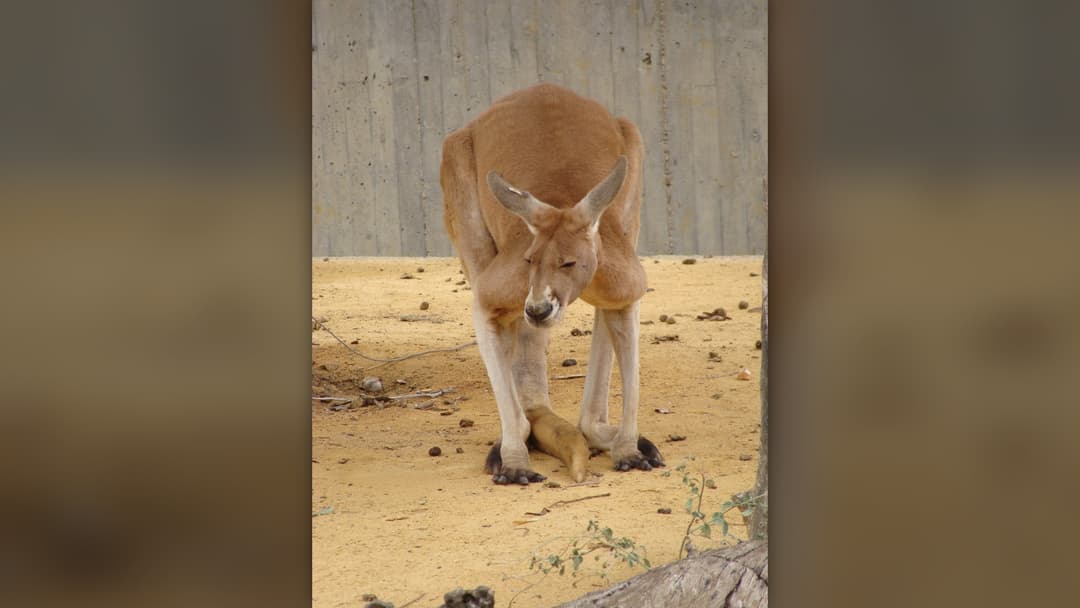
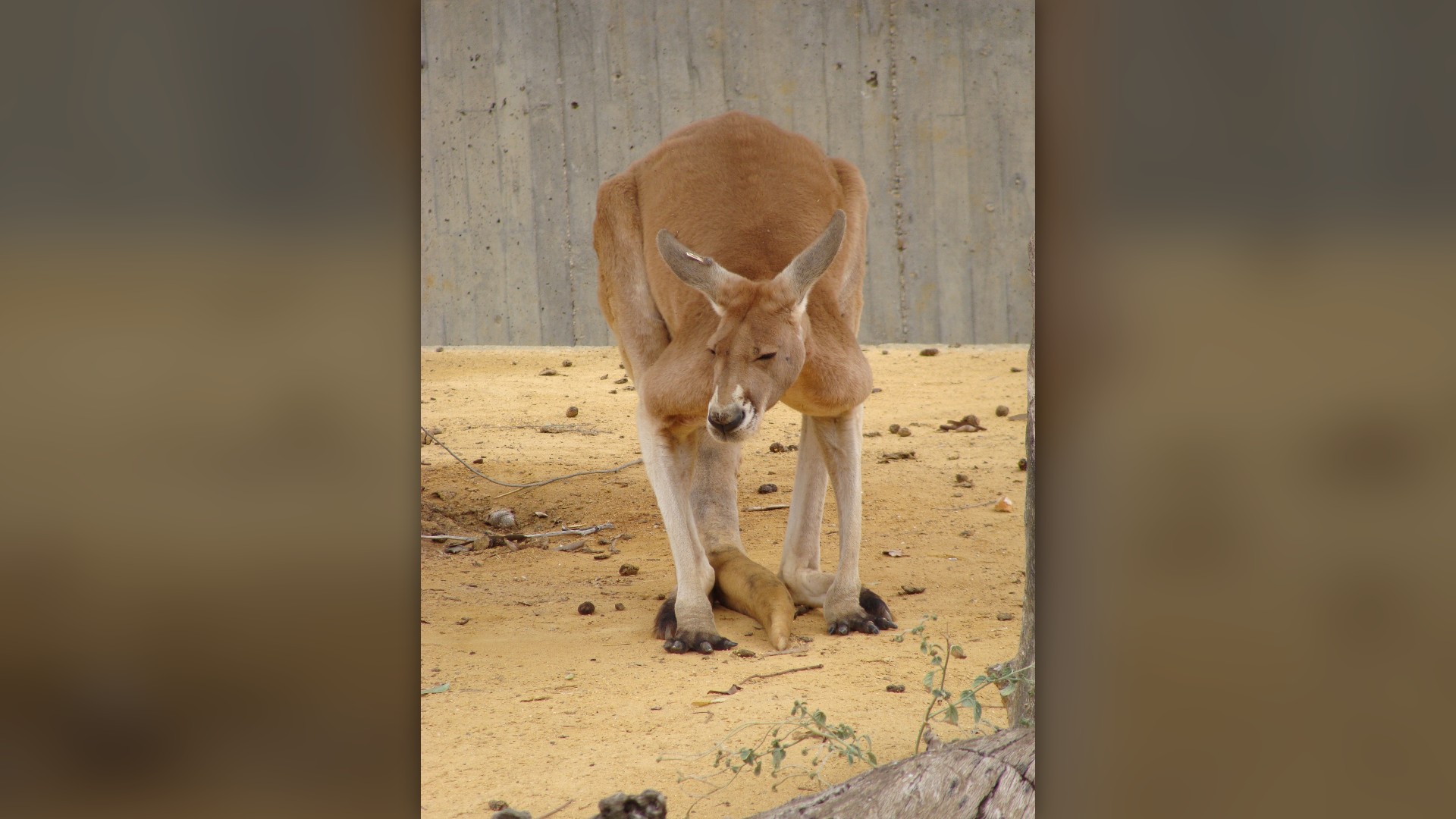
21. Red Kangaroo: Crouch Low, Cough Short, And Back Away
Male red kangaroos interpret upright posture and direct eye contact as a rival challenge, leaning back on their muscular tails to deliver gut-ripping double kicks. Avoid eye contact, crouch down, let out short coughs (a marsupial submission signal), and back away.
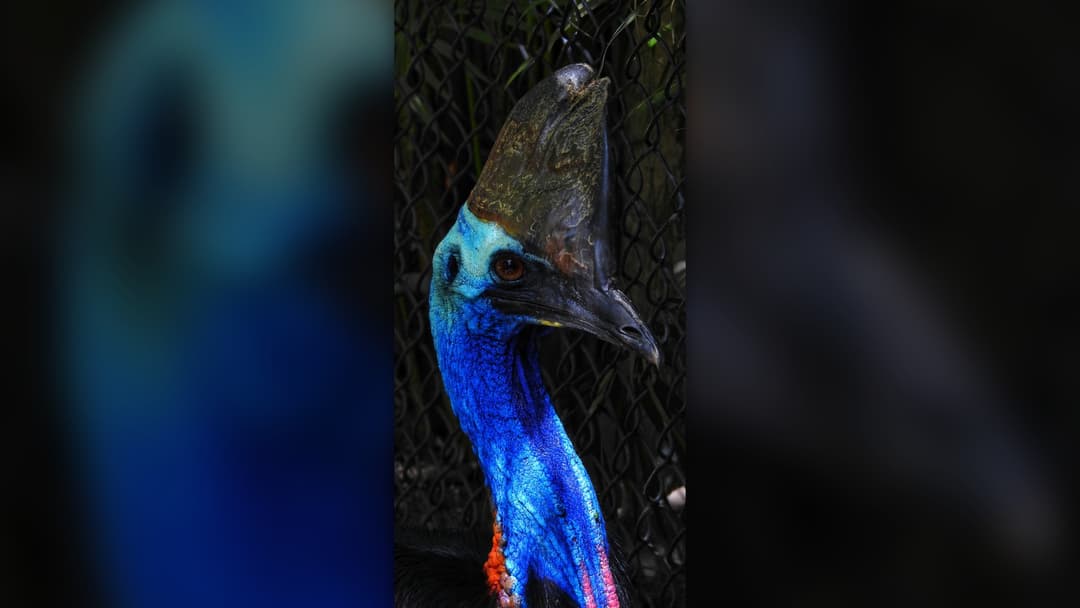
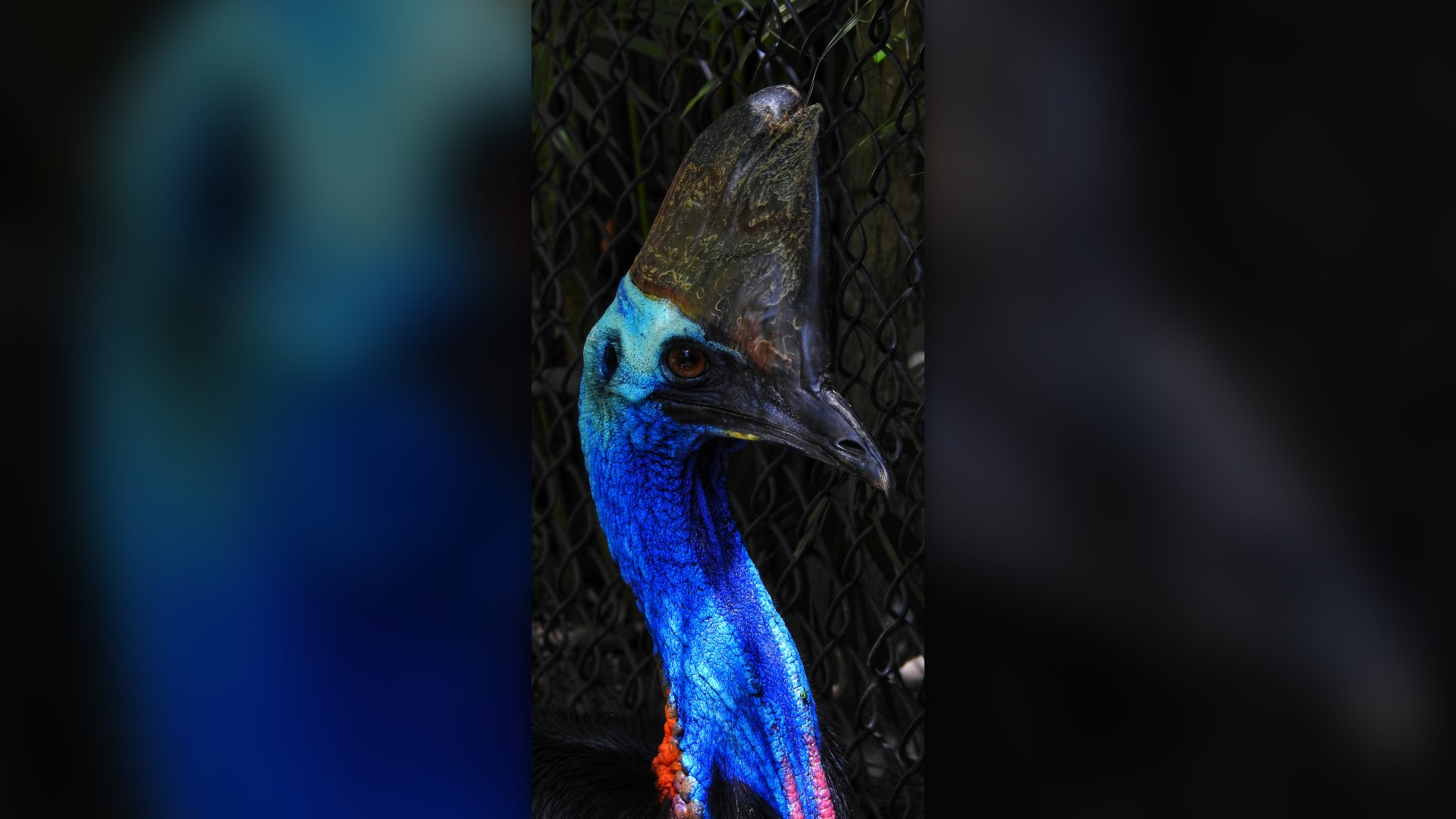
20. Southern Cassowary: Hold A Backpack Shield High At Chest Level
Never run or turn your back on a rainforest cassowary, which sprints at 31 mph through thick jungle. Stand wide, hold a backpack, coat, or branch firmly in front of your chest as a barrier to absorb its jumping kick, and step backward behind a wide tree.
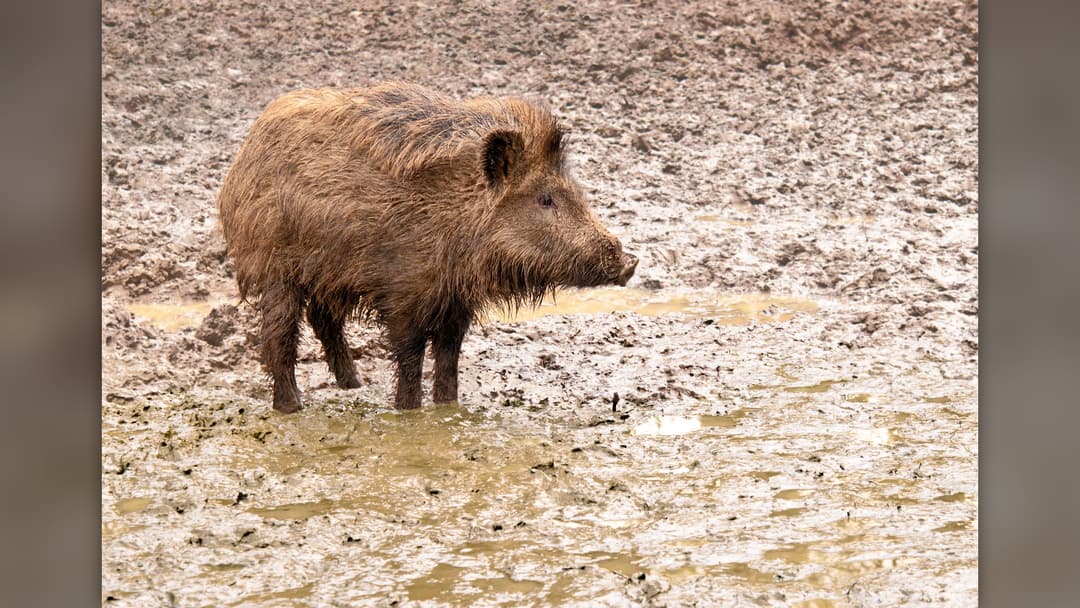
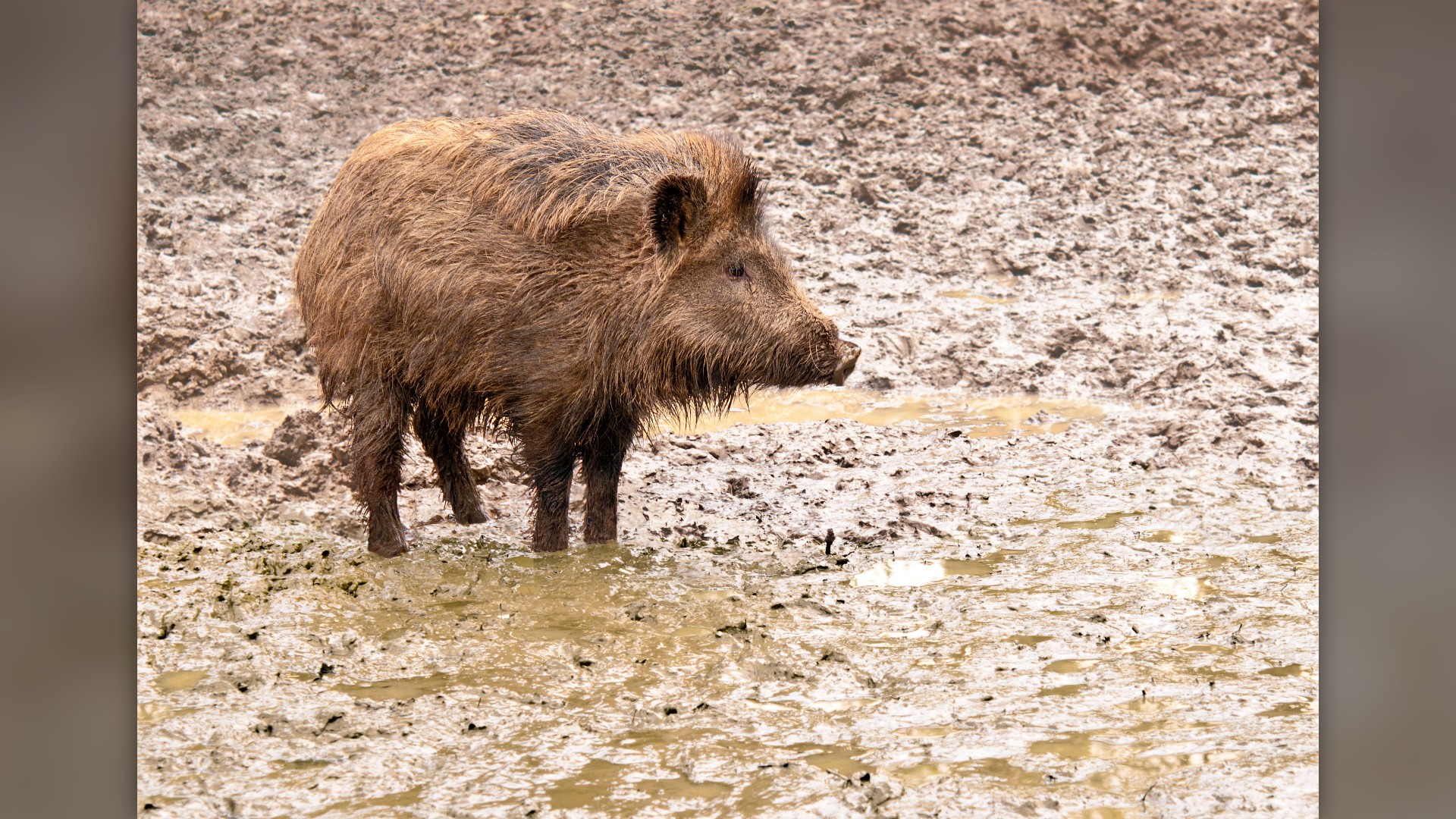
19. Wild Boar: Climb At Least Six Feet Off The Ground Immediately
Wild boars have poor eyesight and charge in a fast, straight line, aiming their lower tusks directly at human thighs. Dodge sharply to the side at the last second and climb at least six feet up a tree, boulder, or car roof until the animal loses interest.
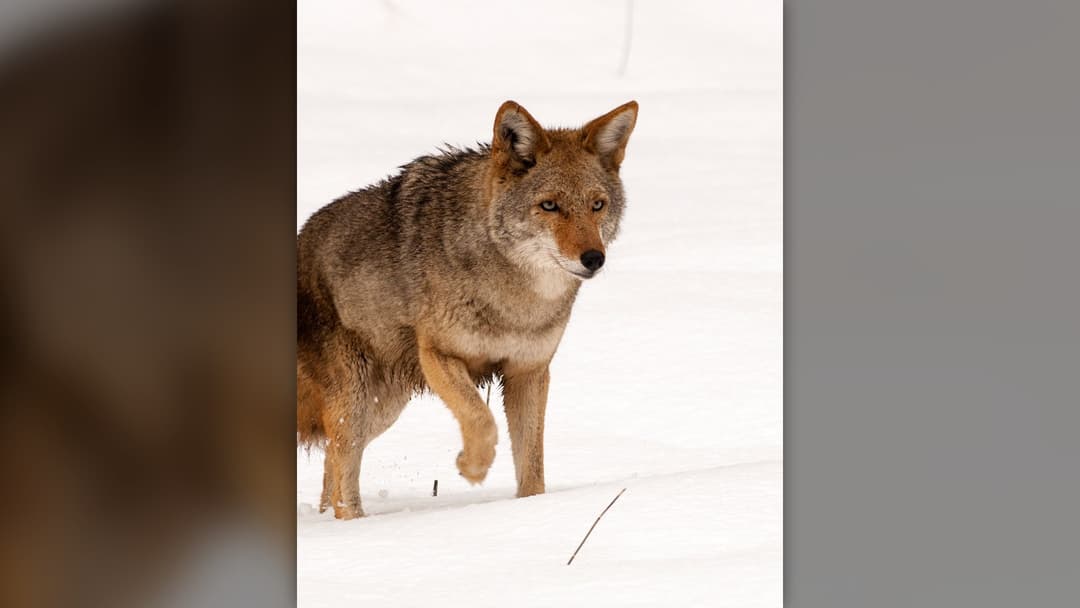
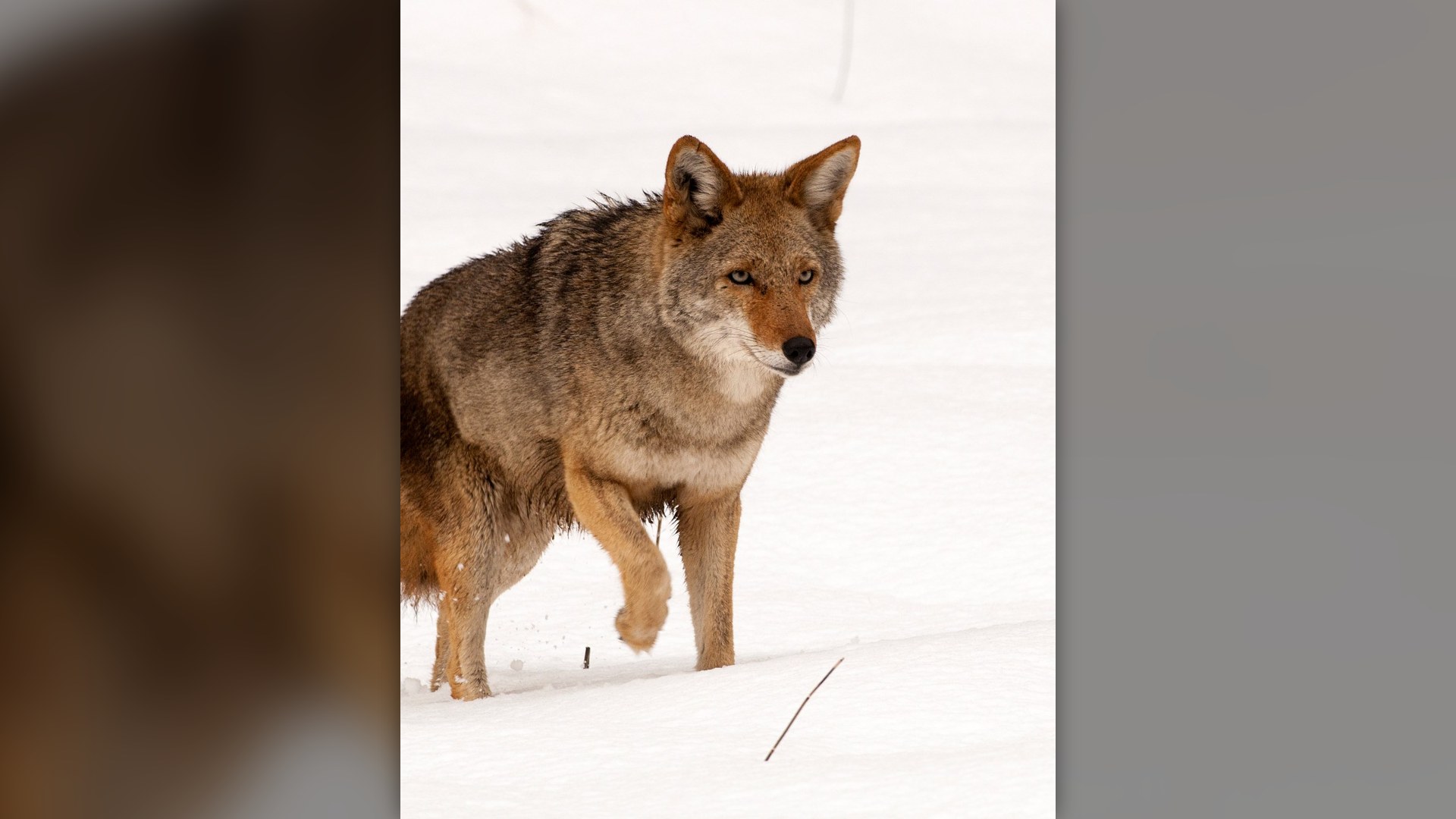
18. Coyote: Yell, Wave Your Arms, And Throw Rocks ("Hazing")
If a coyote shadows you on a trail, running triggers its chase reflex. Stand your ground, shout in a deep voice, wave your jacket overhead, and hurl rocks or sticks toward its feet to re-instill natural fear while keeping small pets held in your arms.
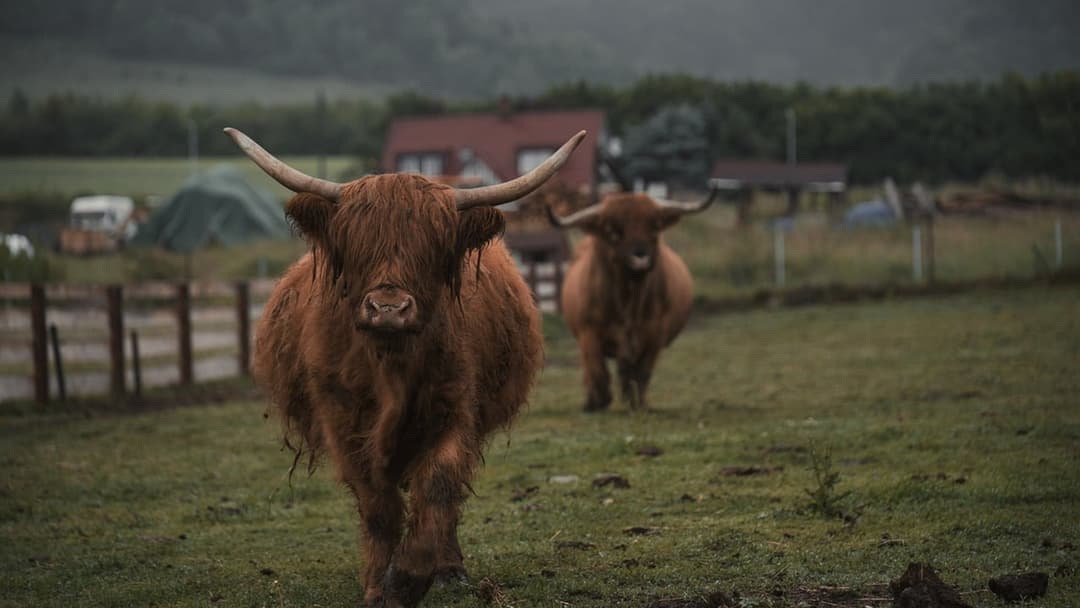
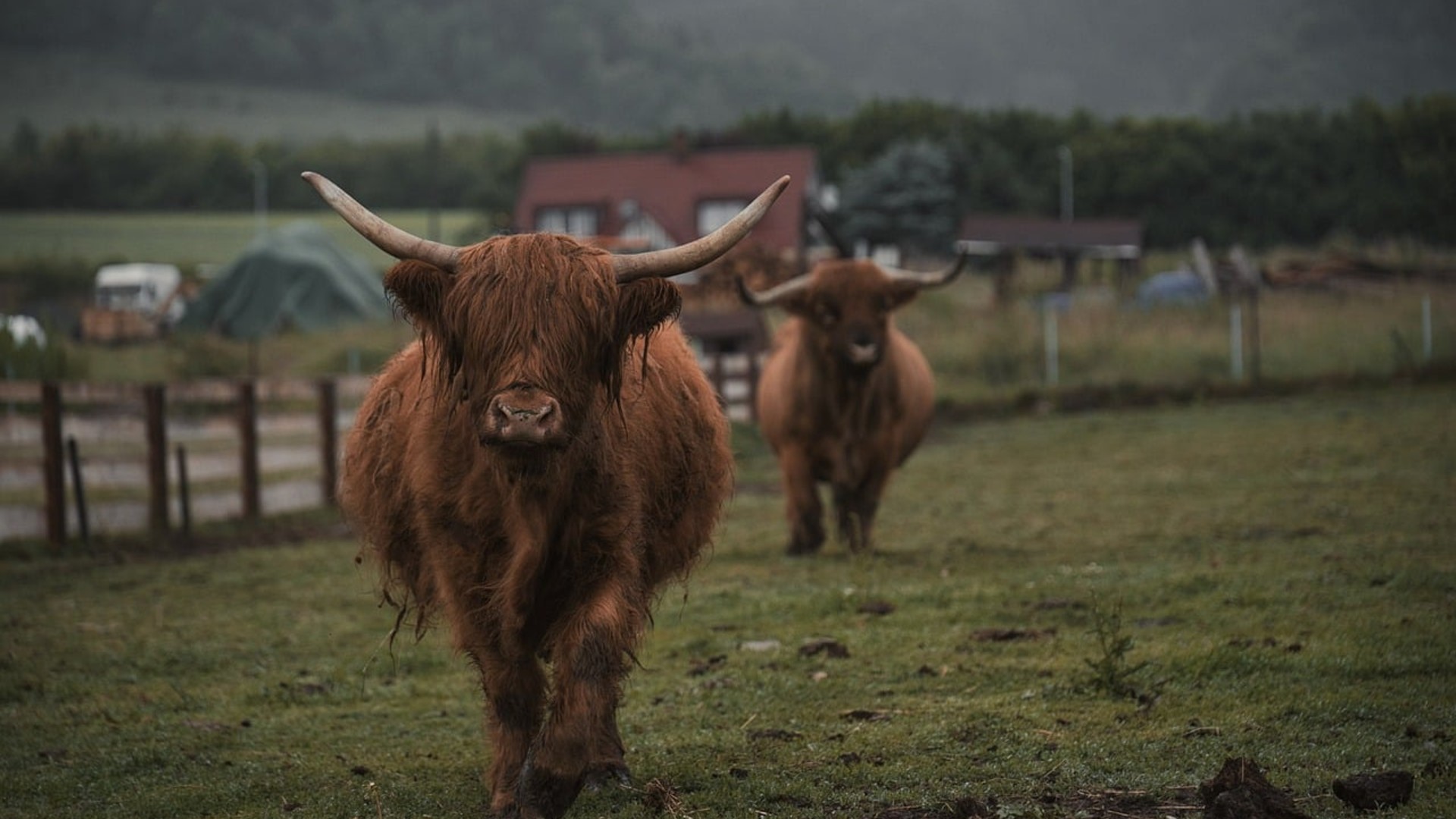
17. Pasture Bull: Drop Your Hat As A Decoy And Roll Under A Fence
More hikers are killed by domestic bulls than by wild predators across Europe and North America. If a bull paws the dirt and lowers its horns, throw your hat, shirt, or pack to the side—it will gore the decoy first, giving you seconds to reach a fence.
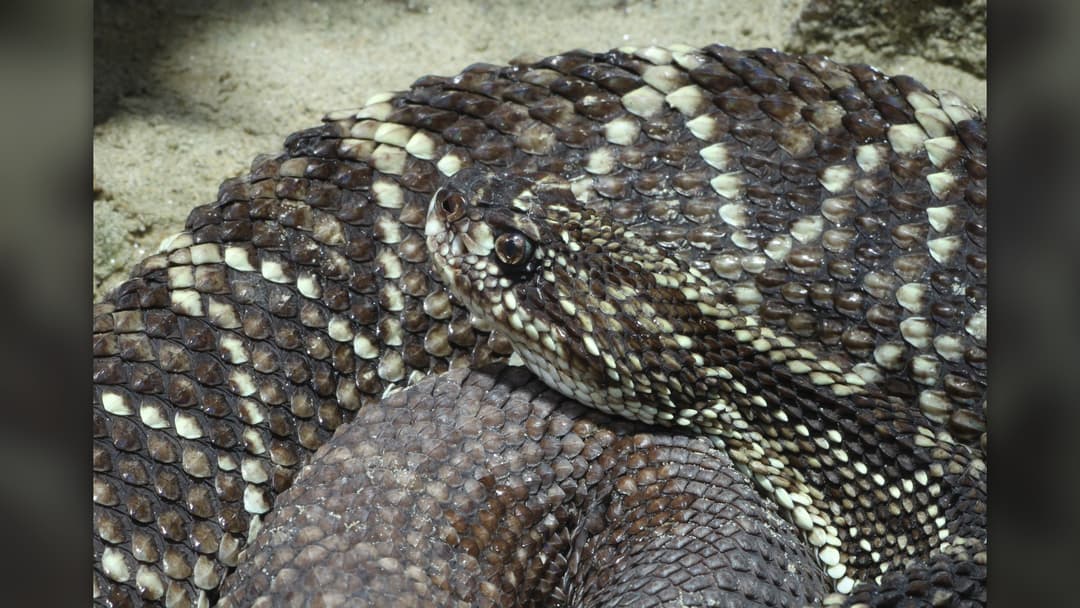
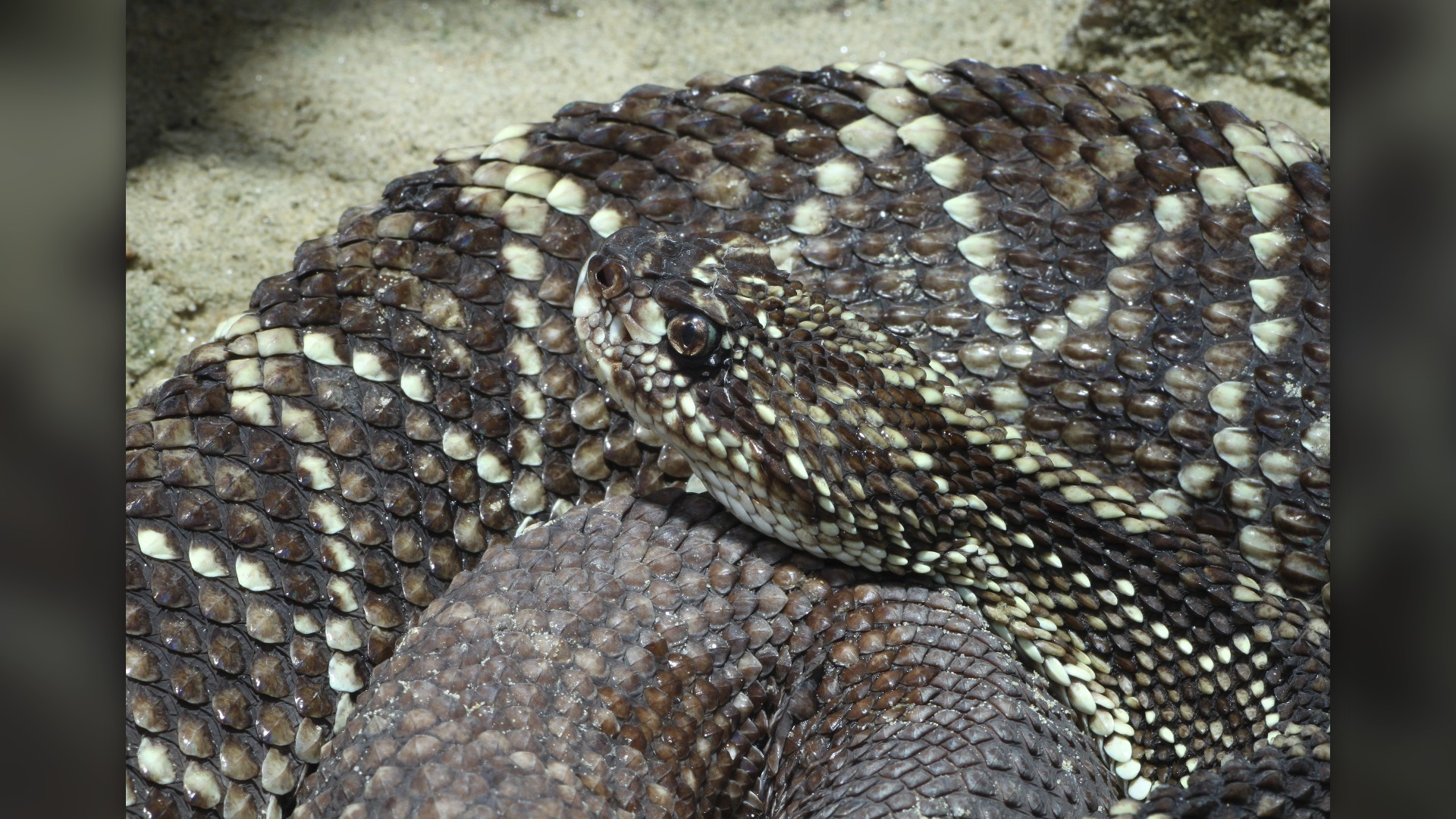
16. Rattlesnake: Freeze, Locate The Rattle, And Keep Limbs Still
When you hear a buzz on the trail, freeze first so you don't step closer before spotting the snake, then slowly back away at least six feet. If bitten, remove tight rings, keep the limb immobilized at heart level, and get to a hospital for CroFab antivenom.
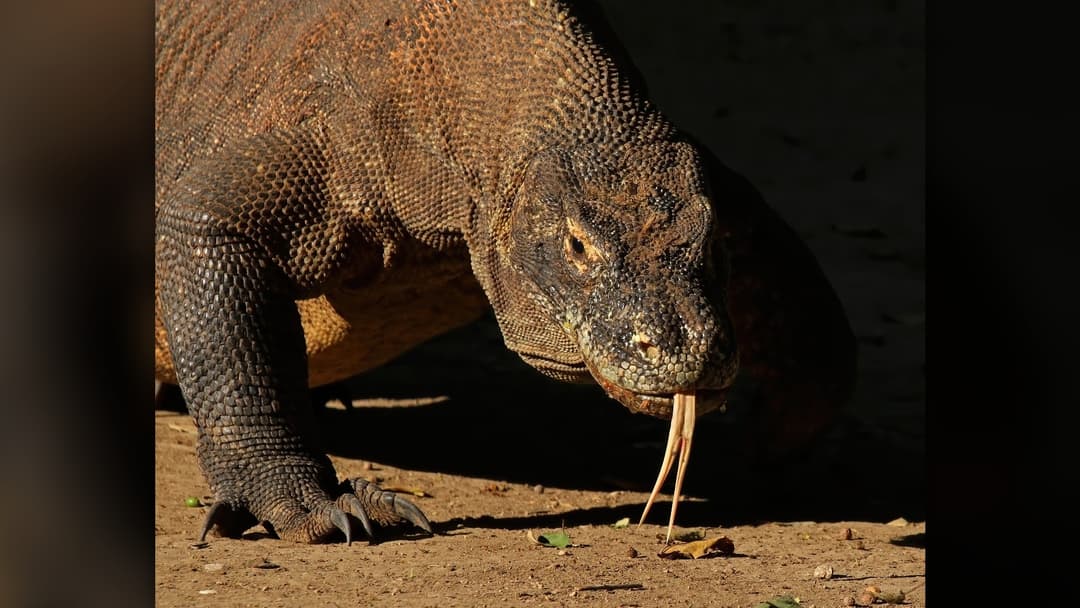
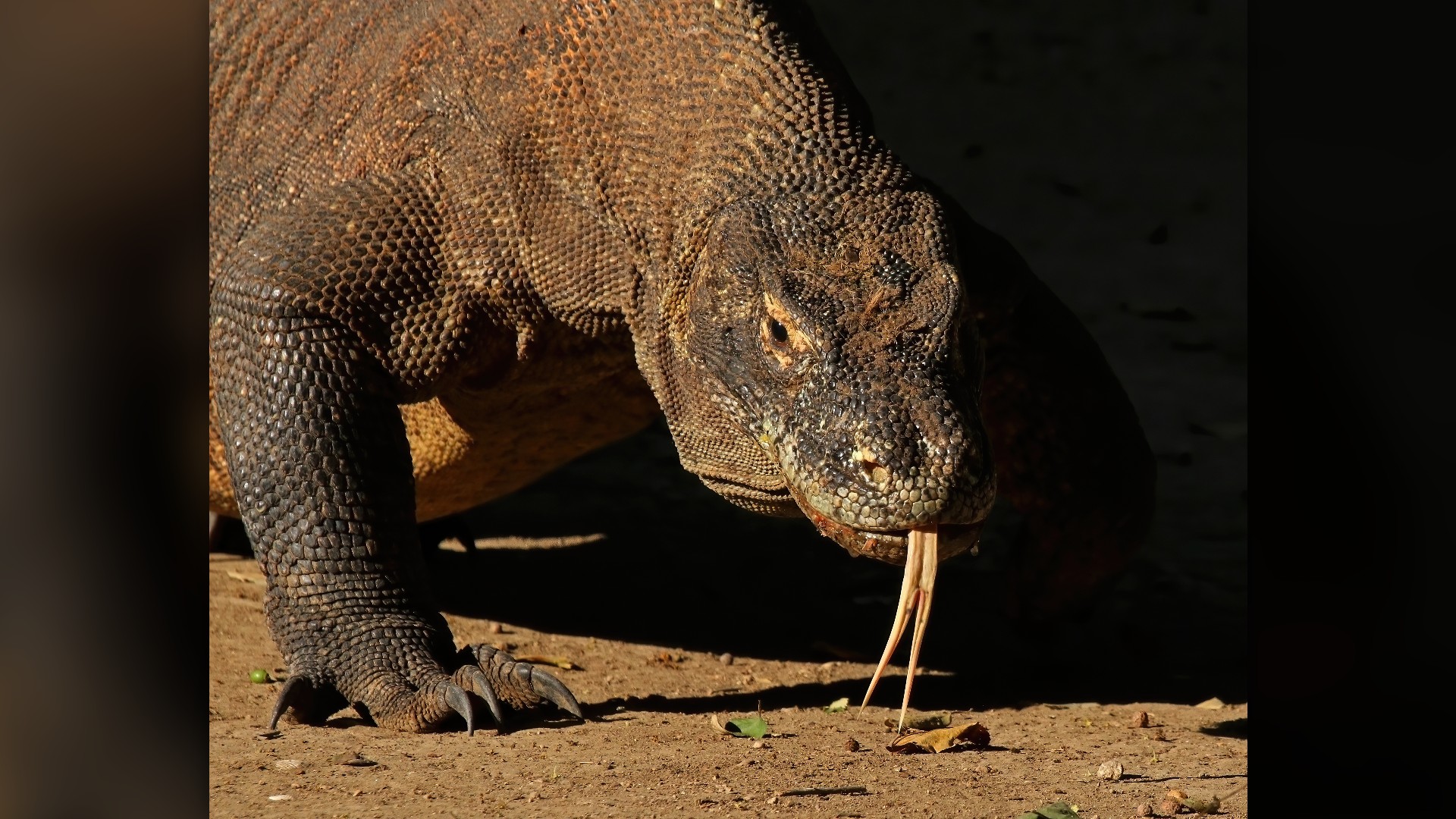
15. Komodo Dragon: Run In A Sharp Zigzag And Climb High
Equipped with serrated teeth and anticoagulant venom glands that cause victims to bleed into shock, a Komodo dragon can hit 12 mph in a straight ambush. Run in tight zigzags, scramble up a structure or tall tree (adults cannot climb), and fight its nose if cornered.
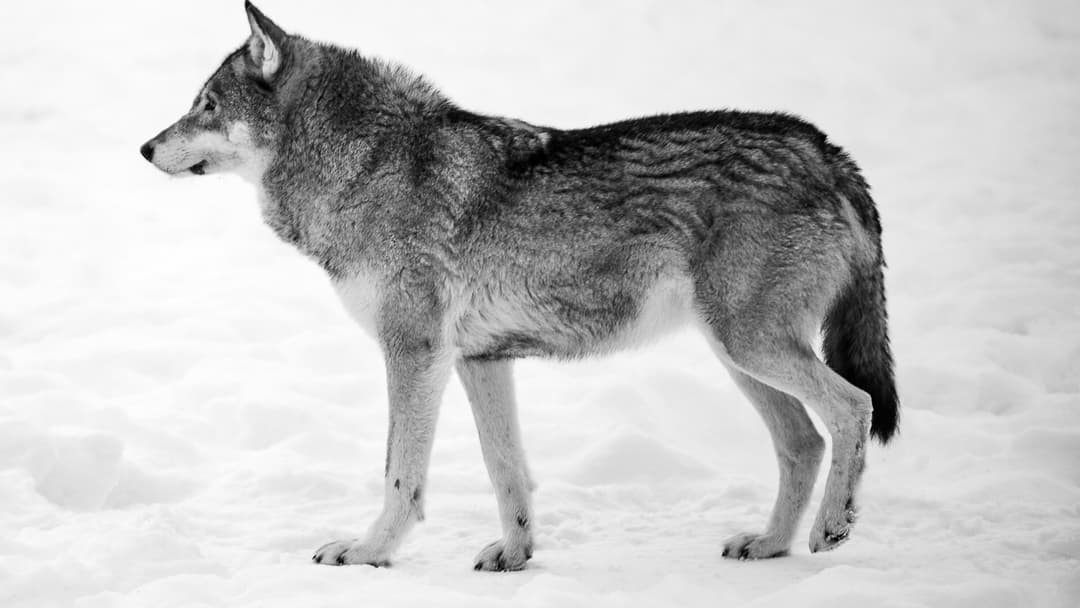
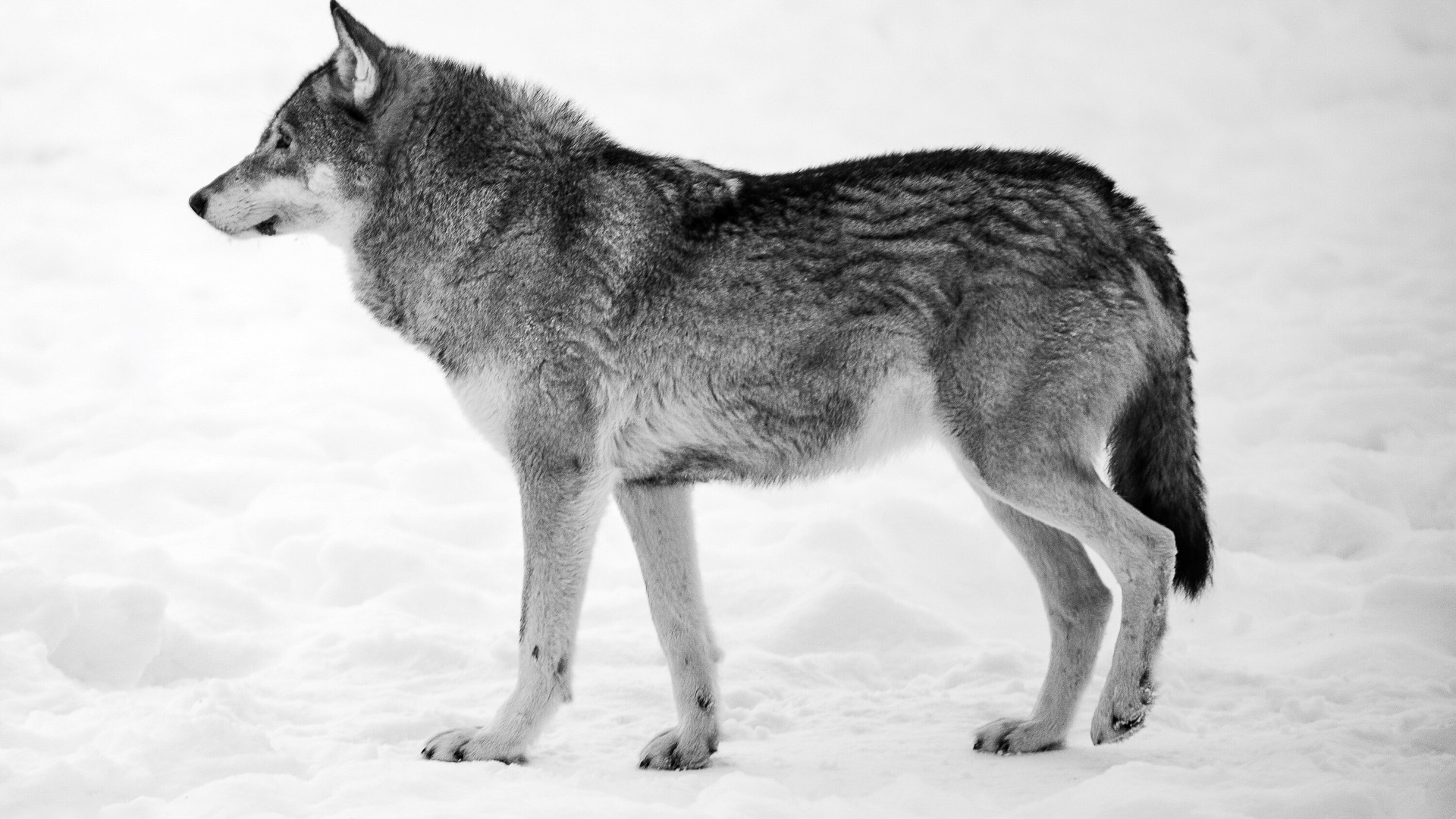
14. Gray Wolf Pack: Stand Tall Back To-Back And Never Turn To Run
Healthy gray wolves rarely attack humans unless habituated, and their instinct is to test whether a target will flee. Maintain eye contact, group together back-to-back so no wolf can flank you, use bear spray or fire, and retreat slowly without stumbling.
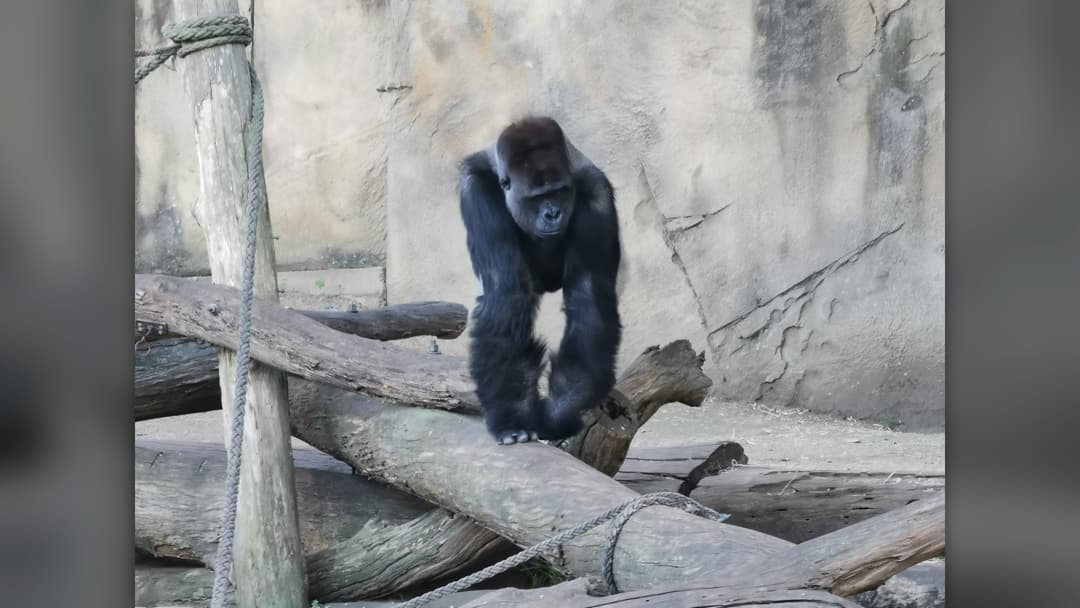
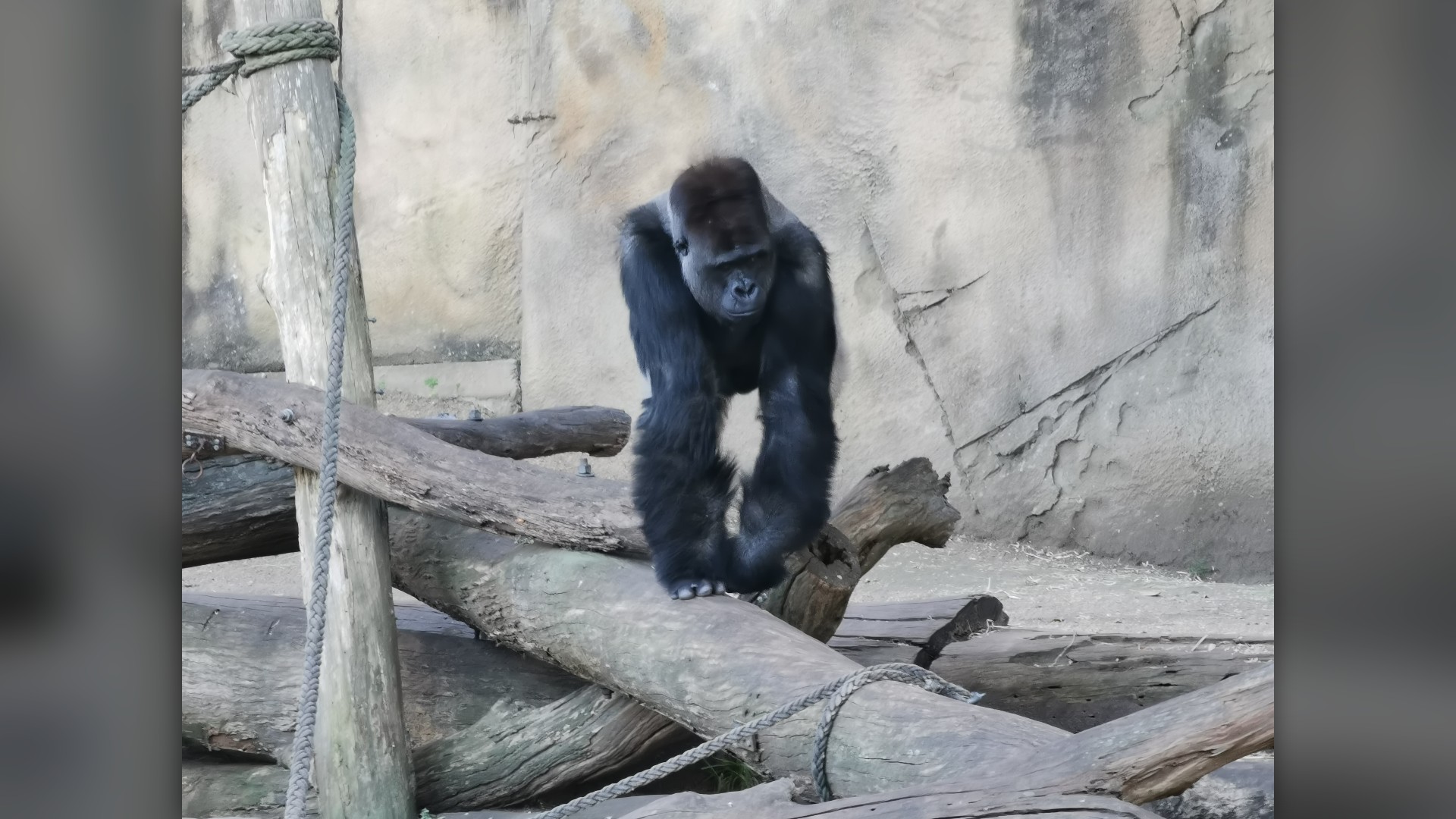
13. Silverback Gorilla: Crouch Down, Look Away, And Bare No Teeth
Almost all silverback charges are bluff displays to protect their family troop. The worst thing you can do is run or scream: instead, drop to a crouch, look down at the ground, pretend to pluck leaves, and let the gorilla pass or even brush past you.
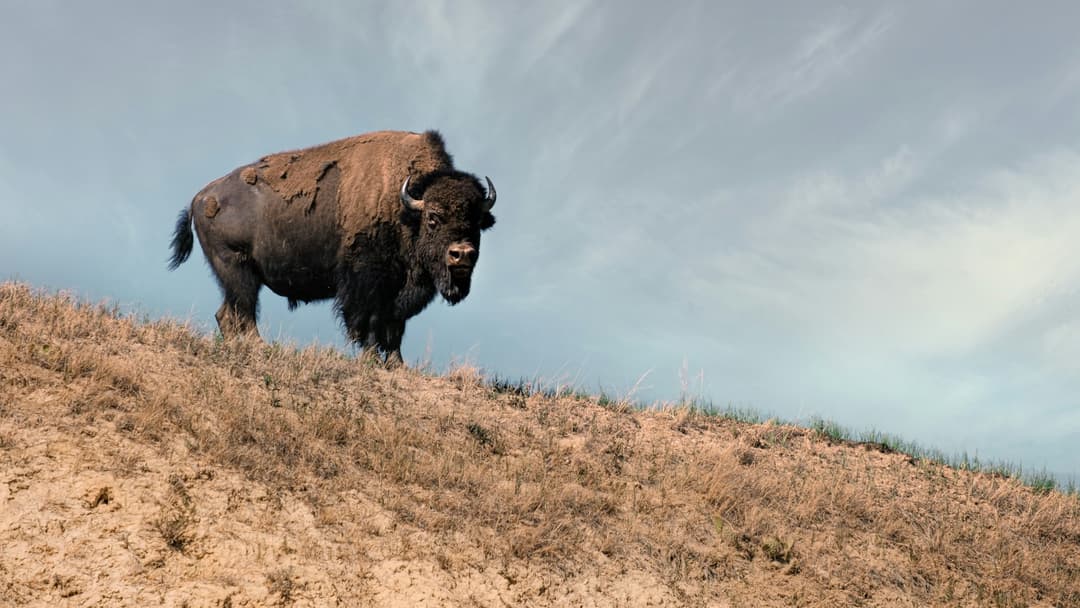
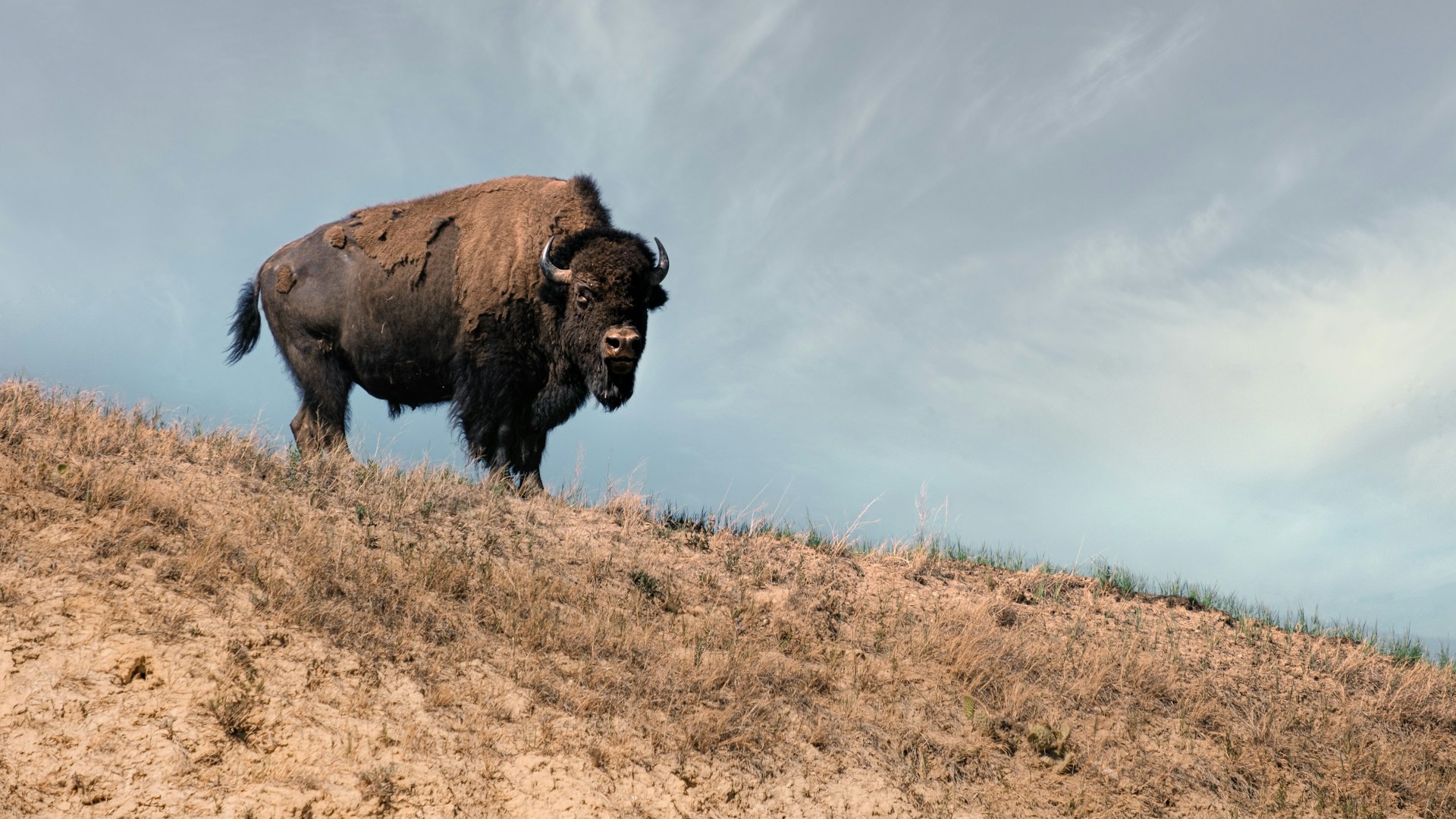
12. American Bison: Put A Car Or Tree Between You Before The Tail Rises
Bison injure more Yellowstone visitors than grizzly bears and wolves combined. If a 2,000-pound bison stops grazing, stares, or raises its tail stiffly into an arch, it is about to charge—back away immediately behind a vehicle, boulder, or thick cluster of trees.
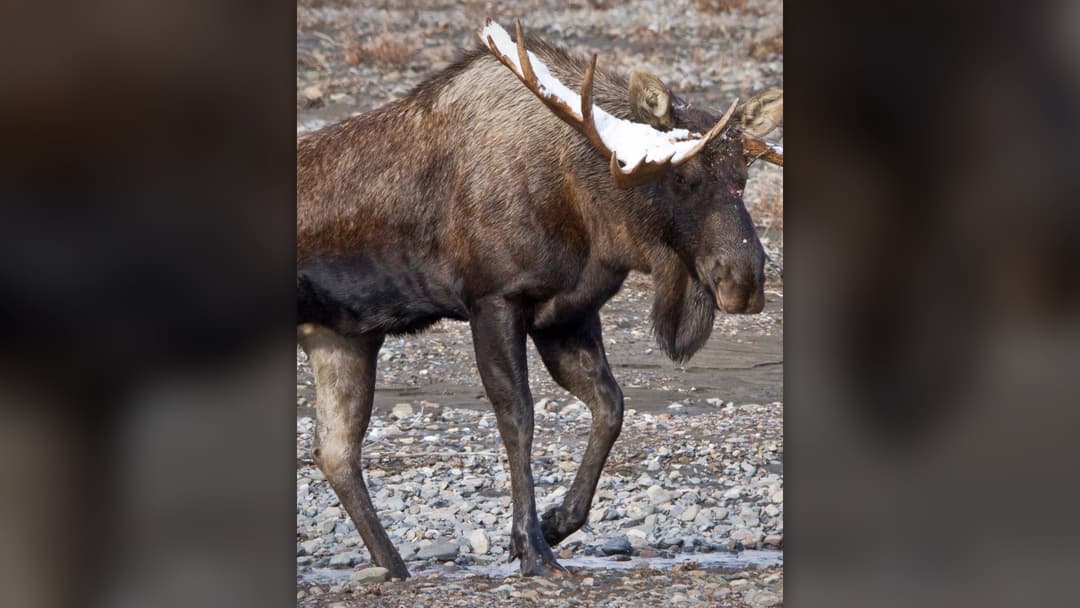
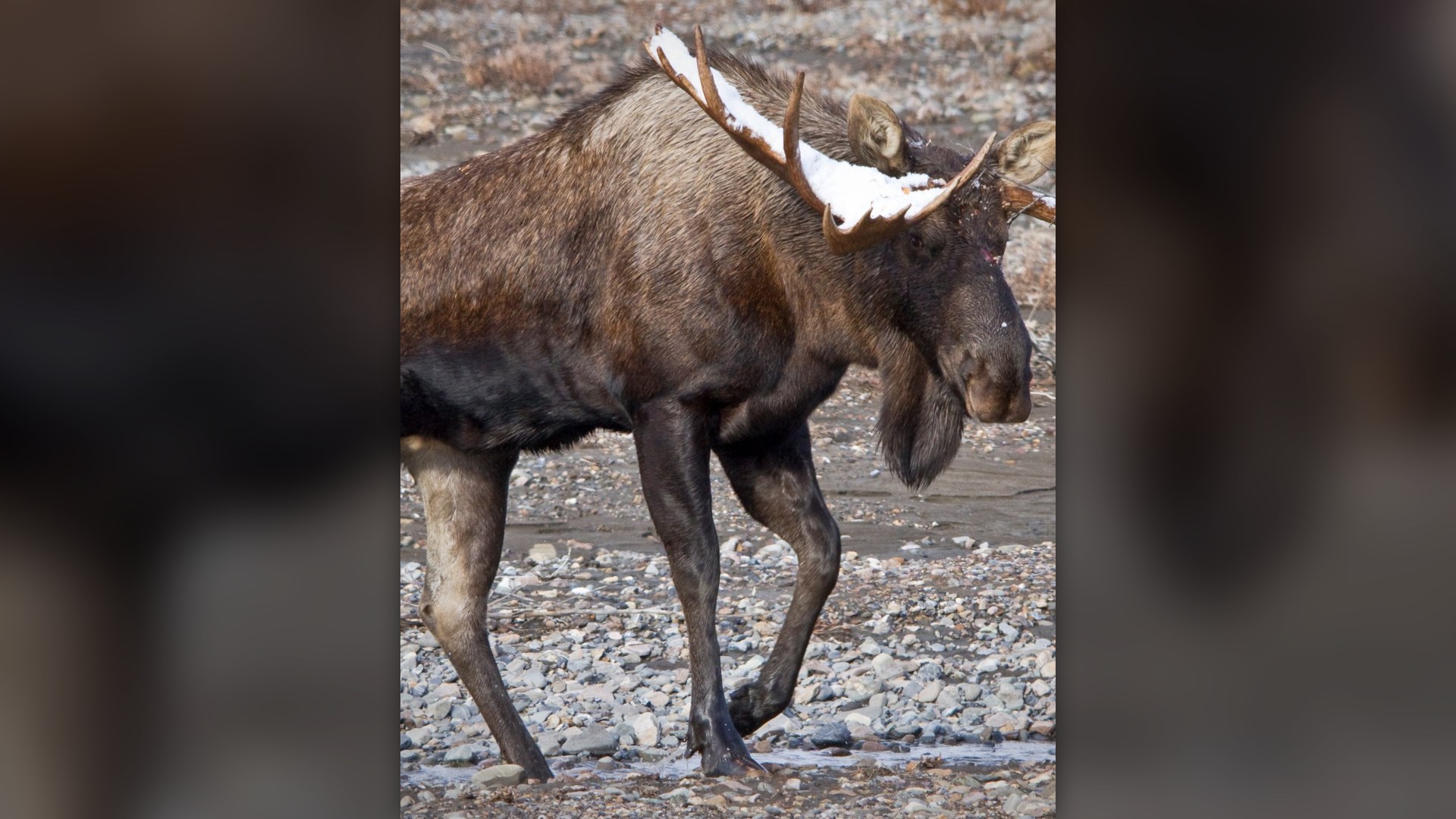
11. Bull Moose: Run Behind A Tree—It Is The One Animal You Should Flee
When a moose pins its ears back and raises the ruff of hair on its neck, running is actually the right move because it won't chase you far. Duck behind a stout tree or rock to block its deadly front-hoof stomps; if knocked down, curl into a tight ball.
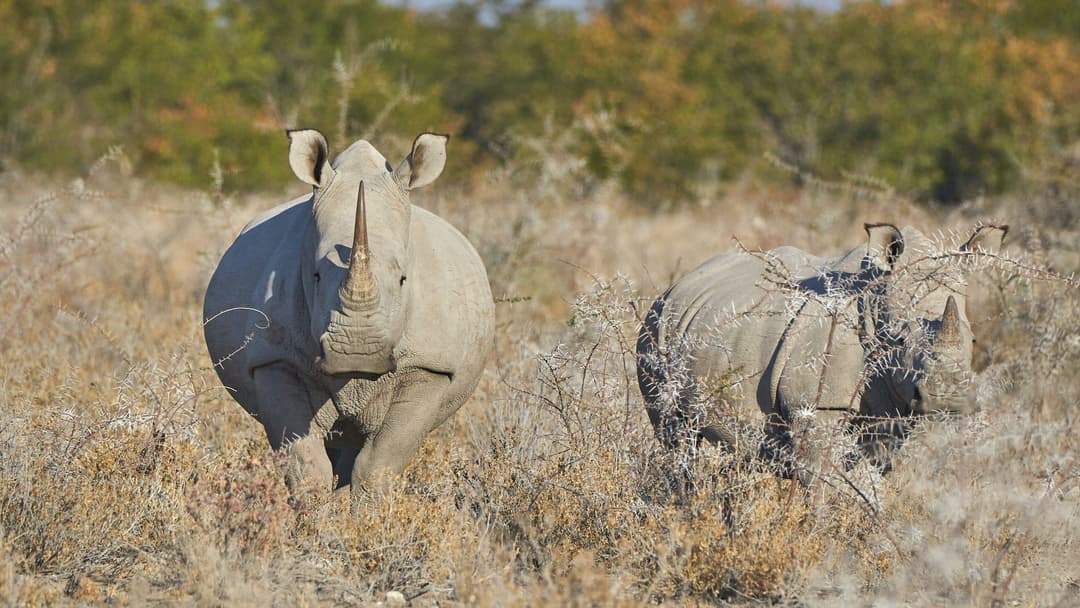
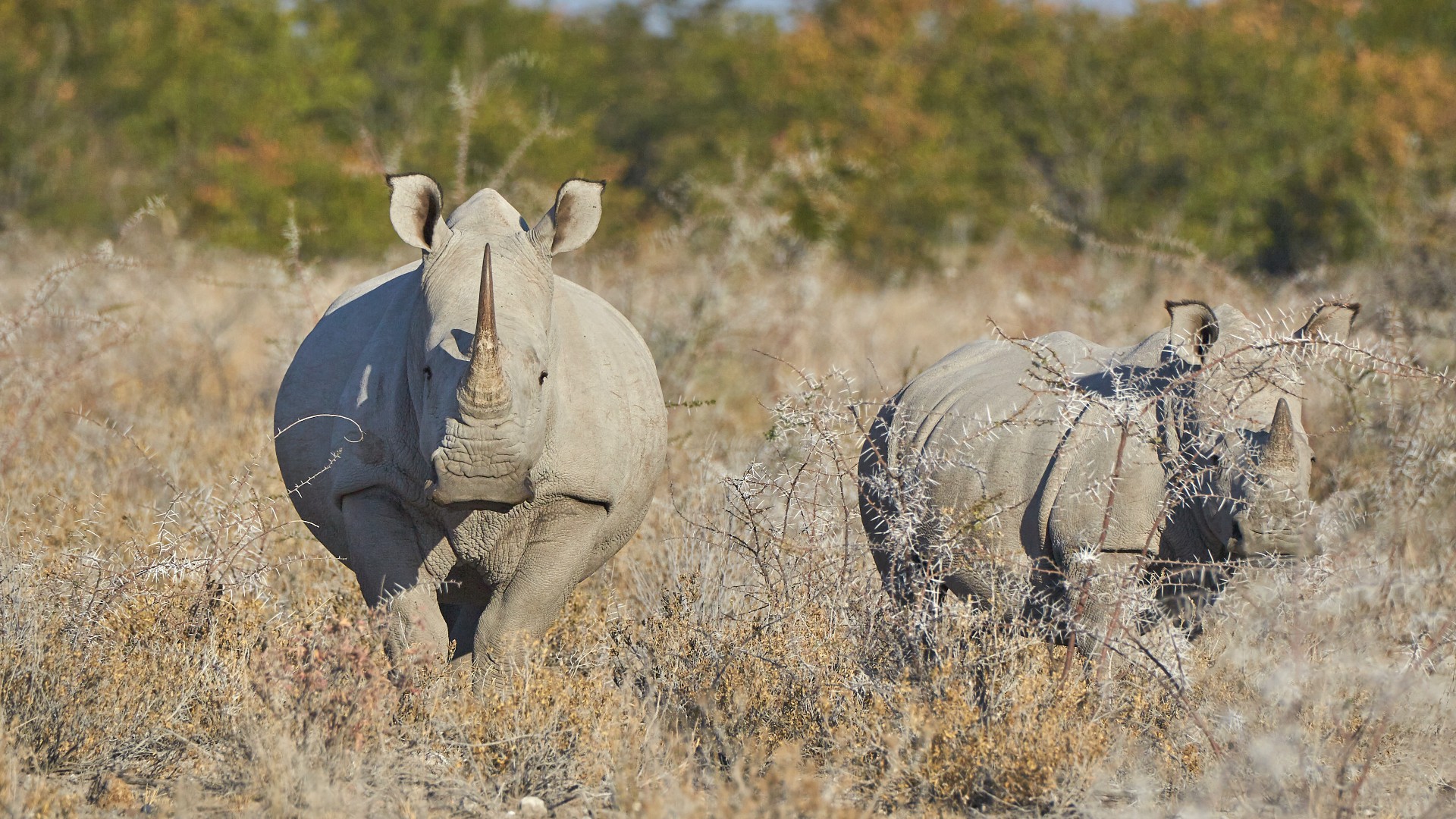
10. White Rhinoceros: Wait Until The Last Second, Then Dodge Behind Bush
Weighing over 5,000 pounds and charging at 30 mph, a rhinoceros relies almost entirely on smell and hearing. Climb a tree over 10 feet high or stand still behind a thick thorn bush—if caught in the open, step sideways right as it commits and stay upwind.
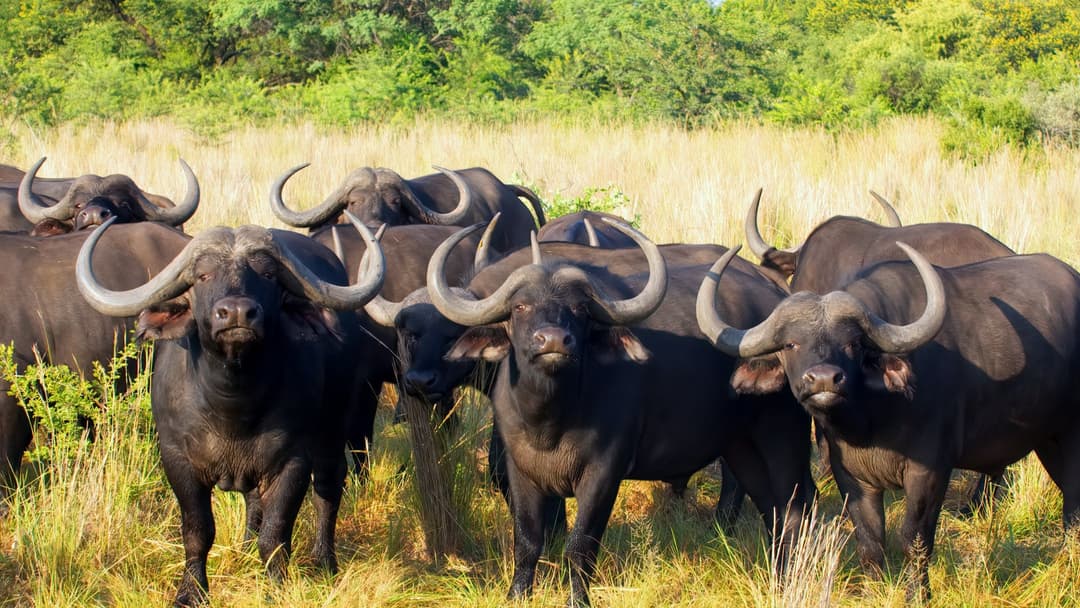
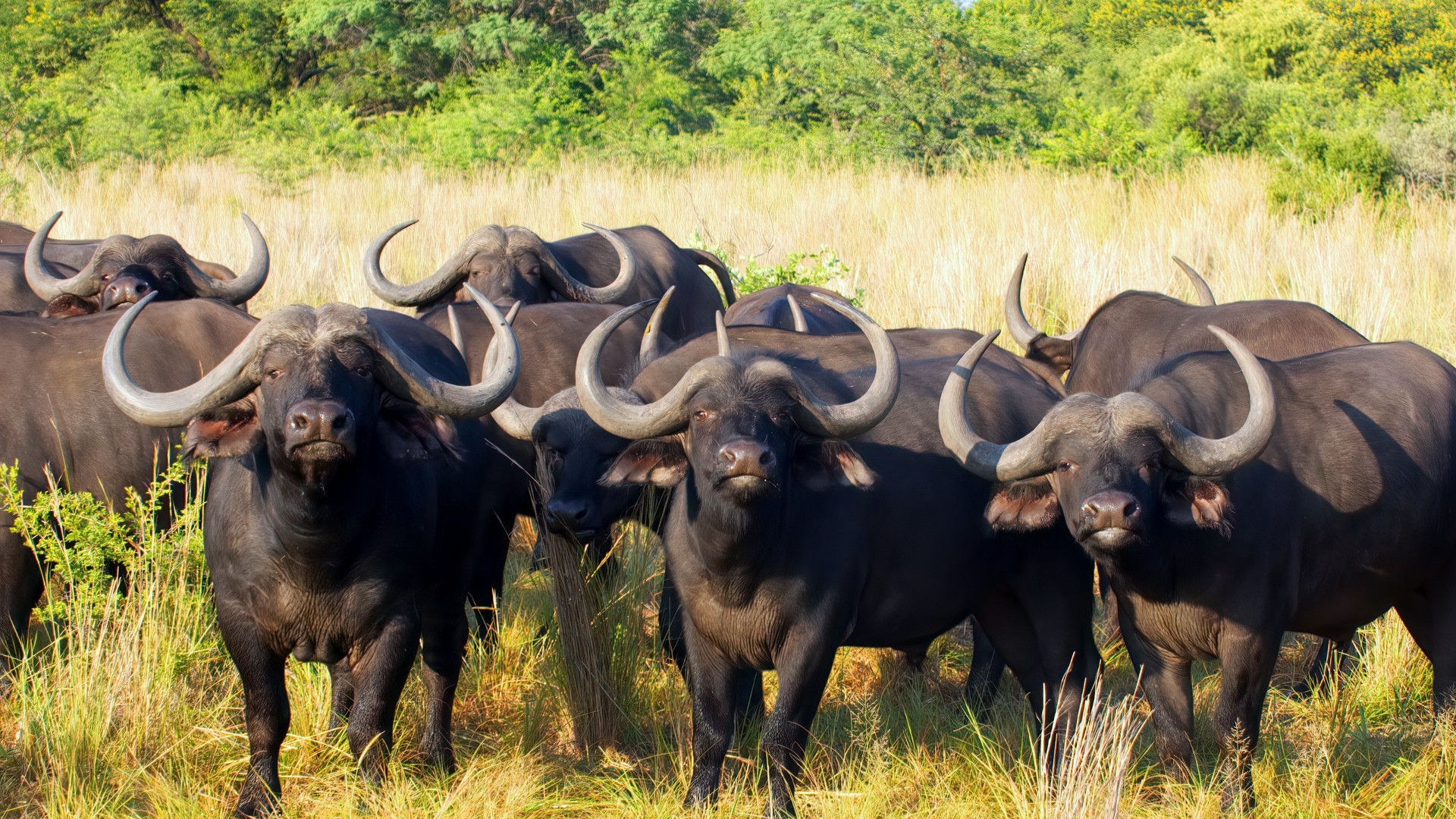
9. African Cape Buffalo: Climb Immediately—They Never Bluff Charge
Unlike elephants or gorillas, an African Cape buffalo almost never performs a mock charge. Once its fused "boss" horns drop, your only survival option is to scramble up the nearest tree or safari vehicle roof—playing dead on the ground is fatal.
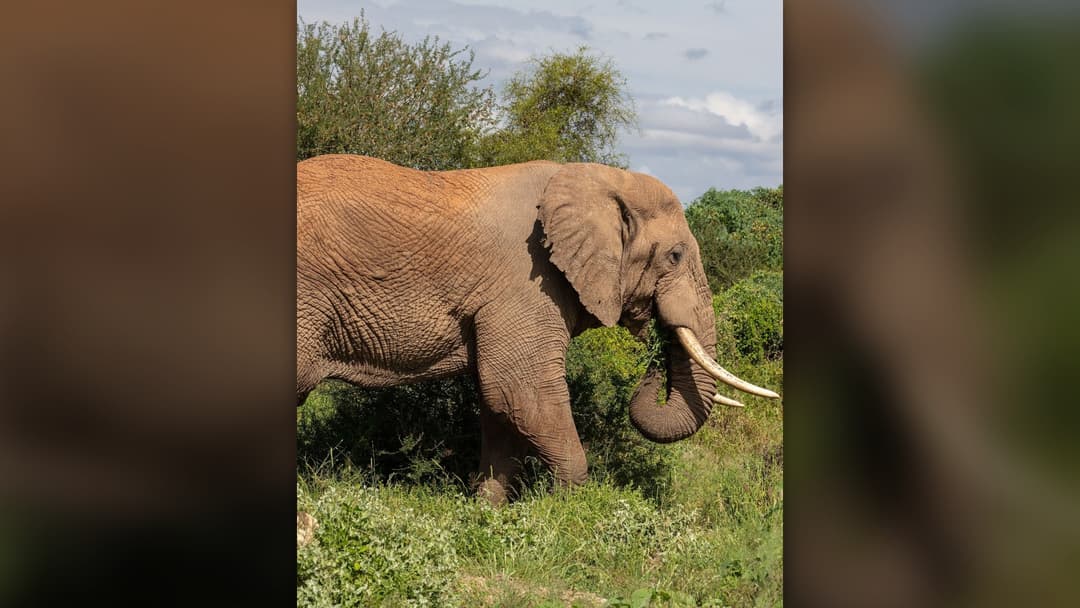
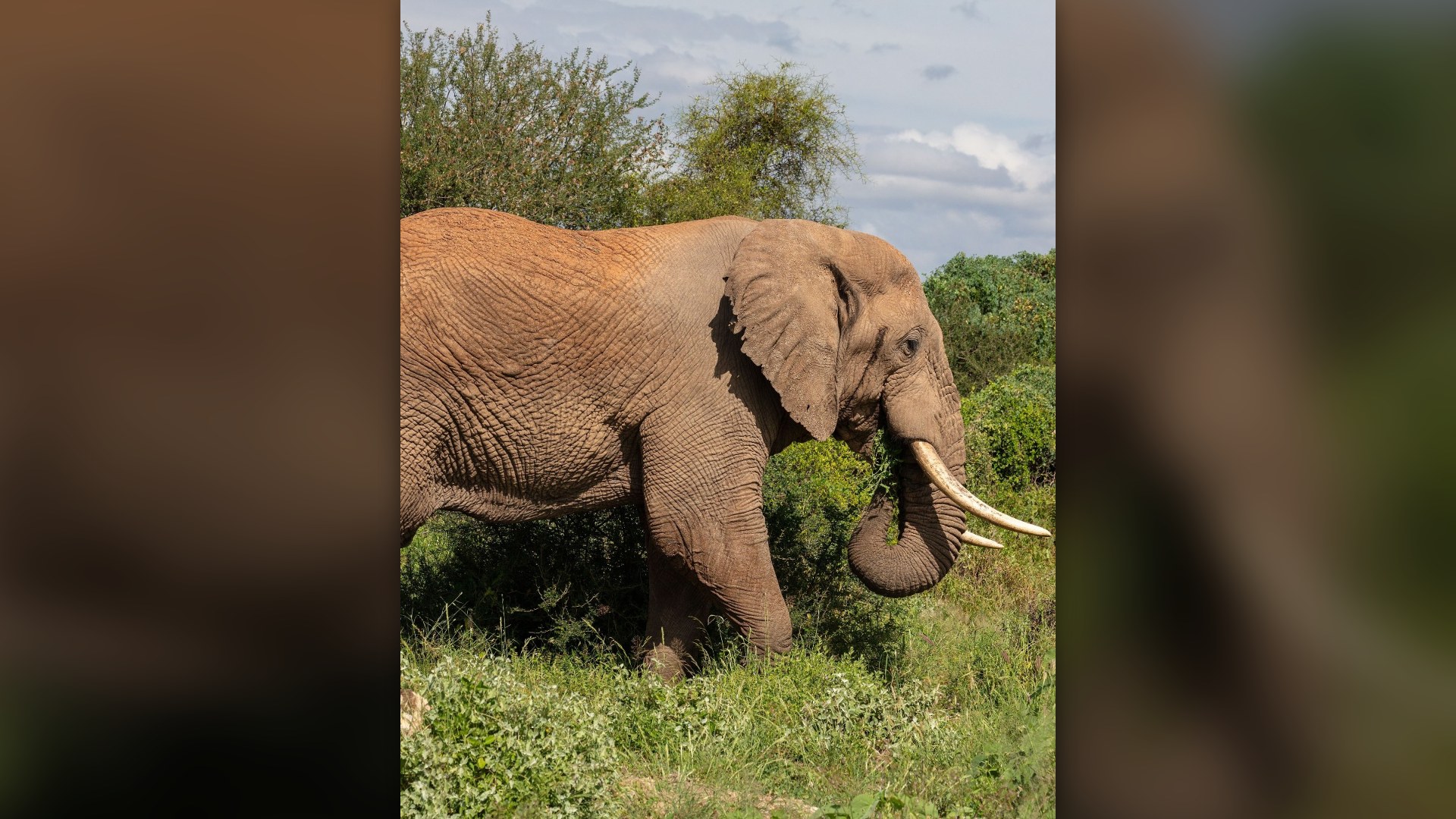
8. African Elephant: Stand Tall On A Bluff, Zigzag Downwind On Charge
Look at the elephant's ears and trunk: if its ears are fanned out wide and it trumpets while shuffling dirt, stand still and it will usually stop. If its ears are pinned flat back and its trunk is curled inward, run downwind in a zigzag toward boulders or a ditch.
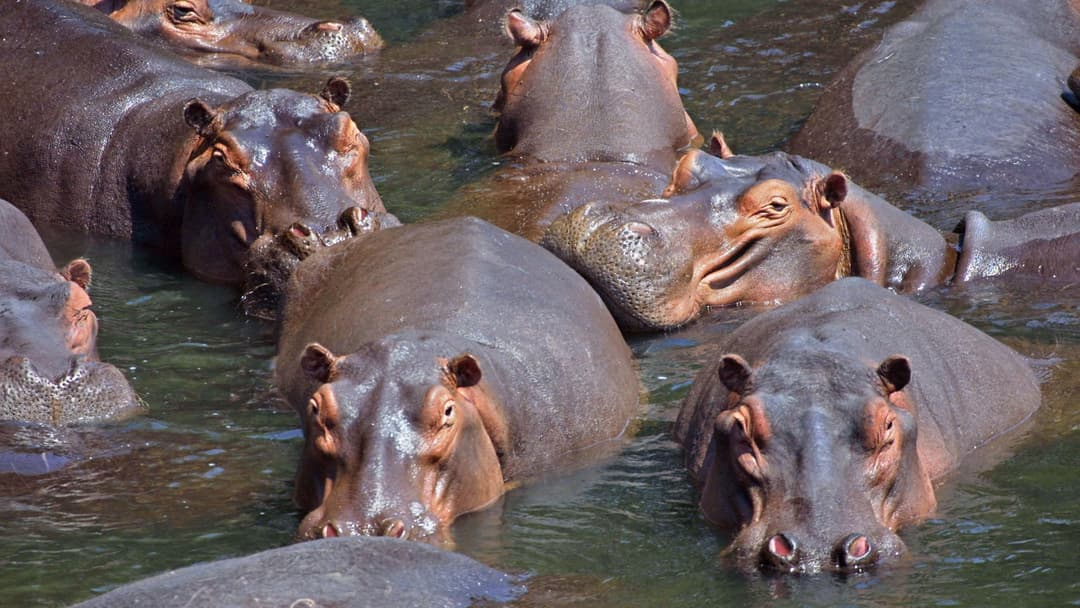
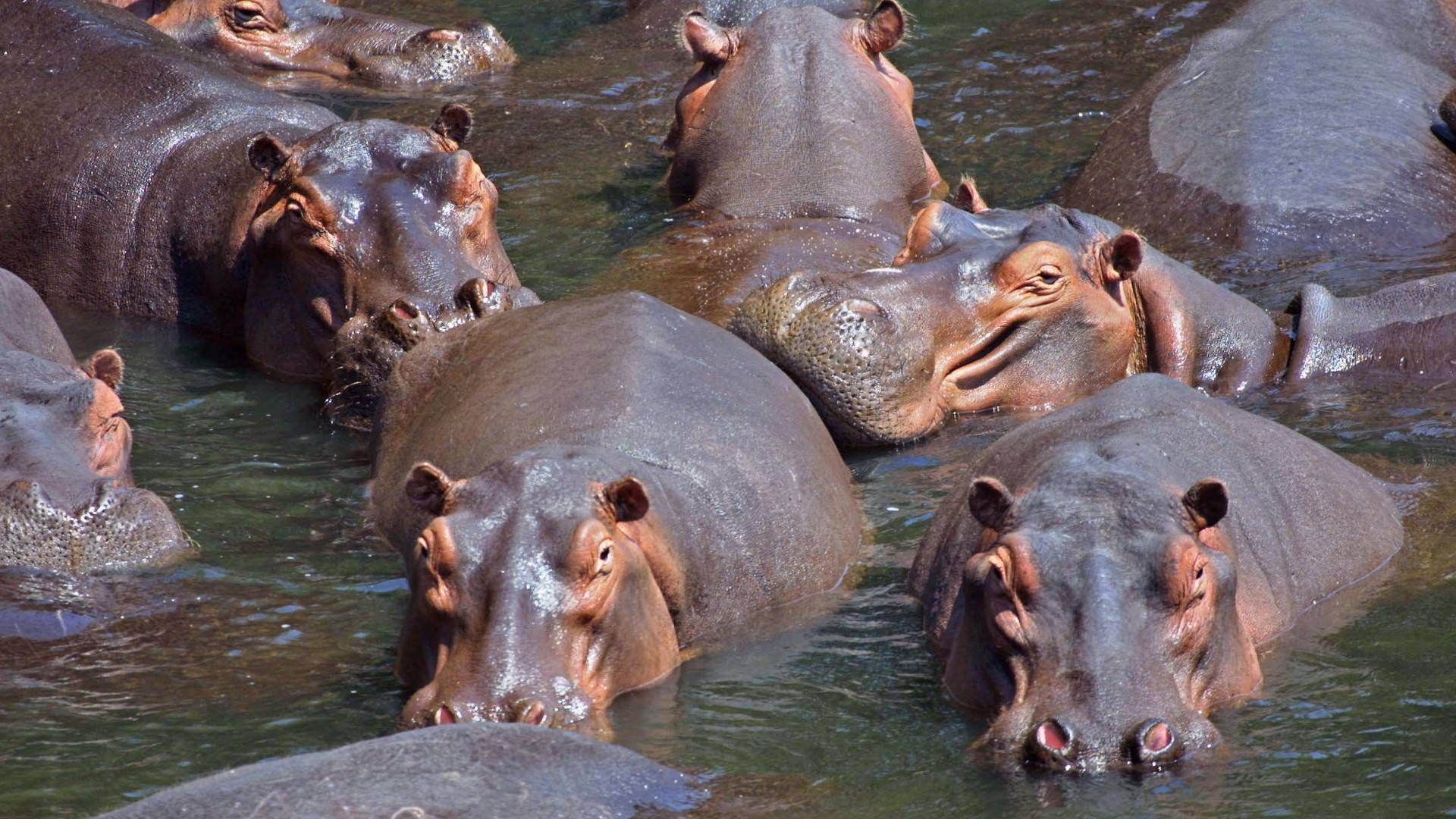
7. Hippopotamus: Never Block Its Path To Deep Water And Dive Behind Trees
Killing roughly 500 people a year across Africa, hippos panic and attack anything standing between them and the water's edge. Despite weighing 3,500 pounds, they hit 20 mph on land—never run along the riverbank; cut inland through dense trees or rocks.
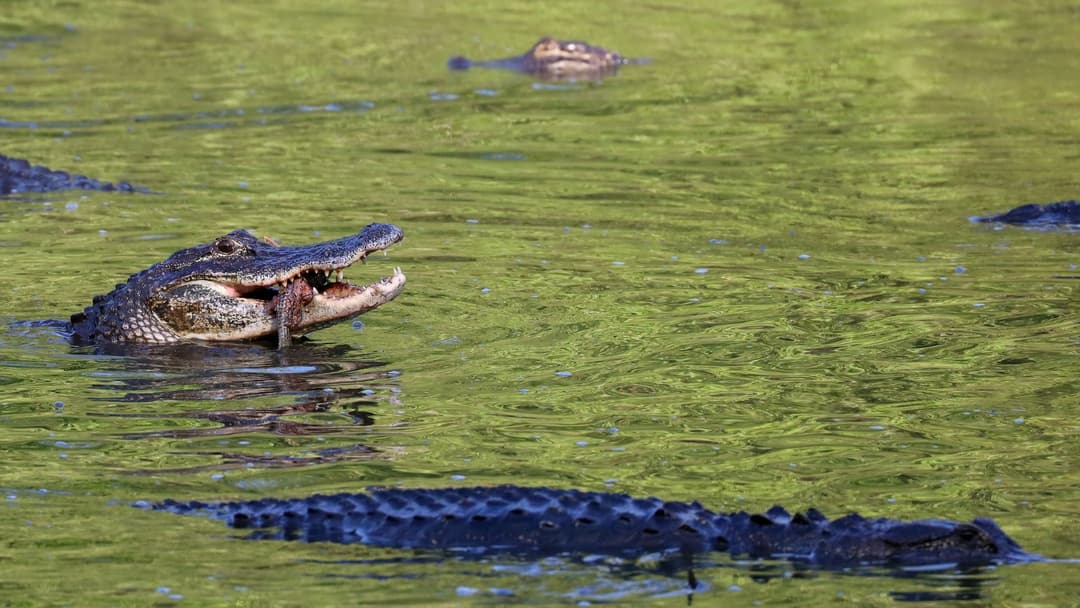
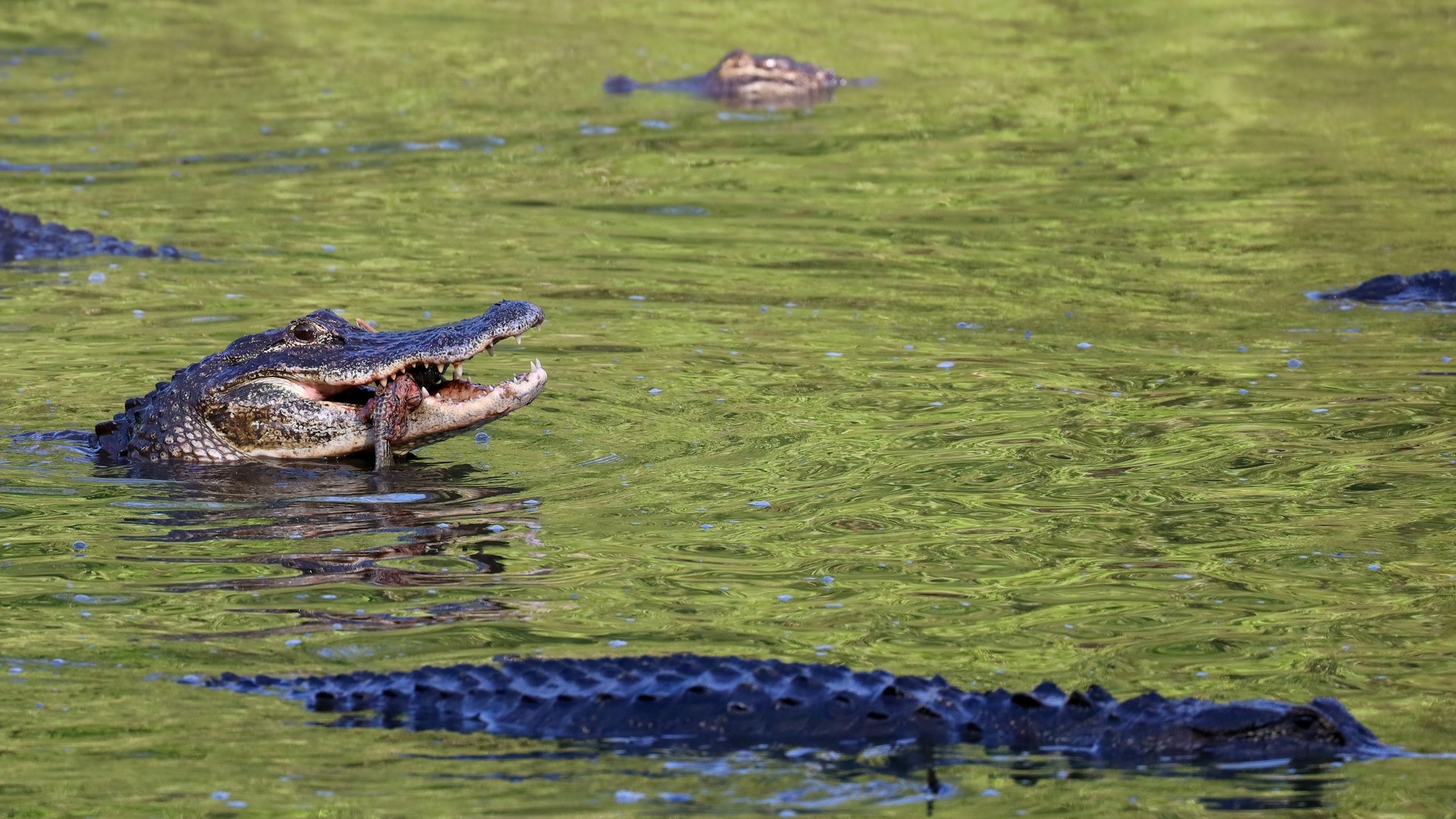
6. American Alligator: Sprint Away On Land, Gouge Eyes And Snout If Grabbed
Wildlife biologists debunk the "run in a zigzag" myth: alligators only lunge short distances on land, so sprinting straight away is fastest. If clamped in its jaws, strike its eyes and nostrils relentlessly, or shove your fist against its throat palatal valve so water floods in.
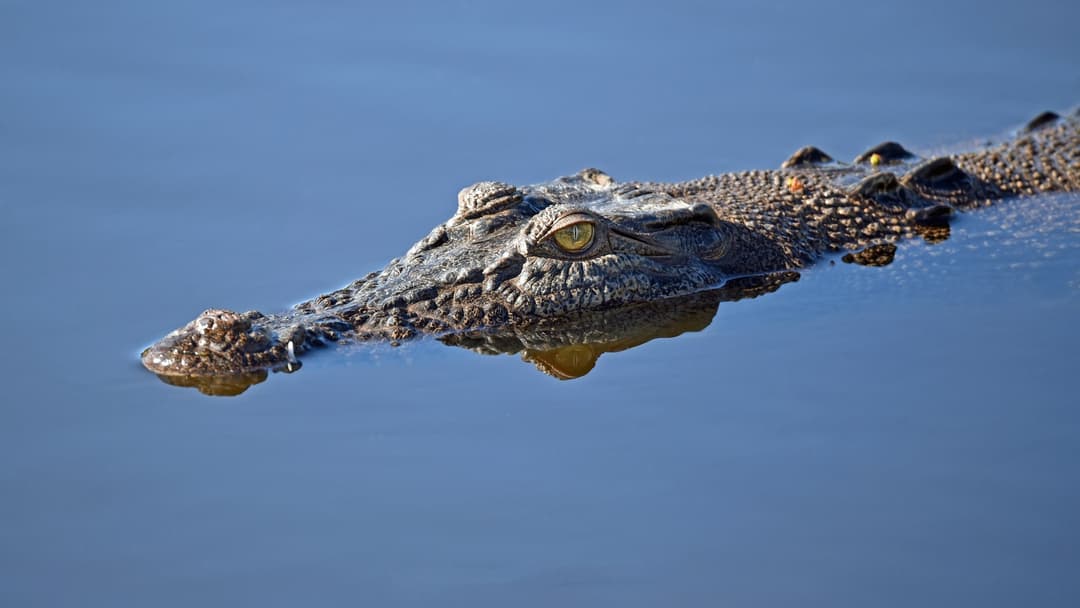
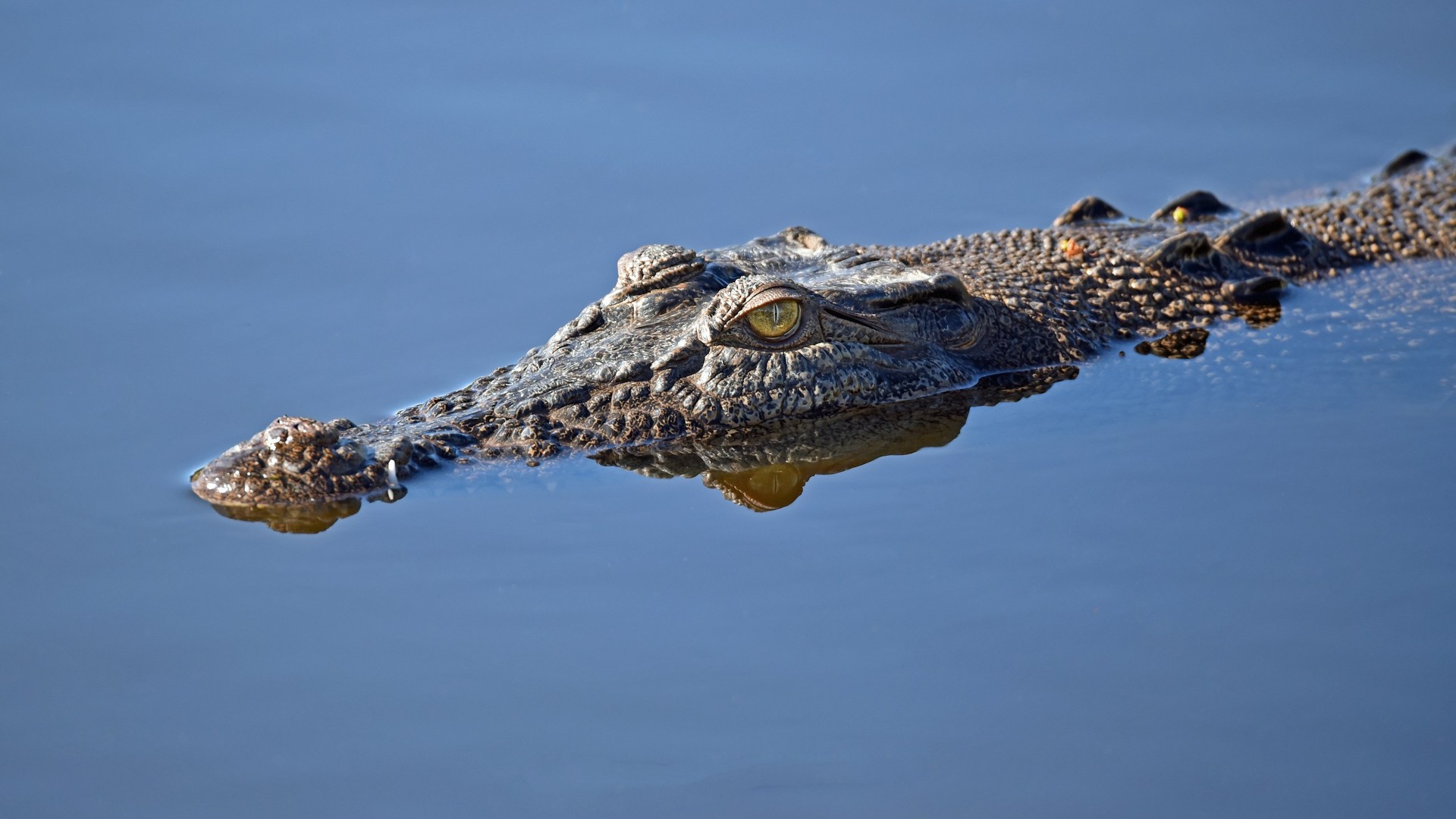
5. Saltwater Crocodile: Strike Eyes And Throat Valve Before A Death Roll
No human can pry open a saltwater crocodile's 3,700-PSI jaws by hand. If ambushed at the water's edge, brace against a tree or rock to prevent being spun into a drowning "death roll" and drive your thumbs or any hard object deep into its eyes and ears.
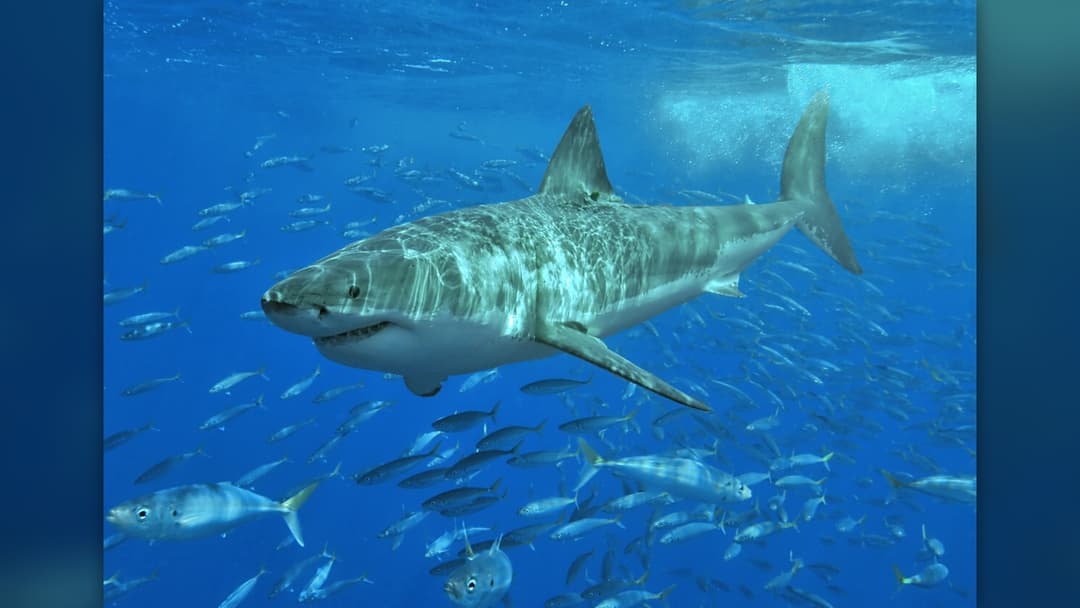
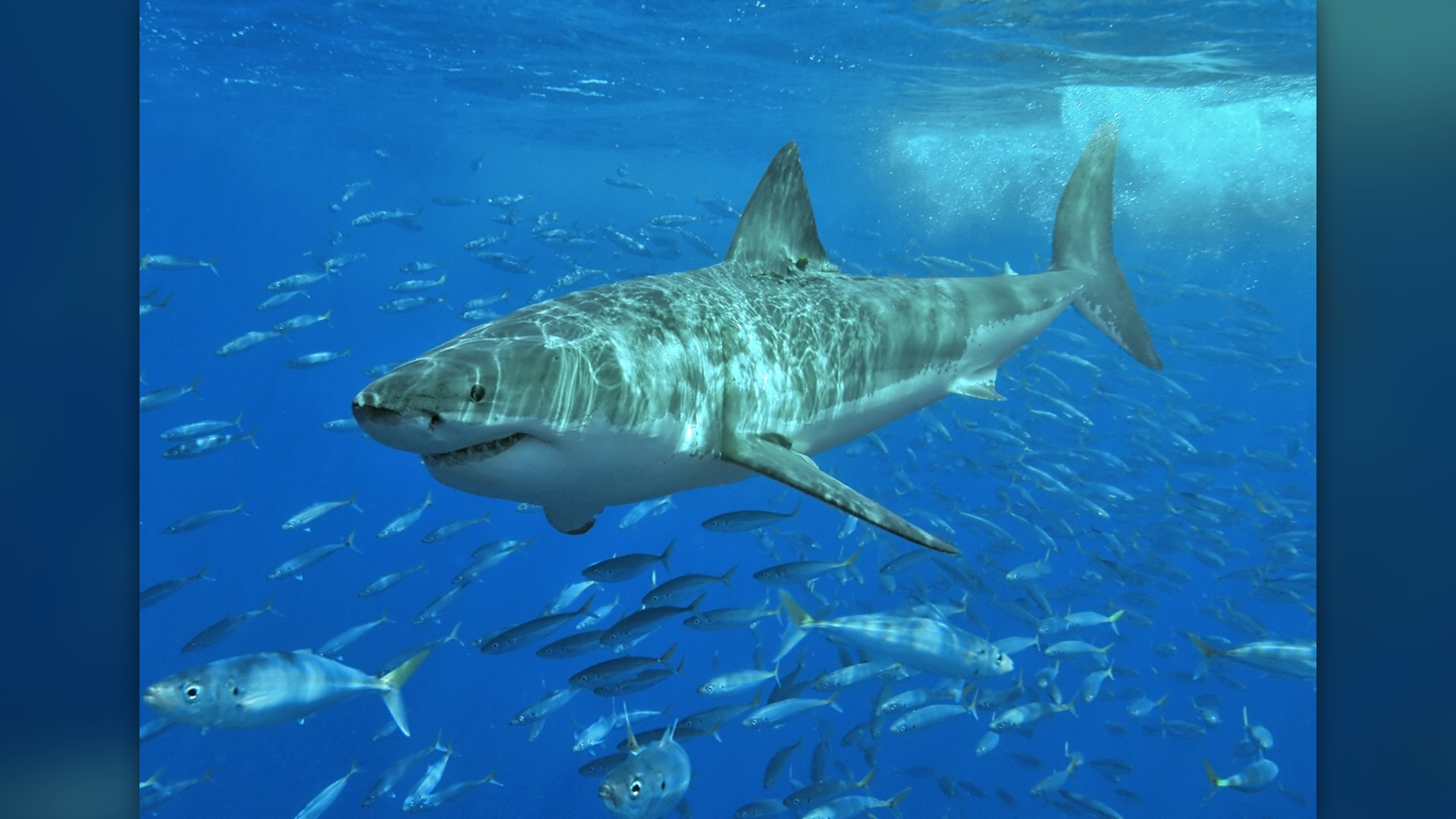
4. Great White Shark: Stay Vertical, Lock Eye Contact, And Jab The Gills
If a shark circles you, stop splashing, orient yourself vertically in the water, and turn to face it continuously so it knows its ambush failed. If it closes in, don't punch its hard nose—claw and jab its sensitive gills and eyes, then back slowly toward shore.
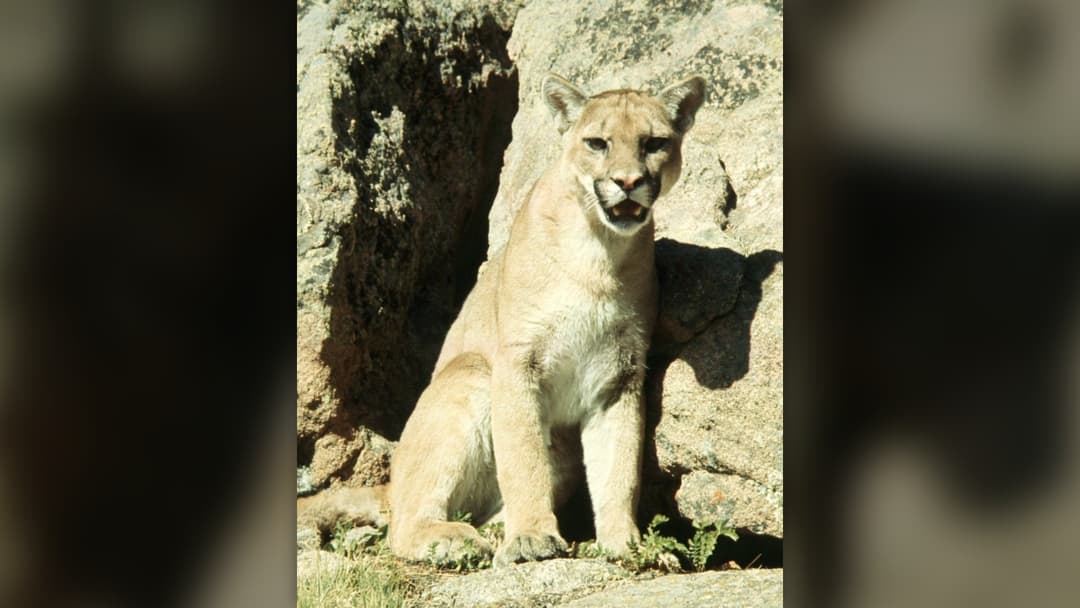
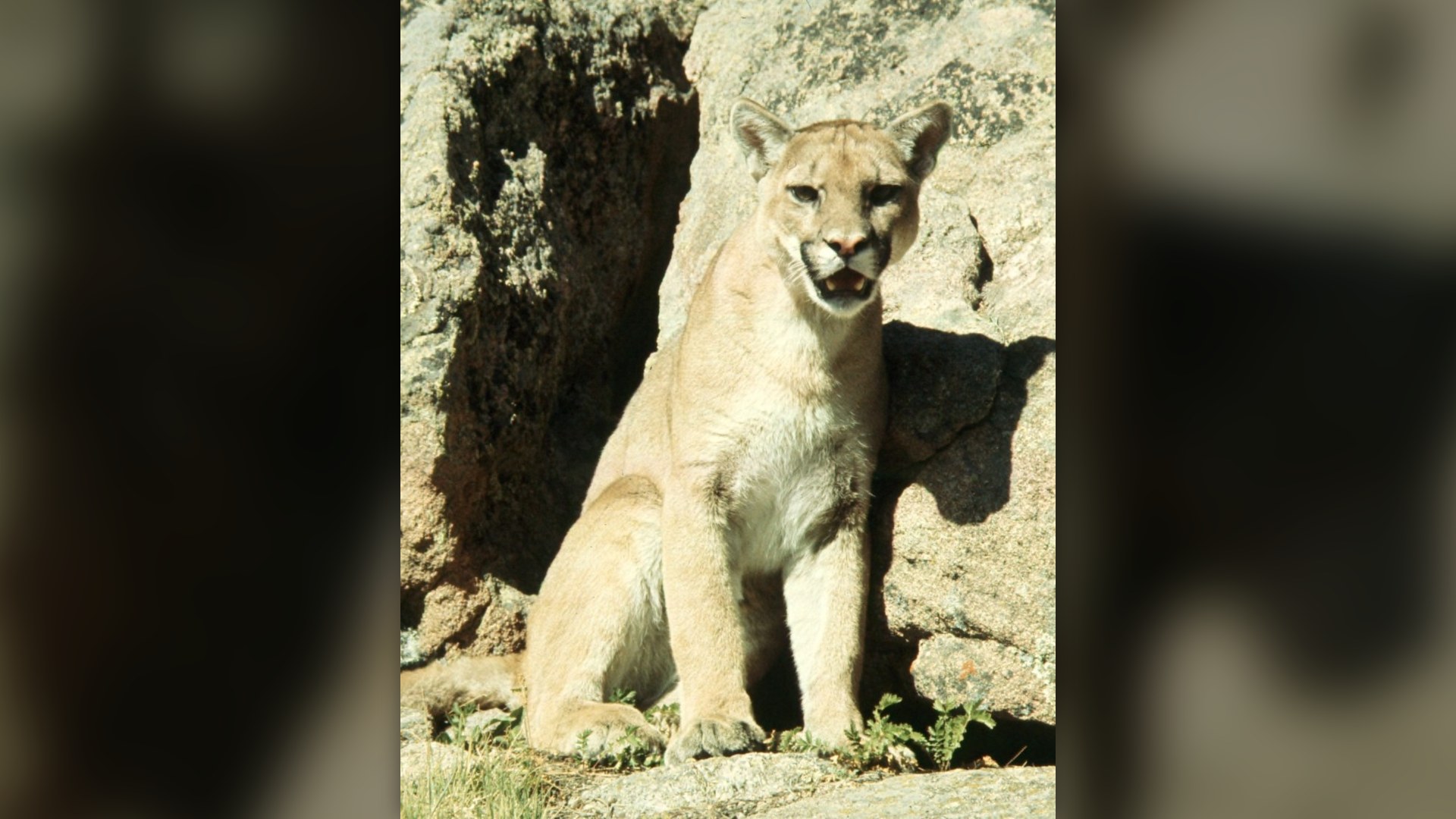
3. Mountain Lion (Cougar): Open Your Jacket Wide And Fight Back Fiercely
Bending down to tie your shoe or pick up a rock mimics four-legged prey and can trigger a mountain lion's pounce. Pick up children without crouching, spread your coat overhead, shout aggressively, and if it attacks, fight back with rocks, sticks, or bare hands.
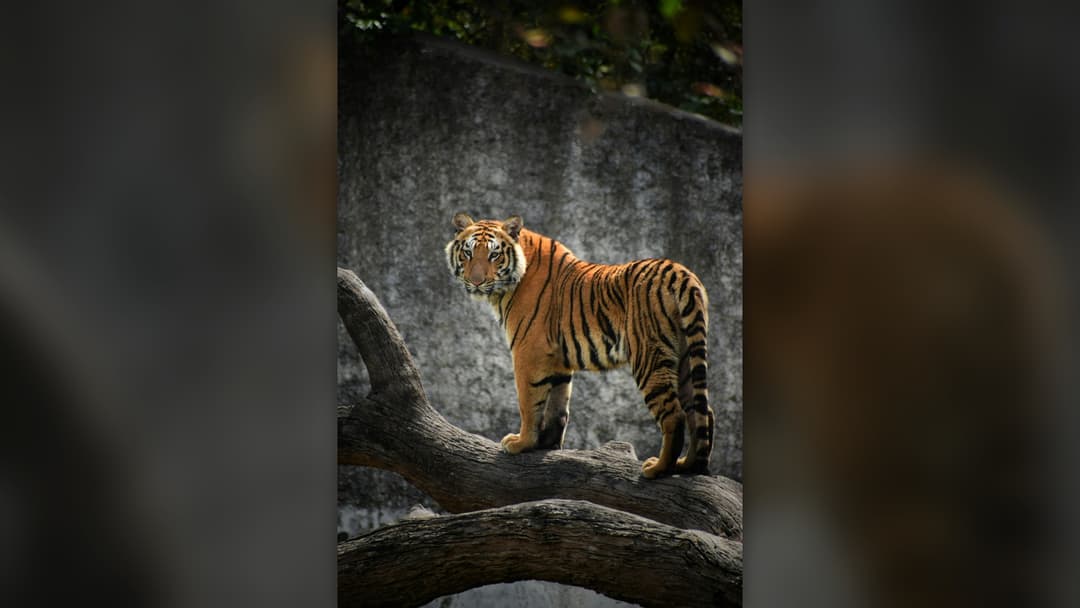
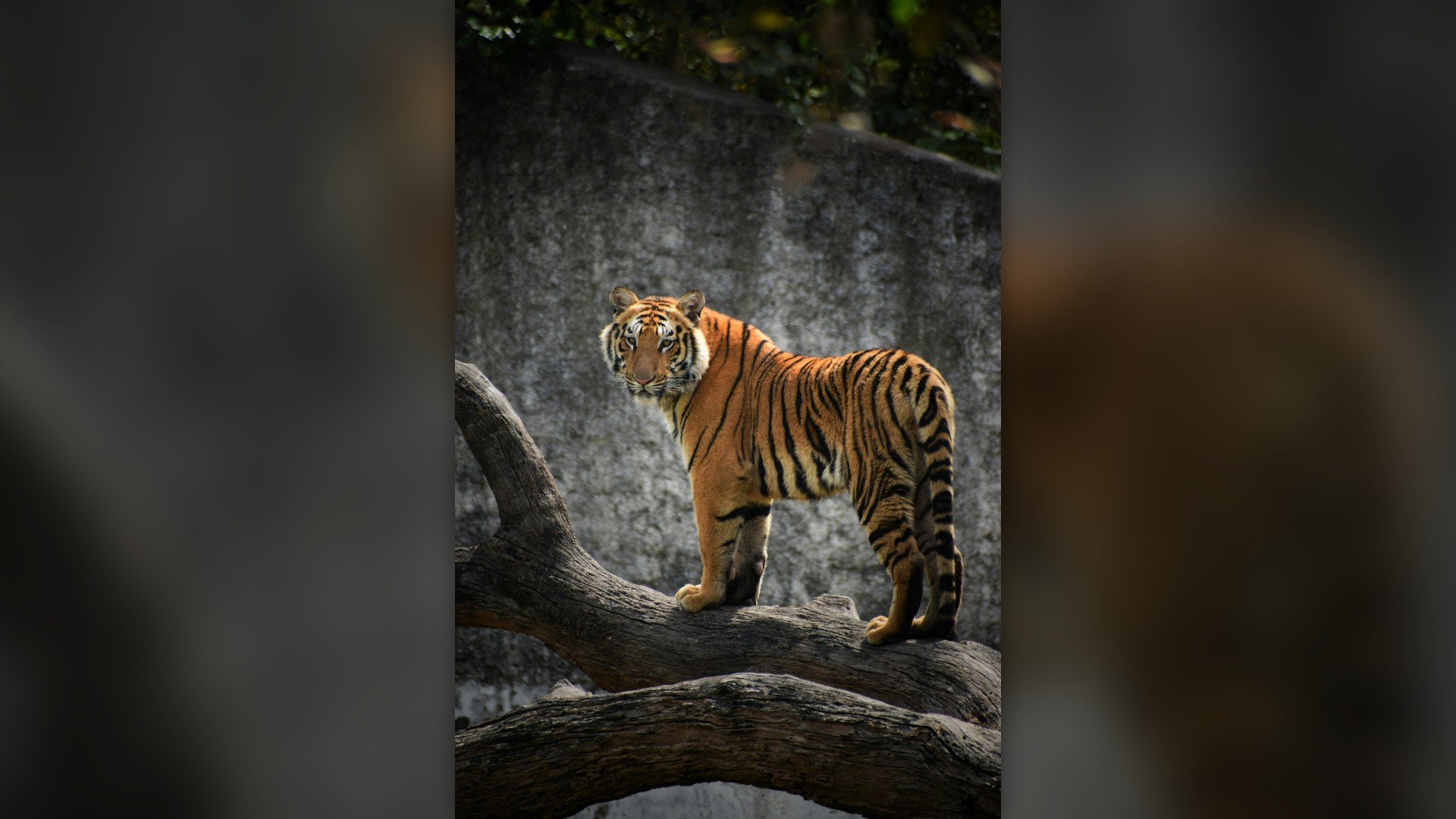
2. Lion Or Bengal Tiger: Face The Cat, Spread Your Arms, And Clap Loudly
Because tigers and lions almost always strike the back of the neck from behind, turning to run guarantees a fatal pounce. Stand upright, spread your coat to look massive, clap and shout in a deep voice (unusual prey behavior that confuses big cats), and step backward.
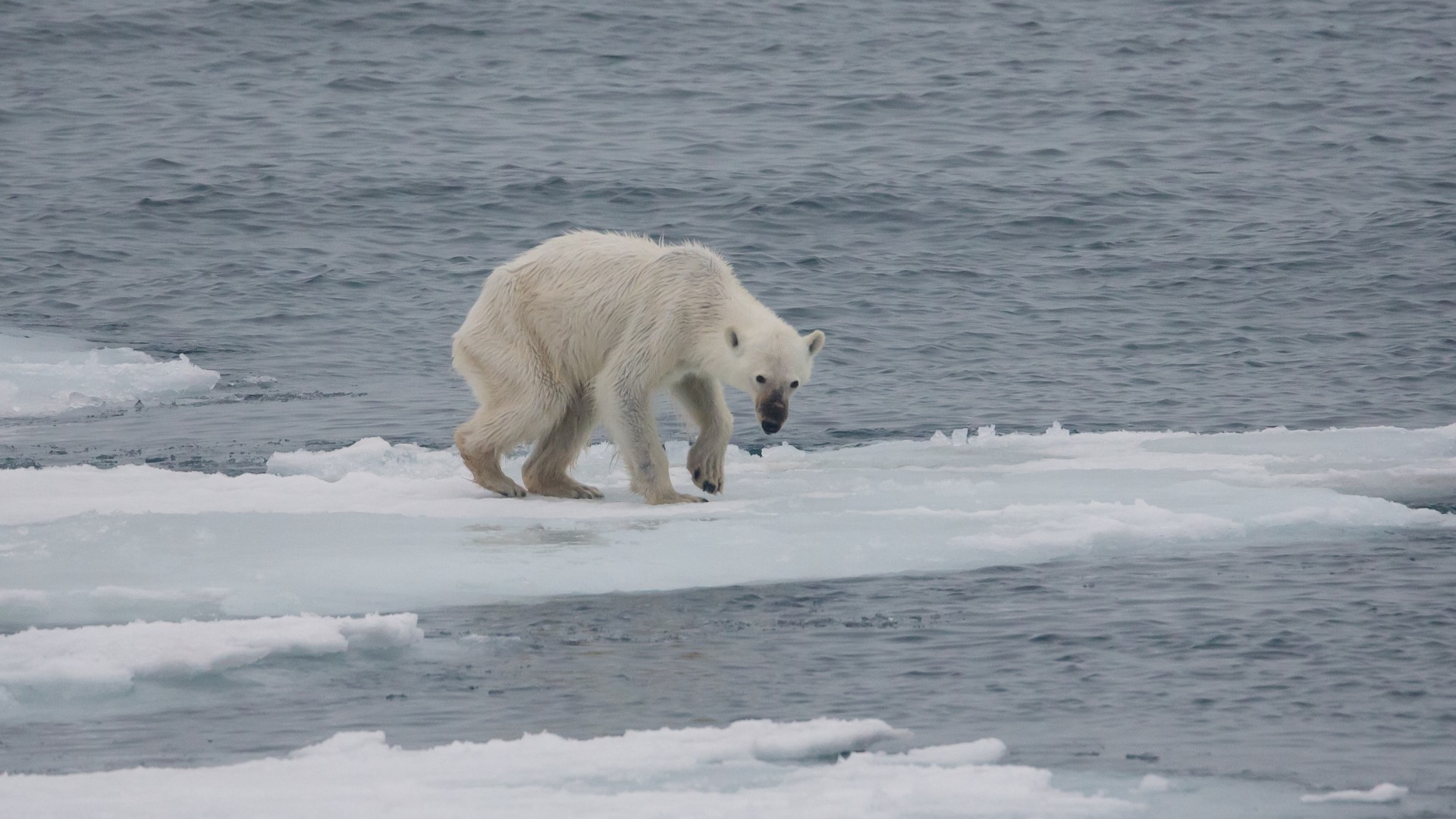
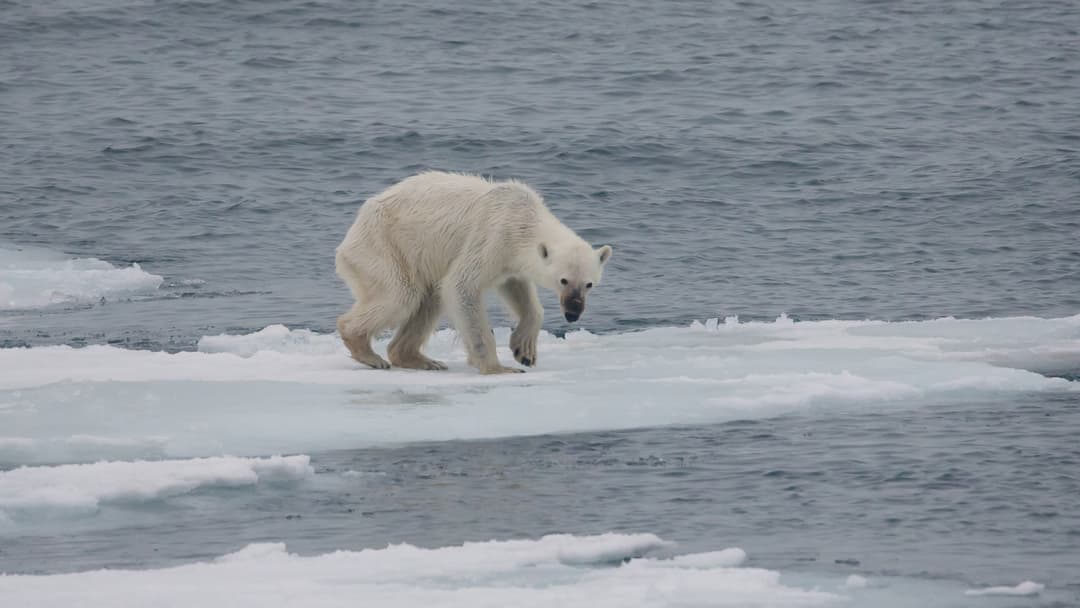
1. Bears: Play Dead For Grizzlies, Fight Black And Polar Bears
Bear spray stops over 90% of charges across all three species. Without it, survival depends on species: for a defensive Grizzly, lie flat on your stomach with hands locked behind your neck; for a Black Bear, fight its muzzle aggressively; for a predatory Polar Bear, never play dead—strike its nose and eyes.