
Slideshow · Viral
Inside the World's Oldest and Largest Forests
Earth's ancient woodlands are living cathedrals that have survived ice ages and sheltered millions of species. From towering coastal redwoods to vast subarctic taiga, these thirty-six wonders showcase


All 36 Entries in this Story
Old-Growth Forest Indicator Species
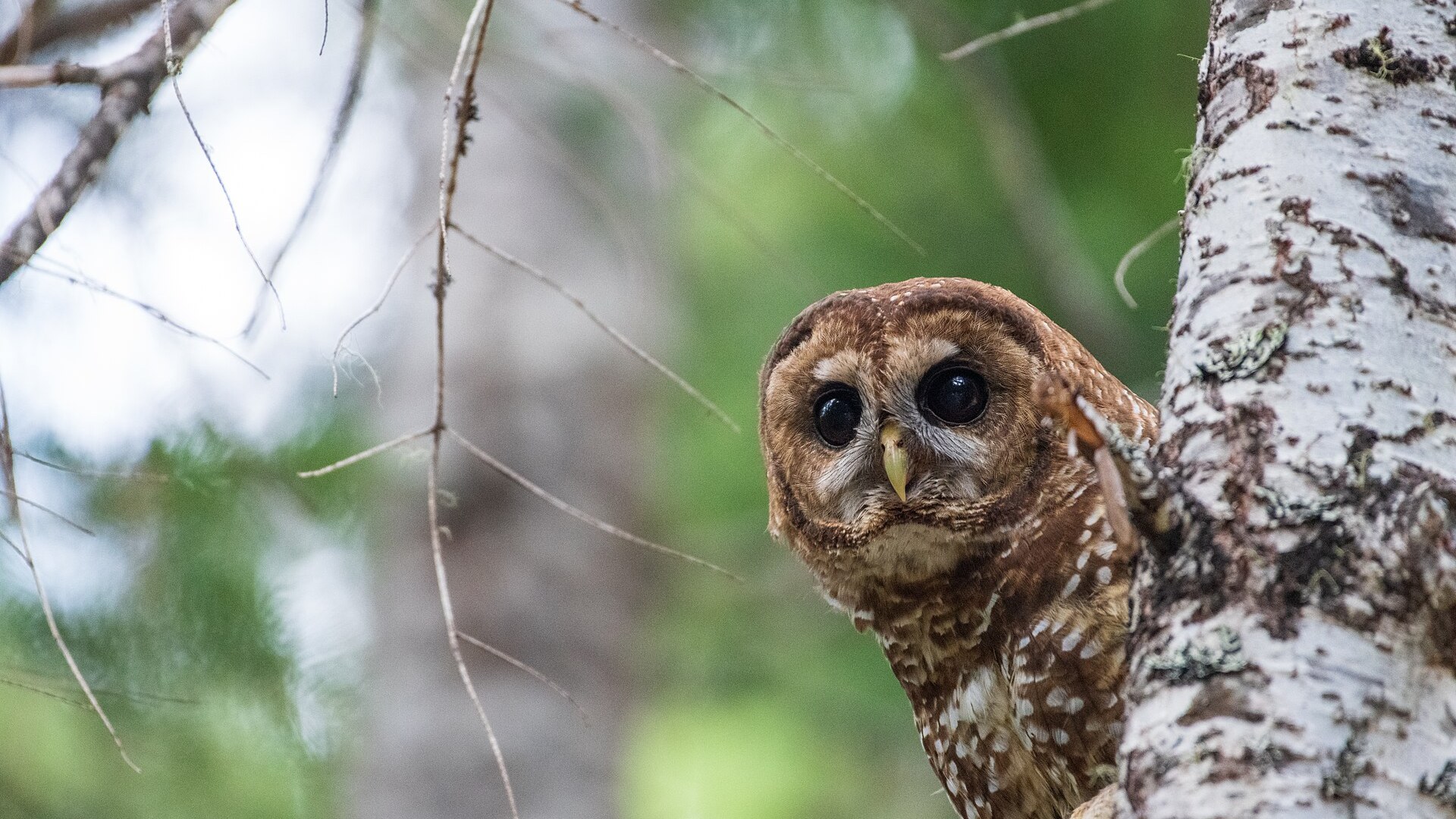
Species like the northern spotted owl, marbled murrelet, and red tree vole cannot survive in young tree plantations. They require the structural complexity of ancient woodlands, including broken-topped trees for nesting cavities and rotting snags that support abundant prey.
Hyperion And The Coast Redwoods
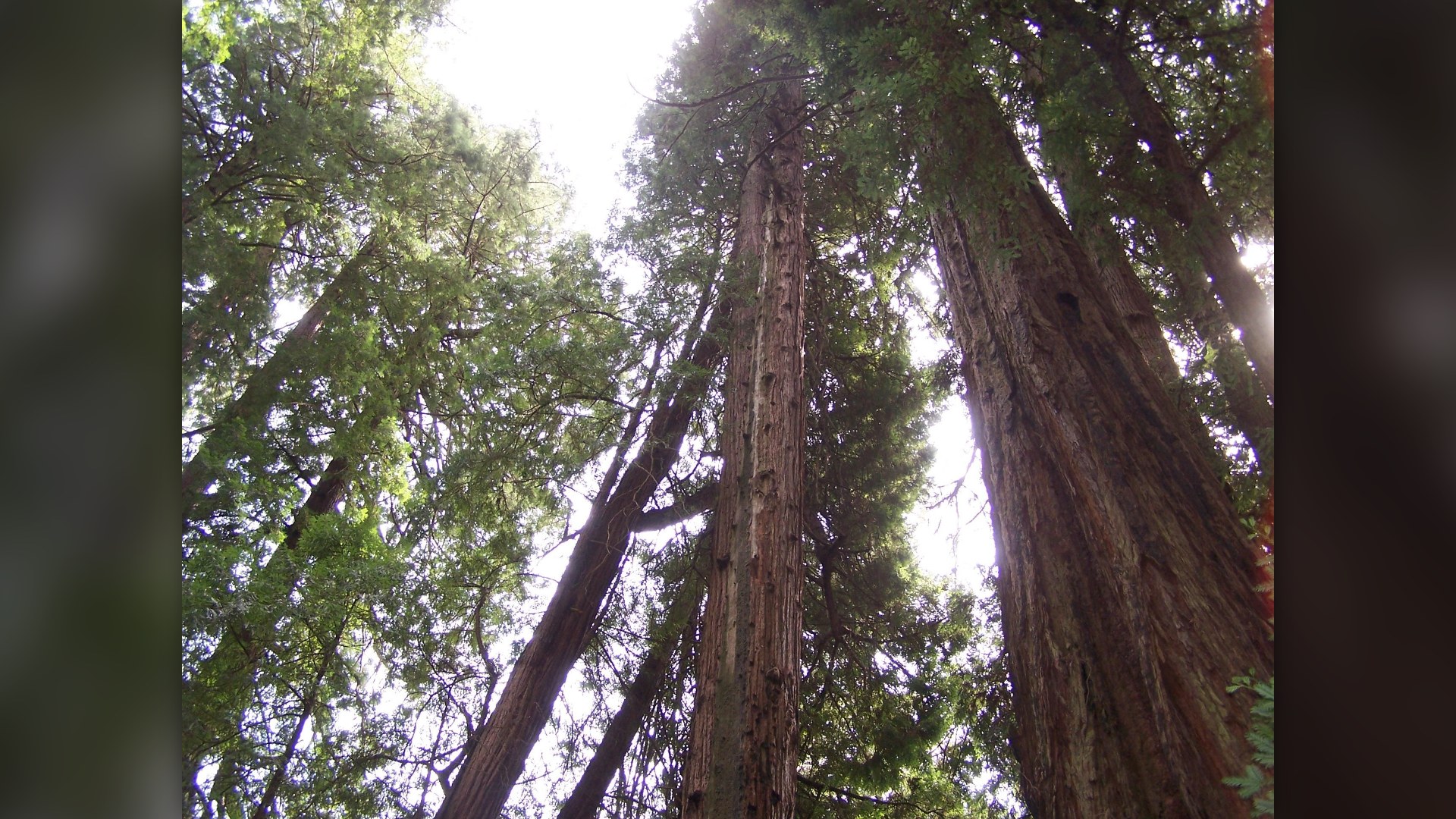
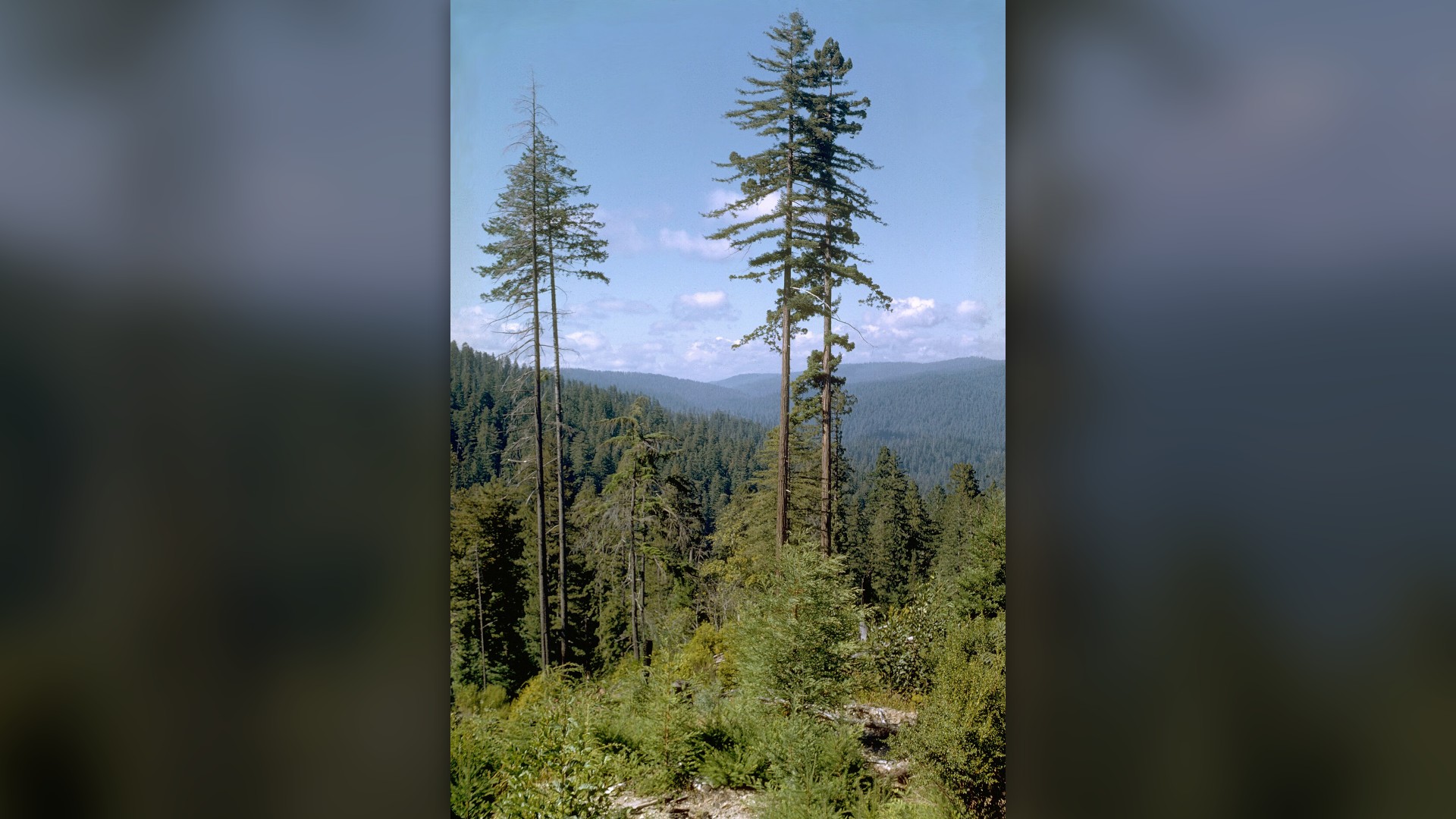
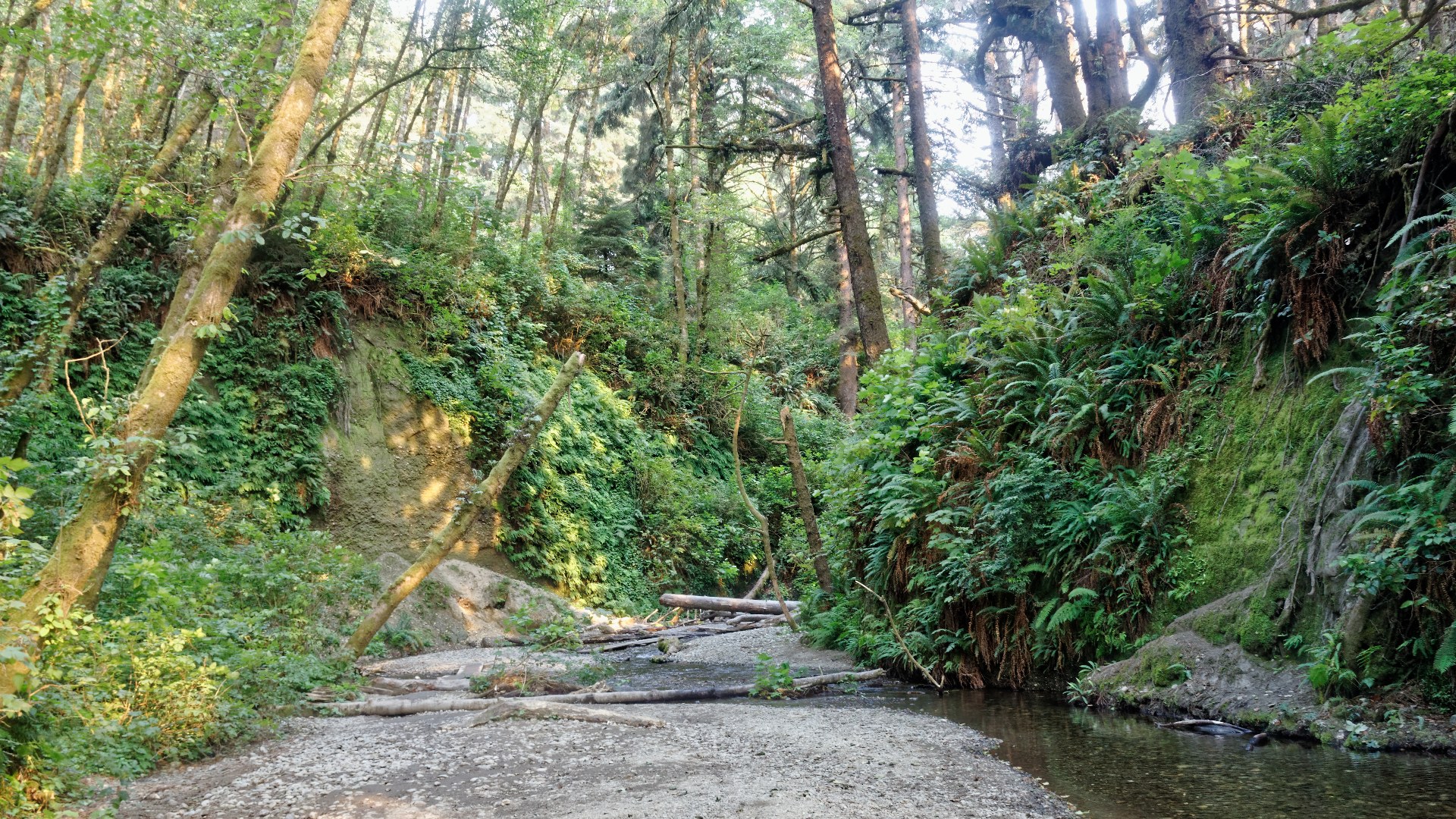
Coast redwoods thrive along the narrow, fog-drenched strip of Northern California. Hyperion, the world's tallest measured living tree at 380.3 feet, anchors an ancient canopy ecosystem that took over two thousand years to develop.
General Sherman And The Giant Sequoias
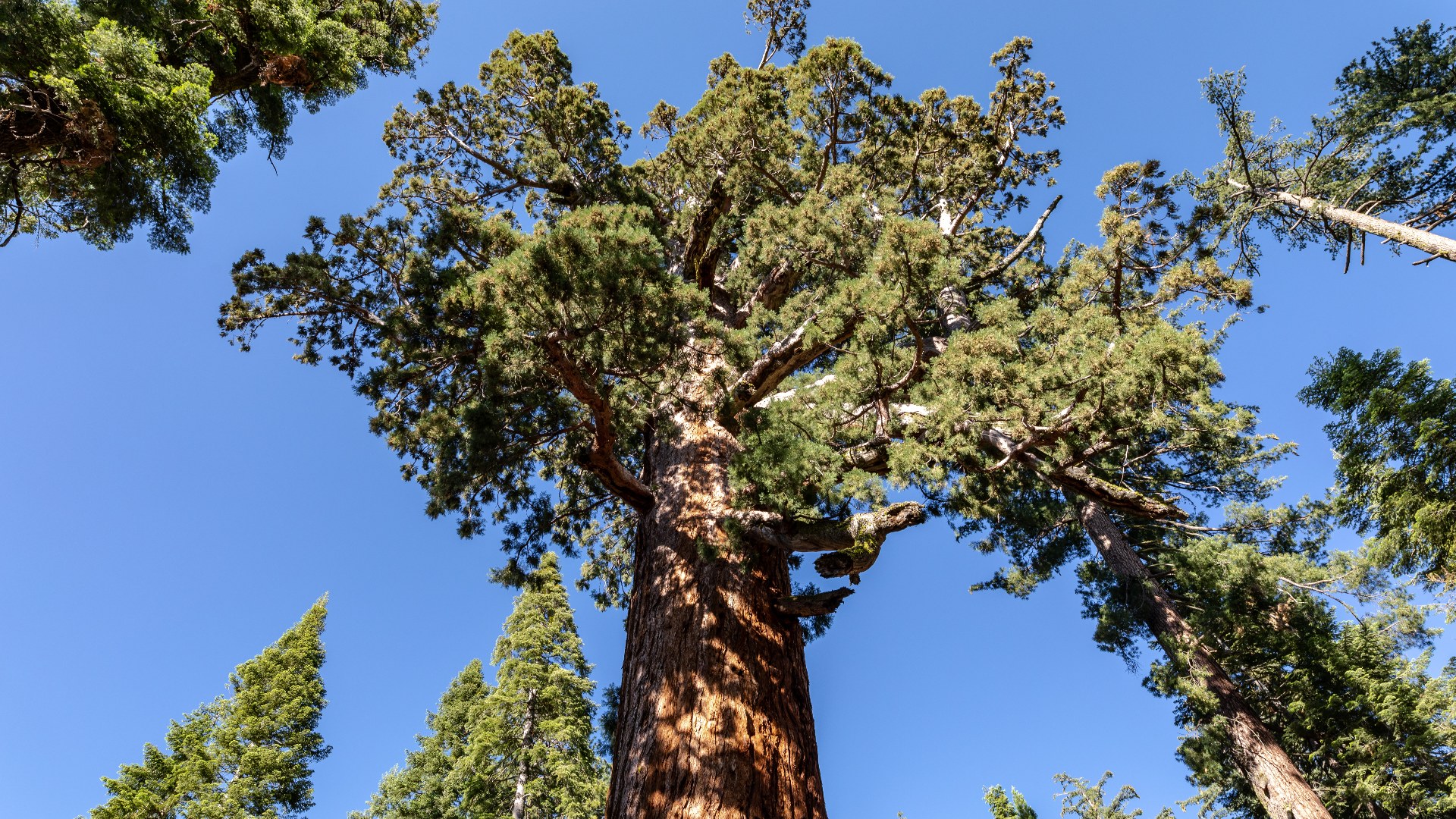
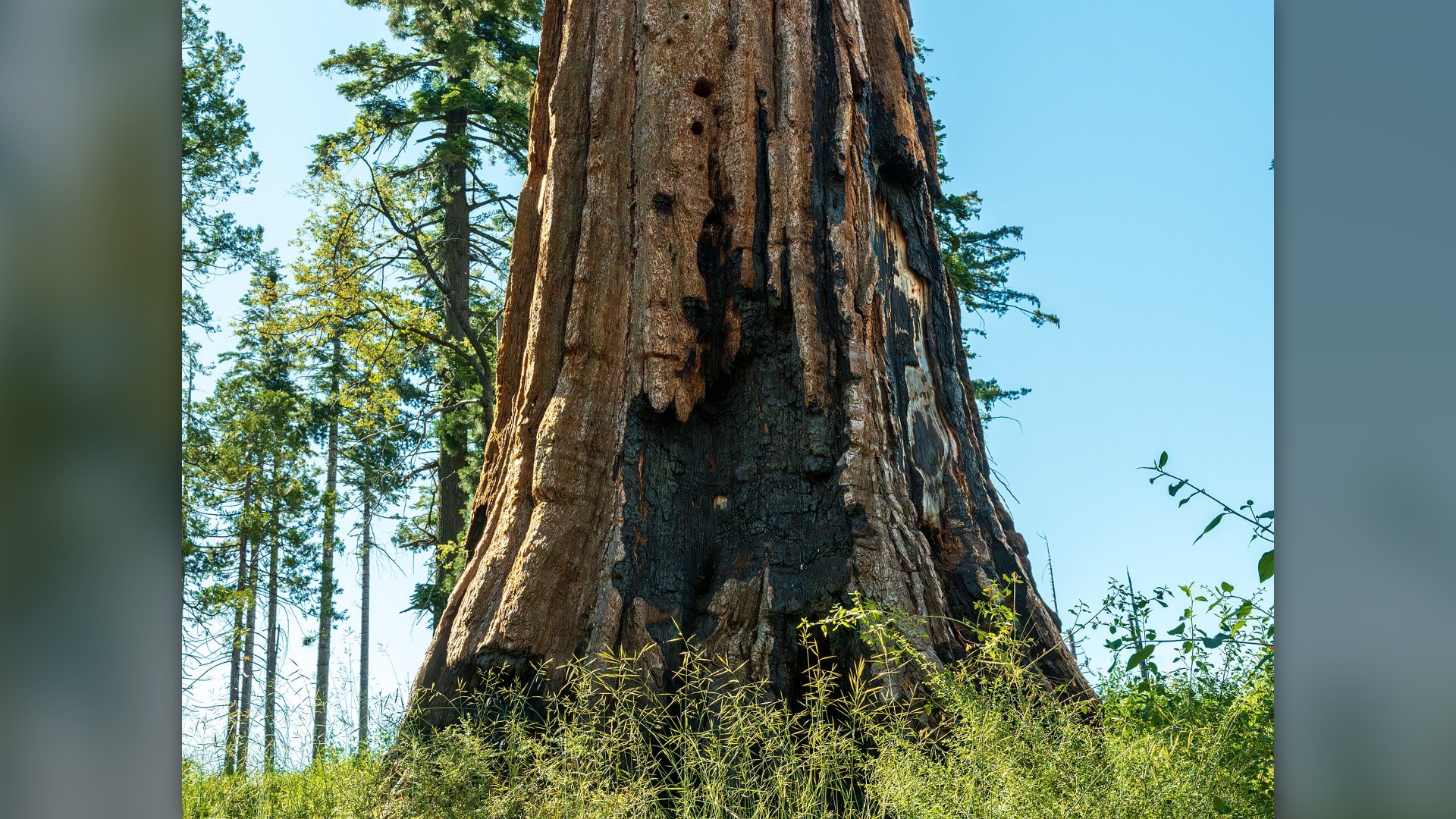
Unlike slender coast redwoods, giant sequoias grow immense, cinnamon-colored trunks designed for endurance. General Sherman contains over 52,500 cubic feet of wood, standing as a living colossus that has weathered storms and wildfires for over 2,200 years.
Canopy Ecosystems In Redwood Crowns
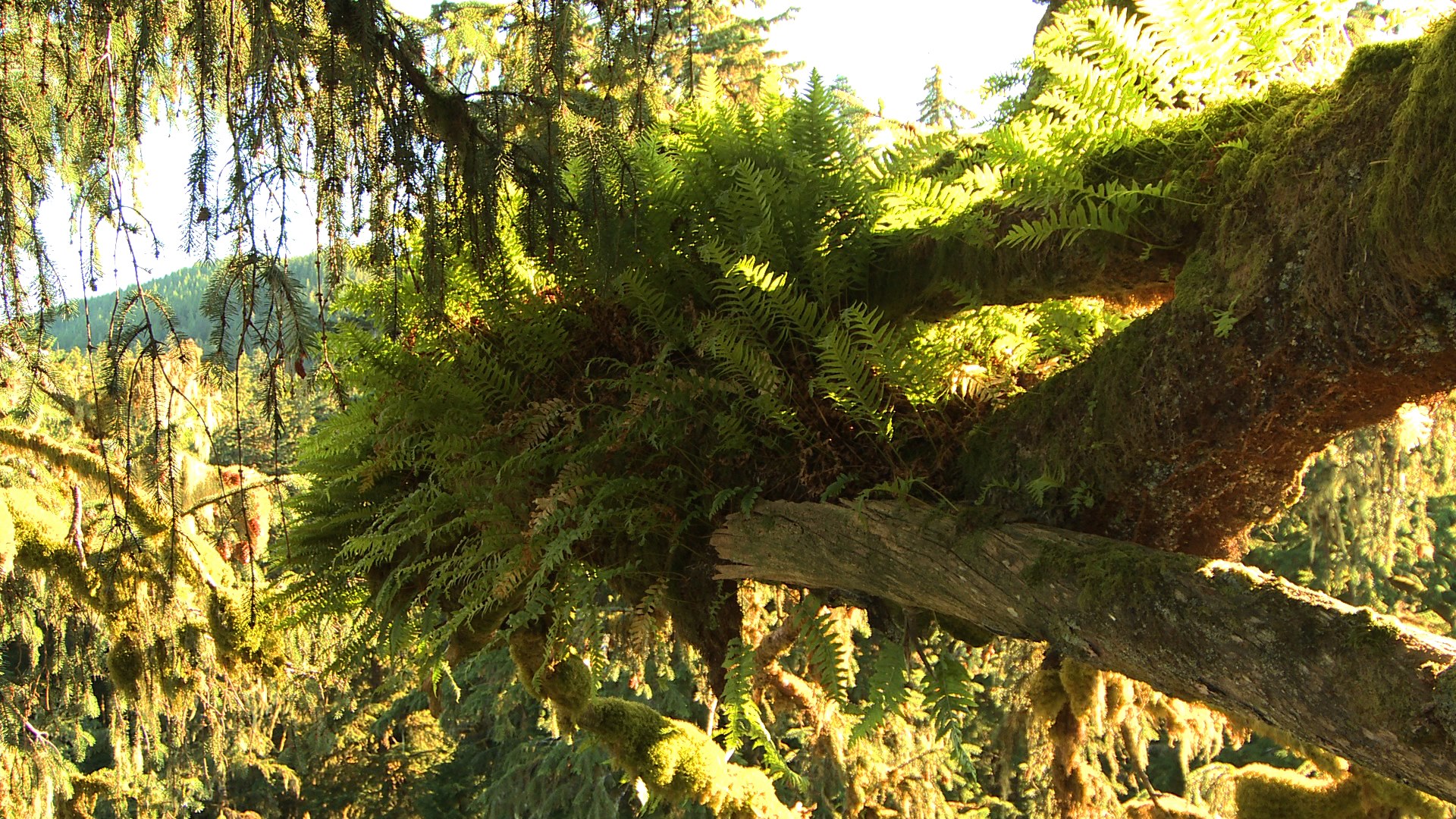
High above the forest floor, giant conifer limbs accumulate deep carpets of organic debris known as canopy soil. These suspended micro-habitats support hanging fern gardens, endemic insects, and arboreal wandering salamanders that spend their entire lives without touching the forest ground.
Redwood Fire Adaptations
Ancient conifers do not simply survive fire. They require it. Giant sequoia cones open and drop seeds primarily after heat from low-intensity ground fires melts their resin seal, while the tree's thick fibrous bark insulates its living cambium layer from thermal damage.
Fog Drip: Ocean Mist Life Support
During rainless Californian summers, towering redwood crowns intercept heavy Pacific fog banks. Needles condense the vapor into heavy droplets that fall continuously to the roots below, generating a self-sustaining microclimate that shields delicate understory plants from drought.
Methuselah And The Bristlecone Pines
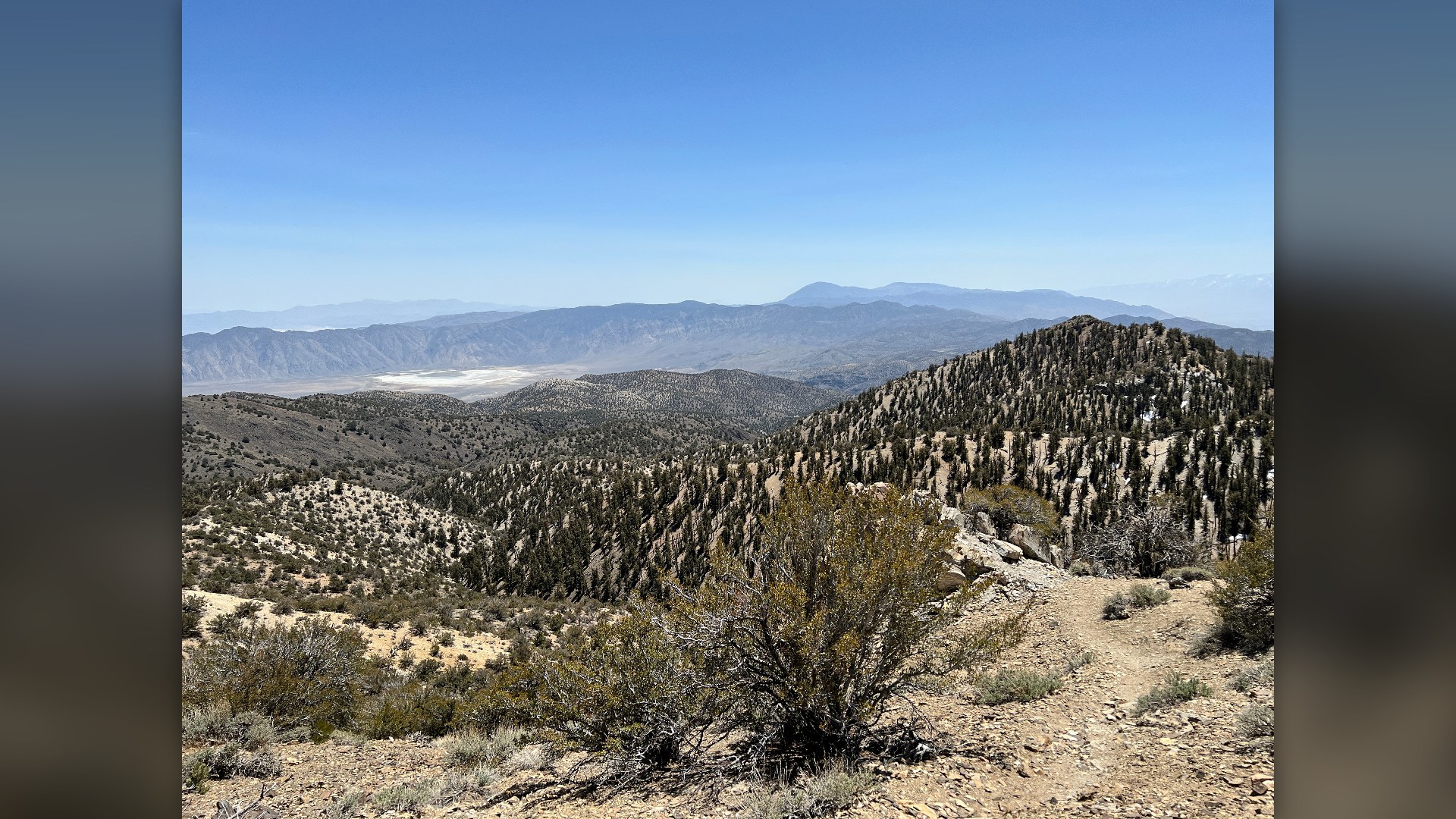
Perched on exposed dolomite ridges in California's White Mountains, bristlecone pines grow at a glacial pace. Methuselah took root before the construction of Egypt's Great Pyramid. Its dense, resinous wood resists rot, fungi, and insect boring across millennia.
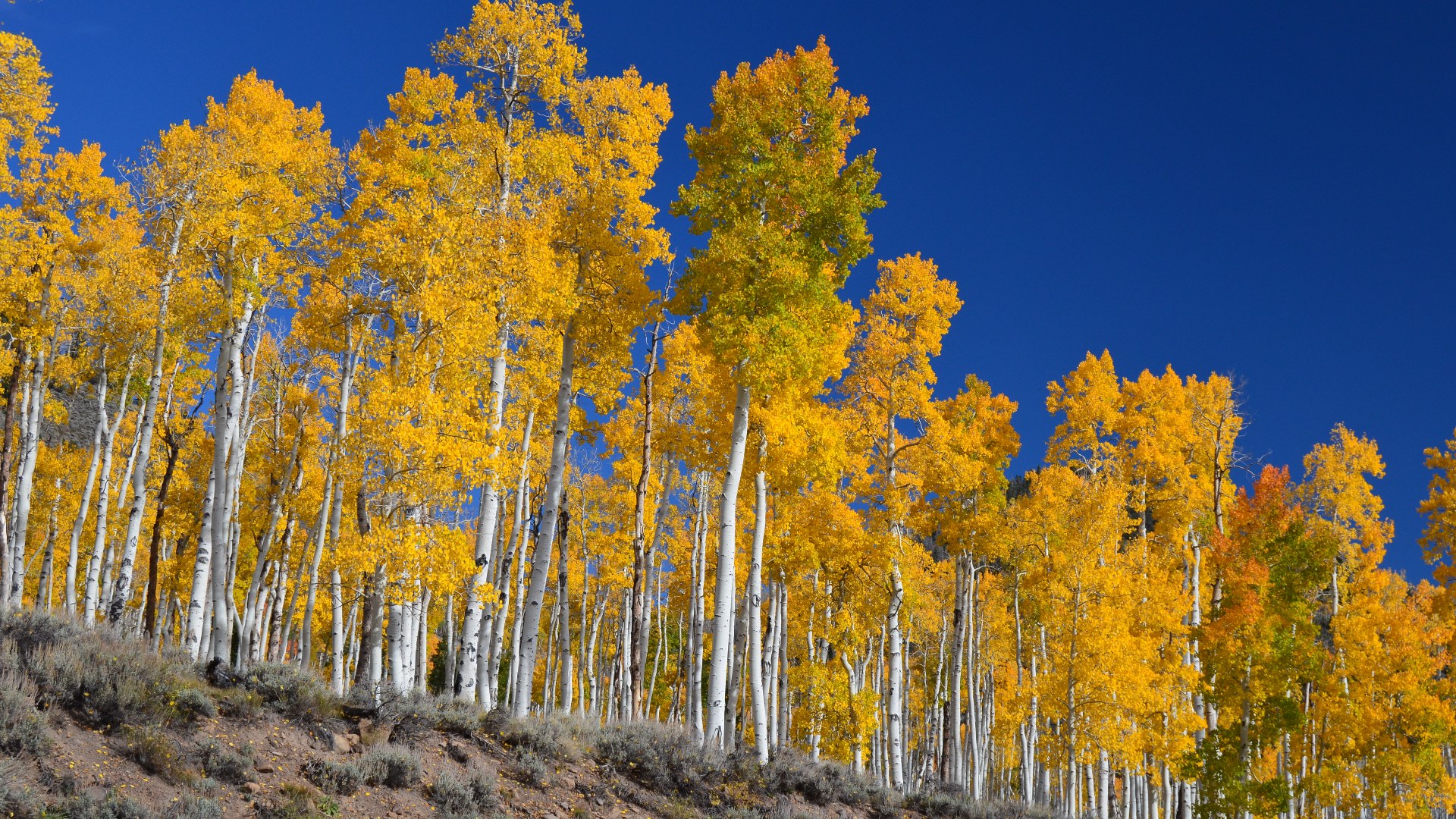
Pando: The 80,000-Year-Old Aspen Clone
Pando looks like an expansive forest of individual aspen trees, but every stem shares the exact same genetic identity and a unified subterranean root system. Weighing over six thousand metric tons, Pando has regenerated continuously from its ancient root network since the last ice age.
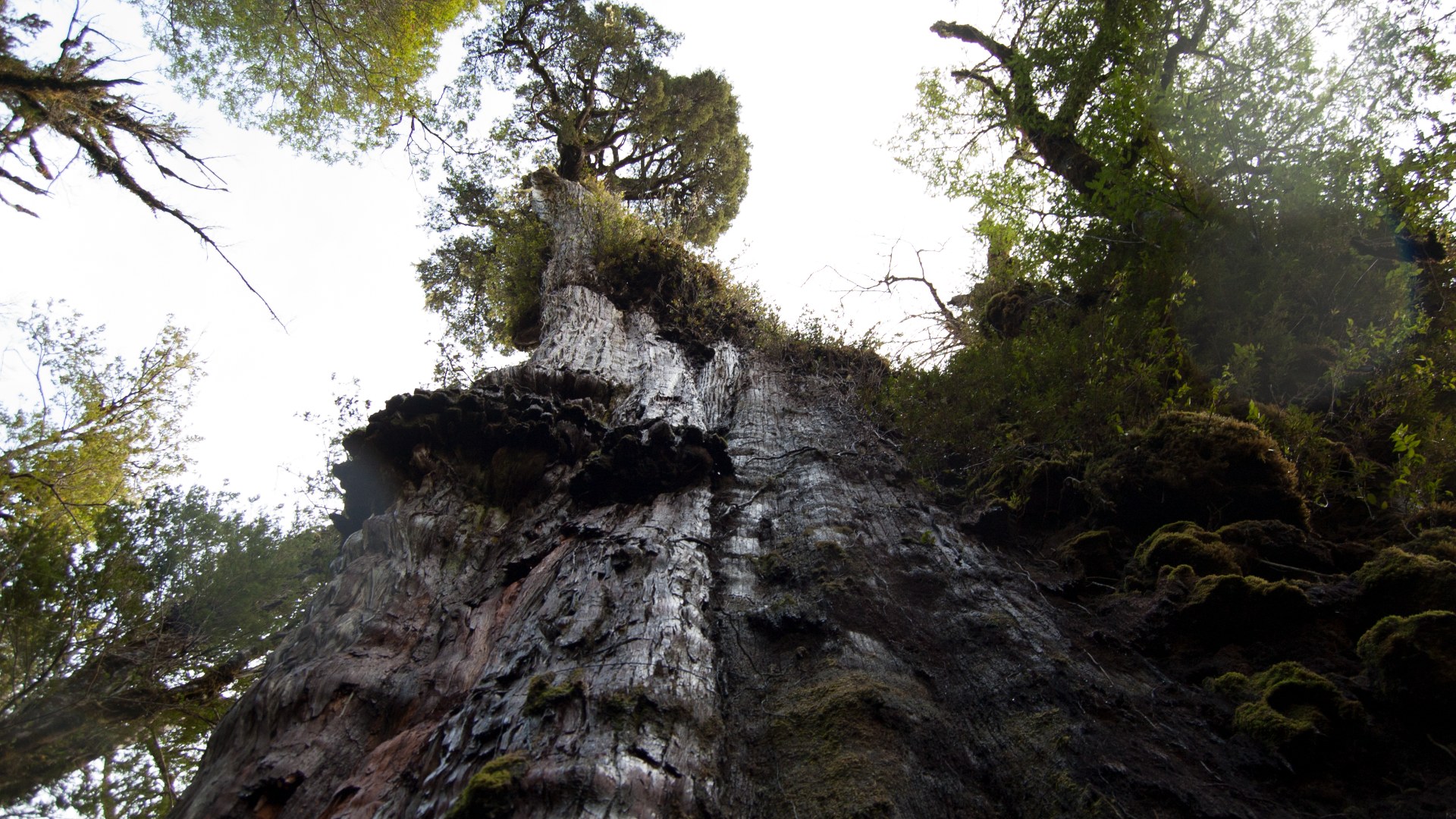
Gran Abuelo: The Ancient Patagonian Cypress
The alerce, or Fitzroya cupressoides, is South America's longest-lived tree species. Deep in Alerce Costero National Park, the massive trunk of Gran Abuelo measures four meters across. Dendrochronological modeling suggests it may surpass 5,000 years in age.
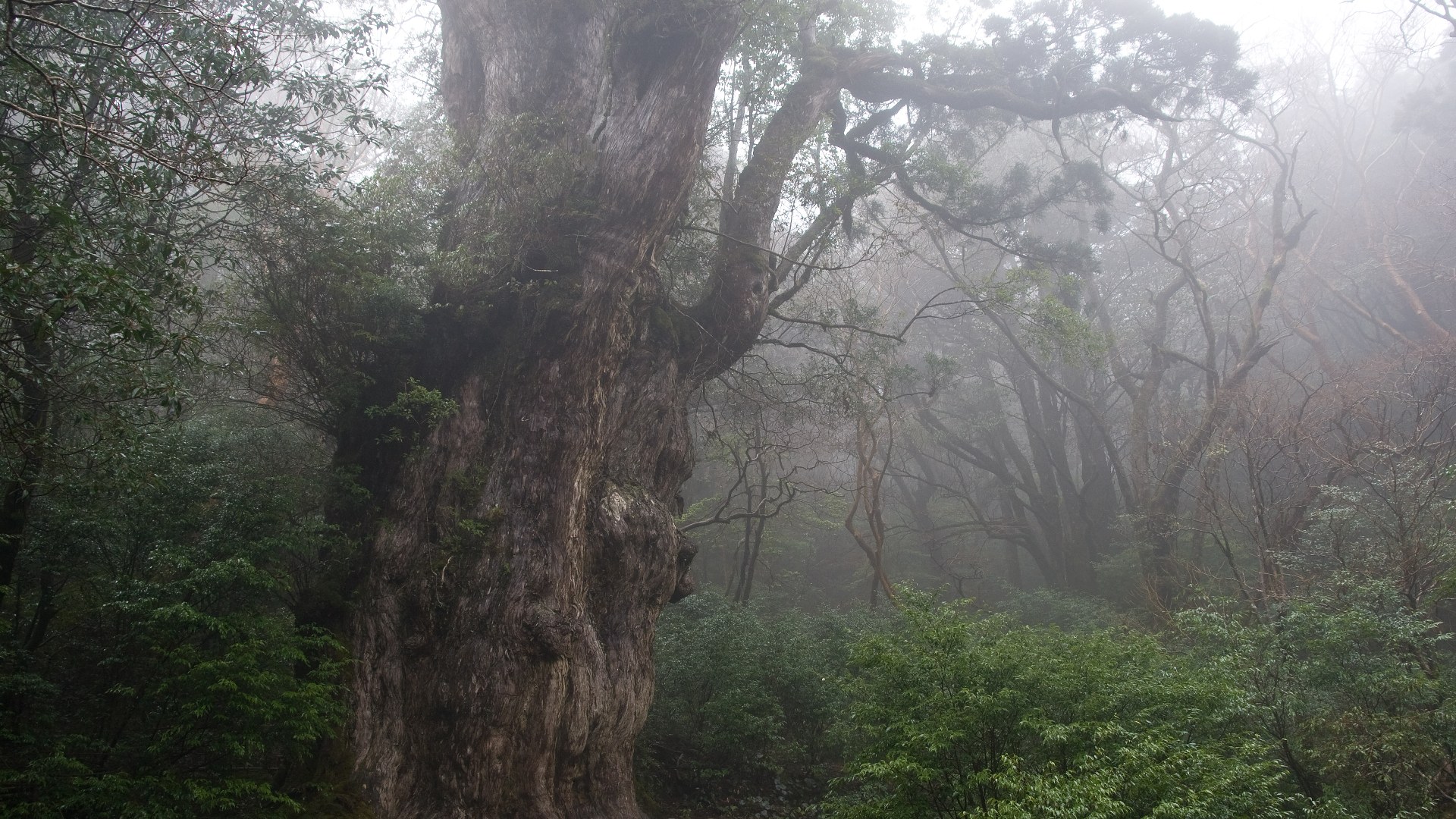
Jomon Sugi And The Primeval Cedars
Jomon Sugi is the largest and most venerated Japanese cedar on Yakushima Island. Growing on steep granite slopes drenched in torrential sub-tropical rain, the tree is heavily furrowed and cloaked in dense moss, epiphytic shrubs, and ancient climbing vines.
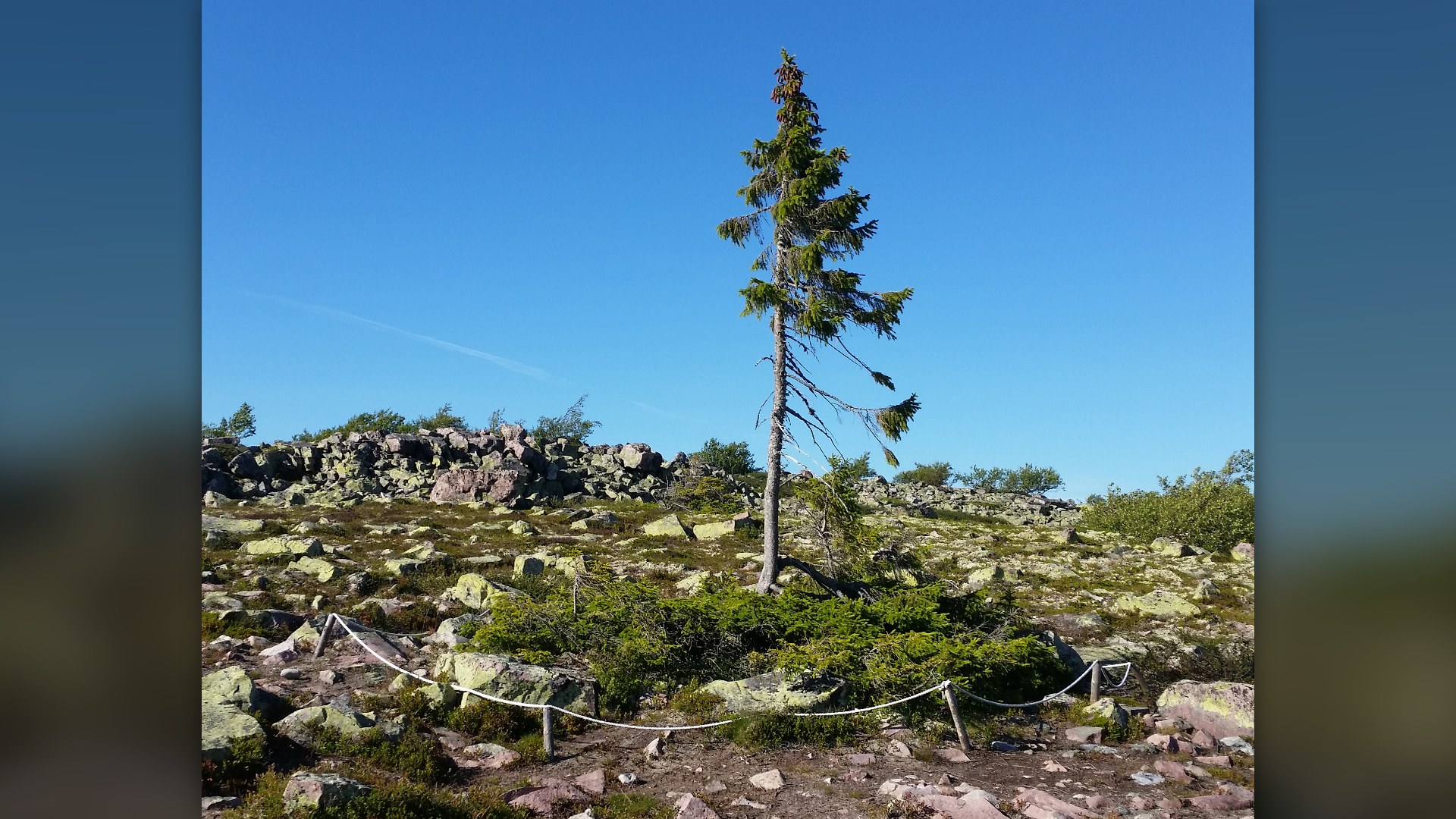
Old Tjikko: The Post-Glacial Root System
While the visible trunk of Old Tjikko is relatively young and weathered by arctic winds, its root system has lived and cloned itself continuously since the glaciers retreated from Scandinavia 9,550 years ago, demonstrating the resilience of clonal root architectures.
The Fortingall Yew: Ancient Sacred Conifer
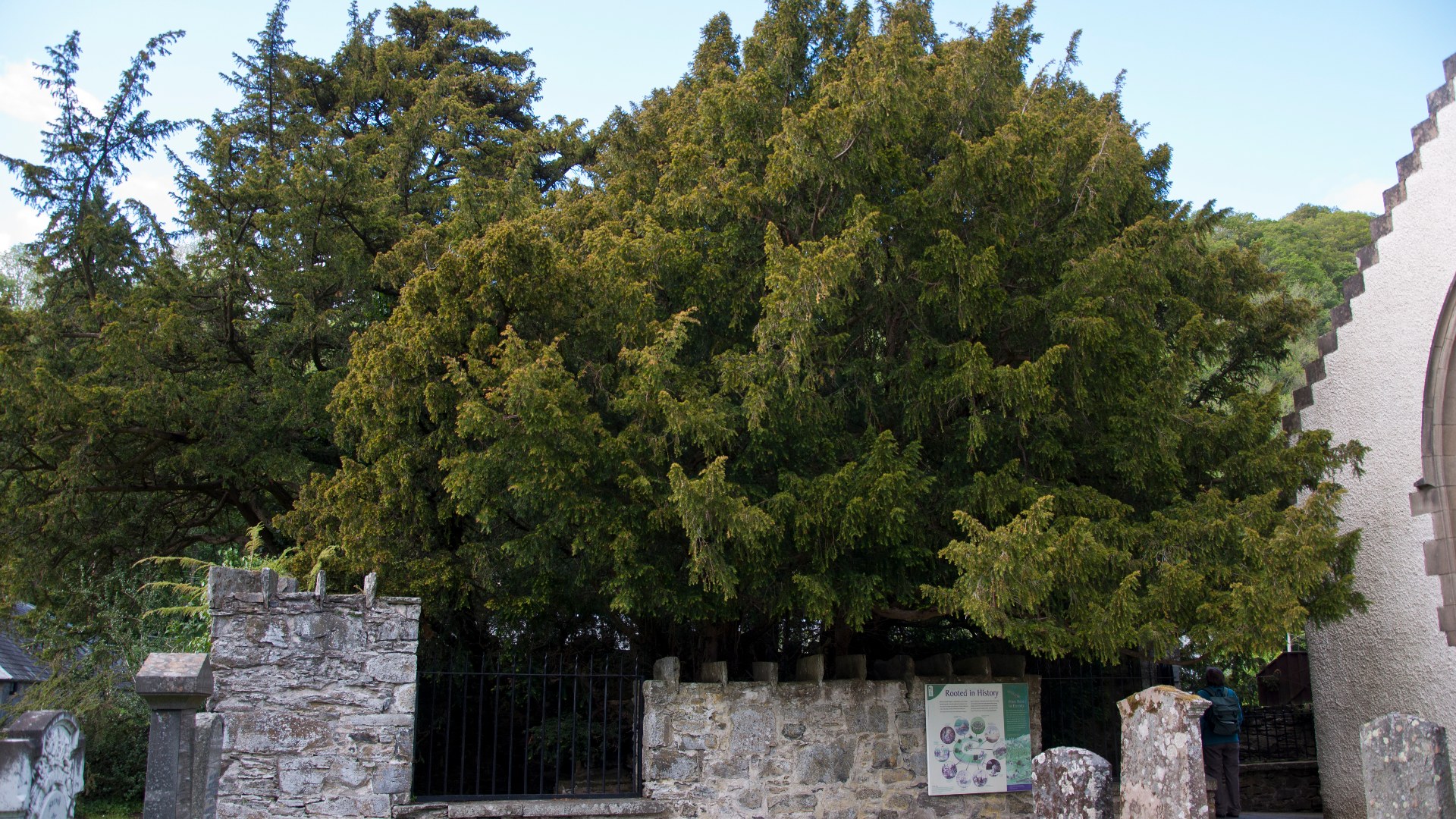
European yews possess an extraordinary ability to regenerate from the inside out. As the heartwood hollows with age, outer branches droop and take root in the soil, creating secondary trunks that allow trees like the Fortingall Yew in Perthshire to cheat mortality.
Tane Mahuta: Lord Of The Kauri Forest
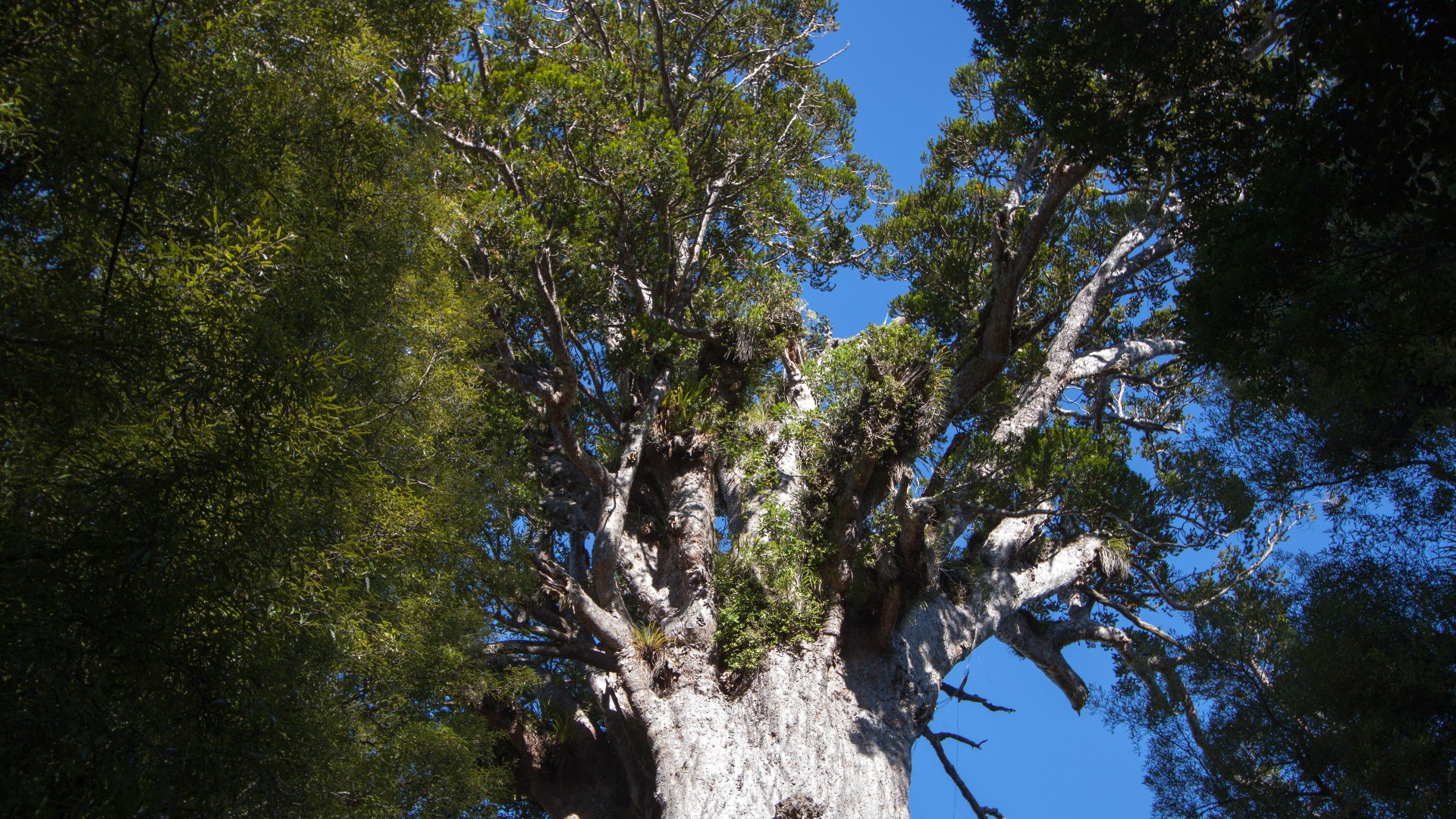
Rising straight and branchless for nearly sixty feet before exploding into a massive crown, Tane Mahuta is New Zealand's largest living kauri. The tree anchors a primeval podocarp-broadleaf ecosystem that evolved during the breakup of the ancient supercontinent Gondwana.
Dragon Blood Trees Of Socotra
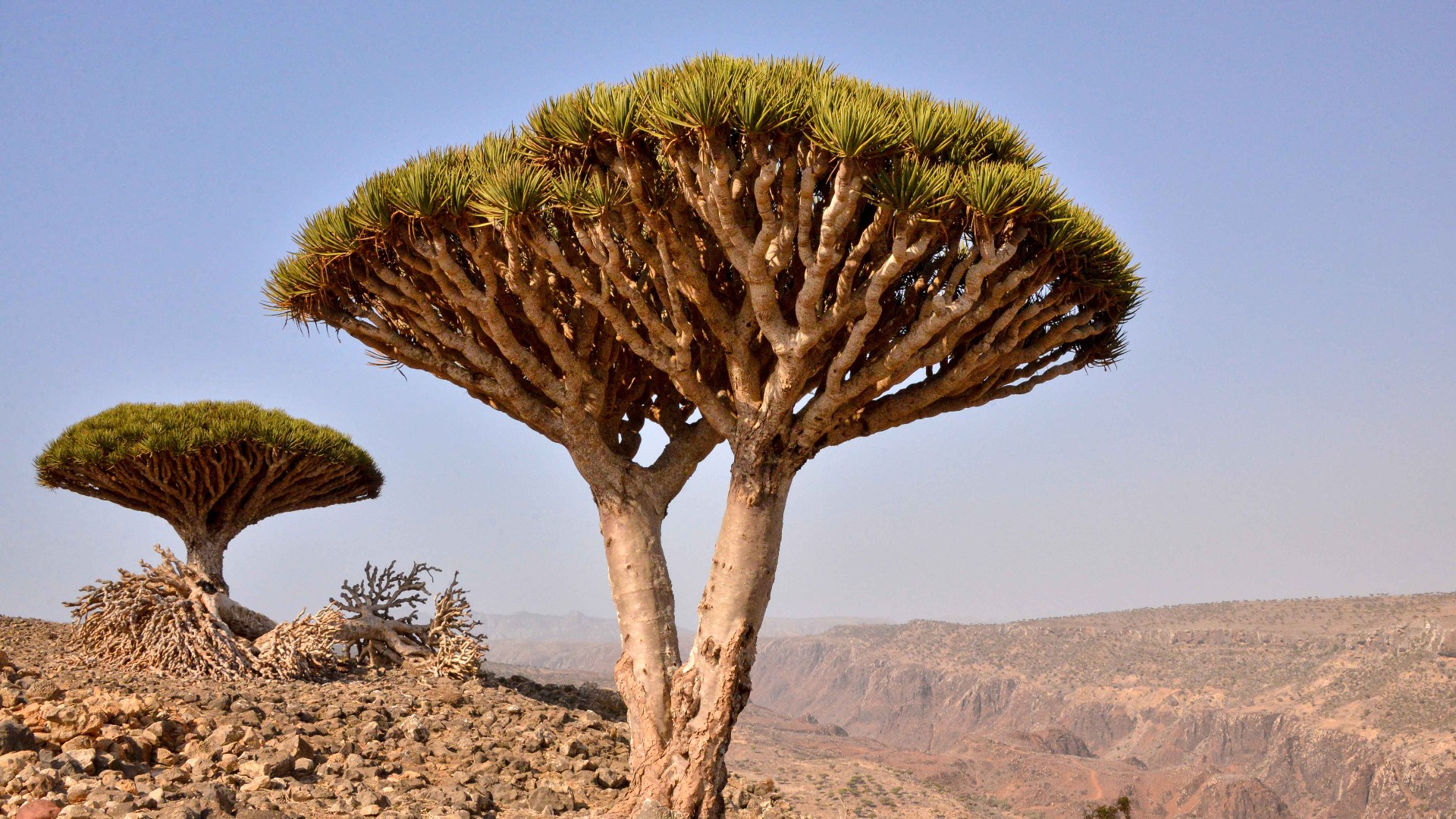
Socotra Island off the Horn of Africa hosts one of the world's most distinct prehistoric floras. The dragon blood tree features a dense umbrella-shaped crown that provides shade to reduce ground evaporation and channels condensation directly down to its central trunk.
Avenue Of The Baobabs
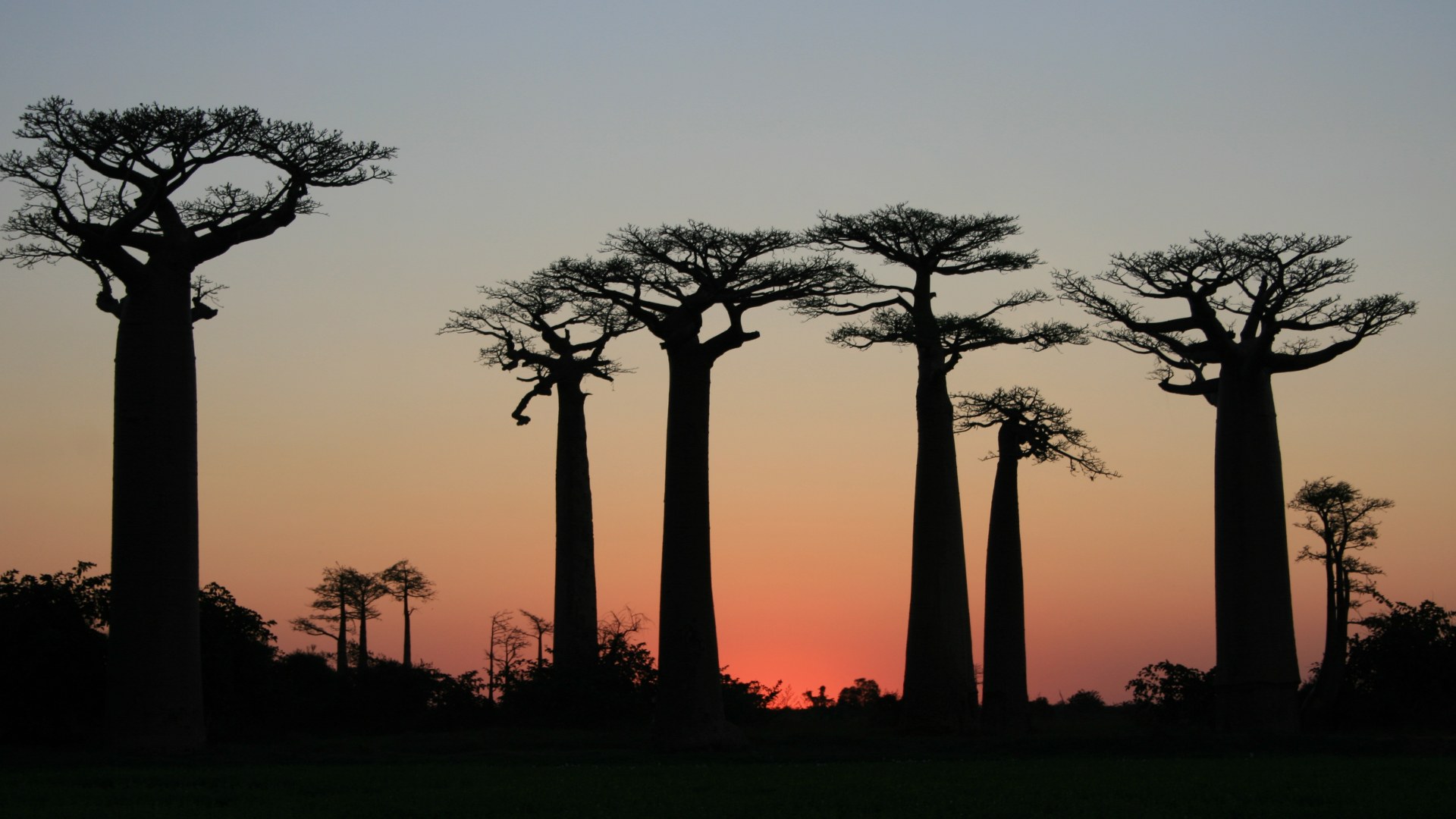
The Grandidier baobabs of western Madagascar are living remnants of dense, ancient dry forests cleared centuries ago. These towering succulents can live over eight hundred years, holding thousands of gallons of water in their fibrous, fire-resistant trunks.
The Great Boreal Taiga
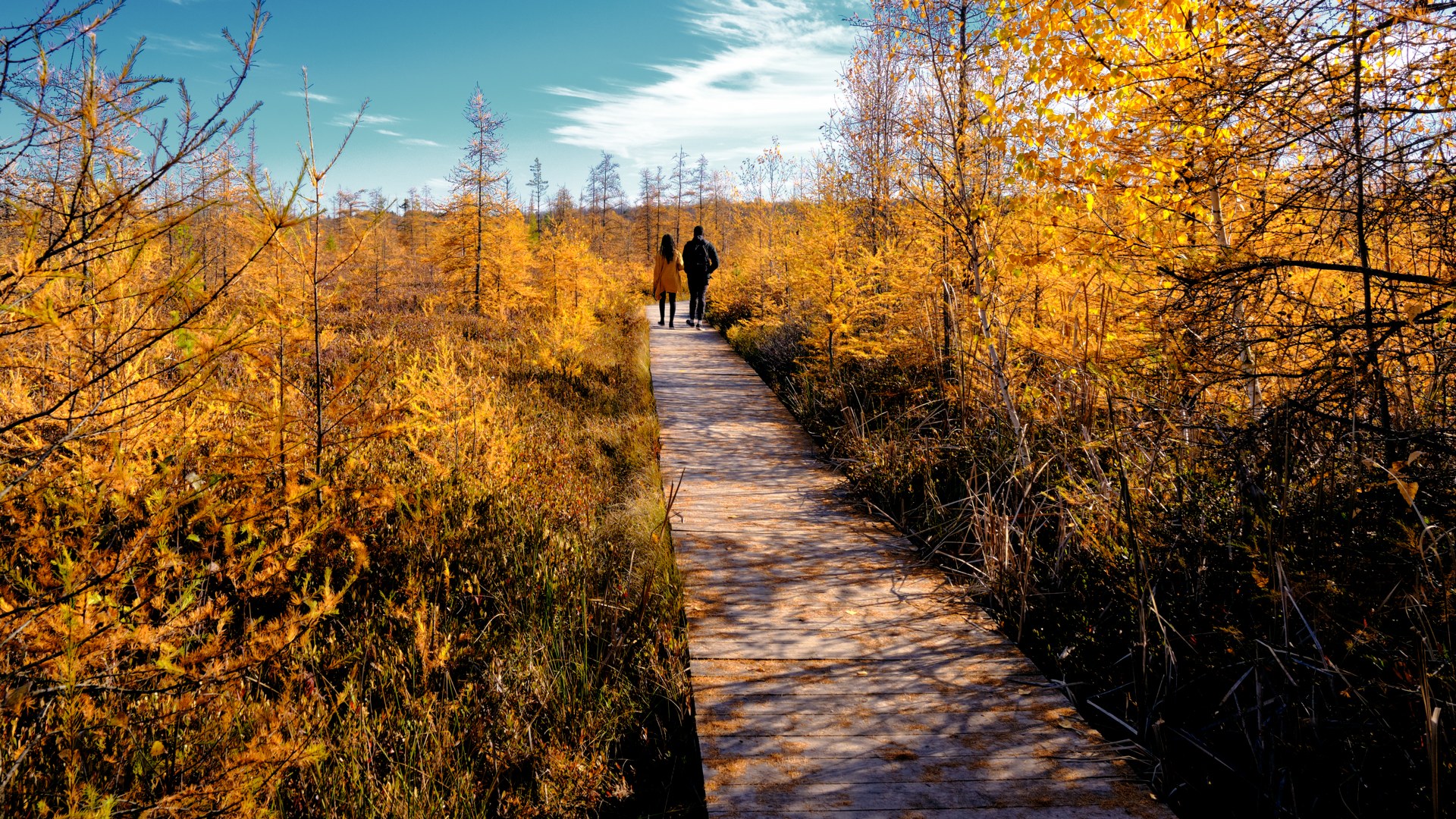
Stretching across Alaska, Canada, Scandinavia, and Siberia, the circumpolar boreal forest stores more terrestrial carbon than all tropical rainforests combined. Spruces, larches, and pines survive temperatures below minus sixty degrees Fahrenheit atop deep permafrost.
Daintree: Earth's Oldest Rainforest
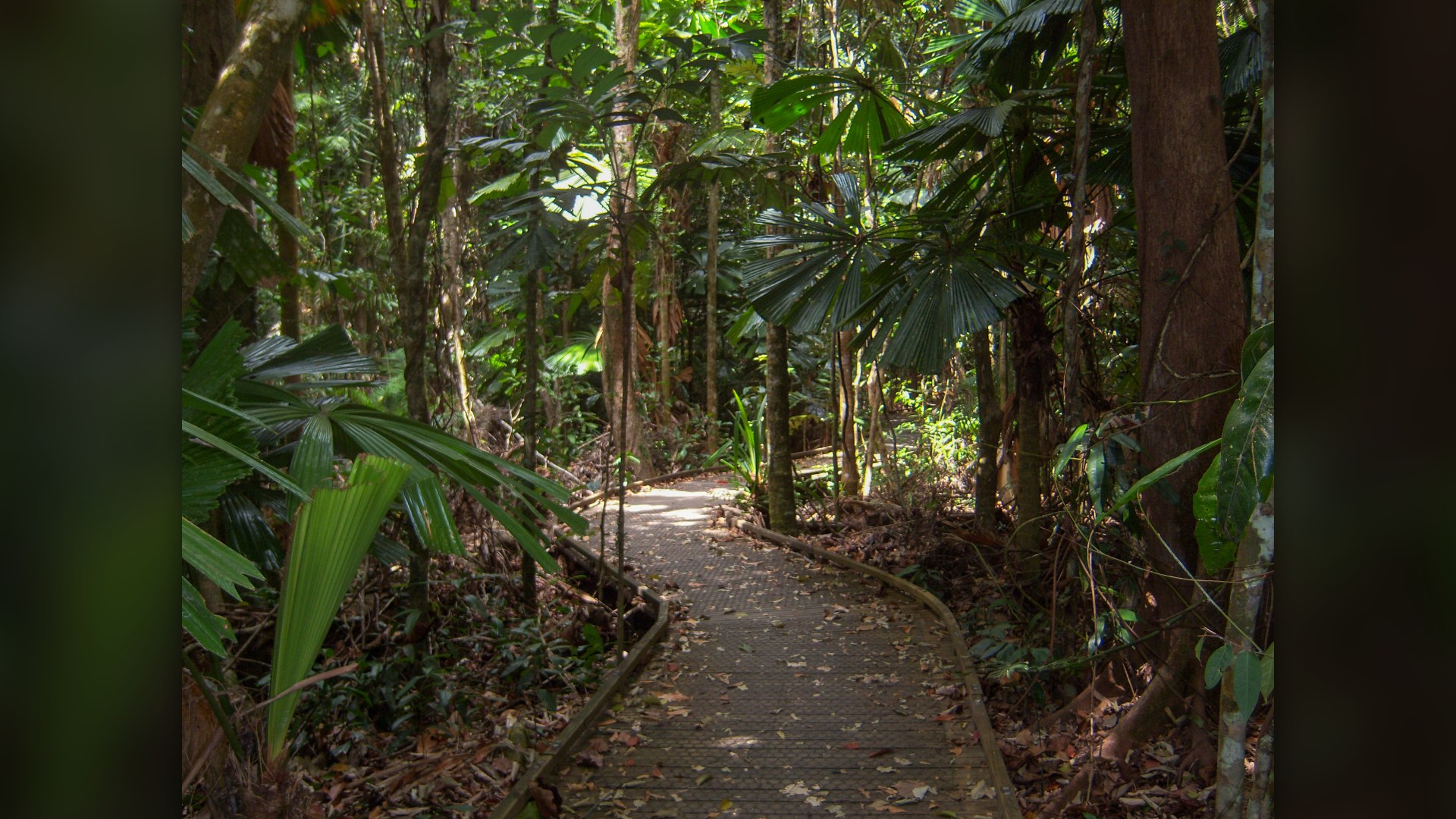
In northern Queensland, the Daintree Rainforest represents a direct window into the flora of the prehistoric supercontinent Gondwana. Ancient primitive flowering plants like the Idiot Fruit tree survive here unchanged, providing habitat for rare southern cassowaries.
Yakushima Primeval Cloud Forest
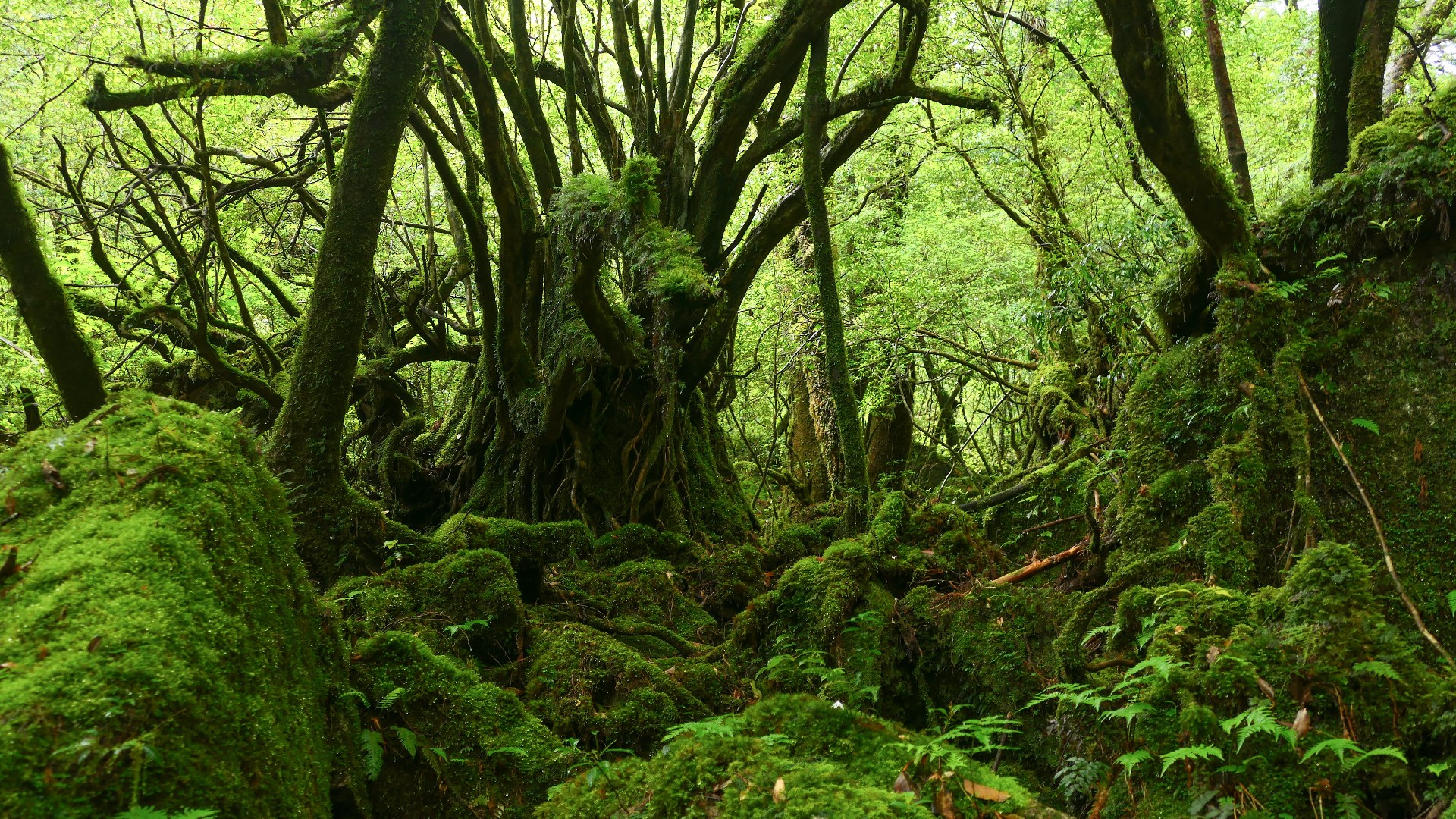
Located off Kyushu, Yakushima's high-elevation microclimate receives up to ten meters of annual precipitation. The ancient cedar forest is carpeted in over six hundred species of moss, creating a surreal emerald canopy that inspired legendary works of art and cinema.
Bialowieza: Europe's Primeval Lowland
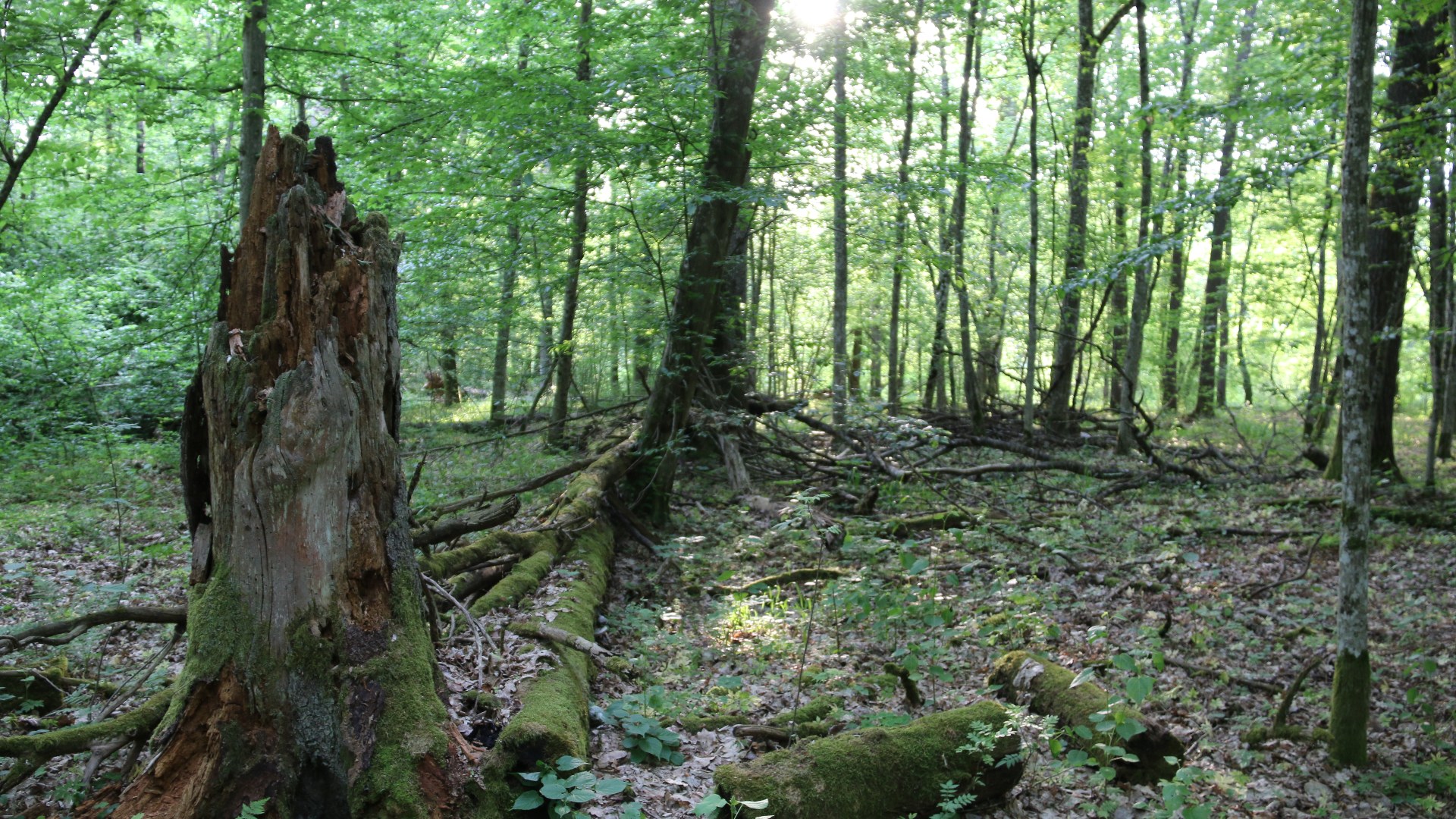
Bialowieza Forest preserves an unbroken tapestry of pedunculate oak, hornbeam, and spruce that once covered the entire European Plain. It is the historic refuge of the European bison, the continent's heaviest surviving wild land mammal.
Tarkine: The Southern Gondwanan Bastion
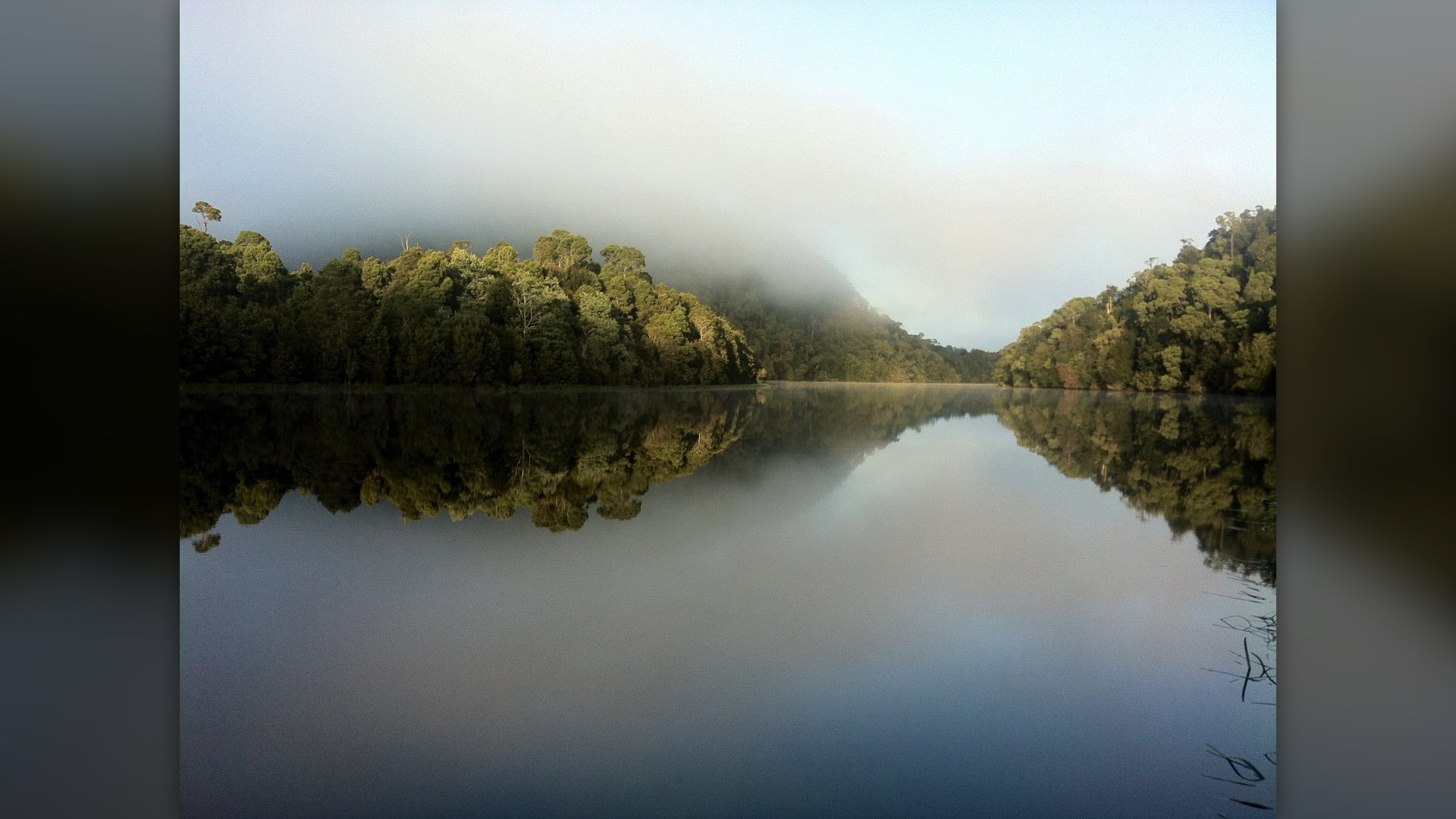
The Tarkine shelters Australia's largest tract of temperate rainforest. Dominated by ancient myrtle beech, leatherwood, and prehistoric celery-top pines, it provides critical habitat for the endangered Tasmanian devil and the world's largest freshwater crayfish.
The Hoh Rain Forest: Moss-Draped Cathedral
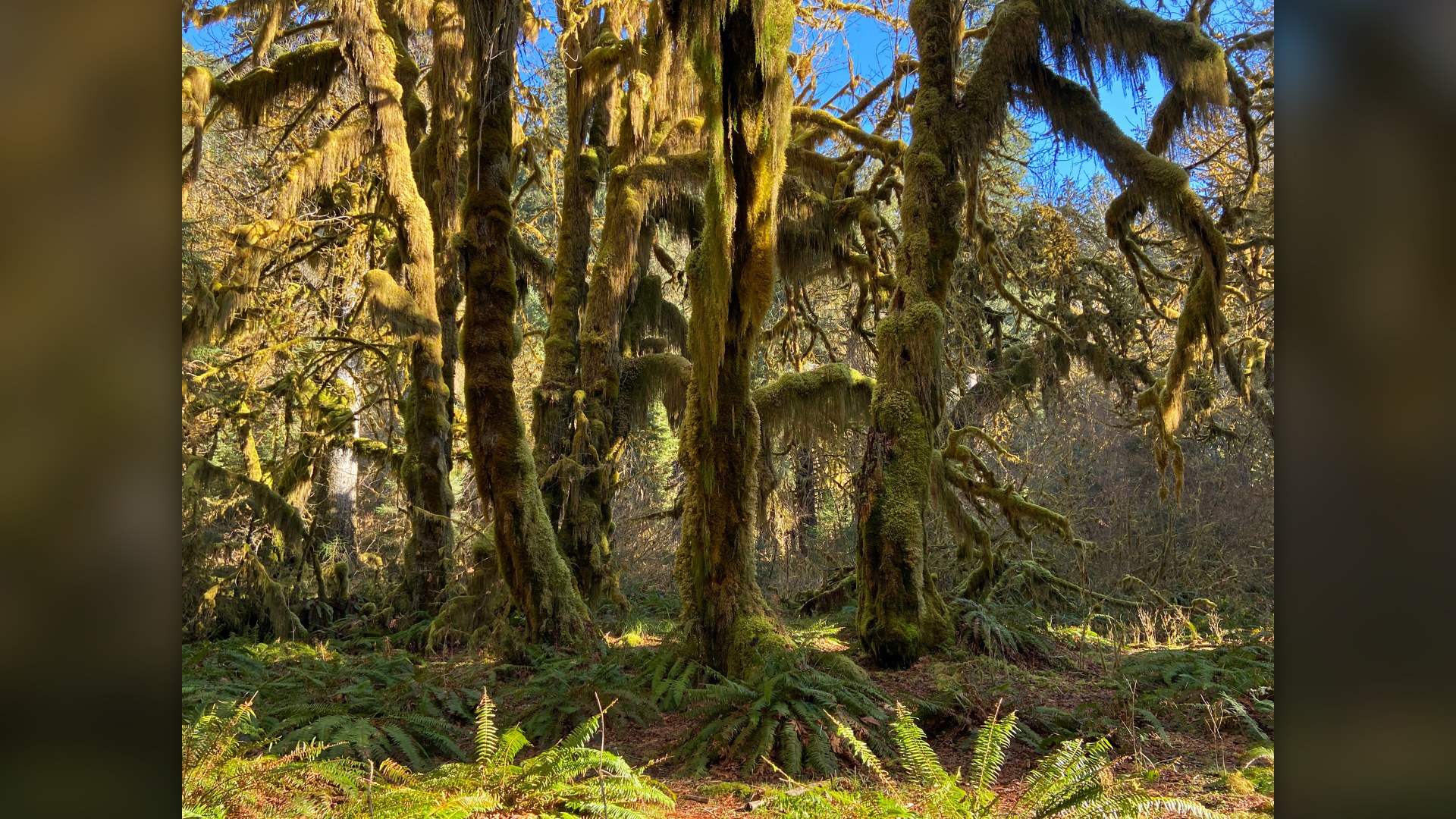
Located along the Pacific slope of Washington's Olympic National Park, the Hoh Rain Forest is dominated by massive Sitka spruce and Western hemlock. Epiphytic club mosses and lichens hang from every branch, absorbing atmospheric moisture directly from clouds.
Great Bear Rainforest: Realm Of The Spirit Bear
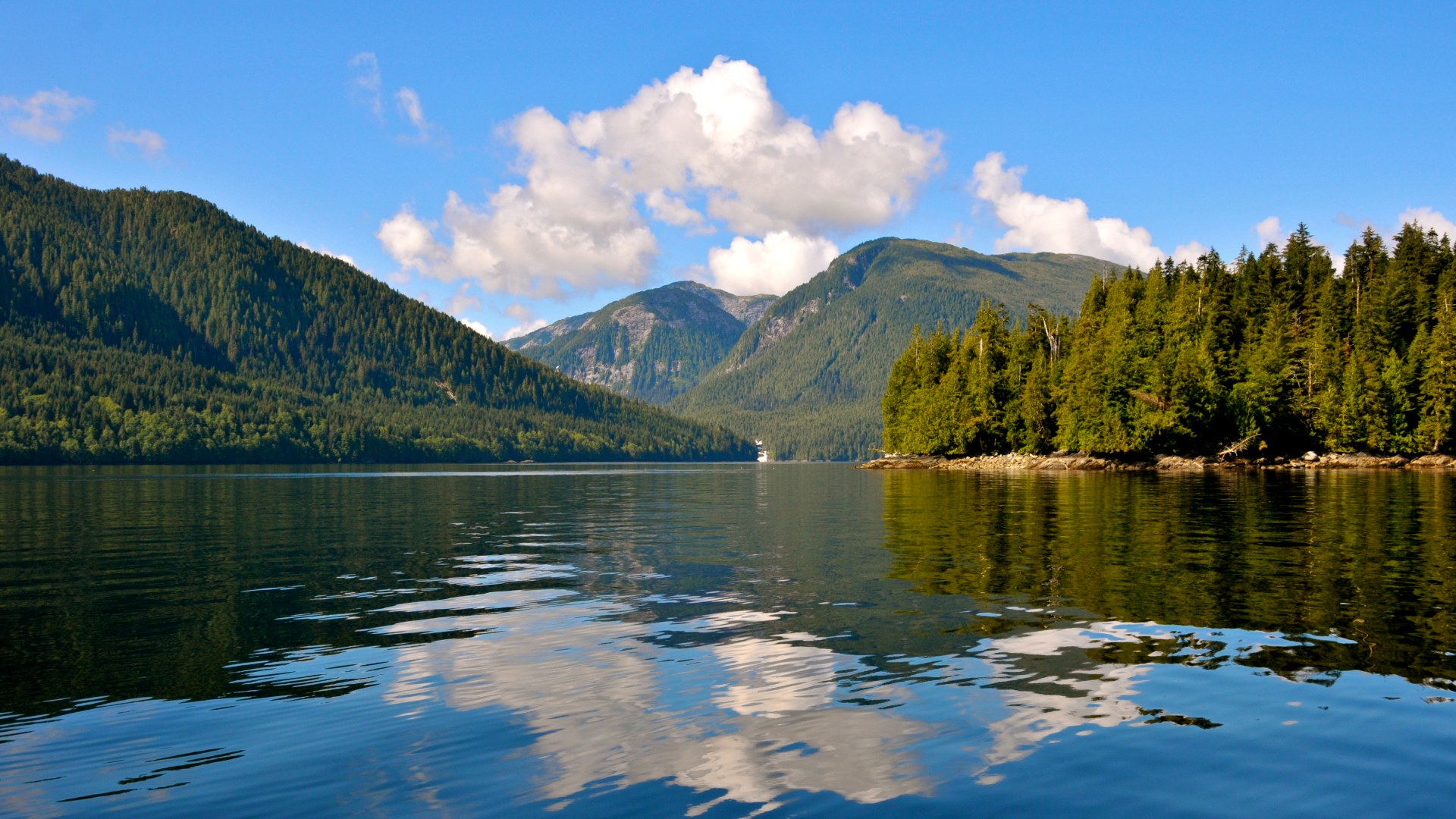
Spanning 6.4 million hectares, the Great Bear Rainforest is the largest intact temperate coastal rainforest on the globe. Ancient western redcedars over a thousand years old shelter grizzly bears, coastal wolves, and the rare white kermode or spirit bear.
The Amazon Basin: The Lungs Of The World
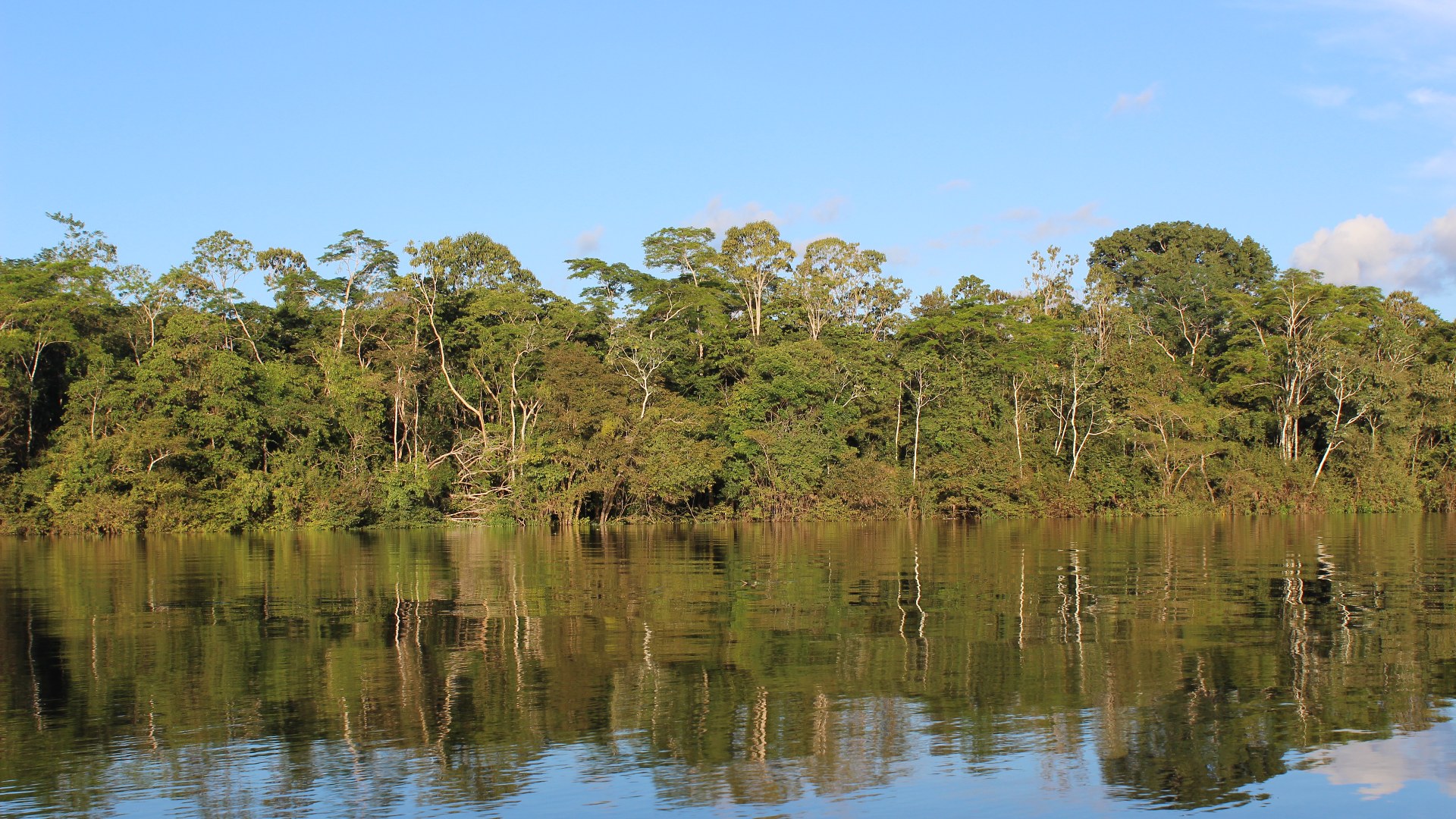
Spanning across nine South American nations, the Amazon is the world's most biodiverse tropical biome. Its vast canopy releases immense quantities of water vapor through transpiration, generating aerial rivers that distribute moisture across the entire continent.
Jiuzhaigou Primeval Mountain Forests
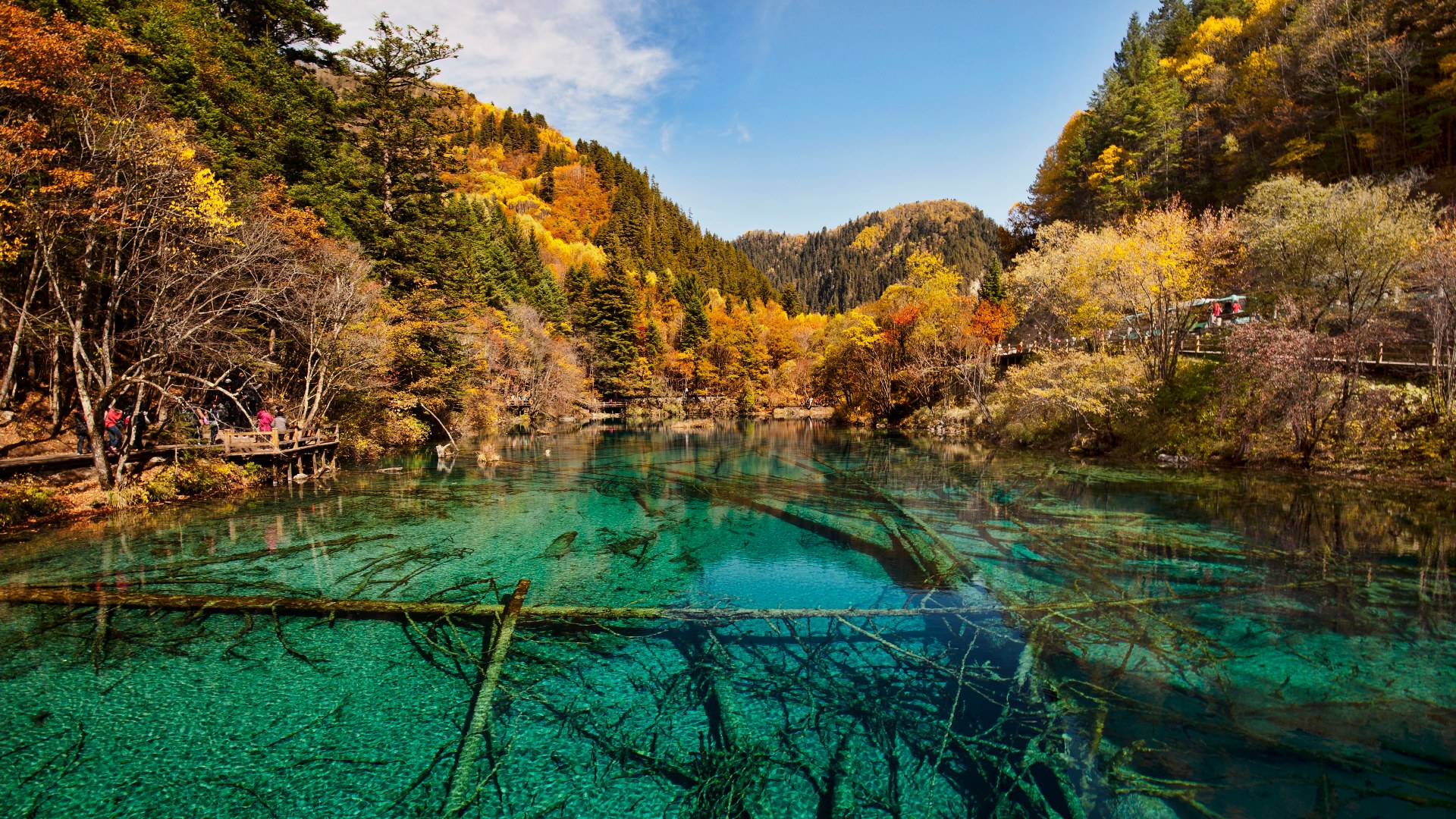
Nestled on the edge of the Tibetan Plateau in Sichuan, Jiuzhaigou's ancient mixed coniferous and broadleaf forests survive across steep elevation gradients. They provide a critical high-altitude refuge for giant pandas, golden snub-nosed monkeys, and hundreds of bird species.
Tongass: America's Largest National Forest
The Tongass National Forest holds roughly thirty percent of the world's remaining unlogged old-growth temperate rainforest. Its towering Western redcedars, Sitka spruces, and hemlocks filter massive salmon river systems that feed apex brown bears and bald eagles.
The Black Forest: Mythic Conifer Bastion
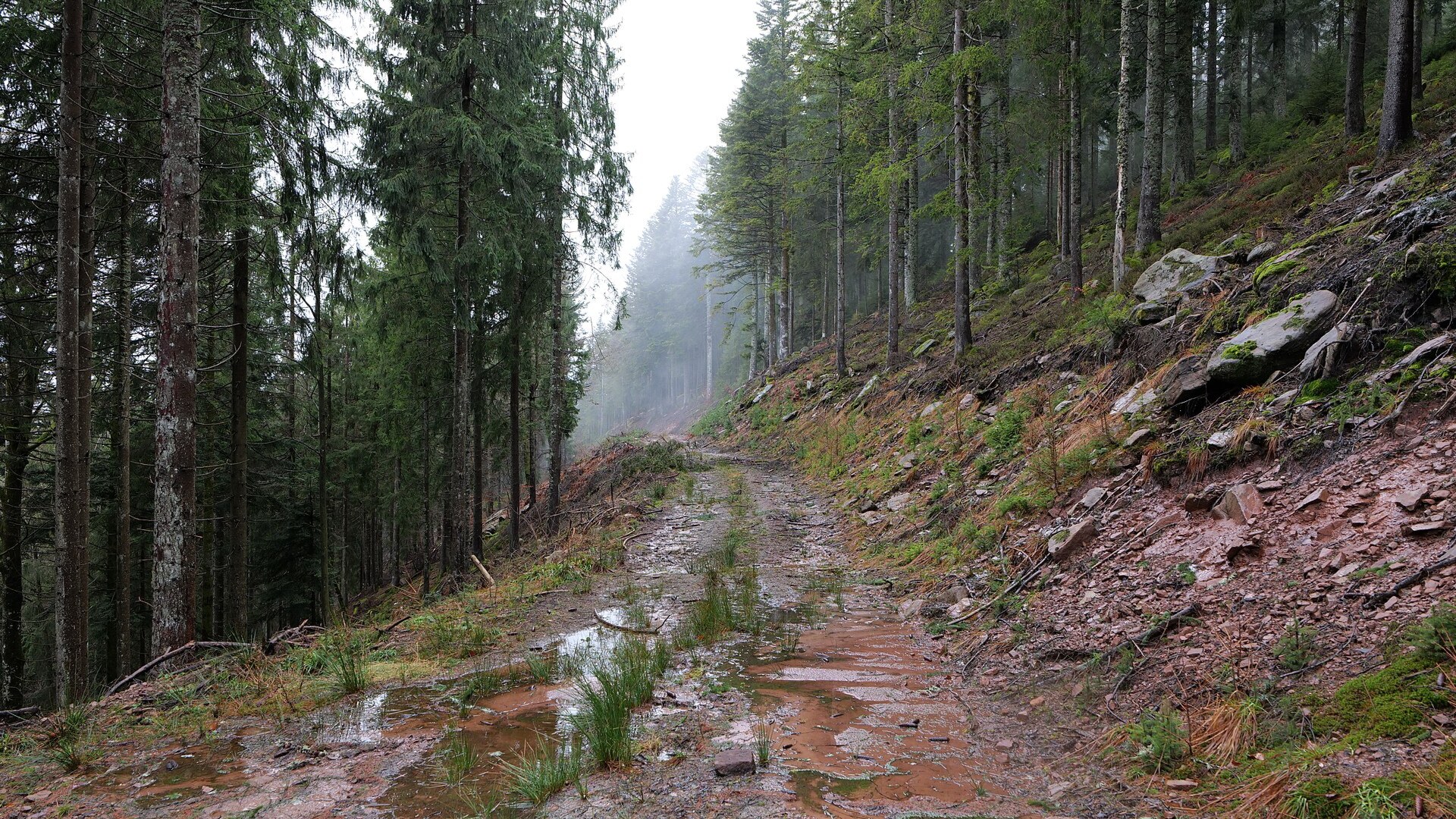
Rising in southwestern Germany, the Black Forest features steep granitic mountains covered in silver fir and Norway spruce. While altered by human history, remaining old-growth reserves protect deep layers of moss, glacial cirque lakes, and endangered capercaillie grouse.
Forest Soil: Carbon Vault Of The Earth
While towering trunks command awe, more than half of the total carbon in an ancient forest resides underground in the organic soil horizon and deep fungal networks. Undisturbed forest soils keep carbon safely sequestered from the global climate system for thousands of years.
The Congo Basin: Heart Of African Wildlife
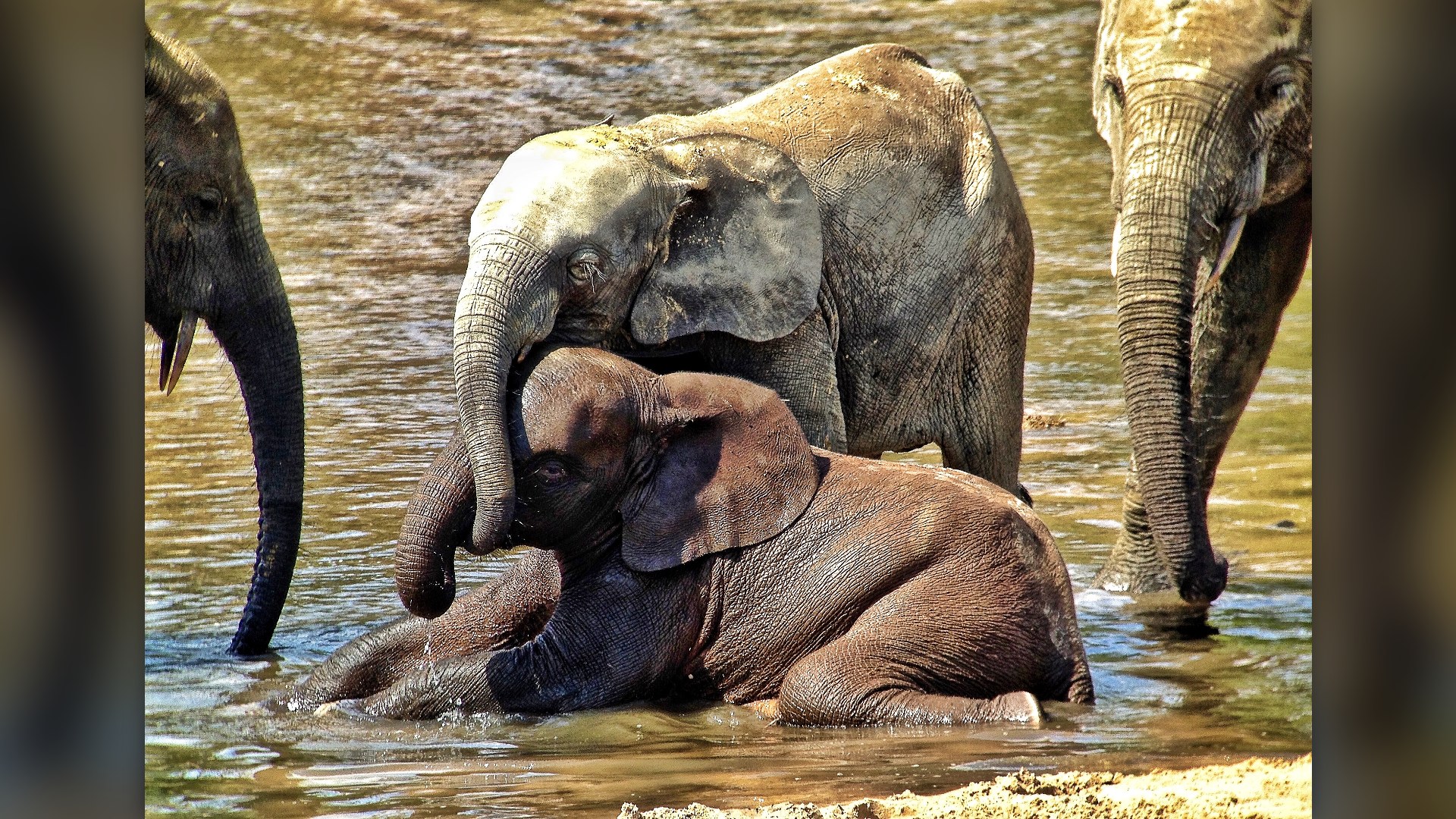
Spanning across Central Africa, the Congo Basin's dense multi-layered canopy shelters endangered western lowland gorillas, bonobos, and forest elephants. Its vast peatland complexes, known as the Cuvette Centrale, store thirty billion tons of carbon beneath flooded swamp forests.
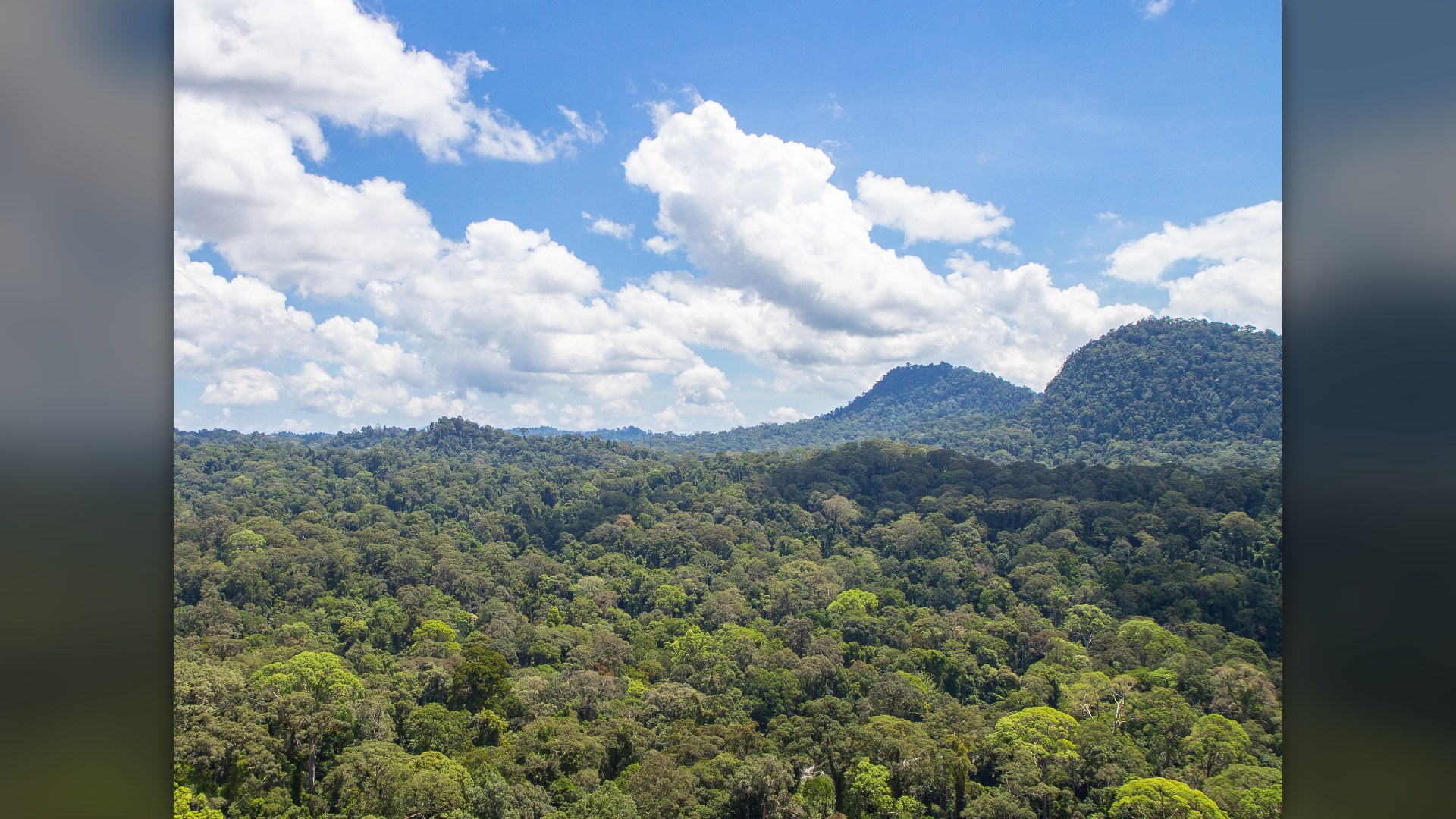
Borneo's Ironwood Lowland Rainforest
Borneo's ancient forests are dominated by giant dipterocarp trees that can exceed eighty meters in height. These trees synchronize their reproduction through dramatic mass fruiting events every few years, sustaining populations of wild orangutans and clouded leopards.
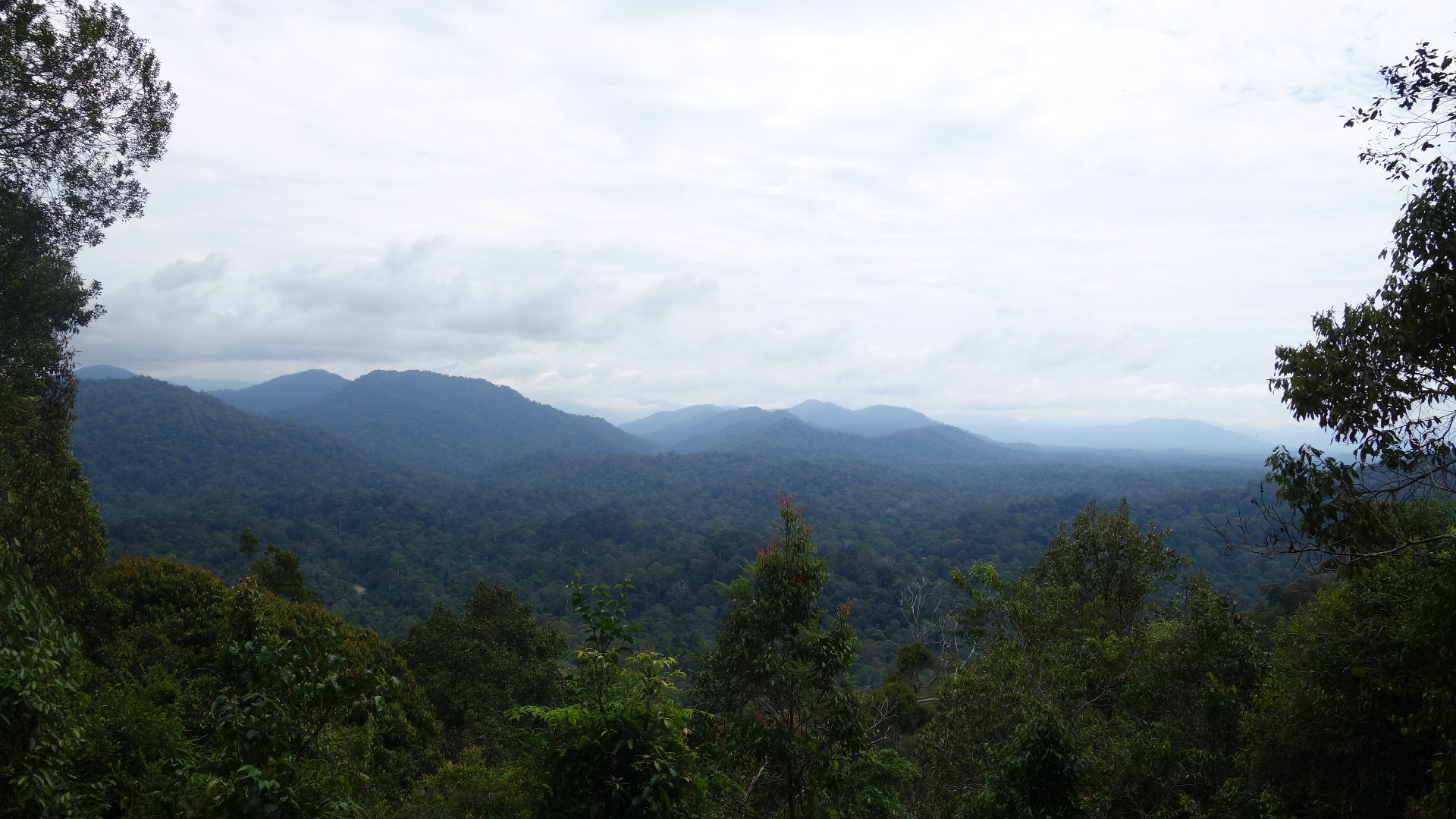
Taman Negara: 130-Million-Year Haven
Taman Negara is one of the oldest deciduous rainforests in the world, having evolved continuously without disruption from ice age glaciations. Its dense understory and ancient river systems harbor Malayan tigers, Asian elephants, and prehistoric hornbills.
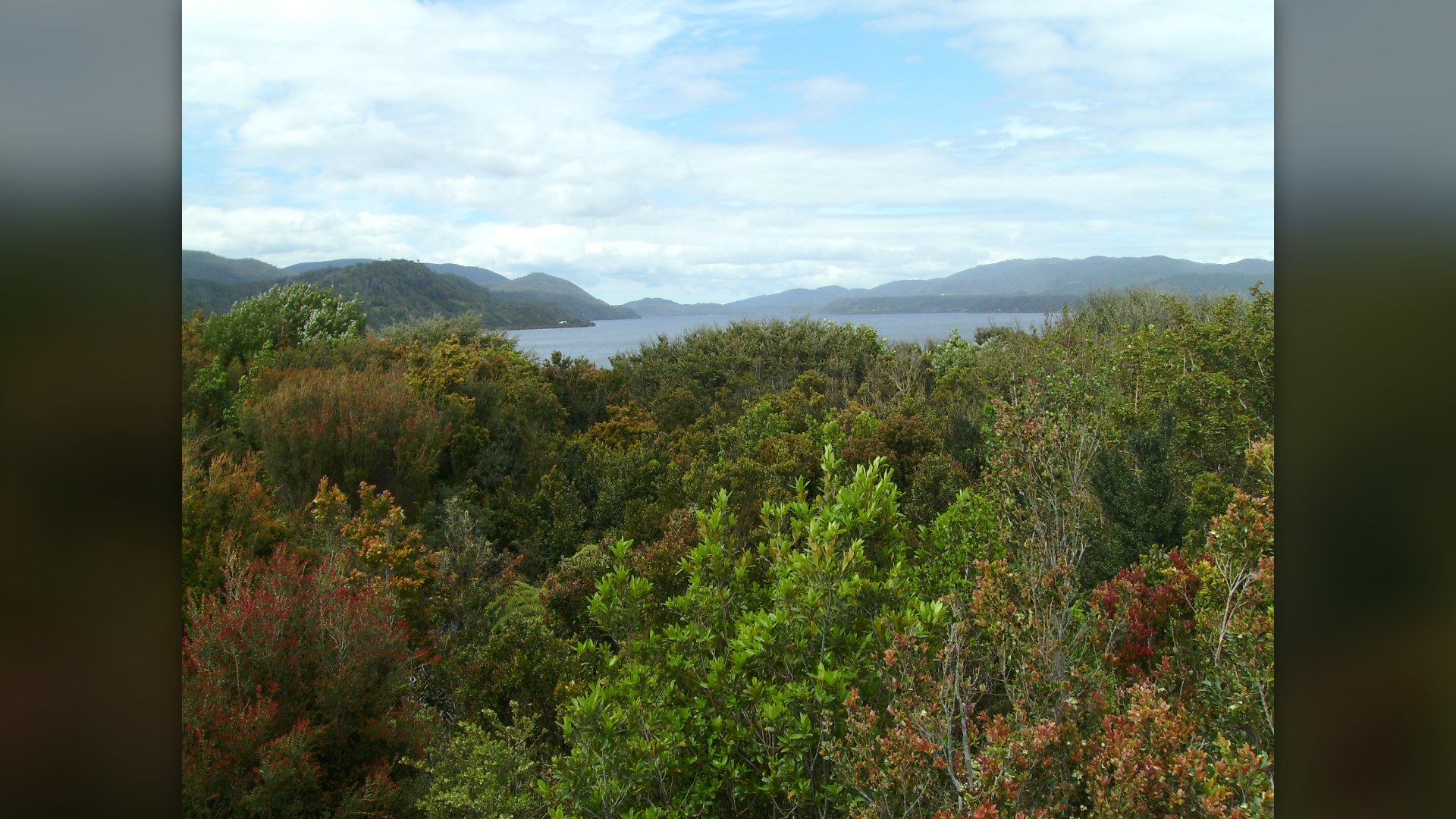
Valdivian Temperate Rainforest
Isolated between the Pacific Ocean and the snowy Andes Mountains, the Valdivian rainforest is home to ancient relic species found nowhere else. Lush chusquea bamboo thickets and moss-draped monkey puzzle trees survive in this hyper-humid southern hemisphere refuge.
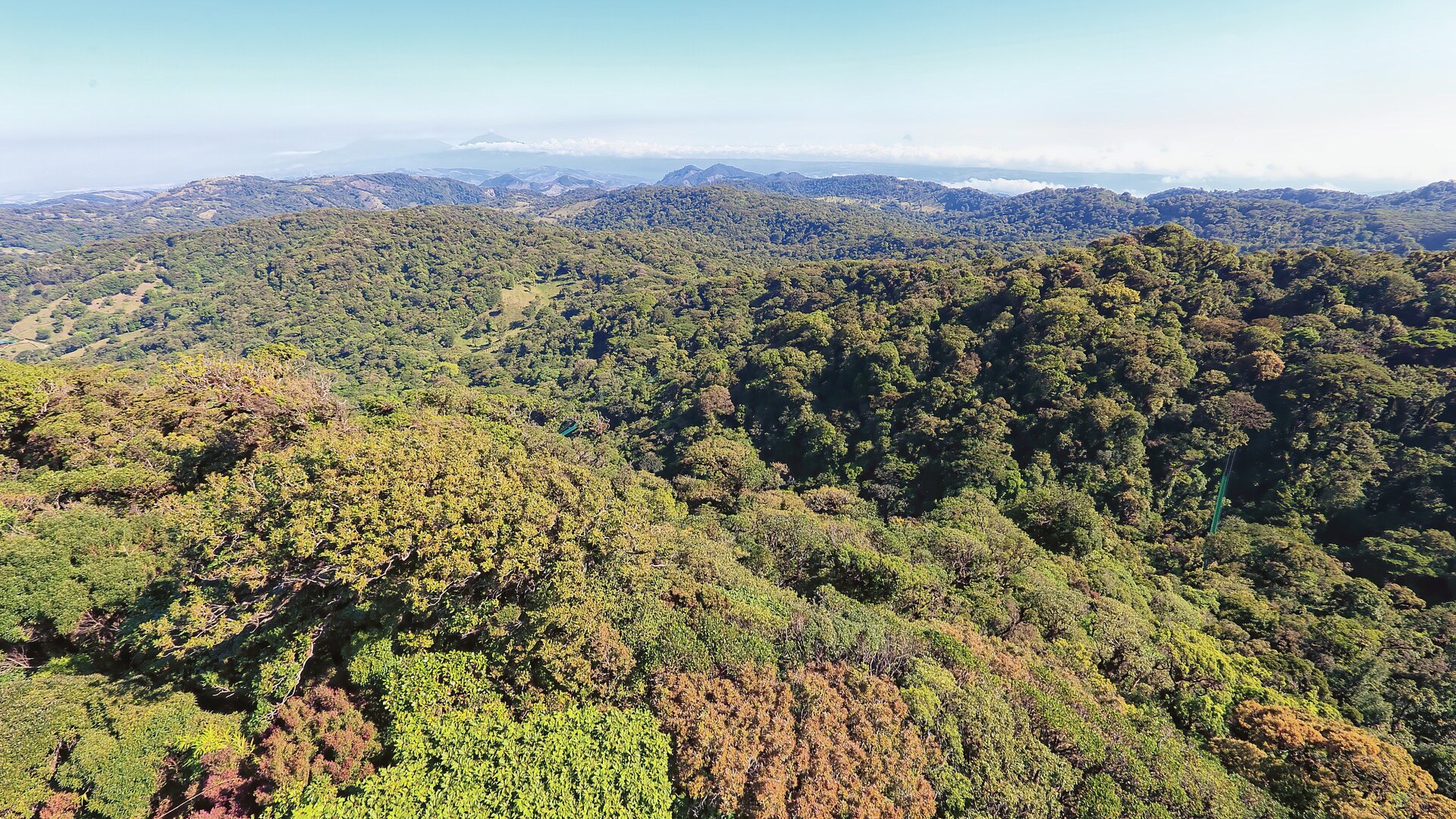
Monteverde Cloud Forest Reserve
Straddling Costa Rica's Continental Divide, the Monteverde Cloud Forest is bathed in low-hanging mountain clouds. This constant vapor allows thousands of epiphytic plants to grow directly on tree limbs, creating dense vertical habitats suspended above the forest floor.
The Mycelial Wood Wide Web
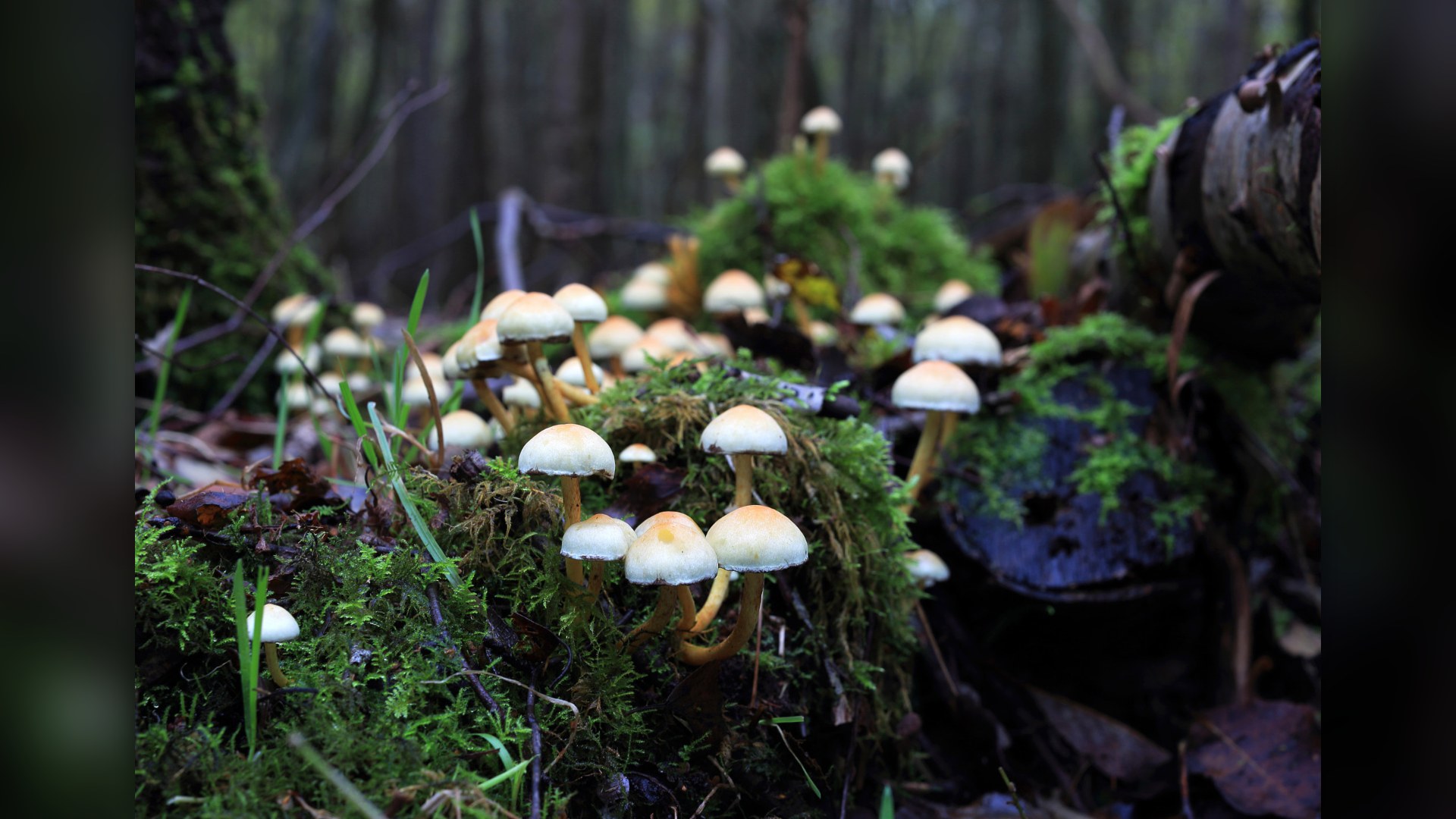
Old-growth forests do not function as isolated individuals. Underground networks of mycorrhizal fungi connect root systems across different species. Trees use this network to share carbon, nitrogen, phosphorus, and biochemical warning signals against pest infestations.
Epiphytic Canopies: Hanging Gardens
In unlogged rainforests, a single mature tree can support over one hundred distinct species of epiphytes. Mosses, lichens, ferns, and bromeliads catch rainwater and detritus, creating suspended micro-wetlands that harbor tree frogs and canopy-dwelling insects.
Nurse Logs: Generation After Generation
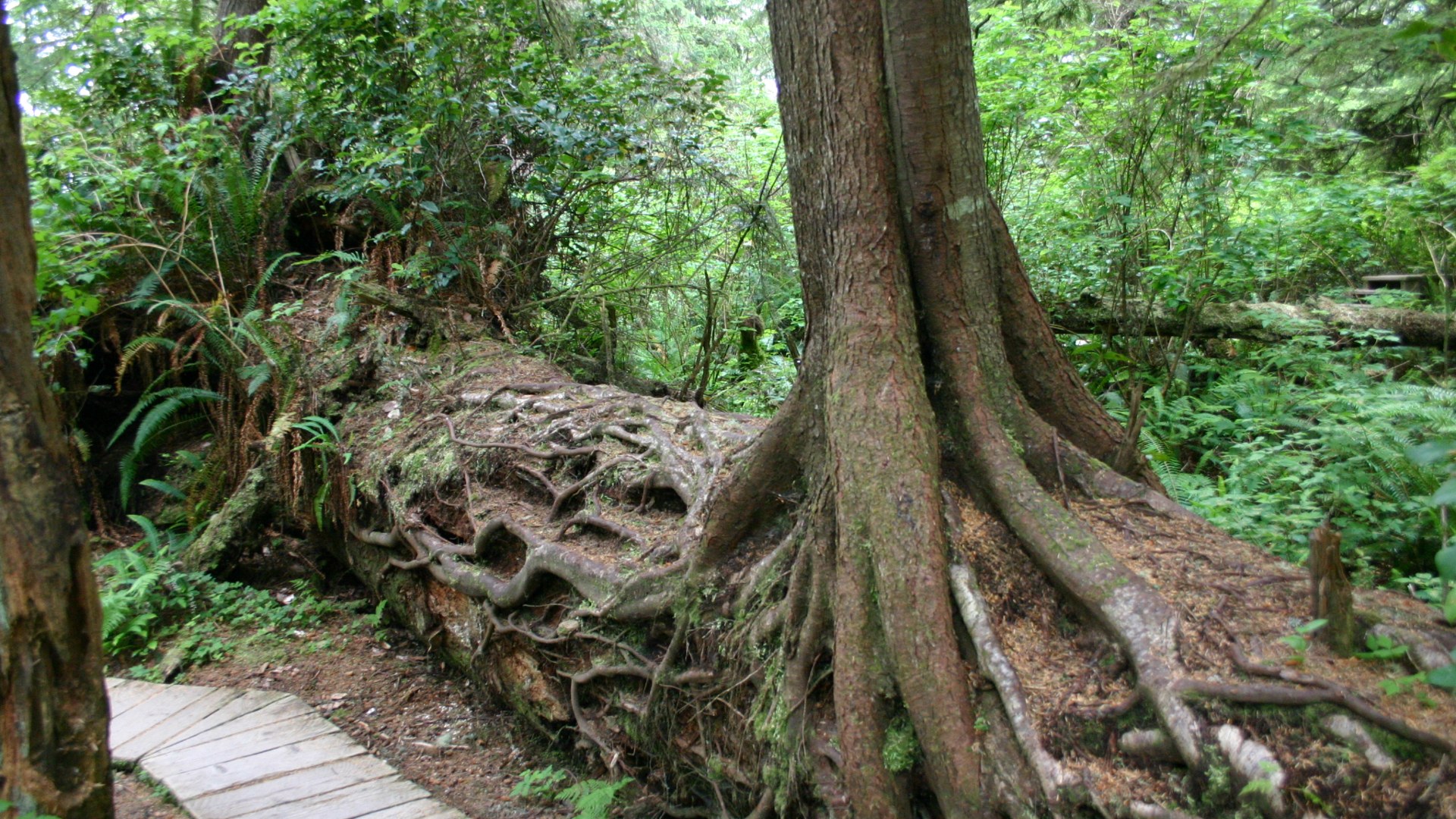
Old-growth forest floors are often covered in thick moss that prevents tree seeds from reaching mineral soil. Fallen nurse logs retain moisture and elevate seedlings above competitive undergrowth, producing iconic straight colonnades of mature trees.
Lichen Biomes: Sentinels Of Air Purity
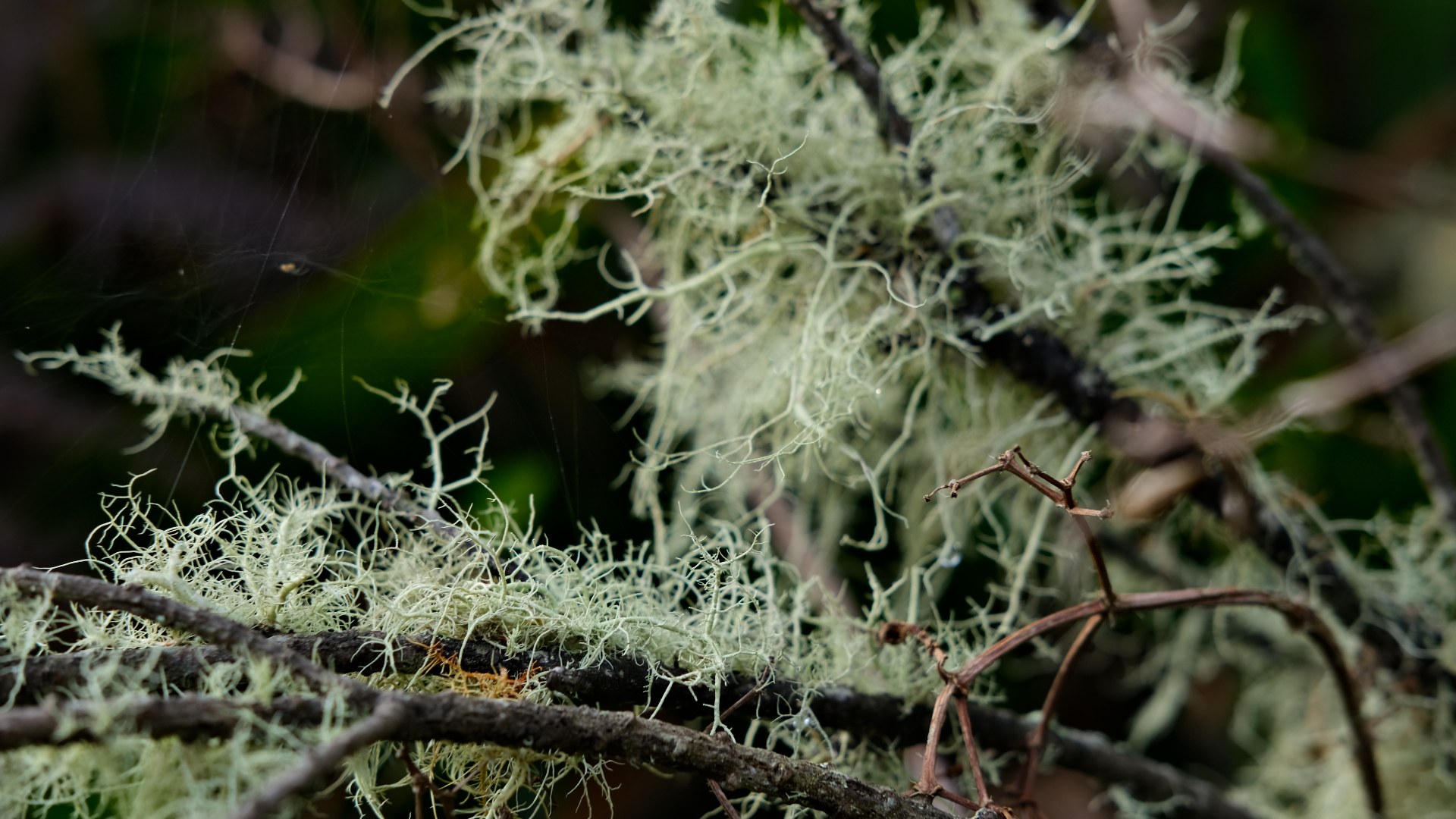
Lichens like lungwort and Usnea longissima lack root systems and absorb all nutrients directly from the atmosphere. Because they cannot filter toxins, their lush presence hanging from canopy branches serves as an unbroken biological indicator of pristine air quality.









