Article · Entertainment
Is Meghan Markle More Popular in Britain Than Recent Polls Suggest
Recent polling from YouGov indicates that while Meghan Markle faces high disapproval among older Britons, younger demographics across the United Kingdom view the Duchess of Sussex far more favorably.
The Headline Polling Numbers Across the United Kingdom
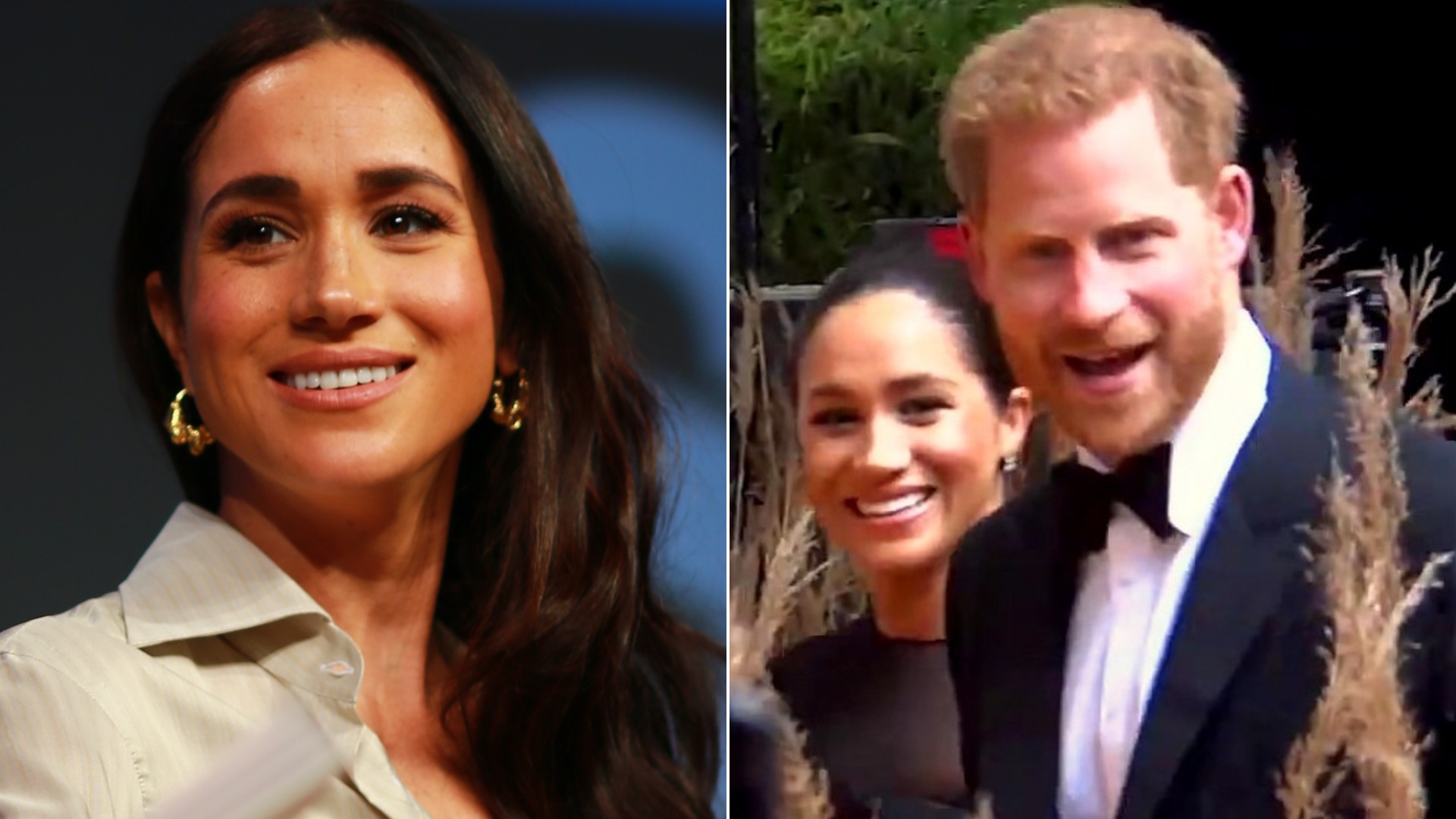
Headline public opinion surveys regarding Meghan Markle in Britain frequently suggest an overwhelming national consensus. In recurring royal tracking polls conducted by YouGov and Ipsos, the Duchess of Sussex regularly records net negative favorability ratings, with approximately 68 percent of respondents expressing an unfavorable view compared to 20 percent holding a positive perspective. To casual observers reviewing overall averages, these figures appear to paint an unambiguous picture of national rejection.
However, an inspection of granular demographic breakdowns reveals a far more nuanced reality. Beneath the aggregate statistics lies a stark generational divide that separates older traditionalists from younger British citizens, demonstrating that perceptions of the American-born duchess depend heavily on age, media consumption habits, and attitudes toward the modern British monarchy.
The Striking Generational Divide in British Polling
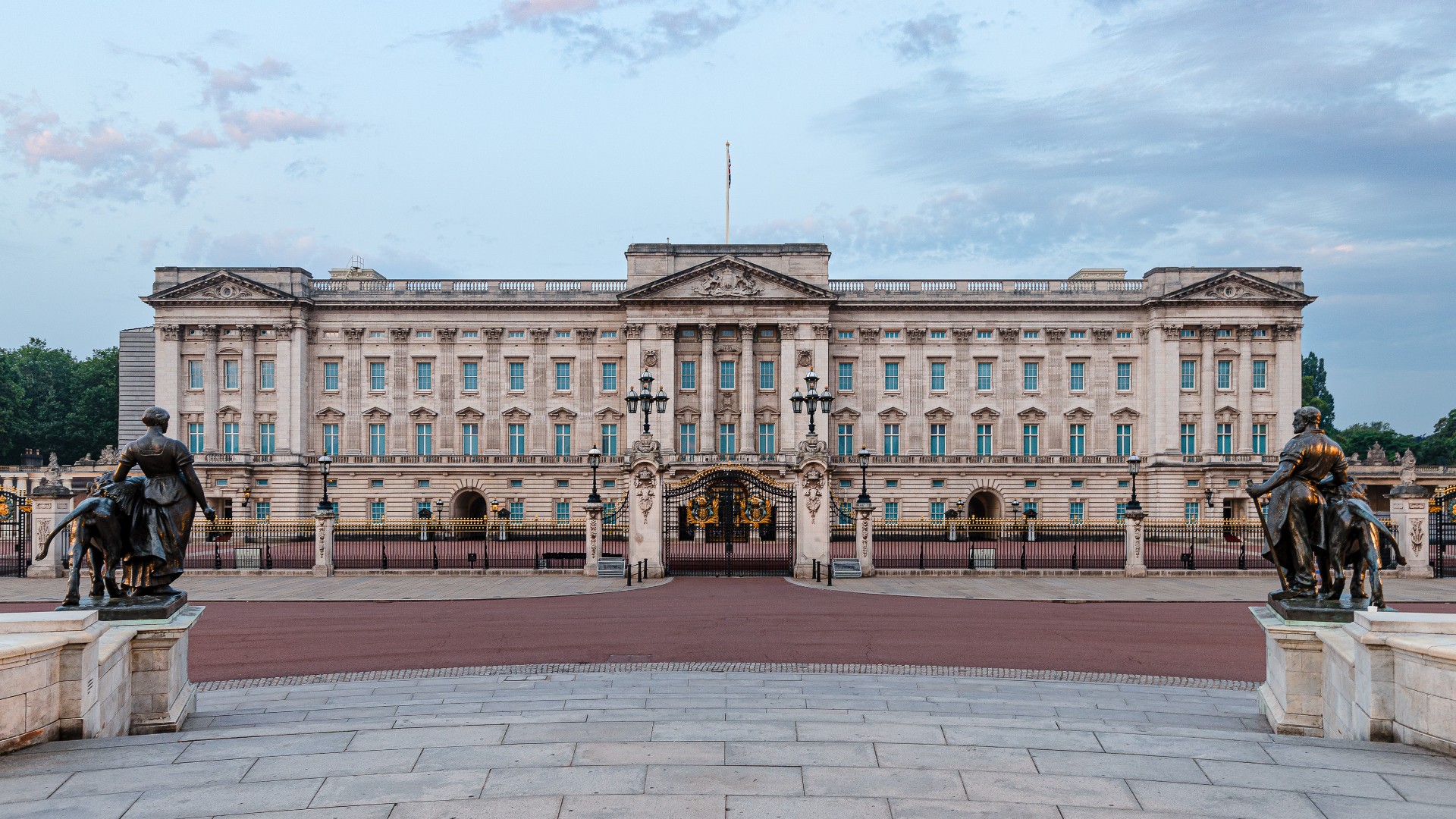
The sharpest contrast emerges when comparing younger adults to retirement-age Britons. Among citizens aged 18 to 24 and millennial cohorts under 35, positive sentiment toward Markle rises to between 25 and 33 percent. While unfavorable views still exist within these younger groups, net disapproval remains dramatically milder than the hostility recorded in older brackets. Younger Britons frequently express sympathy for her public struggles, viewing her exit from formal royal duties through the lens of mental health prioritization and personal autonomy.
In stark contrast, opposition to Markle reaches overwhelming proportions among Generation X and citizens aged 65 and older. In the over-65 demographic, unfavorable ratings consistently exceed 80 percent, with only 10 percent reporting a favorable opinion. Older generations often regard institutional service, duty to the Crown, and quiet discretion as non-negotiable royal virtues, interpreting the couple's California relocation and media interviews as a rejection of British heritage.
Media Consumption and Changing Information Ecosystems
Sociologists and communications experts note that divergent media habits play a decisive role in shaping these polarized attitudes. Older demographics in the United Kingdom rely heavily on traditional print newspapers and broadcast television, where editorial coverage of the Sussexes has remained intensely critical since their 2020 step back from senior royal roles. Front-page coverage in national tabloids has consistently highlighted royal protocol disputes and family tensions.
Conversely, younger audiences obtain news predominantly through digital video platforms, social feeds, and international streaming services. On platforms like TikTok and Instagram, Markle is often viewed through the framework of modern lifestyle entrepreneurship, women's empowerment, and racial representation. For digital natives accustomed to global influencer culture, her philanthropic work through the Archewell Foundation and commercial projects align naturally with contemporary career models.
Independent Ventures and Global Cultural Reach
Since establishing their permanent residence in Montecito, California, Prince Harry and Meghan Markle have focused their energies on establishing sustainable commercial and charitable platforms. The launch of Markle's lifestyle brand, American Riviera Orchard, alongside her ongoing podcasting and television production deals with Netflix, reflects a strategy aimed primarily at North American and global audiences rather than the domestic British press pool.
While traditional royal commentators in London often evaluate her through the narrow lens of royal protocol compliance, international observers recognize her substantial influence in discussions surrounding mental health, corporate diversity, and modern philanthropy. Her continued involvement with the Invictus Games alongside Prince Harry demonstrates that their public endeavors command significant international goodwill, even when British headlines remain skeptical.
What the Polling Nuance Means for the Royal Future
The persistent demographic split carries broader implications for the long-term standing of the British monarchy itself. As generational turnover continues over the coming decades, the values held by younger Britons will increasingly define the national mood. The fact that younger citizens are more willing to question institutional hierarchy and support individuals who choose alternative paths suggests that future monarchs will need to adapt to a more pluralistic public.
Ultimately, answering whether Meghan Markle is more popular in Britain than people assume requires looking past simplistic headline percentages. While she remains deeply unpopular with older demographic segments that value traditional royal protocol, she retains meaningful support and cultural resonance among younger generations who see her journey as a reflection of modern independence and resilience.
Key Takeaways
- Overall UK polls show a net -48 favorability rating for Meghan Markle, with 68 percent viewing her unfavorably.
- A severe generational divide exists, with 18 to 24-year-olds viewing her far more sympathetically than over-65s.
- Differences in media consumption between traditional newspapers and digital platforms heavily drive public opinion.
- The demographic divide reflects changing British attitudes toward royal duty, mental health, and modern celebrity culture.