Slideshow · Animals
Where America's Monarch Butterflies Go Every Winter
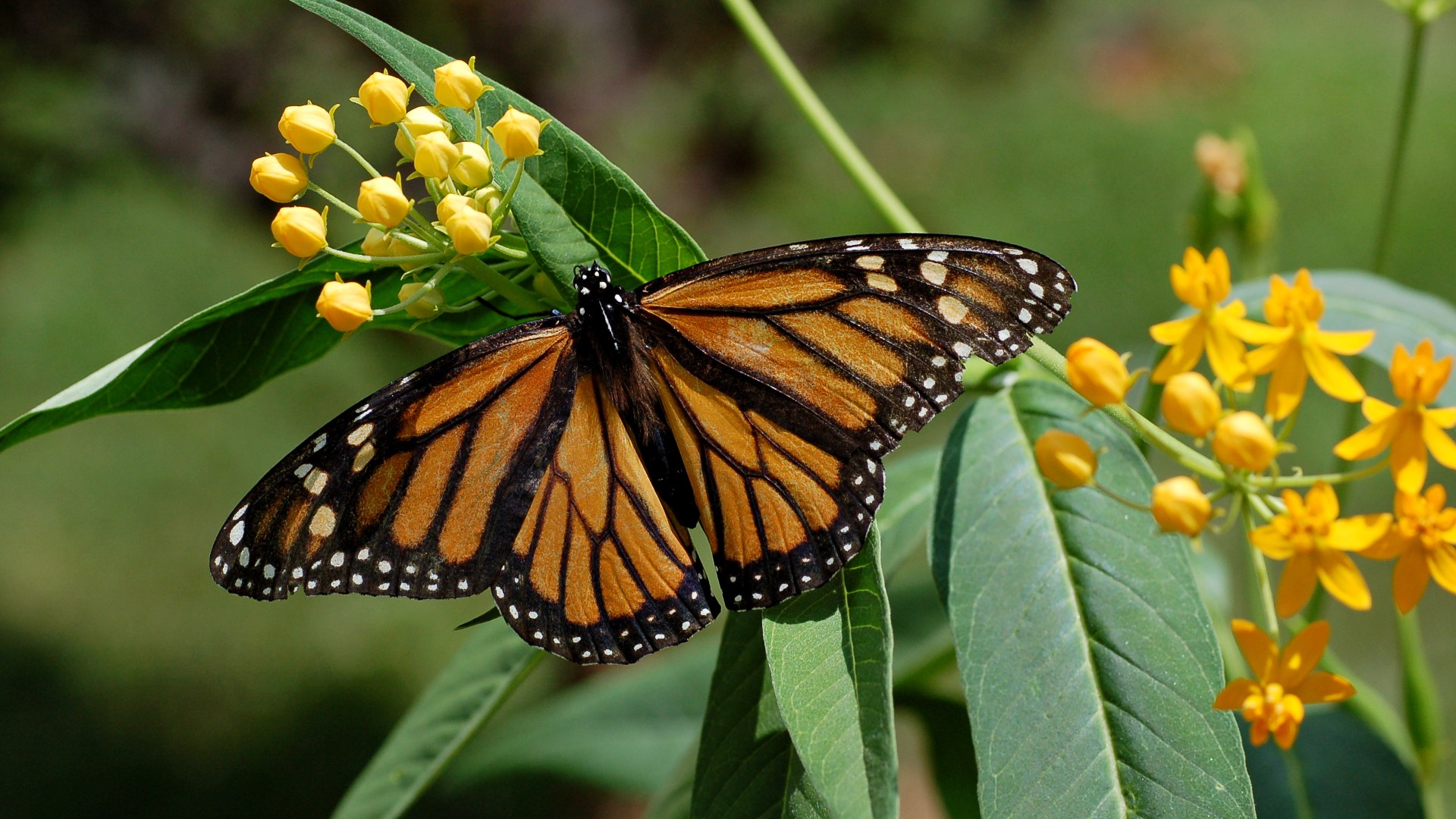
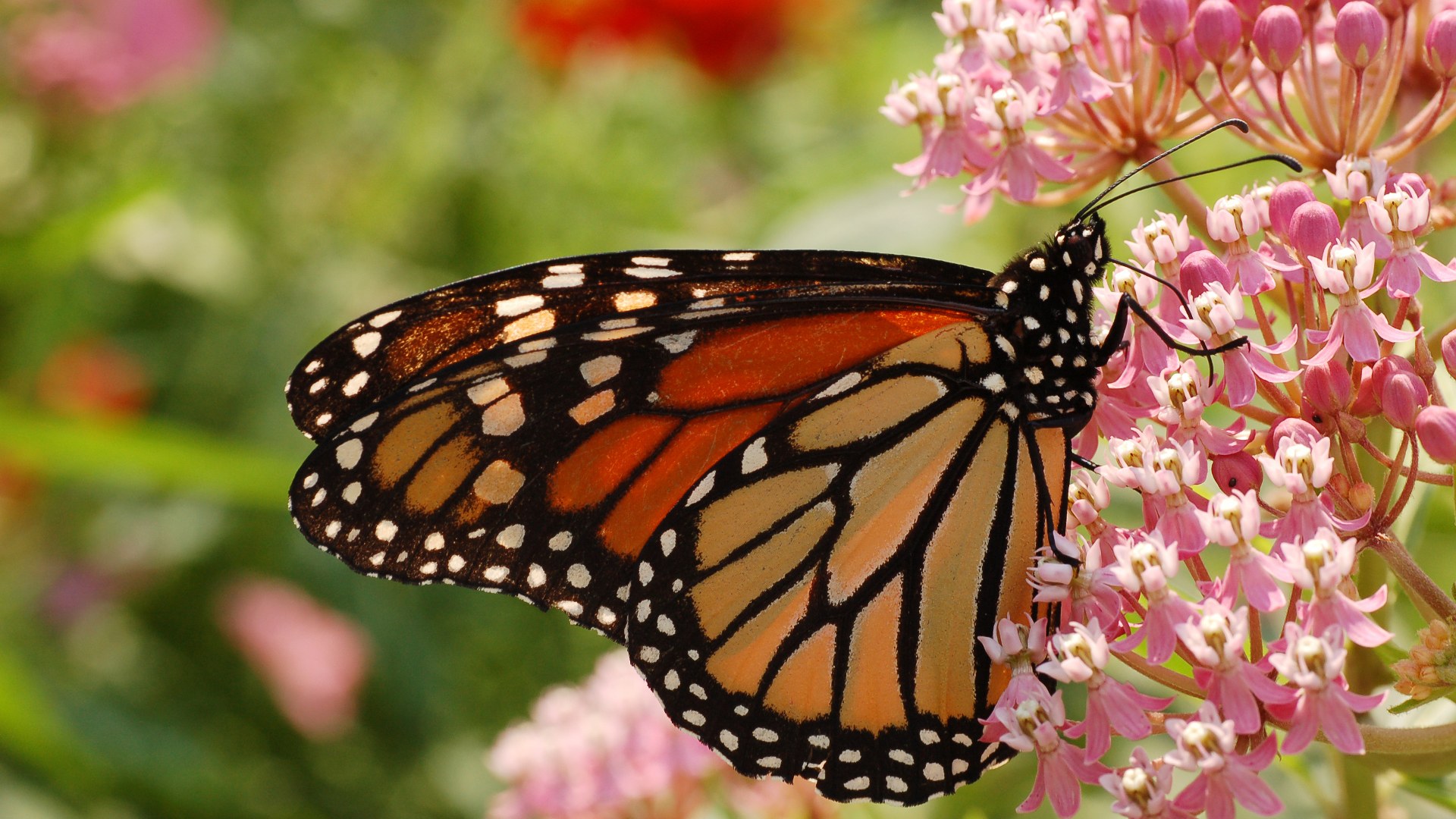
Every autumn, millions of North American monarch butterflies embark on an extraordinary flight of up to 3,000 miles to escape freezing northern winters. Guided by an internal sun compass and circadian

All 15 Entries in this Story
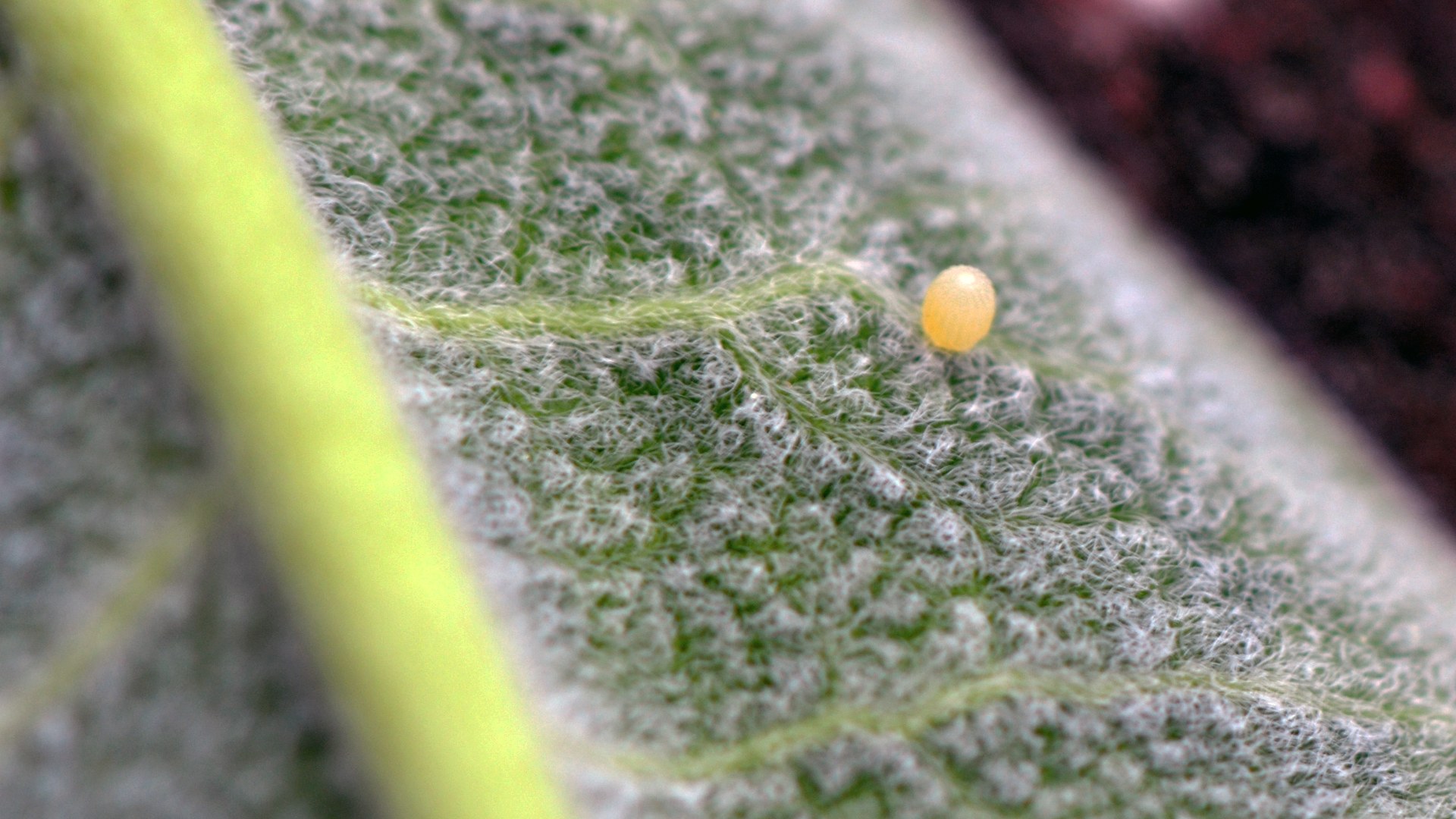
15. Pinhead-Sized Eggs Laid Under Milkweed Leaves
Female monarchs lay 300 to 500 pinhead-sized eggs during their adult lives, placing each one individually on the sheltered underside of young milkweed leaves (genus Asclepias). Longitudinal ridges reinforce the tiny shell, which hatches into a hungry larva in just three to five days depending on temperature.
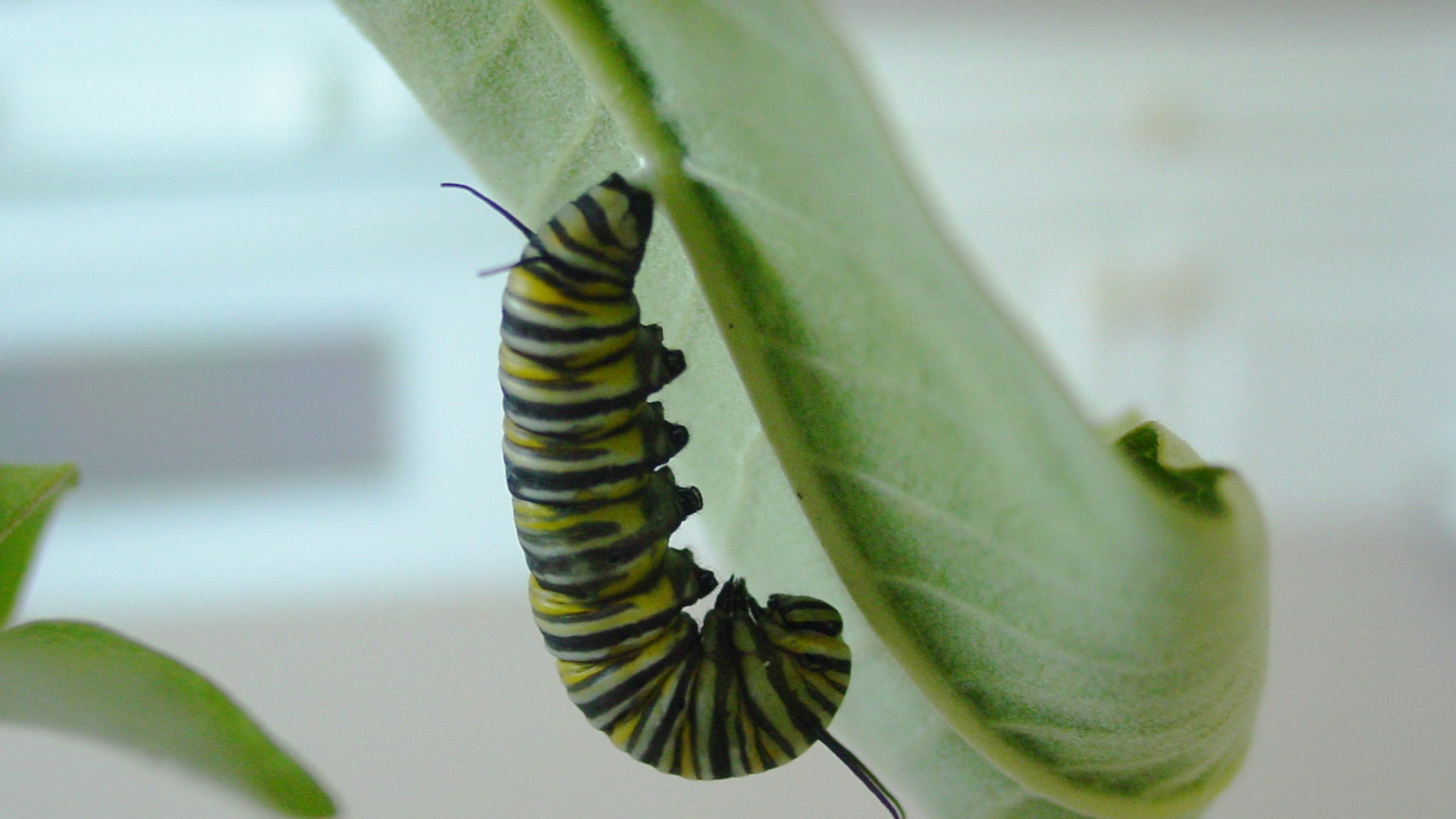
14. Striped Caterpillars Storing Milkweed Heart Toxins
Over a two-week larval stage, the caterpillar molts five times and increases its body mass roughly 2,000-fold. By feeding exclusively on milkweed, it absorbs toxic steroids called cardenolides into its tissues. Bold yellow, black, and white stripes warn birds and mice that the insect is poisonous.
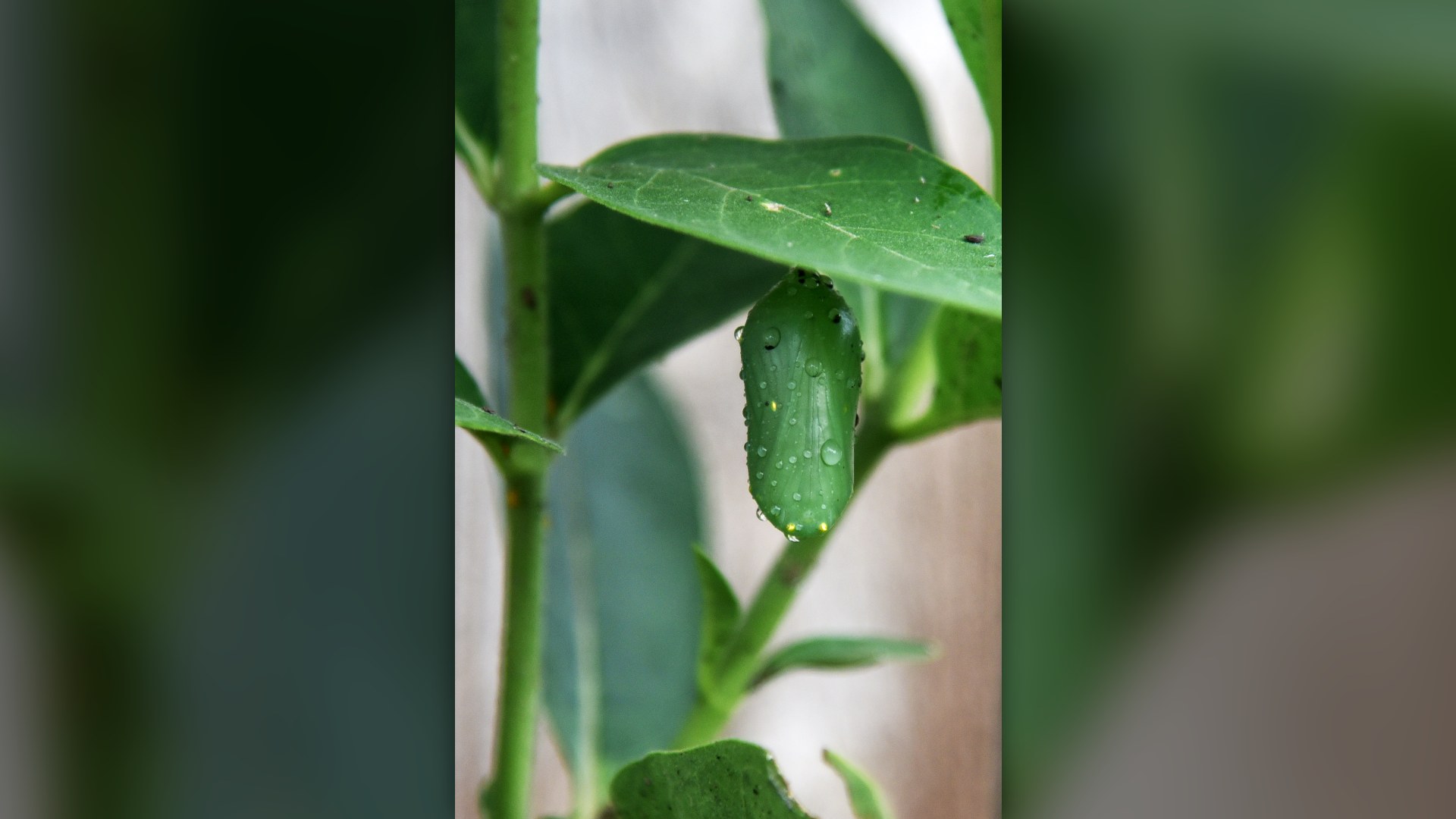
13. Metamorphosis Inside A Gold-Spotted Jade Chrysalis
Inside the smooth jade chrysalis, larval tissues dissolve and reorganize around clusters of imaginal cells that build wings, compound eyes, and flight muscles. The gold-rimmed crown reflects light through layered cuticle proteins. After 8 to 15 days, the casing turns clear to reveal orange and black wings.
12. The Autumn Methuselah Super-Generation
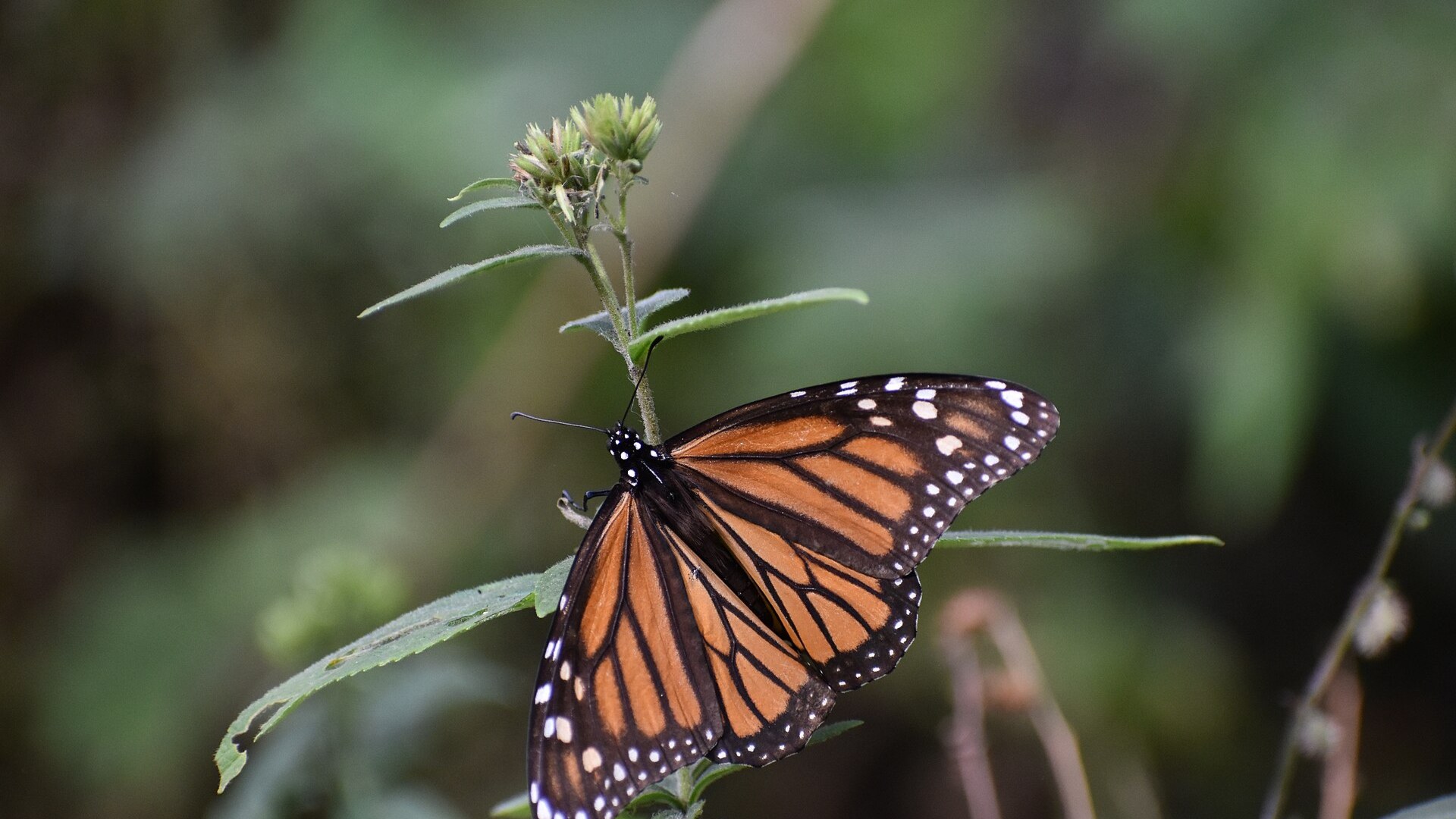
Three or four short-lived summer generations advance northward across the United States and southern Canada each year. Triggered by shortening late-summer day lengths, cooler nights, and aging milkweed, the final autumn generation suspends reproduction and channels energy into flight muscles and winter fat reserves.
11. Overnight Roosting Clusters Along The Midwest Flyway
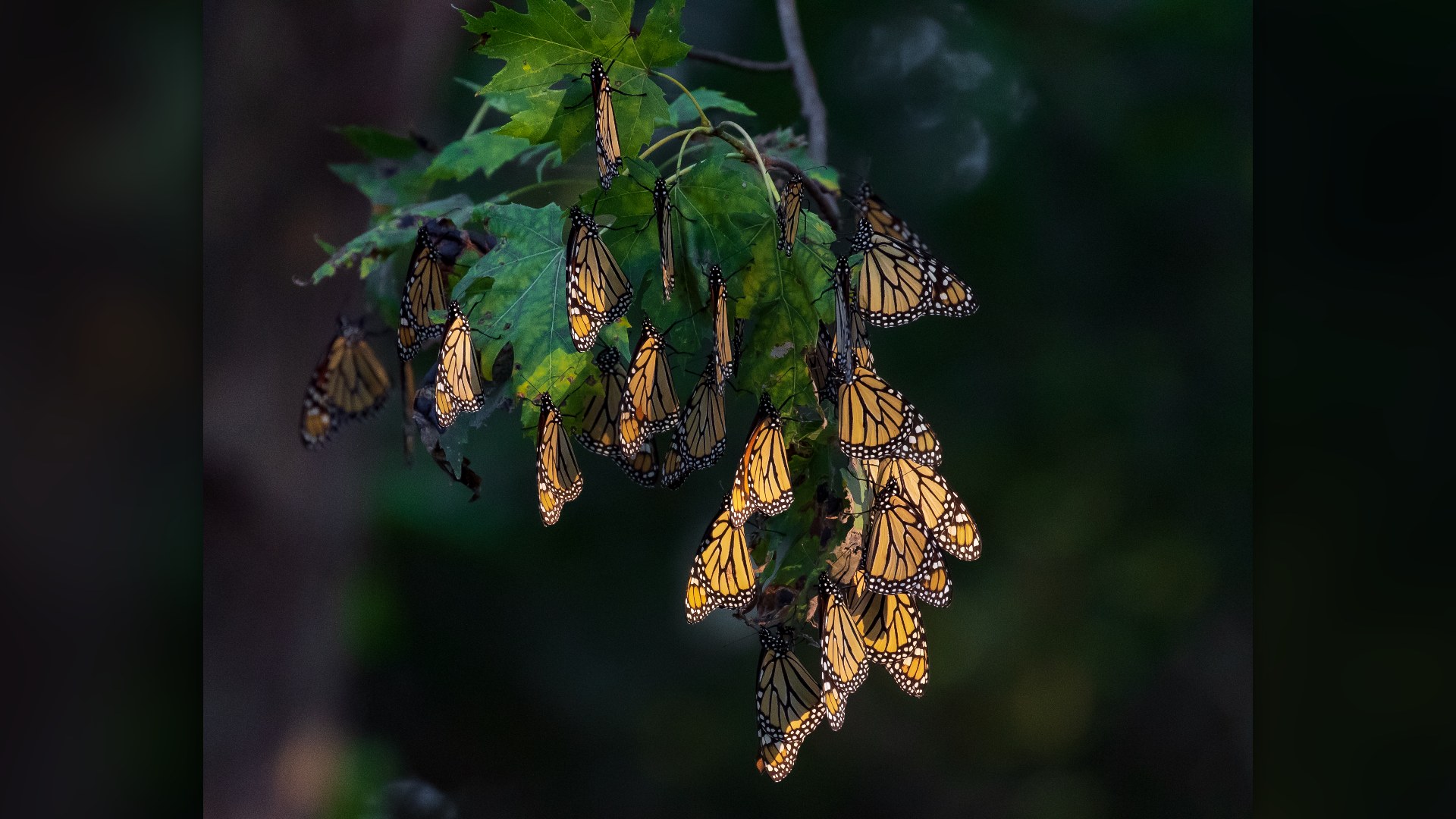
Eastern monarchs ride favorable northern tail winds and rising thermal air currents, covering 50 to 100 miles a day while conserving wing-beat energy. Before dusk, falling temperatures prompt travelers to descend into wind-sheltered groves of willow, maple, or pecan trees, forming communal overnight roosts.
10. Antennae Clocks And A Sun Compass Guiding Flight
Because every autumn migrant is three to four generations removed from the butterflies that left Mexico the previous spring, the route cannot be learned from elders. Ultraviolet photoreceptors in the compound eyes track the sun's azimuth while circadian clocks inside the antennae adjust the flight bearing all day.
9. Converging Through The Central Texas Funnel
Framed by the Gulf of Mexico to the east and arid deserts and mountains to the west, eastern migration pathways narrow dramatically across Oklahoma and central Texas. Pecan bottoms, cedar elms, and limestone hill country valleys host massive overnight roosts before the butterflies cross the Rio Grande.
8. Late-Blooming Prairie Nectar Fueling Fat Reserves
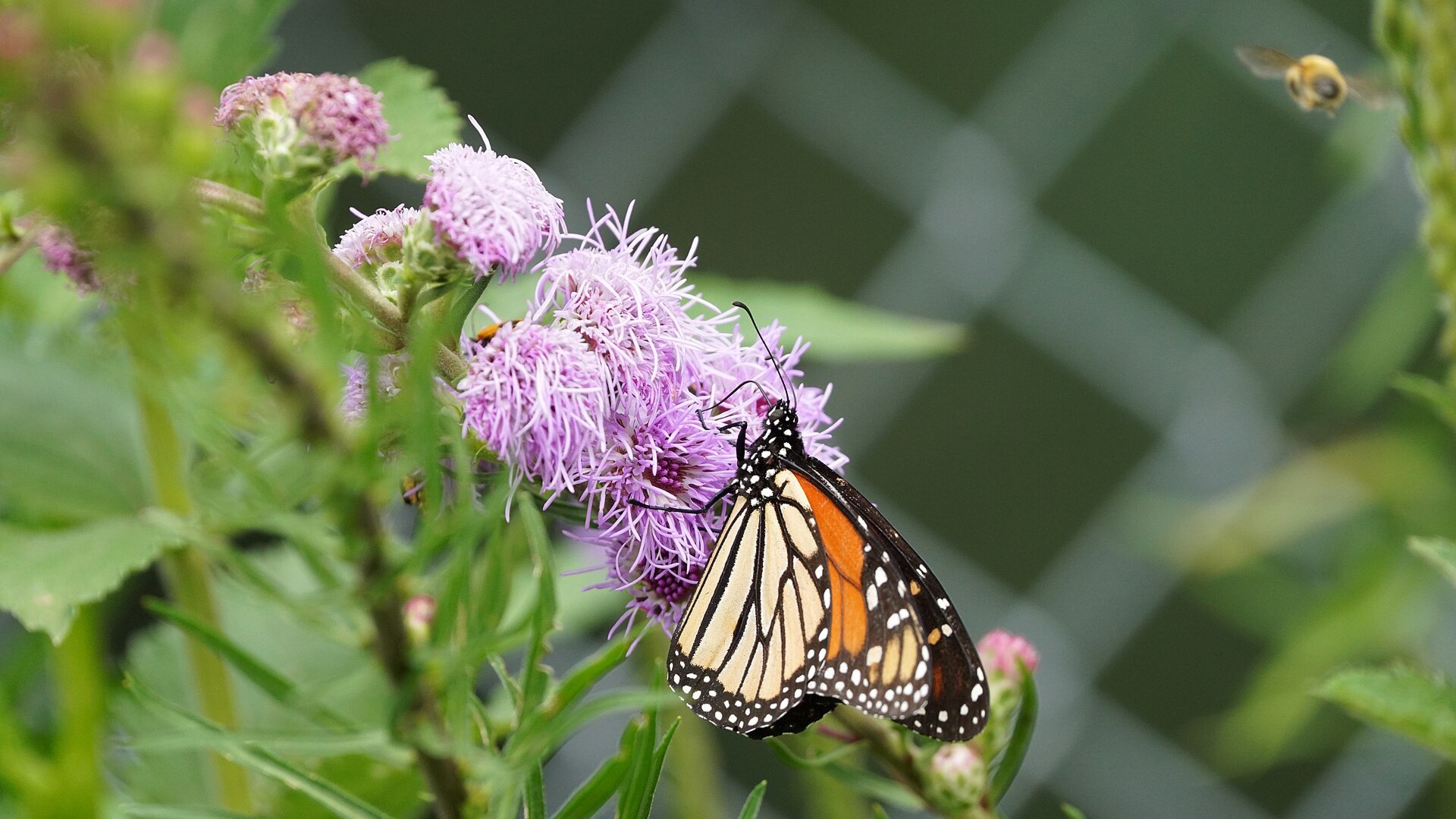
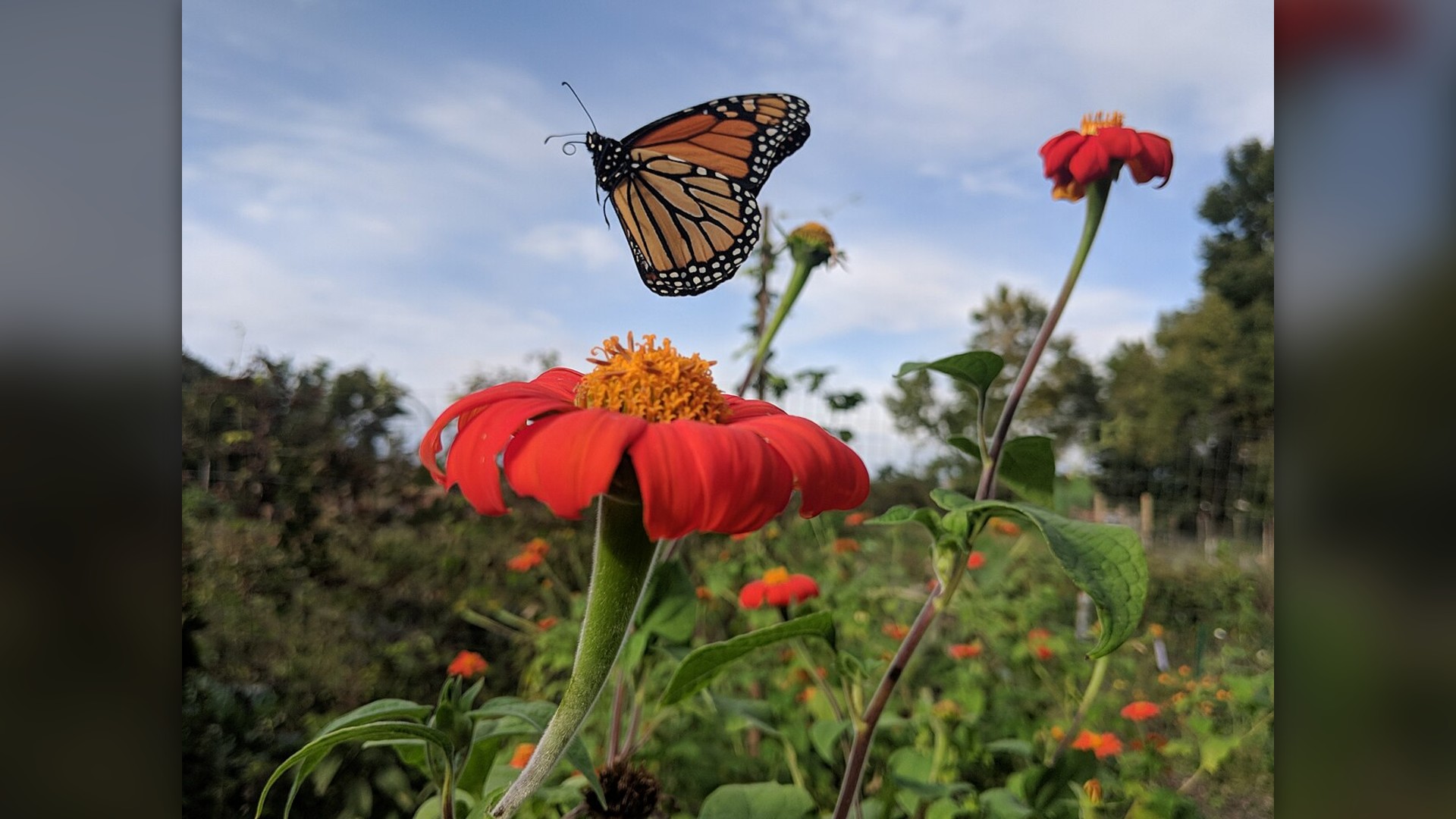
Monarchs actually gain weight as they migrate south. By drinking nectar from late-blooming prairie wildflowers like gayfeather blazing star (Liatris), goldenrod, and frost aster, butterflies convert flower sugars into abdominal lipids. By the time they reach Mexico, fat stores can equal a third of their dry weight.
7. High-Altitude Oyamel Fir Forests Of Central Mexico
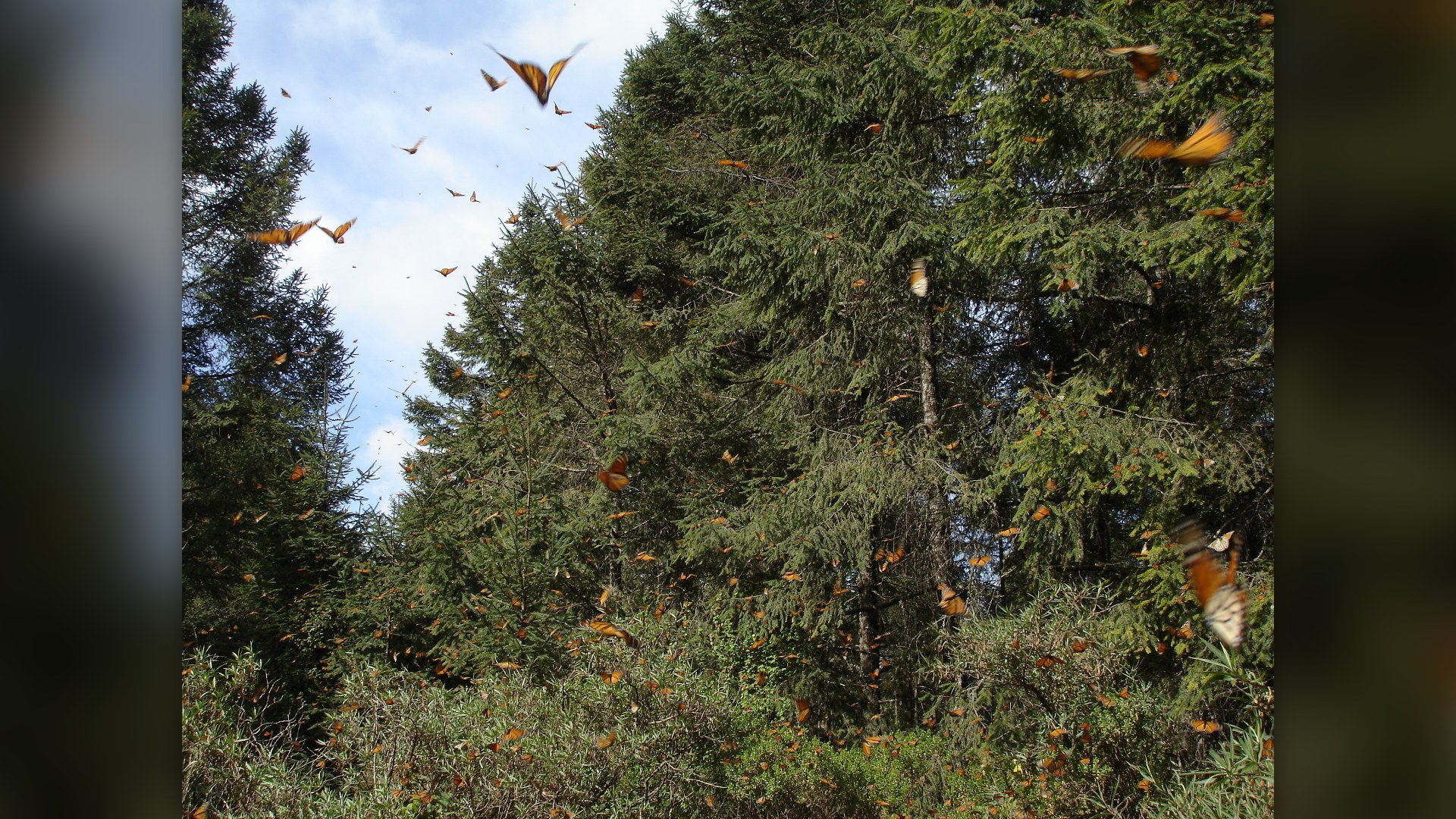
Field associates of zoologists Fred and Norah Urquhart first documented the eastern monarch's winter destination for science in January 1975 along the border of Michoacan and the State of Mexico. Today the UNESCO-listed Monarch Butterfly Biosphere Reserve protects 56,259 hectares of oyamel fir (Abies religiosa) forest.
6. Millions Clustering On Oyamel Boughs In Michoacan
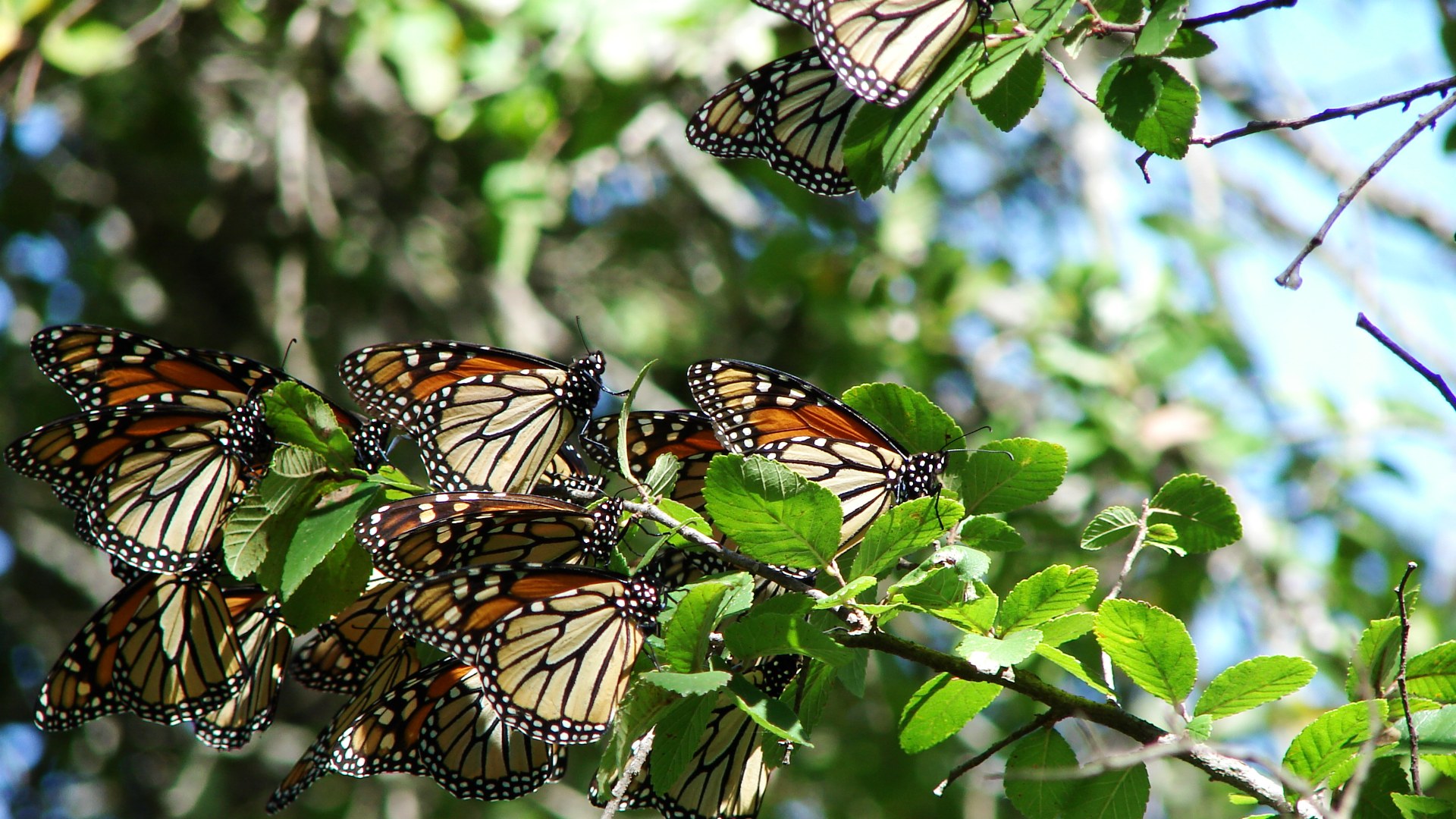
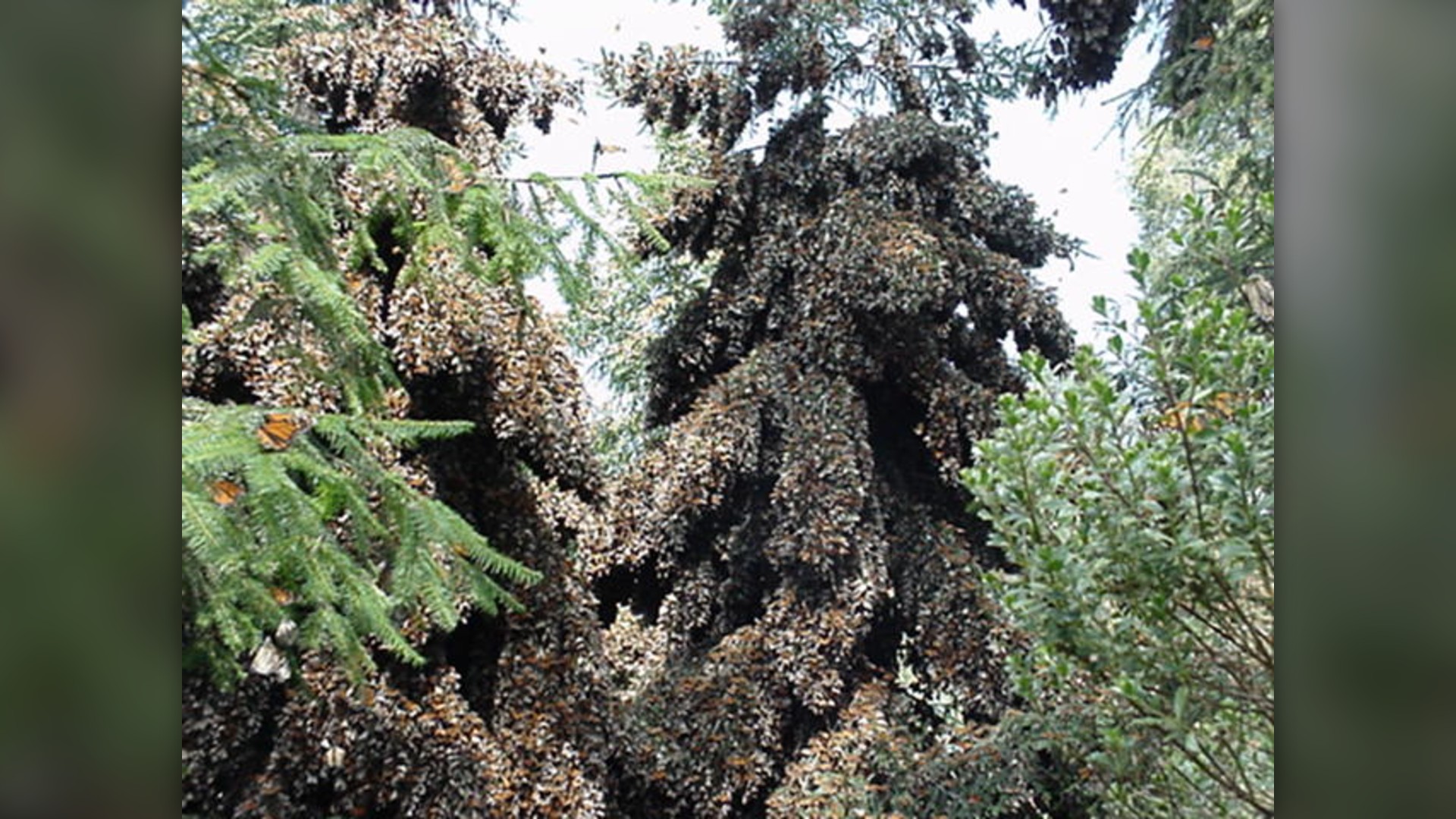
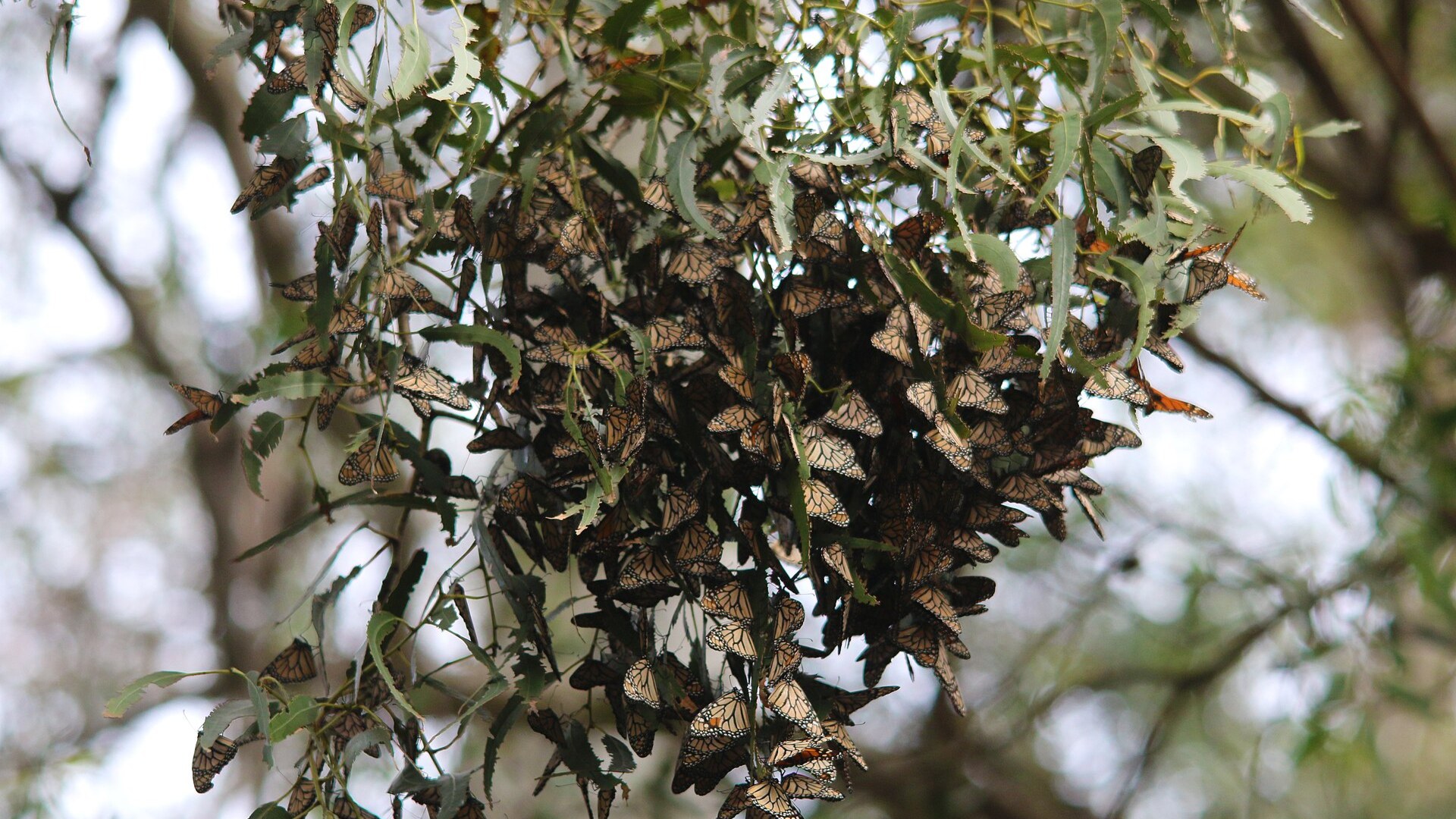
Rather than spreading evenly across the Mexican mountains, the entire eastern population crowds into a dozen tiny micro-sites covering only a few hectares of forest in total. Shingle-like rows of overlapping wings shed mountain rain and insulate individuals at the center of the cluster from biting high-altitude winds.
5. Bough-Bending Bivouacs And The Cloud Forest Thermal Blanket
The oyamel forest microclimate is a delicate biological balance. If daytime temperatures climb too high, butterflies burn through their irreplaceable lipid reserves before spring. If clear night skies allow frost to penetrate the canopy, wet butterflies freeze. Intact fir boughs and dense clusters buffer both extremes.
4. Western Monarchs Overwintering In Pacific Grove, California
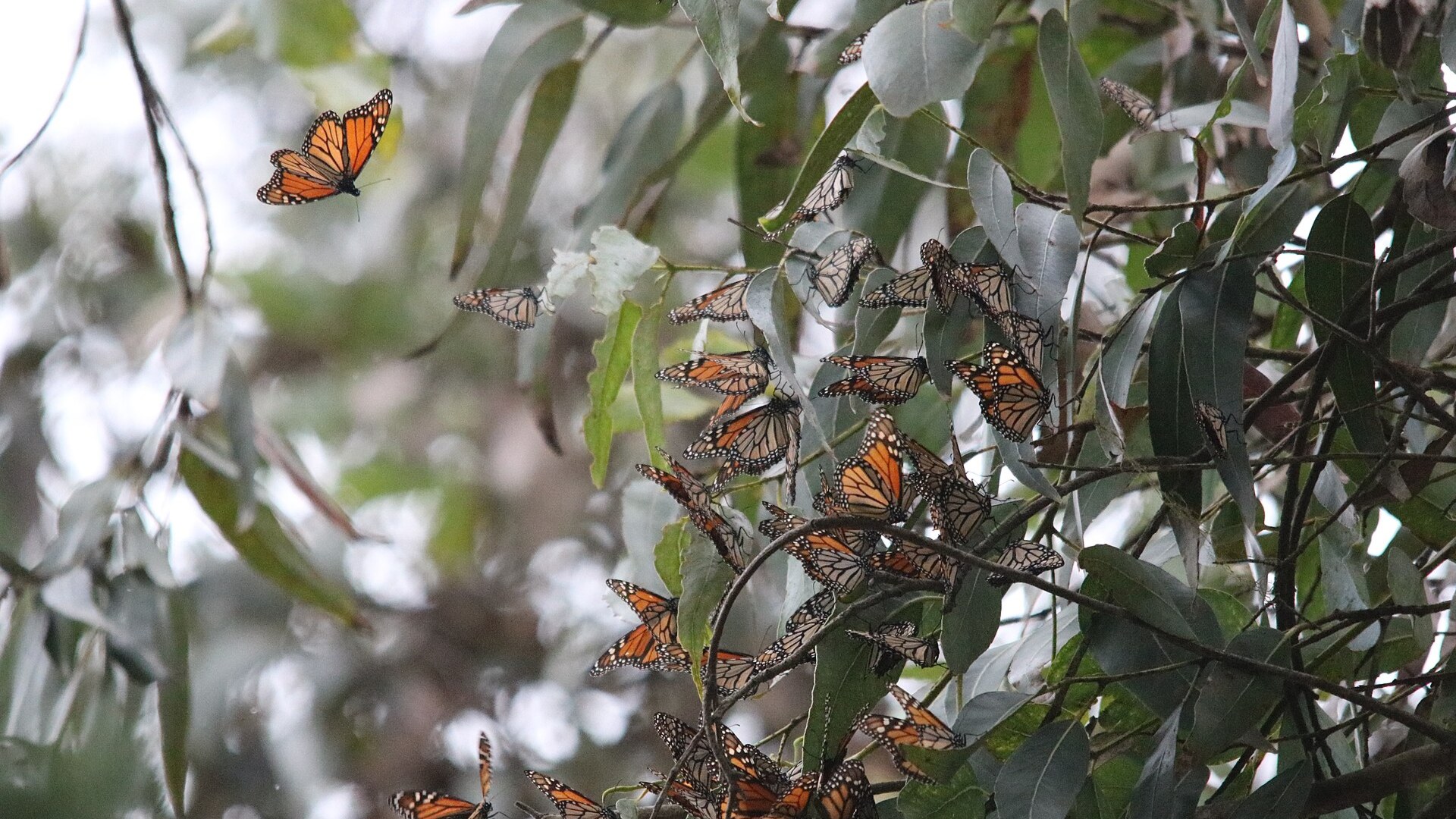
Butterflies hatched in Idaho, Washington, Oregon, Nevada, and Arizona head west each autumn toward the Pacific Ocean. In Pacific Grove, nicknamed 'Butterfly Town, U.S.A.,' monarchs gather from October through February in Monterey pine, cypress, and eucalyptus trees where ocean fog moderates winter chills.
3. Coastal Eucalyptus Roosts At Pismo Beach And Santa Cruz
Introduced Tasmanian blue gum eucalyptus trees, alongside native conifers, provide filtered sunlight, high humidity, and windbreaks along the central and southern California coastline. Volunteers with the Xerces Society Western Monarch Thanksgiving Count survey over 250 groves each winter to track population swings.
2. Wing Tags Mapping Continent-Wide Flights
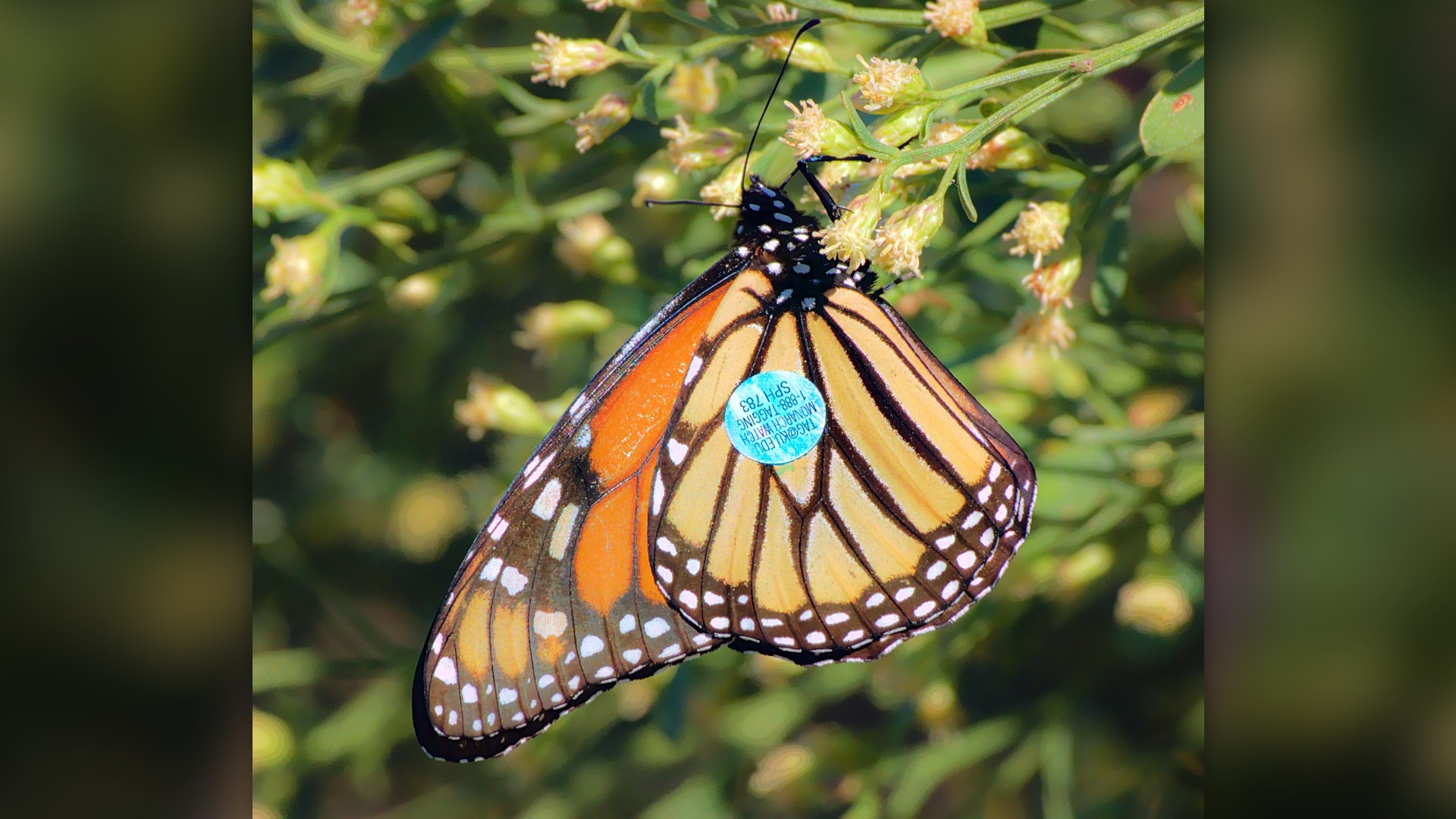
Pioneered by zoologist Fred Urquhart in the 1950s and expanded by Monarch Watch in 1992, community tagging has logged more than two million butterflies across North America. Weighing just a few milligrams, each weather-resistant serial-numbered tag sits near the butterfly's center of gravity so it never impedes flight.
1. Restoring Milkweed Corridors And Overwintering Sanctuaries
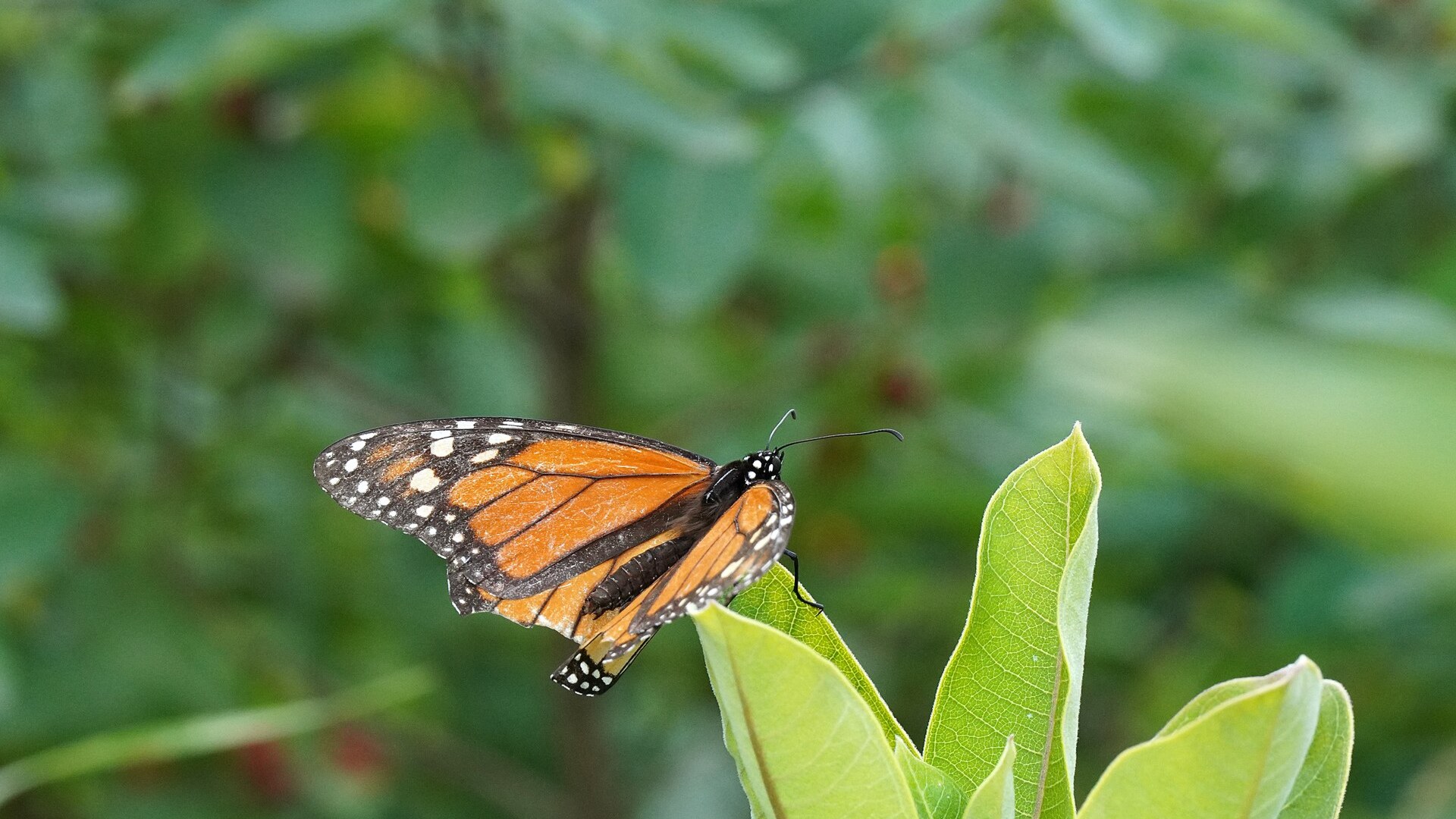
Since the 1990s, herbicide-driven loss of agricultural milkweed, severe droughts, and illegal logging in overwintering forests have sharply reduced both eastern and western populations. Biologists, farmers, and homeowners are countering the decline by planting native milkweed and nectar corridors across North America.