Slideshow · Viral
Lighthouses That Guided the World Through Perilous Seas
Before satellite navigation, massive stone towers and brilliant prism lenses protected global shipping lanes from fatal reefs and crushing ocean storms. From wave-swept Atlantic rock bastions to the f
By Most Viral Today
3 Nov 2026

The real story behind lighthouses that guided the world 
25. Phare De La Jument 
24. Thomas Point Shoal Light 
23. Eddystone Lighthouse - AdvertisementSwipe or tap ▶ to continue countdown

22. The First-Order Fresnel Lens 
21. Bell Rock Lighthouse 
20. Liquid Mercury Float Baths 
19. Fastnet Rock Lighthouse - AdvertisementSwipe or tap ▶ to continue countdown

18. Spectacle Reef Light 
17. Clockwork Gravity Drives 
16. Les Eclaireurs Lighthouse 
15. Bishop Rock Lighthouse - AdvertisementSwipe or tap ▶ to continue countdown

14. Compressed Air Diaphone Horns 
13. Cape Hatteras Light 
12. Phare De Cordouan 
11. Kõpu Lighthouse - AdvertisementSwipe or tap ▶ to continue countdown

10. Hook Head Lighthouse 
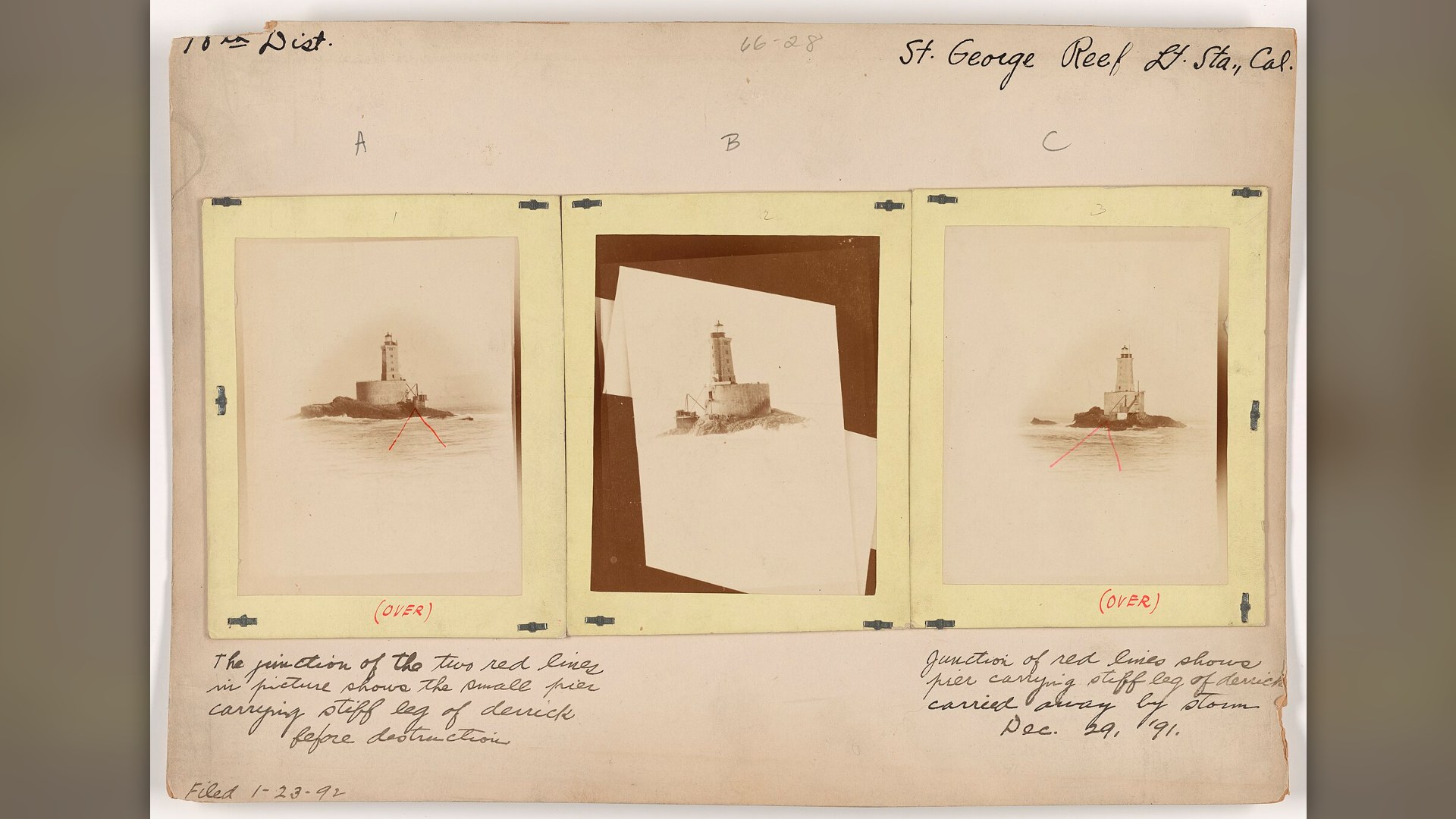
9. St. George Reef Light 
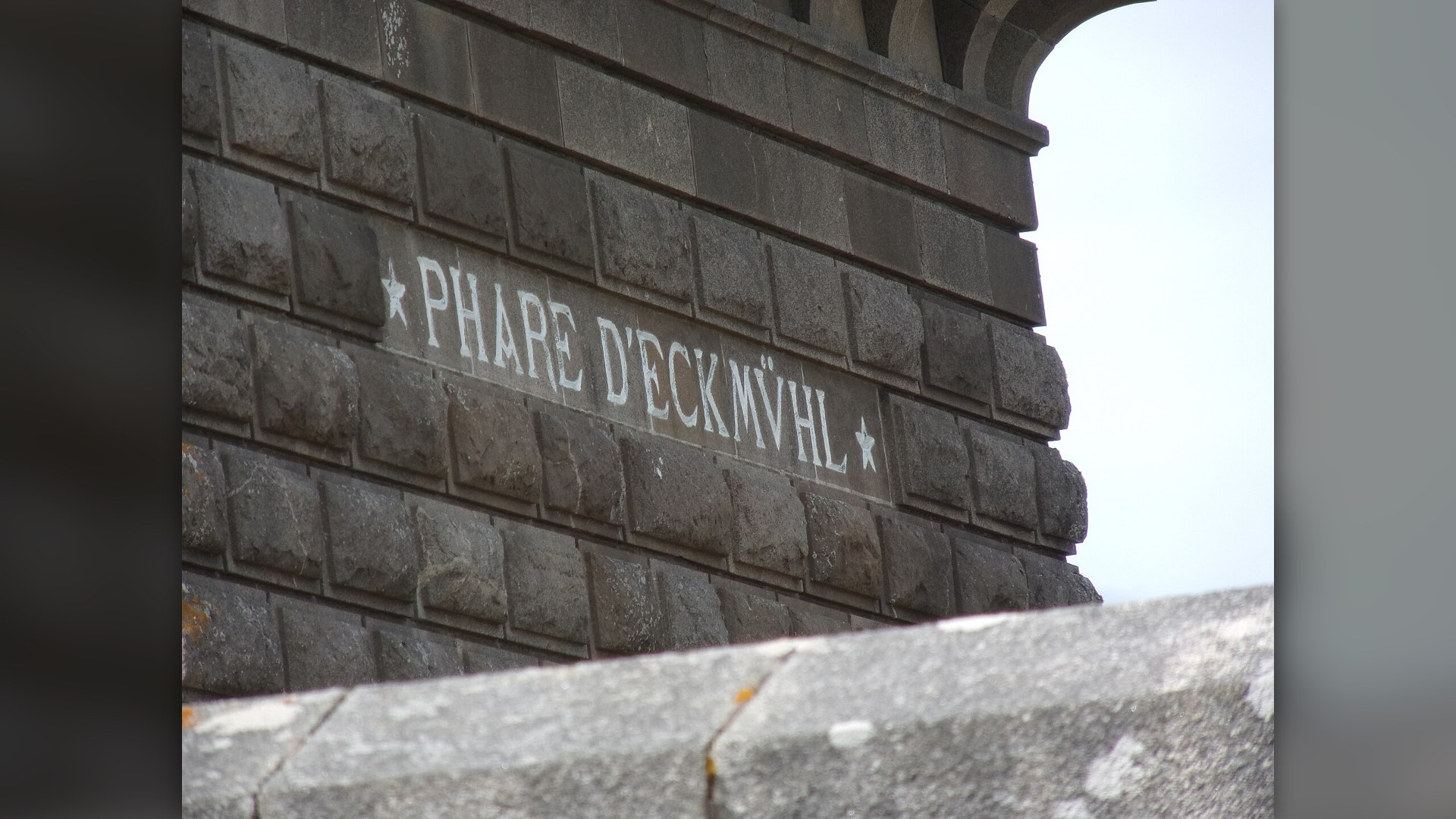
8. Phare d'Eckmühl 
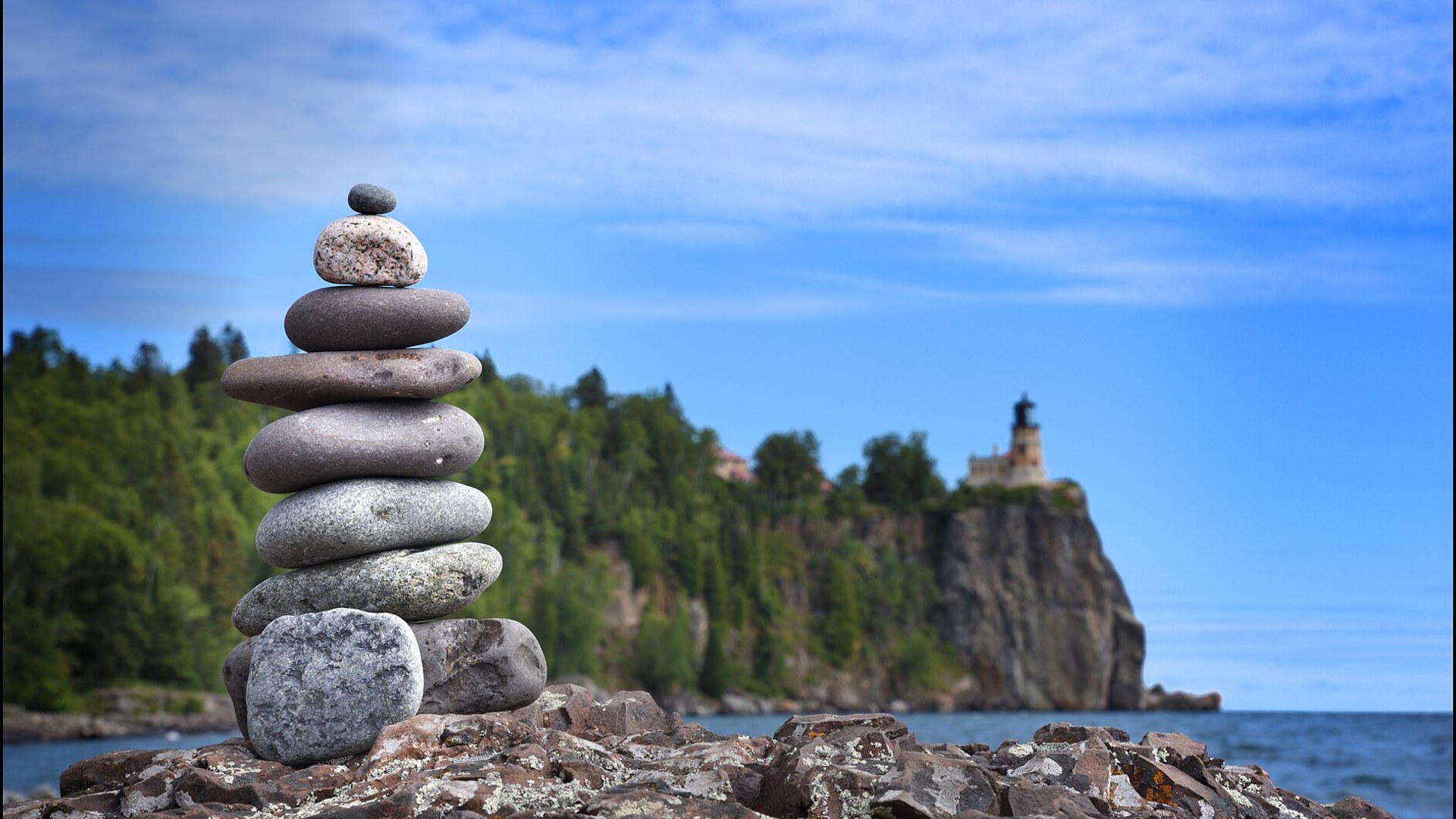
7. Split Rock Lighthouse - AdvertisementSwipe or tap ▶ to continue countdown

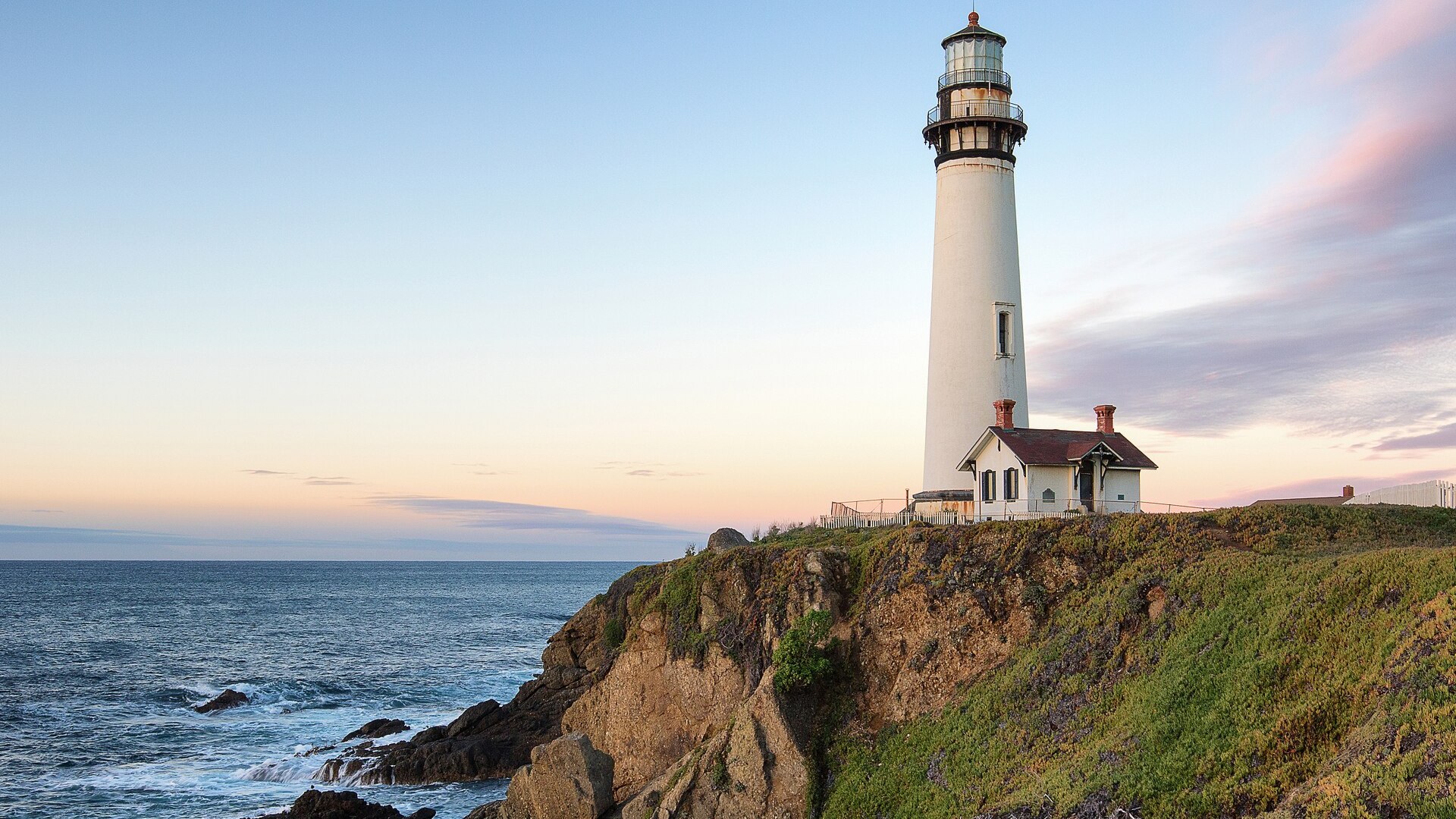
6. Pigeon Point Lighthouse 
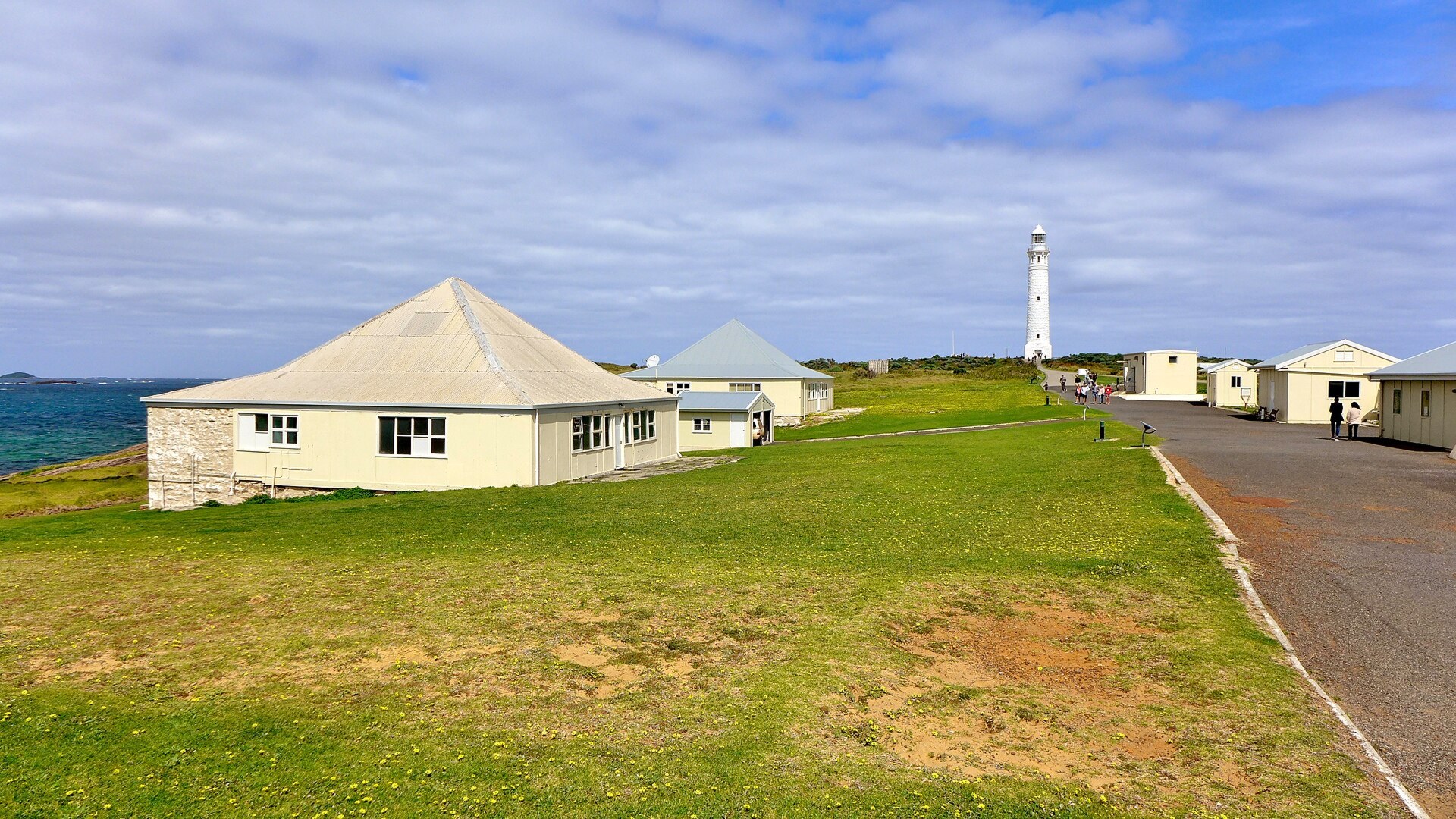
5. Cape Leeuwin Lighthouse 
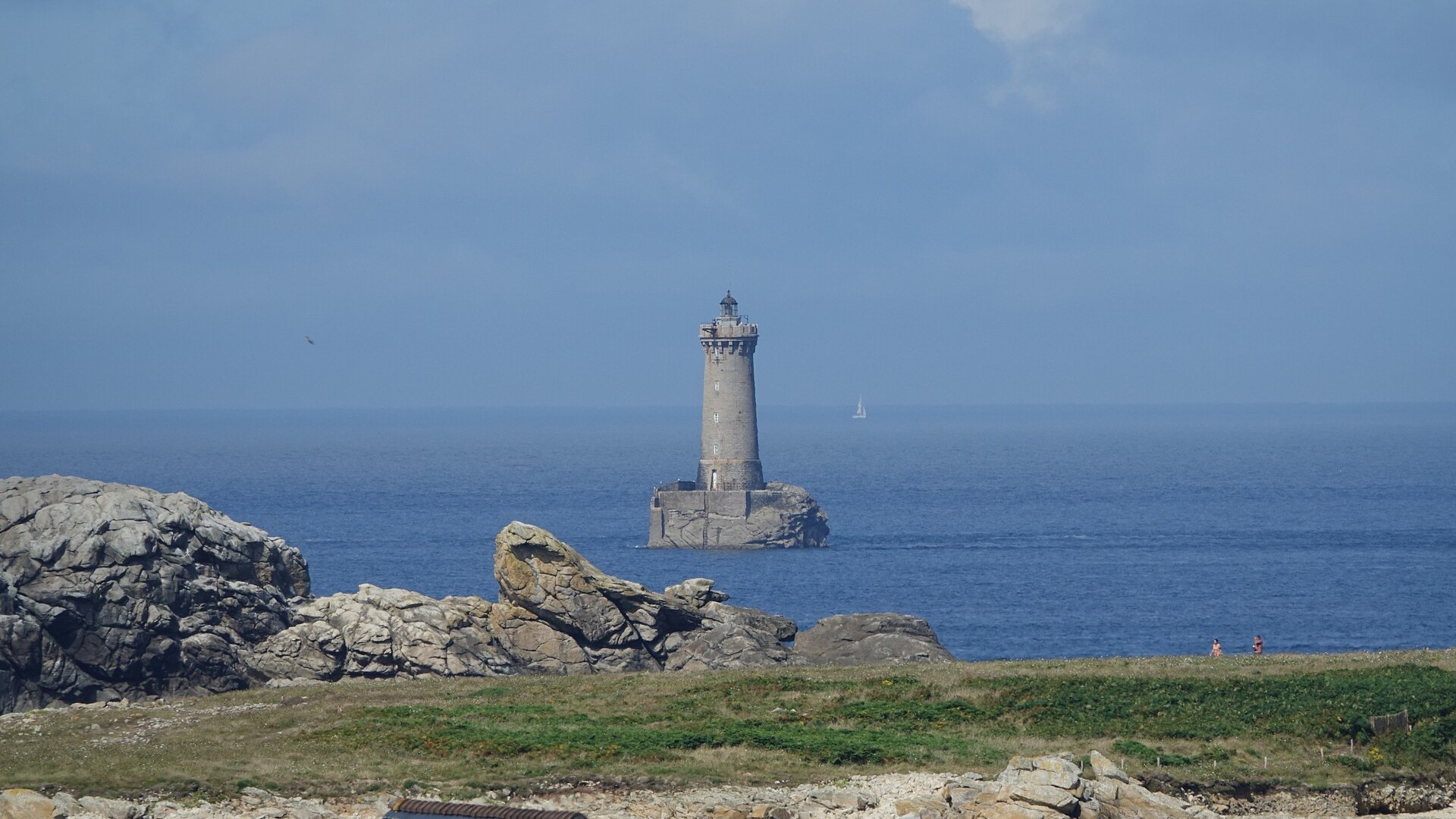
4. Phare Du Four 
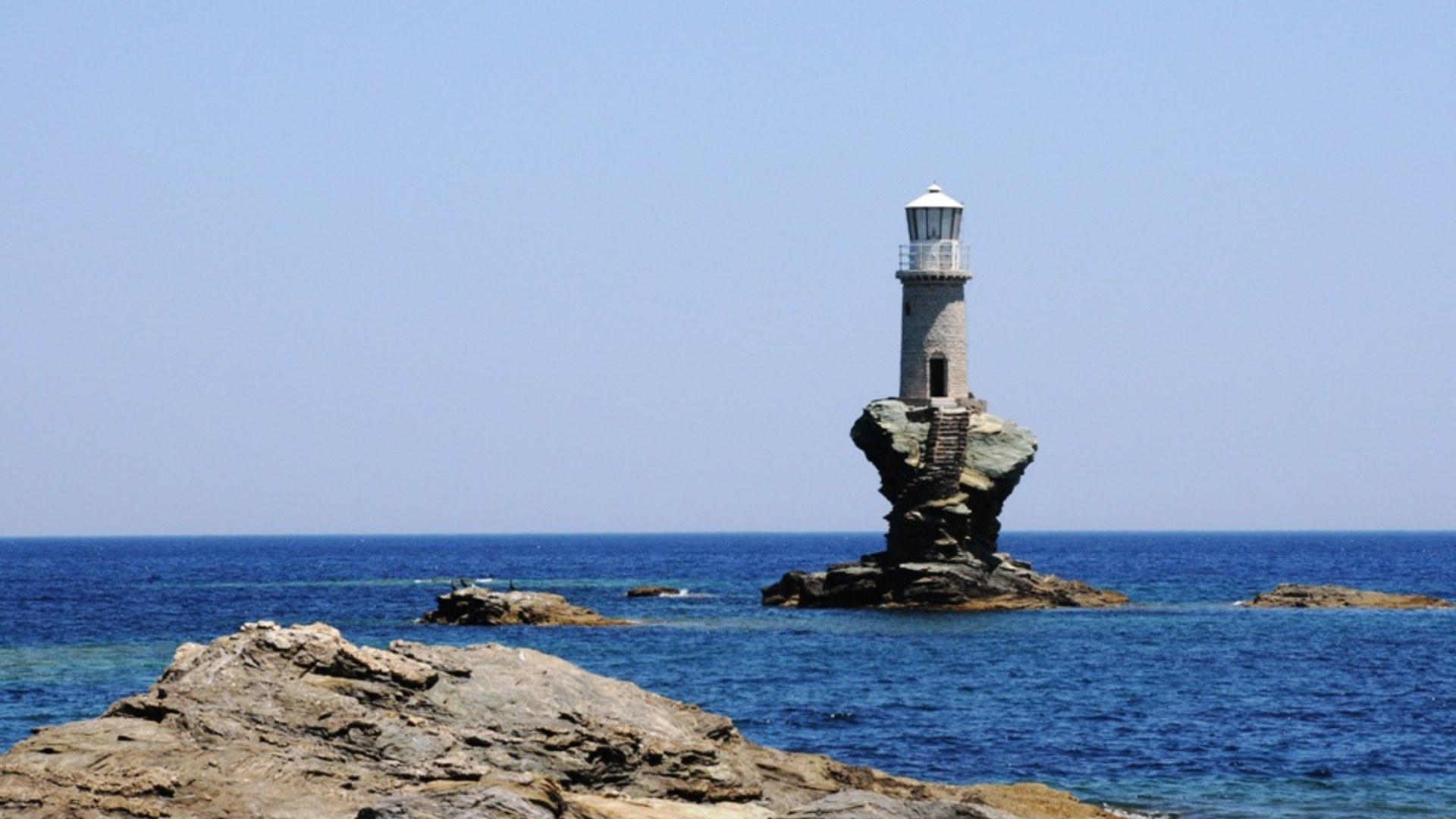
3. Tourlitis Lighthouse - AdvertisementSwipe or tap ▶ to continue countdown

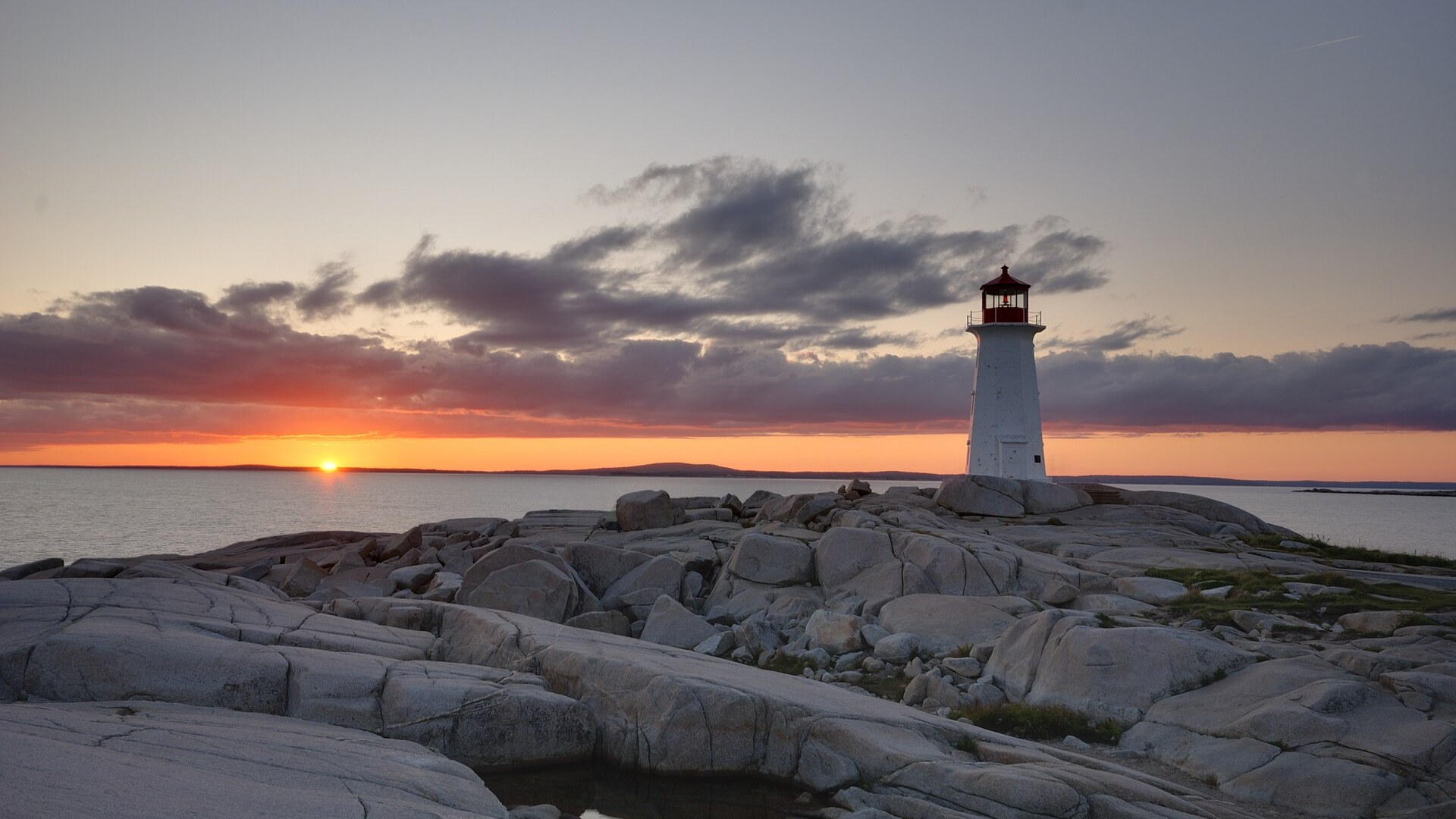
2. Peggy's Point Lighthouse 
1. Cape Horn Lighthouse - Advertisement🔥 UP NEXT IN THIS SERIES◫ 21 Slides

20 Famous Cars With Pop-Up Headlights That Shaped Car Design
From hand-cranked 1930s teardrops to wedge supercars of the 1980s, hidden headlights let stylists chase sleek aerodynamics until 2004 pedestrian rules closed the curtain. Here are 20 standout production cars that turned retractable lamps into an enduring automotive design feature across seven full decades.
From wave-swept offshore granite towers to remote cliff-edge beacons, historic lighthouses protected mariners along the world's most perilous shipping channels. Explore how groundbreaking optical engineering, clockwork mechanisms, and fearless keepers guided vessels through blinding gales.
Swipe or tap ▶ to begin the countdown
©Wikimedia Commons / King of Hearts
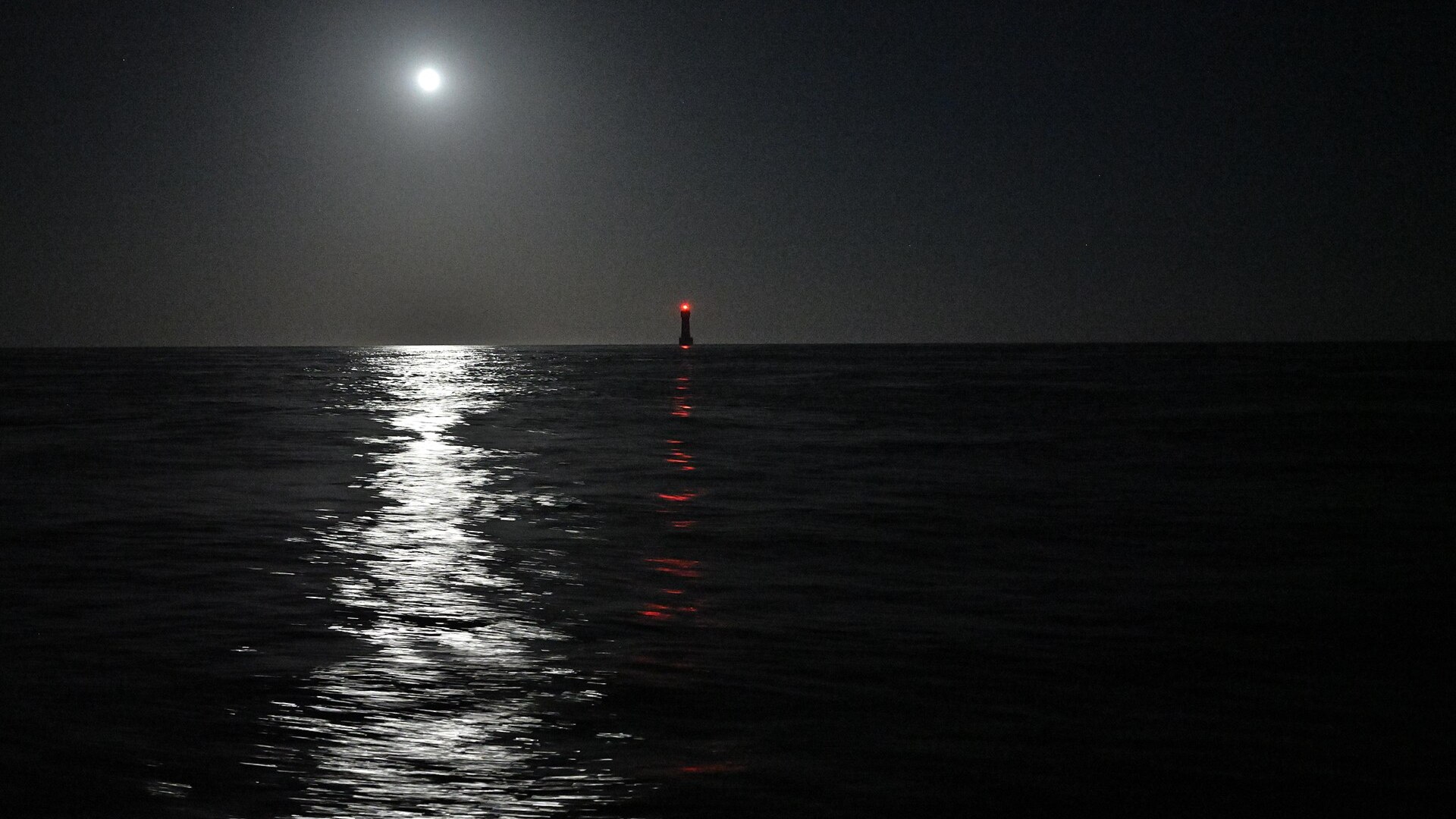
25. Phare De La Jument
Erected on a submerged reef off Ushant in Brittany, this 154-foot granite bastion was completed in 1911 after fourteen grueling years of construction. The tower was anchored directly into wave-swept seabed rocks with steel tie-rods to survive punishing western Atlantic storms.
©Wikimedia Commons / Ifremer / Alexis Rosenfeld
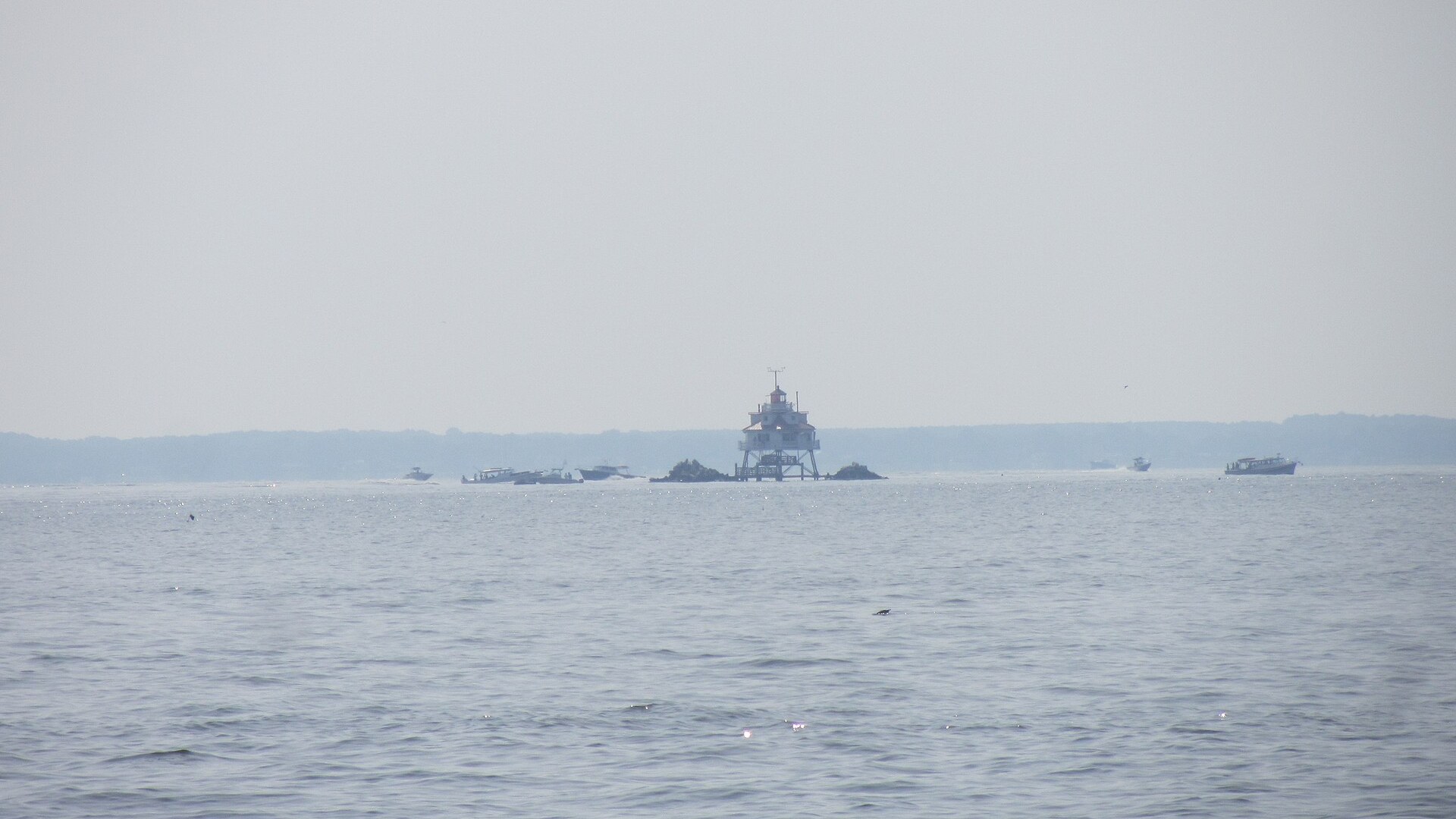
24. Thomas Point Shoal Light
Built in 1875 in Chesapeake Bay, this hexagonal wooden dwelling rests on cast iron screw-piles bored directly into the submerged seabed. The open skeletal legs let storm surges and tidal currents pass beneath without exerting destructive hydraulic force against solid walls.
©Wikimedia Commons / GPA Photo Archive
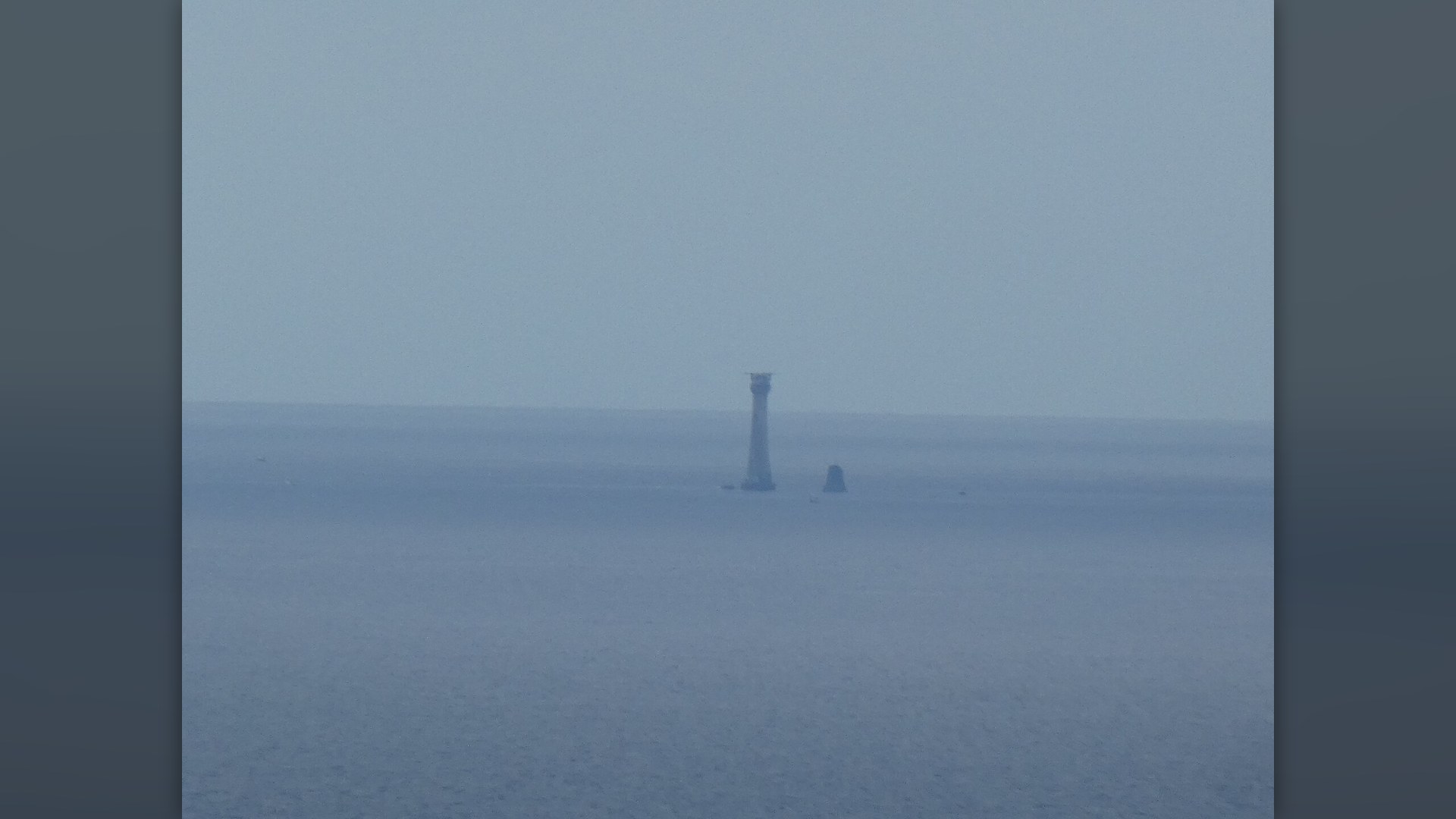
23. Eddystone Lighthouse
Located nine miles off Cornwall, the present 1882 Douglass tower stands beside the stump of Smeaton's famous 1759 design. Smeaton pioneered dovetailed masonry, shaping granite blocks that locked together like jigsaw pieces to turn crushing wave impacts into structural compression.
©Wikimedia Commons / Ed Webster
Advertisement
Swipe or tap ▶ to resume the countdown.
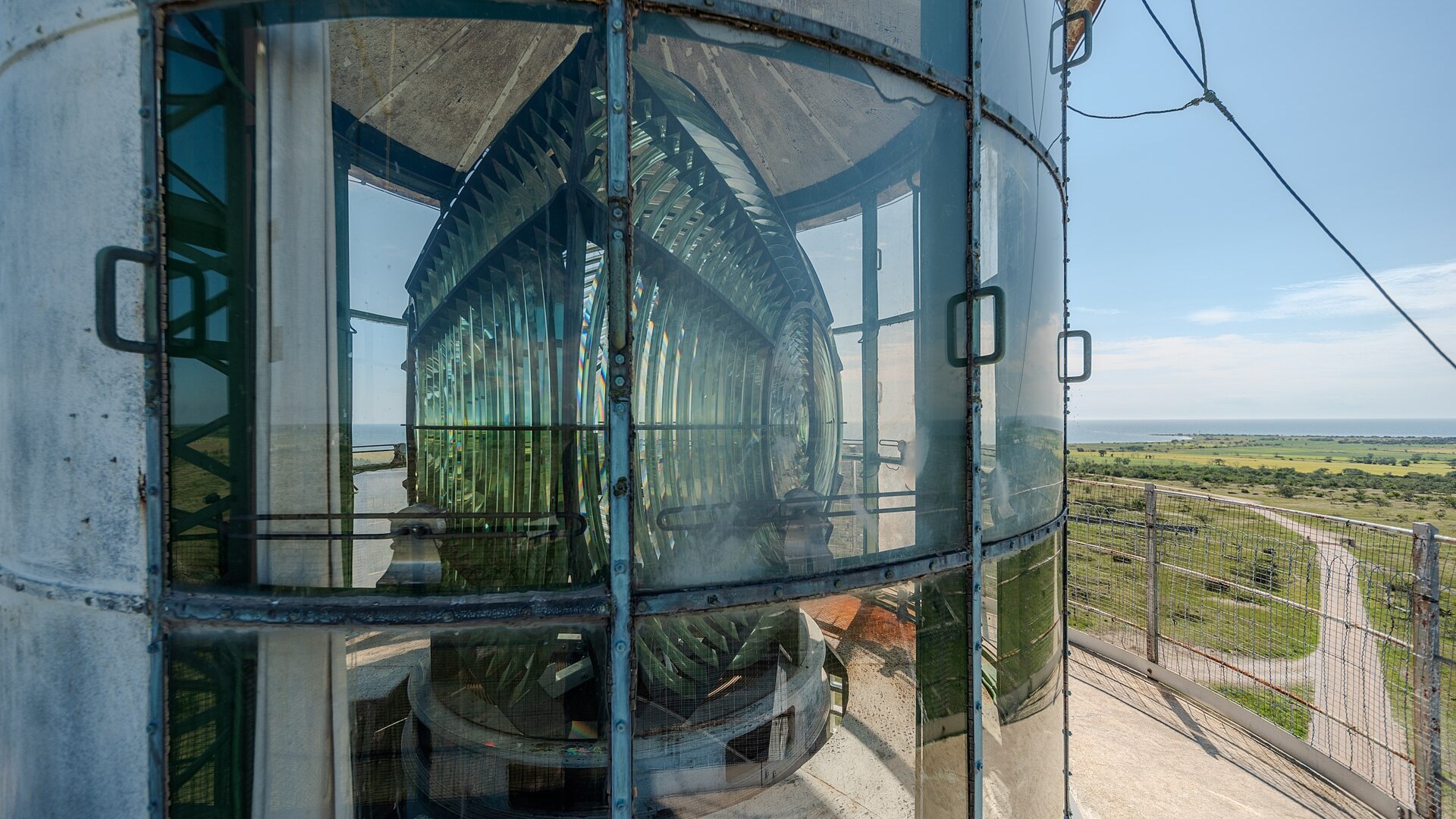
22. The First-Order Fresnel Lens
Invented by French physicist Augustin-Jean Fresnel in 1823, this massive stepped glass assembly captured over eighty percent of a central lamp flame. By bending light rays into parallel horizontal sheets, the multi-ton optic projected beams visible over twenty nautical miles away.
©Wikimedia Commons / Arild Vågen
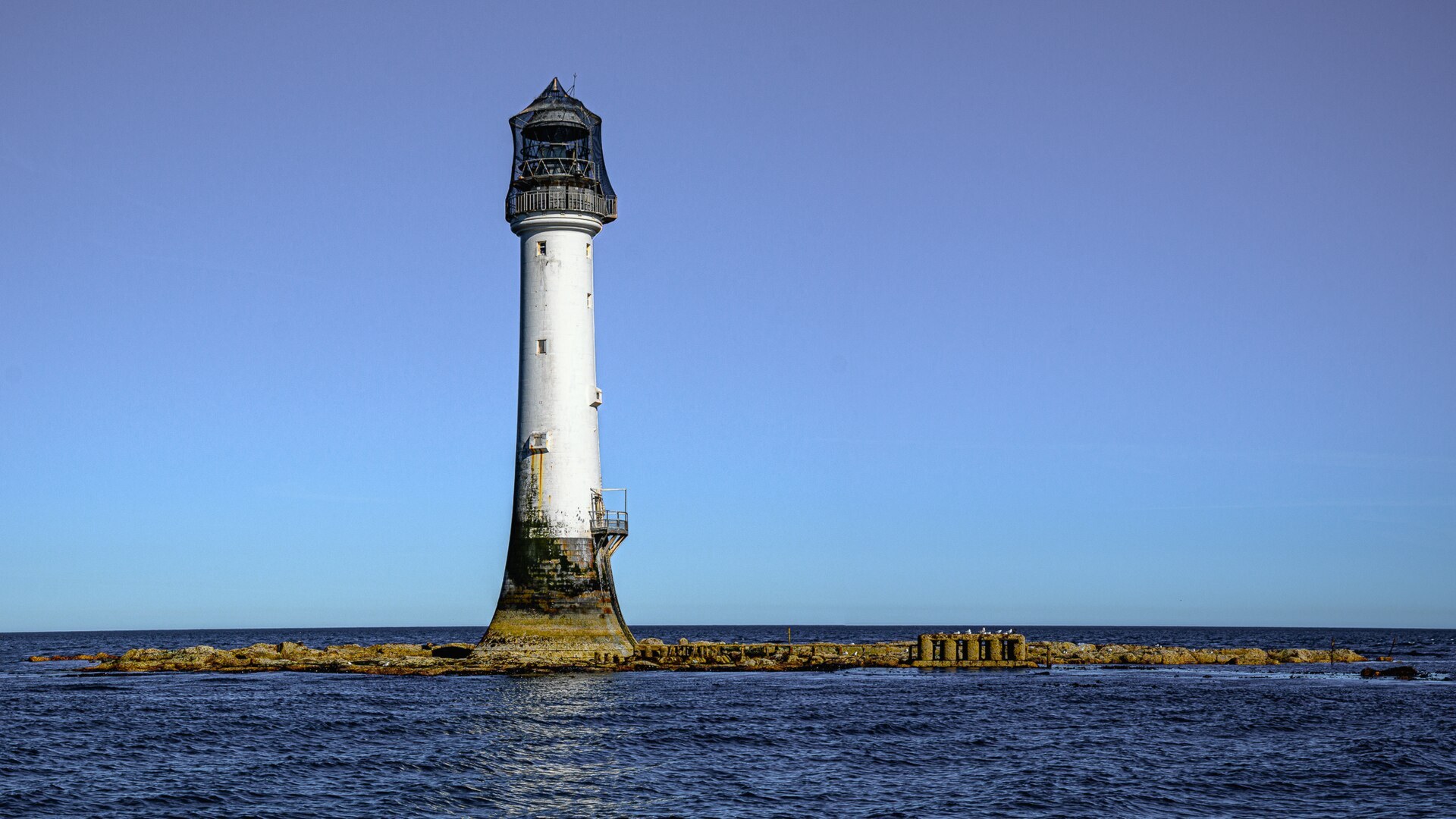
21. Bell Rock Lighthouse
Constructed between 1807 and 1810 by Robert Stevenson, this Scottish beacon stands eleven miles out in the North Sea upon an offshore reef exposed only at low water. Stevenson's team carved granite blocks on shore and transported them by boat to build this engineering masterpiece.
©Wikimedia Commons / Ralph Greig
20. Liquid Mercury Float Baths
Before 1890, massive lens carousels rotated slowly on steel rollers that caused intense friction and mechanical wear. French engineer Bourdelles introduced annular iron troughs filled with liquid mercury, allowing giant glass assemblies to float and turn smoothly with minimal mechanical force.
©Wikimedia Commons / Dennis G. Jarvis
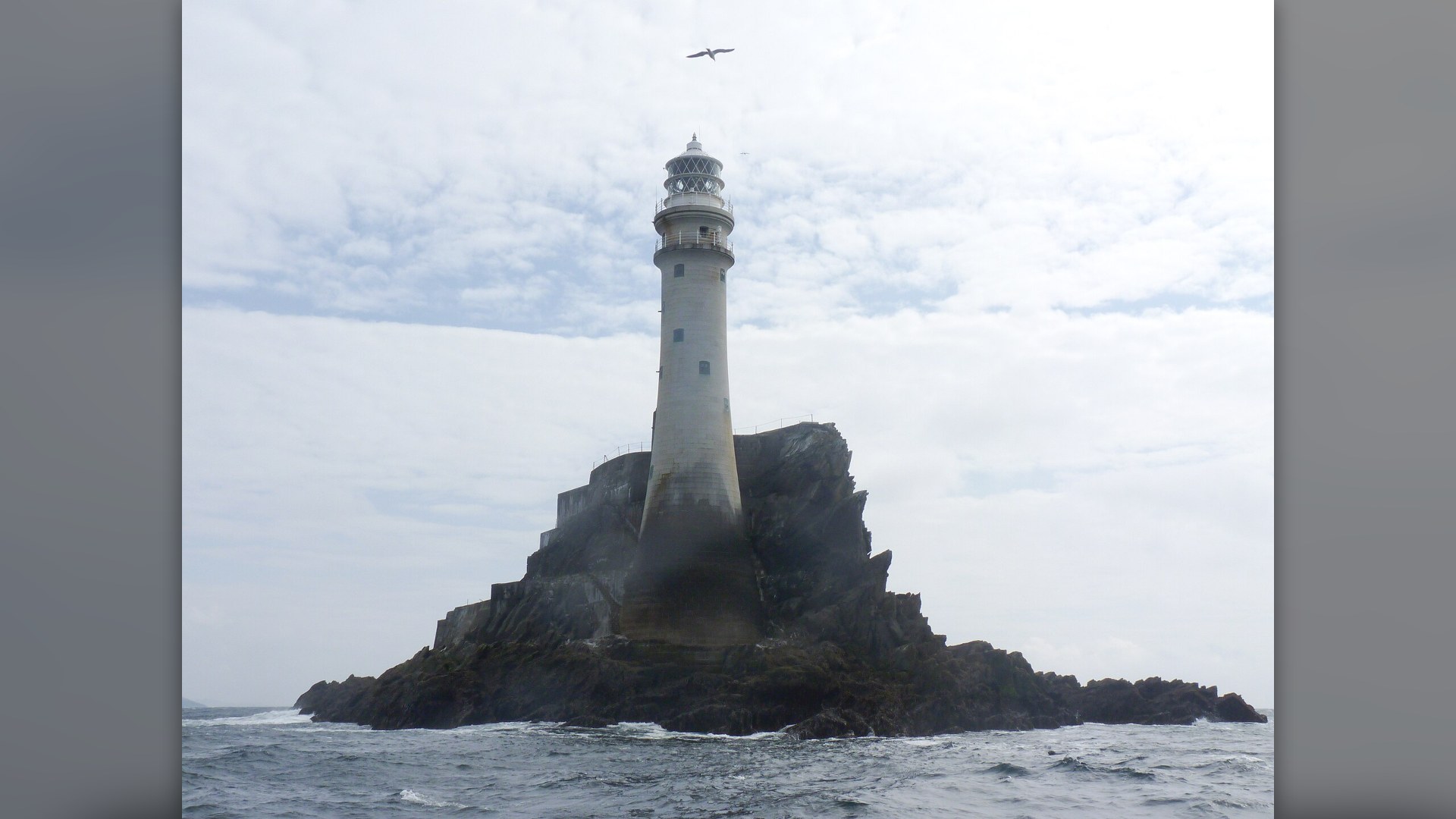
19. Fastnet Rock Lighthouse
Standing on an isolated jagged pinnacle four miles southwest of Cape Clear, Fastnet was the last glimpse of Europe seen by nineteenth-century emigrants sailing to North America. Designed by William Douglass, the tower was assembled from 2,074 Cornish granite blocks interlocked without mortar.
©Wikimedia Commons / Odd Wellies
Advertisement
Swipe or tap ▶ to resume the countdown.
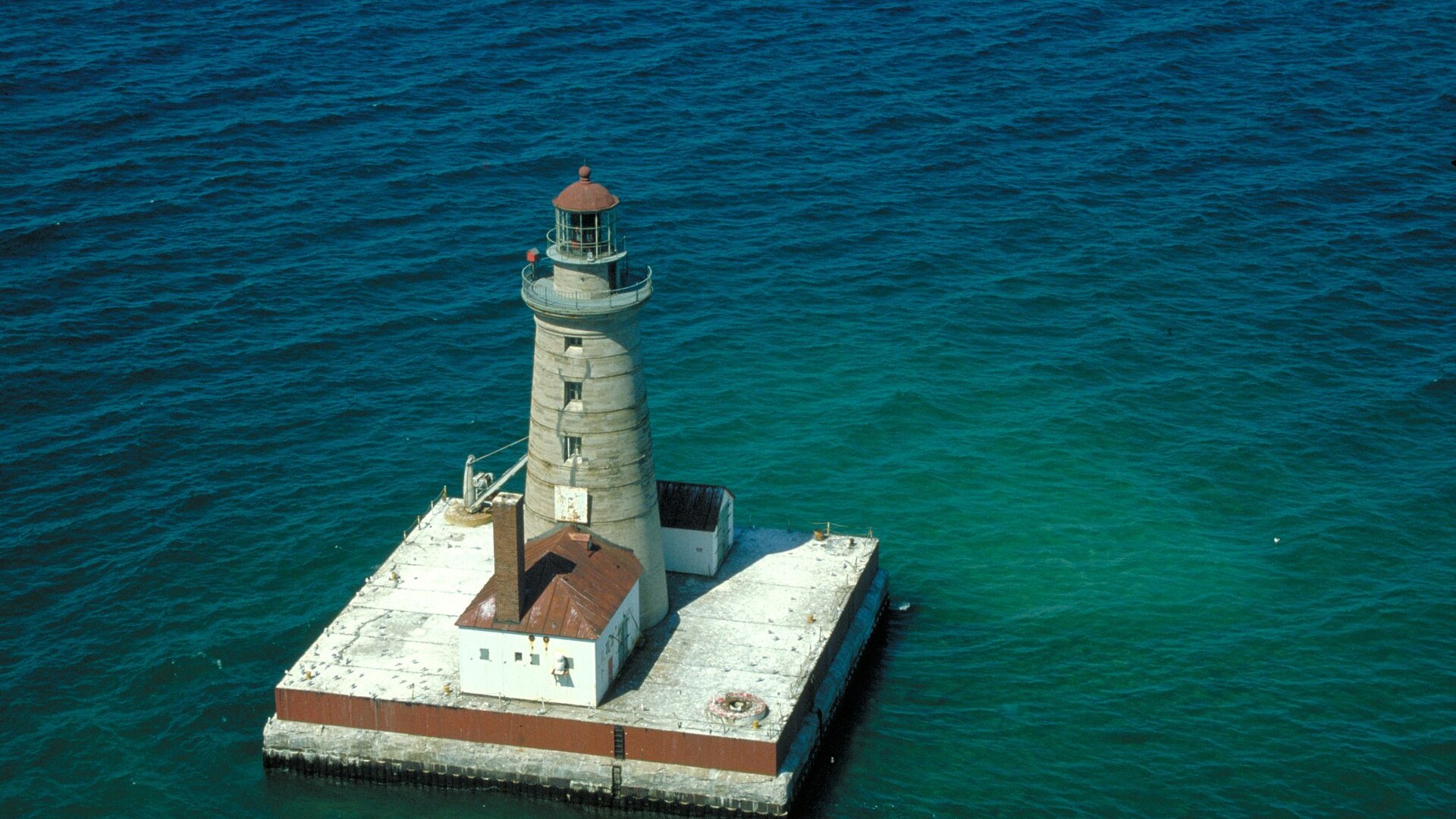
18. Spectacle Reef Light
Completed in 1874 in northern Lake Huron, Spectacle Reef was built inside a massive timber cofferdam pumped dry in open water. Its monolithic limestone base was designed with an outward flaring batter that forced drifting ice floes to ride upward and shatter under their own weight.
©Wikimedia Commons / US Coast Guard
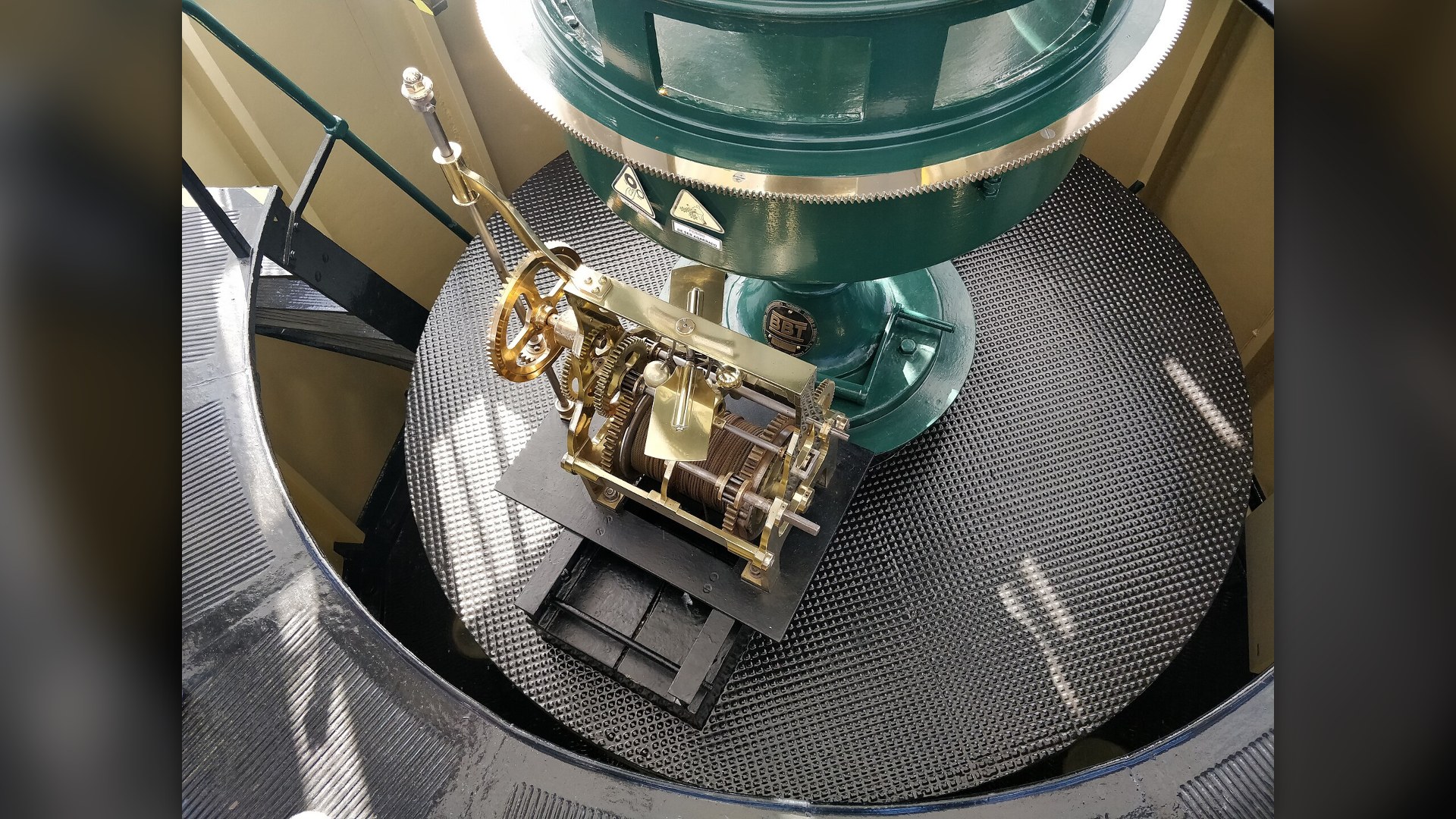
17. Clockwork Gravity Drives
To maintain precise flashing intervals, early lighthouses relied on heavy weights suspended in the central hollow shaft of the tower. Keepers wound the cables every few hours, letting gravity drive precision gear trains regulated by centrifugal governors to spin the beacon day and night.
©Wikimedia Commons / Alvesgaspar
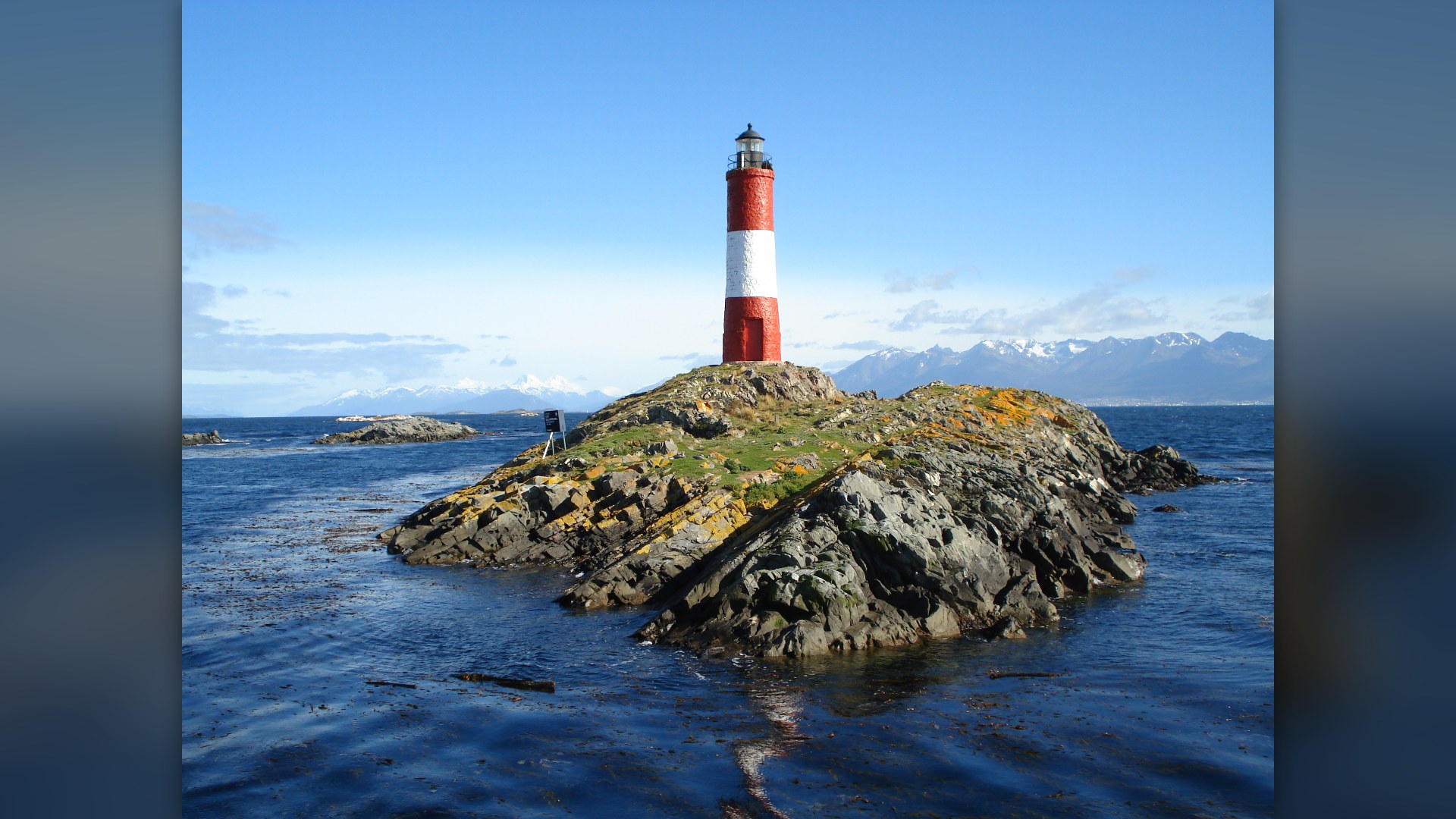
16. Les Eclaireurs Lighthouse
Located on an islet in the Beagle Channel off Ushuaia, Argentina, this 33-foot brick tower has guided sub-Antarctic navigation since 1920. Often mistaken for Jules Verne's fictional lighthouse, it operates automatically via solar panels amidst freezing winds and snowy squalls.
©Wikimedia Commons / Ricardo Martins
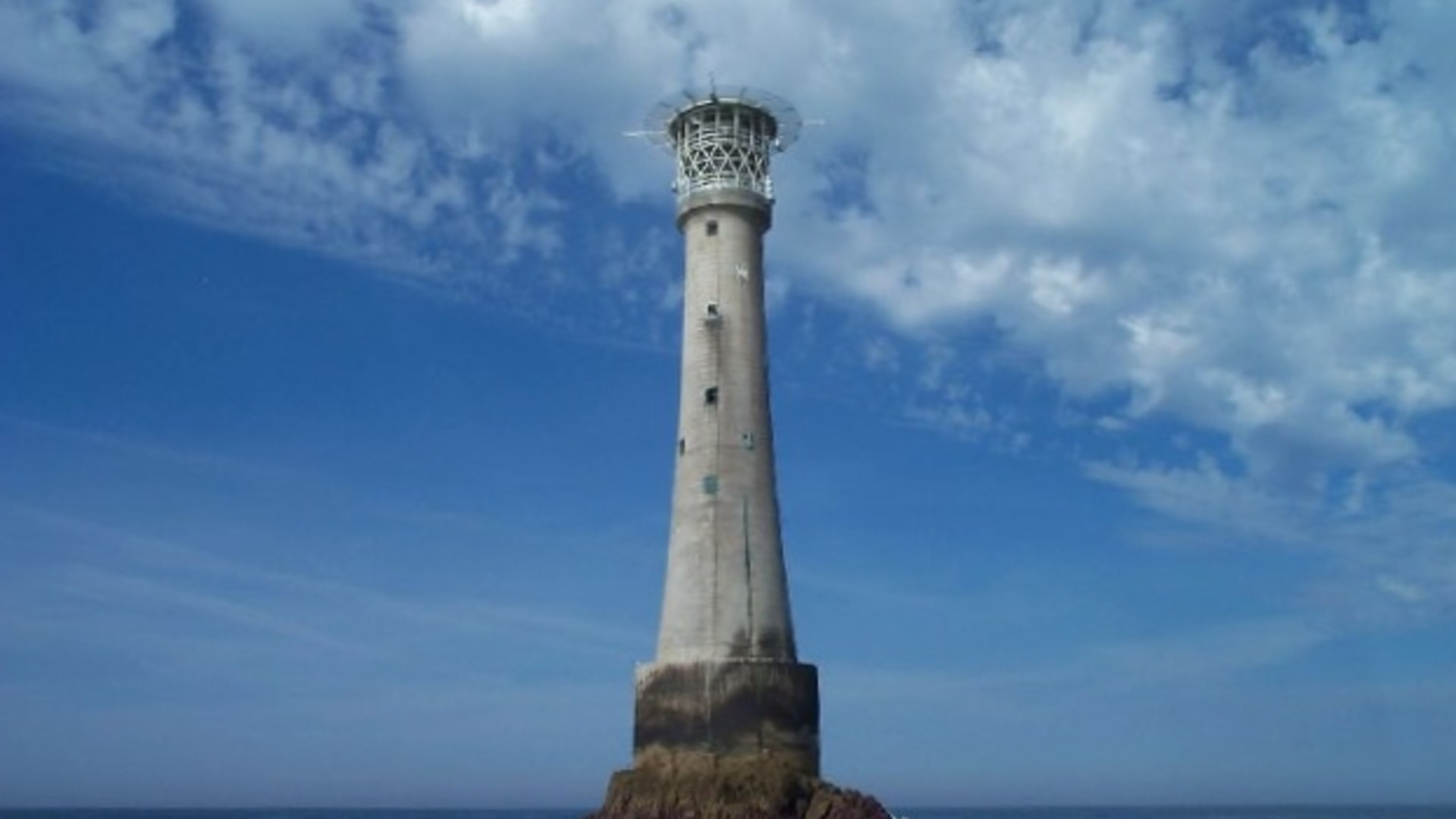
15. Bishop Rock Lighthouse
Rising from a submerged ledge in the Isles of Scilly, Bishop Rock is listed by Guinness World Records as the smallest island on Earth with a building. After the first iron tower was washed away before completion in 1850, civil engineer James Walker built a massive granite fortress in 1858.
©Wikimedia Commons / Richard Knights
Advertisement
Swipe or tap ▶ to resume the countdown.
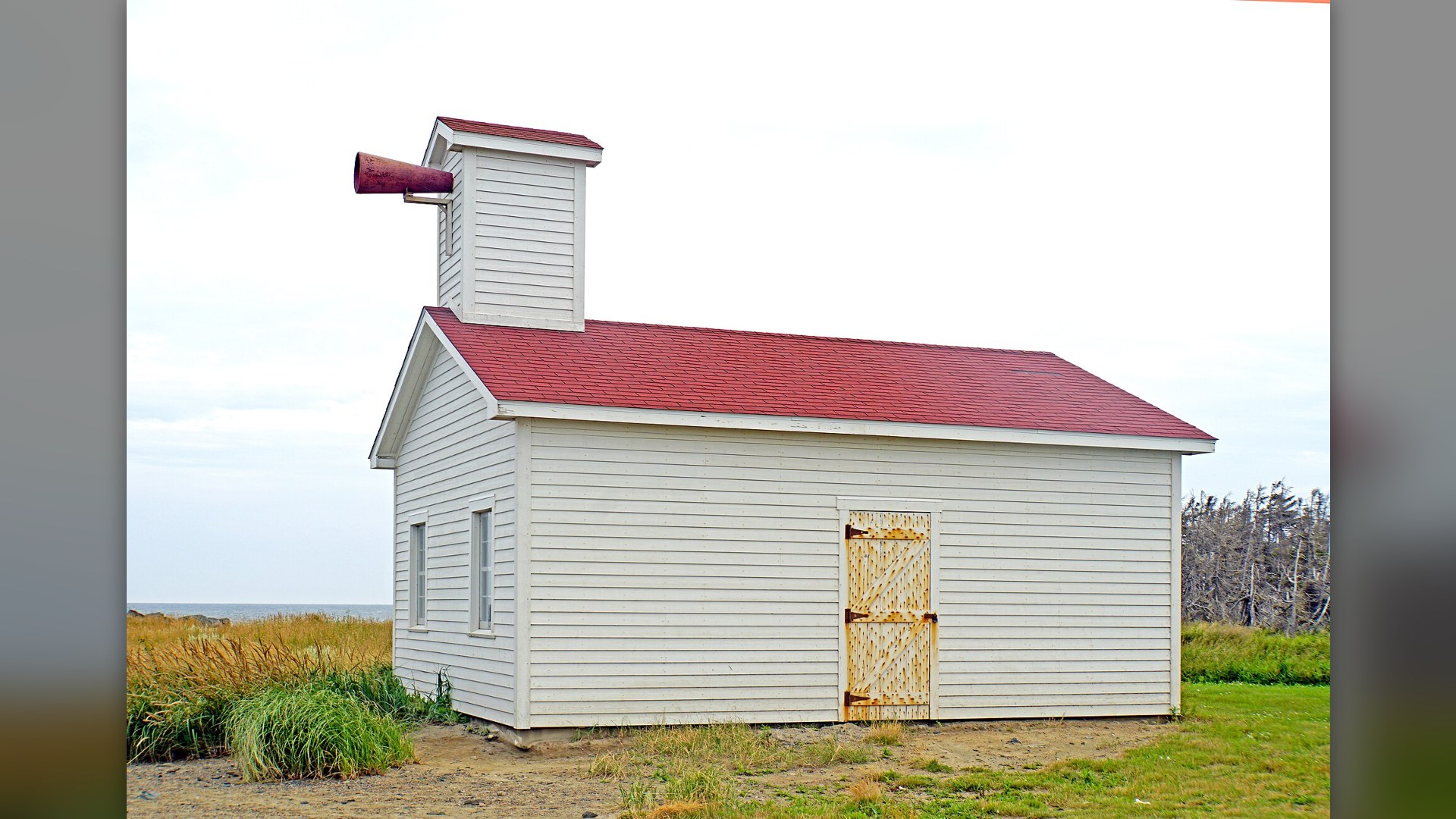
14. Compressed Air Diaphone Horns
When thick sea fog blinded optical lenses, mariners relied on acoustic horns. Developed in the early 1900s, the diaphone used a slotted piston driven by compressed air to generate a powerful low-frequency blast ending in a distinctive downward grunt that penetrated miles over choppy waves.
©Wikimedia Commons / Dennis G. Jarvis
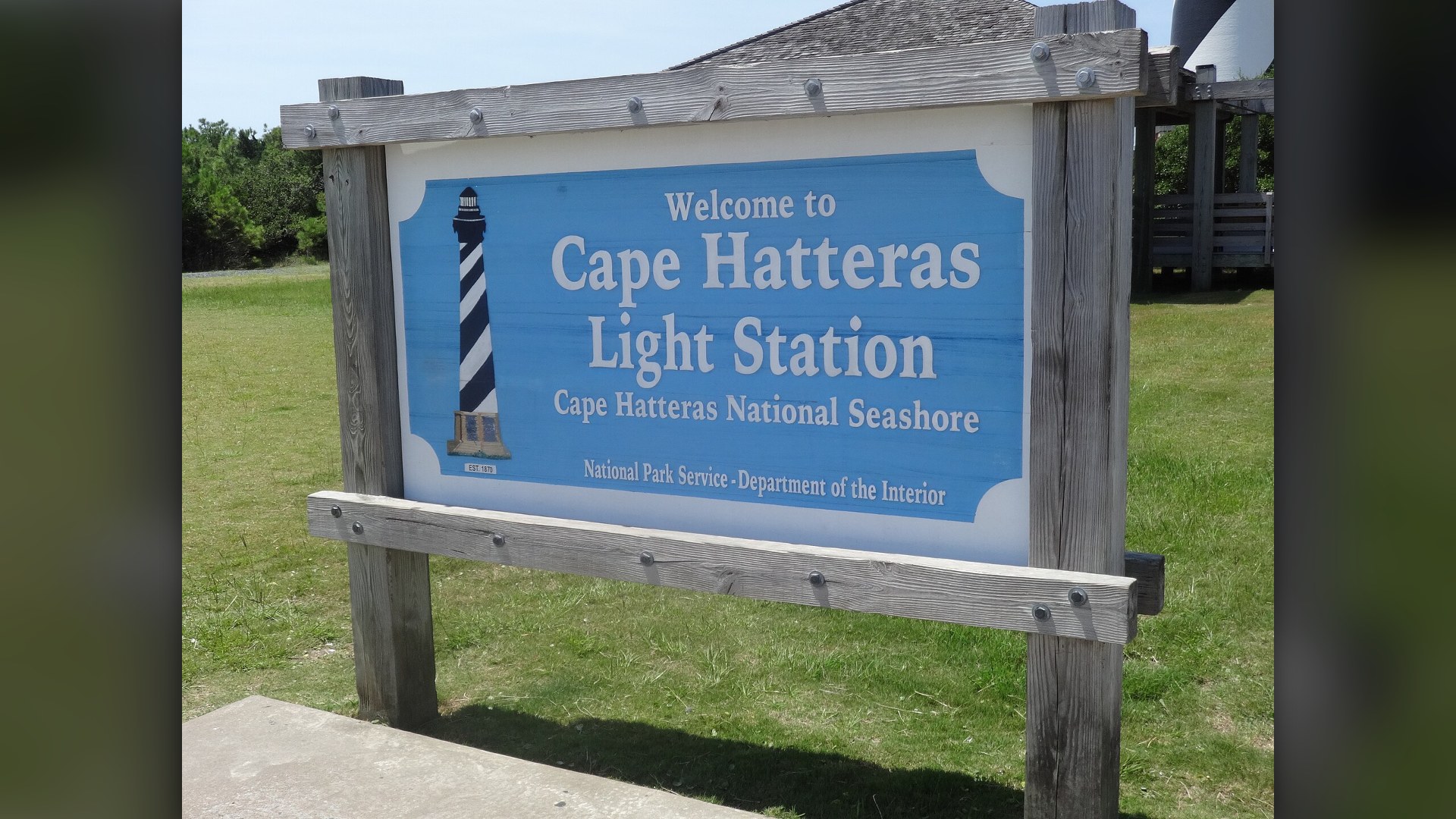
13. Cape Hatteras Light
Rising 198 feet above North Carolina's Outer Banks, Cape Hatteras protects ships from the Graveyard of the Atlantic. Its black and white spiral daymark provided immediate visual identification by day, while an iconic flashing sequence pierced nighttime maritime shipping corridors.
©Wikimedia Commons / Bohemian Baltimore
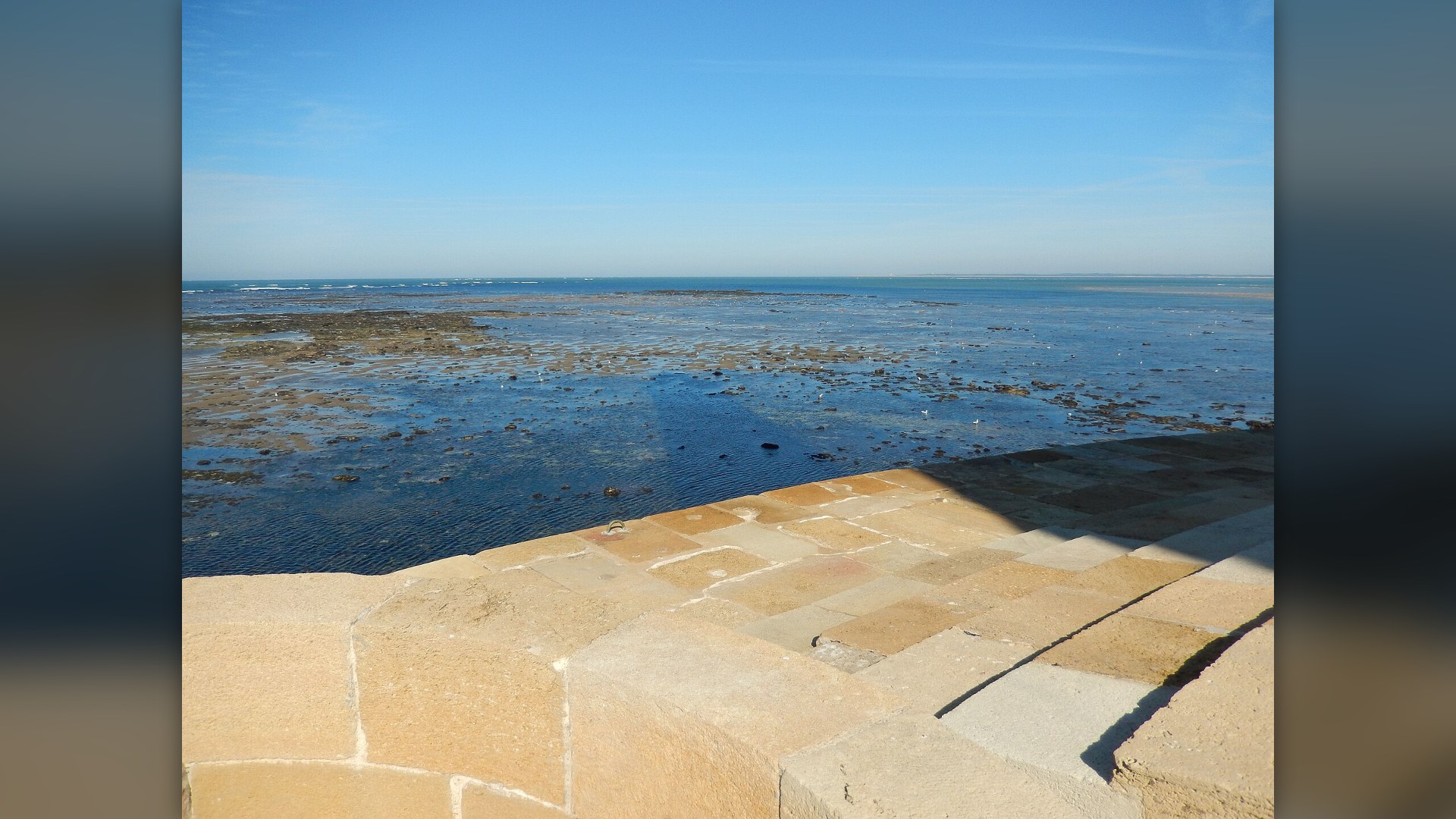
12. Phare De Cordouan
Commissioned by French King Henry III in 1584, Cordouan is the oldest functioning lighthouse in France and a UNESCO World Heritage site. Constructed on a wave-swept offshore sandbank, it features elaborate royal apartments, carved classical columns, and a domed chapel with stained glass.
©Wikimedia Commons / JackyR
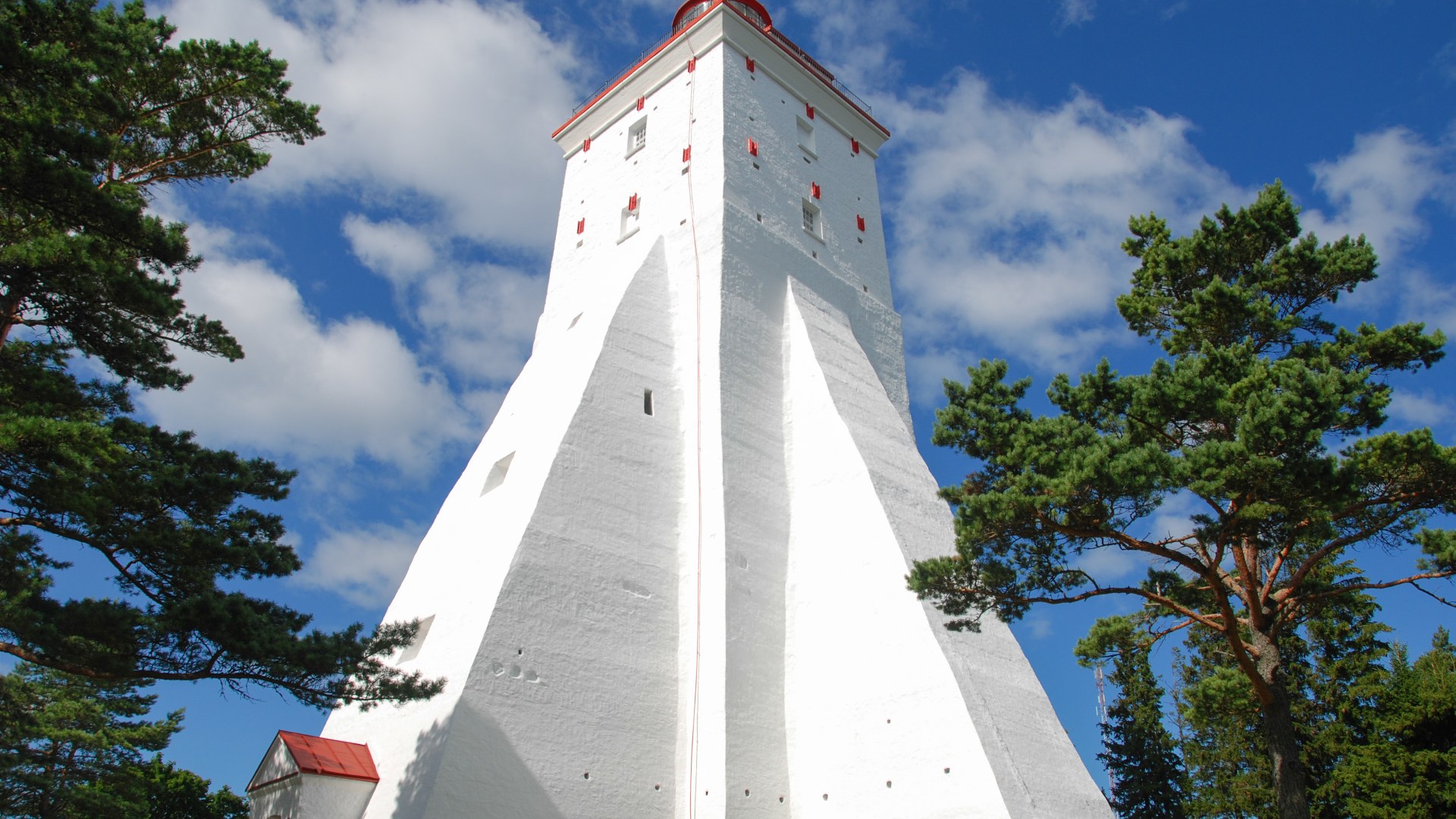
11. Kõpu Lighthouse
Dating to 1531 on the Estonian island of Hiiumaa, Kõpu is among the oldest operating light towers in the world. Built of solid limestone masonry supported by exterior counterfort buttresses, it burned cordwood atop an open brazier for centuries before modern lenses were installed.
©Wikimedia Commons / Ivar Leidus
Advertisement
Swipe or tap ▶ to resume the countdown.
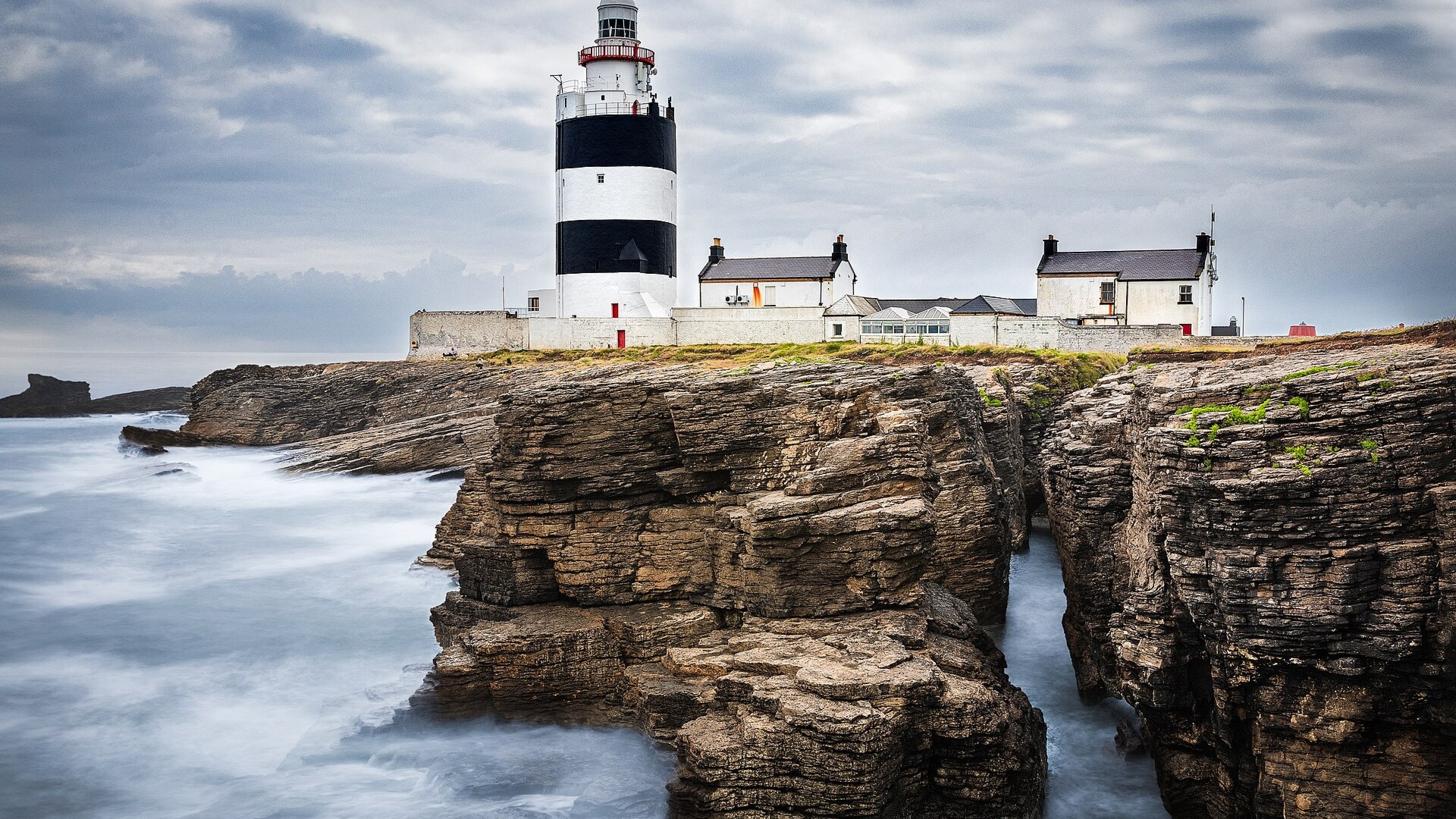
10. Hook Head Lighthouse
Built by the Knight William Marshal around 1201 at the entrance to Waterford Harbour, Hook Head is one of the world's oldest continually operating lighthouses. Monks at a nearby monastery tended an open coal fire on the roof for hundreds of years to guide Norman merchant fleets.
©Wikimedia Commons / PatrickByrnePhotography
9. St. George Reef Light
Constructed after the 1865 wreck of the steamer Brother Jonathan off northern California, this offshore outpost required ten years to finish. Workers quarried granite blocks on the mainland and erected a six-story tiered caisson on a submerged wave-battered rock reef.
©Wikimedia Commons / Bureau of Lighthouses
8. Phare d'Eckmühl
Inaugurated in 1897 on Saint-Pierre point in Finistère, this 213-foot granite tower was funded by a bequest from the daughter of Napoleon's marshal Davout. Inside, a spiral staircase climbs past polished blue opaline glass walls to reach an electric carbon-arc optical system.
©Wikimedia Commons / Jean-Marc Pascolo
7. Split Rock Lighthouse
Following a brutal 1905 gale that wrecked nearly thirty ships on Lake Superior, this octagonal brick beacon was erected on a 130-foot sheer basalt cliff. Heavy construction materials were hoisted directly from steam tugs below using a specialized steam-powered derrick system.
©Wikimedia Commons / Dusty J
Advertisement
Swipe or tap ▶ to resume the countdown.
6. Pigeon Point Lighthouse
Standing 115 feet high on a coastal headland south of San Francisco, Pigeon Point is tied for the tallest lighthouse on the West Coast. Commissioned in 1872 with a sixteen-foot first-order Fresnel lens, its rhythmic flash guided busy coastal steamships through thick summer fog banks.
©Wikimedia Commons / Frank Schulenburg
5. Cape Leeuwin Lighthouse
Erected in 1895 at Australia's southwestern corner, Cape Leeuwin guides international maritime routes traversing the Roaring Forties. Constructed of local limestone blocks hauled by bullock teams, its lens beam flashes across one of the most turbulent oceanic convergences on Earth.
©Wikimedia Commons / Bahnfrend
4. Phare Du Four
Standing off Porspoder in western Brittany, this 92-foot cylindrical granite tower marks a violent maritime passage notorious for rapid tidal races and submerged reefs. Keepers stationed here routinely faced towering ocean swells crashing clean over the lantern deck.
©Wikimedia Commons / Gzen92
3. Tourlitis Lighthouse
Located off the port of Andros in Greece, Tourlitis was originally built in 1897 upon a natural spire carved by centuries of wave action. Rebuilt after wartime destruction, its winding carved stone staircase appears to rise directly from the ocean, creating a striking maritime landmark.
©Wikimedia Commons / anjči
Advertisement
Swipe or tap ▶ to resume the countdown.
2. Peggy's Point Lighthouse
Perched on smooth glacier-carved granite ledges in Nova Scotia, this 1915 reinforced concrete tower marks the eastern approaches to St. Margarets Bay. Built to replace an 1868 wooden tower, its bold octagonal form stands as one of the most recognizable maritime sentinels in North America.
©Wikimedia Commons / Wladyslaw
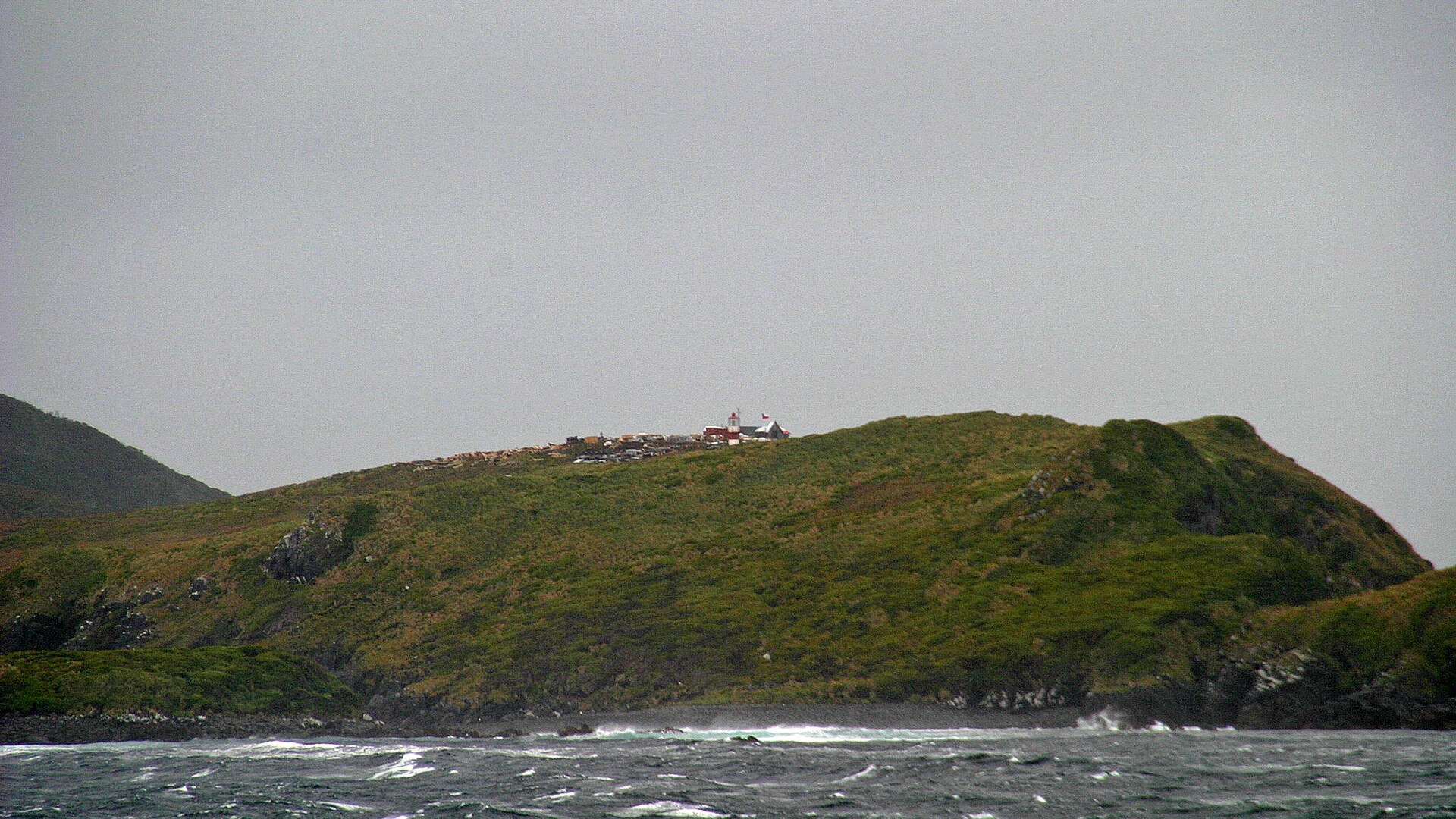
1. Cape Horn Lighthouse
Stationed at the southern tip of South America on Isla Hornos, this Chilean navy outpost guards the world's most perilous commercial sea route. Before the Panama Canal, sailing crews endured sub-Antarctic hurricanes and rogue waves to round this cape, where the beacon provided life-saving guidance.

©Wikimedia Commons / W. Bulach
Advertisement
You've reached the end of the story. Thanks for reading!

20 Famous Cars With Pop-Up Headlights That Shaped Car Design
From hand-cranked 1930s teardrops to wedge supercars of the 1980s, hidden headlights let stylists chase sleek aerodynamics until 2004 pedestrian rules closed the curtain. Here are 20 standout production cars that turned retractable lamps into an enduring automotive design feature across seven full decades.
All 25 Entries in this Story
25. Phare De La Jument
Erected on a submerged reef off Ushant in Brittany, this 154-foot granite bastion was completed in 1911 after fourteen grueling years of construction. The tower was anchored directly into wave-swept seabed rocks with steel tie-rods to survive punishing western Atlantic storms.

24. Thomas Point Shoal Light
Built in 1875 in Chesapeake Bay, this hexagonal wooden dwelling rests on cast iron screw-piles bored directly into the submerged seabed. The open skeletal legs let storm surges and tidal currents pass beneath without exerting destructive hydraulic force against solid walls.

23. Eddystone Lighthouse
Located nine miles off Cornwall, the present 1882 Douglass tower stands beside the stump of Smeaton's famous 1759 design. Smeaton pioneered dovetailed masonry, shaping granite blocks that locked together like jigsaw pieces to turn crushing wave impacts into structural compression.

22. The First-Order Fresnel Lens
Invented by French physicist Augustin-Jean Fresnel in 1823, this massive stepped glass assembly captured over eighty percent of a central lamp flame. By bending light rays into parallel horizontal sheets, the multi-ton optic projected beams visible over twenty nautical miles away.

21. Bell Rock Lighthouse
Constructed between 1807 and 1810 by Robert Stevenson, this Scottish beacon stands eleven miles out in the North Sea upon an offshore reef exposed only at low water. Stevenson's team carved granite blocks on shore and transported them by boat to build this engineering masterpiece.

20. Liquid Mercury Float Baths
Before 1890, massive lens carousels rotated slowly on steel rollers that caused intense friction and mechanical wear. French engineer Bourdelles introduced annular iron troughs filled with liquid mercury, allowing giant glass assemblies to float and turn smoothly with minimal mechanical force.

19. Fastnet Rock Lighthouse
Standing on an isolated jagged pinnacle four miles southwest of Cape Clear, Fastnet was the last glimpse of Europe seen by nineteenth-century emigrants sailing to North America. Designed by William Douglass, the tower was assembled from 2,074 Cornish granite blocks interlocked without mortar.

18. Spectacle Reef Light
Completed in 1874 in northern Lake Huron, Spectacle Reef was built inside a massive timber cofferdam pumped dry in open water. Its monolithic limestone base was designed with an outward flaring batter that forced drifting ice floes to ride upward and shatter under their own weight.

17. Clockwork Gravity Drives
To maintain precise flashing intervals, early lighthouses relied on heavy weights suspended in the central hollow shaft of the tower. Keepers wound the cables every few hours, letting gravity drive precision gear trains regulated by centrifugal governors to spin the beacon day and night.

16. Les Eclaireurs Lighthouse
Located on an islet in the Beagle Channel off Ushuaia, Argentina, this 33-foot brick tower has guided sub-Antarctic navigation since 1920. Often mistaken for Jules Verne's fictional lighthouse, it operates automatically via solar panels amidst freezing winds and snowy squalls.

15. Bishop Rock Lighthouse
Rising from a submerged ledge in the Isles of Scilly, Bishop Rock is listed by Guinness World Records as the smallest island on Earth with a building. After the first iron tower was washed away before completion in 1850, civil engineer James Walker built a massive granite fortress in 1858.

14. Compressed Air Diaphone Horns
When thick sea fog blinded optical lenses, mariners relied on acoustic horns. Developed in the early 1900s, the diaphone used a slotted piston driven by compressed air to generate a powerful low-frequency blast ending in a distinctive downward grunt that penetrated miles over choppy waves.

13. Cape Hatteras Light
Rising 198 feet above North Carolina's Outer Banks, Cape Hatteras protects ships from the Graveyard of the Atlantic. Its black and white spiral daymark provided immediate visual identification by day, while an iconic flashing sequence pierced nighttime maritime shipping corridors.

12. Phare De Cordouan
Commissioned by French King Henry III in 1584, Cordouan is the oldest functioning lighthouse in France and a UNESCO World Heritage site. Constructed on a wave-swept offshore sandbank, it features elaborate royal apartments, carved classical columns, and a domed chapel with stained glass.

11. Kõpu Lighthouse
Dating to 1531 on the Estonian island of Hiiumaa, Kõpu is among the oldest operating light towers in the world. Built of solid limestone masonry supported by exterior counterfort buttresses, it burned cordwood atop an open brazier for centuries before modern lenses were installed.

10. Hook Head Lighthouse
Built by the Knight William Marshal around 1201 at the entrance to Waterford Harbour, Hook Head is one of the world's oldest continually operating lighthouses. Monks at a nearby monastery tended an open coal fire on the roof for hundreds of years to guide Norman merchant fleets.

9. St. George Reef Light
Constructed after the 1865 wreck of the steamer Brother Jonathan off northern California, this offshore outpost required ten years to finish. Workers quarried granite blocks on the mainland and erected a six-story tiered caisson on a submerged wave-battered rock reef.

8. Phare d'Eckmühl
Inaugurated in 1897 on Saint-Pierre point in Finistère, this 213-foot granite tower was funded by a bequest from the daughter of Napoleon's marshal Davout. Inside, a spiral staircase climbs past polished blue opaline glass walls to reach an electric carbon-arc optical system.

7. Split Rock Lighthouse
Following a brutal 1905 gale that wrecked nearly thirty ships on Lake Superior, this octagonal brick beacon was erected on a 130-foot sheer basalt cliff. Heavy construction materials were hoisted directly from steam tugs below using a specialized steam-powered derrick system.

6. Pigeon Point Lighthouse
Standing 115 feet high on a coastal headland south of San Francisco, Pigeon Point is tied for the tallest lighthouse on the West Coast. Commissioned in 1872 with a sixteen-foot first-order Fresnel lens, its rhythmic flash guided busy coastal steamships through thick summer fog banks.

5. Cape Leeuwin Lighthouse
Erected in 1895 at Australia's southwestern corner, Cape Leeuwin guides international maritime routes traversing the Roaring Forties. Constructed of local limestone blocks hauled by bullock teams, its lens beam flashes across one of the most turbulent oceanic convergences on Earth.

4. Phare Du Four
Standing off Porspoder in western Brittany, this 92-foot cylindrical granite tower marks a violent maritime passage notorious for rapid tidal races and submerged reefs. Keepers stationed here routinely faced towering ocean swells crashing clean over the lantern deck.

3. Tourlitis Lighthouse
Located off the port of Andros in Greece, Tourlitis was originally built in 1897 upon a natural spire carved by centuries of wave action. Rebuilt after wartime destruction, its winding carved stone staircase appears to rise directly from the ocean, creating a striking maritime landmark.

2. Peggy's Point Lighthouse
Perched on smooth glacier-carved granite ledges in Nova Scotia, this 1915 reinforced concrete tower marks the eastern approaches to St. Margarets Bay. Built to replace an 1868 wooden tower, its bold octagonal form stands as one of the most recognizable maritime sentinels in North America.

1. Cape Horn Lighthouse
Stationed at the southern tip of South America on Isla Hornos, this Chilean navy outpost guards the world's most perilous commercial sea route. Before the Panama Canal, sailing crews endured sub-Antarctic hurricanes and rogue waves to round this cape, where the beacon provided life-saving guidance.