Slideshow · Viral
Mysterious Facts and Historical Legends of the Devil
By Most Viral Today
3 Nov 2026

Twenty Fascinating Facts And Legends About The History Of The Devil 
20. Ancient Persian Roots In Zoroastrian Dualism 
19. The Accuser In Ancient Hebrew Scripture 
18. Greek God Pan Inspired Horns And Cloven Hooves - AdvertisementSwipe or tap ▶ to continue countdown

17. How A Latin Star Translation Coined Lucifer 
16. The Desert Wilderness Temptation In Gospel Lore 
15. The Great Dragon And Archangel Michael 
14. Grotesque Secondary Faces In Medieval Bestiaries - AdvertisementSwipe or tap ▶ to continue countdown

13. The Harrowing Of Hell In Romanesque Sculpture 
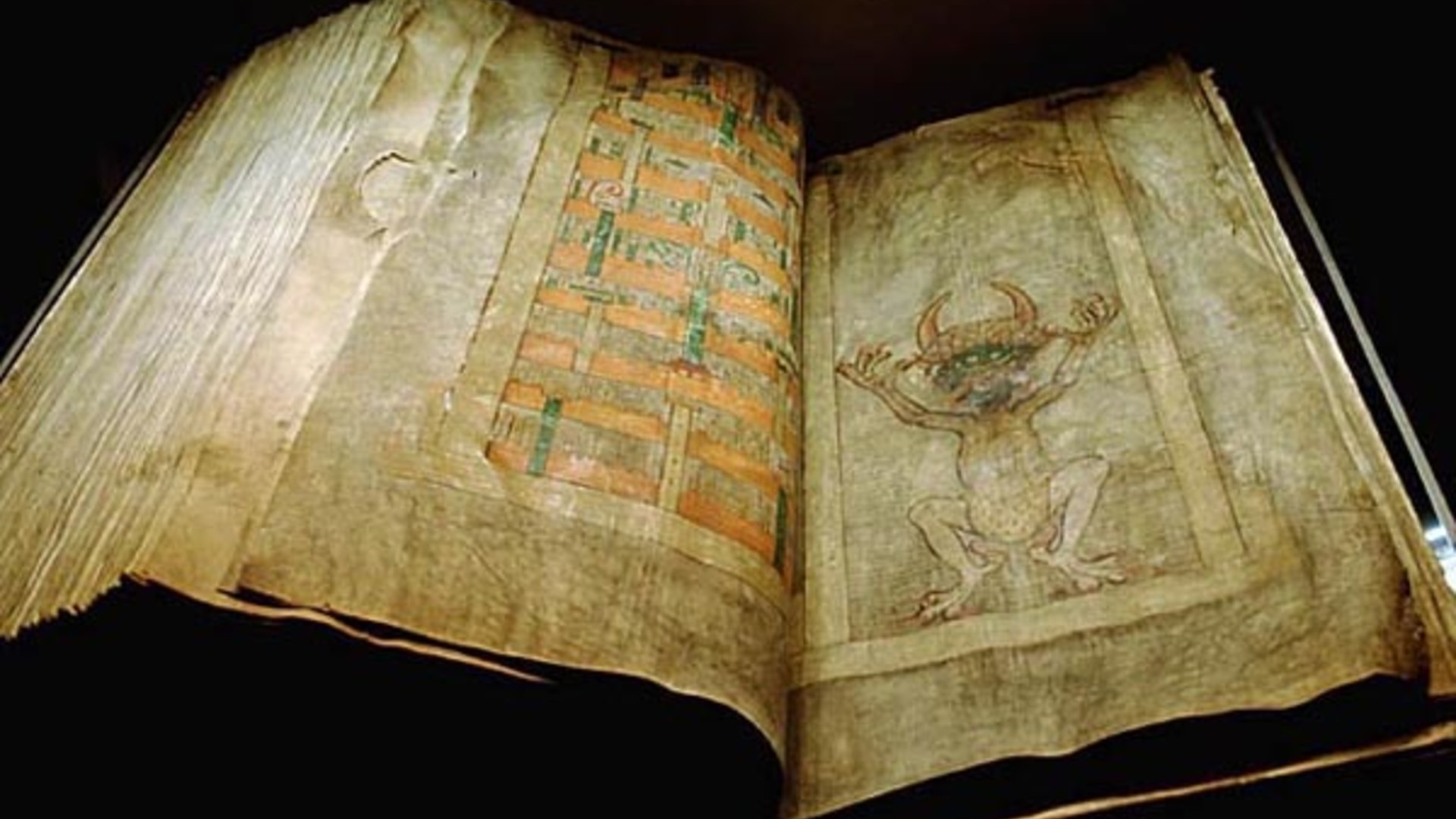
12. The Mysterious Legend Of The Codex Gigas 
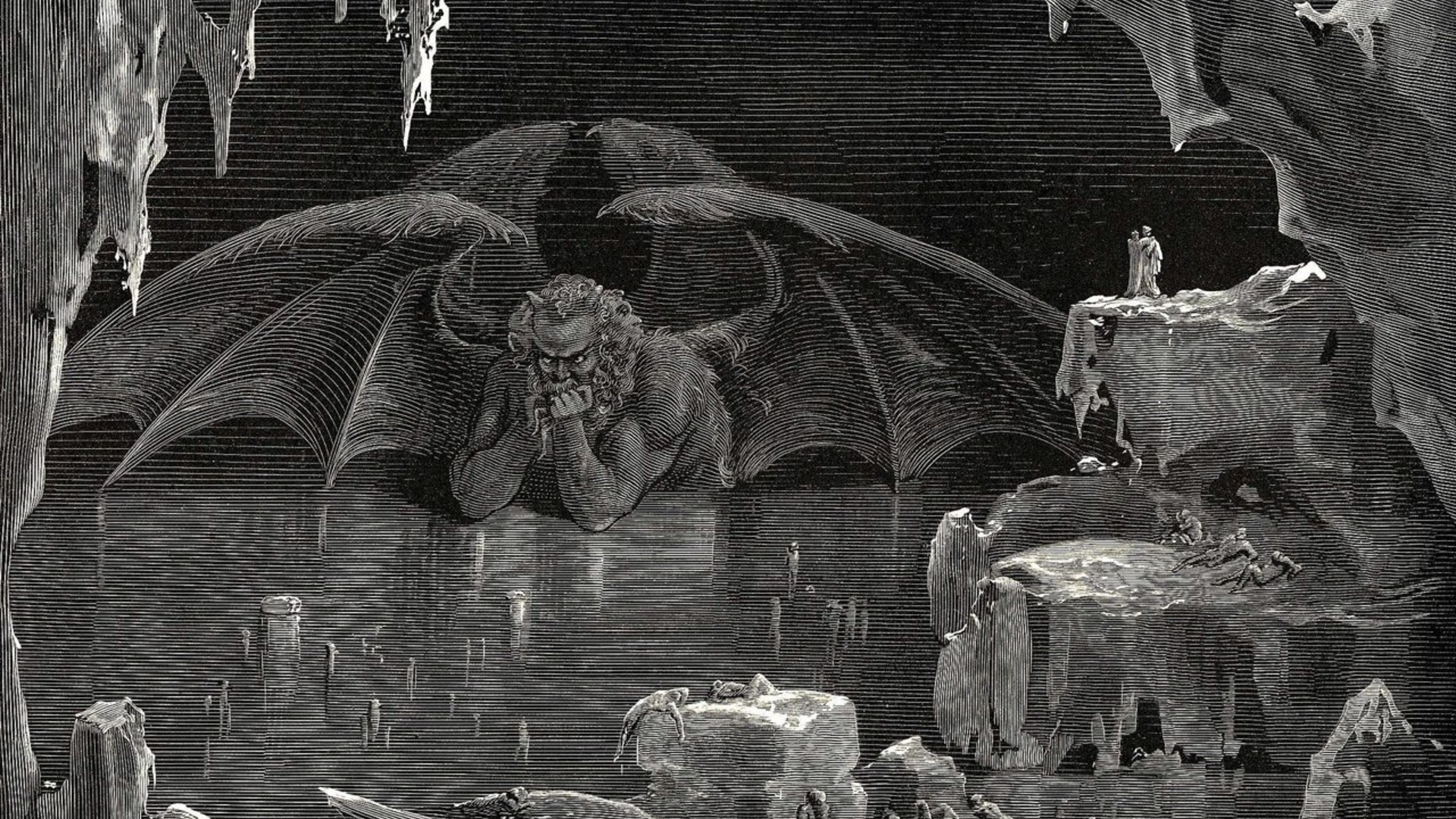
11. Dante Trapped Lucifer In A Frozen Lake Of Ice 
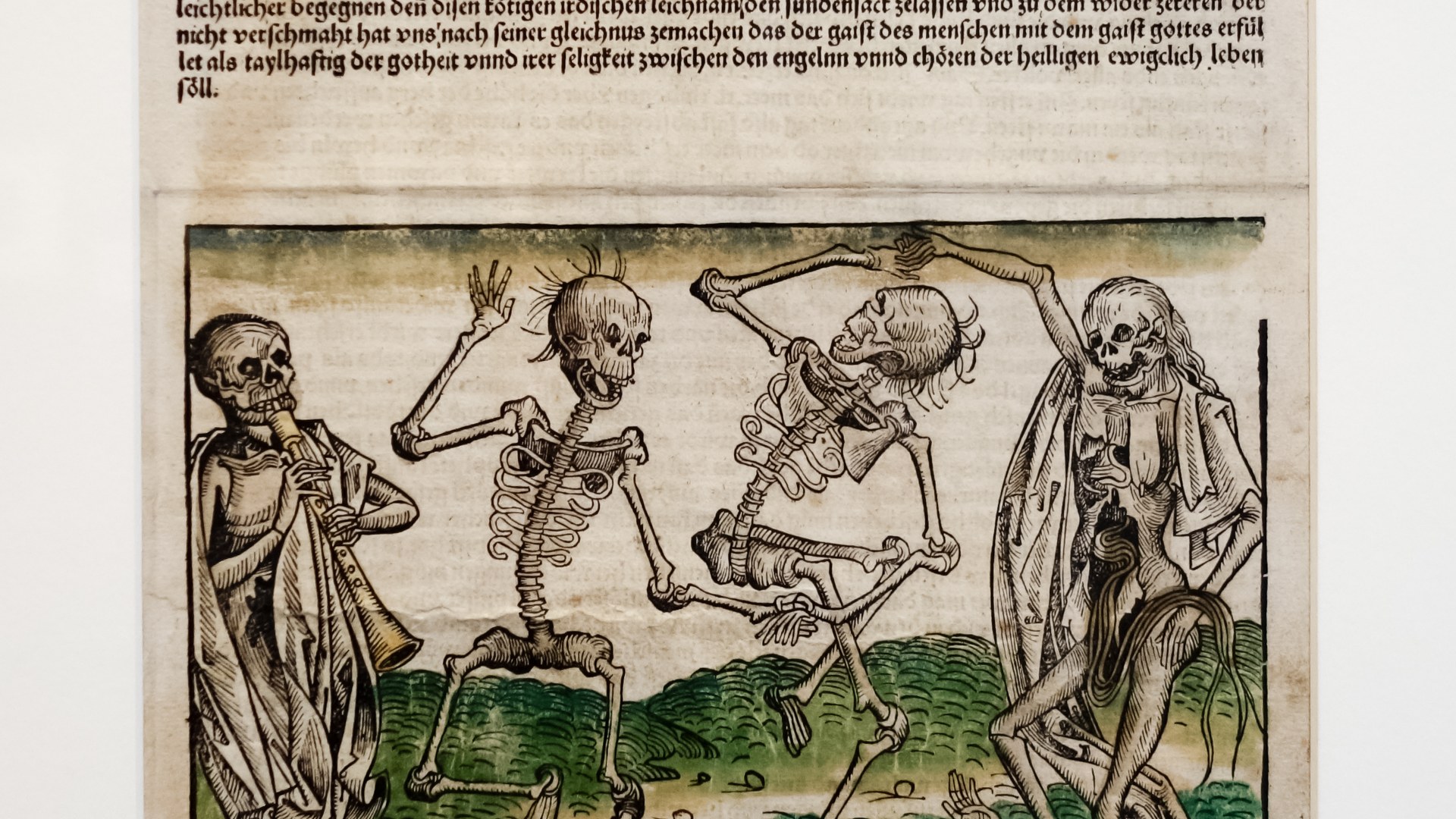
10. The Black Death And The Dance Of Death - AdvertisementSwipe or tap ▶ to continue countdown

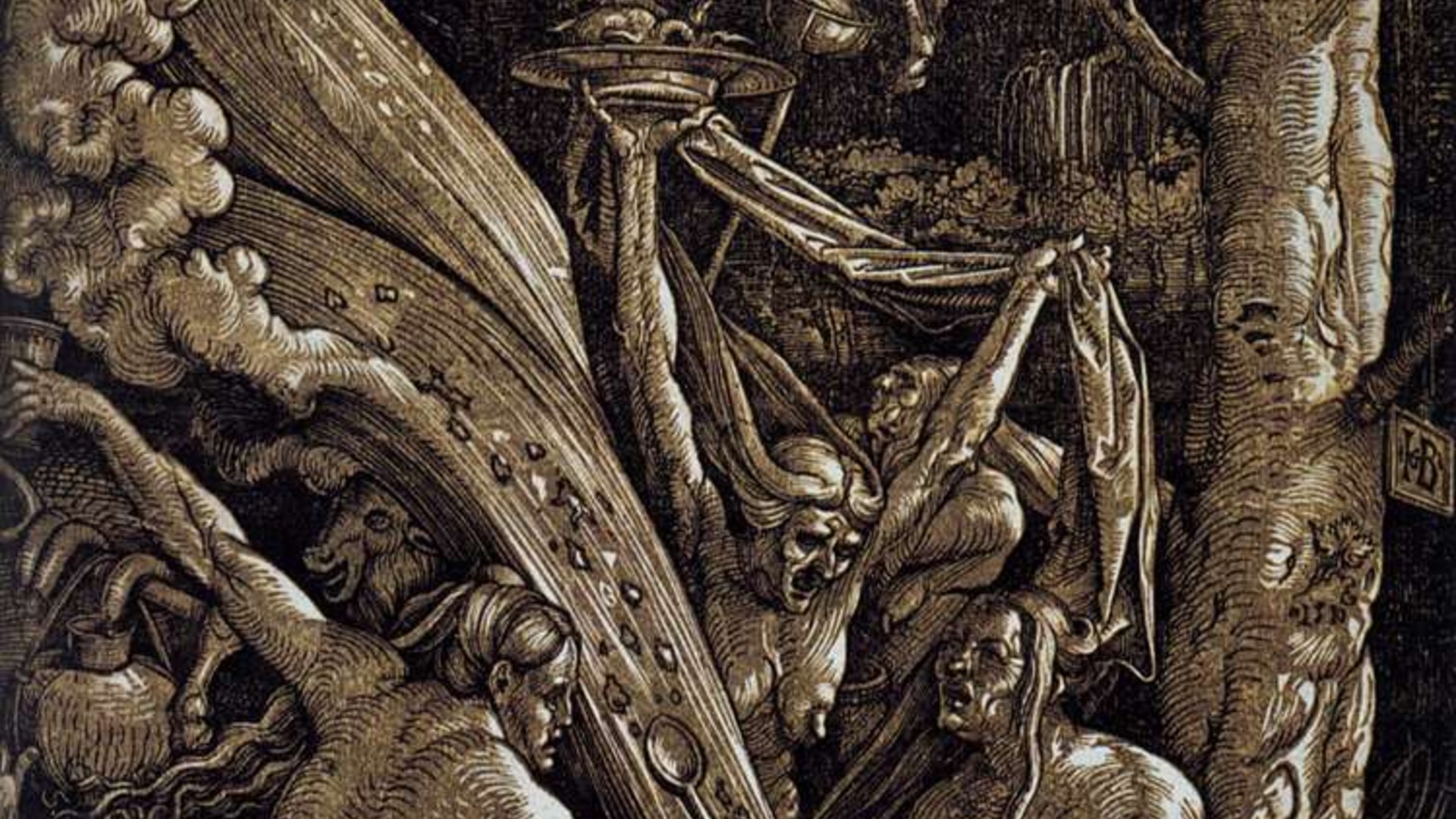
9. The Hammer Of Witches And The Diabolical Pact 
8. The Historical Magician Behind The Faustian Bargain 
7. John Milton Reimagined Satan As A Tragic Rebel 
6. Spectral Evidence And The Salem Hysteria - AdvertisementSwipe or tap ▶ to continue countdown

5. The Midnight Dream That Created The Devil's Trill 
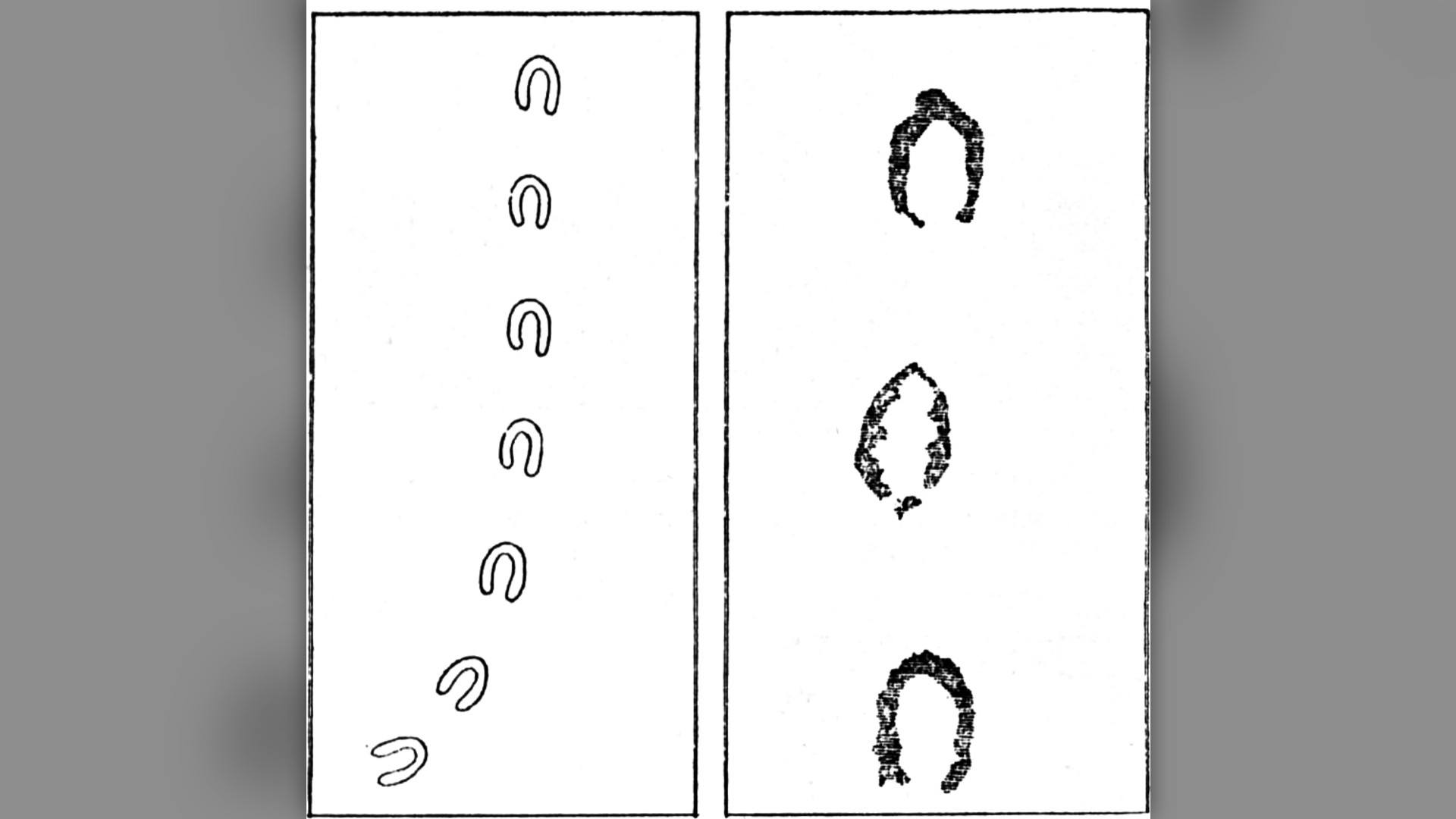
4. The Unsolved Devon Footprints In The Snow 
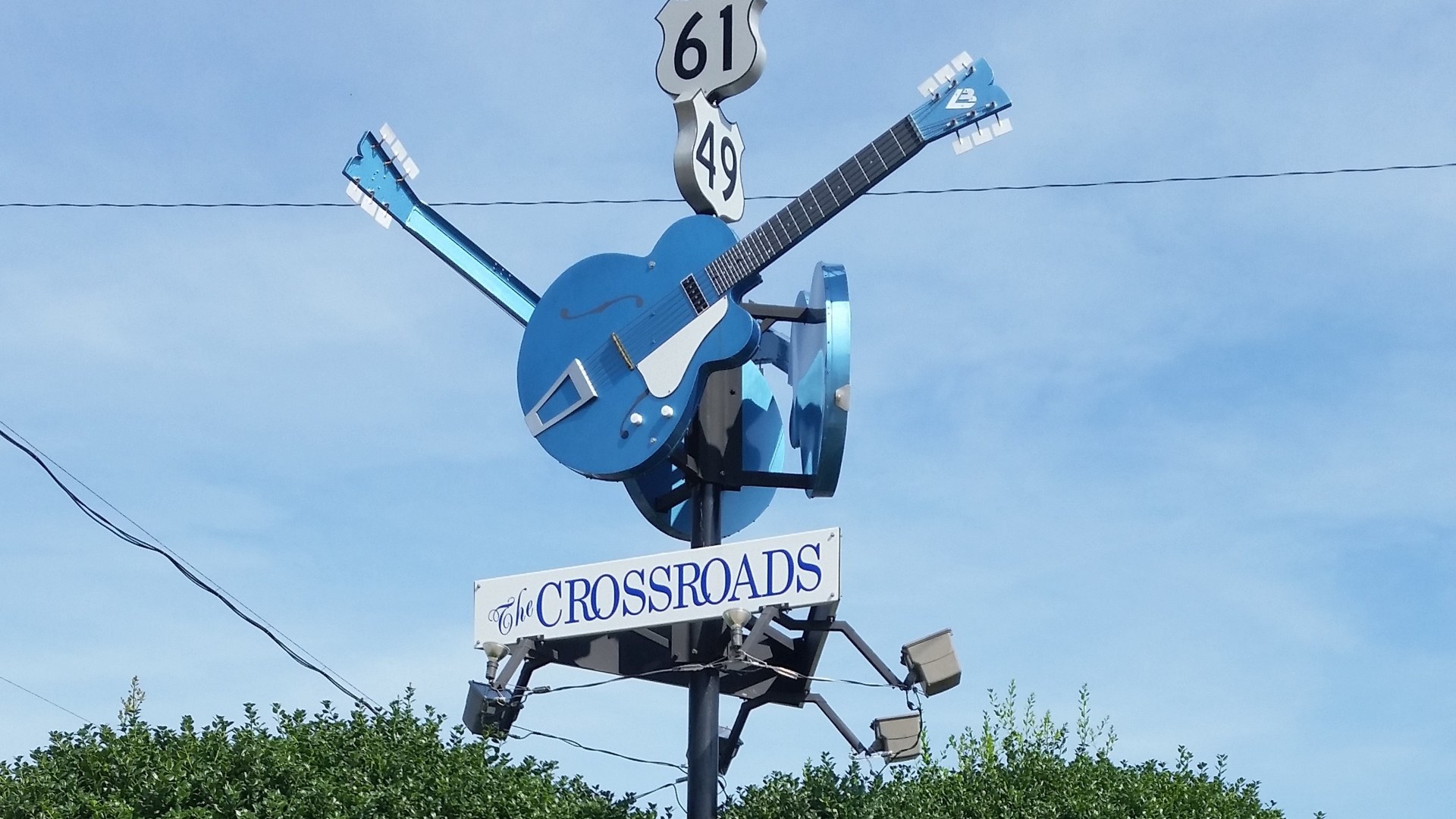
3. Robert Johnson And The Delta Blues Crossroads 
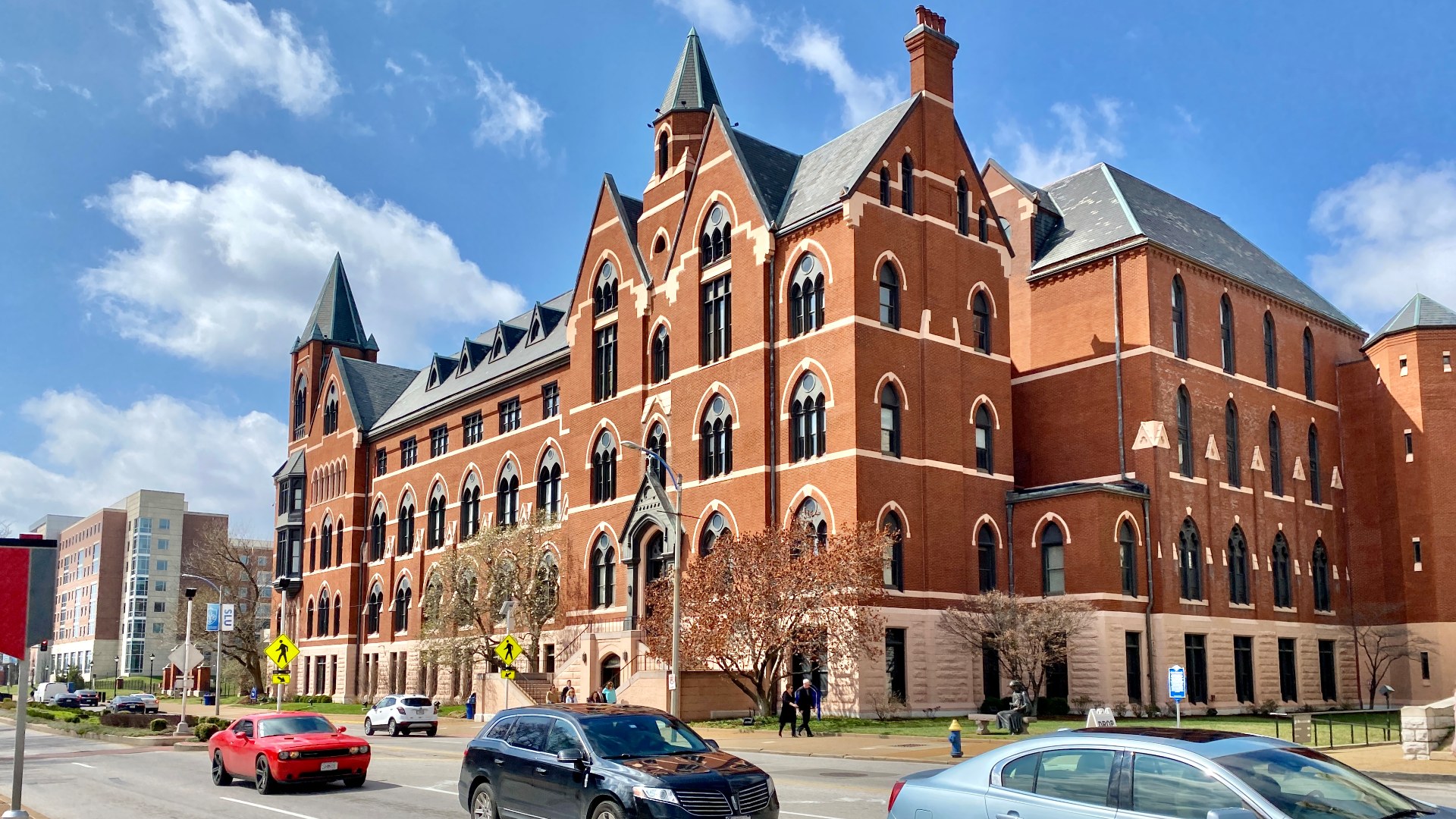
2. The 1949 Maryland Ritual That Inspired The Exorcist - AdvertisementSwipe or tap ▶ to continue countdown

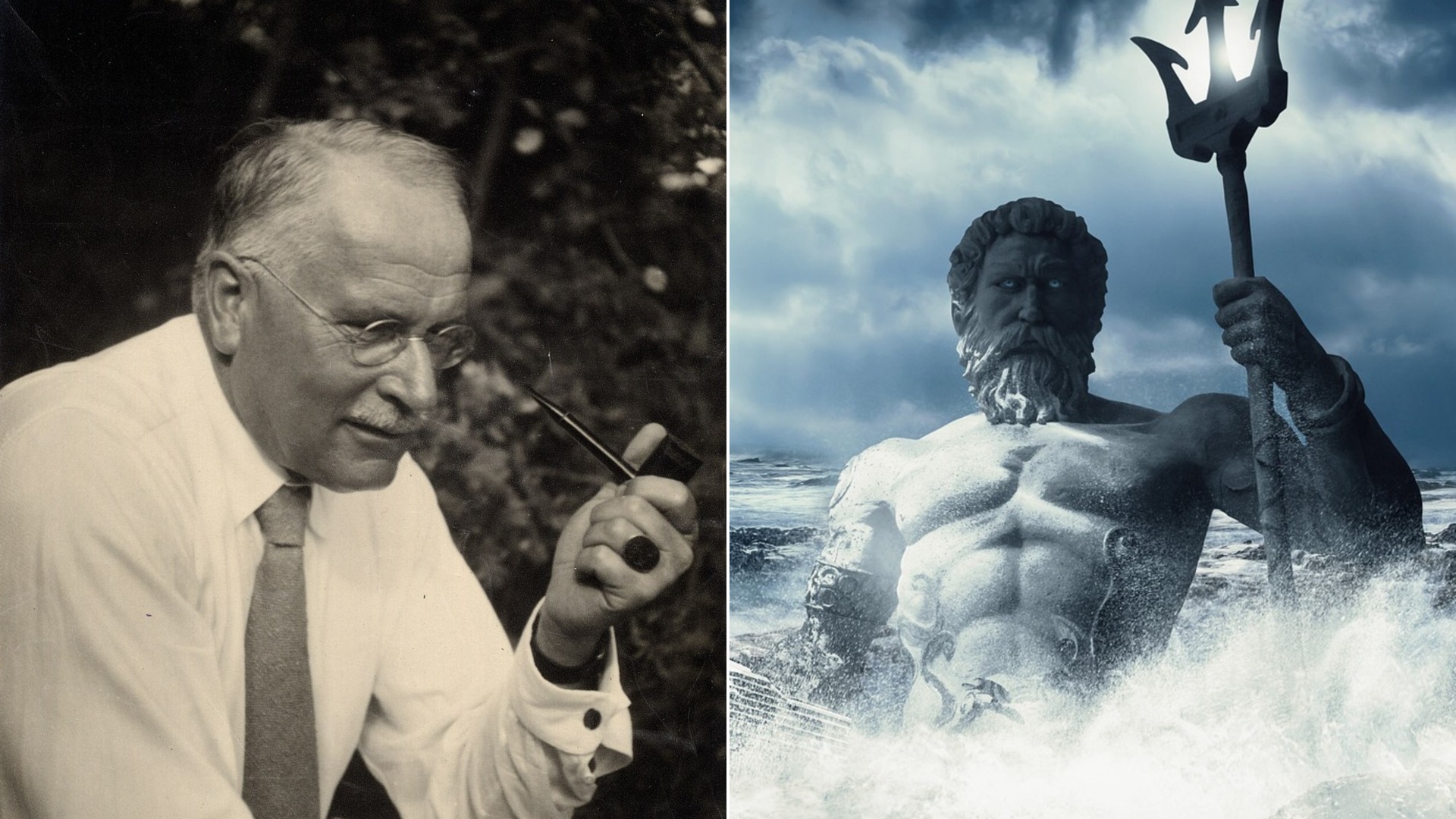
1. The Psychological Shadow And The Modern Archetype - Advertisement🔥 UP NEXT IN THIS SERIES◫ 21 Slides

20 Famous Cars With Pop-Up Headlights That Shaped Car Design
From hand-cranked 1930s teardrops to wedge supercars of the 1980s, hidden headlights let stylists chase sleek aerodynamics until 2004 pedestrian rules closed the curtain. Here are 20 standout production cars that turned retractable lamps into an enduring automotive design feature across seven full decades.
From ancient Persian cosmic dualism and medieval theological texts to the Devil's Bible, Faustian pacts, and Delta crossroads folklore, explore the evolution of humanity's ultimate adversary.
Swipe or tap ▶ to begin the countdown
©Wikimedia / w_lemay & Wikimedia / Carl Gustav Jung
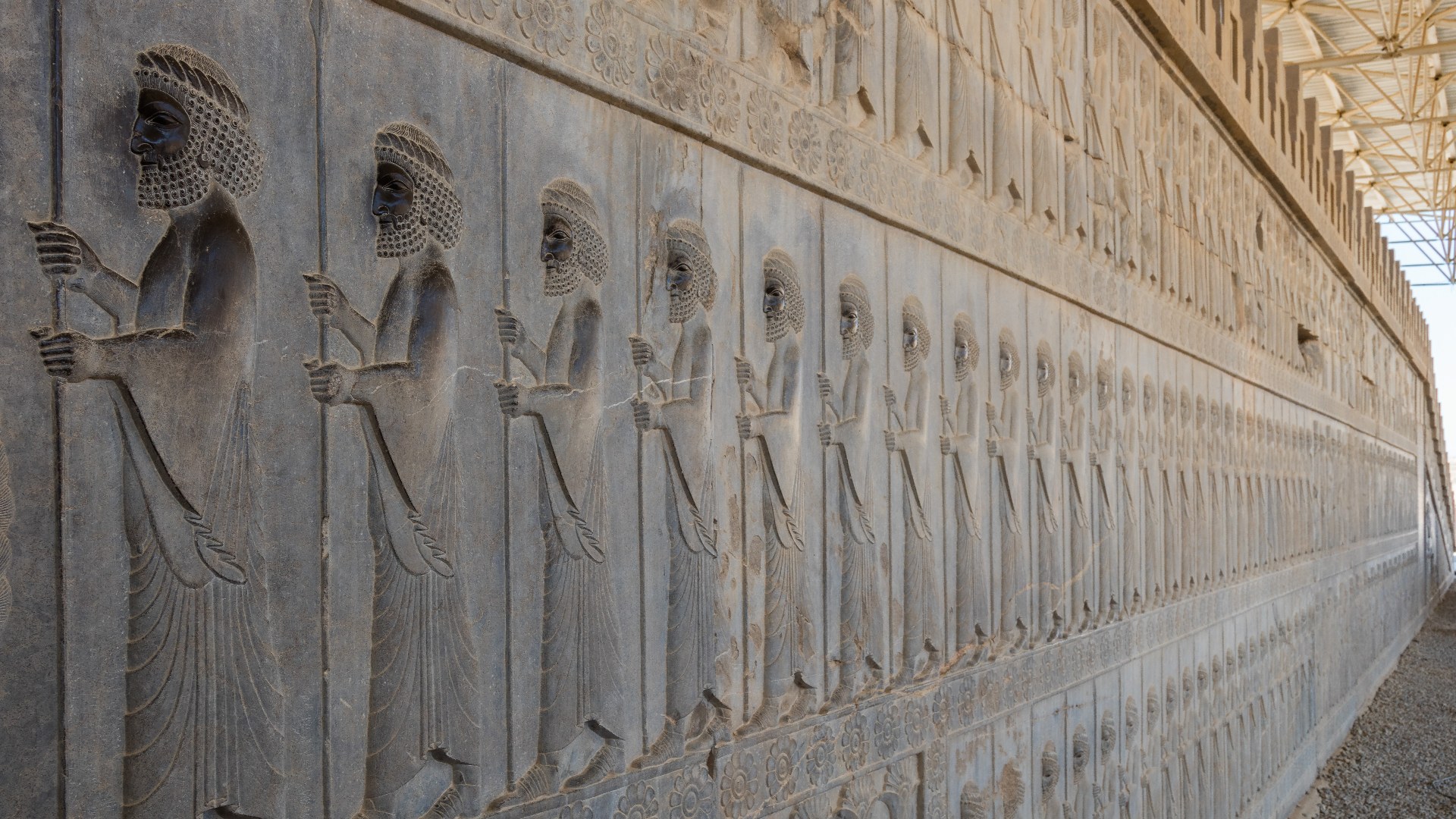
20. Ancient Persian Roots In Zoroastrian Dualism
Long before Western scripture codified Satan, the Persian prophet Zoroaster introduced Angra Mainyu, also known as Ahriman. This destructive spirit stood in perpetual cosmic opposition to the creator god Ahura Mazda, establishing moral dualism.
©Wikimedia / Diego Delso
19. The Accuser In Ancient Hebrew Scripture
In the Hebrew Bible, the word satan appeared with the definite article ha-satan, meaning the adversary or heavenly prosecutor. In the Book of Job, he functioned as an obedient member of the divine court testing human loyalty rather than a rebel king.
©The Met / Medieval Art
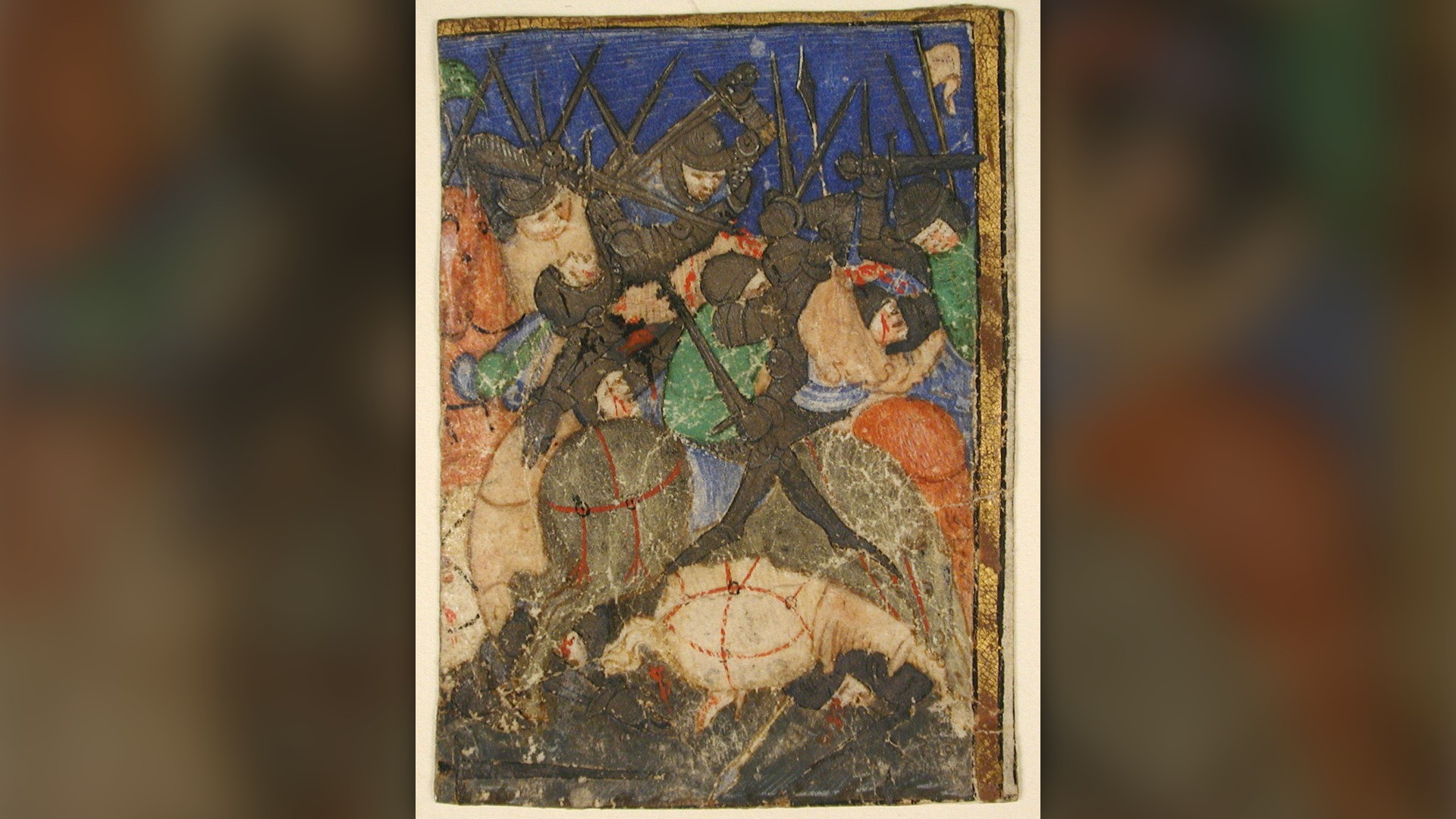
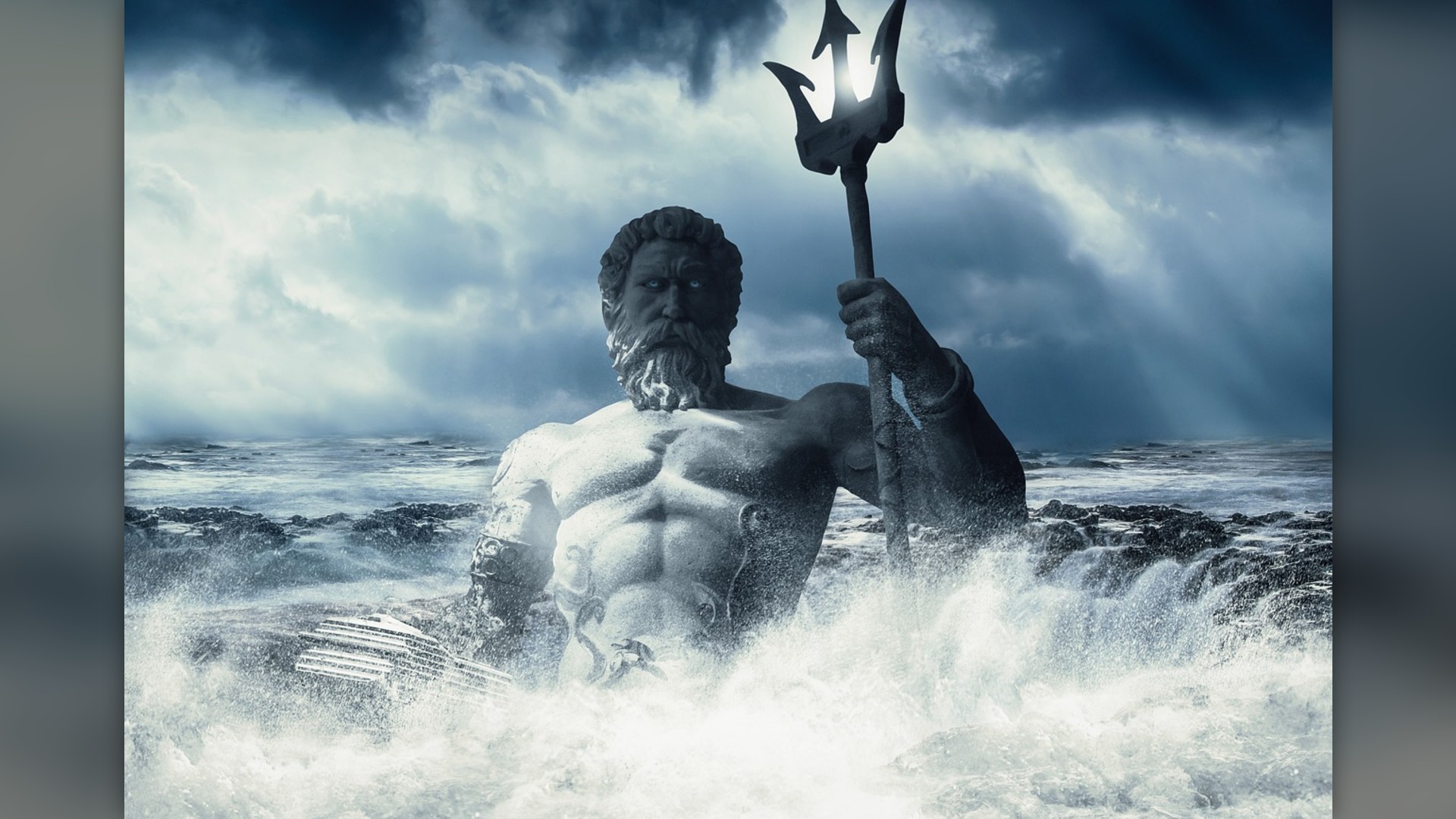
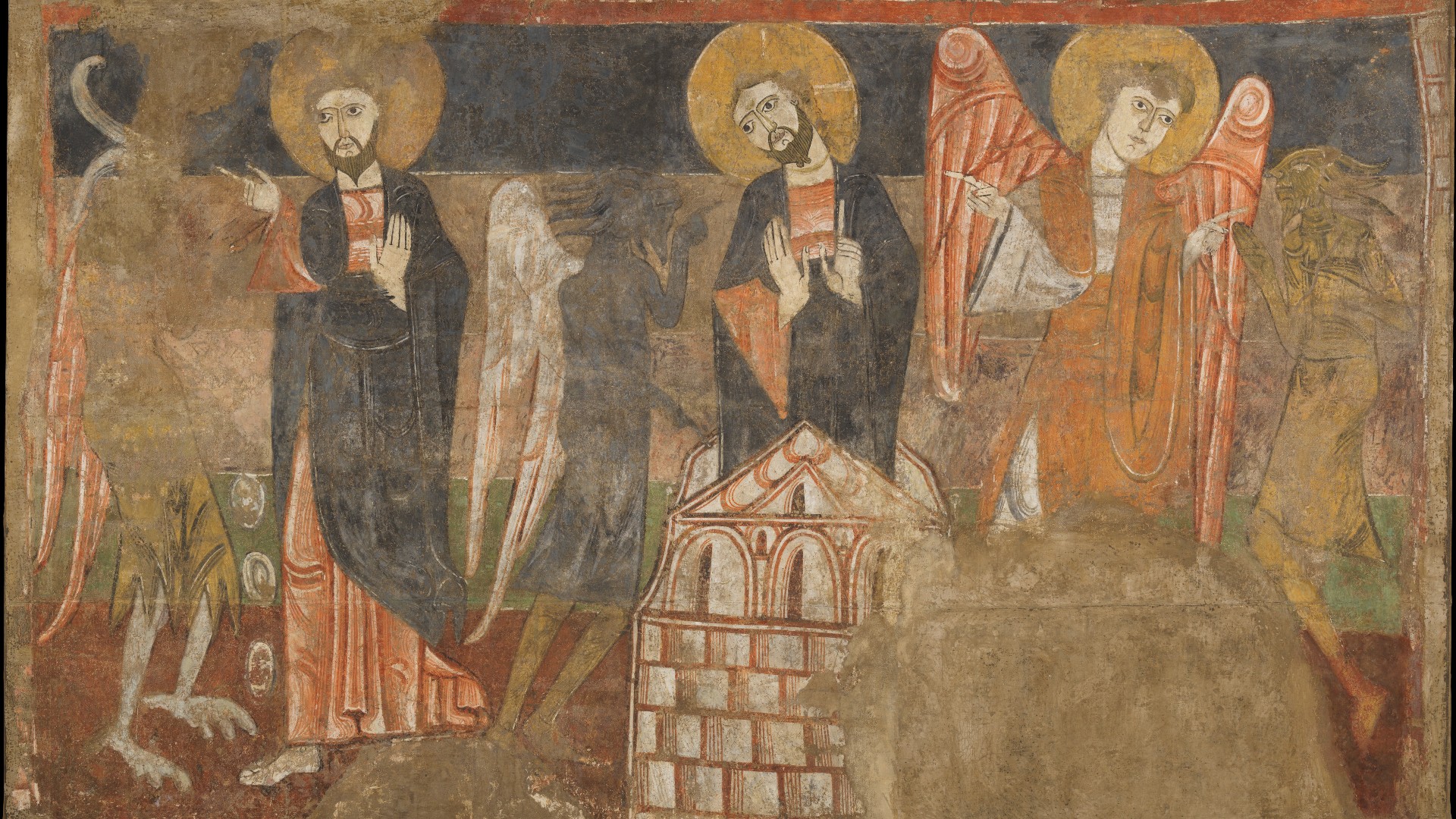
18. Greek God Pan Inspired Horns And Cloven Hooves
Scripture never described the Devil with horns, hooves, or a pitchfork. Early medieval artists appropriated visual attributes from Pan, the Greek god of shepherds, nature, and wild lust, in order to demonize surviving pagan nature cults.
©Pixabay / intographics
Advertisement
Swipe or tap ▶ to resume the countdown.
17. How A Latin Star Translation Coined Lucifer
The name Lucifer originally had no demonic association. Derived from Latin for light-bringer, it referred to the morning star, planet Venus. St. Jerome used the word in the Latin Vulgate while translating Isaiah, creating a legendary fallen angel name.
©Wikimedia / Gustave Doré
16. The Desert Wilderness Temptation In Gospel Lore
The New Testament established the Devil as a personal tempter. In the synoptic Gospels, Jesus spends forty days fasting in the Judean desert while Satan offers material bread, divine presumption, and dominion over all world kingdoms.
©The Met / The Cloisters
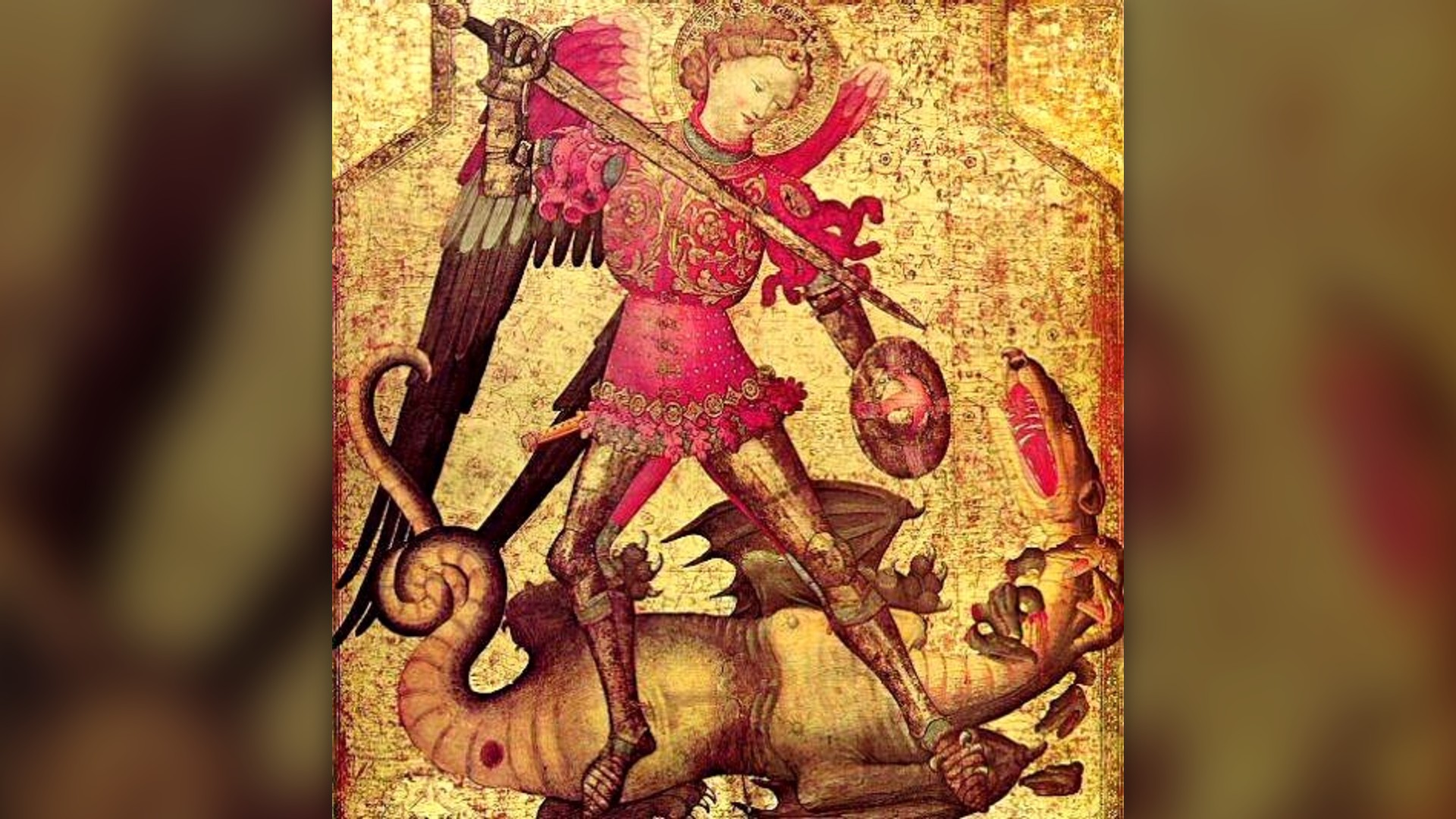
15. The Great Dragon And Archangel Michael
The Book of Revelation personified the Devil as a fiery red dragon with seven crowned heads whose tail swept a third of the stars. Archangel Michael led the heavenly host to cast the dragon down to Earth, establishing timeless apocalyptic warfare.
©Wikimedia / Commons
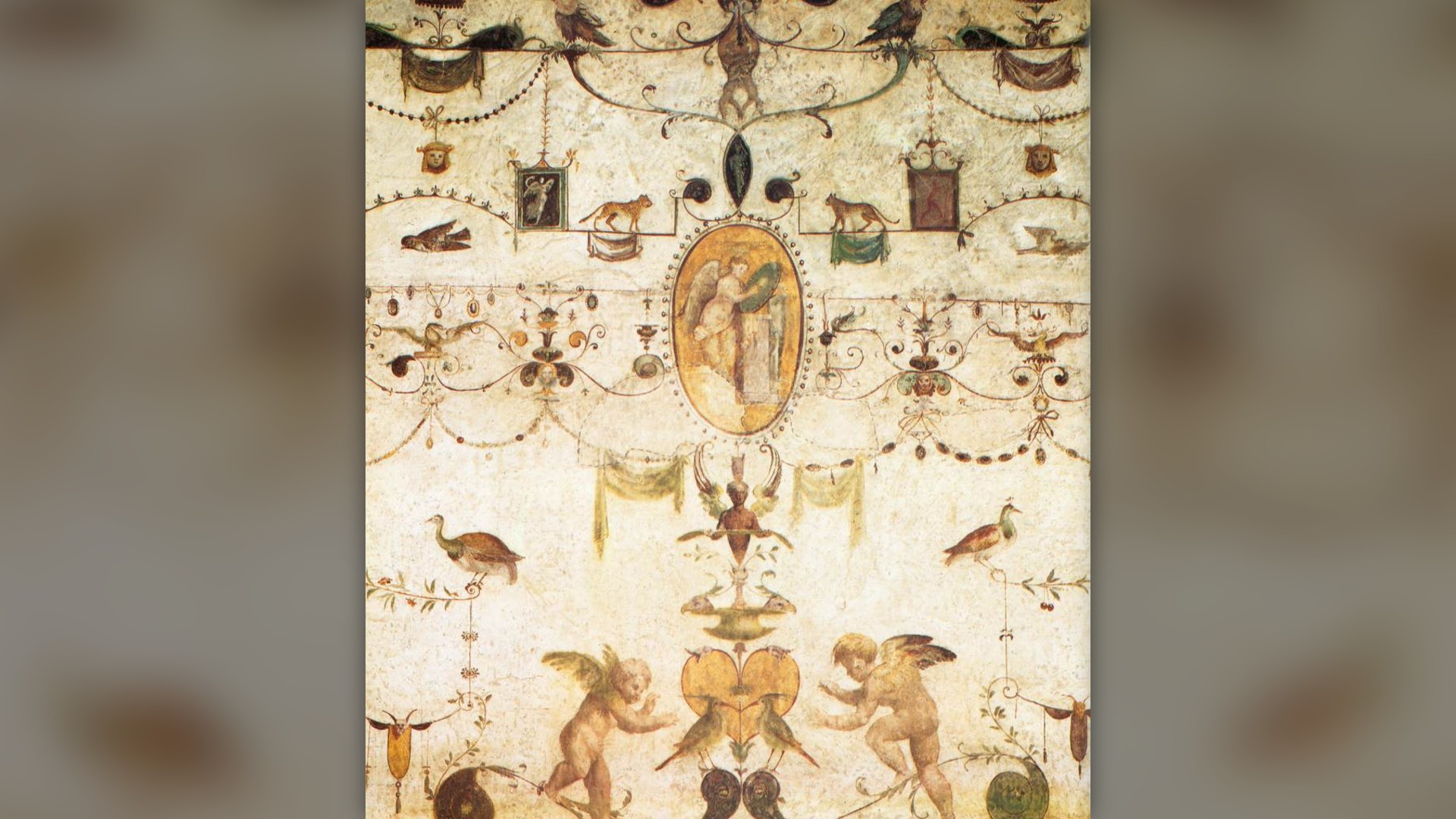
14. Grotesque Secondary Faces In Medieval Bestiaries
Medieval theological art portrayed demons as disordered and chaotic. Monks depicted devils with secondary grimacing faces on their stomachs, hips, or knees, visually signaling that the demonic entity was governed entirely by lower bodily appetites.
©Wikimedia / Commons
Advertisement
Swipe or tap ▶ to resume the countdown.
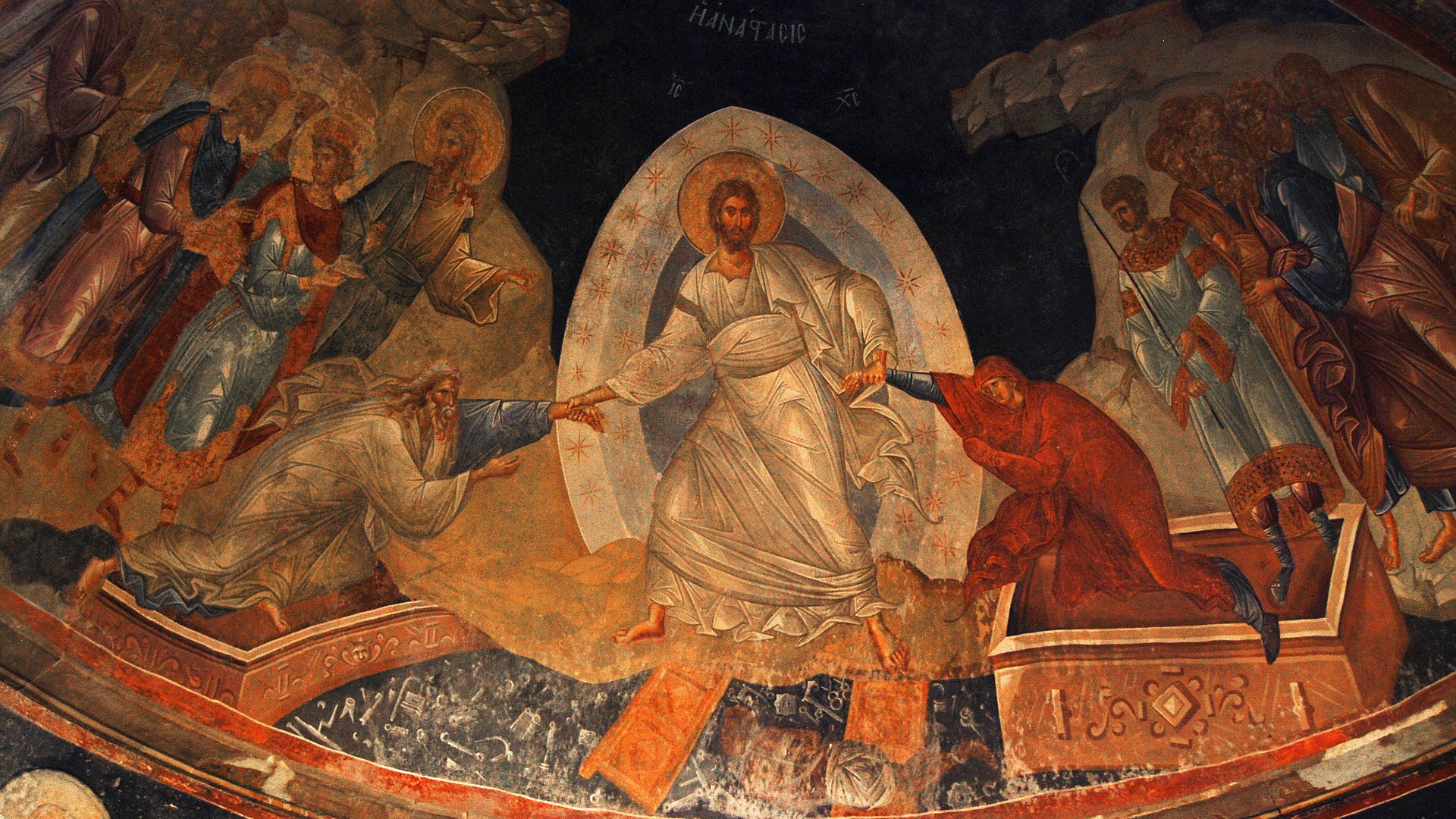
13. The Harrowing Of Hell In Romanesque Sculpture
Throughout Romanesque and Gothic Europe, stone tympanums illustrated the Harrowing of Hell. Christ was depicted breaking through iron fortress gates, binding Satan in chains while liberating ancient biblical souls from the underworld.
©Wikimedia / Joseph Kranak
12. The Mysterious Legend Of The Codex Gigas
Preserved in the National Library of Sweden, the 165-pound Codex Gigas is the largest surviving medieval manuscript. Legend holds that a monk facing execution made a pact with the Devil to transcribe all human knowledge and draw a chilling portrait in one night.
©Wikimedia / Kungl. biblioteket
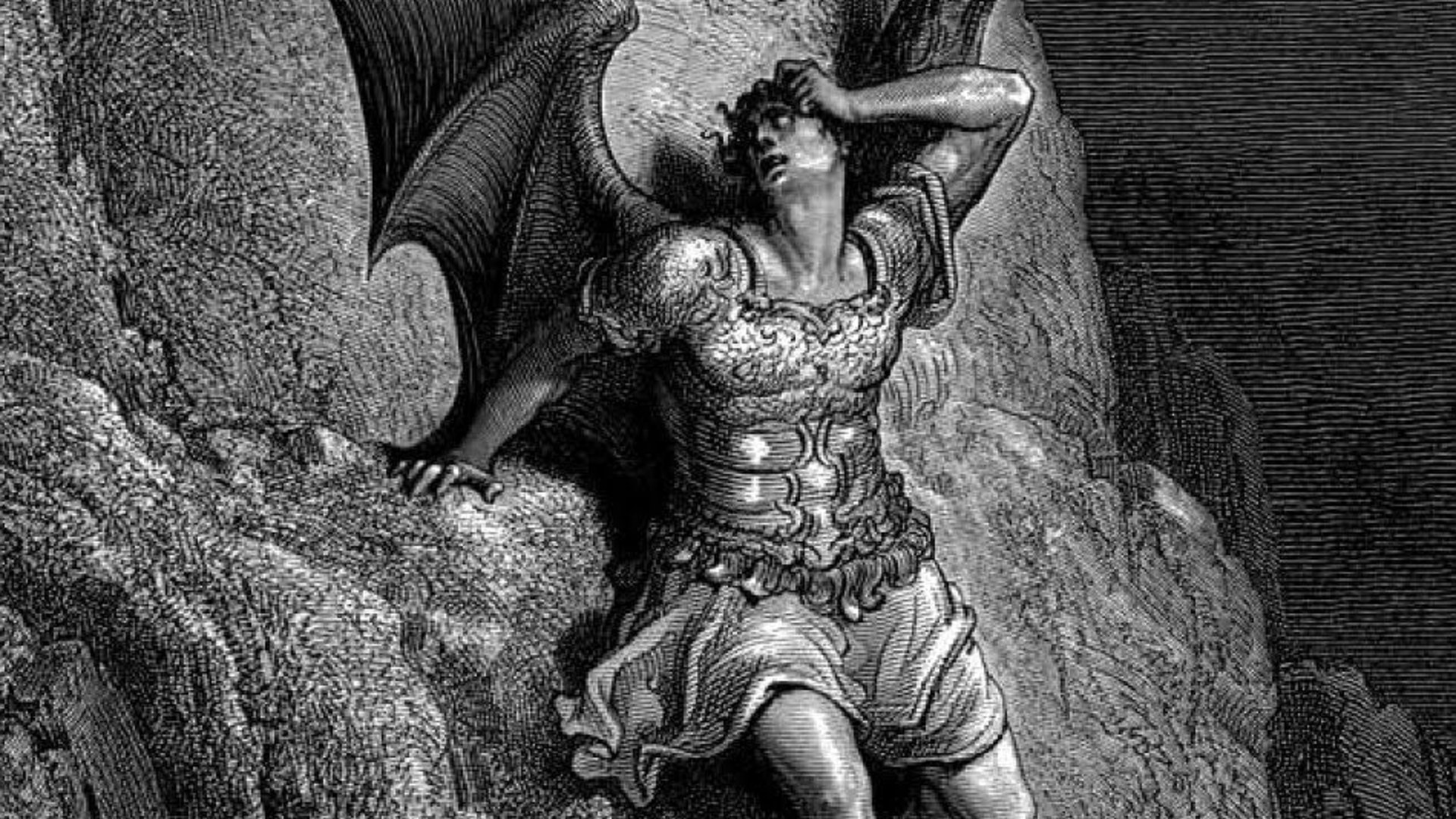
11. Dante Trapped Lucifer In A Frozen Lake Of Ice
Subverting fiery popular expectations, Dante Alighieri situated Lucifer at the very center of the Earth trapped waist-deep in freezing ice. His three giant bat-like wings whipped icy winds, while his three mouths wept tears and chewed history's arch-traitors.
©Wikimedia / Gustave Doré
10. The Black Death And The Dance Of Death
Following the devastating mid-fourteenth century Black Death, European folklore embraced the Danse Macabre. Frescoes depicted skeletons and grinning devils dragging popes, emperors, and peasants together, reminding humanity of universal mortality.
©Wikimedia / smallcurio from Austin, TX
Advertisement
Swipe or tap ▶ to resume the countdown.
9. The Hammer Of Witches And The Diabolical Pact
Published in Germany in 1487, the Malleus Maleficarum became the definitive handbook for inquisitors. The treatise argued that witches actively signed demonic compacts and flew to midnight sabbaths, fueling catastrophic persecution across the continent.
©Wikimedia / Hans Baldung Grien
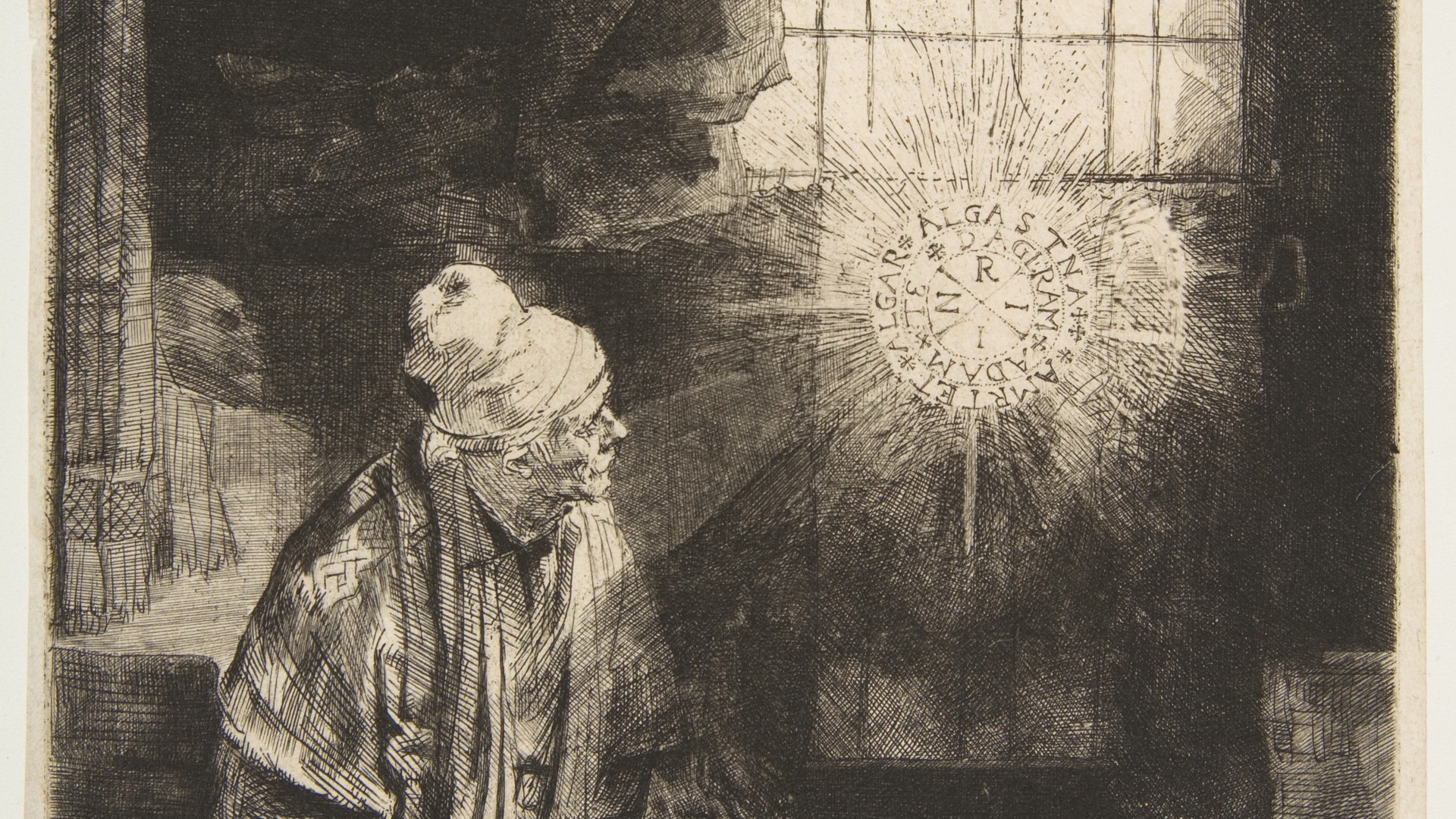
8. The Historical Magician Behind The Faustian Bargain
The legendary Doctor Faustus was based on an itinerant German Renaissance astrologer and alchemist. Following his mysterious death in an explosion around 1540, tales spread that his twenty-four-year contract with Mephistopheles had expired.
©Wikimedia / Rembrandt
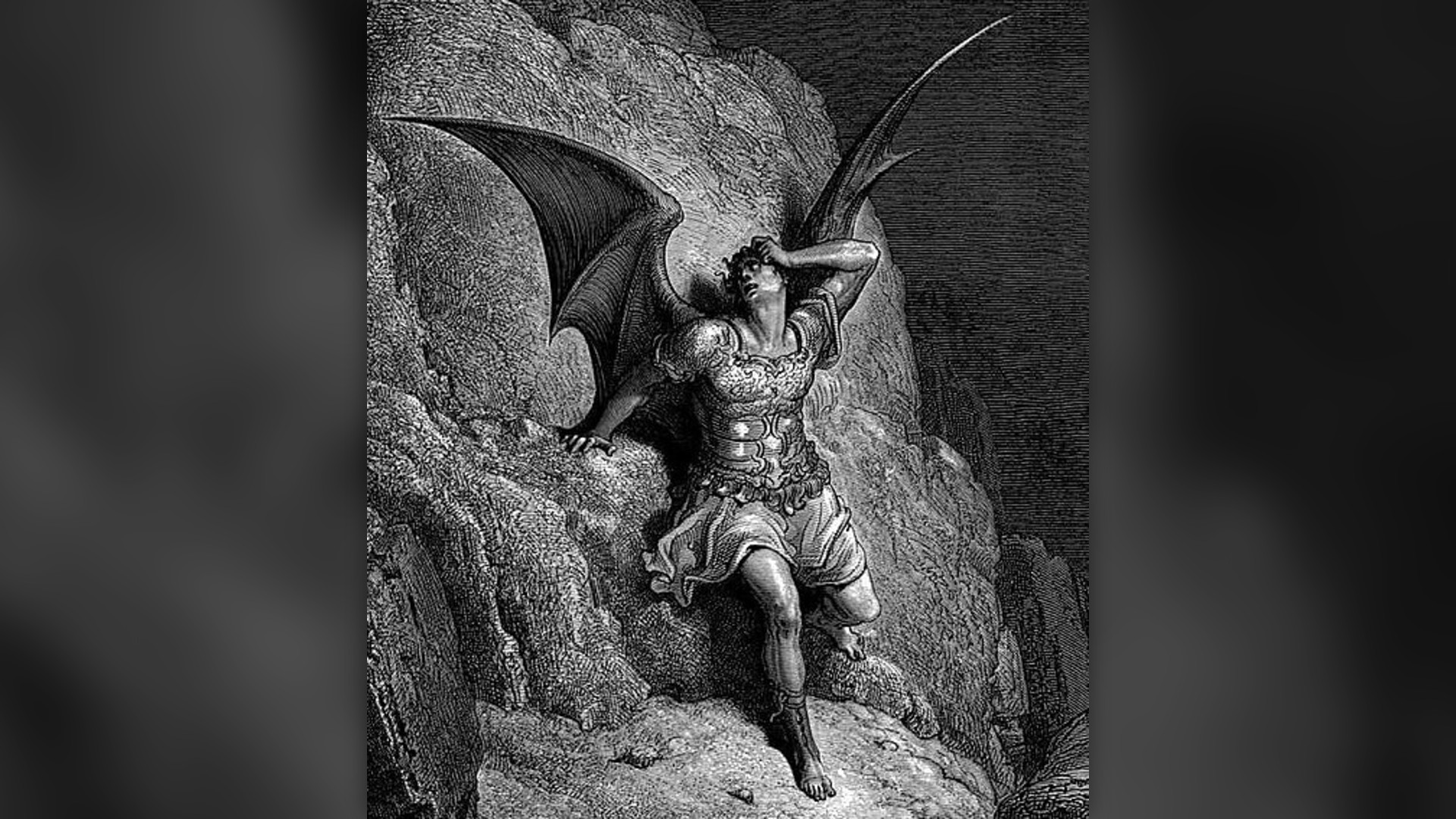
7. John Milton Reimagined Satan As A Tragic Rebel
John Milton transformed literary depictions of the Devil in his epic 1667 masterpiece Paradise Lost. Casting Satan as a charismatic, defiant commander rather than a crude monster, Milton coined the iconic line: Better to reign in hell than serve in heaven.
©Wikimedia / Commons
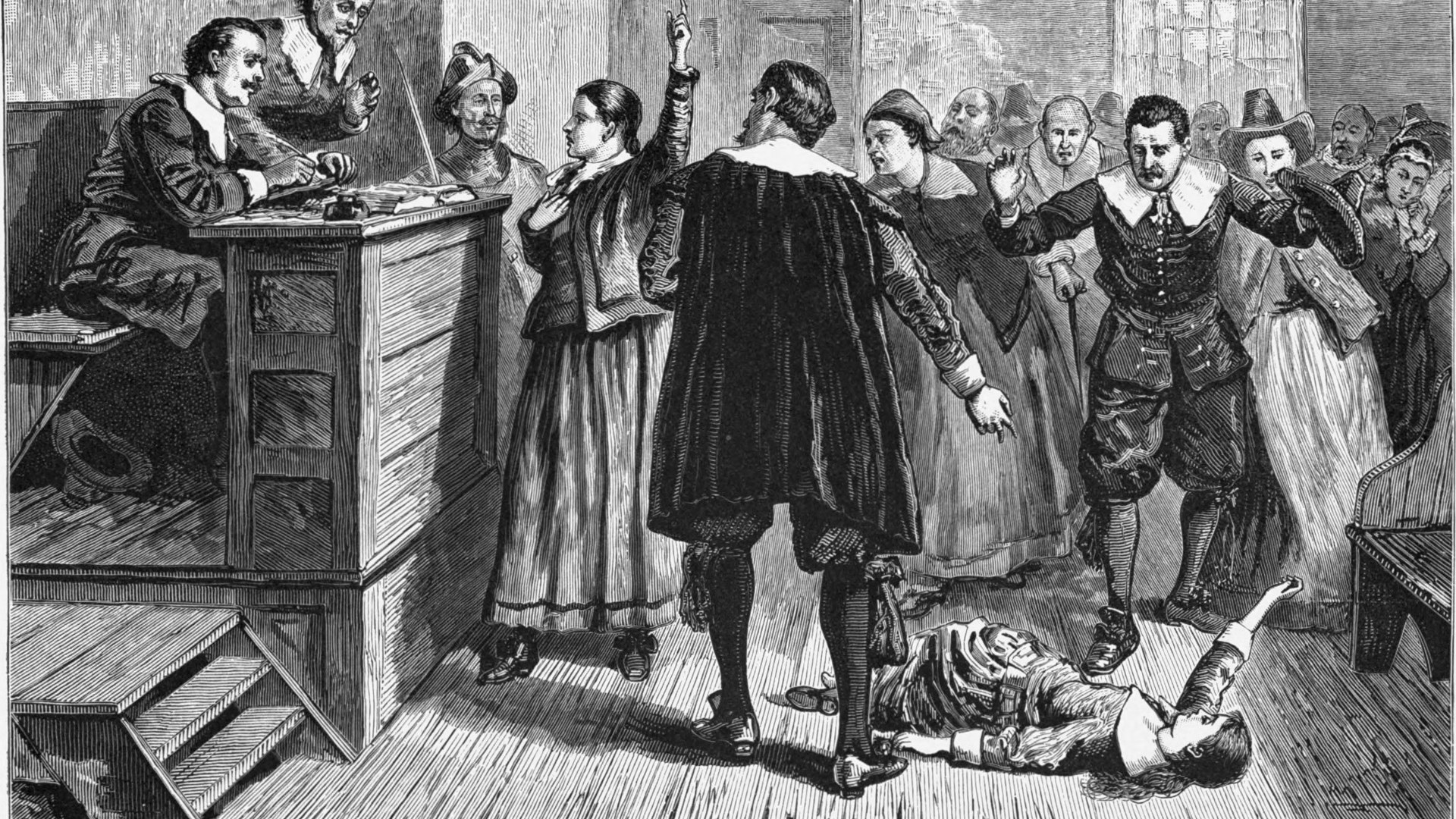
6. Spectral Evidence And The Salem Hysteria
In 1692, the Salem witchcraft panic led to the execution of nineteen men and women. Puritan magistrates accepted spectral evidence, convinced that invisible demonic specters assaulted victims while signing names in the Devil's black book.
©Wikimedia / unattributed
Advertisement
Swipe or tap ▶ to resume the countdown.
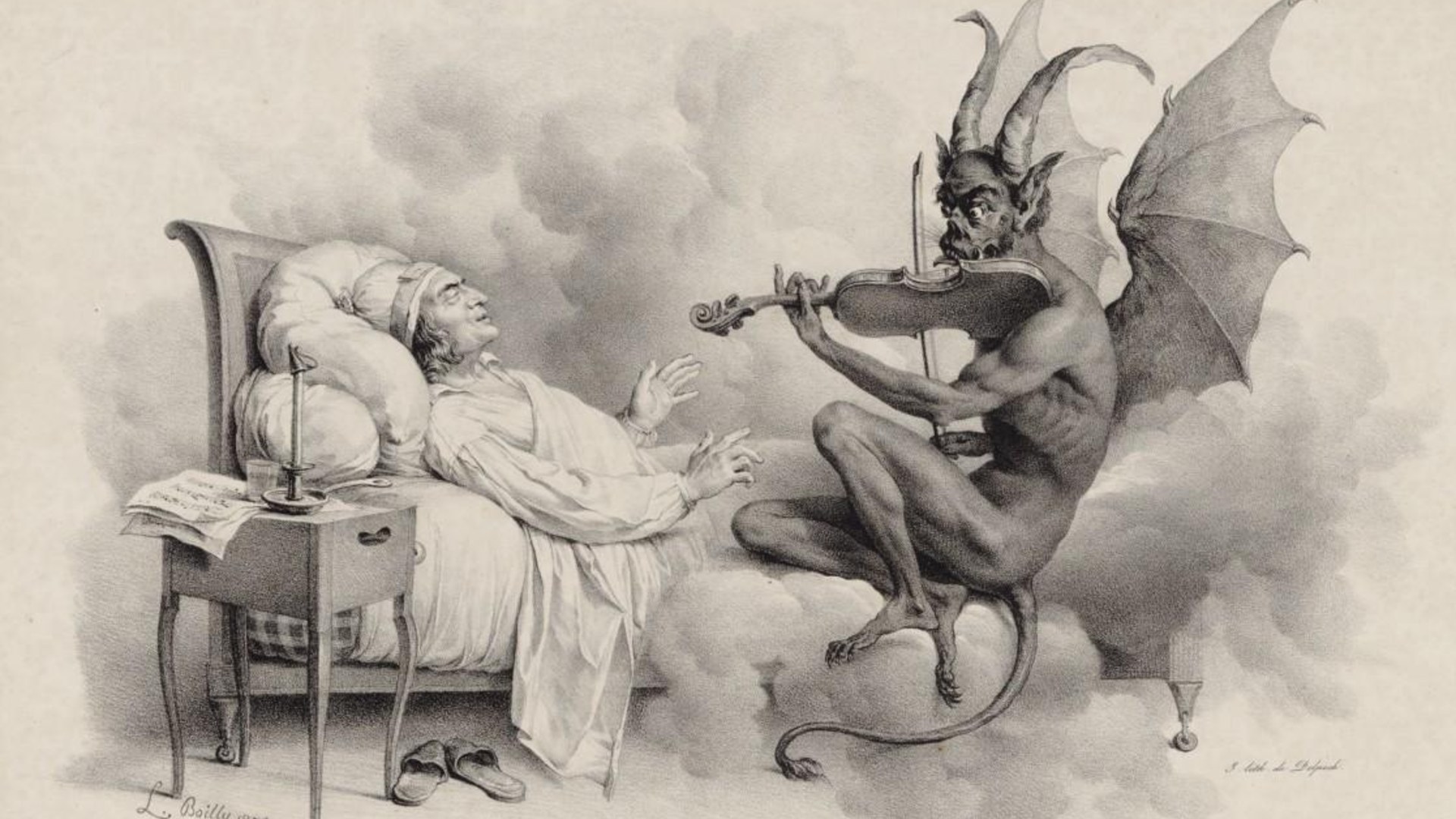
5. The Midnight Dream That Created The Devil's Trill
Italian baroque virtuoso Giuseppe Tartini told friends that the Devil appeared in a 1713 dream, made a pact, and played an impossibly intricate violin sonata. Upon waking, Tartini rushed to transcribe the notes, composing his renowned Devil's Trill.
©Wikimedia / Louis-Léopold Boilly
4. The Unsolved Devon Footprints In The Snow
On the morning of February 9, 1855, residents across South Devon, England woke to discovered unbroken tracks of cloven hoof prints in fresh snow. The mysterious trail scaled fourteen-foot walls, crossed river estuaries, and marched across high rooftops.
©Wikimedia / Public Contributor
3. Robert Johnson And The Delta Blues Crossroads
Delta blues legend Robert Johnson transformed from an awkward amateur into a jaw-dropping guitarist in a matter of months. Myth claimed he took his guitar to the intersection of Highways 61 and 49 in Clarksdale, Mississippi to trade his soul to a large black man.
©Wikimedia / Bigmacthealmanac
2. The 1949 Maryland Ritual That Inspired The Exorcist
In 1949, Jesuit priests performed intensive exorcism rituals over a fourteen-year-old boy in Maryland and St. Louis, recording levitation and scratch marks. Author William Peter Blatty followed the news reports while a student at Georgetown, later writing The Exorcist.
©Wikimedia / w_lemay
Advertisement
Swipe or tap ▶ to resume the countdown.
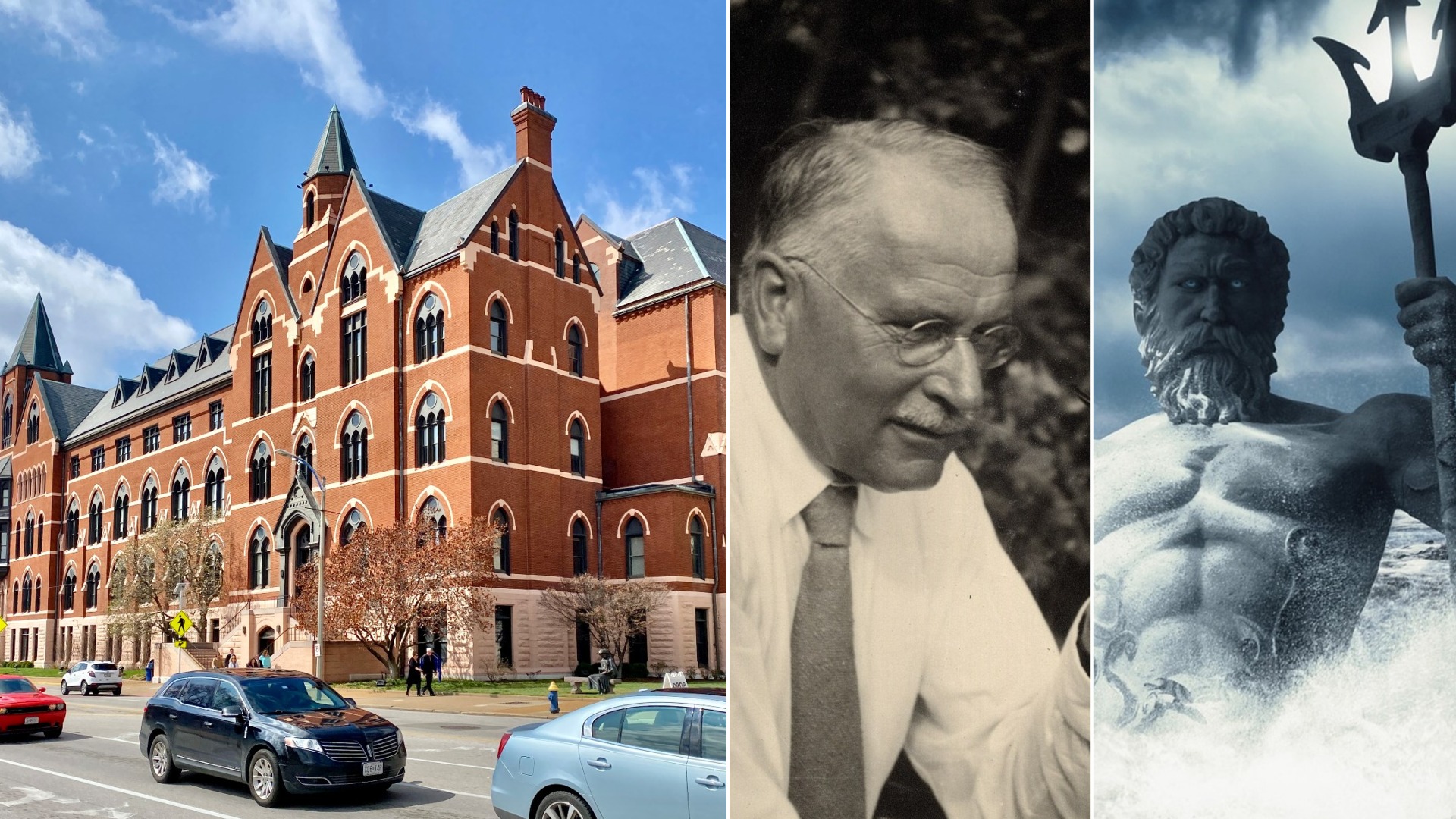
1. The Psychological Shadow And The Modern Archetype
In twentieth-century psychology, Carl Jung argued that the archetype of the Devil reflects humanity's repressed destructive impulses and unconscious dark side. By projecting evil outward onto a demonic adversary, societies historically avoided confronting their own capacity for harm.

©Wikimedia / Carl Gustav Jung & Pixabay / intographics
Advertisement
You've reached the end of the story. Thanks for reading!

20 Famous Cars With Pop-Up Headlights That Shaped Car Design
From hand-cranked 1930s teardrops to wedge supercars of the 1980s, hidden headlights let stylists chase sleek aerodynamics until 2004 pedestrian rules closed the curtain. Here are 20 standout production cars that turned retractable lamps into an enduring automotive design feature across seven full decades.
All 20 Entries in this Story
1. Ancient Persian Roots In Zoroastrian Dualism
Long before Western scripture codified Satan, the Persian prophet Zoroaster introduced Angra Mainyu, also known as Ahriman. This destructive spirit stood in perpetual cosmic opposition to the creator god Ahura Mazda, establishing moral dualism.

2. The Accuser In Ancient Hebrew Scripture
In the Hebrew Bible, the word satan appeared with the definite article ha-satan, meaning the adversary or heavenly prosecutor. In the Book of Job, he functioned as an obedient member of the divine court testing human loyalty rather than a rebel king.

3. Greek God Pan Inspired Horns And Cloven Hooves
Scripture never described the Devil with horns, hooves, or a pitchfork. Early medieval artists appropriated visual attributes from Pan, the Greek god of shepherds, nature, and wild lust, in order to demonize surviving pagan nature cults.

4. How A Latin Star Translation Coined Lucifer
The name Lucifer originally had no demonic association. Derived from Latin for light-bringer, it referred to the morning star, planet Venus. St. Jerome used the word in the Latin Vulgate while translating Isaiah, creating a legendary fallen angel name.

5. The Desert Wilderness Temptation In Gospel Lore
The New Testament established the Devil as a personal tempter. In the synoptic Gospels, Jesus spends forty days fasting in the Judean desert while Satan offers material bread, divine presumption, and dominion over all world kingdoms.

6. The Great Dragon And Archangel Michael
The Book of Revelation personified the Devil as a fiery red dragon with seven crowned heads whose tail swept a third of the stars. Archangel Michael led the heavenly host to cast the dragon down to Earth, establishing timeless apocalyptic warfare.

7. Grotesque Secondary Faces In Medieval Bestiaries
Medieval theological art portrayed demons as disordered and chaotic. Monks depicted devils with secondary grimacing faces on their stomachs, hips, or knees, visually signaling that the demonic entity was governed entirely by lower bodily appetites.

8. The Harrowing Of Hell In Romanesque Sculpture
Throughout Romanesque and Gothic Europe, stone tympanums illustrated the Harrowing of Hell. Christ was depicted breaking through iron fortress gates, binding Satan in chains while liberating ancient biblical souls from the underworld.

9. The Mysterious Legend Of The Codex Gigas
Preserved in the National Library of Sweden, the 165-pound Codex Gigas is the largest surviving medieval manuscript. Legend holds that a monk facing execution made a pact with the Devil to transcribe all human knowledge and draw a chilling portrait in one night.

10. Dante Trapped Lucifer In A Frozen Lake Of Ice
Subverting fiery popular expectations, Dante Alighieri situated Lucifer at the very center of the Earth trapped waist-deep in freezing ice. His three giant bat-like wings whipped icy winds, while his three mouths wept tears and chewed history's arch-traitors.

11. The Black Death And The Dance Of Death
Following the devastating mid-fourteenth century Black Death, European folklore embraced the Danse Macabre. Frescoes depicted skeletons and grinning devils dragging popes, emperors, and peasants together, reminding humanity of universal mortality.

12. The Hammer Of Witches And The Diabolical Pact
Published in Germany in 1487, the Malleus Maleficarum became the definitive handbook for inquisitors. The treatise argued that witches actively signed demonic compacts and flew to midnight sabbaths, fueling catastrophic persecution across the continent.

13. The Historical Magician Behind The Faustian Bargain
The legendary Doctor Faustus was based on an itinerant German Renaissance astrologer and alchemist. Following his mysterious death in an explosion around 1540, tales spread that his twenty-four-year contract with Mephistopheles had expired.

14. John Milton Reimagined Satan As A Tragic Rebel
John Milton transformed literary depictions of the Devil in his epic 1667 masterpiece Paradise Lost. Casting Satan as a charismatic, defiant commander rather than a crude monster, Milton coined the iconic line: Better to reign in hell than serve in heaven.

15. Spectral Evidence And The Salem Hysteria
In 1692, the Salem witchcraft panic led to the execution of nineteen men and women. Puritan magistrates accepted spectral evidence, convinced that invisible demonic specters assaulted victims while signing names in the Devil's black book.

16. The Midnight Dream That Created The Devil's Trill
Italian baroque virtuoso Giuseppe Tartini told friends that the Devil appeared in a 1713 dream, made a pact, and played an impossibly intricate violin sonata. Upon waking, Tartini rushed to transcribe the notes, composing his renowned Devil's Trill.

17. The Unsolved Devon Footprints In The Snow
On the morning of February 9, 1855, residents across South Devon, England woke to discovered unbroken tracks of cloven hoof prints in fresh snow. The mysterious trail scaled fourteen-foot walls, crossed river estuaries, and marched across high rooftops.

18. Robert Johnson And The Delta Blues Crossroads
Delta blues legend Robert Johnson transformed from an awkward amateur into a jaw-dropping guitarist in a matter of months. Myth claimed he took his guitar to the intersection of Highways 61 and 49 in Clarksdale, Mississippi to trade his soul to a large black man.

19. The 1949 Maryland Ritual That Inspired The Exorcist
In 1949, Jesuit priests performed intensive exorcism rituals over a fourteen-year-old boy in Maryland and St. Louis, recording levitation and scratch marks. Author William Peter Blatty followed the news reports while a student at Georgetown, later writing The Exorcist.

20. The Psychological Shadow And The Modern Archetype
In twentieth-century psychology, Carl Jung argued that the archetype of the Devil reflects humanity's repressed destructive impulses and unconscious dark side. By projecting evil outward onto a demonic adversary, societies historically avoided confronting their own capacity for harm.