Article · Money
Oil After the Midterms: Washington Has Moved, Hormuz Has Not
Brent crude dropped to $94.62 after Democrats won the House and Senate, then rebounded toward $97 on renewed tanker attacks. While the midterm sweep raises political pressure to end the Iran war, Congress cannot reopen the Strait of Hormuz before taking office next year.
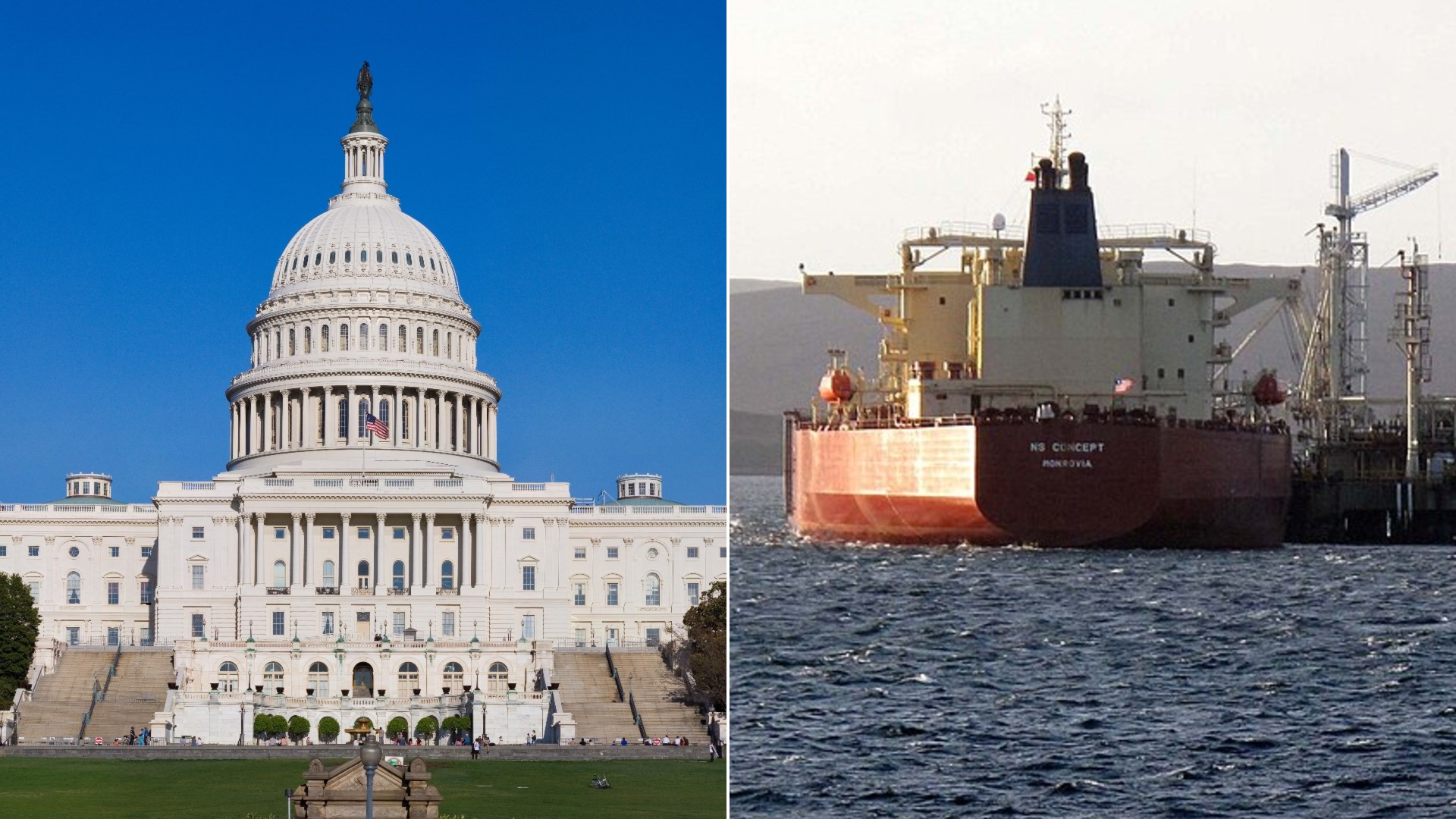
Oil's post-election sell-off looks right for 2027 but premature for this winter. Brent fell 8.7% to $94.62 on Wednesday after Democrats won the House and the Senate, while WTI fell 8.3% to $88.12. Renewed tanker attacks then lifted Brent back to about $97 by Friday, still heading for a weekly fall of at least 12%.
The market's logic is simple: a war that hurt Republicans at the ballot box is now more likely to end. That logic has merit. But Congress can only raise the political cost of the Iran war. It cannot reopen the Strait of Hormuz.
What the election changes
The result changes the politics of the war faster than it changes the law. Top Democrats said before the vote that they would move to cut war funding, and they will soon control the purse strings. A Senate war-powers measure failed by one vote in September, while the House passed one 220–204.
Three limits remain. The new Congress is not sworn in until early next year, Democrats lack a veto-proof majority, and the administration can keep spending money already allocated. President Trump has conceded that Iran was part of the defeat, but he still defends the decision to go to war.
The election may also raise near-term risk. Trump had said the US would not attack Iran before the vote, and that restraint has now expired. Trita Parsi of the Quincy Institute argues that the weeks before the new Congress give Trump a window to escalate. Rapidan Energy's Bob McNally puts the chance of fighting resuming at 80%.
Saxo's Ole Hansen says the market is betting that Trump wants to put the conflict behind him. That is a reasonable bet, but it is not yet an outcome.
What the barrels are saying
The physical market is sending two messages: crude is becoming easier to find, but the safety margin remains thin.
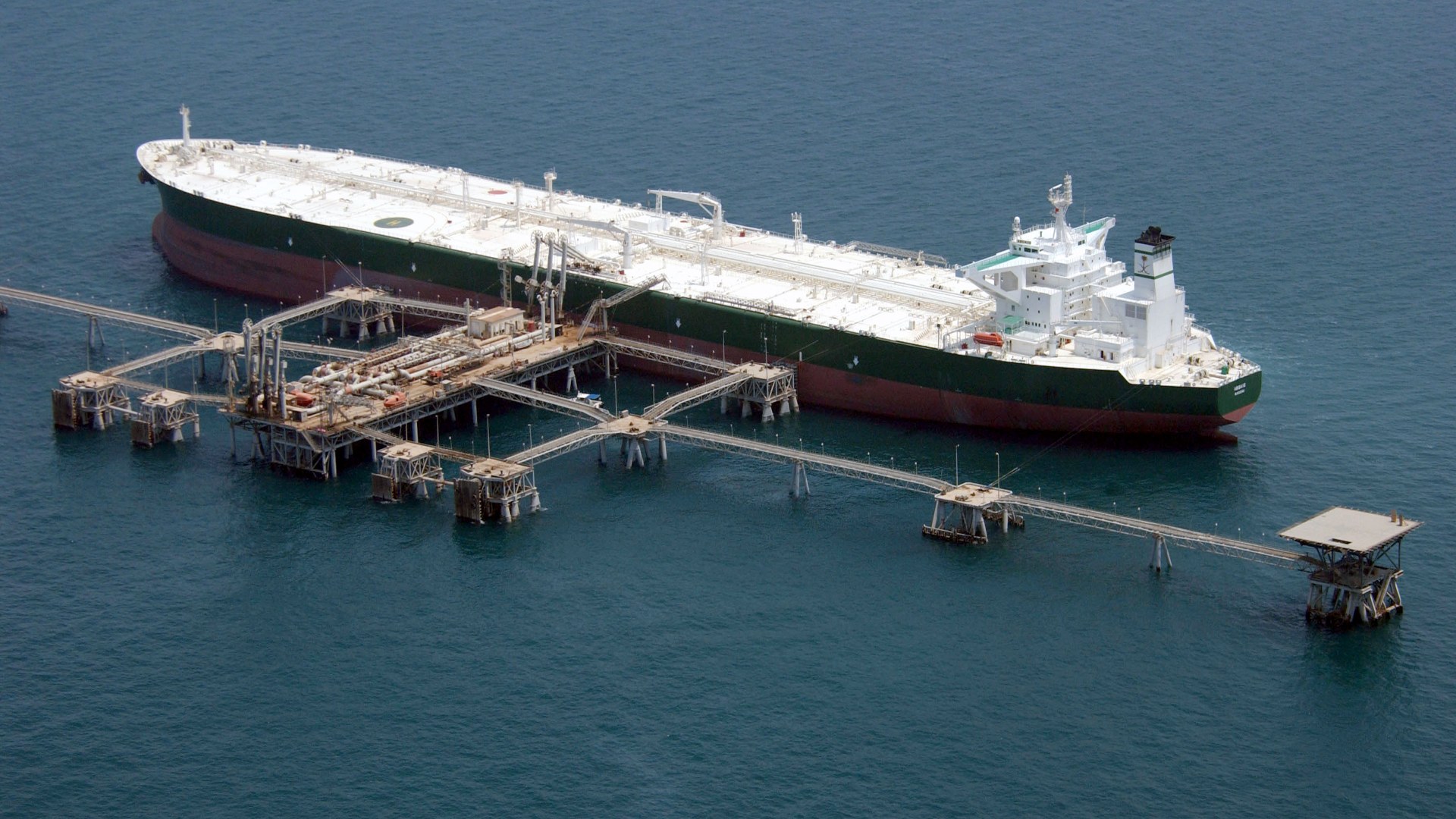
The bearish evidence is real. JP Morgan estimates that the market returned to surplus in September, with the excess widening to 1.4 million barrels a day in October. Goldman Sachs is more cautious but sees a broadly balanced market. Vortexa puts Gulf crude and condensate exports at 14 million barrels a day in October, about 86% of pre-war levels.
Demand has also taken a heavy hit. The IEA expects consumption to fall by 2.6 million barrels a day this year. It then sees supply rising by 7.7 million barrels a day in 2027, far outpacing a 2 million recovery in demand.
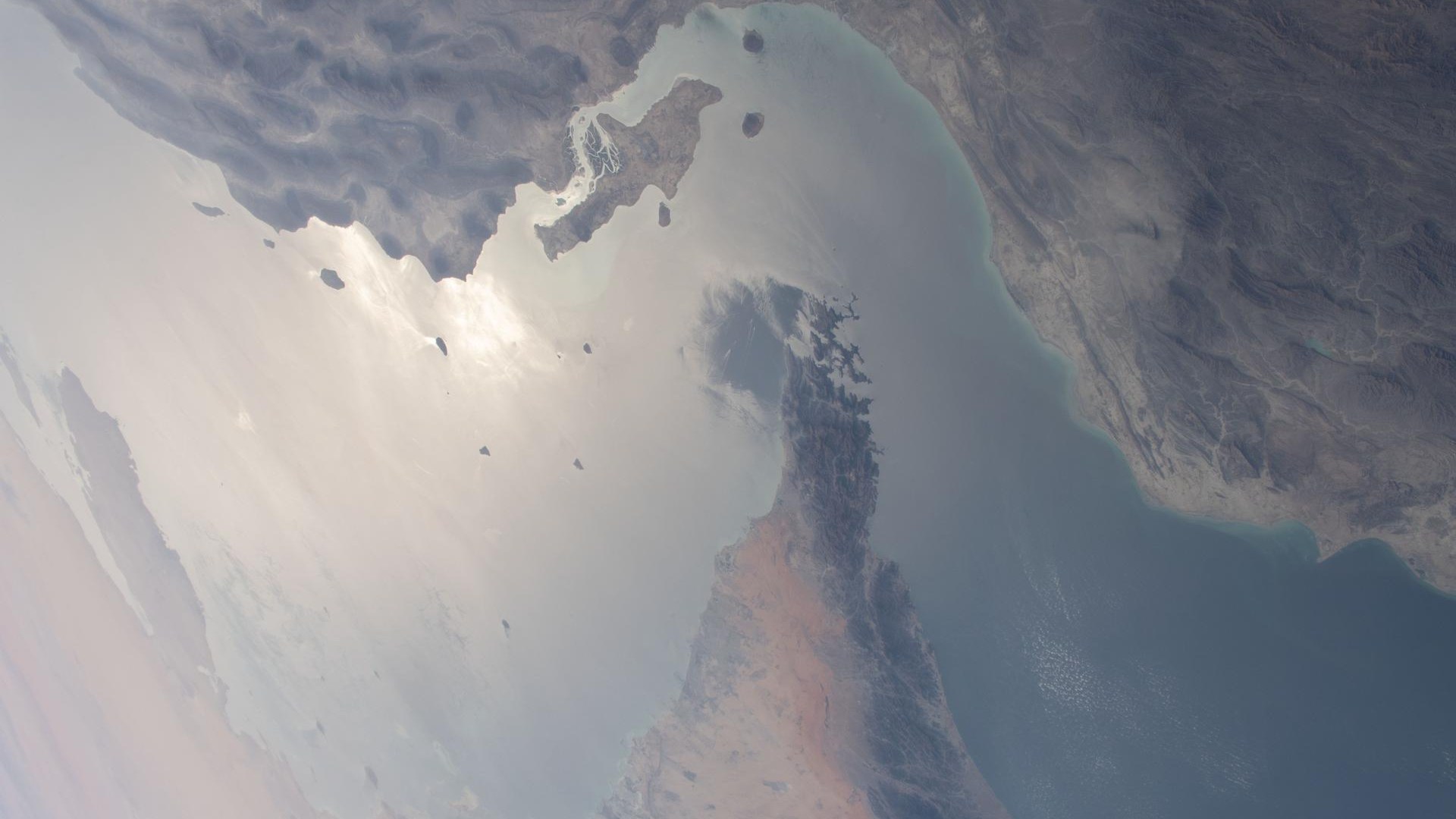
The bullish evidence is equally hard to dismiss. ANZ's Daniel Hynes says Iran still controls Hormuz, where flows are under 60% of capacity, and tanker attacks are running close to record pace. Gulf refined product exports are only just over half of normal.
Global observed inventories were 509 million barrels below pre-war levels at the end of September. On-land stocks were at their lowest since at least 2016, and the IEA expects the diesel market to stay tight well into 2027.
OPEC+ is not the swing factor for now. Its seven core members held December output at September levels and meet next on 29 November.
Where the forecasters stand
Most forecasters still expect lower prices in 2027, but their range is unusually wide. Nearly all of these views predate the election, so expect revisions. The EIA forecasts spot prices, which have recently traded well above futures.
| Forecaster (date) | Near term, Brent | 2027 average, Brent | Key assumption |
|---|---|---|---|
| Goldman Sachs (1 Nov) | $105 in December | $88 | Up to $140 if Gulf output runs 3.5 million b/d below 2025 |
| EIA (6 Oct) | $105 in Q4 | $84 | Middle East flows stay constrained through Q4 |
| Morgan Stanley (12 Oct) | $105 in Q4 | Not stated here | $100 in Q1 2027 |
| HSBC (9 Sep) | Not stated here | $85 | Hormuz recovers slowly; about $120 in a long stalemate |
| Fitch Ratings (Sep) | Not stated here | $70 | $55 with a durable peace deal in Q1 2027 |
| Citi (3 Sep) | $70 in Q4 | $65 | Hormuz reopens this quarter |
| JP Morgan (17 Sep) | No baseline | No baseline | Says it cannot model the endgame |
Three scenarios
Armed stalemate is the most likely path, with Brent holding around $90–105 this winter. These ranges and probabilities are my own judgement, informed by the forecasts above.
| Scenario | Probability | What triggers it | Brent to Q1 2027 | 2027 average |
|---|---|---|---|---|
| Armed stalemate | 50% | Talks stall, attacks continue, and exports keep adapting | $90–105 | $80–88 |
| Negotiated de-escalation | 25% | A ceasefire holds, and attacks and insurance costs fall for several weeks | $75–85 | $60–70 |
| Lame-duck escalation | 25% | Major strikes resume, or Gulf infrastructure suffers lasting damage | $115–140 | $105–125 |
Armed stalemate. Weak demand and adapting supply cap rallies, but low inventories stop prices from falling far. Funding fights in Washington generate headlines without changing tanker risk.
Negotiated de-escalation. This is where the market has started to lean. Once barrels flow safely, the 2027 surplus becomes the main story, and restocking may slow the fall rather than stop it.
Lame-duck escalation. This is the tail that matters most. Inventories that were a cushion in March are much thinner now, so the same disruption would travel further into prices. Diesel would likely feel it first.
My view
I expect Brent to trade mainly between $90 and $105 into year-end, with a probability-weighted 2027 average of about $87. That sits close to Goldman's $88 and well above Citi's $65.
The midterms did not create a new floor or ceiling for oil. They shifted the odds towards an eventual settlement, but they also created a dangerous two-month gap before the new Congress arrives. A sustained move below $90 needs evidence on the water, not just in Washington.
I would change this view if tanker attacks fall sharply for several weeks, Hormuz flows rise clearly above 60% of capacity, and the recent contango in prompt Brent swaps spreads into futures. Veteran trader Adi Imsirovic says that shift could happen if the physical weakness persists. Conversely, a strike on major Gulf export infrastructure would push me towards the escalation case.
The next tests are close:
- 10 November: the EIA updates its forecasts.
- 13 November: the IEA publishes its next Oil Market Report.
- 29 November: the core OPEC+ group meets.
- 11 December: the US government funding bill expires, before the new majorities take their seats.
This article is commentary, not investment advice.
Sources
- Reuters via Global Banking & Finance: weekly oil market report
- Reuters via Global Banking & Finance: signs of surplus
- The National: Brent and WTI settlements
- CNBC: oil prices and Rapidan's McNally
- Roseland Consulting: Saxo Bank commentary
- IEA: Oil Market Report, October 2026
- EIA: Short-Term Energy Outlook, October 2026
- 5paisa: Goldman Sachs 1 November note
- NAGA: forecast tracker, updated 20 October
- OPEC: 1 November 2026 statement
- Foreign Policy: Democrats and foreign policy
- Al Jazeera: limits on Democrats after the midterms
- Al Jazeera: Democrats' promises and Parsi's window
- IBTimes: September war-powers votes
- CNBC: Trump and Iranian reaction