Slideshow · Money
Secrets You Didn't Know About the Multimillion Dollar Binance Crypto Heists
From compromised API keys to an emergency blockchain shutdown, examine the dramatic untold details behind the historic attacks on the world largest crypto exchange.

By Most Viral Today
30 Oct 2026

The untold secrets behind the multimillion dollar Binance crypto heists 
16. The Patient Infiltration 
15. The 7000 Bitcoin Breach 
14. Evading Risk Alarms - AdvertisementSwipe or tap ▶ to continue countdown

13. The SAFU Emergency Shield 
12. The Bitcoin Reorg Controversy 
11. The ChipMixer Laundering Trail 
10. The 2022 Bridge Exploit - AdvertisementSwipe or tap ▶ to continue countdown

9. The Forged Cryptographic Proof 
8. Two Million BNB Minted 
7. The 26 Validator Sprint 
6. Shutting Down The Blockchain - AdvertisementSwipe or tap ▶ to continue countdown

5. The Multi-Chain Escape 
4. State-Sponsored Suspicions 
3. Emergency Code Hard Fork 
2. The Regulatory Fallout - AdvertisementSwipe or tap ▶ to continue countdown

1. Lessons For Modern Crypto - Advertisement🔥 UP NEXT IN THIS SERIES◫ 23 Slides

22 Turning Points That Shaped Goldman Sachs From 1869 Onward
Starting in a Lower Manhattan basement in 1869, Marcus Goldman built a commercial paper business that grew into one of Wall Street's most influential firms. Based on Securities and Exchange Commission filings, U.S. Treasury archives, and corporate records, these 22 milestones trace its leaders, crises, and turns.
From compromised API keys to an emergency blockchain shutdown, examine the dramatic untold details behind the historic attacks on the world largest crypto exchange.
Swipe or tap ▶ to begin the countdown
©Pixabay / KiranJyothi
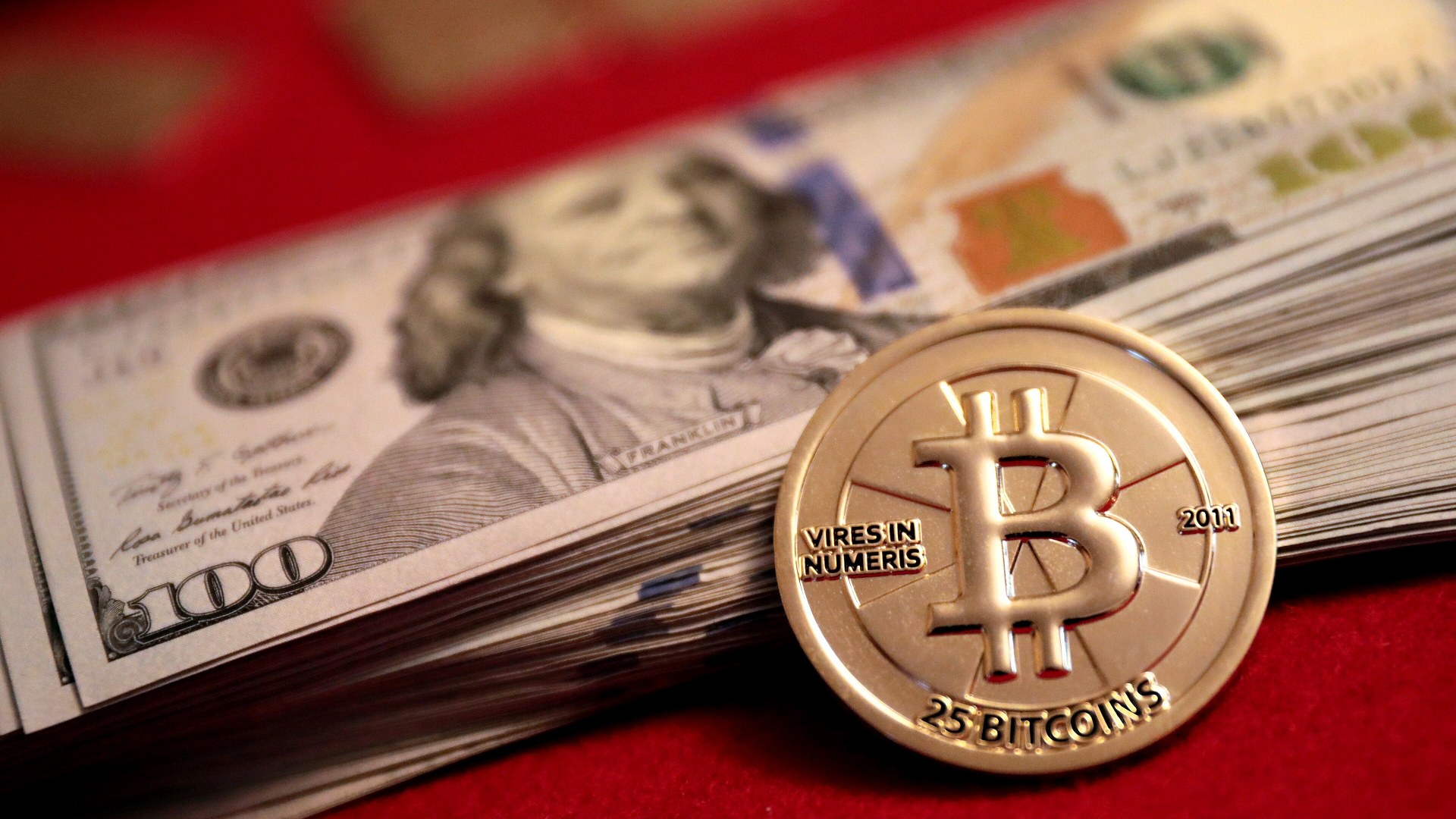
16. The Patient Infiltration
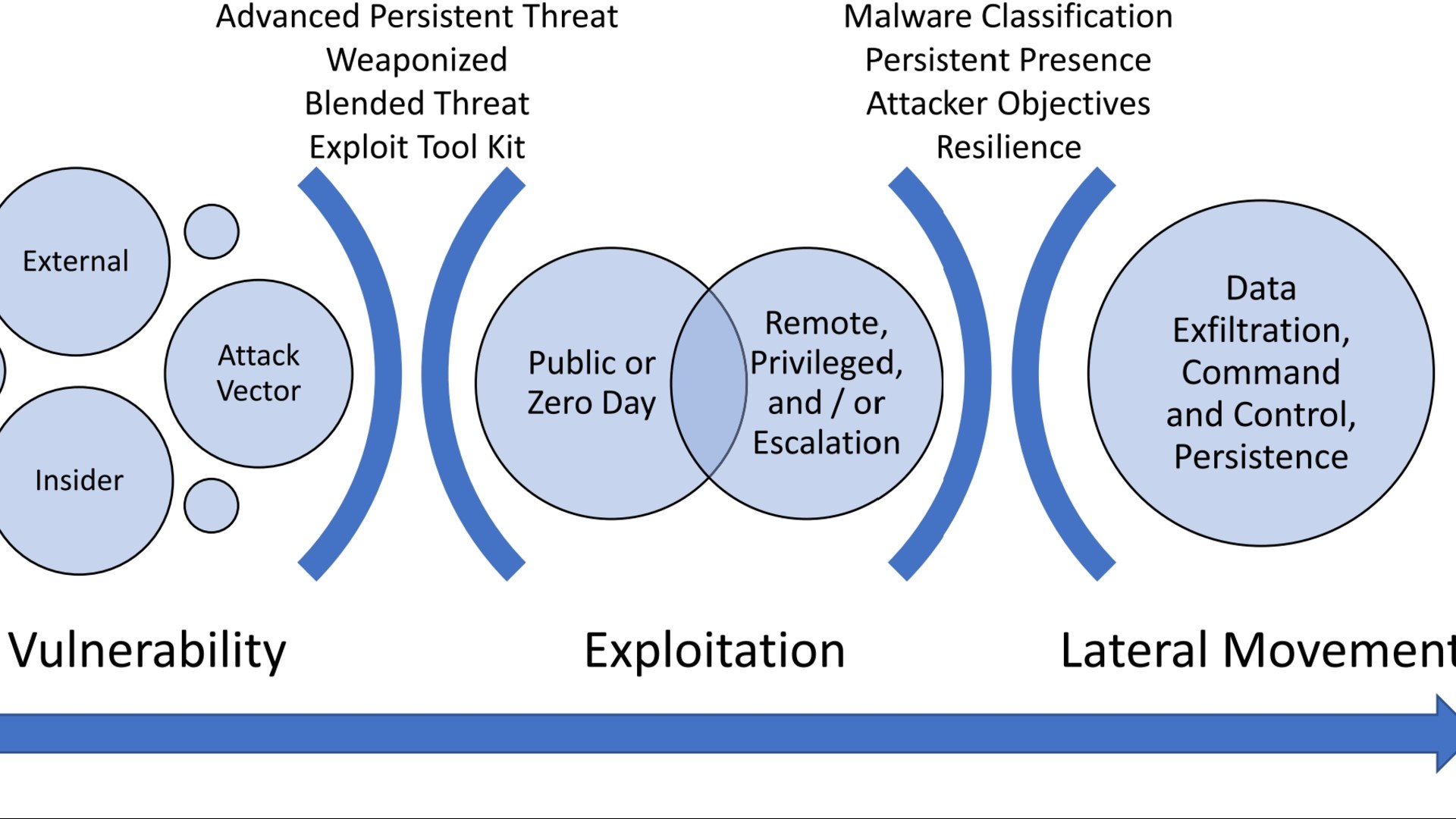
Before draining a single coin in May 2019, cyber attackers executed a methodical espionage campaign. Using spear-phishing emails and covert malware, the hackers compromised employee computers and harvested customer API tokens, accumulating the cryptographic keys necessary for a massive coordinated theft.
©Wikimedia / Morey J. Haber and Brad Hibbert
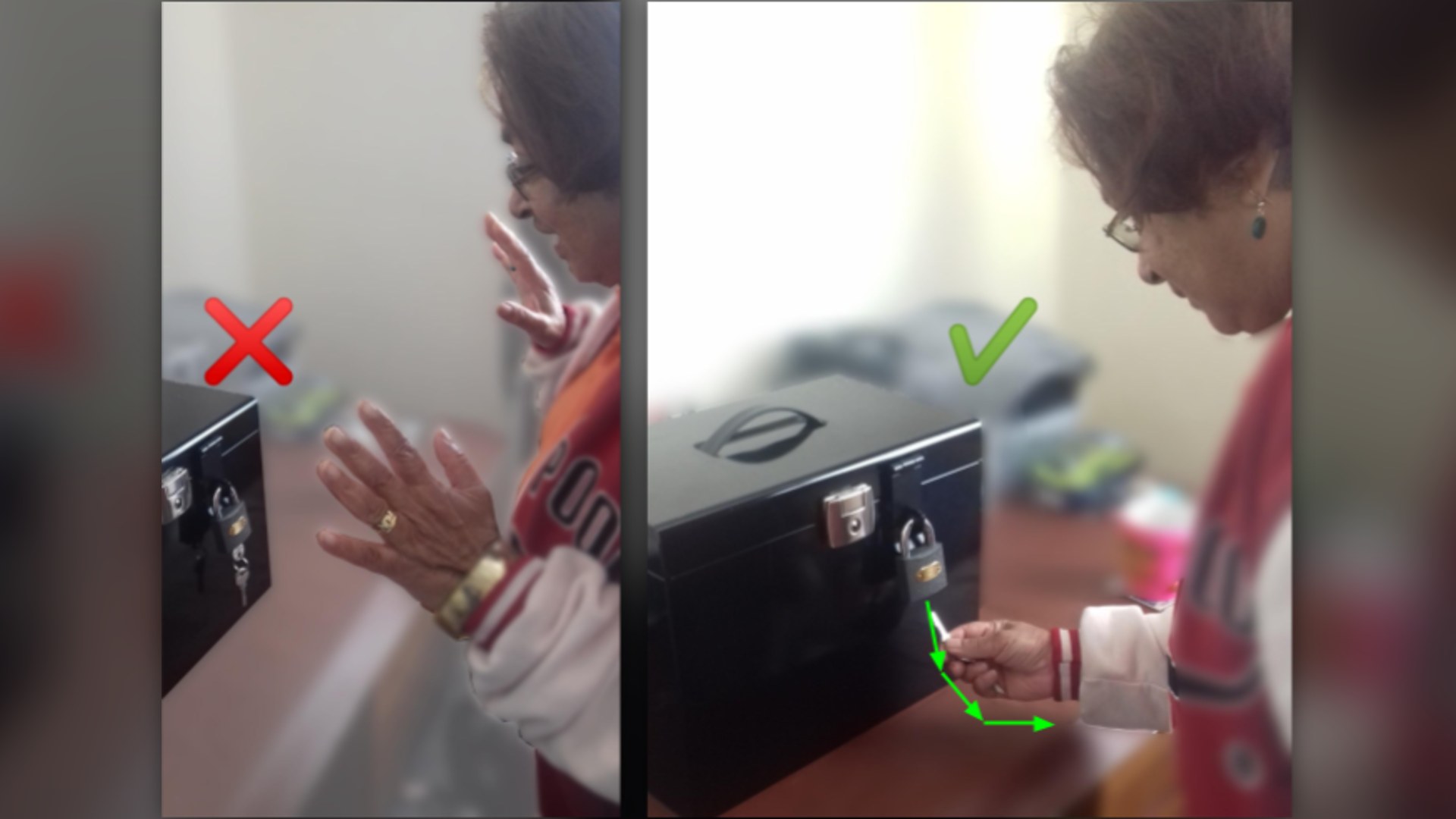
15. The 7000 Bitcoin Breach
On May 7, 2019, the attackers struck in a single transaction, withdrawing 7,070 bitcoins valued at over forty million dollars at the time. The funds represented two percent of Binance total Bitcoin holdings, pulled directly from its active hot wallet while cold storage vaults remained untouched.
©Wikimedia / Gage Skidmore
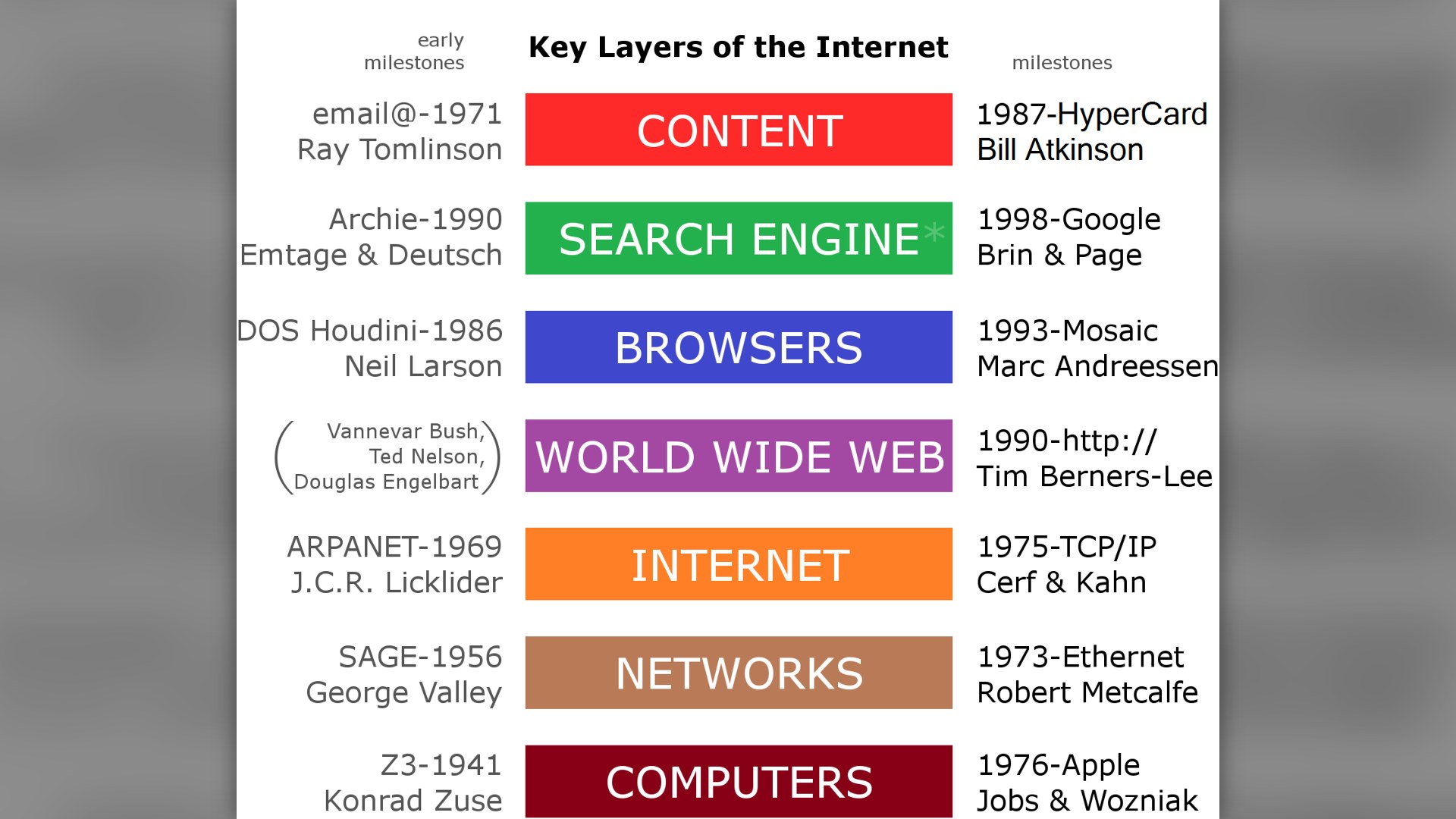
14. Evading Risk Alarms
Binance maintained automated risk systems designed to flag unusual outflow volumes. But the hackers timed their withdrawal during routine traffic spikes, using compromised high-tier API accounts to bypass automated freeze thresholds. The alert only triggered after the transaction was fully broadcast.
©Wikimedia / Markus Spiske
Advertisement
Swipe or tap ▶ to resume the countdown.
13. The SAFU Emergency Shield
To halt public panic, Binance immediately activated its Secure Asset Fund for Users, known across crypto as the SAFU fund. Created in 2018 by allocating ten percent of all trading fees into cold storage, the insurance reserve absorbed the entire loss, ensuring zero customer balances took a haircut.
©Wikimedia / MarkJFernandes
12. The Bitcoin Reorg Controversy
During a live Twitter space hours after the breach, CEO Changpeng Zhao mentioned a proposal to pay Bitcoin mining pools to execute a blockchain reorganization and invalidate the hack. The suggestion drew fierce criticism from Bitcoin developers for threatening network immutability, forcing CZ to withdraw the idea.
©Wikimedia / Satheesh Sankaran
11. The ChipMixer Laundering Trail
Tracing the stolen 7,070 bitcoins revealed an intricate laundering trail. On-chain investigators tracked the funds as hackers moved them through privacy service ChipMixer, peeling tiny fragments into hundreds of unhosted addresses over months to obscure origins before cashing out through peer-to-peer brokers.
©Wikimedia / Edwin.images
10. The 2022 Bridge Exploit
Three years after the Bitcoin theft, a far larger crisis hit Binance ecosystem on October 6, 2022. Attackers discovered a subtle opening inside the BSC Token Hub cross-chain bridge, a smart contract channel connecting the BNB Beacon Chain governance layer directly to the BNB Smart Chain execution network.
©Wikimedia / Concord hioz
Advertisement
Swipe or tap ▶ to resume the countdown.
9. The Forged Cryptographic Proof
Cross-chain bridges rely on proofs confirming tokens were locked before releasing new ones. The hacker found a bug in Cosmos IAVL library used by Binance. By crafting a forged leaf node in the Merkle tree, the attacker tricked the contract into releasing massive counterfeit deposits.
©PixaBay/ Public Contributor
8. Two Million BNB Minted
Armed with the counterfeit cryptographic proof, the exploiter executed two withdrawal transactions of one million BNB tokens each. Within minutes, the hacker held two million BNB tokens worth roughly 570 million dollars, creating one of the largest single-day cryptocurrency exploits ever recorded.
©Wikimedia / voytek pavlik
7. The 26 Validator Sprint
When on-chain monitors sounded alarms, Binance engineers faced a ticking clock. Because BNB Smart Chain operated on a Proof of Staked Authority model with only twenty-six active validators, core developers made urgent private calls to validator operators across Asia and Europe to halt the entire blockchain.
©Wikimedia / Federal Bureau of Investigation
6. Shutting Down The Blockchain
In an unprecedented move for a major blockchain, the validators agreed to freeze block production completely. The emergency shutdown took effect just hours after the first counterfeit transaction. By halting the network, validators trapped roughly 430 million dollars of the minted BNB directly on the chain.
©Wikimedia / Santeri Viinamäki
Advertisement
Swipe or tap ▶ to resume the countdown.
5. The Multi-Chain Escape
While the freeze locked down the majority of the minted tokens, the hacker had already moved swiftly. Exploiting decentralized liquidity pools, the attacker converted roughly one hundred million dollars into Ethereum, Fantom, and Arbitrum assets before anyone could restrict the outgoing transactions.
©Wikimedia / Ivan Radic
4. State-Sponsored Suspicions
Blockchain security analysts dissected the laundering techniques used across both attacks. The precision timing, use of privacy mixers, and multi-chain dispersal matched behavioral profiles associated with North Korea Lazarus Group, which has stolen billions in cryptocurrency to fund illicit weapons programs.
©Wikimedia / Federal Government of the United States
3. Emergency Code Hard Fork
To safely restart the frozen blockchain, core engineers issued release version 1.1.15. This emergency hard fork blacklisted the attacker addresses, disabled the vulnerable BSC Token Hub bridge, and implemented strict verification checks to prevent forged IAVL Merkle proofs from ever passing again.
©Wikimedia / Martin Vorel
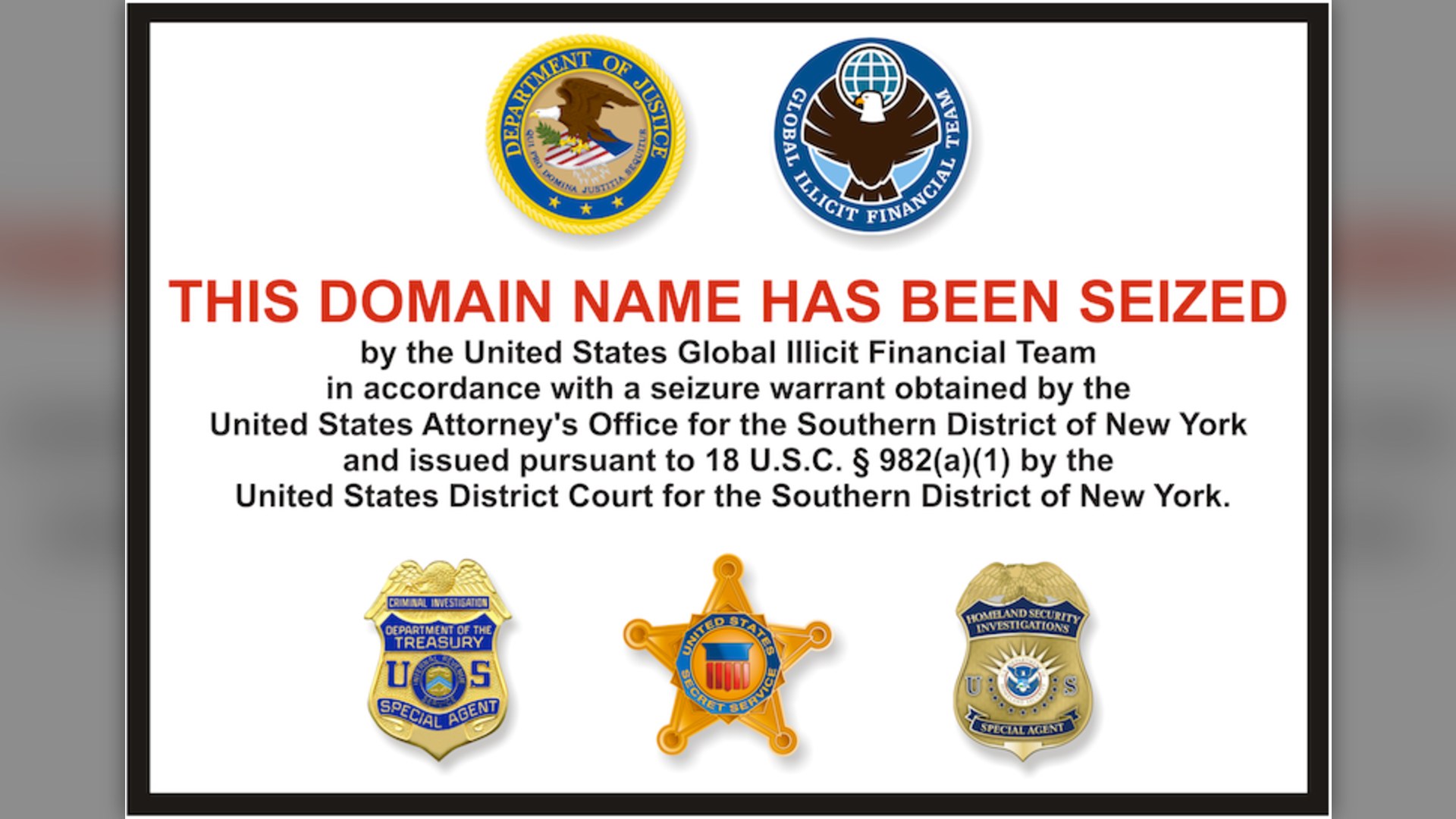
2. The Regulatory Fallout
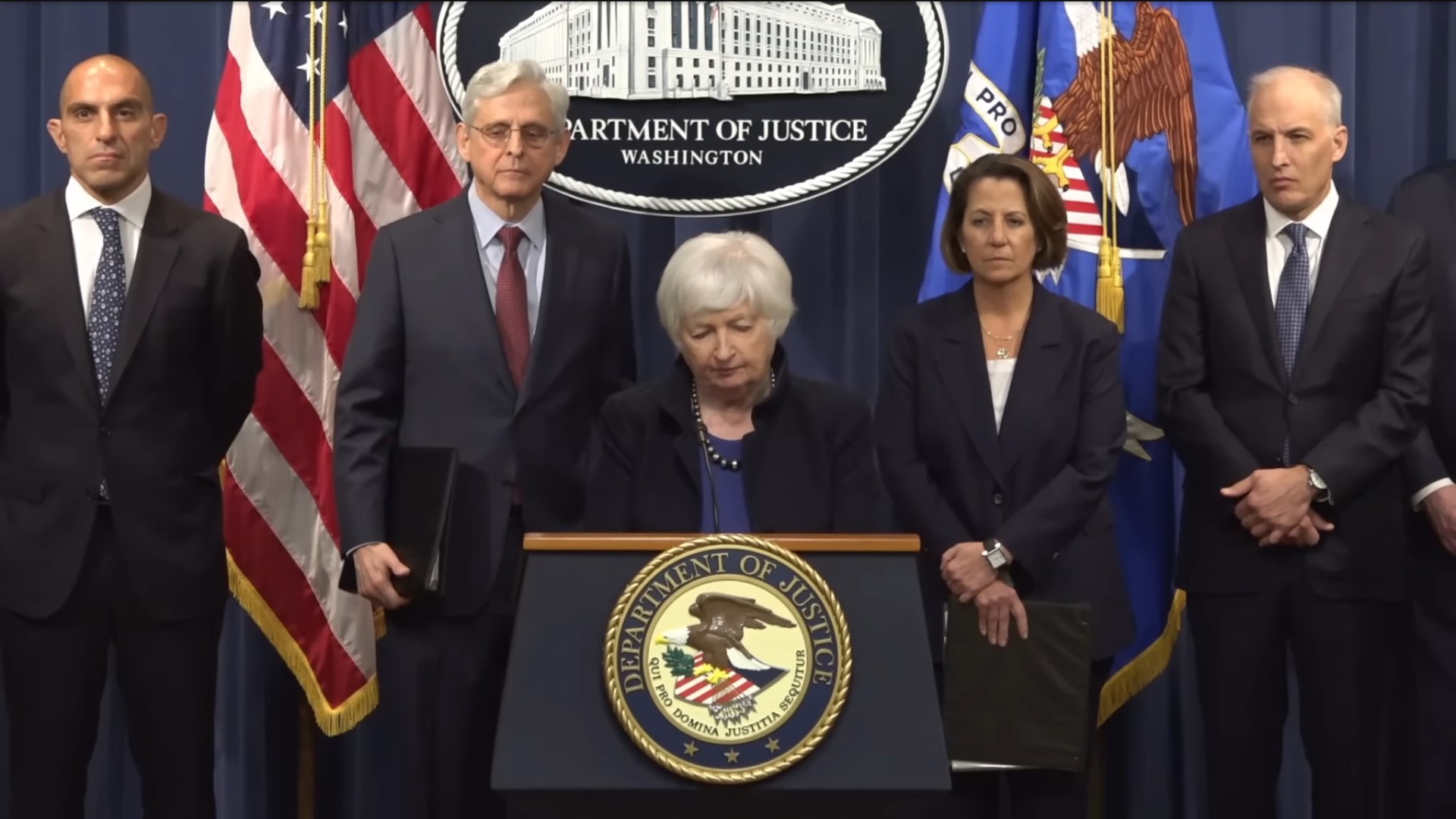
The massive exploits brought severe scrutiny from regulators worldwide. Critics highlighted the central control required to halt BNB Chain, contrasting with crypto ideals. Federal agencies intensified anti-money laundering investigations, culminating in Binance historic 2023 plea deal with the Justice Department.
©Wikimedia / United States Department of Justice
Advertisement
Swipe or tap ▶ to resume the countdown.
1. Lessons For Modern Crypto
The Binance security breaches forced the entire digital asset industry to evolve. Major exchanges adopted multi-party computation wallets, real-time proof-of-reserves audits, and isolated cross-chain messaging protocols, proving that robust defense requires continuous mathematical verification rather than blind trust.

©Pixabay/ Pixabay
Advertisement
You've reached the end of the story. Thanks for reading!

22 Turning Points That Shaped Goldman Sachs From 1869 Onward
Starting in a Lower Manhattan basement in 1869, Marcus Goldman built a commercial paper business that grew into one of Wall Street's most influential firms. Based on Securities and Exchange Commission filings, U.S. Treasury archives, and corporate records, these 22 milestones trace its leaders, crises, and turns.
All 16 Entries in this Story
1. The Patient Infiltration
Before draining a single coin in May 2019, cyber attackers executed a methodical espionage campaign. Using spear-phishing emails and covert malware, the hackers compromised employee computers and harvested customer API tokens, accumulating the cryptographic keys necessary for a massive coordinated theft.

2. The 7000 Bitcoin Breach
On May 7, 2019, the attackers struck in a single transaction, withdrawing 7,070 bitcoins valued at over forty million dollars at the time. The funds represented two percent of Binance total Bitcoin holdings, pulled directly from its active hot wallet while cold storage vaults remained untouched.

3. Evading Risk Alarms
Binance maintained automated risk systems designed to flag unusual outflow volumes. But the hackers timed their withdrawal during routine traffic spikes, using compromised high-tier API accounts to bypass automated freeze thresholds. The alert only triggered after the transaction was fully broadcast.

4. The SAFU Emergency Shield
To halt public panic, Binance immediately activated its Secure Asset Fund for Users, known across crypto as the SAFU fund. Created in 2018 by allocating ten percent of all trading fees into cold storage, the insurance reserve absorbed the entire loss, ensuring zero customer balances took a haircut.

5. The Bitcoin Reorg Controversy
During a live Twitter space hours after the breach, CEO Changpeng Zhao mentioned a proposal to pay Bitcoin mining pools to execute a blockchain reorganization and invalidate the hack. The suggestion drew fierce criticism from Bitcoin developers for threatening network immutability, forcing CZ to withdraw the idea.

6. The ChipMixer Laundering Trail
Tracing the stolen 7,070 bitcoins revealed an intricate laundering trail. On-chain investigators tracked the funds as hackers moved them through privacy service ChipMixer, peeling tiny fragments into hundreds of unhosted addresses over months to obscure origins before cashing out through peer-to-peer brokers.

7. The 2022 Bridge Exploit
Three years after the Bitcoin theft, a far larger crisis hit Binance ecosystem on October 6, 2022. Attackers discovered a subtle opening inside the BSC Token Hub cross-chain bridge, a smart contract channel connecting the BNB Beacon Chain governance layer directly to the BNB Smart Chain execution network.

8. The Forged Cryptographic Proof
Cross-chain bridges rely on proofs confirming tokens were locked before releasing new ones. The hacker found a bug in Cosmos IAVL library used by Binance. By crafting a forged leaf node in the Merkle tree, the attacker tricked the contract into releasing massive counterfeit deposits.

9. Two Million BNB Minted
Armed with the counterfeit cryptographic proof, the exploiter executed two withdrawal transactions of one million BNB tokens each. Within minutes, the hacker held two million BNB tokens worth roughly 570 million dollars, creating one of the largest single-day cryptocurrency exploits ever recorded.

10. The 26 Validator Sprint
When on-chain monitors sounded alarms, Binance engineers faced a ticking clock. Because BNB Smart Chain operated on a Proof of Staked Authority model with only twenty-six active validators, core developers made urgent private calls to validator operators across Asia and Europe to halt the entire blockchain.

11. Shutting Down The Blockchain
In an unprecedented move for a major blockchain, the validators agreed to freeze block production completely. The emergency shutdown took effect just hours after the first counterfeit transaction. By halting the network, validators trapped roughly 430 million dollars of the minted BNB directly on the chain.

12. The Multi-Chain Escape
While the freeze locked down the majority of the minted tokens, the hacker had already moved swiftly. Exploiting decentralized liquidity pools, the attacker converted roughly one hundred million dollars into Ethereum, Fantom, and Arbitrum assets before anyone could restrict the outgoing transactions.

13. State-Sponsored Suspicions
Blockchain security analysts dissected the laundering techniques used across both attacks. The precision timing, use of privacy mixers, and multi-chain dispersal matched behavioral profiles associated with North Korea Lazarus Group, which has stolen billions in cryptocurrency to fund illicit weapons programs.

14. Emergency Code Hard Fork
To safely restart the frozen blockchain, core engineers issued release version 1.1.15. This emergency hard fork blacklisted the attacker addresses, disabled the vulnerable BSC Token Hub bridge, and implemented strict verification checks to prevent forged IAVL Merkle proofs from ever passing again.

15. The Regulatory Fallout
The massive exploits brought severe scrutiny from regulators worldwide. Critics highlighted the central control required to halt BNB Chain, contrasting with crypto ideals. Federal agencies intensified anti-money laundering investigations, culminating in Binance historic 2023 plea deal with the Justice Department.

16. Lessons For Modern Crypto
The Binance security breaches forced the entire digital asset industry to evolve. Major exchanges adopted multi-party computation wallets, real-time proof-of-reserves audits, and isolated cross-chain messaging protocols, proving that robust defense requires continuous mathematical verification rather than blind trust.