Slideshow · Viral
Should You Tip at These 15 Places in America?
As digital payment screens and point-of-sale prompts expand across everyday American businesses, consumer confusion surrounding tipping etiquette has reached unprecedented levels. Here is an authorita
By Most Viral Today
5 Nov 2026

A Practical Guide to Modern American Tipping Rules 
15. Fast Food Drive-Throughs 
14. Self-Checkout Kiosks 
13. Home Repair Tradespeople - AdvertisementSwipe or tap ▶ to continue countdown

12. Grocery Store Baggers And Cashiers 
11. Airline Flight Attendants 
10. Medical Clinics And Doctors Offices 
9. Retail Boutiques And Gift Shops - AdvertisementSwipe or tap ▶ to continue countdown

8. Hotel Housekeeping Staff 
7. Valet Parking Attendants 
6. Rideshare And Taxi Drivers 
5. Takeout And Pick-Up Restaurant Counters - AdvertisementSwipe or tap ▶ to continue countdown

4. Coffee Shop Baristas 
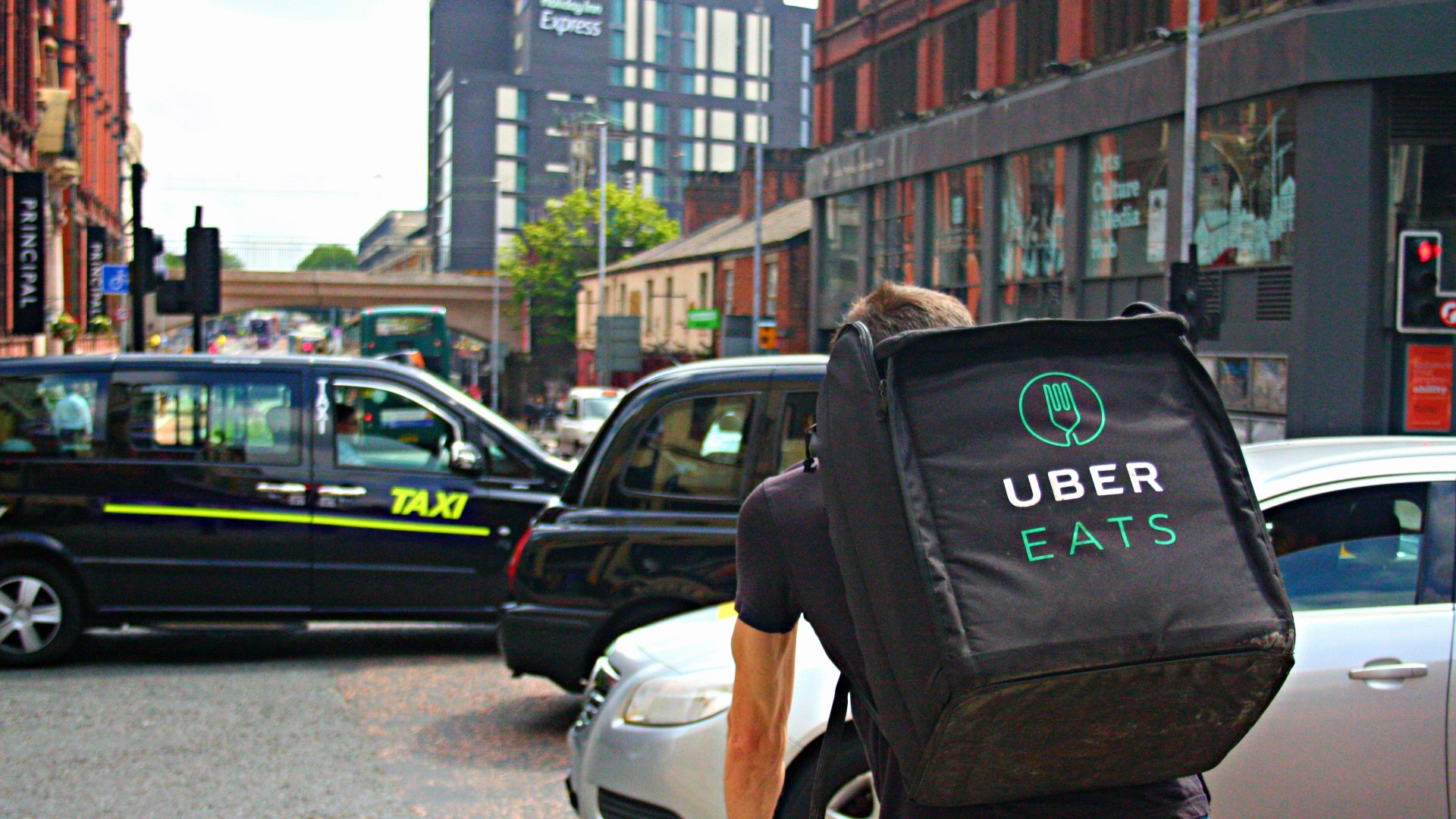
3. Food Delivery Couriers 
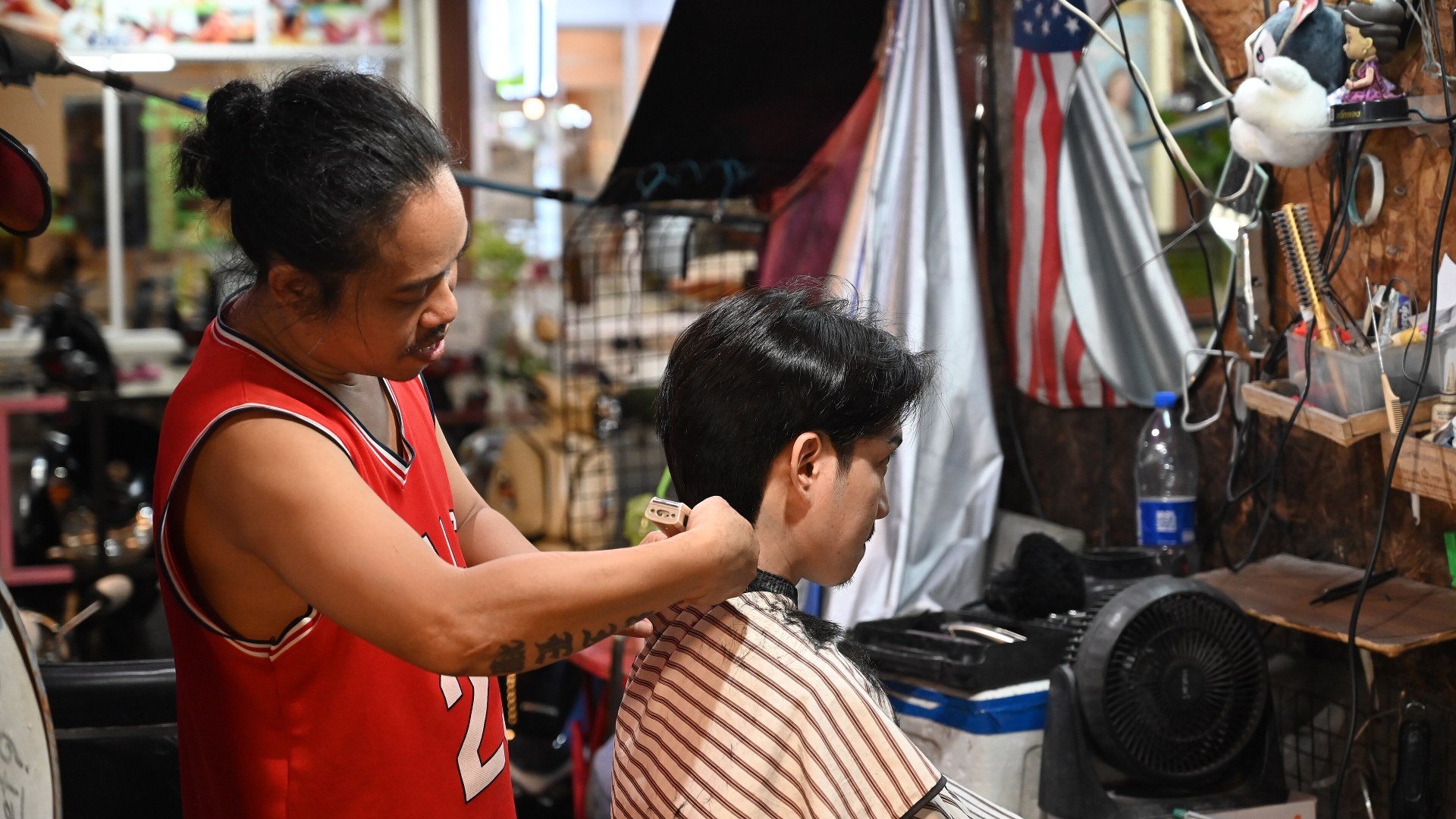
2. Hair Salons And Barbershops 
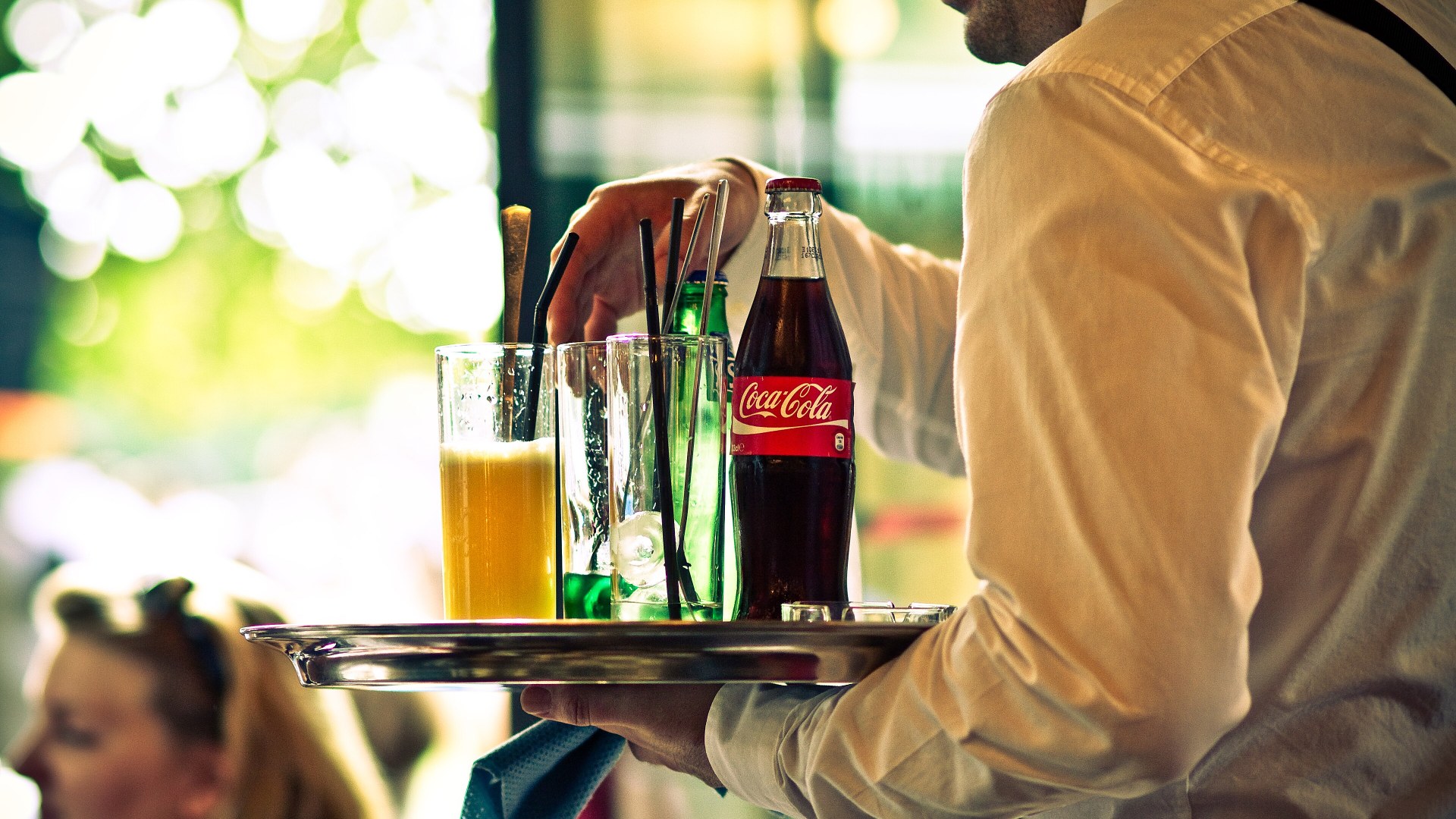
1. Sit-Down Restaurant Servers - Advertisement🔥 UP NEXT IN THIS SERIES◫ 21 Slides

20 Famous Cars With Pop-Up Headlights That Shaped Car Design
From hand-cranked 1930s teardrops to wedge supercars of the 1980s, hidden headlights let stylists chase sleek aerodynamics until 2004 pedestrian rules closed the curtain. Here are 20 standout production cars that turned retractable lamps into an enduring automotive design feature across seven full decades.
Digital payment screens and tip prompts have spread across nearly every point of sale in America, creating widespread consumer confusion. Knowing where gratuity is legally built into pay structures and where it represents an optional courtesy helps customers navigate tipping with clarity and confidence.
Swipe or tap ▶ to begin the countdown
©Wikimedia / Benreis
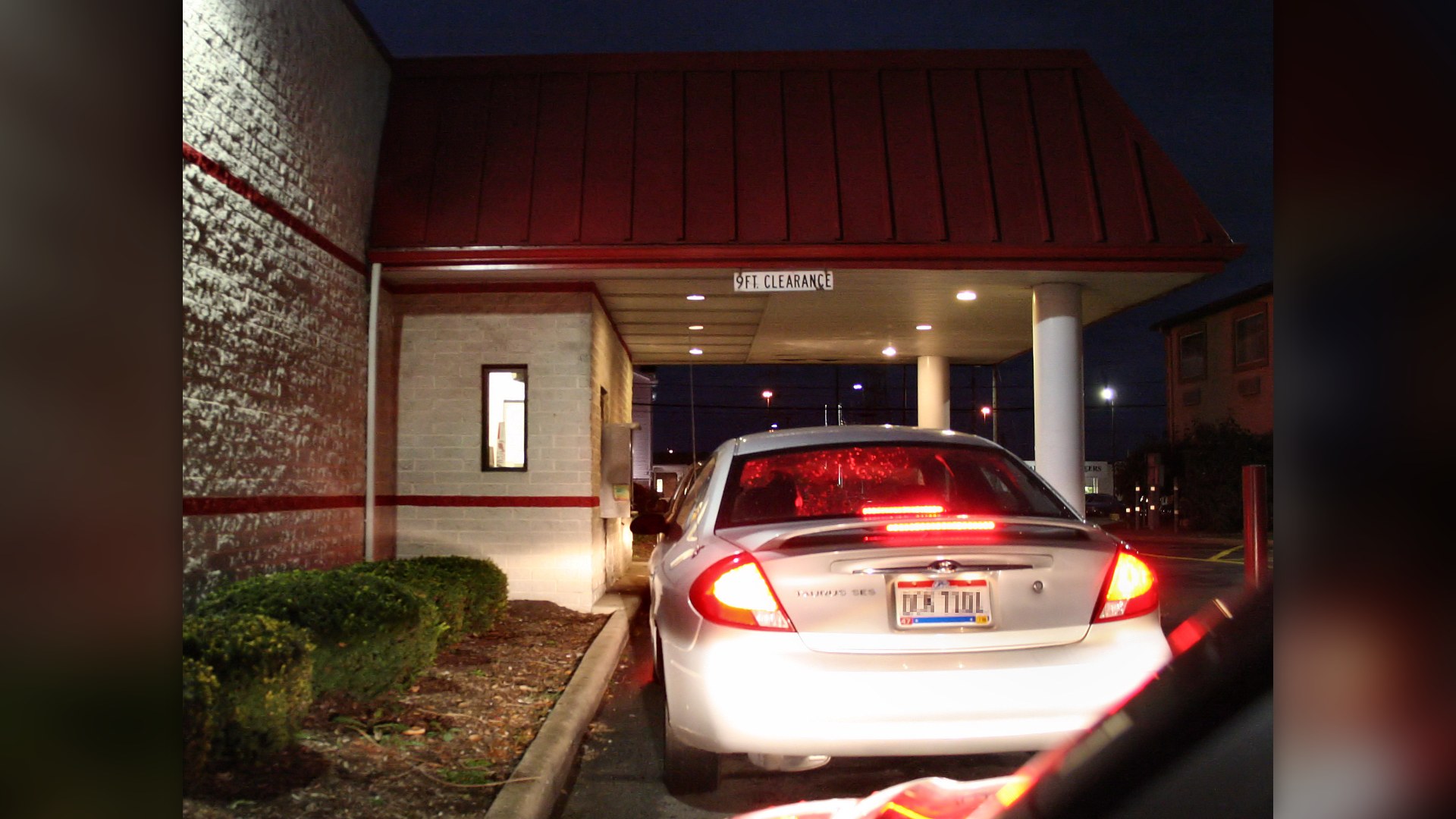
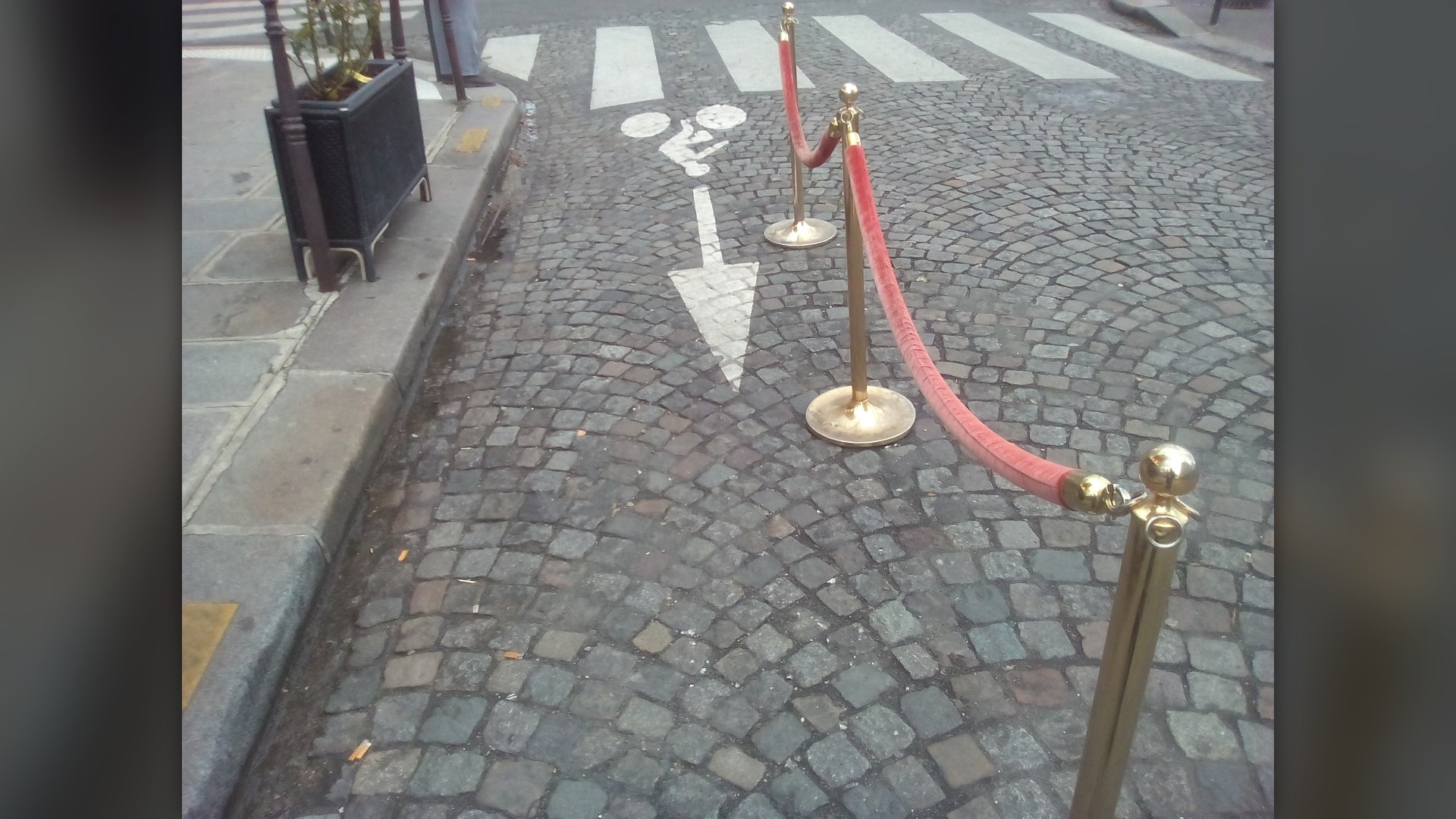
15. Fast Food Drive-Throughs
Drive-through windows are designed for speed and convenience rather than personalized table hospitality. Fast food employees receive standard hourly wages that do not depend on tipped minimum wage credits. Adding tips at the window remains entirely optional and is never expected by staff or management.
©Wikimedia / Derek Jensen (Tysto)
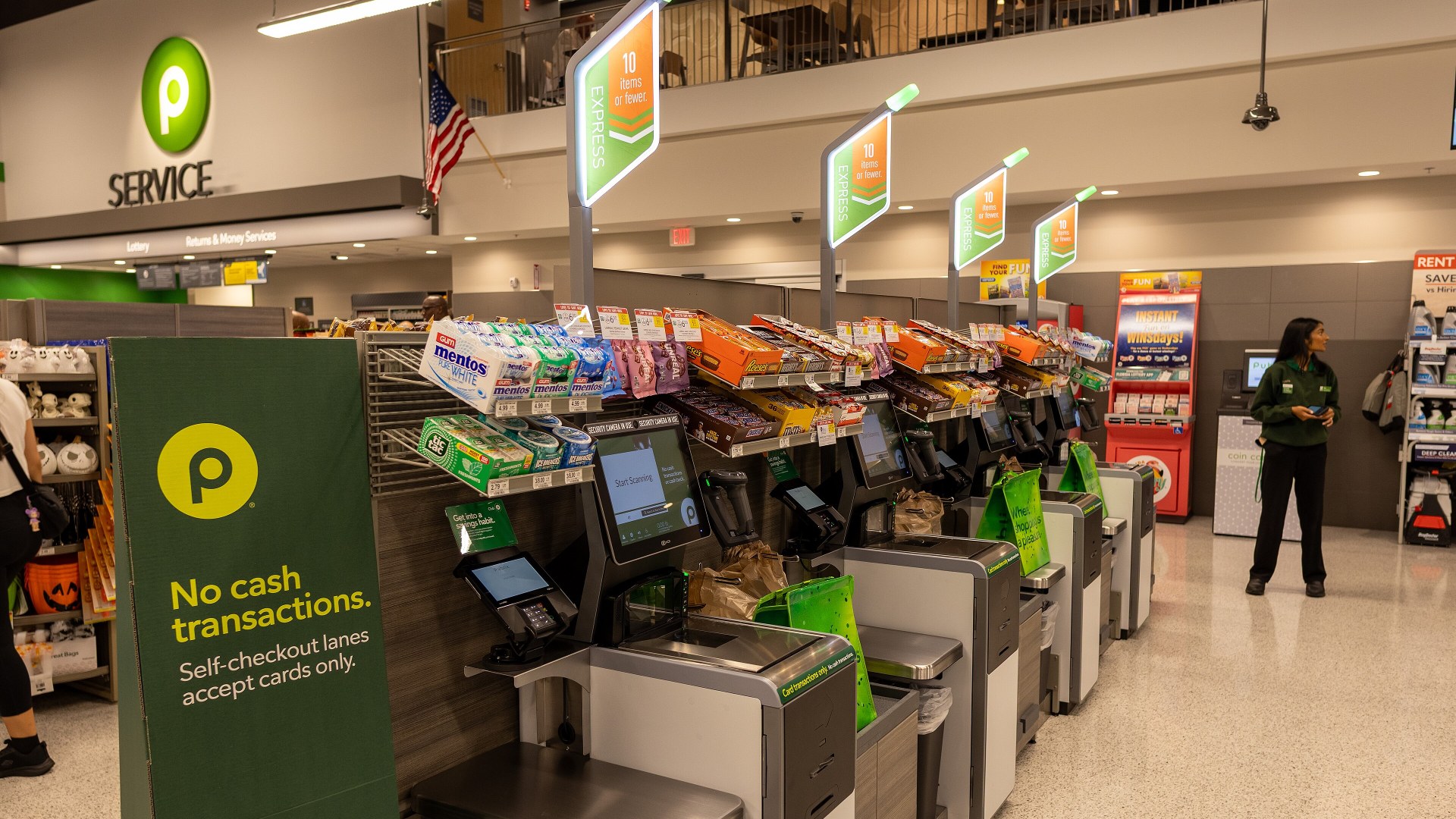
14. Self-Checkout Kiosks
Airport convenience stalls and grocery kiosks increasingly flash 18 percent tip prompts at checkout. Because customers scan, bag, and pay for their own items without employee intervention, tipping etiquette experts agree that tipping a computer screen is unnecessary and should be skipped.
©Wikimedia / Nielsoncaetanosalmeron
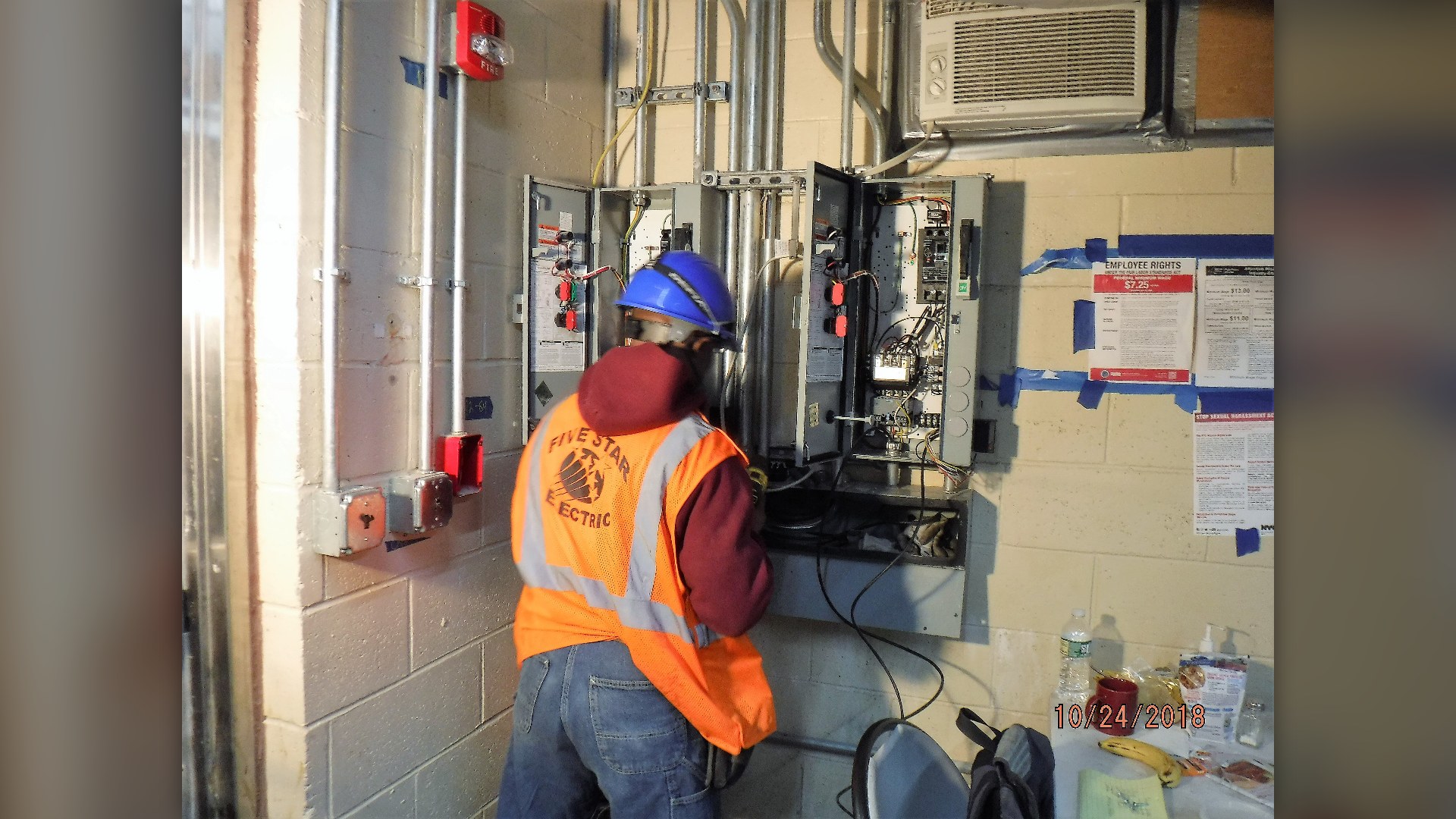
13. Home Repair Tradespeople
Plumbers, electricians, and HVAC technicians charge set hourly rates or project fees that reflect their specialized trade skills. While offering cold water or coffee during long jobs is customary, cash tips are not expected unless a technician handles an emergency repair outside regular working hours.
©Wikimedia / MTA Capital Construction
Advertisement
Swipe or tap ▶ to resume the countdown.
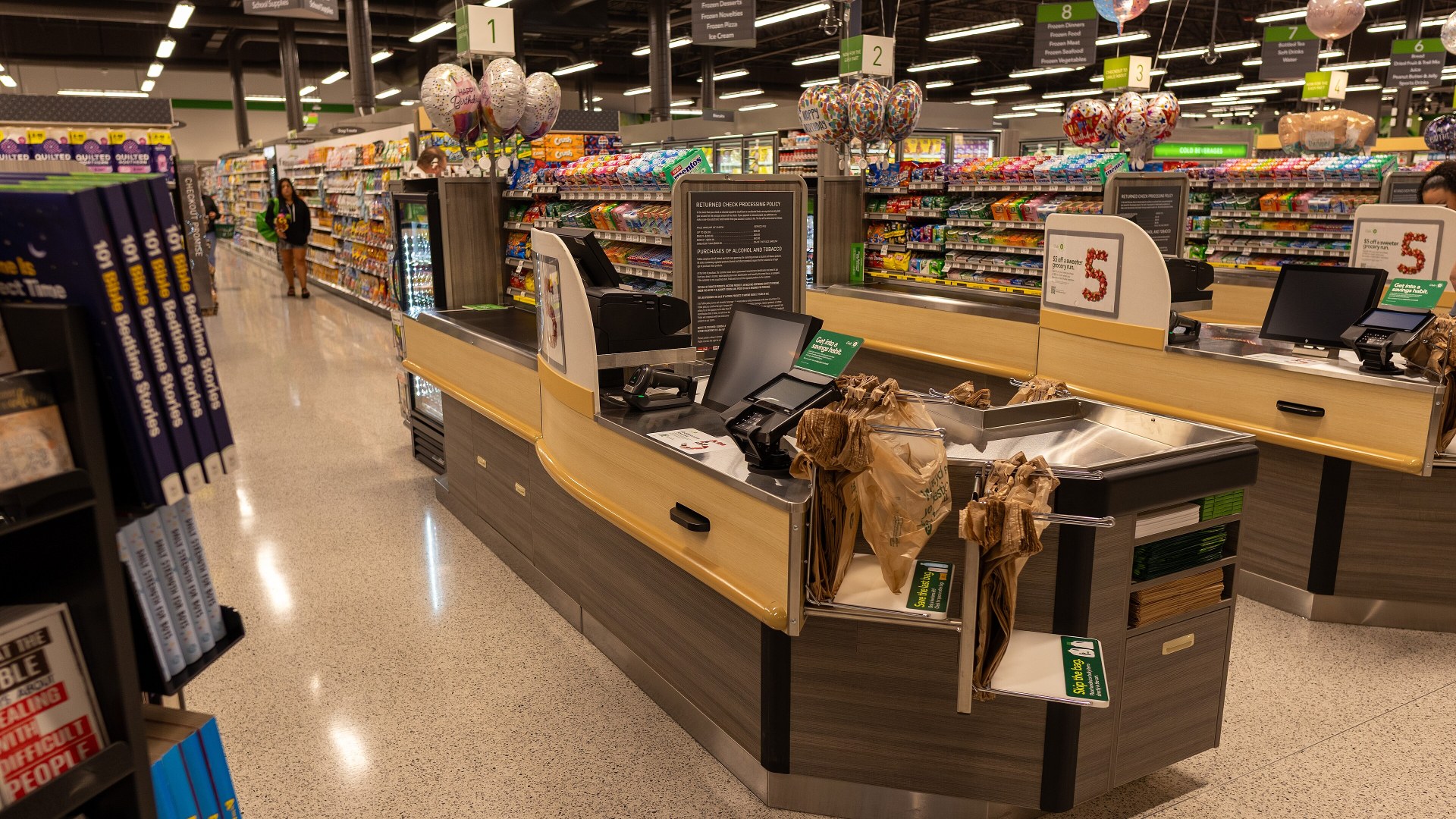
12. Grocery Store Baggers And Cashiers
Cashiers and baggers at major supermarket chains are paid regular hourly wages. Many corporate grocers maintain strict employment policies that explicitly forbid front-line staff from accepting tips. A polite verbal thank you remains the standard etiquette when groceries are packed into bags.
©Wikimedia / Nielsoncaetanosalmeron
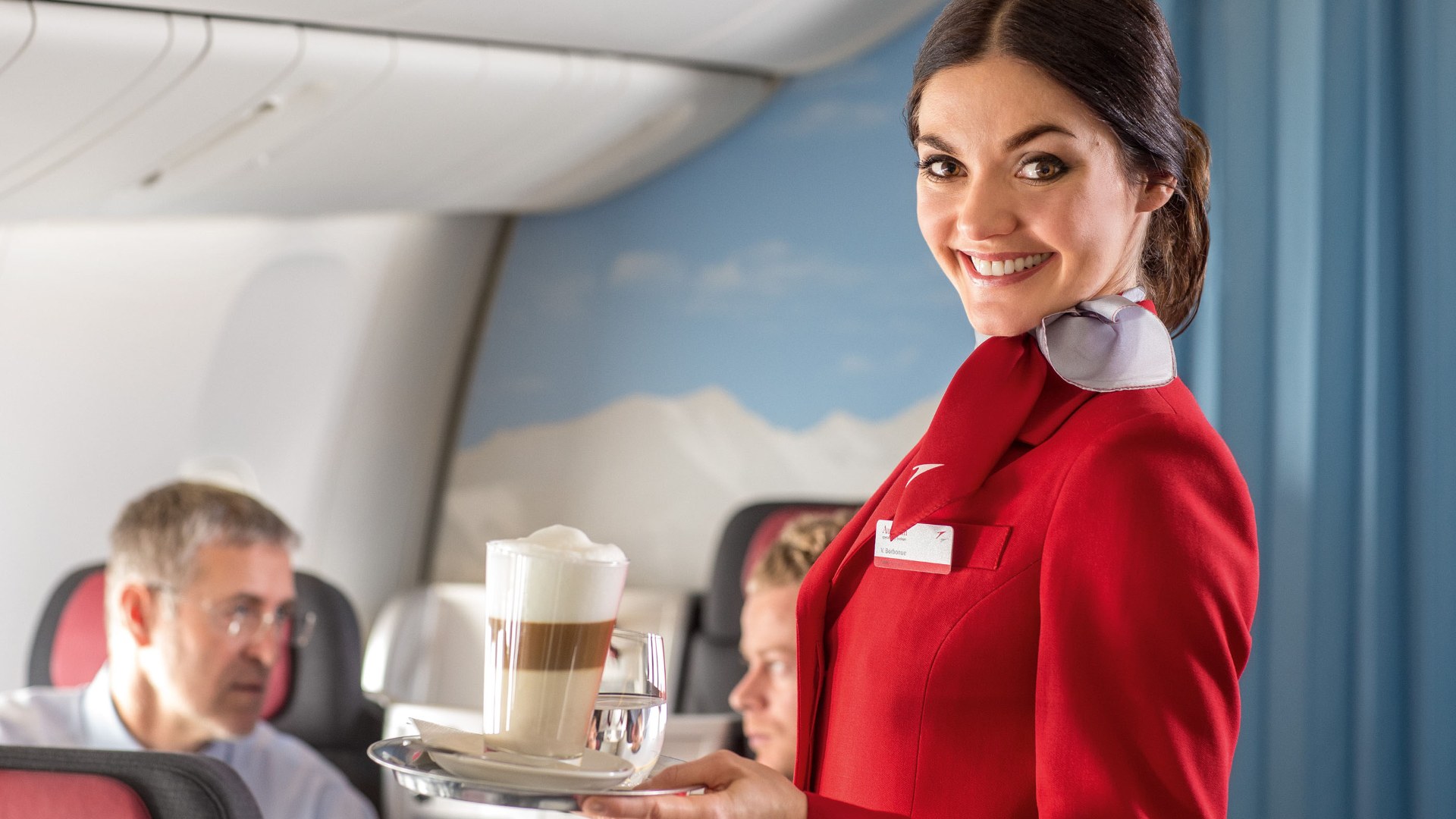
11. Airline Flight Attendants
Flight attendants are trained aviation safety professionals whose core duty is passenger security rather than hospitality. Major airline regulations strictly prohibit in-flight cabin crews from taking cash gratuities. Passengers wanting to show appreciation can write a commendation letter to the airline.
©Wikimedia / Austrian Airlines
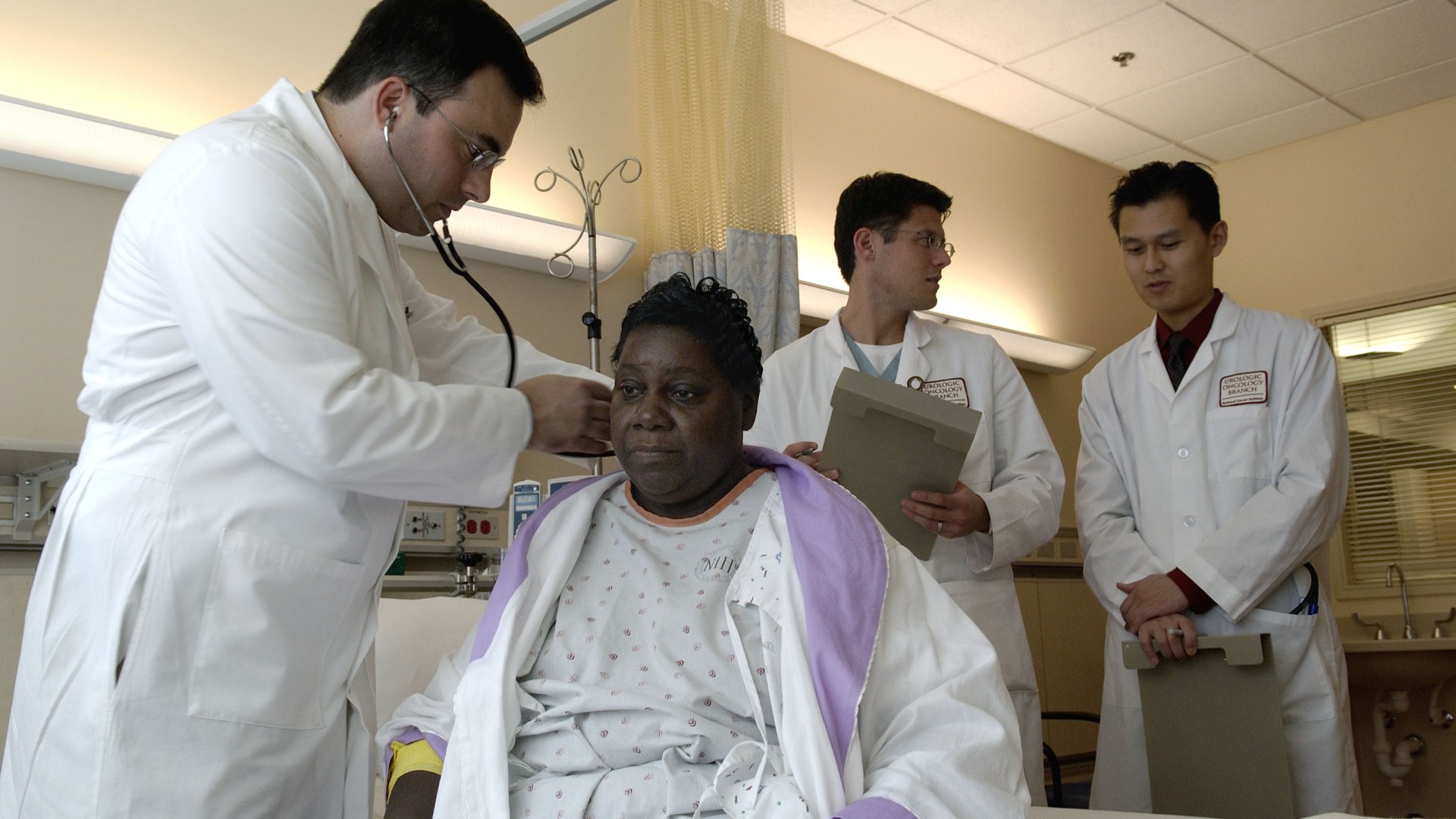
10. Medical Clinics And Doctors Offices
Medical clinics, dental offices, and diagnostic centers never solicit tips for clinical services. Healthcare billing relies on transparent fee schedules and insurance reimbursements. Professional medical ethics codes expressly prohibit healthcare workers from accepting cash gratuities from patients.
©Wikimedia / Dr. Peter Pinto (NCI)
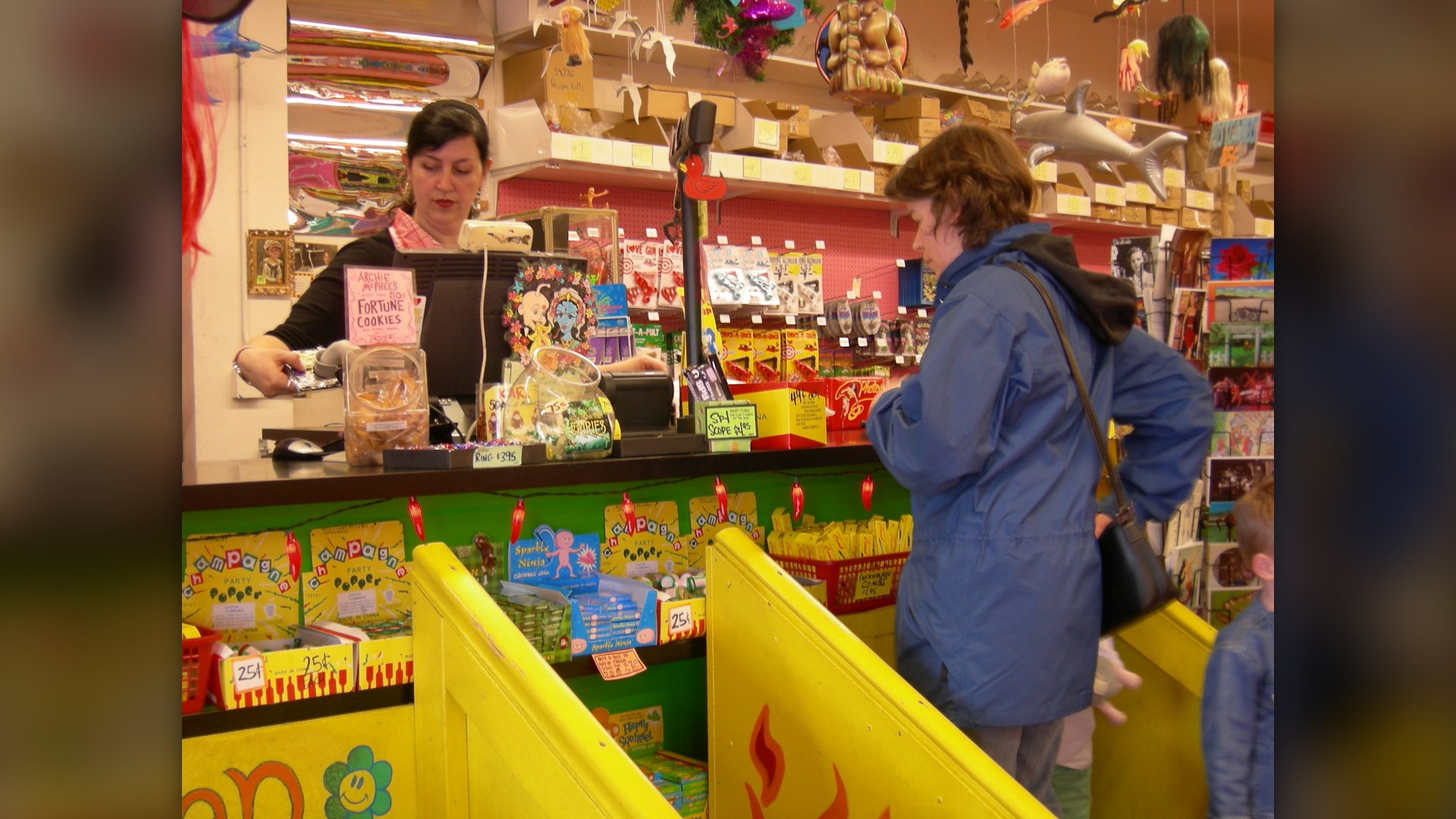
9. Retail Boutiques And Gift Shops
Point-of-sale tablets at clothing boutiques, souvenir stores, and gift shops often display default tip screens. Ringing up merchandise and folding apparel is standard retail service covered by base wages. Consumers should comfortably decline tip requests on basic retail sales transactions.
©Wikimedia / Joe Mabel
Advertisement
Swipe or tap ▶ to resume the countdown.
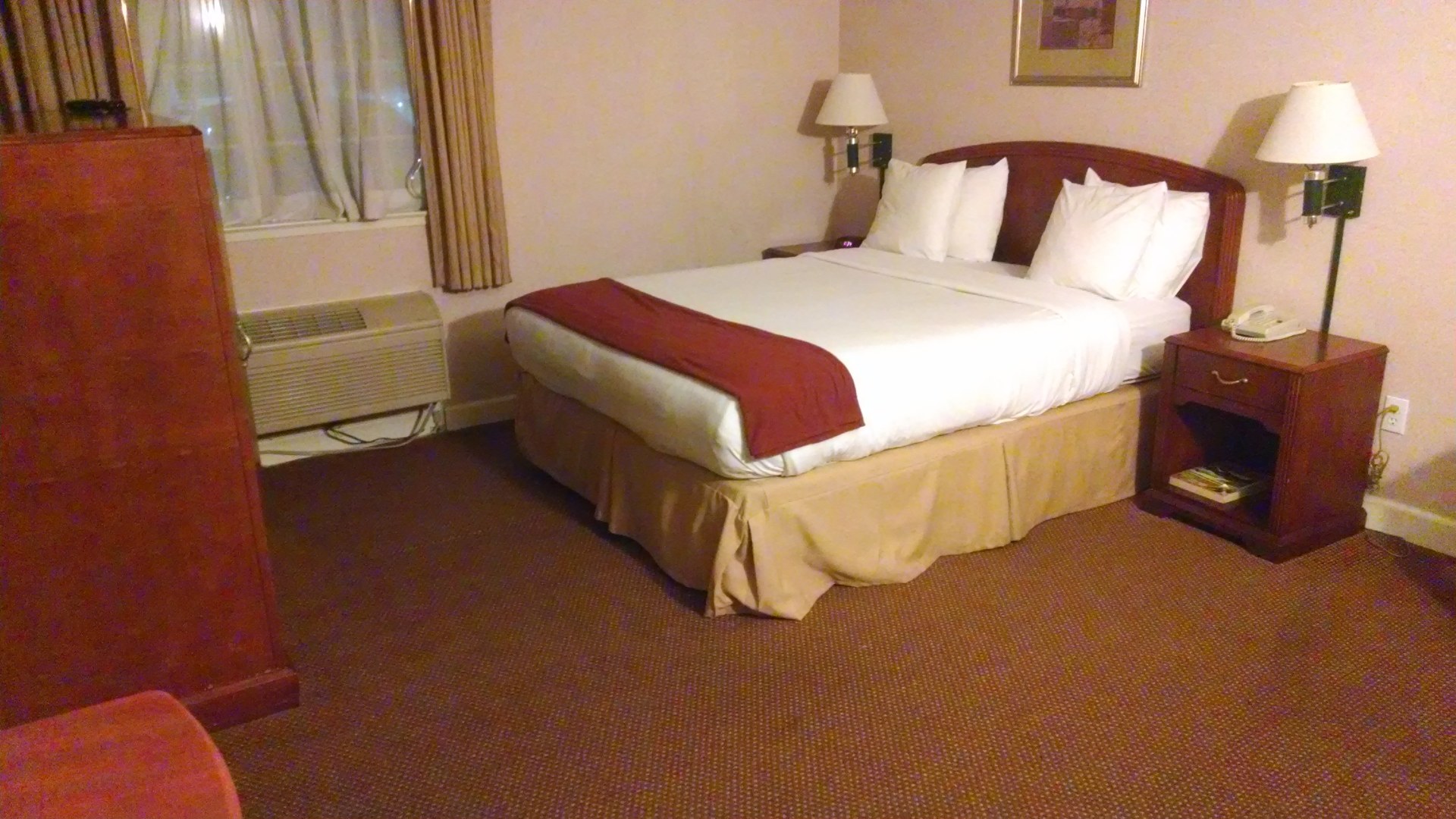
8. Hotel Housekeeping Staff
Hotel housekeepers clean multiple guest rooms daily, managing heavy linens and bathroom sanitization out of sight. Etiquette guides recommend leaving 3 to 5 dollars per night on the bedside nightstand. Leaving cash daily ensures the specific attendant cleaning your room that day receives the gratuity.
©Wikimedia / Tim36272
7. Valet Parking Attendants
Valet drivers hustle to park and retrieve vehicles safely in high-volume hotel and event drop-offs. Tipping 2 to 5 dollars when your vehicle is returned is customary across the country. Handing the attendant cash directly upon delivery rewards careful driving and quick turnaround service.
©Wikimedia / AVFF75
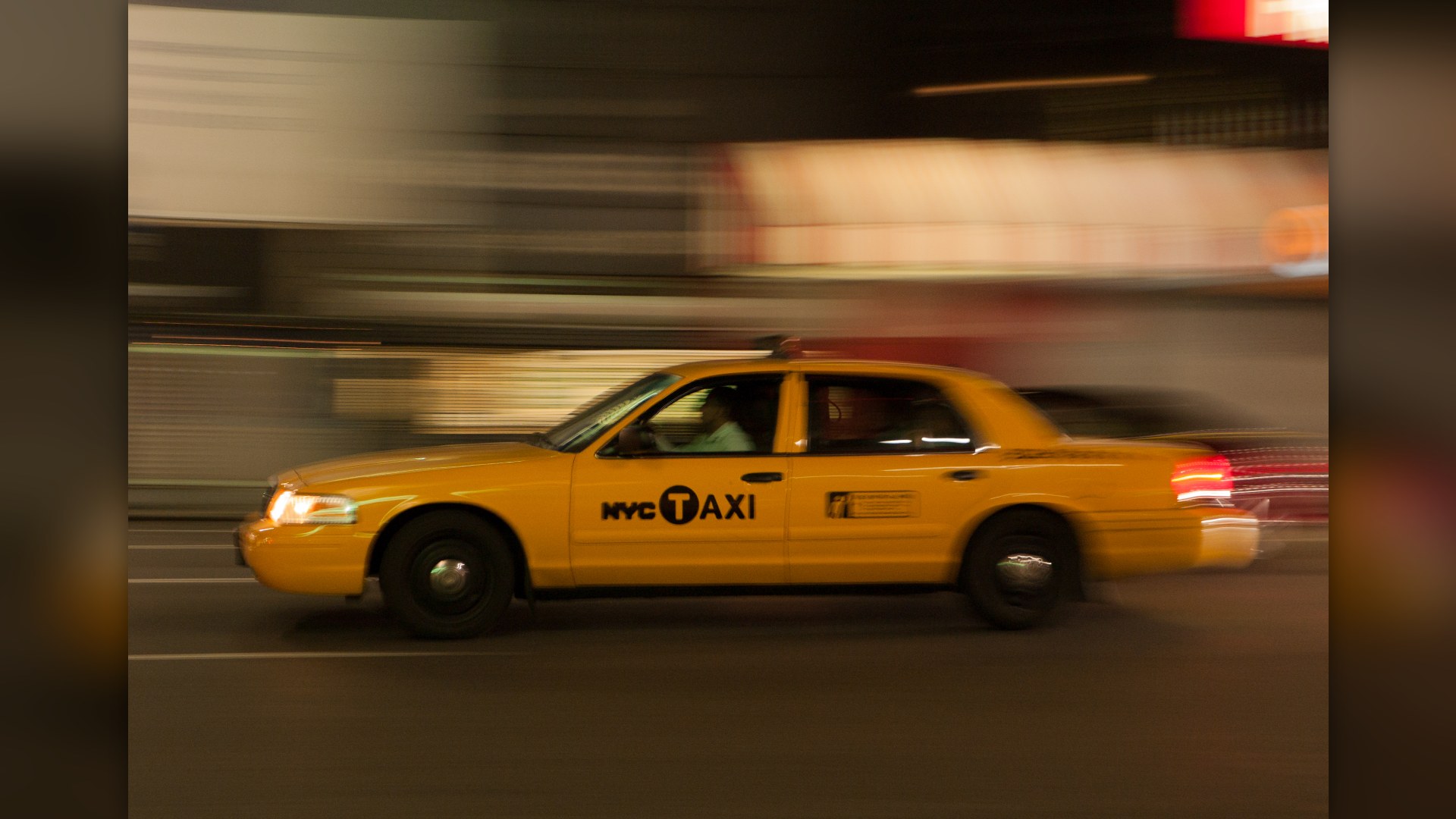
6. Rideshare And Taxi Drivers
Taxi cabbies and rideshare contractors on platforms like Uber and Lyft cover personal vehicle wear, fuel, and commercial insurance. Tipping 10 to 20 percent on each completed ride is standard practice, especially when drivers navigate heavy traffic, take luggage, or make unscheduled stops.
©Wikimedia / Reinhold Möller (Ermell)
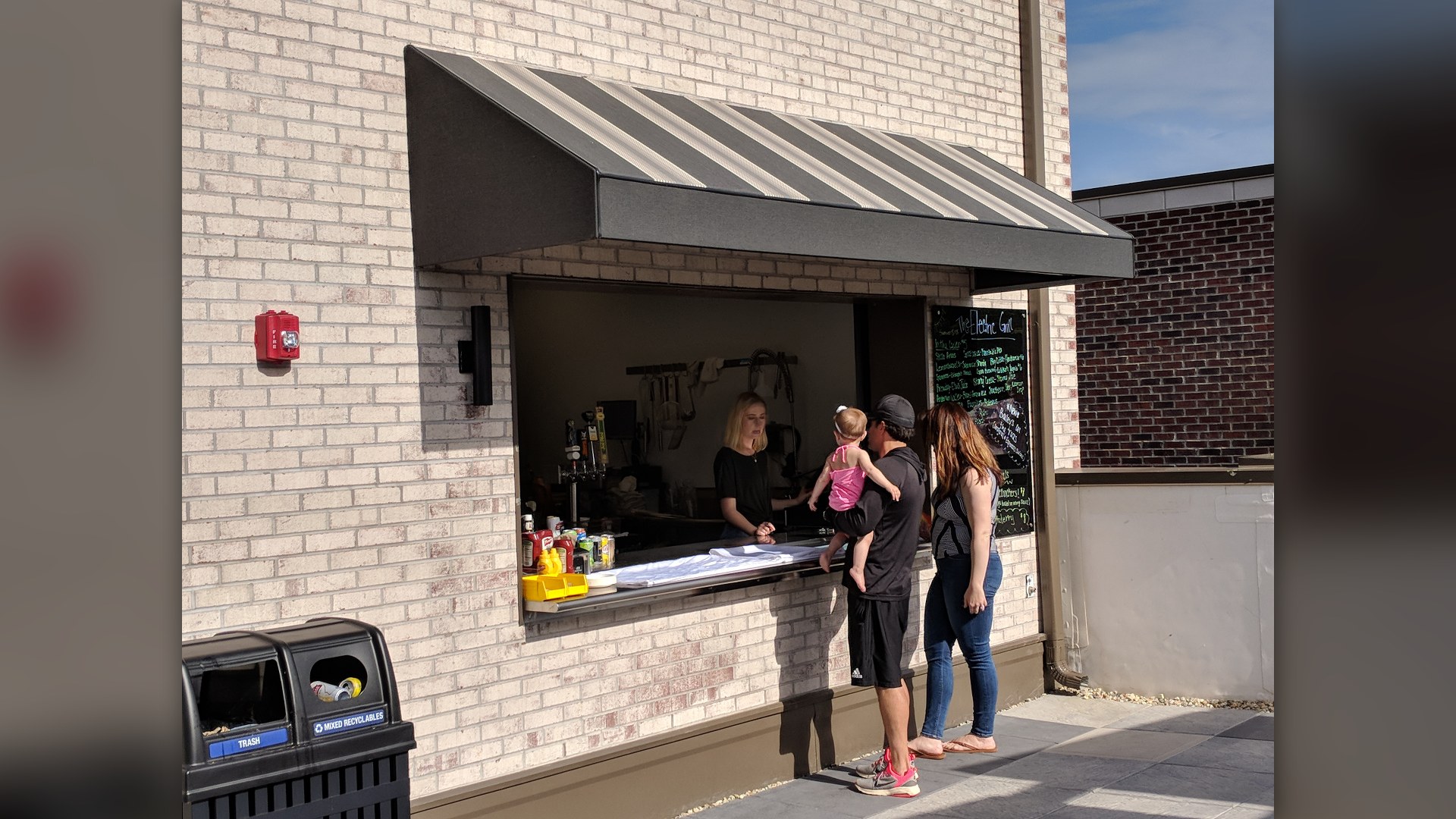
5. Takeout And Pick-Up Restaurant Counters
Picking up your own bagged takeout food involves kitchen assembly but no table service. While digital prompts suggest 15 to 20 percent, etiquette experts note that 10 percent or spare change is generous for standard orders. Larger tips are appropriate for complicated group catering orders.
©Wikimedia / Daniel Penfield
Advertisement
Swipe or tap ▶ to resume the countdown.
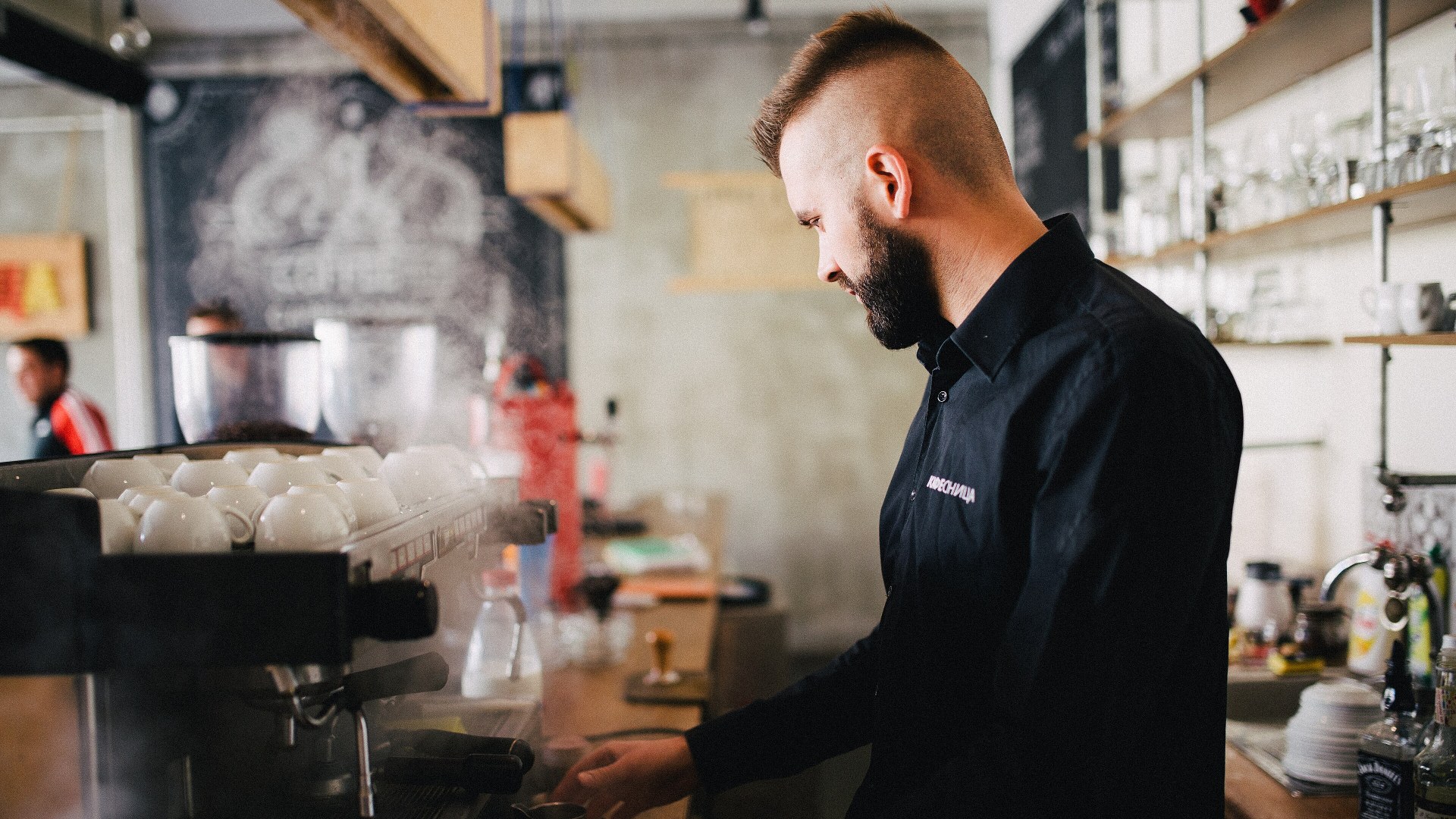
4. Coffee Shop Baristas
Pouring a simple drip coffee requires minimal effort, but steaming custom lattes and blending specialty beverages requires craft. Dropping 1 dollar into the tip jar or adding 10 to 15 percent on digital registers is common practice, while basic black coffee orders do not obligate a tip.
©Wikimedia / Shixart1985
3. Food Delivery Couriers
App couriers and local pizza drivers use their own vehicles or bicycles to deliver hot food through rain, snow, and urban gridlock. A tip of 15 to 20 percent, with a minimum floor of 5 dollars, is expected to cover vehicle fuel and the physical effort of doorstep delivery.
©Wikimedia / Shopblocks
2. Hair Salons And Barbershops
Barbers, hair stylists, and colorists devote dedicated appointments to personal grooming. Standard etiquette across the beauty industry calls for a 15 to 20 percent tip on the total bill. If an assistant shampoos your hair or massages your scalp, handing them 3 to 5 dollars is also customary.
©Wikimedia / PattayaPatrol
1. Sit-Down Restaurant Servers
Federal and state tipped wage laws permit restaurants to pay servers base rates well below standard minimum wage. Waitstaff rely directly on customer gratuities to earn a living. Tipping 18 to 22 percent for good table hospitality remains the cornerstone of American dining etiquette.

©Wikimedia / Florian Plag
Advertisement
You've reached the end of the story. Thanks for reading!

20 Famous Cars With Pop-Up Headlights That Shaped Car Design
From hand-cranked 1930s teardrops to wedge supercars of the 1980s, hidden headlights let stylists chase sleek aerodynamics until 2004 pedestrian rules closed the curtain. Here are 20 standout production cars that turned retractable lamps into an enduring automotive design feature across seven full decades.
All 15 Entries in this Story
15. Fast Food Drive-Throughs
Drive-through windows are designed for speed and convenience rather than personalized table hospitality. Fast food employees receive standard hourly wages that do not depend on tipped minimum wage credits. Adding tips at the window remains entirely optional and is never expected by staff or management.

14. Self-Checkout Kiosks
Airport convenience stalls and grocery kiosks increasingly flash 18 percent tip prompts at checkout. Because customers scan, bag, and pay for their own items without employee intervention, tipping etiquette experts agree that tipping a computer screen is unnecessary and should be skipped.

13. Home Repair Tradespeople
Plumbers, electricians, and HVAC technicians charge set hourly rates or project fees that reflect their specialized trade skills. While offering cold water or coffee during long jobs is customary, cash tips are not expected unless a technician handles an emergency repair outside regular working hours.

12. Grocery Store Baggers And Cashiers
Cashiers and baggers at major supermarket chains are paid regular hourly wages. Many corporate grocers maintain strict employment policies that explicitly forbid front-line staff from accepting tips. A polite verbal thank you remains the standard etiquette when groceries are packed into bags.

11. Airline Flight Attendants
Flight attendants are trained aviation safety professionals whose core duty is passenger security rather than hospitality. Major airline regulations strictly prohibit in-flight cabin crews from taking cash gratuities. Passengers wanting to show appreciation can write a commendation letter to the airline.

10. Medical Clinics And Doctors Offices
Medical clinics, dental offices, and diagnostic centers never solicit tips for clinical services. Healthcare billing relies on transparent fee schedules and insurance reimbursements. Professional medical ethics codes expressly prohibit healthcare workers from accepting cash gratuities from patients.

9. Retail Boutiques And Gift Shops
Point-of-sale tablets at clothing boutiques, souvenir stores, and gift shops often display default tip screens. Ringing up merchandise and folding apparel is standard retail service covered by base wages. Consumers should comfortably decline tip requests on basic retail sales transactions.

8. Hotel Housekeeping Staff
Hotel housekeepers clean multiple guest rooms daily, managing heavy linens and bathroom sanitization out of sight. Etiquette guides recommend leaving 3 to 5 dollars per night on the bedside nightstand. Leaving cash daily ensures the specific attendant cleaning your room that day receives the gratuity.

7. Valet Parking Attendants
Valet drivers hustle to park and retrieve vehicles safely in high-volume hotel and event drop-offs. Tipping 2 to 5 dollars when your vehicle is returned is customary across the country. Handing the attendant cash directly upon delivery rewards careful driving and quick turnaround service.

6. Rideshare And Taxi Drivers
Taxi cabbies and rideshare contractors on platforms like Uber and Lyft cover personal vehicle wear, fuel, and commercial insurance. Tipping 10 to 20 percent on each completed ride is standard practice, especially when drivers navigate heavy traffic, take luggage, or make unscheduled stops.

5. Takeout And Pick-Up Restaurant Counters
Picking up your own bagged takeout food involves kitchen assembly but no table service. While digital prompts suggest 15 to 20 percent, etiquette experts note that 10 percent or spare change is generous for standard orders. Larger tips are appropriate for complicated group catering orders.

4. Coffee Shop Baristas
Pouring a simple drip coffee requires minimal effort, but steaming custom lattes and blending specialty beverages requires craft. Dropping 1 dollar into the tip jar or adding 10 to 15 percent on digital registers is common practice, while basic black coffee orders do not obligate a tip.

3. Food Delivery Couriers
App couriers and local pizza drivers use their own vehicles or bicycles to deliver hot food through rain, snow, and urban gridlock. A tip of 15 to 20 percent, with a minimum floor of 5 dollars, is expected to cover vehicle fuel and the physical effort of doorstep delivery.

2. Hair Salons And Barbershops
Barbers, hair stylists, and colorists devote dedicated appointments to personal grooming. Standard etiquette across the beauty industry calls for a 15 to 20 percent tip on the total bill. If an assistant shampoos your hair or massages your scalp, handing them 3 to 5 dollars is also customary.

1. Sit-Down Restaurant Servers
Federal and state tipped wage laws permit restaurants to pay servers base rates well below standard minimum wage. Waitstaff rely directly on customer gratuities to earn a living. Tipping 18 to 22 percent for good table hospitality remains the cornerstone of American dining etiquette.