Slideshow · Science
25 Spices That Were Once Worth More Than Gold
By Most Viral Today
35 min ago

Spices That Were Once Worth More Than Gold 
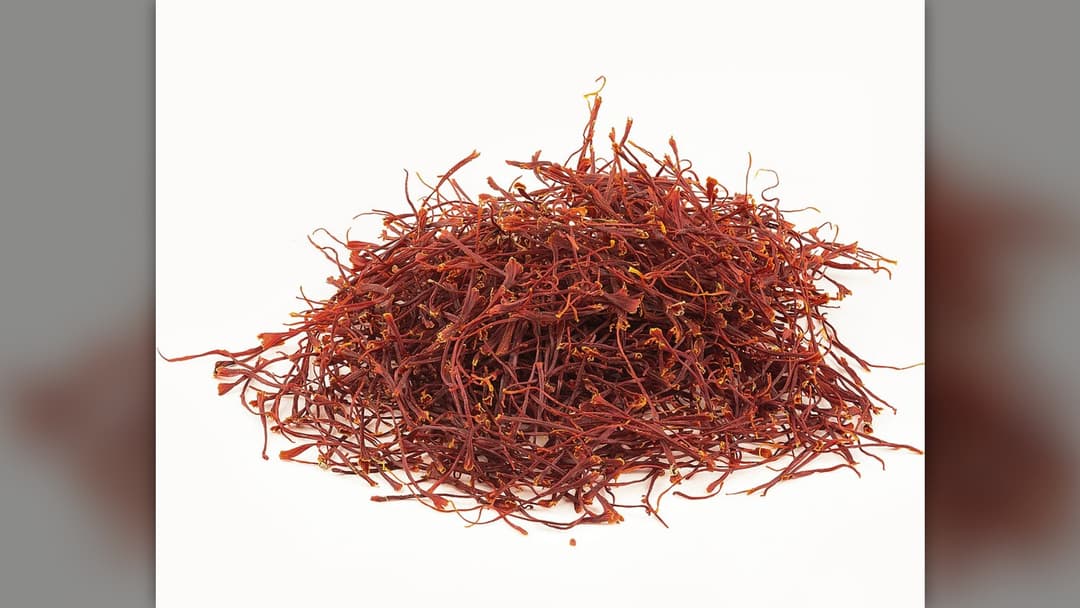
25. Saffron 
24. Silphium 
23. Vanilla Orchid - AdvertisementSwipe or tap ▶ to continue countdown

22. Cloves 
21. Nutmeg 
20. Mace 
19. Myrrh - AdvertisementSwipe or tap ▶ to continue countdown

18. Frankincense 
17. True Ceylon Cinnamon 
16. Cassia Bark 
15. Asafoetida - AdvertisementSwipe or tap ▶ to continue countdown

14. Cardamom 
13. Cubeb Pepper 
12. Black Pepper 
11. Ginger - AdvertisementSwipe or tap ▶ to continue countdown

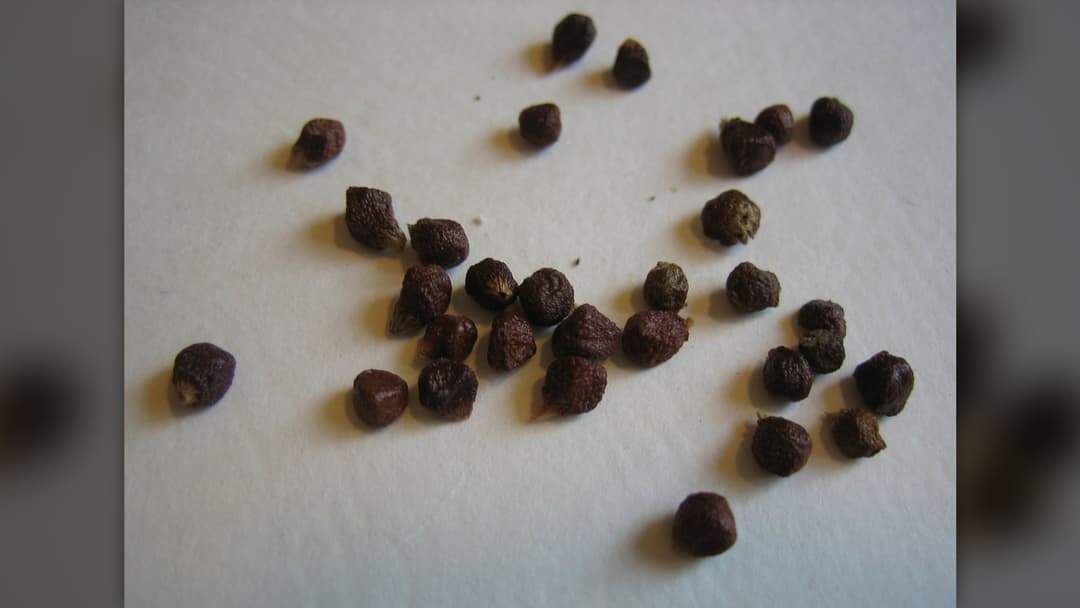
10. Grains Of Paradise 
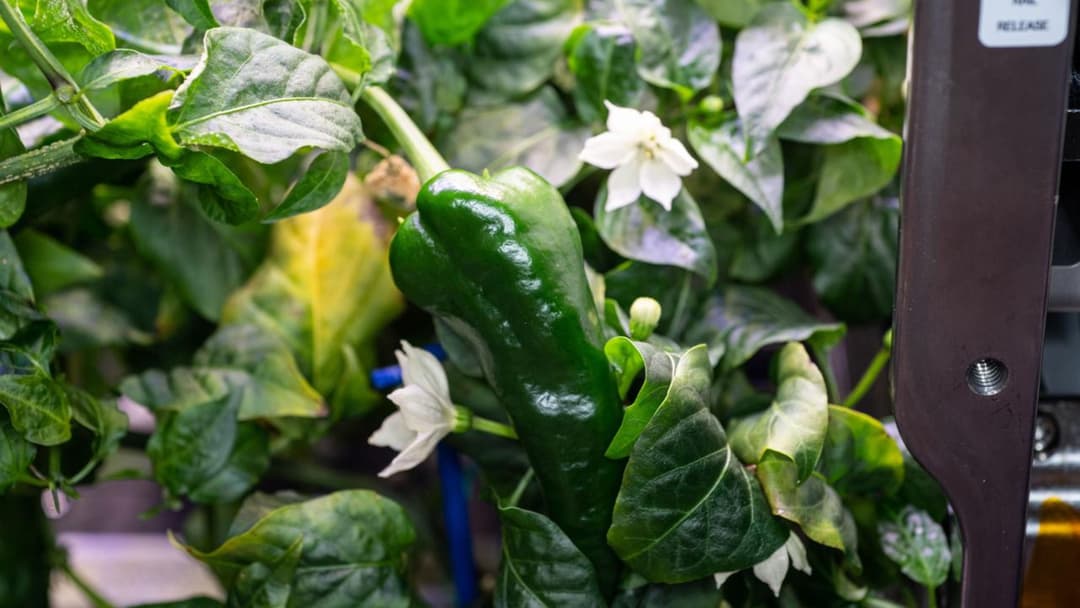
9. Long Pepper 
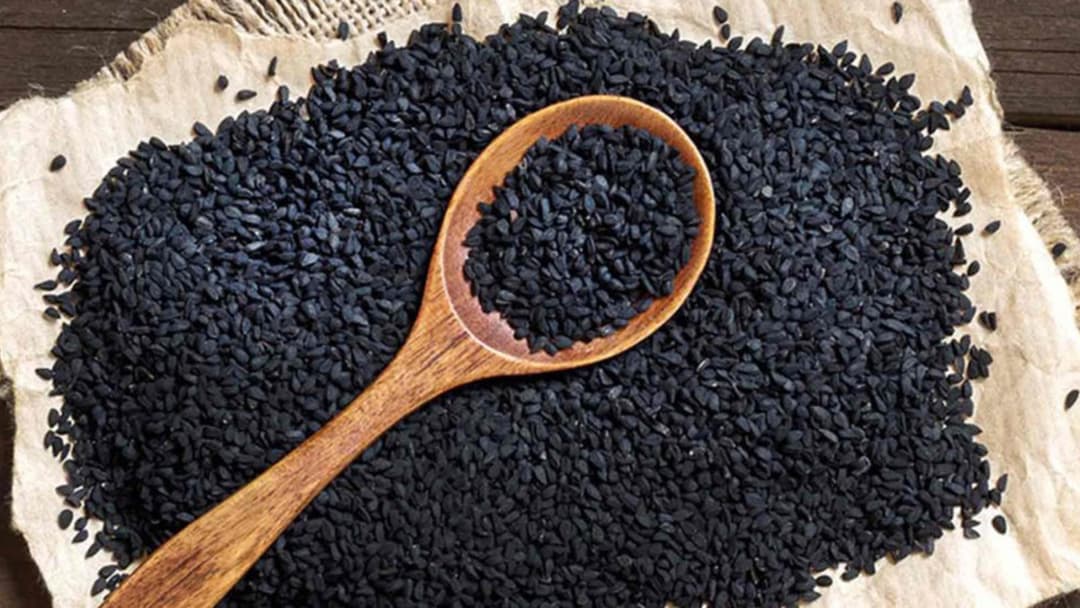
8. Black Cumin 
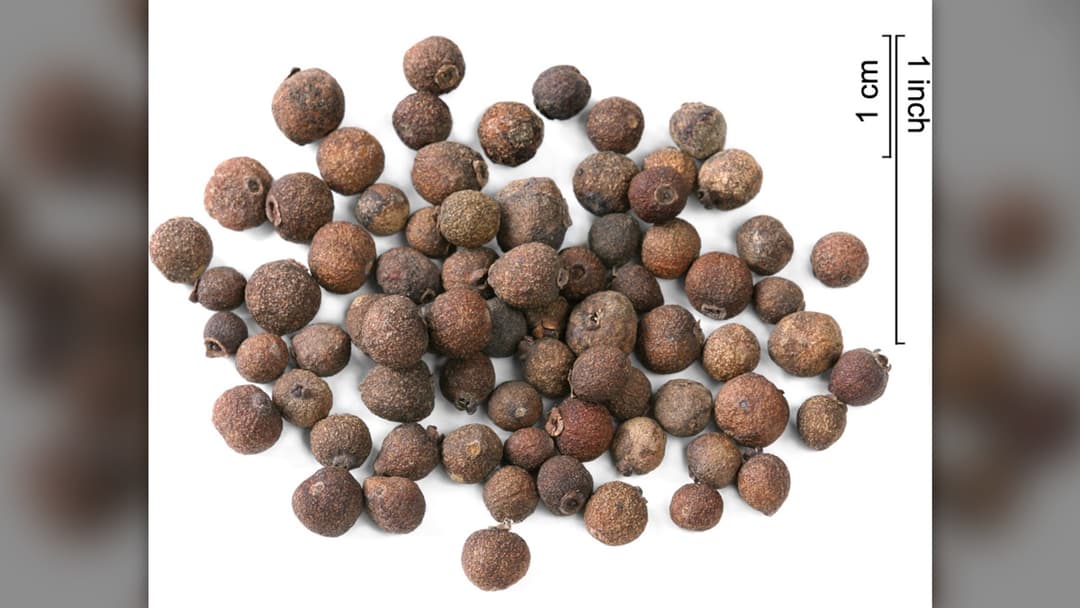
7. Allspice - AdvertisementSwipe or tap ▶ to continue countdown

6. Galangal 
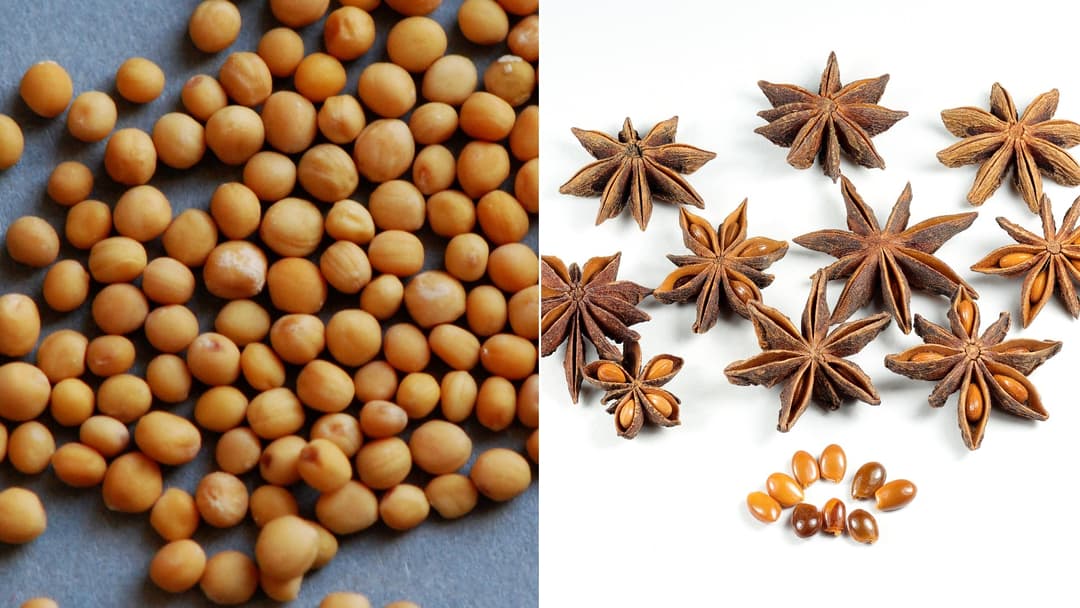
5. Star Anise 
4. Fenugreek 
3. Mustard Seed - AdvertisementSwipe or tap ▶ to continue countdown

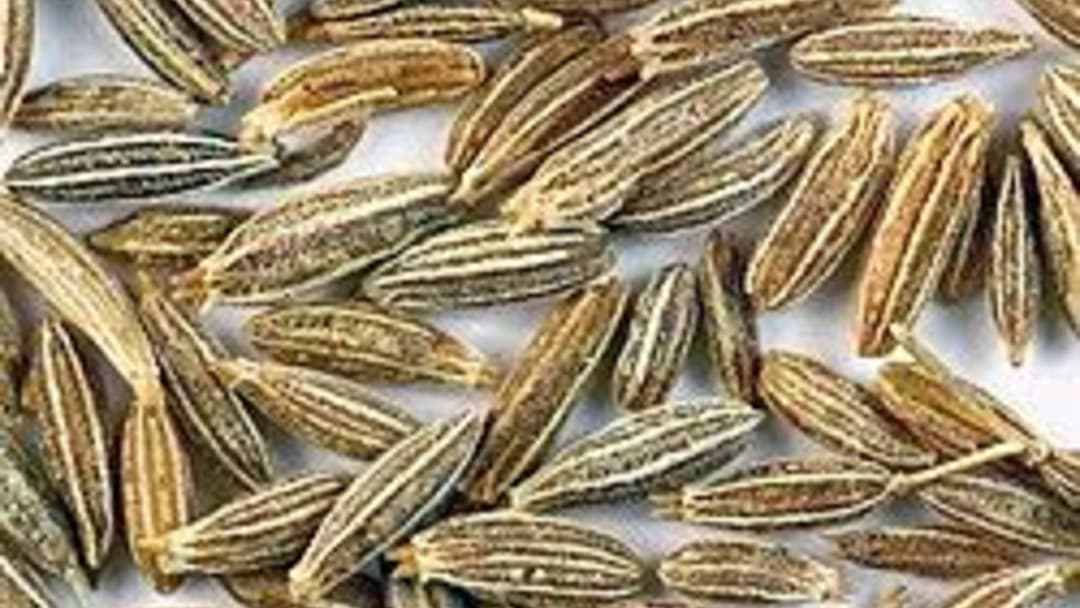
2. Cumin 
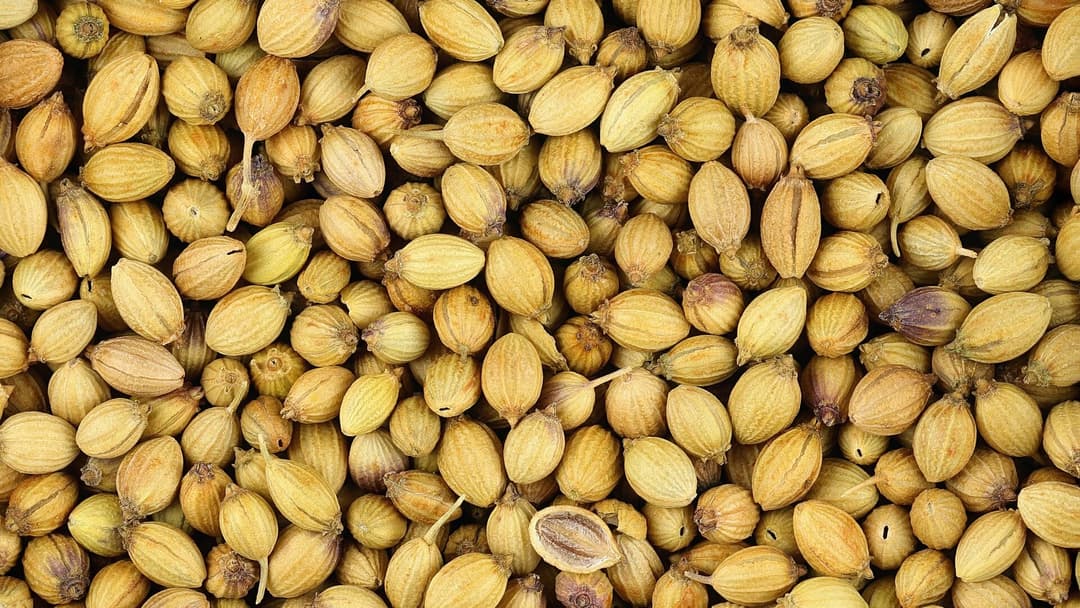
1. Coriander Seed - Advertisement🔥 UP NEXT IN THIS SERIES◫ 21 Slides

20 Cities Most at Risk From Rising Sea Levels
20 Coastal Megacities Racing Against Rising Seas and Sinking Land
Long before modern grocery aisles made them kitchen staples, rare aromatics and pungent seeds fueled naval wars, founded vast empires, and commanded prices higher than precious metals. Arranged in ascending order of historical peak value and rarity, here are spices that once rivaled gold.
Swipe or tap ▶ to begin the countdown
©Wikimedia / Pancrat & Wikimedia / Sanjay Acharya
25. Saffron
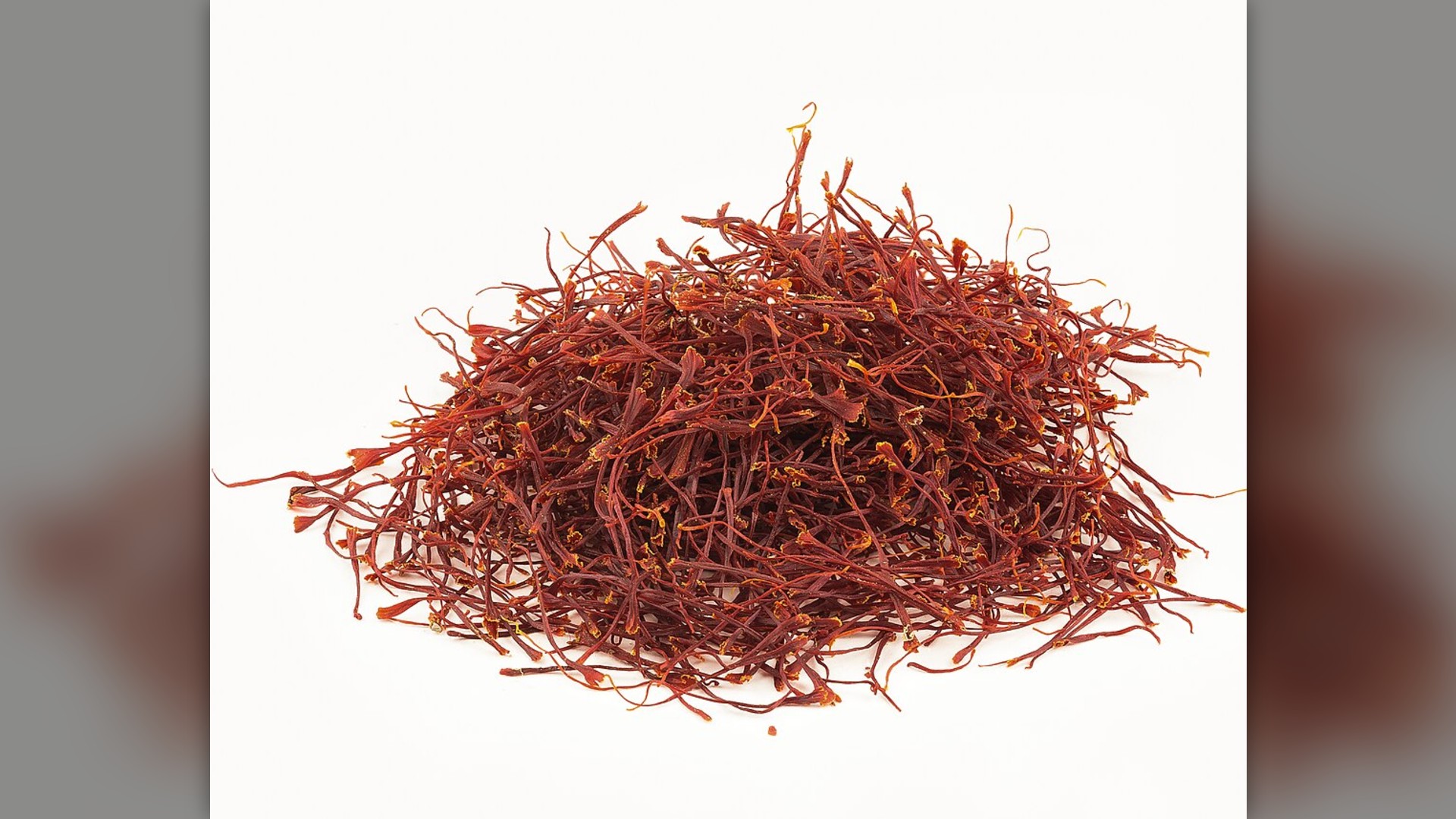
Consistently more valuable than pure gold by weight across three thousand years, saffron consists of the delicate crimson stigmas of Crocus sativus. Because each crocus produces only three stigmas that must be hand-harvested at dawn, one pound of saffron commands thousands of dollars in global markets today.
©Wikimedia / Hubertl
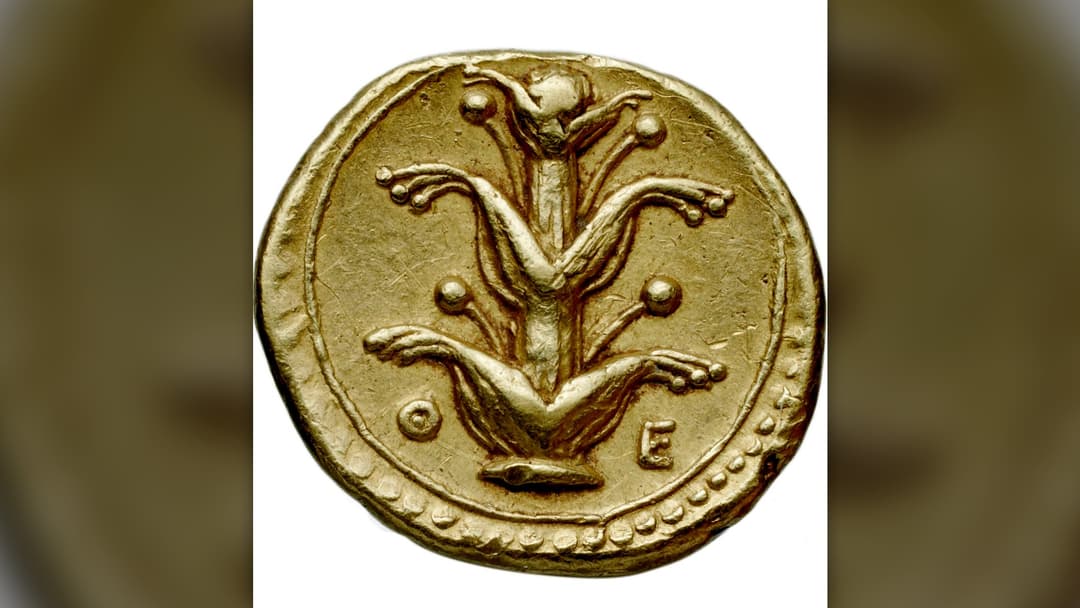
24. Silphium
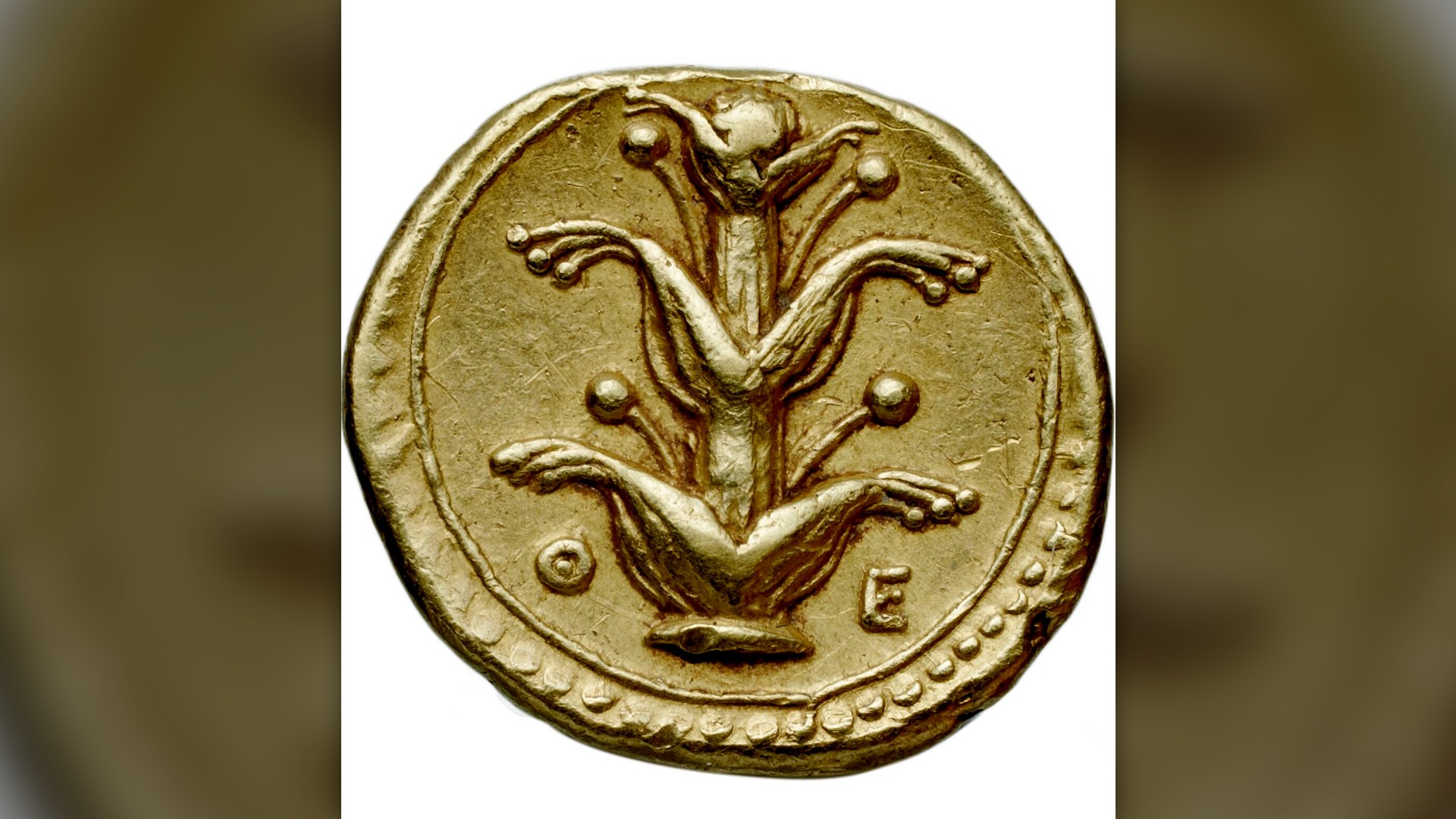
Ancient Cyrene in modern Libya grew rich exporting silphium, a wild fennel prized as seasoning, medicine, and perfume. Julius Caesar kept fifteen hundred pounds of dried silphium in the Roman treasury alongside gold bullion. Overharvesting caused the plant to go extinct by the first century AD.
©Wikimedia / Silphium
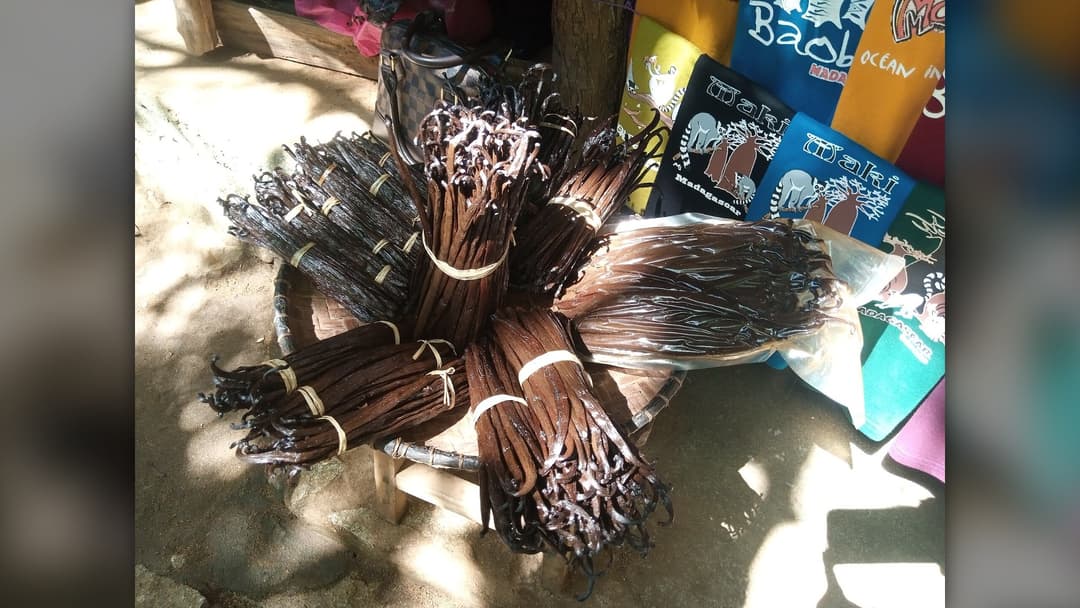
23. Vanilla Orchid
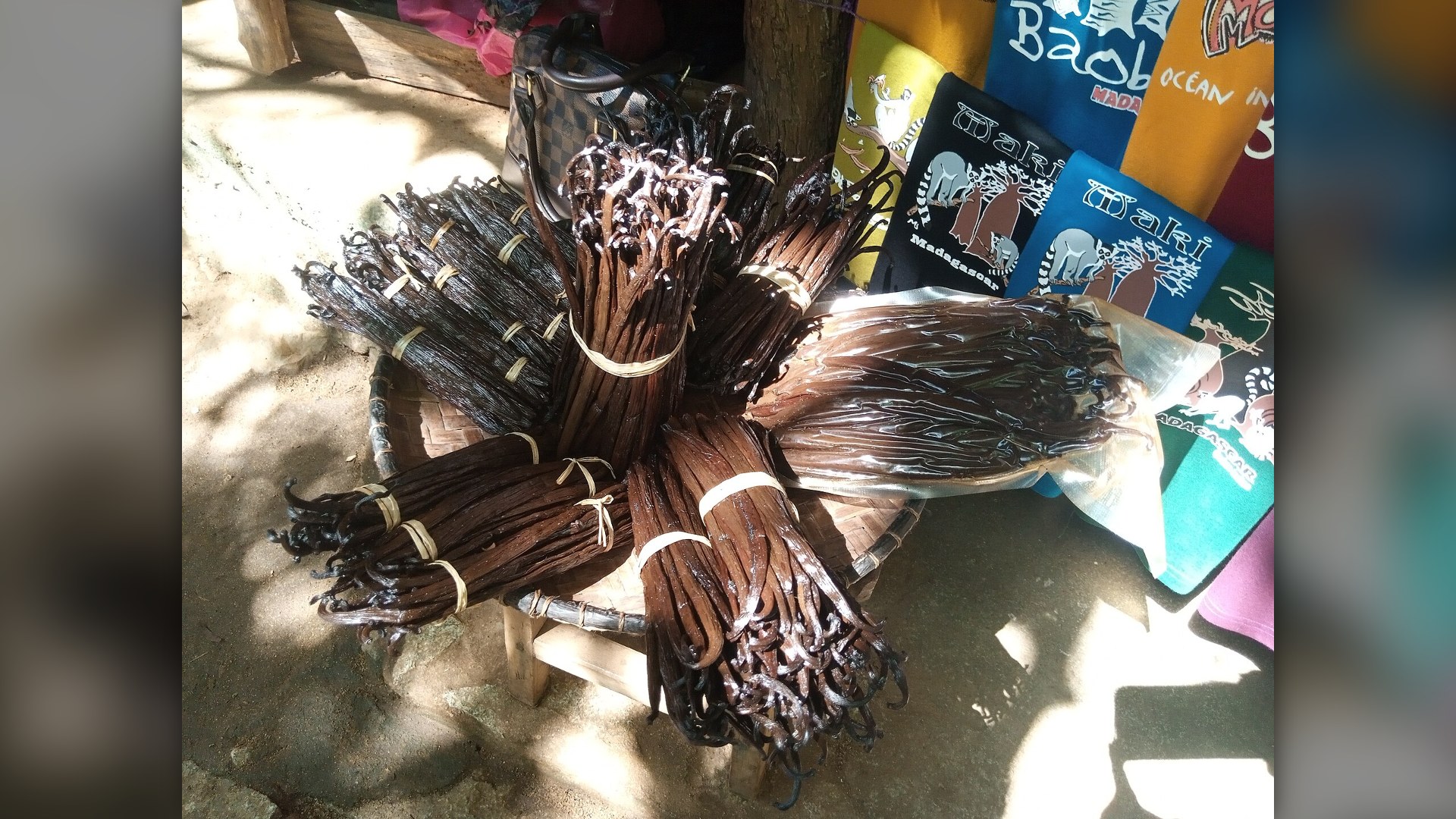
The cured seed pods of Vanilla planifolia were an imperial tribute item in the Aztec Empire, mixed with sacred cacao for Emperor Montezuma. For three centuries after the Spanish conquest, Mexico maintained a global monopoly on vanilla because the orchid was pollinated solely by native Melipona bees.
©Wikimedia / Mvsoa
Advertisement
Swipe or tap ▶ to resume the countdown.
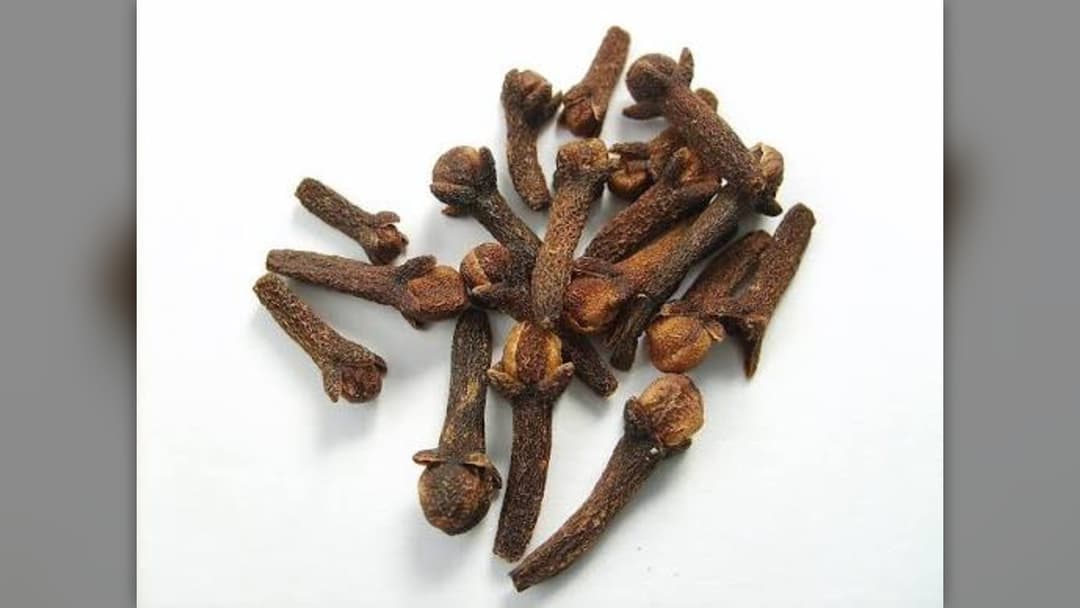
22. Cloves
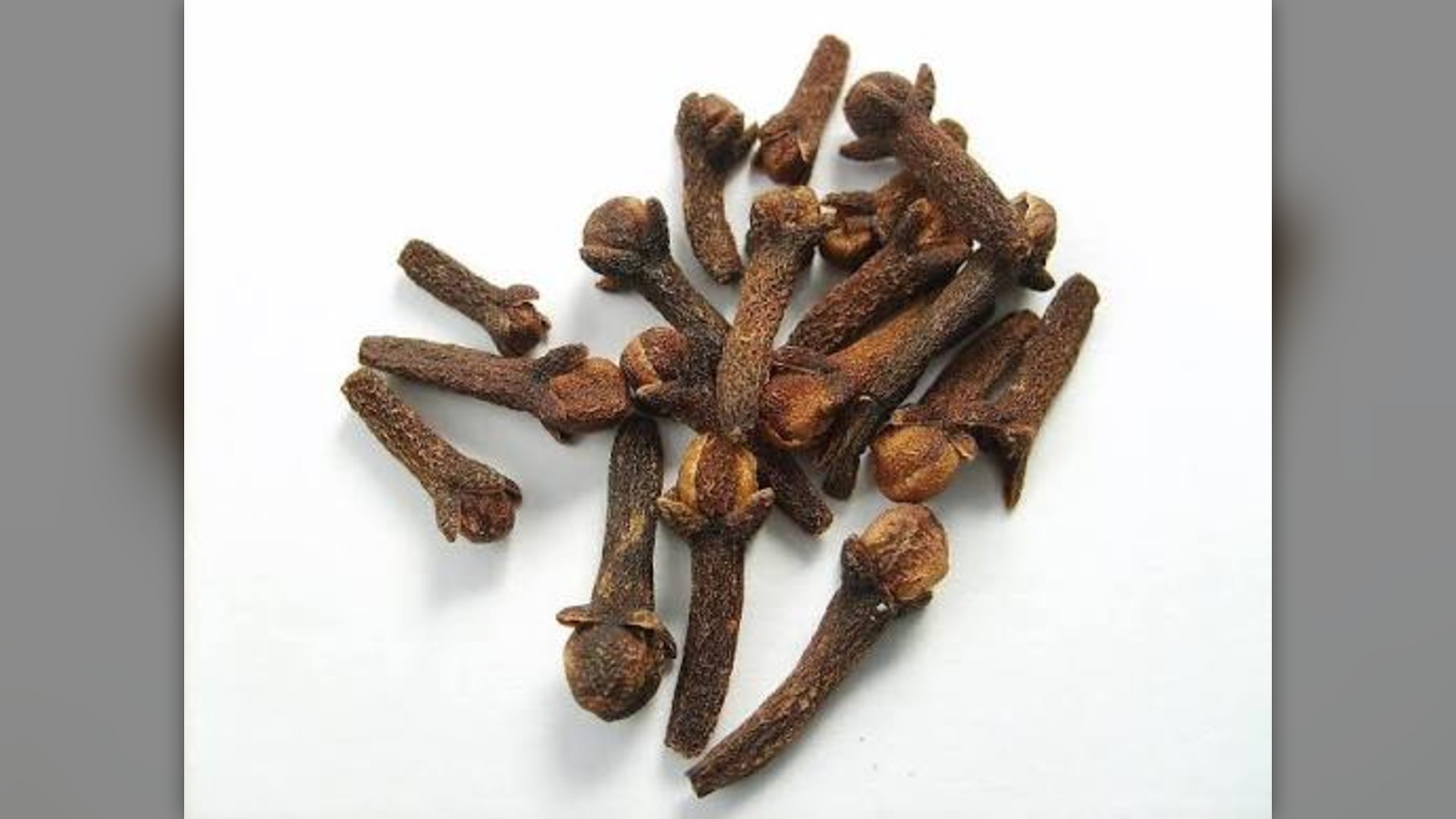
Cloves originated on just five tiny volcanic islands in the Maluku archipelago. Because the tree buds had to be hand-picked before flowering, a single sack brought back to Europe netted thousand-percent profit margins, funding global naval expeditions and founding early modern corporate monopolies.
©Wikimedia / Jorge Barrios
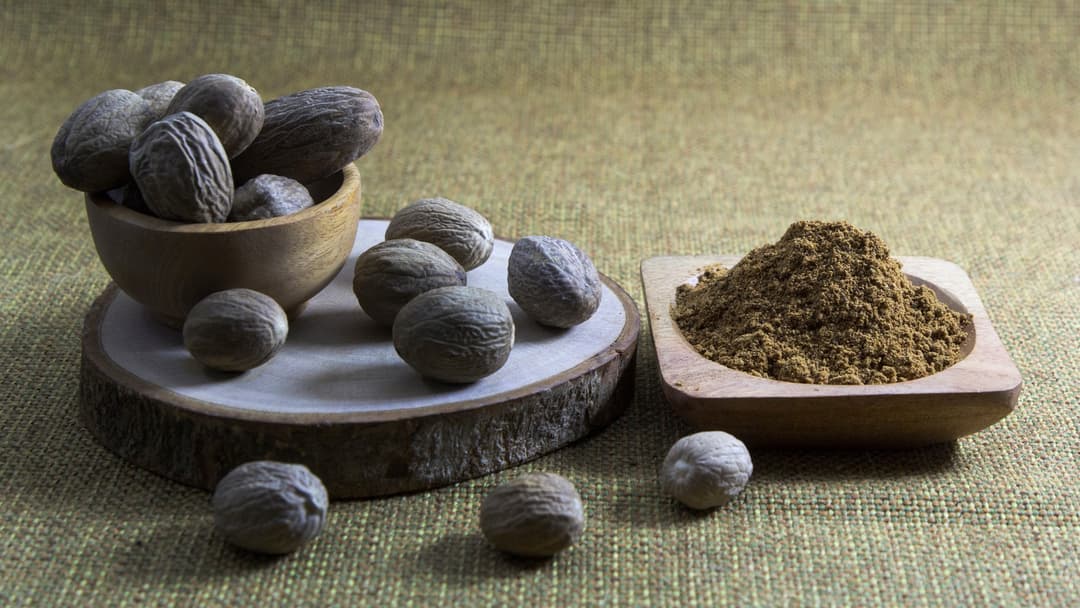
21. Nutmeg
During the seventeenth century, nutmeg grew exclusively on the tiny Banda Islands in eastern Indonesia. Believed to cure the bubonic plague, nutmeg was so extraordinarily valuable that the Dutch East India Company traded its North American territory of New Amsterdam, modern Manhattan, to Britain to secure the islands.
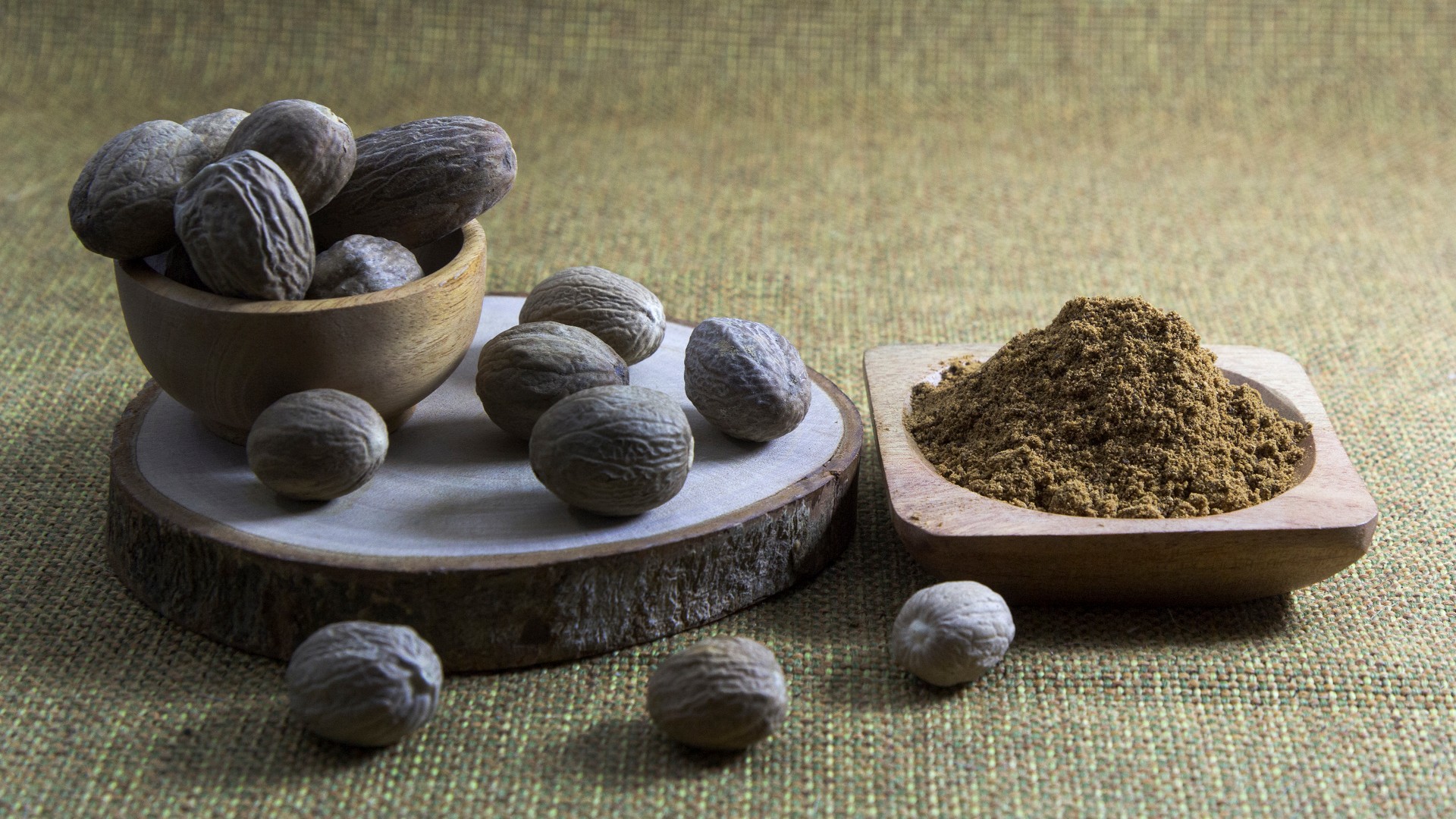
©Wikimedia / Nutmeg
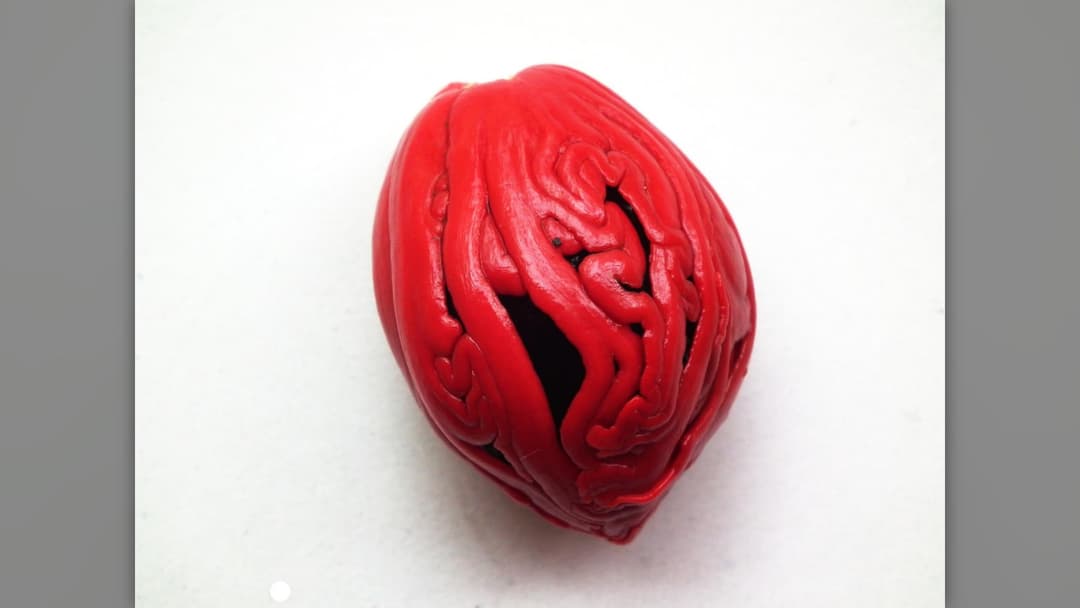
20. Mace
When fresh nutmeg fruit splits open, it reveals a dark seed encased in a bright scarlet web of aril known as mace. Because each nutmeg produces only a fraction of an ounce of mace, seventeenth-century Dutch auctions priced dried mace significantly higher per pound than whole nutmegs.
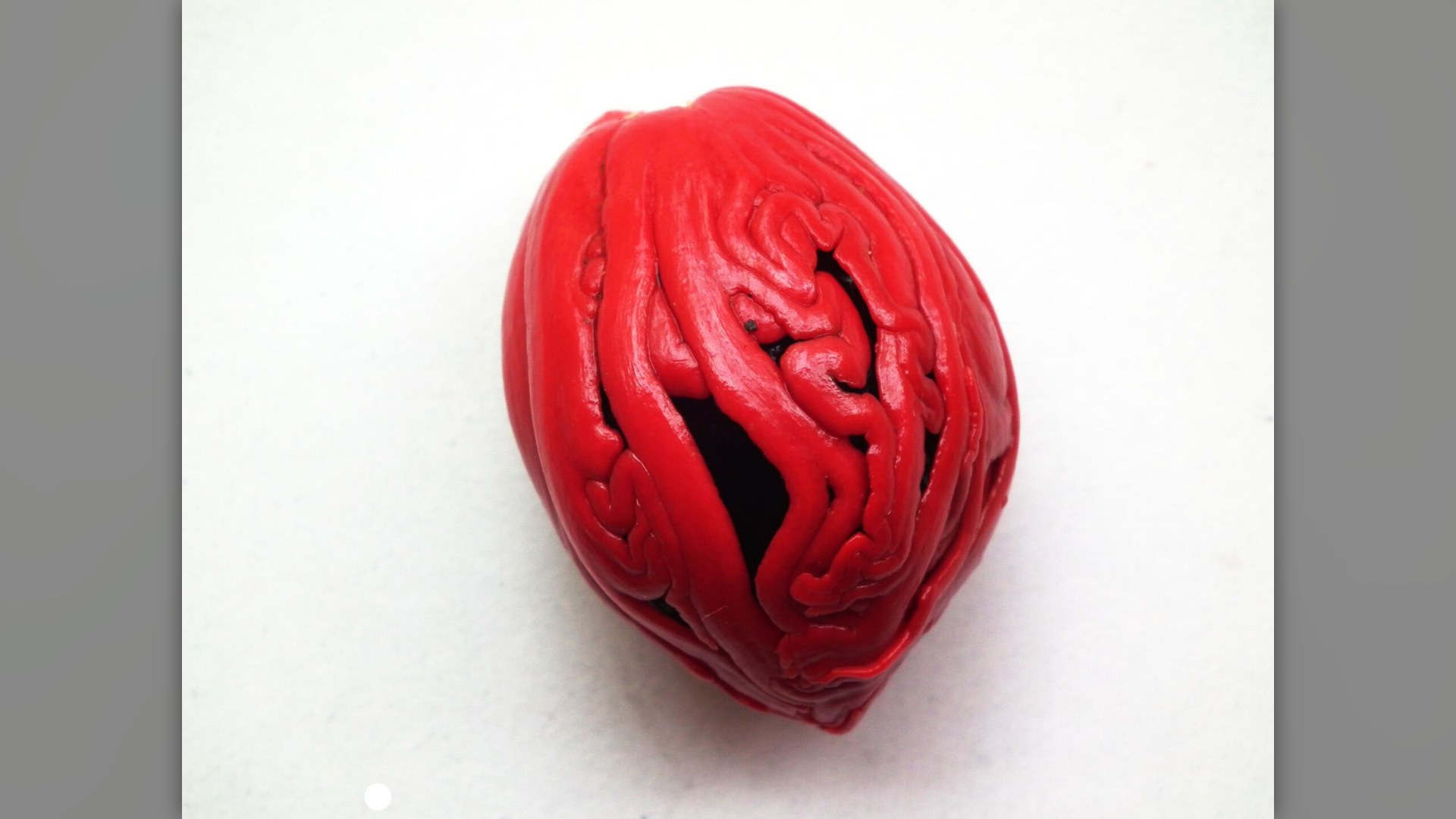
©Wikimedia / Ramesh NG
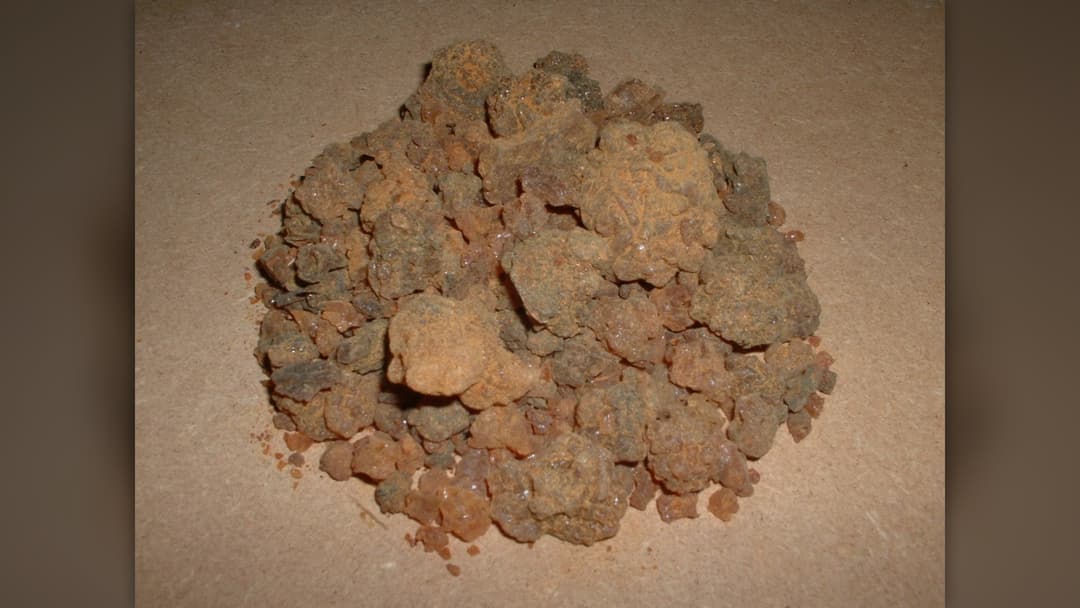
19. Myrrh
Extracted from thorny Commiphora trees in the Horn of Africa and southern Arabia, myrrh was ancient history's most expensive aromatic gum. Valued above gold by weight, kings presented myrrh as royal tribute, while physicians used its resin to dress battlefield wounds and embalm royalty.
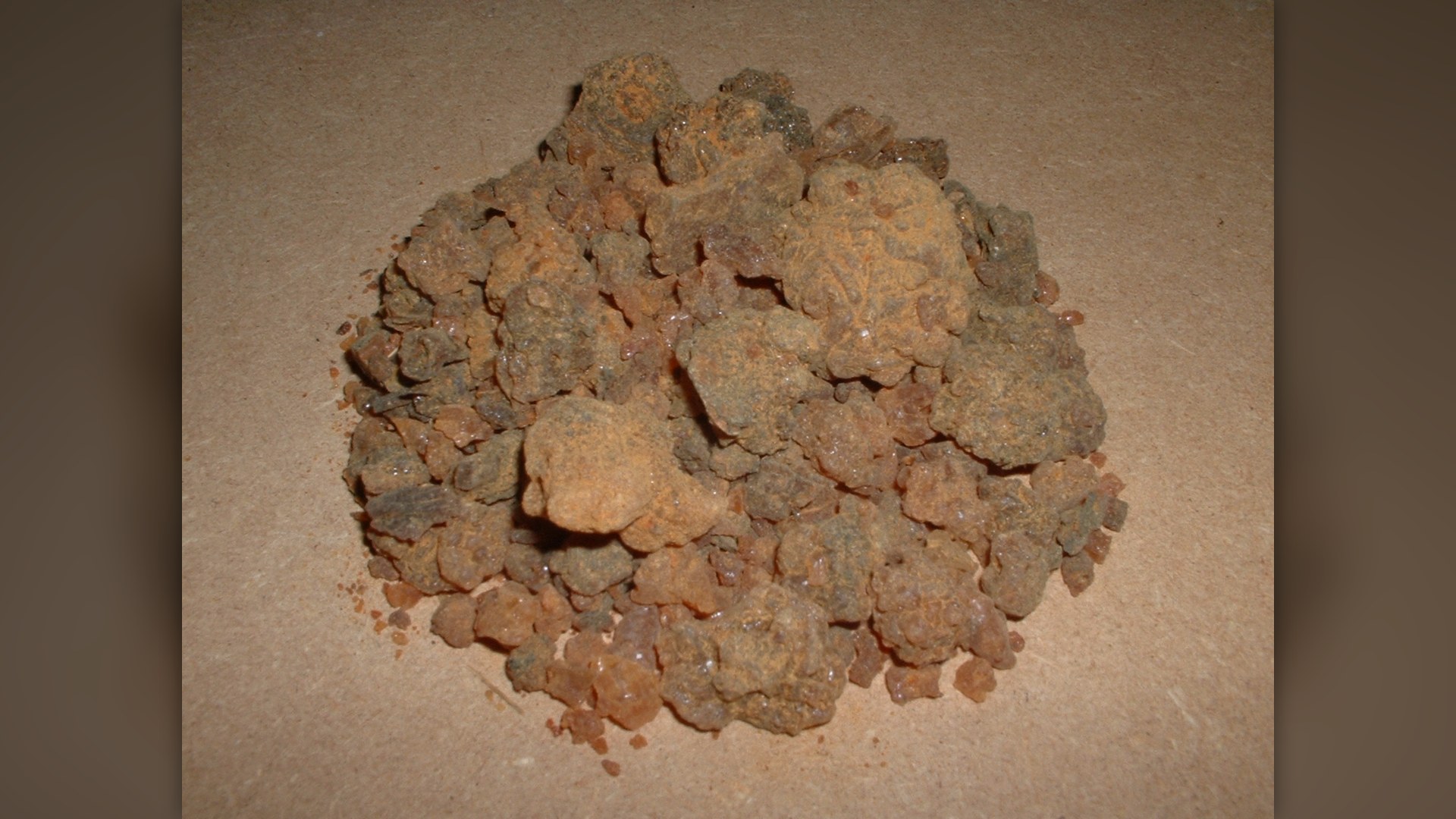
©Wikimedia / Gaius Cornelius
Advertisement
Swipe or tap ▶ to resume the countdown.
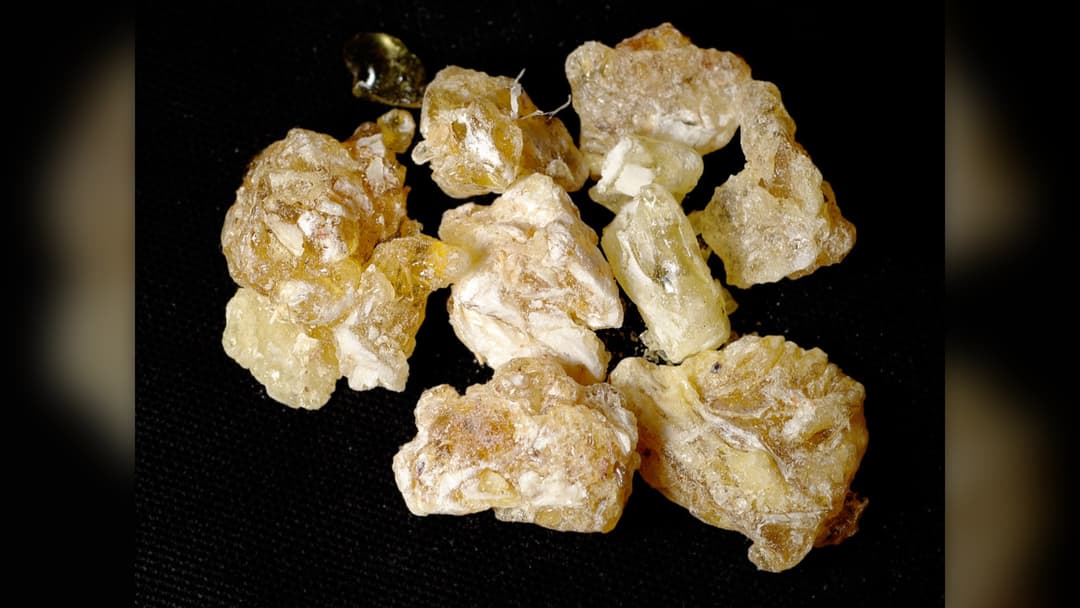
18. Frankincense
The milky resin harvested from Boswellia trees in southern Oman funded entire kingdoms along the Incense Route. Roman temples and palaces consumed thousands of tons of frankincense each year. At its historical peak, elite frankincense crystals traded ounce for ounce with refined gold and silver.
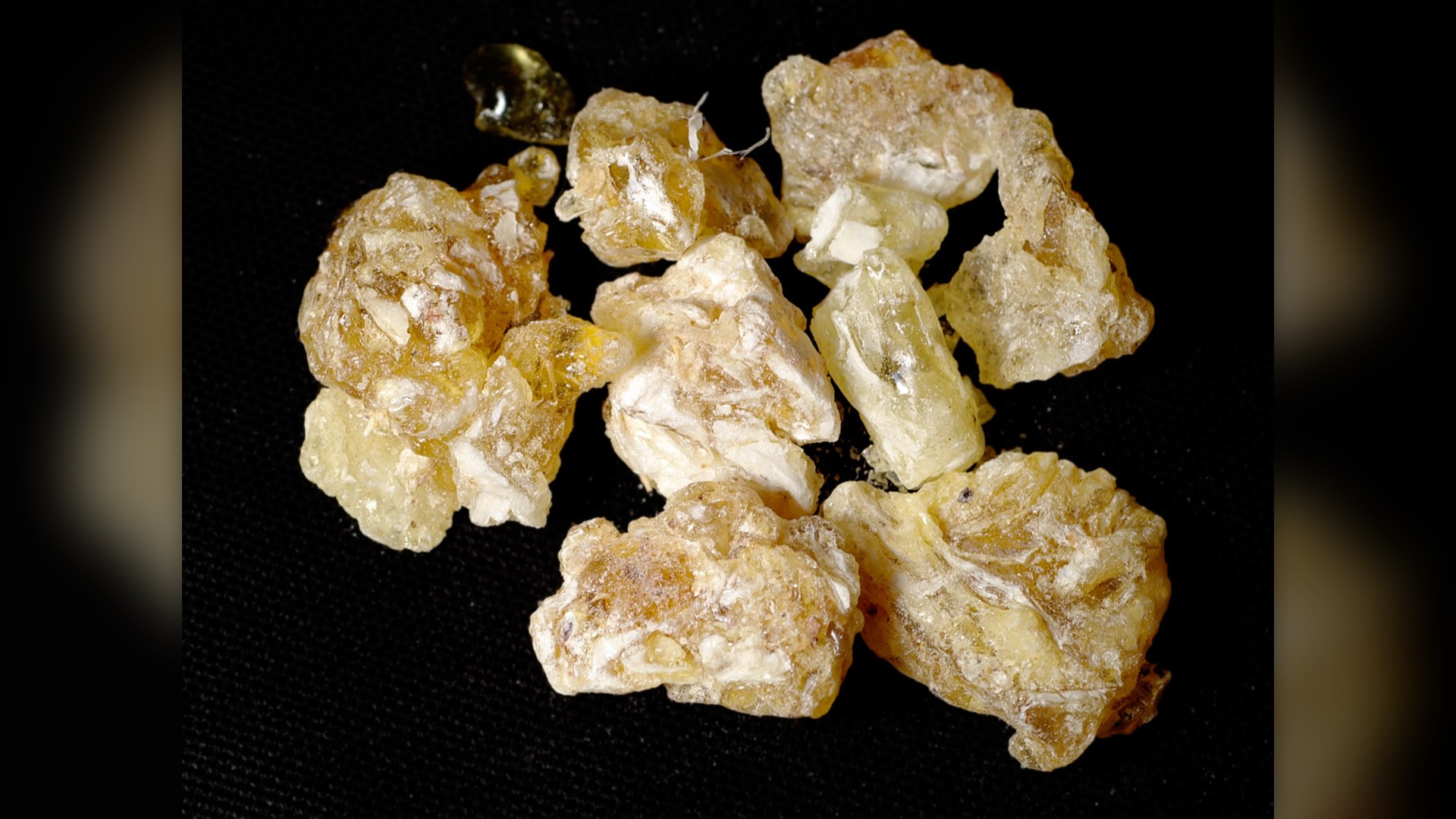
©Wikimedia / snotch
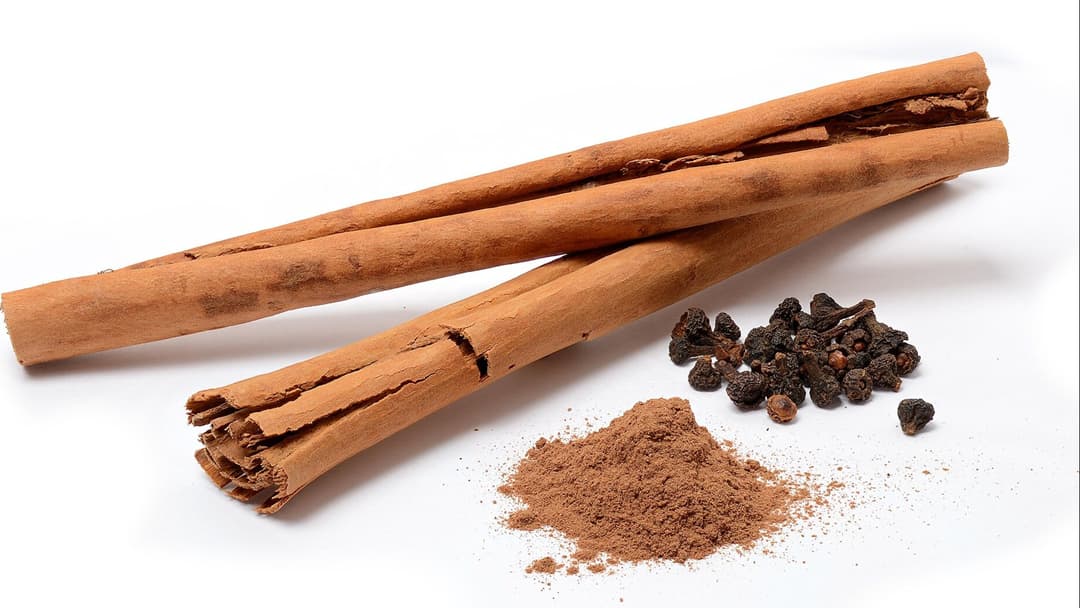
17. True Ceylon Cinnamon
Native only to the island of Sri Lanka, true Ceylon cinnamon was so valuable that Portuguese, Dutch, and British naval fleets fought three successive wars to control its harvest. In ancient Rome, Emperor Nero burned an entire year's imperial supply of cinnamon at the funeral of his wife Poppaea.
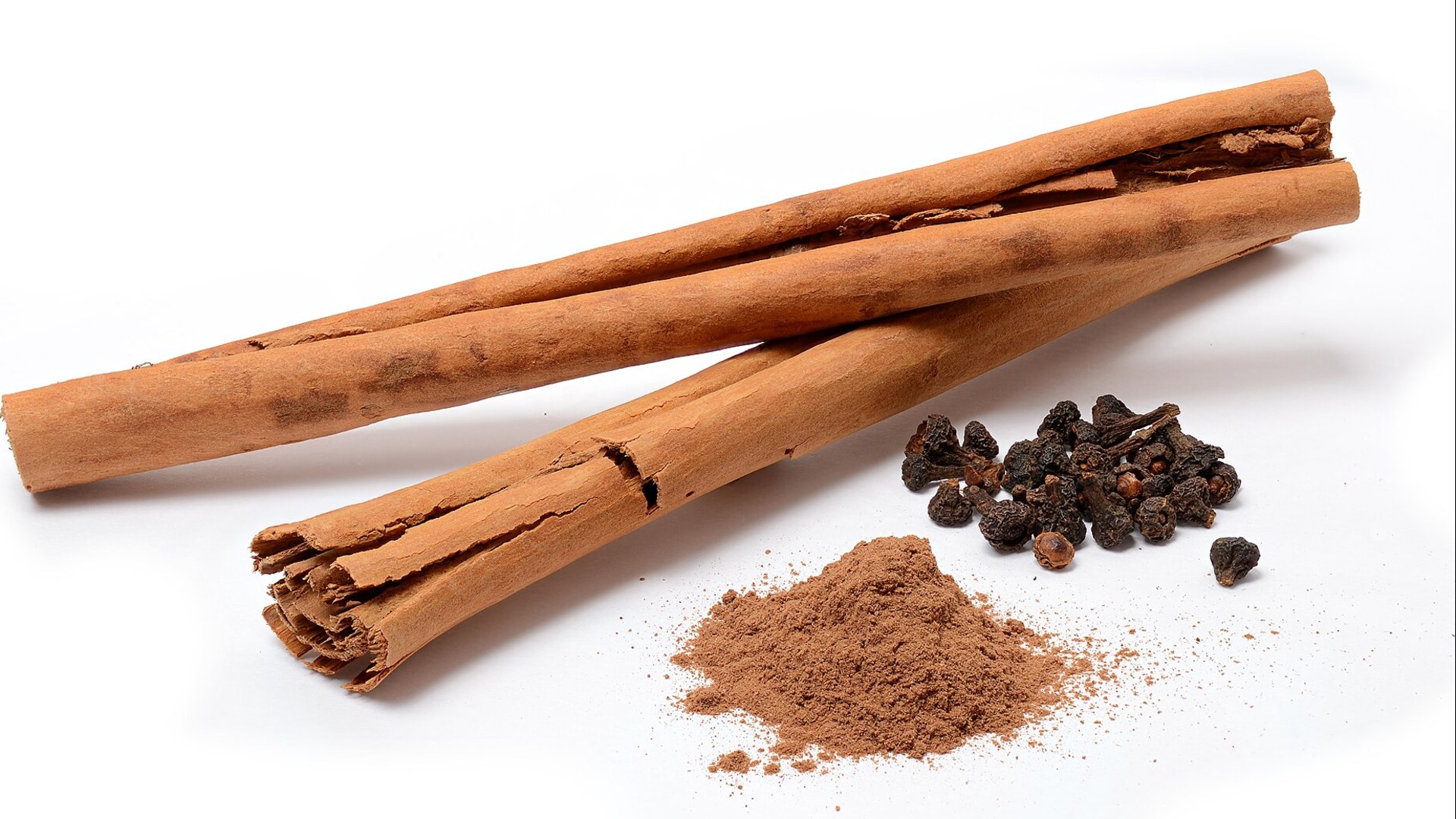
©Wikimedia / Simon A. Eugster
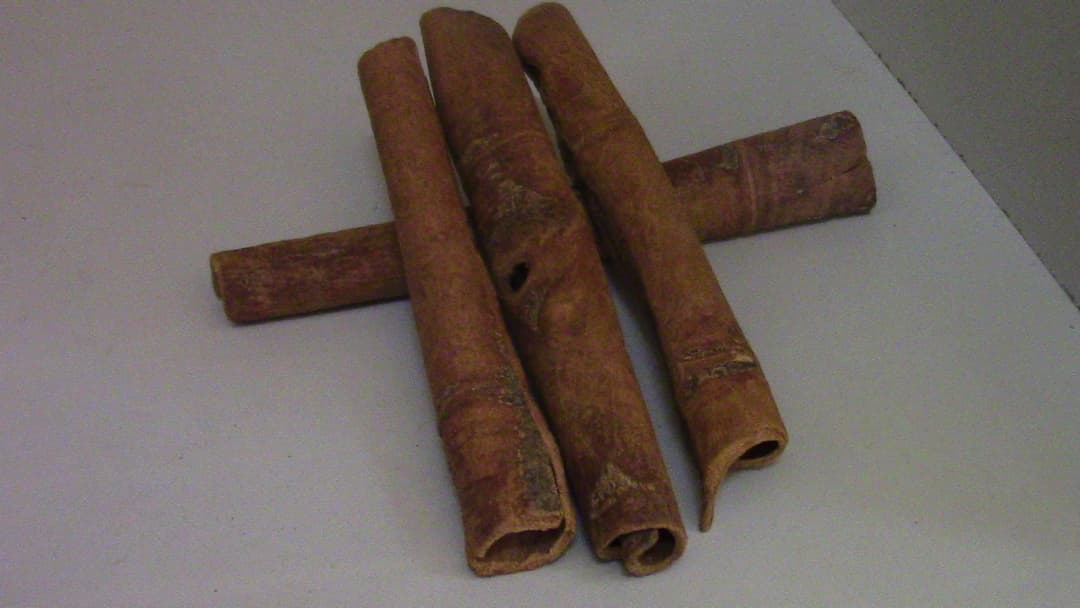
16. Cassia Bark
Cinnamomum cassia was transported across ancient overland tracks from southern China long before Europeans located its botanical origin. Ancient Egyptian embalmers used crushed cassia bark to pack the abdominal cavities of mummies, preserving royal bodies with its potent antimicrobial cinnamaldehyde oils.
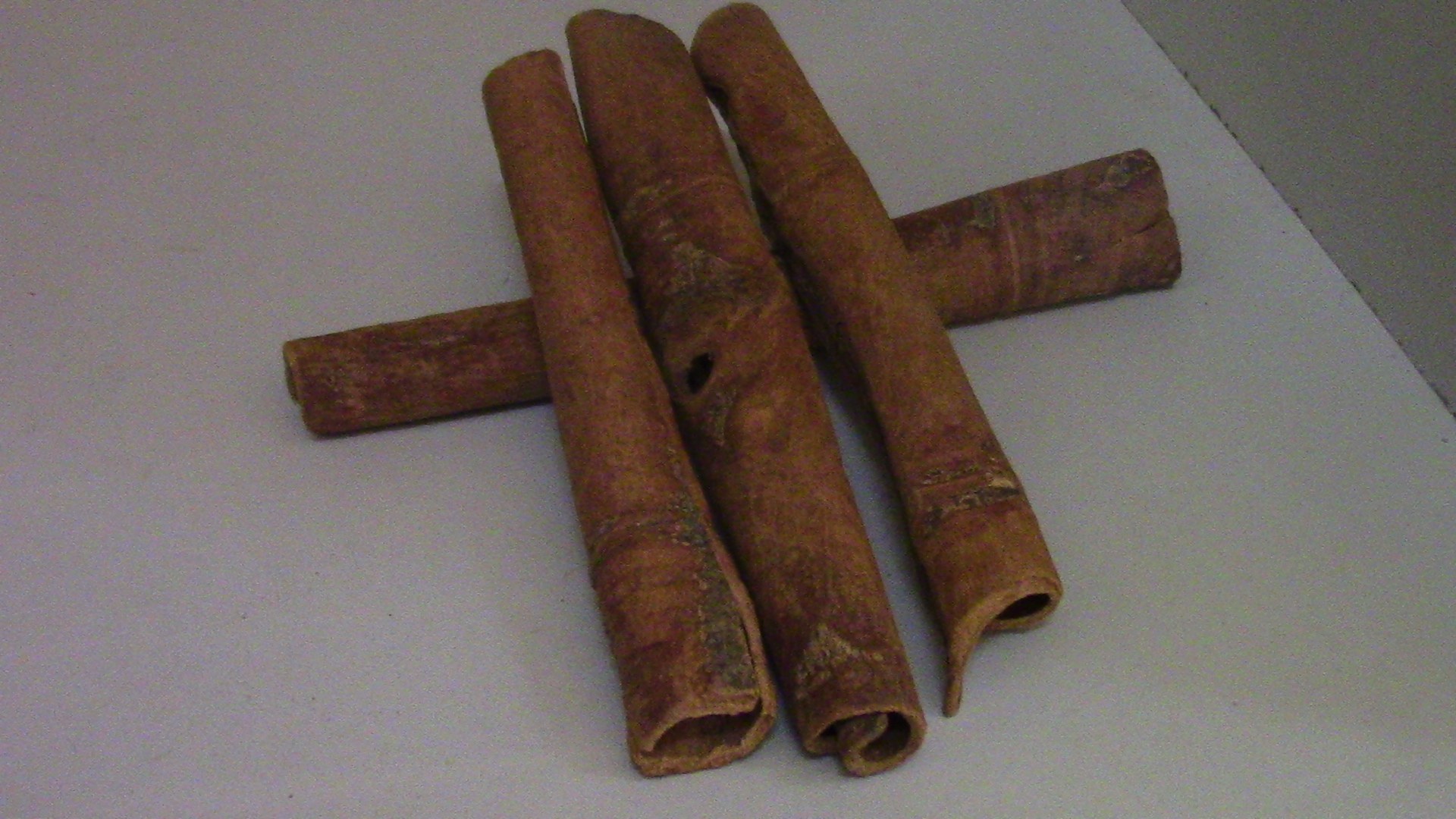
©Wikimedia / NanaYawBotar
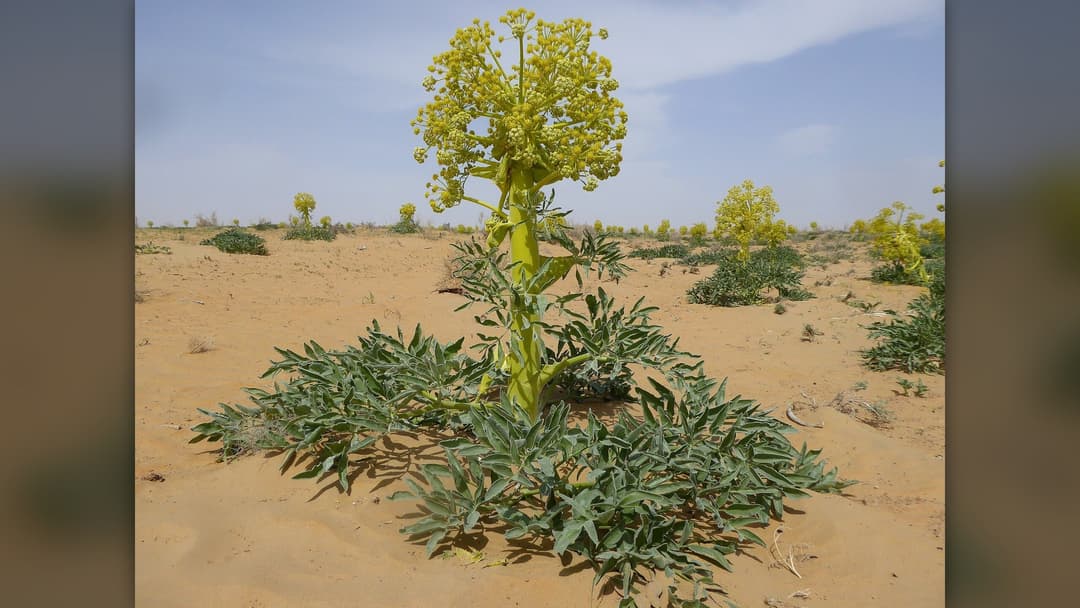
15. Asafoetida
Harvested from wild giant fennels in the deserts of Persia and Central Asia, dried asafoetida resin was called laser Parthicum by Roman merchants. Roman elites paid silver coin by the ounce to scrape microscopic pinches of this intense sulfurous gum into their sauces and roasted meats.
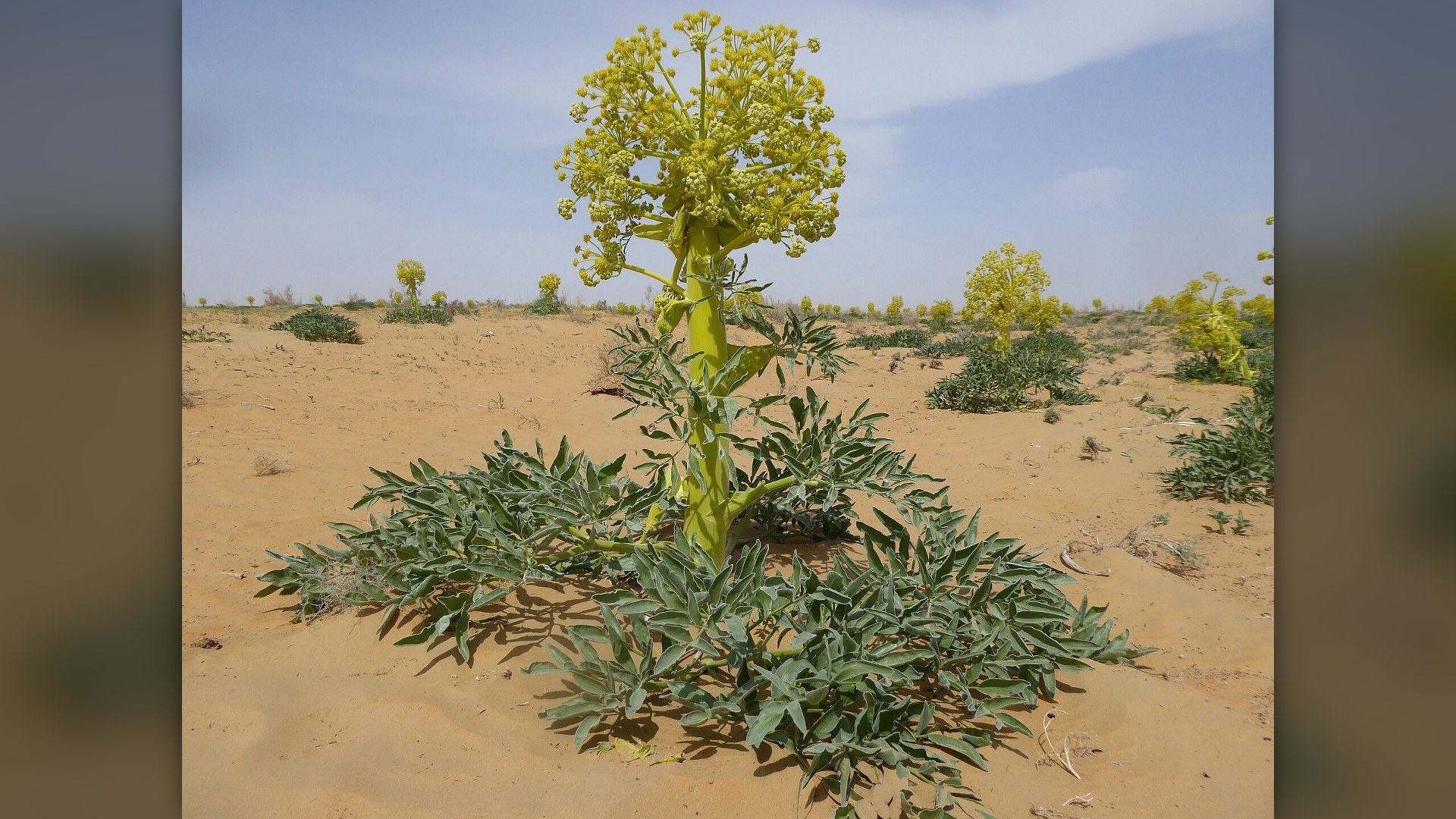
©Wikimedia / Patrick Verhaeghe
Advertisement
Swipe or tap ▶ to resume the countdown.
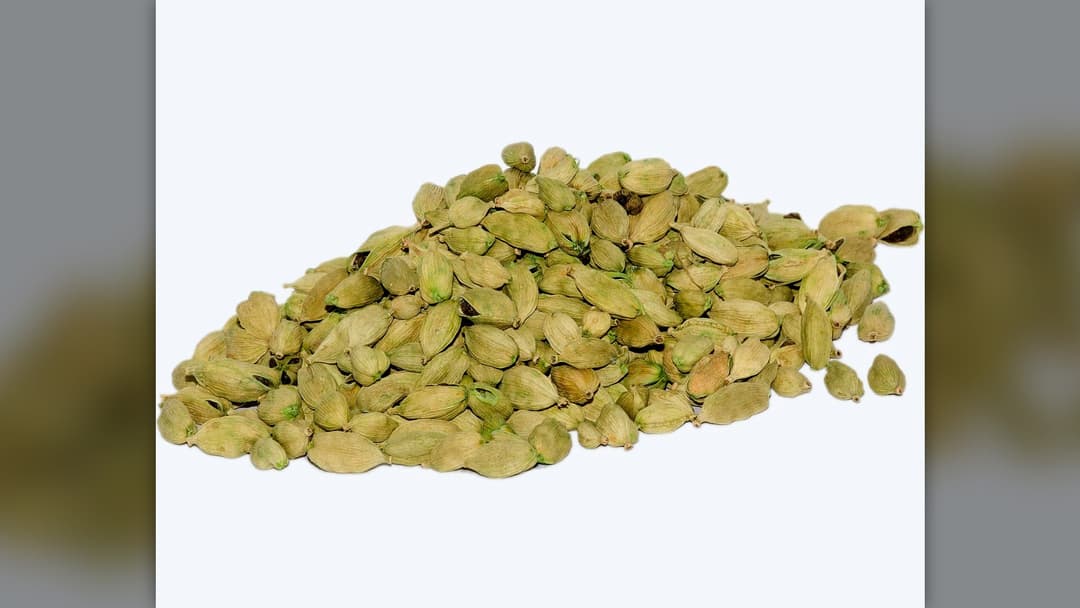
14. Cardamom
Cardamom pods grown in the moist rainforests of southwestern India ranked among the most expensive commodities in the ancient spice trade. Greco-Roman perfumers and physicians bought whole green pods by weight in Alexandria, valuing their fragrant cineole oils for royal ointments and digestives.
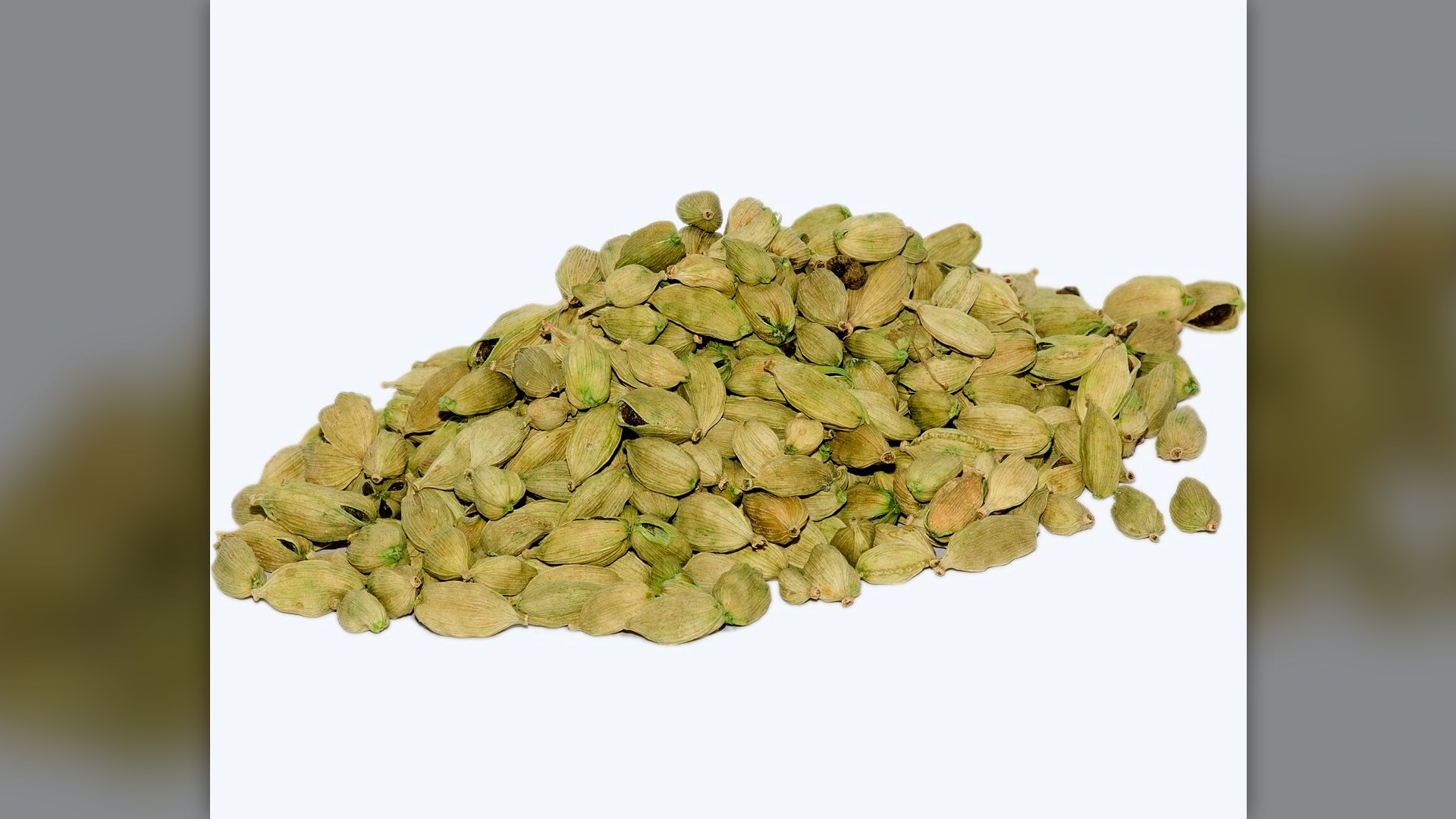
©Wikimedia / Augustus Binu
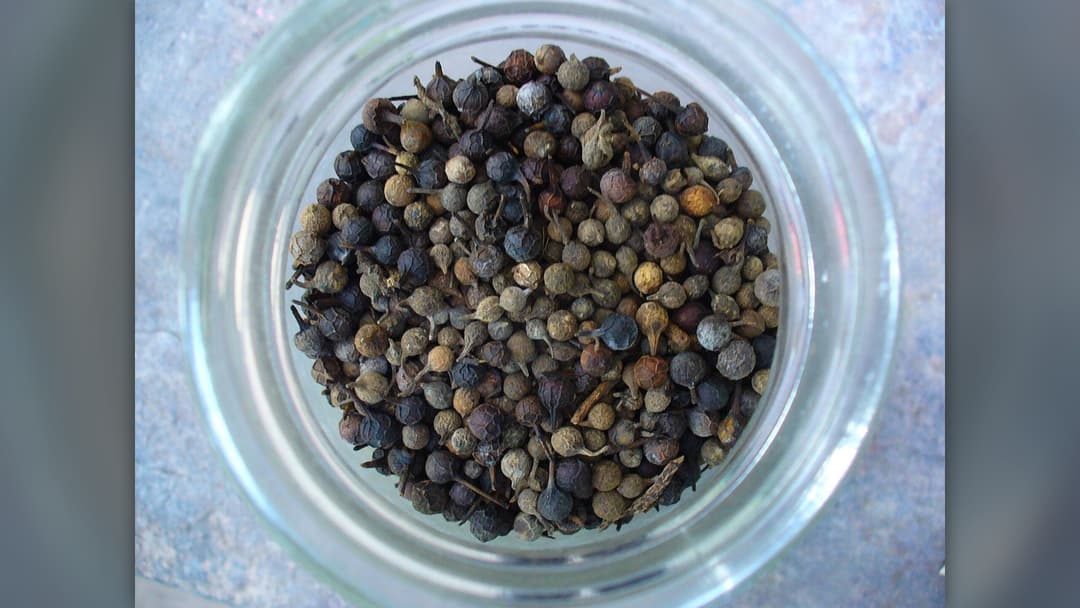
13. Cubeb Pepper
Native to Java and Sumatra, cubeb pepper was an elite medieval aromatic prized for seasoning game meats and making scented soaps. When King Philip II of Spain and Portugal realized cubeb competed directly with his black pepper trade in 1640, he banned cubeb imports to keep pepper profits high.
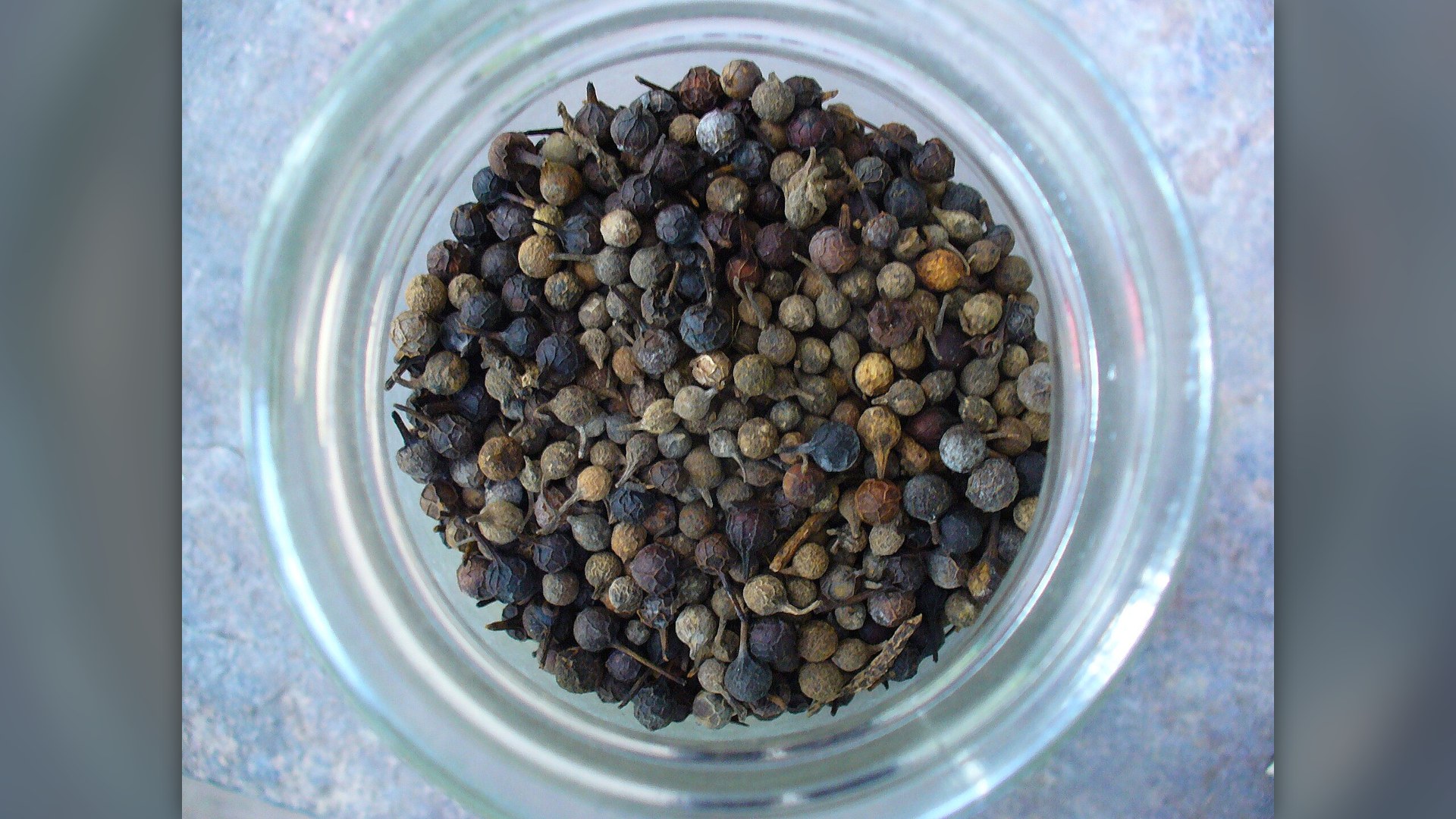
©Wikimedia / H. Zell
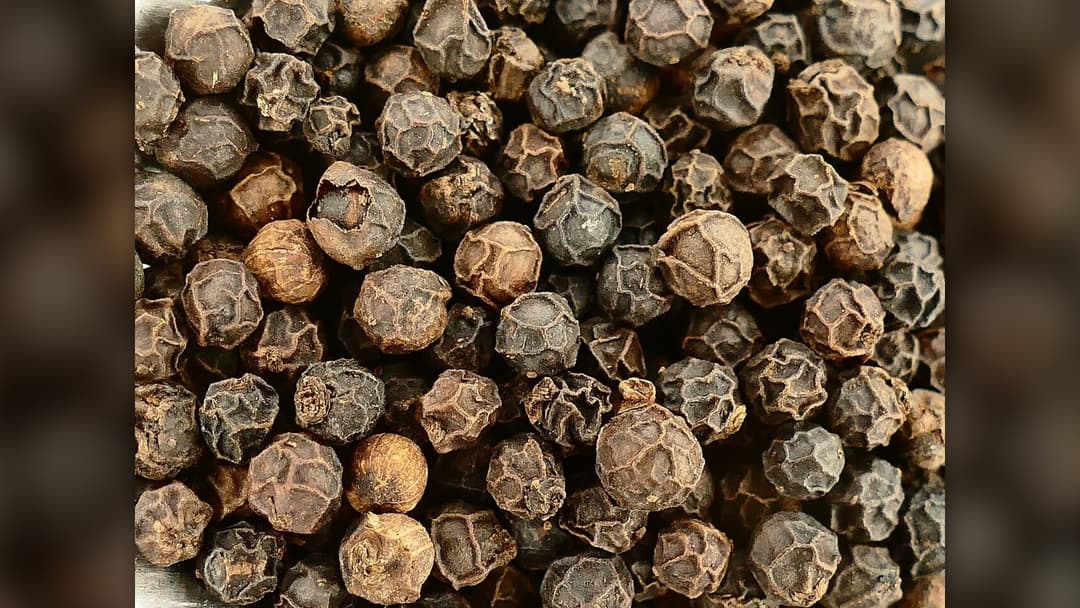
12. Black Pepper
Black pepper was medieval Europe's black gold. In 408 AD, Visigoth king Alaric demanded three thousand pounds of black pepper alongside gold and silver to lift his deadly siege of Rome. Landowners frequently wrote tenancy contracts requiring annual rent payments in peppercorns instead of minted coins.
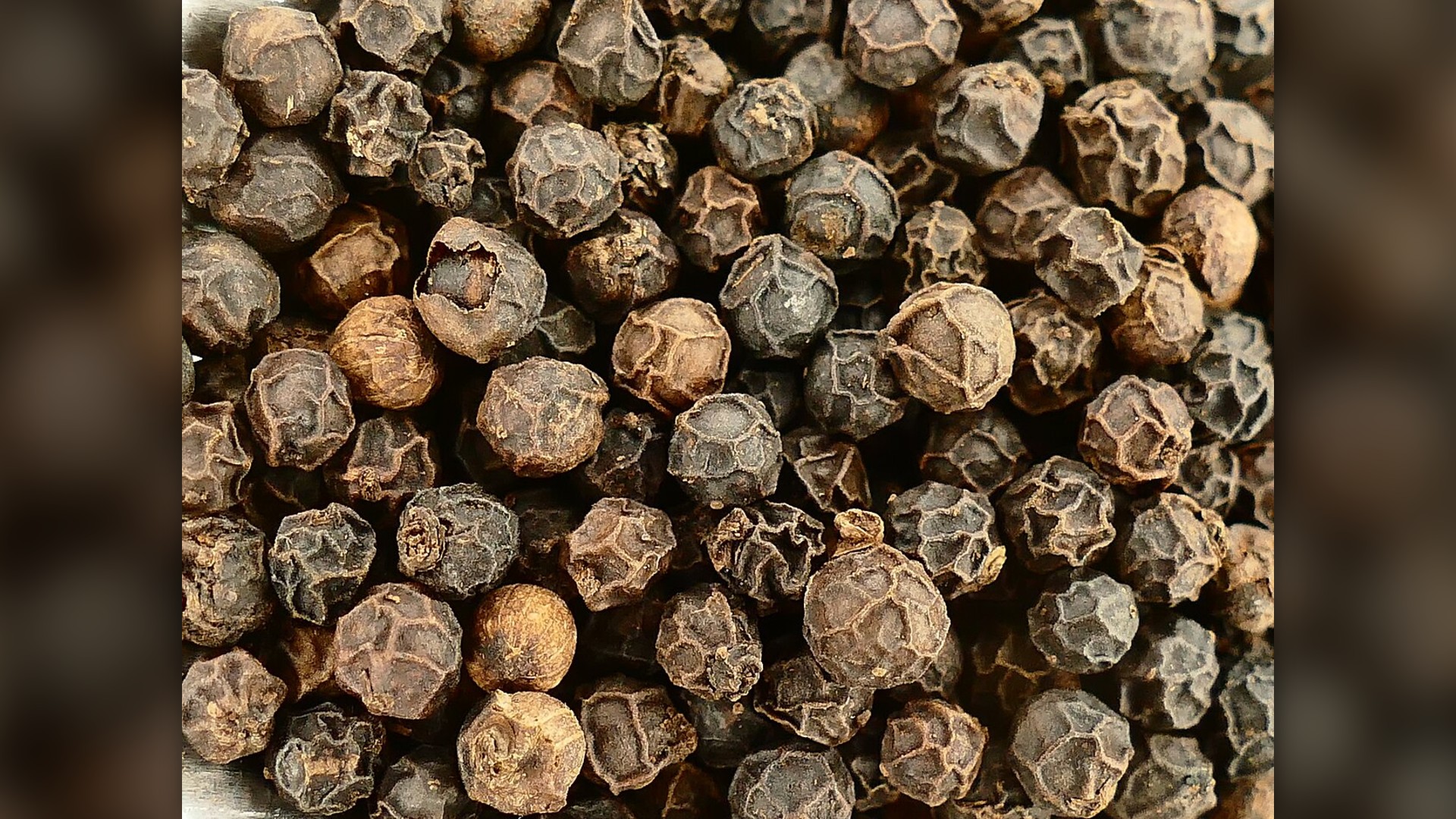
©Wikimedia / Xitop753
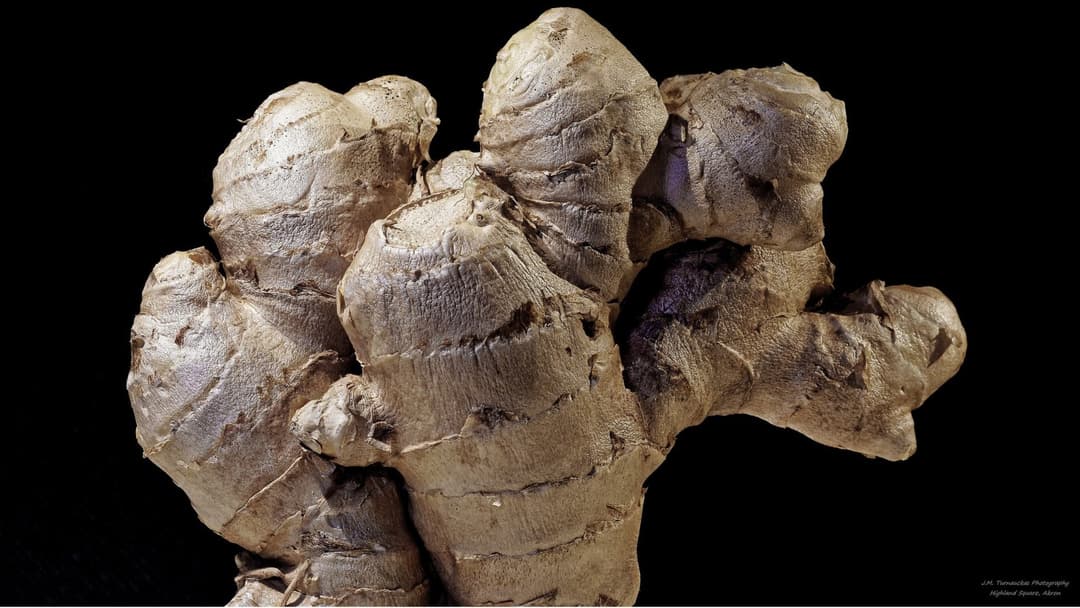
11. Ginger
During the fourteenth century, ginger was one of the most celebrated culinary commodities in Western Europe. Originating in Southeast Asia and transported across the Indian Ocean by Arab mariners, a single pound of dried ginger root routinely fetched the price of a healthy mature sheep in London markets.
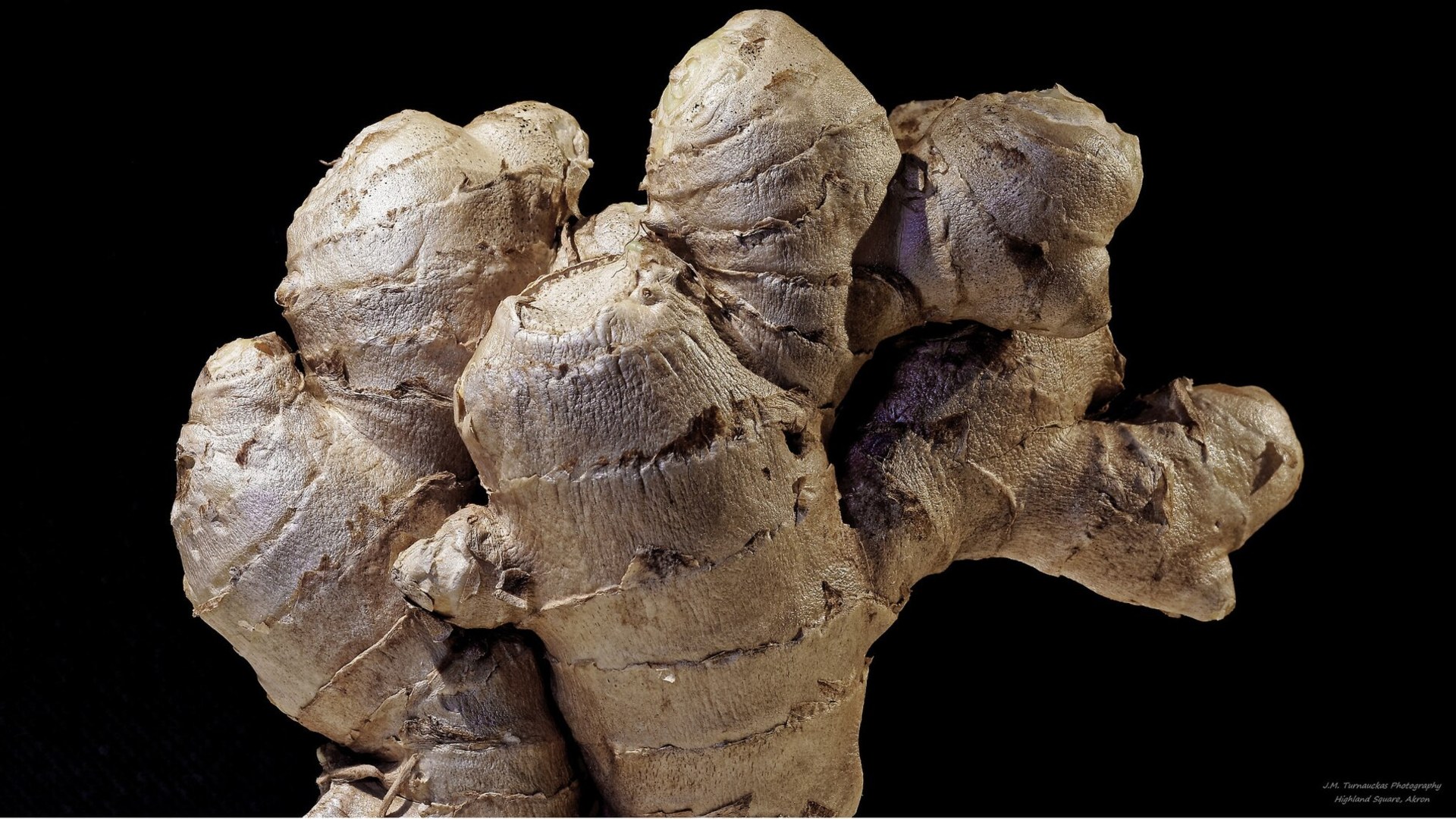
©Wikimedia / Mark Turnauckas
Advertisement
Swipe or tap ▶ to resume the countdown.
10. Grains Of Paradise
Harvested along the coast of West Africa, grains of paradise commanded astronomical prices in fourteenth-century Europe. King Charles V of France and the Duke of Burgundy consumed pounds of these glossy seeds at royal feasts, dubbing them grains of paradise to emphasize their supposed heavenly origin.
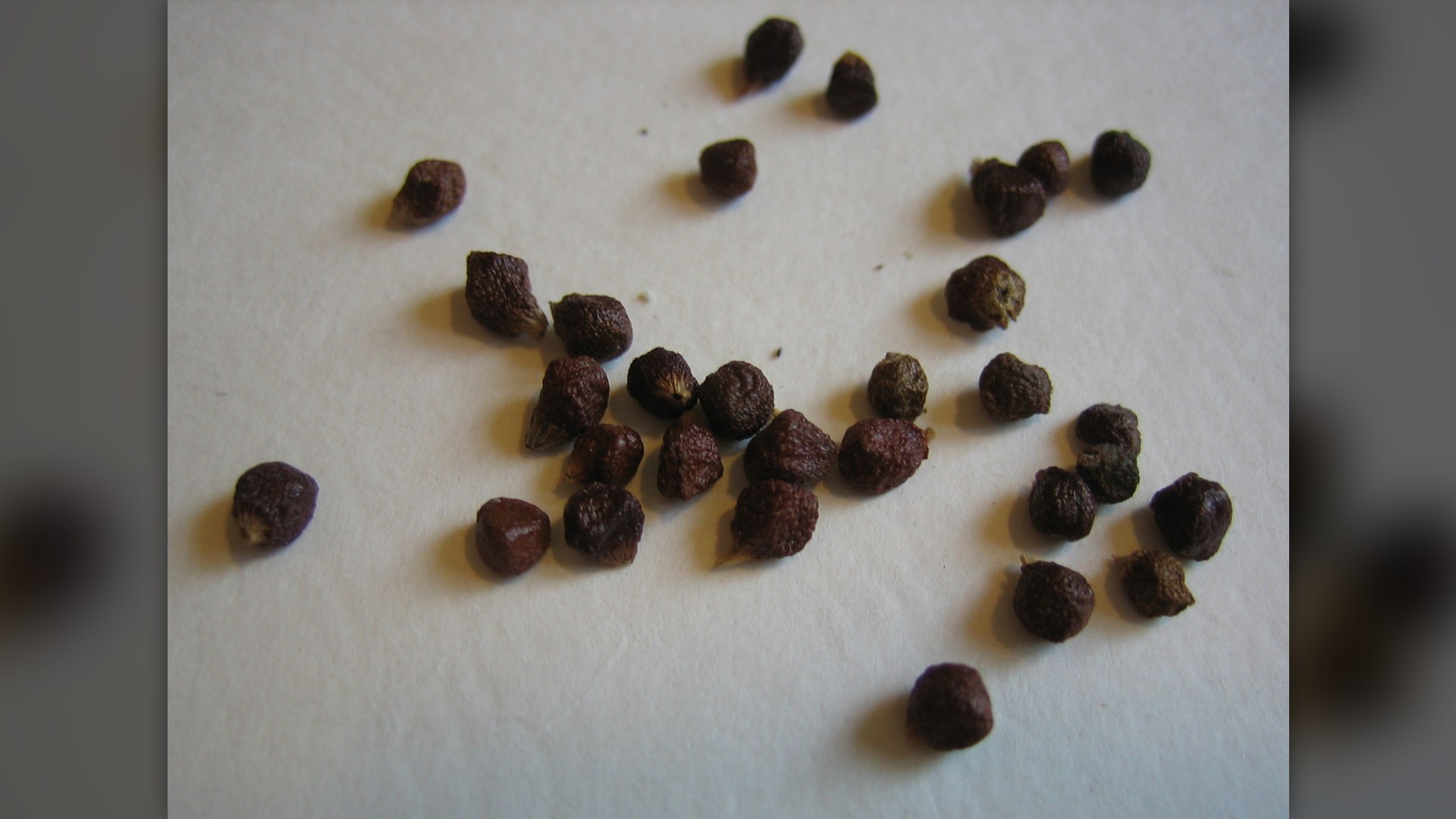
©Wikimedia / Lemmikkipuu
9. Long Pepper
Long pepper was the undisputed favorite piper of classical antiquity. Pliny the Elder recorded in his Natural History that long pepper sold for fifteen denarii per pound in Rome, while ordinary black pepper cost just four denarii. Its sweeter, lingering heat made it Rome's ultimate luxury table spice.
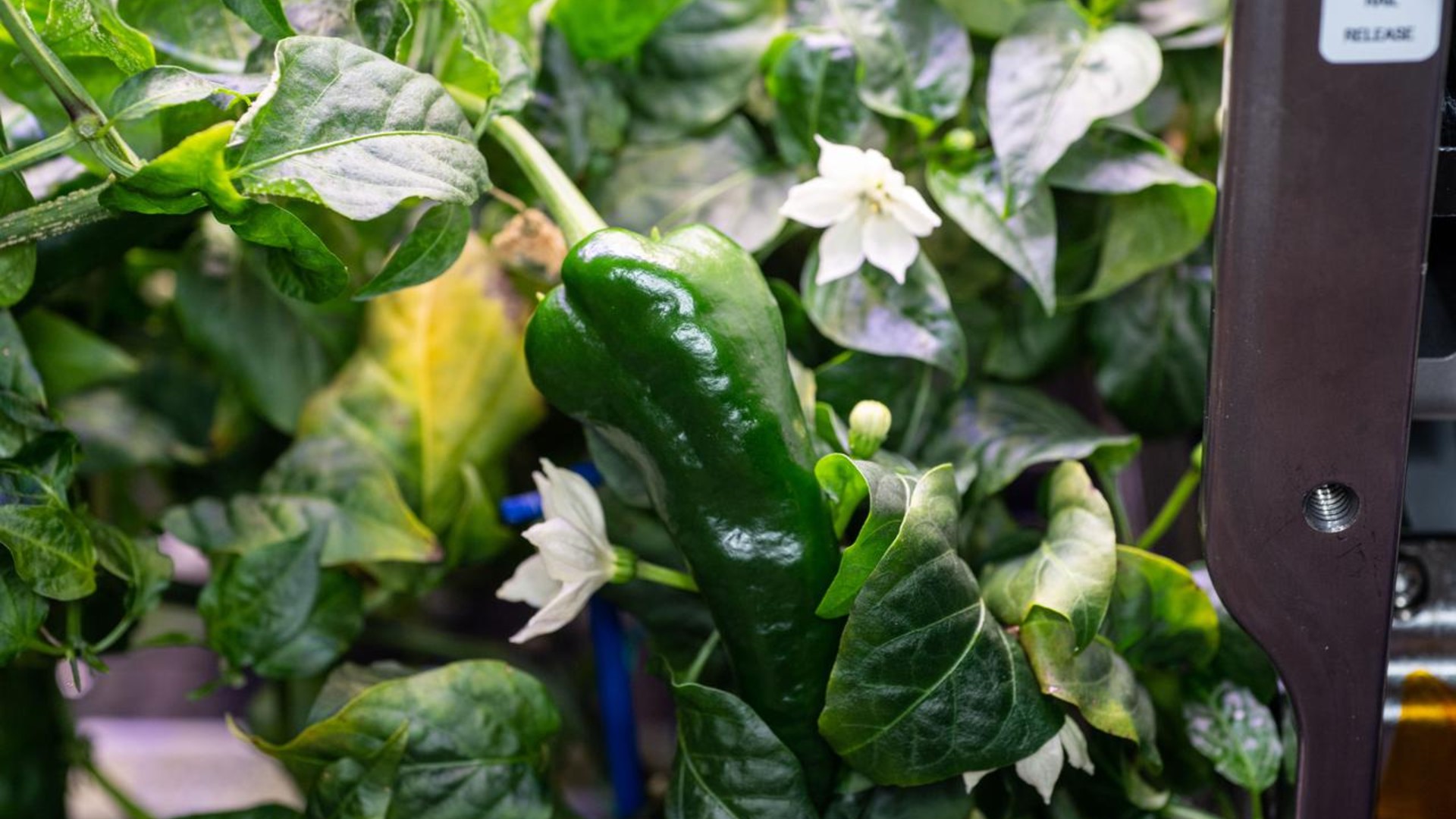
©NASA / Megan McArthur
8. Black Cumin
Nigella sativa seeds, historically known as black cumin or pharaoh's seed, commanded immense prices across the ancient Near East. Archeologists discovered alabaster jars filled with black cumin oil inside Tutankhamun's tomb, confirming its status as an elite treasure reserved for pharaohs.
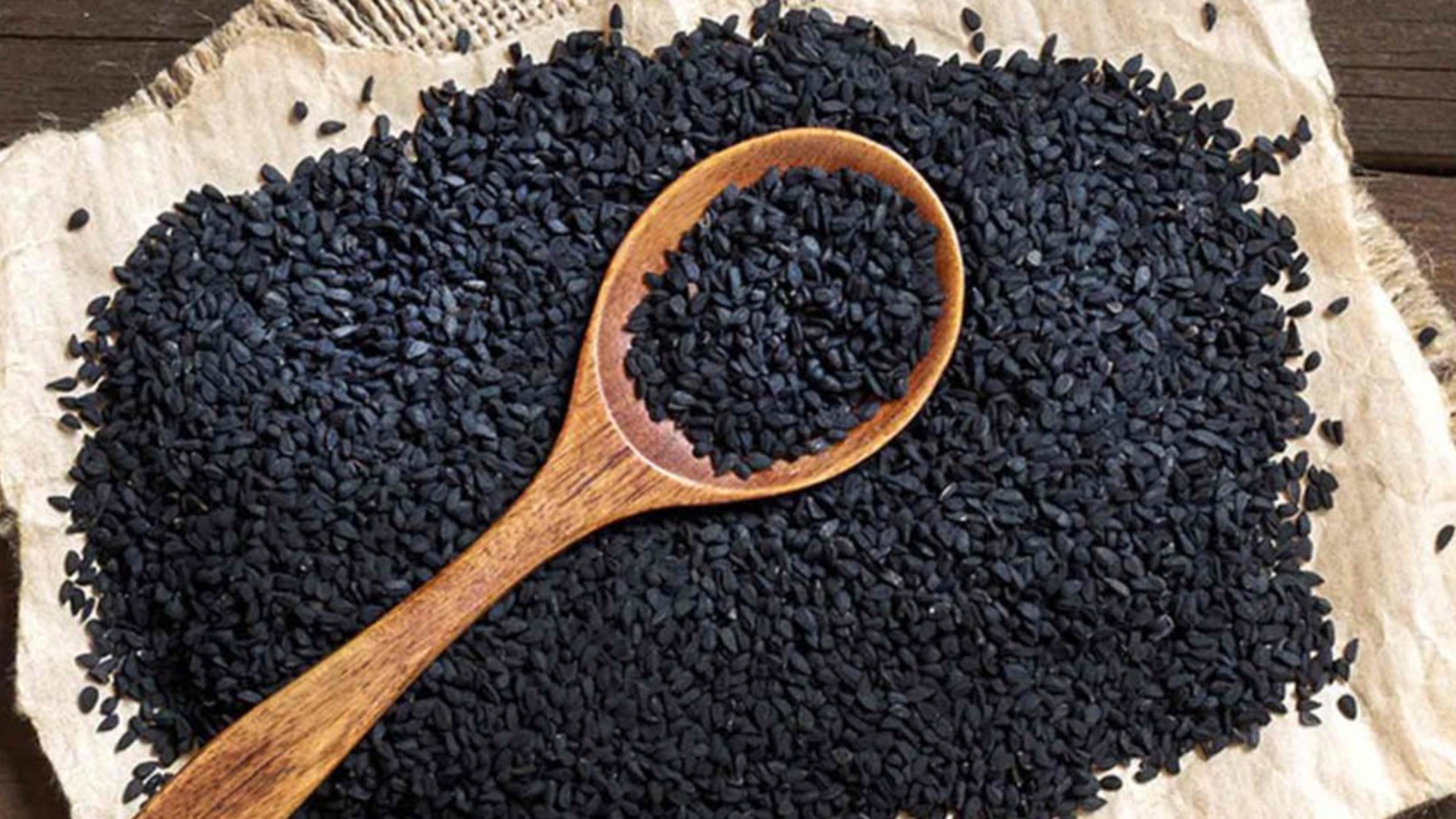
©Wikimedia / Mountainhills
7. Allspice
Pimenta dioica berries captured European attention during the seventeenth century because their complex aroma combined cinnamon, nutmeg, and cloves in a single seed. The English navy and London merchant guilds aggressively traded Jamaican allspice across Europe as an expensive culinary status symbol.
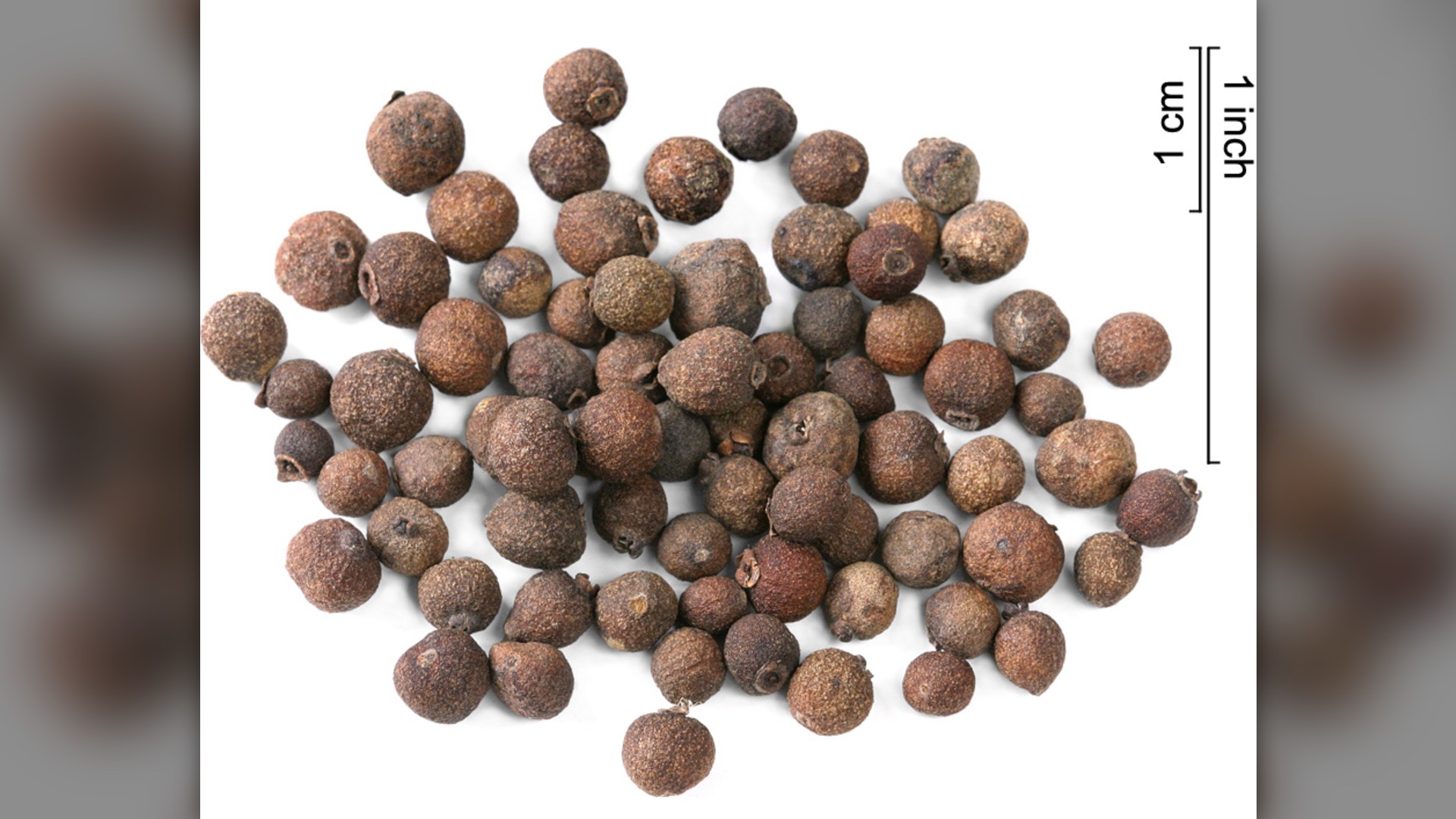
©Wikimedia / Wikimedia Contributor
Advertisement
Swipe or tap ▶ to resume the countdown.
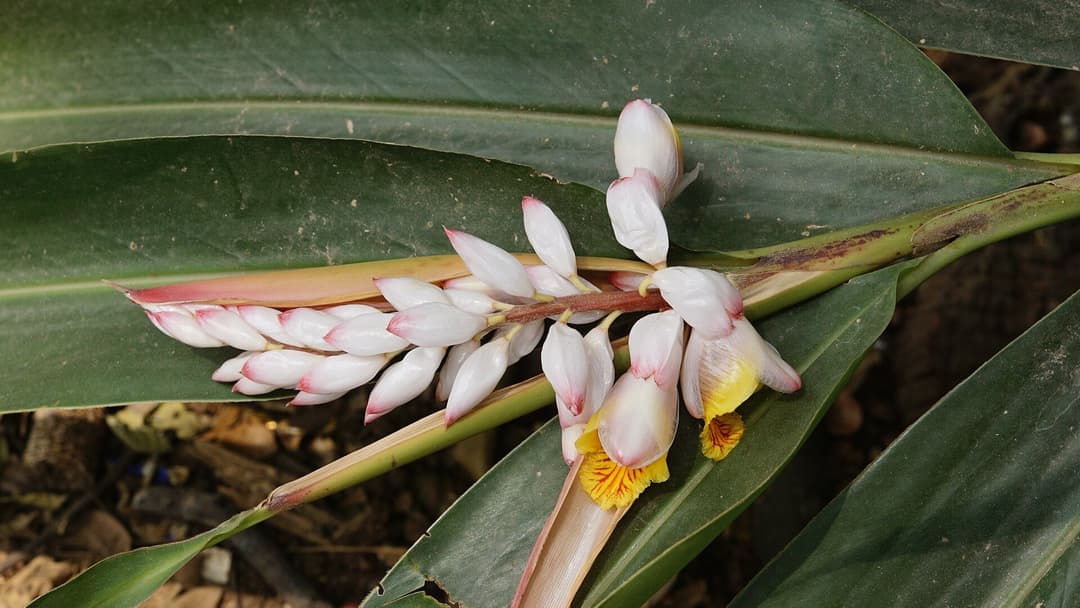
6. Galangal
Known as blue ginger, dried galangal rhizomes traveled along the maritime Silk Road into medieval European castle kitchens. Royal chefs featured galangal in pungent cameline sauces and spiced hypocras wine, making the sharp root an unmistakable culinary signal of extreme household wealth.
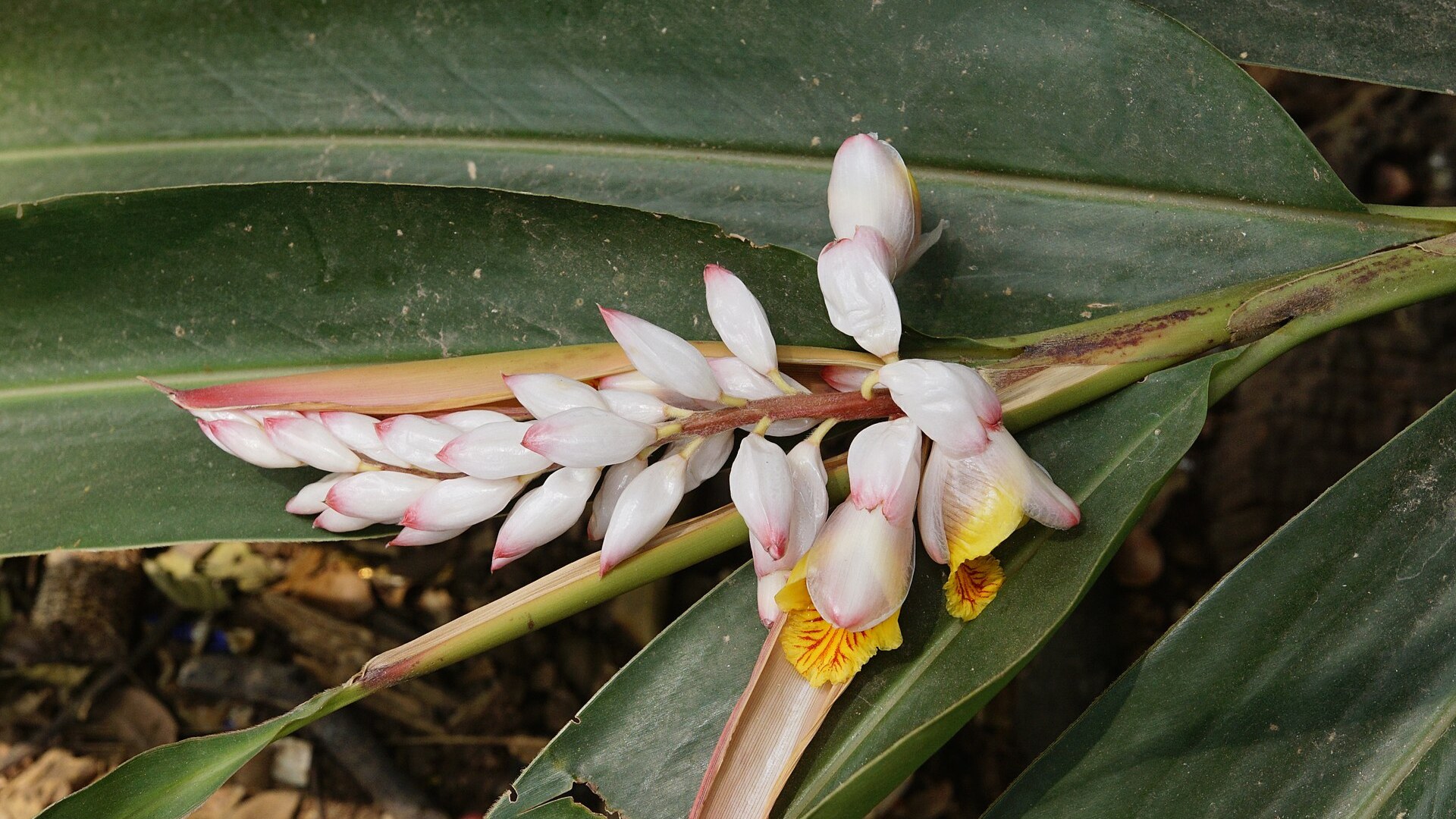
©Wikimedia / Vengolis
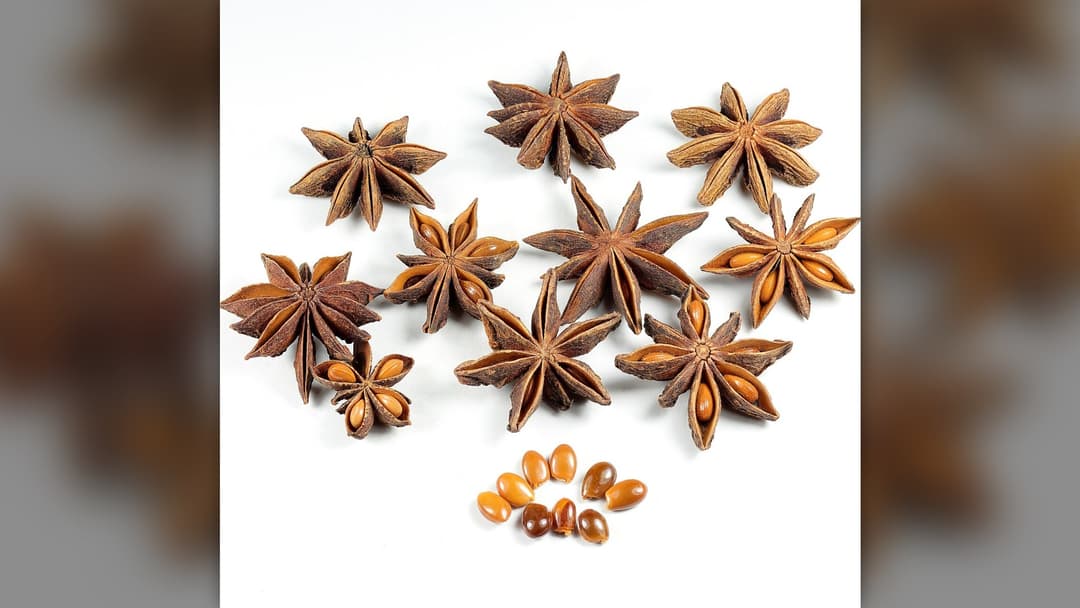
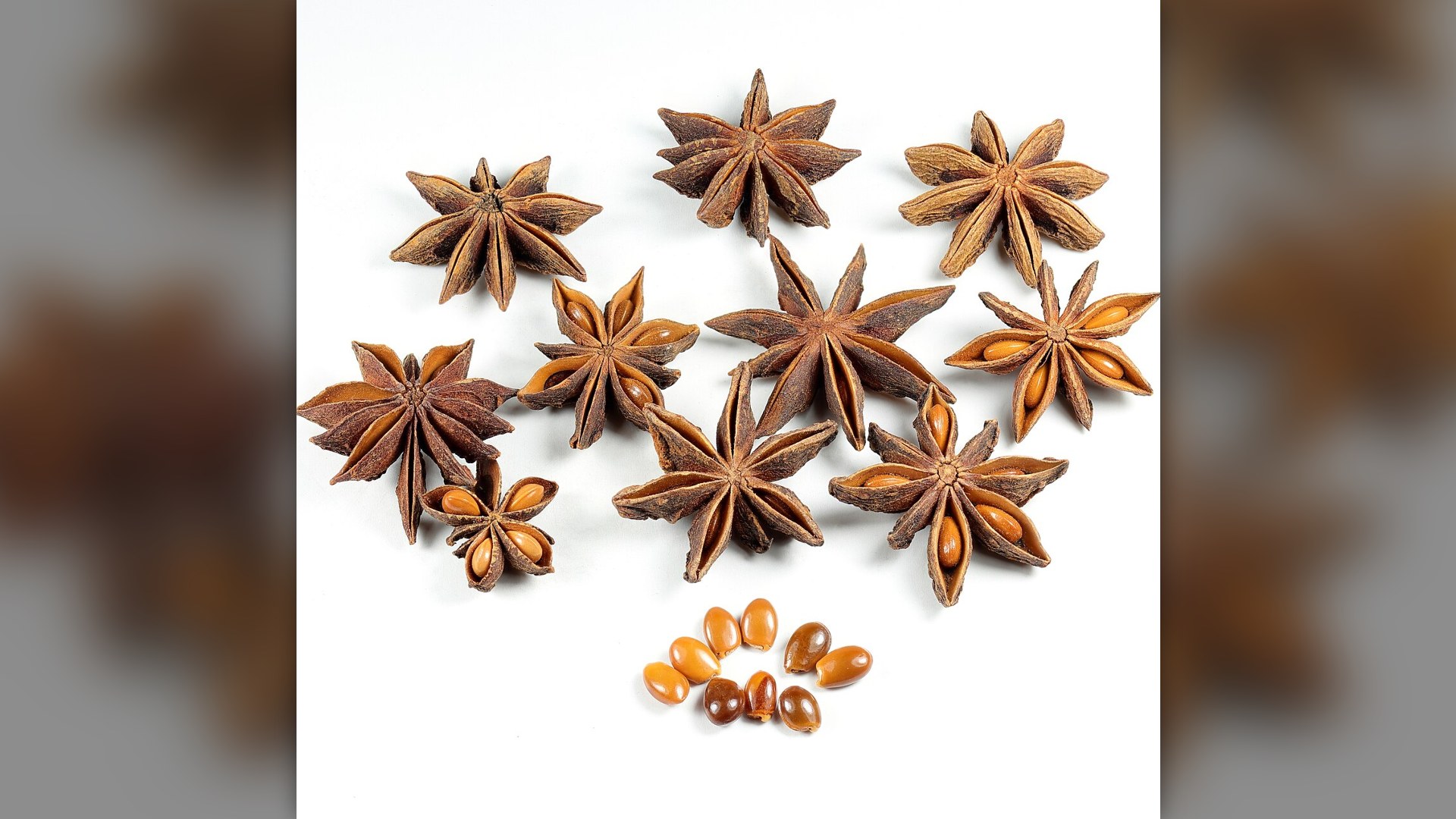
5. Star Anise
Harvested from the evergreen Illicium verum tree native to northeast Vietnam and southwest China, star anise reached western markets through perilous overland and coastal trade. Ancient apothecaries paid steep premiums for the eight-pointed pods to flavor medicinal teas and sacred temple incense.
©Wikimedia / Sanjay Acharya
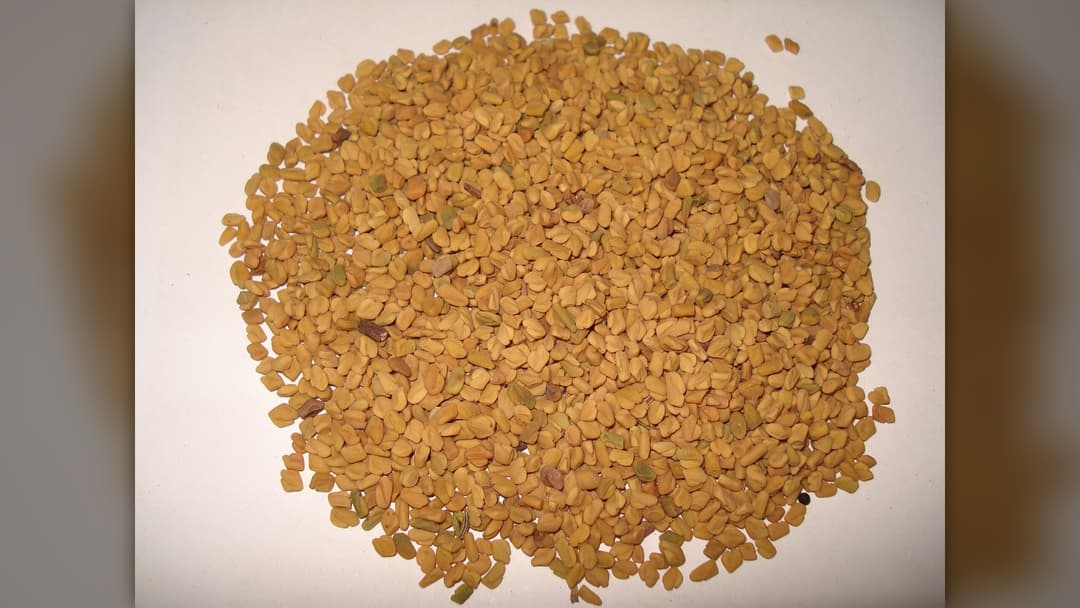
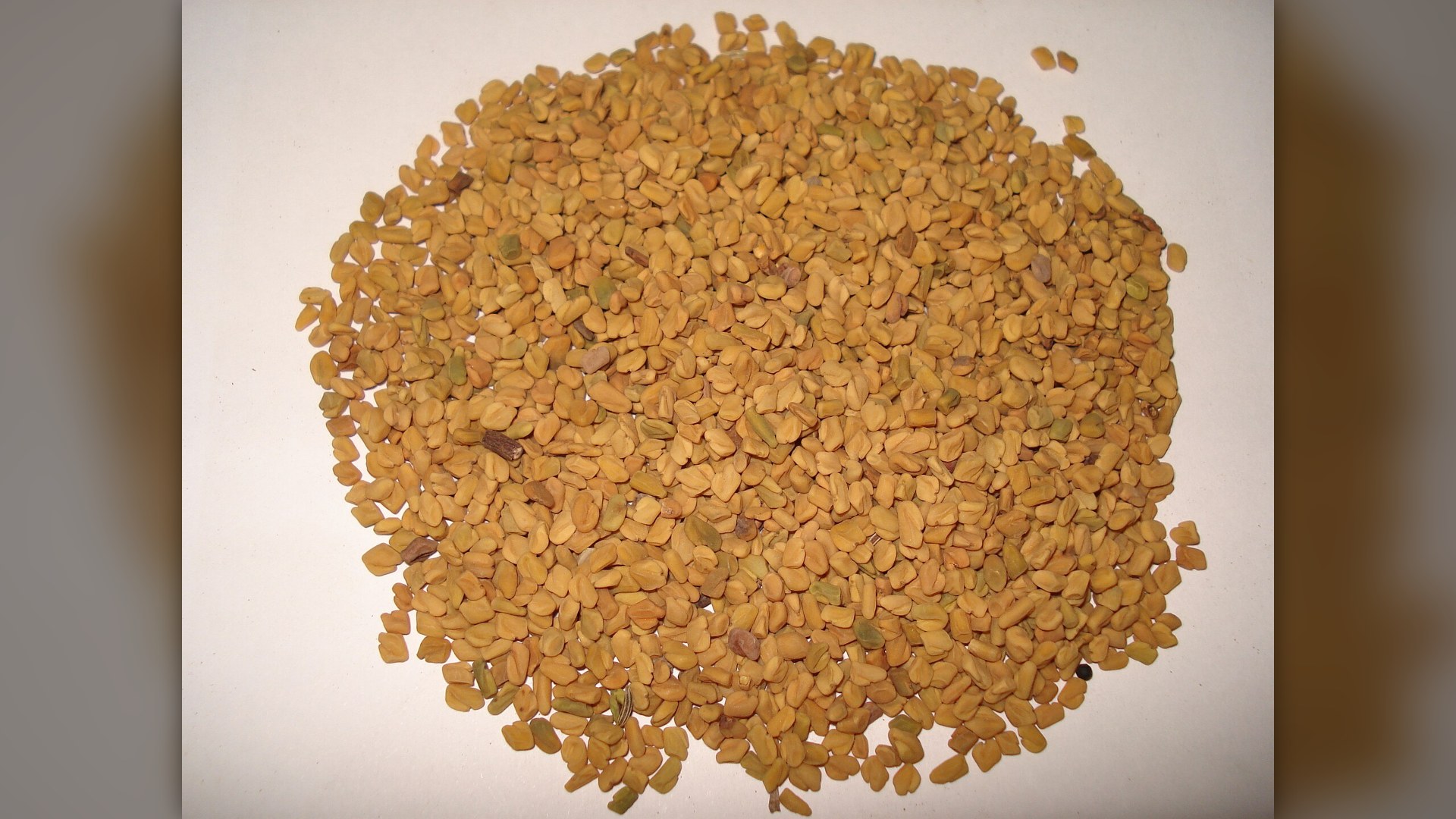
4. Fenugreek
Known to ancient Egyptian physicians as ox horn, fenugreek was a costly botanical prized for royal embalming rituals and fever remedies. During Roman times, Greek merchants sold dried fenugreek seeds across the eastern Mediterranean as a high-priced cattle fattening tonic and aromatic digestive medicine.
©Wikimedia / Miansari66
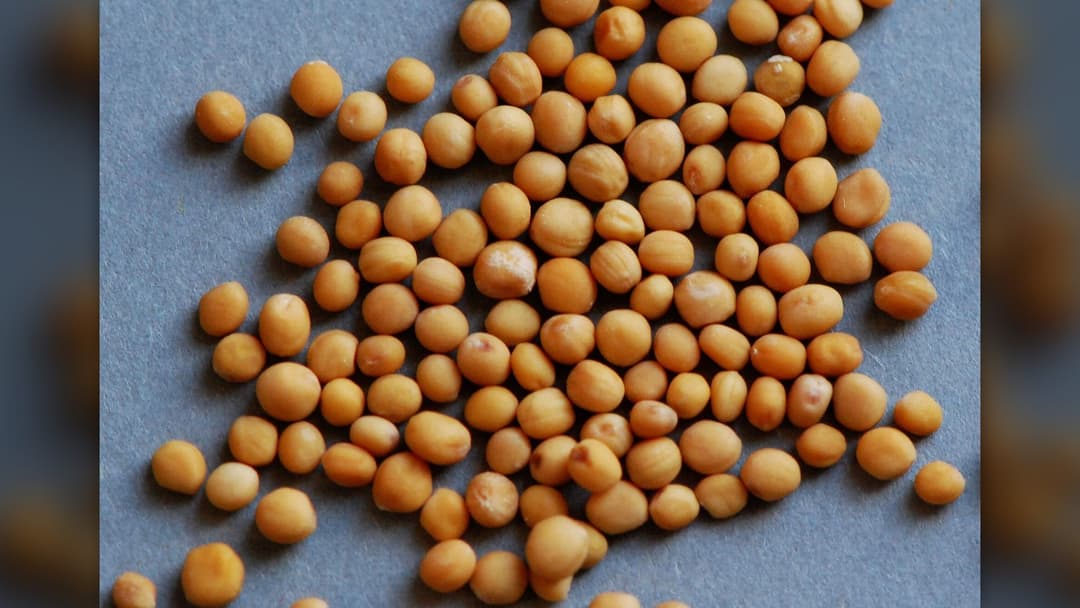
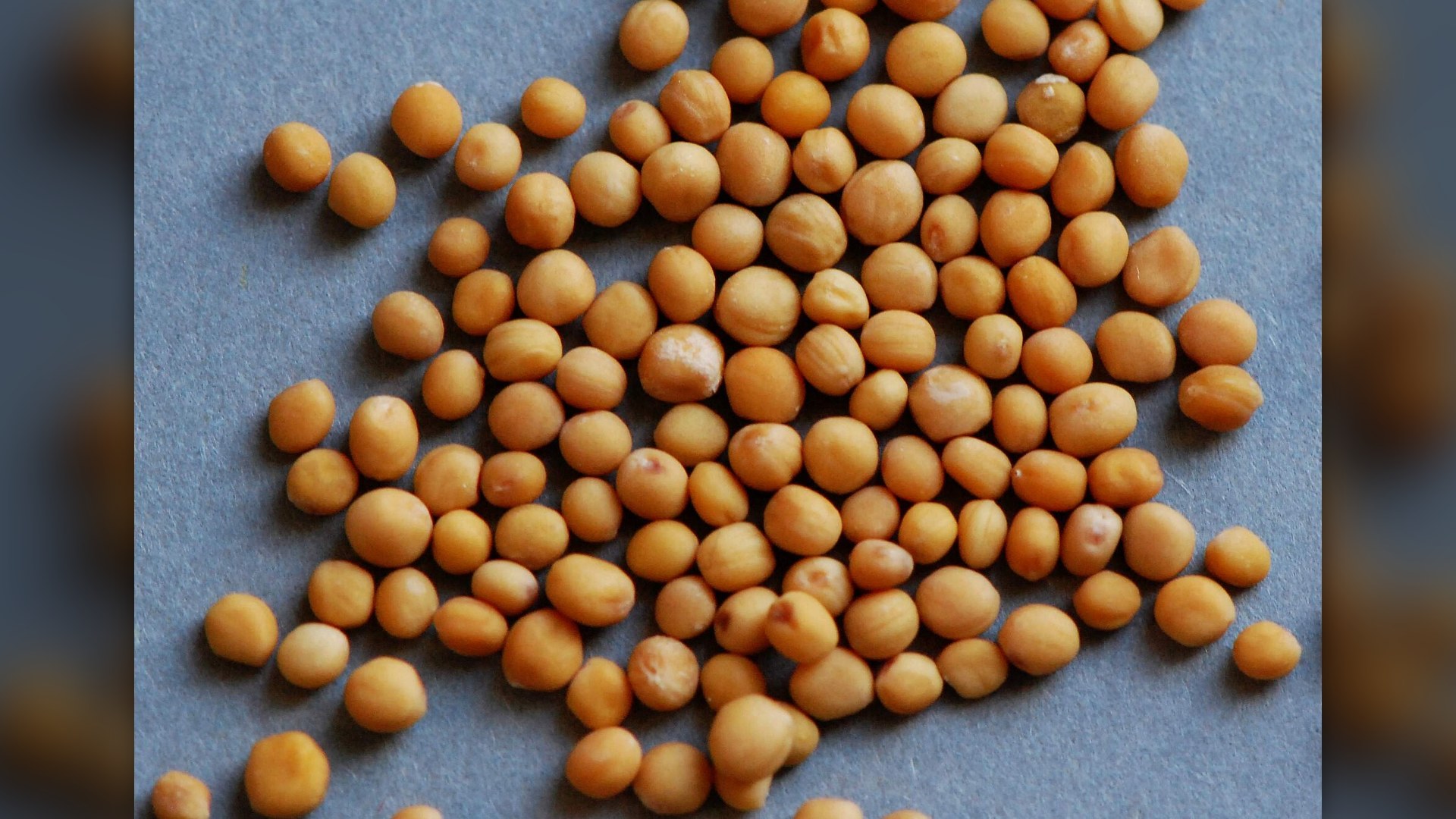
3. Mustard Seed
The Romans created the world's first prepared table mustards by grinding dried mustard seeds with unfermented grape must and vinegar. Roman legions carried the high-value seeds across Europe, establishing guarded mustard plots in northern Gaul to supply imperial garrison officers with fresh seasoning.
©Wikimedia / Pancrat
Advertisement
Swipe or tap ▶ to resume the countdown.
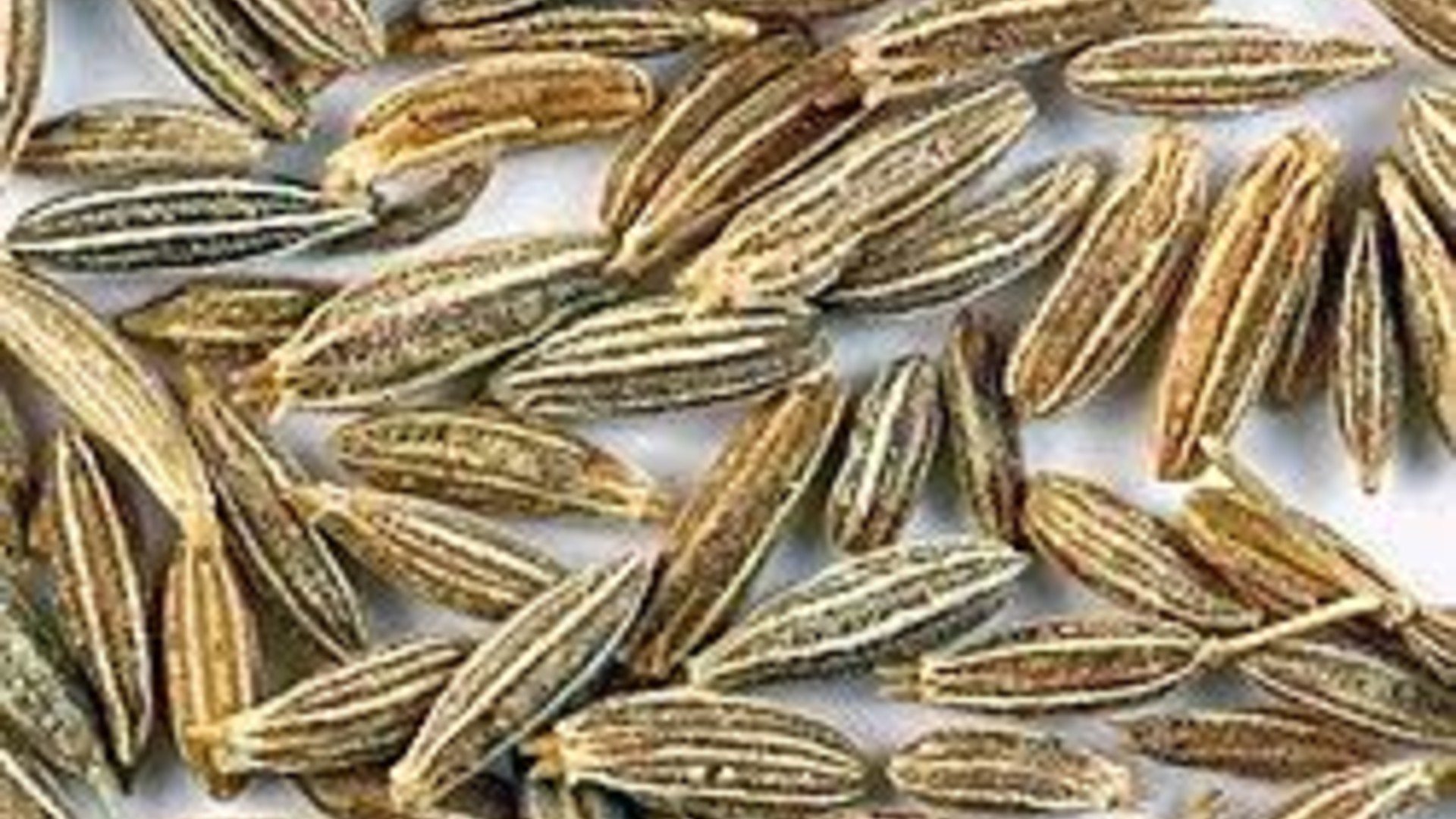
2. Cumin
Cumin was an essential luxury of ancient Mediterranean dining. Its value ran so high that Roman and Greek households stored their whole seeds in locked wooden chests. The Roman emperor Antoninus Pius earned the nickname Cumin Splitter because his strict fiscal policies mirrored tightfisted spice merchants.
©Wikimedia / Franz Eugen Köhler
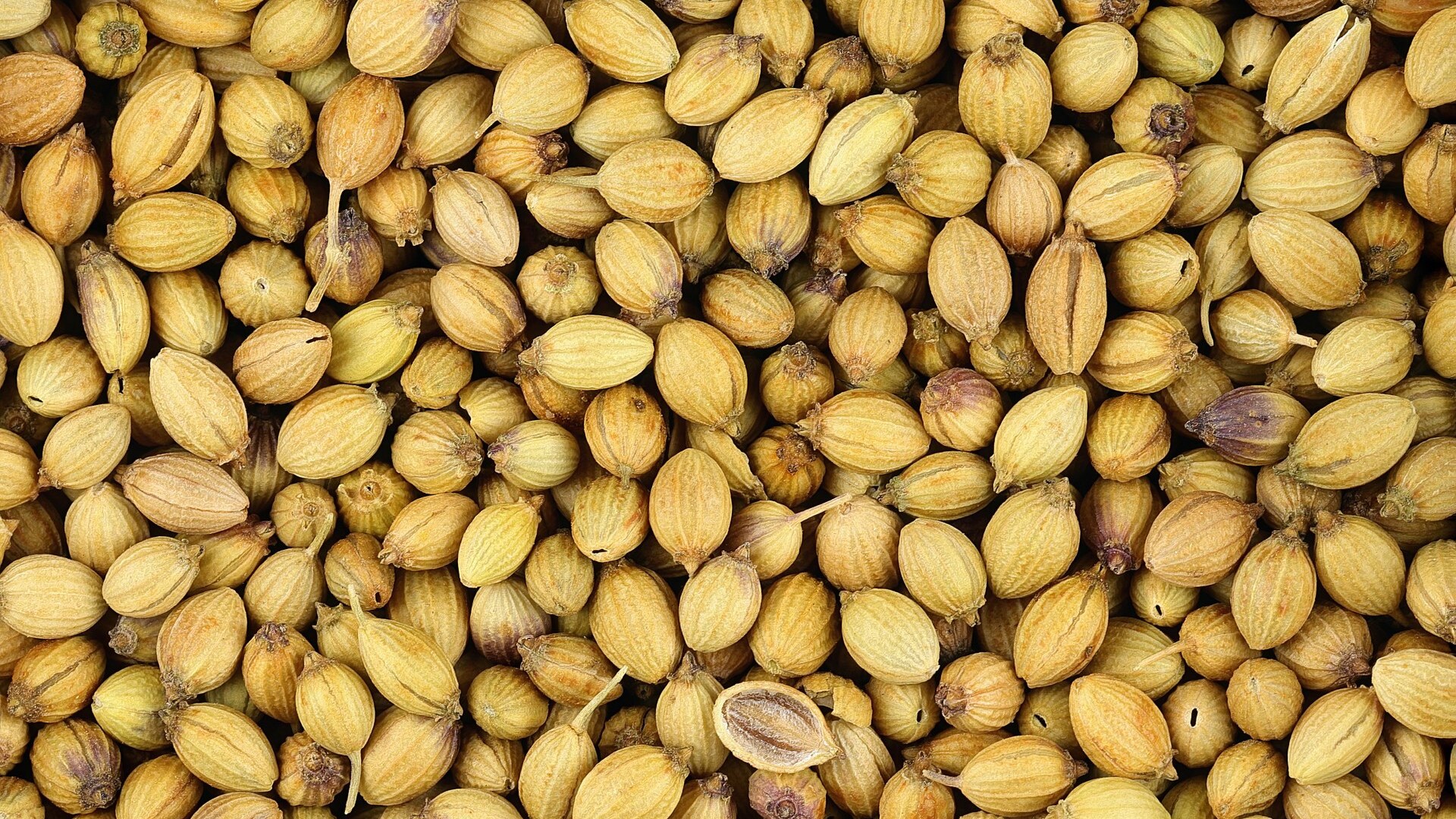
1. Coriander Seed
Ancient Egyptians revered coriander seeds as a sacred digestive spice and restorative tonic. Archeologists recovered half a peck of dried coriander seeds inside the royal burial chamber of Pharaoh Tutankhamun, where the seeds were placed alongside gold ornaments to sustain the king in the afterlife.
©Wikimedia / Sanjay Acharya
Advertisement
You've reached the end of the story. Thanks for reading!

20 Cities Most at Risk From Rising Sea Levels
20 Coastal Megacities Racing Against Rising Seas and Sinking Land
All 25 Entries in this Story
25. Saffron
Consistently more valuable than pure gold by weight across three thousand years, saffron consists of the delicate crimson stigmas of Crocus sativus. Because each crocus produces only three stigmas that must be hand-harvested at dawn, one pound of saffron commands thousands of dollars in global markets today.

24. Silphium
Ancient Cyrene in modern Libya grew rich exporting silphium, a wild fennel prized as seasoning, medicine, and perfume. Julius Caesar kept fifteen hundred pounds of dried silphium in the Roman treasury alongside gold bullion. Overharvesting caused the plant to go extinct by the first century AD.

23. Vanilla Orchid
The cured seed pods of Vanilla planifolia were an imperial tribute item in the Aztec Empire, mixed with sacred cacao for Emperor Montezuma. For three centuries after the Spanish conquest, Mexico maintained a global monopoly on vanilla because the orchid was pollinated solely by native Melipona bees.

22. Cloves
Cloves originated on just five tiny volcanic islands in the Maluku archipelago. Because the tree buds had to be hand-picked before flowering, a single sack brought back to Europe netted thousand-percent profit margins, funding global naval expeditions and founding early modern corporate monopolies.

21. Nutmeg
During the seventeenth century, nutmeg grew exclusively on the tiny Banda Islands in eastern Indonesia. Believed to cure the bubonic plague, nutmeg was so extraordinarily valuable that the Dutch East India Company traded its North American territory of New Amsterdam, modern Manhattan, to Britain to secure the islands.

20. Mace
When fresh nutmeg fruit splits open, it reveals a dark seed encased in a bright scarlet web of aril known as mace. Because each nutmeg produces only a fraction of an ounce of mace, seventeenth-century Dutch auctions priced dried mace significantly higher per pound than whole nutmegs.

19. Myrrh
Extracted from thorny Commiphora trees in the Horn of Africa and southern Arabia, myrrh was ancient history's most expensive aromatic gum. Valued above gold by weight, kings presented myrrh as royal tribute, while physicians used its resin to dress battlefield wounds and embalm royalty.

18. Frankincense
The milky resin harvested from Boswellia trees in southern Oman funded entire kingdoms along the Incense Route. Roman temples and palaces consumed thousands of tons of frankincense each year. At its historical peak, elite frankincense crystals traded ounce for ounce with refined gold and silver.

17. True Ceylon Cinnamon
Native only to the island of Sri Lanka, true Ceylon cinnamon was so valuable that Portuguese, Dutch, and British naval fleets fought three successive wars to control its harvest. In ancient Rome, Emperor Nero burned an entire year's imperial supply of cinnamon at the funeral of his wife Poppaea.

16. Cassia Bark
Cinnamomum cassia was transported across ancient overland tracks from southern China long before Europeans located its botanical origin. Ancient Egyptian embalmers used crushed cassia bark to pack the abdominal cavities of mummies, preserving royal bodies with its potent antimicrobial cinnamaldehyde oils.

15. Asafoetida
Harvested from wild giant fennels in the deserts of Persia and Central Asia, dried asafoetida resin was called laser Parthicum by Roman merchants. Roman elites paid silver coin by the ounce to scrape microscopic pinches of this intense sulfurous gum into their sauces and roasted meats.

14. Cardamom
Cardamom pods grown in the moist rainforests of southwestern India ranked among the most expensive commodities in the ancient spice trade. Greco-Roman perfumers and physicians bought whole green pods by weight in Alexandria, valuing their fragrant cineole oils for royal ointments and digestives.

13. Cubeb Pepper
Native to Java and Sumatra, cubeb pepper was an elite medieval aromatic prized for seasoning game meats and making scented soaps. When King Philip II of Spain and Portugal realized cubeb competed directly with his black pepper trade in 1640, he banned cubeb imports to keep pepper profits high.

12. Black Pepper
Black pepper was medieval Europe's black gold. In 408 AD, Visigoth king Alaric demanded three thousand pounds of black pepper alongside gold and silver to lift his deadly siege of Rome. Landowners frequently wrote tenancy contracts requiring annual rent payments in peppercorns instead of minted coins.

11. Ginger
During the fourteenth century, ginger was one of the most celebrated culinary commodities in Western Europe. Originating in Southeast Asia and transported across the Indian Ocean by Arab mariners, a single pound of dried ginger root routinely fetched the price of a healthy mature sheep in London markets.

10. Grains Of Paradise
Harvested along the coast of West Africa, grains of paradise commanded astronomical prices in fourteenth-century Europe. King Charles V of France and the Duke of Burgundy consumed pounds of these glossy seeds at royal feasts, dubbing them grains of paradise to emphasize their supposed heavenly origin.

9. Long Pepper
Long pepper was the undisputed favorite piper of classical antiquity. Pliny the Elder recorded in his Natural History that long pepper sold for fifteen denarii per pound in Rome, while ordinary black pepper cost just four denarii. Its sweeter, lingering heat made it Rome's ultimate luxury table spice.

8. Black Cumin
Nigella sativa seeds, historically known as black cumin or pharaoh's seed, commanded immense prices across the ancient Near East. Archeologists discovered alabaster jars filled with black cumin oil inside Tutankhamun's tomb, confirming its status as an elite treasure reserved for pharaohs.

7. Allspice
Pimenta dioica berries captured European attention during the seventeenth century because their complex aroma combined cinnamon, nutmeg, and cloves in a single seed. The English navy and London merchant guilds aggressively traded Jamaican allspice across Europe as an expensive culinary status symbol.

6. Galangal
Known as blue ginger, dried galangal rhizomes traveled along the maritime Silk Road into medieval European castle kitchens. Royal chefs featured galangal in pungent cameline sauces and spiced hypocras wine, making the sharp root an unmistakable culinary signal of extreme household wealth.

5. Star Anise
Harvested from the evergreen Illicium verum tree native to northeast Vietnam and southwest China, star anise reached western markets through perilous overland and coastal trade. Ancient apothecaries paid steep premiums for the eight-pointed pods to flavor medicinal teas and sacred temple incense.

4. Fenugreek
Known to ancient Egyptian physicians as ox horn, fenugreek was a costly botanical prized for royal embalming rituals and fever remedies. During Roman times, Greek merchants sold dried fenugreek seeds across the eastern Mediterranean as a high-priced cattle fattening tonic and aromatic digestive medicine.

3. Mustard Seed
The Romans created the world's first prepared table mustards by grinding dried mustard seeds with unfermented grape must and vinegar. Roman legions carried the high-value seeds across Europe, establishing guarded mustard plots in northern Gaul to supply imperial garrison officers with fresh seasoning.

2. Cumin
Cumin was an essential luxury of ancient Mediterranean dining. Its value ran so high that Roman and Greek households stored their whole seeds in locked wooden chests. The Roman emperor Antoninus Pius earned the nickname Cumin Splitter because his strict fiscal policies mirrored tightfisted spice merchants.

1. Coriander Seed
Ancient Egyptians revered coriander seeds as a sacred digestive spice and restorative tonic. Archeologists recovered half a peck of dried coriander seeds inside the royal burial chamber of Pharaoh Tutankhamun, where the seeds were placed alongside gold ornaments to sustain the king in the afterlife.