Slideshow · Science
20 Cities Most at Risk From Rising Sea Levels
20 Coastal Megacities Racing Against Rising Seas and Sinking Land
By Most Viral Today
41 min ago

20 Coastal Megacities Racing Against Rising Seas and Sinking Land 
20. Savannah, United States 
19. London, United Kingdom 
18. Osaka, Japan - AdvertisementSwipe or tap ▶ to continue countdown

17. Amsterdam, Netherlands 
16. Kolkata, India 
15. Guangzhou, China 
14. New York City, United States - AdvertisementSwipe or tap ▶ to continue countdown

13. Mumbai, India 
12. Lagos, Nigeria 
11. Manila, Philippines 
10. Rotterdam, Netherlands - AdvertisementSwipe or tap ▶ to continue countdown

9. Alexandria, Egypt 
8. Venice, Italy 
7. New Orleans, United States 
6. Shanghai, China - AdvertisementSwipe or tap ▶ to continue countdown

5. Miami, United States 
4. Ho Chi Minh City, Vietnam 
3. Bangkok, Thailand 
2. Dhaka, Bangladesh - AdvertisementSwipe or tap ▶ to continue countdown

1. Jakarta, Indonesia - Advertisement🔥 UP NEXT IN THIS SERIES◫ 16 Slides

15 Most Powerful Hurricanes Ever Recorded
Satellite altimetry and tide gauge records from NOAA and the IPCC show global mean sea level rising faster than at any point in the past 3,000 years. Combined with rapid groundwater extraction and land subsidence, these 20 coastal cities face severe storm surges
Swipe or tap ▶ to begin the countdown
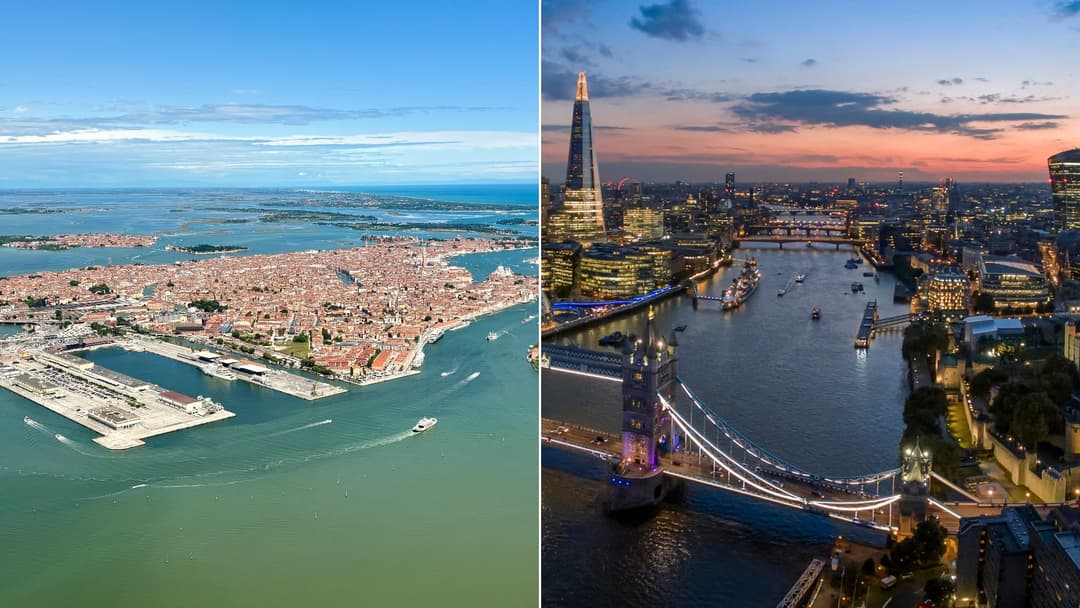
©Wikimedia / Venice & Wikimedia / London
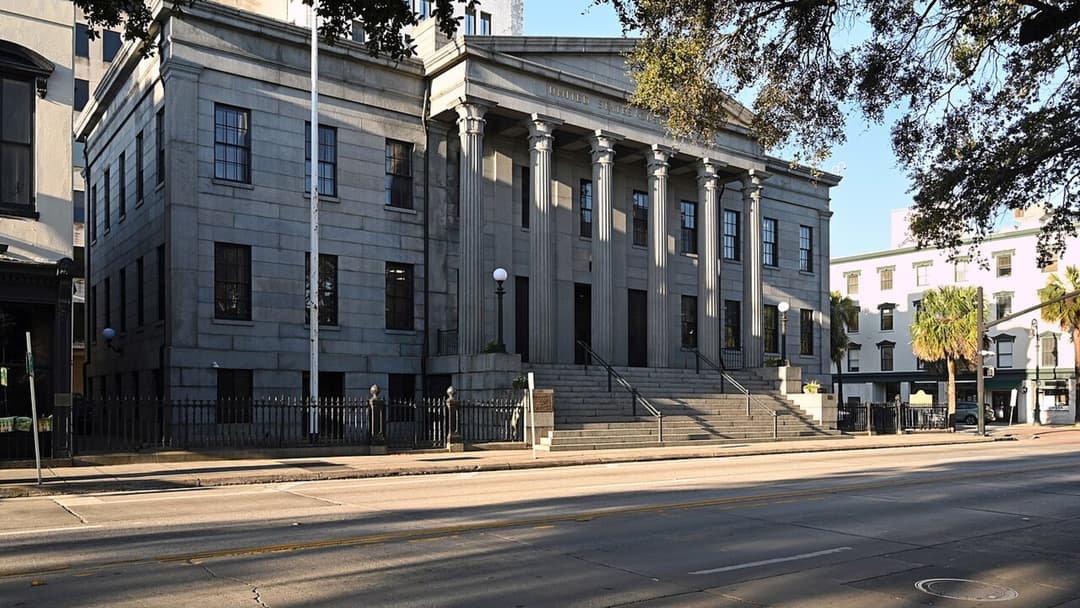
20. Savannah, United States
Built across low-lying alluvial marshes along the Savannah River, Georgia's oldest city faces increasingly frequent sunny-day tidal flooding. As of 2026, NOAA sensors at nearby Fort Pulaski track local sea levels rising at roughly 3.6 millimeters per year.
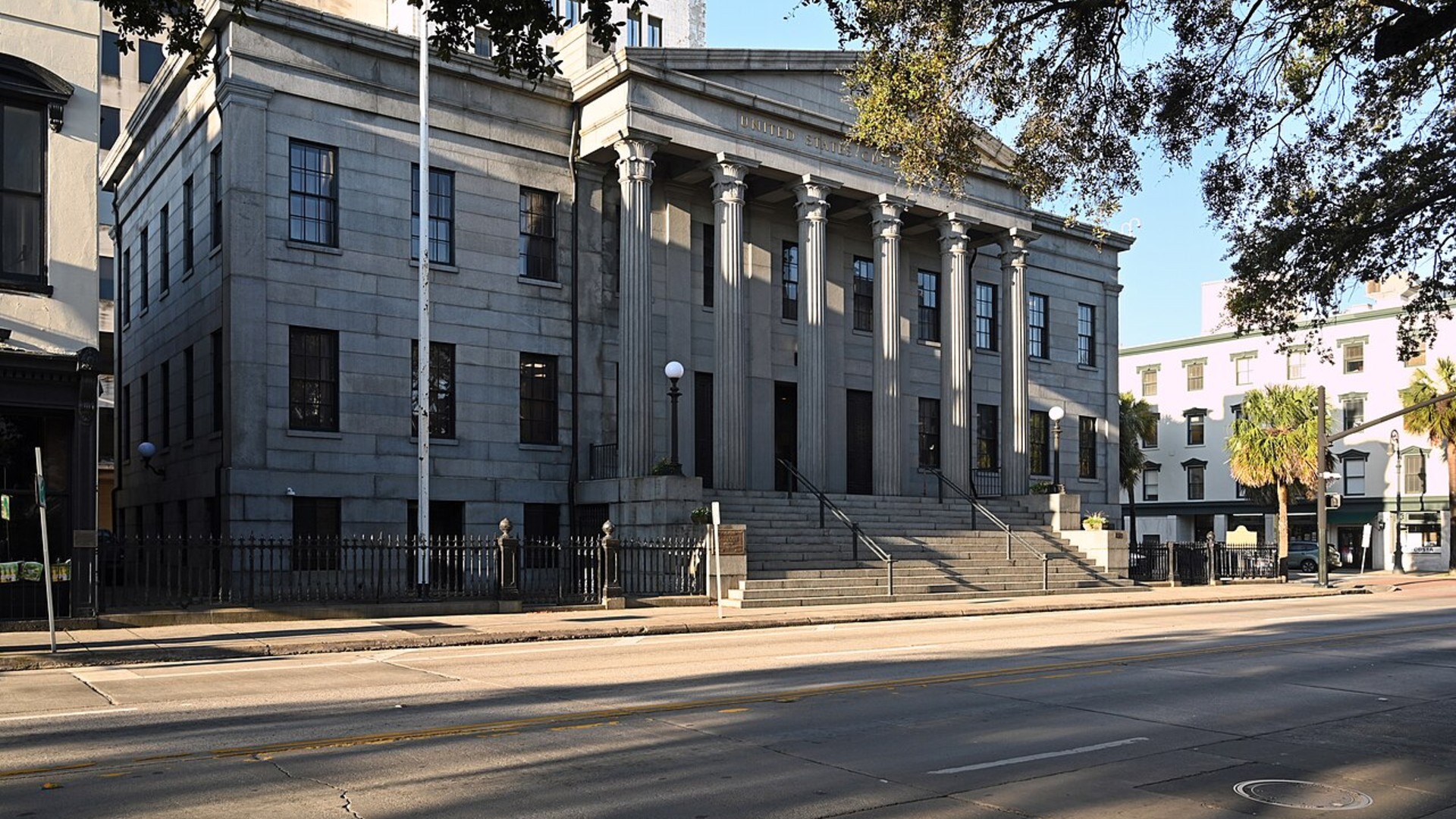
©Wikimedia / P. Hughes
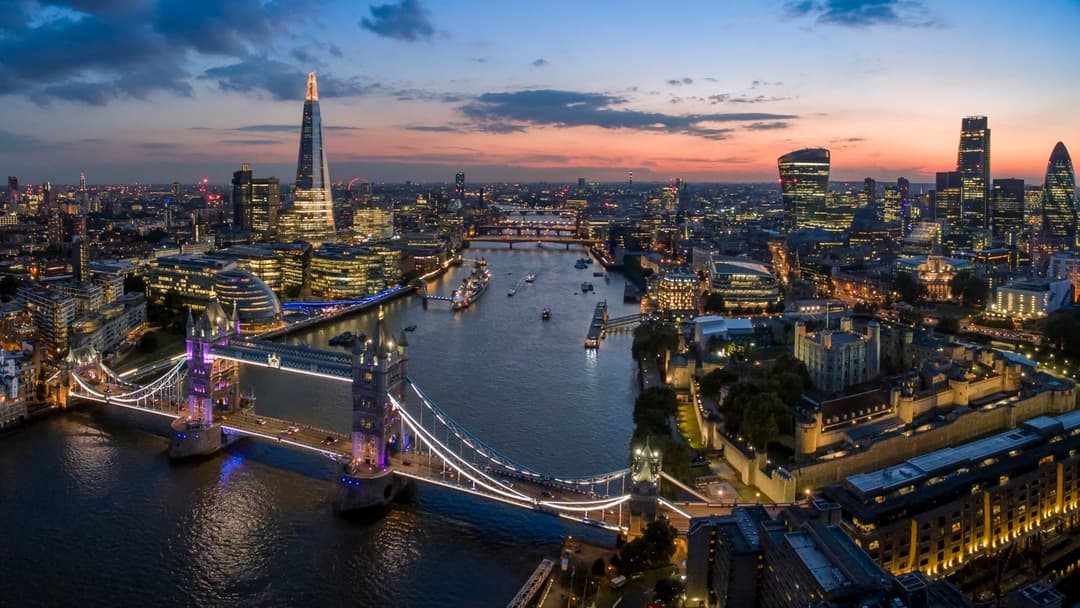
19. London, United Kingdom
Operational since 1982, the Thames Barrier has closed more than 220 times to shield 1.4 million Londoners and 320 billion pounds of property from North Sea storm surges. Glacial isostatic adjustment causes southeastern Britain to sink about 1.5 millimeters annually.
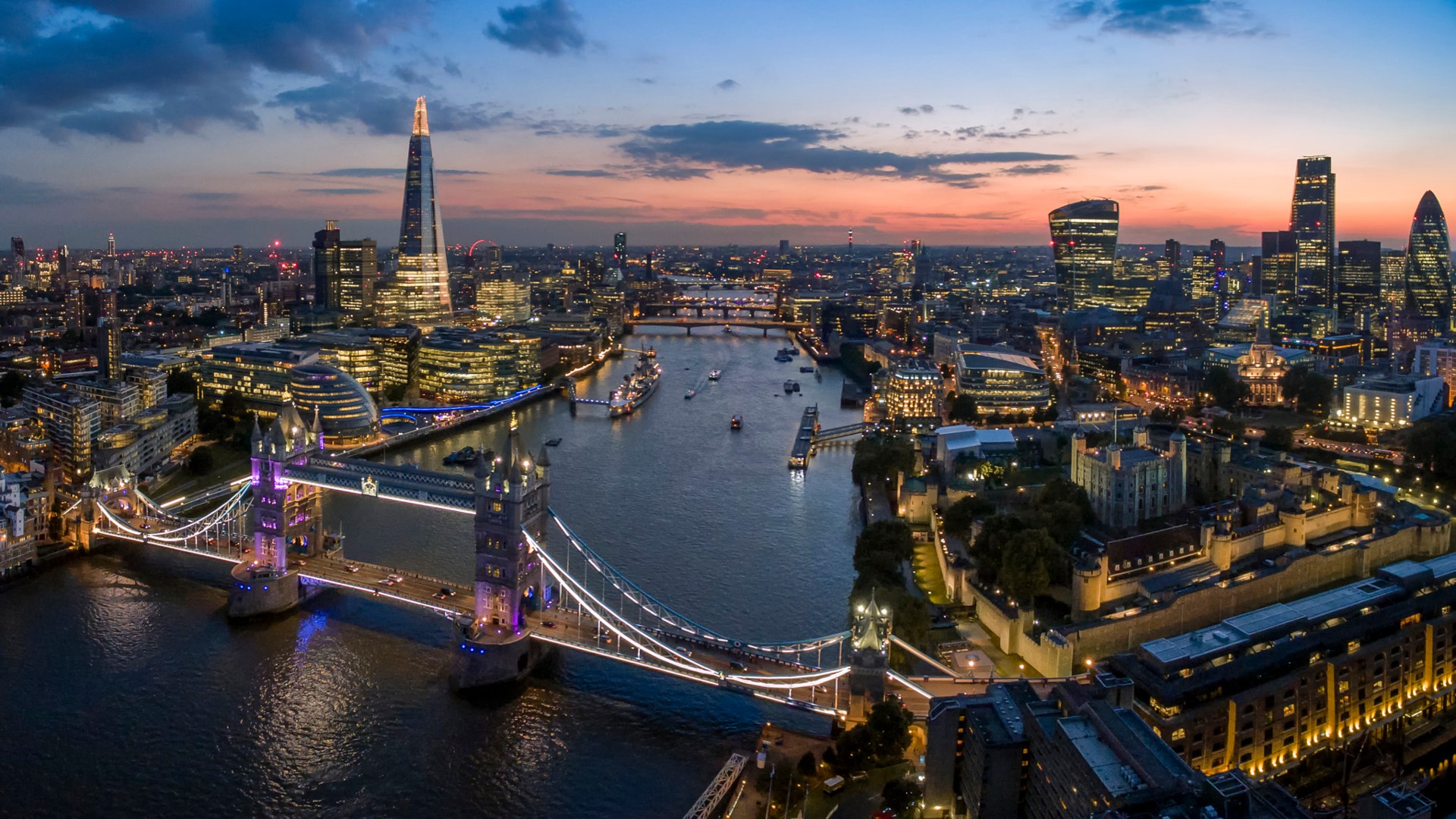
©Wikimedia / London
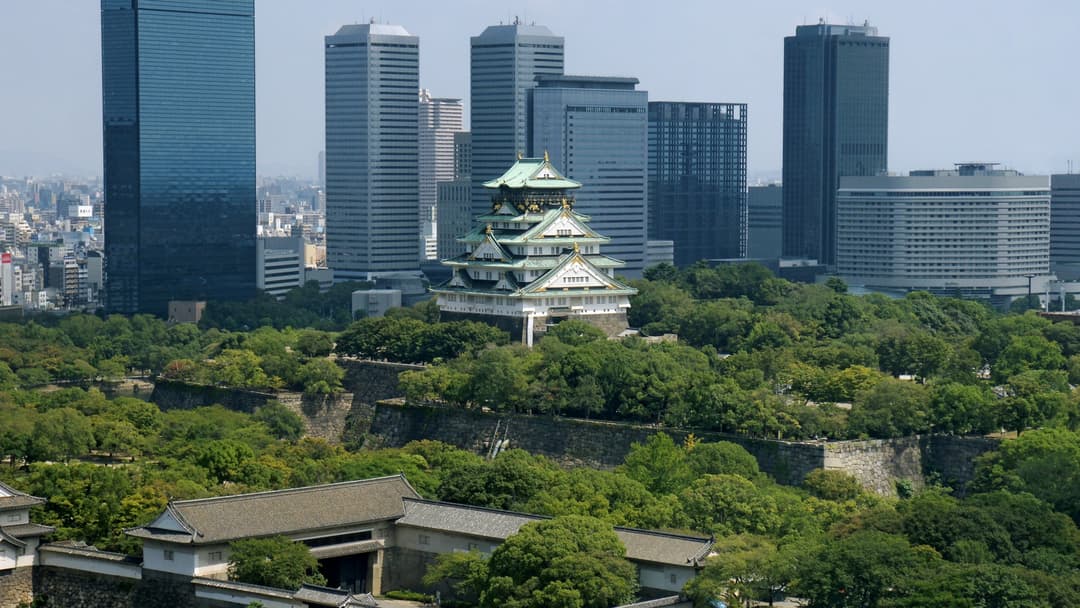
18. Osaka, Japan
Constructed over centuries of delta sedimentation and 20th-century land reclamation, western Osaka sits beneath the high-water mark of Osaka Bay. Typhoon Jebi in 2018 flooded Kansai International Airport with a 3.3-meter storm surge, leading Japan to reinforce its arched tsunami floodgates and coastal seawalls.
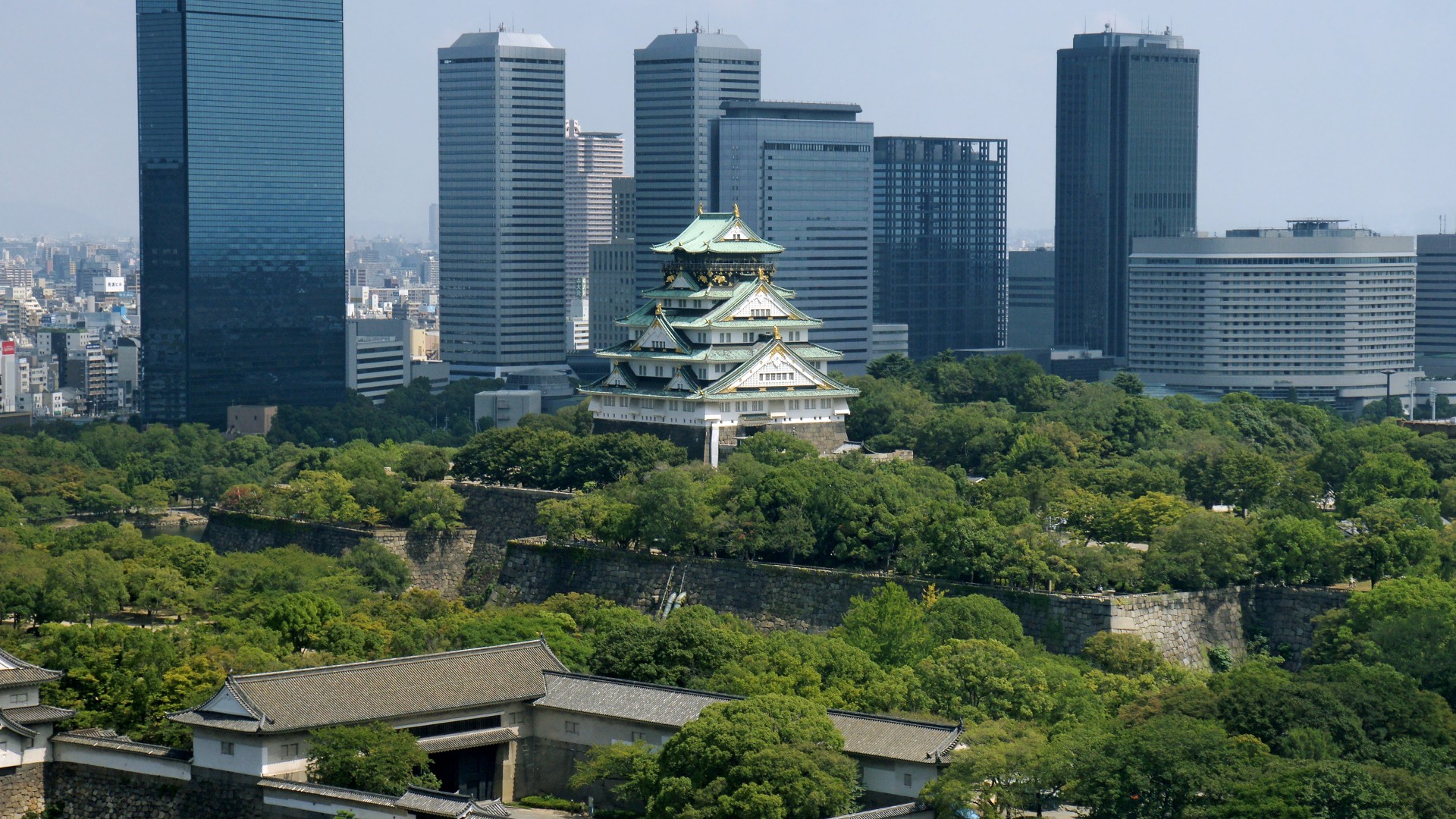
©Wikimedia / Osaka
Advertisement
Swipe or tap ▶ to resume the countdown.
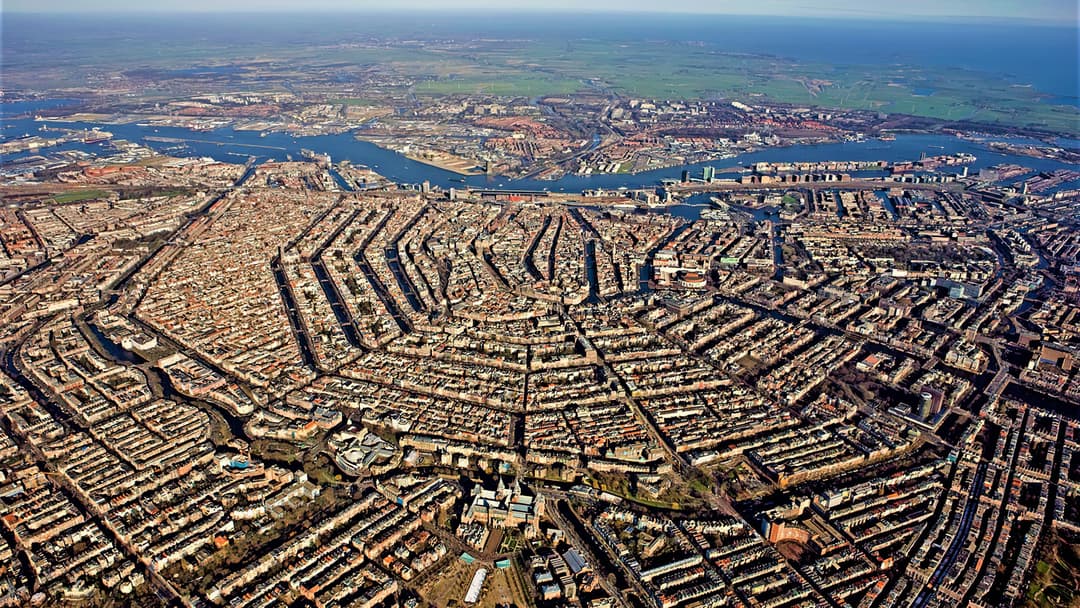
17. Amsterdam, Netherlands
Founded on drained peat bogs and polders behind the North Sea Canal, Amsterdam relies on an intricate network of sluices, pumping stations, and IJsselmeer dikes. As of 2026, the Dutch Delta Programme invests over 1.5 billion euros annually to raise flood defenses against accelerating North Sea thermal expansion.
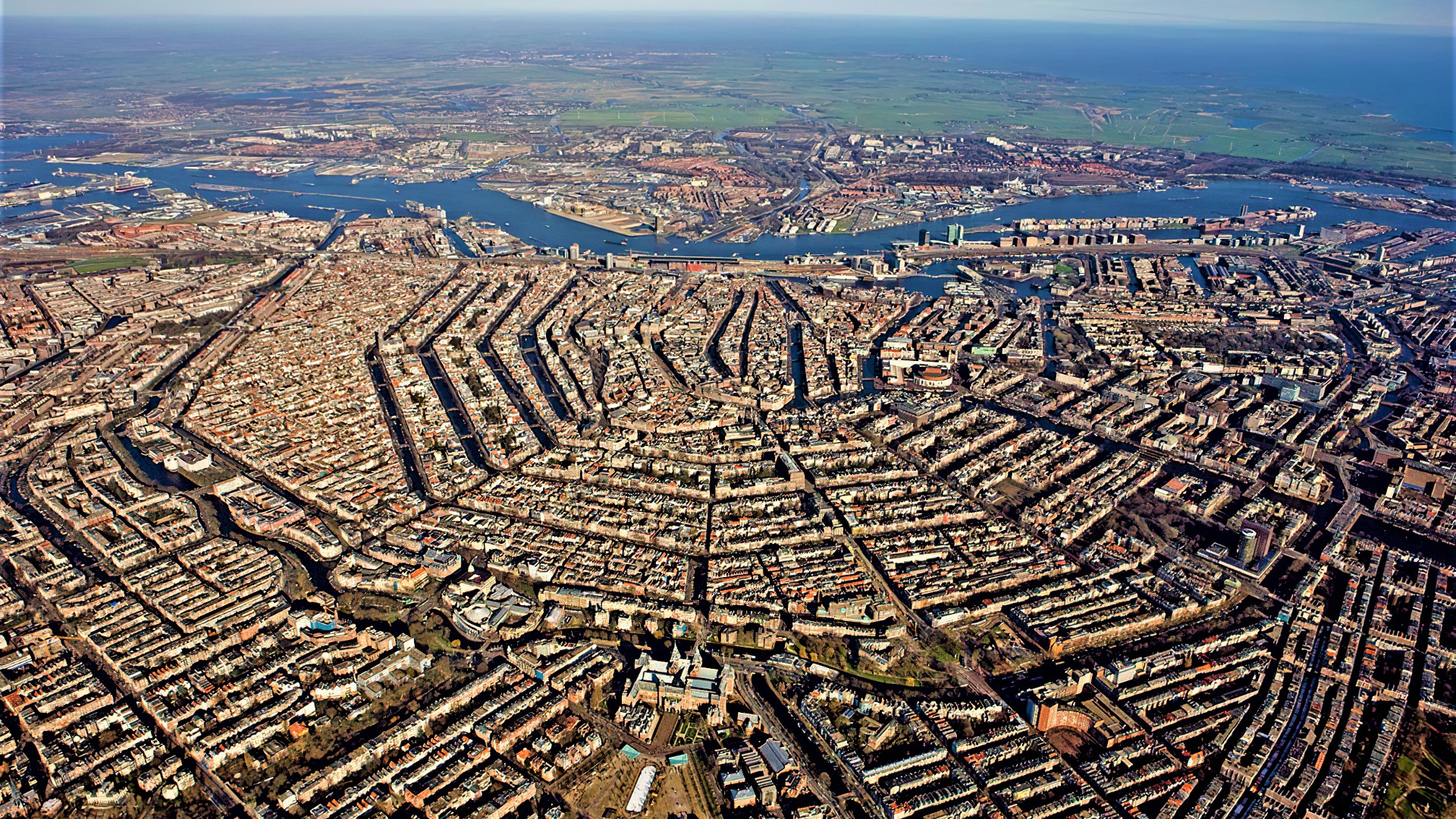
©Wikimedia / Amsterdam
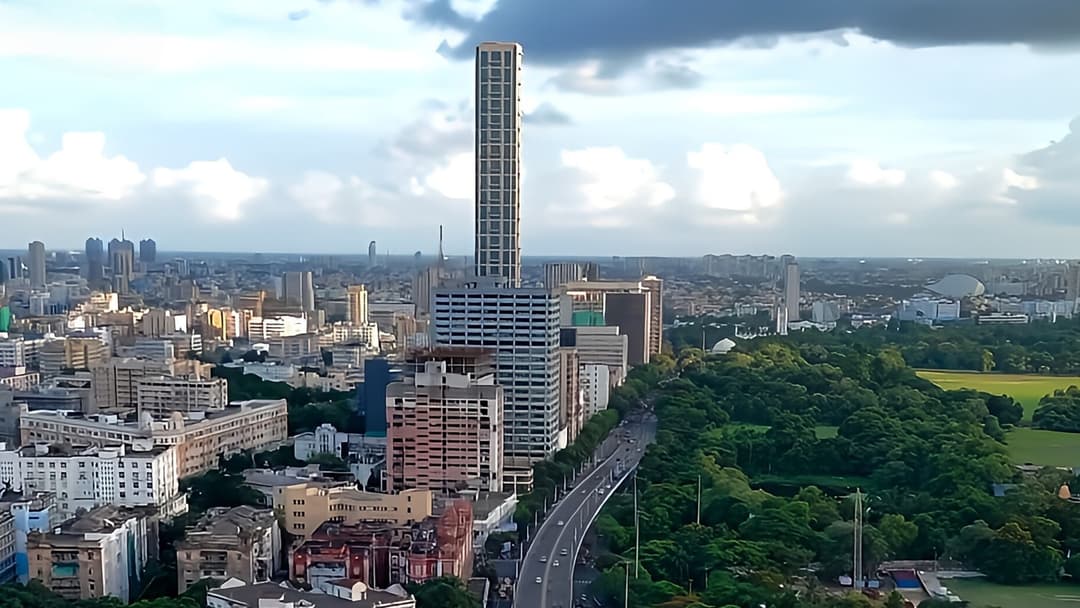
16. Kolkata, India
Located in the Ganges-Brahmaputra delta north of the Bay of Bengal, Kolkata depends on the Sundarbans mangrove forest to absorb cyclone energy. Rapid wetland loss and colonial-era drainage constraints leave low-lying wards exposed when severe storms like Cyclone Amphan and Cyclone Remal drive tidal water inland.
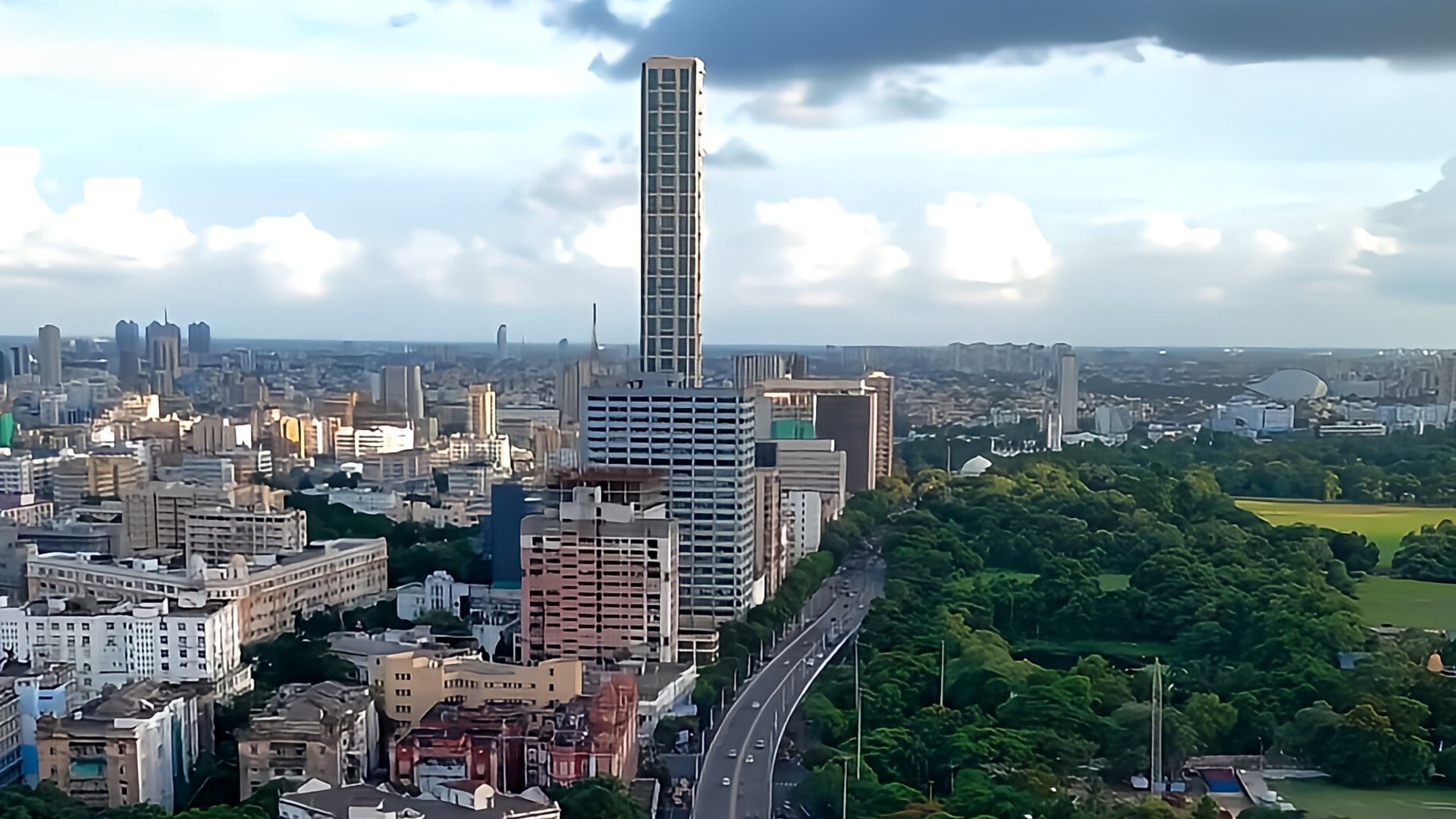
©Wikimedia / Kolkata
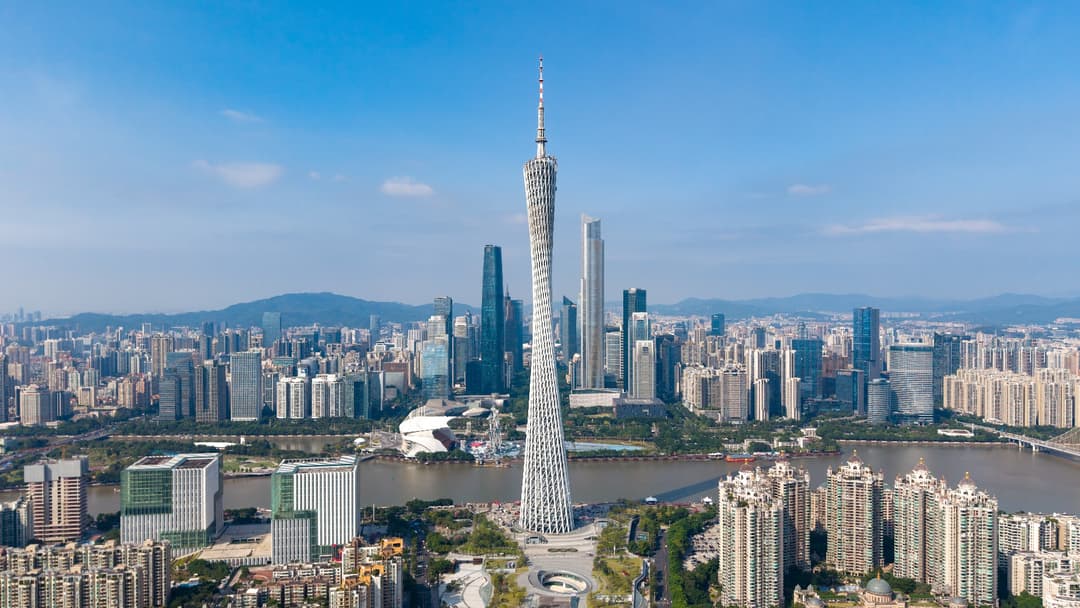
15. Guangzhou, China
Home to more than 18 million people at the apex of the Pearl River Delta, Guangzhou sits where three major rivers meet tidal estuaries from the South China Sea. Economists estimate that without expanded sponge-city retention basins and tidal gates.
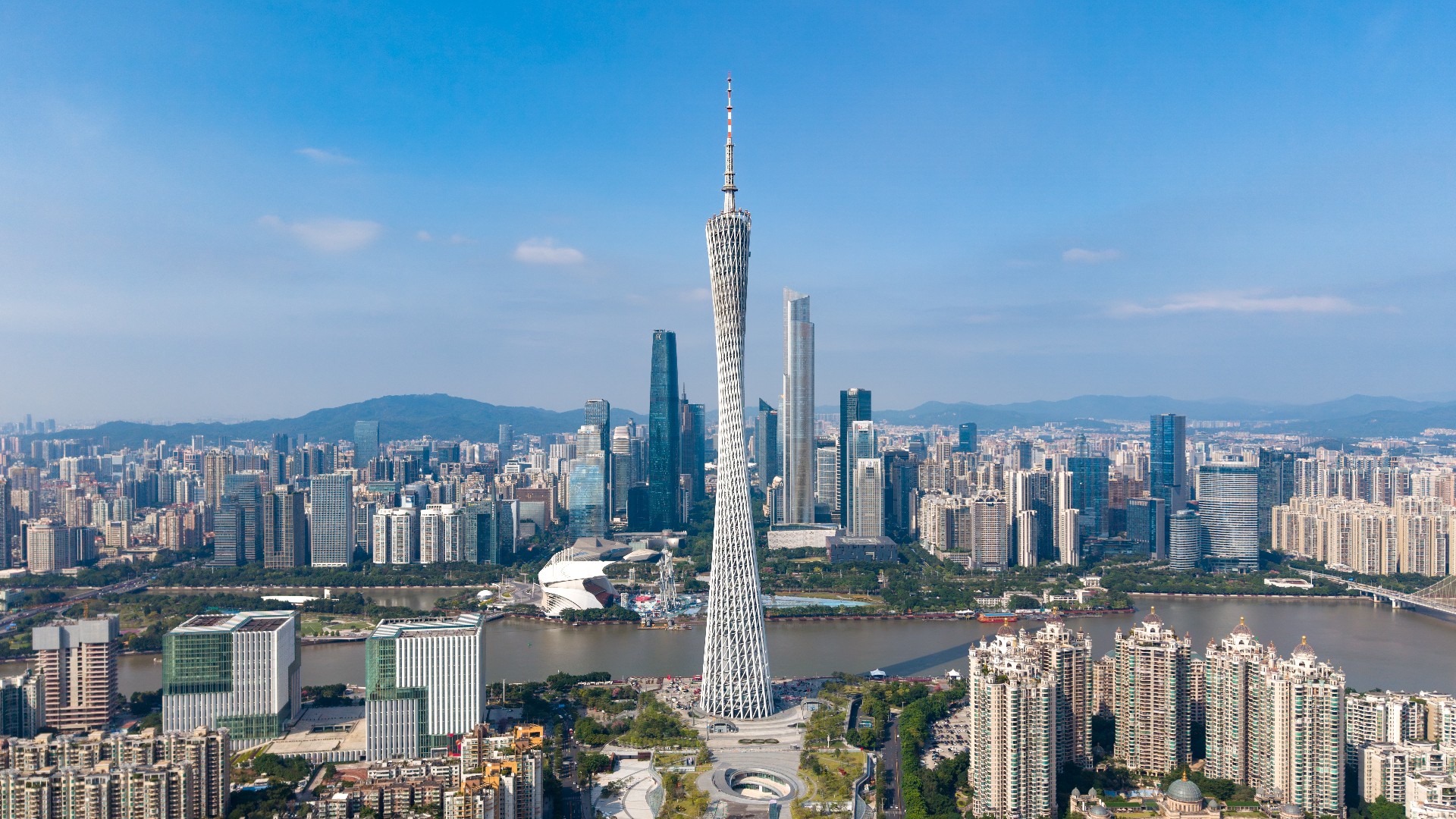
©Wikimedia / Guangzhou
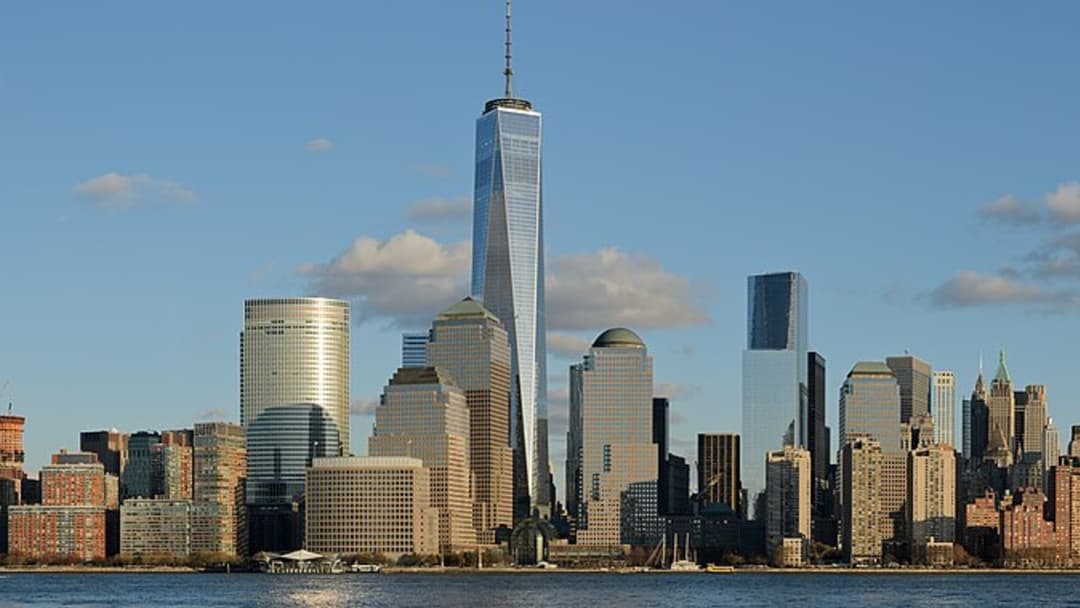
14. New York City, United States
Hurricane Sandy in 2012 pushed a 14-foot storm surge into Lower Manhattan, flooding subway tunnels and cutting power to 2 million residents. As of 2026, the city is constructing the 1.45-billion-dollar East Side Coastal Resiliency floodwall system to protect vulnerable neighborhoods from projected 2050 sea rise.
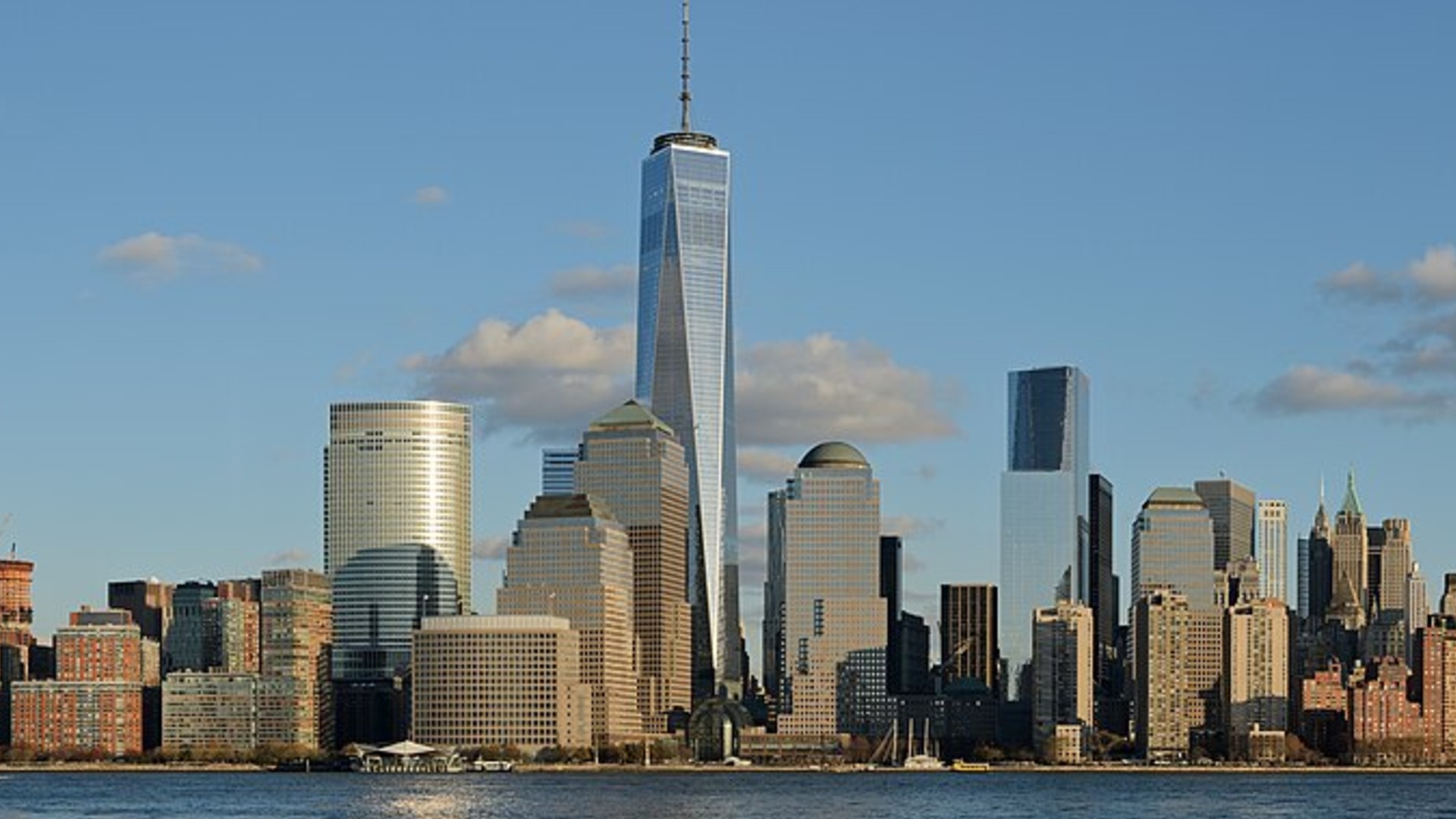
©Wikimedia / King of Hearts
Advertisement
Swipe or tap ▶ to resume the countdown.
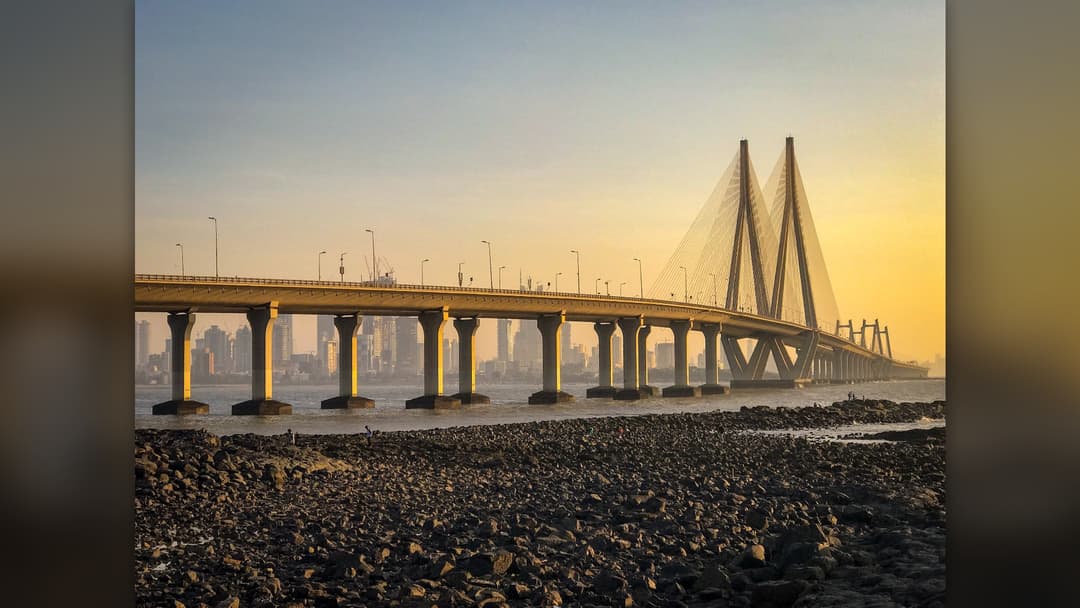
13. Mumbai, India
Eighteenth- and nineteenth-century reclamation projects joined seven separate islands into modern Mumbai, leaving vast neighborhoods barely above Arabian Sea high tide. When summer monsoon downpours coincide with 4.5-meter spring tides along Marine Drive.
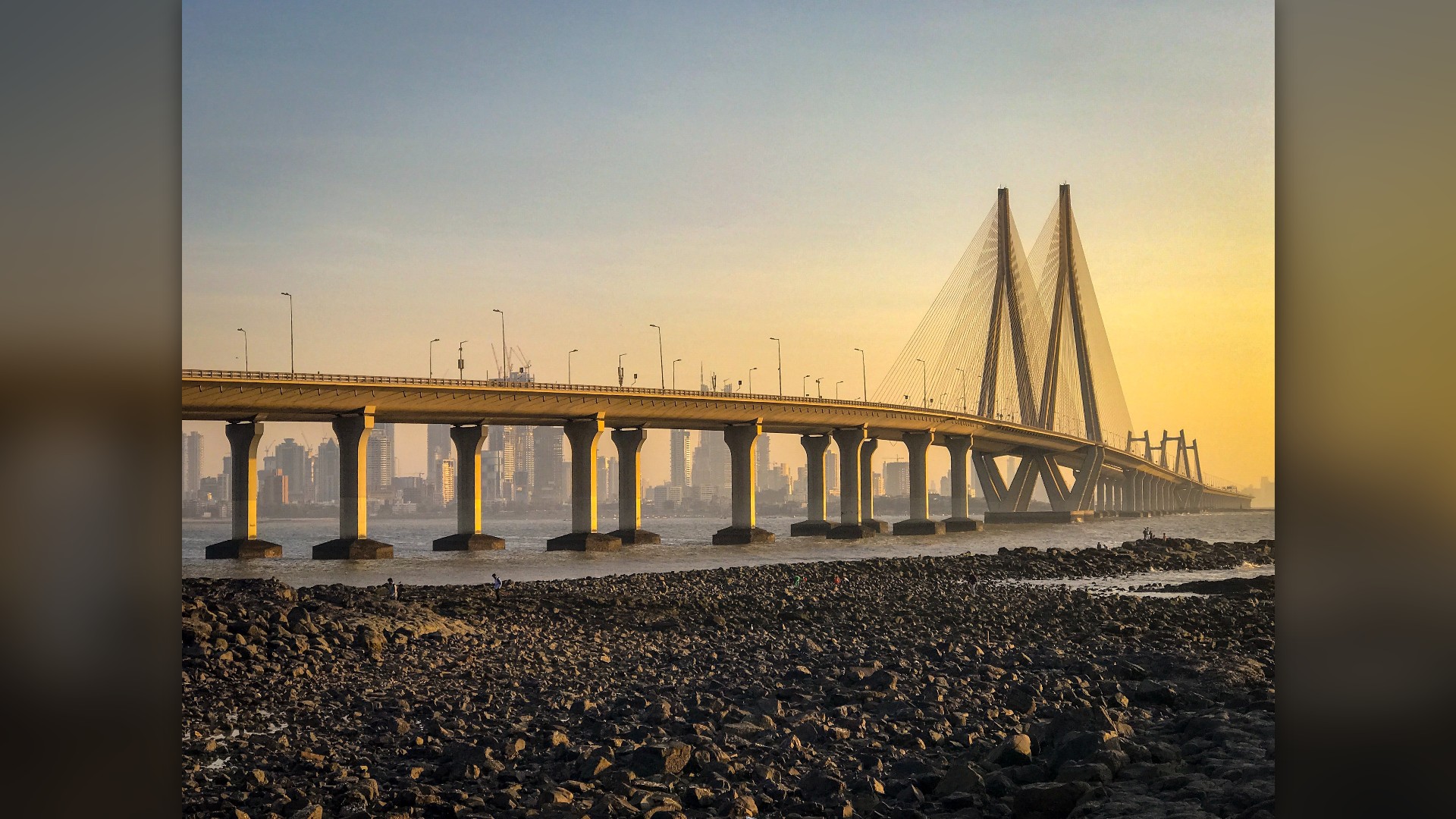
©Wikimedia / Mumbai
12. Lagos, Nigeria
More than 21 million residents live across Lagos Island, Victoria Island, and mainland settlements bordering the Atlantic Ocean and Lagos Lagoon.Engineers built the 8.5-kilometer Great Wall of Lagos revetment using 100,000 five-ton concrete accropodes to shield the Eko Atlantic district.
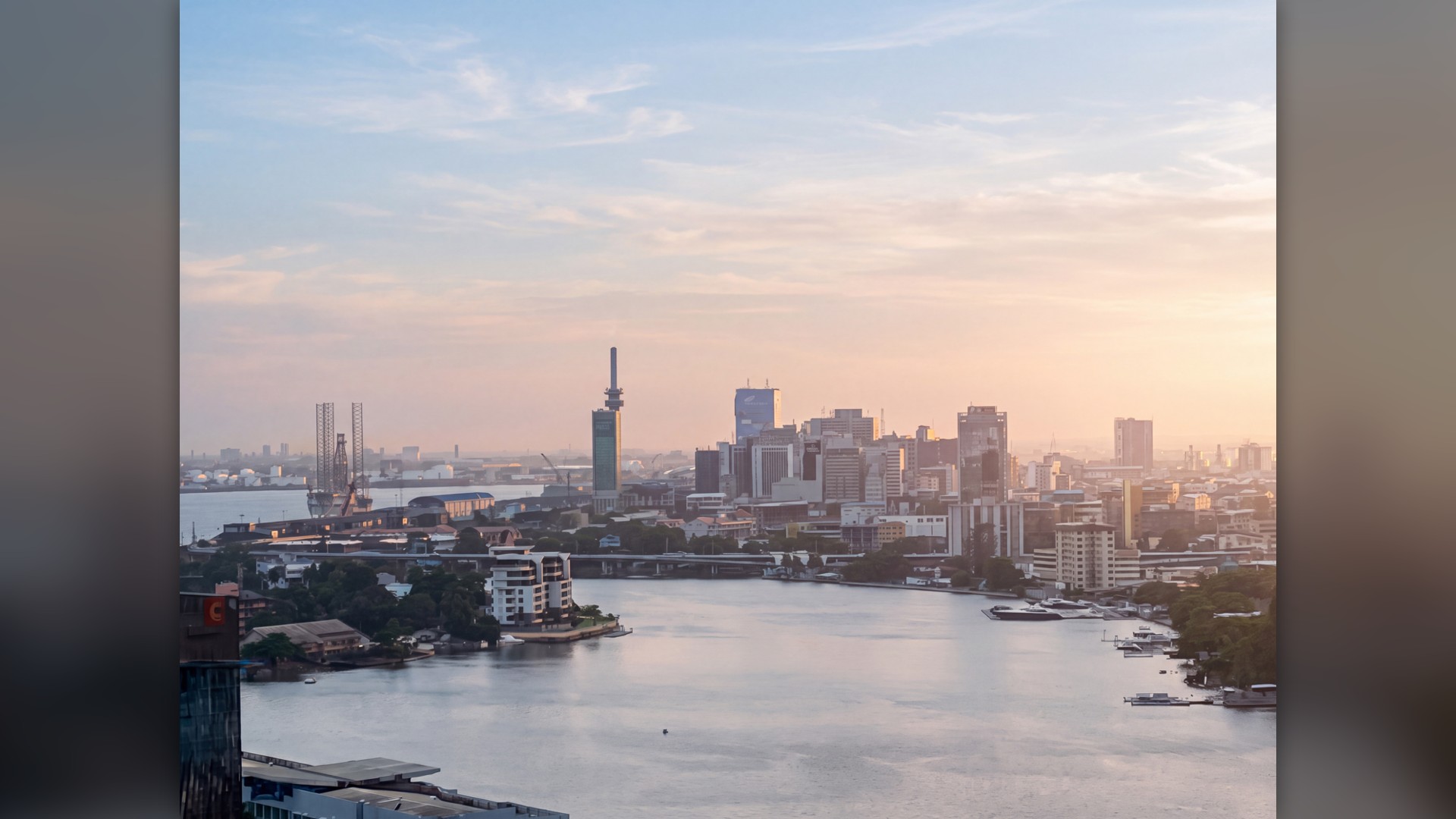
©Wikimedia / Lagos
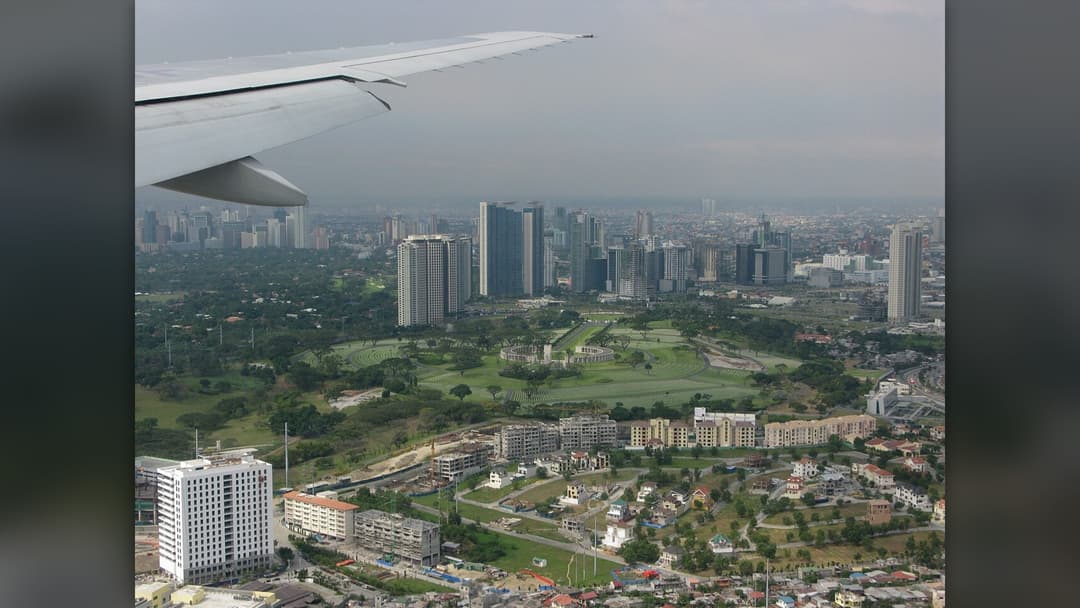
11. Manila, Philippines
Metro Manila sits on a narrow alluvial plain wedged between Manila Bay and Laguna de Bay. Satellite radar interferometry shows coastal municipalities like Navotas and Malabon subsiding nearly four times faster than global sea level rise, allowing Western Pacific typhoon surges to overtop neighborhood seawalls.
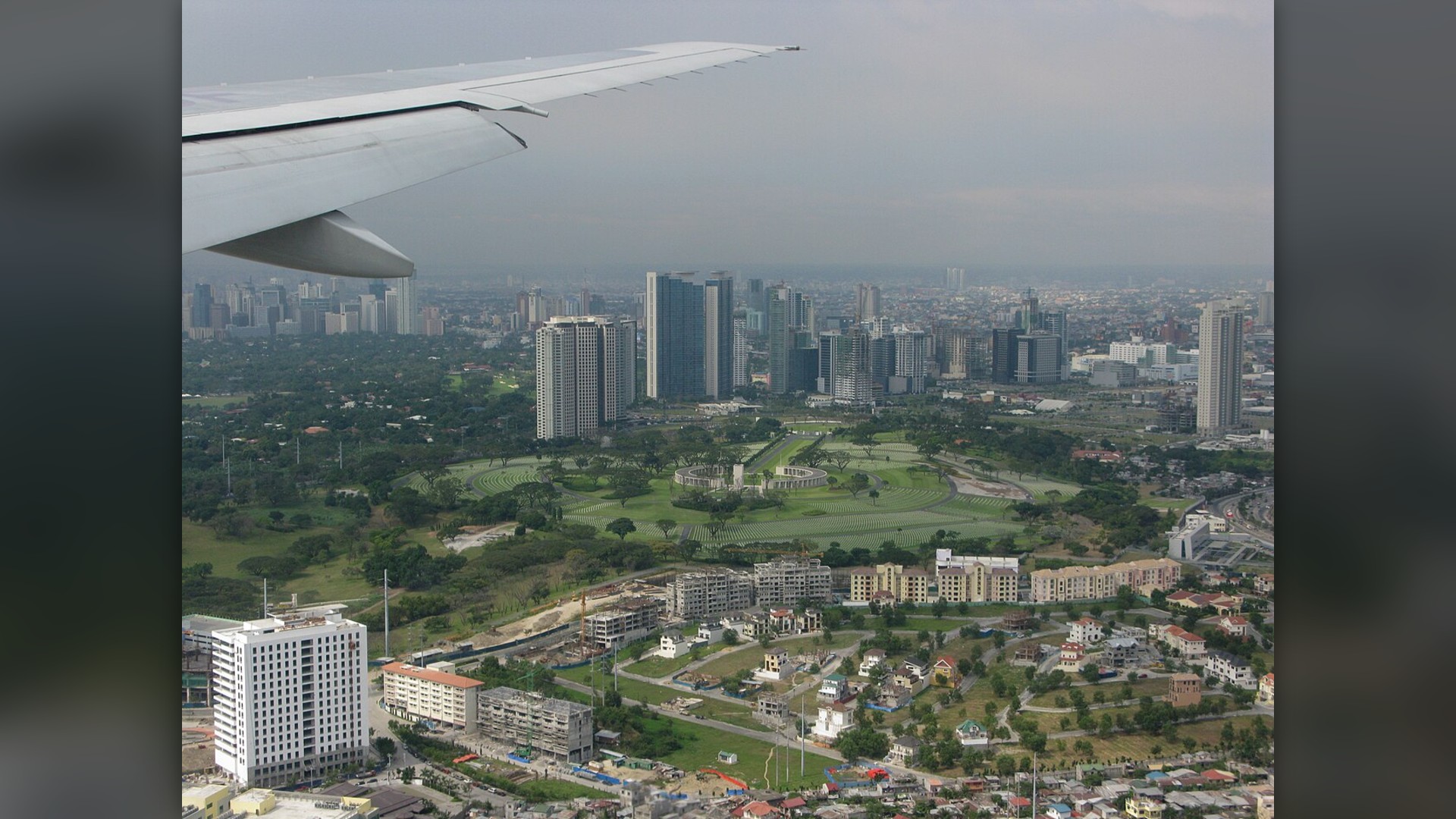
©Wikimedia / Vyacheslav Argenberg
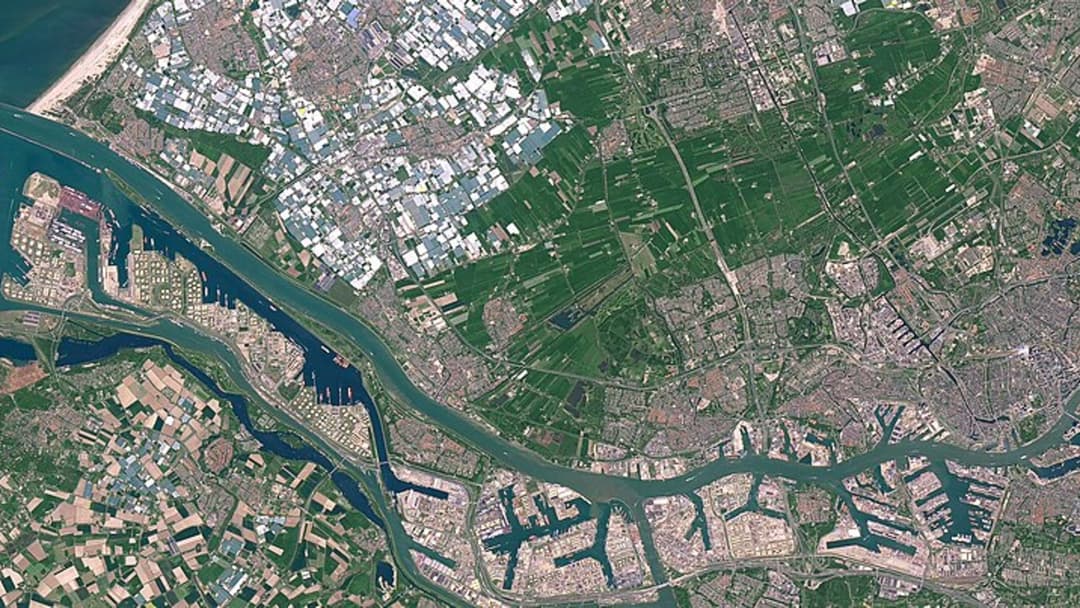
10. Rotterdam, Netherlands
After the North Sea flood of 1953, the Netherlands built the Delta Works, anchored in Rotterdam by the Maeslantkering storm surge barrier. Its two hollow steel arms, each as long as the Eiffel Tower, swing shut automatically whenever North Sea water levels threaten to rise 3 meters above normal high tide.
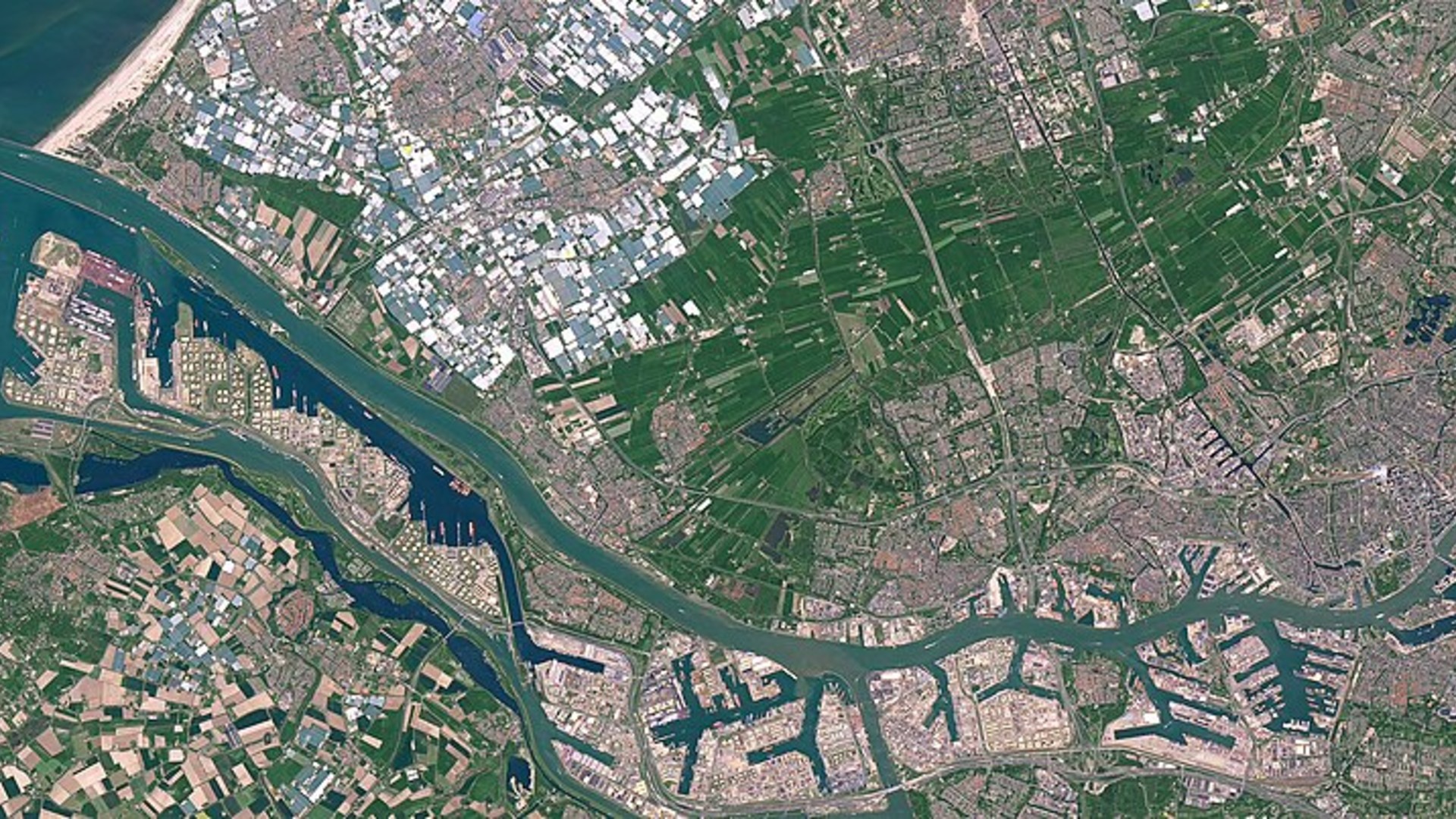
©ESA / NASA Earth Observatory images by Joshua Stevens
Advertisement
Swipe or tap ▶ to resume the countdown.
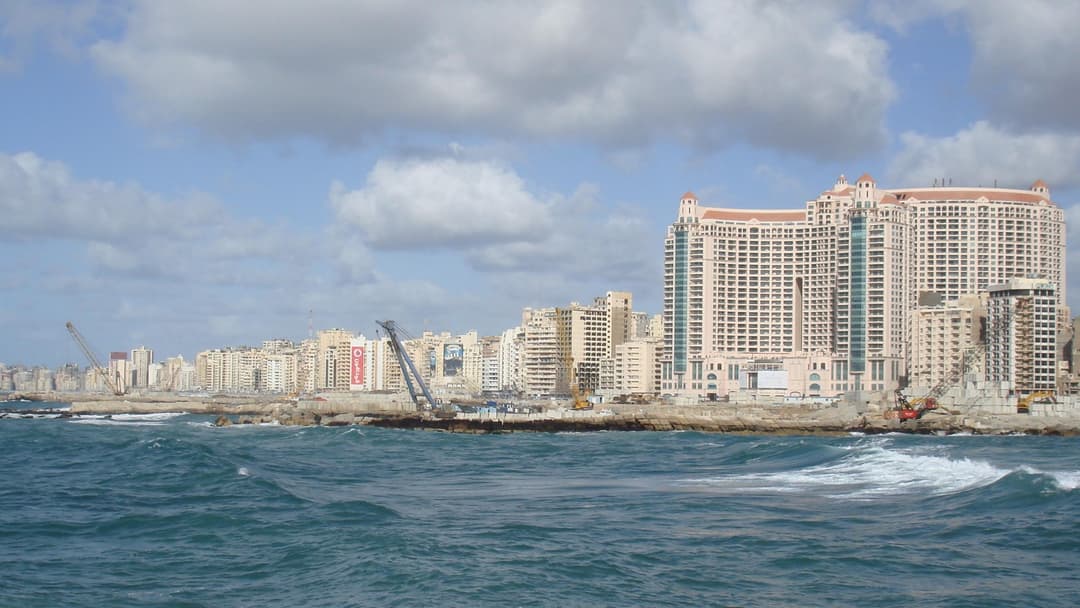
9. Alexandria, Egypt
Founded by Alexander the Great in 331 BC, Egypt's second-largest city sits on a narrow limestone ridge between the Mediterranean Sea and Lake Mariout. Upstream dams trap Nile silt that once replenished the coast, forcing authorities to ring the 15th-century Citadel of Qaitbay with thousands of concrete wave-breakers.
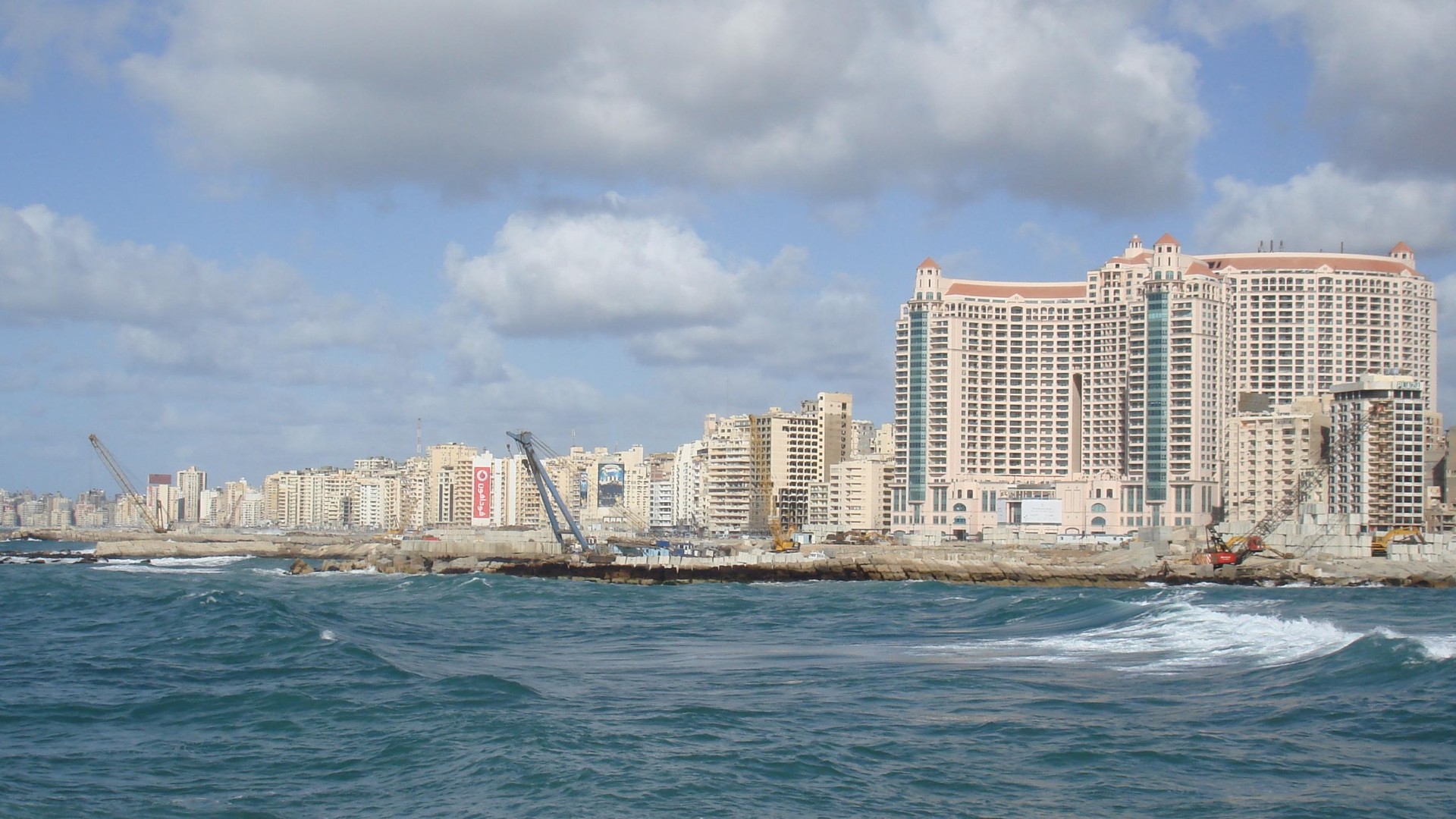
©Wikimedia / Alexandria
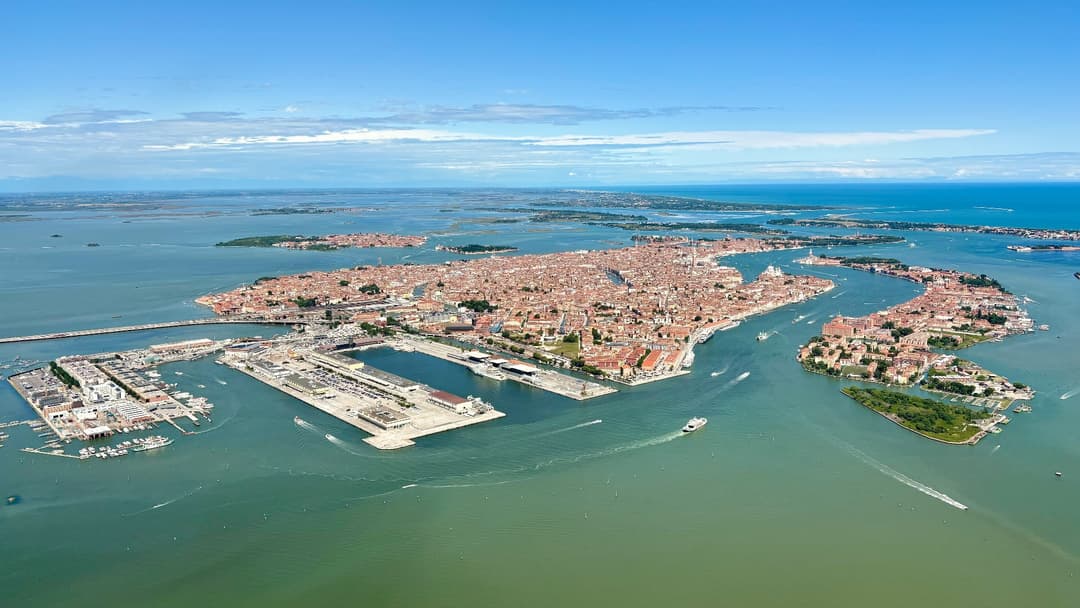
8. Venice, Italy
Built on timber pilings driven into mudbanks across the Venetian Lagoon, Venice has lost roughly 30 centimeters of elevation relative to the Adriatic Sea since 1897. Since entering service in 2020, the 6-billion-euro MOSE barrier system has repeatedly raised its yellow steel floodgates to keep St. Mark's Square dry.
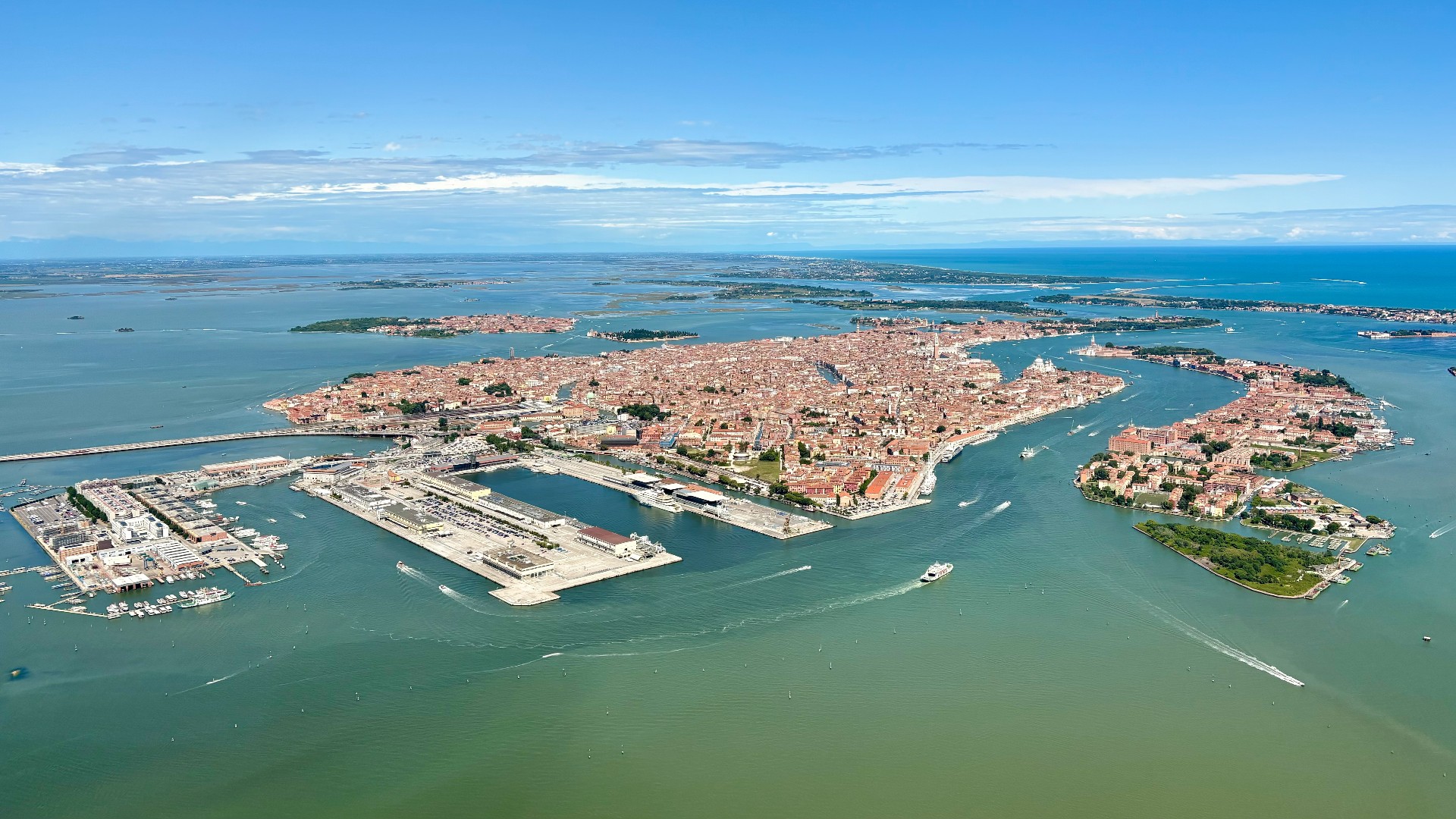
©Wikimedia / Venice
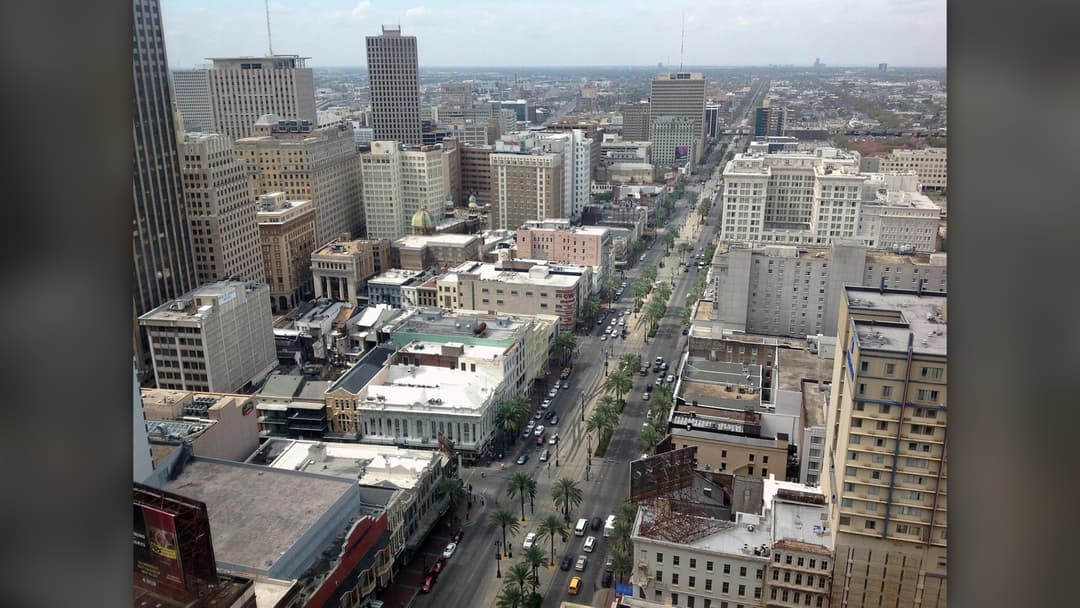
7. New Orleans, United States
Flanked by the Mississippi River, Lake Pontchartrain, and vanishing Gulf of Mexico wetlands, New Orleans loses natural storm buffer as Louisiana sheds a football field of coastal marsh every 100 minutes. A 14.5-billion-dollar perimeter of levees, floodwalls.
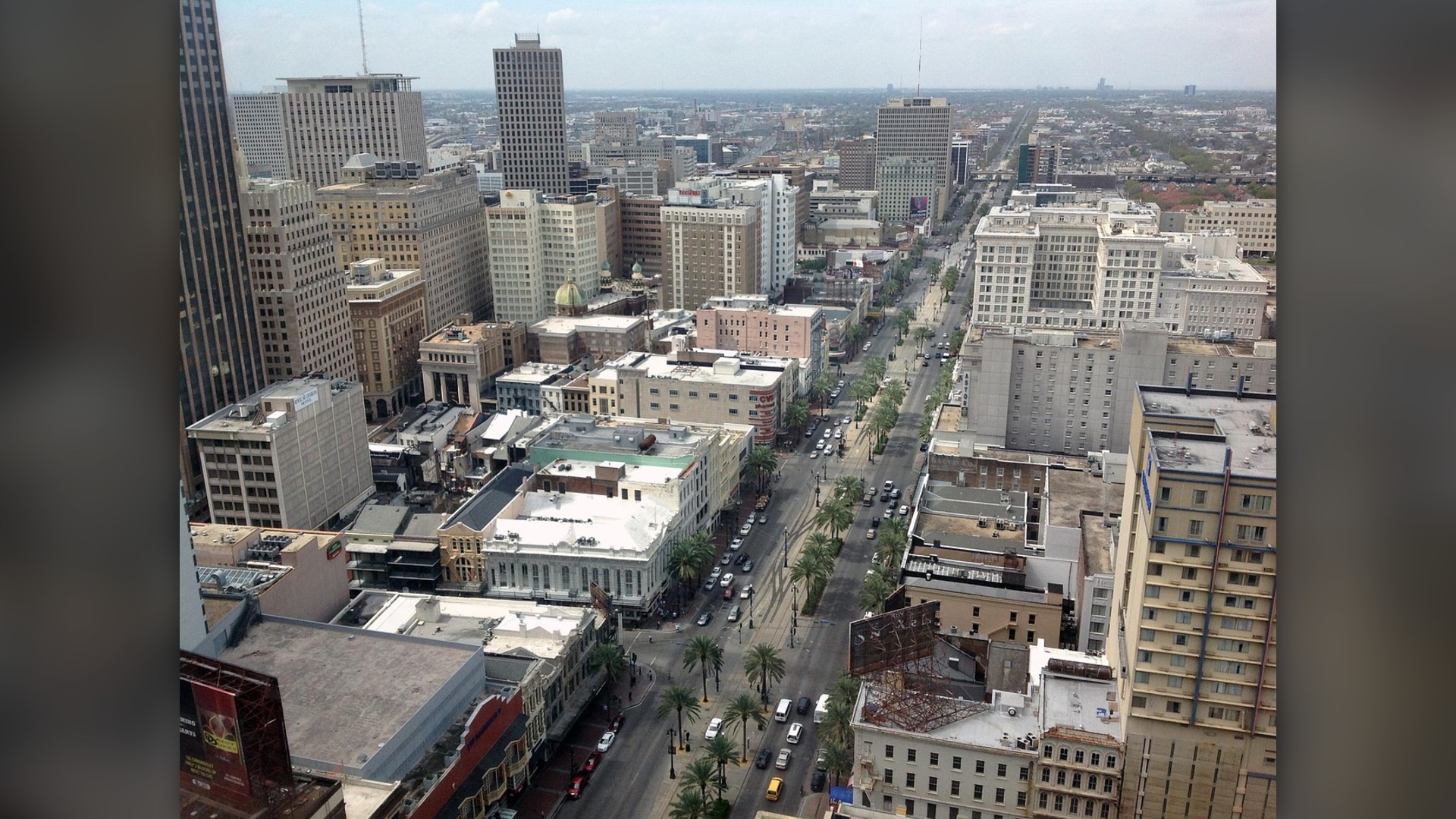
©Pixabay / otschnbrotschn
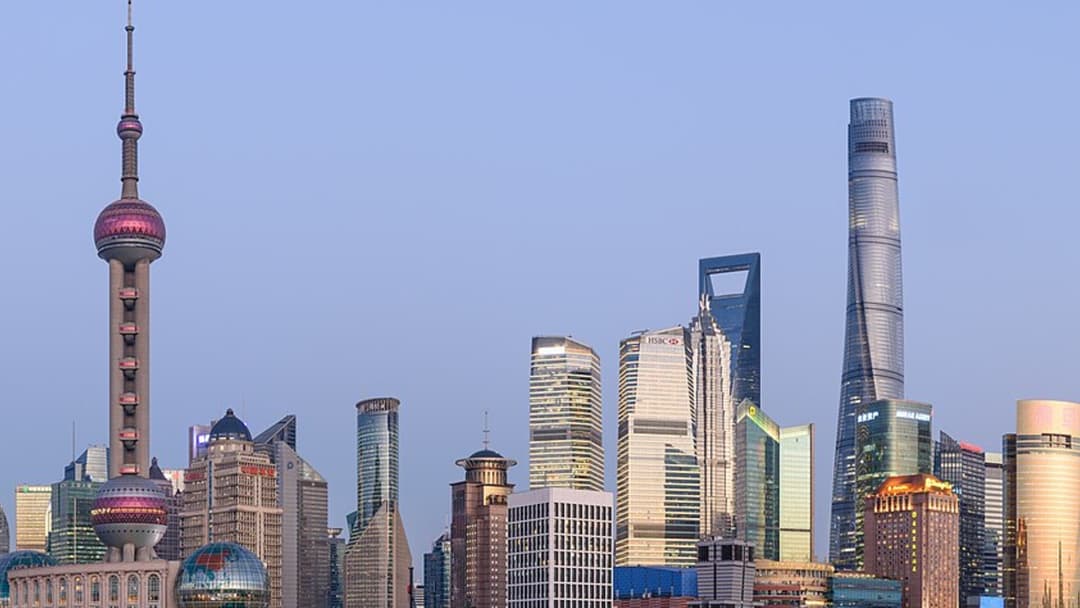
6. Shanghai, China
Sitting at the mouth of the Yangtze River on the East China Sea, Shanghai subsided by more than 2 meters during the 20th century before strict groundwater pumping caps and aquifer recharge wells slowed the sink rate. Today over 500 kilometers of concrete floodwalls line the Huangpu River along the Bund and Pudong.
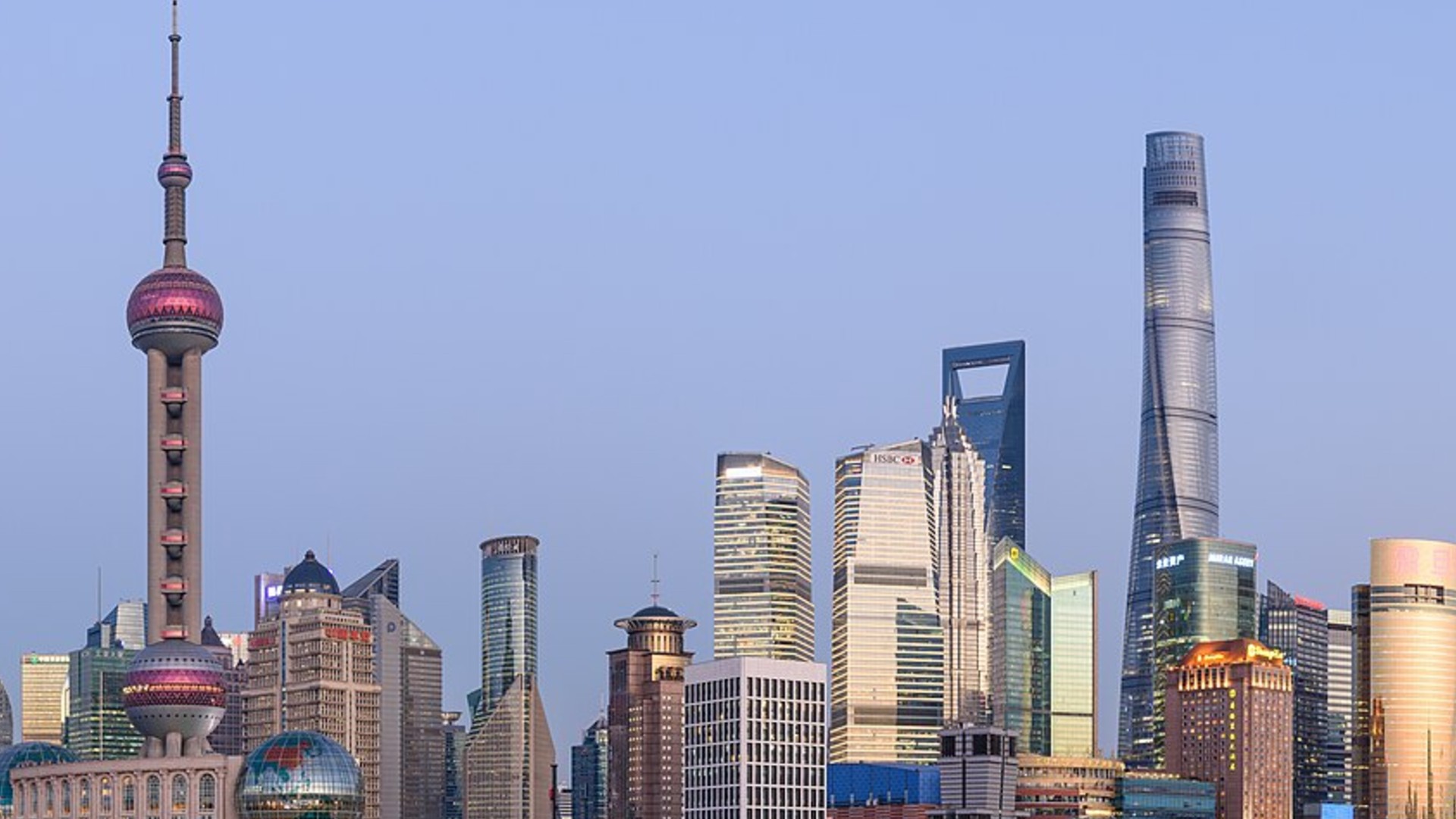
©Wikimedia / King of Hearts
Advertisement
Swipe or tap ▶ to resume the countdown.
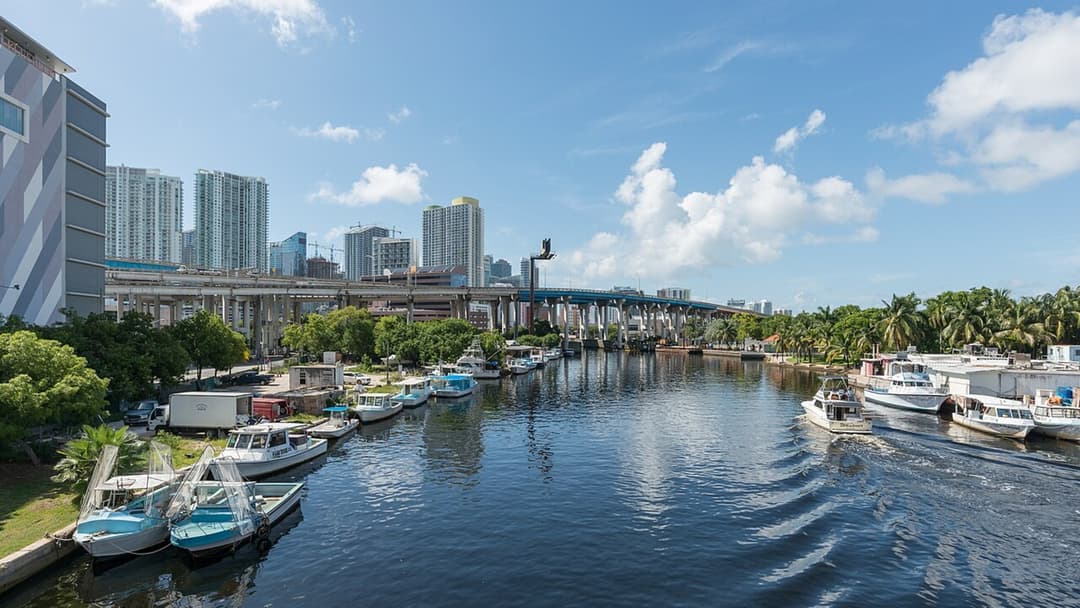
5. Miami, United States
Unlike cities that can block the ocean with seawalls alone, Greater Miami rests on honeycomb-like limestone that allows saltwater to seep beneath barriers during autumn King Tides. Miami Beach has invested over 500 million dollars elevating roads.
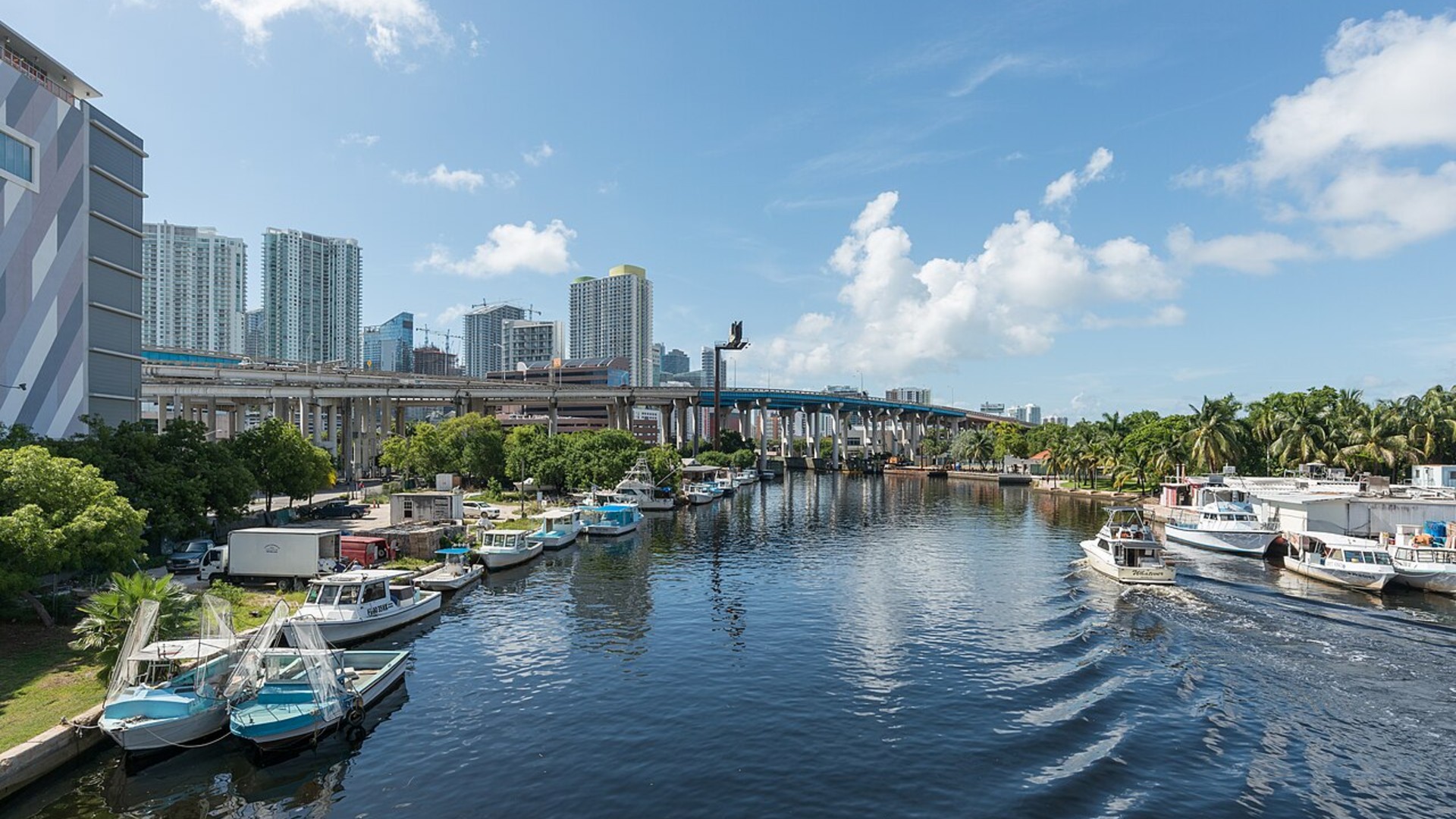
©Wikimedia / DXR
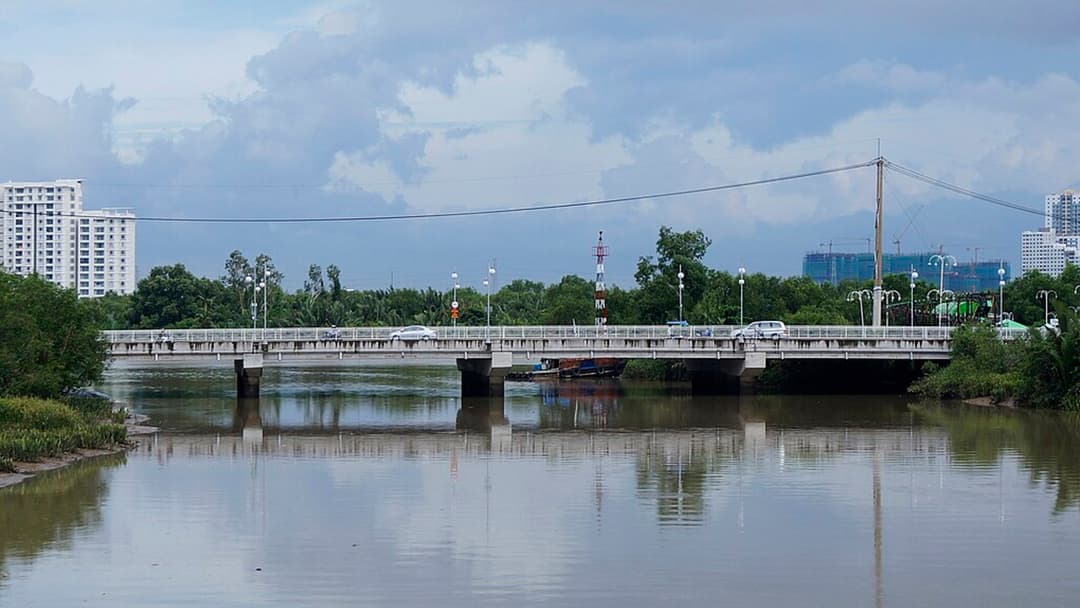
4. Ho Chi Minh City, Vietnam
Woven around the Saigon River and Mekong Delta canals, Vietnam's economic hub is sinking by 1 to 2 centimeters per year due to heavy construction loads and aquifer depletion. High tides from the South China Sea regularly combine with monsoon runoff to flood urban districts home to over 9 million residents.
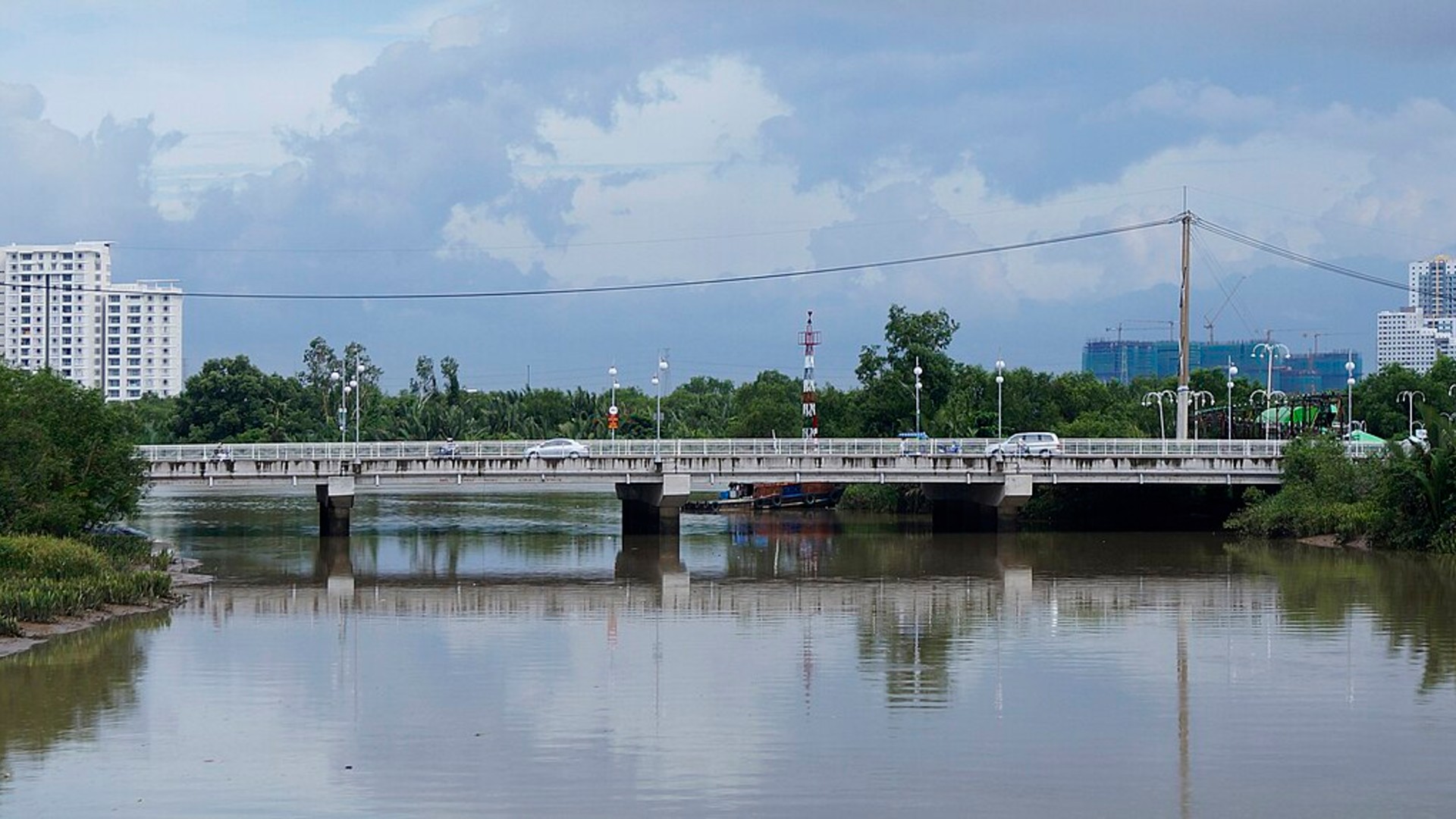
©Wikimedia / Prenn
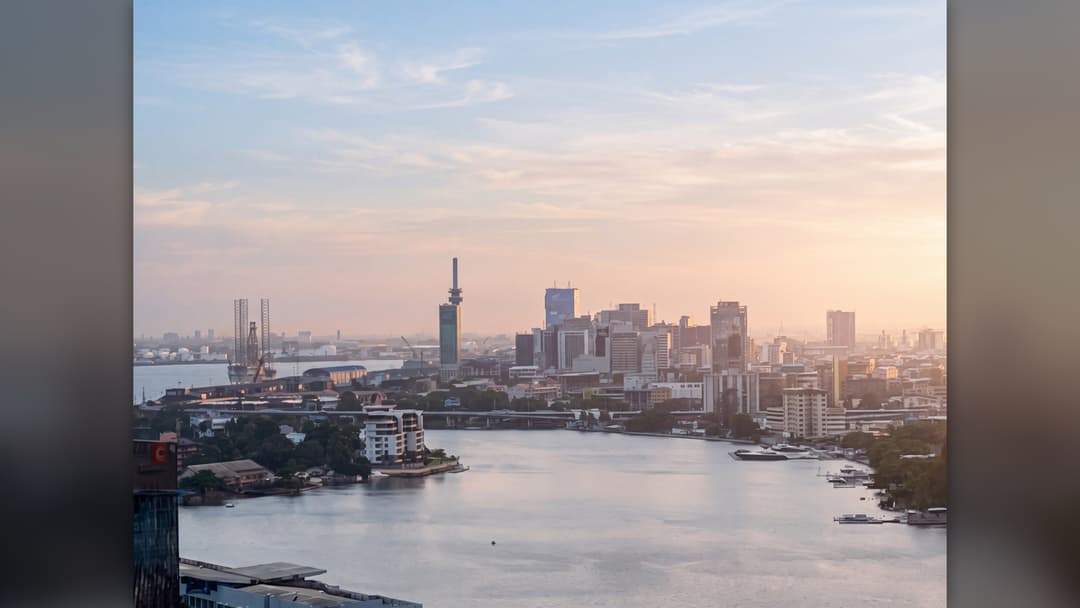
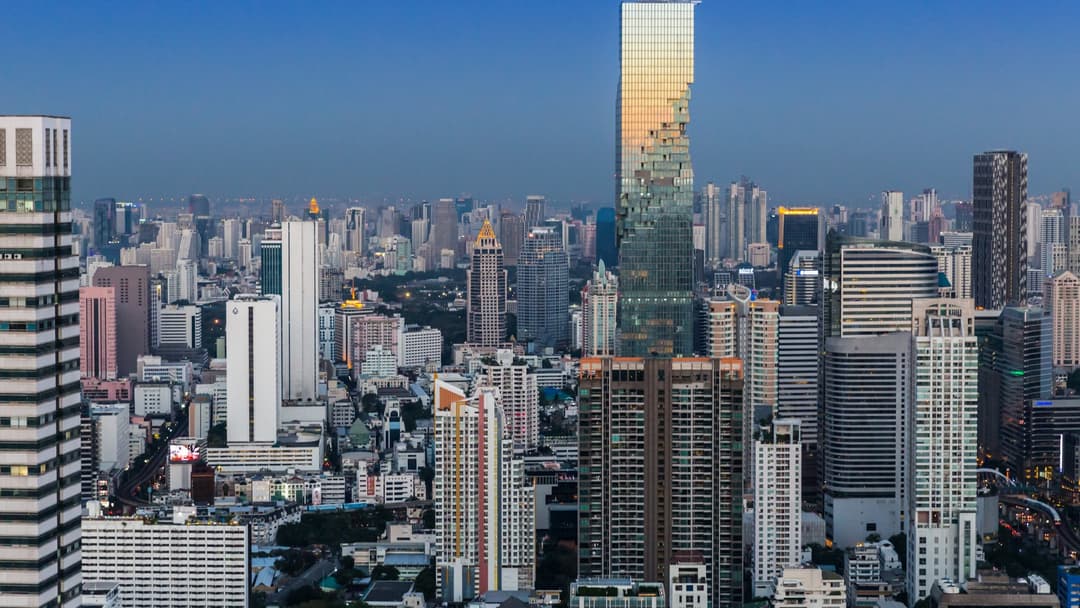
3. Bangkok, Thailand
Located on the flat Chao Phraya River delta just north of the Gulf of Thailand, Bangkok sits an average of only 1.5 meters above mean sea level. After catastrophic floods in 2011, the city expanded giant underground drainage tunnels.
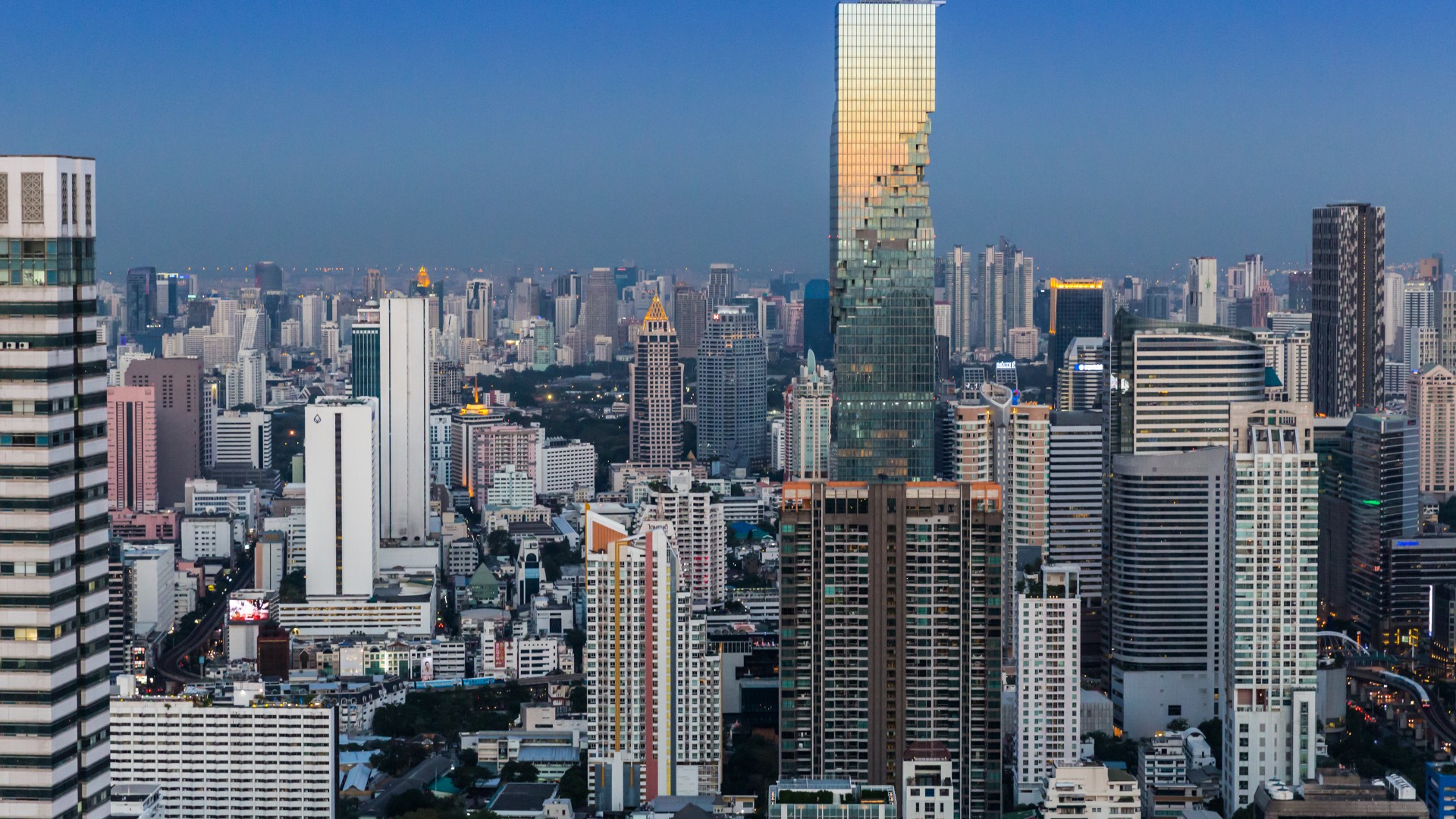
©Wikimedia / Bangkok
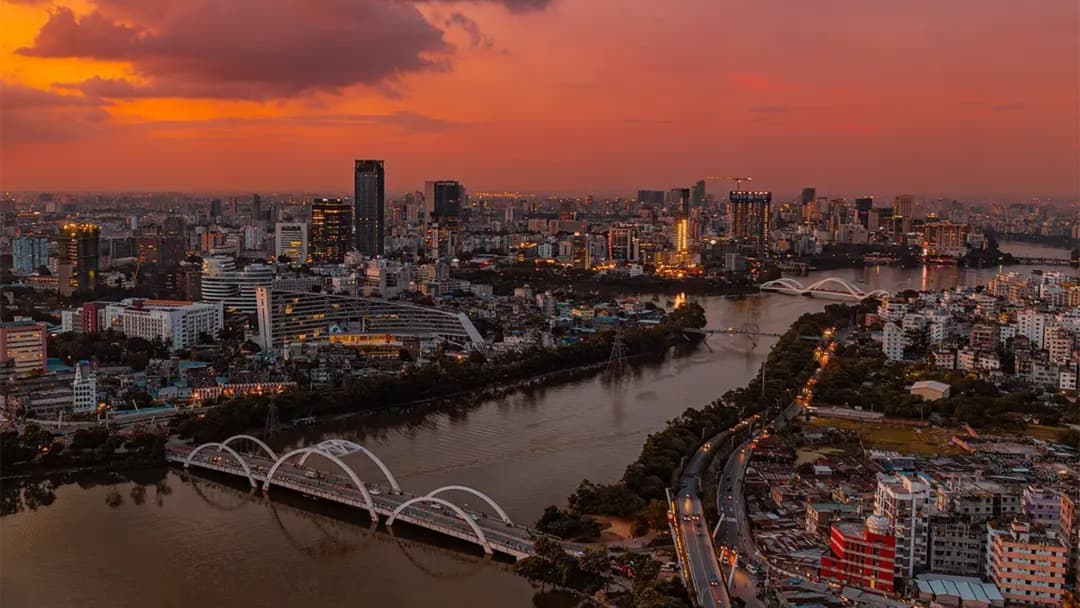
2. Dhaka, Bangladesh
Surrounded by the Buriganga, Turag, and Balu rivers in the low-lying Bengal Delta, Dhaka absorbs both Himalayan snowmelt from upstream and displaced coastal families fleeing saltwater intrusion along the Bay of Bengal. Even a 50-centimeter sea level rise threatens to submerge 11 percent of Bangladesh's coastal land.
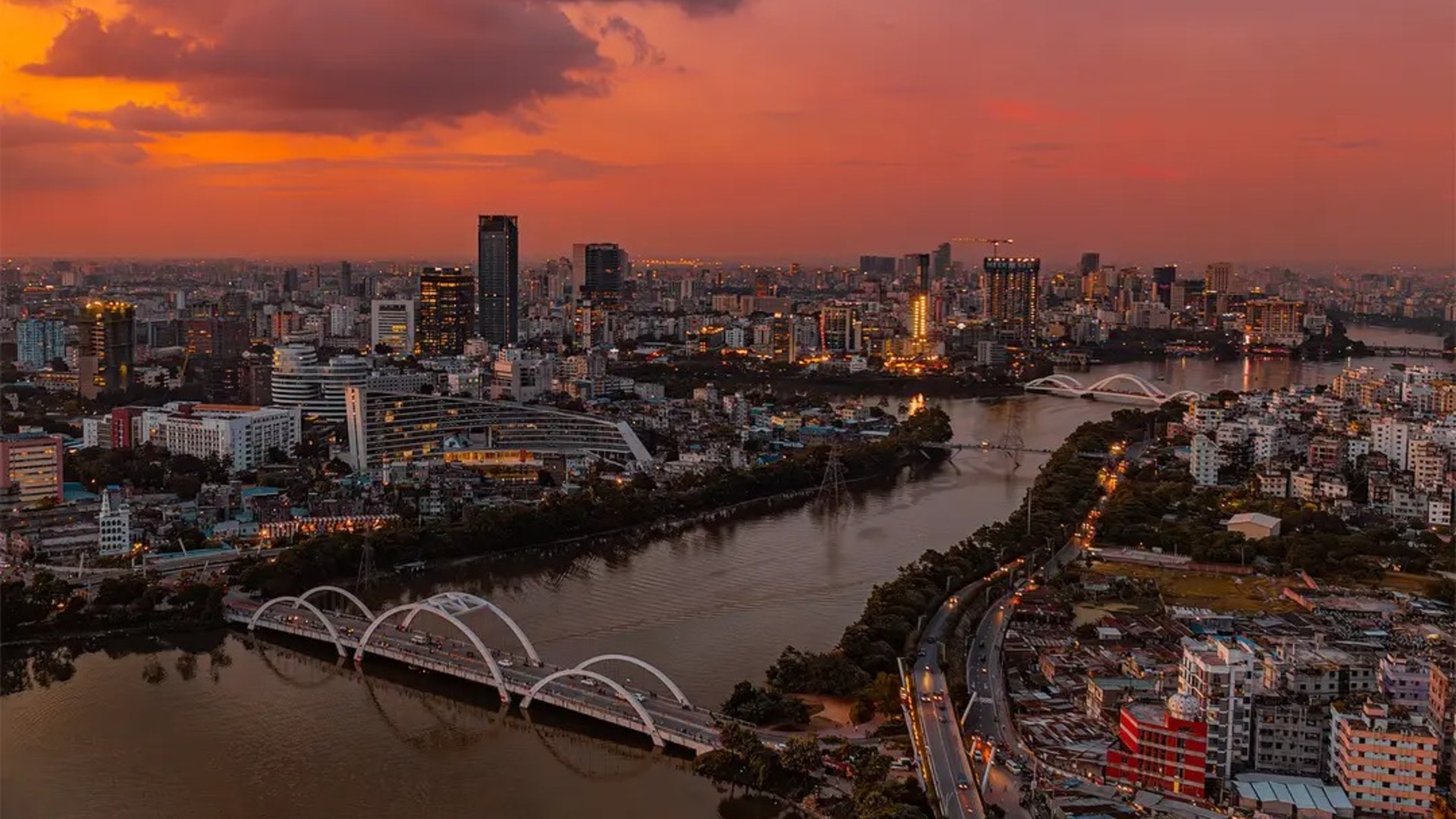
©Wikimedia / Dhaka
Advertisement
Swipe or tap ▶ to resume the countdown.
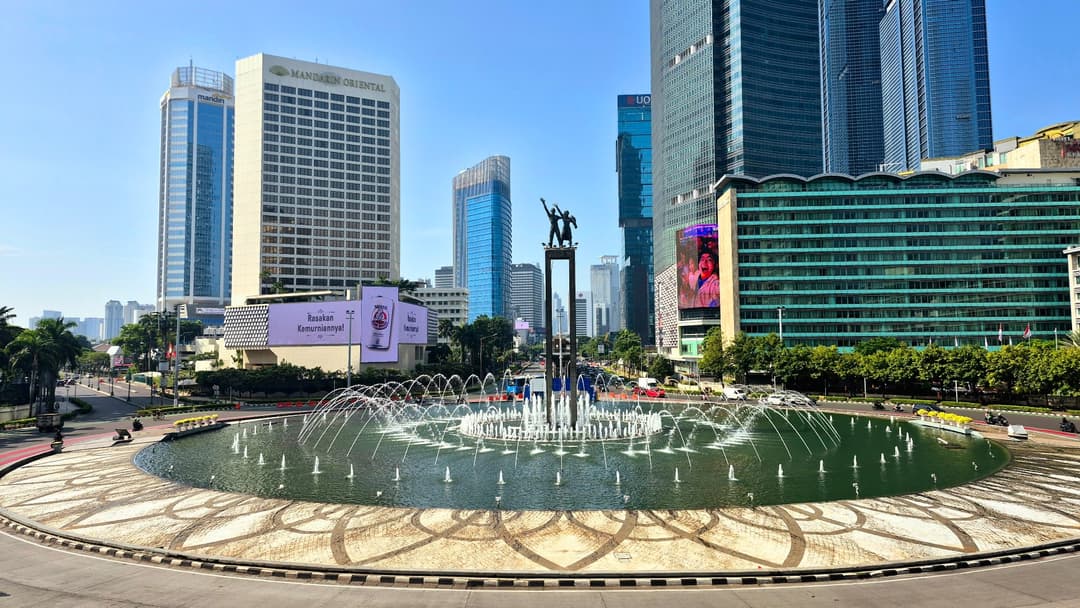
1. Jakarta, Indonesia
Nowhere on Earth faces a steeper combination of land subsidence and sea level rise than coastal Jakarta, where unregulated well pumping drops northern neighborhoods by up to 15 centimeters a year. Around 40 percent of the city sits below the Java Sea.
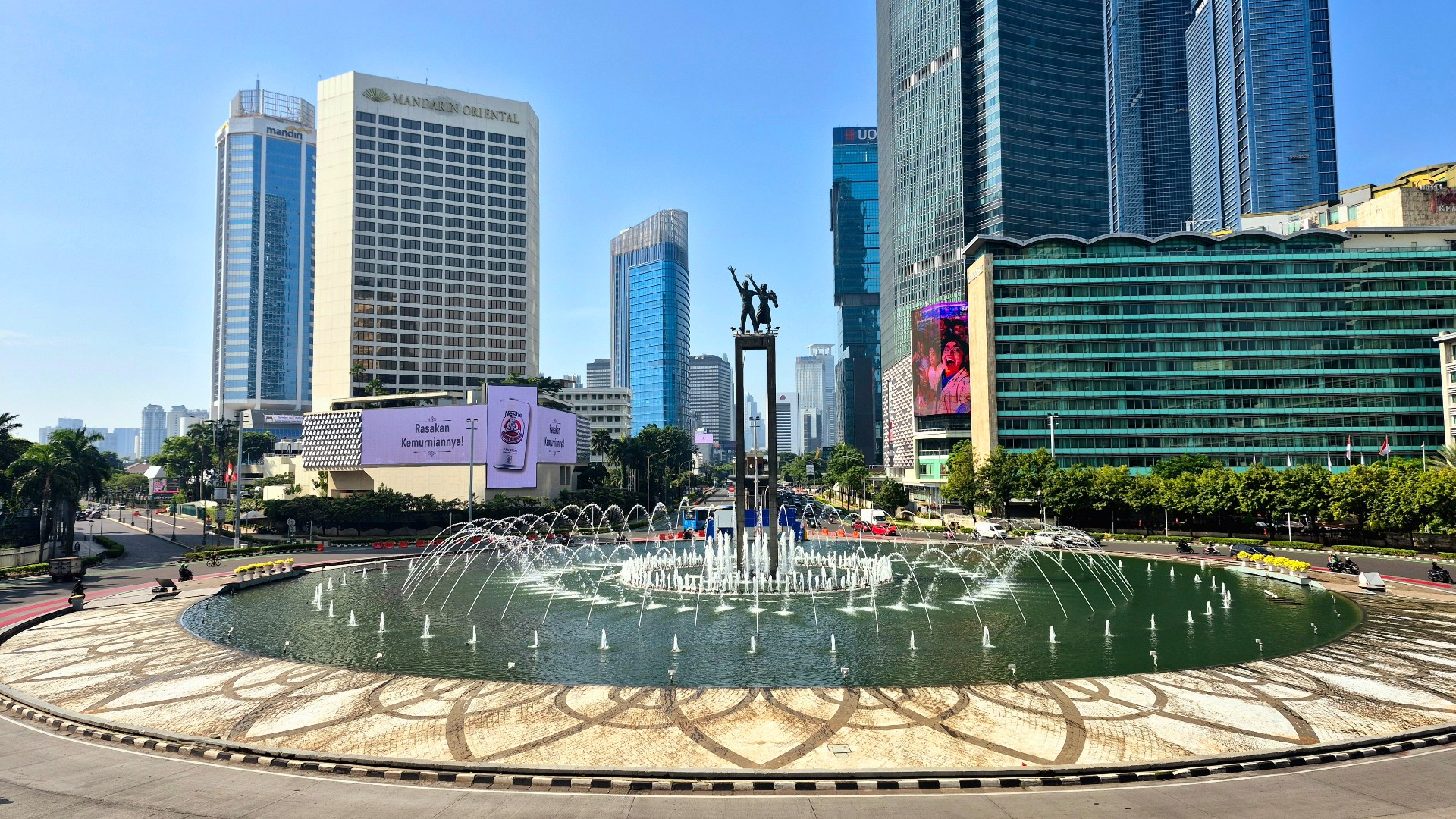
©Wikimedia / Jakarta
Advertisement
You've reached the end of the story. Thanks for reading!

15 Most Powerful Hurricanes Ever Recorded
All 20 Entries in this Story
20. Savannah, United States
Built across low-lying alluvial marshes along the Savannah River, Georgia's oldest city faces increasingly frequent sunny-day tidal flooding. As of 2026, NOAA sensors at nearby Fort Pulaski track local sea levels rising at roughly 3.6 millimeters per year.

19. London, United Kingdom
Operational since 1982, the Thames Barrier has closed more than 220 times to shield 1.4 million Londoners and 320 billion pounds of property from North Sea storm surges. Glacial isostatic adjustment causes southeastern Britain to sink about 1.5 millimeters annually.

18. Osaka, Japan
Constructed over centuries of delta sedimentation and 20th-century land reclamation, western Osaka sits beneath the high-water mark of Osaka Bay. Typhoon Jebi in 2018 flooded Kansai International Airport with a 3.3-meter storm surge, leading Japan to reinforce its arched tsunami floodgates and coastal seawalls.

17. Amsterdam, Netherlands
Founded on drained peat bogs and polders behind the North Sea Canal, Amsterdam relies on an intricate network of sluices, pumping stations, and IJsselmeer dikes. As of 2026, the Dutch Delta Programme invests over 1.5 billion euros annually to raise flood defenses against accelerating North Sea thermal expansion.

16. Kolkata, India
Located in the Ganges-Brahmaputra delta north of the Bay of Bengal, Kolkata depends on the Sundarbans mangrove forest to absorb cyclone energy. Rapid wetland loss and colonial-era drainage constraints leave low-lying wards exposed when severe storms like Cyclone Amphan and Cyclone Remal drive tidal water inland.

15. Guangzhou, China
Home to more than 18 million people at the apex of the Pearl River Delta, Guangzhou sits where three major rivers meet tidal estuaries from the South China Sea. Economists estimate that without expanded sponge-city retention basins and tidal gates.

14. New York City, United States
Hurricane Sandy in 2012 pushed a 14-foot storm surge into Lower Manhattan, flooding subway tunnels and cutting power to 2 million residents. As of 2026, the city is constructing the 1.45-billion-dollar East Side Coastal Resiliency floodwall system to protect vulnerable neighborhoods from projected 2050 sea rise.

13. Mumbai, India
Eighteenth- and nineteenth-century reclamation projects joined seven separate islands into modern Mumbai, leaving vast neighborhoods barely above Arabian Sea high tide. When summer monsoon downpours coincide with 4.5-meter spring tides along Marine Drive.

12. Lagos, Nigeria
More than 21 million residents live across Lagos Island, Victoria Island, and mainland settlements bordering the Atlantic Ocean and Lagos Lagoon.Engineers built the 8.5-kilometer Great Wall of Lagos revetment using 100,000 five-ton concrete accropodes to shield the Eko Atlantic district.

11. Manila, Philippines
Metro Manila sits on a narrow alluvial plain wedged between Manila Bay and Laguna de Bay. Satellite radar interferometry shows coastal municipalities like Navotas and Malabon subsiding nearly four times faster than global sea level rise, allowing Western Pacific typhoon surges to overtop neighborhood seawalls.

10. Rotterdam, Netherlands
After the North Sea flood of 1953, the Netherlands built the Delta Works, anchored in Rotterdam by the Maeslantkering storm surge barrier. Its two hollow steel arms, each as long as the Eiffel Tower, swing shut automatically whenever North Sea water levels threaten to rise 3 meters above normal high tide.

9. Alexandria, Egypt
Founded by Alexander the Great in 331 BC, Egypt's second-largest city sits on a narrow limestone ridge between the Mediterranean Sea and Lake Mariout. Upstream dams trap Nile silt that once replenished the coast, forcing authorities to ring the 15th-century Citadel of Qaitbay with thousands of concrete wave-breakers.

8. Venice, Italy
Built on timber pilings driven into mudbanks across the Venetian Lagoon, Venice has lost roughly 30 centimeters of elevation relative to the Adriatic Sea since 1897. Since entering service in 2020, the 6-billion-euro MOSE barrier system has repeatedly raised its yellow steel floodgates to keep St. Mark's Square dry.

7. New Orleans, United States
Flanked by the Mississippi River, Lake Pontchartrain, and vanishing Gulf of Mexico wetlands, New Orleans loses natural storm buffer as Louisiana sheds a football field of coastal marsh every 100 minutes. A 14.5-billion-dollar perimeter of levees, floodwalls.

6. Shanghai, China
Sitting at the mouth of the Yangtze River on the East China Sea, Shanghai subsided by more than 2 meters during the 20th century before strict groundwater pumping caps and aquifer recharge wells slowed the sink rate. Today over 500 kilometers of concrete floodwalls line the Huangpu River along the Bund and Pudong.

5. Miami, United States
Unlike cities that can block the ocean with seawalls alone, Greater Miami rests on honeycomb-like limestone that allows saltwater to seep beneath barriers during autumn King Tides. Miami Beach has invested over 500 million dollars elevating roads.

4. Ho Chi Minh City, Vietnam
Woven around the Saigon River and Mekong Delta canals, Vietnam's economic hub is sinking by 1 to 2 centimeters per year due to heavy construction loads and aquifer depletion. High tides from the South China Sea regularly combine with monsoon runoff to flood urban districts home to over 9 million residents.

3. Bangkok, Thailand
Located on the flat Chao Phraya River delta just north of the Gulf of Thailand, Bangkok sits an average of only 1.5 meters above mean sea level. After catastrophic floods in 2011, the city expanded giant underground drainage tunnels.

2. Dhaka, Bangladesh
Surrounded by the Buriganga, Turag, and Balu rivers in the low-lying Bengal Delta, Dhaka absorbs both Himalayan snowmelt from upstream and displaced coastal families fleeing saltwater intrusion along the Bay of Bengal. Even a 50-centimeter sea level rise threatens to submerge 11 percent of Bangladesh's coastal land.

1. Jakarta, Indonesia
Nowhere on Earth faces a steeper combination of land subsidence and sea level rise than coastal Jakarta, where unregulated well pumping drops northern neighborhoods by up to 15 centimeters a year. Around 40 percent of the city sits below the Java Sea.