Slideshow · Travel
The 15 Most Beautiful Fjords on Earth, Ranked
Carved by ancient glaciers and framed by sheer mile-high cliffs, these 15 fjords from Norway and Greenland to New Zealand are the most scenic on Earth.
By Most Viral Today
3 Nov 2026

15 Glacial Fjords With Sheer Cliffs and Deep Waters 
15. Howe Sound, British Columbia, Canada 
14. Trollfjord, Vesteralen, Norway 
13. Eyjafjordur, North Iceland - AdvertisementSwipe or tap ▶ to continue countdown

12. Doubtful Sound, Fiordland, New Zealand 
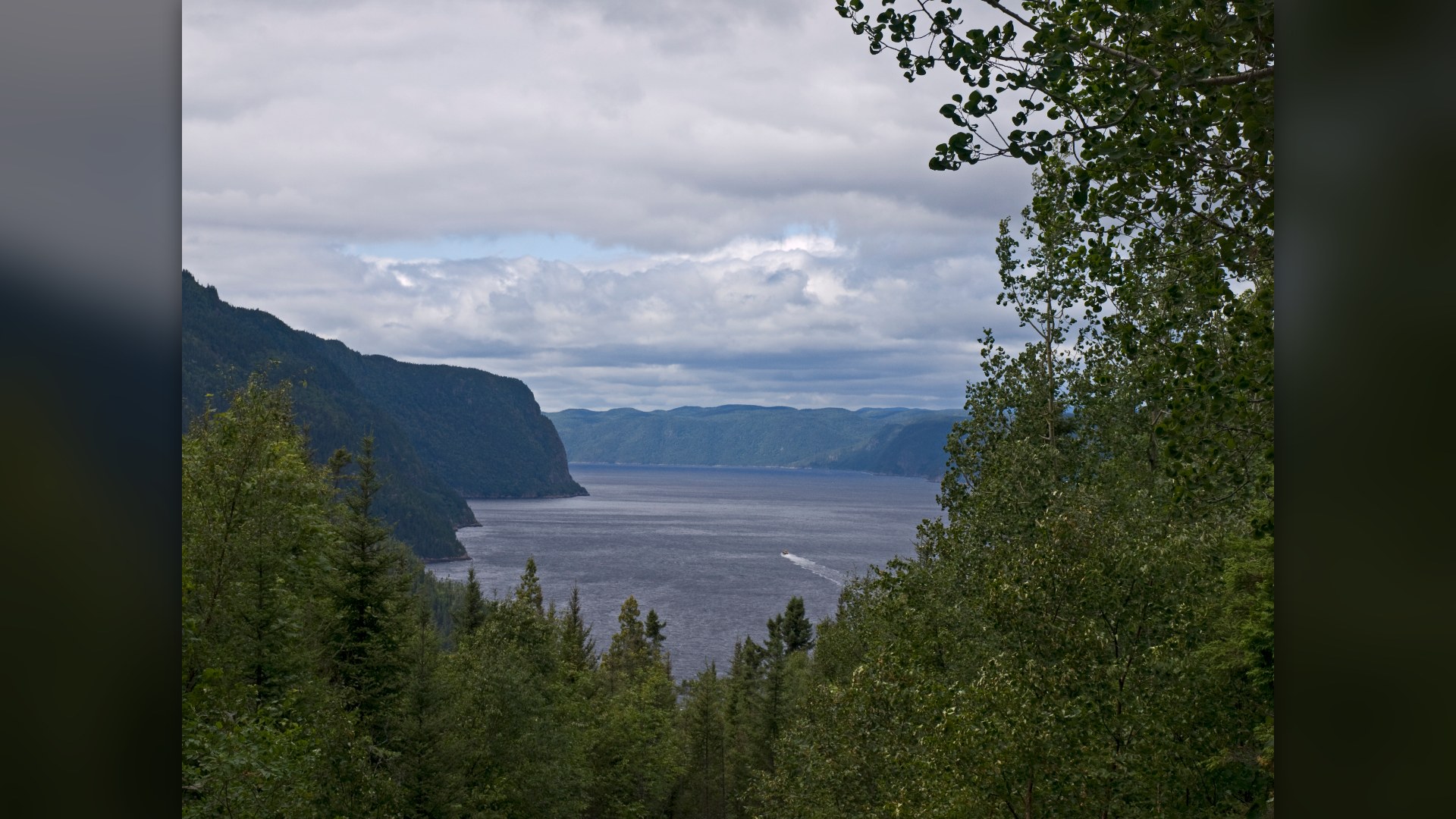
11. Saguenay Fjord, Quebec, Canada 
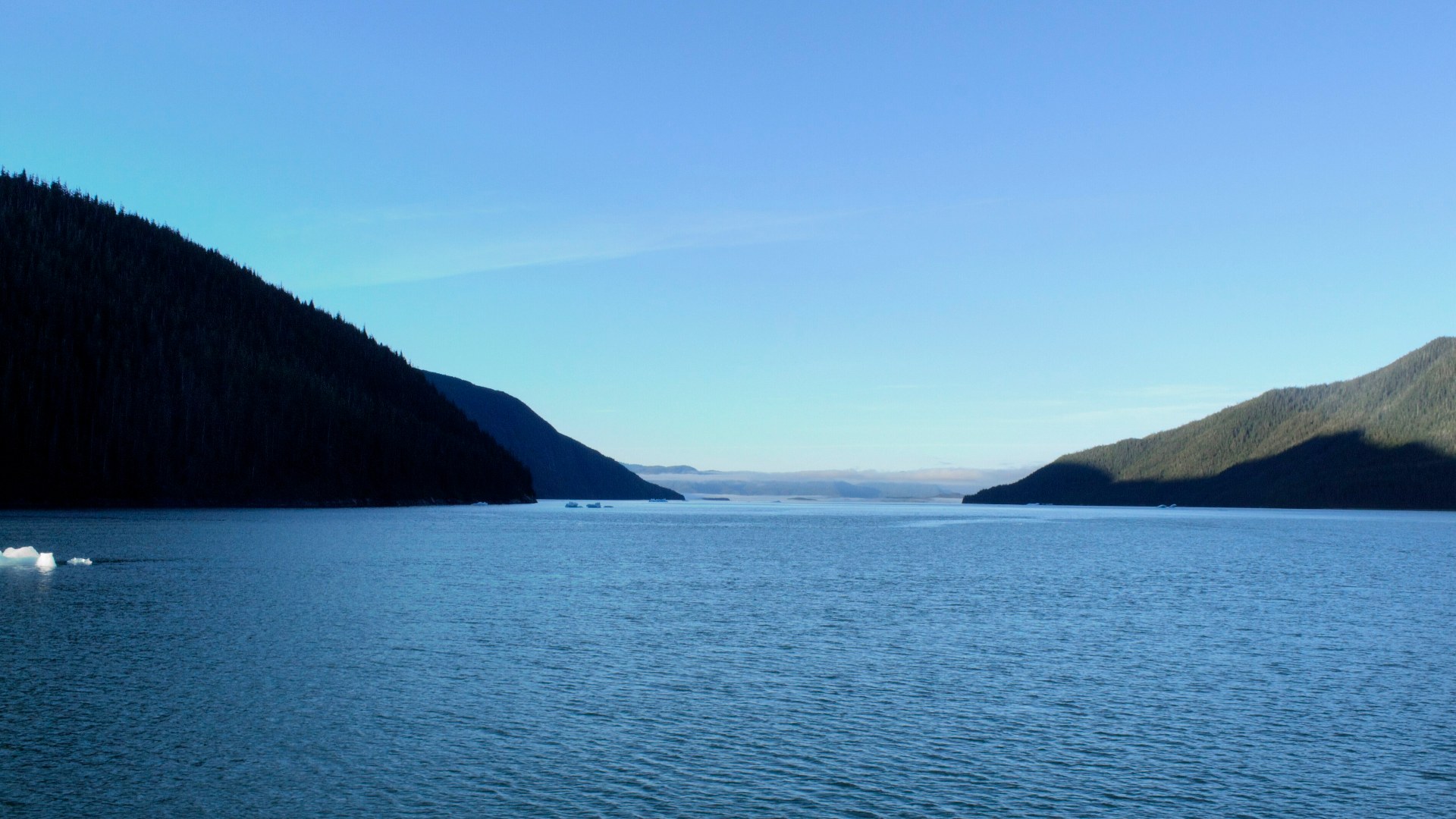
10. Tracy Arm Fjord, Alaska, United States 
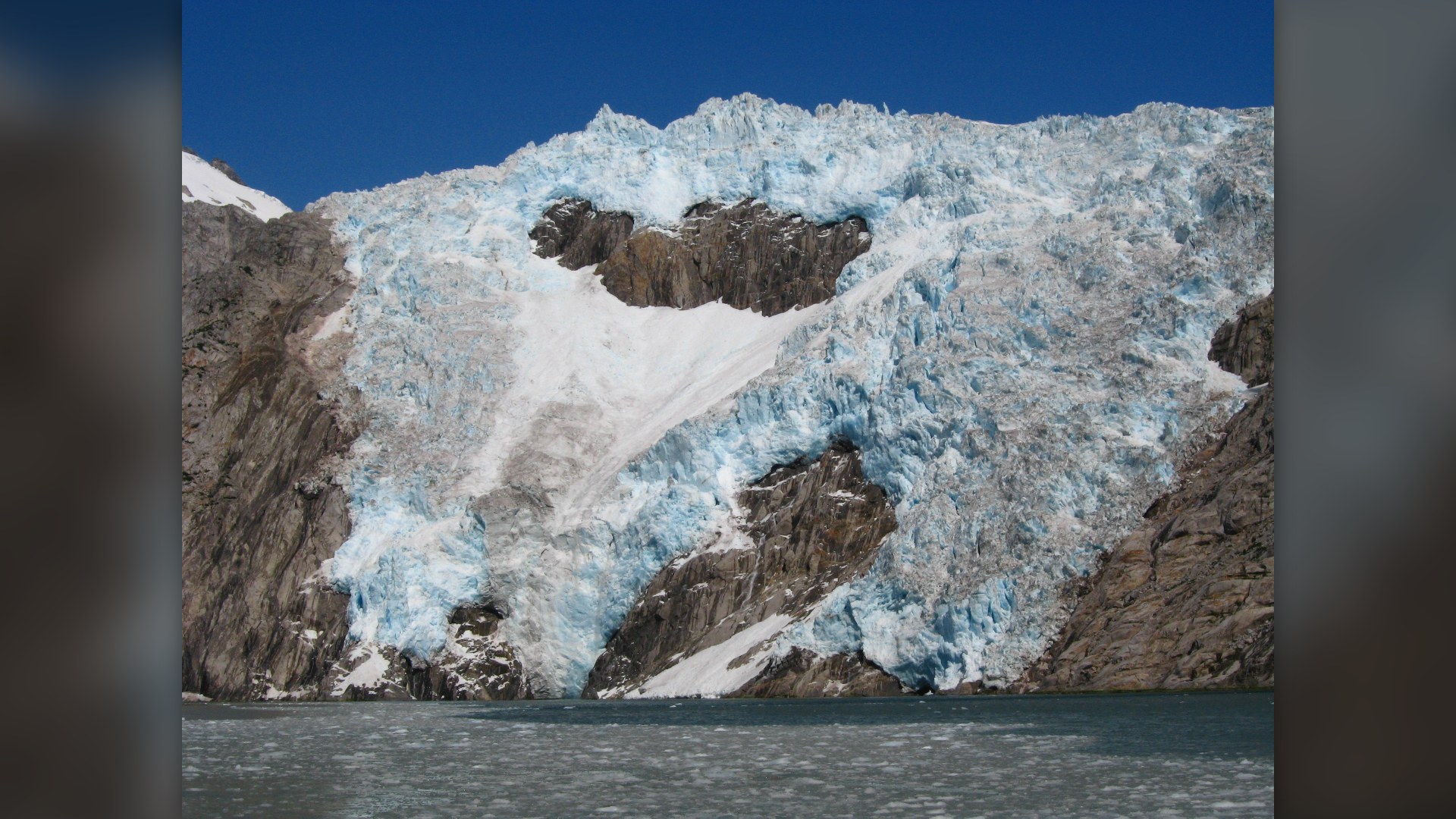
9. Kenai Fjords, Alaska, United States - AdvertisementSwipe or tap ▶ to continue countdown

8. Scoresby Sund, Eastern Greenland 
7. Hardangerfjord, Western Norway 
6. Lysefjord, Ryfylke, Norway 
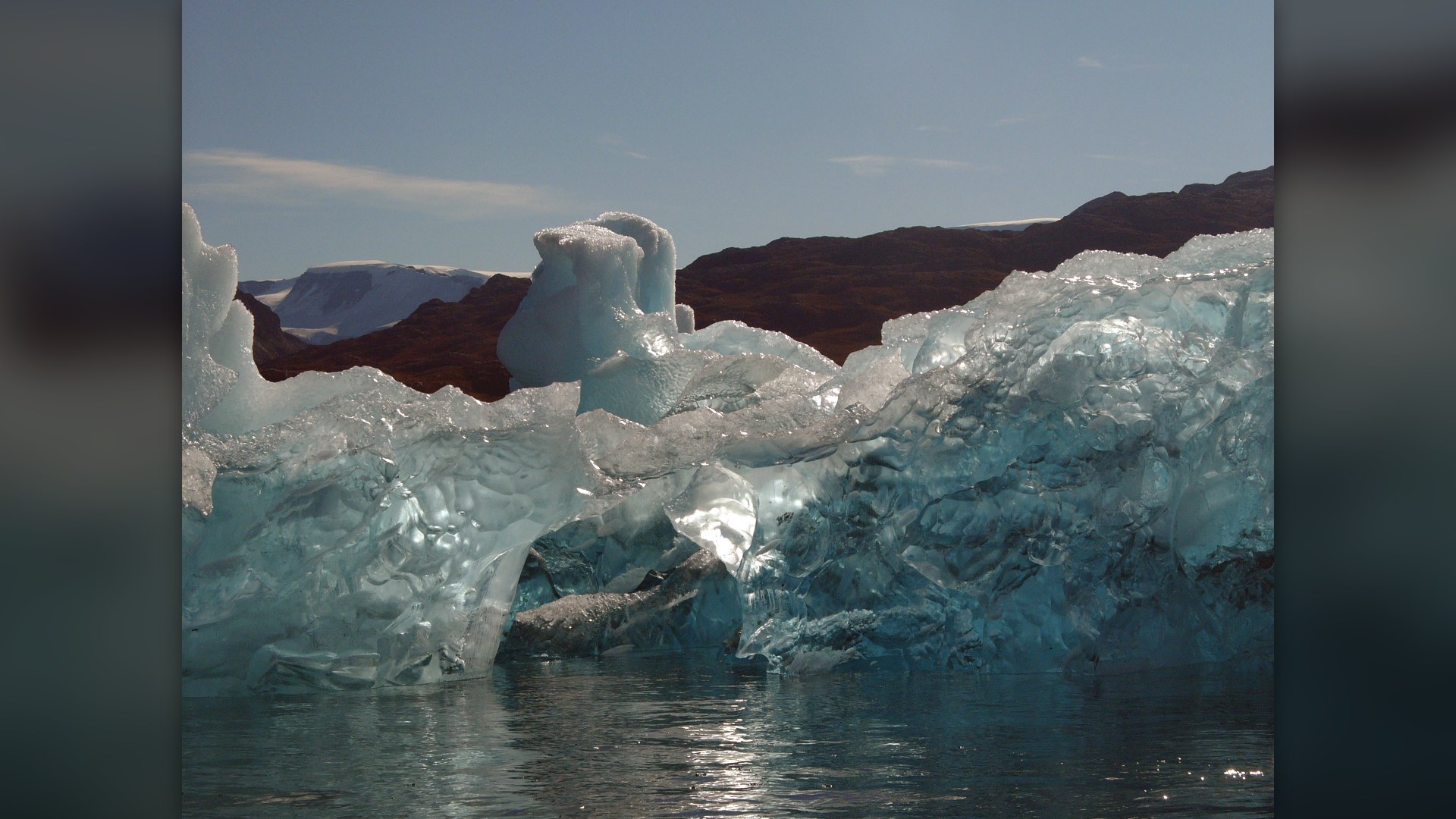
5. Ilulissat Icefjord, Western Greenland - AdvertisementSwipe or tap ▶ to continue countdown

4. Sognefjord, Western Norway 
3. Naeroyfjord, Vestland, Norway 
2. Milford Sound, Fiordland, New Zealand 
1. Geirangerfjord, Sunnmore, Norway - Advertisement🔥 UP NEXT IN THIS SERIES◫ 21 Slides

20 Countries With the Strongest Passports, Ranked by Destinations
Global mobility rankings show how diplomatic agreements and visa pacts shape international travel. From European Union nations to dynamic Asian powerhouses, these passports grant seamless entry across continents. Based on official mobility data from the Henley Passport Index alongside statistics from the IATA database.
Carved by retreating glaciers over millions of years, fjords feature some of the steepest vertical relief on Earth. From Greenland icebergs to Norwegian mountain walls and New Zealand rainforest inlets, here are the 15 most beautiful fjords on the planet, ranked.
Swipe or tap ▶ to begin the countdown
©Wikimedia / Simo Rasanen
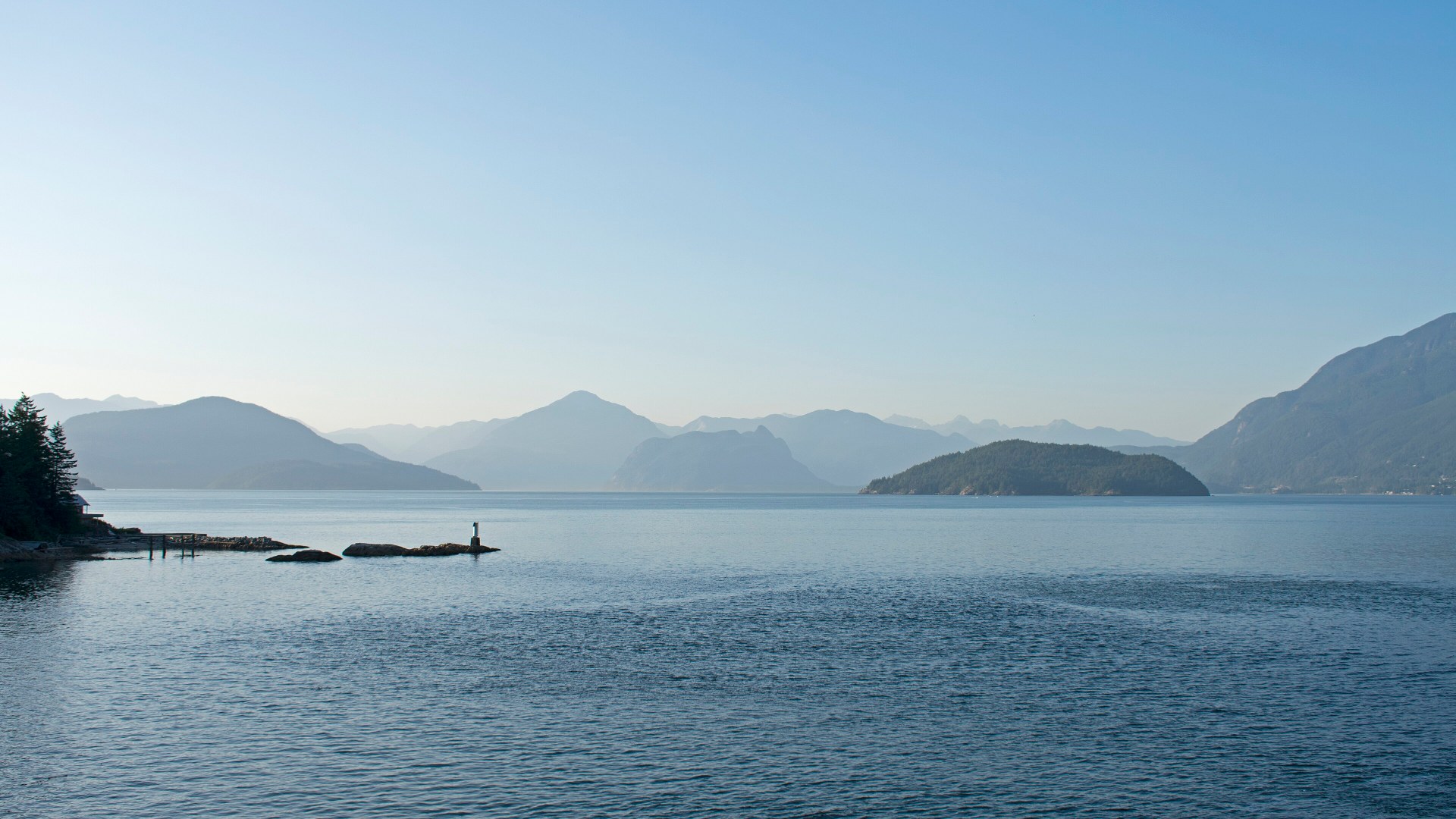
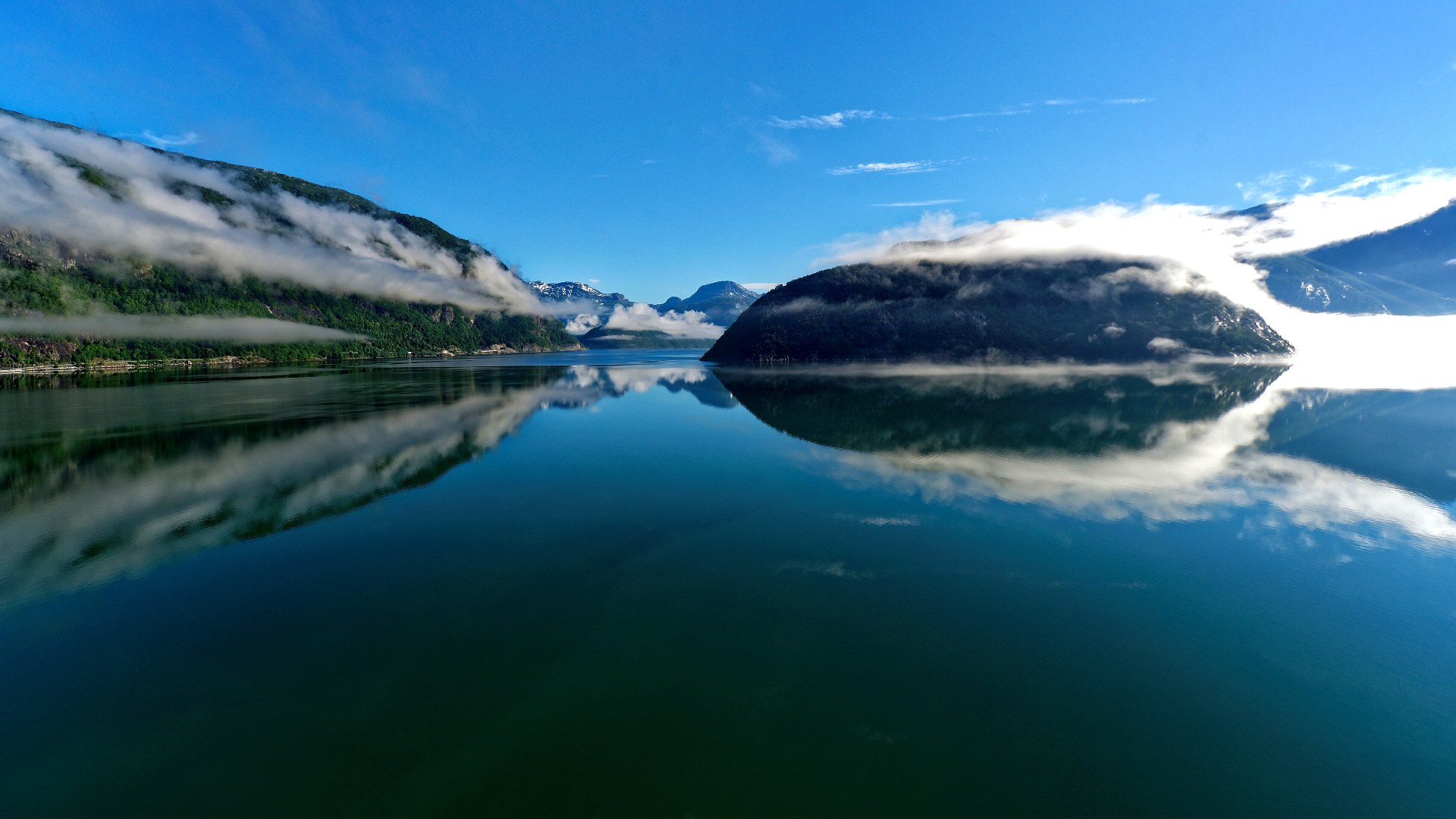
15. Howe Sound, British Columbia, Canada
Located immediately northwest of Vancouver, Howe Sound (known as Atl'kitsem to the Squamish Nation) is a triangular network of glacial fjords stretching 42 kilometers to Squamish. Designated a UNESCO Biosphere Region in 2021, its waters sit beneath the 702-meter granite monolith of Stawamus Chief.
©Wikimedia / Ymblanter
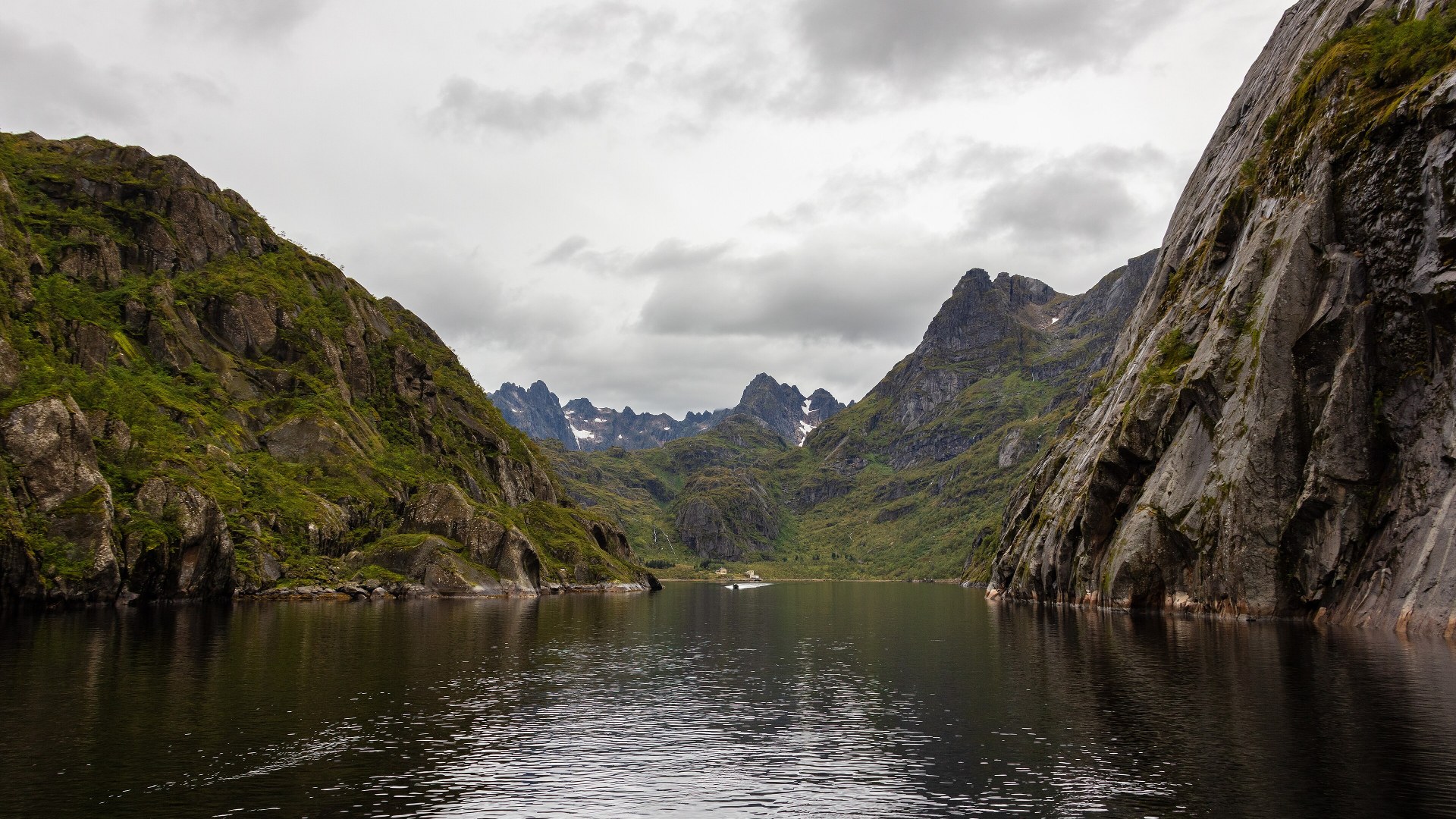
14. Trollfjord, Vesteralen, Norway
Carved into the island of Austvagoya in northern Norway, Trollfjord measures just 2 kilometers long and narrows to 100 meters at its mouth. The sheer granite walls of the Trolltindan mountain range rise 1,000 meters straight out of the water, leaving barely enough room for coastal steamers to turn around.
©Wikimedia / Diego Delso
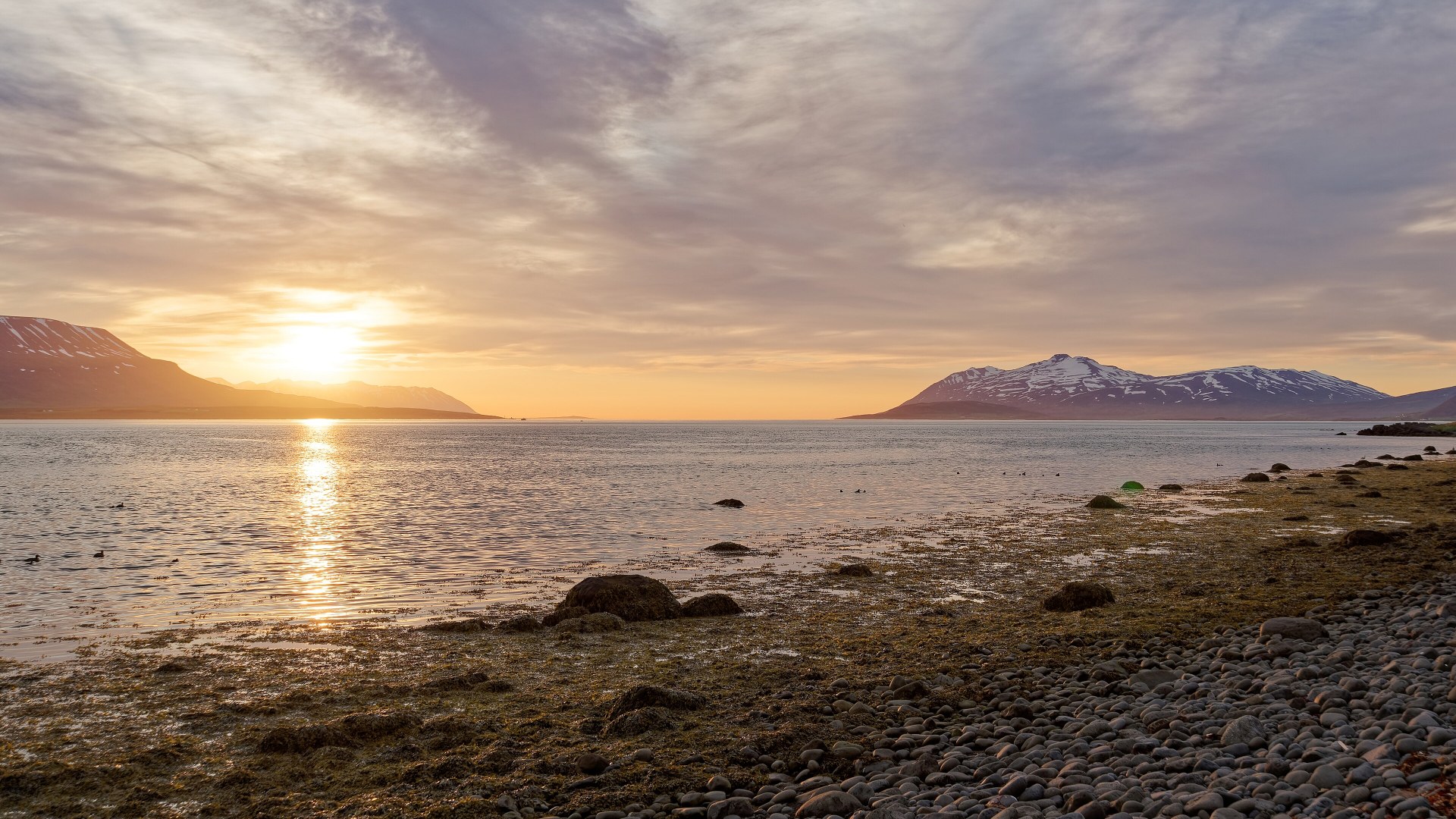
13. Eyjafjordur, North Iceland
Stretching 60 kilometers from the northern city of Akureyri out to the Greenland Sea, Eyjafjordur is the longest fjord in Iceland. Flanked by 1,000-meter volcanic basalt plateaus on both shores, its nutrient-rich summer waters and geothermal seafloor vents attract dozens of feeding humpback and blue whales.
©Wikimedia / Jakub Halun
Advertisement
Swipe or tap ▶ to resume the countdown.
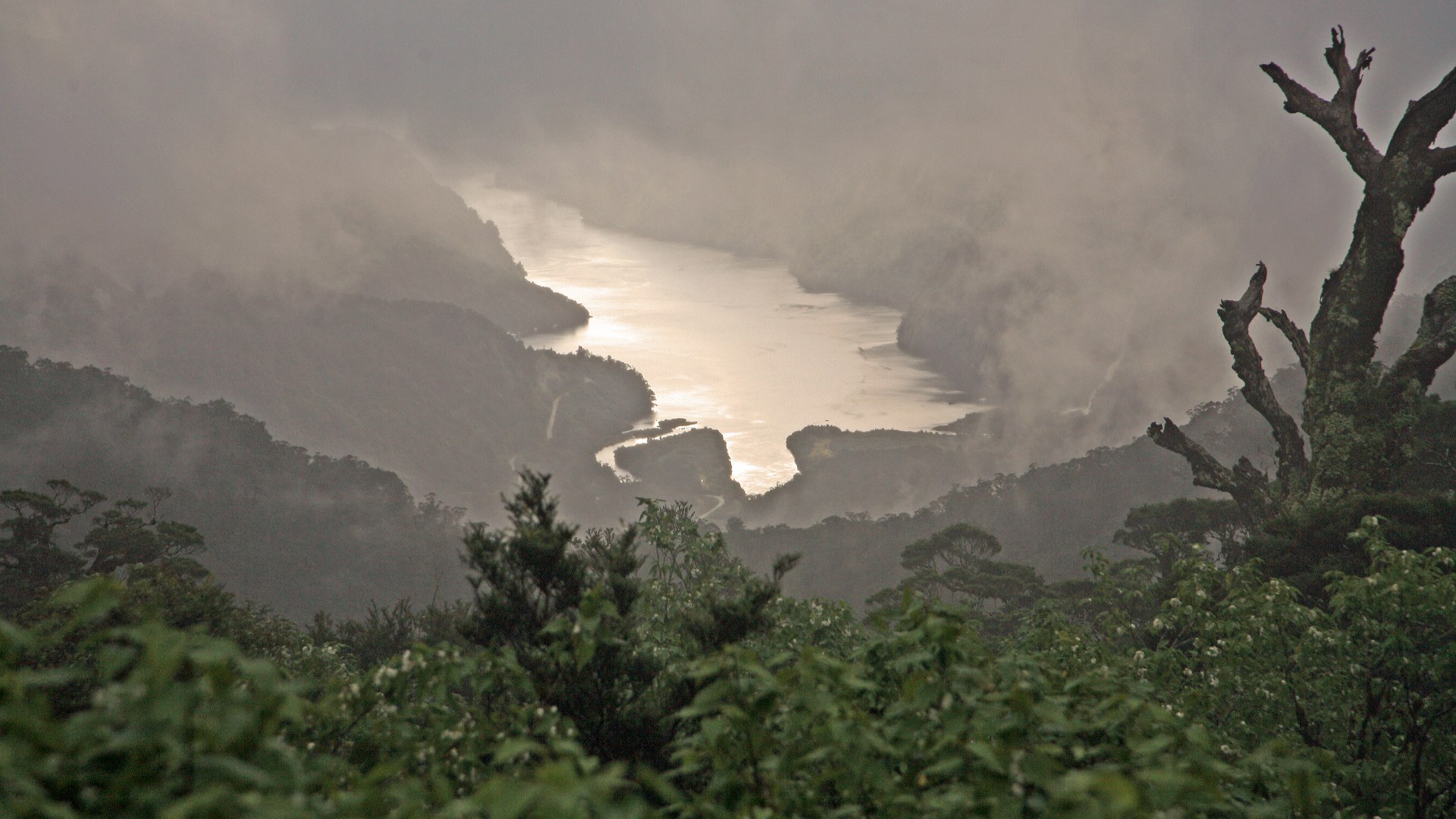
12. Doubtful Sound, Fiordland, New Zealand
Known as Patea in Maori, Doubtful Sound is the deepest of New Zealand's fjords at 421 meters and spans 40 kilometers across three distinct arms. Reachable only by boat across Lake Manapouri and over Wilmot Pass, its dark waters remain a quiet sanctuary for bottlenose dolphins and Fiordland crested penguins.
©Wikimedia / W. Bulach
11. Saguenay Fjord, Quebec, Canada
Cutting 105 kilometers through the Laurentian Shield of Quebec, the Saguenay Fjord plunges to a depth of 270 meters between 350-meter bedrock cliffs. Cold saltwater from the St. Lawrence Estuary flows underneath warmer surface water from Lac Saint-Jean, sustaining a resident population of 900 beluga whales.
©Wikimedia / Ymblanter
10. Tracy Arm Fjord, Alaska, United States
Located 72 kilometers south of Juneau inside the Tongass National Forest, Tracy Arm is a 48-kilometer glacial fjord less than 1.5 kilometers wide. Sheer 900-meter granite walls channel waterfalls down to the water, which is dotted with floating icebergs calved from the twin North and South Sawyer Glaciers.
©Wikimedia / mark byzewski
9. Kenai Fjords, Alaska, United States
Along the southeastern coast of Alaska's Kenai Peninsula, the 1,800-square-kilometer Harding Icefield feeds 38 glaciers that carve deep coastal valleys into the Gulf of Alaska. As tectonic subsidence and glacial erosion met rising seas, mountain ridges became jagged islands frequented by orcas and sea otters.
©Wikimedia / Paxson Woelber
Advertisement
Swipe or tap ▶ to resume the countdown.
8. Scoresby Sund, Eastern Greenland
Known in Greenlandic as Kangertittivaq, Scoresby Sund on the eastern coast of Greenland is the largest and longest fjord system in the world. Its main basin and branching arms extend 350 kilometers inland, cover 38,000 square kilometers, and drop to a depth of 1,450 meters alongside 2,000-meter basalt walls.
©Wikimedia / Hannes Grobe
7. Hardangerfjord, Western Norway
Stretching 179 kilometers from the Atlantic Ocean into the mountainous interior of Norway, Hardangerfjord is the country's second-longest fjord and reaches depths of 860 meters. Its mild microclimate supports centuries-old apple and cherry orchards right below the Folgefonna glacier and the Trolltunga rock ledge.
©Wikimedia / Holger Uwe Schmitt
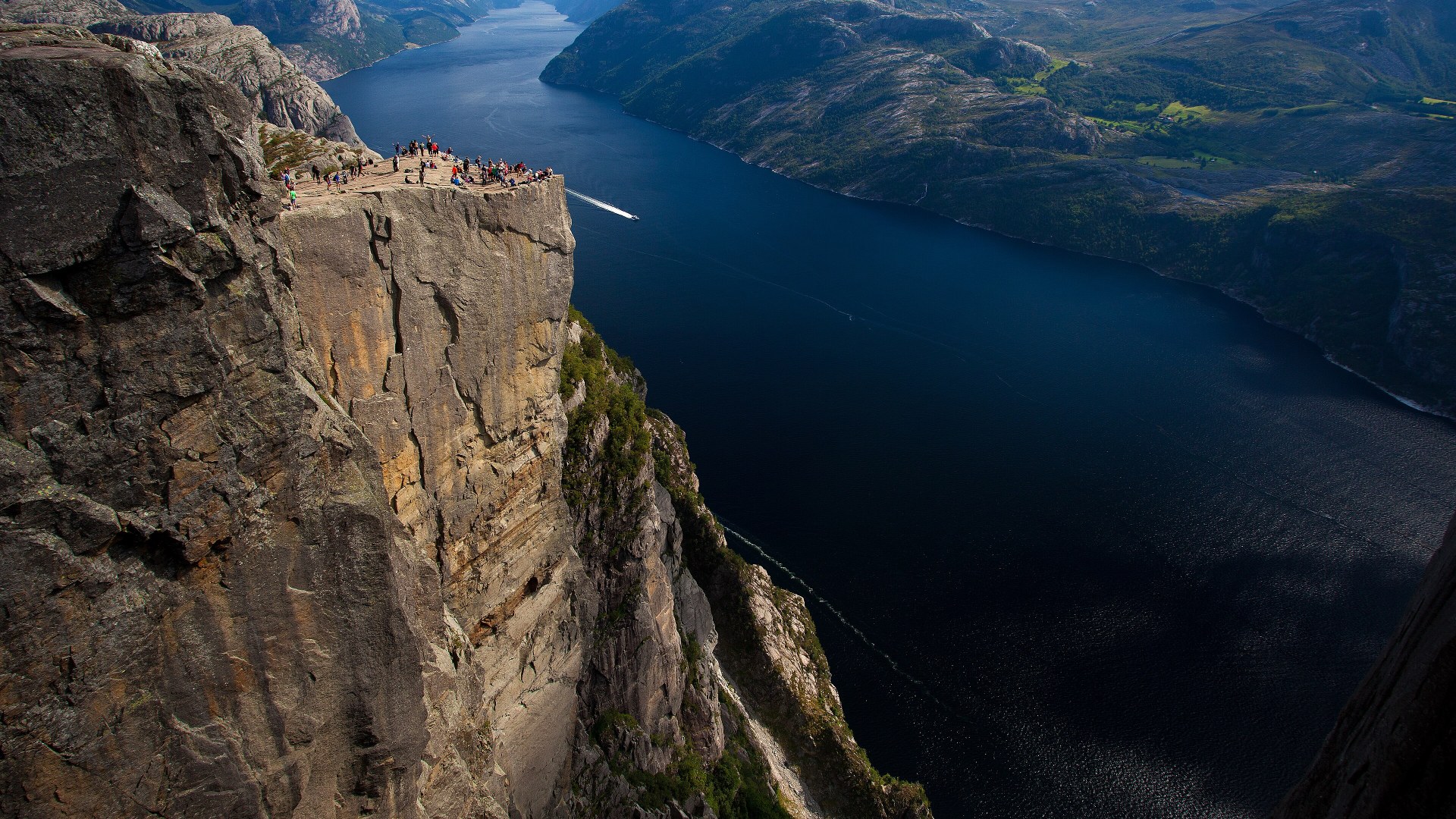
6. Lysefjord, Ryfylke, Norway
Named for the light-colored granite rocks along its flanks, the 42-kilometer Lysefjord in southwestern Norway was carved by glaciers moving down from the Ryfylke mountains. Its signature landmark is Preikestolen (Pulpit Rock), a flat 25-by-25-meter granite plateau that drops 604 meters straight into the water below.
©Wikimedia / Svein Magne Tunli
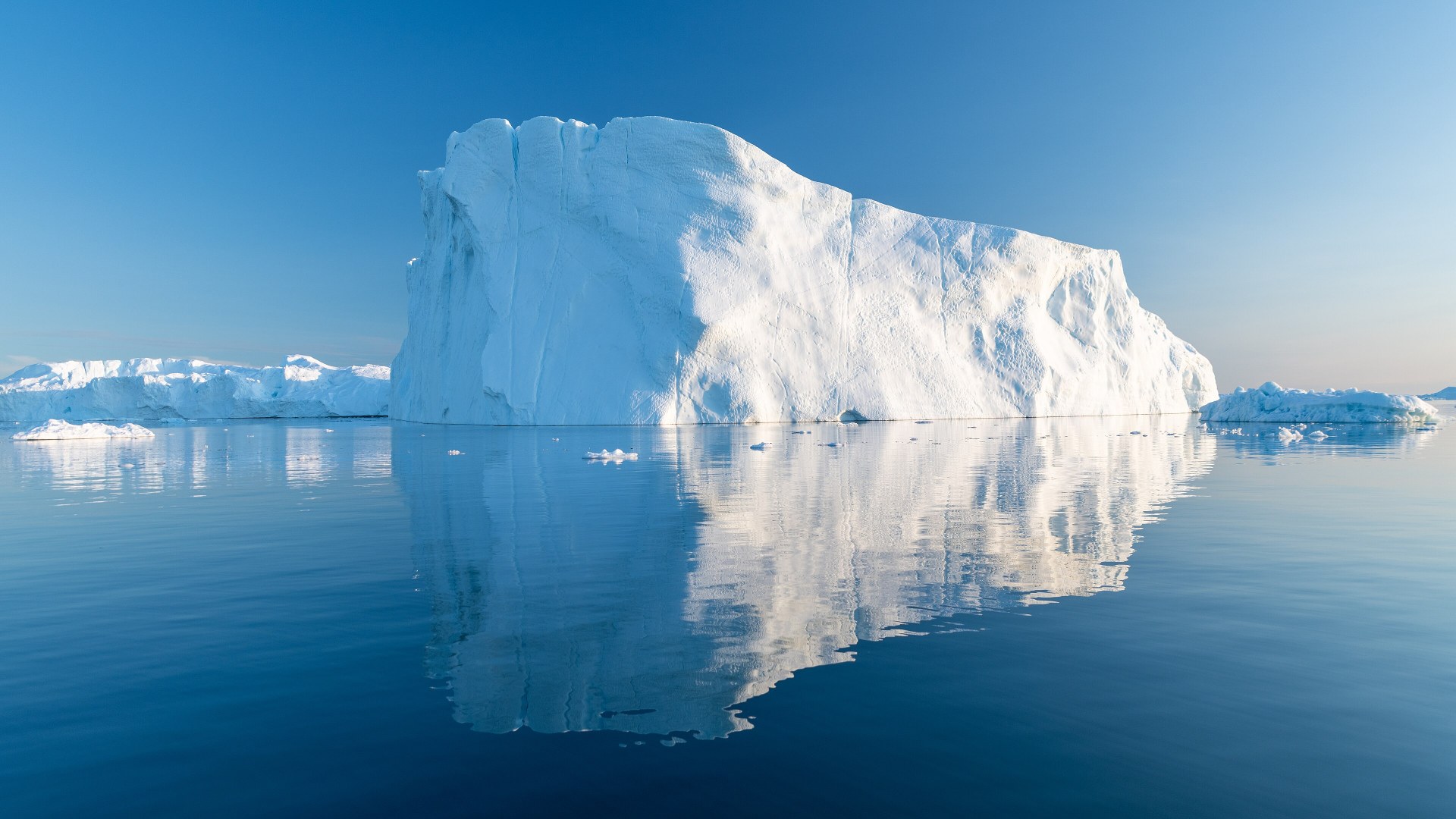
5. Ilulissat Icefjord, Western Greenland
Running 40 kilometers west from the Greenland Ice Sheet to Disko Bay, the UNESCO-listed Ilulissat Icefjord is fed by Sermeq Kujalleq, one of the fastest and most active glaciers on Earth. Advancing roughly 40 meters per day, the glacier calves more than 35 cubic kilometers of ice annually into the fjord.
©Wikimedia / Christoph Strassler
Advertisement
Swipe or tap ▶ to resume the countdown.
4. Sognefjord, Western Norway
Nicknamed the King of the Fjords, Sognefjord cuts 205 kilometers inland from the coast north of Bergen to the foot of the Jotunheimen mountains. It is the largest fjord in Norway and the second longest on Earth, plunging to a maximum water depth of 1,308 meters while surrounding peaks rise above 1,700 meters.
©Wikimedia / Worldtraveller
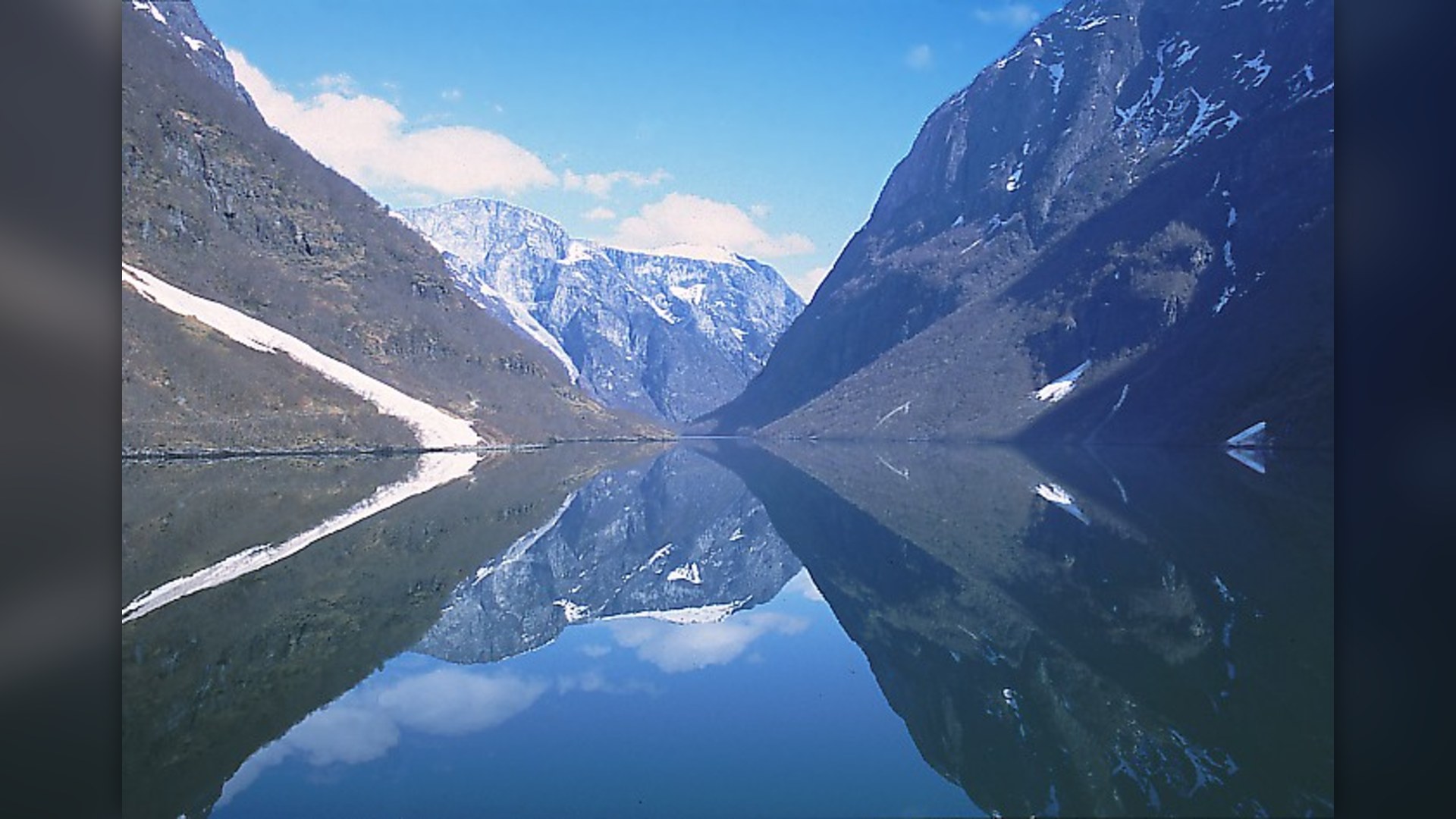
3. Naeroyfjord, Vestland, Norway
An 18-kilometer southern arm of the great Sognefjord, Naeroyfjord is the narrowest major fjord in Europe, pinching to just 250 meters across at Bakka while mountain walls tower 1,700 meters overhead. Listed as a UNESCO World Heritage site in 2005, its shoreline preserves tiny roadless villages and cascading waterfalls.
©Wikimedia / saw2th
2. Milford Sound, Fiordland, New Zealand
Known as Piopiotahi in Maori, Milford Sound runs 15 kilometers inland from the Tasman Sea on New Zealand's South Island. Dominated by the 1,692-meter pyramid of Mitre Peak rising straight from the shore, the fjord receives nearly 7 meters of rainfall per year, feeding permanent cascades like the 161-meter Bowen Falls.
©Wikimedia / Krzysztof Golik
1. Geirangerfjord, Sunnmore, Norway
Protected as a UNESCO World Heritage site since 2005, the 15-kilometer Geirangerfjord in western Norway winds through a deep S-bend surrounded by 1,500-meter snow-dusted peaks. Sheer rock walls send the Seven Sisters and Suitor waterfalls plunging 250 meters into emerald water below historic cliff-ledge farms.

©Wikimedia / Diego Delso
Advertisement
You've reached the end of the story. Thanks for reading!

20 Countries With the Strongest Passports, Ranked by Destinations
Global mobility rankings show how diplomatic agreements and visa pacts shape international travel. From European Union nations to dynamic Asian powerhouses, these passports grant seamless entry across continents. Based on official mobility data from the Henley Passport Index alongside statistics from the IATA database.
All 15 Entries in this Story
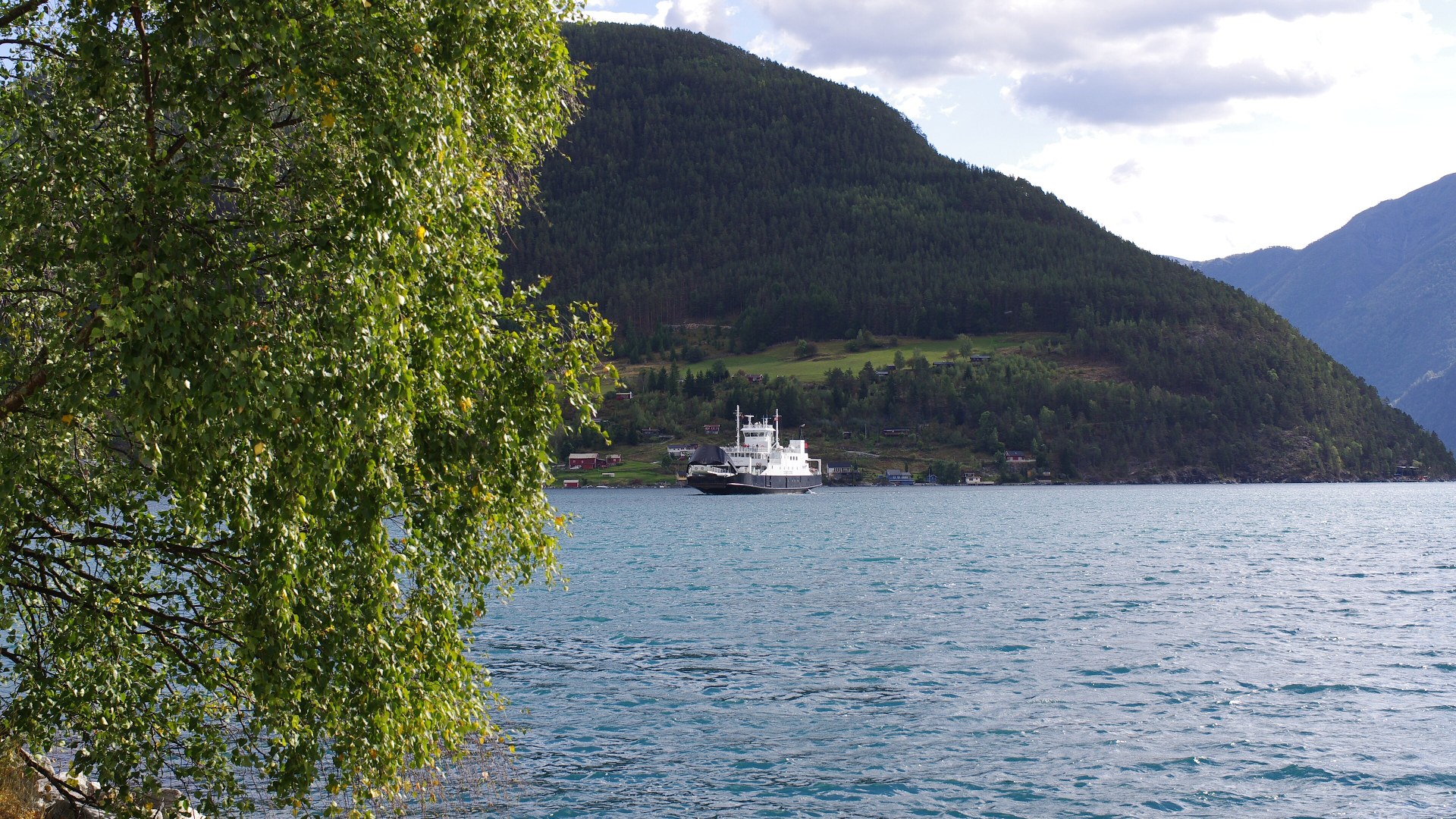
15. Howe Sound, British Columbia, Canada
Located immediately northwest of Vancouver, Howe Sound (known as Atl'kitsem to the Squamish Nation) is a triangular network of glacial fjords stretching 42 kilometers to Squamish. Designated a UNESCO Biosphere Region in 2021, its waters sit beneath the 702-meter granite monolith of Stawamus Chief.

14. Trollfjord, Vesteralen, Norway
Carved into the island of Austvagoya in northern Norway, Trollfjord measures just 2 kilometers long and narrows to 100 meters at its mouth. The sheer granite walls of the Trolltindan mountain range rise 1,000 meters straight out of the water, leaving barely enough room for coastal steamers to turn around.

13. Eyjafjordur, North Iceland
Stretching 60 kilometers from the northern city of Akureyri out to the Greenland Sea, Eyjafjordur is the longest fjord in Iceland. Flanked by 1,000-meter volcanic basalt plateaus on both shores, its nutrient-rich summer waters and geothermal seafloor vents attract dozens of feeding humpback and blue whales.

12. Doubtful Sound, Fiordland, New Zealand
Known as Patea in Maori, Doubtful Sound is the deepest of New Zealand's fjords at 421 meters and spans 40 kilometers across three distinct arms. Reachable only by boat across Lake Manapouri and over Wilmot Pass, its dark waters remain a quiet sanctuary for bottlenose dolphins and Fiordland crested penguins.

11. Saguenay Fjord, Quebec, Canada
Cutting 105 kilometers through the Laurentian Shield of Quebec, the Saguenay Fjord plunges to a depth of 270 meters between 350-meter bedrock cliffs. Cold saltwater from the St. Lawrence Estuary flows underneath warmer surface water from Lac Saint-Jean, sustaining a resident population of 900 beluga whales.

10. Tracy Arm Fjord, Alaska, United States
Located 72 kilometers south of Juneau inside the Tongass National Forest, Tracy Arm is a 48-kilometer glacial fjord less than 1.5 kilometers wide. Sheer 900-meter granite walls channel waterfalls down to the water, which is dotted with floating icebergs calved from the twin North and South Sawyer Glaciers.

9. Kenai Fjords, Alaska, United States
Along the southeastern coast of Alaska's Kenai Peninsula, the 1,800-square-kilometer Harding Icefield feeds 38 glaciers that carve deep coastal valleys into the Gulf of Alaska. As tectonic subsidence and glacial erosion met rising seas, mountain ridges became jagged islands frequented by orcas and sea otters.

8. Scoresby Sund, Eastern Greenland
Known in Greenlandic as Kangertittivaq, Scoresby Sund on the eastern coast of Greenland is the largest and longest fjord system in the world. Its main basin and branching arms extend 350 kilometers inland, cover 38,000 square kilometers, and drop to a depth of 1,450 meters alongside 2,000-meter basalt walls.

7. Hardangerfjord, Western Norway
Stretching 179 kilometers from the Atlantic Ocean into the mountainous interior of Norway, Hardangerfjord is the country's second-longest fjord and reaches depths of 860 meters. Its mild microclimate supports centuries-old apple and cherry orchards right below the Folgefonna glacier and the Trolltunga rock ledge.

6. Lysefjord, Ryfylke, Norway
Named for the light-colored granite rocks along its flanks, the 42-kilometer Lysefjord in southwestern Norway was carved by glaciers moving down from the Ryfylke mountains. Its signature landmark is Preikestolen (Pulpit Rock), a flat 25-by-25-meter granite plateau that drops 604 meters straight into the water below.

5. Ilulissat Icefjord, Western Greenland
Running 40 kilometers west from the Greenland Ice Sheet to Disko Bay, the UNESCO-listed Ilulissat Icefjord is fed by Sermeq Kujalleq, one of the fastest and most active glaciers on Earth. Advancing roughly 40 meters per day, the glacier calves more than 35 cubic kilometers of ice annually into the fjord.

4. Sognefjord, Western Norway
Nicknamed the King of the Fjords, Sognefjord cuts 205 kilometers inland from the coast north of Bergen to the foot of the Jotunheimen mountains. It is the largest fjord in Norway and the second longest on Earth, plunging to a maximum water depth of 1,308 meters while surrounding peaks rise above 1,700 meters.

3. Naeroyfjord, Vestland, Norway
An 18-kilometer southern arm of the great Sognefjord, Naeroyfjord is the narrowest major fjord in Europe, pinching to just 250 meters across at Bakka while mountain walls tower 1,700 meters overhead. Listed as a UNESCO World Heritage site in 2005, its shoreline preserves tiny roadless villages and cascading waterfalls.

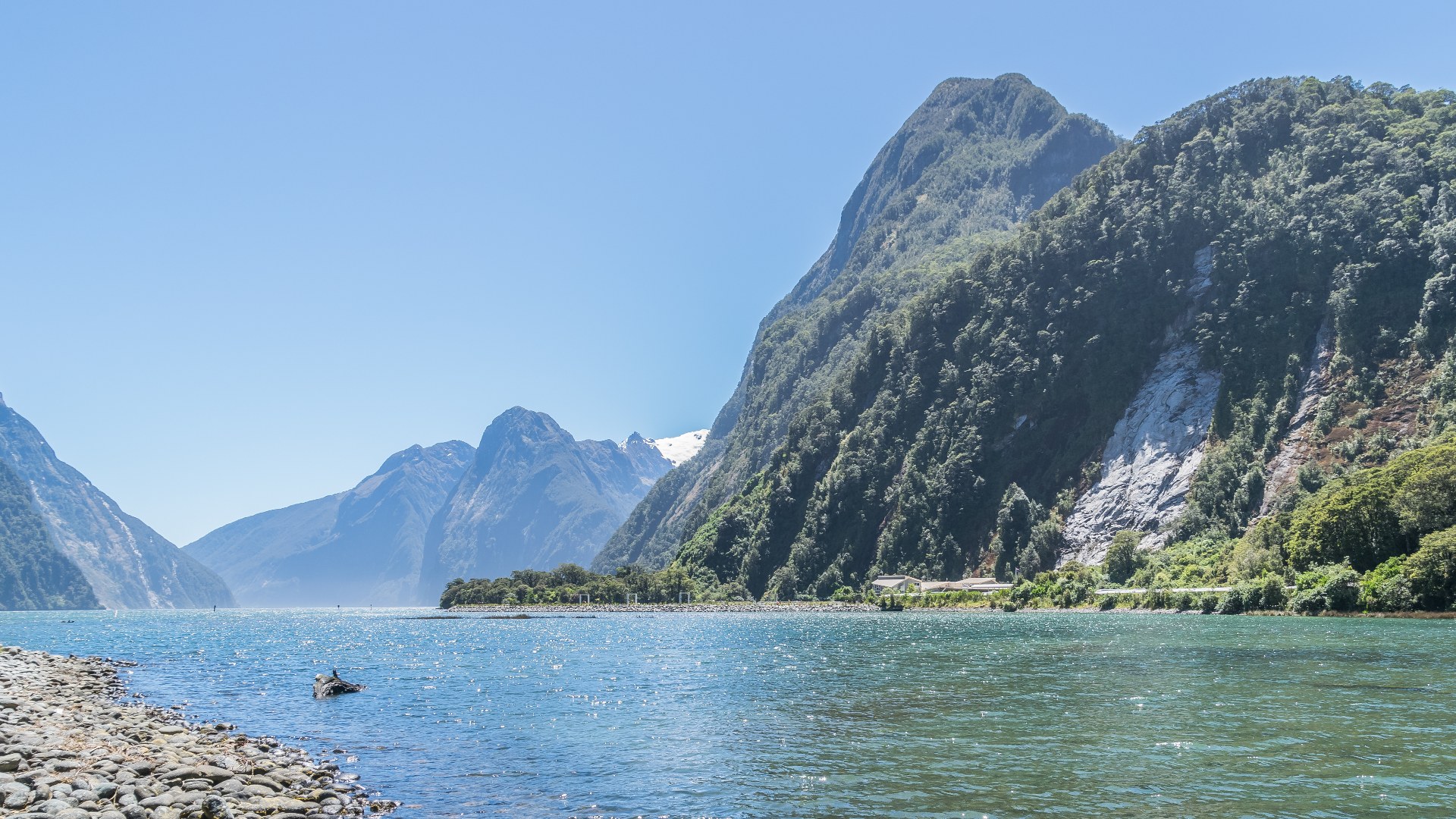
2. Milford Sound, Fiordland, New Zealand
Known as Piopiotahi in Maori, Milford Sound runs 15 kilometers inland from the Tasman Sea on New Zealand's South Island. Dominated by the 1,692-meter pyramid of Mitre Peak rising straight from the shore, the fjord receives nearly 7 meters of rainfall per year, feeding permanent cascades like the 161-meter Bowen Falls.

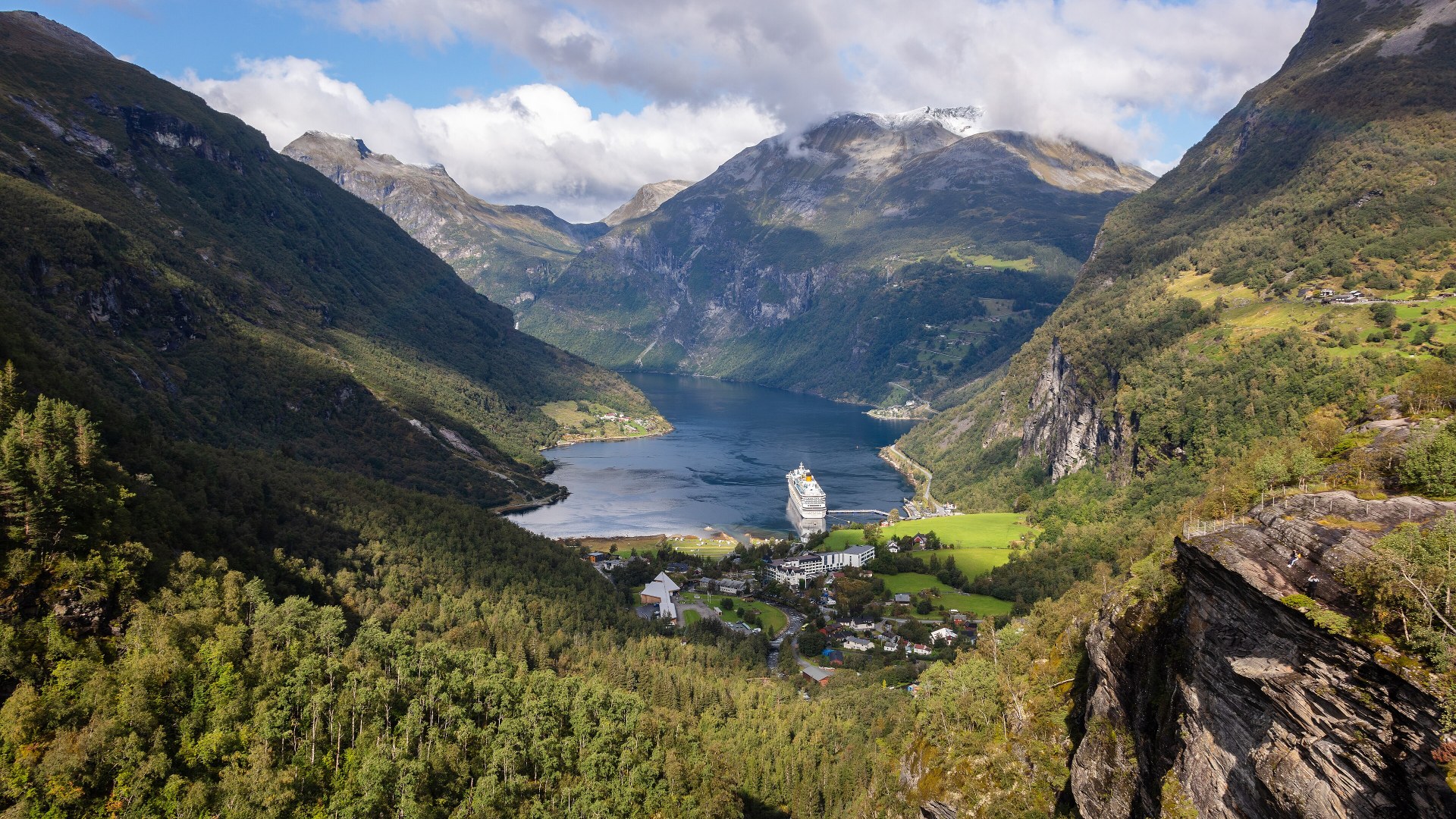
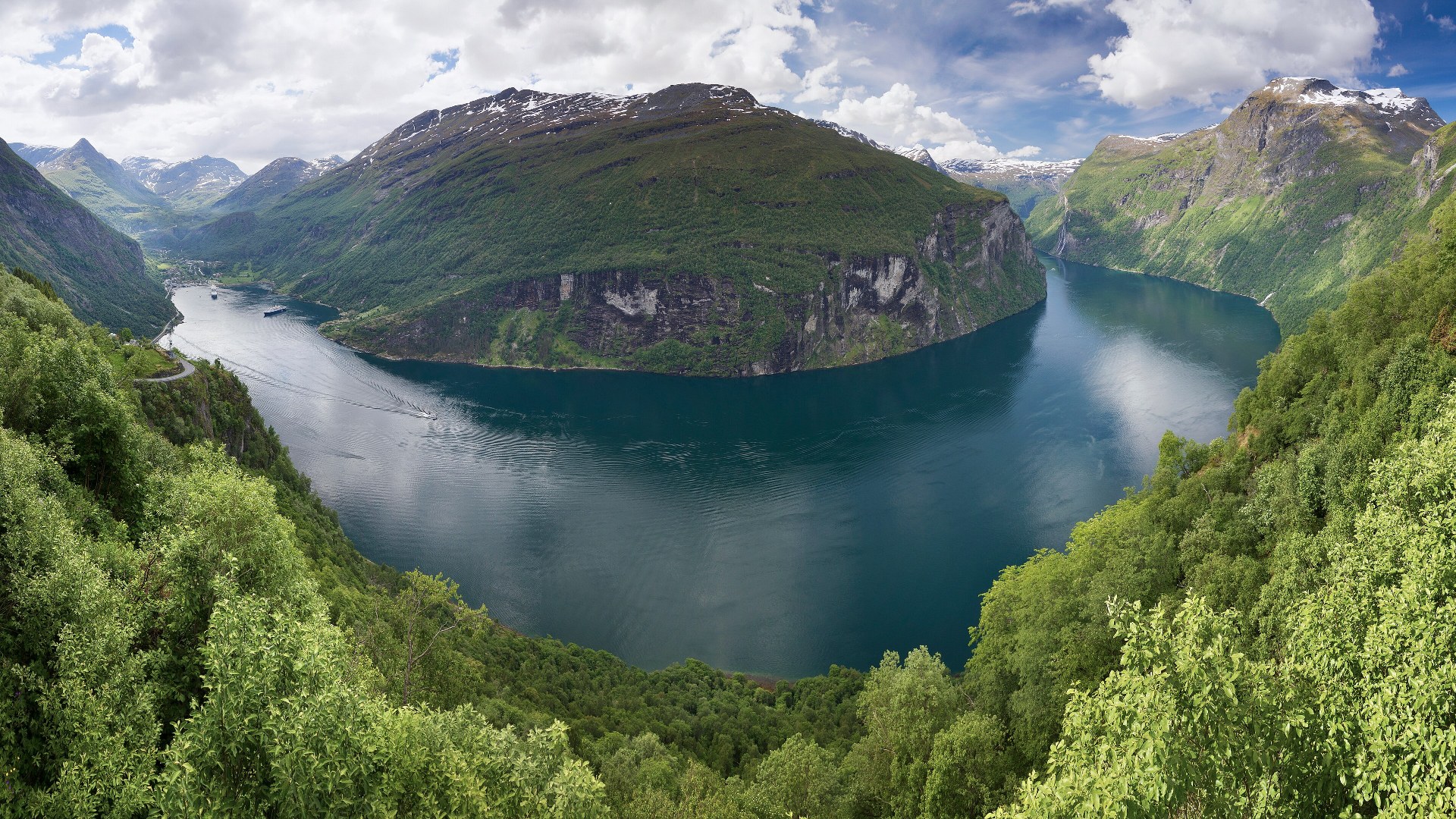
1. Geirangerfjord, Sunnmore, Norway
Protected as a UNESCO World Heritage site since 2005, the 15-kilometer Geirangerfjord in western Norway winds through a deep S-bend surrounded by 1,500-meter snow-dusted peaks. Sheer rock walls send the Seven Sisters and Suitor waterfalls plunging 250 meters into emerald water below historic cliff-ledge farms.