Slideshow · Viral
The 15 Most Iconic Microcars Ever Made, Ranked
From post-war aircraft-inspired bubble cars with front-opening doors to modern electric urban runabouts, these 15 miniature vehicles changed city motoring forever.
By Most Viral Today
5 Nov 2026

From Bubble Cars to Electric Runabouts, Counting Down the Greatest Microcars 
15. Microlino 
14. Citroen Ami 
13. Smart Fortwo - AdvertisementSwipe or tap ▶ to continue countdown

12. Sinclair C5 
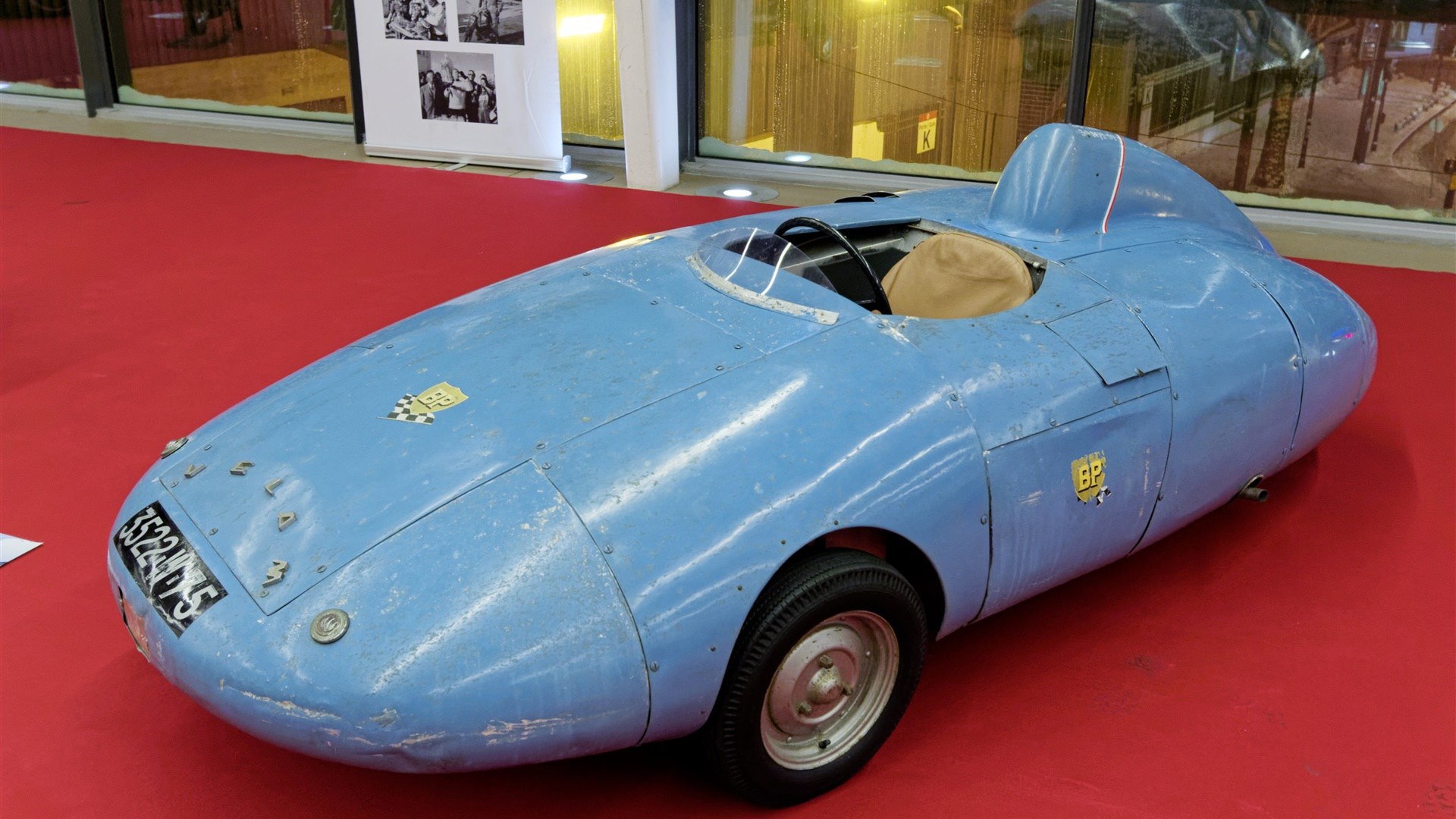
11. Reyonnah 
10. Berkeley SE328 
9. Heinkel Kabine - AdvertisementSwipe or tap ▶ to continue countdown

8. Subaru 360 
7. Crosley Hot Shot 
6. Bond Bug 
5. Goggomobil T250 - AdvertisementSwipe or tap ▶ to continue countdown

4. Messerschmitt KR200 
3. Peel P50 
2. Fiat 500 (Nuova) 
1. BMW Isetta - Advertisement🔥 UP NEXT IN THIS SERIES◫ 21 Slides

20 Famous Cars With Pop-Up Headlights That Shaped Car Design
From hand-cranked 1930s teardrops to wedge supercars of the 1980s, hidden headlights let stylists chase sleek aerodynamics until 2004 pedestrian rules closed the curtain. Here are 20 standout production cars that turned retractable lamps into an enduring automotive design feature across seven full decades.
From post-war aircraft-inspired bubble cars with front-opening doors to modern electric urban runabouts that slip into the tightest city parking bays, microcars prove that unforgettable engineering comes in small packages. Here are the 15 most iconic microcars ever built.
Swipe or tap ▶ to begin the countdown
©Wikimedia / Mick & User3002
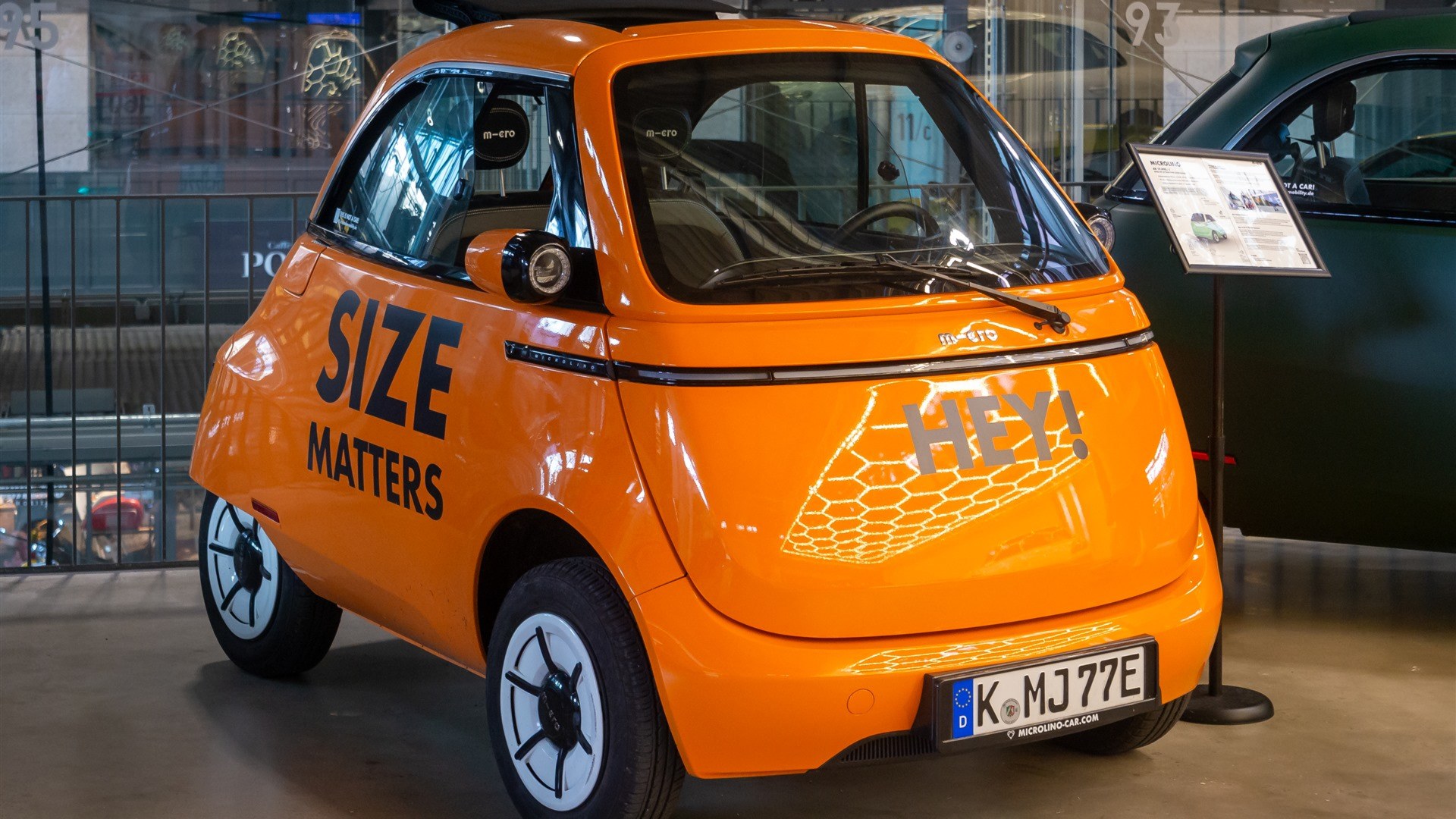
15. Microlino
Conceived in Switzerland by the Ouboter family and manufactured in Turin, the all-electric Microlino revives 1950s bubble car charm for the modern city. Its front-hinged refrigerator door lets occupants step straight onto the pavement, while a pressed-steel unibody chassis supports a 56 mph top speed.
©Wikimedia / Matti Blume
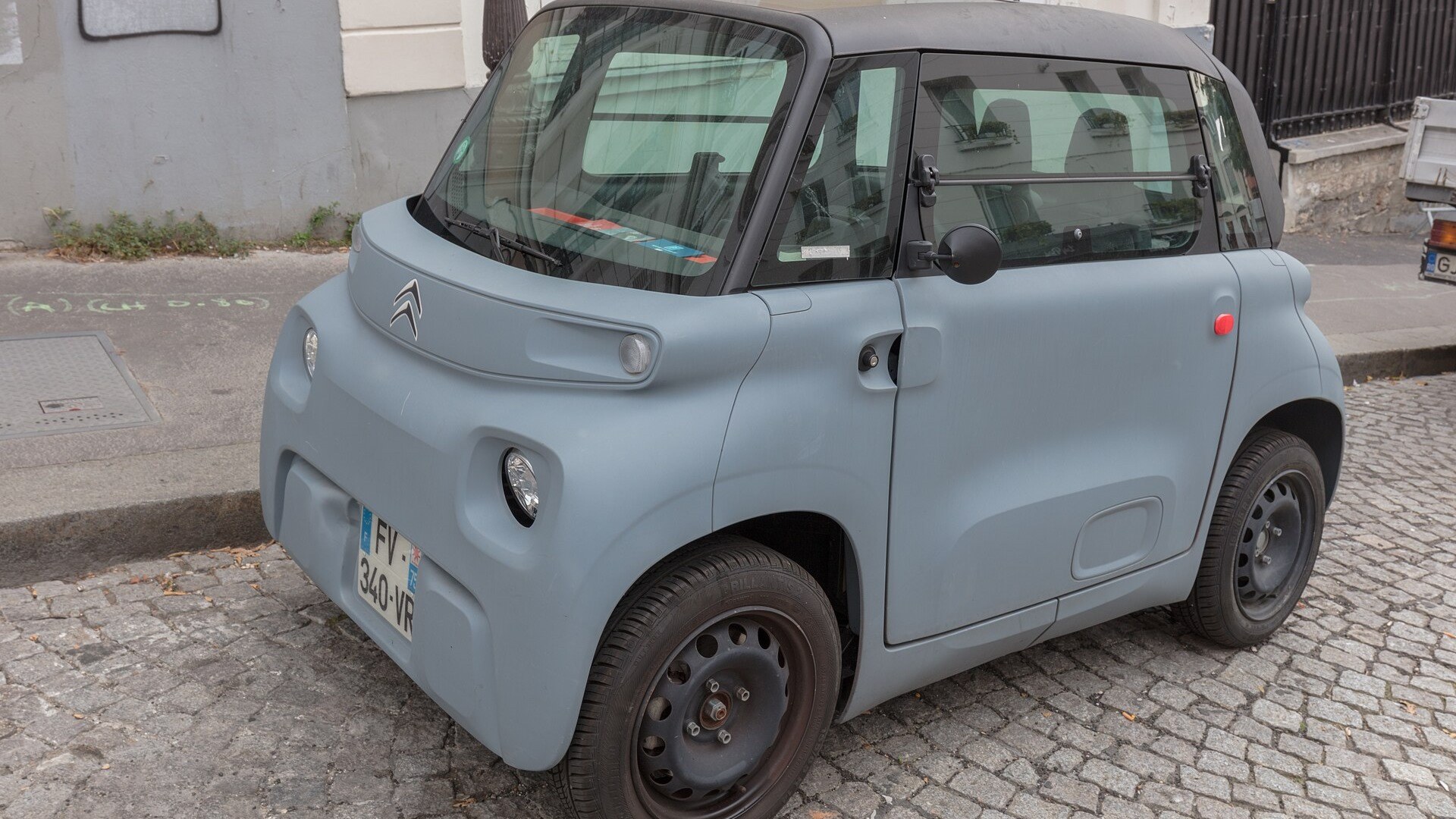
14. Citroen Ami
Launched in 2020, the 2.41-meter Citroen Ami cut tooling costs by using identical front and rear body panels and opposing door hinges. Restricted to 28 mph (45 km/h) and charged from a standard wall socket, the electric quadricycle can be driven without a full car license in several European countries.
©Wikimedia / Diego Delso
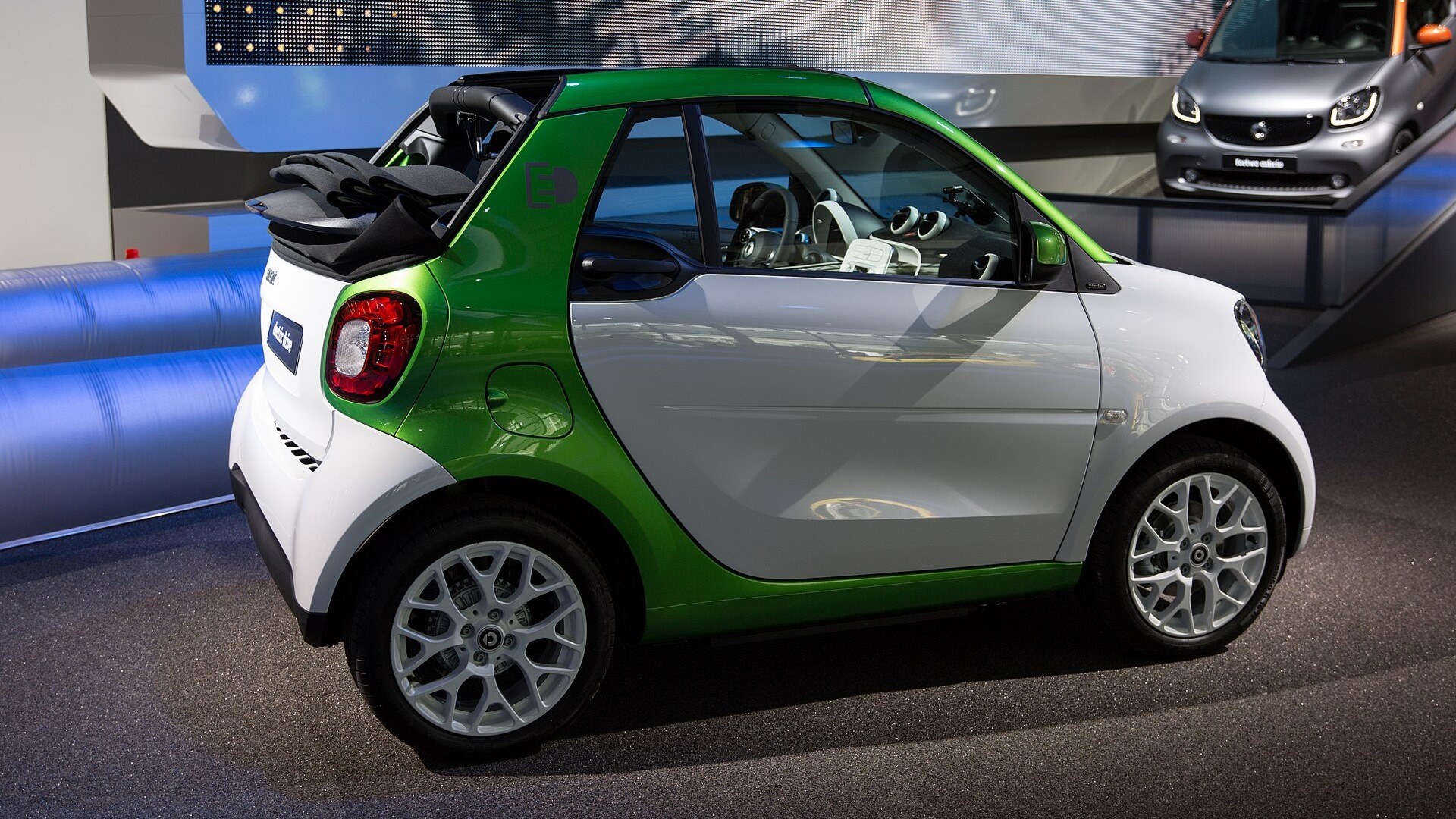
13. Smart Fortwo
Developed jointly by Swatch founder Nicolas Hayek and Mercedes-Benz, the Smart Fortwo debuted in 1997 with an exposed high-strength Tridion steel safety cell. At roughly 2.5 meters in length with a rear-mounted engine, it became famous across European capitals for parking nose-to-curb in tight bays.
©Wikimedia / MB-one
Advertisement
Swipe or tap ▶ to resume the countdown.
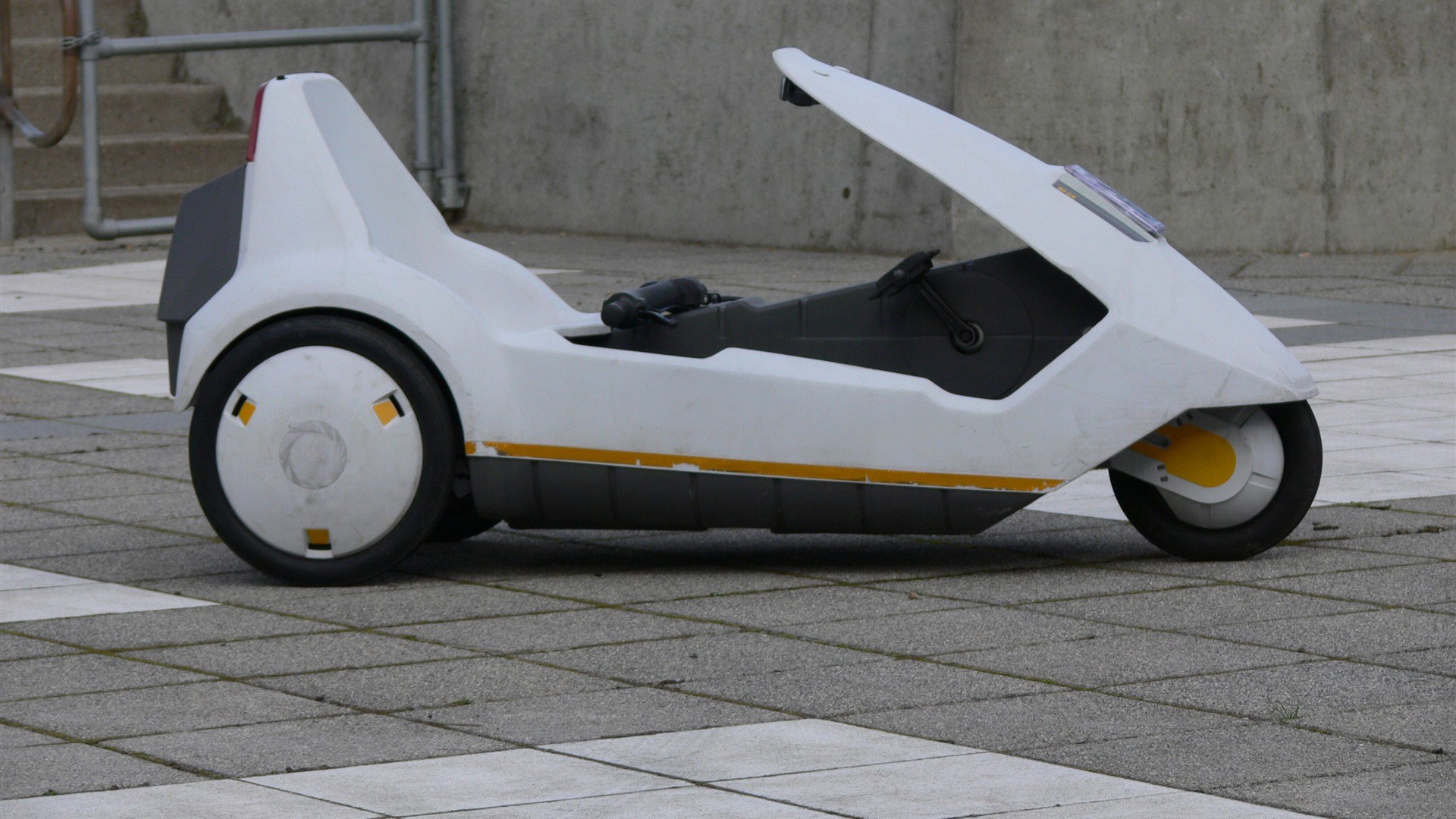
12. Sinclair C5
Unveiled in January 1985 by British inventor Sir Clive Sinclair with chassis engineering from Lotus Cars, the battery-electric C5 placed riders in an open-air recumbent seat steered via under-thigh handlebars. Though a commercial misfire at launch, it later became a cult forerunner to modern micro-mobility.
©Wikimedia / Grant Mitchell
11. Reyonnah
First shown at the 1950 Paris Motor Show, the French Reyonnah solved congested city parking with a patented folding front-track mechanism. Once parked, the wide front wheels retracted inward so the tandem two-seater narrowed to just 29.5 inches wide, narrow enough to roll through a courtyard gate.
©Wikimedia / Thesupermat
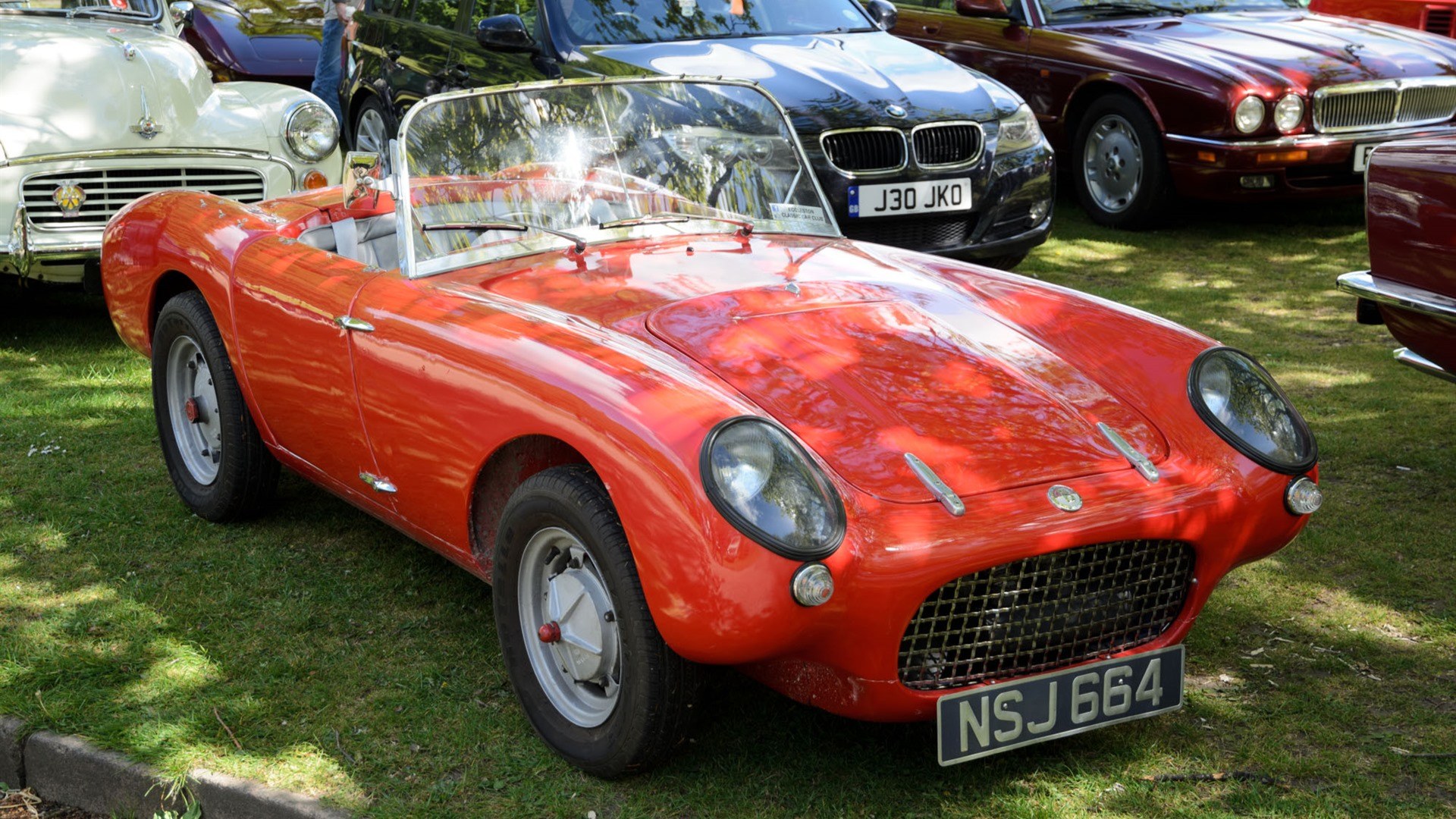
10. Berkeley SE328
Conceived by designer Lawrie Bond and caravan maker Charles Panter in 1956, the British Berkeley SE328 pioneered stressed-skin fiberglass monocoque construction in small sports cars. Weighing just 305 kg, it used a transverse 328cc Excelsior twin motorcycle engine to drive the front wheels.
©Wikimedia / SG2012
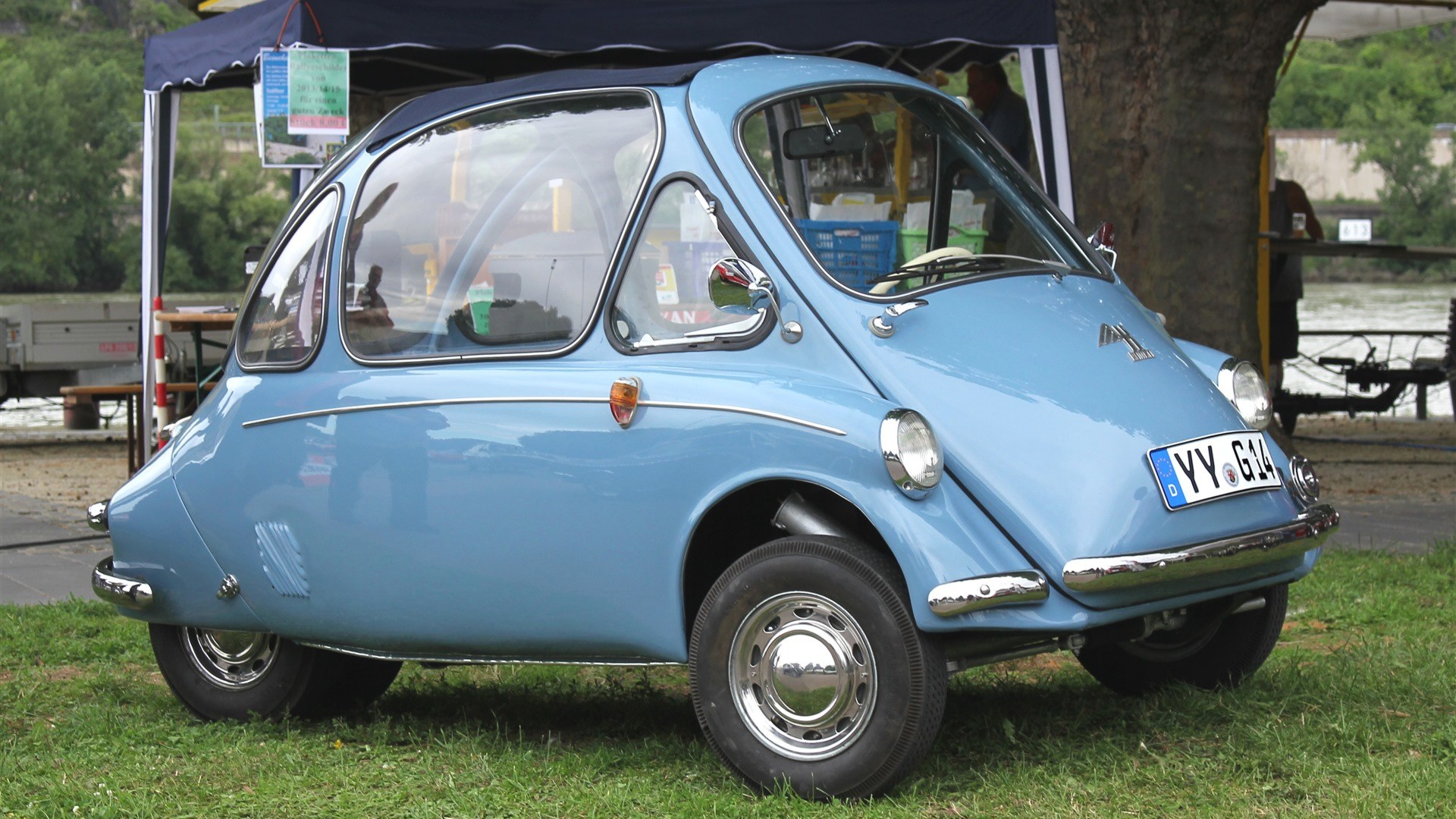
9. Heinkel Kabine
Launched in 1956 by German aircraft builder Ernst Heinkel to challenge the Isetta, the Heinkel Kabine paired stressed-skin fuselage construction with panoramic wrap-around glazing. Unlike early rivals, it featured a four-stroke engine, a built-in reverse gear, and a canvas roof escape hatch.
©Wikimedia / Lothar Spurzem
Advertisement
Swipe or tap ▶ to resume the countdown.
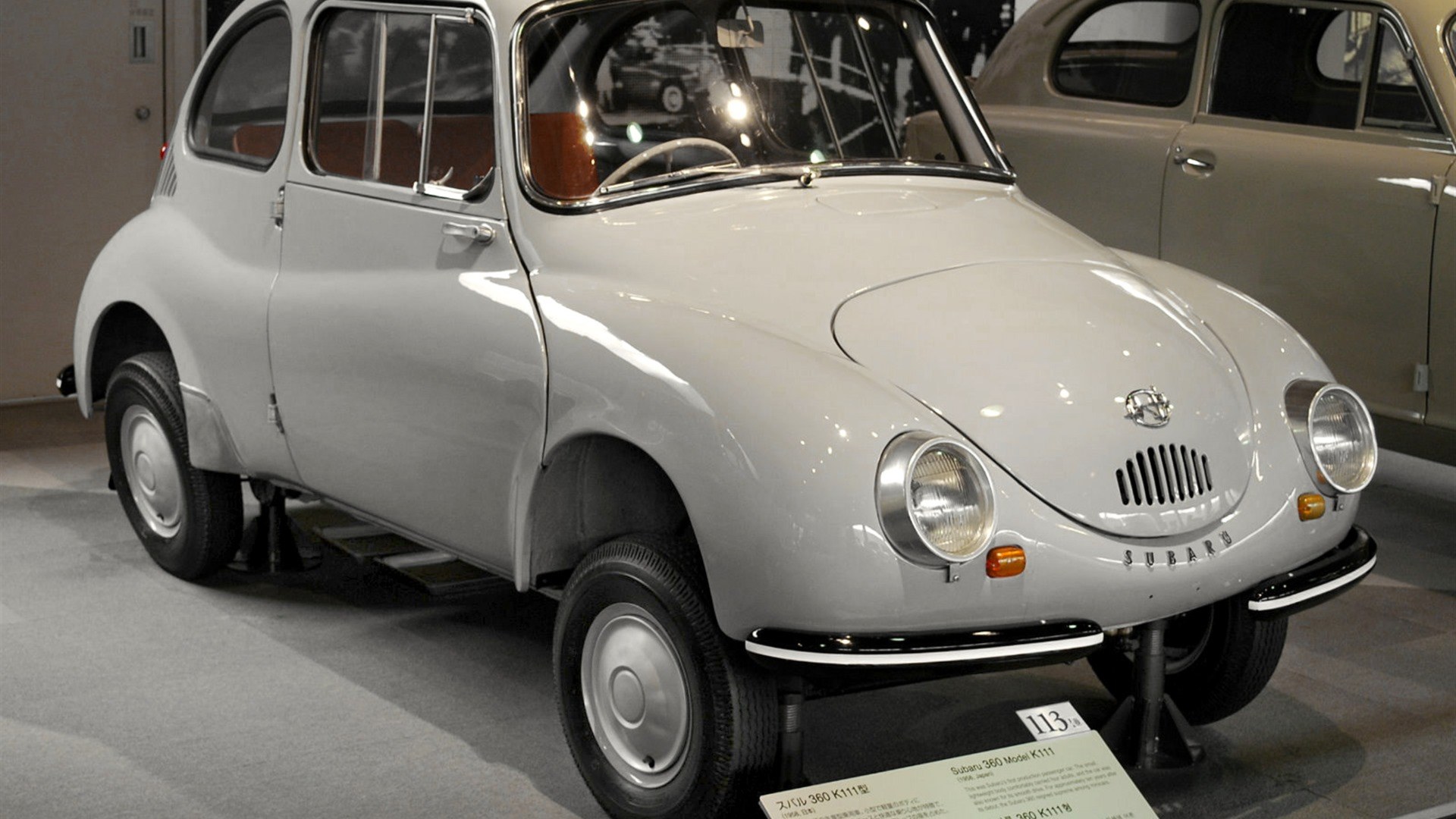
8. Subaru 360
Affectionately nicknamed the Tentomushi (Ladybug) in Japan, the 1958 Subaru 360 was the marque's first production car, built to meet early Kei-class rules. Its monocoque shell featured rear-hinged doors, a lightweight fiberglass roof panel, and a rear-mounted 356cc two-stroke twin engine.
©Wikimedia / Tennen-Gas
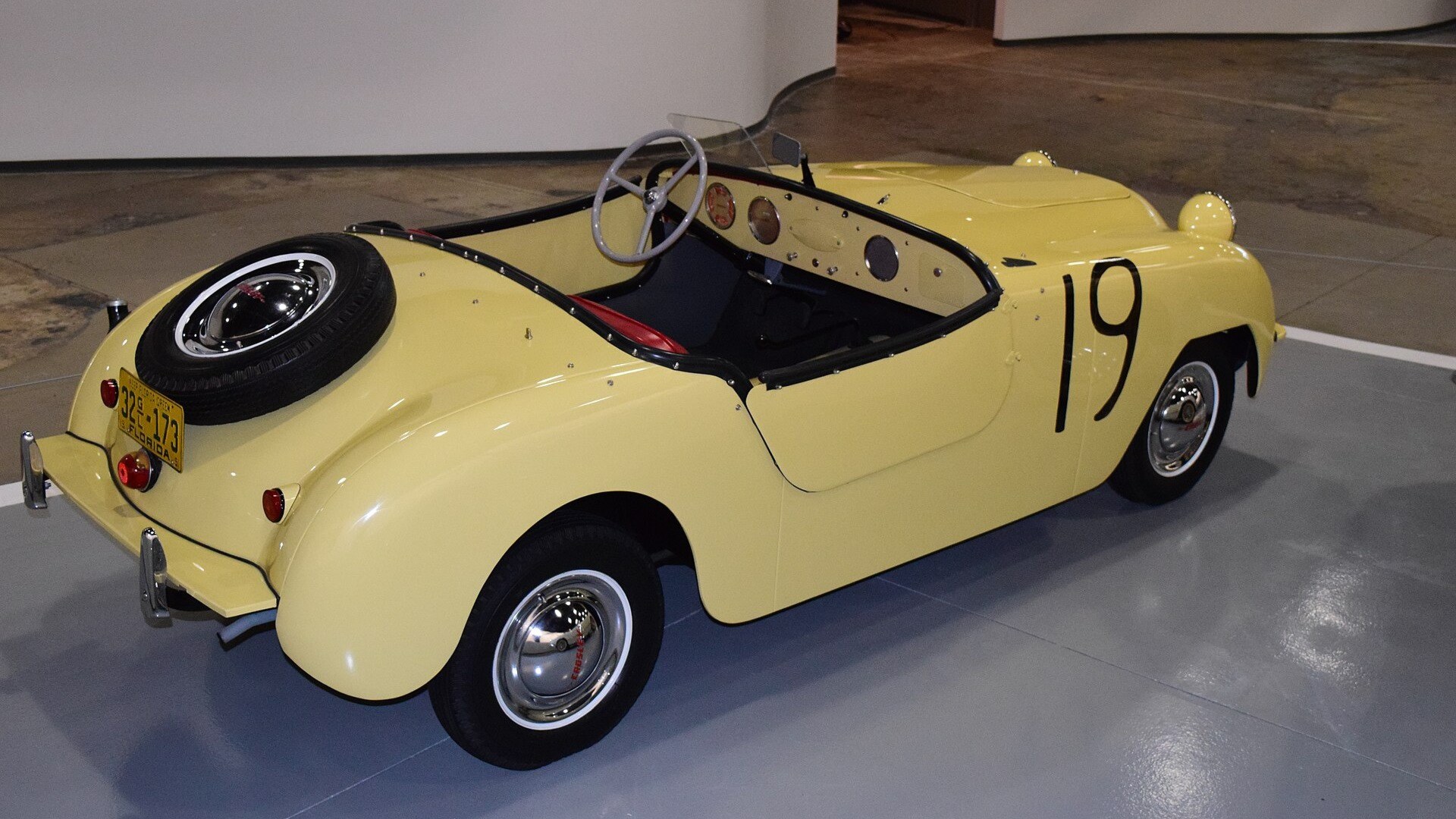
7. Crosley Hot Shot
Built in 1949 by industrialist Powel Crosley Jr. during an era of heavy Detroit cruisers, the doorless Crosley Hot Shot weighed barely 450 kg. Often regarded as America's first post-war sports car, the 724cc overhead-cam roadster won the Index of Performance at the 1950 Sebring endurance race.
©Wikimedia / Richardvining
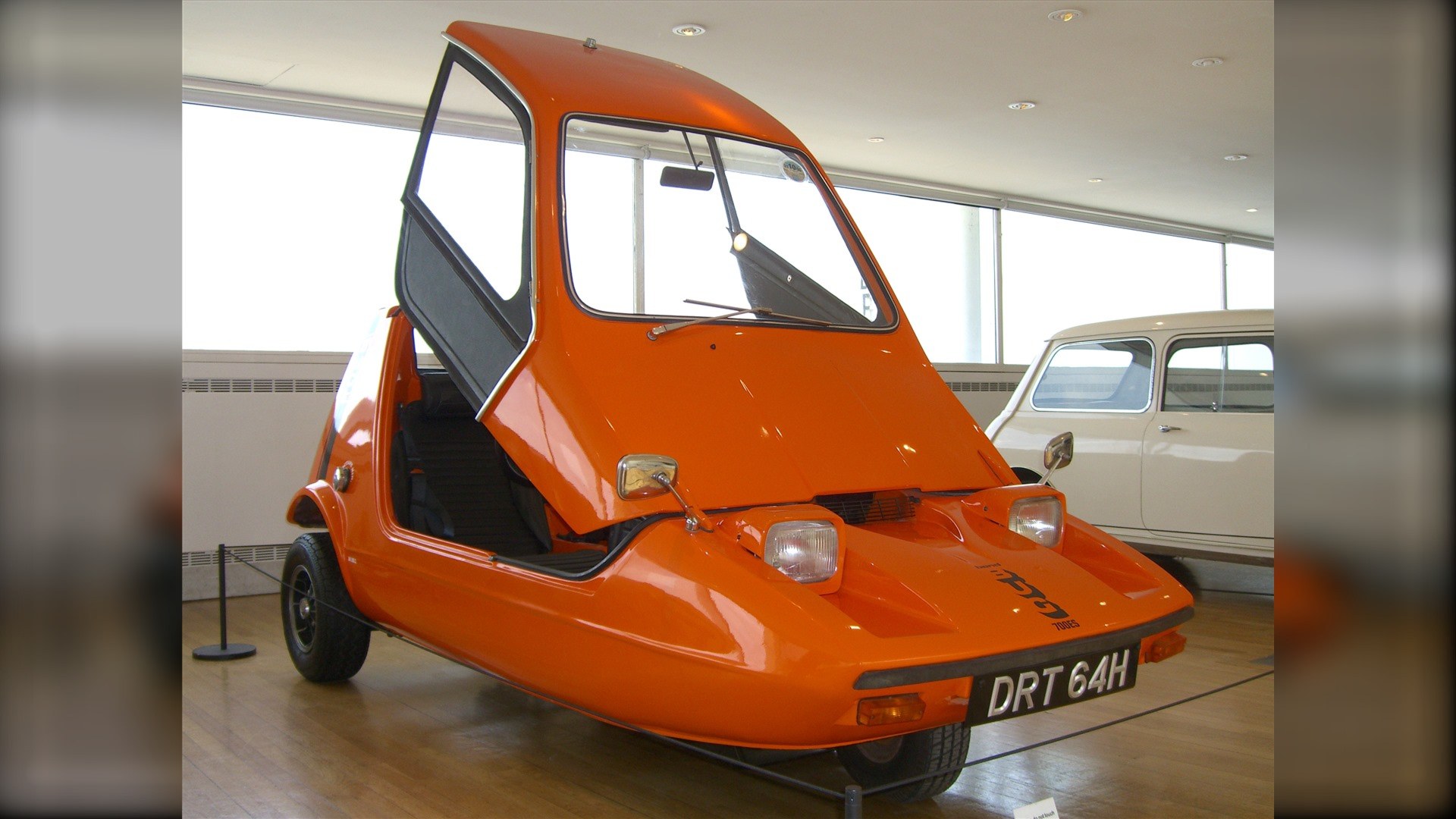
6. Bond Bug
Styled by Tom Karen at Ogle Design in 1970, the wedge-shaped Bond Bug turned the British three-wheeler into a youth-focused sporting machine. Finished almost exclusively in bright tangerine orange with a forward-hinged canopy instead of doors, its 700cc Reliant four-cylinder engine topped 75 mph.
©Wikimedia / Charles01
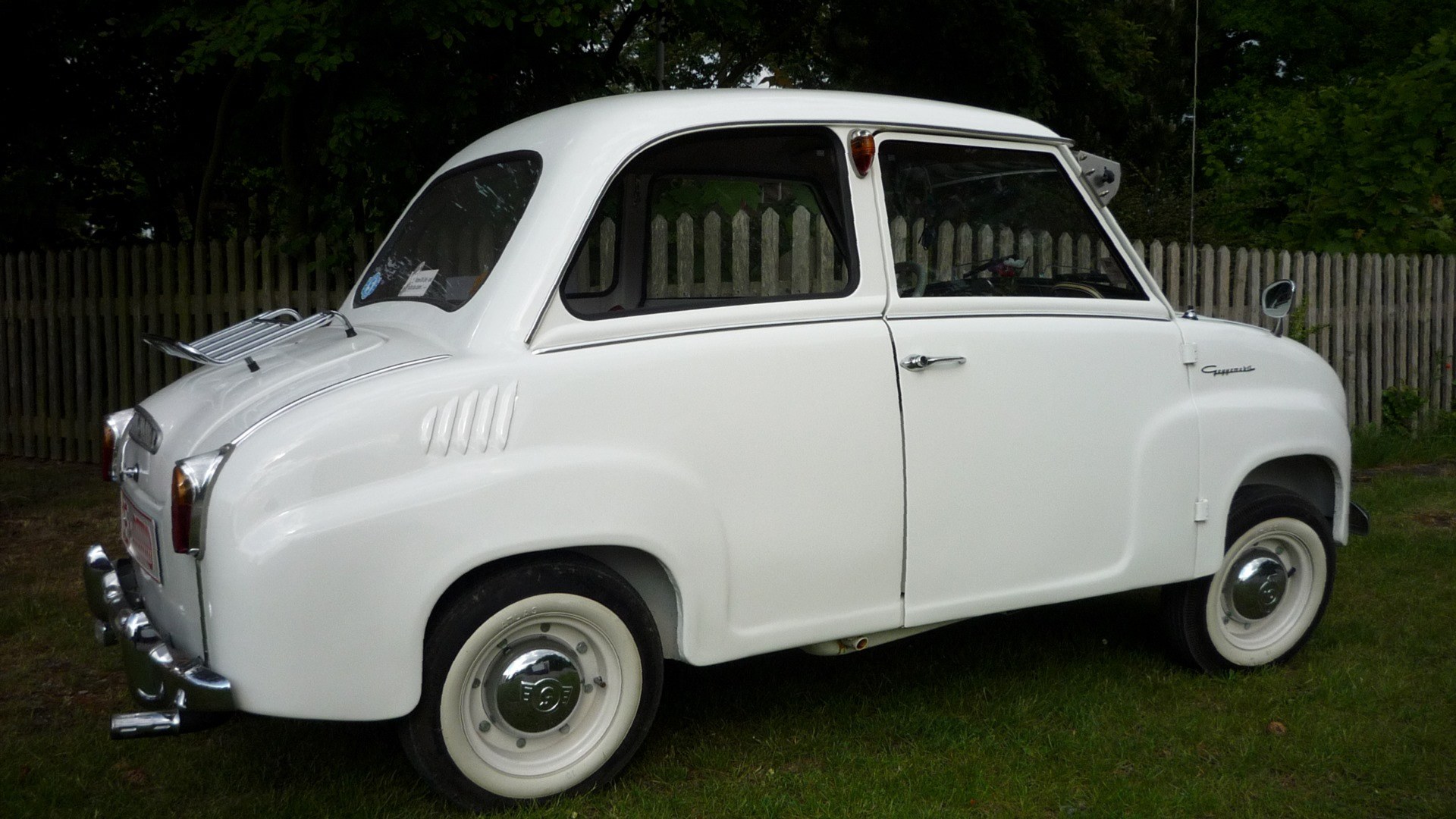
5. Goggomobil T250
Manufactured in Dingolfing by Hans Glas GmbH from 1955, the Goggomobil T250 scaled conventional four-wheeled saloon packaging down to miniature proportions. Powered by a rear-mounted 245cc two-stroke twin engine, it allowed German motorcycle license holders to drive a weatherproof family car.
©Wikimedia / Oxfordian Kissuth
Advertisement
Swipe or tap ▶ to resume the countdown.
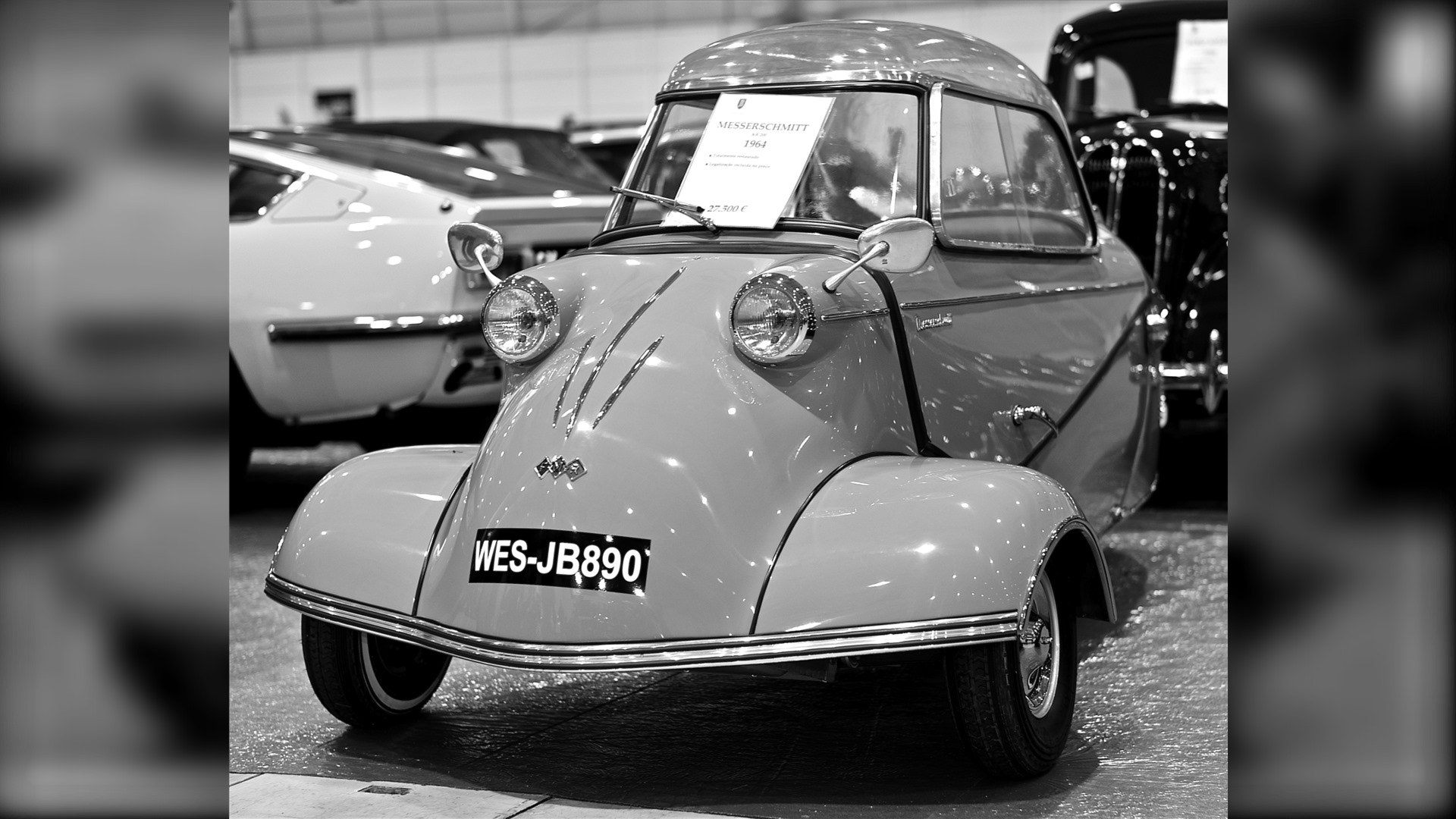
4. Messerschmitt KR200
Designed by aeronautical engineer Fritz Fend and built by aircraft maker Messerschmitt in 1955, the KR200 Kabinenroller seated two occupants in tandem beneath a fighter-style acrylic canopy. Drivers steered with an aviation yoke and reversed by restarting the 191cc two-stroke engine backward.
©Wikimedia / Sicnag
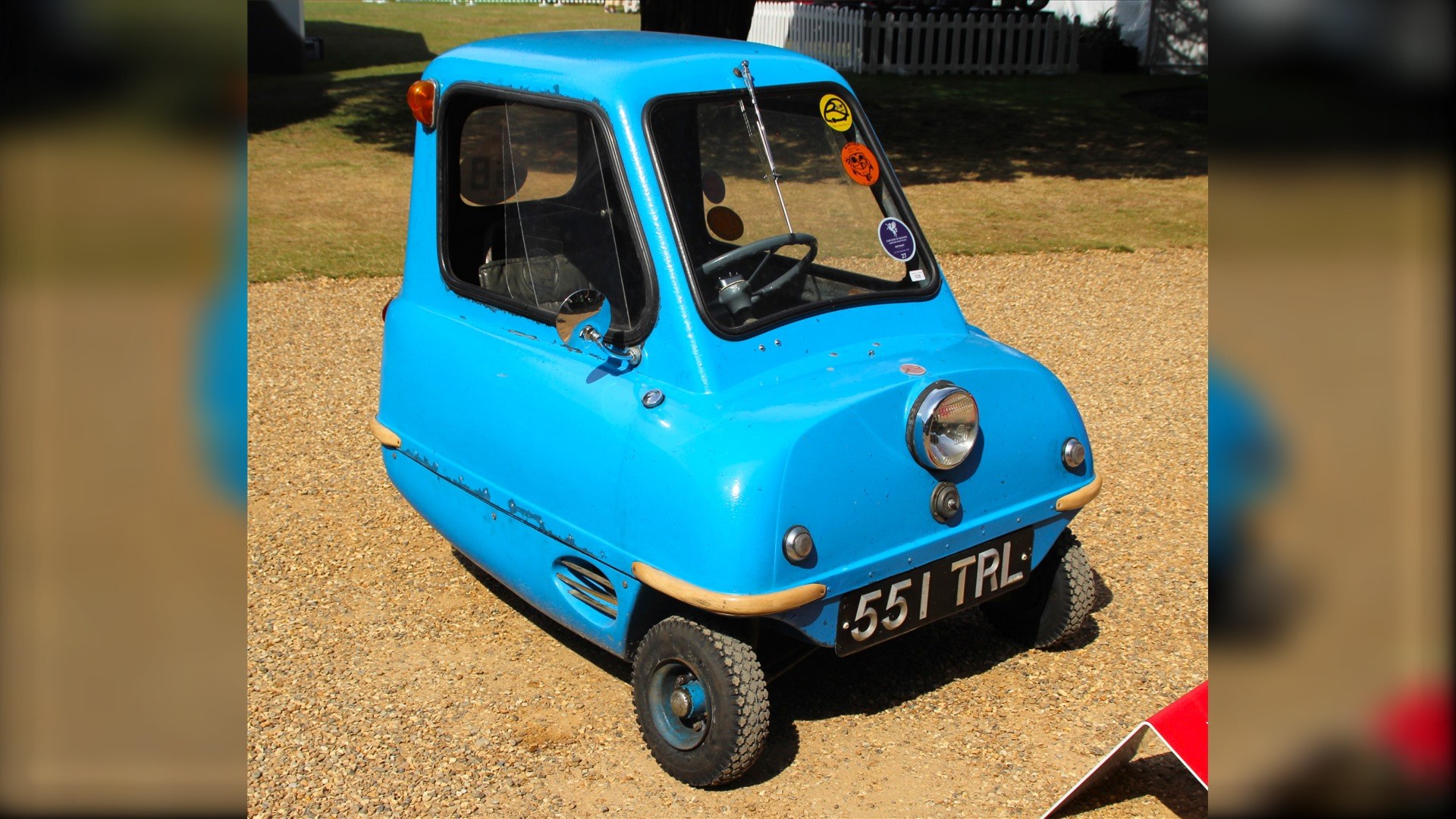
3. Peel P50
Crafted on the Isle of Man between 1962 and 1965, the 59 kg Peel P50 holds the Guinness World Record as the smallest production car ever built. Equipped with three wheels, one door, one headlight, and no reverse gear, it gained global fame when Jeremy Clarkson drove it inside the BBC offices on Top Gear.
©Wikimedia / User3002
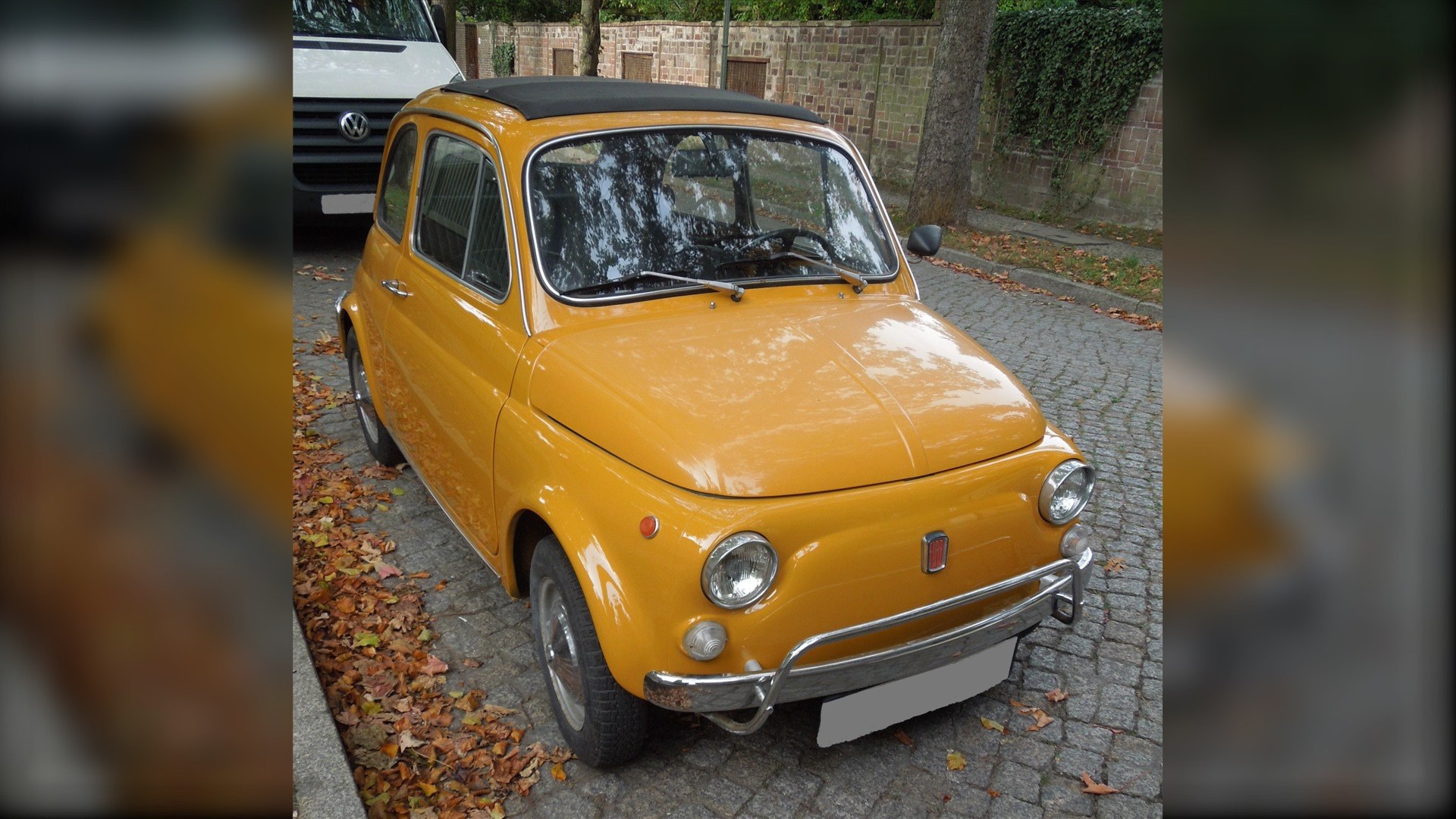
2. Fiat 500 (Nuova)
Introduced in July 1957, Dante Giacosa's Nuova 500 put post-war Italy on wheels and set the enduring template for modern urban cars. Measuring under three meters long, it combined timeless Italian styling with a rear-mounted air-cooled two-cylinder engine and a standard roll-back fabric roof.
©Wikimedia / Pyntofmyld
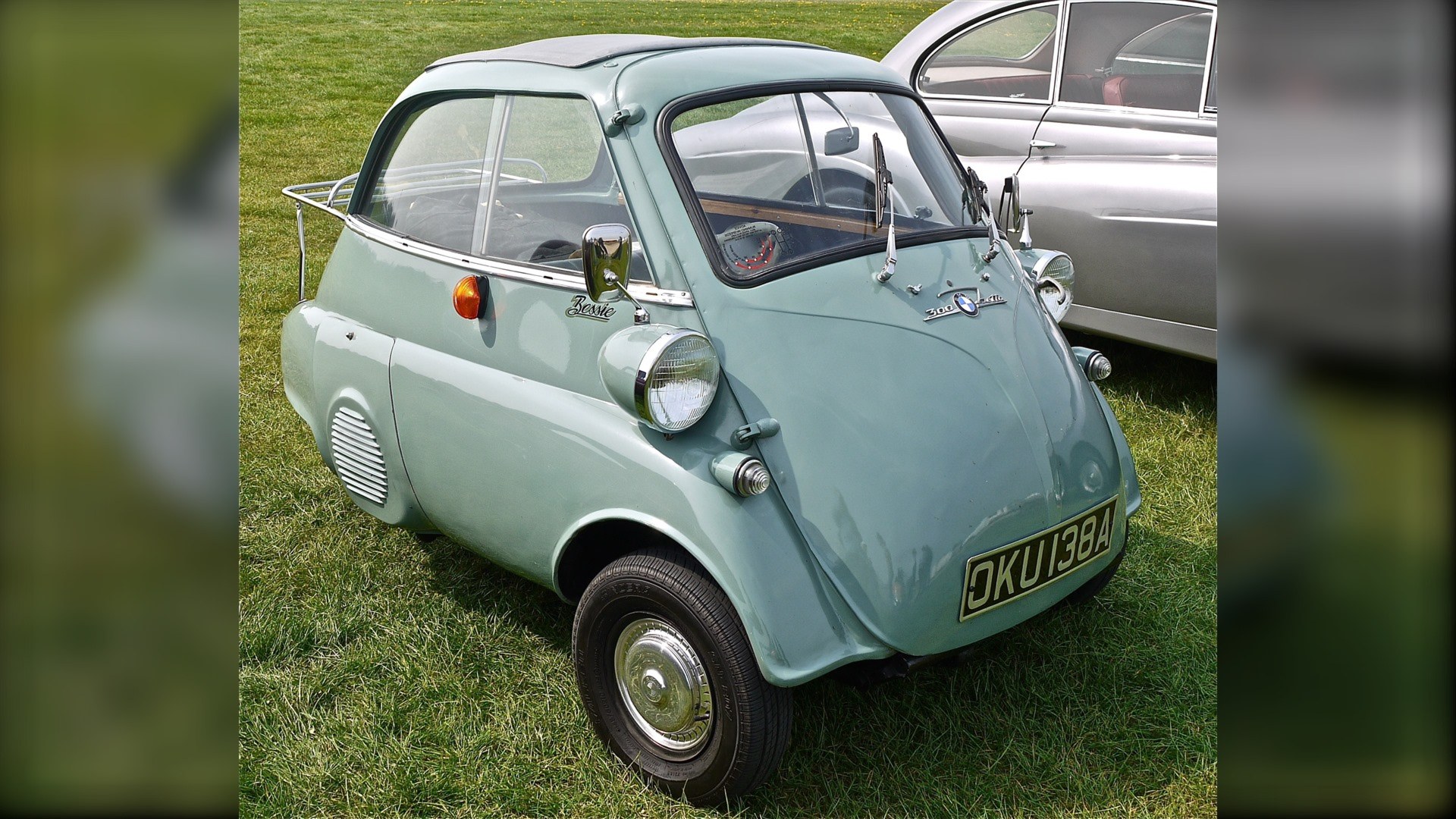
1. BMW Isetta
Originally conceived by Italy's Iso SpA and re-engineered by BMW in 1955, the Isetta rescued the Bavarian marque from 1950s bankruptcy with over 161,000 sales. Its entire front nose hinges open as a single door that swings the steering wheel outward, powered by a single-cylinder BMW motorcycle engine.

©Wikimedia / Mick
Advertisement
You've reached the end of the story. Thanks for reading!

20 Famous Cars With Pop-Up Headlights That Shaped Car Design
From hand-cranked 1930s teardrops to wedge supercars of the 1980s, hidden headlights let stylists chase sleek aerodynamics until 2004 pedestrian rules closed the curtain. Here are 20 standout production cars that turned retractable lamps into an enduring automotive design feature across seven full decades.
All 15 Entries in this Story
15. Microlino
Conceived in Switzerland by the Ouboter family and manufactured in Turin, the all-electric Microlino revives 1950s bubble car charm for the modern city. Its front-hinged refrigerator door lets occupants step straight onto the pavement, while a pressed-steel unibody chassis supports a 56 mph top speed.

14. Citroen Ami
Launched in 2020, the 2.41-meter Citroen Ami cut tooling costs by using identical front and rear body panels and opposing door hinges. Restricted to 28 mph (45 km/h) and charged from a standard wall socket, the electric quadricycle can be driven without a full car license in several European countries.

13. Smart Fortwo
Developed jointly by Swatch founder Nicolas Hayek and Mercedes-Benz, the Smart Fortwo debuted in 1997 with an exposed high-strength Tridion steel safety cell. At roughly 2.5 meters in length with a rear-mounted engine, it became famous across European capitals for parking nose-to-curb in tight bays.

12. Sinclair C5
Unveiled in January 1985 by British inventor Sir Clive Sinclair with chassis engineering from Lotus Cars, the battery-electric C5 placed riders in an open-air recumbent seat steered via under-thigh handlebars. Though a commercial misfire at launch, it later became a cult forerunner to modern micro-mobility.

11. Reyonnah
First shown at the 1950 Paris Motor Show, the French Reyonnah solved congested city parking with a patented folding front-track mechanism. Once parked, the wide front wheels retracted inward so the tandem two-seater narrowed to just 29.5 inches wide, narrow enough to roll through a courtyard gate.

10. Berkeley SE328
Conceived by designer Lawrie Bond and caravan maker Charles Panter in 1956, the British Berkeley SE328 pioneered stressed-skin fiberglass monocoque construction in small sports cars. Weighing just 305 kg, it used a transverse 328cc Excelsior twin motorcycle engine to drive the front wheels.

9. Heinkel Kabine
Launched in 1956 by German aircraft builder Ernst Heinkel to challenge the Isetta, the Heinkel Kabine paired stressed-skin fuselage construction with panoramic wrap-around glazing. Unlike early rivals, it featured a four-stroke engine, a built-in reverse gear, and a canvas roof escape hatch.

8. Subaru 360
Affectionately nicknamed the Tentomushi (Ladybug) in Japan, the 1958 Subaru 360 was the marque's first production car, built to meet early Kei-class rules. Its monocoque shell featured rear-hinged doors, a lightweight fiberglass roof panel, and a rear-mounted 356cc two-stroke twin engine.

7. Crosley Hot Shot
Built in 1949 by industrialist Powel Crosley Jr. during an era of heavy Detroit cruisers, the doorless Crosley Hot Shot weighed barely 450 kg. Often regarded as America's first post-war sports car, the 724cc overhead-cam roadster won the Index of Performance at the 1950 Sebring endurance race.

6. Bond Bug
Styled by Tom Karen at Ogle Design in 1970, the wedge-shaped Bond Bug turned the British three-wheeler into a youth-focused sporting machine. Finished almost exclusively in bright tangerine orange with a forward-hinged canopy instead of doors, its 700cc Reliant four-cylinder engine topped 75 mph.

5. Goggomobil T250
Manufactured in Dingolfing by Hans Glas GmbH from 1955, the Goggomobil T250 scaled conventional four-wheeled saloon packaging down to miniature proportions. Powered by a rear-mounted 245cc two-stroke twin engine, it allowed German motorcycle license holders to drive a weatherproof family car.

4. Messerschmitt KR200
Designed by aeronautical engineer Fritz Fend and built by aircraft maker Messerschmitt in 1955, the KR200 Kabinenroller seated two occupants in tandem beneath a fighter-style acrylic canopy. Drivers steered with an aviation yoke and reversed by restarting the 191cc two-stroke engine backward.

3. Peel P50
Crafted on the Isle of Man between 1962 and 1965, the 59 kg Peel P50 holds the Guinness World Record as the smallest production car ever built. Equipped with three wheels, one door, one headlight, and no reverse gear, it gained global fame when Jeremy Clarkson drove it inside the BBC offices on Top Gear.

2. Fiat 500 (Nuova)
Introduced in July 1957, Dante Giacosa's Nuova 500 put post-war Italy on wheels and set the enduring template for modern urban cars. Measuring under three meters long, it combined timeless Italian styling with a rear-mounted air-cooled two-cylinder engine and a standard roll-back fabric roof.

1. BMW Isetta
Originally conceived by Italy's Iso SpA and re-engineered by BMW in 1955, the Isetta rescued the Bavarian marque from 1950s bankruptcy with over 161,000 sales. Its entire front nose hinges open as a single door that swings the steering wheel outward, powered by a single-cylinder BMW motorcycle engine.