
Slideshow · Viral
The 15 Most Iconic Military Medals and What They Mean, Ranked
From the Purple Heart and French Croix de Guerre to the Victoria Cross and Medal of Honor, these 15 historic military decorations tell stories of extraordinary valor and sacrifice.

All 15 Entries in this Story
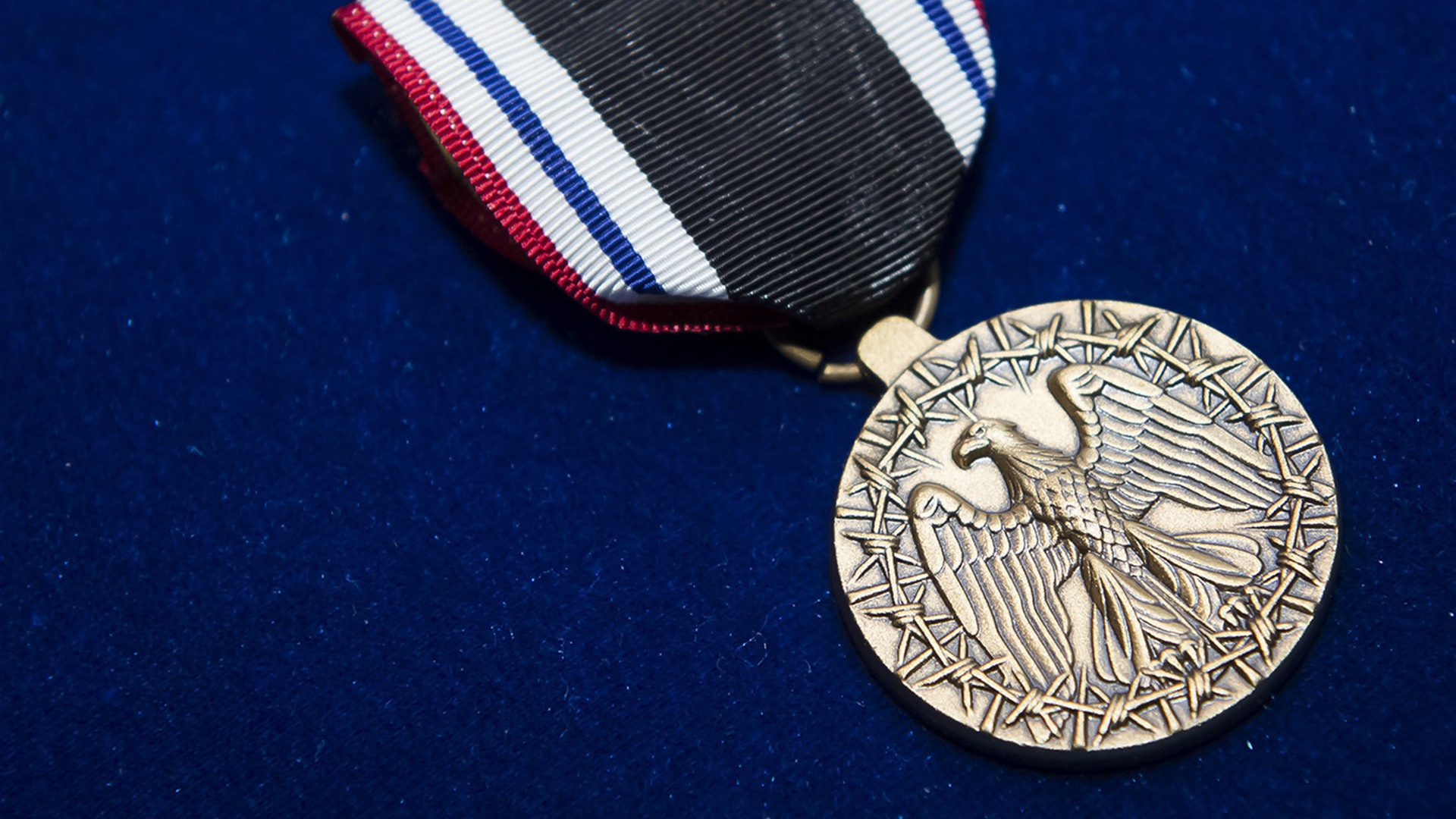
15. Prisoner Of War Medal (United States)
Authorized by Congress and signed into law by President Ronald Reagan in November 1985, the Prisoner of War Medal recognizes any U.S. service member taken captive while serving in an armed conflict since April 1917. Designed by Jay Morris, it features an eagle surrounded by barbed wire and bayonet points.
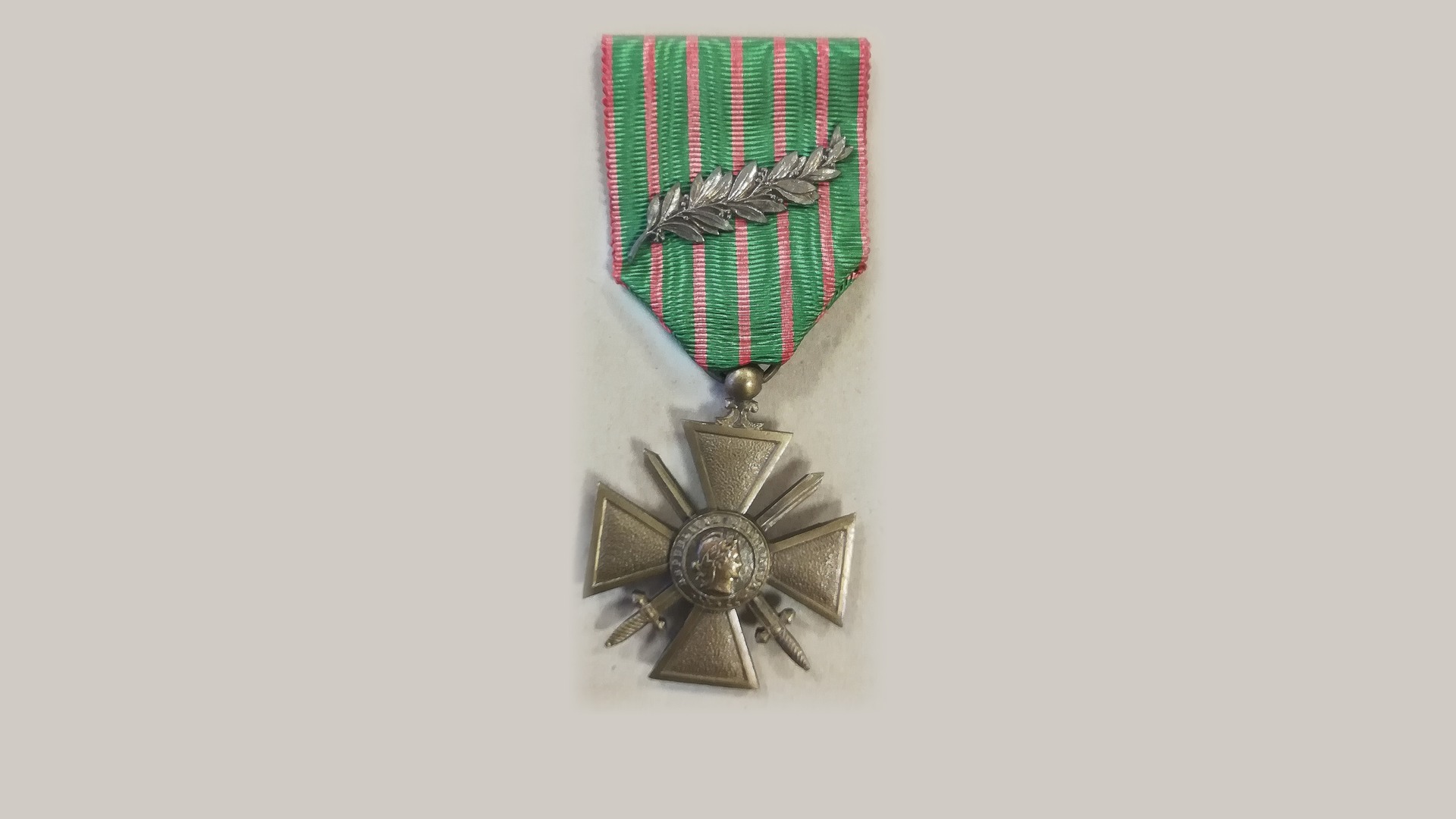
14. Croix De Guerre (France)
Established by France on April 8, 1915, during the trench warfare of World War I, the Croix de Guerre (Cross of War) features a bronze Maltese cross with two crossed swords. Awarded to French and allied troops mentioned in dispatches for valor, its ribbon carries bronze palms or stars indicating the level of citation.
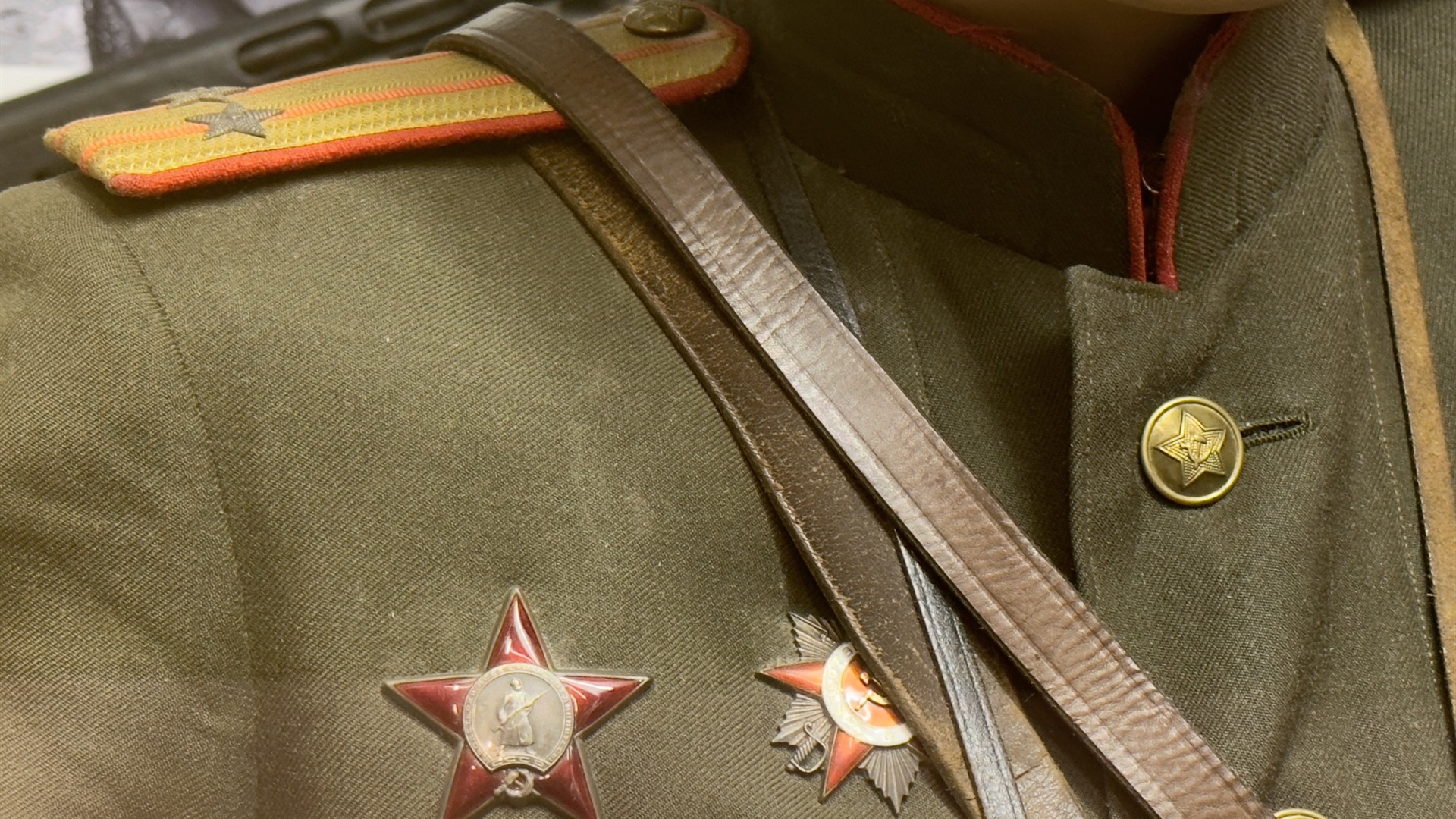
13. Order Of The Red Star (Soviet Union)
Instituted by the Soviet Union on April 6, 1930, the Order of the Red Star rewarded Red Army and Navy personnel for courage in battle and defense of state security. Featuring a red-enameled five-pointed star over an oxidized silver soldier in an overcoat, it was awarded more than 3.8 million times during World War II.
12. Air Medal (United States)
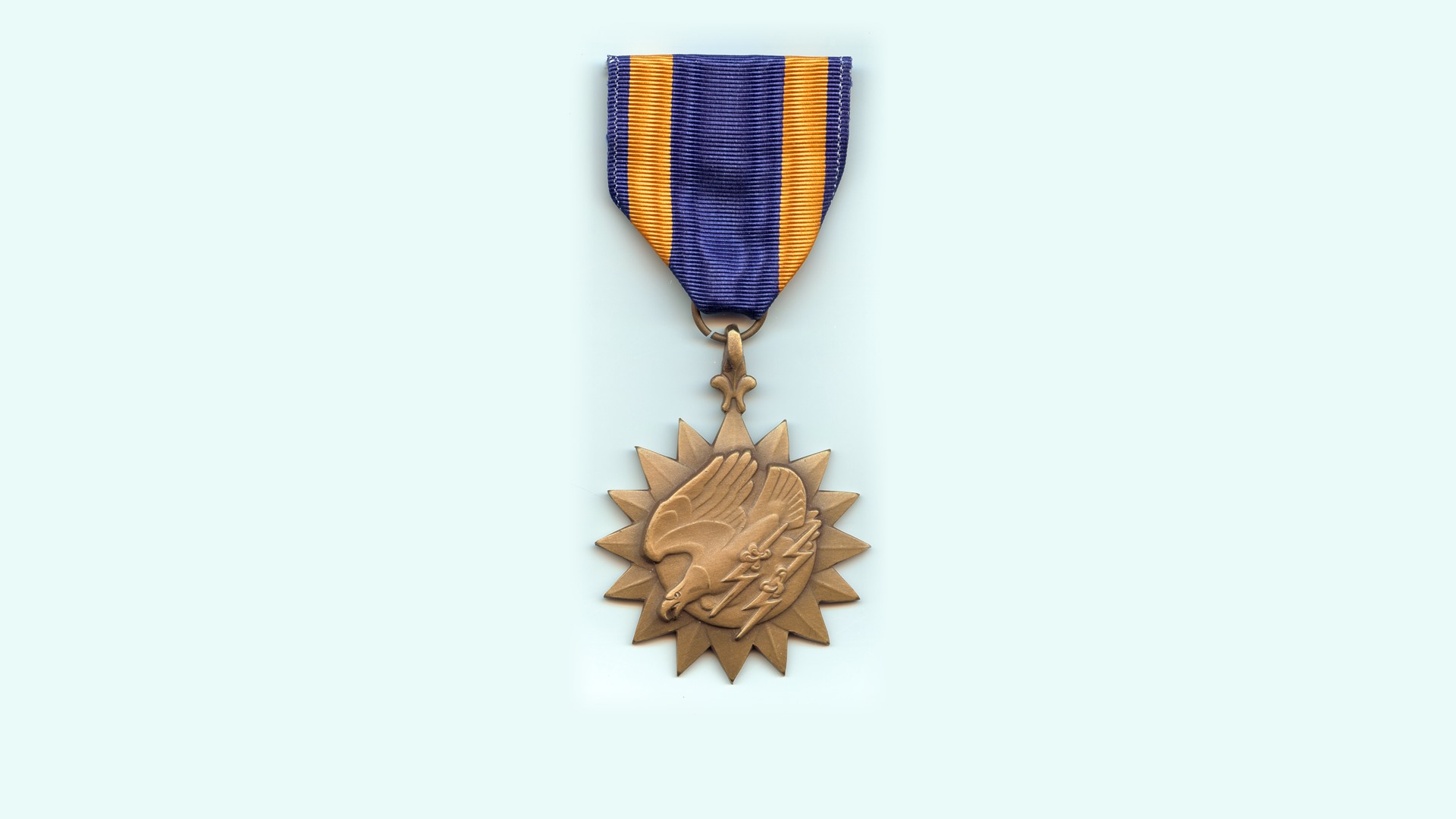
Established by Executive Order 9158 on May 11, 1942, the United States Air Medal honors single acts of heroism or meritorious achievement while participating in aerial flight. Sculpted by Walker Hancock, its bronze compass rose depicts an American bald eagle swooping downward with lightning bolts in its talons.
11. Military Cross (United Kingdom)
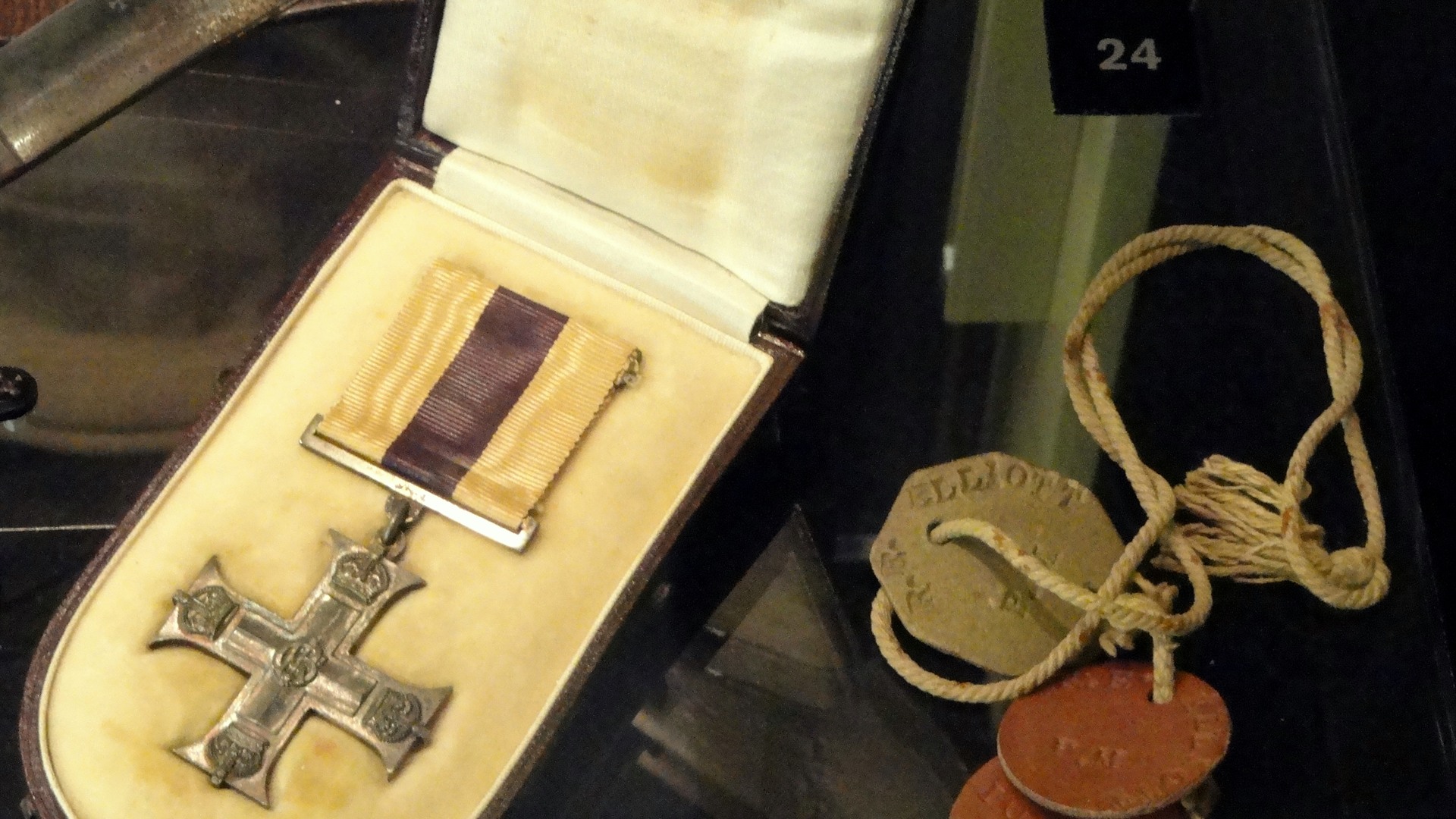
Created by King George V on December 28, 1914, during World War I, the British Military Cross recognizes exemplary gallantry during active operations against the enemy on land. Originally limited to commissioned and warrant officers, it was opened to all British ranks in 1993.
10. Bronze Star Medal (United States)
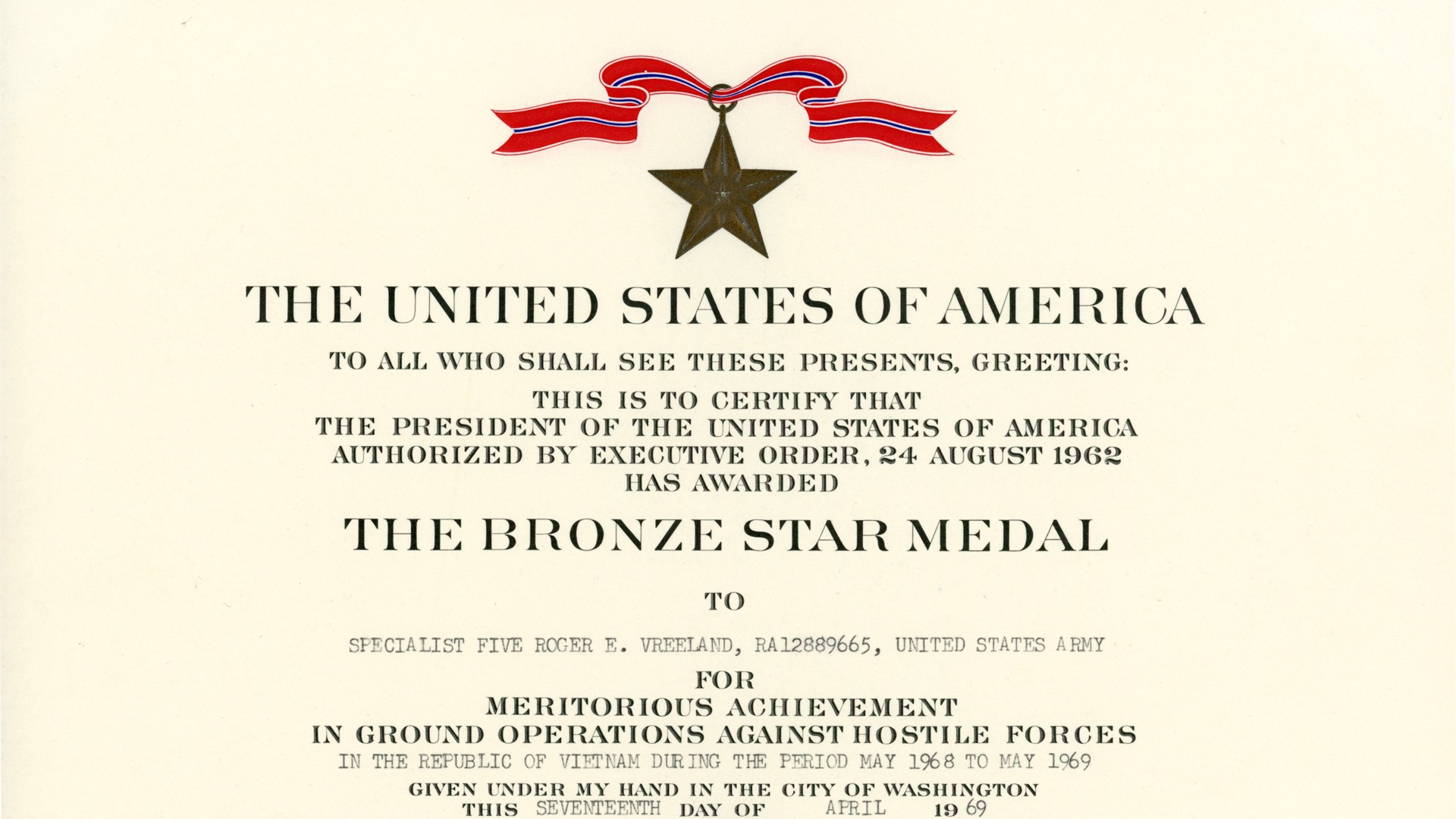
Conceived by Colonel Russell P. Reeder in 1943 and authorized by President Franklin D. Roosevelt on February 4, 1944, the Bronze Star Medal rewards heroic or meritorious achievement in a combat theater. When awarded for direct combat valor, the ribbon carries a bronze V device.
9. Distinguished Flying Cross (United States)
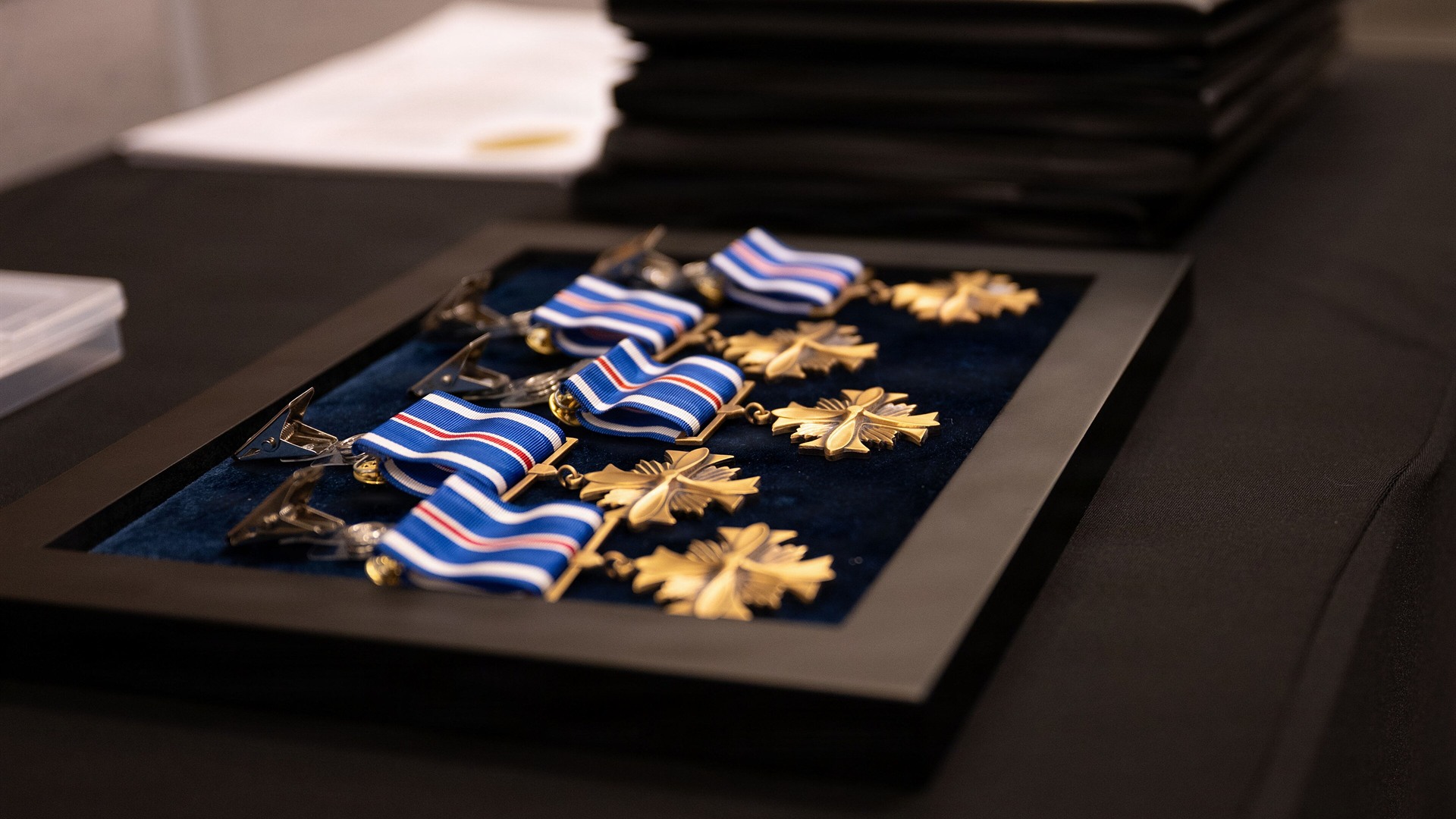
Authorized by Congress on July 2, 1926, the Distinguished Flying Cross honors heroism or extraordinary achievement in aerial flight. Featuring a four-bladed propeller on a bronze cross pattee, it was famously presented to Charles Lindbergh after his 1927 solo Atlantic flight.
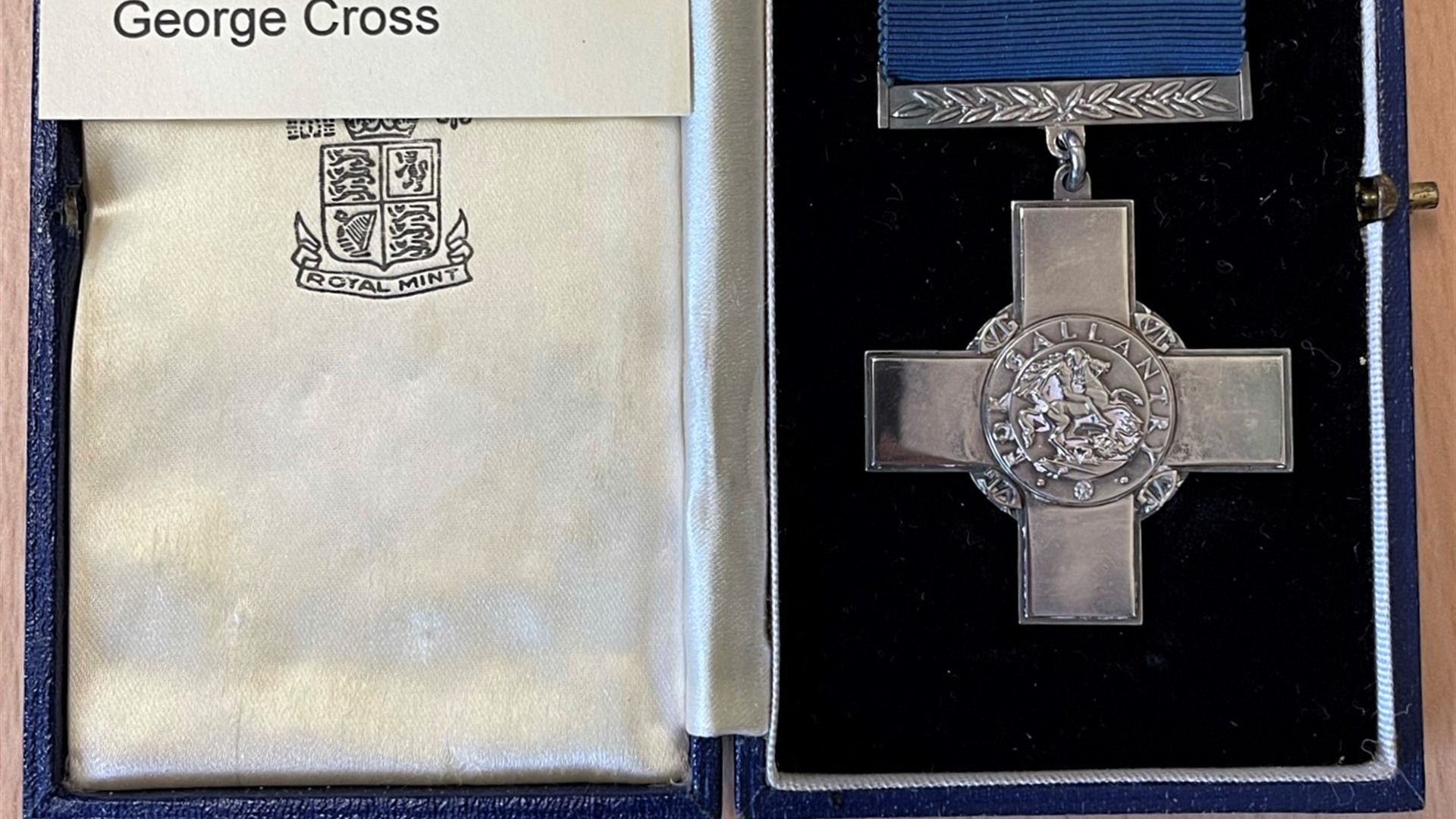
8. George Cross (United Kingdom And Commonwealth)
Instituted by King George VI on September 24, 1940, at the height of the London Blitz, the George Cross ranks alongside the Victoria Cross as Britain's highest award for non-combat gallantry. In 1942, the entire island of Malta received the George Cross for enduring Axis siege.
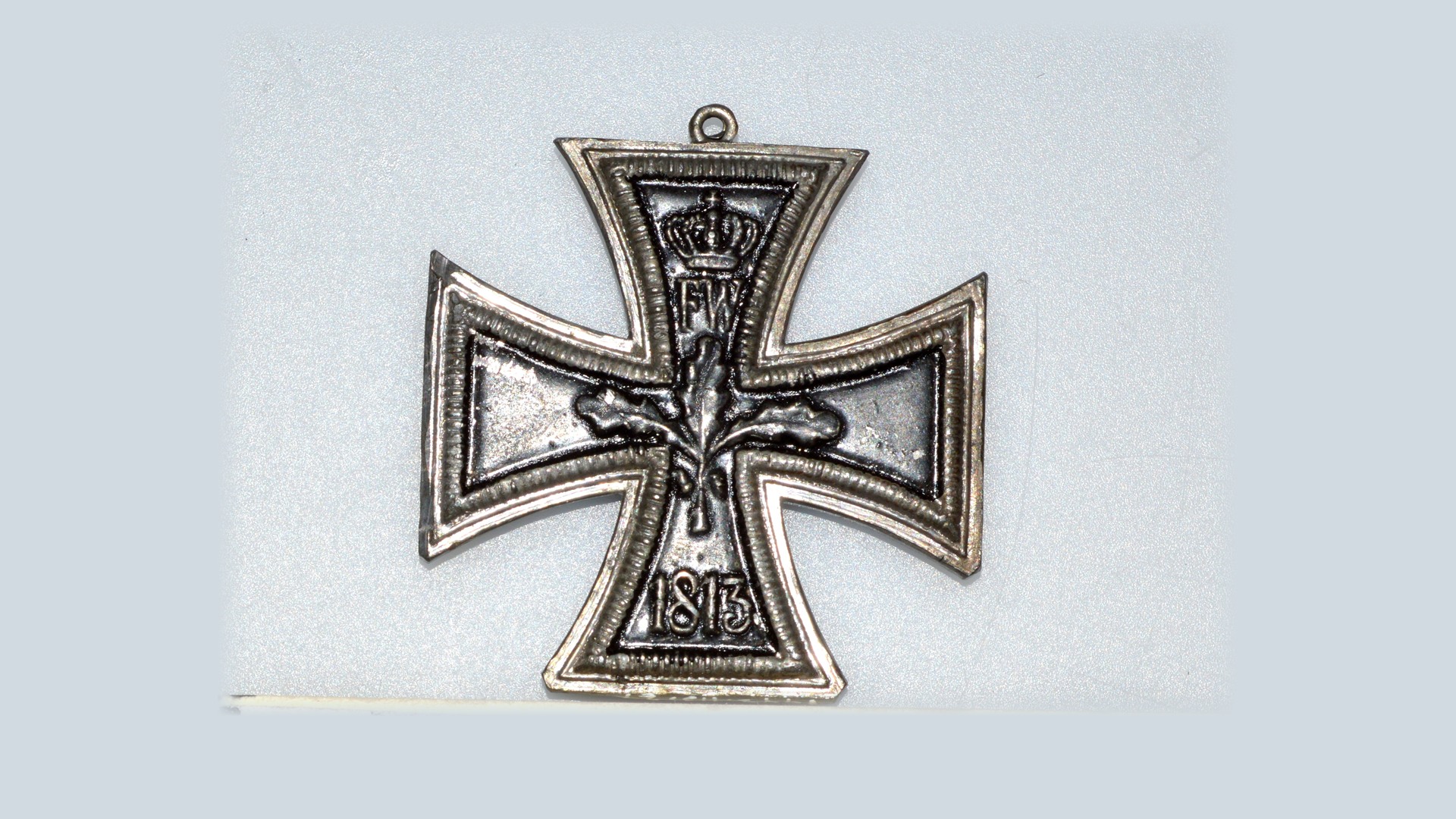
7. Iron Cross (Germany)
Designed by architect Karl Friedrich Schinkel and instituted by King Frederick William III of Prussia on March 10, 1813, during the Napoleonic Wars, the Iron Cross broke tradition by honoring soldiers of any rank. Its black cross with silver trim inspired the modern Bundeswehr emblem.
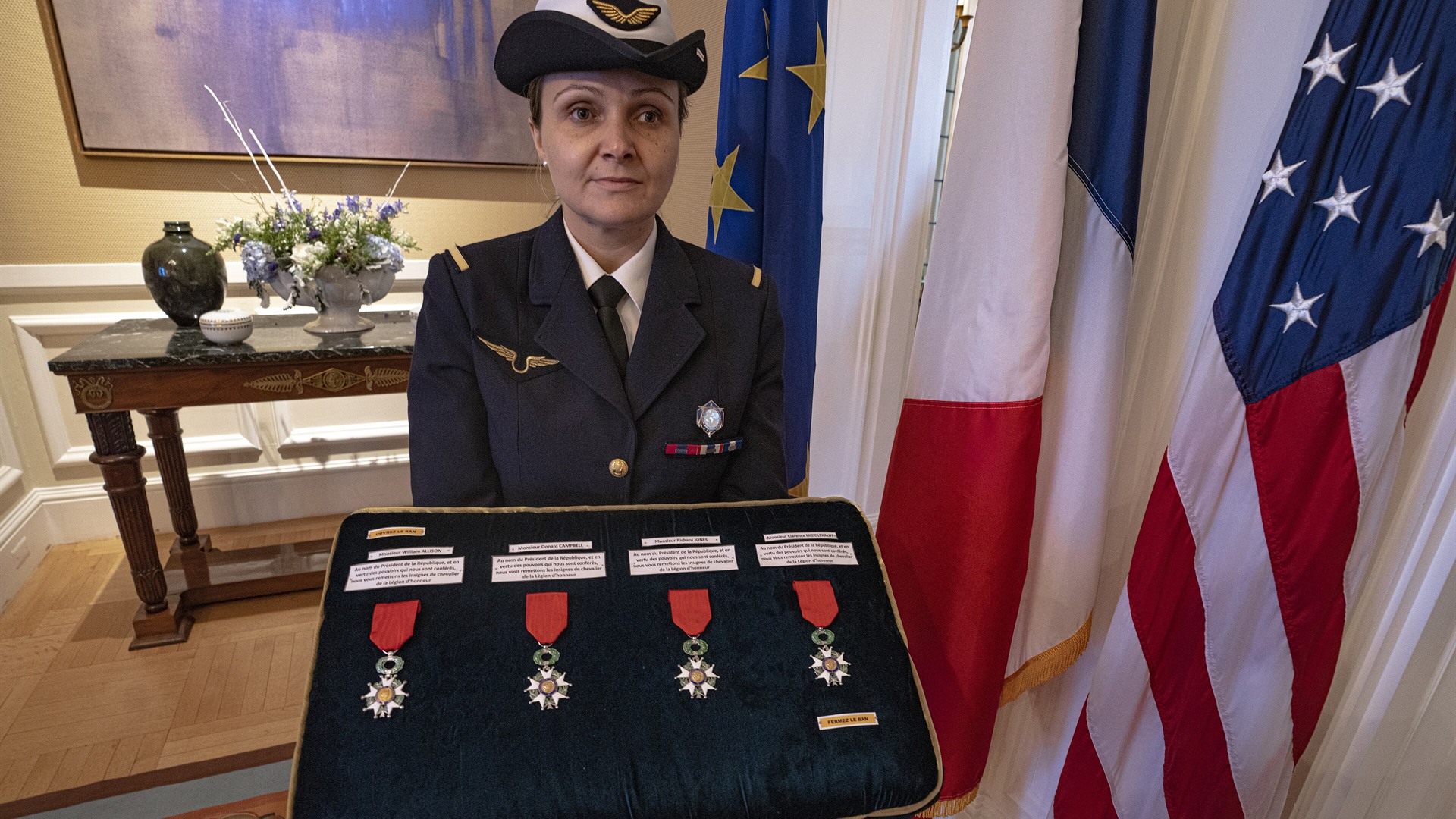
6. Legion Of Honour (France)
Created by First Consul Napoleon Bonaparte on May 19, 1802, the National Order of the Legion of Honour replaced France's old royalist orders with a merit decoration open to soldiers and citizens alike. Topped by an oak and laurel wreath, it remains France's highest national distinction.
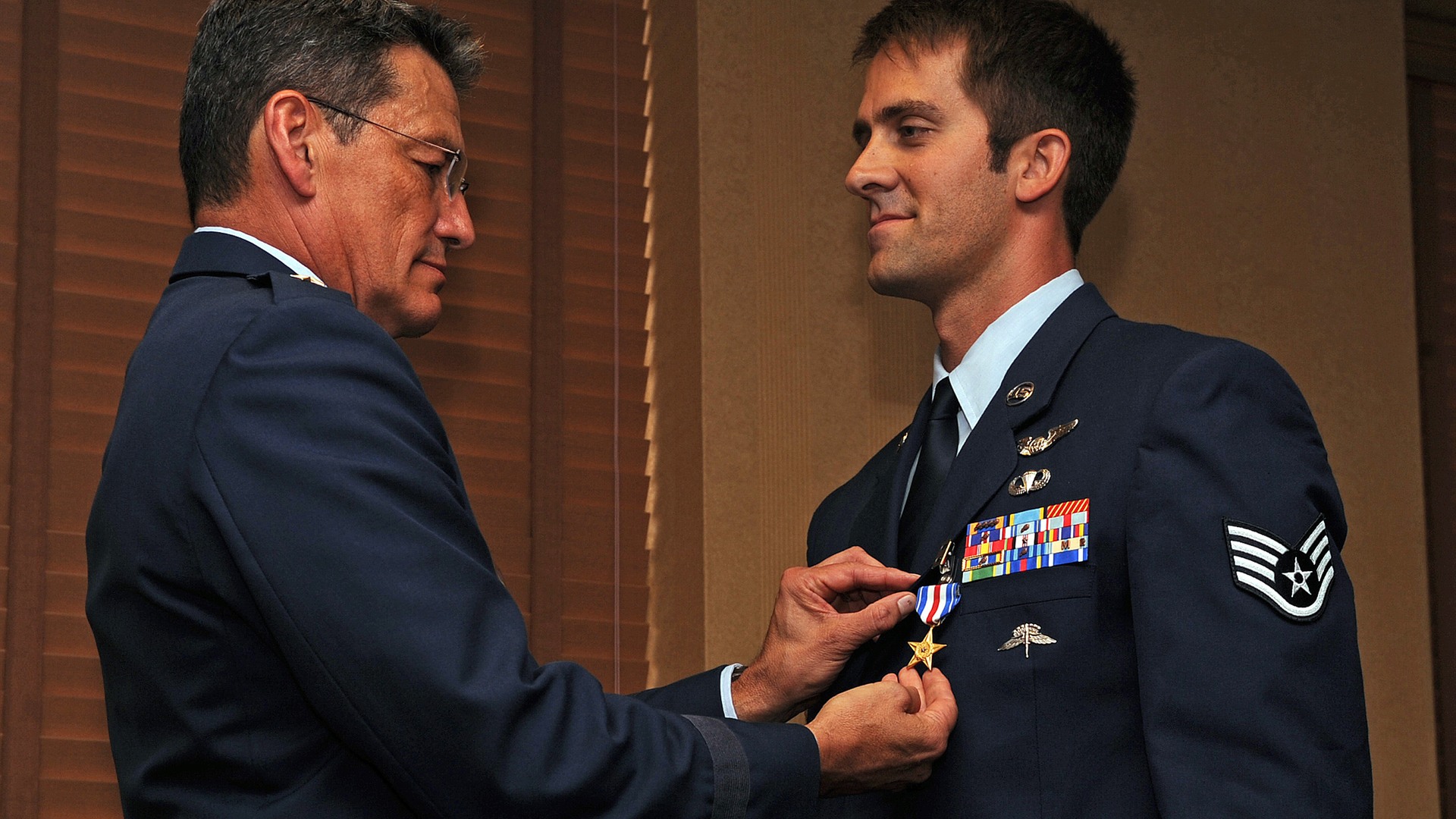
5. Silver Star Medal (United States)
Originally created by Congress in July 1918 as a tiny 3/16-inch silver Citation Star pinned to campaign ribbons, the decoration became the full-sized Silver Star Medal in August 1932. Placing the small silver star inside a gilt bronze star, it is the third-highest U.S. combat valor award.
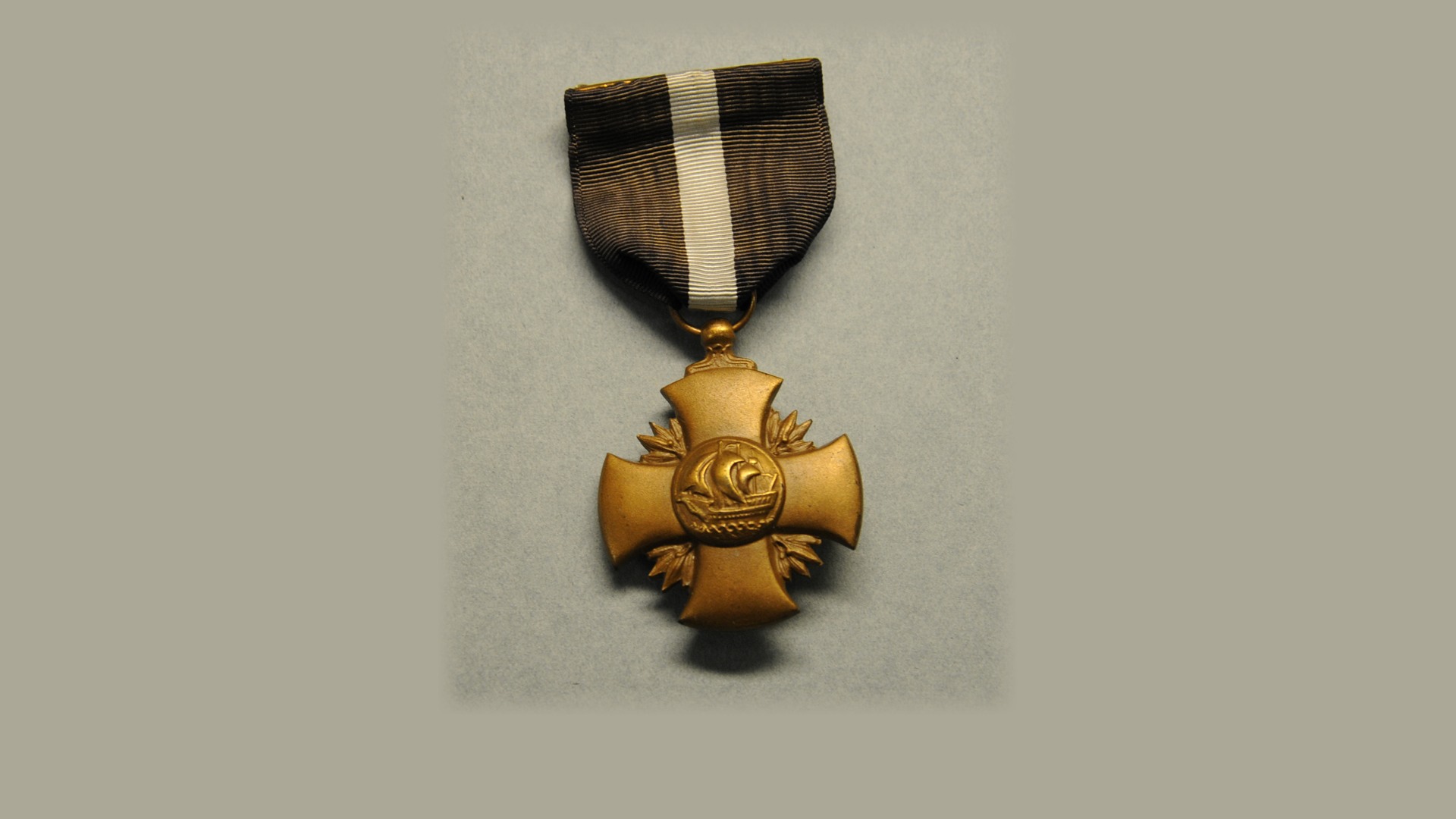
4. Navy Cross (United States)
Authorized by Congress on February 4, 1919, the Navy Cross is the second-highest military decoration awarded to U.S. Navy, Marine Corps, and Coast Guard personnel for extraordinary combat heroism. Designed by sculptor James Earle Fraser, its center medallion displays a sailing caravel.
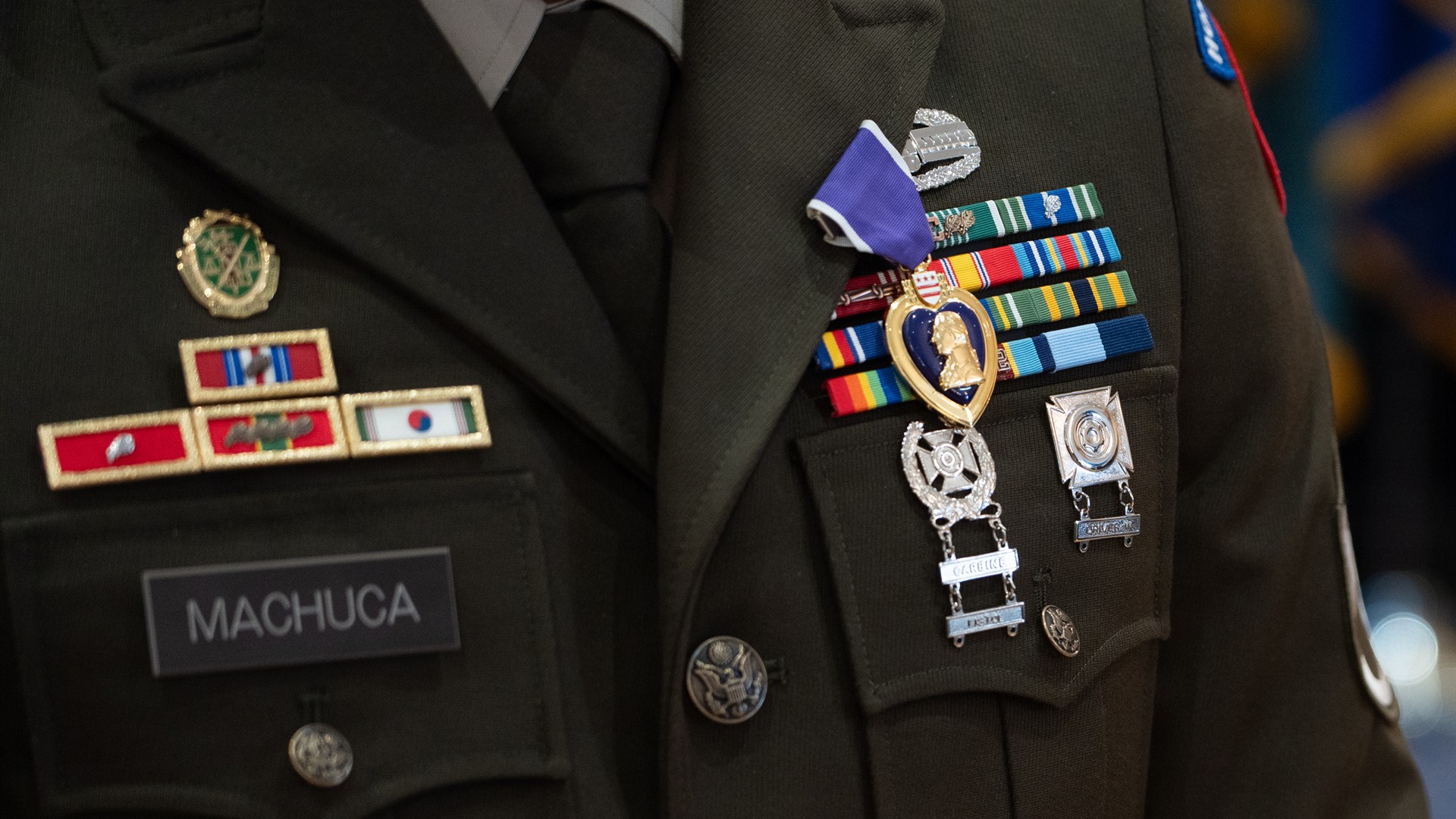
3. Purple Heart (United States)
First created by General George Washington at Newburgh, New York, on August 7, 1782, as the cloth Badge of Military Merit, the decoration was revived in 1932 as the Purple Heart. Bearing Washington's profile in gold, it honors every U.S. service member wounded or killed in action.
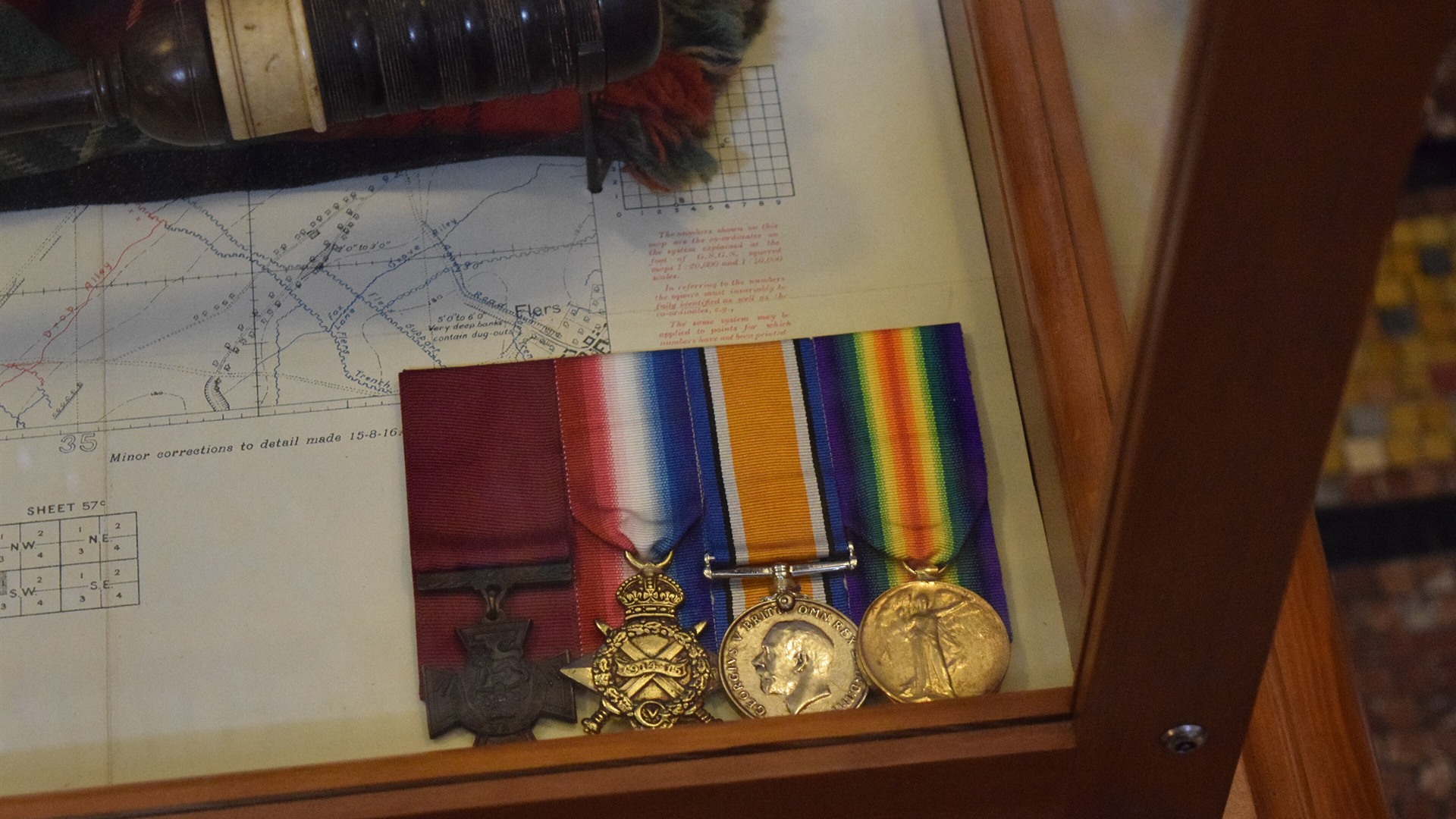
2. Victoria Cross (United Kingdom And Commonwealth)
Established by Queen Victoria on January 29, 1856, to honor valor during the Crimean War, the Victoria Cross is the highest military decoration of the United Kingdom and Commonwealth. Bearing the inscription For Valour beneath a crowned lion, only 1,358 medals have been awarded since 1856.
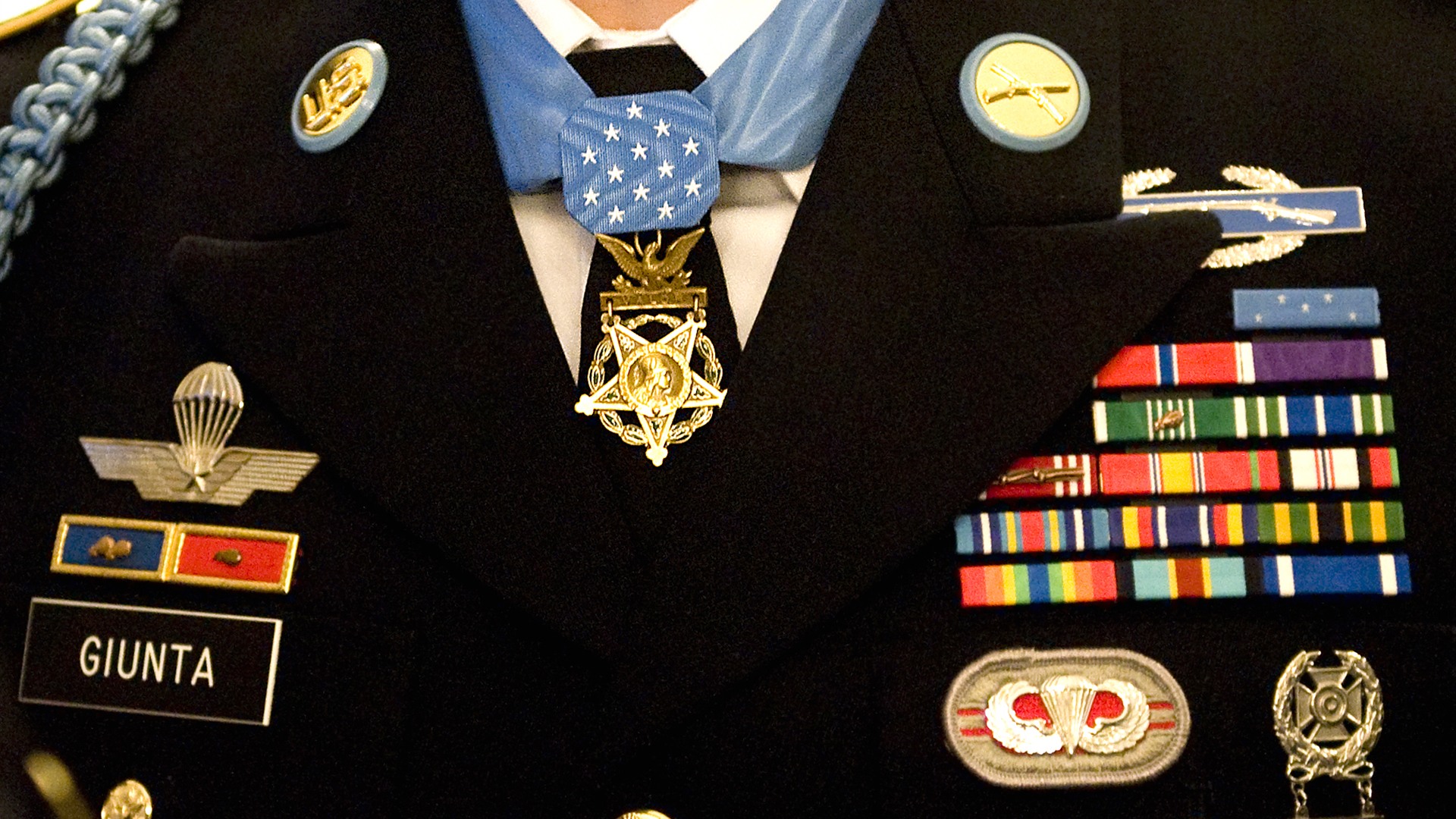
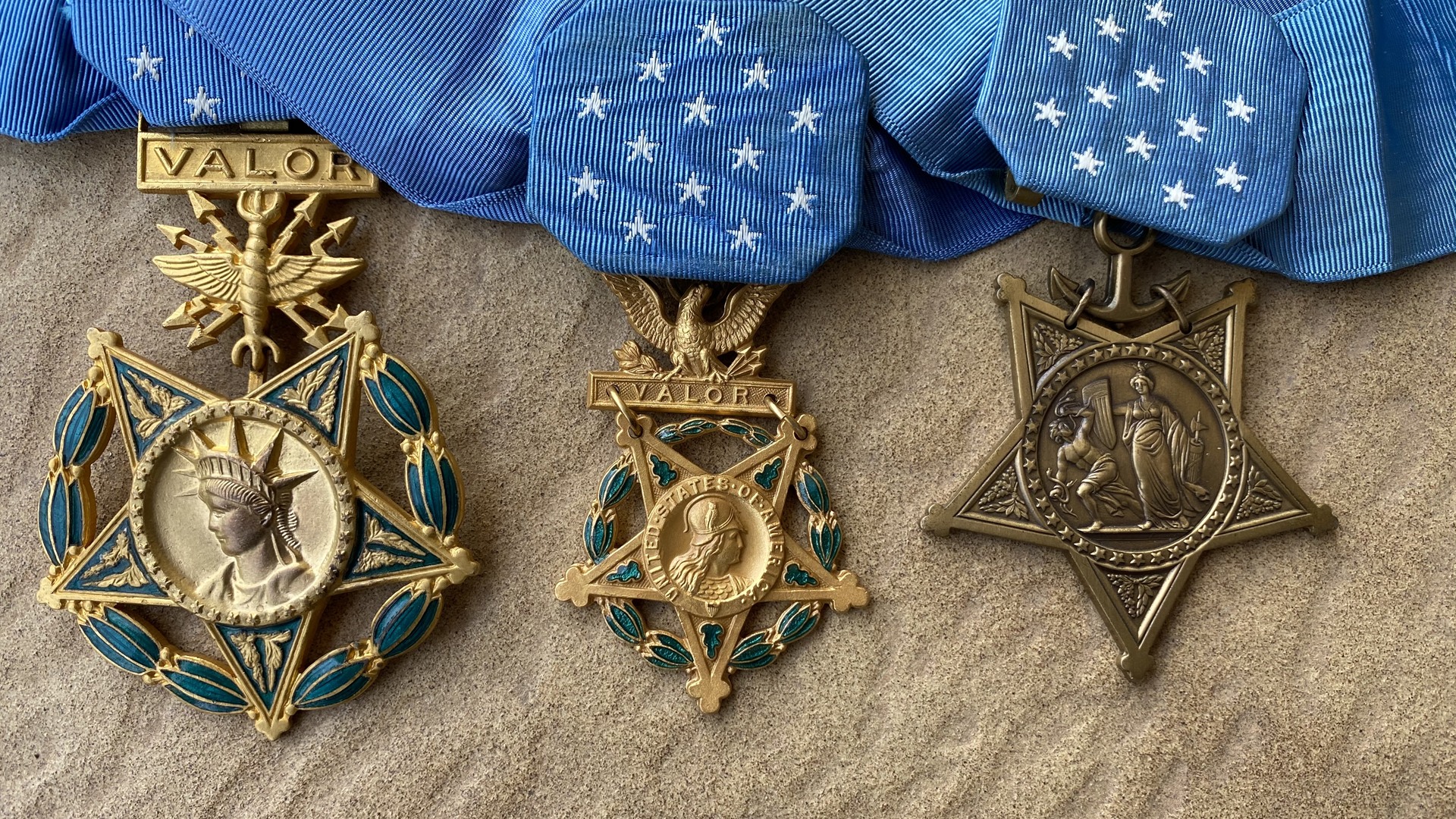
1. Medal Of Honor (United States)
First authorized for the U.S. Navy in December 1861 and the U.S. Army in July 1862 during the Civil War, the Medal of Honor is America's highest military decoration. Awarded by the President in the name of Congress for gallantry above and beyond the call of duty, it has 3,520 recipients.









