Slideshow · Viral
The 15 Most Iconic Seaplanes And Flying Boats In Aviation History
From luxury 1930s flying clippers and World War II submarine hunters to modern water-scooping wildfire bombers, these 15 legendary seaplanes and flying boats ruled both the skies and the seas.
By Most Viral Today
3 Nov 2026

The 15 Most Iconic Seaplanes And Flying Boats In Aviation History 
15. Consolidated PBY Catalina 
14. Boeing Model 314 Clipper 
13. Hughes H-4 Hercules ("Spruce Goose") - AdvertisementSwipe or tap ▶ to continue countdown

12. Short Sunderland 
11. Grumman G-21 Goose 
10. Martin JRM Mars 
9. Kawanishi H8K ("Emily") - AdvertisementSwipe or tap ▶ to continue countdown

8. Canadair CL-415 ("Super Scooper") 
7. Dornier Do X 
6. Grumman HU-16 Albatross 
5. Supermarine S.6B - AdvertisementSwipe or tap ▶ to continue countdown

4. ShinMaywa US-2 
3. Sikorsky S-42 
2. ICON A5 
1. Supermarine Walrus - Advertisement🔥 UP NEXT IN THIS SERIES◫ 21 Slides

20 Famous Cars With Pop-Up Headlights That Shaped Car Design
From hand-cranked 1930s teardrops to wedge supercars of the 1980s, hidden headlights let stylists chase sleek aerodynamics until 2004 pedestrian rules closed the curtain. Here are 20 standout production cars that turned retractable lamps into an enduring automotive design feature across seven full decades.
From luxury 1930s flying clippers and World War II submarine hunters to modern water-scooping wildfire bombers, these 15 legendary seaplanes and flying boats ruled both the skies and the seas.
Swipe or tap ▶ to begin the countdown
©Wikimedia / U.S. Navy, John Lee Highfill & U.S. Navy
15. Consolidated PBY Catalina
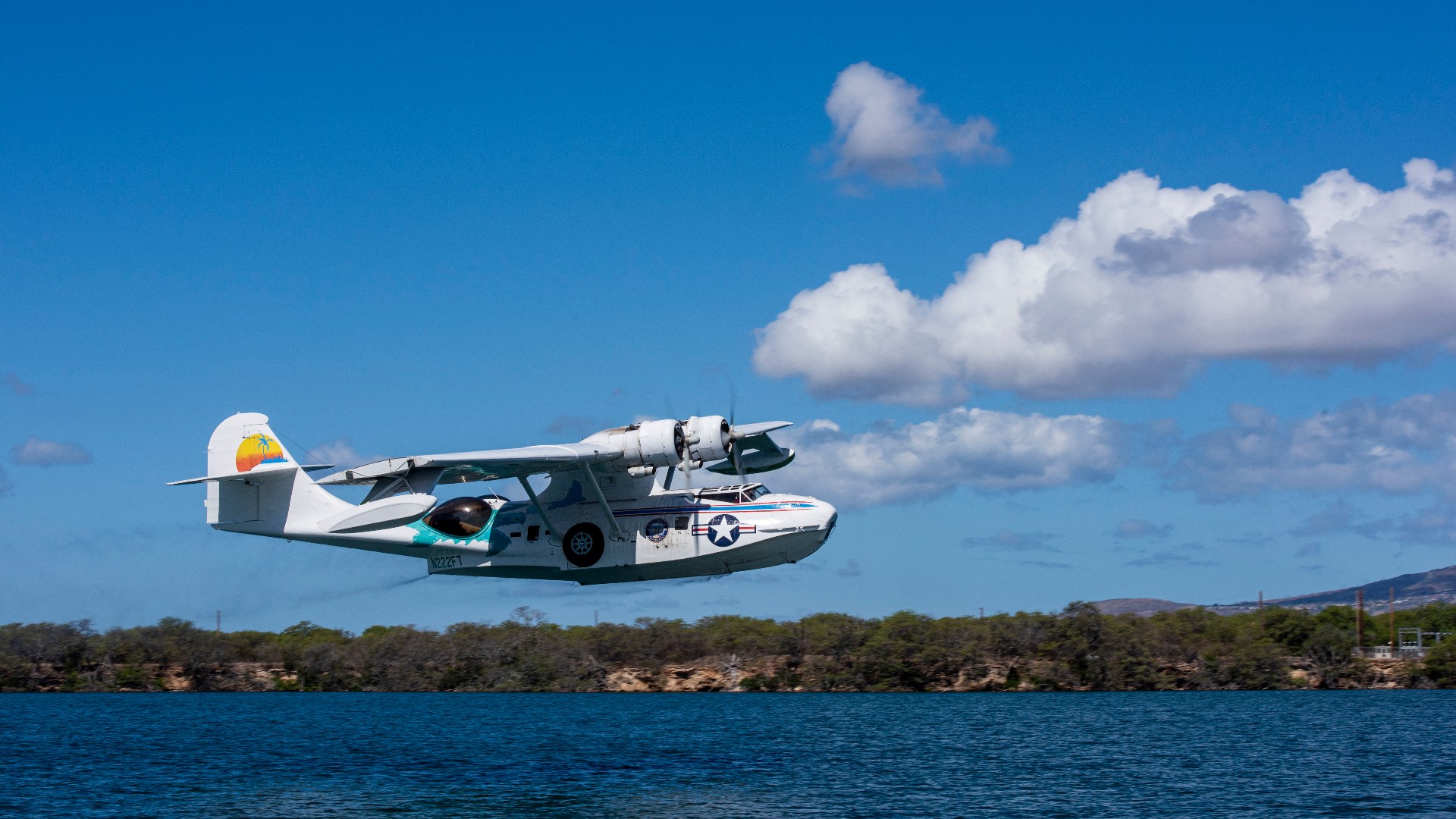
Built in greater numbers than any other flying boat in history with over 3,300 airframes produced, the Consolidated PBY Catalina was an indispensable Allied workhorse in World War II. Crews used it to spot the German battleship Bismarck, hunt submarines, and rescue thousands of downed airmen.
©DVIDS / U.S. Navy / Charles Oki
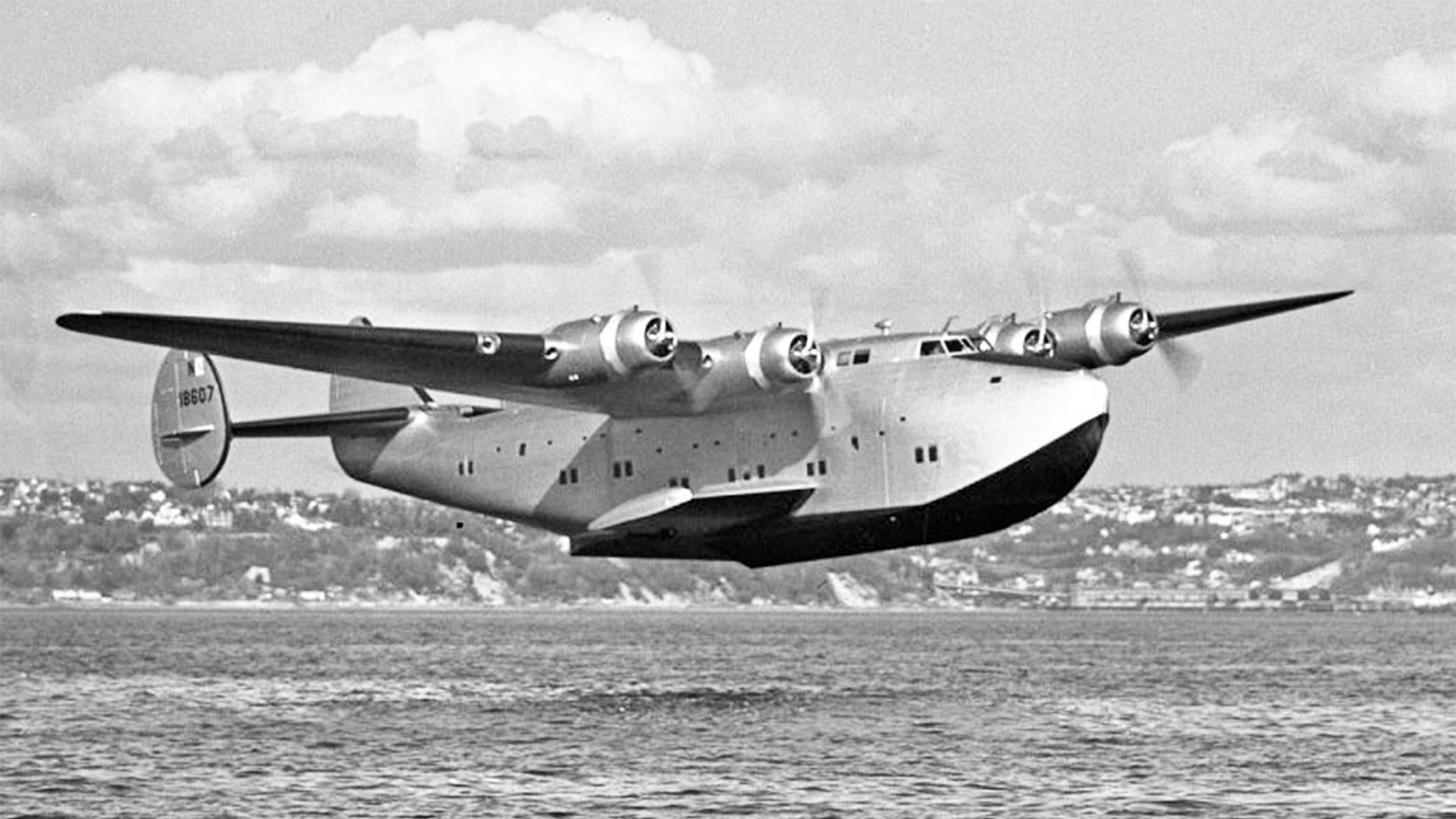
14. Boeing Model 314 Clipper
Before long-range landplanes existed, the Boeing Model 314 Clipper was the ultimate pinnacle of luxury transoceanic travel for Pan American World Airways. Outfitted like a floating five-star hotel, the four-engine giant featured white-tablecloth dining saloons and private sleeping berths.
©Wikimedia / U.S. Navy
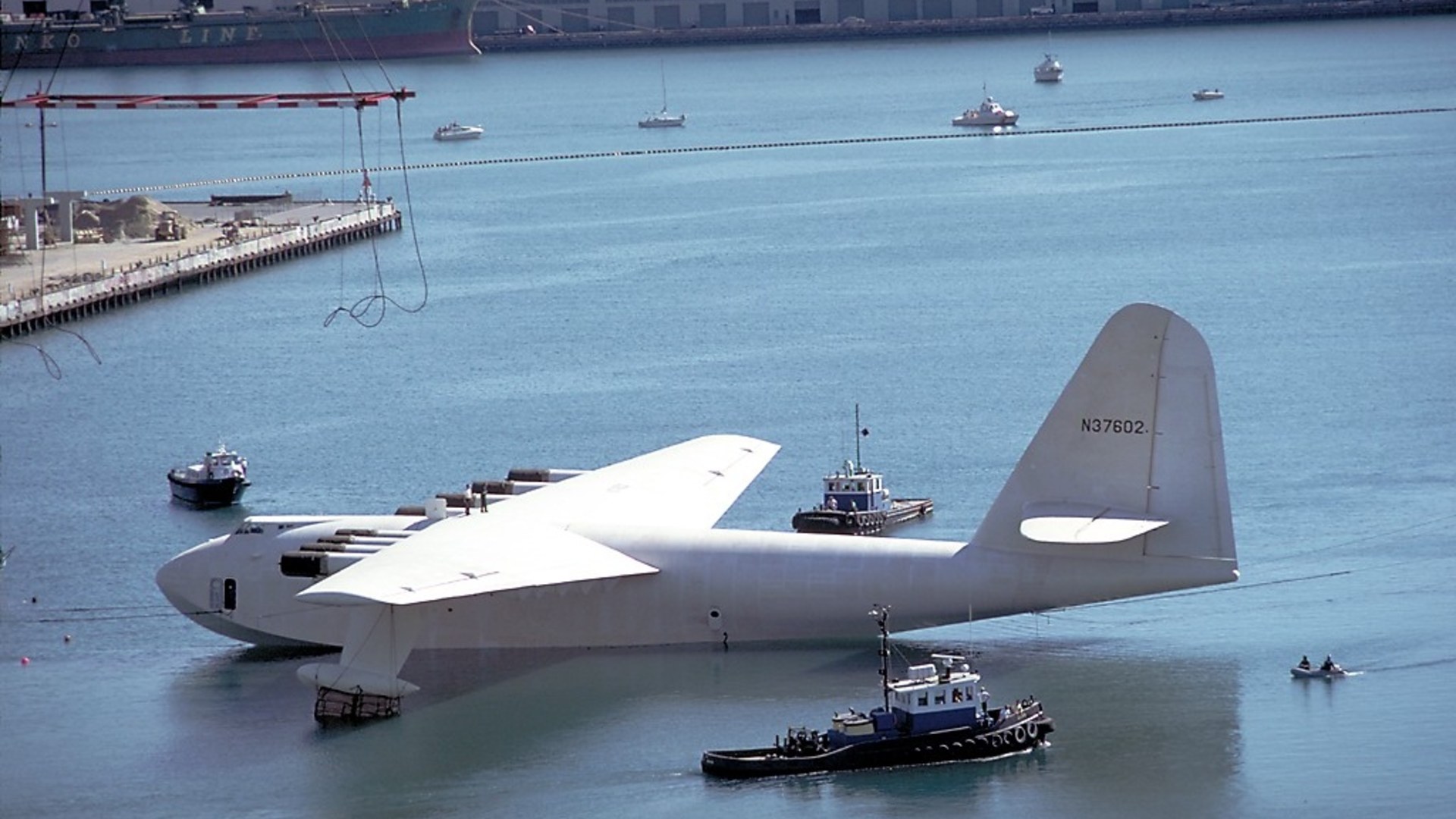
13. Hughes H-4 Hercules ("Spruce Goose")
Conceived during World War II to ferry 750 troops or two Sherman tanks across the Atlantic safe from German U-boats, the Hughes H-4 Hercules remains the largest all-wood flying boat ever built. Constructed primarily of laminated birch, it was piloted by Howard Hughes over Long Beach Harbor in 1947.
©Wikimedia / Ted Quackenbush
Advertisement
Swipe or tap ▶ to resume the countdown.
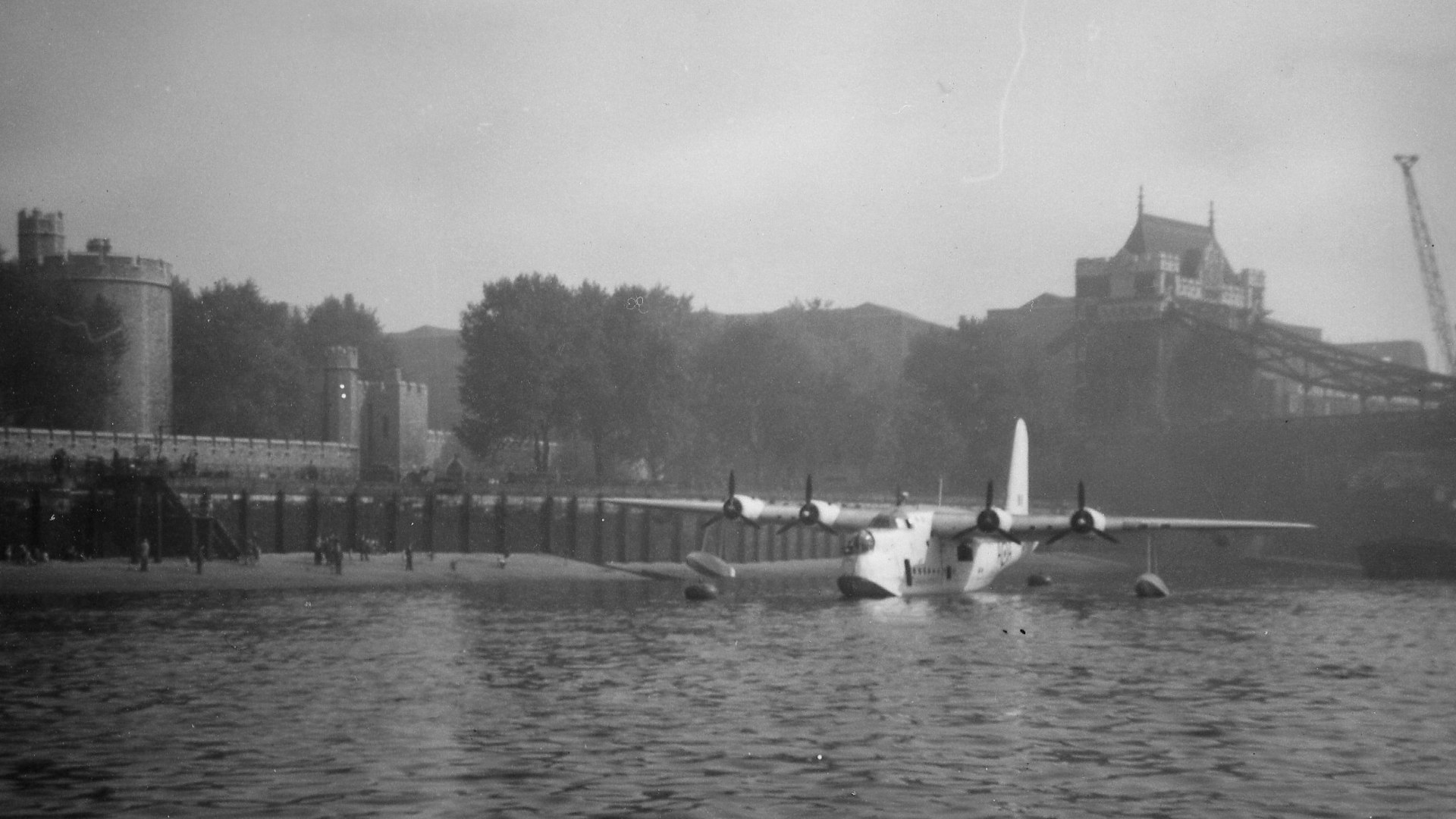
12. Short Sunderland
Nicknamed the Flying Porcupine by Luftwaffe pilots because of its bristling defensive gun turrets, the Short Sunderland was RAF Coastal Command's premier long-range patrol flying boat in World War II. Capable of staying aloft for 14 hours, it protected convoys and sank 28 German U-boats.
©Wikimedia / Steve Knight
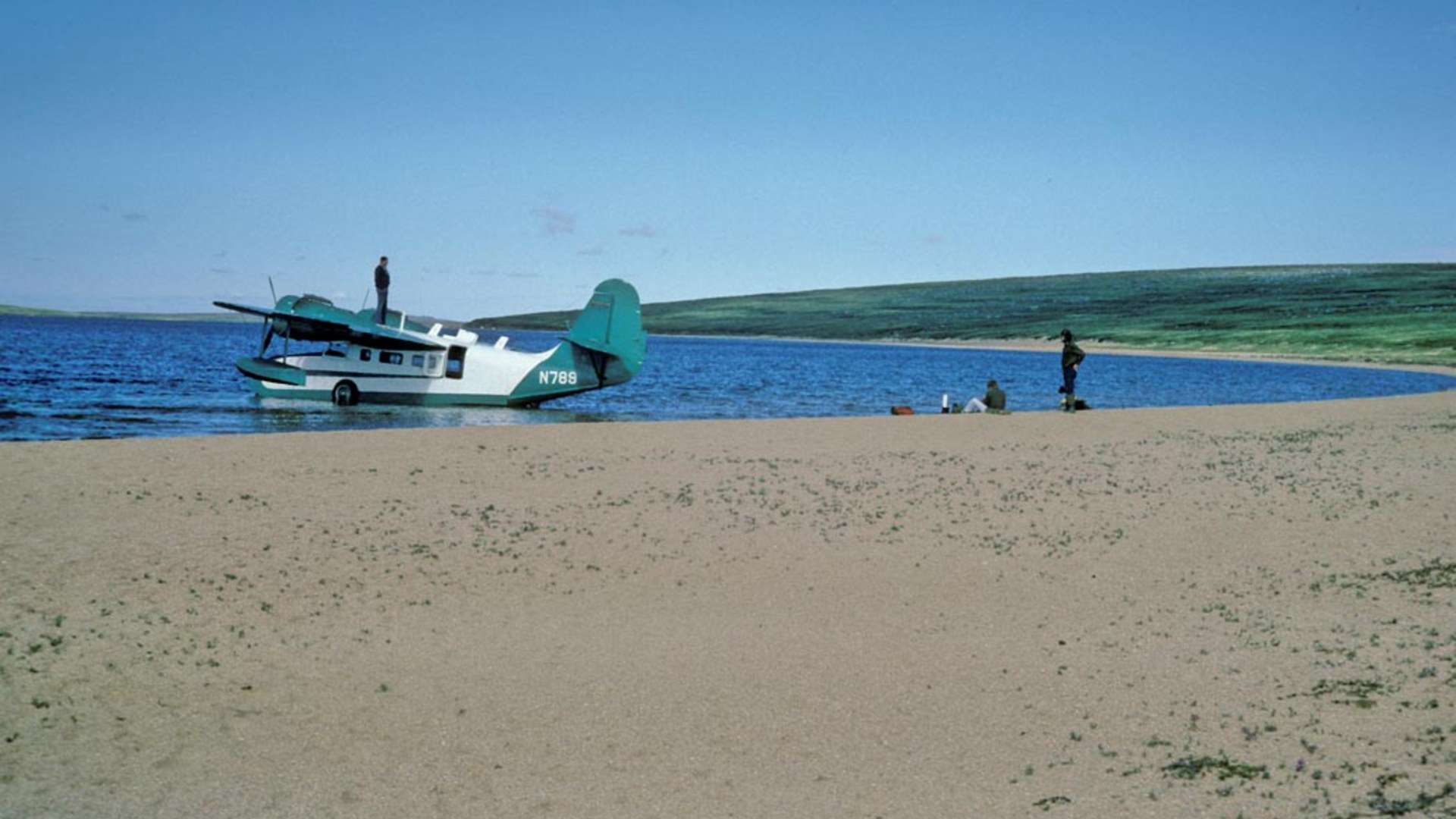
11. Grumman G-21 Goose
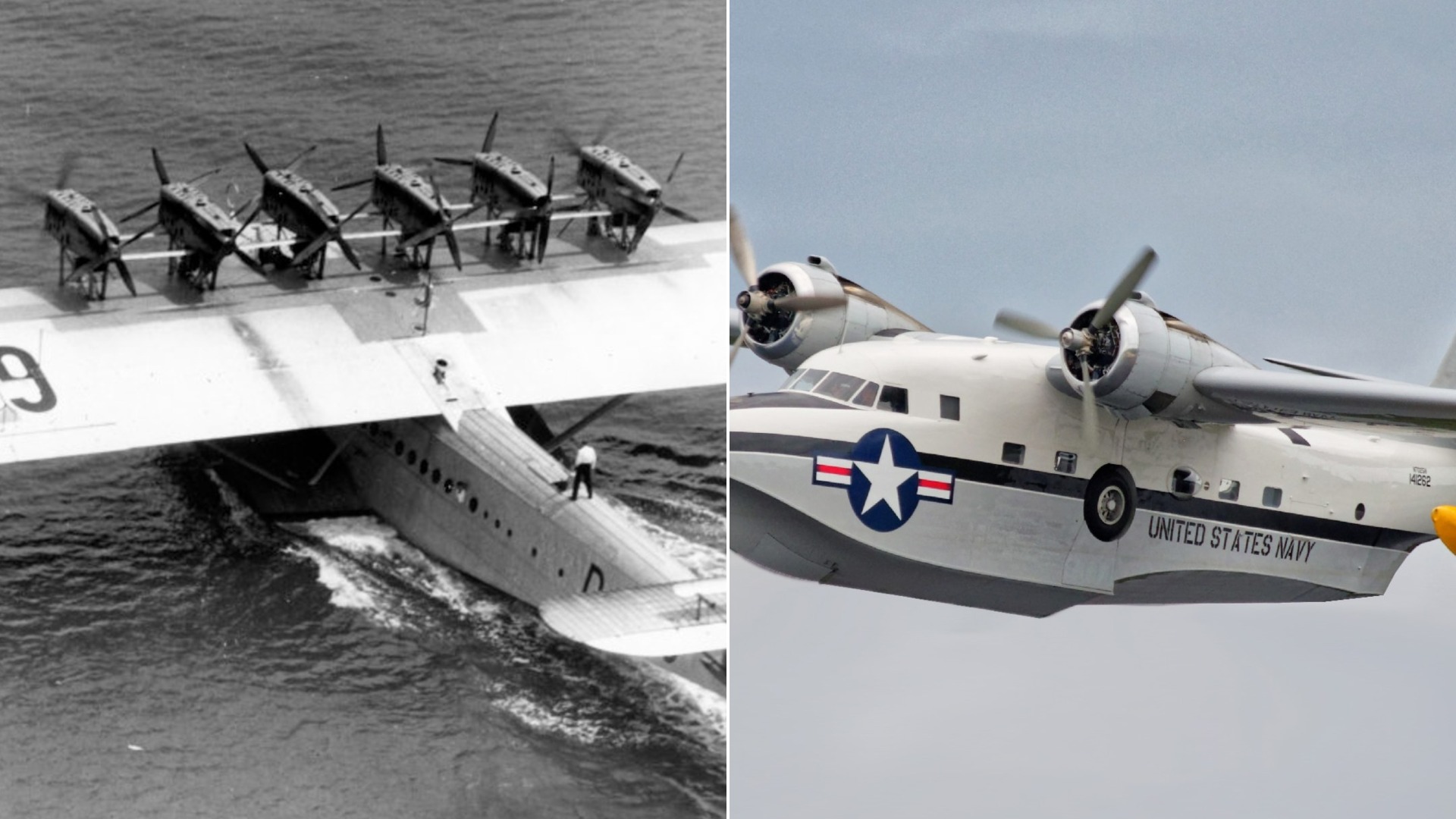
Originally designed in 1937 as an eight-seat flying yacht for wealthy Manhattan commuters travelling from Long Island to Wall Street, the Grumman G-21 Goose proved to be one of the toughest amphibians ever built. Celebrated for its twin radial engines, it excelled in WWII and bush flying.
©Wikimedia / U.S. Fish and Wildlife Service
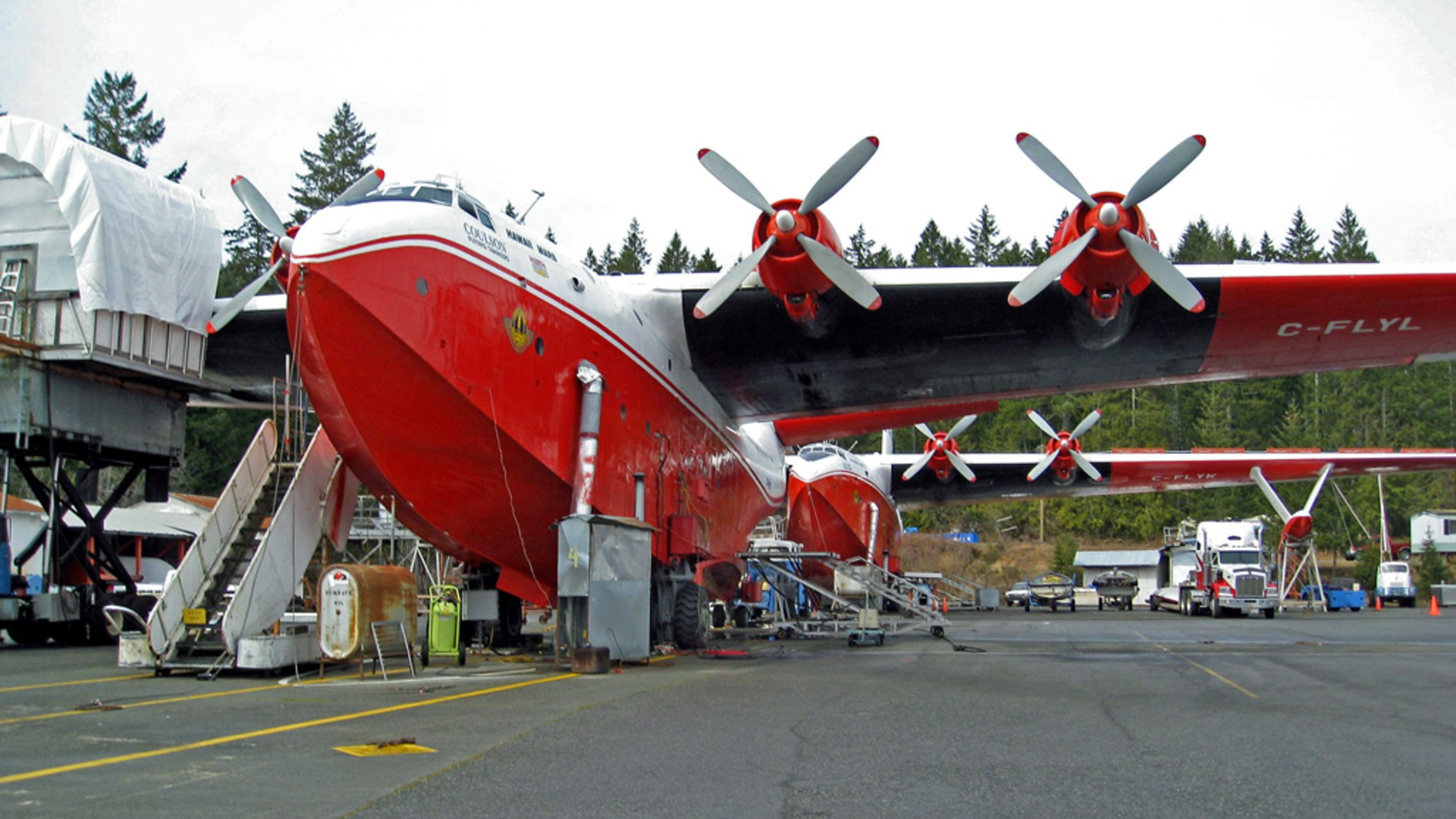
10. Martin JRM Mars
As the largest operational Allied flying boat to enter serial production in World War II, the Martin JRM Mars set passenger and cargo airlift records for the U.S. Navy between California and Hawaii. After naval service, surviving aircraft became legendary aerial firefighters in British Columbia.
©Wikimedia / RuthAS
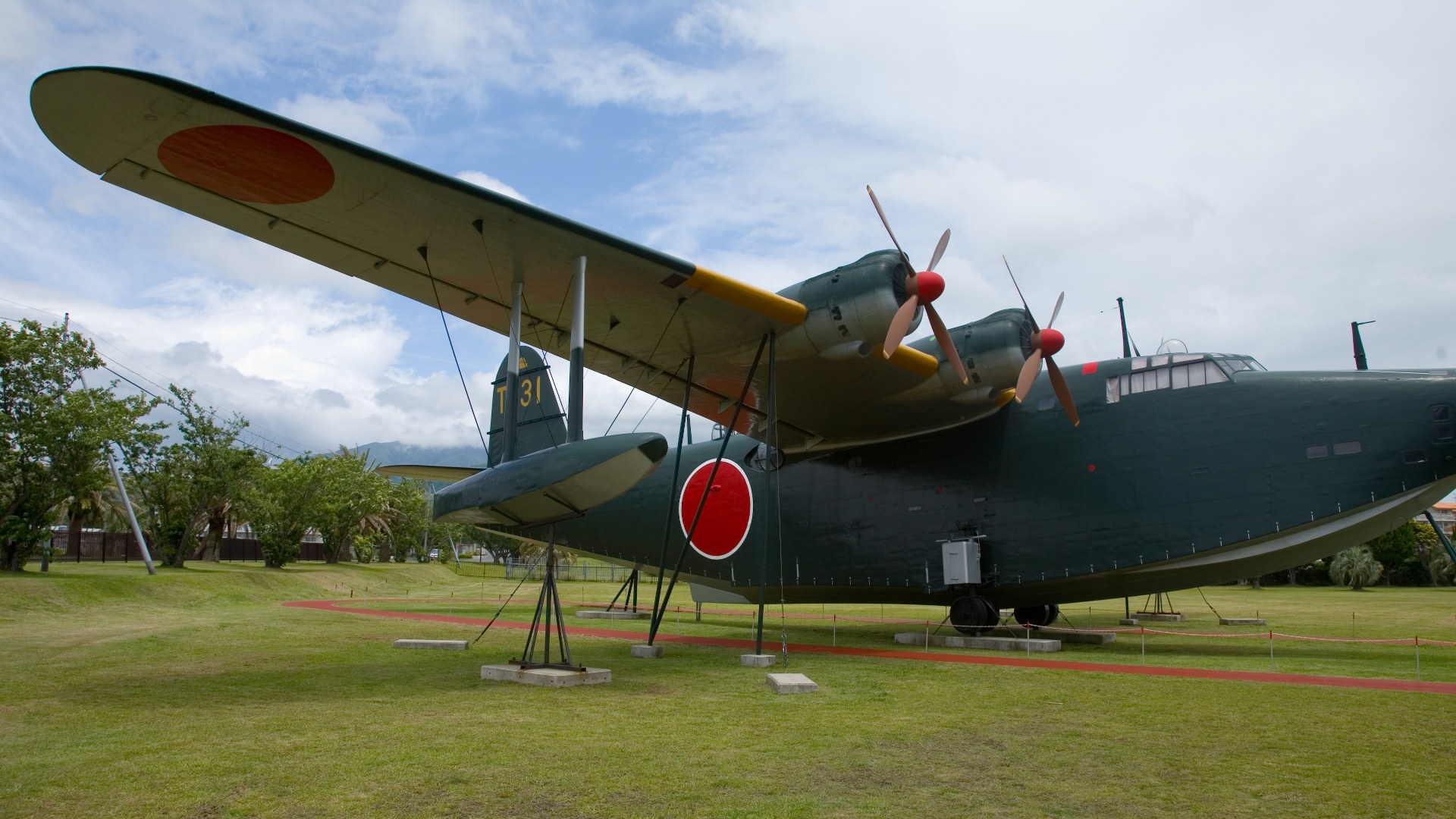
9. Kawanishi H8K ("Emily")
Widely regarded by aviation historians as the finest maritime patrol flying boat of World War II, the Imperial Japanese Navy's Kawanishi H8K (codenamed Emily) combined extraordinary range with heavy armor. Protected by self-sealing fuel tanks and five 20mm cannon turrets, it cruised 4,400 miles.
©Wikimedia / U.S. Navy
Advertisement
Swipe or tap ▶ to resume the countdown.
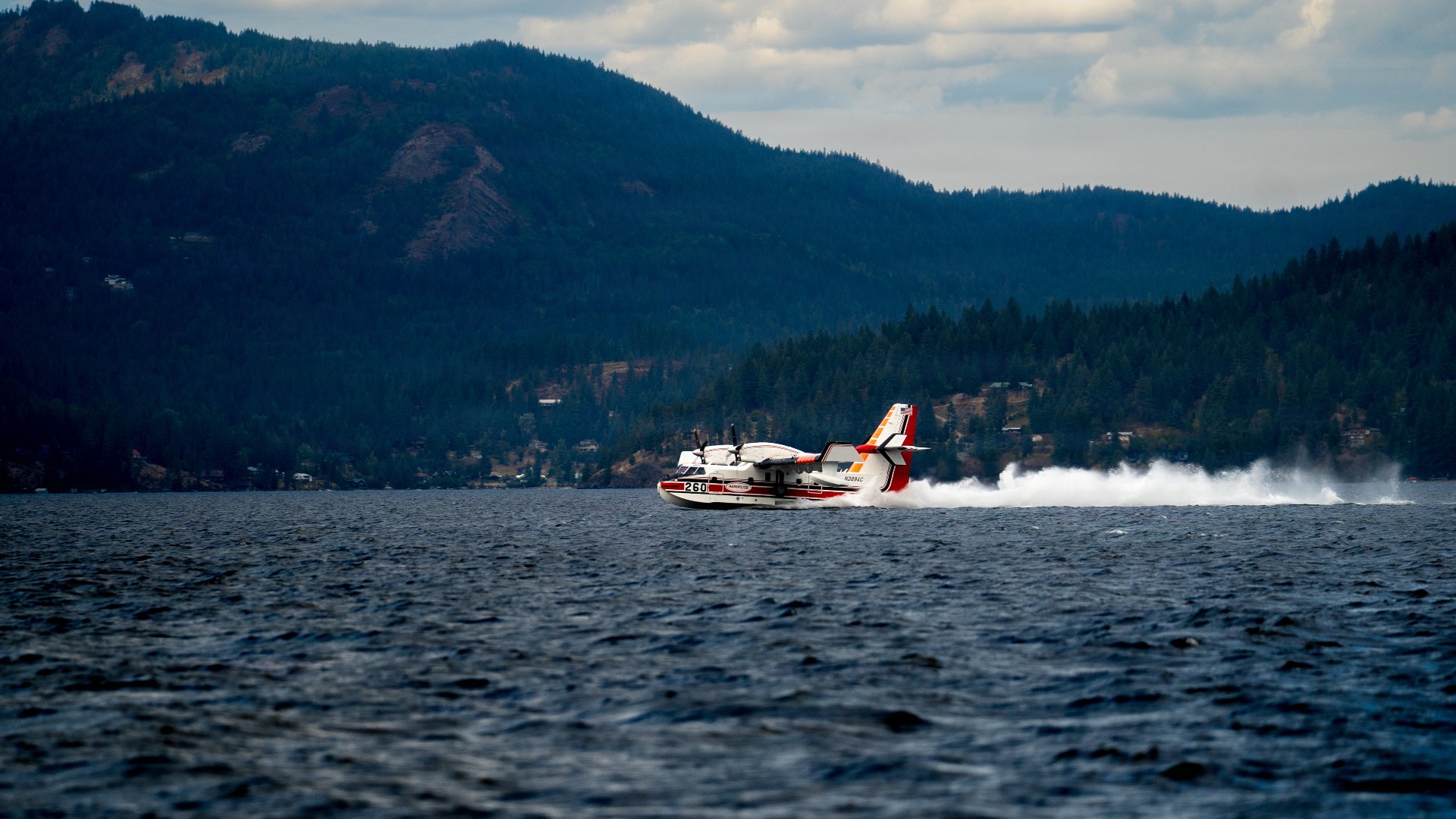
8. Canadair CL-415 ("Super Scooper")
Purpose-built from the keel up for aerial firefighting, the Canadian-made Canadair CL-415 Super Scooper is the gold standard of modern amphibious water bombers. Powered by twin turboprops, it skims lake surfaces at 80 knots to scoop 1,621 gallons of water into its tanks in just 12 seconds.
©DVIDS / Kevin Farmer
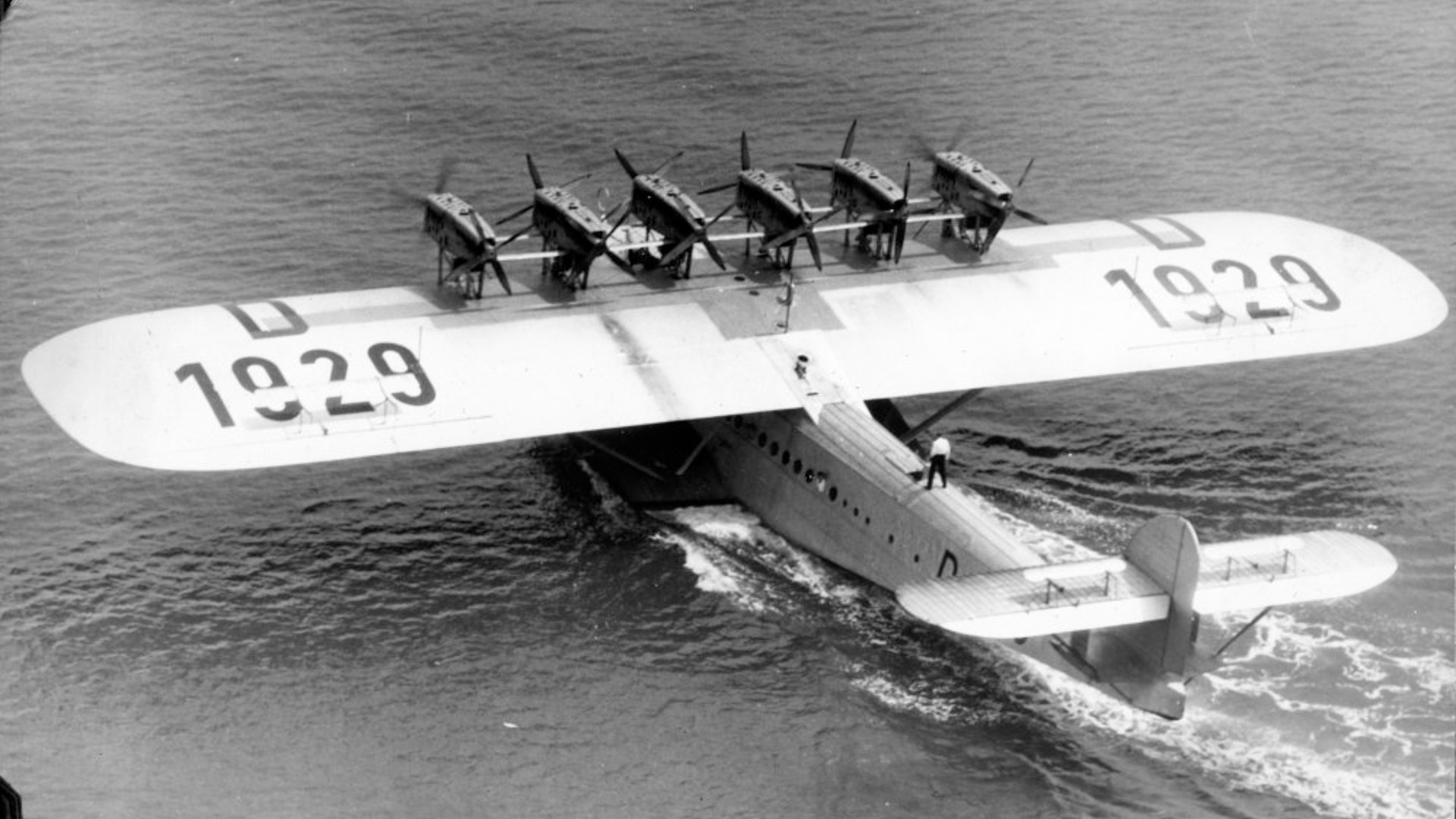
7. Dornier Do X
When Germany's Dornier Do X first took to the skies in 1929, it was the largest, heaviest, and most powerful aircraft the world had ever seen. Powered by 12 engines mounted in six tandem nacelles atop its wing, this three-deck flying ship carried a record 169 people aloft on a test flight.
©Wikimedia / U.S. Navy / John Lee Highfill
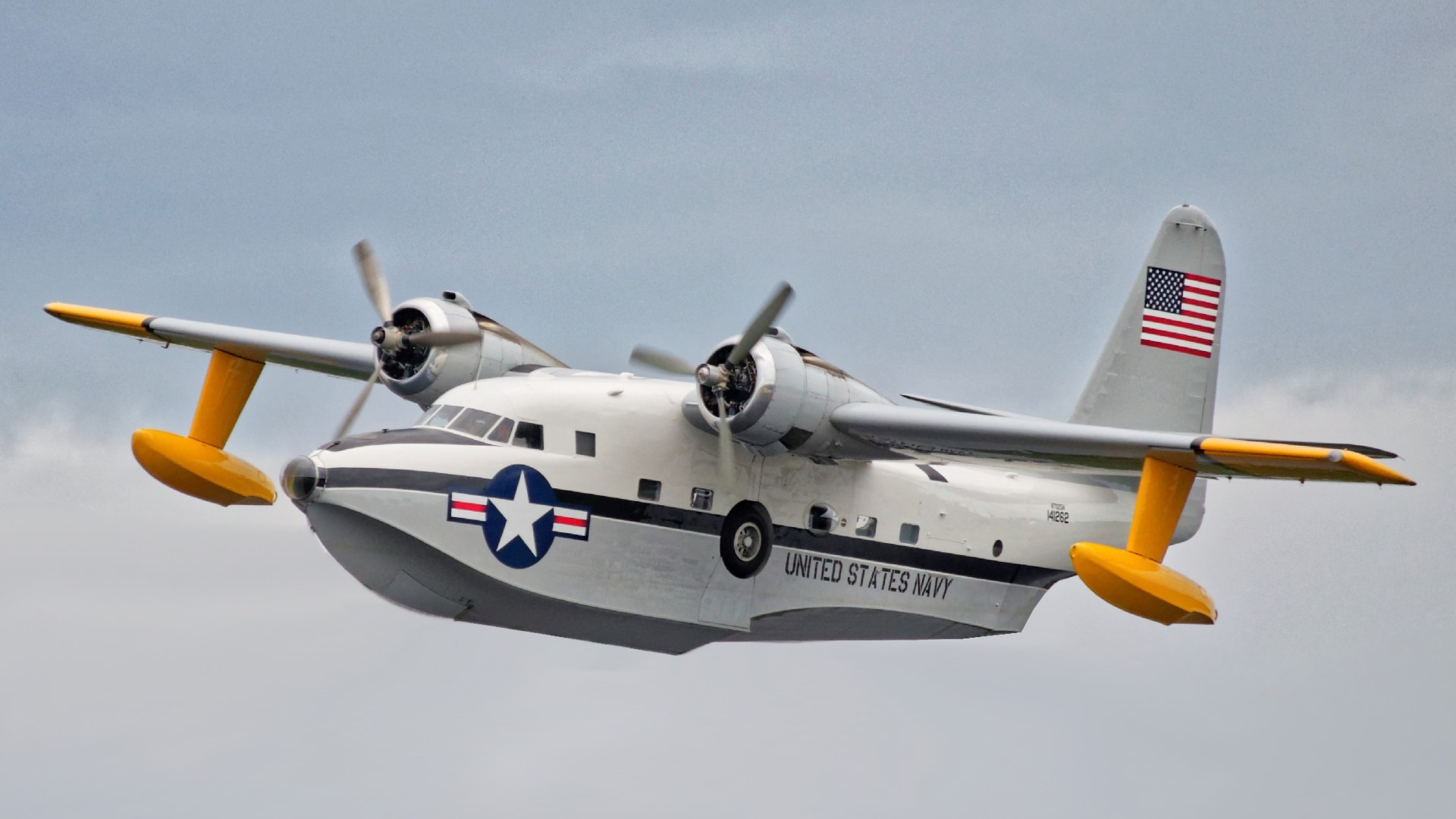
6. Grumman HU-16 Albatross
Engineered to land in open-ocean swells that would tear lesser seaplanes apart, the Grumman HU-16 Albatross was the backbone of U.S. Air Force, Navy, and Coast Guard search-and-rescue operations in the Korean and Vietnam wars. Its deep-V hull and JATO rockets allowed rescues in 10-foot seas.
©Wikimedia / U.S. Navy
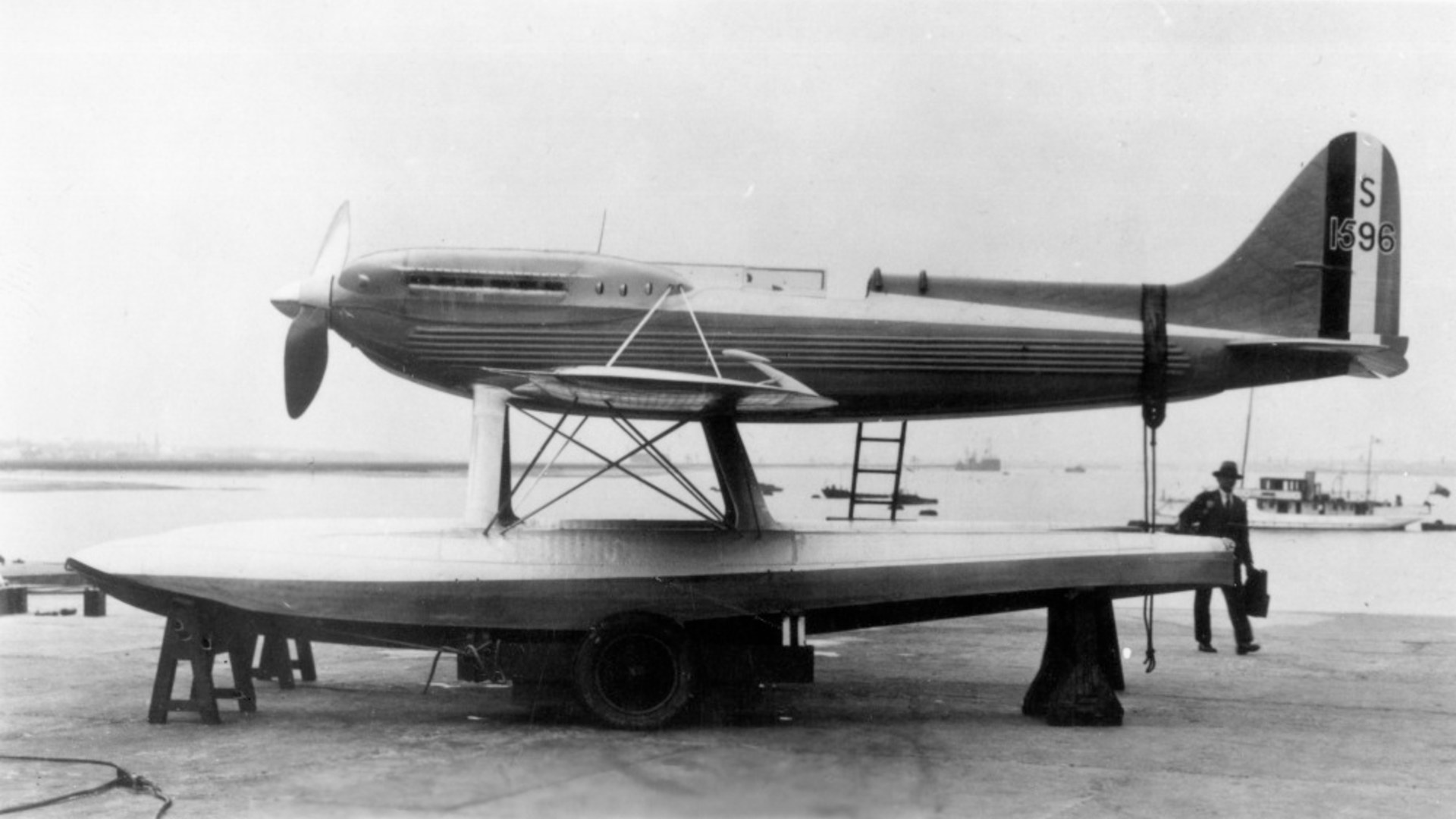
5. Supermarine S.6B
Designed by British aeronautical engineer R.J. Mitchell, the sleek Supermarine S.6B floatplane permanently secured the Schneider Trophy for Great Britain in 1931 and broke the world airspeed record at 407.5 mph. Its Rolls-Royce V-12 engine and all-metal aerodynamics inspired the Spitfire.
©Wikimedia / SDASM Archives
Advertisement
Swipe or tap ▶ to resume the countdown.
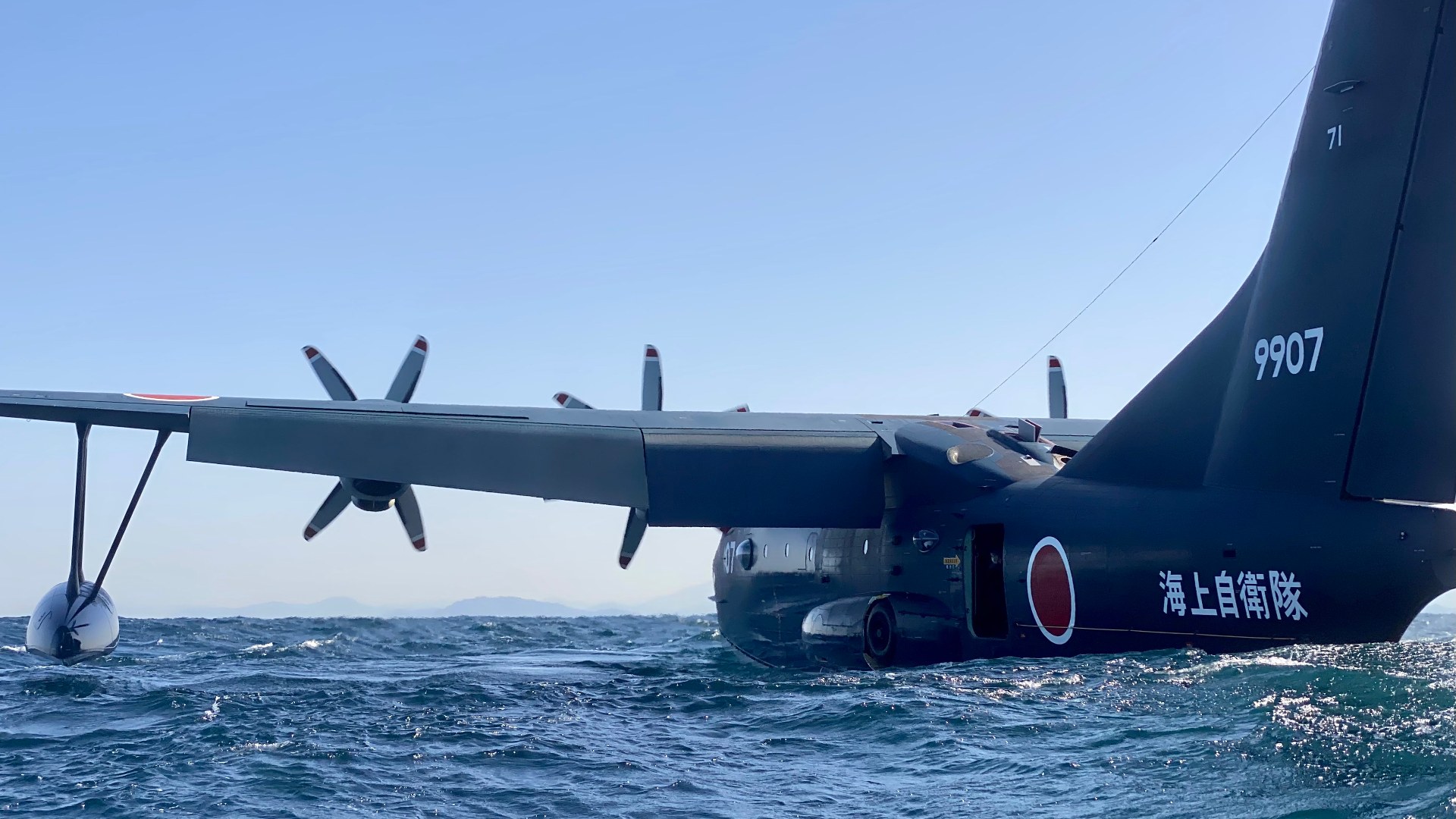
4. ShinMaywa US-2
Operated by the Japan Maritime Self-Defense Force, the ShinMaywa US-2 is the most technologically advanced large amphibious aircraft flying today. Equipped with four turboprops plus a boundary-layer compressor engine, this STOL marvel lands at just 50 knots inside 9.8-foot open-ocean swells.
©DVIDS / U.S. Air Force / Joshua Thompson
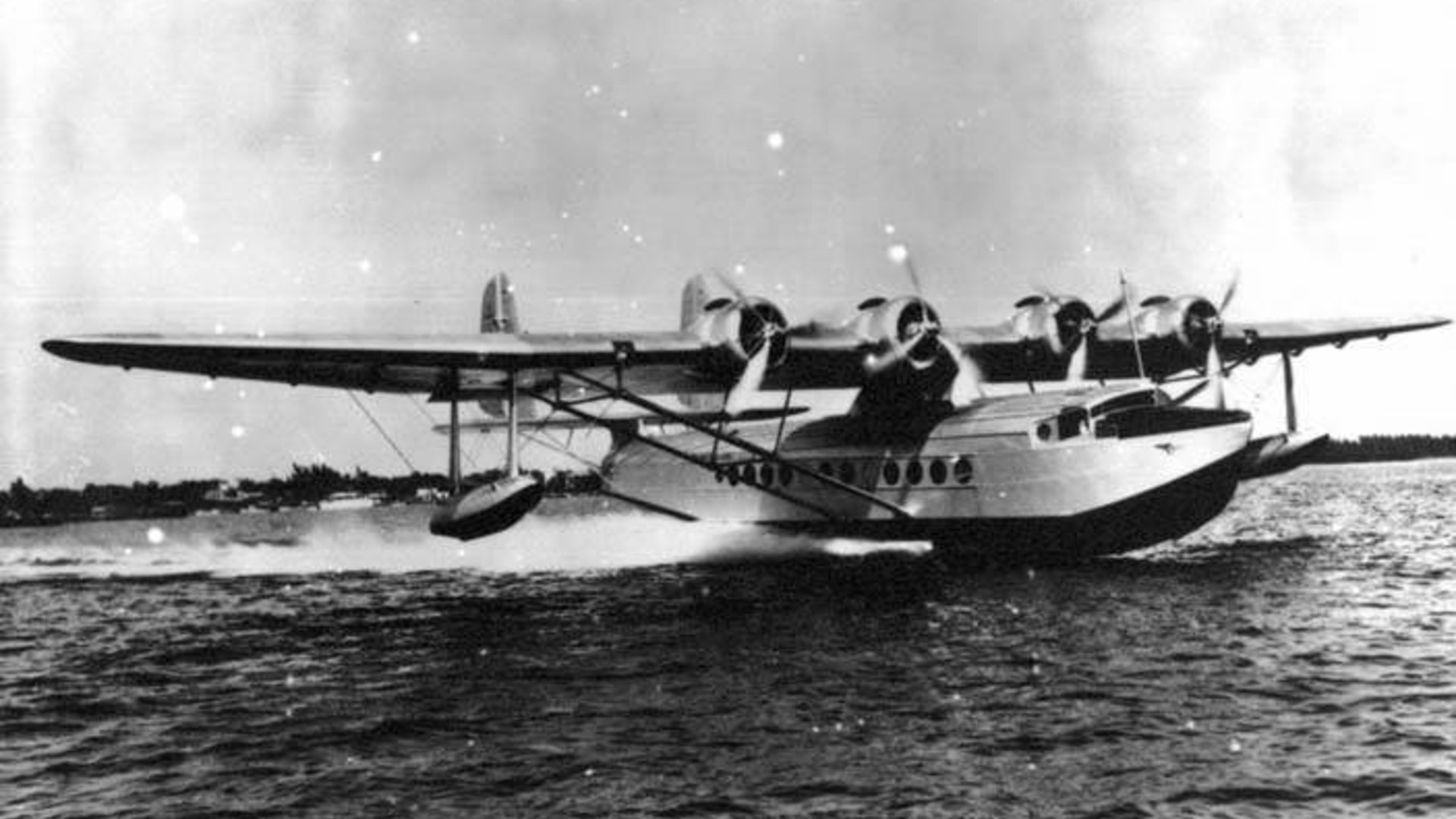
3. Sikorsky S-42
Developed by aviation pioneer Igor Sikorsky to meet Pan American Airways founder Juan Trippe's vision for transoceanic passenger routes, the four-engine Sikorsky S-42 set ten world records upon its 1934 debut and blazed the first commercial survey trails across the Pacific Ocean.
©Wikimedia / Burgert Brothers
2. ICON A5
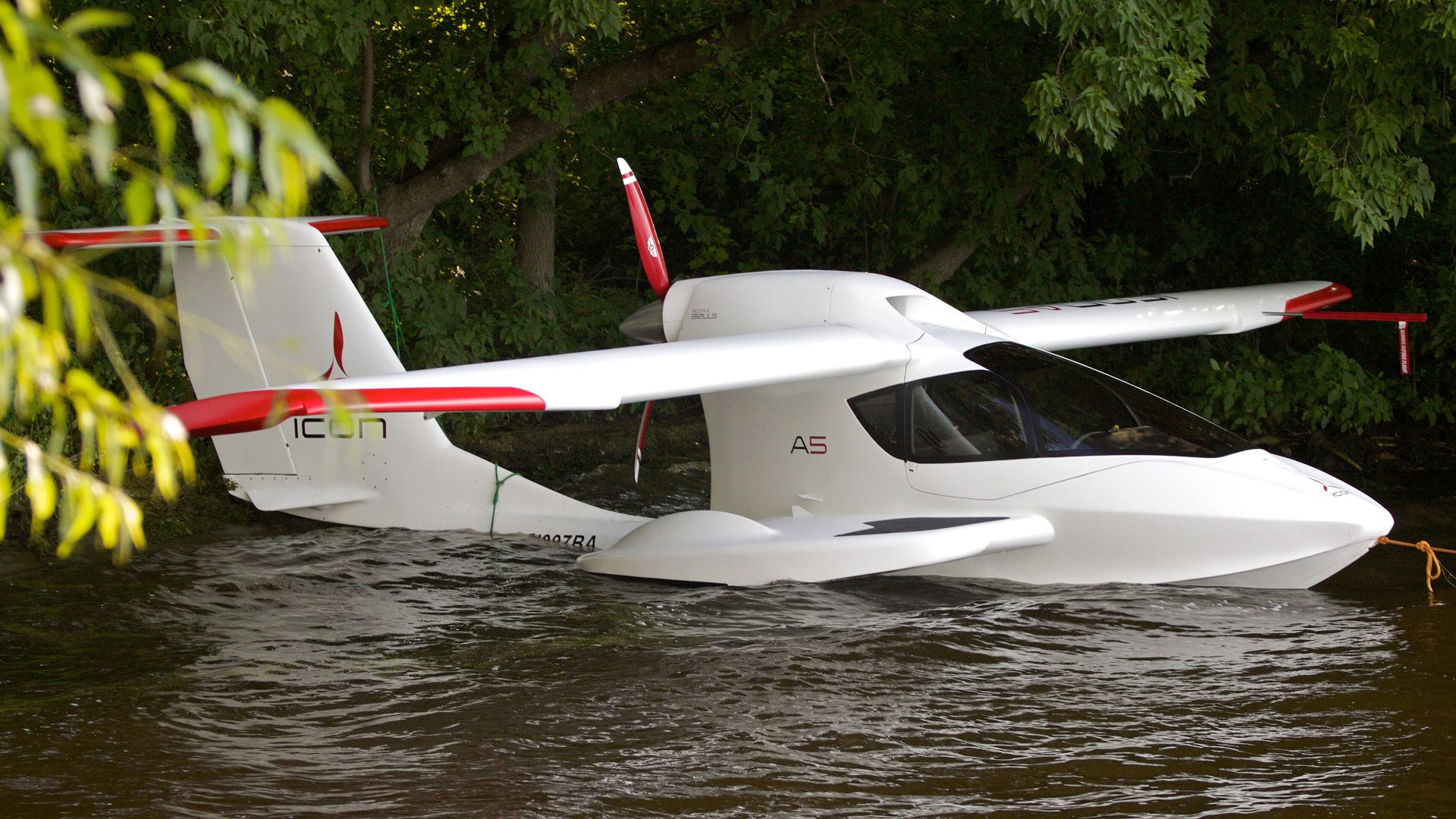
Bringing personal seaplane flying into the 21st century, the ICON A5 is an all-carbon-fiber amphibious Light Sport Aircraft with an automotive-style cockpit and spin-resistant airframe. Featuring a whole-airframe parachute and folding wings, it can be towed home and parked in a garage.
©Wikimedia / H. Michael Miley
1. Supermarine Walrus
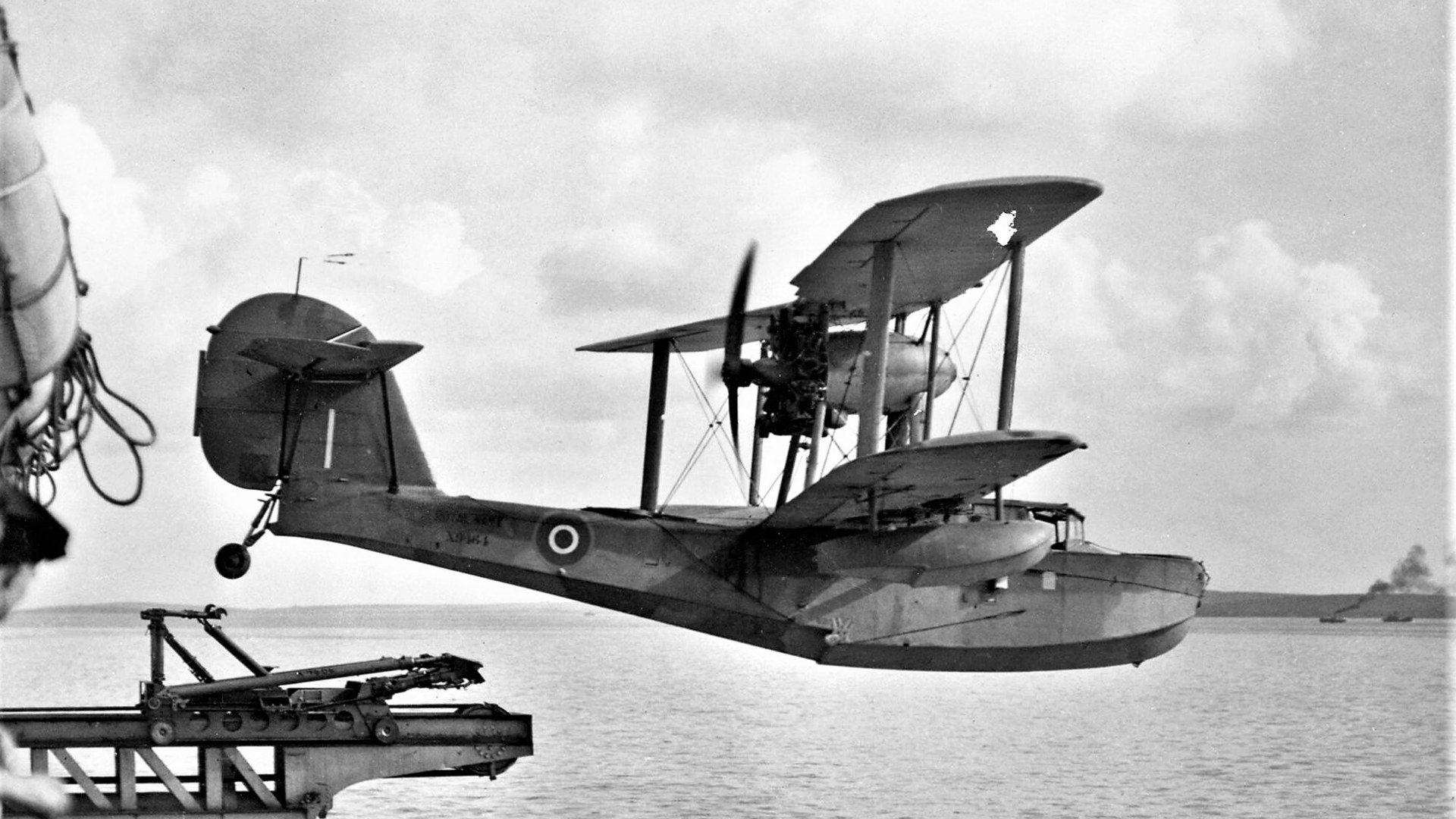
Affectionately dubbed the Shagbat by British Royal Navy and RAF crews, the quirky Supermarine Walrus was a single-engine amphibious biplane launched by catapult from battleships and cruisers. Its rugged all-metal hull was strong enough to perform aerobatic loops and wartime sea rescues.

©Wikimedia / Royal Navy
Advertisement
You've reached the end of the story. Thanks for reading!

20 Famous Cars With Pop-Up Headlights That Shaped Car Design
From hand-cranked 1930s teardrops to wedge supercars of the 1980s, hidden headlights let stylists chase sleek aerodynamics until 2004 pedestrian rules closed the curtain. Here are 20 standout production cars that turned retractable lamps into an enduring automotive design feature across seven full decades.
All 15 Entries in this Story
1. Consolidated PBY Catalina
Built in greater numbers than any other flying boat in history with over 3,300 airframes produced, the Consolidated PBY Catalina was an indispensable Allied workhorse in World War II. Crews used it to spot the German battleship Bismarck, hunt submarines, and rescue thousands of downed airmen.

2. Boeing Model 314 Clipper
Before long-range landplanes existed, the Boeing Model 314 Clipper was the ultimate pinnacle of luxury transoceanic travel for Pan American World Airways. Outfitted like a floating five-star hotel, the four-engine giant featured white-tablecloth dining saloons and private sleeping berths.

3. Hughes H-4 Hercules ("Spruce Goose")
Conceived during World War II to ferry 750 troops or two Sherman tanks across the Atlantic safe from German U-boats, the Hughes H-4 Hercules remains the largest all-wood flying boat ever built. Constructed primarily of laminated birch, it was piloted by Howard Hughes over Long Beach Harbor in 1947.

4. Short Sunderland
Nicknamed the Flying Porcupine by Luftwaffe pilots because of its bristling defensive gun turrets, the Short Sunderland was RAF Coastal Command's premier long-range patrol flying boat in World War II. Capable of staying aloft for 14 hours, it protected convoys and sank 28 German U-boats.

5. Grumman G-21 Goose
Originally designed in 1937 as an eight-seat flying yacht for wealthy Manhattan commuters travelling from Long Island to Wall Street, the Grumman G-21 Goose proved to be one of the toughest amphibians ever built. Celebrated for its twin radial engines, it excelled in WWII and bush flying.

6. Martin JRM Mars
As the largest operational Allied flying boat to enter serial production in World War II, the Martin JRM Mars set passenger and cargo airlift records for the U.S. Navy between California and Hawaii. After naval service, surviving aircraft became legendary aerial firefighters in British Columbia.

7. Kawanishi H8K ("Emily")
Widely regarded by aviation historians as the finest maritime patrol flying boat of World War II, the Imperial Japanese Navy's Kawanishi H8K (codenamed Emily) combined extraordinary range with heavy armor. Protected by self-sealing fuel tanks and five 20mm cannon turrets, it cruised 4,400 miles.

8. Canadair CL-415 ("Super Scooper")
Purpose-built from the keel up for aerial firefighting, the Canadian-made Canadair CL-415 Super Scooper is the gold standard of modern amphibious water bombers. Powered by twin turboprops, it skims lake surfaces at 80 knots to scoop 1,621 gallons of water into its tanks in just 12 seconds.

9. Dornier Do X
When Germany's Dornier Do X first took to the skies in 1929, it was the largest, heaviest, and most powerful aircraft the world had ever seen. Powered by 12 engines mounted in six tandem nacelles atop its wing, this three-deck flying ship carried a record 169 people aloft on a test flight.

10. Grumman HU-16 Albatross
Engineered to land in open-ocean swells that would tear lesser seaplanes apart, the Grumman HU-16 Albatross was the backbone of U.S. Air Force, Navy, and Coast Guard search-and-rescue operations in the Korean and Vietnam wars. Its deep-V hull and JATO rockets allowed rescues in 10-foot seas.

11. Supermarine S.6B
Designed by British aeronautical engineer R.J. Mitchell, the sleek Supermarine S.6B floatplane permanently secured the Schneider Trophy for Great Britain in 1931 and broke the world airspeed record at 407.5 mph. Its Rolls-Royce V-12 engine and all-metal aerodynamics inspired the Spitfire.

12. ShinMaywa US-2
Operated by the Japan Maritime Self-Defense Force, the ShinMaywa US-2 is the most technologically advanced large amphibious aircraft flying today. Equipped with four turboprops plus a boundary-layer compressor engine, this STOL marvel lands at just 50 knots inside 9.8-foot open-ocean swells.

13. Sikorsky S-42
Developed by aviation pioneer Igor Sikorsky to meet Pan American Airways founder Juan Trippe's vision for transoceanic passenger routes, the four-engine Sikorsky S-42 set ten world records upon its 1934 debut and blazed the first commercial survey trails across the Pacific Ocean.

14. ICON A5
Bringing personal seaplane flying into the 21st century, the ICON A5 is an all-carbon-fiber amphibious Light Sport Aircraft with an automotive-style cockpit and spin-resistant airframe. Featuring a whole-airframe parachute and folding wings, it can be towed home and parked in a garage.

15. Supermarine Walrus
Affectionately dubbed the Shagbat by British Royal Navy and RAF crews, the quirky Supermarine Walrus was a single-engine amphibious biplane launched by catapult from battleships and cruisers. Its rugged all-metal hull was strong enough to perform aerobatic loops and wartime sea rescues.