Slideshow · Viral
The 15 Most Important Treaties in History, Ranked
Wars redraw battle lines, but treaties redraw the map of the world. From a 3,200-year-old clay tablet carved in cuneiform to the pacts that created modern nation-states, these 15 historic agreements s
By Most Viral Today
3 Nov 2026

How 15 Strokes of a Pen Redrew the Map of Human Civilization 
15. Camp David Accords (1978) 
14. Treaty Of Waitangi (1840) 
13. Treaty Of Kanagawa (1854) - AdvertisementSwipe or tap ▶ to continue countdown

12. Treaty Of Guadalupe Hidalgo (1848) 
11. Treaty Of Ghent (1814) 
10. Treaty Of Nanking (1842) 
9. Partial Nuclear Test Ban Treaty (1963) - AdvertisementSwipe or tap ▶ to continue countdown

8. Treaty Of Rome (1957) 
7. North Atlantic Treaty (1949) 
6. Treaty Of Paris (1783) 
5. Congress Of Vienna Final Act (1815) - AdvertisementSwipe or tap ▶ to continue countdown

4. Treaty Of Tordesillas (1494) 
3. Treaty Of Kadesh (1259 BC) 
2. Treaty Of Versailles (1919) 
1. Peace Of Westphalia (1648) - Advertisement🔥 UP NEXT IN THIS SERIES◫ 21 Slides

20 Famous Cars With Pop-Up Headlights That Shaped Car Design
From hand-cranked 1930s teardrops to wedge supercars of the 1980s, hidden headlights let stylists chase sleek aerodynamics until 2004 pedestrian rules closed the curtain. Here are 20 standout production cars that turned retractable lamps into an enduring automotive design feature across seven full decades.
Wars redraw battle lines, but treaties redraw the map of the world. From a 3,200-year-old clay tablet carved in cuneiform to the pacts that created modern nation-states, these 15 historic agreements shaped borders, empires, and global law.
Swipe or tap ▶ to begin the countdown
©Wikimedia / Lt. M.S. Lentz
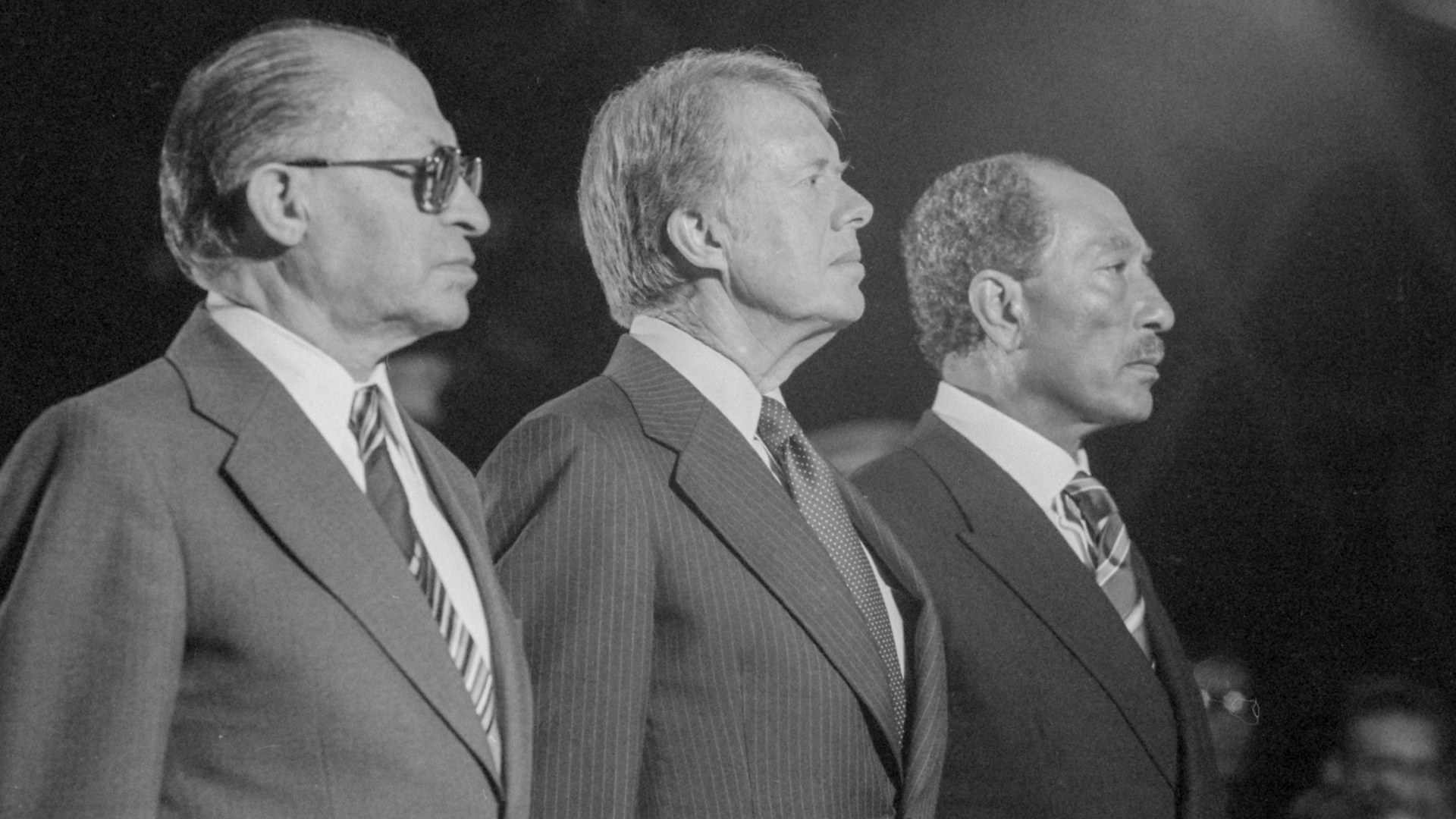
15. Camp David Accords (1978)
After 12 days of talks hosted by U.S. President Jimmy Carter at his Maryland retreat in September 1978, Egyptian President Anwar Sadat and Israeli Prime Minister Menachem Begin signed the Camp David Accords. The pact returned the Sinai Peninsula to Egypt and earned Sadat and Begin the Nobel Peace Prize.
©Wikimedia / Bill Fitz-Patrick
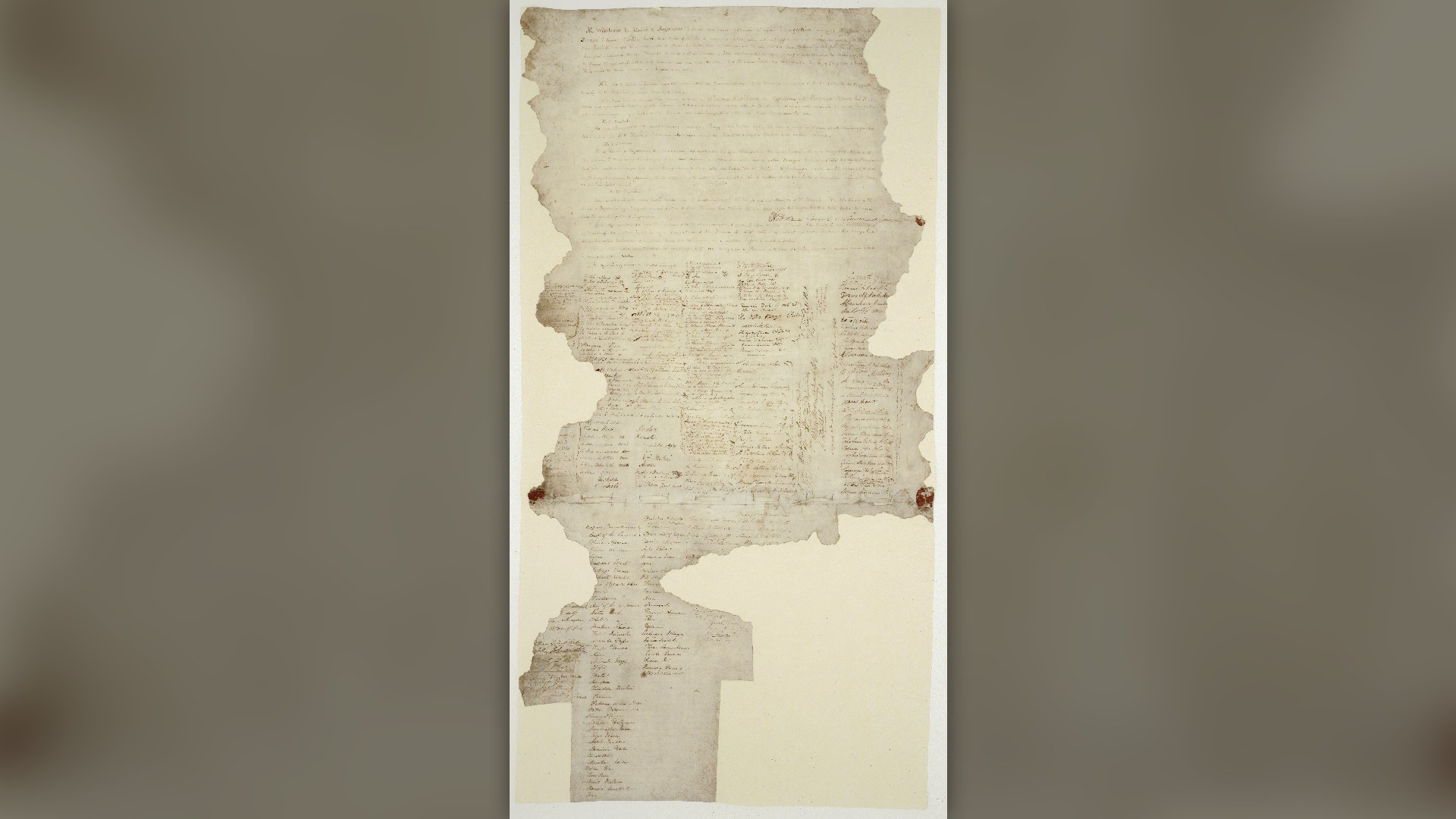
14. Treaty Of Waitangi (1840)
First signed on February 6, 1840, in the Bay of Islands, Te Tiriti o Waitangi established British colonial governance in New Zealand while guaranteeing Maori tribes ownership of their lands, forests, and fisheries. Wording differences between the English and Maori texts still shape New Zealand law today.
©Wikimedia / Archives New Zealand
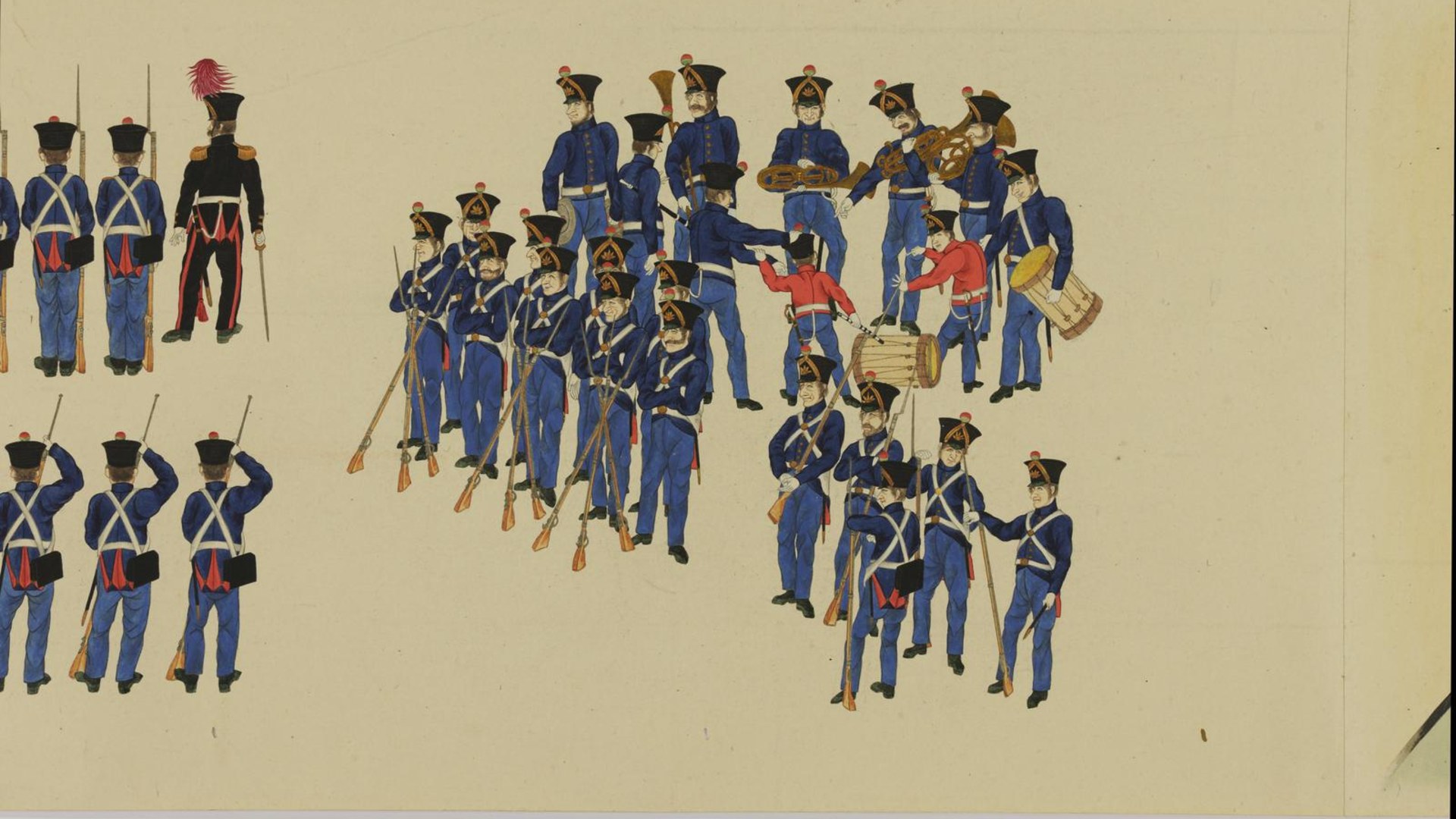
13. Treaty Of Kanagawa (1854)
Backed by a squadron of American steam warships in Edo Bay, U.S. Commodore Matthew Perry signed the Convention of Kanagawa with the Tokugawa Shogunate on March 31, 1854. The agreement opened the ports of Shimoda and Hakodate, ending two centuries of seclusion and sparking the Meiji Restoration.
©Wikimedia / Hibata Osuke
Advertisement
Swipe or tap ▶ to resume the countdown.
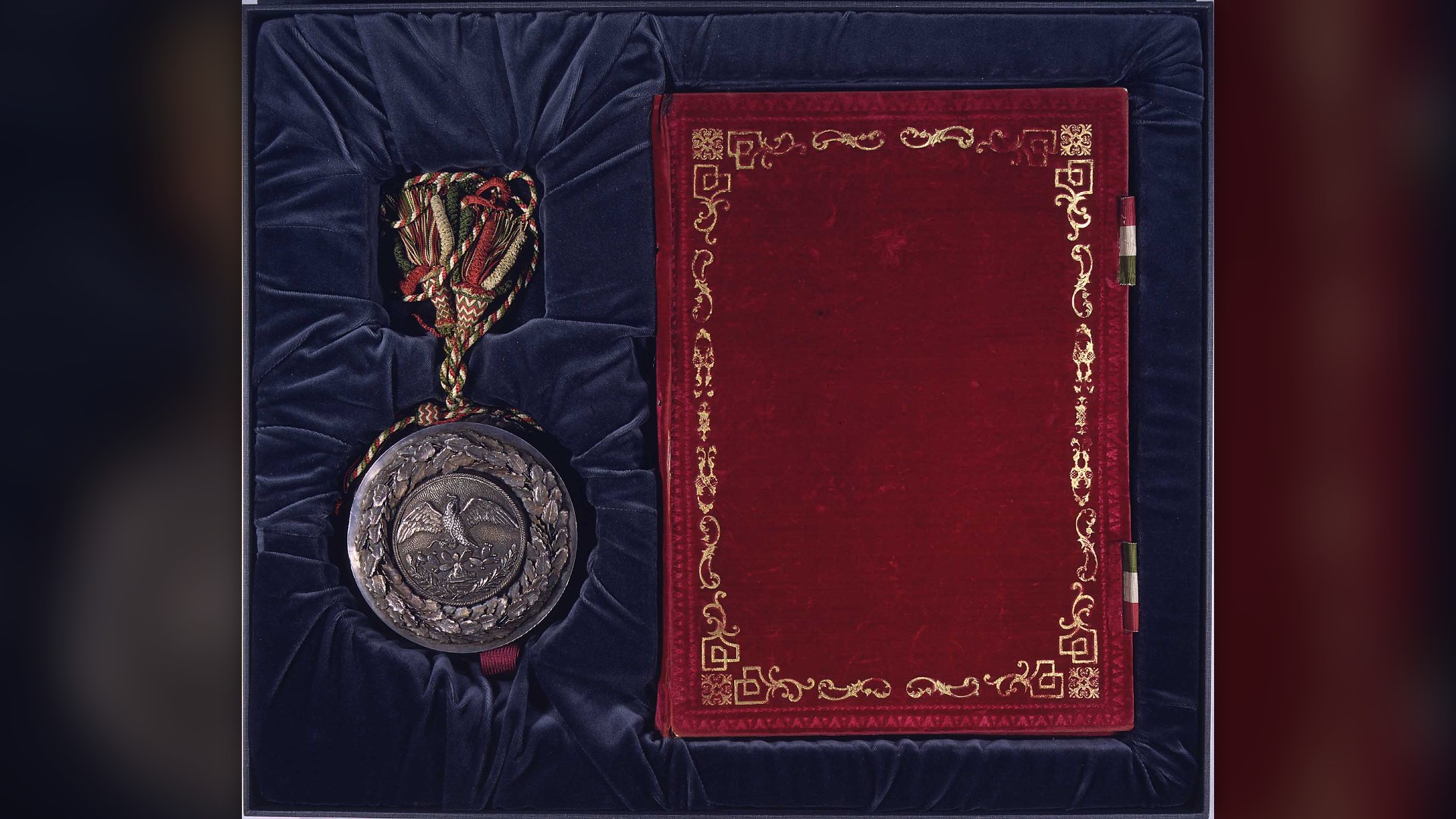
12. Treaty Of Guadalupe Hidalgo (1848)
Signed on February 2, 1848, near Mexico City, this pact ended the Mexican-American War and redrew North America. Mexico ceded 55 percent of its prewar territory, including present-day California, Nevada, Utah, Arizona, and New Mexico, while fixing the Texas border at the Rio Grande.
©Wikimedia / Governments of USA and Mexico
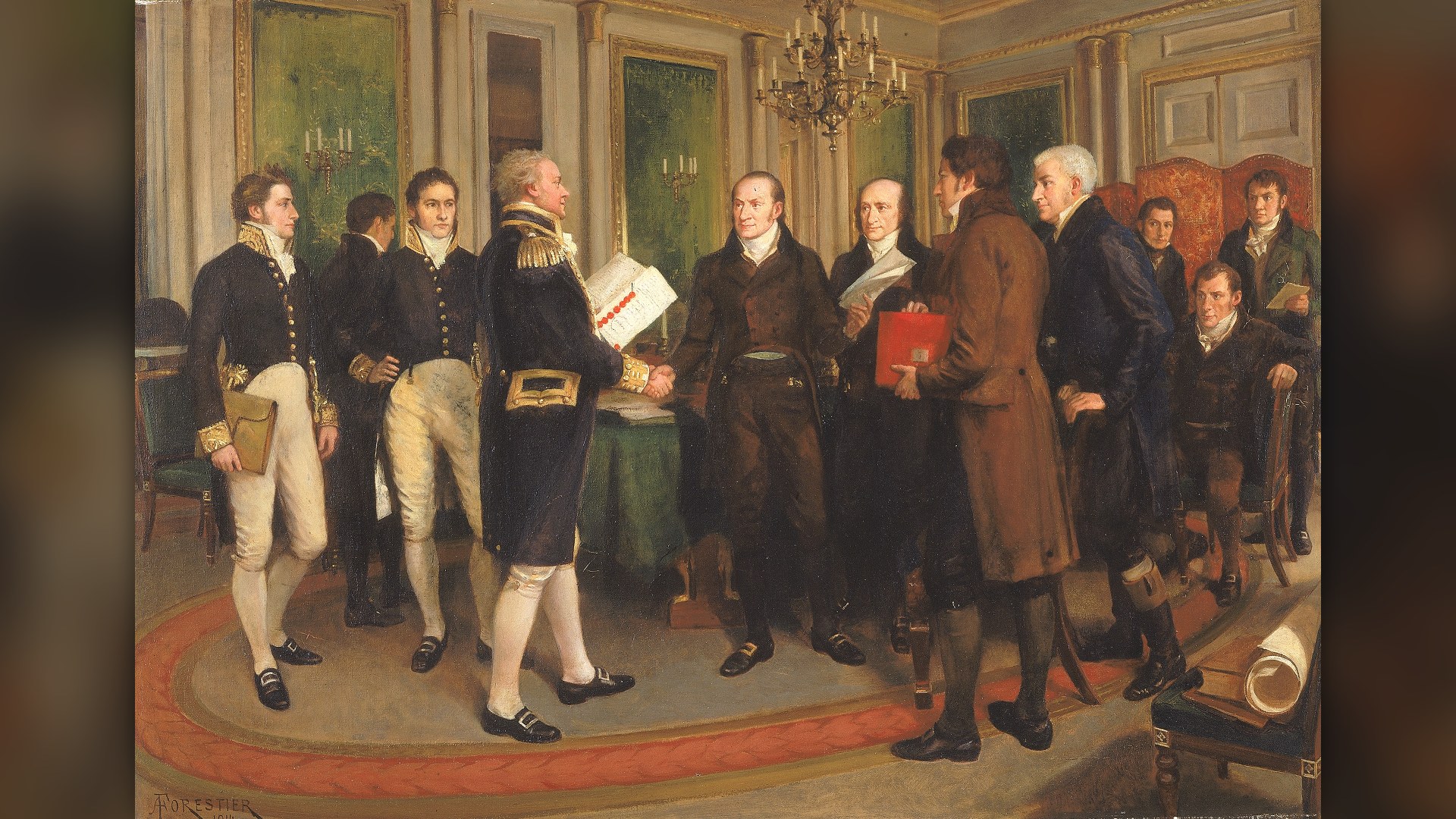
11. Treaty Of Ghent (1814)
Signed on December 24, 1814, in Ghent, Belgium, by British diplomats and an American delegation led by John Quincy Adams and Henry Clay, the treaty restored prewar borders after the War of 1812. It laid the groundwork for the demilitarization of the Great Lakes and the longest undefended border on Earth.
©Wikimedia / Amedee Forestier
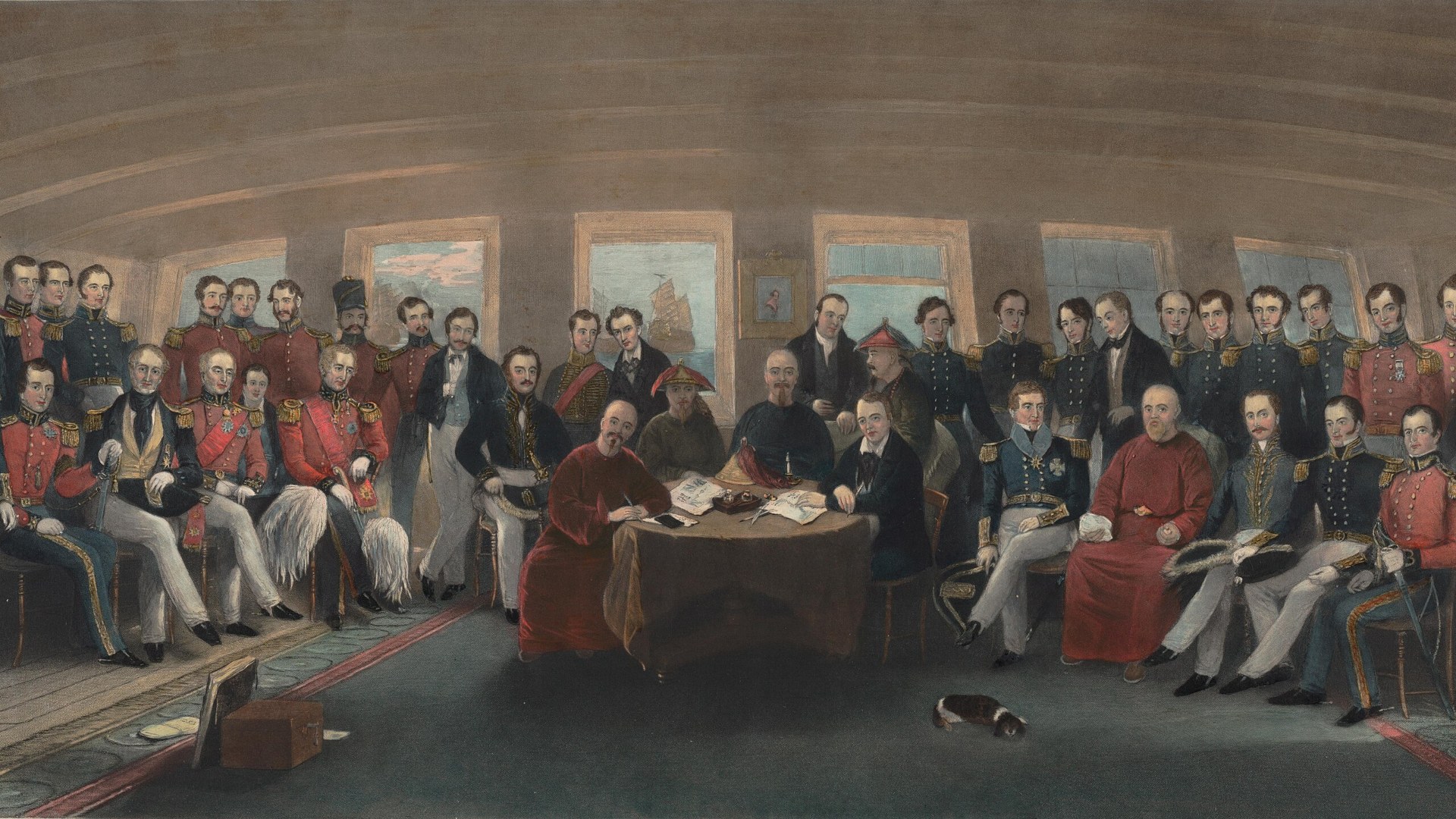
10. Treaty Of Nanking (1842)
Signed aboard the British warship HMS Cornwallis on August 29, 1842, the Treaty of Nanking ended the First Opium War between Great Britain and the Qing Dynasty. China paid 21 million silver dollars in reparations, ended the Canton trade monopoly, and ceded Hong Kong Island to Great Britain.
©Wikimedia / Captain John Platt
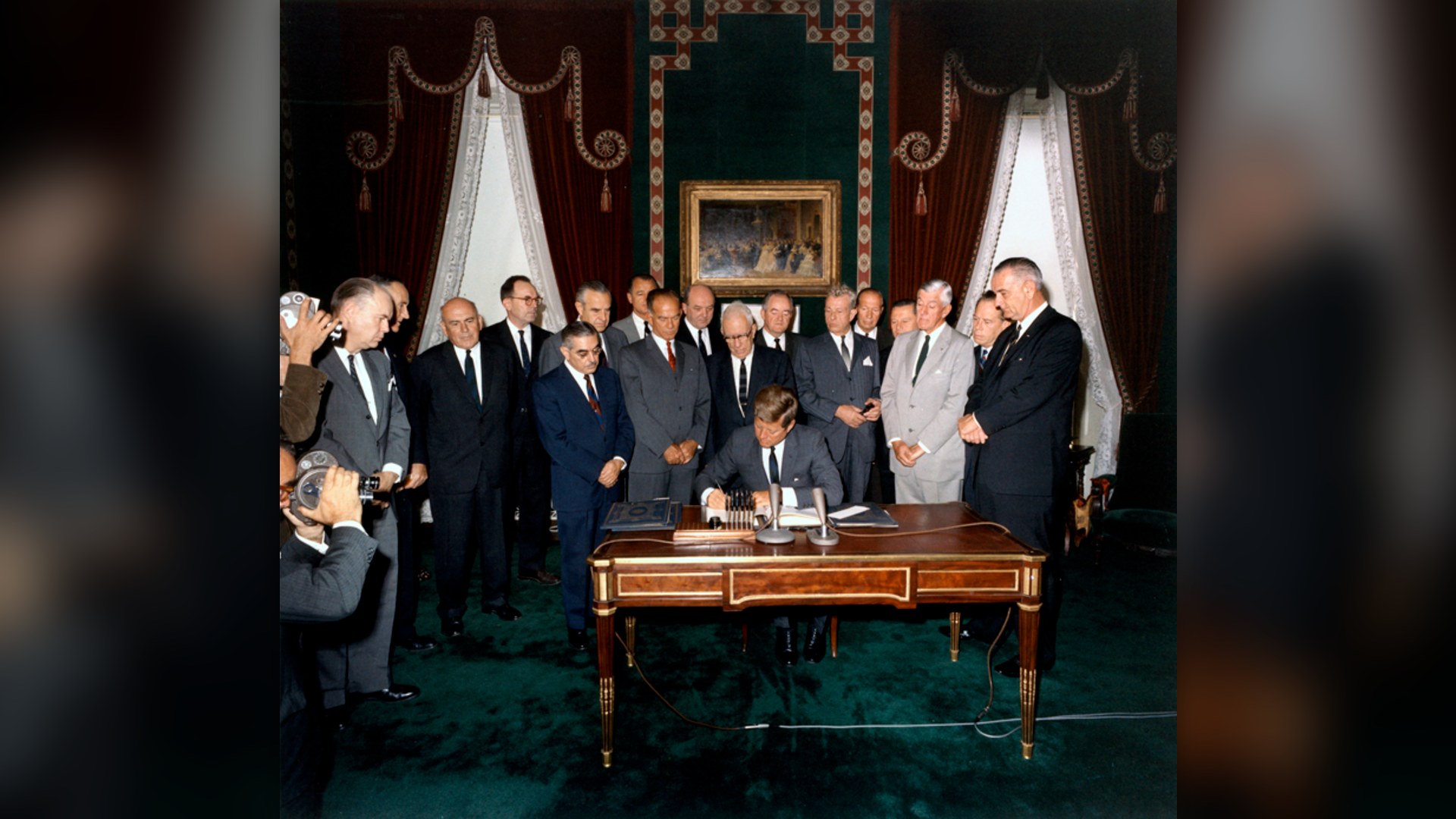
9. Partial Nuclear Test Ban Treaty (1963)
Shaken by the 1962 Cuban Missile Crisis and radioactive fallout from open-air hydrogen bomb tests, the United States, the Soviet Union, and the United Kingdom signed the Limited Test Ban Treaty in Moscow on August 5, 1963. It restricted nuclear testing underground and opened Cold War arms control.
©Wikimedia / Robert LeRoy Knudsen
Advertisement
Swipe or tap ▶ to resume the countdown.
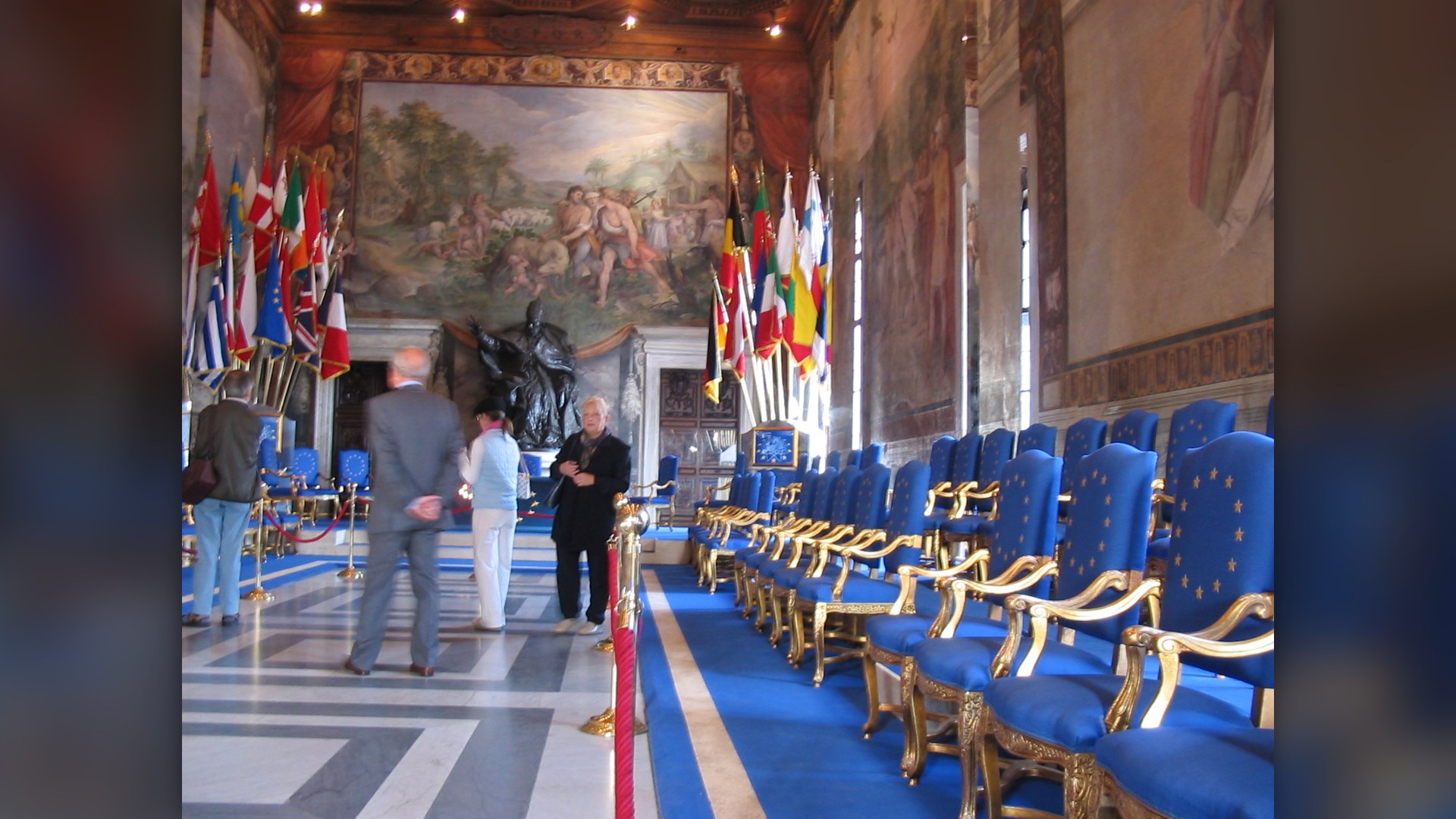
8. Treaty Of Rome (1957)
On March 25, 1957, leaders from Belgium, France, Italy, Luxembourg, the Netherlands, and West Germany gathered in Rome's Capitoline Museums to sign the Treaty establishing the European Economic Community. The pact eliminated customs tariffs and created the single market that evolved into the EU.
©Wikimedia / Hadi
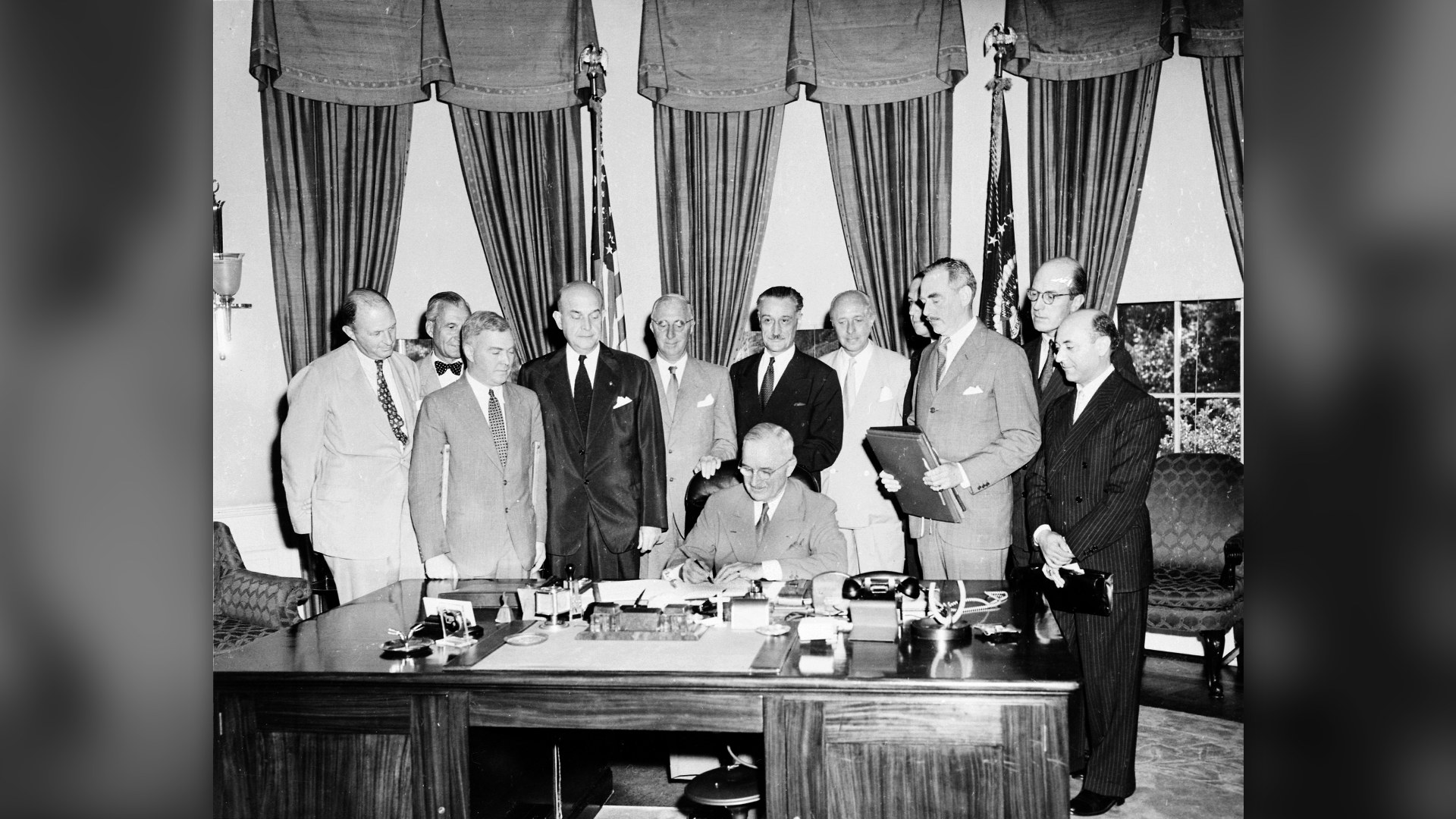
7. North Atlantic Treaty (1949)
Signed in Washington, D.C., on April 4, 1949, by 12 founding Western nations, the North Atlantic Treaty created NATO to deter Soviet expansion in post-World War II Europe. Its core clause, Article 5, bound every signatory to collective defense and now unites 32 member nations.
©Wikimedia / Abbie Rowe
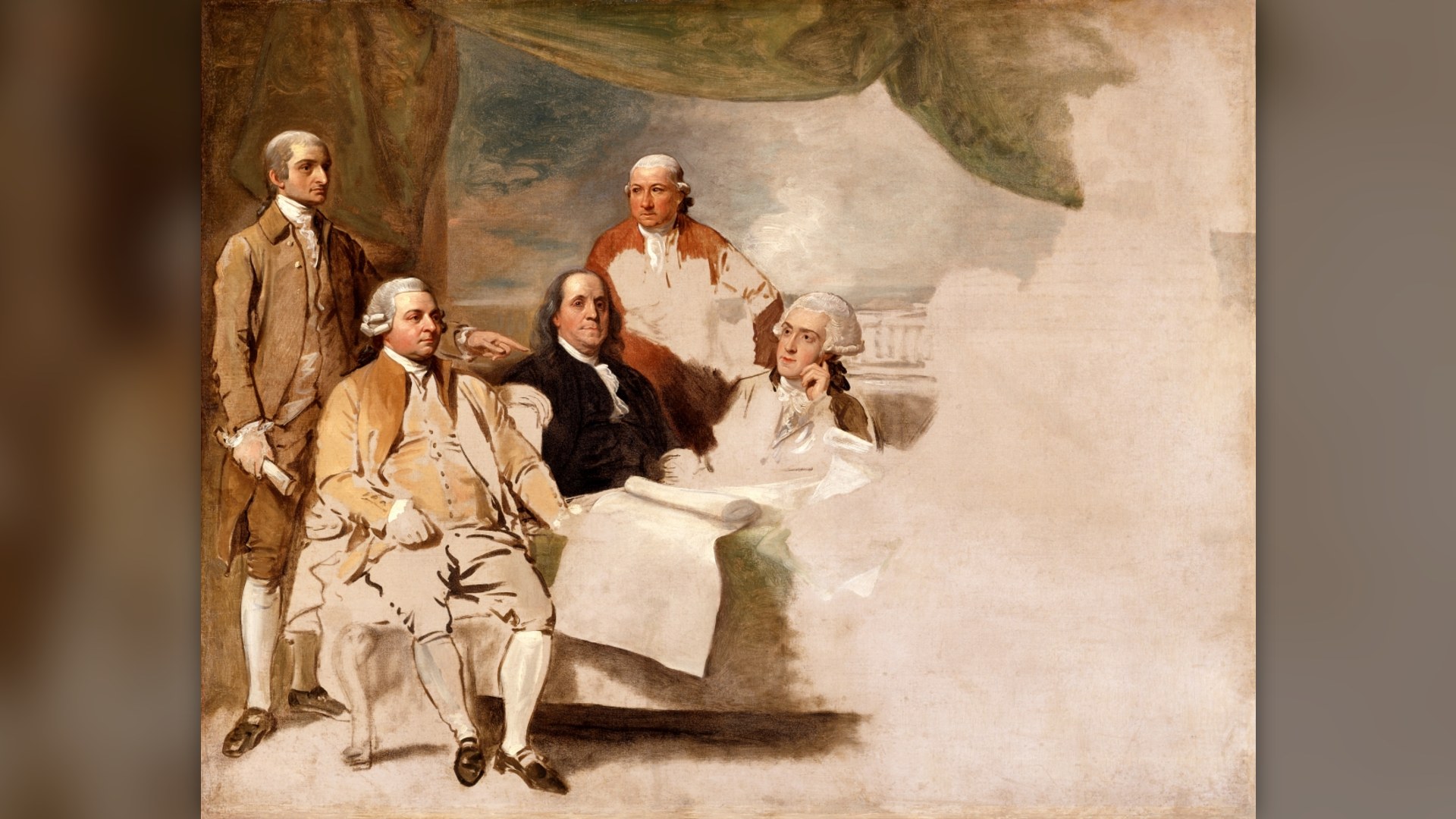
6. Treaty Of Paris (1783)
Negotiated in Paris by Benjamin Franklin, John Adams, and John Jay, and signed on September 3, 1783, this treaty formally ended the American Revolutionary War. Great Britain recognized the sovereignty of the 13 former colonies and granted the new republic territory stretching west to the Mississippi River.
©Wikimedia / Benjamin West
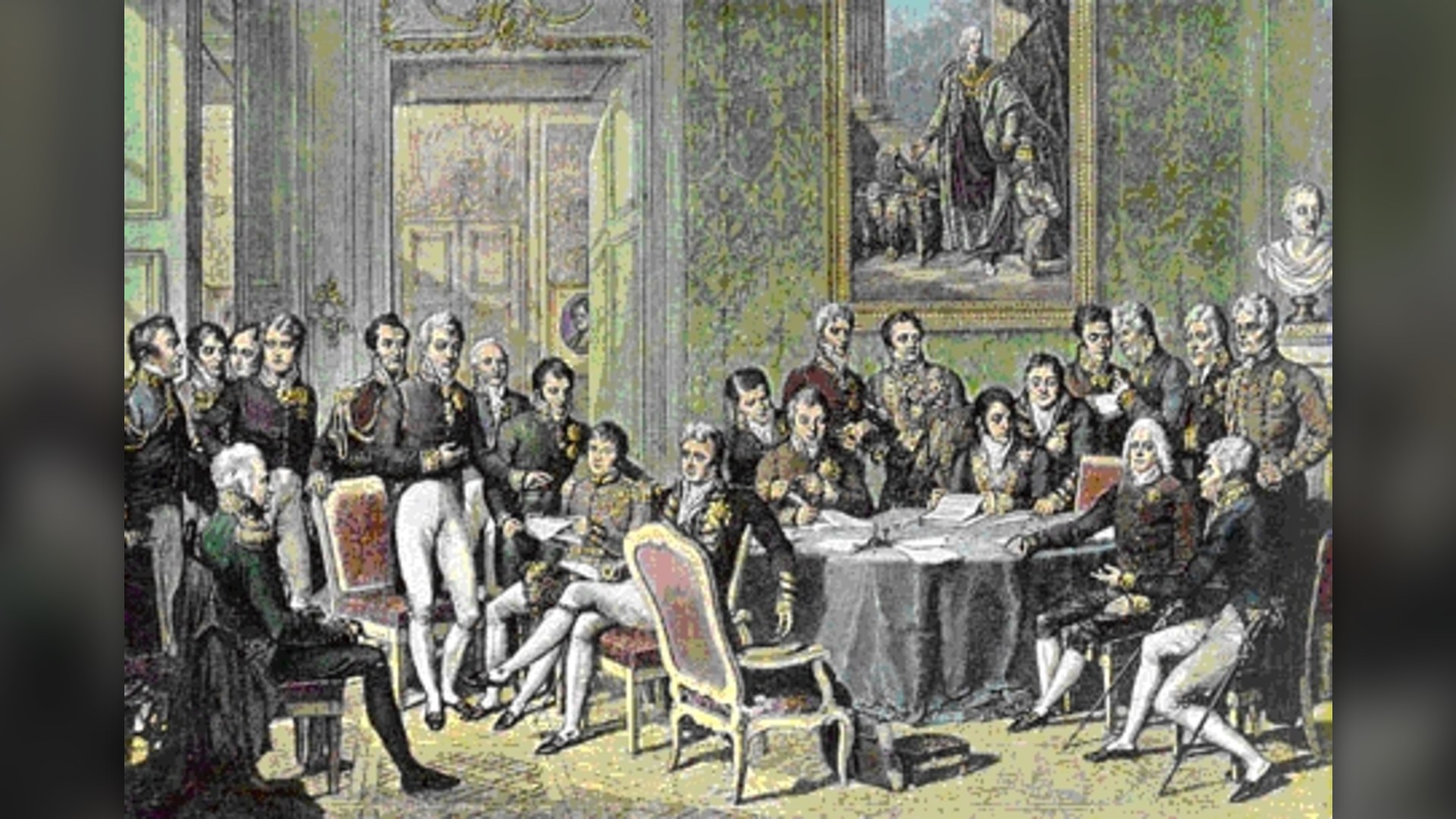
5. Congress Of Vienna Final Act (1815)
Chaired by Austrian statesman Klemens von Metternich and signed on June 9, 1815, nine days before Napoleon's final defeat at Waterloo, the Final Act of Vienna redrew European borders after 23 years of war. The Concert of Europe diplomacy it established prevented another general war until 1914.
©Wikimedia / Jean-Baptiste Isabey
Advertisement
Swipe or tap ▶ to resume the countdown.
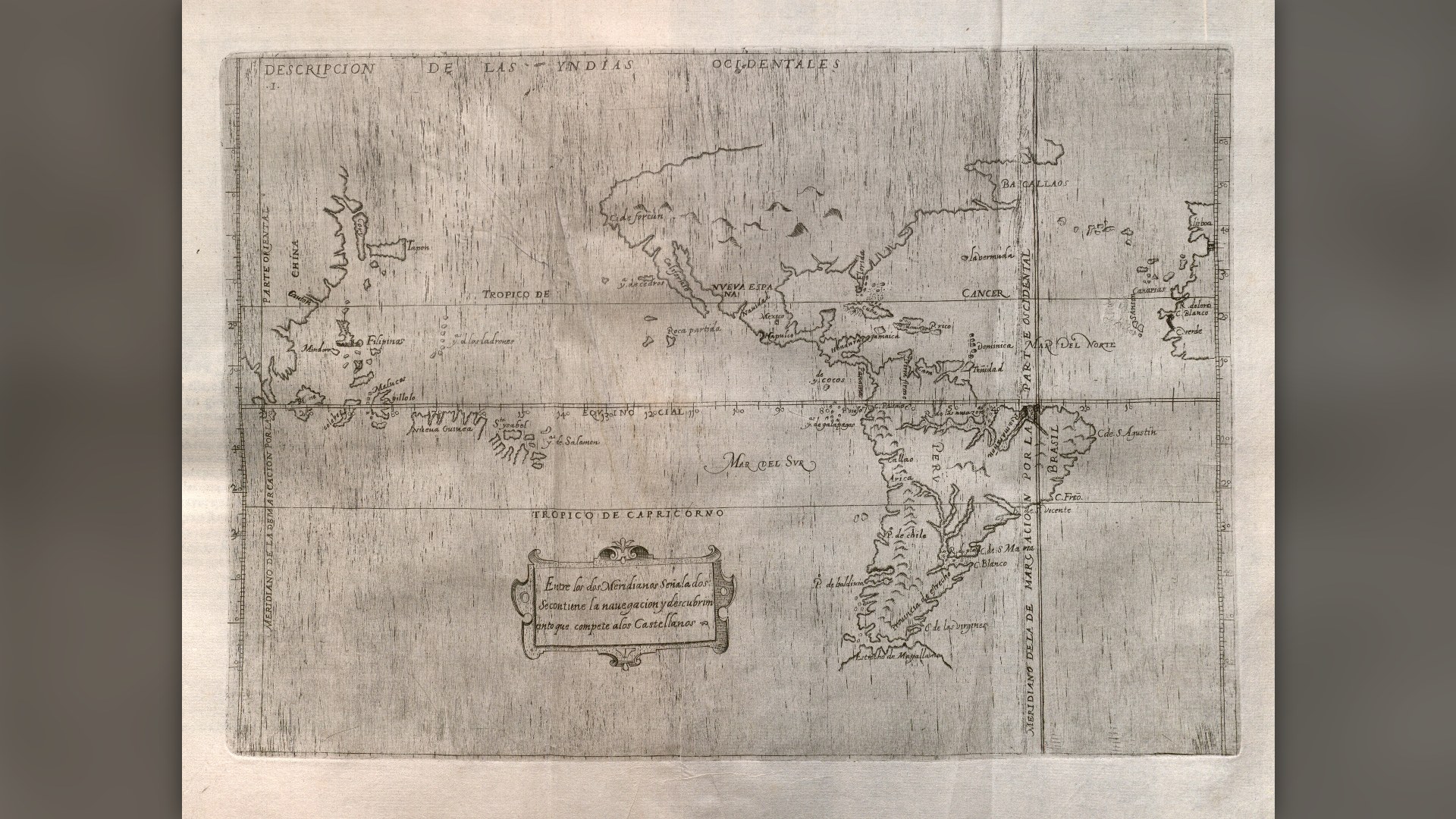
4. Treaty Of Tordesillas (1494)
Signed on June 7, 1494, two years after Christopher Columbus reached the Caribbean, the Treaty of Tordesillas drew a north-to-south line 370 leagues west of the Cape Verde Islands. Lands to the west went to Spain and lands to the east went to Portugal, explaining why Brazil speaks Portuguese.
©Wikimedia / Antonio de Herrera
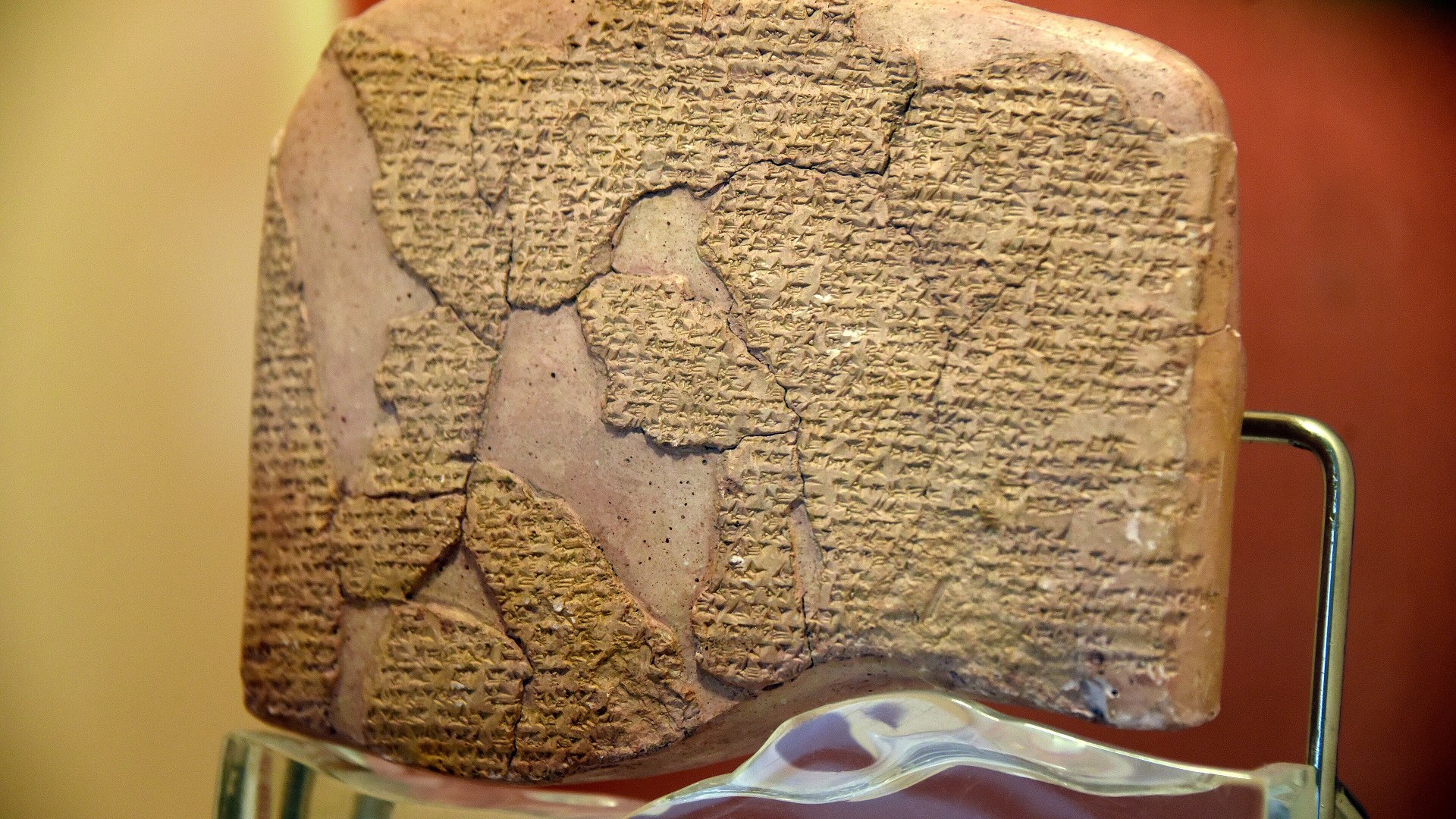
3. Treaty Of Kadesh (1259 BC)
Sixteen years after the chariot battle at Kadesh in Syria, Egyptian Pharaoh Ramesses II and Hittite King Hattusili III concluded an eternal peace around 1259 BC. Inscribed in Akkadian cuneiform on clay tablets and Egyptian hieroglyphs at Karnak, it included history's first extradition clause.
©Wikimedia / Osama Shukir Muhammed Amin
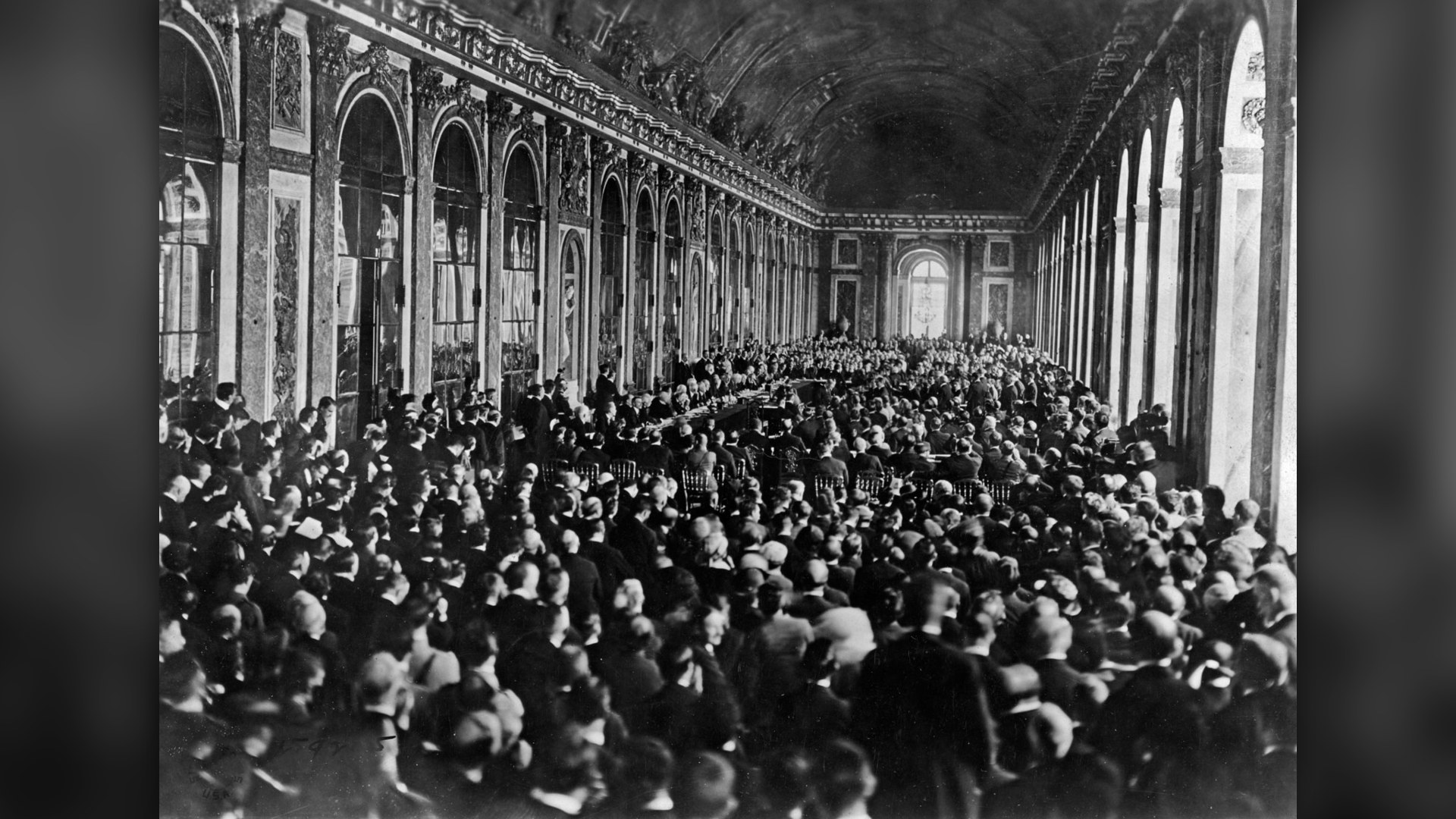
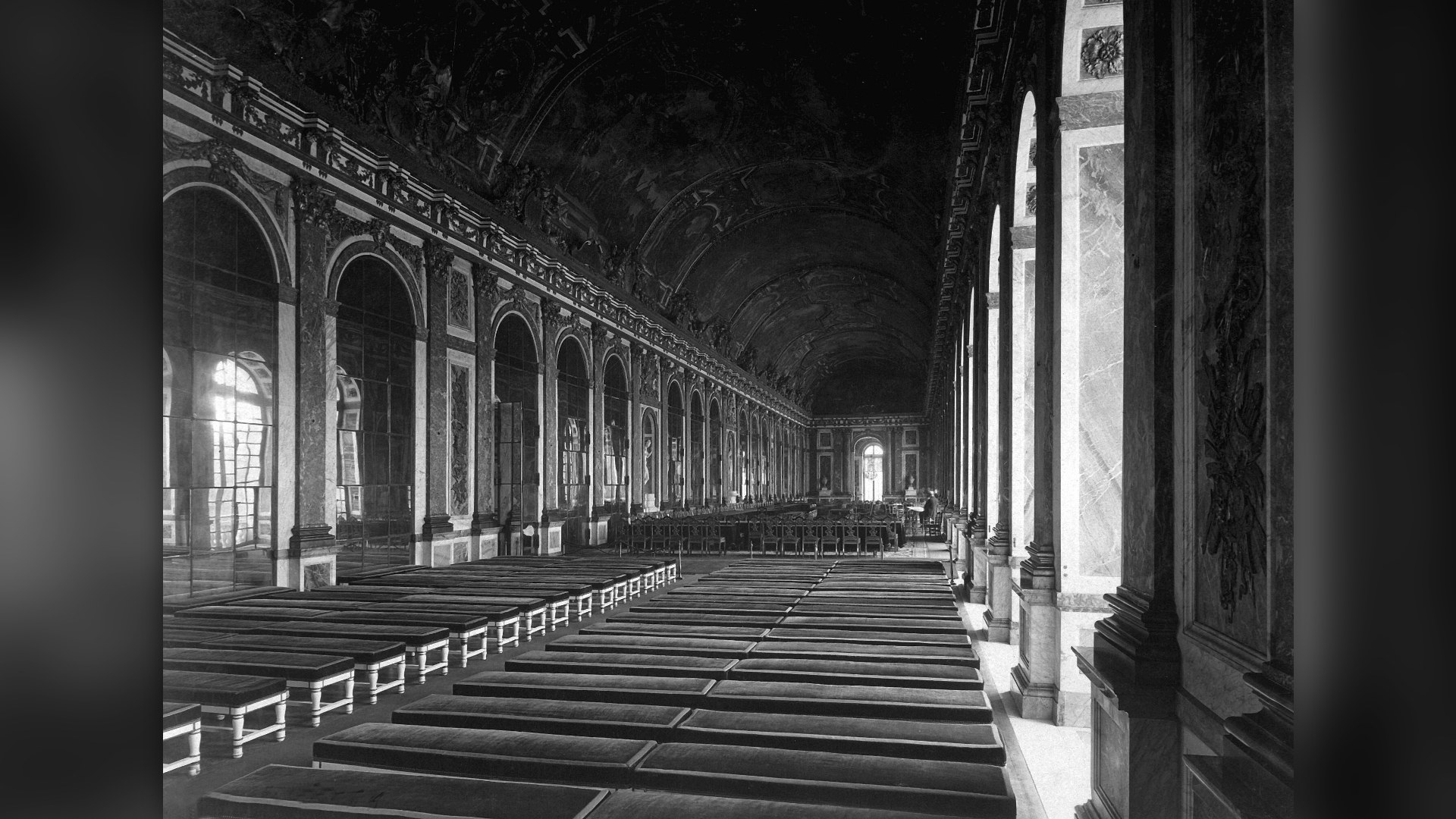
2. Treaty Of Versailles (1919)
Signed in the Hall of Mirrors at the Palace of Versailles on June 28, 1919, five years after the assassination of Archduke Franz Ferdinand, this pact ended World War I. It created the League of Nations, stripped Germany of 13 percent of its territory, and imposed harsh war-guilt reparations.
©Wikimedia / Encyclopaedia Britannica
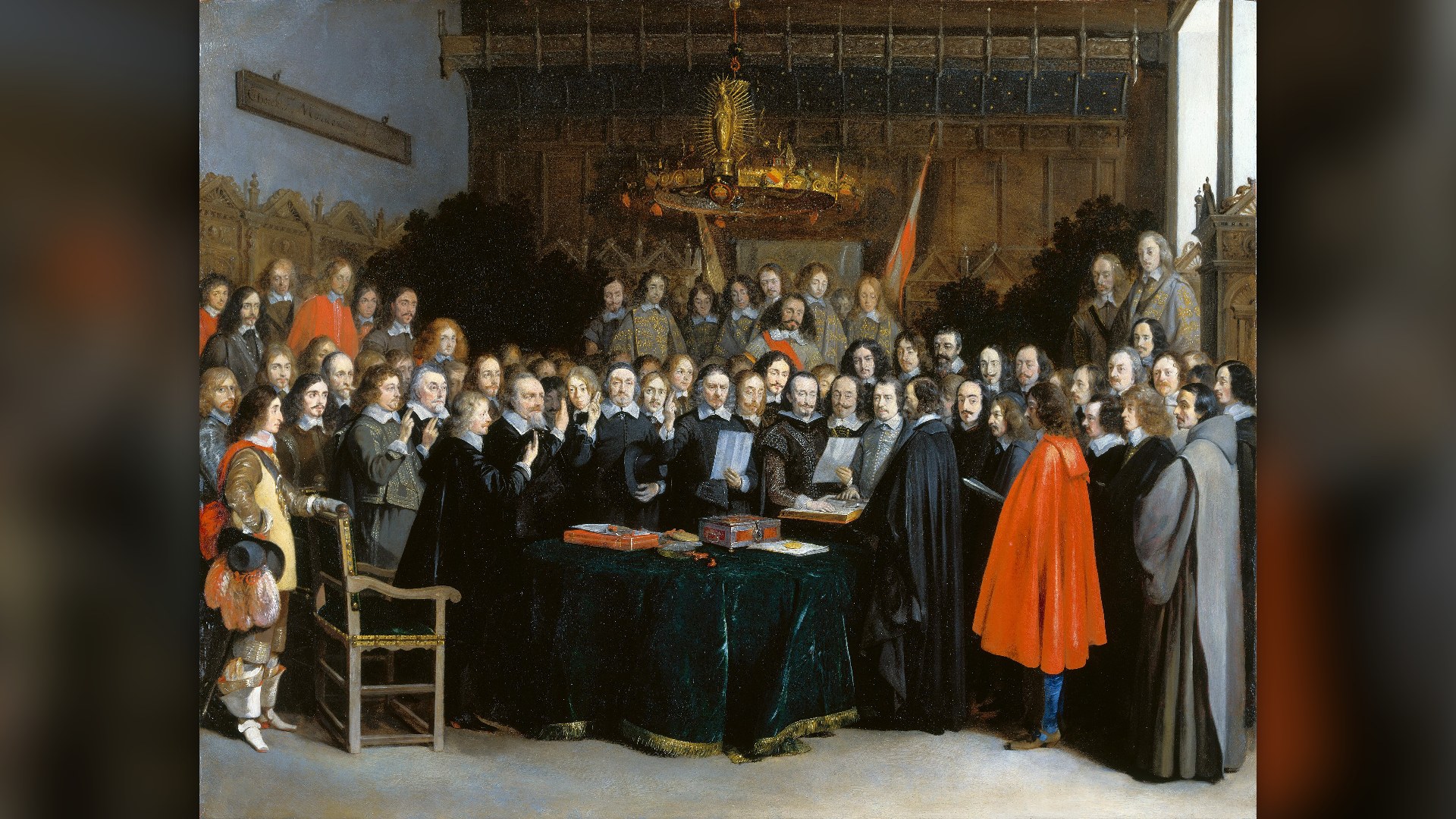
1. Peace Of Westphalia (1648)
Negotiated in the Westphalian cities of Munster and Osnabruck between May and October 1648, this pair of treaties ended the Thirty Years' War and the Eighty Years' War. By recognizing that each state holds exclusive sovereignty over its own territory, Westphalia founded modern international law.

©Wikimedia / Gerard ter Borch
Advertisement
You've reached the end of the story. Thanks for reading!

20 Famous Cars With Pop-Up Headlights That Shaped Car Design
From hand-cranked 1930s teardrops to wedge supercars of the 1980s, hidden headlights let stylists chase sleek aerodynamics until 2004 pedestrian rules closed the curtain. Here are 20 standout production cars that turned retractable lamps into an enduring automotive design feature across seven full decades.
All 15 Entries in this Story
15. Camp David Accords (1978)
After 12 days of talks hosted by U.S. President Jimmy Carter at his Maryland retreat in September 1978, Egyptian President Anwar Sadat and Israeli Prime Minister Menachem Begin signed the Camp David Accords. The pact returned the Sinai Peninsula to Egypt and earned Sadat and Begin the Nobel Peace Prize.

14. Treaty Of Waitangi (1840)
First signed on February 6, 1840, in the Bay of Islands, Te Tiriti o Waitangi established British colonial governance in New Zealand while guaranteeing Maori tribes ownership of their lands, forests, and fisheries. Wording differences between the English and Maori texts still shape New Zealand law today.

13. Treaty Of Kanagawa (1854)
Backed by a squadron of American steam warships in Edo Bay, U.S. Commodore Matthew Perry signed the Convention of Kanagawa with the Tokugawa Shogunate on March 31, 1854. The agreement opened the ports of Shimoda and Hakodate, ending two centuries of seclusion and sparking the Meiji Restoration.

12. Treaty Of Guadalupe Hidalgo (1848)
Signed on February 2, 1848, near Mexico City, this pact ended the Mexican-American War and redrew North America. Mexico ceded 55 percent of its prewar territory, including present-day California, Nevada, Utah, Arizona, and New Mexico, while fixing the Texas border at the Rio Grande.

11. Treaty Of Ghent (1814)
Signed on December 24, 1814, in Ghent, Belgium, by British diplomats and an American delegation led by John Quincy Adams and Henry Clay, the treaty restored prewar borders after the War of 1812. It laid the groundwork for the demilitarization of the Great Lakes and the longest undefended border on Earth.

10. Treaty Of Nanking (1842)
Signed aboard the British warship HMS Cornwallis on August 29, 1842, the Treaty of Nanking ended the First Opium War between Great Britain and the Qing Dynasty. China paid 21 million silver dollars in reparations, ended the Canton trade monopoly, and ceded Hong Kong Island to Great Britain.

9. Partial Nuclear Test Ban Treaty (1963)
Shaken by the 1962 Cuban Missile Crisis and radioactive fallout from open-air hydrogen bomb tests, the United States, the Soviet Union, and the United Kingdom signed the Limited Test Ban Treaty in Moscow on August 5, 1963. It restricted nuclear testing underground and opened Cold War arms control.

8. Treaty Of Rome (1957)
On March 25, 1957, leaders from Belgium, France, Italy, Luxembourg, the Netherlands, and West Germany gathered in Rome's Capitoline Museums to sign the Treaty establishing the European Economic Community. The pact eliminated customs tariffs and created the single market that evolved into the EU.

7. North Atlantic Treaty (1949)
Signed in Washington, D.C., on April 4, 1949, by 12 founding Western nations, the North Atlantic Treaty created NATO to deter Soviet expansion in post-World War II Europe. Its core clause, Article 5, bound every signatory to collective defense and now unites 32 member nations.

6. Treaty Of Paris (1783)
Negotiated in Paris by Benjamin Franklin, John Adams, and John Jay, and signed on September 3, 1783, this treaty formally ended the American Revolutionary War. Great Britain recognized the sovereignty of the 13 former colonies and granted the new republic territory stretching west to the Mississippi River.

5. Congress Of Vienna Final Act (1815)
Chaired by Austrian statesman Klemens von Metternich and signed on June 9, 1815, nine days before Napoleon's final defeat at Waterloo, the Final Act of Vienna redrew European borders after 23 years of war. The Concert of Europe diplomacy it established prevented another general war until 1914.

4. Treaty Of Tordesillas (1494)
Signed on June 7, 1494, two years after Christopher Columbus reached the Caribbean, the Treaty of Tordesillas drew a north-to-south line 370 leagues west of the Cape Verde Islands. Lands to the west went to Spain and lands to the east went to Portugal, explaining why Brazil speaks Portuguese.

3. Treaty Of Kadesh (1259 BC)
Sixteen years after the chariot battle at Kadesh in Syria, Egyptian Pharaoh Ramesses II and Hittite King Hattusili III concluded an eternal peace around 1259 BC. Inscribed in Akkadian cuneiform on clay tablets and Egyptian hieroglyphs at Karnak, it included history's first extradition clause.

2. Treaty Of Versailles (1919)
Signed in the Hall of Mirrors at the Palace of Versailles on June 28, 1919, five years after the assassination of Archduke Franz Ferdinand, this pact ended World War I. It created the League of Nations, stripped Germany of 13 percent of its territory, and imposed harsh war-guilt reparations.

1. Peace Of Westphalia (1648)
Negotiated in the Westphalian cities of Munster and Osnabruck between May and October 1648, this pair of treaties ended the Thirty Years' War and the Eighty Years' War. By recognizing that each state holds exclusive sovereignty over its own territory, Westphalia founded modern international law.