Slideshow · Viral
The 15 Most Secretive Countries in the World, Ranked
Drawing on Reporters Without Borders press freedom data, Committee to Protect Journalists censorship indices, and foreign access rules, these 15 nations maintain the tightest information controls on E
By Most Viral Today
6 Nov 2026

Inside the 15 Most Secretive Countries on Earth 
15. Bhutan 
14. Cuba 
13. Laos - AdvertisementSwipe or tap ▶ to continue countdown

12. Belarus 
11. Vietnam 
10. Saudi Arabia 
9. Equatorial Guinea - AdvertisementSwipe or tap ▶ to continue countdown

8. Syria 
7. Myanmar 
6. China 
5. Iran - AdvertisementSwipe or tap ▶ to continue countdown

4. Afghanistan 
3. Eritrea 
2. Turkmenistan 
1. North Korea - Advertisement🔥 UP NEXT IN THIS SERIES◫ 21 Slides

20 Famous Cars With Pop-Up Headlights That Shaped Car Design
From hand-cranked 1930s teardrops to wedge supercars of the 1980s, hidden headlights let stylists chase sleek aerodynamics until 2004 pedestrian rules closed the curtain. Here are 20 standout production cars that turned retractable lamps into an enduring automotive design feature across seven full decades.
State censorship, restricted border zones, and strict media blackouts keep much of what happens inside these 15 nations hidden from the outside world. Drawn from the 2026 Reporters Without Borders World Press Freedom Index and Freedom House reports, here are the most secretive countries, ranked.
Swipe or tap ▶ to begin the countdown
©Wikimedia / Kallgan & Wikimedia / Clay Gilliland
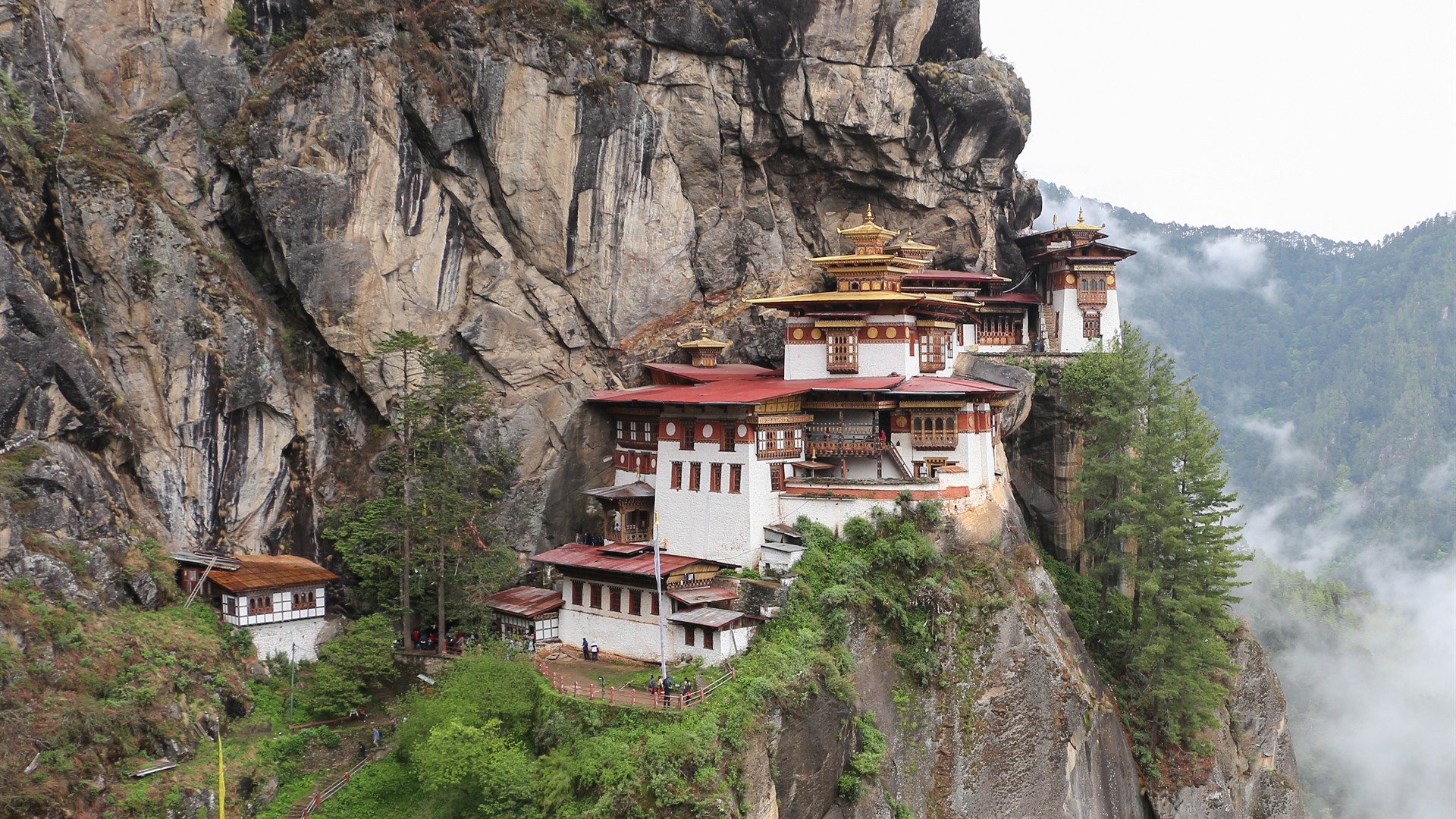
15. Bhutan
Tucked high in the eastern Himalayas, Bhutan banned television and the internet until 1999 to preserve its Buddhist heritage. Foreign visitors must pay a 100-dollar daily Sustainable Development Fee and follow regulated itineraries, while independent journalists face tight state oversight.
©Wikimedia / Bernard Gagnon
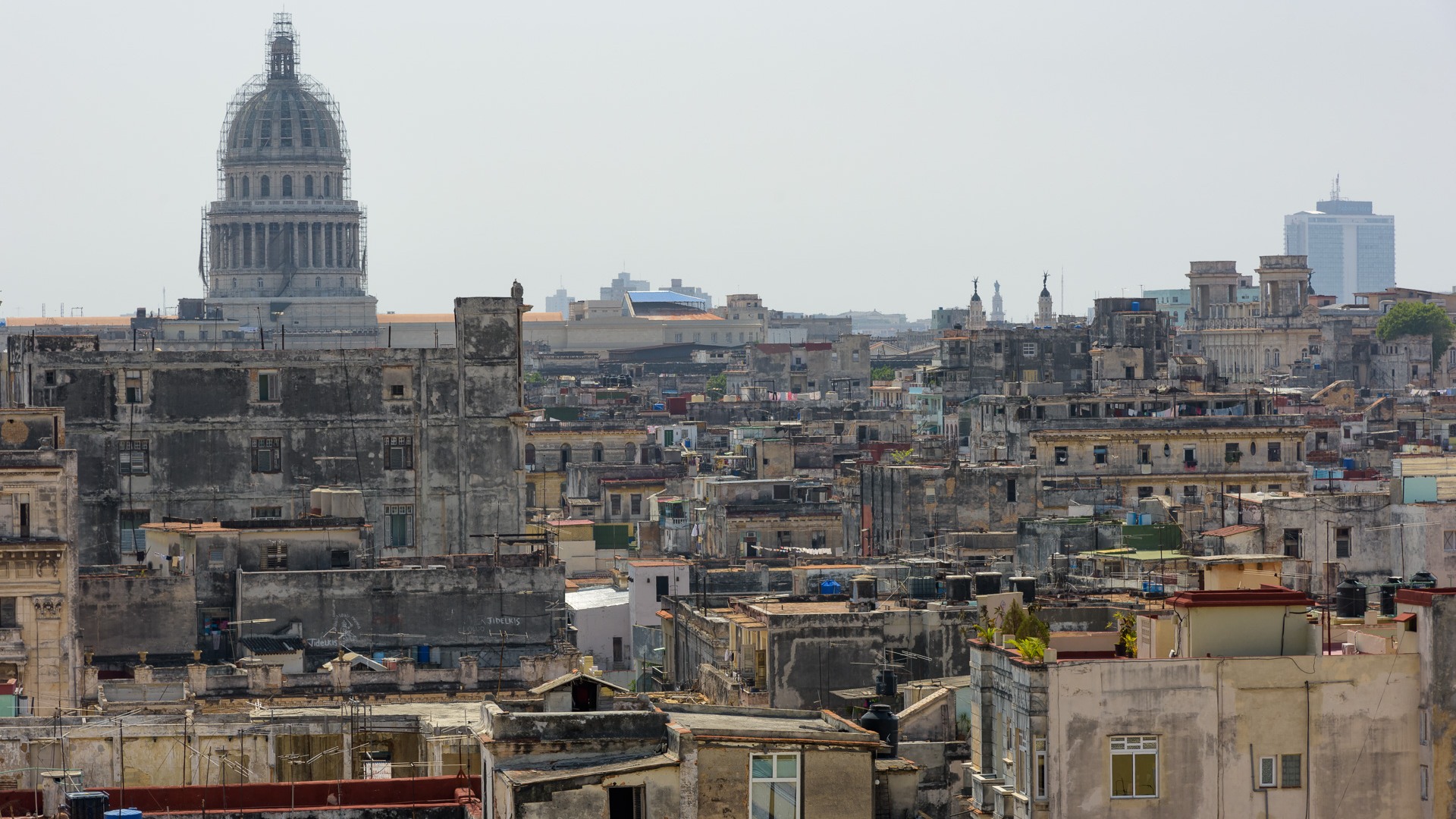
14. Cuba
Cuba's constitution prohibits privately owned mass media, placing every major newspaper, television station, and radio network under Communist Party control. State telecom monopoly ETECSA regularly throttles mobile data during protests, and independent reporters face arrest and equipment seizures.
©Wikimedia / Christophe Meneboeuf
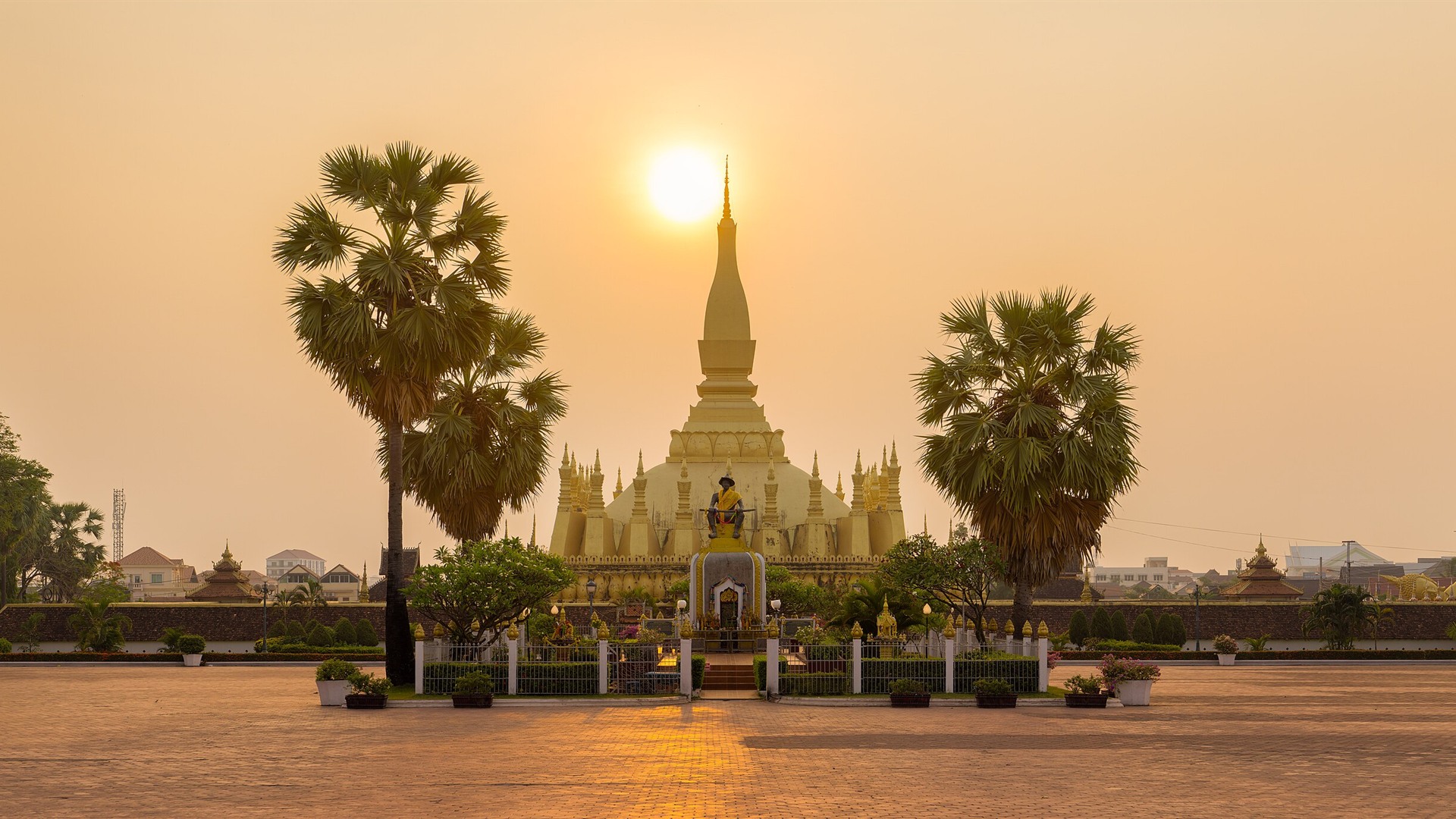
13. Laos
Governed by the Lao People's Revolutionary Party since 1975, Laos exercises total control over domestic print and broadcast outlets. Under a 2014 internet decree, citizens and foreign correspondents can be prosecuted for publishing online reports that criticize party policies.
©Wikimedia / Benh Lieu Song
Advertisement
Swipe or tap ▶ to resume the countdown.
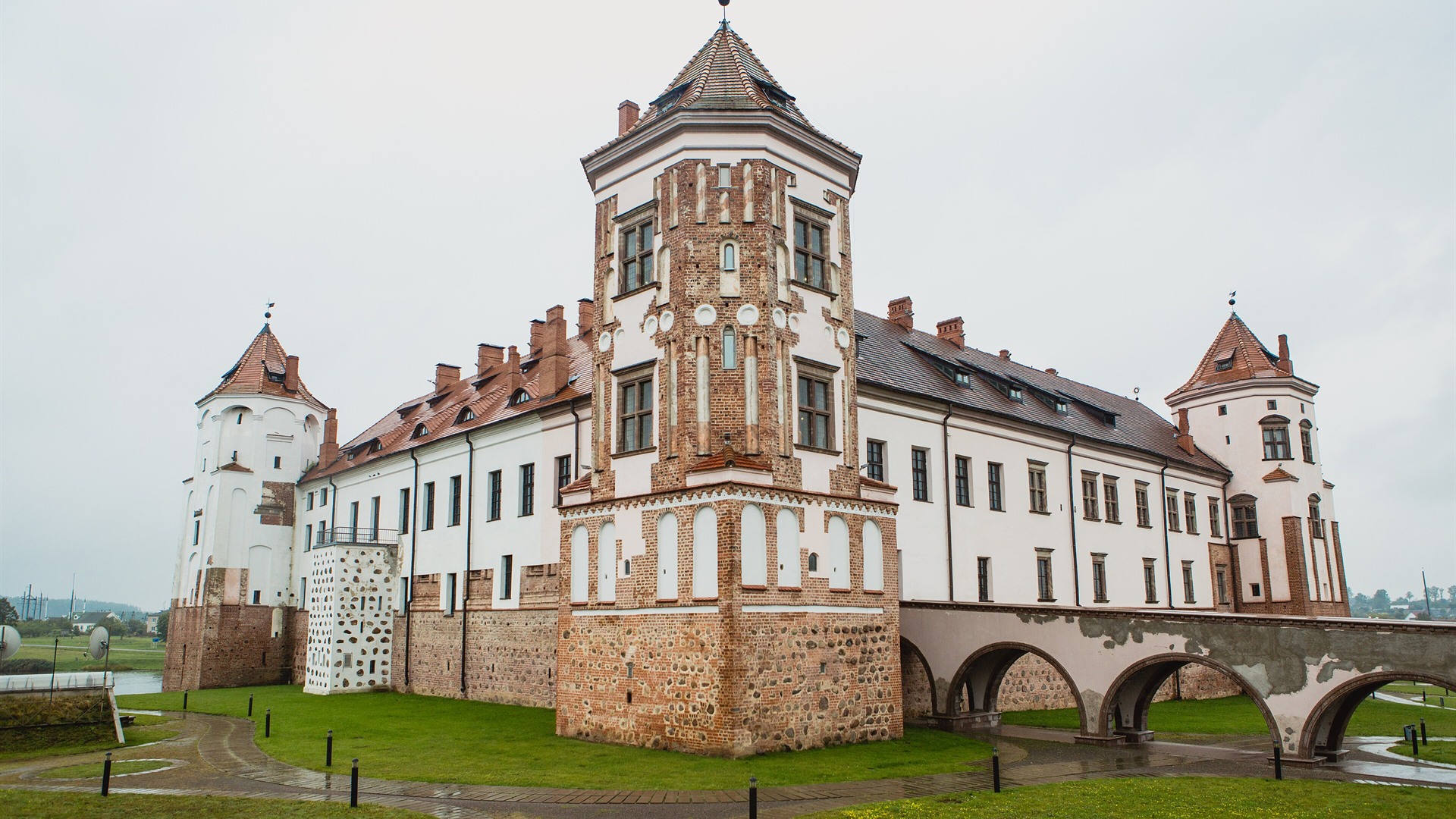
12. Belarus
Following the disputed 2020 presidential election, Alexander Lukashenko's government outlawed nearly every independent news organization in Belarus. Hundreds of journalists have been jailed or forced into exile, and foreign reporters are routinely denied accreditation.
©Wikimedia / Anna Stavenskaya
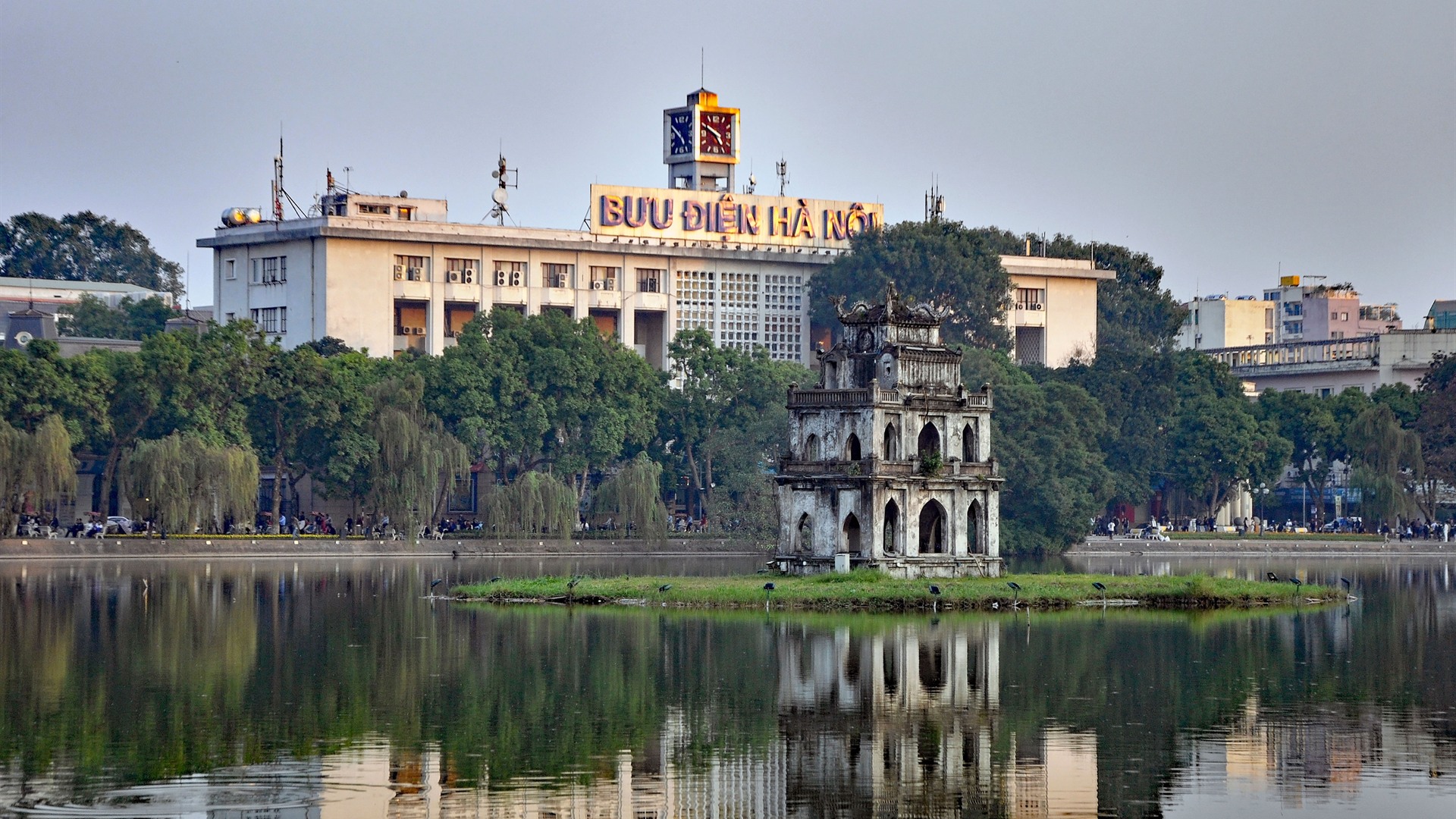
11. Vietnam
Every legal newspaper and television channel in Vietnam is owned by the state or affiliated with the Communist Party. While foreign tourism booms, internal politics and economic controversies remain tightly guarded secrets, and independent investigative bloggers face lengthy prison sentences.
©Wikimedia / P. Hughes
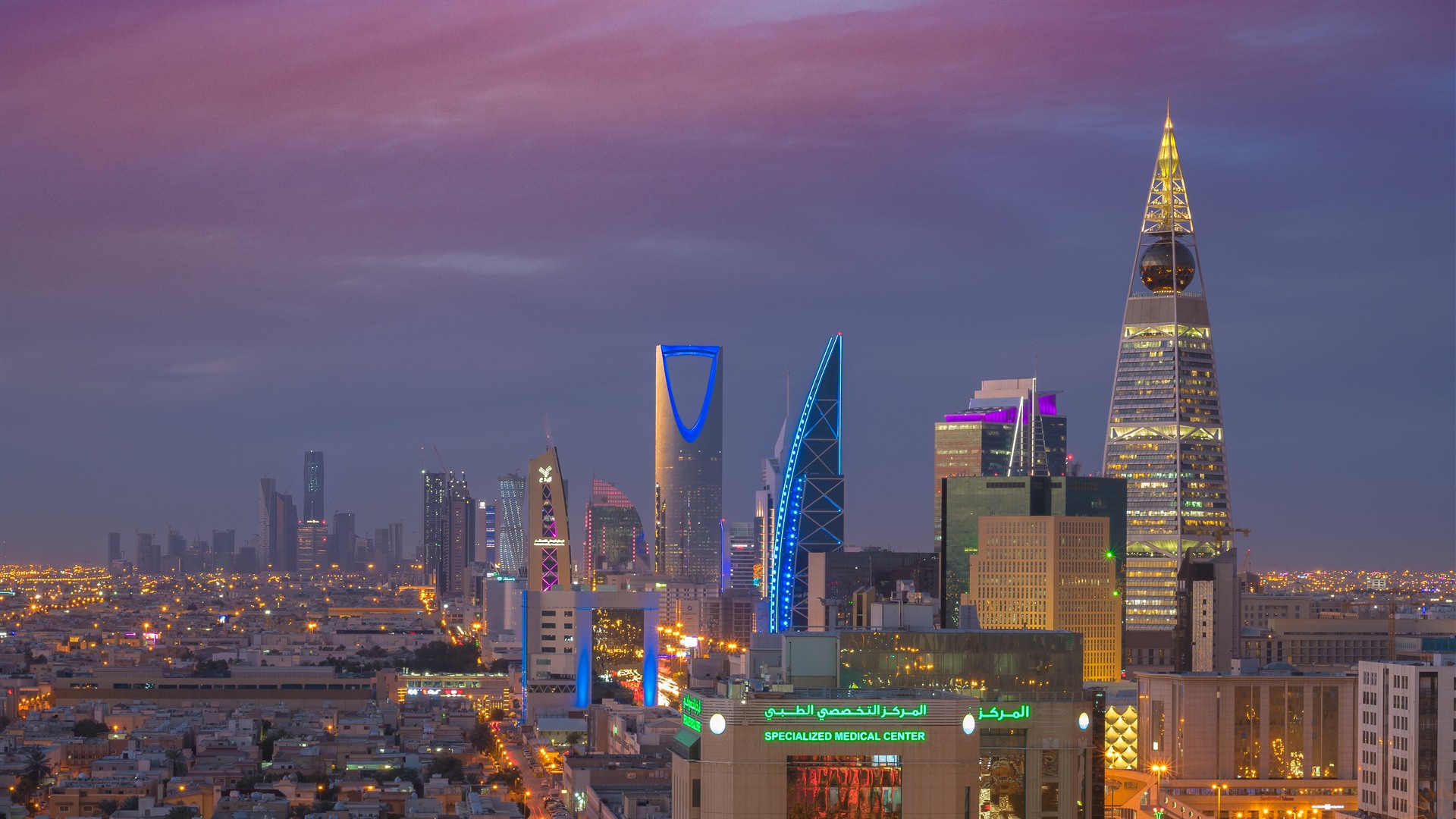
10. Saudi Arabia
No independent newspapers or private political broadcasters operate inside Saudi Arabia. Under the kingdom's broad Anti-Cyber Crime Law and counterterrorism courts, citizens and visiting writers face decades in prison for social media posts that question royal decrees or state projects.
©Wikimedia / B.alotaby
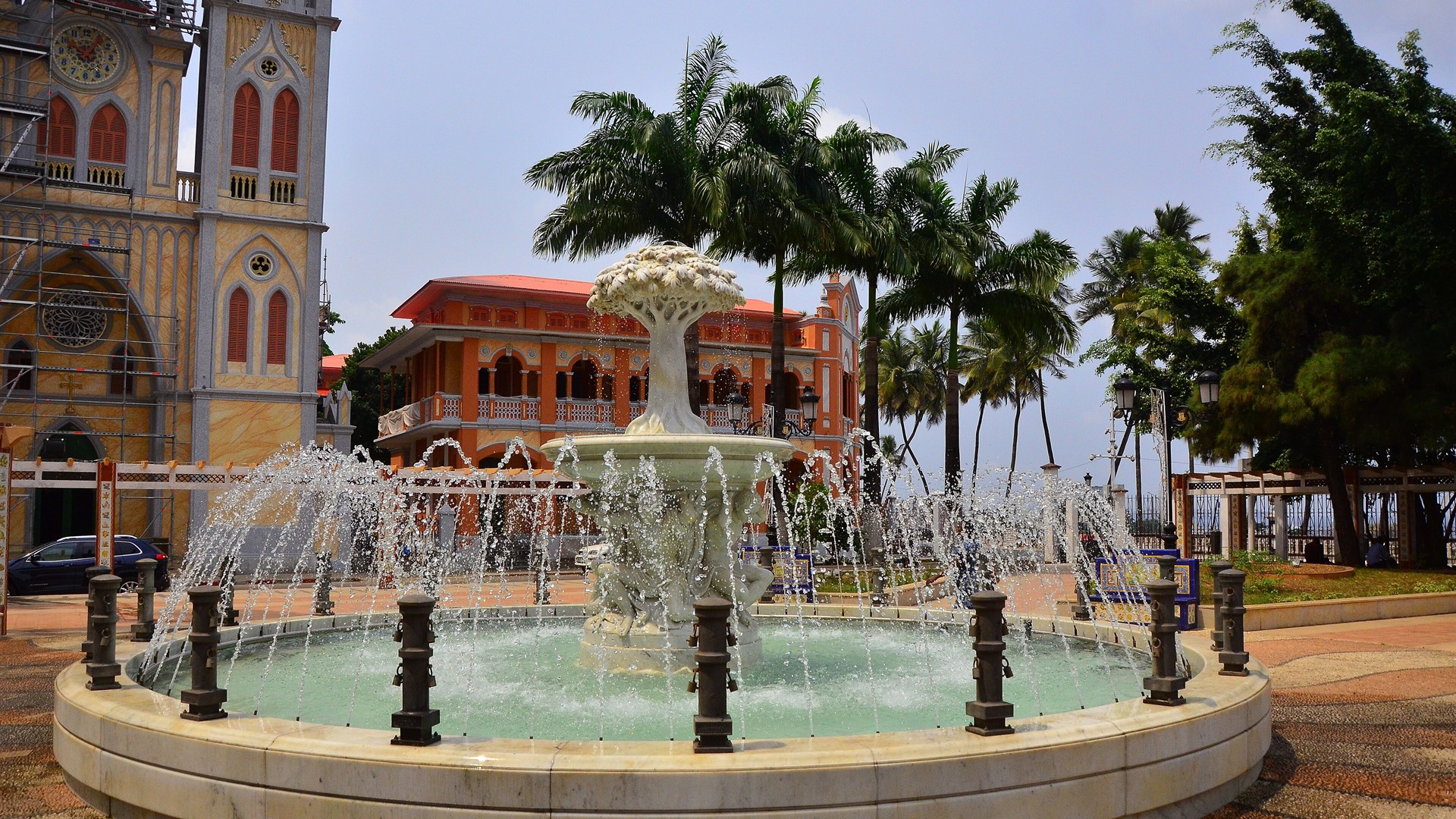
9. Equatorial Guinea
Ruled by President Teodoro Obiang Nguema Mbasogo since 1979, Equatorial Guinea is one of Africa's hardest nations for foreign journalists to enter. State radio and television belongs to the ruling family, and visitors caught photographing government buildings or oil sites risk detention.
©Wikimedia / Ben Sutherland
Advertisement
Swipe or tap ▶ to resume the countdown.
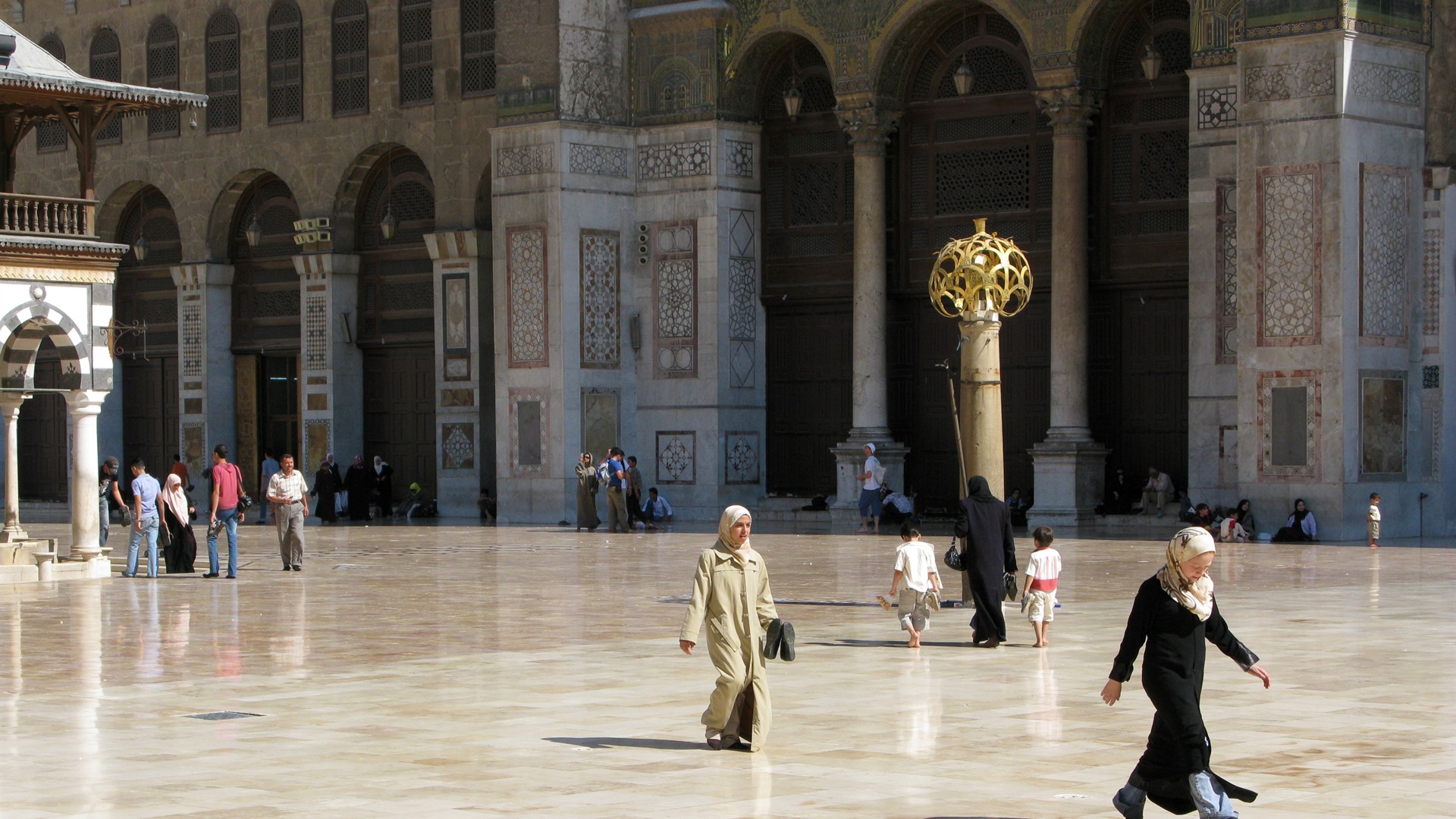
8. Syria
More than a decade of conflict and overlapping security checkpoints have turned Syria into one of the deadliest places on Earth for journalists. Reporters Without Borders ranks Syria near the very bottom of the global press freedom index due to heavy censorship and state surveillance.
©Wikimedia / Vyacheslav Argenberg
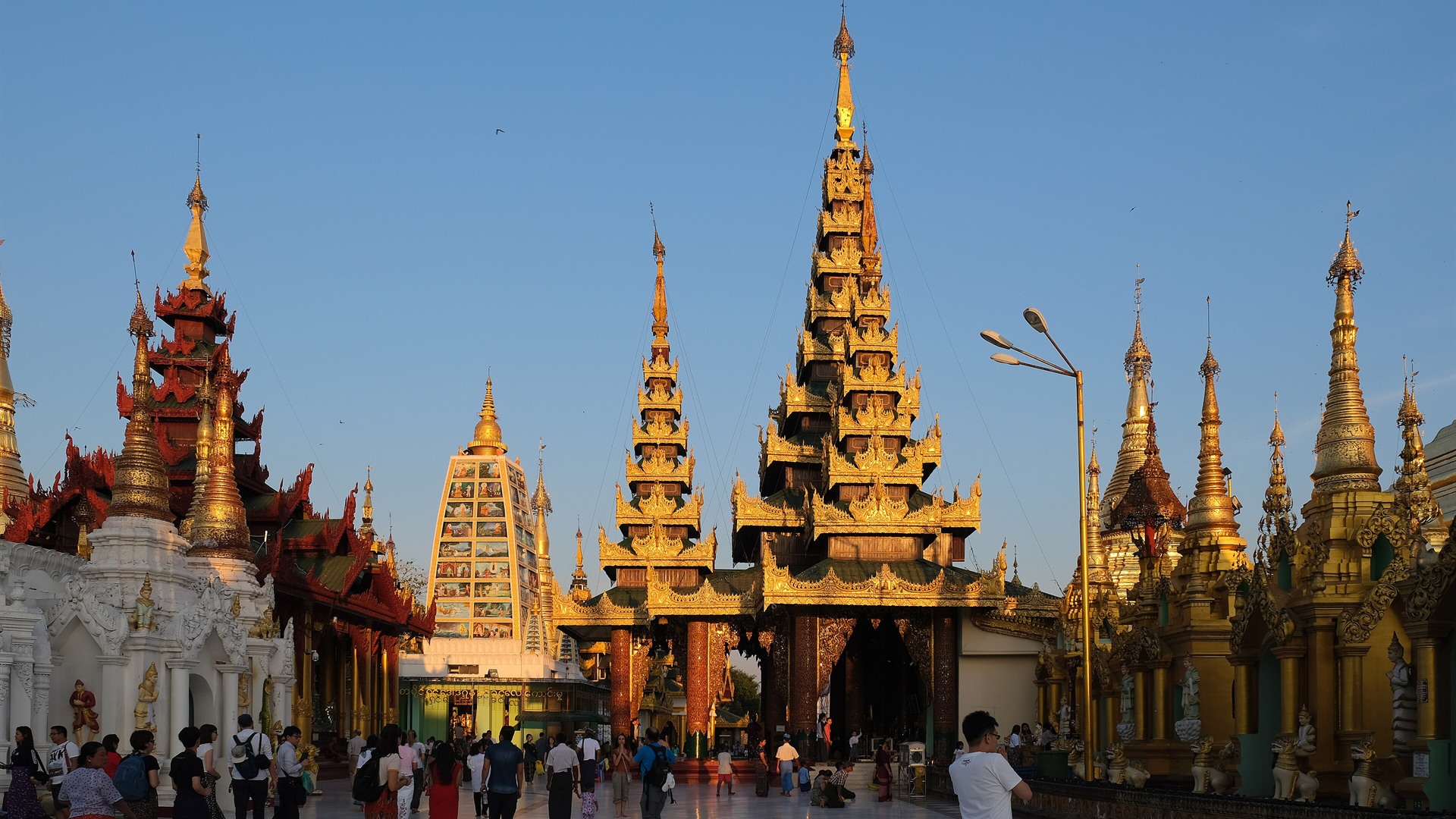
7. Myanmar
Since the February 2021 military coup, Myanmar's junta has revoked the licenses of dozens of independent news outlets and banned satellite television dishes. Widespread internet blackouts, VPN blocks, and military checkpoints keep large parts of the country cut off from outside observers.
©Wikimedia / kallerna
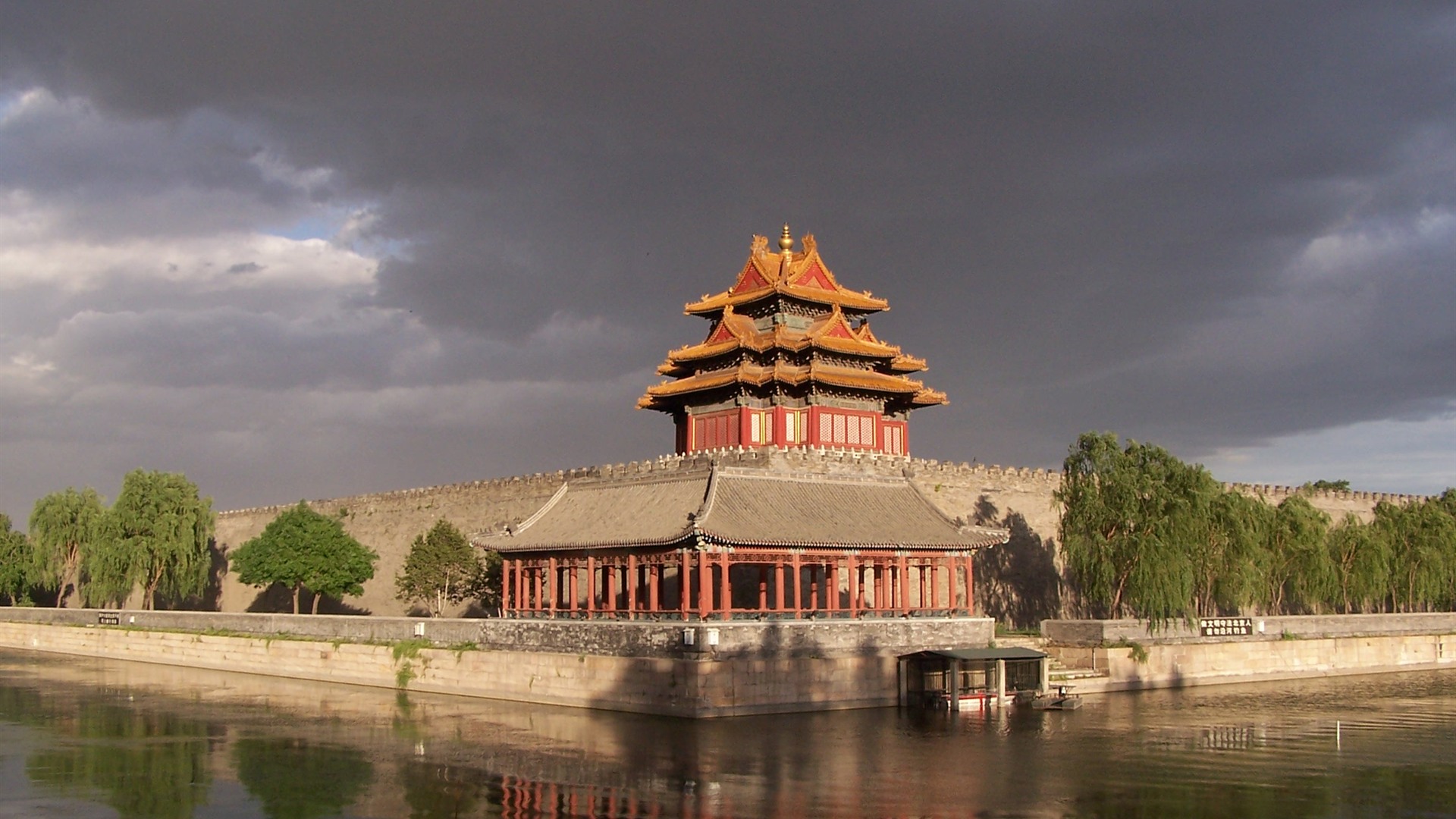
6. China
China operates the world's most sophisticated digital censorship system, known as the Great Firewall, blocking thousands of foreign news websites and social apps. Foreign correspondents face tight surveillance, and travel to sensitive regions such as Tibet requires special government permits.
©Wikimedia / Kallgan
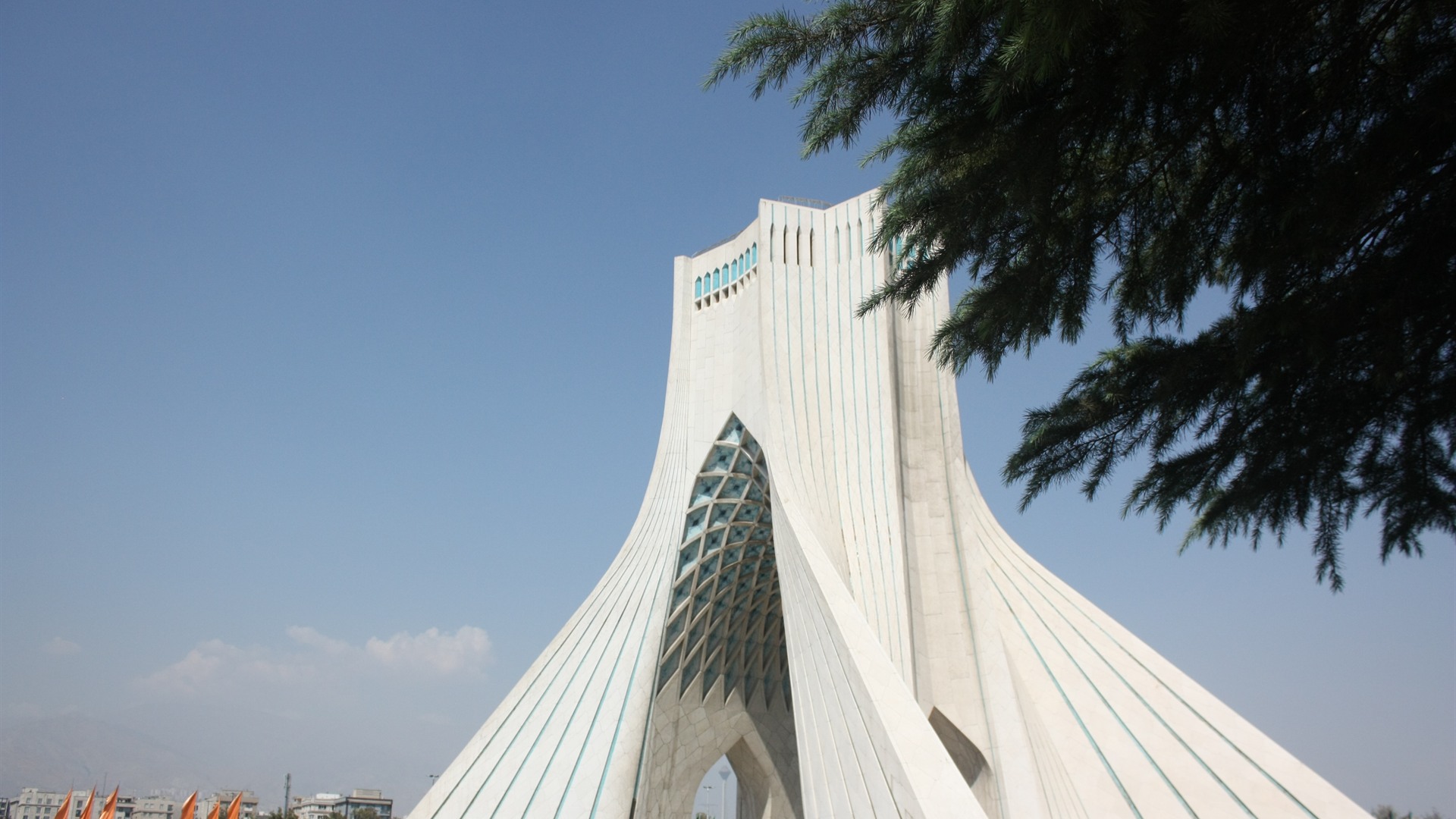
5. Iran
Iran blocks major international news sites and social networks through its state-controlled National Information Network, allowing authorities to shut down outside internet access during unrest. Foreign journalists are rarely granted visas and must work alongside state-appointed minders.
©Wikimedia / NavMou
Advertisement
Swipe or tap ▶ to resume the countdown.
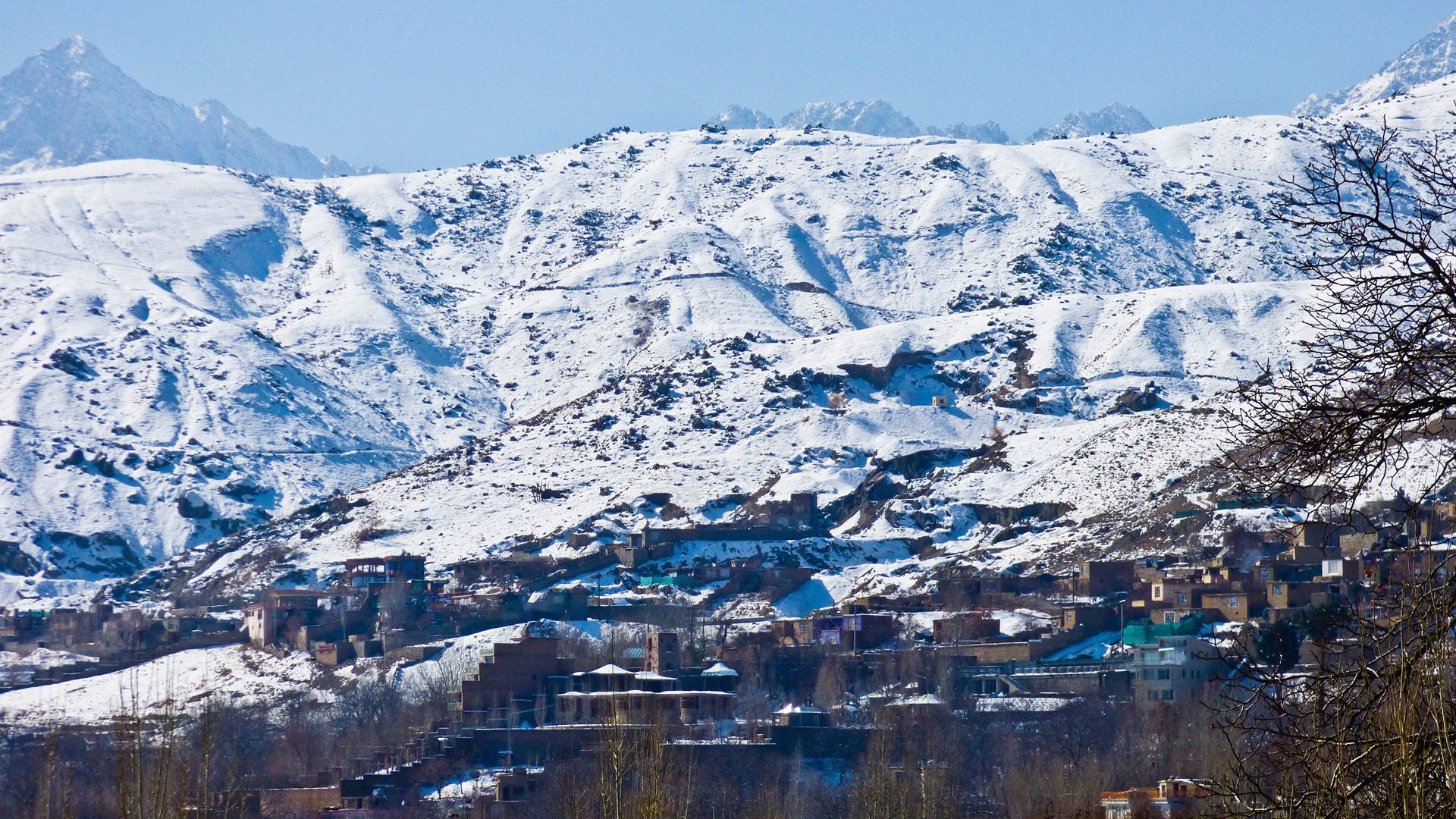
4. Afghanistan
Since returning to power in August 2021, Taliban authorities have shuttered hundreds of media outlets across Afghanistan. Strict morality decrees prohibit broadcasting political criticism or images of living beings in several provinces, while foreign reporters must obtain intelligence permits.
©Wikimedia / Hogai Aryoubi
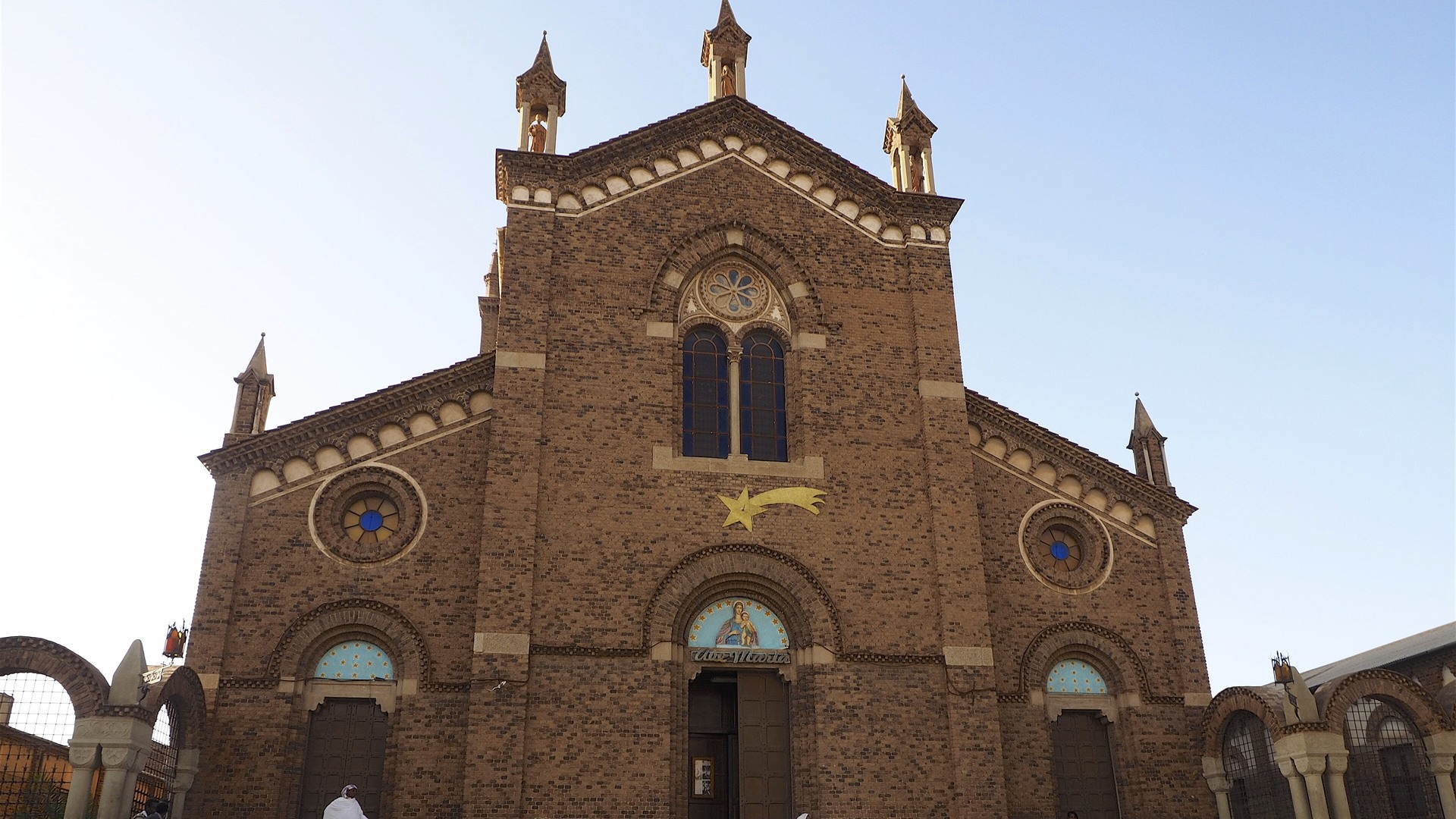
3. Eritrea
Often called the North Korea of Africa, Eritrea banned all independent newspapers in September 2001 and has never held a national election. Ranked last or second-to-last on the World Press Freedom Index, the country requires foreign diplomats and visitors to obtain permits to leave Asmara.
©Wikimedia / Clay Gilliland
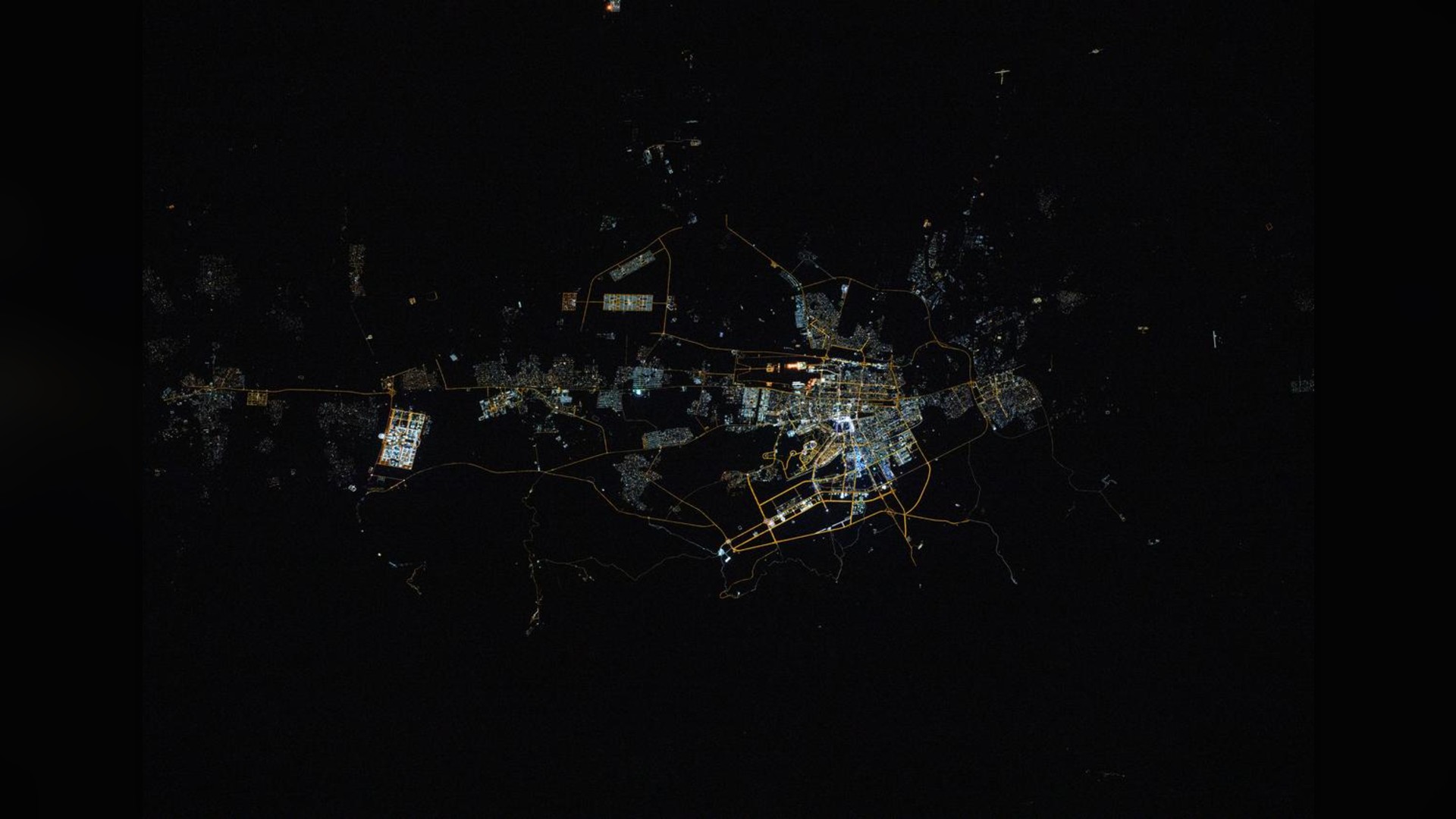
2. Turkmenistan
Turkmenistan rejects the vast majority of tourist visa applications and requires approved visitors to travel with state-accredited guides. Authorities block over 75 percent of global IP addresses, outlaw virtual private networks, and restrict satellite dishes to prevent access to foreign news.
©NASA / JSC
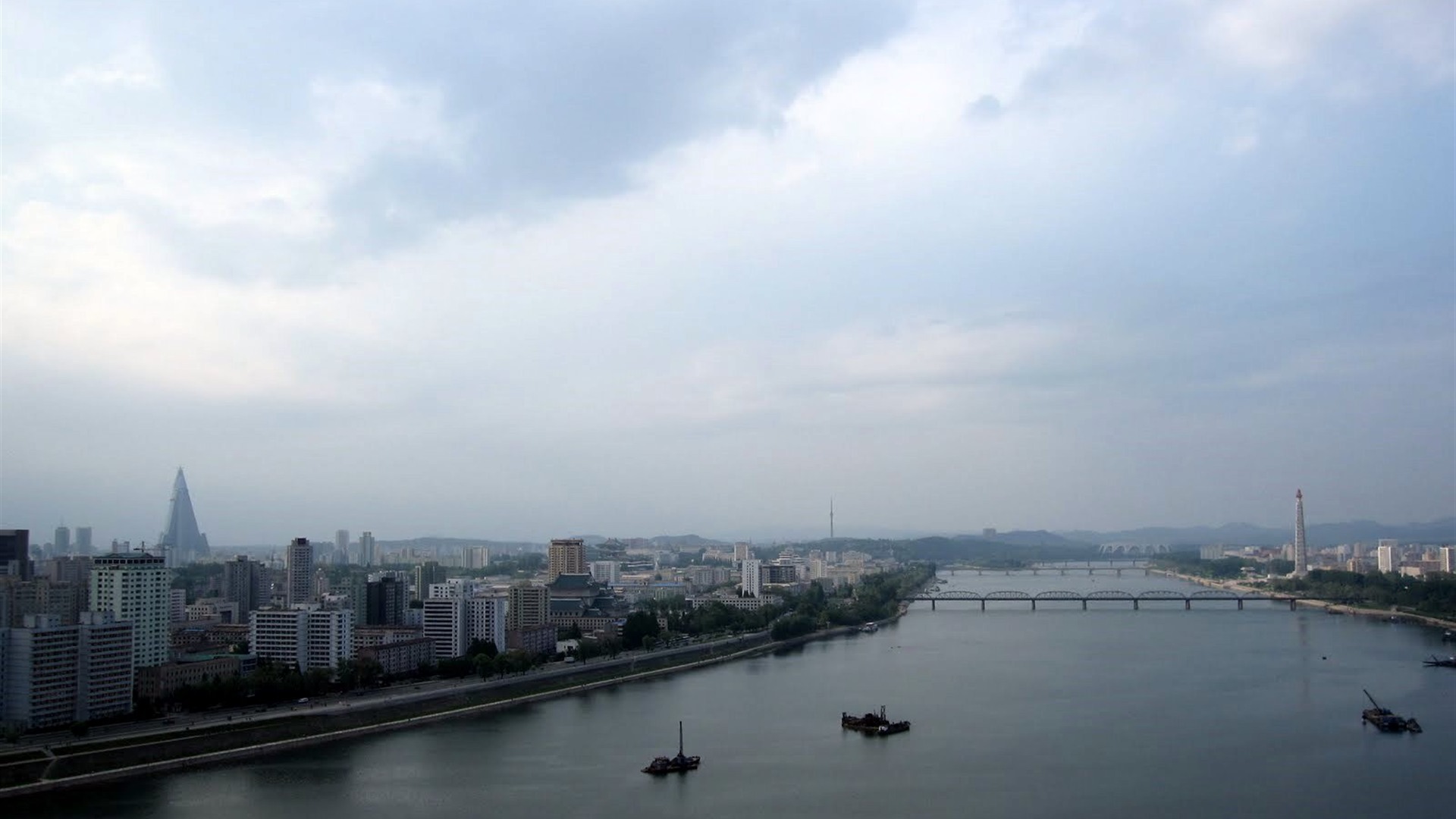
1. North Korea
No country on Earth guards its borders and information more tightly than North Korea. Citizens have no access to the global internet, television and radio tuners are soldered to official state frequencies, and every foreign visitor is accompanied round-the-clock by two government minders.

©Wikimedia / Stefan Krasowski
Advertisement
You've reached the end of the story. Thanks for reading!

20 Famous Cars With Pop-Up Headlights That Shaped Car Design
From hand-cranked 1930s teardrops to wedge supercars of the 1980s, hidden headlights let stylists chase sleek aerodynamics until 2004 pedestrian rules closed the curtain. Here are 20 standout production cars that turned retractable lamps into an enduring automotive design feature across seven full decades.
All 15 Entries in this Story
15. Bhutan
Tucked high in the eastern Himalayas, Bhutan banned television and the internet until 1999 to preserve its Buddhist heritage. Foreign visitors must pay a 100-dollar daily Sustainable Development Fee and follow regulated itineraries, while independent journalists face tight state oversight.

14. Cuba
Cuba's constitution prohibits privately owned mass media, placing every major newspaper, television station, and radio network under Communist Party control. State telecom monopoly ETECSA regularly throttles mobile data during protests, and independent reporters face arrest and equipment seizures.

13. Laos
Governed by the Lao People's Revolutionary Party since 1975, Laos exercises total control over domestic print and broadcast outlets. Under a 2014 internet decree, citizens and foreign correspondents can be prosecuted for publishing online reports that criticize party policies.

12. Belarus
Following the disputed 2020 presidential election, Alexander Lukashenko's government outlawed nearly every independent news organization in Belarus. Hundreds of journalists have been jailed or forced into exile, and foreign reporters are routinely denied accreditation.

11. Vietnam
Every legal newspaper and television channel in Vietnam is owned by the state or affiliated with the Communist Party. While foreign tourism booms, internal politics and economic controversies remain tightly guarded secrets, and independent investigative bloggers face lengthy prison sentences.

10. Saudi Arabia
No independent newspapers or private political broadcasters operate inside Saudi Arabia. Under the kingdom's broad Anti-Cyber Crime Law and counterterrorism courts, citizens and visiting writers face decades in prison for social media posts that question royal decrees or state projects.

9. Equatorial Guinea
Ruled by President Teodoro Obiang Nguema Mbasogo since 1979, Equatorial Guinea is one of Africa's hardest nations for foreign journalists to enter. State radio and television belongs to the ruling family, and visitors caught photographing government buildings or oil sites risk detention.

8. Syria
More than a decade of conflict and overlapping security checkpoints have turned Syria into one of the deadliest places on Earth for journalists. Reporters Without Borders ranks Syria near the very bottom of the global press freedom index due to heavy censorship and state surveillance.

7. Myanmar
Since the February 2021 military coup, Myanmar's junta has revoked the licenses of dozens of independent news outlets and banned satellite television dishes. Widespread internet blackouts, VPN blocks, and military checkpoints keep large parts of the country cut off from outside observers.

6. China
China operates the world's most sophisticated digital censorship system, known as the Great Firewall, blocking thousands of foreign news websites and social apps. Foreign correspondents face tight surveillance, and travel to sensitive regions such as Tibet requires special government permits.

5. Iran
Iran blocks major international news sites and social networks through its state-controlled National Information Network, allowing authorities to shut down outside internet access during unrest. Foreign journalists are rarely granted visas and must work alongside state-appointed minders.

4. Afghanistan
Since returning to power in August 2021, Taliban authorities have shuttered hundreds of media outlets across Afghanistan. Strict morality decrees prohibit broadcasting political criticism or images of living beings in several provinces, while foreign reporters must obtain intelligence permits.

3. Eritrea
Often called the North Korea of Africa, Eritrea banned all independent newspapers in September 2001 and has never held a national election. Ranked last or second-to-last on the World Press Freedom Index, the country requires foreign diplomats and visitors to obtain permits to leave Asmara.

2. Turkmenistan
Turkmenistan rejects the vast majority of tourist visa applications and requires approved visitors to travel with state-accredited guides. Authorities block over 75 percent of global IP addresses, outlaw virtual private networks, and restrict satellite dishes to prevent access to foreign news.

1. North Korea
No country on Earth guards its borders and information more tightly than North Korea. Citizens have no access to the global internet, television and radio tuners are soldered to official state frequencies, and every foreign visitor is accompanied round-the-clock by two government minders.