Slideshow · Viral
The 15 Office Inventions That Changed Work Forever, Ranked
From bent steel wire and low-tack sticky notes to plain-paper photocopiers and desktop computers, these 15 breakthroughs transformed how the world works, ranked by impact.
By Most Viral Today
6 Nov 2026

Swipe to see the 15 office inventions that reshaped modern work 
15. The Cross-Cut Paper Shredder 
14. The Rolodex Rotary Card File 
13. The Gem Paperclip - AdvertisementSwipe or tap ▶ to continue countdown

12. The Spring-Loaded Desk Stapler 
11. Post-It Sticky Notes 
10. The Disposable Ballpoint Pen 
9. The Modular Office Cubicle - AdvertisementSwipe or tap ▶ to continue countdown

8. The Electronic Calculator 
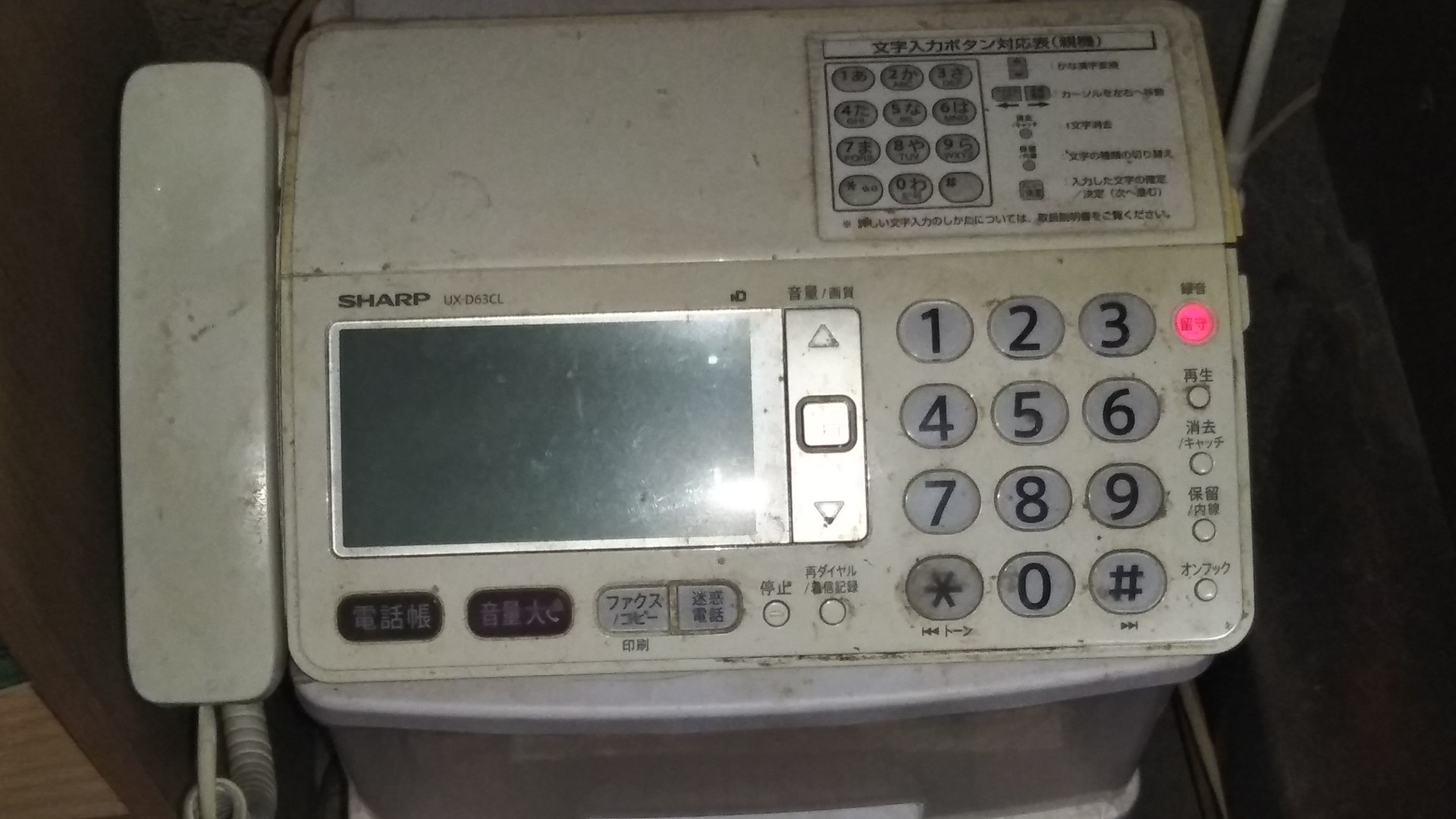
7. The Dedicated Fax Machine 
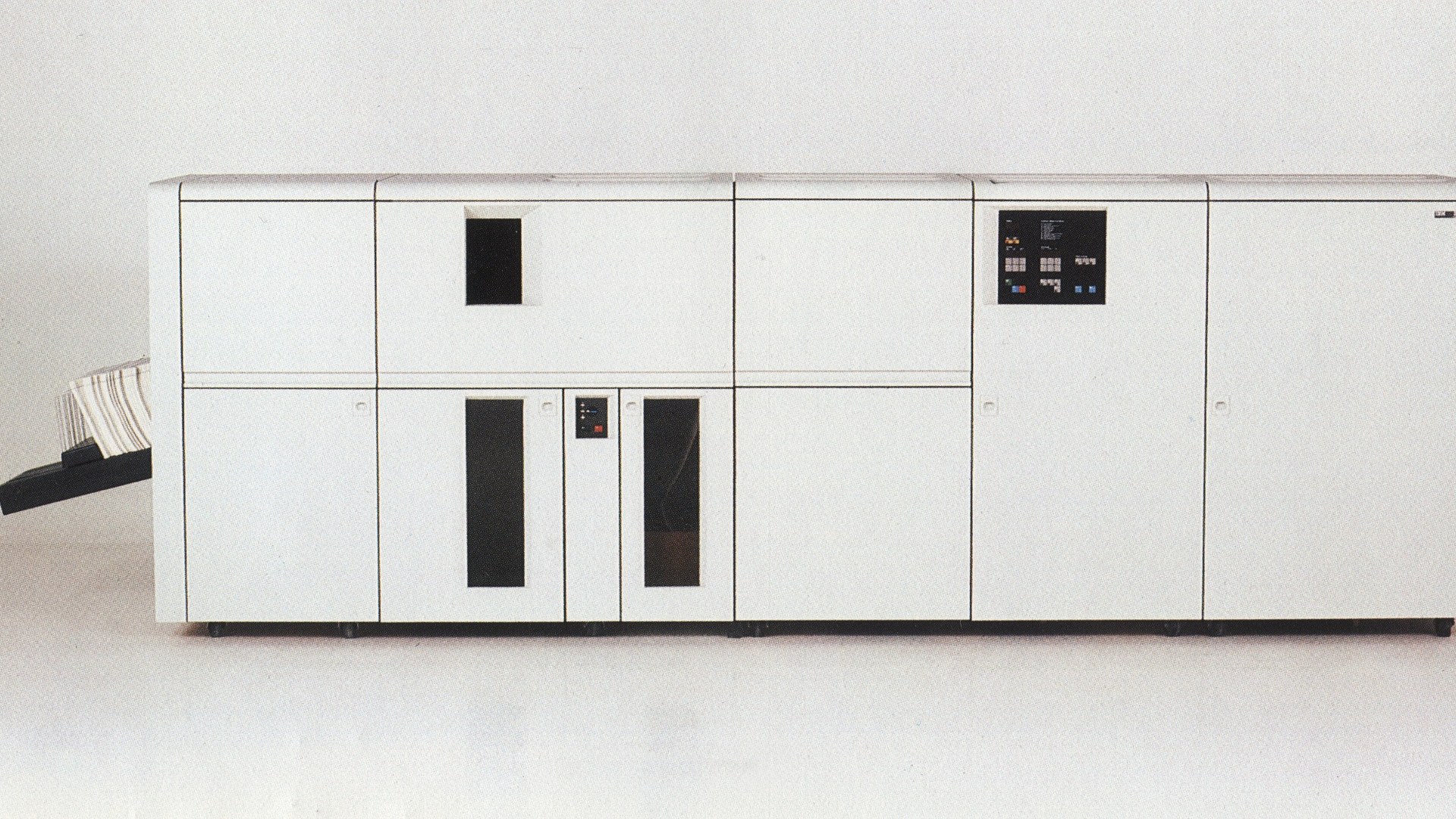
6. The High-Speed Laser Printer 
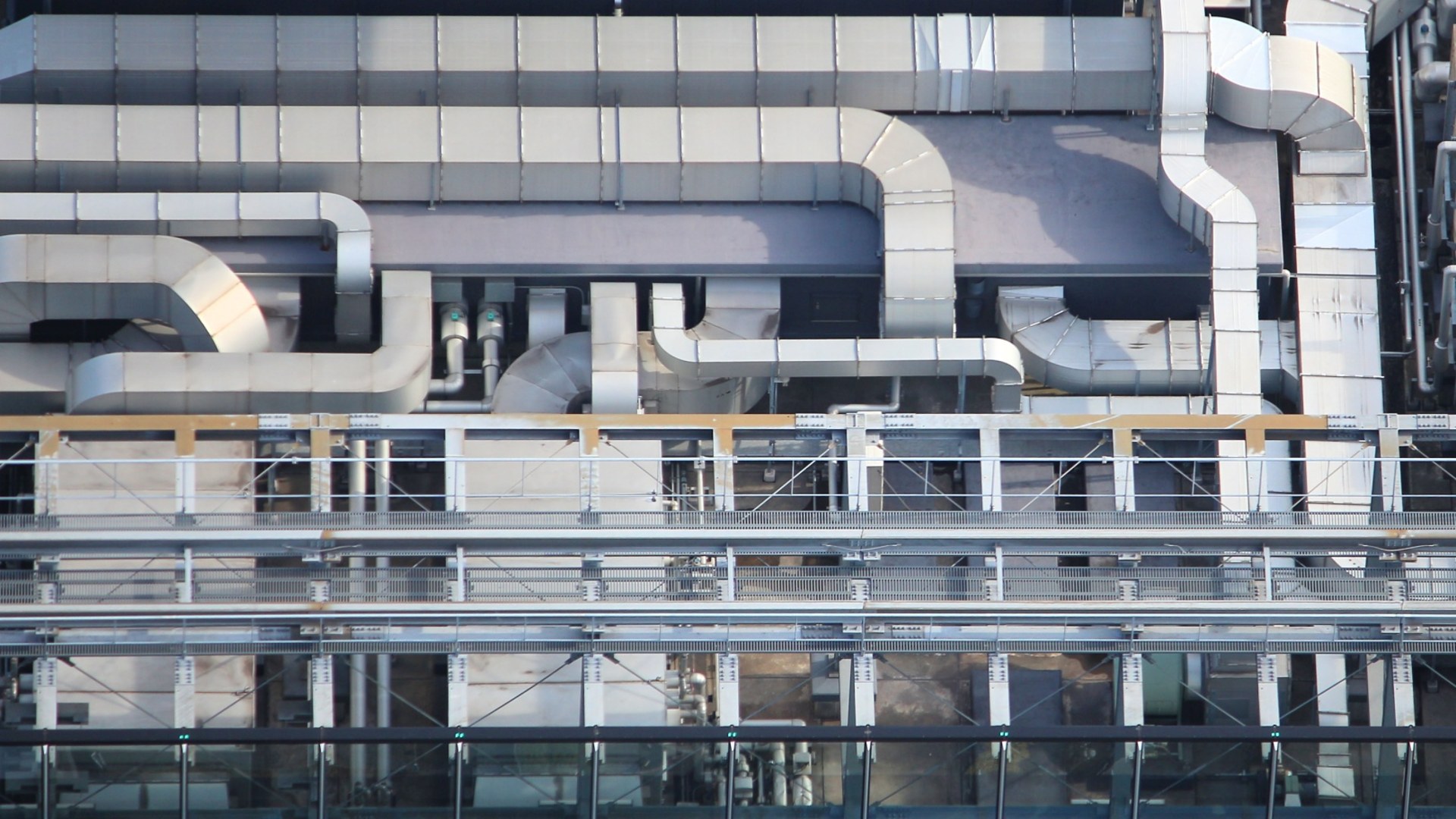
5. Commercial Office Air Conditioning - AdvertisementSwipe or tap ▶ to continue countdown

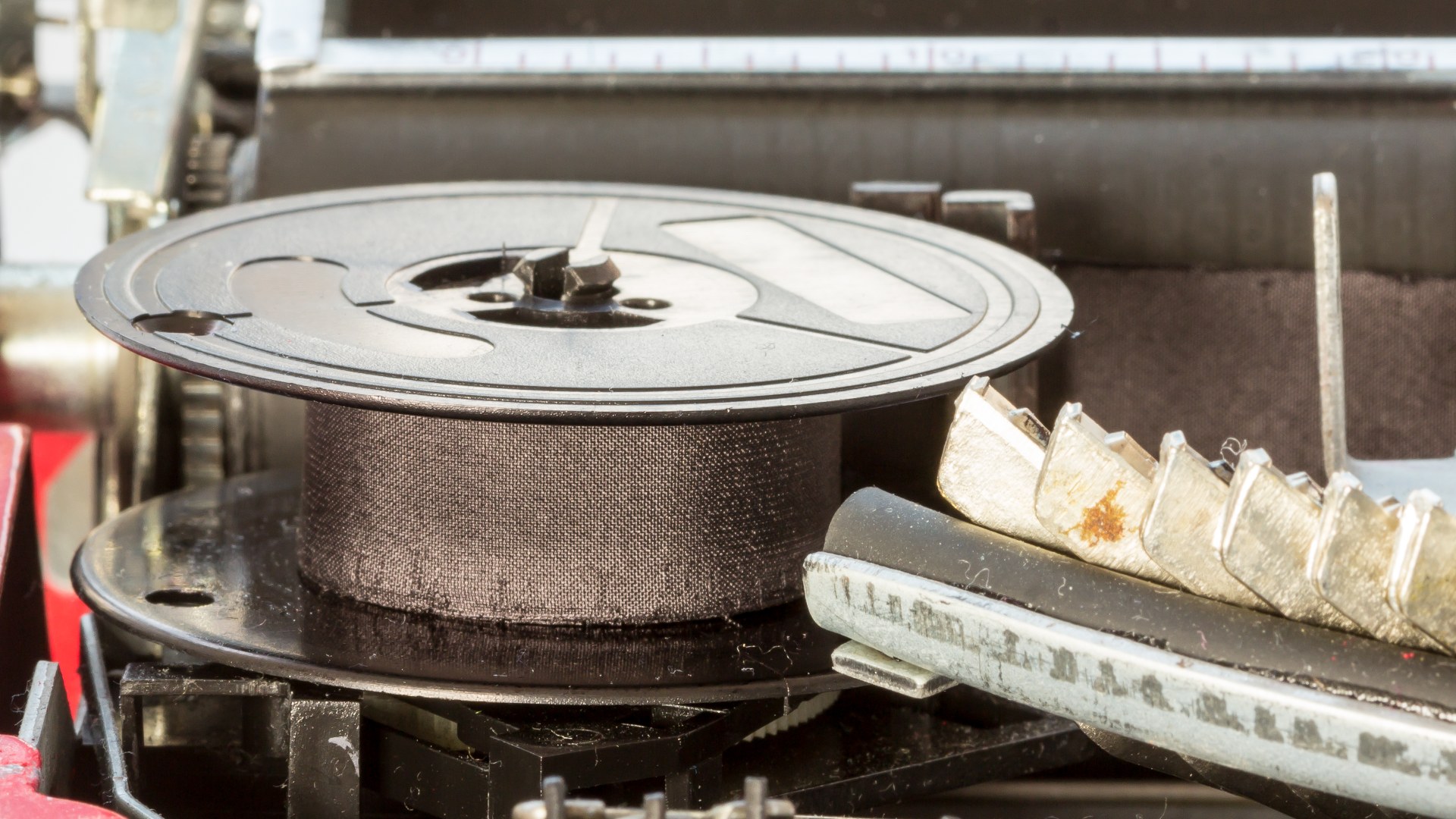
4. The Mechanical Typewriter 
3. The Plain-Paper Photocopier 
2. The Computer Mouse 
1. The Personal Desktop Computer - Advertisement🔥 UP NEXT IN THIS SERIES◫ 21 Slides

20 Famous Cars With Pop-Up Headlights That Shaped Car Design
From hand-cranked 1930s teardrops to wedge supercars of the 1980s, hidden headlights let stylists chase sleek aerodynamics until 2004 pedestrian rules closed the curtain. Here are 20 standout production cars that turned retractable lamps into an enduring automotive design feature across seven full decades.
A century ago, office clerks fastened pages with straight brass pins, copied letters by hand in damp press books, and sweltered through summer heat waves. Over the next 100 years, 15 mechanical, chemical, and digital inventions completely rewired white-collar productivity.
Swipe or tap ▶ to begin the countdown
©Wikimedia / Marek Slusarczyk & Wikimedia / Hayden Schiff
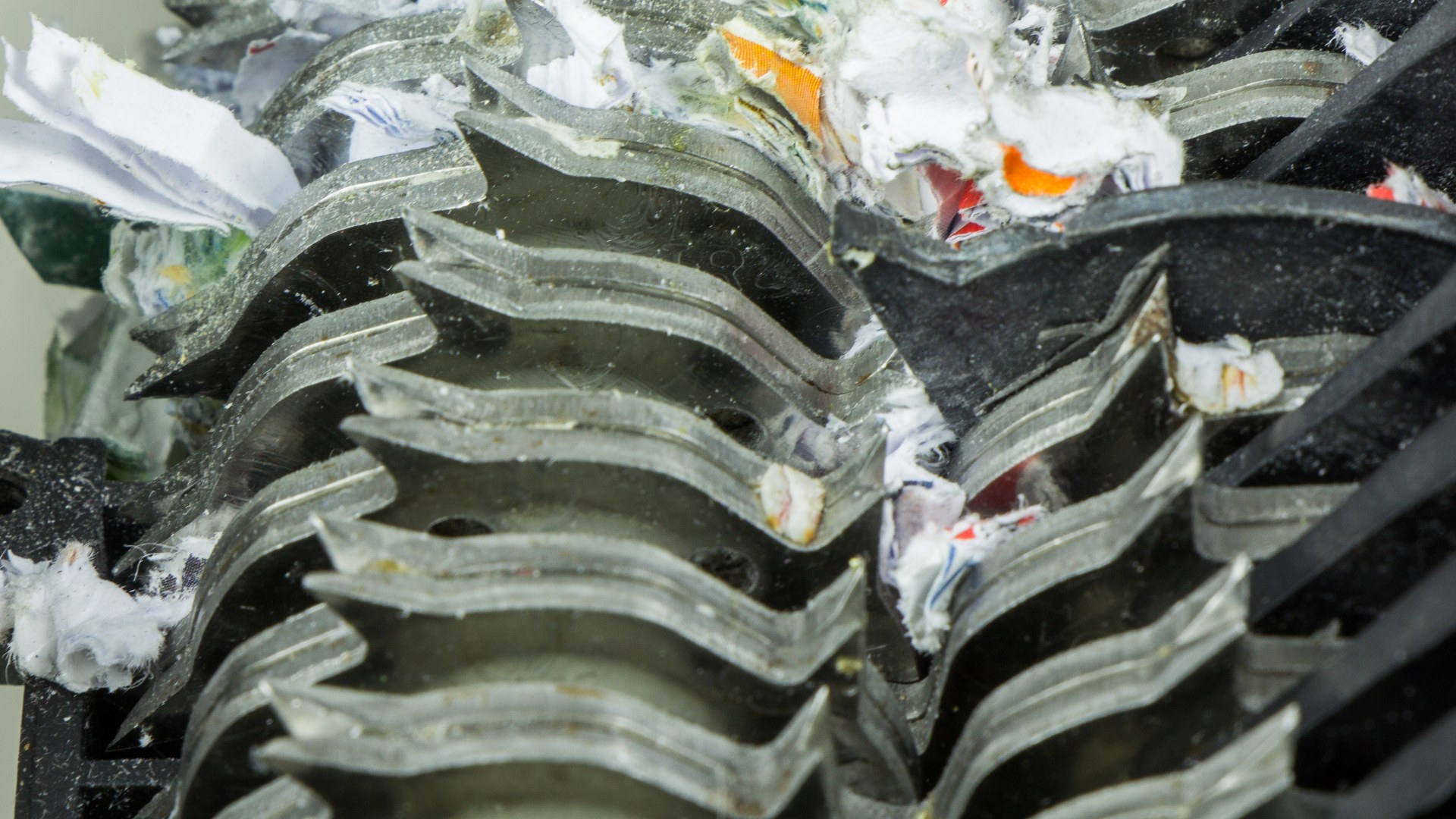
15. The Cross-Cut Paper Shredder
New York inventor Abbot Augustus Low patented a waste-paper receptacle in 1909, but German mechanic Adolf Ehinger built the first motorized shredder in 1935 based on a hand-cranked noodle maker. After the 1970s Watergate hearings, cross-cut shredders became standard in corporate offices.
©Wikimedia / Raimond Spekking
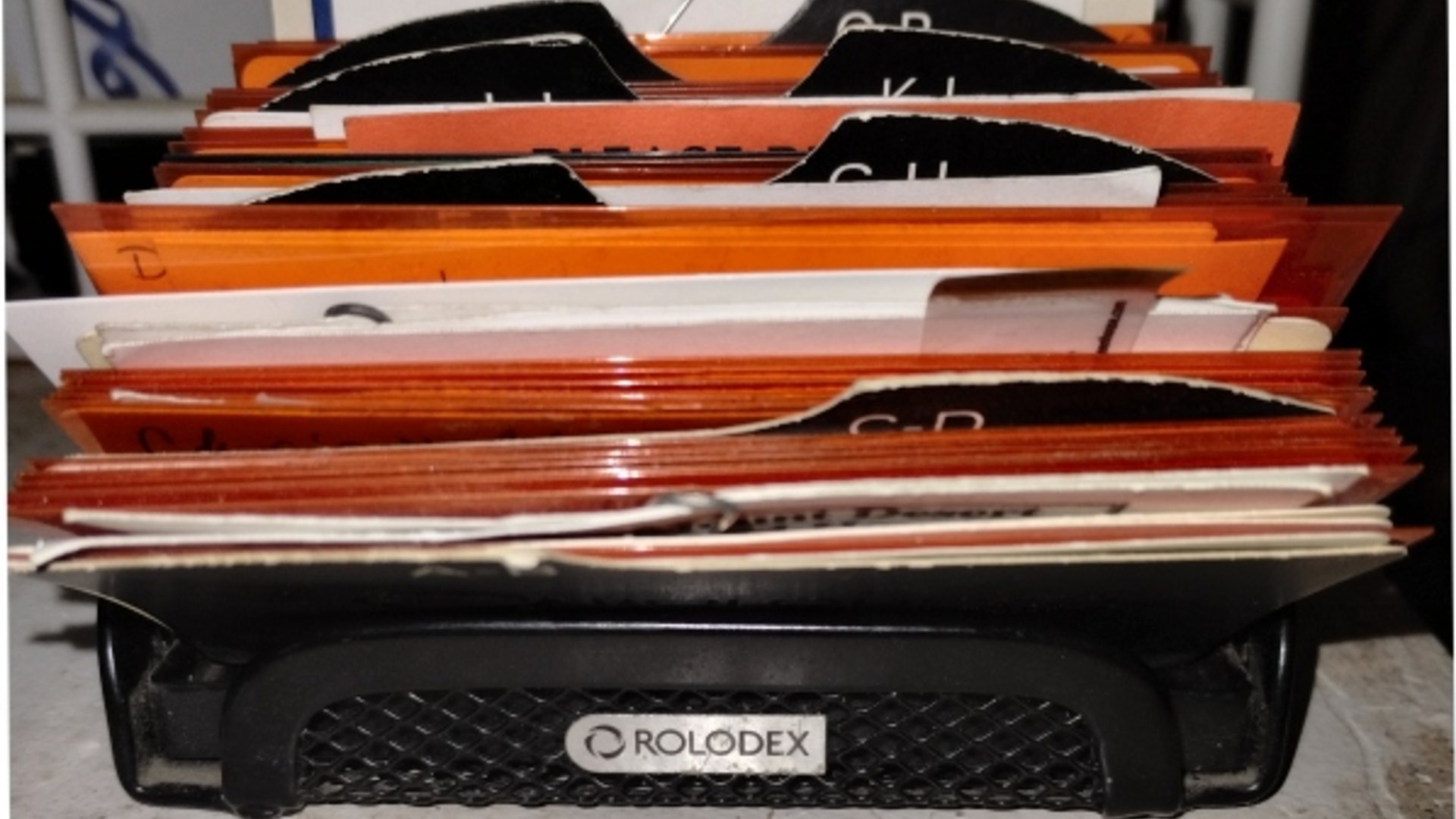
14. The Rolodex Rotary Card File
Engineered by Danish immigrant Hildaur Neilsen for stationery maker Arnold Neustadter and launched in 1958, the Rolodex mounted notched index cards onto a spinning axle or linear tray. For four decades before digital address books, a person's Rolodex measured their professional clout.
©Wikimedia / PRR
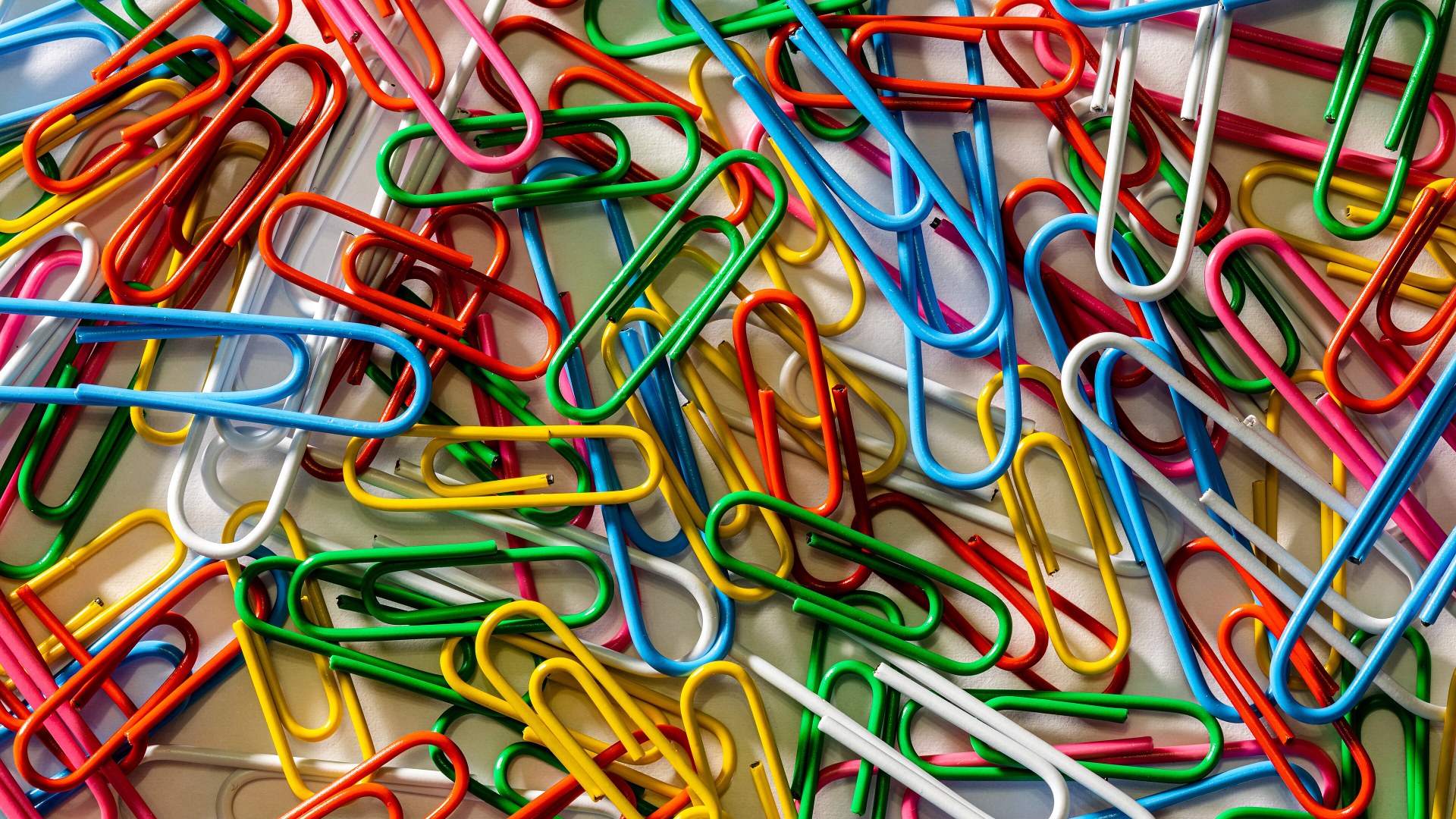
13. The Gem Paperclip
Throughout the 1800s, clerks bound loose pages by piercing corners with straight pins that pricked fingers and rusted onto documents. Popularized in the 1890s by Britain's Gem Manufacturing Company and William Middlebrook's 1899 wire-bending machine patent, the double-oval loop never improved.
©Wikimedia / Dietmar Rabich
Advertisement
Swipe or tap ▶ to resume the countdown.
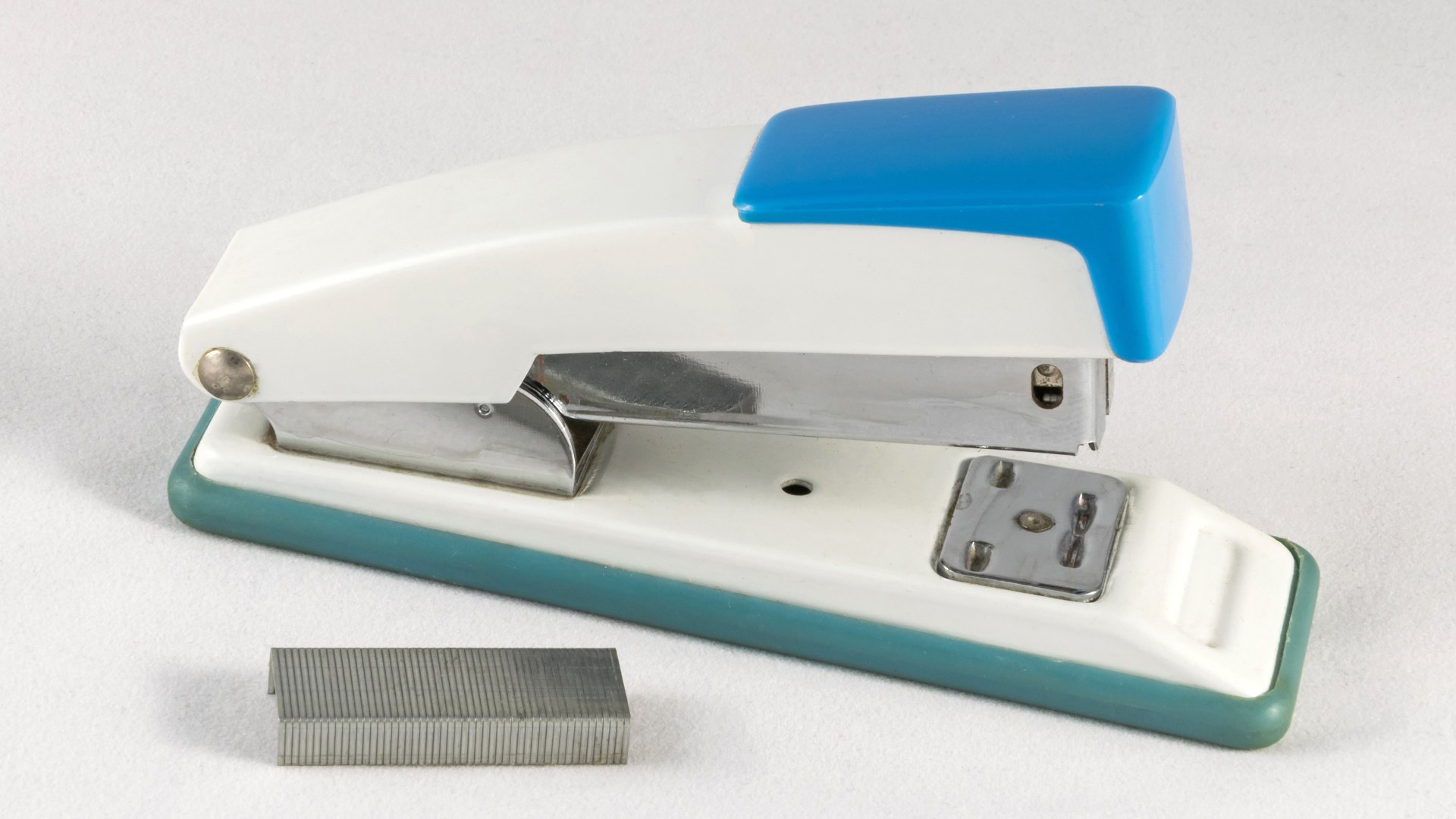
12. The Spring-Loaded Desk Stapler
Early 19th-century fasteners required loading one loose wire staple at a time and whacking a plunger with a heavy fist. After the E. H. Hotchkiss Company introduced glued staple strips in 1895 and Jack Linsky debuted the open-top Swingline No. 3 in 1937, binding reports took a single press.
©Wikimedia / Jacek Halicki
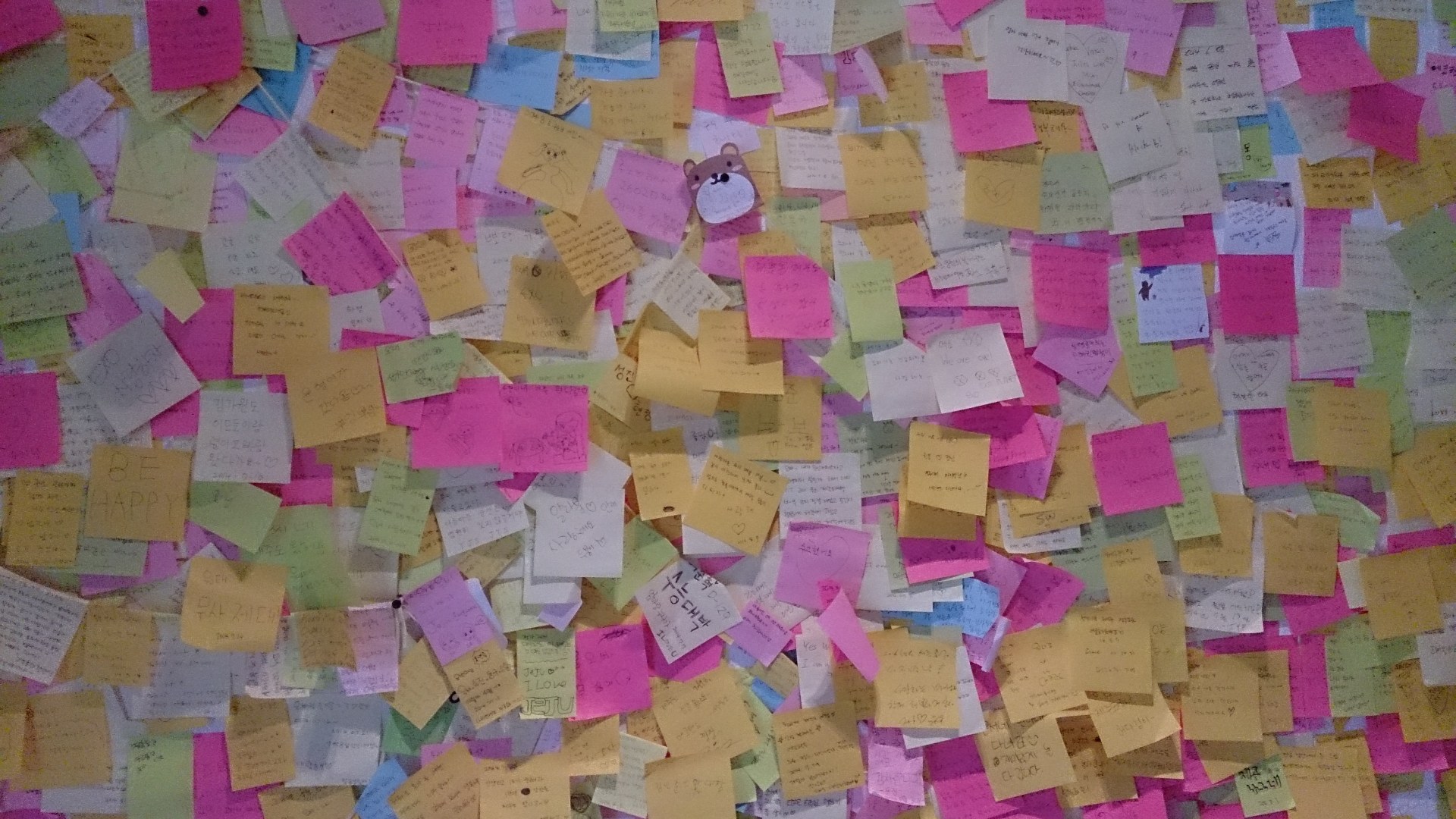
11. Post-It Sticky Notes
In 1968, 3M chemist Spencer Silver accidentally created a weak microsphere adhesive that stuck lightly to surfaces and peeled off cleanly. Six years later, colleague Art Fry brushed the glue onto paper slips to mark his church choir hymnal, sparking the 1980 launch of Canary Yellow Post-it Notes.
©Wikimedia / ProjectManhattan
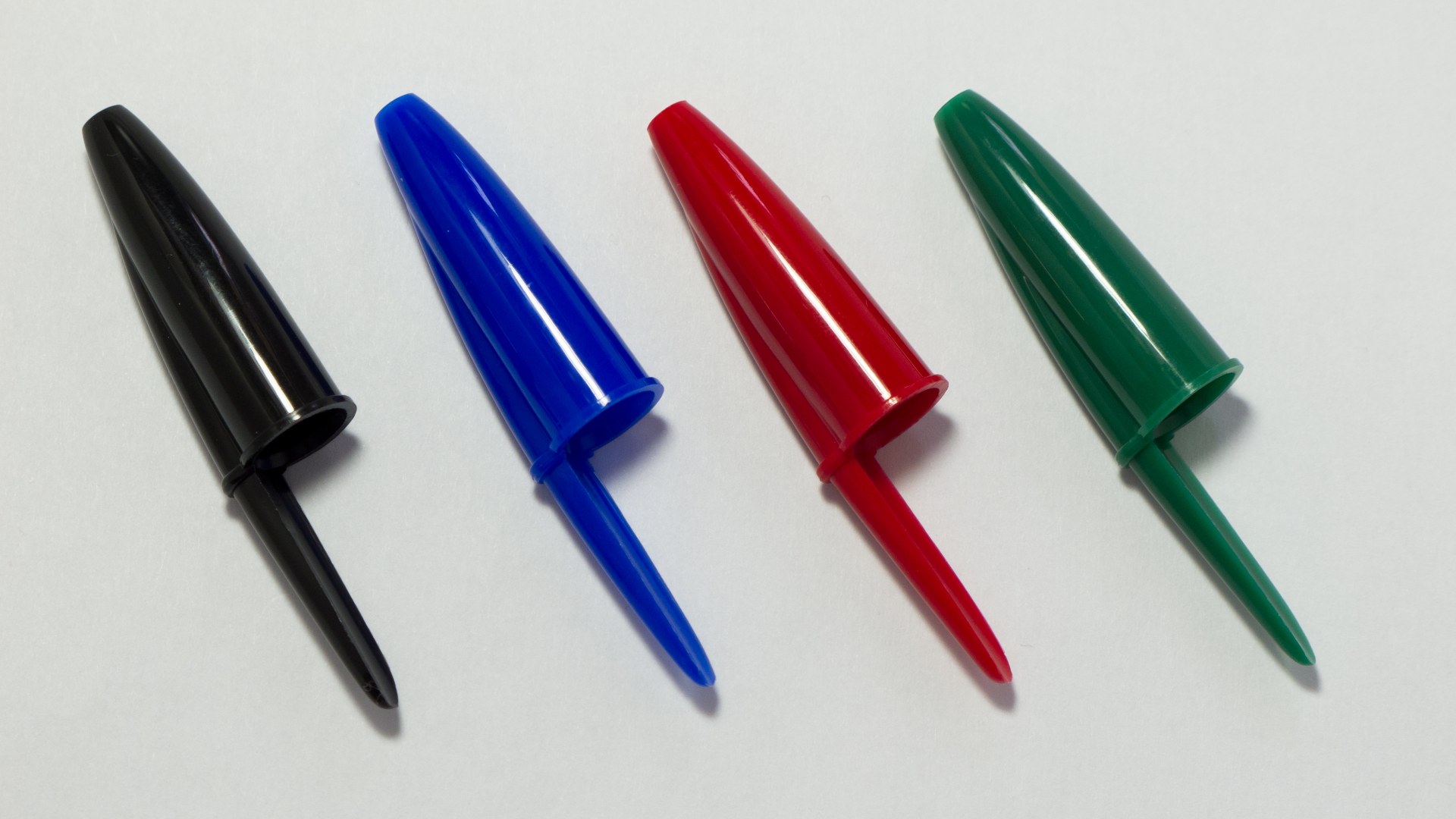
10. The Disposable Ballpoint Pen
Tired of fountain pens that leaked and smudged, Hungarian journalist Laszlo Biro patented a viscous ink fed over a tiny rotating metal ball in 1938. French manufacturer Marcel Bich licensed the design to release the clear-barreled Bic Cristal in December 1950, selling over 100 billion units.
©Wikimedia / Carlos Delgado
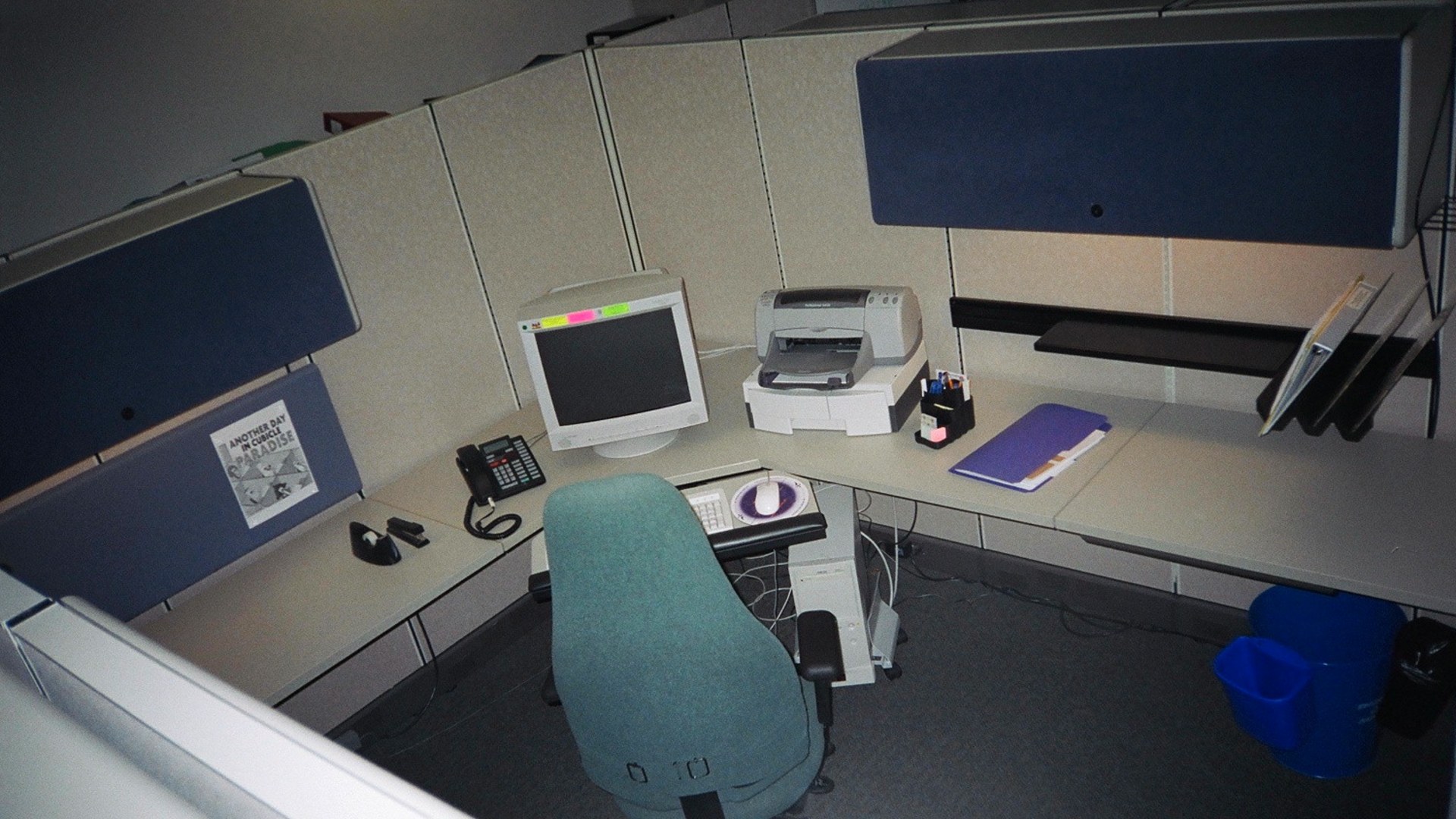
9. The Modular Office Cubicle
Inventor Robert Propst created the Action Office II system for Herman Miller in 1968 to rescue workers from noisy rows of open bullpen desks. While Propst envisioned spacious 120-degree work zones, corporate facility managers used the fabric panels to pack uniform cubicles across every floor.
©Wikimedia / AlainV
Advertisement
Swipe or tap ▶ to resume the countdown.
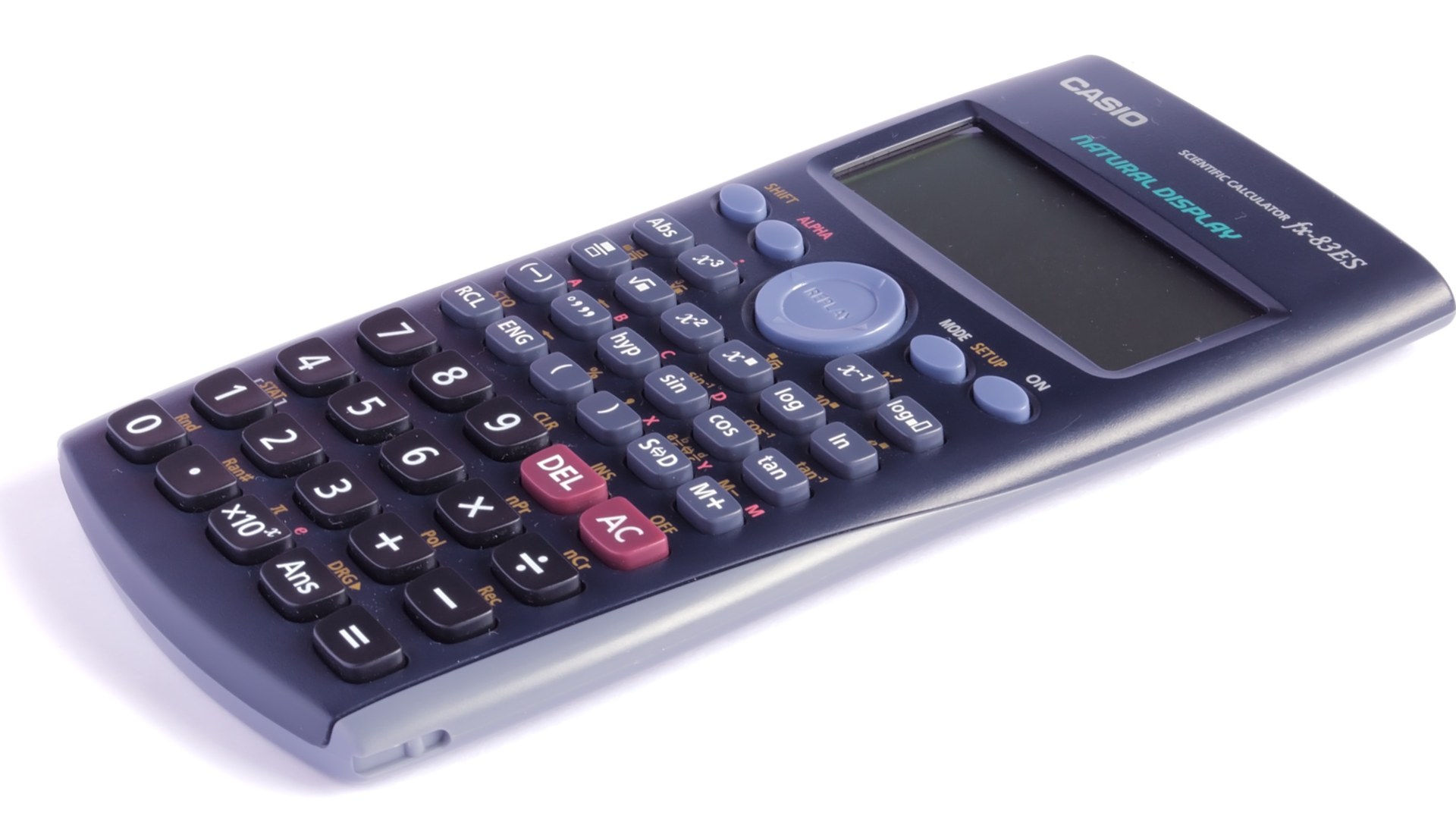
8. The Electronic Calculator
Until the early 1960s, accounting floors rang with the clank of hand-cranked rotary calculators and slide rules. Following the 1961 British ANITA desktop unit and the 1970 microchip calculators from Sharp, Canon, and Casio, bookkeepers could run complex financial margins silently in seconds.
©Wikimedia / Multicherry
7. The Dedicated Fax Machine
Xerox brought facsimile transmission into everyday offices in 1966 with the 46-pound Magnafax Telecopier, which coupled to any telephone handset. By the mid-1980s, high-speed thermal fax machines from Sharp, Panasonic, and Ricoh cut international contract delivery from days to 20 seconds.
©Wikimedia / Sharp
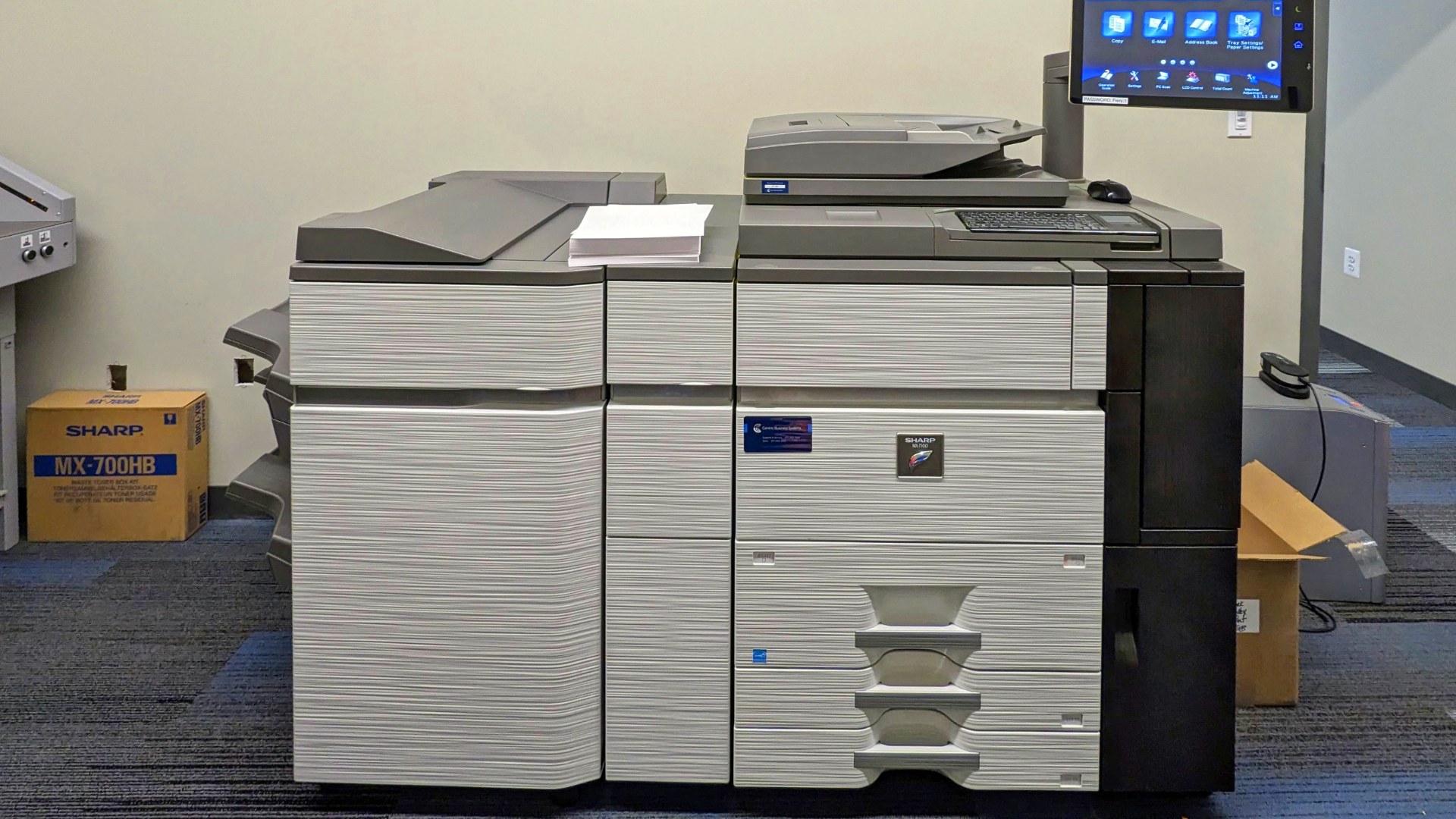
6. The High-Speed Laser Printer
Xerox PARC engineer Gary Starkweather built the first laser printer in 1969 by sweeping a laser beam across a photocopier drum, and the commercial IBM 3800 followed in 1976 at 215 pages per minute. In May 1984, the compact HP LaserJet put 300-dot-per-inch publishing on ordinary office desks.
©Wikimedia / International Business Machines
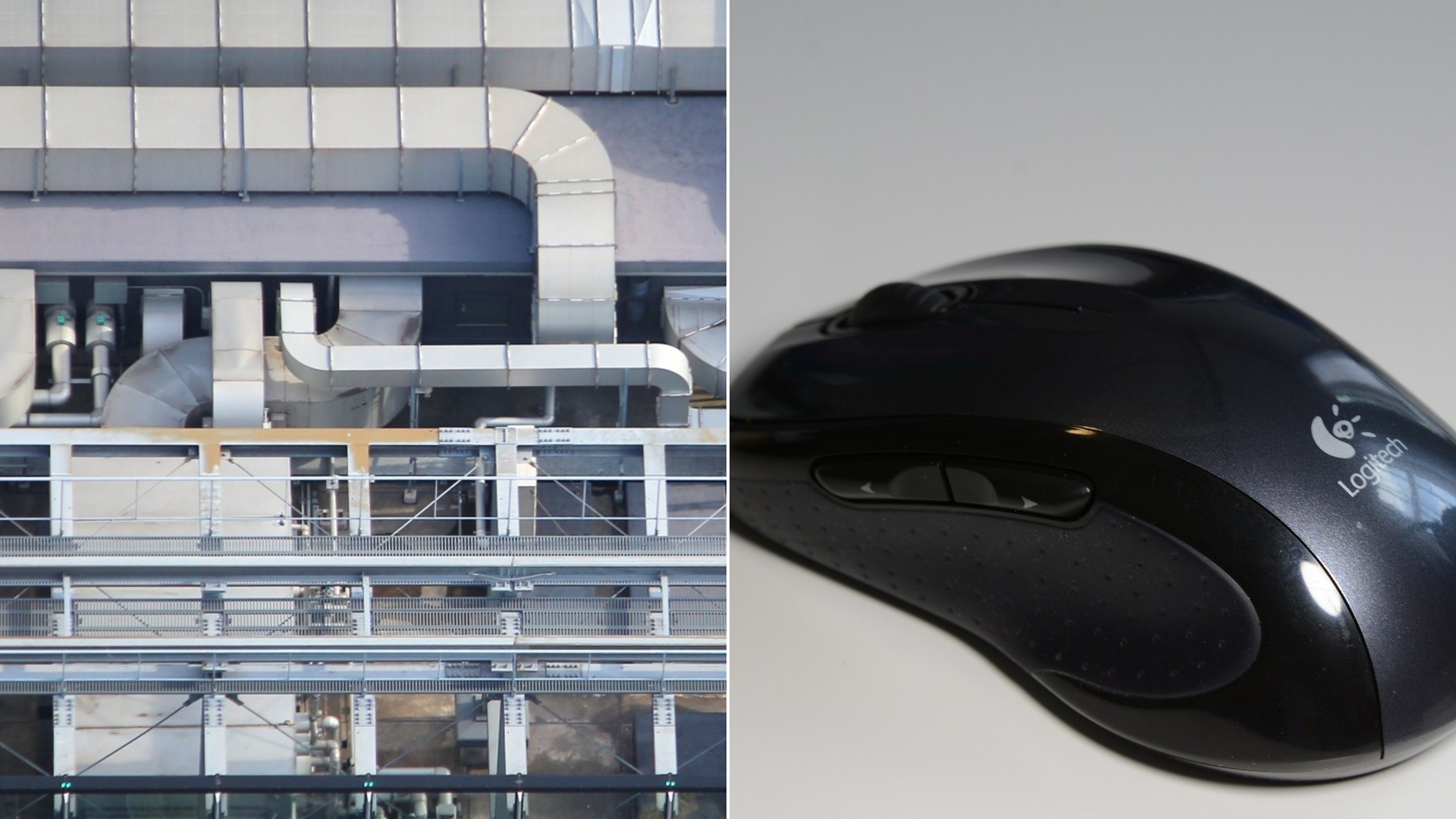
5. Commercial Office Air Conditioning
Engineer Willis Carrier invented modern mechanical air conditioning in July 1902 to keep paper from warping at a humid Brooklyn printing plant. When San Antonio's Milam Building opened in 1928 as the first centrally air-conditioned high-rise office tower, year-round productivity soared.
©Wikimedia / Marek Slusarczyk
Advertisement
Swipe or tap ▶ to resume the countdown.
4. The Mechanical Typewriter
Patented by Milwaukee printer Christopher Latham Sholes in 1868 and manufactured by E. Remington and Sons in 1873, the mechanical typewriter pushed business correspondence from 20 handwritten words per minute past 75. Its QWERTY layout still governs every laptop and smartphone keyboard today.
©Wikimedia / Raimond Spekking
3. The Plain-Paper Photocopier
Patent attorney Chester Carlson invented dry electrophotography in his Queens apartment kitchen in 1938 to avoid retyping long legal filings over carbon paper. When Haloid Xerox rolled out the 650-pound Xerox 914 in September 1959, offices produced nearly 10 billion copies a year by 1966.
©Wikimedia / Baron Maddock
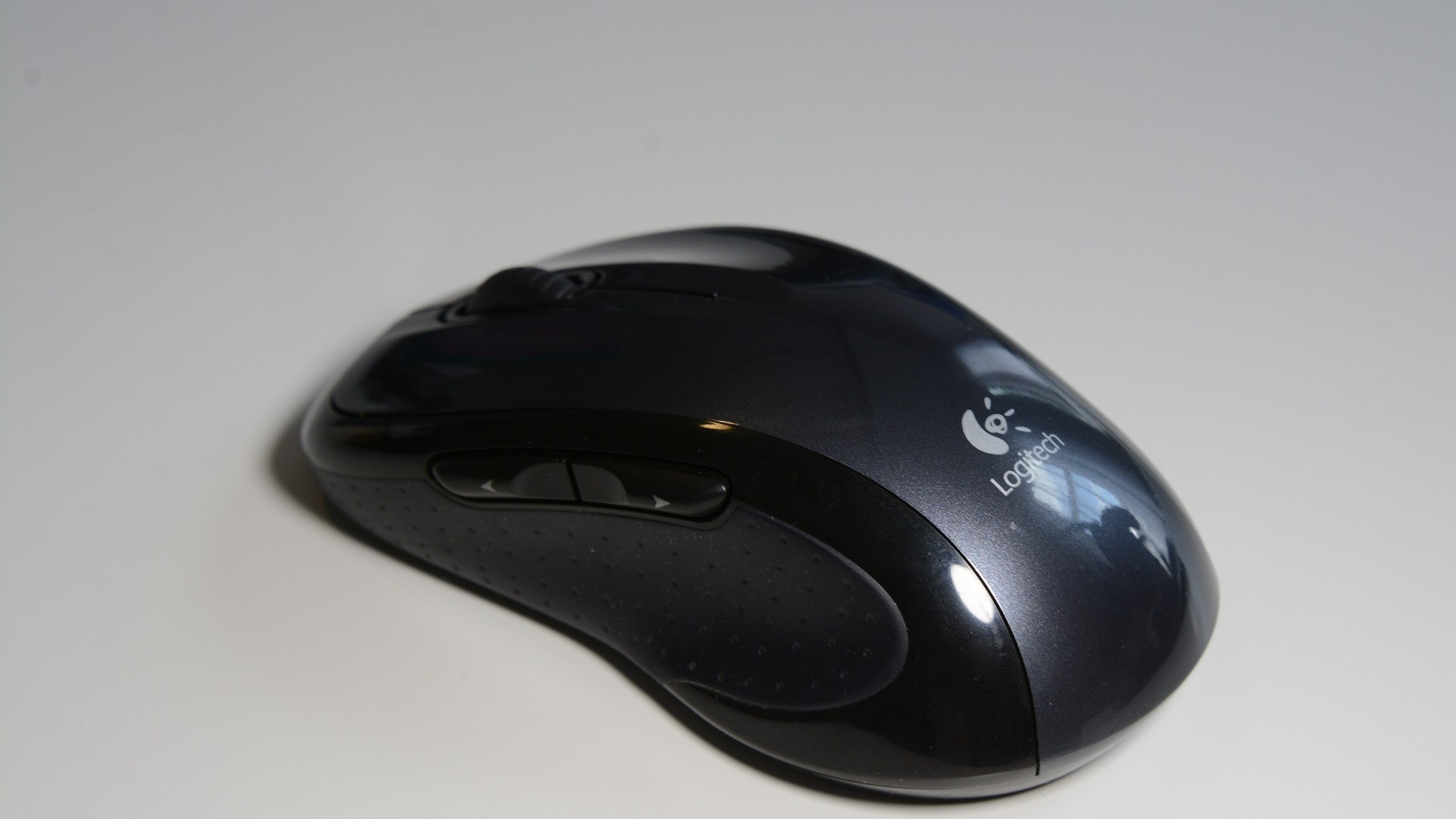
2. The Computer Mouse
Carved from a block of wood over two perpendicular metal wheels by Douglas Engelbart and Bill English at Stanford Research Institute in 1964, the mouse debuted at the 1968 Mother of All Demos. Paired with graphical windows at Xerox PARC and Apple, it made computing accessible to every worker.
©Wikimedia / Hayden Schiff
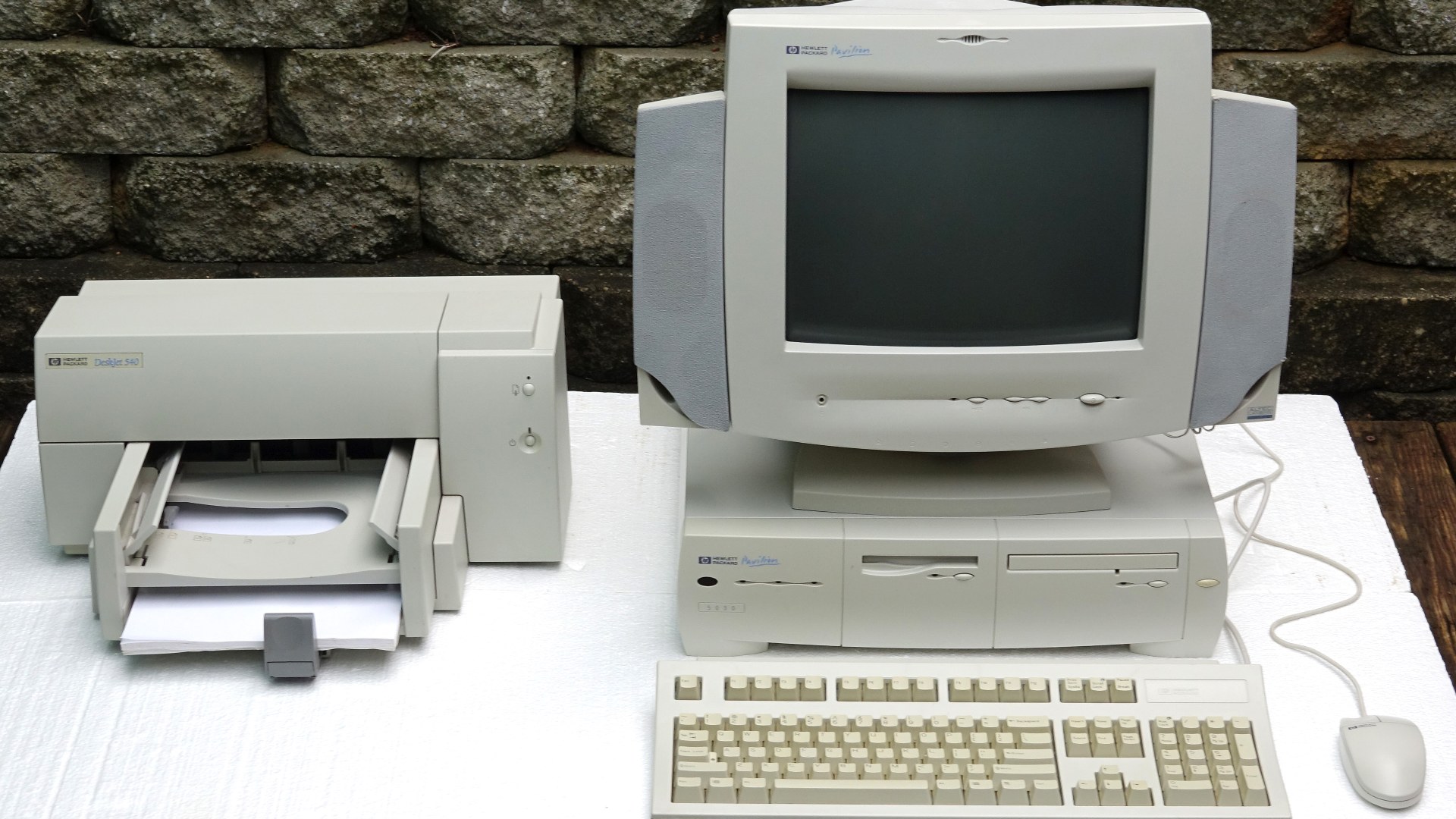
1. The Personal Desktop Computer
Before the Apple II arrived in 1977 and the IBM Personal Computer 5150 launched in August 1981, business computing required refrigerated mainframes tended by specialists. Armed with electronic spreadsheets and word processors, the desktop PC placed an entire back office on every worker's desk.

©Wikimedia / Rderijcke
Advertisement
You've reached the end of the story. Thanks for reading!

20 Famous Cars With Pop-Up Headlights That Shaped Car Design
From hand-cranked 1930s teardrops to wedge supercars of the 1980s, hidden headlights let stylists chase sleek aerodynamics until 2004 pedestrian rules closed the curtain. Here are 20 standout production cars that turned retractable lamps into an enduring automotive design feature across seven full decades.
All 15 Entries in this Story
15. The Cross-Cut Paper Shredder
New York inventor Abbot Augustus Low patented a waste-paper receptacle in 1909, but German mechanic Adolf Ehinger built the first motorized shredder in 1935 based on a hand-cranked noodle maker. After the 1970s Watergate hearings, cross-cut shredders became standard in corporate offices.

14. The Rolodex Rotary Card File
Engineered by Danish immigrant Hildaur Neilsen for stationery maker Arnold Neustadter and launched in 1958, the Rolodex mounted notched index cards onto a spinning axle or linear tray. For four decades before digital address books, a person's Rolodex measured their professional clout.

13. The Gem Paperclip
Throughout the 1800s, clerks bound loose pages by piercing corners with straight pins that pricked fingers and rusted onto documents. Popularized in the 1890s by Britain's Gem Manufacturing Company and William Middlebrook's 1899 wire-bending machine patent, the double-oval loop never improved.

12. The Spring-Loaded Desk Stapler
Early 19th-century fasteners required loading one loose wire staple at a time and whacking a plunger with a heavy fist. After the E. H. Hotchkiss Company introduced glued staple strips in 1895 and Jack Linsky debuted the open-top Swingline No. 3 in 1937, binding reports took a single press.

11. Post-It Sticky Notes
In 1968, 3M chemist Spencer Silver accidentally created a weak microsphere adhesive that stuck lightly to surfaces and peeled off cleanly. Six years later, colleague Art Fry brushed the glue onto paper slips to mark his church choir hymnal, sparking the 1980 launch of Canary Yellow Post-it Notes.

10. The Disposable Ballpoint Pen
Tired of fountain pens that leaked and smudged, Hungarian journalist Laszlo Biro patented a viscous ink fed over a tiny rotating metal ball in 1938. French manufacturer Marcel Bich licensed the design to release the clear-barreled Bic Cristal in December 1950, selling over 100 billion units.

9. The Modular Office Cubicle
Inventor Robert Propst created the Action Office II system for Herman Miller in 1968 to rescue workers from noisy rows of open bullpen desks. While Propst envisioned spacious 120-degree work zones, corporate facility managers used the fabric panels to pack uniform cubicles across every floor.

8. The Electronic Calculator
Until the early 1960s, accounting floors rang with the clank of hand-cranked rotary calculators and slide rules. Following the 1961 British ANITA desktop unit and the 1970 microchip calculators from Sharp, Canon, and Casio, bookkeepers could run complex financial margins silently in seconds.

7. The Dedicated Fax Machine
Xerox brought facsimile transmission into everyday offices in 1966 with the 46-pound Magnafax Telecopier, which coupled to any telephone handset. By the mid-1980s, high-speed thermal fax machines from Sharp, Panasonic, and Ricoh cut international contract delivery from days to 20 seconds.

6. The High-Speed Laser Printer
Xerox PARC engineer Gary Starkweather built the first laser printer in 1969 by sweeping a laser beam across a photocopier drum, and the commercial IBM 3800 followed in 1976 at 215 pages per minute. In May 1984, the compact HP LaserJet put 300-dot-per-inch publishing on ordinary office desks.

5. Commercial Office Air Conditioning
Engineer Willis Carrier invented modern mechanical air conditioning in July 1902 to keep paper from warping at a humid Brooklyn printing plant. When San Antonio's Milam Building opened in 1928 as the first centrally air-conditioned high-rise office tower, year-round productivity soared.

4. The Mechanical Typewriter
Patented by Milwaukee printer Christopher Latham Sholes in 1868 and manufactured by E. Remington and Sons in 1873, the mechanical typewriter pushed business correspondence from 20 handwritten words per minute past 75. Its QWERTY layout still governs every laptop and smartphone keyboard today.

3. The Plain-Paper Photocopier
Patent attorney Chester Carlson invented dry electrophotography in his Queens apartment kitchen in 1938 to avoid retyping long legal filings over carbon paper. When Haloid Xerox rolled out the 650-pound Xerox 914 in September 1959, offices produced nearly 10 billion copies a year by 1966.

2. The Computer Mouse
Carved from a block of wood over two perpendicular metal wheels by Douglas Engelbart and Bill English at Stanford Research Institute in 1964, the mouse debuted at the 1968 Mother of All Demos. Paired with graphical windows at Xerox PARC and Apple, it made computing accessible to every worker.

1. The Personal Desktop Computer
Before the Apple II arrived in 1977 and the IBM Personal Computer 5150 launched in August 1981, business computing required refrigerated mainframes tended by specialists. Armed with electronic spreadsheets and word processors, the desktop PC placed an entire back office on every worker's desk.