Slideshow · Viral
The 20 Jobs AI Can't Replace, Ranked
From skilled trades to crisis care, discover the careers immune to automation.
By Most Viral Today
28 min ago

From skilled trades to crisis care, discover the careers immune to automation. 

20. Event Planners 
19. Automotive Technicians 
18. Barbers And Hair Stylists - AdvertisementSwipe or tap ▶ to continue countdown

17. Veterinary Surgeons 
16. Certified Arborists 
15. Construction Site Managers 
14. Investigative Journalists - AdvertisementSwipe or tap ▶ to continue countdown

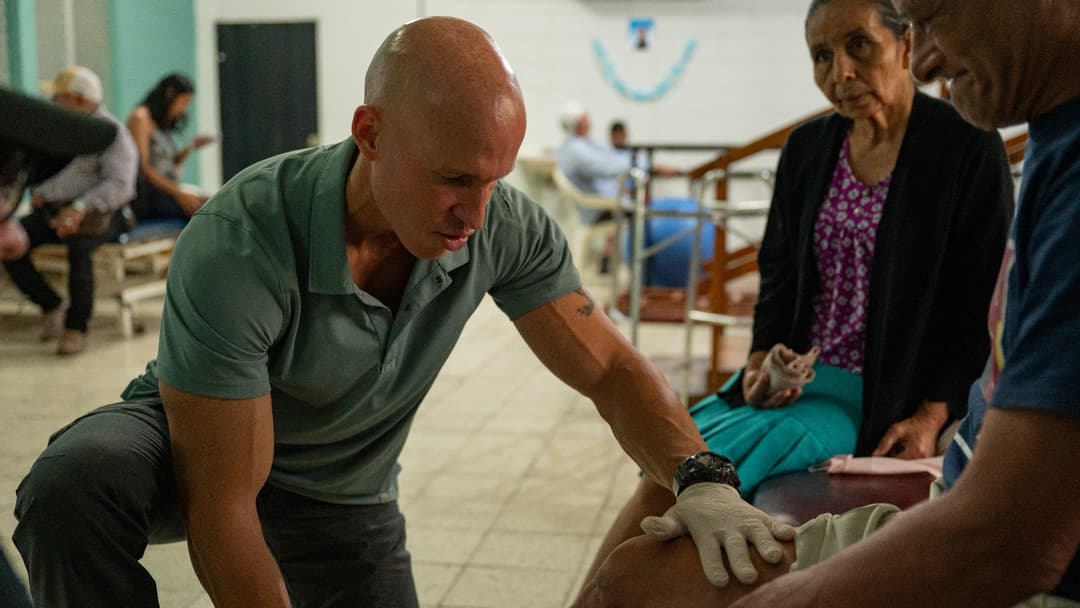
13. Physical Therapists 
12. Criminal Court Judges 
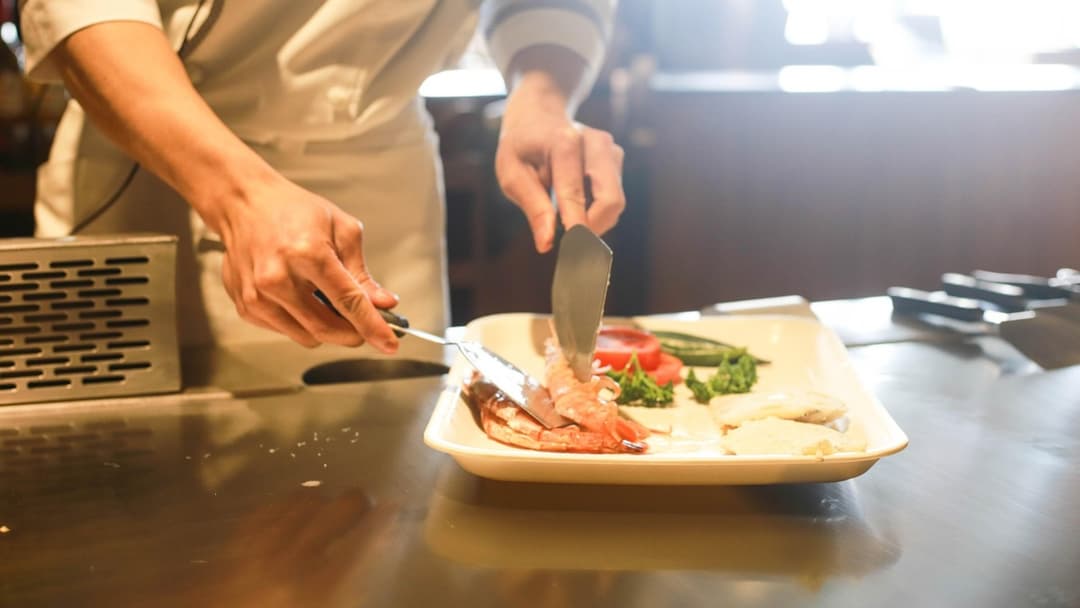
11. Master Chefs 
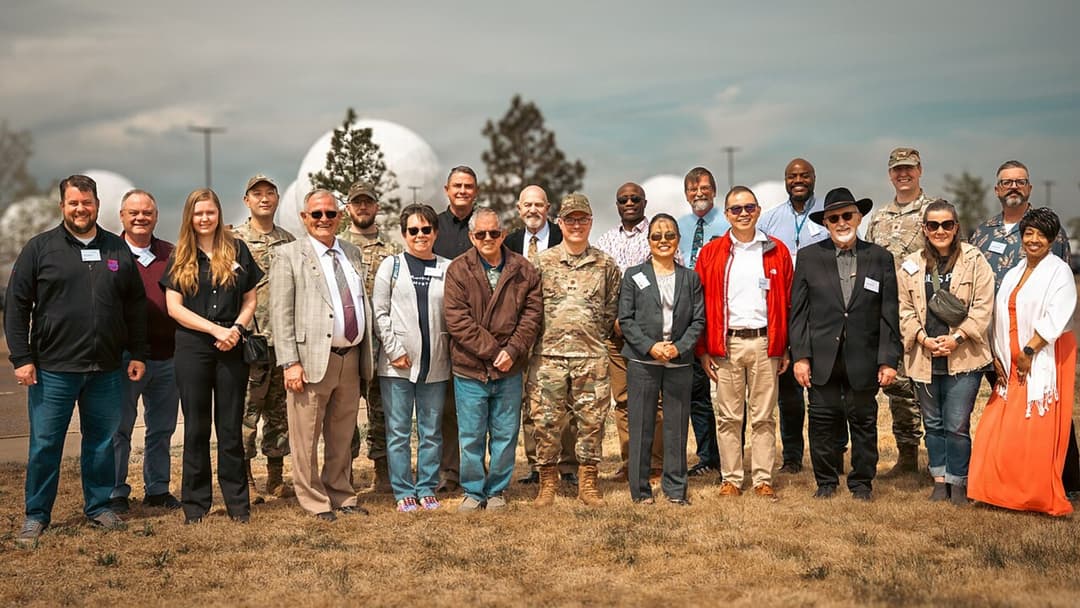
10. Clergy And Faith Leaders - AdvertisementSwipe or tap ▶ to continue countdown

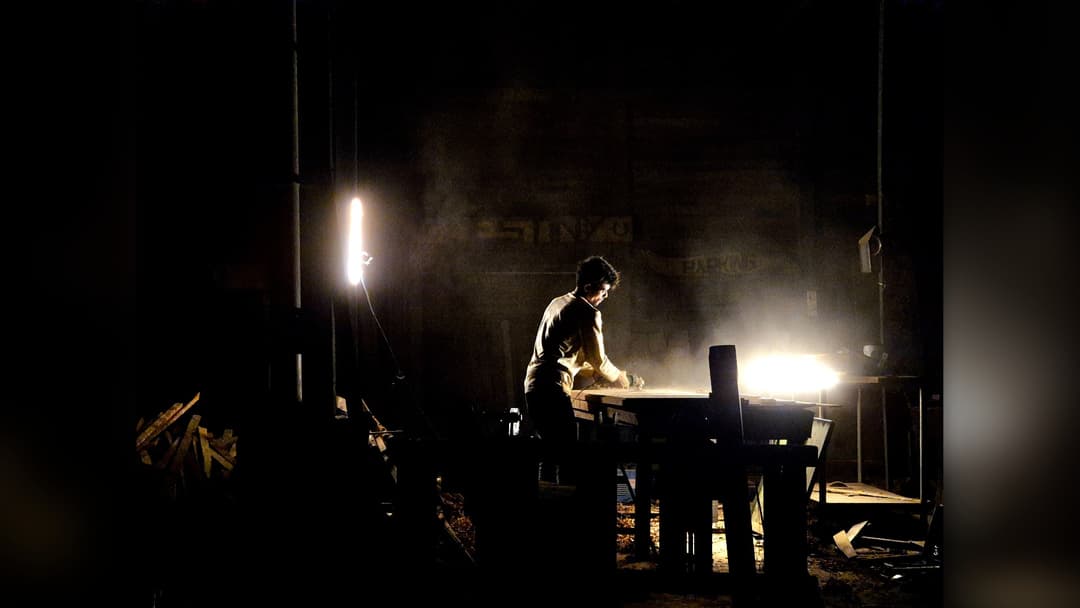
9. Bespoke Woodworkers 
8. Preschool Teachers 
7. Social Workers 
6. Master Electricians - AdvertisementSwipe or tap ▶ to continue countdown

5. Plumbers And Pipefitters 
4. Clinical Psychologists 
3. Paramedics And EMTs 
2. Structural Firefighters - AdvertisementSwipe or tap ▶ to continue countdown

1. Trauma Surgeons - Advertisement🔥 UP NEXT IN THIS SERIES◫ 21 Slides

20 Oldest Fast Food Chains in America Still Operating Today
Ranked by official corporate founding dates, these 20 pioneering fast food chains survived economic depressions and shifting consumer tastes to remain American dining staples.
While artificial intelligence reshapes corporate desks and software engineering, physical unpredictability, split-second crisis triage, and deep human empathy remain beyond any algorithm. Here are the 20 most AI-resistant jobs in America, ranked.
Swipe or tap ▶ to begin the countdown
©Pixabay / Maximilianovich & Wikimedia / U.S. Navy photo by
20. Event Planners
Algorithms can generate timelines, but wedding coordinators manage erratic vendors, sudden weather cancellations, and intense emotional meltdowns. When a catering truck breaks down two hours before dinner, human negotiation and quick improvisation save the day.
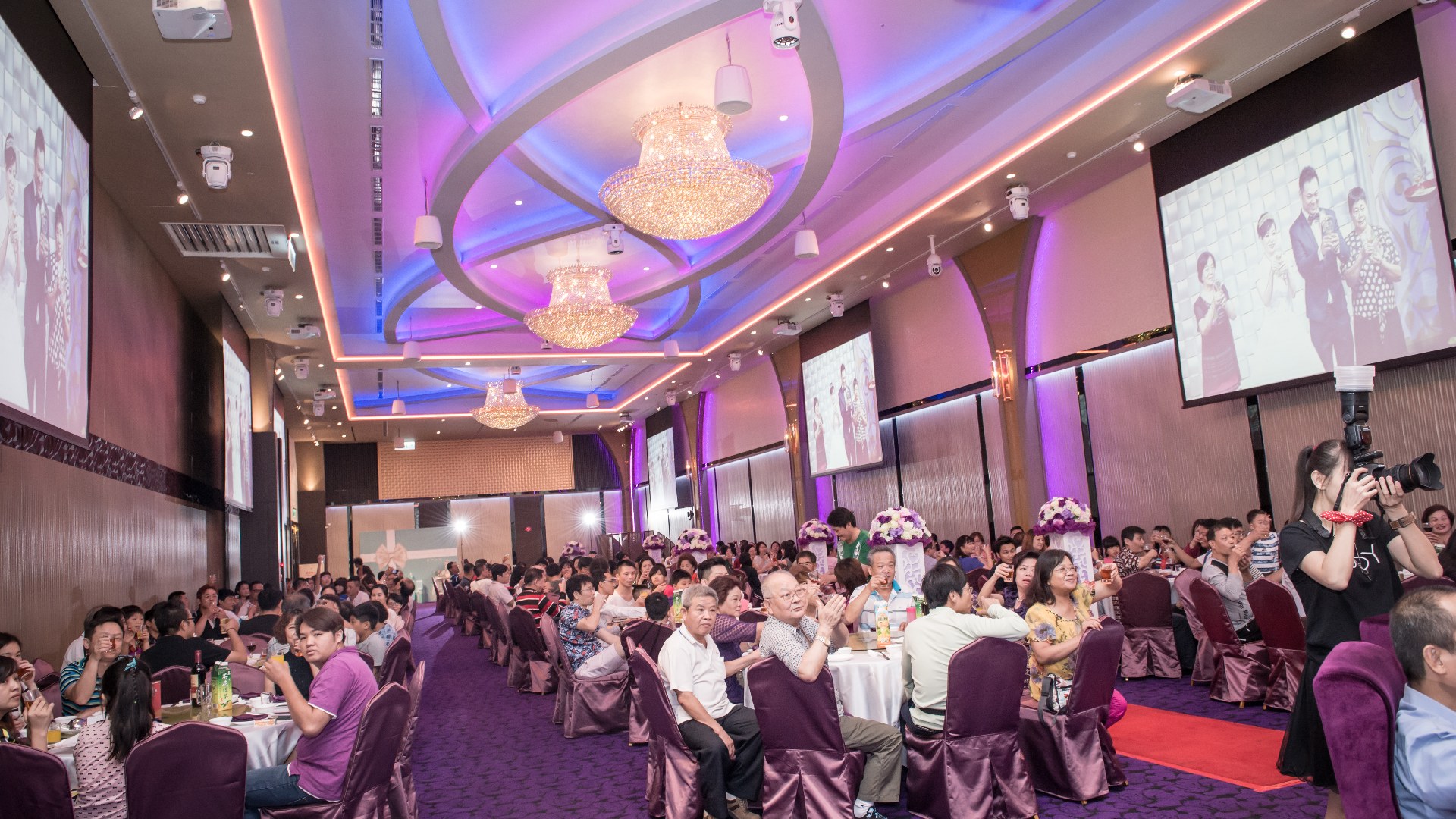
©Wikimedia / 王 威 【風動‧拾光】
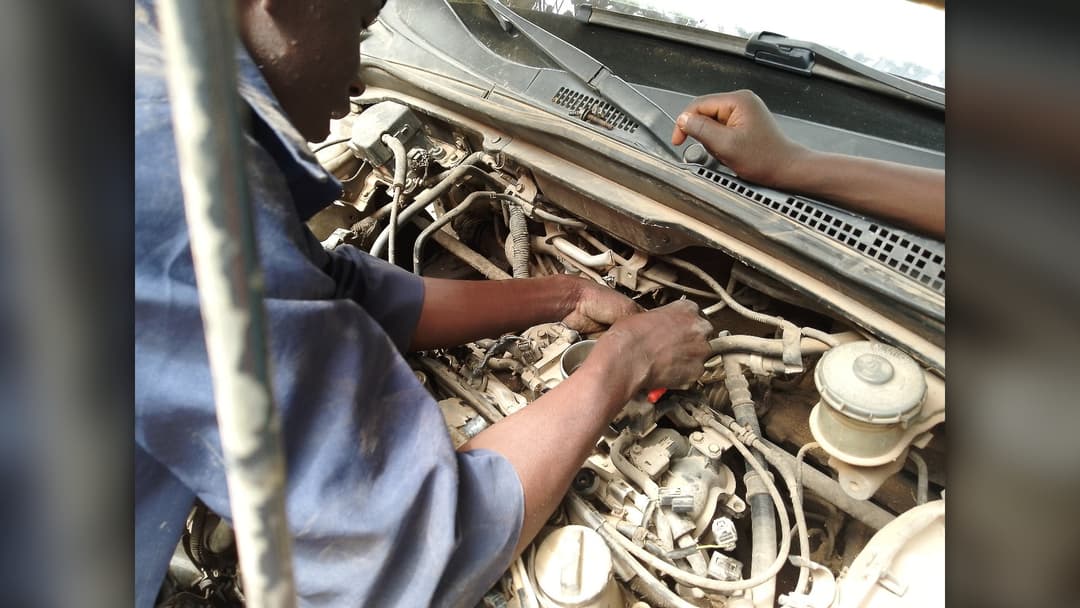
19. Automotive Technicians
Modern vehicles carry dozens of onboard computers, but physical diagnostics require tactile touch, hearing odd engine knocks, and maneuvering tools into tight engine bays. Stripped screws, corroded chassis frames, and custom alignments defy robotic automation.
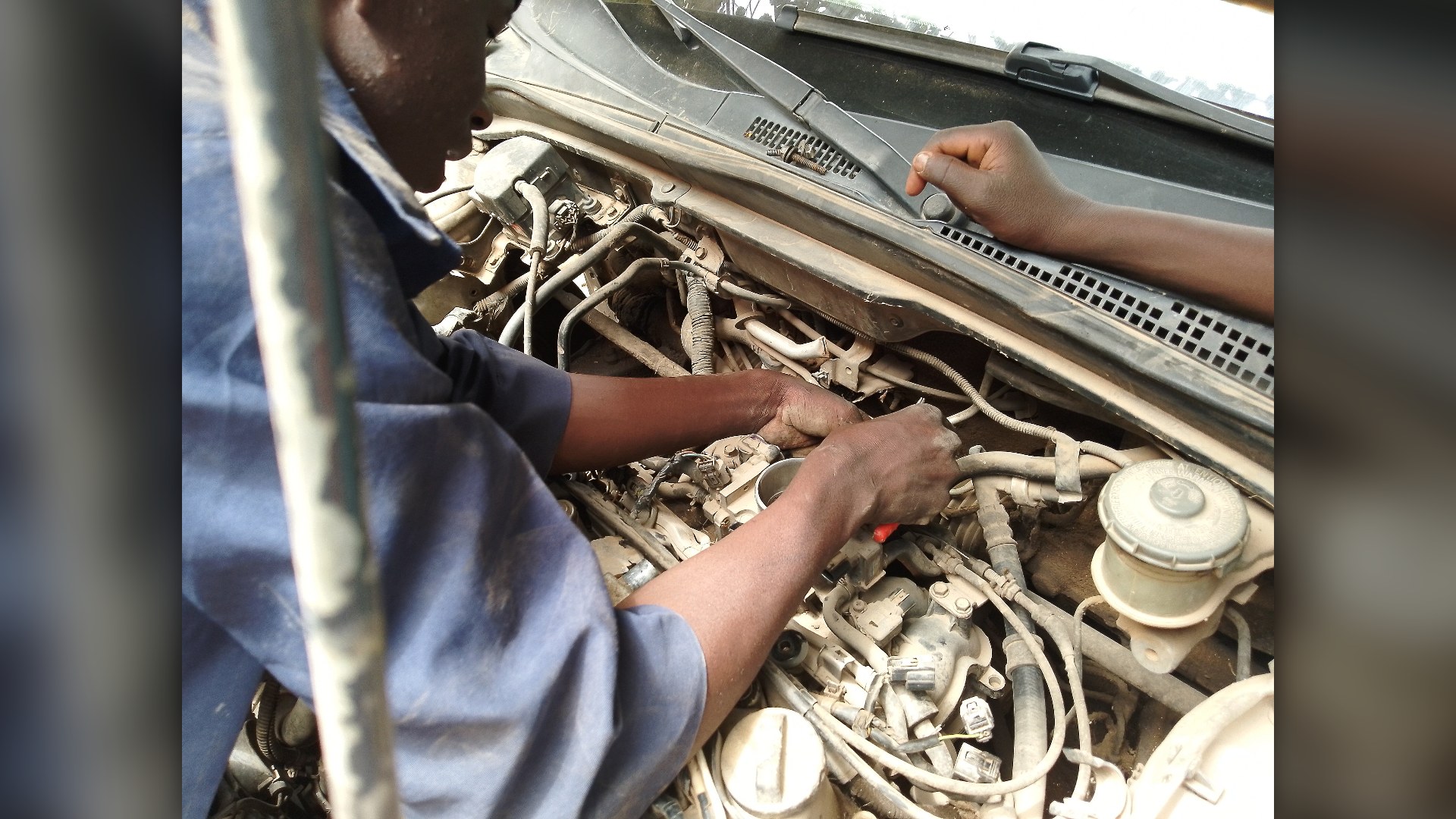
©Wikimedia / Bembety
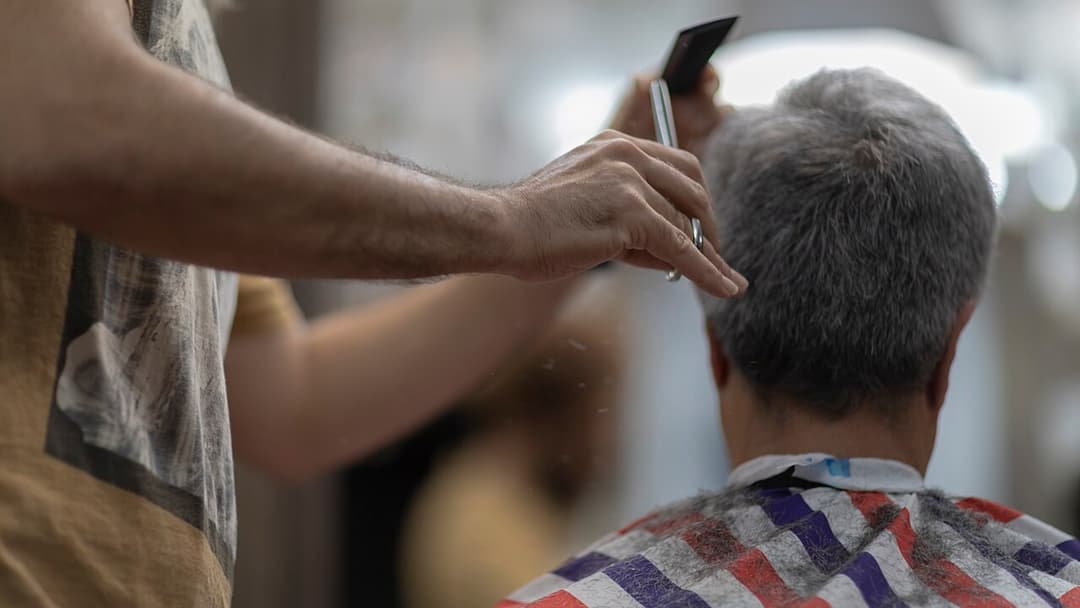
18. Barbers And Hair Stylists
Every human skull shape, hair texture, cowlick, and personal preference is distinct. Operating sharp scissors and straight razors millimeters from a moving client's ears requires fine motor touch, while the chair serves as an irreplaceable social confessional.
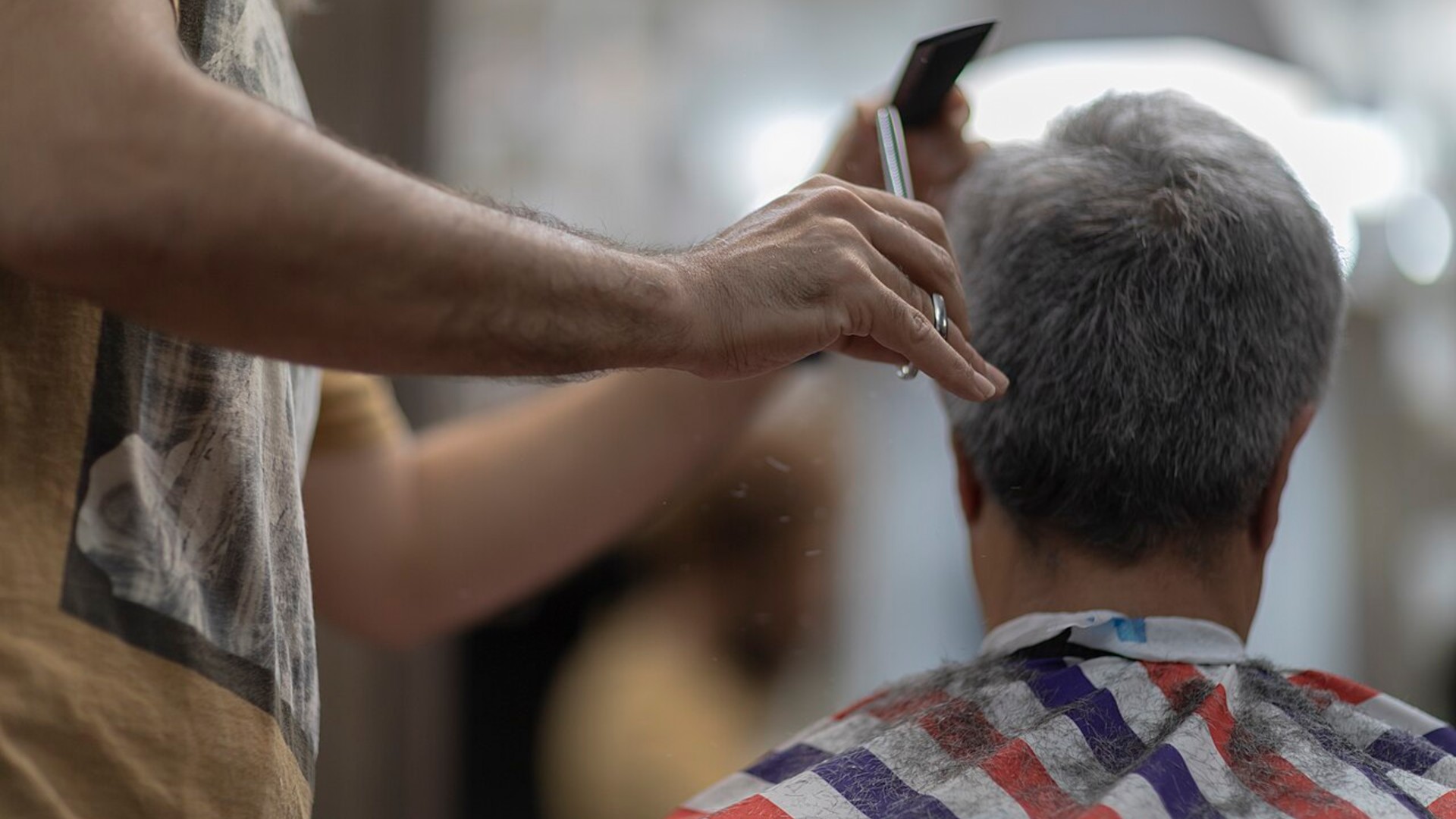
©Wikimedia / Mostafameraji
Advertisement
Swipe or tap ▶ to resume the countdown.
17. Veterinary Surgeons
Unlike human patients, animals cannot articulate where it hurts or remain still on command. Vets must interpret subtle behavioral signs, handle anxious pets safely, and perform delicate surgeries across species ranging from tiny kittens to giant livestock.
©Internet Archive / Public Domain Archive
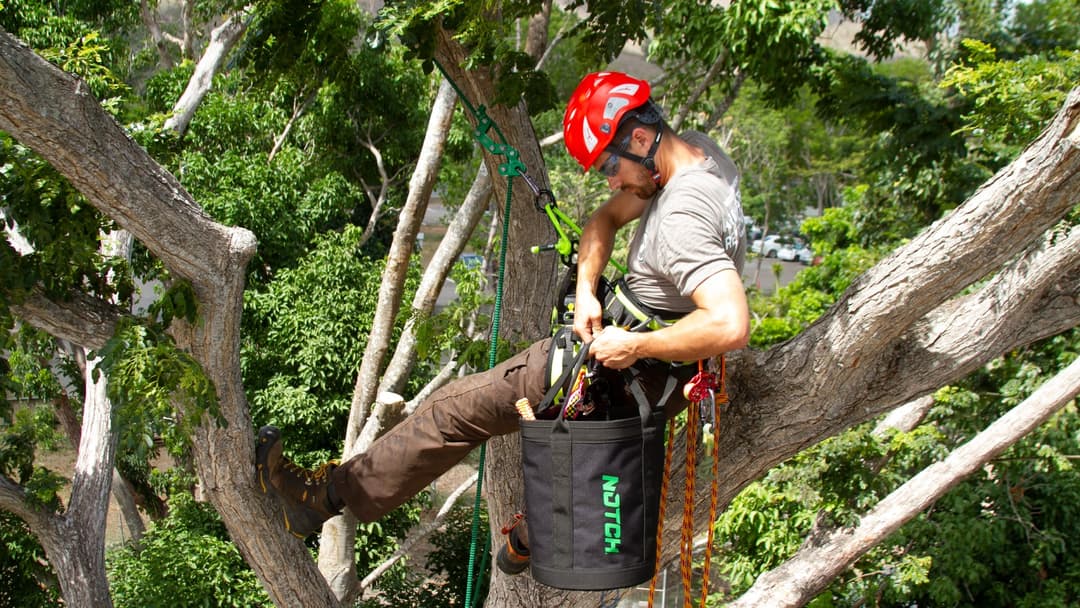
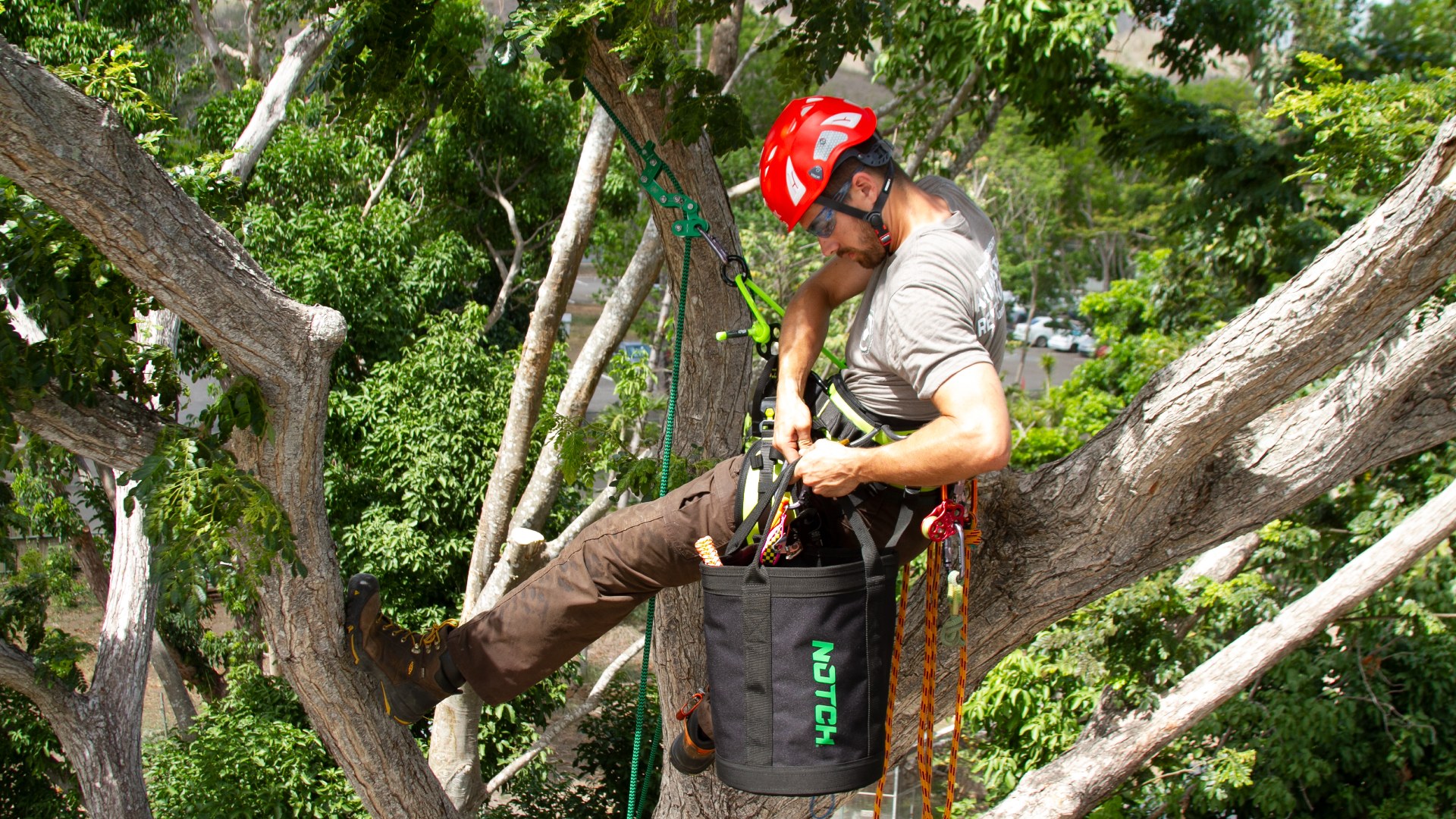
16. Certified Arborists
Climbing eighty-foot oak trees with ropes and chainsaws demands continuous three-dimensional balance and structural evaluation. Unpredictable wind gusts, rotting trunk centers, and overhead high-voltage power lines make mechanical robotics completely impractical.
©Wikimedia / TreeMinion15
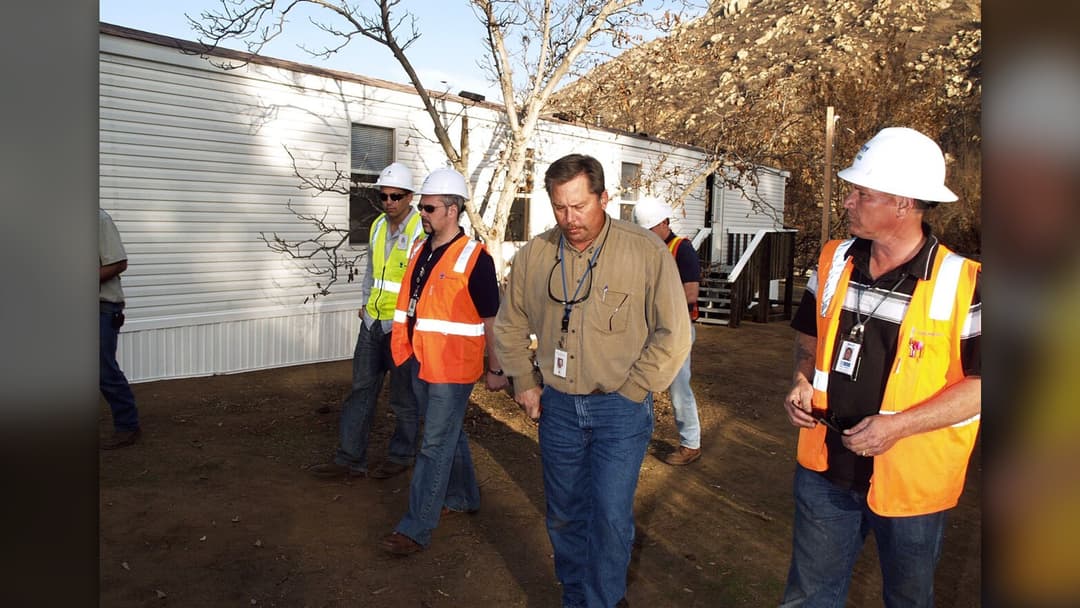
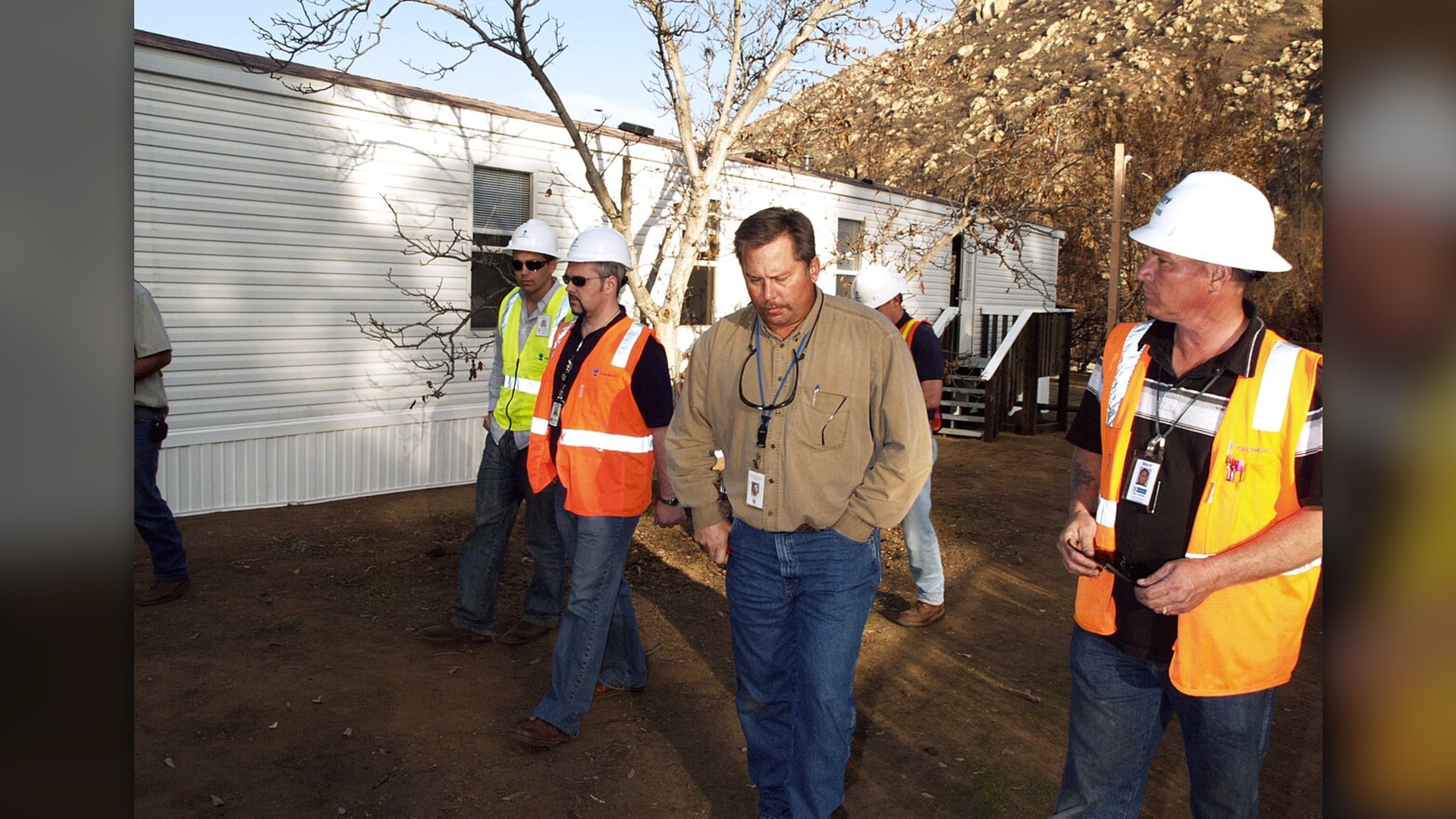
15. Construction Site Managers
A jobsite changes every hour with delayed deliveries, shifting soils, and unexpected weather fronts. Construction managers enforce federal safety protocols, coordinate dozens of distinct trade crews, and make split-second structural adjustments that software models cannot foresee.
©Wikimedia / Amanda Bicknell
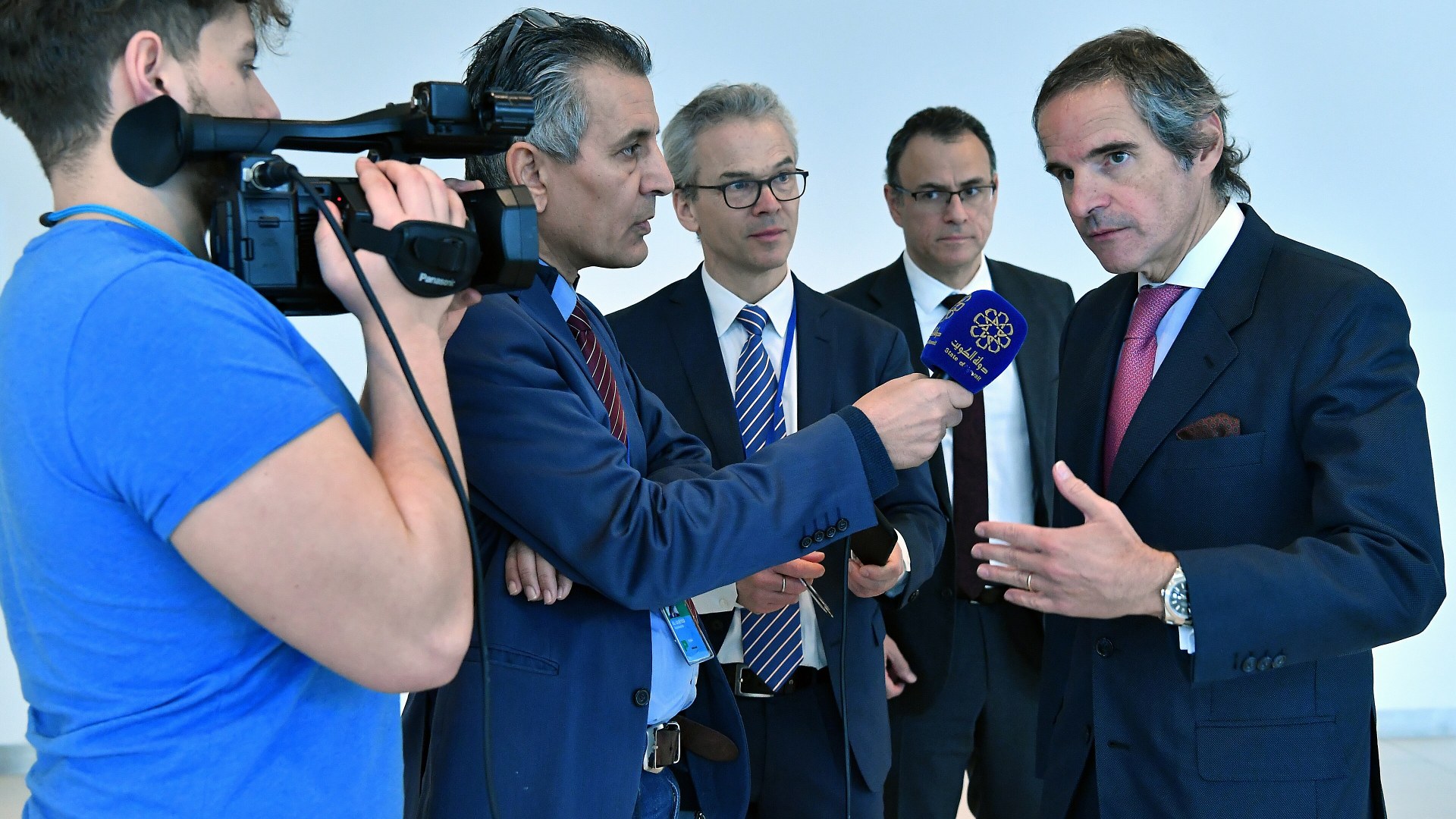
14. Investigative Journalists
AI models only synthesize already published information. Uncovering corporate fraud or documenting geopolitical conflict requires boots on the ground, building trust with whistleblowers, and pressing public officials face to face in high-stakes environments.
©Wikimedia / IAEA Imagebank
Advertisement
Swipe or tap ▶ to resume the countdown.
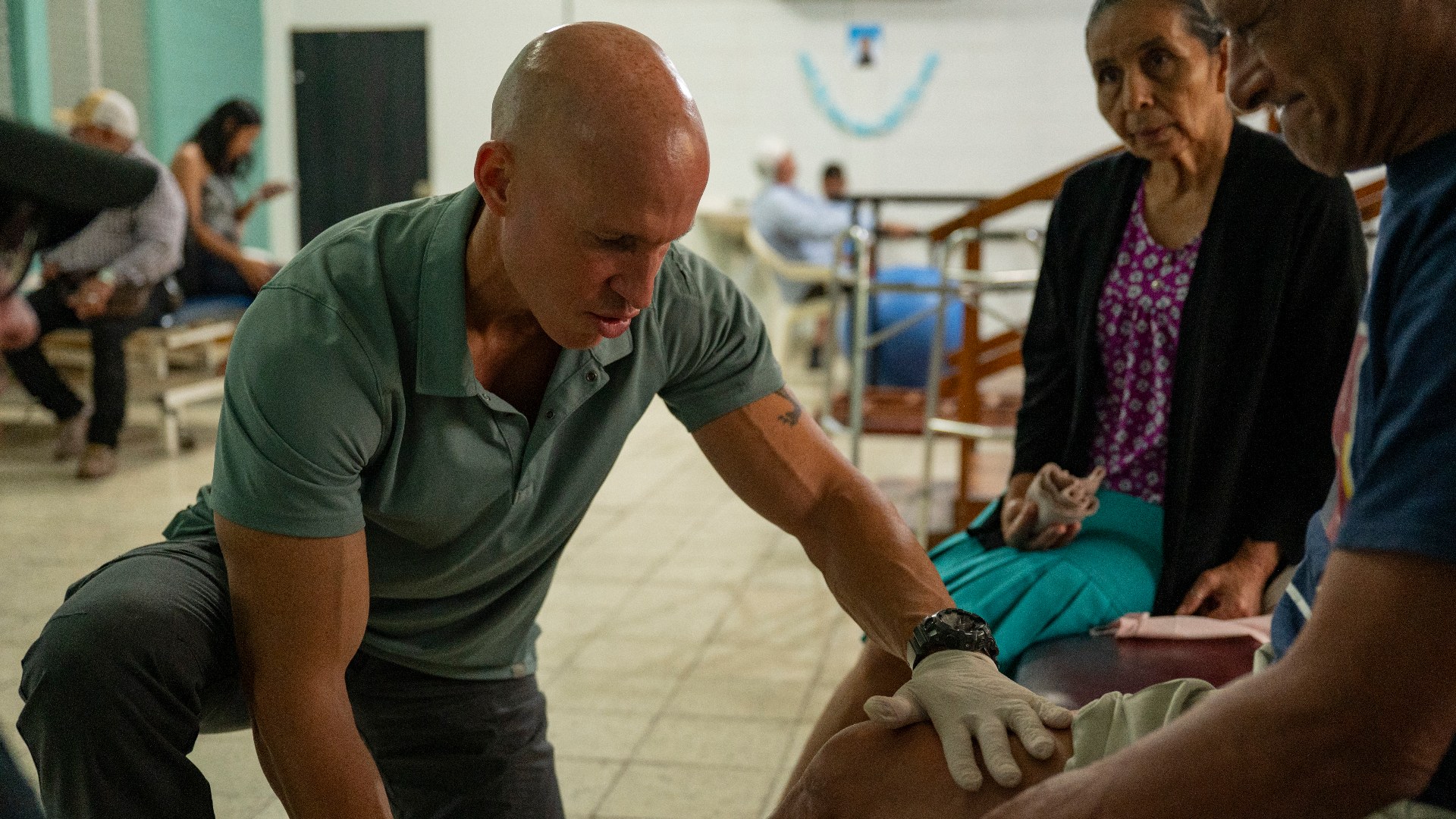
13. Physical Therapists
Guiding a stroke survivor or injured athlete through recovery requires continuous tactile feedback. Physical therapists adjust pressure, monitor joint resistance, and provide emotional encouragement that keeps patients pushing through intense physical therapy regimens.
©DVIDS / Joint photo by Sadie Colbert
12. Criminal Court Judges
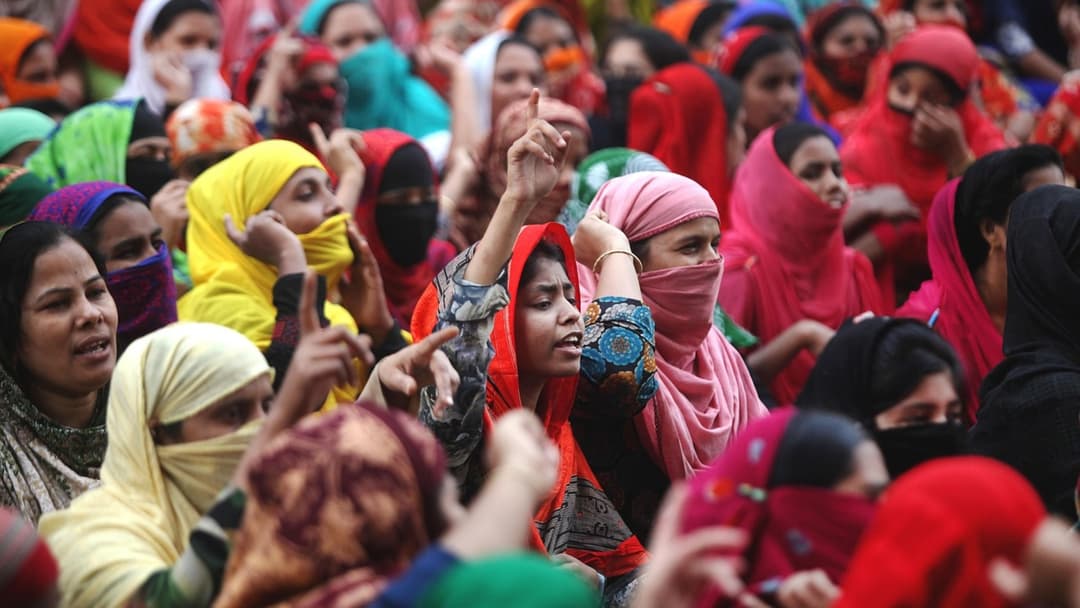
Evaluating witness credibility, intent, and remorse demands nuanced human conscience. Society will never accept an algorithmic black box sentencing citizens to prison terms. The administration of justice requires constitutional accountability and human empathy.

©Wikimedia / Michael D Beckwith
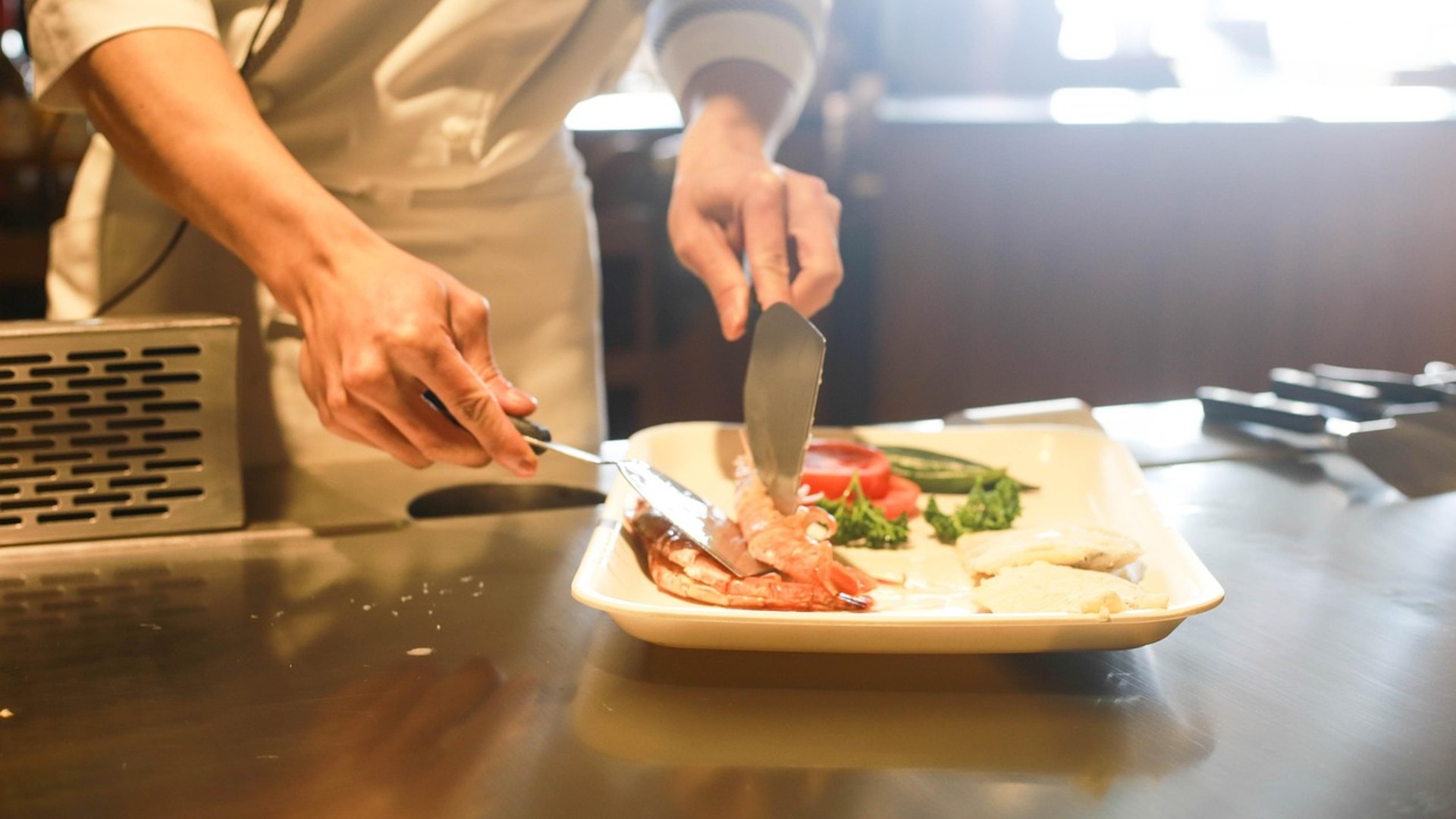
11. Master Chefs
Automated arms can flip frozen patties, but culinary masters balance acidity, sweetness, aroma, and mouthfeel through biological palate testing. Curating menus based on seasonal farm produce and leading high-pressure kitchen lines remains a uniquely human art form.
©Pixabay / Pixabay Contributor
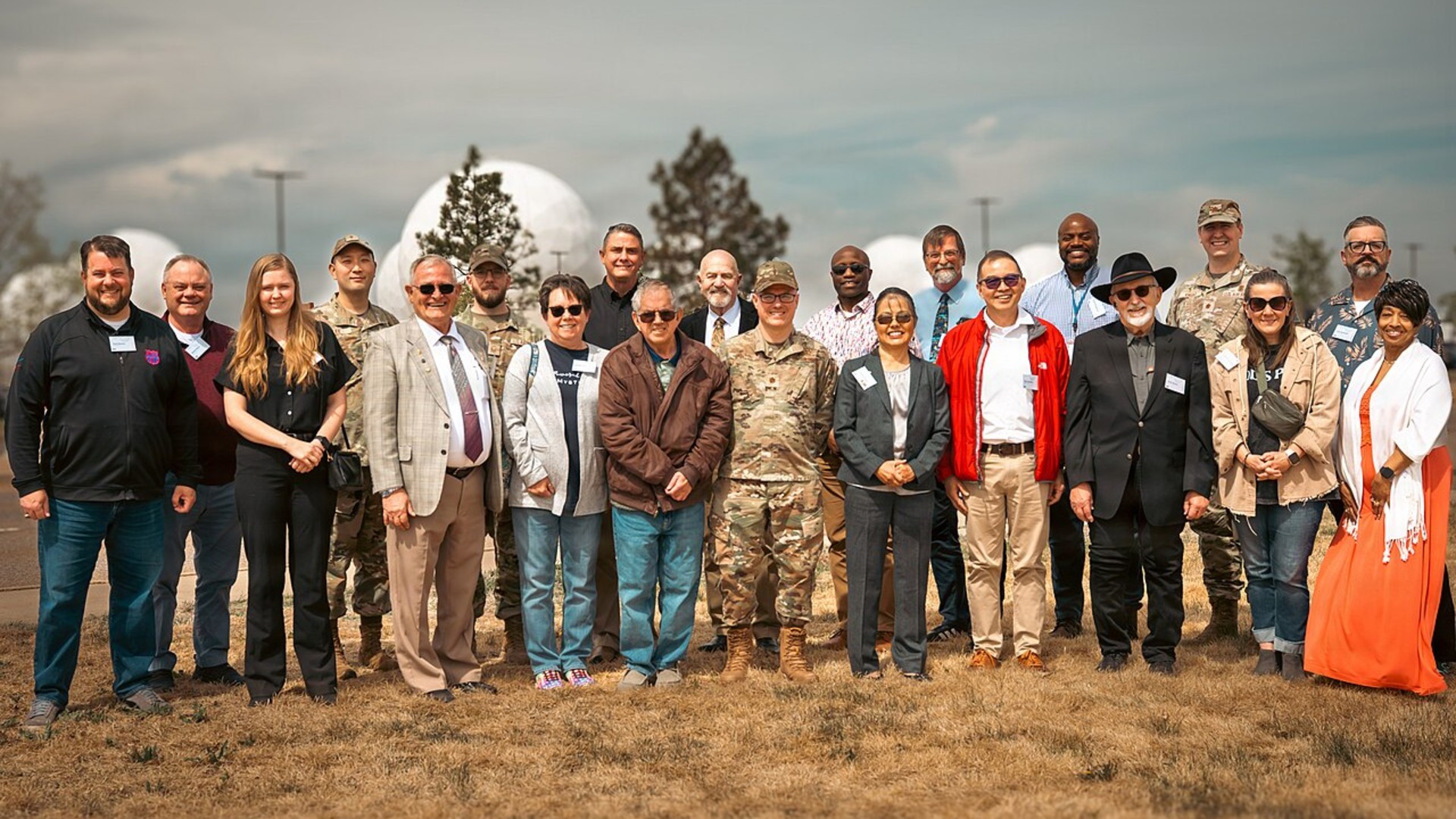
10. Clergy And Faith Leaders
Ministering to families at hospital bedsides, presiding over weddings and funerals, and helping individuals navigate profound existential grief cannot be handed off to artificial intelligence. Spiritual leadership relies entirely on shared human mortality and faith.
©Wikimedia / U.S. Space Force photo by Senior Airman
Advertisement
Swipe or tap ▶ to resume the countdown.
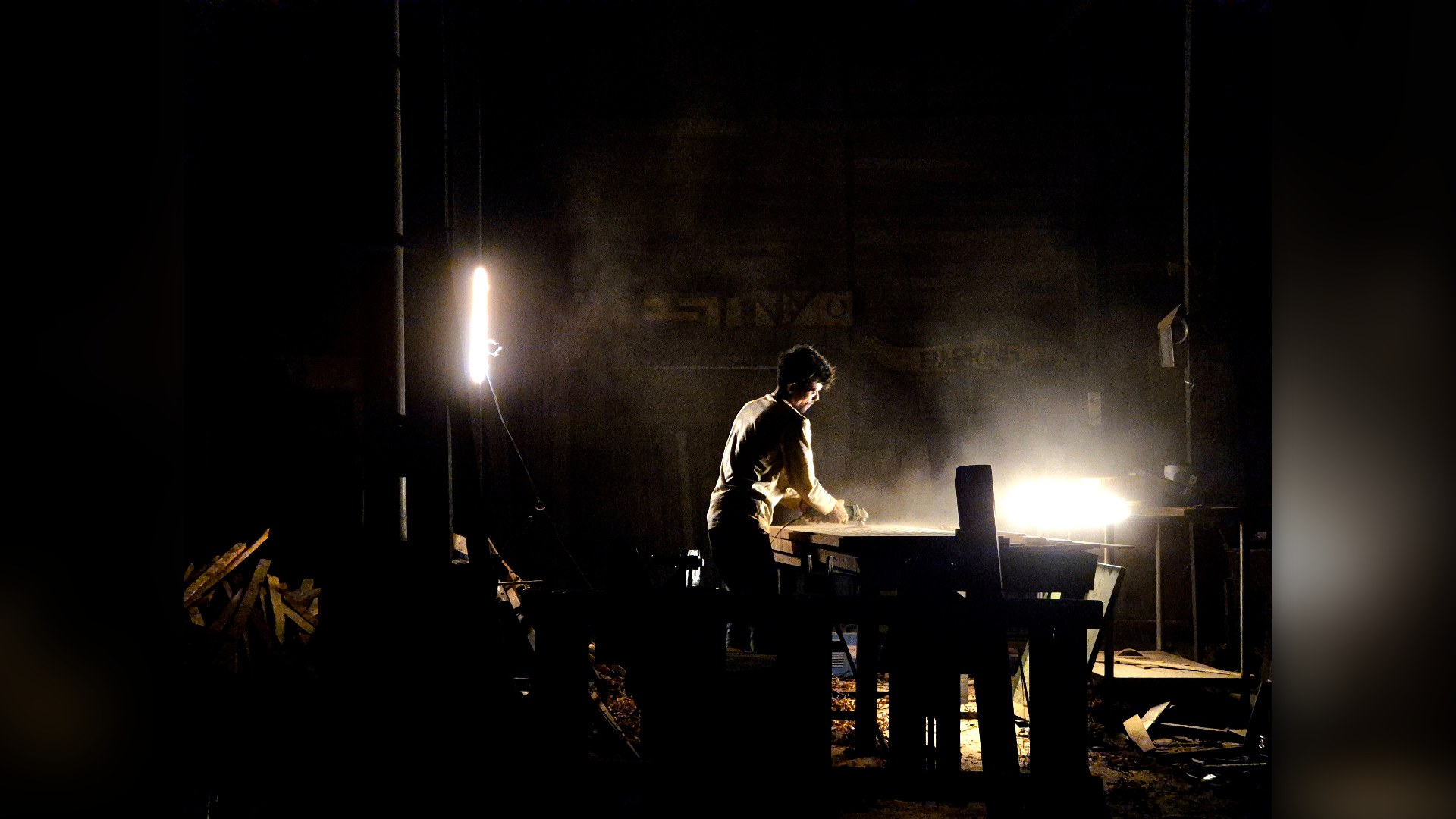
9. Bespoke Woodworkers
Factory CNC routers handle mass-market sheet goods, but custom cabinetmakers feel wood grain density, compensate for natural warping, and craft hand-cut dovetail joints. Preserving historical buildings demands tactile intuition honed over decades.
©Wikimedia / Siyaulhaque
8. Preschool Teachers
Teaching three-year-olds involves decoding tears, teaching conflict resolution during playtime, and modeling empathy. Young brains develop through responsive human attachment, physical comfort, and organic interactive play that screens and bots cannot replicate.

©Pixabay / u_63z5ddwwp4
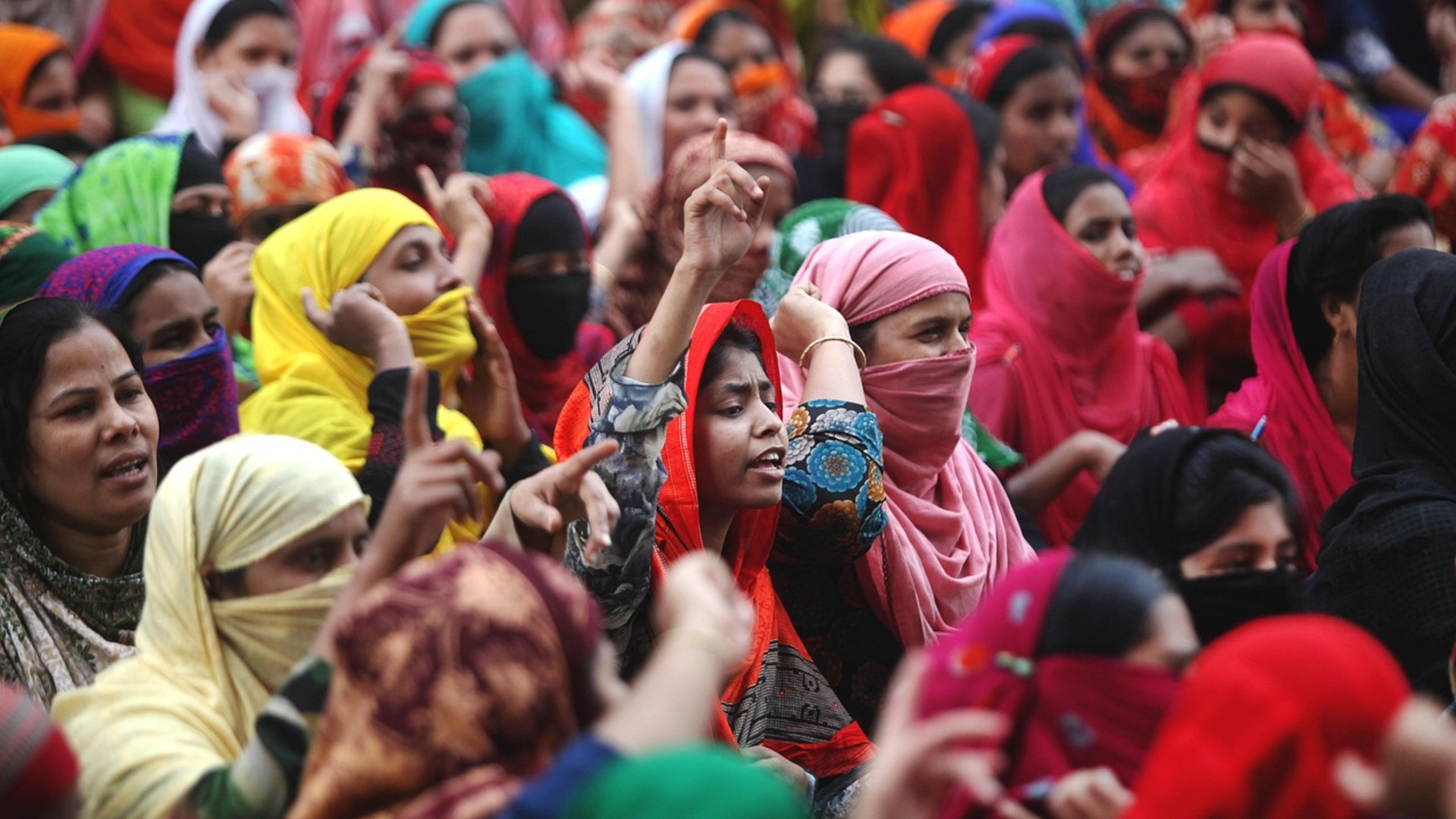
7. Social Workers
Navigating volatile home environments, child protection cases, and community rehabilitation requires acute psychological intuition. Social workers de-escalate hostile standoffs and build trusted alliances with vulnerable families facing systemic hardship.
©Pixabay / 19661338
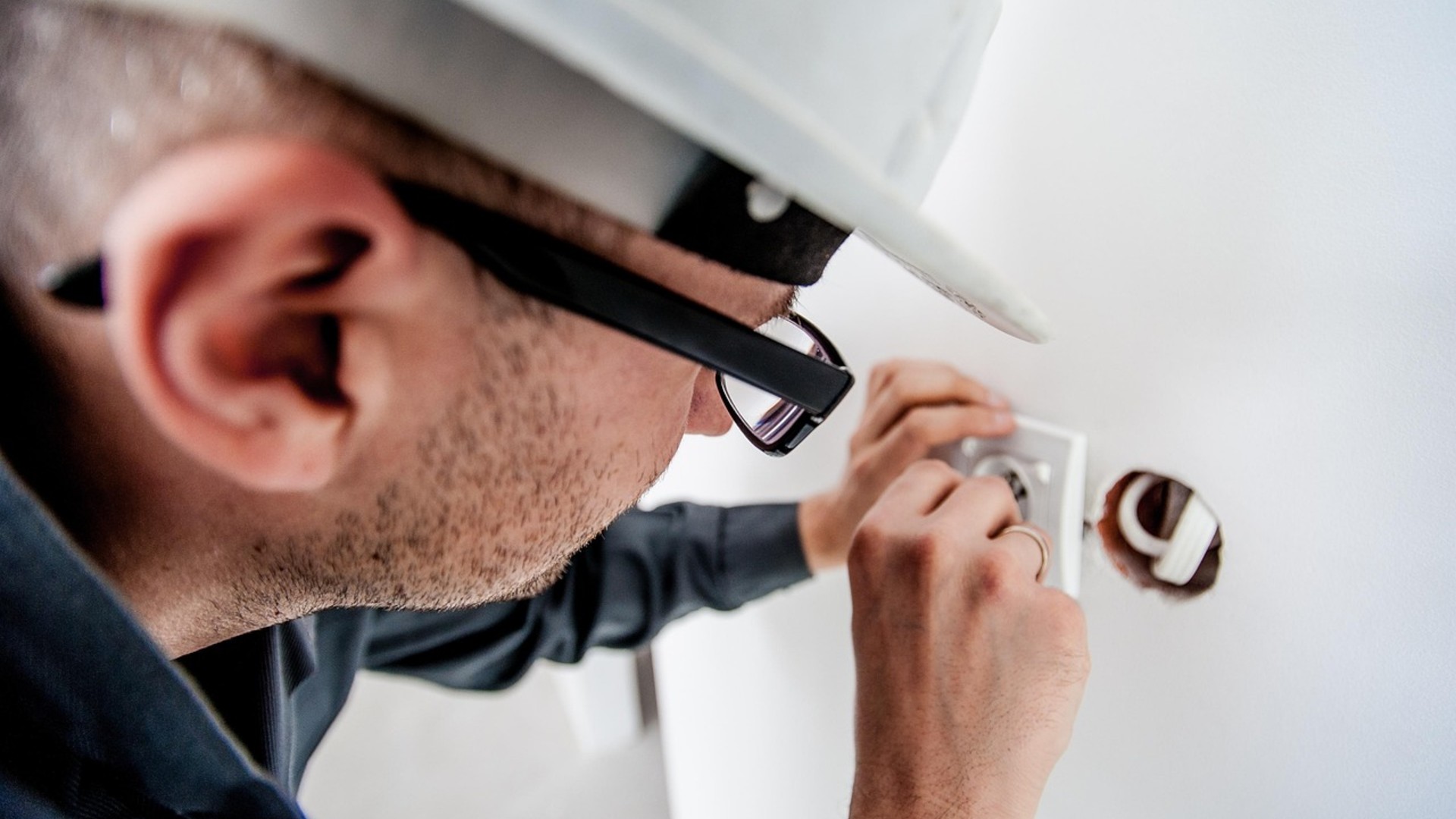
6. Master Electricians
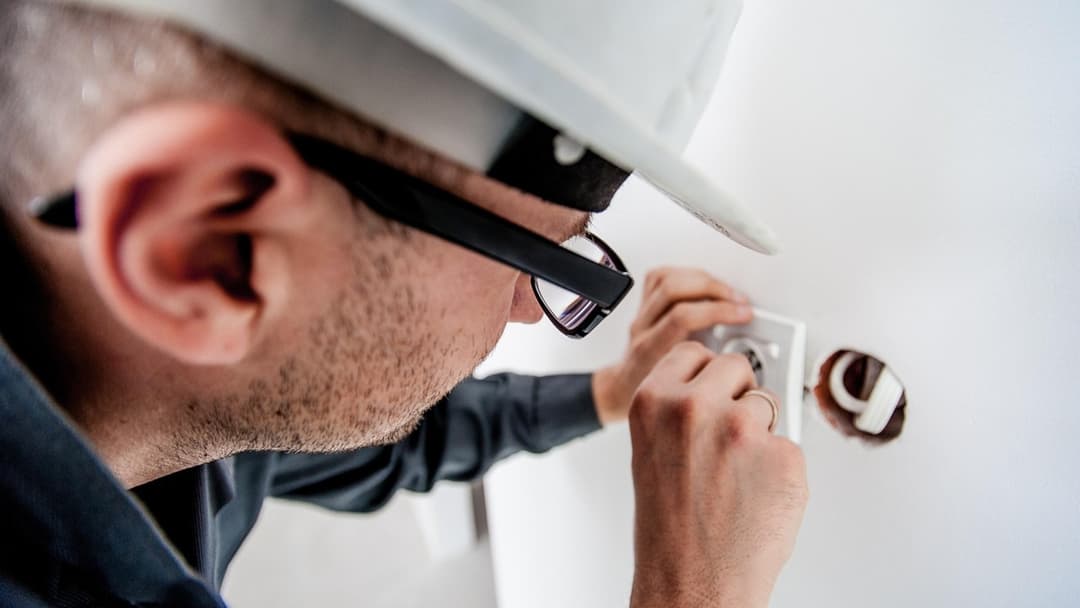
Electricians crawl through cramped attics, snake copper conduits behind historical plaster walls, and troubleshoot dangerous shorts in aging electrical grids. One false move with high-voltage currents is fatal, making tactile precision and judgment indispensable.
©Pixabay / jarmoluk
Advertisement
Swipe or tap ▶ to resume the countdown.
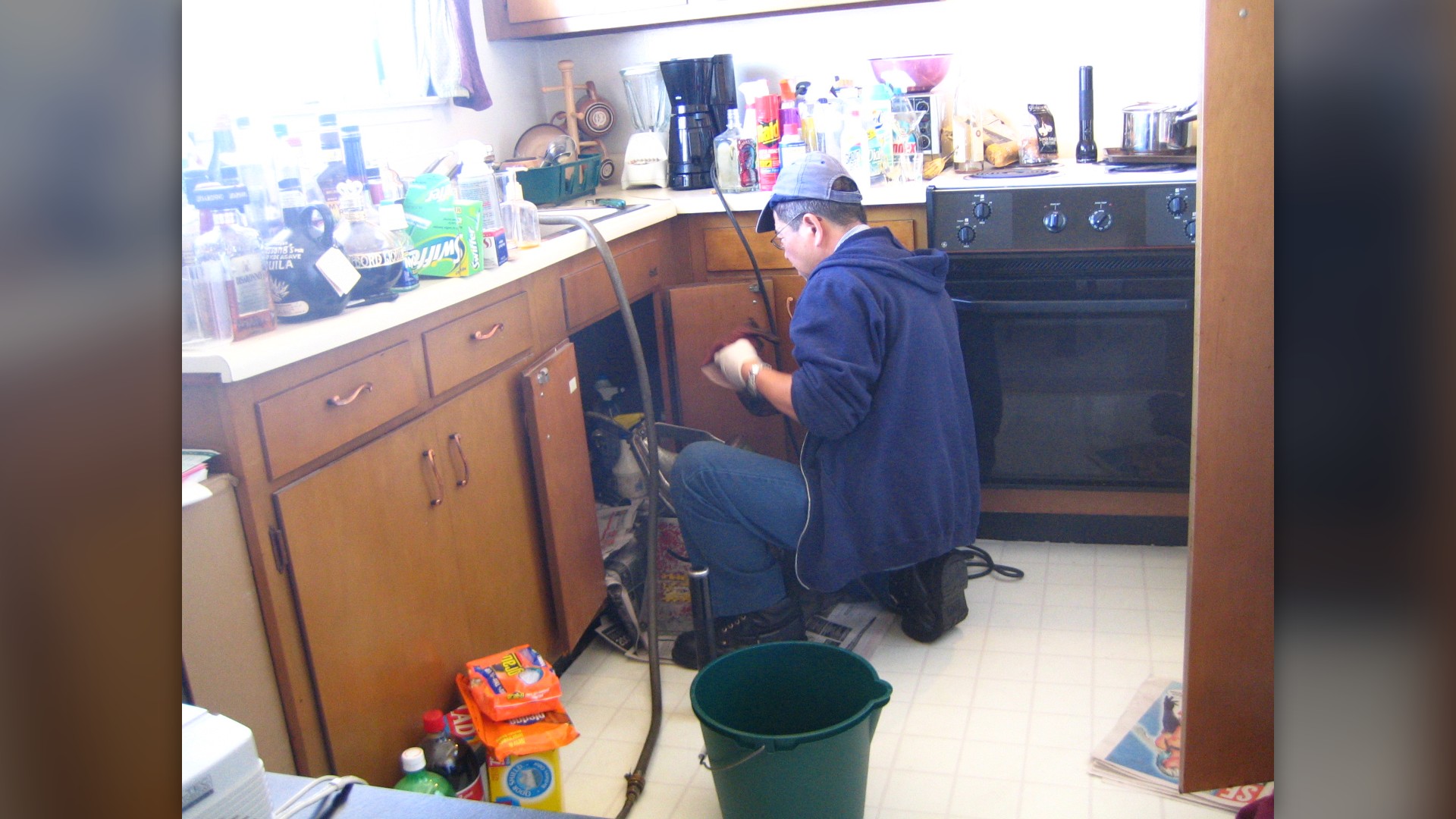
5. Plumbers And Pipefitters
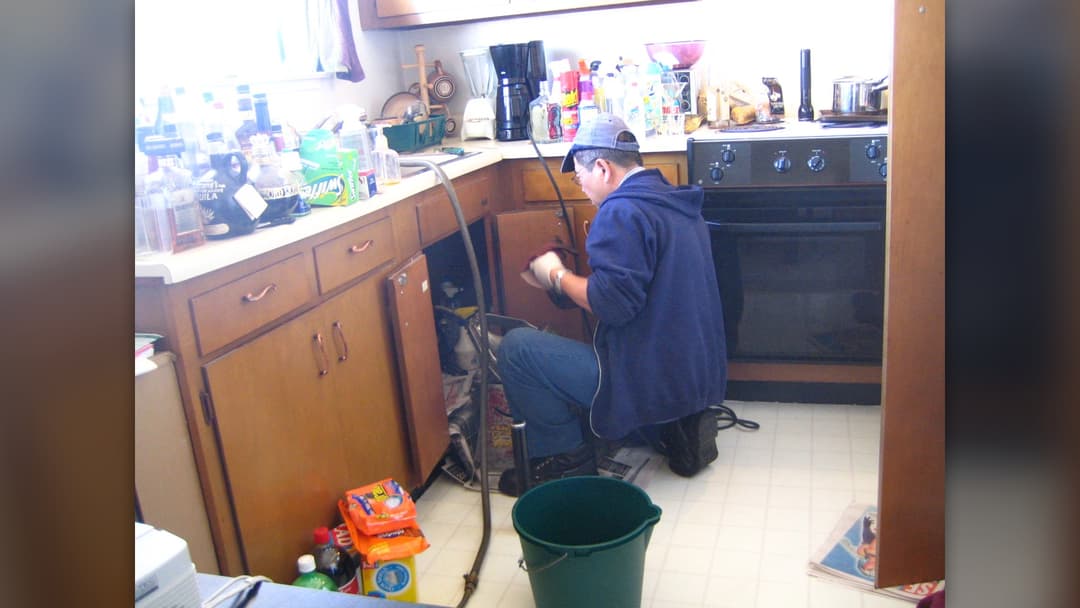
Every basement and commercial utility trench presents unique spatial challenges. From unblocking subterranean sewer lines to soldering copper pipe joints in dark crawlspaces, plumbers face complex mechanical chaos that robotics cannot navigate.
©Wikimedia / Plumber
4. Clinical Psychologists
Effective psychotherapy depends on the therapeutic alliance: authentic human vulnerability, non-verbal cues, and shared emotional resonance. Patients working through severe trauma or suicidal depression need genuine human connection, not predictive language models.

©Pixabay / Maximilianovich
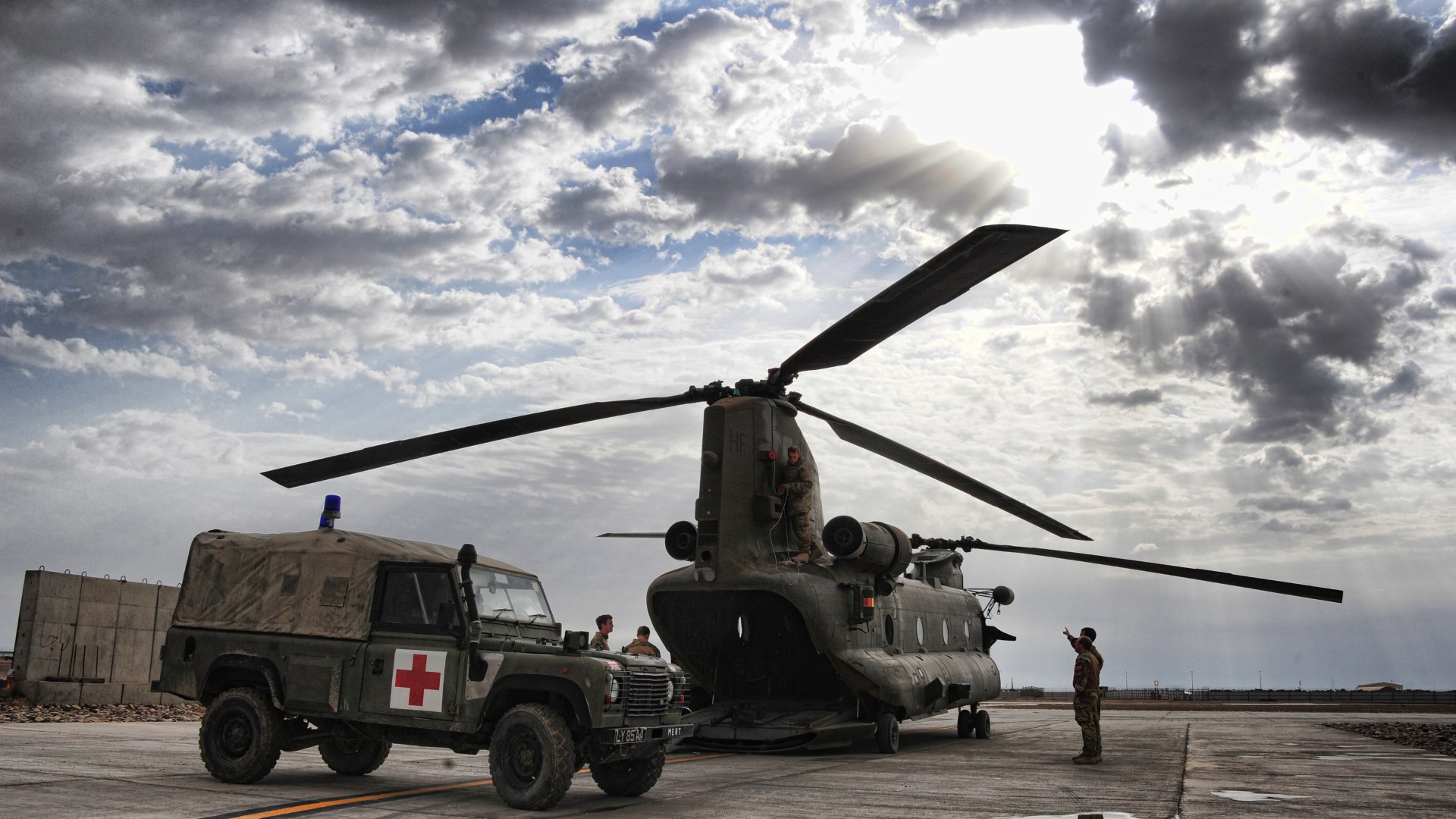
3. Paramedics And EMTs
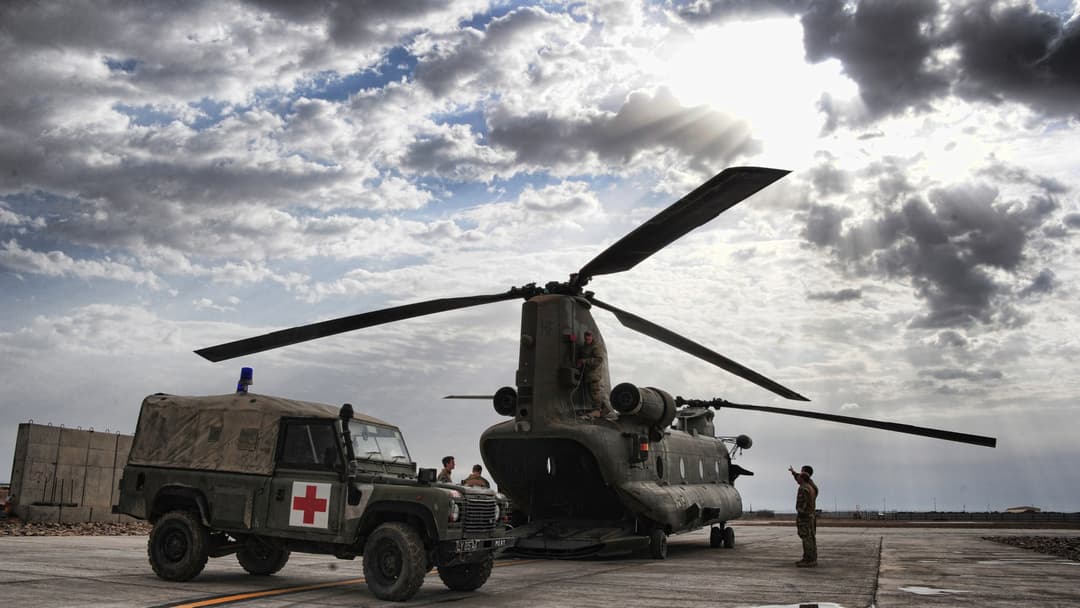
Paramedics assess traumatic injuries on rain-slicked highways, start IV lines in bouncing ambulances, and revive cardiac arrest patients on living room floors. Chaotic field medicine demands instantaneous human triage under extreme sensory overload.
©Wikimedia / Sergeant Alison Baskerville RLC
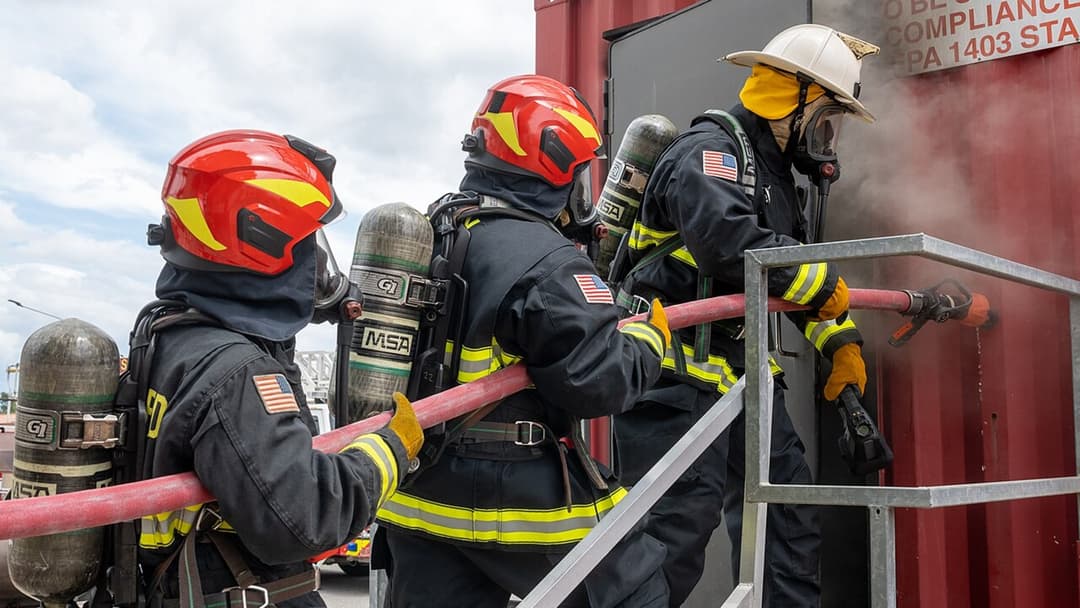
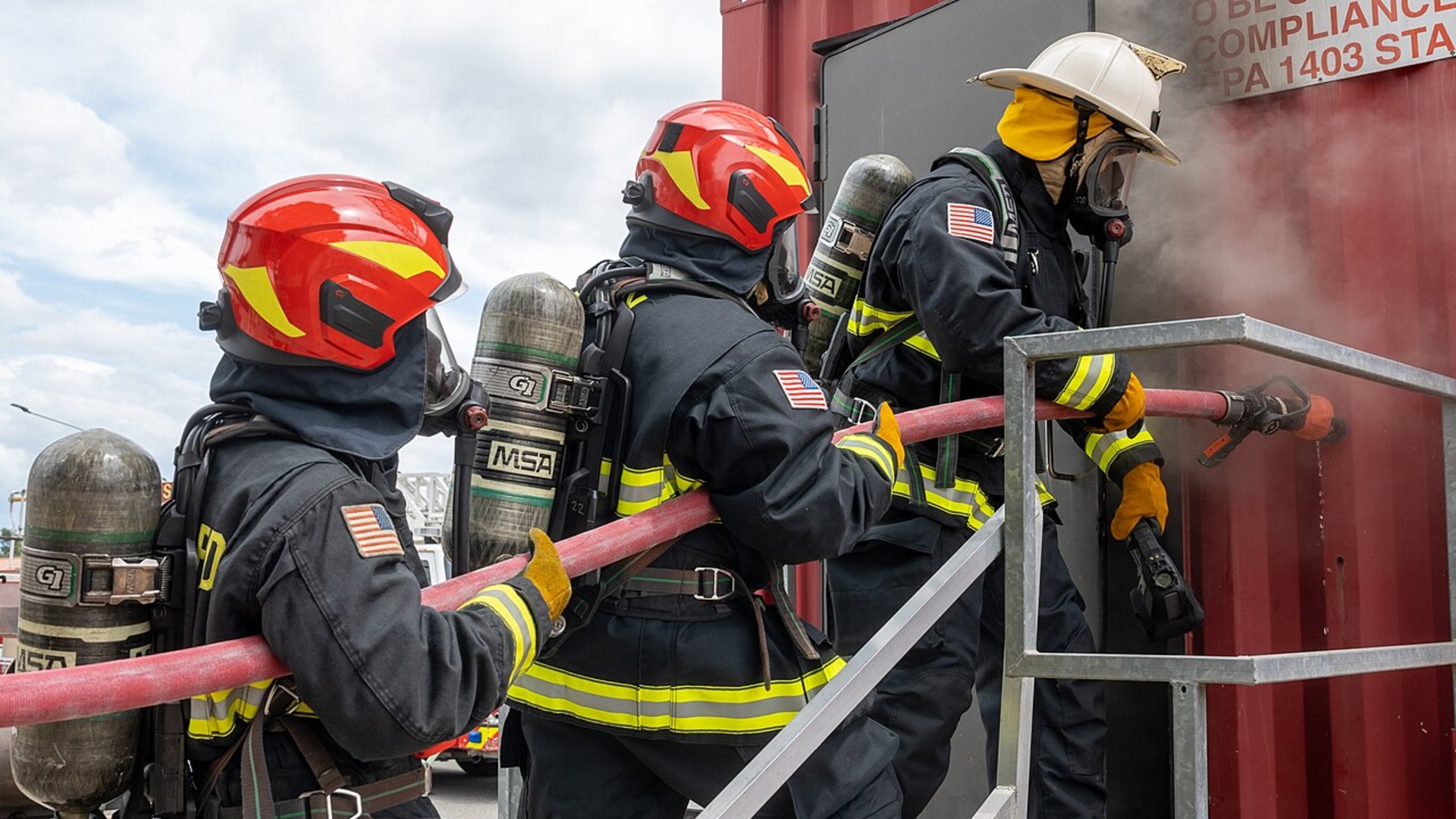
2. Structural Firefighters
Advancing hose lines into collapsing structures filled with toxic superheated smoke requires physical courage, spatial orientation in pitch darkness, and instant tactical decisions. Firefighters literally place human lives on the line when every second counts.
©Wikimedia / U.S. Navy photo by Petty Officer 2nd Class
Advertisement
Swipe or tap ▶ to resume the countdown.
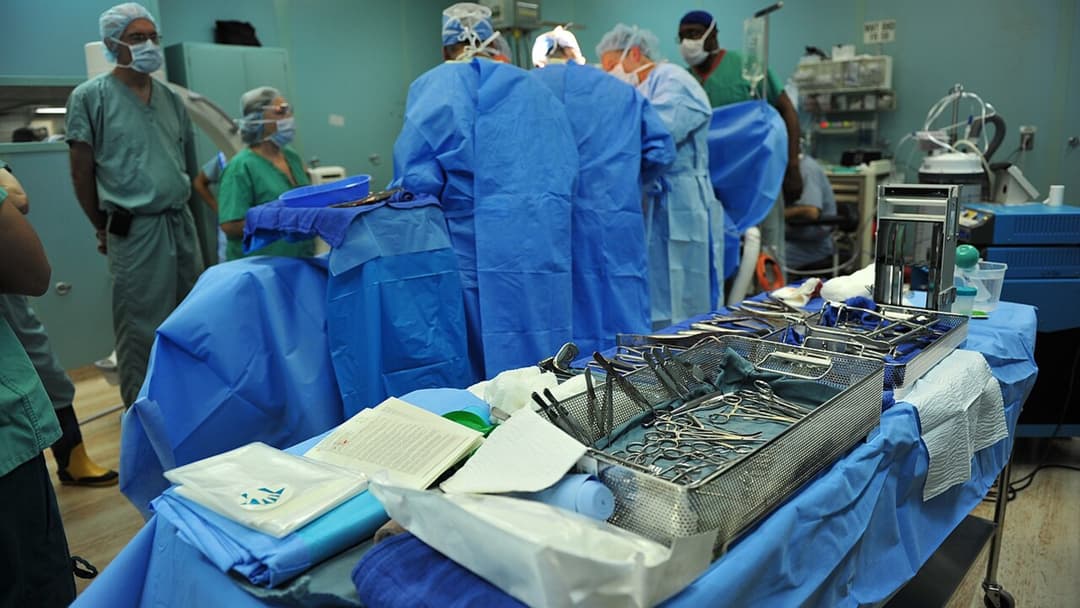
1. Trauma Surgeons
Robotic arms assist with routine laparoscopy, but emergency trauma surgery requires navigating unexpected hemorrhages, scar tissue, and anatomical anomalies. Surgeons rely on three-dimensional finger palpation, rapid intuition, and absolute legal and moral accountability.
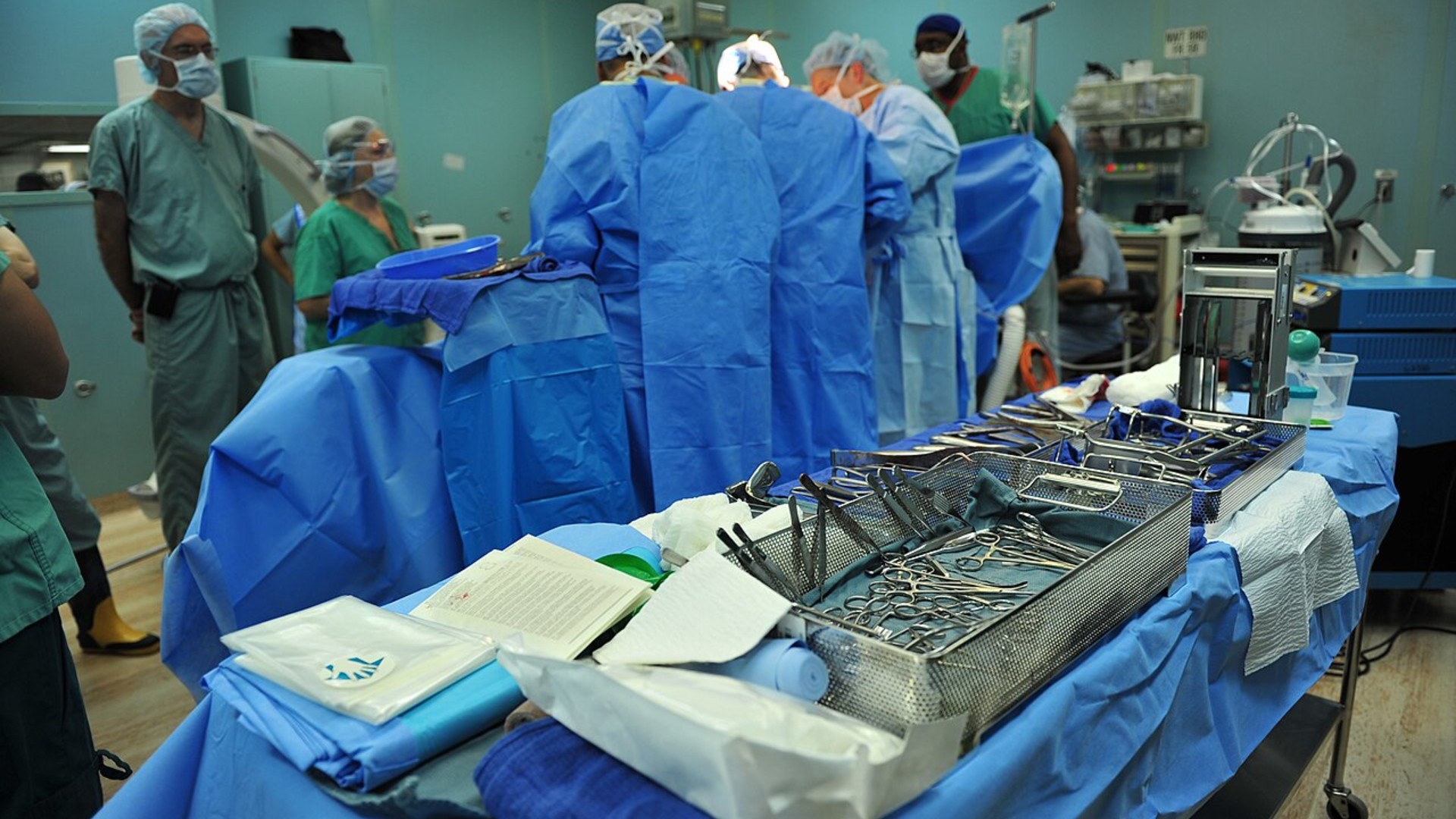
©Wikimedia / U.S. Air Force photo by Staff Sgt
Advertisement
You've reached the end of the story. Thanks for reading!

20 Oldest Fast Food Chains in America Still Operating Today
Ranked by official corporate founding dates, these 20 pioneering fast food chains survived economic depressions and shifting consumer tastes to remain American dining staples.
All 20 Entries in this Story
20. Event Planners
Algorithms can generate timelines, but wedding coordinators manage erratic vendors, sudden weather cancellations, and intense emotional meltdowns. When a catering truck breaks down two hours before dinner, human negotiation and quick improvisation save the day.

19. Automotive Technicians
Modern vehicles carry dozens of onboard computers, but physical diagnostics require tactile touch, hearing odd engine knocks, and maneuvering tools into tight engine bays. Stripped screws, corroded chassis frames, and custom alignments defy robotic automation.

18. Barbers And Hair Stylists
Every human skull shape, hair texture, cowlick, and personal preference is distinct. Operating sharp scissors and straight razors millimeters from a moving client's ears requires fine motor touch, while the chair serves as an irreplaceable social confessional.

17. Veterinary Surgeons
Unlike human patients, animals cannot articulate where it hurts or remain still on command. Vets must interpret subtle behavioral signs, handle anxious pets safely, and perform delicate surgeries across species ranging from tiny kittens to giant livestock.

16. Certified Arborists
Climbing eighty-foot oak trees with ropes and chainsaws demands continuous three-dimensional balance and structural evaluation. Unpredictable wind gusts, rotting trunk centers, and overhead high-voltage power lines make mechanical robotics completely impractical.

15. Construction Site Managers
A jobsite changes every hour with delayed deliveries, shifting soils, and unexpected weather fronts. Construction managers enforce federal safety protocols, coordinate dozens of distinct trade crews, and make split-second structural adjustments that software models cannot foresee.

14. Investigative Journalists
AI models only synthesize already published information. Uncovering corporate fraud or documenting geopolitical conflict requires boots on the ground, building trust with whistleblowers, and pressing public officials face to face in high-stakes environments.

13. Physical Therapists
Guiding a stroke survivor or injured athlete through recovery requires continuous tactile feedback. Physical therapists adjust pressure, monitor joint resistance, and provide emotional encouragement that keeps patients pushing through intense physical therapy regimens.

12. Criminal Court Judges
Evaluating witness credibility, intent, and remorse demands nuanced human conscience. Society will never accept an algorithmic black box sentencing citizens to prison terms. The administration of justice requires constitutional accountability and human empathy.

11. Master Chefs
Automated arms can flip frozen patties, but culinary masters balance acidity, sweetness, aroma, and mouthfeel through biological palate testing. Curating menus based on seasonal farm produce and leading high-pressure kitchen lines remains a uniquely human art form.

10. Clergy And Faith Leaders
Ministering to families at hospital bedsides, presiding over weddings and funerals, and helping individuals navigate profound existential grief cannot be handed off to artificial intelligence. Spiritual leadership relies entirely on shared human mortality and faith.

9. Bespoke Woodworkers
Factory CNC routers handle mass-market sheet goods, but custom cabinetmakers feel wood grain density, compensate for natural warping, and craft hand-cut dovetail joints. Preserving historical buildings demands tactile intuition honed over decades.

8. Preschool Teachers
Teaching three-year-olds involves decoding tears, teaching conflict resolution during playtime, and modeling empathy. Young brains develop through responsive human attachment, physical comfort, and organic interactive play that screens and bots cannot replicate.

7. Social Workers
Navigating volatile home environments, child protection cases, and community rehabilitation requires acute psychological intuition. Social workers de-escalate hostile standoffs and build trusted alliances with vulnerable families facing systemic hardship.

6. Master Electricians
Electricians crawl through cramped attics, snake copper conduits behind historical plaster walls, and troubleshoot dangerous shorts in aging electrical grids. One false move with high-voltage currents is fatal, making tactile precision and judgment indispensable.

5. Plumbers And Pipefitters
Every basement and commercial utility trench presents unique spatial challenges. From unblocking subterranean sewer lines to soldering copper pipe joints in dark crawlspaces, plumbers face complex mechanical chaos that robotics cannot navigate.

4. Clinical Psychologists
Effective psychotherapy depends on the therapeutic alliance: authentic human vulnerability, non-verbal cues, and shared emotional resonance. Patients working through severe trauma or suicidal depression need genuine human connection, not predictive language models.

3. Paramedics And EMTs
Paramedics assess traumatic injuries on rain-slicked highways, start IV lines in bouncing ambulances, and revive cardiac arrest patients on living room floors. Chaotic field medicine demands instantaneous human triage under extreme sensory overload.

2. Structural Firefighters
Advancing hose lines into collapsing structures filled with toxic superheated smoke requires physical courage, spatial orientation in pitch darkness, and instant tactical decisions. Firefighters literally place human lives on the line when every second counts.

1. Trauma Surgeons
Robotic arms assist with routine laparoscopy, but emergency trauma surgery requires navigating unexpected hemorrhages, scar tissue, and anatomical anomalies. Surgeons rely on three-dimensional finger palpation, rapid intuition, and absolute legal and moral accountability.