Slideshow · Lifestyle
The 20 Richest Families in American History, Ranked
From Gilded Age railroad barons and steel titans to modern retail and industrial empires, here are the 20 richest families in American history, ranked.
By Most Viral Today
6 Nov 2026

Inside the Biggest Family Fortunes Ever Built in America 
20. The Guggenheim Family 
19. The Kennedy Family 
18. The Getty Family - AdvertisementSwipe or tap ▶ to continue countdown

17. The Hearst Family 
16. The Cox Family 
15. The Pritzker Family 
14. The Lauder Family - AdvertisementSwipe or tap ▶ to continue countdown

13. The Johnson Family 
12. The Morgan Family 
11. The Cargill-MacMillan Family 
10. The Mellon Family - AdvertisementSwipe or tap ▶ to continue countdown

9. The Du Pont Family 
8. The Koch Family 
7. The Mars Family 
6. The Astor Family - AdvertisementSwipe or tap ▶ to continue countdown

5. The Ford Family 
4. The Vanderbilt Family 
3. The Carnegie Family 
2. The Walton Family - AdvertisementSwipe or tap ▶ to continue countdown

1. The Rockefeller Family - Advertisement🔥 UP NEXT IN THIS SERIES◫ 21 Slides

20 Cars That Thieves Target Most and Least Across America
National Insurance Crime Bureau figures for 2025 show 659,880 U.S. vehicle thefts, while Highway Loss Data Institute records track the models thieves rarely touch. Here are 20 popular vehicles ranked from the lowest insurance theft claim rates to the most frequently stolen cars and pickup trucks on American roads.
American wealth has been shaped by dynasties that controlled oil, railroads, steel, banking, and retail across generations. Adjusted for inflation and historical economic scale, these 20 families built the largest fortunes in United States history, counting down to the richest of all.
Swipe or tap ▶ to begin the countdown
©Wikimedia / Janice Waltzer & Wikimedia / Oscar White
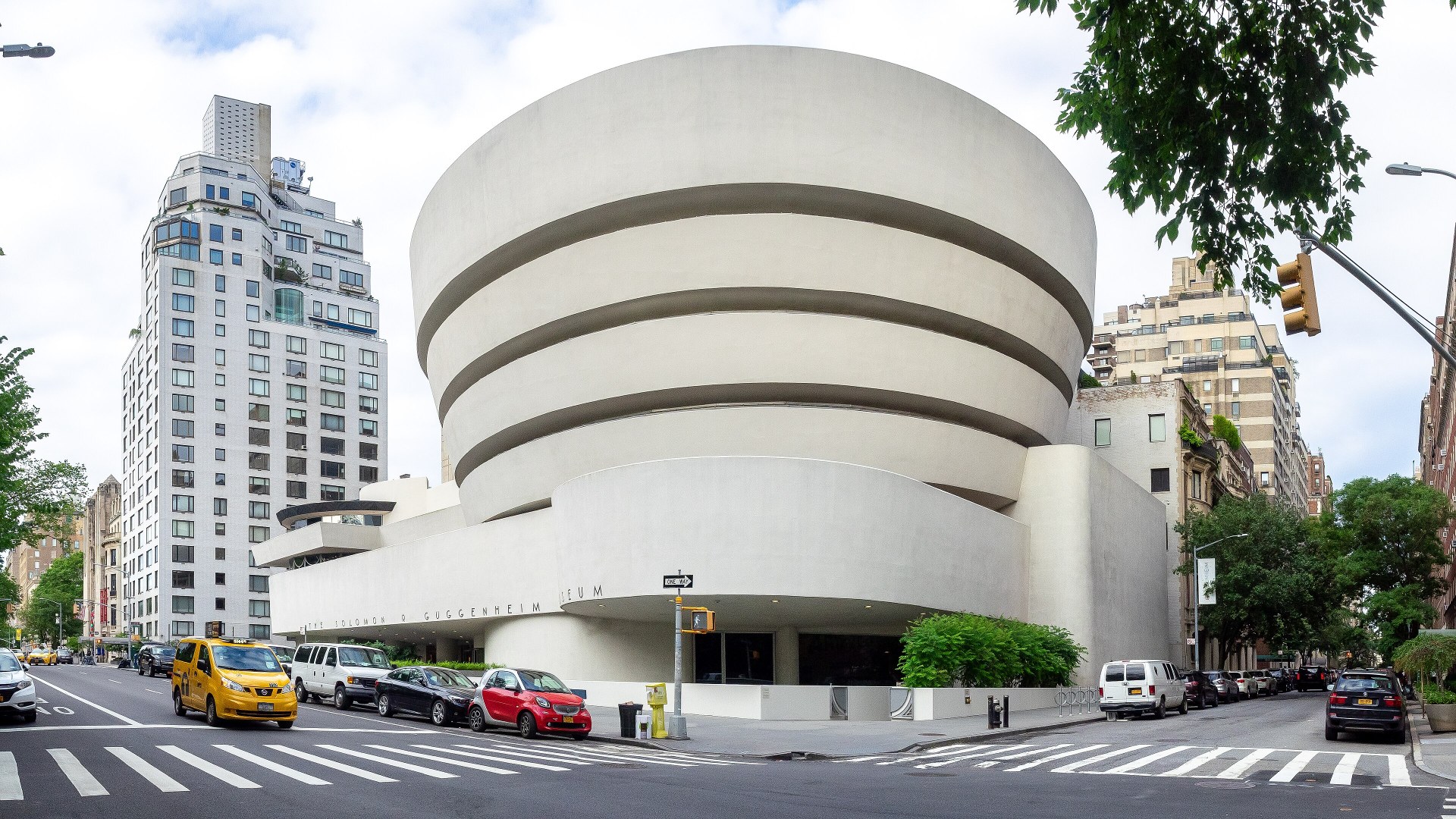
20. The Guggenheim Family
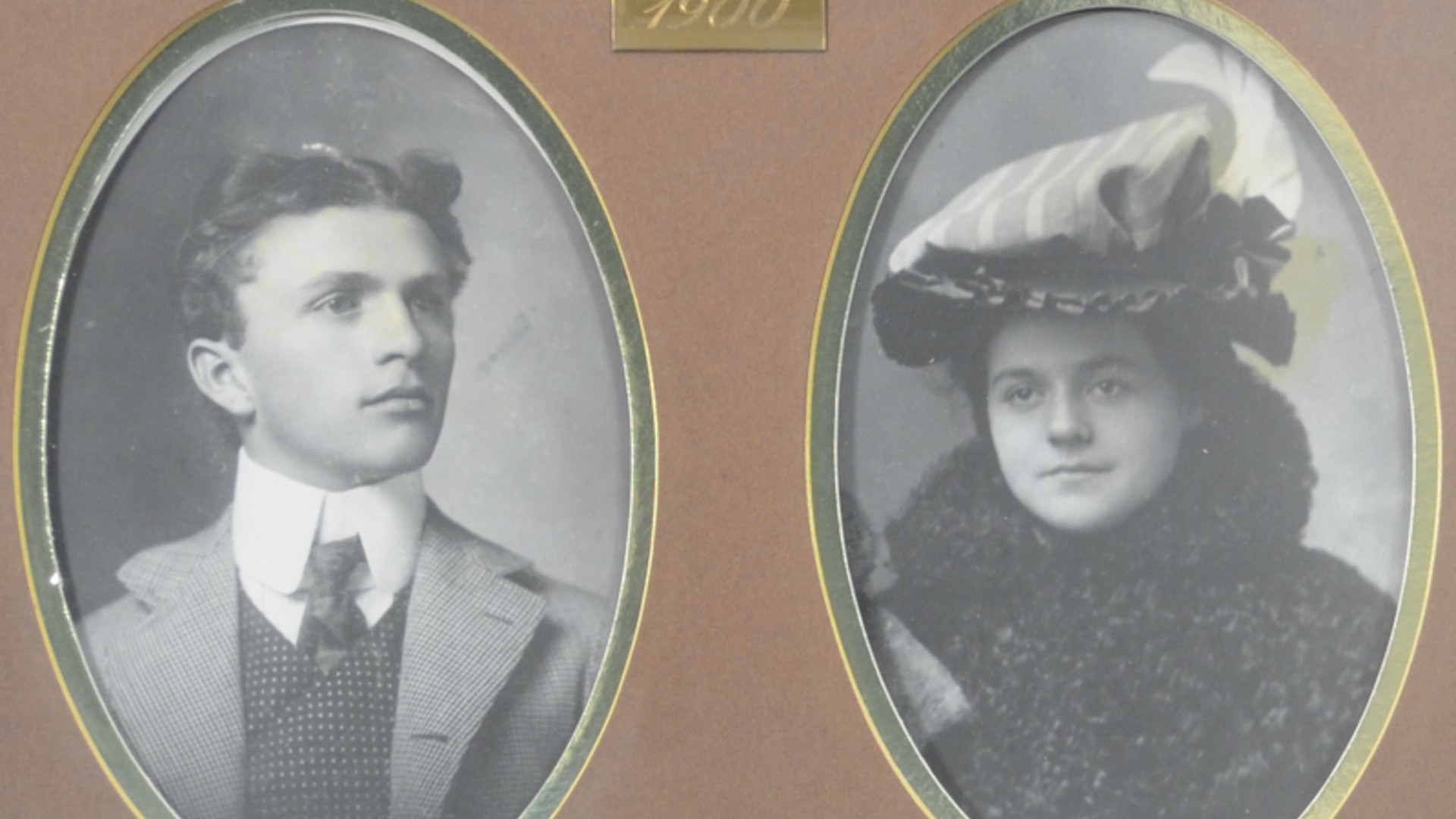
Swiss immigrant Meyer Guggenheim began selling stove polish and embroidery in Philadelphia before buying Colorado silver and lead mines in 1881. His sons expanded into copper smelting in the American West and Chile, funding the Solomon R. Guggenheim Museum in New York.
©Wikimedia / Ajay Suresh
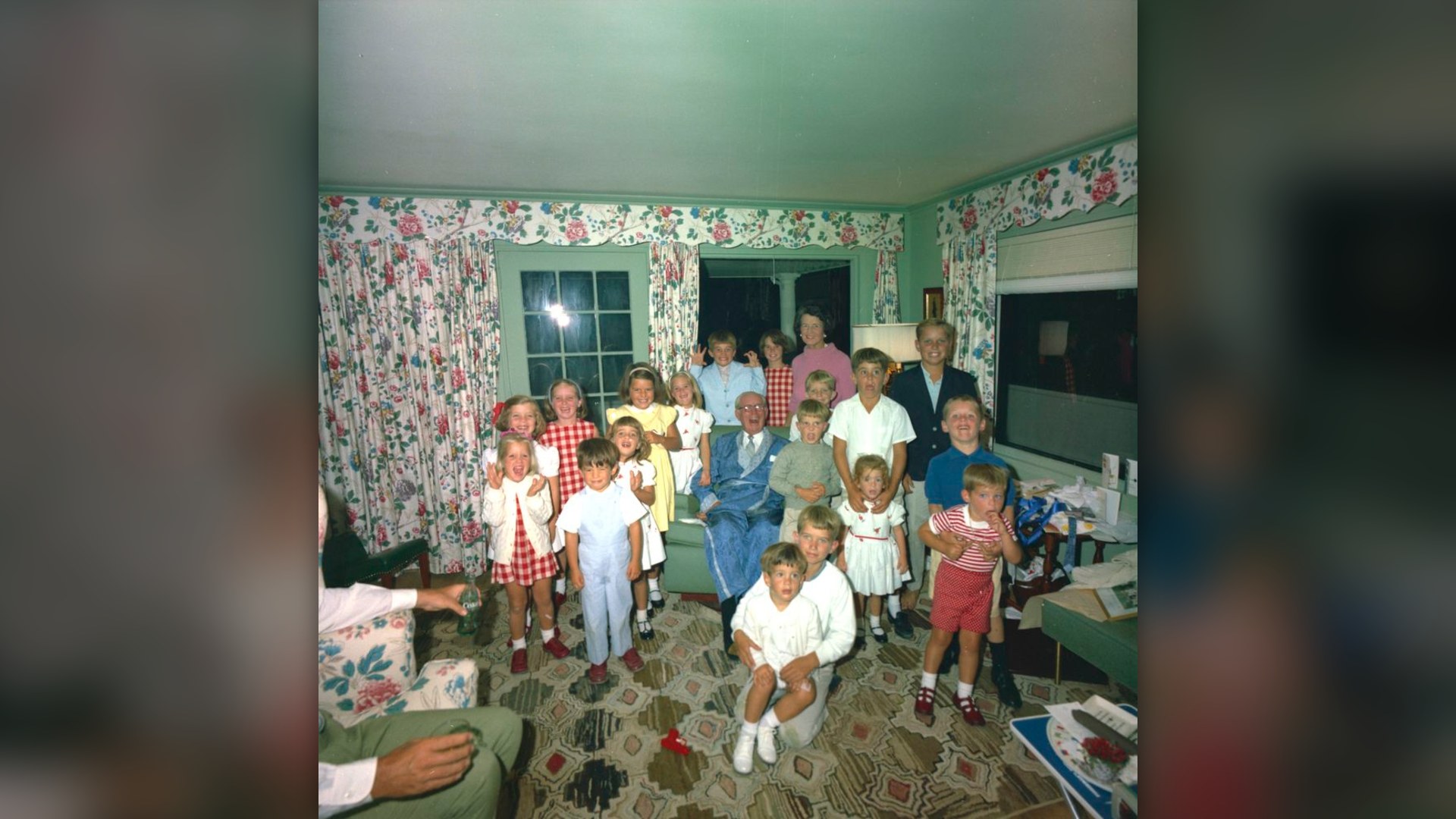
19. The Kennedy Family
Joseph P. Kennedy Sr. amassed a fortune in the 1920s through Wall Street stock pools and Hollywood film studios before securing British liquor import licenses at the end of Prohibition in 1933. His 1945 purchase of Chicago's Merchandise Mart anchored trust funds for his children.
©Wikimedia / Cecil Stoughton
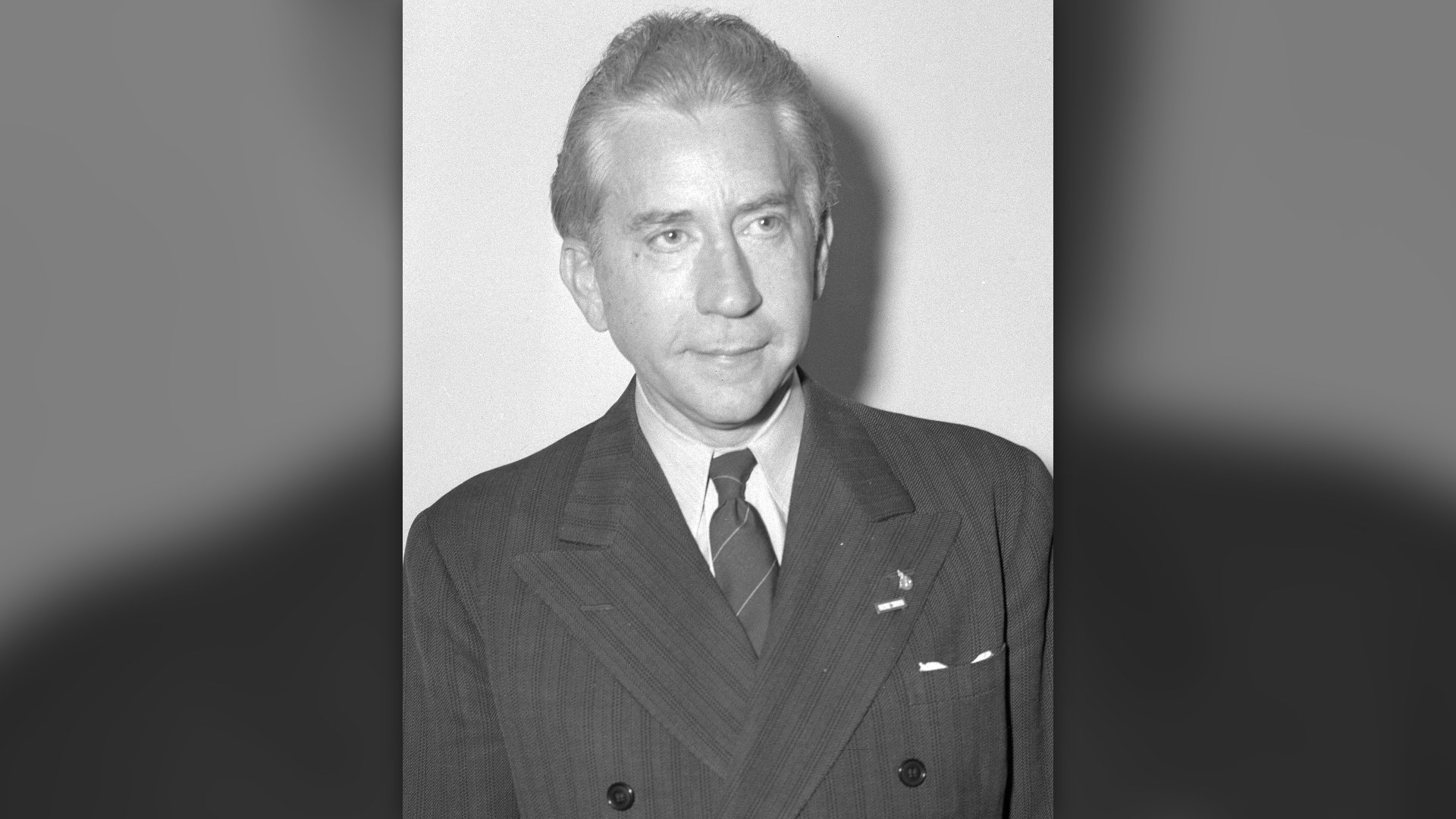
18. The Getty Family
George Getty struck oil in Oklahoma in 1903, and his son J. Paul Getty multiplied the family fortune by gambling on a 60-year oil concession in the Saudi-Kuwaiti Neutral Zone in 1949. By 1957, Fortune magazine named J. Paul Getty the richest living American.
©Wikimedia / Los Angeles Daily News
Advertisement
Swipe or tap ▶ to resume the countdown.
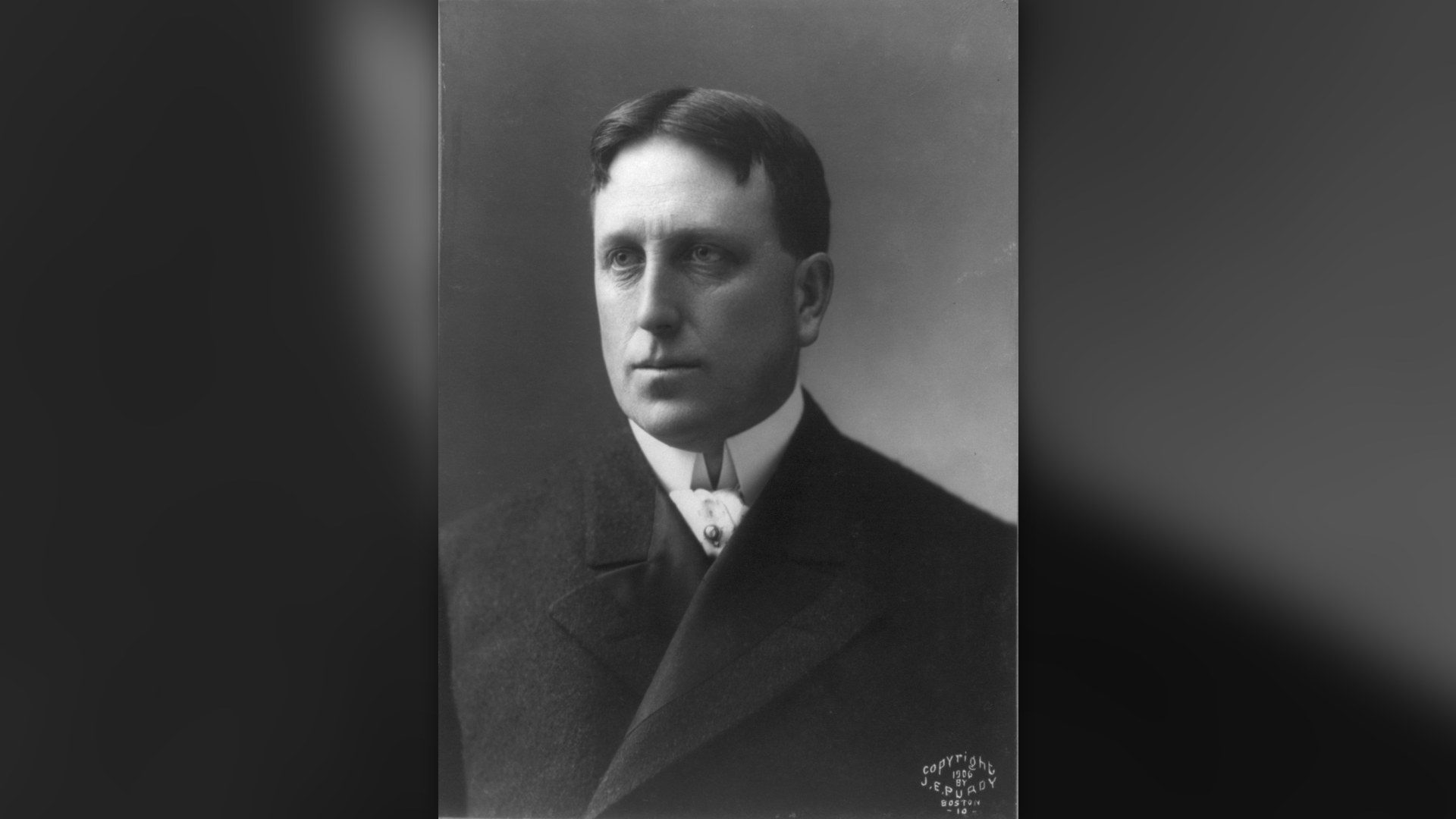
17. The Hearst Family
George Hearst struck gold and silver at the Comstock Lode and Homestake Mine before his son William Randolph Hearst took over the San Francisco Examiner in 1887. Today the private Hearst Corporation owns 24 daily newspapers, television stations, and major magazines.
©Wikimedia / James E. Purdy
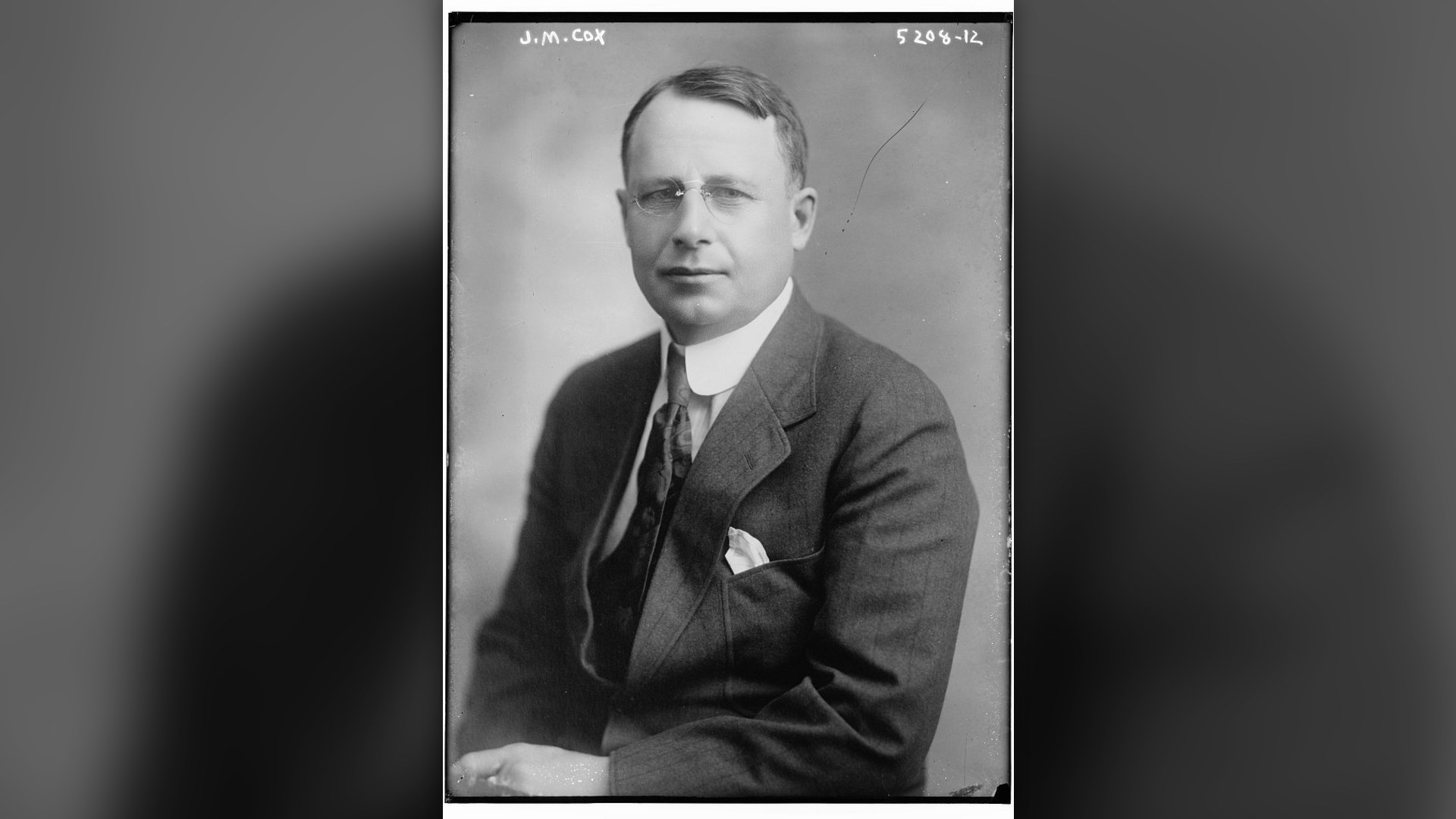
16. The Cox Family
Ohio Governor James M. Cox borrowed $26,000 from family and friends in 1898 to buy the Dayton Evening News. His descendants expanded Cox Enterprises into broadband cable, radio, and automotive marketplaces including Kelley Blue Book, Autotrader, and Manheim auctions.
©Wikimedia / Bain News Service
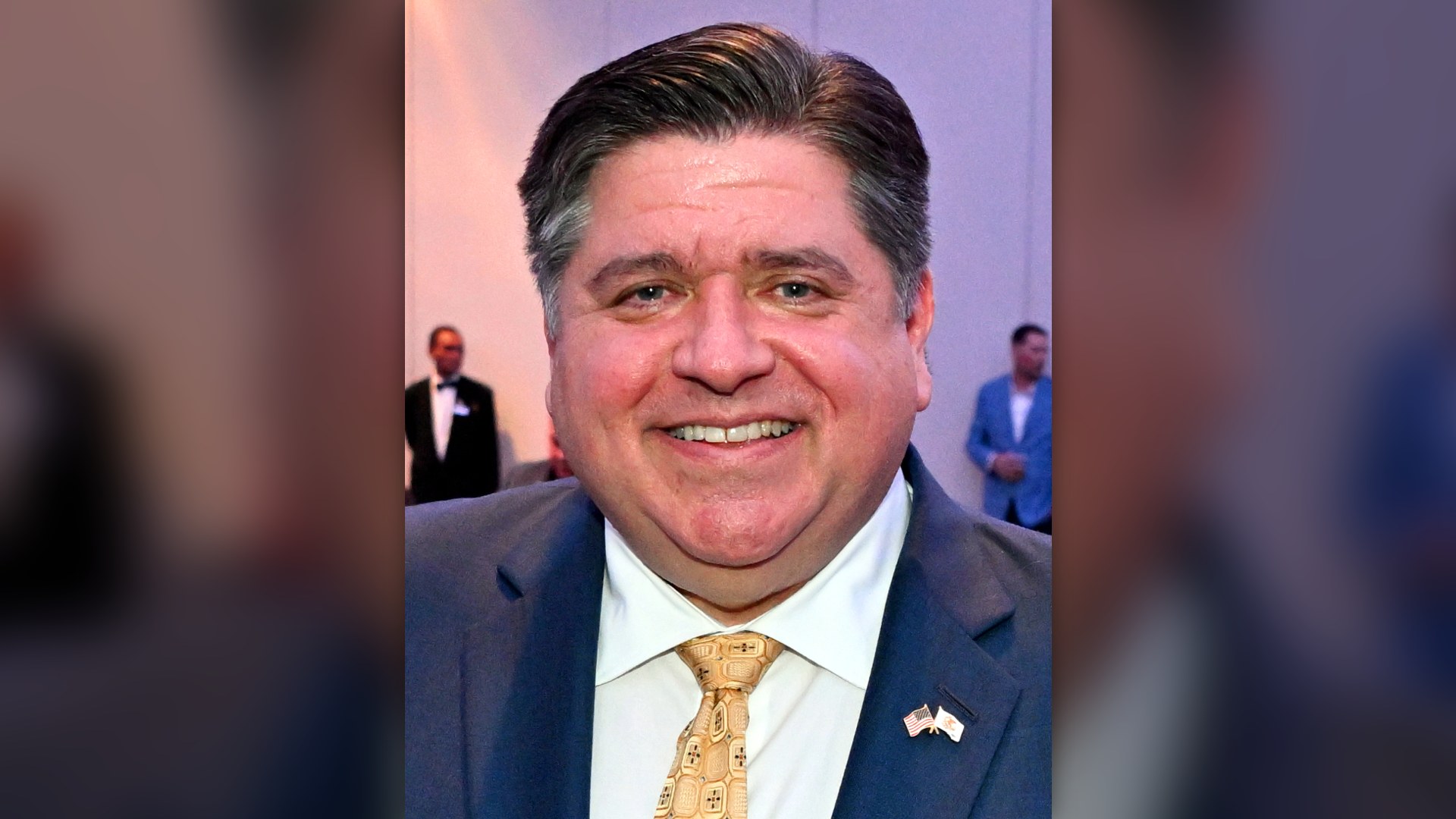
15. The Pritzker Family
Brothers Jay, Robert, and Donald Pritzker turned a Chicago law and investment firm into an empire after Jay bought a Los Angeles airport motel named Hyatt House for $2.2 million in 1957. Alongside the Marmon Group industrial conglomerate, the family fortune topped $41 billion.
©Wikimedia / Maryland GovPics
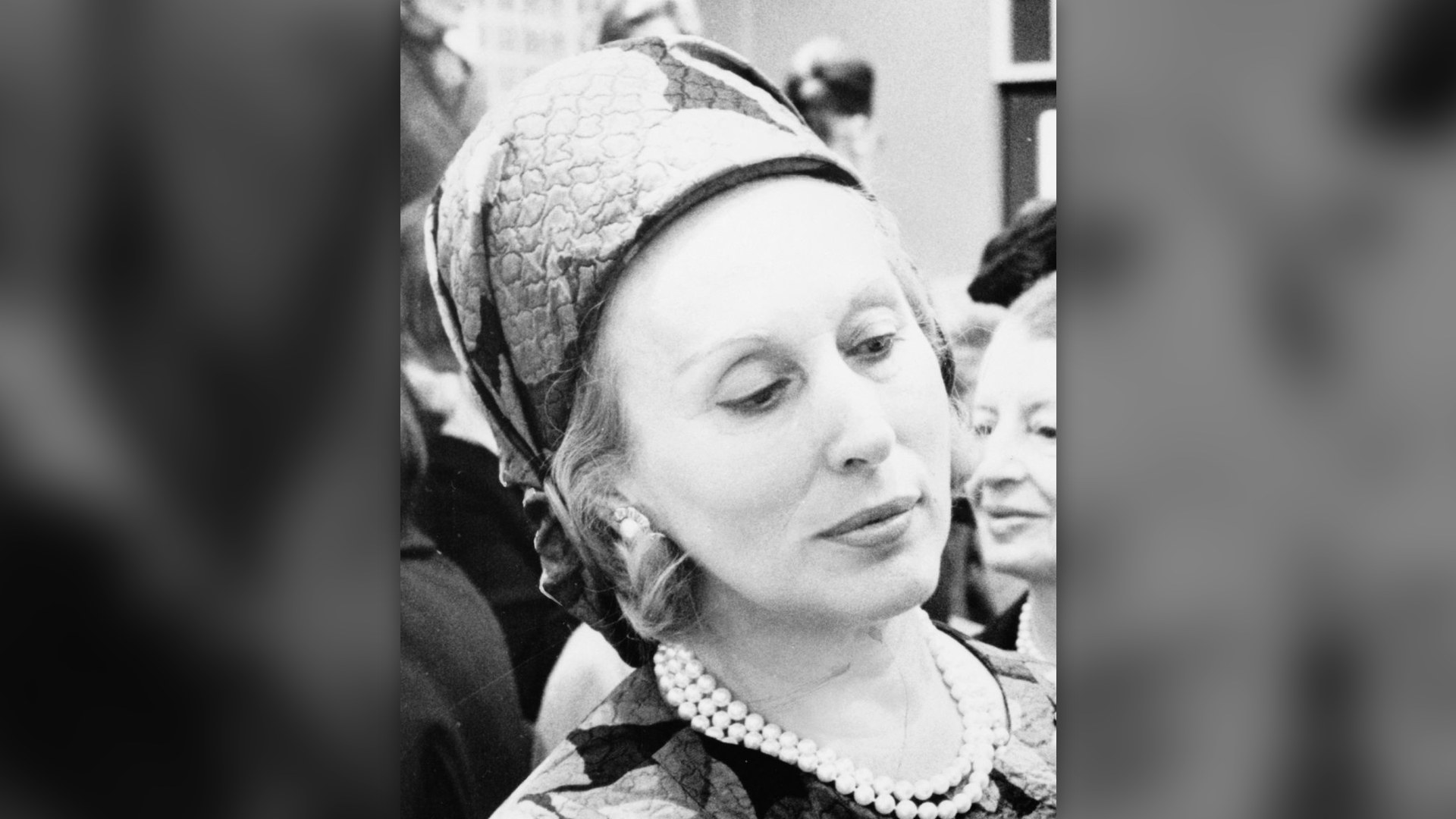
14. The Lauder Family
Estee and Joseph Lauder began mixing skin creams in New York City in 1946 and landed their first department store order at Saks Fifth Avenue two years later. Their descendants still hold controlling voting shares in the Estee Lauder Companies across more than 20 luxury brands.
©Wikimedia / New York World-Telegram
Advertisement
Swipe or tap ▶ to resume the countdown.
13. The Johnson Family
Edward C. Johnson II founded Fidelity Management and Research in Boston in 1946. Led first by his son Ned Johnson and now by his granddaughter Abigail Johnson, the family owns roughly 49 percent of the mutual fund giant, which manages more than $12 trillion in customer assets.
©Wikimedia / Village Global
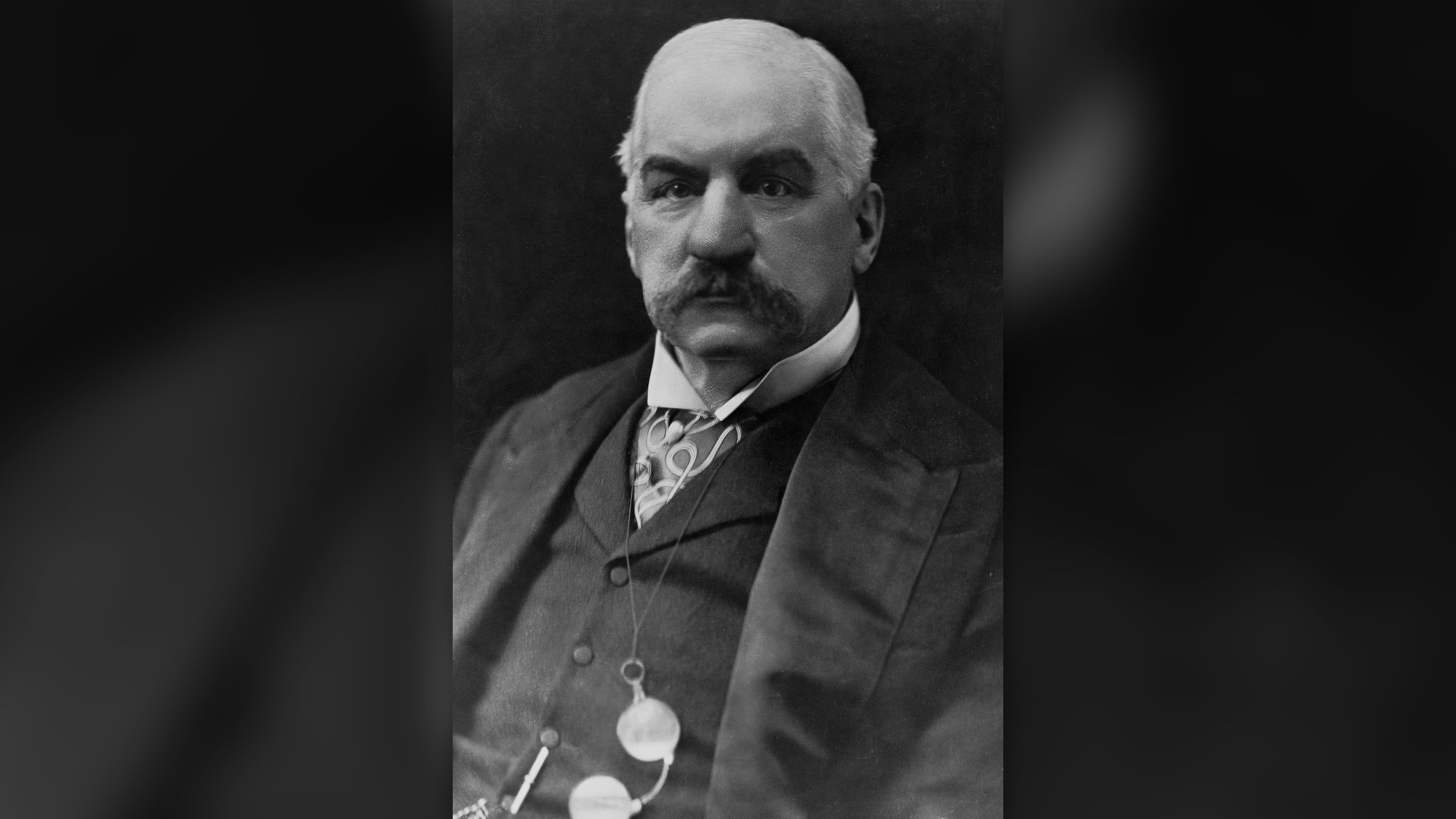
12. The Morgan Family
Junius Spencer Morgan and his son J. Pierpont Morgan built the most powerful private banking house of the Gilded Age. In 1901, Morgan organized the $1.4 billion buyout that created U.S. Steel, the world's first billion-dollar corporation, and personally stemmed the Panic of 1907.
©Wikimedia / Pach Brothers
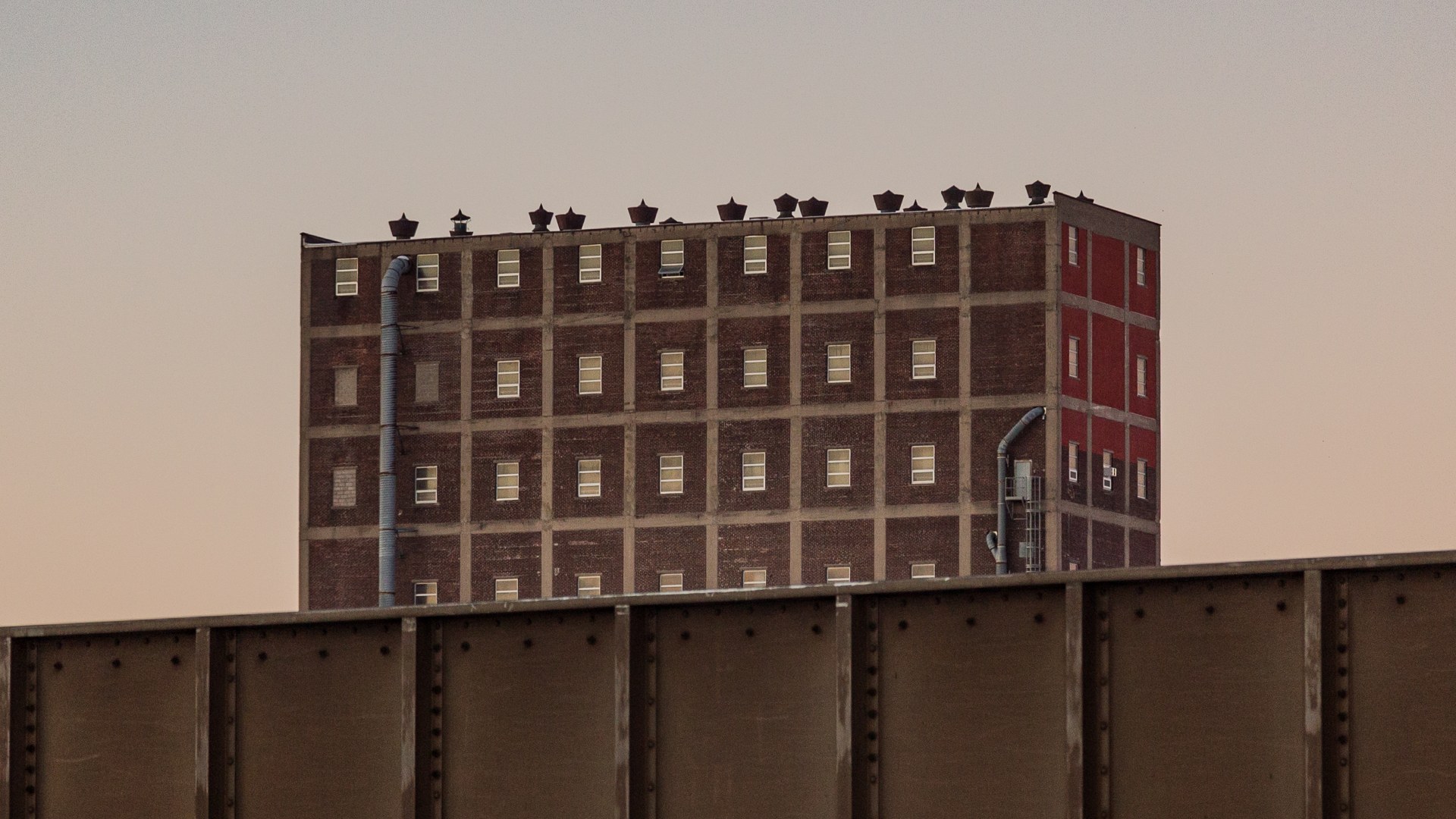
11. The Cargill-MacMillan Family
William Wallace Cargill bought a single grain storage flat house at the end of an Iowa railroad line in 1865. After his son-in-law John MacMillan took over in 1909, the two families built Cargill Inc. into an agricultural giant generating over $160 billion in annual revenue.
©Wikimedia / Tony Webster
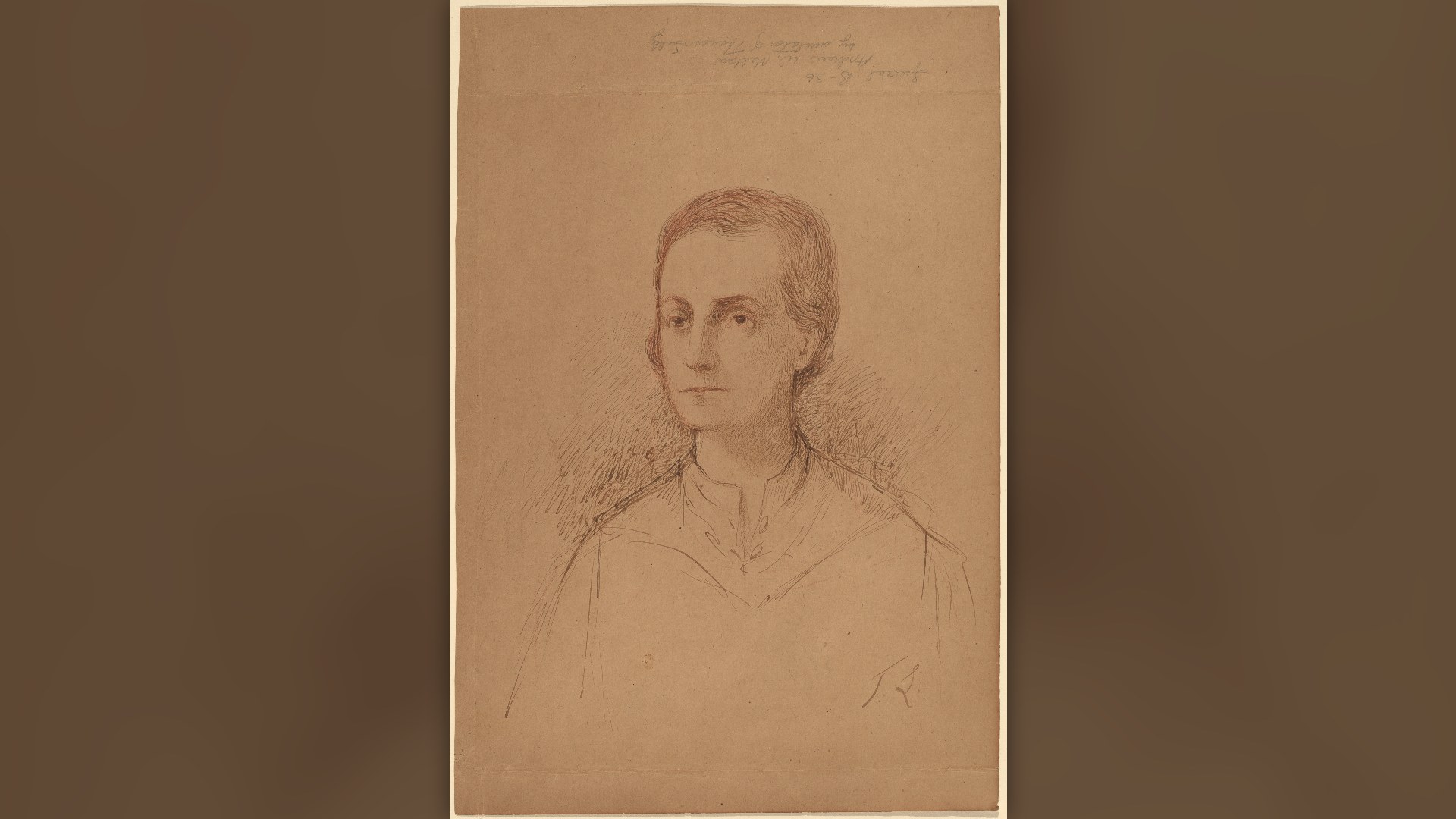
10. The Mellon Family
Judge Thomas Mellon founded T. Mellon and Sons Bank in Pittsburgh in 1869. His sons Andrew and Richard financed industrial startups in exchange for major equity stakes, controlling Gulf Oil and Alcoa while Andrew served 11 years as United States Treasury Secretary.
©Wikimedia / National Gallery of Art
Advertisement
Swipe or tap ▶ to resume the countdown.
9. The Du Pont Family
Eleuthere Irenee du Pont built a black-powder mill on Delaware's Brandywine Creek in 1802. The company supplied up to 40 percent of Allied explosives during World War I, reinvested its profits into a massive stake in General Motors, and later invented nylon, Kevlar, and Teflon.
©Wikimedia / Hagley Museum and Library
8. The Koch Family
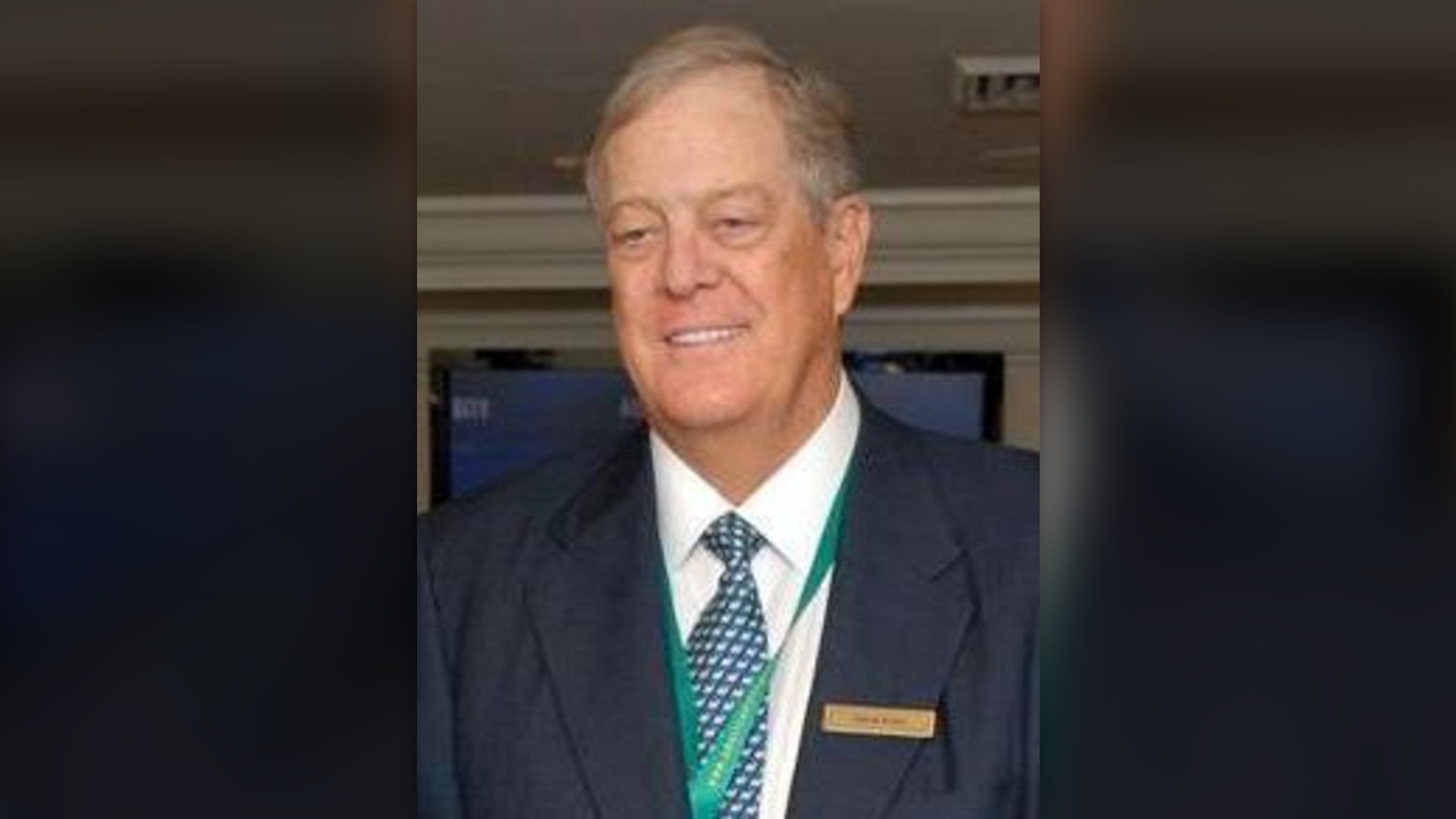
MIT chemical engineer Fred C. Koch developed an improved thermal-cracking process for heavy crude oil in 1927. His sons Charles and David bought out their two brothers in 1983 and expanded Wichita-based Koch Industries into refining, pipelines, fertilizers, and Georgia-Pacific.
©Wikimedia / Fred Thompson
7. The Mars Family
Frank C. Mars started making butter-cream candy in his Tacoma, Washington kitchen in 1911 before launching the Milky Way bar in 1923 and Snickers in 1930. His son Forrest introduced M&M's in 1941, and the private company now earns tens of billions from VCA veterinary clinics.
©Wikimedia / David Adam Kess
6. The Astor Family
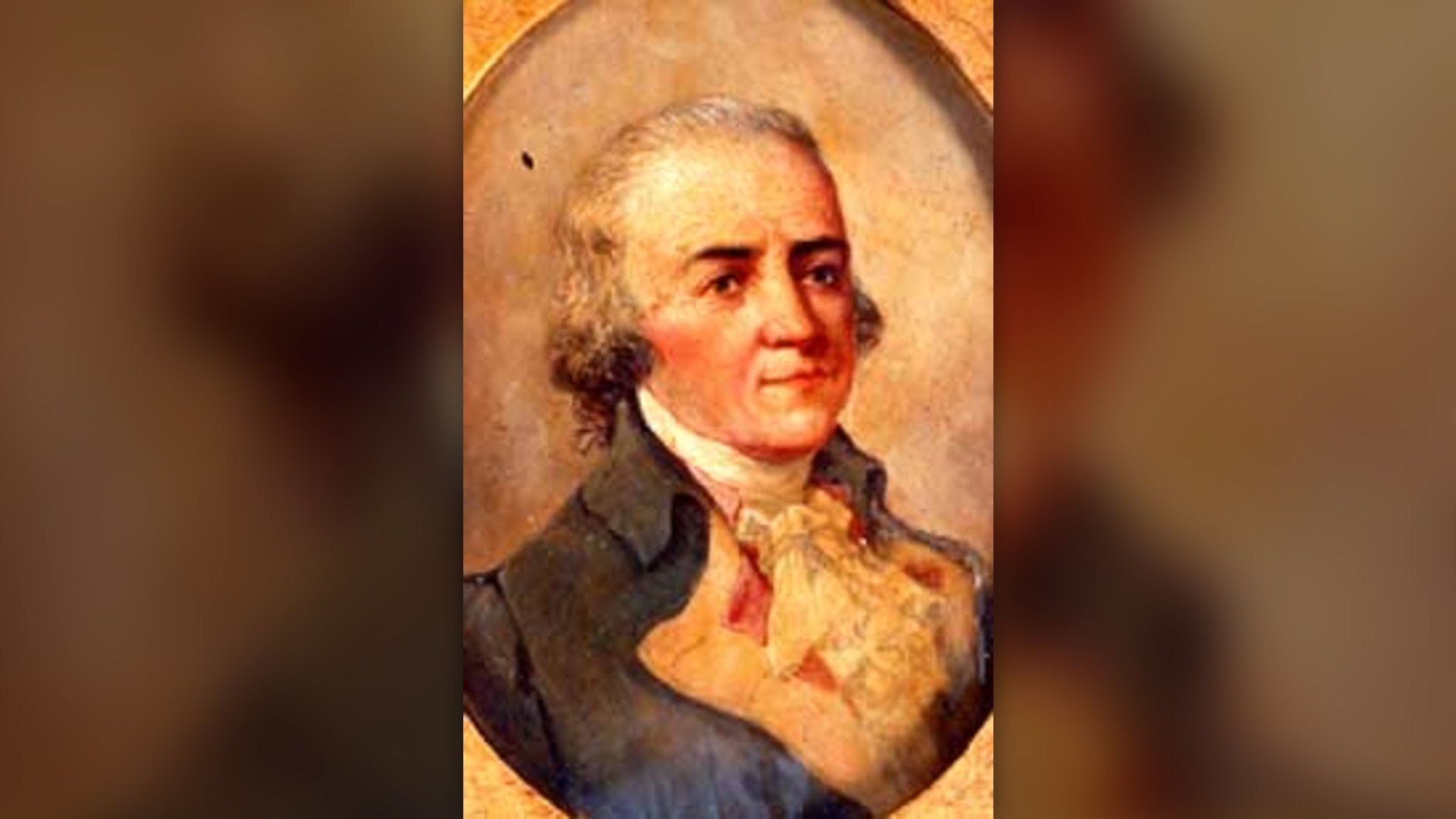
German immigrant John Jacob Astor monopolized the North American fur trade after the War of 1812 and poured his profits into hundreds of acres of Manhattan farmland. When he died in 1848 worth $20 million, his estate equaled roughly 1/107th of the entire United States economy.
©Wikimedia / John Wesley Jarvis
Advertisement
Swipe or tap ▶ to resume the countdown.
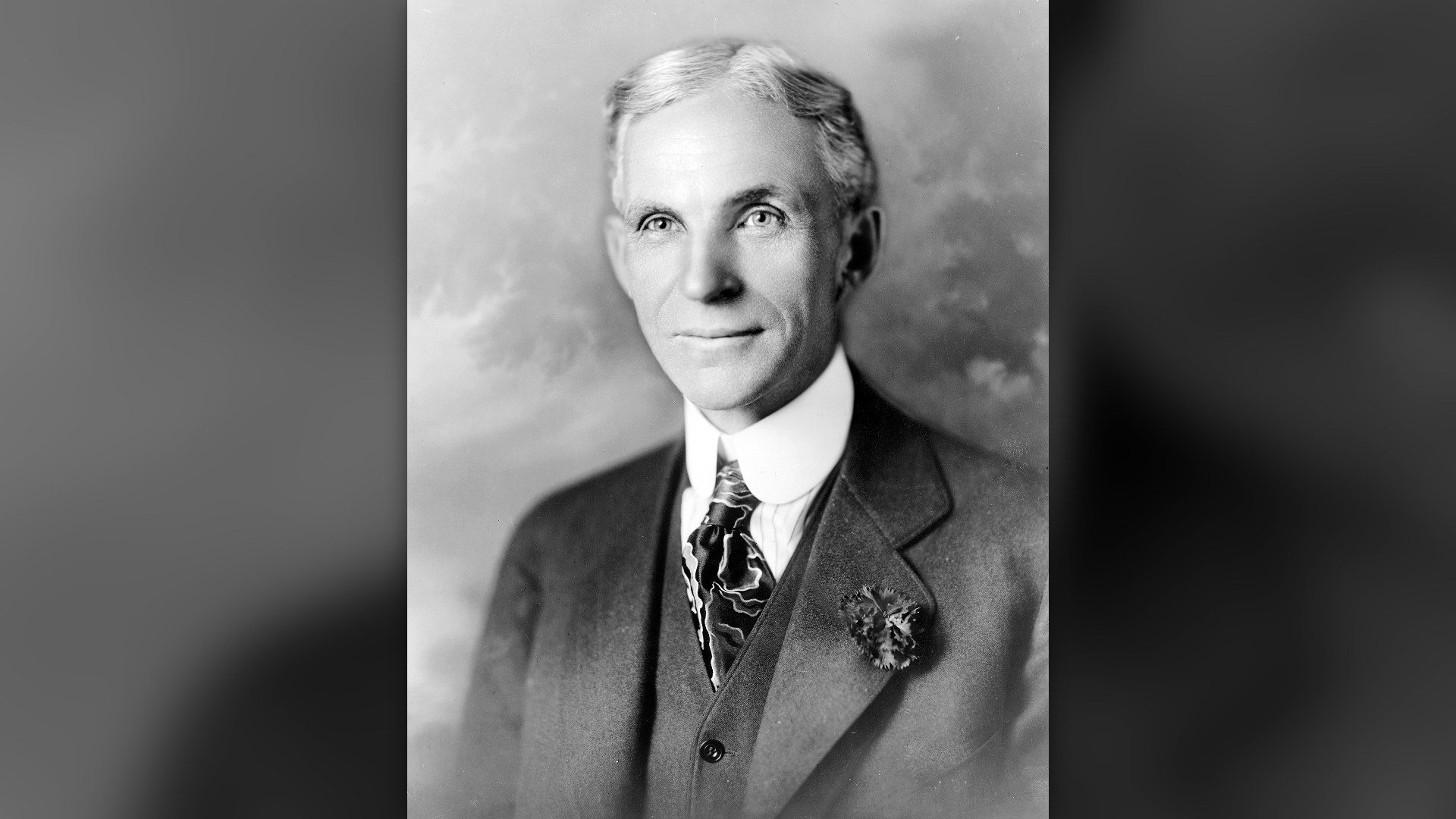
5. The Ford Family
Henry Ford incorporated the Ford Motor Company in 1903 and introduced the moving assembly line in 1913, dropping the price of a Model T from $850 to $260. By 1919, Henry and his son Edsel owned 100 percent of the company, holding a fortune equal to roughly $200 billion today.
©Wikimedia / Fred Hartsook
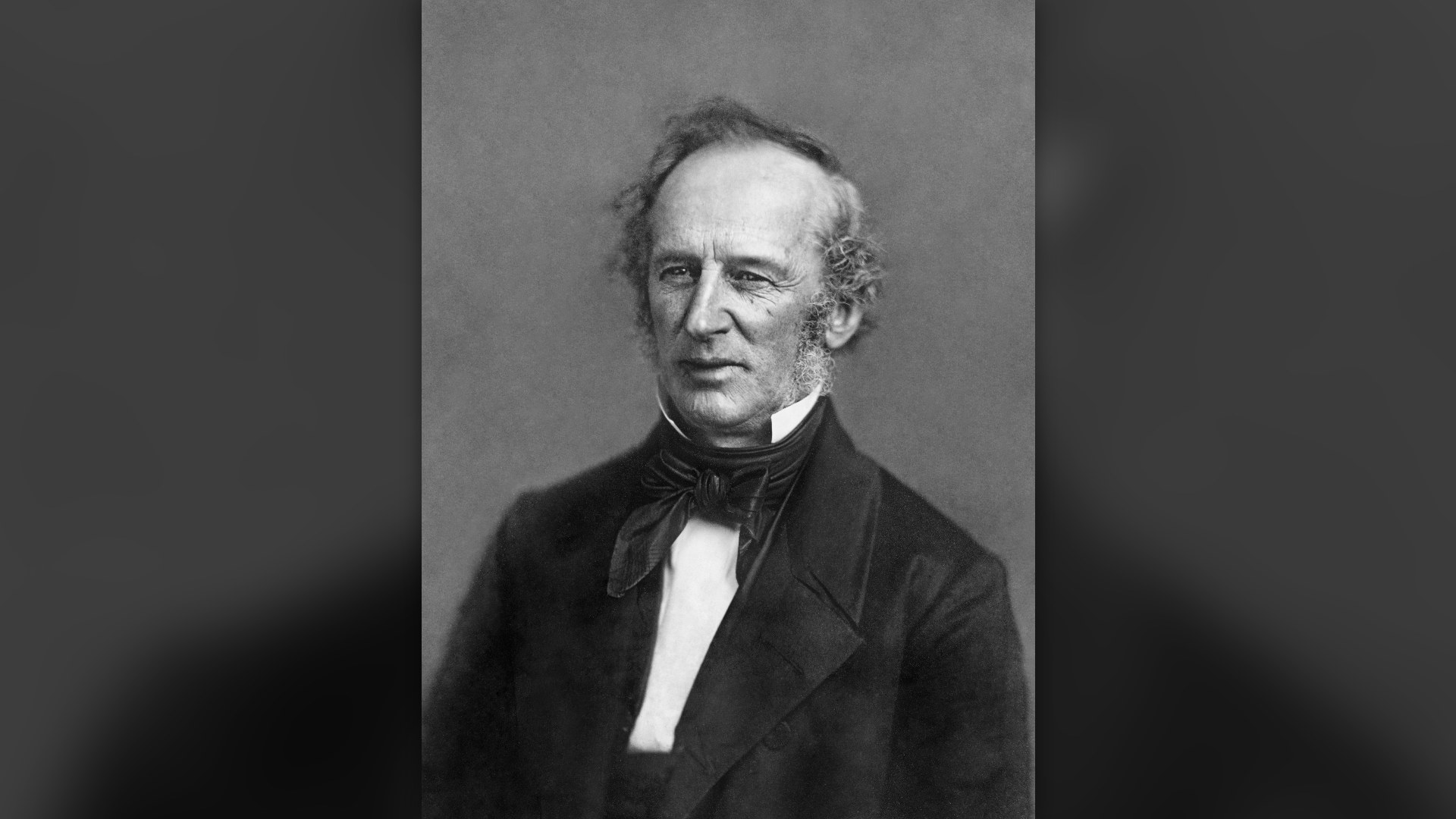
4. The Vanderbilt Family
Cornelius Vanderbilt started with a $100 loan to run a Staten Island ferry in 1810 and built a steamboat and railroad empire stretching from New York to Chicago. His son William doubled the $100 million estate to $200 million by 1885 before later heirs spent lavishly on mansions.
©Wikimedia / Mathew Brady
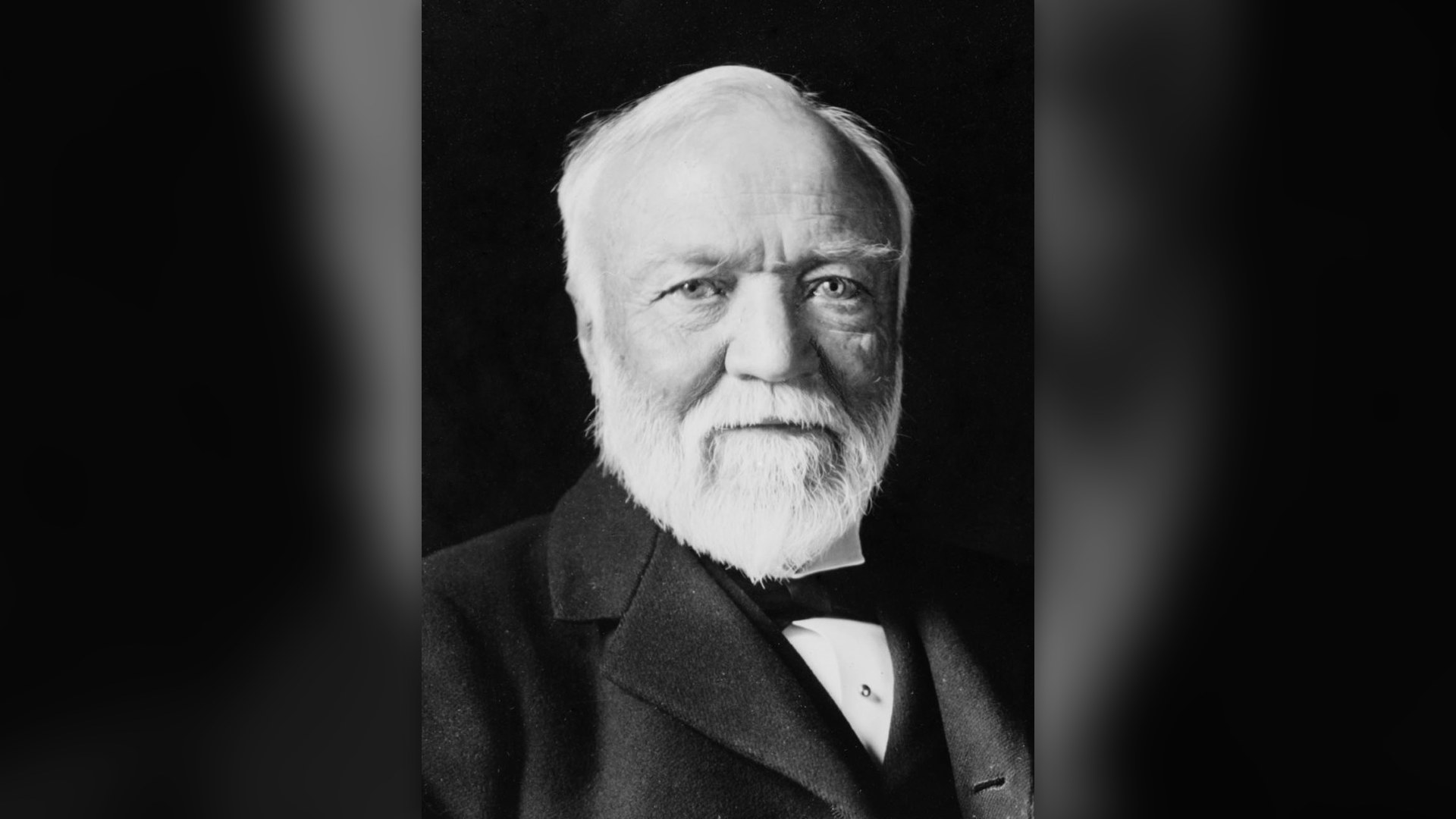
3. The Carnegie Family
Scottish immigrant Andrew Carnegie began working as a $1.20-a-week bobbin boy in a Pennsylvania cotton mill before building Carnegie Steel in Pittsburgh. In 1901, he sold his company to J.P. Morgan for $480 million and spent the rest of his life giving away 90 percent of his wealth.
©Wikimedia / Theodore C. Marceau
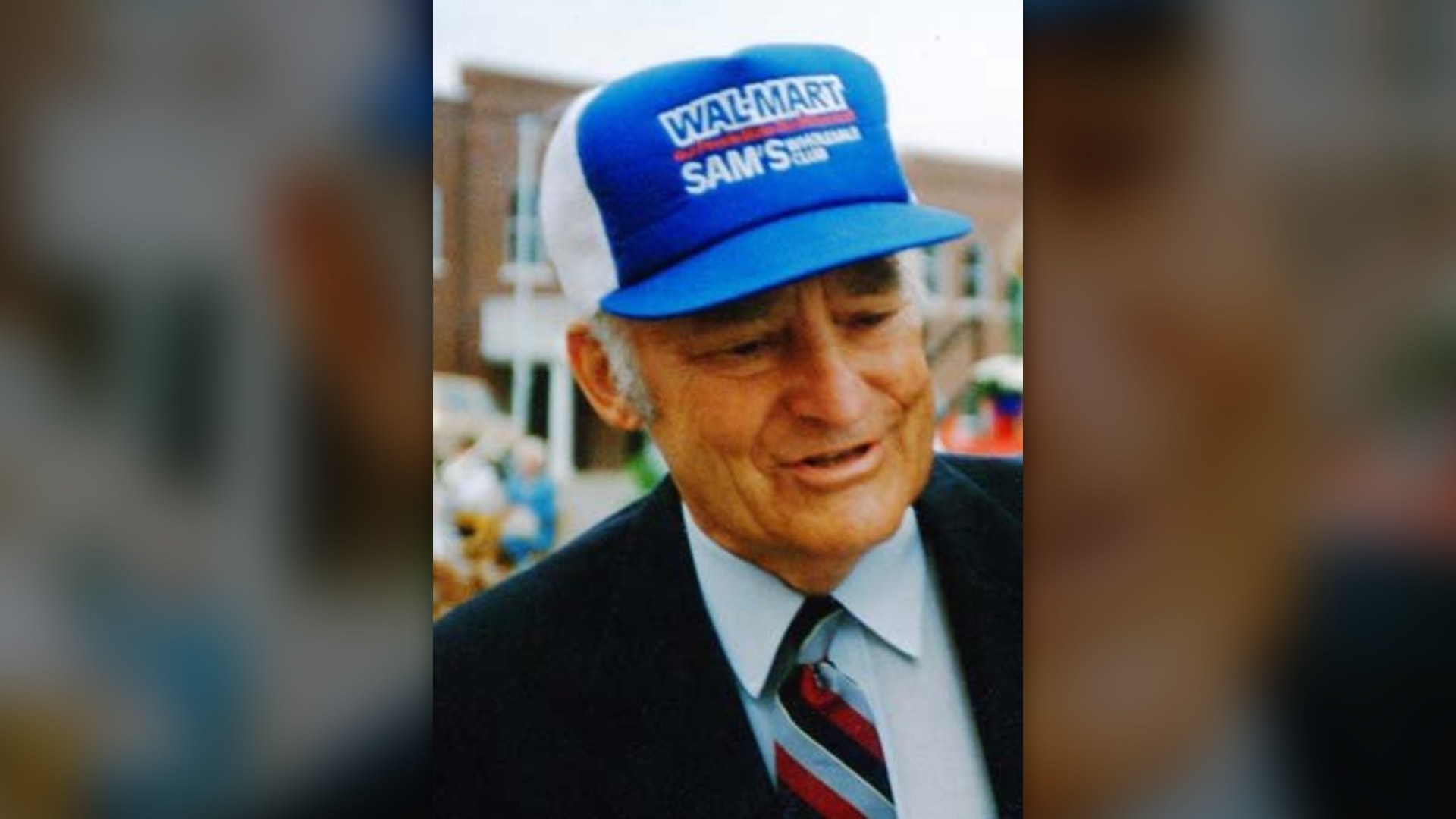
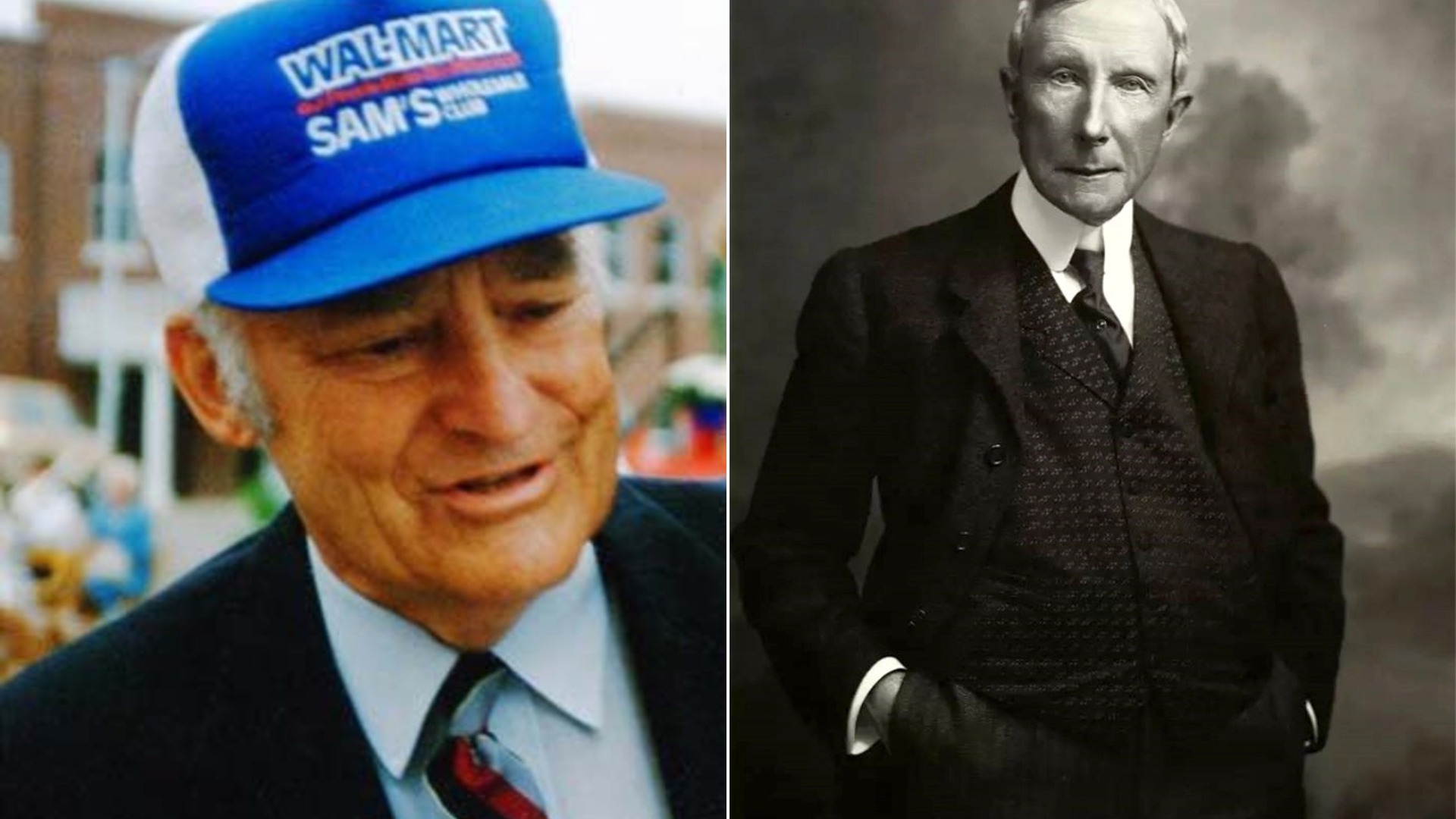
2. The Walton Family
Sam Walton and his brother Bud opened the first Walmart discount store in Rogers, Arkansas in 1962. Today Sam's children Rob, Jim, and Alice Walton and their heirs collectively hold about 45 percent of the world's largest retailer, giving the family a net worth past $340 billion.
©Wikimedia / Janice Waltzer
Advertisement
Swipe or tap ▶ to resume the countdown.
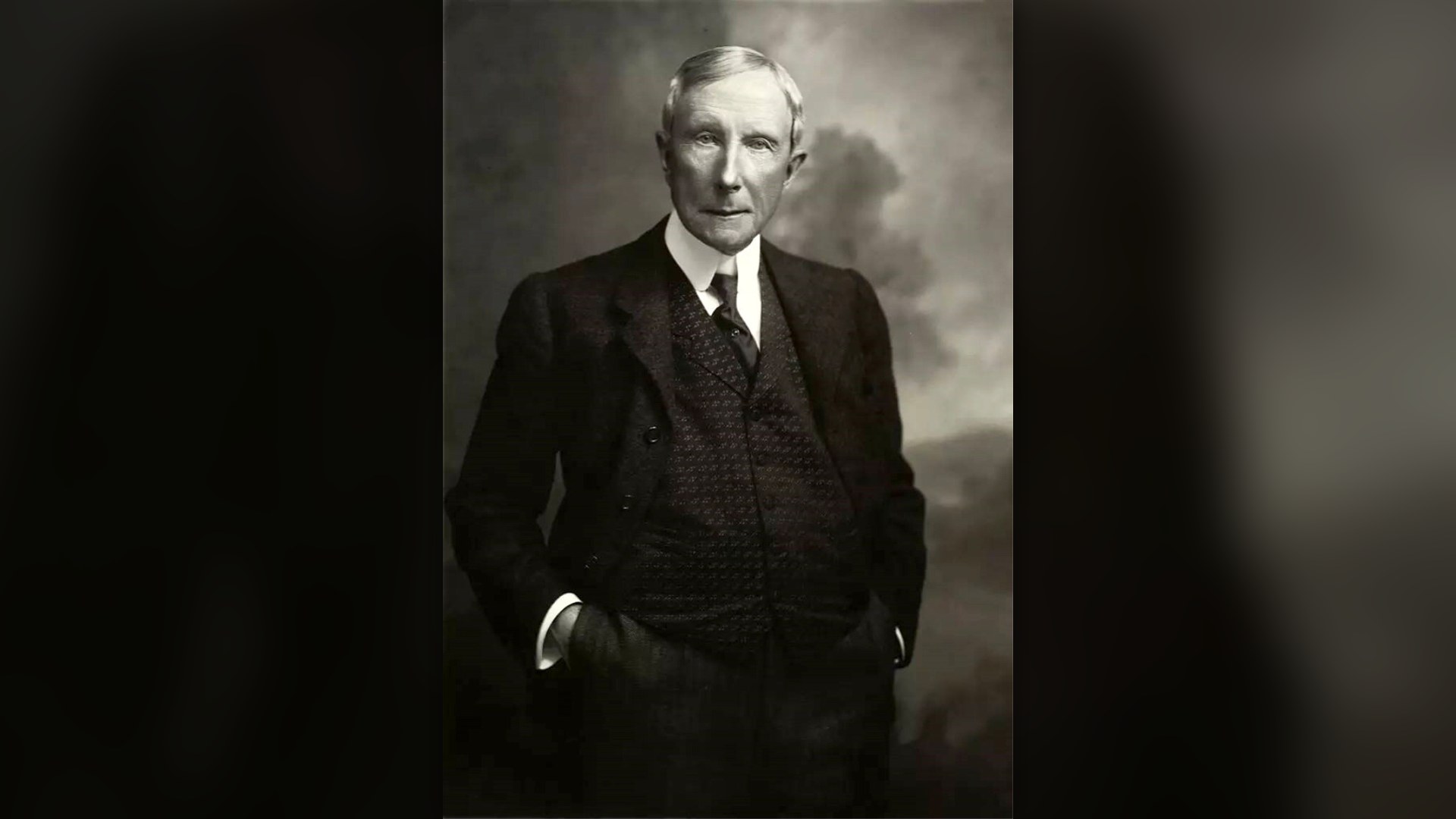
1. The Rockefeller Family
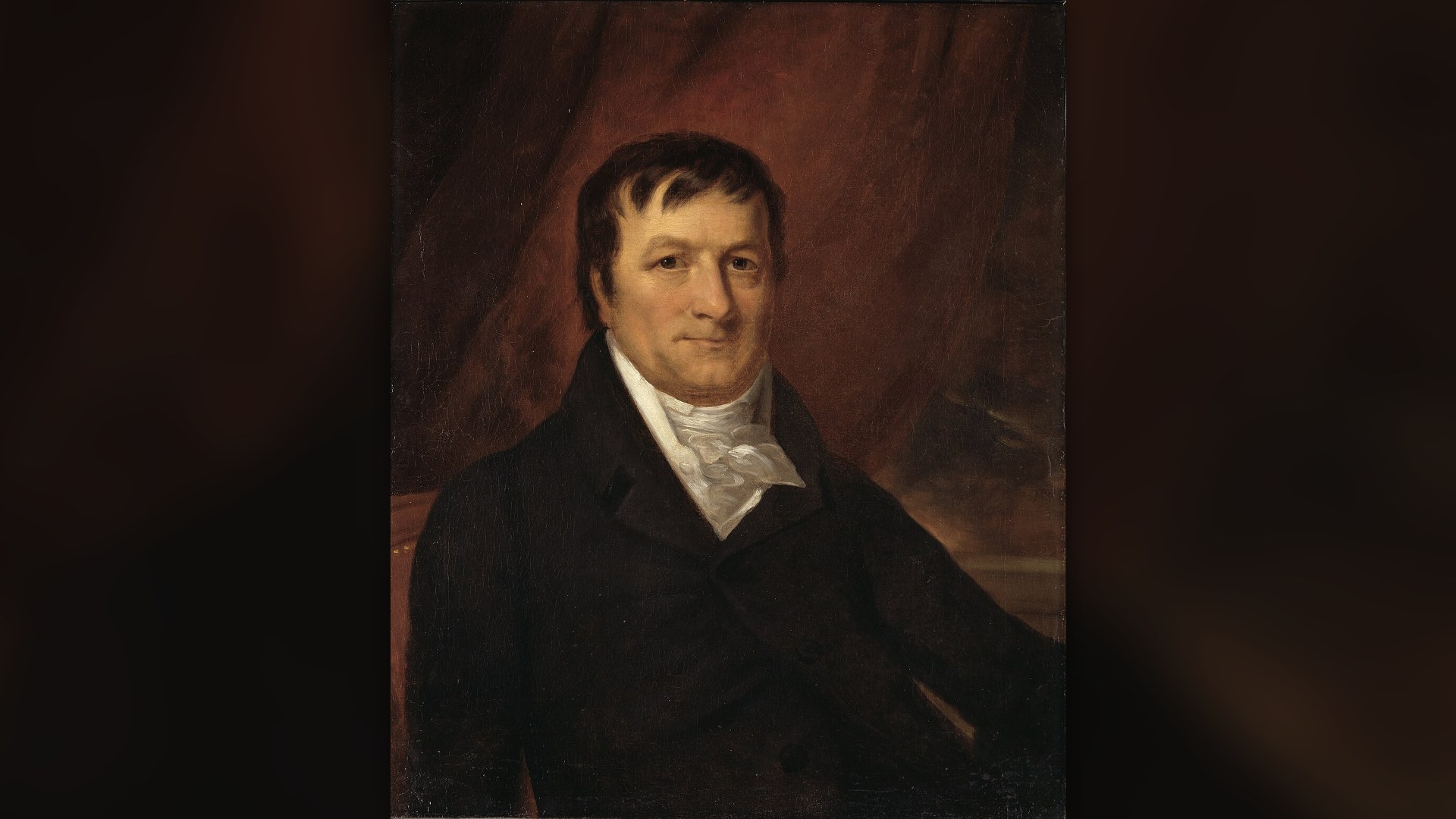
John D. Rockefeller founded Standard Oil in Ohio in 1870 and refined 90 percent of all U.S. oil by 1880. After the Supreme Court broke Standard Oil into 34 companies in 1911, including the predecessors of ExxonMobil and Chevron, his personal fortune reached nearly 2 percent of U.S. GDP.

©Wikimedia / Oscar White
Advertisement
You've reached the end of the story. Thanks for reading!

20 Cars That Thieves Target Most and Least Across America
National Insurance Crime Bureau figures for 2025 show 659,880 U.S. vehicle thefts, while Highway Loss Data Institute records track the models thieves rarely touch. Here are 20 popular vehicles ranked from the lowest insurance theft claim rates to the most frequently stolen cars and pickup trucks on American roads.
All 20 Entries in this Story
20. The Guggenheim Family
Swiss immigrant Meyer Guggenheim began selling stove polish and embroidery in Philadelphia before buying Colorado silver and lead mines in 1881. His sons expanded into copper smelting in the American West and Chile, funding the Solomon R. Guggenheim Museum in New York.

19. The Kennedy Family
Joseph P. Kennedy Sr. amassed a fortune in the 1920s through Wall Street stock pools and Hollywood film studios before securing British liquor import licenses at the end of Prohibition in 1933. His 1945 purchase of Chicago's Merchandise Mart anchored trust funds for his children.

18. The Getty Family
George Getty struck oil in Oklahoma in 1903, and his son J. Paul Getty multiplied the family fortune by gambling on a 60-year oil concession in the Saudi-Kuwaiti Neutral Zone in 1949. By 1957, Fortune magazine named J. Paul Getty the richest living American.

17. The Hearst Family
George Hearst struck gold and silver at the Comstock Lode and Homestake Mine before his son William Randolph Hearst took over the San Francisco Examiner in 1887. Today the private Hearst Corporation owns 24 daily newspapers, television stations, and major magazines.

16. The Cox Family
Ohio Governor James M. Cox borrowed $26,000 from family and friends in 1898 to buy the Dayton Evening News. His descendants expanded Cox Enterprises into broadband cable, radio, and automotive marketplaces including Kelley Blue Book, Autotrader, and Manheim auctions.

15. The Pritzker Family
Brothers Jay, Robert, and Donald Pritzker turned a Chicago law and investment firm into an empire after Jay bought a Los Angeles airport motel named Hyatt House for $2.2 million in 1957. Alongside the Marmon Group industrial conglomerate, the family fortune topped $41 billion.

14. The Lauder Family
Estee and Joseph Lauder began mixing skin creams in New York City in 1946 and landed their first department store order at Saks Fifth Avenue two years later. Their descendants still hold controlling voting shares in the Estee Lauder Companies across more than 20 luxury brands.

13. The Johnson Family
Edward C. Johnson II founded Fidelity Management and Research in Boston in 1946. Led first by his son Ned Johnson and now by his granddaughter Abigail Johnson, the family owns roughly 49 percent of the mutual fund giant, which manages more than $12 trillion in customer assets.

12. The Morgan Family
Junius Spencer Morgan and his son J. Pierpont Morgan built the most powerful private banking house of the Gilded Age. In 1901, Morgan organized the $1.4 billion buyout that created U.S. Steel, the world's first billion-dollar corporation, and personally stemmed the Panic of 1907.

11. The Cargill-MacMillan Family
William Wallace Cargill bought a single grain storage flat house at the end of an Iowa railroad line in 1865. After his son-in-law John MacMillan took over in 1909, the two families built Cargill Inc. into an agricultural giant generating over $160 billion in annual revenue.

10. The Mellon Family
Judge Thomas Mellon founded T. Mellon and Sons Bank in Pittsburgh in 1869. His sons Andrew and Richard financed industrial startups in exchange for major equity stakes, controlling Gulf Oil and Alcoa while Andrew served 11 years as United States Treasury Secretary.

9. The Du Pont Family
Eleuthere Irenee du Pont built a black-powder mill on Delaware's Brandywine Creek in 1802. The company supplied up to 40 percent of Allied explosives during World War I, reinvested its profits into a massive stake in General Motors, and later invented nylon, Kevlar, and Teflon.

8. The Koch Family
MIT chemical engineer Fred C. Koch developed an improved thermal-cracking process for heavy crude oil in 1927. His sons Charles and David bought out their two brothers in 1983 and expanded Wichita-based Koch Industries into refining, pipelines, fertilizers, and Georgia-Pacific.

7. The Mars Family
Frank C. Mars started making butter-cream candy in his Tacoma, Washington kitchen in 1911 before launching the Milky Way bar in 1923 and Snickers in 1930. His son Forrest introduced M&M's in 1941, and the private company now earns tens of billions from VCA veterinary clinics.

6. The Astor Family
German immigrant John Jacob Astor monopolized the North American fur trade after the War of 1812 and poured his profits into hundreds of acres of Manhattan farmland. When he died in 1848 worth $20 million, his estate equaled roughly 1/107th of the entire United States economy.

5. The Ford Family
Henry Ford incorporated the Ford Motor Company in 1903 and introduced the moving assembly line in 1913, dropping the price of a Model T from $850 to $260. By 1919, Henry and his son Edsel owned 100 percent of the company, holding a fortune equal to roughly $200 billion today.

4. The Vanderbilt Family
Cornelius Vanderbilt started with a $100 loan to run a Staten Island ferry in 1810 and built a steamboat and railroad empire stretching from New York to Chicago. His son William doubled the $100 million estate to $200 million by 1885 before later heirs spent lavishly on mansions.

3. The Carnegie Family
Scottish immigrant Andrew Carnegie began working as a $1.20-a-week bobbin boy in a Pennsylvania cotton mill before building Carnegie Steel in Pittsburgh. In 1901, he sold his company to J.P. Morgan for $480 million and spent the rest of his life giving away 90 percent of his wealth.

2. The Walton Family
Sam Walton and his brother Bud opened the first Walmart discount store in Rogers, Arkansas in 1962. Today Sam's children Rob, Jim, and Alice Walton and their heirs collectively hold about 45 percent of the world's largest retailer, giving the family a net worth past $340 billion.

1. The Rockefeller Family
John D. Rockefeller founded Standard Oil in Ohio in 1870 and refined 90 percent of all U.S. oil by 1880. After the Supreme Court broke Standard Oil into 34 companies in 1911, including the predecessors of ExxonMobil and Chevron, his personal fortune reached nearly 2 percent of U.S. GDP.