Slideshow · News
The Brain Science Battle: Why America's Youngest Condemned Woman Hasn't Been Executed
At age 20, Christa Pike became the youngest woman sent to modern death row. Three decades later, landmark neuroscience on the developing adolescent brain has turned her case into a constitutional battleground.

By Most Viral Today
8 Oct 2026

The Brain Science Battle: Why America's Youngest Condemned Woman Hasn't Been Executed 
9. The 1995 Knoxville Job Corps Crime 
8. The Youngest Woman On Modern Death Row 
7. The Developing Prefrontal Cortex - AdvertisementSwipe or tap ▶ to continue countdown

6. Severe Childhood Trauma & Brain Damage 
5. The Roper V. Simmons Constitutional Debate 
4. Ineffective Assistance Of Trial Counsel 
3. Prison Turmoil & The 2012 Escape Plot - AdvertisementSwipe or tap ▶ to continue countdown

2. Tennessee's Execution Protocol Turmoil 
1. The Future Of Adolescent Capital Law - Advertisement🔥 UP NEXT IN THIS SERIES◫ 21 Slides

20 Historic Photos That Captured Major British News Moments
From Armistice crowds in 1918 to the 2023 coronation, these 20 archive photographs capture major turning points in modern British public life. Each frame records the exact date, place, and public figures present as Britain marked wartime survival, royal milestones, political shifts, and sporting history.
At age 20, Christa Pike became the youngest woman sent to modern death row. Three decades later, landmark neuroscience on the developing adolescent brain has turned her case into a constitutional battleground.

Swipe or tap ▶ to begin the countdown
©WBIR / Tennessee Judicial Archive
9. The 1995 Knoxville Job Corps Crime
In January 1995, 18-year-old Christa Pike, along with two teenage classmates at the Knoxville Job Corps Center, lured 19-year-old Colleen Slemmer to an isolated woodland area in a crime that shocked the nation.
©Wikimedia / Brian Stansberry
8. The Youngest Woman On Modern Death Row
In March 1996, an East Tennessee jury convicted Pike of first-degree murder. Sentenced to death at age 20, she became the youngest condemned woman in modern US history and remains Tennessee's only female death row prisoner.
©Wikimedia / Henry Hagnäs
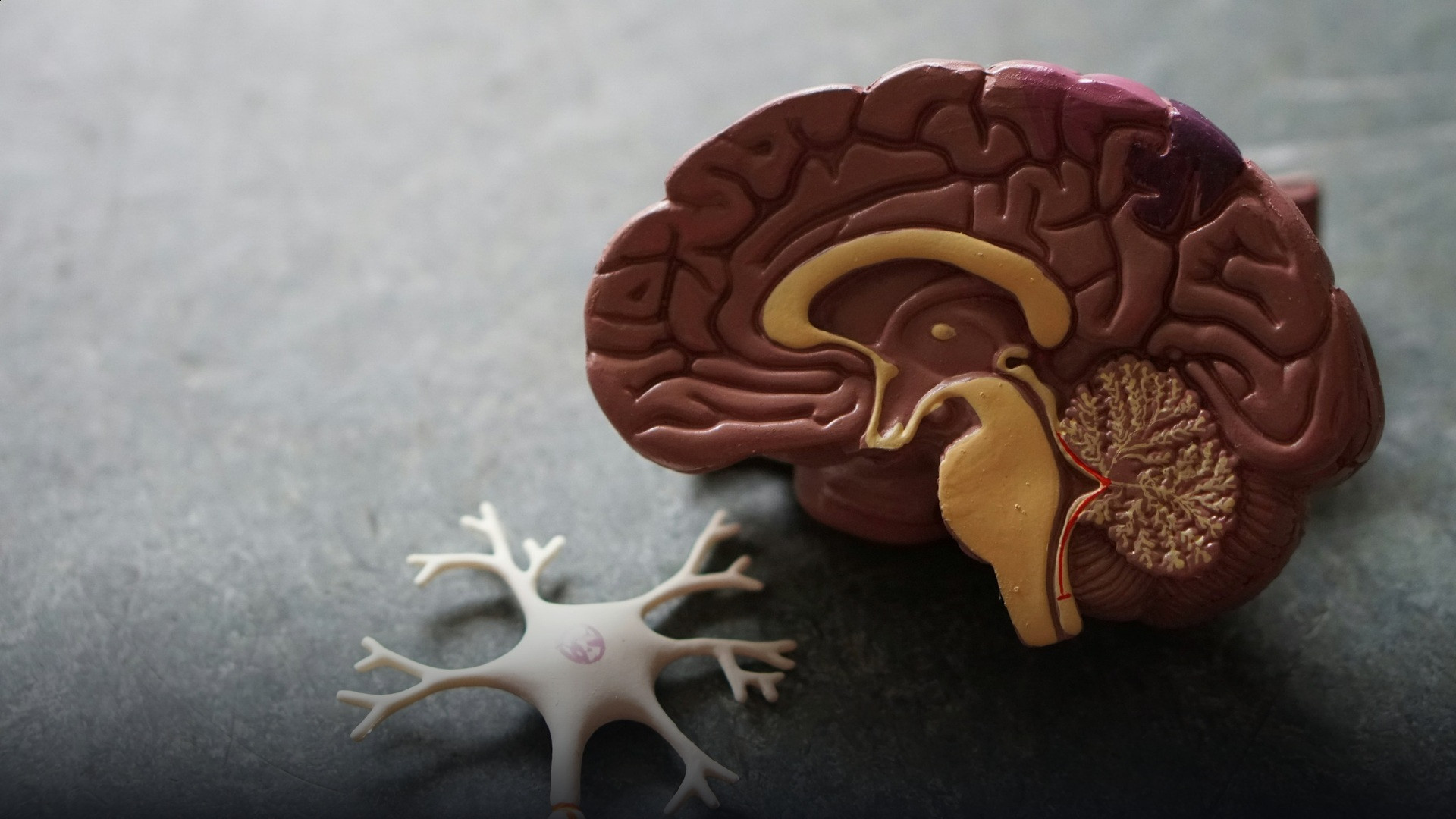
7. The Developing Prefrontal Cortex
Modern neuroimaging proves the prefrontal cortex—governing impulse inhibition, risk assessment, and emotional regulation—is not fully formed at age 18, raising profound scientific questions about late adolescent culpability.
© Photo by Jesse Orrico on Unsplash
Advertisement
Swipe or tap ▶ to resume the countdown.
6. Severe Childhood Trauma & Brain Damage
Medical experts documented that Pike suffered from organic frontal lobe damage linked to severe prenatal alcohol exposure, combined with pervasive childhood physical trauma and diagnosed bipolar disorder.
© Photo by Alina Grubnyak on Unsplash
5. The Roper V. Simmons Constitutional Debate
In 2005, Roper v. Simmons banned executing offenders under 18. Pike's appellate attorneys argue developmental brain science demands extending that exact categorical ban to 18-to-20-year-olds facing capital punishment.
© Photo by Ian Hutchinson on Unsplash
4. Ineffective Assistance Of Trial Counsel
Federal appeals have centered on claims of ineffective counsel, arguing her original public defenders failed to investigate or present crucial neurological evidence and mitigating trauma history during the sentencing phase.
© Photo by Tingey Injury Law Firm on Unsplash
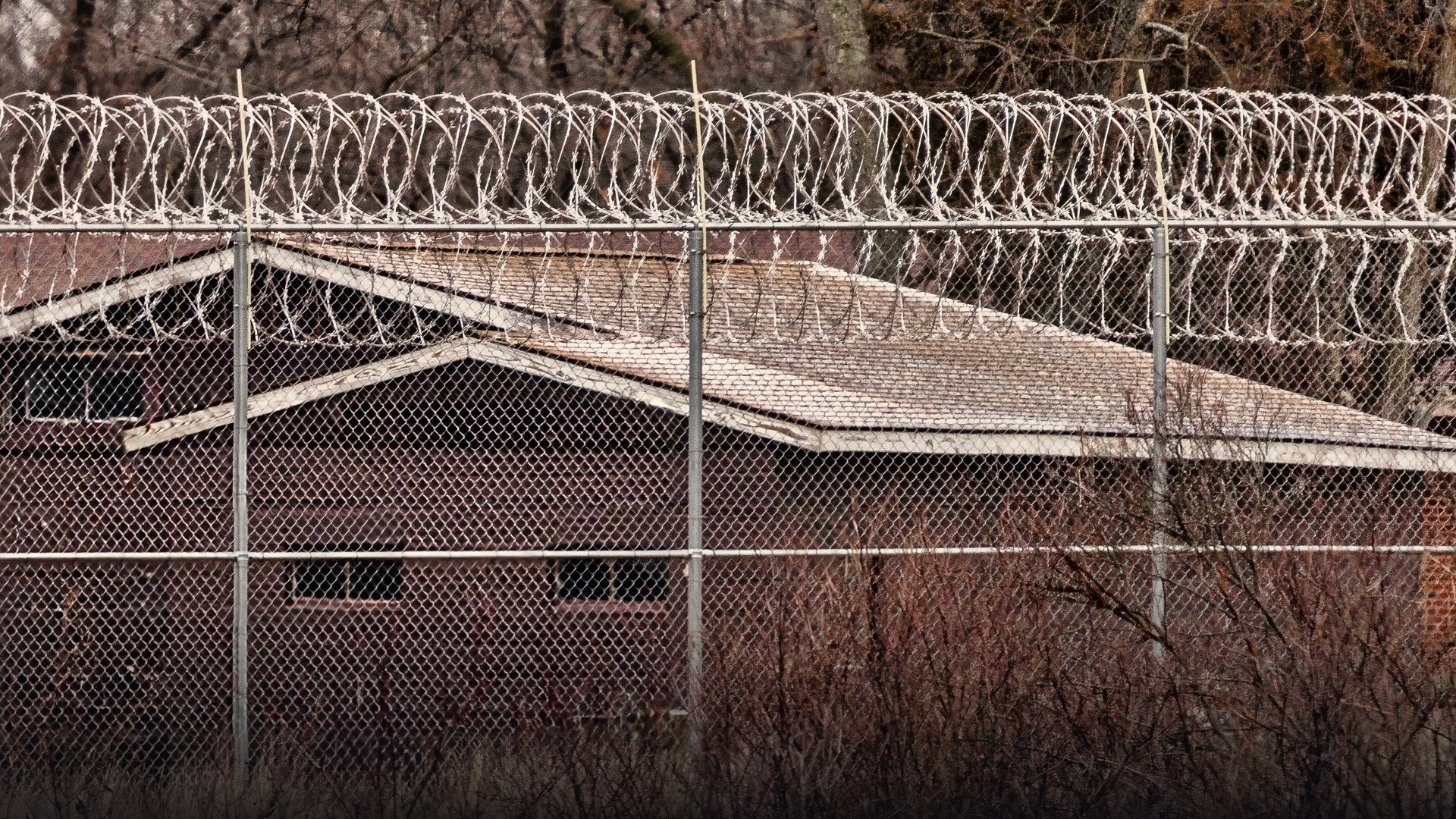
3. Prison Turmoil & The 2012 Escape Plot
Pike's incarceration has seen intense security incidents, including a 2001 inmate altercation and a thwarted 2012 escape plot involving an external corrections officer, keeping her in high-security isolation.
©Wikimedia / Tony Webster
Advertisement
Swipe or tap ▶ to resume the countdown.
2. Tennessee's Execution Protocol Turmoil
Tennessee has repeatedly halted executions following compounding scrutiny over lethal injection testing protocols, drug efficacy failures, and independent gubernatorial reviews of state execution procedures.
©Wikimedia / Thomas R Machnitzki
1. The Future Of Adolescent Capital Law
As courts across America re-evaluate emerging adult brain science, Christa Pike's three-decade legal odyssey stands at the crossroads of modern neuropsychology and the future of capital punishment in the United States.

© Photo by Giammarco Boscaro on Unsplash
Advertisement
You've reached the end of the story. Thanks for reading!

20 Historic Photos That Captured Major British News Moments
From Armistice crowds in 1918 to the 2023 coronation, these 20 archive photographs capture major turning points in modern British public life. Each frame records the exact date, place, and public figures present as Britain marked wartime survival, royal milestones, political shifts, and sporting history.
All 9 Entries in this Story
1. The 1995 Knoxville Job Corps Crime
In January 1995, 18-year-old Christa Pike, along with two teenage classmates at the Knoxville Job Corps Center, lured 19-year-old Colleen Slemmer to an isolated woodland area in a crime that shocked the nation.

2. The Youngest Woman On Modern Death Row
In March 1996, an East Tennessee jury convicted Pike of first-degree murder. Sentenced to death at age 20, she became the youngest condemned woman in modern US history and remains Tennessee's only female death row prisoner.

3. The Developing Prefrontal Cortex
Modern neuroimaging proves the prefrontal cortex—governing impulse inhibition, risk assessment, and emotional regulation—is not fully formed at age 18, raising profound scientific questions about late adolescent culpability.

4. Severe Childhood Trauma & Brain Damage
Medical experts documented that Pike suffered from organic frontal lobe damage linked to severe prenatal alcohol exposure, combined with pervasive childhood physical trauma and diagnosed bipolar disorder.

5. The Roper V. Simmons Constitutional Debate
In 2005, Roper v. Simmons banned executing offenders under 18. Pike's appellate attorneys argue developmental brain science demands extending that exact categorical ban to 18-to-20-year-olds facing capital punishment.

6. Ineffective Assistance Of Trial Counsel
Federal appeals have centered on claims of ineffective counsel, arguing her original public defenders failed to investigate or present crucial neurological evidence and mitigating trauma history during the sentencing phase.

7. Prison Turmoil & The 2012 Escape Plot
Pike's incarceration has seen intense security incidents, including a 2001 inmate altercation and a thwarted 2012 escape plot involving an external corrections officer, keeping her in high-security isolation.

8. Tennessee's Execution Protocol Turmoil
Tennessee has repeatedly halted executions following compounding scrutiny over lethal injection testing protocols, drug efficacy failures, and independent gubernatorial reviews of state execution procedures.

9. The Future Of Adolescent Capital Law
As courts across America re-evaluate emerging adult brain science, Christa Pike's three-decade legal odyssey stands at the crossroads of modern neuropsychology and the future of capital punishment in the United States.