Slideshow · Viral
Things That Are Different About Everyday Life in North Korea
From registered bicycles and morning alarms to closed intranets and grand monuments, daily routines in North Korea follow unique rules. Here is how everyday life unfolds under the world's most pervasi
By Most Viral Today
6 Nov 2026

Things That Are Different About Everyday Life in North Korea 
25. Synchronized Morning Alarms 
24. Mandatory Leader Lapel Badges 
23. State-Regulated Street Fashion - AdvertisementSwipe or tap ▶ to continue countdown

22. Registered Commuter Bicycles 
21. The Pyongyang Metro Network 
20. Metro Station Socialist Murals 
19. Electric Street Trams And Trolleybuses - AdvertisementSwipe or tap ▶ to continue countdown

18. Human Traffic Directing Officers 
17. The Kwangmyong Domestic Intranet 
16. State-Monitored Smartphones 
15. Red Star Linux Operating System - AdvertisementSwipe or tap ▶ to continue countdown

14. High-Density Residential Apartments 
13. Inminban Neighborhood Watch System 
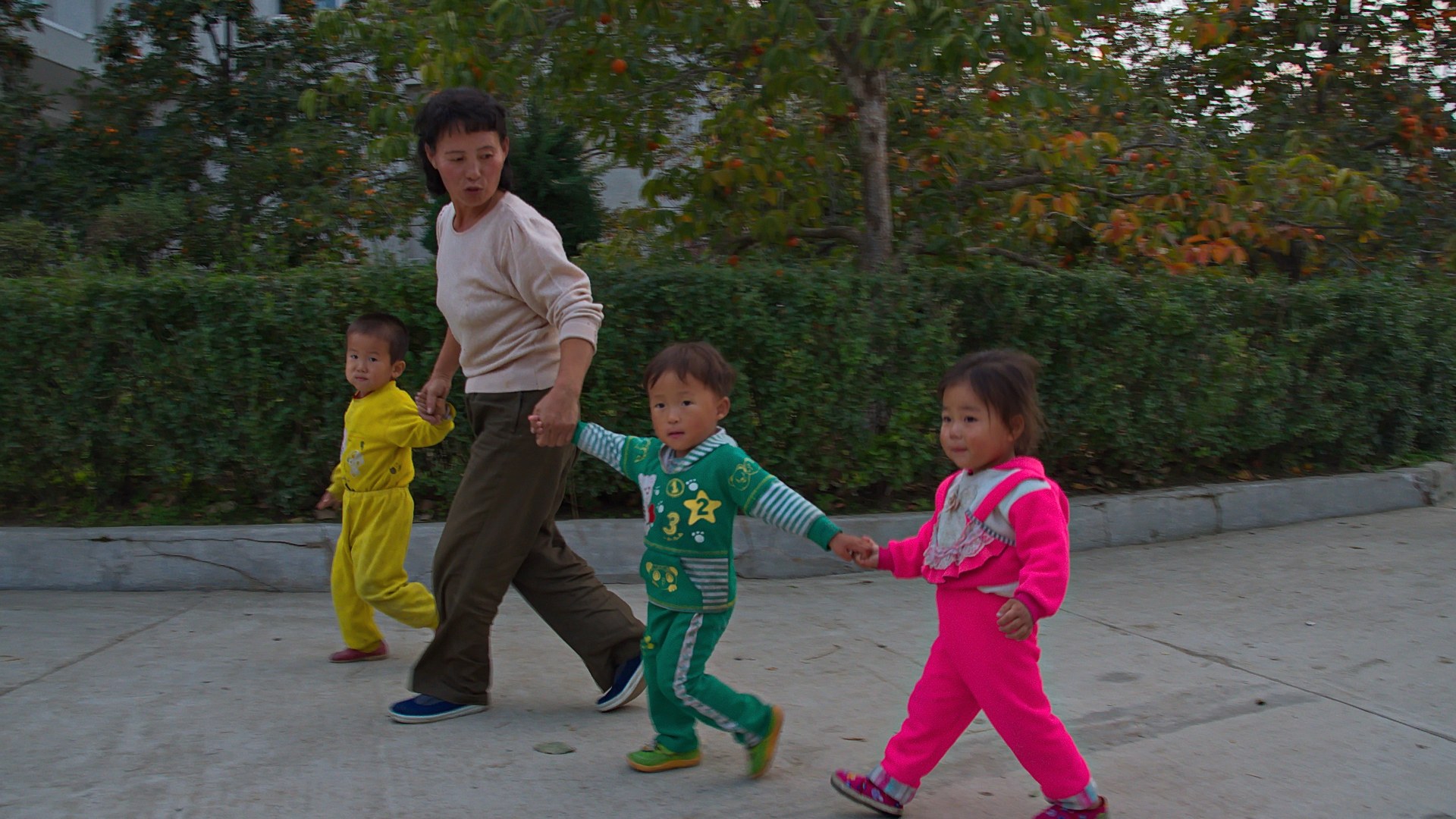
12. Daily Life In Provincial Towns 
11. Grassroots Jangmadang Markets - AdvertisementSwipe or tap ▶ to continue countdown

10. Rural Work And Agricultural Transport 
9. Collective Farm Ration Quotas 
8. Chonsam Cooperative Field Brigades 
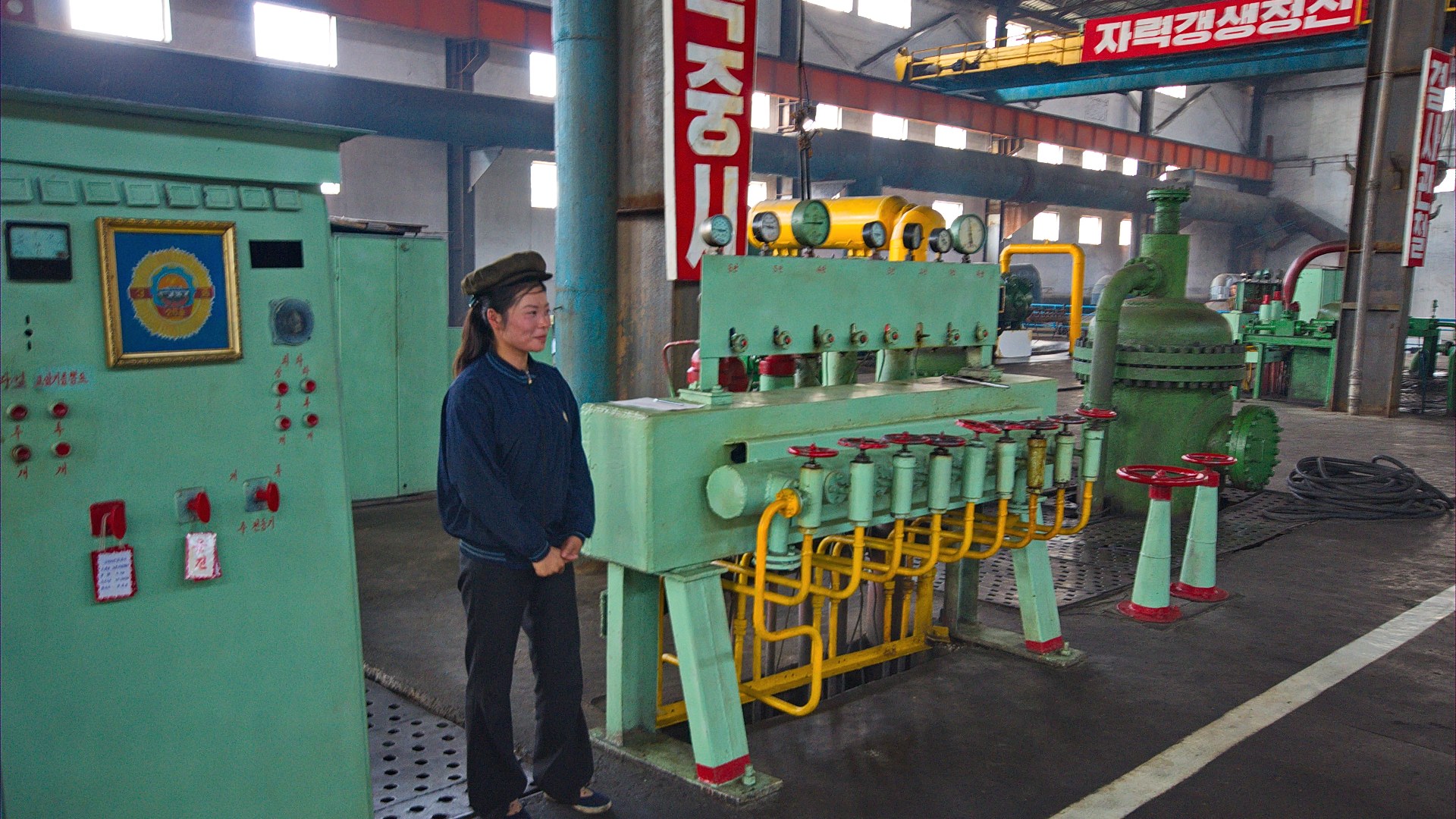
7. Industrial Factory Labor Brigades - AdvertisementSwipe or tap ▶ to continue countdown

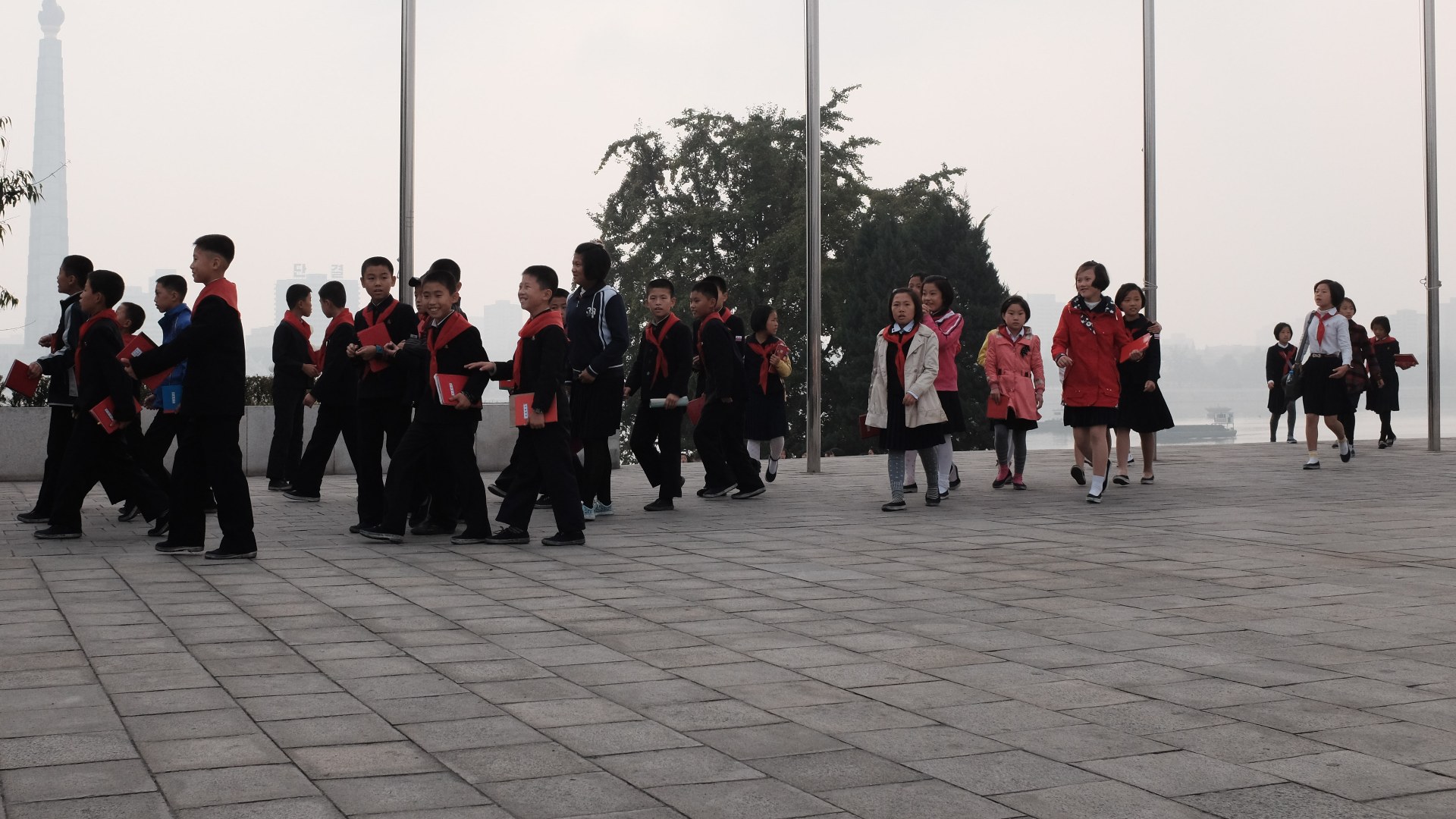
6. The Young Pioneer Youth Organization 
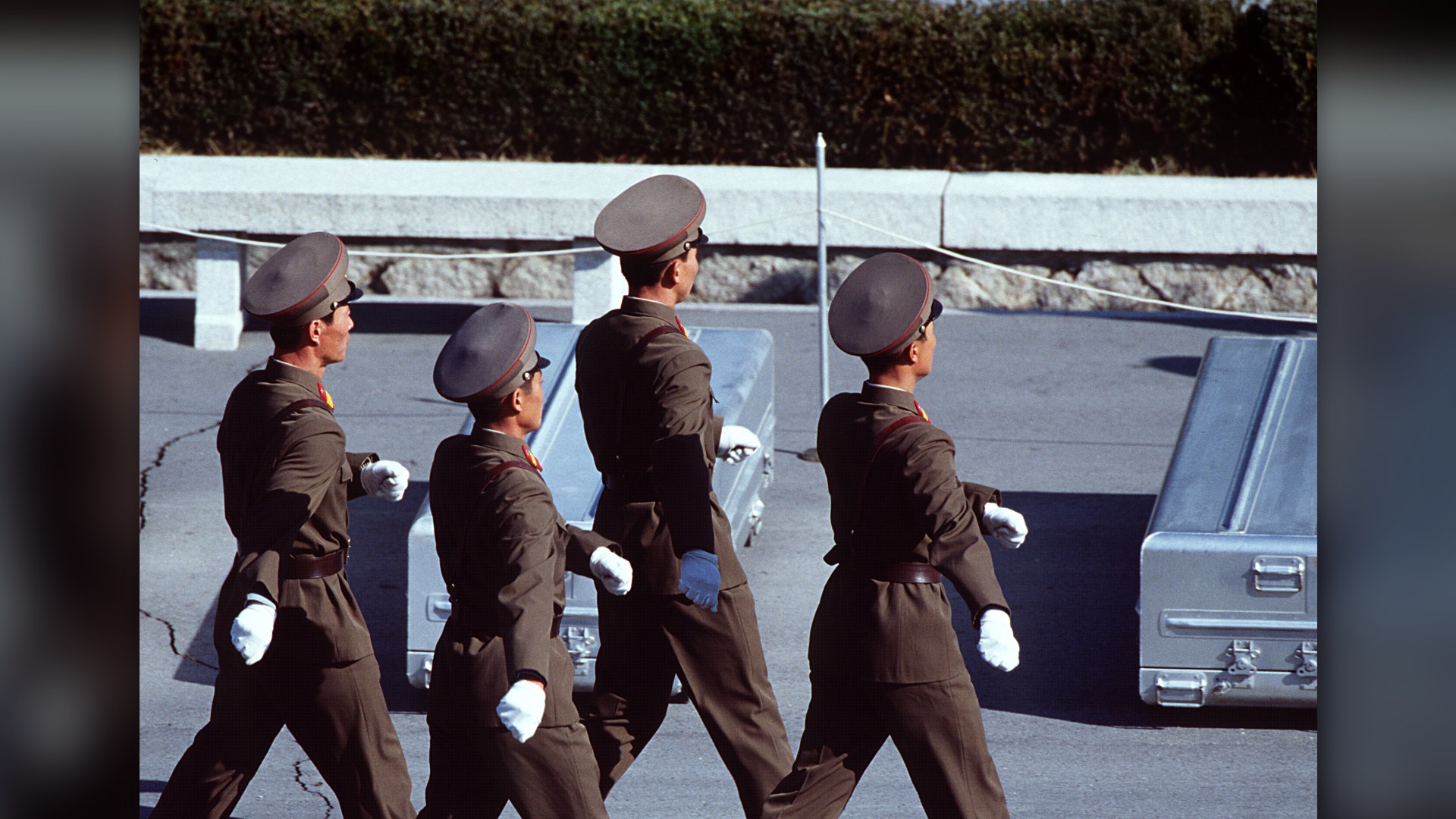
5. Ten-Year Military Conscription 
4. Public Propaganda Murals And Slogans 
3. Inter-City Travel Checkpoints - AdvertisementSwipe or tap ▶ to continue countdown

2. Mass Gymnastics And Stadium Rallies 
1. Mansu Hill Supreme Leader Veneration - Advertisement🔥 UP NEXT IN THIS SERIES◫ 21 Slides

20 Famous Cars With Pop-Up Headlights That Shaped Car Design
From hand-cranked 1930s teardrops to wedge supercars of the 1980s, hidden headlights let stylists chase sleek aerodynamics until 2004 pedestrian rules closed the curtain. Here are 20 standout production cars that turned retractable lamps into an enduring automotive design feature across seven full decades.
From registered bicycles and morning alarms to closed intranets and grand monuments, daily routines in North Korea follow unique rules. Here is how everyday life unfolds under the world's most pervasi
Swipe or tap ▶ to begin the countdown
©Openverse / driver Photographer
25. Synchronized Morning Alarms
Every day in North Korea begins under state direction. At six o'clock each morning, municipal loudspeakers across cities broadcast an eerie electronic chime waking citizens. Known as the morning siren, the sound reminds residents that personal schedules yield to national routines.
©Wikimedia / Christophe95
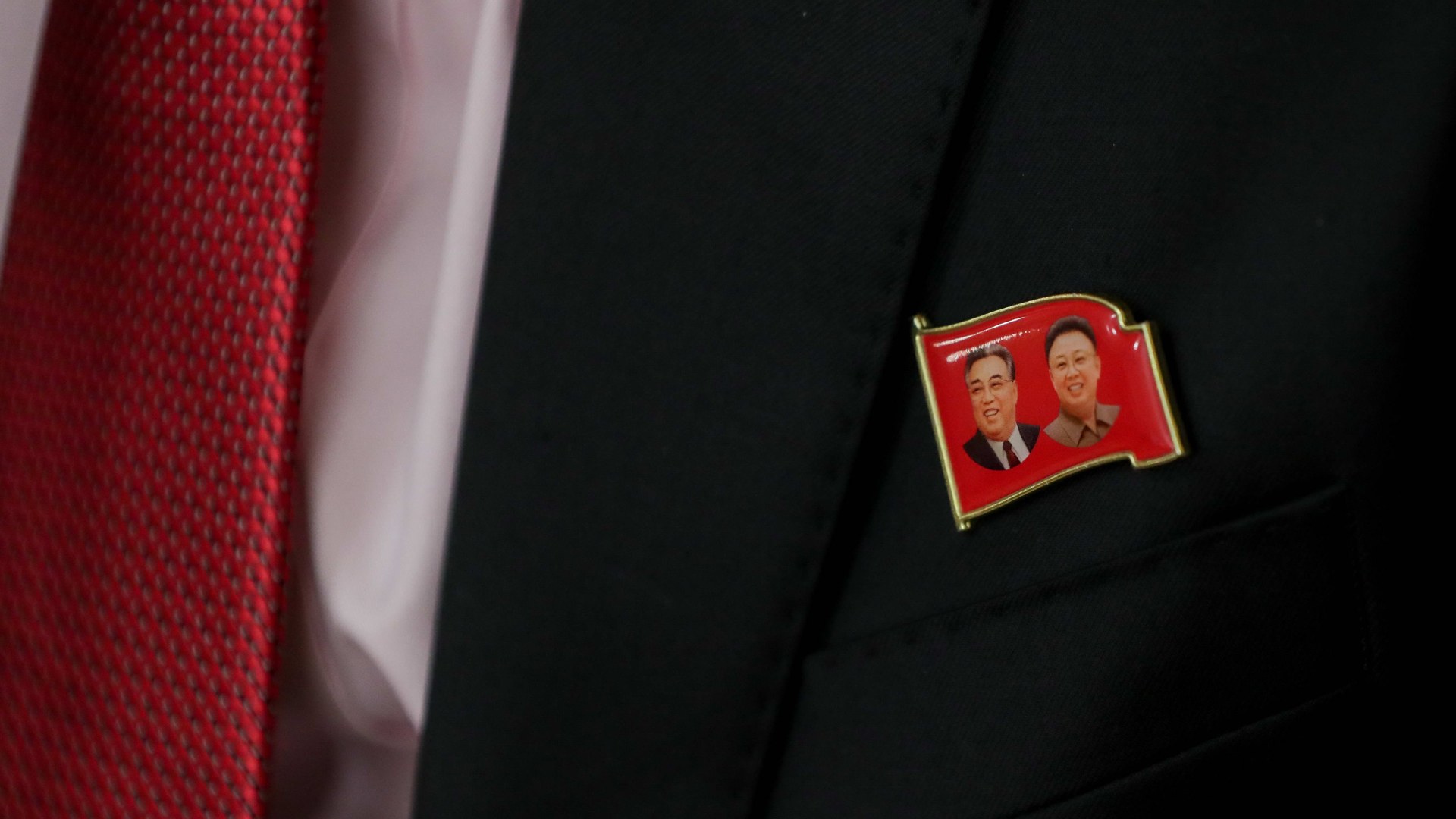
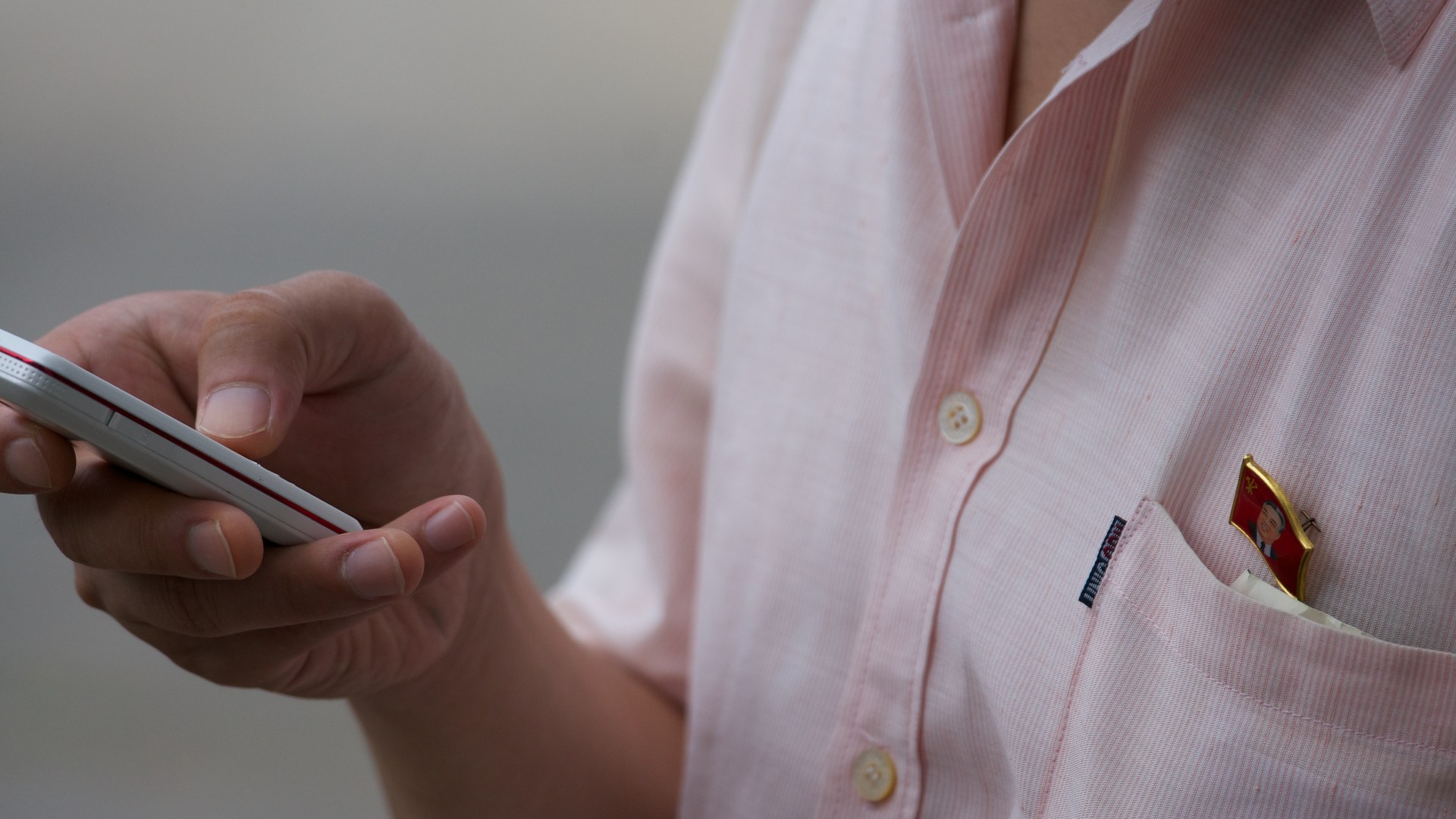
24. Mandatory Leader Lapel Badges
One of the most visible personal rules in daily life is the mandatory loyalty pin. Every citizen past school age must wear an enamel badge displaying Kim Il-sung or Kim Jong-il directly over the heart. Leaving home without one invites questioning from neighborhood monitors.
©Wikimedia / Unknown Author
23. State-Regulated Street Fashion
Walking down the streets of Pyongyang reveals a distinct aesthetic governed by socialist lifestyle guidelines. Blue denim jeans and foreign brand logos are outlawed. Men generally wear olive drab, grey, or dark tunics, while women wear modest knee-length skirts or traditional gowns.
©Wikimedia / Uwe Brodrecht
Advertisement
Swipe or tap ▶ to resume the countdown.
22. Registered Commuter Bicycles
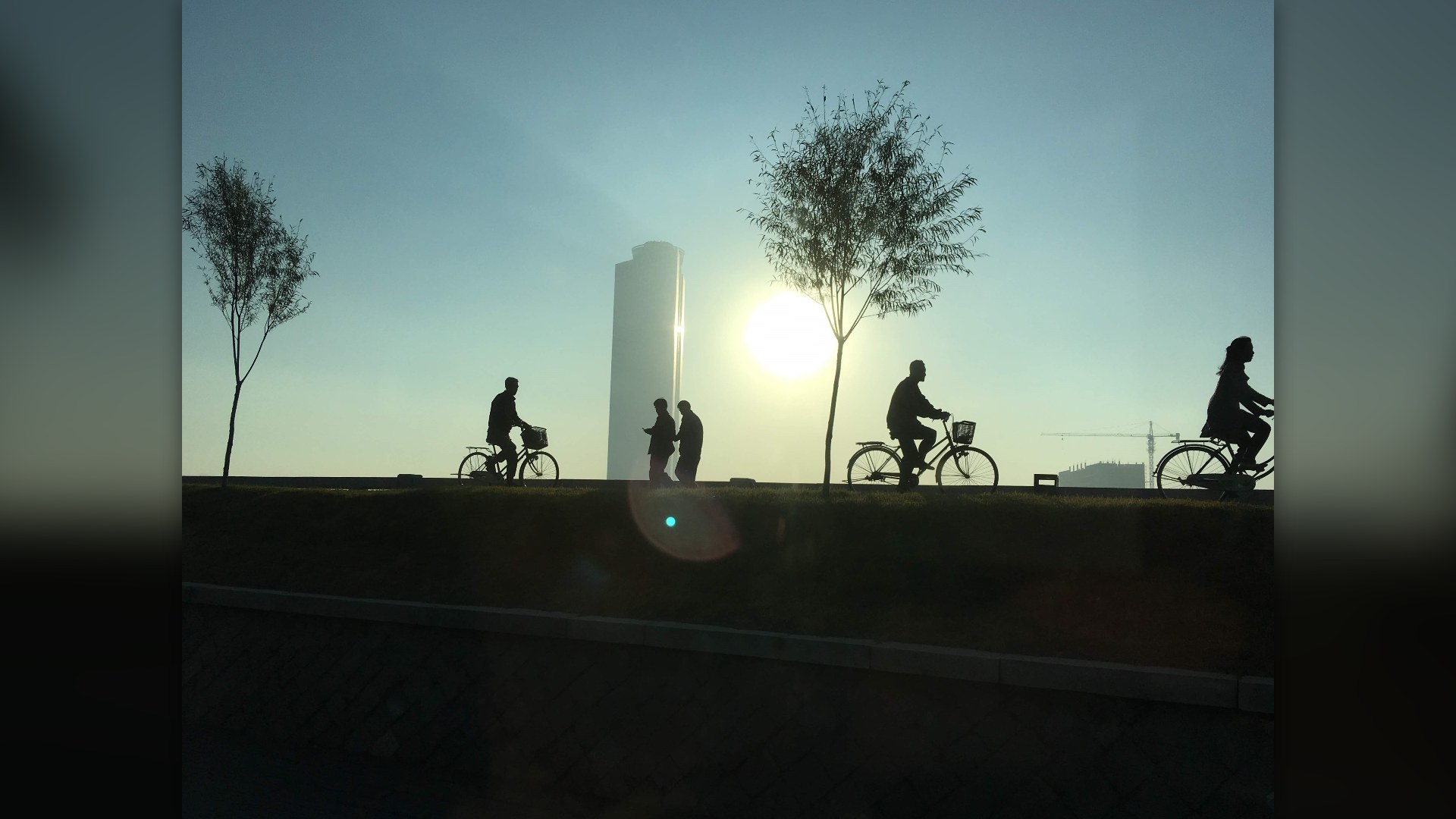
In a country where private car ownership is restricted, bicycles are the primary private mode of transit. To keep track of movements, every bicycle must be registered at the local security office, receiving a stamped metal license plate with a unique regional number.
©Wikimedia / Nicor
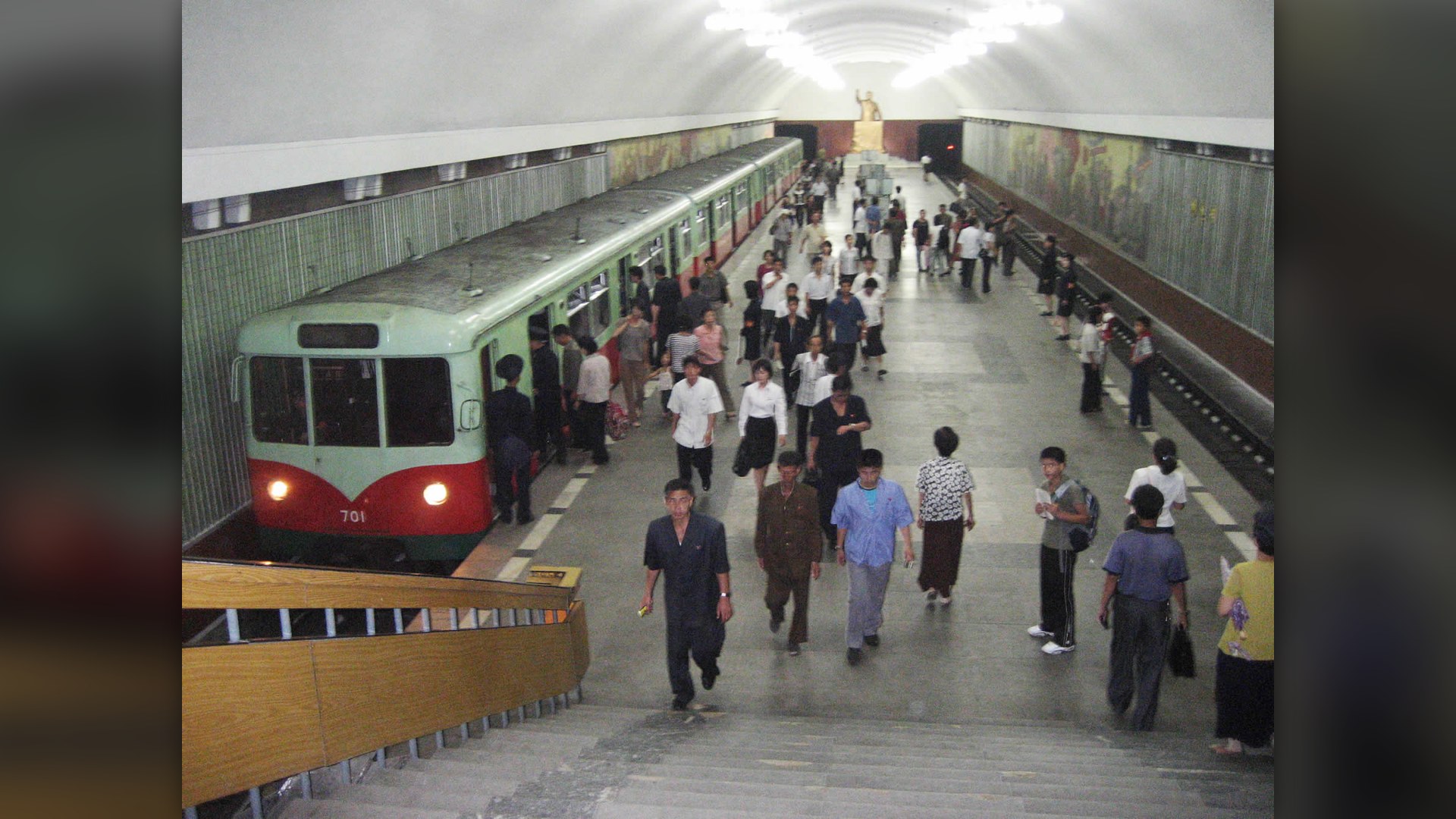
21. The Pyongyang Metro Network
The Pyongyang Metro is among the deepest underground transit systems on earth, descending over one hundred meters beneath street level. Originally engineered during the Cold War to serve as subterranean fallout shelters, the stations move thousands of daily commuters beneath the capital.
©Wikimedia / David Stanley
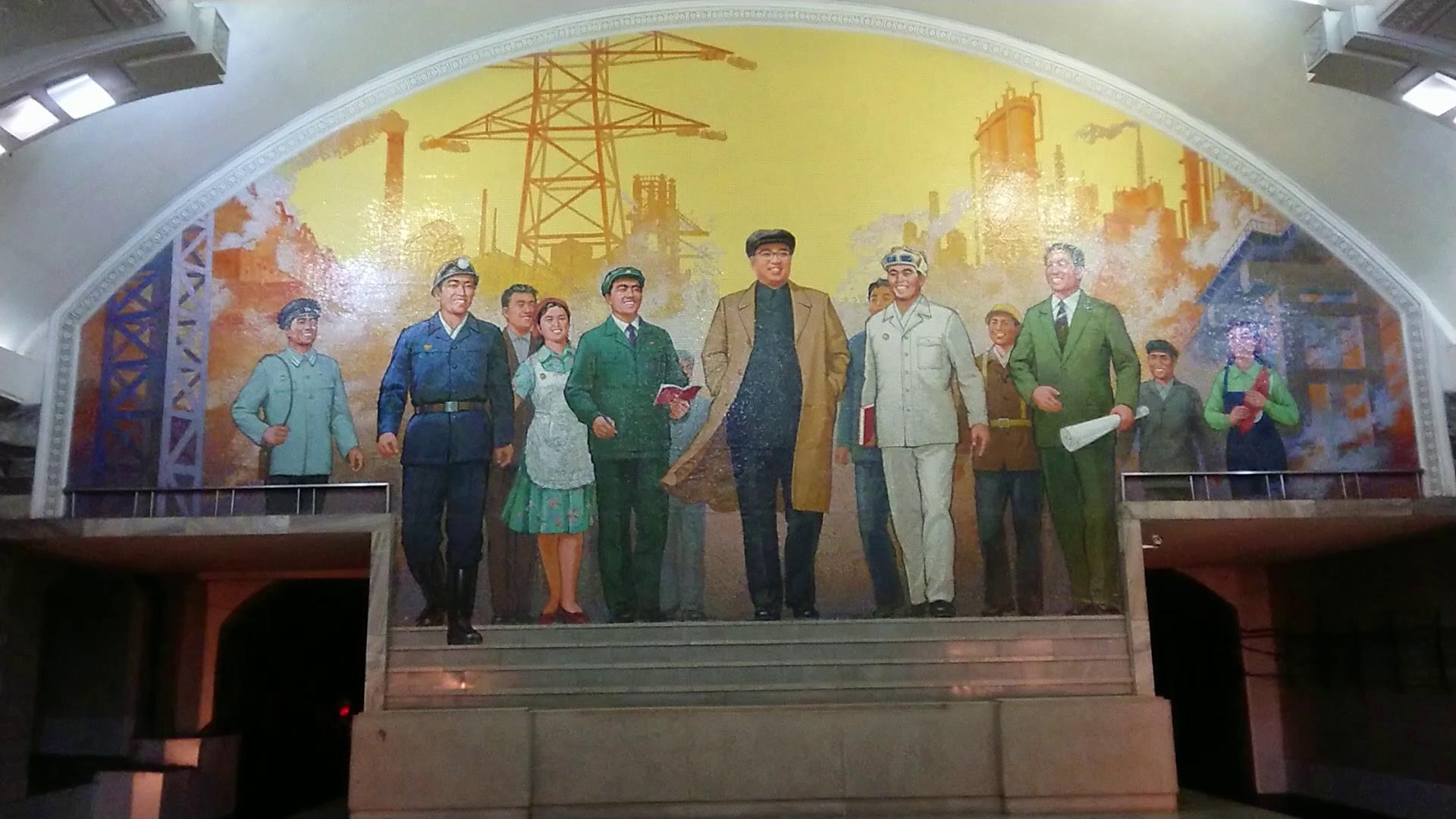
20. Metro Station Socialist Murals
Rather than commercial advertisements, the walls of the Pyongyang subway feature grand ideological art. Elaborate glass mosaic panels illustrate key events from the revolutionary narrative, depicting heroic coal miners, farmers holding wheat, and soldiers guarding sovereignty.
©Wikimedia / Jan Engelhardt
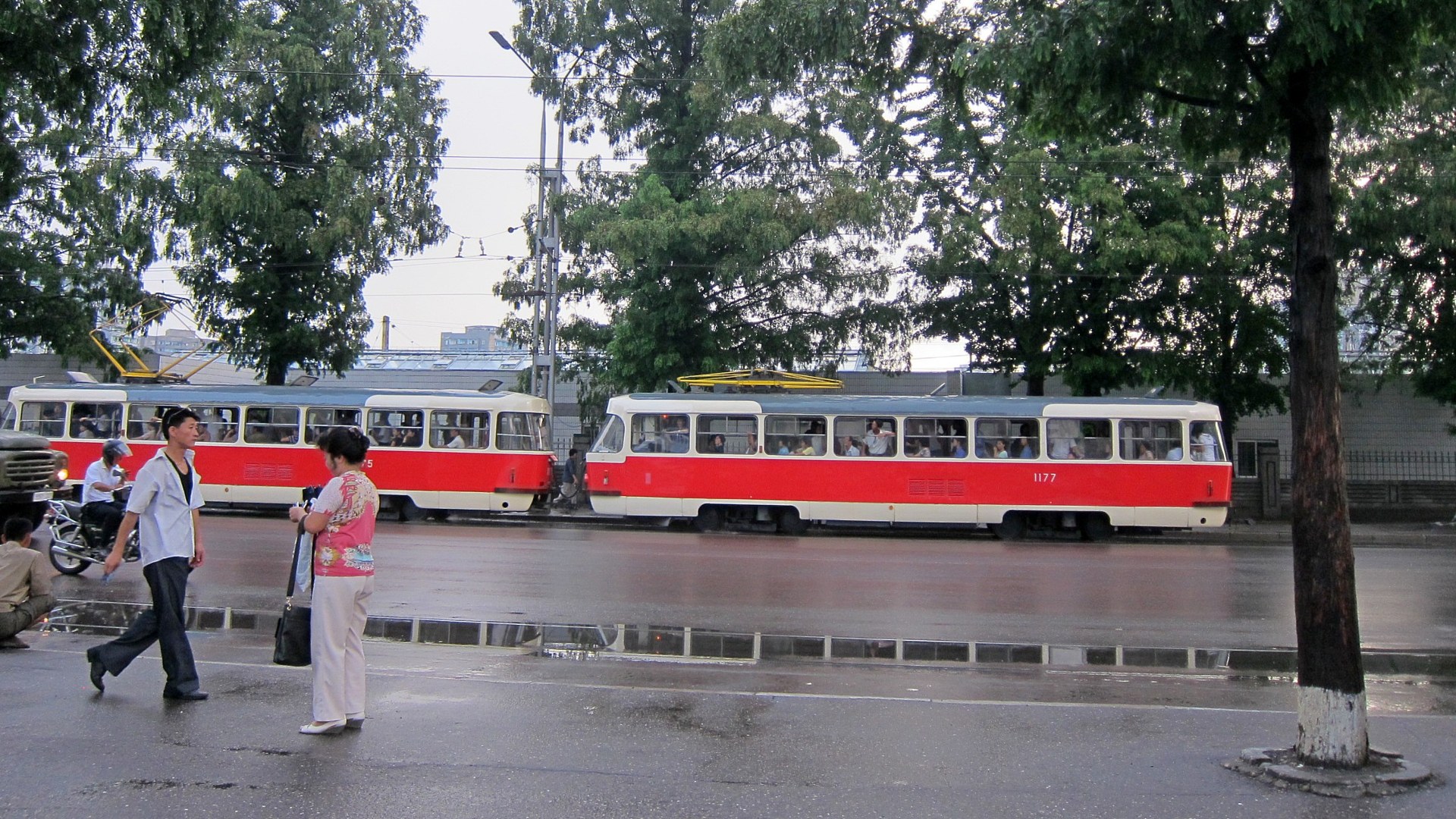
19. Electric Street Trams And Trolleybuses
Surface public transit across major cities relies on electric trolleybuses and vintage trams imported decades ago from Eastern Europe. The sides of vehicles feature painted red stars representing fifty thousand accident-free kilometers, marking driver milestones.
©Wikimedia / Roman Bansen
Advertisement
Swipe or tap ▶ to resume the countdown.
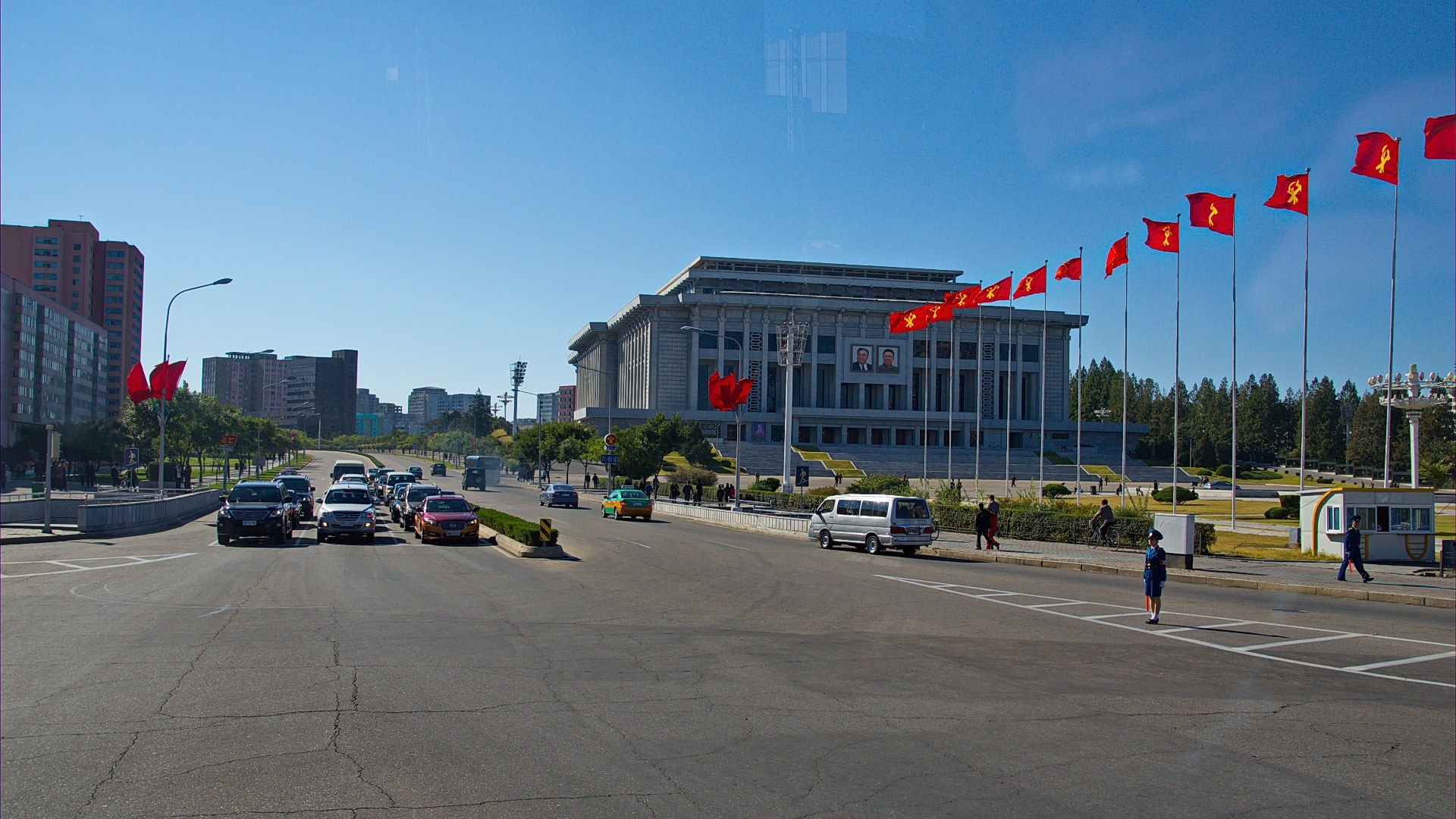
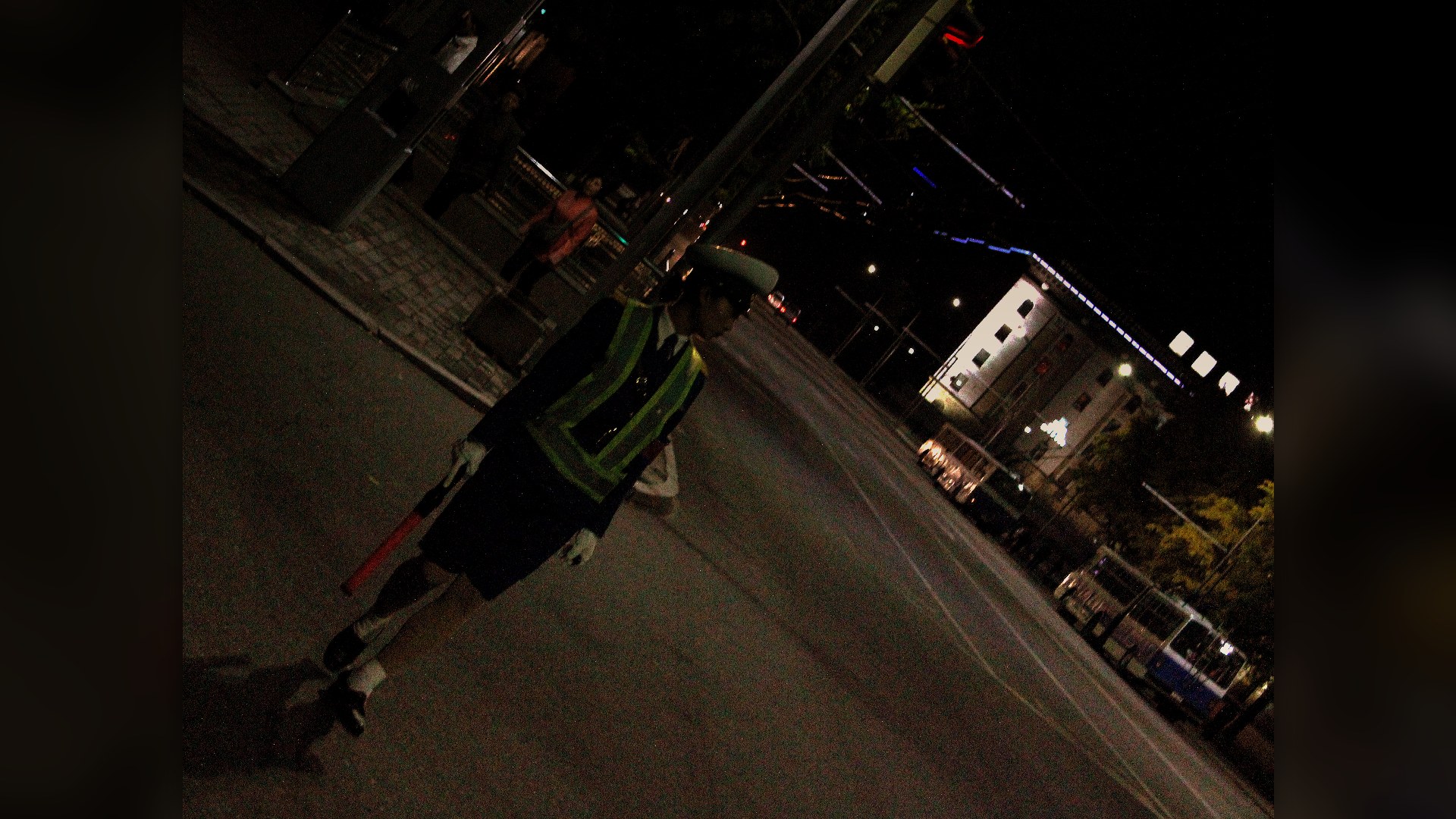
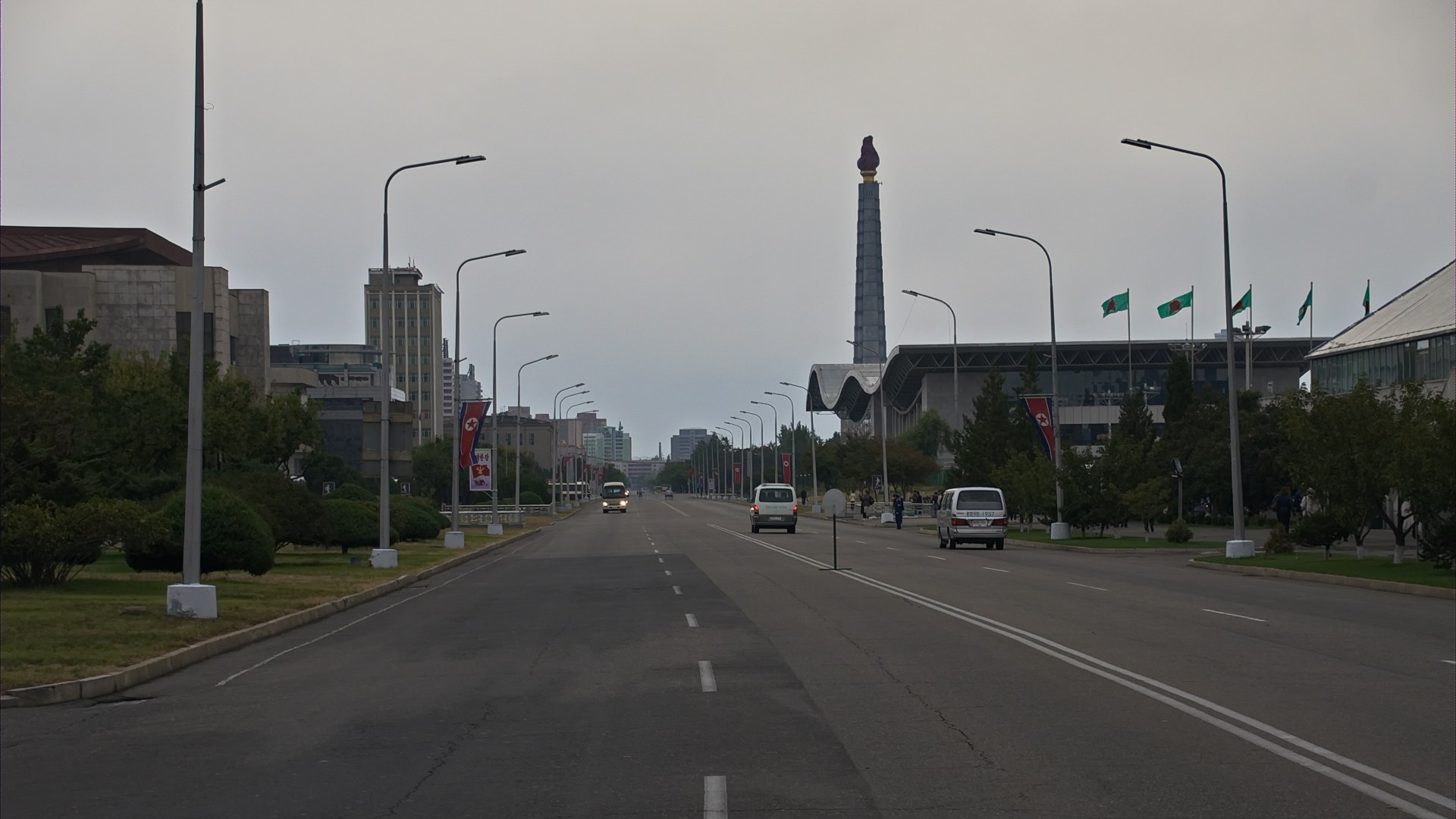
18. Human Traffic Directing Officers
Before automated traffic lights became standard at central crossings, vehicular movement was handled exclusively by human traffic officers. Chosen for discipline, these officers perform crisp, synchronized baton movements to guide buses and official vehicles through wide boulevards.
©Wikimedia / calflier001
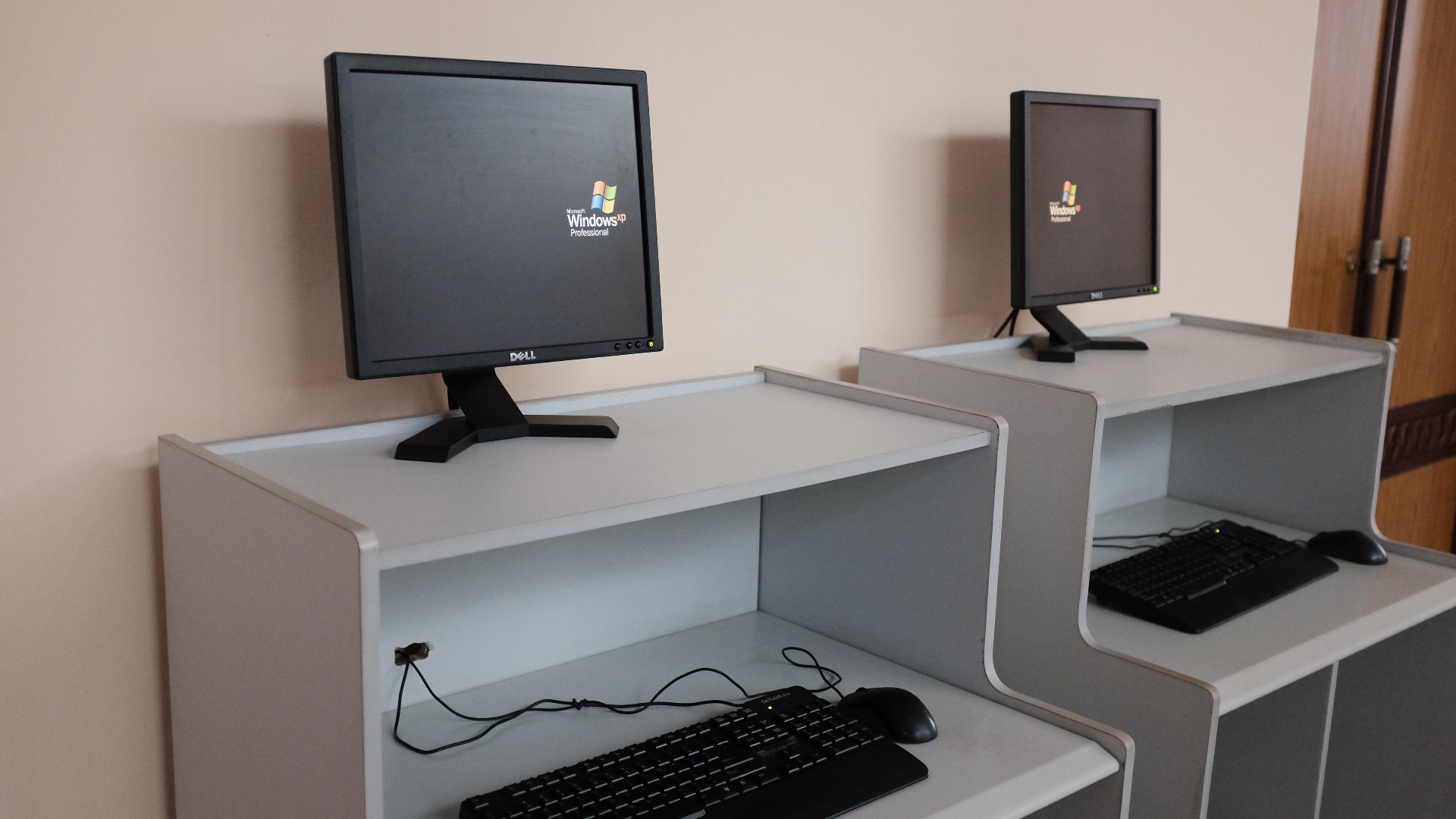
17. The Kwangmyong Domestic Intranet
North Korea operates an isolated computer ecosystem where ordinary citizens cannot access the worldwide web. Libraries and workplaces connect instead to Kwangmyong, an internal intranet hosting state news, educational databases, and internal messaging shielded from the outside world.
©Wikimedia / Jan Bockaert
16. State-Monitored Smartphones
While millions of citizens now carry domestic touchscreen phones, these devices operate under surveillance software. Handsets run custom Android builds that log background screen captures and use digital signature verification to block any media files not authorized by the state.
©Wikimedia / Joseph Ferris III
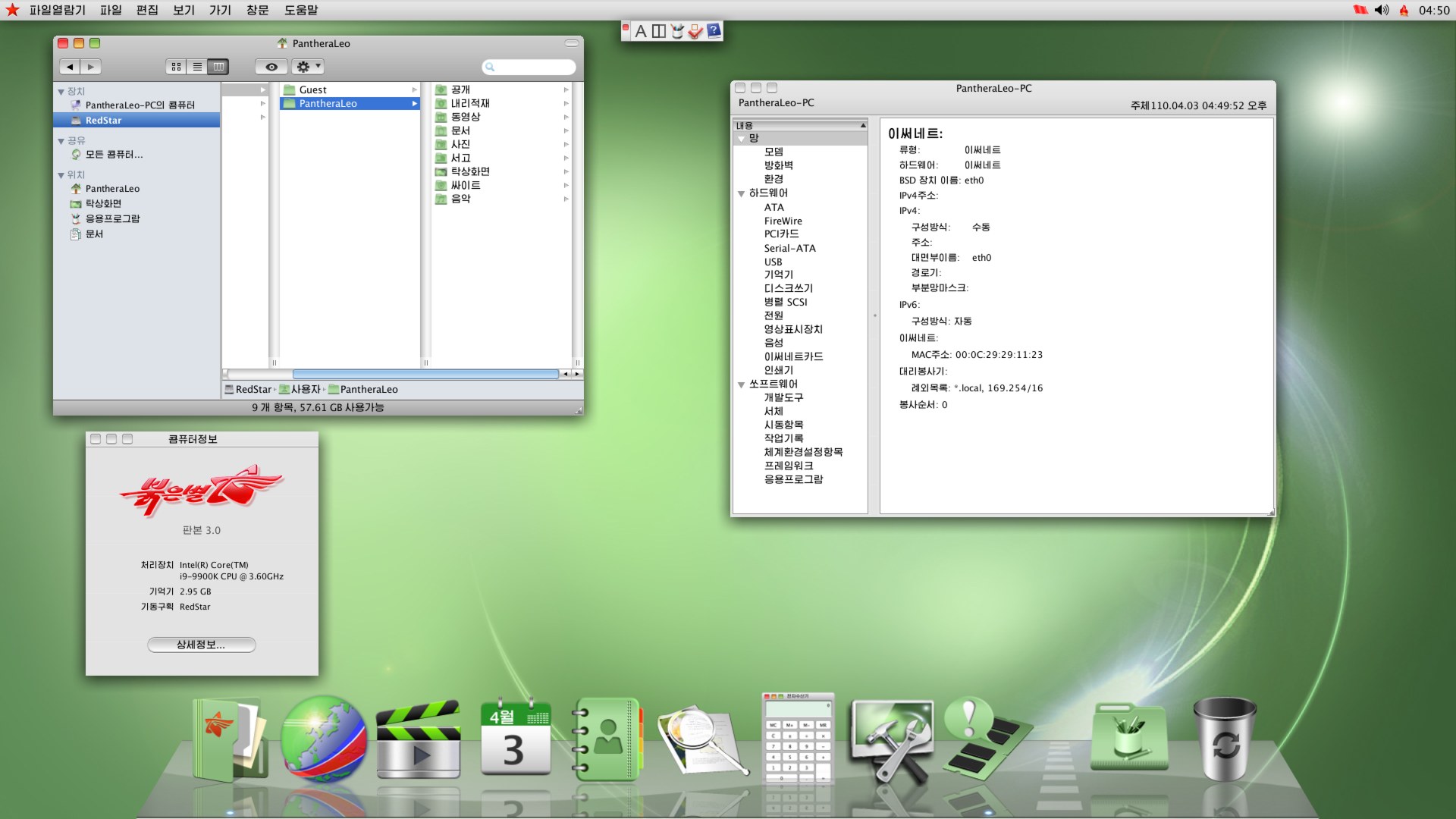
15. Red Star Linux Operating System
Rather than utilizing foreign software, government offices rely on Red Star OS, a custom Linux platform developed by the Korea Computer Center. Whenever files or storage drives connect, the system covertly embeds cryptographic watermarks to trace the origin of distributed documents.
©Wikimedia / Korea Computer Center
Advertisement
Swipe or tap ▶ to resume the countdown.
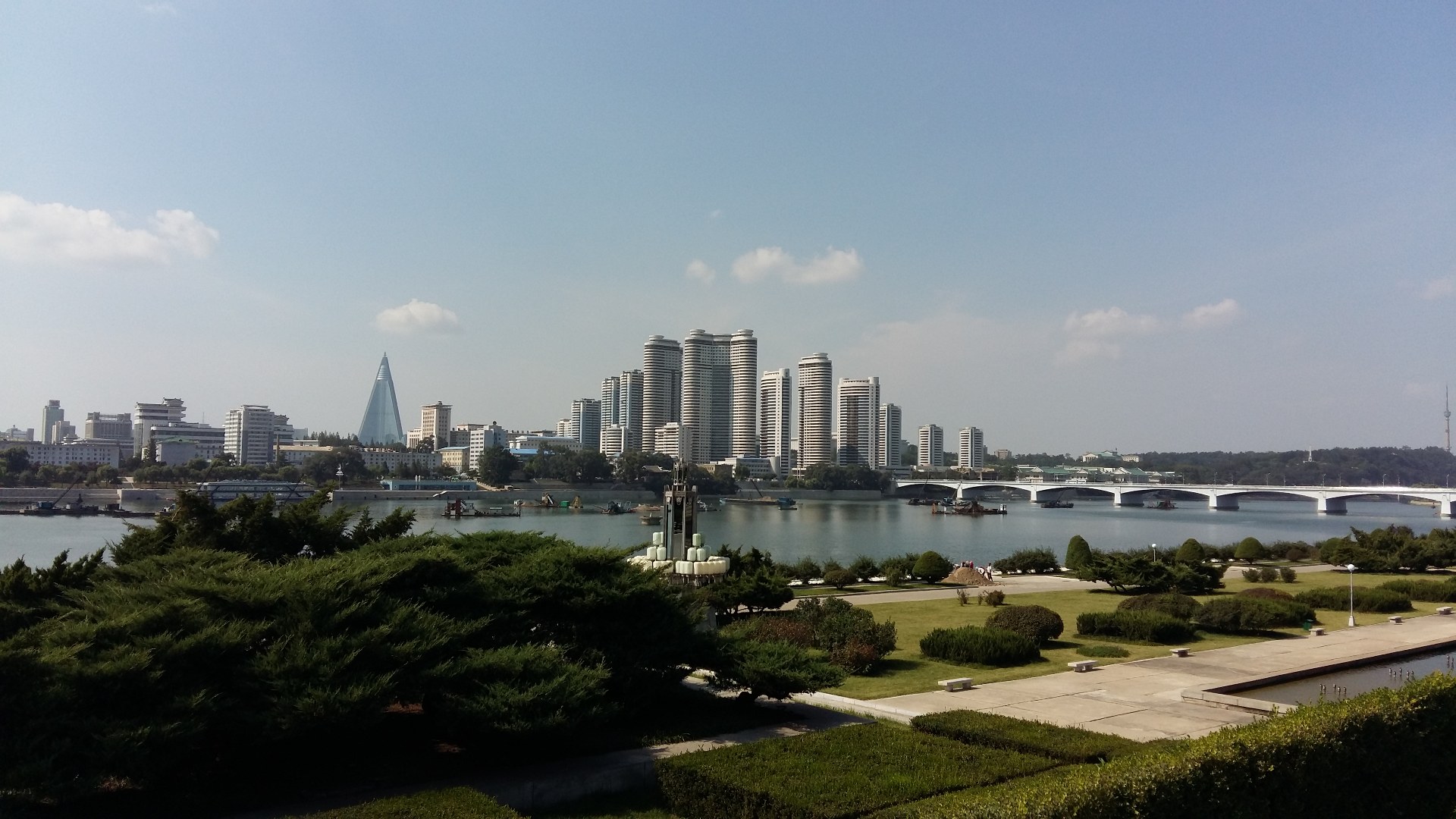
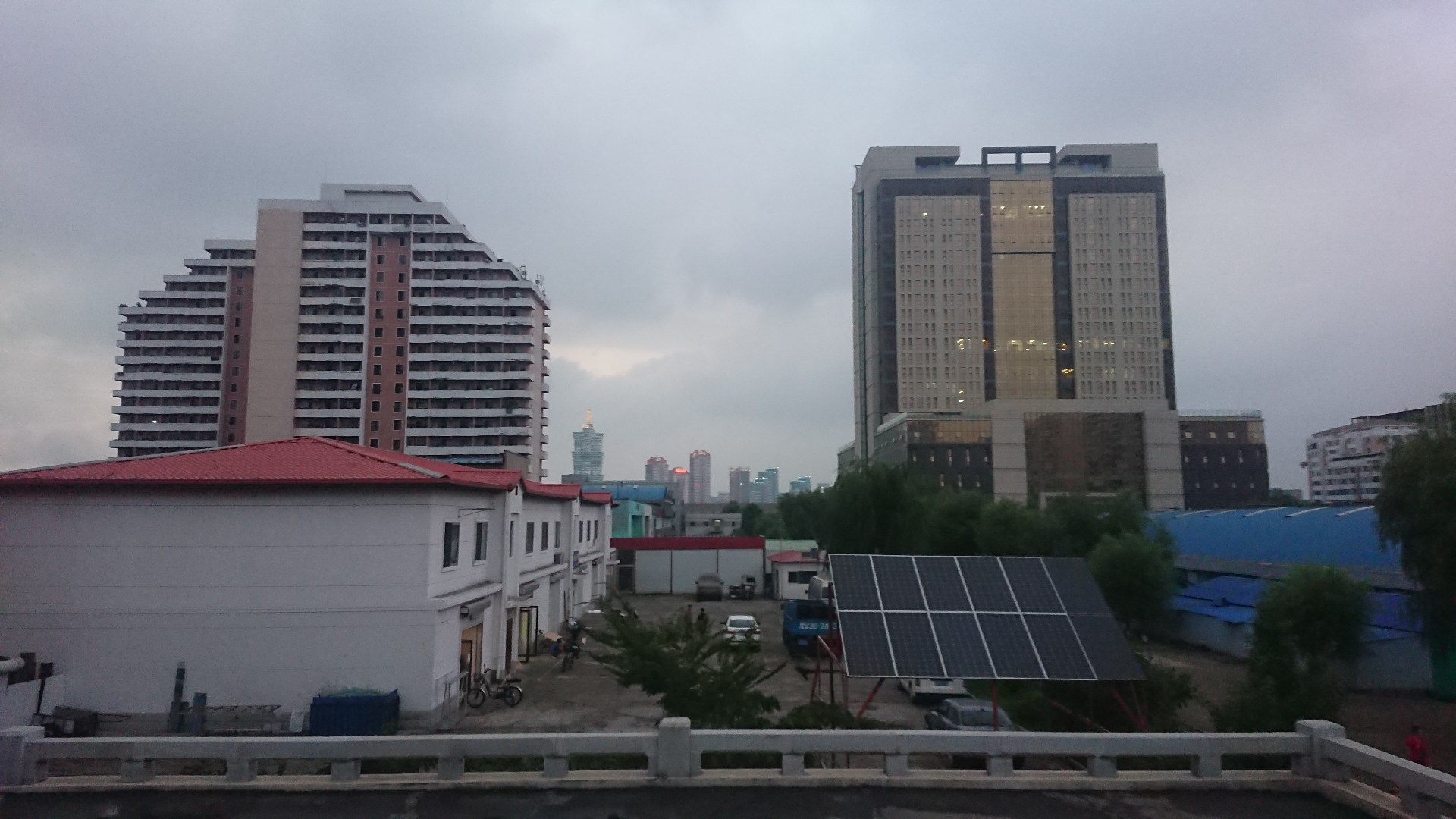
14. High-Density Residential Apartments
Housing in North Korea is assigned directly by state housing departments rather than traded on an open property market. In Pyongyang, showcase residential developments like Changjon Street feature high-rise pastel apartment blocks where neighbors share communal maintenance responsibilities.
©Wikimedia / Topolinochamp
13. Inminban Neighborhood Watch System
At the grassroots level of domestic life is the Inminban, or peoples neighborhood unit. Every apartment building belongs to a group led by an appointed neighborhood head. The leader tracks visitors, confirms that leader portraits are clean, and coordinates communal sanitation work.
©Wikimedia / Uwe Brodrecht
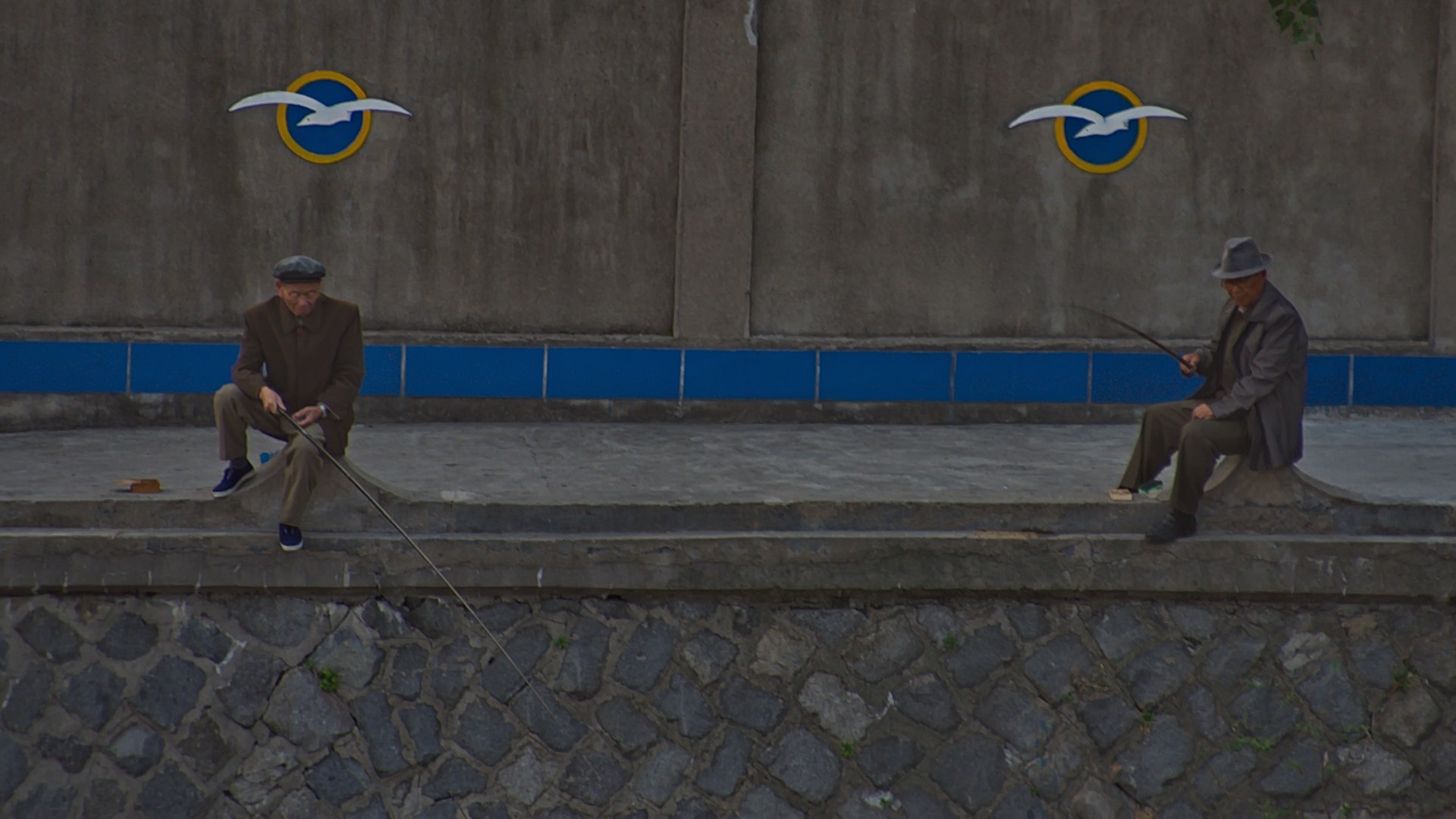
12. Daily Life In Provincial Towns
Outside Pyongyang, provincial cities like Wonsan offer a glimpse into routine provincial life. Concrete apartment blocks, public squares, and cycling corridors define these centers, where citizens navigate daily factory schedules and municipal duties away from capital spotlights.
©Wikimedia / Uwe Brodrecht
11. Grassroots Jangmadang Markets
Following economic shifts in recent decades, grassroots marketplaces known as Jangmadang expanded across the country. Operating alongside official distribution shops, these bustling trading stalls allow families to buy and sell produce, basic cookware, and domestic clothing.
©Wikimedia / Jan Engelhardt
Advertisement
Swipe or tap ▶ to resume the countdown.
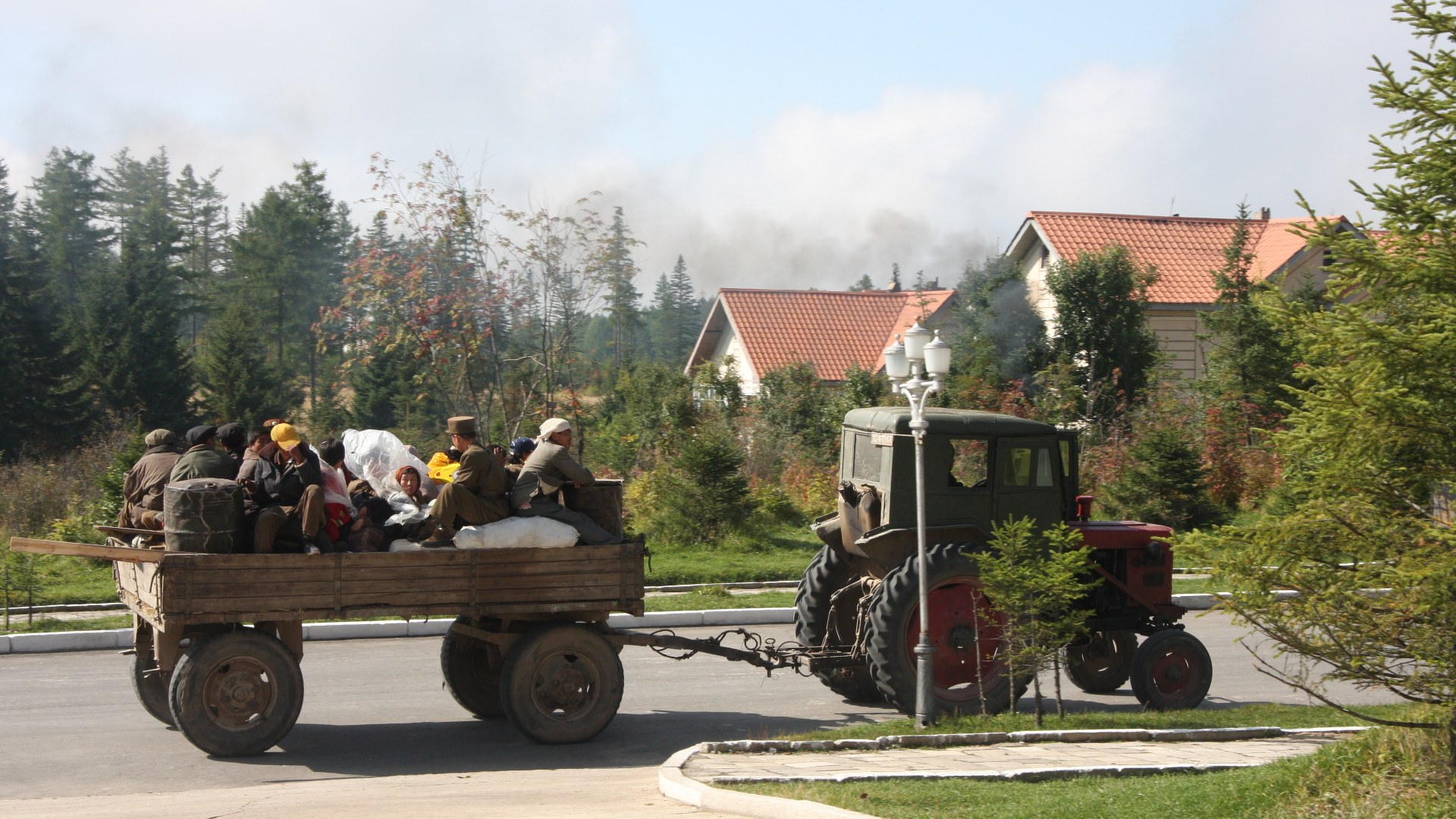
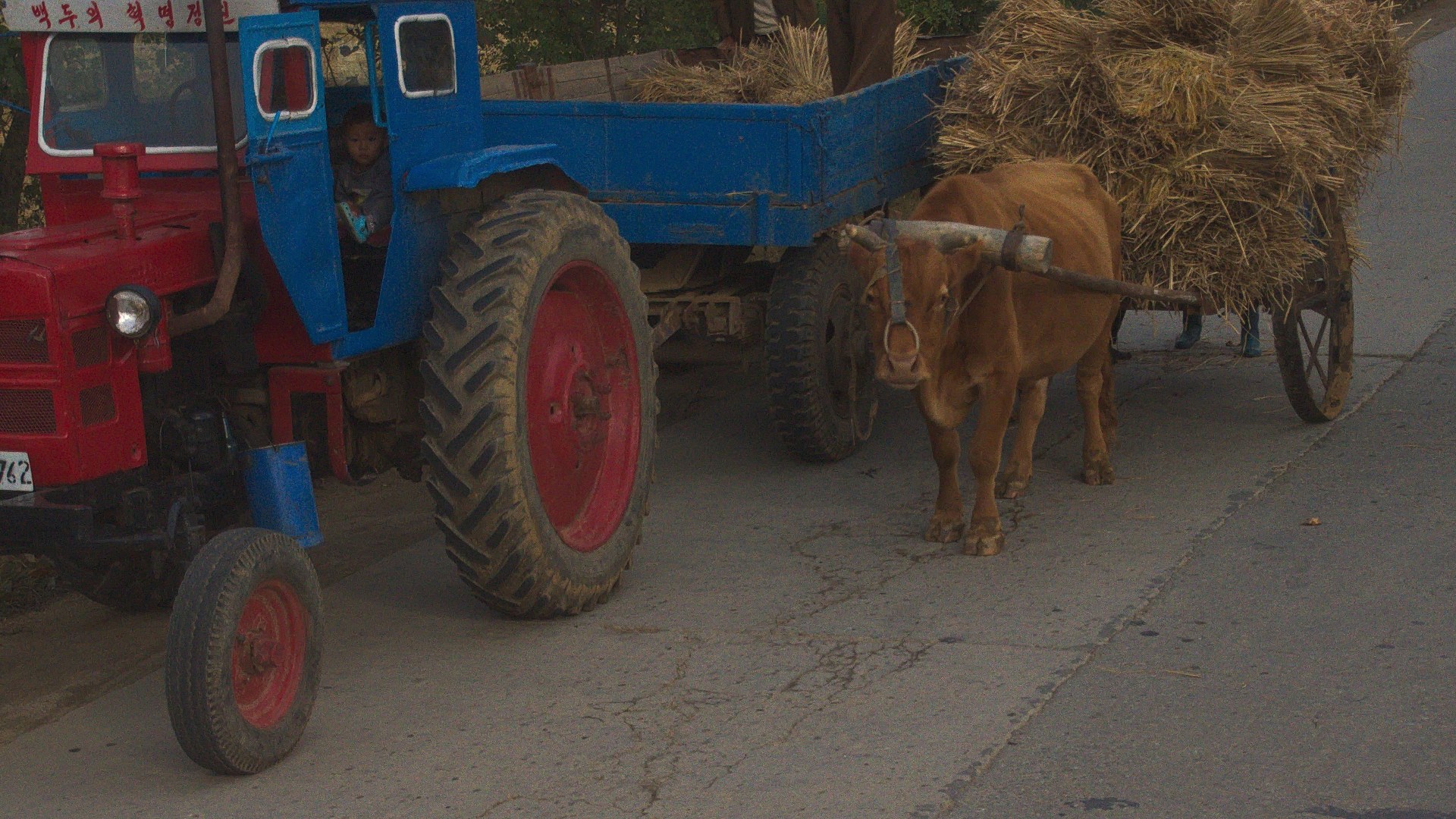
10. Rural Work And Agricultural Transport
The transition from city avenues to rural farmland reveals sharp technological contrast. In farming counties, heavy transport frequently relies on vintage steel-wheeled tractors, ox carts, and converted farm haulers operating under strict national grain production targets.
©Wikimedia / Mark Scott Johnson
9. Collective Farm Ration Quotas
Agriculture remains organized around collective farms like Chongsan-ri where dozens of families work shared plots. Seasonal yields of corn, wheat, and rice are collected by the state distribution network, with farm families receiving grain allocations based on work point credits.
©Wikimedia / Laika ac
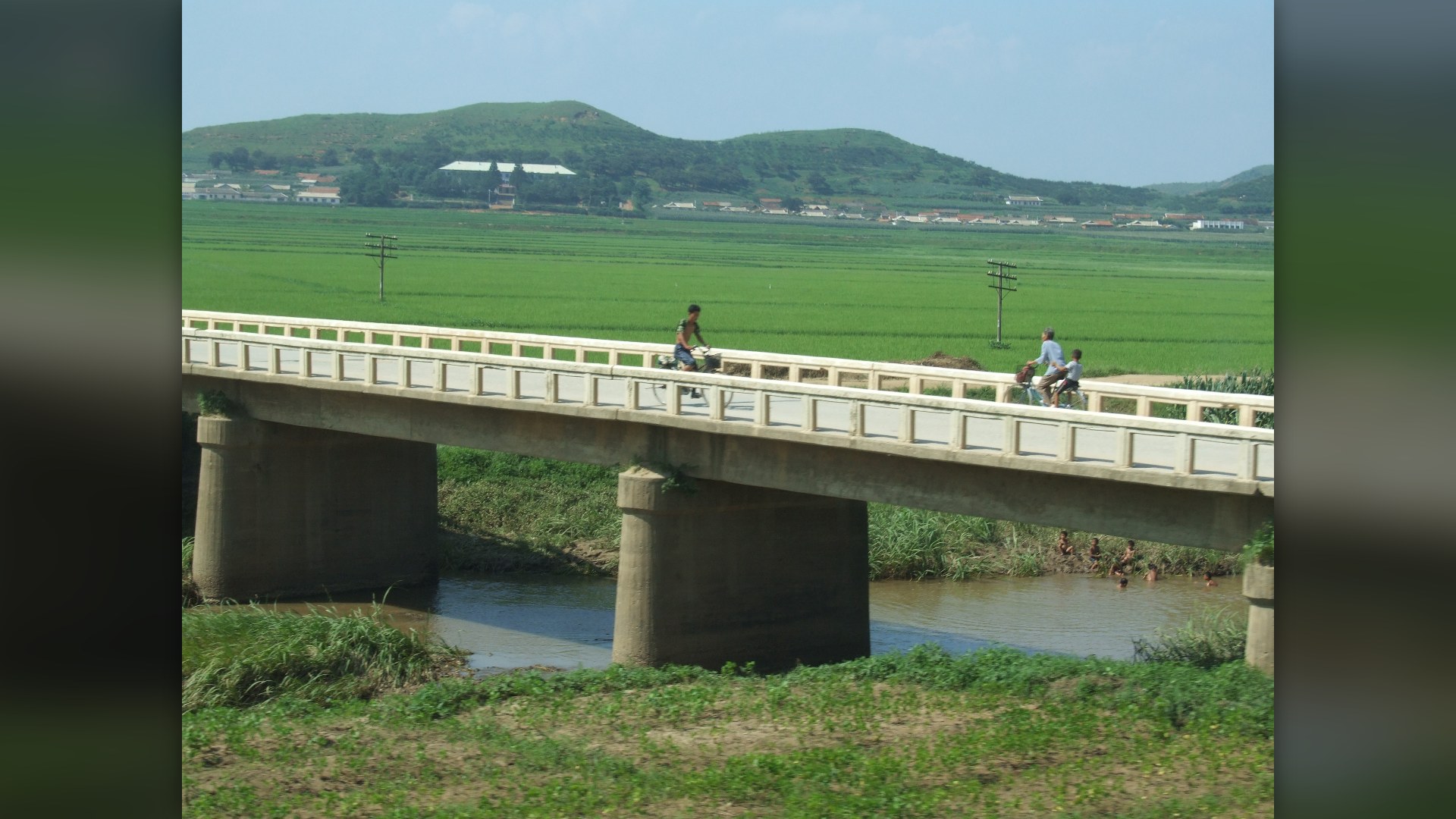
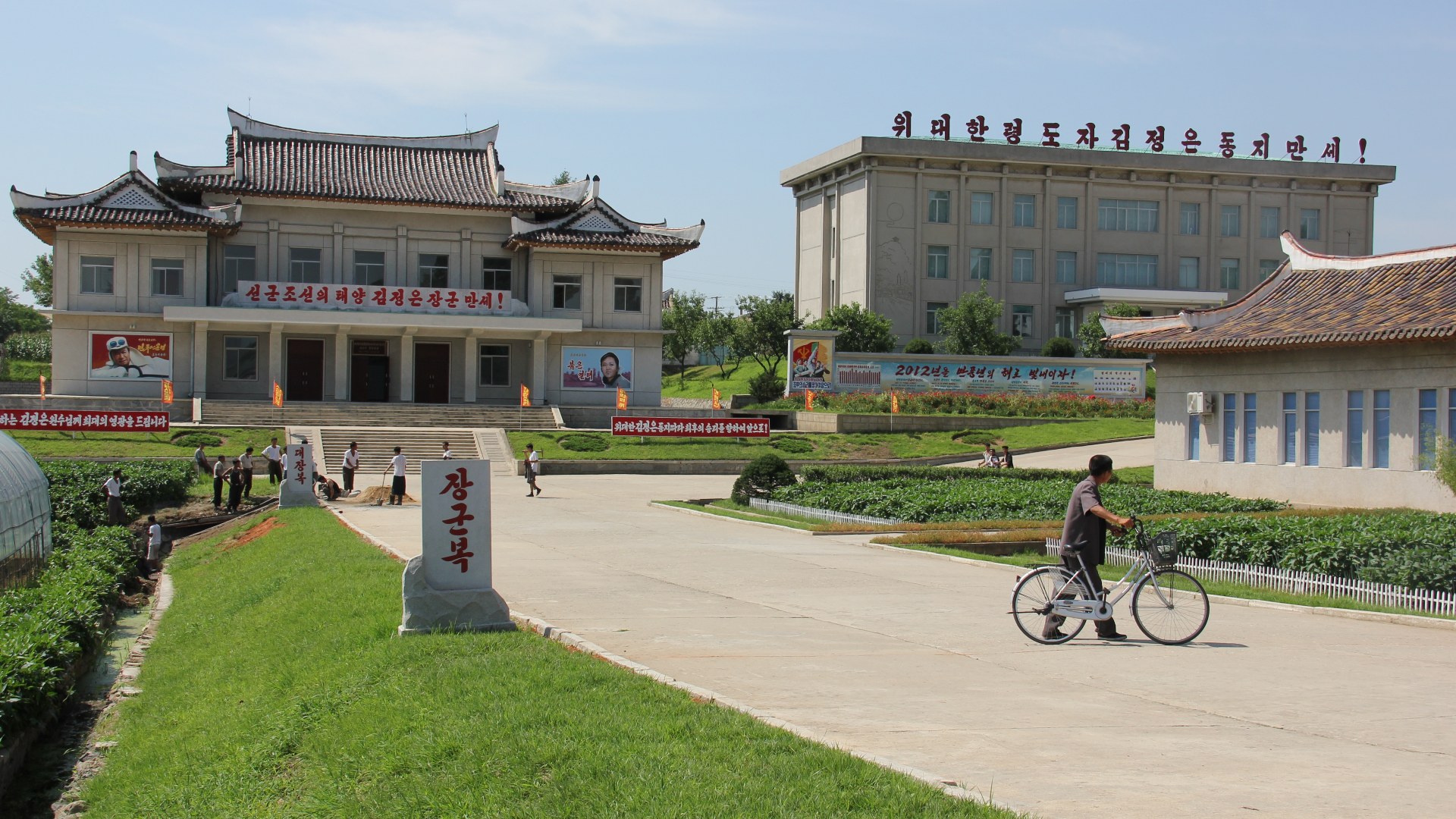
8. Chonsam Cooperative Field Brigades
At major model farms such as Chonsam cooperative, entire villages participate in field mobilization brigades. During transplanting and harvesting, mechanized tools are supplemented by synchronized hand labor across terraces to ensure every acre of arable land is cultivated.
©Wikimedia / Uwe Brodrecht
7. Industrial Factory Labor Brigades
In heavy manufacturing centers like Hamhung, chemical plants and factories run continuous production campaigns. Shifts begin with political briefings and motivational music broadcast across workshop floors, where workers compete to exceed output quotas set by economic planners.
©Wikimedia / Uwe Brodrecht
Advertisement
Swipe or tap ▶ to resume the countdown.
6. The Young Pioneer Youth Organization
Socialization begins in childhood through the Korean Childrens Union. Between ages seven and thirteen, students are inducted into the Young Pioneers during ceremonial school assemblies, wearing red scarves over uniforms, singing patriotic anthems, and participating in community service.
©Wikimedia / Jan Bockaert
5. Ten-Year Military Conscription
North Korea maintains one of the largest standing armies on earth through universal conscription. Young men are drafted after secondary school, serving up to ten years in uniform where they participate in defensive drills, construction projects, and seasonal agricultural harvests.
©Wikimedia / TSGT James Mossman
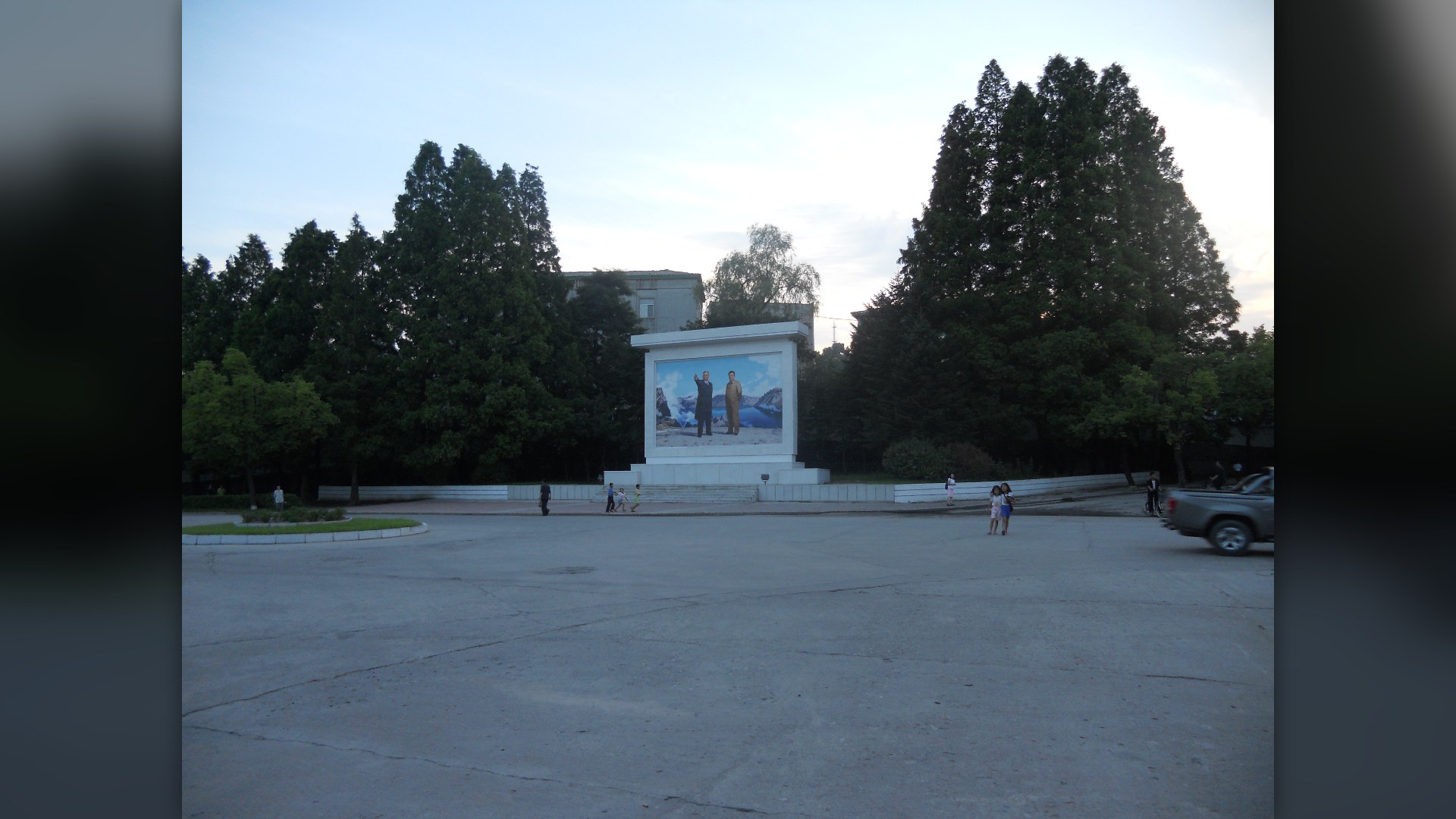
4. Public Propaganda Murals And Slogans
Commercial advertising is absent across North Korea, replaced entirely by ideological displays. Streets, factories, and plazas feature giant painted billboards and mosaic walls promoting state self-reliance and collective unity, reinforcing national values across daily public life.
©Wikimedia / Laika ac
3. Inter-City Travel Checkpoints
Freedom of movement across county lines is tightly restricted. Traveling outside one's registered municipality requires an official travel permit issued by local authorities. Security checkpoints stationed along highways inspect documents and passenger rosters before allowing transit.
©Wikimedia / Uwe Brodrecht
Advertisement
Swipe or tap ▶ to resume the countdown.
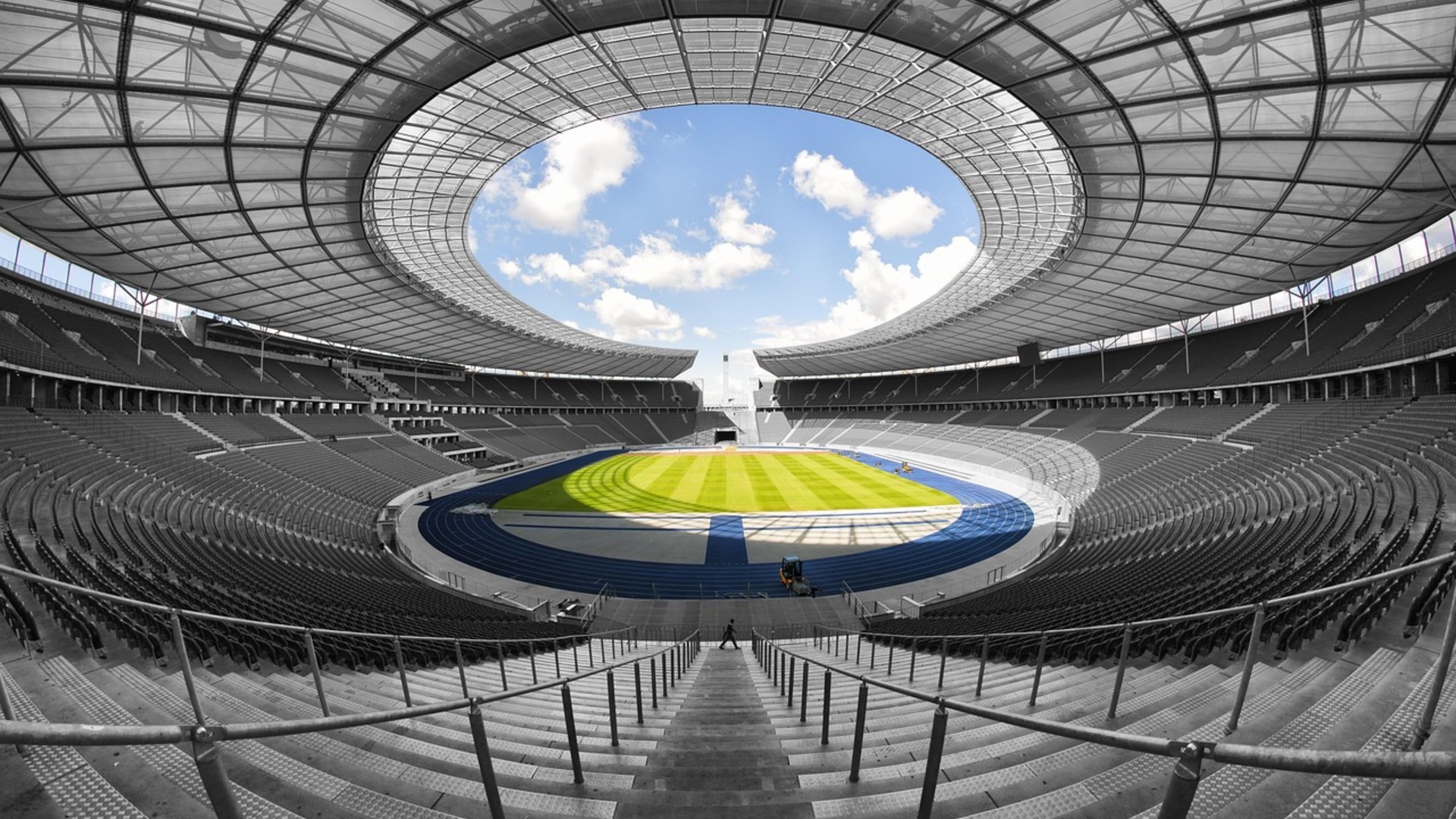
2. Mass Gymnastics And Stadium Rallies
State collectivism reaches its visual peak during the Arirang Mass Games in Pyongyang. Tens of thousands of students fill stadium grandstands holding colored card folios, flipping pages in synchronized precision to form immense living murals that celebrate state milestones.
©Pixabay / 3093594
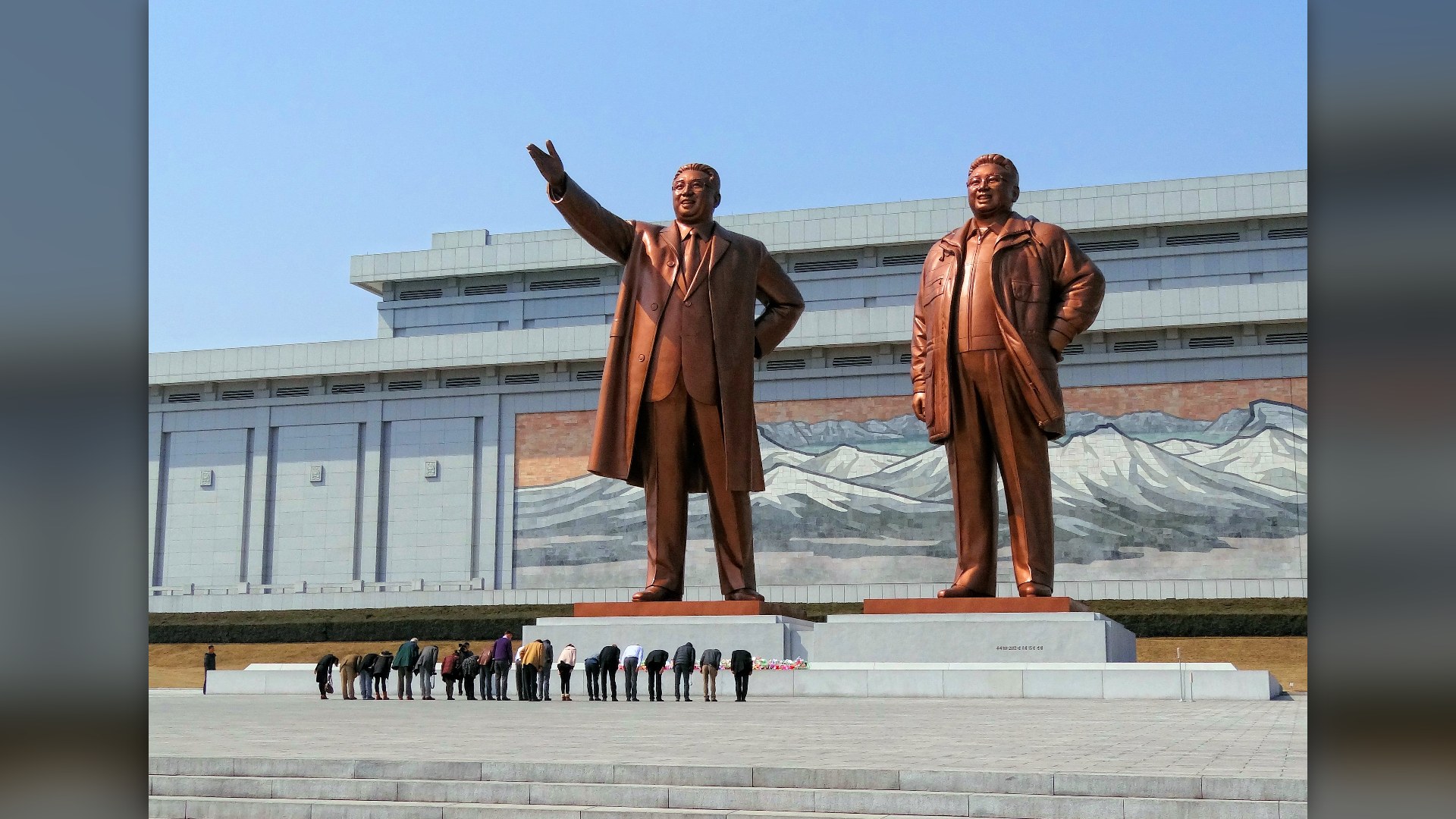
1. Mansu Hill Supreme Leader Veneration
The focal point of civic devotion is the Mansu Hill Grand Monument in Pyongyang. Massive bronze statues of Kim Il-sung and Kim Jong-il dominate the hill, where processions of citizens, military personnel, and newly married couples lay flowers and perform synchronized bows of respect.

©Wikimedia / Bjorn Christian Torrissen
Advertisement
You've reached the end of the story. Thanks for reading!

20 Famous Cars With Pop-Up Headlights That Shaped Car Design
From hand-cranked 1930s teardrops to wedge supercars of the 1980s, hidden headlights let stylists chase sleek aerodynamics until 2004 pedestrian rules closed the curtain. Here are 20 standout production cars that turned retractable lamps into an enduring automotive design feature across seven full decades.
All 25 Entries in this Story
1. Synchronized Morning Alarms
Every day in North Korea begins under state direction. At six o'clock each morning, municipal loudspeakers across cities broadcast an eerie electronic chime waking citizens. Known as the morning siren, the sound reminds residents that personal schedules yield to national routines.

2. Mandatory Leader Lapel Badges
One of the most visible personal rules in daily life is the mandatory loyalty pin. Every citizen past school age must wear an enamel badge displaying Kim Il-sung or Kim Jong-il directly over the heart. Leaving home without one invites questioning from neighborhood monitors.

3. State-Regulated Street Fashion
Walking down the streets of Pyongyang reveals a distinct aesthetic governed by socialist lifestyle guidelines. Blue denim jeans and foreign brand logos are outlawed. Men generally wear olive drab, grey, or dark tunics, while women wear modest knee-length skirts or traditional gowns.

4. Registered Commuter Bicycles
In a country where private car ownership is restricted, bicycles are the primary private mode of transit. To keep track of movements, every bicycle must be registered at the local security office, receiving a stamped metal license plate with a unique regional number.

5. The Pyongyang Metro Network
The Pyongyang Metro is among the deepest underground transit systems on earth, descending over one hundred meters beneath street level. Originally engineered during the Cold War to serve as subterranean fallout shelters, the stations move thousands of daily commuters beneath the capital.

6. Metro Station Socialist Murals
Rather than commercial advertisements, the walls of the Pyongyang subway feature grand ideological art. Elaborate glass mosaic panels illustrate key events from the revolutionary narrative, depicting heroic coal miners, farmers holding wheat, and soldiers guarding sovereignty.

7. Electric Street Trams And Trolleybuses
Surface public transit across major cities relies on electric trolleybuses and vintage trams imported decades ago from Eastern Europe. The sides of vehicles feature painted red stars representing fifty thousand accident-free kilometers, marking driver milestones.

8. Human Traffic Directing Officers
Before automated traffic lights became standard at central crossings, vehicular movement was handled exclusively by human traffic officers. Chosen for discipline, these officers perform crisp, synchronized baton movements to guide buses and official vehicles through wide boulevards.

9. The Kwangmyong Domestic Intranet
North Korea operates an isolated computer ecosystem where ordinary citizens cannot access the worldwide web. Libraries and workplaces connect instead to Kwangmyong, an internal intranet hosting state news, educational databases, and internal messaging shielded from the outside world.

10. State-Monitored Smartphones
While millions of citizens now carry domestic touchscreen phones, these devices operate under surveillance software. Handsets run custom Android builds that log background screen captures and use digital signature verification to block any media files not authorized by the state.

11. Red Star Linux Operating System
Rather than utilizing foreign software, government offices rely on Red Star OS, a custom Linux platform developed by the Korea Computer Center. Whenever files or storage drives connect, the system covertly embeds cryptographic watermarks to trace the origin of distributed documents.

12. High-Density Residential Apartments
Housing in North Korea is assigned directly by state housing departments rather than traded on an open property market. In Pyongyang, showcase residential developments like Changjon Street feature high-rise pastel apartment blocks where neighbors share communal maintenance responsibilities.

13. Inminban Neighborhood Watch System
At the grassroots level of domestic life is the Inminban, or peoples neighborhood unit. Every apartment building belongs to a group led by an appointed neighborhood head. The leader tracks visitors, confirms that leader portraits are clean, and coordinates communal sanitation work.

14. Daily Life In Provincial Towns
Outside Pyongyang, provincial cities like Wonsan offer a glimpse into routine provincial life. Concrete apartment blocks, public squares, and cycling corridors define these centers, where citizens navigate daily factory schedules and municipal duties away from capital spotlights.

15. Grassroots Jangmadang Markets
Following economic shifts in recent decades, grassroots marketplaces known as Jangmadang expanded across the country. Operating alongside official distribution shops, these bustling trading stalls allow families to buy and sell produce, basic cookware, and domestic clothing.

16. Rural Work And Agricultural Transport
The transition from city avenues to rural farmland reveals sharp technological contrast. In farming counties, heavy transport frequently relies on vintage steel-wheeled tractors, ox carts, and converted farm haulers operating under strict national grain production targets.

17. Collective Farm Ration Quotas
Agriculture remains organized around collective farms like Chongsan-ri where dozens of families work shared plots. Seasonal yields of corn, wheat, and rice are collected by the state distribution network, with farm families receiving grain allocations based on work point credits.

18. Chonsam Cooperative Field Brigades
At major model farms such as Chonsam cooperative, entire villages participate in field mobilization brigades. During transplanting and harvesting, mechanized tools are supplemented by synchronized hand labor across terraces to ensure every acre of arable land is cultivated.

19. Industrial Factory Labor Brigades
In heavy manufacturing centers like Hamhung, chemical plants and factories run continuous production campaigns. Shifts begin with political briefings and motivational music broadcast across workshop floors, where workers compete to exceed output quotas set by economic planners.

20. The Young Pioneer Youth Organization
Socialization begins in childhood through the Korean Childrens Union. Between ages seven and thirteen, students are inducted into the Young Pioneers during ceremonial school assemblies, wearing red scarves over uniforms, singing patriotic anthems, and participating in community service.

21. Ten-Year Military Conscription
North Korea maintains one of the largest standing armies on earth through universal conscription. Young men are drafted after secondary school, serving up to ten years in uniform where they participate in defensive drills, construction projects, and seasonal agricultural harvests.

22. Public Propaganda Murals And Slogans
Commercial advertising is absent across North Korea, replaced entirely by ideological displays. Streets, factories, and plazas feature giant painted billboards and mosaic walls promoting state self-reliance and collective unity, reinforcing national values across daily public life.

23. Inter-City Travel Checkpoints
Freedom of movement across county lines is tightly restricted. Traveling outside one's registered municipality requires an official travel permit issued by local authorities. Security checkpoints stationed along highways inspect documents and passenger rosters before allowing transit.

24. Mass Gymnastics And Stadium Rallies
State collectivism reaches its visual peak during the Arirang Mass Games in Pyongyang. Tens of thousands of students fill stadium grandstands holding colored card folios, flipping pages in synchronized precision to form immense living murals that celebrate state milestones.

25. Mansu Hill Supreme Leader Veneration
The focal point of civic devotion is the Mansu Hill Grand Monument in Pyongyang. Massive bronze statues of Kim Il-sung and Kim Jong-il dominate the hill, where processions of citizens, military personnel, and newly married couples lay flowers and perform synchronized bows of respect.