
Slideshow · Viral
What Archaeologists Have Recovered From Ancient Shipwrecks
Beneath layers of seabed silt, cold, low-oxygen water preserves wooden hulls, metal cargo, and fine ceramics that vanished on land centuries ago. From Bronze Age copper ingots to geared astronomical i

All 15 Entries in this Story
15. Roman Wine And Olive Oil Amphorae
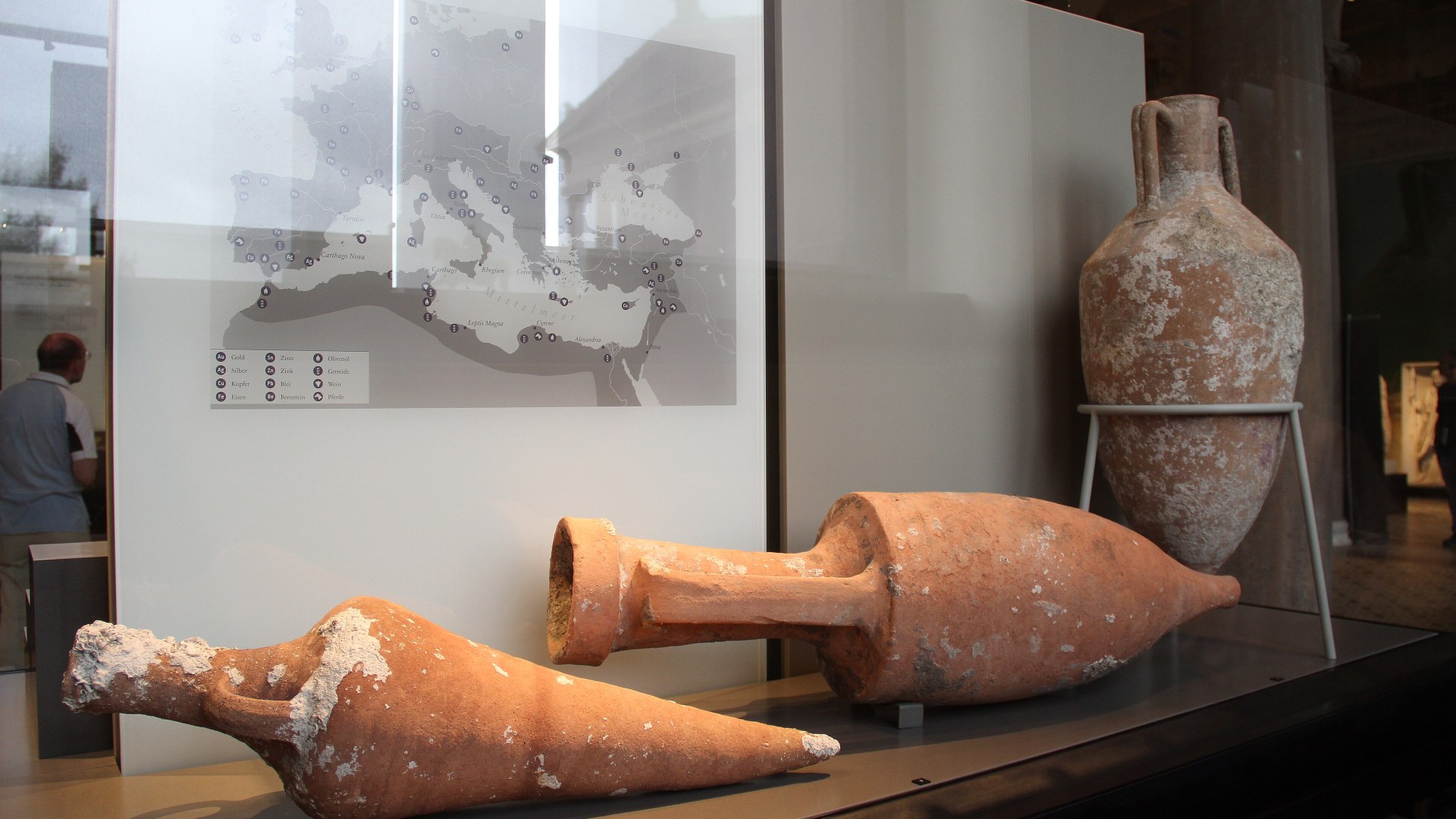
Wooden ship timbers rot quickly in warm Mediterranean waters, but rows of ceramic amphorae remain stacked on the seabed in the exact shape of the vanished cargo hold. Makers stamped their names and production towns onto the clay handles, letting researchers map ancient trade routes with precision.
14. Uluburun Copper Oxhide Ingots
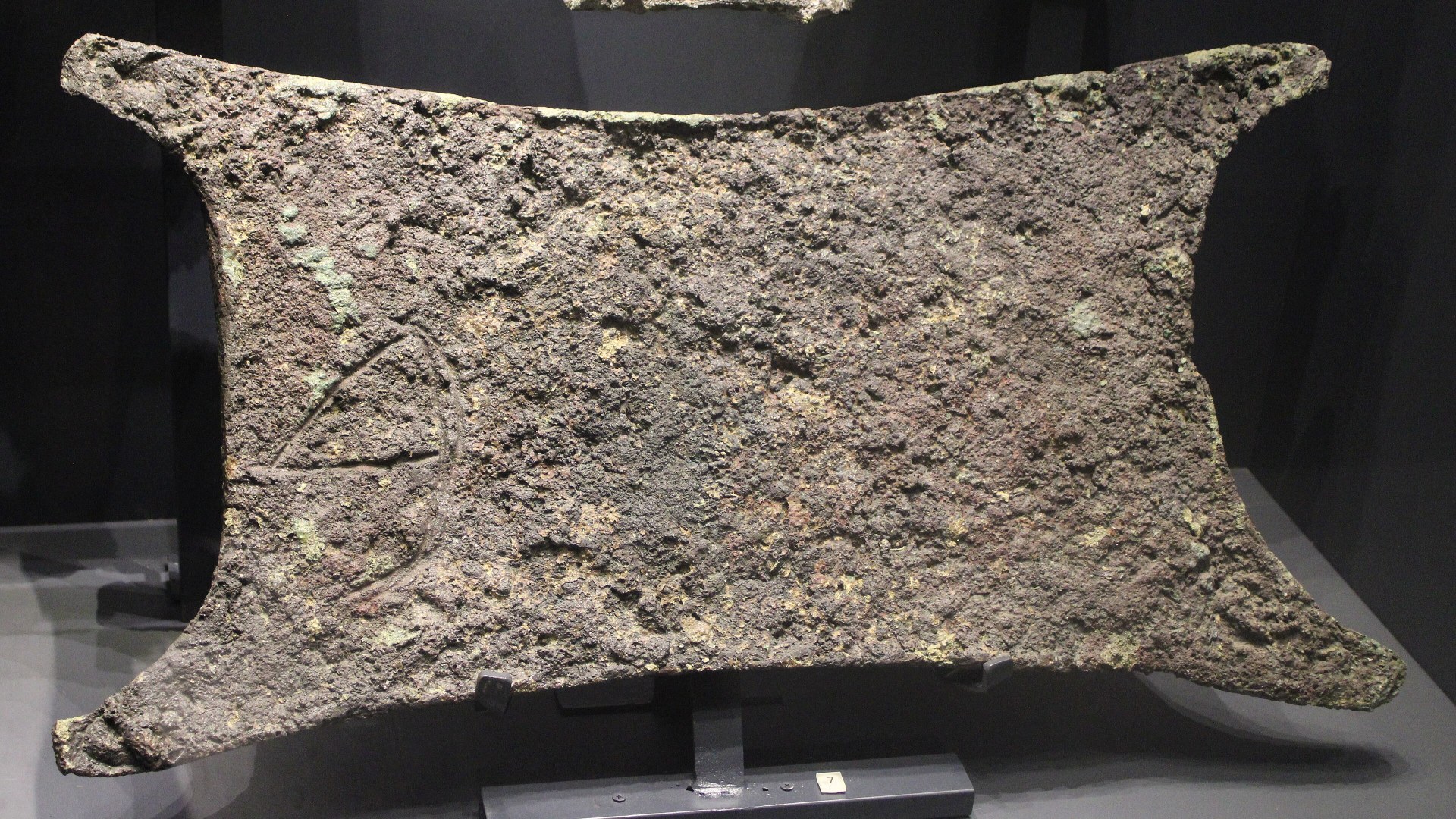
Excavated off Kas, Turkey, between 1984 and 1994, the Late Bronze Age Uluburun wreck carried 354 copper oxhide ingots weighing roughly 10 tons alongside 1 ton of tin. Cast with four protruding corners so dockworkers could hoist them on their shoulders, that raw metal was enough to equip an entire Bronze Age army.
13. Caesarea Harbor Fatimid Gold Coins
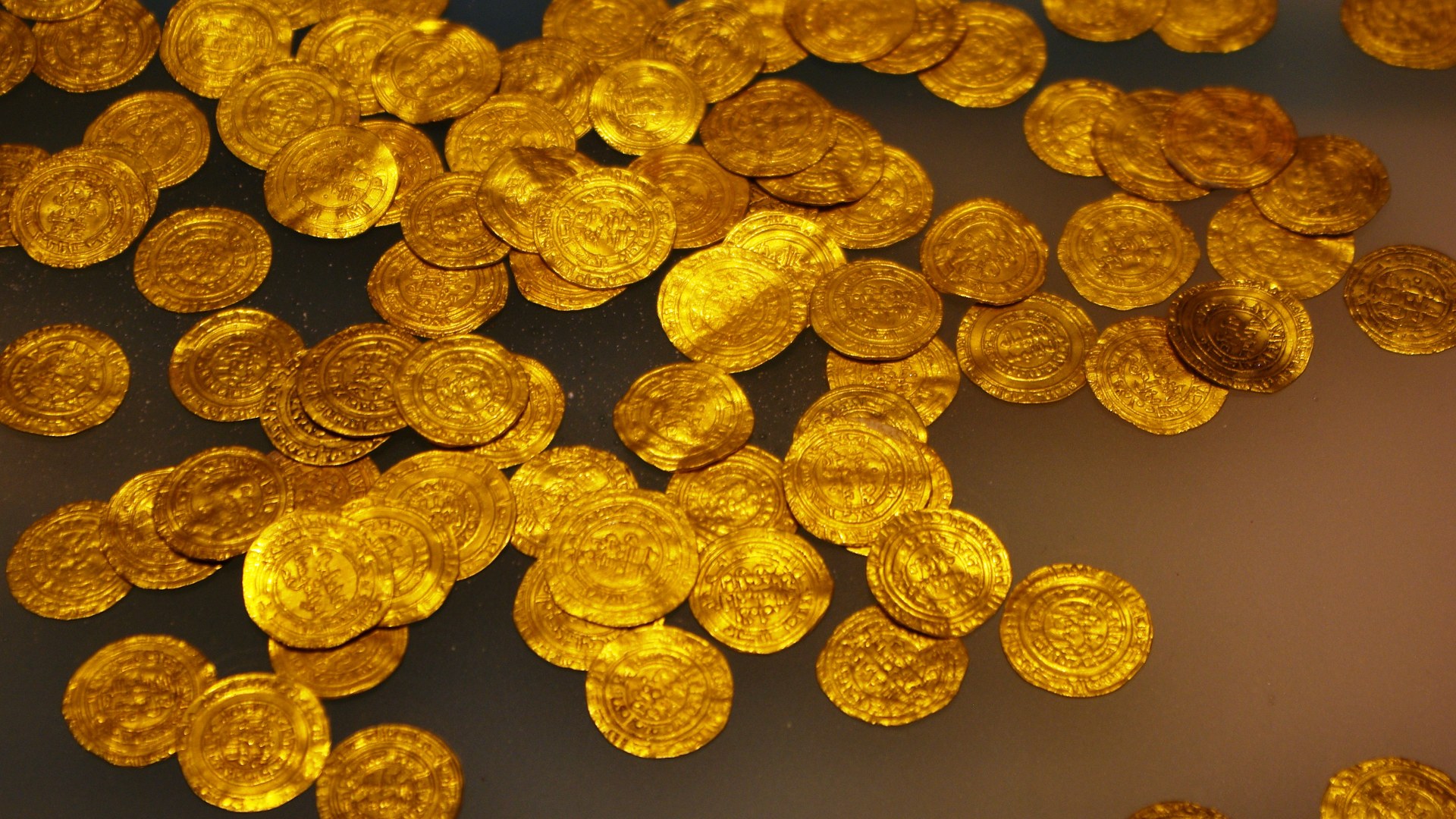
Recreational scuba divers spotted glittering metal on the seafloor at Caesarea National Park in 2015, leading archaeologists to recover almost 2,000 Fatimid gold coins totaling 9 kilograms. Minted in Egypt and Sicily between 996 and 1036 AD, the 24-karat coins needed zero cleaning after a millennium underwater.
12. Kyrenia Ship Wooden Hull Timbers
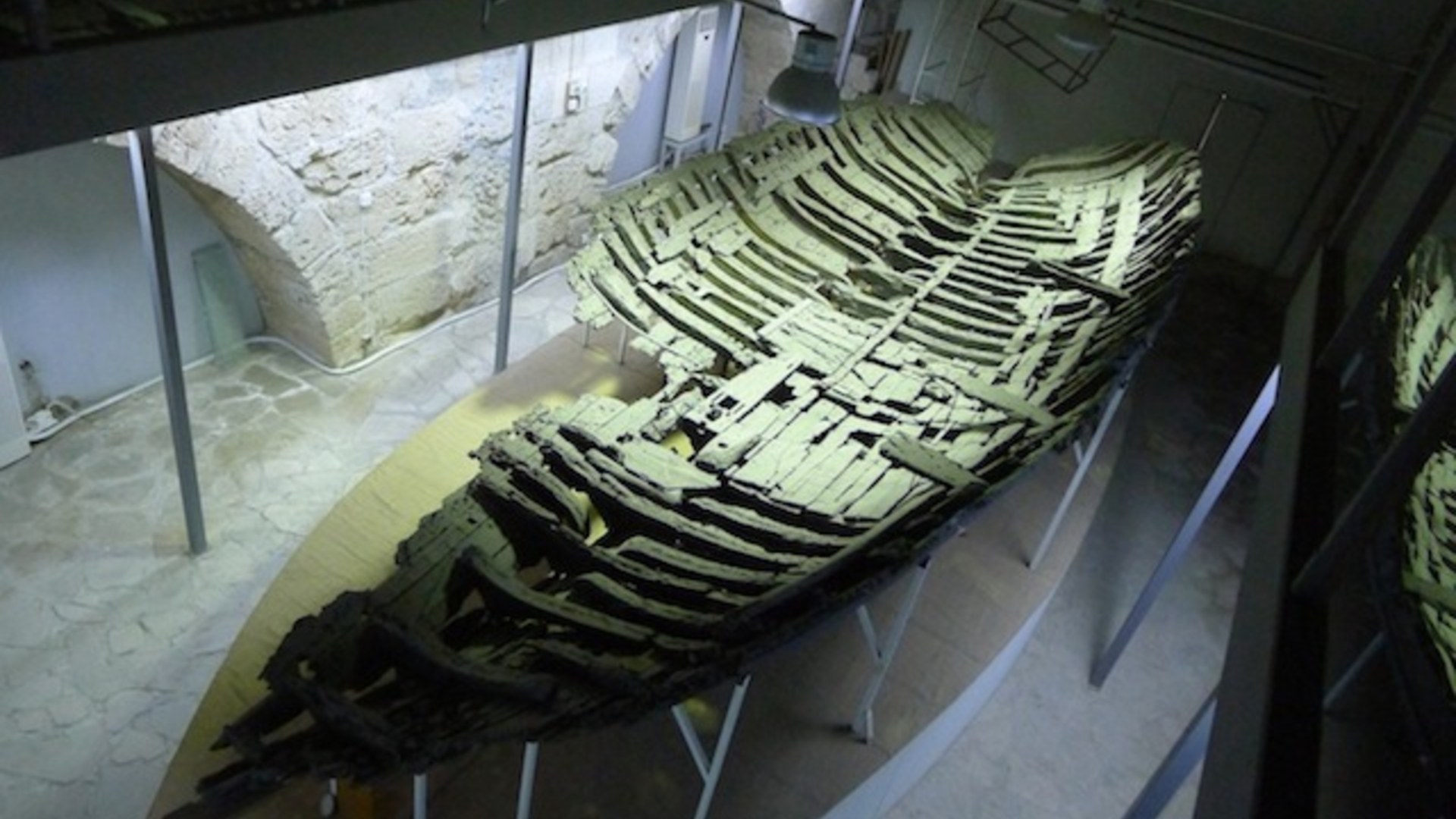
Discovered off northern Cyprus in 1965, the Kyrenia ship sank around 290 BC with nearly 75 percent of its Aleppo pine hull preserved beneath sand and cargo jars. Conservators soaked the waterlogged planks in polyethylene glycol for years before reassembling the 14-meter vessel inside Kyrenia Castle.
11. Hoi An Shipwreck Trade Ceramics
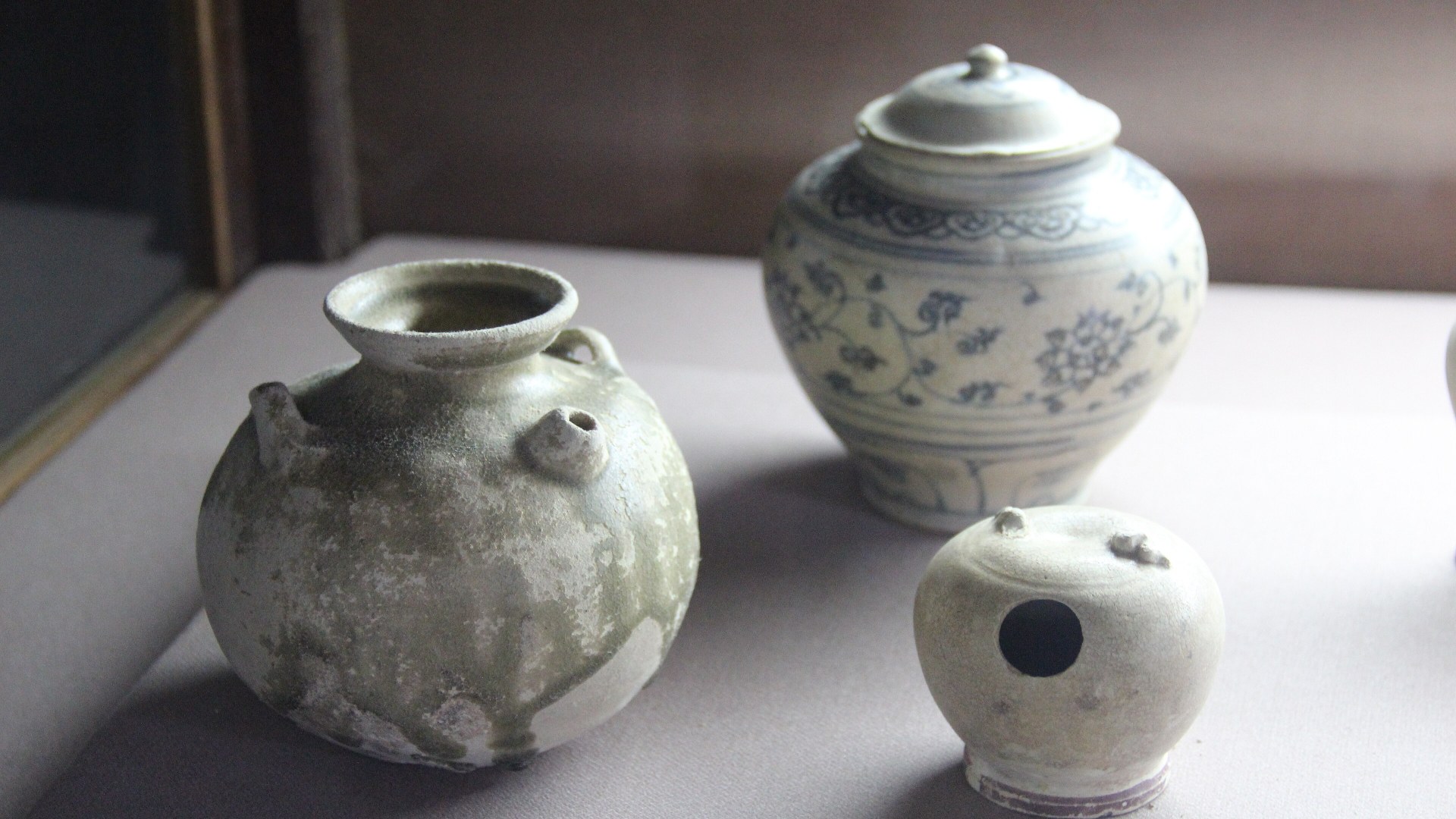
Resting 70 meters deep in the South China Sea off central Vietnam, the Hoi An wreck carried over 240,000 blue-and-white dishes, ewers, and storage jars fired at Chu Dau kilns in the late 1400s. The cargo proved that Vietnamese potters filled global demand during Ming China's maritime trade bans.
10. Sinan Shipwreck Celadon Porcelain
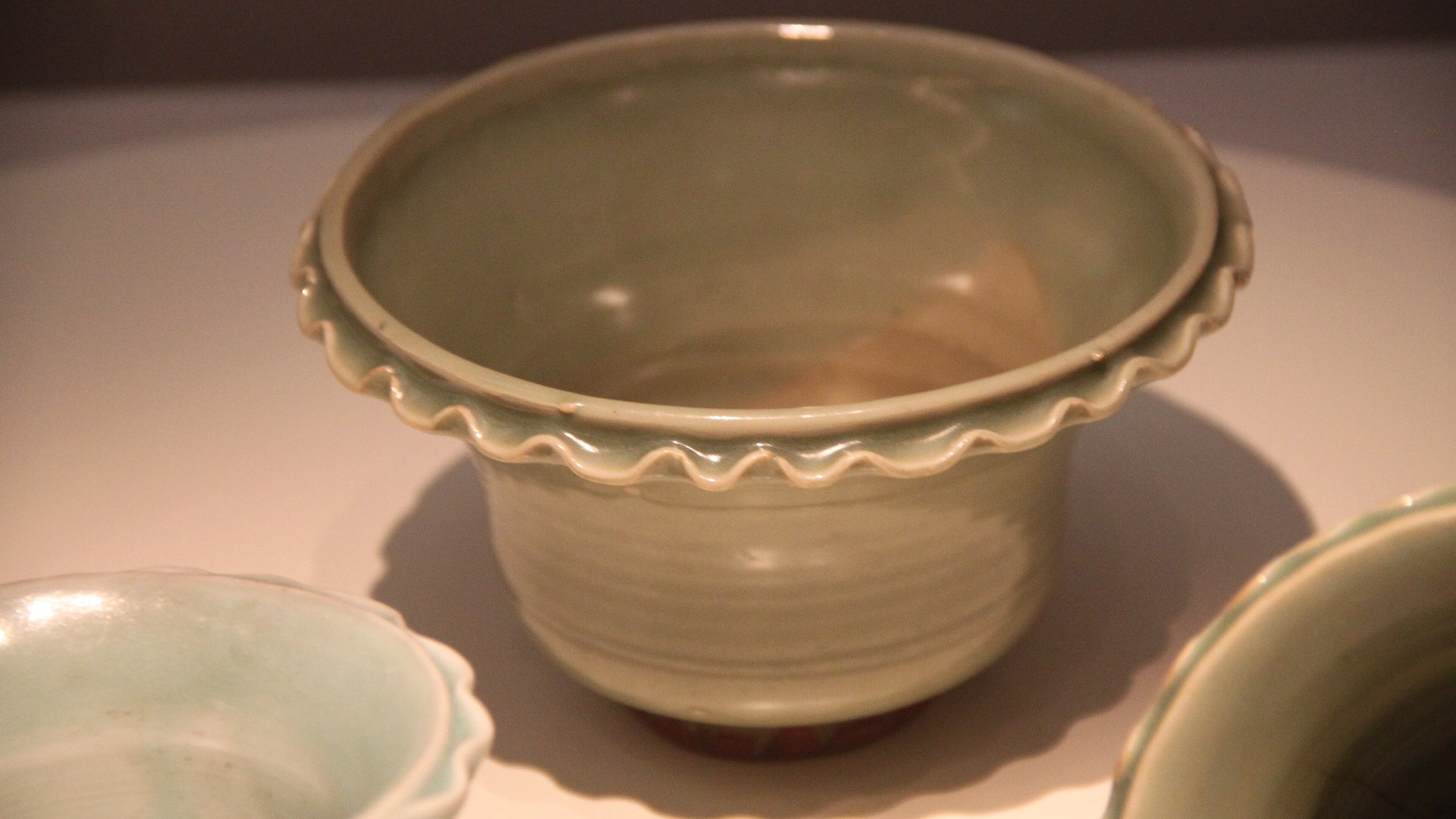
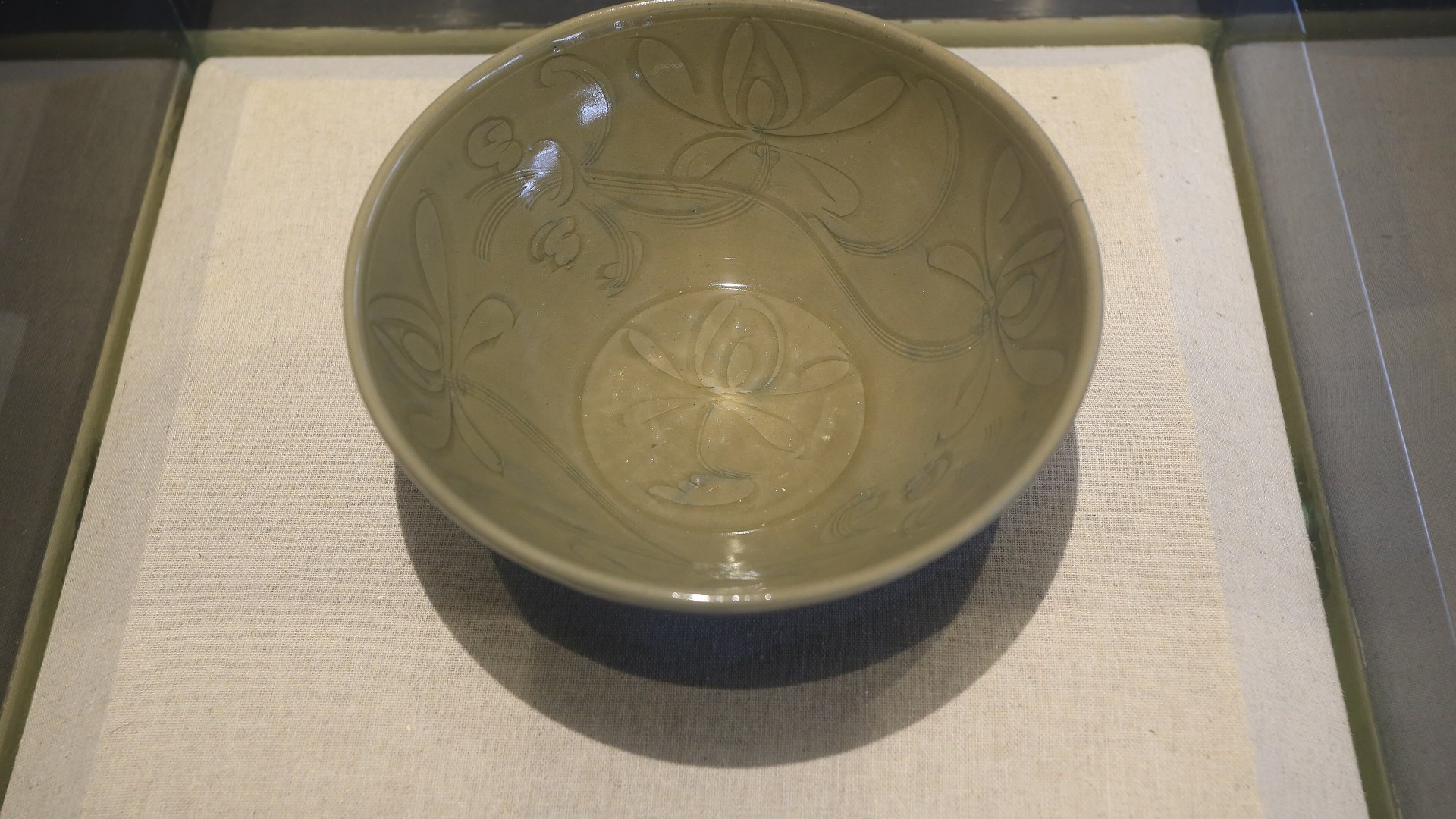
After a fisherman snagged a celadon vase in his net off Sinan in 1975, Korean navy divers excavated a 14th-century trade ship bound from Ningbo, China, to Hakata, Japan. Alongside 28 tons of copper coins, the wooden crates held jade-green Longquan celadon bowls with wooden cargo tags still attached.
9. Roman Cast-Lead Anchor Stocks
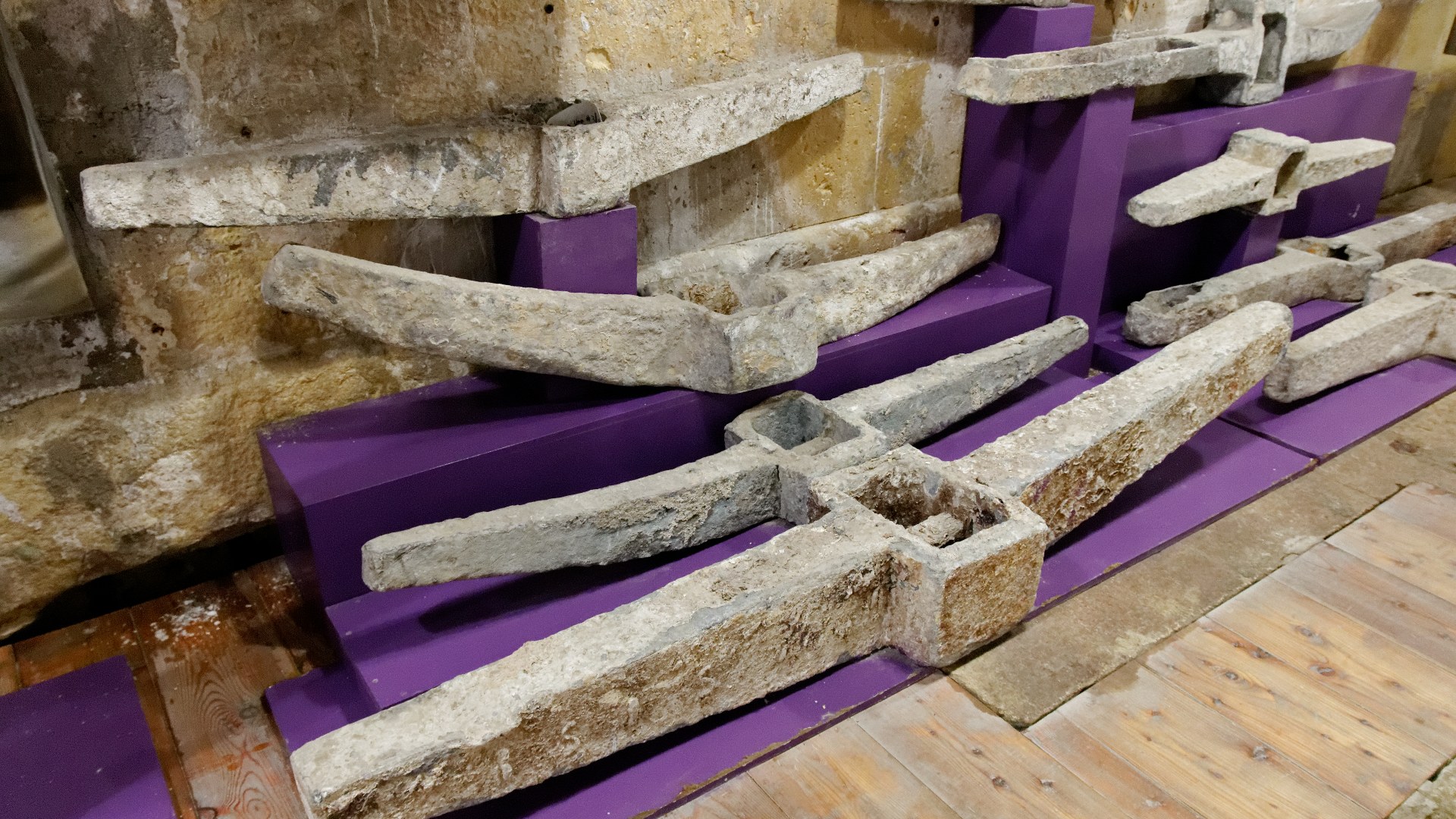
Roman merchant ships used oak anchors weighted at the top with heavy cast-lead stocks so the wooden flukes would dig into the seabed. While the oak shanks decayed centuries ago, lead stocks weighing up to 700 kilograms survive across Malta and Sicily, often stamped with protective emblems of deities.
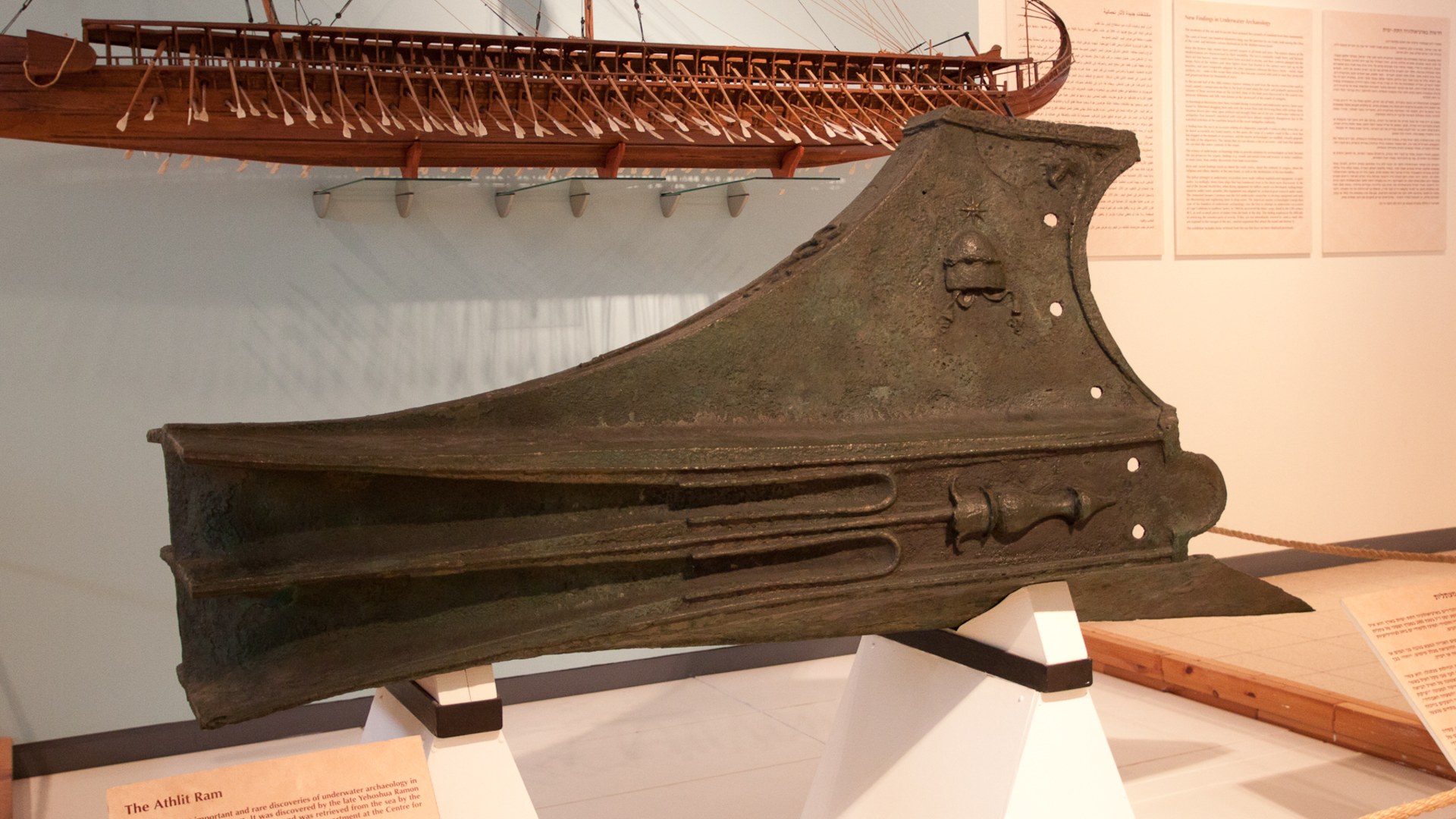
8. The Athlit Bronze Warship Ram
Discovered in 1980 just 130 meters off Atlit, Israel, the Athlit Ram still held 16 interlocking wooden bow timbers inside its bronze casing when raised. Reliefs of Poseidon's trident, an eagle, and the caps of the Dioscuri decorate the 2.26-meter-long Hellenistic naval weapon.
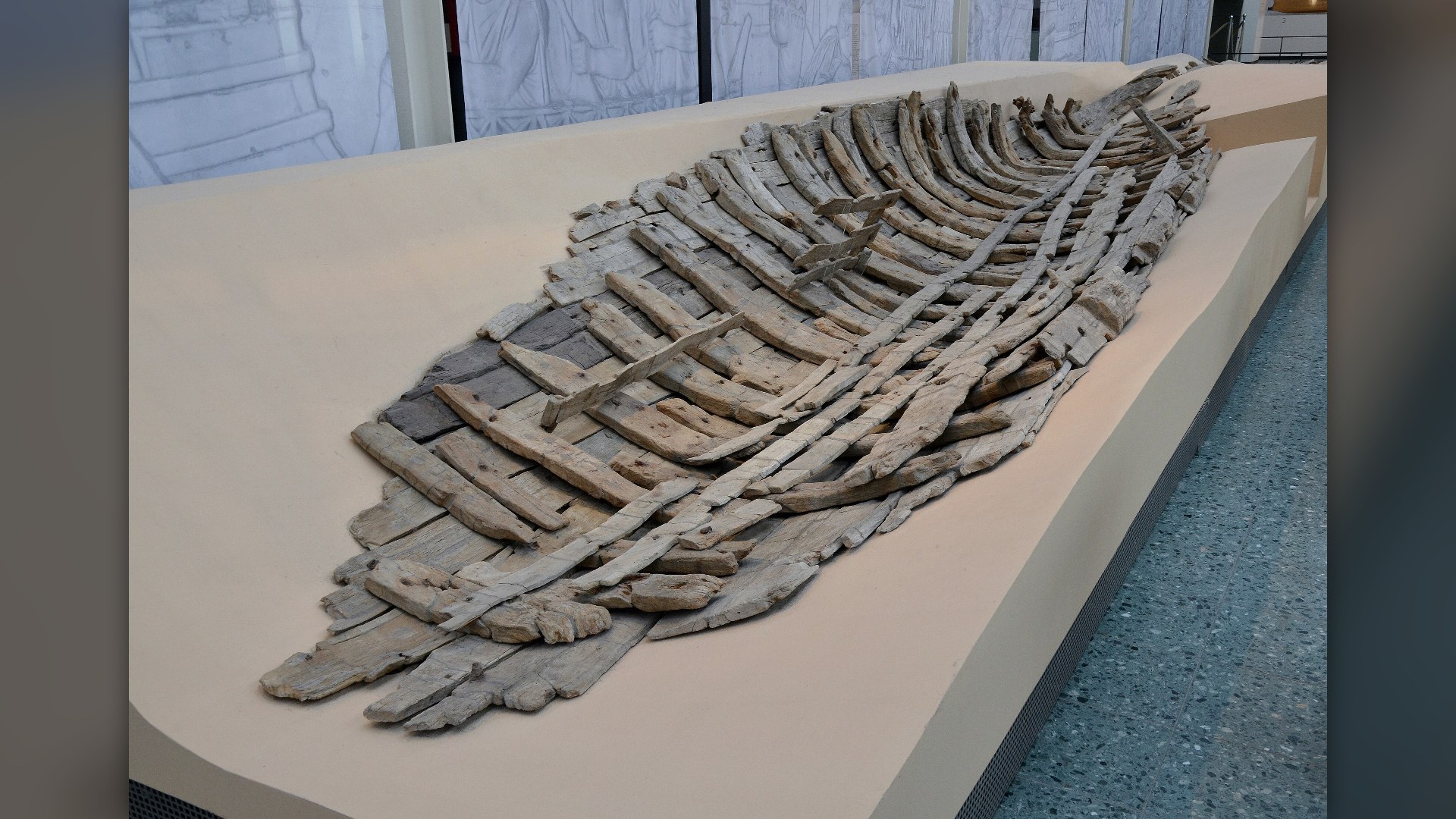
7. Mainz Late Roman Warship Hull
Buried in thick river mud along the former bank of the Rhine, the oak hulls of five Late Roman frontier warships survived from the late 300s AD. Tree-ring dating showed these fast single-banked patrol galleys guarded the empire's northern river border against Germanic raids.
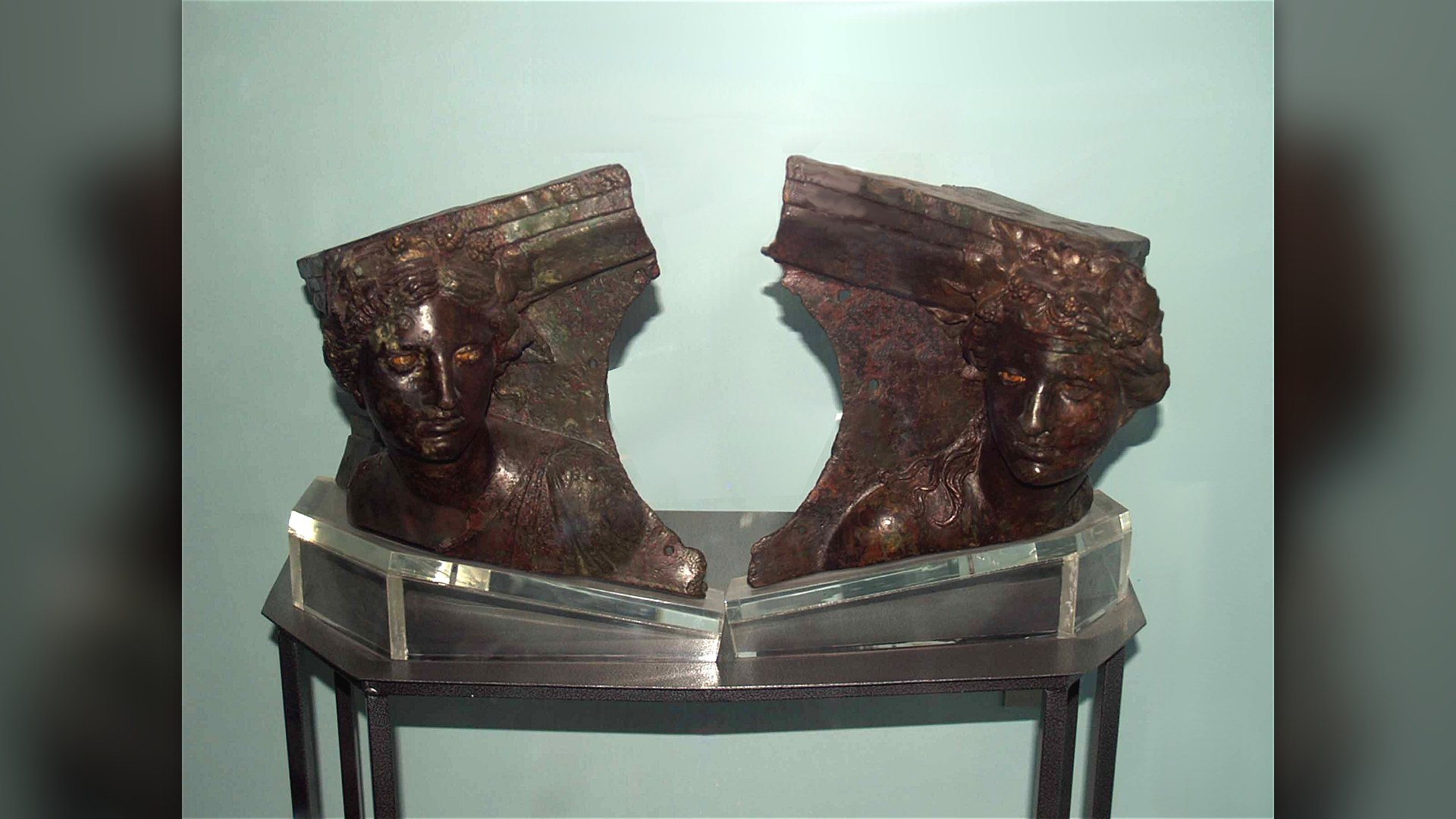
6. Mahdia Shipwreck Bronze Sculptures
Found by Greek sponge divers off Mahdia, Tunisia, in 1907, this storm-driven freighter carried 70 marble columns alongside bronze statues of Eros, Dionysus, and Ariadne. The cargo was likely looted from Athens after the Roman general Sulla sacked the city in 86 BC.
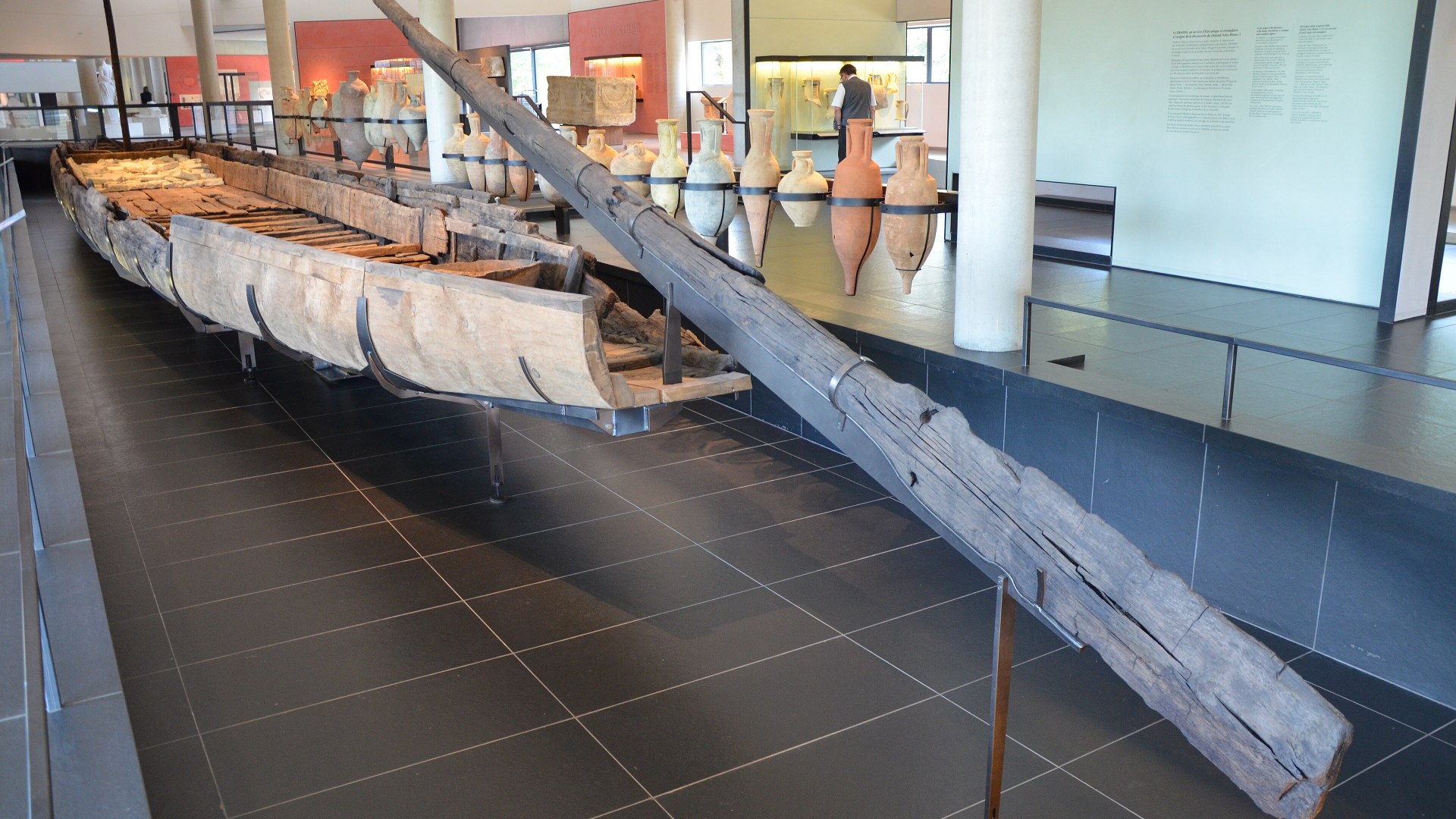
5. The Arles Rhone 3 Roman Barge
Buried under 4 meters of silt and Roman amphorae in the Rhone River at Arles, France, this flat-bottomed oak barge sank suddenly with 27 tons of building stone aboard. Divers even recovered the crew's iron sickle, cooking bowls, and a protective bronze coin tucked beneath the mast step.
4. Nanhai One Song Dynasty Porcelain
Rather than excavating the 30-meter Southern Song merchant ship on the murky seafloor off Yangjiang, Chinese engineers lifted the entire wreck inside a 5,500-ton steel box. Inside a glass museum tank, archaeologists uncovered 180,000 porcelain vessels and gold ornaments.
3. The Artemision Bronze Jockey
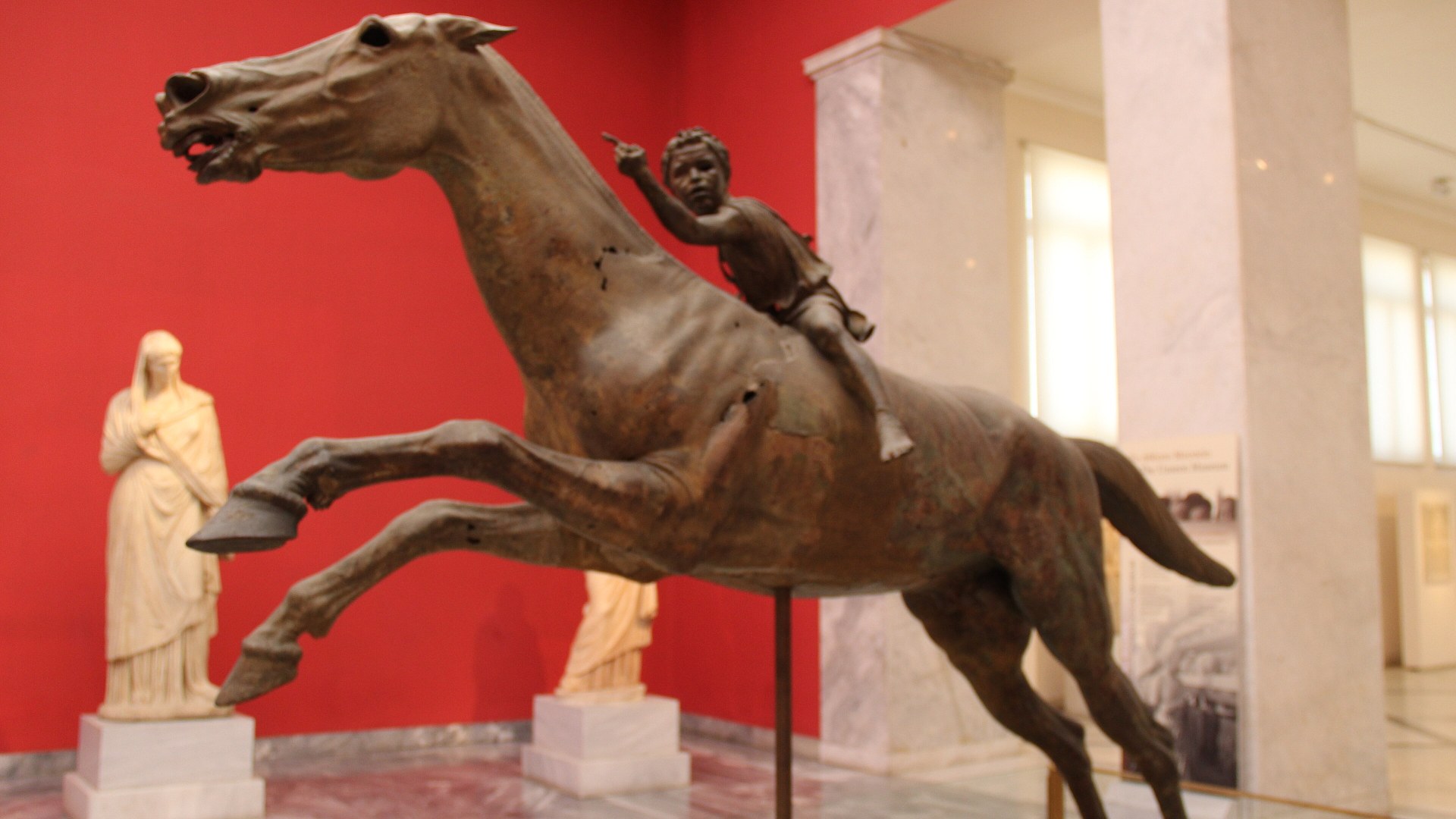
Ancient Greek bronze statues rarely survived on land because later generations melted them down for weapons and coins. Cast around 140 BC and preserved in a shipwreck off northern Euboea, the Artemision Jockey and the towering Artemision Bronze god are two of the finest surviving original Greek bronzes.
2. The Antikythera Youth Statue
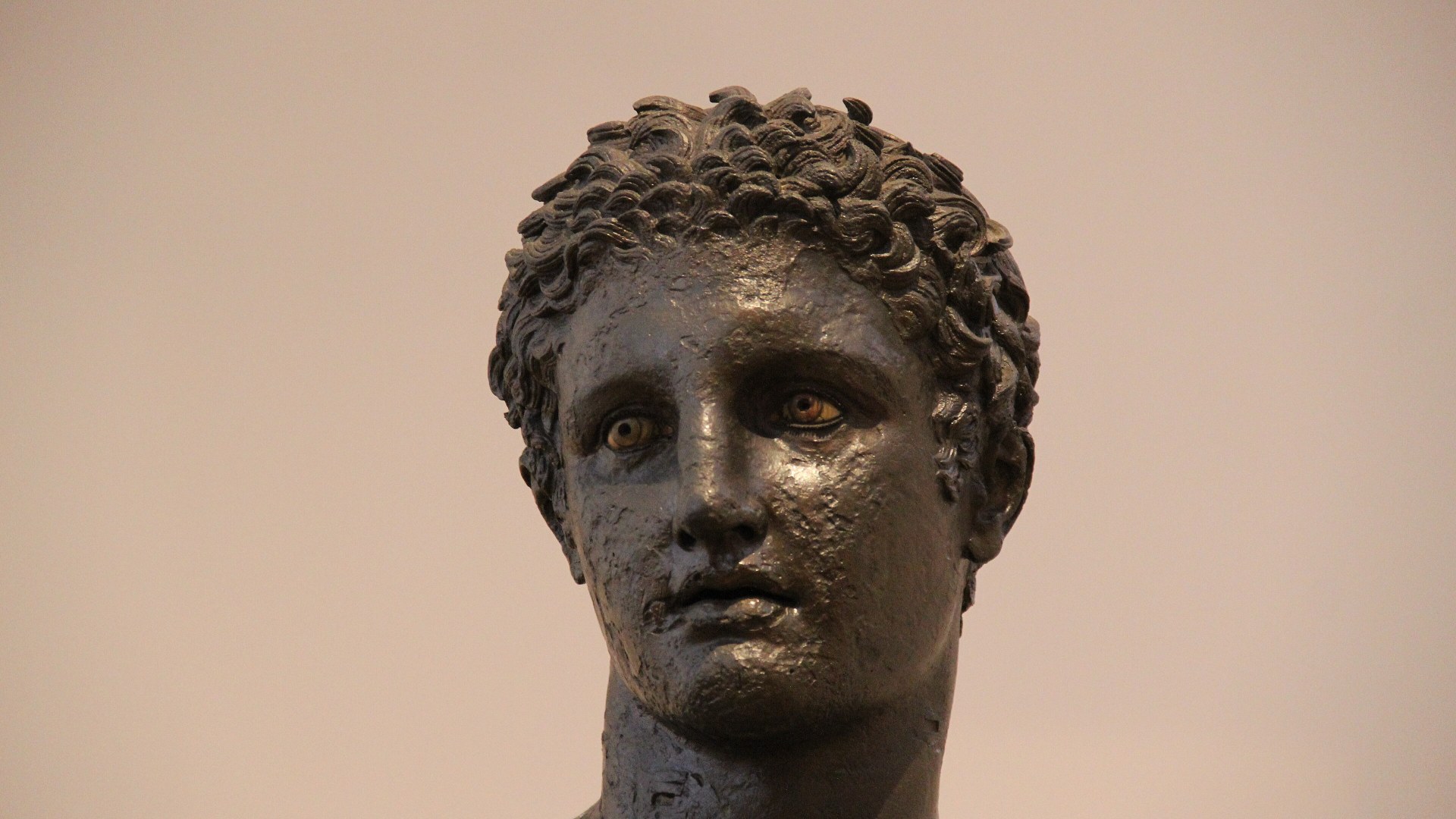
Taking shelter from a gale off the Greek island of Antikythera in 1900, sponge diver Elias Stadiatos descended 45 meters and returned to the surface clutching a life-size bronze arm. The resulting expedition recovered the 1.96-meter Antikythera Youth, sculpted around 340 BC with inlaid glass and stone eyes.
1. The Antikythera Mechanism
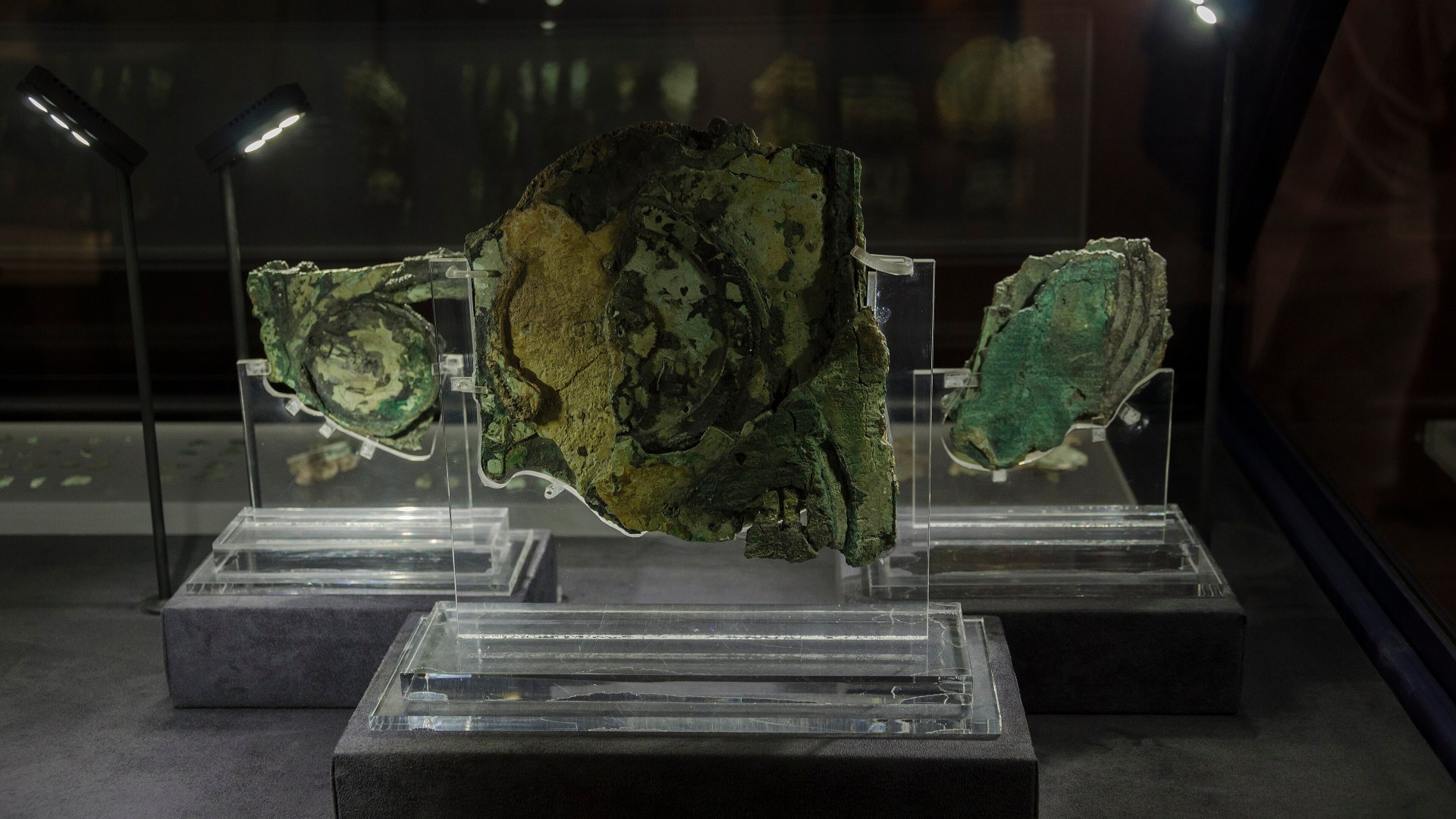
Pulled from the Antikythera treasure wreck in 1901, a calcified lump of bronze split open to reveal precision-cut triangular gear teeth. Built in the 2nd century BC with at least 30 meshing bronze gears, the shoebox-sized device tracked solar and lunar eclipses, planetary motions, and the Olympic cycle.









