Slideshow · Science
Washington Reports First US Bird Flu Death of 2026: Risk and Safety Rules
After a Yakima County resident died from H5N1 complications linked to infected dairy cattle, here is what health officials say about public risk, raw milk, and essential safety precautions.
By Most Viral Today
5 Nov 2026

Washington Reports First US Bird Flu Death of 2026: Risk and Safety Rules 
15. First U.S. Bird Flu Death Of 2026 
14. The Incident And Timeline 
13. Patient Profile In Yakima County - AdvertisementSwipe or tap ▶ to continue countdown

12. Source Of Exposure On Dairy Farms 
11. Historical U.S. Context Since 2024 
10. Outbreak Surge Across Washington Herds 
9. Human Impact In Yakima County - AdvertisementSwipe or tap ▶ to continue countdown

8. Current Public Health Risk Assessment 
7. No Evidence Of Human To-Human Spread 
6. Commercial Milk And Meat Safety 
5. Strictly Avoid Unpasteurized Raw Dairy - AdvertisementSwipe or tap ▶ to continue countdown

4. Avoid Contact With Sick Or Dead Animals 
3. Workplace Protective Gear Compliance 
2. Health Monitoring And Early Antivirals 
1. Ongoing Surveillance And Next Steps - Advertisement🔥 UP NEXT IN THIS SERIES◫ 26 Slides

25 Groundbreaking American Inventions and Achievements Ranked
From Kitty Hawk and the Apollo 11 lunar landing to the transistor and the internet, American inventors and scientists have transformed global civilization. Sourced from the Smithsonian Institution, NASA archives, and the Library of Congress, here are twenty-five groundbreaking American milestones ranked.
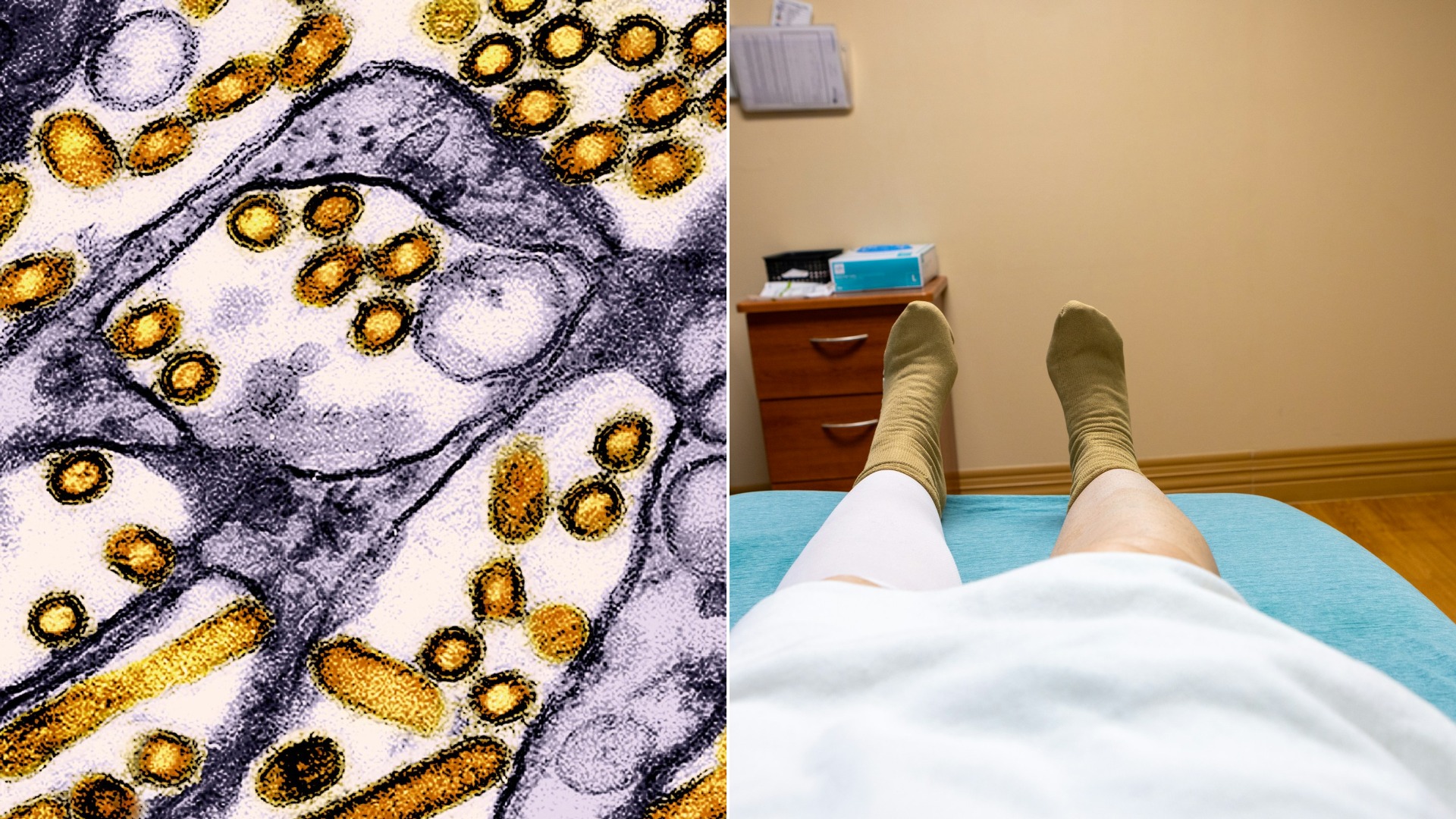
Health authorities in Washington state have confirmed the first U.S. human bird flu fatality of 2026 following an agricultural outbreak in Yakima County. Here is a complete breakdown of the incident, public risk assessment, and essential safety precautions.
Swipe or tap ▶ to begin the countdown
©Wikimedia / NIAID & Unsplash / Judy Beth Morris
15. First U.S. Bird Flu Death Of 2026
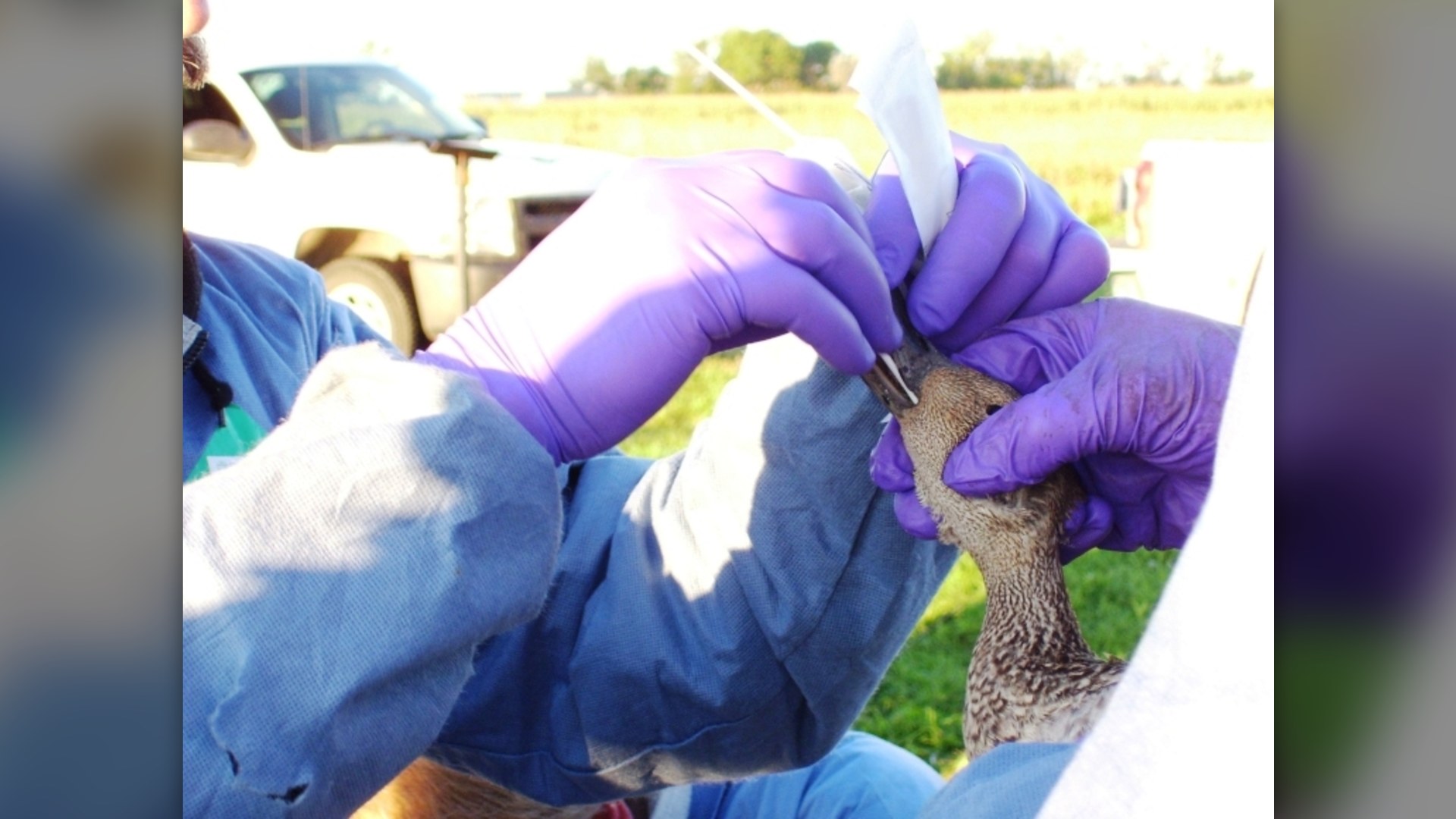
Public health officials are tracking a confirmed fatal case of H5N1 avian influenza in Washington state. Understanding how the virus spreads on dairy farms, why risk to the wider public remains low, and which everyday food safety habits protect households is critical.
© Photo by Harold Mendoza on Unsplash
14. The Incident And Timeline
State health officials reported that a Washington resident passed away on Sunday, November 1, 2026, following hospitalization for severe bird flu complications. The fatality marks the first recorded human bird flu death in the United States in 2026.
©Wikimedia / Corey Truax
13. Patient Profile In Yakima County
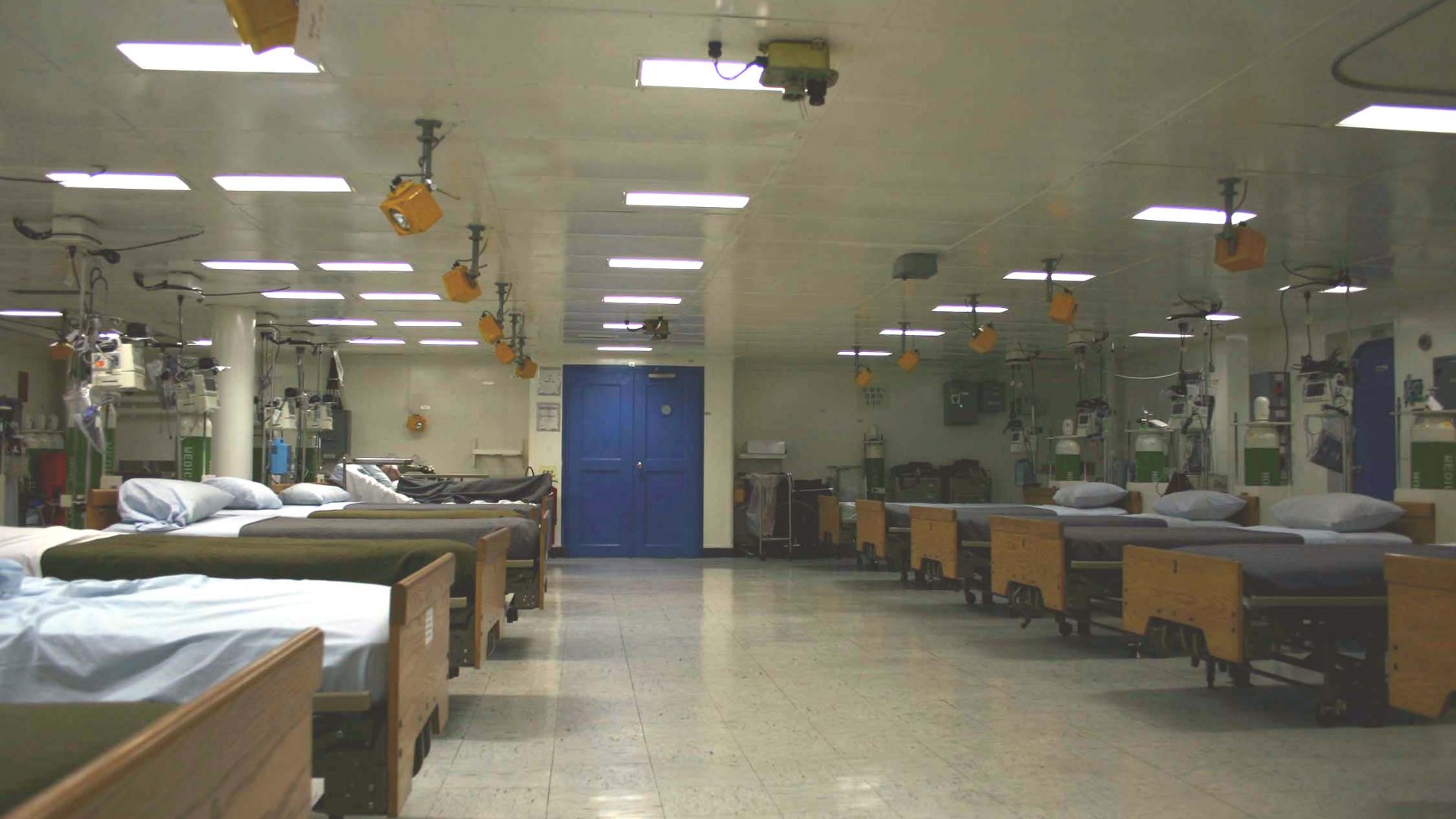
The deceased patient was a resident of Yakima County, a major agricultural hub in central Washington. Officials noted the individual had pre-existing underlying health conditions and withheld age, gender, and personal identity to protect family privacy.
©Pixabay / 15414483
Advertisement
Swipe or tap ▶ to resume the countdown.
12. Source Of Exposure On Dairy Farms
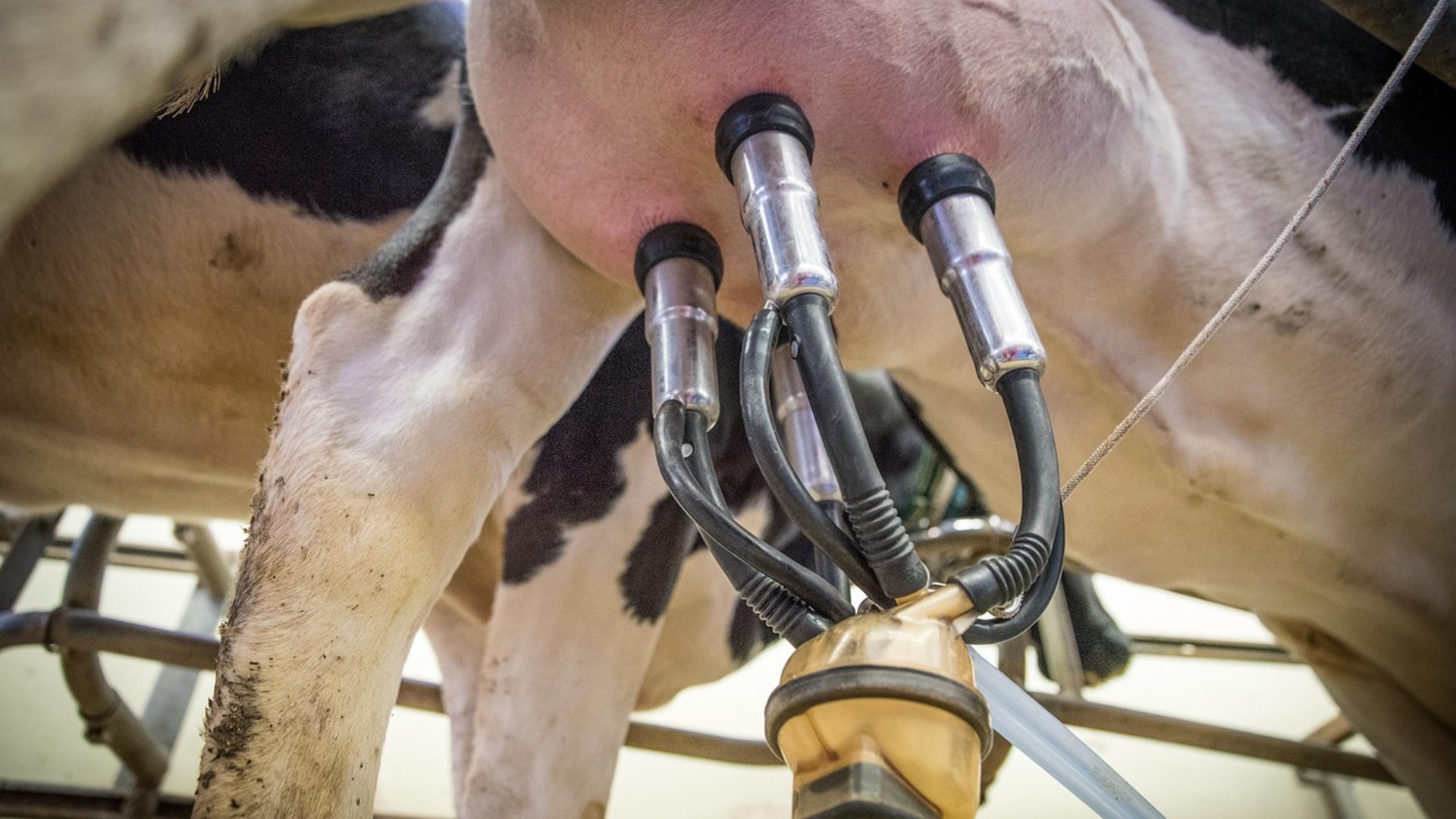
Investigators traced the exposure directly to contact with infected dairy cattle at a farm in Yakima County. Genomic sequencing linked the case to H5N1 genotype B3.13, the cow-adapted strain that has been circulating in U.S. livestock since 2024.
©Wikimedia / John Haynes
11. Historical U.S. Context Since 2024
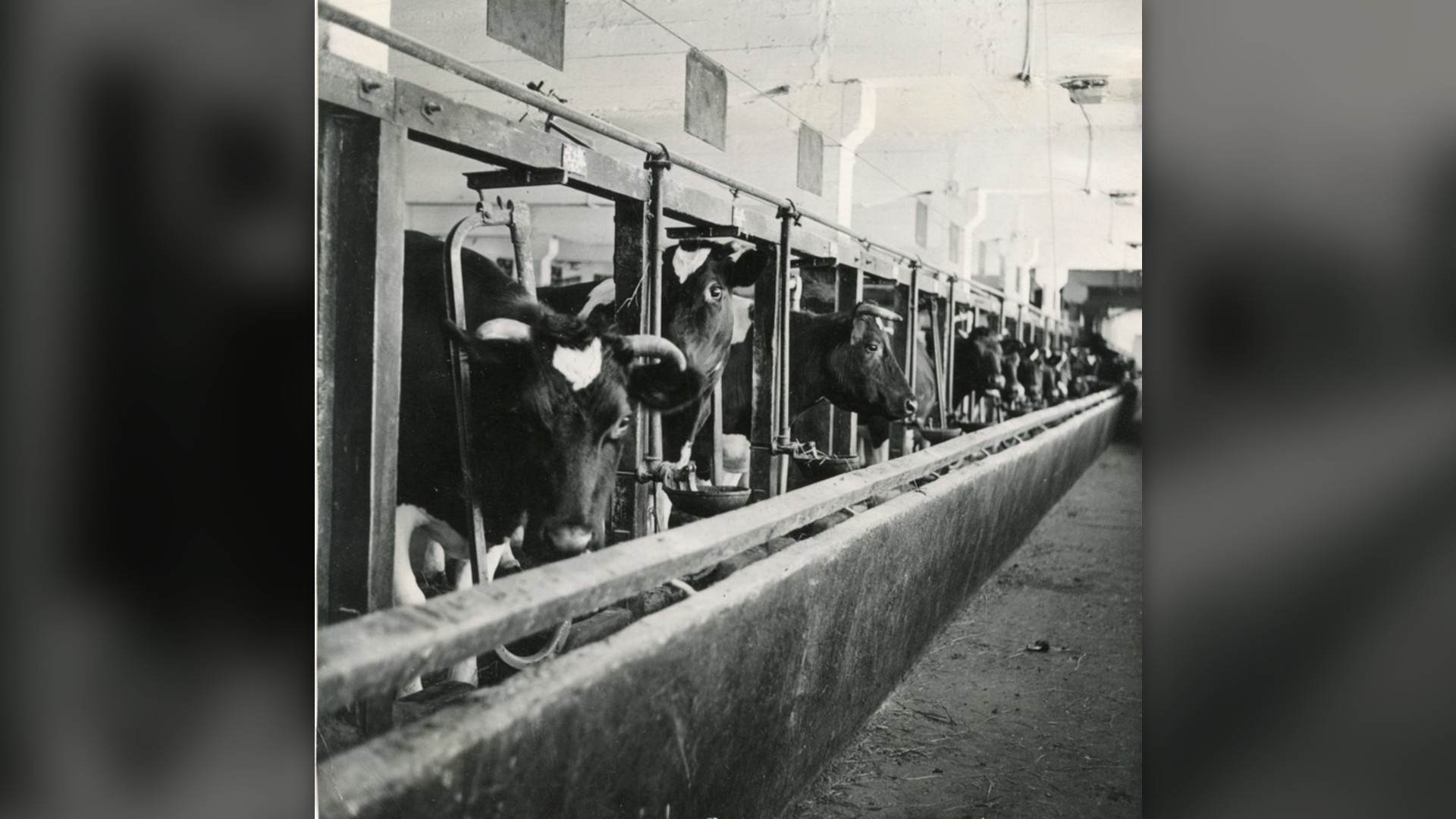
The Washington fatality is the third U.S. bird flu death recorded since 2024, when H5N1 first spilled over from wild migratory birds into dairy cattle herds. Nationwide, more than 70 human cases have been confirmed since that 2024 jump.
©Europeana / Estonian Rural Museum Foundation
10. Outbreak Surge Across Washington Herds
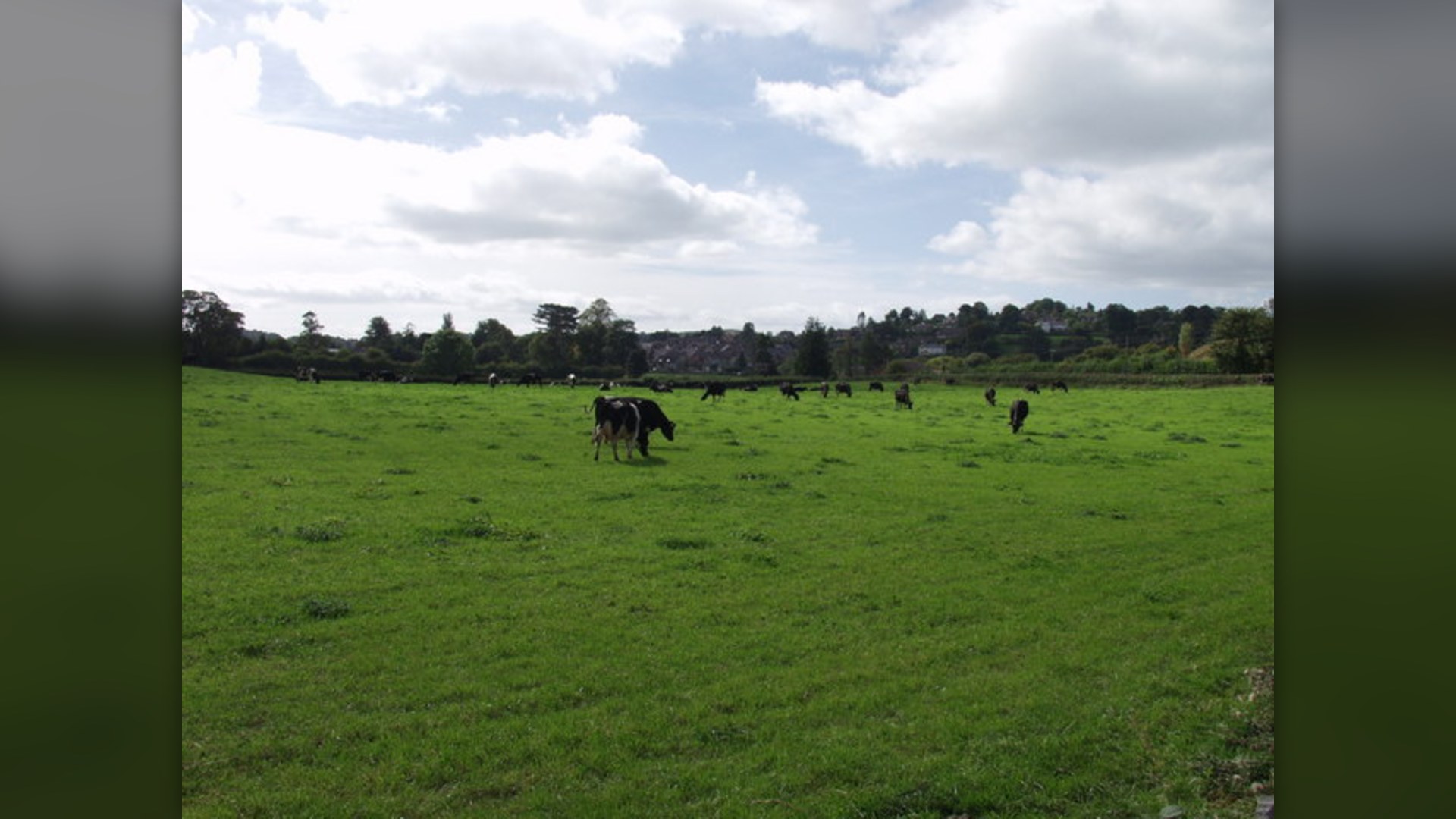
H5N1 was first detected in Washington state dairy cattle in early October 2026. Within just one month, 33 dairy herds across the state tested positive for the virus, with Yakima County serving as the epicenter of the agricultural outbreak.
©Wikimedia / Csand12
9. Human Impact In Yakima County
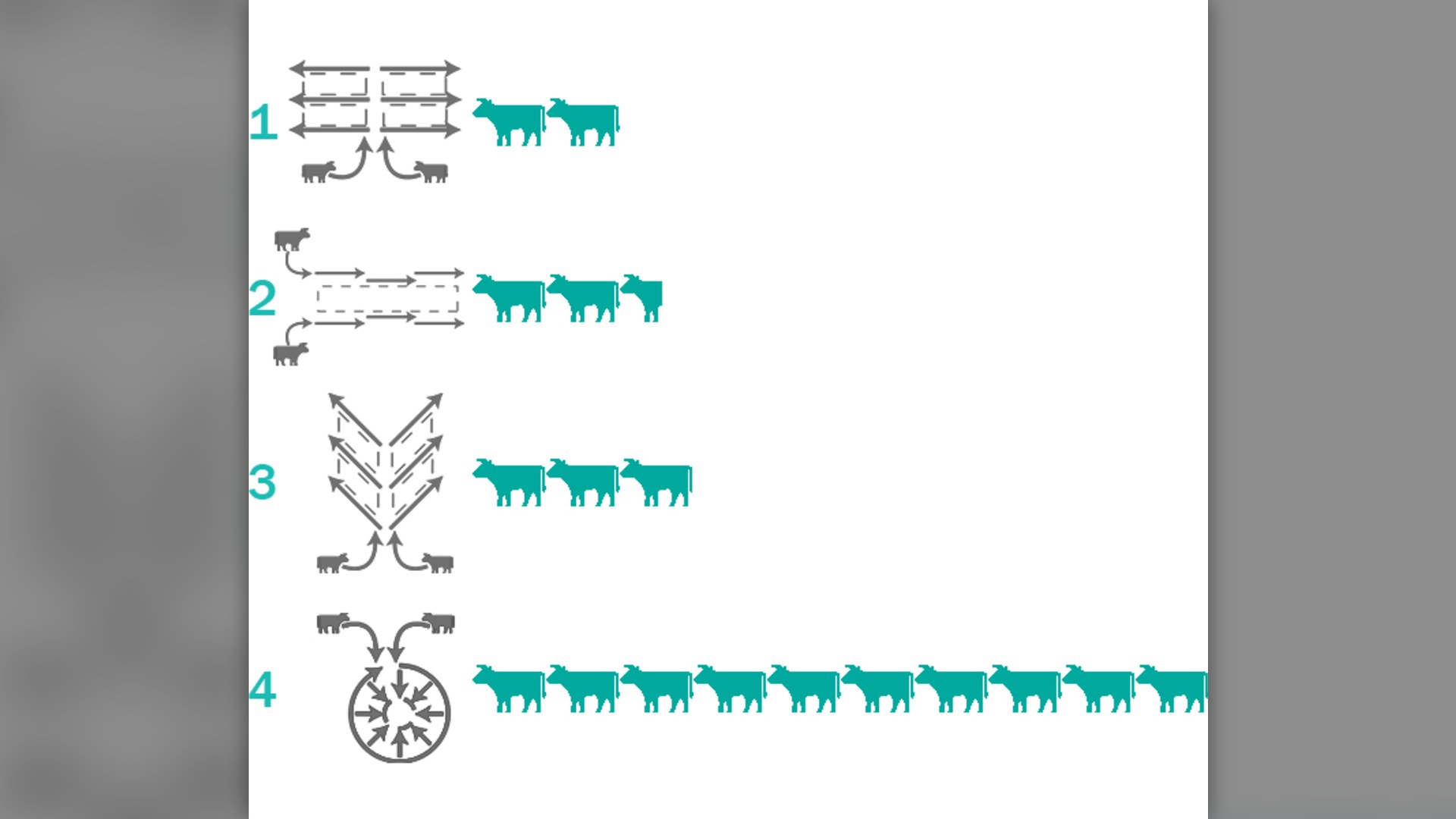
Three human cases of bird flu have been confirmed in Yakima County during 2026, and all three affected individuals were local agricultural workers. Unlike the fatal case involving underlying conditions, the other two workers experienced mild symptoms and fully recovered.
©Wikimedia / USDAgov
Advertisement
Swipe or tap ▶ to resume the countdown.
8. Current Public Health Risk Assessment
The Centers for Disease Control and Prevention maintains that the overall risk to the general public remains low. Genetic analysis shows the virus has not acquired mutations that would allow easy transmission between humans, keeping the threat concentrated among farm workers.
©Pixabay / MintBlack4u
7. No Evidence Of Human To-Human Spread
Epidemiologists classify current human H5N1 infections as dead-end spillover events directly from infected animals. There is no evidence of sustained person-to-person transmission in the community, and state health officials are actively monitoring close contacts of the patient.
©Pixabay / jarmoluk
6. Commercial Milk And Meat Safety
Commercially pasteurized milk, cheese, and dairy products remain completely safe to consume because pasteurization neutralizes the influenza virus. Properly cooked beef, poultry, and eggs also pose no transmission risk, backed by continuous state food supply screening.
©Pixabay / Ehrecke
5. Strictly Avoid Unpasteurized Raw Dairy
Health agencies strongly warn the public to avoid unpasteurized raw milk, raw cream, and raw-milk cheeses. Milk drawn from infected dairy cattle contains heavily concentrated live H5N1 virus, so shoppers should only purchase pasteurized dairy from trusted retailers.
©Pixabay / Couleur
Advertisement
Swipe or tap ▶ to resume the countdown.
4. Avoid Contact With Sick Or Dead Animals
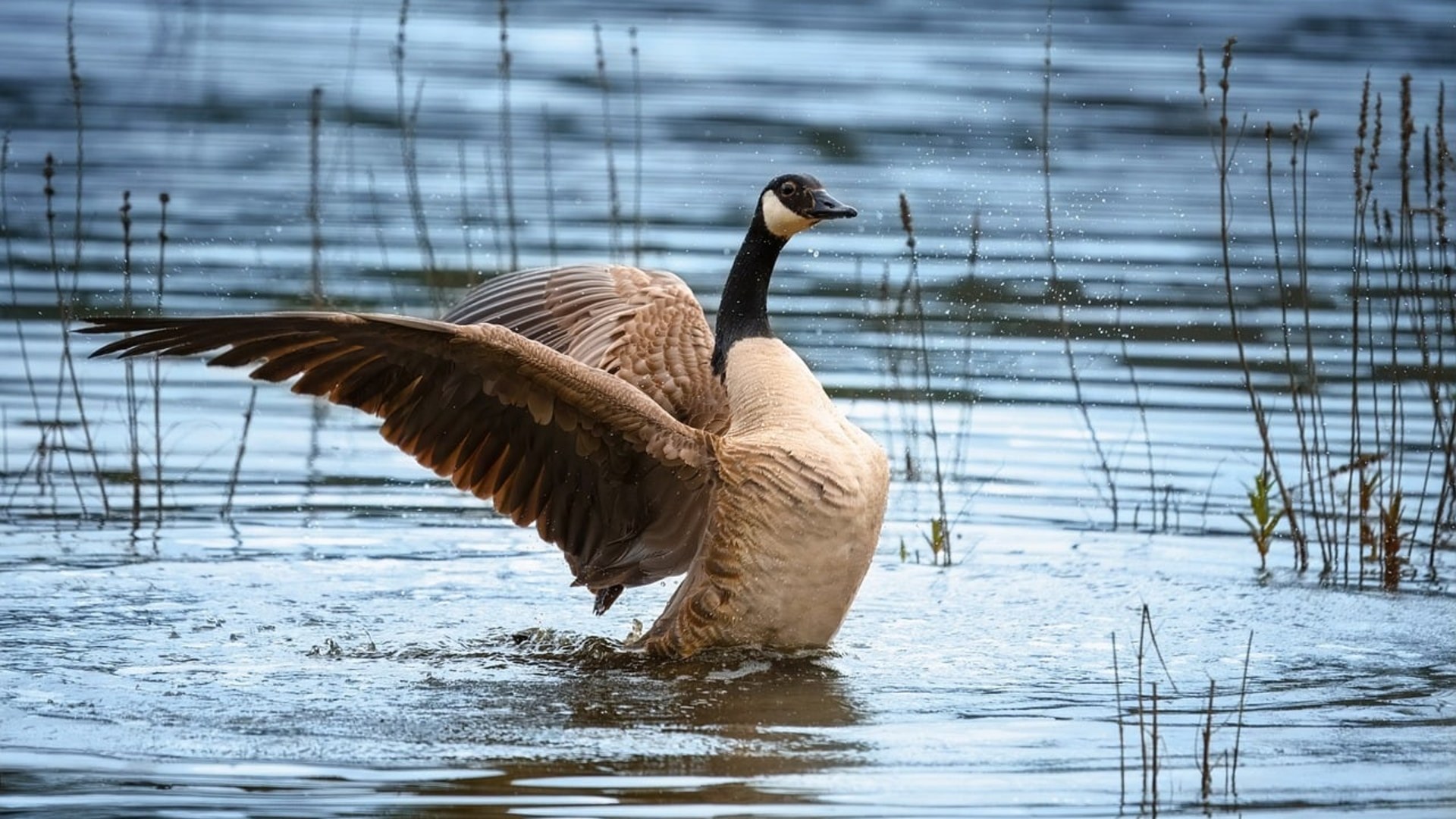
Members of the public should never handle visibly sick or dead wild birds, cattle, or wildlife with bare hands. Outdoor pets, especially cats and dogs, should be kept away from wild bird carcasses and farm pastures, and unusual animal deaths should be reported to state officials.
©Pixabay / fotoblend
3. Workplace Protective Gear Compliance
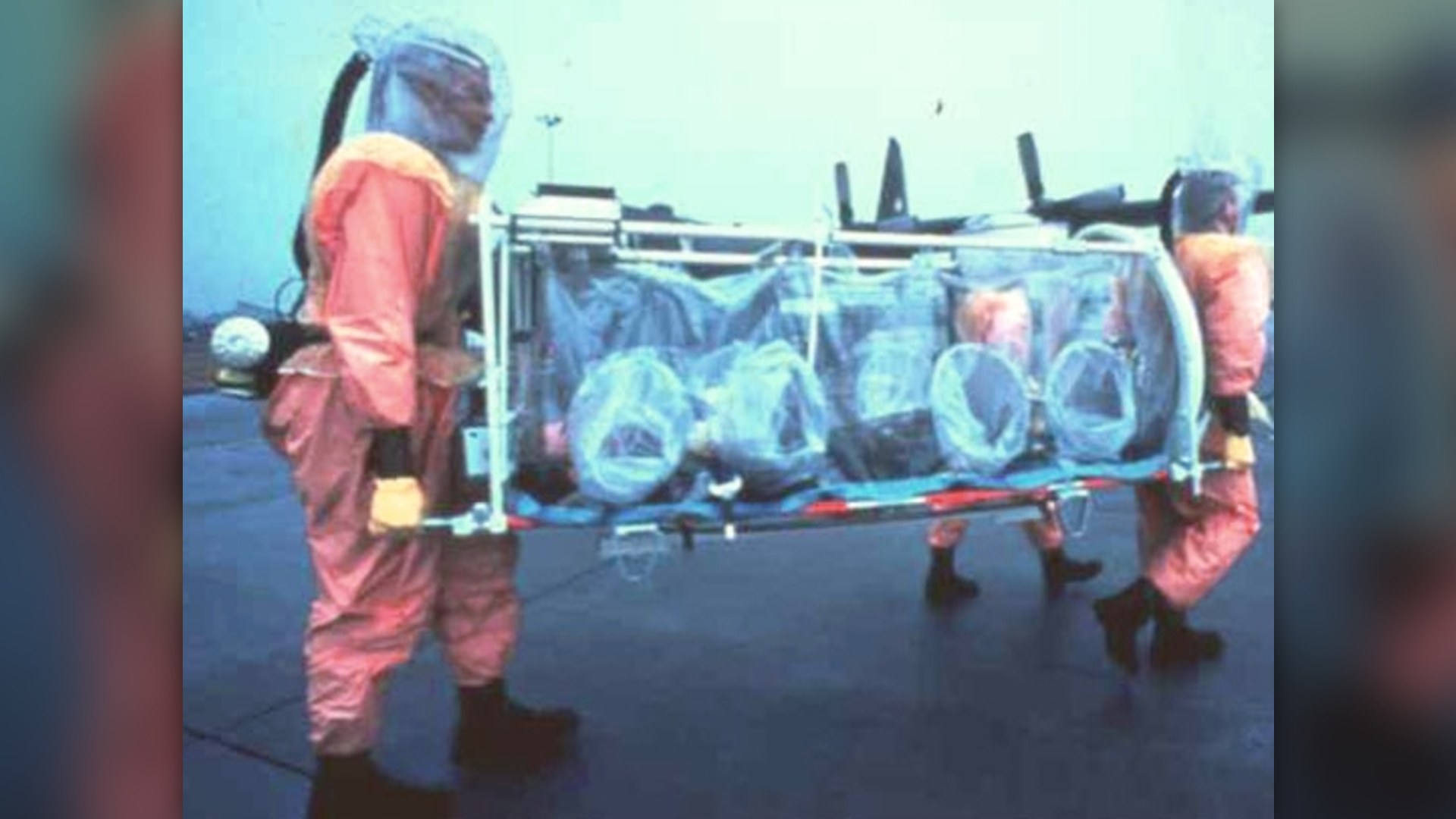
Because milking parlors and barns carry high splash and aerosol exposure, dairy and poultry workers are urged to wear full personal protective equipment. Standard precautions include fluid-resistant coveralls, N95 respirators, gloves, sealed eye goggles, and boot disinfection.
©Wikimedia / USAMRIID
2. Health Monitoring And Early Antivirals
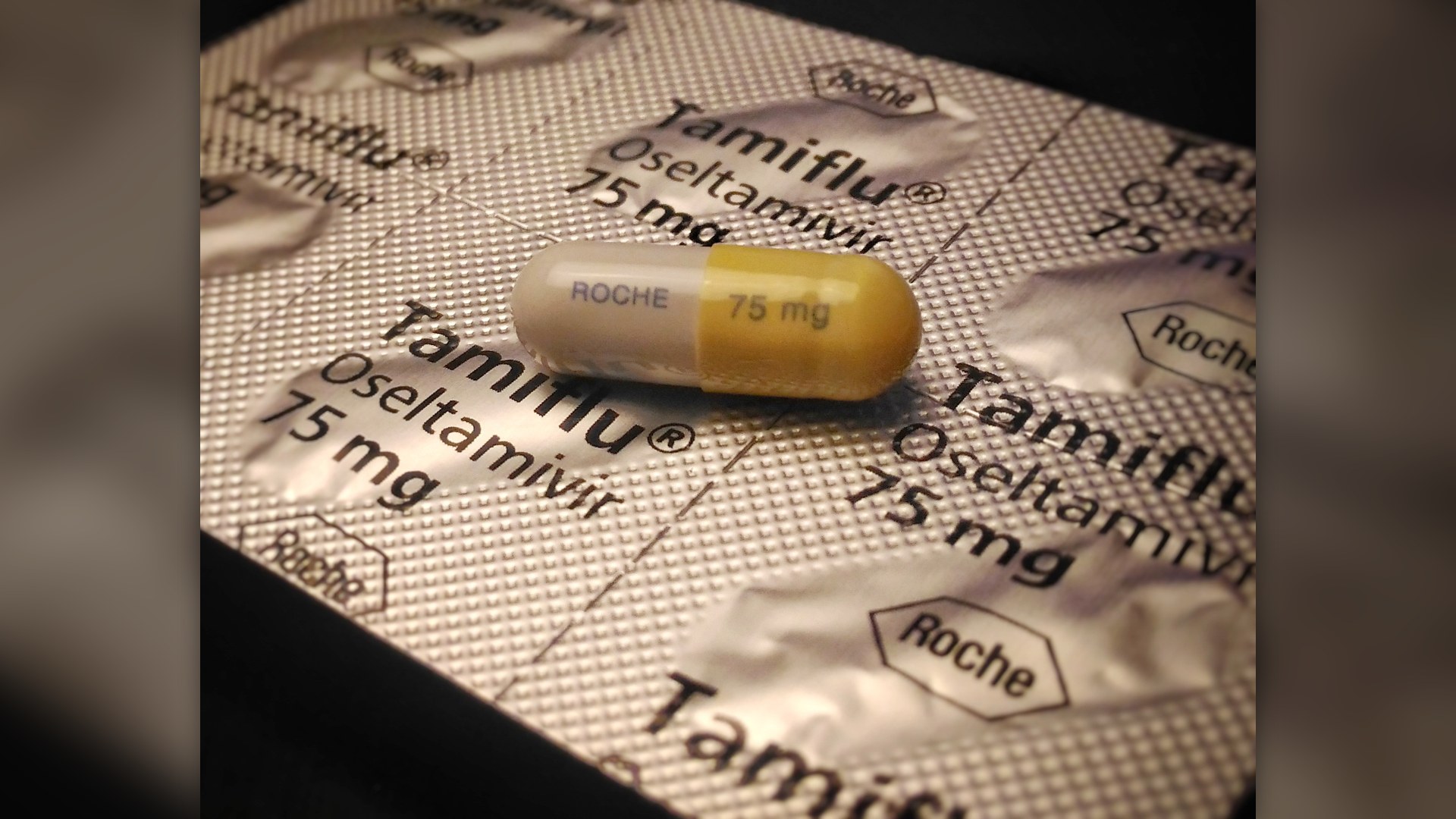
Anyone exposed to livestock or wild birds should watch closely for conjunctivitis (severe eye redness), fever, cough, or sore throat. Seeking immediate medical evaluation allows doctors to prescribe standard flu antivirals like Tamiflu, which remain highly effective when started early.
©Wikimedia / Mk2010
1. Ongoing Surveillance And Next Steps
Washington agriculture and health departments continue expanded testing across dairy farms and local hospitals. Sticking to pasteurized dairy, avoiding sick wildlife, and enforcing farm biosecurity remain the most reliable defenses while officials monitor the outbreak.

©Wikimedia / USFWS Mountain Prairie
Advertisement
You've reached the end of the story. Thanks for reading!

25 Groundbreaking American Inventions and Achievements Ranked
From Kitty Hawk and the Apollo 11 lunar landing to the transistor and the internet, American inventors and scientists have transformed global civilization. Sourced from the Smithsonian Institution, NASA archives, and the Library of Congress, here are twenty-five groundbreaking American milestones ranked.
All 15 Entries in this Story
1. First U.S. Bird Flu Death Of 2026
Public health officials are tracking a confirmed fatal case of H5N1 avian influenza in Washington state. Understanding how the virus spreads on dairy farms, why risk to the wider public remains low, and which everyday food safety habits protect households is critical.

2. The Incident And Timeline
State health officials reported that a Washington resident passed away on Sunday, November 1, 2026, following hospitalization for severe bird flu complications. The fatality marks the first recorded human bird flu death in the United States in 2026.

3. Patient Profile In Yakima County
The deceased patient was a resident of Yakima County, a major agricultural hub in central Washington. Officials noted the individual had pre-existing underlying health conditions and withheld age, gender, and personal identity to protect family privacy.

4. Source Of Exposure On Dairy Farms
Investigators traced the exposure directly to contact with infected dairy cattle at a farm in Yakima County. Genomic sequencing linked the case to H5N1 genotype B3.13, the cow-adapted strain that has been circulating in U.S. livestock since 2024.

5. Historical U.S. Context Since 2024
The Washington fatality is the third U.S. bird flu death recorded since 2024, when H5N1 first spilled over from wild migratory birds into dairy cattle herds. Nationwide, more than 70 human cases have been confirmed since that 2024 jump.

6. Outbreak Surge Across Washington Herds
H5N1 was first detected in Washington state dairy cattle in early October 2026. Within just one month, 33 dairy herds across the state tested positive for the virus, with Yakima County serving as the epicenter of the agricultural outbreak.

7. Human Impact In Yakima County
Three human cases of bird flu have been confirmed in Yakima County during 2026, and all three affected individuals were local agricultural workers. Unlike the fatal case involving underlying conditions, the other two workers experienced mild symptoms and fully recovered.

8. Current Public Health Risk Assessment
The Centers for Disease Control and Prevention maintains that the overall risk to the general public remains low. Genetic analysis shows the virus has not acquired mutations that would allow easy transmission between humans, keeping the threat concentrated among farm workers.

9. No Evidence Of Human To-Human Spread
Epidemiologists classify current human H5N1 infections as dead-end spillover events directly from infected animals. There is no evidence of sustained person-to-person transmission in the community, and state health officials are actively monitoring close contacts of the patient.

10. Commercial Milk And Meat Safety
Commercially pasteurized milk, cheese, and dairy products remain completely safe to consume because pasteurization neutralizes the influenza virus. Properly cooked beef, poultry, and eggs also pose no transmission risk, backed by continuous state food supply screening.

11. Strictly Avoid Unpasteurized Raw Dairy
Health agencies strongly warn the public to avoid unpasteurized raw milk, raw cream, and raw-milk cheeses. Milk drawn from infected dairy cattle contains heavily concentrated live H5N1 virus, so shoppers should only purchase pasteurized dairy from trusted retailers.

12. Avoid Contact With Sick Or Dead Animals
Members of the public should never handle visibly sick or dead wild birds, cattle, or wildlife with bare hands. Outdoor pets, especially cats and dogs, should be kept away from wild bird carcasses and farm pastures, and unusual animal deaths should be reported to state officials.

13. Workplace Protective Gear Compliance
Because milking parlors and barns carry high splash and aerosol exposure, dairy and poultry workers are urged to wear full personal protective equipment. Standard precautions include fluid-resistant coveralls, N95 respirators, gloves, sealed eye goggles, and boot disinfection.

14. Health Monitoring And Early Antivirals
Anyone exposed to livestock or wild birds should watch closely for conjunctivitis (severe eye redness), fever, cough, or sore throat. Seeking immediate medical evaluation allows doctors to prescribe standard flu antivirals like Tamiflu, which remain highly effective when started early.

15. Ongoing Surveillance And Next Steps
Washington agriculture and health departments continue expanded testing across dairy farms and local hospitals. Sticking to pasteurized dairy, avoiding sick wildlife, and enforcing farm biosecurity remain the most reliable defenses while officials monitor the outbreak.