Slideshow · News
What American Cities Looked Like 100 Years Ago
Skyscrapers, streetcars, and horse carts, how cities adapted a century ago.
By Most Viral Today
4 Nov 2026

Skyscrapers, streetcars, and horse carts, how cities adapted a century ago. 
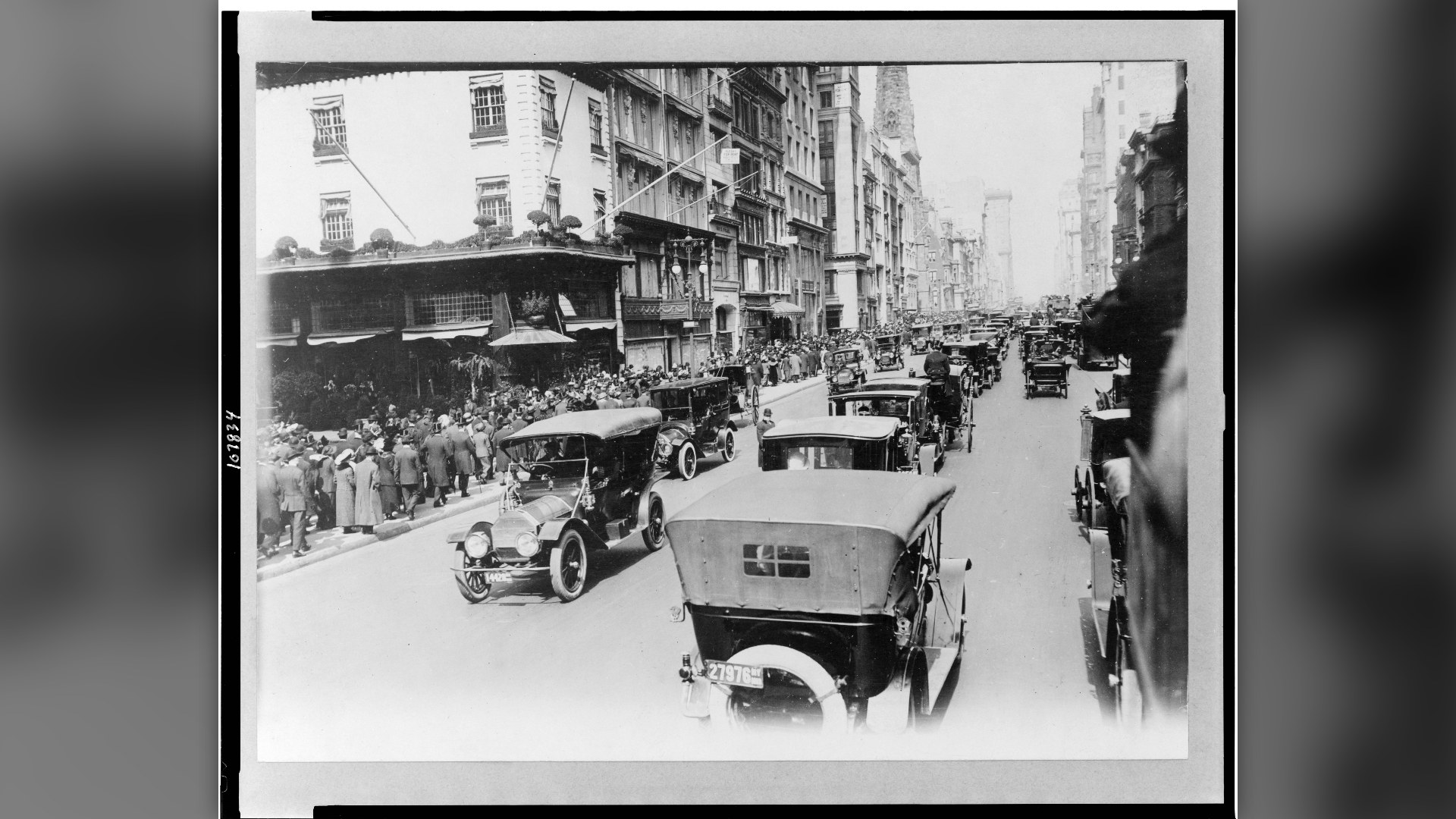
25. Fifth Avenue Traffic 
24. New York Stock Exchange Floor After Trading 
23. Saks Fifth Avenue Department Store Windows - AdvertisementSwipe or tap ▶ to continue countdown

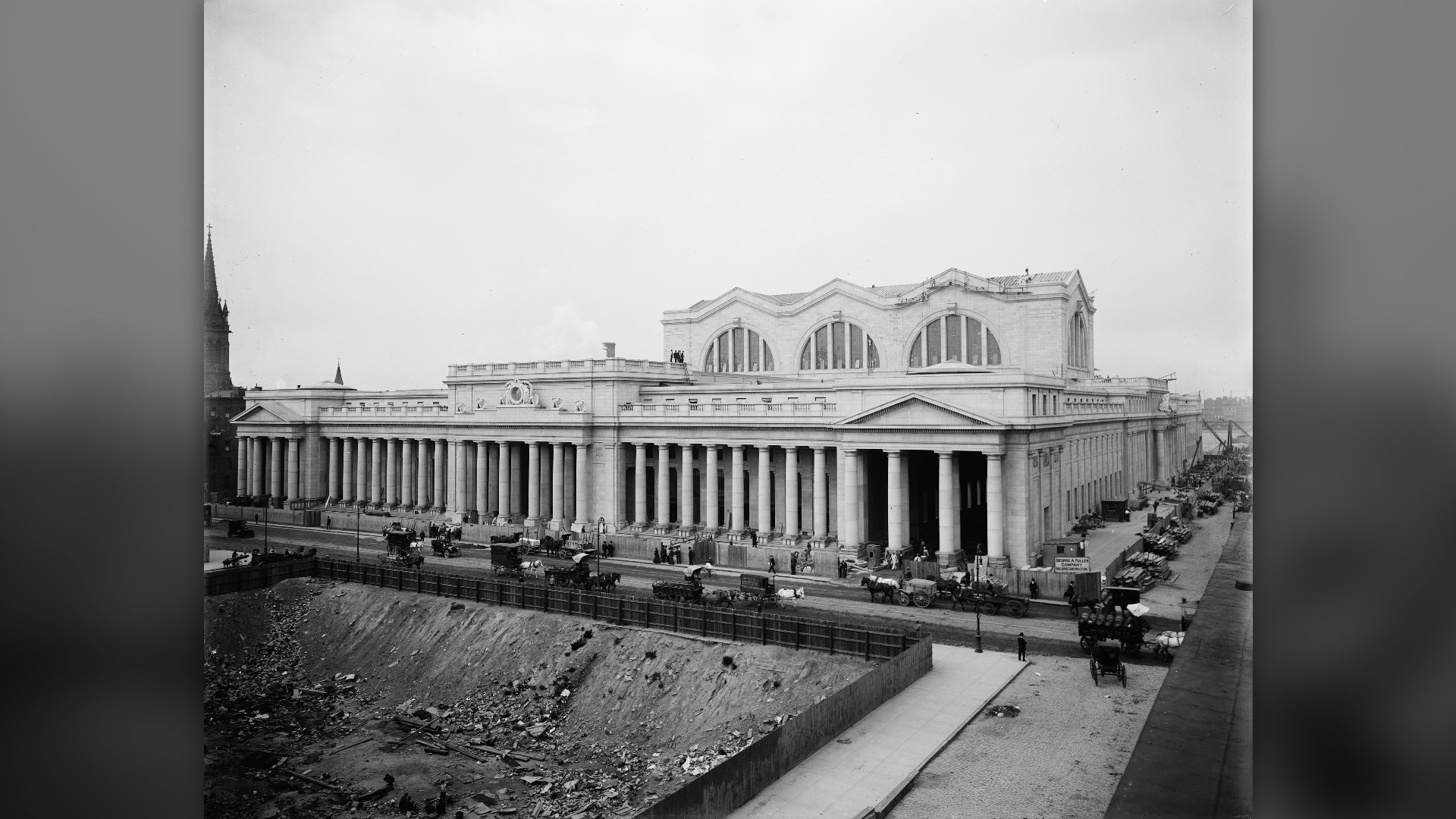
22. Pennsylvania Station Roman Colonnade 
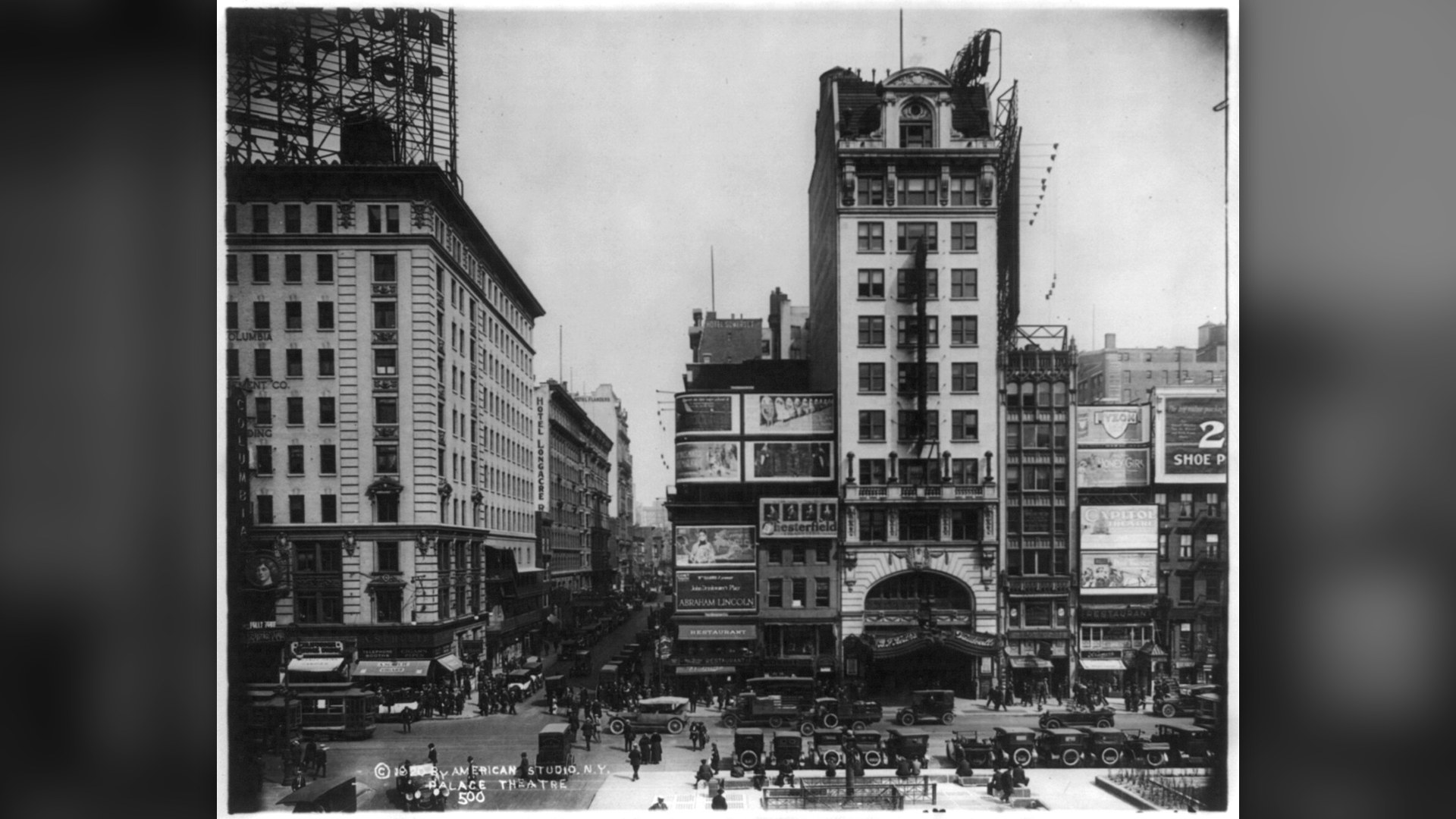
21. The Palace Theatre On Broadway 
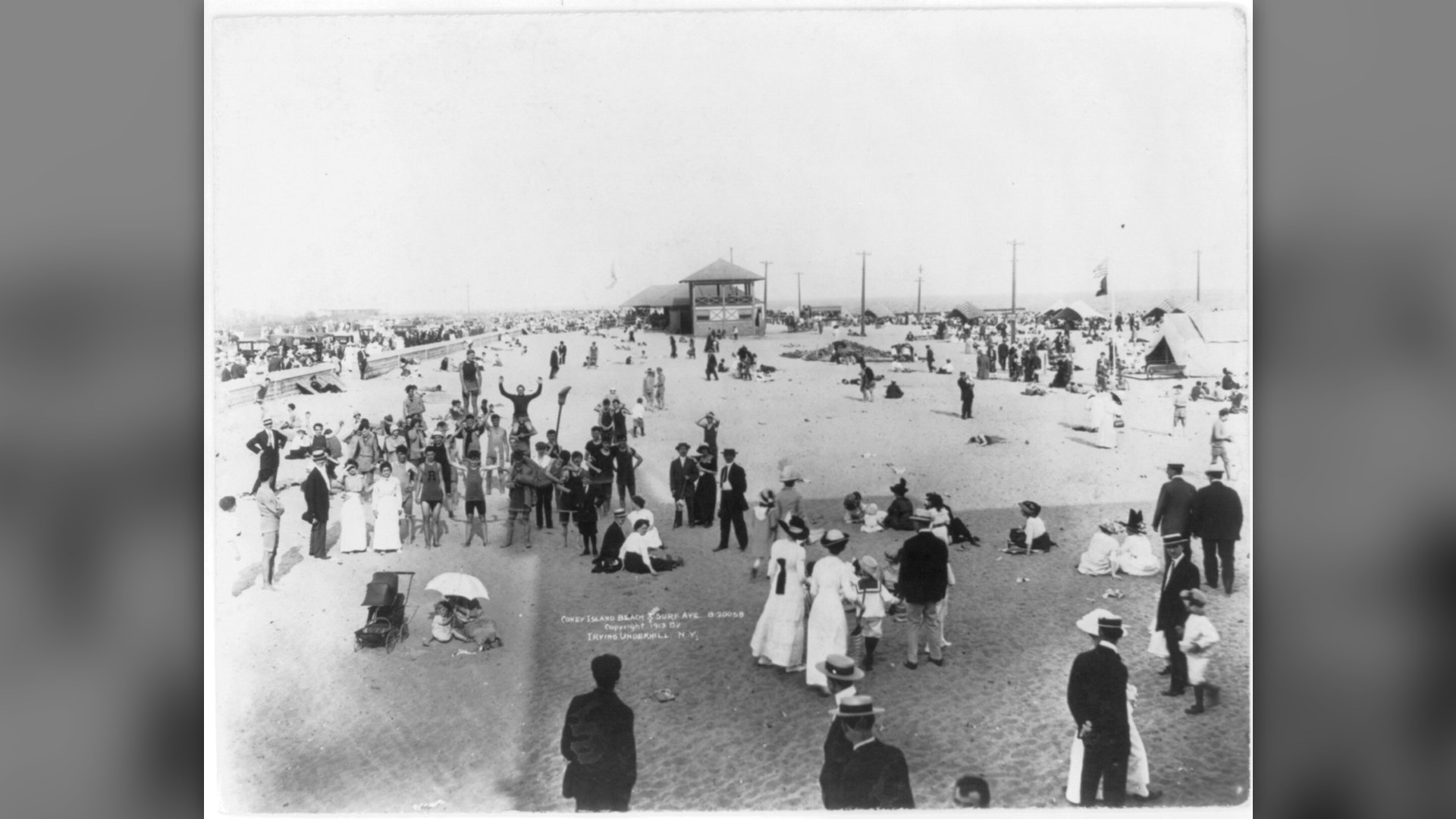
20. Coney Island Seaside Boardwalk And Surf Avenue 
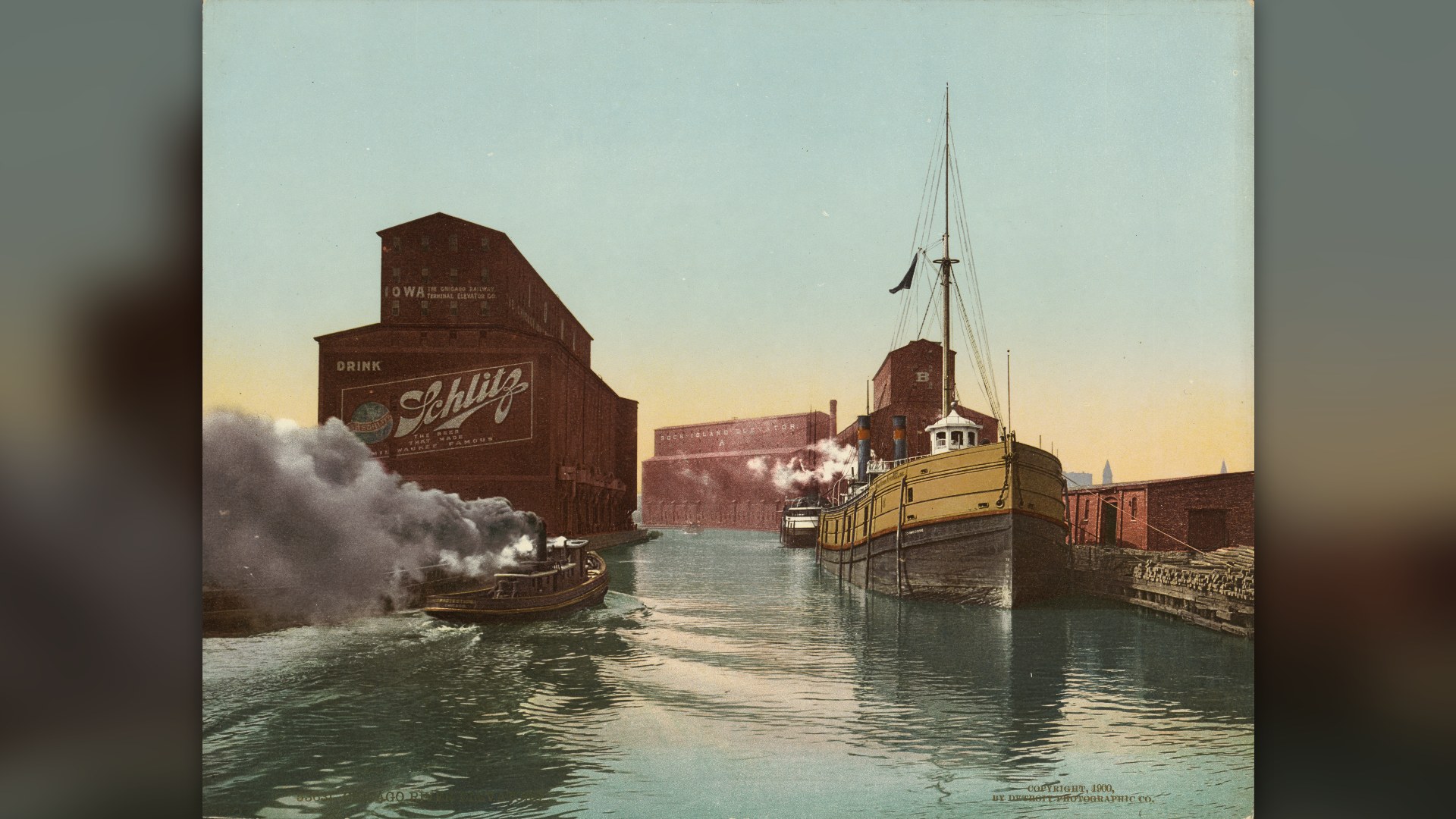
19. Industrial Freight Barges Along The Chicago River - AdvertisementSwipe or tap ▶ to continue countdown

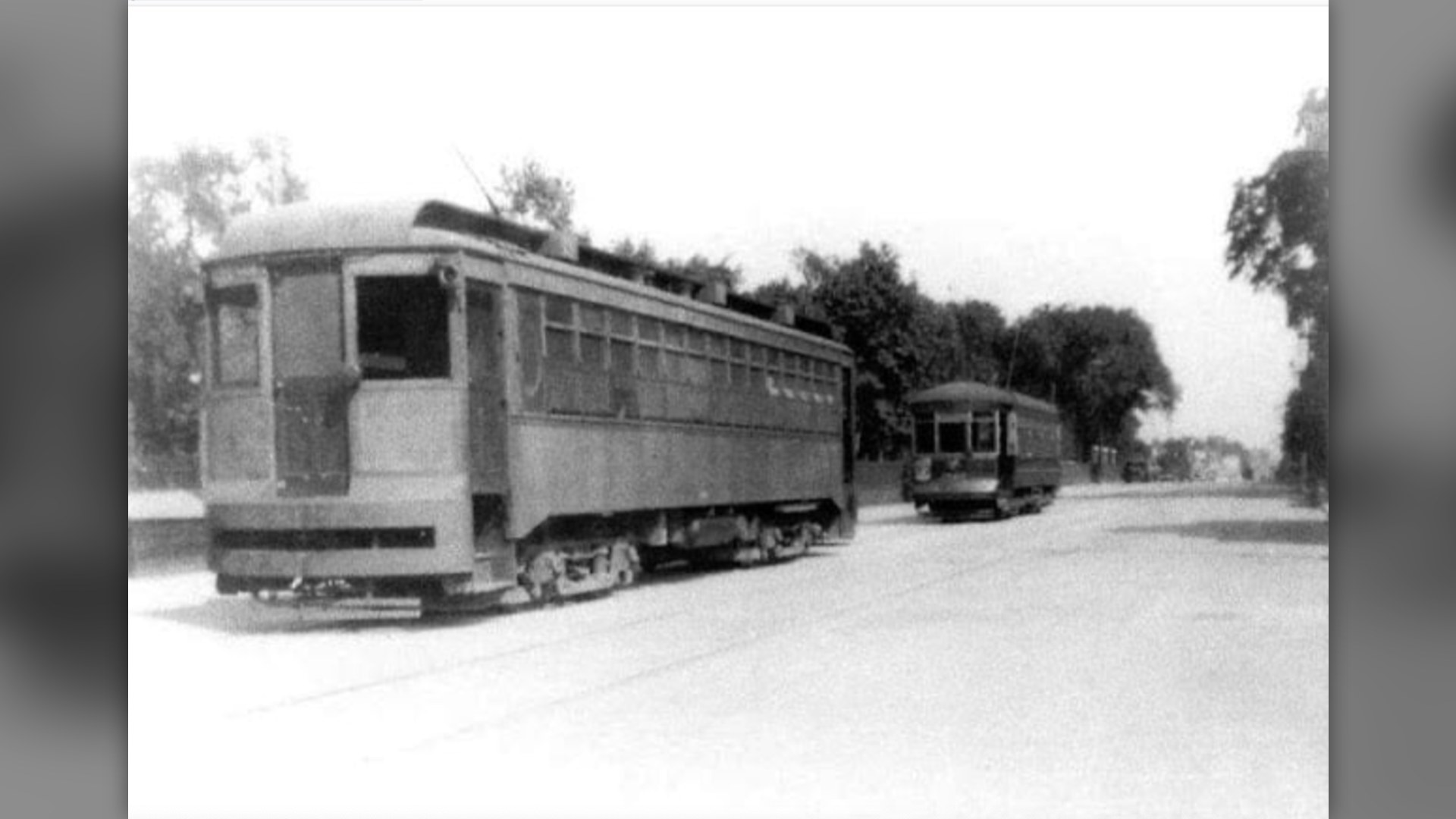
18. Cook County Electric Surface Streetcar 
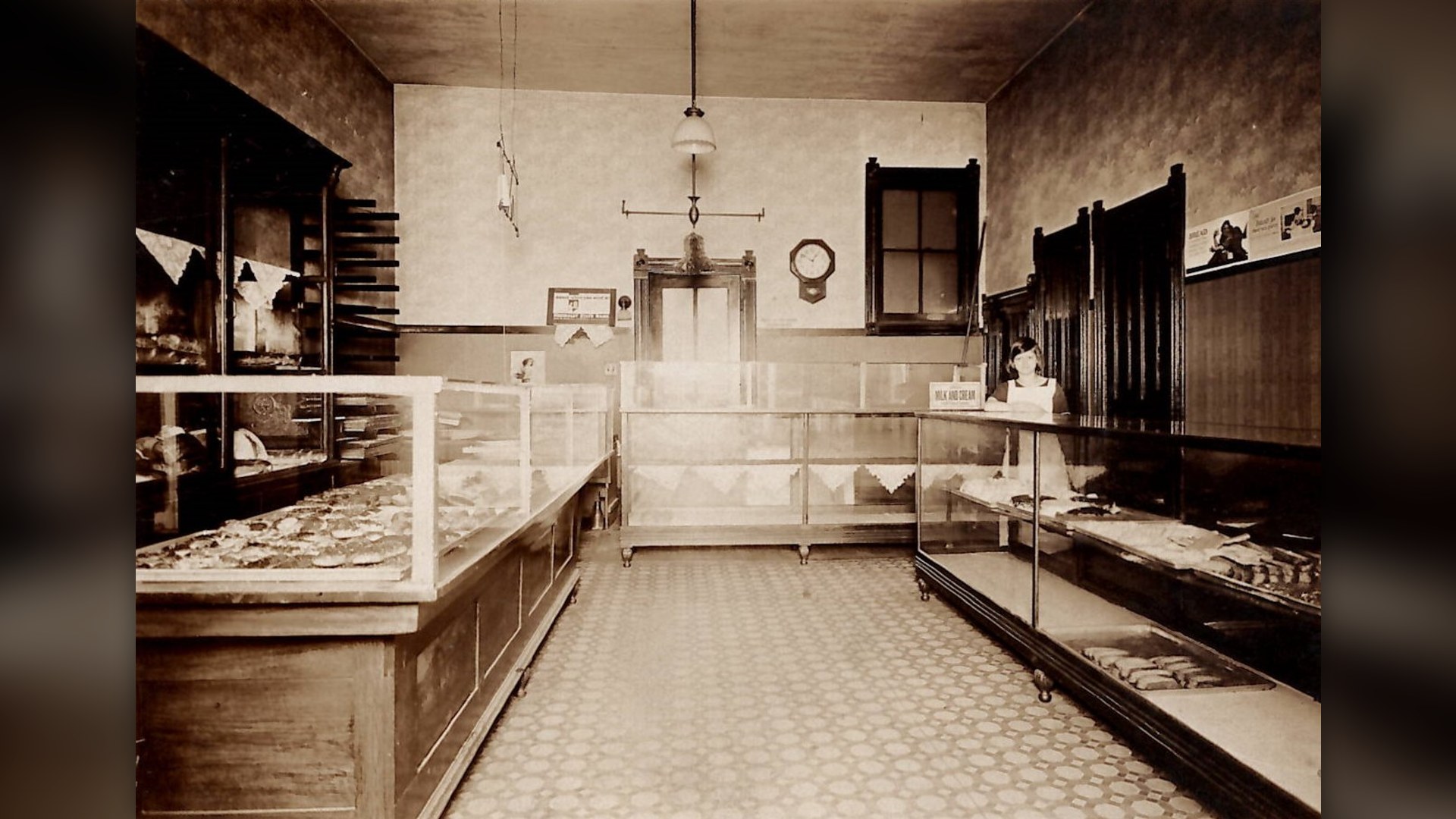
17. Immigrant Neighborhood Corner Bakery 
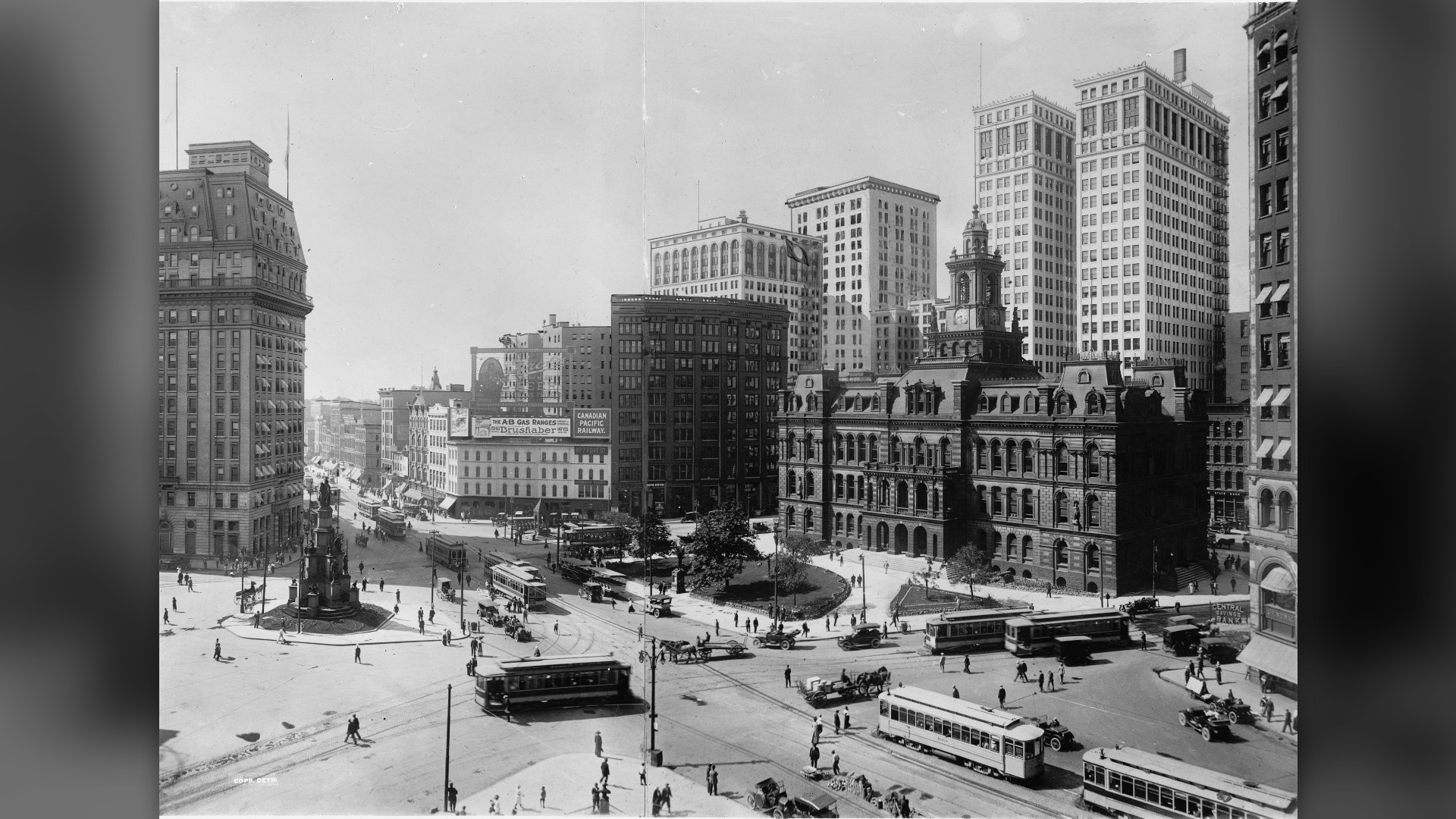
16. Campus Martius And Woodward Avenue 
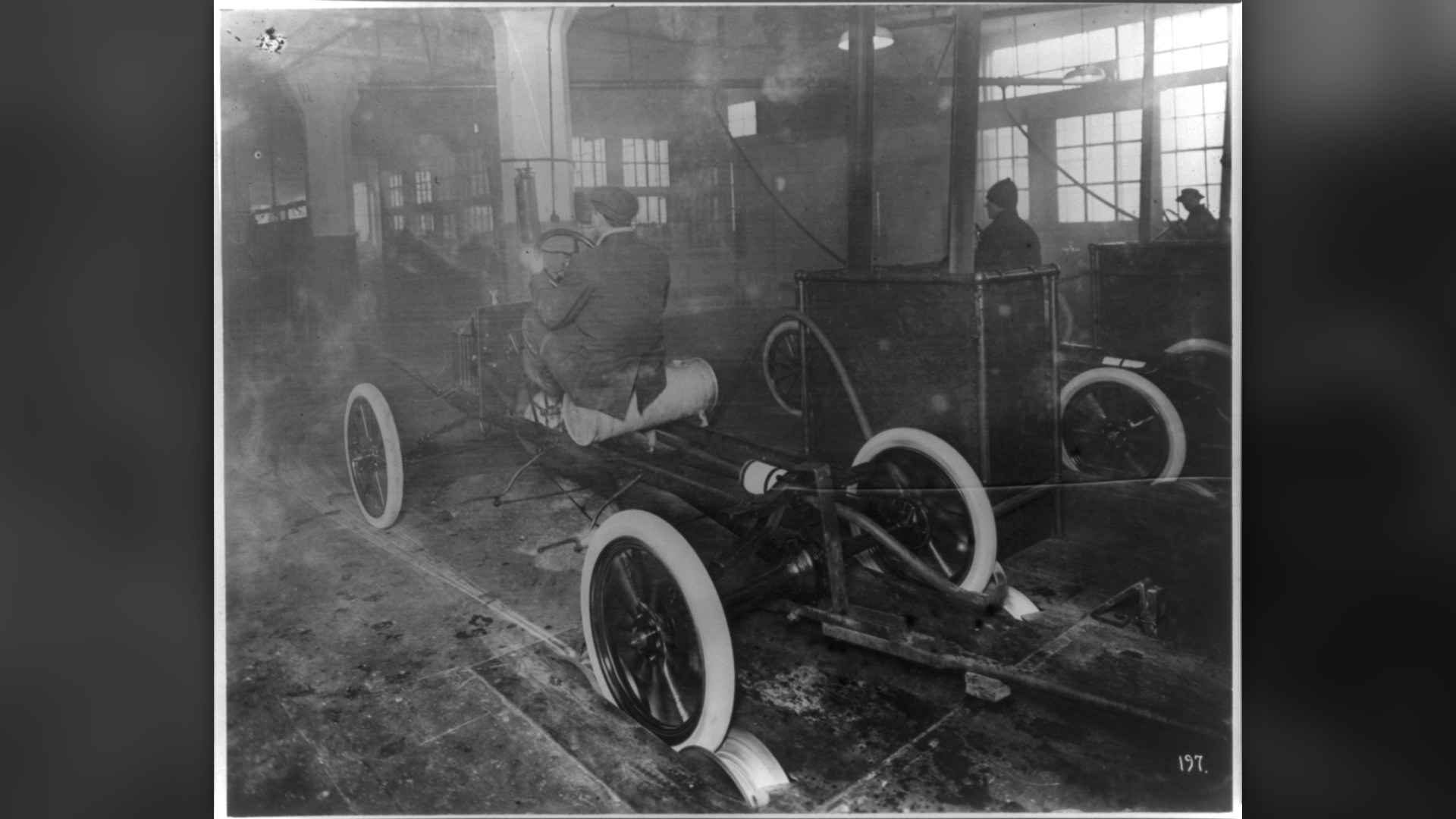
15. Ford Highland Park Model T Assembly Line - AdvertisementSwipe or tap ▶ to continue countdown

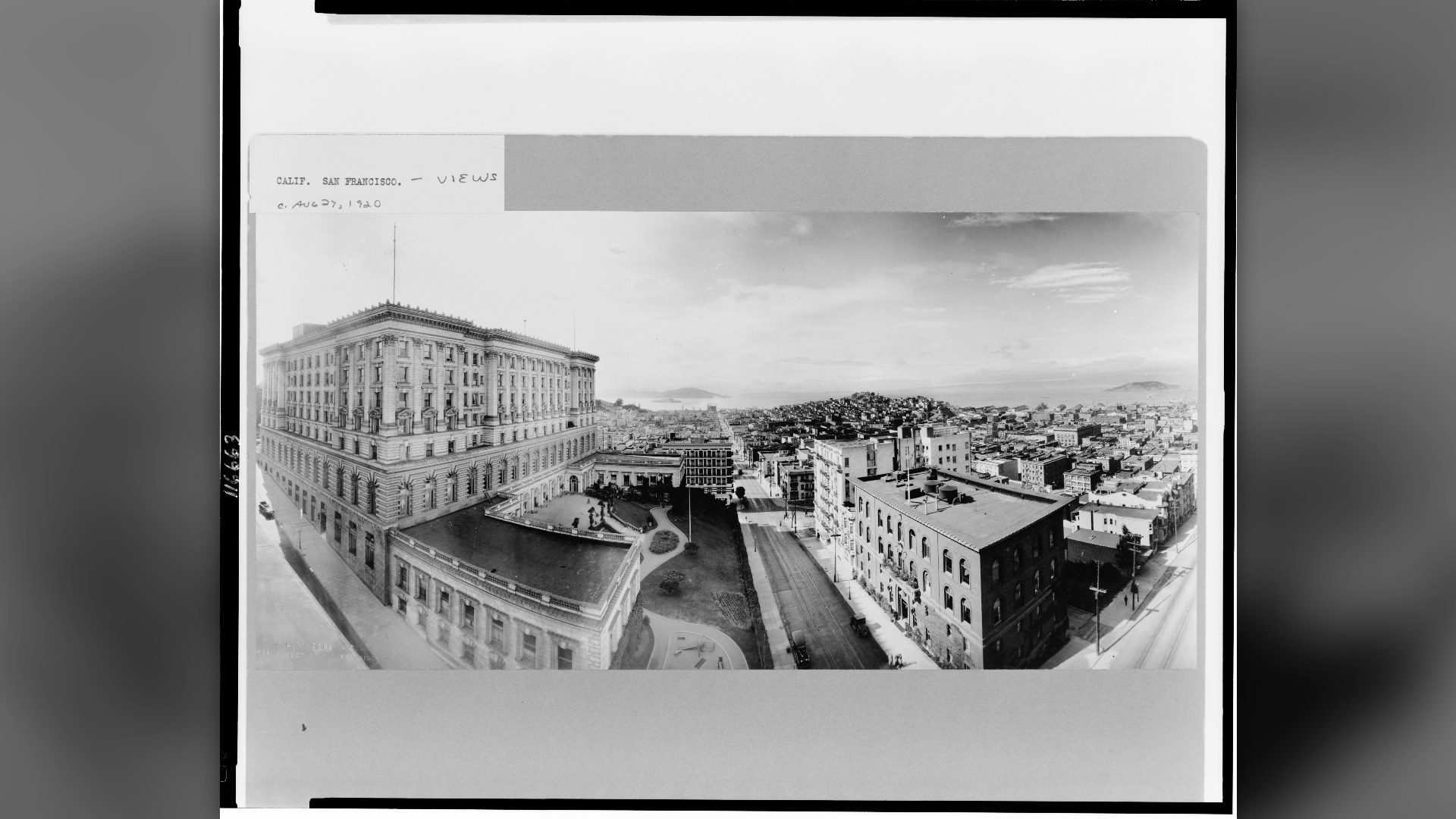
14. Powell Street Cable Cars Ascending Nob Hill 
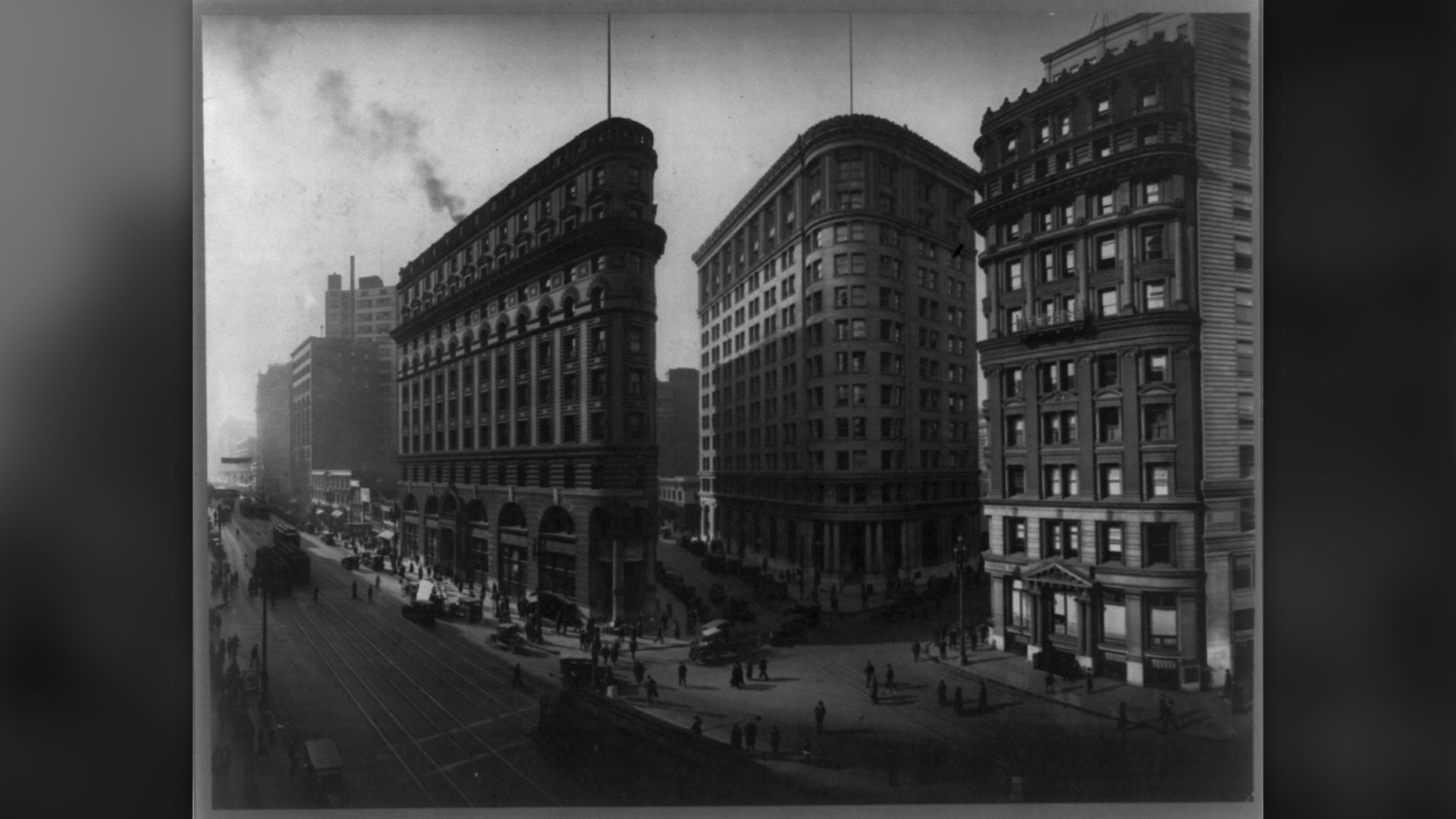
13. California Street Financial District 
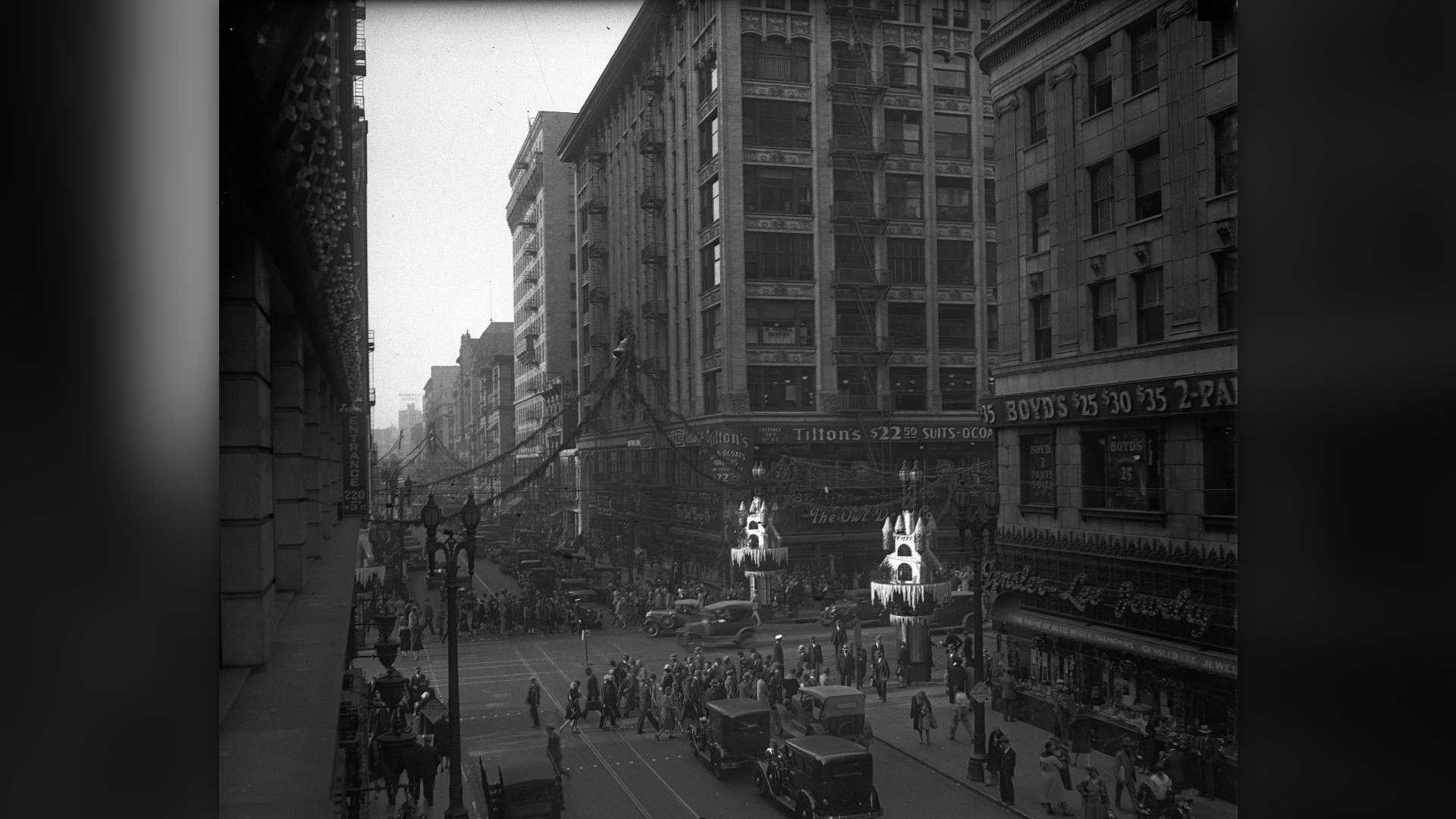
12. Fifth Street Commercial District In Downtown LA 
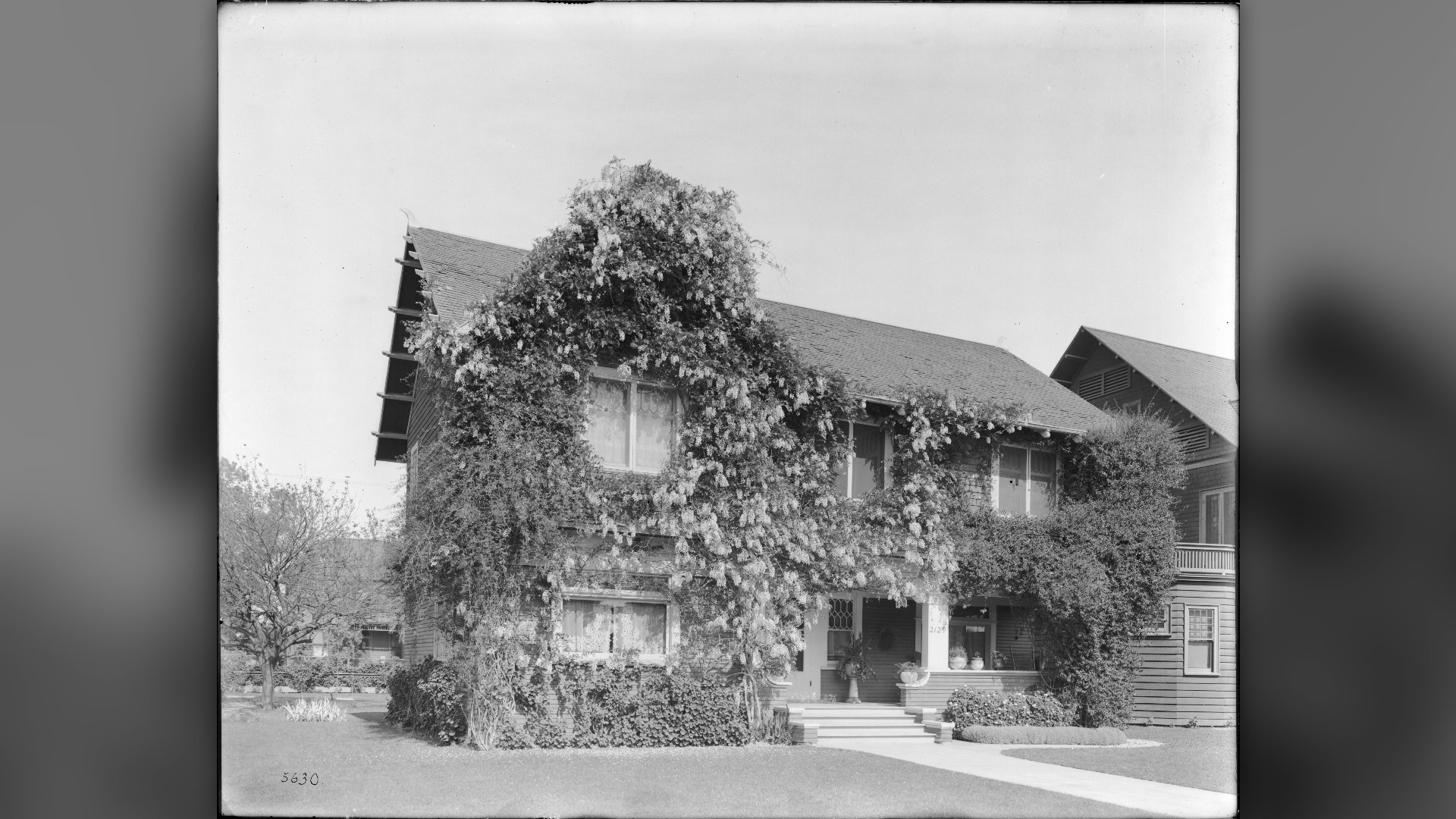
11. Los Angeles Craftsman Residence And Wisteria Porch - AdvertisementSwipe or tap ▶ to continue countdown

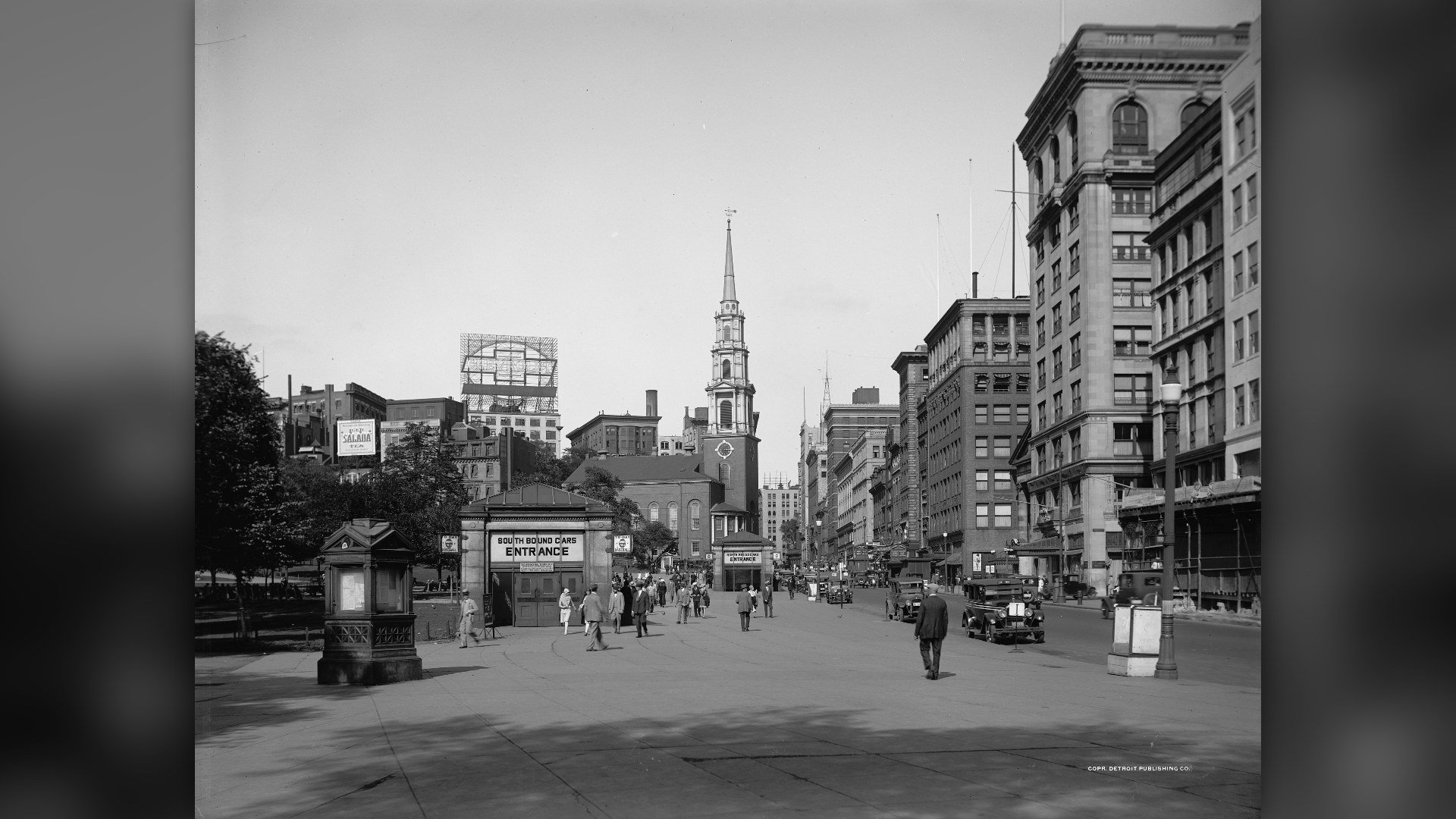
10. Tremont Street Bordering Boston Common 
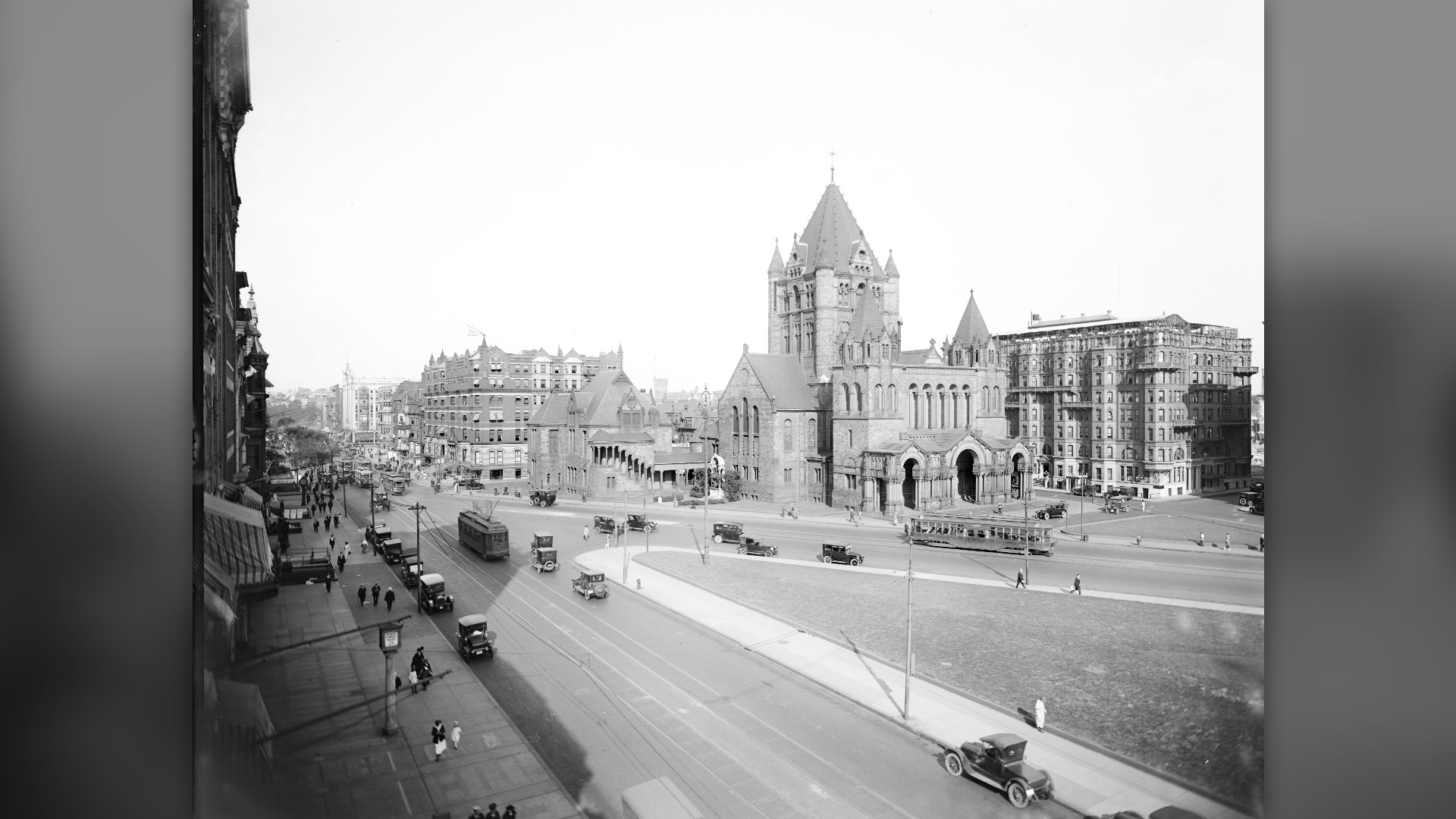
9. Copley Square Streetcar Junction 
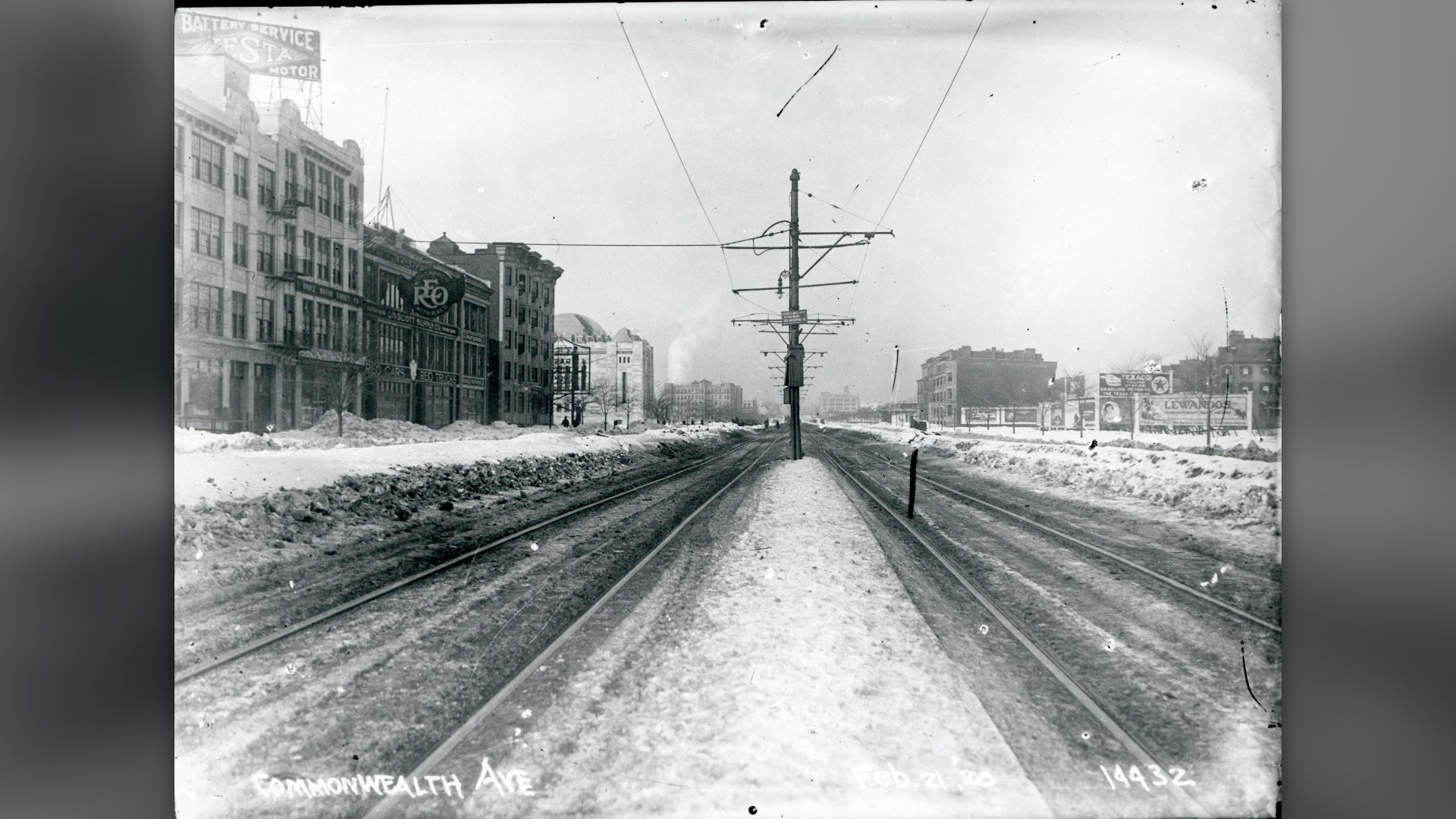
8. Commonwealth Avenue Following A Winter Storm 
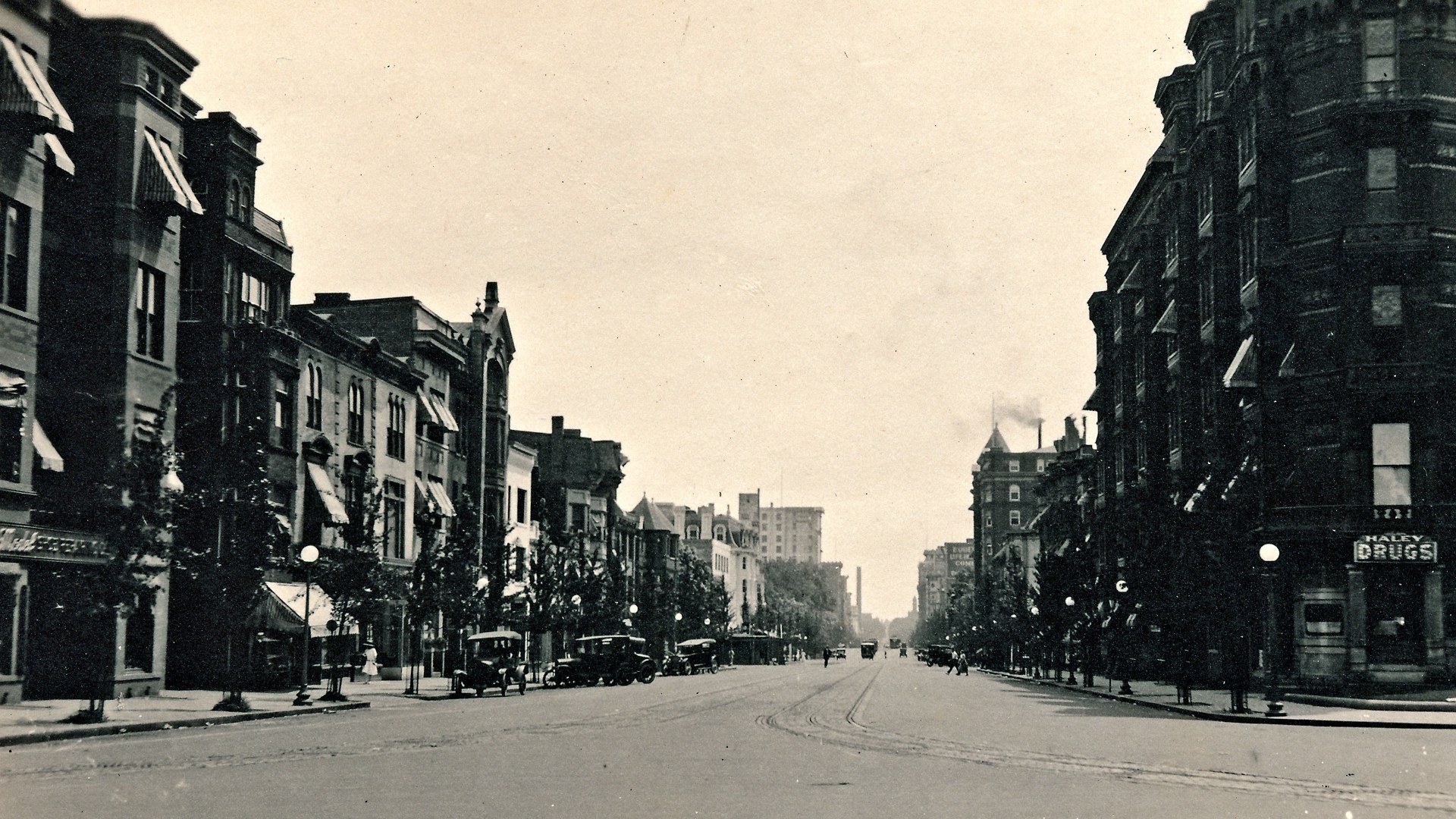
7. Fourteenth Street NW Transportation Hub - AdvertisementSwipe or tap ▶ to continue countdown

6. Pennsylvania Avenue At The State Department 
5. Canal Street Neutral Ground Streetcar Lines 
4. Historic Courtyards And Architect Row 
3. Western Avenue At Pike Place Market - AdvertisementSwipe or tap ▶ to continue countdown

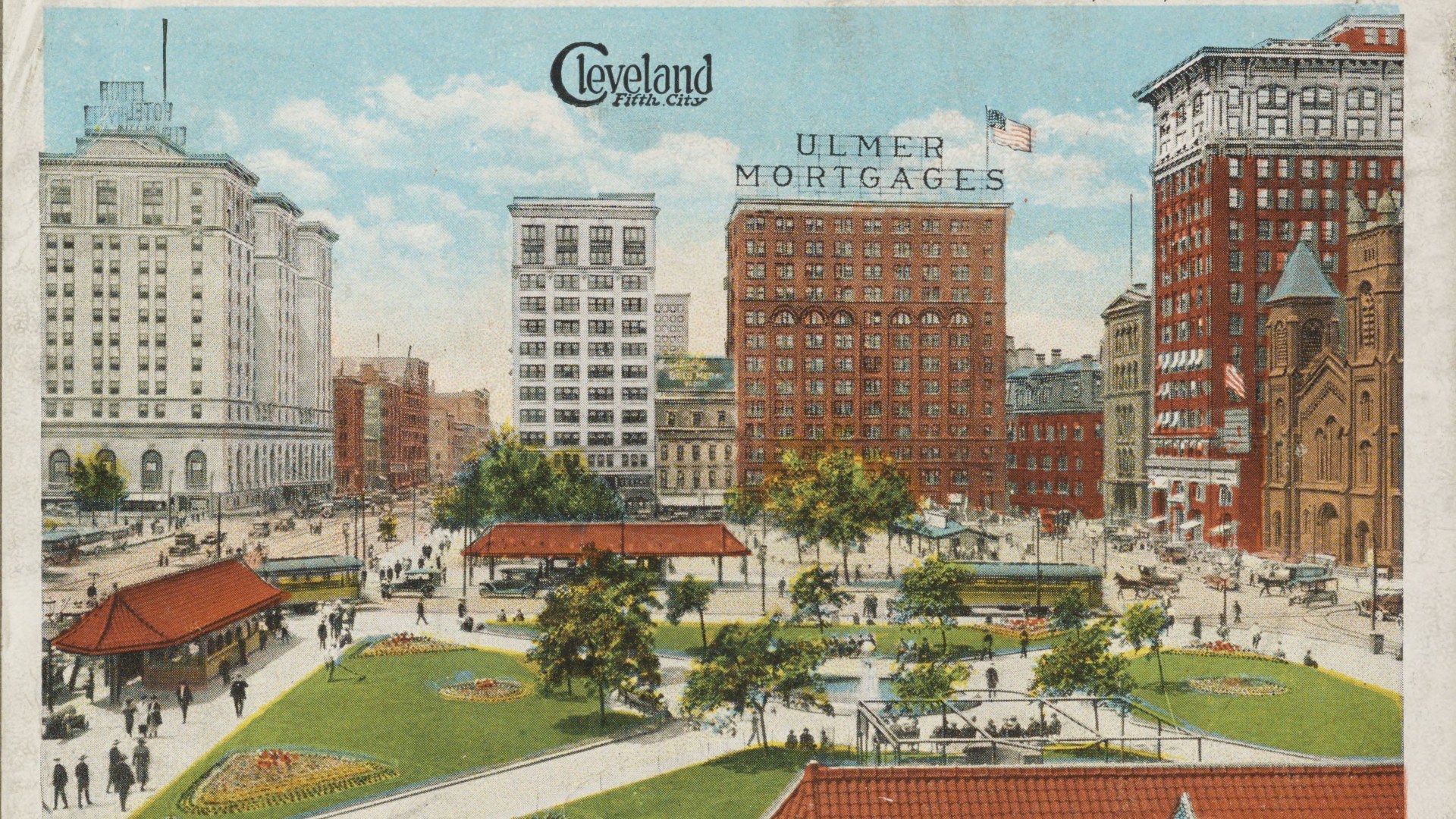
2. Public Square And Downtown Cleveland 
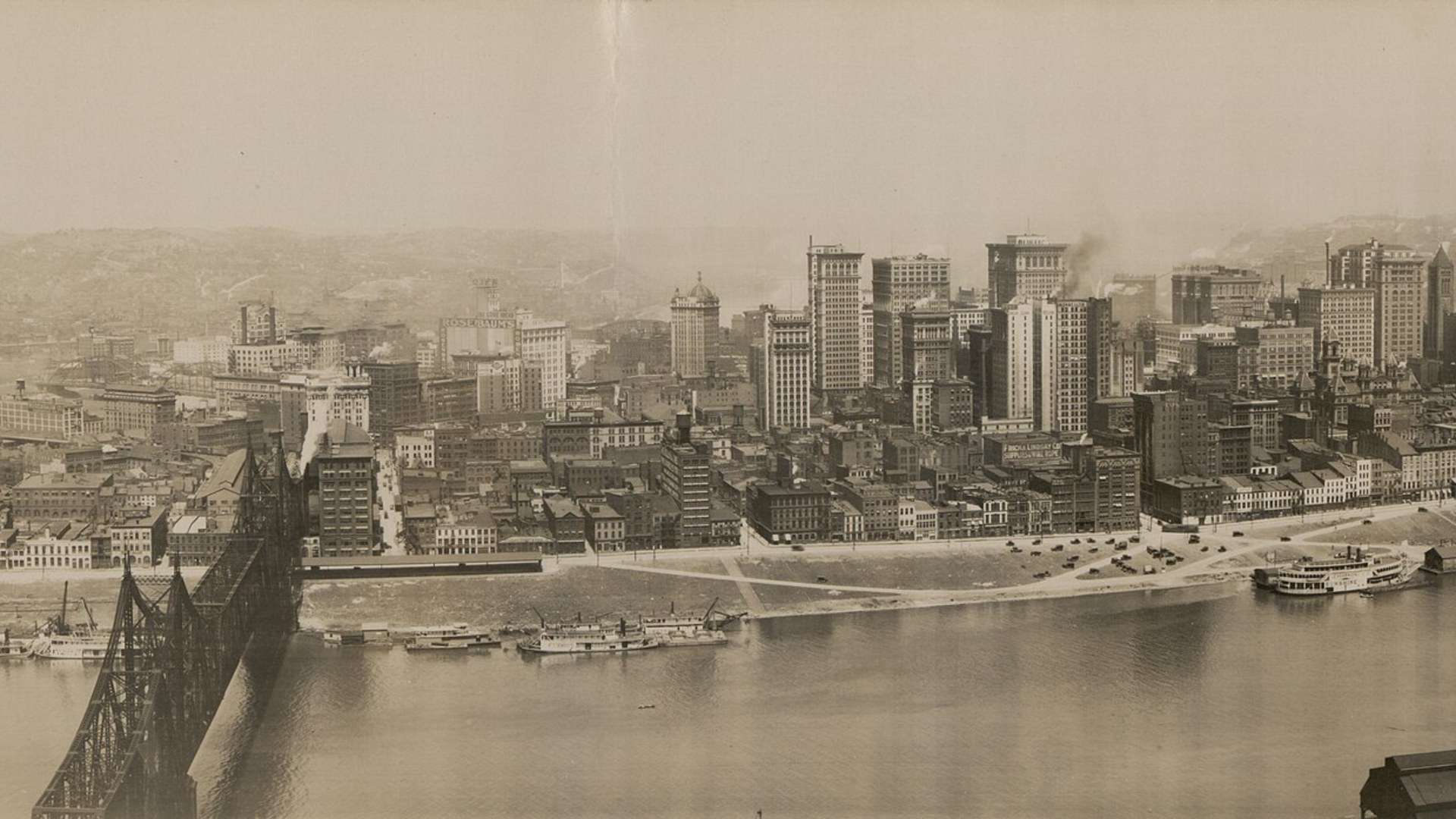
1. Industrial Skyline Along The Monongahela River - Advertisement🔥 UP NEXT IN THIS SERIES◫ 21 Slides

20 Famous Cars With Pop-Up Headlights That Shaped Car Design
From hand-cranked 1930s teardrops to wedge supercars of the 1980s, hidden headlights let stylists chase sleek aerodynamics until 2004 pedestrian rules closed the curtain. Here are 20 standout production cars that turned retractable lamps into an enduring automotive design feature across seven full decades.
One hundred years ago, American metropolises were transforming under rapid industrial growth. Massive steel-framed towers arose along harbor waterfronts while electric streetcar systems and early automobiles reshaped daily life across city centers.
Swipe or tap ▶ to begin the countdown
©Wikimedia Commons / Altwater & Bro.
25. Fifth Avenue Traffic
On Easter Sunday in 1920, thousands of New Yorkers gathered along Fifth Avenue. Motor vehicles were rapidly outnumbering horse-drawn carriages, prompting city officials to test dedicated traffic towers and manually operated stop-and-go signal lights.
©Wikimedia Commons / George Grantham Bain Collection
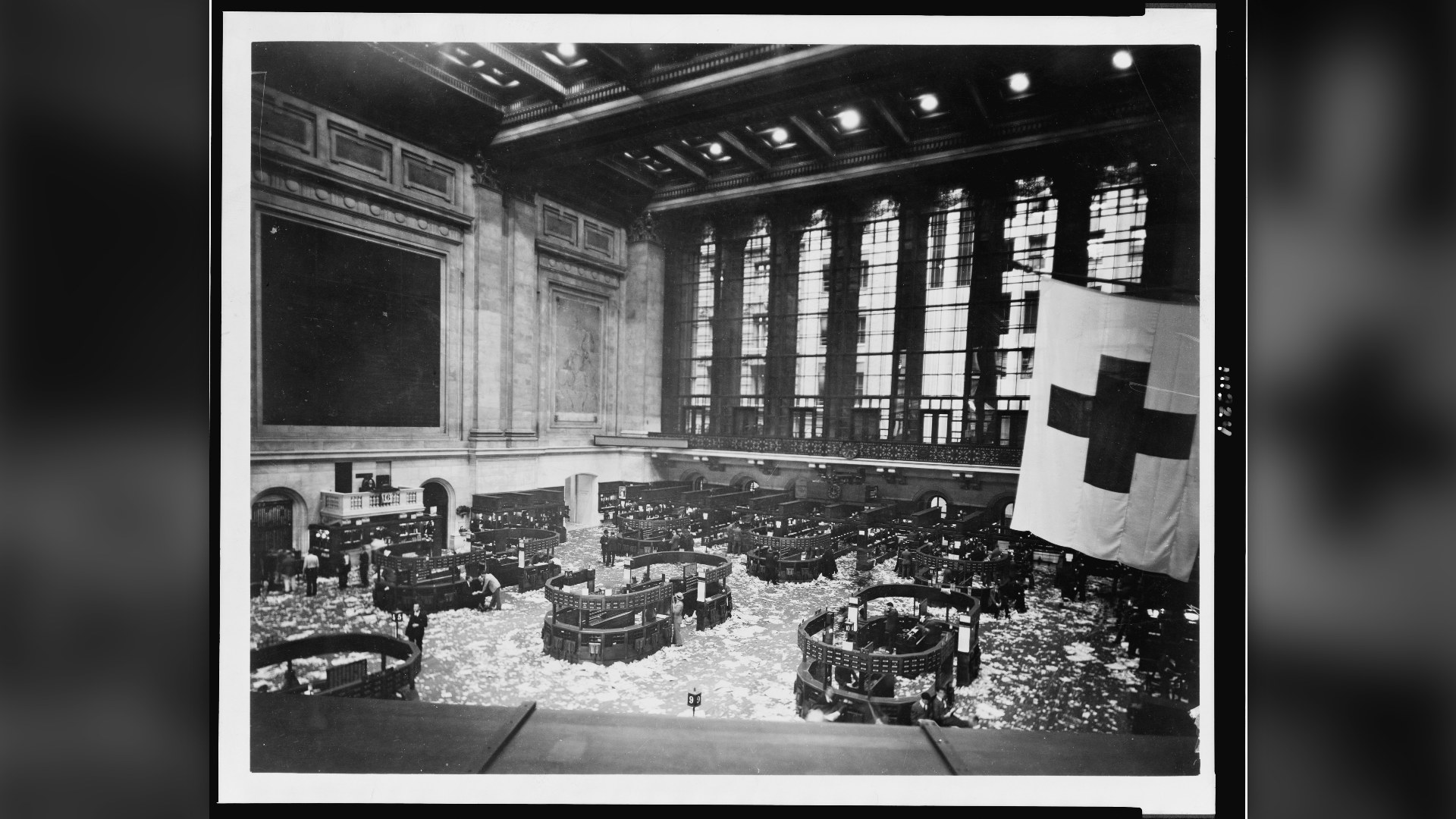
24. New York Stock Exchange Floor After Trading
Inside the New York Stock Exchange on Broad and Wall Streets, brokers traded millions of shares during market rallies. At the close of trading sessions in 1920, sweeping crews cleared layers of discarded ticker tape and order slips from the expansive wooden floor.
©Wikimedia Commons / George Grantham Bain Collection
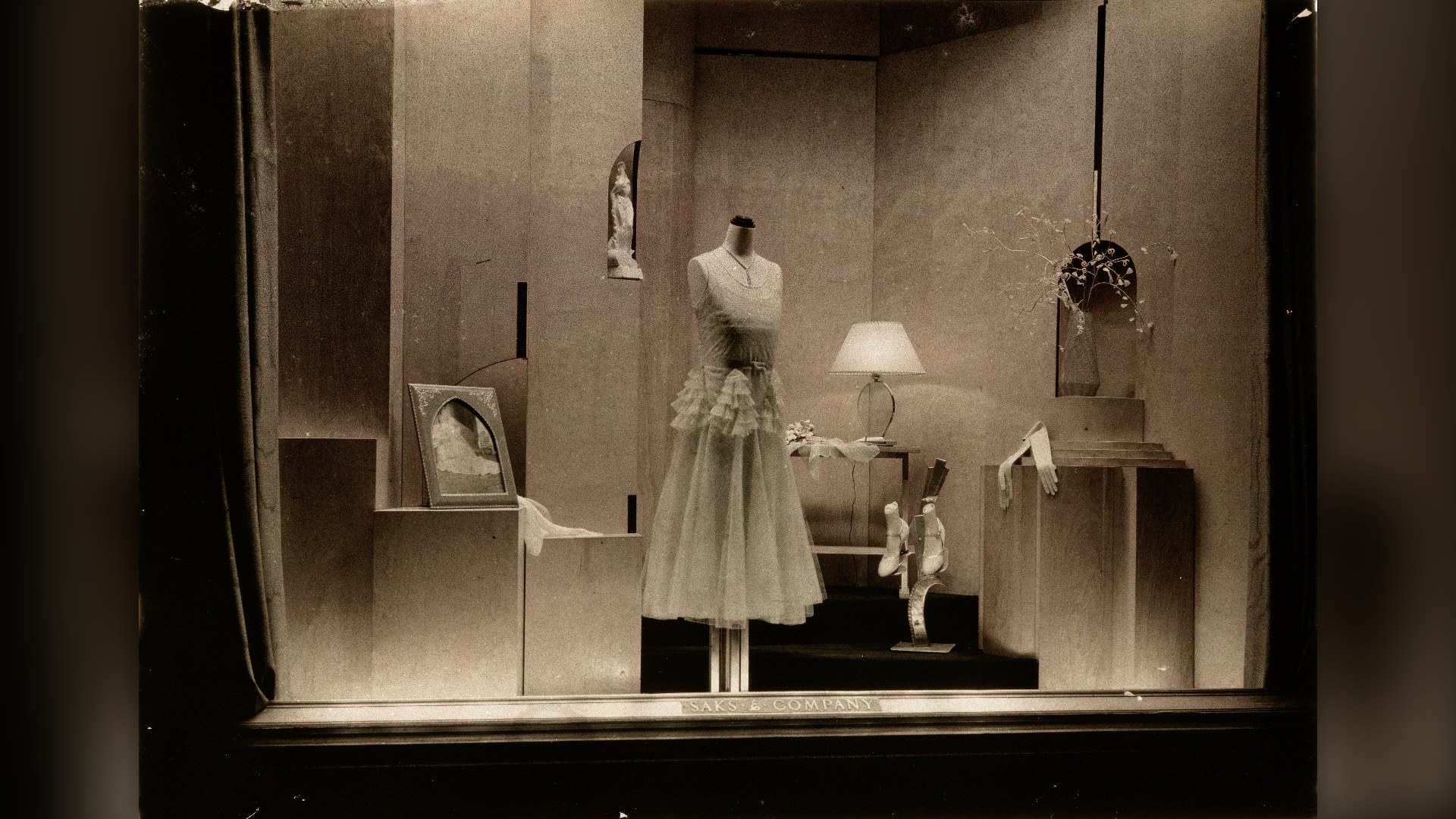
23. Saks Fifth Avenue Department Store Windows
Department stores became cultural destinations during the 1920s. Plate-glass display windows along major shopping avenues showcased luxury fashion and imported goods, turning ordinary sidewalks into grand pedestrian promenades.
©Wikimedia Commons / Clifton R. Adams
Advertisement
Swipe or tap ▶ to resume the countdown.
22. Pennsylvania Station Roman Colonnade
Designed by McKim, Mead and White, Pennsylvania Station served as a monumental gateway to Manhattan. Completed with Roman travertine and doric colonnades, the grand terminal handled hundreds of daily steam and electric trains connecting the continent.
©Wikimedia Commons / Detroit Publishing Co.
21. The Palace Theatre On Broadway
Times Square and Broadway were the center of American stage entertainment in the 1920s. Playing the Palace Theatre was the pinnacle of vaudeville success, drawing crowds beneath brilliant incandescent marquees and painted billboards.
©Wikimedia Commons / Bain News Service
20. Coney Island Seaside Boardwalk And Surf Avenue
Accessible by five-cent subway rides, Coney Island drew tens of thousands of city dwellers every weekend. Bathers packed the Atlantic shoreline beneath rollercoasters and carnival pavilions, finding relief from crowded tenement neighborhoods during summer heatwaves.
©Wikimedia Commons / Bain News Service
19. Industrial Freight Barges Along The Chicago River
The Chicago River served as the beating commercial heart of midwestern industry. Massive grain elevators and rail freight terminals lined the riverbanks, where tugboats guided lumber schooners and steam freighters beneath central bascule bridges connecting the city.
©Wikimedia Commons / Detroit Publishing Co.
Advertisement
Swipe or tap ▶ to resume the countdown.
18. Cook County Electric Surface Streetcar
Chicago operated one of the largest street railway networks in the world through the Chicago Surface Lines. Trolleys shared downtown roadways with delivery wagons and motor vehicles, carrying workers between industrial districts and residential wards.
©Wikimedia Commons / Chicago Transit Archives
17. Immigrant Neighborhood Corner Bakery
Neighborhood retail districts across Chicago centered on ethnic bakeries, grocers, and butcher shops. Located beneath walk-up apartments, these storefronts served immigrant communities with freshly baked rye, rolls, and staples before supermarket chains emerged.
©Wikimedia Commons / Chicago Archive Contributor
16. Campus Martius And Woodward Avenue
Campus Martius served as the primary traffic hub and civic square of Detroit. In the 1920s, Woodward Avenue radiated outward with department stores, office blocks, and dozens of streetcar tracks accommodating a population surging toward one million residents.
©Wikimedia Commons / Detroit Publishing Co.
15. Ford Highland Park Model T Assembly Line
Henry Ford's Highland Park plant revolutionized modern industry by perfecting the moving assembly line. Rolling out complete Model T automobiles in under two hours, the factory provided high industrial wages and flooded American roadways with affordable cars.
©Wikimedia Commons / Ford Motor Company Archive
Advertisement
Swipe or tap ▶ to resume the countdown.
14. Powell Street Cable Cars Ascending Nob Hill
Following the 1906 earthquake, San Francisco rebuilt rapidly into a Pacific banking capital. Grip cars climbed the steep grades of Powell Street past the Fairmont Hotel, carrying riders up Nob Hill with panoramic vistas across Alcatraz and the bay.
©Wikimedia Commons / R.J. Waters & Co.
13. California Street Financial District
California and Montgomery Streets formed the financial citadel of the American West. Grand classical facades housed major trust companies, insurance firms, and the Pacific Coast Stock Exchange, with cable cars running down the center of the granite corridor.
©Wikimedia Commons / Pacific Coast Financial Archives
12. Fifth Street Commercial District In Downtown LA
During the 1920s oil and real estate boom, Los Angeles evolved from a regional agricultural town into a major metropolis. Fifth Street carried yellow streetcars, early sedans, multistory hotels, and commercial storefronts.
©Wikimedia Commons / Los Angeles Times
11. Los Angeles Craftsman Residence And Wisteria Porch
The rapid expansion of Los Angeles fostered low-density residential tracts filled with California bungalows. Featuring broad gabled roofs and spacious front verandas shaded by flowering vines, these single-family homes offered sunny outdoor living along palm-lined neighborhood avenues.
©Wikimedia Commons / USC Libraries / California Hist. Soc.
Advertisement
Swipe or tap ▶ to resume the countdown.
10. Tremont Street Bordering Boston Common
Lined with brick retail blocks and historic meetinghouses, Tremont Street bounded the green lawns of Boston Common. By 1920, the historic street carried subterranean subway entrances beneath crowded sidewalks filled with shoppers and clerks.
©Wikimedia Commons / Detroit Publishing Co.
9. Copley Square Streetcar Junction
Framed by Richardson's Trinity Church and the Boston Public Library, Copley Square represented the pinnacle of late nineteenth-century civic design. Multiple trolley tracks crossed the plaza, carrying commuters between downtown and western suburbs.
©Wikimedia Commons / Leon H. Abdalian
8. Commonwealth Avenue Following A Winter Storm
Modeled after Parisian boulevards, Commonwealth Avenue featured a broad central park mall flanked by brownstone row houses. After heavy winter snowfalls in 1920, municipal crews cleared streetcar rails to maintain vital crosstown transportation.
©Wikimedia Commons / City of Boston Archives
7. Fourteenth Street NW Transportation Hub
Because overhead trolley wires were banned in downtown Washington for aesthetics, streetcars drew power from underground slot conduits. Fourteenth Street NW carried commuters, department stores, and theater crowds throughout the 1920s.
©Wikimedia Commons / National Photo Company
Advertisement
Swipe or tap ▶ to resume the countdown.
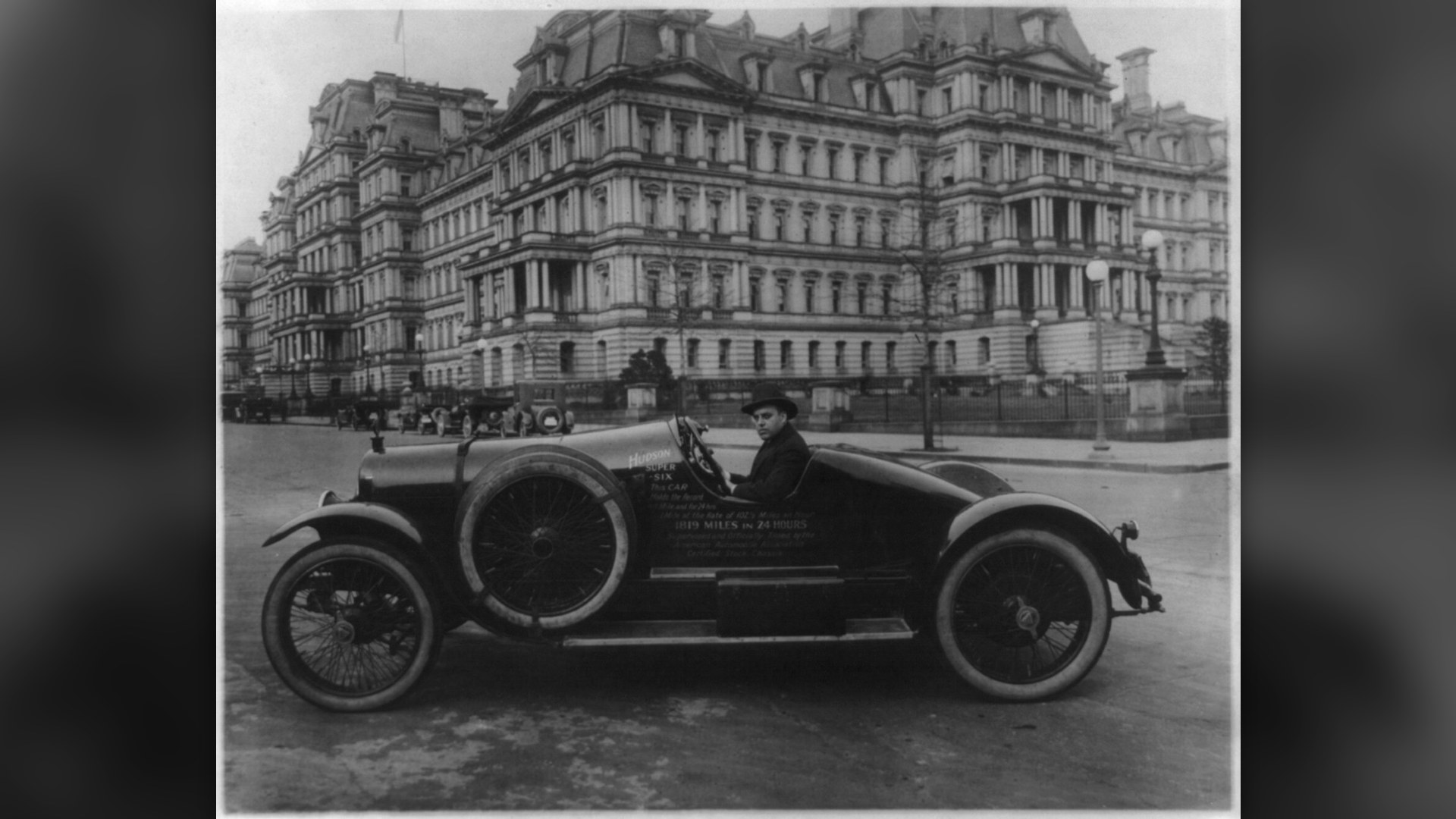
6. Pennsylvania Avenue At The State Department
Pennsylvania Avenue linked the White House and the Capitol as the national stage for government affairs. In 1920, touring cars parked along granite curbs fronting the French Second Empire facade of the State, War, and Navy Building.
©Wikimedia Commons / National Photo Company Collection
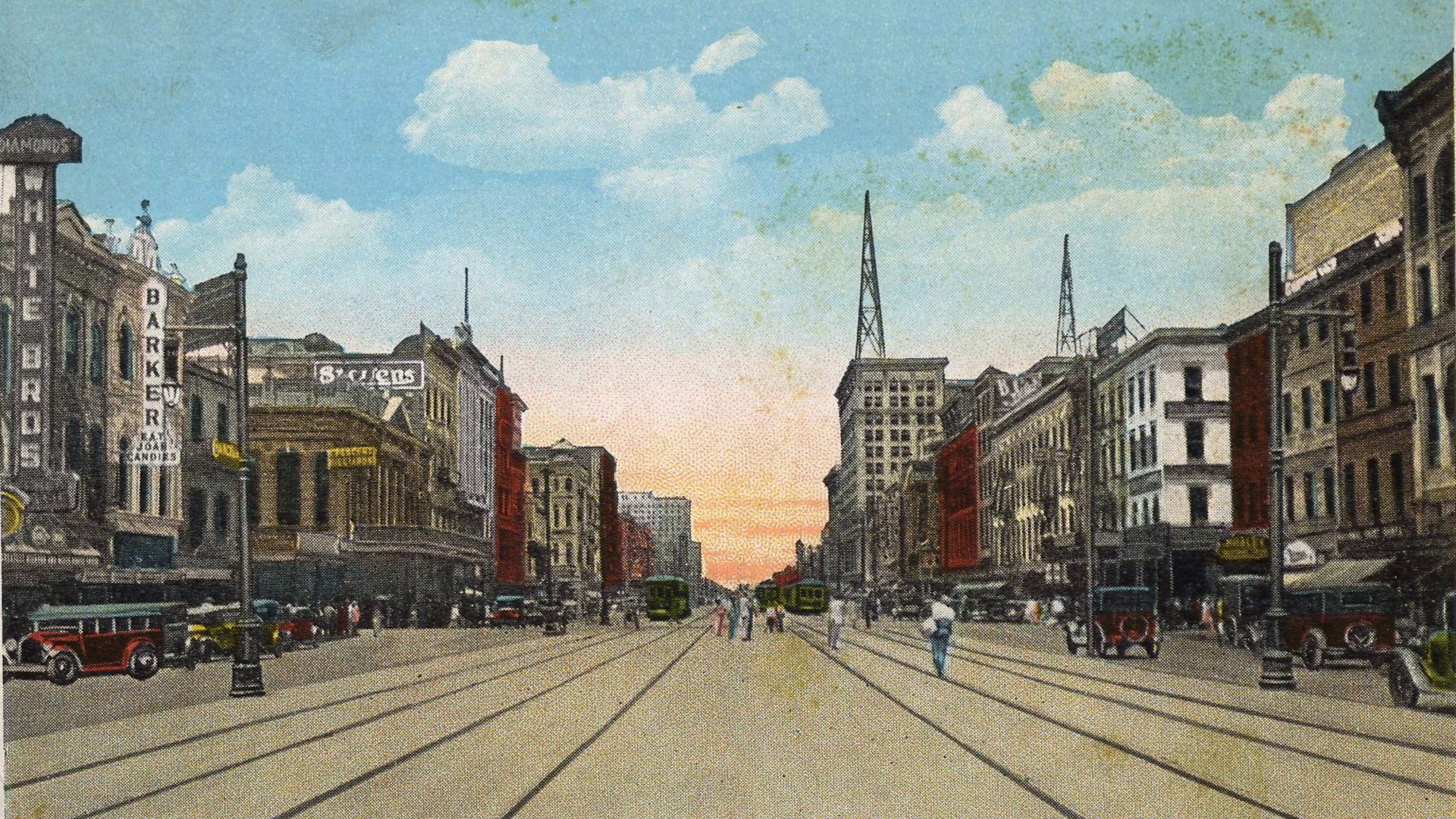
5. Canal Street Neutral Ground Streetcar Lines
Measuring nearly one hundred and seventy feet wide, Canal Street divided the historic French Quarter from the American business district. Its expansive center median, known as the neutral ground, carried four parallel streetcar lines past major department stores.
©Wikimedia Commons / Historic New Orleans Collection
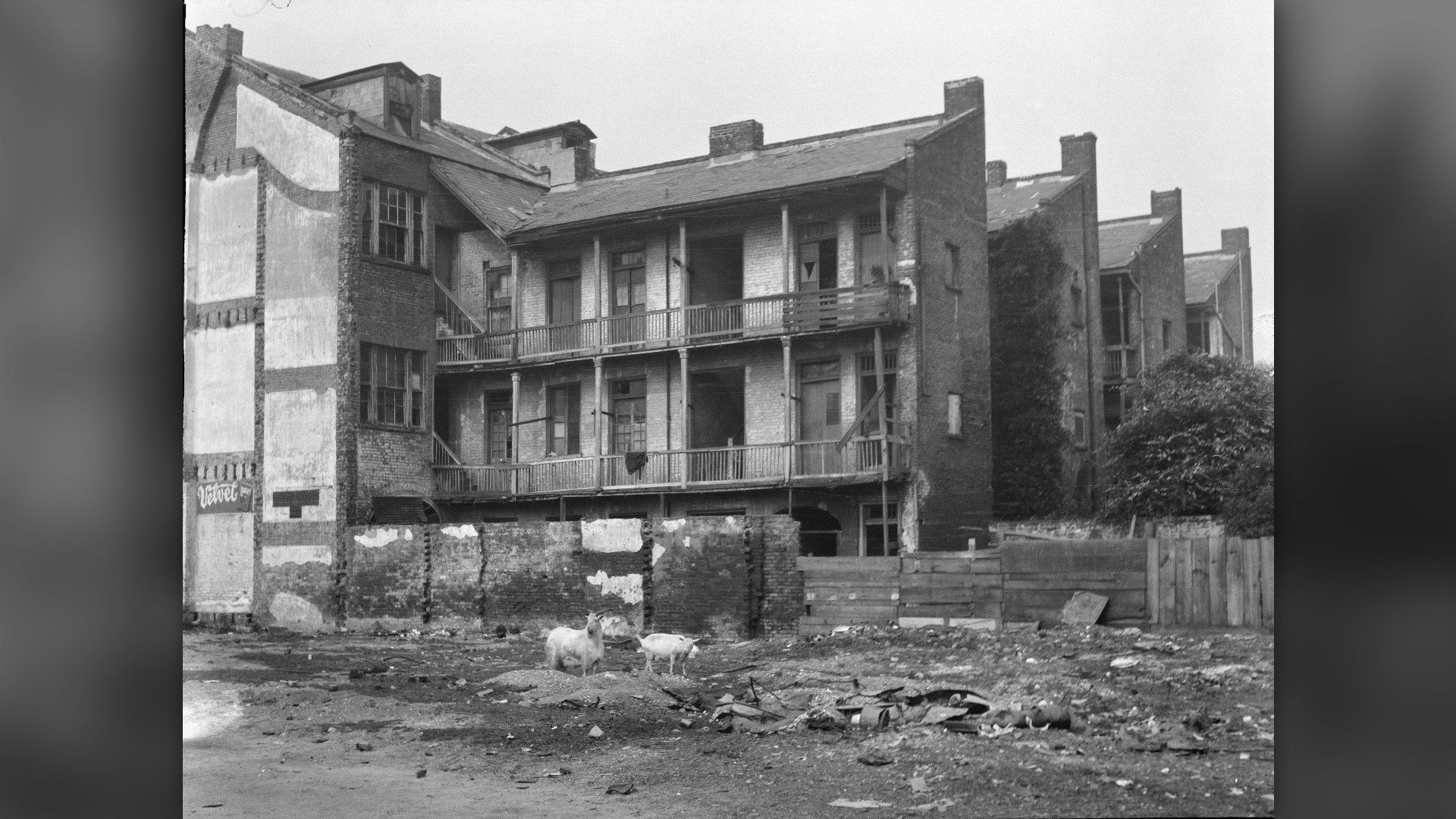
4. Historic Courtyards And Architect Row
Photographed by Arnold Genthe in the early 1920s, New Orleans residential streets showcased Creole iron balconies and hidden brick courtyards. These historic neighborhoods retained quiet domestic rhythms while modern commerce flourished nearby.
©Wikimedia Commons / Arnold Genthe
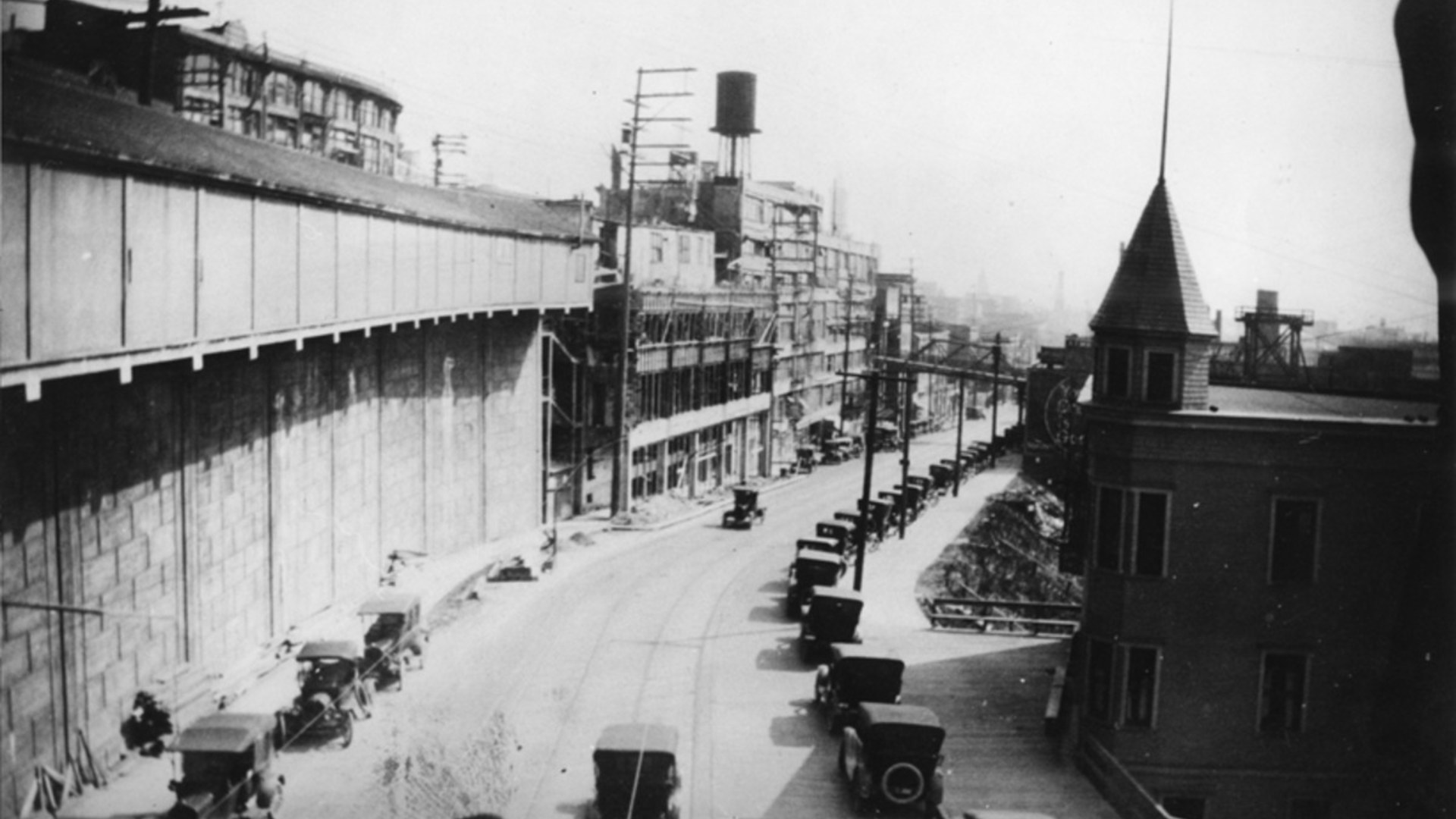
3. Western Avenue At Pike Place Market
Established in 1907 to eliminate middlemen, Pike Place Market served as Seattle's primary community food hub. Farmers and draymen hauled wagons and flatbed trucks along Western Avenue to supply daily stalls with fresh Puget Sound fish and produce.
©Wikimedia Commons / Seattle Municipal Archives
Advertisement
Swipe or tap ▶ to resume the countdown.
2. Public Square And Downtown Cleveland
Public Square served as the crossroad of Cleveland's civic and commercial life. Surrounded by the newly built Hotel Cleveland and department stores, the square carried electric streetcars transporting workers across the fifth largest city in America.
©Wikimedia Commons / Cleveland Public Library
1. Industrial Skyline Along The Monongahela River
Pittsburgh produced over half the steel made in the United States during the 1920s. A panoramic 1920 view captures railway bridges, coal barges, and smoking mill stacks lining the Monongahela River beneath the downtown golden triangle.

©Wikimedia Commons / Altwater & Bro.
Advertisement
You've reached the end of the story. Thanks for reading!

20 Famous Cars With Pop-Up Headlights That Shaped Car Design
From hand-cranked 1930s teardrops to wedge supercars of the 1980s, hidden headlights let stylists chase sleek aerodynamics until 2004 pedestrian rules closed the curtain. Here are 20 standout production cars that turned retractable lamps into an enduring automotive design feature across seven full decades.
All 25 Entries in this Story
1. Fifth Avenue Traffic
On Easter Sunday in 1920, thousands of New Yorkers gathered along Fifth Avenue. Motor vehicles were rapidly outnumbering horse-drawn carriages, prompting city officials to test dedicated traffic towers and manually operated stop-and-go signal lights.

2. New York Stock Exchange Floor After Trading
Inside the New York Stock Exchange on Broad and Wall Streets, brokers traded millions of shares during market rallies. At the close of trading sessions in 1920, sweeping crews cleared layers of discarded ticker tape and order slips from the expansive wooden floor.

3. Saks Fifth Avenue Department Store Windows
Department stores became cultural destinations during the 1920s. Plate-glass display windows along major shopping avenues showcased luxury fashion and imported goods, turning ordinary sidewalks into grand pedestrian promenades.

4. Pennsylvania Station Roman Colonnade
Designed by McKim, Mead and White, Pennsylvania Station served as a monumental gateway to Manhattan. Completed with Roman travertine and doric colonnades, the grand terminal handled hundreds of daily steam and electric trains connecting the continent.

5. The Palace Theatre On Broadway
Times Square and Broadway were the center of American stage entertainment in the 1920s. Playing the Palace Theatre was the pinnacle of vaudeville success, drawing crowds beneath brilliant incandescent marquees and painted billboards.

6. Coney Island Seaside Boardwalk And Surf Avenue
Accessible by five-cent subway rides, Coney Island drew tens of thousands of city dwellers every weekend. Bathers packed the Atlantic shoreline beneath rollercoasters and carnival pavilions, finding relief from crowded tenement neighborhoods during summer heatwaves.

7. Industrial Freight Barges Along The Chicago River
The Chicago River served as the beating commercial heart of midwestern industry. Massive grain elevators and rail freight terminals lined the riverbanks, where tugboats guided lumber schooners and steam freighters beneath central bascule bridges connecting the city.

8. Cook County Electric Surface Streetcar
Chicago operated one of the largest street railway networks in the world through the Chicago Surface Lines. Trolleys shared downtown roadways with delivery wagons and motor vehicles, carrying workers between industrial districts and residential wards.

9. Immigrant Neighborhood Corner Bakery
Neighborhood retail districts across Chicago centered on ethnic bakeries, grocers, and butcher shops. Located beneath walk-up apartments, these storefronts served immigrant communities with freshly baked rye, rolls, and staples before supermarket chains emerged.

10. Campus Martius And Woodward Avenue
Campus Martius served as the primary traffic hub and civic square of Detroit. In the 1920s, Woodward Avenue radiated outward with department stores, office blocks, and dozens of streetcar tracks accommodating a population surging toward one million residents.

11. Ford Highland Park Model T Assembly Line
Henry Ford's Highland Park plant revolutionized modern industry by perfecting the moving assembly line. Rolling out complete Model T automobiles in under two hours, the factory provided high industrial wages and flooded American roadways with affordable cars.

12. Powell Street Cable Cars Ascending Nob Hill
Following the 1906 earthquake, San Francisco rebuilt rapidly into a Pacific banking capital. Grip cars climbed the steep grades of Powell Street past the Fairmont Hotel, carrying riders up Nob Hill with panoramic vistas across Alcatraz and the bay.

13. California Street Financial District
California and Montgomery Streets formed the financial citadel of the American West. Grand classical facades housed major trust companies, insurance firms, and the Pacific Coast Stock Exchange, with cable cars running down the center of the granite corridor.

14. Fifth Street Commercial District In Downtown LA
During the 1920s oil and real estate boom, Los Angeles evolved from a regional agricultural town into a major metropolis. Fifth Street carried yellow streetcars, early sedans, multistory hotels, and commercial storefronts.

15. Los Angeles Craftsman Residence And Wisteria Porch
The rapid expansion of Los Angeles fostered low-density residential tracts filled with California bungalows. Featuring broad gabled roofs and spacious front verandas shaded by flowering vines, these single-family homes offered sunny outdoor living along palm-lined neighborhood avenues.

16. Tremont Street Bordering Boston Common
Lined with brick retail blocks and historic meetinghouses, Tremont Street bounded the green lawns of Boston Common. By 1920, the historic street carried subterranean subway entrances beneath crowded sidewalks filled with shoppers and clerks.

17. Copley Square Streetcar Junction
Framed by Richardson's Trinity Church and the Boston Public Library, Copley Square represented the pinnacle of late nineteenth-century civic design. Multiple trolley tracks crossed the plaza, carrying commuters between downtown and western suburbs.

18. Commonwealth Avenue Following A Winter Storm
Modeled after Parisian boulevards, Commonwealth Avenue featured a broad central park mall flanked by brownstone row houses. After heavy winter snowfalls in 1920, municipal crews cleared streetcar rails to maintain vital crosstown transportation.

19. Fourteenth Street NW Transportation Hub
Because overhead trolley wires were banned in downtown Washington for aesthetics, streetcars drew power from underground slot conduits. Fourteenth Street NW carried commuters, department stores, and theater crowds throughout the 1920s.

20. Pennsylvania Avenue At The State Department
Pennsylvania Avenue linked the White House and the Capitol as the national stage for government affairs. In 1920, touring cars parked along granite curbs fronting the French Second Empire facade of the State, War, and Navy Building.

21. Canal Street Neutral Ground Streetcar Lines
Measuring nearly one hundred and seventy feet wide, Canal Street divided the historic French Quarter from the American business district. Its expansive center median, known as the neutral ground, carried four parallel streetcar lines past major department stores.

22. Historic Courtyards And Architect Row
Photographed by Arnold Genthe in the early 1920s, New Orleans residential streets showcased Creole iron balconies and hidden brick courtyards. These historic neighborhoods retained quiet domestic rhythms while modern commerce flourished nearby.

23. Western Avenue At Pike Place Market
Established in 1907 to eliminate middlemen, Pike Place Market served as Seattle's primary community food hub. Farmers and draymen hauled wagons and flatbed trucks along Western Avenue to supply daily stalls with fresh Puget Sound fish and produce.

24. Public Square And Downtown Cleveland
Public Square served as the crossroad of Cleveland's civic and commercial life. Surrounded by the newly built Hotel Cleveland and department stores, the square carried electric streetcars transporting workers across the fifth largest city in America.

25. Industrial Skyline Along The Monongahela River
Pittsburgh produced over half the steel made in the United States during the 1920s. A panoramic 1920 view captures railway bridges, coal barges, and smoking mill stacks lining the Monongahela River beneath the downtown golden triangle.