Slideshow · Science
You Aren't Heavy, You're Just On The Wrong Planet
Your weight is not a fixed biological fact. Here is how much a 100 kg person would weigh across every planet in our solar system, ranked from bone-crushing gravity to cosmic featherweights.
By Most Viral Today
27 Oct 2026

You Aren't Heavy, You're Just On The Wrong Planet 
15. What Would You Weigh On Every Planet? 
14. Mass Is Reality, Weight Is A Lie 
13. The Cosmic Tug-Of-War - AdvertisementSwipe or tap ▶ to continue countdown

12. Rank 1 Is Jupiter At 2.36x Earth Gravity 
11. Rank 2 Is Neptune At 1.12x Earth Gravity 
10. Rank 3 Is Earth At 1.00x Baseline Gravity 
9. Rank 4 Is Saturn At 0.916x Earth Gravity - AdvertisementSwipe or tap ▶ to continue countdown

8. Rank 5 Is Venus At 0.907x Earth Gravity 
7. Rank 6 Is Uranus At 0.889x Earth Gravity 
6. Ranks 7 And 8 Tie On Mercury And Mars 
5. The Iron Core Advantage Inside Mercury - AdvertisementSwipe or tap ▶ to continue countdown

4. Pluto Is The Ultimate High-Jump Arena 
3. The Master Gravity Chart 
2. Designing For Extreme Gravity 
1. Mass Is Identity, Weight Is Location - Advertisement🔥 UP NEXT IN THIS SERIES◫ 23 Slides

22 High-Calorie Burning Exercises Ranked by Harvard Medical Data
Ranked according to Harvard Medical School caloric expenditure data, these 22 physical exercises burn the highest number of calories per hour for optimal cardiovascular health. Medical data reveals true effort.
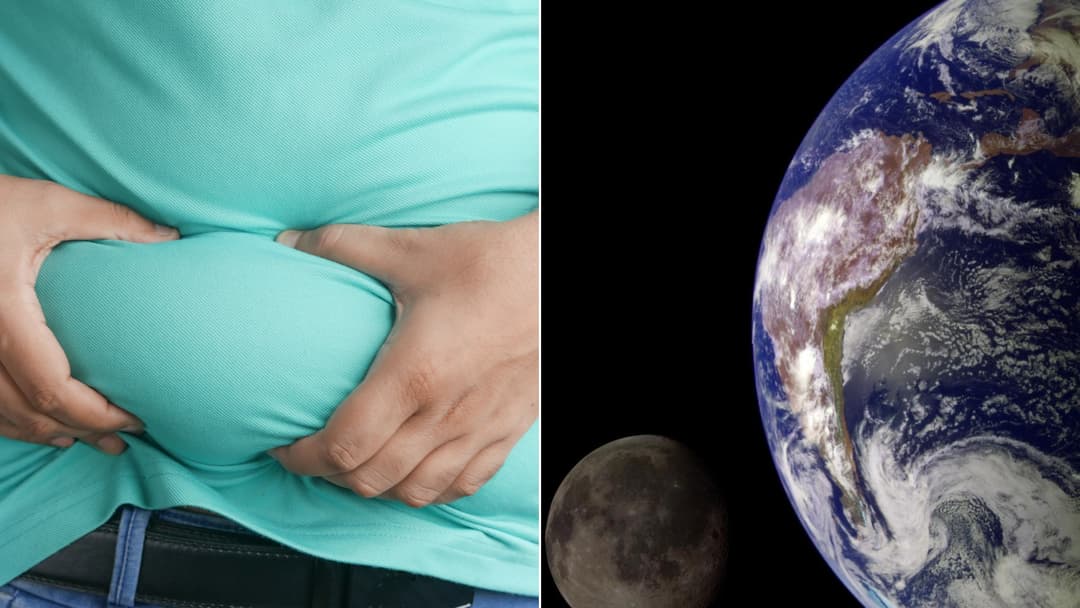
Step onto a bathroom scale on Earth and the number feels like an unchangeable truth. Yet that figure is only a local measurement created by our planet's mass and diameter. Travel across the solar system and your weight transforms dramatically on every world you visit.
Swipe or tap ▶ to begin the countdown
©Unsplash / Towfiqu barbhuiya & NASA / JPL
15. What Would You Weigh On Every Planet?
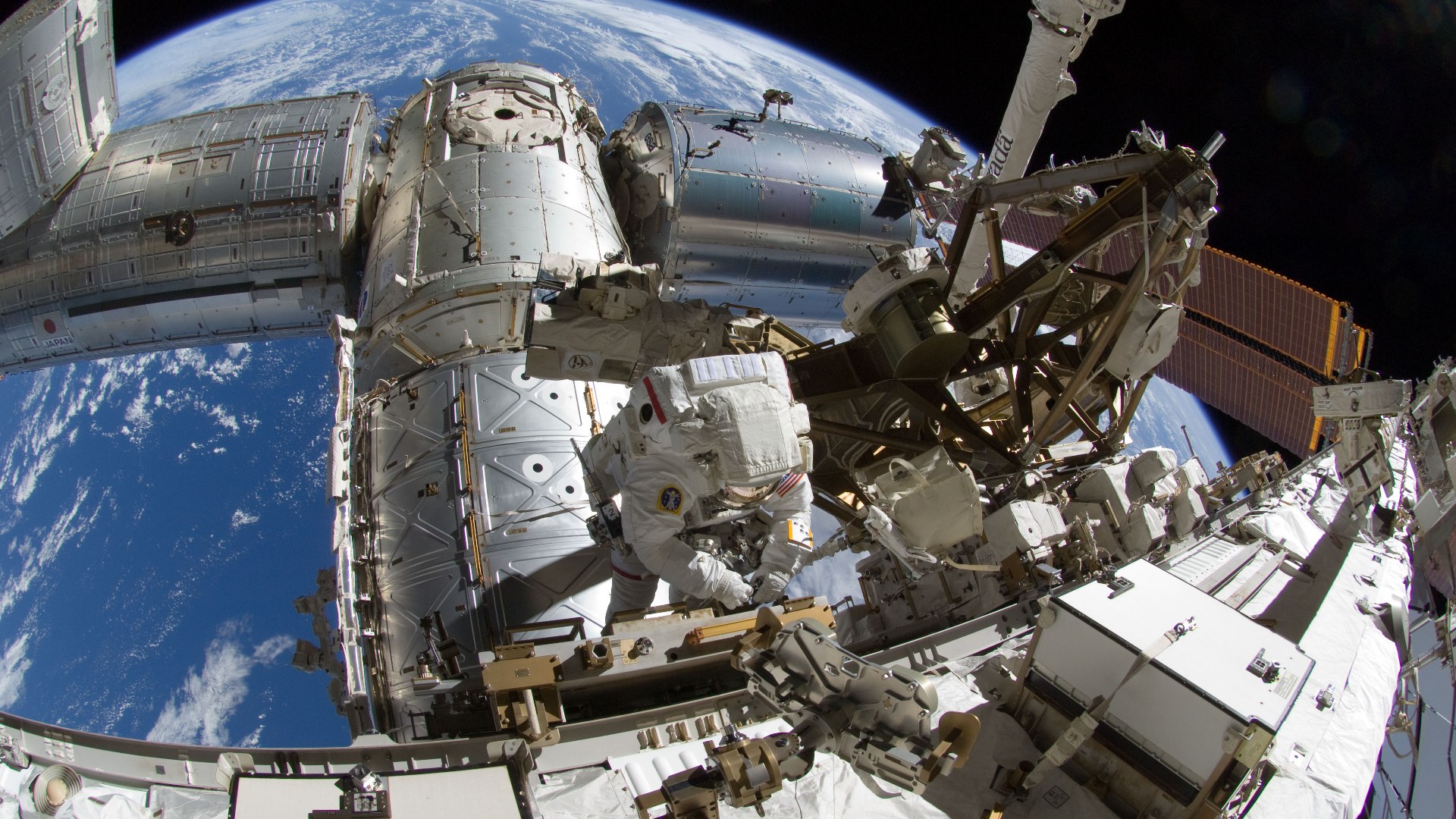
Most people treat weight as a permanent personal trait, but physics tells a very different story. Your weight is a fluid cosmic variable governed entirely by where you stand in the solar system. Move from one planetary surface to another and the downward force acting on your frame shifts immediately.
©Wikimedia / NASA Johnson Space Center
14. Mass Is Reality, Weight Is A Lie
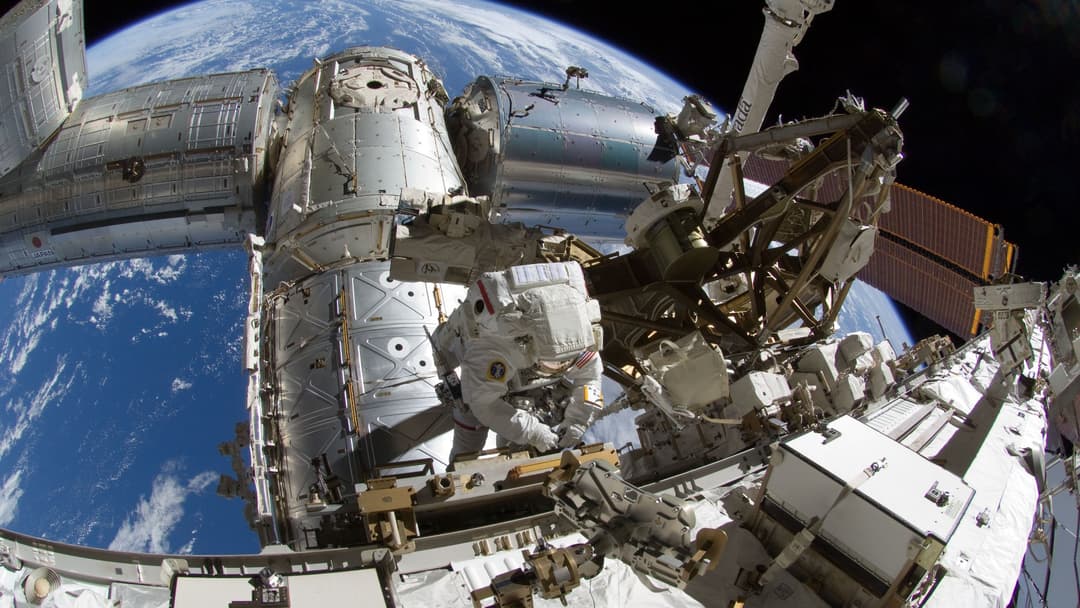
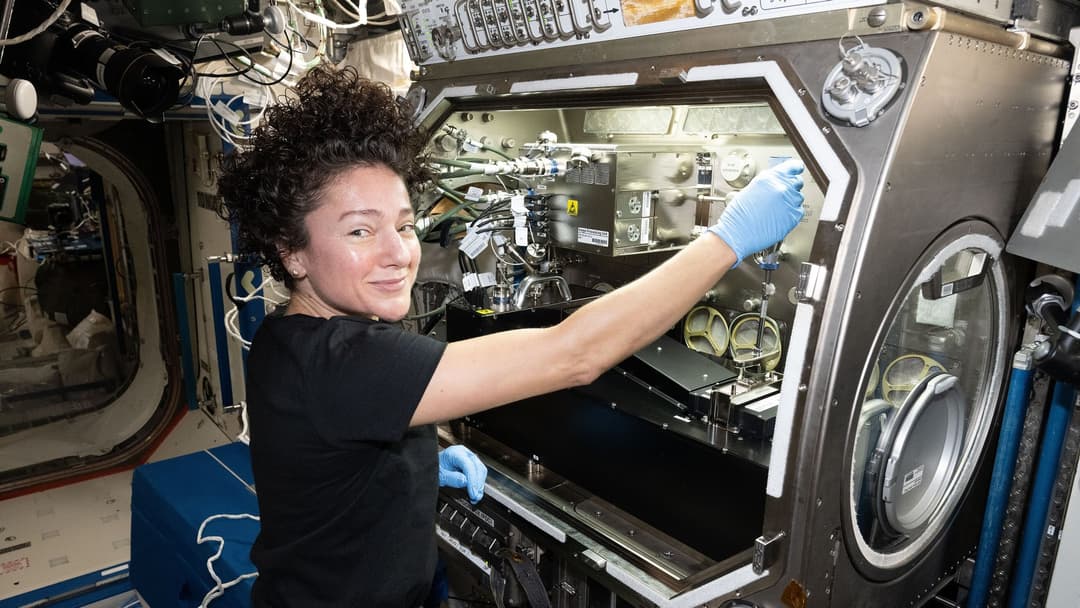
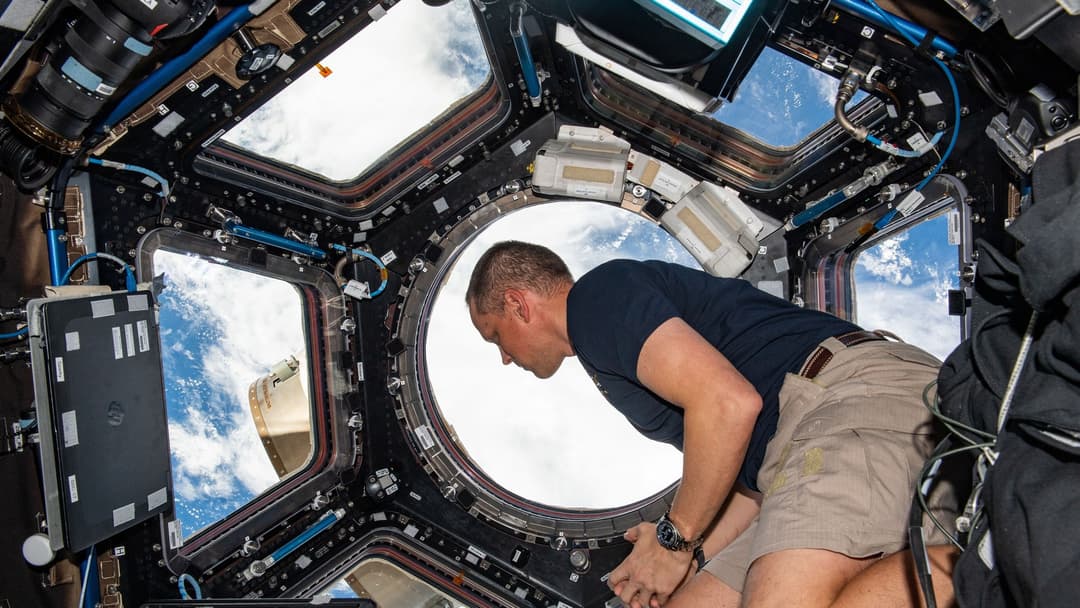
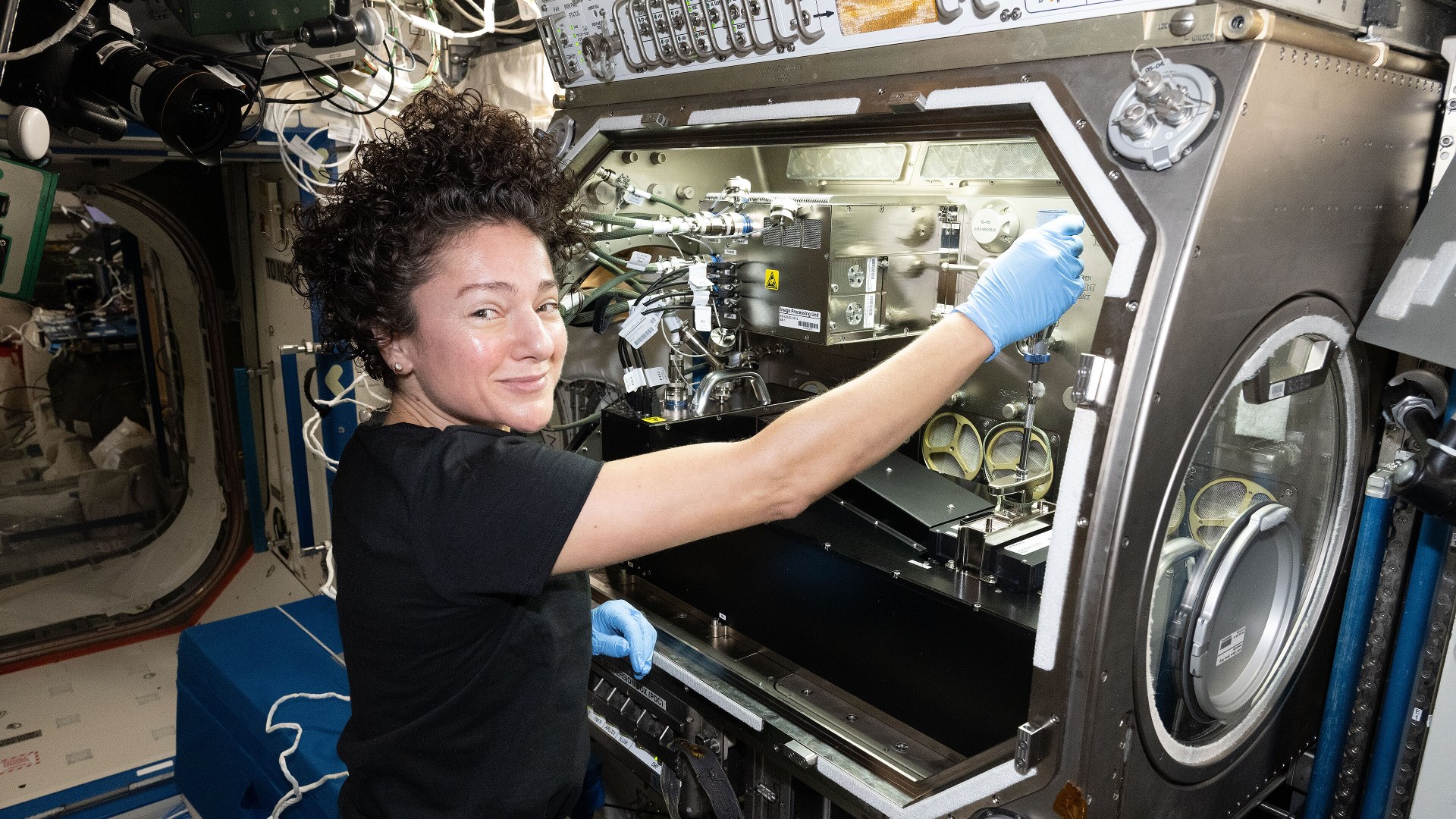
Physics draws a sharp boundary between mass and weight. Your mass measures the actual matter that makes up your body, and it stays identical whether you float in orbit or stand on Jupiter. Weight is simply the gravitational pull between your mass and the ground beneath your feet.
©Wikimedia / NASA Johnson Space Center
13. The Cosmic Tug-Of-War
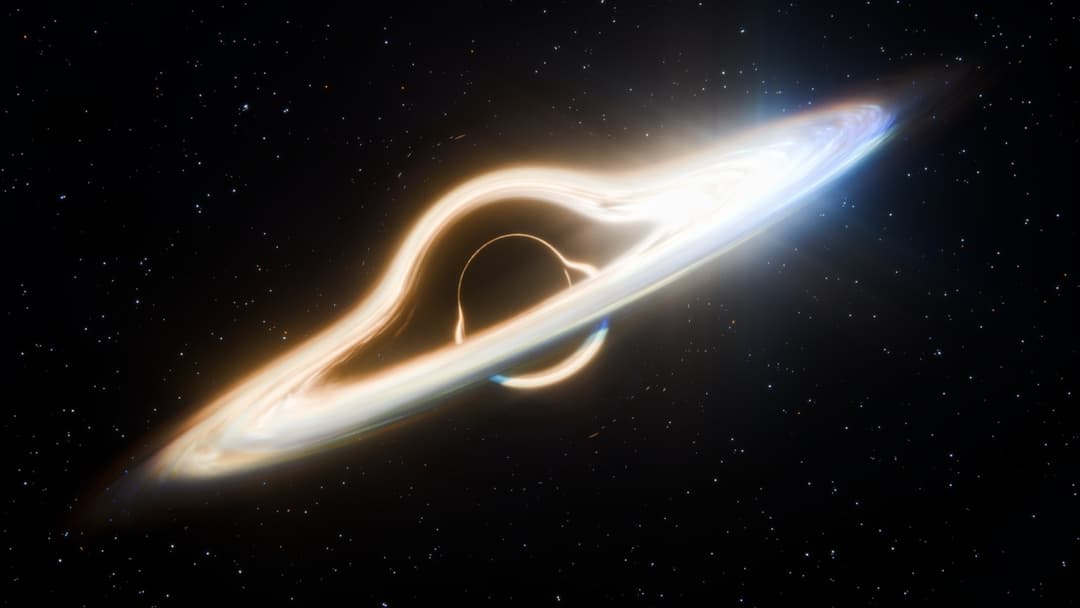
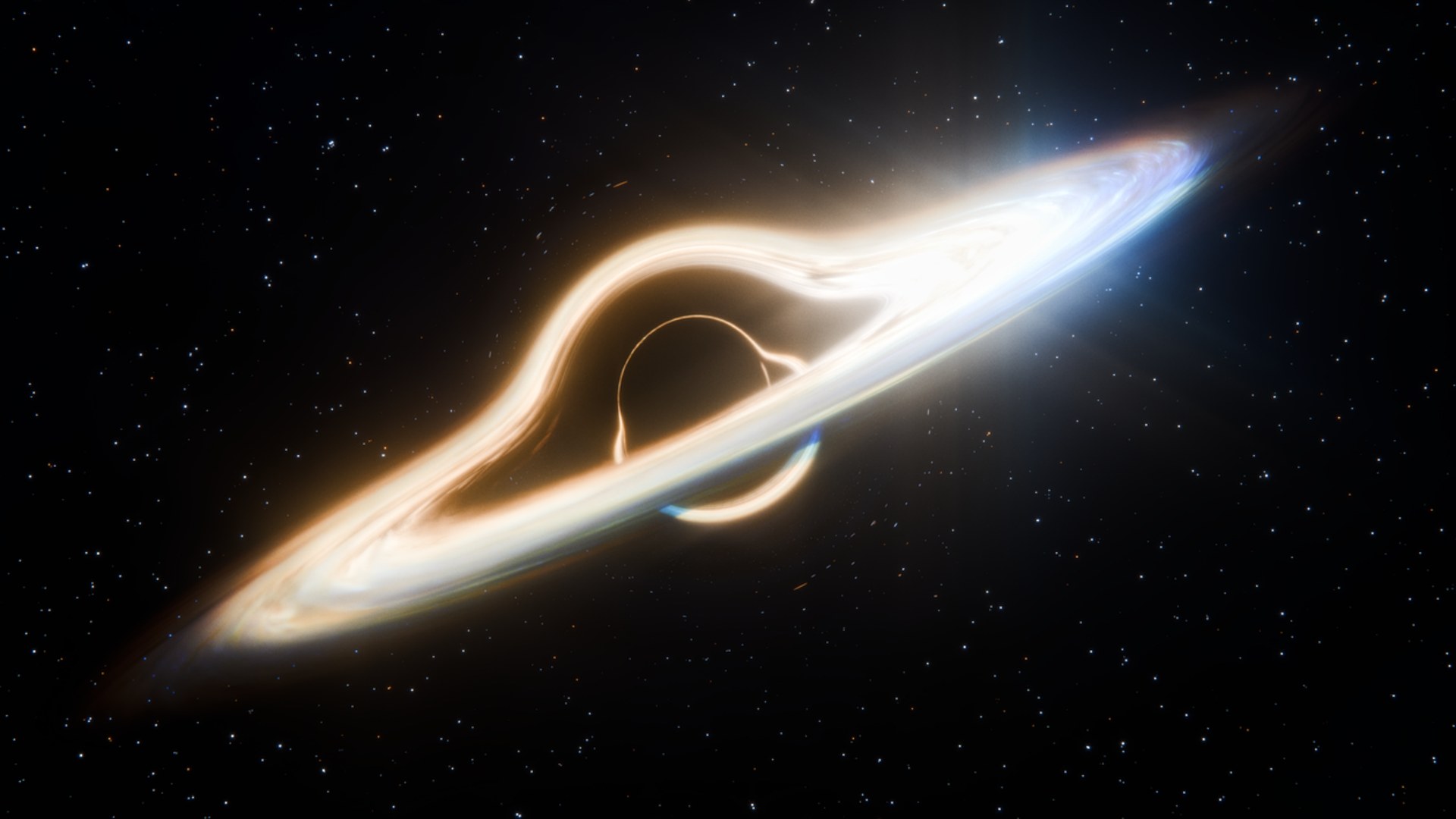
Planetary surface gravity depends on a tug-of-war between mass and radius. A planet's total bulk pulls your body inward, while a bloated radius places the surface farther from its center of power. Because gravity weakens with distance, a huge low-density planet pulls less strongly.
©Pixabay / timeworx
Advertisement
Swipe or tap ▶ to resume the countdown.
12. Rank 1 Is Jupiter At 2.36x Earth Gravity
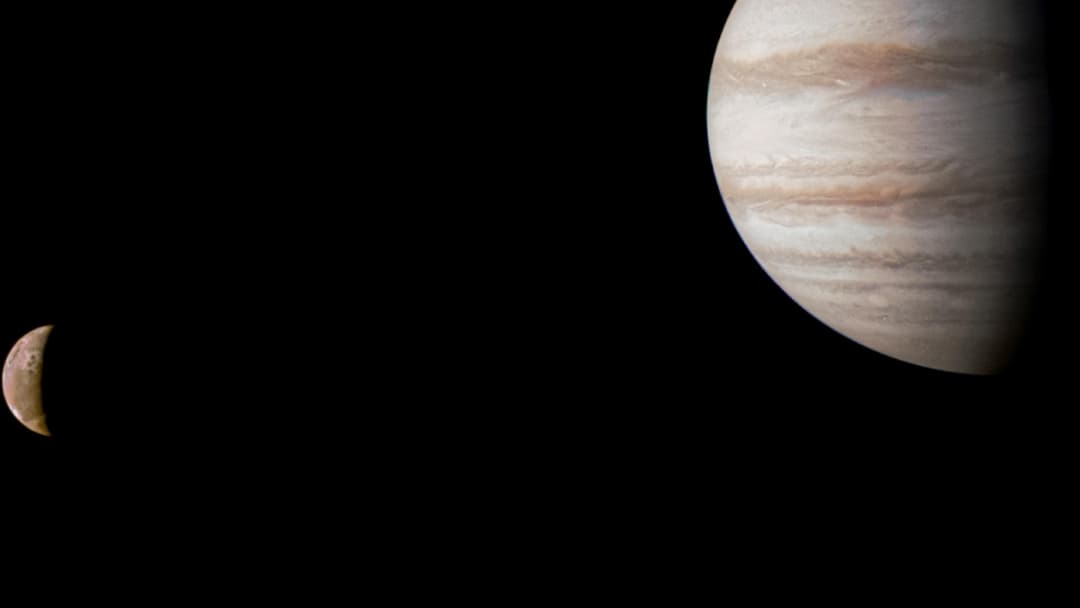
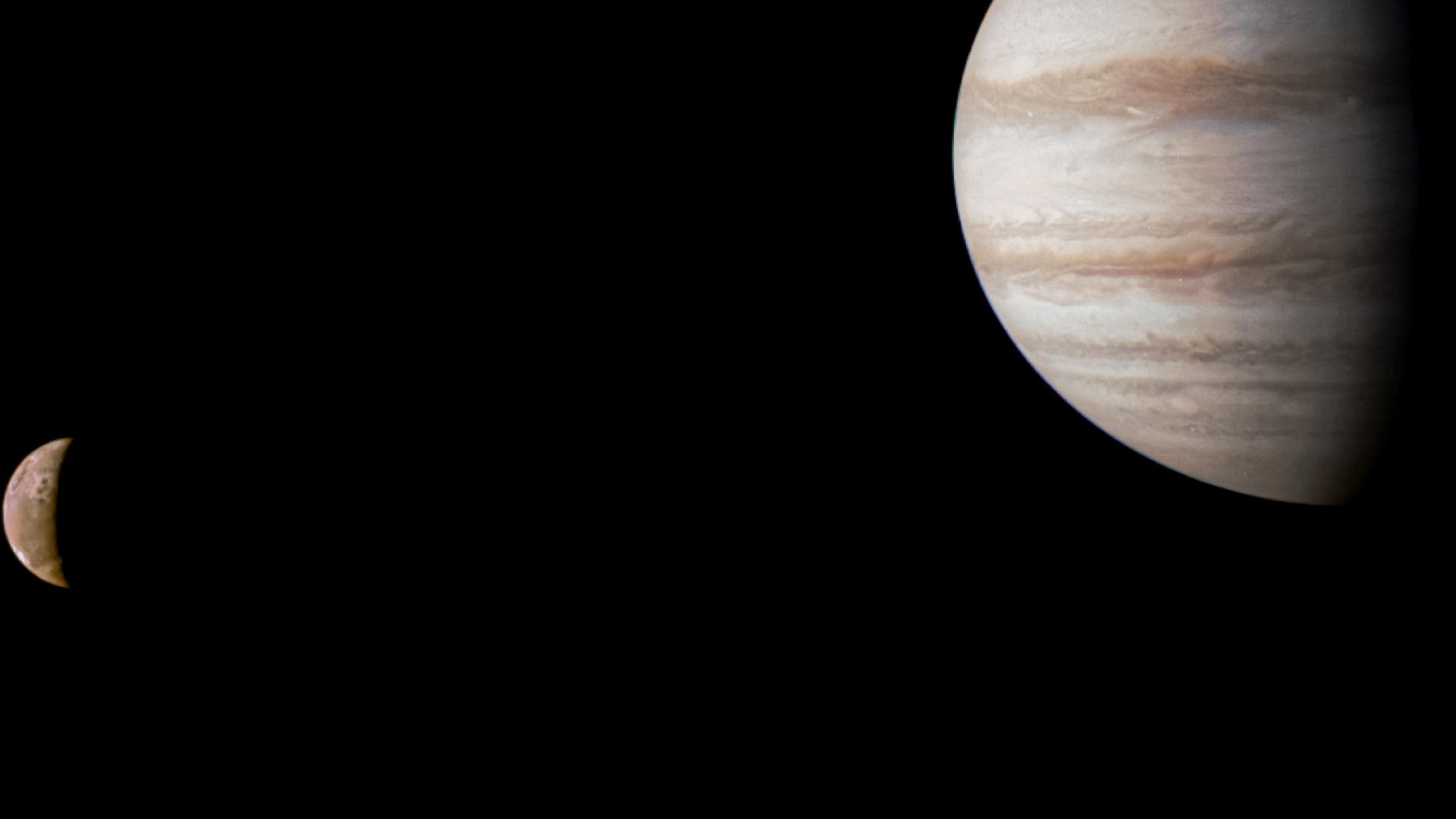
Jupiter is the spine-crushing heavyweight and gravitational apex predator of our solar system. At 2.36 times Earth's gravity, a 100 kg person immediately shoots up to 236 kg. Walking would be impossible, as human bones and joints would buckle under their own immense downward load.
©Wikimedia / Southwest Research Institute
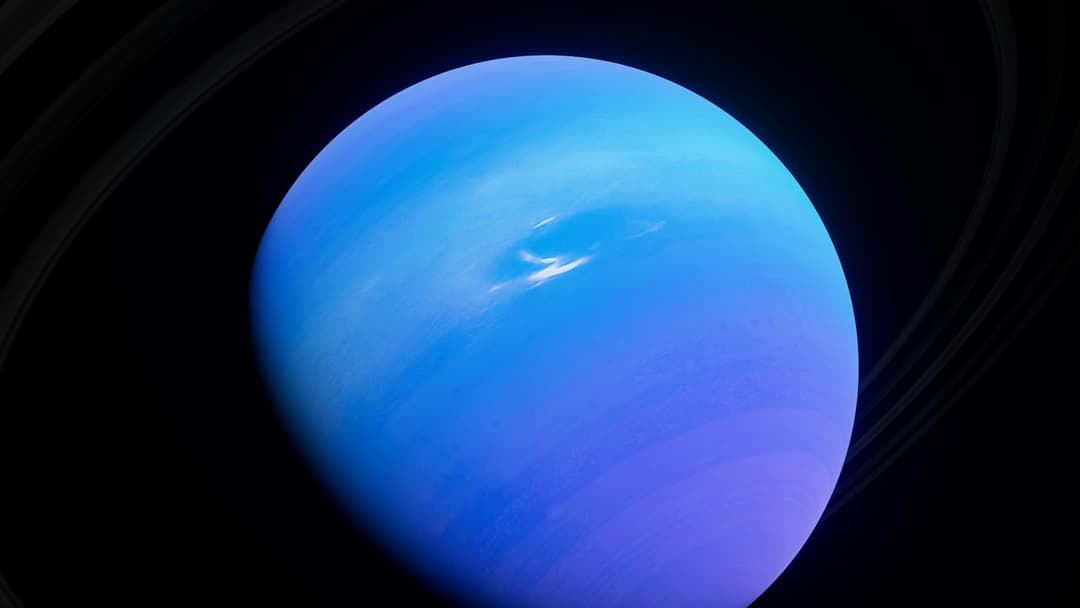
11. Rank 2 Is Neptune At 1.12x Earth Gravity
Neptune is the super-dense ice giant that proves small size can still pack a massive gravitational punch. At 1.12 times Earth's gravity, a 100 kg person weighs 112 kg. Even though Neptune is much smaller than Saturn, its dense core creates a stronger surface pull.
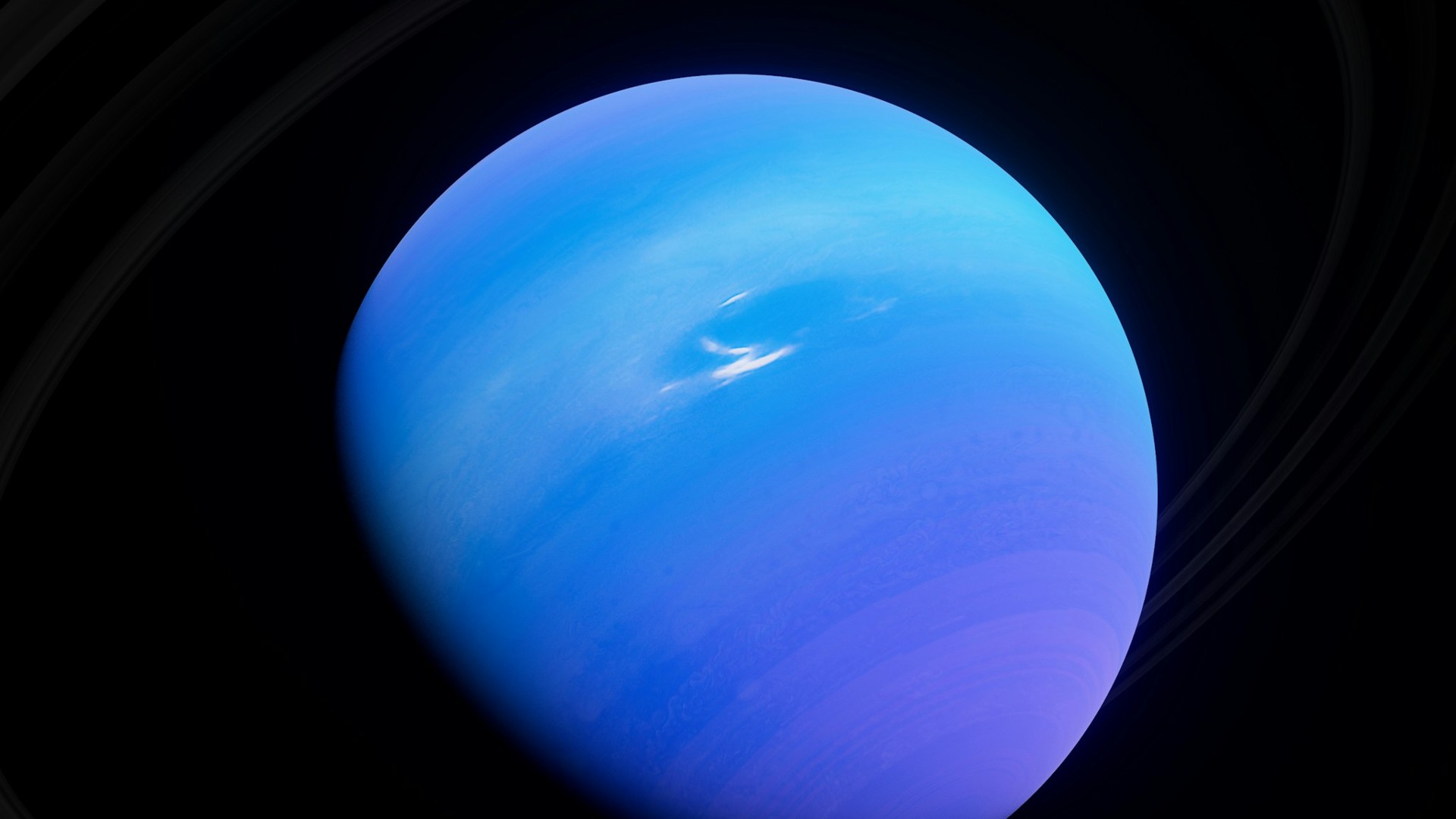
© Photo by Planet Volumes on Unsplash
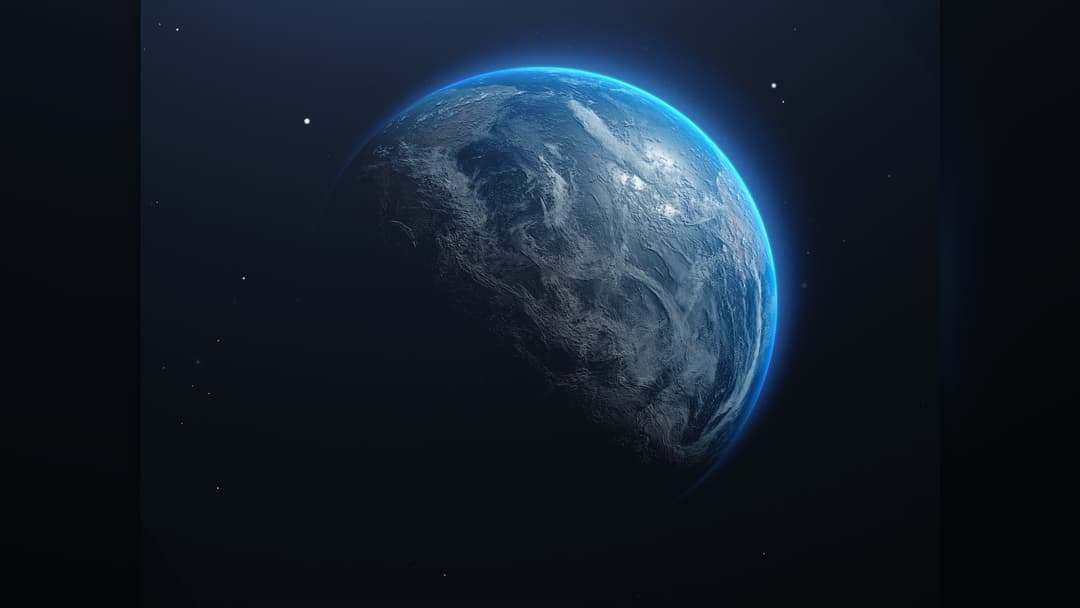
10. Rank 3 Is Earth At 1.00x Baseline Gravity
Earth serves as the Goldilocks baseline of 1.00x gravity, where a 100 kg person weighs exactly 100 kg. Every part of human physiology, including bone density, muscle fibers, blood pressure, and cardiovascular balance, evolved for this exact gravitational pull.
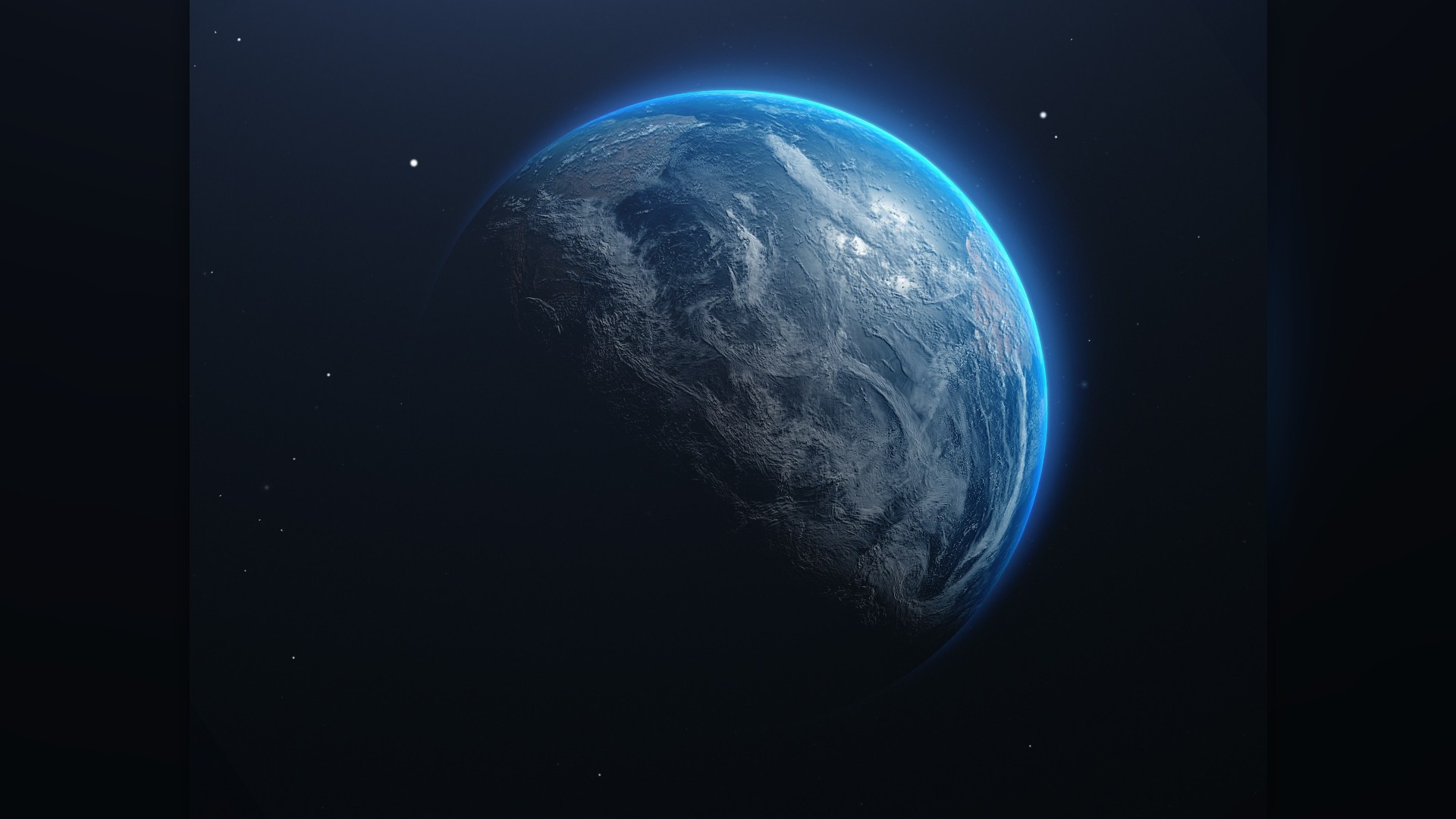
© Photo by Javier Miranda on Unsplash
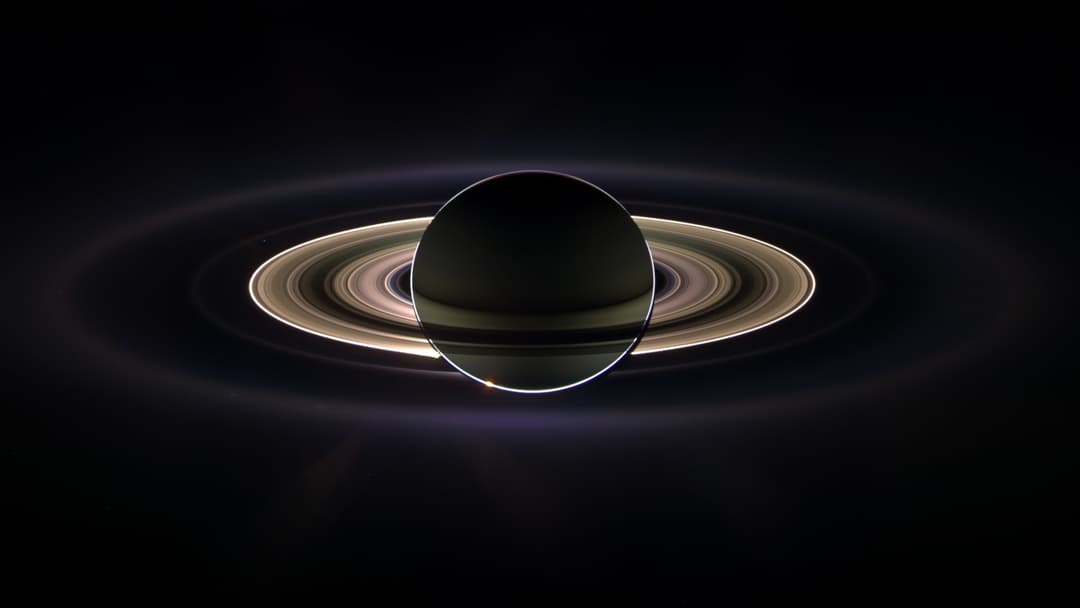
9. Rank 4 Is Saturn At 0.916x Earth Gravity
Saturn holds 95 times more mass than Earth, yet a 100 kg person drops to 91.6 kg at its upper clouds. Because Saturn is less dense than liquid water and puffed out to an enormous radius, standing at its cloud tops places you so far from its core that surface gravity is weaker.
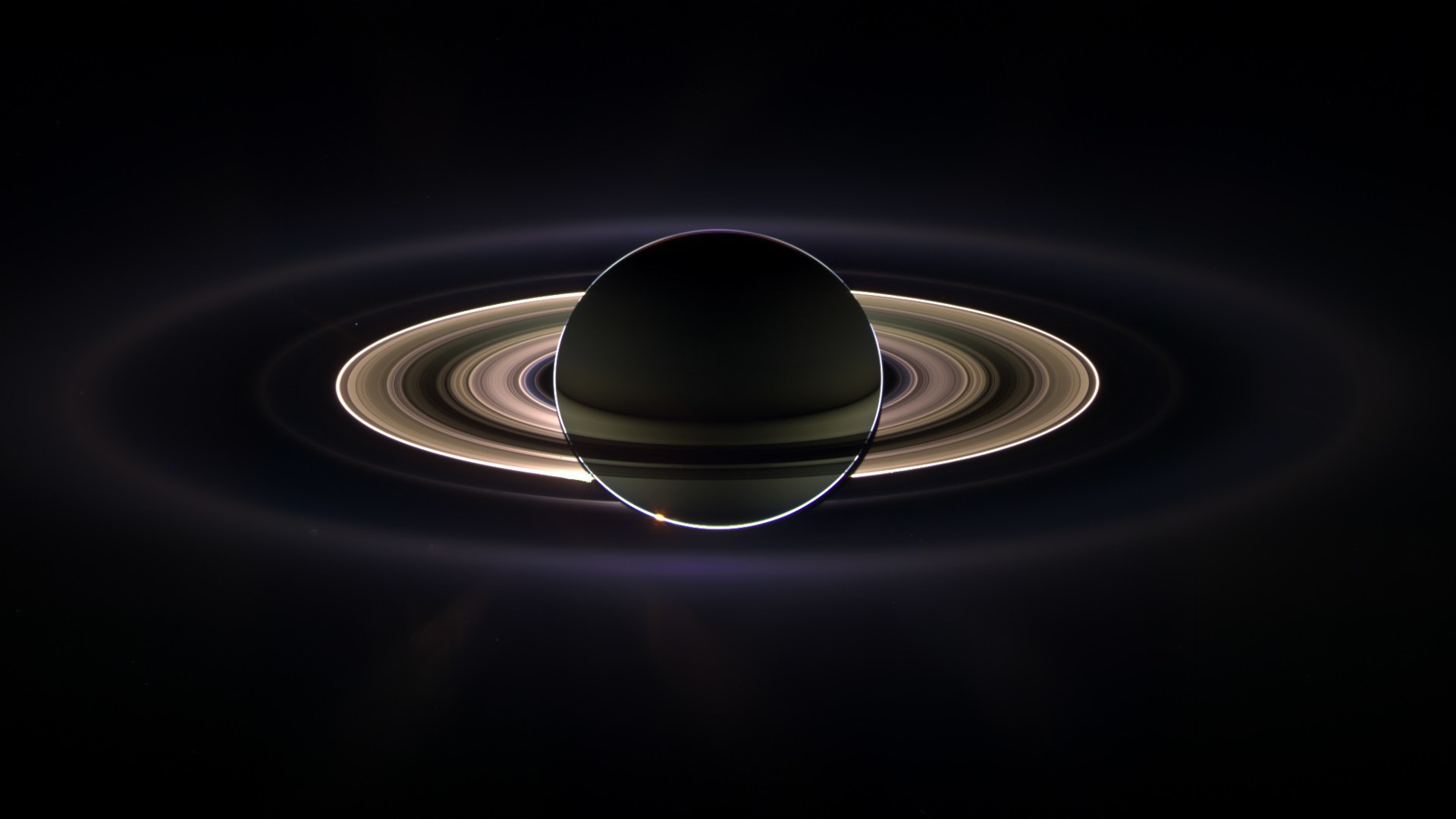
©Wikimedia / Space Science Institute
Advertisement
Swipe or tap ▶ to resume the countdown.
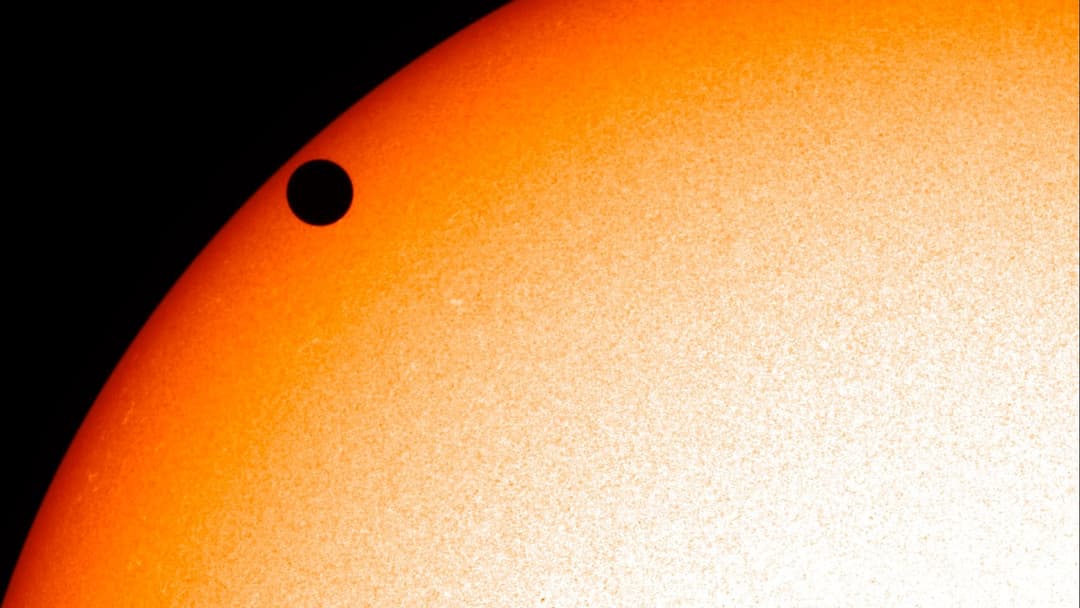
8. Rank 5 Is Venus At 0.907x Earth Gravity
Venus is Earth's gravitational twin, pulling at 0.907 times Earth's gravity so that a 100 kg person weighs 90.7 kg. In terms of pure downward pull, walking on Venus would feel deceptively familiar, even though its crushing atmospheric pressure and sulfuric acid clouds are lethal.
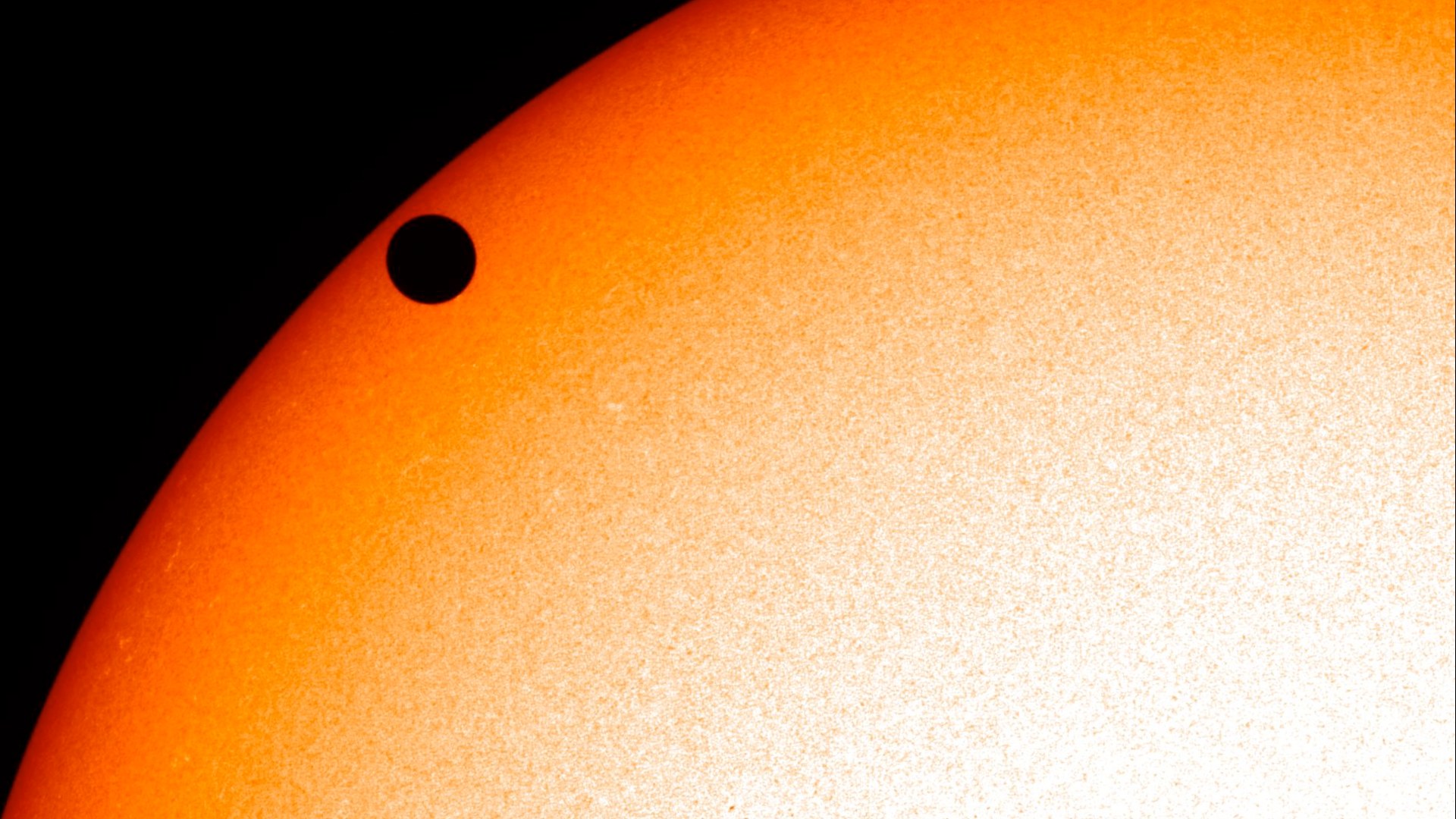
©Wikimedia / Solar Dynamics Observatory
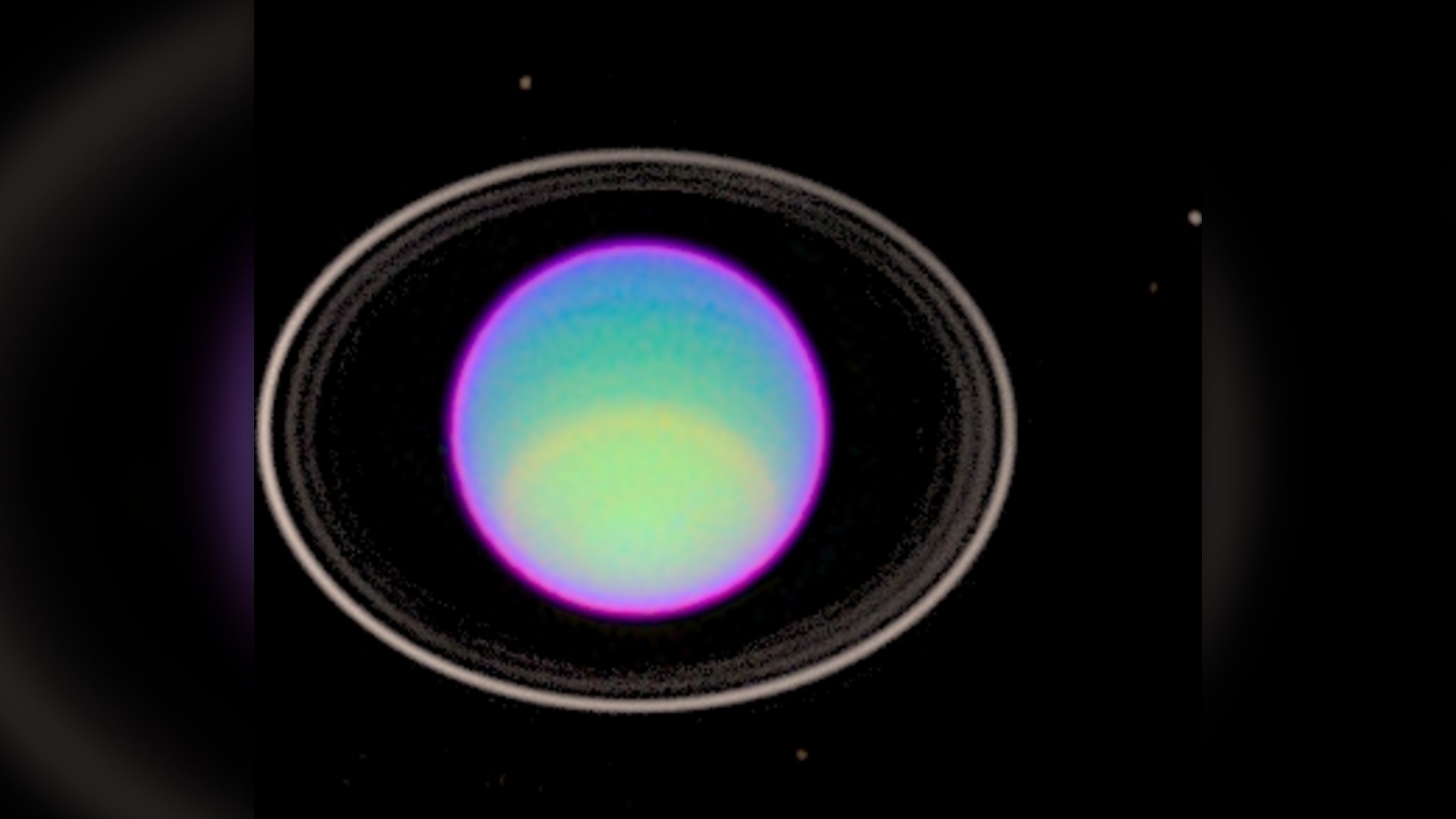
7. Rank 6 Is Uranus At 0.889x Earth Gravity
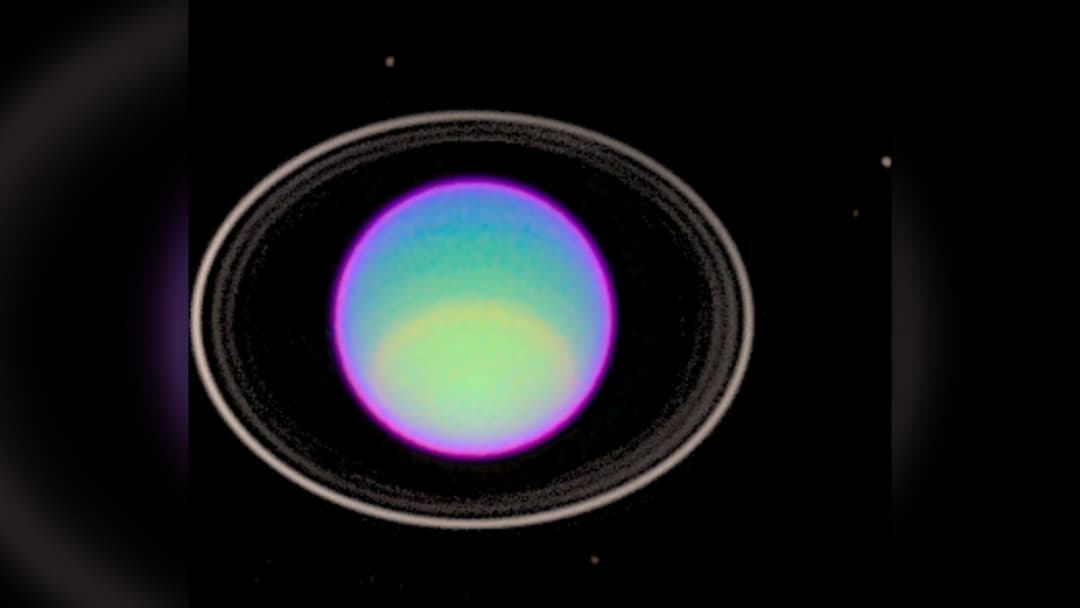
Uranus is the bloated ice ball that surprises most space fans. Although it holds 14.5 times more mass than Earth, its icy atmosphere is so spread out that gravity at its upper clouds drops to 0.889x Earth's pull, turning a 100 kg person into an 88.9 kg traveler.
©Wikimedia / Space Telescope Science Institute
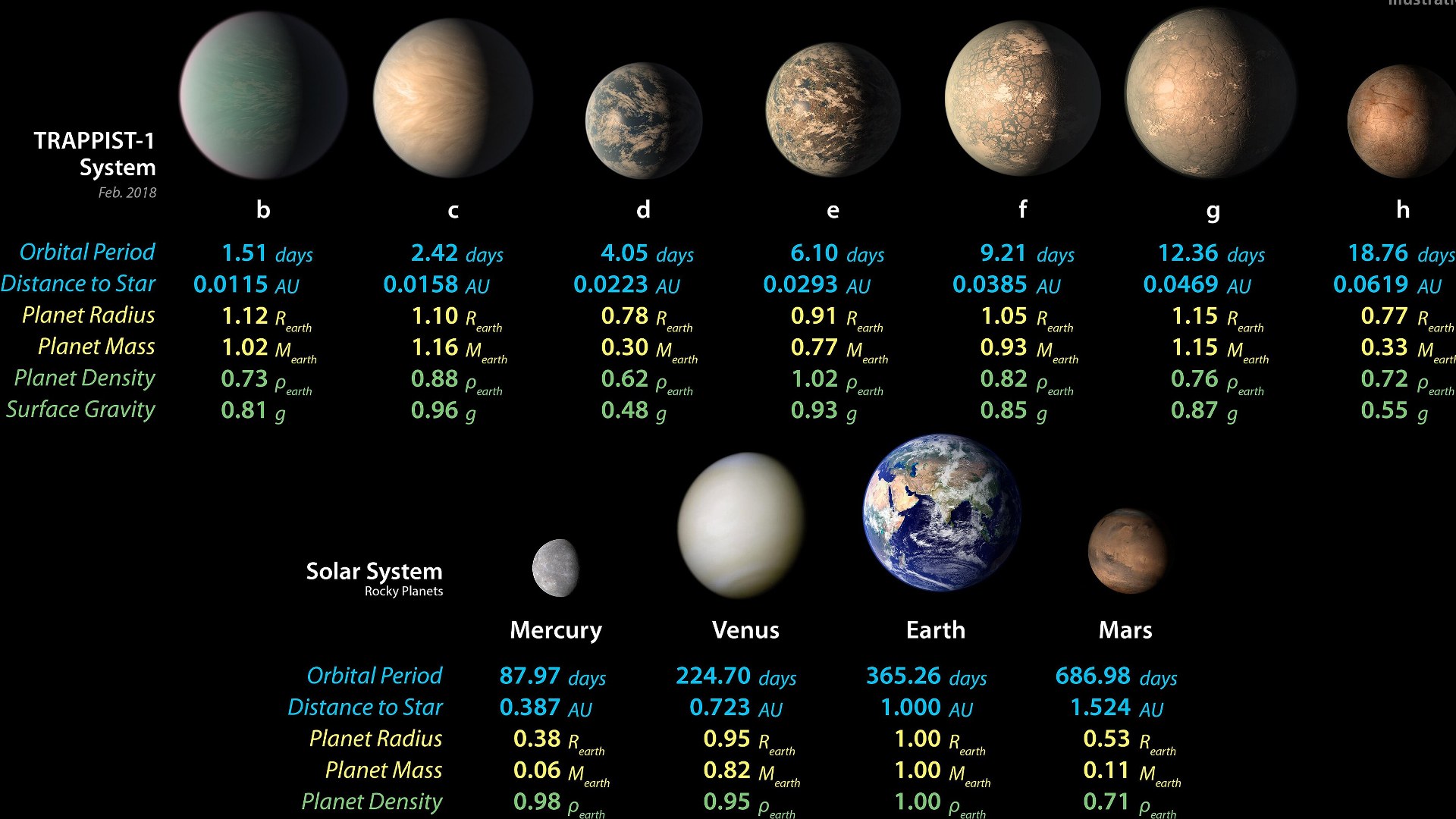
6. Ranks 7 And 8 Tie On Mercury And Mars
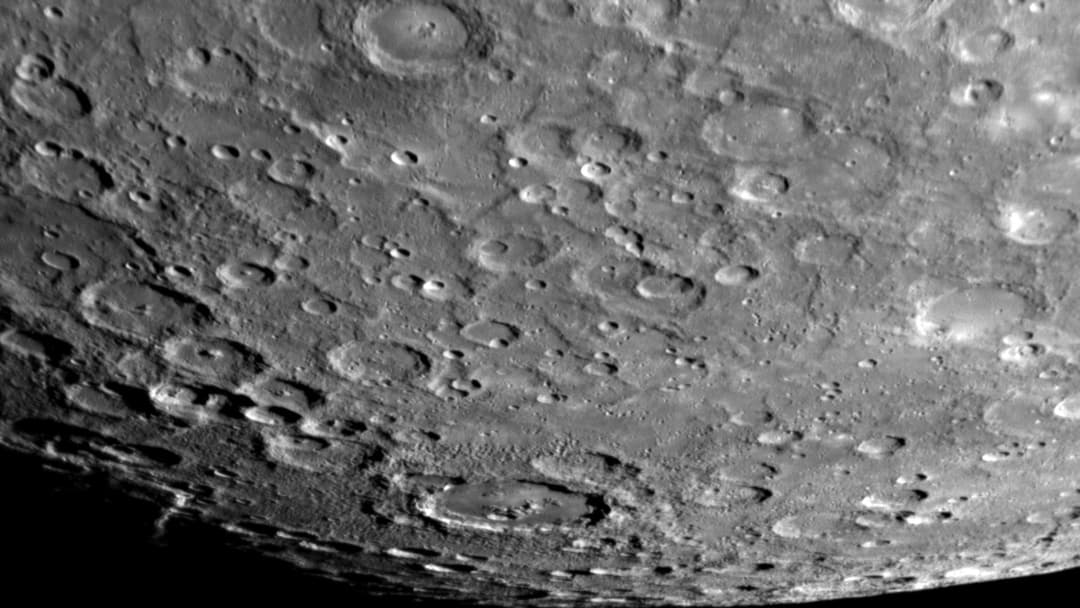
Mercury and Mars finish in a virtual dead heat at 0.378x and 0.377x Earth's gravity, where a 100 kg person weighs roughly 37.7 kg on both worlds. Mars is nearly twice as massive as Mercury, yet tiny Mercury's dense iron core and smaller radius level the playing field.
©Wikimedia / Jet Propulsion Laboratory
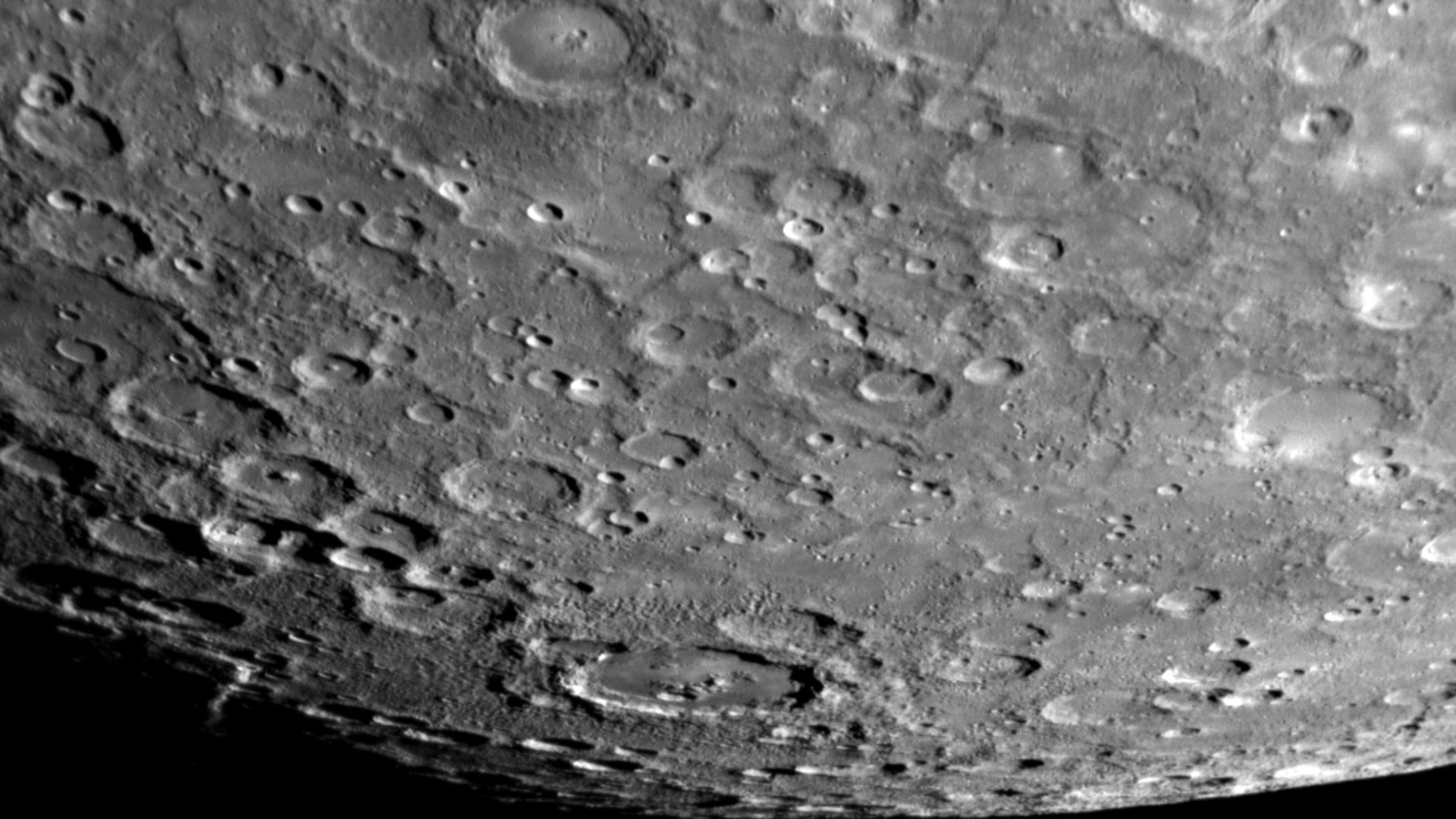
5. The Iron Core Advantage Inside Mercury
Mercury's metallic core makes up roughly 85 percent of the planet's radius, packing enormous mass into a compact rocky shell. Because you stand much closer to that dense iron heart on Mercury than you do to the core of Mars, its surface gravity matches its larger neighbor.
©Wikimedia / Johns Hopkins University Applied Physics Lab
Advertisement
Swipe or tap ▶ to resume the countdown.
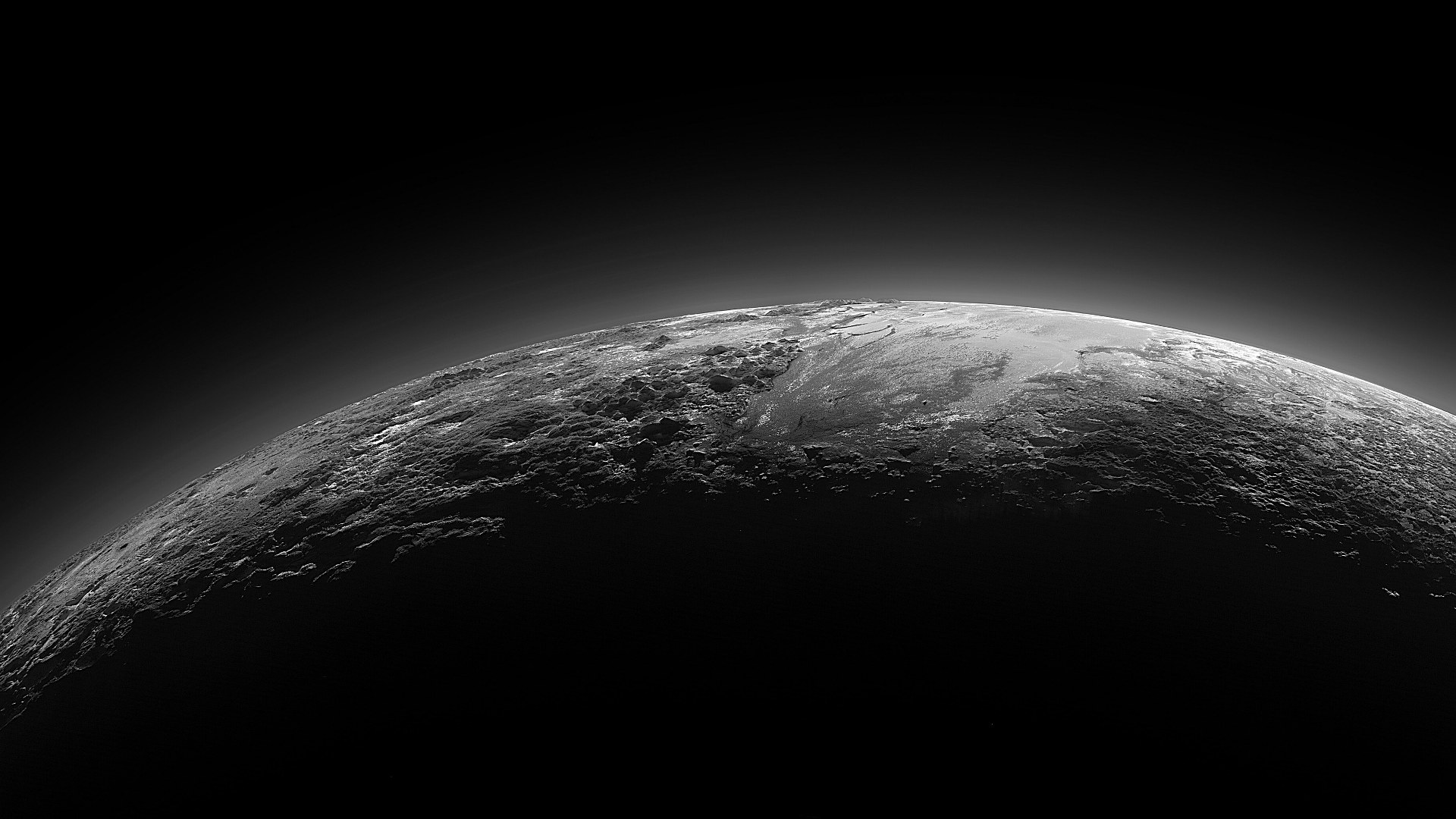
4. Pluto Is The Ultimate High-Jump Arena
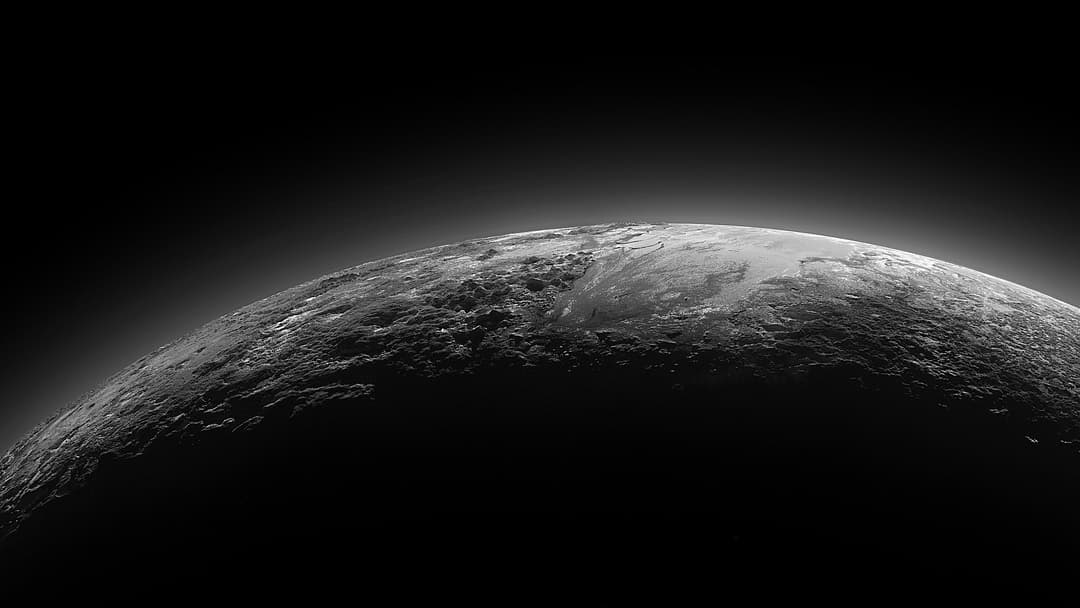
Venture beyond the eight major planets to dwarf worlds like Pluto and gravity drops to a tiny 0.071x Earth's pull. A 100 kg person weighs only 7.1 kg on Pluto's nitrogen-ice plains, turning every casual human stride into a soaring leap across the frozen horizon.
©Wikimedia / Johns Hopkins University Applied Physics Lab
3. The Master Gravity Chart
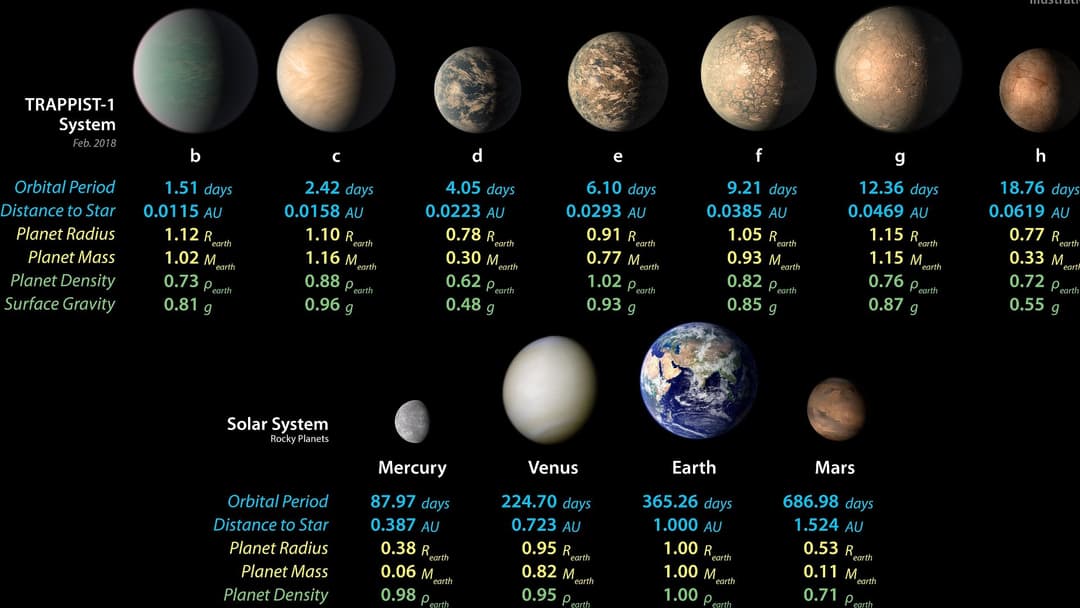
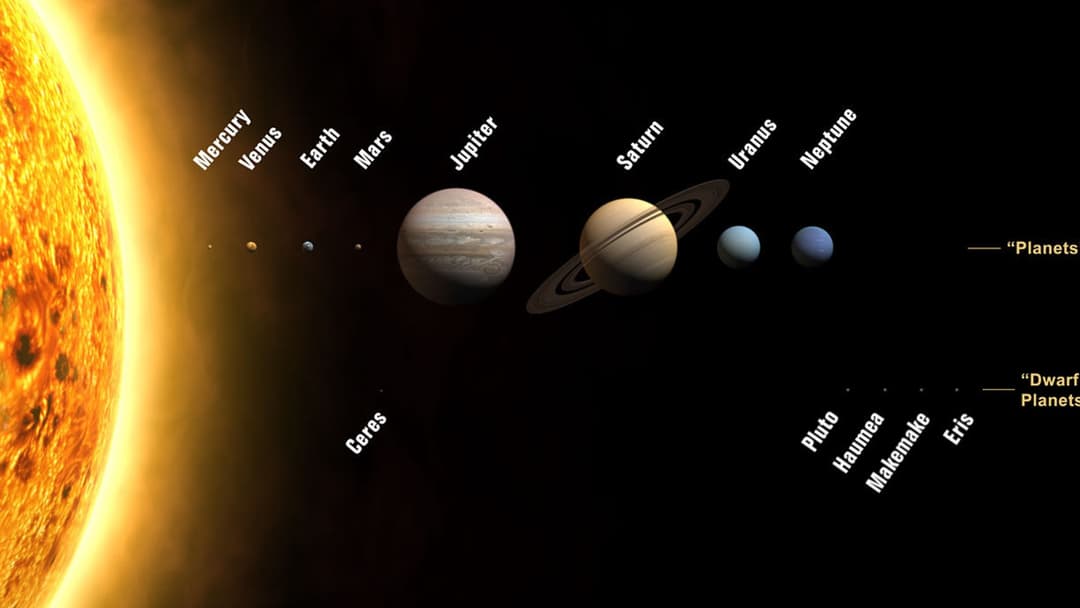
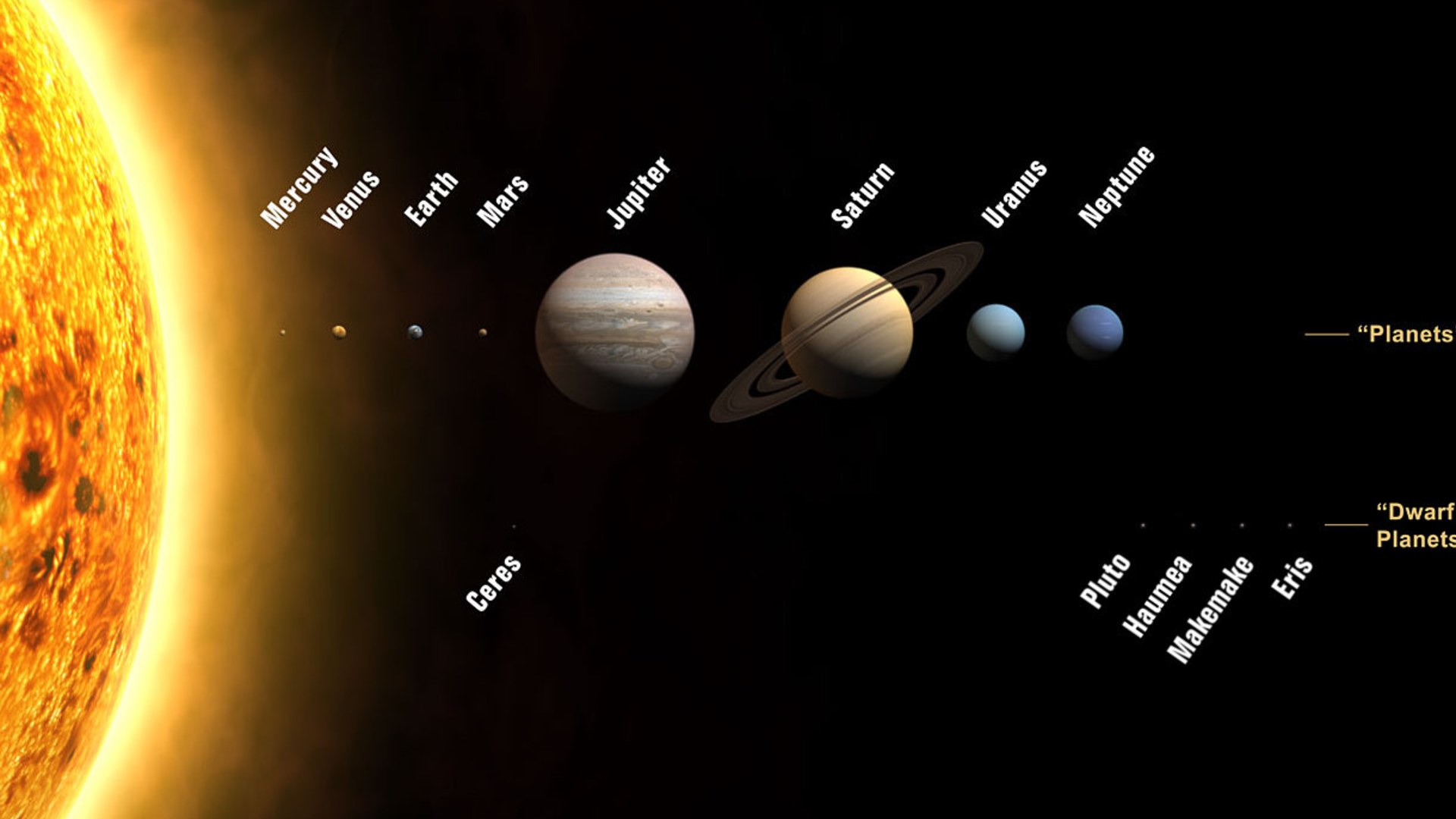
Stacking all eight planets from heaviest to lightest reveals how wildly surface pull varies for a 100 kg person, from Jupiter (236 kg), Neptune (112 kg), and Earth (100 kg) to Saturn (91.6 kg), Venus (90.7 kg), Uranus (88.9 kg), Mercury (37.8 kg), and Mars (37.7 kg).
©Wikimedia / Farry
2. Designing For Extreme Gravity
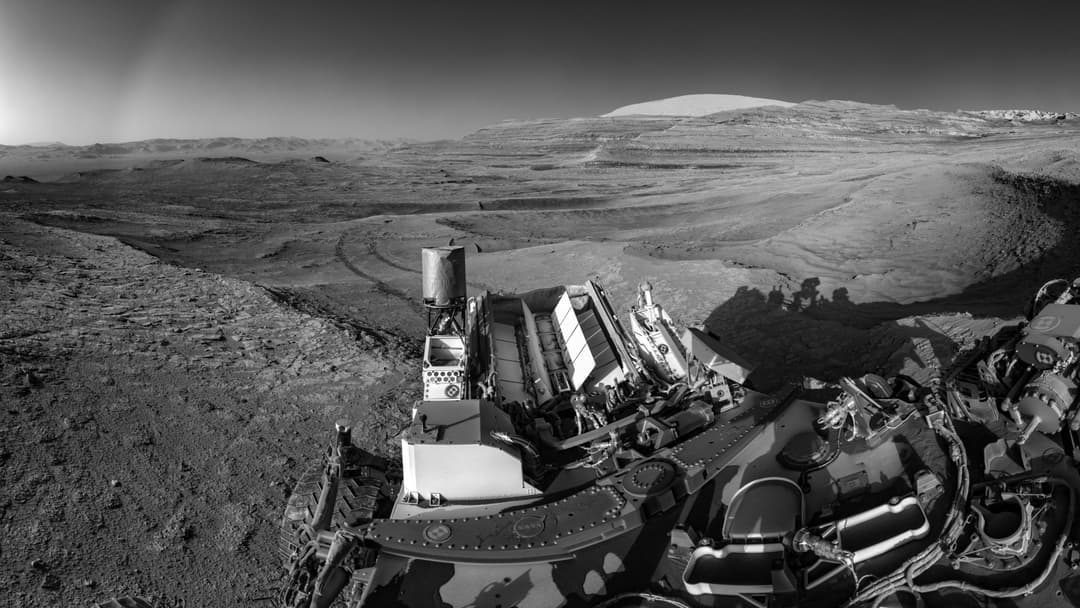
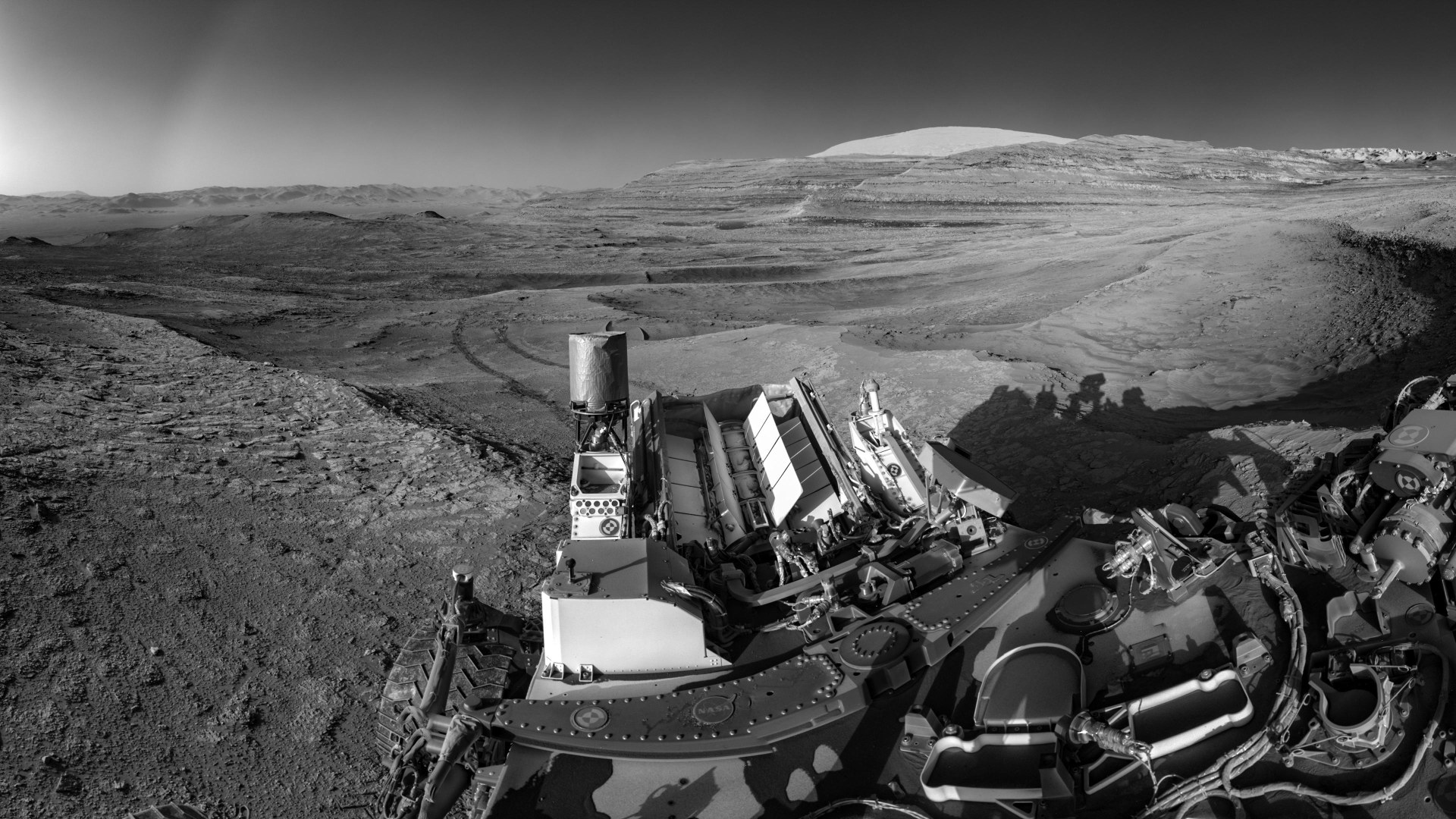
Aerospace engineers cannot rely on a one-size-fits-all design for planetary missions. Rovers, landing gear, and spacesuits must be structurally reinforced to survive crushing giant worlds or carefully balanced and anchored to keep traction on low-gravity surfaces like Mars.
©Wikimedia / Mars Science Laboratory
1. Mass Is Identity, Weight Is Location
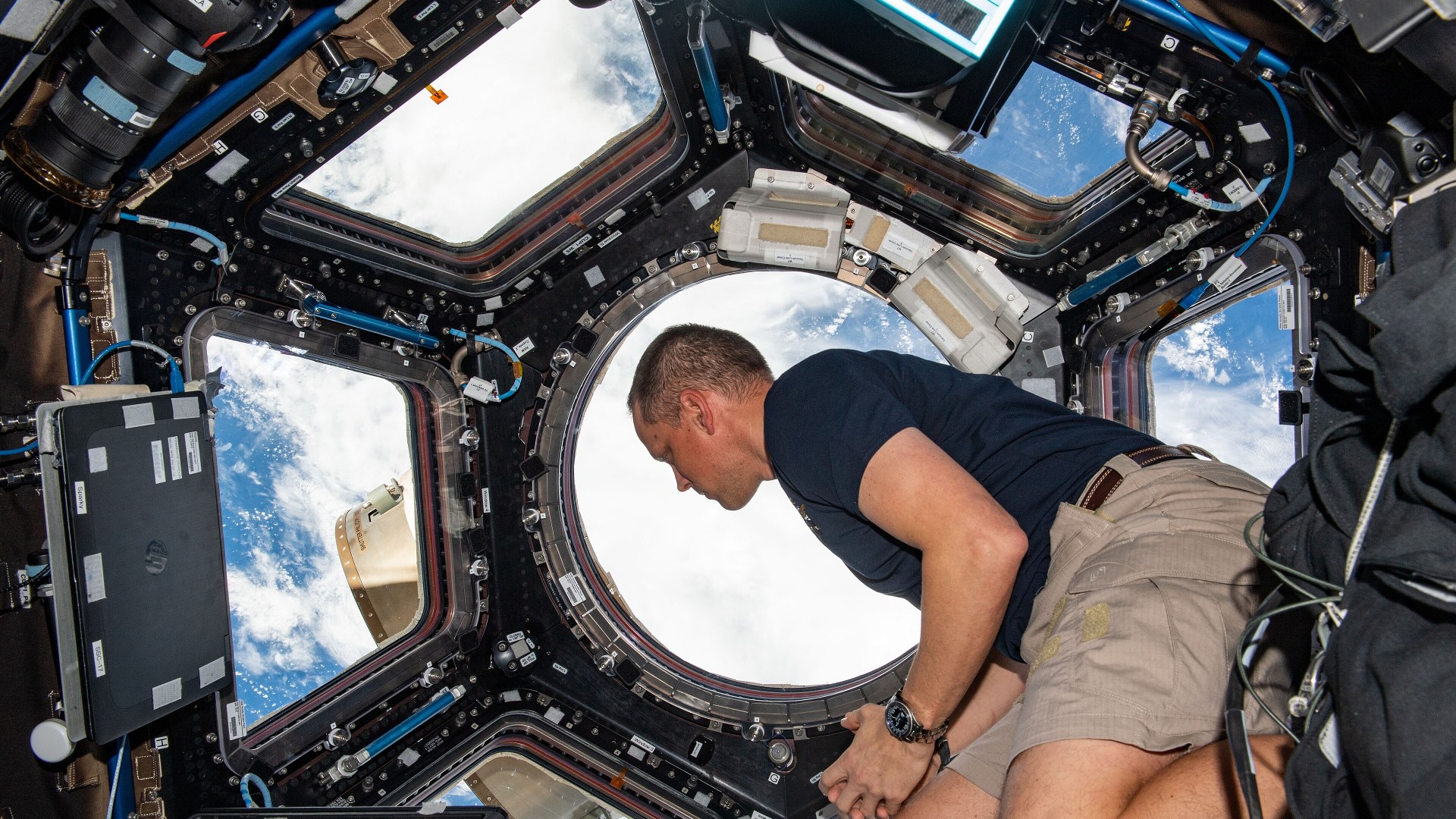
Your physical identity is defined by your mass, which travels with you unchanged across the cosmos. How heavy you feel at any given moment is nothing more than a temporary gravitational agreement between your body and the specific planet beneath your feet.
©Wikimedia / Bob Hines
Advertisement
You've reached the end of the story. Thanks for reading!

22 High-Calorie Burning Exercises Ranked by Harvard Medical Data
Ranked according to Harvard Medical School caloric expenditure data, these 22 physical exercises burn the highest number of calories per hour for optimal cardiovascular health. Medical data reveals true effort.
All 15 Entries in this Story
1. What Would You Weigh On Every Planet?
Most people treat weight as a permanent personal trait, but physics tells a very different story. Your weight is a fluid cosmic variable governed entirely by where you stand in the solar system. Move from one planetary surface to another and the downward force acting on your frame shifts immediately.

2. Mass Is Reality, Weight Is A Lie
Physics draws a sharp boundary between mass and weight. Your mass measures the actual matter that makes up your body, and it stays identical whether you float in orbit or stand on Jupiter. Weight is simply the gravitational pull between your mass and the ground beneath your feet.

3. The Cosmic Tug-Of-War
Planetary surface gravity depends on a tug-of-war between mass and radius. A planet's total bulk pulls your body inward, while a bloated radius places the surface farther from its center of power. Because gravity weakens with distance, a huge low-density planet pulls less strongly.

4. Rank 1 Is Jupiter At 2.36x Earth Gravity
Jupiter is the spine-crushing heavyweight and gravitational apex predator of our solar system. At 2.36 times Earth's gravity, a 100 kg person immediately shoots up to 236 kg. Walking would be impossible, as human bones and joints would buckle under their own immense downward load.

5. Rank 2 Is Neptune At 1.12x Earth Gravity
Neptune is the super-dense ice giant that proves small size can still pack a massive gravitational punch. At 1.12 times Earth's gravity, a 100 kg person weighs 112 kg. Even though Neptune is much smaller than Saturn, its dense core creates a stronger surface pull.

6. Rank 3 Is Earth At 1.00x Baseline Gravity
Earth serves as the Goldilocks baseline of 1.00x gravity, where a 100 kg person weighs exactly 100 kg. Every part of human physiology, including bone density, muscle fibers, blood pressure, and cardiovascular balance, evolved for this exact gravitational pull.

7. Rank 4 Is Saturn At 0.916x Earth Gravity
Saturn holds 95 times more mass than Earth, yet a 100 kg person drops to 91.6 kg at its upper clouds. Because Saturn is less dense than liquid water and puffed out to an enormous radius, standing at its cloud tops places you so far from its core that surface gravity is weaker.

8. Rank 5 Is Venus At 0.907x Earth Gravity
Venus is Earth's gravitational twin, pulling at 0.907 times Earth's gravity so that a 100 kg person weighs 90.7 kg. In terms of pure downward pull, walking on Venus would feel deceptively familiar, even though its crushing atmospheric pressure and sulfuric acid clouds are lethal.

9. Rank 6 Is Uranus At 0.889x Earth Gravity
Uranus is the bloated ice ball that surprises most space fans. Although it holds 14.5 times more mass than Earth, its icy atmosphere is so spread out that gravity at its upper clouds drops to 0.889x Earth's pull, turning a 100 kg person into an 88.9 kg traveler.

10. Ranks 7 And 8 Tie On Mercury And Mars
Mercury and Mars finish in a virtual dead heat at 0.378x and 0.377x Earth's gravity, where a 100 kg person weighs roughly 37.7 kg on both worlds. Mars is nearly twice as massive as Mercury, yet tiny Mercury's dense iron core and smaller radius level the playing field.

11. The Iron Core Advantage Inside Mercury
Mercury's metallic core makes up roughly 85 percent of the planet's radius, packing enormous mass into a compact rocky shell. Because you stand much closer to that dense iron heart on Mercury than you do to the core of Mars, its surface gravity matches its larger neighbor.

12. Pluto Is The Ultimate High-Jump Arena
Venture beyond the eight major planets to dwarf worlds like Pluto and gravity drops to a tiny 0.071x Earth's pull. A 100 kg person weighs only 7.1 kg on Pluto's nitrogen-ice plains, turning every casual human stride into a soaring leap across the frozen horizon.

13. The Master Gravity Chart
Stacking all eight planets from heaviest to lightest reveals how wildly surface pull varies for a 100 kg person, from Jupiter (236 kg), Neptune (112 kg), and Earth (100 kg) to Saturn (91.6 kg), Venus (90.7 kg), Uranus (88.9 kg), Mercury (37.8 kg), and Mars (37.7 kg).

14. Designing For Extreme Gravity
Aerospace engineers cannot rely on a one-size-fits-all design for planetary missions. Rovers, landing gear, and spacesuits must be structurally reinforced to survive crushing giant worlds or carefully balanced and anchored to keep traction on low-gravity surfaces like Mars.

15. Mass Is Identity, Weight Is Location
Your physical identity is defined by your mass, which travels with you unchanged across the cosmos. How heavy you feel at any given moment is nothing more than a temporary gravitational agreement between your body and the specific planet beneath your feet.