Slideshow · Science
What Your Eye Color May Say About You
From pain tolerance to light sensitivity, medical genetics reveals what human iris pigmentation indicates about health and biology.

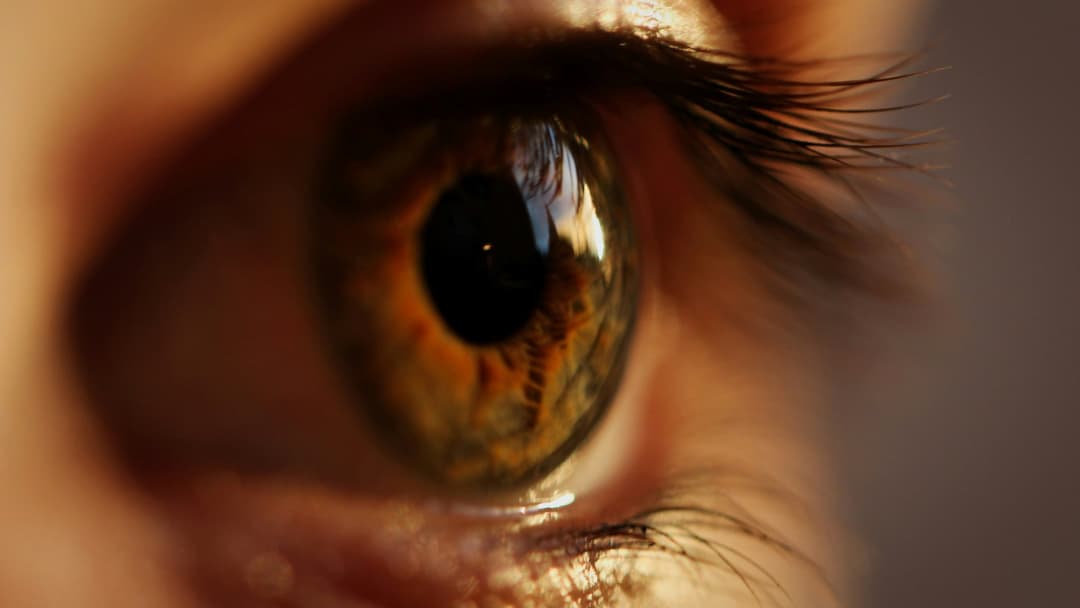

All 20 Entries in this Story
20. Acquired Color Shifts And Health Warnings
While eye color typically stabilizes in early childhood, sudden adult changes can signal serious pathology. Conditions such as Horner syndrome, pigment dispersion glaucoma, or iris melanomas alter iris pigmentation and require prompt medical care.
19. Eye Color And Pain Tolerance During Childbirth
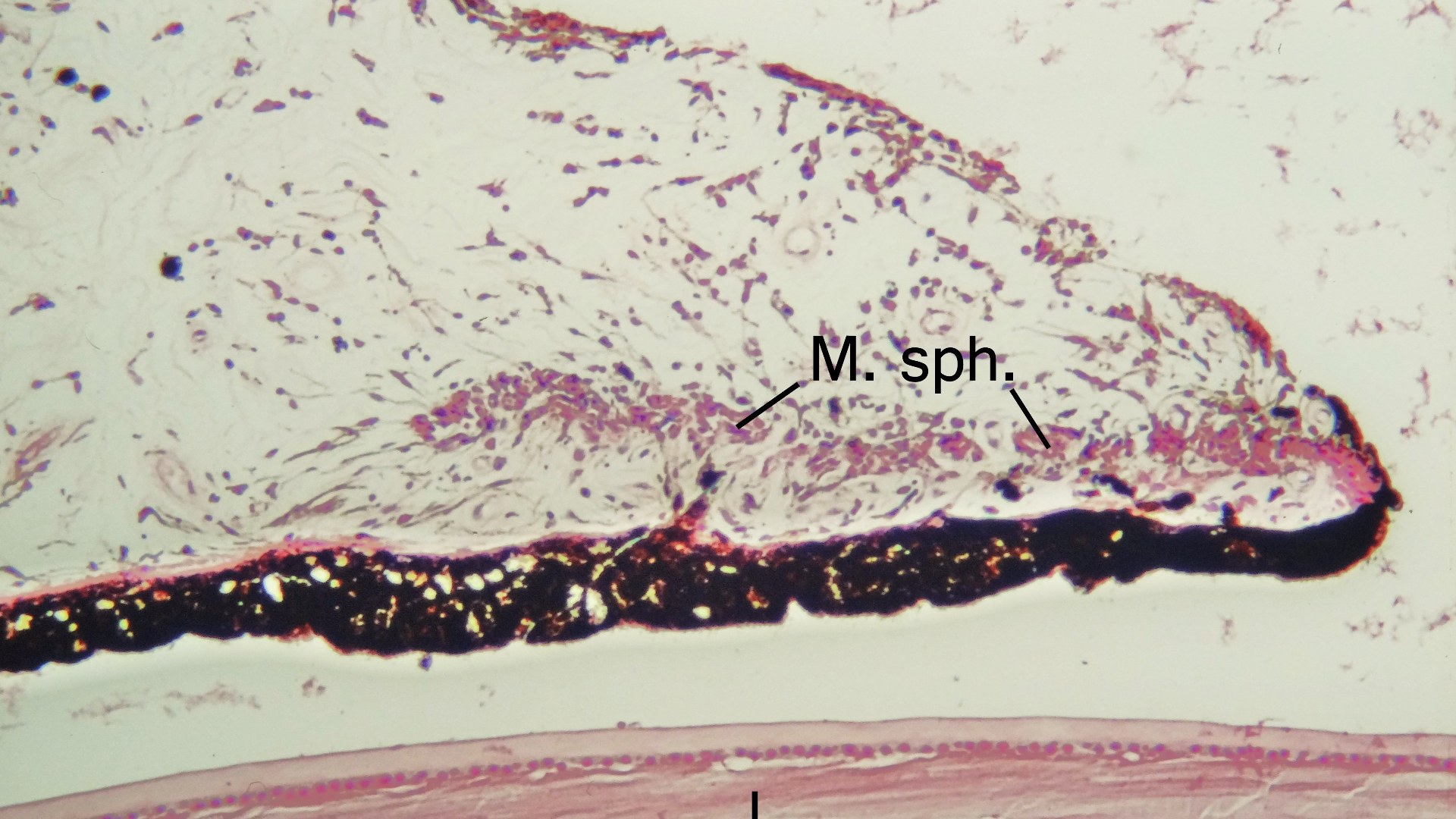
A study presented by the University of Pittsburgh School of Medicine tracked pregnant women through labor. Researchers observed that women with blue or green eyes experienced less pain and significantly lower rates of postpartum anxiety and depression.
18. Central Heterochromia And Distinct Color Halos
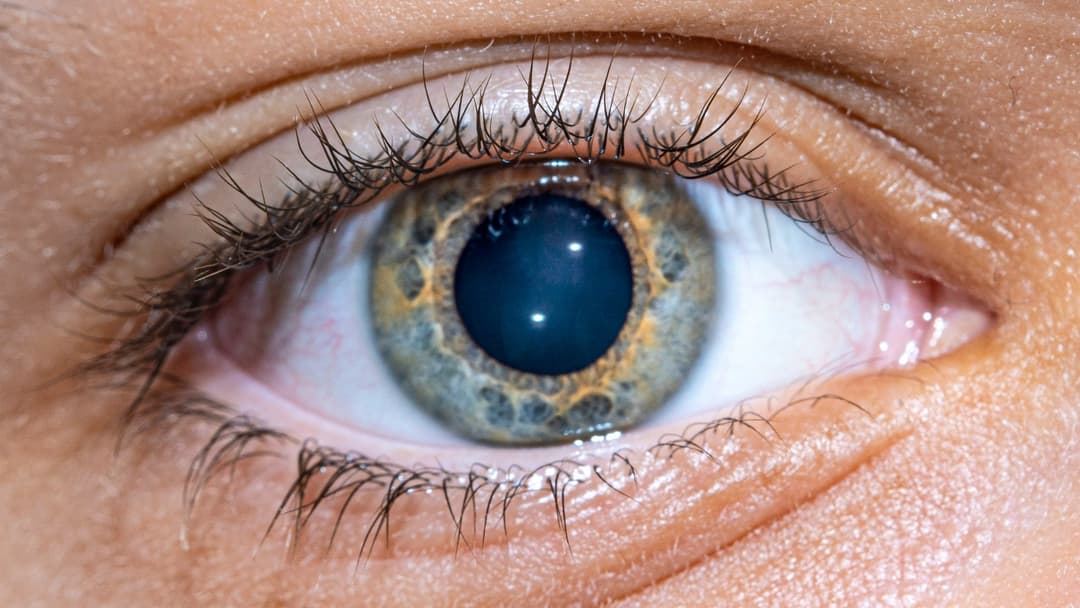
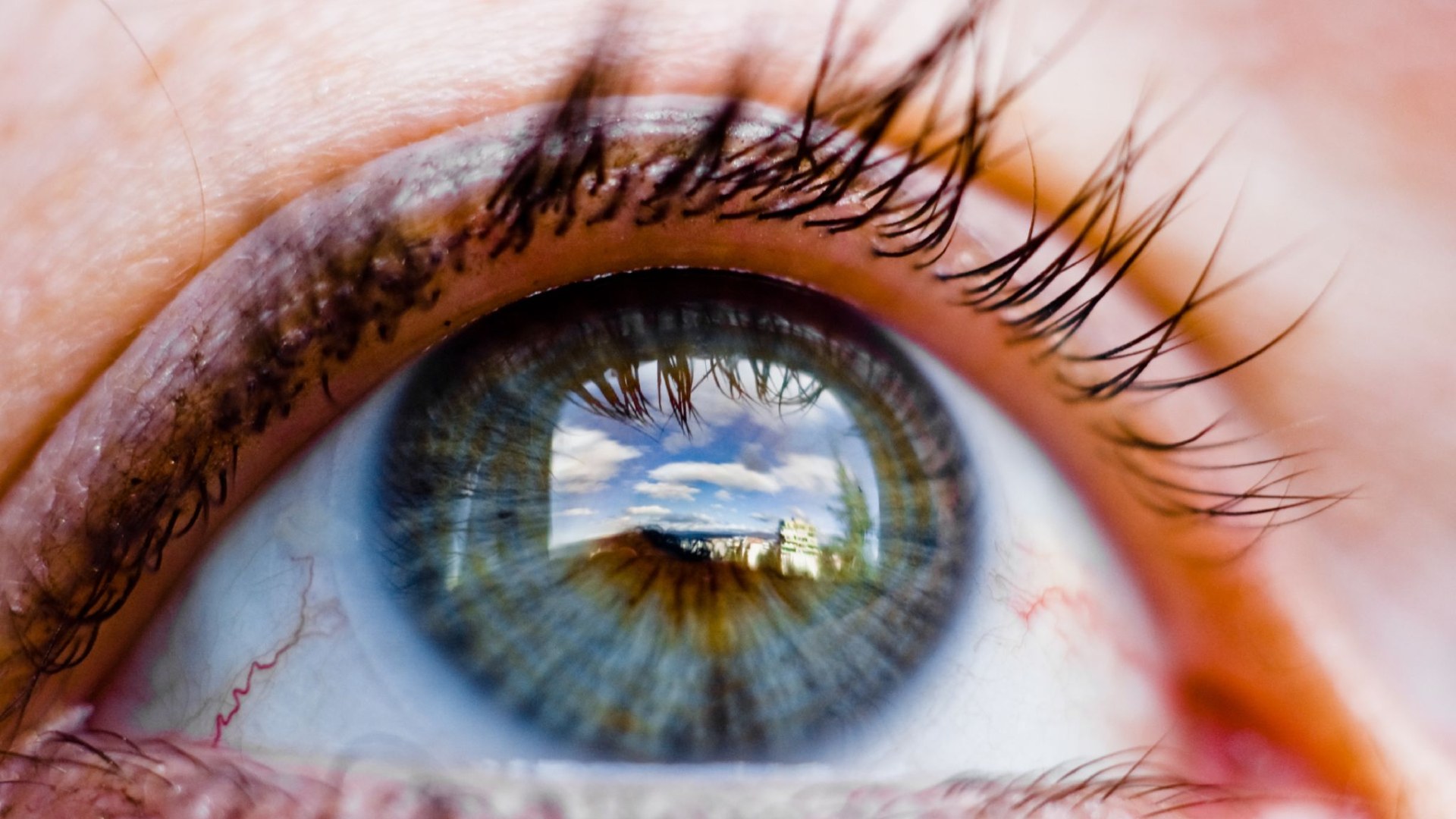
Often misidentified as hazel, central heterochromia features two sharp concentric color zones. The inner ring nearest the pupil contains high concentrations of eumelanin, while the outer iris field remains blue or gray without blending.
17. Complete Heterochromia And Genetic Mosaicism
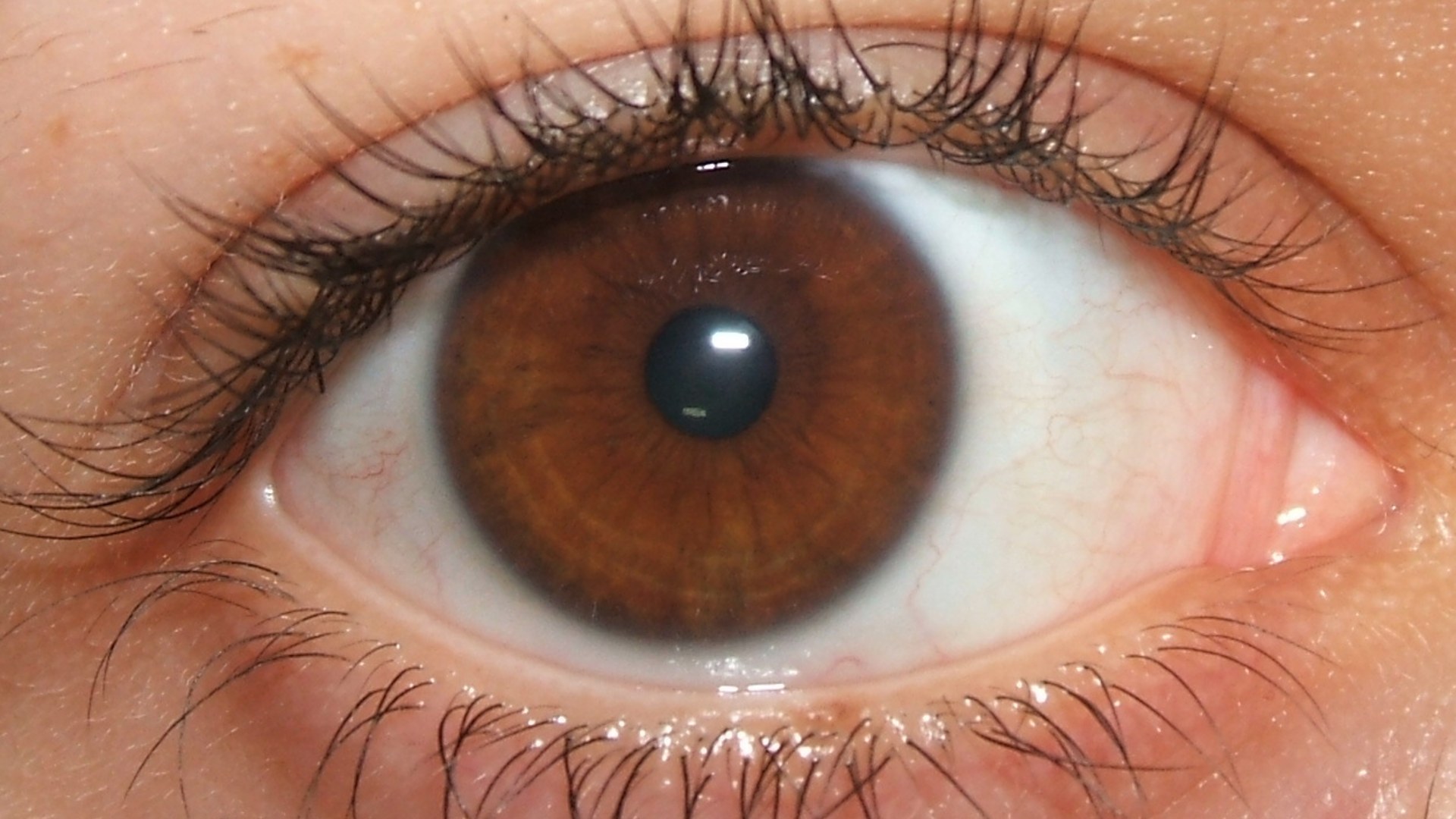
Complete heterochromia occurs when one eye has standard melanin levels while the other lacks pigmentation entirely. Geneticists find this condition arises from early embryonic chimerism, somatic mosaicism, or benign neurocristopathy during development.

16. Grey Eyes And Dense Stroma Collagen
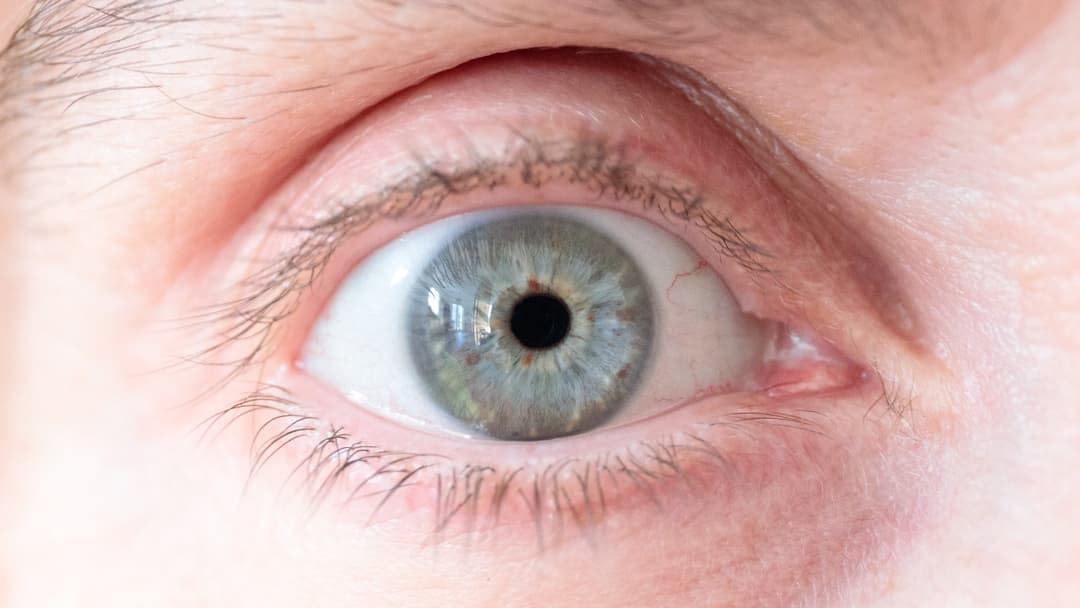
While blue eyes rely on Rayleigh scattering, grey eyes owe their silvery tone to Mie scattering. Denser deposits of collagen proteins in the stroma scatter all light wavelengths relatively equally, softening the blue into a smoky grey.
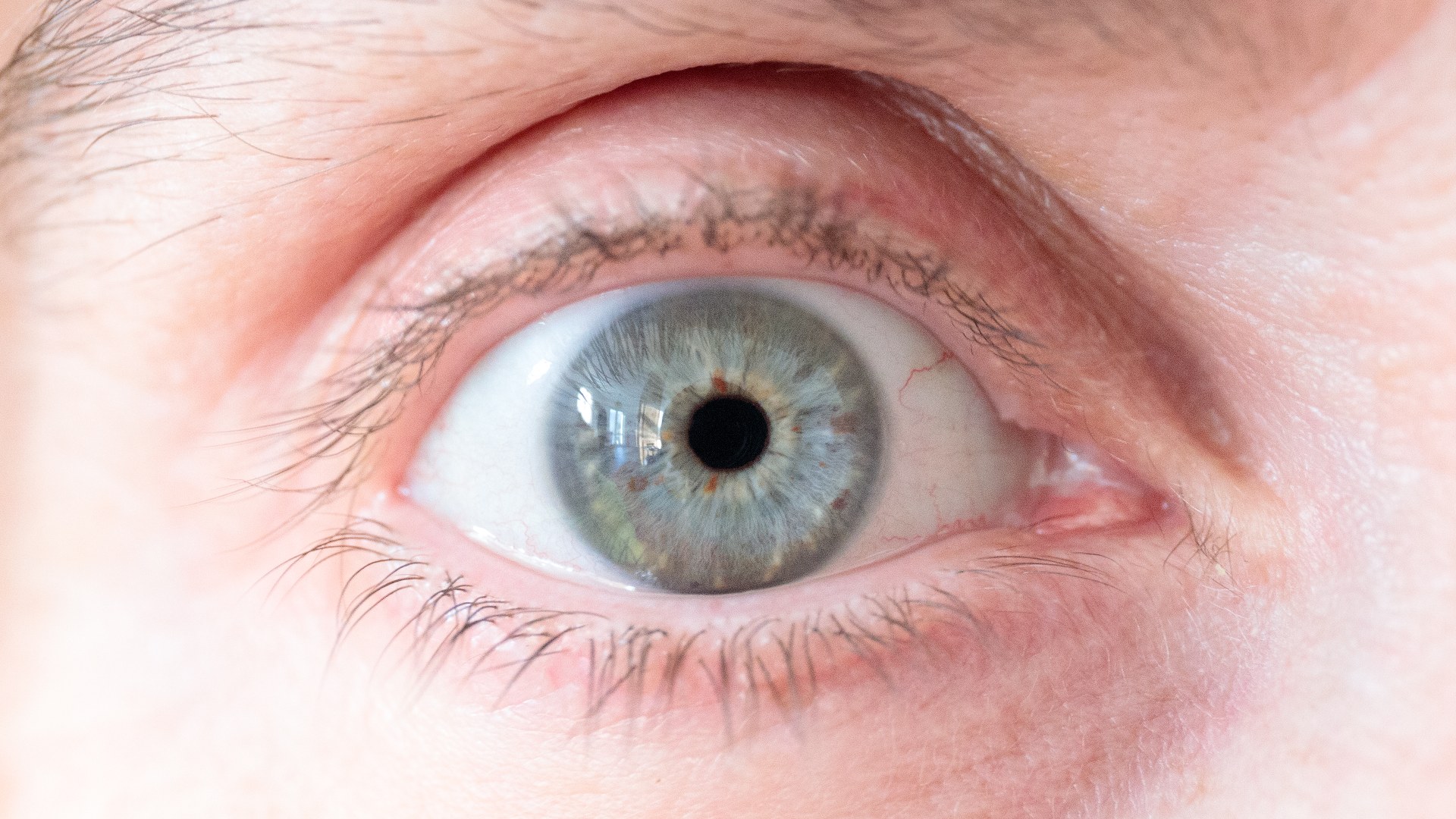
15. Amber Eyes And The Rare Lipochrome Pigment
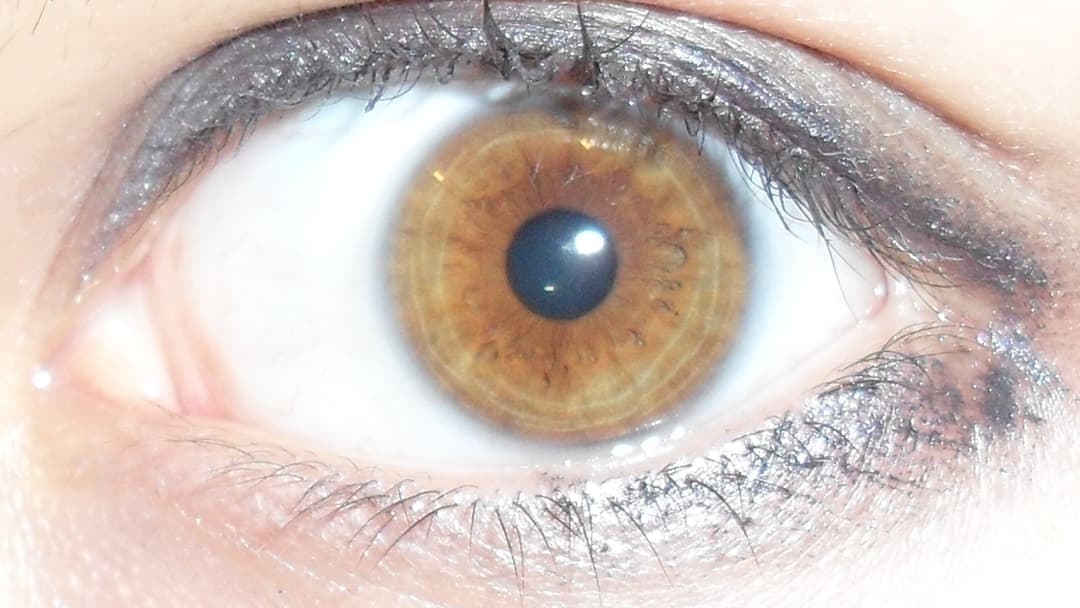
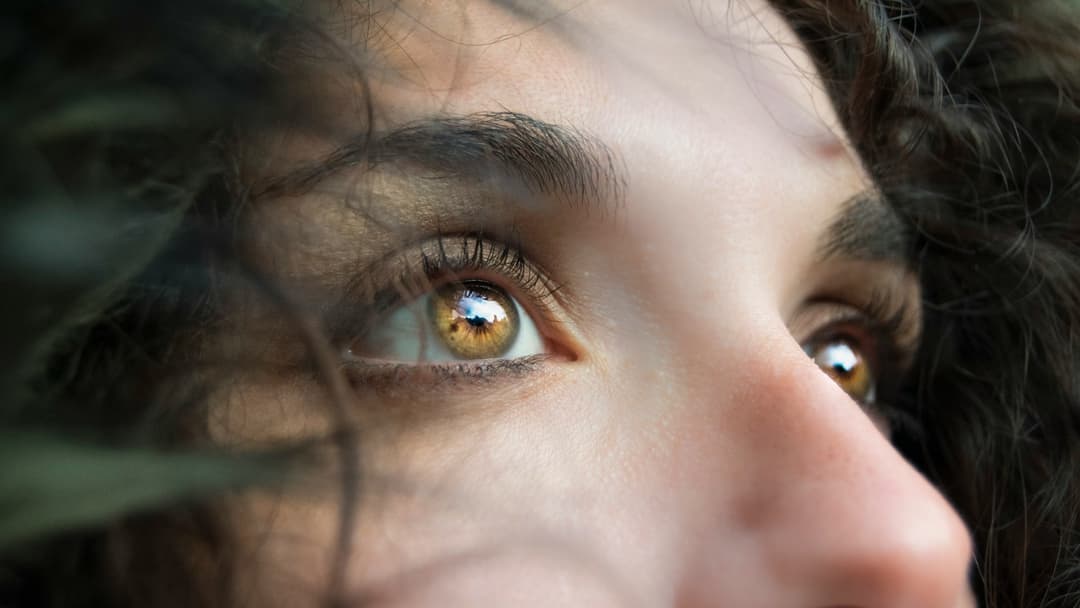
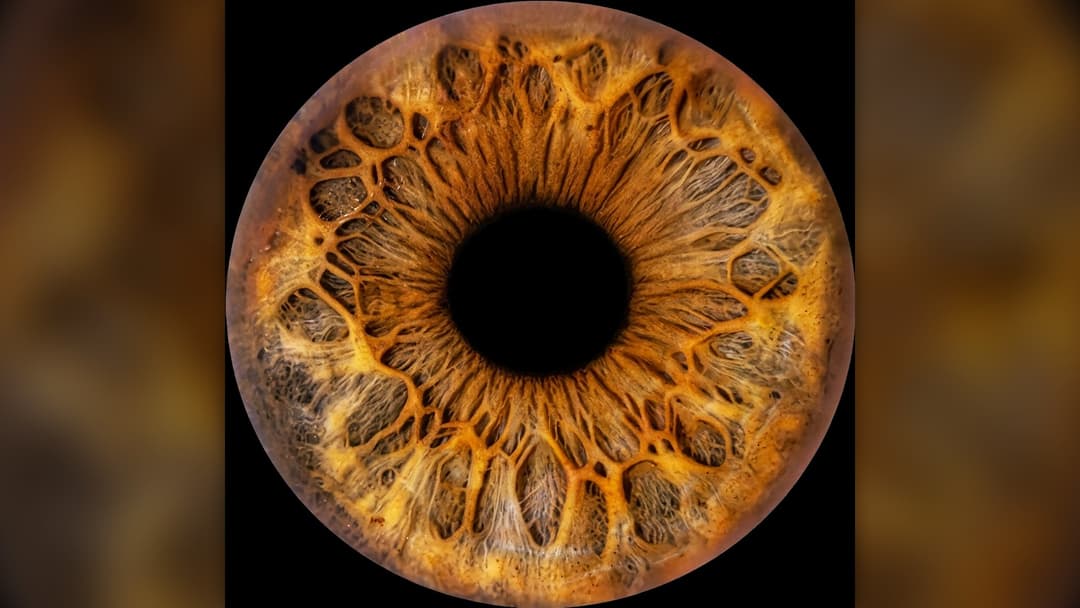
Unlike hazel eyes which blend brown and green flecks, true amber eyes show a uniform warm golden hue. Biologists attribute this unique coloring to high levels of pheomelanin and lipochrome, a yellow pigment found predominantly in predatory birds and wolves.
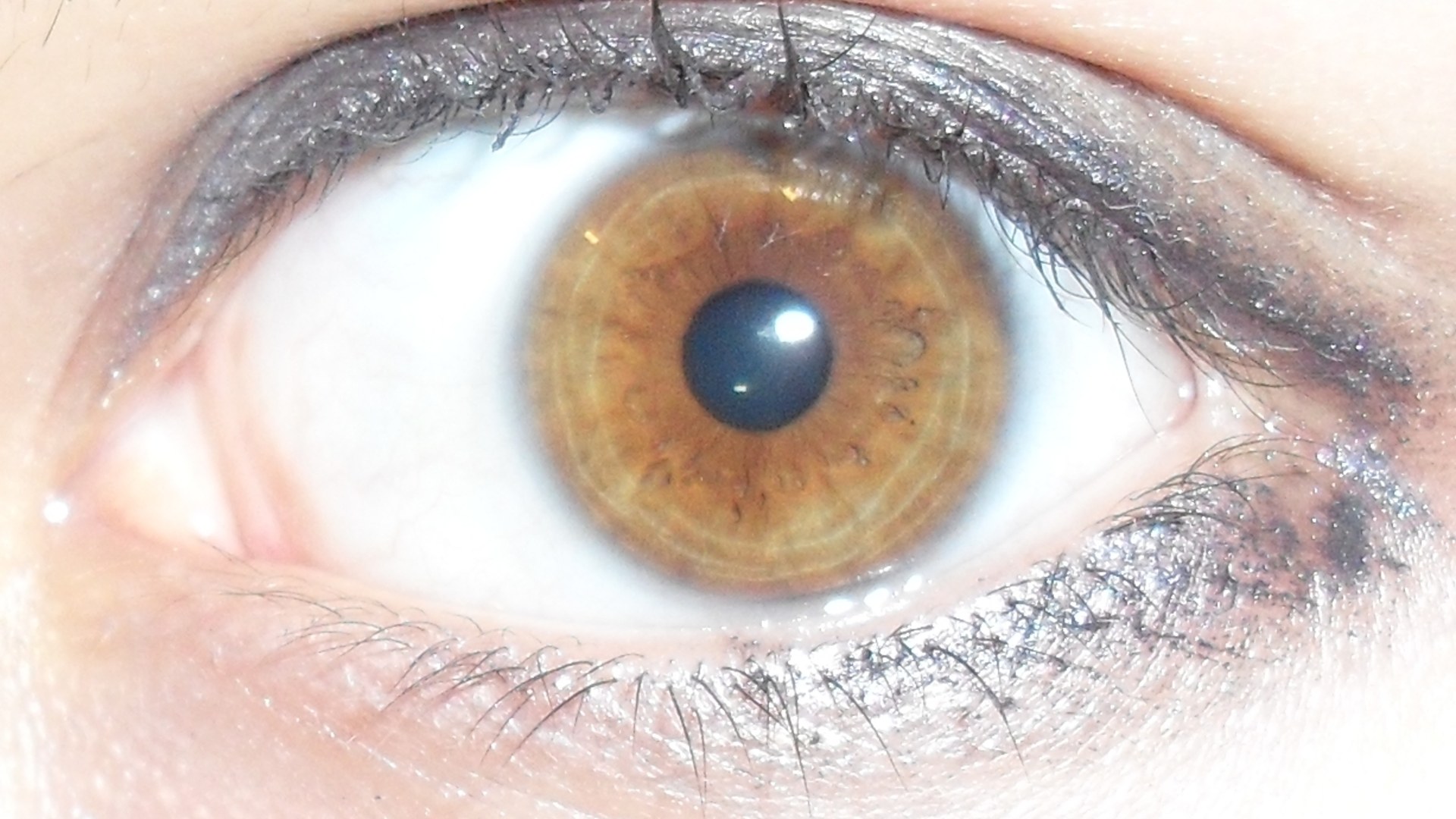
14. Hazel Eyes And The Central Melanin Ring
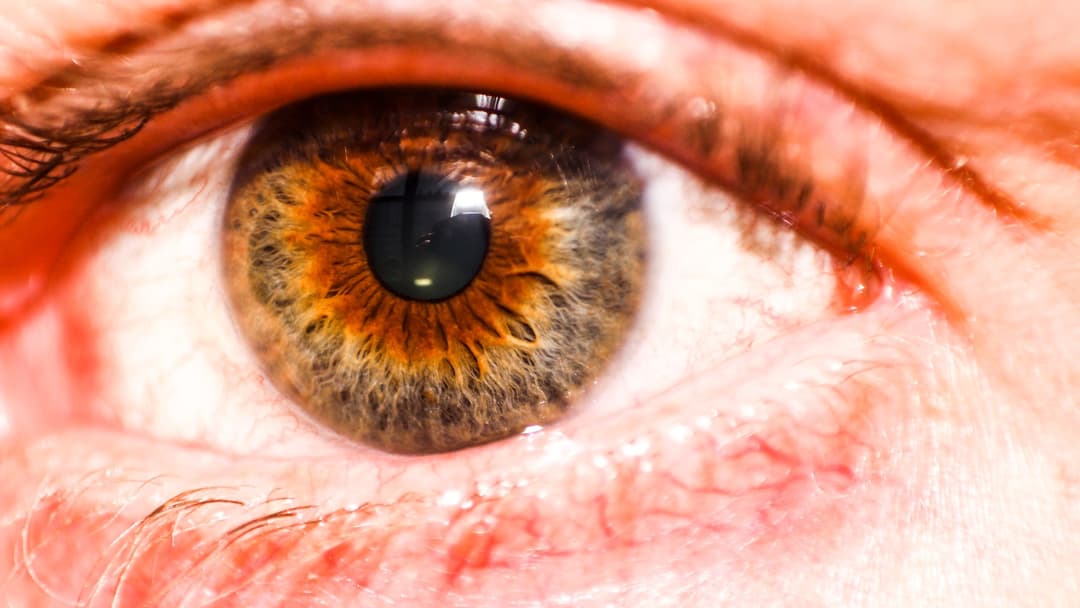
The trademark appearance of hazel eyes is created by a distinct burst of melanin clustered around the central pupillary zone. Toward the outer ciliary margin, the pigment density drops off, allowing lighter green and amber undertones to dominate.
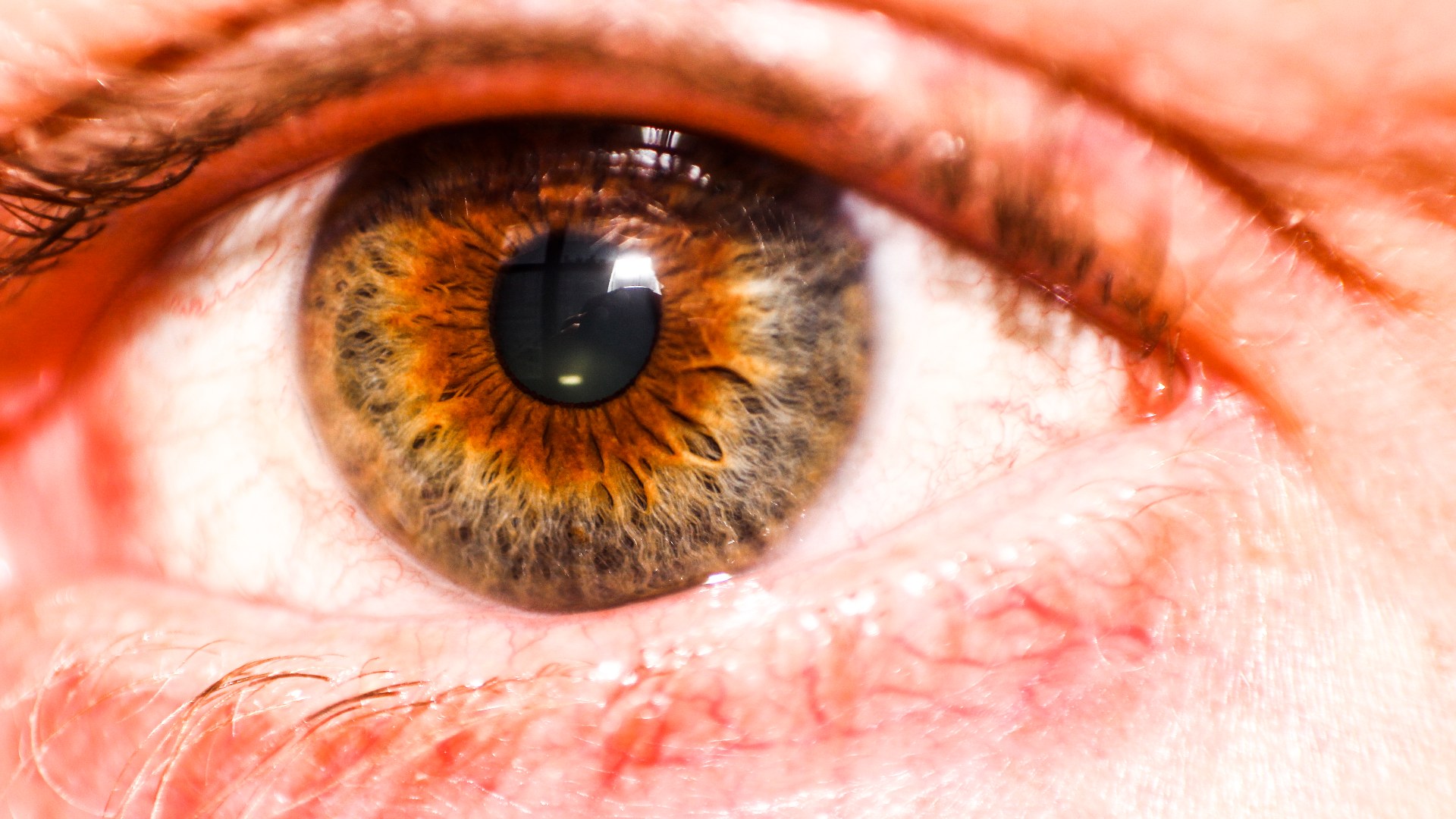
13. Hazel Eyes And Polygenic Inheritance
Human eye color is not determined by a single gene. Modern genomic mapping shows that at least sixteen distinct genes interact to produce the intricate multicolored patterns of green, gold, and brown seen in hazel irises.
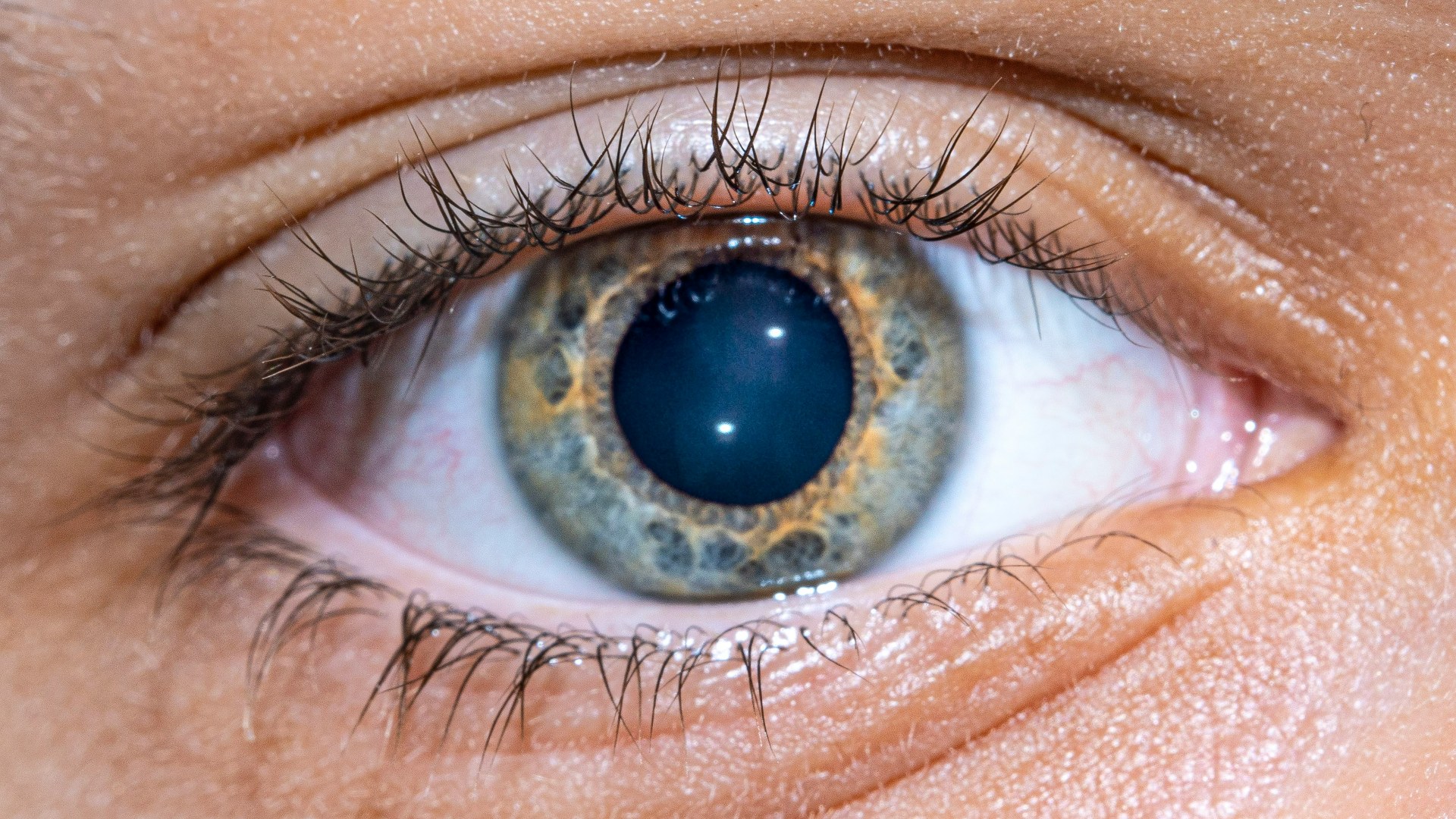
12. Hazel Eyes And Optical Chameleon Shifts
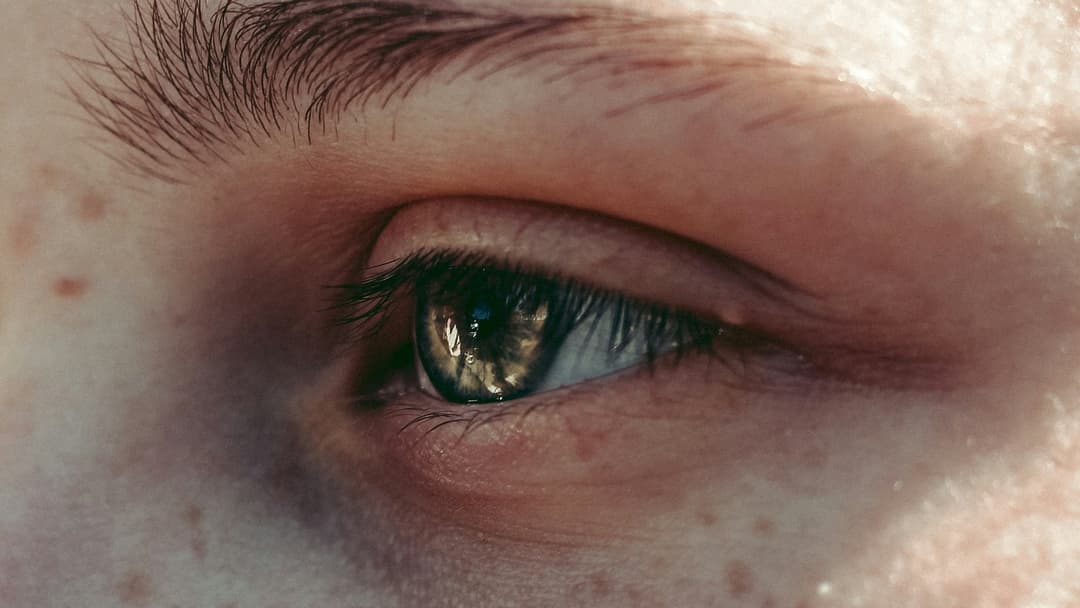
Hazel eyes contain an uneven distribution of lipid pigments and melanin across the iris collarette. Because light reflects differently depending on pupil dilation and surrounding colors, hazel eyes often seem to shift dynamically.
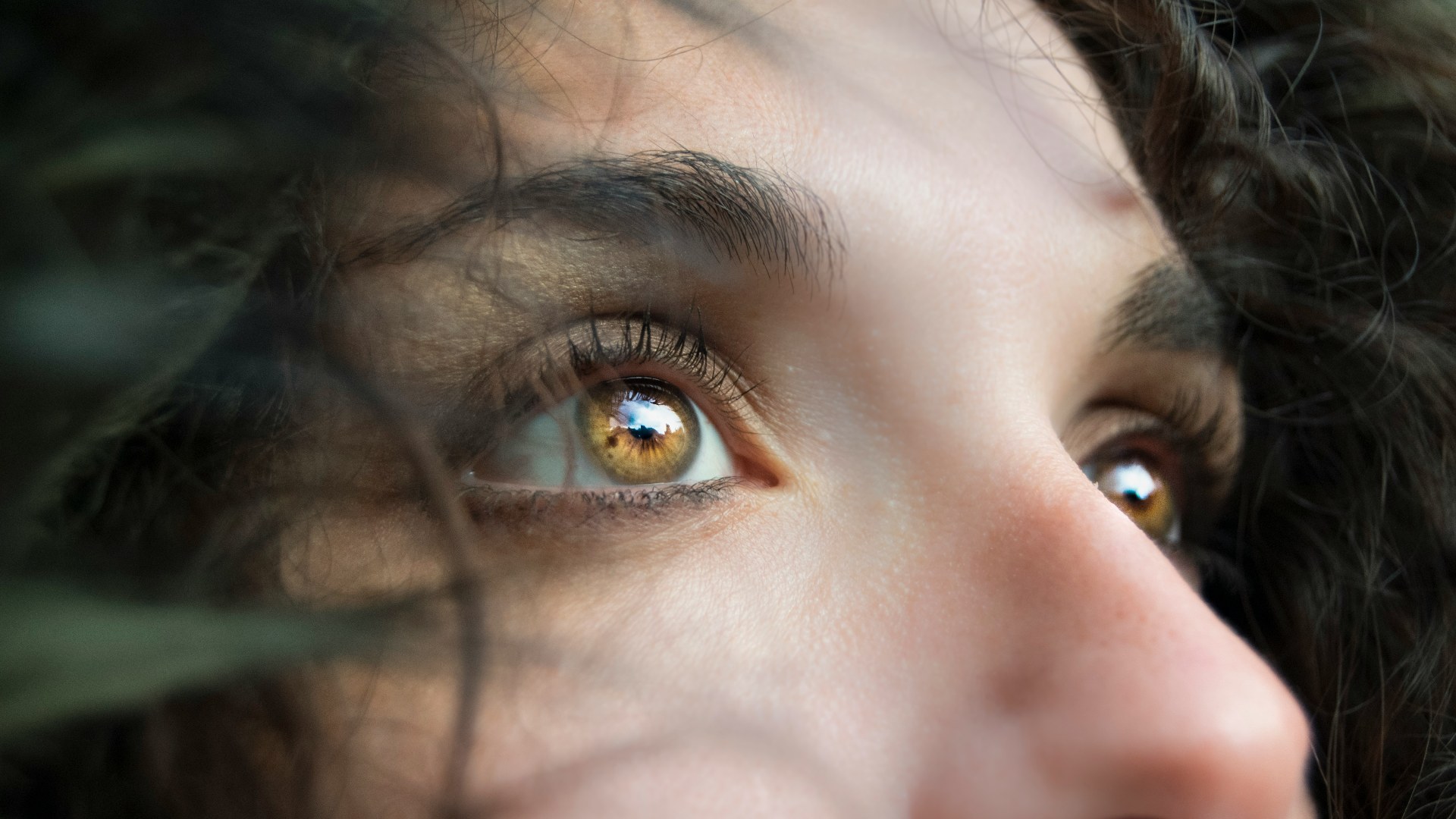
11. Green Eyes And Moderate Photoprotection
Ophthalmologists note that green eyes possess more cellular pigment than blue eyes but less than brown. This intermediate pigment density provides moderate protection against phototoxicity while retaining subtle glare sensitivity.
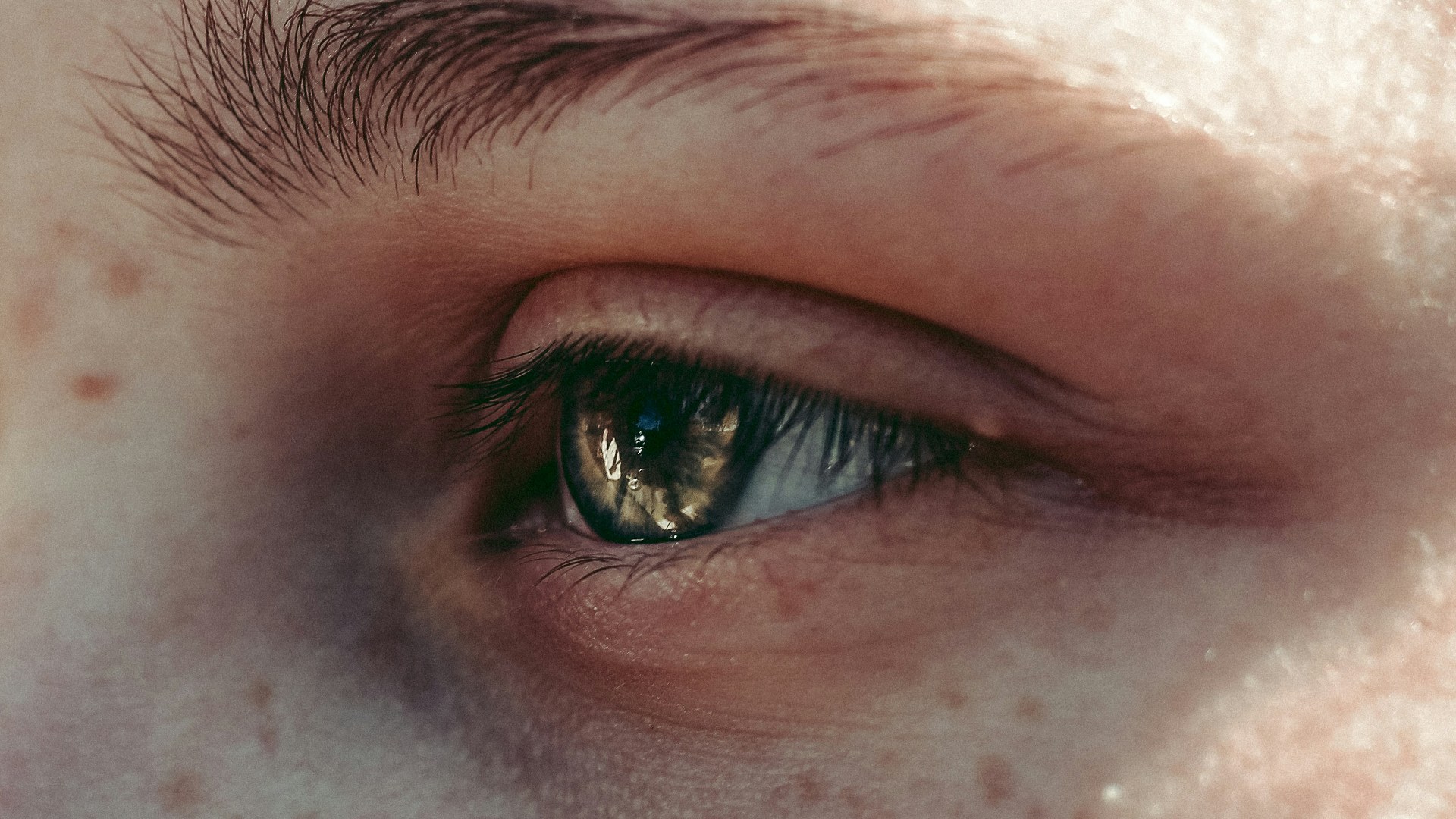
10. Green Eyes And Cultural Perceptions Of Mystery
Cross-cultural perception studies frequently associate green eyes with creativity, independence, and mystery. Social psychologists attribute this response to evolutionary rarity, as scarce visual traits trigger heightened social attention and curiosity.
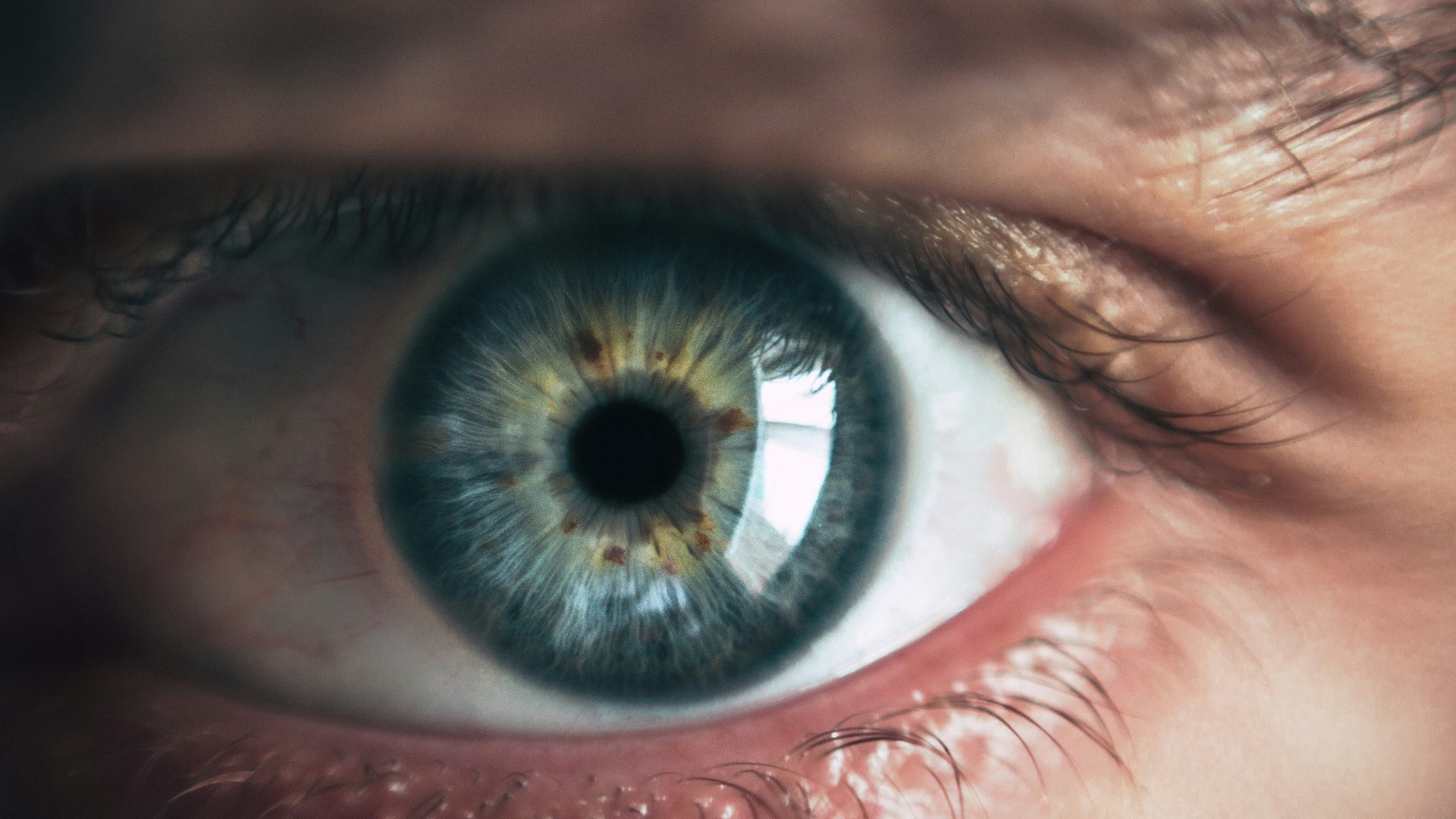
9. Green Eyes And Rayleigh Light Scattering
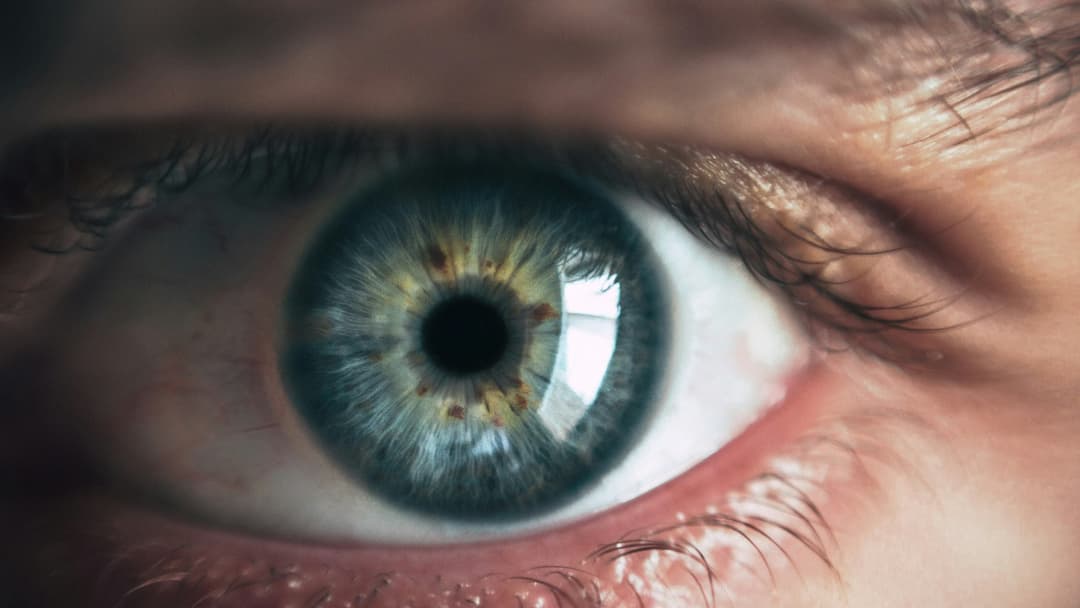
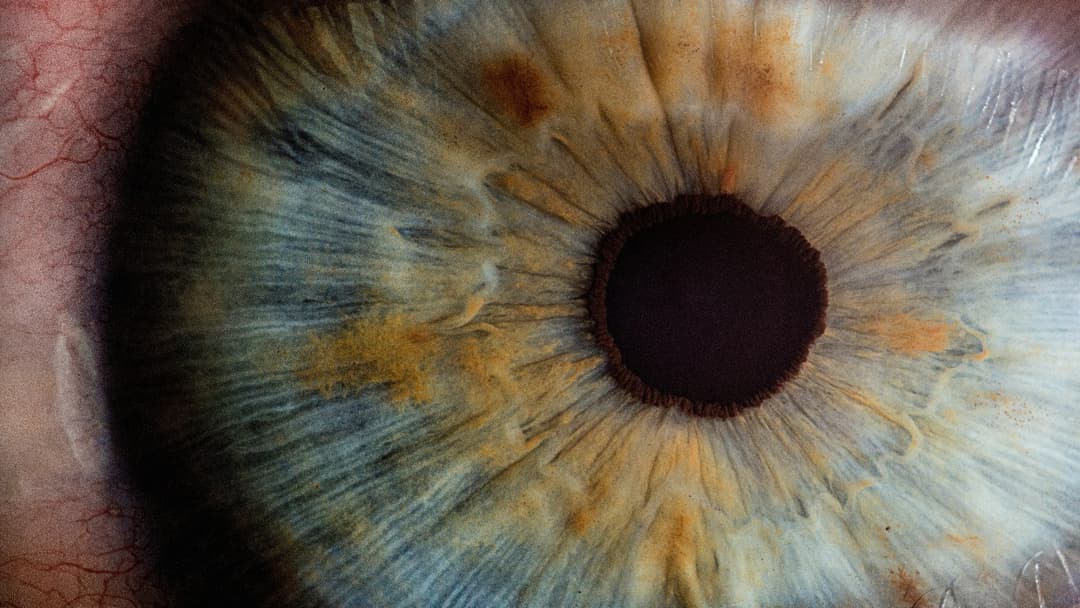
Green eyes do not contain actual green pigment. Instead, they result from a low to moderate concentration of yellowish pheomelanin combined with Rayleigh scattering, the same physical mechanism that makes the sky appear blue.
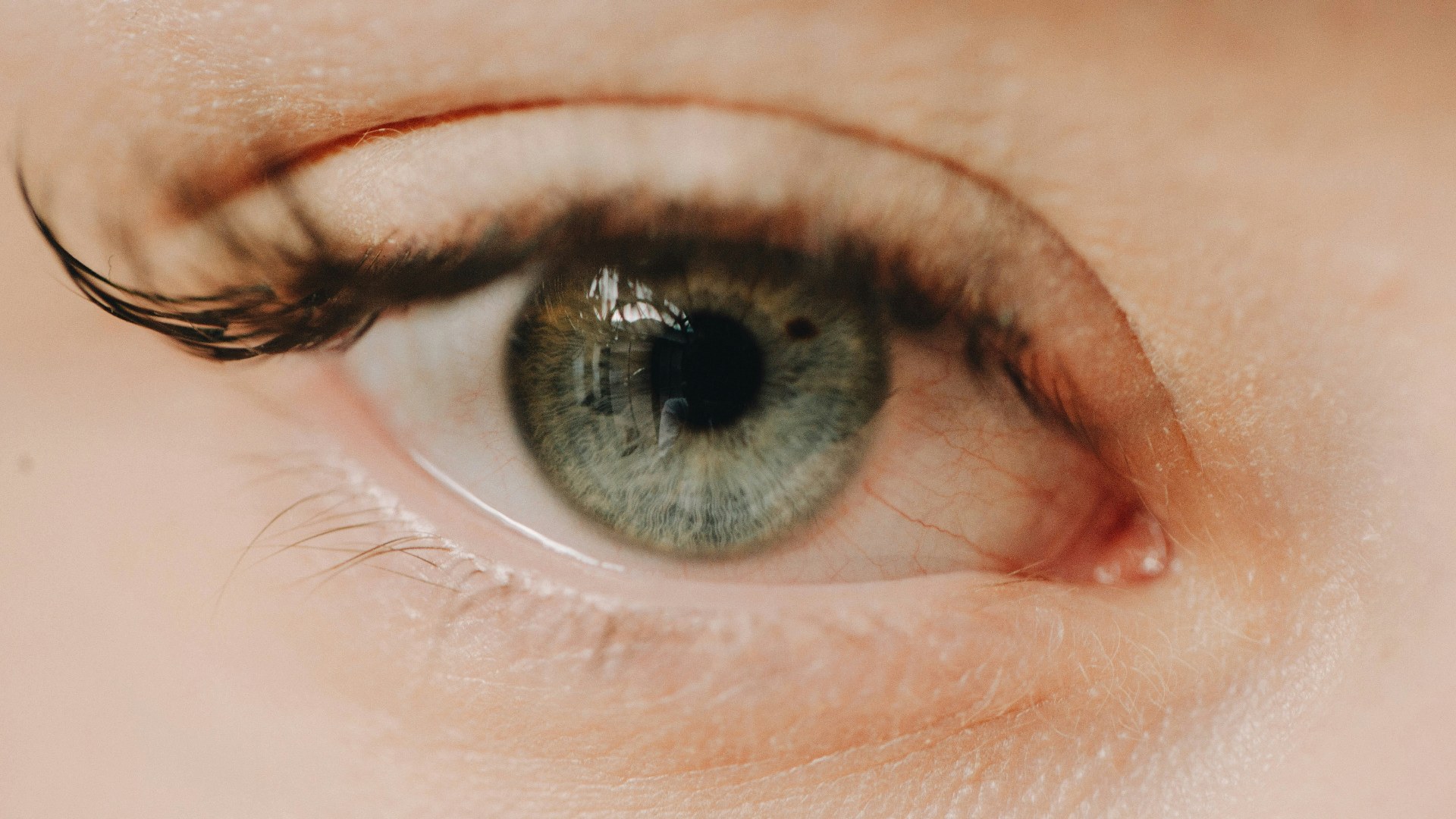
8. Blue Eyes And Alcohol Tolerance Research
Researchers at the University of Vermont identified genetic linkages connecting eye color genes with alcohol dependence risks. Participants with light eyes showed lower initial sensitivity to intoxication, which may lead to higher consumption volumes.
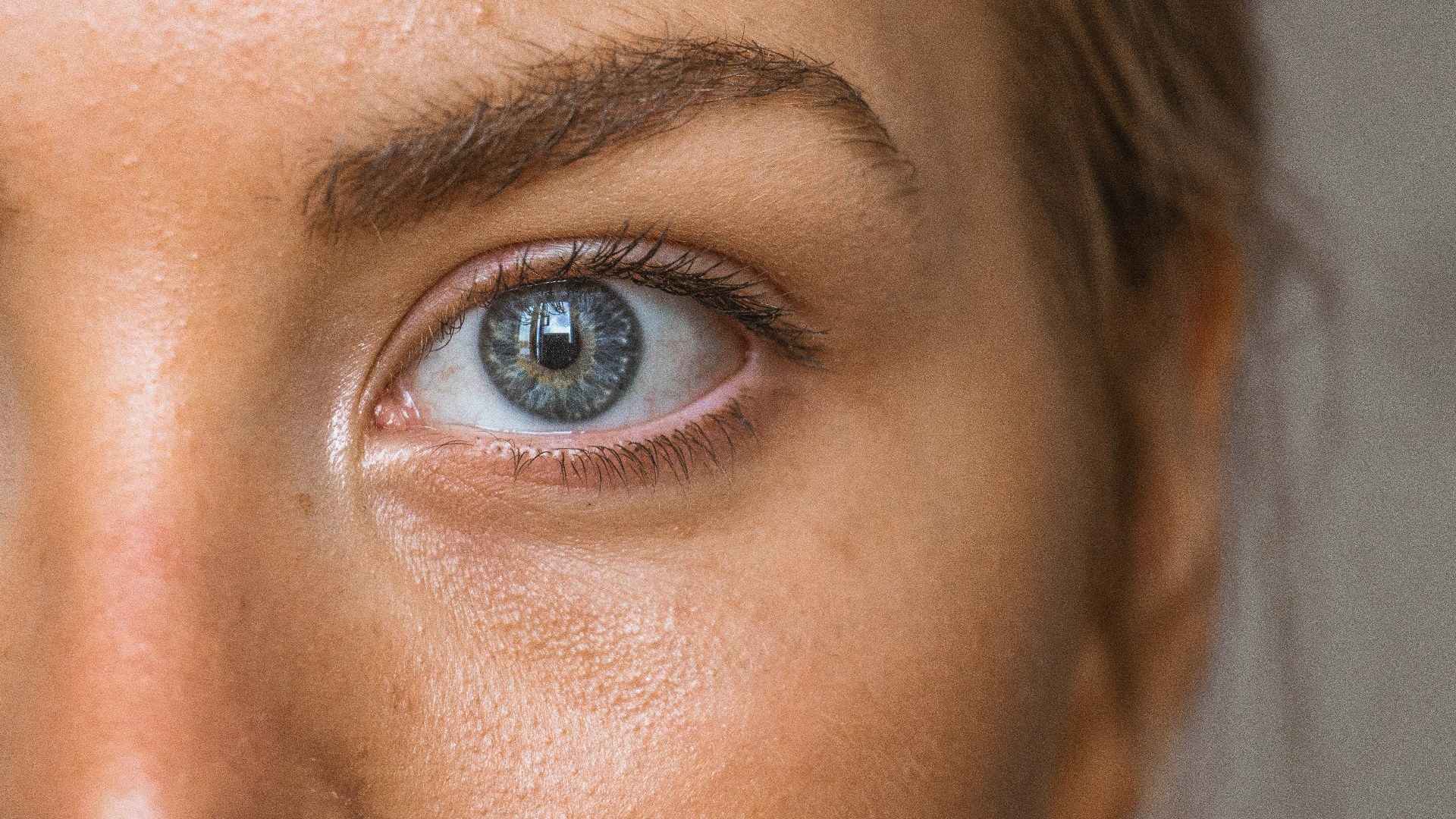
7. Blue Eyes And Lower Incidence Of Vitiligo
A large genetic study from the University of Colorado School of Medicine analyzed roughly three thousand vitiligo patients. Individuals with blue eyes were significantly less likely to develop the autoimmune disorder than individuals with brown eyes.
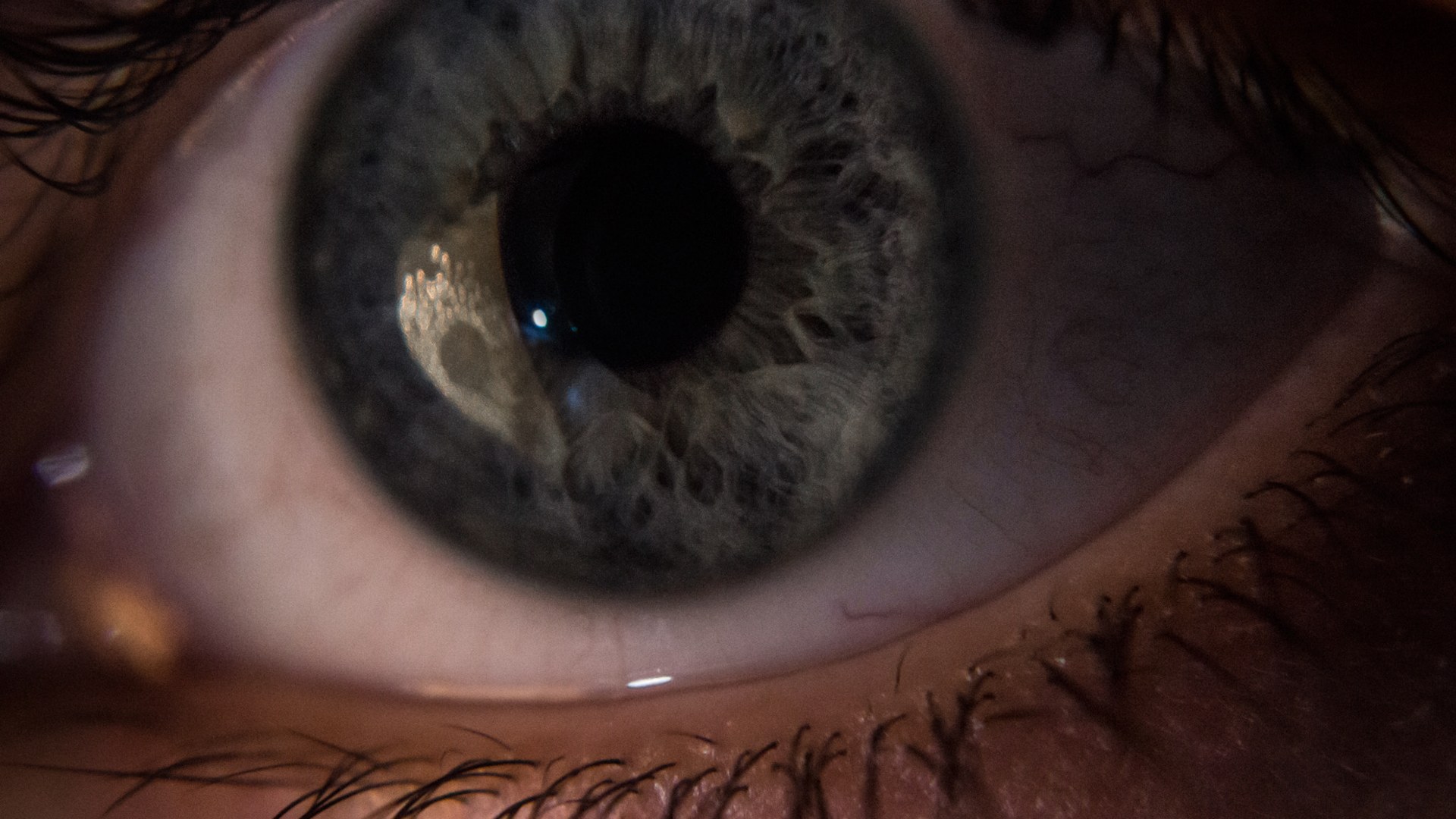
6. Blue Eyes And Increased Light Sensitivity
Because blue eyes lack dense melanin in the anterior stroma, stray light scatters inside the eye. This anatomical difference causes heightened glare sensitivity and photophobia when stepping outdoors into bright midday sunshine.
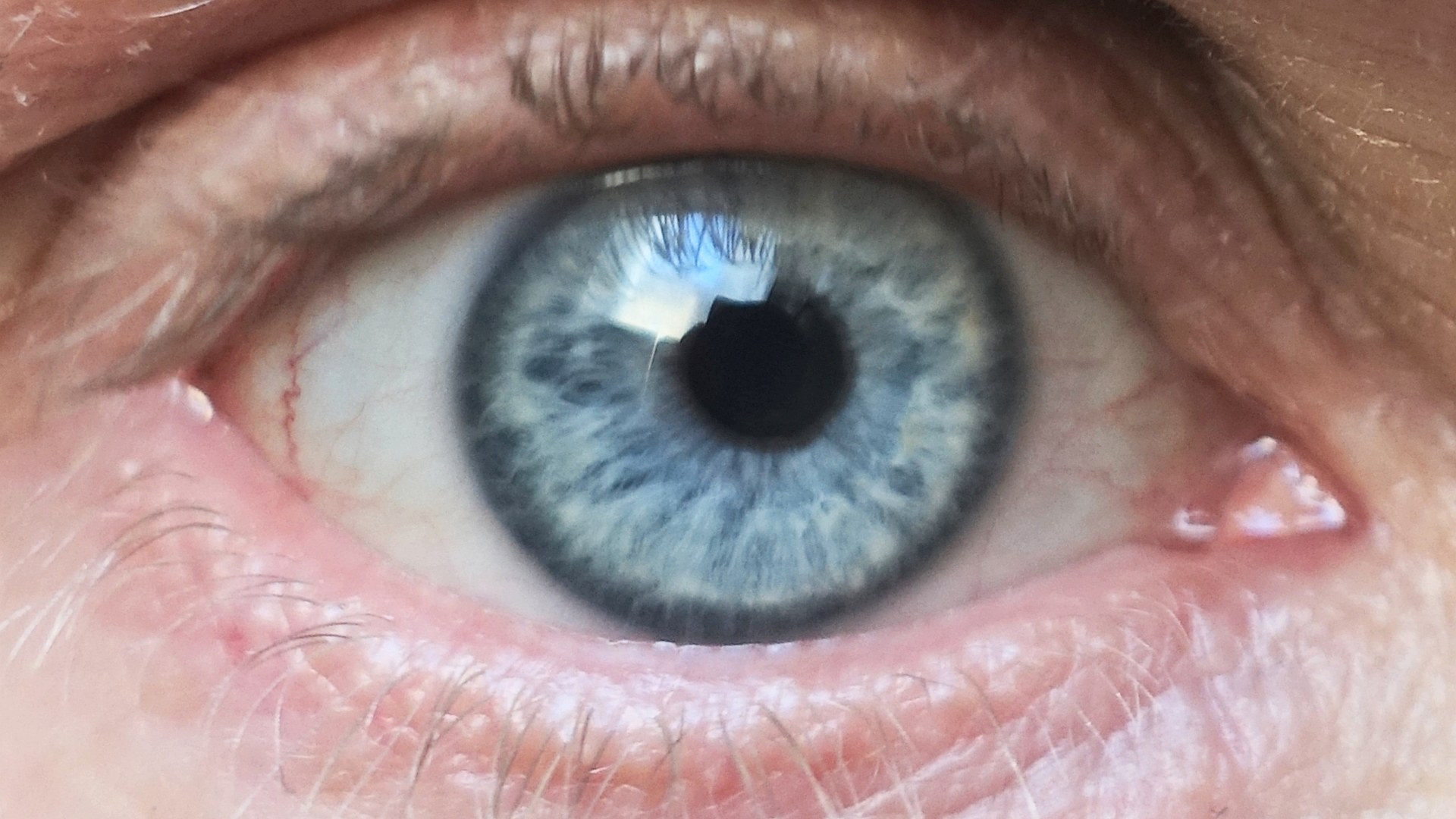
5. Blue Eyes And The Single Ancestor Mutation
A genetic study led by the University of Copenhagen identified that a single regulatory mutation near the OCA2 gene occurred between 6,000 and 10,000 years ago. This switch turned down melanin production in the iris, creating blue eyes.
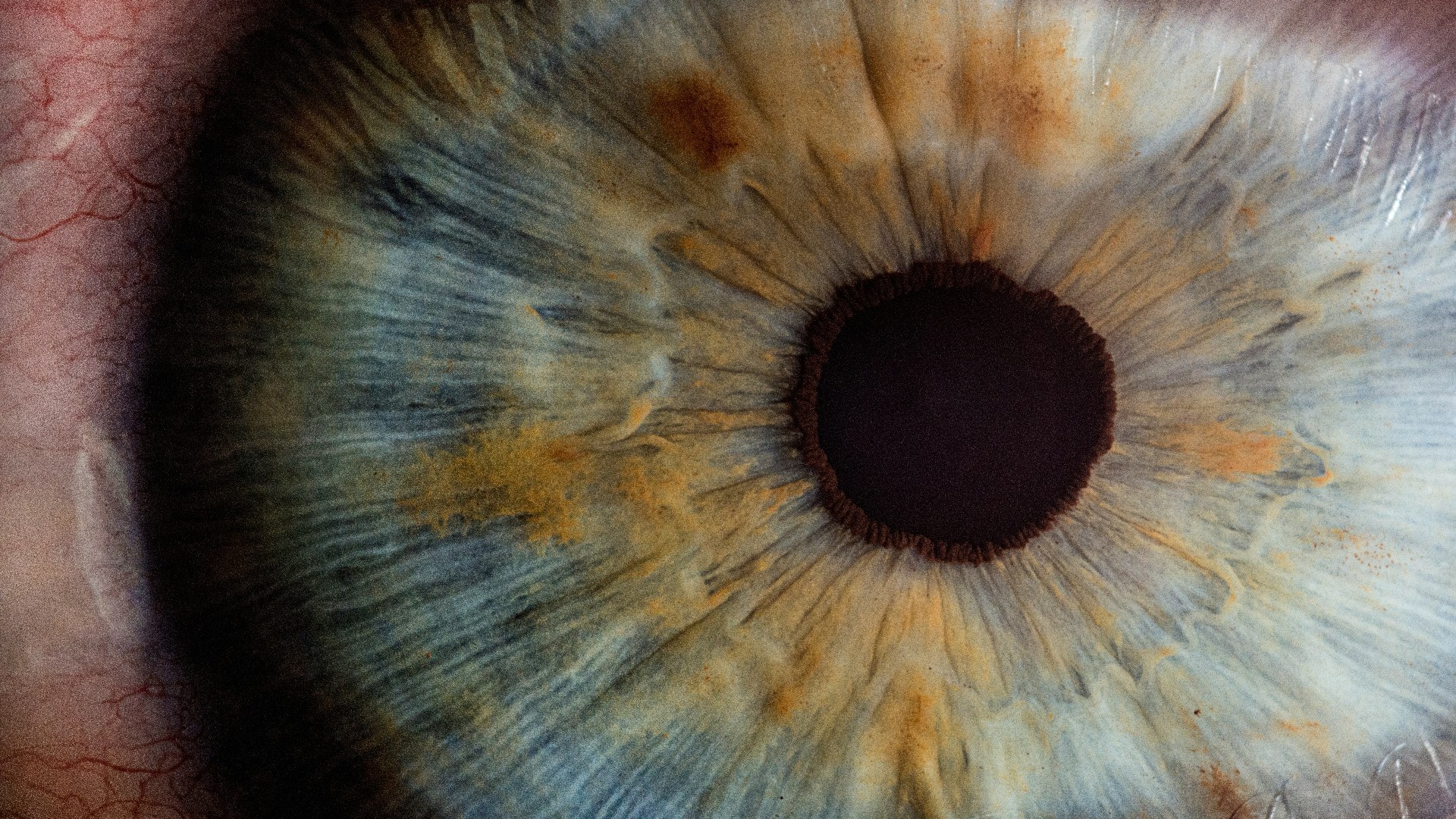
4. Brown Eyes And Visual Reaction Speed
Research conducted at the University of Louisville demonstrated that individuals with dark brown eyes showed faster reaction times in rapid reflex tasks. Neurologists hypothesize that neuromelanin pathways may facilitate quicker signal transmission.
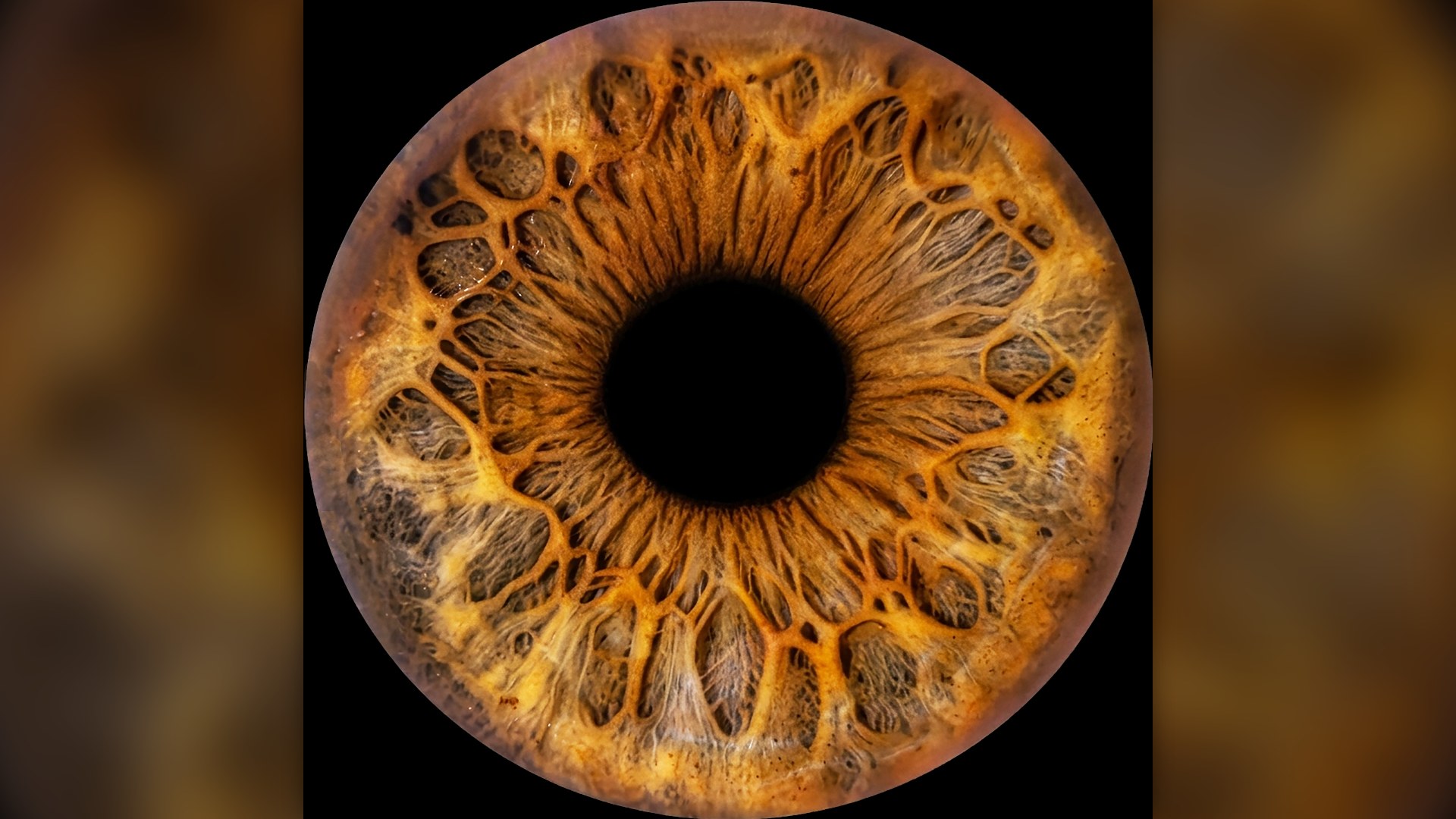
3. Brown Eyes And Perception Of Trustworthiness
A landmark study from Charles University in Prague revealed that observers rated brown-eyed faces as inherently more trustworthy. Researchers discovered this effect was closely tied to accompanying facial bone structures shared by brown-eyed participants.
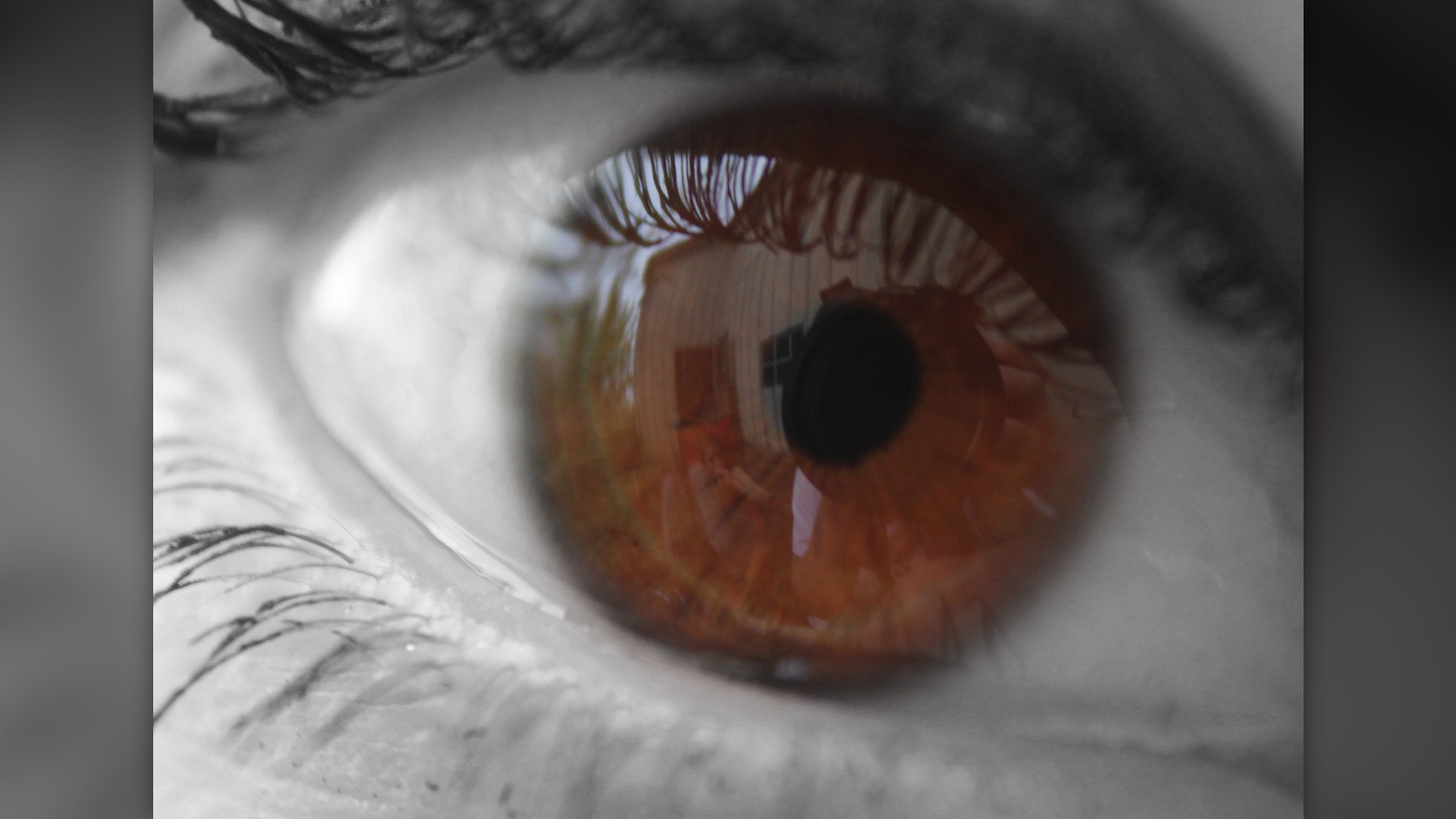
2. Brown Eyes And Lower Risk Of Melanoma
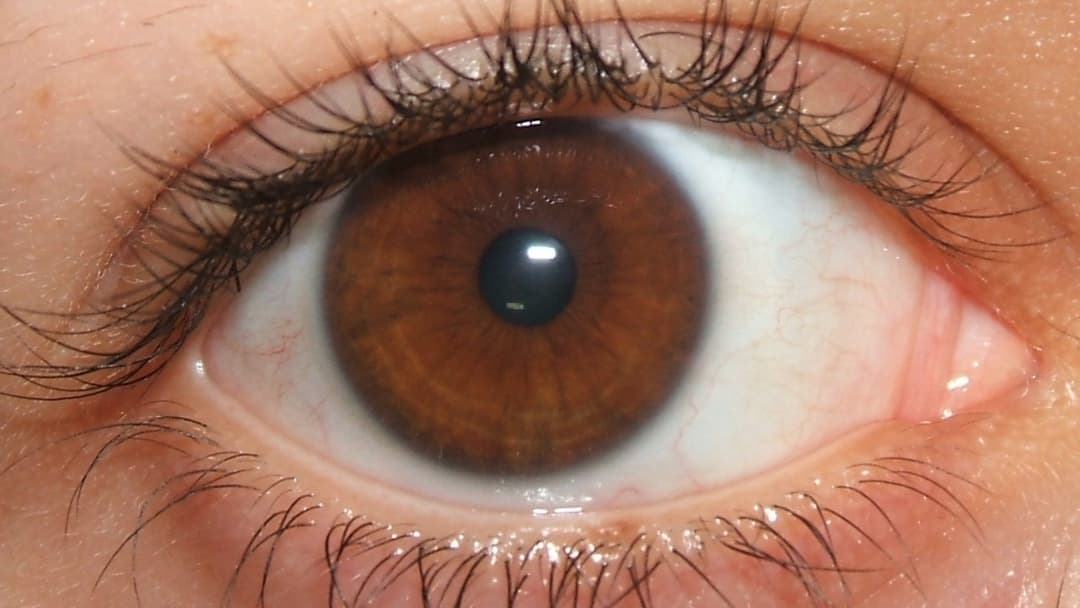
Clinical studies show individuals with dark brown irises possess significantly lower risks of uveal melanoma. The heavy melanin pigmentation absorbs harmful ultraviolet rays before they penetrate vulnerable internal structures.
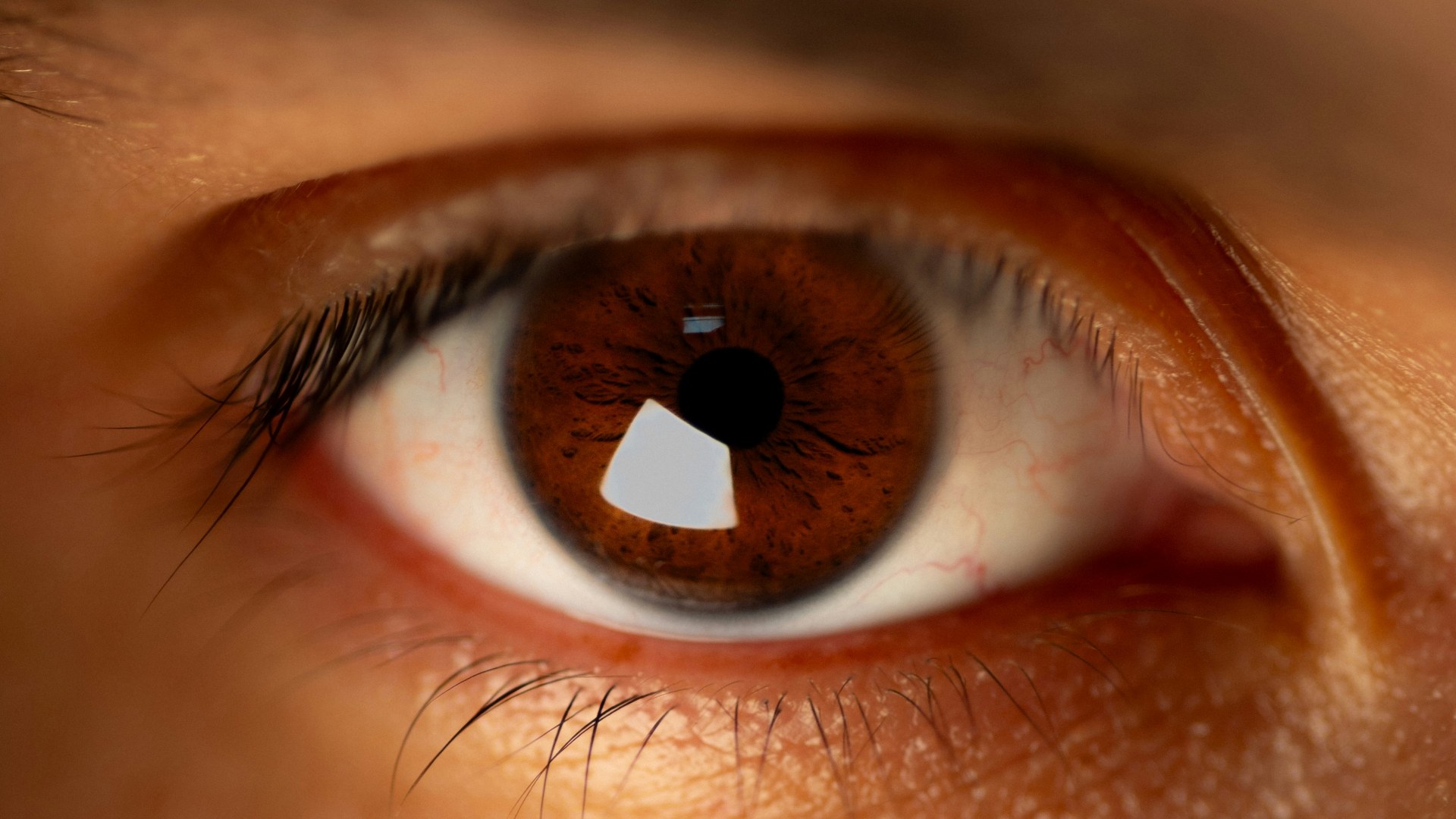
1. Brown Eyes And Ancient Genetics
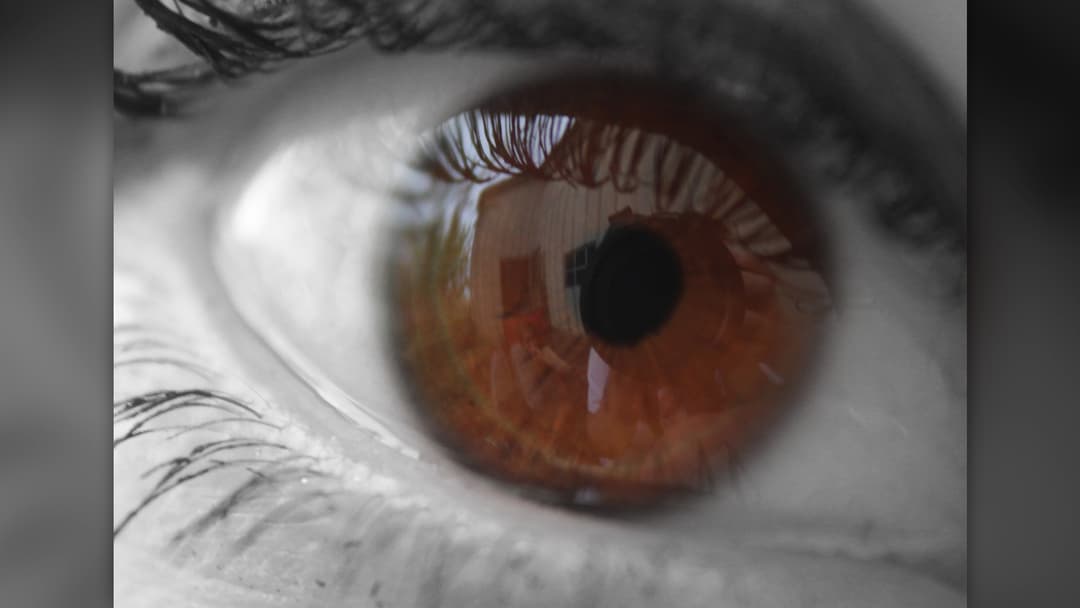
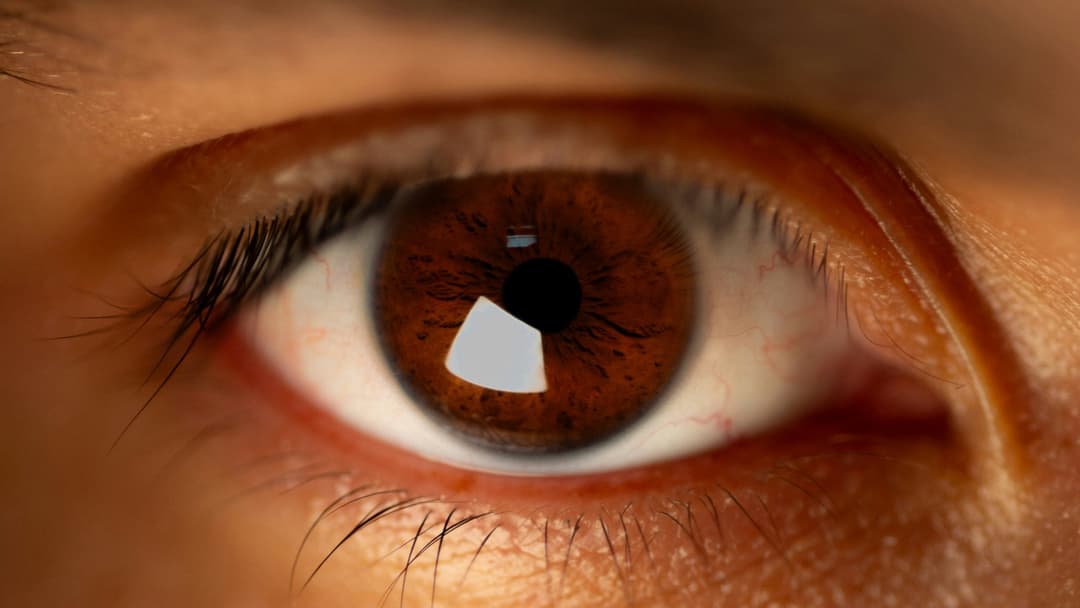
Brown eyes represent the ancestral phenotype of all early humans. The dense concentration of eumelanin inside the stroma developed as an evolutionary shield against intense solar radiation across equatorial environments.