Slideshow · Money
The U.S. Stopped Minting Pennies: 20 Smart Ways to Use the Ones You Have
With the U.S. Mint officially ending circulation penny production to save taxpayers millions, over 114 billion coins remain in circulation. From spotting rare error coins worth thousands to avoiding high kiosk fees and smart everyday spending hacks, discover 20 practical ways to make the most of every copper cent.



All 20 Entries in this Story
1. Check For 2025 Final-Year Mintage.
The U.S. Mint produced its final batch of circulating Lincoln pennies in late 2025. While millions entered general banking channels, uncirculated specimens and pristine high-grade rolls from this concluding minting year are already commanding growing premiums among numismatists seeking historic capstone coins.
2. Separate Pre-1982 High-Copper Coins.
Prior to mid-1982, the U.S. Mint crafted pennies from a rich alloy containing 95 percent pure copper and 5 percent zinc. Because base copper commodity prices frequently exceed two cents per coin, hobbyists actively hoard these heavier vintage pieces as a long-term physical hedge against metal price inflation.
3. Hunt For Rare 1943 Bronze Errors.
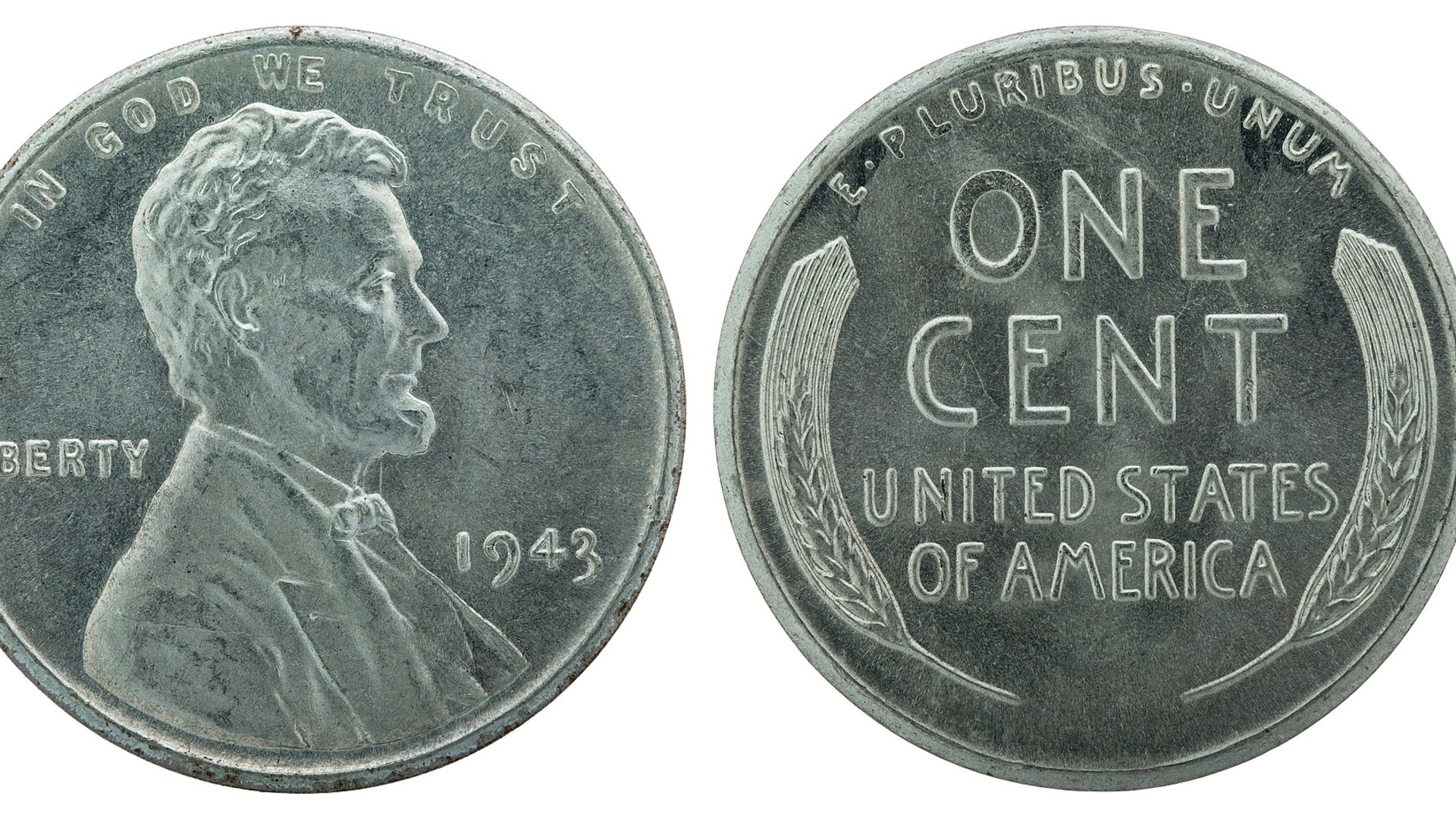
To preserve copper for World War II ammunition, the government ordered 1943 pennies struck on zinc-coated steel. A tiny handful of bronze blanks remained trapped in the press hoppers, creating legendary error coins that routinely sell for over one hundred thousand dollars. Test suspect coins with a simple magnet.
4. Search For 1944 Steel Penny Errors.
When the U.S. Mint resumed copper penny production in 1944, a few leftover steel blanks from the previous year were accidentally fed into the coin presses. These rare steel specimens stick firmly to magnets unlike genuine copper issues, making them highly sought trophies at premier coin auctions across the country.
5. Spot Historic Doubled Die Mistakes.
Doubled die pennies occur when a coin die receives misaligned impressions during manufacturing, stamping sharp ghost outlines across the design. The 1955 doubled die Lincoln penny is the most famous example, but sharp eyes can also find valuable doubled lettering on select pieces from 1969, 1972, 1983, and 1995.
6. Inspect For 1922 No D Mint Mistakes.
In 1922, only the Denver Mint produced Lincoln pennies. When workers excessively polished a pair of clashed dies, they accidentally ground off the tiny D mint mark located beneath the date. Authentic examples of these 1922 plain pennies can easily fetch hundreds or even thousands of dollars depending on condition.
7. Verify Finds With The Greysheet Guide.
Before paying appraisal fees on unusual pocket change, verify fair market value using recognized industry price guides like the Greysheet or the Red Book. Online auction listings often feature unrealistic asking prices, but trusted numismatic pricing catalogs show real wholesale transaction prices among dealers.
8. Deposit Free Rolled Coins At Your Bank.
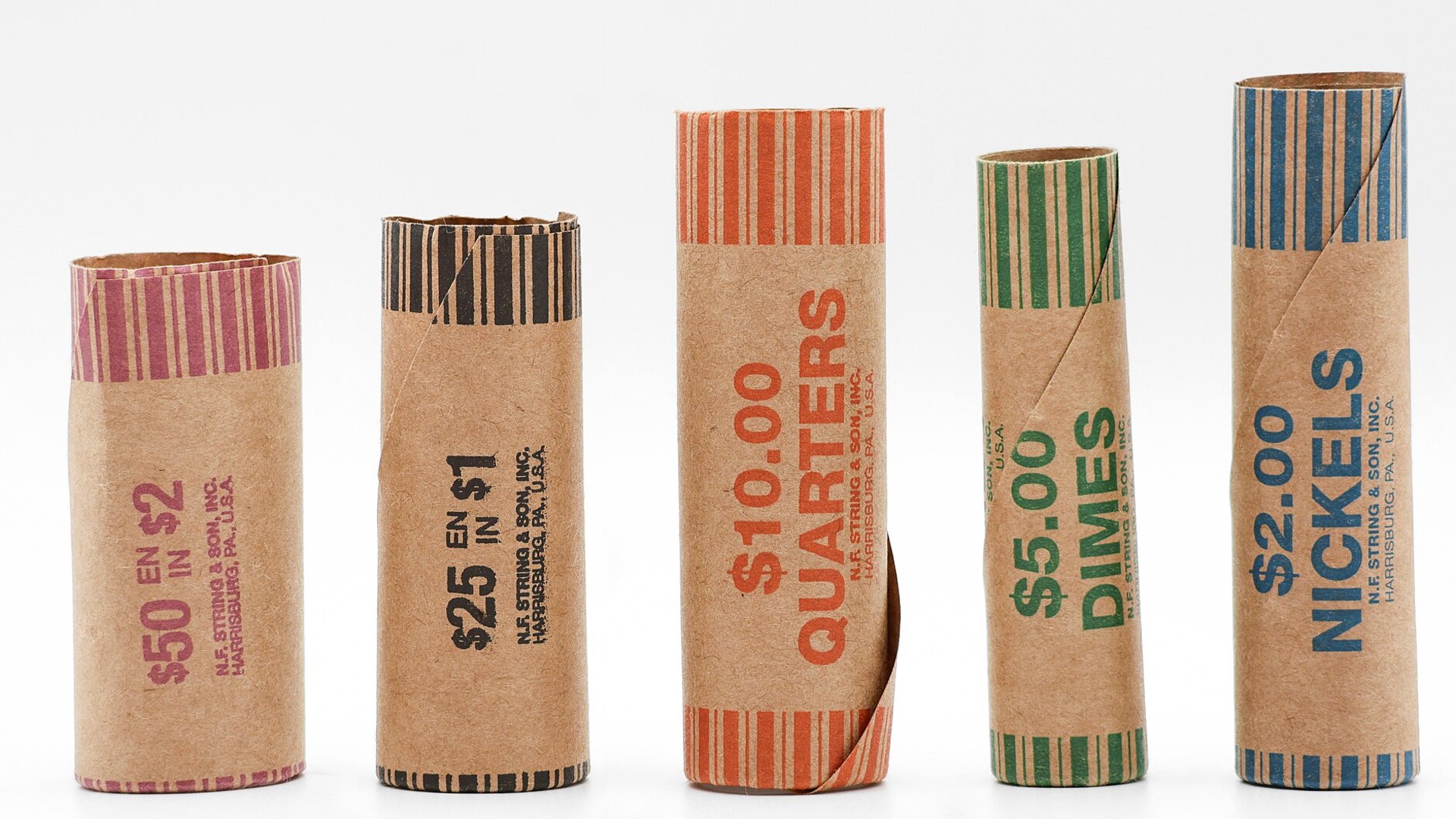
Your local bank branch remains one of the simplest destinations for cashing in large coin stashes. Most commercial banks and credit unions provide free paper coin wrappers to customers, accepting rolled pennies with zero processing deductions and depositing the exact face value straight into your savings account.
9. Sort Coins By Hand To Save On Wrap Fees.
Taking an evening to hand-sort pennies into standard fifty-cent paper rolls turns neglected pocket change into spendable funds. Banks require accurate counts before accepting customer deposits, so neatly crimping both wrapper ends ensures tellers process your currency quickly without requiring third-party counting.
10. Avoid High Supermarket Coin Kiosk Fees.
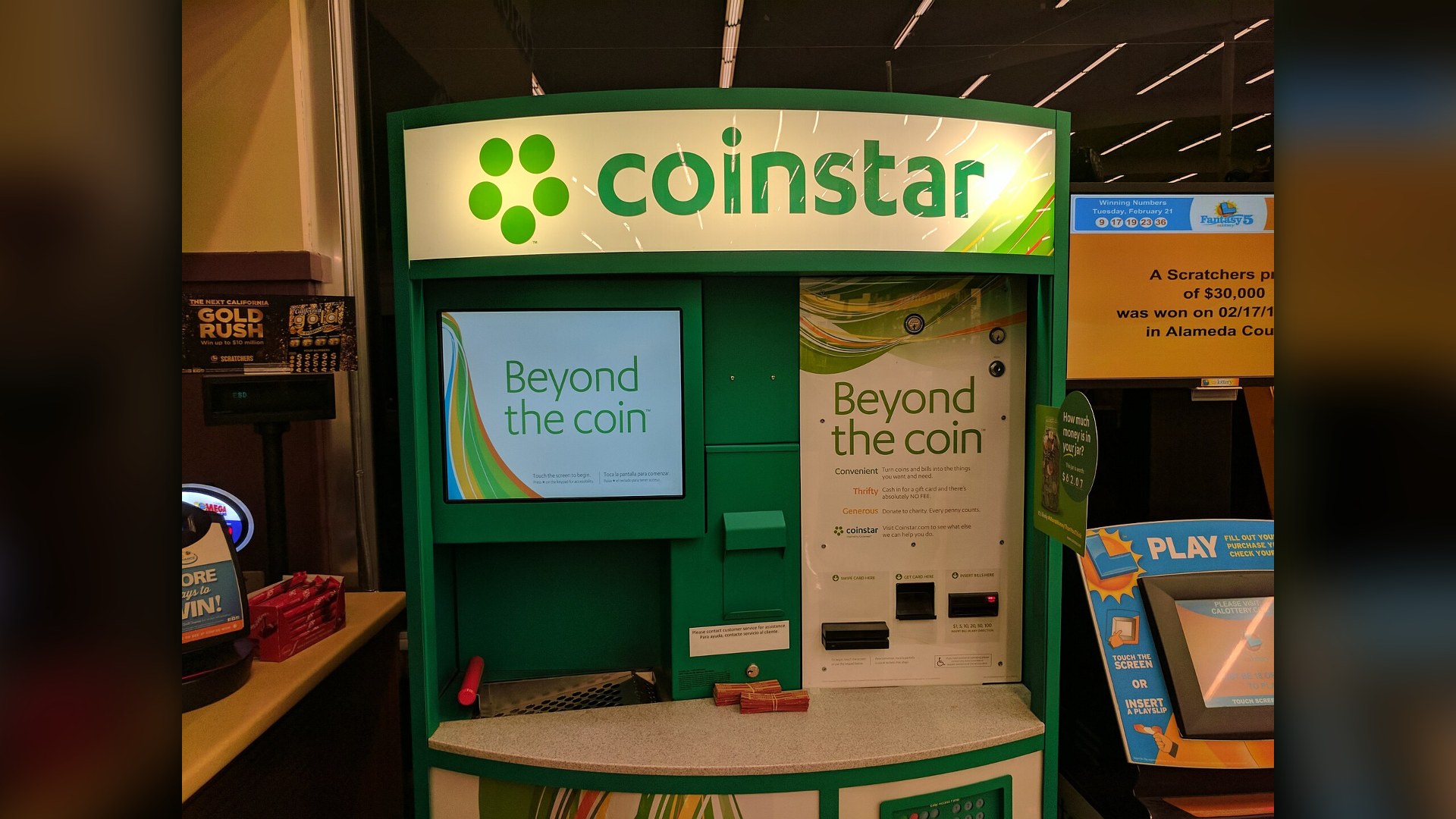
Supermarket coin counting kiosks offer speed and convenience, but they typically take a painful 12 percent cut from your cash payout. On a two-hundred-dollar stash of change, that fee siphons twenty-four dollars right off the top. Rolling your own coins or using credit union counters preserves every single penny.
11. Opt For Zero-Fee Retail eGift Cards.
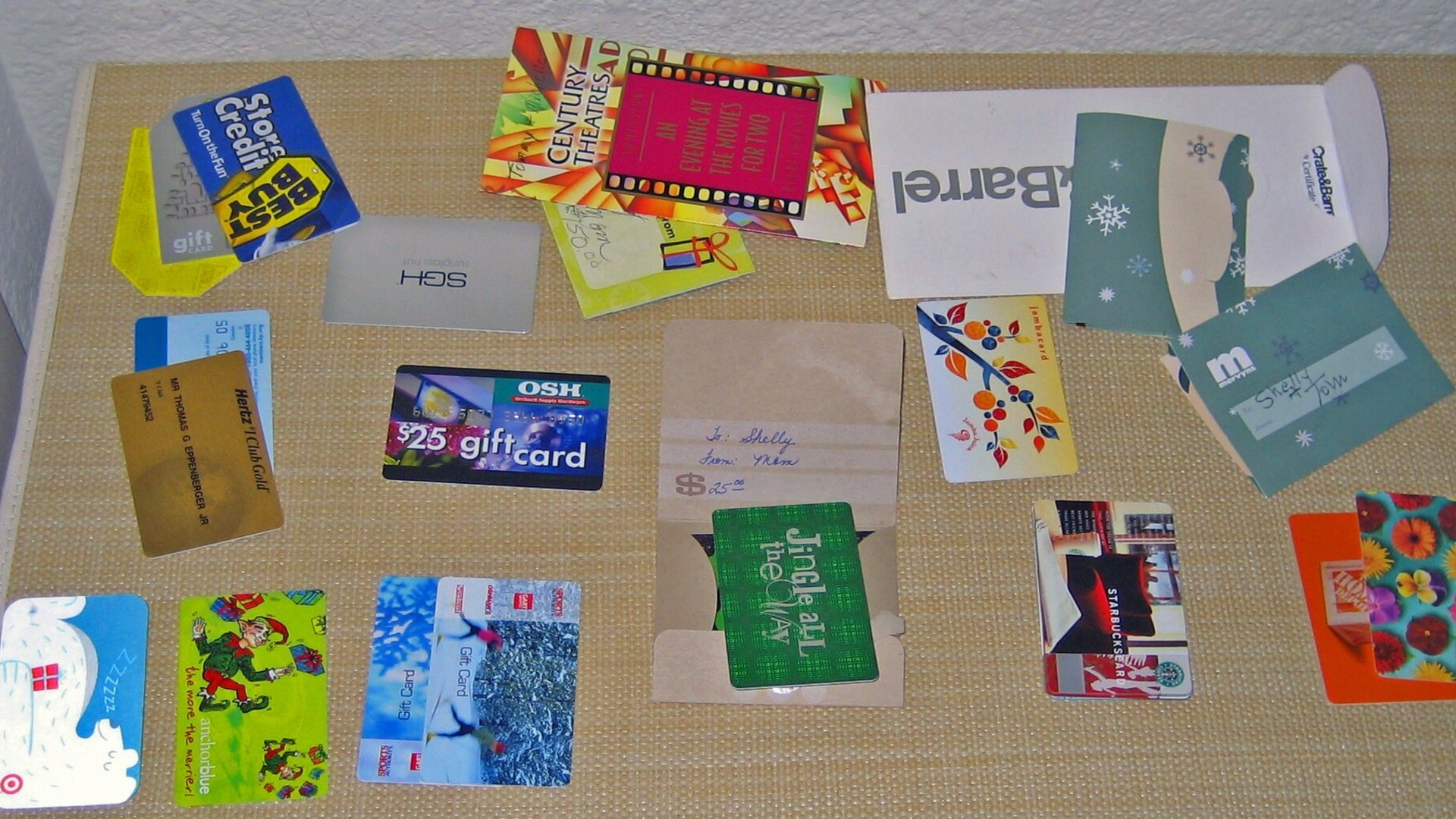
If you prefer using grocery coin machines rather than hand-rolling, sidestep processing fees entirely by picking the digital eGift card payout option. Major kiosks partner with leading retailers like Amazon, Starbucks, and Home Depot to waive all service deductions, converting your change into 100 percent face value.
12. Feed Loose Cents Into Self-Checkouts.
Modern supermarket self-checkout registers feature motorized coin intake funnels that swallow mixed change rapidly. Dumping handfuls of loose pennies into the intake tray before scanning your payment card applies your pocket change directly toward everyday groceries, whittling down household grocery bills effortlessly.
13. Exploit Five-Cent Cash Rounding Rules.
Under new cash-rounding rules, retail totals ending in 3, 4, 8, or 9 cents round upward to the nearest nickel if you lack exact change. Paying with pennies prevents rounding penalties on odd totals, while letting sales ending in 1, 2, 6, or 7 cents naturally round downward saves you a couple of cents per register trip.
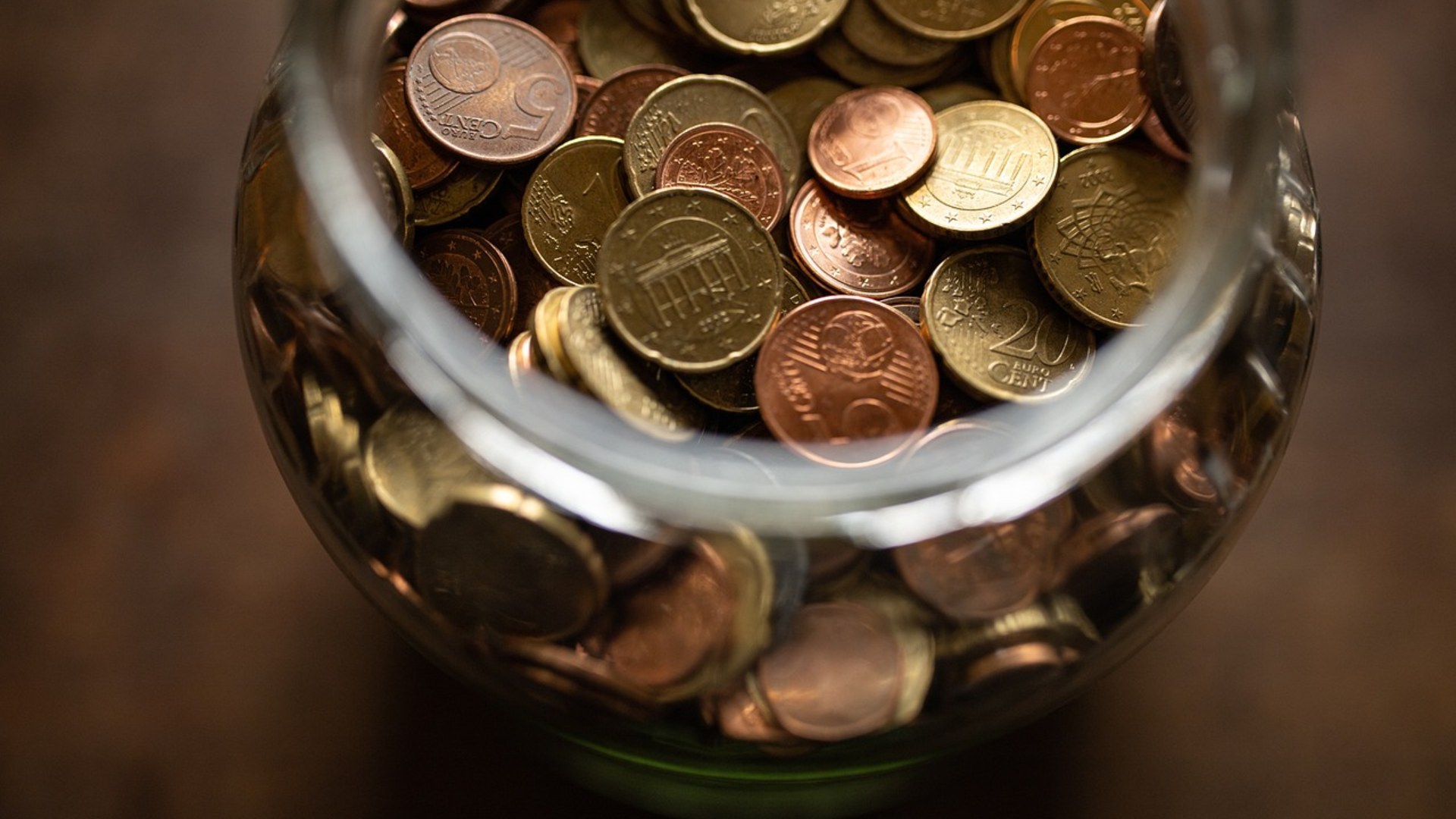
14. Assemble A Dedicated Emergency Change Jar.
Cash remains useful during power outages, severe weather emergencies, or sudden neighborhood flea market sales. Stashing fifty or one hundred dollars worth of assorted coins in an accessible household jar provides ready currency for quick valet tips, school bake sales, or local parking meters when card networks fail.
15. Drop Change Into Charity Collection Cans.
Loose pennies sitting dormant on a dresser do little good, but pooling them with community charity drives creates substantial positive impact. Non-profit donation containers located at retail registers and community centers pool small change together to fund local animal shelters, food banks, and medical research.
16. Craft Decorative DIY Penny Countertops.
Pennies make affordable, eye-catching building materials for home improvement enthusiasts. Arranging overlapping Lincoln cents in geometric patterns across bar tops, vanity tables, drink coasters, or serving trays and sealing them under durable poured resin creates a gleaming copper conversation piece that lasts.
17. Use As Emergency Washers And Spacers.
A modern zinc penny measures precisely 0.75 inches across and 1.52 millimeters thick, making it an excellent makeshift hardware spacer in a pinch. Drilling a small pilot hole through the center creates a sturdy washer for backyard garden gates, loose furniture bolts, or temporary mechanical leveling adjustments.
18. Measure Tire Tread With Lincoln's Head.
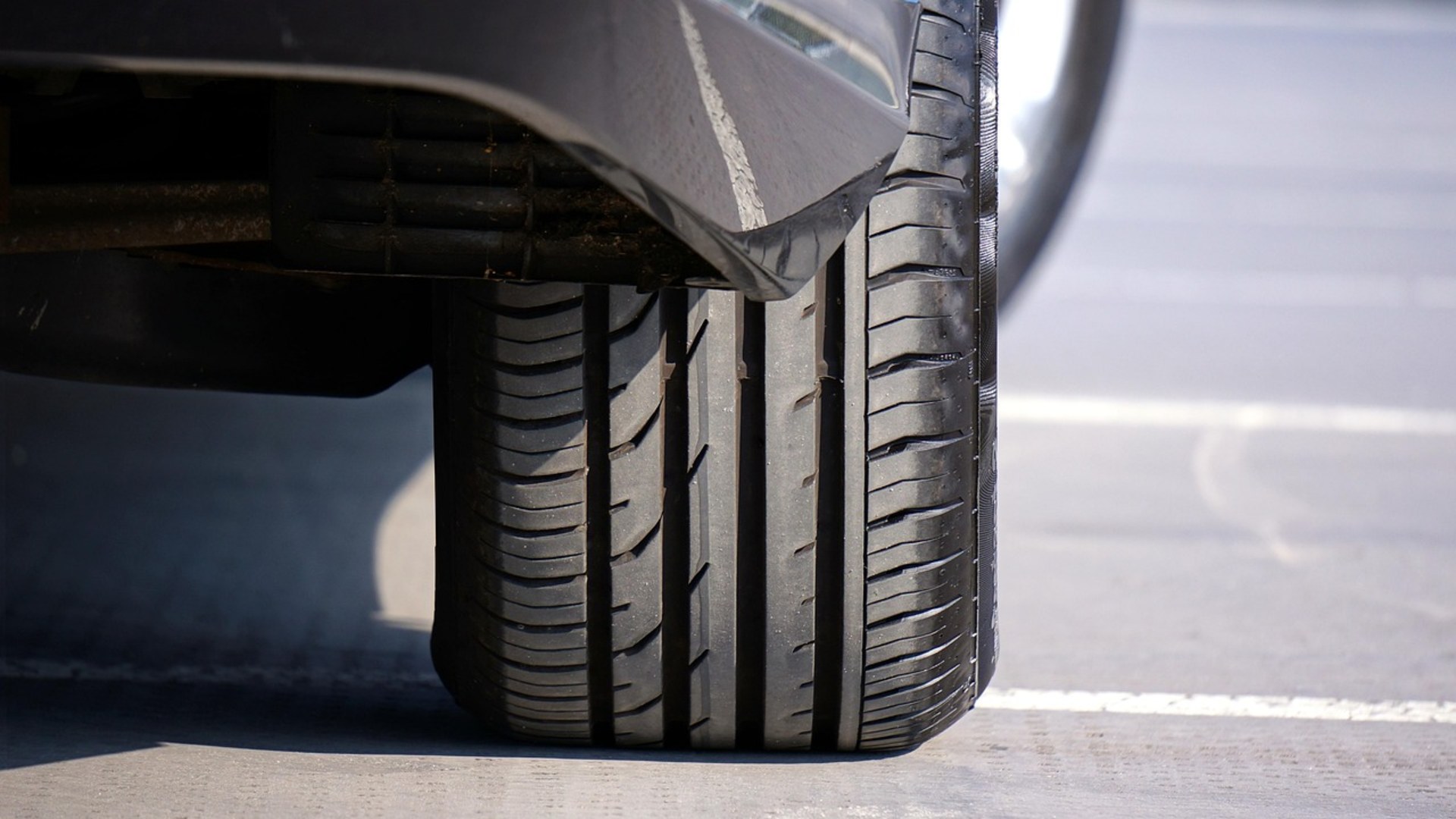
The classic penny test remains a dependable method for checking vehicle tire safety. Insert a penny upside down into several tire grooves with Lincoln facing you. If the top of his head remains visible above the rubber tread, your tires have worn past the safe 2/32-inch legal minimum and require prompt replacement.
19. Deter Garden Slugs Around Potted Plants.
Copper reacts naturally with slug mucus to produce a faint biochemical charge that garden mollusks find intensely unpleasant. Ringing flower pot rims or raised garden beds with older high-copper pennies creates an effective physical barrier that discourages slugs from chewing tender young vegetables and hostas.
20. Preserve A Roll As Family History.
Federal law strictly prohibits melting or exporting pennies for their raw metal value, carrying fines up to ten thousand dollars and five years imprisonment. Instead of risking penalties, preserve a pristine, paper-wrapped bank roll in a safe deposit box as a tangible piece of American currency history for your heirs.