Slideshow · News
20 Duties and Responsibilities of the US Vice President
From casting tie-breaking Senate votes to steering national space policy and standing first in line of succession, discover the constitutional mandates, statutory roles, and evolving executive powers that define the modern American vice presidency, based on official historical records and constitutional law.
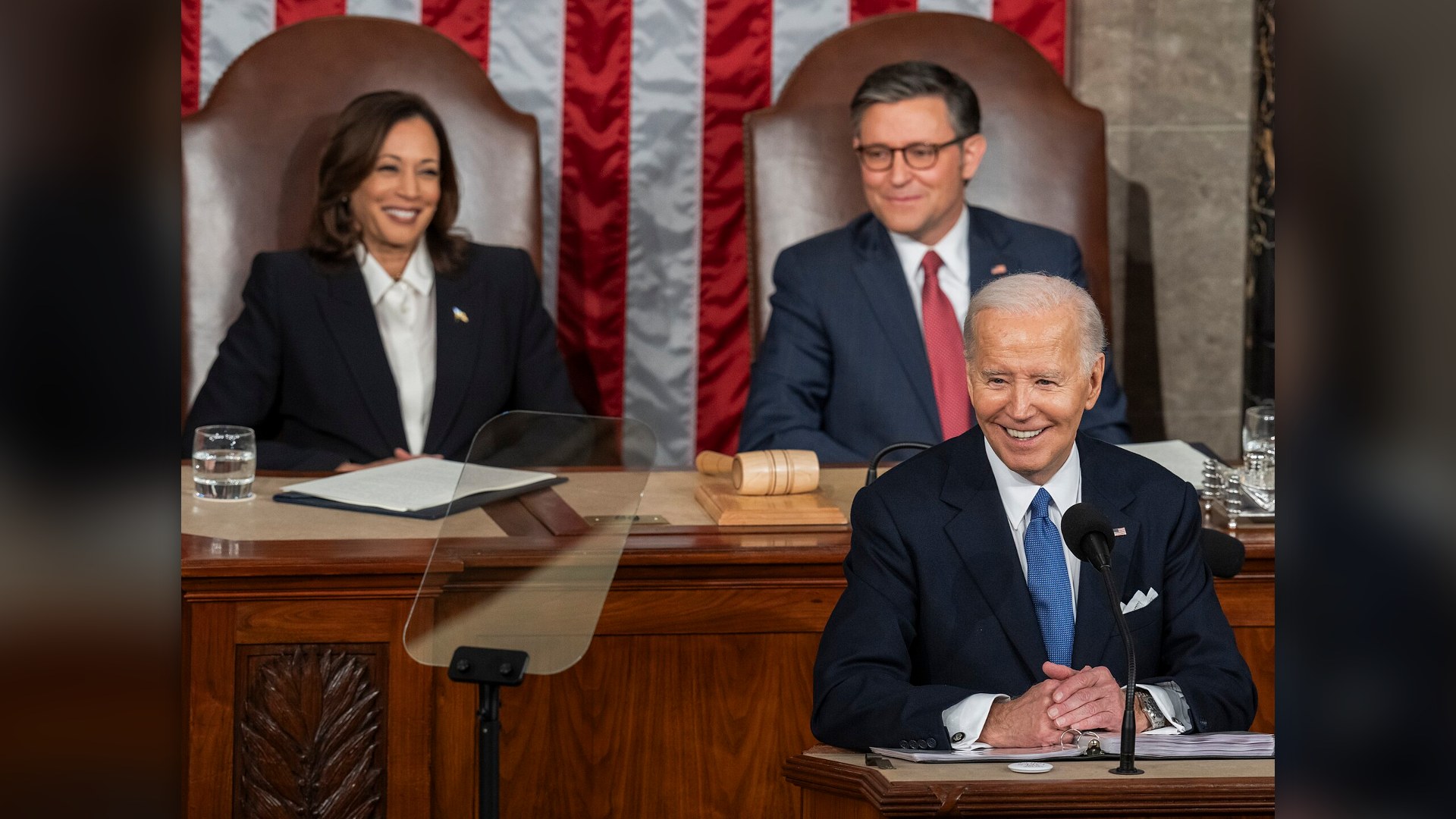
By Most Viral Today
26 min ago

Constitutional Mandates and Modern Executive Authority 
20. Attending Foreign State Funerals 
19. Serving On The Smithsonian Board 
18. Administering Oaths Of Office - AdvertisementSwipe or tap ▶ to continue countdown

17. Hosting At Observatory Circle 
16. Leading Disaster Relief Delegations 
15. Heading Executive Task Forces 
14. Chairing The National Space Council - AdvertisementSwipe or tap ▶ to continue countdown

13. Conducting Diplomatic Missions 
12. Campaigning And Party Fundraising 
11. Brokering Congressional Deals 
10. Participating In Cabinet Meetings - AdvertisementSwipe or tap ▶ to continue countdown

9. Reviewing The Presidential Daily Brief 
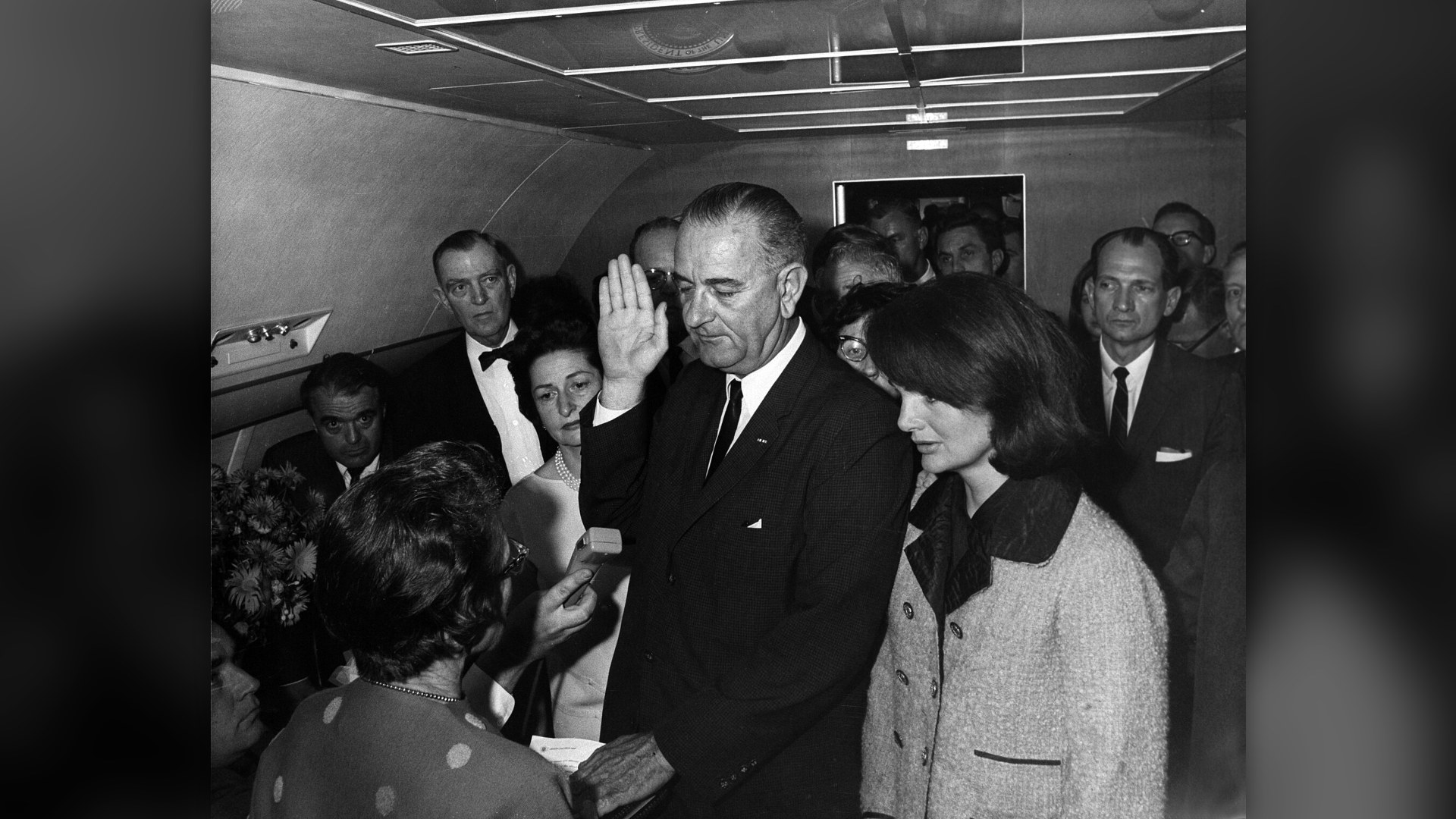
8. Sitting On The National Security Council 
7. Advising In The Oval Office 
6. Maintaining National Continuity - AdvertisementSwipe or tap ▶ to continue countdown

5. Certifying Electoral College Votes 
4. Initiating Twenty-Fifth Amendment Action 
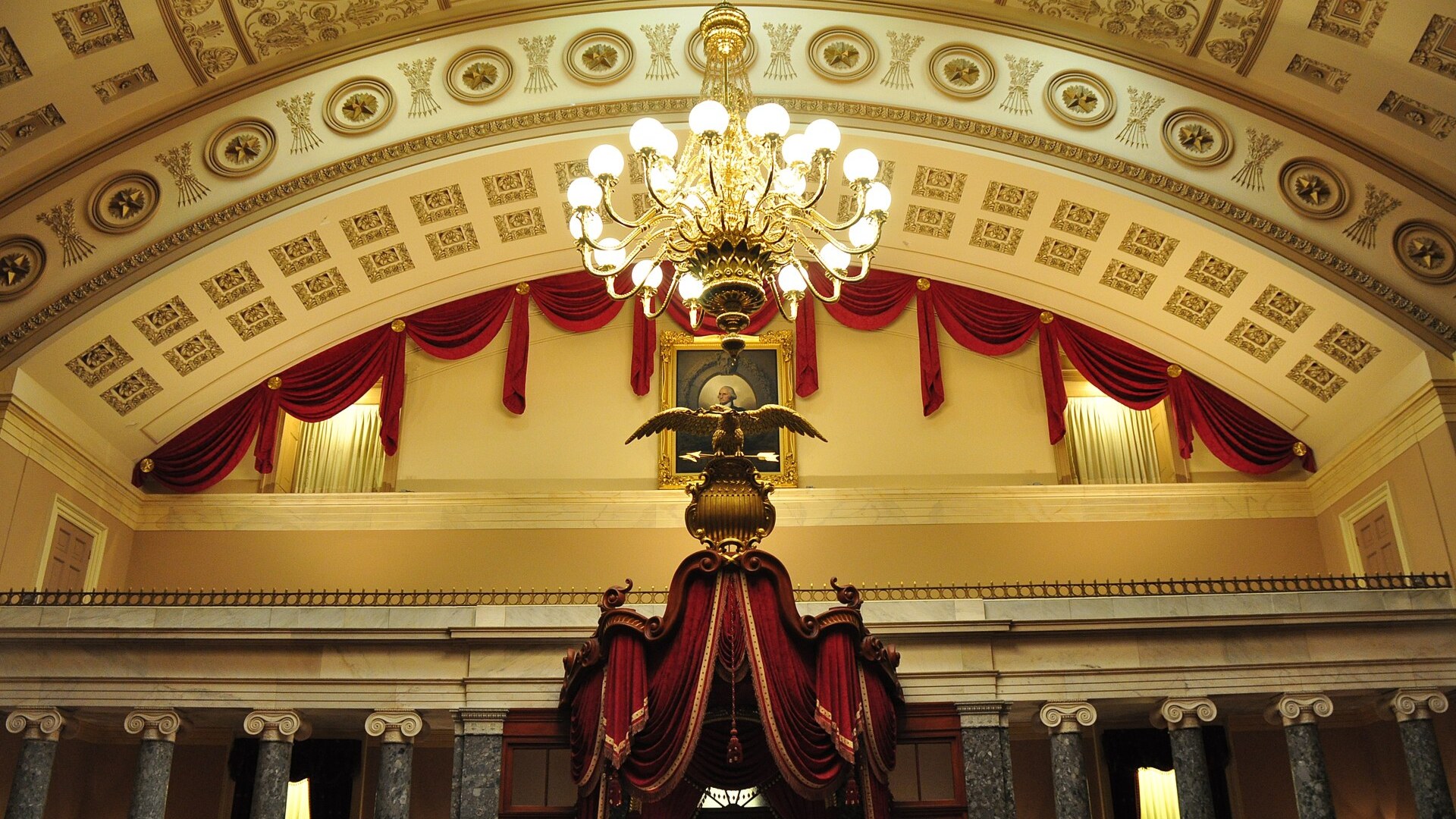
3. Presiding As President Of The Senate 
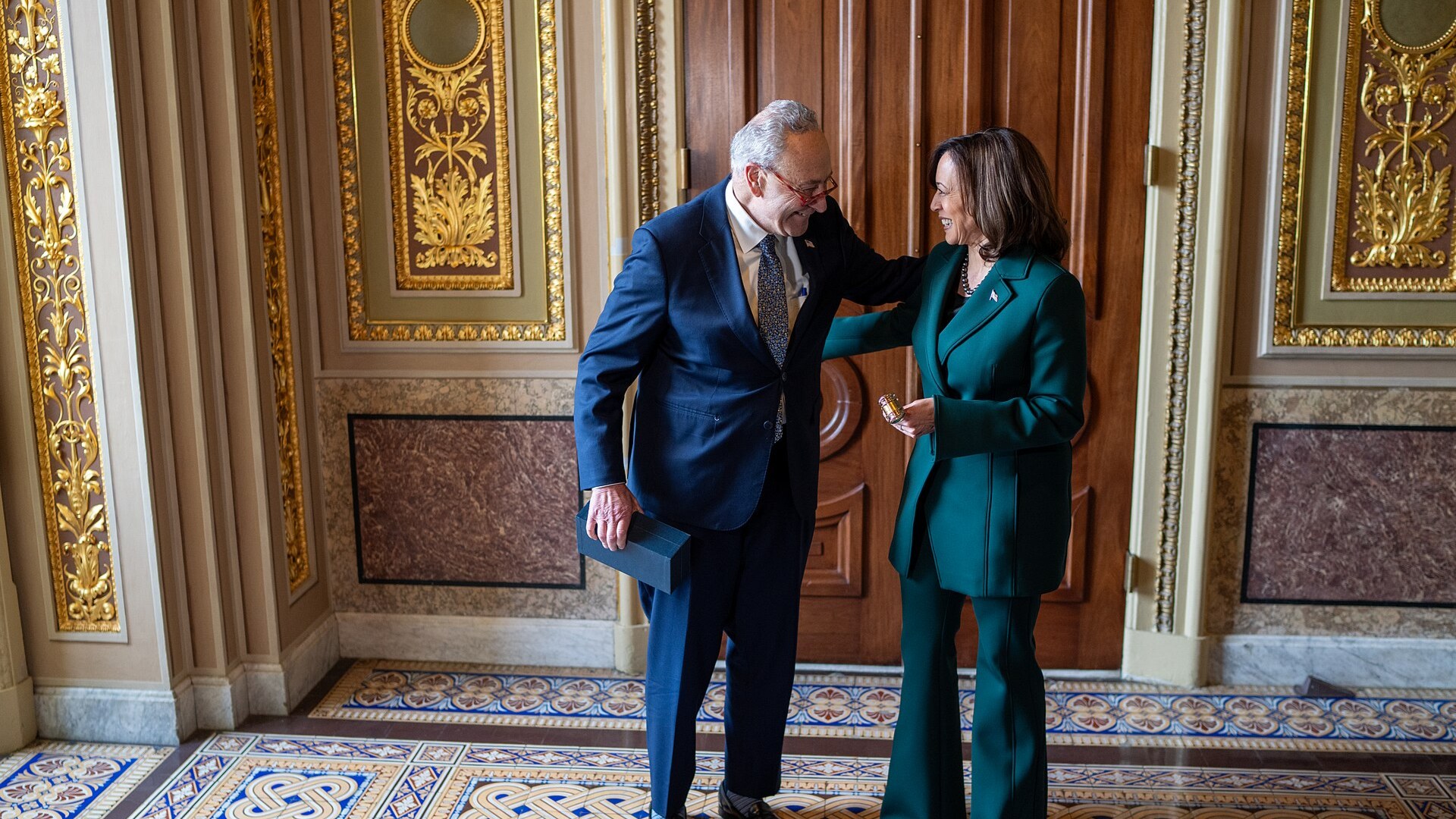
2. Breaking Tie Votes In The Senate - AdvertisementSwipe or tap ▶ to continue countdown

1. Standing First In Succession - Advertisement🔥 UP NEXT IN THIS SERIES◫ 21 Slides

20 Women Who Made History in the 2026 Midterms
The 2026 midterm elections set historic milestones for female representation in the United States Congress and state offices. Across the country, candidates broke demographic barriers in the Senate, House, and state executive posts. This slideshow highlights twenty barrier-breaking leaders from both major parties.
The vice president serves as the second-ranking constitutional officer of the United States federal government, balancing formal legislative duties with extensive executive responsibilities. Official historical records from the U.S. Senate and White House show how the modern vice presidency developed over time.
Swipe or tap ▶ to begin the countdown
©Wikimedia / Gage Skidmore from Surprise, AZ, United
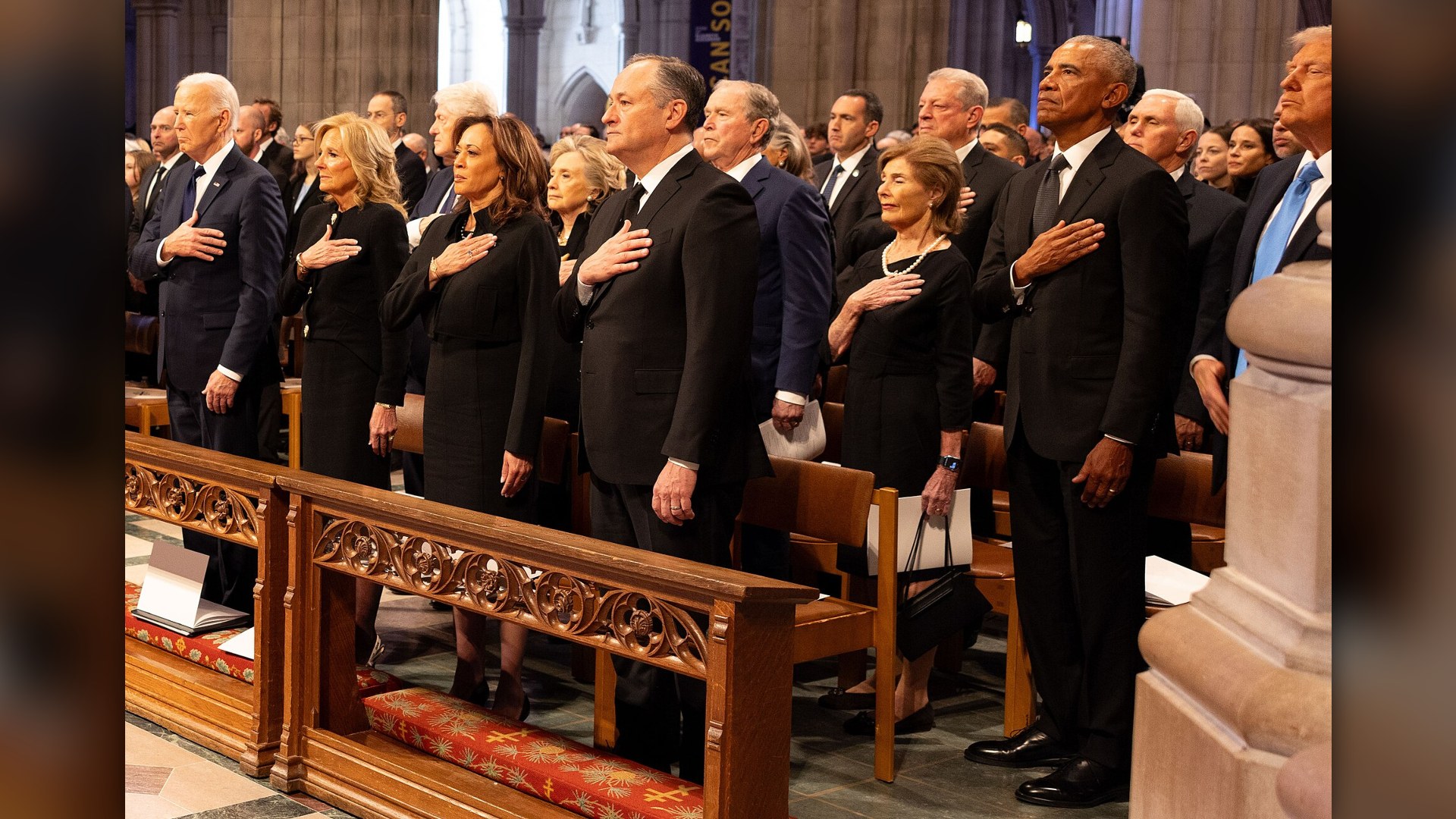
20. Attending Foreign State Funerals
Representing the executive branch abroad, the vice president frequently leads presidential delegations to state funerals and official memorial services for foreign heads of state, upholding diplomatic protocol and reinforcing bilateral alliances during sensitive leadership transitions.
©Wikimedia / (DoD photo by Mr. Tarnish Pride)
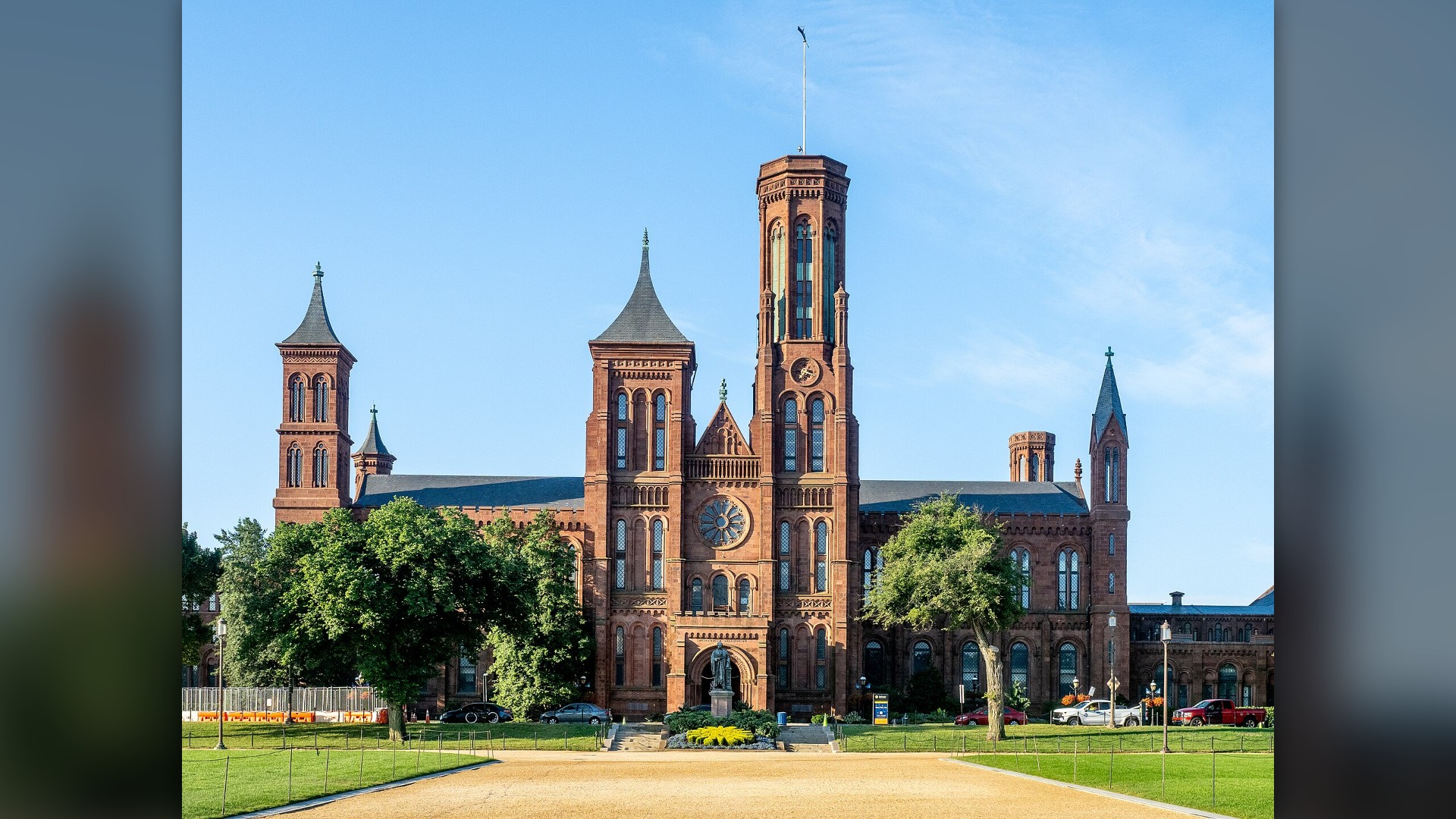
19. Serving On The Smithsonian Board
By statutory mandate established in Title 20 of the United States Code, the vice president serves as an ex officio member of the Smithsonian Institution Board of Regents, participating in institutional governance and oversight of America premier museum and research complex.
©Wikimedia / Wikipedia Lead Archive
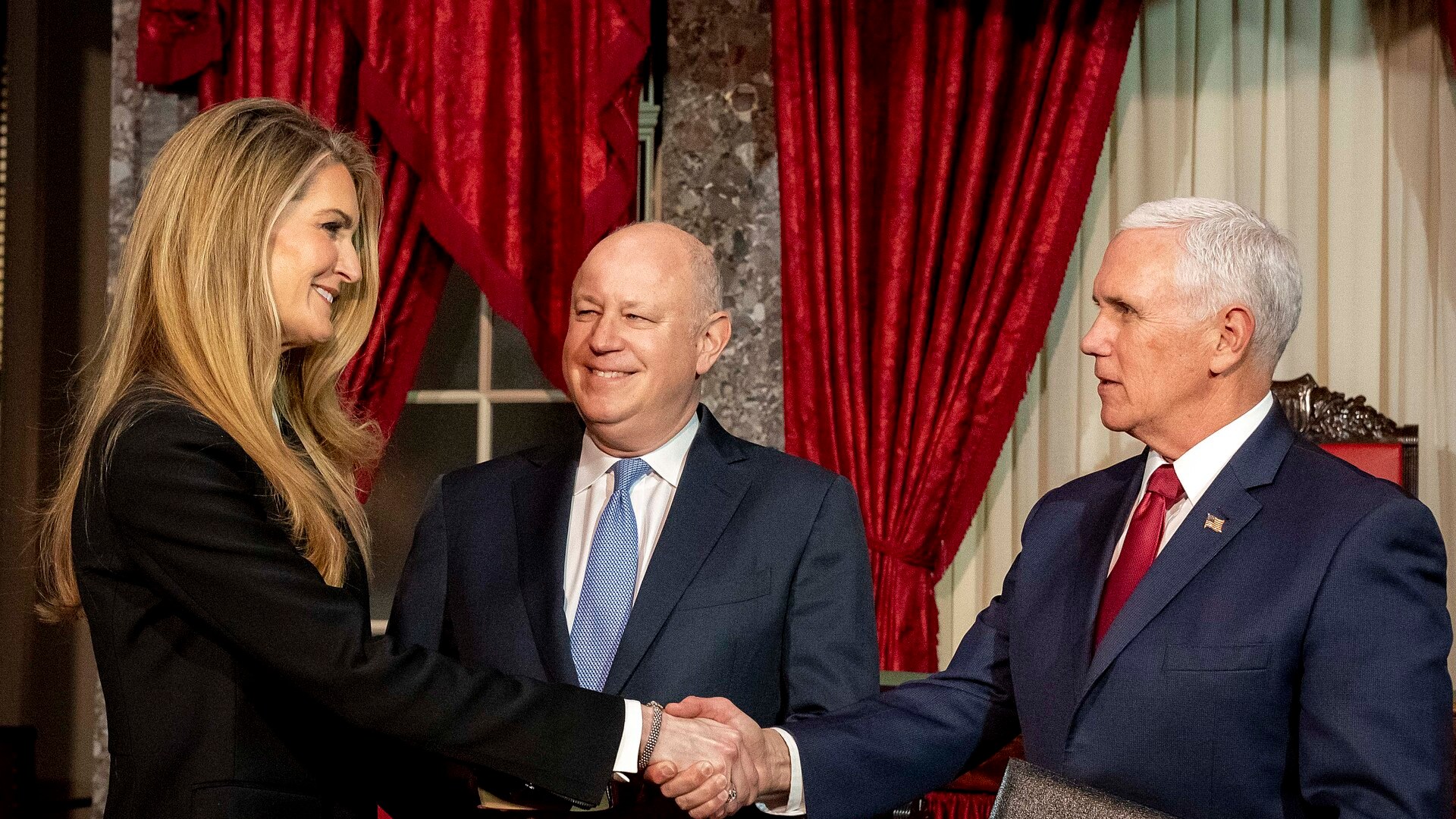
18. Administering Oaths Of Office
The vice president routinely administers the oath of office to newly elected senators on the Senate floor and conducts ceremonial swearings-in for cabinet secretaries, federal judges, and high-ranking executive officials, formalizing their constitutional obligations.
©Wikimedia / The White House from Washington, DC
Advertisement
Swipe or tap ▶ to resume the countdown.
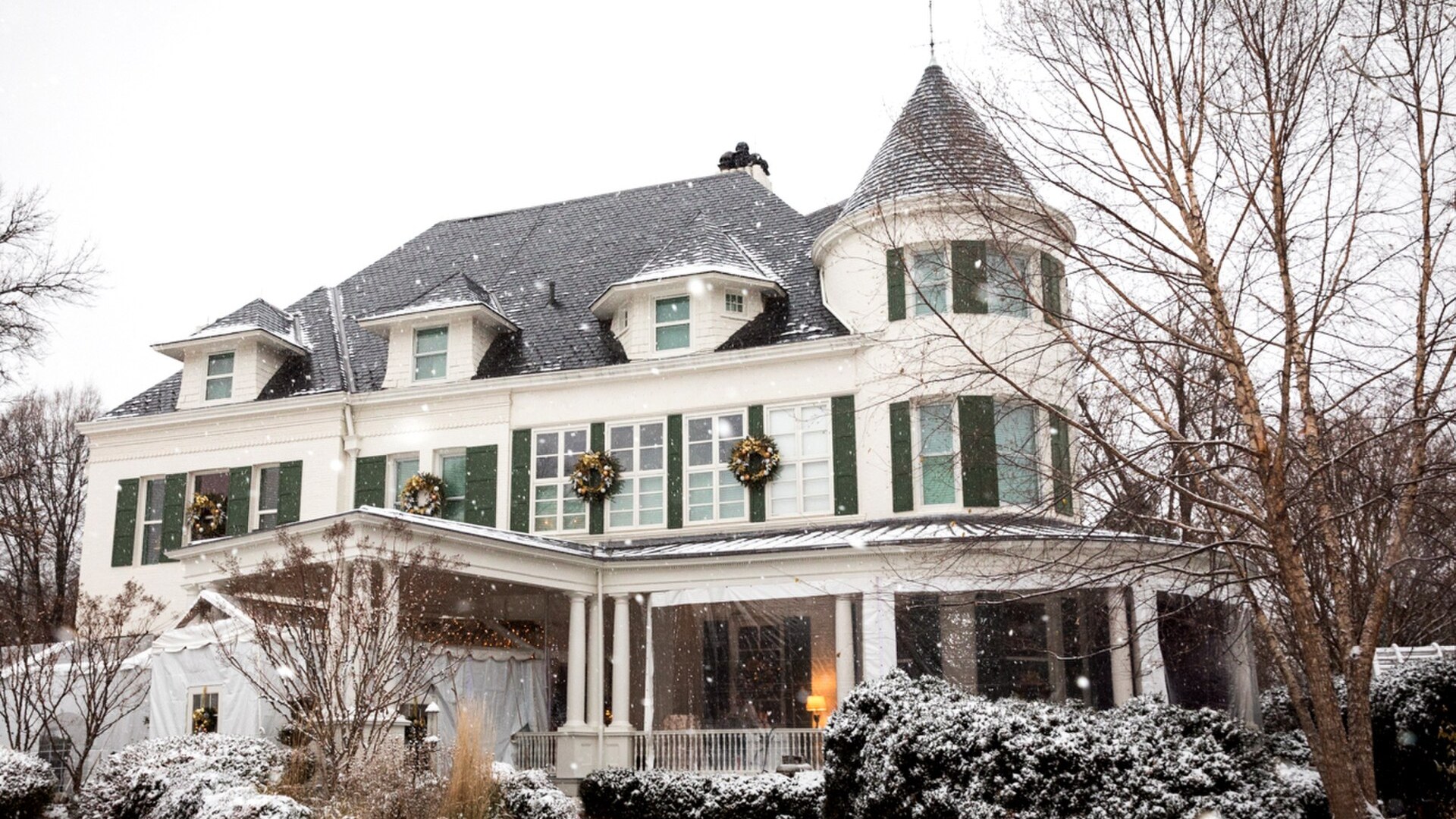
17. Hosting At Observatory Circle
Designated by Congress in 1974 as the official vice presidential residence, Number One Observatory Circle serves as a primary venue for diplomatic entertaining, bipartisan legislative dinners, and civic outreach, allowing informal statecraft away from public view.
©Wikimedia / D. Myles Cullen
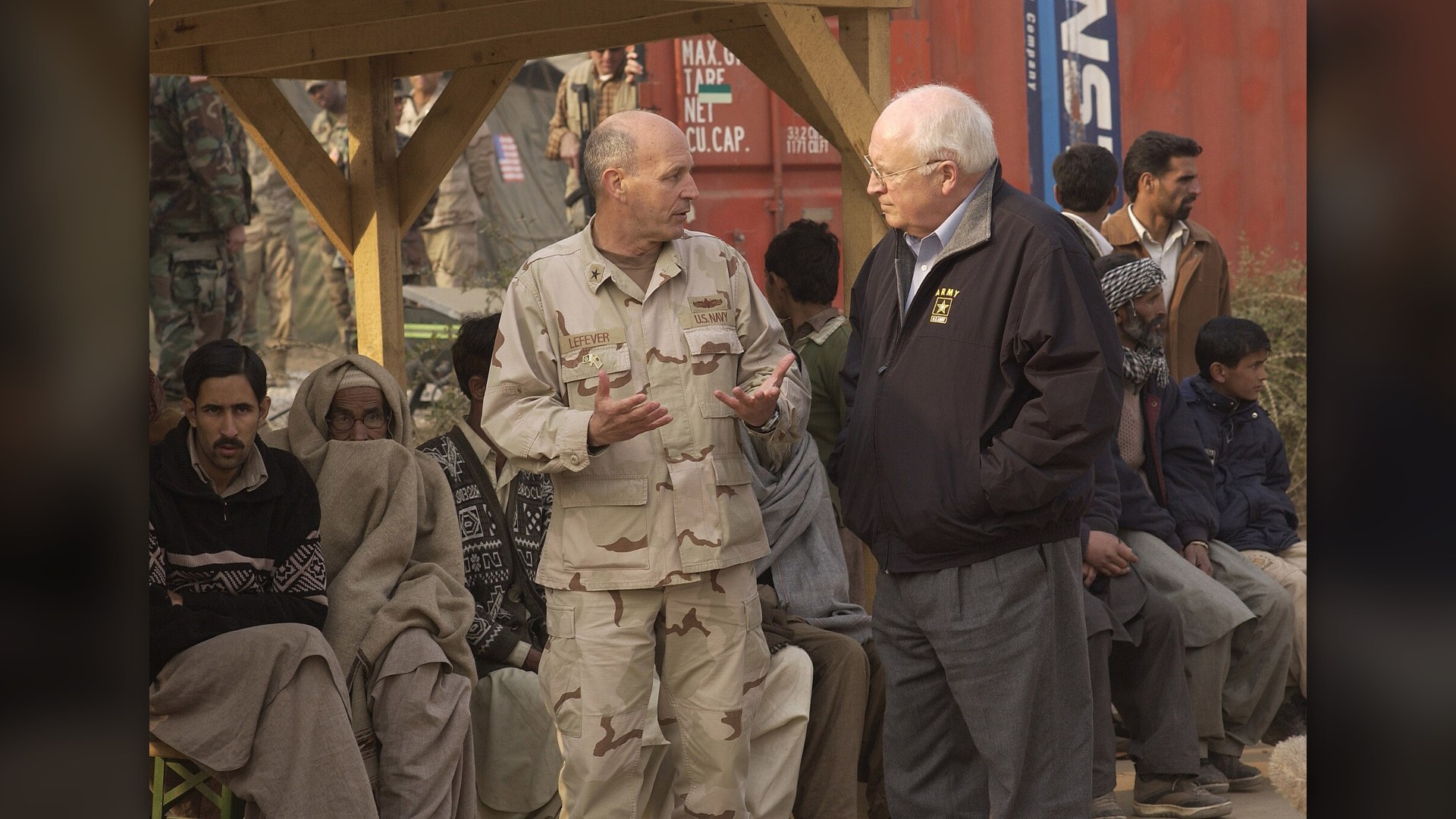
16. Leading Disaster Relief Delegations
Following major natural emergencies, the vice president frequently surveys disaster zones alongside federal emergency coordinators, assessing damage, comforting local communities, and directing interagency assistance directly from the executive branch.
©Wikimedia / U.S. Navy photo
15. Heading Executive Task Forces
Presidents frequently commission their vice presidents to chair specialized interagency task forces on critical domestic issues, such as workforce development, space commercialization, regulatory reform, and border management, coordinating action across departments.
©Wikimedia / The White House
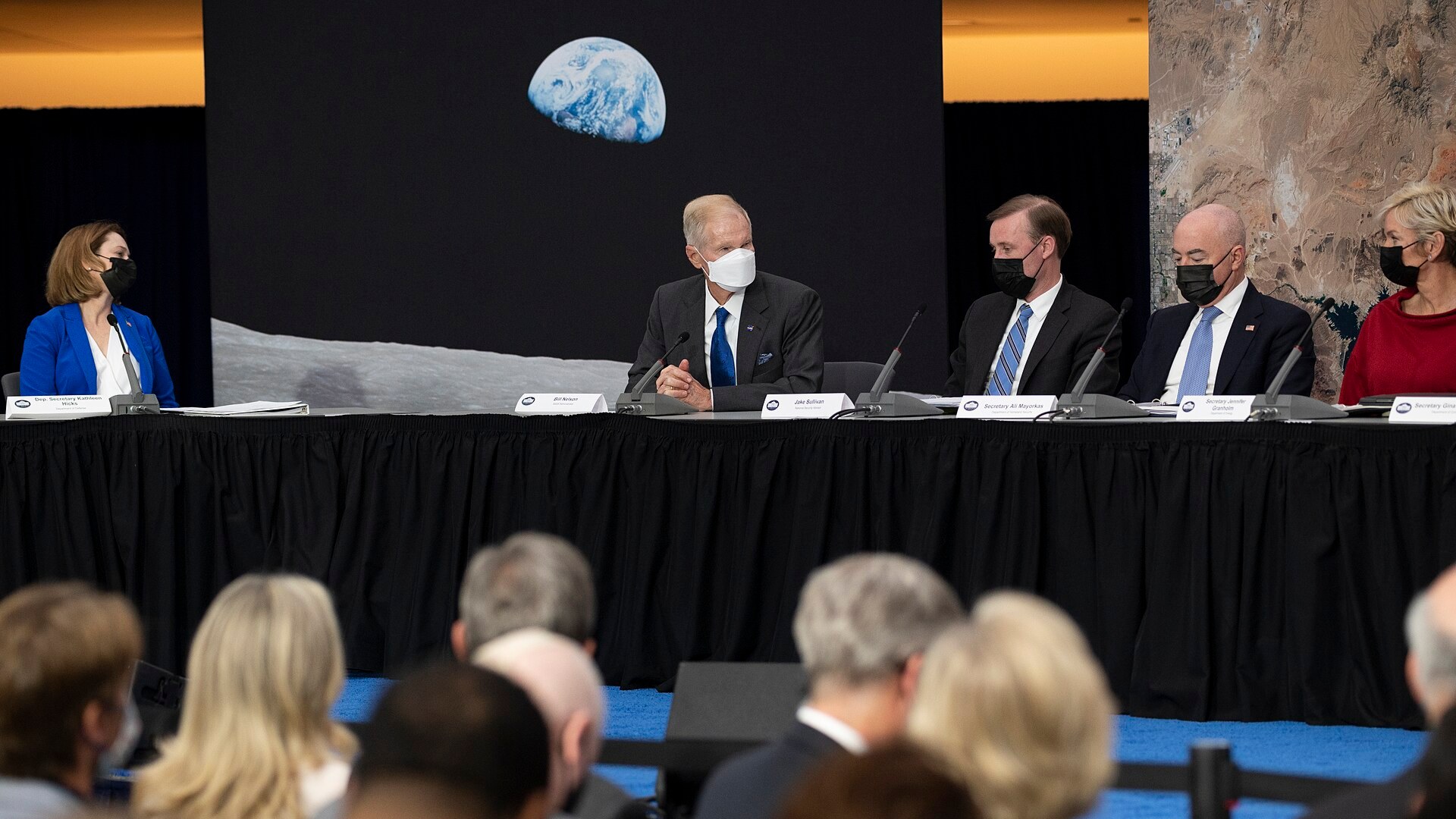
14. Chairing The National Space Council
Reestablished by presidential executive order, the National Space Council is statutorily chaired by the vice president, steering commercial space regulations, military space strategy, and civil exploration initiatives across NASA and the Department of Defense.
©Wikimedia / NASA Headquarters / NASA/Joel Kowsky
Advertisement
Swipe or tap ▶ to resume the countdown.
13. Conducting Diplomatic Missions
As an official presidential envoy, the vice president travels aboard Air Force Two to conduct bilateral summits, reassure security partners, and negotiate trade agreements, speaking with executive authority while preserving presidential diplomatic flexibility.
©Wikimedia / U.S. Air Force photo by Airman 1st Class Brandon
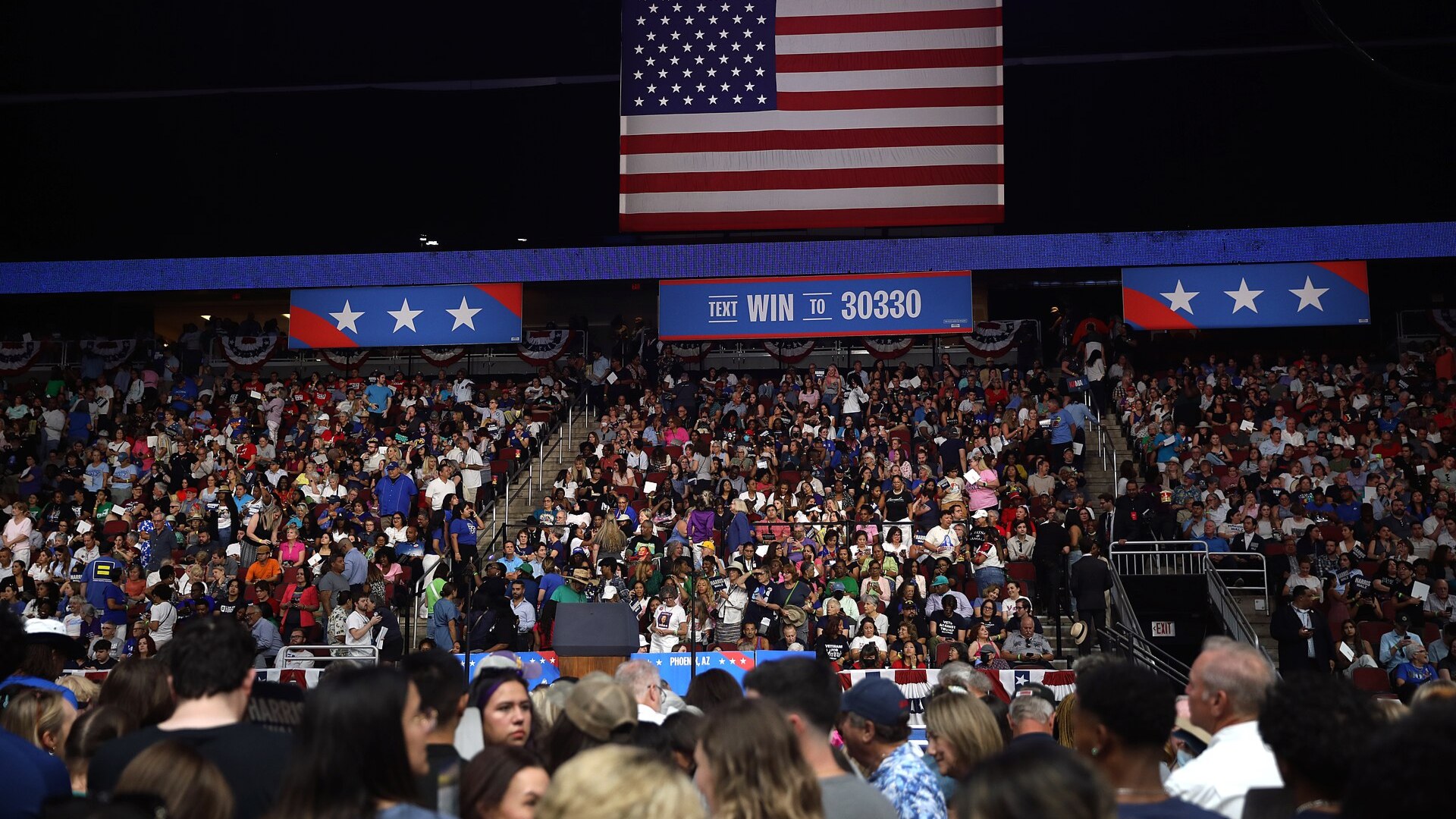
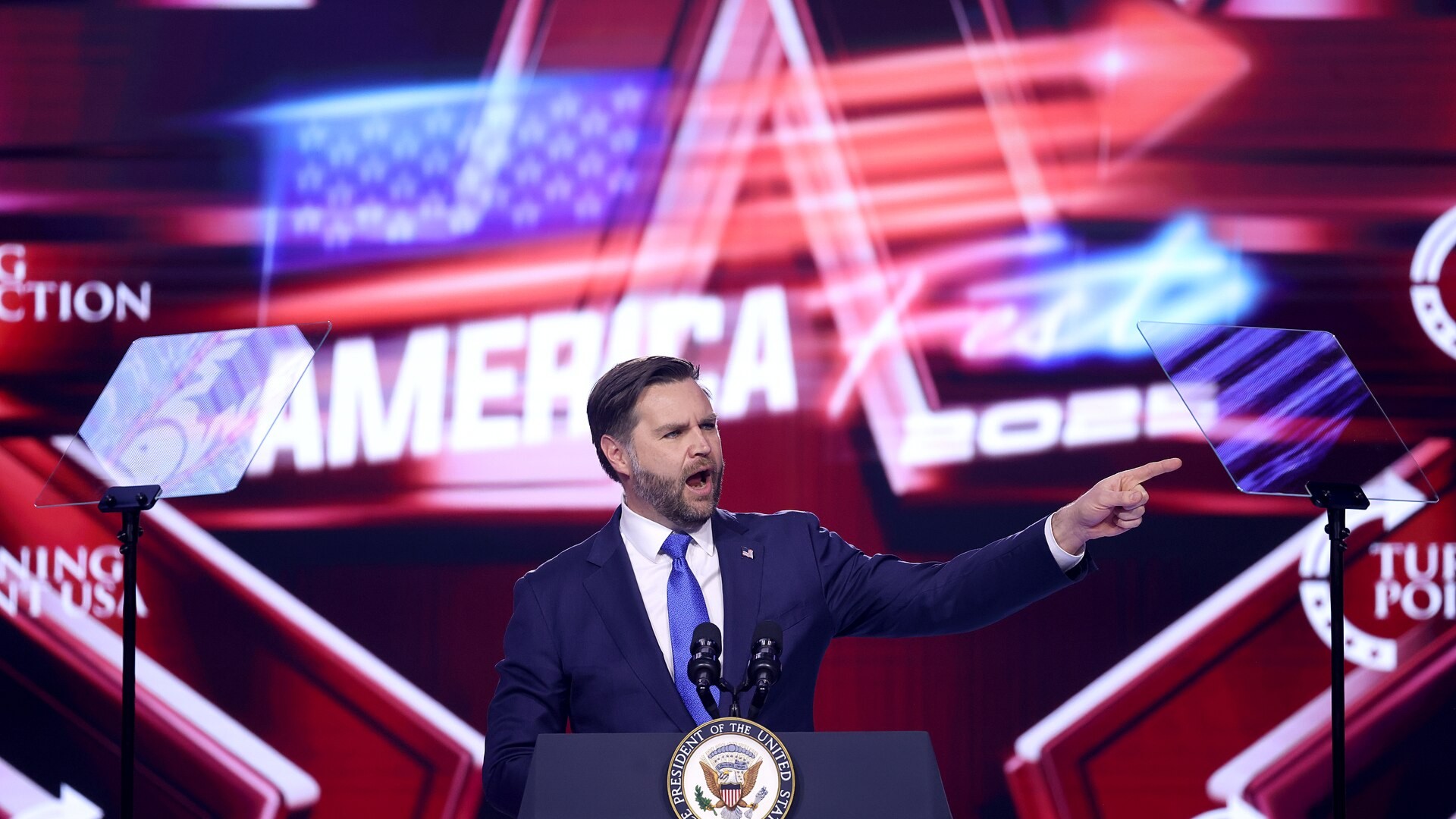
12. Campaigning And Party Fundraising
Serving as a visible surrogate for the administration, the vice president anchors party fundraising dinners, headlines midterm election rallies, and mobilizes grassroots support nationwide, strengthening party unity and promoting legislative agendas across the states.
©Wikimedia / Gage Skidmore
11. Brokering Congressional Deals
Holding official offices inside both the Capitol and the West Wing, modern vice presidents leverage their legislative connections to negotiate complex compromises between congressional leadership and the administration, overcoming partisan gridlock on priority bills.
©Wikimedia / Trendscope
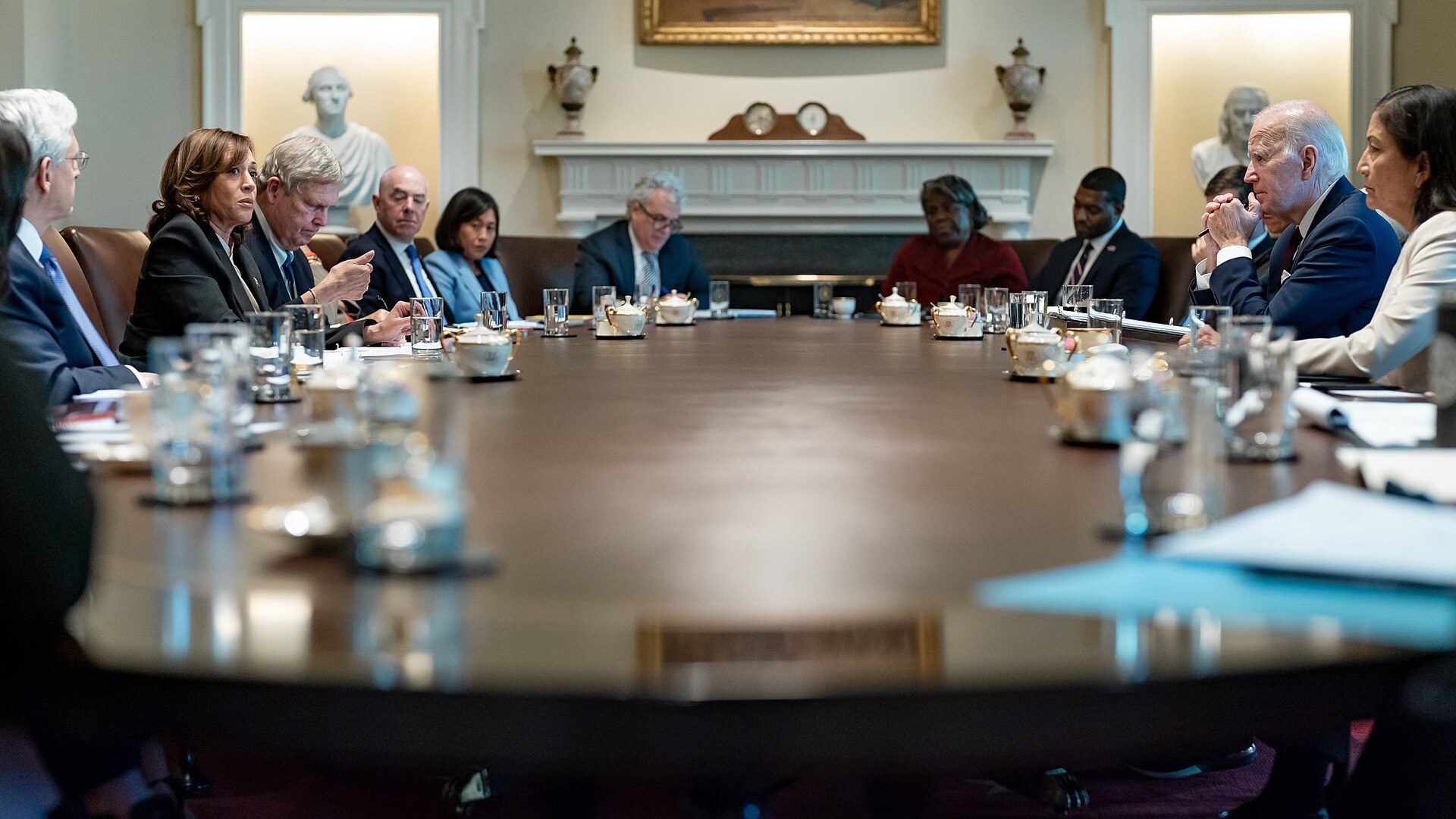
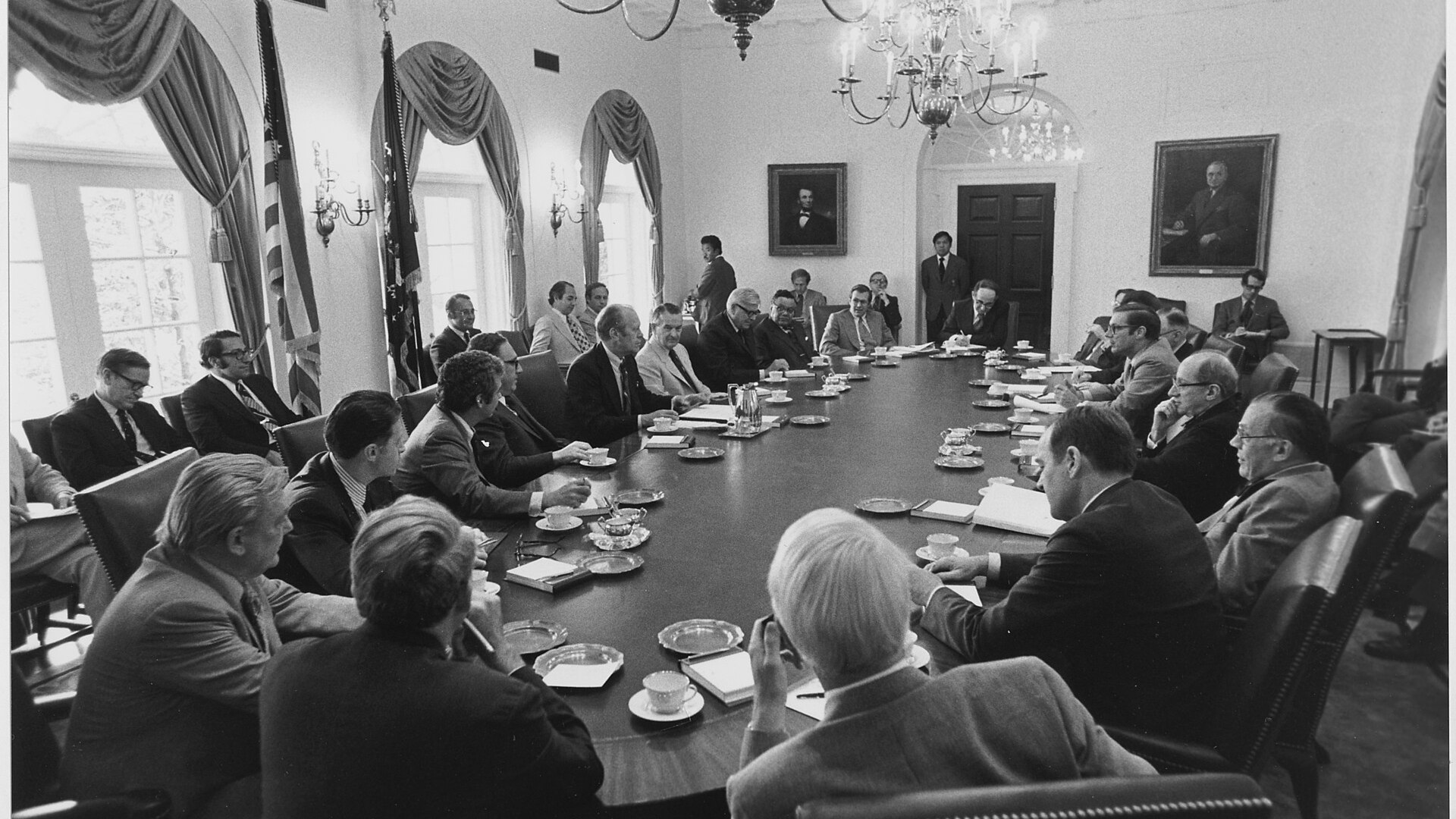
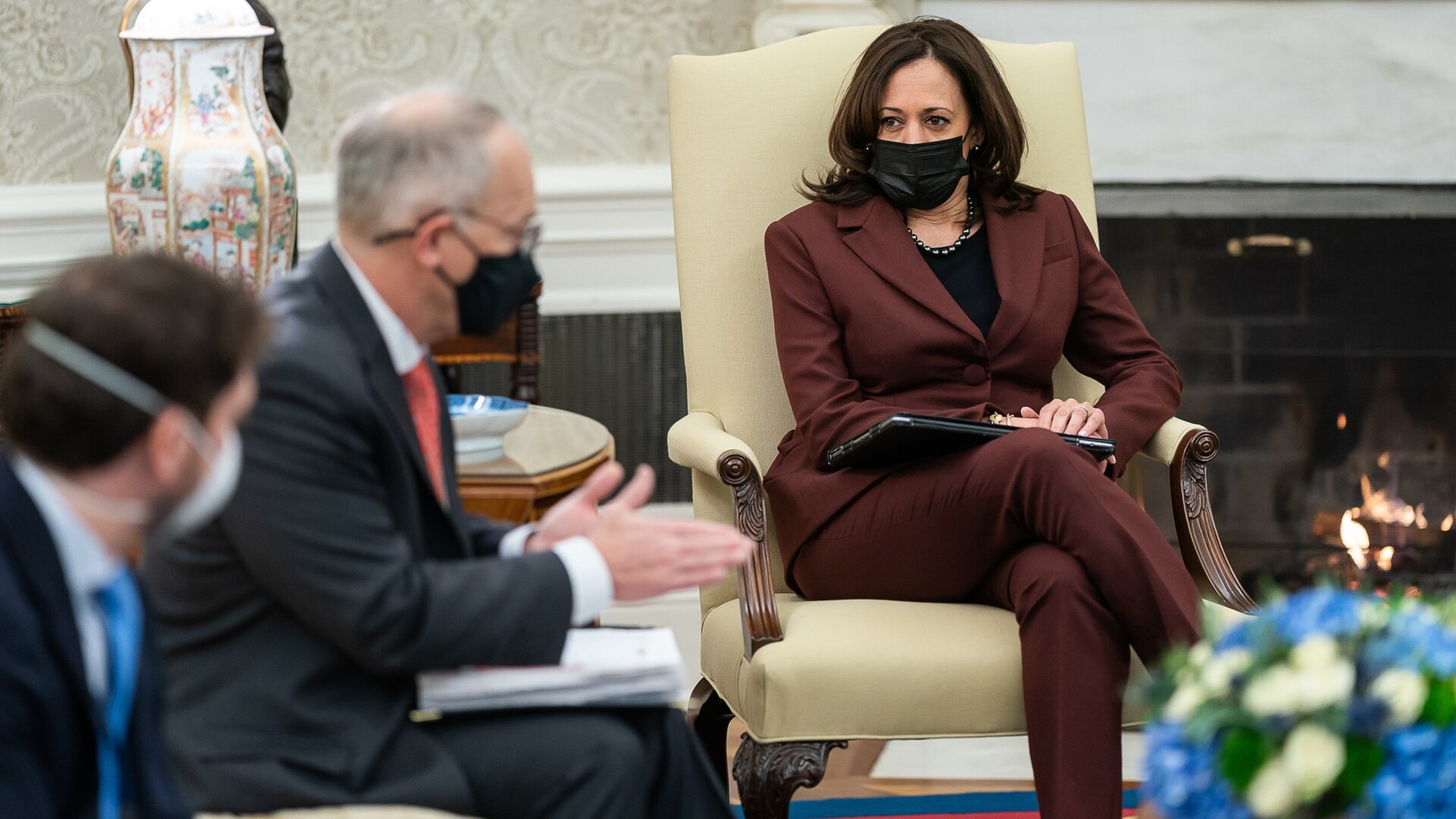
10. Participating In Cabinet Meetings
Seated directly across from the president at the Cabinet Room conference table, the vice president participates in executive decision sessions, monitoring agency operations, aligning policy implementation, and providing independent counsel on executive directives.
©Wikimedia / William Fitz-Patrick
Advertisement
Swipe or tap ▶ to resume the countdown.
9. Reviewing The Presidential Daily Brief
Every morning, the vice president receives the identical President Daily Brief from senior intelligence officials, reviewing classified global security assessments and sensitive threat analysis alongside the commander in chief to maintain situational readiness.
©Wikimedia / The White House
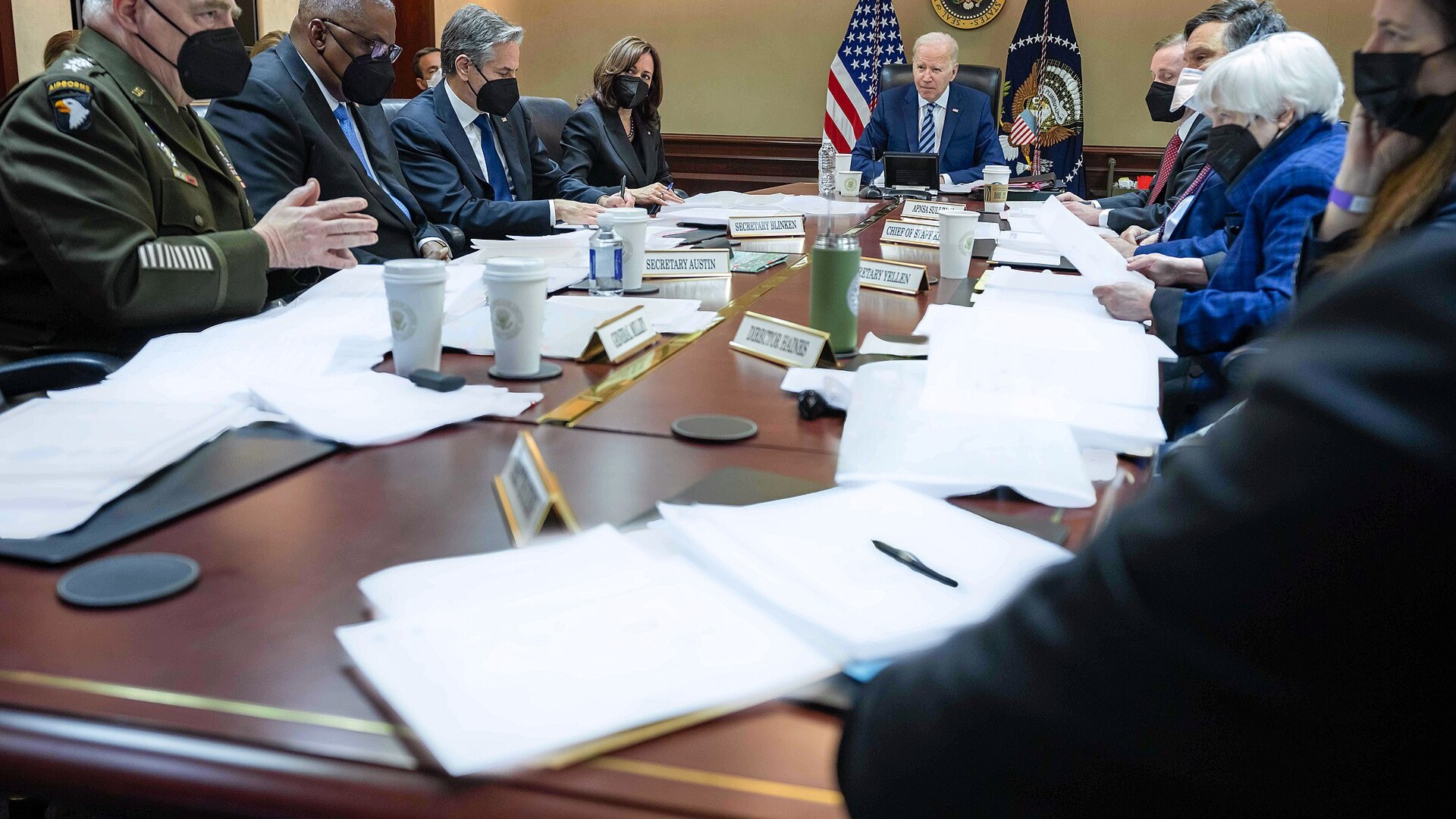
8. Sitting On The National Security Council
Under the National Security Act of 1947, the vice president is a statutory member of the National Security Council, shaping diplomatic strategy, assessing international crises, and deliberating covert operations within the White House Situation Room.
©Wikimedia / The White House
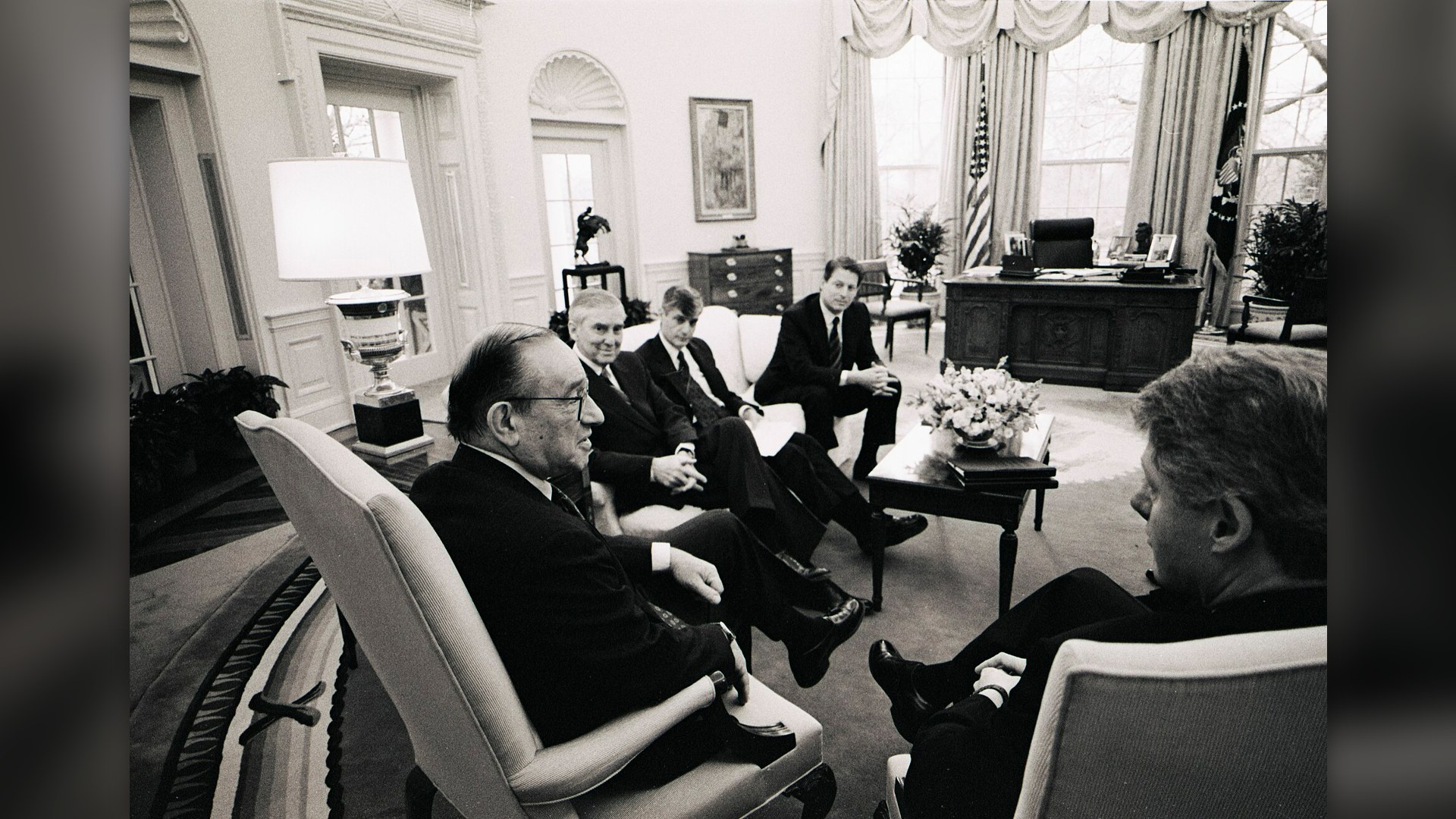
7. Advising In The Oval Office
Occupying an executive office in the West Wing, the vice president serves as a senior confidential counselor, meeting regularly with the president behind closed doors to debate options, challenge assumptions, and provide frank advice across national security and economic policy.
©Wikimedia / Series: Photographs Relating to the Clinton Admi
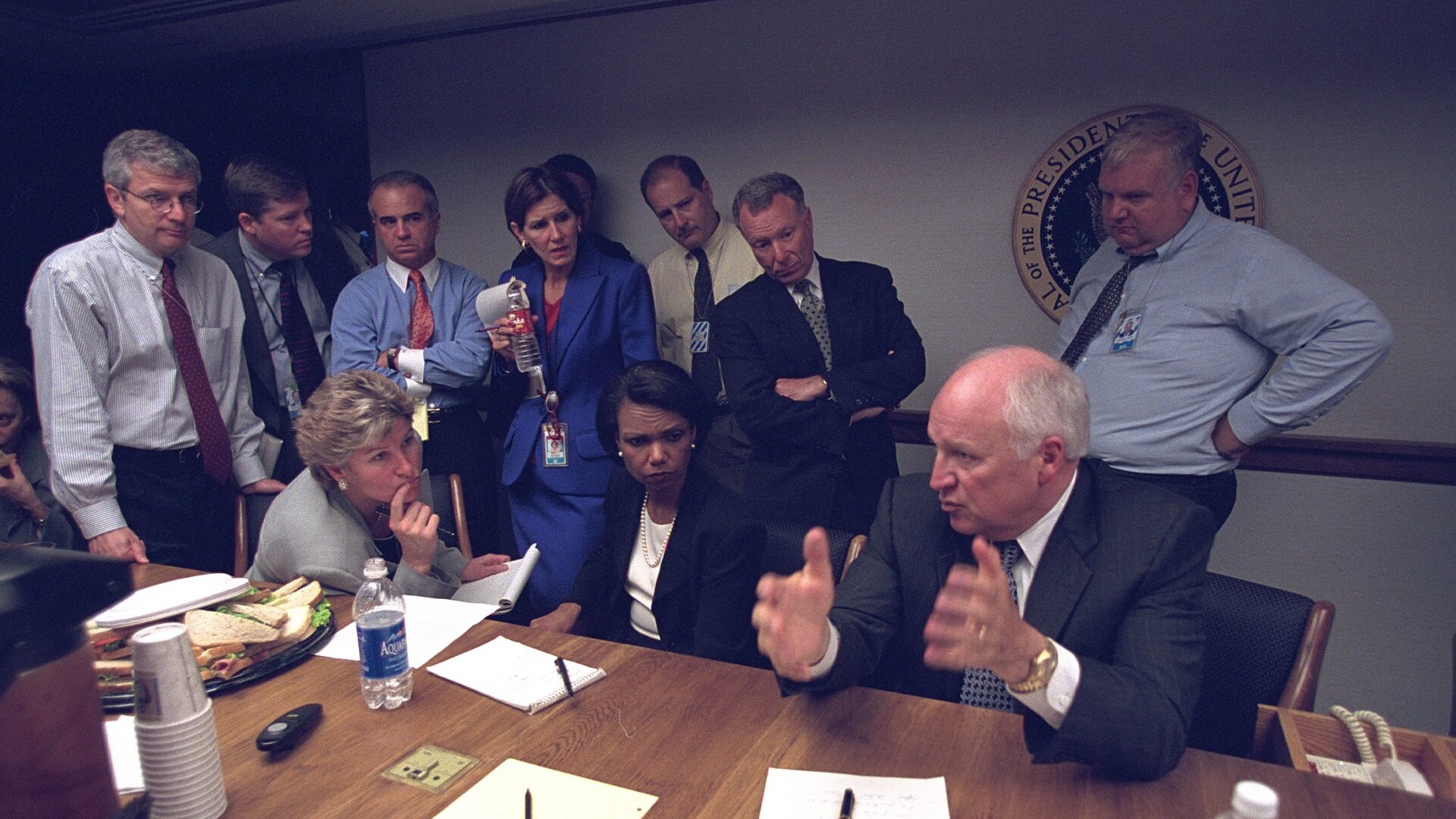
6. Maintaining National Continuity
To safeguard executive governance during severe crises or wartime conditions, the vice president remains accompanied by dedicated military aides carrying duplicate nuclear command codes and communication gear, prepared to command if primary leadership is lost.
©Wikimedia / Series: Vice Presidential Photographs, 1/20/2001
Advertisement
Swipe or tap ▶ to resume the countdown.
5. Certifying Electoral College Votes
Under the Twelfth Amendment and updated provisions of the Electoral Count Reform Act, the vice president presides over a joint session of Congress on January 6 following a presidential election, opening certified electoral certificates before the assembled Senate and House.
©Wikimedia / The White House
4. Initiating Twenty-Fifth Amendment Action
Ratified in 1967, Section 4 of the Twenty-Fifth Amendment empowers the vice president, together with a majority of executive department heads, to declare a president unable to discharge the duties of office, immediately assuming authority as acting president.
©Wikimedia / Cecil W. Stoughton
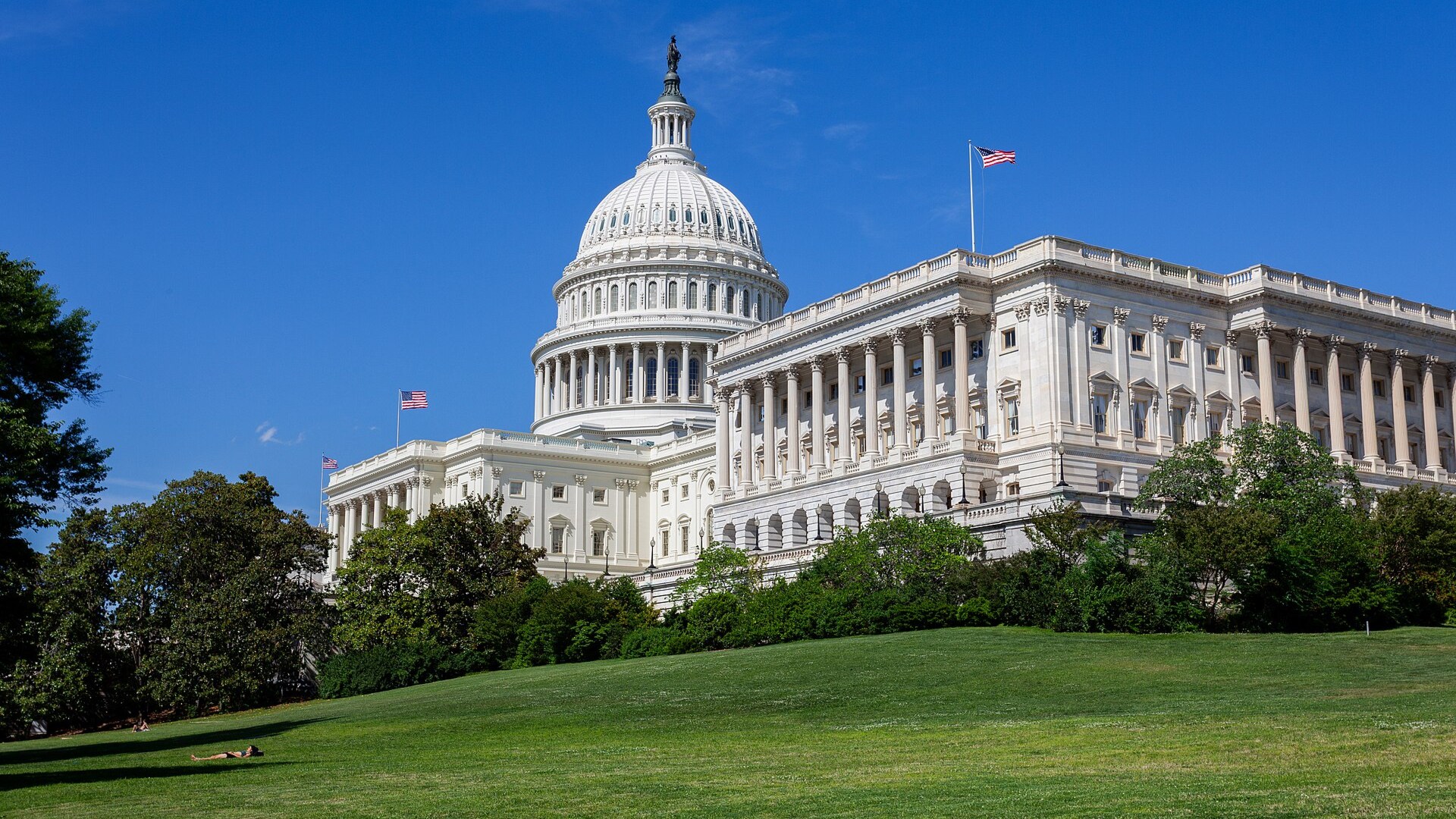
3. Presiding As President Of The Senate
Article I, Section 3 of the Constitution establishes that the vice president shall be President of the Senate, holding formal authority to moderate debates, administer floor rules, and maintain legislative decorum during momentous congressional proceedings.
©Wikimedia / Ted
2. Breaking Tie Votes In The Senate
The Constitution grants the vice president a decisive casting vote in the Senate whenever senators are equally divided, empowering the officer to break critical legislative deadlocks, confirm federal judges, and advance key domestic priorities during closely contested congressional sessions.
©Wikimedia / The White House
Advertisement
Swipe or tap ▶ to resume the countdown.
1. Standing First In Succession
The supreme constitutional purpose of the vice presidency is providing an immediate, undisputed successor to the presidency upon the removal, death, resignation, or inability of the chief executive, guaranteeing seamless continuity of American democracy.

©Wikimedia / www.GlynLowe.com from Hamburg, Germany
Advertisement
You've reached the end of the story. Thanks for reading!

20 Women Who Made History in the 2026 Midterms
The 2026 midterm elections set historic milestones for female representation in the United States Congress and state offices. Across the country, candidates broke demographic barriers in the Senate, House, and state executive posts. This slideshow highlights twenty barrier-breaking leaders from both major parties.
All 20 Entries in this Story
20. Attending Foreign State Funerals
Representing the executive branch abroad, the vice president frequently leads presidential delegations to state funerals and official memorial services for foreign heads of state, upholding diplomatic protocol and reinforcing bilateral alliances during sensitive leadership transitions.

19. Serving On The Smithsonian Board
By statutory mandate established in Title 20 of the United States Code, the vice president serves as an ex officio member of the Smithsonian Institution Board of Regents, participating in institutional governance and oversight of America premier museum and research complex.

18. Administering Oaths Of Office
The vice president routinely administers the oath of office to newly elected senators on the Senate floor and conducts ceremonial swearings-in for cabinet secretaries, federal judges, and high-ranking executive officials, formalizing their constitutional obligations.

17. Hosting At Observatory Circle
Designated by Congress in 1974 as the official vice presidential residence, Number One Observatory Circle serves as a primary venue for diplomatic entertaining, bipartisan legislative dinners, and civic outreach, allowing informal statecraft away from public view.

16. Leading Disaster Relief Delegations
Following major natural emergencies, the vice president frequently surveys disaster zones alongside federal emergency coordinators, assessing damage, comforting local communities, and directing interagency assistance directly from the executive branch.

15. Heading Executive Task Forces
Presidents frequently commission their vice presidents to chair specialized interagency task forces on critical domestic issues, such as workforce development, space commercialization, regulatory reform, and border management, coordinating action across departments.

14. Chairing The National Space Council
Reestablished by presidential executive order, the National Space Council is statutorily chaired by the vice president, steering commercial space regulations, military space strategy, and civil exploration initiatives across NASA and the Department of Defense.

13. Conducting Diplomatic Missions
As an official presidential envoy, the vice president travels aboard Air Force Two to conduct bilateral summits, reassure security partners, and negotiate trade agreements, speaking with executive authority while preserving presidential diplomatic flexibility.

12. Campaigning And Party Fundraising
Serving as a visible surrogate for the administration, the vice president anchors party fundraising dinners, headlines midterm election rallies, and mobilizes grassroots support nationwide, strengthening party unity and promoting legislative agendas across the states.

11. Brokering Congressional Deals
Holding official offices inside both the Capitol and the West Wing, modern vice presidents leverage their legislative connections to negotiate complex compromises between congressional leadership and the administration, overcoming partisan gridlock on priority bills.

10. Participating In Cabinet Meetings
Seated directly across from the president at the Cabinet Room conference table, the vice president participates in executive decision sessions, monitoring agency operations, aligning policy implementation, and providing independent counsel on executive directives.

9. Reviewing The Presidential Daily Brief
Every morning, the vice president receives the identical President Daily Brief from senior intelligence officials, reviewing classified global security assessments and sensitive threat analysis alongside the commander in chief to maintain situational readiness.

8. Sitting On The National Security Council
Under the National Security Act of 1947, the vice president is a statutory member of the National Security Council, shaping diplomatic strategy, assessing international crises, and deliberating covert operations within the White House Situation Room.

7. Advising In The Oval Office
Occupying an executive office in the West Wing, the vice president serves as a senior confidential counselor, meeting regularly with the president behind closed doors to debate options, challenge assumptions, and provide frank advice across national security and economic policy.

6. Maintaining National Continuity
To safeguard executive governance during severe crises or wartime conditions, the vice president remains accompanied by dedicated military aides carrying duplicate nuclear command codes and communication gear, prepared to command if primary leadership is lost.

5. Certifying Electoral College Votes
Under the Twelfth Amendment and updated provisions of the Electoral Count Reform Act, the vice president presides over a joint session of Congress on January 6 following a presidential election, opening certified electoral certificates before the assembled Senate and House.

4. Initiating Twenty-Fifth Amendment Action
Ratified in 1967, Section 4 of the Twenty-Fifth Amendment empowers the vice president, together with a majority of executive department heads, to declare a president unable to discharge the duties of office, immediately assuming authority as acting president.

3. Presiding As President Of The Senate
Article I, Section 3 of the Constitution establishes that the vice president shall be President of the Senate, holding formal authority to moderate debates, administer floor rules, and maintain legislative decorum during momentous congressional proceedings.

2. Breaking Tie Votes In The Senate
The Constitution grants the vice president a decisive casting vote in the Senate whenever senators are equally divided, empowering the officer to break critical legislative deadlocks, confirm federal judges, and advance key domestic priorities during closely contested congressional sessions.

1. Standing First In Succession
The supreme constitutional purpose of the vice presidency is providing an immediate, undisputed successor to the presidency upon the removal, death, resignation, or inability of the chief executive, guaranteeing seamless continuity of American democracy.