Slideshow · Viral
25 Countries With Rules That Surprise Foreign Visitors
Which unexpected local laws catch overseas travelers off guard?

By Most Viral Today
2 Nov 2026

Which Unexpected Local Laws Catch Overseas Travelers Off Guard? 
25. Singapore: Chewing Gum Importation Ban 
24. Greece: High Heels Banned At Ancient Monuments 
23. Italy (Venice): Feeding Pigeons In St. Mark's Square - AdvertisementSwipe or tap ▶ to continue countdown

22. Germany: Running Out Of Fuel On The Autobahn 
21. Switzerland: Late-Night Residential Noise Ordinances 
20. Thailand: Defacing Or Stepping On Currency 
19. Japan: Strict Over The-Counter Medication Bans - AdvertisementSwipe or tap ▶ to continue countdown

18. France: Fitted Swimwear Mandates At Public Pools 
17. Spain (Barcelona): Wearing Swimwear Off The Beach 
16. Iceland: Off-Road Driving Bans 
15. Canada: Strict Limits On Coin Payments - AdvertisementSwipe or tap ▶ to continue countdown

14. Australia: Public Swearing Penalties 
13. United Kingdom: Suspicious Salmon Handling 
12. Norway: Allemannsretten (Right To Roam) Rules 
11. Portugal: Banning Urination In The Ocean - AdvertisementSwipe or tap ▶ to continue countdown

10. Denmark: Official Approved Baby Names Register 
9. United Arab Emirates: Public Displays Of Affection 
8. India: Foreign Tourist Drone Bans 
7. South Korea: Pay-As-You-Throw Waste Sorting - AdvertisementSwipe or tap ▶ to continue countdown

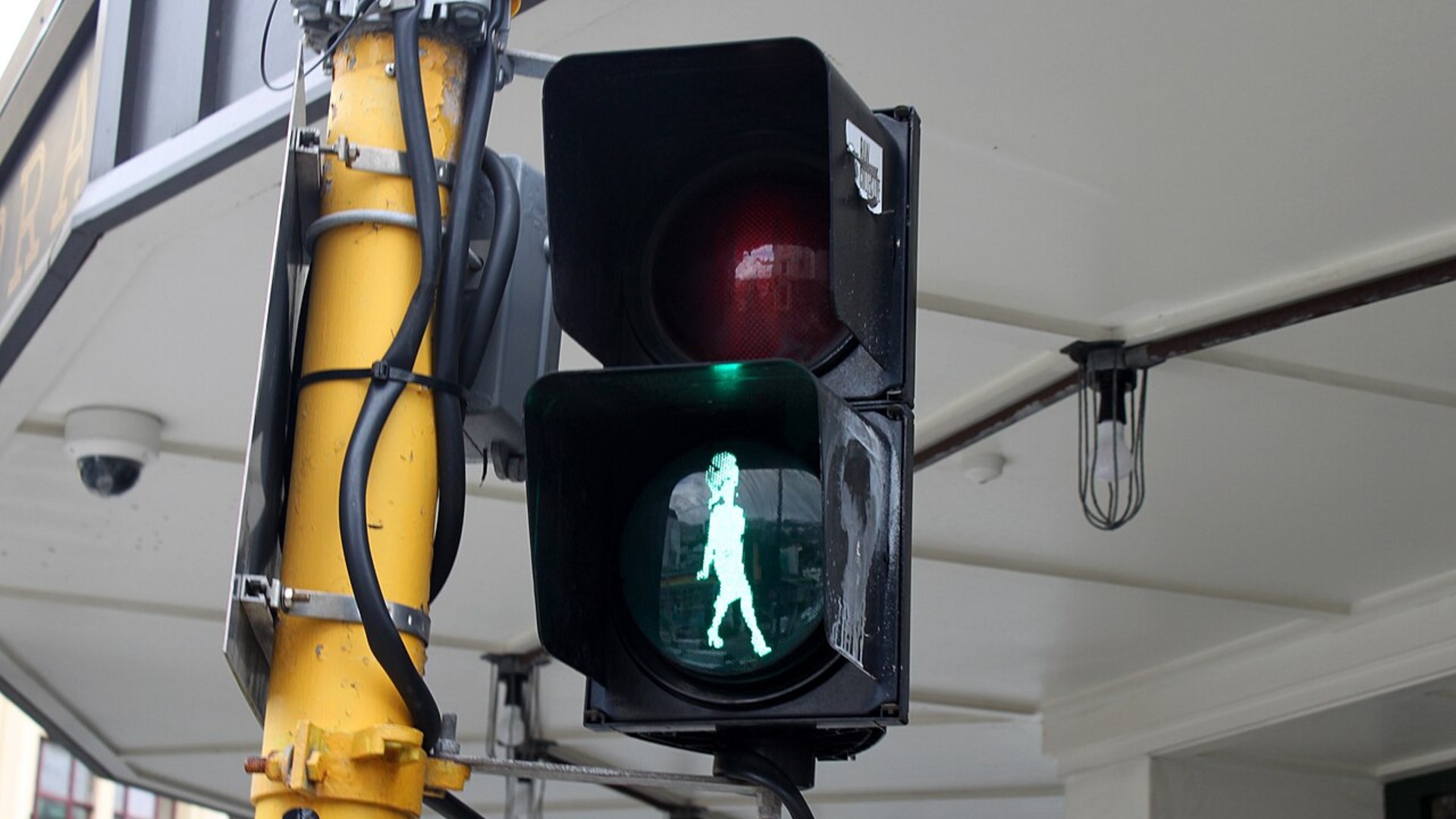
6. Poland: Strict Jaywalking Enforcement 
5. Austria: Anti-Face Covering Legislation 
4. Barbados: Banning Military Camouflage Clothing 
3. Sri Lanka: Disrespecting Buddha Statues - AdvertisementSwipe or tap ▶ to continue countdown

2. Netherlands (Amsterdam): Cannabis Smoking Street Bans 
1. Maldives: Banning Non-Islamic Religious Imports - Advertisement🔥 UP NEXT IN THIS SERIES◫ 21 Slides

20 Famous Cars With Pop-Up Headlights That Shaped Car Design
From hand-cranked 1930s teardrops to wedge supercars of the 1980s, hidden headlights let stylists chase sleek aerodynamics until 2004 pedestrian rules closed the curtain. Here are 20 standout production cars that turned retractable lamps into an enduring automotive design feature across seven full decades.
International travel broadens horizons, but navigating unfamiliar legal codes can quickly lead to unexpected friction. From historic preservation fines to everyday etiquette rules, here are 25 surprising laws around the world that tourists should always know before visiting.
Swipe or tap ▶ to begin the countdown
©Wikimedia / Dan Lundberg & wikimedia / Evan Delshaw
25. Singapore: Chewing Gum Importation Ban
Singapore enacted its strict chewing gum ban in 1992 to protect public transit doors and pavements from costly sticky vandalism. Travelers bringing packs of non-medicinal gum into the country can face steep fines, though dental or nicotine gum prescribed by a doctor remains legal.
©Wikimedia Commons / Michiel1972
24. Greece: High Heels Banned At Ancient Monuments
In 2009, Greek heritage authorities barred visitors from wearing high-heeled shoes at the Acropolis, the Odeon of Herodes Atticus, and other ancient marble landmarks. The concentrated pressure from pointed heels chips and erodes centuries-old stone surfaces.
©Wikimedia Commons / A.Savin
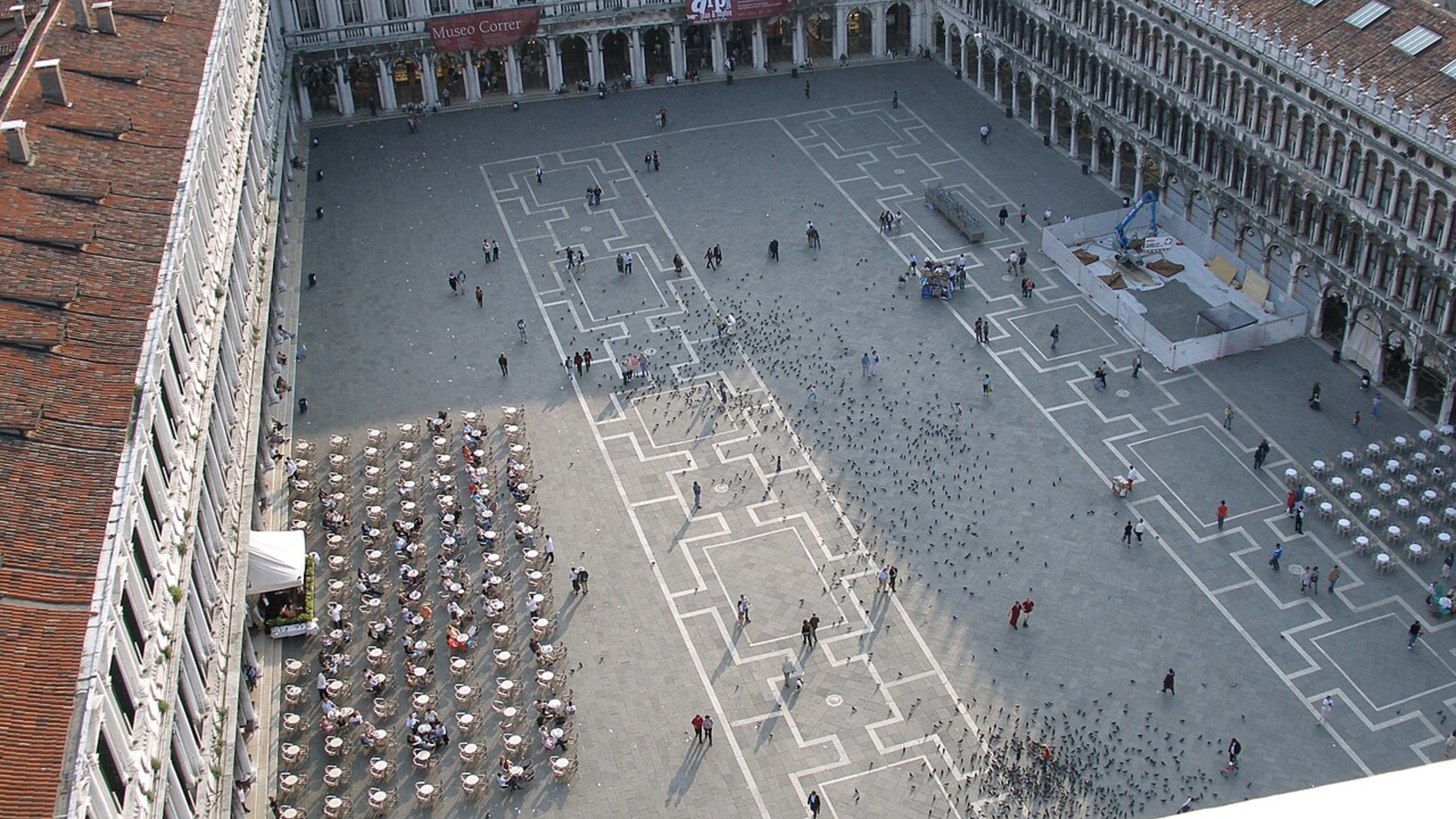
23. Italy (Venice): Feeding Pigeons In St. Mark's Square
Tourists once gathered by the thousands in Piazza San Marco to toss corn to flocks of pigeons, but Venice outlawed bird feeding entirely in 2008. The acidic droppings accelerate the decay of delicate Gothic facades, and violators face fines up to several hundred euros.
©Wikimedia Commons / Vyacheslav Argenberg
Advertisement
Swipe or tap ▶ to resume the countdown.
22. Germany: Running Out Of Fuel On The Autobahn
Driving without a general speed limit on sections of the German Autobahn requires intense focus and vehicle readiness. Running out of fuel is classified as a preventable breakdown and an unnecessary hazard, resulting in points on driver records and direct police fines.
©Wikimedia Commons / Marek Slusarczyk
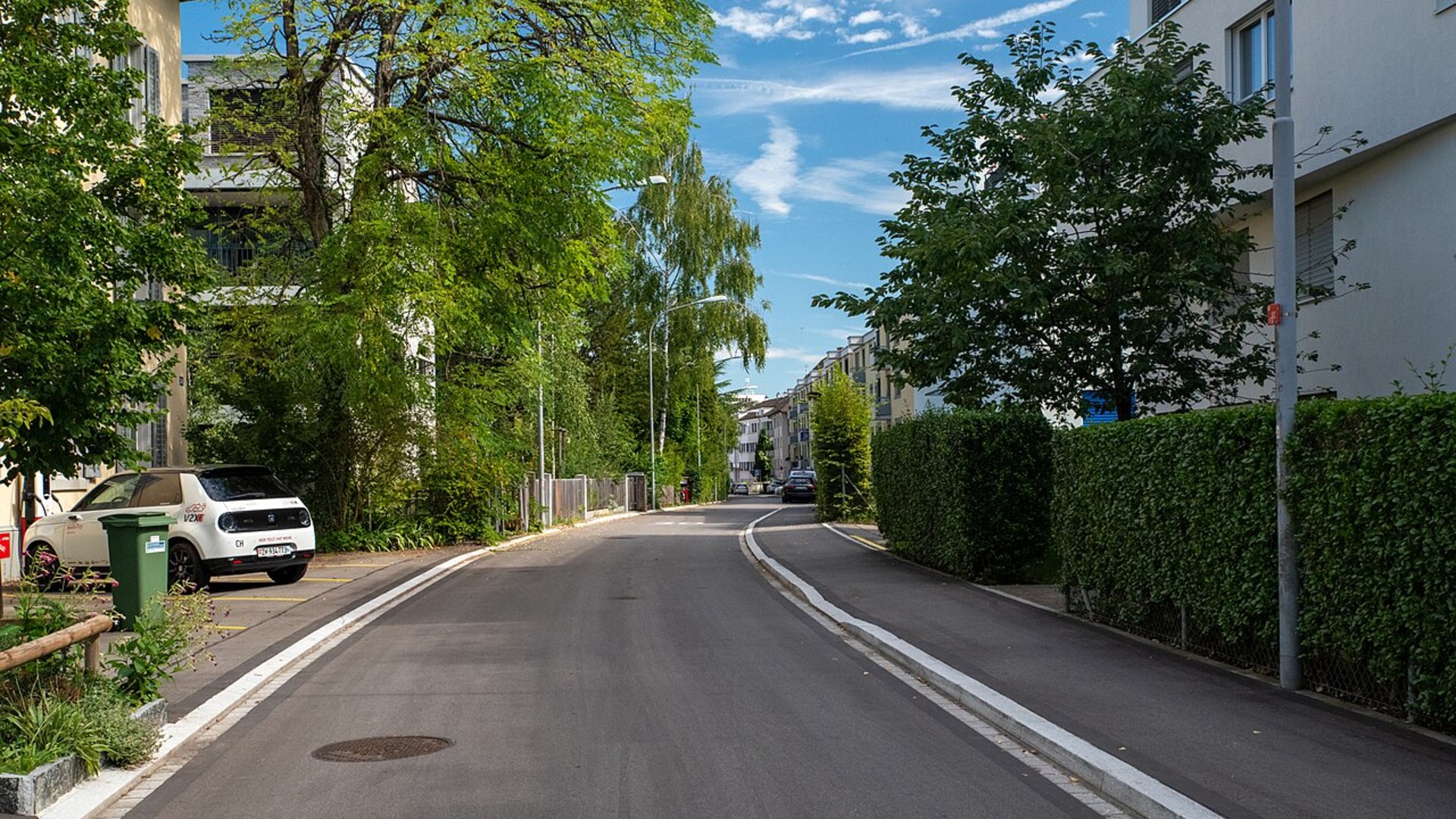
21. Switzerland: Late-Night Residential Noise Ordinances
Swiss tenancy regulations take community rest seriously, setting legally enforced quiet hours between 10 PM and 7 AM across multi-unit apartment complexes. Running loud washing machines, vacuuming, or hosting noisy gatherings late at night can lead to building complaints and police visits.
©Wikimedia Commons / Roland zh
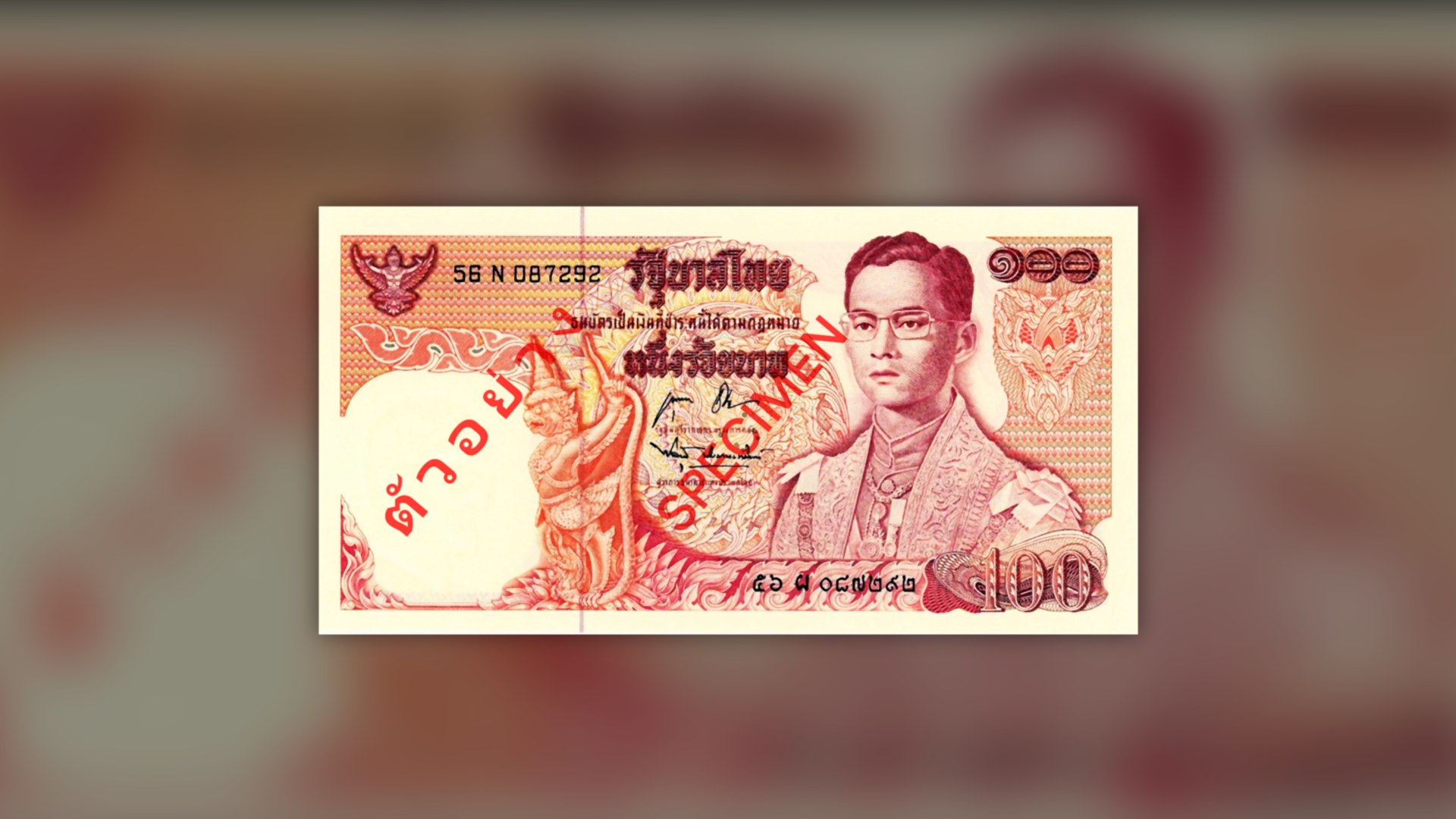
20. Thailand: Defacing Or Stepping On Currency
All Thai baht banknotes and coins carry the revered image of the King of Thailand. Dropping a coin and instinctively stomping on it to stop it from rolling away is considered deeply disrespectful under strict lese-majeste laws, carrying serious criminal penalties.
©Wikimedia Commons / Bank of Thailand
19. Japan: Strict Over The-Counter Medication Bans
Japan strictly regulates pharmaceuticals, completely banning medicines containing pseudoephedrine, codeine, or stimulants. Everyday Western cold remedies like Sudafed or certain sinus inhalers can lead to detention or deportation upon arrival at Tokyo customs.
©Wikimedia Commons / Syced
Advertisement
Swipe or tap ▶ to resume the countdown.
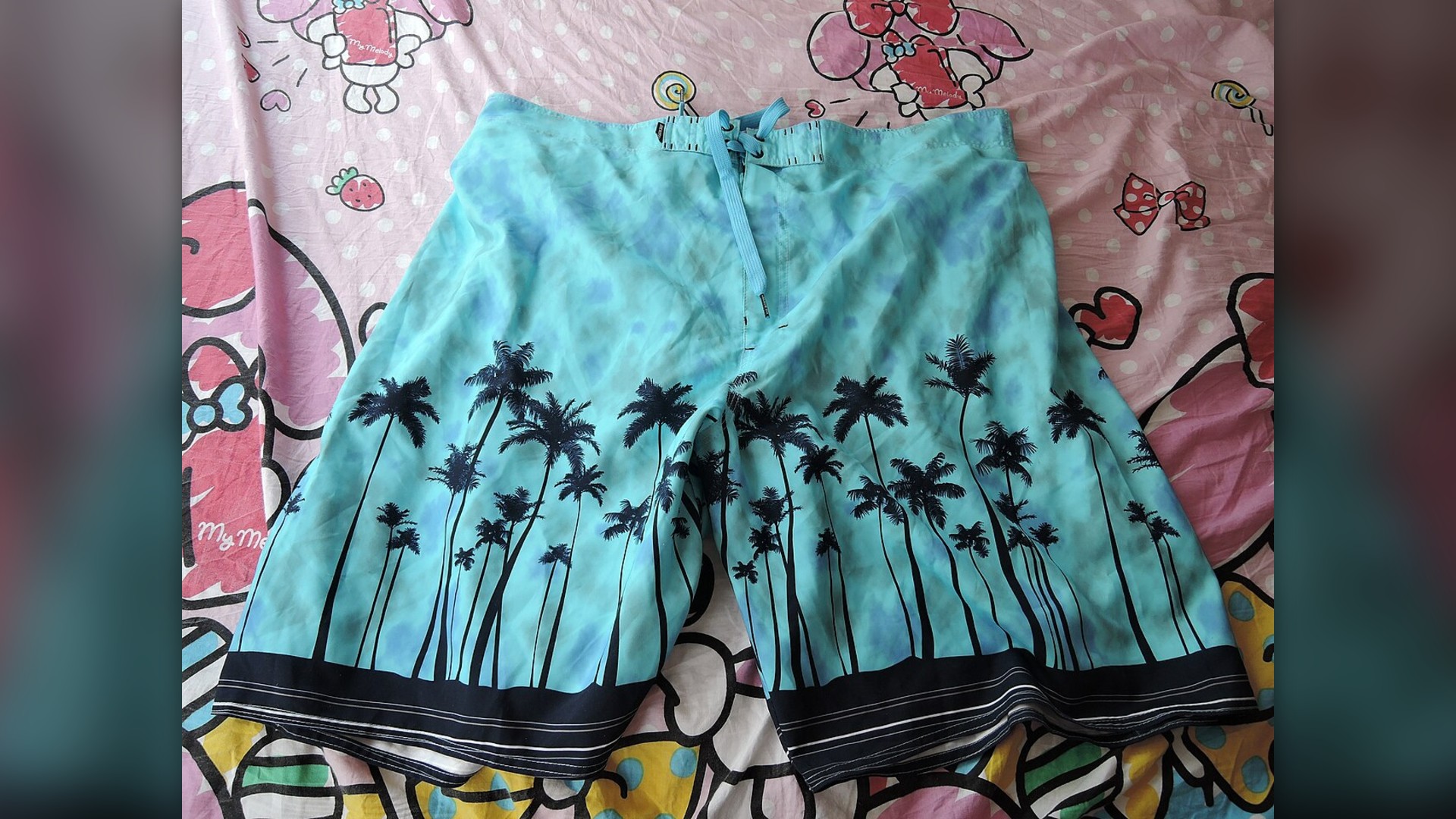
18. France: Fitted Swimwear Mandates At Public Pools
Visitors heading to public swimming complexes in France will find baggy board shorts strictly forbidden. Public hygiene statutes require men and boys to wear tight-fitting swim briefs or trunks to prevent outside street dust and debris from entering municipal pool filtration systems.
©Wikimedia / Geoffreyrabbit
17. Spain (Barcelona): Wearing Swimwear Off The Beach
While sunbathing in swimwear is celebrated along Barceloneta Beach, strolling through the Gothic Quarter or La Rambla in a bathing suit or shirtless is illegal. City ordinances impose fines up to 300 euros to maintain urban decorum.
©Wikimedia Commons / Txllxt TxllxT
16. Iceland: Off-Road Driving Bans
Iceland's volcanic soils and thick subarctic moss take decades to recover from tire tracks. Driving off marked roads or designated tracks is strictly illegal, carrying heavy fines and mandatory court appearances to preserve delicate geological landscapes.
©Wikimedia Commons / Kevin Piredda
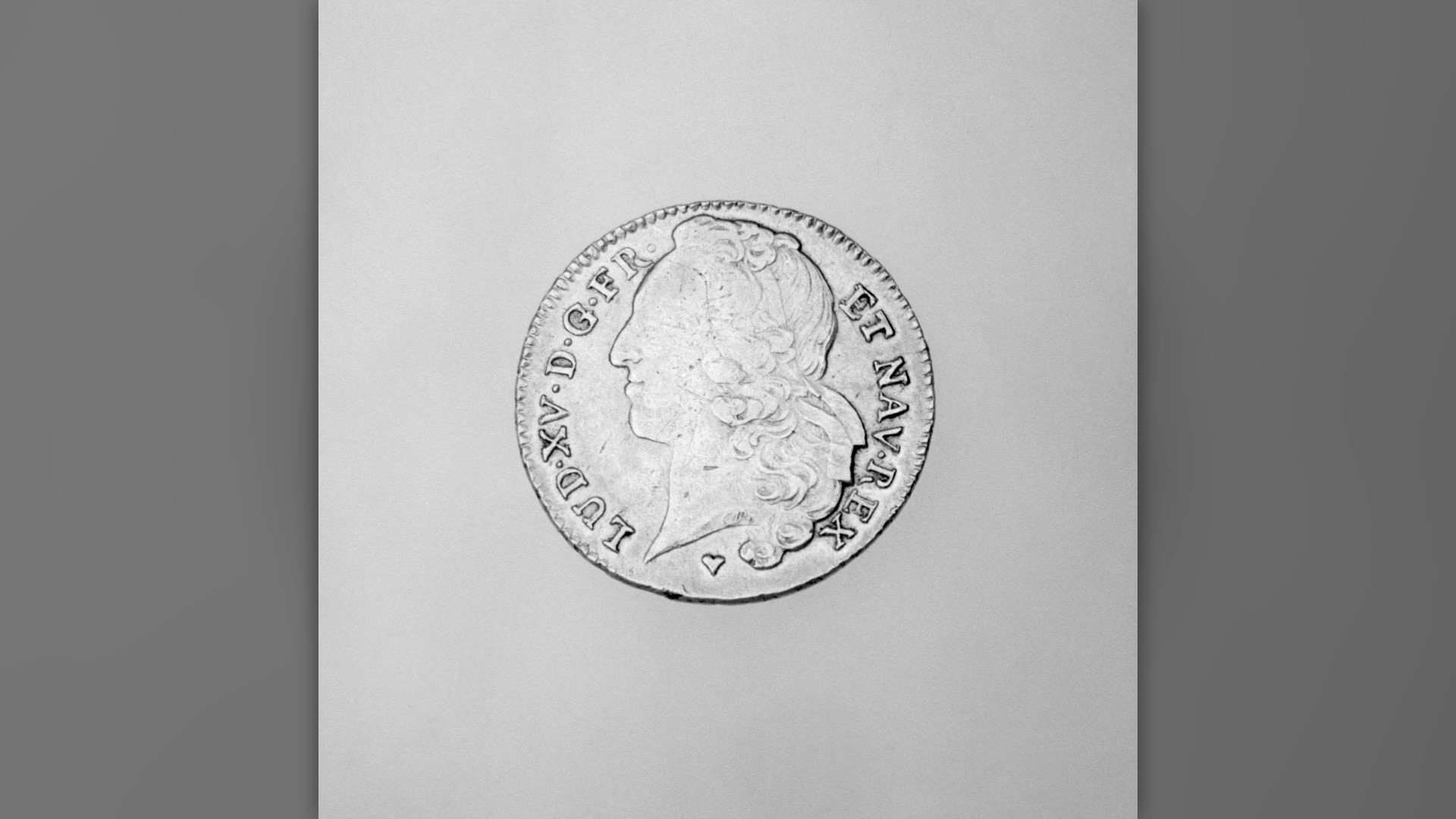
15. Canada: Strict Limits On Coin Payments
Under the federal Currency Act, Canadian merchants are not obligated to accept excessive coins for a single purchase. The law sets limits, such as a maximum of 25 pennies or small coins per transaction, preventing frustrated consumers from dumping buckets of loose change at cash registers.
©The Met / Joseph-Charles Roettiers
Advertisement
Swipe or tap ▶ to resume the countdown.
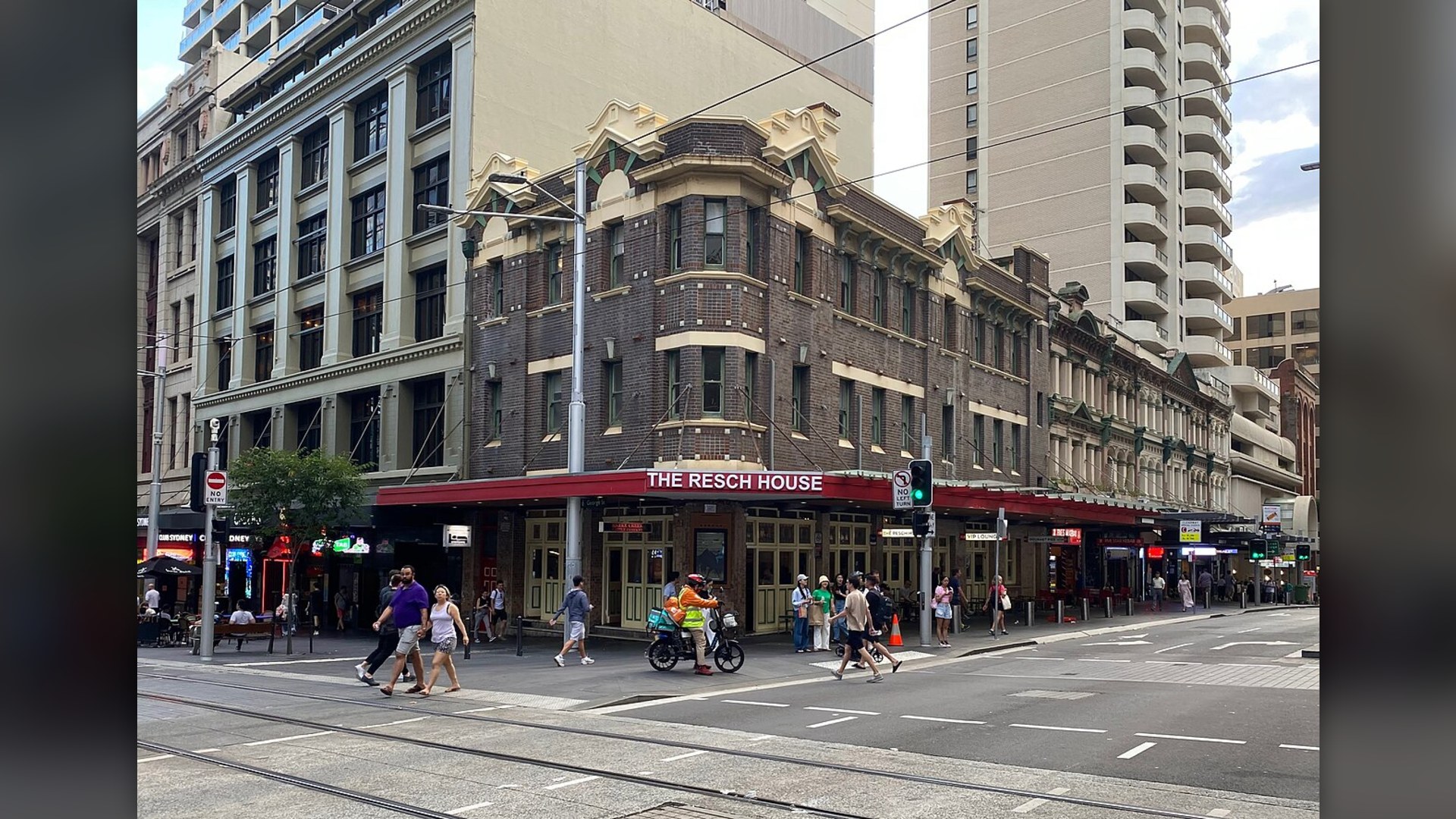
14. Australia: Public Swearing Penalties
Several Australian states maintain summary offenses acts that prohibit offensive, abusive, or obscene language in or near public spaces. Police officers possess the authority to issue on-the-spot criminal infringement notices running into hundreds of dollars.
©Wikimedia Commons / -wuppertaler
13. United Kingdom: Suspicious Salmon Handling
Section 32 of Britain's Salmon Act 1986 makes it an offense to handle salmon under suspicious circumstances. While often cited as an eccentric British oddity, the law was created as a serious anti-poaching tool allowing police to arrest illegal black-market fish traffickers.
©Wikimedia Commons / E. Peter Steenstra / USFWS
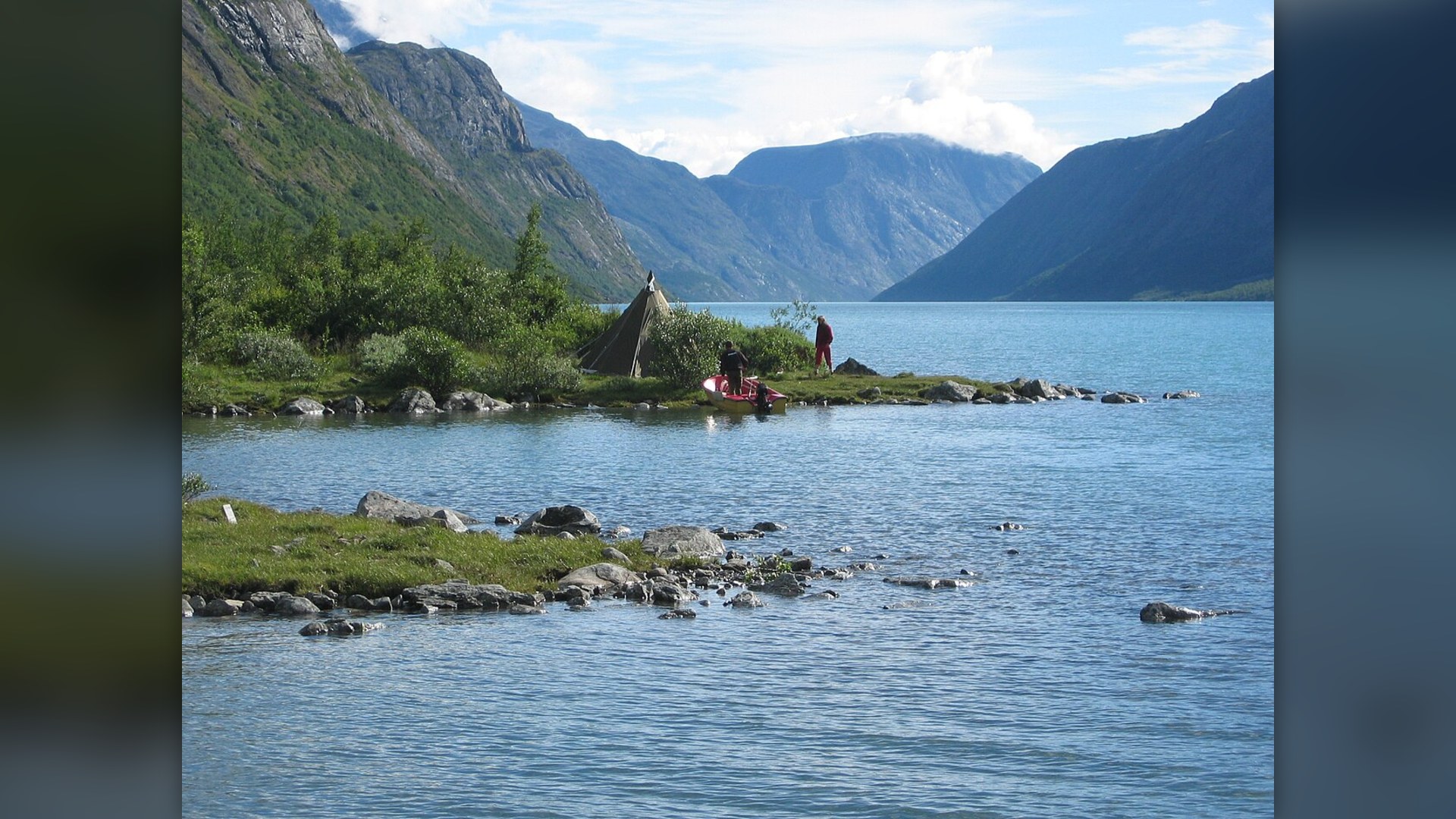
12. Norway: Allemannsretten (Right To Roam) Rules
Norway's ancient public right to roam allows anyone to pitch a tent and hike across uncultivated land for free. However, strict environmental boundaries require campers to pitch tents at least 150 meters from private houses and leave absolutely zero trace or fire scars behind.
©Wikimedia Commons / Wikimedia Contributor
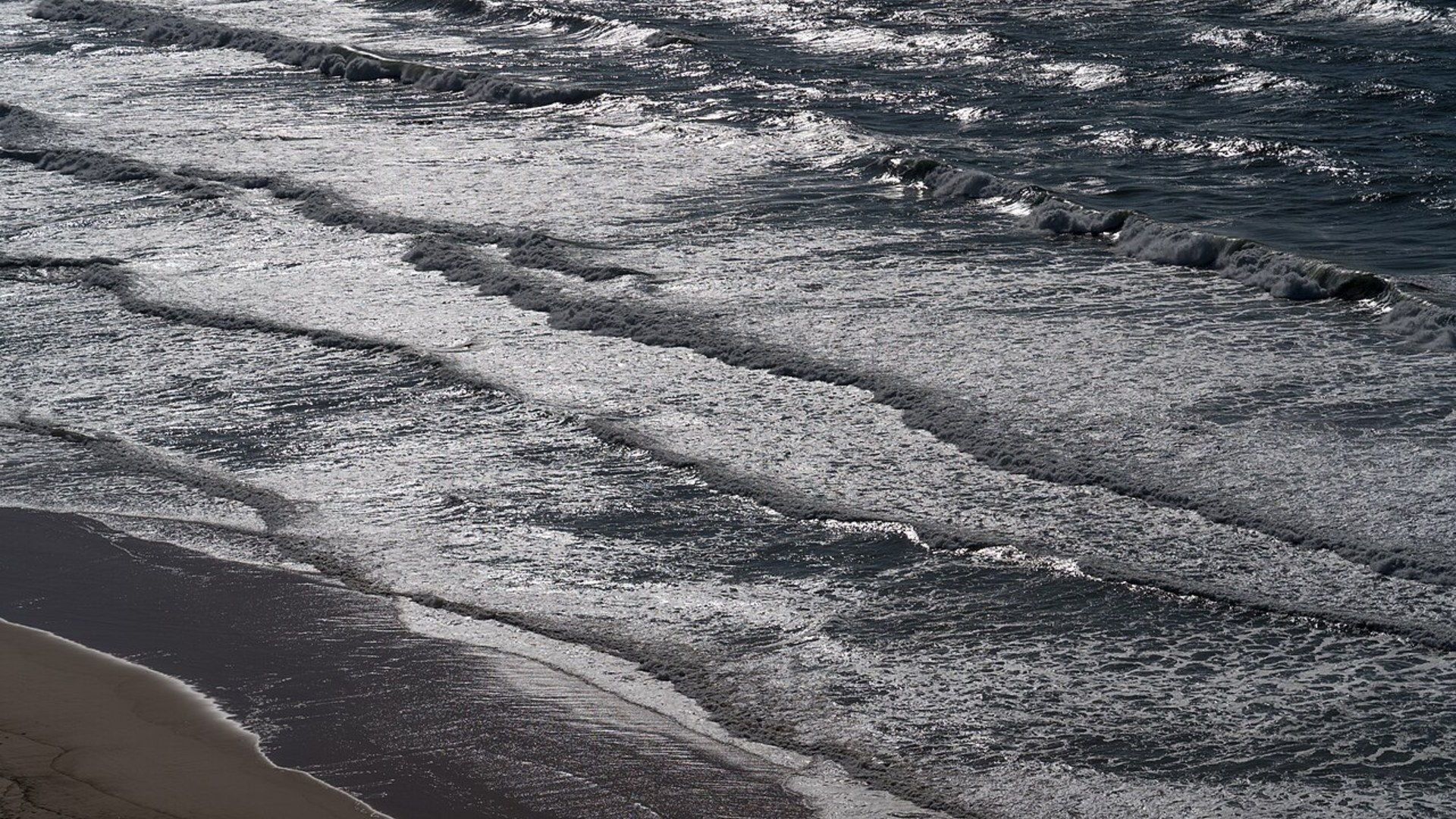
11. Portugal: Banning Urination In The Ocean
To preserve water quality across popular Algarve and Lisbon beaches, Portuguese coastal regulations specifically forbid relieving oneself in the water. While challenging to catch in practice, lifeguards and maritime police can issue official citations if observed.
©Wikimedia Commons / Alexkom000
Advertisement
Swipe or tap ▶ to resume the countdown.
10. Denmark: Official Approved Baby Names Register
Denmark takes children's names seriously under the Danish Law on Personal Names. Parents must choose from a government-curated catalog of approved names. Choosing an unconventional name requires special approval from church and cultural review boards.
©Wikimedia Commons / Moahim
9. United Arab Emirates: Public Displays Of Affection
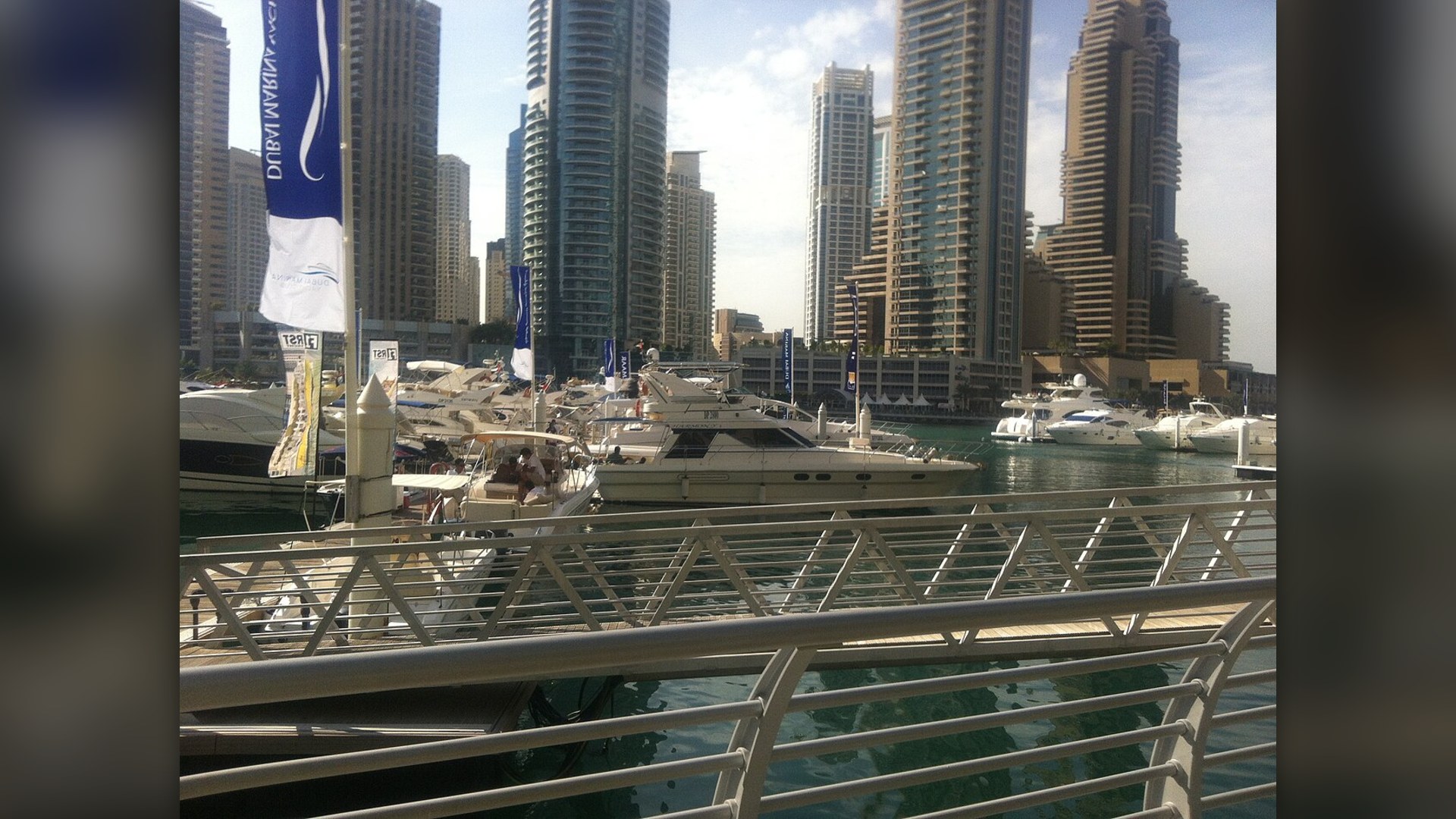
Public decorum codes across Dubai and Abu Dhabi prohibit overt displays of physical affection. While holding hands for married couples is generally accepted, kissing or fondling in public malls, beaches, or plazas can lead to immediate police warnings, heavy fines, or detention.
©Wikimedia Commons / 88mahasalah
8. India: Foreign Tourist Drone Bans
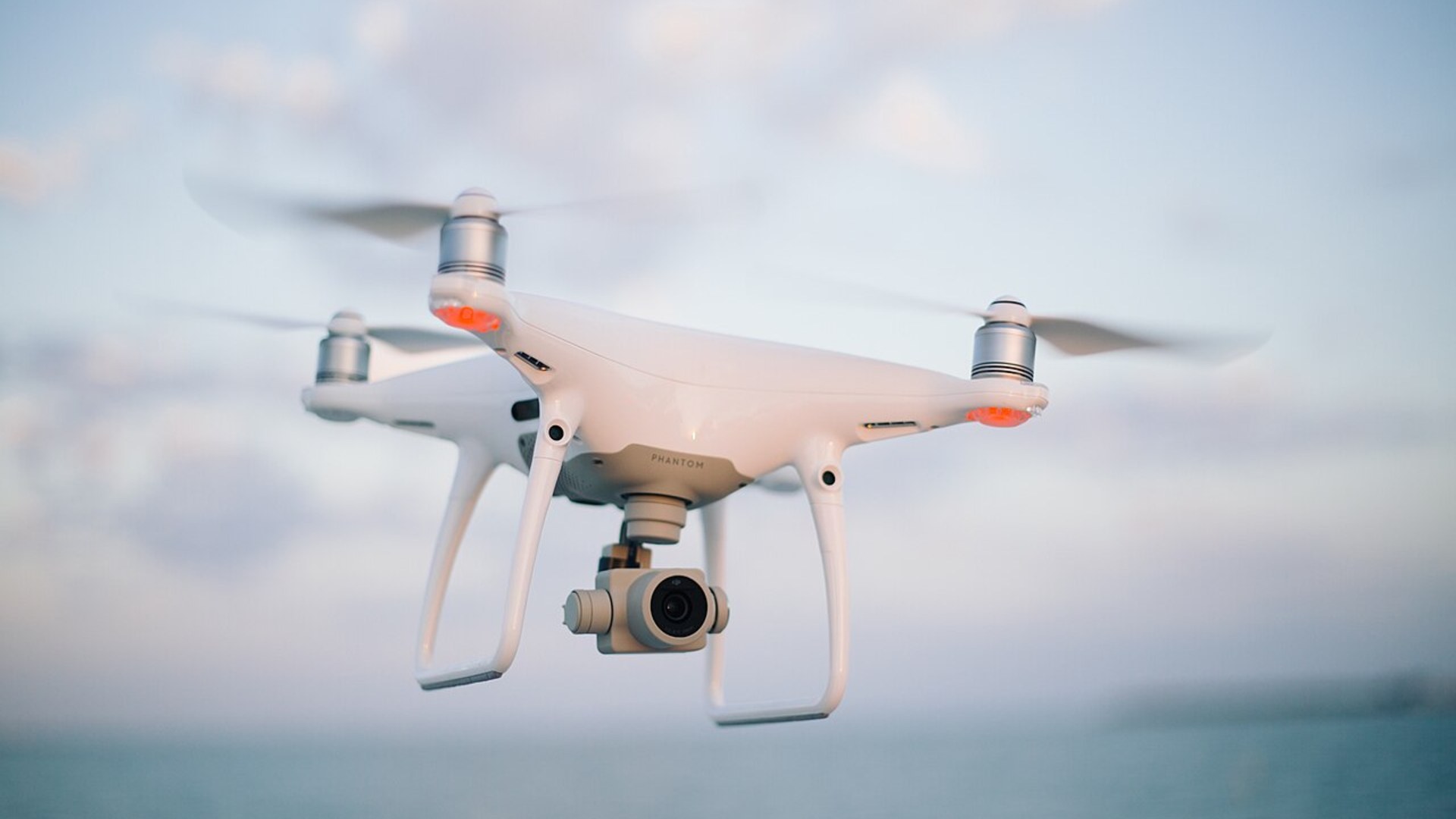
India maintains strict security controls over its national airspace. Foreign nationals are prohibited from importing or operating commercial or recreational drones without explicit prior clearance from the Ministry of Civil Aviation and Defense, and unauthorized flights trigger immediate equipment seizure.
©Wikimedia Commons / Josh Sorenson
7. South Korea: Pay-As-You-Throw Waste Sorting
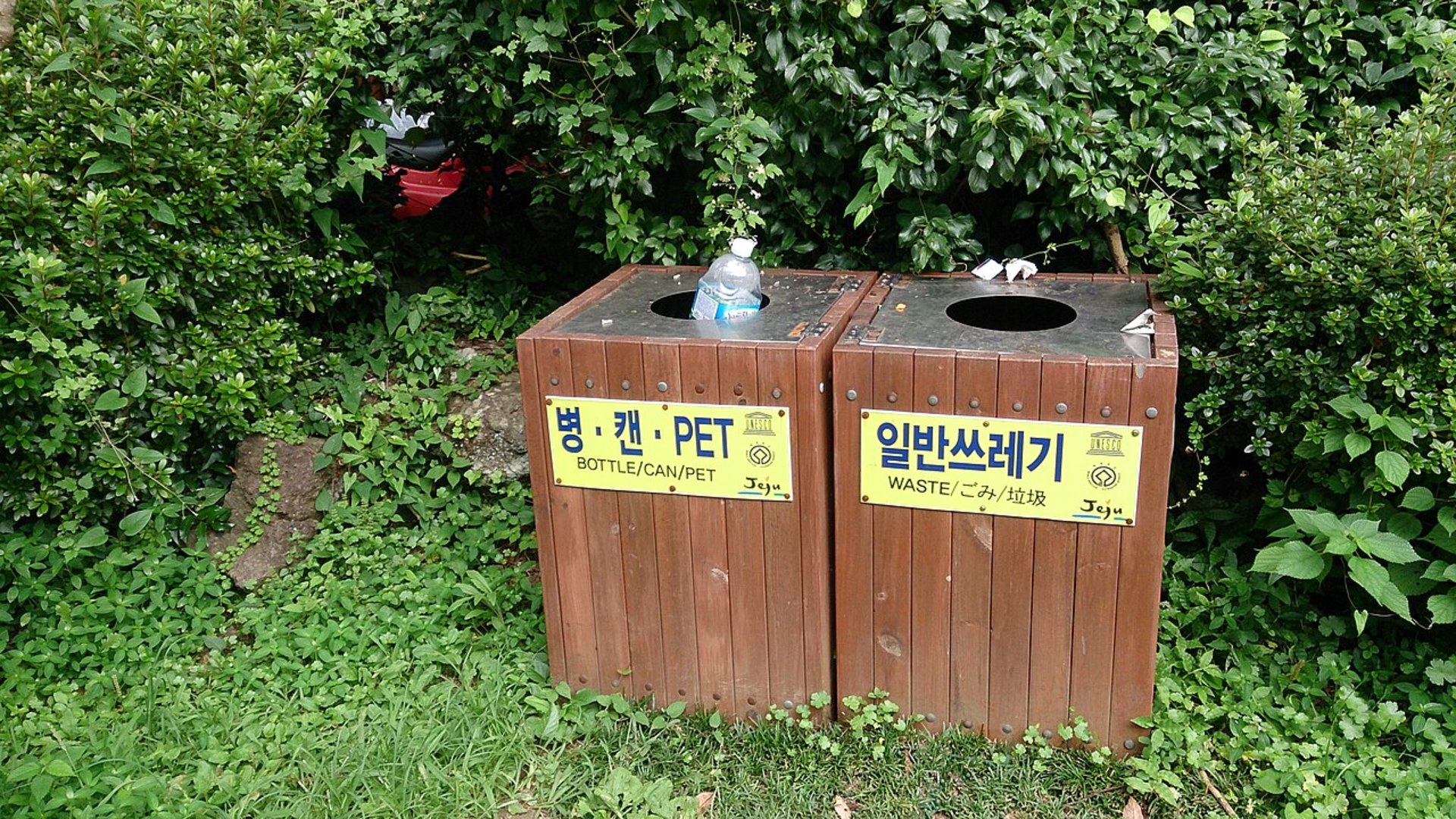
South Korea's Jongnyangje waste management system requires households to purchase specific government-approved trash bags for general waste and food scraps. Mixing recyclables or throwing garbage into unapproved bags results in heavy fines captured by surveillance cameras.
©Wikimedia Commons / ProjectManhattan
Advertisement
Swipe or tap ▶ to resume the countdown.
6. Poland: Strict Jaywalking Enforcement
Pedestrians in Poland are expected to wait patiently for green walking signals even when city streets are completely deserted. Polish police regularly ticket jaywalkers crossing against red lights or crossing outside designated crosswalks with on-the-spot monetary penalties.
©Wikimedia Commons / Wikimedia Contributor
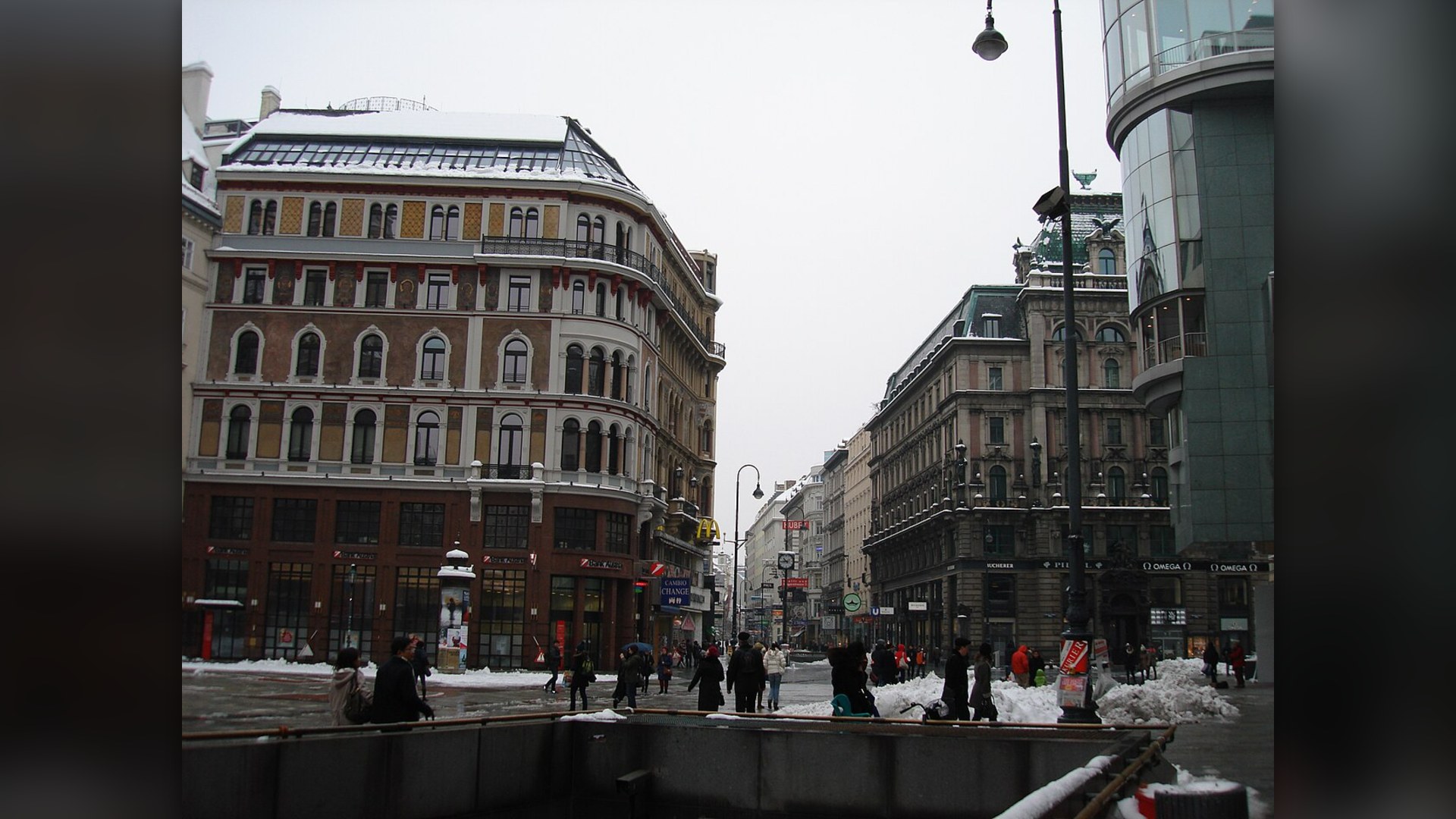
5. Austria: Anti-Face Covering Legislation
Austria's Face Recognition Act prohibits covering facial features in public places from chin to hairline without valid occupational, medical, or weather exemptions. Tourists wearing full face veils or masks outside designated ski slopes risk police interactions and fines.
©Wikimedia Commons / Art-X
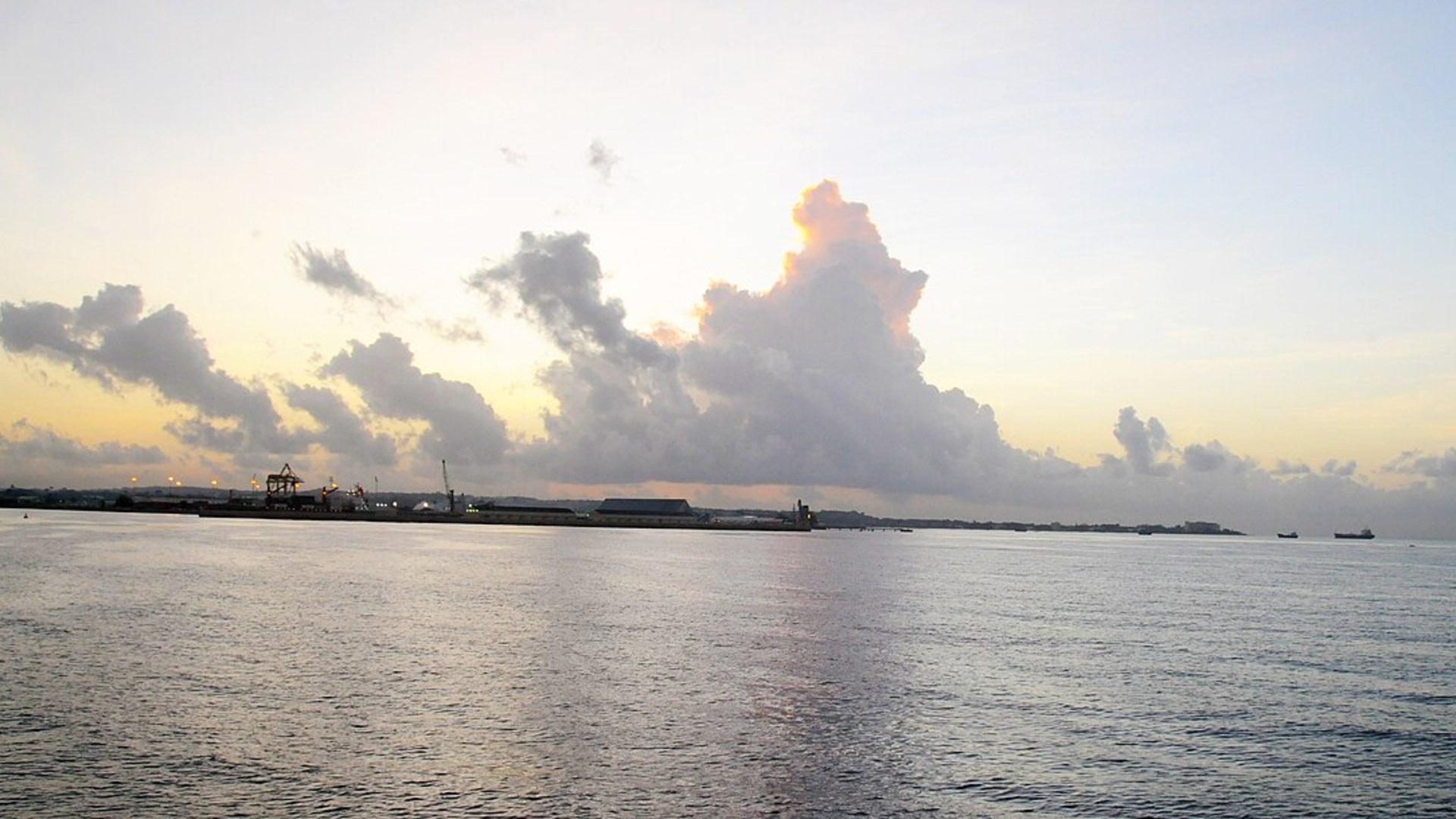
4. Barbados: Banning Military Camouflage Clothing
Several Caribbean nations, including Barbados, legally restrict military-style camouflage print to official defense force personnel. Tourists arriving at cruise ports or airports wearing camouflage shorts, hats, or backpacks will be asked to change immediately or surrender the items.
©Wikimedia Commons / David Broad
3. Sri Lanka: Disrespecting Buddha Statues
Buddhism is deeply revered in Sri Lanka, where mistreatment of religious imagery carries serious legal consequences. Turning your back to a Buddha statue for a selfie or sporting Buddha tattoos in public has led to arrests, hefty fines, and immediate deportations of foreign travelers.
©Wikimedia Commons / Dan Lundberg
Advertisement
Swipe or tap ▶ to resume the countdown.
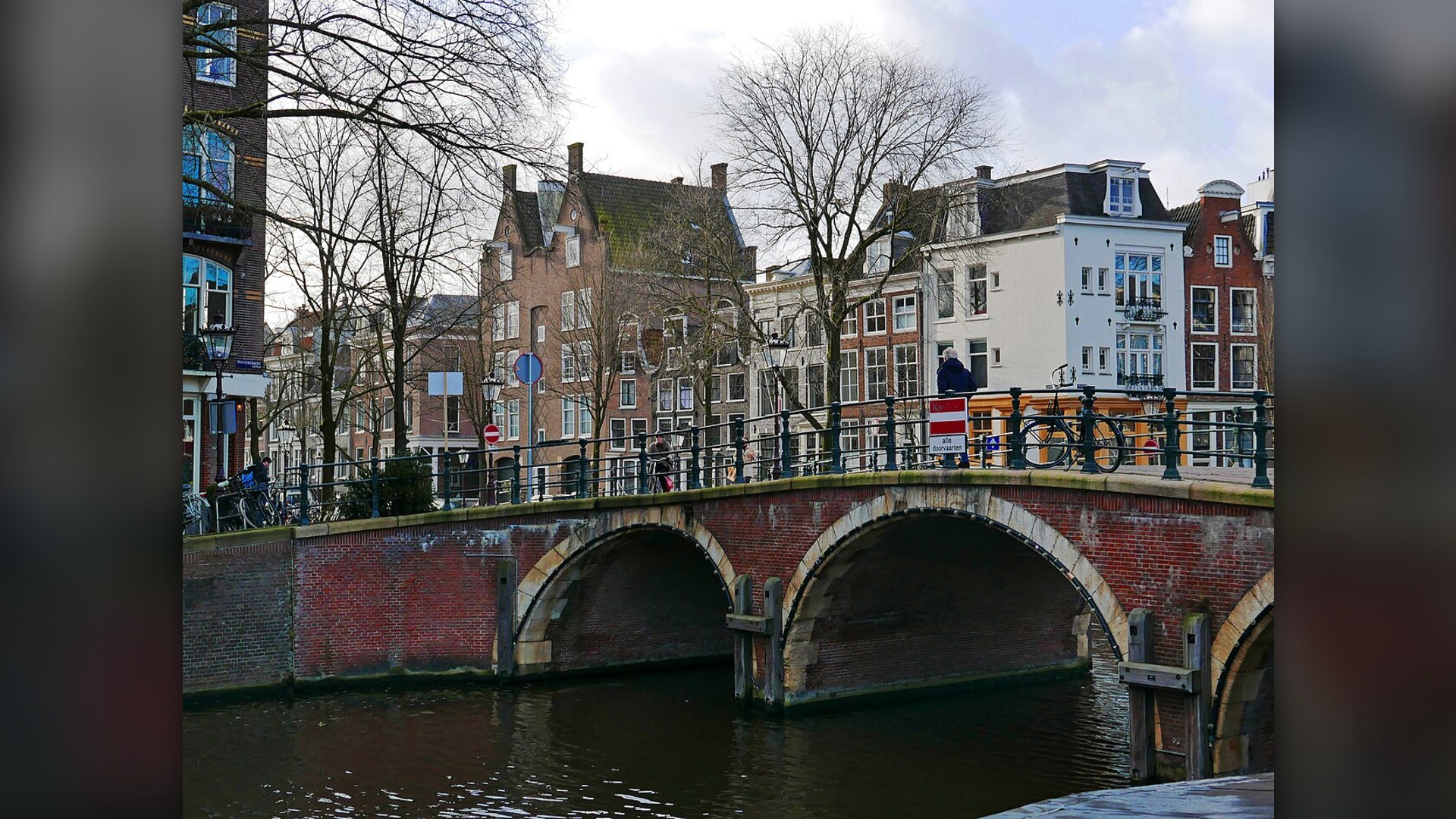
2. Netherlands (Amsterdam): Cannabis Smoking Street Bans
While Amsterdam is globally famous for licensed coffeeshops, municipal authorities introduced strict outdoor smoking bans across the Red Light District and central canal streets in 2023. Consuming cannabis openly in public plazas incurs instant 100-euro municipal fines.
©Wikimedia Commons / Fons Heijnsbroek
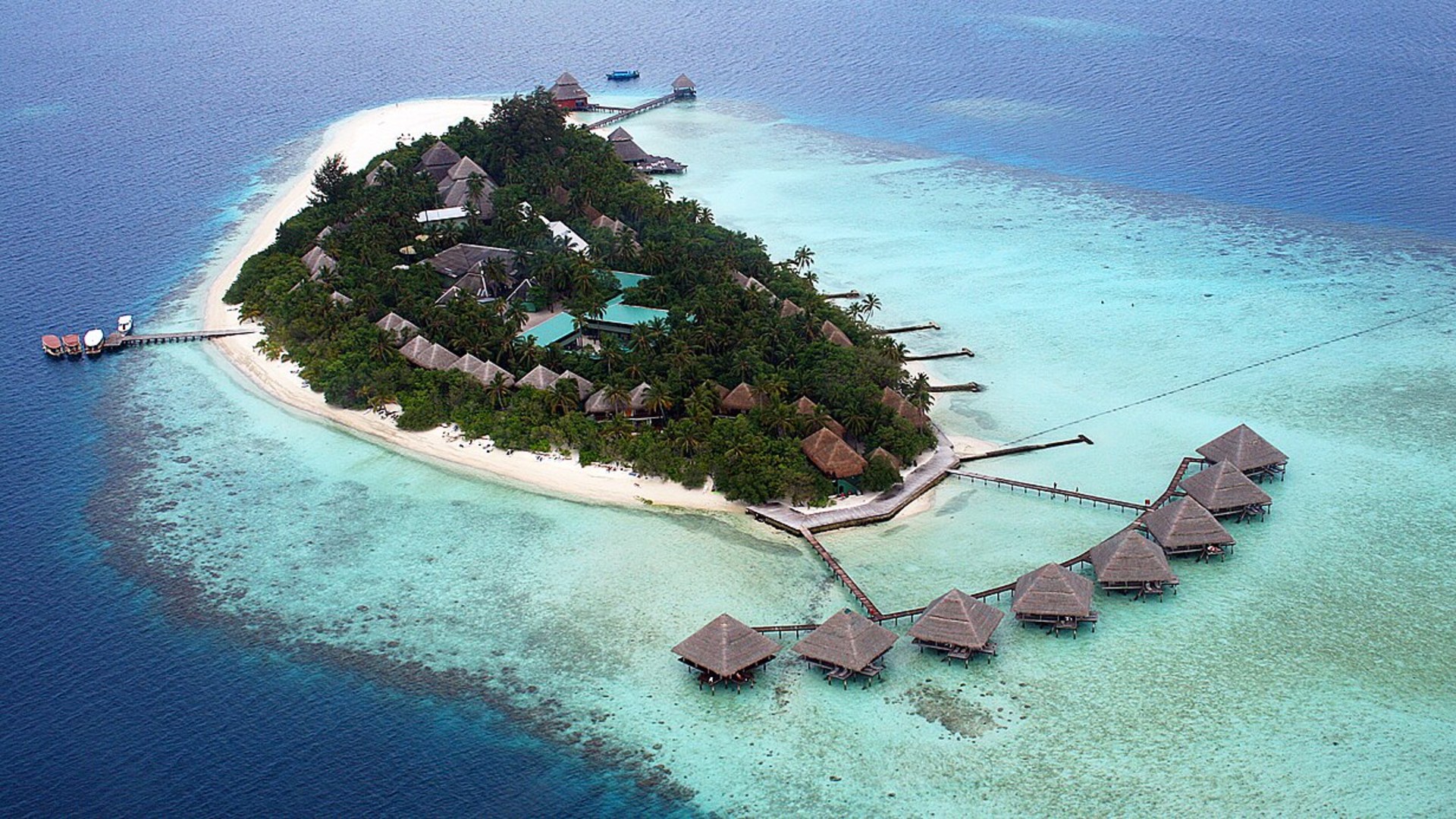
1. Maldives: Banning Non-Islamic Religious Imports
As an exclusively Islamic republic, the Maldives enforces strict border customs checks. Arriving foreign visitors are prohibited from bringing in non-Islamic religious statues, bibles for distribution, alcohol, or pork products, all of which are confiscated at airport security.

©Wikimedia Commons / Dr. Ondrej Havelka
Advertisement
You've reached the end of the story. Thanks for reading!

20 Famous Cars With Pop-Up Headlights That Shaped Car Design
From hand-cranked 1930s teardrops to wedge supercars of the 1980s, hidden headlights let stylists chase sleek aerodynamics until 2004 pedestrian rules closed the curtain. Here are 20 standout production cars that turned retractable lamps into an enduring automotive design feature across seven full decades.
All 25 Entries in this Story
1. Singapore: Chewing Gum Importation Ban
Singapore enacted its strict chewing gum ban in 1992 to protect public transit doors and pavements from costly sticky vandalism. Travelers bringing packs of non-medicinal gum into the country can face steep fines, though dental or nicotine gum prescribed by a doctor remains legal.

2. Greece: High Heels Banned At Ancient Monuments
In 2009, Greek heritage authorities barred visitors from wearing high-heeled shoes at the Acropolis, the Odeon of Herodes Atticus, and other ancient marble landmarks. The concentrated pressure from pointed heels chips and erodes centuries-old stone surfaces.

3. Italy (Venice): Feeding Pigeons In St. Mark's Square
Tourists once gathered by the thousands in Piazza San Marco to toss corn to flocks of pigeons, but Venice outlawed bird feeding entirely in 2008. The acidic droppings accelerate the decay of delicate Gothic facades, and violators face fines up to several hundred euros.

4. Germany: Running Out Of Fuel On The Autobahn
Driving without a general speed limit on sections of the German Autobahn requires intense focus and vehicle readiness. Running out of fuel is classified as a preventable breakdown and an unnecessary hazard, resulting in points on driver records and direct police fines.

5. Switzerland: Late-Night Residential Noise Ordinances
Swiss tenancy regulations take community rest seriously, setting legally enforced quiet hours between 10 PM and 7 AM across multi-unit apartment complexes. Running loud washing machines, vacuuming, or hosting noisy gatherings late at night can lead to building complaints and police visits.

6. Thailand: Defacing Or Stepping On Currency
All Thai baht banknotes and coins carry the revered image of the King of Thailand. Dropping a coin and instinctively stomping on it to stop it from rolling away is considered deeply disrespectful under strict lese-majeste laws, carrying serious criminal penalties.

7. Japan: Strict Over The-Counter Medication Bans
Japan strictly regulates pharmaceuticals, completely banning medicines containing pseudoephedrine, codeine, or stimulants. Everyday Western cold remedies like Sudafed or certain sinus inhalers can lead to detention or deportation upon arrival at Tokyo customs.

8. France: Fitted Swimwear Mandates At Public Pools
Visitors heading to public swimming complexes in France will find baggy board shorts strictly forbidden. Public hygiene statutes require men and boys to wear tight-fitting swim briefs or trunks to prevent outside street dust and debris from entering municipal pool filtration systems.

9. Spain (Barcelona): Wearing Swimwear Off The Beach
While sunbathing in swimwear is celebrated along Barceloneta Beach, strolling through the Gothic Quarter or La Rambla in a bathing suit or shirtless is illegal. City ordinances impose fines up to 300 euros to maintain urban decorum.

10. Iceland: Off-Road Driving Bans
Iceland's volcanic soils and thick subarctic moss take decades to recover from tire tracks. Driving off marked roads or designated tracks is strictly illegal, carrying heavy fines and mandatory court appearances to preserve delicate geological landscapes.

11. Canada: Strict Limits On Coin Payments
Under the federal Currency Act, Canadian merchants are not obligated to accept excessive coins for a single purchase. The law sets limits, such as a maximum of 25 pennies or small coins per transaction, preventing frustrated consumers from dumping buckets of loose change at cash registers.

12. Australia: Public Swearing Penalties
Several Australian states maintain summary offenses acts that prohibit offensive, abusive, or obscene language in or near public spaces. Police officers possess the authority to issue on-the-spot criminal infringement notices running into hundreds of dollars.

13. United Kingdom: Suspicious Salmon Handling
Section 32 of Britain's Salmon Act 1986 makes it an offense to handle salmon under suspicious circumstances. While often cited as an eccentric British oddity, the law was created as a serious anti-poaching tool allowing police to arrest illegal black-market fish traffickers.

14. Norway: Allemannsretten (Right To Roam) Rules
Norway's ancient public right to roam allows anyone to pitch a tent and hike across uncultivated land for free. However, strict environmental boundaries require campers to pitch tents at least 150 meters from private houses and leave absolutely zero trace or fire scars behind.

15. Portugal: Banning Urination In The Ocean
To preserve water quality across popular Algarve and Lisbon beaches, Portuguese coastal regulations specifically forbid relieving oneself in the water. While challenging to catch in practice, lifeguards and maritime police can issue official citations if observed.

16. Denmark: Official Approved Baby Names Register
Denmark takes children's names seriously under the Danish Law on Personal Names. Parents must choose from a government-curated catalog of approved names. Choosing an unconventional name requires special approval from church and cultural review boards.

17. United Arab Emirates: Public Displays Of Affection
Public decorum codes across Dubai and Abu Dhabi prohibit overt displays of physical affection. While holding hands for married couples is generally accepted, kissing or fondling in public malls, beaches, or plazas can lead to immediate police warnings, heavy fines, or detention.

18. India: Foreign Tourist Drone Bans
India maintains strict security controls over its national airspace. Foreign nationals are prohibited from importing or operating commercial or recreational drones without explicit prior clearance from the Ministry of Civil Aviation and Defense, and unauthorized flights trigger immediate equipment seizure.

19. South Korea: Pay-As-You-Throw Waste Sorting
South Korea's Jongnyangje waste management system requires households to purchase specific government-approved trash bags for general waste and food scraps. Mixing recyclables or throwing garbage into unapproved bags results in heavy fines captured by surveillance cameras.

20. Poland: Strict Jaywalking Enforcement
Pedestrians in Poland are expected to wait patiently for green walking signals even when city streets are completely deserted. Polish police regularly ticket jaywalkers crossing against red lights or crossing outside designated crosswalks with on-the-spot monetary penalties.

21. Austria: Anti-Face Covering Legislation
Austria's Face Recognition Act prohibits covering facial features in public places from chin to hairline without valid occupational, medical, or weather exemptions. Tourists wearing full face veils or masks outside designated ski slopes risk police interactions and fines.

22. Barbados: Banning Military Camouflage Clothing
Several Caribbean nations, including Barbados, legally restrict military-style camouflage print to official defense force personnel. Tourists arriving at cruise ports or airports wearing camouflage shorts, hats, or backpacks will be asked to change immediately or surrender the items.

23. Sri Lanka: Disrespecting Buddha Statues
Buddhism is deeply revered in Sri Lanka, where mistreatment of religious imagery carries serious legal consequences. Turning your back to a Buddha statue for a selfie or sporting Buddha tattoos in public has led to arrests, hefty fines, and immediate deportations of foreign travelers.

24. Netherlands (Amsterdam): Cannabis Smoking Street Bans
While Amsterdam is globally famous for licensed coffeeshops, municipal authorities introduced strict outdoor smoking bans across the Red Light District and central canal streets in 2023. Consuming cannabis openly in public plazas incurs instant 100-euro municipal fines.

25. Maldives: Banning Non-Islamic Religious Imports
As an exclusively Islamic republic, the Maldives enforces strict border customs checks. Arriving foreign visitors are prohibited from bringing in non-Islamic religious statues, bibles for distribution, alcohol, or pork products, all of which are confiscated at airport security.